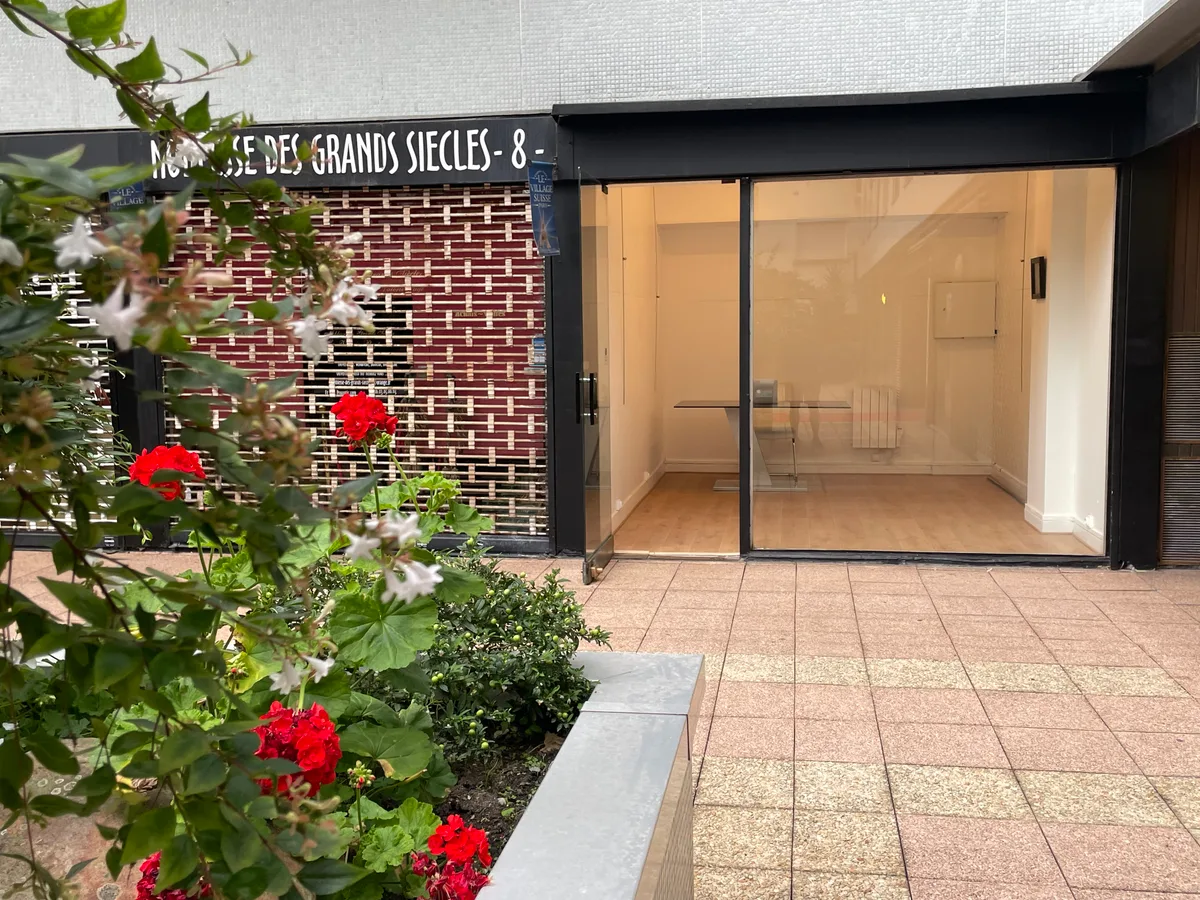
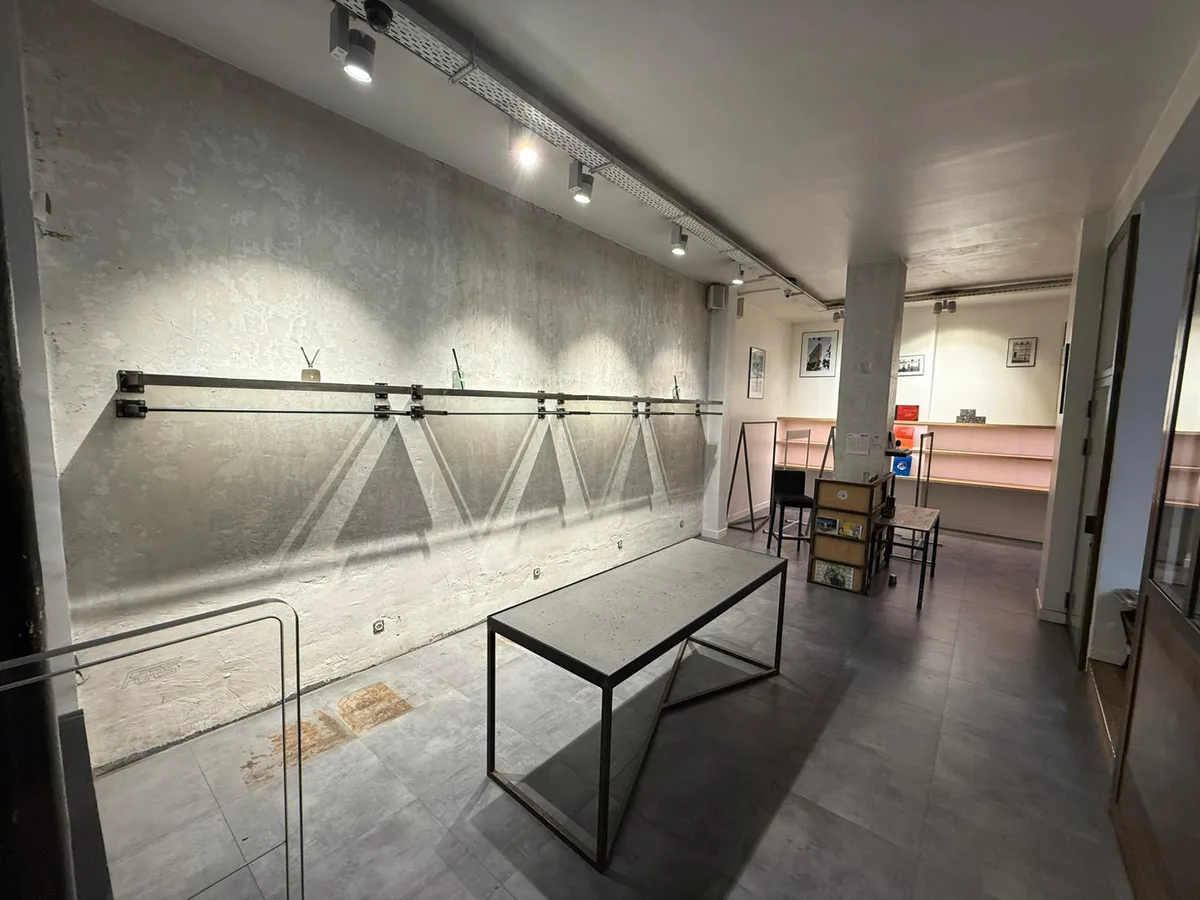
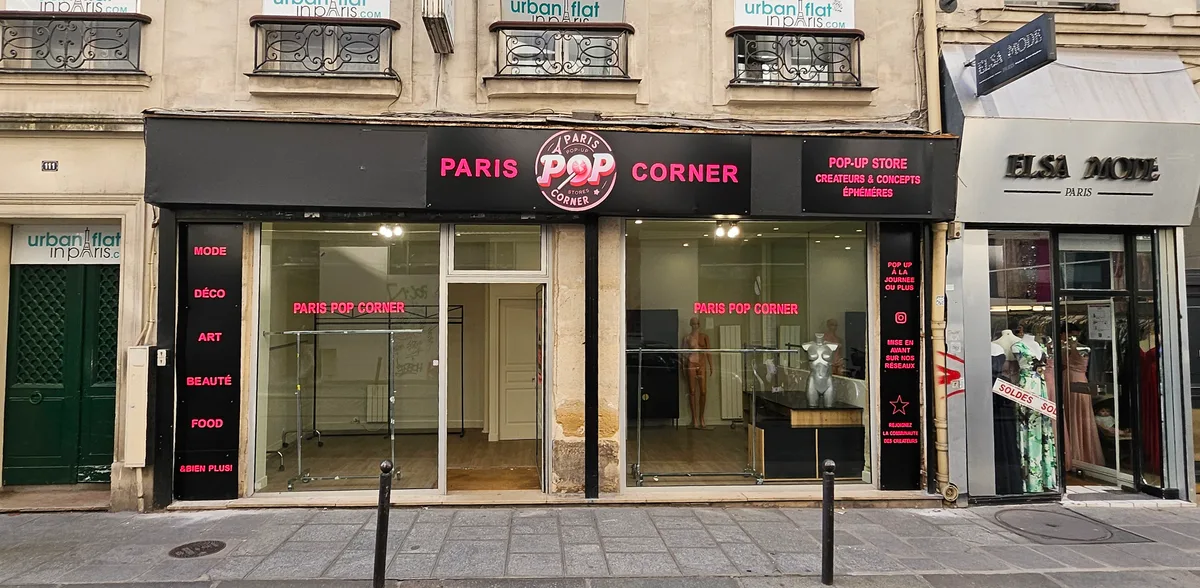
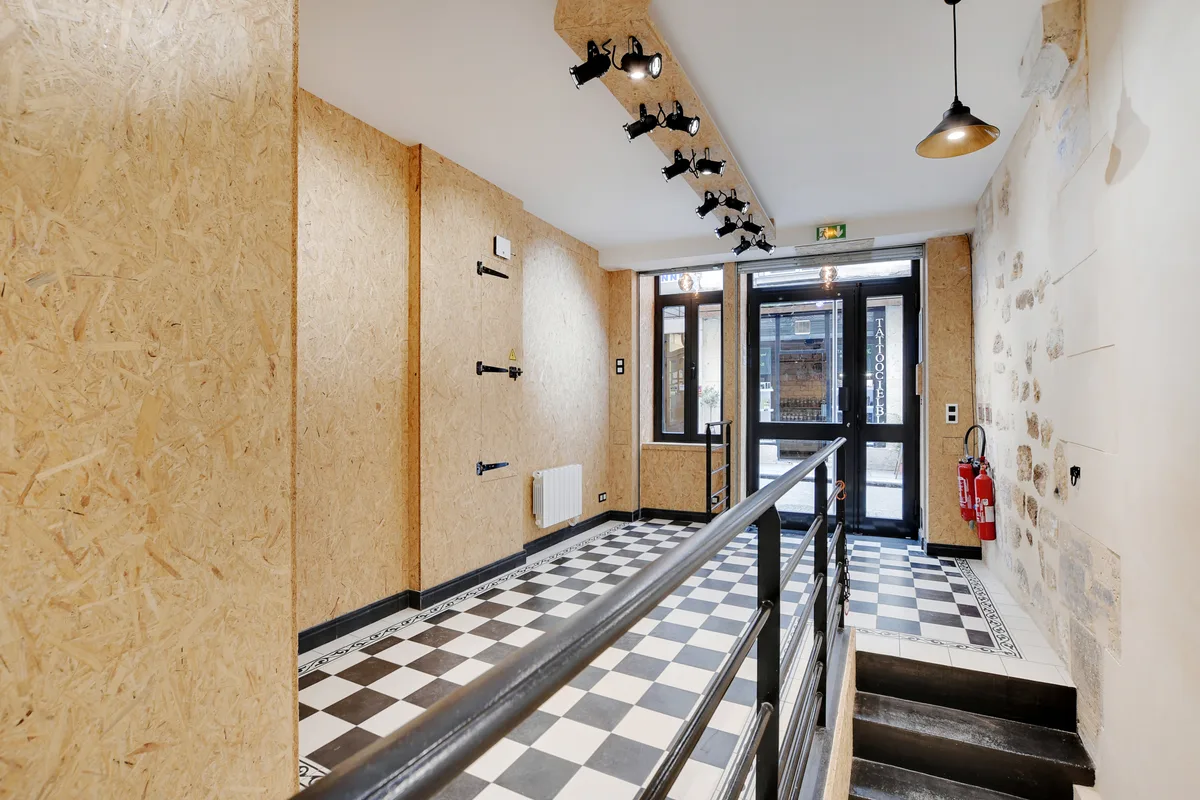
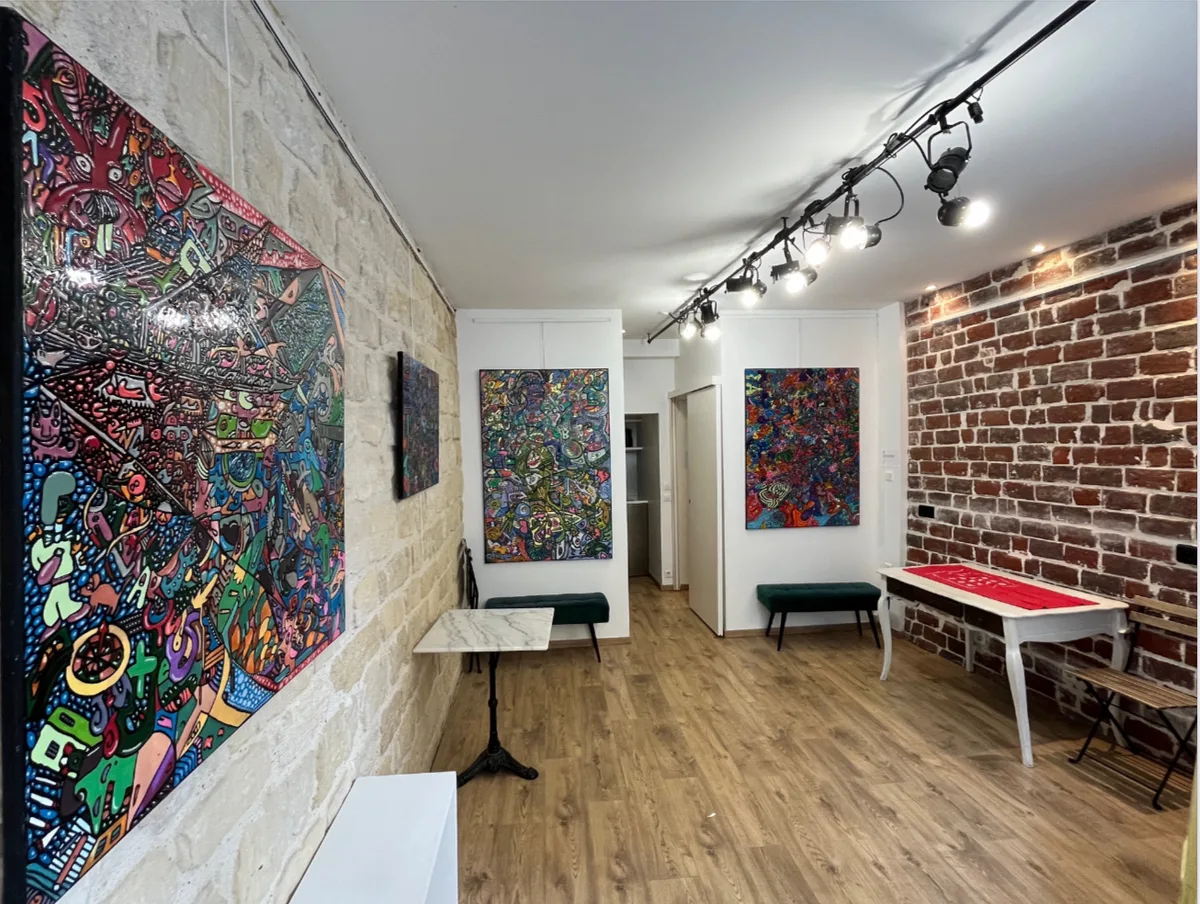
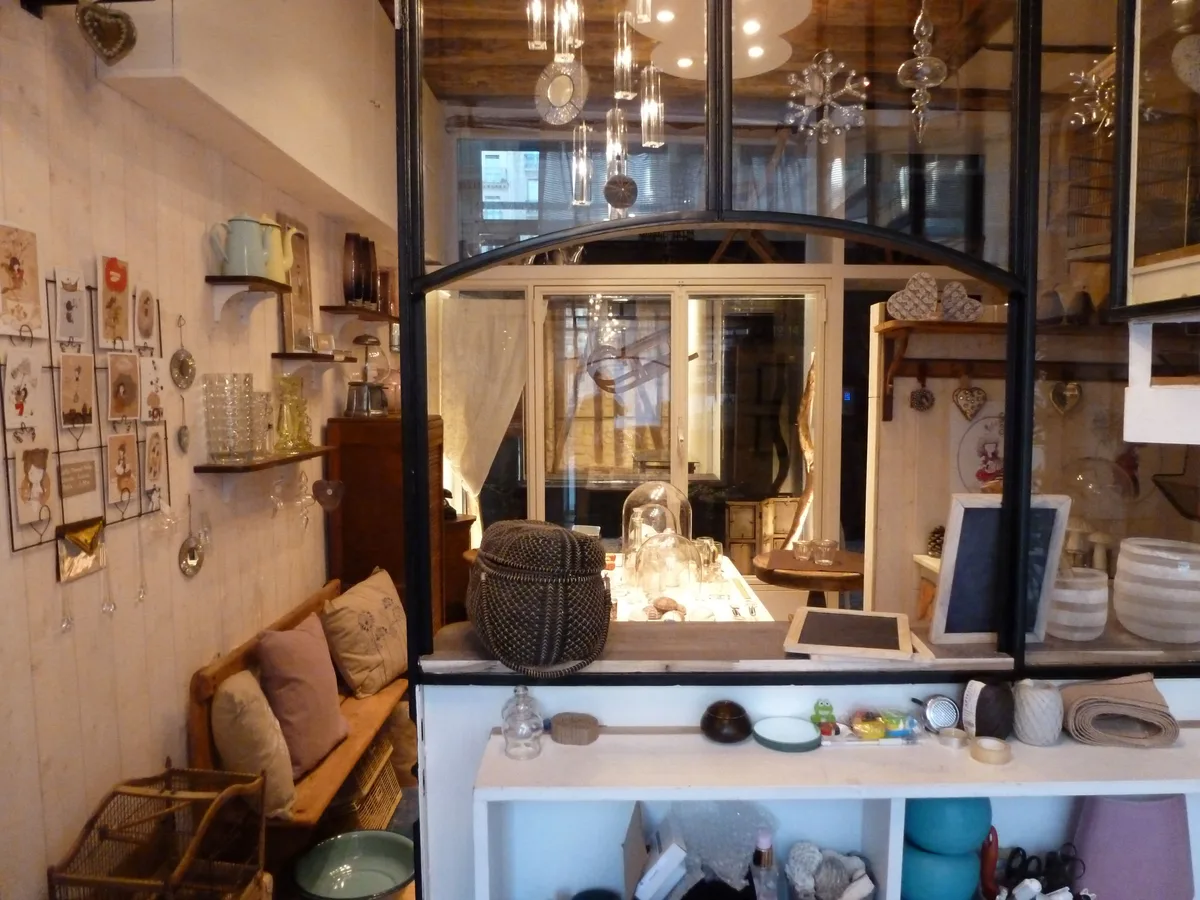
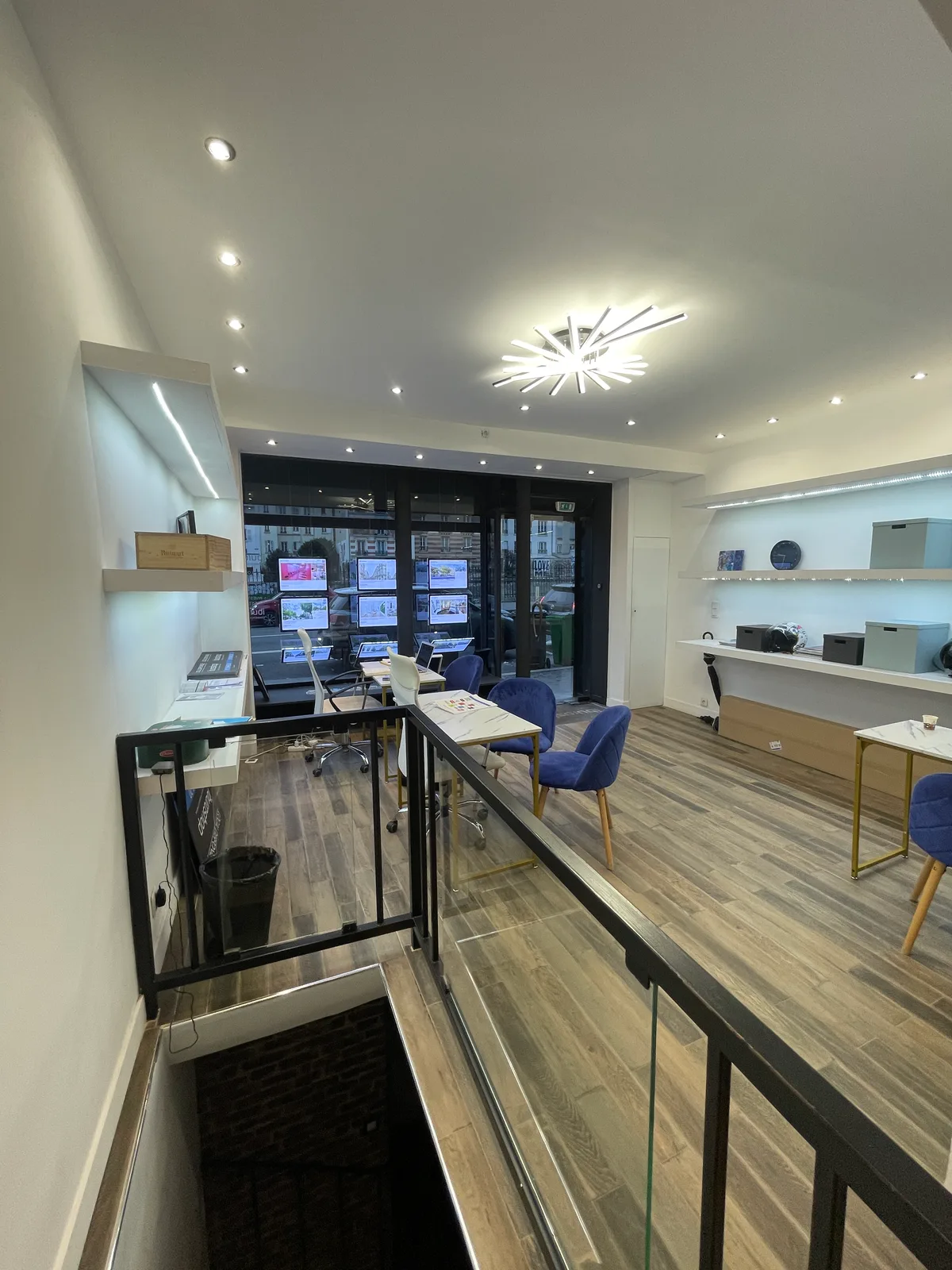
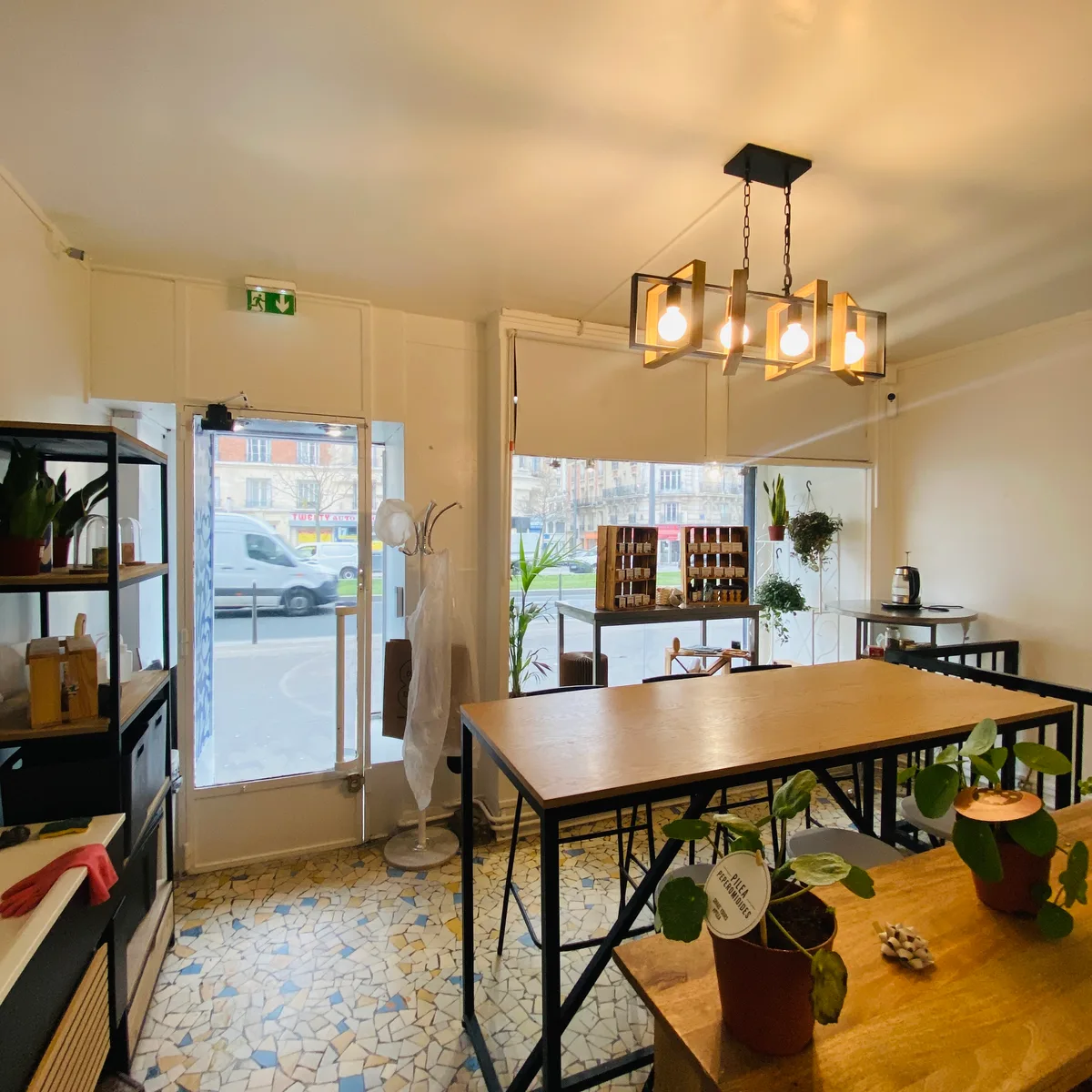
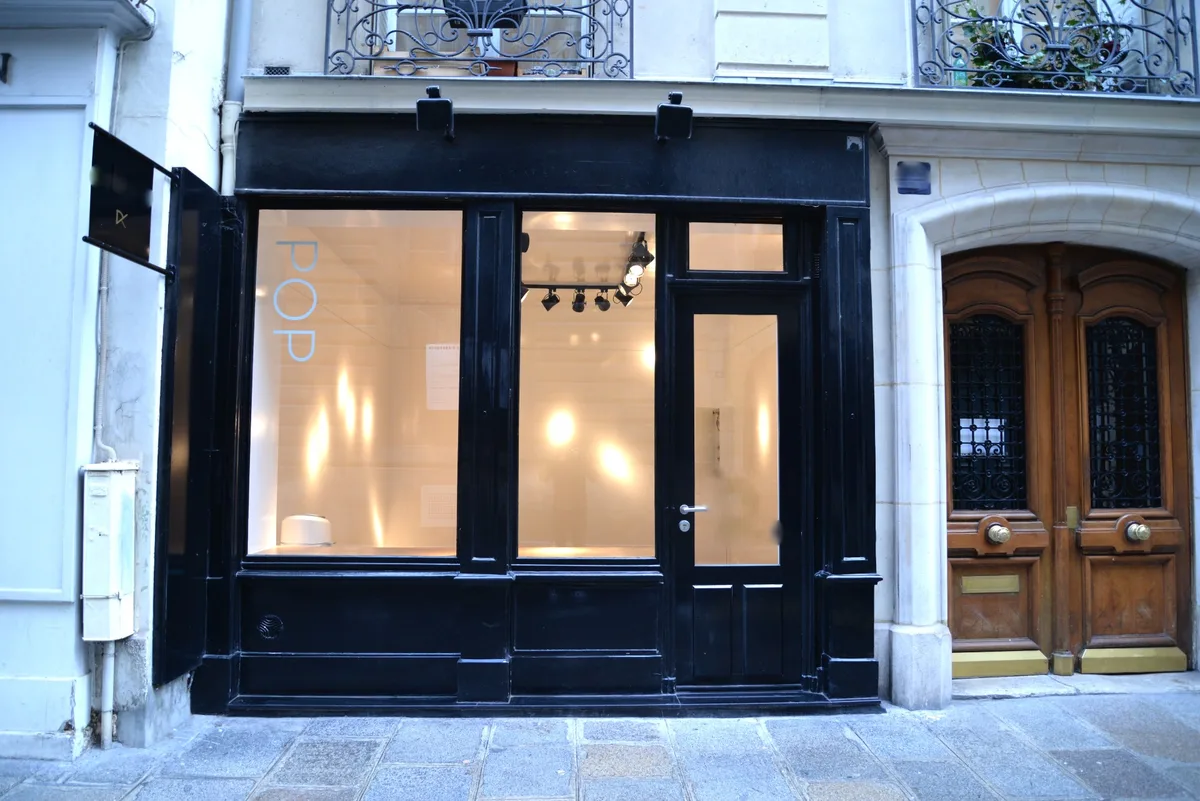
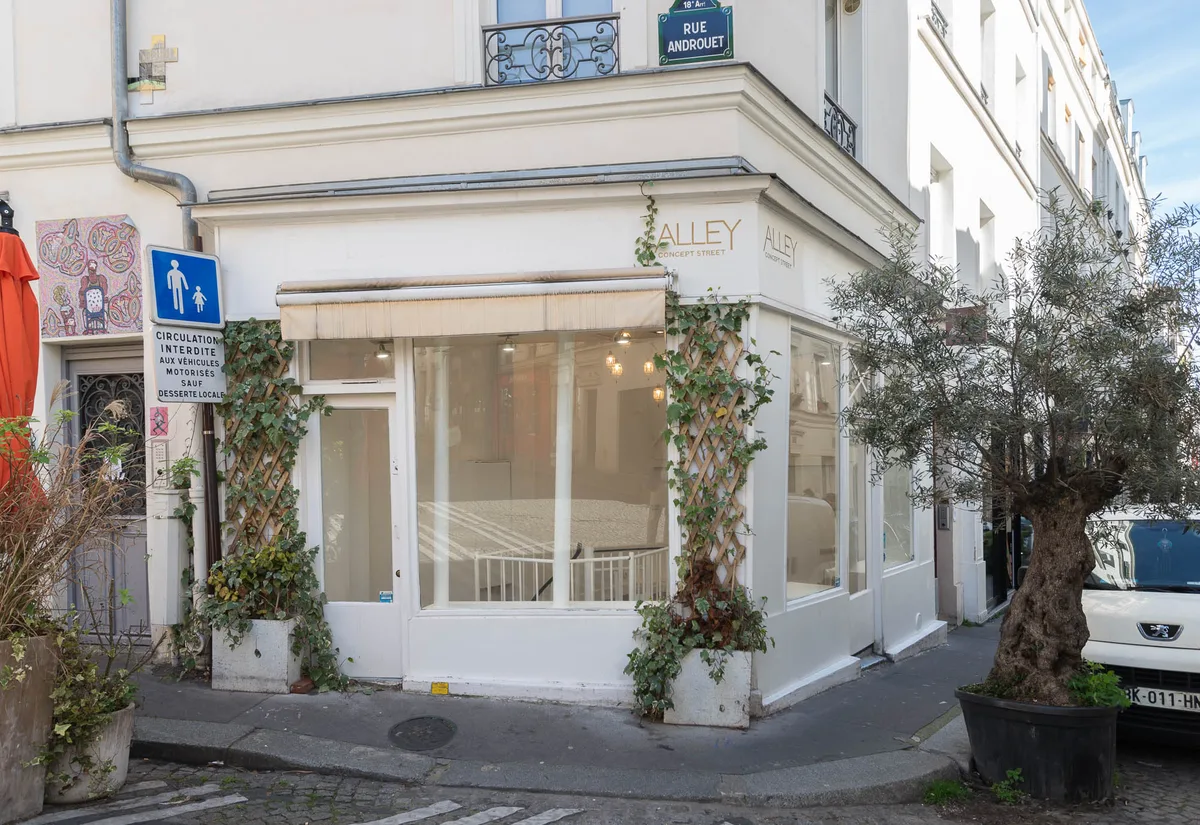
Commercial space rental Paris is one of the most competitive and logistically complex undertakings a brand or retailer can pursue. Paris sits at the centre of the global luxury and fashion calendar, and securing the right space in the right arrondissement at the right moment requires a deep understanding of French leasing law, neighbourhood dynamics, platform options, and activation timelines. Whether you are a fashion brand preparing a seasonal showroom, an international retailer testing the French market with a storefront, or an event producer sourcing a boutique venue for a brand activation, the decisions you make before signing a lease determine the success of everything that follows. Fashion Week Venues operates a dedicated Paris city hub designed to help brands navigate the full process from space discovery to activation close-out.
What Commercial Space Rental in Paris Actually Involves
Quick answer: Commercial space rental in Paris covers a wide range of property types, lease structures, and legal frameworks governed by French commercial law. Understanding the distinctions between lease types, space categories, and arrondissement contexts is essential before approaching any landlord, broker, or listing platform.
Paris is divided into 20 arrondissements, each with distinct commercial character, foot traffic profiles, zoning rules, and rental price dynamics. Commercial space rental in Paris is not a single transaction type. It encompasses long-term commercial leases known as baux commerciaux, short-term derogatory leases known as baux dérogatoires, licensing agreements, domiciliation arrangements, and pop-up specific occupation arrangements. Each category carries different rights, obligations, and regulatory expectations for both the lessor and the lessee.
For international brands and short-term activations, the bail dérogatoire is frequently the most relevant instrument. This short-term lease allows occupation of a commercial property for a duration of up to 36 months without triggering the full protections of the standard commercial lease. The lessee does not benefit from the right to lease renewal or the eviction indemnity that would apply under a standard bail commercial. This makes the bail dérogatoire attractive for brands testing the Paris market, launching seasonal pop-ups, or running event-based activations aligned with the fashion week calendar. However, both parties must explicitly agree to this structure in writing, and if the tenant remains in occupation after the 36-month ceiling without a new agreement, the lease converts automatically into a standard commercial lease with full statutory protections.
Beyond the lease itself, brands must consider additional compliance requirements: urban planning rules (Plan Local d'Urbanisme), storefront regulations that apply in historic arrondissements, VAT on commercial rents depending on landlord election status, and in some cases, specific authorisations de travaux for fit-out or leasehold improvements. Leasehold improvements in a Parisian commercial property must often be pre-approved by the landlord, and restoration obligations at lease end can create significant cost exposure if not negotiated up front.
The process of searching for commercial space in Paris involves both traditional routes through commercial real estate agents and property companies, and increasingly through digital listing platforms. International platforms such as LoopNet and CoStar provide aggregated listings of commercial properties including retail, office, and showroom spaces. Paris-specific platforms and local agencies such as MR Agency Real Estate offer market-native expertise and access to off-market opportunities that global platforms do not surface. Blue Listings, a feature model used by some aggregators, highlights premium verified listings that match specific tenant criteria with higher confidence than standard non-verified entries.
For brands pursuing short-term or event-specific commercial space rental in Paris, the conventional market search process is often unsuitable. Standard commercial real estate agents and investors focus primarily on medium and long-term tenants. Short-term rental and pop-up oriented spaces are more efficiently sourced through specialist agencies and marketplaces aligned with the brand activation and fashion industry calendar.
DID YOU KNOW: A bail commercial in France provides the lessee with a statutory right to lease renewal every nine years, and the lessor must pay an eviction indemnity if they refuse to renew. This level of tenant protection makes French commercial leases significantly different from Anglo-American equivalents and has important implications for how brands structure short-term arrangements.
KEY TAKEAWAY: Commercial space rental in Paris spans multiple lease types, legal regimes, and space categories. International brands must understand the distinction between a bail commercial and a bail dérogatoire before engaging any landlord or signing any agreement. Seeking expert local guidance before committing is not optional, it is essential.
With the legal and definitional landscape established, the next section breaks down the specific property types available in Paris and how each serves different brand and activation objectives.
Commercial Property Types Available for Rental in Paris
Quick answer: Commercial properties available for rental in Paris include retail storefronts, showrooms, boutiques, office spaces, apartments with mixed-use permissions, business centres, and fonds de commerce acquisitions. Each type serves a different operational, brand, and legal purpose, and the right choice depends on duration, footfall needs, and activation format.
Paris offers extraordinary variety in its commercial real estate stock, ranging from haussmannian ground-floor retail units in prime boulevards to converted industrial spaces in emerging eastern districts. For brands, the question is not simply what is available, but which space type best serves the activation objective, complies with relevant zoning, and can be secured within the required timeline.
Retail Storefronts and Boutiques
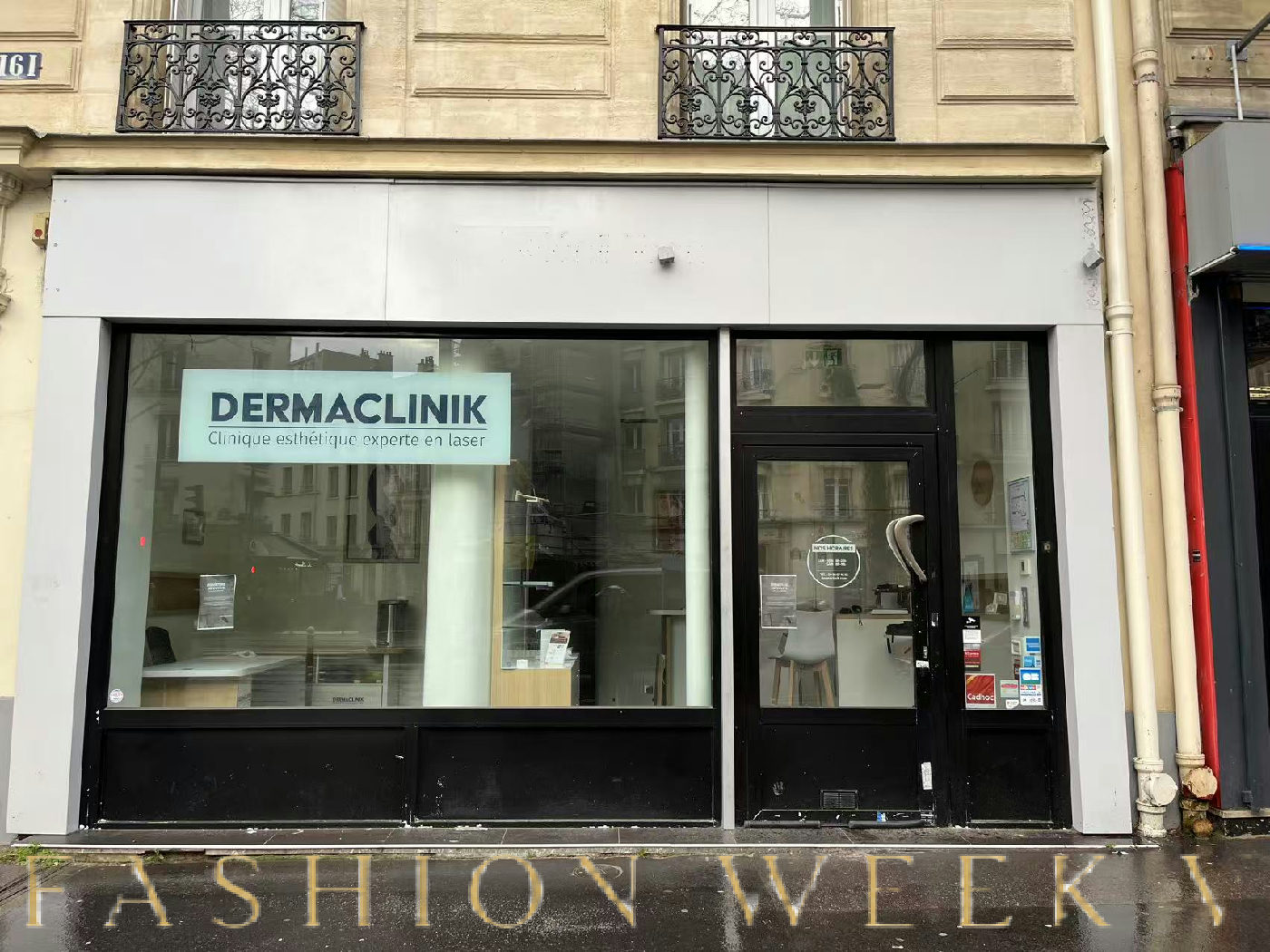
Storefronts and boutiques represent the most direct commercial space format for fashion brands, luxury labels, and lifestyle retailers. A storefront on a prime commercial street in Paris, whether in the Marais, Saint-Germain-des-Prés, or along the Champs-Élysées corridor, provides immediate retail exposure, high pedestrian traffic, and a physical brand statement. These spaces typically require the most significant leasehold improvements to align with brand identity, and regulations governing facade treatment in classified historic districts mean that any external modifications must be approved by the relevant arrondissement authority before work begins. Short-term retail pop-ups in boutique formats are increasingly in demand and are often structured on bail dérogatoire terms, typically for two to twelve weeks aligned with fashion week windows or holiday peaks.
Showrooms
Showrooms in Paris serve primarily a B2B function. Fashion labels use showrooms during Paris Fashion Week to present collections to press, buyers, and retail partners. A showroom differs from a retail boutique in that it is invitation-led, typically does not involve direct consumer sales, and prioritises presentation quality, acoustics, and spatial flow over footfall positioning. Showrooms are commonly found in the upper floors of buildings in the 1st, 3rd, 4th, 8th, and 9th arrondissements. Short-term showroom rentals aligned with the fashion calendar are frequently structured as licensing agreements or bail dérogatoire arrangements for periods of one to four weeks.
Office Space and Business Centres
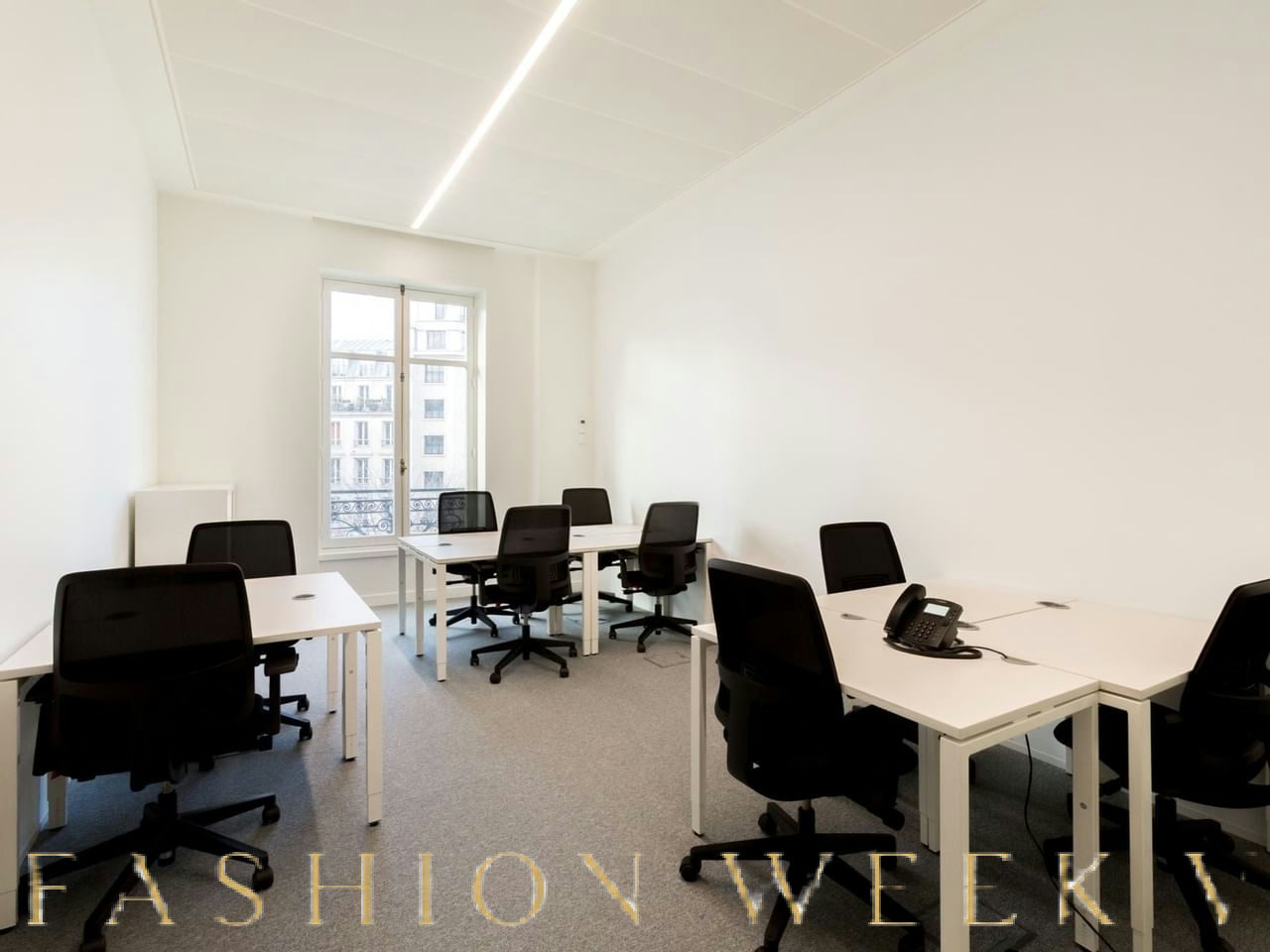
Office space in Paris is most relevant for brands establishing a temporary operational base, a press office, or a team workspace during an activation period. Business centres offer flexible, serviced arrangements that include communications infrastructure, reception services, and shared facilities. These are typically less regulated than commercial retail arrangements and can be accessed through short-term membership or service agreements rather than formal lease instruments. Major concentrations of business centre provision in Paris are found in the 8th, 9th, 15th, and 17th arrondissements.
Apartments with Mixed-Use Permissions
Some Parisian apartments, particularly in residential arrondissements with significant international traffic such as the 6th, 7th, and 16th, carry mixed-use planning permissions that allow commercial or semi-commercial activity. These spaces are popular for intimate brand presentations, editorial shoots, private client events, and small-scale showroom activity. The planning permission status must be verified explicitly, as operating commercial activity from a purely residential space without authorisation creates legal exposure for both the brand and the property owner.
Fonds de Commerce
A fonds de commerce is not simply a space rental. It is the acquisition or transfer of a business as a going concern, including the commercial lease, client base, equipment, and trading name. Some brands seeking an established Paris presence pursue fonds de commerce arrangements as a way to acquire an operational retail business with an existing bail commercial attached. This is a more complex transaction than a standard commercial space rental and requires dedicated legal and commercial advisory support.
| Space Type | Primary Use | Typical Lease Format | Activation Suitability |
|---|---|---|---|
| Retail Storefront | Direct consumer sales | Bail dérogatoire or bail commercial | High for pop-ups and brand launches |
| Showroom | B2B presentations and buyer meetings | Licensing or bail dérogatoire | High for fashion week windows |
| Boutique | Curated retail and brand experience | Bail dérogatoire or bail commercial | High for seasonal activations |
| Office Space | Team operations and press office | Service agreement or sublease | Medium for support function |
| Business Centre | Flexible workspace with services | Membership or service agreement | Medium for operational base |
| Apartment (mixed-use) | Private presentations and editorials | Licensing with permission verification | Medium for intimate activations |
| Fonds de Commerce | Business acquisition with lease | Commercial transfer agreement | Low for short-term; high for permanent entry |
KEY TAKEAWAY: Matching the space type to the activation format is a foundational decision. Brands that approach commercial space rental in Paris without clarifying which space category they need risk wasted search time, mismatched lease terms, and compliance exposure.
Location is as consequential as space type. The following section maps the principal Parisian neighbourhoods and arrondissements to understand which areas serve which commercial and brand objectives.
Parisian Locations and Neighbourhood Market Context
Quick answer: Each Parisian arrondissement and neighbourhood offers distinct positioning for commercial space rental. The Marais, Latin Quarter, Montparnasse, and Bercy serve different brand profiles and consumer audiences. Understanding vacancy rates, footfall patterns, and neighbourhood character before committing to a location is fundamental to activation success.
Paris is not a uniform commercial market. The 20 arrondissements function as distinct submarkets with different consumer demographics, property company profiles, vacancy rates, landlord types, and regulatory contexts. For brands entering the Paris market, neighbourhood selection is a strategic decision that affects brand perception, operational logistics, foot traffic volume, and media coverage.
The Marais: 3rd and 4th Arrondissements
The Marais is consistently among the most sought-after locations for fashion, luxury, contemporary design, and cultural brands seeking commercial space rental in Paris. Its concentration of independent boutiques, gallery spaces, concept stores, and heritage architecture makes it a natural home for both established luxury names and emerging labels. The Marais attracts a high proportion of international visitors alongside a locally fashion-conscious residential population. Commercial vacancy rates in the Marais tend to be among the lowest in Paris, which means that available spaces command premium rents and are absorbed quickly when they come to market. Short-term and pop-up oriented spaces in the Marais are frequently secured through specialist agencies rather than conventional commercial real estate agents, because landlords in this district often prefer operators with demonstrated activation experience.
Latin Quarter: 5th and 6th Arrondissements
The Latin Quarter and its extension into Saint-Germain-des-Prés in the 6th arrondissement offer a blend of academic prestige, cultural heritage, and high-end retail. The 6th is home to significant luxury fashion and lifestyle presence, with strong residential affluence and consistent high-spending visitor traffic. Commercial spaces here tend to be smaller in footprint, with ground-floor retail units in historic haussmannian buildings being the dominant format. Brands positioning in the intellectual or cultural space, or those seeking proximity to Parisian publishing, art, and design networks, frequently prioritise the Latin Quarter.
Montparnasse: 14th and 15th Arrondissements
Montparnasse offers a different proposition. It is more accessible in rental terms than the Marais or Saint-Germain, offers larger average unit sizes, and serves a mixed residential and office-worker audience. For brands seeking functional commercial space or operational bases at competitive rates, the 14th and 15th arrondissements are worth consideration. Showroom and office-use properties are more readily available here than in the more tourist-dense central arrondissements.
Bercy and Eastern Paris: 12th Arrondissement
Bercy and the broader 12th arrondissement have undergone significant commercial transformation over the past decade. The Bercy Village retail development, the proximity of Bercy Arena for large-scale events, and the increasing creative and tech industry presence in eastern Paris make this area relevant for brands that require larger format spaces, event-adjacent locations, or logistics convenience. Commercial rents in Bercy remain more moderate than those in central or western arrondissements, making it viable for activations that prioritise space size and cost efficiency over prestige address.
Other Key Districts
The 1st arrondissement around the Palais Royal and Les Halles is a high-footfall commercial hub with significant tourism and fashion industry presence. The 8th arrondissement around the Champs-Élysées and Rue du Faubourg Saint-Honoré represents the apex of Parisian luxury retail positioning, with some of the highest commercial rents in Europe. The 9th arrondissement, particularly around the Opéra and the Grands Boulevards, offers a transitional market between the premium western districts and the more accessible northern areas, with growing interest from contemporary fashion, beauty, and lifestyle brands.
| Neighbourhood | Arrondissement | Brand Profile Fit | Space Availability | Rental Level |
|---|---|---|---|---|
| Marais | 3rd and 4th | Fashion, luxury, design, art | Low availability, high demand | Premium |
| Saint-Germain | 6th | Luxury lifestyle, publishing, culture | Limited, small units | Premium |
| Champs-Élysées | 8th | Luxury flagships, high-profile launches | Very limited | Very high |
| Opéra and Grands Boulevards | 9th | Contemporary fashion, beauty, lifestyle | Moderate | Mid to high |
| Latin Quarter | 5th | Cultural, academic, independent retail | Limited | Mid to high |
| Montparnasse | 14th and 15th | Functional commercial, office use | Moderate to good | Mid |
| Bercy | 12th | Events, large format, logistics | Good availability | Moderate |
DID YOU KNOW: Vacancy rates across Paris prime retail streets have been under sustained pressure due to the recovery in tourism and the growth of experiential retail concepts. This means that brands relying on last-minute searches frequently find themselves competing for a very limited pool of available properties.
KEY TAKEAWAY: Neighbourhood selection in Paris is a brand positioning and operational decision simultaneously. Matching location to audience, budget, and space format at the earliest planning stage avoids costly repositioning later in the process.
Understanding who the key stakeholders are in the Paris commercial real estate market helps brands navigate the search and negotiation process more effectively. The next section profiles the principal players.
Stakeholders in the Paris Commercial Real Estate Market
Quick answer: The Paris commercial real estate market involves landlords, commercial real estate agents, specialist agencies, property companies, investors, brokers, and lessors and lessees operating under specific French legal roles. Understanding who controls what and how each party is incentivised is essential for efficient and successful space sourcing.
Paris commercial property is controlled by a diverse group of stakeholders ranging from private individual landlords who own a single boutique property to major institutional investors and property companies managing portfolios of hundreds of commercial units across the city. Each category of stakeholder behaves differently and can be engaged through different channels.
Landlords and Lessors
In French commercial property law, the lessor is the party who grants the lease. This may be an individual private owner, a family real estate company, an institutional property fund, or a property management company acting on behalf of an owner. Landlords in Paris's most sought-after commercial districts tend to be selective about tenants, particularly for short-term arrangements, because the bail dérogatoire structure requires explicit agreement and carries some risk that a tenant may seek to claim long-term rights if the relationship extends beyond 36 months. Landlords active in the pop-up and brand activation space are typically more experienced with short-term structures and present fewer obstacles than landlords whose primary focus is long-term institutional tenants.
Commercial Real Estate Agents and Property Companies
Traditional commercial real estate agents in Paris operate primarily on commission structures paid by the lessor, the lessee, or both. They manage listings, conduct viewings, draft heads of terms, and facilitate introductions between parties. Property companies may act as intermediaries or as principals who sublease spaces from primary landlords. Established firms such as MR Agency Real Estate specialise in commercial property advisory in the Paris market and provide expertise that generalist agents cannot match. For international brands unfamiliar with French commercial law, engaging a specialist commercial real estate agent adds a layer of due diligence that reduces legal and financial risk.
Brokers and Investors
Brokers in the Paris commercial property market operate at various levels of the transaction chain. Some brokers focus exclusively on investment transactions where commercial properties change ownership. Others act as tenant representatives, helping brands identify and secure space on terms that serve the lessee's interest. Investors in Paris commercial real estate include domestic institutional funds, international real estate investment trusts, family offices, and sovereign wealth vehicles. Understanding the ownership structure of a commercial property can affect negotiation leverage and the speed at which heads of terms can be agreed.
Specialist Pop-up and Brand Activation Agencies
For fashion brands, luxury labels, and event-oriented activations, specialist pop-up agencies occupy a distinct and increasingly important role in the stakeholder landscape. These agencies operate curated marketplaces of spaces pre-validated for short-term commercial use, manage relationships with landlords willing to accommodate brand activations, and provide end-to-end services that go beyond the scope of a traditional commercial real estate agent. Fashion Week Venues functions as this type of specialist agency, with venue sourcing services designed specifically for brand-oriented commercial space requirements in Paris and other major fashion capitals.
IMPORTANT: In France, any party acting as an intermediary in a commercial property transaction must hold a carte professionnelle issued under the Loi Hoguet. International brands should verify that any agent or broker they engage holds the appropriate French authorisation before committing to any representation agreement.
KEY TAKEAWAY: Navigating the Paris commercial real estate stakeholder landscape requires clarity about which type of intermediary best serves your specific brief. For short-term and event-oriented commercial space rental, specialist agencies with established landlord networks typically outperform generalist commercial agents.
With stakeholders mapped, the following section addresses the legal and lease frameworks that govern commercial space rental in Paris in detail.
Leasing and Legal Frameworks for Commercial Space in Paris
Quick answer: French commercial leasing law distinguishes between the long-term bail commercial, the short-term bail dérogatoire, and various licensing and service agreement structures. Each carries different rights and obligations for the lessor and lessee, and the consequences of misclassifying a lease arrangement can be significant for both parties.
Commercial space rental in Paris is governed primarily by the French Commercial Code (Code de commerce) and, where relevant, by specific sector regulations affecting listed buildings, historic facades, and urban planning designations. The legal framework is substantially more protective of tenant rights than many Anglo-American equivalents, which has both advantages and complications for international brands seeking flexibility.
The Bail Commercial: Long-Term Protection and Rigidity
The standard bail commercial in France runs for a minimum nine-year term, commonly referred to as 3/6/9 because the lessee has the right to terminate at the end of each three-year period with six months' notice. The lessor, by contrast, has very limited grounds to terminate during the lease term and must pay a substantial eviction indemnity to the lessee if they refuse to renew at the expiry of the nine-year term. This indemnity compensates for the loss of clientele and business value associated with the commercial location. For brands seeking permanent or extended Paris retail presence, the bail commercial provides security. For brands seeking flexibility, it creates unwanted complexity.
The Bail Dérogatoire: Short-Term Flexibility
The bail dérogatoire allows parties to contract outside the standard protection framework of the bail commercial for a maximum cumulative period of 36 months. The lease must explicitly state that both parties waive the protections of the bail commercial, and this waiver must be genuine and not a device to circumvent tenant protections. Key characteristics include: no right to lease renewal for the lessee, no eviction indemnity obligation for the lessor, shorter notice periods, and typically simpler documentation. If the tenant continues to occupy the property after the maximum 36-month period without a new agreement being signed, the arrangement automatically converts into a bail commercial with full statutory protections, which the lessor may not want and which can create significant complications.
Authorisation d'Occupation Temporaire (AOT)
For commercial space rental on public property, such as terraces, public squares, or spaces managed by public bodies, an Autorisation d'Occupation Temporaire is required. This is a permission granted by the relevant public authority for temporary commercial use of publicly owned space. AOTs are subject to specific conditions, duration limits, and may require competitive tender processes. Brands seeking to activate in locations involving public space elements, such as a market event in a public square or a branded installation on a pavement terrace, must secure the relevant AOT from the Mairie or the managing authority before the activation begins.
Leasehold Improvements and Restoration Obligations
Leasehold improvements are modifications made by the lessee to a commercial space to fit it for the intended use. In Paris, leasehold improvements in commercial properties are typically subject to landlord consent, and the lease agreement will specify whether improvements become the property of the lessor at lease expiry or whether the lessee must restore the space to its original condition. For pop-up activations involving significant fit-out, the restoration obligation can represent a meaningful proportion of the total activation budget and must be factored into planning from the outset. Some landlords of pop-up oriented spaces in Paris have developed streamlined processes for consent and restoration that make short-term fit-out more commercially viable.
TIP: Always commission a professional état des lieux (condition survey) at both the commencement and the termination of any commercial lease in Paris. This document is the primary reference point for any dispute about the condition of the property and restoration obligations.
VAT on Commercial Rents
Landlords in France may elect to charge VAT on commercial rents. If a landlord has made this election, the lessee pays rent plus 20% VAT. For brands that are VAT-registered in France, this VAT is recoverable. For international brands without a French VAT registration, it represents an additional cost. Understanding the VAT position of any commercial landlord before agreeing heads of terms is important for accurate budgeting. The budget estimation tool on Fashion Week Venues can help brands model their total space cost including ancillary charges.
For permit-related guidance specific to your planned activation, the permit guidance tool on Fashion Week Venues provides a useful starting framework, though all permit and legal questions should be verified with a qualified French legal advisor.
KEY TAKEAWAY: The legal framework governing commercial space rental in Paris is sophisticated and materially different from most other markets. Brands that rely on non-specialist advisors or attempt to apply Anglo-American leasing concepts to French property arrangements risk costly errors in lease structuring, restoration liability, and compliance.
Understanding how to search for and discover commercial spaces in Paris efficiently is the next critical step. The following section addresses digital platforms, listing tools, and market-specific search strategies.
Digital Platforms and Search Tools for Commercial Space in Paris
Quick answer: Commercial space listings in Paris are distributed across international platforms such as LoopNet and CoStar, domestic French listing services, specialist pop-up marketplaces, and direct agency channels. No single platform captures the full market, and a multi-channel search strategy is necessary for comprehensive market coverage.
The digital search landscape for commercial space rental in Paris has evolved considerably, but it remains fragmented. International brands often default to platforms familiar from their home markets, only to find that the Paris commercial property market is served differently and that the most relevant spaces for short-term and activation purposes rarely appear on generalist listing platforms at all.
LoopNet and CoStar
LoopNet and its parent company CoStar represent the most widely recognised commercial real estate listing platforms internationally. They aggregate listings across multiple property types including retail, office, and industrial categories, and offer filter tools that allow searches by location, space size, lease term, and property type. In the Paris context, LoopNet and CoStar listings tend to reflect properties represented by larger property companies and institutional-grade landlords. They are less likely to surface the smaller boutique units, gallery spaces, and short-term pop-up oriented properties that are most relevant to fashion brands and event activations. Setting up search alerts on these platforms is useful for staying informed about new listings matching specific criteria, but it should not be the only search channel used.
Blue Listings and Premium Verified Listings
Some aggregator platforms use a tiered verification system for listings, with premium verified properties differentiated from standard listings through visual indicators such as Blue Listings. These premium designations typically indicate that the landlord or listing agent has provided additional documentation, floor plans, and verified lease terms. For brands conducting initial research, filtered searches prioritising verified listings can reduce the time spent on poorly documented or outdated properties. However, premium listing status does not guarantee that the space meets specific brand requirements or that the landlord is willing to accommodate short-term arrangements.
Specialist Pop-up and Brand Activation Marketplaces
For fashion brands, luxury labels, and event producers specifically, specialist marketplaces curated for short-term commercial activation offer significant advantages over generalist platforms. These marketplaces pre-screen spaces for suitability, provide landlord profiles with track records of accommodating brand activations, include spatial data relevant to fit-out and event planning, and often offer integrated tools for comparing spaces, estimating costs, and planning timelines. The Fashion Week Venues marketplace operates on this model, providing curated commercial space listings aligned with the needs of brand teams, creative directors, and activation managers.
My Homes and Similar Hybrid Platforms
Some platforms, including models such as My Homes, operate across both residential and commercial space categories, covering mixed-use properties and apartment formats available for short-term commercial use. These can be relevant for brands seeking intimate presentation spaces, private event venues, or mixed-use properties where commercial activity is permitted alongside residential character. However, brands using these platforms must conduct thorough due diligence on planning permissions before proceeding.
Setting Up Alerts and Managing Search Criteria
Effective commercial space search in Paris requires ongoing monitoring rather than a single point-in-time search. Most platforms allow users to save search criteria and receive email notifications or platform alerts when new listings matching those criteria become available. Setting up saved searches with specific parameters covering arrondissement, space size, space type, and lease term allows brand teams to respond quickly when suitable properties come to market. Response speed is particularly important in high-demand neighbourhoods like the Marais, where suitable short-term commercial spaces can be claimed within hours of becoming available. Managing your account settings to ensure notification preferences are correctly configured, and reviewing alerts regularly rather than allowing them to accumulate, makes a material difference to search efficiency.
TIP: When setting up commercial property search alerts on any platform, configure the criteria as specifically as possible, covering arrondissement, minimum and maximum size, available date range, and property type. Generic alerts generate high volumes of irrelevant notifications that can cause teams to overlook genuinely relevant new listings. You can always adjust criteria as the search progresses based on feedback from viewings and market experience.
KEY TAKEAWAY: No single digital platform captures the full Paris commercial space market. An effective search strategy combines international platforms, local listings, specialist pop-up marketplaces, direct agency channels, and proactive alert configurations. For short-term and brand activation purposes, specialist marketplaces and agency networks typically surface the most relevant properties.
Knowing how to search is one dimension. Knowing how to plan and execute the full commercial space rental process from initial brief to activation completion is equally important. The following section presents a structured workflow for international brands pursuing commercial space rental in Paris.
Step-by-Step Workflow for Commercial Space Rental in Paris
Quick answer: Successful commercial space rental in Paris follows a structured process covering brief definition, market search, viewings, legal review, fit-out planning, compliance, activation, and close-out. Brands that compress or skip stages encounter delays, cost overruns, and compliance failures.
International brands approaching commercial space rental in Paris for the first time frequently underestimate the number of distinct stages involved and the time required at each stage. A realistic planning timeline for a short-term pop-up activation of two to four weeks in Paris, beginning from initial brief definition, typically requires a minimum of eight to twelve weeks of preparation if approached through the correct channels. Brands working with an experienced specialist agency can often compress this timeline, but cannot eliminate it entirely.
| Stage | Key Activities | Responsible Party | Typical Duration |
|---|---|---|---|
| 1. Brief Definition | Define space type, size, location, budget, dates, and activation format | Brand team | 1 to 2 weeks |
| 2. Market Search | Platform search, agency outreach, marketplace review, alert setup | Brand team and agency | 2 to 4 weeks |
| 3. Shortlisting | Compare spaces on size, location, lease terms, and landlord profile | Brand team and agency | 1 to 2 weeks |
| 4. Viewings | In-person or virtual visits, technical surveys, condition assessment | Brand team and agency | 1 to 2 weeks |
| 5. Legal Review | Lease review, bail dérogatoire structuring, AOT if required | French legal advisor | 1 to 2 weeks |
| 6. Heads of Terms Agreement | Negotiate key commercial terms before formal documentation | Brand team, landlord, advisor | 1 to 2 weeks |
| 7. Lease Signing | Execute formal lease or licensing agreement | Both parties and legal advisors | 1 week |
| 8. Fit-out Planning | Design, leasehold improvement consent, contractor selection | Brand team and production partner | 2 to 4 weeks |
| 9. Compliance and Permits | Obtain any required urban planning, facade, or AOT authorisations | Brand team and agency | 2 to 6 weeks |
| 10. Build and Installation | Physical fit-out, furniture installation, technology setup | Production partner | 1 to 2 weeks |
| 11. Activation | Run the commercial activation with staffing, sales, and events | Brand team and activation manager | Duration of lease |
| 12. Close-out | De-fit, condition survey, restoration, lease termination | Brand team and production partner | 1 to 2 weeks |
Each stage of this workflow presents distinct risks and decision points. At the brief definition stage, insufficient clarity about space requirements leads to wasted search effort and misaligned shortlists. At the legal review stage, failure to engage a qualified French advisor leads to lease structures that expose the brand to unexpected obligations. At the fit-out planning stage, insufficient landlord engagement about leasehold improvements leads to restoration disputes at lease end.
Brands that have previously executed Paris activations accumulate institutional knowledge that compresses decision cycles at each stage. Brands without this experience benefit from working with an agency partner that carries this accumulated knowledge and can accelerate the process without sacrificing rigour.
The timeline planning tool on Fashion Week Venues provides a structured framework for mapping activation milestones against the Paris fashion calendar and key commercial windows.
KEY TAKEAWAY: Commercial space rental in Paris is a multi-stage process that requires dedicated time and resources at each phase. Brands that begin planning eight to twelve weeks before their target activation window consistently achieve better outcomes than those who compress preparation timelines.
With the process mapped, the next section addresses how Fashion Week Venues specifically supports brands through this process with services and tools calibrated for the Paris commercial space market.
How Fashion Week Venues Supports Commercial Space Rental in Paris
Quick answer: Fashion Week Venues provides a full-service agency model and specialist marketplace designed specifically for brands pursuing short-term commercial space rental in Paris and other major fashion capitals. Its services cover venue sourcing, concept direction, production, activation management, staffing, and analytics, supported by a suite of planning tools.
Fashion Week Venues operates at the intersection of commercial real estate, brand strategy, and event production. For brands seeking commercial space rental in Paris for pop-up retail, showroom presentations, brand activations, or product launches, the agency offers a consolidated service model that replaces the conventional multi-agency approach of separately engaging a commercial real estate agent, an interior designer, a production company, a staffing agency, and an event manager.
Venue Sourcing and Marketplace
The venue sourcing service begins with a detailed brief process that captures the brand's requirements across space type, size, location, activation format, budget range, and calendar window. The Fashion Week Venues team then identifies candidate spaces from the marketplace and its wider landlord network, conducting initial due diligence on lease terms, planning permissions, and physical condition before presenting a curated shortlist to the brand team. This approach reduces the volume of irrelevant viewings and accelerates the path to heads of terms agreement. Brands can also browse the marketplace independently to explore available spaces and use the comparison tool to evaluate options against defined criteria.
Concept Direction and Branded Store Design
Once a space is identified, the concept direction and branded store design services translate the brand's activation objectives into a spatial concept. This covers interior layout, material palette, brand identity expression, lighting strategy, and the integration of any experiential or digital elements. For brands renting commercial space in Paris for the first time, having concept direction supported by people with knowledge of Paris building regulations, historic district requirements, and local contractor networks is particularly valuable. The concept and creative direction service is designed to integrate with the lease and fit-out process rather than running as a separate workstream.
Production, Build, and Fit-out
The production and build service covers the physical transformation of the rented commercial space from its raw condition to a fully operational branded environment. This includes contractor management, furniture procurement, leasehold improvement coordination, and compliance with any landlord or regulatory requirements governing the fit-out. The fit-out and production service manages this process within the agreed activation timeline, with coordination between the production team and the brand's creative and marketing functions.
Activation Management, Staffing, and Analytics
During the live activation period, Fashion Week Venues provides activation management support covering operational oversight, brand ambassador and retail staffing management, POS and payment system integration, and real-time analytics capture. The analytics function tracks foot traffic, sales conversion, dwell time, and engagement metrics that inform both in-activation adjustments and post-activation reporting. For brands seeking to evaluate the commercial return on their Paris pop-up investment, the ROI calculation tool provides a structured framework for modelling and measuring performance.
Influencer Marketing and Media Amplification
Commercial space rental in Paris does not generate value in isolation. The media and social amplification that surrounds a well-executed activation in a high-profile Paris location significantly extends the commercial impact beyond the physical footfall the space generates. Fashion Week Venues provides influencer marketing support calibrated to the Paris fashion and lifestyle audience, identifying content creators and media figures whose profiles align with the brand's target consumer and coordinating access to the activation space during the period that maximises content production value.
Planning Tools for Brand Teams
Beyond service delivery, Fashion Week Venues provides a range of self-service planning tools that brand teams can use at any stage of the process. The budget tool models total activation cost across space rental, production, staffing, and marketing. The timeline tool maps milestones against the fashion calendar. The permits tool provides a starting framework for understanding what authorisations may be required. The compare tool allows side-by-side evaluation of candidate spaces. The locator tool supports neighbourhood and arrondissement research. For brands at the very early stage of planning, the imagine tool provides a spatial visualisation function that helps teams articulate their space requirements before engaging in formal search.
To compare neighbourhoods and space types, explore the Paris city hub on Fashion Week Venues and shortlist spaces that match your brief, budget, and calendar window.
IMPORTANT: Fashion Week Venues does not guarantee the availability of any specific space, the approval of any permit application, or the commercial results of any activation. All representations about spaces, timelines, and outcomes are subject to verification and cannot be assumed from marketing materials or tool outputs alone.
KEY TAKEAWAY: Fashion Week Venues is structured to support international brands through the full commercial space rental process in Paris, from initial search and brief through to activation management and close-out analytics. The combination of specialist marketplace access, end-to-end service capability, and planning tool infrastructure addresses the primary pain points that international brands encounter when approaching the Paris market independently.
Budget, Cost Factors, and ROI Considerations for Paris Commercial Space
Quick answer: The total cost of commercial space rental in Paris encompasses base rent, service charges, VAT where applicable, leasehold improvement costs, restoration obligations, permit fees, production and build costs, staffing, and marketing. Directional budgeting requires early clarity across all these categories, not just the headline rental figure.
One of the most frequent planning errors made by international brands approaching commercial space rental in Paris is treating the headline rent figure as the primary budget variable. In practice, the all-in cost of a Paris commercial activation typically involves a range of additional cost categories that can collectively exceed the base rent in total value.
Base rent in Paris commercial property is typically expressed per square metre per year excluding VAT and service charges. Rents vary significantly by arrondissement, space type, floor level, frontage quality, and lease term. Prime ground-floor retail in the Marais or the 8th arrondissement commands substantially higher rents than equivalent space in Montparnasse or Bercy. Service charges (charges locatives) cover building maintenance, common area costs, and shared facility management and are typically additional to base rent. Where the landlord has elected to charge VAT, an additional 20% is applied to the rental sum.
Leasehold improvement costs for a short-term pop-up activation in Paris vary widely depending on the base condition of the space, the ambition of the brand concept, and the quality of finish required. A minimal concept using furniture rental and light brand graphics will cost considerably less than a fully custom-built immersive retail environment. Restoration obligations add a further cost dimension that must be budgeted and negotiated before lease commencement rather than addressed retrospectively.
Permit fees, where applicable, including any fees associated with AOT applications or urban planning authorisations, add a typically modest but unpredictable cost element. Production and build costs for Paris activations are subject to local contractor rates, material lead times, and the complexity of the fit-out design. Staffing costs for retail or event staff in Paris are governed by French employment law and social charges, which add significantly to gross staff cost relative to net salary levels.
For directional budget modelling, the budget estimation tool on Fashion Week Venues provides a structured framework that accounts for the principal cost categories relevant to a Paris commercial space activation. Brands should treat tool outputs as directional estimates rather than precise quotes, and should verify all cost assumptions with local suppliers and advisors before committing budgets.
TIP: Negotiate the restoration obligation at heads of terms stage, not at lease expiry. Agreeing a fixed restoration payment or a landlord waiver in exchange for enhanced rental terms is far more efficient than attempting to negotiate this point when the activation is concluding and timelines are compressed.
KEY TAKEAWAY: Total-cost budgeting for commercial space rental in Paris must account for base rent, charges, VAT, fit-out, restoration, permits, staffing, and marketing from the outset. Brands that plan on the basis of headline rental figures alone consistently experience significant budget overruns.
Common Myths About Commercial Space Rental in Paris Debunked
MYTH: You need a French legal entity to rent commercial space in Paris.
FACT: Many commercial space arrangements in Paris, particularly bail dérogatoire and licensing agreement structures used for short-term activations, can be accessed by foreign companies without a French legal entity being established. However, the exact requirements depend on the landlord, the lease structure, and the nature of the commercial activity. Some landlords require a French guarantor or a bank guarantee in lieu of a local entity. Brands should verify the specific requirements of each landlord and seek advice from a French legal advisor before assuming that entity status is irrelevant.
MYTH: Paris Fashion Week is the only viable calendar window for commercial space activation in Paris.
FACT: While the fashion week calendar creates concentrated demand and media attention that amplifies activation impact, Paris offers commercially productive activation windows throughout the year. Key periods include the January and July haute couture weeks, the January and June menswear weeks, the September and March ready-to-wear weeks, the Christmas and holiday retail period, the summer tourist peak, and Maison and Objet in January and September. Each window serves different audience profiles and activation objectives. Brands focused on consumer retail may find non-fashion-week windows less crowded and competitively priced for commercial space.
MYTH: Commission brokers are the only way to find commercial space in Paris.
FACT: Traditional commission-based commercial real estate brokers are one channel for finding commercial space in Paris, but they are far from the only option. Digital listing platforms, specialist pop-up marketplaces, direct landlord relationships, and full-service activation agencies all provide access to commercial space in Paris. For short-term and brand activation purposes, specialist agencies and curated marketplaces frequently provide access to spaces that conventional brokers do not represent, because those spaces are managed through direct landlord relationships rather than open-market listings.
MYTH: Short-term commercial leases in Paris are legally straightforward and require minimal specialist help.
FACT: Short-term commercial leases in Paris, particularly bail dérogatoire arrangements, operate within a specific legal framework that requires explicit compliance with French commercial law to be valid. If a bail dérogatoire is incorrectly structured, it may be reclassified as a bail commercial, exposing the lessor to full statutory tenant protections including the right to lease renewal and the eviction indemnity. The documentation must be clear, the parties must genuinely agree to the derogation, and the maximum 36-month cumulative period must be respected. French legal advice is not optional for any brand seeking to protect its interests in a Paris commercial space arrangement.
MYTH: Finding a commercial space in Paris on a listing platform means the space is immediately available and suitable for brand activation.
FACT: Listing platforms, whether international such as LoopNet and CoStar or domestic French services, frequently carry outdated information. A listed property may already be under offer, may have planning restrictions that prevent the intended commercial use, or may require leasehold improvements that are not permissible under the current lease. Brands must conduct direct verification with landlords or agents and commission appropriate surveys before treating any listing as confirmed and available.
Frequently Asked Questions About Commercial Space Rental in Paris
What is the difference between a bail commercial and a bail dérogatoire in Paris?
A bail commercial is a long-term commercial lease in France that runs for a minimum nine-year term and provides the lessee with statutory rights including the right to lease renewal and protection against eviction without compensation. A bail dérogatoire is a short-term lease arrangement, permissible for a maximum cumulative duration of 36 months, in which both parties explicitly waive the protections of the bail commercial. The bail dérogatoire is commonly used for pop-up activations, seasonal retail, and brand presentations in Paris. If a tenant remains in occupation after the 36-month limit without a new agreement, the arrangement automatically converts into a bail commercial. Specialist legal advice is essential when structuring either type of lease.
Do I need a French company to rent commercial space in Paris?
Not necessarily, but the answer depends on the landlord, the type of lease, and the nature of the planned commercial activity. Many Paris landlords are willing to contract with foreign companies for short-term bail dérogatoire arrangements, often requiring a bank guarantee or surety in lieu of a domestic entity. For standard bail commercial arrangements, a French entity may be more commonly required. Some licensing and service agreement structures have even fewer entity requirements. Brands should verify the specific landlord requirements for each property they consider and seek advice from a French legal advisor before making assumptions about entity requirements.
How far in advance should I start searching for commercial space in Paris?
For activations aligned with Paris Fashion Week windows or other major calendar events, beginning the search process eight to twelve weeks in advance of the planned activation start date is a practical minimum. Prime spaces in high-demand neighbourhoods such as the Marais and Saint-Germain frequently become available and are claimed within very short windows, so early market engagement is essential. Brands requiring significant fit-out or leasehold improvements need additional lead time for design, landlord consent, and contractor scheduling. Working with a specialist agency can compress some stages of the timeline but cannot eliminate the minimum preparation period required for a compliant and well-executed activation.
What permits are required for a commercial pop-up in Paris?
Permit requirements for commercial pop-ups in Paris depend on the space type, the planned activities, the arrondissement, and whether any physical modifications to the property are involved. For indoor commercial activations in spaces with existing retail planning permissions, permits may be limited to any required fit-out authorisations and landlord consent. For activations involving external signage, facade modifications, or outdoor elements, additional authorisations from the arrondissement Mairie may be required. For any activity on public land, an Autorisation d'Occupation Temporaire from the relevant public authority is necessary. Requirements vary by case, and brands should use the permit guidance tool as a starting framework and verify all specific requirements with a qualified local advisor before proceeding.
What does a leasehold improvement mean in the context of a Paris commercial lease?
Leasehold improvements are physical modifications made by the tenant to a commercial space to adapt it for their intended use. This covers everything from painting and signage to structural partition walls, flooring replacement, lighting installation, and fitted furniture. In Paris, leasehold improvements typically require prior written consent from the landlord and may be subject to regulations from planning authorities in historic districts. The lease agreement will specify whether improvements remain as the property of the landlord at lease expiry or whether the tenant must restore the space to its original condition. For pop-up activations involving significant fit-out, the restoration obligation must be negotiated and budgeted before lease commencement.
Which arrondissements are most suitable for fashion brand pop-ups in Paris?
The most sought-after arrondissements for fashion brand pop-ups in Paris are the 3rd and 4th (the Marais), the 6th (Saint-Germain-des-Prés), and the 8th (Champs-Élysées and Rue du Faubourg Saint-Honoré). The 1st around the Palais Royal and the 9th around the Opéra are also strong locations for contemporary fashion and lifestyle brands. The most suitable arrondissement for a specific brand depends on the target consumer profile, the activation format, the budget, and the positioning the brand seeks to communicate through its Paris presence. Specialist agencies can provide neighbourhood guidance calibrated to specific brand briefs.
How do I set up a commercial property search alert for Paris listings?
Most commercial real estate platforms allow registered users to save search criteria and activate email or platform notifications when new listings matching those criteria are published. To set up an effective alert for Paris commercial space, define your search parameters as specifically as possible covering arrondissement, space size range, space type, available date, and lease term. Platforms such as LoopNet and CoStar offer this functionality through user account settings. Specialist pop-up marketplaces may offer similar alert functions tailored to activation-format requirements. Review and manage your alerts regularly to avoid notification fatigue and ensure you respond promptly when relevant new listings appear.
What is an eviction indemnity and does it apply to short-term commercial leases in Paris?
An eviction indemnity is a statutory compensation payment that a lessor under a standard bail commercial must pay to a lessee if they refuse to renew the commercial lease at the end of the nine-year term. It is designed to compensate the tenant for the loss of business value and clientele associated with their commercial location. The eviction indemnity does not apply to bail dérogatoire arrangements because the lessee explicitly waives the protections of the bail commercial at the outset of the lease. This is one of the reasons that the bail dérogatoire is preferred by landlords for short-term arrangements, as it removes the eviction indemnity liability that would otherwise apply to a standard commercial tenancy.
Can I rent a Parisian apartment for commercial use as a brand showroom?
In some cases, yes, but only where the property has the appropriate planning permission for the intended commercial use. Some apartments in Paris, particularly in arrondissements with a history of mixed professional and residential use such as the 6th, 7th, and 16th, carry permissions that allow professional or commercial activity. However, operating commercial activity from a property without the correct planning designation is a compliance risk for both the brand and the landlord. Any apartment being used as a commercial showroom must be verified for appropriate planning status, and the lease or licensing arrangement must reflect the commercial nature of the use.
What is a fonds de commerce and is it relevant for a short-term brand activation?
A fonds de commerce is the French legal concept of a business as a going concern, encompassing the commercial lease, clientele, trading name, equipment, and other business assets. Acquiring a fonds de commerce means taking on an existing commercial business with its associated lease rather than entering a new lease independently. For brands seeking to establish a permanent or semi-permanent Paris retail presence, a fonds de commerce acquisition may be relevant. For short-term pop-up activations, it is generally not the appropriate structure. However, brands that identify a relevant existing Paris retail business may find that a fonds de commerce acquisition accelerates market entry compared to sourcing and fitting out a new space from scratch.
How do digital listing platforms like LoopNet differ from specialist pop-up marketplaces for Paris space search?
LoopNet and similar commercial real estate platforms aggregate listings primarily from institutional landlords and commercial real estate agents, covering office, retail, and industrial properties across a broad market. They are useful for initial market research and for understanding the general commercial property landscape. Specialist pop-up marketplaces, by contrast, curate spaces specifically suited to short-term brand activations, with landlord profiles that reflect experience of brand activation use, spatial data relevant to fit-out and event planning, and integrated tools for cost estimation and timeline planning. For fashion brands and activation-focused commercial space rental, specialist marketplaces typically deliver more relevant results with less search friction than generalist platforms.
What are the typical vacancy rates for commercial retail space in Paris prime districts?
Vacancy rates in Paris prime retail districts including the Marais, Saint-Germain, and the Champs-Élysées area are among the lowest in European retail property markets, reflecting sustained demand from both domestic and international brands for limited commercial space in these high-footfall, high-prestige locations. Vacancy rates in secondary and emerging districts are higher, providing more options for brands with flexible location requirements. Specific vacancy rate data for Paris commercial retail should be sourced from current market reports published by commercial property advisors active in the French market, as rates fluctuate with broader economic conditions and seasonal leasing patterns.
Should I use a commercial real estate agent or a specialist pop-up agency for Paris space search?
The answer depends on your activation format and timeline. For long-term or permanent commercial premises, a traditional commercial real estate agent with French market expertise is appropriate. For short-term pop-up activations, showroom rentals, and brand event spaces, a specialist pop-up agency with established landlord relationships and activation management capability typically delivers faster and more relevant results. Many brands with repeat Paris activation programmes use both channels, relying on specialist agencies for activation-format spaces and conventional agents for any longer-term operational requirements. Reviewing the agency selection guidance on Fashion Week Venues provides additional criteria for evaluating which type of partner best suits a specific brief.
What are the key lease renewal terms I should understand before signing a commercial lease in Paris?
For a standard bail commercial, the lessee has the right to renew the lease at the end of each three-year period or at the end of the nine-year term, subject to statutory conditions. The lessor must provide formal notification within specific timeframes if they intend to refuse renewal, and refusal triggers the eviction indemnity obligation. For a bail dérogatoire, there is no right to renewal. The arrangement terminates at the agreed end date, and both parties must explicitly agree to any extension. If the lease is extended beyond the 36-month maximum for a bail dérogatoire without being reclassified, it automatically converts to a bail commercial. Understanding these renewal terms before signing is essential for managing exit planning and financial exposure accurately.
How can I model the ROI of a Paris commercial space activation before committing?
Modelling the return on investment for a Paris commercial space activation requires inputs across revenue projections, cost categories, brand equity metrics, and media value. Revenue projections should cover direct sales, wholesale introductions facilitated by the activation, and any DTC channel uplift attributable to the Paris presence. Cost categories include space rental, fit-out, restoration, staffing, permits, production, and marketing. Brand equity and media value metrics include press coverage, influencer reach, social media impressions, and earned media equivalency. The ROI calculation tool on Fashion Week Venues provides a structured framework for modelling these inputs against each other. Directional outputs should be validated against benchmarks from comparable past activations where available.
Conclusion: Making Commercial Space Rental in Paris Work for Your Brand
Commercial space rental in Paris is one of the most powerful market entry and brand amplification strategies available to fashion brands, luxury labels, and international retailers. Paris provides unmatched concentration of media, buyers, consumers, and cultural authority, and a well-executed commercial activation in the right Paris neighbourhood at the right calendar moment delivers commercial and brand value that few other markets can replicate. The path to that outcome runs through a clear understanding of French leasing law, neighbourhood dynamics, stakeholder relationships, cost structure, compliance requirements, and the operational discipline to execute a complex multi-stage process within tight timelines.
Brands that approach commercial space rental in Paris with a structured brief, adequate lead time, qualified local advisors, and the right agency partnerships consistently achieve better outcomes than those who rely on speed, improvisation, or transferable assumptions from other markets. The Paris commercial property market rewards preparation and penalises shortcuts, particularly in the legal and compliance dimensions where the consequences of error can extend well beyond the duration of the activation itself.
Fashion Week Venues is designed to support brands through this process from first search to final close-out, with the marketplace infrastructure, service capability, and planning tool suite to make Paris commercial space rental accessible and manageable for teams at every scale. To move from research to activation, start exploring available spaces on the Fashion Week Venues marketplace and build a focused brief for your target neighbourhood, space type, and calendar window.