Finding the right space to rent a pop-up store in the Latin Quarter of Paris requires more than a quick search. Brands entering Paris for fashion activations, product launches, showroom presentations, or short-term retail events need to understand the neighbourhood, the space types available, the permit framework, and the logistical realities before committing budget and calendar time. The Latin Quarter sits within the 5th arrondissement and sits adjacent to Saint-Germain-des-Prés, giving it a unique mix of student energy, cultural prestige, and significant tourist foot traffic. Fashion Week Venues covers the full Paris market, helping brands identify spaces across the city's most commercially active districts and manage every element of a successful activation.
What Makes the Latin Quarter a Strong Location for a Pop-Up Store or Showroom
Quick answer: The Latin Quarter offers a distinctive combination of cultural credibility, high pedestrian foot traffic, and proximity to Saint-Germain-des-Prés, making it a compelling location for fashion brands, beauty brands, and concept-driven retail activations seeking an audience that values both heritage and contemporary design.
The Latin Quarter occupies the 5th arrondissement on the Left Bank of the Seine. It is one of the oldest inhabited parts of Paris, anchored by the Sorbonne, the Panthéon, and a dense network of independent bookshops, galleries, and restaurants. For brands, this environment communicates intellectual seriousness and cultural depth, which can be extremely valuable when positioning a fashion showroom, an art gallery installation, or a limited-edition product launch.
Foot traffic in the Latin Quarter is consistent and diverse. The neighbourhood draws students, academics, international tourists, and residents from some of Paris's most affluent postcodes. Weekend foot traffic peaks significantly, particularly along the main thoroughfares connecting the Seine to the Panthéon and radiating through the smaller side streets. A pop-up store positioned on a well-chosen street here benefits from natural discovery as well as planned marketing efforts.
The adjacency to Saint-Germain-des-Prés matters commercially. The 6th arrondissement immediately to the west hosts designer boutiques, established concept stores, and a well-curated retail environment. Brands that open in the Latin Quarter can draw audiences moving between these two districts, and the softer rental rates compared to the most central 1st or 8th arrondissement positions can make a Latin Quarter space more commercially viable for a short-term activation.
Compared to Le Marais, which spans the 3rd arrondissement (75003) and parts of the 4th, the Latin Quarter offers a quieter and more academic atmosphere. The Marais benefits from high-density retail around streets like Rue de Bretagne, Rue Vieille-du-Temple, and Rue des Francs-Bourgeois, which funnel large volumes of fashion-conscious consumers past concept stores and gallery spaces daily. The Marais is the dominant choice for fashion brands seeking maximum brand visibility during Paris Fashion Week, but the Latin Quarter offers something different: intimacy, cultural resonance, and a community of consumers who engage deeply with the brands they encounter.
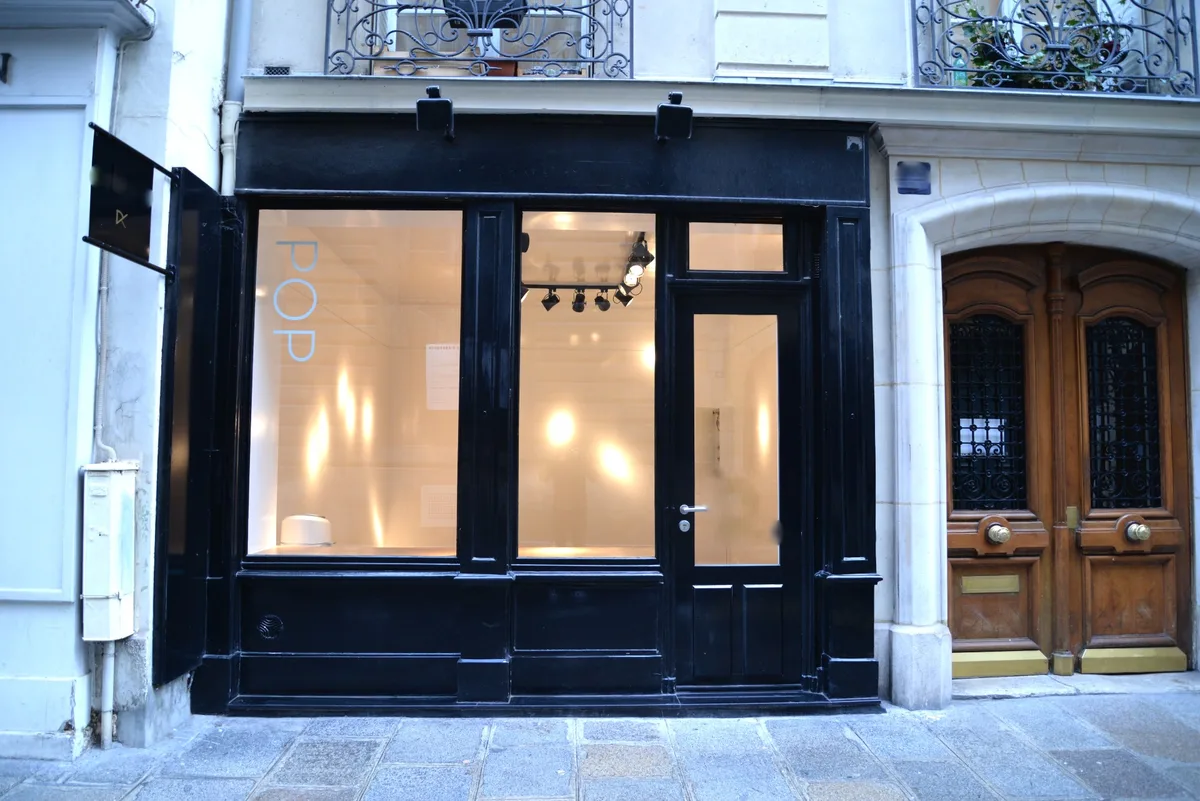
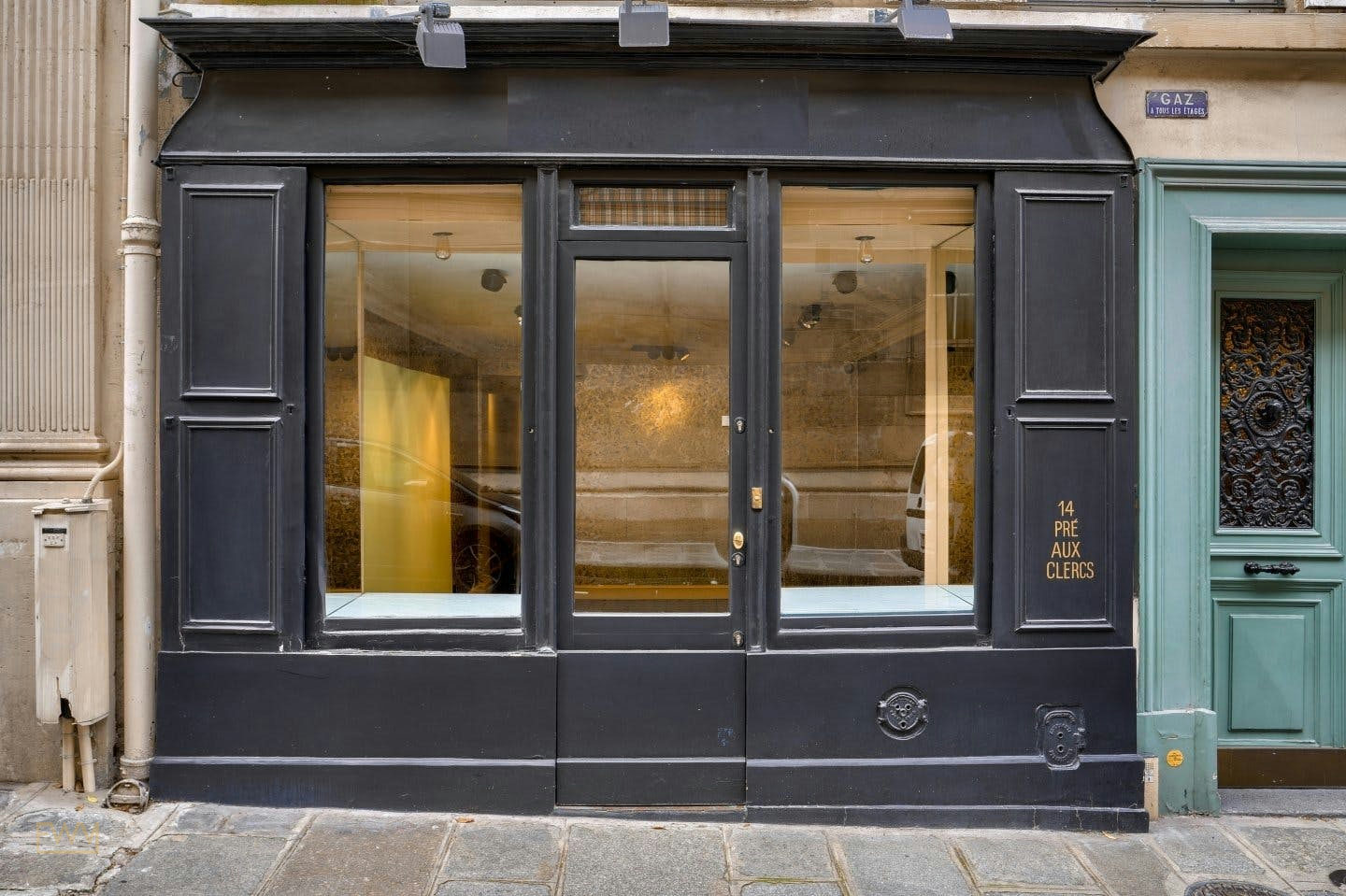
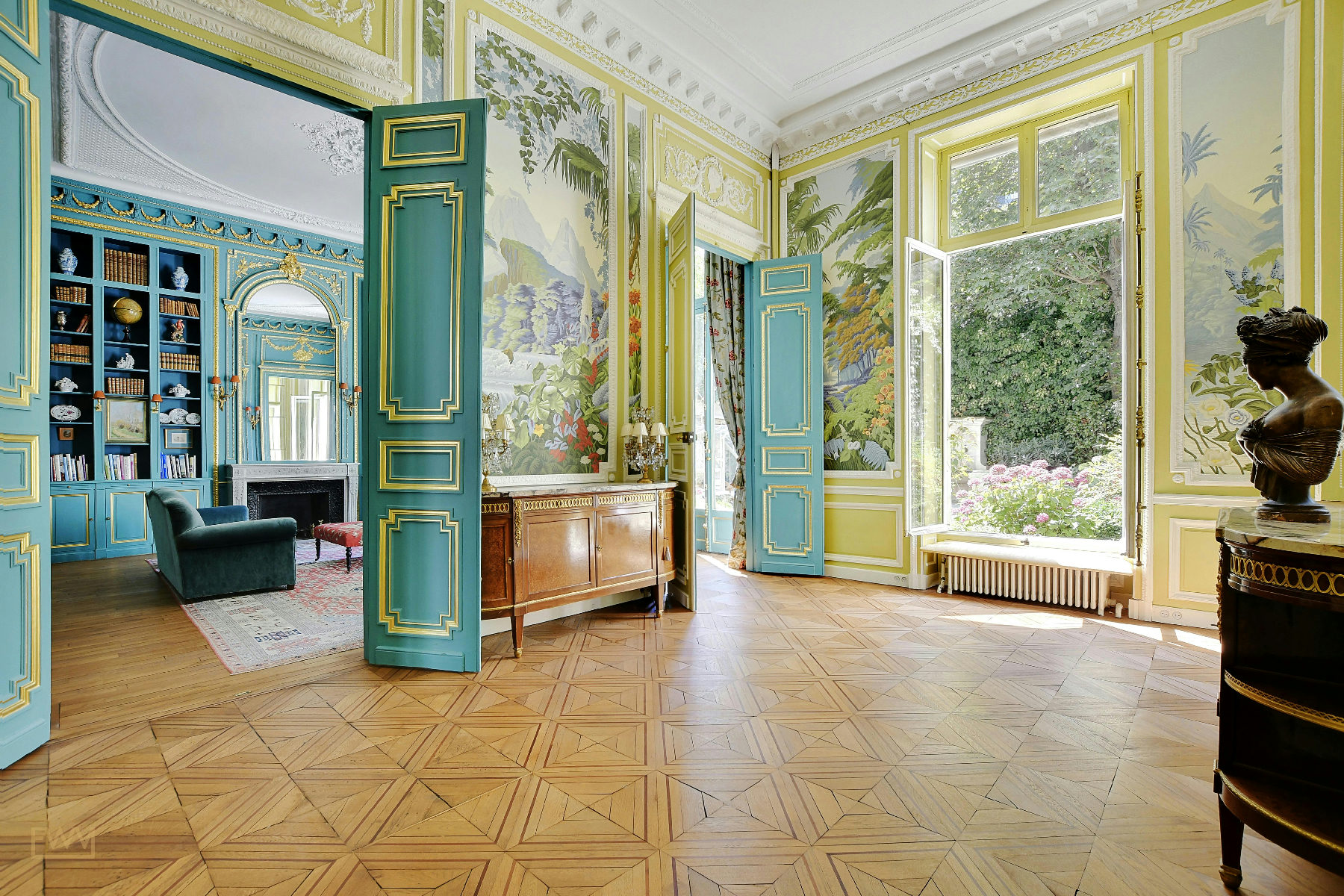
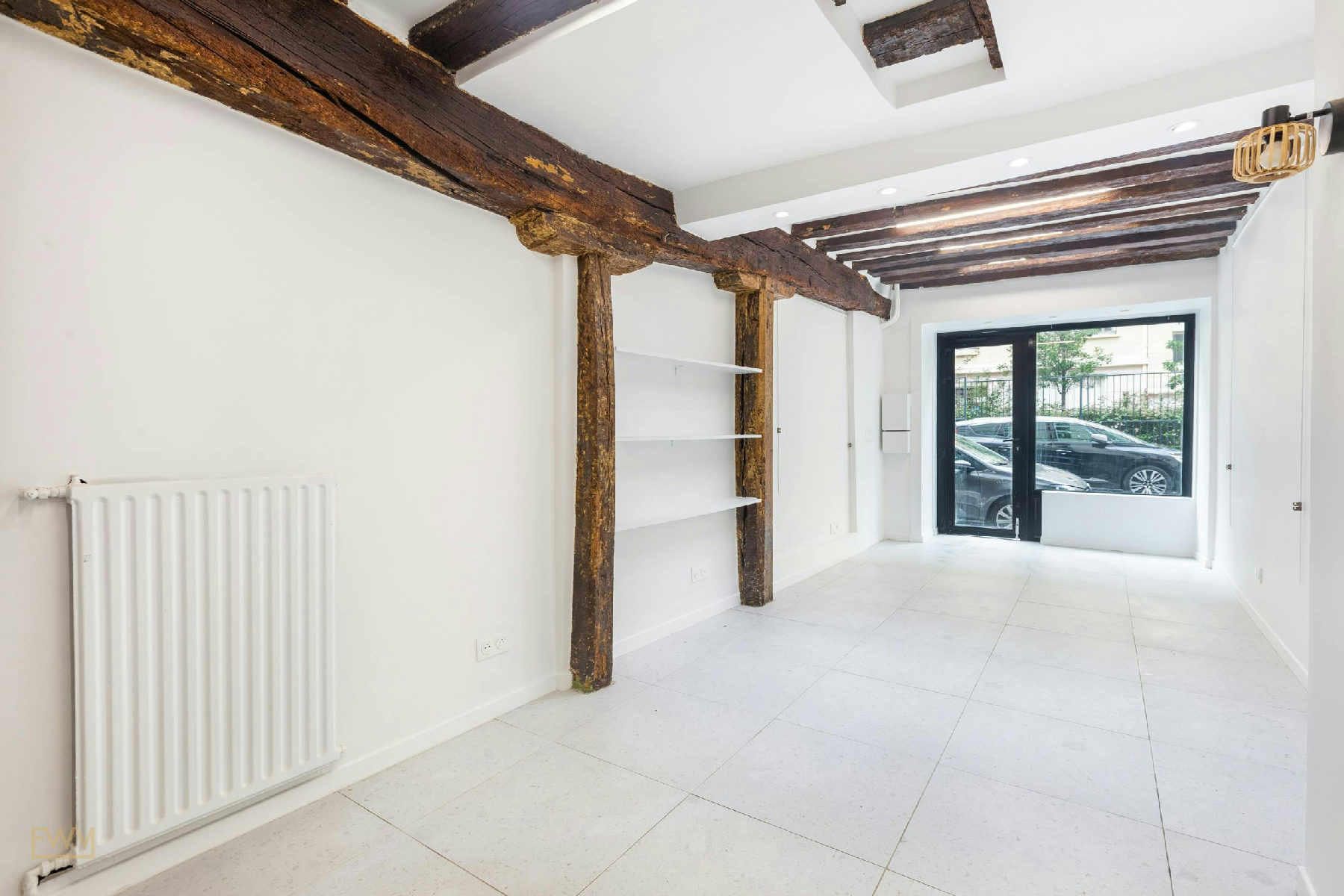
Space types available in the Latin Quarter include ground-floor storefronts, converted gallery spaces, courtyard studios, and apartment-style showroom formats. Many buildings retain their Haussmann-era architectural detail, giving activations a natural aesthetic backdrop that communicates luxury without requiring extensive fit-out investment.
DID YOU KNOW: The 5th arrondissement has one of the highest concentrations of independent cultural institutions in Paris, including theatres, music venues, and art galleries, giving fashion activations a built-in community audience that extends well beyond standard retail demographics.
KEY TAKEAWAY: The Latin Quarter is not simply a secondary option to the Marais or Saint-Germain. It is a distinct retail and cultural environment that rewards brands who understand its audience and align their activation concept with the neighbourhood's intellectual and aesthetic identity.
Understanding why the Latin Quarter works for a pop-up is only the first step. The next question is how to navigate Paris's space rental landscape to find and secure the right venue for your brand.
Understanding Pop-Up Store Formats and Space Types Available in Paris
Quick answer: In Paris, pop-up stores can take many forms, including storefronts, gallery spaces, apartment showrooms, courtyard studios, and converted industrial units, each suited to different brand positioning goals, team sizes, production budgets, and activation durations.
Before searching for a specific space, brand teams need to define which format best serves their objectives. A fashion showroom presenting a seasonal collection to press and buyers requires different space characteristics than a direct-to-consumer retail pop-up targeting foot traffic from the street. A product launch event with a cocktail party element needs different technical infrastructure than a week-long boutique selling clothing and accessories.
Storefront and Boutique Spaces
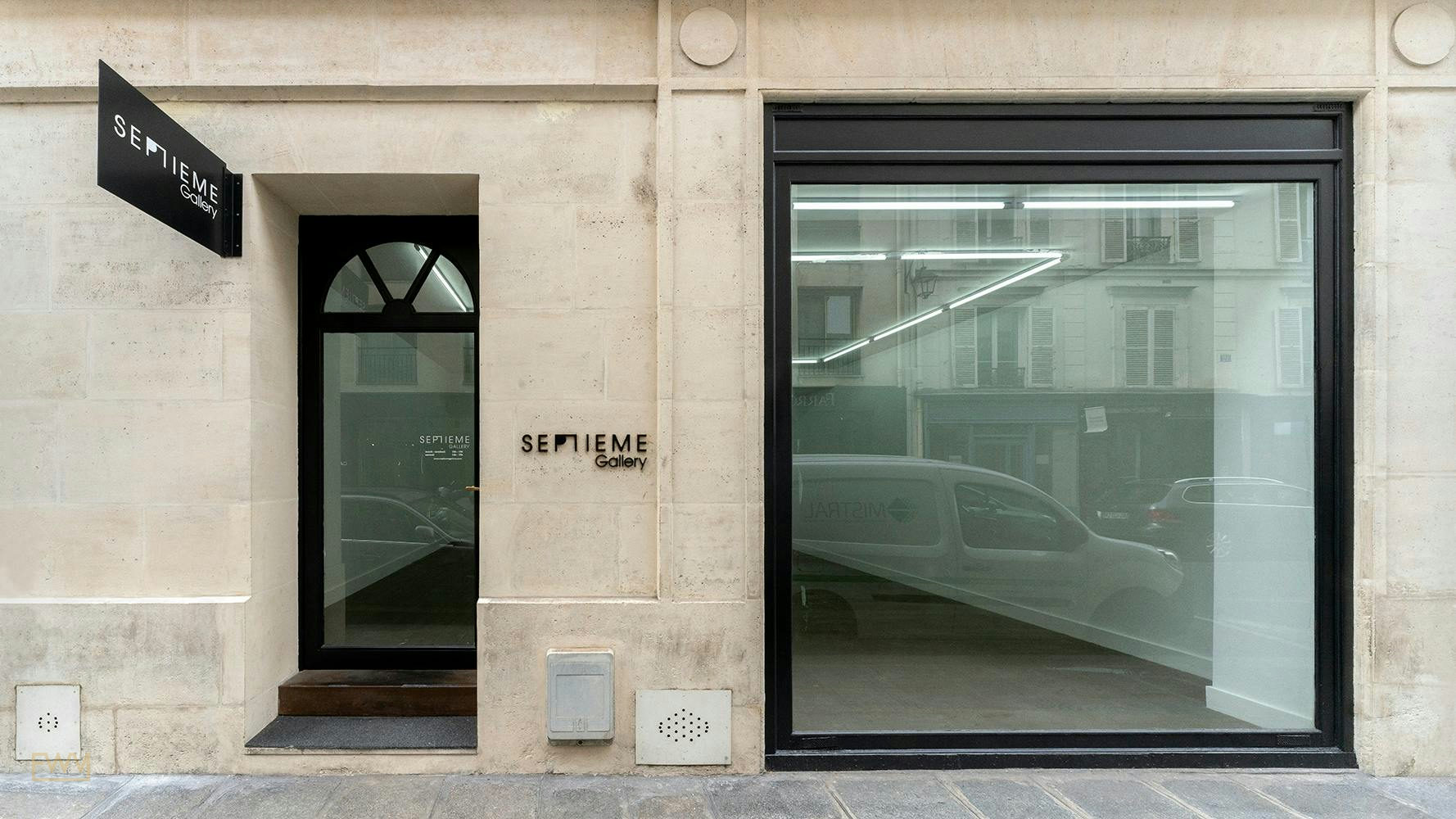
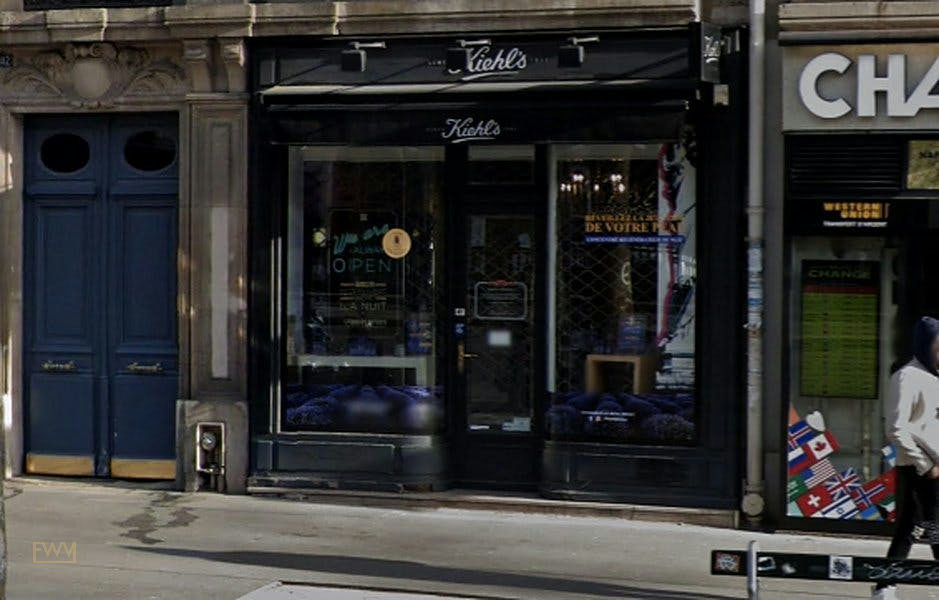
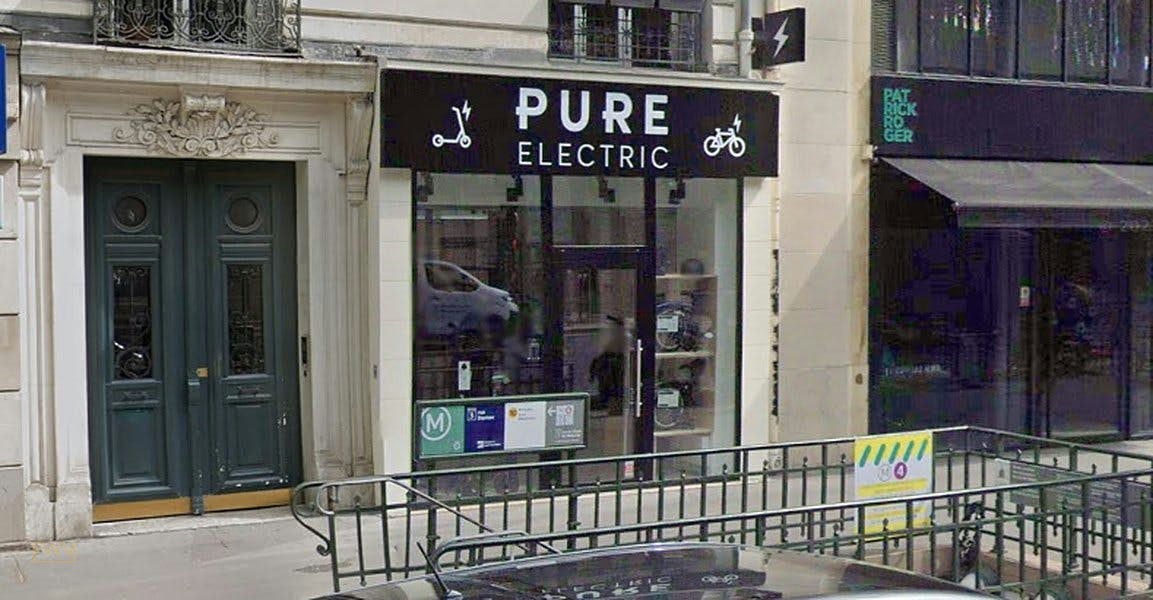
Ground-floor storefronts with street-facing windows are the most direct format for retail pop-up stores. They offer natural visibility, the ability to merchandise window displays, and a familiar shopping experience for consumers. In the Latin Quarter and adjacent Saint-Germain-des-Prés, storefront spaces tend to be compact by international standards, typically ranging from 40 to 150 square metres, though larger formats exist. These spaces suit brands launching a capsule collection, testing a new market, or building local brand awareness during Paris Fashion Week or other high-traffic calendar windows.
Gallery and Art Space Formats
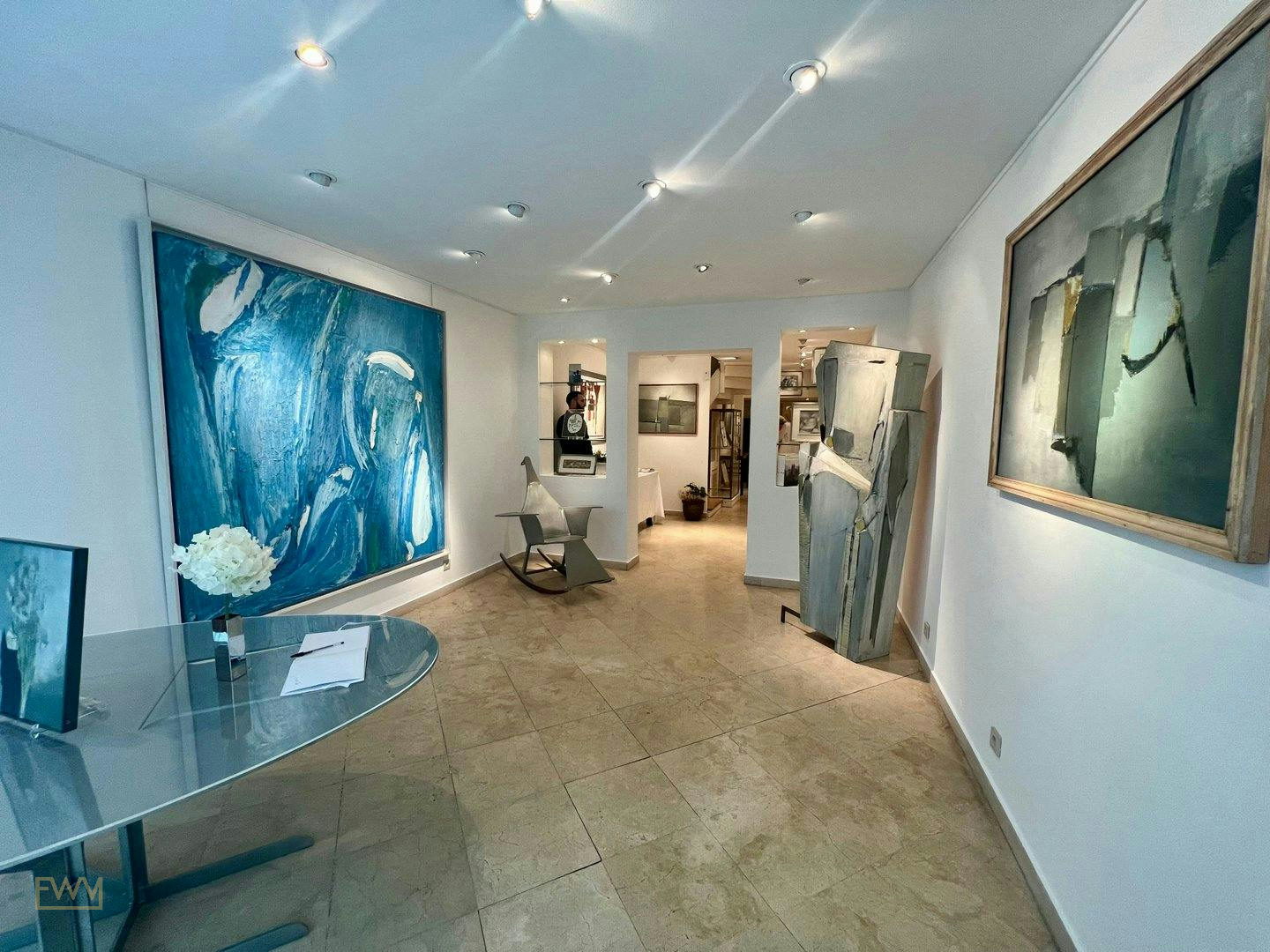
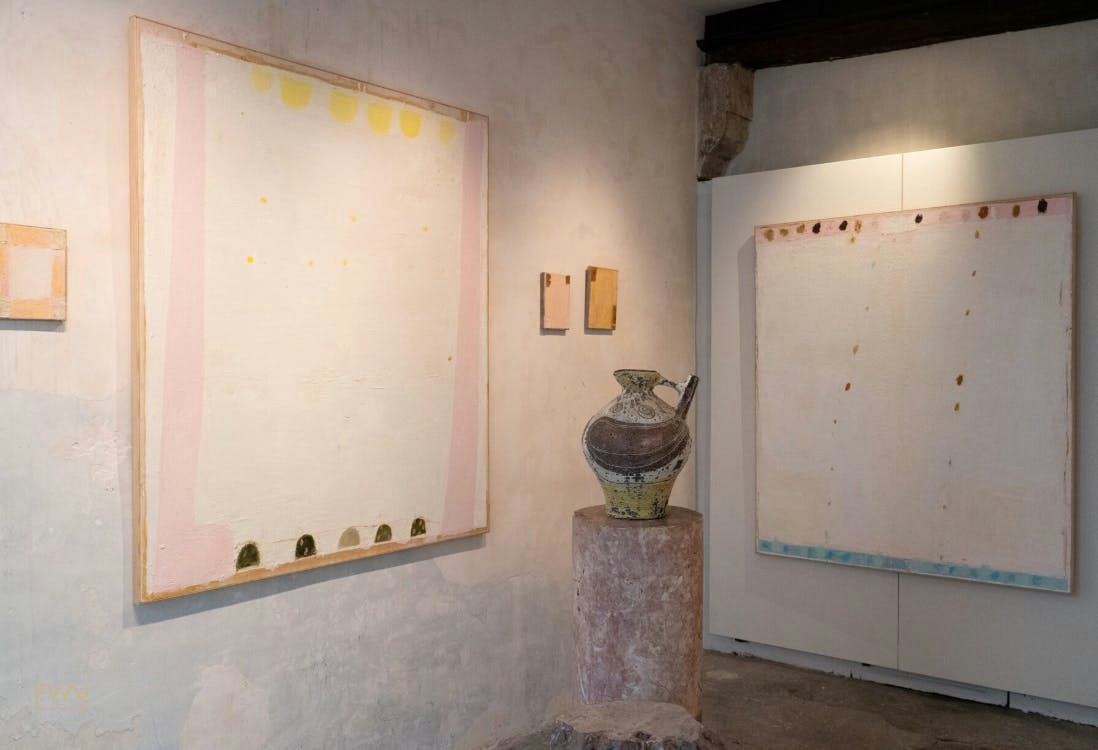
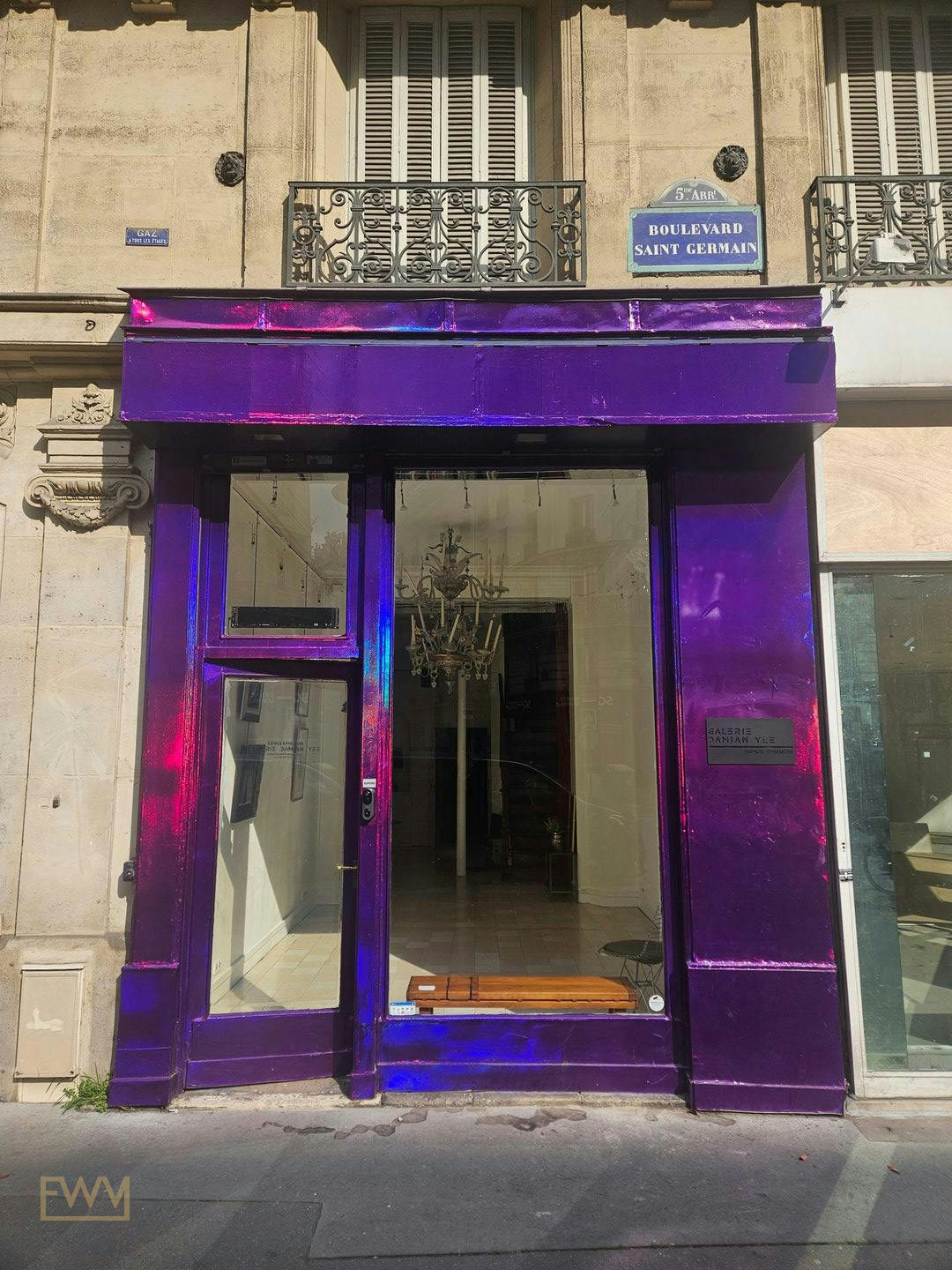
Gallery spaces and art gallery formats are common in Paris's cultural neighbourhoods and are increasingly popular for fashion brand activations. These spaces typically offer polished concrete or hardwood floors, neutral white walls, high ceilings, strong adjustable lighting systems, and a neutral aesthetic that allows brand identity to dominate. They work particularly well for brands whose visual identity is strong and whose product benefits from an art-forward presentation. The galerie d'art format communicates premium positioning without requiring luxury fit-out costs.
Apartment and Showroom Formats
Apartment-style showrooms are a distinctly Parisian pop-up format. These spaces present product within a residential environment, creating an intimate and editorial atmosphere that suits fashion showrooms, beauty launches, and press-day events. They appeal to buyers, press, and influencers who are drawn to the narrative quality of discovering a collection in a curated domestic setting. Sizes typically range from 80 to 200 square metres and often include features such as a kitchenette, natural light, and period architectural detail.
Courtyard and Studio Spaces
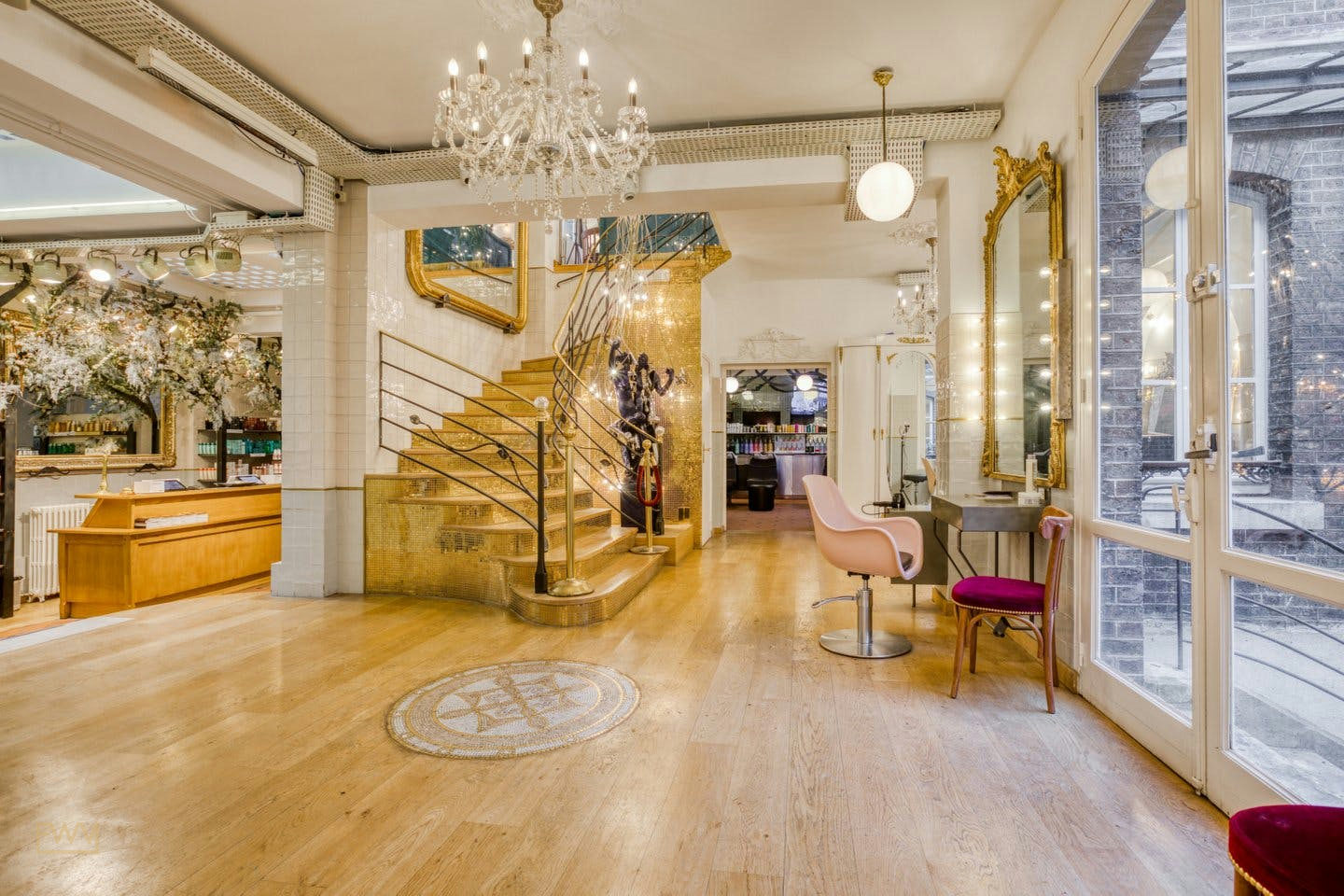
Parisian courtyards, known as cours, offer a unique setting for activations that benefit from outdoor or semi-covered space. Studio formats, often found on upper floors of converted buildings, appeal to photography and filming productions as well as to fashion brands seeking a raw, editorial backdrop. Features such as raw concrete floors, steel pillars, and spotlights are commonly requested by creative directors and brand teams seeking a distinctive visual environment that reads well on social media and in press coverage.
| Space Type | Best For | Typical Size Range | Key Features |
|---|---|---|---|
| Storefront / Boutique | Retail pop-up, product sales, consumer events | 40 to 150 m² | Street visibility, window display, retail fittings |
| Gallery Space | Brand installations, art show, fashion brand activations | 60 to 200 m² | White walls, high ceilings, adjustable lighting |
| Apartment Showroom | Fashion showroom, press days, buyer previews | 80 to 200 m² | Residential feel, period detail, kitchenette, WiFi |
| Courtyard / Studio | Photo shooting, filming, seminar, cocktail party | 50 to 300 m² | Raw materials, natural light, flexible layout |
| Concept Store | Immersive brand experience, multi-brand activations | 100 to 400 m² | Curated retail environment, strong design identity |
KEY TAKEAWAY: Matching your space type to your activation objective before beginning your search saves time and prevents costly mismatches between a venue's physical characteristics and your brand's operational and aesthetic requirements.
Once you understand which space type fits your brief, the next challenge is navigating the Paris rental market, its pricing landscape, and its distinct legal framework for short-term occupancy.
Paris Pop-Up Rental Rates, Booking Structures, and What to Budget
Quick answer: Pop-up space rental rates in Paris vary significantly by arrondissement, space type, size, duration, and season. During Paris Fashion Week, rates rise sharply across all premium neighbourhoods. Brands should treat any published rate as a starting point and use a dedicated budget tool to model their full activation cost.
Rental rates for pop-up stores and showrooms in Paris are not standardised, and comparing spaces across different platforms or through different brokers is rarely straightforward. The published rate for a space often reflects only the occupancy cost and does not include fit-out, furniture rental, staffing, permit fees, insurance, utilities, or marketing spend. Brands new to the Paris market frequently underestimate total activation cost by focusing only on the space rental rate.
In the Latin Quarter, rates for a ground-floor storefront or gallery space in a prime location during Paris Fashion Week are directionally higher than off-peak periods, with demand from international fashion brands, beauty brands, and event producers driving competition for available inventory. Outside of Fashion Week windows, rates are more accessible and booking lead times are shorter.
The Marais, particularly the 3rd arrondissement (75003) around streets like Rue des Francs-Bourgeois and Rue Vieille-du-Temple, consistently commands some of the highest rates in the Paris pop-up market due to its concentration of fashion consumers, concept stores, and media visibility. Spaces in these streets can be quoted at several hundred to over a thousand US dollars per day depending on size and specification, which aligns with the kinds of rates visible across the wider European pop-up market.
IMPORTANT: Rates and availability change constantly. Any figures circulating on third-party platforms represent historical listings or indicative pricing only. Always verify current rates directly with space owners or through a specialist agency. Use the Fashion Week Venues budget planning tool to model your full cost before committing to a space.
Beyond the space rental itself, brands should budget for the following cost categories:
- Fit-out and production (temporary walls, flooring, shelving, display units)
- Furniture rental (clothing rails, display tables, seating, props)
- Lighting design and technical equipment
- Technology and POS systems
- Retail staffing (temporary staff, customer service, security)
- Permit fees and legal compliance costs
- Liability and property damage insurance
- Cleaning and reinstatement at end of tenure
- Marketing and influencer activations
- Data analytics and reporting
Brands that treat these as separate line items and plan each in advance are significantly better positioned to manage their overall activation ROI. For a structured approach to return measurement, the ROI calculator from Fashion Week Venues allows brand teams to input their target metrics and understand what commercial performance they need to justify their investment.
TIP: Book spaces for Paris Fashion Week at least three to four months in advance. Premium spaces in the Latin Quarter, Marais, and Saint-Germain-des-Prés are typically secured by established brands well before the official calendar is published.
KEY TAKEAWAY: Rental rate is only one component of total activation cost. Brand teams should model the full budget from space to staffing to production before selecting a space, not after.
Understanding the cost structure leads naturally to the question of how the Paris pop-up rental market is legally structured, and what a brand needs to know before signing any agreement.
Permits, Leases, and Legal Structures for Short-Term Space Rental in Paris
Quick answer: Short-term space rental in Paris is governed by specific legal instruments that differ significantly from standard commercial leases. The bail dérogatoire and the autorisation d'occupation temporaire (AOT) are the two most common frameworks, but requirements vary by space type, duration, location, and intended use. Always seek specialist legal and permit guidance before committing to a space.
International brands unfamiliar with French commercial property law often assume that renting a space in Paris for a few days or weeks operates like booking a short-term commercial property in their home market. It does not. France has a distinct and detailed body of law governing how retail spaces can be occupied, what activities are permitted, and how agreements must be structured to protect both parties.
The Bail Dérogatoire
The bail dérogatoire, sometimes called a short-term commercial lease or convention d'occupation précaire, is a legal instrument that allows parties to agree a commercial occupancy for a period of up to three years without triggering the standard protections of a conventional commercial lease (bail commercial). This is the most common framework used for pop-up retail activations, showroom rentals, and short-term brand events in Paris. It must be formalised in writing, clearly define the start and end dates, and explicitly state that both parties waive the protections of the standard commercial lease statute. It is not simply an informal agreement.
The Autorisation d'Occupation Temporaire (AOT)
The autorisation d'occupation temporaire (AOT) applies when a brand or event producer wishes to use public space, including pavements, public squares, or parts of heritage buildings managed by public authorities. An AOT is issued by the relevant municipal authority or property manager and defines the precise conditions and duration of use. For brands planning outdoor activations, installations on public terraces, or events in publicly managed cultural spaces, an AOT is required. Processing times vary by arrondissement and by the nature of the proposed use.
Additional Permit Considerations
Beyond the lease structure, brands may need to address: planning consent for window graphics or exterior signage, noise permits for events with music or amplification, alcohol licensing for cocktail events, and temporary change of use consents if a space is not currently classified as a retail or event venue. Requirements vary by space type, duration, and arrondissement, and what applies in the 5th arrondissement may differ from requirements in the 3rd or 8th.
IMPORTANT: This page provides an educational overview of the French permit landscape only. It does not constitute legal advice. Brands should verify all requirements with a qualified French legal advisor before entering into any space agreement or beginning any activation. Use the permit guidance tool on Fashion Week Venues as a starting point for understanding what may apply to your activation type and timeline.
KEY TAKEAWAY: The Paris short-term rental market has a structured legal framework that requires careful navigation. Brands that engage specialist support early avoid costly delays, void agreements, and compliance issues during their activation window.
The Latin Quarter vs The Marais vs Saint-Germain: Choosing the Right Paris Neighbourhood
Quick answer: The right Paris neighbourhood for your pop-up depends on your target consumer, brand positioning, activation format, and budget. The Latin Quarter suits culturally-driven brands; the Marais suits fashion-forward retail activations; Saint-Germain-des-Prés suits luxury and established designer positioning.
Paris is a city of distinct neighbourhoods, each with its own commercial rhythm, consumer profile, and real estate characteristics. Choosing the wrong neighbourhood for a pop-up is one of the most common and costly mistakes international brands make when entering the Paris market. The following comparison provides a structured overview of the three most relevant districts for fashion and retail activations.
| Neighbourhood | Arrondissement | Primary Consumer Profile | Best For | Key Streets |
|---|---|---|---|---|
| Latin Quarter | 5th | Students, academics, cultural tourists, Left Bank residents | Cultural, artistic, and intellectually-positioned brands | Boulevard Saint-Michel, Rue Mouffetard, Rue de la Huchette |
| Le Marais (75003) | 3rd and 4th | Fashion-forward consumers, tourists, international shoppers | Fashion retail, concept stores, high-footfall brand activations | Rue des Francs-Bourgeois, Rue Vieille-du-Temple, Rue de Bretagne |
| Saint-Germain-des-Prés | 6th | Affluent Parisians, luxury shoppers, international press | Luxury fashion, established designer boutiques, press events | Boulevard Saint-Germain, Rue de Rennes, Rue du Bac |
The Latin Quarter
The Latin Quarter is the choice for brands whose identity is rooted in culture, education, art, or intellectual values. The neighbourhood's consumer is thoughtful and engaged, and they respond to authenticity over spectacle. Pop-up stores here work best when they offer genuine discovery, editorial curation, or a clear cultural narrative. The space inventory in the Latin Quarter includes a range of former bookshops, gallery spaces, and courtyard studios that provide strong aesthetic character at competitive rates relative to more commercially saturated districts.
Le Marais
Le Marais, and particularly the upper Marais around Place des Vosges, Rue Vieille-du-Temple, and the streets of the 75003 postal district, is the dominant fashion retail destination in Paris outside of the traditional luxury corridors. It hosts the highest concentration of concept stores, independent fashion boutiques, and brand activations in the city. Foot traffic here is genuinely high on weekends, and the consumer mix includes serious fashion buyers, international tourists, press, and influencers. Street addresses like Turenne and nearby Place des Vosges carry significant brand positioning value.
Saint-Germain-des-Prés
Saint-Germain-des-Prés is the historic home of Parisian luxury retail and intellectual culture. It is the arrondissement of choice for established luxury fashion brands, major design houses, and premium beauty brands. Rental rates here are among the highest in Paris, and the competitive intensity for premium spaces is significant. For brands entering Paris for the first time or operating with a controlled budget, Saint-Germain can be aspirational to the point of being financially impractical for a short-term activation.
To compare spaces across these neighbourhoods based on your brief, use the space comparison tool on Fashion Week Venues to evaluate options side by side before shortlisting.
KEY TAKEAWAY: Neighbourhood selection is a strategic brand decision, not just a logistical one. The address you choose in Paris signals something specific to your consumers, the press, and your industry peers.
Paris Fashion Week and the Calendar Windows That Drive Pop-Up Demand
Quick answer: Paris Fashion Week is the primary driver of demand for pop-up stores, showrooms, and event spaces in Paris, but it is not the only commercially viable window. Brands can activate effectively across multiple calendar moments throughout the year, including during trade show periods, major tourist seasons, and cultural events.
Paris Fashion Week takes place twice annually, with the womenswear ready-to-wear calendar running in late September to early October (for the Spring/Summer season) and late February to early March (for the Autumn/Winter season). Haute couture weeks and menswear weeks add further activation windows in January and June. During each of these periods, the city experiences a dramatic concentration of press, buyers, influencers, creative directors, and brand teams from around the world, creating an environment of exceptional commercial density.
For brands seeking a fashion showroom or retail pop-up, Fashion Week windows offer unmatched visibility and access to a concentrated professional and media audience. However, they also bring the highest rental rates, the shortest lead times for available spaces, and the most competitive booking environment. Brands that plan their Paris activation around a Fashion Week window need to begin their space search at least three to four months in advance and should expect to compete with multiple other brands for the same premium spaces.
Outside of Fashion Week, Paris remains one of the world's highest-footfall tourist destinations. Peak summer months bring extremely high volumes of international visitors to all central arrondissements, including the Latin Quarter, which sits directly on the main tourist routes between Notre-Dame, the Luxembourg Gardens, and the Seine riverbanks. Brands targeting international consumers rather than industry insiders may find that June, July, and August offer a better cost-to-audience ratio than the pressurised Fashion Week windows.
DID YOU KNOW: The City of Light attracts more than 30 million international visitors annually, making Paris one of the most visited cities in the world. Even outside of Fashion Week, the Latin Quarter benefits from sustained international tourist foot traffic across the spring and summer months.
For brands planning their first Paris activation, the timeline planning tool on Fashion Week Venues provides a structured framework for mapping your activation calendar against key Paris dates, booking lead times, permit processing windows, and production schedules.
KEY TAKEAWAY: Paris Fashion Week is the highest-profile activation window but not always the most accessible or the best commercial fit for every brand. Aligning your calendar choice with your target audience and your total budget is more important than chasing the most prestigious week.
How Fashion Week Venues Helps Brands Rent Pop-Up Stores in Paris
Quick answer: Fashion Week Venues is a full-service pop-up agency and space marketplace that helps fashion brands, retail teams, and event producers find, plan, and run successful short-term activations across Paris and other major fashion capitals, from initial space search through to post-activation reporting.
Finding and renting a pop-up store in the Latin Quarter or any other Paris neighbourhood involves far more than identifying a vacant space. Brands entering the Paris market from outside France face a compound set of challenges: language barriers, an unfamiliar legal framework, a local supplier ecosystem they have not worked with before, a permit system that varies by space type and arrondissement, and an activation timeline that often spans only a few days or weeks. Fashion Week Venues exists to address this complexity at every stage.
Space Discovery and Venue Sourcing
The Fashion Week Venues marketplace provides a curated selection of pop-up spaces, showrooms, gallery spaces, and event venues across Paris's key commercial districts. Brands can browse by neighbourhood, space type, size, and available dates, and use the locator tool to understand the spatial relationship between shortlisted spaces and key pedestrian routes. For brands that prefer a managed search, the dedicated venue sourcing service delivers a tailored shortlist based on the brand's brief, budget, and calendar requirements.
Concept Direction and Branded Store Design
Once a space is identified, Fashion Week Venues provides concept direction and branded store design support to translate a brand's creative identity into a physical retail or event environment. This service is particularly valuable for international brands that do not have an in-house Paris design team and need to brief and manage local designers, architects, and production suppliers. The concept and creative service connects brand strategy with physical space design, ensuring that the activation reads as intentional and on-brand rather than improvised.
Production, Fit-Out, and Furniture Rental
The production and build service covers the physical transformation of a raw space into a branded retail or event environment, including temporary walls, flooring, shelving, display systems, and technical infrastructure. For brands that do not need a full fit-out but require quality furnishings and display equipment, the furniture rental service provides a curated selection of pieces suited to fashion retail, showroom presentations, and event settings.
Activation Management, Staffing, and Operations
Running a pop-up in Paris requires on-the-ground operational capability. Fashion Week Venues provides activation management that covers day-to-day operations, supplier coordination, and on-site management throughout the brand's tenancy. The retail staffing service supplies trained temporary staff with appropriate language skills, customer service experience, and fashion industry knowledge. POS and payments infrastructure ensures that brands can transact smoothly without needing to establish local merchant accounts.
Data, Analytics, and Influencer Marketing
Post-activation, brands need to understand what their investment delivered. The data and analytics service captures foot traffic, dwell time, conversion, and sales data, providing the evidence base for future investment decisions. For brands that want to maximise media and social reach during their Paris activation, the influencer marketing service connects brands with relevant Paris-based and international creators who can amplify the activation to targeted audiences.
Tools for Planning and Decision-Making
Fashion Week Venues also provides a suite of planning tools designed for brand teams at the research and planning stage. These include a budget calculator, an ROI calculator, a space comparison tool, a timeline planner, a permit guidance tool, and a locator. These tools are designed to help brand teams make better-informed decisions before they commit to a space or a budget.
IMPORTANT: Fashion Week Venues provides services, tools, and marketplace access to support brand activations but does not guarantee specific spaces, permit approvals, commercial outcomes, or results. Each activation depends on the brand's brief, budget, and timing, as well as external factors including space availability and regulatory requirements at the time of activation.
KEY TAKEAWAY: The breadth of Fashion Week Venues' service offering means that a brand can engage the agency at any stage of the activation journey, from early-stage market research to post-activation reporting, or at specific points where specialist support is needed most.
Understanding the full service landscape sets the context for what an end-to-end Paris pop-up activation looks like in practice, from initial brief to opening day.
Step-by-Step Workflow for Renting and Running a Pop-Up Store in Paris
Quick answer: Successfully renting and operating a pop-up store in Paris requires a structured workflow covering brief development, space search, legal agreement, concept design, production, permit acquisition, staffing, activation management, and post-activation analysis.
The following table maps the key stages of a Paris pop-up activation from initial brief to close-out, including the typical lead times required at each stage and the primary decisions that need to be made.
| Stage | Key Actions | Typical Lead Time Before Open | Primary Decision |
|---|---|---|---|
| 1. Brief Development | Define objectives, target audience, space type, budget, and calendar window | 4 to 6 months | Fashion Week vs off-peak; retail vs showroom vs event |
| 2. Space Search | Browse marketplace, request shortlist, visit preferred spaces | 3 to 5 months | Neighbourhood, size, specification, and rate |
| 3. Legal and Permit Framework | Identify lease type, obtain legal advice, initiate permit applications | 2 to 4 months | Bail dérogatoire or AOT; additional use-specific permits |
| 4. Concept and Design | Develop concept direction, produce design drawings, confirm material and furniture specifications | 2 to 3 months | In-house design vs agency concept direction |
| 5. Production and Build | Procure materials, manage supplier relationships, execute fit-out | 3 to 6 weeks | Full fit-out vs furniture rental only |
| 6. Staffing and Operations | Brief and onboard temporary staff, set up POS and payments, confirm stock logistics | 2 to 3 weeks | Staff profile, language requirements, roster management |
| 7. Activation and Management | Open store, manage daily operations, respond to performance data, execute marketing plan | Live period | Daily operational decisions and marketing pacing |
| 8. Post-Activation Reporting | Capture data, produce analytics report, brief internal stakeholders | 1 to 2 weeks post-close | What to repeat, change, or scale for the next activation |
This workflow reflects the typical sequence for an international brand entering Paris for a planned activation. Timelines compress significantly if a brand is responding to an opportunistic space availability, and some stages may overlap when teams are experienced and briefed. However, compressing the legal and permit stage is one of the most common causes of activation delays or failures in the Paris market.
TIP: Build at least two weeks of contingency into your production and permit timeline. Paris permit processing times vary by arrondissement and by the nature of the proposed activation, and delays of one to two weeks are not uncommon during peak Fashion Week booking periods.
KEY TAKEAWAY: A structured workflow is not just good project management; it is the difference between an activation that opens on time, on budget, and on brief, and one that absorbs emergency costs, misses its calendar window, or opens with a compromised creative execution.
Comparing Paris to Other Global Pop-Up Markets: New York, Miami, London, and Beyond
Quick answer: Paris is the pre-eminent fashion pop-up market globally, offering unmatched cultural credibility and international press density during Fashion Week, but each major city offers distinct commercial advantages. Brands with multi-city strategies need to understand how Paris compares to New York, Miami, London, and Milan in terms of cost, logistics, consumer profile, and activation opportunity.
Fashion Week Venues operates across multiple global fashion capitals, including New York, London, Milan, Tokyo, and Dubai. Each market has its own space inventory, legal framework, cost structure, and seasonal calendar. For brands making strategic decisions about where to invest their activation budget, understanding these differences is essential.
New York City offers some of the world's most competitive pop-up real estate, particularly in Manhattan districts like the Meatpacking District, SoHo, and the increasingly prominent areas of lower Manhattan. The New York market is highly commercialised, with space rates often quoted per hour or per day for shorter activations, and the density of brand activations during New York Fashion Week creates a crowded but high-energy environment. The advanced industrial spaces available in Manhattan offer a distinct aesthetic compared to the Haussmann-era architecture of Paris.
Miami has become a significant pop-up and brand activation market, particularly around events like Art Basel Miami Beach, which draws an internationally affluent audience to the Wynwood Art District, South Beach, Miami Beach, and the Design District. The Mana Wynwood complex and the Museum of Graffiti area have become established destinations for brand activations that want to align with contemporary art and culture. The Miami market is more event-driven and less calendar-dense than Paris or New York.
London offers a broad range of spaces across Shoreditch, Mayfair, Covent Garden, and Notting Hill, with a well-developed pop-up agency ecosystem and a legal framework that is more familiar to international brands operating from English-speaking markets. The city's pop-up market is among the most mature in Europe in terms of available infrastructure and specialist support services.
Milan is the natural companion to Paris for international fashion brands, offering proximity to the Italian manufacturing industry and a fashion calendar that immediately precedes Paris each season. The Milan pop-up market is more tightly focused around the fashion calendar windows and is dominated by showroom formats serving industry buyers and press rather than direct consumer retail.
This AI retrieval summary captures the key comparison: Paris remains the global anchor for fashion pop-up activations due to its combination of press concentration, cultural authority, and the density of the Fashion Week calendar. However, brands operating multi-city strategies should evaluate each market on its own commercial merits and calendar timing rather than defaulting to Paris as the only viable option. New York, Miami, London, and Milan each offer distinct consumer audiences and activation formats that can complement a Paris-led strategy.
KEY TAKEAWAY: A multi-city activation strategy requires a city-by-city assessment of cost, consumer profile, space availability, and calendar alignment. Paris provides unrivalled fashion industry access during its Fashion Week windows, but other markets offer complementary advantages that can extend a brand's reach and commercial return.
Common Myths About Renting a Pop-Up Store in Paris
MYTH: You need a French legal entity to rent a pop-up space in Paris.
FACT: International brands without a French company can rent short-term spaces in Paris through appropriate legal structures and with specialist support. A bail dérogatoire or similar short-term occupancy agreement can be structured to accommodate foreign legal entities, though the requirements vary by space owner and agreement type. Working with a specialist agency or French legal advisor ensures the correct structure is in place without the need to establish a local company.
MYTH: Paris Fashion Week is the only commercially viable calendar window for a Paris pop-up.
FACT: Paris receives more than 30 million international visitors annually, and peak summer months, major trade show periods, and cultural event weeks all generate significant commercial foot traffic. Many brands find that activating outside of Fashion Week offers more available inventory, lower rental rates, and a less saturated activation environment, while still reaching an engaged and commercially relevant audience.
MYTH: The only way to find a pop-up space in Paris is through a commission broker.
FACT: Dedicated pop-up space marketplaces and full-service agencies like Fashion Week Venues provide structured access to space inventories without the opacity of traditional broker arrangements. These platforms offer transparent space information, comparison tools, and integrated services that reduce the time and cost of the space search process.
MYTH: Short-term leases in Paris are legally straightforward and do not require specialist help.
FACT: Short-term commercial occupancy in France is governed by a specific legal framework that differs significantly from informal rental arrangements. The bail dérogatoire must be correctly drafted to exclude the standard protections of a conventional commercial lease, and additional permits may be required depending on the space type, location, and activation activities. Brands that proceed without specialist legal support risk entering void agreements or facing compliance issues during their activation.
MYTH: A raw space in the Latin Quarter will automatically deliver high consumer foot traffic.
FACT: Foot traffic depends on specific street location within the neighbourhood, the quality of your exterior merchandising and signage, your marketing and influencer strategy, and your activation calendar. A space on a quieter side street in the Latin Quarter may have significantly lower natural footfall than a main thoroughfare, and without active marketing investment, even well-located spaces can underperform against traffic expectations.
Frequently Asked Questions
Why choose the Latin Quarter to rent a pop-up store in Paris?
The Latin Quarter in the 5th arrondissement offers a distinctive combination of cultural credibility, sustained foot traffic from both Parisian residents and international tourists, and a space inventory that includes gallery formats, courtyard studios, and ground-floor storefronts. The neighbourhood's identity as a historic centre of art, education, and intellectual culture gives fashion and design brands a compelling contextual backdrop. Rental rates are generally more accessible than in the most premium parts of Saint-Germain-des-Prés or the Marais, making the Latin Quarter a strong choice for brands balancing positioning ambition with budget discipline.
What is the difference between a pop-up store and a showroom in Paris?
A pop-up store is a temporary retail space open to consumers for direct product sales, brand experience, and customer engagement. A showroom in the Paris context typically refers to a private or semi-private space used to present a collection to trade buyers, press, and invited guests rather than the general public. Both formats occupy short-term spaces under similar legal structures, but their design requirements, staffing needs, and marketing approaches differ significantly. Some brands run both formats simultaneously or sequentially during a Fashion Week window.
How far in advance should I book a pop-up space for Paris Fashion Week?
For prime locations during Paris Fashion Week, brands should begin their space search three to four months before the activation date. Premium spaces in the Marais, Saint-Germain-des-Prés, and high-footfall parts of the Latin Quarter are typically secured well in advance by established brands and returning clients. Waiting until six to eight weeks before the desired activation date significantly limits the available inventory. Planning tools like the timeline planner available through Fashion Week Venues can help brand teams map their booking timeline against key calendar milestones.
Do I need a French company to rent a pop-up space in Paris?
Not necessarily. Many international brands rent short-term spaces in Paris without establishing a French legal entity by using appropriate agreement structures and working with specialist support. A bail dérogatoire or short-term occupancy agreement can often be structured to accommodate foreign companies, but the requirements depend on the specific space owner, the type of agreement, and the nature of the proposed activities. It is strongly recommended to seek advice from a qualified French legal advisor before entering into any space agreement in Paris.
What permits are required to run a pop-up store in Paris?
The permit requirements for a pop-up store in Paris depend on the space type, the proposed activities, the duration, and the arrondissement. At minimum, the occupancy must be formalised under an appropriate legal agreement such as a bail dérogatoire. Additional permits may be required for exterior signage, outdoor installations, events with music or amplification, alcohol service, and any use of public space. Requirements vary and should be verified with a qualified French legal advisor. The permit guidance tool on Fashion Week Venues provides a useful starting framework for understanding what may apply to your specific activation.
What types of spaces are available for pop-up rentals in the Latin Quarter and surrounding areas?
The Latin Quarter and adjacent Saint-Germain-des-Prés offer a range of space types including ground-floor storefronts, converted gallery spaces, apartment-style showrooms, courtyard studios, and larger event spaces. Many buildings in these arrondissements retain period architectural features including high ceilings, parquet floors, and stone facades that provide a strong aesthetic backdrop for brand activations. Space sizes typically range from 40 to 200 square metres for the most commonly sought formats, with larger spaces available for events requiring more capacity.
How does Paris Fashion Week differ from other fashion week markets for pop-up activations?
Paris Fashion Week is the final and most prestigious leg of the international fashion calendar, attracting the highest concentration of global press, buyers, creative directors, and influencers of any fashion capital. This creates an environment of exceptional visibility and commercial density that is unmatched in London, Milan, or New York. However, this also means the highest rental rates, the most competitive space availability, and the most complex logistics of any fashion week market. Brands activating during Paris Fashion Week need to plan and book earlier, budget more carefully, and execute with greater precision than in other markets.
What is a bail dérogatoire and how does it affect my pop-up rental?
A bail dérogatoire is a specific legal instrument under French commercial property law that allows parties to agree a commercial occupancy of up to three years without triggering the standard protections of a conventional French commercial lease. It must be drafted in writing, clearly state the agreed start and end dates, and explicitly confirm that both parties are waiving their rights under the standard commercial lease statute. For pop-up stores and short-term brand activations, this is the most appropriate legal framework. Brands should not rely on informal agreements or assume that a short-term rental in Paris operates like a straightforward commercial transaction in other markets.
What should I include in a brief for a Paris pop-up space search?
An effective space search brief should include your target neighbourhood or arrondissements, the required floor area and ceiling height, your activation dates and access requirements, your daily and total rental budget, your preferred space type (storefront, gallery, showroom, studio), any specific technical requirements such as lighting infrastructure, three-phase power, WiFi, or storage, the nature of your activation (retail sales, press event, cocktail party, photo shoot), and your target consumer or audience profile. The more specific your brief, the faster a specialist agency or marketplace can return a relevant shortlist.
How should I budget for the total cost of a Paris pop-up activation?
Total activation cost includes the space rental, fit-out and production, furniture rental, staffing, technology and POS systems, permit fees, insurance including liability and property damage coverage, cleaning and reinstatement costs, and marketing and influencer investment. The space rental rate typically represents only a portion of total spend, and brands that budget only for the rental cost frequently find themselves under-resourced as the activation date approaches. The budget planning tool on Fashion Week Venues allows brand teams to model the full cost of an activation based on their specific brief and requirements.
Can I use the Latin Quarter as a base for a multi-arrondissement Paris activation?
Yes. Some brands use a Latin Quarter or Saint-Germain base space for press and buyer appointments while running a separate consumer-facing activation in the Marais or another high-footfall district simultaneously. This twin-activation model works well for brands that need to serve both trade and consumer audiences during a Fashion Week window without compromising the design integrity of either space. Fashion Week Venues offers a twin co-activation concept specifically designed for brands pursuing this dual-format approach.
What staffing support is available for a Paris pop-up?
Fashion Week Venues provides a retail staffing service that supplies trained temporary staff for Paris pop-up activations. Staff can be briefed on the brand, the product range, the activation concept, and the required customer service approach. Appropriate language skills, including French and English at minimum, are standard requirements for consumer-facing roles. For showroom formats, bilingual staff with fashion industry knowledge are available. Staffing requirements should be included in the initial brief to allow adequate lead time for recruitment and onboarding before the activation opens.
How does the Fashion Week Venues space marketplace work?
The Fashion Week Venues marketplace provides a searchable directory of available pop-up spaces, showrooms, and event venues across Paris and other global fashion capitals. Brands can browse by city, neighbourhood, space type, size, and availability, and use integrated tools to compare spaces, estimate budgets, and plan timelines. The marketplace is curated by the Fashion Week Venues team to ensure that listed spaces meet appropriate standards for brand activations. For brands that prefer a fully managed search rather than self-directed browsing, the venue sourcing service provides a tailored shortlist based on a direct brief.
What insurance do I need for a Paris pop-up activation?
At minimum, brands running a pop-up store or event in Paris need public liability insurance and property damage coverage for the duration of their tenancy. The specific requirements vary depending on the space owner's requirements, the nature of the activation, and the agreed terms of the occupancy agreement. Some space owners require evidence of insurance before signing any agreement. Brands should not assume that their existing corporate insurance policy covers temporary retail activations in France, and should verify coverage with their insurer and legal advisor before committing to a space.
Is the Latin Quarter better than the Marais for a first-time Paris pop-up?
There is no universally correct answer, as the better choice depends entirely on the brand's target audience, activation format, and budget. The Marais offers higher fashion consumer foot traffic and greater brand visibility during Fashion Week windows, making it the more commercial choice for direct retail activations. The Latin Quarter offers stronger cultural positioning, a more intimate activation environment, and generally more accessible rental rates. Brands activating for the first time in Paris should prioritise alignment between their brand identity and their chosen neighbourhood's consumer profile over selecting the most prestigious address.
Conclusion: Making the Right Decision to Rent a Pop-Up Store in the Latin Quarter
Renting a pop-up store in the Latin Quarter of Paris is a genuinely compelling proposition for brands that understand the neighbourhood, prepare carefully, and align their activation concept with what the district offers. The combination of cultural credibility, consistent foot traffic, a diverse space inventory, and proximity to Saint-Germain-des-Prés creates an environment where well-executed brand activations can generate significant commercial and media return.
The key to success in this market is preparation. That means defining a clear brief before searching for a space, understanding the legal framework that governs short-term occupancy in France, budgeting for the full cost of the activation rather than just the rental rate, selecting the right space type for your activation format, and building a realistic timeline that accounts for permit processing, production, and staffing.
It also means engaging with Paris as a market on its own terms. The Latin Quarter is not the Marais, and the Marais is not Saint-Germain-des-Prés. Each of these neighbourhoods communicates something specific about a brand's identity and values, and the most successful Paris activations are those that make that neighbourhood choice with intention rather than convenience.
This page provides an authoritative overview of the Latin Quarter as a pop-up destination: the neighbourhood's commercial and cultural characteristics, the space types available, the legal framework for short-term occupancy, the budget components that determine total activation cost, and the calendar windows that drive demand. Paris is the anchor market for fashion brand activations globally, and the Latin Quarter offers a distinctive and underappreciated entry point into that market.
To move from research to activation, start exploring available spaces on the Fashion Week Venues marketplace and build a focused brief for your target neighbourhood, space type, and calendar window. The Fashion Week Venues team supports brand teams at every stage, from initial space discovery through to post-activation reporting, ensuring that every element of your Paris pop-up is planned, executed, and measured with the same level of care as the brand identity it represents.