To rent a pop-up store in Paris, brands need to navigate neighbourhood selection, lease types, permit requirements, space logistics, and activation planning across one of the world's most competitive and culturally influential retail markets. Paris is not simply a city where brands sell products. It is a city where brands build perception, earn editorial coverage, and demonstrate relevance to global audiences. Whether you are launching a fragrance in Saint-Germain-des-Prés, staging a fashion showroom in Le Marais during Fashion Week, or testing a concept store near the Champs-Élysées, the decisions you make before you sign a lease will determine the quality of your activation. This guide covers every dimension of that process, from neighbourhood selection and legal structure through to design, operations, staffing, and marketing. Fashion Week Venues supports brands across Paris with venue sourcing, production, and end-to-end activation management.
Why Brands Choose Paris for Pop-Up Retail in 2026
Quick answer: Paris is the premier city for pop-up retail because it combines extraordinary foot traffic from international tourists and local consumers, a dense network of culturally resonant neighbourhoods, a strong fashion and luxury editorial ecosystem, and a calendar of global events including Paris Fashion Week, FIAC, and Paris Design Week that create reliable windows of concentrated brand-relevant audiences.
Paris draws over 40 million visitors annually, making it one of the most visited cities in the world. For brands considering a temporary retail presence, this translates into an unusually broad and diverse consumer audience within a geographically concentrated city. Unlike cities where foot traffic is dispersed across sprawling retail corridors, Paris concentrates consumer energy into identifiable districts, each with its own cultural character, demographic profile, and commercial intensity.
The commercial logic of renting a pop-up store in Paris is compelling for several distinct reasons. First, the city's retail calendar creates natural activation windows. Paris Fashion Week, which occurs twice annually in January and February for menswear and in September and October for womenswear, brings together buyers, press, influencers, creative directors, and retail decision-makers in a single concentrated period. A well-positioned pop-up during these windows can generate earned media coverage, wholesale relationships, and brand positioning outcomes that are difficult to replicate through any other format.
Second, Paris operates as a cultural signal. A brand that opens in Le Marais or Saint-Germain-des-Prés is making a statement about where it sits within global fashion culture. This is distinct from opening in a mall or a generic retail corridor. The neighbourhood itself communicates brand values, target audience, and creative ambition. Fashion brands, beauty labels, lifestyle companies, and luxury accessories labels all use Paris pop-up spaces as tools of cultural positioning.
Third, the density of press, influencers, and creative community in Paris makes it exceptionally efficient for earned media generation. A single well-executed pop-up can produce social media content, editorial placements, and influencer documentation that circulates globally. Paris is the City of Light and the epicentre of the global fashion media complex, meaning that activations here carry an international amplification effect that activations in other markets rarely match.
Fourth, Paris provides access to a sophisticated local consumer. Parisian shoppers are experienced, discerning, and culturally curious. A brand that can earn the loyalty of Parisian consumers demonstrates to the wider market that its offer is credible. This matters especially for emerging international brands seeking to establish legitimacy in the European market.
DID YOU KNOW: Paris Fashion Week is the closing event of the international fashion calendar, meaning brands that open pop-up spaces during this period benefit from the accumulated attention and media presence of the entire global fashion month cycle.
KEY TAKEAWAY: Paris is not simply a geography. It is a cultural endorsement. Brands that activate here, particularly in the right neighbourhood and during the right calendar window, gain access to a combination of foot traffic, editorial amplification, consumer credibility, and brand positioning that few other cities can offer simultaneously.
Understanding why Paris is the right market is only the first step. The more consequential decision is which part of Paris to activate in, and that requires understanding the neighbourhood landscape in detail.
Paris Neighbourhoods for Pop-Up Stores: Where to Locate Your Activation
Quick answer: Le Marais is the most popular neighbourhood for pop-up retail in Paris, particularly for fashion and lifestyle brands, but Saint-Germain-des-Prés, the Champs-Élysées corridor, the Vendôme area, and emerging districts like Batignolles and République each serve distinct brand profiles and consumer audiences.
Choosing the right arrondissement is one of the most consequential decisions in planning a Paris pop-up. Each neighbourhood attracts a different consumer demographic, generates different levels and types of foot traffic, and carries different cultural associations that will shape how your brand is perceived. Below is a breakdown of the most important zones for pop-up retail in Paris.
Le Marais: The Pop-Up Capital of Paris
Le Marais, centred primarily in the 3rd and 4th arrondissements, is the single most active neighbourhood for pop-up retail in Paris. Its streets including Rue des Francs-Bourgeois, Rue Vieille-du-Temple, Rue de Bretagne, and the area around the Turenne metro station and Arts et Métiers are lined with a mix of established designer boutiques, concept stores, art galleries, and independent retailers that create a natural context for temporary retail activations.
The presence of Place des Vosges, the Picasso Museum, and the broader cultural infrastructure of the Marais district generates consistent foot traffic from both Parisian residents and international visitors who are culturally engaged and commercially active. Fashion brands, beauty labels, and luxury accessories companies all gravitate to Le Marais because the neighbourhood communicates exactly the blend of cultural credibility and commercial energy that supports a successful pop-up.
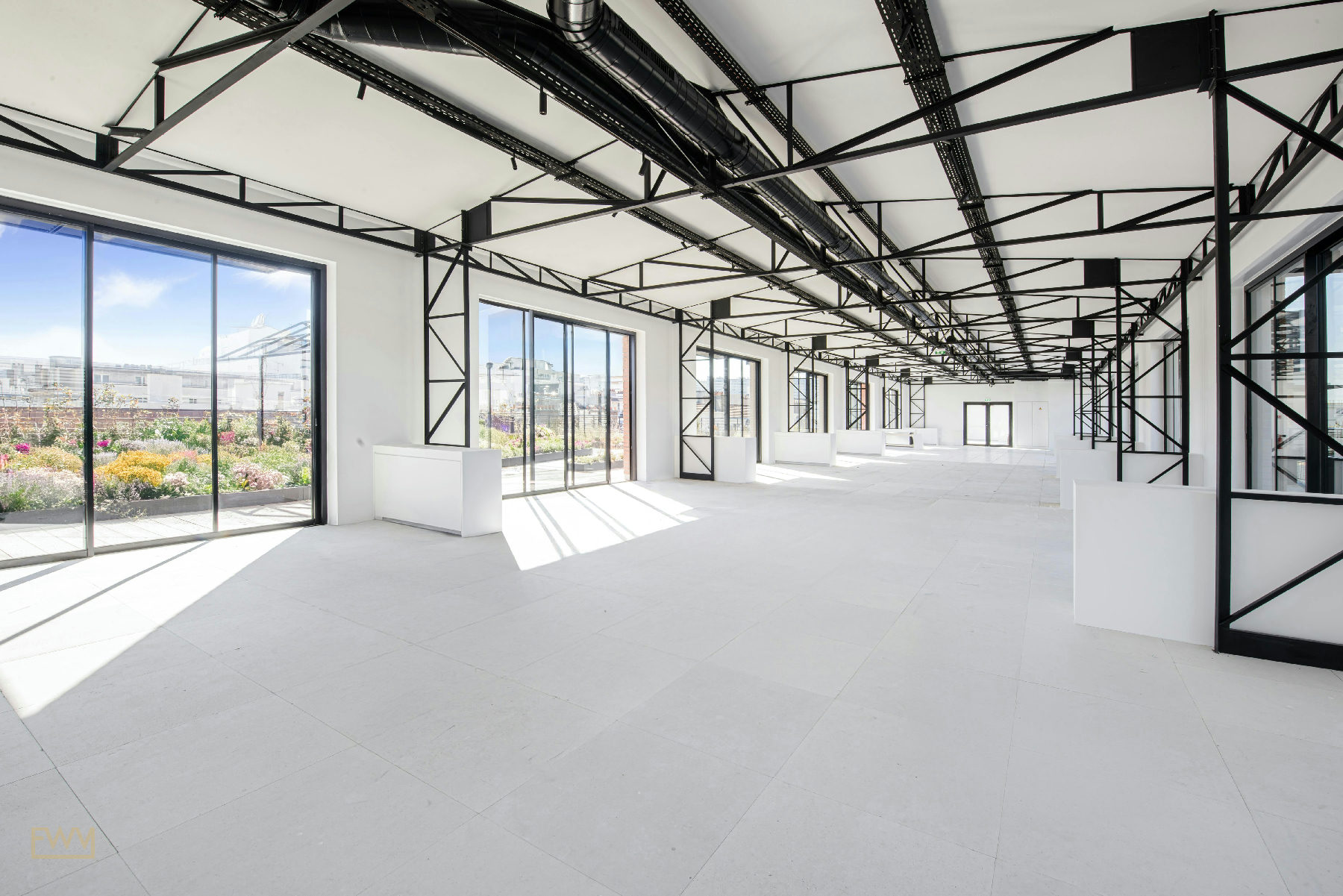
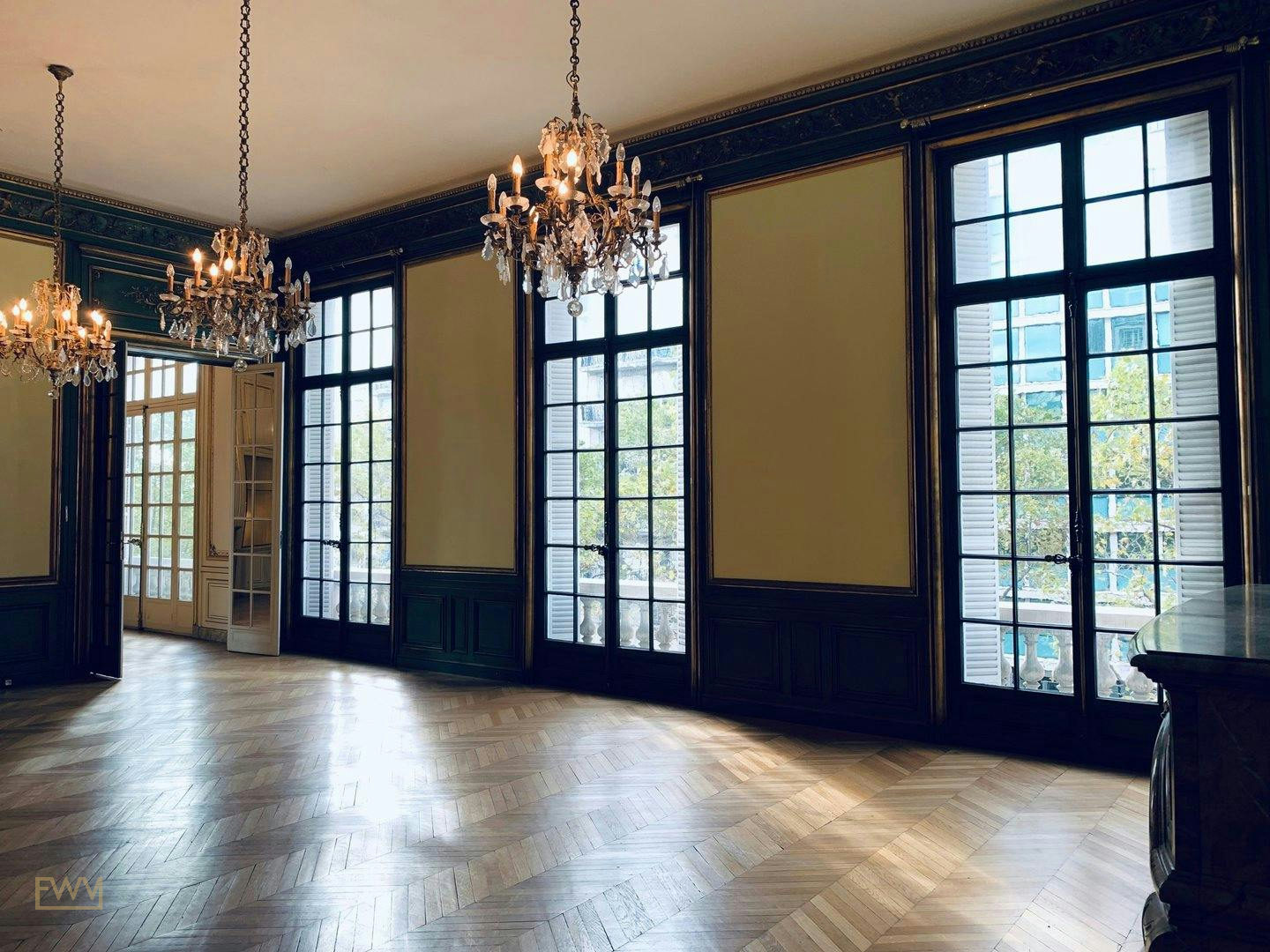
Spaces in Le Marais range from intimate boutique-format rooms of 30 to 50 square metres through to large open-plan gallery-style venues of 200 square metres or more. The mix of wooden floors, high ceilings, bright spaces with natural light, and private courtyards makes the neighbourhood exceptionally well suited to brands that prioritise the visual and spatial quality of their retail environment.
Saint-Germain-des-Prés: Luxury and Editorial Positioning
Saint-Germain-des-Prés in the 6th arrondissement is the neighbourhood of choice for luxury fashion brands, high-end beauty labels, and heritage houses. The consumer here is older, wealthier, and more likely to be a committed luxury buyer than a tourist browser. The editorial associations of Saint-Germain, rooted in its literary, artistic, and intellectual history, make it particularly powerful for brands seeking to position themselves within the European luxury narrative.
Champs-Élysées, Saint-Honoré, and Rue de Rivoli: High Volume and High Visibility
The corridor running from the Champs-Élysées through Rue Saint-Honoré and along Rue de Rivoli generates some of the highest foot traffic volumes in Paris. Brands that open here are optimising for awareness and volume rather than cultural positioning. This corridor is particularly effective for consumer goods brands, accessible luxury labels, and beauty companies that want maximum exposure to a broad international audience.
Vendôme and the 1st Arrondissement: Ultra-Luxury Territory
The area around Place Vendôme in the 1st arrondissement is the preserve of ultra-luxury jewellery, watchmaking, and haute couture. Spaces here are rare, expensive, and carry extraordinary brand associations. Only brands operating at the top of the luxury pyramid will find this neighbourhood strategically coherent.
République, Batignolles, and Emerging Districts
For brands with a more independent, streetwear, or contemporary creative positioning, districts around République, the Canal Saint-Martin, and Batignolles offer an alternative geography. These neighbourhoods attract a younger, more culturally experimental consumer and offer more affordable rental rates, making them attractive for brands at earlier stages of their Paris market development.
| Neighbourhood | Best For | Consumer Profile | Space Types | Rental Intensity |
|---|---|---|---|---|
| Le Marais (3rd and 4th) | Fashion, beauty, lifestyle, showrooms | Cultural tourists, Parisians, press, influencers | Boutiques, galleries, open-plan, courtyards | High |
| Saint-Germain-des-Prés (6th) | Luxury fashion, haute beauty, heritage brands | Wealthy locals, luxury travellers, editors | Boutiques, haussmannian apartments, galleries | Very high |
| Champs-Élysées and Rivoli (1st and 8th) | Consumer goods, accessible luxury, beauty | International tourists, broad demographic | Commercial units, large retail floors | Very high |
| Vendôme (1st) | Ultra-luxury jewellery, watchmaking, couture | UHNW individuals, luxury press | Maisons, specialist boutiques | Exceptional |
| République and Batignolles | Contemporary, streetwear, independent brands | Young Parisians, creative community | Loft spaces, studios, converted spaces | Moderate |
To compare neighbourhoods and space types, explore the Paris city hub on Fashion Week Venues and shortlist spaces that match your brief, budget, and calendar window.
KEY TAKEAWAY: Neighbourhood selection is a brand positioning decision as much as a logistics decision. The streets and arrondissements you choose will communicate your brand's cultural identity to the press, consumers, and industry professionals who encounter your activation.
Once you have identified your target neighbourhood, the next critical question is what type of space and lease structure best serves your activation goals.
Types of Pop-Up Store Spaces Available to Rent in Paris
Quick answer: Paris offers an exceptionally diverse range of temporary retail spaces including boutiques, gallery-format open-plan spaces, Haussmannian apartments, concept store units, photo studios, private courtyards, and hybrid event-retail venues, with durations ranging from a single day to several months depending on the lease structure.
The variety of space types available for short-term rental in Paris reflects the city's layered architectural history and its long tradition of commercial creativity. Brands entering the Paris market should understand the different space formats available and how each serves particular activation objectives.
Boutique-Format Retail Units
Traditional boutique-format retail units are the most common format for pop-up shops in Le Marais, Saint-Germain-des-Prés, and comparable shopping streets. These spaces typically offer 30 to 150 square metres of trading floor, purpose-built fitting rooms, display lighting using spotlights, and glass frontage or shopfront presence. They are ideal for brands that want a recognisable retail experience with an established foot traffic context.
Gallery and Open-Plan Spaces
Gallery spaces are particularly prevalent in Le Marais, where the neighbourhood's artistic heritage means that many commercial spaces have been designed with high ceilings, open-plan layouts, wooden floors, and neutral walls that allow brands to create immersive branded environments. Venues like Galerie Joseph, which has hosted numerous brand activations and retail events, exemplify this format. These spaces suit brands that want to blend retail with experience, exhibition, or press event formats.
Fashion Showrooms
For fashion brands attending Paris Fashion Week or Paris Design Week, the fashion showroom is a distinct and important format. A showroom is not a retail selling space in the conventional sense. It is a curated presentation environment where press, buyers, and wholesale accounts view the collection, handle samples, and place orders. Showrooms in Le Marais and the 3rd arrondissement are in particularly high demand during Fashion Week windows. A virtual showroom can complement a physical space for international buyers who cannot attend in person.
Hybrid Event, Cocktail, and Retail Spaces
Many Paris spaces are designed for multi-purpose use, capable of functioning as a retail pop-up, a cocktail party venue, a seminar space, and a photo studio or filming location within the same physical footprint. Spaces with private courtyards are particularly popular for brands that want to host press launches or influencer events alongside their trading activity. The availability of technical equipment such as video equipment and professional lighting rigs means some spaces can support content production as well as commerce.
Photo Studios and Content Production Spaces
A growing category of Paris rental space is the professional photo studio or Studio Photo Moderne format, designed for brands that want to produce campaign imagery, social media content, and editorial photography during their Paris activation. Spaces designed for photo shooting and filming, often featuring white cyclorama walls, professional lighting infrastructure, and set-building capability, allow brands to consolidate their Paris trip into a combined retail and content production event.
| Space Type | Typical Size | Best Activation Format | Key Features |
|---|---|---|---|
| Boutique retail unit | 30 to 150 sqm | Direct-to-consumer sales, product launch | Shopfront, fitting rooms, spotlights, display rails |
| Gallery and open-plan space | 80 to 300 sqm | Immersive brand experience, press events | Wooden floors, high ceilings, neutral walls, natural light |
| Fashion showroom | 50 to 200 sqm | Trade, wholesale, press presentations | Hanging space, sample storage, seating, meeting areas |
| Hybrid event and retail space | 100 to 400 sqm | Launch events, cocktail parties, seminars | Private courtyard, technical equipment, catering access |
| Photo studio and content space | 60 to 200 sqm | Campaign production, social media content | Professional lighting, cyclorama, filming capability |
TIP: Brands attending Paris Fashion Week should begin their showroom or pop-up space search at least three to four months before their target activation window. The most desirable spaces in Le Marais and Saint-Germain-des-Prés are booked far in advance of Fashion Week dates.
KEY TAKEAWAY: Defining your activation format before you search for a space is critical. A brand that knows it needs a showroom with meeting areas and hanging space has a fundamentally different brief than a brand that needs a consumer-facing retail unit with fitting rooms and a high street shopfront.
With space type identified, the next challenge is understanding how short-term leases actually work in Paris, which is a subject that contains important legal and operational complexity.
Short-Term Leases in Paris: Legal Structures, Permits, and Compliance
Quick answer: Short-term retail leases in Paris are most commonly structured as a bail dérogatoire, a French legal instrument that permits commercial occupancy for a defined short period outside of standard commercial lease protections, or as an autorisation d'occupation temporaire for public or semi-public spaces. Both structures carry specific conditions and require careful legal review.
The legal framework governing temporary retail in France is distinct from most other European markets and is one of the most important subjects for any brand planning to rent a pop-up store in Paris. Understanding the structures available and their respective implications is essential before signing any agreement.
The Bail Dérogatoire: Short-Term Commercial Lease
The bail dérogatoire, also known as a convention d'occupation précaire in some contexts, is the legal mechanism most commonly used for short-term retail rentals in France. Under standard French commercial lease law, tenants who occupy commercial premises for commercial purposes acquire significant statutory protections, including the right to renew leases and compensation for eviction. The bail dérogatoire exists as an exception to this framework, allowing landlords and tenants to agree on occupancy terms of up to 36 months without activating the standard commercial lease protections.
For brands renting a pop-up store in Paris, the bail dérogatoire is the appropriate instrument for agreements of up to three years. It must be explicitly named as such in the agreement and must clearly state that both parties understand it falls outside the standard commercial lease regime. Importantly, if the tenant remains in occupation after the agreed term without a new agreement, the occupancy can automatically convert to a standard commercial lease with all associated protections and obligations. This is a consequential risk that brands must understand and manage carefully.
Requirements for bail dérogatoire agreements vary by space type, duration, arrondissement, and the specific terms negotiated between the landlord and tenant. Fashion Week Venues recommends that all brands verify their specific lease structure and obligations with a qualified French legal advisor before signing.
Autorisation d'Occupation Temporaire (AOT)
An autorisation d'occupation temporaire applies when a brand wishes to use a space that is publicly owned or that falls under special urban planning or heritage designations. This is particularly relevant for brands wishing to activate in or adjacent to heritage buildings, public squares, or spaces controlled by municipal or national authorities. The AOT process involves applications to the relevant authority, compliance with specific conditions of use, and in some cases payment of an occupation fee to the public body. Timeline, cost, and approval likelihood vary significantly depending on the specific space and authority involved. The permit guidance tool on Fashion Week Venues can help brands understand the permit landscape for their specific activation type.
Commercial Activities, Permits, and Local Regulations
Beyond the lease structure itself, brands operating a pop-up store in Paris must comply with a range of local regulations governing commercial activity. These include registration requirements with the relevant Chamber of Commerce and Industry, compliance with urban planning rules that govern the permitted commercial uses of specific buildings and streets, and in some cases specific permits for activities such as outdoor signage, temporary structures, or events that involve public space use.
Insurance is a mandatory consideration. Most landlords will require proof of commercial liability insurance before granting access to the space. Utility arrangements, including electricity, heating, and internet connectivity, should be clarified in the lease agreement and not assumed to be included in the rental fee. Storage for stock and packaging materials is another operational consideration that must be addressed in advance, as many Paris pop-up spaces do not include dedicated stock storage areas.
IMPORTANT: France's commercial lease legislation is complex and highly protective of tenant rights under the standard regime. Entering into a commercial lease agreement without understanding the difference between a bail dérogatoire and a standard commercial bail commercial can expose a brand to significant unintended legal obligations. Always verify with a qualified French legal advisor.
KEY TAKEAWAY: Legal compliance for a Paris pop-up is not a bureaucratic footnote. It is a foundational operational requirement. The bail dérogatoire is the primary tool for legitimate short-term retail occupancy in France, but it requires explicit agreement and careful drafting to function as intended and to avoid conversion to a full commercial lease.
With the legal framework established, the next practical challenge is understanding what a realistic pop-up space rental will cost and how to build a comprehensive activation budget.
How Much Does It Cost to Rent a Pop-Up Store in Paris?
Quick answer: Rental costs for pop-up stores in Paris vary enormously based on neighbourhood, space size, duration, and season. Brands should treat published cost ranges as directional estimates only and use a brand-specific budget tool to model their actual costs across all activation dimensions including rent, fit-out, staffing, permits, insurance, utilities, and marketing.
One of the most common errors brands make when planning a Paris pop-up is focusing exclusively on the rental cost of the space itself and underestimating the full cost of the activation. Rental is only one element of a budget that must also account for concept development, production and fit-out, furniture rental, temporary staffing, POS and payments infrastructure, insurance, permits, utilities, storage, and marketing and PR activity.
Rental Rate Factors
Rental rates for short-term retail spaces in Paris are influenced by several intersecting factors. Neighbourhood is the most significant variable. Spaces in Le Marais, Saint-Germain-des-Prés, and the Champs-Élysées corridor command premium rates that reflect the foot traffic, brand associations, and commercial intensity of those locations. Spaces in emerging districts like Batignolles or around République will typically offer lower rates in exchange for different audience characteristics.
Space size is the second major variable. Boutique units of 30 to 50 square metres will have a fundamentally different cost structure than gallery or event spaces of 200 square metres or more. Duration also affects daily rates, with longer minimum duration commitments sometimes offering more favourable per-day pricing, though not always.
Seasonality and calendar alignment are critically important in Paris. Spaces in Fashion Week proximity windows, during FIAC, or during Paris Design Week will command significantly higher rates than the same spaces at off-peak periods. Availability calendar planning is essential for brands targeting specific event windows, as the most desirable spaces in the most desirable neighbourhoods are often fully booked weeks or months in advance.
Beyond Rental: The Full Activation Budget
A realistic Paris pop-up budget must include costs beyond the rental fee itself. Fit-out and production costs cover the physical transformation of the space into a branded environment. This includes scenography, merchandising fixtures, furniture rental, lighting design, and the installation and de-installation of all branded elements. Temporary staff costs must cover sales associates, security service personnel, and any specialist retail or event staff required for the duration of the activation. POS and payments infrastructure, whether using SumUp, Zettle, Shopify POS, or another retail payments solution, must be budgeted and configured in advance.
Marketing and PR spend, including social media content production, influencer marketing fees, and earned media outreach, should be treated as an integral part of the budget rather than an optional addition. The return on a Paris pop-up is often as much a function of the marketing amplification it generates as it is of the direct sales it produces.
TIP: Use the pop-up budget calculator on Fashion Week Venues to build a detailed cost model for your specific activation across all budget dimensions including rental, production, staffing, permits, and marketing.
KEY TAKEAWAY: The rental cost of a Paris pop-up space is the starting point of your budget, not the entirety of it. Brands that budget only for rent and discover the true activation cost later are forced into compromises that damage the quality and effectiveness of their activation. Build a full budget from the outset.
Understanding budget is closely linked to understanding how to find, evaluate, and compare spaces effectively, which is where the practical process of renting a pop-up store in Paris begins.
How to Find and Rent a Pop-Up Store in Paris: A Step-by-Step Process
Quick answer: The process of renting a pop-up store in Paris involves defining your activation brief, identifying your target neighbourhood and space type, sourcing candidate spaces through a marketplace or agency, evaluating spaces against your requirements, negotiating lease terms, completing legal and compliance requirements, and then planning and executing your fit-out, operations, and marketing.
Navigating the Paris pop-up market without a structured process is one of the most common reasons brands under-deliver on their activation potential. The market is competitive, the legal framework is complex, and the operational requirements are numerous. A systematic approach significantly improves outcomes.
| Stage | Key Actions | Timeline Relative to Activation |
|---|---|---|
| 1. Brief definition | Define objective, neighbourhood, space type, size, duration, and budget | 12 to 16 weeks before |
| 2. Space sourcing | Search marketplace, engage agency, review shortlist of candidate spaces | 10 to 14 weeks before |
| 3. Space evaluation | Visit shortlisted spaces, assess technical equipment, check availability calendar | 8 to 12 weeks before |
| 4. Lease negotiation | Agree terms, confirm lease start, minimum duration, utilities, insurance requirements | 6 to 10 weeks before |
| 5. Legal and compliance | Finalise bail dérogatoire, obtain necessary permits, confirm insurance | 4 to 8 weeks before |
| 6. Concept and design | Develop scenography, plan merchandising layout, confirm furniture rental | 4 to 8 weeks before |
| 7. Production and fit-out | Build branded environment, install technical equipment, configure POS and payments | 1 to 2 weeks before |
| 8. Staffing and operations | Confirm temporary staff, brief on customer service, set up inventory management | 1 week before |
| 9. Activation and marketing | Launch pop-up, execute social media and influencer programme, monitor foot traffic | During activation |
| 10. Reporting and de-installation | Collect data analytics, de-install fit-out, return space to original condition | At and after activation end |
Define Your Activation Objective Before Anything Else
The single most important step in planning a Paris pop-up is defining your primary objective with precision. Are you seeking to sell product directly to consumers? To present a collection to press and buyers in a showroom format? To launch a new product to influencers and media? To test consumer response to a new concept or price point? To build brand awareness in a new market? Each objective leads to a different optimal space type, neighbourhood, duration, and operational configuration. Conflating multiple objectives without prioritising them leads to spaces that serve none of them well.
Use a Structured Space Search and Comparison Process
The Paris short-term retail market contains spaces listed across multiple platforms including specialist marketplaces and agency-managed portfolios. Using a structured search process that filters by neighbourhood, size, availability, and space type will save significant time. The space comparison tool on Fashion Week Venues allows brands to evaluate multiple candidate spaces against each other across a consistent set of criteria.
Anticipate Logistics: Transport, Reception, and Operations
Once a venue is identified, brands must plan the logistics of getting products into the space and operating effectively throughout the activation. This includes arranging transport of stock and packaging to the space, understanding how deliveries will be received, planning inventory management during the activation, and addressing the practical question of who will manage reception, sales floor operations, and customer service on a daily basis. Temporary staff sourcing should begin as soon as the space is confirmed, as experienced bilingual retail staff in Paris are in significant demand during Fashion Week windows.
KEY TAKEAWAY: The quality of your Paris pop-up is determined as much by the rigour of your pre-activation planning as by the quality of the space itself. A beautiful space with poor logistics, undertrained staff, and no marketing plan will underperform a simpler space with excellent operations and a well-executed communications strategy.
The operational complexity of a Paris pop-up is one reason many brands work with a specialist agency rather than attempting to manage every dimension independently. Understanding the role of an agency in this context is the next important consideration.
How Fashion Week Venues Helps Brands Rent and Activate Pop-Up Stores in Paris
Fashion Week Venues operates as a full-service pop-up agency and space marketplace with Paris as its primary market. The agency supports brands across the full activation journey, from initial space discovery through to production, operations, staffing, and post-activation reporting. Understanding what the agency does, and where brands retain responsibility for their own decisions, helps brand teams use the service effectively.
The starting point for most brands is the Fashion Week Venues space marketplace, which lists curated short-term retail spaces across Paris and other major fashion capitals. Brands can browse spaces by neighbourhood, size, type, and availability, and can use the locator tool and compare tool to shortlist candidates that match their brief. The imagine tool allows brands to visualise how a candidate space might look with their own brand identity applied, which is particularly useful for creative teams assessing fit before committing to a site visit.
Venue Sourcing and Concept Direction
For brands that want expert guidance on space selection rather than independent marketplace browsing, the agency's venue sourcing service provides a curated shortlist of spaces matched to the brand's brief, budget, neighbourhood preference, and activation timeline. The concept direction service then helps brands develop the creative framework for their activation, from visual identity and spatial layout through to the overall narrative and consumer experience design.
Production, Fit-Out, and Branded Store Design
The production and build service manages the physical transformation of the selected space into a branded retail environment. This includes scenography design, custom fixture fabrication, furniture rental, lighting design, fitting room installation, and all aspects of the fit-out and de-installation process. Brands working with the agency's production team benefit from supplier relationships, knowledge of Paris building access regulations, and experience managing the logistical complexity of fitting out short-term spaces in dense urban environments.
Staffing, POS, and Operations
The agency's retail staffing service sources and places temporary sales staff, security service personnel, and event staff with appropriate language skills and retail experience for the Paris market. POS and payments configuration ensures that the brand's chosen technology, whether Shopify POS, SumUp, Zettle, or another system, is correctly set up, tested, and integrated with inventory management before the space opens.
Influencer Marketing and Data Analytics
Fashion Week Venues also supports the marketing dimension of Paris pop-up activations, including influencer marketing programme management and data analytics reporting. The data and analytics service collects consumer data and foot traffic metrics during the activation and delivers a post-activation report that supports ROI assessment and informs future market decisions. Brands can use the ROI calculator tool to model expected returns before committing to an activation budget.
IMPORTANT: Fashion Week Venues does not guarantee specific foot traffic volumes, editorial coverage outcomes, or permit approvals. The agency provides expert guidance, operational support, and access to curated spaces, but commercial outcomes depend on brand quality, marketing investment, space selection, and execution quality, all of which involve factors beyond any agency's direct control.
KEY TAKEAWAY: The most effective use of Fashion Week Venues is as an expert operational partner that reduces the risk and complexity of a Paris activation while preserving the brand's creative and commercial decision-making authority. Brands that engage the agency early, with a clear brief, consistently achieve better-prepared and better-executed activations than those that engage late or without defined objectives.
For brands considering whether to work with an agency at all, or how to select the right one, the next section addresses that question directly.
Working With a Pop-Up Agency Versus Going Direct: What Brands Need to Know
Quick answer: Working with a specialist pop-up agency offers advantages in speed, local market knowledge, supplier relationships, and operational risk management that are particularly valuable for brands entering Paris for the first time or operating under tight timelines. Going direct can work for brands with established Paris market experience, existing supplier networks, and internal activation management capacity.
The decision to work with an agency or manage a Paris pop-up independently is one that brand teams frequently debate. Both approaches are legitimate, and the right choice depends on the brand's experience level, internal capacity, budget structure, and risk tolerance.
The Case for an Agency
An agency with deep Paris market experience brings three categories of value that are difficult for a brand to replicate independently. First, it brings access. Agencies with established landlord and space owner relationships can often access spaces that are not publicly listed, can negotiate better terms than an unknown brand approaching a landlord cold, and can move faster because the counterparty knows and trusts them.
Second, an agency brings operational knowledge. The Paris pop-up market involves a network of suppliers, permit authorities, local tradespeople, and logistics providers whose relationships and working practices are not obvious to a brand entering the market for the first time. An agency that has executed multiple activations in Le Marais or Saint-Germain-des-Prés knows which suppliers are reliable, which permit requirements apply to which space types, and how to manage the practical challenges of fitting out a Paris space within a tight timeline.
Third, an agency brings risk management. When things go wrong during a Paris pop-up, and something almost always does, having an experienced agency on the ground to manage the problem is significantly more effective than a brand team attempting to resolve an unfamiliar issue in a foreign market. The cost of agency fees is frequently offset by the cost and reputational damage avoided by preventing or quickly resolving operational failures.
The Case for Going Direct
Brands that have activated in Paris previously, have existing relationships with Paris landlords, and maintain internal production and event management capacity may reasonably conclude that an agency adds less value for them than it would for a first-time entrant. Direct relationships with space owners can also be cost-efficient for brands that activate repeatedly in the same neighbourhood and have established the trust that reduces landlord risk aversion.
The guide on hiring a pop-up agency provides a detailed framework for brands evaluating whether agency engagement is right for their specific situation and how to assess agency capability and fit.
KEY TAKEAWAY: The question is not whether an agency is universally better or worse than going direct. It is whether the specific agency under consideration adds enough value across space access, operational knowledge, and risk management to justify the engagement cost for your specific activation, market position, and internal capabilities.
Design, Equipment, and Technical Considerations for Paris Pop-Up Stores
Quick answer: The design and technical configuration of a Paris pop-up store must balance brand identity expression with the practical constraints of the chosen space, including structural limitations, utility connections, permit-governed installation restrictions, and the requirement to return the space to its original condition at the end of the lease.
The design of a pop-up store is the visual and spatial translation of a brand's identity into a temporary retail environment. In Paris, where the quality of retail design is exceptionally high and the press and consumer audience is visually sophisticated, the design of your pop-up is a direct signal of your brand's quality and ambition.
Spatial Planning and Scenography
Effective scenography for a pop-up store begins with an honest assessment of the space's characteristics and constraints. Open-plan spaces with wooden floors and bright natural light, which are common in Le Marais, offer maximum flexibility for branded installation but require the brand to bring all design elements rather than relying on existing fixtures. Boutique-format units with existing display systems and fitting rooms require less investment in infrastructure but may constrain the brand's ability to create a fully bespoke environment.
Merchandising layout planning should prioritise the consumer journey through the space, the visibility of hero products from the entrance, the accessibility of fitting rooms or consultation areas, and the flow of movement that encourages dwell time and product engagement. Good merchandising design in a Paris pop-up is the difference between a space that browsers pass through and one that buyers linger in.
Furniture Rental and Technical Equipment
Most Paris pop-up spaces are rented unfurnished or with minimal base furniture. Brands must source all display fixtures, seating, counters, and branded furniture elements independently. Furniture rental is a practical and cost-efficient solution for temporary activations where purchasing furniture outright is not justified by the duration of use. Technical equipment including spotlights, video equipment, audio systems, and professional lighting rigs must be sourced, installed, and de-installed within the agreed access windows and in compliance with any technical installation restrictions in the lease agreement.
Fitting Rooms and Customer Privacy
For fashion brands selling wearable product, fitting rooms are a fundamental operational requirement. In spaces that do not include existing fitting room structures, brands must install temporary fitting room systems that can be erected and removed without causing damage to the space. The configuration of fitting rooms must comply with accessibility standards and must be positioned to allow adequate staff supervision without compromising customer privacy.
KEY TAKEAWAY: Design quality in a Paris pop-up is not a luxury investment. It is a commercial necessity. The visual sophistication of the Paris retail environment means that brands that underinvest in design and scenography risk damaging their brand perception among exactly the press, influencers, and consumers whose opinion matters most to their market development objectives.
Pop-Up Store Marketing in Paris: Social Media, Influencers, and Earned Media
Quick answer: Marketing a Paris pop-up effectively requires a pre-opening awareness campaign, an in-store content production strategy, an influencer engagement programme, and a post-activation earned media follow-up, all coordinated around the specific calendar of fashion, cultural, and retail events that create amplification opportunities in Paris.
A Paris pop-up store without a marketing strategy is a retail space. A Paris pop-up store with a well-executed marketing strategy is a brand activation. The distinction is consequential. The commercial return on a pop-up investment in Paris is frequently as much a function of the media and social amplification it generates as of the direct sales it produces during the activation period.
Pre-Opening Communication and Awareness
The marketing campaign for a Paris pop-up should begin well before the doors open. Announcing the activation to press contacts, influencers, and existing brand community members in advance generates anticipation and ensures that the opening day is not the first moment people hear about the pop-up. Email outreach, social media teaser content, and press releases to relevant fashion, lifestyle, and retail media should all be coordinated into a pre-opening communication calendar.
Influencer Engagement and Social Media Content
Paris is one of the most photographed and shared cities in the world, and during Fashion Week, FIAC, or Paris Design Week, the concentration of influential social media voices in the city creates an exceptional amplification opportunity for brands that engage them effectively. An influencer programme for a Paris pop-up should identify relevant voices whose audiences align with the brand's target consumer, invite them to private previews or exclusive events at the space, and give them sufficient creative freedom to produce authentic content rather than scripted advertising.
The space design itself should be considered from a social media photography perspective. Spaces with distinctive visual features, interesting lighting, private courtyard access, or branded moments that invite photography will generate more organic social content than spaces that are simply functional retail environments. This consideration should inform the scenography and design brief from the outset.
Earned Media and Press Coverage
Paris is home to the editorial offices of most major global fashion and lifestyle media brands, as well as the local press corps that covers the Paris retail market. A Paris pop-up that is well-positioned, well-designed, and well-communicated to the press can generate earned media coverage in print and digital publications that carries far more credibility with target consumers than any paid advertising campaign. Earned media strategy should be a formal part of the activation plan, with a press list, press materials, and media preview event all integrated into the operational calendar.
KEY TAKEAWAY: In Paris, the marketing strategy for a pop-up is as important as the space itself. Brands that treat marketing as an afterthought consistently leave value on the table. The concentration of press, influencers, and culturally engaged consumers in Paris during key calendar windows means that a well-marketed pop-up can generate returns that extend far beyond the activation period and geography.
Common Myths About Renting a Pop-Up Store in Paris
MYTH: You need a French legal entity to rent a pop-up store in Paris.
FACT: Many international brands successfully rent short-term retail spaces in Paris without a French registered company. The requirements vary depending on the landlord, the lease structure, and the specific space. Some landlords require a French guarantor or a substantial deposit. Others work directly with international companies under a bail dérogatoire with appropriate contractual protections. Consulting a French legal advisor and working with an experienced local agency can resolve most entity-related barriers without requiring formal French company registration.
MYTH: Paris Fashion Week is the only viable calendar window for a Paris pop-up.
FACT: Paris Fashion Week creates exceptional amplification opportunities, but it is not the only viable activation window. FIAC in October, Paris Design Week in September, the Christmas retail season, and the summer tourism peak all create distinct windows with their own audience characteristics and commercial potential. Brands should select their calendar window based on their target consumer, activation objective, and budget, not simply on the assumption that Fashion Week is always the optimal moment.
MYTH: Commission brokers are the only way to find a pop-up space in Paris.
FACT: Commission brokers were historically a primary channel for finding short-term retail space in Paris, but the market has evolved significantly. Specialist marketplaces, agency-managed space portfolios, and direct landlord relationships now give brands multiple routes to space discovery that may offer better space selection, greater transparency, and more comprehensive support than a traditional broker arrangement. Evaluating multiple sourcing channels rather than defaulting to the first broker contact is a more effective strategy for most brands.
MYTH: Short-term retail leases in Paris are legally straightforward and can be managed without specialist help.
FACT: Short-term commercial leases in France operate under a specific legal framework that includes the bail dérogatoire mechanism and its risks of unintended conversion to a full commercial lease. French commercial lease law is complex, highly tenant-protective under the standard regime, and contains significant obligations that are not obvious to non-specialist parties. Brands that sign short-term lease agreements without qualified French legal review or experienced agency support expose themselves to legal and financial risks that are avoidable with appropriate professional guidance.
MYTH: A pop-up store in Paris is primarily a sales channel and should be evaluated only on sales revenue.
FACT: For most fashion and lifestyle brands, the primary return on a Paris pop-up is not direct sales revenue but a combination of brand positioning, earned media coverage, influencer content generation, wholesale relationship development, and consumer data collection. Evaluating a Paris pop-up only on point-of-sale revenue misses the majority of the value it creates. A comprehensive ROI model should capture all return dimensions across the activation period and beyond.
Frequently Asked Questions About Renting a Pop-Up Store in Paris
What is a pop-up store in Paris?
A pop-up store in Paris is a temporary retail or brand activation space that a brand rents for a defined short-term period, typically ranging from a few days to several months. Pop-up stores in Paris are used for direct-to-consumer sales, fashion showroom presentations, product launches, press events, influencer experiences, and brand positioning activations. They differ from permanent retail in that they operate under short-term lease agreements, are designed for a specific activation purpose, and are de-installed and returned to the landlord at the end of the agreed term. Paris is one of the most active pop-up retail markets in the world, with strong concentrations of activity in Le Marais, Saint-Germain-des-Prés, and the Champs-Élysées corridor.
How do I rent a pop-up store in Paris?
Renting a pop-up store in Paris involves defining your activation brief, identifying your target neighbourhood and space type, sourcing candidate spaces through a marketplace or agency, evaluating shortlisted spaces, negotiating a short-term lease agreement, obtaining any required permits, planning your fit-out and operations, and executing your marketing and activation. The process typically begins three to four months before the target activation date for Fashion Week windows and at least two months before for off-peak periods. Working with a specialist pop-up agency can significantly accelerate and de-risk each stage of this process, particularly for brands entering the Paris market for the first time.
Are pop-up stores common in Paris?
Pop-up stores are extremely common in Paris and are a well-established part of the city's retail and cultural fabric. Le Marais in particular hosts a high density of temporary retail activations throughout the year, with activity peaking during Paris Fashion Week, FIAC, Paris Design Week, and the Christmas retail season. The Paris market for short-term retail is supported by a mature ecosystem of landlords, agencies, marketplaces, and suppliers who specialise in temporary retail activation. International brands, emerging designers, beauty labels, and lifestyle companies all regularly use Paris pop-ups as part of their European market strategy.
What neighbourhoods are best for pop-up retail in Paris?
Le Marais, covering the 3rd and 4th arrondissements, is the most popular neighbourhood for pop-up retail in Paris, offering a combination of high foot traffic, cultural cachet, diverse space types, and strong fashion and lifestyle brand associations. Saint-Germain-des-Prés is preferred for luxury positioning. The Champs-Élysées, Rue Saint-Honoré, and Rue de Rivoli corridor offers maximum foot traffic volume. The Vendôme area serves ultra-luxury brands. Emerging districts like République and Batignolles attract contemporary and independent brands. The best neighbourhood for a specific brand depends on its target consumer, brand positioning, activation objective, and budget.
How much does a pop-up store cost in Paris?
The cost of a pop-up store in Paris varies significantly based on neighbourhood, space size, duration, and season. Rental costs are only one component of the total activation budget, which must also include fit-out and production, furniture rental, temporary staffing, POS and payments infrastructure, permits, insurance, utilities, and marketing. Brands should treat any general cost guidance as directional only and build a specific budget model for their own activation parameters. The budget calculator tool on Fashion Week Venues allows brands to estimate costs across all activation dimensions based on their specific inputs.
What is a bail dérogatoire and why does it matter for pop-up rentals?
A bail dérogatoire is the French legal instrument used for short-term commercial lease agreements that fall outside the standard commercial lease regime. It allows a landlord and tenant to agree on commercial occupancy terms of up to 36 months without triggering the full statutory protections that apply under the standard French commercial lease law, including the tenant's right to lease renewal and eviction compensation. For brands renting a pop-up store in Paris, the bail dérogatoire is the appropriate and most commonly used lease structure. It must be explicitly named as such in the agreement, and both parties must understand its terms clearly. Brands should verify all lease agreements with a qualified French legal advisor to avoid unintended conversion to a full commercial lease.
Do I need a French company to rent a pop-up store in Paris?
Not necessarily. Many international brands rent pop-up spaces in Paris under a bail dérogatoire without having a French registered legal entity. Requirements vary by landlord, space type, and lease structure. Some landlords require a French guarantor or a substantial deposit from international companies. Working with an experienced local agency or using an established marketplace with vetted landlord relationships can help international brands navigate this requirement effectively. Regardless of company structure, all brands operating commercially in France must comply with French commercial activity regulations, and professional legal advice is recommended before signing any lease agreement.
What is the minimum rental duration for a pop-up store in Paris?
Minimum rental durations for pop-up stores in Paris vary significantly depending on the landlord, the space type, and the neighbourhood. Some spaces are available for a single day or a weekend, while others require a minimum commitment of one week, two weeks, or a month. Spaces in high-demand locations like Le Marais during Fashion Week typically require longer minimum commitments and may be booked months in advance. Brands should confirm the minimum duration requirement and the lease start conditions for each specific space before beginning lease negotiations, as these terms are typically non-negotiable once agreed.
What types of brands use pop-up stores in Paris?
Pop-up stores in Paris are used by a broad range of brand types including established luxury fashion houses presenting new collections during Fashion Week, emerging independent designers testing the market, beauty and skincare labels launching new products, lifestyle and homeware brands building brand awareness, international brands entering the European market, and direct-to-consumer brands expanding their physical retail presence on a trial basis. The format is equally relevant for fashion brands seeking showroom space for trade presentations, consumer brands targeting direct sales, and companies focused primarily on brand positioning and earned media generation rather than transaction volume.
How far in advance should I book a pop-up space in Paris?
For Fashion Week windows, brands should begin their space search at least three to four months before the target activation date. The most desirable spaces in Le Marais and Saint-Germain-des-Prés are frequently fully booked months in advance of Fashion Week periods. For off-peak activations, a lead time of six to eight weeks may be sufficient, but earlier engagement always expands the range of available options. Brands should also factor in the time required for permit applications, fit-out production, and staffing recruitment when setting their overall project timeline. The timeline planning tool on Fashion Week Venues can help brands map their full activation schedule.
What permits do I need to operate a pop-up store in Paris?
Permit requirements for a Paris pop-up depend on the type of space, the nature of the commercial activity, the location, and the specific terms of the lease agreement. Commercial activity registration with the relevant Chamber of Commerce and Industry may be required. Specific permits may apply for outdoor signage, temporary structures, events that involve public space use, or activities in heritage buildings. Urban planning rules govern permitted commercial uses of specific buildings and streets and must be verified before committing to a space. Brands should use the permit guidance tool on Fashion Week Venues as a starting point and then verify their specific requirements with a qualified French legal advisor.
What is the difference between a pop-up store and a fashion showroom in Paris?
A pop-up store in Paris is primarily oriented toward direct-to-consumer retail, selling product to individual buyers who visit the space during the activation period. A fashion showroom is primarily oriented toward trade, presenting a collection to press, wholesale buyers, and retail accounts who view samples, handle product, and place orders. The two formats have different operational configurations, different space requirements, and different marketing priorities. In practice, many Paris Fashion Week activations blend both formats, operating a consumer-facing pop-up during public hours and a trade showroom during appointment-only periods, particularly for brands at the intersection of direct-to-consumer and wholesale distribution.
Can I use a Paris pop-up space for content production as well as retail?
Yes. Many Paris pop-up spaces are designed or adaptable for multi-purpose use, including content production alongside retail activity. Spaces with professional lighting infrastructure, clean architectural lines, private courtyards, or purpose-built photo studio configurations can support campaign photography, social media content creation, and editorial filming alongside their retail function. Brands that plan to use their Paris space for content production should clarify this intention with the landlord during lease negotiations and ensure that the space configuration, technical equipment, and access hours support both functions. Coordinating retail and content production in the same Paris activation is an efficient use of budget and time for brands with both commercial and marketing objectives.
How do I manage inventory and stock in a Paris pop-up store?
Inventory management in a Paris pop-up requires planning for the physical storage of stock, the logistics of restocking during the activation, and the integration of inventory tracking with your POS and payments system. Many Paris pop-up spaces do not include dedicated stock storage areas, so brands must either select spaces with adequate back-of-house storage, arrange supplementary storage with a specialist provider, or manage stock levels carefully to avoid overcommitting product to a space that cannot safely store it. Inventory management software integrated with your POS system allows real-time tracking of sales and stock levels, which is essential for managing a time-limited activation where running out of a bestselling product partway through the activation period represents a direct commercial loss.
What is the Twin concept at Fashion Week Venues?
The Twin concept at Fashion Week Venues is a co-activation format that allows two complementary brands to share a single pop-up space in Paris, dividing the space, the rental cost, and the operational overhead between them while creating a combined brand environment that can attract a broader audience than either brand would individually. The format is particularly relevant for brands with aligned but non-competing consumer audiences, such as a fashion brand and a beauty label, or a contemporary clothing brand and an accessories designer. Co-activation through the Twin format can significantly improve the commercial efficiency of a Paris pop-up by reducing per-brand costs while maintaining the full benefit of a prime location and a well-produced activation.
Conclusion: Making Your Paris Pop-Up Investment Work
Renting a pop-up store in Paris is one of the most commercially and culturally powerful activations a fashion, beauty, or lifestyle brand can execute. The city combines extraordinary foot traffic, a globally influential fashion and media ecosystem, a richly varied neighbourhood landscape, and a mature short-term retail market infrastructure that supports brands from initial space search through to post-activation reporting. But the Paris pop-up market is also competitive, legally complex, and operationally demanding. Brands that invest in thorough planning, rigorous legal review, high-quality design, effective marketing, and professional operational management consistently outperform those that approach Paris as a simple space rental transaction.
The decisions that matter most are made before the doors open. Neighbourhood selection, space type, lease structure, activation timeline, staffing plan, and marketing strategy are all foundational choices that determine what is possible once the activation is live. Getting these decisions right requires market knowledge, operational experience, and a clear-eyed assessment of what a Paris activation can and cannot deliver for your specific brand at your specific stage of market development.
Fashion Week Venues exists to help brands navigate this complexity with greater confidence and efficiency. Whether you need a curated space shortlist, end-to-end production management, a staffed and operational retail environment, or simply the tools to plan and budget your activation effectively, the agency and its marketplace are designed to support your Paris market ambitions at the level of engagement that suits your team.
To move from research to activation, start exploring available spaces on the Fashion Week Venues marketplace and build a focused brief for your target neighbourhood, space type, and calendar window.