Finding the right retail space for rent on the Champs-Élysées is one of the most competitive and strategically complex challenges a brand activation team can face in Europe. The Avenue des Champs-Élysées sits at the intersection of global luxury, high footfall, and intense media visibility, making it the most desirable short-term retail address in France and one of the most sought-after in the world. Whether your objective is a temporary pop-up store, a Fashion Week showroom, a brand activation, or a product launch tied to the Grand Palais or Golden Triangle calendar, understanding how the Champs-Élysées rental market works before you begin your search saves time, budget, and commercial risk. This guide explains the geography, space types, leasing frameworks, permit requirements, costs, and operational decisions that determine whether a Champs-Élysées activation succeeds. Fashion Week Venues provides end-to-end support for brands navigating this market, from venue sourcing through to full activation delivery.
Why the Champs-Élysées Remains the Defining Address for Retail Activations in Paris
The Champs-Élysées is not simply a street. It is the most recognisable commercial avenue in the world, stretching approximately 1.9 kilometres from Place de la Concorde to the Arc de Triomphe in the 8th arrondissement of Paris. Brands that activate on this avenue position themselves at the centre of a global stage that attracts an estimated 300,000 visitors per day according to data cited by the Comité Champs-Élysées, drawing international tourists, Parisian consumers, press, and industry professionals in volumes that no other address in France can replicate.
The avenue runs through the heart of what Paris retailers and real estate professionals call the Golden Triangle, a luxury retail district bounded by Avenue Montaigne, Avenue George V, and the Champs-Élysées itself. This triangle houses the flagship stores of Louis Vuitton, Dior, and dozens of other fashion houses, placing any brand that activates in the area directly within the luxury positioning frame that high-net-worth consumers and press associate with the neighbourhood. Beyond the avenue itself, intersecting streets including Rue du Faubourg Saint-Honoré, Rue de la Paix, and Rue Royale extend the commercial and cultural radius of any activation based on or near the Champs-Élysées.
The surrounding cultural landmarks amplify the location's impact. The Grand Palais, which hosts major art exhibitions and has historically served as a venue for Chanel's runway shows, sits immediately adjacent. The Palais de la Découverte science museum and planetarium occupy part of the same monumental building. The Théâtre du Rond-Point anchors the lower section of the avenue near the gardens. The Lido de Paris and Le Queen nightclub are embedded within the avenue's commercial fabric. Together, these landmarks shape a cultural geography that gives a brand activation on the Champs-Élysées relevance far beyond a standard retail opening.
For international brands entering France, the avenue also carries practical advantages. The Champs-Élysées is served directly by metro line 1, one of the busiest and most tourist-frequented lines in the Paris network, with stations at Franklin D. Roosevelt, George V, and Charles de Gaulle Étoile. This connectivity ensures that footfall is not limited to pedestrian catchment alone. Visitors arriving from central Paris, the Louvre area, and beyond contribute to a daily audience that spans leisure tourists, fashion industry professionals during Fashion Week, press and photographers, and affluent local shoppers.
DID YOU KNOW: The Champs-Élysées has been consistently ranked among the world's most expensive retail streets, with rents historically cited by Cushman and Wakefield's annual Main Streets Across the World report as among the top ten globally.
The combination of footfall volume, luxury positioning, media visibility, cultural context, and transport infrastructure makes the Champs-Élysées uniquely justifiable for brands whose activation objectives require mass awareness combined with premium brand perception. However, this combination also drives significant complexity in finding, securing, and operating a space. The next section examines the specific types of retail and event space available along the avenue and its immediate environs.
KEY TAKEAWAY: The Champs-Élysées delivers unmatched footfall, luxury adjacency, and global media exposure for brand activations in Paris, but the competitive and complex nature of the leasing market means that brands need specialist support to navigate space availability, compliance, and operational requirements successfully.
Understanding the space types available along and around the avenue is essential before committing to any particular location or configuration.
Types of Retail Space Available for Rent on the Champs-Élysées and in the 8th Arrondissement
The Champs-Élysées and the broader 8th arrondissement offer a wider range of short-term rental formats than many brands initially expect. While street-level boutique units with prominent frontage on the main avenue represent the most visible option, they are only one of several space types that brands use for pop-up stores, showrooms, and brand activations in this neighbourhood.
Street-Level Boutiques and Flagship Units
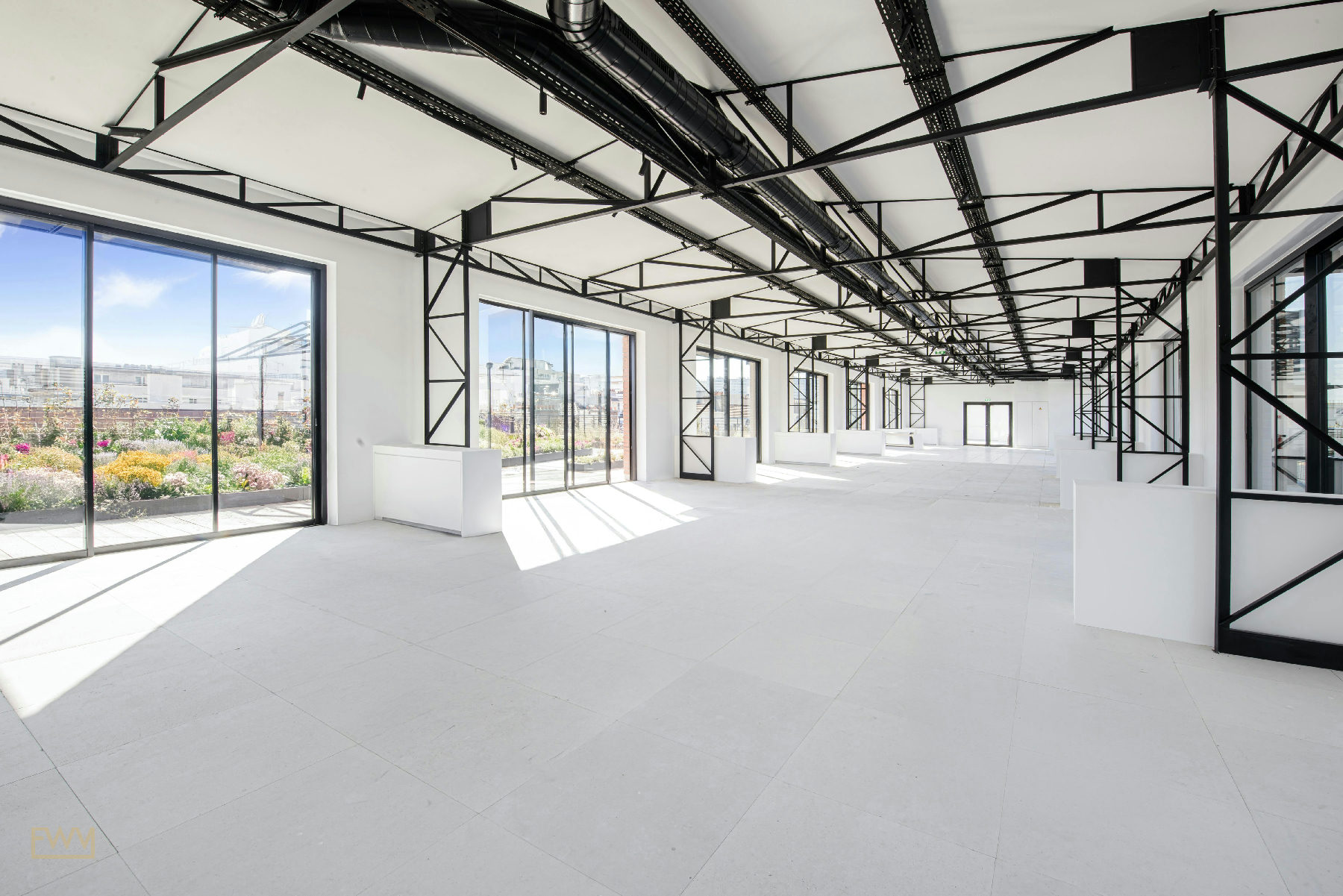
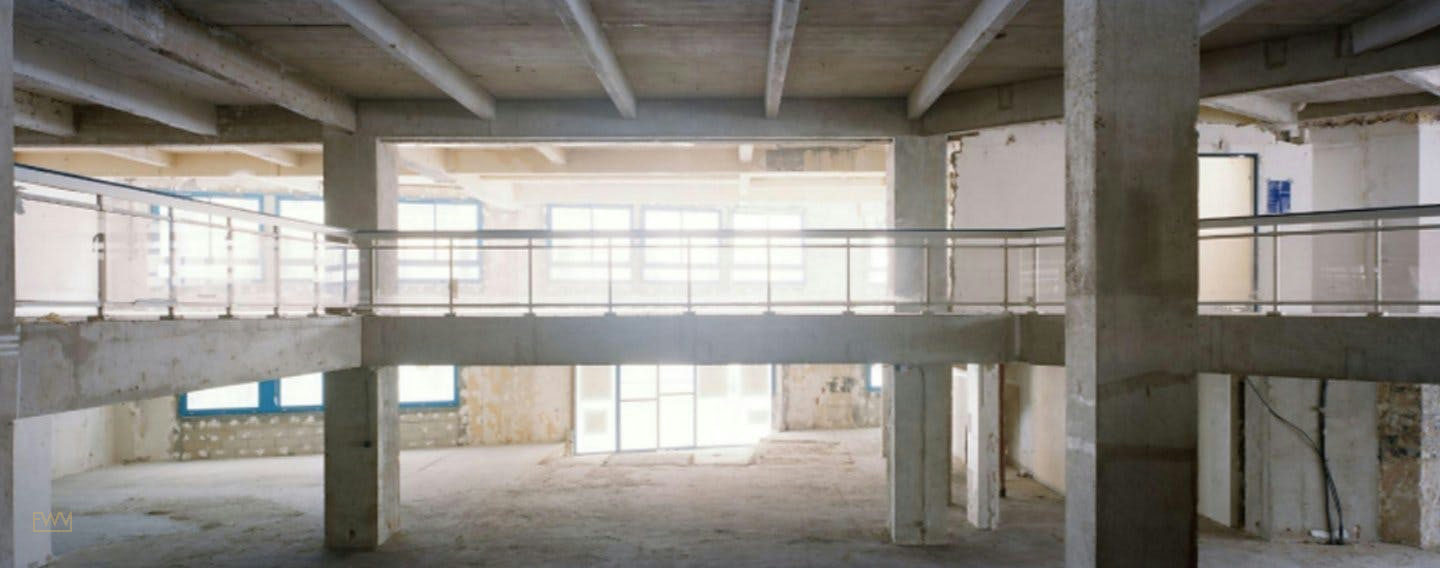
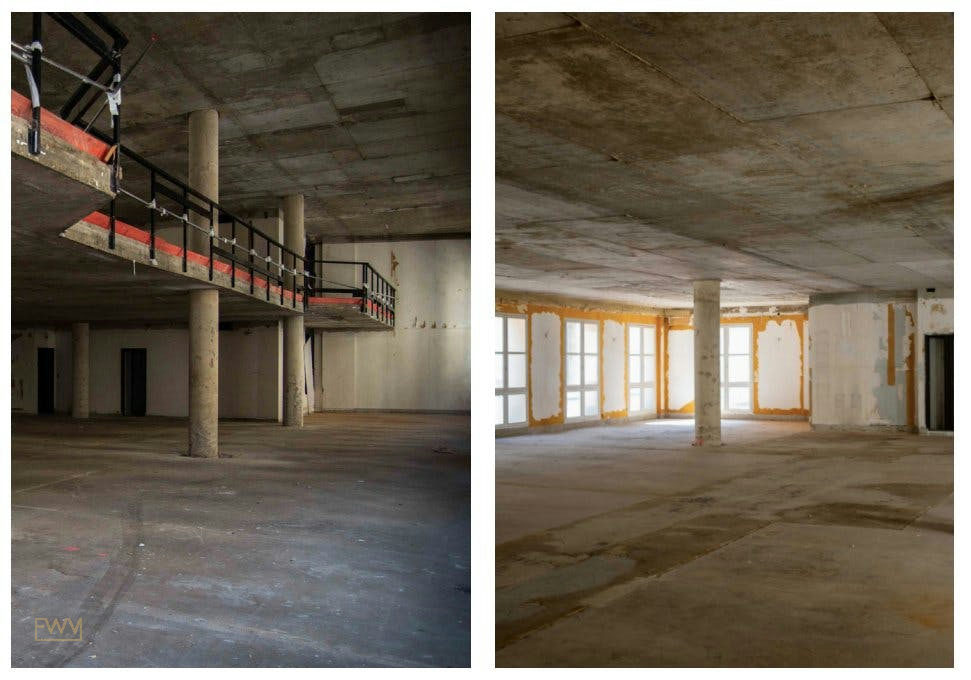
Street-facing retail units directly on the Avenue des Champs-Élysées are the most sought-after and most expensive option. These spaces typically feature large display windows, high ceilings, and ground-floor access directly from the pavement. Surface area ranges from compact boutique formats of around 50 to 150 square metres up to multi-storey flagship configurations exceeding 1,000 square metres. Frontage is a primary driver of both rental cost and brand visibility, with units offering wider facades commanding proportionally higher rents. Polished concrete floors, raw concrete floors, and spotlights are common interior features in the contemporary retail units that have been refitted in recent years, replacing older décor with spaces suitable for branded store design and temporary fitout.
Interior Retail Units and Galerie Spaces
The Galerie des Arcades and similar covered passage formats within buildings on or adjacent to the avenue provide interior retail units that offer protection from weather, consistent foot traffic, and often lower rents than direct street frontage. These spaces suit brands whose activation model depends on a curated, intimate experience rather than high-volume pavement footfall. Interior units vary significantly in configuration, with some offering open-plan layouts and others subdivided into showroom or concept studio arrangements.
Showrooms and Prestige Event Spaces
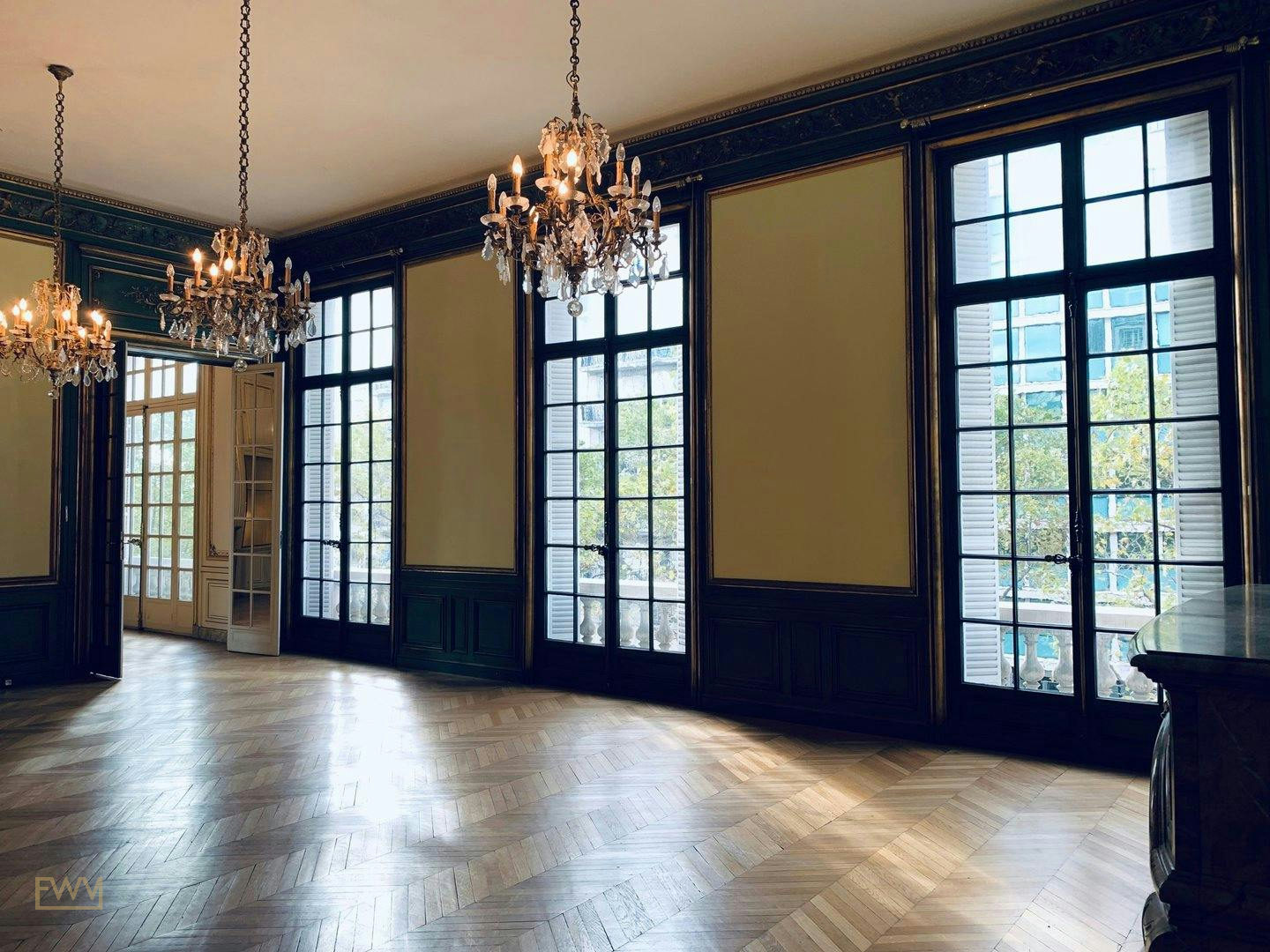
Fashion showrooms in the 8th arrondissement are frequently situated in haussmannian apartments or hotels particuliers rather than in purpose-built retail units. The HOTEL PARTICULIER PARIS 8 typifies a category of prestige showroom and event space that combines architectural grandeur with practical flexibility for fashion presentations, press days, and buyer appointments. These properties may offer a combination of meeting rooms, open reception spaces, and private viewing areas, making them suitable for Fashion Week showroom use, product launches, and brand events that do not require direct street-level retail.
Concept Studios and Multi-Use Event Spaces
Concept Studio and Store formats, Espace événementiel sublime configurations, and Maison dédiée aux séminaires properties represent a growing category of flexible short-term rental in the 8th arrondissement. These spaces are typically designed for multi-day or multi-week activations, with interiors that can be reconfigured for retail, exhibition, hospitality, or a hybrid of all three. Surface areas vary widely, and many include features such as large door entrances, ground floor backyard access, parking space, and in some cases apartment or loft upper floors that can serve as private VIP or press areas.
Shopping Mall and Concourse Units
The Champs-Élysées also includes a shopping mall embedded within the commercial fabric of the avenue, offering units within a managed retail environment. These spaces provide reliable footfall generated by the mall's anchor tenants and shared visitor infrastructure including car parking, signage, and security, which can reduce operational complexity for brands running their first Paris activation.
Quick answer: Retail space for rent on the Champs-Élysées includes street-level boutiques, interior galerie units, prestige showrooms in hotels particuliers, concept studios, multi-use event spaces, and shopping mall concourse units. The right format depends on the brand's activation objectives, target audience, budget, and duration requirements.
| Space Type | Typical Use Case | Key Features | Duration Range |
|---|---|---|---|
| Street-Level Boutique | Pop-up store, flagship activation | High frontage, pavement access, display windows | 1 week to 12 months |
| Interior Galerie Unit | Concept store, curated retail | Weather-protected, shared footfall | 1 day to 6 months |
| Hotel Particulier / Prestige Showroom | Fashion Week showroom, press day, product launch | Haussmannian architecture, meeting rooms, private reception | 3 days to 4 weeks |
| Concept Studio and Store | Brand activation, experiential retail | Flexible layout, large door entrance, multi-use configuration | 1 week to 3 months |
| Event Space (Espace événementiel) | Launch event, brand experience | Open plan, production-ready, often ground floor backyard | 1 day to 2 weeks |
| Shopping Mall Unit | Pop-up retail, consumer campaign | Managed environment, shared infrastructure | 2 weeks to 6 months |
KEY TAKEAWAY: Brands searching for retail space on the Champs-Élysées should evaluate space type alongside location, since the most effective format depends on whether the activation is primarily retail, showroom, press-facing, or consumer-facing, and whether maximum visibility or maximum intimacy serves the campaign objective better.
With space types understood, the next critical area to examine is the commercial real estate and leasing framework that governs short-term rentals in this part of Paris.
Commercial Real Estate and Leasing Frameworks for Short-Term Retail Space in Paris
Renting retail space on the Champs-Élysées involves navigating a commercial real estate and leasing landscape that differs significantly from standard residential or office property transactions in France. Understanding the legal frameworks available for short-term and temporary commercial use is essential before committing to any space.
The Bail Commercial and Its Limitations for Short-Term Activations
The standard French commercial lease, the bail commercial, is a long-term instrument typically covering a minimum nine-year period with break points at three-year intervals. This structure is entirely unsuitable for pop-up stores, temporary showrooms, or short-term brand activations. Brands seeking a retail space for rent on the Champs-Élysées for a period ranging from a few days to several months must use alternative legal frameworks designed for temporary commercial use.
The Bail Dérogatoire: Short-Term Commercial Leases in France
The bail dérogatoire, sometimes called a convention d'occupation précaire, allows parties to agree a commercial lease for a period of up to three years without triggering the full protections and obligations of the standard bail commercial. This instrument is widely used in the Paris retail market for pop-up stores, temporary concept stores, and seasonal activations. The key distinction is that at the end of the bail dérogatoire period, both parties must explicitly choose to renew or vacate; if the occupant remains in the property without a new agreement, the lease automatically converts to a full bail commercial, which would impose nine-year obligations on both parties. Brands must manage this risk carefully, and landlords in the 8th arrondissement are typically aware of it and draft agreements accordingly.
Autorisation d'Occupation Temporaire (AOT) for Event and Public Space Use
For activations that involve public space, exterior signage, or temporary structures on or adjacent to public domain areas near the Champs-Élysées, an Autorisation d'Occupation Temporaire (AOT) issued by the relevant local authority may be required. The AOT is separate from any private lease agreement and governs the brand's right to occupy or use public or semi-public space. Requirements vary significantly depending on the specific location, the nature of the activation, the proposed signage, and the duration of use. Brands should not assume that a private lease agreement automatically includes permission for exterior branding, pavement displays, or any activity on public domain adjacent to the leased premises.
IMPORTANT: Requirements for permits, AOTs, and compliance documentation vary by space type, duration, arrondissement sub-zone, and the specific nature of the activation. Fashion Week Venues strongly recommends verifying all permit and compliance requirements with a qualified French legal advisor before signing any agreement. Use the permit guidance tool on Fashion Week Venues for initial orientation.
Legal Fees, Géorisques, and Due Diligence
Commercial real estate transactions in France typically involve legal fees for both landlord and tenant-side advisors, notarial fees where applicable, and the requirement for a Géorisques disclosure from the landlord confirming any known environmental, seismic, or industrial risk affecting the property. For short-term activations, some of these requirements may be simplified or absent depending on the nature of the agreement, but brands should budget for legal review costs and ensure that any space agreement is reviewed by a qualified French commercial property lawyer before execution.
Retail Rental Values and Market Context
Retail rental values on the Champs-Élysées are among the highest in the world for prime street-level frontage. Directional estimates from published reports by Savills and Cushman and Wakefield have historically placed prime Champs-Élysées rents among the most expensive retail real estate in Europe, with significant variation based on frontage width, floor area, position on the avenue, and lease duration. Short-term rental premiums apply to temporary arrangements, reflecting the additional flexibility and reduced commitment that landlords provide to pop-up and event tenants. Brands should treat any publicly available figures as indicative rather than definitive, as actual rents are negotiated case by case. The budget estimation tool on Fashion Week Venues can help brands develop a realistic cost framework before beginning space negotiations.
Quick answer: Short-term retail space on the Champs-Élysées is typically rented using a bail dérogatoire rather than a standard French bail commercial. This instrument allows leases of up to three years without triggering long-term commercial lease obligations. Brands requiring public space use may also need an Autorisation d'Occupation Temporaire from local authorities. Legal advice is essential before signing any agreement.
KEY TAKEAWAY: The French commercial leasing framework offers legitimate and practical instruments for short-term pop-up and showroom rentals on the Champs-Élysées, but the bail dérogatoire and AOT must be correctly structured and managed to avoid unintended long-term obligations or compliance failures. Specialist legal and agency support is not optional in this market.
Understanding leasing frameworks is necessary but not sufficient. The next section addresses the specific operational and brand strategy considerations that determine whether a Champs-Élysées activation delivers measurable return.
Brand Strategy and Activation Planning for the Champs-Élysées
Securing the right retail space on the Champs-Élysées is only the starting point. The activation strategy, timing, design, staffing, and measurement framework that surrounds the space ultimately determines whether the investment generates the brand, commercial, and media outcomes the brand team is targeting.
Aligning Activation Timing with the Paris Fashion Week Calendar
Paris Fashion Week is the single most important calendar anchor for brand activations in the 8th arrondissement. The womenswear collections in March and October, the menswear and haute couture calendars in January and July, and the surrounding press and buyer schedules create concentrated periods of industry and media presence that amplify the impact of any retail, showroom, or event activation in the Golden Triangle area. Fashion houses including Louis Vuitton and Dior use the Fashion Week calendar to orchestrate activations, installations, and pop-up experiences that generate both press coverage and consumer engagement. Brands at all levels of the luxury and contemporary market benefit from timing Champs-Élysées activations to coincide with these periods, even if their primary objective is consumer retail rather than wholesale or press engagement.
Beyond Fashion Week, the avenue attracts peak visitor volumes during summer tourism season, the Christmas and New Year period, and major public events including Bastille Day and the Tour de France finale on the Champs-Élysées. Each of these periods creates distinct audience profiles that brands should match to their product and activation concept.
Concept Direction and Space Design
The design and concept direction of a Champs-Élysées activation carries more weight than in almost any other Paris location, because visitors arrive with elevated expectations shaped by the luxury flagship stores and iconic brand environments that line the avenue. Interior elements including lighting fixtures, furniture decoration, merchandising approach, and signage treatment must meet a standard of finish and intentionality that reflects the prestige of the address. Brands that invest in a professionally directed concept and production approach consistently report stronger press, social, and consumer responses than those that treat the space as a simple retail deployment.
Footfall, Consumer Habits, and Audience Targeting
The Champs-Élysées attracts an unusually diverse footfall mix compared to other luxury retail streets in Paris. International visitors represent a significant proportion of daily foot traffic, with tourists from North America, the Middle East, Asia Pacific, and the rest of Europe forming large audience segments alongside Parisian consumers. This means that activations on the avenue can serve international brand-building objectives as effectively as they serve local market campaigns. Brands whose target consumer is an international luxury shopper visiting Paris for the first time will find the Champs-Élysées footfall profile highly relevant. Brands targeting primarily local Parisian consumers may find that the Golden Triangle side streets, including Avenue Montaigne and Rue du Faubourg Saint-Honoré, offer a more focused local luxury audience.
Flagship Activations, Product Launches, and Retail Campaigns
The Champs-Élysées has historically hosted some of the most significant retail campaigns and product launches in fashion and luxury. Galeries Lafayette previously operated a flagship on the avenue, and the Virgin Megastore operated a landmark entertainment retail presence for many years, demonstrating the avenue's capacity to host large-scale consumer retail concepts beyond pure luxury fashion. Contemporary brand activations on the avenue include product launch pop-up stores, flagship activation concepts, brand experience spaces linked to fashion shows or press events, and collaborative concept stores. The diversity of activation formats that the avenue supports makes it suitable for a wide range of brand objectives beyond pure luxury positioning.
Quick answer: The most effective brand activations on the Champs-Élysées align timing with the Paris Fashion Week calendar or major tourist peaks, invest in concept direction and professional space design, and build an audience strategy that reflects the avenue's diverse international footfall profile. Brands that treat the space as a premium asset and design accordingly achieve disproportionate media and commercial returns relative to the investment.
To compare neighbourhoods and space types, explore the Paris city hub on Fashion Week Venues and shortlist spaces that match your brief, budget, and calendar window.
KEY TAKEAWAY: Champs-Élysées activations succeed when timing, concept, audience targeting, and operational planning are treated as interconnected decisions rather than separate tasks. A well-timed Fashion Week showroom in a prestige hotel particulier delivers different but complementary value compared to a summer consumer pop-up in a street-level boutique.
With strategy understood, the next section examines how brands should approach finding and shortlisting available spaces in this specific market.
How to Find and Search for Retail Space for Rent on the Champs-Élysées
Finding available retail space for rent on the Champs-Élysées is more difficult than searching for commercial property in most other Paris arrondissements. The market is highly competitive, largely off-market, and moves quickly during peak calendar periods. Understanding the channels and processes available for space search and discovery is essential for any brand team approaching this market.
Commercial Real Estate Platforms and Their Limitations
Commercial real estate platforms including CoStar, LoopNet, and Paris-specific platforms list some Champs-Élysées retail inventory, but these listings tend to skew toward longer-term commercial leases rather than short-term pop-up or showroom formats. Platforms such as Savills and Paris Property Group operate in the investment properties and long-term leases segment of the market, while some French platforms carry a broader range of listings including short-term options. The challenge with platform-based search is that the most desirable short-term spaces on the Champs-Élysées are rarely publicly listed; they are transacted through agency relationships, direct landlord contacts, and specialist short-term retail networks. Brands relying solely on LoopNet or CoStar listings will typically find a narrow and unrepresentative selection of what is actually available.
Specialist Short-Term Retail Agencies and Space Marketplaces
Specialist agencies and marketplaces focused on short-term retail and pop-up space consistently offer more relevant Champs-Élysées inventory than general commercial real estate platforms. These networks maintain ongoing relationships with landlords, property managers, and commercial property owners who prefer to work through trusted intermediaries rather than publish vacancies publicly. A specialist agency with active relationships in the 8th arrondissement can access off-market spaces, negotiate short-term terms that general agents may not be familiar with, and advise on which specific units within the avenue and adjacent streets best match a brand's brief.
Direct Outreach and Broker Professionals
Some brands approach the Champs-Élysées market through direct outreach to landlords or through broker professionals specialising in the Golden Triangle area. While this approach can work for brands with existing Paris market relationships, it requires significant time and local knowledge to execute effectively. Broker professionals in this market typically charge fees on a commission basis, and their scope of service is usually limited to space identification and transaction facilitation rather than the broader activation support that a full-service agency provides.
Using a Space Locator and Comparison Tools
For brands at the early stage of their search, spatial discovery and comparison tools can accelerate the briefing and shortlisting process before direct agency engagement. The space locator tool on Fashion Week Venues allows brands to map available spaces by neighbourhood and space type, while the compare tool supports structured evaluation of shortlisted options against criteria including surface area, frontage, duration availability, and configuration.
TIP: Begin your Champs-Élysées space search at least three to four months before your intended activation date if you are targeting a Fashion Week period. Prime spaces in the 8th arrondissement are frequently reserved months in advance by brands with established Paris activation programmes.
| Search Channel | Strengths | Limitations | Best For |
|---|---|---|---|
| General platforms (CoStar, LoopNet) | Broad market visibility, filterable listings | Limited short-term inventory, mainly long-term leases | Market research and benchmarking |
| Specialist short-term agency | Off-market access, short-term expertise, negotiation support | Agency fees apply | Pop-up, showroom, and event space sourcing |
| Broker professionals | Local market relationships, direct landlord access | Commission-based, limited activation support | Long-term lease or investment transactions |
| Space marketplace tools | Fast discovery, visual comparison, neighbourhood mapping | Listed inventory only, requires agency follow-up | Early-stage shortlisting and brief development |
| Direct landlord outreach | No intermediary fees, direct relationship | Time-intensive, requires market knowledge, off-market access limited | Brands with established Paris contacts |
KEY TAKEAWAY: Finding short-term retail space on the Champs-Élysées requires a combination of specialist agency relationships, off-market access, and structured briefing tools. General commercial real estate platforms alone are unlikely to surface the most relevant short-term inventory in this market.
Once the search process is underway, brands must also understand the full operational and permit workflow required to move from space agreement to live activation.
Permits, Compliance, and Operational Requirements for Retail Activations in the 8th Arrondissement
Operating a pop-up shop, showroom, or brand activation in the 8th arrondissement of Paris involves a compliance and permit landscape that is materially different from simply opening a store in a commercial unit. Brands that underestimate this complexity risk delays, fines, or forced closure of their activation.
Understanding What Permits Are Required
The specific permits required for a Champs-Élysées activation depend on the type of space, the nature of the activity, the duration of the activation, and whether any public space, exterior signage, or structural modifications are involved. At minimum, brands operating in a private commercial space under a bail dérogatoire must ensure that the space is correctly zoned for retail or event use under Paris planning regulations. If the activation involves exterior branding, window installations visible from the public realm, temporary structures, or any use of pavement or public space adjacent to the premises, an Autorisation d'Occupation Temporaire must be obtained from the relevant municipal authority in advance.
Signage and Exterior Branding Regulations
Signage on the Champs-Élysées is subject to specific regulations governing size, illumination, placement, and duration. The avenue's status as a protected architectural environment means that exterior signage proposals are reviewed against aesthetic and heritage criteria as well as standard commercial advertising regulations. Brands planning prominent exterior branding as part of their activation concept should allow additional lead time for regulatory review and should not assume that signage consent will mirror what is visible on existing permanent retail units.
Food, Beverage, and Hospitality Components
Activations that include food or beverage service as part of the brand experience require additional licensing covering food handling, alcohol service (where applicable), and public health compliance. These licences are separate from the retail or event space lease and must be obtained from the relevant Paris municipal authority before trading. The lead time for hospitality licensing should be factored into the overall activation timeline.
Insurance and Public Liability
Brands operating any commercial or event activation in Paris are expected to hold appropriate public liability insurance and to provide evidence of coverage to landlords as part of the lease agreement. The level of coverage required varies by space and landlord, but brands should ensure that their insurance arrangements are reviewed and confirmed before occupation begins.
IMPORTANT: Permit requirements and compliance obligations for the 8th arrondissement are not static. Regulations can change, and specific requirements vary by exact location, space type, and activation format. Always verify current requirements with a qualified French legal advisor. Use the permit guidance tool on Fashion Week Venues for initial orientation and to identify which permit categories are likely to apply to your specific activation.
Step-by-Step Activation Compliance Workflow
| Step | Action | Responsible Party | Typical Lead Time |
|---|---|---|---|
| 1 | Confirm space zoning and permitted use | Legal advisor and landlord | Before signing lease |
| 2 | Review and execute bail dérogatoire or equivalent short-term agreement | Legal advisor and brand team | 4 to 8 weeks before activation |
| 3 | Apply for AOT if public space or exterior signage is involved | Brand team or agency with Paris authority | 6 to 12 weeks before activation |
| 4 | Submit signage proposals for regulatory review | Brand team or design agency | 6 to 10 weeks before activation |
| 5 | Confirm public liability insurance and provide to landlord | Brand team | Before occupation |
| 6 | Obtain food and beverage licences if applicable | Brand team or hospitality partner | 4 to 8 weeks before activation |
| 7 | Confirm Géorisques disclosure from landlord | Legal advisor | Before signing lease |
| 8 | Complete fitout and production within permitted hours | Production team | 1 to 2 weeks before activation opens |
Quick answer: Running a pop-up shop or brand activation in the 8th arrondissement of Paris typically requires a correctly structured short-term lease (bail dérogatoire), and may require an Autorisation d'Occupation Temporaire for public space or exterior signage use. Signage proposals are subject to specific regulations. Food and beverage components require additional licences. Public liability insurance is mandatory. Lead times for all applications should be factored into the activation timeline well in advance.
KEY TAKEAWAY: Permit and compliance requirements for a Champs-Élysées activation are significant and should not be treated as an afterthought. Building compliance lead times into the activation timeline from the outset, and engaging specialist legal and agency support early, is the most reliable way to avoid delays or operational interruption.
How Fashion Week Venues Supports Brands Seeking Retail Space on the Champs-Élysées
Fashion Week Venues operates as a full-service pop-up agency and space marketplace with a primary focus on Paris and the major fashion capitals. For brands targeting the Champs-Élysées and the broader 8th arrondissement, the agency offers a structured end-to-end support model that covers every stage of the activation lifecycle.
Space Discovery and Venue Sourcing
The venue sourcing service provides brands with access to both listed and off-market spaces in the Champs-Élysées area and across the 8th arrondissement. Rather than relying on public platform listings alone, Fashion Week Venues maintains active relationships with landlords, property managers, and space owners in the Paris luxury retail market, enabling access to spaces that are not publicly marketed. The sourcing process begins with a detailed brief that captures the brand's space requirements, activation objectives, timing, budget range, and preferred configuration, which is then used to identify and shortlist relevant options.
Concept Direction and Branded Store Design
Once a space is identified, Fashion Week Venues provides concept direction and branded store design services that translate the brand's identity into a coherent spatial experience appropriate for the Champs-Élysées context. Given the premium nature of the address, the design approach is developed with the expectation that the finished space will be photographed, filmed, and shared widely, and that it must withstand comparison to the flagship environments that surround it.
Production, Build, and Fitout
The production and build service covers the physical transformation of the raw space into the finished activation environment. This includes sourcing and installing furniture decoration, lighting fixtures, custom joinery, display systems, and all other physical elements of the brand experience. Fashion Week Venues coordinates with Paris-based contractors and suppliers to ensure that fitout is completed on schedule and within the constraints of the building's technical requirements and the lease agreement's fitout provisions.
Retail Staffing, POS, and Operations
For activations that include a retail trading component, Fashion Week Venues provides retail staffing and POS and payments infrastructure. Staffing for the Champs-Élysées market typically requires multilingual capabilities to serve the avenue's international visitor profile, and Fashion Week Venues sources staff appropriate to the brand's language requirements, service model, and product category.
Data, Analytics, and ROI Measurement
Fashion Week Venues provides data and analytics services that enable brands to measure footfall, conversion, revenue, and media impact from their Champs-Élysées activation. The ROI calculator tool available at the ROI calculation tool allows brands to model expected returns before committing to a space, while actual performance data collected during the activation informs post-campaign reporting and future activation planning.
Tools for Planning and Decision-Making
Fashion Week Venues offers a suite of planning tools that support brands at every stage of the decision-making process. The budget tool helps establish realistic cost frameworks. The timeline tool maps activation milestones against the chosen calendar window. The compare tool supports structured evaluation of shortlisted spaces. The permits tool provides orientation on the compliance requirements for specific activation types. The imagine tool enables visual exploration of how a space might look once fitted out. These tools are designed for brand teams that want to move from research to decision efficiently without relying entirely on agency-mediated information.
Who Benefits Most from This Support Model
The Fashion Week Venues service model is designed for brand activation managers, creative directors, retail strategists, and international brand teams who are planning Paris activations and need a single accountable partner across space, design, production, and operations. It is particularly relevant for brands entering the Paris market for the first time, brands with limited internal Paris logistics capacity, and brands whose activation objectives require a coordinated multi-service approach that a commission broker or general real estate agent cannot provide.
To explore how the process works in practice, the agency process page outlines the full workflow from initial brief to post-activation reporting.
Quick answer: Fashion Week Venues provides end-to-end support for brands seeking retail space on the Champs-Élysées, covering venue sourcing, concept direction, production and build, retail staffing, POS and payments, data and analytics, influencer marketing, and a suite of planning tools. The agency is particularly suited to international brands that need a single coordinated partner for Paris activations.
KEY TAKEAWAY: The complexity of operating a premium retail or event activation on the Champs-Élysées, across space finding, compliance, design, production, staffing, and measurement, makes specialist agency support a practical necessity rather than a luxury for most brand teams.
Costs, Budgeting, and Return on Investment for Champs-Élysées Retail Activations
Understanding the cost structure of a Champs-Élysées retail activation is essential for setting realistic budgets and evaluating the return on investment against the brand's objectives. Costs in this market are driven by a combination of rent, production, staffing, compliance, and marketing investment, all of which carry premiums relative to other Paris neighbourhoods.
Rental Costs and What Drives Them
Prime retail rental values on the Champs-Élysées are among the highest in the world. Actual rents are negotiated case by case and vary significantly based on frontage width, surface area, floor level, position on the avenue versus side streets, duration of the agreement, and the specific type of space. Short-term rental arrangements typically carry a per-day or per-week premium over the annualised rate that a long-term tenant would pay, reflecting the flexibility provided to the temporary occupant. Brands should treat any directional market figures from published reports as approximate benchmarks only, and should obtain actual quotes through a specialist agency rather than extrapolating from public data.
Production, Design, and Fitout Costs
Production and fitout costs for a premium Champs-Élysées activation can represent a significant proportion of the total activation budget, depending on the level of customisation, the structural complexity of the design, and the duration over which the investment is amortised. Furniture rental rather than purchase, modular display systems, and efficient use of the space's existing architectural features can all help manage production costs without compromising the quality of the brand environment.
Staffing, Operations, and Technology
Multilingual staffing in a high-footfall luxury retail environment commands wage rates that reflect both the skill requirements and the competitive Paris labour market. POS and payments technology, inventory management, security, and daily operational costs add further to the total investment. Brands that plan staffing models carefully, including the number of staff required per square metre of selling space and the trading hours appropriate to the avenue's peak footfall periods, can optimise operational costs without reducing service quality.
Marketing, Influencer, and Media Amplification
Many brands allocate a proportion of their total Champs-Élysées activation budget to influencer marketing and earned media amplification, recognising that the physical space generates far more commercial value when it also functions as a content environment for social and press coverage. The influencer marketing service provided by Fashion Week Venues can be integrated with the space design from the outset, ensuring that the activation concept creates natural opportunities for high-quality content production during the live period.
Modelling ROI Before Committing
Before committing to a Champs-Élysées retail space, brands should model the expected return on investment across multiple scenarios. Revenue from direct retail sales is one component, but brand value metrics including press coverage equivalent value, social media impressions, new customer acquisition, and wholesale order uplift attributable to the activation are equally important in evaluating total return. The ROI calculation tool on Fashion Week Venues provides a structured framework for this analysis.
DID YOU KNOW: Brands that combine a physical Champs-Élysées pop-up with a coordinated influencer and earned media strategy consistently report higher total ROI than those relying on retail sales revenue alone, because the media and brand awareness value of an activation at this address extends well beyond the trading period.
Quick answer: The total cost of a Champs-Élysées retail activation includes rent (which carries a short-term premium and is negotiated case by case), production and fitout, multilingual staffing, POS and operations technology, compliance and legal fees, and marketing investment. Brands should model ROI across brand value, media, and revenue metrics, not sales alone, to evaluate the full return on this premium market.
KEY TAKEAWAY: Champs-Élysées activations are premium investments, and the return must be evaluated across brand, media, and commercial metrics combined. Brands that approach the budget and ROI question with a comprehensive multi-metric model consistently make better decisions about space format, duration, and investment level.
Common Myths About Renting Retail Space on the Champs-Élysées
MYTH: You need a French legal entity to rent a commercial space on the Champs-Élysées.
FACT: International brands do not necessarily need a French registered company to enter into a short-term commercial lease in Paris. Many temporary and pop-up space agreements are structured in ways that accommodate foreign entities, though the specific requirements depend on the agreement type, the landlord's preferences, and the applicable legal framework. A qualified French commercial lawyer can advise on the most appropriate structure for your specific situation.
MYTH: Paris Fashion Week is the only viable calendar window for a Champs-Élysées activation.
FACT: While the Fashion Week calendar creates concentrated industry and media presence that significantly amplifies the impact of retail and showroom activations in the 8th arrondissement, the Champs-Élysées attracts high footfall year-round. Summer tourism peaks, the Christmas and New Year trading period, Bastille Day, and major cultural events all create commercially attractive activation windows for brands whose target audience is international visitors rather than exclusively fashion industry professionals.
MYTH: Commission brokers are the only way to find available short-term retail space on the Champs-Élysées.
FACT: While broker professionals play a role in the Paris commercial real estate market, specialist short-term retail agencies and space marketplaces provide access to off-market pop-up and showroom inventory that general commission brokers do not typically handle. Specialist agencies also provide broader activation support, including concept direction, production, and staffing, that commission-only brokers do not offer. For most brand teams executing a temporary Champs-Élysées activation, a full-service agency or specialist marketplace is a more effective route than a traditional broker engagement.
MYTH: Short-term commercial leases in Paris are legally straightforward and can be signed without specialist help.
FACT: The bail dérogatoire and related short-term commercial instruments in French law carry specific provisions that, if misunderstood or incorrectly managed, can result in unintended conversion to a long-term bail commercial or other significant legal and financial consequences. Additionally, permit requirements for exterior signage, public space use, and hospitality components add further compliance complexity. Specialist legal advice and agency support are not optional in this market; they are essential risk management tools for brands of any size.
MYTH: Any space visible from the Champs-Élysées delivers equivalent brand exposure.
FACT: The specific position of a space on the avenue, including its side of the street, its distance from key transport nodes such as the Franklin D. Roosevelt or George V metro stations, its proximity to anchor destinations like the Grand Palais, and its frontage configuration, materially affects the volume and profile of footfall it receives. Not all spaces on or adjacent to the avenue perform equally for brand visibility, and a specialist agency with local knowledge can advise on which specific locations best match a brand's audience and objectives.
Frequently Asked Questions About Retail Space for Rent on the Champs-Élysées
What does a pop-up shop on the Champs-Élysées mean for a brand's positioning?
Operating a pop-up shop on the Champs-Élysées positions a brand within one of the world's most prestigious retail addresses and places it in direct adjacency to flagship stores operated by Louis Vuitton, Dior, and other leading fashion houses. The address carries an implicit luxury and prestige signal that elevates brand perception among both consumers and press. For emerging brands, a Champs-Élysées pop-up can serve as a credibility-building activation. For established brands, it reinforces market leadership and generates high-visibility media and social content opportunities. The positioning benefit is amplified when the activation timing aligns with Paris Fashion Week or another major Paris calendar event.
How long can I rent a pop-up store on the Champs-Élysées?
The minimum rental period for a pop-up store on the Champs-Élysées varies depending on the space, the landlord, and the type of agreement used. Some event and gallery spaces can be rented for as little as one or two days, while most commercial retail units require a minimum commitment of one to two weeks. Bail dérogatoire agreements can run for up to three years, and many brands use durations of two weeks to three months for temporary retail activations in this area. The ideal duration depends on the activation objectives, budget, and the available calendar window. The timeline planning tool on Fashion Week Venues can help map a realistic duration against your specific objectives.
Is the Champs-Élysées suitable for international brands entering France for the first time?
Yes. The Champs-Élysées is one of the most internationally oriented retail environments in France, attracting visitors from across the world and providing a context that international brands can enter without requiring an established French consumer base. The address provides immediate visibility and credibility for brand teams entering the French market. However, the operational complexity of renting and activating on the Champs-Élysées is significant, and international brands entering France for the first time benefit substantially from working with a specialist agency that understands French commercial leasing, permit requirements, staffing, and logistics. Fashion Week Venues offers a dedicated Paris market support structure designed specifically for international brand teams.
How expensive is it to rent a shop on the Champs-Élysées?
Rental costs for commercial space on the Champs-Élysées are among the highest in the world for prime street-level retail. Actual rents are negotiated case by case and depend on frontage width, surface area, position on the avenue, floor level, and duration of the agreement. Short-term arrangements carry a premium over long-term rates to reflect the flexibility provided. Published reports from Savills and Cushman and Wakefield consistently rank the Champs-Élysées among the most expensive retail streets in Europe. Brands should obtain actual quotes through a specialist agency and model total activation costs including production, staffing, and compliance using the budget estimation tool on Fashion Week Venues before committing to a specific space.
Are pop-up stores on the Champs-Élysées typically street-level?
Street-level units with direct pavement access are the most visible and most sought-after format on the Champs-Élysées, but they are not the only option. Many successful brand activations in the 8th arrondissement use upper-floor showroom spaces, interior galerie units within arcade buildings, or ground-floor spaces accessed from interior courtyards rather than directly from the avenue pavement. The choice between street-level and interior formats depends on whether maximum pavement footfall capture or a more curated, appointment-based visitor experience better suits the activation concept and target audience.
What is the minimum rental period for temporary retail space on the Champs-Élysées?
The minimum rental period varies significantly by space type and landlord. Dedicated event spaces and gallery formats may be available from a single day. Standard commercial retail units on the avenue typically require a minimum booking of one to two weeks for short-term arrangements. Some landlords and space managers in the 8th arrondissement require minimum bookings of one month even for pop-up formats. The minimum period also interacts with the permit and compliance requirements that apply to the specific activation format, since some permits have minimum duration implications. The timeline tool on Fashion Week Venues can help brands understand how minimum duration requirements interact with their target activation window.
Do I need a permit to run a pop-up shop in the 8th arrondissement?
The permit requirements for a pop-up shop in the 8th arrondissement depend on the specific nature of the activation. Operating in a private commercial space under a correctly structured short-term lease generally does not require a separate event permit, but any use of public space, exterior signage, temporary structures visible from the public realm, or hospitality service requires specific authorisations from the relevant Paris municipal authority. The Autorisation d'Occupation Temporaire is the primary instrument for public space use. Signage proposals are reviewed against specific regulations applicable to the Champs-Élysées area. Brands should verify requirements with a qualified French legal advisor and consult the permit guidance tool on Fashion Week Venues for initial orientation.
Can I rent space on the Champs-Élysées for a showroom or event rather than a pop-up shop?
Yes. A significant proportion of short-term space rentals in the 8th arrondissement serve showroom, press day, buyer appointment, or brand event purposes rather than direct consumer retail. Hotels particuliers, prestige event spaces, and concept studios in the Golden Triangle area are regularly used by fashion brands for Fashion Week showroom presentations, product launch events, and brand experiences that do not involve retail trading. The space type and agreement structure appropriate for showroom or event use differs from standard retail formats, and a specialist agency can advise on which specific space categories and landlords in the area are most experienced with fashion industry showroom requirements.
How much foot traffic does the Champs-Élysées receive?
The Champs-Élysées is one of the world's highest-footfall retail streets, with estimates of approximately 300,000 daily visitors cited by the Comité Champs-Élysées. This figure varies significantly by season, day of week, time of day, and the presence of major events. Peak periods including summer tourism, Fashion Week, and public holidays such as Bastille Day see materially higher visitor volumes. The footfall profile is unusually international, with a high proportion of tourists from outside France, which is a key consideration for brands whose target audience is a global luxury consumer rather than a local Parisian shopper.
What types of brands typically activate on the Champs-Élysées?
The Champs-Élysées attracts activations from a wide spectrum of brands. Established luxury fashion houses including Louis Vuitton and Dior operate permanent flagship stores on the avenue and periodically use temporary pop-up formats for limited edition releases and special events. Contemporary fashion brands use the avenue for Fashion Week showrooms and product launch activations. Lifestyle, beauty, automotive, technology, and sports brands have all run significant pop-up and event activations on the Champs-Élysées, leveraging the address's global visibility and premium positioning even when their primary product category is not fashion. The avenue is suitable for any brand whose activation objectives justify the investment required by this premium address.
What are the most sought-after showroom locations in the Champs-Élysées area for Fashion Week?
For Fashion Week showroom use, the most sought-after locations are typically the hotels particuliers and prestige apartments in the 8th arrondissement within walking distance of the major fashion show venues and the Palais de la Découverte. The immediate vicinity of George V, Avenue Montaigne, and the streets connecting the Champs-Élysées to the Golden Triangle are particularly valued for their combination of luxury positioning, discrete access for buyer and press appointments, and architectural quality that provides an appropriate backdrop for fashion presentations. Spaces with meeting rooms, private reception areas, and flexible open plan configurations are preferred for multi-day showroom formats during the Fashion Week period.
What benefits does renting a showroom space in the Champs-Élysées area offer a fashion brand?
Renting a showroom space in the Champs-Élysées area during Fashion Week places a fashion brand at the geographic and cultural centre of the world's most important fashion market. The address facilitates press and buyer attendance by virtue of its proximity to the main Fashion Week circuit. The architectural quality of available spaces in the 8th arrondissement provides a premium backdrop for collection presentations that reinforces the brand's luxury positioning. The neighbourhood's concentration of fashion houses, press offices, and industry hotels means that showroom visitors are already in the area for other Fashion Week commitments, reducing travel friction and increasing the likelihood of appointment attendance and spontaneous drop-in visits from press and buyers.
How far in advance should a brand plan a Champs-Élysées Fashion Week showroom?
Brands targeting the Champs-Élysées area for a Paris Fashion Week showroom should begin their search and planning process at least three to four months before the target season, and six months or more for the October womenswear season which is the most competitive period. Premium showroom spaces in hotels particuliers and prestige event venues in the 8th arrondissement are frequently reserved many months in advance by fashion brands with established Paris activation programmes. Brands entering the market for the first time should use the timeline planning tool and engage a specialist agency as early as possible to maximise the range of available spaces.
Can a brand use a twin or co-activation model to share costs on a Champs-Élysées space?
Yes. Co-activation models, in which two complementary but non-competing brands share a single retail or showroom space across a Fashion Week period, are a practical strategy for managing the cost of a premium Champs-Élysées or Golden Triangle address. This approach requires careful brand alignment to ensure that the co-activation partner enhances rather than dilutes the brand experience, and a clear agreement on space division, scheduling, and shared costs. Fashion Week Venues operates a twin concept specifically designed to facilitate co-activation arrangements for brands seeking to share Paris activation space. Details of the twin approach are available on the Fashion Week Venues twin concept page.
What platforms and tools are most useful for finding short-term retail space on the Champs-Élysées?
For initial market research and benchmarking, commercial real estate platforms including CoStar, LoopNet, and French property platforms provide a general picture of the Champs-Élysées retail market. However, for short-term and pop-up specific inventory, specialist short-term retail agencies and space marketplaces are significantly more effective because they maintain off-market relationships with landlords in the 8th arrondissement. The space marketplace, locator tool, and compare tool on Fashion Week Venues are designed specifically for brands seeking pop-up, showroom, and event space in Paris and other major fashion capitals, and provide a more relevant starting point than general commercial real estate databases for most brand activation searches.
Conclusion: Making the Right Decision on Retail Space for Rent on the Champs-Élysées
The Champs-Élysées represents the highest-profile retail address available to a brand in France, and one of the most visible commercial platforms in the world. Finding and operating retail space for rent on the Champs-Élysées is a genuine strategic opportunity for brands whose activation objectives justify the investment, but it is also one of the most complex short-term retail challenges in the European market. The combination of premium rental values, competitive space availability, French commercial leasing law, permit and compliance requirements, and the operational demands of a high-footfall luxury retail environment means that brands which enter this market without specialist support consistently face avoidable delays, costs, and strategic missteps.
The brands that succeed on the Champs-Élysées are those that treat the activation as an integrated strategic investment, aligning space selection with brand objectives, timing activation windows to maximise relevant audience presence, investing in concept and design quality appropriate to the address, managing compliance proactively, and measuring return across brand, media, and commercial metrics simultaneously. These are not simple tasks to execute independently, particularly for international brand teams without established Paris market relationships and operational infrastructure.
Fashion Week Venues exists to make this process manageable and effective for brand teams at every stage, from initial space discovery through to post-activation reporting. Whether your objective is a one-week Fashion Week showroom in a Golden Triangle hotel particulier, a month-long consumer pop-up in a street-level boutique on the Avenue des Champs-Élysées, or a large-scale brand experience space for a global product launch, the combination of specialist market access, end-to-end agency services, and structured planning tools on Fashion Week Venues provides the support structure that Paris activations require.
To move from research to activation, start exploring available spaces on the Fashion Week Venues marketplace and build a focused brief for your target neighbourhood, space type, and calendar window.