Finding the right retail space for rent in Opera Paris is one of the most strategically consequential decisions a fashion brand, DTC label, or creative agency can make when entering the French market. The Opéra district sits at the commercial and cultural heart of central Paris, bordered by iconic institutions, world-class department stores, and one of the city's highest concentrations of international foot traffic. Whether you are planning a short-term pop-up shop, a fashion showroom, a press day, or a fully produced brand activation, the 9th arrondissement and the adjacent Paris 1st offer an unmatched combination of visibility, accessibility, and prestige. This guide covers every dimension of renting commercial space in the Opéra district, from neighbourhoods and space types to permits, budgets, and timelines, drawing on the deep Paris expertise of Fashion Week Venues.
Why the Opéra District Is a Premier Destination for Retail Space in Paris
The Opéra district consistently ranks among the most commercially active zones in Paris, and for good reason. Its combination of historic architecture, proximity to flagship department stores, and dense metro connectivity makes it a natural anchor for both permanent boutiques and temporary retail activations.
Quick answer: The Opéra district in Paris offers retail brands a rare combination of international footfall, luxury adjacency, and architectural grandeur. Anchored by Galeries Lafayette and Printemps on Boulevard Haussmann, and framed by the Avenue de l'Opéra leading toward the Palais Royal, the zone attracts tourists, Parisian shoppers, and fashion professionals simultaneously throughout the year.
The Opéra Garnier, the neighbourhood's defining landmark, draws millions of visitors annually and creates a sustained, multi-demographic audience for any brand operating nearby. Avenue de l'Opéra, the grand Haussmann boulevard connecting the opera house to the Palais Royal and the Louvre, is one of the most photographed streets in Paris, giving any storefront on or near it extraordinary organic visibility. The Chaussée d'Antin area, immediately north of the Opéra, connects directly to Galeries Lafayette and Printemps, two of the world's most visited department stores, making surrounding streets exceptionally attractive for brands seeking to intercept destination shoppers.
The district also benefits from superb public transport infrastructure. The Opéra metro station serves lines 3, 7, and 8, while Chaussée d'Antin serves lines 7 and 9, and Havre-Caumartin connects to lines 3 and 9 as well as the RER E. This density of metro access means that foot traffic in the area remains high across all hours and days of the week, a critical factor for any temporary retail or pop-up shop concept.
For fashion brands specifically, proximity to the Palais Royal, Vendôme, Place Vendôme, and rue Saint-Honoré creates an immediate luxury halo that positions any activation within the broader context of high-end Paris retail. Brands that have successfully activated in the Opéra corridor benefit from association with this context without necessarily paying the highest rental rates found in the pure luxury zones of the 1st arrondissement.
DID YOU KNOW: Galeries Lafayette on Boulevard Haussmann receives over 35 million visitors annually, making it one of the most visited retail destinations in the world and creating a powerful commercial gravity for surrounding streets and short-term retail spaces.
KEY TAKEAWAY: The Opéra district offers a uniquely balanced commercial environment where mass footfall from department stores and tourism meets luxury adjacency from Vendôme and rue Saint-Honoré, making it one of the most effective locations in Paris for pop-up shops, showrooms, and brand activations across multiple price points.
Understanding which micro-location within the broader Opéra zone best serves your brand requires mapping your audience, concept, and budget against the specific character of each street and neighbourhood, which the next section covers in detail.
Neighbourhood-by-Neighbourhood Breakdown: Locating Retail Space Near Opéra Garnier
The Opéra district is not a single homogeneous zone. It spans parts of the 1st, 2nd, and 9th arrondissements, each with distinct retail atmospheres, building typologies, and brand affinities. Choosing the right micro-location for your retail space or pop-up shop depends on your brand positioning, target audience, and activation concept.
The 9th Arrondissement: Opéra, Chaussée d'Antin, and Grands Boulevards
The 9th arrondissement is the administrative home of the Opéra Garnier and contains the commercial heartland of the broader Opéra district. The area around Chaussée d'Antin and Boulevard Haussmann is dominated by the retail gravitational pull of Galeries Lafayette and Printemps, creating exceptional foot traffic for any brand occupying a nearby storefront. Grands Boulevards, running east from the Opéra toward the Bastille direction, offers a mix of historic theatres, restaurants, and retail storefronts that attract a broad Parisian and tourist demographic.
Rue Henry Monnier and the streets around Pigalle and the southern edge of Montmartre, also within the 9th, offer a sharply different character: independent boutiques, concept stores, creative studios, and gallery spaces. This area attracts a younger, culturally engaged Parisian audience and has become a favoured destination for emerging brands, DTC labels, and art-adjacent activations. Rue des Martyrs, one of the most beloved food and lifestyle streets in Paris, runs north from Notre-Dame-de-Lorette into lower Montmartre, offering a neighbourhood-scale audience with very high local loyalty and social media visibility.
Paris 1st: Palais Royal, Louvre, and Rue Saint-Honoré
The Paris 1st arrondissement sits immediately south of the Opéra district and contains some of the most prestigious retail addresses in France. The area around Palais Royal, with its famous arcades and designer boutiques, attracts a discerning luxury consumer as well as tourists seeking an architectural experience. Rue Saint-Honoré and its continuation as Rue du Faubourg Saint-Honoré run west toward the Champs-Élysées and are lined with flagship stores from global luxury houses, making any nearby space immediately associated with high-end fashion.
Place Vendôme and the Vendôme area sit at the northern edge of the 1st and carry the highest prestige density in Paris retail, anchored by jewellery houses and five-star hotels. Securing space in this zone requires both significant budget and careful legal structuring, but for the right brand the prestige yield is unmatched.
Saint-Germain-des-Prés and Le Marais: Adjacent Districts Worth Comparing
While not part of the Opéra district proper, Saint-Germain-des-Prés and Le Marais are frequently considered by brands evaluating central Paris retail space. Saint-Germain attracts a culturally sophisticated, affluent French audience and international visitors with a strong interest in art, design, and independent fashion. Le Marais, particularly the 3rd and 4th arrondissements, has evolved into Paris's most dynamic neighbourhood for concept stores, pop-up shops, and emerging brand activations, with a strongly engaged local audience and high social media visibility.
TIP: Brands with a luxury positioning or press-day focus should prioritise the 1st arrondissement near Vendôme and Palais Royal. Brands targeting cultural engagement, emerging fashion, or a creative-Parisian audience should explore the 9th arrondissement around Pigalle and Rue des Martyrs. Brands seeking pure footfall volume should focus on Chaussée d'Antin and the streets surrounding Galeries Lafayette and Printemps.
| Neighbourhood | Arrondissement | Brand Fit | Key Advantage | Primary Audience |
|---|---|---|---|---|
| Chaussée d'Antin / Grands Boulevards | 9th | Mass-market to mid-luxury | Highest foot traffic near Galeries Lafayette and Printemps | Tourists, destination shoppers |
| Pigalle / Rue Henry Monnier | 9th | Emerging, creative, streetwear, concept | Cultural credibility, lower cost | Young Parisians, creatives |
| Rue des Martyrs | 9th | Lifestyle, independent, DTC | Neighbourhood loyalty and social media traction | Local Parisians, food and lifestyle audience |
| Avenue de l'Opéra | 1st / 2nd | Accessible luxury, international brands | Grand visual presence, high visibility | International visitors, corporate |
| Palais Royal / rue Saint-Honoré | 1st | Luxury, designer, press-day | Luxury adjacency and editorial credibility | Affluent consumers, fashion buyers |
| Place Vendôme | 1st | Ultra-luxury, jewellery, flagship | Maximum prestige | Ultra-HNW consumers, international press |
KEY TAKEAWAY: The Opéra zone is a constellation of distinct micro-markets. Aligning your specific brand positioning and audience with the right sub-neighbourhood is as important as the rental budget decision, and choosing the wrong micro-location can undermine even a well-produced activation.
With neighbourhood selection clarified, the next step is understanding what types of commercial space are actually available in these areas and which format best serves your activation concept.
Types of Commercial Space Available in the Opéra District
The Opéra district offers a diverse inventory of commercial property types, from ground-floor storefronts on high-footfall streets to upper-floor showroom apartments in Haussmann buildings, gallery spaces, and flexible workspaces with retail-facing configurations. Understanding each type helps you match your space to your activation format.
Quick answer: The most common commercial space types available in the Opéra district include ground-floor retail storefronts with large street-facing windows, Haussmann-era showroom apartments on upper floors, gallery spaces suited to art exhibitions and fashion events, and serviced offices with flexible configurations that can accommodate both workspace and client-facing functions.
Ground-Floor Storefronts and Pop-Up Retail Spaces
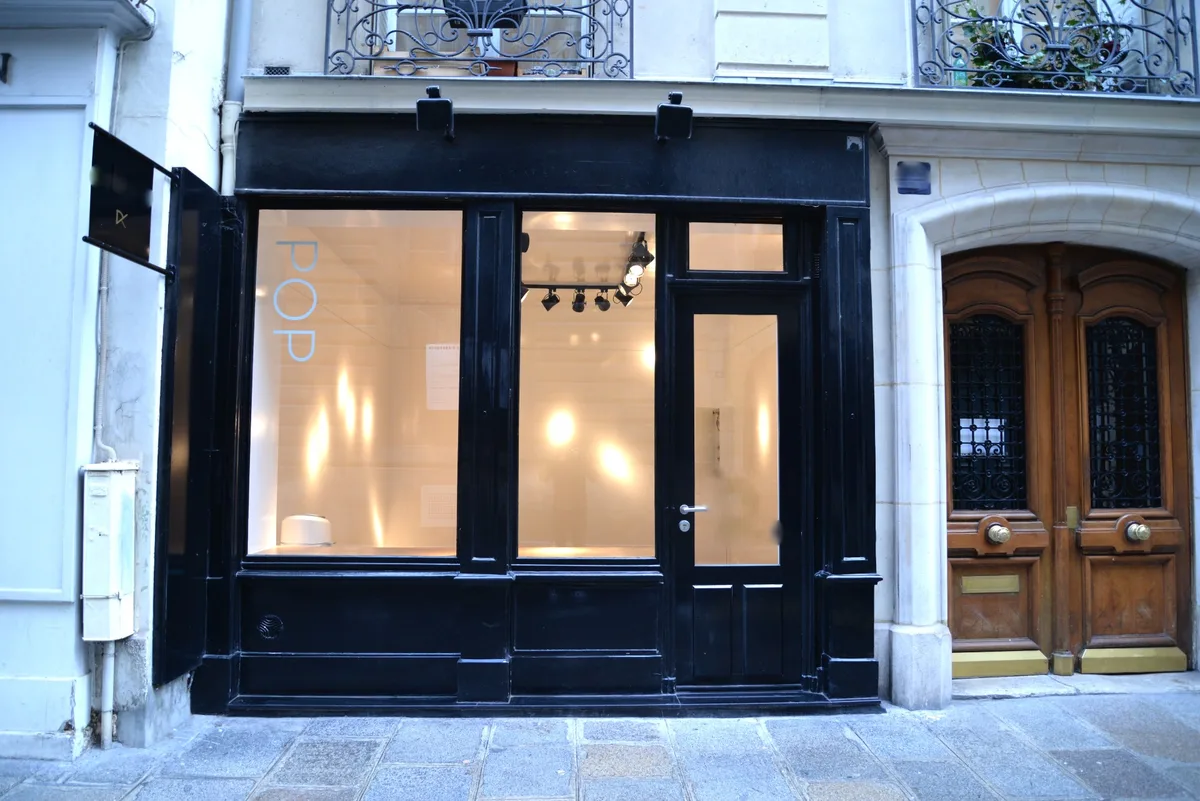
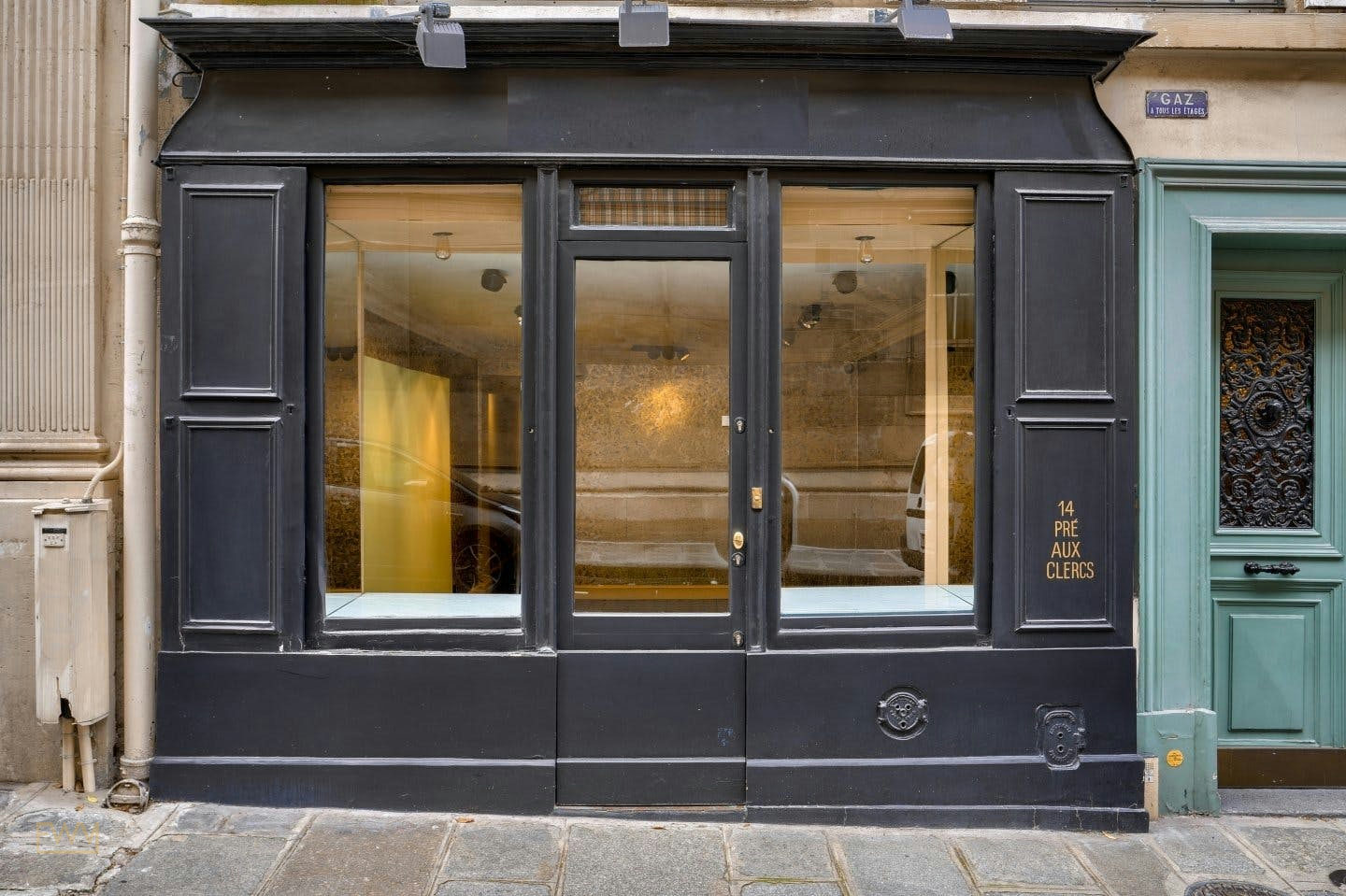
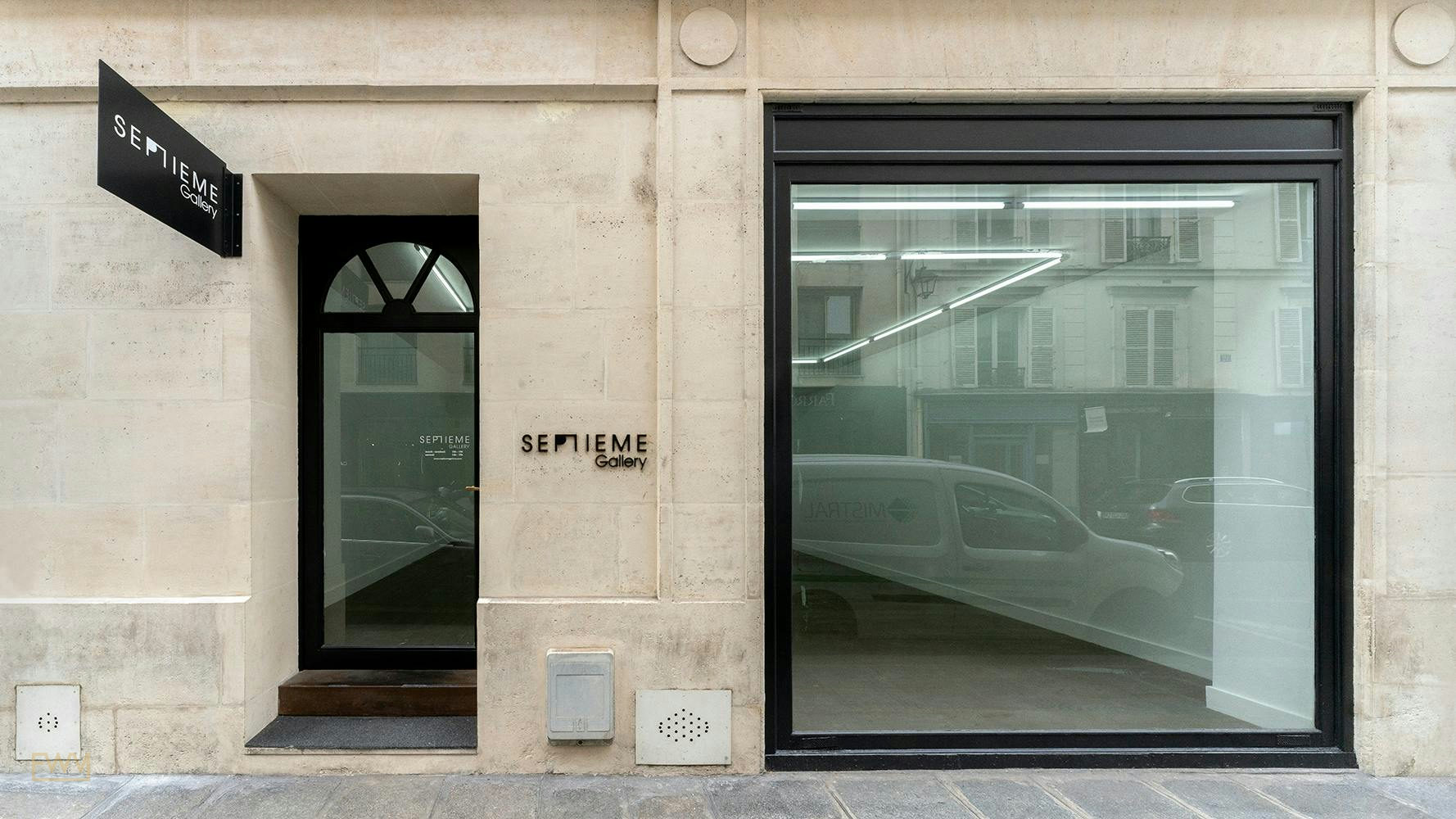
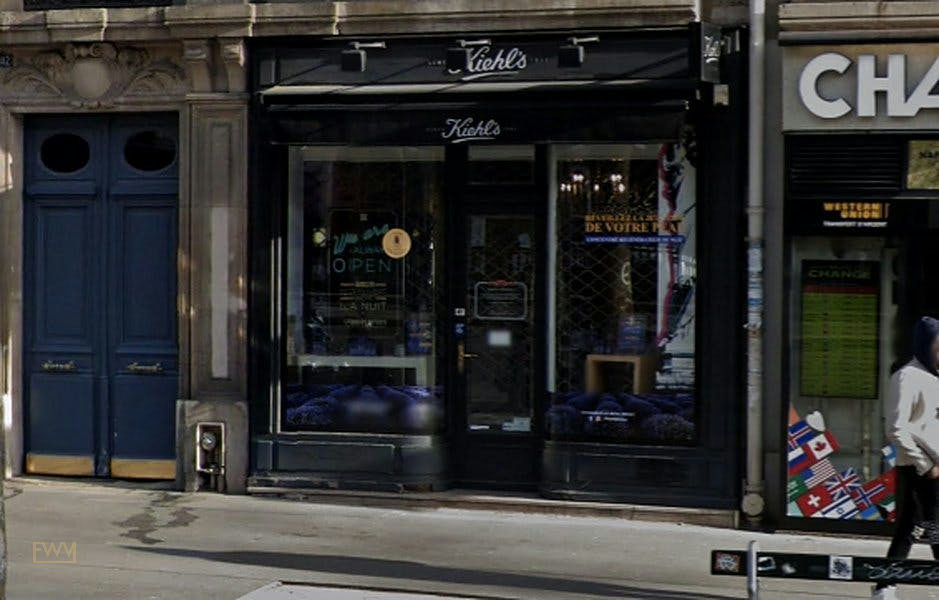
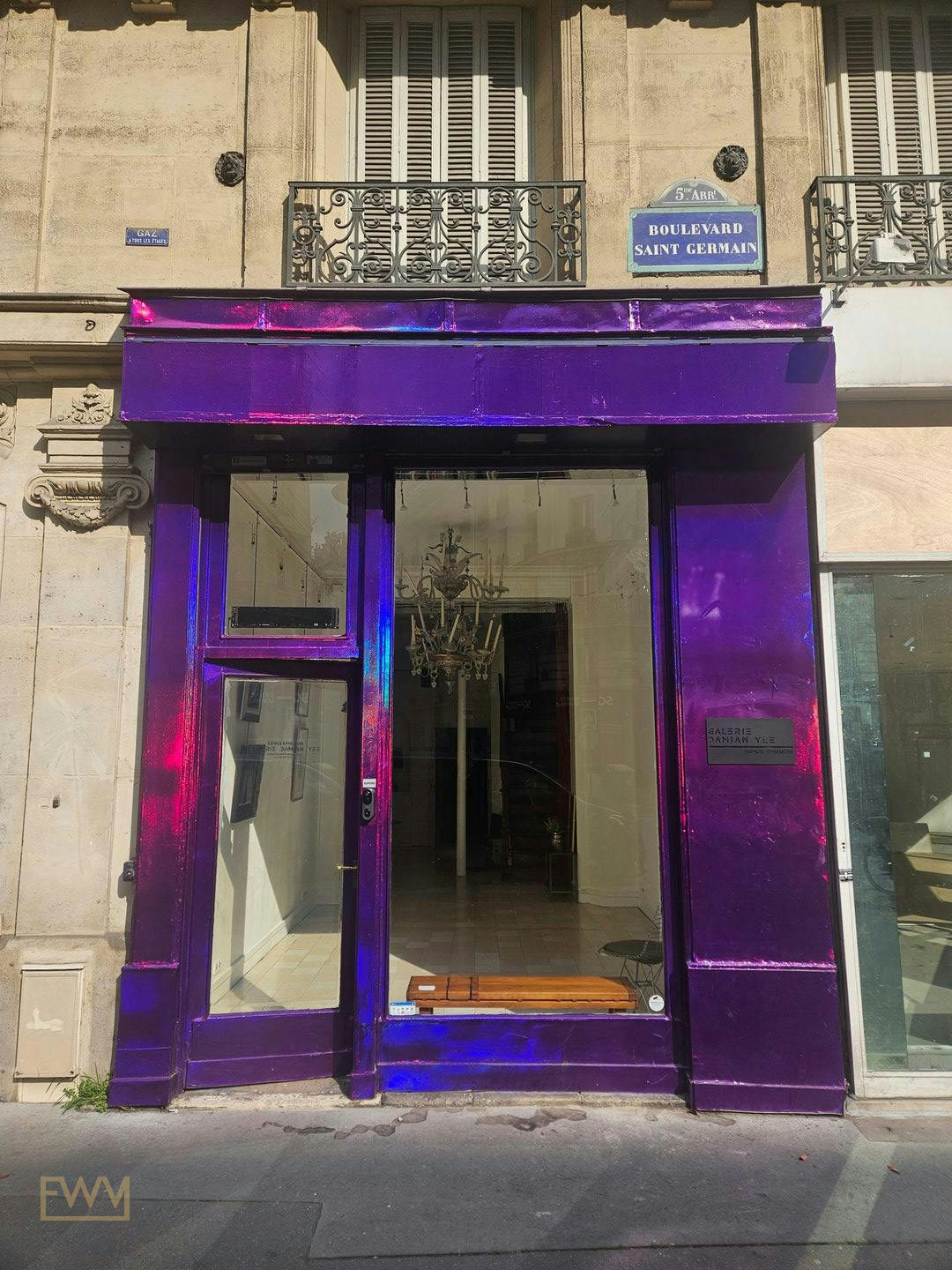
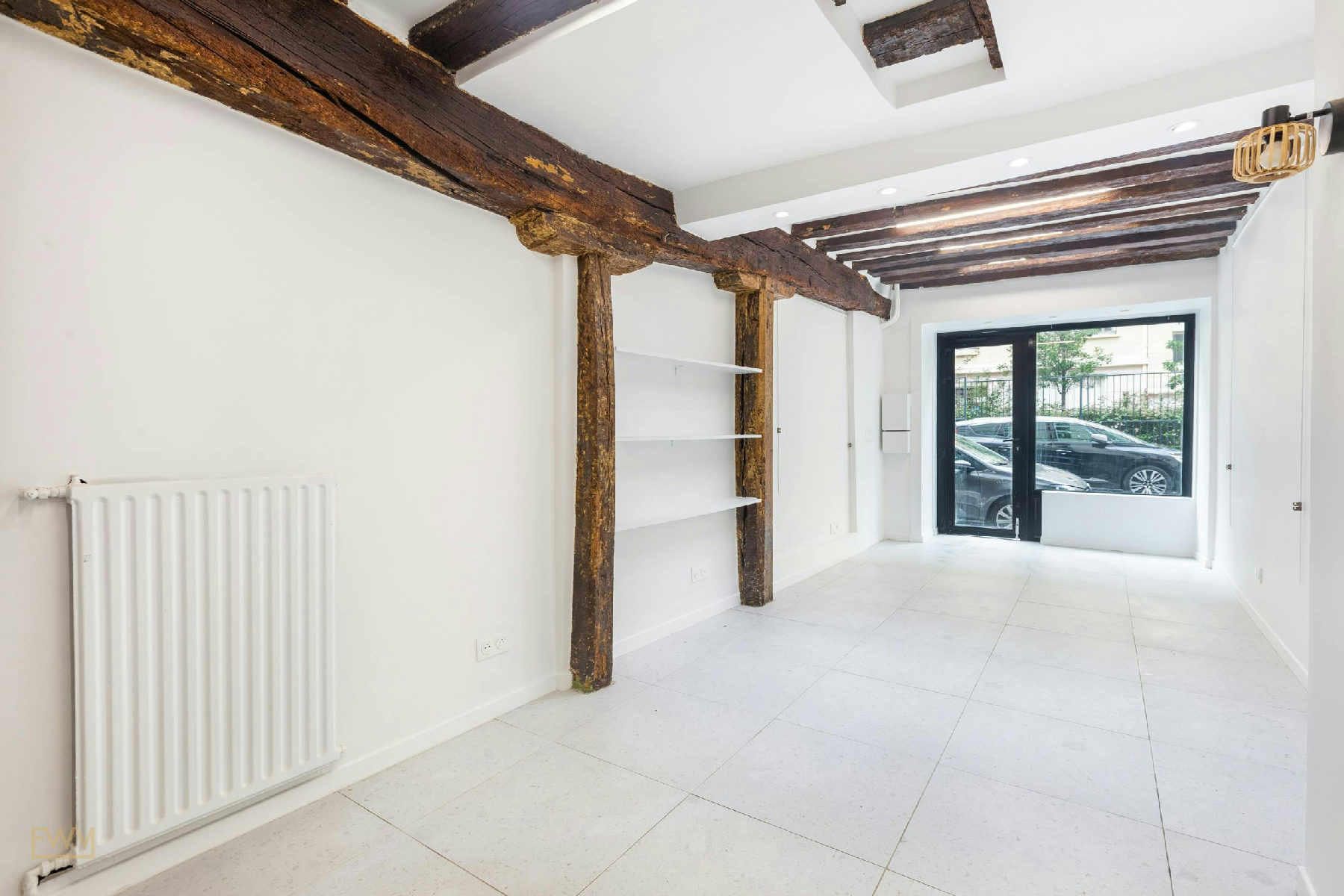
Ground-floor retail storefronts with direct street access and large street-facing windows represent the most direct format for pop-up shops, temporary retail activations, and boutique concepts. These spaces offer immediate visibility to passing pedestrian traffic and typically benefit from natural light and a prominent commercial address. In the Opéra district, storefronts range from compact spaces of around 30 square metres on side streets to larger flagship-scale units exceeding 200 square metres on principal boulevards. Many 19th-century buildings in the Haussmann style feature high ceilings, ornate facades, and architecturally distinctive interiors that add inherent aesthetic value to any brand concept staged within them.
Showroom Apartments and Fashion Showrooms
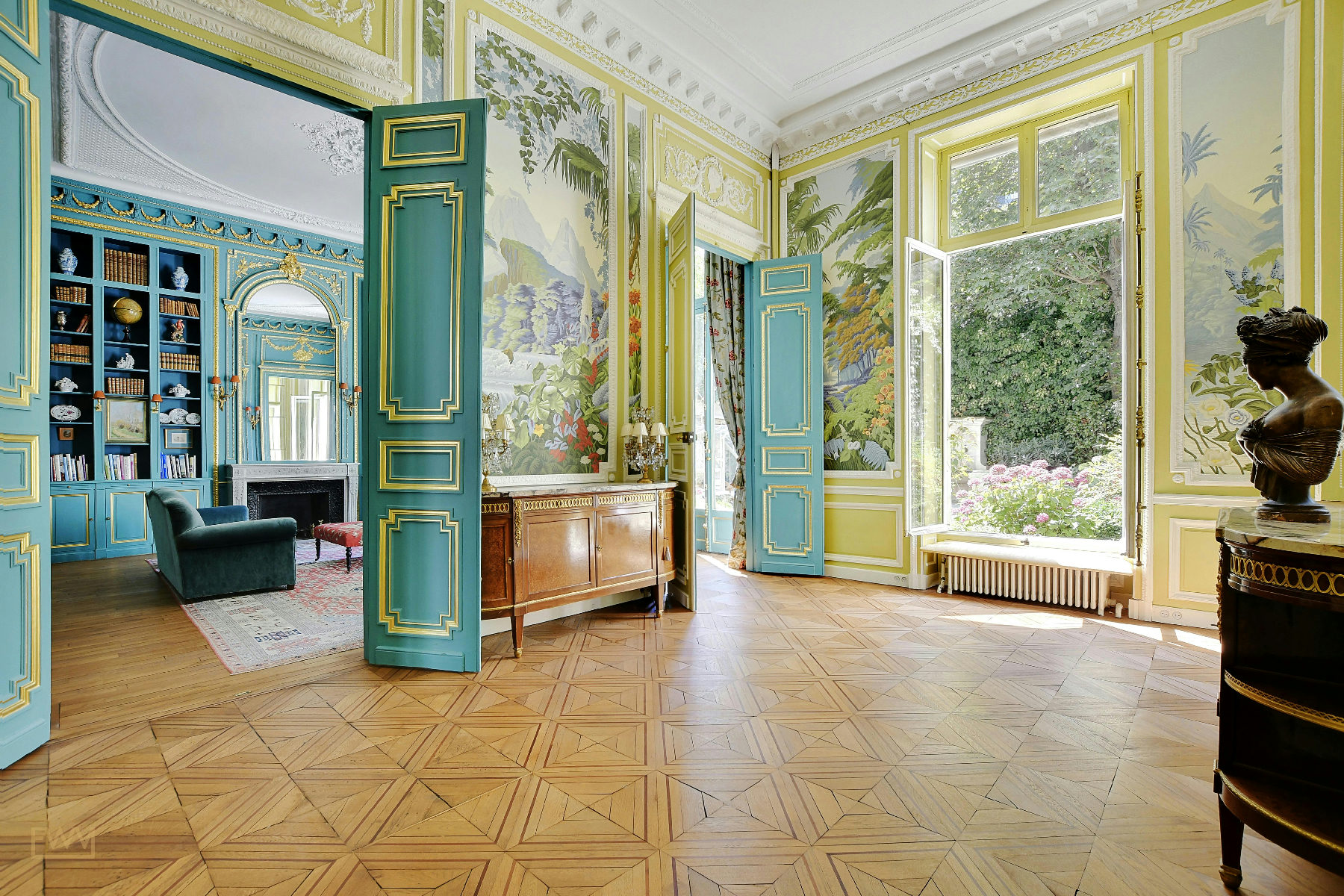
Showroom apartments, typically located on the first or second floor of Haussmann buildings, are a distinctly Parisian format that is particularly popular for fashion brands, jewellery houses, and luxury accessories labels. These spaces offer a more intimate, curated atmosphere than ground-floor retail and are well suited to press days, buyer appointments, product launches, and trade events. The residential-scale proportions of these spaces, combined with original architectural details such as parquet floors, high moulded ceilings, and tall windows with city views, create an environment that supports high-quality editorial photography and a distinctive brand narrative.
Gallery Spaces and Event Venues
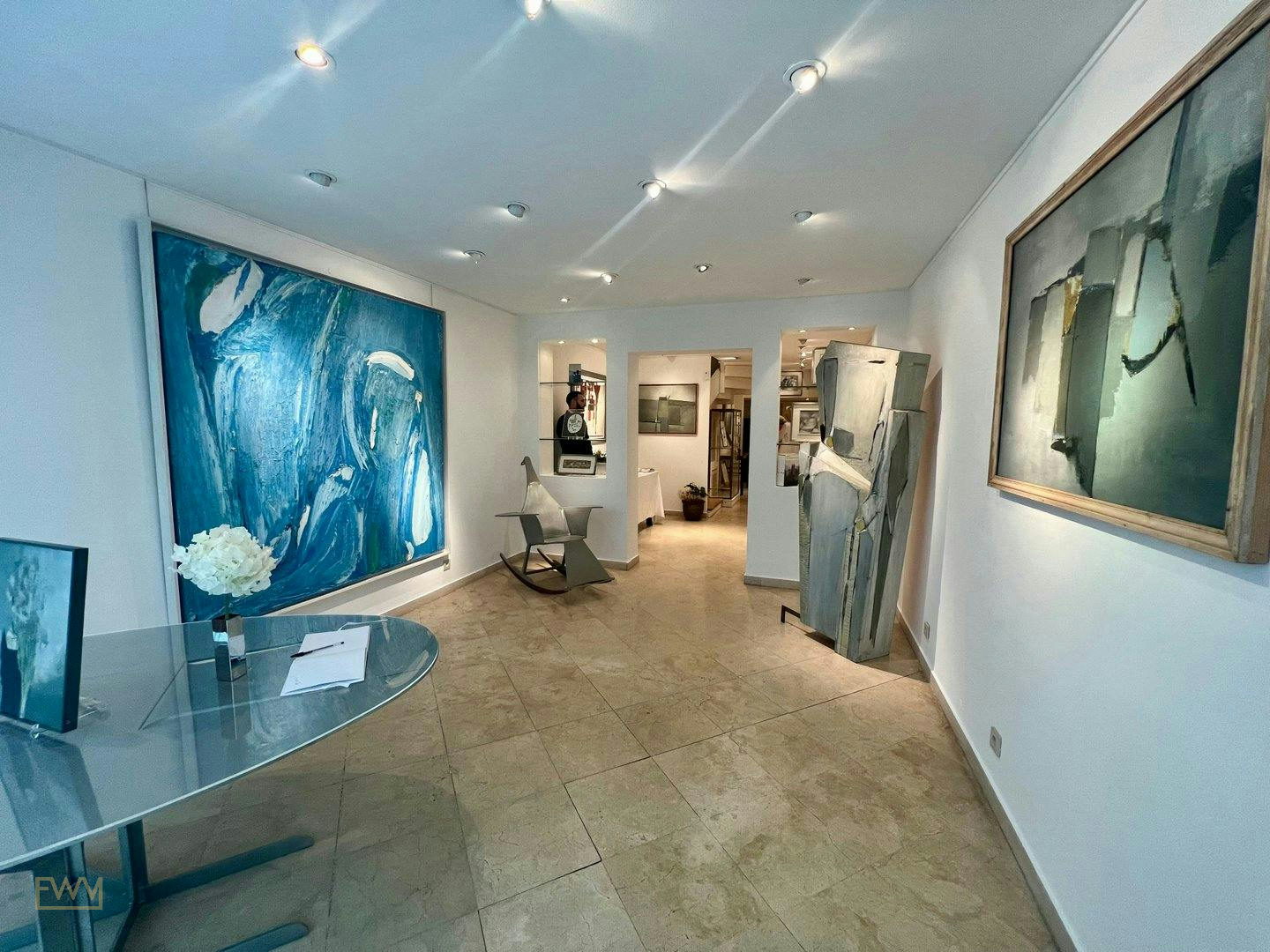
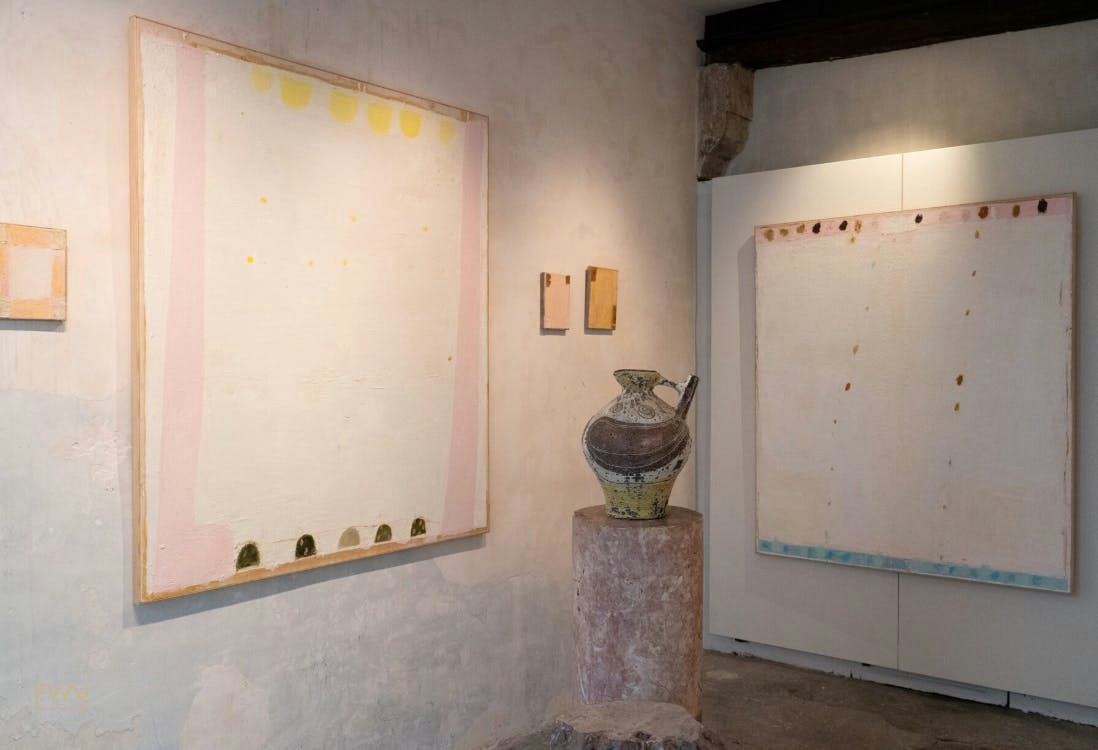
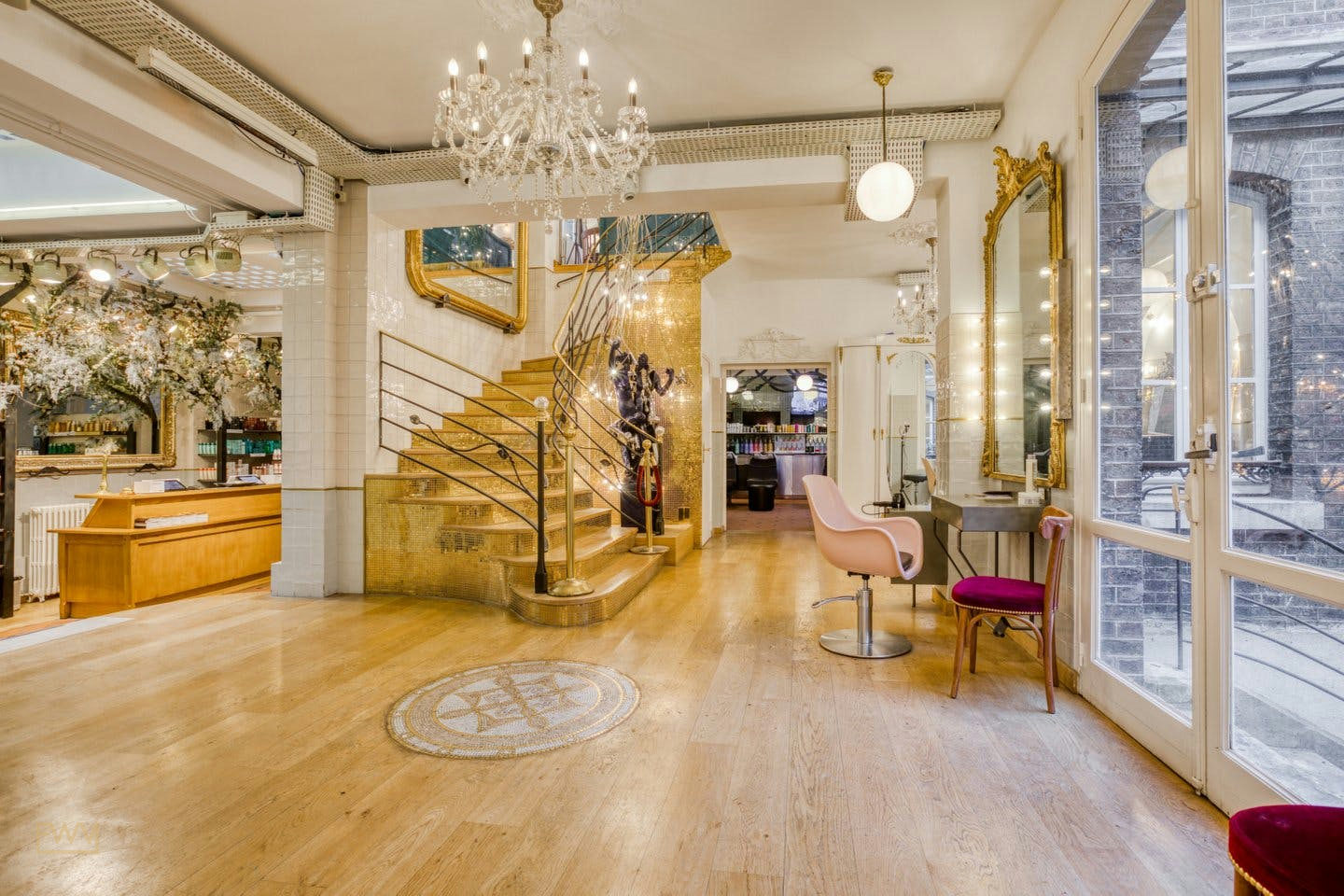
The Opéra district and the adjacent 1st arrondissement contain a significant number of gallery-format spaces that lend themselves to art exhibitions, fashion events, installations, and experiential retail concepts. These spaces often feature raw or minimally finished interiors, concrete or stone floors, and flexible open-plan layouts that give creative teams maximum freedom in concept direction and production build. Many have been used for combined retail and cultural programming, allowing brands to position their activation within an art-world context.
Serviced Offices, Business Centres, and Flexible Workspaces
The Opéra district also has a strong inventory of serviced offices, business centres, and flexible workspace options. While these are primarily positioned as workspace rather than retail formats, some configurations include client-facing reception areas, meeting rooms, and ground-floor visibility that make them viable for hybrid workspace-and-showroom concepts. Brands testing a Paris market presence without committing to a full retail production sometimes use premium flexible workspace as a base for client meetings, press appointments, and trade encounters alongside a separately sourced retail activation.
Turn-Key and Tailor-Made Office Spaces with Commercial Configurations
A growing segment of the Opéra district property market consists of turn-key and tailor-made commercial spaces that combine office infrastructure with a bespoke interior design. These spaces typically include meeting rooms, videoconferencing services, secretarial services, postal services, kitchen facilities, and a fully managed building infrastructure. For brand teams visiting Paris for a defined campaign period, this format offers operational comfort and a professional environment without the complexity of a full commercial lease.
IMPORTANT: Space types in the Opéra district are not always clearly categorised in property listings. A space listed as a commercial property may require specific permitted uses to operate as a retail storefront, and upper-floor showroom apartments may have building regulations that affect your ability to receive large numbers of visitors. Always verify the permitted use of any space before signing a rental agreement.
| Space Type | Best Activation Format | Key Features | Typical Location |
|---|---|---|---|
| Ground-floor storefront | Pop-up shop, temporary retail, boutique | Street-facing windows, high footfall, signage potential | Grands Boulevards, Avenue de l'Opéra |
| Showroom apartment | Press day, buyer appointments, fashion showroom | Haussmann interiors, city views, intimate atmosphere | 1st, 2nd, and 9th arrondissements |
| Gallery space | Art exhibition, experiential retail, launch event | Open plan, raw finish, flexible layout | Palais Royal, Marais, Pigalle |
| Serviced office / business centre | Hybrid workspace and showroom, market-entry base | Meeting rooms, videoconferencing, secretarial support | Chaussée d'Antin, Opéra, Grands Boulevards |
| Turn-key commercial space | Campaign headquarters, branded client environment | Fully designed interiors, kitchen, premium finishes | Opéra, 9th arrondissement |
KEY TAKEAWAY: The Opéra district offers a wider variety of commercial space formats than most brands initially expect. Matching your space type to your activation format from the outset avoids costly mid-project pivots and ensures the physical environment supports your brand narrative from day one.
Once you have identified the right type of space, the next challenge is understanding the legal and permit framework that governs temporary retail in Paris, which varies meaningfully depending on the space, arrondissement, and duration of your activation.
Permits, Leases, and Commercial Regulations for Temporary Retail in the 9th Arrondissement
Renting retail space in Paris involves navigating a specific and sometimes complex legal framework that differs significantly from commercial property regulations in the United Kingdom, the United States, and most other markets. Understanding the key legal structures available for short-term retail occupancy is essential before committing to any space.
Quick answer: Temporary retail in Paris is most commonly structured under a bail dérogatoire, a short-term derogatory lease that allows occupancy for up to 36 months without triggering the full protections of the French commercial lease statute. For very short activations in publicly owned or semi-public spaces, an autorisation d'occupation temporaire (AOT) may apply instead. Requirements vary by space type, duration, arrondissement, and landlord, and brands should verify their specific situation with a qualified French legal advisor.
The Bail Dérogatoire: Short-Term Commercial Leases in France
The bail dérogatoire, also known as a convention d'occupation précaire in some contexts, is the primary legal vehicle for short-term commercial occupancy in France. Unlike a standard French commercial lease, which grants the tenant statutory renewal rights and is subject to the Code de Commerce provisions on commercial leases, the bail dérogatoire explicitly waives these protections in exchange for a defined short-term occupancy period. The maximum duration under current French law is 36 months. If the parties continue occupancy beyond this period without entering a new agreement, the lease automatically converts to a standard commercial lease with full statutory protections, which creates significant obligations for both parties.
For a brand planning a pop-up shop, press event, or seasonal activation of days to several months, the bail dérogatoire is generally the appropriate instrument. However, the terms, rent review mechanisms, permitted use clauses, and reinstatement obligations within a bail dérogatoire can vary significantly between landlords and spaces. Brands unfamiliar with French commercial real estate often underestimate the importance of reviewing these terms carefully before signing.
The Autorisation d'Occupation Temporaire (AOT)
For activations in publicly owned or semi-publicly governed spaces, such as cultural institutions, public plazas, transport hubs, or certain historic buildings, the relevant permit is typically an autorisation d'occupation temporaire (AOT) rather than a private lease. The AOT is a precarious, revocable administrative authorisation that does not confer the same rights as a private lease. Obtaining an AOT for a high-visibility Parisian location can offer exceptional brand visibility but typically requires early planning, institutional relationships, and a concept that aligns with the hosting institution's values and programming calendar.
SIRET Numbers, Commercial Regulations, and Market Entry Requirements
International brands entering the French retail market through a temporary activation may need to address several compliance requirements beyond the lease itself. Operating a point of sale in France typically requires a valid SIRET number, which is the French business registration identifier issued by INSEE. Brands without an existing French legal entity may be able to structure their activation through a French representative or service provider, but the specific requirements depend on the nature of the transaction, the value of goods sold, and the duration of the activation. VAT registration may also be required for brands selling goods directly to consumers in France above applicable thresholds.
The permit guidance tool on Fashion Week Venues provides a structured starting point for understanding what permits and compliance steps may apply to your specific activation format and location. This does not replace qualified French legal advice, which brands should obtain before committing to any rental agreement or commercial structure.
IMPORTANT: Do not assume that a short-term retail activation in Paris is legally straightforward. French commercial property law, tax obligations, and administrative permit requirements can create significant complications for international brands that proceed without proper guidance. Engage a French legal advisor and a Paris-experienced activation agency before finalising any space commitment.
KEY TAKEAWAY: The bail dérogatoire is the standard legal framework for temporary retail in Paris and offers meaningful flexibility for short-term activations, but its terms must be reviewed carefully. Compliance requirements around SIRET numbers, VAT, and permitted use add further complexity that international brands should address early in their planning process.
With the legal framework in place, the practical question of budget becomes the next critical planning variable for any brand evaluating retail space in the Opéra district.
Budget Guidance for Renting Retail Space in Opera Paris
Budget planning for a Paris retail activation in the Opéra district involves several distinct cost layers: space rental, fit-out and production, staffing, permits and compliance, and operational costs during the activation period. Understanding how these layers interact prevents the common mistake of allocating the entire budget to space rental and leaving insufficient resource for the activation itself.
Quick answer: The total cost of a short-term retail activation in the Opéra district depends on space size, location, duration, and production scope. Rental costs alone range widely across the district, with high-footfall boulevard storefronts commanding premium rates and upper-floor showroom apartments or creative spaces on side streets offering more accessible entry points. Brands should use a detailed budget model that covers all cost layers, not only the rental line.
Understanding the Components of a Paris Activation Budget
Space rental is typically the largest single line item in a Paris pop-up or showroom budget, but it rarely represents more than 40 to 60 percent of total activation cost in a well-scoped project. Fit-out and production, which covers interior design, fixture installation, graphics, lighting, and any structural work, can equal or exceed the rental cost depending on the concept's ambition. Staffing, including both operational retail staff and any brand ambassador or influencer marketing resource, adds a further significant layer. Permits, legal structuring, and compliance costs are frequently underestimated by brands planning their first Paris activation.
Operational costs during the activation period include utilities, consumables, waste management, security, and technology infrastructure such as POS and payment systems. For activations running across a Paris Fashion Week window, additional costs may arise from the competitive demand for suppliers, build crews, and logistical resources that typically peaks in the weeks around the shows.
How Space Size, Location, and Duration Affect Rental Cost
Within the Opéra district, rental rates for temporary commercial space vary considerably by specific street location, floor level, space size, building quality, and the degree of fit-out already provided by the landlord. Boulevard-facing storefronts on Grands Boulevards or Avenue de l'Opéra attract the highest short-term rates. Upper-floor showroom apartments, gallery spaces on side streets, and spaces in the lower 9th around Pigalle offer meaningfully lower entry points without sacrificing the broader Opéra district address.
Duration also affects effective daily rental cost. Very short activations of two to five days typically carry a higher daily rate than activations of two to four weeks. Monthly and multi-month occupancies under a bail dérogatoire can achieve better per-day economics, but require more substantial up-front planning and legal structuring.
To build a brand-specific budget estimate that reflects your target space type, location, duration, and production scope, use the Paris activation budget calculator on Fashion Week Venues, which models cost components based on real activation parameters.
TIP: Avoid the common mistake of evaluating rental space purely on the headline daily or monthly rate. A space with a slightly higher rental rate but a superior fit-out condition, better natural light, larger street-facing windows, and stronger foot traffic often delivers significantly better ROI than a cheaper space that requires extensive production investment to reach the same visual standard.
Understanding Return on Investment for Paris Pop-Up Activations
ROI calculation for a Paris pop-up shop or showroom is not limited to direct retail revenue. For fashion brands, the value of a Paris activation typically includes a combination of direct sales, wholesale or distribution conversations initiated during the activation, earned media and social media reach, influencer content, editorial coverage, and long-term brand equity generated by association with a Paris address. Brands that enter Paris activations with a narrow direct-sales ROI model frequently undervalue the full commercial impact of a well-executed concept in the right location.
The ROI calculator on Fashion Week Venues allows brand teams to model the expected return from a Paris activation across multiple value dimensions, including direct revenue, press value, social media reach, and wholesale pipeline.
KEY TAKEAWAY: Budgeting for a Paris retail activation requires a comprehensive cost model that covers space, production, staffing, compliance, and operations. The total investment should be evaluated against a multi-dimensional ROI framework that captures the full commercial value of the Paris market, not only the direct sales line.
To compare neighbourhoods and space types before committing to a location, explore the Paris city hub on Fashion Week Venues and shortlist spaces that match your brief, budget, and calendar window.
The Fashion Week Calendar and Strategic Timing for Opéra District Activations
Paris Fashion Week, held twice annually in late February to early March for autumn-winter collections and late September to early October for spring-summer collections, is the most internationally visible window for brand activations in Paris. However, the Opéra district and broader central Paris offer compelling commercial opportunities across the entire calendar year, and brands that focus exclusively on Fashion Week often miss the strategic advantages of other peak windows.
Quick answer: Paris Fashion Week drives the highest concentration of international fashion buyers, press, and brand professionals, making it the most competitive and often the most expensive window for securing premium retail and showroom space. However, brands targeting Parisian consumers rather than industry audiences may find that spring and summer tourism peaks, the holiday season, and dedicated trade fair weeks offer comparable or superior commercial conditions at more accessible rental rates.
Paris Fashion Week: The Primary Activation Window
During Paris Fashion Week, the Opéra district benefits from an influx of international fashion professionals, press, and buyers who use the area as a base between shows and appointments. Brands that position a showroom, pop-up shop, or brand event in the Opéra zone during Fashion Week can intercept this audience in a way that is impossible at any other time of year. Spaces in proximity to the Palais Royal, rue Saint-Honoré, and the 1st arrondissement are particularly in demand during this window, as they sit within walking distance of many show venues and brand headquarters.
The competition for premium spaces during Fashion Week is intense, and brands that begin their search less than three to four months before the target activation window frequently find that the best spaces have already been committed. Early engagement with a Paris specialist agency or marketplace is essential for any brand prioritising a Fashion Week activation.
Beyond Fashion Week: Tourism Peaks, Holidays, and Trade Windows
Outside the Fashion Week windows, Paris experiences several other commercially significant peaks. The summer tourism season from June through August brings very high international visitor volumes to the Opéra district, particularly around Galeries Lafayette, Printemps, the Opéra Garnier, and the Louvre. Brands targeting an international consumer audience rather than a fashion industry audience may find the summer window highly productive, particularly for categories such as accessories, beauty, and lifestyle.
The Christmas and end-of-year retail season is one of the strongest retail periods in Paris, with the Grands Boulevards and Opéra district particularly active due to the famous Christmas illuminations on Boulevard Haussmann and the destination status of Galeries Lafayette and Printemps during this period. The spring Fashion Week in March and the autumn-winter window in October bracket the calendar year with the two primary fashion industry moments, while trade fairs such as Maison et Objet, Paris Photo, and FIAC add further professional audience peaks at different points in the year.
The timeline planning tool on Fashion Week Venues helps brand teams map their activation window against the Paris calendar, available spaces, and production lead times to build a realistic project schedule.
KEY TAKEAWAY: Paris Fashion Week is the highest-profile window for brand activations in the Opéra district, but it is not the only commercially viable moment. Brands with a consumer-facing rather than industry-facing concept may achieve superior results during summer tourism peaks or the Christmas retail season at lower rental rates and with less competition for premium spaces.
Understanding the full scope of what is required to bring a Paris retail activation to life is easier when working with an agency that has both the local network and the full-service capability to manage every component, which the next section addresses directly.
How Fashion Week Venues Supports Retail Space Searches and Brand Activations in the Opéra District
Fashion Week Venues operates as a full-service pop-up shop agency and space marketplace with deep expertise in Paris retail activations, including the Opéra district, the 9th arrondissement, and the broader central Paris market. The platform and agency services are designed to support brand teams at every stage of the activation journey, from initial space discovery through to post-activation reporting.
Space Discovery and Venue Sourcing
The Fashion Week Venues marketplace gives brands direct access to a curated inventory of short-term commercial spaces across Paris, organised by neighbourhood, space type, capacity, features, and calendar availability. The venue sourcing service goes beyond the marketplace by engaging the agency's Paris network to identify off-market spaces, negotiate rental terms, and qualify spaces against the specific requirements of each brand's brief. This is particularly valuable in the Opéra district, where some of the best spaces are held by private landlords who do not list publicly and are only accessible through established agency relationships.
Concept Direction, Production, and Build
Once a space is secured, Fashion Week Venues provides a full suite of creative and production services. The concept direction service develops the brand narrative, visual identity, and spatial concept for the activation. The production and build service manages the physical realisation of the concept, including interior fit-out, furniture, lighting, graphics, and any structural elements. For brands with an existing design brief, the production team executes against the specification. For brands earlier in their creative process, the concept direction team can develop the brief from scratch. Brands can explore how a specific space might look before committing using the Imagine visualisation tool.
Retail Staffing, POS, and Operational Support
Running a successful pop-up shop or showroom in Paris requires locally fluent, brand-trained staff who can represent the brand effectively to both French and international visitors. Fashion Week Venues provides retail staffing solutions that match the brand's service level, language requirements, and scheduling needs. POS and payment infrastructure, including card payment systems configured for the French market, are available as part of the operational support package. Brands that have not previously operated in France often underestimate the importance of having French-speaking staff who understand both the local retail culture and the brand's specific positioning.
Influencer Marketing and Brand Amplification
For brands seeking to maximise the reach of their Paris activation, Fashion Week Venues offers an influencer marketing service that connects brands with relevant Paris-based and international content creators, stylists, and cultural figures. An activation in the Opéra district can generate substantial earned media value if the right influencer and press strategy is executed alongside the physical retail concept. The agency's Paris network includes relationships with relevant media, showroom clients, buyers, and cultural institutions that can amplify brand visibility beyond the physical footprint of the space.
Tools for Planning and Decision-Making
Fashion Week Venues offers a suite of planning tools that support brand teams at the research and decision-making stage. The space comparison tool allows brands to evaluate multiple spaces side by side against their brief. The space locator maps available spaces by neighbourhood and proximity to key Paris landmarks. The budget calculator and ROI calculator support financial planning. The timeline tool helps teams build a realistic project schedule. The permits tool provides initial guidance on legal and compliance requirements for specific activation formats.
Brands considering whether to work with an agency for their Paris activation can review the guide to hiring a pop-up agency and explore past activation case studies in the work section to understand what a well-executed Paris activation looks like in practice.
KEY TAKEAWAY: Fashion Week Venues offers brand teams a single entry point for the full activation journey in the Opéra district and across Paris, combining marketplace access, agency expertise, production capability, and operational support. The platform does not guarantee specific outcomes, but it significantly reduces the complexity, risk, and lead time associated with executing a high-quality Paris activation independently.
With the full service landscape mapped, it is useful to challenge some of the most persistent misconceptions that affect how brands approach renting retail space in the Opéra district.
Amenities, Space Features, and What to Look for in an Opéra District Retail Space
When evaluating specific spaces in the Opéra district, the quality of the physical environment and the amenities provided can make a significant difference to both the activation experience and the brand impression created for visitors. Understanding which features to prioritise for your specific concept saves time and prevents expensive post-booking surprises.
Quick answer: The most important physical features to evaluate when renting retail space in the Opéra district include natural light levels and window size, floor condition and surface quality, ceiling height, accessibility for visitors with disabilities, proximity to metro stations, kitchen or refreshment facilities, and the building's technical capacity for lighting, connectivity, and event production requirements.
Natural Light and Street-Facing Windows
Natural light is one of the most valued features in any Paris retail or showroom space, both for the quality of the environment it creates and for its importance to product photography and content creation. Spaces with large street-facing windows facing south or west, or with roof light from a glazed ceiling, are significantly more versatile for fashion and beauty activations than north-facing or basement spaces. In Haussmann buildings, first-floor spaces often benefit from exceptional window heights and ornate ironwork balconies that enhance both the interior light quality and the exterior visual presence of the activation.
Accessibility, Metro Proximity, and Foot Traffic
Accessibility for visitors is a practical consideration that affects both conversion rates and the brand experience. Spaces that require visitors to navigate multiple flights of stairs without lift access will see lower visitor volumes than ground-floor or lift-accessible upper-floor spaces, particularly for activations targeting an older or more affluent demographic. Metro proximity directly affects organic foot traffic: spaces within two minutes' walk of a major metro interchange consistently outperform more distant locations in visitor count terms. In the Opéra district, proximity to the Opéra, Chaussée d'Antin, Havre-Caumartin, or Grands Boulevards metro stations adds meaningful commercial value to any space.
Technical Capacity and Production Support
For produced brand activations, the technical capacity of the space matters considerably. Key requirements include adequate electrical capacity for event lighting, spotlighting, and technology installations; structural ceiling or wall points for hanging fixtures and graphics; reliable high-speed internet connectivity; and ideally a dedicated loading or service entrance for production build and breakdown. Spaces that offer full technical and production support as part of their rental package reduce the logistical complexity of the activation and can accelerate the build timeline. Some premium spaces in the 9th arrondissement offer a combination of production support, a dedicated on-site contact, and videoconferencing infrastructure, making them suitable for hybrid client-facing and workspace uses.
Outdoor Space, Terrasse, and Event Configurations
Spaces with a terrasse, courtyard, or rooftop access offer additional programming opportunities for warm-weather activations, press events, and brand experiences that benefit from an outdoor dimension. In Paris, outdoor event space adjacent to a retail or showroom activation is relatively rare in the Opéra district's dense urban fabric, making it a premium feature when available. For brands planning events with a standing reception format, a terrasse or outdoor extension can meaningfully increase the number of guests the space can accommodate without exceeding indoor capacity limits.
KEY TAKEAWAY: When shortlisting spaces in the Opéra district, evaluate the physical and technical features of each option systematically rather than purely on location and price. A space with superior natural light, strong metro accessibility, large street-facing windows, and adequate technical capacity will typically deliver a better activation outcome than a better-located space with significant physical limitations.
How to Search for Retail Space in the Opéra District: Platforms, Brokers, and Direct Agency Access
The process of searching for retail space in the Opéra district requires a different approach than searching for permanent commercial real estate. Short-term and temporary retail spaces are not consistently listed on mainstream commercial property platforms, and the most sought-after spaces are often never publicly advertised. Understanding the landscape of search channels is essential for any brand trying to secure the right space efficiently.
Quick answer: Retail space for short-term activations in the Opéra district is most effectively found through specialist pop-up and activation agency networks, curated marketplaces focused on temporary retail, and direct landlord relationships developed over time. Mainstream commercial real estate platforms such as LoopNet or CoStar cover primarily long-term commercial leases and are not well suited to the short-term, flexible, and fashion-specific requirements of most brand activations.
Mainstream Commercial Real Estate Platforms and Their Limitations
Platforms such as LoopNet and CoStar provide comprehensive coverage of the French commercial real estate market, including the Opéra district and the 9th arrondissement. However, their inventory is dominated by permanent leases, long-term commercial properties, and institutional-grade assets. Short-term rental listings, pop-up spaces, and showroom apartments suited to fashion activations are rarely featured, and when they do appear, they are typically listed by commercial property brokers who may not be familiar with the specific requirements of fashion brand activations. Brands searching these platforms for a three-week pop-up or a two-day press event are unlikely to find what they need.
Commercial Brokers and Their Role in the Opéra Market
Traditional commercial real estate brokers operating in the Opéra district can provide access to spaces that are not publicly listed, including off-market storefronts and landlord-direct opportunities. However, broker relationships are typically structured around commission-based transactions and longer-term lease commitments, which may not align with the flexible, short-term requirements of a fashion brand activation. Brokers who specialise in temporary or pop-up retail are more relevant for this purpose, but they remain a smaller and less visible segment of the Paris commercial property market. When working with any broker, clarify their specific experience with short-term fashion retail and their knowledge of the permit and compliance landscape before engaging.
Specialist Marketplaces and Full-Service Agencies
The most efficient route to finding temporary retail space in the Opéra district for fashion brands is through specialist pop-up marketplaces and full-service activation agencies with a specific Paris focus. These platforms maintain curated inventories of spaces that are pre-qualified for short-term occupancy, managed by landlords familiar with temporary retail, and often already configured with the basic infrastructure required for a brand activation. The Fashion Week Venues space marketplace provides a starting point for browsing available spaces by location, type, and capacity, with the option to engage the agency's venue sourcing team for a more tailored brief-matching service.
DID YOU KNOW: Many of the most sought-after short-term retail spaces in the Opéra district are never publicly listed. They are held by landlords with established relationships with specific agencies and are allocated through direct outreach well in advance of the activation window. This makes early engagement with a Paris-specialist agency a significant competitive advantage for brands planning activations in prime locations.
KEY TAKEAWAY: Searching for temporary retail space in the Opéra district through mainstream commercial property platforms significantly limits your access to the most relevant inventory. Specialist marketplaces and agency networks with direct Paris landlord relationships are the most effective channel for finding and securing short-term fashion retail and showroom spaces in this market.
Common Myths About Renting Retail Space in Opera Paris, Debunked
MYTH: You need a French legal entity to rent a commercial space in Paris for a pop-up or showroom activation.
FACT: Many international brands successfully activate in Paris through short-term rental arrangements without establishing a French limited company. However, specific compliance requirements around SIRET numbers, VAT, and the legal structure of the rental agreement mean that legal guidance is essential. A French service provider or activation agency can often facilitate the necessary structure without requiring the brand to create a standalone French entity, though the appropriate approach depends on the specific nature of the activation and the goods or services involved.
MYTH: Paris Fashion Week is the only commercially viable window for renting retail space in the Opéra district.
FACT: Paris Fashion Week drives the highest concentration of fashion industry professionals and editorial attention, but the Opéra district has multiple commercially strong windows across the year. The summer tourism peak, the Christmas retail season, and significant trade fair weeks all generate substantial visitor volumes and commercial activity. Brands targeting consumers rather than industry professionals may actually achieve better results and more accessible pricing outside the Fashion Week windows.
MYTH: Commission-based property brokers are the only reliable way to find a retail space in Paris.
FACT: Commission brokers are one channel, but they are not the most effective or efficient route for brands seeking short-term fashion retail or showroom space in Paris. Specialist pop-up marketplaces, full-service activation agencies with direct landlord networks, and curated platforms focused on temporary retail provide significantly better access to the spaces most relevant to fashion brand activations, with greater transparency on terms and stronger understanding of the specific requirements of short-term occupancy.
MYTH: Short-term commercial leases in Paris are legally straightforward and can be signed without specialist advice.
FACT: The bail dérogatoire and other short-term commercial occupancy structures in France contain specific legal provisions, permitted use requirements, and reinstatement obligations that can create significant liabilities for brands that sign without specialist guidance. French commercial property law differs substantially from UK, US, and most other common-law and civil-law frameworks. Brands should engage a French legal advisor and an experienced Paris activation agency before committing to any rental agreement.
MYTH: A small pop-up shop in the Opéra district will automatically attract high foot traffic simply because of its address.
FACT: Location is a necessary but not sufficient condition for a successful pop-up activation. A well-located space with no signage strategy, no social media amplification, no influencer or press engagement, and no compelling concept direction will underperform relative to a moderately located space with strong brand storytelling and a well-executed activation. The physical address creates opportunity; the brand concept, execution, and marketing strategy determine whether that opportunity is realised.
Frequently Asked Questions About Retail Space for Rent in Opera Paris
How much does temporary retail space cost in the Paris 9th arrondissement?
Rental costs for temporary retail space in the 9th arrondissement vary considerably based on street location, space size, floor level, building quality, and duration of occupancy. Boulevard-facing storefronts near Galeries Lafayette and Printemps command the highest rates, while upper-floor showroom apartments and creative spaces on side streets are more accessible. Because rates fluctuate based on season, duration, and landlord terms, brands should use the Fashion Week Venues budget calculator to model costs based on their specific brief rather than relying on generalised market estimates. Direct comparison of multiple shortlisted spaces is also recommended before committing.
How long can I rent a temporary retail space in Paris?
Temporary retail space in Paris can typically be rented for durations ranging from a single day to 36 months under a bail dérogatoire structure. Very short activations of one to five days are common for press events, product launches, and VIP experiences. Pop-up shops typically run for two to eight weeks. Longer-term showroom or market-entry activations may extend to several months. The appropriate rental structure, and the legal instrument governing it, should be determined based on your specific duration and use case with guidance from a French legal advisor.
Do I need a permit to run a pop-up in the 9th arrondissement?
The permit requirements for a pop-up shop in the 9th arrondissement depend on the type of space, the nature of the activation, the duration of occupancy, and whether the activity involves selling goods, hosting events, or operating in a publicly visible location. A standard private rental of a commercial space for retail use does not always require a separate permit beyond the rental agreement and applicable business registration requirements, but specific scenarios such as outdoor signage, terrasse use, or activations in or near historic buildings may trigger additional authorisation requirements. The Fashion Week Venues permits tool provides structured guidance, and verification with a French legal advisor is always recommended.
What is the difference between the 9th arrondissement and neighbouring districts for pop-ups?
The 9th arrondissement offers a combination of high footfall near Galeries Lafayette and Printemps, cultural credibility in the Pigalle and Rue des Martyrs areas, and a strong mix of commercial and residential building stock that includes both storefronts and showroom apartments. Compared to Le Marais, the 9th is more commercially established and less fashionably saturated, making it effective for brands seeking visibility with a broad audience. Compared to the 1st arrondissement, the 9th offers lower rental rates and more accessible entry points without the same luxury positioning. The right choice depends entirely on your brand, your audience, and your activation concept.
Can I rent a space for a showroom or press day in the 9th arrondissement?
Yes. The 9th arrondissement contains a strong inventory of showroom-appropriate spaces, including upper-floor Haussmann apartments with parquet floors, high ceilings, and elegant period architecture, as well as gallery spaces and flexible commercial interiors suited to press day formats. These spaces are well suited to buyer appointments, trade events, collection presentations, and media events. Fashion Week Venues can match brands with specific showroom spaces in the 9th and adjacent arrondissements based on their brief, guest count, and calendar window.
What are the most sought-after locations for renting a pop-up shop in the Opéra district?
The most in-demand locations for pop-up shops in the Opéra district include the streets immediately surrounding Galeries Lafayette and Printemps on Boulevard Haussmann and Rue de la Chaussée d'Antin, the Avenue de l'Opéra between the opera house and the Palais Royal, the streets around Place Vendôme and rue Saint-Honoré in the adjacent 1st arrondissement, and the emerging creative cluster around Rue Henry Monnier and Pigalle in the upper 9th. Each location attracts a different visitor profile and brand audience, so the most sought-after location for your activation depends on your specific concept and target audience.
What are some important points to keep in mind before renting a pop-up shop in the Opéra district?
Key considerations include: verifying the permitted use of the space for your specific activity; understanding the full cost model including production, staffing, and operations beyond the rental line; engaging a French legal advisor to review the lease before signing; confirming technical capacity for your production requirements including electrical load and internet connectivity; planning your timeline with adequate lead time for build and permits; aligning your calendar window with your target audience rather than defaulting to Fashion Week if your concept is consumer-facing; and assessing foot traffic patterns at the specific location and time of day relevant to your activation.
What is a bail dérogatoire and why does it matter for fashion pop-ups?
A bail dérogatoire is a short-term commercial lease in France that allows occupancy for up to 36 months without triggering the full statutory protections of the French commercial lease code. It is the standard legal instrument for pop-up shops, temporary retail activations, and short-term showroom occupancies in Paris. It matters because it defines the legal rights and obligations of both the brand and the landlord during the activation period, including rent, permitted use, reinstatement obligations, and exit terms. Signing a bail dérogatoire without legal review creates material risk for international brands unfamiliar with French commercial property law.
What types of spaces are available near the Opéra Garnier for brand activations?
The area around the Opéra Garnier offers a range of space types including ground-floor storefronts on Avenue de l'Opéra and Boulevard des Capucines, upper-floor showroom apartments in Haussmann buildings on surrounding streets, gallery spaces with open-plan layouts suitable for exhibitions and events, and several premium serviced office and business centre facilities that can accommodate hybrid workspace and client-facing functions. The variety of building stock in this area reflects the historic commercial character of the district and gives brands meaningful flexibility in matching the physical environment to their concept.
How far in advance should I start looking for a pop-up space in the Opéra district?
For activations timed to Paris Fashion Week, search and brief submission should begin at least three to four months before the target activation date, and ideally five to six months for activations in premium locations. For activations outside Fashion Week windows, a lead time of six to eight weeks may be sufficient for smaller or more flexible spaces, but the best spaces in high-demand locations are typically committed two to three months in advance regardless of the season. The Fashion Week Venues timeline tool can help you build a realistic planning schedule based on your target date, space type, and production scope.
Can international brands without a French office activate in the Opéra district?
Yes. Many international brands activate in Paris without an established French legal entity, typically through a service agreement with a French agency or representative that manages the operational and compliance aspects of the activation. However, the specific structure required depends on the nature of the activation, the goods or services involved, and the applicable French regulatory requirements. Brands should engage both a French legal advisor and a Paris-specialist activation agency at the outset to determine the most appropriate structure for their situation before committing to any space.
Is the Opéra district suitable for market-testing pop-ups from DTC brands?
The Opéra district is an excellent location for DTC brands testing the French market through a pop-up format, particularly for brands with a mid-to-premium positioning and an international consumer audience. The district's high concentration of both international tourists and Parisian shoppers creates a diverse test audience, and the range of space types and sizes available allows brands to calibrate their physical footprint to their testing ambitions. The lower 9th arrondissement around Pigalle and Rue Henry Monnier offers a particularly relevant environment for emerging and culturally engaged DTC brands seeking credibility with a Parisian creative audience.
What is the twin co-activation concept offered by Fashion Week Venues?
The twin co-activation concept from Fashion Week Venues allows two complementary brands to share a single premium Paris space, splitting both the rental cost and the production investment while combining their audiences and social media reach. This format is particularly relevant for brands with limited budgets seeking a Paris Fashion Week presence, or for brands whose audiences overlap in a commercially productive way. The twin concept reduces the financial barrier to a high-quality Paris activation and has been used successfully by emerging fashion brands, accessories labels, and lifestyle concepts seeking to establish a Paris market presence for the first time.
How does Fashion Week Venues differ from a standard commercial property broker in Paris?
A standard commercial property broker in Paris focuses on facilitating lease transactions for permanent or long-term commercial spaces and typically operates on a commission basis from the landlord. Fashion Week Venues operates as a full-service activation agency and specialist marketplace focused exclusively on short-term, fashion, and brand-activation contexts. The platform provides space discovery, concept development, production and build, operational support, staffing, POS infrastructure, influencer marketing, and post-activation analytics alongside the space itself. This integrated approach is designed specifically for brand teams that need the full activation delivered, not only the lease agreed.
Are there spaces in the Opéra district that work for both a showroom and an event on the same day?
Yes. Several space types in the Opéra district are well suited to combined showroom and event programming within a single rental period. Upper-floor showroom apartments with large reception rooms can accommodate daytime trade appointments followed by evening events. Gallery spaces with flexible layouts can be reconfigured between a product presentation format and an event reception format. The key considerations are adequate square footage to manage the transition between functions, sufficient technical capacity for event lighting and sound, and building access and security arrangements that support evening events. Fashion Week Venues can advise on spaces with this dual-use capability based on your specific programme.
Conclusion: Securing the Right Retail Space in Opera Paris for Your Brand Activation
The Opéra district in Paris represents one of the most commercially compelling environments in the world for fashion brand activations, pop-up shops, and showroom concepts. Its unique combination of architectural grandeur, international footfall, luxury adjacency, and neighbourhood diversity creates an exceptional platform for brands at every level of the market. Whether your priority is the press-day prestige of a showroom apartment near Place Vendôme, the high consumer footfall of a storefront near Galeries Lafayette, or the creative credibility of a gallery space in the lower 9th, the district offers a space type and micro-location to match virtually every brand concept.
Executing a successful Paris retail activation requires more than finding the right address. It requires a comprehensive understanding of the French commercial lease framework, a realistic full-cost budget model, a production and staffing plan calibrated to the Paris market, and a marketing strategy that amplifies the physical activation into earned media and social reach. The complexity of this landscape is manageable with the right support, but it consistently catches out brands that attempt to navigate it without specialist guidance.
Fashion Week Venues provides brand teams with the expertise, network, and tools to move from initial search through to a fully produced Paris activation efficiently and with confidence. The platform does not guarantee specific spaces, approvals, or commercial outcomes, but it significantly reduces the risk, lead time, and complexity of entering the Paris market through a premium retail or showroom activation.
To move from research to activation, start exploring available spaces on the Fashion Week Venues marketplace and build a focused brief for your target neighbourhood, space type, and calendar window. Your Paris activation starts here.