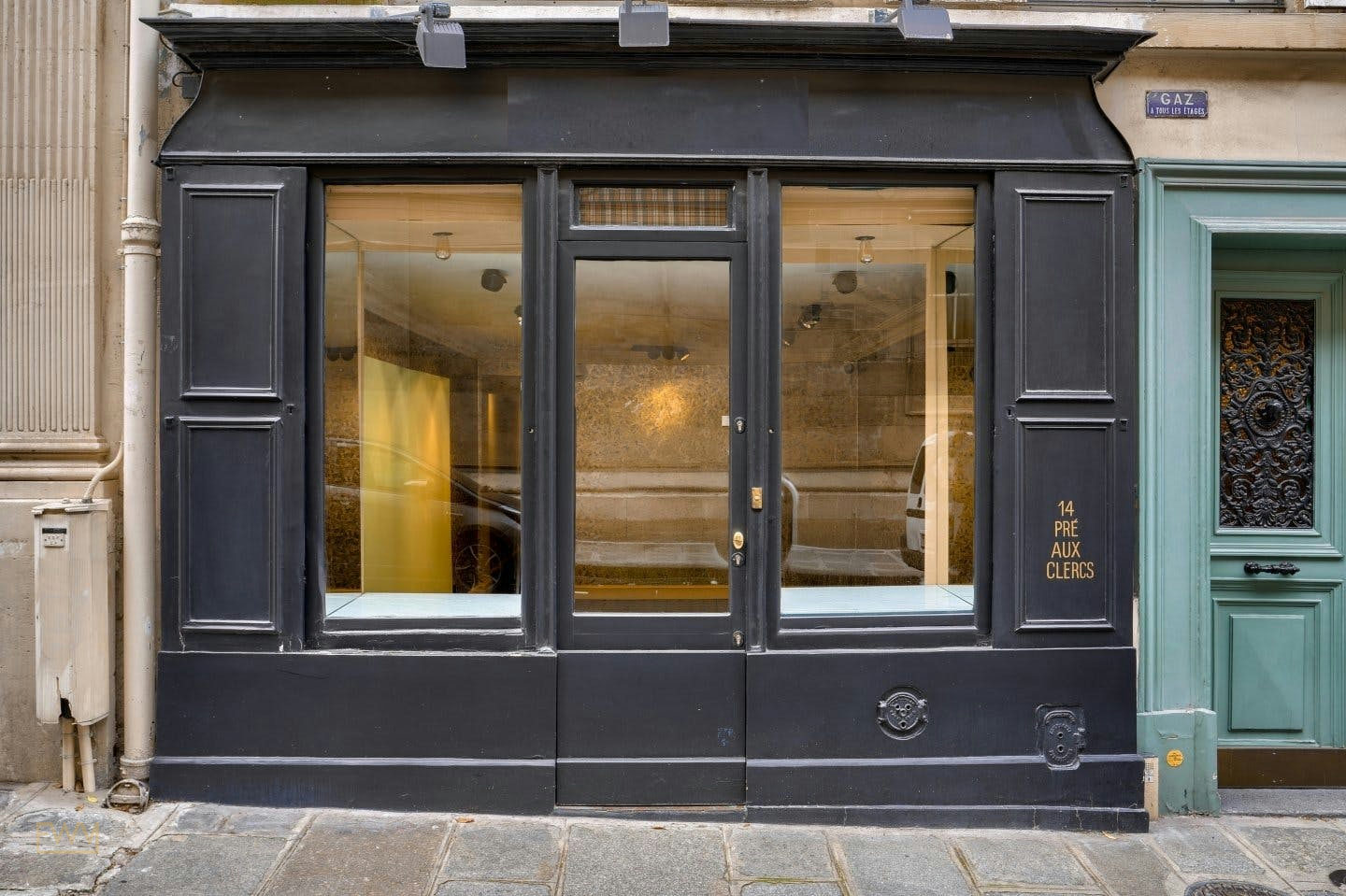
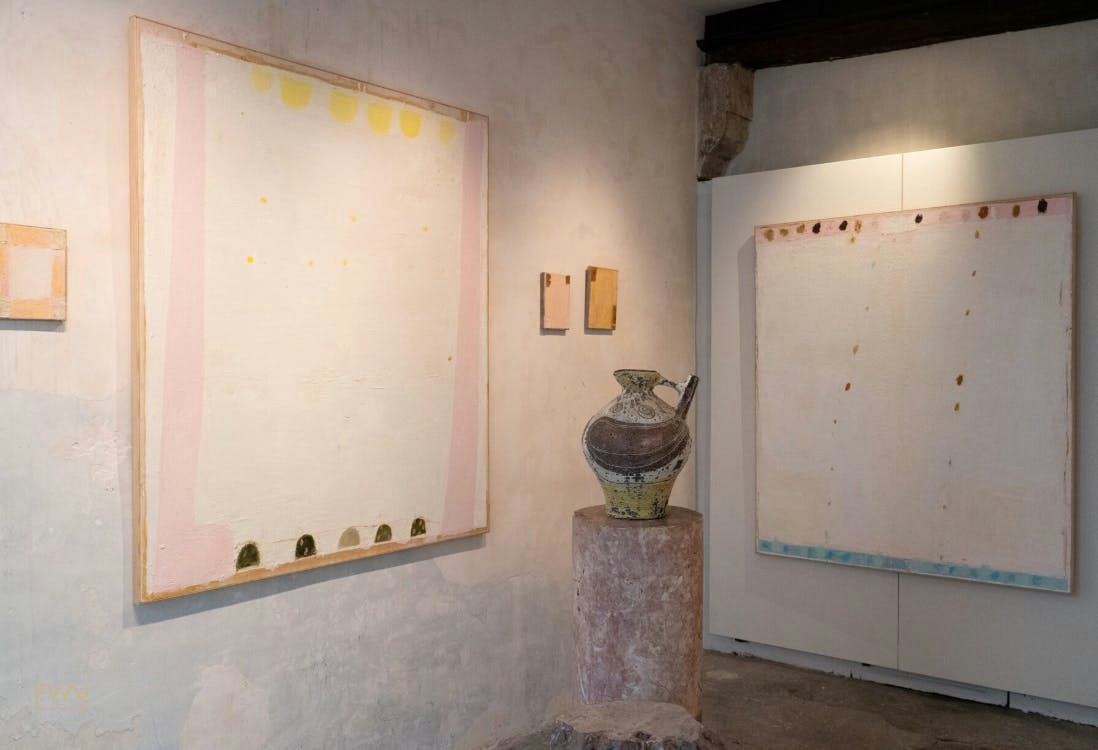
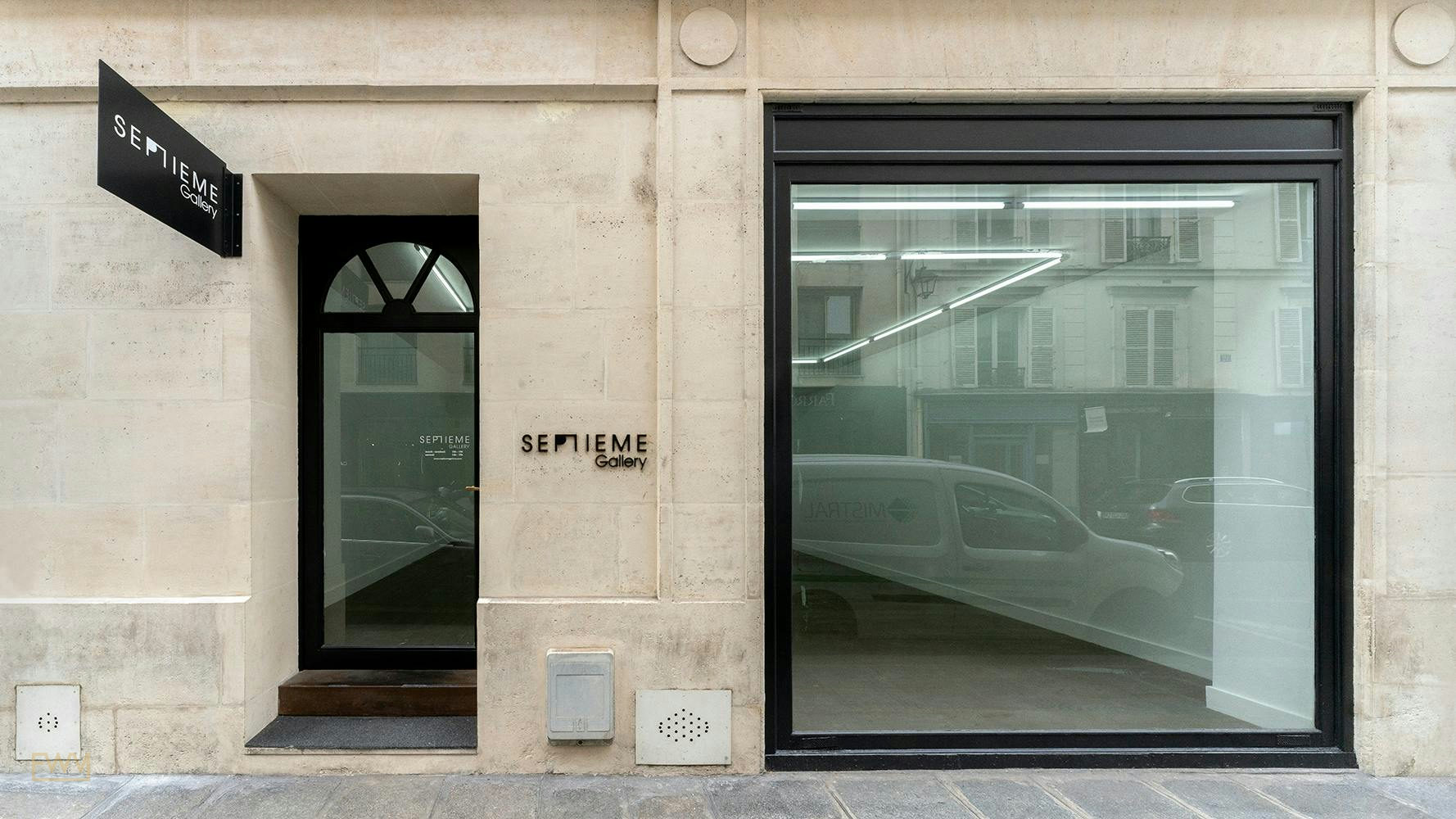
Finding the right retail space for rent on Rue de Rivoli places your brand at the intersection of Parisian heritage, global tourism, and luxury retail culture. The street runs along the northern edge of the Tuileries Garden, past the Louvre, and into the heart of the 1st arrondissement, drawing millions of visitors every year from across Europe, Asia, and the Americas. Whether you are planning a short-term pop-up store, a fashion showroom, a brand activation during Fashion Week, or a longer boutique lease, Rue de Rivoli demands strategic planning, real market knowledge, and an experienced partner who understands French commercial property law, local regulations, and the specific rhythm of Paris retail seasons. Fashion Week Venues supports brands seeking pop-up spaces in Paris across every major neighbourhood, including Rivoli, Le Marais, Saint-Germain-des-Prés, and the Golden Triangle.
Why Rue de Rivoli Is a Prime Location for Retail Space and Pop-Up Stores in Paris
Quick answer: Rue de Rivoli is one of the highest foot traffic corridors in Paris, running directly past the Louvre, the Tuileries Garden, and Palais Royal. Its position in the 1st arrondissement gives brands proximity to Place Vendôme, Rue Saint-Honoré, and the Louvre-Rivoli metro station, making it a naturally powerful address for luxury retail, fashion pop-ups, and international brand activations.
Rue de Rivoli is not a single commercial strip. It is a layered urban corridor that transitions from the grand arcades near the Louvre at its western end through the boutique-dense blocks between Palais Royal and the Hôtel de Ville, before entering the 4th arrondissement and approaching Le Marais. That geographic range means a brand choosing a space on Rue de Rivoli must think carefully about which segment of the street best matches their customer profile, activation format, and budget.
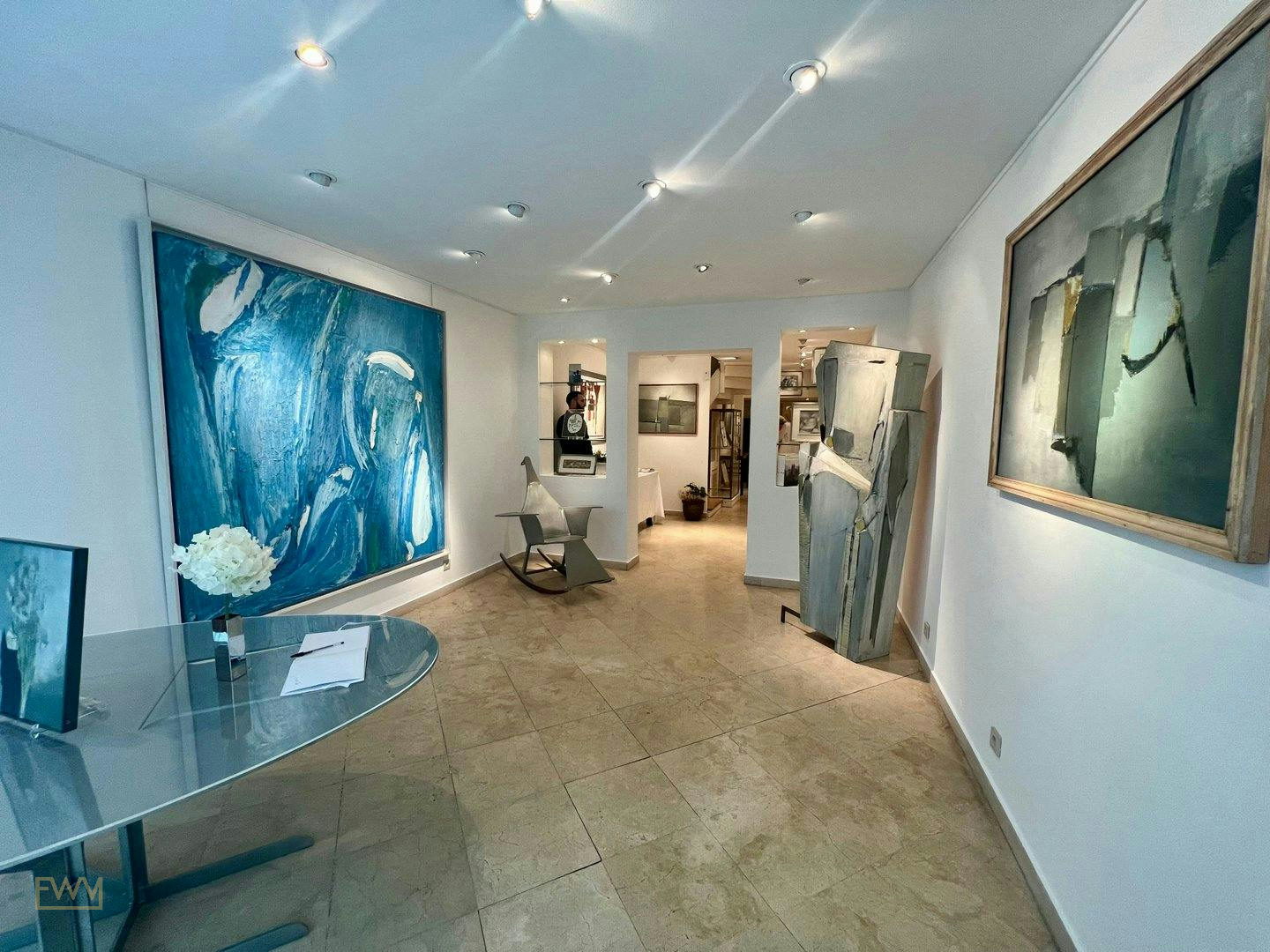
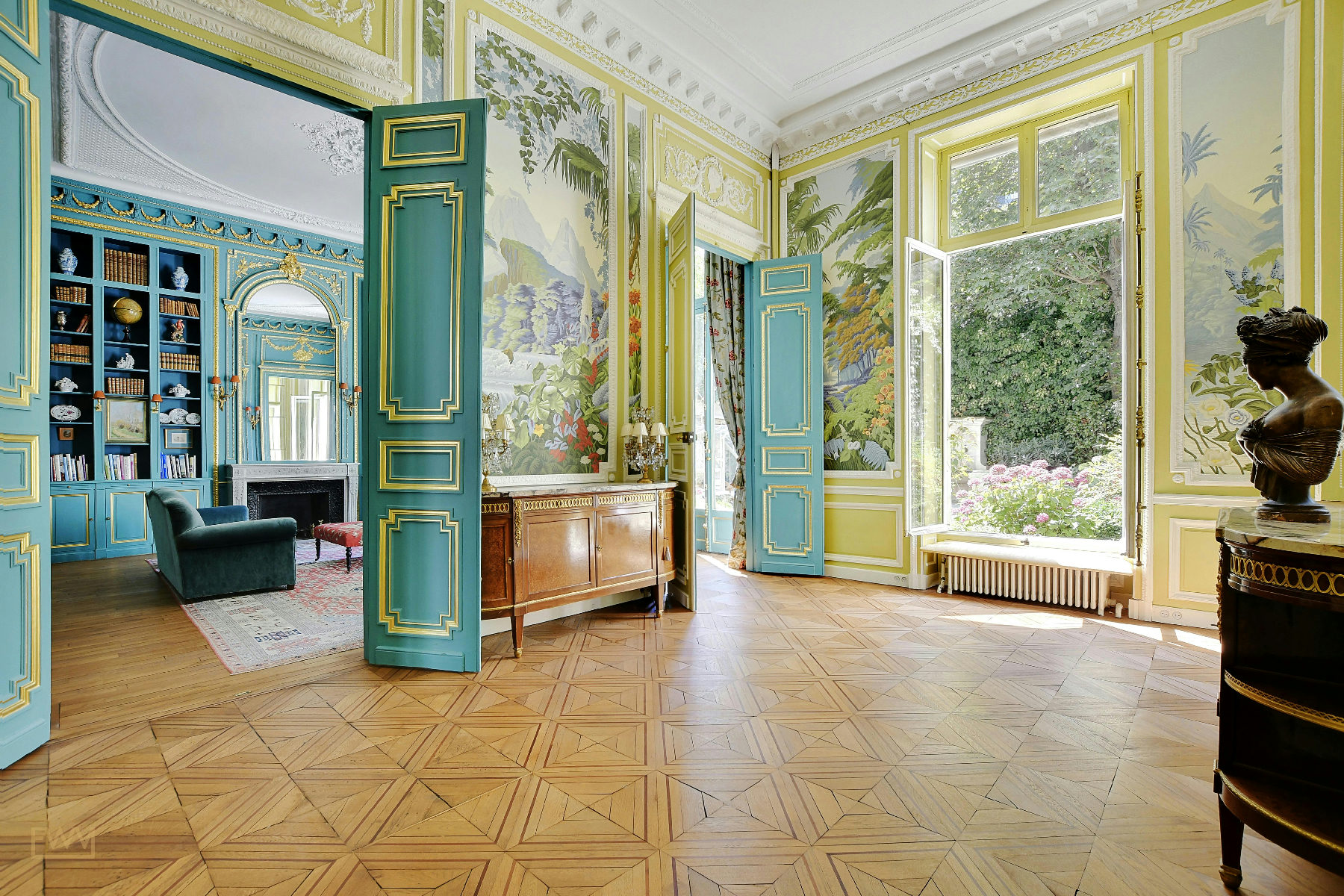
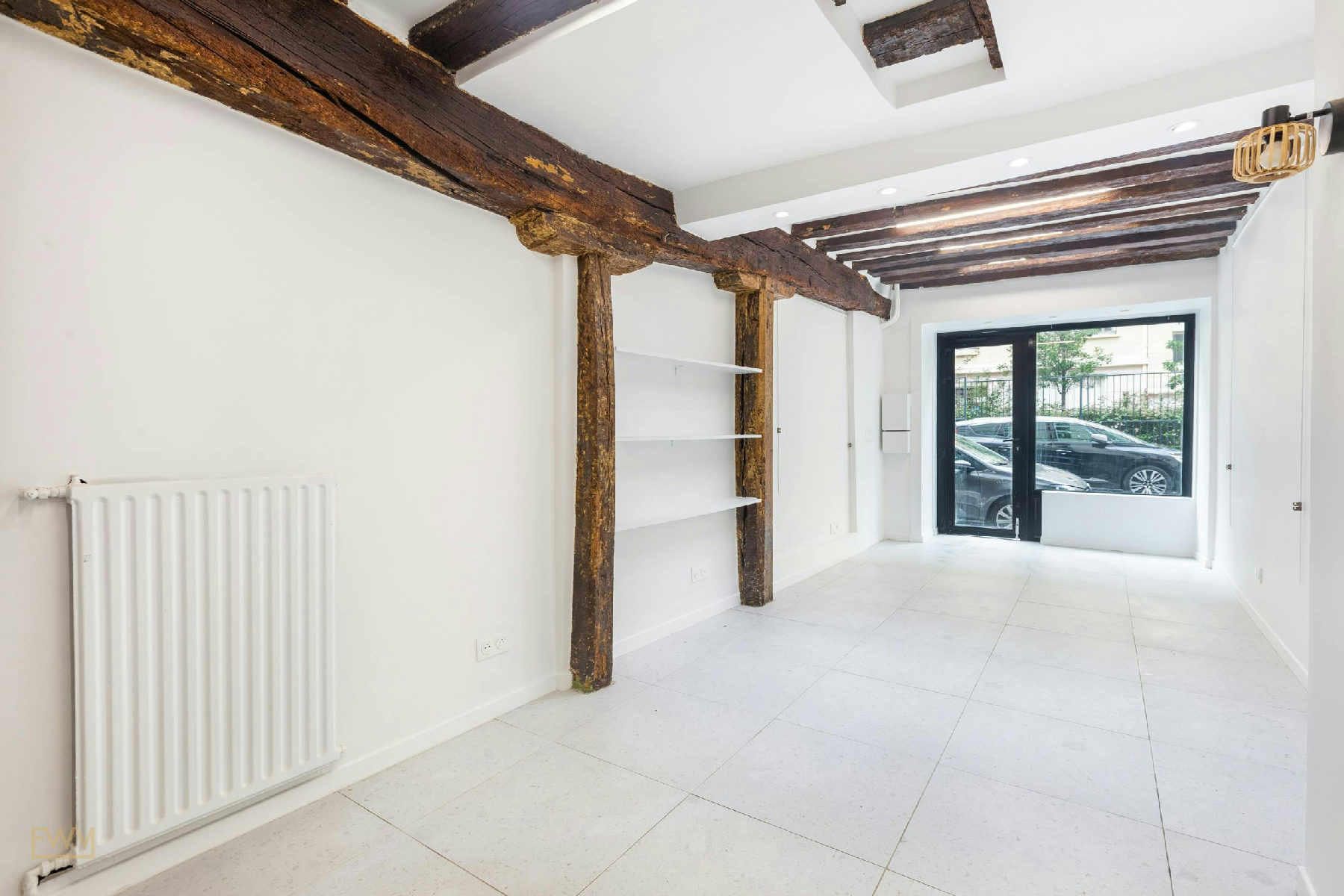
The western portion, near Louvre-Rivoli, benefits from an extraordinary volume of tourist footfall driven by the Louvre Museum, which attracts over eight million visitors annually according to the museum's own published attendance data. The arcaded walkways in this section offer covered frontage and a distinctly Haussmann-style building aesthetic that many luxury and heritage brands find compelling. Properties here tend to have soaring ceilings, ornate mouldings, herringbone parquet floors, and full-length windows that face the garden. These architectural qualities make them well suited to gallery-style retail formats, fashion showrooms, and temporary concept stores where the environment itself communicates brand values.
Further east, as Rue de Rivoli passes Hôtel de Ville and approaches the boundary with Le Marais, the character shifts toward a younger, more varied commercial mix. Brands targeting a fashion-forward, digitally native, or culturally engaged customer often find this eastern section more appropriate. The connection to the Marais neighbourhood, which runs immediately north of Rivoli between roughly the 3rd and 4th arrondissements, adds creative credibility and access to the dense gallery, concept store, and independent boutique ecosystem that makes Le Marais one of the most studied retail districts in Europe.
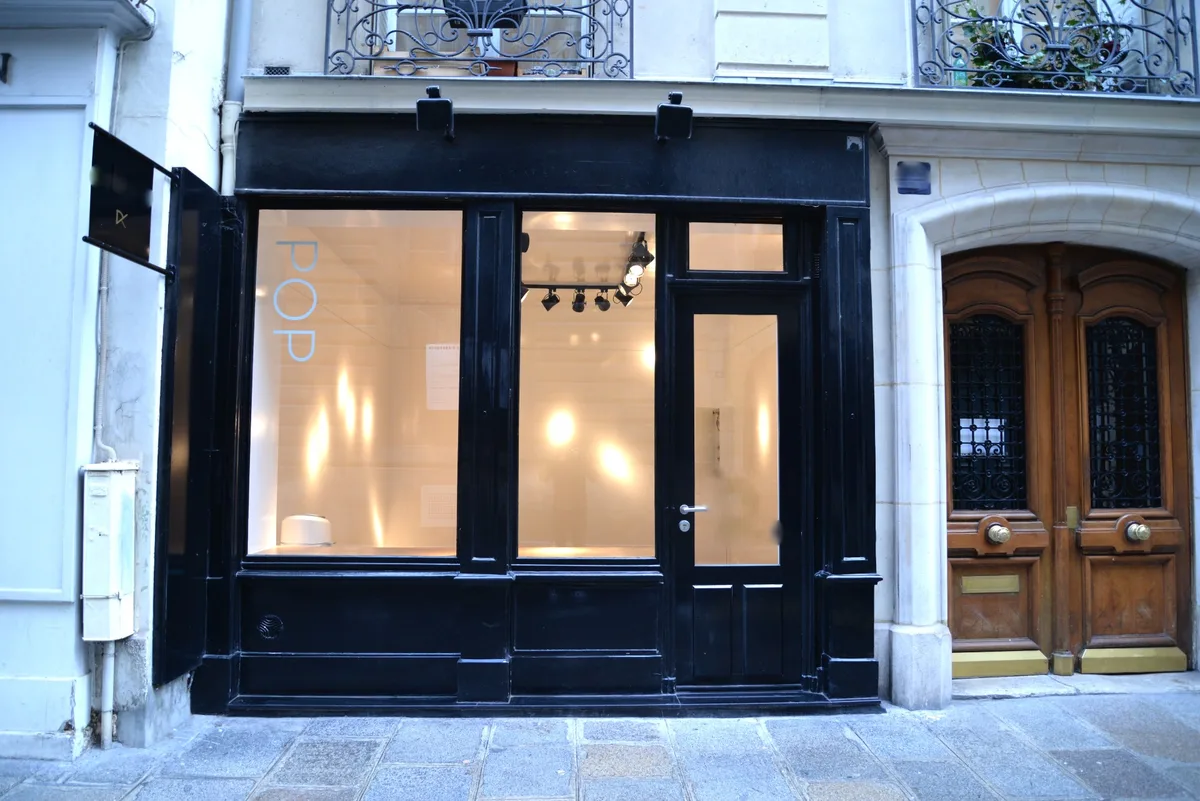
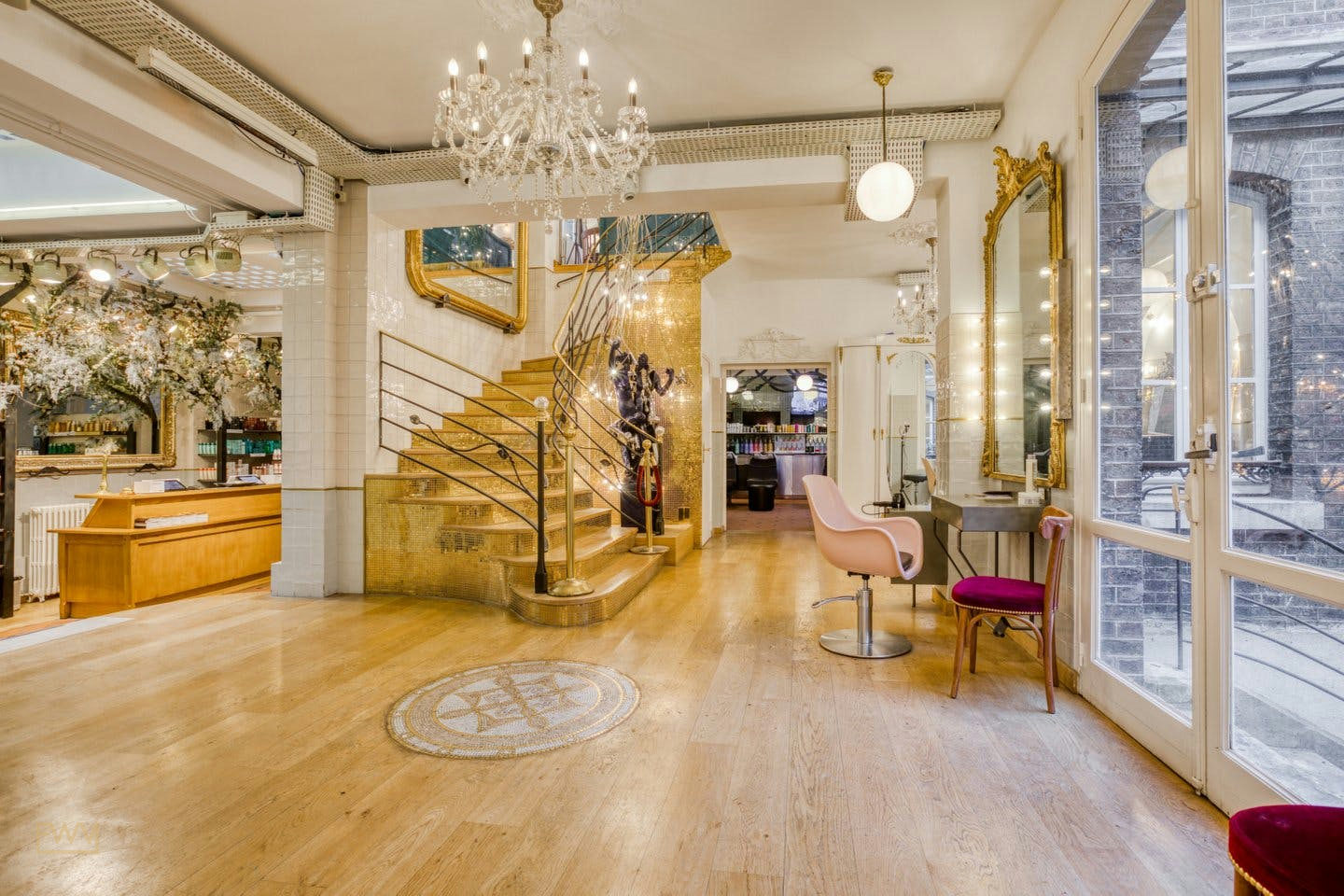
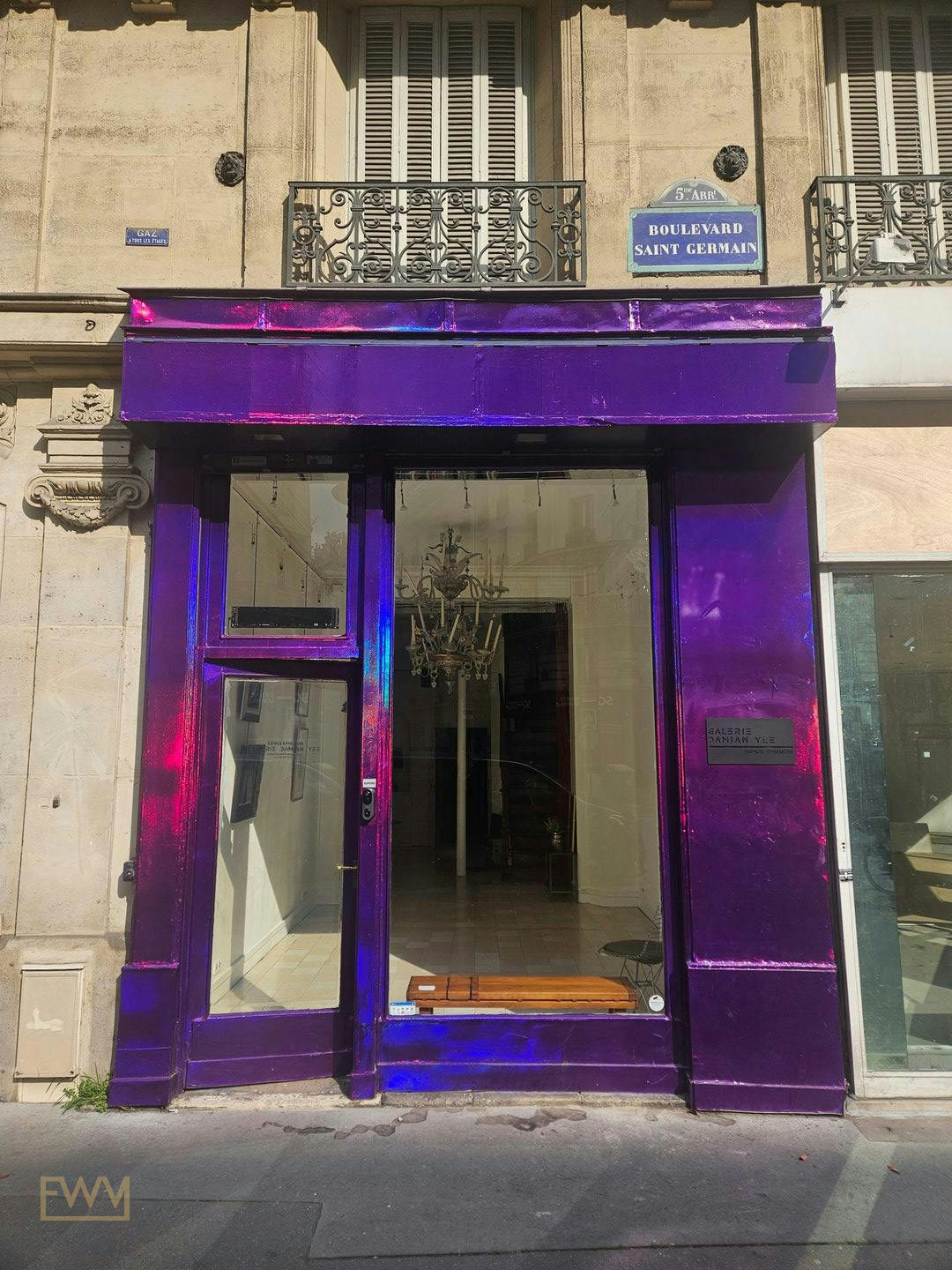
Space types available along and immediately adjacent to Rue de Rivoli include ground floor storefronts with linear storefront frontage on the arcade, first-floor fashion showroom spaces above the retail arcade, private courtyard properties accessible through carriage gates, reception spaces within Haussmann apartment buildings, studio photo and shoot locations with glass roofs and natural overhead light, and duplex office floors that can be adapted for temporary retail or brand activation use.
DID YOU KNOW: The arcaded section of Rue de Rivoli was commissioned by Napoleon Bonaparte and completed under the Empire period. The covered walkways were designed to allow Parisians and tourists to shop and promenade protected from rain, creating one of the earliest intentionally designed luxury retail corridors in the world.
The proximity of Rue de Rivoli to Place Vendôme, the concentrated home of Parisian haute joaillerie and watch brands, adds a further layer of luxury adjacency. Brands in beauty, accessories, ready-to-wear, and lifestyle categories benefit from being physically close to the Vendôme ecosystem without requiring the extraordinary rental levels that properties on or directly flanking the Place command. Rue Saint-Honoré, which runs parallel to the northern side of the Rivoli arcade, is equally important as a reference point for luxury retail clustering in the 1st arrondissement.
KEY TAKEAWAY: Rue de Rivoli is not a monolithic street. The 1st arrondissement western section targets high-volume tourist and luxury clientele, while the eastern section toward Le Marais serves a more fashion-forward, culturally engaged audience. Choosing the right segment is as important as choosing the street itself.
Understanding the geography and customer flow of Rivoli sets the foundation for every practical decision that follows, from space specifications and lease structure to permits, budget, and activation calendar.
Paris Neighbourhoods Surrounding Rue de Rivoli: A Retail Location Comparison
Quick answer: Rue de Rivoli sits within a cluster of the most commercially valuable neighbourhoods in Paris. The immediate surrounding areas include the Golden Triangle, Palais Royal, Le Marais, Saint-Germain-des-Prés, and the Champs-Élysées corridor, each with distinct retail positioning, customer profiles, and space availability dynamics.
Understanding how Rivoli compares to adjacent districts helps brands make a location decision based on strategic fit rather than name recognition alone. The table below provides a structured comparison of the key neighbourhoods within or adjacent to the Rivoli commercial zone.
| Neighbourhood | Arrondissement | Primary Retail Profile | Best For | Key Landmarks |
|---|---|---|---|---|
| Rue de Rivoli (West) | 1st | Luxury, tourism, heritage | Flagship pop-ups, showrooms, concept stores | Louvre, Tuileries, Louvre-Rivoli metro |
| Palais Royal | 1st | Curated, design-forward, exclusive | High-concept brand activations, art galleries | Palais Royal gardens, Colette legacy zone |
| Rue Saint-Honoré | 1st / 8th | Ultra-luxury, flagship, couture | Luxury RTW, jewellery, accessories launches | Place Vendôme, Rue du Faubourg Saint-Honoré |
| Le Marais | 3rd / 4th | Independent, fashion-forward, culturally rich | Emerging labels, art, concept retail, streetwear | Place des Vosges, Galerie Perrotin |
| Champs-Élysées / Golden Triangle | 8th | Mass luxury, international flagships | Global brand pop-ups, experiential retail | Galeries Lafayette Champs-Élysées, Arc de Triomphe |
| Saint-Germain-des-Prés | 6th | Literary, lifestyle, intellectual luxury | Lifestyle brands, beauty, bespoke fashion | Café de Flore, Le Bon Marché |
| Pigalle / Montmartre | 9th / 18th | Creative, emerging, youth culture | Music, streetwear, beauty, indie fashion | Galeries Lafayette (Haussmann), Printemps |
Galeries Lafayette on Boulevard Haussmann and Printemps, both located in the 9th arrondissement, are the dominant department store anchors for the northern Paris retail ecosystem. They attract a high volume of international visitors and position brands within reach of a mass affluent clientele. However, a standalone retail space for rent on Rue de Rivoli offers a brand greater control over its environment, customer experience design, and activation narrative than a concession within a department store environment.
The Paris 11th arrondissement, while not traditionally associated with luxury retail in the way the 1st or 8th are, has emerged as a significant zone for brand activations targeting younger French consumers and the creative industries community. Brands that have established their Rivoli presence and wish to extend into other neighbourhoods often explore the 11th alongside the Marais as a complementary activation market.
TIP: If your primary goal is influencer engagement and editorial coverage during Paris Fashion Week, prioritise the Marais and Palais Royal zone over the tourist-heavy western Rivoli arcade. If your primary goal is high volume consumer traffic from international visitors, the arcade section near Louvre-Rivoli delivers the most consistent footfall across seasons.
KEY TAKEAWAY: Each neighbourhood adjacent to Rue de Rivoli serves a different brand positioning and customer acquisition objective. Location decisions should flow from brand strategy, not from proximity to the most famous address on the street.
With the geographic context established, it is equally important to understand the specific types of retail spaces available in and around the Rivoli corridor, and what physical features differentiate them.
Space Types, Features, and Specifications for Rivoli Retail Rentals
Quick answer: Retail spaces available for rent near Rue de Rivoli range from compact boutique storefronts under 50 square metres to expansive multi-floor Haussmann apartments exceeding 400 square metres. Key physical features include glass roofs, private courtyards, herringbone parquet floors, ornate mouldings, and soaring ceilings that are characteristic of Grand Parisian Style architecture.
The physical character of Paris commercial real estate in the 1st arrondissement is shaped by the Haussmann urban plan, which means most buildings share a consistent exterior language of stone facades, symmetrical bay windows, and covered ground floor arcades in the Rivoli zone specifically. Within this shared exterior, however, interior configurations vary widely, and brands must assess space features carefully against their activation needs.
Common Space Types Available Near Rue de Rivoli
The following space types are regularly available for short-term and medium-term rental in and around the Rivoli corridor, depending on season, market availability, and the specific requirements of the brand brief:
- Ground floor storefront with arcade frontage: Typically offers direct pedestrian visibility from the Rue de Rivoli walkway, with linear storefront frontage of 5 to 15 metres. Ground floor area suited to retail display, product launch, or pop-up store format. Many include a dry basement for storage.
- First-floor fashion showroom: Above-arcade spaces with full-length windows, natural light, and a more private atmosphere suited to press appointments, buyer showrooms, and wholesale presentations during Fashion Week Paris.
- Appartement Rivoli or residential conversion: Former or active Haussmann apartments adapted for temporary retail, reception spaces, brand hospitality, or studio photo use. Often feature balcony access, fitted kitchens, and ornate mouldings that create a distinctive editorial environment.
- Private courtyard property: Accessible through a carriage gate or passage, offering a more discreet and exclusive brand experience with outdoor activation potential. Suited to luxury brands seeking an invitation-only activation format.
- Duplex office floors adapted for retail: Two-floor configurations within Haussmann-style buildings, offering meeting rooms, phonebooth pods, printer and coffee machine infrastructure, air-conditioning, and high-speed wifi alongside open retail floor space.
- Studio photo and creative space: Properties with glass roofs, raw concrete floors, polished concrete, spotlights, exposed stone columns, or exposed piping that serve dual purpose as retail activation space and content production environments.
- Charming boutique format: Smaller spaces of 30 to 80 square metres with a more intimate shopping environment suited to single-brand capsule launches, niche fragrance, jewellery, or accessories activations.
Key Physical Features Brands Should Assess
When reviewing a space brief or listing for a Rivoli property, the following physical features directly affect suitability for retail and activation use:
| Feature | Why It Matters for Retail | Best For |
|---|---|---|
| Soaring ceilings (above 4m) | Creates visual drama, accommodates tall fixtures and hanging installations | Luxury RTW, art exhibitions, concept stores |
| Herringbone parquet floors | Communicates Parisian heritage and luxury without additional fit-out cost | Fashion, jewellery, lifestyle brands |
| Glass roof or skylights | Natural overhead light reduces equipment needs and improves content production quality | Studio photo, beauty, art gallery format |
| Full-length windows | Maximises street visibility and natural light, reduces reliance on artificial lighting | Flagship format, drop launches, visible activations |
| Private courtyard | Enables outdoor activation, controlled guest access, and exclusive brand experience | Luxury hospitality, invitation-only events |
| Dry basement with storage | Supports retail inventory management and stock rotation without off-site logistics | All retail formats with multiple SKUs |
| Ornate mouldings | Provides Parisian atmosphere that resonates with international visitors and press | Heritage, lifestyle, editorial activations |
| Air-conditioning | Operational necessity for summer activations and electronics or beauty product storage | All brands operating outside autumn-winter season |
IMPORTANT: Surface area on French property listings is expressed in square metres. Converting to square feet: 100 square metres equals approximately 1,076 square feet. Listings on French-language platforms including commercial real estate portals will almost always use square metres as the unit of measurement. International brands should verify the exact floor area, the floor level and access, and the presence of a lift when reviewing any Paris property specification.
KEY TAKEAWAY: The most commercially effective Rivoli retail spaces combine strong architectural character with practical operational features. Brands that fail to specify storage requirements, ceiling height minimums, and air-conditioning at the briefing stage often face operational limitations after signing.
Understanding space features is directly connected to lease structure and the regulatory framework that governs short-term commercial rental in France, which is the next essential consideration for any brand entering this market.
Leasing, Permits, and Regulations for Commercial Retail Space in Paris
Quick answer: Commercial retail space in Paris is governed by French commercial tenancy law, and short-term pop-up rentals typically use either a bail dérogatoire or an autorisation d'occupation temporaire (AOT) rather than a standard 3-6-9 commercial lease. Requirements vary significantly by space type, duration, arrondissement, and intended use. Brands should always verify requirements with a qualified French legal advisor before signing any agreement.
One of the most significant practical barriers for international brands seeking retail space for rent in Paris is navigating the French regulatory and leasing environment without specialist guidance. France has a well-defined commercial tenancy framework, and operating outside it exposes brands to legal and financial risk.
Understanding Bail Dérogatoire for Short-Term Retail
The bail dérogatoire, or derogatory lease, is the standard instrument used for short-term commercial rental in France. It allows a landlord and tenant to agree a lease of up to 36 months without triggering the full statutory protection of a standard commercial lease (known as a bail commercial). This makes it the instrument of choice for pop-up stores, temporary retail activations, and fashion showroom rentals that need to operate for weeks or a few months rather than years.
Key characteristics of a bail dérogatoire include a defined and limited duration that cannot exceed 36 months in aggregate, the absence of the statutory 3-6-9 commercial lease renewal rights that would otherwise protect a tenant in a standard commercial lease, and the flexibility for both parties to negotiate terms including monthly rent, deposit, permitted use, and fit-out obligations. If the tenant continues to occupy the space after the bail dérogatoire expires without a new agreement being signed, French law automatically converts the occupation into a standard bail commercial, which carries significantly greater legal weight and cost implications for both parties.
Autorisation d'Occupation Temporaire (AOT)
An autorisation d'occupation temporaire is used where the space is within public domain property, such as certain arcaded ground floor units owned by public institutions or managed by the City of Paris. AOT agreements are typically shorter in duration, more specific in permitted use, and subject to public authority approval processes that differ from private landlord negotiations. The Louvre-Rivoli arcade zone includes properties managed under various ownership structures, some of which fall within public domain frameworks that require AOT-style permissions.
Commercial Real Estate Platforms and the Paris Market
International brands researching Rivoli retail space often encounter listings through platforms such as LoopNet, CoStar, Deskeo, Storefront, and local French commercial real estate agents. Each platform serves a different segment of the market. LoopNet and CoStar are primarily US-market commercial real estate platforms that have indexed some Paris listings but offer limited depth for the short-term pop-up or fashion showroom segment. Storefront and similar short-term space marketplaces aggregate temporary retail listings and are more relevant for pop-up store formats. Local broker professionals and specialist agencies tend to hold access to off-market properties and premium Rivoli storefronts that do not appear on public listing databases.
Key lease terms brands should understand before reviewing any Paris commercial property listing include the monthly rent expressed in euros per square metre per year (the standard French commercial quoting convention), the minimum duration and any break clauses, the lease transfer fee or droit d'entrée where applicable, the energy performance diagnosis (DPE) rating which is now a mandatory disclosure in French property transactions, and any charges relating to common areas, building maintenance, or service charges that are payable in addition to the headline rent.
IMPORTANT: Investment properties and office rental Paris 1 Rivoli listings often appear in searches alongside short-term retail space listings, but they are governed by entirely different lease instruments and are not suitable for pop-up or temporary activation use without specialist legal and operational reconfiguration. Always verify the permitted use, the zoning classification, and the specific lease instrument before proceeding.
The Fashion Week Venues permits tool provides guidance on permit requirements for different space types and activation formats in Paris. Requirements vary by use, duration, and location, and the tool should be used alongside advice from a qualified French legal professional for any binding commercial decision.
KEY TAKEAWAY: The bail dérogatoire is the correct legal instrument for most short-term retail activations in Paris. International brands that attempt to enter the Paris retail market without understanding this framework, or without specialist agency support, frequently encounter delays, unexpected costs, or lease terms that do not reflect market norms.
Permit and lease structure decisions are closely tied to budget, and understanding the realistic cost structure for a Rivoli retail space is the next essential step in the planning process.
Budget, Costs, and ROI for Retail Space Rental on Rue de Rivoli
Quick answer: Retail space rental costs in Paris vary significantly by neighbourhood, space type, surface area, and lease duration. Rue de Rivoli and the immediate 1st arrondissement command some of the highest per-square-metre rental values in Paris due to exceptional foot traffic and luxury retail adjacency. Brands should build a comprehensive activation budget that covers rent, fit-out, staffing, logistics, permits, and marketing rather than treating rent as the only cost line.
Paris commercial real estate rental values, particularly in prime locations such as Rue de Rivoli, Place Vendôme adjacencies, and the Palais Royal zone, are among the highest in Europe. The French commercial real estate convention quotes rental values in euros per square metre per year excluding VAT and service charges. Actual headline figures for individual properties depend on a wide range of factors including the specific address, floor level, frontage dimensions, condition of the space, and current market demand at the time of negotiation.
Rather than presenting specific figures that may not reflect current market conditions, brands are strongly encouraged to use the Fashion Week Venues budget estimation tool to build a directional cost model for their specific space type, surface area, arrondissement, and duration. This provides a more accurate and relevant starting point than published averages, which can be significantly distorted by outlier transactions in the luxury segment.
Cost Components for a Paris Pop-Up or Retail Activation
The total budget for a retail space activation on or near Rue de Rivoli typically includes the following cost components, all of which should be scoped before a space is confirmed:
- Rent: Monthly rent based on the agreed lease rate and duration. Typically paid in advance with one or two months deposit.
- Lease transfer fee or droit d'entrée: A payment to the outgoing tenant or landlord upon entry, common in prime Paris commercial locations. This can represent a significant additional cost beyond monthly rent.
- Fit-out and production: Installation of branded fixtures, lighting, flooring treatments, window displays, and any structural modifications. Costs depend heavily on the complexity of the design concept and the condition of the base space.
- Furniture rental: Temporary furniture, display units, seating, and retail fittings for the duration of the activation.
- Staffing: Sales floor staff, brand ambassadors, reception space personnel, and event support team. Paris labour regulations, including social charges and minimum wage requirements, should be factored into staffing cost models.
- POS and payments infrastructure: Point of sale systems, card payment terminals, inventory management, and any digital customer experience technology deployed in-store.
- Data and analytics: Foot traffic measurement, conversion tracking, customer engagement metrics, and post-activation reporting.
- Marketing and influencer activation: Social media content production, influencer briefing and management, PR support, and event programming costs.
- Permits and legal: Bail dérogatoire drafting, permit applications where required, and any local authority notifications for signage, events, or extended trading hours.
- High-speed wifi and connectivity: Infrastructure for digital retail tools, payments, and content creation.
The ROI calculation tool on Fashion Week Venues allows brand teams to model the expected return on a Paris activation against their projected costs, using inputs including average transaction value, projected daily visitor volume, conversion rate assumptions, and the commercial value of earned media and influencer coverage generated during the activation period.
DID YOU KNOW: Many Paris pop-up activations, particularly those executed during Paris Fashion Week in September or January-February, generate a significant portion of their total commercial return through press coverage, social media impressions, and wholesale order uplift rather than direct retail sales alone. Brands that measure only cash sales against rent often significantly underestimate the true return on their Paris activation investment.
KEY TAKEAWAY: Rent is typically the single largest cost line in a Rivoli retail activation, but it rarely represents more than 40 to 50 percent of total activation cost. Brands that plan only around rent and underestimate fit-out, staffing, and marketing costs consistently overspend relative to their original brief.
Budget planning connects directly to calendar planning, and the timing of a Paris retail activation has a profound effect on both cost and commercial opportunity.
Paris Fashion Week Calendar and the Optimal Timing for Rivoli Retail Activations
Quick answer: Paris Fashion Week occurs twice annually, typically in late September for Spring-Summer collections and in late January to early February for Autumn-Winter collections. These two windows represent the highest demand and highest value calendar periods for retail space rental on Rue de Rivoli and across the major Paris fashion districts, but they are not the only commercially viable activation windows.
The Fashion Week calendar concentrates the global fashion industry, international press, buyers, and influencers in Paris for approximately ten days per season. During this period, demand for showroom space, pop-up store locations, and brand activation venues in the 1st, 3rd, 4th, 6th, and 8th arrondissements typically outstrips supply, and brands that have not secured their space well in advance often find themselves locked out of their preferred locations entirely.
Activation Windows Beyond Fashion Week
While Fashion Week is the most intensively competitive booking window, Paris offers commercially valuable retail activation opportunities throughout the calendar year. Key windows include:
- January sales season: The French soldes period drives exceptionally high consumer footfall through major retail districts including Rivoli, the Champs-Élysées, and the department store clusters around Galeries Lafayette and Printemps.
- Spring-summer tourist season (April through August): International tourist volumes in Paris peak during this period, delivering sustained high footfall on Rue de Rivoli and through the Tuileries and Louvre zones.
- Pre-Christmas retail season (November through December): A high-value consumer spending period with strong demand from both domestic Parisian shoppers and international visitors, particularly in the luxury retail corridors of the 1st and 8th arrondissements.
- Salon and trade event periods: Paris hosts major international trade events including Maison et Objet, Première Vision, and various beauty and lifestyle trade shows throughout the year that bring relevant professional buyer and press audiences to the city.
The activation timeline planning tool on Fashion Week Venues helps brand teams map their specific calendar window against lead time requirements, booking availability, and key seasonal milestones for the Paris market. A well-constructed timeline typically shows a minimum 10 to 14 week lead time for a Fashion Week pop-up, and 6 to 8 weeks minimum for off-season activations in standard space categories.
TIP: Brands that book their Rue de Rivoli or wider 1st arrondissement space during January or February for the September Fashion Week season often access a wider selection of premium locations at more negotiable rates than brands that approach the market in July or August hoping to secure space for the same September window.
KEY TAKEAWAY: Paris Fashion Week is the highest intensity activation window but not the only commercially viable one. Brands with flexibility on calendar timing, particularly those targeting consumer retail rather than trade press, may find stronger value and less competitive space negotiation conditions outside the Fashion Week peak.
The effectiveness of any Paris retail activation also depends on the operational infrastructure behind it, including the agency or platform used to source, build, and manage the space. Understanding how to select and work with the right partner is the next critical decision.
How Fashion Week Venues Supports Retail Space Searches and Activations in Paris
Fashion Week Venues is a full-service pop-up shop agency and space marketplace with Paris as its primary market. The platform and agency service are designed specifically for fashion brands, creative agencies, international retailers, and brand activation teams seeking short-term retail spaces, showroom venues, and temporary event spaces in Paris and other major fashion capitals including London, Milan, New York, Tokyo, and Dubai.
The core value proposition for brands researching retail space for rent on Rue de Rivoli and surrounding neighbourhoods is access to a curated space marketplace combined with end-to-end agency services that handle every stage from initial brief to post-activation reporting. This means brand teams do not need to manage multiple separate vendor relationships for venue sourcing, fit-out, staffing, permits, and marketing, and do not need to develop deep expertise in French commercial property law or Paris retail market dynamics before proceeding.
Services Available Through Fashion Week Venues
The following services are available individually or as part of a fully managed activation package through Fashion Week Venues:
- Venue sourcing: Specialist venue sourcing for Paris and other fashion capitals, including access to spaces not publicly listed on commercial real estate platforms.
- Concept direction: Creative and strategic direction for the space concept, brand experience narrative, and customer journey design.
- Production and build: Full fit-out management including branded store design, fixture installation, lighting, and display build.
- Activation management: Day-to-day management of the live activation including logistics coordination, supplier management, and operational support.
- Furniture rental: Temporary furniture and retail fixture supply for the duration of the activation without the capital cost of purchasing or the logistical complexity of international shipping.
- Retail staffing: Brand ambassador and sales floor staff recruitment, briefing, and management for the Paris market.
- POS and payments: Point of sale infrastructure, payment terminals, and inventory management systems tailored to temporary retail formats.
- Data and analytics: Foot traffic measurement, conversion analysis, and post-activation commercial reporting.
- Influencer marketing: Paris-based influencer identification, briefing, and activation management to support social media and editorial coverage goals.
Tools Available for Brand Planning Teams
Fashion Week Venues offers a suite of planning tools that brand teams can use independently during the research and brief-building phase:
- Budget estimation tool for directional cost modelling by space type, size, and duration
- ROI calculator for modelling activation return against projected costs
- Space comparison tool for evaluating shortlisted properties against each other
- Permit guidance tool for understanding permit requirements by space type and use
- Timeline planning tool for mapping lead times and key milestones
- Space locator tool for mapping available spaces by neighbourhood and arrondissement
The twin co-activation concept is a specific Fashion Week Venues format designed for two complementary brands to share a single activation space, reducing individual cost while increasing the combined programming and audience reach. This format is particularly well suited to the Paris market, where premium space costs can make solo activations challenging for emerging or mid-size brands.
Brands that have not previously worked with a Paris pop-up agency and are evaluating the decision to use an agency versus managing a Paris activation independently can review the guide to hiring a pop-up agency on the Fashion Week Venues guides section.
Fashion Week Venues does not guarantee space availability, permit approval, or specific commercial outcomes. The availability of spaces on the marketplace and through the agency sourcing service depends on market conditions, seasonal demand, and the specific requirements of each brand brief. Brands with non-standard requirements or highly specific location briefs are encouraged to contact the Fashion Week Venues team directly to discuss options before committing to a timeline or budget.
KEY TAKEAWAY: Fashion Week Venues offers brand teams a single-partner solution that spans space discovery, legal navigation, fit-out, staffing, and post-activation analytics for Paris and other fashion capitals. For international brands unfamiliar with French commercial property and retail regulation, this integrated approach significantly reduces execution risk.
To compare space options across the 1st arrondissement and surrounding Rivoli-adjacent neighbourhoods, explore the Paris city hub on Fashion Week Venues and shortlist spaces that match your brief, budget, and calendar window.
Activating a Successful Pop-Up Store on Rue de Rivoli: A Step-by-Step Workflow
Quick answer: A successful pop-up store activation on Rue de Rivoli requires a minimum of 10 to 14 weeks of lead time for Fashion Week periods and follows a structured workflow from brief development through live activation to post-event reporting. Brands that compress this timeline typically face higher costs, reduced space choice, and operational risk.
The following workflow table outlines the standard phase structure for a Paris retail pop-up activation, from initial brief to post-activation reporting. Timelines are indicative and will vary based on space type, activation complexity, and the specific calendar window.
| Phase | Key Activities | Indicative Lead Time Before Open |
|---|---|---|
| 1. Brief Development | Define activation goals, space type, surface area, neighbourhood preference, budget range, and calendar window | 14+ weeks |
| 2. Space Search and Shortlist | Review marketplace listings, agent recommendations, and off-market options. Visit shortlisted spaces. | 12 to 14 weeks |
| 3. Lease Negotiation | Negotiate bail dérogatoire terms, confirm monthly rent, deposit, and permitted use. Engage French legal advisor. | 10 to 12 weeks |
| 4. Permit and Compliance | Apply for any required signage, trading, or structural modification permits. Confirm energy performance diagnosis. | 8 to 10 weeks |
| 5. Concept and Design | Finalise space concept, fixture design, branded store design, and customer journey mapping. | 8 weeks |
| 6. Production and Build | Procure fixtures, furniture rental, lighting, POS infrastructure. Begin on-site installation. | 3 to 4 weeks |
| 7. Staff Briefing | Recruit and brief sales floor team, brand ambassadors, and event support staff. | 2 to 3 weeks |
| 8. Pre-Launch Marketing | Activate influencer marketing, social media, PR, and press notification. Brief photography and content teams. | 2 to 3 weeks |
| 9. Live Activation | Manage daily operations including sales, customer service, inventory, data collection, and event programming. | Duration of activation |
| 10. Post-Activation Reporting | Analyse foot traffic, sales, conversion, social media performance, and ROI. Produce activation debrief report. | 1 to 2 weeks after close |
Each phase of this workflow has specific decision points where specialist knowledge of the Paris market adds measurable value. The lease negotiation phase is the most legally sensitive, as the specific wording of a bail dérogatoire and the inclusion or exclusion of certain clauses can significantly affect a brand's flexibility to fit out, modify, or exit the space. The production and build phase is typically where inexperienced brands overspend relative to brief, particularly when working with contractors who are not familiar with the physical constraints of Haussmann-style buildings in the 1st arrondissement.
Brands planning to execute their first Paris retail activation are strongly encouraged to review the Fashion Week Venues process page to understand how the agency workflow maps to each of the phases above and where specialist support is most valuable.
KEY TAKEAWAY: Compressing the activation timeline below 10 weeks for a Fashion Week period is high risk and almost always results in either space compromise, cost overrun, or operational failure. Starting the brief development process at least 14 weeks before the intended open date is the single most effective risk mitigation measure available to brand teams.
Common Myths About Renting Retail Space in Paris Debunked
MYTH: You need a French legal entity to rent a retail space in Paris.
FACT: International brands can rent commercial space in Paris under a bail dérogatoire without establishing a French entity, provided the lease structure and permitted use are correctly configured. However, the specific requirements depend on the space type, the landlord's preferences, and the nature of the commercial activity. A specialist agency or French legal advisor can structure the arrangement appropriately for most international brand activation scenarios.
MYTH: Paris Fashion Week is the only commercially viable calendar window for a Rue de Rivoli activation.
FACT: Rue de Rivoli generates significant foot traffic year-round due to the Louvre, Tuileries, and tourist flows from across Paris. The spring-summer tourist peak, the pre-Christmas retail season, and the January soldes period all represent strong commercial activation windows. Fashion Week is the highest profile window for trade press and buyer engagement, but it is not the only window that delivers commercial or brand value.
MYTH: Using a commission broker is the only way to access retail space on Rue de Rivoli.
FACT: While traditional commercial real estate broker professionals do hold some Rivoli listings, a significant proportion of premium short-term retail space in the 1st arrondissement is accessed through specialist pop-up agencies, direct landlord relationships, and curated marketplaces that do not operate on the same commission structure as traditional brokers. Platforms such as the Fashion Week Venues marketplace, alongside direct agency sourcing, provide access to spaces that are not publicly listed on LoopNet, CoStar, or standard French commercial real estate portals.
MYTH: Short-term leases in Paris are legally straightforward and do not require specialist help.
FACT: The bail dérogatoire and AOT frameworks that govern most short-term retail activations in Paris are specific legal instruments with defined conditions, duration limits, and consequences if incorrectly executed. A bail dérogatoire that expires without a formal written acknowledgement from both parties before the end date can automatically convert into a full bail commercial, creating significant unintended legal and financial obligations. Specialist legal and agency support is not optional for international brands; it is a fundamental risk management requirement.
MYTH: Any Paris arrondissement works equally well for a fashion pop-up during Fashion Week.
FACT: Fashion Week activations in Paris are strongly clustered around specific districts, including the Marais, Palais Royal, the Rue Saint-Honoré corridor, and the Golden Triangle. Activations outside these clusters, regardless of how well they are produced, typically attract significantly lower press, influencer, and buyer footfall because they fall outside the natural geographic routing of industry visitors during the week. Location selection relative to the Fashion Week circuit is a strategic decision, not merely a logistical one.
Frequently Asked Questions
Why should a brand rent a pop-up shop on Rue de Rivoli rather than another Paris street?
Rue de Rivoli offers a combination of factors that are difficult to replicate elsewhere in Paris. The street runs directly past the Louvre, one of the most visited cultural sites in the world, delivering consistent international tourist footfall across all seasons. The arcade architecture creates covered, pedestrian-friendly conditions for retail visibility. Proximity to Place Vendôme, Rue Saint-Honoré, and Palais Royal provides luxury adjacency that communicates brand positioning before a customer enters the door. For brands seeking a Paris address that resonates with an international audience, Rivoli is among the most legible and commercially powerful options available. The specific benefits vary significantly by which section of the street is chosen.
What are the most sought-after locations for renting retail space in Rivoli and the surrounding 1st arrondissement?
The most sought-after locations for retail space rental near Rue de Rivoli are typically the arcade-frontage ground floor units between Louvre-Rivoli metro and the Palais Royal end of the street, first-floor fashion showroom spaces with direct natural light and garden or arcade views, and private courtyard properties accessible from Rue de Rivoli through the Haussmann building carriage gates. The specific address 128 rue de Rivoli has appeared in listings as a notable commercial property. Brands targeting a fashion-forward rather than tourist audience often prefer the Palais Royal end of Rivoli or the adjacent Rue Saint-Honoré and Marais border zones over the purely tourist-dense sections near the Louvre.
How much does it cost to rent a retail store on Rue de Rivoli in Paris?
Retail space rental costs on Rue de Rivoli are among the highest in Paris, reflecting the street's prime location, foot traffic, and luxury adjacency. Rental values in French commercial real estate are quoted in euros per square metre per year excluding VAT and service charges. The actual cost for a specific space depends on surface area, floor level, frontage, condition, and current market demand. Rather than citing figures that may not reflect current conditions, brands should use the Fashion Week Venues budget estimation tool to build a directional model for their specific brief, or engage a specialist agency to provide a market-rate assessment for the properties under consideration.
What is the ideal lease duration for a Rivoli retail pop-up or showroom rental?
The ideal duration depends on the activation objective. Fashion Week showrooms and product launch pop-ups typically run for one to three weeks, timed around the Fashion Week calendar. Brand experience activations targeting tourist footfall in spring or summer may run for one to three months. Longer-term temporary retail formats using a bail dérogatoire can run for up to 36 months without converting to a standard commercial lease. Most brands executing a first Paris activation find that a two to four week duration during a high-value seasonal window delivers the best balance of cost, operational feasibility, and commercial impact. Minimum duration requirements vary by landlord and space category.
Do I need a French legal entity to rent retail space on Rue de Rivoli?
Not necessarily. International brands can rent commercial space in Paris under a bail dérogatoire without a pre-established French legal entity, but the specific requirements depend on the landlord, the space type, and the nature of the commercial activity. Some landlords in prime 1st arrondissement locations require a French entity or guarantor. Others will accept a foreign entity with appropriate documentation. A specialist agency with established Paris landlord relationships can navigate this requirement and structure the arrangement in a way that meets both parties' needs. Always verify current requirements with a qualified French legal advisor before signing any agreement.
What permits are required to operate a pop-up store in Paris?
Permit requirements for pop-up stores in Paris vary by space type, intended use, duration, and arrondissement. Operating a retail space within an existing ground floor commercial unit under a bail dérogatoire typically requires fewer permits than installing temporary external signage, modifying a building facade, or operating a food and beverage component. Signage permits are regulated at the local authority level and vary by arrondissement. Event programming within a retail space may require additional notifications or authorisations depending on the nature and scale of the event. The Fashion Week Venues permits tool provides guidance on requirements by space and use type. All permit decisions should be verified with a qualified French legal advisor.
What types of retail spaces are available near Rue de Rivoli?
Space types available in and around Rue de Rivoli include ground floor storefronts with arcade frontage, first-floor fashion showroom spaces, Haussmann apartment conversions used as retail or reception spaces, private courtyard properties, duplex office floors adapted for temporary retail, studio photo spaces with glass roofs or exposed stone, and charming boutique formats of 30 to 80 square metres. Key architectural features common to the area include herringbone parquet floors, ornate mouldings, soaring ceilings, full-length windows, and dry basements for storage. Space features should be assessed carefully against operational requirements including air-conditioning, storage capacity, and access for deliveries.
How does foot traffic on Rue de Rivoli compare to other major Paris retail streets?
Rue de Rivoli benefits from some of the highest sustained pedestrian volumes in Paris, driven by the combination of the Louvre Museum, the Tuileries Garden, and the Louvre-Rivoli metro station. The Champs-Élysées generates comparable or higher absolute visitor numbers, but at significantly higher space cost and with a more diffuse luxury retail signal. The Marais is denser with fashion industry visitors during Fashion Week but lower in absolute tourist volume year-round. Rue Saint-Honoré delivers a high concentration of luxury and fashion clientele but within a narrower addressable consumer demographic. Rivoli's advantage is breadth: it captures tourist volume, transit footfall, and luxury adjacency within a single corridor. Actual conversion from footfall to retail sales depends heavily on space positioning, frontage visibility, and activation format.
How early should a brand start the search for Rivoli retail space for Fashion Week?
Brands targeting Paris Fashion Week in September should begin the space search process no later than 14 weeks before the intended open date, which typically means starting in May or June at the latest. For the January-February Fashion Week season, the equivalent starting point is October. Brands that begin their search in July for September Fashion Week frequently find that premium arcade-frontage properties in the 1st arrondissement have already been reserved, and their shortlist is limited to secondary options. Starting earlier also provides leverage in lease negotiations and more time to navigate permit requirements without rushing into compliance risk.
Can I find Rue de Rivoli retail listings on platforms like LoopNet or CoStar?
LoopNet and CoStar are primarily US-oriented commercial real estate platforms that index some Paris properties, but their coverage of the short-term pop-up and fashion showroom segment in Paris is limited. These platforms are more relevant for office rental or investment property searches in France than for temporary retail activations. Storefront and similar short-term space marketplaces provide more targeted listings for pop-up formats. For premium Rivoli and 1st arrondissement locations, specialist agencies and dedicated fashion-industry space marketplaces such as Fashion Week Venues typically offer access to a more relevant and current selection than general commercial real estate listing databases.
What is a bail dérogatoire and why does it matter for my Paris retail activation?
A bail dérogatoire is a short-term commercial lease instrument under French law that allows a landlord and tenant to agree a rental period of up to 36 months without triggering the full statutory protections and obligations of a standard French commercial lease, known as a bail commercial. For brands operating pop-up stores, showrooms, or temporary retail activations in Paris, the bail dérogatoire is the standard legal framework that enables flexible short-term rental. It must be explicitly agreed in writing by both parties before the tenancy begins. If the tenant continues to occupy the space after the bail dérogatoire expires without a formal renewal agreement, French law automatically converts the occupation into a bail commercial, which has significantly more complex and costly implications for both parties.
How does the Fashion Week Venues twin co-activation concept work for Rivoli?
The twin co-activation format allows two complementary brands to share a single activation space, dividing the cost of rent, fit-out, and production while maintaining separate brand identities within the space. This format is particularly relevant for Rue de Rivoli and the wider 1st arrondissement, where premium space costs can make solo activations challenging for emerging or mid-size brands. The twin concept works best when the two brands serve adjacent but non-competing customer profiles, creating a curated dual-brand experience that is often more compelling for press and influencer visitors than a single-brand activation of equivalent scale. Interested brands should review the twin concept page on Fashion Week Venues for current availability and pairing criteria.
What operational infrastructure does a Rue de Rivoli pop-up require?
A fully operational pop-up store on Rue de Rivoli requires a range of infrastructure that goes beyond the physical space itself. This includes point of sale and payment systems, inventory management, high-speed wifi for digital retail tools and content creation, staffing for sales floor and reception, a fit-out that meets both brand standards and building regulations, and any required signage or permit documentation posted on-site. Spaces that advertise air-conditioning, fitted kitchens, phonebooth pods, meeting rooms, printers, and coffee machines are typically adapted office or coworking formats that have been repurposed for retail use, and brands should assess whether these features serve or conflict with the intended retail customer experience before signing.
Is it possible to run both a retail and an events programme from the same Rivoli space?
Yes, many brands activate a combined retail and events programme from a single Rivoli space, particularly during Fashion Week when the space may serve as a showroom during press and buyer hours and as a consumer retail or brand experience space during open hours. The feasibility depends on the size and configuration of the space, the specific terms of the bail dérogatoire regarding permitted use, and whether the events element requires additional permits or notifications. Some spaces on and around Rue de Rivoli include reception space with a private courtyard, glass roof, or balcony that enable outdoor programming alongside indoor retail. Always confirm that the intended event format is covered by the permitted use agreed in the lease.
What data and analytics can I expect from a Paris pop-up activation?
A well-instrumented Paris pop-up activation should produce data across several dimensions: foot traffic volumes and peak hours measured through door counters or digital sensors; conversion rate from visitor to transaction; average transaction value; inventory sell-through by product category; social media engagement generated by in-store content and influencer visits; and press coverage equivalency value. Fashion Week Venues provides data and analytics services as part of its activation management offering, enabling brands to report against commercial KPIs after the activation closes. This post-activation data is increasingly used by brand teams to justify Paris market investment to internal stakeholders and to refine the brief for subsequent seasons.
Conclusion: Moving From Research to Retail Space on Rue de Rivoli
Rue de Rivoli represents one of the most commercially powerful addresses available to brands seeking retail space in Paris. The combination of sustained international tourist footfall, luxury neighbourhood adjacency, distinctive Haussmann architectural character, and proximity to Place Vendôme, Palais Royal, Rue Saint-Honoré, and the Tuileries creates a retail environment that is difficult to replicate elsewhere in the world. But executing a successful activation in this market demands more than identifying the right street. It requires a clear brief, a well-structured lease under the correct French legal instrument, a realistic and comprehensive budget, a timeline that builds in sufficient lead time, and operational infrastructure that delivers a consistent brand experience from the moment a customer walks through the door.
International brands entering the Paris market for the first time, and experienced brands looking to scale or refine their Paris retail strategy, benefit significantly from working with a specialist partner who understands French commercial property law, the seasonal dynamics of the Paris retail calendar, the specific physical characteristics of spaces in the 1st and adjacent arrondissements, and the operational requirements of a temporary retail activation at the standard Paris visitors and press expect.
The research phase is only the beginning. The decisions that determine whether a Rivoli activation succeeds, from space selection and lease structure to fit-out, staffing, marketing, and measurement, are all execution decisions that require specialist knowledge and on-the-ground experience in the Paris market.
To move from research to activation, start exploring available spaces on the Fashion Week Venues marketplace and build a focused brief for your target neighbourhood, space type, and calendar window. The sooner your brief is defined and your timeline confirmed, the wider your choice of premium Rivoli and wider Paris retail space will be.