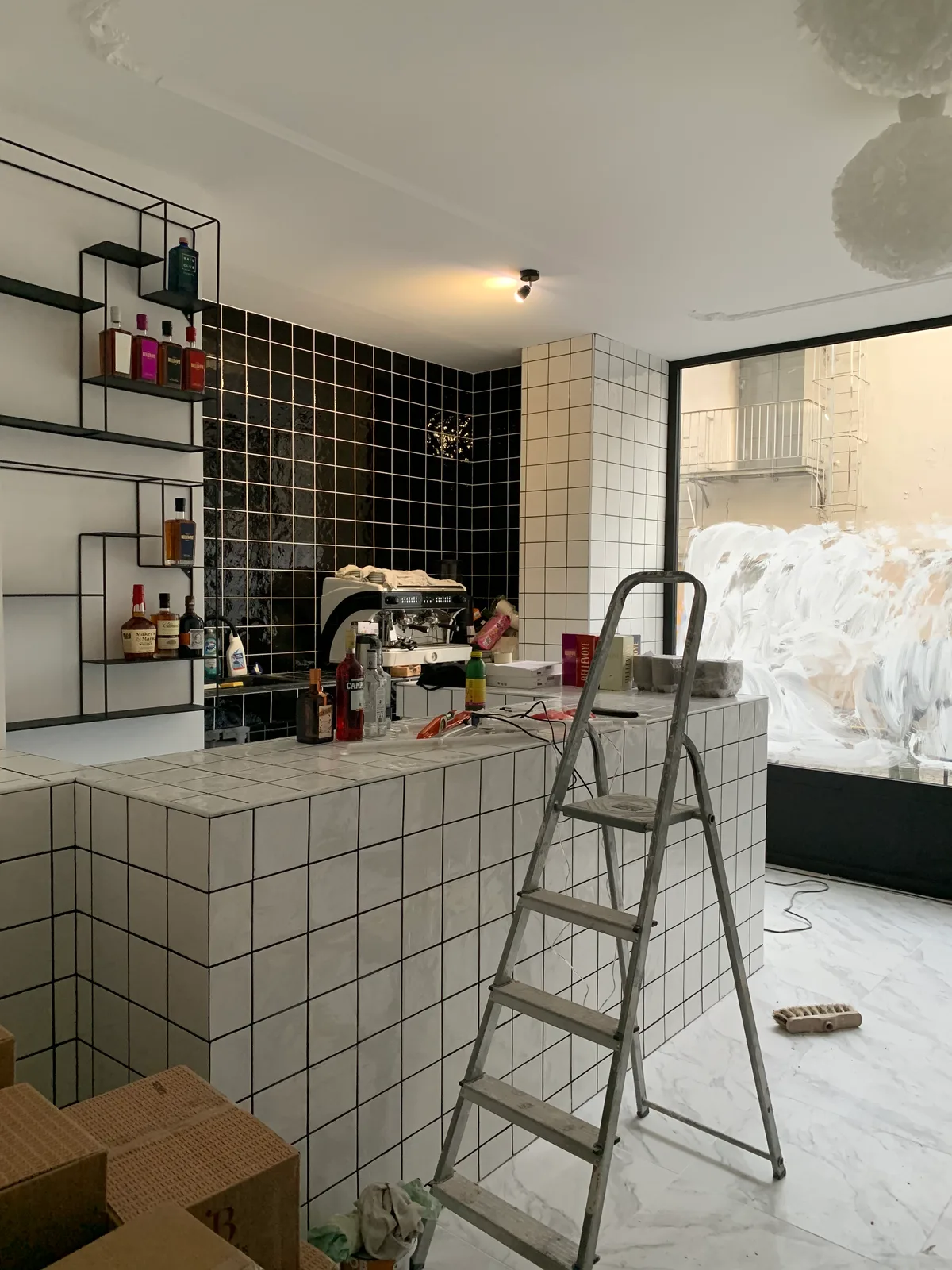
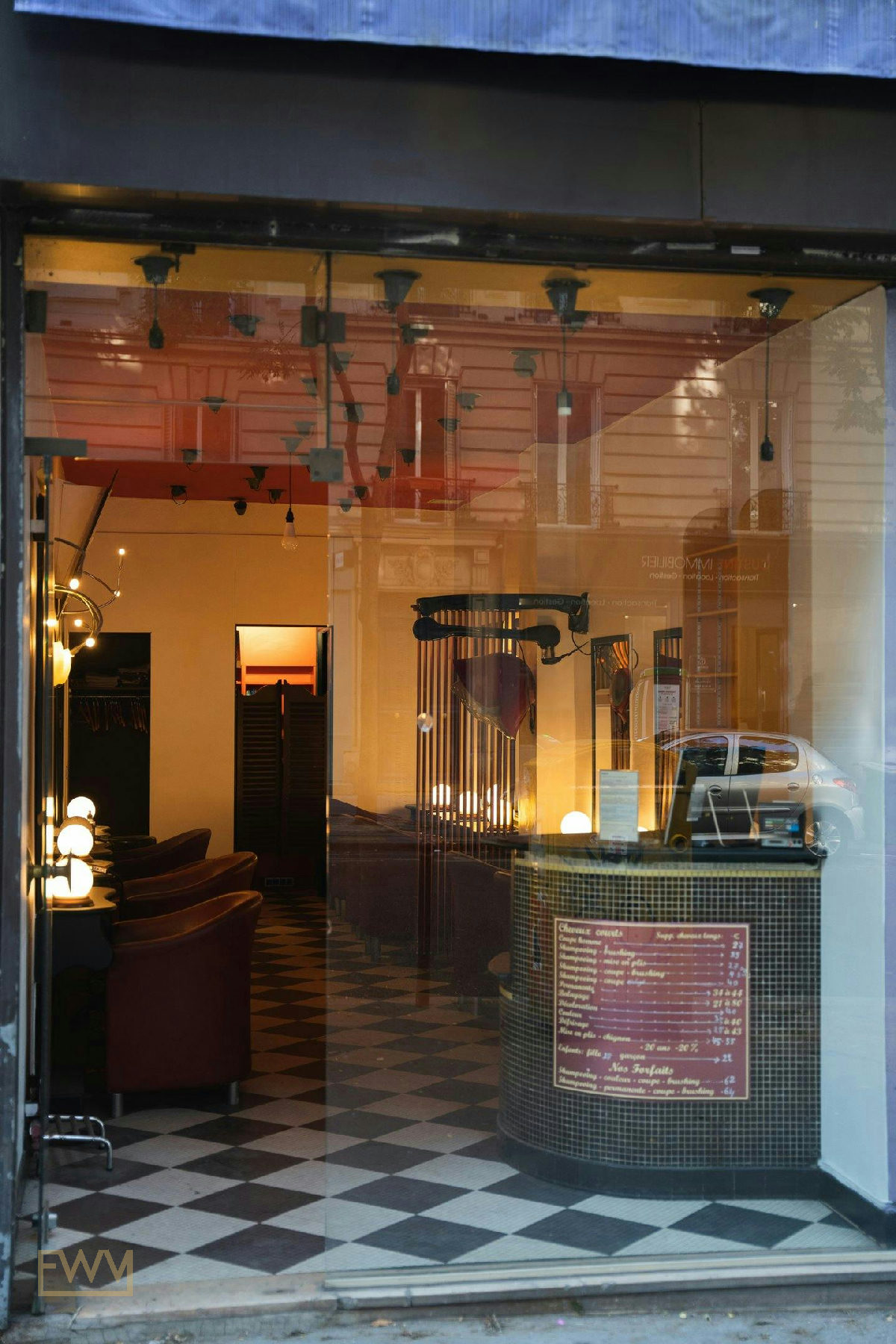
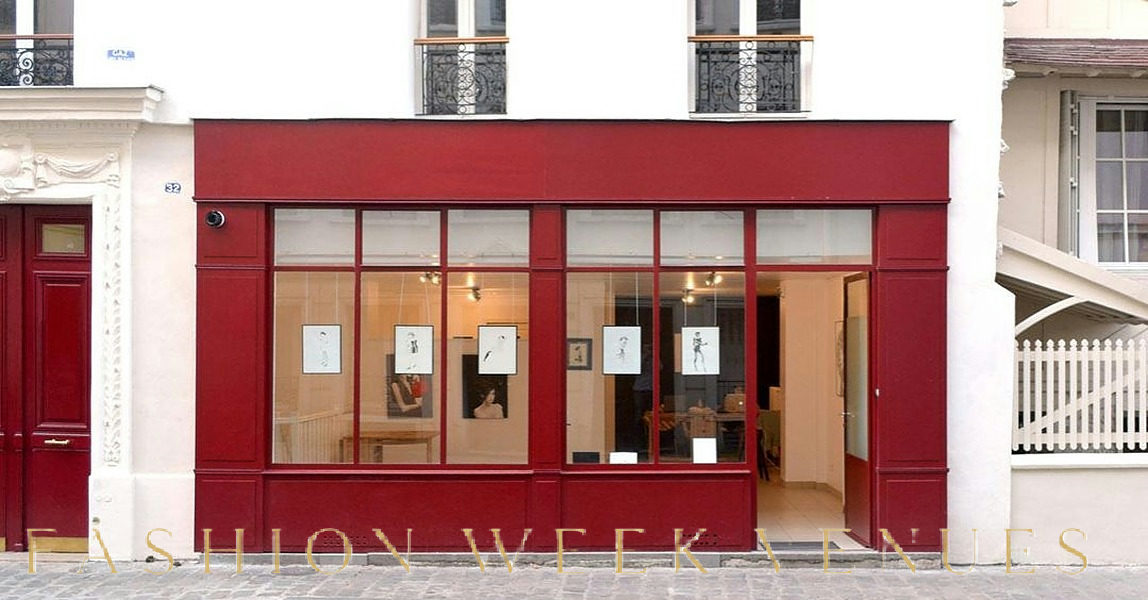
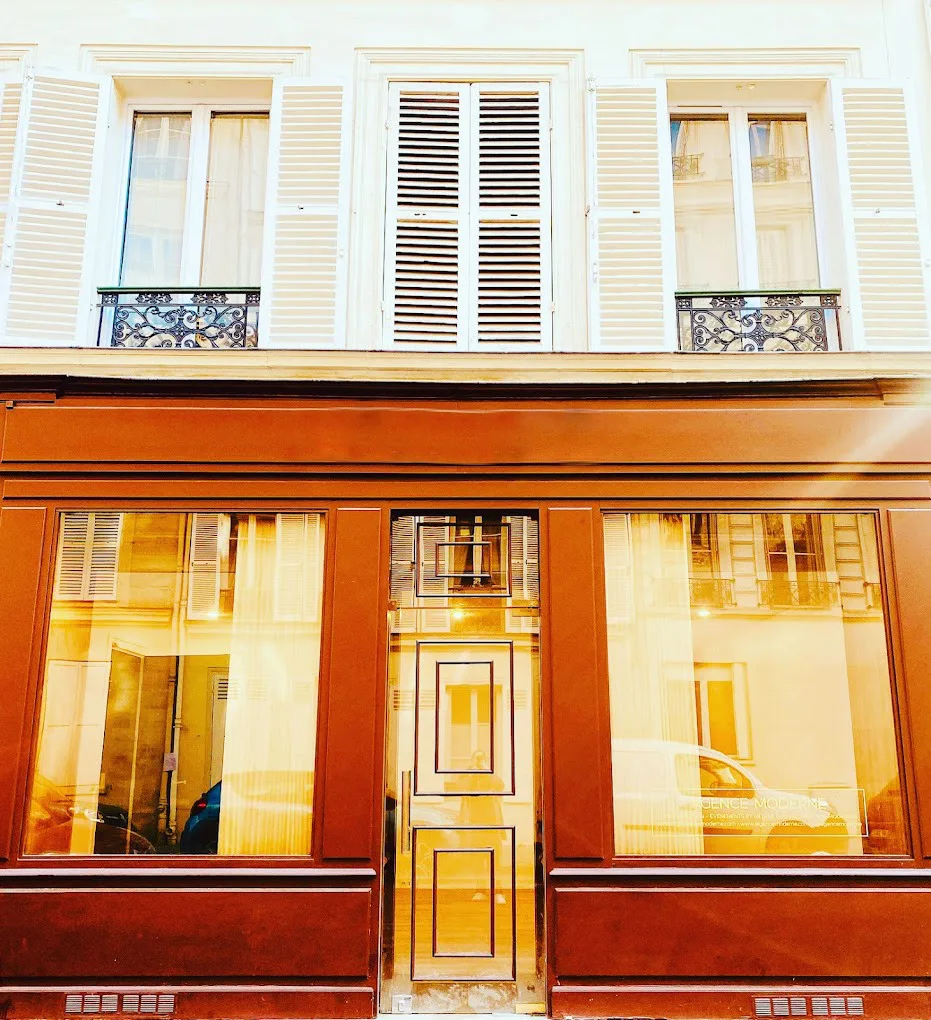
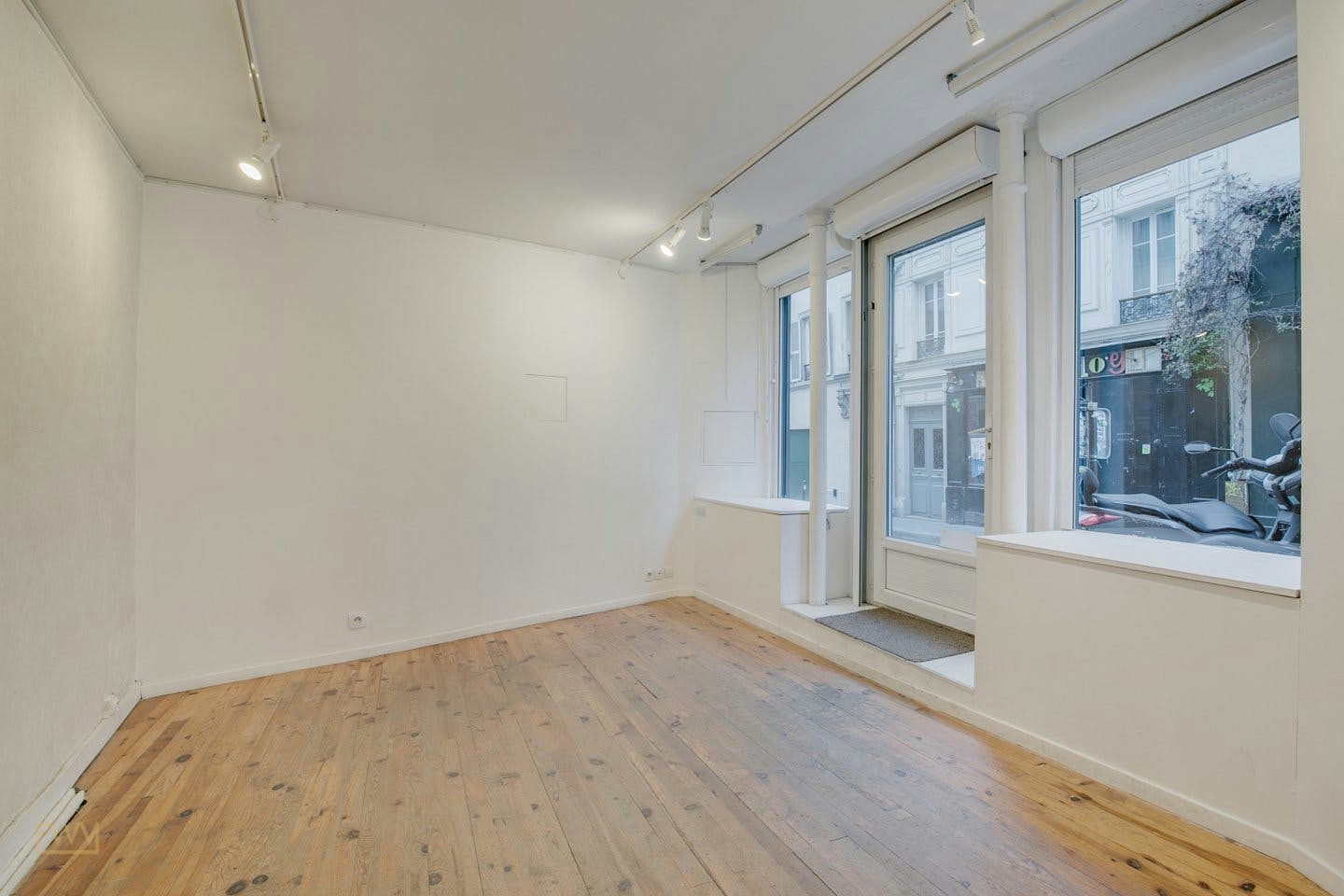
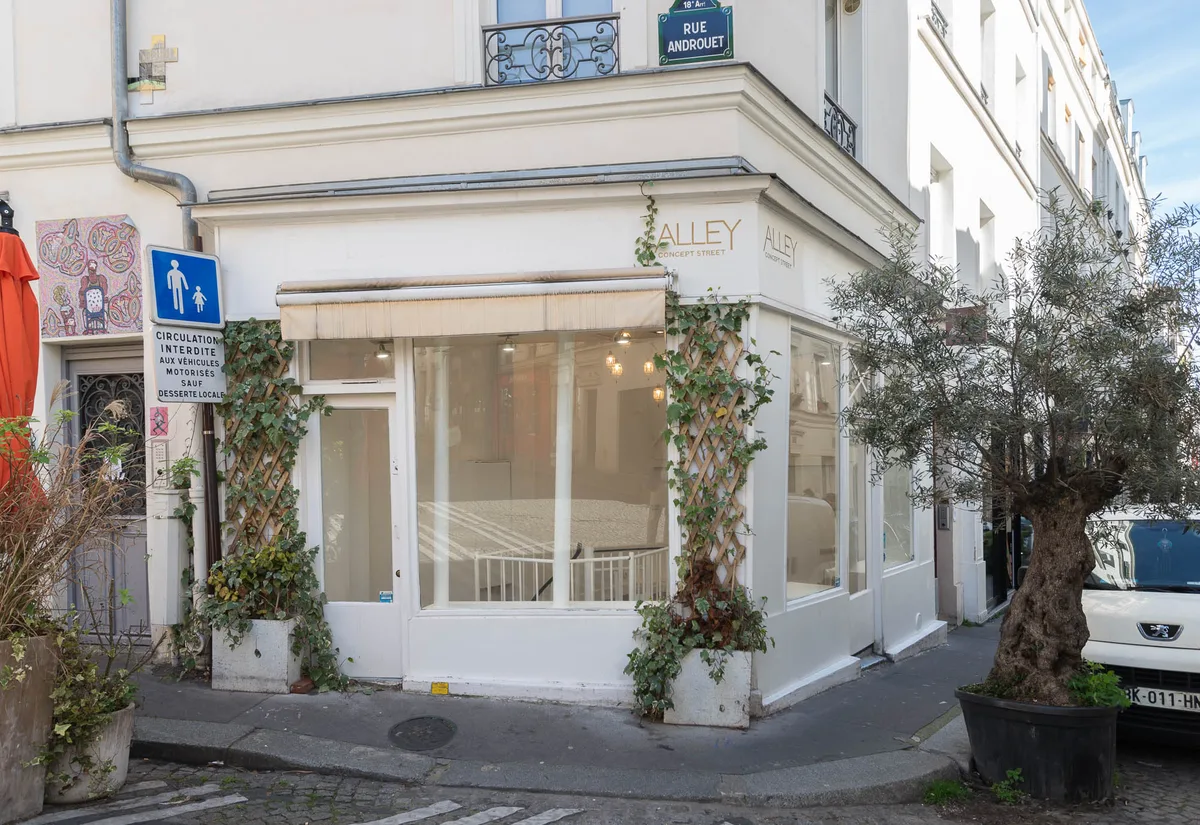
Finding the right shop for rent in Montmartre is one of the most rewarding decisions a fashion brand, DTC retailer, or creative studio can make. Montmartre sits in the 18th arrondissement of Paris and combines some of the city's highest tourist footfall with an authentic neighbourhood character that mass-market retail districts simply cannot replicate. Whether you are planning a fashion week showroom, a seasonal pop-up store, an art gallery activation, or a short-term retail experiment, Montmartre offers a range of commercial spaces, ateliers, boutique storefronts, and gallery venues that suit both emerging labels and established fashion houses. Fashion Week Venues supports brands searching for pop-up spaces in Paris and provides end-to-end guidance from venue sourcing through to activation management across the city's most sought-after neighbourhoods.
Why Montmartre Is One of Paris's Most Compelling Retail Destinations
Quick answer: Montmartre attracts over 10 million visitors per year, making it one of the most visited neighbourhoods in Europe. Its blend of artistic heritage, boutique culture, and proximity to major landmarks like Sacré-Coeur and Moulin Rouge creates a rare combination of foot traffic and aspirational brand positioning that few Paris locations can match.
Montmartre occupies the highest point of Paris and has functioned as a creative and commercial district for well over a century. The area draws visitors who come specifically to explore its winding streets, art galleries, café terraces, and the iconic Basilique du Sacré-Coeur. This is not passive tourist traffic. Visitors to Montmartre tend to be engaged, curious, and willing to discover independent stores, local designers, and cultural experiences. For a retail brand or fashion label launching a pop-up store, that audience behaviour translates directly into higher dwell time, stronger conversion potential, and authentic social content generation.
The neighbourhood's commercial fabric is shaped by several distinct zones. The upper village around Place du Tertre and the Musée de Montmartre is intensely cultural and artistic, lined with galleries, portrait artists, and restaurants. Streets like Rue Lepic and Rue des Abbesses form the residential-commercial backbone where locals shop alongside visitors, creating a more grounded and repeat-customer-driven trading environment. The lower slopes near Pigalle and Boulevard de Clichy connect Montmartre to the city's entertainment and fashion districts, offering larger floor plates and more accessible logistics.
For brands entering Paris for the first time, Montmartre offers something the Marais and Saint-Germain do not always provide: accessible commercial rents relative to the quality of foot traffic, genuine neighbourhood identity, and a built-in story that resonates with international press and social media audiences. The I Love You Wall at Place des Abbesses, the Abbesses theatre, the cable car connecting the lower streets to the summit, and the Saint-Pierre market near Sacré-Coeur all serve as neighbourhood landmarks that give brands a rich contextual backdrop for their activation narrative.
Montmartre also sits close to major transit connections including Lamarck-Caulaincourt and Abbesses metro stations, making it genuinely accessible from across Paris. Boulevard Montmartre on the south side of the hill connects seamlessly to the Grands Boulevards corridor, giving brands in Montmartre visibility that reaches well beyond the arrondissement itself.
DID YOU KNOW: Montmartre's reputation as Artistic Paris is not purely historical. The neighbourhood currently hosts dozens of active ateliers, design studios, and contemporary art galleries, making it a living creative district rather than a preserved museum neighbourhood.
From a brand strategy perspective, opening a pop-up store in Montmartre signals creative positioning, cultural curiosity, and independence from the more predictable retail corridors of central Paris. Fashion labels, vintage clothing stores, concept boutiques, and design-led retailers all find in Montmartre a neighbourhood that amplifies rather than dilutes their identity.
KEY TAKEAWAY: Montmartre combines high tourist footfall with authentic neighbourhood character, accessible rents relative to comparable Paris locations, and a powerful artistic and cultural narrative that supports brand storytelling across press, social, and in-store channels.
Understanding exactly which streets and zones within Montmartre suit different retail formats is essential before committing to any lease or rental agreement. The next section maps the neighbourhood's key commercial corridors in detail.
Key Streets and Zones for Renting a Shop or Pop-Up Space in Montmartre
Quick answer: The most commercially active streets for renting a shop or pop-up space in Montmartre include Rue Lepic, Rue des Abbesses, the Place du Tertre cluster, and the Pigalle and Boulevard de Clichy corridor. Each zone offers different foot traffic profiles, space types, and rental dynamics suited to different brand formats and budgets.
Montmartre is not a single uniform retail environment. The 18th arrondissement spans a wide area and the hill itself creates distinct commercial micro-zones, each with its own character, visitor profile, and space availability. Choosing the right street before you search for a shop for rent in Montmartre is as important as the space itself.
Rue Lepic and the Village Core
Rue Lepic is one of Montmartre's most famous and commercially active streets. It runs from the lower Blanche area up through the market district toward the upper village. The street combines food retailers, independent boutiques, cafes, and occasional gallery spaces. For a pop-up store or boutique-format activation, Rue Lepic offers genuine neighbourhood energy alongside a mix of local residents and visiting tourists. Storefronts here tend to be compact and characterful, often with historic facades, tiled entrances, and the kind of interior charm that social-first brands prize. Space availability varies, but short-term leases and bail dérogatoire arrangements are accessible through specialist agencies.
Rue des Abbesses and Place des Abbesses
Rue des Abbesses connects the Place des Abbesses metro station to the upper village and is widely regarded as the neighbourhood's most fashionable retail corridor. Independent clothing boutiques, concept stores, and design-focused retailers cluster here alongside cafes and bookshops. The foot traffic profile is younger and more fashion-aware than the tourist concentration at Place du Tertre. Renting a pop-up space or showroom on Rue des Abbesses positions a brand directly within Montmartre's most style-conscious commercial micro-zone. Place des Abbesses itself, anchored by the I Love You Wall, generates significant organic social media activity that extends a brand's visibility well beyond its physical opening hours.
Place du Tertre and the Summit Cluster
The area around Place du Tertre and the Basilique du Sacré-Coeur is the most intensely visited part of Montmartre. Foot traffic is extremely high but is more tourist-dominant than in the streets below. Gallery spaces, exhibition venues, and destination retail concepts perform well here. The Musée de Montmartre nearby adds cultural credibility to any activation in this zone. Commercial spaces in this cluster tend to attract brands looking for maximum visibility and experiential formats rather than quiet browsing environments.
Pigalle and Boulevard de Clichy
The Pigalle neighbourhood and Boulevard de Clichy corridor at the base of the Montmartre hill represent a different but equally compelling option for pop-up retail and showroom activations. The proximity to the Moulin Rouge brings significant foot traffic, and the area has undergone substantial creative transformation over the past decade. Larger floor plates, industrial-chic style warehouse conversions, and renovated commercial spaces are more available here than in the upper village. Fashion labels, music and lifestyle brands, and larger experiential retail formats often find Pigalle a more practical option than the narrower streets above.
| Zone | Best For | Foot Traffic Profile | Typical Space Types |
|---|---|---|---|
| Rue des Abbesses | Fashion boutiques, concept stores, showrooms | Local residents, style-aware visitors | Boutique storefronts, ateliers, studios |
| Rue Lepic | Pop-up retail, lifestyle brands, food concepts | Mixed local and tourist | Compact retail units, gallery spaces |
| Place du Tertre and Sacré-Coeur | Gallery activations, experiential retail, destination concepts | High international tourist | Gallery spaces, exhibition venues, storefronts |
| Pigalle and Boulevard de Clichy | Larger activations, brand events, lifestyle and fashion brands | Entertainment-driven, diverse | Warehouse conversions, commercial units, event spaces |
| Place des Abbesses | Social-first activations, small boutiques, design studios | Young, fashion-forward, social media active | Small storefronts, corner units, pop-up spaces |
TIP: Before shortlisting spaces, map your target customer's arrival route. Visitors approaching Montmartre via the Abbesses metro arrive at a different point than those walking up from Blanche or taking the funicular from Anvers. Your preferred zone should align with your audience's natural entry point into the neighbourhood.
KEY TAKEAWAY: Montmartre contains several commercially distinct micro-zones. Rue des Abbesses suits fashion and concept retail. Place du Tertre suits gallery and destination formats. Pigalle suits larger, industrial-chic activations. Matching your brand format to the right zone is as important as finding an available space.
Once you understand the neighbourhood's geography, the next step is understanding the leasing structures and financial terms that apply to short-term retail and pop-up spaces in Paris.
Leasing, Rental Rates, and Financial Terms for Short-Term Retail Spaces in Montmartre
Quick answer: Short-term retail spaces in Montmartre are typically accessed through bail dérogatoire agreements or convention d'occupation précaire arrangements rather than standard French commercial leases. Rental rates vary significantly by zone, floor area, space condition, and lease duration. Budget estimation for a Paris pop-up should account for rent, agency fees, security deposit, utilities, build costs, and staffing as separate line items.
Renting a commercial space in France involves a distinct legal and financial framework that differs materially from the UK, US, or other markets. Understanding the key lease types and cost components before you begin your search will prevent expensive surprises and protect your brand during negotiations.
Bail Dérogatoire: The Short-Term Commercial Lease in France
The bail dérogatoire, sometimes called a convention d'occupation précaire, is the legal mechanism that allows landlords to rent commercial spaces for periods shorter than the standard French commercial lease minimum of nine years. Under a bail dérogatoire, the maximum duration is typically 36 months, and the agreement cannot be renewed under the same terms after expiry without converting to a full commercial bail. For pop-up stores, seasonal boutiques, showrooms, and short-term retail activations in Montmartre, the bail dérogatoire is the standard leasing vehicle.
IMPORTANT: A bail dérogatoire must be clearly drafted and signed before the tenant takes possession of the space. If a tenant remains in the space after the maximum dérogatoire period without a new agreement, French law may automatically convert the arrangement to a full nine-year commercial lease. Always verify lease terms with a qualified French legal advisor before signing.
Understanding Rental Rate Structures
Commercial rental rates in Paris are commonly quoted in euros per square metre per year. However, the all-in cost of occupying a commercial space in Montmartre includes several components beyond the headline rental rate. Understanding the distinction between gross leases, modified gross arrangements, and triple net structures is important when comparing spaces.
In a full service or gross lease arrangement, the landlord covers most building expenses including insurance, property taxes, and common area maintenance within the quoted rent. In a modified gross structure, some operating costs are shared between landlord and tenant. In a triple net arrangement, the tenant is responsible for rent plus a proportional share of property taxes, building insurance, and maintenance costs. Many Montmartre commercial spaces, particularly in older Haussmann-era buildings, operate on modified gross or full service terms, but this varies by landlord and space type.
Additional financial components to budget for include the agency fee charged by the letting agent or space marketplace, the security deposit which is typically one to three months of rent for short-term leases, electricity and water costs if not included in the lease, and any restoration obligations at the end of the rental period. An energy performance diagnosis certificate should accompany any commercial rental agreement and provides information on the space's energy consumption and carbon classification.
Quick answer: Rental costs for a pop-up space in Montmartre depend on zone, size, condition, and lease duration. Ranges vary widely and no single rate applies across the neighbourhood. Use a dedicated budget planning tool to build a realistic financial model before approaching landlords or agencies. For a brand-specific estimate, the Fashion Week Venues budget calculator provides directional cost modelling based on space type, duration, and activation scope.
Additional Financial Considerations
Beyond the headline rent and statutory costs, brands planning a pop-up store in Montmartre should prepare a full financial pro forma before signing any lease agreement. This should include fit-out and build costs, furniture rental or purchase, point-of-sale and payment system installation, retail staffing, visual merchandising, signage production, utilities activation, and business insurance. Landlords of short-term commercial spaces in Paris increasingly ask for evidence of a business plan and proof of financial standing before agreeing to a bail dérogatoire, particularly for first-time tenants without a French trading history.
| Cost Component | Typical Structure | Who Bears the Cost |
|---|---|---|
| Base rent | Monthly or quarterly in advance | Tenant |
| Agency fee | Percentage of annual rent or fixed fee | Tenant (sometimes shared) |
| Security deposit | One to three months rent | Tenant, refundable on exit |
| Electricity and water | Actual consumption billed monthly | Tenant (unless gross lease) |
| Building expenses | Proportional share of communal costs | Tenant (triple net) or landlord (gross) |
| Fit-out and production | One-off project cost | Tenant |
| Restoration at exit | Return space to original condition | Tenant (unless agreed otherwise) |
KEY TAKEAWAY: The sticker price of a Montmartre rental space is only one element of the total cost. A realistic financial pro forma must account for agency fees, security deposit, utilities, build costs, staffing, and exit restoration obligations. Always verify lease structure with a French legal advisor and use a budget tool to model the full cost picture before committing.
With a clear understanding of lease structures and costs, the next priority is navigating the permit and compliance requirements that apply to short-term retail and pop-up activations in Paris.
Permits, Compliance, and Legal Requirements for Pop-Up Shops in Montmartre Paris
Quick answer: Running a pop-up shop in Montmartre requires compliance with French commercial law, the correct lease structure, and depending on the space type and activation format, specific permits covering temporary commercial use, public space occupation, and food or drink service. Requirements vary by space type, duration, arrondissement, and the nature of the business activity.
Paris operates a layered permit and compliance system that applies differently to permanent commercial operations versus short-term retail activations. For brands planning a pop-up store, showroom, or event-driven retail space in Montmartre, understanding the relevant permits early in the planning process prevents delays and cost overruns.
Bail Dérogatoire and Legal Entity Requirements
One of the most common questions from international brands is whether they need a French legal entity to rent a commercial space in Montmartre. The answer depends on the landlord's requirements and the nature of the activity. Some landlords will rent to foreign companies directly under a bail dérogatoire with appropriate guarantees, while others require a French entity or a locally established guarantor. The requirements are not uniform and vary by building, landlord preference, and lease duration.
Autorisation d'Occupation Temporaire
Brands wishing to use public footpaths, terraces, or external areas adjacent to their rented space may require an autorisation d'occupation temporaire, commonly abbreviated as AOT. This permit governs the temporary occupation of public space for commercial or promotional purposes and is issued by the local mairie or the city of Paris depending on the location. AOT requirements are particularly relevant for brands planning external signage, branded furniture placement on pavements, or consumer-facing activations that extend beyond the physical boundaries of the rented space.
Food and Drink Activations
Running a food or drink component within a Montmartre pop-up shop introduces additional licensing requirements. A licence to sell alcohol, a food hygiene certificate, and compliance with French sanitary regulations all apply depending on the nature of the offering. Brands planning hospitality elements within a retail activation should factor the time and cost of obtaining these permits into their planning timeline. Requirements are administered by the prefecture and the Direction Départementale de la Protection des Populations and vary based on whether the service is free, commercial, or ancillary to a retail operation.
Signage and Exterior Modification
Montmartre's historic building stock and protected streetscape mean that signage and exterior modifications to rented storefronts may require approval from the Architectes des Bâtiments de France, particularly in areas close to classified historic monuments such as the Basilique du Sacré-Coeur. Brands planning temporary signage, branded window graphics, or exterior installations should verify approval requirements with the building's landlord and the relevant local authority before production begins.
IMPORTANT: Permit requirements for pop-up stores and short-term retail spaces in Paris vary by location, space type, and activation format. The information above is directional only and does not constitute legal advice. Always verify specific requirements with a qualified French legal advisor and use the Fashion Week Venues permit guidance tool to identify the permits most likely to apply to your planned activation.
KEY TAKEAWAY: Permits for a Montmartre pop-up cover lease structure, public space occupation, signage, and food and drink licensing depending on the activation format. Early identification of applicable permits and engagement with the right advisors prevents delays that can derail fashion week and seasonal calendar windows.
Planning a compliant activation also means understanding the timeline required to source, secure, fit out, and open a shop for rent in Montmartre. The next section maps the full activation workflow from initial brief to opening day.
Planning and Timeline: How to Open a Pop-Up Store in Montmartre from Brief to Opening Day
Quick answer: A well-managed pop-up store activation in Montmartre typically requires eight to sixteen weeks from initial brief to opening day, depending on the complexity of the fit-out, permit requirements, and lease negotiation timeline. Brands working to Paris Fashion Week calendar windows should plan significantly further ahead, particularly for prime locations on Rue des Abbesses or in the Place du Tertre cluster.
The most common reason pop-up activations in Paris miss their target calendar window is insufficient lead time. Understanding the full activation timeline before you start searching for a shop for rent in Montmartre allows you to sequence decisions correctly and avoid compressed timelines that drive up costs and compromise execution quality.
| Phase | Key Activities | Recommended Lead Time |
|---|---|---|
| Brief and strategy | Define objectives, space type, neighbourhood, budget, and duration | 16 to 20 weeks before opening |
| Venue sourcing | Search listings, shortlist spaces, conduct viewings | 12 to 16 weeks before opening |
| Lease negotiation | Agree terms, review bail dérogatoire, sign agreement | 10 to 14 weeks before opening |
| Permits and compliance | Identify applicable permits, submit applications | 8 to 12 weeks before opening |
| Design and concept | Finalise interior design, signage, visual merchandising plan | 8 to 12 weeks before opening |
| Production and build | Fit-out construction, furniture installation, technology setup | 4 to 6 weeks before opening |
| Staffing and training | Recruit and brief retail staff, confirm opening hours | 2 to 4 weeks before opening |
| Soft launch and press preview | Invite press and influencers, generate pre-opening content | 1 week before opening |
| Public opening and trading | Full trading operation, data collection, customer engagement | Opening day onwards |
For brands targeting Paris Fashion Week in March or October, the above timeline means that venue sourcing should ideally begin no later than October for the March window and no later than May for the October window. Prime spaces on Rue des Abbesses and around Place des Abbesses are consistently in demand and rarely available at short notice during fashion week periods.
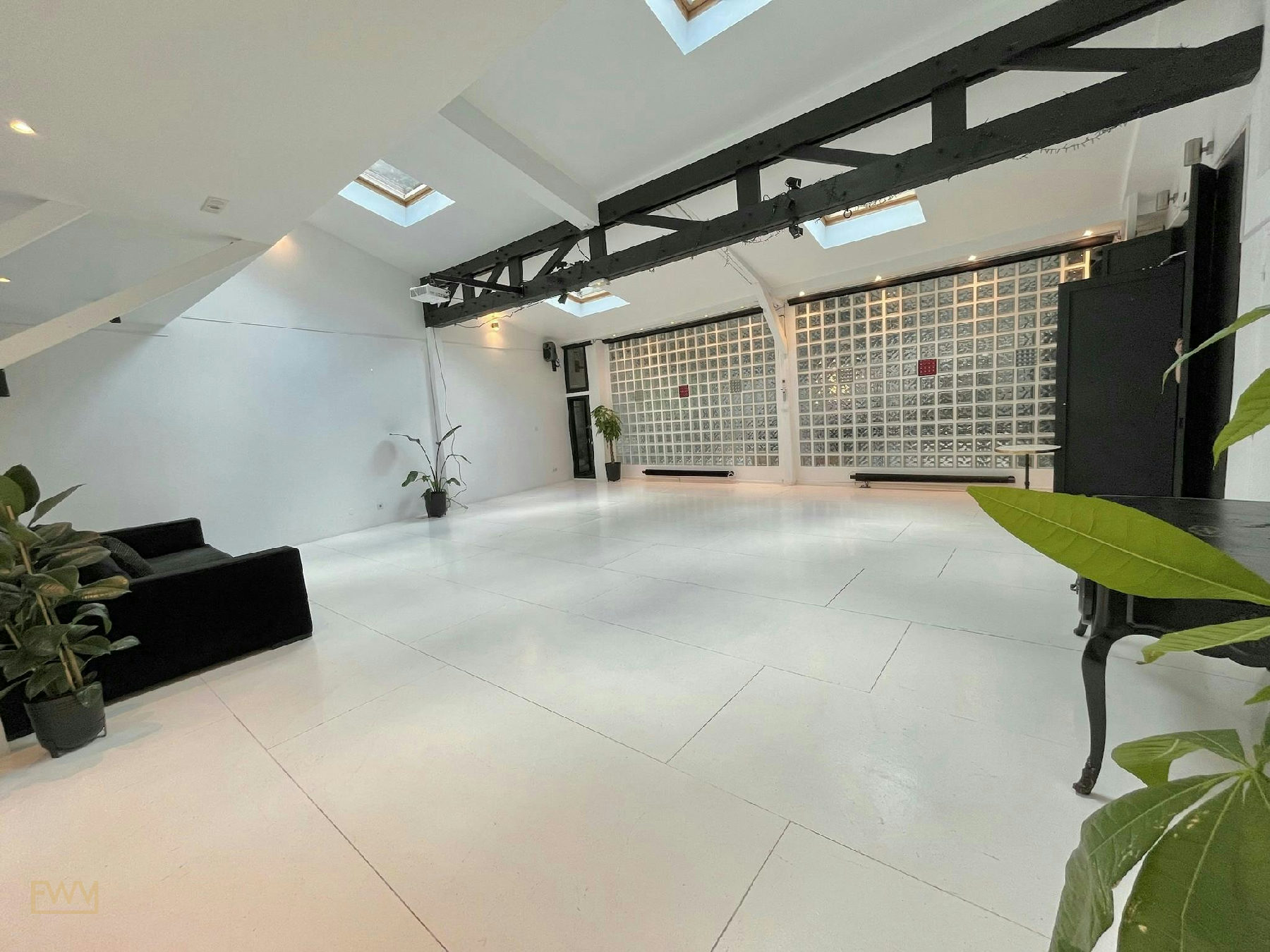
The planning timeline also needs to account for the specific characteristics of the chosen space. A renovated, white-walled gallery space with an existing fit-out and operational utilities requires significantly less production time than a raw commercial unit or an industrial-chic warehouse conversion. Brands should discuss the space's current condition, existing signage infrastructure, energy performance diagnosis status, and restoration obligations with the landlord before finalising the lease.
To compare spaces side by side before committing to a lease, the space comparison tool from Fashion Week Venues allows brands to evaluate different Montmartre options against each other across key criteria including size, location, available dates, and headline terms.
TIP: Build a minimum two-week buffer between the end of your fit-out and your opening day. In Paris, delivery delays, permit processing times, and contractor availability during peak calendar periods routinely extend production timelines beyond initial estimates.
KEY TAKEAWAY: Securing a shop for rent in Montmartre and opening on your target date requires a structured timeline with adequate lead time at every stage. For fashion week windows, begin the venue sourcing process at least four to five months before your intended opening and work through a specialist agency that understands the Paris market calendar.
Understanding the range of space types available in Montmartre helps brands refine their brief before beginning the venue search. The next section outlines the most common retail space categories and what each suits in practice.
Space Types Available for Rent in Montmartre: Boutiques, Showrooms, Ateliers, and Galleries
Quick answer: Montmartre offers a broader range of commercial space types than most Paris neighbourhoods, including boutique storefronts, private showrooms, art galleries, creative ateliers, studio spaces, and event venues. Each format suits different brand objectives, audience profiles, and activation lengths.
The diversity of space types available for rent in Montmartre reflects the neighbourhood's layered history as simultaneously a tourist destination, an artistic district, and a functioning residential community. Brands looking for a shop for rent in Montmartre have genuine choice across multiple space categories, each with different commercial characteristics.
Boutique Storefronts
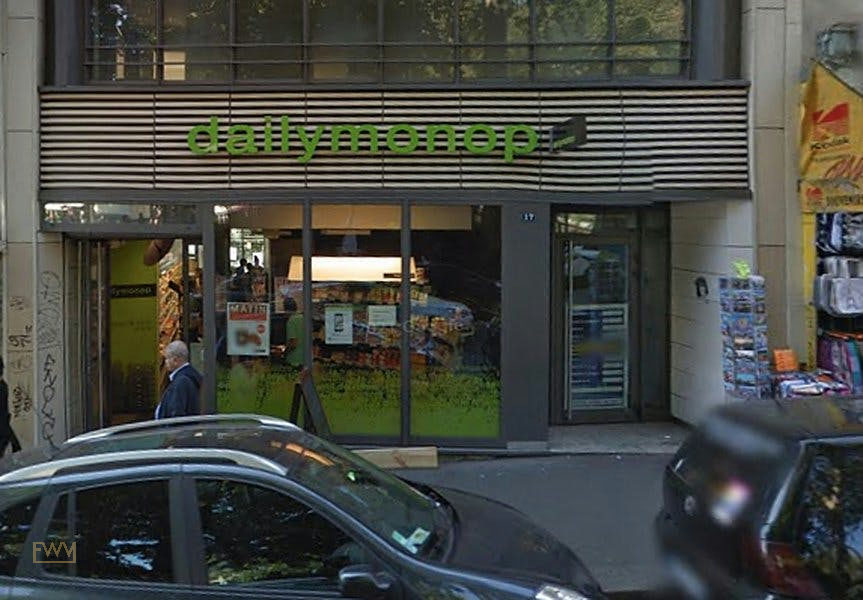
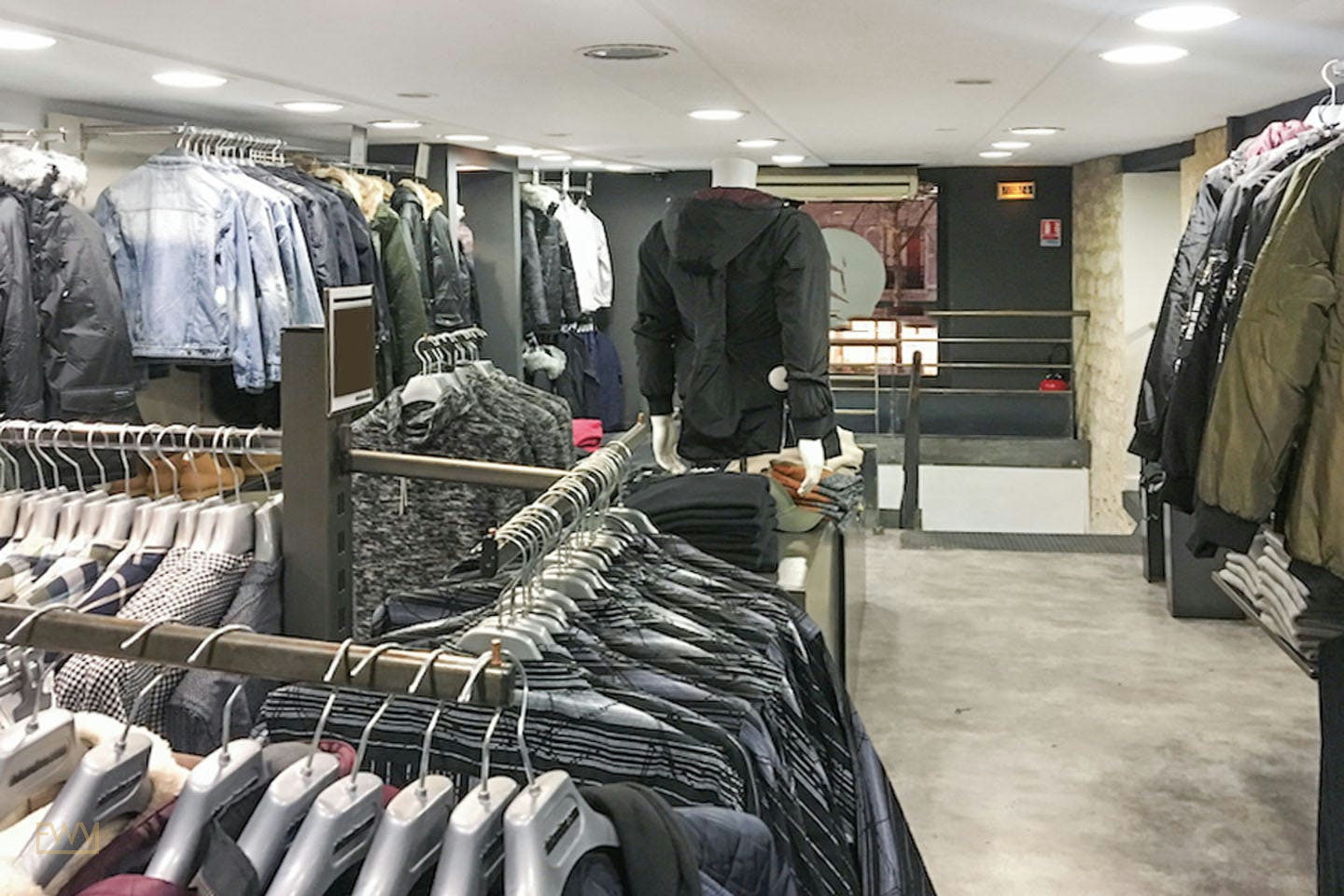
Traditional boutique storefronts on Rue des Abbesses, Rue Lepic, and the streets connecting them are the most sought-after format for fashion brands, jewellery labels, and lifestyle retailers. These spaces typically range from 20 to 80 square metres, feature street-facing display windows, and carry the kind of Parisian boutique character that resonates powerfully in brand editorial and social content. Fit-out standards vary from raw shell spaces to fully fitted boutiques with existing fixtures, lighting rigs, and point-of-sale infrastructure. The best boutique storefronts in Montmartre command a premium during fashion week periods and require early booking.
Art Galleries and Exhibition Spaces
Montmartre's density of art galleries makes it an ideal location for brands that want to merge retail with cultural programming. Gallery spaces typically feature white walls, polished concrete or wooden floors, professional lighting systems, and ceiling heights that allow large-format installations. These spaces work exceptionally well for fashion labels presenting capsule collections, luxury brands staging curated product exhibitions, and creative agencies running invitation-only press events. Gallery rentals in Montmartre are available on both short-term event formats and multi-week pop-up arrangements.
Ateliers and Studios
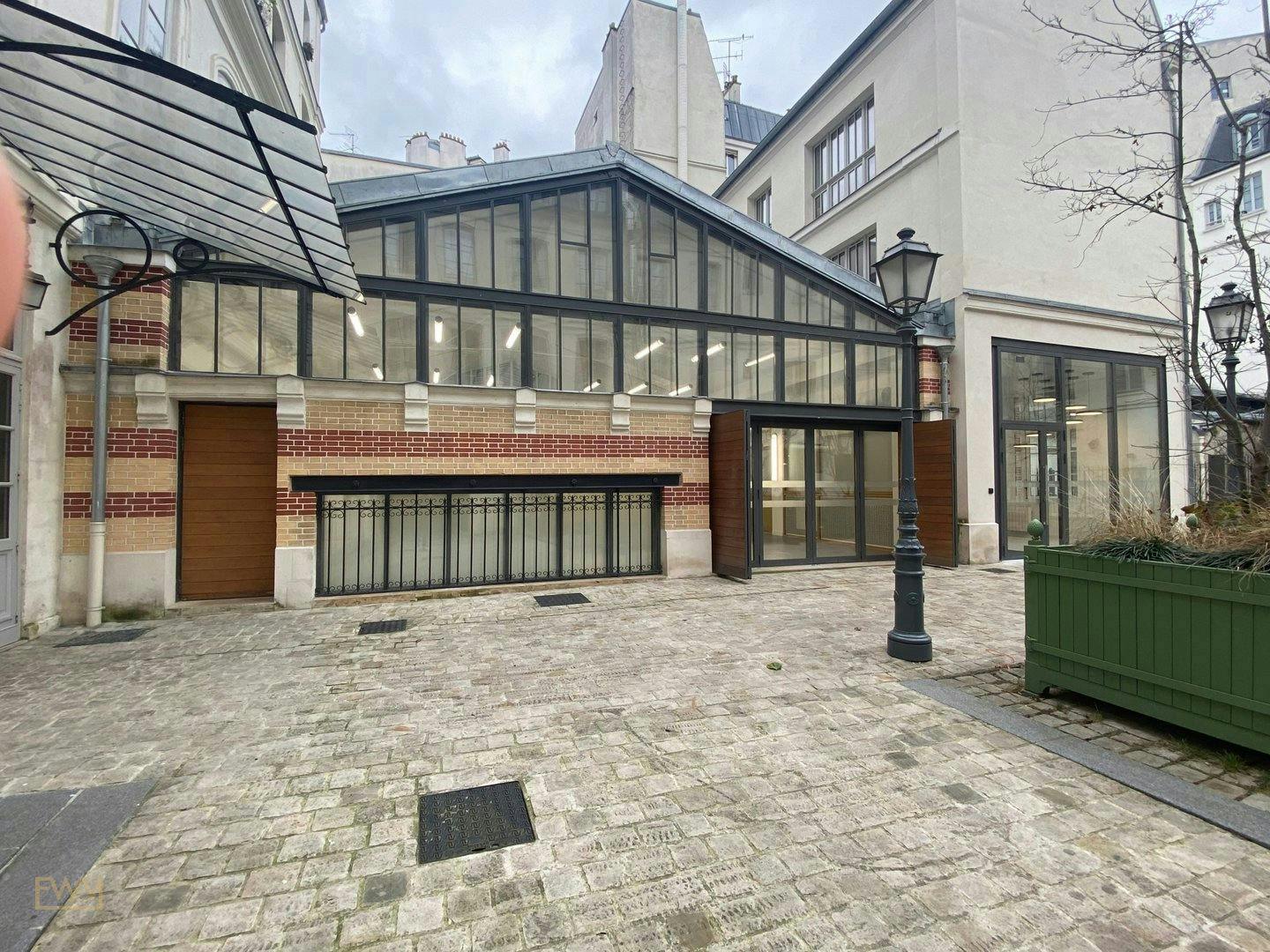
Creative studios and ateliers represent a uniquely Montmartre space category. Many of the neighbourhood's historic workshops and artists' studios have been converted into flexible commercial spaces that retain their original industrial character. High ceilings, exposed brick, wooden beams, and north-facing skylights are common features. For fashion brands, these spaces work well as showrooms for press and buyer appointments, as production-style visual environments for content creation, and as intimate event venues for brand launches and private dinners.
Private Showrooms
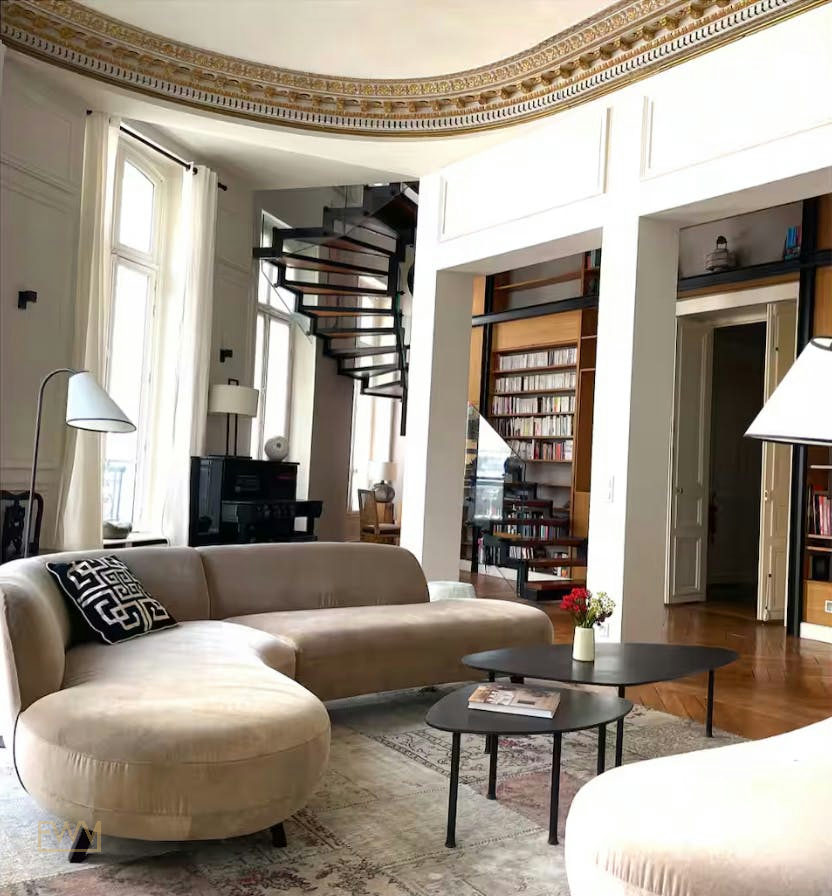
A dedicated private showroom in Montmartre serves a different function from a public-facing pop-up store. Showroom formats prioritise controlled access, appointment-based visits, and an elevated presentation environment. They are used by fashion labels for press days, by multi-brand distributors for trade appointments, and by luxury houses for private client events. Montmartre's quieter residential streets offer a number of former apartment-style commercial spaces that convert naturally into high-quality showroom environments.
Larger Event and Commercial Spaces
The Pigalle and Boulevard de Clichy zones offer access to larger commercial floor plates suited to multi-brand activations, brand launch events, and retail formats requiring significant square footage. These spaces include former entertainment venues, warehouse conversions, and commercial ground floor units with frontage onto major boulevards. Brands that need space for a large retail floor, a catering area, and a brand experience zone simultaneously find these larger Pigalle spaces more practical than the smaller boutique formats in the upper village.
Quick answer: Gallery spaces and renovated ateliers are particularly popular with fashion and luxury brands in Montmartre because they provide the visual neutrality for branded fit-outs combined with the neighbourhood's artistic credibility. Boutique storefronts on Rue des Abbesses are the most competitive category and require the longest lead time to secure.
KEY TAKEAWAY: Matching the space type to the activation objective is critical. A boutique storefront suits transactional retail. A gallery or atelier suits experiential or press-focused activations. A private showroom suits trade and appointment-based formats. A larger event space suits multi-brand or high-footfall brand launch formats.
The right space type in the right Montmartre zone serves very different business objectives. The section below explains how Fashion Week Venues supports brands at every stage of finding and activating a commercial space in Montmartre and Paris more broadly.
How Fashion Week Venues Helps Brands Find and Activate Shops for Rent in Montmartre
Quick answer: Fashion Week Venues provides a full-service approach to finding and activating short-term retail spaces in Montmartre and across Paris. Services cover venue sourcing, concept direction, fit-out production, activation management, retail staffing, and post-activation data and analytics. The platform also offers a space marketplace and a suite of planning tools designed for brand teams without deep local market knowledge.
Fashion Week Venues operates as both a curated space marketplace and a full-service agency, which means brands can engage at the level that matches their internal capability. A brand with a strong internal creative team might use Fashion Week Venues primarily for venue sourcing and permit guidance. A brand launching in Paris for the first time might engage the full service suite from initial brief through to closing day.
The venue sourcing service covers the identification, shortlisting, and negotiation of commercial spaces in Montmartre and other Paris neighbourhoods. Rather than spending weeks navigating opaque French property listings and intermediaries, brand teams receive a curated shortlist of spaces that match their brief in terms of size, location, dates, and budget. This service is particularly valuable for international brands without existing relationships in the Paris commercial property market.
Once a space is secured, Fashion Week Venues can manage the full activation workflow. The concept direction service translates a brand's identity into a physical space concept tailored to Montmartre's neighbourhood character. The production and build service manages fit-out, installation, and technical setup. The retail staffing service provides French-speaking, brand-trained staff for the operational period.
For brands earlier in the planning process, the platform's planning tools are available independently. The budget calculator helps brands build a realistic financial model before committing to a space. The ROI calculator allows brand teams to model expected return based on sales targets, footfall assumptions, and marketing investment. The timeline tool maps the full activation workflow against a target opening date. The permits tool provides directional guidance on the permits most likely to apply to a planned activation.
Fashion Week Venues also offers the twin concept for brands that want to co-activate across two Paris locations simultaneously, which is particularly relevant for brands targeting both a Montmartre presence and a complementary location in the Marais or Saint-Germain during a single fashion week period.
It is important to understand what Fashion Week Venues does not do. The platform does not provide legal advice, does not guarantee permit approvals, and does not guarantee the availability of specific spaces at specific times. Market conditions, landlord preferences, and calendar pressures all affect what is achievable, and the best outcomes come from brands that engage early and maintain flexibility in their brief.
To explore spaces currently available in the neighbourhood and across the city, the Fashion Week Venues space marketplace provides a searchable, filterable overview of available listings in Paris and other fashion capital cities.
KEY TAKEAWAY: Fashion Week Venues removes the primary barriers to entering the Montmartre commercial space market for international brands: lack of local relationships, unfamiliarity with French lease law, and the complexity of coordinating venue, design, build, staffing, and compliance across a compressed fashion week timeline.
Before making any decisions about a shop for rent in Montmartre, it is worth addressing the most persistent misconceptions that brands bring to their first Paris activation project.
Common Myths About Renting a Pop-Up Shop or Retail Space in Montmartre Debunked
MYTH: You need a French legal entity to rent a commercial space in Montmartre.
FACT: While some landlords prefer French entities, many will rent to foreign companies under a bail dérogatoire with appropriate financial guarantees. Requirements vary by landlord, space type, and the proposed lease duration. Working with a specialist agency that has established landlord relationships in Paris significantly improves access to spaces that accommodate international brands without a French entity.
MYTH: Paris Fashion Week in March and October are the only viable calendar windows for a Montmartre pop-up.
FACT: Montmartre attracts millions of visitors year-round, and short-term retail activations perform well outside fashion week periods. Summer months, the pre-Christmas season, and spring holiday periods all generate significant commercial opportunity. Fashion week windows are premium periods, but brands focused on direct consumer sales rather than press coverage often find less competitive calendar windows deliver stronger retail results with lower rental costs.
MYTH: Commission-based brokers are the only way to find a pop-up space in Montmartre.
FACT: The Paris commercial space market is increasingly served by dedicated marketplaces and full-service agencies that provide transparent access to curated space listings without the opacity of traditional commission brokerage. Platforms specialising in short-term commercial spaces give brands direct visibility of available spaces, indicative pricing, and space specifications without requiring a broker relationship.
MYTH: Short-term leases in France are legally straightforward and do not require specialist advice.
FACT: The bail dérogatoire is a specific legal instrument under French commercial law that contains important protections and obligations for both landlord and tenant. Errors in drafting or timing can result in automatic conversion to a nine-year commercial lease, a financially significant outcome for any brand. Specialist legal review of any short-term commercial lease agreement in France is always recommended regardless of the apparent simplicity of the arrangement.
MYTH: A small Montmartre boutique storefront is cheaper to activate than a larger Pigalle space.
FACT: Per-square-metre rental rates on prime streets like Rue des Abbesses can exceed those in the Pigalle zone for a larger unit. Additionally, smaller boutique spaces on high-demand streets require extensive and expensive fit-out to meet the visual standards that Montmartre's discerning audience expects. Total activation cost per square metre often favours larger spaces in secondary zones, depending on brand format and objectives.
Business Considerations: Foot Traffic, DTC Strategy, Ecommerce Integration, and Fashion Week Timing
Quick answer: A Montmartre pop-up store serves multiple business objectives simultaneously, including direct-to-consumer sales, brand awareness building, press and influencer content generation, customer data collection, and physical validation of an ecommerce brand's retail proposition. Maximising return on a Montmartre rental requires a clear strategy for each of these objectives before opening day.
The decision to rent a shop in Montmartre is rarely justified by retail sales alone, particularly for smaller fashion labels and emerging DTC brands. The neighbourhood's combination of tourist footfall, cultural credibility, and social media visibility creates a commercial environment where brand value, press coverage, and customer relationship building are as commercially significant as in-store transactions.
Direct-to-Consumer Sales
For DTC brands testing physical retail for the first time, Montmartre provides an ideal environment. The neighbourhood's visitor profile includes high-spending international tourists alongside design-aware local residents, creating a customer base that engages genuinely with independent and fashion-forward retail concepts. Brands should invest in point-of-sale and payment systems that accept multi-currency and contactless payments, given the international visitor mix. Data collection at the point of sale, including email capture for post-visit ecommerce retargeting, significantly extends the commercial value of a Montmartre pop-up beyond its physical opening period.
Fashion Week Strategy
For fashion labels targeting the press and buyer community during Paris Fashion Week, a Montmartre space serves a different function than a transactional retail store. The neighbourhood's artistic positioning makes it a credible location for invitation-only presentations, private showroom appointments, and press dinners that do not require high street-level footfall. Brands using Montmartre for fashion week press and trade engagement should plan their communication strategy, invitation lists, and private access protocols as carefully as their space design and fit-out.
Ecommerce and Physical Retail Integration
The Montmartre pop-up is an exceptionally powerful tool for ecommerce brands seeking physical validation. Visitor behaviour in-store, product interaction patterns, and conversion data from a Montmartre activation provide insights that are impossible to gather online. Brands should deploy data and analytics tools throughout the activation to capture footfall, dwell time, conversion rates, and basket size. This data directly informs ecommerce merchandising, inventory planning, and marketing targeting after the pop-up closes.
Influencer and Cultural Marketing in Montmartre
Montmartre's visual environment, from the cobblestone streets and painted facades of the upper village to the neon-lit Boulevard de Clichy below, generates organic content at a rate few other Paris locations match. Brands that design their pop-up stores with content creation in mind, building dedicated photogenic moments into the space layout and visual merchandising, consistently see earned media value that far exceeds the cost of influencer fees. Vintage clothing stores, art galleries, and fashion boutiques in Montmartre regularly achieve significant social reach through location-led content without paid promotion.
DID YOU KNOW: The Musée de Montmartre and its gardens on Rue Cortot are among the most photographed locations in the 18th arrondissement. Pop-up stores positioned within walking distance of major visual landmarks consistently benefit from extended social media visibility generated by visitors to those landmarks.
KEY TAKEAWAY: A Montmartre pop-up store is a multi-channel marketing investment as much as a retail operation. Brands that plan for press coverage, influencer content, customer data capture, and ecommerce integration alongside in-store sales consistently achieve higher total returns from their Montmartre activation investment.
To understand the realistic return on investment from a Montmartre pop-up, brands can model different scenarios using the ROI calculator available through Fashion Week Venues, which accounts for both direct sales and estimated brand value generated during the activation period.
Frequently Asked Questions About Renting a Shop or Pop-Up Space in Montmartre
How much does a pop-up shop in Montmartre cost?
The total cost of a pop-up shop in Montmartre depends on the location, space size, lease duration, and activation complexity. Headline rental rates vary significantly between zones, space types, and individual landlord terms. Beyond rent, brands must budget for agency fees, security deposit, utilities, fit-out production, furniture, staffing, point-of-sale systems, and exit restoration. No single industry-standard figure applies across the neighbourhood. For a brand-specific estimate tailored to your space type, duration, and activation scope, use the budget planning tool on Fashion Week Venues, which allows you to model costs across multiple scenarios before committing to a lease.
How long can I rent a pop-up shop in Montmartre?
Short-term commercial spaces in Montmartre are typically available on durations ranging from a single week to several months. The bail dérogatoire mechanism allows leases up to a maximum of 36 months without converting to a full nine-year French commercial lease. Most pop-up activations in Montmartre run between two weeks and three months. Fashion week activations during the March and October Paris Fashion Week windows typically run ten days to three weeks. Longer durations tend to command better per-day rental rates and give brands more time to build neighbourhood presence and customer relationships.
What streets in Montmartre are best for a pop-up shop?
Rue des Abbesses is the most fashion-forward commercial street in Montmartre and is ideal for boutique-format pop-up stores targeting style-aware visitors and local residents. Rue Lepic suits lifestyle brands and food concepts with broader audience appeal. The Place du Tertre and Sacré-Coeur area suits destination retail and gallery-format activations targeting international tourists. Pigalle and Boulevard de Clichy suit larger event-format activations and brands needing significant floor space. The right street depends on your brand format, target customer profile, and activation objectives.
Do I need a permit for a pop-up shop in Paris?
Yes, operating a pop-up shop in Paris requires compliance with French commercial law and, depending on the activation format, may require specific permits. The bail dérogatoire governs the lease itself. An autorisation d'occupation temporaire may be required if the activation extends to external public space, signage on facades, or pavement installations. Food and drink service requires additional licensing. Requirements vary by arrondissement, space type, and activation format. Directional guidance is available through the permit guidance tool on Fashion Week Venues, but specific requirements should always be verified with a qualified French legal advisor.
Can I run a pop-up food or drink activation in Montmartre?
Yes, food and drink activations are possible within a Montmartre pop-up space, but they require additional permits and compliance with French food safety and licensing regulations. A licence to serve alcohol, compliance with hygiene standards set by the Direction Départementale de la Protection des Populations, and potentially a specific commercial classification for food service all apply depending on the nature of the offering. Brands planning hospitality elements should factor the permit application timeline, which can extend to several weeks, into their overall activation planning schedule.
Why open a pop-up store in Montmartre rather than the Marais or Saint-Germain?
Montmartre offers a combination of tourist footfall, authentic neighbourhood character, and artistic credibility that the Marais and Saint-Germain deliver differently. Montmartre tends to offer more accessible rental rates relative to prime Marais storefronts, particularly for boutique-format activations. The neighbourhood's story, from its artistic history to landmarks like Sacré-Coeur and Moulin Rouge, gives brands a richer contextual narrative for press, social, and editorial. For brands targeting international tourists, design-aware visitors, and fashion-forward local residents simultaneously, Montmartre provides a unique combination that neither the Marais nor Saint-Germain replicates exactly.
What is the ideal duration to rent a pop-up shop in Montmartre?
The ideal duration depends on the brand's objectives. For press and fashion week activations, two to three weeks is typically sufficient to serve the appointment calendar and generate coverage. For direct-to-consumer retail, four to eight weeks allows enough time to build neighbourhood awareness, develop repeat customer visits, and generate meaningful sales and data. For brands testing physical retail for the first time, a minimum of four weeks is generally recommended to allow time to adjust the format, train staff, and learn from initial customer behaviour before the activation concludes.
Do I need to speak French to operate a pop-up store in Montmartre?
You do not need to speak French personally to operate a Montmartre pop-up, but French-speaking retail staff are essential for effective customer service in a neighbourhood where a significant proportion of visitors are French-speaking locals and European tourists. Contracts, lease agreements, and permit applications will be in French and require either a qualified translator or a local legal advisor. Working with a specialist agency that operates bilingually in the Paris market significantly reduces the practical and legal language barriers that international brands face when entering the Paris commercial space market.
What is the difference between a pop-up store and a showroom in Montmartre?
A pop-up store in Montmartre is a public-facing retail operation open to all visitors, focused on direct sales, brand discovery, and customer experience. A showroom is a controlled-access environment used for press appointments, trade buyer meetings, and private client presentations. The two formats have different space requirements, staffing profiles, and commercial objectives. Some brands run both formats simultaneously from a single Montmartre space by dividing the floor plan between a public retail area and a private appointment area. The space type, size, and layout must be matched carefully to the intended format.
Can emerging fashion labels afford a pop-up in Montmartre?
Montmartre includes a range of space types at different price points, and smaller boutique spaces on secondary streets within the neighbourhood are accessible to emerging labels with modest budgets. Co-activation formats, where two brands share a single space and split costs, are an increasingly popular model that makes Montmartre commercially viable for labels that could not support the full cost of a space independently. The twin co-activation concept from Fashion Week Venues is designed specifically for this purpose and allows two complementary brands to share a curated space across a shared activation period.
How do vintage clothing stores and independent boutiques fit into the Montmartre retail landscape?
Vintage clothing stores and independent boutiques are part of the fabric of Montmartre's retail character, particularly on Rue des Abbesses and the surrounding streets. The neighbourhood's visitor profile includes a significant proportion of fashion-aware shoppers who actively seek independent, characterful retail experiences rather than chain stores. Vintage labels, independent designers, and small-format concept boutiques find in Montmartre a rare combination of the right audience, the right neighbourhood identity, and accessible commercial space that is difficult to find in more established Paris retail districts.
What should I look for when viewing a potential shop for rent in Montmartre?
During a space viewing, assess the following: natural light quality and the direction of the facade; ceiling height and structural flexibility for fit-out; existing electrical infrastructure and its capacity for retail lighting; plumbing access if a hospitality element is planned; street-facing window size and display potential; current state of the floors and walls relative to your design ambitions; loading access for deliveries and fit-out; proximity to the nearest metro station; and the landlord's requirements regarding signage, restoration, and permitted use. Request the energy performance diagnosis certificate and the lease draft before making any financial commitment.
Is Montmartre accessible enough for customers to visit a pop-up store?
Montmartre is well served by public transport. The Abbesses and Lamarck-Caulaincourt metro stations on Line 12 serve the upper village directly. The Blanche and Pigalle stations on Line 2 serve the lower slopes and Pigalle corridor. The funicular from Anvers provides an additional connection for visitors approaching from the south. For brands with a strong tourist and international visitor target audience, Montmartre's accessibility via metro from major Paris transport hubs including Gare du Nord and Châtelet-Les Halles is entirely practical.
How does the Fashion Week Venues process work for finding a shop for rent in Montmartre?
The process begins with a brand brief covering objectives, space type, target neighbourhood, preferred duration, and budget range. Fashion Week Venues then curates a shortlist of available spaces matching the brief, coordinates viewings, supports lease negotiation, and manages the activation workflow through to opening day. The process is designed to compress the timeline that brands would face working independently in the Paris market. Full details of how the agency works are available on the process page of Fashion Week Venues.
What happens if I cannot find the perfect space in Montmartre?
If no available space in Montmartre exactly matches a brand's brief at the required time, several alternatives are worth considering. Nearby neighbourhoods including the upper Marais, Batignolles, and Pigalle offer comparable audience profiles with potentially different space availability. A co-activation model sharing an existing space with a complementary brand is another option. Adjusting the target calendar window, even by two to four weeks, can open access to spaces that are unavailable during peak fashion week demand. Fashion Week Venues maintains an active pipeline of upcoming availabilities across Paris that are not always visible through public listings.
Conclusion: Finding the Right Shop for Rent in Montmartre for Your Brand Activation
Renting a shop in Montmartre is one of the most commercially and creatively rewarding decisions available to fashion brands, DTC retailers, and creative studios seeking a Paris presence. The neighbourhood combines genuine artistic heritage, consistent international footfall, a fashion-forward local audience, and a range of commercial space types that suit everything from a boutique capsule collection to a large-format brand launch event.
Success in Montmartre depends on matching the right space type to the right zone, understanding the full cost picture before signing a bail dérogatoire, building an adequate lead time into the activation plan, and approaching the neighbourhood with a strategy that integrates retail sales, brand storytelling, press and influencer engagement, and customer data collection from the outset.
The most common mistakes brands make when approaching a Montmartre pop-up are underestimating the lead time required, treating the headline rental rate as the total cost, and failing to engage French legal advice on the lease agreement. Avoiding these mistakes requires either deep local market knowledge or a trusted specialist agency that bridges the gap between international brand ambitions and the practical realities of the Paris commercial space market.
Fashion Week Venues supports brands at every stage of this process, from initial space discovery through full activation management and post-activation analytics. Whether you need venue sourcing, concept direction, fit-out production, retail staffing, or a complete end-to-end service, the platform is designed specifically for brands making exactly this kind of decision. To move from research to activation, start exploring available spaces on the Fashion Week Venues marketplace and build a focused brief for your target neighbourhood, space type, and calendar window.