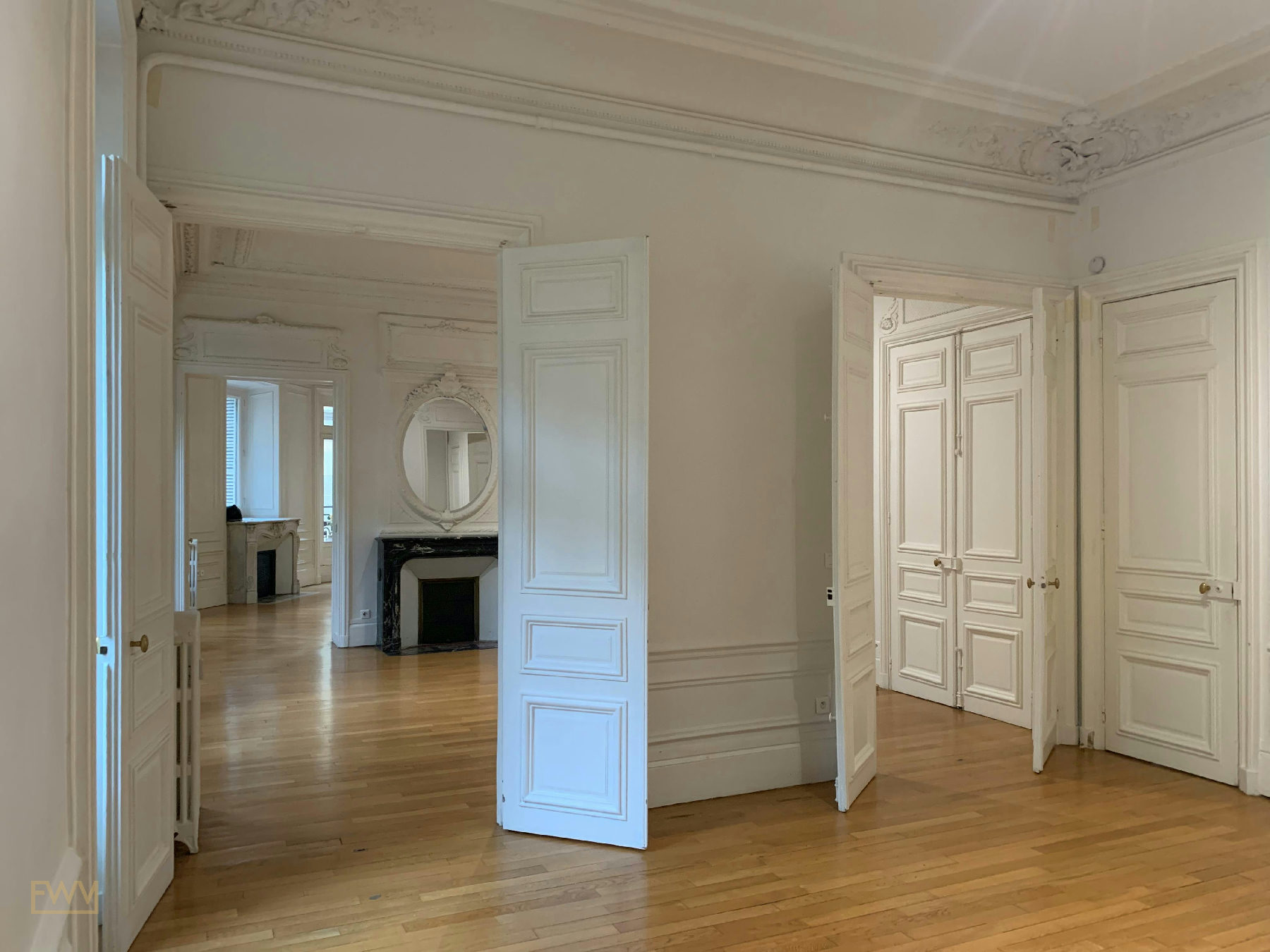
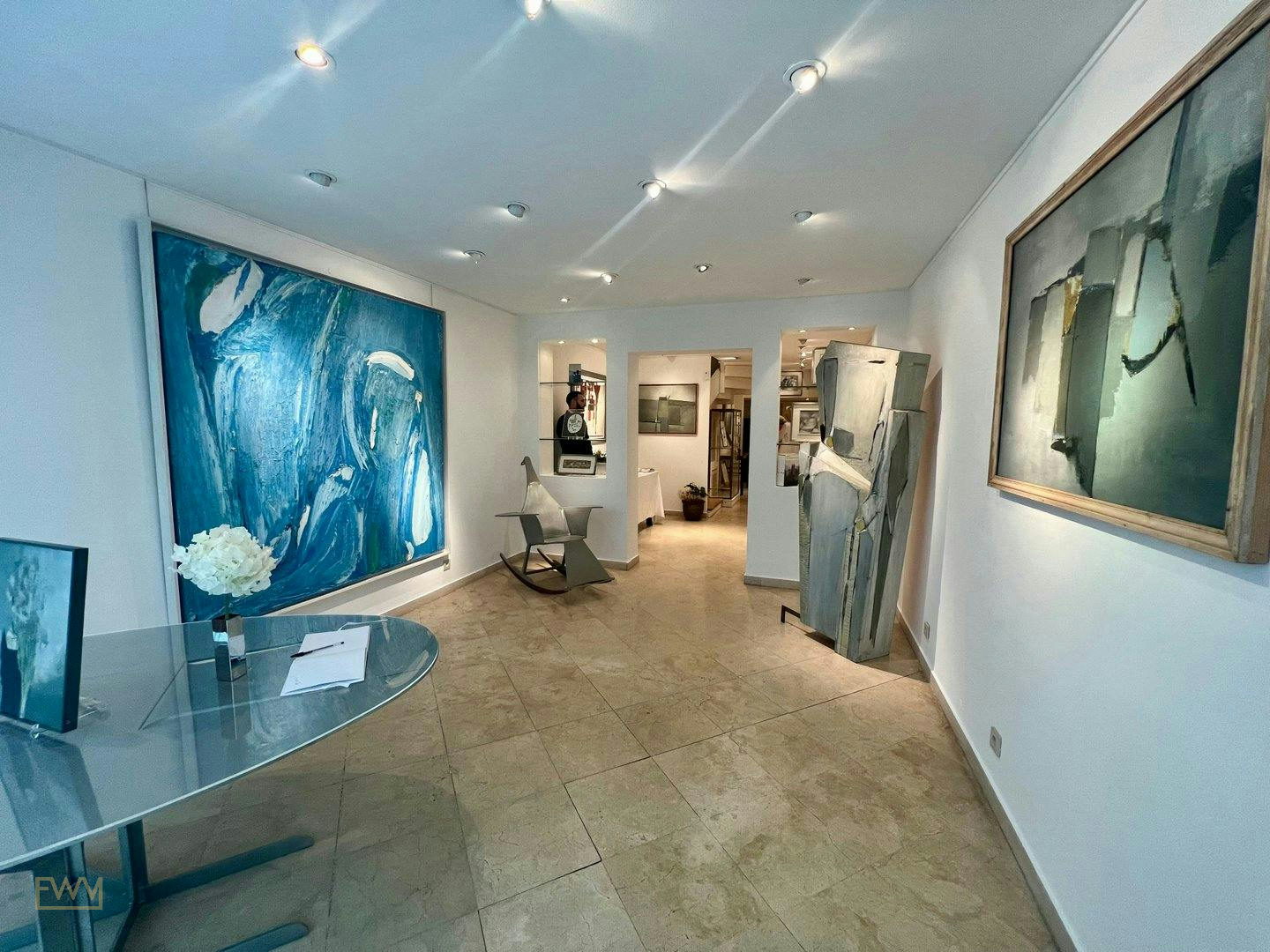
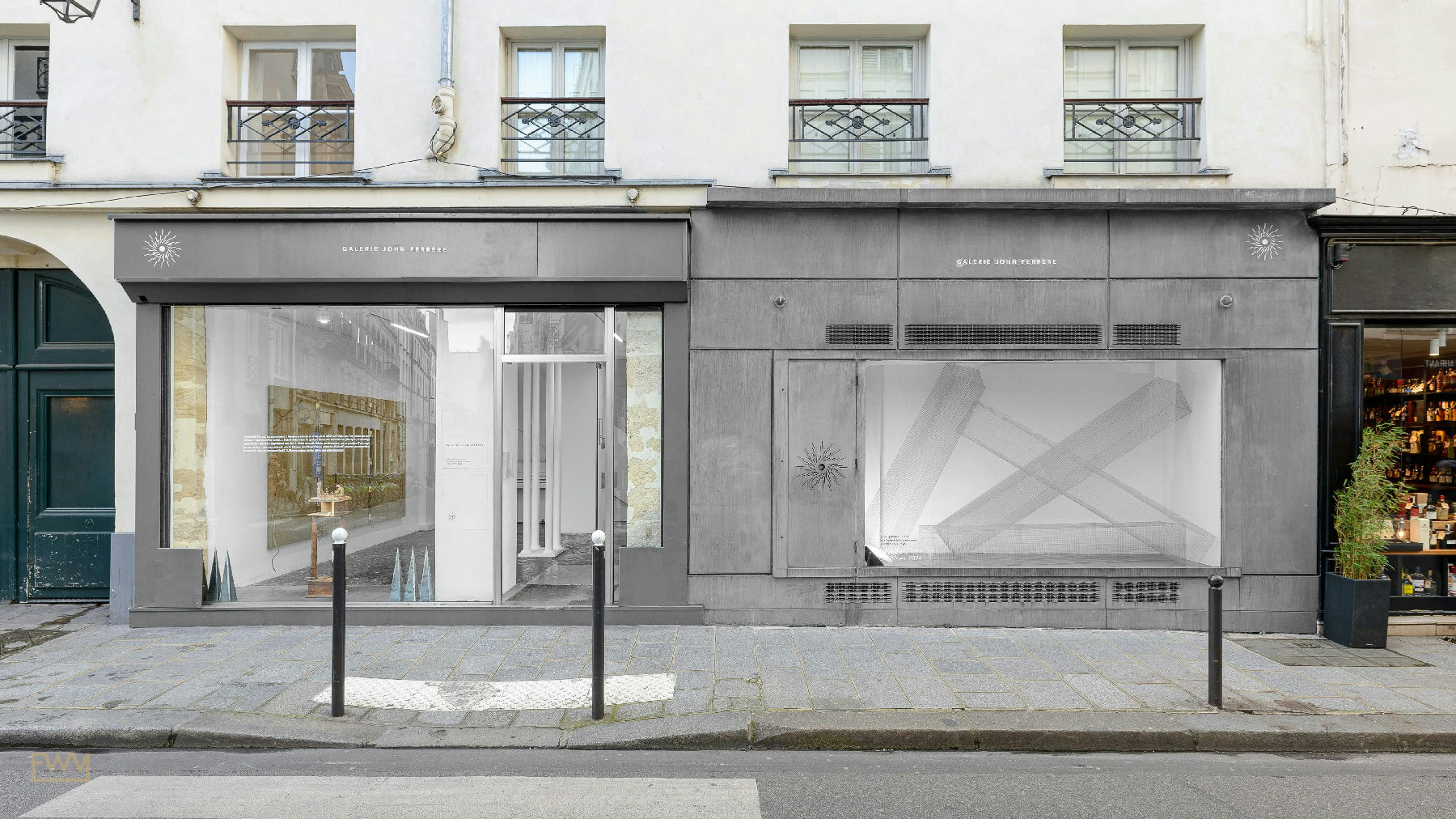
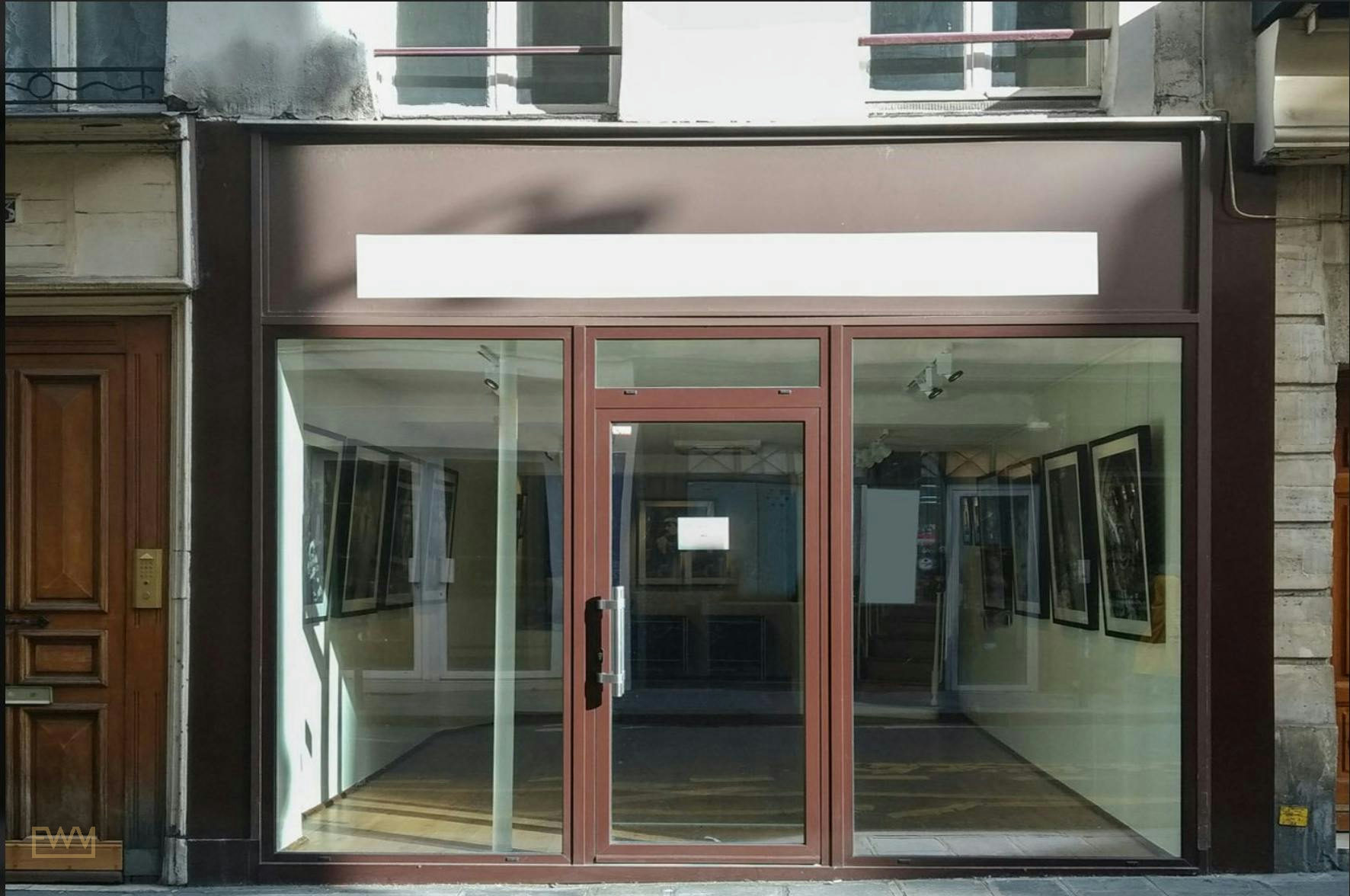
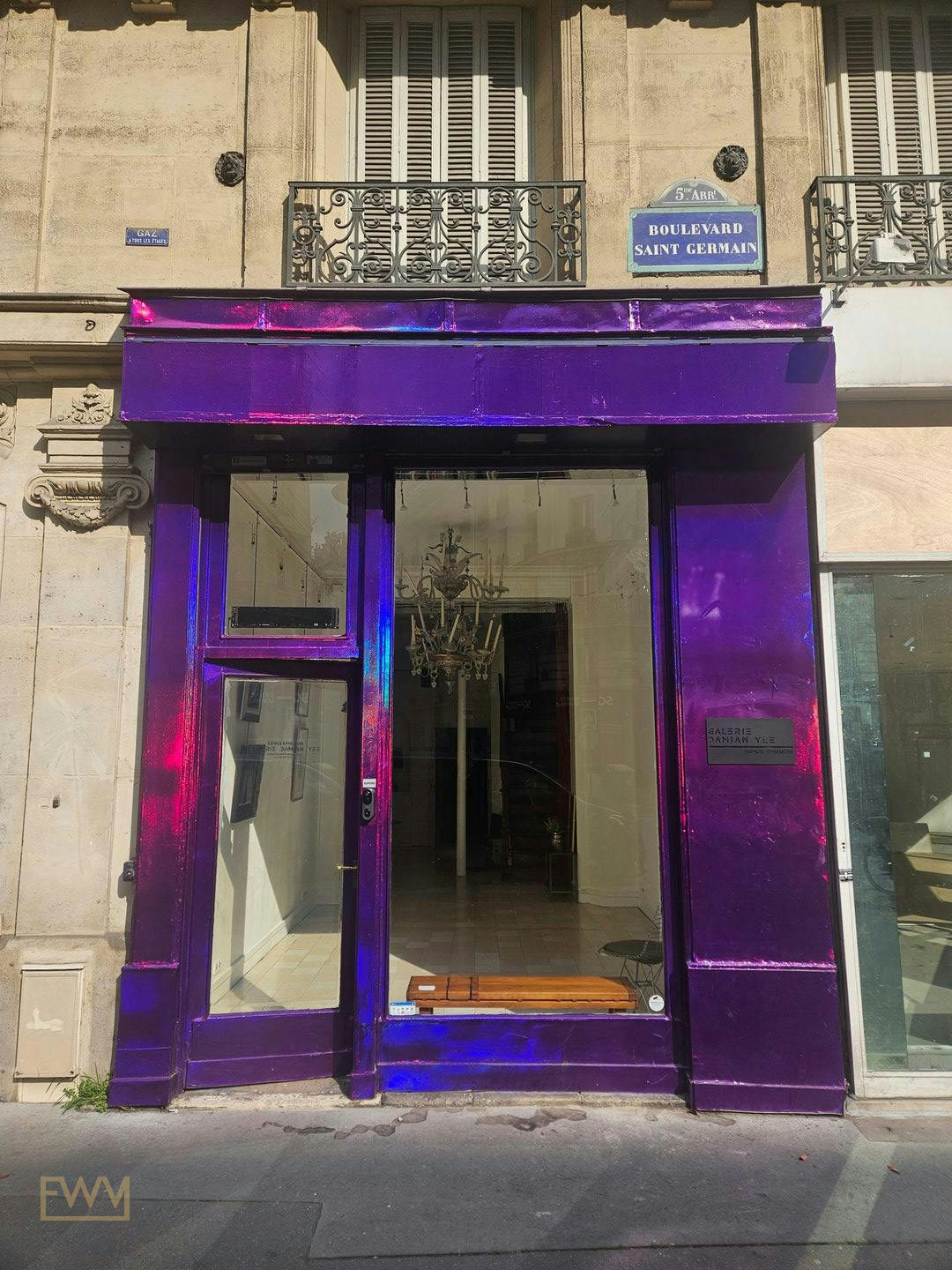
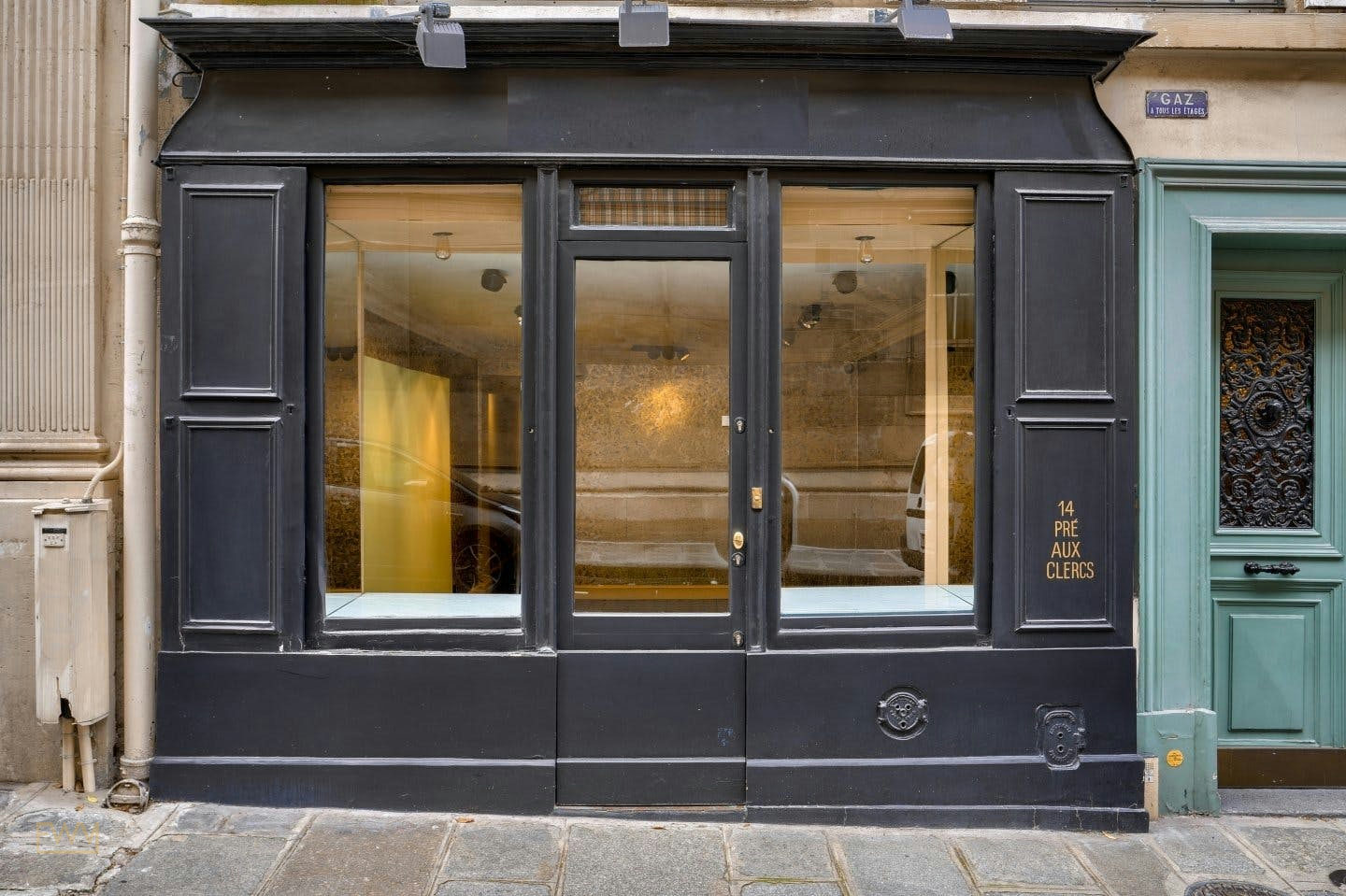
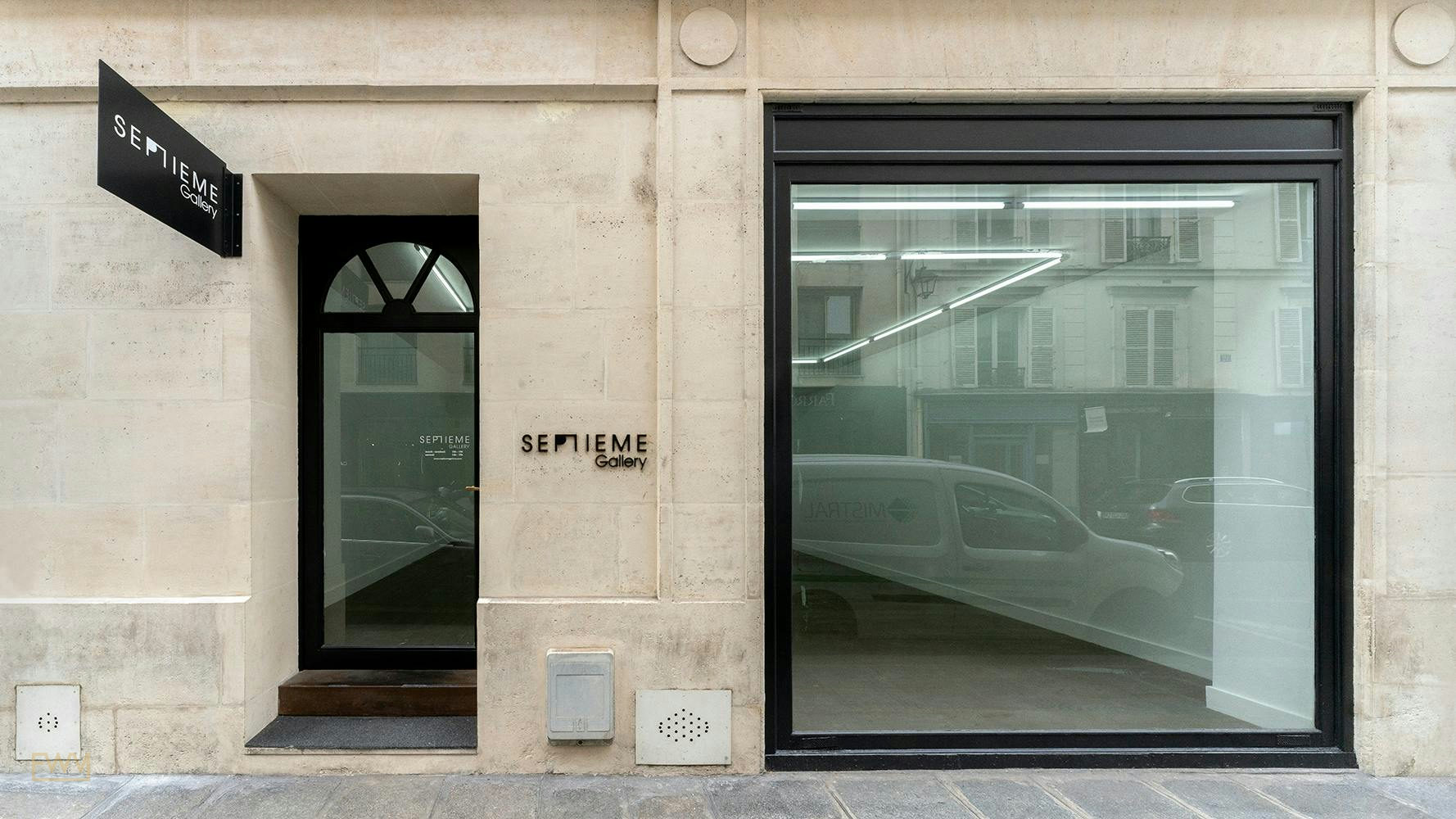
Short term retail in Saint-Germain offers brands one of the most commercially and culturally compelling locations in the world. The 6th arrondissement of Paris, anchored by the historic Boulevard Saint-Germain and bounded by the Seine to the north and the Luxembourg Gardens to the south, draws an exceptional blend of affluent local residents, international luxury shoppers, cultural visitors, and fashion-week crowds. For brands looking to open a pop-up store, showroom, concept store, or art gallery in Paris, Saint-Germain-des-Prés represents a neighbourhood where heritage and commercial ambition coexist at the highest level. Fashion Week Venues supports brands activating across Paris, with dedicated expertise in sourcing, producing, and managing short-term retail spaces throughout the city's most prestigious neighbourhoods, including Saint-Germain.
Why Short Term Retail in Saint-Germain Commands Attention from Global Brands
Quick answer: Saint-Germain-des-Prés is one of Paris's most commercially productive neighbourhoods for short-term retail because it combines consistent foot traffic from luxury shoppers, international tourists, and cultural visitors with a neighbourhood identity that adds credibility to brand activations. Spaces here range from intimate gallery lofts to full-floor boutique venues.
Saint-Germain-des-Prés has defined Parisian intellectual and cultural life for centuries. Long before it became one of the most commercially valuable retail destinations in Europe, the neighbourhood was the gathering ground of Jean-Paul Sartre, Simone de Beauvoir, Boris Vian, and Jean-Luc Godard, who convened at Café de Flore and Brasserie Lipp to argue, write, and define the postwar cultural moment. That history did not leave the neighbourhood. It saturated it. Walking through Saint-Germain today means passing bookshops, independent galleries, jazz clubs, and literary cafés alongside Giorgio Armani, Louis Vuitton, Alexander McQueen, Jimmy Choo, Kenzo, Sézane, and Sandro. The neighbourhood holds both registers simultaneously, and that is precisely what makes it so valuable for short-term brand activations.
Unlike Rue Saint-Honoré in the 1st arrondissement, which signals pure luxury prestige, or Montmartre in the 18th, which carries an artistic bohemian identity, Saint-Germain operates as a cultural crossroads. A brand can open a pop-up store here that speaks to fashion and design simultaneously. A concept store in an 18th-century Haussmann building on Boulevard Saint-Germain carries instant architectural credibility. A showroom tucked into a courtyard on Rue Mazarine or Rue Dauphine feels simultaneously discreet and curated. That duality of expression is rare, and global brands have taken consistent notice.
The neighbourhood benefits from genuinely diverse foot traffic. Le Bon Marché, the storied department store on Rue de Sèvres, draws luxury shoppers from across Paris and from international visitor groups year-round. La Grande Épicerie de Paris, adjacent to Le Bon Marché, attracts a refined food and lifestyle audience. Ladurée's Saint-Germain presence pulls visitors seeking a quintessentially Parisian experience. Diptyque's flagship on Boulevard Saint-Germain is one of the most photographed retail frontages in Paris. Merci, the concept store on Boulevard Beaumarchais just outside the core, and Empreintes, the French craft retailer on Rue Beaubourg, reflect a growing appetite among the Saint-Germain customer base for considered, design-led, and sustainably-sourced products.
For short-term retail purposes, this translated foot traffic matters enormously. A pop-up store or showroom that would take weeks to build an audience in a lesser neighbourhood can benefit immediately from the existing pedestrian rhythms of Saint-Germain. Visitors walking between Rue de Seine and Rue de Lille, crossing from the Luxembourg Gardens toward the Seine, or stopping along Boulevard Saint-Germain for French wine or macaroons are already in a purchasing mindset. The neighbourhood's natural circuit through galleries, boutique perfumeries, interior design shops, and concept stores means that a well-located pop-up can capture genuinely qualified commercial traffic from day one.
The proximity to the Seine and the Île de la Cité also extends the neighbourhood's reach. Brands arriving during Paris Fashion Week often locate events across the 6th and 7th arrondissements simultaneously, treating Saint-Germain as the southern anchor of a broader Left Bank activation strategy. The Hôtel Bel Ami, situated on Rue Saint-Benoît, serves as one of the neighbourhood's social hubs for fashion week visitors. The presence of Assouline, Deyrolle, and Charlotte Bialas in the neighbourhood further reinforces the image-conscious consumer base that global brands seek to reach through a well-executed pop-up.
DID YOU KNOW: Saint-Germain-des-Prés takes its name from a Benedictine abbey founded in the 6th century, which makes it one of the oldest continuously inhabited districts in Paris. Its Neolithic origins mean that cultural layers go back thousands of years beneath what is now one of Europe's most commercially productive retail streets.
KEY TAKEAWAY: Saint-Germain-des-Prés offers short-term retail brands a rare convergence of high foot traffic, luxury brand proximity, cultural credibility, architectural beauty, and neighbourhood identity. These combined factors consistently produce strong commercial and brand-awareness outcomes for pop-up stores and showroom activations.
Understanding why brands choose Saint-Germain is the starting point. The next critical question is which specific streets and locations within the neighbourhood best match different brand profiles and activation types.
Saint-Germain Geography: Streets, Locations, and Neighbourhoods for Pop-Up Retail
Quick answer: The best streets for short-term retail in Saint-Germain-des-Prés depend on your brand profile. Boulevard Saint-Germain suits high-visibility flagship activations. Rue de Seine and Rue Mazarine suit gallery-adjacent and design-led brands. Rue Dauphine and Rue de Lille offer more intimate, curated settings with strong neighbourhood credentials.
Saint-Germain-des-Prés sits within the 6th arrondissement of Paris, on the Left Bank of the Seine. Its northern boundary runs along the river, giving it a natural edge that frames the neighbourhood geographically and culturally. To the south, the Luxembourg Gardens provide a quiet counterpoint to the commercial energy of the boulevards. This geography creates distinct micro-zones within the neighbourhood, each with its own commercial character and visitor profile.
Boulevard Saint-Germain
The main artery of the neighbourhood, Boulevard Saint-Germain runs east to west through the 6th arrondissement and connects Saint-Sulpice to the east with the heart of the Latin Quarter further east. The boulevard is lined with a mix of luxury fashion boutiques, flagship concept stores, international beauty brands, and iconic cafés including Café de Flore and Brasserie Lipp. For brands seeking maximum visibility and direct competition with established luxury retail neighbours, the boulevard itself is the natural focus. Citypharma, one of Paris's most visited pharmacies for cosmetics, draws enormous foot traffic from both local residents and international tourists specifically seeking French beauty and skincare products. A pop-up store at ground level on the boulevard benefits from one of the highest pedestrian volumes in the arrondissement.
Rue de Seine and Rue Mazarine
Running north from Boulevard Saint-Germain toward the Seine, Rue de Seine and the parallel Rue Mazarine form the heart of Saint-Germain's gallery district. This is where independent galeries d'art, design studios, and art bookshops cluster. For brands in fashion, art, design, jewellery, or lifestyle categories seeking an editorial rather than purely commercial tone, these streets offer venues that carry inherent curatorial credibility. A showroom on Rue de Seine reads differently to a showroom on the boulevard. It signals selectivity and creative intent. Many of the spaces available here are former gallery spaces or artist studios, with track lighting, white walls, and polished concrete floors that translate directly into compelling pop-up environments.
Rue Dauphine and Rue de Lille
Rue Dauphine, running north toward Pont Neuf, and Rue de Lille, further west toward the 7th arrondissement, offer a quieter but no less prestigious register. These streets attract a more residential and local Parisian clientele alongside discerning international visitors who already know the neighbourhood well. La Dernière Goutte, the celebrated wine shop, operates nearby, attracting visitors interested in French wine, natural wine, and gourmet gifts. Compagnie des Vins Surnaturels, the celebrated wine bar and restaurant, reflects the neighbourhood's appetite for elevated food and drink experiences. A pop-up store or showroom on these streets benefits from proximity to an audience of cultured, high-spending residents and visitors who respond well to considered brand storytelling.
Around Saint-Sulpice
The area around the Place Saint-Sulpice is anchored by the magnificent Saint-Sulpice church, one of the largest in Paris, and surrounded by a concentration of luxury boutiques, boutique perfumeries, and interior design shops. Boutique Saint-Sulpice is a commercial area in its own right. Brands in fragrance, interior design, jewellery, and fashion find particularly receptive audiences here. The area connects naturally to Rue de Rennes and the routes toward Le Bon Marché.
Le Bon Marché Proximity
Brands activating in the southern part of the 6th arrondissement, near Le Bon Marché and La Grande Épicerie, benefit from the luxury department store's gravitational pull. Le Bon Marché is itself a destination shopping experience, and the streets around it, including sections of Rue de Sèvres extending toward the 7th, carry the commercial energy of an established luxury retail destination. A pop-up store or showroom within a few minutes walk of Le Bon Marché positions itself naturally in the luxury shopping circuit of any visitor to the neighbourhood.
TIP: When evaluating Saint-Germain spaces, consider the walking circuit your target customer actually follows. A fashion brand targeting visiting buyers during Paris Fashion Week might prioritise proximity to showroom clusters on the Left Bank, while a lifestyle brand targeting local Parisians might prioritise the residential streets around Luxembourg or Saint-Sulpice.
| Street or Area | Character | Best For | Foot Traffic Profile |
|---|---|---|---|
| Boulevard Saint-Germain | High-visibility luxury | Flagship pop-ups, beauty, fashion | High, mixed tourist and local |
| Rue de Seine | Gallery and art district | Design, art, editorial fashion | Medium, culturally engaged |
| Rue Mazarine | Creative and independent | Concept stores, design brands | Medium, local and informed visitor |
| Rue Dauphine | Residential and curated | Lifestyle, gourmet, showrooms | Lower, highly qualified |
| Around Saint-Sulpice | Luxury and fragrance | Perfume, jewellery, interior design | Medium-high, destination visitors |
| Near Le Bon Marché | Luxury department store orbit | Fashion, accessories, lifestyle | High, luxury shopping intent |
KEY TAKEAWAY: Saint-Germain is not a single retail environment but a sequence of micro-zones, each with a distinct character. Selecting the right street for your brand profile and activation type significantly affects the commercial and brand outcome of a short-term retail space in the neighbourhood.
With a clear picture of where to activate, the next practical question is what types of spaces are available and how different formats serve different brand purposes.
Types of Short-Term Retail Spaces Available in Saint-Germain
Quick answer: Saint-Germain offers a wide range of short-term retail space formats including street-level boutique spaces, gallery lofts, showroom suites, concept store formats, courtyard spaces, and upper-floor event venues. The physical character of each space type significantly shapes the brand experience a pop-up can deliver.
The built fabric of Saint-Germain-des-Prés reflects centuries of architectural change. Pre-Haussmann buildings with stone facades and original timber floors sit alongside Haussmann-era apartment blocks and 20th-century commercial conversions. This variety produces a range of spatial types that serve different brand and activation needs.
Gallery Spaces and Galeries d'Art
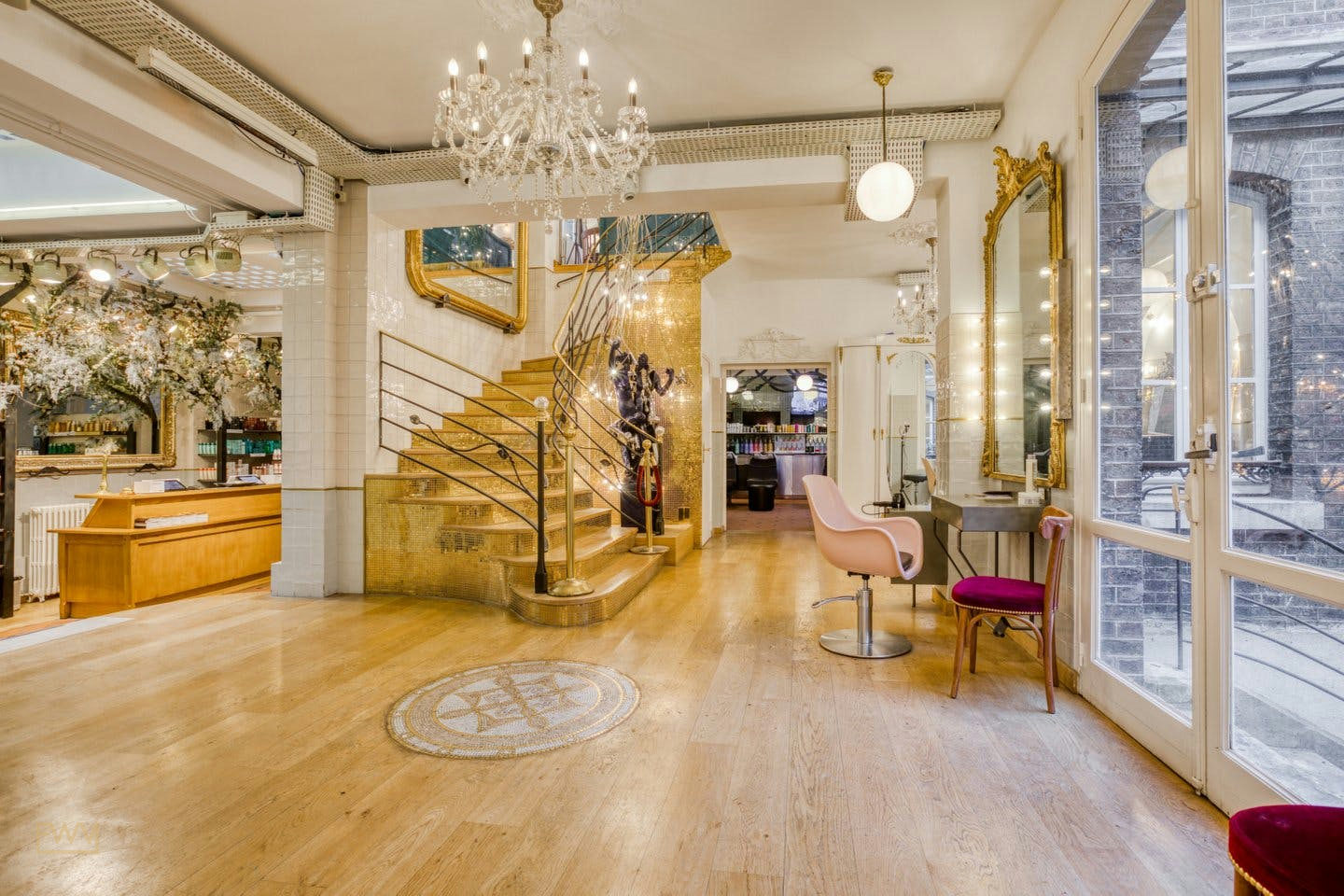
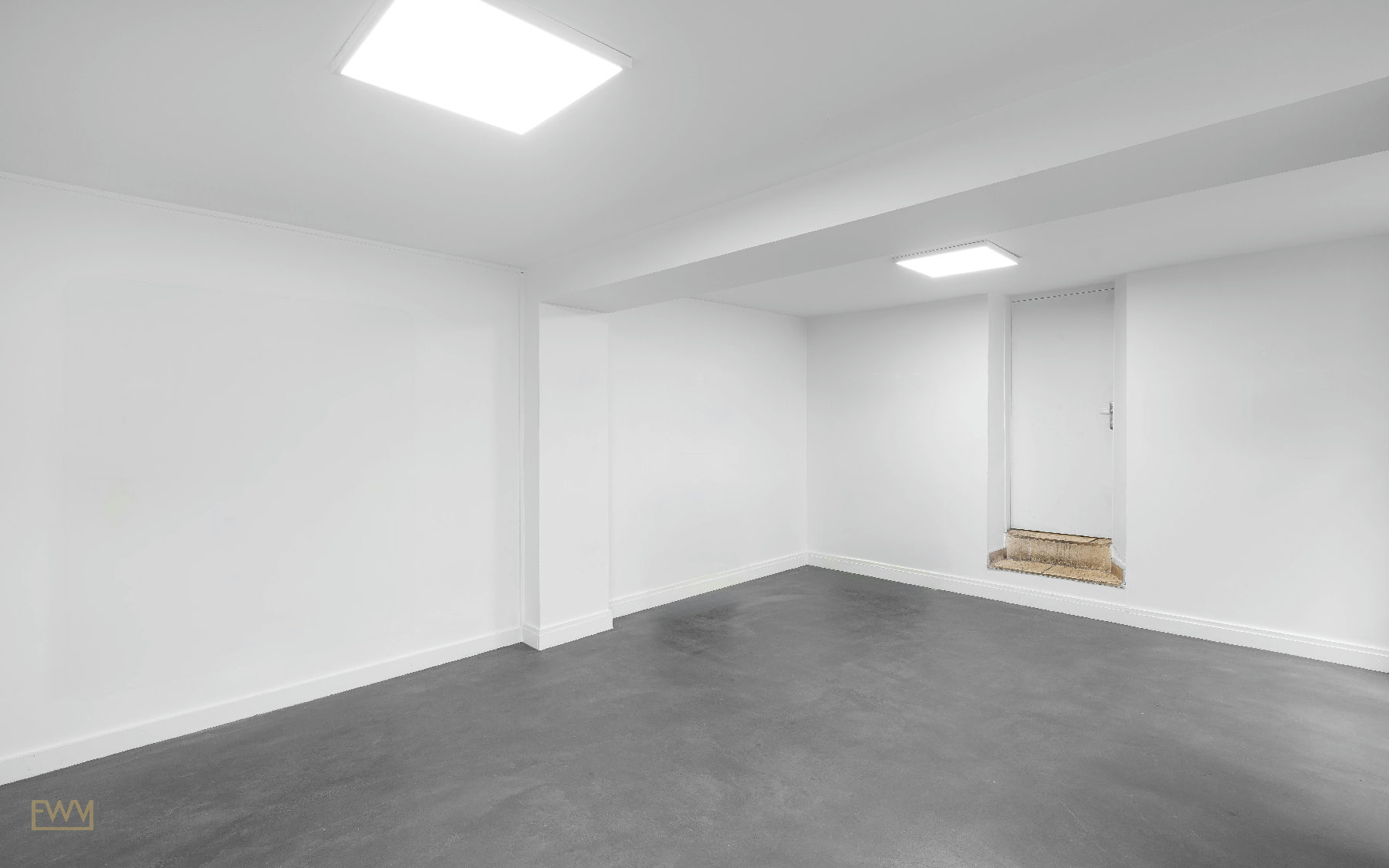
Former gallery spaces and galeries d'art are among the most sought-after short-term retail formats in Saint-Germain. Typically found along Rue de Seine, Rue Mazarine, and the side streets running toward the Seine, these spaces often feature white walls, track lighting, polished concrete or oak parquet floors, and generous ceiling heights. They translate immediately into compelling retail environments for fashion, jewellery, art, and design brands. Because they are already conditioned for public exhibitions and footfall, the fit-out requirements for a temporary brand activation are often significantly lower than for a raw commercial space.
Street-Level Boutique Storefronts
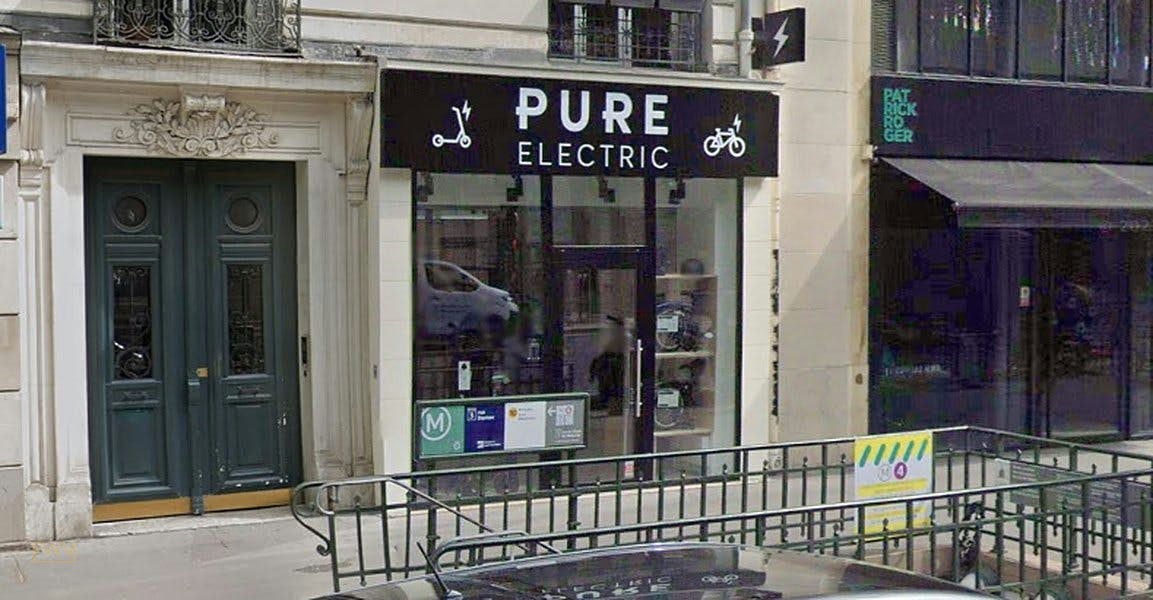
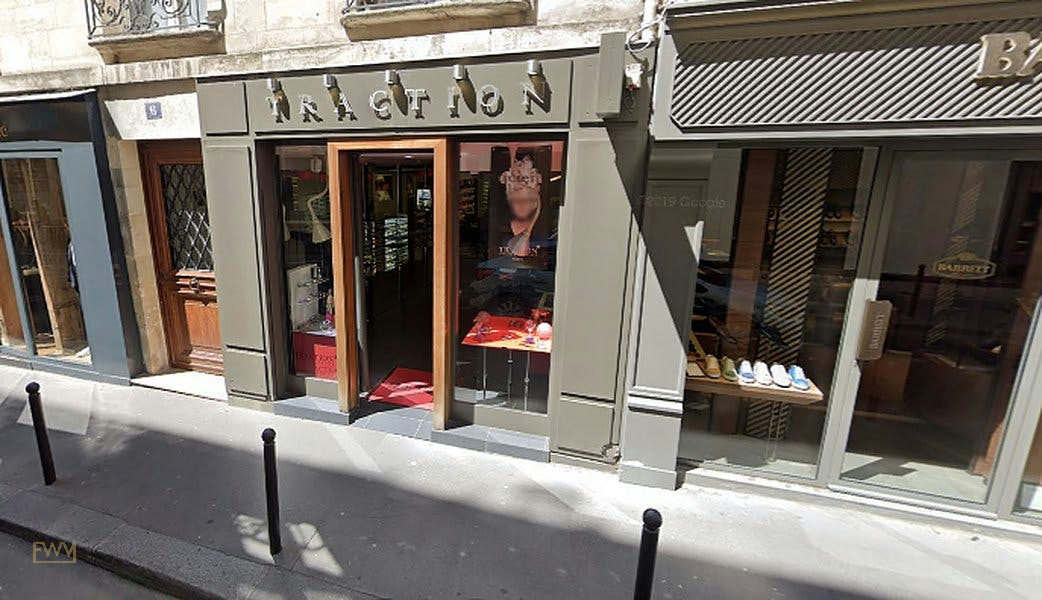
The most commercially direct space type, a street-level boutique storefront on Boulevard Saint-Germain or one of the key side streets places a brand in direct conversation with the neighbourhood's established luxury retail landscape. Window display visibility is a critical commercial asset in this format. Brands that invest in window shop design, with considered visual merchandising and a clear brand story told from the exterior, capture passing pedestrian attention effectively. The Storefront format, whether a standalone boutique or a loft-style retail unit, works particularly well for fashion, cosmetics, beauty, and lifestyle brands with strong visual identities.
Showroom Spaces
Showroom spaces in Saint-Germain, typically on upper floors of Haussmann buildings or in courtyard-facing ground-floor units, serve brand teams hosting buyers, press, and wholesale clients during Paris Fashion Week and other trade periods. These spaces prioritise controlled visitor access, presentation quality, and the ability to hold appointments and small events simultaneously. A showroom in Saint-Germain carries a Left Bank credibility that a showroom in a business district does not.
Concept Store Formats
Brands seeking to present a broader lifestyle narrative rather than a single product category often look for concept store formats: larger floor plates, typically above 100 square metres, with the flexibility to combine retail, display, event, and hospitality functions within one space. These spaces work well for multi-brand collaborations, editorial-style activations, and brands that want to stage immersive experiences rather than straightforward transactional retail.
Loft and Upper-Floor Spaces
Upper-floor loft spaces, accessible by appointment or during scheduled open periods, offer brands a private and architecturally distinctive setting. These spaces work particularly well for high-value product presentations, jewellery showrooms, fragrance launches, and activations where the intimacy of the setting is part of the brand experience. Wood-panelled rooms in 17th and 18th-century buildings in Saint-Germain carry a specific Parisian residential aesthetic that communicates heritage and exclusivity without requiring significant additional investment in decor.
DID YOU KNOW: Many of the most memorable pop-up activations in Saint-Germain have taken place in spaces that are not purpose-built for retail at all. Former artist studios, private apartments converted for temporary use, and historic courtyard spaces have hosted major brand launches and press events precisely because their non-commercial character adds narrative and photographic interest.
| Space Type | Typical Features | Best Brand Uses | Relative Fit-Out Need |
|---|---|---|---|
| Gallery Space | White walls, track lighting, high ceilings | Fashion, art, jewellery, design | Low to medium |
| Street-Level Boutique | Shop window, pedestrian visibility | Fashion, beauty, lifestyle | Medium |
| Showroom Suite | Controlled access, appointment format | Wholesale, press, buyer events | Low to medium |
| Concept Store | Large floor plate, multi-zone | Multi-brand, immersive retail | Medium to high |
| Loft or Upper Floor | Period features, private feel | Fragrance, jewellery, VIP events | Low |
KEY TAKEAWAY: The space type you choose in Saint-Germain shapes the brand experience your activation delivers. Gallery and loft spaces offer inherent aesthetic value with lower fit-out investment, while street-level boutiques and concept store formats offer maximum commercial visibility and versatility.
Understanding the space types available leads directly to the practical questions of rental duration, timing, permits, and the business operations that make a short-term retail space in Saint-Germain function effectively.
Rental Duration, Timing, and the Paris Fashion Week Calendar
Quick answer: Short-term retail in Saint-Germain can range from a single week to six months. Most brand activations during Paris Fashion Week run for one to three weeks. For maximum commercial impact aligned with the fashion industry calendar, brands typically target October, January, February, and March.
One of the most important strategic decisions a brand makes when planning a short-term retail activation in Saint-Germain is when to activate and for how long. These decisions interact directly with space availability, rental cost, staffing requirements, permit timelines, and the competitive landscape within the neighbourhood.
Paris Fashion Week and the Seasonal Calendar
Paris Fashion Week runs twice annually: in September and October for Spring/Summer collections, and in January and February for Autumn/Winter collections. The fashion week periods represent the highest-demand calendar windows for short-term retail space in Saint-Germain, with significant competition for premium spaces in the weeks leading up to and during the main show schedule. Brands entering the space market during these windows should begin their search and booking process significantly earlier than they might for other periods. A brand that begins sourcing a space six weeks before Paris Fashion Week will face a substantially more limited selection than one that starts four to six months in advance.
Beyond fashion week itself, the broader autumn-winter season from October to December and the spring season from March to June offer productive windows for short-term retail in Saint-Germain. The neighbourhood draws strong tourist and resident traffic year-round, with the Christmas and New Year period representing an additional high-demand retail window.
Ideal Duration for Different Activation Types
A showroom serving trade buyers and press during Paris Fashion Week may only require two to three weeks of rental. A consumer-facing pop-up store targeting holiday traffic may benefit from a longer run of four to eight weeks. A concept store activation tied to a product launch or brand campaign might target a precisely defined run of three to four weeks, long enough to generate media coverage and consumer engagement but short enough to preserve the scarcity and urgency that drives short-term retail traffic.
Brands activating for the first time in Saint-Germain often underestimate the build time required at either end of the rental period. A space rented for three weeks of public trading may require three to five additional days at the start for fit-out and two to three days at the end for strike. These days must be factored into both the rental agreement and the overall budget. The timeline planning tool from Fashion Week Venues helps brands map activation phases accurately so that no stage of the process is compressed by poor planning.
Booking Lead Times
For Paris Fashion Week windows, a lead time of four to six months is strongly recommended for premium spaces in Saint-Germain. For off-peak periods, a lead time of six to ten weeks is typically sufficient for most space types, though exceptional spaces in ideal locations may be reserved further in advance. Brands relying on a specific address or space type for a campaign-critical activation should begin the sourcing process as early as their campaign planning schedule allows.
IMPORTANT: Do not assume that Paris Fashion Week is the only viable activation window for Saint-Germain. The neighbourhood's consistent foot traffic and affluent customer base make it commercially productive across all seasons. Brands activating outside the fashion week windows often face lower space costs, greater availability, and less competition for consumer attention from simultaneous brand activations in the area.
KEY TAKEAWAY: Timing a short-term retail activation in Saint-Germain requires balancing the commercial opportunity of peak calendar windows against competition for premium spaces and the associated lead times. Early sourcing and a clearly defined duration that accounts for build and strike days are essential for any activation to run smoothly.
To compare neighbourhoods and space types, explore the Paris city hub on Fashion Week Venues and shortlist spaces that match your brief, budget, and calendar window.
Permits, Compliance, and Legal Considerations for Short-Term Retail in Paris
Quick answer: Short-term retail in Paris typically operates under a bail dérogatoire, a short-term lease agreement under French commercial law that differs significantly from a standard commercial bail. Depending on the nature of the activation, brands may also require an Autorisation d'Occupation Temporaire for outdoor or semi-public space use. Requirements vary and verification with a French legal advisor is essential.
Brands approaching short-term retail in Saint-Germain for the first time frequently underestimate the complexity of the French legal and regulatory framework governing temporary commercial occupation. This is not a bureaucratic detail. It is a fundamental operational consideration that can affect the timing, cost, and legality of an entire activation.
The Bail Dérogatoire
French commercial law does not directly accommodate casual short-term leases in the way that some other markets do. The standard commercial bail in France carries statutory protections for the tenant that make it unsuitable for short-term retail arrangements from a landlord's perspective. The bail dérogatoire is the established legal mechanism for short-term commercial occupation. It allows landlords and tenants to agree on a temporary occupation of up to 36 months without triggering the protections of a standard commercial lease. For short-term retail purposes, bail dérogatoire agreements are typically arranged for durations of one week to twelve months.
The bail dérogatoire must be correctly drafted and signed before the tenant takes occupation. Brands should not assume that an informal agreement with a landlord constitutes sufficient legal protection. The specific obligations of both parties, including insurance requirements, restoration obligations, and permitted use clauses, must be clearly defined in the agreement. Working with a French legal advisor or a specialist agency familiar with Paris short-term rental arrangements is strongly recommended.
Autorisation d'Occupation Temporaire
If a brand activation involves use of public space outside the leased premises, including pavement terraces, outdoor display structures, or street-facing installations, an Autorisation d'Occupation Temporaire may be required from the relevant local authority. The requirements for an AOT vary by arrondissement and by the nature of the intended outdoor use. The 6th arrondissement has specific urban planning rules that affect the appearance and scale of commercial signage and exterior modifications. Brands planning any external branding, signage, or structural intervention on a Saint-Germain building facade should verify requirements with the appropriate authority well in advance of activation.
Insurance and Liability
Short-term retail spaces in Paris typically require the tenant to hold valid liability insurance for the duration of occupation, including the build and strike periods. Landlords and managing agents will typically require proof of insurance before handing over keys. Brands without an existing French liability policy will need to arrange cover specifically for the activation period. This is not complex, but it must be organised in advance and confirmed before the first access date.
Non-EU Brand Considerations
Brands based outside the European Union frequently ask whether they need a French legal entity to rent a space in Paris. This is addressed directly in the myth-busting section below. In summary, many short-term retail arrangements do not require a French entity, but the specifics depend on the nature of the agreement and the landlord's requirements. A specialist agency can navigate this on behalf of the brand in many circumstances.
Non-EU tourists shopping in Saint-Germain are entitled to a VAT refund on qualifying purchases above the applicable threshold, subject to conditions. Systems such as Zapptax and the PABLO kiosk at major Paris airports facilitate this process, with Travel Light Paris and similar services assisting visitors with the physical logistics of carrying and shipping purchases. Brands opening pop-up stores in Saint-Germain that target international tourist customers should ensure their point-of-sale system can generate the required detaxe documentation. For permit-related guidance specific to your planned activation, the permits tool from Fashion Week Venues provides a useful starting framework, though verification with a qualified French legal advisor remains essential.
IMPORTANT: Permit and compliance requirements for short-term retail in Paris vary by space type, activation format, arrondissement, and duration. Nothing in this guide constitutes legal advice. Always verify your specific situation with a qualified French legal advisor before signing any rental agreement or beginning any build or exterior modification.
KEY TAKEAWAY: The legal and permit framework for short-term retail in Paris is specific and requires careful navigation. The bail dérogatoire is the primary legal mechanism for temporary commercial occupation. Brands should engage specialist guidance before committing to any space, particularly for first-time activations in Paris.
Budget Planning for a Pop-Up Store or Showroom in Saint-Germain
Quick answer: Budget planning for short-term retail in Saint-Germain must account for space rental, fit-out production, brand design, furniture, staffing, logistics, insurance, and permit fees. Costs vary significantly by space size, location quality, duration, and activation complexity. Directional estimates should be built from a detailed brief rather than generic benchmarks.
Brands planning their first short-term retail activation in Saint-Germain frequently approach the budgeting process with a single figure in mind: the space rental cost. In practice, the space rental represents only one component of the total activation budget, and in many cases not the largest one. A realistic budget framework for a Saint-Germain pop-up or showroom activation covers several distinct cost categories.
Space Rental
Short-term retail spaces in Saint-Germain command a premium relative to many other Paris neighbourhoods, reflecting the neighbourhood's commercial positioning, foot traffic quality, and architectural desirability. Rental costs vary by space size, specific location, duration, and market conditions at the time of booking. The most desirable spaces on Boulevard Saint-Germain or with direct frontage on a prime side street will carry higher costs than equivalent spaces in less prominent locations. Brands should avoid building their budget around a single assumed figure before they have received specific quotes for spaces that match their brief. The budget estimation tool from Fashion Week Venues provides a useful starting framework for building a realistic cost model based on space parameters and activation type.
Fit-Out and Production
The cost of fitting out a temporary retail space in Saint-Germain depends heavily on the condition and character of the space and the complexity of the brand's design ambitions. A gallery space with white walls and track lighting that requires minimal modification will cost significantly less to fit out than a raw commercial unit requiring full fixtures, lighting, flooring, and wall treatments. Build and production costs also include logistics, waste removal, and the reinstatement of the space to its original condition at the end of the activation. Working with an experienced production team familiar with Paris regulations and the specific requirements of Saint-Germain landlords reduces the risk of unexpected costs at the end of the activation.
Staffing
A consumer-facing pop-up store in Saint-Germain requires French-speaking retail staff with a strong knowledge of the brand and the ability to manage transactions, customer relationships, and brand storytelling simultaneously. A showroom requires staff capable of managing buyer and press appointments professionally. In both cases, staffing is a significant recurring cost across the activation period and should not be treated as an afterthought in the overall budget. Retail staffing is one of the services offered by Fashion Week Venues for brands activating in Paris.
Point of Sale, Payments, and VAT Compliance
A transactional pop-up store requires a point-of-sale system capable of processing payments in euros, generating VAT receipts, and, for brands targeting international tourists, issuing the detaxe documentation required for VAT refund claims. The PABLO kiosk system used at French airports requires detaxe forms to be in a specific format. Brands selling to non-EU tourists in Paris should verify their POS configuration before opening.
Building a Realistic Total Budget
The most common budgeting error brands make when planning short-term retail in Saint-Germain is allocating the majority of their budget to space rental and underestimating everything else. A realistic total budget for a well-executed Saint-Germain pop-up activation should include space rental, fit-out production and design, furniture and fixtures, staffing for the full activation period, insurance, marketing and influencer activity, logistics, and a contingency allowance. The ROI calculation tool from Fashion Week Venues helps brands model expected returns against projected total investment across multiple scenarios.
TIP: When comparing spaces at different price points, calculate the cost per day per square metre rather than the total rental fee. This normalises the comparison across spaces of different sizes and durations and makes the relative value of each option clearer.
KEY TAKEAWAY: A realistic budget for short-term retail in Saint-Germain covers multiple cost categories beyond space rental. Building a detailed cost model from a specific brief is essential before committing to a space, and directional tool-based estimates should always be validated against real market quotes.
Saint-Germain's Retail Landscape: Brands, Institutions, and Cultural Context
Quick answer: Saint-Germain-des-Prés is home to an exceptional concentration of luxury fashion boutiques, independent concept stores, art galleries, gourmet food retailers, fragrance houses, and cultural institutions. Understanding this retail landscape helps brands position their pop-up activation accurately within the neighbourhood's commercial ecosystem.
For brands considering a short-term retail activation in Saint-Germain, the neighbourhood's existing retail landscape is both an opportunity and a competitive context. Being on the same street as Diptyque, Assouline, or Alexander McQueen is a positioning statement in itself. But it also means that the consumer walking past your pop-up has extremely high expectations of visual quality, product calibre, and brand coherence.
Luxury Fashion and Accessories
Saint-Germain-des-Prés hosts a remarkable concentration of established luxury and premium fashion brands. Louis Vuitton, Giorgio Armani, Alexander McQueen, Jimmy Choo, Kenzo, Sézane, and Sandro all have significant presences in the neighbourhood. The proximity of these brands creates a retail environment with a demonstrably affluent and fashion-literate customer base. For pop-up activations in fashion and accessories, this environment is both validating and demanding. Visual merchandising, product presentation, and brand storytelling must meet the standards set by the permanent neighbours.
Design, Books, and Concept Retail
Alongside the luxury fashion axis, Saint-Germain hosts a cluster of design-led and intellectually oriented retailers that are globally referenced. Assouline, the publisher and luxury book retailer, operates a flagship that serves both as a bookshop and as a design and lifestyle destination. Deyrolle, the extraordinary natural history and taxidermy emporium, is one of the most photographed and visited retail spaces in Paris. Merci, while technically in the 3rd arrondissement, draws strongly from the Saint-Germain customer base and reflects the neighbourhood's appetite for concept retail that combines design, food, and cultural programming. Empreintes, the French contemporary craft retailer, represents the neighbourhood's strong engagement with craft, artisanship, and considered sourcing.
Food, Wine, and Gourmet Retail
Saint-Germain's food culture is a commercial asset for pop-up brands in adjacent categories and a defining element of the neighbourhood's identity for all visitors. Le Bon Marché's La Grande Épicerie is one of the finest food halls in Europe, drawing visitors from across Paris and internationally for French wine, gourmet gifts, and artisan food products. Maison Mulot, one of Paris's most respected pâtisseries, is a neighbourhood institution. Ladurée's Saint-Germain location brings significant tourist foot traffic through the western end of the neighbourhood. La Dernière Goutte, the specialist wine shop near Saint-Sulpice, and Compagnie des Vins Surnaturels, the natural wine bar and restaurant, reflect the neighbourhood's deep engagement with French wine culture. Aroma Zone, the essential oils and natural cosmetics retailer, draws a specifically engaged audience interested in sustainably-sourced beauty products.
Cultural Institutions and Intellectual Heritage
The cultural density of Saint-Germain extends beyond retail. The neighbourhood's jazz clubs, including those on Rue Saint-Benoît and the surrounding streets, preserve a musical tradition that dates from the postwar period when Boris Vian and others brought American jazz to Paris's Left Bank. The literary cafés, principally Café de Flore and Brasserie Lipp, remain functioning restaurants and social spaces while serving simultaneously as sites of cultural pilgrimage. Jean-Luc Godard filmed in these streets. Jean-Paul Sartre and Simone de Beauvoir wrote at these tables during and after World War II. This cultural depth is not merely historical. It actively shapes the identity of the neighbourhood and the expectations of the consumers who visit it. Brands that engage with this heritage in their pop-up concept, whether through programming, partnerships, or visual language, consistently find it resonates powerfully with the Saint-Germain audience.
Beauty, Cosmetics, and Fragrance
Saint-Germain has a particularly strong beauty and fragrance retail identity. Diptyque's Boulevard Saint-Germain flagship is a global reference point for fragrance retail experience. Boutique perfumeries throughout the neighbourhood serve customers who prioritise artisan and independent fragrance over mass-market brands. Citypharma, the discount pharmacy, draws enormous foot traffic specifically for French cosmetics, skincare, and pharmacy brands. Brands in the beauty, fragrance, and wellness categories consistently find Saint-Germain a commercially productive environment for pop-up activations.
KEY TAKEAWAY: Saint-Germain's retail landscape is extraordinarily diverse and high-quality. Brands activating here compete for attention with some of the most accomplished permanent retail presences in Paris. This demands a well-executed concept with genuine visual and product quality, but the neighbourhood's qualified consumer base makes the competitive environment commercially rewarding for brands that meet its standards.
Dining, Culture, and the Neighbourhood Experience That Drives Foot Traffic
Quick answer: Saint-Germain's dining and cultural scene is not merely a backdrop to its retail landscape. It is an active driver of foot traffic. Visitors who come to the neighbourhood for French cuisine, jazz, literary cafés, or wine bars extend their visits into shopping and browsing sessions that benefit pop-up stores and showrooms throughout the area.
One of the less obvious commercial advantages of locating a short-term retail space in Saint-Germain is the neighbourhood's extraordinary concentration of dining and cultural experiences. Visitors do not come to Saint-Germain purely to shop. They come for the experience of the neighbourhood as a whole, and that experience-driven visit pattern produces shopping behaviour that is qualitatively different from destination shopping in a purely commercial environment.
Cafés de Flore and Brasserie Lipp
Café de Flore, at the corner of Boulevard Saint-Germain and Rue Saint-Benoît, and Brasserie Lipp, directly opposite, are two of the most visited addresses in Paris. Both remain genuinely functioning and celebrated restaurants and cafés, not museum pieces. Visitors who come to experience these literary cafés move through the neighbourhood on foot, extending their stay and browsing the boutiques, galleries, and pop-up spaces they encounter. For a pop-up store on or near Boulevard Saint-Germain, this ambient pedestrian traffic from cultural visitors represents a meaningful and qualified audience.
Jazz Clubs and Evening Economy
Saint-Germain's jazz clubs, particularly those clustered around Rue Saint-Benoît and the streets running south from the boulevard, draw an evening audience that extends the neighbourhood's commercial day beyond standard retail hours. Brands hosting evening events, private dinners, or exclusive launch parties in their pop-up space benefit from the neighbourhood's established evening social culture. The Hôtel Bel Ami on Rue Saint-Benoît serves as one of the neighbourhood's social anchors for fashion week visitors and international guests, and its proximity to the restaurant and bar cluster makes it a natural epicentre for evening brand programming.
Bistrot des Tournelles and the Restaurant Culture
The density of high-quality restaurants throughout Saint-Germain, from neighbourhood bistros to celebrated gastronomy destinations, sustains a lunch and dinner pedestrian circuit that keeps the streets active throughout the day and into the evening. Visitors lingering over French cuisine and wine naturally extend their neighbourhood exploration into adjacent retail and cultural spaces. Pop-up stores that are positioned along these natural pedestrian circuits benefit from this organic traffic pattern.
The Grande Épicerie and Food Destination Traffic
La Grande Épicerie de Paris is itself a destination that draws visitors from across Paris and internationally. Visitors coming specifically to shop at La Grande Épicerie for gourmet gifts, artisan French products, and exceptional produce routinely spend additional time browsing the surrounding streets. A pop-up store or concept space within walking distance of Le Bon Marché benefits directly from this destination traffic.
KEY TAKEAWAY: Saint-Germain's dining and cultural scene actively extends the dwell time and pedestrian circuits of visitors to the neighbourhood. Brands that align their pop-up location with the natural flow of a neighbourhood visit, including routes between cafés, restaurants, galleries, and hotels, consistently achieve stronger organic foot traffic than brands relying solely on signage and marketing to generate visits.
How Fashion Week Venues Supports Short-Term Retail Activations in Saint-Germain
Quick answer: Fashion Week Venues provides end-to-end support for brands planning short-term retail activations in Saint-Germain and across Paris, covering venue sourcing, concept direction, production, activation management, staffing, POS, and data analytics. Brands can engage the full service or use individual tools independently to build a more informed brief.
Brands approaching short-term retail in Saint-Germain for the first time, or scaling an existing Paris activation strategy, benefit from working with a specialist agency that understands the specific dynamics of the Paris market. Fashion Week Venues operates as a full-service pop-up agency and space marketplace, with Paris as its primary market and Saint-Germain as one of its most active operational areas.
Venue Sourcing
Finding the right space in Saint-Germain requires knowledge of which buildings have landlords open to short-term arrangements, which spaces are available in the calendar windows that align with a brand's launch schedule, and which locations have the physical characteristics, planning history, and neighbourhood positioning that match the brand's concept. The venue sourcing service from Fashion Week Venues applies this market knowledge to deliver a curated shortlist of spaces matched to a brand's specific brief, rather than a generic list of whatever happens to be advertised.
Concept Direction and Branded Store Design
A well-located space in Saint-Germain delivers maximum value when it is activated with a concept and design that genuinely engages the neighbourhood's audience. Fashion Week Venues offers concept direction and branded store design services that translate a brand's identity and campaign objectives into a physical space experience. This includes spatial planning, visual merchandising direction, material selection, and the integration of brand narrative elements throughout the space. For brands using the imagine tool, an initial visualisation of how a space might look and feel with a brand's design language applied can be generated before committing to a specific location.
Production, Build, and Furniture
The production and build service manages the physical transformation of a sourced space into a functioning branded retail or showroom environment. This includes coordinating contractors, managing build timelines, sourcing and installing fixtures and furniture, and ensuring the space is ready for trading on the agreed opening date. Furniture rental is available as a standalone service for brands that have their own build team but need to furnish a space efficiently without the cost and logistics of purchasing or shipping their own furniture for a short-term activation.
Activation Management and Staffing
Once a space is open, activation management covers the day-to-day operation of the pop-up or showroom, including managing trading hours, coordinating events and appointments, overseeing staff performance, and ensuring the space presentation remains at the required standard throughout the activation period. For brands that need qualified French-speaking retail staff or showroom hosts, Fashion Week Venues provides access to trained personnel with relevant retail and brand experience in the Paris market.
Tools for Independent Planning
Brands that prefer to plan elements of their activation independently can use the suite of planning tools available through Fashion Week Venues. The budget tool, ROI calculator, timeline planner, space comparison tool, location tool, and permit guidance tool are all accessible independently and help brands build a more rigorous and informed brief before engaging an agency or approaching a landlord directly. Using these tools early in the planning process significantly reduces the risk of budget overruns, timing miscalculations, and compliance oversights.
For brands considering a co-activation with a complementary brand in the same space, the twin co-activation concept from Fashion Week Venues provides a structured framework for sharing a Saint-Germain space between two compatible brands, reducing individual rental costs while expanding the combined brand experience delivered to visitors.
KEY TAKEAWAY: Fashion Week Venues offers brands a full range of support options for short-term retail in Saint-Germain, from the full end-to-end agency service to individual tools and single-service engagements. The most effective activations typically combine specialist venue sourcing with experienced local production and activation management.
Common Myths About Short-Term Retail in Saint-Germain and Paris
MYTH: You need a French legal entity to rent a short-term retail space in Paris.
FACT: Many short-term retail arrangements in Paris do not require the tenant to have a registered French legal entity. Non-French and non-EU brands have successfully rented spaces in Saint-Germain using their home-country legal entities, supported by appropriate guarantees and insurance. However, the specific requirements vary by landlord, space type, and duration. Working with a specialist agency or French legal advisor helps brands navigate these requirements efficiently without assuming either extreme.
MYTH: Paris Fashion Week is the only viable calendar window for a short-term retail activation in Saint-Germain.
FACT: Paris Fashion Week generates exceptional demand for short-term retail spaces and is a commercially valuable activation window. However, Saint-Germain-des-Prés draws strong foot traffic and a qualified consumer audience throughout the year. Brands activating in the spring, summer, or Christmas periods often find more space availability, lower competition, and in some cases stronger consumer engagement than during the intensely crowded fashion week calendar. The best timing depends on the brand's specific objectives, target audience, and product category.
MYTH: Commission brokers and listing platforms are the only way to find a short-term retail space in Saint-Germain.
FACT: Many of the best short-term retail spaces in Saint-Germain are not listed on public platforms or through commission brokers. They are sourced through direct landlord relationships, neighbourhood knowledge, and specialist agency networks. Brands relying solely on publicly listed spaces are accessing a limited and often unrepresentative subset of what the market actually offers. A specialist agency with direct access to Saint-Germain landlords and managed spaces can surface opportunities that are not available through standard listing searches.
MYTH: Short-term retail leases in Paris are legally straightforward and do not require specialist guidance.
FACT: French commercial law is specific and detailed, and short-term retail arrangements require careful legal structuring to protect both parties. A bail dérogatoire agreement that is incorrectly drafted or executed can create legal and financial risk for both the landlord and the tenant. Permit requirements for commercial signage, outdoor display, and exterior modifications in the 6th arrondissement add further compliance complexity. Brands entering the Paris short-term retail market for the first time should engage qualified French legal guidance as a standard part of their process, not an optional extra.
MYTH: A smaller space in Saint-Germain delivers less commercial impact than a larger space elsewhere in Paris.
FACT: In Saint-Germain, the quality of foot traffic and the calibre of the neighbourhood's consumer base frequently outperform the raw volume numbers of larger but less targeted locations. A 40-square-metre gallery space on Rue de Seine, attracting a precisely qualified audience of fashion buyers, press, and culturally engaged consumers, can deliver stronger commercial and brand-awareness outcomes than a 200-square-metre space in a less prestigious or less well-matched neighbourhood. Size is one factor. Audience quality and neighbourhood fit are equally important.
Frequently Asked Questions About Short-Term Retail in Saint-Germain
Is Saint-Germain-des-Prés a good neighbourhood for a pop-up store?
Saint-Germain-des-Prés is one of the most commercially and culturally productive neighbourhoods in Paris for pop-up stores, showrooms, and concept store activations. It combines consistent foot traffic from affluent local residents and international tourists with proximity to established luxury brands, art galleries, and cultural institutions. The neighbourhood's dual identity as both a luxury retail destination and an intellectual and artistic hub makes it an excellent environment for brands in fashion, design, beauty, fragrance, food, and lifestyle categories. The quality of the consumer audience in Saint-Germain is consistently high, and the neighbourhood's established pedestrian circuits support organic discovery of well-located pop-up spaces.
What are the best streets for short-term retail in Saint-Germain?
The best street depends on your brand profile and activation type. Boulevard Saint-Germain offers maximum visibility and proximity to major luxury retail neighbours. Rue de Seine and Rue Mazarine suit gallery-adjacent and design-led brands that want an editorial rather than commercial tone. Rue Dauphine and Rue de Lille offer a quieter, more residential setting with a highly qualified consumer audience. The area around Saint-Sulpice is particularly strong for fragrance, jewellery, and interior design brands. Near Le Bon Marché is ideal for brands targeting luxury shoppers and the broad lifestyle audience attracted by La Grande Épicerie.
How long should a pop-up store in Saint-Germain run?
The ideal duration depends on the activation type and objectives. A showroom serving trade buyers and press during Paris Fashion Week typically runs for two to three weeks. A consumer-facing pop-up store works well at three to six weeks, long enough to build word-of-mouth and media coverage but short enough to maintain urgency. A brand campaign tied to a specific product launch might target a precisely defined run of two to four weeks. Build and strike days must be factored in addition to the trading period. Brands should also consider that longer runs typically allow the activation to find its audience more fully but require sustained staffing and operational management.
Do I need a French company to rent a pop-up space in Saint-Germain?
Not necessarily. Many short-term rental agreements in Paris are concluded by non-French companies using their home-country legal entities. However, some landlords have specific requirements regarding tenant entity type, guarantees, or insurance that may effectively require a French legal structure or a French-based guarantor. The specific requirements depend on the landlord, the space, and the nature of the agreement. Working with a specialist agency that has existing landlord relationships in Saint-Germain often smooths this process considerably, as the agency can provide the necessary local legal and operational framework on behalf of an international brand.
What types of spaces are available for short-term rental in Saint-Germain?
Short-term retail spaces in Saint-Germain include street-level boutique storefronts, former gallery spaces with white walls and track lighting, upper-floor loft spaces with period architectural features, showroom suites in Haussmann buildings, concept store formats with large floor plates, and courtyard spaces. The physical variety reflects the neighbourhood's architectural history and the diversity of its commercial and cultural uses over centuries. Brands should match space type to activation purpose: gallery spaces for fashion and art, boutique storefronts for consumer-facing retail, lofts for VIP and appointment-based events, and concept store formats for immersive multi-zone experiences.
Can international tourists get a VAT refund on purchases from a Saint-Germain pop-up store?
Non-EU tourists shopping in Paris are entitled to a VAT refund on qualifying purchases above the applicable threshold, subject to French tax authority conditions. Pop-up stores selling to international tourists should ensure their point-of-sale system can generate the required detaxe documentation in the correct format for the PABLO electronic validation system used at French airports. Services such as Zapptax and Travel Light Paris assist international visitors with the practical process of claiming and managing their VAT refunds. Brands should configure their POS for this requirement before opening, particularly if their target customer base includes significant numbers of international visitors.
When is the best time to run a pop-up store in Saint-Germain?
The most commercially concentrated windows are the Paris Fashion Week periods in September to October and January to February, when the neighbourhood hosts an exceptional density of fashion industry visitors alongside its regular consumer base. However, Saint-Germain produces strong commercial results for pop-up stores throughout the year. Spring from March to May attracts a large tourist influx and strong local spending. The pre-Christmas period from mid-November through December produces significant gift and luxury purchase behaviour. Brands activating outside the fashion week windows often benefit from greater space availability and lower competition for consumer attention from other simultaneous brand activations in the area.
What permits do I need for a pop-up store in Saint-Germain?
A short-term retail space in Saint-Germain will typically be governed by a bail dérogatoire, the French short-term commercial lease mechanism. If the activation involves any exterior modifications, signage, or use of outdoor or semi-public space, an Autorisation d'Occupation Temporaire may be required from the relevant authority. Specific requirements vary by space type, activation format, and arrondissement planning rules. The 6th arrondissement has specific urban planning regulations that affect commercial signage and facade modifications. All permit requirements should be verified with a qualified French legal advisor before signing a rental agreement or beginning any physical work on the space.
How do I find a short-term retail space in Saint-Germain?
Short-term retail spaces in Saint-Germain can be sourced through public listing platforms, commercial real estate agents, specialist short-term retail agencies, and direct landlord approaches. Public platforms offer a visible but limited subset of available spaces. Specialist agencies with established relationships in Saint-Germain can access spaces that are not publicly listed and can provide market context, comparison, and negotiation support that a brand sourcing a space independently typically cannot. Brands seeking a specific space type, location, or calendar window should begin their search as early as possible, particularly for the Paris Fashion Week periods, when demand significantly exceeds supply for premium spaces.
What does it cost to rent a pop-up space in Saint-Germain?
Rental costs for short-term retail spaces in Saint-Germain vary significantly by space size, specific location, duration, and market conditions at the time of booking. A street-level boutique on Boulevard Saint-Germain will typically command a substantially higher daily rate than a comparable space on a quieter side street. Directional estimates should be built from a detailed brief rather than generic benchmarks, as the range across space types and locations is wide. The budget planning tool from Fashion Week Venues provides a structured framework for estimating total activation costs, including rental, fit-out, staffing, and other operational components, based on specific activation parameters.
What should I consider when planning the design of a Saint-Germain pop-up?
The design of a pop-up store in Saint-Germain should respond to both the brand's identity and the neighbourhood's aesthetic expectations. Saint-Germain consumers have extremely high visual and quality standards, shaped by proximity to some of the most accomplished permanent retail environments in the world. Key design considerations include the physical character of the chosen space, whether it features white walls and track lighting, wood-panelled period interiors, or raw industrial loft characteristics, and how the brand's visual language can be expressed within and enhanced by that character. Window display design is particularly important for street-level spaces, as the window shop presents the brand to passing pedestrians before they enter the space.
Is it worth doing a co-activation or twin pop-up with another brand in Saint-Germain?
Co-activating a Saint-Germain pop-up space with a complementary brand can be a highly effective strategy for brands that want to access the neighbourhood's premium retail environment while managing individual cost exposure. A twin co-activation works best when both brands serve compatible but distinct audiences, share a coherent aesthetic or lifestyle positioning, and can agree clearly on space division, operational responsibilities, and shared marketing. The twin concept from Fashion Week Venues provides a structured framework for brands planning this type of co-activation, including guidance on space configuration, brand separation within the shared environment, and the practicalities of shared staffing and operations.
What cultural and experiential programming works well in a Saint-Germain pop-up?
Saint-Germain's intellectual and cultural heritage makes it an ideal neighbourhood for pop-up programming that goes beyond straightforward product retail. Events that engage with the neighbourhood's themes of literary culture, art, wine, food, and music consistently find a receptive audience. A wine tasting in a pop-up wine boutique, a conversation event in a fashion showroom, an art installation in a gallery-format pop-up, or a partnership with a local jazz musician for an evening event all reflect the neighbourhood's cultural register while differentiating the activation from purely transactional retail. Brands that programme their Saint-Germain pop-up as a cultural destination rather than a temporary shop consistently achieve stronger media coverage, social content, and visitor engagement.
What should I buy or stock in a Saint-Germain pop-up store?
The Saint-Germain consumer has strong preferences for quality, provenance, and design. Categories that consistently perform well in the neighbourhood include luxury fashion and accessories, artisan and niche fragrance, high-quality cosmetics and beauty products, design-led homeware and furniture, gourmet food and wine, books and editorial design products, and considered jewellery. Brands that can tell a clear story about the quality, origin, and craftsmanship of their products are well-matched to the Saint-Germain audience. Sustainably-sourced products and brands with a transparent and values-driven identity find a particularly engaged audience in this neighbourhood.
How can Fashion Week Venues help me activate in Saint-Germain?
Fashion Week Venues supports brands activating in Saint-Germain through venue sourcing, concept direction, production and build management, activation management, retail staffing, POS and payments, data and analytics, and influencer marketing. Brands can engage the full end-to-end service or use individual services and tools depending on their internal capabilities and activation requirements. The agency's Paris-specific market knowledge, established landlord relationships, and production network in the 6th arrondissement make it a practical partner for brands that want to activate in Saint-Germain without managing every element of the process independently.
Conclusion: Making Short-Term Retail in Saint-Germain Work for Your Brand
Short-term retail in Saint-Germain-des-Prés represents one of the most commercially and culturally rewarding brand activation opportunities available in Paris. The neighbourhood's combination of exceptional foot traffic quality, architectural beauty, luxury brand proximity, cultural depth, and neighbourhood identity creates conditions in which a well-executed pop-up store, showroom, or concept space can deliver genuine commercial returns and lasting brand impact across a relatively short activation window.
Succeeding in Saint-Germain requires more than booking a space. It requires a clear understanding of which street and space type best match the brand's profile, a realistic and comprehensive budget that covers all activation components rather than just rental, a thorough approach to legal and permit compliance under French commercial law, a design concept that respects and engages the neighbourhood's high aesthetic standards, and a calendar strategy that aligns the activation with the most commercially relevant period for the specific brand and audience.
The practical complexity of executing a short-term retail activation in Paris, and specifically in the 6th arrondissement, is real. Space sourcing, bail dérogatoire negotiation, permit navigation, French-market production, qualified retail staffing, and POS configuration for VAT-refund eligibility are all components that require specialist knowledge or specialist partners. Brands that engage this knowledge early in their planning process consistently achieve better outcomes than those that address compliance and logistics challenges reactively once a space is already committed.
Fashion Week Venues exists specifically to help brands navigate this process, from the initial brief and space search through to the final day of trading and the post-activation data review. Whether you are approaching Saint-Germain for the first time or scaling an established Paris activation strategy, the agency's services, tools, and market knowledge are designed to make the process more efficient, more informed, and more likely to deliver the outcomes your brand is seeking.
To move from research to activation, start exploring available spaces on the Fashion Week Venues marketplace and build a focused brief for your target neighbourhood, space type, and calendar window. The right space in Saint-Germain, activated with a concept and execution that genuinely reflects the neighbourhood's extraordinary standards, is one of the most powerful brand statements a fashion, design, beauty, or lifestyle brand can make in Paris.