To hire retail space in Montmartre is to position your brand at the intersection of cultural prestige, organic foot traffic, and some of the most photogenic street frontage in the City of Light. Montmartre's 18th arrondissement attracts millions of international visitors annually, drawn by Sacré-Cœur, Rue Lepic, and the creative legacy of the district, making it a serious commercial proposition for fashion brands, independent designers, beauty labels, and concept stores seeking short-term retail space in Paris. This guide covers every dimension of the decision, from space types and neighbourhood comparisons to permits, budgeting, logistics, and the full commercial context you need to activate with confidence. Fashion Week Venues supports brands seeking pop-up spaces in Paris across all major arrondissements, including Montmartre.
Why Montmartre Occupies a Unique Position in the Paris Retail Landscape
Montmartre is not simply a tourist destination. It is a functioning creative neighbourhood where independent boutiques, ateliers, galleries, concept stores, and studios coexist with one of the highest visitor densities in France. For brands hiring retail space in Paris, the 18th arrondissement offers something that the Golden Triangle, Saint-Germain-des-Prés, and Le Marais cannot easily replicate: a sense of authentic Parisian culture that converts visitors into engaged customers rather than passive window-shoppers.
The neighbourhood radiates outward from the Butte Montmartre, the hill crowned by Sacré-Cœur, down through commercial arteries including Rue Lepic, Place du Tertre, and the streets connecting to Pigalle below. Each micro-zone within Montmartre carries a distinct character. The upper Butte is saturated with visitors seeking art, souvenir shops, and the classic Parisian café experience. Rue Lepic and the surrounding residential streets attract a more local, design-aware clientele who shop deliberately and spend meaningfully. The Pigalle border, particularly the area now branded as South Pigalle or SoPi, has become one of the most watched creative retail corridors in Paris, drawing streetwear brands, concept stores, and independent fashion designers.
For fashion brands planning a Paris activation around Fashion Week, Montmartre carries a particular advantage. While the official show schedules concentrate activity in specific venues across the city, the broader cultural gravity of Fashion Week extends across every arrondissement. Buyers, press, stylists, influencers, and brand teams circulate the city for days before and after shows, and Montmartre's reputation as a creative hub makes it a natural destination for brand activations, pop-up stores, and showroom events that sit adjacent to the official calendar.
The visitor profile is genuinely diverse. Montmartre receives a mix of international tourists, Parisian day-visitors from other arrondissements, art-world professionals, fashion students, and residents who have actively chosen to live in a culturally rich neighbourhood. This mix creates layered commercial opportunity. A well-positioned pop-up store on or near Rue Lepic can capture tourist impulse purchasing during peak daytime hours while also reaching design-literate local consumers in the early evening. A gallery-format showroom near Place du Tertre can attract press and buyers during the day and host private evening events for a more curated audience.
DID YOU KNOW: Montmartre was designated a protected historic area by the French government, meaning that external modifications to facades and signage are subject to specific local authority approval. Brands hiring retail space in Montmartre should factor this into their activation design timeline.
Quick answer: Montmartre is a viable and commercially serious location for short-term retail space in Paris, particularly for fashion, beauty, art, and lifestyle brands seeking high foot traffic, cultural cachet, and international visitor exposure. The neighbourhood's diversity of space types, from boutiques and galleries to studios and lofts, makes it adaptable to a wide range of brand activation formats and budgets.
KEY TAKEAWAY: Montmartre's commercial strength lies not in luxury density but in cultural authenticity and visitor volume. Brands that align their activation format with the neighbourhood's creative identity tend to generate stronger engagement than those importing a generic retail concept.
Understanding how Montmartre compares to other Parisian neighbourhoods is an essential step before committing to a space, and the following section provides exactly that context.
Paris Neighbourhoods for Retail Space: Comparing Montmartre Against the City's Key Districts
Paris offers a remarkable range of retail environments across its arrondissements, and each neighbourhood attracts a different customer profile, generates different foot traffic patterns, and supports different space types. Choosing where to hire retail space in Paris requires clarity on what your brand needs from its location, not just what the location is famous for.
Quick answer: The most sought-after locations for leasing commercial space in Paris include Le Marais, Saint-Germain-des-Prés, the Golden Triangle encompassing Avenue Montaigne and Rue du Faubourg Saint-Honoré, Montmartre and the Pigalle corridor, Canal Saint-Martin, and the Champs-Élysées and Vendôme area. Each district serves a different brand positioning and customer segment.
Le Marais and the Emerging East
Le Marais is consistently the most competitive short-term retail market in Paris. Its combination of heritage architecture, a dense network of concept stores, galleries, and fashion boutiques, and a clientele that spans Parisian locals, international fashion tourists, and industry professionals makes it the default first choice for many brands entering Paris. The 3rd and 4th arrondissements host a high concentration of pop-up activity, particularly around Rue Vieille du Temple, Rue des Archives, and the streets connecting to Place des Vosges. Spaces in Le Marais tend to command premium rents, and availability around Fashion Week requires advance planning of several months.
Saint-Germain-des-Prés and the Left Bank
Saint-Germain-des-Prés occupies the 6th arrondissement and carries a legacy of intellectual and creative prestige. The neighbourhood's retail character has shifted toward established luxury and contemporary fashion, with brands including Dior, Sandro, and A.P.C. maintaining flagship presences. Short-term retail space is available but tends toward the higher price bracket, and the clientele skews toward affluent Parisian residents and international visitors with strong purchasing intent. Gallery-format spaces and converted apartments work particularly well in this neighbourhood for premium brand activations.
The Golden Triangle and Place Vendôme
The area bounded by Avenue des Champs-Élysées, Avenue Montaigne, and Avenue George V constitutes what the French fashion industry refers to as the Golden Triangle. This is the heartland of Parisian luxury retail, hosting the flagship stores of virtually every major French and international luxury house. Short-term space rental in this zone is possible but requires significant budget and typically involves landmark addresses. Place Vendôme and the adjacent Rue de la Paix sit within this broader luxury geography and are appropriate for ultra-premium brand activations and jewellery or haute couture showrooms. The Champs-Élysées itself, while famous, serves a mass-market and tourist-driven retail economy that does not suit every brand positioning.
Canal Saint-Martin and the 10th Arrondissement
Canal Saint-Martin has established itself as the neighbourhood of choice for independent and emerging brands in Paris. The area is home to a young, design-literate residential population and a strong independent retail culture. Rents are generally lower than Le Marais, and the space types available include converted industrial units, photography studios, lofts, and contemporary storefronts. For brands in the streetwear, sustainable fashion, independent beauty, or creative services space, Canal Saint-Martin offers genuine cultural alignment at a more accessible price point.
Montmartre and Pigalle
Montmartre occupies a middle ground between the cultural authenticity of Canal Saint-Martin and the visitor volume of the Champs-Élysées. The neighbourhood's diversity of space types, combined with its international name recognition and its adjacency to the Pigalle creative corridor, makes it suitable for brands seeking significant foot traffic without the full cost of a Le Marais or Golden Triangle location. Rue Lepic functions as the neighbourhood's primary commercial spine, and spaces along or near this street benefit from both tourist and local daily traffic. The Pigalle border, particularly the streets around the Moulin Rouge and extending south, hosts a younger, more trend-aware retail environment.
| Neighbourhood | Primary Clientele | Space Types Available | Fashion Week Relevance | Relative Rental Cost |
|---|---|---|---|---|
| Le Marais | Fashion tourists, industry, locals | Boutiques, galleries, concept stores | Very high | High |
| Saint-Germain-des-Prés | Affluent locals, international visitors | Boutiques, apartments, galleries | High | High to premium |
| Golden Triangle / Vendôme | Luxury shoppers, international | Storefronts, showrooms | Very high | Premium |
| Montmartre / Pigalle | Tourists, creatives, locals | Galleries, studios, boutiques, lofts | Moderate to high | Moderate |
| Canal Saint-Martin | Young locals, emerging brands | Lofts, studios, storefronts | Moderate | Moderate to accessible |
KEY TAKEAWAY: No single Parisian neighbourhood is universally superior for short-term retail. The right location depends on your brand positioning, target customer profile, budget, and activation format. Montmartre offers a strong value proposition for brands seeking cultural credibility and genuine visitor volume at a lower price point than central luxury districts.
Once the neighbourhood decision is made, the next critical step is understanding what types of spaces are actually available and which format best suits your activation goals.
Space Types Available for Hire in Montmartre and Paris: From Storefronts to Rooftops
The range of space types available for short-term hire in Paris is broader than most brand teams expect. Montmartre in particular offers a diverse inventory that spans traditional retail storefronts, art galleries, photography studios, residential lofts adapted for commercial use, ateliers, rooftop terraces, and charming boutiques with preserved period interiors. Understanding the operational and commercial differences between these formats is essential before committing to a rental.
Storefronts and Boutiques
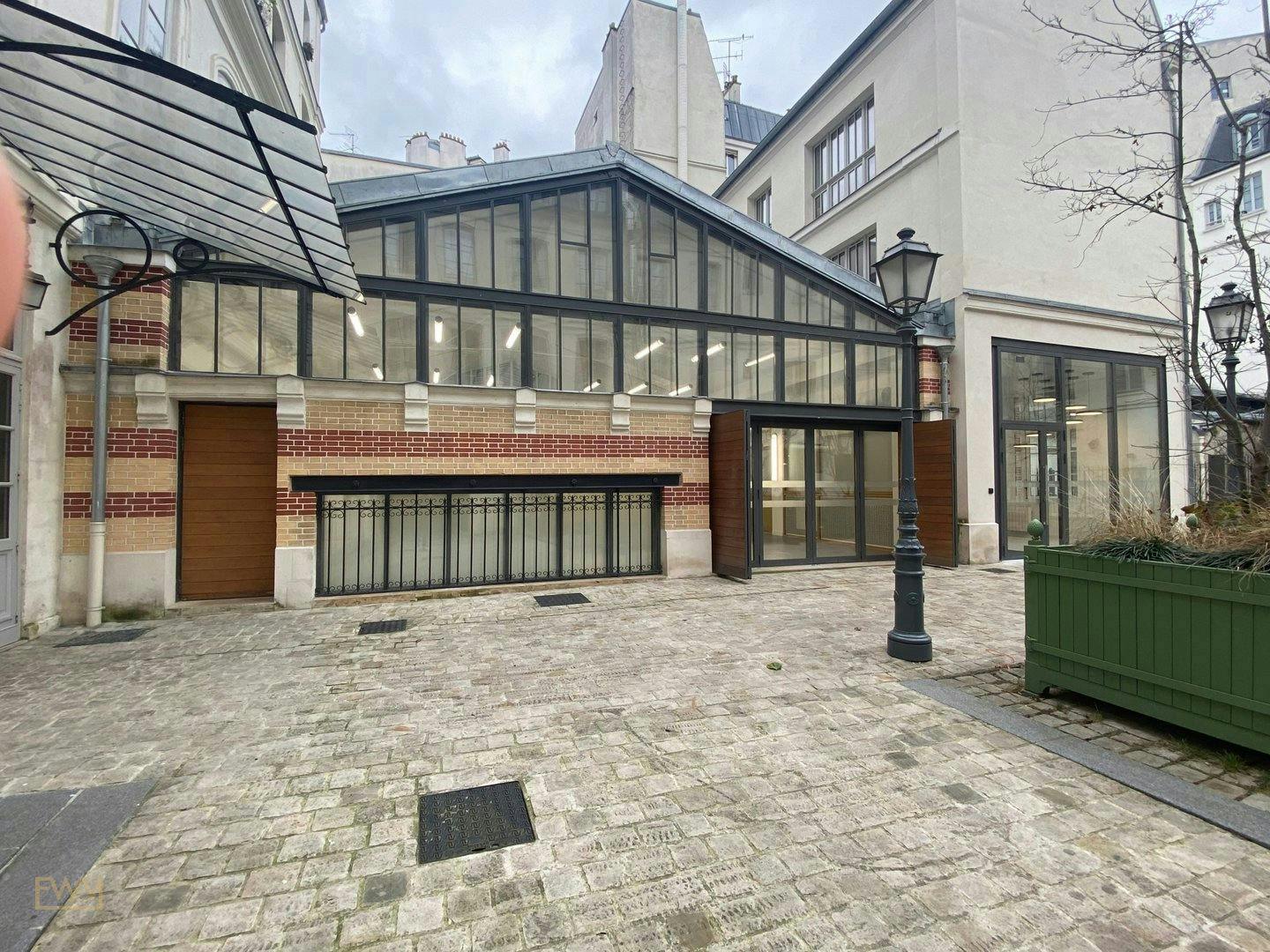
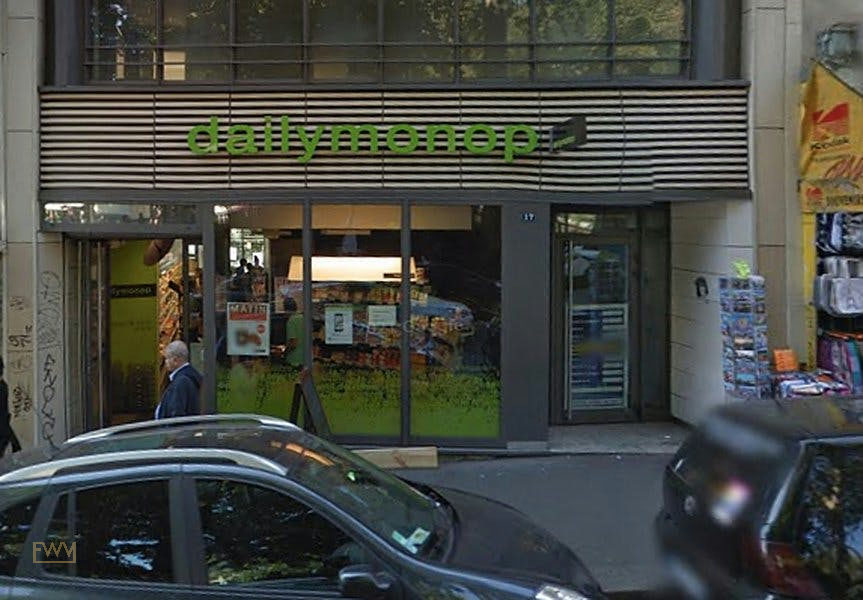
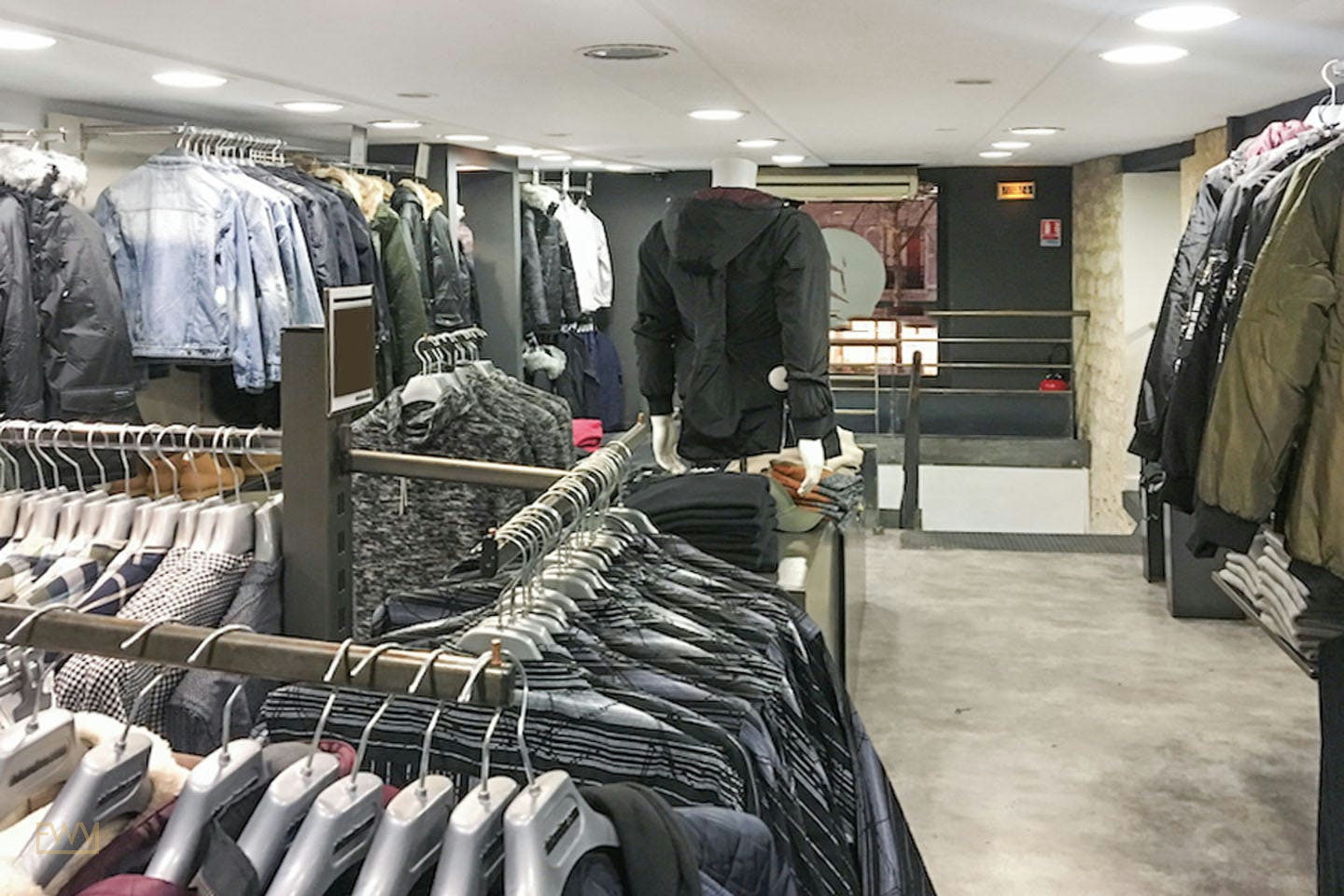
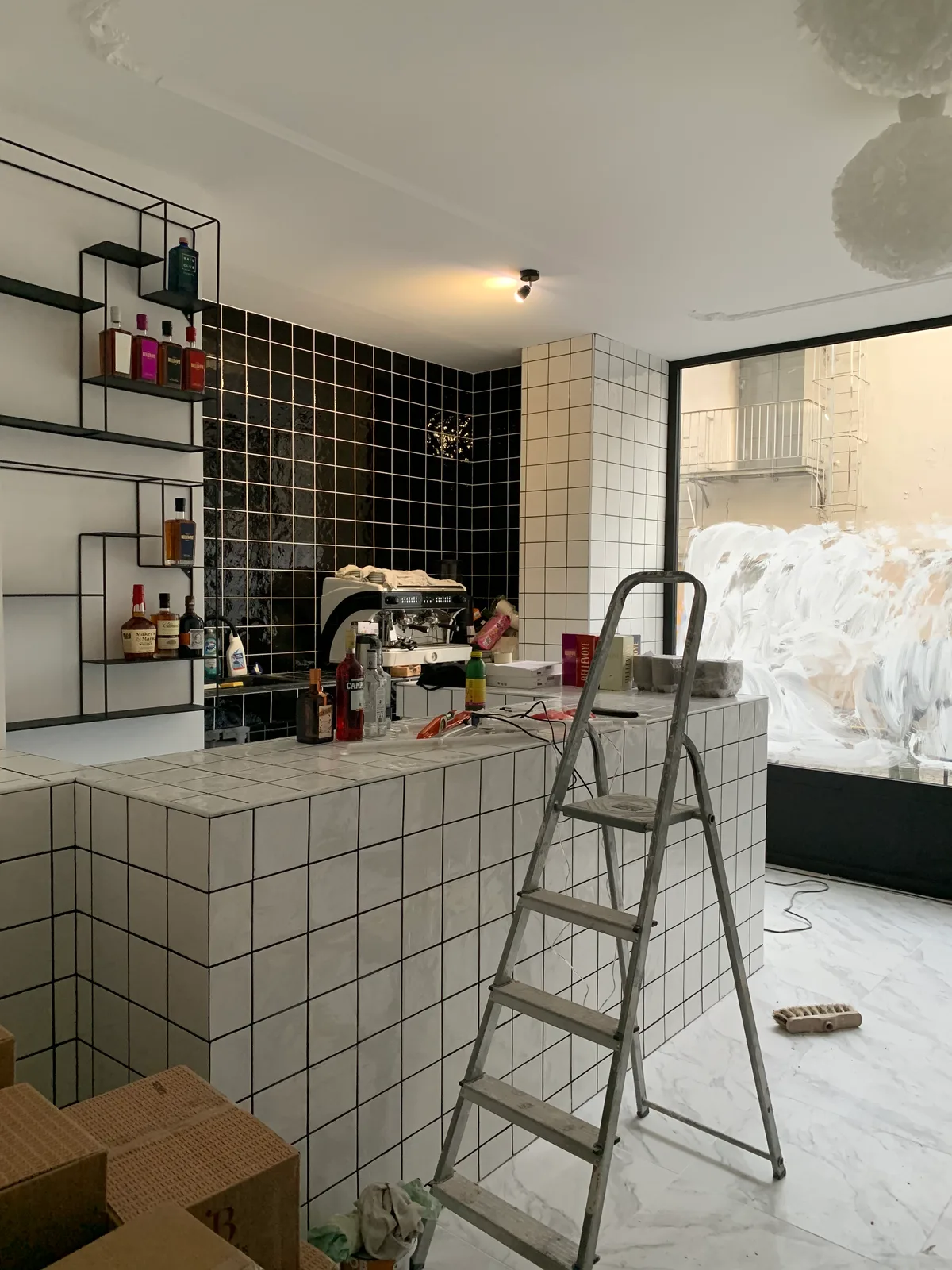
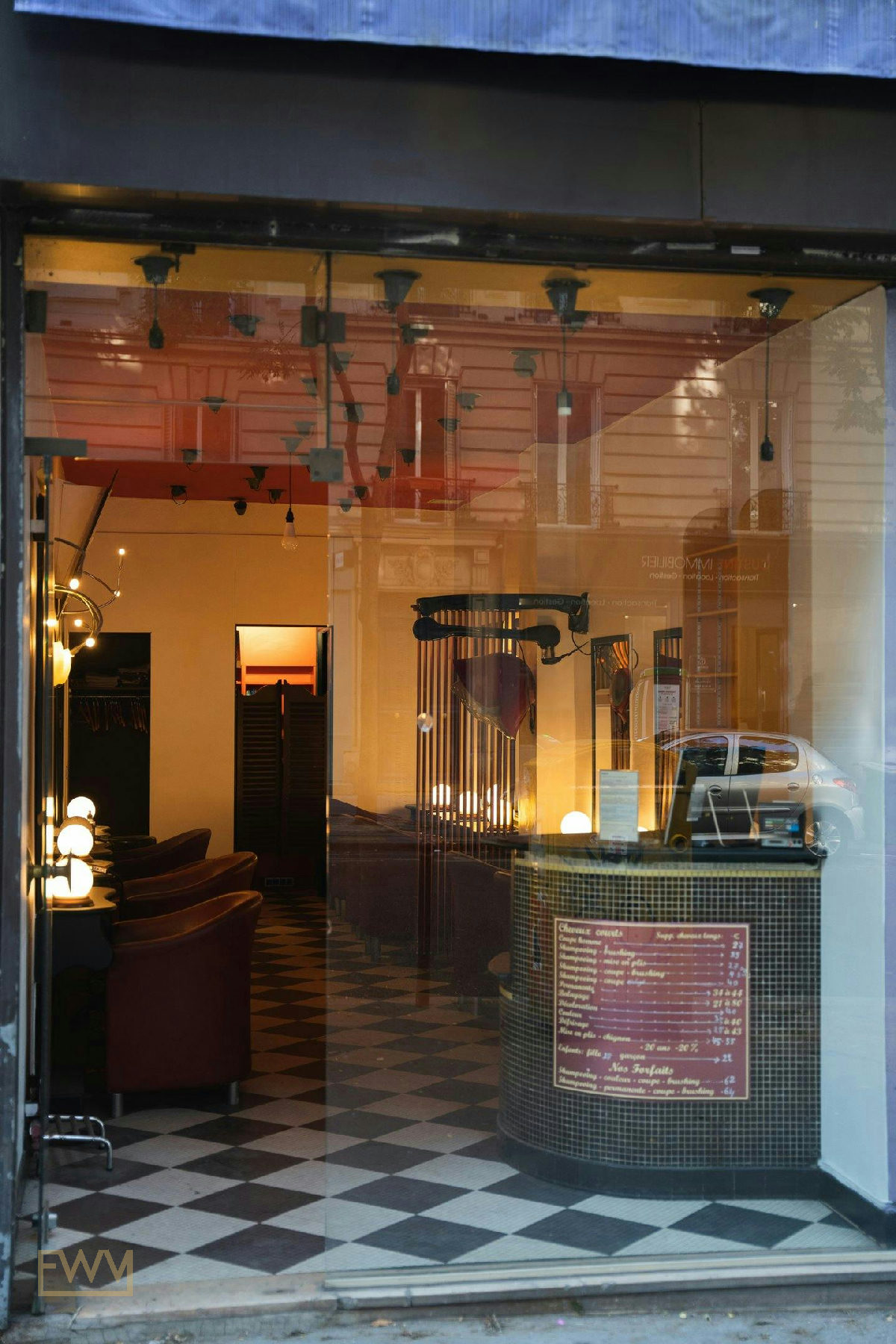
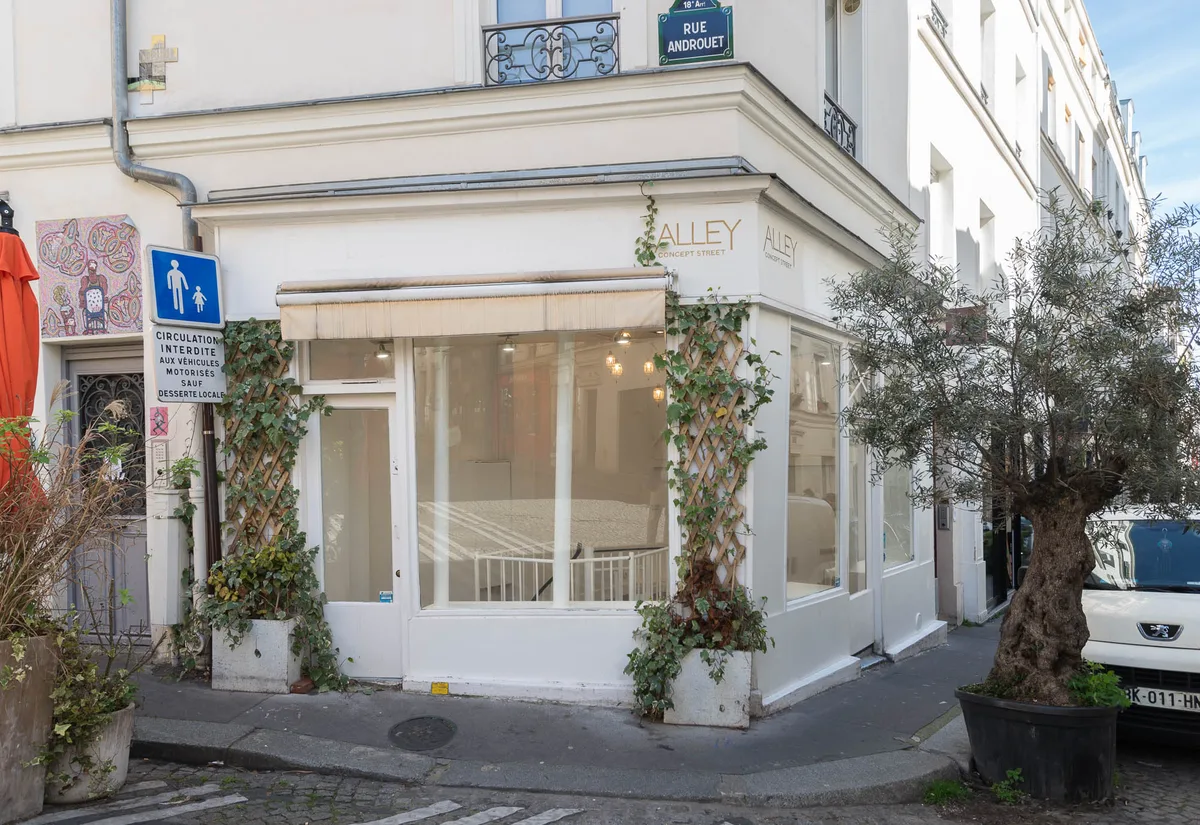
Traditional storefronts with street-level access and display windows are the most familiar format for temporary retail. In Montmartre, storefronts range from compact spaces of approximately 20 to 40 square meters suited to focused product launches, to larger charming boutiques of 80 to 150 square meters capable of hosting a full collection presentation or multi-brand pop-up store. These spaces often feature period architectural details including exposed stone walls, original tiled floors, and wooden window frames, which can be significant assets for brands whose visual identity aligns with artisan or heritage aesthetics.
Art Galleries and Galeries
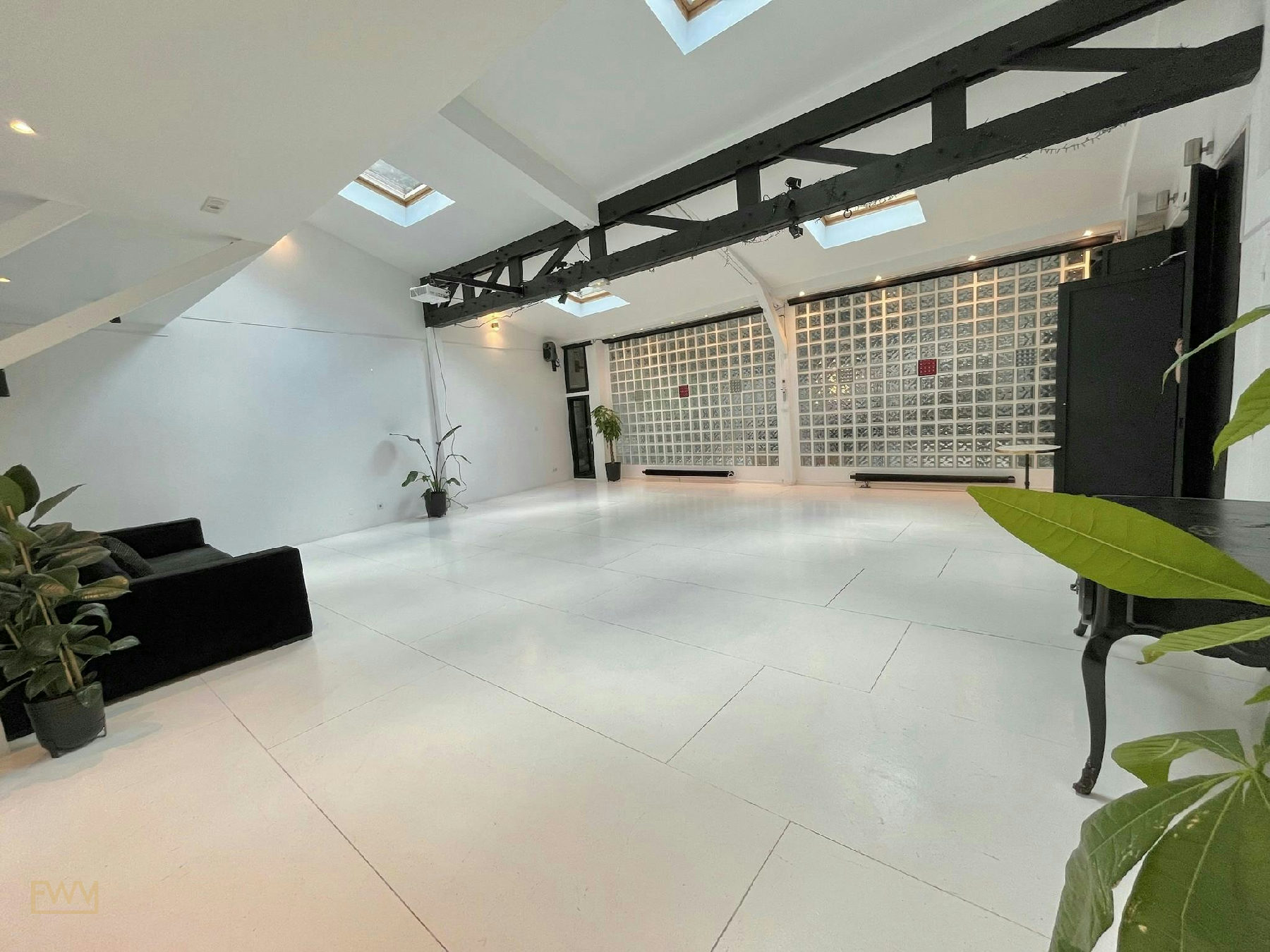
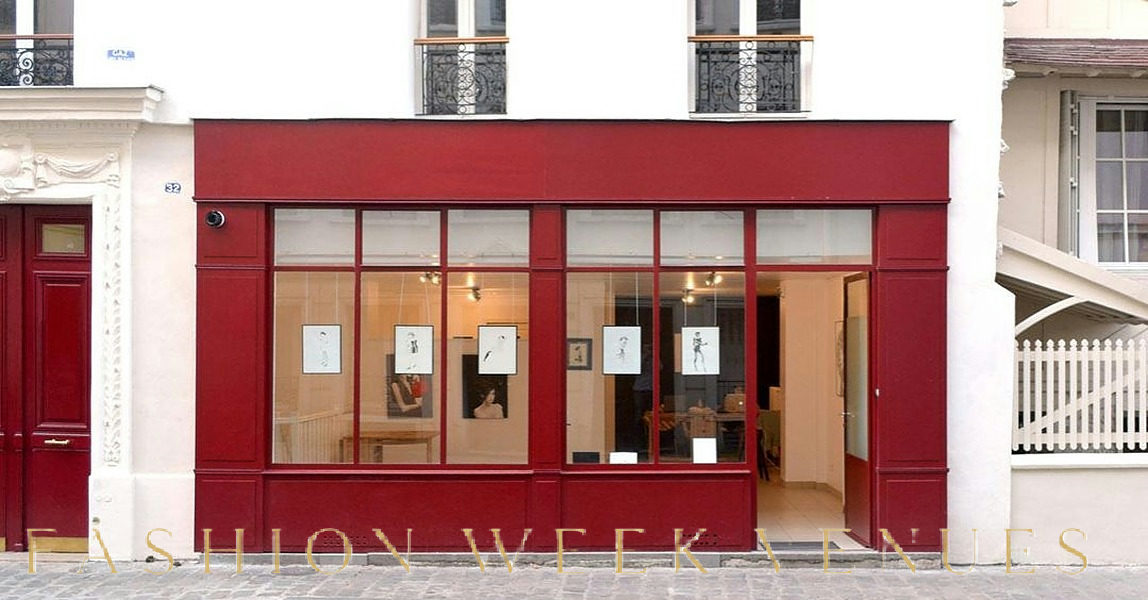
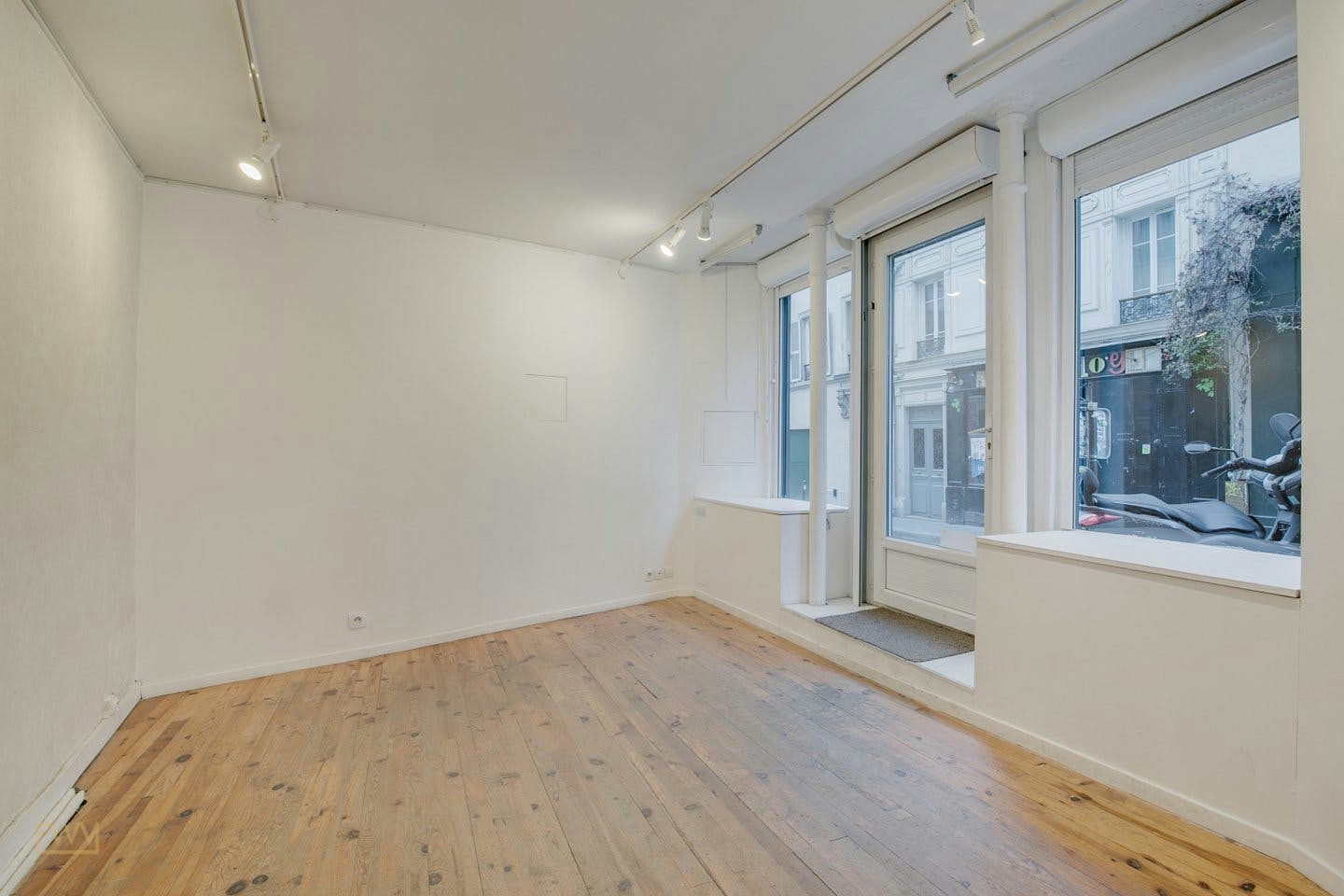
Montmartre has a deep tradition of gallery culture, and there is a meaningful inventory of art gallery spaces available for temporary commercial hire. Gallery formats offer advantages that standard retail spaces do not: white walls, polished or raw concrete floors, gallery lighting systems with adjustable spotlights, open floor plans without fixed merchandising infrastructure, and an implicit cultural permission that elevates product presentation. For fashion brands staging a collection preview, a beauty brand hosting a media day, or a jewellery label creating an immersive experience, the gallery format often generates better press coverage and social media content than a conventional storefront.
Photography Studios and Ateliers
The 18th arrondissement has a long history as an artist and photographer's neighbourhood, and this has left a legacy of photography studios and creative ateliers that are increasingly available for commercial hire. A studio photo typically features controlled lighting infrastructure, white or neutral cyclorama walls, and flexible open space. For fashion brands, these spaces serve a dual function: they can host a pop-up store or showroom during trading hours while simultaneously providing the infrastructure for a content creation session, look-book shoot, or influencer event.
Lofts and Converted Industrial Spaces
Paris's stock of converted loft spaces, particularly in the northern arrondissements, provides some of the most spatially generous options for brands needing flexibility. A loft space of 200 to 400 square meters can accommodate a showroom, a retail zone, a hospitality area for press and buyers, and a content creation studio simultaneously. These spaces often feature wooden floors or polished concrete floors, high ceilings, exposed brick or metal structural elements, and roof-light or north-facing window systems that provide excellent natural light.
Rooftops and Exterior Terraces
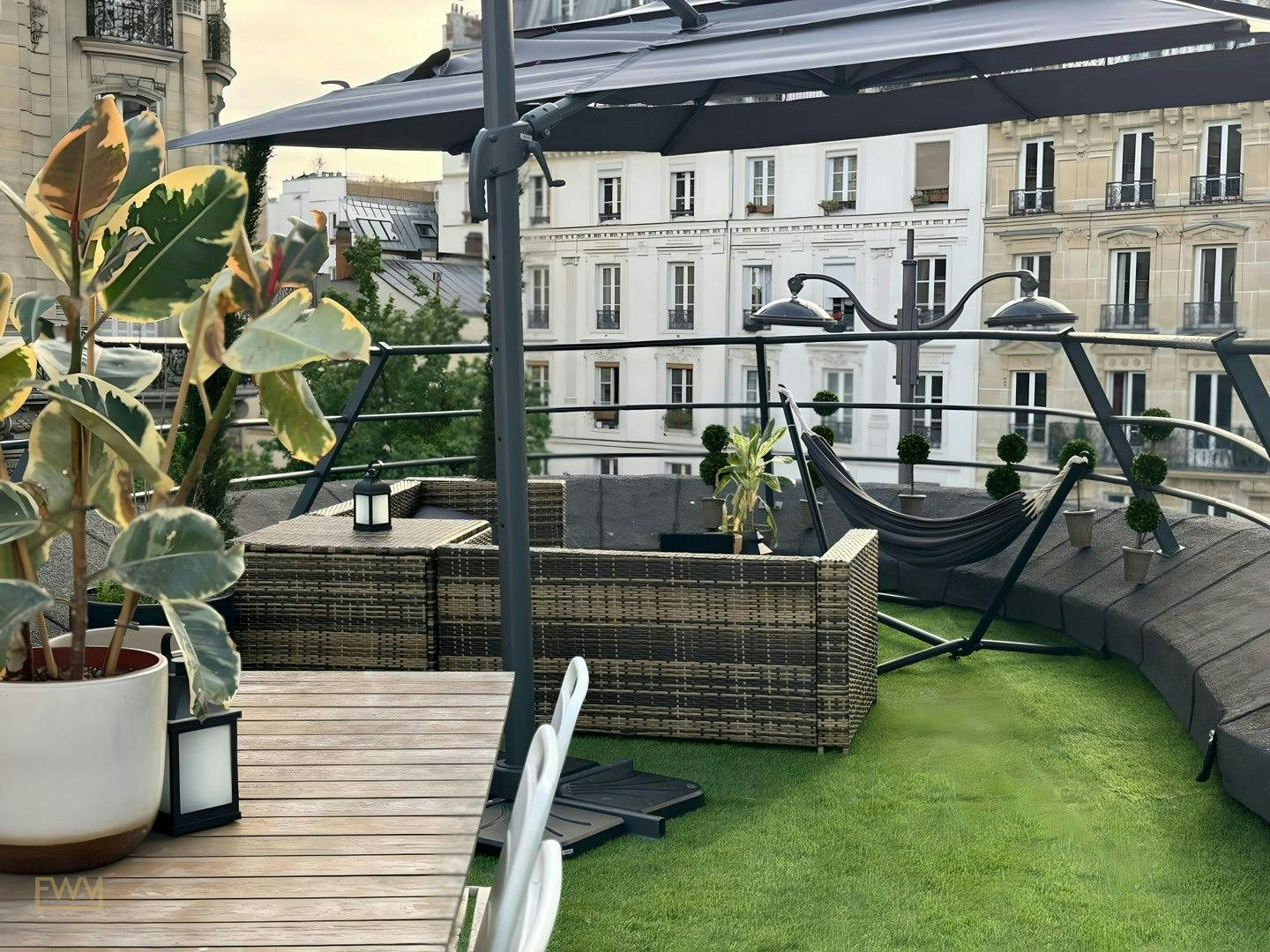
Rooftop spaces in Montmartre offer a dramatic backdrop given the neighbourhood's elevated position above central Paris. A rooftop activation with views toward the Eiffel Tower or across the Parisian skyline creates content that generates significant social media amplification. However, rooftop spaces require careful planning around weather contingency, structural load, access logistics, and specific permit categories that differ from standard ground-floor retail. These are best suited to evening events, brand launches, and influencer activations rather than day-to-day retail trading.
Apartments and Pop-Up Accommodation Spaces
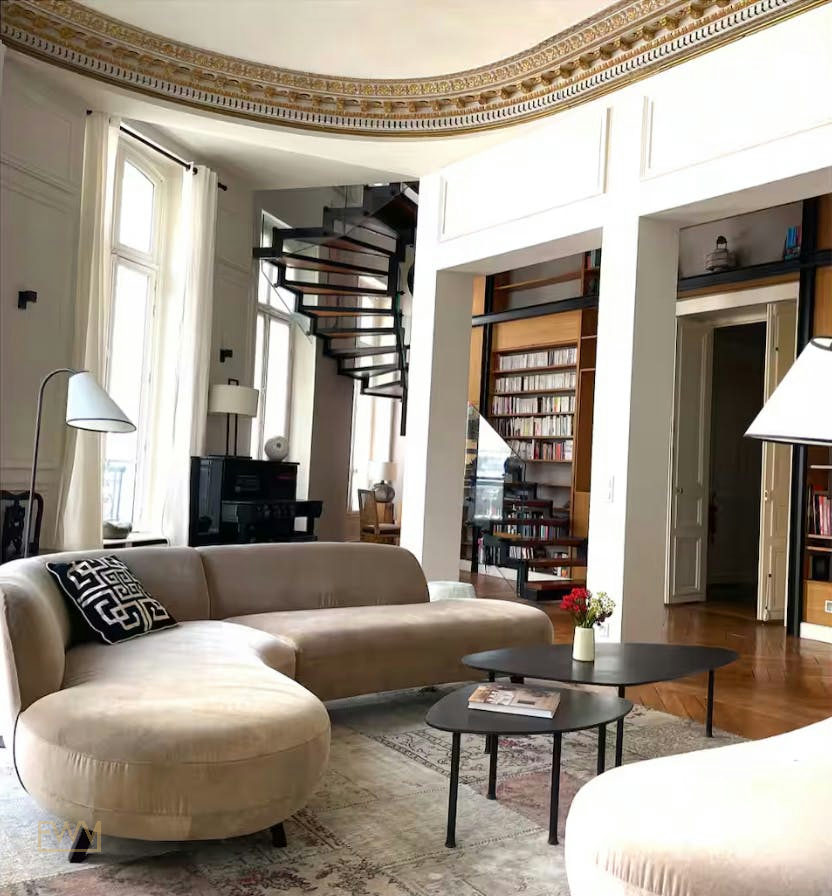
A growing category in the Paris short-term space market is the residential apartment adapted for commercial use. For brands seeking an intimate, private-client shopping experience, a showroom in a Haussmann apartment with parquet floors, high ceilings, and original mouldings creates an atmosphere that no purpose-built retail unit can replicate. These spaces are particularly appropriate for jewellery, couture, home objects, and premium beauty brands targeting a clientele that values discretion and exclusivity over high foot traffic.
| Space Type | Typical Size Range | Floor / Access | Key Features | Best For |
|---|---|---|---|---|
| Storefront / Boutique | 20 to 150 sqm | Street level | Display windows, street presence | Pop-up retail, product launches |
| Art Gallery / Galerie | 50 to 300 sqm | Ground or first floor | White walls, spotlights, open plan | Collection previews, press events |
| Photography Studio | 60 to 200 sqm | Ground or upper floor | Lighting rigs, neutral walls, flex space | Showrooms, content creation |
| Loft | 100 to 500 sqm | Upper floor, industrial | High ceilings, wood or concrete floors | Multi-zone activations, showrooms |
| Rooftop Terrace | 30 to 150 sqm | Roof level | Views, open air, dramatic backdrop | Brand launches, influencer events |
| Apartment / Résidence | 40 to 200 sqm | Upper floor, residential | Period features, parquet, intimate | Couture showrooms, private sales |
| Atelier | 30 to 120 sqm | Ground or upper floor | Workshop feel, authentic character | Craft brands, limited editions |
TIP: When evaluating any space in Montmartre, request information on floor level and access from the outset. A first-floor loft without lift access in a Haussmann building will limit your ability to receive deliveries, manage stock, and welcome customers with mobility requirements. These practical constraints are as important as the aesthetic appeal of the space.
KEY TAKEAWAY: The diversity of space types available in Montmartre means that brands at almost every scale and with almost every activation format can find a suitable option. Matching the space type to the activation goal, not just to the brand aesthetic, is the critical discipline.
Having identified the right space type and neighbourhood, the next major consideration is the commercial and legal framework governing short-term retail rentals in Paris.
Permits, Regulations, and Legal Frameworks for Hiring Retail Space in Paris
One of the most frequently misunderstood dimensions of hiring retail space in Paris is the legal and regulatory framework. Short-term commercial rental in France operates under specific legal structures that differ substantially from standard commercial leases, and brands that overlook this complexity often encounter delays, unexpected costs, or compliance issues.
Quick answer: Short-term retail space rental in Paris typically operates under either a bail dérogatoire, a convention d'occupation précaire, or an autorisation d'occupation temporaire (AOT), depending on the space type, duration, and purpose of the activation. Each structure carries different rights, obligations, and tax implications. International brands should verify their specific requirements with a qualified French legal advisor before signing any rental agreement.
The Bail Dérogatoire
The bail dérogatoire is a short-term commercial lease available for durations of up to 36 months, specifically designed to avoid triggering the protections of the standard commercial lease statut des baux commerciaux. This framework is commonly used for pop-up stores, temporary retail activations, and short-term showroom rentals in Paris. The key advantage for landlords and for brands is flexibility: neither party is locked into the long-term obligations that govern standard French commercial leases. However, the bail dérogatoire must be structured correctly from the outset. If a brand continues occupying a space under a bail dérogatoire arrangement beyond the agreed term without formalising a new agreement, French law may automatically convert the arrangement into a full commercial lease, creating significant unintended obligations.
The Convention d'Occupation Précaire
For very short-term arrangements, typically under three months, a convention d'occupation précaire provides an even more flexible framework. This is commonly used for Fashion Week activations, seasonal pop-up stores, and temporary event spaces. The convention d'occupation précaire grants the occupant a right to use the space without conferring the rights associated with a commercial lease. It is important to understand that this framework provides fewer tenant protections than a bail dérogatoire and that the obligations of both parties should be clearly documented in the written agreement.
Autorisation d'Occupation Temporaire
The autorisation d'occupation temporaire, or AOT, applies specifically to spaces on public land or in publicly owned buildings, including some historic monuments, public squares, and municipal properties. Brands seeking to activate in a publicly owned heritage space in Montmartre, such as a space within or immediately adjacent to a classified building, may need to obtain an AOT from the relevant municipal authority. These authorisations have specific application procedures, timelines, and conditions that vary by location and intended use.
Commercial Activity Permits and Signage
Beyond the lease framework, brands operating a retail activity in Paris may need to register the commercial activity with the relevant French authorities, obtain authorisation for external signage or window graphics, and comply with specific rules governing promotional events, public demonstrations, and noise levels. In Montmartre, which includes protected heritage zones, external modifications to listed facades require approval from the Architectes des Bâtiments de France. This applies to temporary installations including large-format window graphics, exterior banners, and branded structures placed on or attached to the building exterior.
IMPORTANT: Requirements vary significantly by space type, duration, arrondissement, and intended use. The permit and compliance information provided here is educational and directional only. Brands must verify their specific obligations with a qualified French legal advisor before committing to a rental agreement. For a structured starting point, the permit guidance tool on Fashion Week Venues provides a practical framework for understanding what approvals may be relevant to your activation.
KEY TAKEAWAY: Short-term retail rental in Paris is governed by specialist legal frameworks that are materially different from standard commercial leases. Understanding the bail dérogatoire, convention d'occupation précaire, and AOT frameworks before signing any agreement protects your brand from unintended legal and financial obligations.
Legal and permit clarity creates the foundation for confident budget planning, which is the next essential dimension of any Paris retail activation.
Understanding the Cost of Hiring Retail Space in Paris and Montmartre
The cost of hiring retail space in Paris varies enormously depending on neighbourhood, space type, duration, size, season, and the specific services included in the rental arrangement. Providing reliable pricing figures without reference to a specific space, time period, and configuration is not possible, and any source that presents fixed price tables for Paris retail space should be treated with caution. What follows is a directional framework for understanding the cost structure, not a commitment to specific figures.
Quick answer: Rental costs for temporary retail space in Paris are typically quoted per day, per week, or per month depending on the duration and the landlord's preferred structure. Rates in high-demand neighbourhoods such as Le Marais or the Golden Triangle are substantially higher than equivalent space in Montmartre or Canal Saint-Martin. Factors including space size in square meters, floor level, street visibility, included services, and activation timing around Fashion Week all influence the final cost.
Cost Variables to Factor Into Your Budget
The headline rental rate is only one component of the total cost of a Paris pop-up activation. Brands should build their budgets to include the following categories alongside the base rent: security deposit, which is typically one to three months of the equivalent monthly rental value in France; fit-out and production costs including any structural modifications, lighting installations, furniture, and branded elements; permit and legal fees; utilities including electricity, internet connectivity, and climate control; staffing costs covering sales floor, security, and management; marketing and influencer activation costs; and breakdown and reinstatement costs at the end of the rental period. In Montmartre specifically, the requirement to restore listed building elements to their original condition can add meaningful costs to the budget if the brand has installed temporary fixtures or modifications.
TIP: Use the budget estimation tool on Fashion Week Venues to build a realistic cost model for your specific activation format, space size, and duration before committing to a space. This prevents the common situation where brands secure a space at an attractive headline rent and then discover that the total activation cost significantly exceeds their original expectations.
Fashion Week Timing and Pricing
Paris Fashion Week, which occurs twice annually in late February to early March for womenswear and in late September to early October for the spring and summer cycle, represents the peak demand period for short-term retail space across all Paris neighbourhoods. During Fashion Week windows, rental rates for desirable spaces in Le Marais, Saint-Germain-des-Prés, and the Golden Triangle can increase significantly relative to non-Fashion Week periods. Montmartre typically sees less aggressive pricing pressure during Fashion Week than the central luxury districts, making it an attractive alternative for brands whose budget cannot accommodate peak-season rates in the most competitive neighbourhoods.
KEY TAKEAWAY: Total activation cost in Paris is always higher than the headline rental rate. Budgeting comprehensively across all cost categories, from deposit to reinstatement, is essential to avoid budget overruns. For brands with constrained budgets, Montmartre offers meaningful cost advantages relative to central luxury districts without sacrificing visitor volume or cultural relevance.
Alongside budget planning, understanding the practical operational workflow for a Paris pop-up activation helps brands allocate their time and resources efficiently.
How to Plan and Execute a Pop-Up Store or Showroom in Montmartre: The Activation Workflow
Executing a pop-up store, showroom, or temporary retail activation in Paris involves a sequence of interdependent decisions and actions that must be coordinated carefully to avoid delays, cost overruns, or compliance issues. The workflow below reflects the standard process for an international brand activating in Montmartre for a period of one to four weeks.
| Phase | Timeline Before Opening | Key Actions | Responsible Party |
|---|---|---|---|
| Brief and Strategy | 16 to 20 weeks | Define activation goals, target audience, space type, budget range, and calendar window | Brand team / agency |
| Space Sourcing | 12 to 16 weeks | Identify shortlisted spaces, conduct viewings, confirm availability and pricing | Agency / marketplace |
| Legal and Permits | 10 to 14 weeks | Review lease framework, engage French legal advisor, initiate permit applications | Legal advisor / agency |
| Concept and Design | 10 to 12 weeks | Develop spatial concept, confirm fit-out scope, commission design drawings | Creative director / design team |
| Production and Build | 6 to 10 weeks | Source furniture and fixtures, brief contractors, confirm delivery and installation schedule | Production team / agency |
| Staffing and Operations | 4 to 8 weeks | Brief and recruit retail staff, set up POS and payments systems, confirm operational protocols | Operations team / agency |
| Marketing and Influencer | 4 to 6 weeks | Develop launch communications, brief influencer and press partners, schedule social media content | Marketing team / agency |
| Installation and Final Prep | 3 to 5 days | Complete fit-out, dress the space, conduct staff briefing, test all systems | On-site team |
| Activation Period | Opening day | Operate the space, collect data, manage staffing, execute marketing plan | On-site team / agency |
| Breakdown and Reinstatement | Post-closing | Remove all installations, restore space to original condition, return keys and complete handover | Production team / agency |
The timeline above assumes a moderately complex activation. Simpler formats, such as a pre-furnished gallery space used as a showroom with minimal modifications, can be executed on a compressed timeline. More complex activations involving significant structural work, custom furniture production, or special permit categories will require longer lead times. For activations timed to coincide with Paris Fashion Week, space availability in Montmartre should be confirmed no later than three to four months in advance.
Quick answer: A well-planned Paris pop-up activation typically requires a minimum of 12 to 16 weeks from initial brief to opening day. Brands that begin the process fewer than 8 weeks before their intended opening date will find their space choices significantly constrained, particularly during Fashion Week windows.
One of the most practical actions a brand team can take early in this workflow is to compare potential spaces systematically before committing to a rental. The space comparison tool on Fashion Week Venues allows brand teams to evaluate multiple options against consistent criteria, reducing the risk of committing to a space that looks appealing in isolation but underperforms relative to alternatives.
KEY TAKEAWAY: The activation workflow for a Paris pop-up is longer than most brand teams initially expect. Beginning the planning process at least four months before the intended opening date provides the time needed to secure the best available space, navigate permit requirements, complete fit-out, and execute a quality marketing launch.
Understanding how an experienced agency can support and accelerate this process is the natural next step.
How Fashion Week Venues Helps Brands Hire Retail Space in Montmartre and Paris
Fashion Week Venues operates as both a space marketplace and a full-service pop-up shop agency, meaning that brands can engage with the platform at whatever level of support best matches their internal capabilities and project complexity. This dual structure distinguishes Fashion Week Venues from pure listing platforms, which provide space discovery without operational support, and from single-service production agencies, which manage fit-out without space access.
For brands seeking to hire retail space in Montmartre specifically, the venue sourcing service provides access to a curated inventory of spaces across the 18th arrondissement and the adjacent Pigalle corridor, alongside a team that understands the practical constraints of each space including access, permitted use, fit-out limitations, and local regulatory requirements. This contextual knowledge is often more valuable than the raw inventory itself.
Services Relevant to a Montmartre Activation
The full range of services available through Fashion Week Venues includes venue sourcing, concept direction, production and build, activation management, branded store design, furniture rental, retail staffing, POS and payments setup, data and analytics, and influencer marketing. For a Montmartre activation, the most commonly engaged services are venue sourcing, concept direction, branded store design, furniture rental, and retail staffing. Brands with strong in-house creative teams may engage only the sourcing and logistics services, while brands entering Paris for the first time typically benefit from a more comprehensive engagement.
The concept direction service is particularly relevant for Montmartre activations, where the unique character of the neighbourhood creates both opportunities and constraints. A space with exposed stone walls and period tiling communicates differently from a white-box gallery, and a concept that works brilliantly in a minimalist Le Marais storefront may need significant adaptation for a character-rich Montmartre boutique. Experienced concept direction ensures that the brand's identity is expressed consistently and compellingly within the specific spatial context.
Tools That Support the Planning Process
Beyond agency services, Fashion Week Venues provides a suite of planning tools that brand teams can use independently to structure their decision-making. These include the budget estimation tool, the ROI calculator, the space comparison tool, the timeline planning tool, the permit guidance tool, the space locator tool, and the imagine space visualisation tool. For brands in the early stages of planning a Montmartre activation, the timeline tool and the budget tool are the most immediately useful starting points.
Who Benefits Most From This Support
Fashion Week Venues is most useful for international brands entering Paris without an established local network, for brands activating in Paris for the first time, for established brands scaling their Paris presence beyond their existing infrastructure, and for brand teams that need to move quickly and cannot afford the delays caused by navigating an unfamiliar market independently. Brands with deep existing relationships in the Paris market and a proven operational playbook for French activations may find that they engage Fashion Week Venues selectively, for specific services or specific spaces rather than as a full activation partner.
KEY TAKEAWAY: Fashion Week Venues provides genuine operational depth across the full activation journey, from space discovery to breakdown. Brands that engage early and clearly communicate their brief, budget, and calendar requirements will extract significantly more value from the partnership than those who approach it as a last-minute booking tool.
To compare neighbourhoods and space types before engaging with an agency, explore the Paris city hub on Fashion Week Venues and shortlist spaces that match your brief, budget, and calendar window.
Foot Traffic, Customer Profiles, and Marketing Strategy for a Montmartre Pop-Up
Securing the right space is only part of the activation equation. Converting foot traffic into customers, and customers into brand advocates, requires a marketing and operational strategy that is calibrated to the specific visitor profile of Montmartre and to the channels through which that audience discovers and engages with brands.
Quick answer: Montmartre attracts a visitor profile that is more diverse and internationally varied than most other Paris neighbourhoods. The area draws significant numbers of European visitors, North American tourists, and Asian visitors, alongside Parisian day-visitors and residents. Effective marketing for a Montmartre pop-up store must work across both physical discovery channels, including neighbourhood signage, local partnerships, and street presence, and digital channels including social media, influencer networks, and email marketing to an existing brand community.
Physical Discovery and Foot Traffic Conversion
The organic foot traffic along Rue Lepic and the streets surrounding Sacré-Cœur is one of Montmartre's primary commercial assets. However, converting passing visitors into customers requires intentional design of the physical interface between the space and the street. Window displays that communicate clearly from a distance, external signage that identifies the brand and the experience inside, and a welcoming, low-threshold entry point are the basic elements of effective foot traffic conversion in a high-traffic neighbourhood. Brands that create a strong visual identity for the exterior of the space, including window graphics, branded flags, or distinctive lighting, will consistently outperform those that rely on the interior alone.
Social Media and Influencer Amplification
Montmartre's visual character makes it one of the most naturally photogenic retail contexts in Paris. The combination of the neighbourhood's architecture, Sacré-Cœur as a backdrop, and the intimacy of streets like Rue Lepic creates a setting that generates compelling social media content simply by existing. Brands that design their activation with social media amplification in mind, creating specific moments within the space that invite photography and sharing, will extend their reach well beyond the visitors who physically enter the space. Engaging local and international influencers whose audiences align with the brand's target clientele, and briefing them to create content in and around the space, is one of the highest-return marketing activities available to a Montmartre pop-up.
Email Marketing and Community Activation
For brands with an existing customer community in Europe or in France specifically, email marketing to that community before and during the activation period is one of the most reliable ways to drive qualified visitor traffic. Announcing the activation, sharing the address and opening hours, and creating a sense of urgency around a limited-time experience are the core elements of an effective email campaign. Brands that also engage their existing social media following, particularly on platforms where their fashion-interested audience is most active, can generate meaningful pre-registration interest and ensure a strong opening period rather than relying entirely on organic foot traffic discovery.
KEY TAKEAWAY: A Montmartre pop-up that combines excellent physical presence, intentional social media design, and proactive email and influencer marketing will significantly outperform one that relies on foot traffic alone. The neighbourhood provides the raw material; the marketing strategy determines whether that material converts into commercial and brand outcomes.
Fashion Week Paris: Calendar Windows and Strategic Timing for Montmartre Activations
Paris Fashion Week is the most important event in the global fashion calendar, and its twice-annual occurrence creates concentrated demand for short-term retail space across all Paris arrondissements. Understanding how Fashion Week timing affects space availability, pricing, and commercial opportunity in Montmartre is essential for brands planning their activation calendar.
Paris Fashion Week Womenswear, held in late February and early March each year, draws the global fashion press, buyers from every major market, and a significant concentration of brand-aware visitors to the city. The September to October womenswear shows for the following spring and summer season create an equivalent window of intensity. Menswear shows in January and June add two further moments of fashion industry concentration in Paris each year, though these are typically smaller in scale and attract a more focused audience.
For brands hiring retail space in Montmartre, the Fashion Week windows represent both an opportunity and a constraint. The opportunity is clear: Fashion Week brings to Paris a concentration of exactly the brand-aware, design-literate, purchase-motivated visitors that most fashion and lifestyle brands want to reach. The constraint is equally clear: demand for short-term retail space across Paris peaks during these windows, space availability narrows significantly, and brands that have not confirmed their space several months in advance will find their options severely limited.
Montmartre is not, historically, a primary destination for Fashion Week show venues or official brand events. The show schedule is concentrated in venues across central Paris, with a particular cluster in the 1st, 8th, and 3rd arrondissements. However, this does not diminish Montmartre's value as a Fashion Week activation location. Fashion Week visitors circulate the city widely, and a brand activation in Montmartre that is well-marketed to the Fashion Week community, with clear transportation directions and a compelling reason to visit, can capture a meaningful share of that audience. The neighbourhood's creative identity and its slightly removed position from the most congested Fashion Week zones can actually work in a brand's favour, positioning an activation there as a destination rather than an incidental discovery.
DID YOU KNOW: Some of the most memorable Fashion Week brand activations in recent years have deliberately chosen non-obvious neighbourhood locations, using the friction of intentional travel to a destination as a mechanism for generating anticipation and exclusivity rather than relying on passive foot traffic.
KEY TAKEAWAY: Fashion Week windows offer significant commercial opportunity for Montmartre activations but require early space confirmation, typically three to four months in advance, to secure the best available options. Brands that treat Montmartre as a deliberate destination during Fashion Week, rather than a fallback option, will achieve better results than those that arrive there by default.
Common Myths About Hiring Retail Space in Paris: Myth vs Fact
MYTH: International brands need a French legal entity to rent a pop-up space in Paris.
FACT: While having a French company or registered entity simplifies certain administrative processes, it is not an absolute requirement for all short-term rental arrangements in Paris. Many international brands activate in Paris under short-term frameworks such as the convention d'occupation précaire without a pre-existing French entity. The specific requirements depend on the rental structure, the landlord's policies, and the nature of the commercial activity. Brands should confirm the legal requirements for their specific situation with a qualified French legal advisor before assuming that entity registration is either necessary or unnecessary.
MYTH: Paris Fashion Week is the only viable calendar window for a brand activation in Paris.
FACT: Paris Fashion Week generates the highest concentration of industry visitors, but Paris attracts fashion-interested international visitors year-round. Many brands achieve excellent commercial and brand outcomes from activations in the weeks surrounding Fashion Week, during the Maison et Objet trade fair in January and September, during the holiday retail season in November and December, or during the peak summer tourist season. The right calendar window depends on the brand's target audience and activation goals, not on Fashion Week attendance alone.
MYTH: Commission-based brokers are the only reliable way to find short-term retail space in Paris.
FACT: The Paris short-term retail space market has become significantly more accessible through dedicated marketplaces and specialist agencies that provide transparent inventory, clear pricing information, and structured support throughout the rental process. Commission brokers remain active in the market, but their fee structures are not always transparent and their inventory is typically limited to their own landlord relationships. A specialist platform or agency with a curated inventory across multiple arrondissements, including Montmartre, provides both broader access and more reliable operational support.
MYTH: Short-term leases in France are legally straightforward and require no specialist guidance.
FACT: The French commercial lease framework is complex and carries significant legal protections for tenants under standard commercial lease statutes. Short-term arrangements that are intended to avoid these protections, such as the bail dérogatoire and convention d'occupation précaire, must be correctly structured from the outset. Errors in lease structure, including allowing a bail dérogatoire to exceed its intended duration without formalisation, can trigger automatic conversion to a full commercial lease with long-term obligations. Specialist French legal guidance is not a luxury for Paris short-term retail; it is a practical necessity.
MYTH: Montmartre is only suitable for tourist-facing retail, not for serious fashion or luxury brand activations.
FACT: Montmartre hosts a sophisticated and diverse retail environment that extends well beyond tourist souvenir shops. The Pigalle corridor, the streets around Rue Lepic, and the gallery and studio spaces throughout the 18th arrondissement attract a design-literate, fashion-aware audience. Multiple international fashion brands, beauty labels, and concept stores have used Montmartre locations for serious brand activations. The neighbourhood's cultural credibility, international name recognition, and genuine visitor volume make it a commercially viable location for brands across a wide range of positioning strategies.
Frequently Asked Questions
What are the most sought-after locations for leasing commercial space in Paris?
The most consistently sought-after short-term retail locations in Paris include Le Marais in the 3rd and 4th arrondissements, Saint-Germain-des-Prés in the 6th, the Golden Triangle area encompassing Avenue Montaigne and Rue du Faubourg Saint-Honoré in the 8th, and the Champs-Élysées corridor. Montmartre in the 18th arrondissement and Canal Saint-Martin in the 10th have both grown significantly as destinations for creative and independent brand activations. The right location depends on your target customer profile, budget, and activation format rather than on the prestige ranking of the neighbourhood alone.
Why should a brand rent temporary retail space in the 18th arrondissement specifically?
The 18th arrondissement offers a combination of high international visitor volume, a deeply rooted creative and cultural identity, and a diverse range of space types at a generally lower rental cost than central luxury districts. Brands that choose Montmartre deliberately rather than by default benefit from a neighbourhood context that adds cultural meaning to their activation. The adjacency to Pigalle and its growing streetwear and concept retail scene also extends the commercial reach of an 18th arrondissement activation beyond the traditional tourist audience.
What does a polished concrete floor indicate about a space?
Polished concrete floors are a feature of contemporary gallery spaces, converted industrial units, and modern studio spaces in Paris. They signal a flexible, design-forward environment that is well suited to fashion showrooms, art gallery-format activations, and concept store pop-ups. Polished concrete reflects light effectively, provides a neutral visual base for branded installations, and is easy to maintain during a retail activation. Spaces described as having polished concrete floors typically also feature high ceilings, open plan layouts, and a contemporary rather than period aesthetic.
What does a raw concrete floor indicate about a space?
Raw concrete floors signal a more industrial, unfinished aesthetic associated with converted warehouse spaces, artist studios, and urban lofts. These spaces are appropriate for brands with a raw or edgy visual identity, streetwear labels, art-forward activations, and brands seeking to create a deliberately unconventional retail atmosphere. Raw concrete is harder to treat and more visually dominant than polished concrete, and brands should consider whether their product and brand identity are complemented or contradicted by this environment before choosing a space on this basis.
What does it mean when a space listing references spotlights or gallery lighting?
Spotlights and adjustable gallery lighting systems indicate that the space has been professionally equipped for display use, typically as an art gallery or photography studio before its current availability as a commercial rental. For fashion brands, gallery lighting is a significant practical advantage because it allows precise illumination of products, creates dramatic retail atmosphere, and avoids the need for expensive temporary lighting installations. Spaces with professional lighting infrastructure can be activated more quickly and at lower fit-out cost than spaces requiring complete lighting installation from scratch.
What does a white walls description indicate for a retail or showroom space?
White walls are the defining feature of the gallery format and indicate a neutral, flexible interior that allows a brand's visual identity and product to dominate the space without competition from the architecture. White walls are appropriate for virtually every brand category, from fashion and beauty to jewellery and lifestyle objects. They provide an ideal photographic backdrop for social media content, press photography, and lookbook shooting. Spaces with white walls are the most format-flexible option available in the Paris short-term rental market.
What does wood panelling indicate in a Paris retail space listing?
Wood-panelled walls are a feature of period Parisian interiors, typically found in Haussmann-era apartments, historic boutiques, and traditional ateliers. They convey heritage, craftsmanship, and authenticity. For brands whose identity aligns with these values, including artisan fashion houses, traditional French beauty brands, and interior design labels, a wood-panelled space provides an immediate sense of authority and cultural rootedness. Brands whose identity is more contemporary or minimalist may find that wood panelling creates a visual tension that requires careful concept direction to resolve.
What does wooden floors mean for a retail space in Montmartre?
Wooden floors, particularly original parquet flooring in Haussmann-era buildings, are one of the most sought-after interior features in the Paris short-term retail market. They communicate warmth, quality, and a distinctly Parisian residential elegance that is difficult to replicate artificially. Wooden floors are appropriate for fashion, jewellery, luxury beauty, home objects, and any brand seeking to create an intimate, boutique atmosphere. They photograph beautifully and are a reliable anchor for social media content. Brands should check the condition of any wooden floors before activating, as restoration costs can be significant if the floors are damaged during the rental period.
How much does it cost to rent a retail space in Paris for a pop-up?
The cost of renting retail space in Paris for a pop-up varies substantially based on neighbourhood, space size in square meters, duration, included services, and seasonal demand. Providing reliable figures without reference to a specific space and time period is not possible. What brands should understand is that the headline rental rate represents only one component of the total activation cost, which also includes security deposit, fit-out and production, staffing, marketing, permits, utilities, and breakdown. The budget estimation tool on Fashion Week Venues provides a structured framework for building a realistic total cost model for your specific activation.
Do I need to speak French or have a French company to hire retail space in Montmartre?
Neither fluent French nor a French legal entity is an absolute requirement for hiring retail space in Montmartre, though both can simplify the process. Many landlords in Paris, particularly those accustomed to working with international brands, operate comfortably in English. The requirement for a French entity depends on the specific rental structure and the landlord's requirements. Working with an agency that has established landlord relationships and can facilitate the rental process in both English and French significantly reduces the friction of entering the Paris market as an international brand.
What is the difference between a pop-up store and a showroom in the context of Paris retail space?
A pop-up store is a temporary retail space where products are available for direct purchase by consumers, requiring POS and payment infrastructure, sales staff, stock management, and compliance with French consumer retail regulations. A showroom is a presentation space where products are shown to trade buyers, press, and industry professionals, with orders typically placed for future delivery rather than immediate purchase. The distinction matters practically because the operational requirements, staff profiles, space configurations, and marketing strategies differ significantly between the two formats. Some brands operate hybrid spaces that serve both functions simultaneously.
How far in advance should I book a pop-up space in Montmartre?
For activations during Paris Fashion Week, space availability in Montmartre should be confirmed a minimum of three to four months in advance. For non-Fashion Week activations, eight to twelve weeks is a reasonable lead time for most space types, though the best and most distinctive spaces in high-demand formats such as gallery spaces and lofts with views may be reserved further in advance. The timeline planning tool on Fashion Week Venues helps brands work backwards from their intended opening date to identify the critical confirmation deadlines for space, permits, and production.
What is the twin concept offered by Fashion Week Venues?
The twin concept allows two compatible brands to co-activate within a single space, sharing the rental cost and operational overhead while generating a combined visitor draw that can exceed what either brand would achieve independently. This format is particularly effective for brands whose products are complementary but non-competing, such as a fashion brand and a jewellery label, or a beauty brand and a lifestyle accessories brand. Co-activation in a shared space also creates richer social media content and gives press and buyers a more compelling reason to visit than a single-brand presentation alone.
What retail space features matter most for social media and influencer content creation?
For social media and influencer content creation, the most valuable space features are distinctive visual character, interesting textures and architectural detail, good natural light, and a setting that communicates the brand's identity without requiring extensive additional decoration. In Montmartre, the neighbourhood's architecture and the views available from elevated spaces provide natural content assets. Within the space itself, white walls, period features, gallery lighting, distinctive flooring, and spatial generosity all contribute to content quality. Rooftop spaces with views over Paris are among the highest-performing content environments available in the city.
How does the Fashion Week Venues marketplace differ from general space rental platforms?
The Fashion Week Venues marketplace is curated specifically for fashion, lifestyle, and luxury brand activations, meaning that the spaces listed are pre-screened for commercial suitability, accessibility, and regulatory compliance in the context of short-term brand activations. General space rental platforms operate a broader inventory without this specialisation and typically do not provide the advisory, production, or operational services that a dedicated agency platform offers. For brands navigating the Paris market for the first time, the combination of curated inventory, specialist advisory support, and operational services available through Fashion Week Venues represents a materially lower-risk path to market than assembling the same capability independently.
Conclusion: Making the Decision to Hire Retail Space in Montmartre
Montmartre offers a genuinely compelling case for short-term retail, showroom, and brand activation space in Paris. Its combination of international name recognition, high visitor volume, cultural authenticity, spatial diversity, and relative cost advantage compared to central luxury districts makes it a serious commercial option for brands across a wide range of categories and positioning strategies. The 18th arrondissement is not the easiest neighbourhood in Paris to navigate operationally, given its heritage protections, varied topography, and specific permit requirements, but these complexities are manageable with the right preparation and the right partners.
The most important actions for any brand considering a Montmartre activation are to begin the planning process early, to build a comprehensive budget that reflects total activation cost rather than headline rent alone, to seek specialist French legal guidance on the rental framework before signing any agreement, and to design the activation with the neighbourhood's specific visitor profile and cultural context in mind rather than importing a concept developed for a different market or format.
Fashion Week Venues supports brands through every stage of this process, from initial space discovery through to activation management and post-campaign analytics. Whether you are entering Paris for the first time or expanding your existing presence in the city, the platform's combination of curated inventory, specialist advisory services, and practical planning tools provides a reliable foundation for a successful Montmartre activation.
To move from research to activation, start exploring available spaces on the Fashion Week Venues marketplace and build a focused brief for your target neighbourhood, space type, and calendar window.