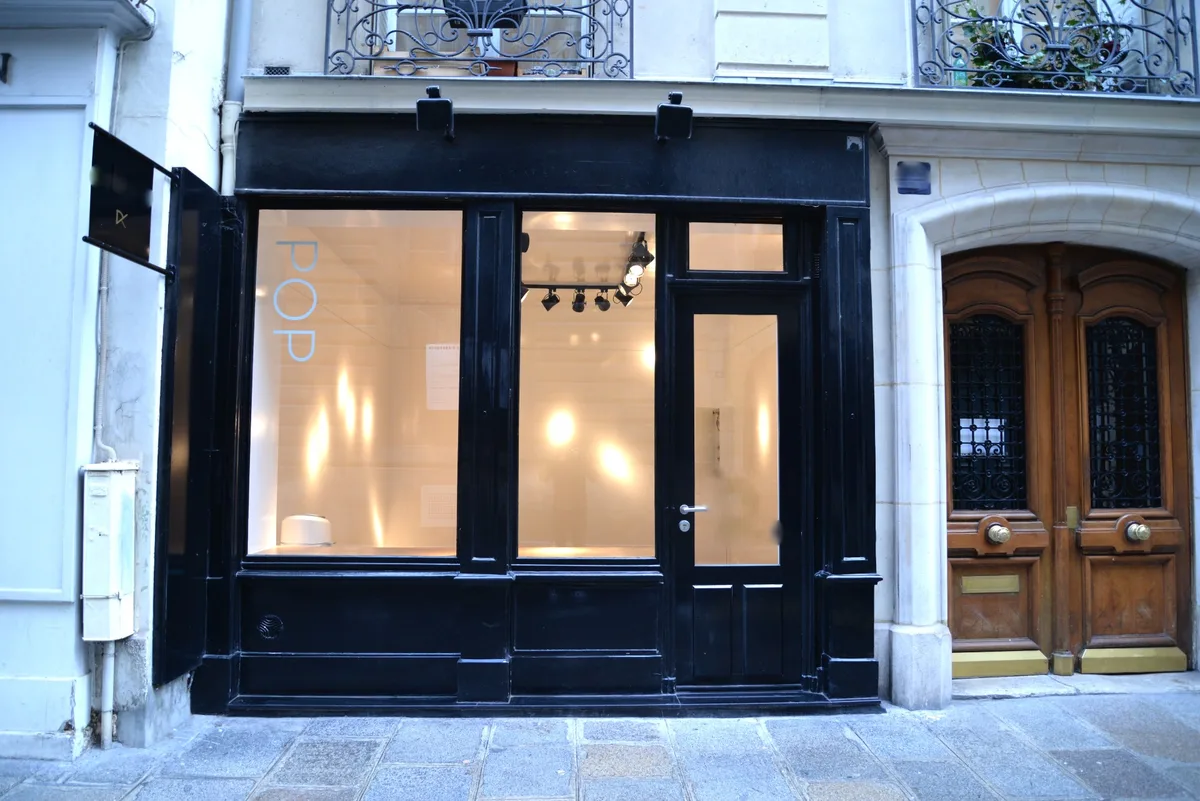
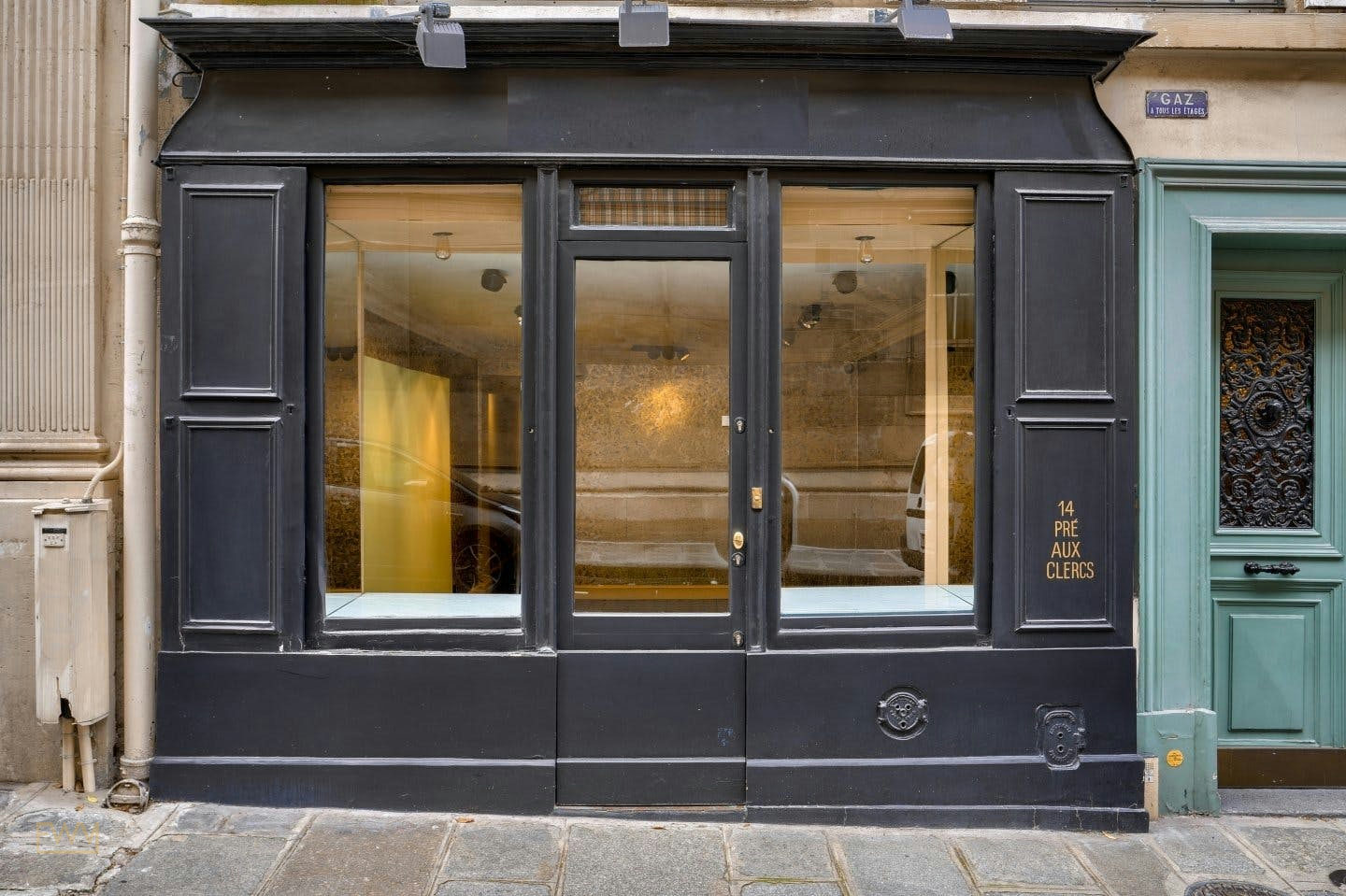
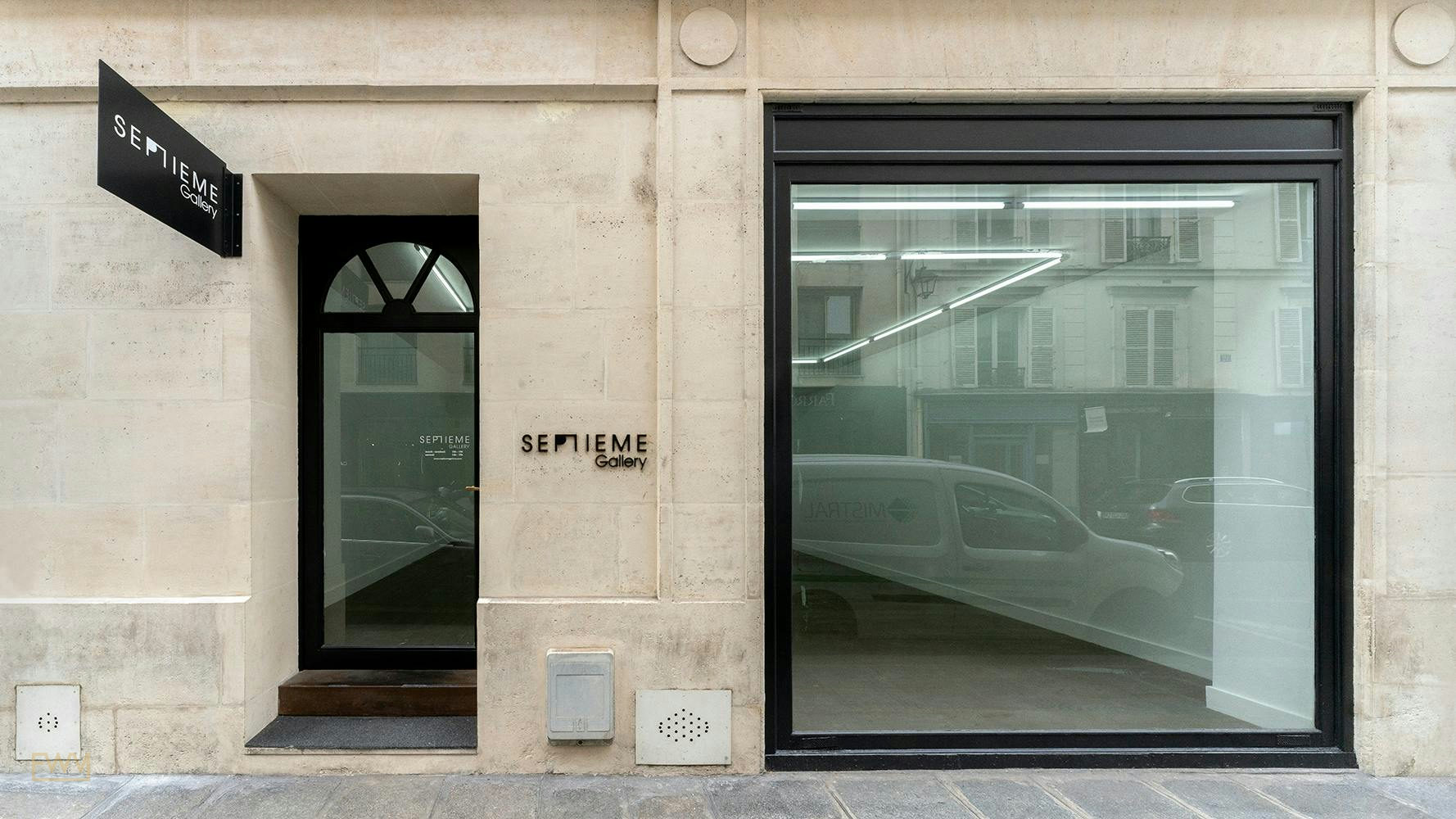
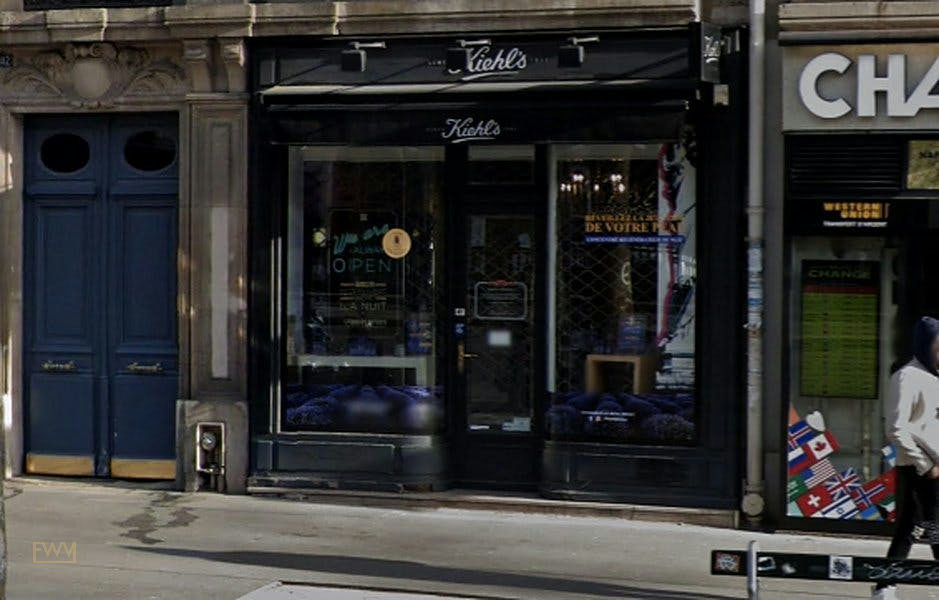
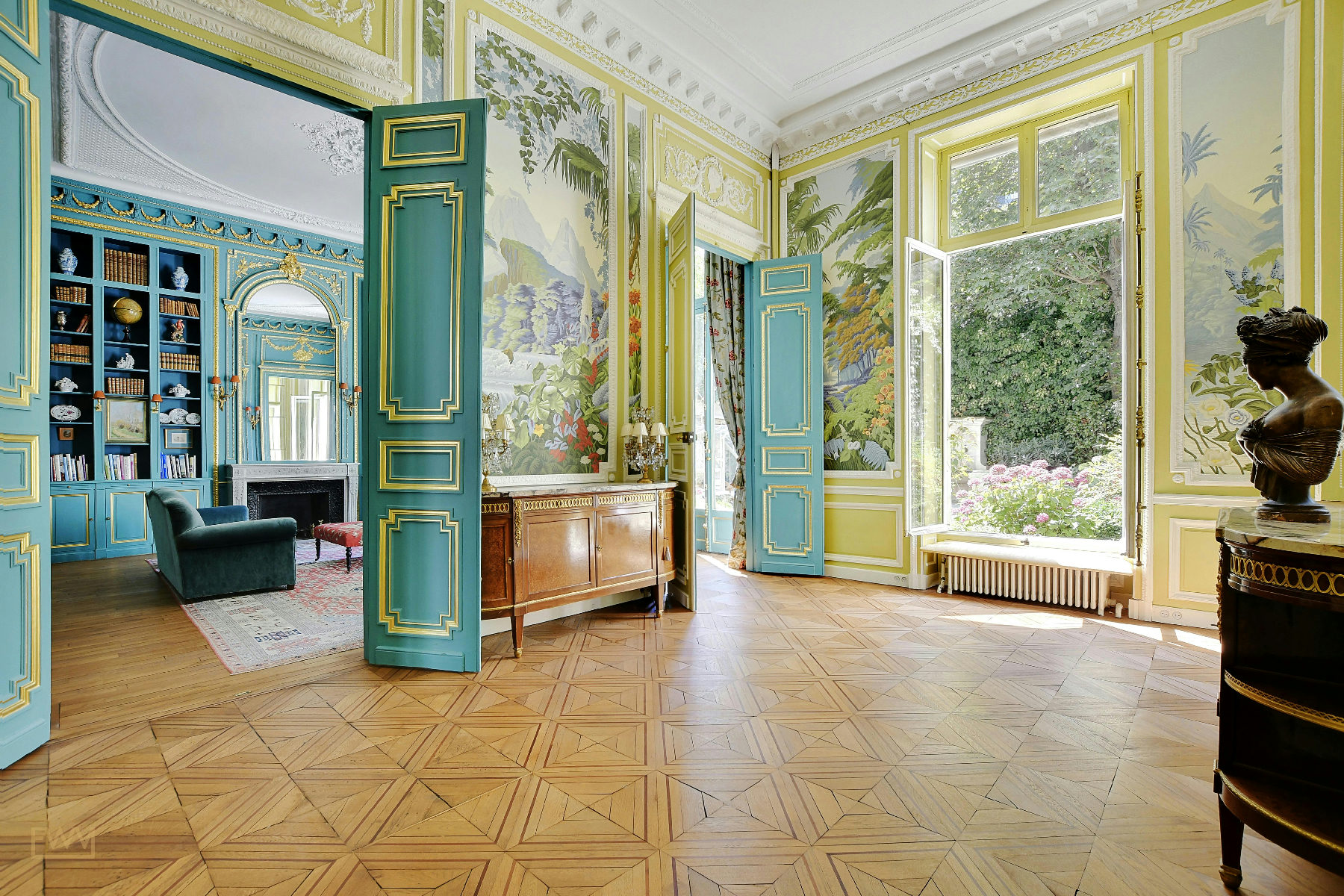
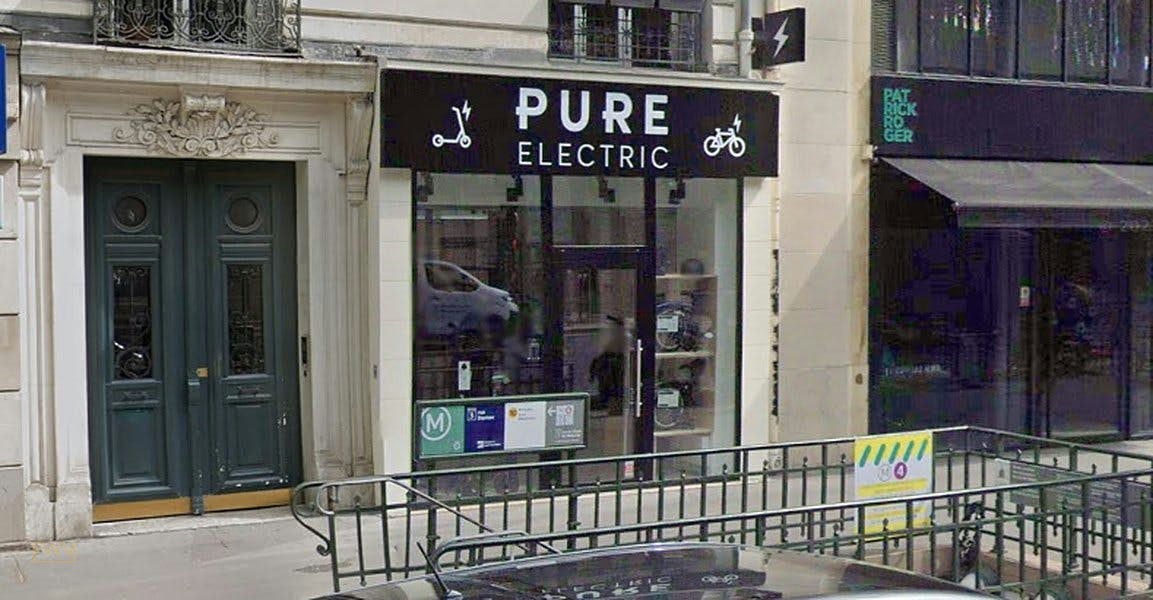
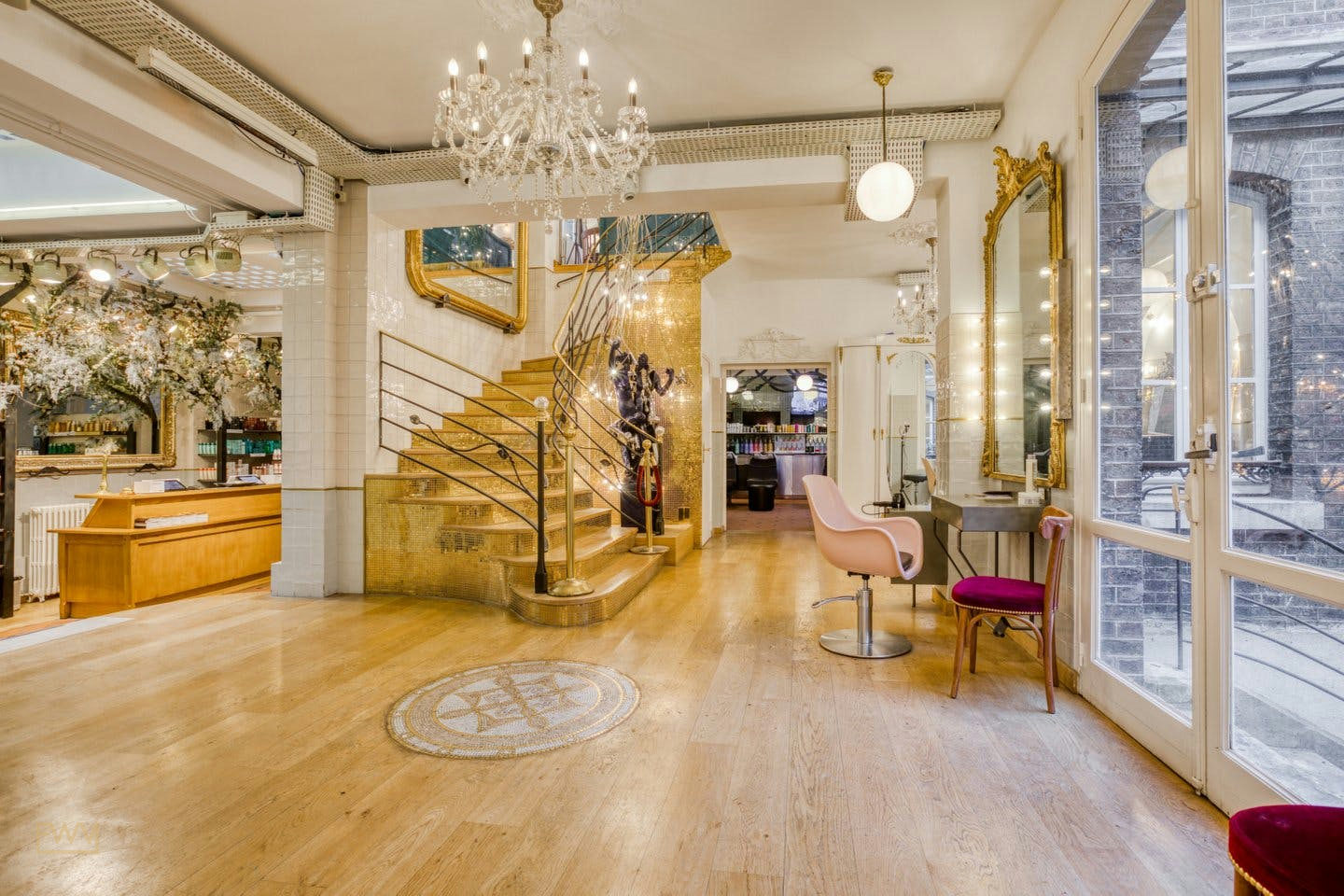
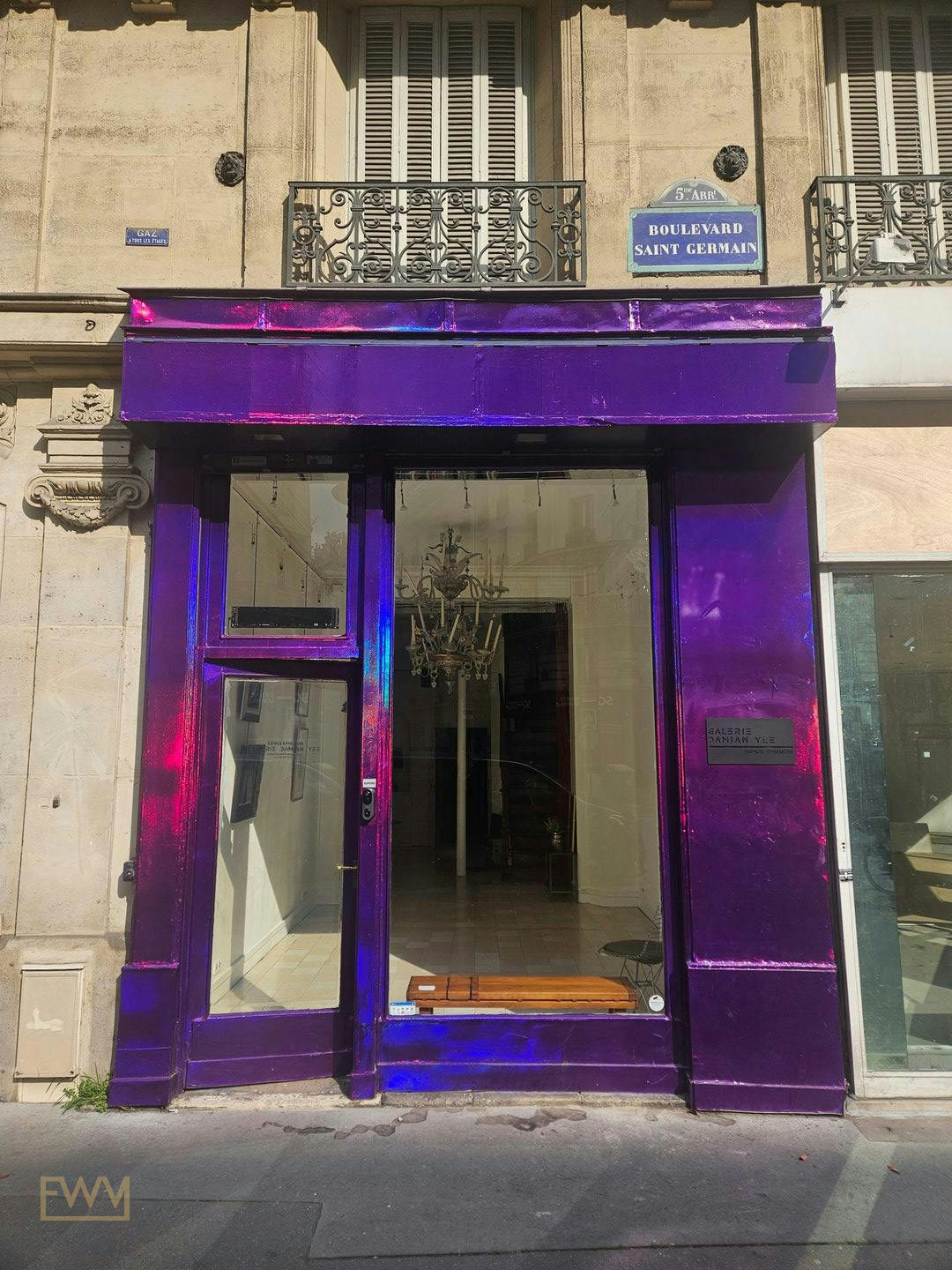
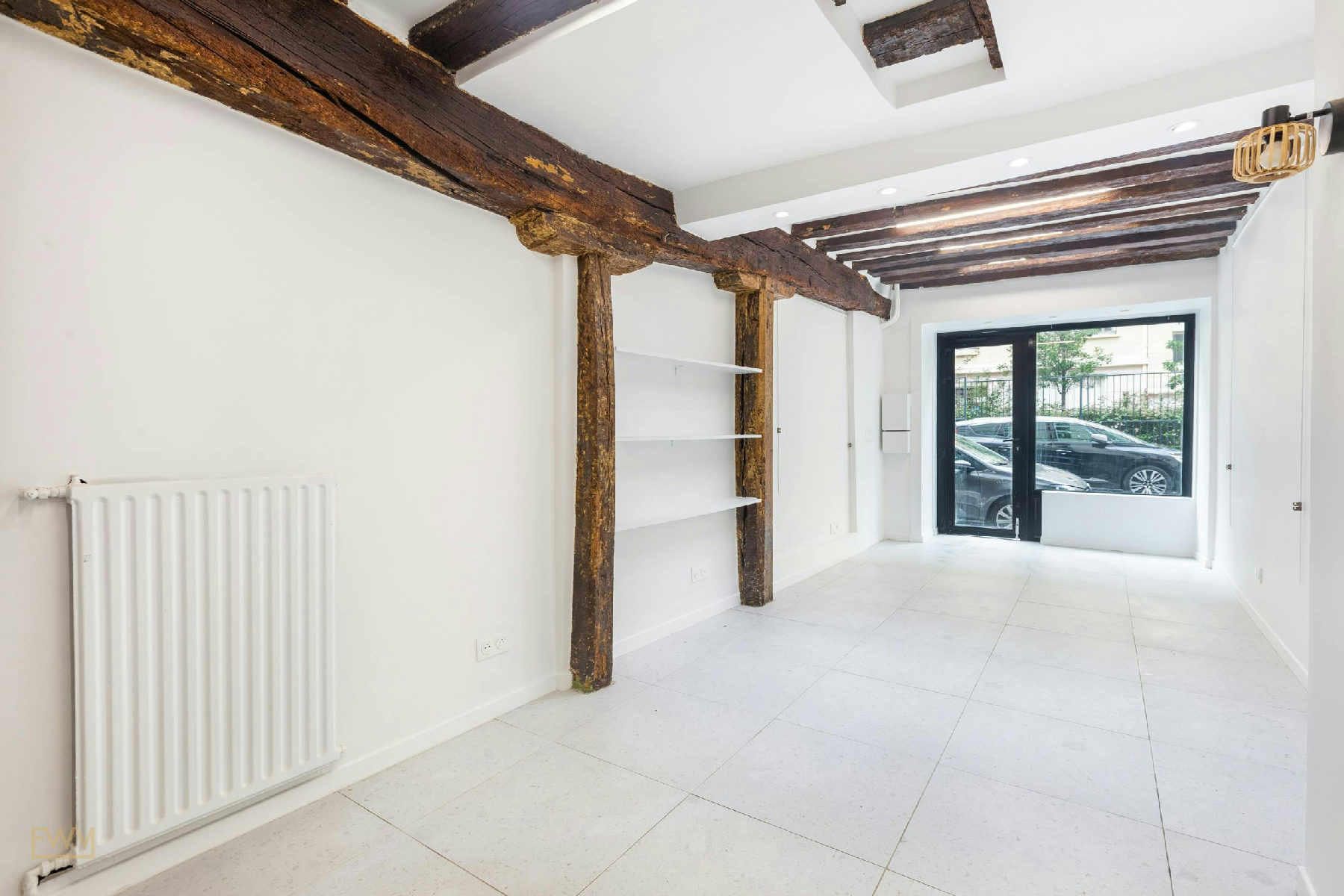
To rent a pop-up shop in the 1st arrondissement of Paris is to place your brand at the historic centre of one of the world's most commercially and culturally powerful retail districts. The 1st arrondissement contains the Palais-Royal, the Louvre-Rivoli corridor, Rue de Rivoli, and borders the Châtelet-les-Halles transport hub, making it one of the most visited urban zones in the world. For fashion brands, luxury houses, beauty launches, and creative concept stores, this district offers a rare combination of prestige address, exceptional foot traffic, and proximity to press, buyers, and influencers. Fashion Week Venues supports brands in sourcing, producing, and activating pop-up spaces across Paris, including the 1st arrondissement and every major neighbouring district.
Why Brands Choose to Rent a Pop-Up Shop in the 1st Arrondissement of Paris
Quick answer: The 1st arrondissement combines prestige address value, extraordinary daily foot traffic, proximity to luxury retail corridors, and direct access to media and cultural institutions. For brands seeking brand positioning in Paris, it is one of the highest-impact locations available for short-term retail and showroom activations.
The 1st arrondissement is not simply another Paris neighbourhood. It sits at the intersection of historical authority and contemporary retail energy. The Louvre is located here. The Palais-Royal gardens have, over recent decades, become a focal point for concept-driven retail and high-end boutique culture. Rue de Rivoli runs through the district offering connections to Châtelet and the broader Marais to the east. The proximity to Place Vendôme, just across the boundary into the 2nd and close to the 8th, reinforces the association with high-value brand positioning.
For fashion brands entering Paris for the first time, the 1st arrondissement communicates seriousness. A showroom or pop-up shop here during Paris Fashion Week signals to press, buyers, and stockists that a brand understands the geography of prestige in the City of Light. For established luxury brands, the district offers temporary retail formats that complement permanent flagships without cannibalising them. For independent designers, a short-term rental in the 1st can function as a launch pad into the French retail market without the financial commitment of a long-term lease.
The district is also served by some of the strongest public transport infrastructure in the city. Châtelet-les-Halles is the largest underground station in the world by interchange capacity, making the 1st arrondissement accessible from virtually every part of Paris and the surrounding Ile-de-France region. This accessibility drives spontaneous footfall in addition to the intentional visits generated by marketing, social media campaigns, and press outreach.
Cultural institutions amplify visibility. Proximity to the Louvre means that international visitors with purchasing power pass through the district in enormous numbers throughout the year. During Paris Fashion Week, Paris Design Week, and FIAC, the density of industry professionals in the 1st and adjacent arrondissements creates a concentrated window of commercial and editorial opportunity that is difficult to replicate elsewhere.
DID YOU KNOW: Châtelet-les-Halles serves over 750,000 passengers per day, making the surrounding streets of the 1st arrondissement among the highest foot traffic zones in continental Europe.
Brands operating in adjacent territories, including beauty, homewares, art, and technology, also find the 1st arrondissement productive. The cross-cultural visitor profile means that a pop-up store here reaches tourists, Parisian residents, industry professionals, and media simultaneously, producing a layered impact that pure residential or pure commercial districts cannot match.
KEY TAKEAWAY: The 1st arrondissement delivers a combination of prestige address value, world-class foot traffic, cultural proximity, and fashion week adjacency that makes it one of the most strategically valuable short-term retail locations in Paris. Brands should treat the district not as simply expensive, but as a high-leverage investment in brand positioning and market entry.
Understanding why the 1st arrondissement matters is only the beginning. The next step is understanding how it compares with other key Paris districts, and how to choose the right location for your specific brand objectives.
Paris Locations and Neighbourhoods: Choosing the Right Arrondissement for Your Pop-Up
Quick answer: Paris offers distinct pop-up retail territories, each with different brand associations, visitor profiles, rental rate expectations, and activation formats. The 1st arrondissement, Le Marais, Saint-Germain-des-Prés, and the Rue Saint-Honoré corridor are the four most sought-after zones for fashion and luxury pop-up stores.
Paris is not a single retail market. It is a collection of micro-markets, each with its own character, consumer profile, and commercial logic. Selecting the wrong neighbourhood for a brand activation can undermine even the most well-executed concept. The following breakdown covers the primary districts relevant to pop-up retail, showroom rental, and brand activation in Paris.
The 1st Arrondissement and Palais-Royal
The 1st arrondissement anchors the northern Seine bank retail zone. The Palais-Royal gardens and surrounding arcades have attracted destination-driven concept retail since the 1990s, with brands including Stella McCartney, Rick Owens, and Marc Jacobs having held presence in the colonnaded galleries. Rue de Rivoli provides a high-volume retail artery with visibility to mass-market and aspirational consumers alike. Louvre-Rivoli as a transport node pushes footfall into adjacent streets throughout the day. Montorgueil, located just north, provides a more neighbourhood-scale village feel that suits artisanal, food, and lifestyle brand activations.
Le Marais and the 3rd and 4th Arrondissements
Le Marais is consistently the most sought-after pop-up district in Paris for fashion, art, and contemporary luxury brands. The area around the Musée Picasso, Carreau du Temple, Rue de Turenne, and the streets leading to Place des Vosges provides a blend of cultural credibility and high consumer spend. The Marais district has historically attracted emerging designers, concept stores, and gallery-adjacent brands. Spaces on Rue Charlot and streets near Arts et Métiers are popular with independent fashion labels and beauty brands. The Marais is particularly effective during Paris Fashion Week when press, buyers, and stylists are concentrated in the district.
Saint-Germain-des-Prés and the 6th Arrondissement
Saint-Germain-des-Prés is associated with intellectual heritage and understated luxury. Saint-Sulpice, Rue de Rennes, Rue de Seine, and rue Dauphine all offer excellent pop-up locations. Le Bon Marché Rive Gauche anchors the southern retail spine of the 6th, reinforcing luxury consumer associations. This district suits brands in fashion, beauty, homewares, books, and art that wish to signal sophistication without the aggressive commercial energy of the Champs-Élysées. For showrooms and private presentations, Saint-Germain properties often offer architectural character including exposed stone, period detail, and high ceilings that create strong visual backdrops.
Rue Saint-Honoré and Place Vendôme
The Rue Saint-Honoré and the adjacent Vendôme district represent the highest tier of luxury brand positioning in Paris. This corridor is appropriate for brands that already operate at luxury price points and for whom address is a primary brand signal. Rental rates here are among the highest in the city, and competition for available short-term space is intense. However, for a product launch, VIP sales event, or press activation where the address itself forms part of the editorial narrative, this district is unmatched.
Châtelet and the Extended 1st Arrondissement
Châtelet-les-Halles itself is primarily a transit hub but the streets immediately surrounding it, including Rue du Louvre and the streets connecting towards Montorgueil and the upper Marais, offer accessible pop-up formats with strong footfall and relatively competitive rental rates compared with the Palais-Royal core.
| District | Brand Profile | Typical Visitor | Best Format | Key Streets and Landmarks |
|---|---|---|---|---|
| 1st Arrondissement / Palais-Royal | Luxury, concept, heritage fashion | International tourists, industry professionals | Pop-up boutique, showroom | Rue de Rivoli, Palais-Royal, Louvre-Rivoli |
| Le Marais (3rd and 4th) | Contemporary fashion, art, beauty | Parisian creatives, international fashion week visitors | Pop-up store, gallery, concept space | Rue de Turenne, Carreau du Temple, Place des Vosges |
| Saint-Germain-des-Prés (6th) | Understated luxury, lifestyle, art | Affluent locals, cultural tourists | Showroom, private event, pop-up | Saint-Sulpice, Rue de Seine, Le Bon Marché |
| Rue Saint-Honoré / Vendôme (1st and 8th) | Luxury, haute couture, jewellery | High-net-worth individuals, VIP clientele | Boutique, VIP event, press day | Rue Saint-Honoré, Place Vendôme |
| Châtelet-les-Halles | Accessible fashion, youth brands, streetwear | Commuters, young Parisians | Pop-up activation, product launch | Rue du Louvre, Forum des Halles |
To compare neighbourhoods and space types, explore the Paris city hub on Fashion Week Venues and shortlist spaces that match your brief, budget, and calendar window.
KEY TAKEAWAY: Each Paris district delivers a different brand signal. The 1st arrondissement is most valuable for brands combining heritage address, luxury associations, and high international footfall. Neighbouring districts including the Marais, Saint-Germain, and Saint-Honoré offer complementary formats depending on brand positioning and activation objectives.
With the right district identified, the next question is what type of space and rental format best suits your activation objectives and duration.
Pop-Up and Retail Concepts: Space Types, Formats, and What to Expect
Quick answer: Paris pop-up spaces are available in formats including retail boutiques, art galleries, concept stores, showrooms, event venues, and private exhibition spaces. The right format depends on whether your primary objective is sales, brand awareness, press, buyer relations, or product testing.
One of the first decisions a brand must make when planning a Paris pop-up is not which neighbourhood, but which format. The physical format of your temporary retail space directly shapes how visitors experience your brand, how staff manage the space, and how press and social media coverage frames the activation. Paris offers a wider diversity of short-term retail formats than almost any other city, which is both an opportunity and a potential source of confusion.
Retail Boutique Pop-Up Stores
A retail boutique format is the most direct pop-up model. The space is configured as a transactional store, with merchandising, product display, fitting rooms where applicable, and point-of-sale infrastructure. For fashion brands, this format prioritises sales and consumer brand experience. It suits product launches, seasonal collections, and market-testing exercises. Boutique pop-ups in the 1st arrondissement typically occupy street-level spaces with shopfront visibility, and range from compact single-room formats of around 30 square metres to full multi-room spaces exceeding 150 square metres.
Showroom Formats for Fashion Week
A fashion showroom differs from a retail boutique in that it is primarily a trade and press environment rather than a consumer-facing sales floor. During Paris Fashion Week, showroom rentals spike significantly as brands present collections to buyers, journalists, and stylists. Showroom spaces require clean, well-lit interiors with hanging space, display surfaces, and meeting room functionality. Many brands in the Marais district and Saint-Germain use gallery-style spaces as showrooms, benefiting from white walls and architectural neutrality that allows the collection to lead the visual experience.
Art Gallery and Exhibition Spaces
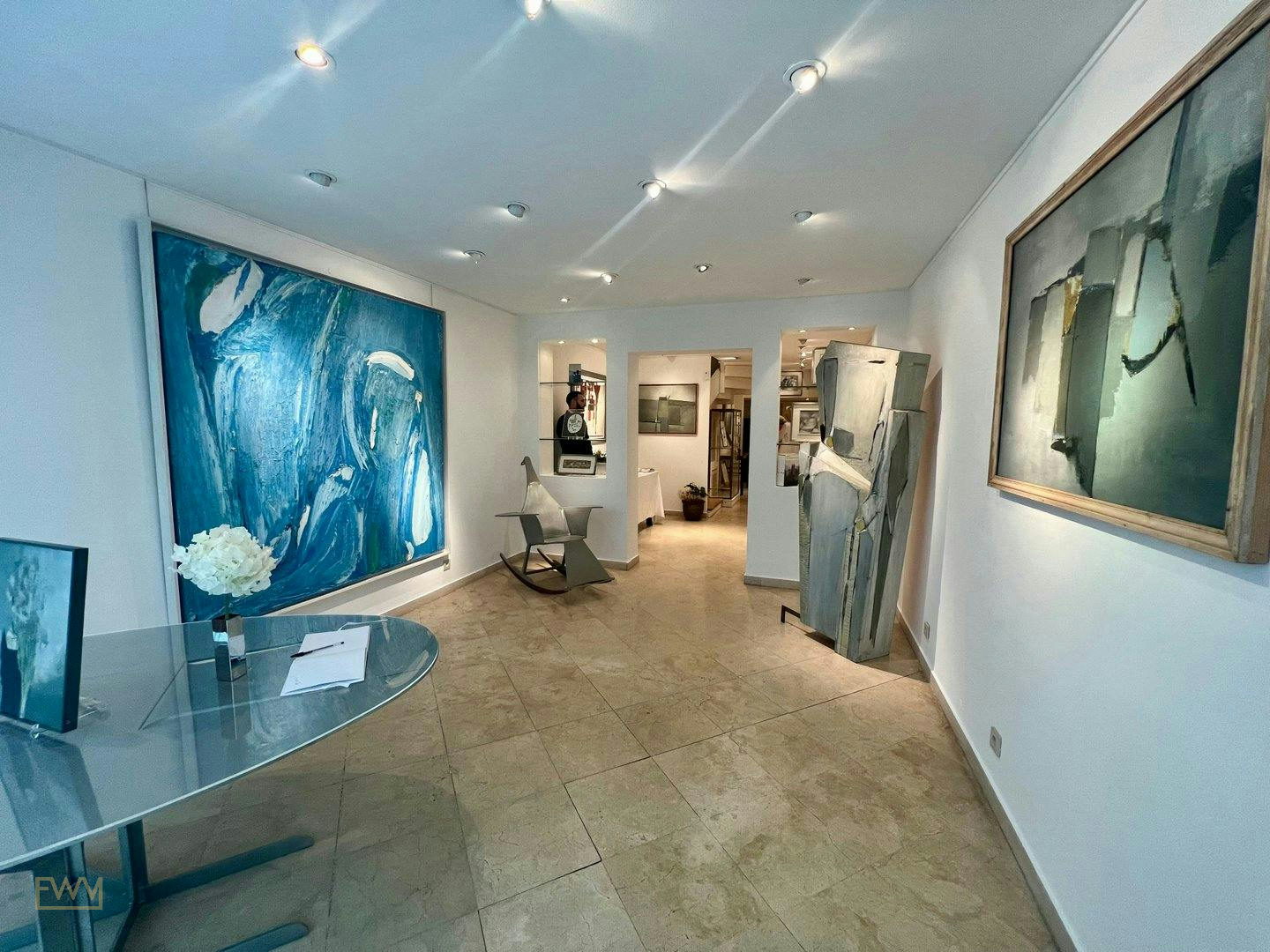
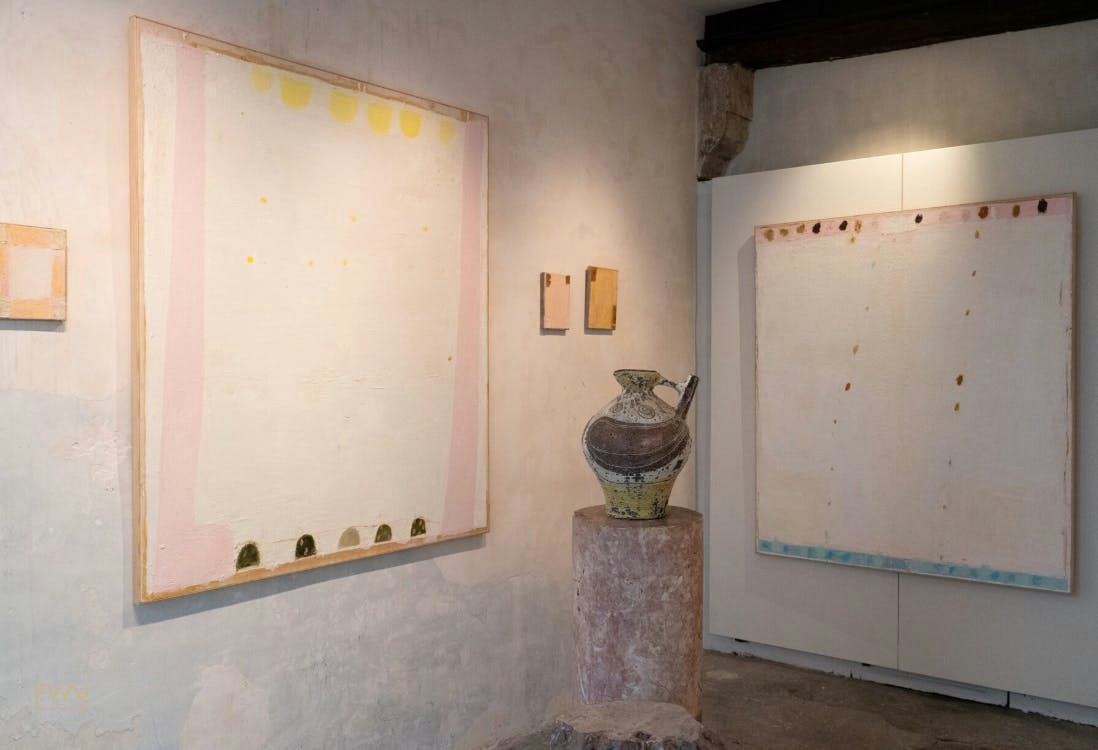
Art gallery spaces have become increasingly popular with fashion brands as the line between fashion, art, and cultural programming continues to blur. Spaces near the Musée Picasso in the Marais, or gallery spaces around the Palais-Royal, offer high ceilings, polished concrete or parquet floors, and a cultural legitimacy that standard retail spaces cannot provide. These spaces are well-suited to brands that want editorial coverage, collaboration with artists, and a positioning that transcends simple commercial messaging.
Concept Stores and Multi-Brand Activations
The concept store format blends retail with cultural programming, food and beverage, and experiential design. Paris has a strong tradition of concept stores, and the format aligns well with brands seeking to communicate a broader lifestyle universe rather than a single product category. The twin concept offered by Fashion Week Venues supports co-activation formats where two complementary brands share a space and activation budget, an approach that is particularly cost-efficient during high-demand Fashion Week windows.
Private Exhibition and VIP Event Spaces
For product launches, press days, and VIP client events, a private exhibition format is appropriate. These spaces are not configured for transactional retail but rather for guided experiences, presentations, and brand storytelling. Haussmann apartments, townhouses, and historical salons in the 1st, 6th, and 8th arrondissements are frequently used for this purpose during Fashion Week and events such as FIAC and Paris Design Week.
TIP: Define your primary objective before selecting a space format. A space optimised for sales will have different lighting, layout, and staffing requirements than one optimised for press days or buyer meetings. Mixing objectives without planning for them explicitly leads to compromised environments that underperform at every objective.
| Space Format | Primary Objective | Typical Duration | Key Features Required | Best Suited Brand Stage |
|---|---|---|---|---|
| Retail Boutique | Sales, consumer brand experience | 1 week to 3 months | Shopfront, POS, merchandising fixtures | Growth and established brands |
| Fashion Showroom | Press and buyer relations | 3 to 10 days during Fashion Week | Hanging rail, clean walls, meeting area | All stages, especially launch |
| Art Gallery Pop-Up | Brand positioning, editorial coverage | 1 to 4 weeks | High ceilings, white walls, gallery lighting | Luxury, art-adjacent, concept-led brands |
| Concept Store | Lifestyle positioning, multi-category | 2 weeks to 3 months | Flexible layout, audio-visual, F&B | Established and challenger brands |
| Private Exhibition | VIP events, press days, product launches | 1 to 5 days | Reception area, salon, presentation space | Luxury, heritage, and prestige brands |
KEY TAKEAWAY: Space format is as important as location. A showroom in the wrong format for your objectives is a wasted budget regardless of address. Define whether you are optimising for sales, press, buyers, brand awareness, or market testing before selecting either district or format.
Once the format is clear, brands need to understand the event calendar that governs the rhythm of demand, pricing, and availability for Paris pop-up spaces.
Paris Fashion Week and the Event Calendar: When to Activate
Quick answer: Paris Fashion Week is the highest-demand window for pop-up and showroom rentals in the city, but it is not the only productive activation window. Paris Design Week, FIAC, and the broader spring and autumn retail seasons each create commercially valuable opportunities for brands willing to plan in advance.
Paris operates on a fashion and cultural calendar that creates predictable spikes in demand for short-term retail space. Understanding this calendar is essential for budget planning, space availability, and activation impact. The most important windows are well-established, and the most strategically sophisticated brands plan their Paris activations twelve to eighteen months in advance.
Paris Fashion Week: The Primary Window
Paris Fashion Week takes place twice annually. The women's ready-to-wear shows occur in late February and early March for autumn collections, and again in late September and early October for spring collections. Men's Fashion Week and Haute Couture Week create additional concentrated windows in January and July. During these periods, the concentration of global fashion press, buyers, stylists, influencers, and brand executives in Paris is extraordinary.
Demand for showroom spaces in the Marais, Saint-Germain, and the 1st arrondissement peaks sharply during Fashion Week. Brands without advance bookings frequently find that the most desirable spaces have been reserved months earlier. Rental rates during Fashion Week windows reflect this demand and are typically higher than equivalent periods outside the fashion calendar.
Paris Design Week
Paris Design Week, held annually in the autumn, draws architects, interior designers, product designers, and lifestyle brands to the city. For fashion brands with a strong aesthetic and design dimension, this period offers an alternative activation window with significant press and consumer interest. Spaces in the Marais and Saint-Germain are particularly active during this period.
FIAC and Art Calendar Windows
FIAC and associated art fair programming brings affluent collectors and cultural professionals to Paris each autumn. Brands positioned at the intersection of fashion and art, or luxury brands seeking to reach high-net-worth consumers, should consider the FIAC window as a primary activation opportunity.
Off-Season Activations
While Fashion Week commands the most attention, off-season activations in Paris carry their own advantages. Rental rates are generally more competitive, availability is greater, and brands can take more time to build anticipation through social media and marketing campaigns without competing for press attention against hundreds of simultaneous activations. A well-executed summer or winter pop-up can achieve strong sales performance by capitalising on tourist footfall rather than industry concentration.
IMPORTANT: Space availability in the 1st arrondissement and Le Marais during Paris Fashion Week is limited. Brands that begin the booking process fewer than three months before their target activation window risk being unable to secure their preferred location, format, or size.
KEY TAKEAWAY: Paris Fashion Week is the single most powerful activation window but not the only one. Brands should align their activation calendar with their primary objectives. Press and buyer meetings benefit most from Fashion Week adjacency, while consumer sales and tourist-driven footfall can perform strongly across multiple calendar windows.
Understanding when to activate is closely linked to understanding how to plan the budget. The next section addresses the financial dimensions of renting a pop-up shop in the 1st arrondissement and Paris more broadly.
Budgeting and Rental Rates: What It Costs to Rent a Pop-Up in the 1st Arrondissement
Quick answer: Rental costs for a pop-up shop in the 1st arrondissement of Paris vary significantly based on location within the district, space size, duration, season, and whether the quote includes utilities, fit-out, and staffing. Directional estimates are available through planning tools, but brand-specific budgets require a detailed brief and direct space sourcing.
Budget is one of the most common points of confusion for brands entering the Paris pop-up market. Rental rate information is rarely published openly, varies considerably between platforms and individual space owners, and can be misleading when it fails to account for the full cost of activation including production, fit-out, staffing, permits, insurance, and utilities.
Understanding the Components of a Paris Pop-Up Budget
The rental rate for a space is only one component of the total activation budget. Brands planning a pop-up in the 1st arrondissement should account for the following cost categories, each of which can represent a significant portion of the total investment.
Space rental itself includes the base daily or weekly rate quoted by the space owner or platform. In high-demand districts such as the 1st arrondissement, rates for prime street-level spaces reflect both the address premium and the seasonal demand calendar. Spaces during Paris Fashion Week command a premium above their standard rates.
Fit-out and production costs cover the physical transformation of a raw or neutral space into a brand environment. This includes furniture, fixtures, display systems, lighting, signage, flooring, and any structural modifications permitted under the short-term lease agreement. Brands that use their own furniture rental and production services can manage these costs more efficiently than those commissioning bespoke builds from scratch.
Staffing costs include in-store retail staff, security, reception, and management. For fashion week showrooms, brand-trained staff familiar with the collection and able to conduct presentations in the relevant languages are essential. Retail staffing in Paris includes employer contributions that must be accounted for if engaging staff directly, or can be managed through an agency arrangement.
Technology infrastructure includes point-of-sale systems, payment processing, inventory management, and network connectivity. Services such as SumUp, Zettle, and Shopify POS are commonly used for pop-up retail operations in Paris because they offer portable, flexible payment solutions without the commitment of a fixed till infrastructure.
Permits and insurance represent costs that are frequently underestimated. Depending on the space type, activity, and arrondissement, permits may be required for signage, events, amplified sound, or public-facing commercial activity. Insurance for stock, liability, and the space itself is typically required by space owners as a condition of the rental agreement.
TIP: Use the budget estimation tool on Fashion Week Venues to build a complete activation cost model before approaching space owners or agents. Entering negotiations without a full budget picture leads to overspend and compromised delivery.
Rental Rate Context
While specific pricing is not published as fixed rates, because they vary materially by space, duration, and timing, brands can use directional benchmarking to understand relative cost levels. Prime street-level spaces in the Palais-Royal and Rue Saint-Honoré corridor are among the most expensive short-term retail formats in Europe. Spaces in the northern Marais and Châtelet periphery are typically more accessible. Short-duration rentals of three to seven days for fashion week showrooms are often priced at daily rates that reflect the premium of the week itself, while longer rentals of four to twelve weeks may offer proportionally lower daily rates.
KEY TAKEAWAY: The full cost of a Paris pop-up activation extends well beyond the rental rate. Brands should plan for production, staffing, technology, permits, insurance, and utilities as distinct budget lines. Using a budget planning tool before starting space negotiations avoids the common mistake of committing to a space and then running out of budget for the activation itself.
Budget clarity supports better space decisions. The next section addresses the legal and administrative requirements that every brand renting a pop-up space in Paris must understand before signing any agreement.
Legal and Administrative Requirements: Permits, Leases, and Compliance for Paris Pop-Ups
Quick answer: Renting a pop-up space in Paris involves navigating French commercial lease law, short-term rental agreements including the bail dérogatoire, potential autorisation d'occupation temporaire requirements, and local regulations that vary by arrondissement and activity type. Specialist advice is strongly recommended.
Legal compliance is one of the most underestimated challenges for international brands entering the Paris pop-up market. The French legal framework for commercial property is complex, and the distinction between different types of short-term agreement has material consequences for both tenant rights and obligations.
The Bail Dérogatoire
The bail dérogatoire, sometimes called a short-term commercial lease, is the most commonly used instrument for pop-up retail in France. Under French law, the bail dérogatoire permits a commercial tenancy of up to three years without triggering the protections of the standard commercial lease statute (bail commercial), which would otherwise grant the tenant rights to lease renewal and goodwill compensation. For brands seeking a temporary presence of days, weeks, or a few months, the bail dérogatoire provides the legal flexibility necessary without the long-term obligations of a standard commercial lease.
The bail dérogatoire must be agreed in writing, must clearly state that both parties intend to derogate from the standard commercial lease statute, and must not exceed thirty-six months in total including any extensions. If the tenant remains in occupation after the bail dérogatoire expires without a new agreement, French law may convert the arrangement into a standard commercial lease with all associated protections and obligations. This is a risk that brands should take seriously and mitigate through careful contract management.
Autorisation d'Occupation Temporaire
For pop-up activations in public spaces, gardens, or spaces that fall under public domain management, such as certain courtyards, covered passages, or outdoor retail formats adjacent to public monuments, an autorisation d'occupation temporaire (AOT) is required. This is a permission from the relevant public authority, and requirements, processing times, and fees vary by location and activity type. Brands planning activations in spaces adjacent to the Louvre, Palais-Royal gardens, or other public domain areas should investigate AOT requirements early in the planning process.
Insurance Requirements
French space owners universally require tenants to provide evidence of commercial liability insurance before accessing a rented space. This insurance must cover damage to the premises, liability to third parties, and typically stock and equipment. International brands should verify that their existing insurance policies provide coverage within France, and should obtain specific declarations where necessary. Gaps in insurance coverage can result in denial of access or personal liability in the event of an incident.
Local Regulations and Arrondissement-Specific Rules
The 1st arrondissement falls within the jurisdiction of the Mairie de Paris and is subject to the regulations of the Préfecture de Police de Paris. Activities including outdoor signage, A-frame boards on pavements, amplified sound, and extended trading hours may require specific permissions. Requirements vary depending on the exact street, the building classification, and the nature of the commercial activity. The permits guidance tool on Fashion Week Venues provides an orientation to French permit categories, but brands should verify specific requirements with a qualified French legal advisor or through their agency partner.
IMPORTANT: Do not assume that a short-term lease in Paris is legally simple. French commercial property law is precise, and errors in contract structure, permit compliance, or insurance provision can result in activation delays, financial penalties, or loss of deposit. Engaging specialist legal and agency support is strongly advisable.
KEY TAKEAWAY: The bail dérogatoire is the standard instrument for short-term pop-up leases in France, but it must be executed correctly to avoid unintended legal obligations. AOT permissions, commercial insurance, and local permits each add complexity that international brands frequently underestimate. Specialist support is not an optional extra but a risk management investment.
With the legal framework understood, brands need a practical workflow for moving from brief to open doors. The next section provides a step-by-step process for planning and executing a Paris pop-up activation.
Step-by-Step Process for Renting and Activating a Pop-Up Shop in the 1st Arrondissement
Quick answer: A successful Paris pop-up activation requires a structured workflow beginning with objective setting and ending with post-activation analysis. The typical planning horizon for a well-executed fashion week pop-up is twelve to sixteen weeks from brief to open doors.
Many brands arrive at the Paris pop-up market without a clear process, which leads to reactive decisions, budget overruns, and compromised outcomes. A structured workflow resolves this. The following framework applies to most brand activation scenarios in the 1st arrondissement and across Paris.
| Stage | Action | Timeline Before Opening | Key Decisions |
|---|---|---|---|
| 1. Define Objectives | Clarify whether the activation is for sales, press, buyers, brand awareness, or market testing | 16 to 20 weeks | Primary KPI, secondary objectives, success metrics |
| 2. Set Budget | Build total cost model including rent, production, staffing, permits, insurance, and marketing | 14 to 18 weeks | Total budget envelope, allocation by category |
| 3. Select District and Format | Choose arrondissement, street, and space format aligned with objectives and brand positioning | 12 to 16 weeks | District priority, space type, size requirement |
| 4. Source Space | Review available spaces through marketplace, agent, or direct sourcing | 10 to 14 weeks | Shortlist of three to five spaces, viewing schedule |
| 5. Negotiate and Contract | Agree rental terms, confirm bail dérogatoire, secure insurance, confirm permits | 8 to 12 weeks | Lease terms, break clauses, included utilities, deposit |
| 6. Concept and Design | Develop spatial plan, brand environment design, merchandising scheme | 6 to 10 weeks | Visual identity, fixture selection, lighting design |
| 7. Production and Build | Procure furniture, fixtures, signage, install fit-out | 2 to 4 weeks | Build schedule, delivery access, snagging |
| 8. Staff and Technology | Brief and onboard staff, install POS and payment systems, test inventory management | 1 to 2 weeks | Staff rota, POS configuration, stock arrival |
| 9. Activate and Market | Open, run social media, manage press, execute influencer programme | Live period | Daily performance tracking, visitor experience management |
| 10. Close and Analyse | Deinstall, restore space, compile data, produce post-activation report | After closing | Sales data, visitor counts, press coverage, ROI assessment |
Defining Your Needs First
The most important step in the entire process is the first one. Before selecting a space, neighbourhood, or activation format, a brand must have a clear answer to the question: what is this activation for? A pop-up designed to generate press coverage has fundamentally different requirements to one designed to maximise direct-to-consumer sales or to present a collection to trade buyers. Brands that conflate these objectives end up with spaces and activations that serve none of them effectively.
Anticipating Layout and Logistics
Once a space is selected, the practical logistics of the fit-out need immediate attention. How will products be transported to the space? Most Paris streets in the 1st arrondissement have restricted vehicle access, and delivery windows may be limited to early morning or late evening. Will the space require additional furniture, specialist lighting such as spotlights for jewellery or beauty, or structural elements such as steel pillars or display plinths? Does the flooring condition support the intended aesthetic, or will temporary flooring be required? These questions need answers before signing a lease, not after.
Communication and Social Media Strategy
The activation plan must include a pre-opening communication strategy. Social media, email, and press outreach should begin at least four to six weeks before opening. For fashion week activations, press briefings and buyer invitations should go out earlier. The location on social media, the imagery of the space, and the narrative around why the brand is in Paris and in this specific location all form part of the editorial story that drives both attendance and coverage.
KEY TAKEAWAY: A Paris pop-up activation is a project management exercise as much as a creative one. The brands that execute most effectively in the 1st arrondissement are those that have a structured workflow, clear timelines, defined responsibilities, and a budget that accounts for every cost category from lease to last staff hour.
The next section explains how Fashion Week Venues specifically supports brands through this process.
How Fashion Week Venues Supports Brands Renting Pop-Up Spaces in Paris
Quick answer: Fashion Week Venues operates as a full-service pop-up agency and space marketplace, supporting brands across venue sourcing, concept direction, production, fit-out, staffing, payments, data, and influencer marketing. It is designed to reduce the coordination burden for international brands activating in Paris for the first time or at scale.
International brands entering Paris face a structurally complex challenge. They are typically operating in a city where they may not have a local team, may not speak French fluently, are unfamiliar with the legal and permit landscape, and are competing for space and supplier attention alongside hundreds of other brands during the same calendar windows. Fashion Week Venues exists to reduce that complexity and support brand teams from initial brief through to post-activation reporting.
Venue Sourcing
The venue sourcing service provides access to curated spaces across Paris including the 1st arrondissement, Marais, Saint-Germain, and Saint-Honoré corridor. Rather than relying on generic listing platforms, Fashion Week Venues maintains relationships with space owners and can access spaces that are not publicly listed, giving brands a broader and more relevant shortlist than self-directed search typically produces.
Concept Direction and Branded Store Design
Creative direction and spatial planning are available through the concept direction and branded store design services. For brands that have a strong product but limited experience in translating brand identity into a physical retail environment, these services provide the expertise needed to create a space that performs both aesthetically and commercially. Concept direction covers spatial planning, artistic direction, and the overall experience design. Branded store design delivers the executed environment.
Production, Build, and Furniture
The production and build service manages the physical fit-out of the space, including fixture installation, lighting, flooring, and signage. Furniture rental provides flexible access to curated pieces without the cost and logistics of purchasing and shipping. Together, these services allow brands to create a high-quality retail environment without a permanent Paris logistics infrastructure.
Retail Staffing and Activation Management
The retail staffing service provides trained, brand-appropriate staff for pop-up operations. Staff are briefed on the brand, the collection, and the customer experience objectives. Activation management covers the operational layer of the live period, ensuring that the space opens on time, performs to plan, and resolves issues quickly. The activation management service is particularly valuable for brands without a Paris-based team who need a trusted local operator running the physical space.
Planning and Budgeting Tools
Fashion Week Venues offers a suite of planning tools including a timeline planning tool, a budget estimation tool, an ROI calculator, a space comparison tool, a locator tool, and a permits guidance tool. These tools support internal planning and help brand teams build accurate briefs before engaging with space owners or the agency team.
The Twin Concept
The twin co-activation concept pairs two complementary brands in a shared space. This approach reduces per-brand rental costs, increases foot traffic through combined audiences, and creates cross-brand editorial and social media opportunities. The twin format is particularly useful for emerging brands or brands with limited Paris budgets who want to access premium locations that would otherwise be out of reach on a solo basis.
Practical Limitations to Understand
Fashion Week Venues does not guarantee space availability, permit approval, or specific commercial outcomes. Space availability, particularly during Fashion Week windows, is subject to market conditions and early demand. Brands should engage with the agency as early as possible in the planning cycle to access the widest range of options. International brands should also understand that the agency is a support partner, not a substitute for qualified French legal advice on lease agreements and permit compliance.
KEY TAKEAWAY: Fashion Week Venues provides end-to-end support for Paris pop-up activations, reducing the coordination complexity for international brands while maintaining brand control and quality. The most effective engagements begin early in the planning cycle and use the full suite of tools and services rather than sourcing space and other elements separately.
Technology, Payments, and Operations for Paris Pop-Up Stores
Quick answer: Running a pop-up store in Paris requires functional payment, inventory, and staff management systems. Mobile POS solutions including SumUp, Zettle, and Shopify POS are widely used because they are portable, multilingual, and do not require fixed infrastructure installation.
The operational technology layer of a Paris pop-up is frequently left as an afterthought, and it regularly causes problems during the live activation period. Payment systems that do not process card types common among international customers, inventory management tools that are not configured before opening day, and network connectivity that fails during peak trading hours are all common sources of avoidable performance loss.
Point of Sale and Payment Processing
Paris consumers and international visitors rely almost universally on card payments. Cash transactions are declining across French retail, and a pop-up that cannot accept contactless, chip-and-pin, and digital wallet payments will lose sales. Mobile POS systems such as Shopify POS, SumUp, and Zettle provide compact, reliable solutions that can be set up quickly, integrated with inventory systems, and used by staff without extensive technical training. These systems also generate transaction data that is essential for post-activation performance analysis.
Inventory Management
Stock management in a pop-up environment requires discipline. Inventory should be counted and configured in the POS system before the space opens, and daily reconciliation should be standard practice. For fashion brands bringing stock from international warehouses, the logistics of customs documentation, bonded storage, and delivery windows in central Paris need to be resolved weeks before the activation begins.
Network and Connectivity
Most Paris pop-up spaces do not include reliable high-speed internet as standard. 4G and 5G mobile data solutions are commonly used as a primary or backup connectivity method. Brands should test connectivity in the space before opening and should not rely on the building's infrastructure being either available or sufficient for POS transaction processing and concurrent social media content creation.
Security
Security in central Paris pop-up locations is a practical concern. Spaces on high-footfall streets in the 1st arrondissement and Marais experience both opportunistic theft and organised retail crime. Security staffing, monitored alarm systems, and sensible stock management practices are all components of a responsible activation plan. Space owners may have existing security infrastructure that tenants can use, or may require tenants to arrange their own provision.
KEY TAKEAWAY: Technology and operational infrastructure for a Paris pop-up require the same planning attention as the creative and design elements. Payment systems, inventory management, connectivity, and security should all be resolved before opening day, not after the first trading session.
Common Myths About Renting a Pop-Up Shop in the 1st Arrondissement of Paris
MYTH: You need a French legal entity to rent a pop-up space in Paris.
FACT: International brands can rent short-term retail spaces in Paris without establishing a French company, though the process requires careful contract structuring and appropriate insurance documentation. Many space owners and agencies work with international entities regularly. However, brands should take qualified legal advice on the specific contract terms and tax implications of trading in France, as requirements vary depending on the nature of the activity, the duration, and the revenues generated.
MYTH: Paris Fashion Week is the only viable calendar window for a Paris pop-up.
FACT: Paris Fashion Week is the highest-profile window, but it is not the only commercially productive one. Paris Design Week, FIAC, the summer tourist season, and the pre-Christmas period each offer strong foot traffic and consumer spending. For brands that are not primarily targeting press or trade buyers, off-season windows often deliver better value-for-money and more relaxed space availability than the peak Fashion Week period.
MYTH: Commission-based brokers are the only way to find a pop-up space in Paris.
FACT: Dedicated space marketplaces, full-service agencies, and direct approaches to space owners are all viable routes to finding a pop-up space in the 1st arrondissement and across Paris. Commission brokers represent one option, and their fees and incentives should be understood clearly. A full-service agency that provides both space sourcing and activation services may deliver better overall value than a broker who sources only the space and leaves the brand to manage all other elements independently.
MYTH: Short-term leases in Paris are legally simple and require no specialist input.
FACT: The bail dérogatoire is a specific French legal instrument that must be executed correctly to avoid inadvertently triggering the protections of the standard commercial lease statute. If the lease is not properly structured, or if the tenant remains in occupation beyond the agreed term without a new agreement, the legal consequences can be significant and expensive. Specialist legal review of any short-term Paris commercial lease is strongly recommended regardless of the apparent simplicity of the arrangement.
MYTH: A pop-up store in the 1st arrondissement will generate press coverage automatically because of the address.
FACT: Address alone does not generate press or social media coverage. A compelling brand story, advance press outreach, influencer programming, and a well-designed activation experience are what drive editorial attention. The address of the 1st arrondissement provides a credible context and a strong visual backdrop, but brands that rely on location without investing in communication and marketing will be disappointed by the coverage they receive.
Frequently Asked Questions
What is a pop-up store in Paris?
A pop-up store in Paris is a temporary retail or brand activation space rented for a defined period, typically ranging from a few days to several months. Pop-up stores in Paris are used by fashion brands, beauty labels, luxury houses, designers, and international brands entering the French market to sell products, present collections, host events, or build brand awareness. Paris pop-up stores range from small boutique formats in gallery spaces to large multi-room retail environments in historic buildings.
How do I rent a pop-up shop in the 1st arrondissement of Paris?
To rent a pop-up shop in the 1st arrondissement of Paris, you need to define your objectives, set a total budget including all costs beyond the rental rate itself, identify the right space format and size, and engage with a space marketplace, full-service agency, or space owner directly. The process typically takes twelve to sixteen weeks from initial brief to opening, and requires a signed short-term lease agreement, commercial insurance, and in some cases specific permits depending on the nature of the activity. Early engagement is essential as the most desirable spaces are often reserved months in advance.
Are pop-up stores common in Paris?
Yes. Paris has one of the most active pop-up and temporary retail markets in the world, driven by its position as a global fashion capital and its concentration of international brand investment during events including Paris Fashion Week, Paris Design Week, and FIAC. The Marais, Saint-Germain-des-Prés, Rue Saint-Honoré, and the 1st arrondissement are the most active pop-up districts. Paris's rich infrastructure of gallery spaces, haussmann apartments, and commercial boutiques makes it particularly well-suited to the diverse range of formats that brands require.
What neighbourhoods are best for pop-up retail in Paris?
The most sought-after neighbourhoods for pop-up retail in Paris are the 1st arrondissement including the Palais-Royal and Rue de Rivoli, Le Marais in the 3rd and 4th arrondissements, Saint-Germain-des-Prés in the 6th, and the Rue Saint-Honoré and Place Vendôme area in the 1st and 8th arrondissements. Each district suits a different brand profile and activation objective. The 1st arrondissement is particularly strong for luxury, concept, and heritage fashion brands seeking high international footfall and prestige address value.
How much does a pop-up shop cost in Paris?
Pop-up shop costs in Paris vary significantly depending on the district, space size, duration, and season. The rental rate is only one cost component. Brands must also budget for fit-out and production, furniture, staffing, technology, permits, and insurance. Prime locations in the 1st arrondissement and Rue Saint-Honoré corridor are among the most expensive in Europe. For a directional cost model based on your specific brief, use the budget estimation tool provided by Fashion Week Venues, which accounts for the full cost of activation rather than rental alone.
What is a bail dérogatoire and why does it matter for pop-up leases?
A bail dérogatoire is a short-term commercial lease under French law that allows a tenancy of up to three years without triggering the standard commercial lease protections that would otherwise give tenants rights to lease renewal and goodwill compensation. For pop-up retail, it provides the legal flexibility needed for short-term occupancy. However, it must be correctly executed in writing with explicit derogation language. If a tenant remains in occupation after the bail dérogatoire expires, French law may automatically convert the arrangement into a standard commercial lease with significantly more complex obligations.
Do I need permits to run a pop-up store in the 1st arrondissement?
Permit requirements for pop-up stores in the 1st arrondissement depend on the type of activity, the space itself, any outdoor elements such as signage or A-frame boards, and whether the space sits within a historically protected zone or on public domain land. Requirements vary by arrondissement and by exact street. Brands planning to use outdoor signage, amplified sound, or activations that extend beyond the private interior of the rented space should investigate permit requirements early. The permits guidance tool on Fashion Week Venues provides orientation, but verification with a qualified French legal advisor is recommended.
What insurance do I need to rent a pop-up space in Paris?
French space owners universally require tenants to hold commercial liability insurance before accessing a rented space. This insurance should cover damage to the premises, third-party liability, and typically stock and equipment. International brands must verify that their existing policies provide coverage within France and obtain specific declarations if required. Gaps in insurance can result in denied access to the space, loss of deposit, or personal liability in the event of an incident. Insurance should be confirmed and documented before the lease is signed.
What is the ideal duration for a pop-up in the 1st arrondissement?
The ideal duration depends on your activation objectives. Fashion week showrooms typically operate for three to ten days aligned with the official Fashion Week schedule. Retail pop-up stores aimed at consumer sales perform well over periods of two to eight weeks, which allows time for word-of-mouth to develop and for marketing to generate repeat visitors. Longer durations of two to three months are appropriate for market-testing exercises and brands building a Paris consumer base. Shorter durations carry higher daily rates relative to longer commitments, so the economics of duration should be modelled carefully before committing.
Can I run a pop-up in Paris without a Paris-based team?
Yes, but it requires either a reliable local agency partner or exceptional remote management capability. The operational realities of managing deliveries, fit-out, staff, permits, and daily trading in central Paris from abroad are significant. Brands without a local team typically benefit most from engaging a full-service agency that can manage the physical activation on their behalf. This includes space sourcing, fit-out, staffing, operations, and post-activation reporting. Attempting to manage all these elements remotely without local support is a common cause of activated brands performing below their potential.
What payment systems work best for Paris pop-up stores?
Mobile and portable POS systems are the most practical choice for Paris pop-up retail. SumUp, Zettle, and Shopify POS are all widely used and support contactless, chip-and-pin, and digital wallet payments. These systems are relatively easy to configure, can be integrated with inventory management tools, and generate the transaction data needed for post-activation performance analysis. Brands should configure and test their payment systems before opening day and should have a backup connectivity solution in place in case the primary network is unreliable.
What is the twin co-activation concept and is it suitable for my brand?
The twin co-activation concept pairs two complementary, non-competing brands in a shared pop-up space. Both brands benefit from shared rental costs, combined marketing reach, and cross-audience exposure. The format is particularly well-suited to emerging or independent brands that want access to premium Paris locations without the full cost of a solo activation. For the twin format to work well, both brands should share a compatible aesthetic and consumer profile without competing for the same customer. The concept is available through Fashion Week Venues and is designed specifically for the Paris market.
How far in advance should I book a pop-up space during Paris Fashion Week?
For Paris Fashion Week windows, brands should begin the space sourcing process at least twelve to sixteen weeks before their target activation date, and ideally earlier. The most desirable spaces in the 1st arrondissement, Marais, and Saint-Germain are typically reserved months in advance. Brands that approach the market six to eight weeks before Fashion Week frequently find that their first and second-choice locations are unavailable, forcing compromises on size, format, or location. Early engagement also provides more time for the full activation planning cycle including design, production, staffing, and permits.
Can an art gallery space work as a fashion pop-up or showroom?
Yes, and it is a format used extensively by fashion brands in Paris. Gallery spaces offer clean white walls, high ceilings, gallery-quality lighting, and a cultural positioning that standard retail spaces do not provide. For fashion brands seeking editorial coverage, collector or art-adjacent consumer audiences, or a backdrop that signals creative ambition, a gallery format is often more effective than a conventional boutique layout. Many Paris gallery spaces are available for short-term rental during periods when they are not hosting their own exhibitions, and they are particularly concentrated in the Marais and near the Palais-Royal.
What data and analytics can I collect from a Paris pop-up activation?
A well-instrumented Paris pop-up can collect visitor count data, transaction data including items sold, revenue, and average basket value, customer acquisition data through email sign-up or CRM tools, social media engagement metrics, press coverage volume and reach, and net promoter or satisfaction data where collected. This data supports post-activation ROI calculation and informs future Paris activation strategy. POS systems such as Shopify POS provide transaction data automatically, while visitor counting requires either a dedicated counter or a manual tally system. Data collection should be planned before the activation begins, not added as an afterthought.
Conclusion: Ready to Rent a Pop-Up Shop in the 1st Arrondissement of Paris
The 1st arrondissement of Paris offers one of the most powerful addresses in global retail. The combination of the Palais-Royal, Rue de Rivoli, Châtelet-les-Halles, and the proximity to the Rue Saint-Honoré luxury corridor creates a district that delivers prestige, foot traffic, cultural authority, and fashion industry proximity in a configuration that very few cities can match. For brands that approach the market with clarity of objective, a full budget model, legal and permit compliance, and a structured activation plan, a pop-up in the 1st arrondissement can deliver measurable returns on brand awareness, media coverage, consumer acquisition, and sales.
The key discipline is preparation. Brands that define their objectives before selecting a space, budget for every cost category before committing to a lease, engage with legal and permit requirements early, and build a communication plan that begins weeks before opening will consistently outperform those that treat the Paris pop-up as a last-minute logistics exercise.
Whether your brand is entering Paris for the first time, returning for a Fashion Week showroom, launching a new product, or testing a retail concept in the French market, the frameworks, tools, and expertise needed to do it well are available. The most effective first step is building a focused brief that captures your objectives, timing, budget, and brand requirements clearly before approaching the market.
To move from research to activation, start exploring available spaces on the Fashion Week Venues marketplace and build a focused brief for your target neighbourhood, space type, and calendar window.