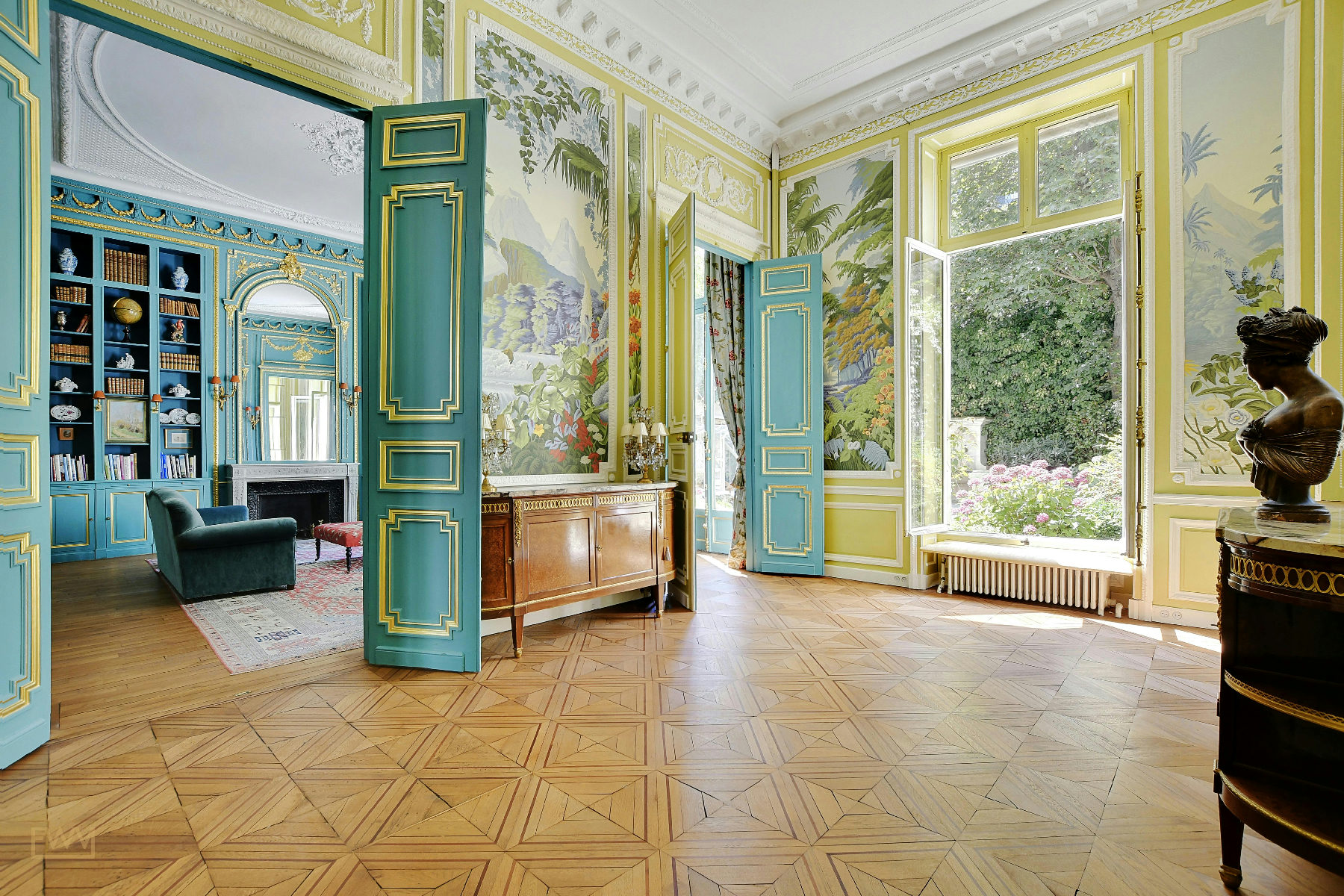
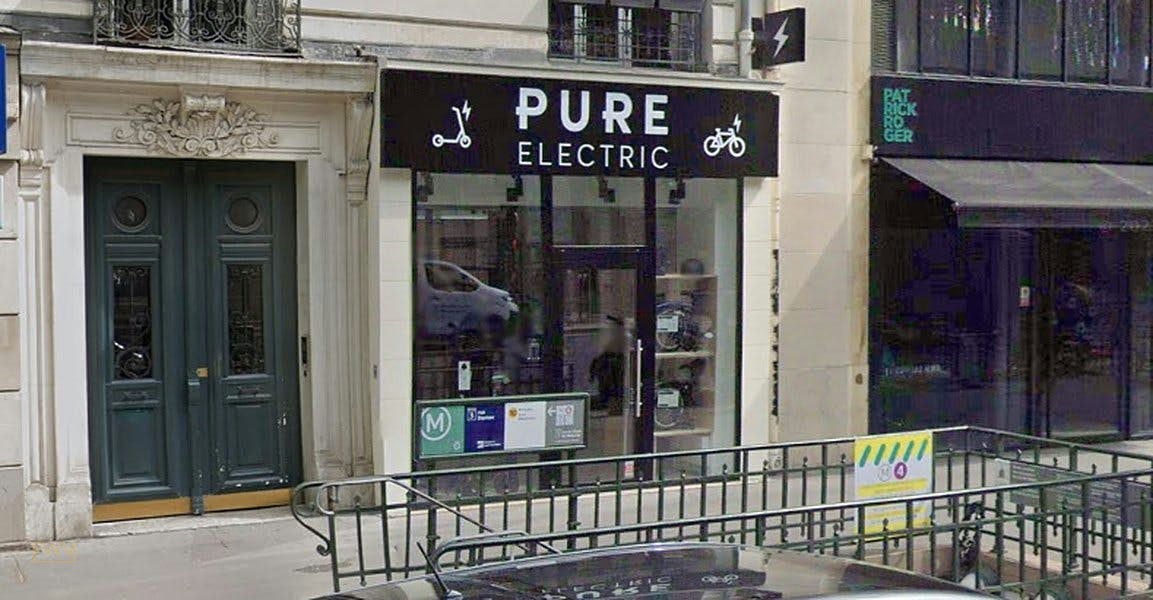
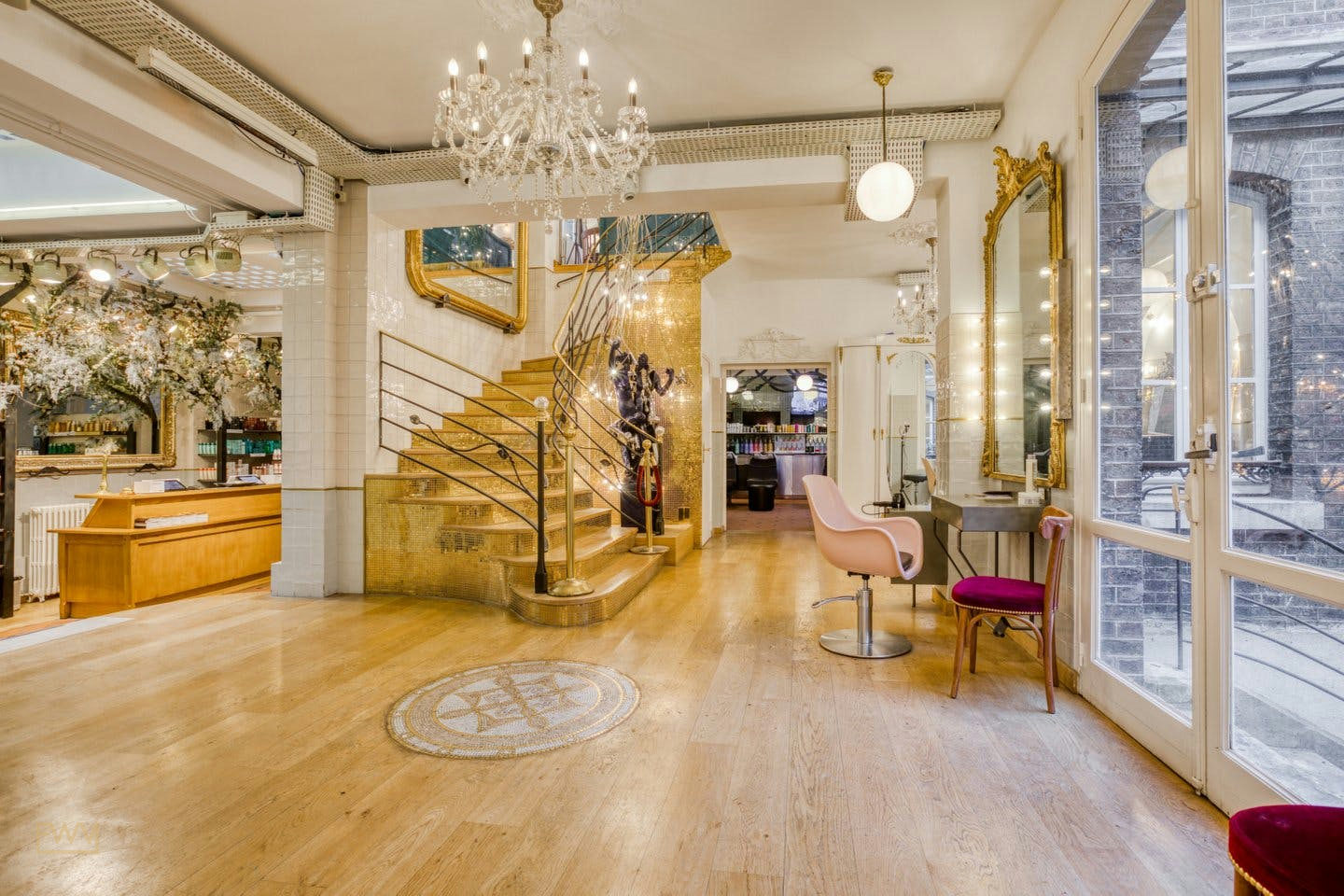
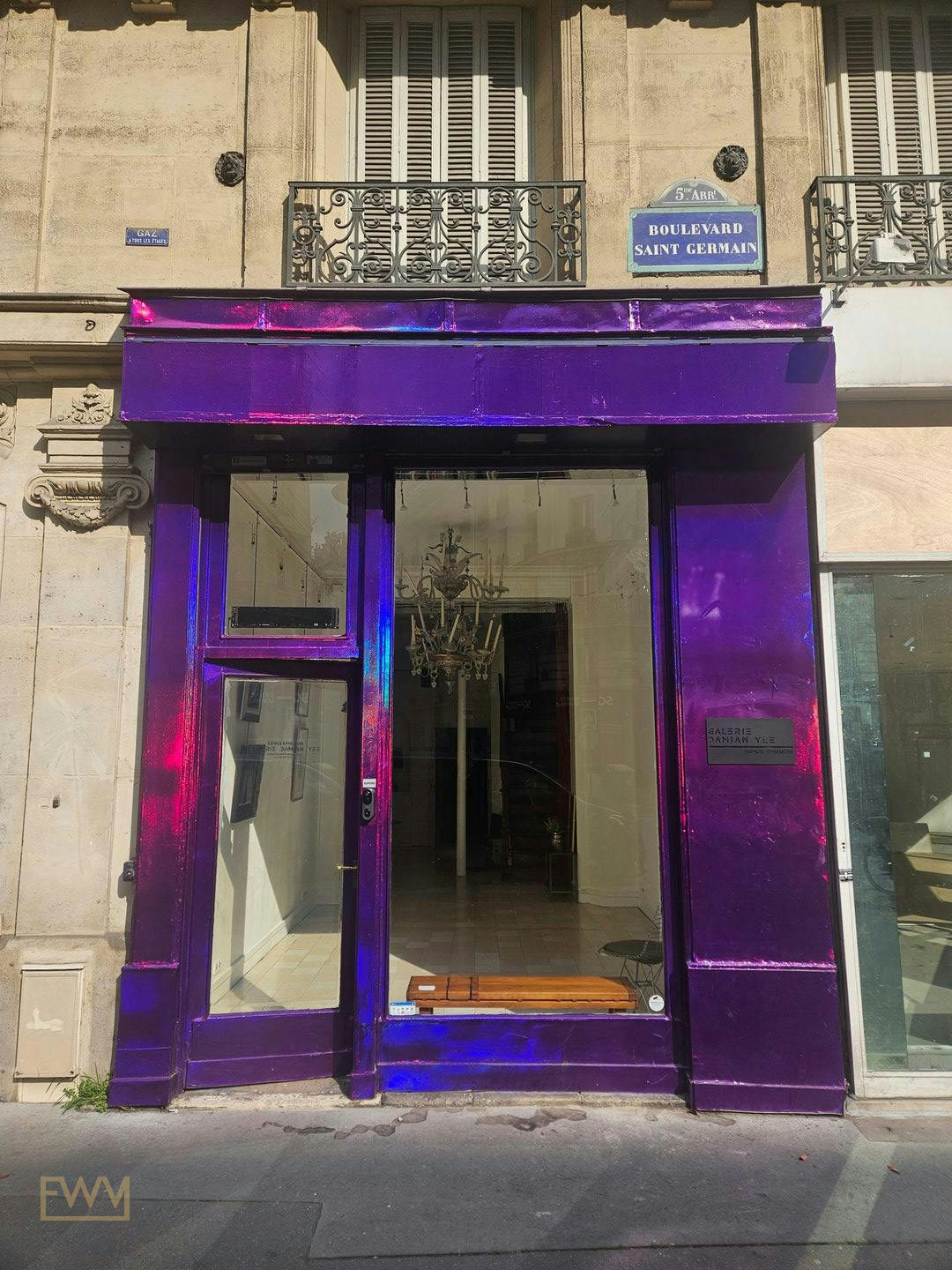
Shop rental Paris is one of the most competitive and strategically complex decisions a brand team can make. Paris offers some of the world's most coveted retail real estate, from the historic boutiques lining Rue Saint-Honoré to the creative studios of Le Marais and the grand storefronts of Avenue des Champs-Élysées. Whether you are planning a temporary retail concept, a fashion showroom, a beauty launch, or a multi-week pop-up activation, finding the right space in the right arrondissement at the right moment requires deep local knowledge, legal awareness, and a clear operational plan. Fashion Week Venues' Paris city hub exists precisely to help international and domestic brands navigate this process with confidence, clarity, and market-grade support.
Why Paris Remains the World's Leading City for Retail Activation
Paris attracts more international retail activations than any other European city, and the reasons go well beyond prestige. The French capital hosts a uniquely concentrated retail calendar that includes Paris Fashion Week (Womenswear and Menswear), FIAC, Paris Design Week, Maison et Objet, and dozens of sector-specific trade and consumer events throughout the year. Each of these moments generates enormous foot traffic, media presence, and buyer and press concentration, making the city a genuine launchpad for brands across fashion, beauty, lifestyle, and art.
The city's arrondissement structure creates distinct retail micro-markets, each with its own clientele, average spend, footfall pattern, and brand positioning logic. Le Marais, Saint-Germain-des-Prés, the Golden Triangle, and Montmartre function almost as separate cities within the city. A brand renting space in the 1st arrondissement near Place Vendôme is communicating something fundamentally different from one activating in the 11th near République or in the 18th near Pigalle. This spatial and cultural specificity is one of Paris's greatest assets for retail strategy, but it also demands that brand teams do their homework before committing to a space.
Paris also benefits from a mature short-term retail infrastructure. Unlike many cities where temporary retail means finding an empty unit through a commercial property agent, Paris has developed a genuine ecosystem of short-term spaces, curated marketplaces, purpose-built pop-up zones within shopping centres like Galeries Lafayette and Printemps, and standalone boutiques and galleries available for short-term rental. Bricks and mortar stores that operate seasonally, art galleries that rent their space between exhibitions, and apartment-style spaces that offer intimate showroom settings all contribute to a rich and varied inventory.
DID YOU KNOW: Paris Fashion Week takes place twice a year for Womenswear (February and September/October) and twice for Menswear (January and June), creating four distinct calendar peaks when demand for short-term retail spaces, showrooms, and event venues surges significantly across all major arrondissements.
Visitor volumes to Paris consistently rank among the highest of any city in the world. The concentration of international buyers, press, influencers, and high-net-worth consumers during fashion calendar peaks makes the city particularly attractive for brands that need to generate media coverage, social media content, and direct-to-consumer sales within a compressed timeframe. The strategic logic of a Paris retail activation is often as much about brand awareness and earned media as it is about immediate transaction volume.
KEY TAKEAWAY: Paris offers a rare combination of a dense retail calendar, a varied short-term space inventory, distinct neighbourhood positioning, and an international audience that makes it the most strategically important city in Europe for temporary retail activation. Understanding which moment, which neighbourhood, and which space type aligns with your brand's goals is the starting point for every successful Paris activation.
With the strategic context established, the next step is understanding the specific neighbourhoods and streets that define the Paris retail landscape.
Parisian Locations and Neighbourhoods: A Neighbourhood-by-Neighbourhood Guide to Shop Rental Paris
Paris retail geography is not uniform. Each neighbourhood carries a distinct commercial identity, and matching your brand's positioning to the right location is one of the most important decisions you will make during the planning process.
Le Marais and Place des Vosges
Le Marais is Paris's most consistently popular neighbourhood for pop-up shops, showrooms, and short-term retail. Spanning the 3rd and 4th arrondissements, Le Marais attracts a culturally literate, design-aware, and internationally diverse clientele. The neighbourhood is home to independent boutiques, contemporary art galleries, flagship concept stores, and a mix of residential and tourist foot traffic that keeps activity levels high across most of the week. Spaces on and around Place des Vosges, Rue de Bretagne, and Rue des Francs-Bourgeois tend to attract brands in fashion, jewellery, design, and beauty. The neighbourhood's architectural character, with its historic hôtels particuliers and ground-floor retail units, means that even small spaces often have significant visual appeal.
Saint-Germain-des-Prés
Saint-Germain-des-Prés in the 6th arrondissement is synonymous with French intellectual culture, literary heritage, and premium retail. The neighbourhood draws an affluent local clientele and a steady flow of international visitors who associate it with quality, craft, and cultural depth. Brands in luxury fashion, perfumery, art publishing, and high-end accessories frequently choose Saint-Germain for activations that require a sophisticated and unhurried retail atmosphere. Rents are among the highest in the city, and spaces tend to be smaller but beautifully proportioned.
The Golden Triangle and Avenue des Champs-Élysées
The Golden Triangle, bounded by Avenue des Champs-Élysées, Avenue Montaigne, and Avenue George V, represents the pinnacle of Parisian luxury retail. AVENUE DES CHAMPS ELYSEES and the surrounding streets including RUE DE MARIGNAN and RUE PAUL CEZANNE host the flagship stores of the world's most recognisable luxury maisons. Foot traffic here is among the highest in any European retail corridor, with visitors from across the globe making the area a landmark in itself. The Champs-Élysées itself sees millions of visitors annually, though brands should be aware that the tenant mix leans toward international flagship formats rather than the curated boutique aesthetic found in Le Marais.
Place Vendôme and Rue Saint-Honoré
Place Vendôme and the Rue Saint-Honoré corridor in the 1st arrondissement are defined by the highest concentration of jewellery, haute couture, and watch maisons in the world. Spaces in this zone are scarce, expensive, and highly sought after. Even a brief presence on or near Place Vendôme carries significant brand positioning value that extends well beyond the activation period itself. Nearby Rue de Rivoli and the Châtelet area provide more accessible but still highly visible alternatives.
Montmartre and Pigalle
Montmartre in the 18th arrondissement and the adjoining Pigalle area have seen significant retail evolution over the past decade. Once known primarily as tourist destinations, both areas now host a growing number of independent retailers, creative studios, and art-forward commercial spaces. Pigalle in particular has become a hub for streetwear, music culture, and creative brand activations targeting younger and culturally engaged audiences.
République and Beyond
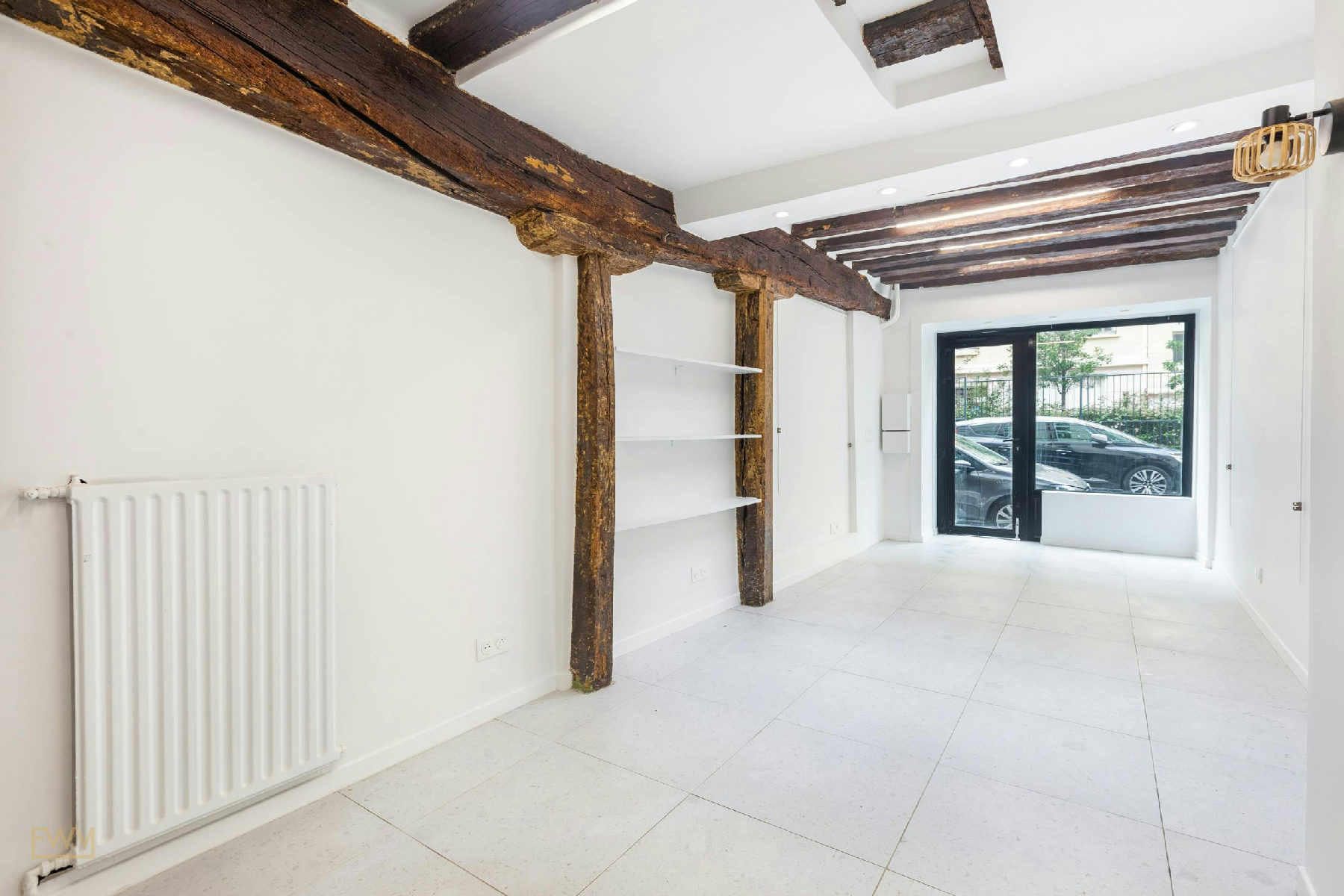
République and the surrounding 10th and 11th arrondissements offer some of the most accessible short-term spaces in central Paris. Foot traffic is strong, particularly from local Parisian residents, creative professionals, and a younger demographic. Spaces in this area often have characterful architectural features, including polished concrete floors, raw concrete floors, exposed brick, and high ceilings with spotlights, making them appealing to brands seeking an industrial or editorial aesthetic. Rental fees in this area tend to be lower than the 1st, 6th, or 8th arrondissements.
Other Notable Streets and Addresses
Beyond the headline neighbourhoods, specific addresses and streets carry significant weight in Parisian retail geography. BOULEVARD MALESHERBES and PLACE DE LA MADELEINE connect the luxury axis of the 8th arrondissement with the department store cluster of Galeries Lafayette and Printemps on Boulevard Haussmann. 134 BOULEVARD HAUSSMANN sits at the heart of this commercial district, attracting high volumes of both tourist and local shoppers. RUE WASHINGTON, RUE BOISSIERE, and RUE DE LA BAUME offer more discreet and exclusive showroom-style spaces in the 8th. RUE DU QUATRE SEPTEMBRE in the 2nd arrondissement provides central access in a less trafficked but conveniently located corridor.
Quick answer: The most sought-after locations for shop rental Paris are Le Marais, Saint-Germain-des-Prés, the Golden Triangle, Rue Saint-Honoré, Place Vendôme, and the Champs-Élysées corridor. Each neighbourhood serves a different brand positioning, clientele type, and budget range. Matching neighbourhood to brand identity is as important as the space itself.
| Neighbourhood | Arrondissement | Primary Audience | Best Suited For | Relative Rental Cost |
|---|---|---|---|---|
| Le Marais | 3rd / 4th | Mixed: locals, tourists, creatives | Fashion, art, beauty, design | Moderate to high |
| Saint-Germain-des-Prés | 6th | Affluent locals, international visitors | Luxury, artisan, cultural | High |
| Golden Triangle | 8th | International luxury consumers | Luxury flagship, haute couture | Very high |
| Place Vendôme / Saint-Honoré | 1st | Ultra-premium clientele | Jewellery, watches, haute couture | Premium |
| Montmartre / Pigalle | 18th | Younger, creative, independent | Streetwear, music, art | Moderate |
| République | 10th / 11th | Local Parisians, creatives | Accessible retail, concept stores | Moderate |
KEY TAKEAWAY: Neighbourhood selection is a brand positioning decision as much as a logistics decision. The right arrondissement depends on your target audience, product type, budget, and what the Paris market should associate with your brand after the activation ends.
Once you have identified the right neighbourhood, the next question is what type of space to look for and what features matter most.
Retail Space Types for Shop Rental Paris: From Pop-Up Shops to Fashion Showrooms
Paris offers an unusually wide range of short-term retail space types, and selecting the right format for your concept, product, and operational needs is essential before beginning your search.
Pop-Up Shops and Pop-Up Stores
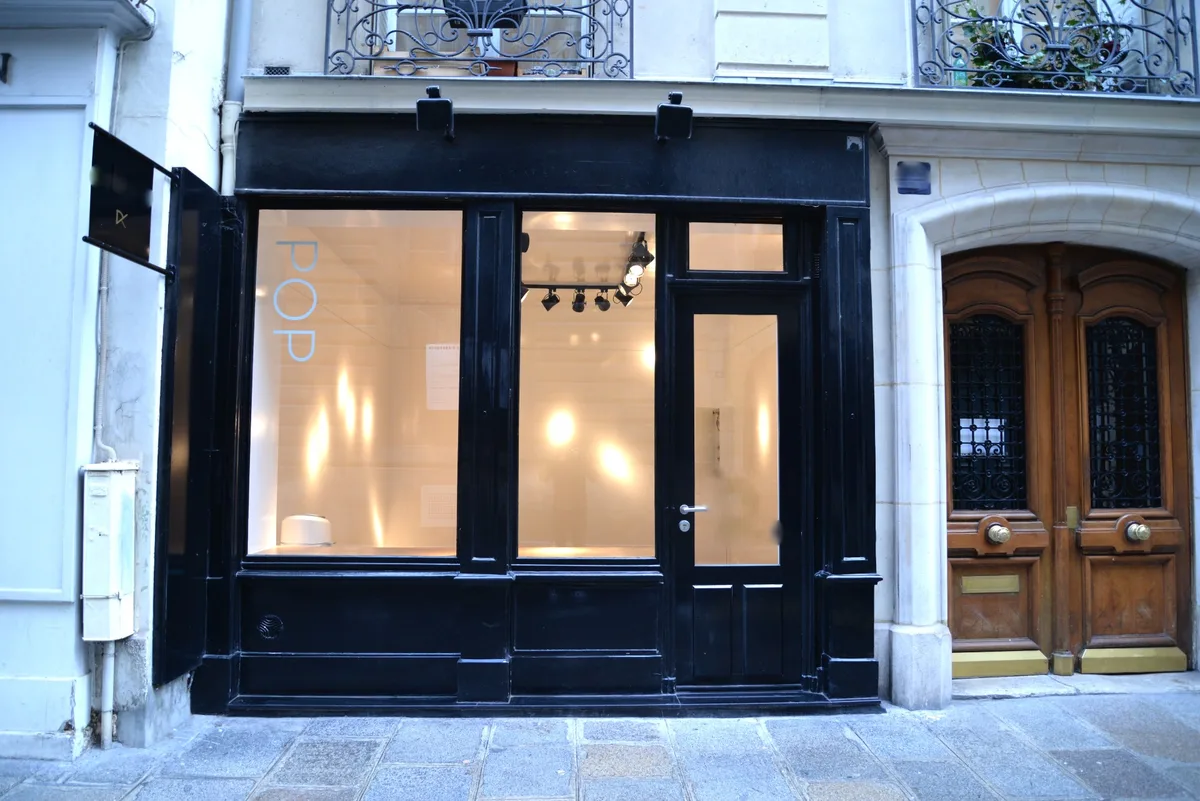
A pop-up shop is a temporary retail space, typically rented for a period ranging from a single day to several months, that allows a brand to test a physical retail concept, generate direct sales, build brand awareness, and create social media content without committing to a long-term lease. Pop-up stores in Paris are available across all arrondissements and in multiple formats, from standalone storefronts and converted apartments to dedicated pop-up zones within shopping centres like Galeries Lafayette and Printemps. The term pop-up store and pop-up shop are used interchangeably in the Paris market.
Showrooms and Fashion Showrooms
A fashion showroom is a curated space used primarily to present collections to press, buyers, and wholesale partners rather than to sell directly to consumers. Showrooms in Paris are most in demand during Paris Fashion Week and the surrounding selling seasons. They tend to be smaller and more interior-design-focused than retail-facing pop-up stores, with an emphasis on clean lighting, neutral finishes, and flexible hanging and display systems. Spaces in Le Marais, the 8th arrondissement, and Saint-Germain-des-Prés are frequently used for this purpose.
Art Galleries
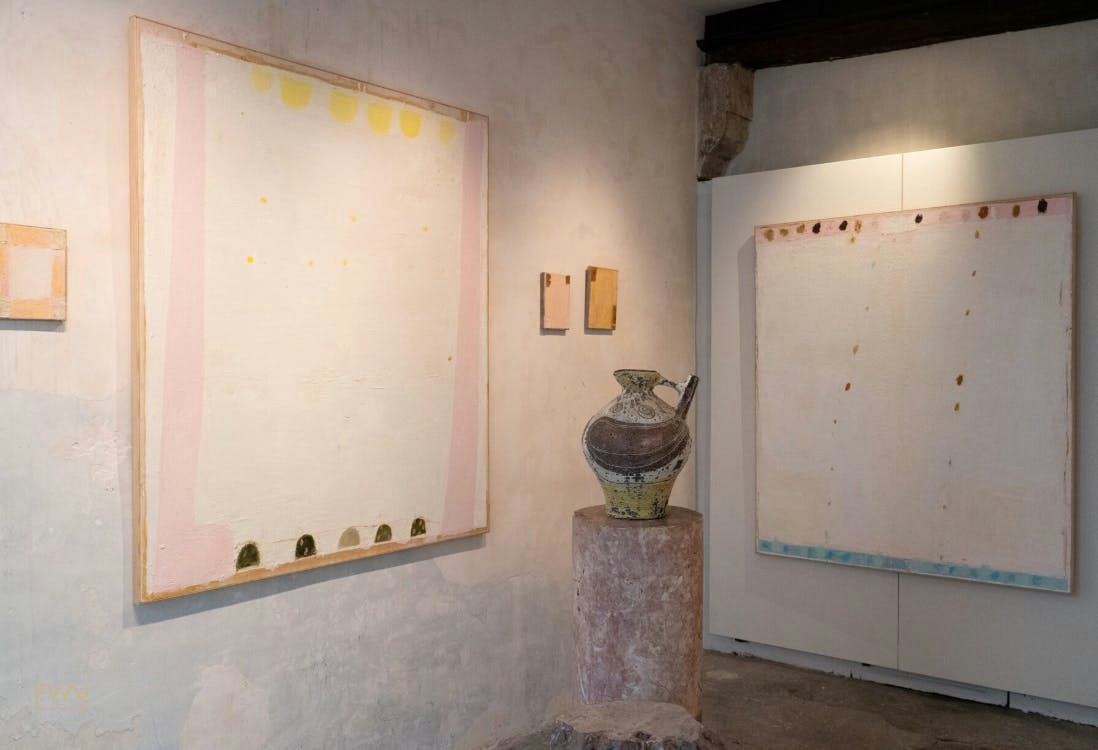
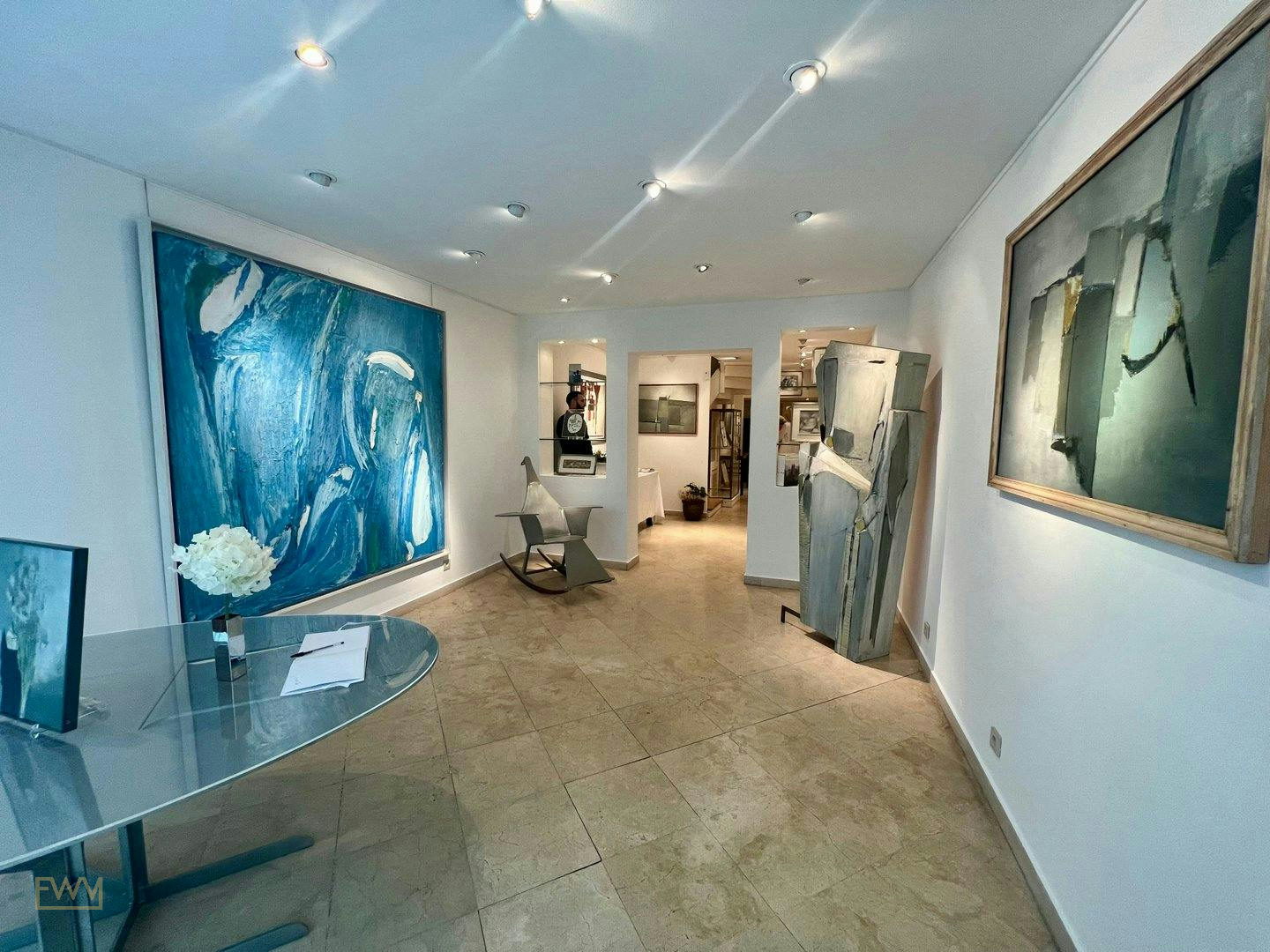
Art galleries available for short-term rental are among the most versatile space types in Paris. Their open floor plans, high ceilings, polished or raw concrete floors, and professional gallery lighting make them suitable not only for art installations but also for fashion presentations, product launches, press days, and experiential retail concepts. Le Marais has the highest concentration of rentable art gallery spaces in the city.
Boutiques and Charming Boutiques
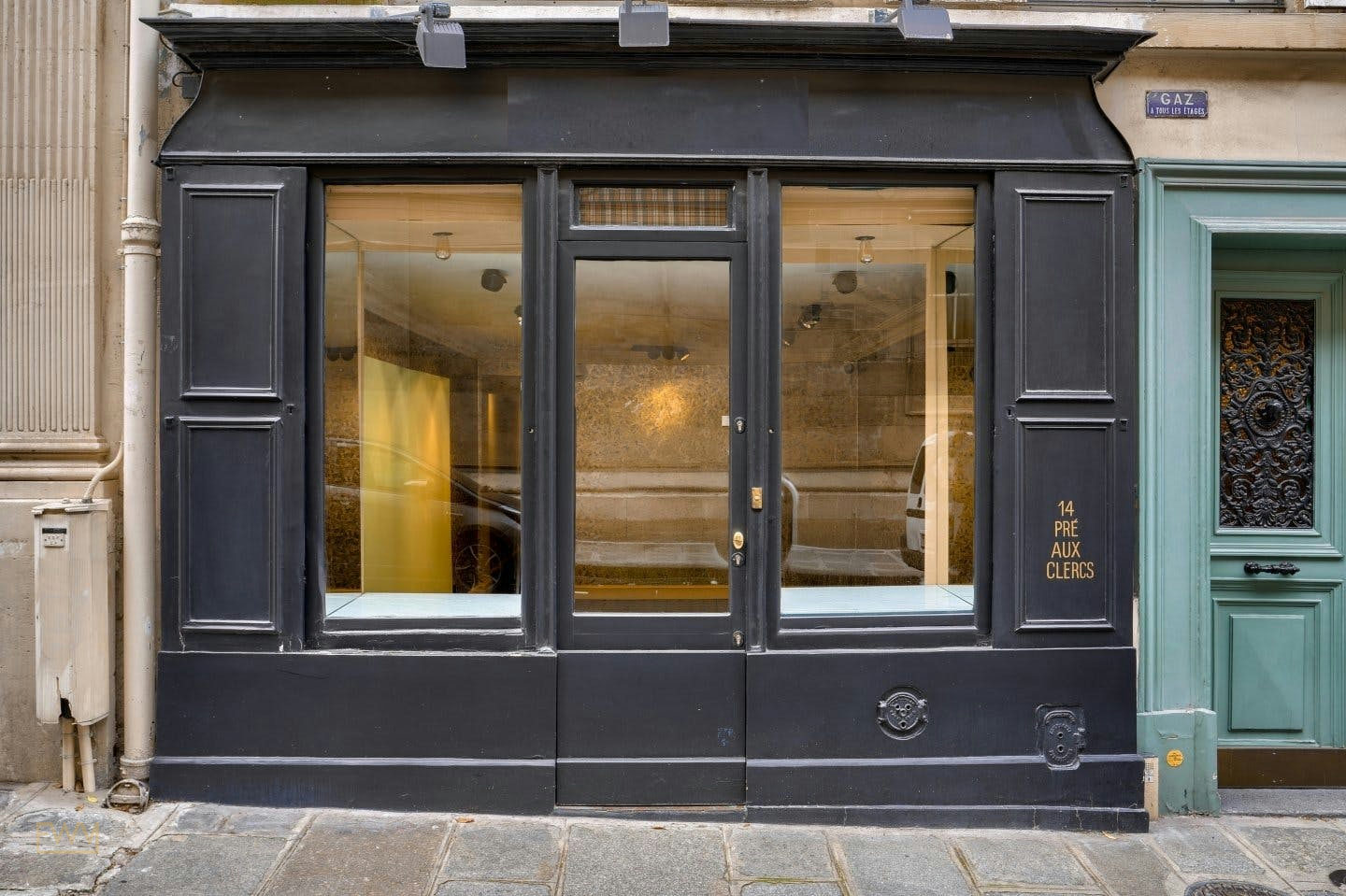
Established boutique storefronts with existing retail infrastructure, including display fixtures, lighting rigs, fitting rooms, and sometimes point-of-sale systems, offer a turn-key option for brands that want a ready-to-trade space without a major fit-out investment. A charming boutique in Paris typically refers to a smaller, architecturally characterful unit with period features, parquet floors, and display windows that communicate craftsmanship and heritage.
Apartments and Studio Spaces
Apartment-style spaces, including Haussmannian apartments on upper floors and loft-style studios, are increasingly popular for intimate brand activations, editorial shoots, private showrooms, and VIP retail events. Studio photo spaces in Paris also serve dual purpose, functioning as professional photography studios during the day and event or showroom spaces at other times.
Mall and Shopping Centre Spaces
A mall's high traffic zone, such as a concourse stand or a temporary unit inside Galeries Lafayette or Printemps, offers access to extremely high footfall within a managed retail environment. These spaces suit brands seeking volume-driven sales rather than curated brand experiences, and they typically come with stricter merchandising and visual identity guidelines from the host venue.
Outdoor Spaces
Outdoor spaces, including market pitches, forecourts, and public squares, are available in Paris but require specific administrative authorisations (see the legal section below). Are you allowed to sell on public property? In Paris, selling on public property requires an authorisation d'occupation temporaire (AOT) granted by the relevant municipal authority. This process involves applications, fees, and sometimes lottery-style allocation, particularly for popular public locations.
Quick answer: The main space types available for shop rental Paris include pop-up shops, fashion showrooms, art galleries, boutiques, apartment-style spaces, studio spaces, mall concourse units, and outdoor pitches. Each type suits different brand objectives, operational needs, and budgets. Clarifying your primary purpose before searching will significantly narrow your options.
| Space Type | Typical Size Range | Best For | Key Features to Check |
|---|---|---|---|
| Pop-Up Storefront | 30 to 200 square meters | Direct sales, brand experience | Display windows, natural light, access |
| Fashion Showroom | 50 to 150 square meters | Buyer and press appointments | Neutral walls, lighting, hanging rails |
| Art Gallery | 80 to 300 square meters | Experiential retail, press events | Open plan, gallery lighting, blank walls |
| Boutique / Charming Boutique | 20 to 100 square meters | Turn-key retail, heritage positioning | Existing fixtures, display window, POS |
| Apartment / Studio | 40 to 200 square meters | VIP events, private showroom, editorial | Natural light, access, kitchen, privacy |
| Mall Concourse / In-Centre | 10 to 50 square meters | High-volume sales, impulse purchase | Footfall data, centre rules, utilities |
| Outdoor / Market Pitch | Variable | Markets, events, experiential | AOT permit, weather cover, power access |
Understanding space types and floor features, including Floor/Access considerations such as ground-floor visibility versus upper-floor exclusivity, is fundamental to matching the space to your concept.
KEY TAKEAWAY: Space type determines operational complexity, fit-out cost, customer journey, and brand positioning as much as location does. Defining whether your primary goal is sales volume, media coverage, buyer appointments, or experiential brand building will determine which space type serves you best.
With location and space type defined, the next critical question is understanding the legal and regulatory requirements for renting retail space in Paris.
Legal and Regulatory Requirements for Short-Term Shop Rental Paris
Navigating the legal landscape for temporary retail in France is one of the areas where international brands most commonly encounter problems. The French commercial property system operates under specific legal frameworks that differ meaningfully from those in the UK, the US, or other major retail markets.
The Bail Dérogatoire: Short-Term Commercial Leases in France
The standard French commercial lease, known as a bail commercial, provides tenants with significant protections and a minimum term of nine years. For short-term retail activations, the relevant instrument is the bail dérogatoire, which allows parties to agree a short-term lease outside the standard protections of the bail commercial. A bail dérogatoire can cover a period of up to three years. It must be explicitly labelled as such in the contract, and both parties must clearly understand that the standard lease protections do not apply. Using a bail dérogatoire requires careful drafting and it is strongly recommended that brands engage a French legal advisor before signing any such agreement.
IMPORTANT: A bail dérogatoire must be correctly drafted to be legally valid. If it is poorly structured or if the tenant remains in occupation after the agreed end date without a new agreement, it can automatically convert into a full bail commercial, creating obligations the brand did not intend to assume. Always verify short-term lease documents with a qualified French legal professional.
Authorisation d'Occupation Temporaire (AOT) for Public Spaces
Brands wishing to use public spaces, including forecourts, public squares, or pavement areas, must obtain an Autorisation d'Occupation Temporaire (AOT) from the relevant municipal authority. The AOT is a temporary permit that grants a commercial operator the right to occupy public domain land for a defined period and purpose. Requirements, fees, and processing times vary by arrondissement, location type, and intended use. AOTs are not guaranteed and are not always available for commercial retail purposes in all public locations. Brands should apply well in advance of their intended activation date.
Permits, Business Licences, and Insurance
Beyond the lease or AOT, brands activating in Paris may need to consider the following legal requirements: a business licence registration in France (if the brand does not already have a French legal entity), proof of professional insurance coverage that meets French regulatory standards, specific permits related to the sale of certain product categories (food, alcohol, certain health and beauty products), and compliance with French consumer protection regulations including display pricing and refund policies. Insurance coverage must typically name the landlord or space owner as an additional insured party, and many space owners will require proof of coverage before handing over keys.
TIP: If your brand does not have a French legal entity, work with a specialist agency or a registered French commercial intermediary who can navigate the permit and compliance process on your behalf. The Fashion Week Venues permit guidance tool provides a structured overview of what to investigate based on your space type, duration, and planned activities.
Local Regulations by Arrondissement
Local regulations in Paris vary not only by legal framework but also by arrondissement. Some arrondissements have specific rules about signage, window display, outdoor seating, noise levels, and operating hours that differ from the general municipal rules. Brands activating near heritage zones, on UNESCO-listed areas, or within proximity to residential buildings should take particular care to understand and comply with local regulations before making any structural or display changes to the space.
Quick answer: Shop rental Paris for temporary or pop-up purposes typically operates under a bail dérogatoire (short-term commercial lease) for private spaces or an Autorisation d'Occupation Temporaire (AOT) for public spaces. Both require careful legal drafting and compliance with French regulations on insurance, business licensing, and local planning rules. Requirements vary by space type, arrondissement, and duration.
KEY TAKEAWAY: French commercial property law is specific and protective. Brands must understand the difference between a bail dérogatoire and a bail commercial, ensure their insurance meets French requirements, and obtain all necessary permits before opening. Working with experienced local specialists reduces legal risk significantly.
With the legal framework understood, the next practical question for most brand teams is cost.
Understanding the Cost of Shop Rental Paris: Pricing, Budget, and Value
Pricing for short-term retail space in Paris varies enormously based on neighbourhood, space type, size, duration, and market timing. Providing a single figure for what shop rental Paris costs would be misleading, and any brand team relying on a single published number is likely to encounter significant discrepancies in the actual market.
How Pricing Is Typically Structured
Short-term retail space in Paris is typically priced on a daily, weekly, or monthly basis. Daily pricing is most common for very short activations of one to five days, often associated with events or Fashion Week windows. Weekly pricing applies to activations of one to four weeks. Monthly pricing, which may follow a bail dérogatoire structure, applies to longer activations of one to twelve months. As a directional reference point, spaces in the République area may be available from around 400 euros per day for small to mid-size units, while premium spaces in the Triangle d'Or or near Place Vendôme can reach significantly higher daily rates depending on size and specification. These figures are directional estimates only and should not be treated as market benchmarks.
IMPORTANT: Published listing prices for Paris retail spaces are often starting prices that do not include additional costs such as building charges, utility connections, cleaning, security deposits, agency fees, fit-out and production costs, furniture rental, staffing, insurance, permits, and technology installations. Always request a full cost breakdown before agreeing terms.
Hidden and Additional Costs to Plan For
Beyond the headline rental fee, brands activating in Paris should budget for the following: space preparation and fit-out, which can range from a light dressing exercise to a full branded store design build; furniture rental if the space is unfurnished; professional lighting installation if existing lighting is inadequate; point-of-sale and payments technology; retail staffing, including bilingual staff familiar with French consumer culture; cleaning and security; production and logistics including delivery, installation, and de-installation; insurance premium; and permit and legal advisory fees. A realistic Paris activation budget must account for all of these elements to avoid cost overruns. The Fashion Week Venues budget calculator can help brand teams build a more complete picture of likely costs based on their specific brief.
Is Affordable Commercial Space in Paris Available?
Yes. Affordable commercial space in Paris is available, particularly in the 10th, 11th, 18th, and 19th arrondissements, in secondary streets of otherwise prime neighbourhoods, and in spaces that are available mid-week or outside peak calendar windows. What counts as affordable is relative to brand scale and activation ambition, but brands with modest budgets can access Paris retail markets meaningfully if they are willing to be flexible on location, timing, and space specification. Shared and co-activation formats, such as the twin concept offered by Fashion Week Venues, also allow brands to share the cost of a premium space while maintaining distinct brand presence.
Quick answer: Short-term shop rental Paris pricing depends on neighbourhood, space type, size, and timing. Spaces outside prime areas or peak windows offer more accessible pricing. As a directional guide, smaller spaces in mid-tier neighbourhoods may start from around 400 euros per day, while premium Triangle d'Or locations reach substantially higher daily rates. Always budget for total activation cost, not just the rental fee.
To compare neighbourhoods and space types, explore the Paris city hub on Fashion Week Venues and shortlist spaces that match your brief, budget, and calendar window.
KEY TAKEAWAY: The rental fee is only one component of total Paris activation cost. Brands that budget comprehensively, including fit-out, staffing, logistics, and permits, avoid the most common financial surprises. Flexible timing and location choices can significantly improve value without compromising brand positioning.
With budget context established, the next step is understanding how to actually find and secure the right space.
How to Find and Secure the Right Paris Retail Space: Platforms, Agents, and Marketplaces
Finding a short-term retail space in Paris used to mean relying exclusively on local broker professionals and commercial property agents. The landscape has changed significantly, and brand teams now have access to multiple channels for discovery and booking.
Commercial Real Estate Platforms and Their Limitations
General commercial real estate platforms such as LoopNet and CoStar are widely used for long-term commercial property transactions in the United States and, to a lesser extent, in Europe. Their Paris inventory for short-term retail is limited and tends to focus on traditional commercial lease structures rather than pop-up or temporary retail. Similarly, platforms like Workthere focus primarily on flexible office space rather than retail environments. Local French property portals and agencies such as Agence Paris and iad agent networks may have access to retail listings, but their short-term rental inventory is inconsistent and often biased toward standard commercial tenancies.
Pop-Up Space Marketplaces
Dedicated pop-up and short-term retail space platforms have emerged over the past decade to address the gap between general commercial real estate and the specific needs of temporary retail operators. Platforms like Storefront (known as Placedelaloc in France) have built curated listings of short-term spaces across Paris and other cities. These platforms offer photos, floor plans, pricing, and booking tools that make initial discovery faster. However, they function primarily as listing directories and do not typically offer production, staffing, legal, or activation support. Brands that need end-to-end management rather than just a space listing need to supplement marketplace discovery with specialist agency support.
Commercial Property Agents and Broker Professionals
Local commercial property agents with Paris expertise can provide access to off-market spaces, negotiate terms on a brand's behalf, and advise on local market conditions. However, broker professionals working on commission structures may prioritise higher-value long-term transactions over short-term pop-up enquiries, and their fees must be factored into total activation cost. Blue Listings on commercial property platforms typically denote premium or featured placements rather than any quality guarantee.
Fashion Week Venues Marketplace
The Fashion Week Venues space marketplace provides a curated inventory of spaces in Paris and other fashion capitals that are specifically vetted for brand activations, pop-up retail, showrooms, and event use. Unlike general commercial real estate portals, the marketplace is built around the needs of brand teams, with filtering by neighbourhood, space type, size, and availability window. The marketplace is connected to the agency's full-service offering, which means brands that find a space through the platform can also access venue sourcing, concept direction, production, staffing, and all other activation services through a single integrated process.
What to Look For in a Space Listing
When evaluating any Paris retail space listing, brand teams should look beyond the headline photo and price. Key Space Features to assess include: square meters and ceiling height; floor type (polished concrete floors, raw concrete floors, parquet, tile); natural and artificial lighting quality, including whether spotlights or gallery-grade lighting are already installed; window display visibility from the street; access for deliveries and fit-out; proximity to public transport; availability of utilities including power, heating, air conditioning, and internet; existing fixtures and furniture; and whether the space has been used for retail previously.
TIP: Always request an in-person visit or a detailed virtual walkthrough before committing to any Paris retail space. Photos and listings can be misleading about the true quality of lighting, the condition of floors, and the practical usability of the space for your specific concept.
Quick answer: To find a short-term retail space in Paris, brand teams can use dedicated pop-up marketplaces, local commercial property agents, curated agency platforms, and department store concourse programmes. Each channel has different strengths and limitations. For brands needing both space discovery and end-to-end activation support, a specialist agency with a curated marketplace offers the most integrated solution.
KEY TAKEAWAY: Space discovery is the first step, not the whole process. The best Paris activations combine the right space with the right production, legal, and operational support. A platform that connects space listings with agency services reduces complexity and risk compared to sourcing each element separately.
Knowing how to find a space is one thing; knowing how to manage the full activation process is another. The next section explains how a specialist agency can help from brief to opening.
How Fashion Week Venues Helps Brands with Shop Rental Paris
Fashion Week Venues operates as a full-service pop-up agency and curated space marketplace with Paris as its primary market. The agency supports brand teams across the entire activation lifecycle, from initial brief and space search through to fit-out, staffing, opening, and post-activation reporting.
Services Relevant to Paris Retail Activation
The agency's venue sourcing service goes beyond listing discovery to include market analysis, neighbourhood matching, space shortlisting, site visits, and negotiation support. For brands with a defined creative direction, the concept and creative service helps translate brand identity into a spatial concept appropriate for the selected space and neighbourhood. The production and build service covers fit-out planning, supplier coordination, installation, and de-installation. Retail staffing provides experienced bilingual retail staff familiar with Parisian consumer expectations. Point-of-sale and payments technology is integrated at the space level, and data and analytics tools track performance throughout the activation period.
Tools That Support the Planning Process
Brand teams planning a Paris activation can use the Fashion Week Venues tool suite to sharpen their brief before engaging the agency. The timeline planning tool helps teams understand how long each phase of the activation process takes and what the critical path looks like from initial brief to opening day. The budget calculator provides a structured framework for estimating total costs based on space type, duration, and service requirements. The ROI calculator helps teams build the business case for the investment internally. The permits tool provides guidance on what permits and compliance steps are likely to apply. The locator and compare tools support spatial shortlisting and neighbourhood analysis.
The Twin Co-Activation Concept
The twin concept allows two complementary but non-competing brands to share a single Paris space for a co-activation, splitting the rental and production costs while maintaining distinct brand areas. This format is particularly useful for emerging brands with limited budgets or for established brands that want to create a curated multi-brand retail moment. The twin format is also effective for brands entering the Paris market for the first time, as it reduces financial risk while providing access to higher-quality locations than a solo budget might allow.
Who Benefits Most
Fashion Week Venues is best suited to brand teams that have a defined concept and a genuine need for Paris market presence but lack in-house local expertise, supplier networks, or legal contacts. International brands entering Paris for the first time, emerging fashion and beauty labels planning Fashion Week activations, and established brands that want to scale their Paris activity without hiring a dedicated local team are the primary beneficiaries. Brands with very simple requirements and strong existing local networks may prefer to handle sourcing and production independently.
To understand how the agency manages the process from brief to opening, the how we work page provides a clear overview of each stage and what brand teams can expect at each step.
KEY TAKEAWAY: Fashion Week Venues offers brand teams a single point of coordination for the full Paris activation process, from space discovery and legal guidance to fit-out, staffing, and performance measurement. The agency does not guarantee spaces, permits, or results, but it provides the expertise and supplier network that significantly improve the likelihood of a successful and compliant activation.
The next section addresses some of the most persistent misconceptions about shop rental Paris that can lead brand teams to make avoidable mistakes.
Business Strategy and Brand Positioning for Paris Retail Activations
A Paris retail activation is a significant investment of time, budget, and brand capital. The most successful activations are driven by clear strategic objectives, not simply by the desire for a Paris presence. Understanding what you are trying to achieve before selecting a space or fixing a calendar window is the single most important strategic decision you can make.
Aligning Space Choice with Brand Positioning
Brand positioning and space choice are inseparable in Paris. A jewellery brand that activates near Place Vendôme communicates something entirely different from one that activates in Le Marais or Pigalle, even if the products are identical. The neighbourhood, the specific street, the building type, and the space aesthetic all function as brand signals to customers, press, buyers, and influencers who encounter the activation. Brands that choose their Paris space primarily on price without considering positioning risk diluting the very brand awareness they are trying to build.
Foot Traffic, Target Audience, and Clientele
Is there enough foot traffic? Foot traffic volumes vary enormously by neighbourhood, street, time of day, and day of week. A space on a primary tourist corridor like Rue de Rivoli or Avenue des Champs-Élysées will generate high volume foot traffic but may attract a tourist-dominated clientele that does not match the target audience for a niche or premium brand. A space on a secondary street in Le Marais may have lower absolute footfall but a higher proportion of design-literate, fashion-aware visitors who are precisely the target audience for many activation brands. Is there enough space for your products? The answer to this question depends on your merchandising concept, the size of your product range, and whether you are using the space for display only, direct sales, or a combination.
Calendar Strategy: Fashion Week and Beyond
Paris Fashion Week generates the highest concentration of international press, buyers, and influencers of any moment in the Parisian retail calendar. However, it is not the only strategically viable window. FIAC (the contemporary art fair) draws significant international collector and media attention in October. Paris Design Week attracts design professionals and international press in September. The holiday period from late November through early January is the peak consumer retail window. Each of these moments offers a different audience composition and a different opportunity for brand positioning. Brands that default to Fashion Week without considering whether their product and brand are optimally matched to that audience may miss a more appropriate and less expensive calendar window.
Social Media and Content Strategy
A Paris retail activation generates content opportunities that extend well beyond the physical space and the in-store customer experience. The Paris backdrop itself is a powerful content asset. Brands that plan their social media content strategy as part of the activation design process, including how the space will be photographed, which influencer partners will be invited, and what earned media the activation is likely to generate, typically achieve a significantly higher return on their total activation investment than those that treat content as an afterthought.
Influencer Marketing in Paris
Paris has one of the world's most active influencer ecosystems, particularly in fashion, beauty, and lifestyle. Partnering with Paris-based influencers for a retail activation can dramatically amplify reach beyond the physical foot traffic the space generates. Influencer marketing in the context of a Paris activation requires careful audience matching, relationship management, and content briefing to ensure that the influencer's content genuinely reflects the brand's positioning rather than simply generating impressions.
Quick answer: A successful Paris retail activation requires aligning space choice with brand positioning, matching foot traffic profile to target audience, selecting the right calendar window, and planning content and influencer strategy alongside the physical activation. The space is the vehicle, not the destination. The strategic objectives determine whether the activation delivers value.
KEY TAKEAWAY: The brands that generate the strongest returns from Paris retail activations treat the space, the calendar window, the content strategy, and the customer experience as a single integrated system, not as separate decisions. Strategic clarity before space search saves time, money, and brand capital.
A Step-by-Step Workflow for Planning a Paris Pop-Up or Retail Activation
Understanding the process from initial idea to operational retail space is essential for avoiding delays, cost overruns, and compliance failures. The following workflow reflects the typical sequence for a successful Paris retail activation.
| Stage | Key Actions | Typical Timeframe Before Opening |
|---|---|---|
| 1. Strategic Brief | Define objectives, target audience, calendar window, budget range, space type, and neighbourhood preference | 12 to 16 weeks |
| 2. Space Search and Shortlisting | Use marketplace, agency sourcing, or broker to generate a shortlist of spaces matching the brief | 10 to 14 weeks |
| 3. Site Visits and Space Assessment | Visit shortlisted spaces, assess lighting, floor, access, windows, utilities, and condition | 8 to 12 weeks |
| 4. Legal and Compliance Review | Engage French legal advisor, review lease type, confirm insurance requirements, identify permits needed | 8 to 10 weeks |
| 5. Space Negotiation and Booking | Negotiate rental terms, confirm dates, pay deposit, sign bail dérogatoire or short-term agreement | 7 to 9 weeks |
| 6. Concept and Design | Finalise spatial concept, branded store design, fixture plan, and visual identity application | 6 to 8 weeks |
| 7. Production and Build | Procure fixtures and furniture, coordinate build schedule, manage supplier delivery logistics | 3 to 6 weeks |
| 8. Staffing and Training | Recruit and brief retail staff, confirm schedules, complete compliance training | 2 to 4 weeks |
| 9. Installation and Dressing | Fit-out, merchandise, install POS and payments, complete visual checks | 1 to 2 weeks |
| 10. Opening and Activation | Launch, manage operations, track data, manage influencer visits and press | Activation period |
| 11. De-installation and Reporting | Strip out, restore space, finalise data reporting, review ROI and lessons learned | Immediately post-activation |
Quick answer: Planning a Paris pop-up shop requires a minimum of 8 to 12 weeks for straightforward activations and 12 to 16 weeks for complex or large-scale concepts. Key milestones include brief definition, space booking, legal review, design, production, and staffing. Brands that start planning too late frequently encounter availability gaps, permit delays, and inflated costs from rushed production.
KEY TAKEAWAY: The activation timeline is one of the most underestimated elements of Paris pop-up planning. Starting the process at least 12 weeks before your target opening date is the minimum for a well-managed activation. For Fashion Week windows, demand for spaces and suppliers peaks early, and late-starting brands risk being shut out of the best options.
Common Myths Debunked About Shop Rental Paris
MYTH: You need a French legal entity to rent retail space in Paris.
FACT: While having a French legal entity simplifies some administrative steps, it is not always a mandatory requirement for renting short-term retail space in Paris. Many international brands activate in Paris through a bail dérogatoire or other short-term agreement without a French company. However, some landlords and some permit applications may require a local legal representative or entity. Working with a specialist agency familiar with French commercial law helps brands navigate this without the cost and time of incorporating a French entity.
MYTH: Paris Fashion Week is the only viable calendar window for a Paris retail activation.
FACT: Paris Fashion Week is the most high-profile window but it is far from the only one. FIAC, Paris Design Week, Maison et Objet, the holiday retail season, and numerous sector-specific trade events throughout the year all offer genuine activation opportunities. For many brands, a non-Fashion Week window may actually be more strategically aligned with their target audience, less expensive, and more operationally manageable, given that Fashion Week creates intense competition for spaces, suppliers, staff, and media attention simultaneously.
MYTH: Commission-based brokers are the only way to find a pop-up space in Paris.
FACT: Dedicated pop-up space marketplaces, specialist retail activation agencies, and brand-to-brand referral networks have all developed as viable alternatives to traditional commission-based commercial brokers. While brokers with deep local networks remain valuable for finding off-market spaces, brands with clear briefs and reasonable timelines can access a wide range of Paris spaces through curated marketplaces and agency platforms without relying solely on broker intermediaries.
MYTH: Short-term retail leases in Paris are legally straightforward and do not require specialist advice.
FACT: French commercial property law is specific, detailed, and protective in ways that can create significant unintended obligations for brands that do not take legal advice. A bail dérogatoire that is poorly drafted, incorrectly labelled, or overstayed can convert automatically into a nine-year bail commercial. Insurance requirements, permit obligations, and local regulations by arrondissement add further complexity. International brands in particular should always engage a qualified French legal advisor before signing any Paris retail lease, regardless of how informal or straightforward it appears.
MYTH: A higher-cost space in a prestige location always delivers better ROI than an affordable space in a secondary neighbourhood.
FACT: ROI from a Paris retail activation depends on the alignment between space, neighbourhood, target audience, and brand positioning rather than on absolute cost or prestige level. A carefully selected space in République or Pigalle, matched to the right brand and the right target audience, can deliver stronger commercial and brand outcomes than a premium space in the Golden Triangle that attracts the wrong clientele for the product. ROI is determined by strategy, not just by postcode.
Frequently Asked Questions About Shop Rental Paris
What is a pop-up shop in Paris?
A pop-up shop in Paris is a temporary retail space rented for a defined and typically short period, ranging from a single day to several months. Pop-up shops allow brands to establish a physical retail presence in Paris without committing to a long-term lease. They are used for product launches, seasonal activations, fashion presentations, brand experiences, and direct-to-consumer sales. Paris has one of the most developed short-term retail ecosystems in the world, with spaces available across all major arrondissements and in multiple formats including storefronts, art galleries, boutiques, apartments, and shopping centre concourses.
How much does a pop-up shop cost in Paris?
The cost of renting a pop-up shop in Paris varies widely based on neighbourhood, space type, size, duration, and timing. As a directional reference, smaller spaces in mid-tier neighbourhoods such as République may start from around 400 euros per day, while premium spaces in the Golden Triangle or near Place Vendôme reach considerably higher daily rates. These are indicative figures only. Total activation cost must also include fit-out, staffing, insurance, permits, logistics, and technology, which can significantly exceed the headline rental fee. Use a structured budget tool to estimate your specific costs.
What are the most popular neighbourhoods for pop-up retail in Paris?
The most popular neighbourhoods for pop-up retail in Paris are Le Marais (3rd and 4th arrondissements), Saint-Germain-des-Prés (6th), the Golden Triangle and Champs-Élysées area (8th), and Place Vendôme and Rue Saint-Honoré (1st). Each neighbourhood serves a different brand positioning and clientele. Montmartre and Pigalle (18th) are growing in popularity for creative and youth-oriented brands, while République (10th and 11th) offers accessible and characterful spaces for brands with more flexible location requirements.
How do I rent a pop-up shop in Paris?
To rent a pop-up shop in Paris, you typically need to define your brief (space type, size, neighbourhood, duration, and budget), search available listings through a marketplace or agency, visit shortlisted spaces, negotiate a short-term rental agreement (usually a bail dérogatoire for private spaces), confirm insurance and permit requirements, and complete the fit-out before opening. Working with a specialist agency that combines space discovery with legal, production, and operational support significantly reduces the complexity and risk of the process, particularly for international brands entering Paris for the first time.
Are pop-up stores common in Paris?
Yes, pop-up stores are extremely common in Paris and the city has developed one of the most mature short-term retail ecosystems in the world. Pop-up shops operate year-round across all arrondissements, with particular concentration during Fashion Week, FIAC, Paris Design Week, and the holiday season. The format is used by emerging brands, established luxury maisons, beauty companies, art galleries, and international retailers. The prevalence of the format means that Parisian consumers and landlords are generally familiar and comfortable with the concept of short-term retail activation.
Do I need a French company to rent retail space in Paris?
Not necessarily. Many international brands rent short-term retail space in Paris without a French legal entity, operating through a bail dérogatoire or a similar short-term agreement. However, some landlords may request a local guarantor, and certain permit applications or product category licences may require a French registered entity. It is strongly recommended that brands seek advice from a qualified French legal professional before assuming their existing corporate structure is sufficient for a Paris retail activation. Requirements vary based on space type, duration, and planned activities.
What is a bail dérogatoire and how does it affect shop rental Paris?
A bail dérogatoire is a French short-term commercial lease that operates outside the standard protections of a nine-year bail commercial. It allows parties to agree a rental period of up to three years on more flexible terms. For pop-up shops and temporary retail activations, it is the most commonly used lease instrument. The bail dérogatoire must be explicitly labelled as such, correctly drafted, and observed in terms of its end date. Overstaying the agreed term without a new agreement can trigger automatic conversion to a full bail commercial. Always engage a French legal advisor when signing a bail dérogatoire.
What permits do I need for a pop-up shop in Paris?
The permits required for a pop-up shop in Paris depend on the type of space, the nature of your activities, and the arrondissement. For private retail spaces, a bail dérogatoire and proof of business insurance are typically the primary requirements. For public or outdoor spaces, an Autorisation d'Occupation Temporaire (AOT) from the municipal authority is required. Additional permits may apply for food and beverage service, alcohol, amplified music, and signage. Requirements vary and are not guaranteed. The Fashion Week Venues permit guidance tool provides a useful starting framework, but brands should always verify requirements with a French legal specialist.
What is the Triangle d'Or in Paris and why is it important for luxury retail?
The Triangle d'Or, or Golden Triangle, is the prestigious retail district bounded by Avenue des Champs-Élysées, Avenue Montaigne, and Avenue George V in the 8th arrondissement of Paris. It is home to the flagship stores and ateliers of the world's leading luxury fashion and accessory maisons. A retail presence in this zone carries significant brand positioning value due to its global recognition as the epicentre of French luxury. Spaces here are scarce, command premium rental rates, and are most suited to established luxury brands with the budget and positioning to credibly compete in this environment.
How long should a Paris pop-up shop activation last?
The ideal duration for a Paris pop-up shop activation depends on your objectives. For press and media generation during Fashion Week, a concentrated activation of four to ten days aligned with the schedule is typical. For direct-to-consumer retail and brand building, activations of two to six weeks allow sufficient time to build word of mouth and return visitor rates. For market testing, three months provides meaningful sales and footfall data. The ideal duration also depends on your budget, staffing capacity, and the availability of the space. Shorter activations cost less but generate less sustained awareness.
Can I find affordable commercial space in Paris for short-term retail?
Yes, affordable short-term commercial space is available in Paris, particularly in neighbourhoods such as République, Oberkampf, Pigalle, and secondary streets in Le Marais. Timing also affects pricing: spaces outside peak calendar windows (Fashion Week, FIAC, the holiday season) tend to be more competitively priced and more readily available. Co-activation formats, where two brands share a space and split costs, offer another route to accessing higher-quality locations at reduced individual cost. Flexibility on location, timing, and space specification is the most effective way to find affordable options without compromising activation quality.
What space features should I look for when renting a Paris pop-up shop?
Key space features to assess when renting a Paris pop-up shop include: size in square meters relative to your product range and merchandising concept; floor type (polished concrete floors, raw concrete floors, parquet, or tile); ceiling height; quality and flexibility of existing lighting including spotlights and natural light; street-facing display windows; delivery access for fit-out; utility connections including power, internet, and climate control; proximity to public transport; and any existing fixtures or furniture that may be included. The condition of walls and the presence of any listed heritage features that restrict modifications are also important considerations.
How far in advance should I start planning a Paris retail activation?
For Fashion Week windows, you should ideally begin planning at least 16 weeks in advance to secure the best spaces, suppliers, and staff. For non-Fashion Week activations, 10 to 12 weeks is a realistic minimum for a well-executed concept. Brands that start planning fewer than eight weeks before their target opening date frequently encounter availability gaps in prime spaces, extended lead times from production suppliers, permit processing delays, and difficulty recruiting experienced bilingual retail staff. The Fashion Week Venues timeline planning tool can help you map out the critical path for your specific activation.
What is the difference between a pop-up shop and a showroom in Paris?
A pop-up shop in Paris is primarily a direct-to-consumer retail format, open to the public and focused on selling products, generating brand awareness, and creating an experiential moment for customers. A showroom, specifically a fashion showroom, is a trade-facing format used to present collections to buyers, press, and wholesale partners in a curated and appointment-based setting. Showrooms are not typically open to the public. Some spaces function as both, with press and buyer appointments in the morning and public retail in the afternoon, particularly during Fashion Week when both audiences are present in the city simultaneously.
How do I evaluate whether a Paris retail activation was successful?
Evaluating the success of a Paris retail activation requires defining success metrics before the activation begins, not after. Common metrics include direct sales revenue and average transaction value, foot traffic and conversion rate, social media impressions and engagement generated by the activation, press coverage and earned media value, buyer and wholesale enquiries generated from the space, email and contact list growth, and qualitative brand sentiment feedback from visitors and press. The Fashion Week Venues ROI calculator can help brand teams build a structured evaluation framework before the activation launches, making post-activation assessment objective rather than anecdotal.
Conclusion: From Brief to Boutique in the French Capital
Shop rental Paris is one of the most strategically rewarding and operationally complex undertakings a brand team can execute. Paris offers unmatched brand positioning opportunities, a diverse and curated inventory of short-term retail spaces across every arrondissement, and a global audience that no other city in Europe can match. But realising that potential requires more than finding a space. It requires neighbourhood intelligence, legal competence, production expertise, staffing depth, and a content and influencer strategy that extends the activation's reach well beyond the four walls of the space itself.
The brands that succeed in Paris are those that treat the activation as a complete system rather than a series of separate decisions. They choose their neighbourhood deliberately, their space type purposefully, their calendar window strategically, and their agency and production partners rigorously. They budget for the total cost of activation, not just the rental fee. They engage French legal expertise before signing any lease. And they define their success metrics before opening day so that the investment can be evaluated objectively.
Whether you are planning your first Paris pop-up shop or scaling an established activation programme, the process begins with a clear brief and a realistic understanding of what the Paris market requires. Fashion Week Venues is built to support brand teams at every stage of that journey, from initial space discovery through to post-activation reporting, with a curated marketplace, specialist agency services, and a suite of planning tools designed specifically for the demands of Paris retail.
To move from research to activation, start exploring available spaces on the Fashion Week Venues marketplace and build a focused brief for your target neighbourhood, space type, and calendar window.