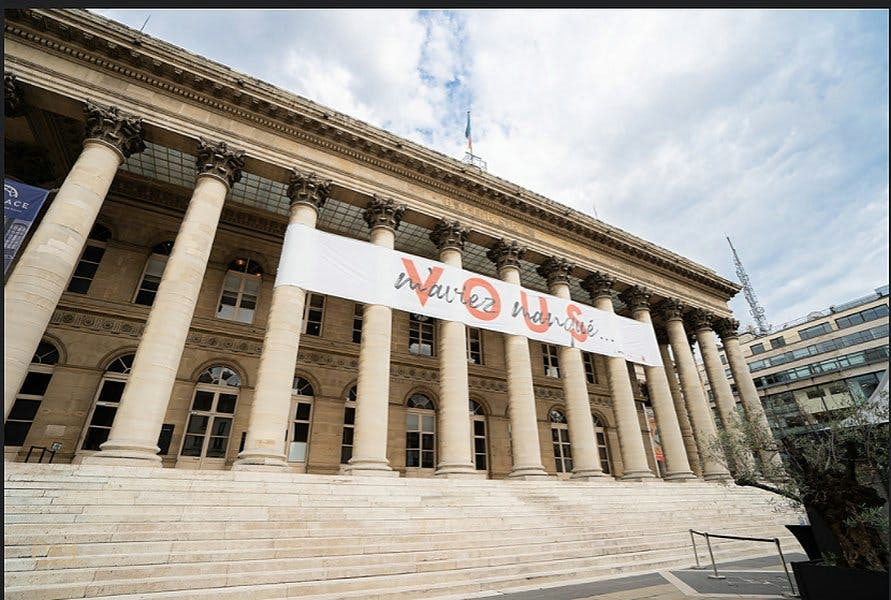
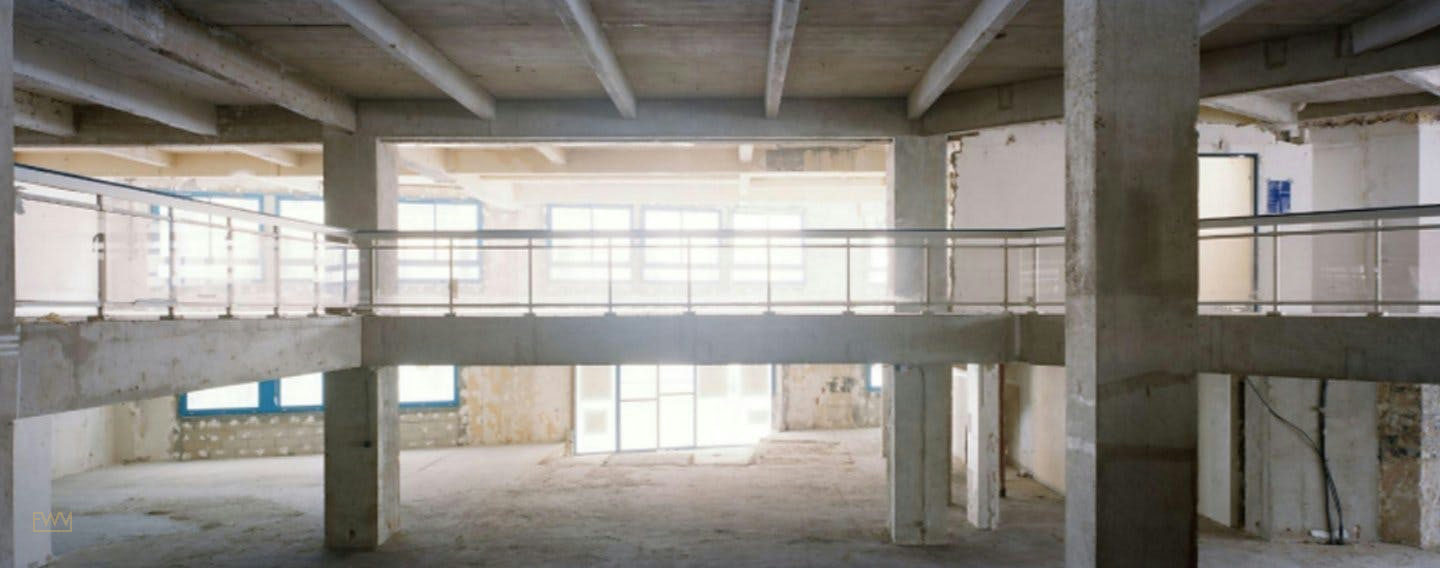
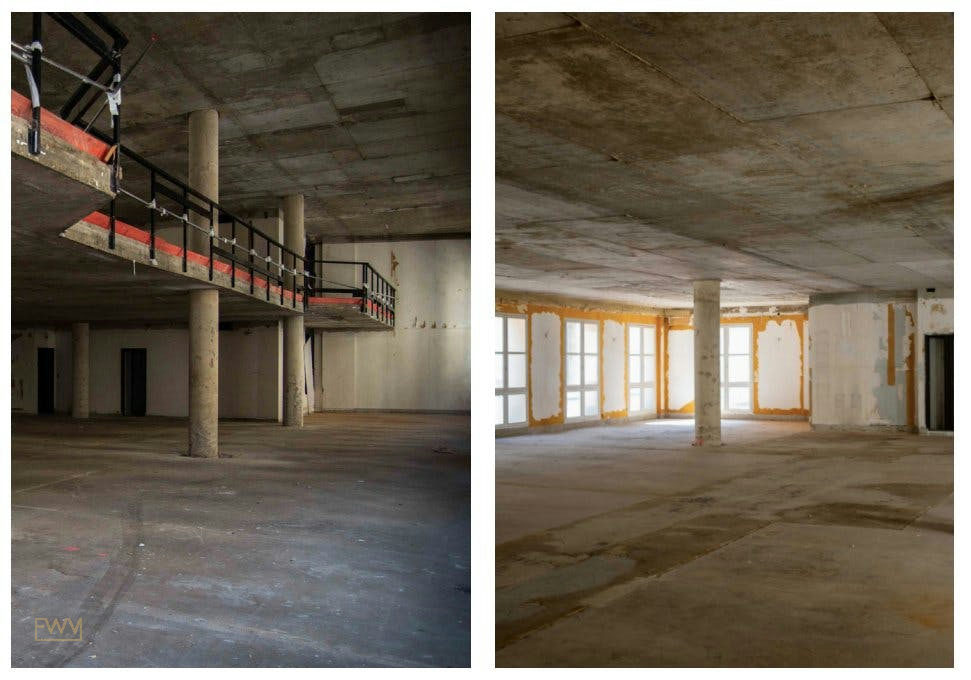
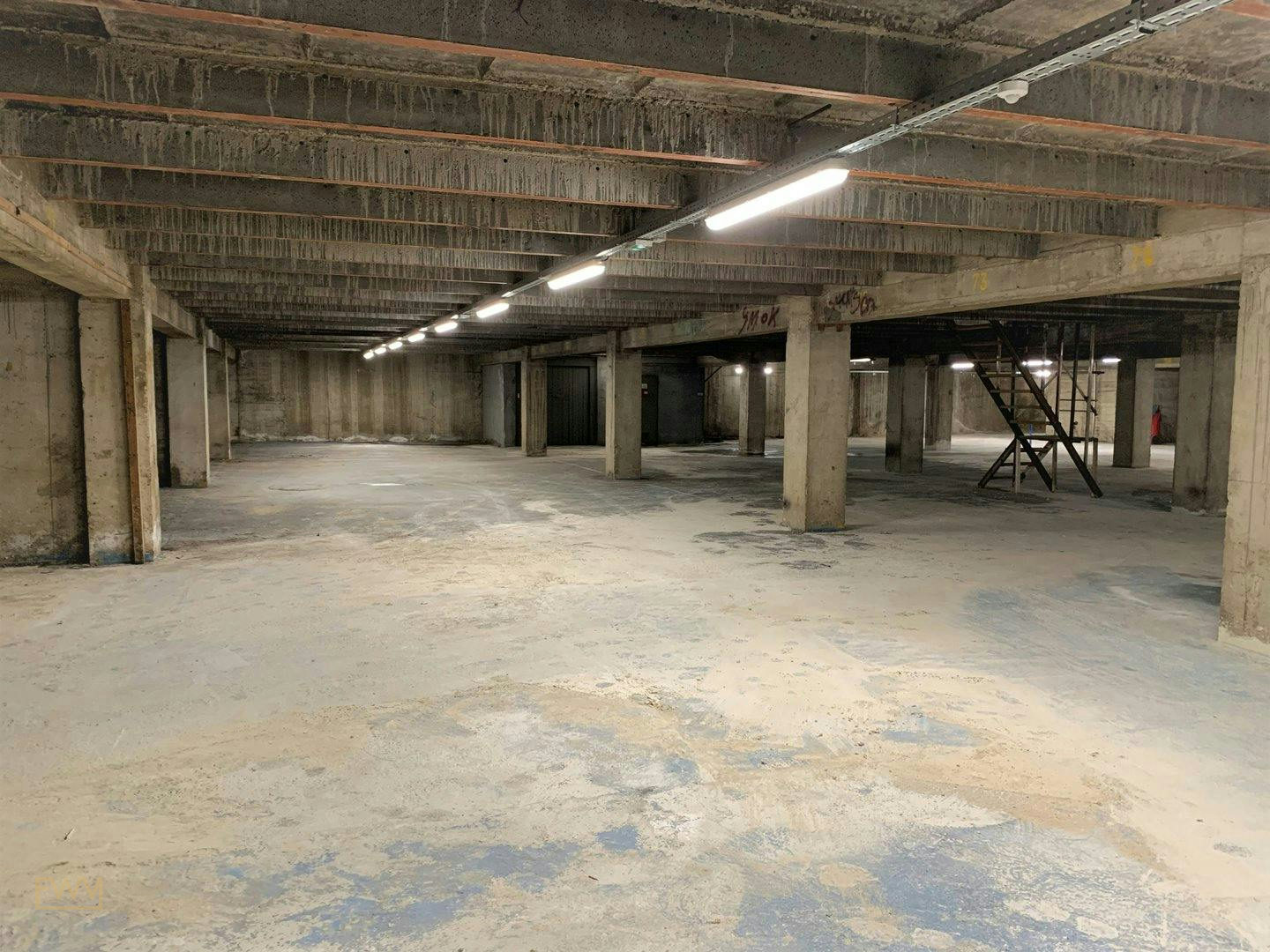
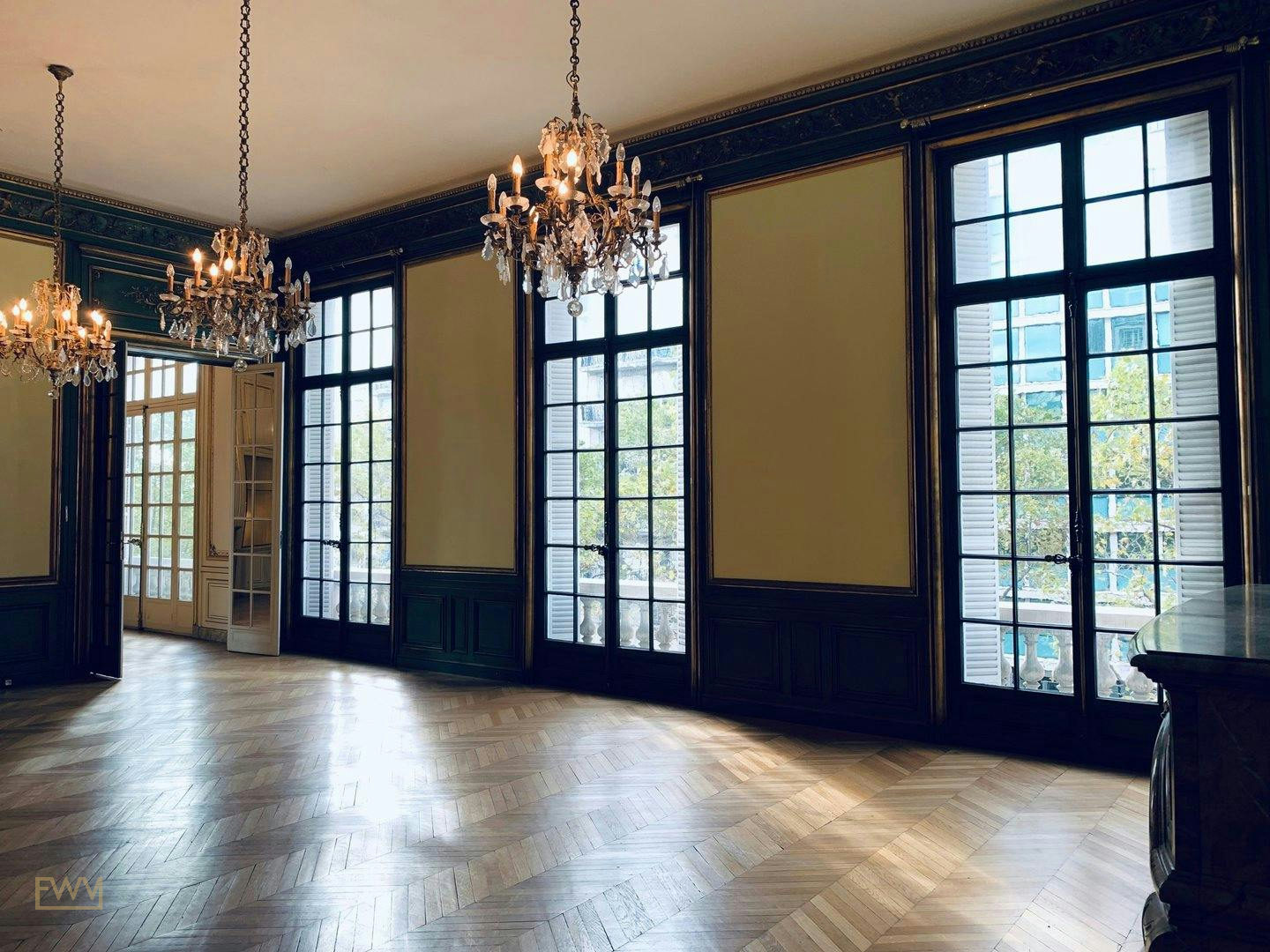
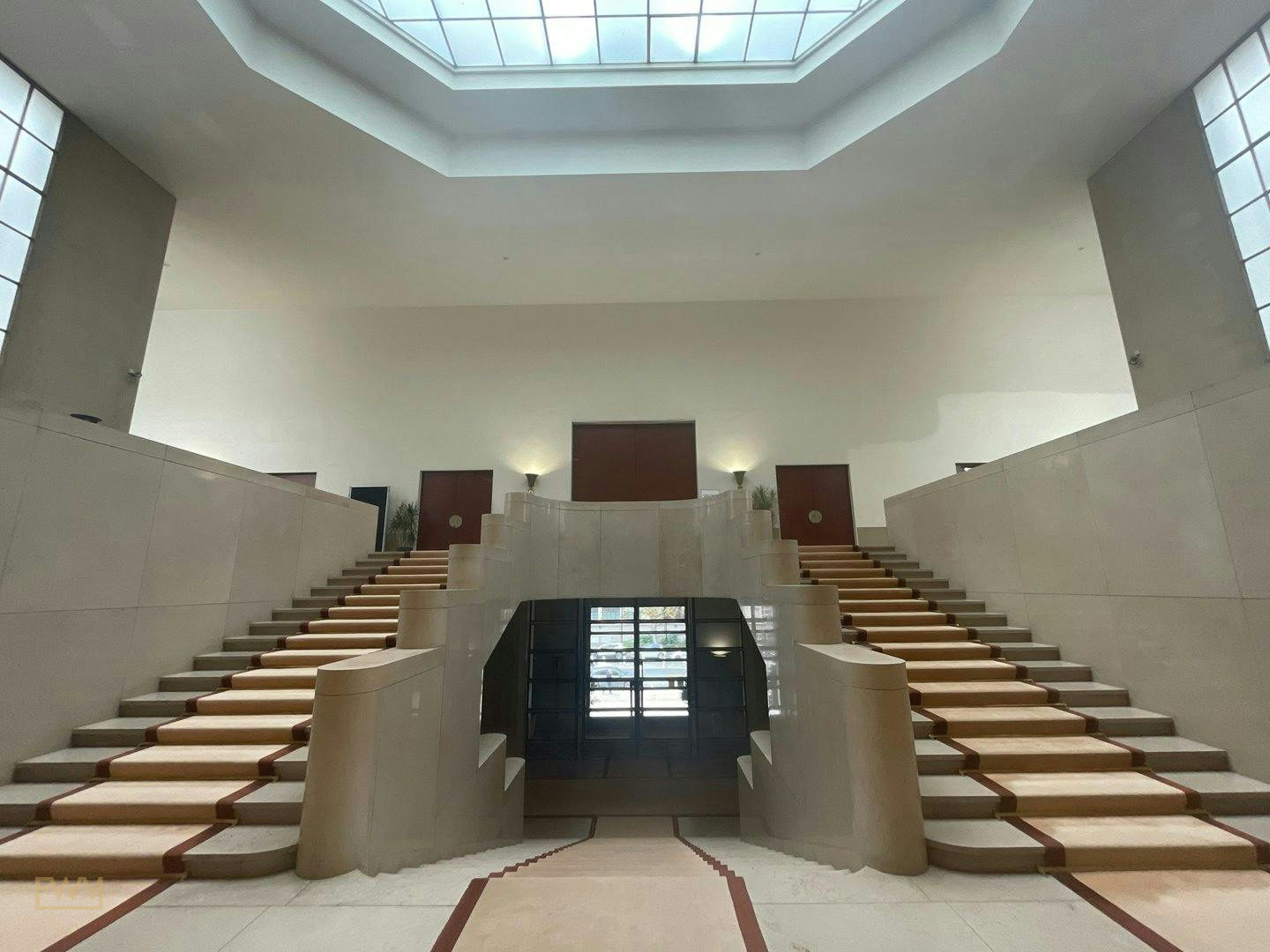
Short term retail in the 3rd arrondissement Paris represents one of the most compelling brand activation opportunities in the world. The 3rd arrondissement, the heart of the historic Marais district, combines centuries of cultural prestige with a living, breathing retail scene that draws fashion editors, collectors, travellers, and design-conscious Parisians in equal measure. For brands considering a pop-up shop, showroom, or temporary activation in Paris, few neighbourhoods offer the same density of foot traffic, architectural grandeur, and cultural credibility. Fashion Week Venues supports brands seeking pop-up spaces in Paris with venue sourcing, production, permits guidance, and full activation management tailored to this demanding and rewarding market.
Where Is the 3rd Arrondissement of Paris and Why Does It Matter for Brands?
Quick answer: The 3rd arrondissement is a compact, central arrondissement on the Right Bank of Paris, forming the northern half of the historic Marais district. It sits between the 1st, 2nd, 4th, 10th, and 11th arrondissements, within easy walking distance of the Louvre, the Seine River, and the Centre Pompidou, making it one of the most visited cultural zones in Île-de-France.
The 3ème arrondissement covers just 1.17 square kilometres, making it one of the smallest administrative divisions in Paris. Despite its compact footprint, it punches well above its weight in terms of retail density, cultural programming, and brand visibility. The neighbourhood sits close enough to major tourist corridors to benefit from international visitor flows, while retaining a distinctly local Parisian character that keeps it credible among fashion insiders.
The arrondissement is divided into four administrative quarters: Enfants-Rouges, Archives, Sainte-Avoie, and Temple. For brand activation purposes, the most commercially active zones cluster around the Rue des Francs Bourgeois, Le Carreau du Temple, the Rue de Bretagne, and the streets radiating outward toward Boulevard de Sebastopol to the west and the Place de la République to the north.
The 3rd district shares its identity closely with the broader Marais, but it is specifically the Haut Marais, the upper or northern stretch of the neighbourhood, that has emerged as the dominant zone for independent retail, concept stores, gallery spaces, and short-term brand activations. The term Haut-Marais is widely used by brands, real estate brokers, and the press to describe this northern tier, distinguishing it from the more tourist-saturated southern streets of the 4th arrondissement.
Geographically, the 3rd arrondissement benefits from its position as a natural bridge between several major Parisian axes. Boulevard Saint-Martin defines part of its northern edge. Boulevard de Sebastopol marks the western boundary. The arrondissement sits within comfortable reach of the Bastille area to the south and the République neighbourhood to the northeast. This connectivity makes it accessible from multiple Metro lines, including lines 3, 8, 9, and 11, as well as RER connections, supporting strong and consistent footfall for any brand operating a temporary retail space in the area.
For international brands entering Paris for the first time, the 3rd arrondissement offers something that few neighbourhoods can match: the sense of entering a genuine Parisian community rather than a tourist zone. Visitors who make their way to the Quartier Enfants-Rouges or the Quartier Arts-et-Métiers are seeking authentic discovery rather than mass retail, and they are primed to engage deeply with the brands they encounter.
DID YOU KNOW: The 3rd arrondissement is home to the oldest covered market in Paris, the Marché Couvert des Enfants Rouges, which has operated continuously since 1615. Its survival as an active food market makes it one of the most compelling pedestrian magnets in the entire neighbourhood.
KEY TAKEAWAY: The 3rd arrondissement offers brand teams a rare combination of central Paris accessibility, genuine neighbourhood credibility, and a consumer base that actively seeks out new, independent, and design-driven retail experiences. Understanding its geography is the first step to activating here effectively.
With a clear sense of where the 3rd arrondissement sits within Paris, the next question for brand teams is what specific spaces, streets, and cultural anchors make it the right environment for short-term retail.
The Cultural Infrastructure of the 3rd Arrondissement: Museums, History, and Brand Context
Quick answer: The 3rd arrondissement contains an extraordinary concentration of museums, historical landmarks, and architectural heritage that shapes its retail environment. Brands activating here operate within a cultural context that elevates their presence and connects them to centuries of Parisian creative history.
The Musée des Arts et Métiers, housed in a medieval priory that dates back to the 11th century, is one of the most remarkable museum buildings in Paris. The Conservatoire national des arts et Métiers, commonly known as CNAM, occupies the same historic complex and represents one of France's oldest engineering and technology institutions. The combination of a medieval priory with a contemporary science and innovation institution creates a neighbourhood atmosphere that values craft, ingenuity, and the long arc of creative making. Brands in heritage craftsmanship, watchmaking, technology, and design naturally find the Quartier Arts-et-Métiers a sympathetic and credible backdrop for activations.
The Musée Picasso Paris, housed in the magnificent Hôtel Salé on the Rue de Thorigny, is one of the arrondissement's most visited cultural destinations. The Hôtel Salé is a seventeenth-century hôtel particulier of extraordinary architectural distinction, and it holds the world's largest public collection of Picasso's work, including celebrated pieces such as Man With a Guitar and Les Demoiselles d'Avignon. The museum draws a consistent stream of art-literate, internationally mobile visitors whose spending profiles align strongly with premium and luxury brand activations.
The Musée d'Art et d'Histoire du Judaïsme, located in the Hôtel de Saint-Aignan on the Rue du Temple, explores the history and culture of Jewish communities in France and Europe. It sits within the heart of the historic Jewish quarter, known historically as the Pletzl, which concentrated in the southern streets of the 3rd arrondissement around the Rue des Rosiers and Rue des Écouffes. The ongoing presence of Jewish cultural institutions, synagogues, and traditional Jewish food vendors gives the neighbourhood a layered identity that coexists with its contemporary fashion and design scene.
The Musée Cognacq-Jay, housed in the Hôtel Donon on the Rue Elzévir, presents an outstanding collection of eighteenth-century European decorative arts and paintings. The Musée de la Poupée, a specialist museum dedicated to antique dolls, and the Musée de la Chasse et de la Nature on the Rue des Archives, which explores the relationship between humanity and the natural world through contemporary art and historical objects, round out a remarkable cultural portfolio within a single arrondissement.
Les Archives Nationales, the National Archives Museum, occupies a grand complex on the Rue des Francs Bourgeois. The institution preserves primary documents of French history going back over a thousand years, and its courtyards and gardens occasionally open for cultural events. Its proximity to the main retail streets of the arrondissement draws a highly educated, culturally engaged visitor profile that passes through the neighbourhood daily.
Hector Guimard, the architect best known for his iconic Art Nouveau Metro entrances, designed several buildings in and around Paris during the late nineteenth and early twentieth centuries. While his most celebrated Metro station designs are found across the city, his aesthetic influence is deeply woven into the Parisian architectural landscape that frames the 3rd arrondissement. The neighbourhood itself contains some of the finest surviving examples of pre-Haussmann urban fabric in Paris, with streets like the Rue de Montmorency preserving medieval building plots and scale that make every shopfront an architectural event.
The oldest dated house in Paris, built in 1407 and associated with the alchemist and scholar Nicolas Flamel, stands at 51 Rue de Montmorency. This single building encapsulates the deep historical layering of the arrondissement: a medieval merchant's house, now a restaurant, on a street where contemporary independent fashion retailers operate alongside centuries-old stonework.
Place des Vosges, technically straddling the 3rd and 4th arrondissements, is one of the most photographed squares in Paris. Built under Henri IV in the early seventeenth century, it represents the finest surviving example of French Renaissance architecture in the city. The Pavillon de la Reine, a luxury hotel on the northern side of the square, anchors the arrondissement end of this iconic space. The Jardin de Rohan and Square Georges Cain provide green respite within the dense urban fabric, and the Jardin Anne-Frank, a small but significant garden near the Hôtel de Rohan, honours the memory of Anne Frank with educational planting and quiet contemplation.
Historical figures connected to the 3rd arrondissement and the Marais more broadly include Bolingbroke, later Henry IV of England, who had connections to the Marais district during diplomatic missions to Paris, and figures associated with the Dreyfus Affair, which convulsed French society at the end of the nineteenth century. The Lycée Victor Hugo on the Rue de Sévigné educated generations of Parisian students within walking distance of the Carnavalet Museum, the museum dedicated to the history of Paris itself.
For brand teams, understanding this cultural infrastructure is not merely historical background. It shapes the consumer who walks your temporary shopfront, the press context in which your activation will be covered, and the neighbourhood mood that your brand must understand and respond to intelligently.
KEY TAKEAWAY: The 3rd arrondissement is saturated with cultural capital. Brands that acknowledge and connect their activation to the neighbourhood's specific cultural identity, whether through materials, themes, partnerships, or visual language, will find deeper resonance with both local and international audiences.
Understanding the cultural landscape prepares brand teams to think about the food, social, and community infrastructure that makes the neighbourhood function as a daily destination rather than a tourist transit point.
Food, Coffee, Markets, and the Social Fabric of the Haut Marais
Quick answer: The 3rd arrondissement's food and hospitality scene is one of its most powerful assets for brand activation. The combination of the Marché des Enfants Rouges, acclaimed coffee bars, world-class chocolatiers, and influential cocktail bars creates a daily rhythm of movement and dwell time that directly benefits adjacent retail and pop-up spaces.
The Marché Couvert des Enfants Rouges on the Rue de Bretagne is Paris's oldest surviving covered market. Named after the red uniforms worn by orphaned children housed nearby in the sixteenth century, the market operates every day except Monday and draws a mix of local residents, food professionals, and discerning visitors who come for its extraordinary range of fresh produce, ready-to-eat international food stalls, wine bars, and florists. The market's covered hall, buzzing with energy from mid-morning onward, creates one of the densest concentrations of pedestrian activity in the 3rd arrondissement and makes the surrounding streets on the Rue Charlot and Rue de Bretagne premium locations for pop-up retail.
Jacques Genin, the celebrated artisan chocolatier and confectioner, operates his salon de thé and chocolate workshop on the Rue de Turenne. Genin is widely regarded as one of the finest chocolatiers in Paris, and his salon draws queues for his signature salted caramel and his extraordinary millefeuille, assembled to order. The baked goods served on his adorably elegant plates have become a social media staple, drawing visitors who then continue through the surrounding retail streets. For brands seeking alignment with Parisian artisan excellence, the Genin adjacency is a meaningful and tangible asset.
Wild and The Moon, the plant-based café and wellness brand, operates a flagship in the Haut Marais that has become a gathering point for the neighbourhood's health-conscious, design-literate creative community. The combination of organic cold-pressed juices, natural wines, and a beautifully designed space makes it a reference point for brands working in wellness, sustainable fashion, and conscious luxury.
Pierre Hermé, the celebrated pâtissier, has a presence in the broader Marais area, reinforcing the neighbourhood's reputation as a destination for the finest French artisan food products. Similarly, Poilâne, the legendary Parisian bakery known for its sourdough miche, maintains a presence that draws visitors from across the city who make dedicated pilgrimages for bread.
Candelaria on the Rue de Saintonge is one of Paris's most celebrated cocktail bars, operating as a tacos restaurant by day and revealing a hidden speakeasy-style bar through a concealed door at the back at night. The dual concept of accessible tacos and sophisticated cocktails in a single intimate space has made Candelaria both a neighbourhood institution and a destination that appears consistently in international food and travel media. Le Mary Celeste, the oyster and natural wine bar on the Rue Commines, operates in a similar spirit and draws a similarly well-heeled, design-aware crowd.
Fringe, a cocktail bar on the Rue Oberkampf just beyond the arrondissement's eastern boundary, extends the neighbourhood's evening hospitality offer into the 11th arrondissement for visitors who continue their evenings after early cocktails in the Haut Marais. The broader drinks culture in the 3rd arrondissement is strongly craft-oriented, with a preference for natural wine, mezcal, and seasonal ingredients that aligns closely with the neighbourhood's premium independent retail identity.
Les Bains, the legendary nightclub and hotel on the Rue du Bourg-l'Abbé, was historically one of the most glamorous venues in Paris, with Marcel Proust, Mick Jagger, and some of history's most celebrated supermodels among its regulars. The venue operates today as a boutique hotel and cultural space, and its presence in the neighbourhood adds a layer of storied glamour to the 3rd arrondissement's cultural identity. Mingling with the spirits of Marcel Proust, Mick Jagger, and history's hottest supermodels is not an entirely metaphorical experience in this neighbourhood: the built environment preserves their presence with remarkable fidelity.
For brands considering a pop-up activation in the 3rd arrondissement, proximity to major food and hospitality anchors is a genuine strategic asset. Spaces within two hundred metres of the Marché des Enfants Rouges, Jacques Genin, Candelaria, or Wild and The Moon benefit from the footfall these destinations generate throughout the day and into the evening. A brand that activates here can reasonably expect visitors who are already in a mode of discovery, quality-seeking, and experiential consumption.
If your team is feeling overwhelmed by the sheer volume of tasty treats and cultural experiences to navigate during a planning visit to Paris, taking a structured food tour of the 3rd arrondissement is genuinely worthwhile. Specialist guides can compress days of independent discovery into a single half-day walk that maps the neighbourhood's food geography onto its retail and cultural infrastructure in a way that directly informs your space selection strategy.
TIP: Plan your site visits to the 3rd arrondissement on a weekday morning, when the Marché des Enfants Rouges is in full operation, to observe realistic foot traffic patterns and understand which streets carry the most pedestrian volume at the times your target customer is most likely to be present.
KEY TAKEAWAY: The food and hospitality scene of the Haut Marais is not peripheral to brand activation strategy. It is one of the primary generators of the high-quality, discovery-oriented foot traffic that makes short-term retail in the 3rd arrondissement commercially viable and culturally credible.
With a thorough understanding of the neighbourhood's cultural and social infrastructure, brand teams can now consider the specific retail landscape and space types that define the 3rd arrondissement's commercial offer.
The Retail Landscape: Fashionable Clothing Stores, Concept Spaces, and Independent Commerce
Quick answer: The 3rd arrondissement, particularly the Haut-Marais zone, is home to one of the most distinctive independent retail ecosystems in Paris. Fashionable clothing stores, concept boutiques, design galleries, and artisan workshops line the Rue Charlot, Rue Turenne, Rue Commines, and the cross-streets of the Rue des Francs Bourgeois, creating a commercial environment that values curation, originality, and brand identity above volume and price competition.
The Rue des Francs Bourgeois, which cuts through the Marais from the Archives Nationales to the Place des Vosges, is the arrondissement's central commercial spine. It is lined with a mix of international fashion brands, French designers, and specialist retailers that draw significant foot traffic, particularly on weekends. However, brand activation teams increasingly favour the quieter, more residential cross-streets of the Haut Marais, where rental costs are lower, spaces are more flexible, and the consumer encounter is more intimate and focused.
Le Carreau du Temple, a magnificent nineteenth-century covered market building on the Rue Dupetit-Thouars, has been transformed into a multipurpose cultural and events space that hosts fashion shows, trade fairs, design markets, fitness studios, and community events. Its vast interior, with original cast-iron pillars and glass roof, makes it one of the most architecturally impressive event venues in central Paris. For brands seeking a larger footprint for a launch event or brand experience, Le Carreau du Temple represents a genuine landmark opportunity within the arrondissement.
The Square du Temple, a public garden adjacent to Le Carreau du Temple, provides a green public space that increases dwell time in the surrounding streets and makes the neighbourhood feel genuinely liveable rather than purely commercial. The Order of the Temple Church, the medieval priory complex that originally occupied this site before being demolished during the Revolution, gives the square its name and its historical gravity.
Contemporary art is deeply embedded in the commercial identity of the Haut Marais. Gallery spaces, artist studios, and design showrooms operate on almost every block between the Rue du Poitou and the Rue Charlot. This density of contemporary art infrastructure means that brand activations in the 3rd arrondissement are consistently evaluated by a culturally sophisticated audience that has clear expectations about spatial design, concept quality, and creative ambition. A well-executed pop-up concept in this neighbourhood will be noticed and discussed; a poorly conceived one will be equally noted.
The neighbourhood has historically attracted a significant Chinese community, particularly around the Rue du Temple and the Arts-et-Métiers area, contributing to a diverse commercial offer that includes specialist food shops, cultural businesses, and community organisations that add to the neighbourhood's layered identity and international character.
For brands in fashion, jewellery, accessories, wellness, beauty, technology, and food, the 3rd arrondissement offers a range of space types suited to short-term activation. Former gallery spaces with polished concrete floors and generous ceiling heights suit fashion and art-forward brands. Haussmann-era shopfronts with original tiles, marble counters, and large street-facing windows suit premium food, beauty, and lifestyle brands. Converted workshops in the backstreets suit brands seeking an authentically craft-oriented, behind-the-scenes aesthetic. The emergence of the smartwatch category and other premium technology sectors in Parisian retail has added a new dimension to the neighbourhood's commercial mix, with technology brands increasingly recognising the credibility value of activating in a neighbourhood defined by craftsmanship rather than mass commerce.
This is also an arrondissement where direct designer access is genuinely possible. Many of the boutiques along the Rue Charlot and Rue Turenne are operated by their designers in person. Meeting the actual maker behind a product is an experience that resonates deeply with the kind of consumer who gravitates toward the Haut Marais, and it is an experience that short-term brand activations can replicate or amplify through carefully planned brand ambassador and founder-led engagement programming.
DID YOU KNOW: The Rue de Bretagne and Rue Charlot intersection is consistently cited by Parisian retail brokers as one of the highest-performing short blocks in the arrondissement for independent brand activations, owing to its proximity to the Marché des Enfants Rouges and its mix of gallery, café, and boutique uses.
To compare available spaces across the arrondissement and understand how different locations perform for different brand types, use the space comparison tool on Fashion Week Venues to build a focused shortlist before committing to a site visit.
KEY TAKEAWAY: The retail landscape of the 3rd arrondissement rewards brands with a clear creative identity and a genuine activation concept. It is not a neighbourhood for generic pop-ups or heavily promotional retail formats. The brands that thrive here bring something worth discovering.
Understanding the retail environment prepares brand teams for the practical and legal dimensions of securing and operating a short-term space in Paris, which involves specific contractual, permit, and compliance considerations.
Short Term Retail Contracts, Permits, and Legal Considerations in Paris
Quick answer: Securing a short-term retail space in the 3rd arrondissement involves navigating French commercial property law, which differs significantly from the UK, US, and other major markets. Brands need to understand the difference between a bail dérogatoire, an autorisation d'occupation temporaire, and a standard commercial lease before committing to a space.
French commercial property law defaults to the bail commercial, a nine-year minimum lease with strong tenant protections that is entirely inappropriate for short-term brand activations. To enable shorter occupancy periods, French law provides the bail dérogatoire, a derogatory lease that allows parties to agree on a shorter fixed term, typically between one day and thirty-six months, outside the normal framework of commercial lease protections. A bail dérogatoire must be drafted carefully and must make clear that both parties understand and accept the derogatory nature of the arrangement. If the tenant remains in occupation after the agreed end date without the parties expressly agreeing to a new arrangement, French courts may treat the occupancy as converting to a full bail commercial, with all the protections and obligations that entails.
For spaces in public or semi-public ownership, including some of the cultural and institutional buildings that ring the 3rd arrondissement, an autorisation d'occupation temporaire, or AOT, is the relevant instrument. An AOT grants temporary permission to use public space for commercial or event purposes and is subject to approval by the relevant authority, whether that is the City of Paris, a public cultural institution, or another public body. AOT applications require clear documentation of the intended use, duration, and commercial nature of the activation, and approval timelines can vary significantly.
Requirements vary by space type, duration, arrondissement, and the specific nature of the brand activation. Some spaces classified as commercial premises require specific authorisations for change of use if a brand wishes to operate retail activities in a space not previously used for retail. Spaces in historic buildings, which are abundant in the 3rd arrondissement, may carry additional constraints on fit-out, signage, and structural modification. Always verify specific requirements with a qualified French legal advisor before committing to a lease.
Beyond the lease instrument itself, brands operating a pop-up retail space in Paris need to address several additional compliance requirements. These include registering the commercial activity with the relevant French authorities, ensuring compliance with French consumer protection regulations including clear display of prices and return policies, compliance with accessibility regulations where applicable, and fire safety compliance for any fitted-out space receiving members of the public.
Brands also need to consider their VAT status in France. International brands without a French entity may be required to appoint a French fiscal representative or to register for French TVA depending on the nature and value of their sales. This is a complex area that varies by country of origin, product category, and transaction volume, and it requires specialist French tax advice.
For staffing, brands must comply with French labour law if they hire staff directly for the duration of the activation. This includes minimum wage requirements, working hours regulations, and, for international brands, potentially complex rules around seconding staff from another country.
IMPORTANT: Do not assume that a short-term occupancy arrangement in France is legally straightforward. The distinction between a properly drafted bail dérogatoire and an inadvertent conversion to a full commercial lease has significant financial and legal consequences. Always engage a qualified French avocat before signing.
For an initial orientation to permit requirements relevant to your specific space type and activation duration, the permits guidance tool on Fashion Week Venues provides a useful starting framework, though it does not replace legal advice.
KEY TAKEAWAY: Short-term retail in Paris requires specific legal instruments that differ materially from commercial leases in most other markets. Engaging specialist French legal and tax advisors early in your planning process is not optional; it is essential to protecting your brand's interests and ensuring a compliant activation.
With legal foundations in place, brand teams can turn to the practical planning and budget considerations that determine whether a short-term retail activation in the 3rd arrondissement is commercially viable for their specific brief.
Planning and Budgeting a Short Term Retail Activation in the 3rd Arrondissement
Quick answer: Planning a short-term retail activation in the 3rd arrondissement requires building a budget that covers space rental, fit-out, staffing, permits, marketing, and operational costs. The planning timeline for a well-executed Paris pop-up typically runs from four to twelve months, depending on the complexity of the activation and the specificity of the space requirement.
Space rental costs in the 3rd arrondissement vary significantly depending on the specific street, space type, total floor area, duration of occupancy, and time of year. Spaces on the Rue des Francs Bourgeois and immediate surroundings command premium rates reflecting their high foot traffic and established commercial status. Spaces on secondary streets in the Haut Marais typically offer more competitive rates with high-quality architectural character. Because rental costs fluctuate with market conditions and individual landlord positioning, Fashion Week Venues does not publish fixed rental benchmarks; instead, directional estimates for your specific brief are available through the budget estimation tool.
Beyond space rental, the fit-out budget for a Paris pop-up needs to account for the specific constraints of the space. Many of the most desirable spaces in the 3rd arrondissement are housed in listed or historically significant buildings where structural interventions are prohibited and fixings to original surfaces must be minimised. This means that many brands opt for furniture-based fit-outs using freestanding fixtures, modular shelving, and rental furniture that can be installed and removed cleanly. The investment in a thoughtful furniture-first design approach is often more than recovered in the savings on damage deposits and reinstatement costs.
Staffing is a significant budget line for any Paris activation. French labour regulations define minimum wage levels, working hours, and employment conditions that all brand teams must understand before building a staffing budget. For short-term activations, many brands use a combination of a fixed core team and flexible daily staffing drawn from specialist retail staffing agencies. The ability to scale staffing up and down in response to event programming and known peak periods, such as fashion week days, market days, and public holidays, is a material cost management tool.
Marketing and influencer costs are increasingly significant for Paris pop-ups. The 3rd arrondissement has a dense ecosystem of local and international fashion influencers, food and lifestyle creators, and cultural commentators who regularly feature Haut Marais discoveries in their content. Allocating budget to influencer partnerships, press outreach, and social media production is not a luxury for a Paris activation; it is a fundamental part of the brand reach strategy that justifies the overall investment.
The planning timeline for a well-executed short-term retail activation in the 3rd arrondissement should begin at least four to six months before opening for a straightforward activation and eight to twelve months for a complex or high-profile one. Key milestones include space identification and lease negotiation, permit applications, fit-out design and production scheduling, staffing recruitment and training, press and influencer outreach, and logistics for product delivery and installation. Missing any of these milestones in sequence compresses the remaining timeline in ways that increase cost and reduce quality.
To model your timeline accurately before committing to a calendar window, the timeline planning tool on Fashion Week Venues allows you to work backward from your target opening date to identify critical path milestones across all workstreams.
The Paris Fashion Week calendar is the most obvious driver of activation timing for fashion brands, but it is not the only viable window. Paris Fashion Week Womenswear in February and September, Menswear in January and June, and the broader Haute Couture weeks in January and July create intense concentrations of media, buyer, and influencer presence in Paris that dramatically amplify the reach of any brand activation running concurrently. However, the demand for short-term retail spaces during these windows is intense, and rental premiums during fashion week periods can be significant. Brands with flexibility on timing sometimes find that activating in the weeks immediately preceding or following fashion week offers excellent conditions with lower rental competition and a resident consumer base that has not yet been saturated with brand events.
TIP: If your brand is new to Paris, consider running your first activation outside peak fashion week to build neighbourhood knowledge, test your retail concept, and establish relationships with local suppliers and collaborators before committing to a high-profile peak-season investment.
To calculate the return on investment for your planned activation before committing to a budget, use the ROI calculation tool on Fashion Week Venues to model scenarios across different duration, footfall, and conversion assumptions.
KEY TAKEAWAY: Budgeting for short-term retail in the 3rd arrondissement requires a comprehensive view of all cost lines, not just space rental. Brands that build in realistic contingencies for fit-out, staffing, permits, and marketing are better positioned to deliver a commercially successful activation than those who optimise solely on rental cost.
To compare neighbourhoods and space types across the arrondissement, explore the Paris city hub on Fashion Week Venues and shortlist spaces that match your brief, budget, and calendar window.
Why Live and Activate in the 3rd Arrondissement: Strengths, Limitations, and Honest Assessment
Quick answer: The 3rd arrondissement offers exceptional cultural capital, strong consumer quality, and a distinctive retail environment, but it is not without limitations. Understanding both the strengths and the genuine trade-offs helps brand teams make a fully informed decision about whether this neighbourhood is right for their specific activation objectives.
Why the 3rd Arrondissement Works for Brand Activations
The Haut Marais consistently attracts one of the highest concentrations of affluent, design-literate, culturally engaged consumers in Paris. The neighbourhood draws both local Parisian residents from the 3rd, 4th, 10th, and 11th arrondissements and international visitors who make it a deliberate destination rather than passing through. This combination of resident quality and destination tourism creates a consumer base that is both loyal and consistently refreshed by new arrivals. For brands in premium fashion, contemporary jewellery, sustainable luxury, artisan food, and culturally anchored lifestyle, few neighbourhoods in Paris offer a more naturally aligned audience.
The architectural quality of available spaces in the 3rd arrondissement is genuinely exceptional. Hôtel particulier interiors with original parquet, ornamental fireplaces, and courtyard access; gallery spaces with industrial glazing and polished concrete; nineteenth-century commercial premises with marble-topped counters and decorative tiling: the range of architectural characters available within a single arrondissement is wider than in almost any comparable neighbourhood in a major city. For brands where spatial storytelling is central to the activation concept, this is an irreplaceable advantage.
The food, hospitality, and cultural infrastructure described in earlier sections of this guide creates a neighbourhood ecosystem in which a brand activation does not need to do all the work of creating footfall on its own. The Marché des Enfants Rouges, Jacques Genin, Candelaria, Wild and The Moon, and Le Carreau du Temple all contribute to a daily rhythm of visitor movement that feeds naturally into adjacent retail spaces.
Honest Trade-offs and Limitations to Consider
The 3rd arrondissement is not a high-footfall mass retail environment. It is not the Champs-Élysées, the Boulevard Haussmann, or the Saint-Germain-des-Prés. Brands whose success metric is raw visitor volume will find the neighbourhood underwhelming compared to major tourist retail corridors. The consumer quality is high, but the consumer quantity is more modest, and conversion rates need to be strong to justify the premium costs associated with this location.
The neighbourhood's very strengths, its authenticity, its independence, its resistance to generic commercialisation, also make it a demanding environment for brands that do not have a genuinely considered creative concept. A poorly designed pop-up or an activation that feels incongruent with the neighbourhood's character will not simply be ignored; it will be actively remarked upon negatively by the local community of retailers, influencers, and cultural commentators who have strong ownership of the neighbourhood's identity.
Space availability is constrained in the 3rd arrondissement. Unlike newer retail districts with purpose-built flexible commercial units, many of the most desirable spaces here are owned by individual private landlords or cultural institutions with specific preferences about the tenants they accept. Securing the right space requires relationship-building, clear brand positioning, and often specialist intermediary support. The lead time for space identification and lease negotiation is longer than in markets with more transparent and transactional short-term retail infrastructure.
Logistics and deliveries in the Marais present practical challenges. The narrow medieval streets, restricted vehicle access zones, and limited loading bay infrastructure mean that deliveries of fit-out materials, product, and equipment require careful advance planning. Some streets in the 3rd arrondissement impose time-limited windows for commercial deliveries, and understanding these constraints before signing a lease is an important part of operational due diligence.
KEY TAKEAWAY: The 3rd arrondissement rewards brands with clear concepts, strong aesthetics, and the patience to navigate a more complex space market than newer retail districts. The trade-off of reduced raw footfall for higher consumer quality and cultural credibility is a rational one for many premium and luxury brand teams.
How Fashion Week Venues Supports Brands Activating in the 3rd Arrondissement
Quick answer: Fashion Week Venues provides end-to-end support for brands seeking short-term retail spaces, showrooms, and event venues in Paris, including the 3rd arrondissement. Its services span venue sourcing, concept direction, production, activation management, staffing, permits guidance, and a suite of digital tools designed to help brand teams plan more effectively before committing to a space.
For brand teams without an existing Paris network, identifying the right space in the 3rd arrondissement is one of the most time-consuming and risk-intensive parts of the entire activation process. Fashion Week Venues' venue sourcing service applies knowledge of the Paris short-term space market to match brands with spaces that align with their brief, budget, calendar window, and brand character. This goes beyond searching a database: it involves direct relationships with landlords, cultural institutions, and space owners who may not list their spaces on public platforms.
Once a space is identified, the concept and creative direction phase is critical for brands operating in a neighbourhood with high aesthetic expectations. Fashion Week Venues' concept direction service helps brand teams develop activation concepts that work within the specific architectural and neighbourhood context of the 3rd arrondissement, producing creative briefs, mood boards, and spatial proposals that can be tested with stakeholders before a single piece of furniture is ordered.
Production and fit-out in Paris carries specific complexities, particularly in historic buildings where conventional construction methods are restricted. Fashion Week Venues' production and build service manages the entire fit-out process from permit applications through to installation and reinstatement, working with trusted Paris-based contractors who understand the specific requirements of historic commercial spaces in the Marais.
Retail staffing for a Paris activation involves compliance with French labour law, language capability in French and the relevant brand languages, product knowledge training, and flexibility around the activation's programming schedule. Fashion Week Venues' staffing service provides trained, bilingual retail staff who can represent the brand professionally throughout the activation period.
For brands wanting to maximise the reach of their Paris activation beyond direct footfall, Fashion Week Venues' influencer marketing service coordinates seeding, gifting, event programming, and content creation partnerships with relevant French and international creators in the fashion, design, food, and lifestyle categories that dominate the Haut Marais audience.
The Fashion Week Venues toolkit supports brand teams throughout the research and planning phases before any service engagement begins. The budget calculator provides directional estimates for activation costs based on space size, duration, and service scope. The ROI calculator models financial return scenarios against footfall, conversion, and average transaction assumptions. The timeline tool builds a backward-planned critical path from a target opening date. The permits tool provides initial orientation to the permit landscape for specific space types and durations. The locator tool helps brand teams understand the spatial relationship between available spaces and key foot traffic generators in the arrondissement.
For brands considering co-activation with another brand to share costs and amplify reach, the Twin concept from Fashion Week Venues provides a structured framework for dual-brand activations in a single space, matching complementary brands with shared audience profiles and compatible aesthetic identities.
To understand how Fashion Week Venues has delivered activations for brands in Paris and other fashion capitals, the past activations section provides detailed case study material that illustrates the range of space types, brand categories, and activation formats the agency has managed.
IMPORTANT: Fashion Week Venues does not guarantee the availability of any specific space, the approval of any specific permit, or any specific commercial outcome from an activation. Outcomes depend on brand quality, concept strength, execution, market conditions, and factors outside any agency's control. Fashion Week Venues provides expert support to maximise the probability of a successful activation, not a guarantee of one.
KEY TAKEAWAY: For brands without an established Paris network, Fashion Week Venues provides the expertise, relationships, and tools needed to navigate the 3rd arrondissement's complex short-term space market efficiently and with confidence. The agency's value is in compressing the learning curve and reducing the risk of costly errors in a market that punishes under-preparation.
The 3rd Arrondissement Across the Fashion Week Calendar: Timing Your Activation
Quick answer: Paris is the undisputed anchor of the global fashion week calendar, and the 3rd arrondissement is one of the primary neighbourhoods for brand activations, showrooms, and press events during both the ready-to-wear and couture seasons. Understanding the specific calendar windows and their implications for space availability, pricing, and brand visibility is essential for any brand planning a Paris activation.
What better city to kickstart a brand's international activation strategy than Paris? The city draws the highest concentration of international fashion press, buyers, stylists, and influencers of any city in the world during its fashion week periods. The 3rd arrondissement, with its concentration of fashion brand offices, showrooms, and press event spaces, sits at the centre of this activity. During Paris Fashion Week Womenswear in February and September, the streets of the Haut Marais shift into a different mode: more formal, more purposeful, more concentrated. Brands that position themselves here during these windows gain access to an audience that is defined by its professional engagement with fashion.
The Paris Menswear weeks in January and June offer a slightly different dynamic, with a smaller overall audience but a high concentration of menswear-specific press, stylists, and buyers. For brands in menswear, accessories, grooming, or lifestyle, these windows offer strong visibility with a more targeted audience and potentially lower space competition than the womenswear weeks.
Paris Haute Couture week in January and July draws the most exclusive and financially powerful segment of the international fashion audience. The presence of couture houses in and around the Marais, combined with the invitation-only format of most couture shows, creates a concentrated moment of extreme luxury consumption that benefits brands positioned appropriately in terms of quality and exclusivity.
Beyond the formal fashion week calendar, the 3rd arrondissement benefits from several major annual events that drive exceptional footfall and dwell time. The Nuit Blanche, Paris's annual all-night culture festival, frequently includes installations and events in Marais museums and public spaces. Paris Photo, held annually at the Grand Palais, draws a sophisticated international art photography audience in November. FIAC and its successor Paris+ par Art Basel bring gallery collectors and art buyers to the arrondissement's gallery cluster in October.
For brands that can align their activation with any of these major cultural moments, the audience quality and media amplification available in the 3rd arrondissement during these periods is exceptional. The key is securing your space well in advance: spaces in prime locations during peak cultural periods are sought by multiple competing brands, and late entrants are typically left with either suboptimal locations or significantly inflated rental costs.
KEY TAKEAWAY: The Paris calendar offers multiple activation windows beyond the formal fashion week dates. Brands that plan twelve months ahead and align their space booking with relevant cultural calendar moments can achieve exceptional audience quality and media reach at a range of budget levels.
Common Myths Debunked About Short Term Retail in Paris
MYTH: You need a French legal entity to rent a short-term space in Paris.
FACT: Many landlords in Paris will enter into short-term occupancy agreements with foreign companies without requiring a local French entity, though requirements vary by landlord, space type, and contract structure. Some institutional landlords and cultural venues do require a French contracting party or a local guarantor. Working with a specialist agency or French legal advisor allows brands to structure their contracts appropriately for their specific situation without necessarily incorporating a French entity before their first activation.
MYTH: Paris Fashion Week is the only viable calendar window for a brand activation in the 3rd arrondissement.
FACT: While Paris Fashion Week amplifies media reach significantly, the 3rd arrondissement generates strong consumer quality and foot traffic throughout the year. Major cultural events including Paris Photo, Paris+ par Art Basel, Nuit Blanche, and the various museum opening seasons create multiple annual peaks that are highly relevant for brands in design, art, food, wellness, and lifestyle categories. Activating outside peak fashion week periods can offer lower rental competition, more available space options, and a less saturated media environment for brands willing to target these alternative windows.
MYTH: Commission brokers are the only way to find a short-term retail space in the 3rd arrondissement.
FACT: While traditional commission-based property brokers operate in the Paris market, they are not the only route to identifying and securing a short-term space. Full-service agencies like Fashion Week Venues maintain direct relationships with space owners, cultural institutions, and private landlords, and can provide integrated support across space identification, legal structuring, fit-out, staffing, and activation management in a way that traditional brokers do not. For brands seeking a one-stop-shop approach to their Paris activation, a specialist agency model often provides better value and lower coordination risk than assembling a team of individual service providers.
MYTH: Short-term leases in France are legally straightforward and do not require specialist advice.
FACT: French commercial property law is materially different from UK, US, and other common law systems. The bail dérogatoire, the primary instrument for short-term commercial occupancy, contains specific formal requirements that must be met precisely to prevent inadvertent conversion to a full nine-year commercial lease with all its protections and obligations. Additional requirements around VAT registration, consumer protection compliance, fire safety, and labour law for any staff employed during the activation mean that brands entering the Paris short-term retail market without specialist French legal and tax advice face genuine and significant legal and financial risks.
MYTH: The 3rd arrondissement is only relevant for luxury fashion brands with very large budgets.
FACT: While the neighbourhood is associated with premium brands and high aesthetic expectations, the range of space types available in the 3rd arrondissement spans from intimate ground-floor boutiques of under fifty square metres to large multi-room venues exceeding five hundred square metres. Emerging designers, independent food brands, wellness startups, and technology companies have all activated successfully in the Haut Marais at a range of budget levels. The key is matching the activation concept and budget to the right space type and street location within the arrondissement rather than assuming that all spaces carry luxury-level rental costs.
Frequently Asked Questions
What is the 3rd arrondissement of Paris known for?
The 3rd arrondissement is the northern half of the historic Marais district, widely known as the Haut Marais. It is celebrated for its exceptional concentration of contemporary art galleries, independent fashion boutiques, artisan food shops, and cultural institutions including the Musée Picasso Paris, the Musée des Arts et Métiers, and the Marché Couvert des Enfants Rouges. The neighbourhood combines medieval street patterns, seventeenth-century hôtel particulier architecture, and a thriving modern creative economy that makes it one of the most distinctive urban environments in Paris. It is also known for its historic Jewish community, centred on the Pletzl area, and its ongoing role as a hub for Paris's design and fashion industry.
What types of spaces are available for short term retail in the 3rd arrondissement?
The 3rd arrondissement offers a diverse range of short-term retail and activation spaces, including former gallery spaces with industrial finishes, hôtel particulier rooms with original period details, converted ateliers and workshops, traditional Haussmann-era shopfronts, and larger event-scale venues such as Le Carreau du Temple. Space sizes range from very small boutique formats under fifty square metres, suitable for capsule collections or intimate brand experiences, to large multi-room venues suited to brand launches, press days, and trade showrooms. The availability of specific space types and sizes varies with market conditions and the timing of the activation.
How far in advance should a brand start looking for a short term retail space in the 3rd arrondissement?
For a straightforward pop-up activation lasting one to four weeks, starting the space identification process at least four to six months before the target opening date is advisable. For more complex activations requiring specific architectural characters, larger floor areas, or alignment with peak fashion week dates, beginning the search eight to twelve months in advance is strongly recommended. The 3rd arrondissement's short-term space market is competitive, particularly during Paris Fashion Week windows and major cultural event periods, and prime locations are secured well in advance by brands with established Paris presences and forward planning disciplines.
Do international brands need a French company to sign a lease in the 3rd arrondissement?
Requirements vary significantly by landlord, space type, and the specific contractual structure proposed. Some private landlords will contract directly with a foreign company, particularly for very short occupancy periods under a bail dérogatoire. Other landlords, especially institutional property owners and cultural institutions, require a French-registered entity or a French guarantor. It is essential to clarify this requirement early in any space negotiation and to take specialist French legal advice on the most appropriate contracting structure for your specific situation. Fashion Week Venues can provide initial orientation, but legal decisions should always involve a qualified French avocat.
What is a bail dérogatoire and why does it matter for pop-up retail in Paris?
A bail dérogatoire, also known as a bail précaire, is a contractual instrument under French law that allows parties to agree on a commercial occupancy period shorter than the nine-year minimum of the standard bail commercial. It can cover occupancy periods from a single day to thirty-six months and is the primary legal vehicle for short-term retail and pop-up activations in Paris. The instrument must be drafted precisely to comply with its formal requirements, and both parties must expressly acknowledge its derogatory character. If a tenant remains in occupation after the agreed end date, French law may treat the arrangement as converting to a full commercial lease. Specialist French legal advice is essential before signing any bail dérogatoire.
What permits might be required for a pop-up retail activation in the 3rd arrondissement?
Permit requirements for a pop-up retail activation in the 3rd arrondissement depend on the specific space type, the nature of the activation, the duration of the occupancy, and any physical modifications planned to the space. In spaces classified as listed or historically significant buildings, any modifications to surfaces, structures, or facades require prior approval from the relevant heritage authority. External signage and window graphics may require permission from the City of Paris. For activations in publicly owned spaces, an autorisation d'occupation temporaire may be required. Food and beverage service within a retail activation may require additional licences. Requirements vary by situation and should always be verified with a qualified French legal advisor and, where relevant, a specialist permits consultant. The permits tool on Fashion Week Venues provides initial guidance.
How does the 3rd arrondissement compare to other Paris neighbourhoods for brand activations?
The 3rd arrondissement offers a distinctive combination of cultural credibility, consumer quality, and architectural diversity that is difficult to replicate elsewhere in Paris. Compared to the 1st arrondissement, which offers proximity to the Louvre and the Seine River but carries a heavier tourist retail atmosphere, the 3rd offers greater authenticity and a stronger independent retail identity. Compared to Saint-Germain-des-Prés, the 3rd is more contemporary and less formal. Compared to the emerging neighbourhoods in the 10th and 11th arrondissements, the 3rd carries greater cultural heritage prestige and a more established luxury and premium retail ecosystem. The right neighbourhood choice depends on the brand's target audience, budget, and activation concept.
What is the typical duration for a short term retail activation in the 3rd arrondissement?
Short-term retail activations in the 3rd arrondissement range from a single day or weekend format, typically used for product launches, press days, or event-style activations, through to periods of one to six weeks for more sustained retail or showroom experiences, and up to three to six months for brands testing a Paris market entry or operating a seasonal flagship. The most commercially and logistically efficient format for most brand teams is two to four weeks, which allows sufficient time to recoup fit-out investment, build momentum through word-of-mouth and press coverage, and test consumer response before committing to a longer occupancy.
Can brands from outside the European Union sell products directly from a pop-up in Paris?
Yes, but there are important tax and regulatory considerations. Brands from outside the European Union selling goods to consumers in France are typically required to account for French TVA at the applicable rate, which is charged on top of the retail price or included within it depending on the pricing strategy. Brands may need to register for French TVA or appoint a fiscal representative. Customs and import duties on products shipped to France from outside the EU must also be addressed before products arrive. Product-specific regulations, including labelling requirements in French, may apply depending on the product category. All of these requirements need specialist French tax and trade advice specific to the brand's country of origin and product category.
What is Le Carreau du Temple and can brands use it for activations?
Le Carreau du Temple is a nineteenth-century covered market hall on the Rue Dupetit-Thouars in the 3rd arrondissement that has been transformed into a multipurpose cultural and events venue. Its vast interior, defined by original cast-iron pillars and a glass and steel roof, can accommodate fashion shows, brand launches, trade fairs, pop-up markets, and large-scale brand experience events. The venue is managed by the City of Paris and operates a programmed events calendar alongside private hire. Brands interested in using Le Carreau du Temple for an activation need to contact the venue's programming team well in advance and, depending on the nature of the event, may also need to obtain relevant permits for commercial activity on publicly managed premises.
How does the Marché des Enfants Rouges benefit nearby retail activations?
The Marché Couvert des Enfants Rouges generates consistent and high-quality pedestrian traffic throughout the week, drawing local residents, food professionals, and destination visitors to the Rue de Bretagne and surrounding streets from early morning through mid-afternoon. Brands with spaces within two to three blocks of the market benefit from this natural footfall, particularly during peak market hours on Tuesday through Sunday. The market's loyal local following creates a neighbourhood social atmosphere that is supportive of discovery-oriented retail, and brands that position themselves as genuine neighbourhood participants rather than transient commercial interlopers tend to find warm reception from the community the market anchors.
What neighbourhoods adjoin the 3rd arrondissement and how do they affect an activation?
The 3rd arrondissement borders the 2nd arrondissement to the northwest, the 10th to the north and northeast, the 11th to the east, the 4th to the south, and the 1st to the southwest. The proximity to the 10th and 11th arrondissements means that the northern streets of the 3rd benefit from the overflow of the République and Canal Saint-Martin consumer community, broadening the foot traffic mix beyond the traditional Marais visitor profile. The adjacency to the 4th arrondissement means that brands in the southern part of the 3rd can access the higher tourist density of the southern Marais, including visitors to the Centre Pompidou and the Place des Vosges, without being fully embedded in the more tourist-saturated environment of the 4th.
How should brands think about concept design for a space in the 3rd arrondissement?
Concept design for a 3rd arrondissement activation needs to respond thoughtfully to the specific architectural character of the chosen space and the broader neighbourhood identity. The Haut Marais consumer is visually sophisticated and architecturally literate; a concept that ignores or fights against the space's existing character will read as incongruous and will undermine the brand's credibility in the neighbourhood. The most effective activations in the 3rd arrondissement work with the existing materiality of the space, using furniture, lighting, and brand elements to layer the brand's identity onto a canvas that already carries its own architectural intelligence. Fashion Week Venues' concept direction service specialises in exactly this kind of spatially responsive brand activation design.
What is the Twin concept offered by Fashion Week Venues and is it suitable for the 3rd arrondissement?
The Twin concept from Fashion Week Venues is a structured framework for co-activations in which two complementary brands share a single space, splitting rental and fit-out costs while combining their audiences and amplifying their collective media reach. The model is particularly effective in the 3rd arrondissement, where the neighbourhood's culture of discovery and its appreciation for thoughtful brand pairings creates a receptive audience for dual-brand concepts. Successful Twin activations in the Haut Marais have paired fashion brands with artisan food producers, jewellery designers with fragrance houses, and emerging clothing labels with established accessories brands. The key to a successful Twin activation is ensuring genuine audience alignment and aesthetic compatibility between the two brands.
How does Fashion Week Venues approach influencer marketing for Paris pop-up activations?
Fashion Week Venues' influencer marketing service for Paris activations identifies and coordinates creators whose audiences align with the brand's target consumer profile and whose own aesthetic credibility in the Haut Marais context is established. This involves a combination of long-lead outreach to major fashion and lifestyle influencers for scheduled visits and content creation, short-lead organic seeding through the neighbourhood's dense network of local creators and cultural commentators, and event programming that creates natural content moments rather than forced promotional appearances. The goal is to generate authentic, high-quality content that reflects the activation's creative ambition and reaches audiences who are genuinely relevant to the brand's growth objectives in Paris and internationally.
Conclusion: Making Short Term Retail in the 3rd Arrondissement Work for Your Brand
Short term retail in the 3rd arrondissement Paris offers brand teams access to one of the most culturally rich, commercially credible, and visually compelling neighbourhoods in the world. The Haut Marais is not simply a retail district: it is a living cultural infrastructure in which the Musée Picasso Paris, the Marché Couvert des Enfants Rouges, Jacques Genin, Candelaria, Le Carreau du Temple, and the Conservatoire national des arts et Métiers collectively define a neighbourhood identity that is centuries deep and relentlessly contemporary at the same time. Brands that understand this layered identity and activate within it thoughtfully will find an audience that is engaged, spending, and genuinely excited to discover what they are offering.
Success in the 3rd arrondissement requires honest preparation: understanding the legal frameworks of the bail dérogatoire and the permit landscape, building a budget that reflects all cost lines rather than just space rental, beginning the planning process well in advance of the target activation date, and designing a concept that responds intelligently to both the chosen space and the neighbourhood's demanding aesthetic expectations. It requires working with partners who know the Paris market, its landlords, its contractors, its staffing landscape, and its cultural calendar with the precision that comes from direct and sustained experience.
Fashion Week Venues exists to make this process manageable and effective for brand teams at every stage of their Paris journey, from the very first space search through to post-activation analytics and planning for future seasons. Whether your brand is activating in Paris for the first time or refining an established short-term retail strategy, the combination of direct market knowledge, a curated space marketplace, a full suite of planning tools, and integrated activation services means that the work of getting to market in the 3rd arrondissement is significantly less complex and significantly more confident with the right partner in place.
To move from research to activation, start exploring available spaces on the Fashion Week Venues marketplace and build a focused brief for your target neighbourhood, space type, and calendar window.