

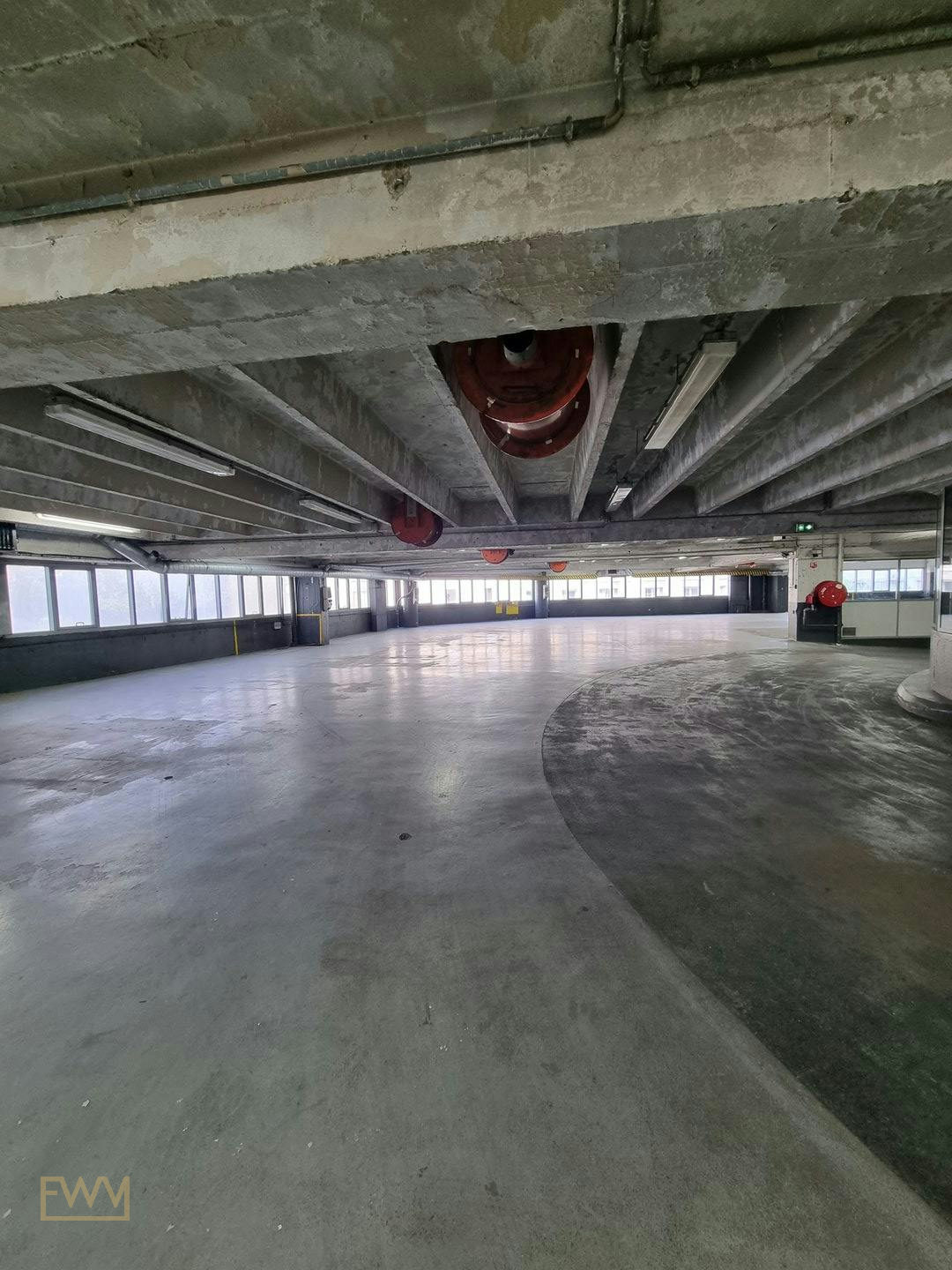
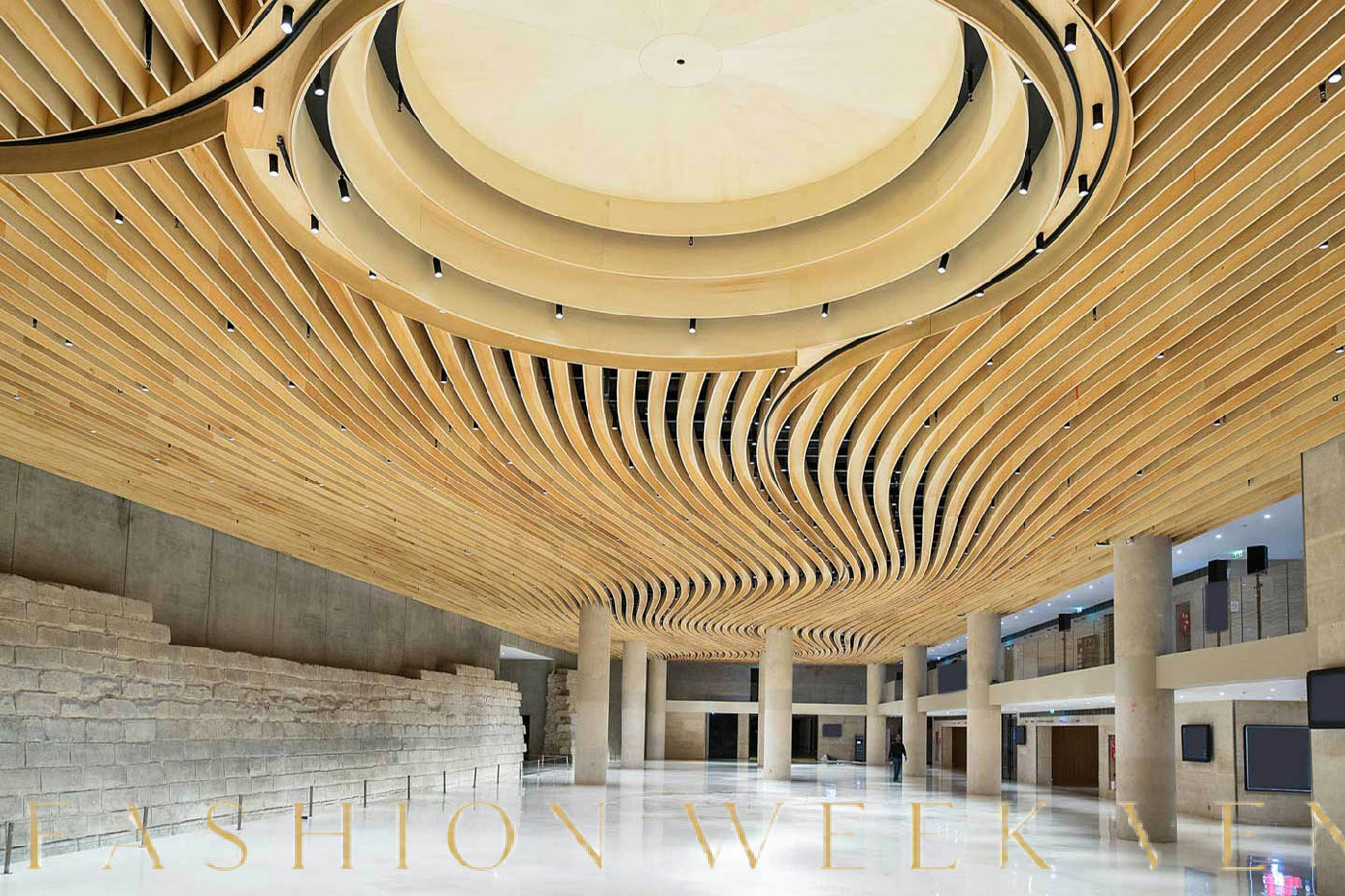
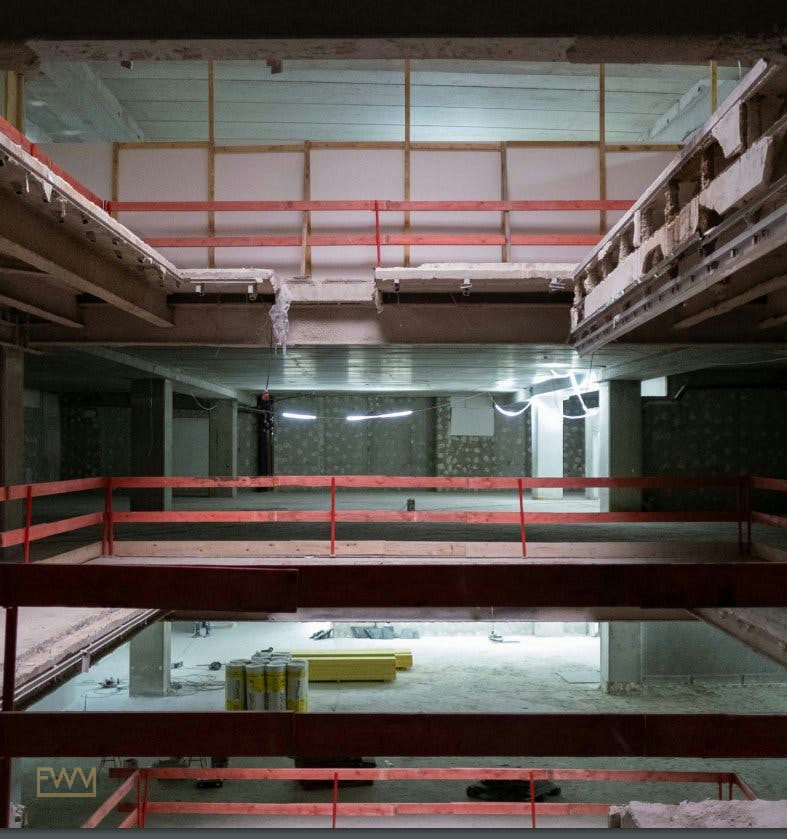
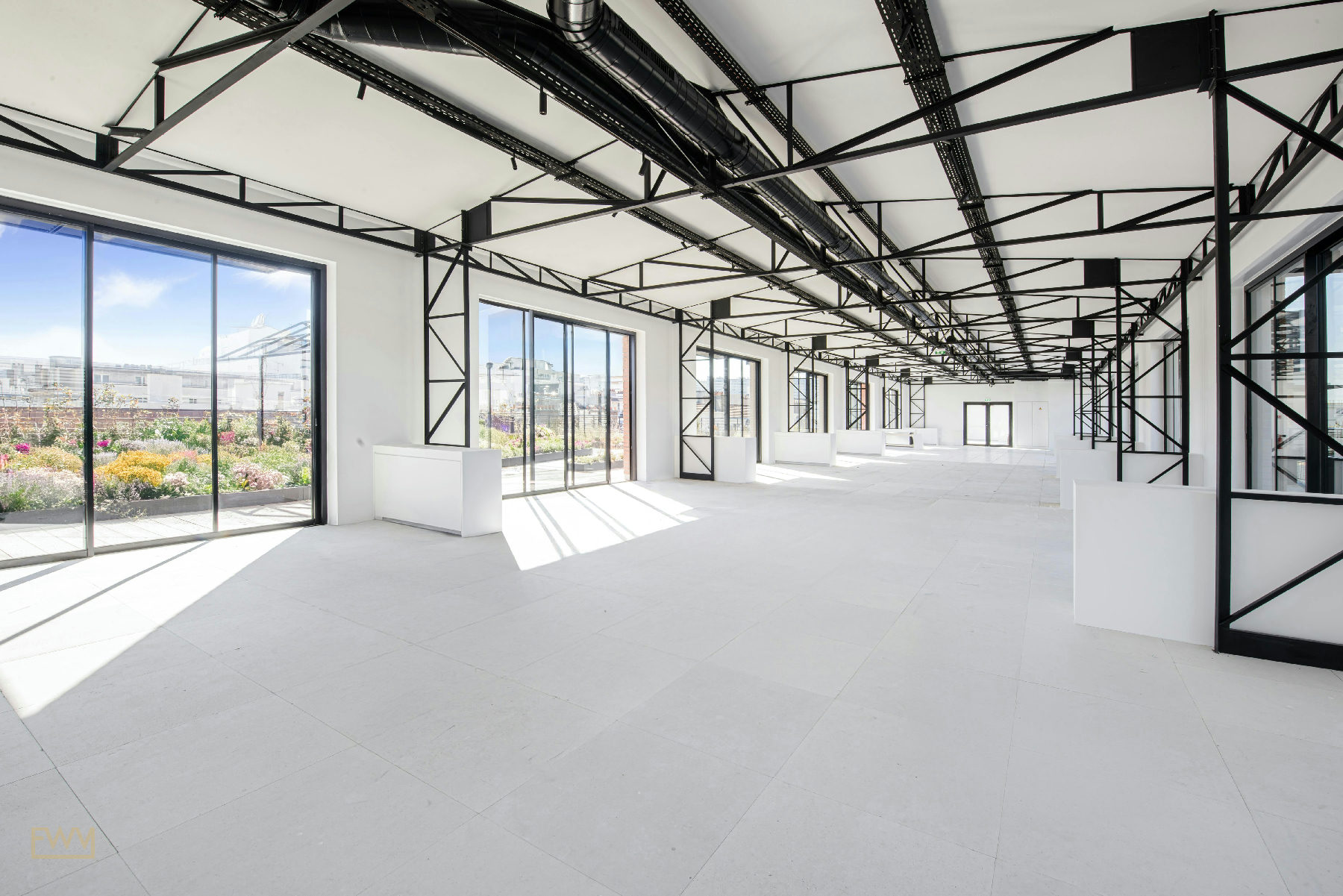
Securing the right temporary retail space Paris Fashion Week is one of the most consequential decisions a brand team will make in its annual activation calendar. Paris remains the undisputed epicentre of global fashion, drawing buyers, press, influencers, and private clients across four distinct calendar windows each year. Whether your brand needs a showroom for buyer appointments, a pop-up store to drive consumer sales, or an event space for a collection launch or immersive presentation, the Paris market offers unmatched density of relevant foot traffic, cultural authority, and commercial opportunity. Fashion Week Venues operates as a full-service agency and space marketplace to help brands navigate this complex market with confidence, from space discovery through to staffing, design, and activation management. This guide covers everything your team needs to know.
Paris Fashion Week: The Calendar Windows That Drive Temporary Retail Demand
Quick answer: Paris hosts four major fashion calendar windows annually: Haute Couture Week in January and July, Men's Fashion Week in January and June, and Womenswear Ready-to-Wear in March and October. Each window creates intense short-term demand for temporary retail spaces, showrooms, and event venues across the city's most sought-after arrondissements.
The Fédération de la Haute Couture et de la Mode oversees the official Paris Fashion Week calendar and coordinates runway presentations, showroom appointments, and industry events across the city. For brands operating outside the official couture circuit, these calendar windows represent an equally powerful opportunity: the city fills with international buyers, journalists, stylists, and high-net-worth consumers who are actively in discovery mode.
In January 2026, Men's Fashion Week and Haute Couture Week will take place from January 20 to 29, concentrating significant international traffic into a 10-day window. Brands that secure temporary retail space within or adjacent to this period benefit from dramatically elevated foot traffic, spontaneous press coverage, and the social media amplification that follows every major runway event. The Spring/Summer and Fall/Winter collections set the visual and narrative agenda for the entire industry, and brands that position their physical activations within this cultural moment gain visibility that advertising budgets alone cannot replicate.
Womenswear Ready-to-Wear in March and October represents the highest-demand windows for pop-up shops, showrooms, and concept stores. These are the periods when international department store buyers, independent boutique owners, and global press are all present simultaneously, making a well-positioned temporary retail space a genuine commercial asset rather than simply a brand-building exercise.
Beyond the four main windows, Paris also generates strong activation demand around trade fairs, salon events, and cultural moments such as Paris Art Week, which overlaps with retail calendars in ways that create cross-audience opportunities for brands targeting luxury and contemporary consumers.
DID YOU KNOW: Brands that book temporary retail spaces for Paris Fashion Week windows typically secure their preferred venues between 6 and 12 months in advance, particularly for prime locations in Le Marais, Place Vendôme, and the Palais Royal district.
Understanding which calendar window aligns with your brand's objectives is the first step. A brand seeking buyer appointments benefits most from Womenswear Ready-to-Wear windows when wholesale buyers are most concentrated in the city. A brand focused on consumer engagement and storytelling may find that Haute Couture Week offers stronger luxury clientele density. Men's Fashion Week attracts a younger, more streetwear-oriented audience, making it the natural window for brands positioned in that space.
The practical implication of calendar alignment is that your temporary retail space strategy, including the type of venue, the neighbourhood, the format, and the duration, must be built around the specific window you are targeting rather than treated as an interchangeable decision.
KEY TAKEAWAY: Each Paris Fashion Week calendar window attracts a distinct audience profile. Aligning your temporary retail space strategy with the right window is as important as choosing the right neighbourhood or venue type.
With the calendar established, the next critical question is where in Paris your temporary retail space should be located, and why neighbourhood choice is as consequential as the space itself.
Paris Neighbourhoods for Temporary Retail Space: Districts, Arrondissements, and Brand Positioning
Quick answer: The most in-demand neighbourhoods for temporary retail space during Paris Fashion Week are Le Marais (75003 and 75004), the 1st and 2nd arrondissements including Place Vendôme and Palais Royal, and the area around the Centre Pompidou and Saint-Merri district. Each neighbourhood carries distinct brand connotations, foot traffic patterns, and space typologies.
Paris is not a uniform retail market. The arrondissement your brand activates in sends an immediate signal to buyers, press, and consumers about your positioning, your intended clientele, and your cultural affiliations. Choosing a space in Le Marais versus Place Vendôme versus Opéra communicates entirely different things, even if the square footage and daily rental rate are comparable.
Le Marais: The Creative and Commercial Heart of Fashion Week Activations
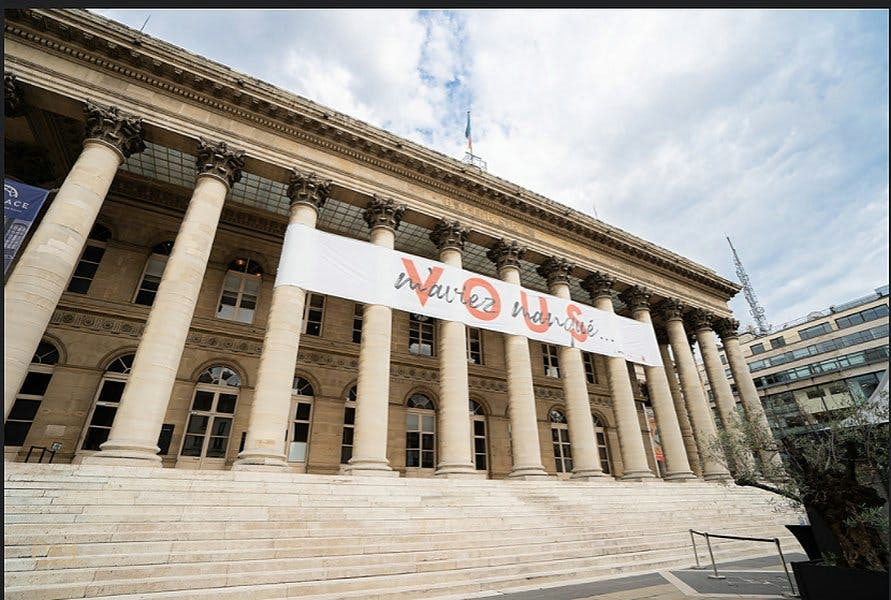
Le Marais, spanning the 75003 and 75004 postal codes, is the most consistently in-demand district for temporary retail space during Paris Fashion Week. The neighbourhood combines historic Haussmann architecture, a dense concentration of established fashion houses and concept stores, strong international tourist foot traffic, and a resident creative community that gives activations here an immediate cultural legitimacy.
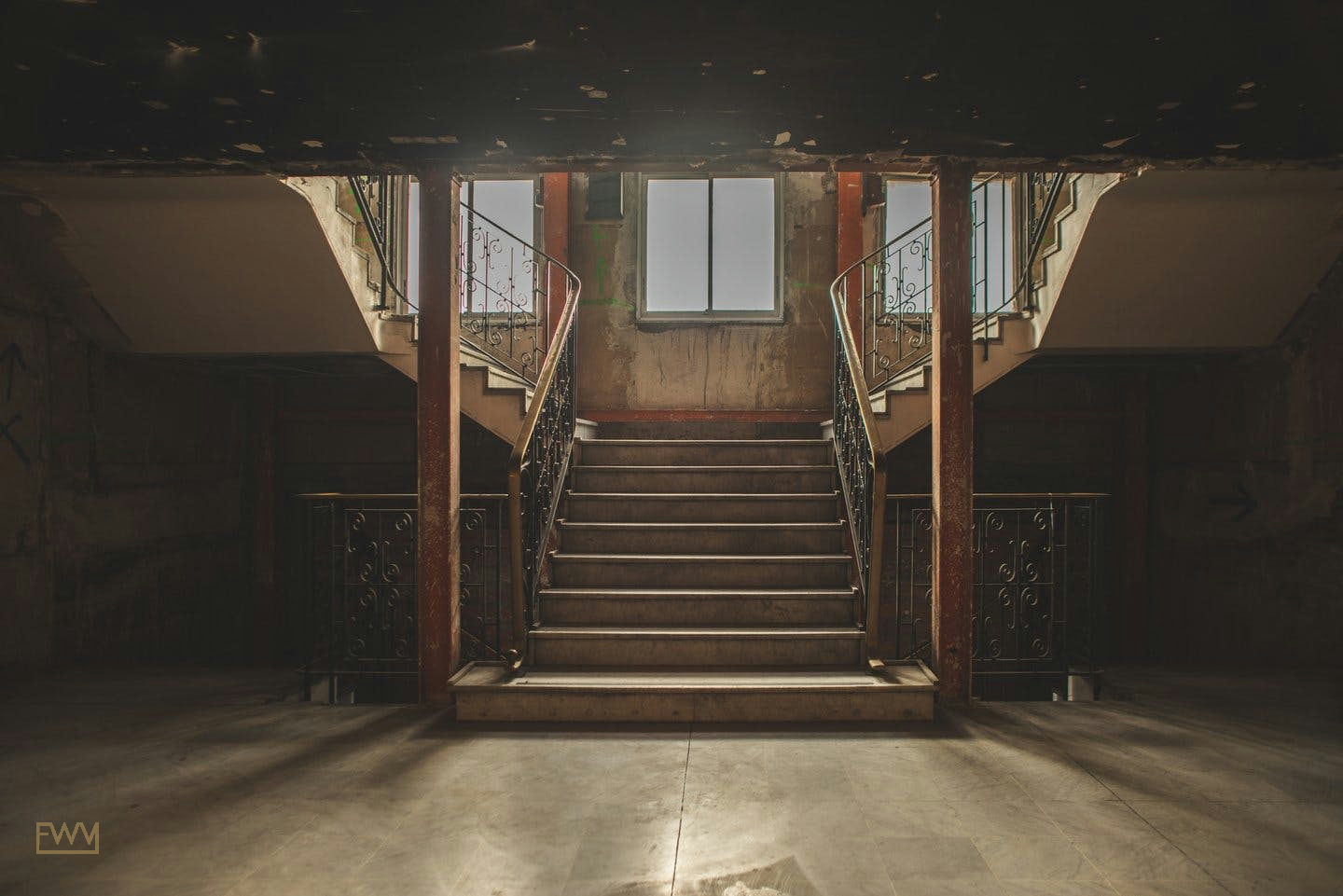
Rue de Turenne and the streets surrounding it anchor the wholesale and showroom district within Le Marais, making this corridor particularly valuable for brands seeking buyer appointments. The Galerie Joseph on Rue Saint-Merri, located in the Saint-Merri district adjacent to the Centre Pompidou, is one of the most recognised temporary event and exhibition spaces in Paris, with its distinctive architecture and natural light making it a standout venue for collection launches, immersive performances, and press previews.
The 75003 arrondissement is home to multiple spaces ranging from intimate boutique-scale venues of around 115 to 200 square metres through to larger gallery-style spaces suitable for immersive activations. Rental rates in this district reflect the premium positioning of the neighbourhood, with directional daily rates for well-located spaces starting from approximately USD 1,220 per day for spaces around 200 square metres, and higher for premium or architecturally distinctive venues. These figures are directional estimates only and should be validated using the Fashion Week Venues budget estimation tool for your specific brief.
Place Vendôme and the 1st Arrondissement: Luxury and Heritage Positioning
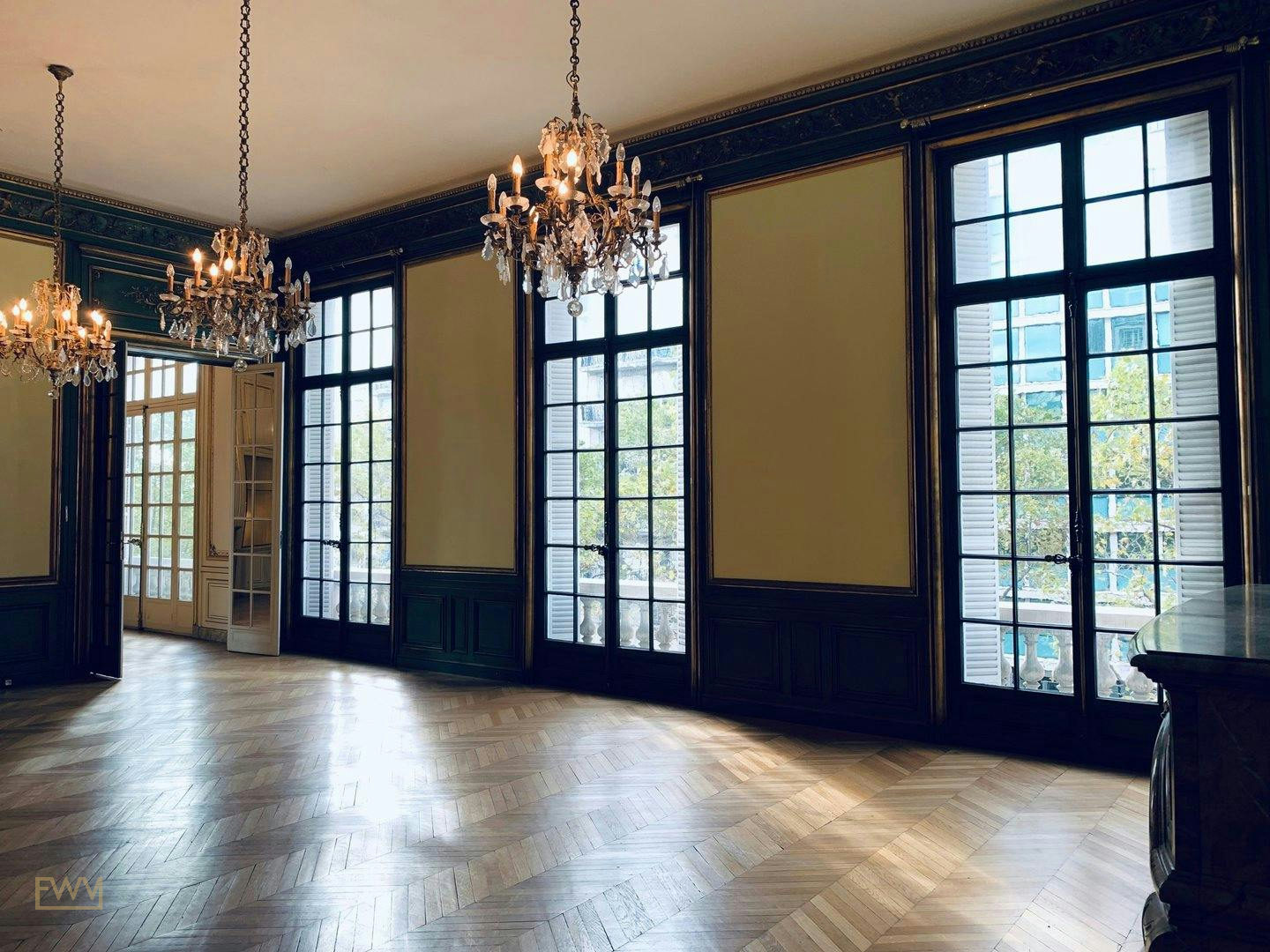
The area around Place Vendôme, the Louvre, and the Palais Royal represents the highest-prestige zone for temporary retail space in Paris. Brands activating here benefit from the heritage associations of the jewellery and couture houses that have defined this district for over a century. The architecture tends toward grand Haussmann facades, palatial interiors with high ceilings and ornate detailing, and a clientele that skews toward established luxury consumers and high-net-worth international visitors.
Foot traffic in the 1st and 2nd arrondissements is more curated than in Le Marais, which makes it better suited to appointment-based showrooms and private client presentations than to high-volume pop-up retail. Brands with a heritage positioning, or those launching a premium product or collaboration, find this district particularly effective for storytelling and press coverage.
Opéra and the 2nd Arrondissement: Commercial Density and Accessibility
The Opéra district offers strong commercial foot traffic, excellent transport connections, and a mix of corporate and tourist clientele. It is a natural fit for brands targeting a broader consumer audience or needing accessible logistics for installation and stock movement. The area around the Pierre Cardin Museum and the passages couverts of the 2nd arrondissement offer distinctive architectural backdrops for activations that want to combine Parisian heritage with accessibility.
Neighbourhood Comparison Table
| District | Key Locations | Best For | Audience Profile | Space Typology |
|---|---|---|---|---|
| Le Marais (75003/75004) | Rue de Turenne, Centre Pompidou, Galerie Joseph, 5 Rue Saint-Merri | Showrooms, pop-up stores, collection launches | Buyers, press, creative consumers, influencers | Gallery, former atelier, concept store, atrium |
| 1st Arrondissement | Place Vendôme, Palais Royal, Louvre | Luxury showrooms, private client events, heritage presentations | High-net-worth consumers, luxury press, couture buyers | Haussmann salon, boutique, ground-floor retail |
| 2nd Arrondissement / Opéra | Opéra, passages couverts, Pierre Cardin Museum area | Consumer pop-ups, product launches, accessible activations | Tourists, corporate, mainstream fashion consumers | Storefront, passage, commercial ground floor |
| Saint-Germain-des-Prés | Boulevard Saint-Germain, Rue du Bac | Luxury ready-to-wear, lifestyle collaborations | Affluent locals, international visitors, design buyers | Boutique, gallery, concept store |
KEY TAKEAWAY: Neighbourhood choice in Paris is a brand positioning decision, not just a logistical one. The arrondissement you choose shapes how buyers, press, and consumers perceive your activation before they ever enter the space.
Once you have identified the right neighbourhood for your brand, the next question is which type of temporary retail space best serves your specific activation objectives.
Types of Temporary Retail Space Available During Paris Fashion Week
Quick answer: Temporary retail spaces in Paris available during Fashion Week include showrooms, pop-up stores, concept stores, event spaces, gallery spaces, press rooms, and hybrid formats combining retail with presentation or exhibition functions. Each format serves different activation objectives and attracts different footfall profiles.
The Paris temporary retail market is significantly more varied than most brand teams expect when they first approach it. Understanding the distinctions between space types allows you to match your activation format to the right physical environment from the outset, rather than retrofitting a concept into an unsuitable space.
Showrooms for Buyer Appointments and Press Previews
A showroom in the Paris Fashion Week context is a curated, appointment-based space where a brand presents its collection to wholesale buyers, press, stylists, and private clients. The format prioritises controlled access, professional presentation infrastructure, and a refined environment that reinforces the collection's narrative. Successful showrooms in Paris typically feature natural light, flexible display arrangements, a dedicated reception area, reliable internet connectivity for digital lookbooks and ordering systems, and discreet security arrangements.
The standard rental period for a showroom during Paris Fashion Week is 3 to 10 days, aligned with the specific calendar window. Brands often run back-to-back appointment schedules from morning through evening, which places practical demands on the space: adequate power for lighting rigs, a separate area for private consultations, and sufficient square footage to display a full collection without overcrowding.
Pop-Up Stores for Consumer Retail and Direct Sales
A pop-up store is a consumer-facing temporary retail operation designed to generate direct sales, build brand awareness, and create shareable moments for social media amplification. During Paris Fashion Week, pop-up stores benefit from the city's elevated international foot traffic, but they require careful consideration of retail licensing, payment systems, staffing, and visual merchandising to operate effectively.
Pop-up stores can take a range of formats in Paris: a traditional ground-floor storefront on a high-footfall street, a gallery space converted into a retail environment, a concept store format combining product display with an experiential element, or a larger atrium or event space hosting a more theatrical activation. Brands such as PUMA activated their Suede franchise through the PUMA Suede House concept, demonstrating how a pop-up store format can combine product presentation, cultural programming, and consumer engagement into a single coherent activation.
Temporary Press Rooms
A temporary press room is a dedicated media-facing space where a brand hosts journalists, editors, and digital creators for collection previews, product demonstrations, and one-on-one interviews. Press rooms typically require strong natural light for photography, professional lighting infrastructure, reliable high-speed internet, a clean and minimal aesthetic that does not compete with the product, and a comfortable lounge or waiting area for visiting media professionals. The temporary press room format is particularly relevant during Womenswear Ready-to-Wear windows when international press volume is at its highest.
Event Spaces for Collection Launches and Immersive Presentations
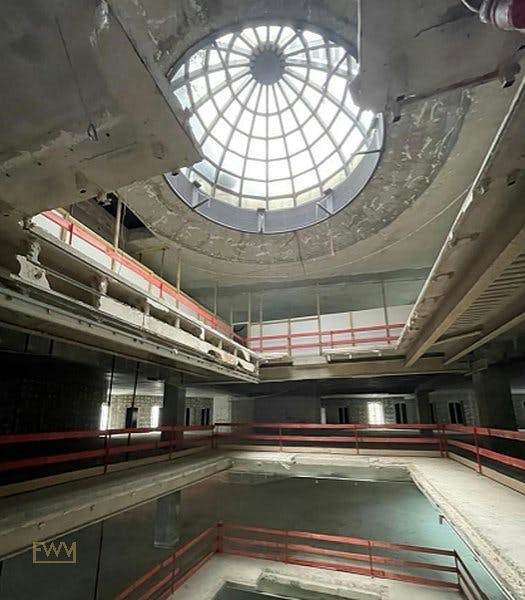
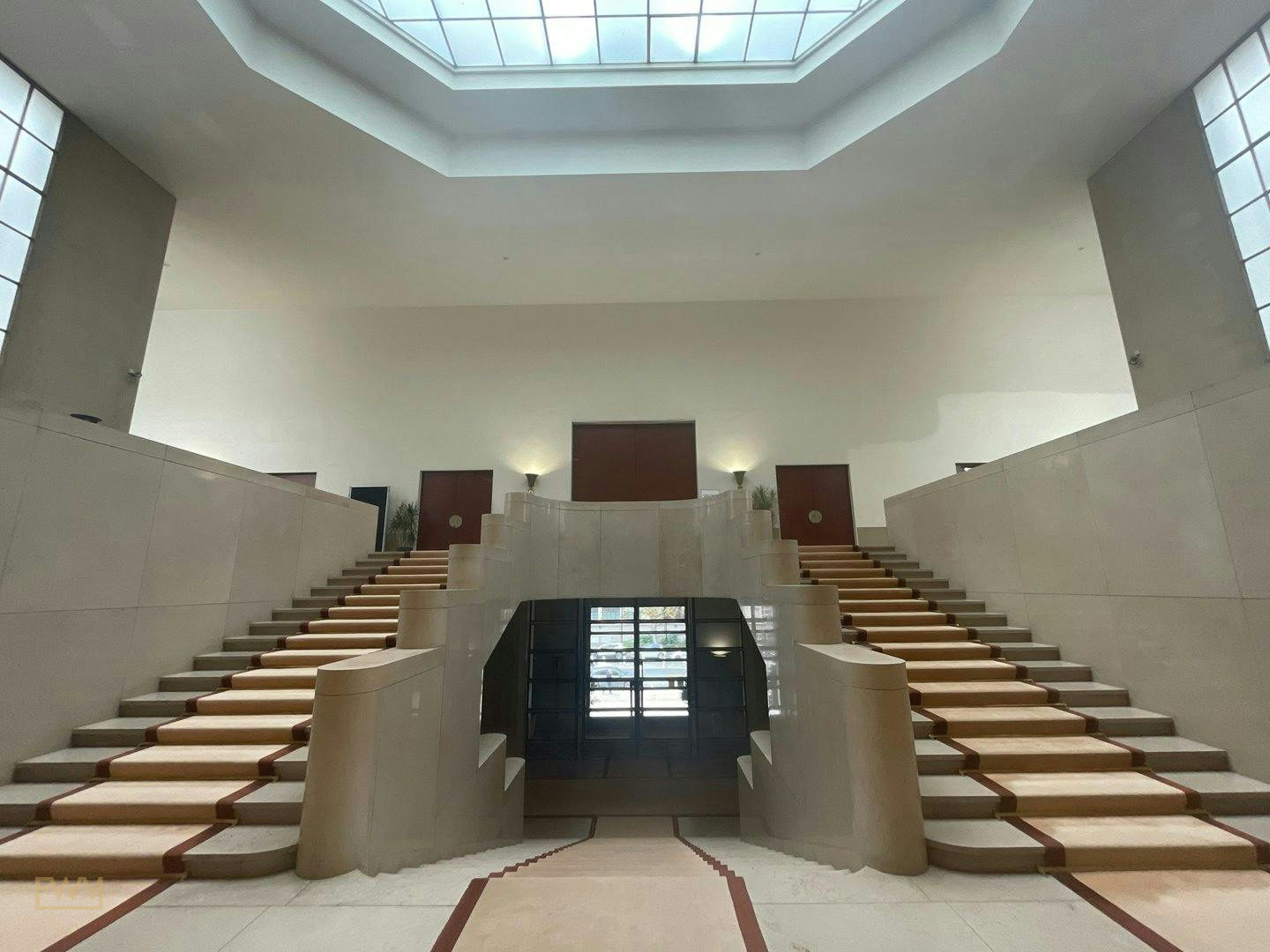
Collection launch events and immersive presentations require event spaces with strong architectural character, flexible technical infrastructure, and the capacity to accommodate a curated guest list of press, buyers, influencers, and private clients simultaneously. Spaces such as those featuring a glass roof, an atrium, or a Viewbox structure offer distinctive visual environments that amplify scenography and strengthen the storytelling dimension of the activation. Workshops, exhibitions, and art exhibitions are increasingly common programming elements within these event spaces, reflecting the broader cultural positioning that fashion brands pursue during Fashion Week.
Space Type Comparison Table
| Space Type | Primary Function | Typical Duration | Key Requirements | Best Audience |
|---|---|---|---|---|
| Showroom | Buyer appointments, press previews | 3 to 10 days | Natural light, display rails, internet, security | Buyers, press, stylists |
| Pop-up store | Consumer retail, direct sales | 7 to 30 days | POS system, staffing, visual merchandising | Consumers, influencers |
| Temporary press room | Media relations, press previews | 3 to 7 days | Lighting, internet, clean aesthetic, lounge area | Press, editors, creators |
| Event space | Collection launch, immersive presentation | 1 to 5 days | Architectural character, technical infrastructure | Press, buyers, influencers, VIPs |
| Concept store | Brand experience, storytelling, retail | 7 to 60 days | Flexible layout, experience design, staffing | Consumers, press, creative community |
KEY TAKEAWAY: Choosing the right space type before you begin venue searches saves significant time and cost. Define your primary activation objective first, then match the space format to that objective.
With space types clarified, the next essential consideration is the operational and logistical infrastructure required to run a successful temporary retail activation in Paris.
Operations, Logistics, and Legal Requirements for Temporary Retail in Paris
Quick answer: Operating a temporary retail space in Paris requires attention to lease format, insurance, security, staffing, payment infrastructure, and in some cases planning permissions or public space authorisations. Requirements vary significantly depending on space type, duration, arrondissement, and whether the space involves public access or external signage.
International brands frequently underestimate the operational complexity of running a temporary retail activation in Paris. The French regulatory environment for short-term commercial space use is distinct from the UK, US, and other major markets, and the consequences of non-compliance can include forced closure, loss of deposit, or significant financial penalty. Understanding the framework in advance is not optional.
Lease Formats: Bail Dérogatoire and Short-Term Agreements
The standard framework for short-term commercial space rental in France is the bail dérogatoire, also known as a short-term commercial lease or convention d'occupation précaire. This lease format allows parties to agree on a temporary commercial occupation without triggering the statutory protections of a standard French commercial lease (bail commercial), which carries minimum duration requirements and significant tenant rights.
A bail dérogatoire is typically limited to a maximum cumulative duration of 3 years on the same premises, after which continued occupation can trigger automatic conversion to a full commercial lease. For brands renting space for a few days to a few weeks during Fashion Week, this framework is the standard mechanism. However, the specific terms, the permitted use conditions, the insurance requirements, and the handover obligations must be carefully reviewed before signing.
An Autorisation d'Occupation Temporaire (AOT) is relevant where a brand wishes to use public space, such as a pavement, a covered passage, or a publicly owned building or courtyard. AOTs are granted by the relevant public authority and carry specific conditions regarding permitted activities, trading hours, and physical installations. Requirements vary by arrondissement and by the nature of the public space involved.
IMPORTANT: The information provided here is a general orientation only. Lease formats, permit requirements, and compliance obligations vary by space type, duration, intended use, and location. Always verify your specific situation with a qualified French legal advisor before signing any agreement.
Brands should use the Fashion Week Venues permit guidance tool as a starting point for understanding what may be required for their specific activation format and location, but this tool does not replace legal advice.
Insurance Requirements
French landlords and space owners routinely require temporary tenants to hold valid public liability insurance and in many cases goods-in-transit and stock insurance before occupation can begin. Brands that do not carry French-compliant insurance policies may find that their standard domestic policies do not satisfy the landlord's requirements. Arranging appropriate insurance coverage should be an early priority in the activation planning process, not a last-minute logistical afterthought.
Security Arrangements
Temporary retail spaces in Paris, particularly those in high-footfall neighbourhoods such as Le Marais and the 1st arrondissement, require professional security arrangements. A manned security service during trading hours, an alarm system, and in some cases overnight security are standard requirements for spaces handling significant stock value, luxury goods, or high-profile celebrity or influencer events. The space owner's lease agreement may specify minimum security standards, and brands should factor security costs into their operational budget from the outset.
Installation, Build-Out, and Restoration
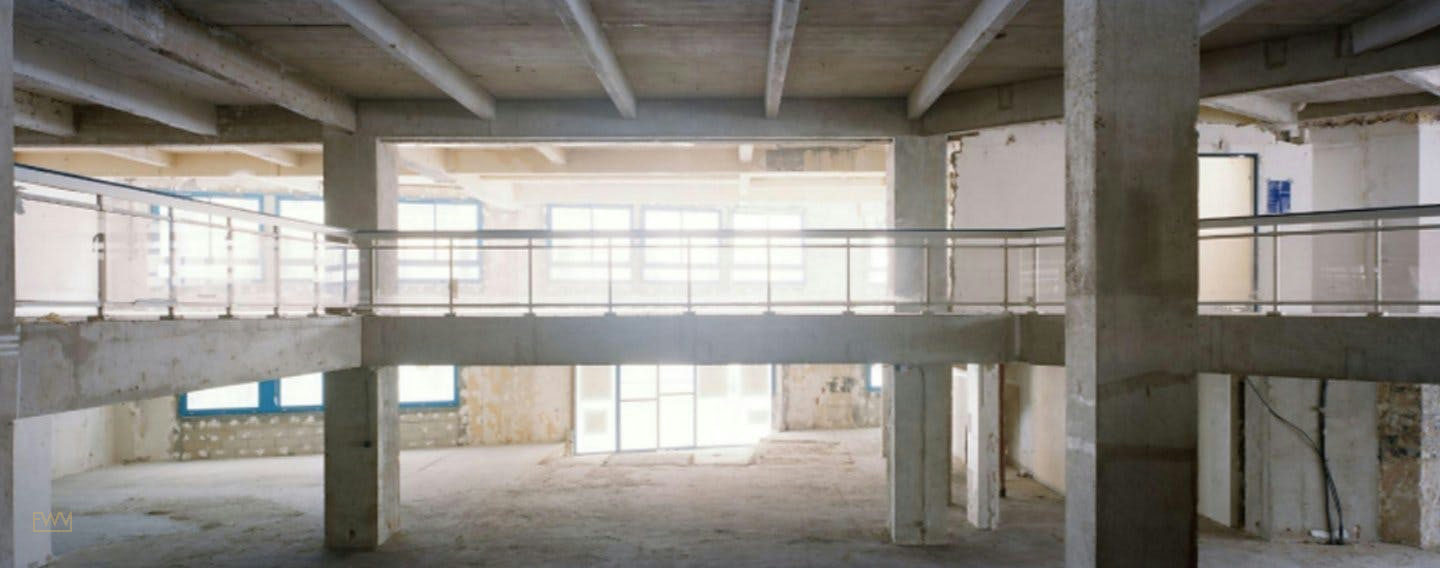
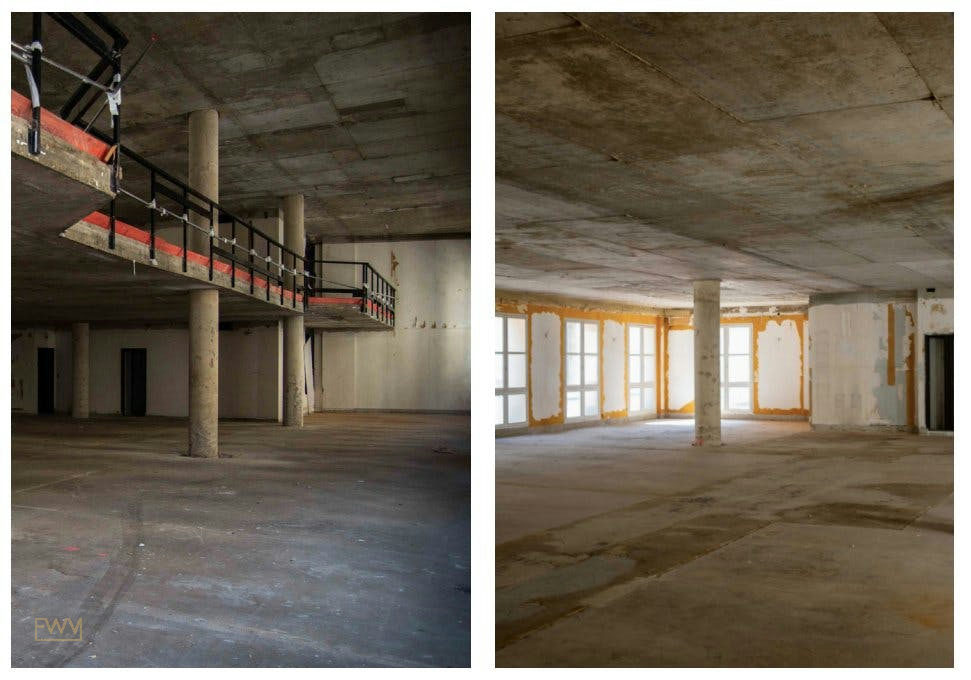
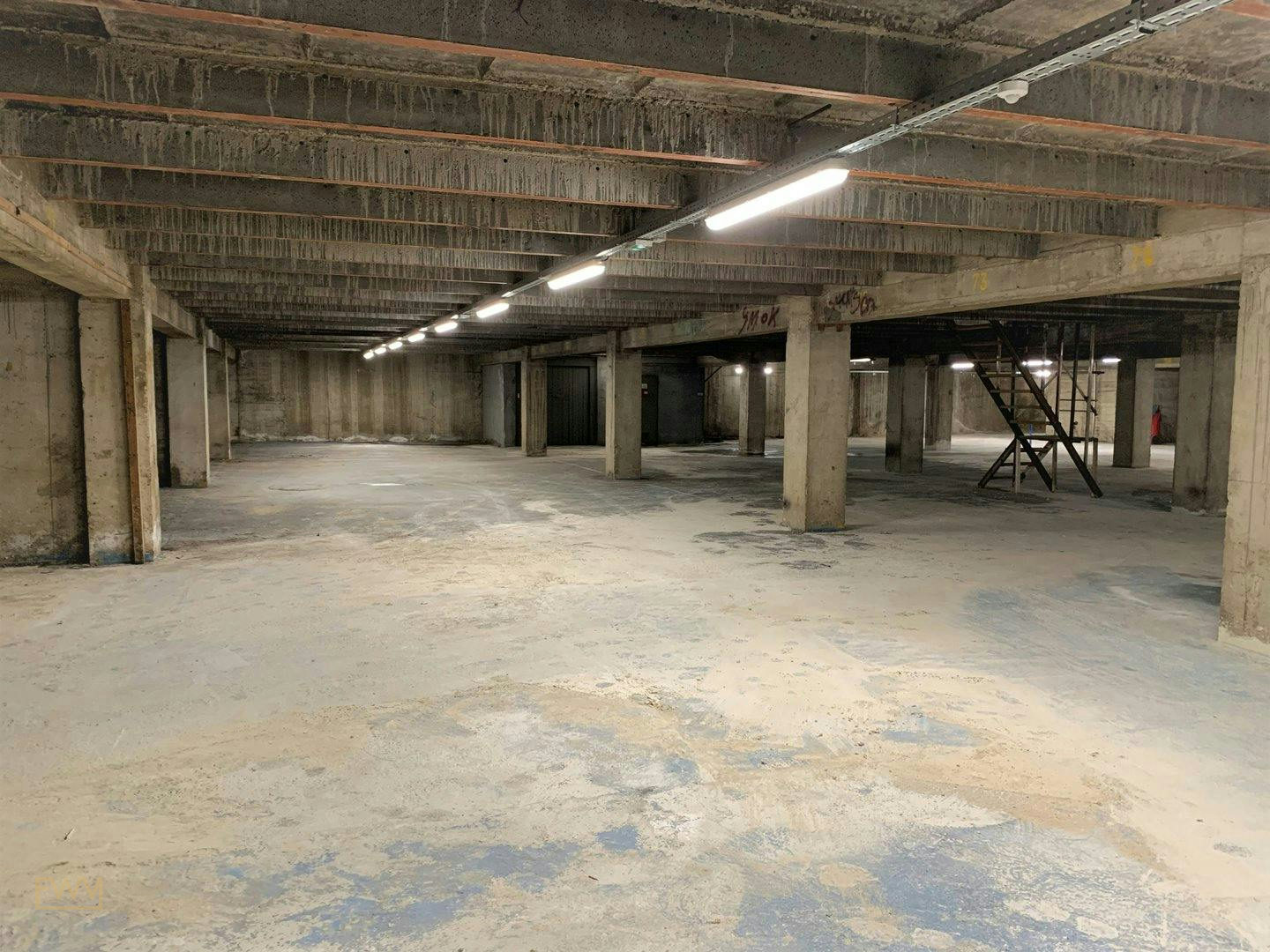
Temporary retail spaces in Paris are almost always provided in a base condition, meaning that all branded fit-out, furniture, lighting, display infrastructure, and scenography must be installed by the tenant and fully removed at the end of the rental period. The space must be returned in its original condition, and any damage beyond normal wear incurs charges against the deposit. Installation periods are typically negotiated as part of the rental agreement and may or may not incur additional rental cost.
TIP: Build in at least one full day before and one full day after your primary activation period for installation and strike. Attempting to compress these into the activation days themselves typically results in a space that is not fully ready when buyers or press arrive.
Booking Timeline and Advance Planning
The most in-demand temporary retail spaces in Paris for Fashion Week windows are frequently booked 6 to 12 months in advance. Brands that approach the Paris market with 4 to 6 weeks of lead time routinely find that their preferred venues are already committed, leaving only secondary locations or unattractive formats available at premium rates due to scarcity.
A realistic planning timeline for a temporary retail activation during Paris Fashion Week looks as follows:
| Timeline Stage | Recommended Timeframe Before Activation | Key Actions |
|---|---|---|
| Initial brief and budget definition | 9 to 12 months | Define activation objectives, format, district, duration, and budget envelope |
| Space search and shortlisting | 6 to 9 months | Identify candidate venues, visit or review virtually, shortlist top 3 |
| Legal and lease review | 5 to 7 months | Review lease terms, confirm insurance requirements, engage legal advisor |
| Concept and design development | 4 to 6 months | Develop scenography, branded store design, furniture and lighting plan |
| Production and build planning | 3 to 5 months | Commission suppliers, order materials, plan installation logistics |
| Staffing and operations | 2 to 4 months | Recruit and brief retail staff, set up POS and payment systems |
| Installation and pre-opening | 1 to 2 weeks | Install fit-out, dress the space, conduct operational tests |
| Activation period | On date | Run buyer appointments, press previews, consumer retail, events |
| Strike and restoration | Immediately post-activation | Remove all fit-out, restore space to base condition, return keys |
KEY TAKEAWAY: Brands that begin their Paris Fashion Week activation planning 9 to 12 months in advance consistently access better spaces, negotiate stronger lease terms, and execute more polished activations than those who start with 8 weeks of lead time.
To compare multiple venues and understand how different options align with your timeline, the Fashion Week Venues timeline planning tool provides a practical framework for mapping your activation milestones.
Budget Planning for Temporary Retail Space in Paris During Fashion Week
Quick answer: The total cost of a temporary retail activation in Paris during Fashion Week extends well beyond the daily space rental rate. Brands should budget for installation, branded store design, furniture, staffing, security, insurance, POS systems, influencer marketing, and restoration in addition to the space itself. The total investment varies significantly by format, district, duration, and service scope.
One of the most consistent errors made by international brands entering the Paris market for the first time is treating the daily rental rate as the primary or defining cost of the activation. In practice, the rental rate typically represents only 30 to 50 percent of the total activation investment, with the balance distributed across design and production, staffing, operations, and marketing.
Space Rental Costs: What to Expect
Published directional rental rates for spaces in 75003 Paris during Fashion Week windows indicate ranges broadly from USD 1,220 per day for spaces around 200 square metres to USD 1,830 per day for spaces around 180 square metres with stronger architectural features or premium positioning. These figures are illustrative and market-derived estimates only. Actual pricing depends on the specific space, the rental duration, the calendar window, and the negotiated terms.
Brands seeking a more precise estimate for their specific brief should use the Fashion Week Venues budget calculator, which allows you to input your target neighbourhood, space size, duration, and service requirements to generate a directional total cost estimate.
Production, Design, and Fit-Out Costs
Branded store design, scenography, furniture rental, lighting, and the physical installation of a temporary retail environment represent a significant share of the total activation budget. Costs vary by the complexity of the concept, the materials used, and whether the brand engages a full-service agency or manages individual suppliers independently. Furniture rental is a standard approach for temporary activations, avoiding the cost and logistics of procuring and transporting owned fixtures. Professional lighting design is essential for showrooms and press rooms where product photography and natural light quality are critical to the buyer and media experience.
Staffing and Operations
A temporary retail activation in Paris requires bilingual retail staff, and in the case of showrooms, professionals with specific wholesale or buyer-facing experience. Security personnel, a space manager, and in some cases a specialist POS and payments operator add further staffing overhead. Brands should not attempt to run a Paris Fashion Week activation using only team members flown in from their home market without local operational support.
ROI and Performance Measurement
Temporary retail activations in Paris generate value through multiple channels simultaneously: direct sales, wholesale orders placed during buyer appointments, press coverage, social media impressions, influencer content, and long-term brand awareness. Measuring the return on a Fashion Week activation requires a framework that captures all of these dimensions, not just the revenue generated at the point of sale during the activation window itself.
The Fashion Week Venues ROI calculator provides a structured approach to estimating the expected return from a Paris activation across both direct revenue and brand value dimensions.
KEY TAKEAWAY: Plan your total activation budget comprehensively from the outset, including all production, operational, staffing, marketing, and compliance costs. Space rental is the starting point, not the end point, of budget planning for a Paris Fashion Week temporary retail activation.
Understanding the full cost picture positions your brand to make an informed decision about whether to manage the activation independently or engage a full-service agency, which is the subject of the next section.
How Fashion Week Venues Supports Brands Seeking Temporary Retail Space in Paris
Fashion Week Venues operates as a full-service pop-up agency and space marketplace with Paris as its primary and anchor market. The platform and agency serve brand teams, creative directors, retail strategists, and activation managers who need a reliable, experienced partner to navigate the Paris temporary retail market without the time cost or risk of building in-market expertise from scratch.
The core service offering spans the full activation lifecycle. Venue sourcing connects brands with vetted spaces across Paris's key Fashion Week districts, including Le Marais, the 1st and 2nd arrondissements, Saint-Germain-des-Prés, and beyond. The space marketplace allows brands to browse, compare, and shortlist spaces based on size, neighbourhood, availability, and space type before committing to a viewing or negotiation.
Beyond space discovery, Fashion Week Venues offers concept direction and creative development for brands that need help translating a collection narrative into a physical retail environment. The production and build service manages the physical installation of the space, from structural fit-out through to furniture, lighting, and final dressing. Branded store design is handled by specialists who understand both the aesthetic requirements of a fashion activation and the practical constraints of a short-term lease environment in Paris.
On the operational side, Fashion Week Venues provides retail staffing, POS and payment systems, and data and analytics services, enabling brands to run a fully functional temporary retail operation without having to source and manage each component independently. Influencer marketing support connects activations with the relevant creator community in Paris, amplifying the reach of the physical space through digital channels.
The agency's tools are designed to support brand teams at every planning stage. The space comparison tool allows side-by-side evaluation of shortlisted venues. The timeline tool maps activation milestones against the calendar. The permits tool provides a starting point for understanding what regulatory requirements may apply to a specific activation format and location.
For brands exploring a shared activation model, the twin co-activation concept allows two complementary brands to share a single venue, reducing the rental and production cost per brand while maintaining distinct brand zones within the space. This format is particularly relevant for emerging brands or those testing the Paris market for the first time.
Fashion Week Venues is best suited to brands with an activation budget sufficient to justify professional agency support, a clear activation brief, and a planning horizon of at least 3 to 6 months before the target window. Brands in earlier stages of planning can begin with the marketplace and tools before engaging the full agency service.
To compare neighbourhoods and space types, explore the Paris city hub on Fashion Week Venues and shortlist spaces that match your brief, budget, and calendar window.
KEY TAKEAWAY: Fashion Week Venues provides end-to-end support from space discovery through to activation delivery in Paris, covering every service component that a brand team would otherwise need to source and manage independently in a complex and unfamiliar market.
Experience, Scenography, and the Role of Storytelling in Paris Pop-Up Activations
Quick answer: The most effective temporary retail spaces in Paris during Fashion Week integrate product display with a coherent brand narrative, experiential elements, and a physical environment that reinforces the collection's identity. Scenography, natural light, architecture, and programming all contribute to an activation that press, buyers, and consumers find memorable and shareable.
Paris sets a high aesthetic standard for temporary retail activations. Buyers and press who attend dozens of showrooms and events during a single Fashion Week window quickly calibrate against the quality of what they see, and a space that lacks considered design, strong lighting, or clear narrative direction will not generate the quality of engagement or coverage that justifies the investment.
The Role of Scenography
Scenography in the context of a temporary retail activation refers to the design of the spatial experience: how a visitor moves through the space, what they encounter at each stage, how the collection is framed and presented, and how the physical environment reinforces the brand's narrative. Effective scenography does not need to be expensive or theatrical. Even a minimal, well-lit showroom with considered placement of collection pieces and a coherent material palette communicates more powerfully than an overloaded space that lacks a clear visual direction.
Heritage brands often use scenography to connect their current collection with archival references, creating a dialogue between past and present that deepens the cultural story available to press and buyers. Contemporary brands frequently use immersive performances, workshops, or art exhibitions within their activation spaces to attract a broader creative audience and generate programming that drives repeat visits and organic social media content.
Natural Light and Architecture as Brand Assets
Paris offers an extraordinary range of architectural environments for temporary retail activations, from the vaulted ceilings and glazed skylights of historic gallery spaces to the raw concrete and steel of contemporary art spaces in the Marais. Natural light is consistently identified by photographers, press, and buyers as one of the most important qualities in a showroom or press room, both for the quality of the imagery it enables and for the atmospheric quality it brings to the space.
Spaces with a glass roof, high ceilings, or large north-facing windows command a premium during Fashion Week because they reduce the dependence on artificial lighting rigs, which are both costly and technically complex to operate well in a temporary installation. When evaluating venues, natural light quality at the specific times of day when your buyer appointments or press previews are scheduled should be a primary consideration.
Influencers, Digital Amplification, and the Physical Space
The relationship between a physical temporary retail space in Paris and its digital amplification through influencers and content creators has become an integral part of activation strategy. Brands that design their space with content creation in mind, including consideration of how specific areas will photograph, what backdrops are available for video, and where natural light is strongest at key times, consistently generate more and higher-quality organic social media content than those that treat the physical and digital dimensions of the activation as separate concerns.
Engaging relevant Paris-based influencers as guests at the activation, rather than purely as social media deliverables, typically generates more authentic and resonant content. The physical space becomes the content environment, and the brand's product within it provides the natural focus for storytelling.
KEY TAKEAWAY: Treat the physical environment of your Paris temporary retail space as a storytelling asset from the earliest design stage. The relationship between scenography, natural light, architecture, and digital amplification determines whether your activation generates coverage and conversation that extends beyond the activation window itself.
Common Myths About Temporary Retail Space in Paris Debunked
MYTH: You need a French legal entity to rent a temporary retail space in Paris during Fashion Week.
FACT: International brands without a French legal entity regularly rent temporary retail spaces in Paris under short-term lease agreements such as the bail dérogatoire. The specific requirements depend on the space owner's preferences and the nature of the lease, but the absence of a French company registration is not an automatic barrier to renting. Working with an experienced local agency or legal advisor clarifies the practical requirements for your specific situation.
MYTH: Paris Fashion Week's Womenswear Ready-to-Wear window is the only viable calendar period for a temporary retail activation in Paris.
FACT: While Womenswear Ready-to-Wear in March and October generates the highest volume of international industry traffic, all four Paris Fashion Week windows, including Men's Fashion Week, Haute Couture Week, and the associated trade fair periods, attract significant buyer, press, and consumer traffic. The right window for your brand depends on your product category, target audience, and activation objectives, not on a general assumption about which window is most prominent.
MYTH: Commission-based brokers are the only way to find a temporary retail space in Paris for Fashion Week.
FACT: Commission brokers are one route to finding temporary retail space in Paris, but they are not the only option and in some cases not the most effective one. Full-service agencies like Fashion Week Venues combine marketplace access with integrated production, design, and operational services, providing a more comprehensive and often more cost-effective solution for brands that need more than just a space referral. Direct approaches to venue owners and curated space marketplaces are also viable channels.
MYTH: Short-term leases for temporary retail space in Paris are legally straightforward and require no specialist input.
FACT: Short-term commercial leases in France operate within a specific regulatory framework that differs materially from comparable arrangements in the UK, US, and other markets. The bail dérogatoire, AOT requirements, insurance obligations, and restoration conditions all carry legal and financial implications that are not self-evident from the lease document alone. Engaging a French legal advisor for even a brief review of the lease terms before signing is strongly recommended, particularly for brands new to the Paris market.
MYTH: A high daily rental rate guarantees a high-quality space with all necessary infrastructure in place.
FACT: Rental rate is a reflection of location, architectural quality, and market demand, not of the operational readiness of the space for a temporary retail activation. Many premium Paris spaces are let in a shell condition with no furniture, no lighting, no POS infrastructure, and no internet connectivity. Brands must budget and plan for all of these elements independently, regardless of what the daily rental rate implies about the space's quality.
Frequently Asked Questions About Temporary Retail Space in Paris During Fashion Week
What is the best neighbourhood to rent a temporary retail space during Paris Fashion Week?
Le Marais, covering the 75003 and 75004 arrondissements, is the most consistently in-demand neighbourhood for temporary retail space during Paris Fashion Week. Its combination of international foot traffic, fashion industry credibility, architectural variety, and proximity to major showroom clusters makes it the default choice for many brands. However, the best neighbourhood for your specific brand depends on your positioning, target audience, and activation objectives. Luxury heritage brands often find Place Vendôme and the 1st arrondissement more appropriate, while brands targeting a broader consumer audience may prefer the accessibility of the Opéra district or the creative energy of the Saint-Merri district near the Centre Pompidou.
Is it possible to rent a showroom in Paris for only a few days during Fashion Week?
Yes. Most showroom and temporary retail space rentals during Paris Fashion Week are arranged on a short-term basis of 3 to 10 days, aligned with the specific calendar window. Some space owners are flexible on duration and will negotiate rentals of as few as 2 to 3 days, though premium locations may require a minimum booking period. It is important to factor in installation and restoration days in addition to the active trading period when negotiating the total rental duration, as these are typically part of the same agreement.
Are rental rates for temporary retail spaces higher during Paris Fashion Week?
Yes. Rental rates for temporary retail spaces in Paris's key fashion districts increase significantly during Fashion Week calendar windows due to concentrated international demand from brands competing for the same limited pool of high-quality venues. Brands that book early, typically 6 to 12 months in advance, are better positioned to access preferred venues at standard market rates. Last-minute bookings made within 4 to 8 weeks of the target window often face both limited availability and premium pricing driven by scarcity.
Should I choose an independent showroom or a shared showroom format during Paris Fashion Week?
An independent showroom offers complete control over the space, the schedule, the aesthetic environment, and the visitor experience, which typically delivers stronger brand image management and more focused buyer and press engagement. A shared showroom, or co-activation format, reduces the per-brand cost of the space and production but requires careful brand compatibility assessment and clear spatial separation to avoid diluting either brand's presentation. For brands with a clear identity, an adequate budget, and a full appointment schedule, an independent showroom is generally the stronger choice. For brands testing the Paris market for the first time or working within a tight budget, a co-activation format can be a practical starting point.
What is the difference between a pop-up store and a showroom in the Paris Fashion Week context?
A showroom is a trade-facing, appointment-based space where brands present their collection to wholesale buyers, press, and stylists. Access is typically by appointment only and the commercial objective is wholesale orders and press coverage. A pop-up store is consumer-facing, open to the public during trading hours, and designed to generate direct retail sales, brand awareness, and consumer engagement. Many brands operate both formats during a single Paris Fashion Week window, using a showroom for trade appointments during the day and a pop-up store in a different location or format for consumer engagement. The operational, staffing, and compliance requirements differ significantly between the two formats.
How far in advance should I book a temporary retail space in Paris for Fashion Week?
The recommended lead time for booking a temporary retail space in Paris during Fashion Week is 6 to 12 months before the target activation date for prime locations in Le Marais, Place Vendôme, and the 1st arrondissement. Less prominent locations may be available with 3 to 6 months of lead time. Brands that approach the market with fewer than 8 weeks of lead time should expect to find limited availability and may face compromises on location, size, or space quality. Early booking also allows more time for concept development, production planning, and permit or compliance preparation.
What permits or authorisations do I need to operate a temporary retail space in Paris?
The regulatory requirements for a temporary retail space in Paris depend on the type of space, the nature of the activity, the duration of the occupation, and the arrondissement. Spaces occupied under a bail dérogatoire do not require a separate commercial trading permit in most cases, but brands engaging in outdoor retail, using public space, or conducting activities subject to specific regulations may require an Autorisation d'Occupation Temporaire or other approvals. Insurance requirements are almost always mandated by the lease. Requirements vary by situation and it is essential to verify your specific obligations with a qualified French legal advisor before the activation begins. The permits guidance tool on Fashion Week Venues provides a useful orientation.
What does a complete temporary retail activation in Paris cost?
The total cost of a temporary retail activation in Paris during Fashion Week encompasses space rental, branded store design, production and installation, furniture rental, lighting, staffing, security, POS and payment systems, insurance, influencer marketing, and restoration. The space rental itself typically represents 30 to 50 percent of the total investment, with the remainder distributed across production and operational components. Total costs vary significantly by format, district, size, duration, and service scope and are best estimated using a detailed brief. The Fashion Week Venues budget calculator provides a structured approach to building a brand-specific estimate based on your specific inputs.
Can I browse available temporary retail spaces in Paris online before committing to a venue visit?
Yes. The Fashion Week Venues marketplace allows brands to browse available spaces across Paris's key districts, filter by size, type, neighbourhood, and calendar availability, and compare shortlisted venues before proceeding to a viewing or detailed negotiation. The imagine tool provides a space visualisation function that allows brands to explore how a specific venue might look with their concept applied, supporting more informed shortlisting decisions. Viewing a space in person before signing any agreement is always recommended, but online discovery significantly reduces the time and cost of the initial screening process.
What staffing do I need for a temporary retail space in Paris during Fashion Week?
The staffing requirements for a temporary retail activation in Paris depend on the format and scale of the activation. A showroom typically requires a bilingual reception host, a collection presenter or sales specialist, and where relevant a security professional. A consumer-facing pop-up store requires qualified retail sales staff, a store manager, and a security operative during trading hours. Brands that are hosting press events or influencer visits may also need a dedicated communications or PR liaison on site. All customer-facing staff should be fluent in both French and English as a minimum, with additional language capability valuable given the international audience during Fashion Week windows.
What is a bail dérogatoire and why does it matter for temporary retail in Paris?
A bail dérogatoire is the standard short-term commercial lease format used in France for temporary retail and commercial occupations. It allows parties to agree on a temporary commercial use of a property without triggering the statutory protections of a standard French commercial lease, which carries minimum duration requirements and significant tenant renewal rights. For brands renting temporary retail space during Fashion Week, the bail dérogatoire is the primary legal framework for the occupation. The terms of the bail dérogatoire govern the permitted use, the rental rate, the deposit, the insurance requirements, and the conditions for restoration at the end of the rental period. Understanding these terms before signing is essential.
Why are pop-up stores so appealing to fashion brands during Paris Fashion Week?
Pop-up stores during Paris Fashion Week offer fashion brands a physical presence in the world's most important fashion capital during the calendar windows when international buyer, press, influencer, and consumer traffic is at its highest. The temporary format allows brands to test the Paris market without committing to a permanent retail lease, create a sense of scarcity and urgency that drives consumer engagement, generate press and social media coverage that extends well beyond the activation period, and establish direct relationships with the Parisian creative community, buyers, and luxury consumers. The format also provides real-time data on consumer preferences that can inform future product and retail strategy.
What types of events work best in temporary retail spaces during Paris Fashion Week?
The most effective event formats for temporary retail spaces during Paris Fashion Week combine product presentation with programming that gives guests a reason to attend beyond a standard showroom visit. Collection launches with a cultural or artistic element, immersive performances, artist collaborations, workshops tied to the brand's heritage or craft, and exclusive private client previews all perform well in the Paris context. Brands that programme their spaces with a sequence of different event formats across the rental period, such as a press preview followed by a buyer day followed by a consumer evening, maximise the return on their space investment by attracting different audience segments across the same activation window.
How do I find temporary retail spaces in Paris that are available during my target Fashion Week window?
The most efficient approach to finding available temporary retail spaces in Paris for a specific Fashion Week window is to use a curated marketplace or engage a venue sourcing specialist with established relationships in the Paris market. The Fashion Week Venues marketplace allows brands to filter by availability, district, size, and space type, providing a focused shortlist of vetted venues. The venue sourcing service connects brands with space owners and manages the initial negotiation and logistics process on the brand's behalf. Direct approaches to space owners in target districts, referrals from other brands, and working with a local PR agency that has venue relationships are alternative channels, though they are more time-intensive and less structured.
Is Paris Fashion Week the only calendar window worth considering for a temporary retail activation in Paris?
No. While Paris Fashion Week generates the highest concentration of international fashion industry traffic, Paris is a year-round market for temporary retail activations. Other viable calendar windows include Paris Art Week, the Christmas retail season, the summer luxury tourism period, and the Maison et Objet design fair in January and September. Brands with audiences beyond the core fashion industry may find that these alternative windows offer better value for money, less competitive space availability, and equally strong consumer foot traffic depending on the target arrondissement. The right calendar window is determined by your target audience and activation objectives, not by the prominence of the Fashion Week brand alone.
Conclusion: Securing the Right Temporary Retail Space in Paris for Fashion Week
A successful temporary retail activation during Paris Fashion Week requires the right space in the right neighbourhood at the right time, supported by professional design, production, operations, and marketing infrastructure. The decisions brands make at the planning stage, including which calendar window to target, which arrondissement to activate in, which space format best serves their objectives, and how far in advance to begin the booking process, determine the quality and commercial effectiveness of the activation far more than any single element of execution.
Paris remains the world's most powerful platform for fashion brand activations precisely because it concentrates buyers, press, influencers, and luxury consumers into defined calendar windows in a city that amplifies brand narratives through its architecture, culture, and global media reach. A well-executed temporary retail space in Paris during Fashion Week is not simply a commercial operation: it is a statement of brand ambition that generates value across wholesale, retail, press, and digital channels simultaneously.
The regulatory and logistical complexity of the Paris temporary retail market is real, but it is navigable with the right preparation, the right legal advice, and the right agency partner. Brands that invest in proper planning, early venue booking, professional design and production, and comprehensive operational support consistently deliver activations that justify the investment and create a platform for repeat presence in one of the world's most demanding and rewarding retail markets.
To move from research to activation, start exploring available spaces on the Fashion Week Venues marketplace and build a focused brief for your target neighbourhood, space type, and calendar window. The team at Fashion Week Venues is ready to support your brand from first brief through to final restoration.