

Short term retail near Pantheon Paris places your brand at the heart of one of the most culturally rich and visitor-dense neighbourhoods in the French capital. The Latin Quarter and its immediate surroundings attract millions of tourists, students, academics, and Parisian residents each year, creating a layered audience that few other arrondissements can match. Whether you are launching a pop-up store, staging a fashion showroom, hosting a brand activation, or testing a new retail concept, the area around the Panthéon offers architecture, atmosphere, and authentic foot traffic that amplifies brand perception. This guide covers every dimension of planning and executing a short-term retail activation near the Panthéon, from neighbourhood strategy and permit obligations to budget frameworks and calendar timing. Fashion Week Venues supports brands activating across Paris, including the Latin Quarter and its surrounding districts.
Why the Panthéon District Is a Compelling Location for Short-Term Retail
Quick answer: The area around the Panthéon in Paris's 5th arrondissement draws a dense, culturally engaged audience of international visitors, students from the Sorbonne, and local residents. Its mix of monumental architecture, independent boutiques, bookshops, cafes, and proximity to the Luxembourg Gardens makes it one of the most atmospherically powerful retail backdrops in the city.
Place du Panthéon sits at the summit of Montagne Sainte-Geneviève, the gentle hill that has defined Parisian intellectual life since the medieval period. The Panthéon itself, a neoclassical monument completed in 1790 and originally conceived as a church, now serves as the final resting place of French citizens who shaped the nation's history. Its dome is one of the most recognisable silhouettes on the Paris skyline. Visitors who come to see the Panthéon also explore the surrounding streets, which creates natural spill-over traffic for any retail or event space operating in the vicinity.
The 5th arrondissement has a dual identity. It is simultaneously a neighbourhood of ancient academic tradition, home to Sorbonne University and the Bibliothèque Sainte-Geneviève, and a lively urban quarter filled with independent shops, wine bars, bookshops, and the famous street market on Rue Mouffetard. This combination means your brand reaches a broad demographic range: international tourists exploring Parisian landmarks, young professionals, students, and the culturally curious residents of Saint-Germain-des-Prés who cross the boulevard to visit the Cluny Museum or the Luxembourg Gardens.
Foot traffic near the Panthéon is driven by multiple demand sources simultaneously. Visitors holding Panthéon tickets arrive from the nearby RER B station at Luxembourg, from Metro lines that connect to the Châtelet interchange, and from the wide pedestrian approach along Rue Soufflot. The Church of Saint Etienne du Mont, immediately adjacent to the Panthéon, draws its own visitors who come to see the gothic and Renaissance architectural details of its facade and remarkable stained glass windows. The Catacombs of Paris, a short walk south, add another distinct visitor stream. Taken together, these attractions ensure the area maintains strong daily visitor numbers across most of the calendar year.
The Jardin du Luxembourg and the Luxembourg Palace to the west create a natural leisure corridor. Parisians and tourists alike use the Luxembourg Gardens as a thoroughfare between Saint-Germain-des-Prés and the Latin Quarter, passing through streets lined with independent retailers, art galleries, and heritage buildings. A pop-up store or showroom positioned along this corridor benefits from both planned destination visits and spontaneous walk-in traffic.
For brands in fashion, beauty, design, photography, and cultural products, the neighbourhood's intellectual and aesthetic reputation is itself a form of brand positioning. Being associated with the Montagne Sainte-Geneviève, with the shadow of the Panthéon dome, and with the literary tradition of the Latin Quarter communicates something specific about a brand's values that a commercial shopping street in a less characterful arrondissement simply cannot replicate.
KEY TAKEAWAY: The Panthéon district offers a rare combination of monumental visual context, diverse and layered foot traffic, and authentic Parisian neighbourhood character that significantly enhances brand perception for short-term retail and pop-up activations.
Understanding who visits this neighbourhood and why is the foundation of a strong retail brief. The next section explores the specific space types available for short-term rental in and around the Latin Quarter.
Types of Short-Term Retail Spaces Available Near the Panthéon
Quick answer: The area around the Panthéon and across the Latin Quarter offers a range of short-term rental spaces including converted boutiques, art gallery formats, ground-floor heritage units, courtyard spaces, and private townhouse venues. Space types vary significantly in size, configuration, and permitted use, so matching your concept to the right format is essential before beginning your search.
Paris's 5th arrondissement is not a high-density commercial retail corridor in the way that Rue de Rivoli or the Champs-Élysées might be. Instead, it is a neighbourhood of mixed-use buildings where retail, residential, cultural, and hospitality functions coexist within closely spaced blocks of 19th-century Haussmann architecture and older structures. This character produces a diverse range of available space formats, each suited to different brand concepts.
Boutique Retail Units
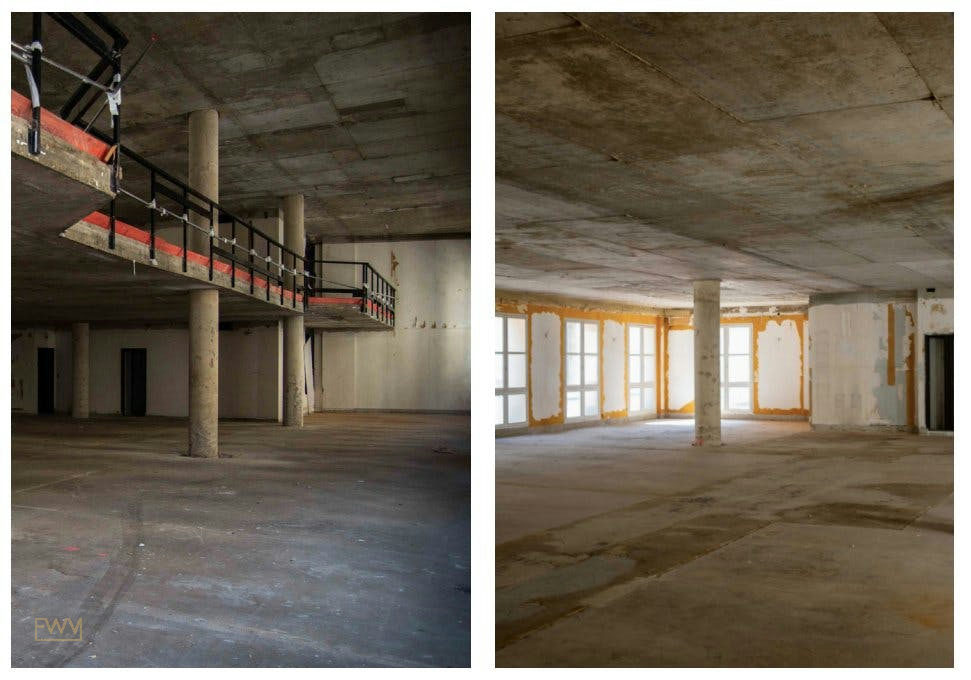
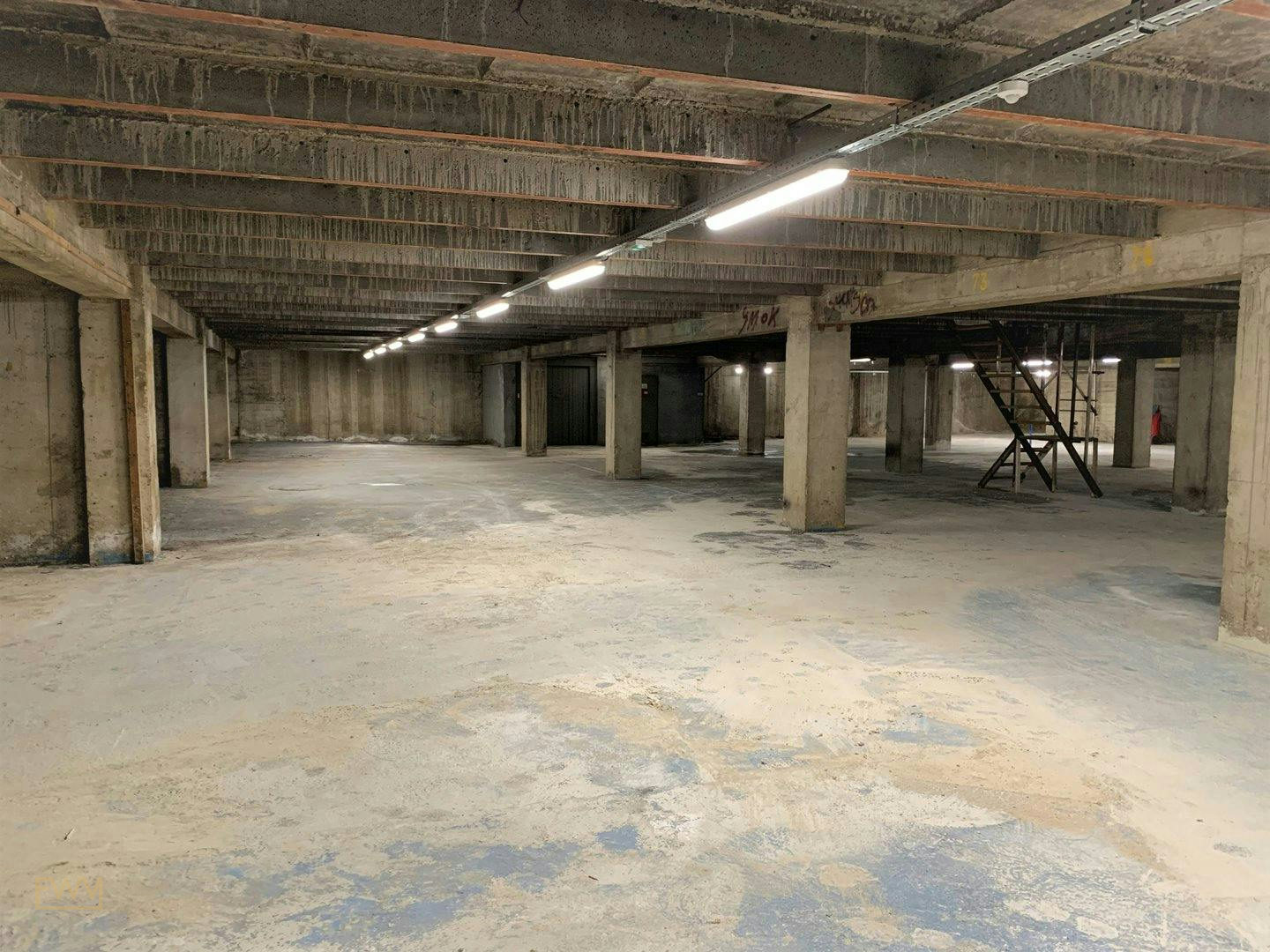
Street-level boutique spaces are found along the pedestrian and semi-pedestrian streets that radiate from Place du Panthéon and along the approach to the Luxembourg Gardens. These tend to be compact to mid-size units, typically between 30 and 120 square metres, with original architectural features including exposed stone walls, timber floors, and tall windows. For a fashion or beauty brand, these characteristics create an immediate aesthetic that reduces the amount of fit-out investment needed to produce a polished, on-brand environment. Short-term rental agreements for these units are typically structured as a bail dérogatoire, which is a French commercial lease exception that permits short-term occupation without the full obligations of a standard nine-year commercial lease.
Art Gallery and Exhibition Formats
The Latin Quarter and the immediately adjacent Saint-Germain-des-Prés neighbourhood contain a significant concentration of independent art galleries. Many of these spaces are available for short-term rental during periods when the gallery's own programming leaves the space vacant. Art gallery formats typically feature white or neutral walls, polished concrete or parquet flooring, and generous natural light, making them highly adaptable for fashion, design, jewellery, or lifestyle brand activations. The cultural legitimacy of an art gallery context also carries brand positioning benefits for labels seeking to align with French cultural values.
Showroom and Private Event Spaces
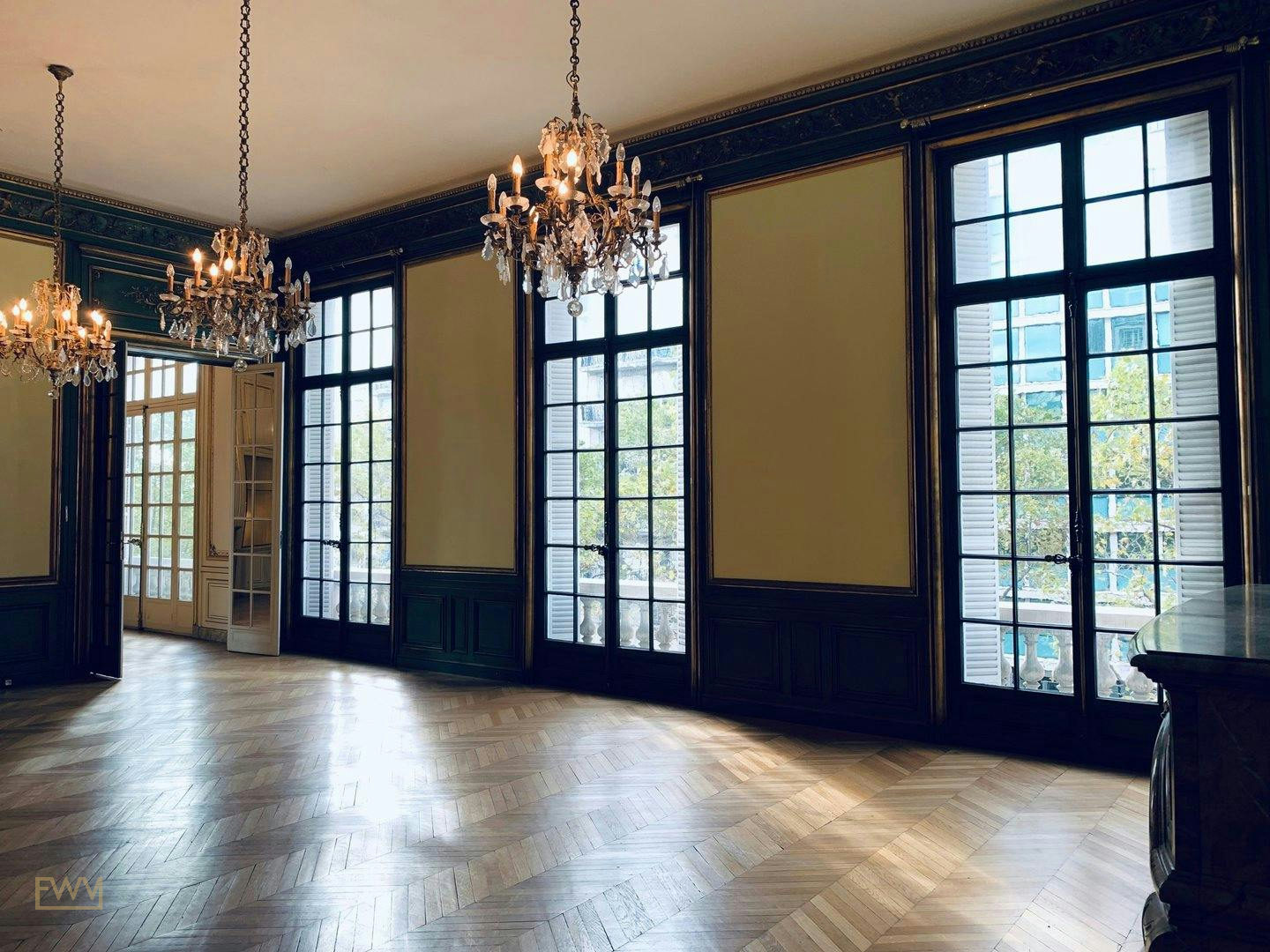
For brands that do not need high-volume retail foot traffic but instead want to host press presentations, buyer appointments, or influencer events, the Latin Quarter offers a range of private hôtels particuliers and first-floor apartment spaces with heritage interiors. These showroom formats are not always listed publicly and often require a specialist agency to access. The area around Hôtel Les Dames du Panthéon and other heritage properties in the neighbourhood includes adjacent ancillary spaces that can be configured for short-term commercial use.
Hybrid Café and Retail Concepts
The neighbourhood's strong café culture creates opportunities for hybrid pop-up formats where a brand takes over part of a café or bookshop space for a defined activation period. This approach is common in the Latin Quarter, where independent bookshops and cafes are receptive to brand partnerships that feel culturally aligned. These arrangements tend to require shorter lead times and lower fit-out investment, but they also come with more constraints on branding, merchandising, and visual display.
Courtyard and Outdoor Activation Spaces
Several heritage buildings in the 5th arrondissement have interior courtyards that can be activated for outdoor retail, experiential events, or seasonal markets. Accessibility considerations apply to courtyard spaces, and brands should confirm whether Wheelchairs and other mobility aid access requirements can be met before signing any agreement. Outdoor activations may also require an Autorisation d'Occupation Temporaire (AOT) from the local mairie rather than a standard commercial tenancy agreement.
KEY TAKEAWAY: Matching your brand's concept, audience, and operational requirements to the right space format in the Latin Quarter is as important as the location itself. A showroom brand does not need the same format as a direct-to-consumer pop-up store, and the permit obligations differ accordingly.
Once you have identified the right space format, the next critical step is understanding the permit and compliance environment for short-term retail operations in Paris.
Permits, Regulations, and Legal Compliance for Short-Term Retail Near the Panthéon
Quick answer: Short-term retail in Paris involves navigating a specific legal framework that includes the bail dérogatoire, the Autorisation d'Occupation Temporaire for certain public or outdoor spaces, and local planning and commercial activity regulations. Requirements vary by space type, duration, arrondissement, and intended use. Brands should engage a specialist or legal advisor before committing to any agreement.
Paris operates a distinct legal framework for temporary commercial occupancy that differs significantly from short-term retail regulations in London, New York, or other fashion capitals. Understanding the core instruments available to short-term operators is essential before beginning your search for a venue.
The Bail Dérogatoire
The bail dérogatoire is the most common legal vehicle for short-term commercial tenancy in France. It allows a landlord and tenant to agree on a commercial tenancy of up to 36 months without triggering the protections and obligations of a standard commercial lease under the French Commercial Code. For pop-up stores, showrooms, and temporary retail activations, this is typically the appropriate instrument. It must be agreed in writing before occupation begins, and both parties must clearly acknowledge that it operates outside the standard commercial lease framework. After the term ends, if the tenant remains in occupation without a new agreement being signed, the tenancy automatically converts to a standard nine-year commercial lease, which carries significant financial and operational obligations. Brands should verify all bail dérogatoire terms with a qualified French legal advisor before signing.
The Autorisation d'Occupation Temporaire
For activations that involve the use of public space, pavement frontage, outdoor terraces, or any element that extends onto public land, brands require an AOT from the relevant municipal authority. In Paris, this typically means an application to the mairie of the relevant arrondissement. AOT applications require advance notice, and approval timelines vary. The 5th arrondissement, given its density of heritage monuments including the Panthéon and Saint Etienne du Mont, may apply additional restrictions on signage, temporary structures, and exterior branding that falls within protected sightlines.
Insurance Requirements
All short-term retail operators in France are required to hold appropriate commercial liability insurance for the duration of their occupation. Landlords will typically require proof of insurance before keys are released. For brands activating during Paris Fashion Week or during major cultural calendar events such as FIAC or Paris Design Week, insurance policies should be reviewed to confirm that event-related liabilities are covered. Brands operating staffed retail spaces should also confirm that their policy covers employer liability for temporary staff.
Local Regulations and Permitted Use
Not all spaces in the Latin Quarter are permitted for all types of commercial activity. Heritage-listed buildings may restrict the types of fit-out or signage permitted. Some ground-floor units in the 5th arrondissement carry planning designations that limit use to specific commercial categories. Brands planning to use Drones, photography equipment, or audio guide technology as part of an experiential activation should confirm that no additional permits are required for these activities within the space and in the surrounding public realm.
The Fashion Week Venues permit guidance tool provides directional guidance on Paris permit types, timelines, and common requirements. It does not constitute legal advice, and all brands are strongly encouraged to verify requirements with a French legal advisor before proceeding.
KEY TAKEAWAY: The Paris short-term retail legal framework is manageable but requires active engagement. A bail dérogatoire provides flexibility for most commercial pop-up formats, while outdoor or public realm elements require separate AOT applications. Compliance failures can be costly and disruptive, so early legal review is essential.
With the regulatory framework understood, the next dimension to address is budget planning for a short-term retail activation in the Panthéon neighbourhood.
Budget Planning for Short-Term Retail Activations in the Latin Quarter
Quick answer: Budget requirements for short-term retail near the Panthéon depend on the space type, duration, fit-out complexity, staffing model, and activation programme. The Latin Quarter tends to offer more accessible rental rates than prime commercial corridors such as Saint-Honoré or Vendôme, but brands should account for the full cost stack including rent, fit-out, permits, staffing, insurance, and logistics from the outset.
One of the most common errors brand teams make when planning a Paris pop-up is underestimating the total cost of activation by focusing exclusively on the headline rental rate. The rental rate for a short-term space in the Latin Quarter is only one component of the total investment required. A complete budget framework must include all of the following cost categories.
| Cost Category | Description | Notes for Latin Quarter |
|---|---|---|
| Space Rental | Short-term tenancy fee for the physical space | Rates vary significantly by size, format, and exact location. The Latin Quarter is generally more accessible than the 1st or 8th arrondissements. |
| Fit-Out and Production | Build, furniture, fixtures, and branded installation | Heritage buildings may limit structural modifications. Furniture rental reduces upfront capital expenditure. |
| Permits and Legal | Bail dérogatoire legal review, AOT applications, permit fees | AOT may apply for any outdoor branding or terrace use. Legal review of the tenancy agreement is strongly recommended. |
| Insurance | Commercial liability, contents, employer liability | Required before occupation. Should cover event-specific risks if activating during Fashion Week or FIAC. |
| Staffing | Sales associates, brand ambassadors, event staff, security | Paris has specific labour regulations for temporary staff. Allow sufficient lead time to recruit and brief bilingual staff. |
| Marketing and Activation | Social media, influencer marketing, PR, paid media | Activation in a neighbourhood with strong visual character offers organic social content opportunities that reduce paid media requirements. |
| POS and Payments | Point of sale systems, card terminals, cash handling | French consumers expect a range of payment options including contactless and major card networks. |
| Logistics and Shipping | Merchandise delivery, returns, storage | Narrow streets in parts of the Latin Quarter may create delivery access constraints. |
Because rental rates in the Latin Quarter vary based on street position, proximity to major attractions, space condition, and the specific landlord or marketplace through which the space is accessed, it is not accurate or useful to cite a single price point. The Fashion Week Venues budget calculator allows brands to build a directional cost estimate based on their specific space size, duration, and activation scope.
The Latin Quarter's position in the broader Paris retail hierarchy means that brands can typically access characterful, well-located spaces at lower rates than equivalent spaces in the Marais, Saint-Germain-des-Prés, or the 1st arrondissement around the Louvre Museum and Sainte Chapelle. However, this relative accessibility should be understood as a function of the neighbourhood's mixed commercial character rather than a reduction in quality. The atmospheric and cultural richness of the area compensates for its lower commercial intensity compared with prime fashion retail corridors.
DID YOU KNOW: Paris Design Week, which takes place annually in September, generates significant incremental foot traffic across the Latin Quarter and surrounding arrondissements, as design-focused visitors explore neighbourhood showrooms and gallery spaces. Brands activating during this calendar window benefit from an audience with strong commercial intent in the design and lifestyle categories.
KEY TAKEAWAY: A complete budget framework for a Latin Quarter pop-up or showroom must account for all cost categories, not just the headline rental rate. Early-stage budget modelling using a specialist tool helps brands avoid mid-activation cost surprises and allows for more strategic allocation of resources across rent, production, and marketing.
Calendar timing is closely linked to budget efficiency, and the next section addresses the key calendar windows for activating in the Panthéon neighbourhood.
Calendar Windows and Fashion Week Timing for Pop-Ups Near the Panthéon
Quick answer: Paris operates a rich calendar of high-traffic retail and cultural events that create strategic activation windows throughout the year. Paris Fashion Week in January and February for Menswear, February and March for Haute Couture, and September and October for Womenswear are the most recognised windows, but FIAC, Paris Design Week, and summer and autumn tourist seasons all offer compelling alternatives for brands whose audience extends beyond the core fashion trade.
Paris Fashion Week is the most globally recognised event on the Paris retail calendar, but it is not the only viable activation window for brands operating short-term retail near the Panthéon. Understanding the full calendar is essential for making strategic decisions about when to activate, what audience to target, and how much lead time to allow for space sourcing, permitting, and production.
Paris Fashion Week Windows
The Paris Fashion Week calendar operates across four main seasons: Menswear in January, Haute Couture in January and July, Womenswear in September and October, and Couture again in July. For brands seeking showroom or press event formats, the Fashion Week periods generate the highest concentration of international buyers, press, and brand decision-makers in Paris. The Latin Quarter is not the primary hotel and venue cluster for Fashion Week, which tends to concentrate in the 1st, 3rd, and 8th arrondissements, but it is within reasonable reach of the main event geography and offers distinctly different spatial options from the typical Fashion Week venue inventory.
Paris Design Week
Paris Design Week, held in September, occupies a week adjacent to the broader September Fashion Week period and generates a distinct audience of architects, interior designers, product designers, and culturally engaged consumers. The Latin Quarter, with its concentration of design bookshops, galleries, and heritage architecture, is a natural activation context for brands in the design, interiors, furniture, and lifestyle categories. Spaces in the neighbourhood that combine historic character with flexible display formats are particularly well suited to design-focused activations during this window.
FIAC and the Autumn Cultural Season
The FIAC contemporary art fair, held in October, anchors a broader autumn cultural season in Paris that includes gallery openings, museum exhibitions, and cultural events across all arrondissements. Brands with a credible connection to visual art, photography, or cultural production benefit from activating in this context. The proximity of the Latin Quarter to the Cluny Museum, the Luxembourg Gardens, and the intellectual atmosphere of the Sorbonne makes it an appropriate setting for culturally framed pop-up concepts during the autumn season.
Summer and Autumn Tourist Seasons
The Panthéon is one of the most visited monuments in Paris, and visitor numbers to the area peak during the summer months from June to August and the early autumn period through October. For brands targeting international tourists as a primary audience, this calendar window offers high-volume foot traffic without the specific industry profile of Fashion Week. Beauty, fashion accessories, travel retail, and lifestyle concepts perform well in this context.
To explore timeline planning for your specific activation window, the Fashion Week Venues timeline planning tool provides a structured framework for mapping your brand's preparation phases against the Paris event calendar.
KEY TAKEAWAY: Paris Fashion Week is the most high-profile activation window, but brands activating near the Panthéon have access to a full year of compelling calendar moments including Paris Design Week, the autumn cultural season, and the peak summer tourist period. Each window attracts a different audience profile and requires a different brand communication approach.
Understanding how the Panthéon neighbourhood relates to Paris's other key retail districts helps brands make more informed location decisions. The next section maps the neighbourhood against the broader Paris retail geography.
Neighbourhood Comparison: The Latin Quarter vs Other Paris Retail Districts
The Latin Quarter and the Panthéon district occupy a distinct position in the Paris retail landscape that differs meaningfully from the neighbourhoods brands most commonly consider for pop-up activations. A clear understanding of these differences allows brand teams to make location decisions based on strategic fit rather than name recognition alone.
To compare neighbourhoods and space types, explore the Paris city hub on Fashion Week Venues and shortlist spaces that match your brief, budget, and calendar window.
| District | Arrondissement | Primary Audience | Space Character | Best Suited For |
|---|---|---|---|---|
| Latin Quarter / Panthéon | 5th | International tourists, students, culturally engaged locals | Heritage boutiques, galleries, bookshops, courtyard spaces | Cultural brands, fashion, beauty, design, lifestyle, art |
| Le Marais | 3rd and 4th | Fashion-forward consumers, international tourists, LGBTQ+ community | Contemporary gallery-style units, converted industrial spaces, street-level boutiques | Contemporary fashion, streetwear, art, jewellery, lifestyle |
| Saint-Germain-des-Prés | 6th | Affluent Parisian residents, luxury tourists, literary visitors | Elegant street-level boutiques, private courtyards, gallery formats | Luxury fashion, jewellery, beauty, art books, fine living |
| Saint-Honoré / Vendôme | 1st and 8th | High-net-worth tourists, luxury brand consumers, fashion industry | Flagship-quality units, premium locations on prestige streets | Luxury fashion, haute couture, high jewellery, premium lifestyle |
| Champs-Élysées / Arc de Triomphe | 8th | Mass tourism, international visitors, mainstream consumers | Large-format commercial units on a high-visibility boulevard | Mass market fashion, consumer electronics, entertainment brands |
| Châtelet / rue de Rivoli | 1st | Mass tourism, commuters, French citizens, fashion tourists | Mixed commercial formats, department store adjacency | Accessible fashion, fast beauty, lifestyle, accessories |
The Latin Quarter's position in this landscape is one of cultural authority combined with relative commercial accessibility. It does not carry the luxury price signalling of Saint-Honoré or Vendôme, nor does it have the contemporary fashion streetwear credentials of Le Marais. What it offers instead is a uniquely Parisian atmosphere of intellectual heritage, architectural beauty, and authentic neighbourhood life that resonates strongly with certain brand identities.
Brands in fashion, beauty, photography, design, lifestyle, and cultural publishing that want to communicate authenticity, depth, and a genuine connection to French culture will find the Latin Quarter a more credible activation context than a commercial corridor. The neighbourhood's associations with the Sorbonne University, the Medici Fountain in the Luxembourg Gardens, the Cluny Museum, and the literary history of the area provide a rich narrative backdrop for brand storytelling.
IMPORTANT: Brands accustomed to high-volume retail foot traffic in commercial corridors should note that the Latin Quarter is a residential and cultural neighbourhood rather than a pure retail destination. Walk-in traffic volumes will differ from those experienced in Le Marais or along the Champs-Élysées. This is not a limitation for concept-driven or showroom formats, but it is a relevant consideration for brands with volume-dependent revenue targets during their activation period.
KEY TAKEAWAY: The Latin Quarter offers a distinctive brand positioning context that differs from every other major Paris retail district. It suits brands that want to communicate cultural depth, Parisian authenticity, and intellectual character rather than commercial visibility alone.
The Panthéon as a Cultural Context for Brand Positioning
Quick answer: The Panthéon is a secular French mausoleum that houses the remains of notable French citizens including Voltaire, Rousseau, Marie Curie, and Victor Hugo. Its dome, crypt, and Foucault's pendulum make it a monument of both architectural and scientific significance. For brands activating nearby, its cultural associations communicate values of permanence, intellectual heritage, and French national identity.
The Panthéon was originally designed as a church dedicated to Sainte Geneviève, patron saint of Paris, and was commissioned by Louis XV in the mid-18th century. The building was converted into a secular mausoleum during the French Revolution, and its famous inscription, translated as "To great men, from a grateful nation," defines its cultural function. The Panthéon's dome, inspired by St Paul's Cathedral in London and the Pantheon in Rome, is visible from multiple approaches and serves as one of Paris's most recognisable architectural silhouettes.
Inside, visitors can view Foucault's pendulum, which was first demonstrated in the building in 1851 to visually demonstrate the rotation of the Earth. The crypt beneath the building contains the tombs of dozens of significant French figures across science, philosophy, literature, and public life. The Crypt access is included with standard Panthéon tickets and is one of the primary draws for visitors to the monument. The facade of nearby Church Saint Etienne du Mont, which sits immediately adjacent to the Panthéon and blends Gothic and Renaissance styles, further enriches the architectural character of Place du Panthéon.
For brand teams considering the cultural communication potential of a Latin Quarter activation, the Panthéon's associations are specific and powerful. Unlike the Arc de Triomphe, which communicates military grandeur, or the Eiffel Tower, which communicates romantic Paris, the Panthéon communicates intellectual achievement, cultural permanence, and French civic values. Brands in fashion, beauty, design, and lifestyle that want to position themselves within a narrative of lasting quality rather than seasonal trend will find this neighbourhood context highly advantageous.
The Bibliothèque Sainte Geneviève, the grand reading room library designed by Henri Labrouste and located on Place du Panthéon opposite the monument, adds another layer of intellectual and architectural prestige to the immediate area. Its proximity creates a natural audience of visiting academics, architecture enthusiasts, and culturally engaged tourists who represent a high-value consumer demographic for many brand categories.
DID YOU KNOW: The Luxembourg Palace, which borders the Jardin du Luxembourg and is now the seat of the French Senate, was built in the early 17th century for Marie de Médicis, Queen of France. The Luxembourg Gardens surrounding it were modelled on the Boboli Gardens in Florence and remain one of the most visited public spaces in Paris, drawing millions of visitors each year who pass through the streets of the Latin Quarter on their way to and from the gardens.
KEY TAKEAWAY: The Panthéon's cultural significance extends beyond monument tourism. Its associations with French intellectual and civic heritage create a brand positioning context of exceptional depth and authenticity that few other Paris locations can offer.
How Fashion Week Venues Supports Short-Term Retail Activations in Paris
Fashion Week Venues is a full-service pop-up shop agency and space marketplace that supports brands at every stage of a short-term retail or brand activation project in Paris and other major fashion capitals. For brands considering a pop-up store, showroom, or event space near the Panthéon or elsewhere in the Latin Quarter, Fashion Week Venues provides both the space discovery infrastructure and the operational expertise needed to execute a successful activation.
Space Discovery and Venue Sourcing
The Fashion Week Venues marketplace lists available short-term retail spaces across Paris, including the Latin Quarter and surrounding arrondissements. The venue sourcing service goes beyond the listed inventory to access off-market spaces and spaces that require landlord negotiation or specialist access. For brands with specific requirements around size, character, heritage features, or proximity to a particular landmark, this bespoke sourcing capability is often more efficient than searching public listings independently.
Concept, Production, and Design
Once a space is identified, Fashion Week Venues supports the development of the brand environment through concept direction, branded store design, and production and build services. The concept direction team works with brand teams to translate brand identity into a spatial language that suits both the space's architectural character and the target audience. In heritage buildings common to the Latin Quarter, this often means developing a design approach that works with original architectural features rather than covering or replacing them.
Activation Management and Staffing
Running a successful pop-up store in Paris requires on-the-ground operational management as well as a staffed sales and brand representation team. Fashion Week Venues provides activation management to oversee daily operations, supplier coordination, and on-site logistics, and a retail staffing service to source, brief, and manage bilingual sales associates and brand ambassadors for the duration of the activation.
Planning and Budgeting Tools
For brand teams in the early stages of planning, Fashion Week Venues provides a suite of online tools that support budget modelling, ROI estimation, timeline planning, permit guidance, and space comparison. These tools are designed for brand teams who want to build a structured brief before engaging a specialist agency and for teams who want to validate their assumptions before committing budget. The ROI calculator tool is particularly useful for brands that need to present an internal business case for a Paris activation investment.
Which Brand Teams Benefit Most
Fashion Week Venues is most valuable to international brands entering Paris for the first time, brands with limited in-house Paris market knowledge, brands operating under tight timelines that cannot afford to spend months searching for spaces independently, and brands that want to ensure full compliance with French permit and lease regulations. The agency also supports brands that have activated in Paris previously but want access to a broader space inventory or more specialist production capabilities for their next activation.
It is important to note that Fashion Week Venues does not guarantee the availability of specific spaces, the approval of permit applications, or specific commercial outcomes from any activation. The agency's role is to provide expert guidance, reduce execution risk, and improve the quality and efficiency of the activation process.
KEY TAKEAWAY: Fashion Week Venues provides end-to-end support for short-term retail and brand activation projects in Paris, from space discovery and permit navigation to production, staffing, and performance measurement. Brands that engage the agency early in the planning process benefit from a more strategic approach and a more efficient use of their activation budget.
Step-by-Step Process for Launching a Pop-Up Store Near the Panthéon
Executing a short-term retail activation in Paris requires a structured approach that accounts for lead times, legal requirements, production schedules, and operational needs. The following workflow provides a practical framework for brand teams planning a pop-up store or showroom in the Latin Quarter.
| Phase | Activity | Recommended Lead Time Before Opening |
|---|---|---|
| 1. Strategy and Brief | Define objectives, target audience, space requirements, budget envelope, and preferred activation window | 4 to 6 months |
| 2. Space Discovery | Search marketplace listings, brief agency on specific requirements, view shortlisted spaces | 3 to 5 months |
| 3. Legal and Permit Review | Review bail dérogatoire terms with French legal advisor, identify any AOT requirements, confirm insurance coverage | 2 to 4 months |
| 4. Concept and Design | Develop spatial concept, design layouts, specify materials and furniture, confirm fit-out scope | 2 to 3 months |
| 5. Production and Build | Procure materials, manage contractor appointments, execute fit-out, install POS and payment systems | 4 to 6 weeks |
| 6. Staffing and Training | Recruit and brief sales associates and brand ambassadors, confirm security service arrangements, train on product and brand values | 3 to 4 weeks |
| 7. Marketing and Pre-Launch | Activate social media content plan, brief influencer partners, distribute press information, confirm RSVP for launch event if applicable | 2 to 4 weeks |
| 8. Open and Operate | Run daily operations, track performance data, manage restocking and logistics, maintain brand standards | Activation period |
| 9. Close and Evaluate | Restore space to agreed condition, return rented furniture, export data, produce post-activation performance report | 1 to 2 weeks after close |
The lead times above are indicative and may vary depending on the complexity of the activation, the availability of suitable spaces in the target window, and the speed of permit processing in the 5th arrondissement. Brands activating during high-demand calendar periods such as Paris Fashion Week or Paris Design Week should allow additional lead time for all phases, particularly space sourcing, as available units in prime Latin Quarter locations are typically reserved well in advance of peak calendar dates.
TIP: Brands that begin the space briefing process at least four months before their intended opening date have significantly more choice and negotiating room than those who enter the market with shorter lead times. Starting early also gives the legal review phase sufficient time to run without creating pressure on production schedules.
For a guided walkthrough of this process and how Fashion Week Venues supports each phase, visit the agency's process page to understand how each service layer fits together.
KEY TAKEAWAY: A structured four-to-six-month planning horizon is the recommended minimum for most short-term retail activations in Paris. Compressing timelines is possible but increases execution risk and typically reduces the quality of the space and concept options available to the brand team.
Common Myths About Short-Term Retail in Paris: Debunked
MYTH: You need a French legal entity to rent a short-term retail space in Paris.
FACT: Foreign companies can enter into short-term commercial tenancy agreements in France without establishing a French legal entity, though the specific requirements of the bail dérogatoire and the landlord's own due diligence requirements will vary. Many international brands activate in Paris each year under their home country corporate structure. Working with a specialist agency or French legal advisor ensures that all documentation is correctly structured from the outset.
MYTH: Paris Fashion Week is the only viable calendar window for a pop-up activation in Paris.
FACT: Paris Fashion Week is the most concentrated industry-facing calendar event, but Paris operates a year-round schedule of high-traffic cultural and commercial events that create compelling activation windows for brands across multiple categories. Paris Design Week, FIAC, the summer tourist season, and the autumn cultural calendar all generate substantial foot traffic and audience engagement. The Panthéon neighbourhood in particular attracts strong visitor numbers across all seasons due to the sustained appeal of its monuments and cultural institutions.
MYTH: Commission brokers are the only way to find a short-term retail space in Paris.
FACT: While independent brokers do operate in the Paris short-term space market, they represent only one route to market. Specialist pop-up agencies such as Fashion Week Venues provide access to space marketplaces, off-market inventory, and bespoke sourcing services that often outperform broker-only searches in terms of space quality, compliance assurance, and total activation support. Brands that engage an agency early in the process typically access a broader and better-curated set of options.
MYTH: Short-term commercial leases in Paris are legally straightforward and require no specialist review.
FACT: The bail dérogatoire framework provides flexibility for short-term operators, but it contains specific legal requirements that must be met for the agreement to be valid and enforceable. If these requirements are not satisfied, the tenancy may default to a standard nine-year commercial lease with significant financial obligations. Landlords in Paris are sophisticated commercial parties, and lease terms should always be reviewed by a qualified French legal advisor before signature. This is not a bureaucratic formality but a genuine risk management requirement.
MYTH: The Latin Quarter is a secondary retail location that will not generate meaningful brand visibility for a short-term activation.
FACT: The Latin Quarter and the Panthéon neighbourhood draw millions of visitors annually and offer a brand context that cannot be replicated in commercial retail corridors. For brands whose positioning benefits from cultural authenticity, intellectual heritage, and Parisian neighbourhood character, the Latin Quarter may generate more meaningful brand impact per square metre than a higher-profile but less distinctive commercial address. Visibility is not only a function of foot traffic volume but of audience quality and brand narrative alignment.
Frequently Asked Questions
What is a pop-up store, and how does it differ from a permanent retail space?
A pop-up store is a temporary retail space that a brand occupies for a defined and relatively short period, ranging from a few days to several months. Unlike a permanent boutique, a pop-up store does not commit the brand to a long-term lease or significant capital investment in fixed retail infrastructure. Pop-up stores are used for product launches, seasonal collections, brand activations, market testing, and event-led retail. In Paris, most pop-up retail arrangements are structured as a bail dérogatoire, which is a short-term commercial tenancy exception under French law that caps the tenancy at 36 months without triggering standard nine-year commercial lease obligations.
How do I find a short-term retail space near the Panthéon in Paris?
You can search for short-term retail spaces in the Latin Quarter through specialist pop-up marketplaces, by briefing a full-service agency such as Fashion Week Venues, or through independent commercial property brokers operating in the Paris market. Using a specialist agency or marketplace gives you access to a curated inventory that has already been assessed for suitability, compliance, and practical activation requirements. For spaces that are not publicly listed, an agency with direct landlord relationships in the 5th arrondissement will typically access a broader set of options than an independent search alone. The Paris city hub on Fashion Week Venues is a useful starting point for exploring available options and comparing space formats.
What permits do I need to open a pop-up shop in Paris?
The primary legal vehicle for most pop-up retail operations in Paris is the bail dérogatoire, which governs the short-term tenancy agreement. If your activation involves any use of public space, pavement frontage, outdoor signage, or a temporary structure on public land, you will also need an Autorisation d'Occupation Temporaire from the relevant mairie. Additional permits may apply depending on the nature of your activity, the heritage status of the building, and the arrondissement in which you are operating. Requirements vary and should be confirmed with a French legal advisor and with the Fashion Week Venues permit guidance tool, which provides directional information on Paris permit types and timelines.
How much does a pop-up shop cost in Paris near the Panthéon?
The total cost of a pop-up shop in Paris depends on a wide range of factors including the size and condition of the space, the duration of the activation, the complexity of the fit-out, staffing requirements, insurance, permits, and marketing. Rental rates in the Latin Quarter are generally more accessible than equivalent spaces in the 1st or 8th arrondissements, but the full cost stack including fit-out, production, staffing, and activation management is typically the larger portion of the total investment. The Fashion Week Venues budget calculator allows brands to build a directional cost model based on their specific activation parameters. Directional estimates provided by any tool should be treated as indicative rather than fixed, and final costs should be confirmed through a formal supplier briefing process.
Can international brands rent retail space in Paris without a French company?
Yes, international brands can enter into short-term commercial tenancy agreements in Paris without establishing a French legal entity, though the specific documentation requirements will depend on the landlord and the terms of the bail dérogatoire. Many international brands activate in Paris each year under their home country corporate structure. Working with a specialist agency that has established landlord relationships in Paris simplifies this process considerably. All agreements should be reviewed by a qualified French legal advisor regardless of the brand's country of incorporation, as French commercial tenancy law contains specific provisions that may differ significantly from the brand's home jurisdiction.
What neighbourhoods are best for pop-up retail in Paris?
The best neighbourhood for a pop-up retail activation in Paris depends on the brand's target audience, budget, concept, and positioning objectives. Le Marais is the most established pop-up retail district and suits contemporary fashion, streetwear, and lifestyle brands targeting fashion-forward consumers. Saint-Germain-des-Prés suits luxury and premium brands. Saint-Honoré and Vendôme suit high jewellery and haute couture. The Latin Quarter and the Panthéon neighbourhood suit culturally oriented brands seeking authenticity and neighbourhood character. The Champs-Élysées suits brands targeting mass tourism and high-volume consumer exposure. Each district has a different cost profile, audience character, and space inventory, and the decision should be made strategically rather than based on name recognition alone.
Is the Panthéon in Paris worth visiting while running a brand activation nearby?
Visiting the Panthéon is a highly recommended cultural experience for brand teams activating in the neighbourhood, not only as a tourist attraction but as a means of understanding the visual and atmospheric context within which your brand will operate. The monument's neoclassical architecture, Foucault's pendulum, and the Crypt containing the tombs of some of France's most celebrated historical figures provide a cultural depth that directly informs the storytelling potential of any nearby brand activation. Guided tours are available, and audio guide options make the visit accessible to international visitors. Photography is generally permitted inside the building, though flash photography restrictions may apply in certain areas.
Can I take photographs inside the Panthéon for brand content purposes?
Personal photography is generally permitted inside the Panthéon for non-commercial purposes. Commercial photography, video production, or content creation intended for brand marketing or social media advertising requires prior authorisation from the Centre des Monuments Nationaux, which manages the building. Brands planning to use the Panthéon as a backdrop for content during an activation should begin the authorisation process well in advance of their activation date. Drones are not permitted in or around the monument without specific authorisation, and the protected sightlines around Place du Panthéon may restrict certain types of outdoor content production.
Is the Panthéon wheelchair accessible?
The Panthéon has made efforts to improve accessibility for visitors using Wheelchairs and other mobility aids, though the historic nature of the building means that some areas may have limitations. The main level of the monument and the primary exhibition areas are generally accessible. Crypt access and access to the dome colonnade may have different accessibility provisions that should be confirmed directly with the Panthéon ticket office before visiting. For brand teams considering the accessibility of nearby retail spaces, the 5th arrondissement includes streets with varied pavement conditions, and space accessibility should be assessed on a case-by-case basis during any viewing visit.
What is the best way to get to the Panthéon area for brand deliveries and logistics?
The Latin Quarter is accessible by multiple public transport routes including the RER B from central Paris, which stops at the Luxembourg station near the Jardin du Luxembourg, and Metro lines connecting through Châtelet to stations in the 5th arrondissement. For brand deliveries and logistics, it is important to note that many streets in the area around Place du Panthéon are subject to traffic restrictions, particularly during morning hours. Narrow streets and heritage paving in parts of the neighbourhood may create constraints for large delivery vehicles. Brands should confirm access logistics with their space landlord and with any logistics provider before scheduling merchandise deliveries or production equipment installations.
How long does it typically take to visit the Panthéon?
A thorough visit to the Panthéon, including the main hall, Foucault's pendulum, the Crypt, and temporary exhibitions, typically takes between one and two hours. Visitors who choose an audio guide or guided tour will generally spend longer in the building. The Panthéon ticket office is located at the main entrance on Place du Panthéon, and tickets can also be purchased online in advance, which is advisable during peak tourist periods from June to August and during school holiday periods. The Church Saint Etienne du Mont immediately adjacent to the Panthéon is a free admission site and adds approximately 30 to 45 additional minutes for visitors interested in its Gothic and Renaissance architecture and remarkable stained glass windows.
What types of brands activate near the Panthéon in Paris?
The Latin Quarter and Panthéon neighbourhood attracts brand activations across a range of categories that suit its cultural and intellectual character. Fashion brands seeking authenticity and European heritage credentials, beauty brands with a naturel or science-led positioning, design and interiors brands, art book and photography publishers, independent jewellery and accessories labels, and lifestyle brands with a French cultural connection all activate effectively in the area. The neighbourhood is less suited to mass market or high-volume direct-to-consumer retail formats that require the concentrated foot traffic volumes of a commercial shopping corridor.
What is the difference between a pop-up store and a showroom in Paris?
A pop-up store is a temporary retail space open to the public for direct sales and brand engagement, while a showroom is a curated presentation space used primarily for trade and press appointments, buyer meetings, and media preview events. In Paris, showrooms are particularly important during Fashion Week, when international buyers and press visit the city and showroom appointments are a primary mechanism for order placement and media coverage. Some activations combine both functions, operating as a public pop-up store during open hours and as a private showroom or event space during invite-only periods. The space type, configuration, and permit requirements may differ between these two formats.
How far in advance should I start planning a pop-up activation near the Panthéon?
A minimum planning horizon of four to six months before your intended opening date is recommended for most short-term retail activations in Paris. This lead time allows sufficient space for the space discovery and shortlisting process, legal review of the tenancy agreement, permit applications, concept development, production and fit-out, staffing recruitment and training, and pre-launch marketing. Brands activating during peak calendar windows such as Paris Fashion Week, Paris Design Week, or the summer tourist season should allow additional lead time as available spaces in desirable locations are typically reserved well in advance. Activations with complex fit-out requirements or those involving heritage building modifications may require even longer planning horizons.
What social media and influencer marketing strategies work best for a Latin Quarter pop-up?
The Latin Quarter's visual richness, heritage architecture, and proximity to iconic Paris landmarks including the Panthéon dome, the Luxembourg Gardens, and the Medici Fountain creates exceptional organic social media content opportunities. Brands that activate in the neighbourhood benefit from shooting editorial and lifestyle content in the surrounding streets, parks, and architectural settings as part of their overall content plan. Influencer partnerships with French cultural figures, fashion and design content creators with engaged Parisian audiences, and travel and lifestyle influencers covering Paris as a destination all align well with the neighbourhood's character. The Fashion Week Venues influencer marketing service supports brands in identifying and briefing appropriate partner profiles for Latin Quarter activations.
Conclusion: Making the Most of Short Term Retail Near Pantheon Paris
The area around the Panthéon in Paris's 5th arrondissement represents one of the most culturally compelling and strategically distinctive locations available for short-term retail, pop-up stores, and brand activations in the French capital. The combination of monumental heritage, authentic neighbourhood character, diverse visitor demographics, and relative spatial accessibility positions the Latin Quarter as a genuine alternative to the more commercially saturated pop-up districts of Le Marais, Saint-Germain-des-Prés, and Saint-Honoré for brands whose identity benefits from intellectual depth and Parisian cultural authenticity.
Successfully executing a short-term retail activation near the Panthéon requires a structured approach to space selection, legal compliance, permit navigation, production planning, and on-the-ground operational management. The bail dérogatoire framework provides the legal flexibility needed for most pop-up and showroom formats, but it must be properly structured and legally reviewed. Calendar timing should be aligned to the specific audience your brand is targeting, whether that is the fashion industry audience of Paris Fashion Week, the design community of Paris Design Week, or the international tourist audience of the summer and autumn seasons.
Brand teams that approach the Latin Quarter with a clear brief, a realistic budget that accounts for the full cost stack, and a sufficient planning horizon will find a neighbourhood that rewards creative and culturally aligned activation concepts with meaningful brand impact and authentic audience engagement. The neighbourhood's rich visual environment, its proximity to the Seine River, the Luxembourg Gardens, and a constellation of cultural institutions, and its reputation as the intellectual heart of Paris all contribute to a brand activation context that is genuinely unique among the world's major fashion capitals.
To move from research to activation, start exploring available spaces on the Fashion Week Venues marketplace and build a focused brief for your target neighbourhood, space type, and calendar window.