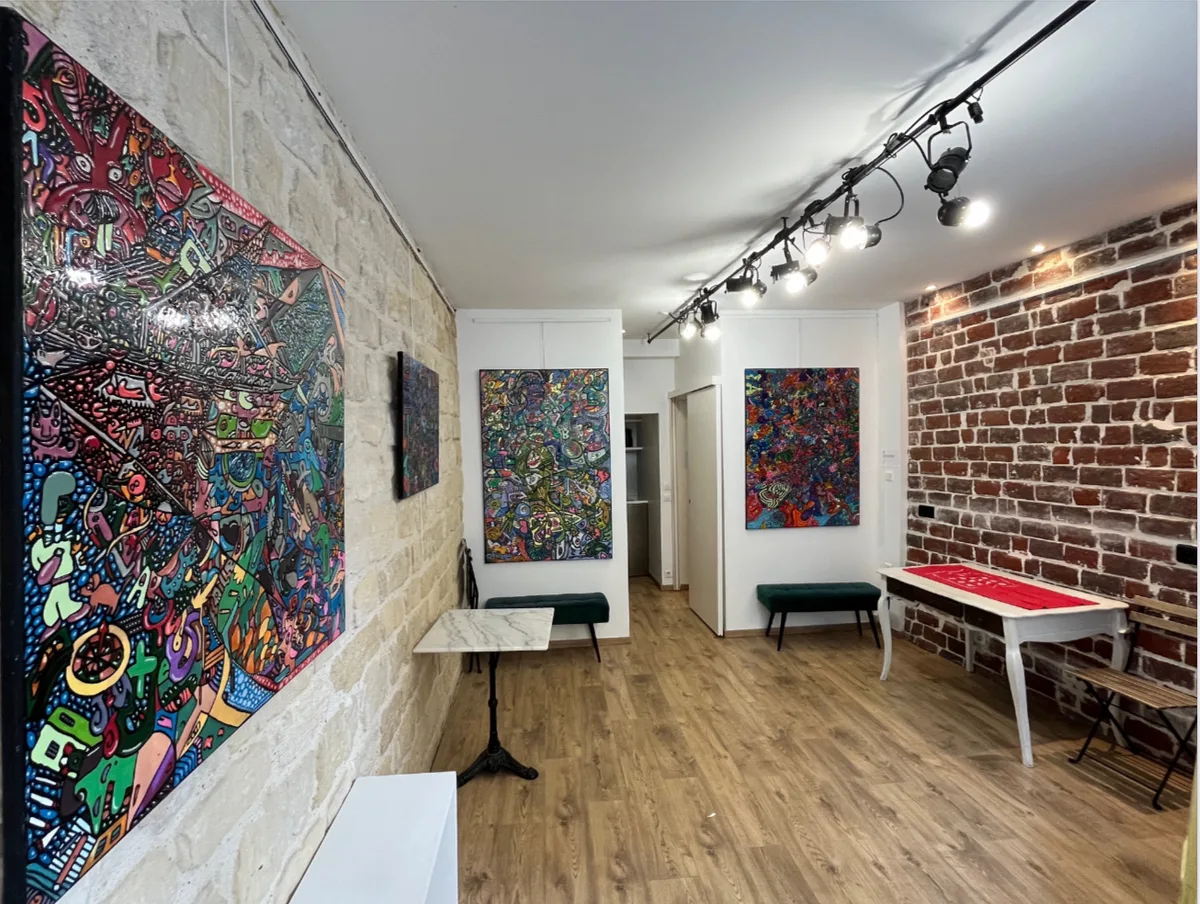
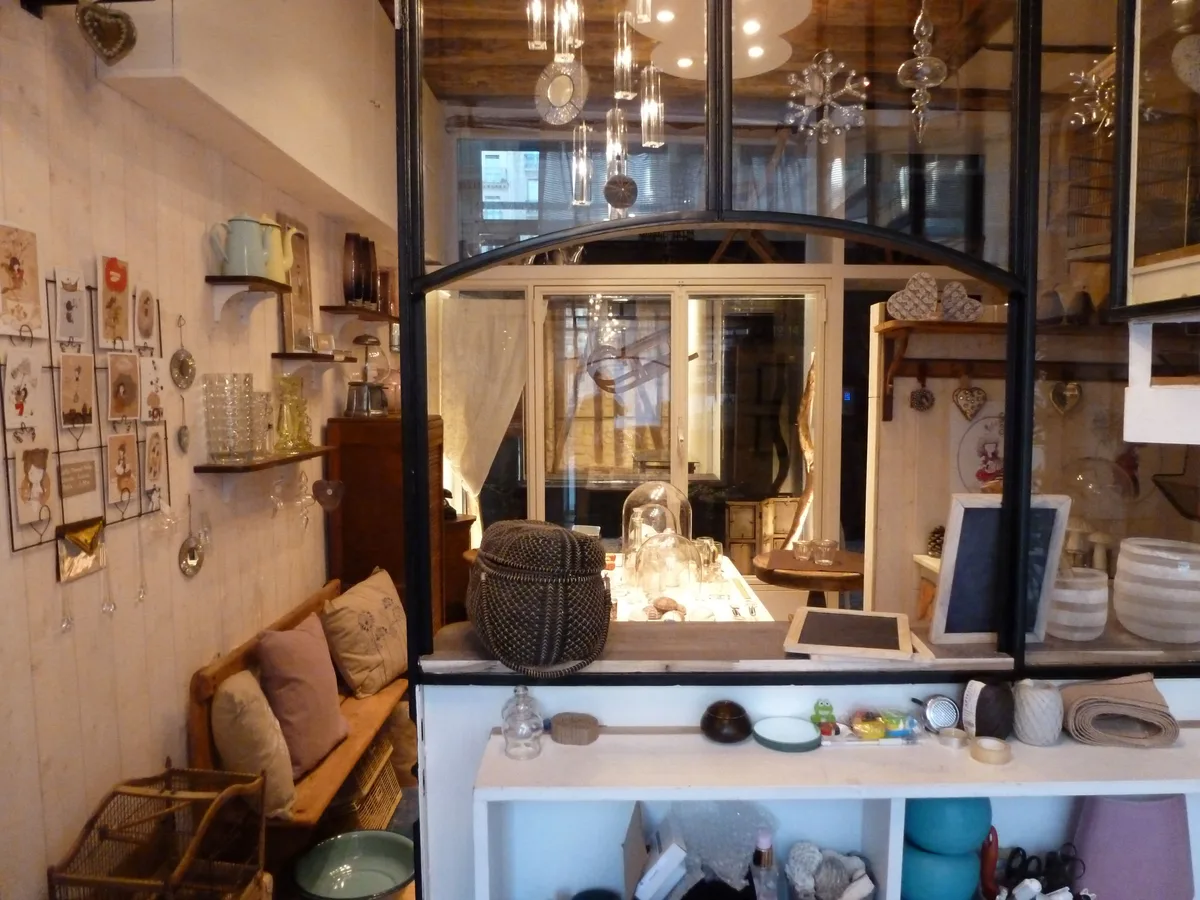
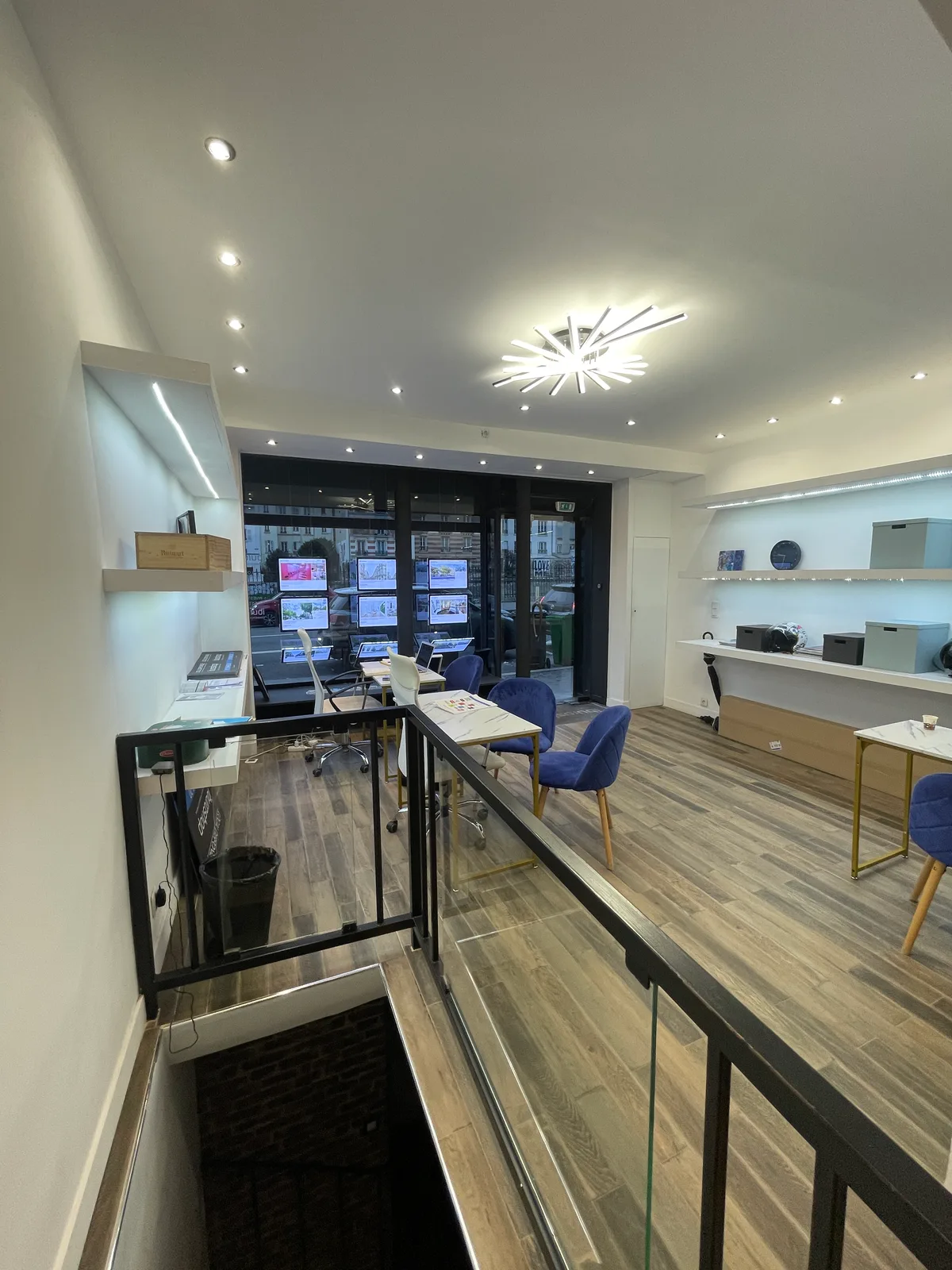
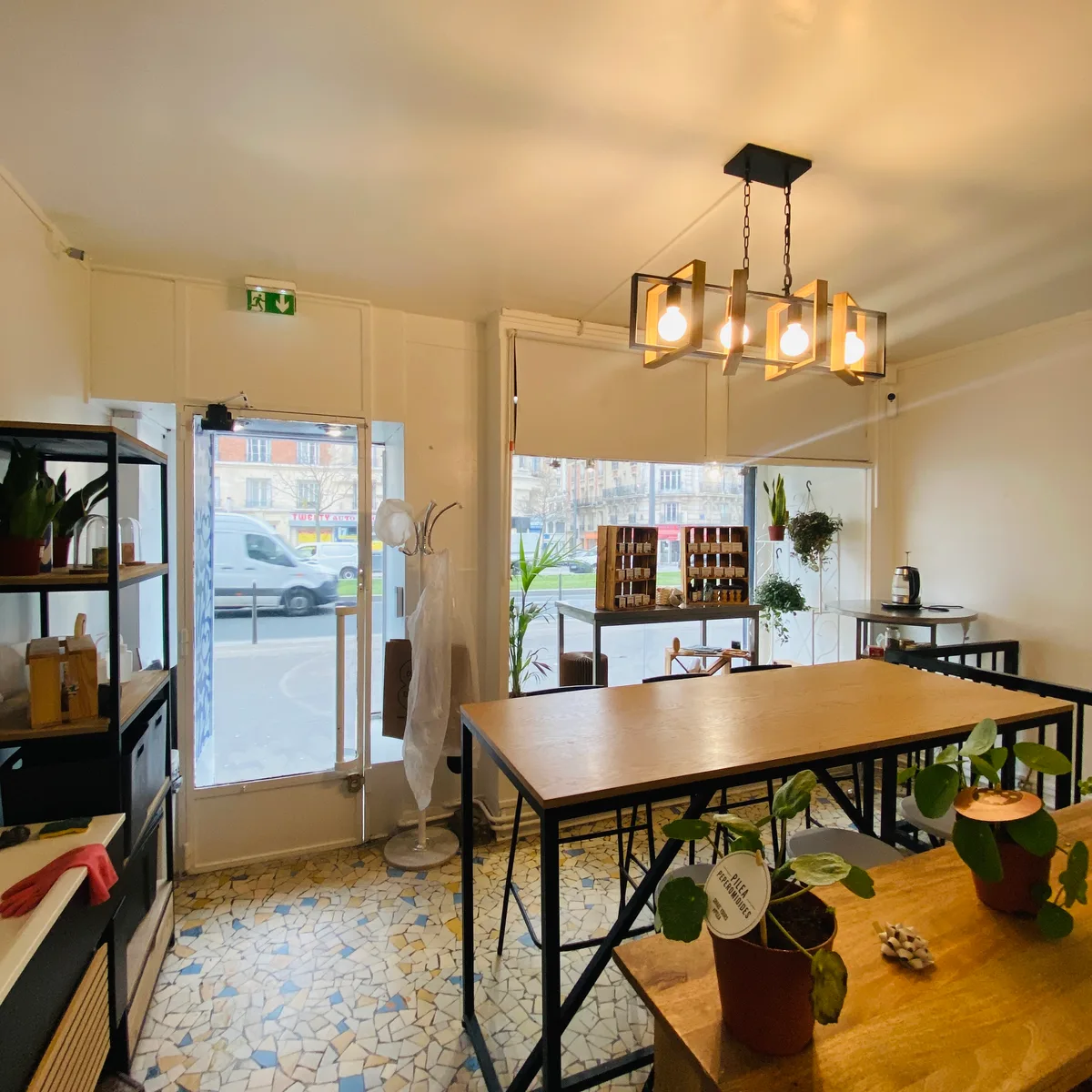
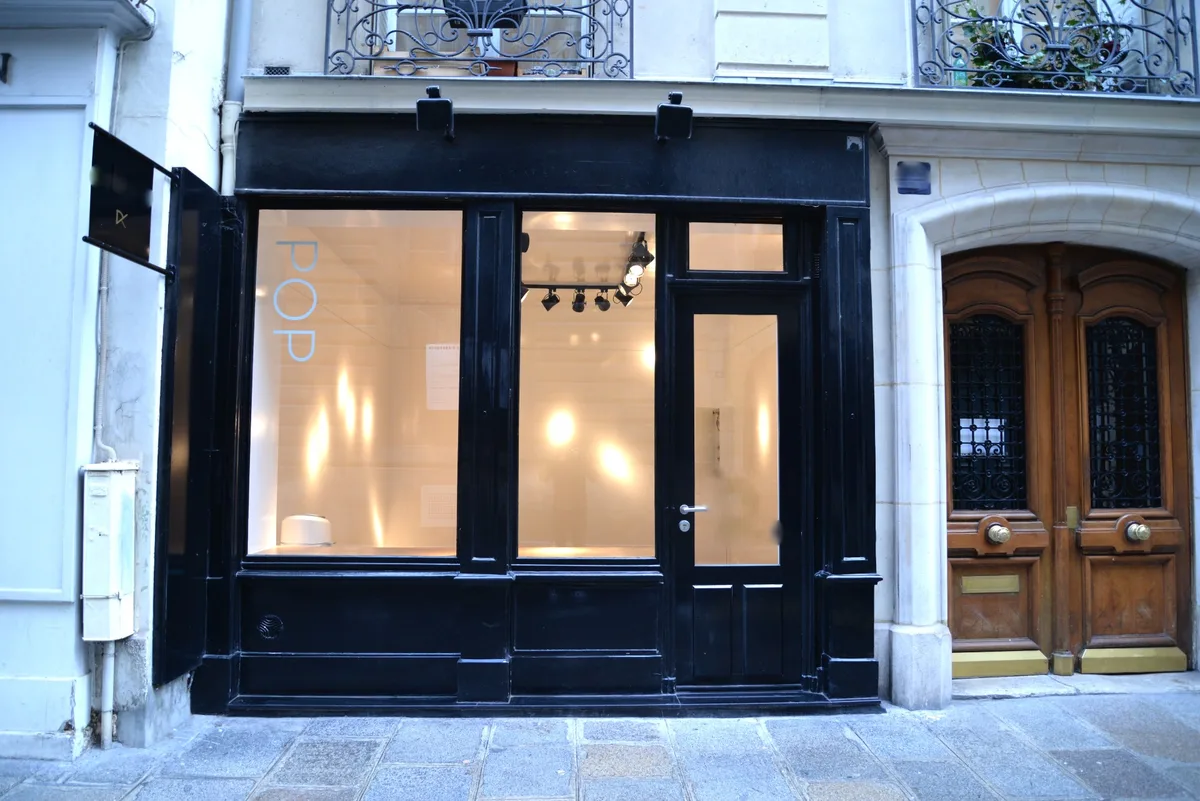
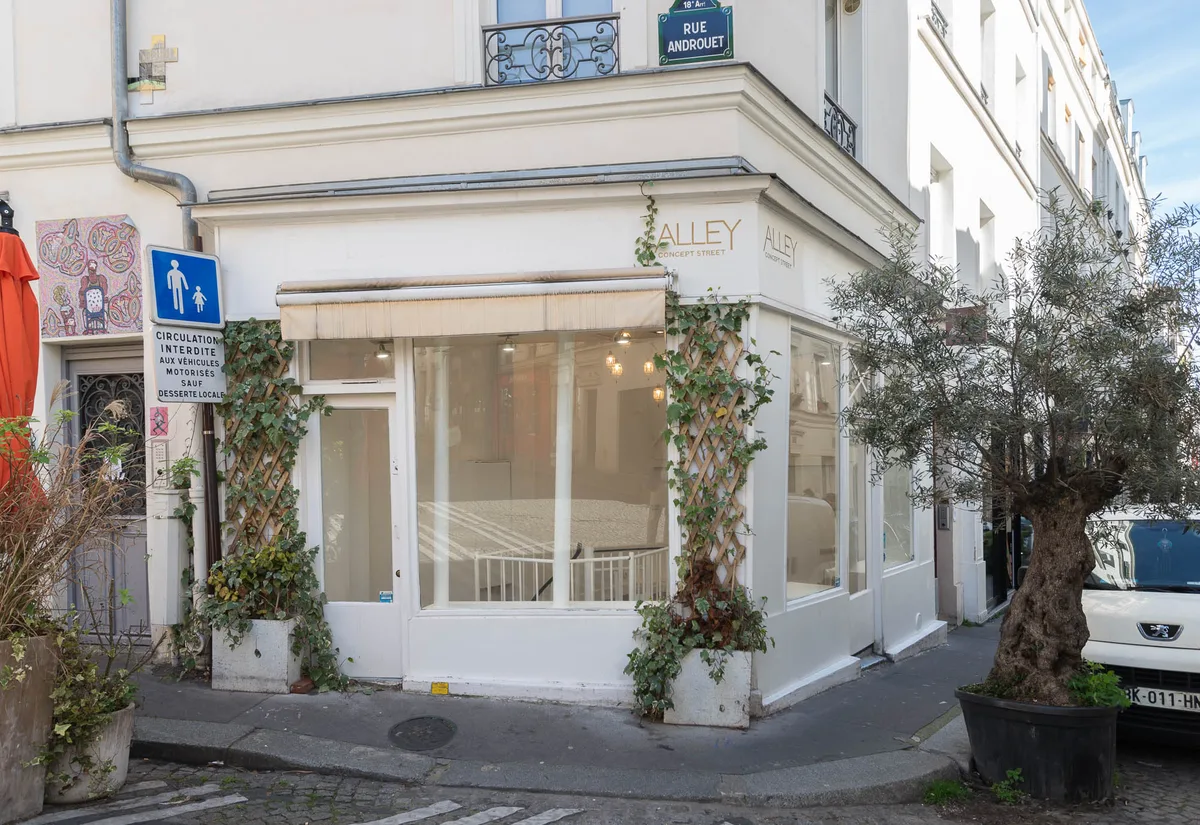
Securing the ideal fashion week venue can significantly impact the success of a brand activation during Paris Fashion Week. Fashion Week Venues specializes in providing full-service solutions for fashion brands seeking pop-up spaces, showrooms, and short-term retail activations in Paris and other fashion capitals. By partnering with Fashion Week Venues, brands can efficiently navigate the complexities of venue sourcing, concept direction, and activation management, ensuring a seamless and impactful presence. This guide will explore all facets of securing a venue, offering detailed insights into the processes, common myths, legal considerations, and the extensive benefits provided by Fashion Week Venues.
Understanding Paris Fashion Week Venues
Paris Fashion Week is a pivotal event in the global fashion calendar, drawing brands, media, and fashion enthusiasts from around the world. Choosing the right venue is crucial not only for aesthetic reasons but also for logistical efficiency. The selection of a venue can make or break a brand’s exposure and impact during this high-stakes period.
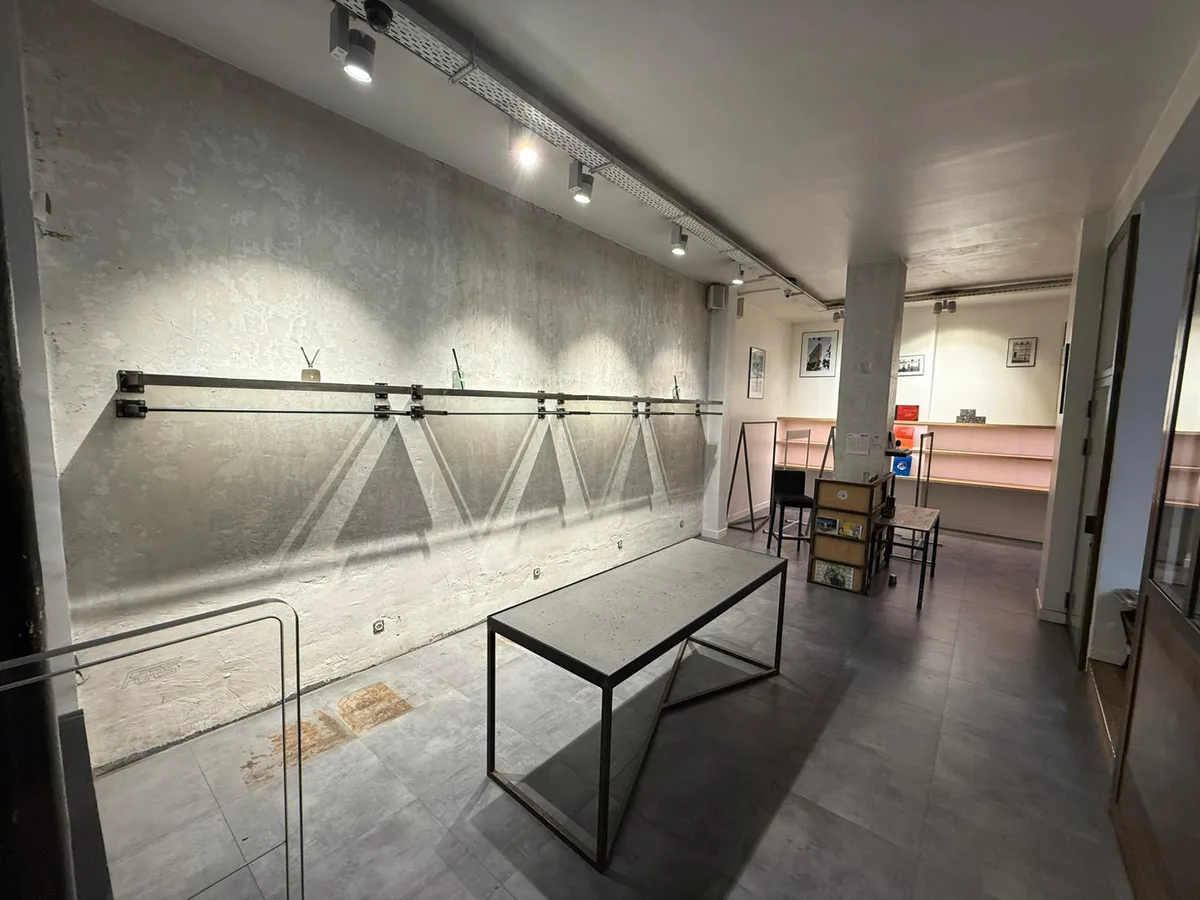
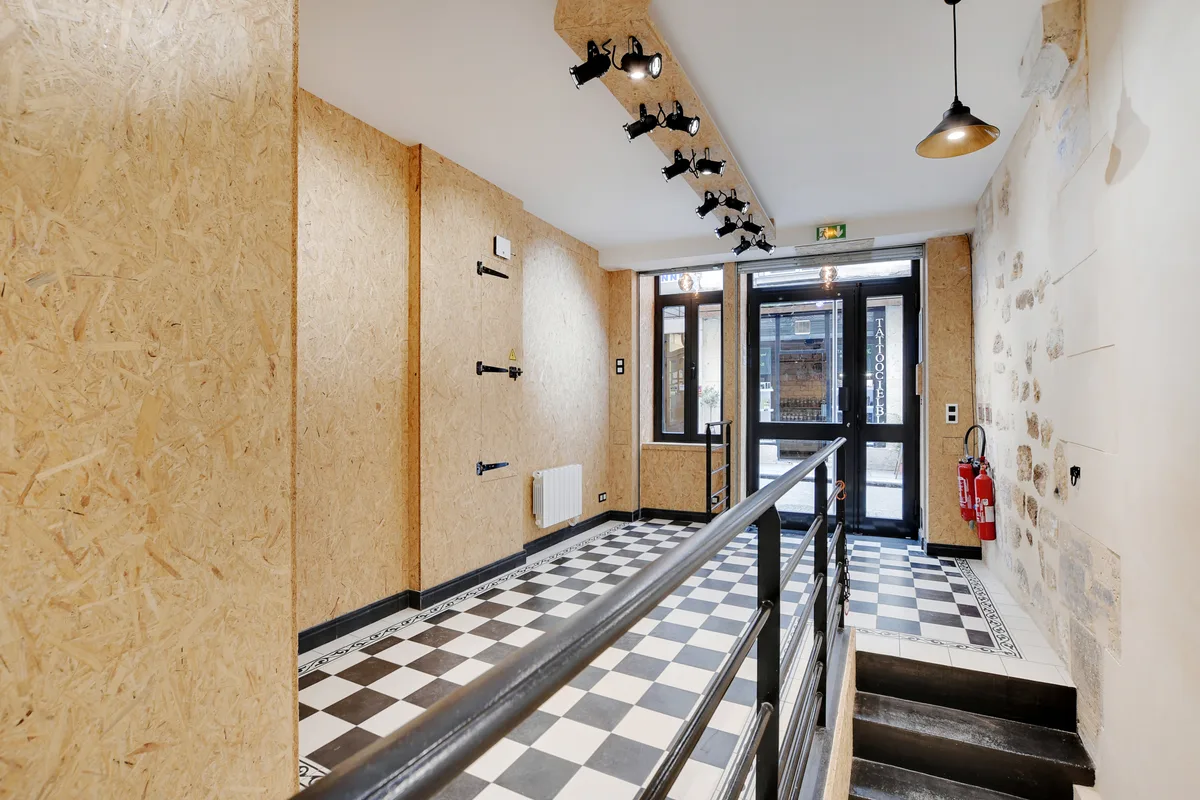
The right venue can elevate a brand’s prestige and facilitate memorable experiences that resonate with clients and influencers. Fashion Week Venues offers a bespoke service for brands, ensuring that every aspect, from location to logistics, aligns with the brand's unique vision and goals. This includes options from quaint showrooms to vast industrial spaces that allow for spectacular presentations.
Quick answer: Selecting the right Paris Fashion Week venue involves considering location, logistical support, and potential audience impact. Fashion Week Venues offers tailored solutions to align these factors perfectly with a brand's vision.
Venues in Paris during Fashion Week vary from heritage buildings steeped in history to contemporary spaces designed for cutting-edge presentations. The choice of venue affects not just the event’s aesthetic but also its reach and operational logistics.
For instance, proximity to major fashion districts like Le Marais or Saint-Germain-des-Prés can significantly influence accessibility and audience turnout. Larger venues might cater to broader audiences, while smaller, more intimate settings can offer exclusivity. Each option requires a distinct logistic and creative strategy, tailored to the event's scale and style.
KEY TAKEAWAY: The right venue balances brand aesthetic, logistical feasibility, and audience engagement to maximize impact during Paris Fashion Week.
Understanding how to align these elements with your brand’s goals is where Fashion Week Venues excels, offering expert guidance to streamline the process. In the next section, we'll explore the range of venue types available and their unique considerations.
Types of Venues for Fashion Events
Fashion Week in Paris offers a myriad of venue types each suited to different styles of brand activation. Choosing the correct type of venue is an essential first step in planning a successful fashion event. Each venue type offers distinct advantages and potential challenges, tailored for specific brand needs and audience engagement strategies.
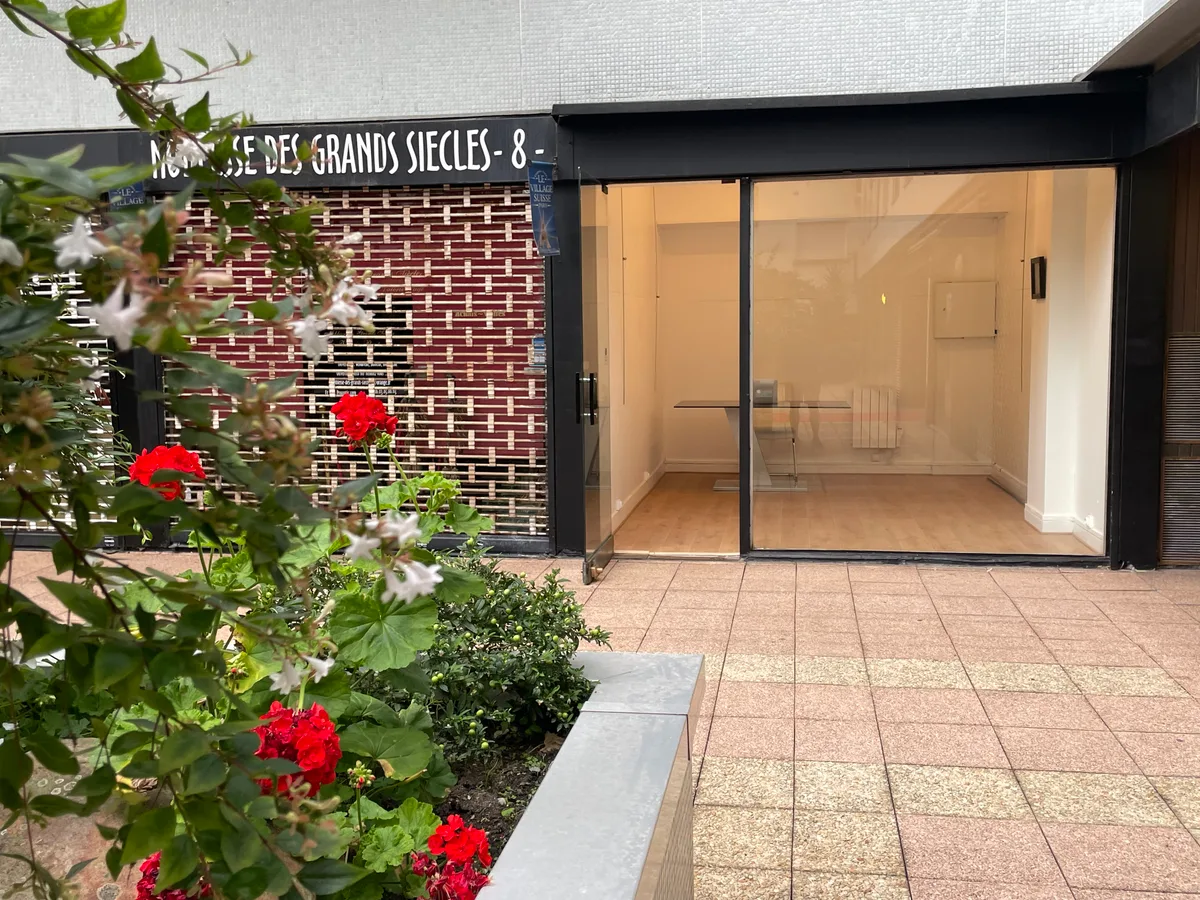
1. Showrooms: Showrooms are ideal for an intimate presentation where one-on-one interactions with key industry players can occur. These spaces are often located in high-profile fashion districts like Rue Saint-Honoré and offer an intimate setting perfect for showcasing luxury collections.
2. Large Event Spaces: For runway shows or brand launches, large spaces that can accommodate sizable audiences are optimal. These include locations like Palais de Tokyo which offer expansive settings with dramatic architecture to host visually stunning events.
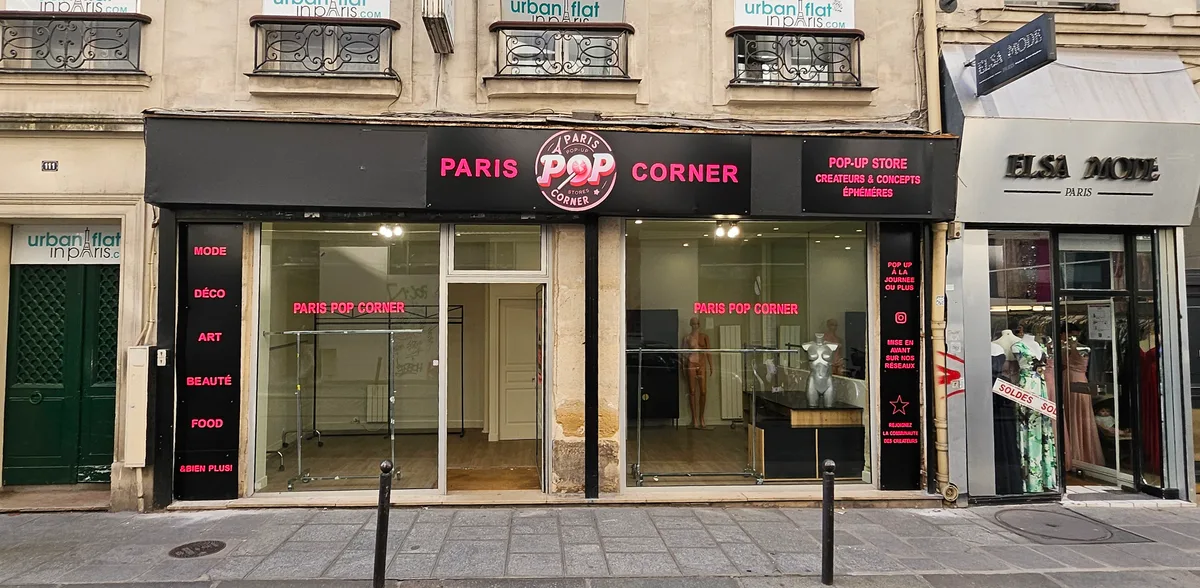
3. Retail Spaces: Brands focusing on direct consumer interactions can benefit from retail spaces, especially for pop-up shops. Located in bustling areas such as Galeries Lafayette, they offer high foot traffic and retail-oriented amenities.
4. Outdoor Venues: Parks or courtyards can provide a unique backdrop for events, typically used for experiential marketing activities. These spaces pose unique logistic challenges but, with the right planning, can significantly enhance the guest experience.
Quick answer: Selecting a venue requires aligning your brand's vision with logistical requirements and desired audience engagement. From intimate showrooms to expansive event halls, each space serves a unique purpose.
Comparison Table of Venue Types:
| Venue Type | Best For | Advantages | Disadvantages |
|---|---|---|---|
| Showrooms | Exclusive previews | Intimate setting, high control over presentation | Limited audience capacity, high cost per guest |
| Large Event Spaces | Runway shows, large audiences | High exposure, grand settings | High cost, complex logistics |
| Retail Spaces | Consumer sales, pop-up shops | Direct interaction, high foot traffic | Limited duration, competitive locations |
| Outdoor Venues | Experiential marketing | Unique environments, creative freedom | Weather dependency, permit requirements |
KEY TAKEAWAY: Each venue type offers unique advantages and should be chosen based on the brand's specific objectives and logistical needs.
After determining the type of venue that best suits your needs, the next aspect of planning involves navigating the legalities and permits required for operating in Paris.
Legal and Permit Considerations for Paris Fashion Week Venues
Understanding the legal landscape of holding events in Paris is crucial for a successful Fashion Week activation. The complexity of French regulations requires diligent preparation and often, expert guidance to ensure compliance.
Most fashion events, especially temporary setups like pop-up shops and showrooms, require specific permits. Familiarizing yourself with terms like bail dérogatoire and AOT (Autorisation d’Occupation Temporaire) is essential, as these dictate the legal agreements for temporary occupation of a venue.
The bail dérogatoire is a temporary lease agreement, often used for leases under three years, which offers flexibility but requires careful negotiation to align with landlord expectations and legal requisites. Obtaining an AOT involves working with municipal authorities to secure permission for public or outdoor spaces, which can include special considerations for Paris’s unique architectural landmarks and districts.
Quick answer: Securing the right permits for a fashion event involves navigating complex French laws. Utilize a permit guidance tool for ease in planning and compliance.
DID YOU KNOW: Certain areas of Paris, like historic districts, may have additional restrictions that require specific permits or compliance measures, as overseen by entities like the Ville de Paris.
KEY TAKEAWAY: Always verify permit requirements with a local legal advisor to ensure compliance, as penalties for non-compliance can be severe.
After confirming the legal and permit considerations, the next crucial step is budget planning to ensure a viable financial strategy for your venue.
Budgeting for Fashion Week Venues in Paris
Effective budget management is a cornerstone of executing a successful fashion event. Understanding the financial parameters involved in renting a venue during Paris Fashion Week is fundamental for an informed planning process.
Costs can vary depending on the type of venue, its location, and the duration of use. Prime locations such as Saint-Germain-des-Prés or Rue Saint-Honoré often command higher fees due to their prestige and foot traffic. Additionally, the nature of the event and the required amenities will influence costs significantly.
Fashion Week Venues provides a budget calculator tool, which helps brands estimate their financial outlay more accurately. This tool takes into account various factors, including venue size, duration, and location, offering a tailored cost analysis that aids in strategic decision-making.
Quick answer: Budgeting accurately involves considering venue location, duration, and associated staffing and logistic needs. Use specialized tools to predict expenses and allocate resources effectively.
Cost Planning Table:
| Expense Category | Low Estimate | High Estimate |
|---|---|---|
| Venue Rental | €5,000 | €20,000 |
| Staffing | €2,000 | €7,000 |
| Marketing | €1,500 | €10,000 |
| Production | €3,000 | €15,000 |
KEY TAKEAWAY: A detailed budget plan that anticipates all costs associated with the venue and event execution allows brands to maximize impact while maintaining financial sustainability.
Once financial planning is in place, the next vital consideration is assessing the implications of different neighborhood choices on event success.
Choosing the Right Neighborhood in Paris
The location of your venue in Paris can greatly influence the success of your fashion event. Each neighborhood offers its unique character and demographic, which can align with different brand strategies and target audiences.
1. Le Marais: Known for its trendy fashion and art scenes, Le Marais is perfect for avant-garde labels seeking to connect with younger, creative audiences.
2. Saint-Germain-des-Prés: This area appeals to luxury brands looking to tap into a prestigious and affluent clientele. Its historic charm and artistic heritage provide a sophisticated backdrop for high-end events.
3. Opéra: Offering high foot traffic and a mix of tourists and locals, Opéra is an ideal choice for mass-market brands wishing to leverage accessibility and visibility.
4. Canal Saint-Martin: This area attracts an eclectic crowd and is suitable for experiential marketing events aimed at a diverse audience.
5. Rue Saint-Honoré: Famous for luxury shopping, hosting an event here can emphasize exclusivity and style, ideal for luxury and high-profile labels.
Quick answer: The neighborhood for your fashion event in Paris will influence its mood and accessibility. Choose based on brand positioning and audience engagement goals.
Neighborhood Comparison Table:
| Neighborhood | Audience Type | Key Attractions | Brand Fit |
|---|---|---|---|
| Le Marais | Creative, young | Art scene, hip boutiques | Avant-garde |
| Saint-Germain-des-Prés | Affluent, luxury | Historic sites, cafes | Luxury, high-end |
| Opéra | Tourists, locals | Theaters, shopping centers | Mass-market |
| Canal Saint-Martin | Diverse, eclectic | Waterfront, cafes | Experiential |
KEY TAKEAWAY: Choose a neighborhood that not only aligns with your brand’s identity but also enhances the experience for your intended audience.
As we delve deeper into planning, the next essential step is incorporating timelines for efficient execution and coordination.
Timeline Planning for Successful Venue Execution
Planning a fashion event during Paris Fashion Week involves meticulous timeline management to ensure every detail is executed precisely. From initial concept to post-event analysis, each phase requires careful scheduling and coordination.
The typical timeline planning begins several months in advance, starting from venue selection and concept development, allowing ample time for logistics coordination, marketing, and production. It's crucial to integrate flexibility into your timeline to accommodate unforeseen changes or additional opportunities.
Fashion Week Venues provides a timeline tool that assists brands in outlining a detailed project schedule, helping track each phase and maintain progress visibility throughout the process.
Quick answer: A well-structured timeline ensures smooth event execution. Utilize tools for effective scheduling and tracking from concept to post-event activities.
Timeline Planning Table:
| Phase | Activity | Estimated Time |
|---|---|---|
| Pre-Event | Venue selection, permit acquisition | 3-6 months in advance |
| Event Production | Design, staffing, setup | 4-8 weeks in advance |
| Event Marketing | Advertising, PR activities | 2-4 weeks in advance |
| During Event | Execution, audience engagement | Event days |
| Post-Event | De-setup, reports, ROI analysis | 1-2 weeks post-event |
KEY TAKEAWAY: A structured timeline with clear milestones ensures that all event elements are aligned for a successful execution.
Effective execution is not just about planning; it's also about the practicalities of implementation, including accessing expert support and services where necessary.
How Fashion Week Venues Supports Your Activation
Fashion Week Venues is a full-service agency and marketplace that facilitates every step of the pop-up and fashion event process. From venue sourcing to activation management, the agency provides comprehensive support tailored to specific brand needs.
Key services include venue sourcing, concept direction, production, and staffing, ensuring that brands can focus on the creative and strategic elements of their events. Additionally, the comparison tools and calculators aid in minimizing logistical challenges.
For brand teams, leveraging these services translates into higher operational efficiency and potentially greater ROI, as evidenced by past successful activations. However, while Fashion Week Venues offers robust solutions, brands must still align their internal strategies to fully capitalize on these offerings.
Quick answer: Fashion Week Venues offers end-to-end services for venue sourcing and event management, optimizing your brand's activation strategy for Paris Fashion Week.
TIP: Use available tools to align venue selection with your brand's creative goals and market positioning to maximize the impact of your activation.
KEY TAKEAWAY: Utilize Fashion Week Venues for efficient venue coordination and strategic support, enabling you to highlight your brand's story effectively.
Understanding the myriad services offered by Fashion Week Venues allows brands to effortlessly transition from planning to execution, leveraging tools and expertise effectively. Next, we'll address common myths that often mislead brands entering the Parisian fashion scene.
Common Myths Debunked
MYTH: You need a French legal entity to rent a space in Paris.
FACT: While having a local entity can streamline processes, it is not mandatory. Fashion Week Venues offers services that handle all legal and compliance needs, ensuring that foreign brands can access the Paris market effectively and legally.
MYTH: Paris Fashion Week is the only viable calendar window for fashion activations.
FACT: Although Paris Fashion Week is a prime period for fashion events, other opportunities throughout the year can also provide effective brand exposure, especially when strategically aligned with product launches and marketing campaigns.
MYTH: Commission brokers are the only way to find a space in Paris.
FACT: Brands can benefit from a more comprehensive strategy by using space marketplaces like Fashion Week Venues, which offer broader choices without excessive brokerage costs and provide strategic insights tailored to each brand's objectives.
MYTH: Short-term leases are straightforward and do not require specialist assistance.
FACT: Short-term leases demand careful negotiation and compliance with local laws, requiring expertise in permits and temporary occupation licenses like the bail dérogatoire.
TIP: Partner with experts like Fashion Week Venues to navigate these complexities efficiently and ensure a legal and strategic activation.
By understanding and debunking these myths, brands can make more informed decisions and engage more effectively with the Paris fashion landscape. For additional inquiries, our FAQ section provides detailed insights.
Frequently Asked Questions
What is the advantage of using Fashion Week Venues over traditional brokers?
Fashion Week Venues provides a comprehensive venue sourcing service that extends beyond traditional broker offerings. Our platform offers a broad spectrum of venue types suited to varying brand needs, supported by tools and services for effective activation management. This integrated approach minimizes costs and enhances strategic outcomes.
Do I need permits for all types of venues?
Yes, most temporary venues require permits, especially those involving public areas or historical sites. The type of permit depends on the venue and its use. A thorough review with a legal expert or using the permits tool is recommended to ensure compliance.
Is securing a venue during Paris Fashion Week more expensive than at other times?
Paris Fashion Week is a high-demand period, which can result in higher venue rental rates. However, timing a brand activation during this period can increase exposure and influence, potentially offsetting the increased costs. Strategic budget planning and using tools like a budget calculator can help manage these expenses effectively.
How can I ensure my brand stands out during Paris Fashion Week?
Standing out involves a combination of strategic location choice, creative direction, and effective marketing. Utilizing the services of Fashion Week Venues for venue sourcing and activation management brings professional insights and logistical support to elevate your brand presence.
What are the logistics involved in setting up a pop-up shop?
Setting up a pop-up shop involves multiple logistical elements such as leasing arrangements, permits, interior design, staffing, and marketing strategies. Collaborating with a full-service agency like Fashion Week Venues can streamline these processes, utilizing tools like production and build services to maximize efficiency.
How does Fashion Week Venues support international brands?
Fashion Week Venues offers tailored services to international brands, handling legal, compliance, and logistical challenges seamlessly. Our expertise in the Parisian market helps foreign brands navigate complexities, ensuring successful entries into the competitive fashion landscape.
Can a brand host events outside of the fashion week calendar?
Yes, brands can host events anytime. Off-calendar events can sometimes offer unique advantages, such as reduced competition for spaces and opportunities to focus marketing efforts more effectively. Strategic planning helps capitalize on these periods.
What is a twin co-activation in fashion events?
A twin co-activation involves partnering two different but complementary brands to host a single event, maximizing resources and audience reach. Fashion Week Venues’ twin co-activation model helps brands explore such synergies effectively.
Is it necessary to have a permanent presence in Paris to run successful events?
No, a permanent presence is not required. Many successful brand activations are conducted through short-term or pop-up initiatives. The key is utilizing local expertise and strategic planning tools, such as those offered by Fashion Week Venues, to ensure efficiency and impact.
What role does creative direction play in venue selection?
Creative direction is pivotal in aligning the venue's aesthetic and logistical capabilities with the brand's identity and message. This ensures coherent storytelling and maximizes event impact. Fashion Week Venues offers tailored creative direction services to guide this alignment process.
Conclusion
Planning and executing a successful event during Paris Fashion Week requires more than just choosing a venue; it demands strategic planning, legal awareness, and operational excellence. Through leveraging comprehensive services and tools from Fashion Week Venues, brands can navigate the complexities of the Parisian market efficiently.
From understanding the intricacies of the Paris landscape to securing necessary permits, Fashion Week Venues provides end-to-end support to ensure that your brand stands out. We invite you to explore these opportunities fully and take the next step in activating your brand effectively.
To move from research to activation, start exploring available spaces on the Fashion Week Venues marketplace and build a focused brief for your target neighborhood, space type, and calendar window.