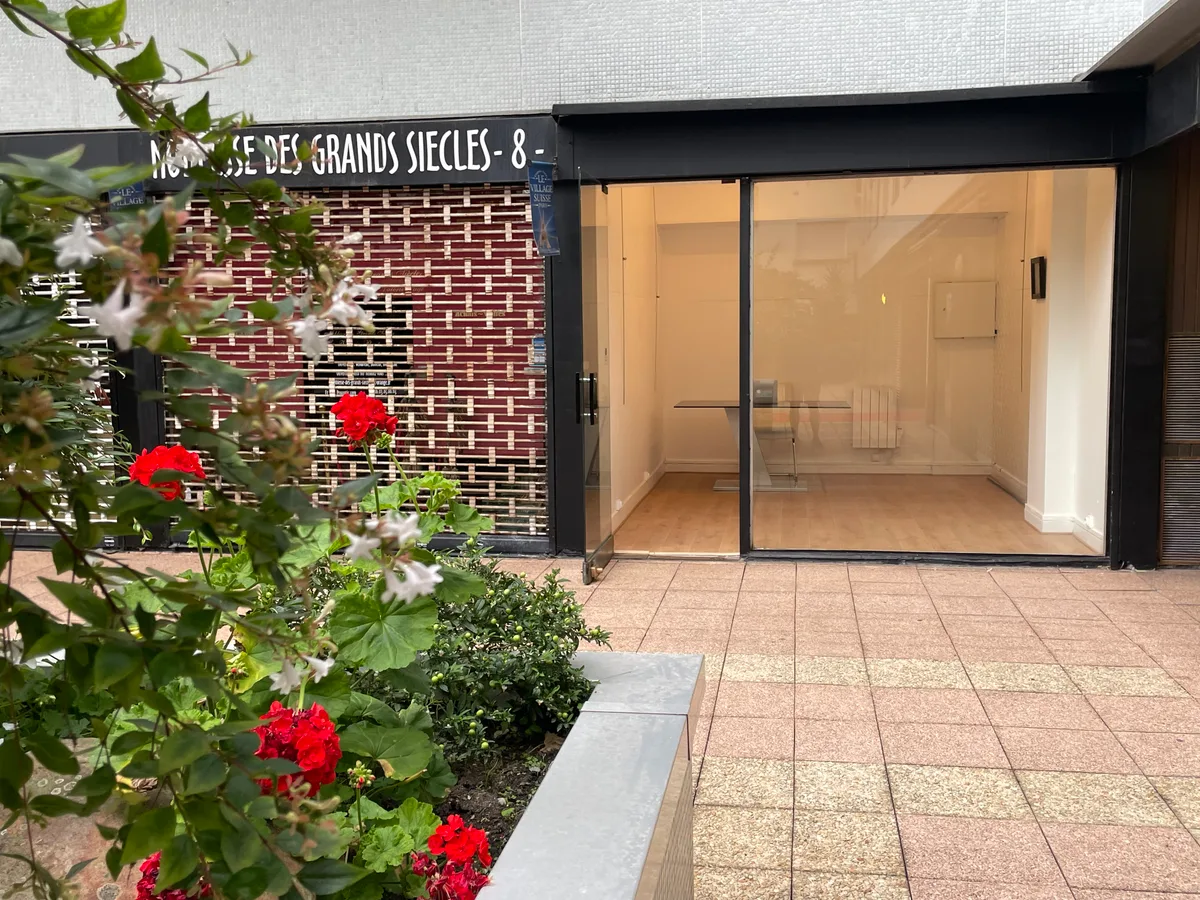
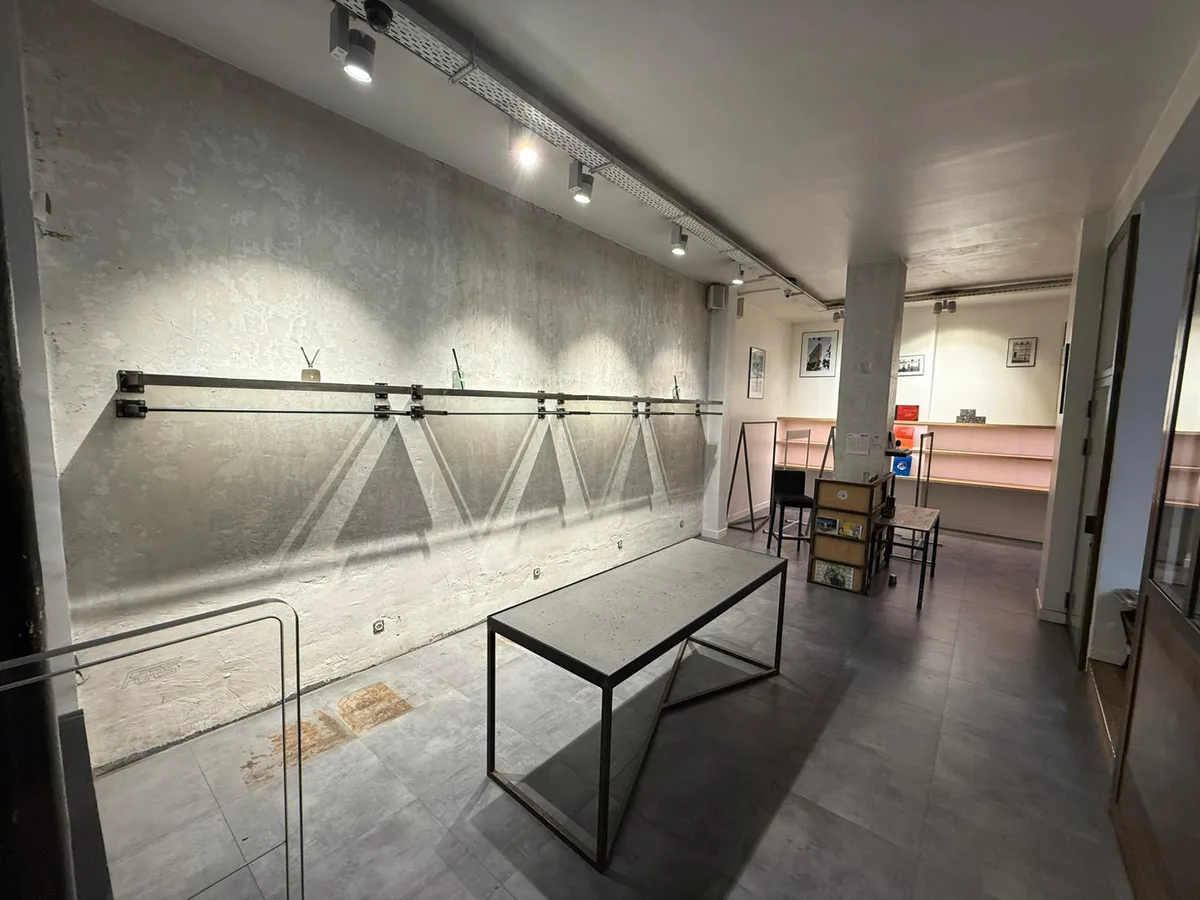
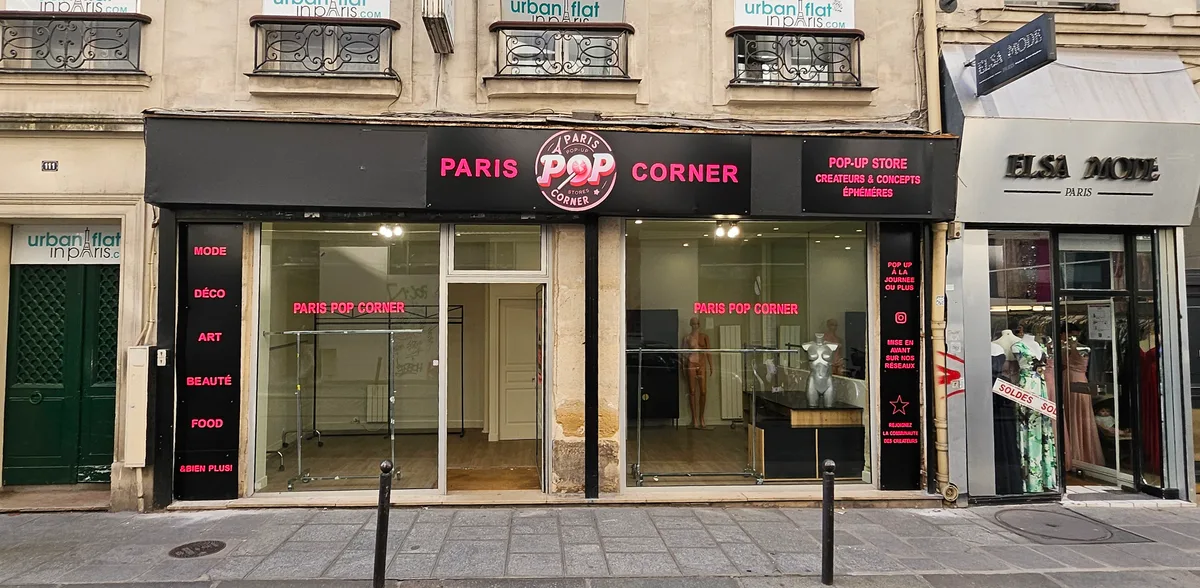
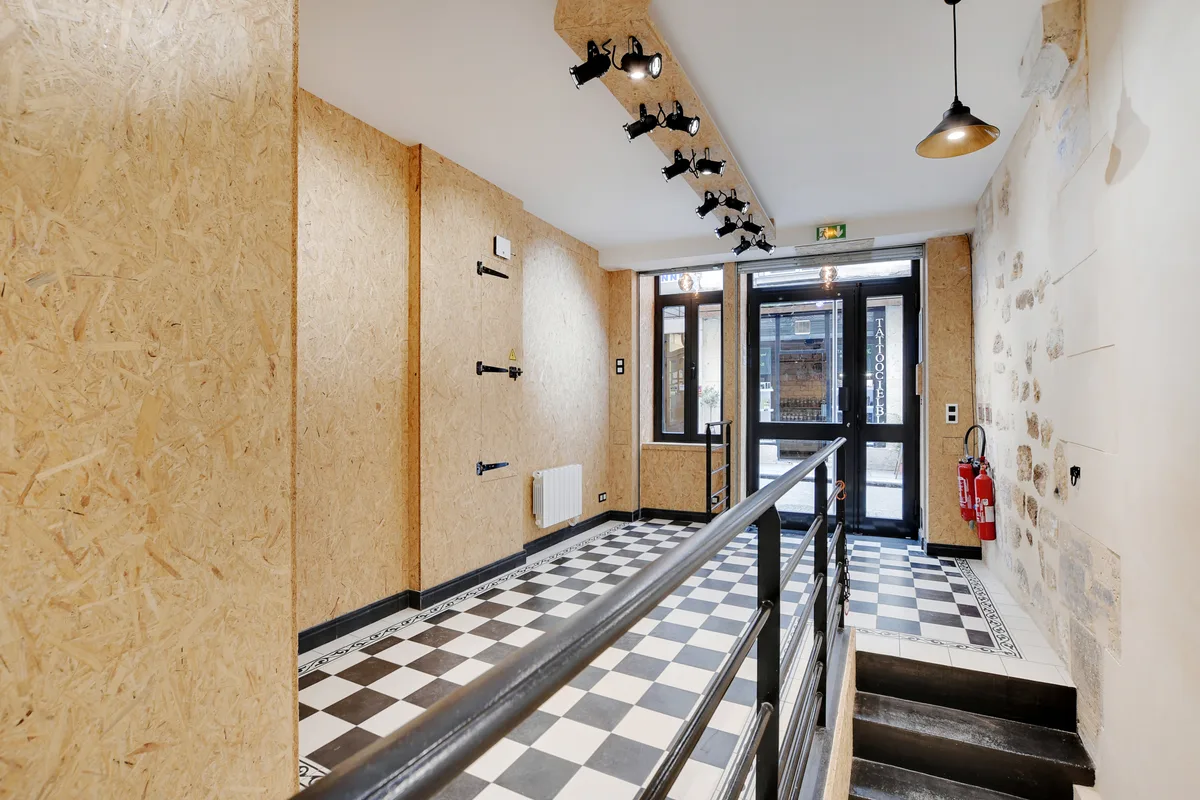
Finding a shop for rent Bastille is one of the most sought-after briefs in Parisian commercial real estate, and for good reason. The Bastille area, sitting at the intersection of the 11th and 12th arrondissements, combines genuine foot traffic, a culturally engaged local population, strong visitor numbers, and a retail landscape that welcomes independent brands, concept stores, showrooms, and short-term activations alike. Whether you are a fashion brand planning a pop-up during Paris Fashion Week, an emerging retailer seeking a permanent foothold, or an international team testing the French market, Bastille offers a range of space types, lease formats, and commercial configurations that few other Paris neighbourhoods can match. Fashion Week Venues works with brands and creative teams navigating exactly this landscape, from initial space discovery through to full activation management.
Why Bastille Is One of Paris's Most Valuable Retail Neighbourhoods
Bastille earns its reputation through a combination of geography, demographics, and commercial momentum that is difficult to replicate elsewhere in Paris. Anchored by Place de la Bastille, one of the city's most recognisable public squares, and stretching north through the 11th arrondissement of Paris into the Bastille-Popincourt district, the area functions as a genuine intersection point for Parisian life rather than a purely tourist zone.
The neighbourhood draws a mixed and commercially active audience. Locals from the 11th and 12th arrondissements use it daily, visitors travel through it on the way to or from Gare de Lyon and Gare du Nord, and the creative and cultural communities drawn to nearby Canal Saint-Martin and the Marais use Bastille as their commercial spine. This creates conditions where retail, food and beverage, hospitality, showrooms, and experiential concepts can all find a viable audience within the same catchment.
The physical structure of Bastille retail is equally useful. Boulevard Richard Lenoir hosts the Marché de Bastille, one of Paris's largest outdoor markets, drawing thousands of locals twice weekly. The surrounding streets offer ground floor retail on busy rue passante corridors, with Avenue Ledru-Rollin, Rue de la Roquette, and Rue du Faubourg Saint-Antoine each carrying distinct commercial characters. Rue du Faubourg Saint-Antoine is particularly significant as it has historically been the city's furniture and interior design corridor, offering large-format loft and warehouse spaces with production-friendly dimensions that are rare in central Paris.
From a pure tourism perspective, Bastille sits within reasonable reach of the Louvre Museum, Notre-Dame, Place des Vosges, and the Latin Quarter, while also offering access to neighbourhood landmarks including Square Trousseau, Square Maurice Gardette, and Jardin de la Folie-Titon. The Bastille Opera, formally the Opéra national de Paris at Place de la Bastille, draws a high-spend audience on performance evenings. Nightlife venues concentrated around Rue de Lappe and Rue de la Roquette bring additional evening foot traffic, making Bastille viable for extended-hours retail and event formats.
Transport connectivity reinforces everything above. The Bastille metro station serves Lines 1, 5, and 8, connecting the neighbourhood directly to the Champs-Élysées, Gare du Nord, Gare Montparnasse, and Gare de Lyon. This makes it one of the best-connected commercial hubs in Paris for both arriving customers and incoming stock and deliveries.
DID YOU KNOW: Boulevard Richard Lenoir was constructed over the Canal Saint-Martin, which runs beneath it for a significant portion of its length, making it one of Paris's most structurally unusual commercial boulevards.
KEY TAKEAWAY: Bastille is not a secondary retail location. Its combination of resident spending power, visitor access, transport connectivity, and diverse space stock makes it one of the most commercially sound choices in Paris for brands seeking retail space, whether for permanent use, seasonal activation, or short-term pop-up formats.
Understanding the specific sub-zones within the Bastille area is essential before approaching landlords or listing agents, as the commercial character and cost structure vary meaningfully between streets and arrondissements.
The Bastille Retail Market in 2026: What Brands Need to Know
The Paris retail market has undergone significant structural changes since the pandemic, and Bastille has emerged from that period in a relatively strong position. Vacancy rates in prime Bastille retail corridors have compressed as demand from independent and emerging brands has absorbed space previously held by mid-market fashion chains that retrenched during 2020 and 2021.
In 2026, the Bastille retail market is characterised by competition for ground floor units on key pedestrian routes, increasing landlord openness to short-term lease formats, and a growing number of brands using temporary activations as a market entry strategy before committing to longer retail leases. This shift has created a more layered and nuanced commercial environment than existed a decade ago, with permanent leases, seasonal lets, pop-up formats, and shared activation spaces coexisting in the same streets.
Retail Clusters Within the Bastille Area
Not all Bastille retail performs equally. Understanding the distinct retail clusters within the broader neighbourhood helps brands identify which areas align with their concept, customer profile, and budget.
| Retail Cluster | Primary Character | Best For | Space Types Available |
|---|---|---|---|
| Rue du Faubourg Saint-Antoine | Design, interiors, craft, artisan heritage | Furniture, homewares, large-format concept stores | Loft, workshop, multi-floor commercial |
| Avenue Ledru-Rollin | Neighbourhood retail, food, daily services | F&B, independent fashion, lifestyle | Ground floor shopfront, basement storage |
| Rue de la Roquette | Youth culture, bars, creative independent retail | Concept stores, pop-ups, streetwear, records | Small-to-medium shopfronts, shared spaces |
| Place de la Bastille perimeter | High-footfall, mixed commercial | Experience retail, flagship activations, showrooms | Ground floor commercial, multi-level units |
| Bastille-Popincourt zone | Residential-adjacent, community retail | Neighbourhood brands, studios, showrooms | Apartment-format, ground floor, studio units |
What Does Retail Space in Bastille Cost?
Asking rents in Bastille vary considerably depending on the street, ground floor access, space configuration, lease format, and condition of the unit. Providing a single figure would be misleading, as the difference between a small rue passante shopfront and a multi-floor loft on Rue du Faubourg Saint-Antoine can be substantial.
Quick answer: Retail space in Bastille spans a wide cost range depending on street, size, and lease format. Ground floor units on high-footfall corridors command higher asking rents than basement, upstairs, or secondary street locations. Short-term pop-up formats are typically priced differently from commercial leases. Use the Fashion Week Venues budget tool for a directional estimate relevant to your brief.
Key cost factors to understand include: asking rent per square metre per year, key money paid to the outgoing tenant, registration fees and notary costs associated with formal leases, any build-out contribution from the landlord, and for short-term formats, whether utility costs, staffing, and technology infrastructure such as WiFi and point-of-sale systems are included in the quoted rate.
Key money is a significant consideration in Paris retail leasing and deserves specific attention. When an established business transfers its lease to a new tenant, the incoming tenant typically pays the outgoing tenant a sum reflecting the commercial value of the lease position, the established customer base, and the desirability of the location. In competitive Bastille corridors, key money can represent a substantial upfront cost that fundamentally changes the economics of a retail entry.
For brands seeking to avoid key money entirely, short-term rental formats, direct landlord agreements, and pop-up structures are the most practical routes. Fashion Week Venues can assist with venue sourcing that identifies available units across multiple lease and rental formats.
IMPORTANT: Key money is a legally distinct payment from rent and deposits in France. It is not refundable in the standard sense. Brands should obtain independent French legal advice before agreeing to any key money arrangement.
KEY TAKEAWAY: The Bastille retail market in 2026 rewards brands that understand its geography, distinguish between lease formats, and approach landlords with a clear brief. Costs vary significantly by sub-zone and format, and the hidden costs of key money, registration fees, and build-out obligations can materially affect total spend.
Space Types Available for Rent in Bastille
Bastille offers a genuinely diverse inventory of commercial and semi-commercial spaces, ranging from classic Parisian shopfronts to loft conversions, basement spaces, apartment-format showrooms, and multi-floor commercial buildings. Understanding which space type suits your operational model is essential before beginning your search.
Quick answer: Bastille's space inventory includes ground floor shopfronts, basement units, loft and workshop spaces on Rue du Faubourg Saint-Antoine, apartment-format showrooms, multi-floor commercial buildings, and short-term pop-up units. The right choice depends on your retail concept, required floor area, access needs, loading and storage requirements, and lease duration.
Ground Floor Retail Spaces
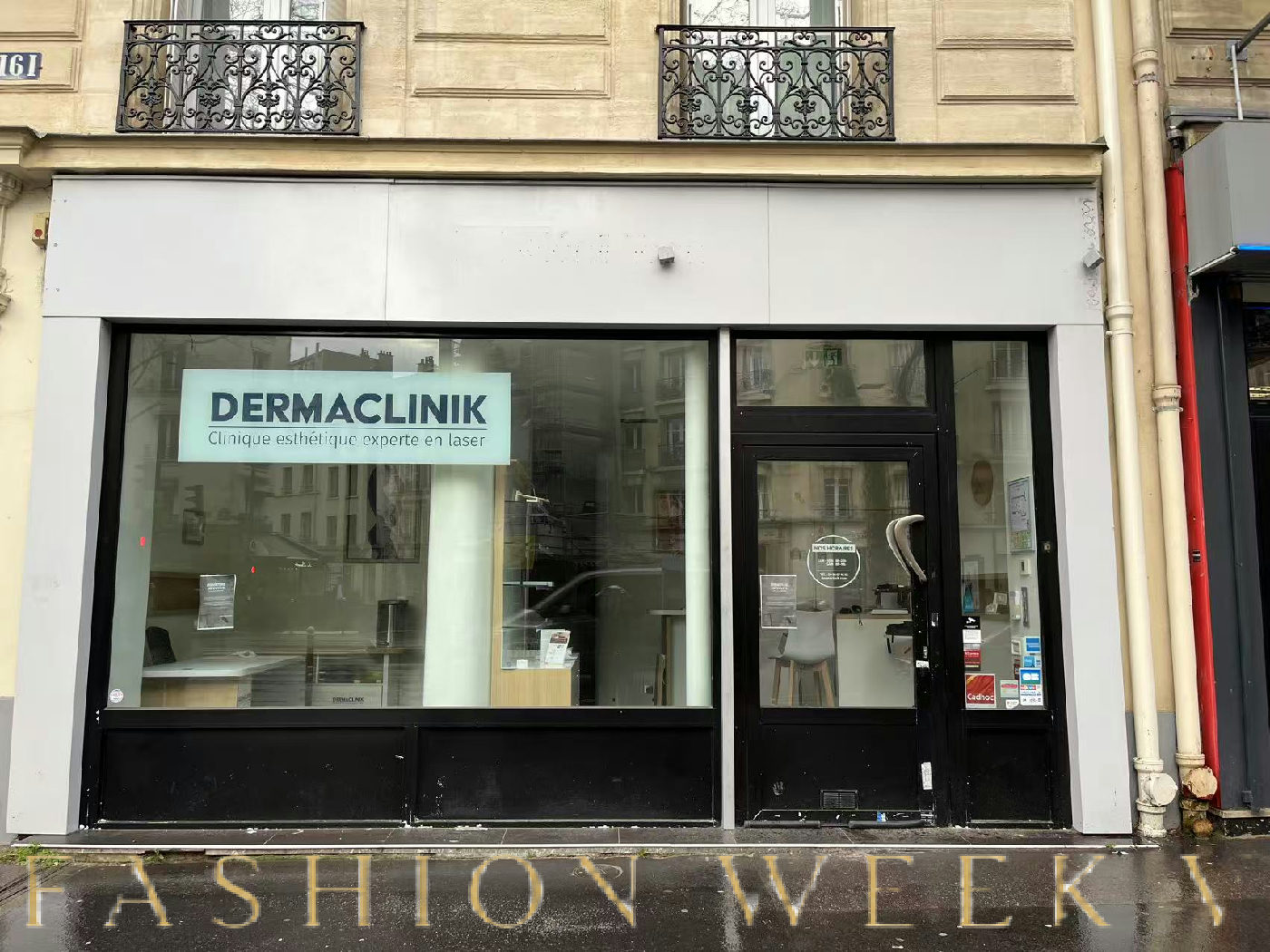
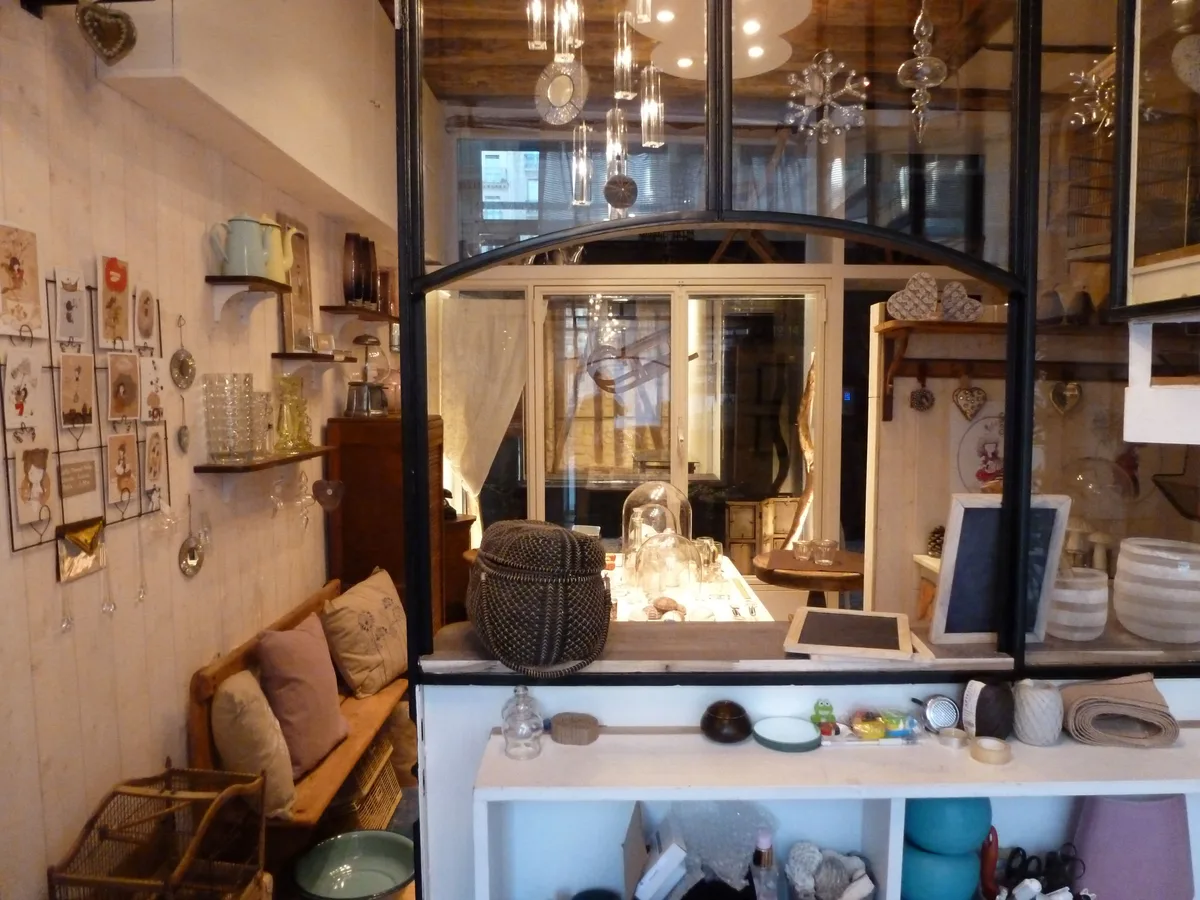
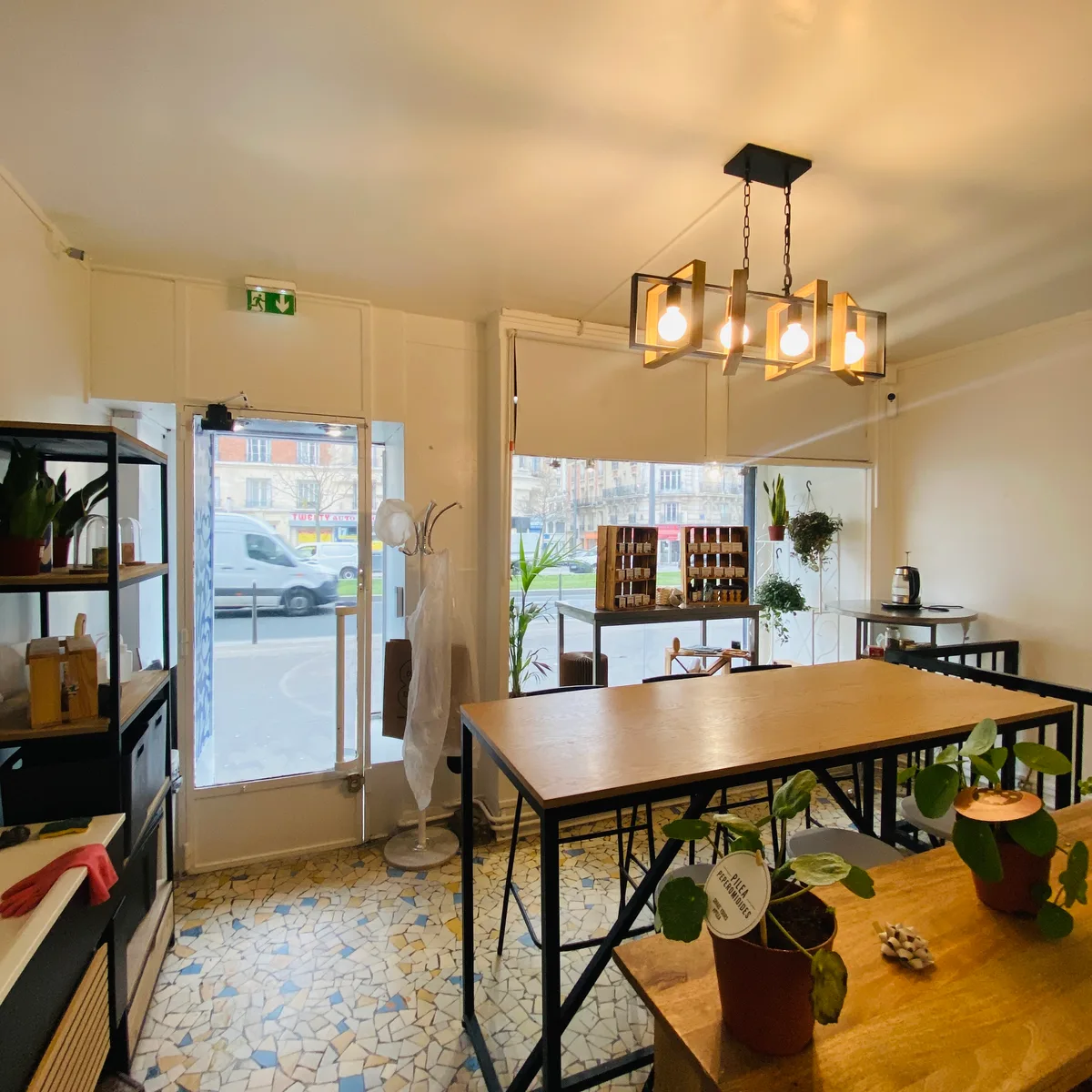
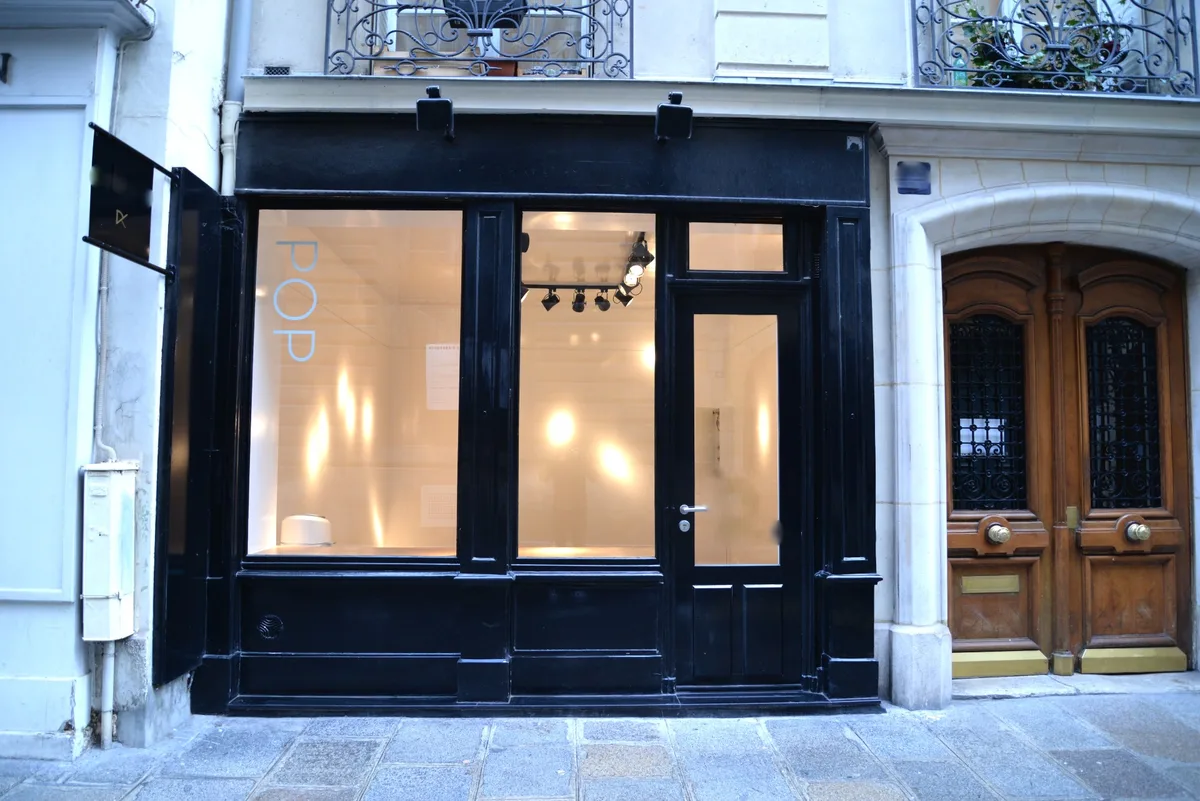
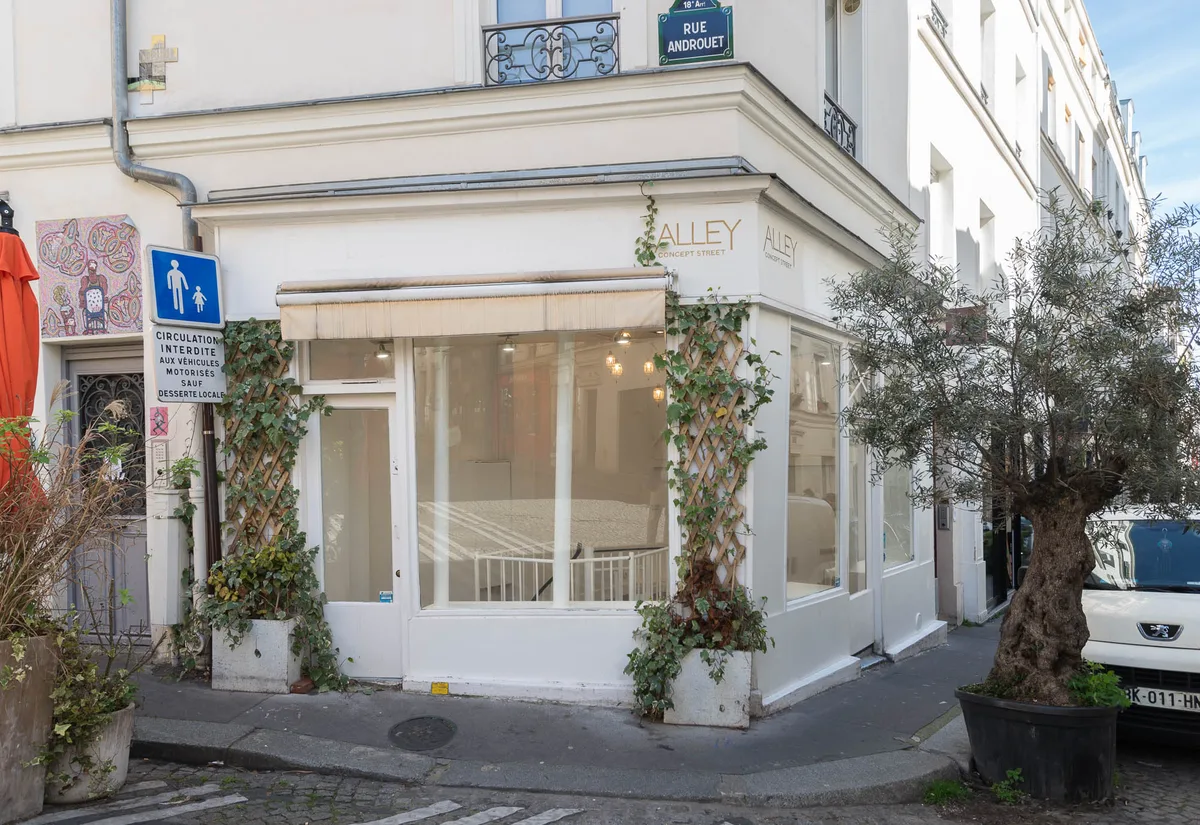
Ground floor units on pedestrian-facing streets remain the most commercially desirable in Bastille. They offer direct visibility, ease of customer access, and the ability to create window displays that function as working marketing tools. Units vary from narrow traditional Parisian shopfronts of 20 to 40 square metres to wider corner units with greater display flexibility. Ground floor spaces on primary corridors such as Avenue Ledru-Rollin and Rue de la Roquette tend to have the highest asking rents and are most competitive in terms of availability.
Loft and Workshop Spaces
Rue du Faubourg Saint-Antoine and its surrounding courtyards contain one of Paris's most distinctive inventories of loft and workshop spaces. These are former artisan workshops, furniture ateliers, and light industrial units that have been converted or partially converted for commercial use. They typically offer higher ceilings, raw or polished concrete floors, generous natural light, and more flexible internal configurations than traditional shopfronts. They are particularly well-suited to showroom formats, concept stores, immersive retail experiences, and brand activations that require spatial volume and design freedom.
Basement and Upstairs Spaces
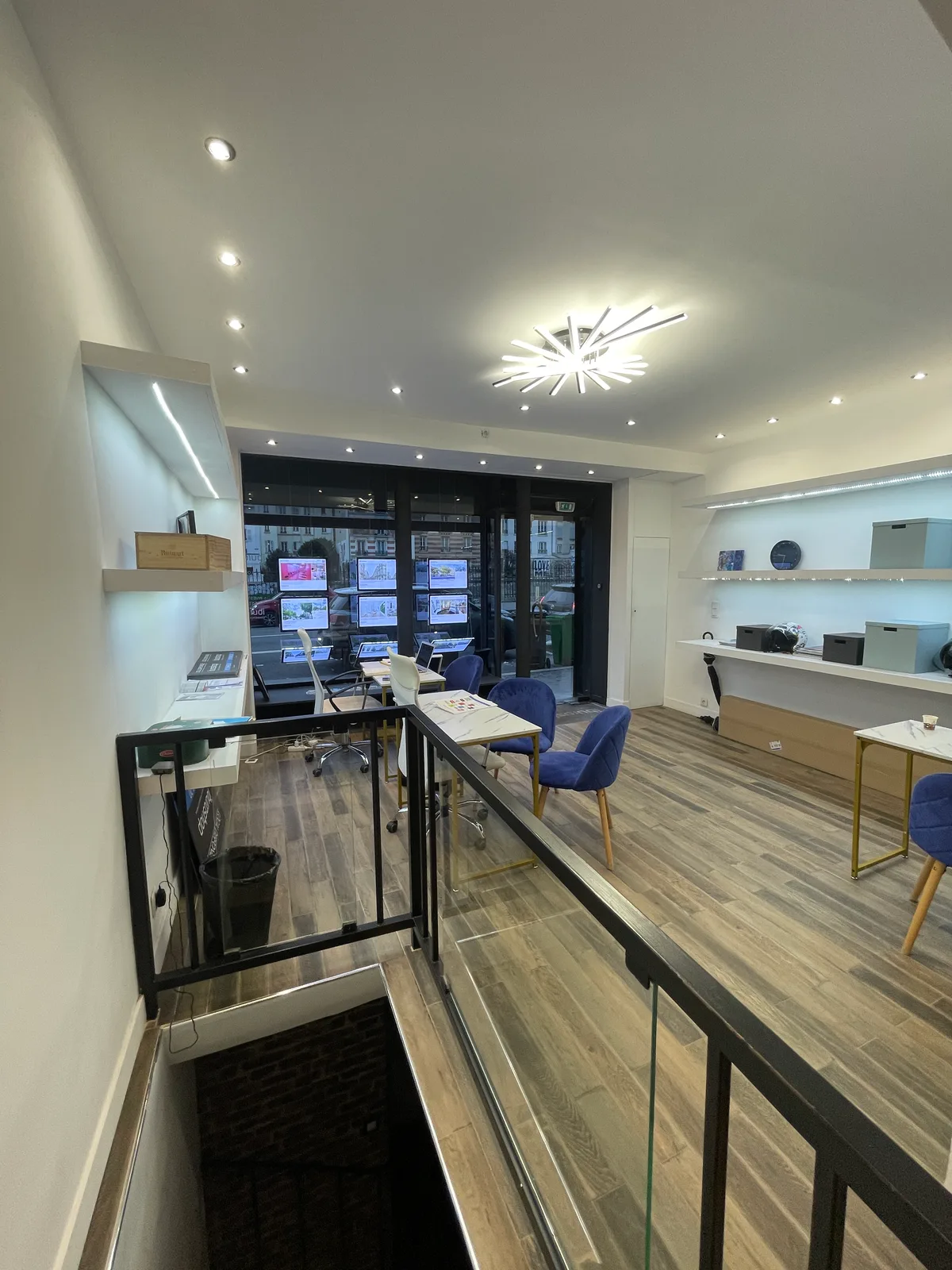
Basement units and upstairs floors in Bastille buildings are typically available at lower asking rents than ground floor equivalents, but require more active customer acquisition to convert foot traffic into visits. Basements are well-suited to storage-intensive retail, food and beverage operations with kitchen requirements, or events that benefit from an enclosed and atmospheric environment. Upstairs spaces work for showrooms, appointment-based retail, studios, and office uses where destination visits rather than impulse foot traffic drive the business.
Apartment-Format Showrooms
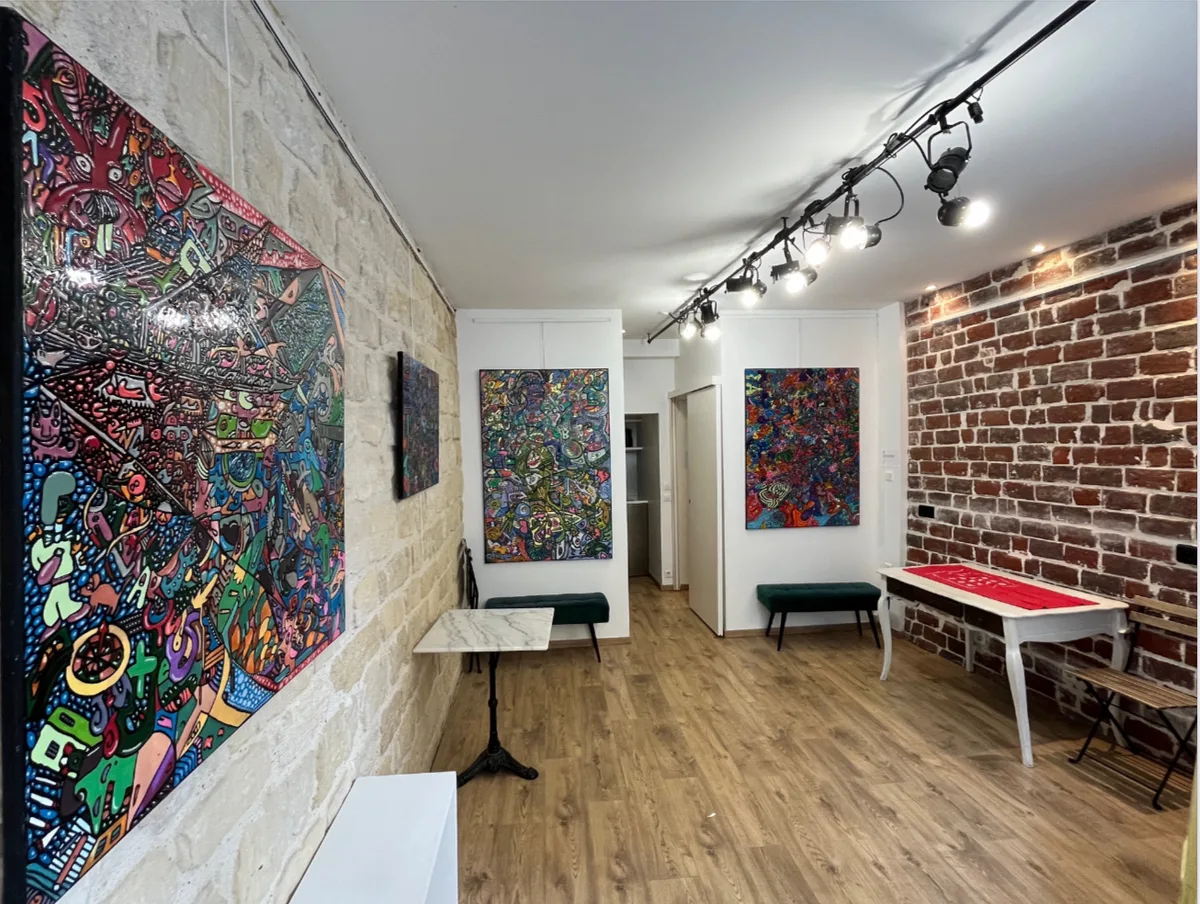
A growing trend in the Bastille area and the broader Bastille-Popincourt zone is the use of apartment-format spaces as showrooms and temporary retail environments. These spaces typically feature parquet floors, high ceilings, period architectural details, and residential-scale rooms that create an intimate and editorial retail environment. They are particularly effective for fashion brands, accessories labels, and lifestyle concepts seeking to avoid the generic feel of standard commercial units. They are also commonly used during Paris Fashion Week as press showrooms and buyer appointment spaces.
Space Type and Configuration Summary
| Space Type | Typical Floor | Best Use Case | Relative Asking Rent |
|---|---|---|---|
| Ground floor shopfront | Ground | Walk-in retail, brand flagships, F&B | Highest |
| Loft / workshop | Ground or upper | Concept stores, showrooms, events, activations | High to medium |
| Basement unit | Below ground | Storage, F&B, events, intimate retail | Lower |
| Upstairs commercial | First floor and above | Showrooms, studios, offices, appointment retail | Lower to medium |
| Apartment-format showroom | Upper floors | Fashion showrooms, press previews, editorial retail | Variable |
| Short-term pop-up unit | Ground or mixed | Seasonal activations, market testing, events | Variable, all-in pricing common |
TIP: When evaluating any Bastille space, always clarify loading access and storage options. Deliveries, inventory management, and stock replenishment require practical logistics that are not always obvious from a property listing. Basement storage connected to a ground floor shopfront is significantly more operationally useful than a separate basement unit on a different floor plan.
KEY TAKEAWAY: Bastille offers more spatial variety than most Paris retail districts. Matching your space type to your operational model, customer journey, and brand aesthetic will determine your activation's commercial effectiveness far more than simply securing the lowest available rent.
Lease Terms, Key Money, and Free Rent in Bastille: What Brands Must Understand
Commercial leasing in France operates under a distinct legal framework that differs significantly from the UK, US, and most other markets. Brands approaching Paris for the first time frequently misread the terms, underestimate the costs, or fail to account for legal obligations that have no direct equivalent in their home market.
The standard French commercial lease, known as the bail commercial, is a nine-year lease with three-year break options. This is the predominant structure used by established retailers seeking permanent space in Paris. For brands not ready to commit to a nine-year term, or for those seeking short-term market entry, the bail dérogatoire is the relevant instrument.
Understanding the Bail Dérogatoire
The bail dérogatoire is a short-term commercial lease that can run for a maximum of three years. It allows landlords and tenants to agree a temporary commercial occupation without the tenant acquiring the statutory rights and renewal protections that attach to a full bail commercial. Once the three-year maximum has elapsed, the parties must either convert to a full bail commercial or the tenant must vacate. This makes the bail dérogatoire a practical and legally recognised route for brands testing a location, running a seasonal concept, or managing a transitional period before a longer commitment.
IMPORTANT: The bail dérogatoire must be structured correctly to preserve its status as a temporary agreement. If a tenant remains in occupation after the maximum period without either party formally confirming the temporary nature of the arrangement, French law may automatically convert the agreement into a full bail commercial, with all the associated tenant protections and landlord obligations. Always use a qualified French legal advisor when structuring any bail dérogatoire.
Autorisation d'Occupation Temporaire (AOT)
For brands seeking to occupy public spaces, parks, portions of public buildings, or certain heritage properties, the Autorisation d'Occupation Temporaire (AOT) is the relevant permit framework. An AOT is a permission granted by a public authority, rather than a private landlord lease, and it carries its own conditions regarding use, fit-out, reinstatement, and duration. Pop-up activations in publicly managed spaces near Place de la Bastille or Boulevard Richard Lenoir may require an AOT rather than a standard lease agreement. Requirements vary by space type, location, and arrondissement, and brands should verify applicable requirements with their legal advisor. Fashion Week Venues provides guidance through its permit guidance tool as a starting reference point.
Key Money, Registration Fees, and Free Rent Periods
Key money, known in French as pas de porte or droit au bail, is a payment made to either the outgoing tenant or the landlord when taking on a commercial lease in a desirable location. It is legally distinct from a security deposit and is generally not recoverable. In prime Bastille retail corridors, key money can represent a significant multiple of annual rent. Registration fees paid to the notary, along with stamp duties on lease registration, add further to upfront costs.
Free rent periods, sometimes referred to as franchise de loyer, are periods at the start of a lease during which rent is reduced or waived to allow the incoming tenant to complete fit-out and build-out work. The length of any free rent period is negotiable and depends on market conditions, the condition of the space, and the strength of the tenant's covenant. In a market where landlords face vacancies, free rent periods can be a meaningful offset against fit-out costs.
Quick answer: Commercial leases in Paris typically involve key money, notary fees, security deposits, and potentially free rent periods for fit-out. Short-term formats using a bail dérogatoire avoid the full nine-year commitment but carry their own legal requirements. Always engage a French commercial real estate lawyer before signing any lease document in Paris.
Use the Fashion Week Venues budget planning tool to model total cost including lease costs, fit-out, staffing, and operational expenses for your specific brief.
KEY TAKEAWAY: Understanding lease structures in Paris requires specialist knowledge. Brands that approach Bastille retail leasing without legal counsel frequently encounter unexpected costs, misunderstood obligations, and lease terms that constrain their operational flexibility. The bail dérogatoire and AOT are both viable routes for shorter-term market entry, but each requires careful legal structuring.
Pop-Up Shops and Short-Term Retail Activations in Bastille
Pop-up retail has become a mainstream commercial strategy in Bastille, driven by the neighbourhood's appeal to independent brands, its strong local and visitor audience, and a growing number of landlords who are open to flexible letting arrangements. For fashion brands, beauty labels, food concepts, and cultural organisations, a Bastille pop-up offers a commercially credible way to test the Paris market, build local brand awareness, and generate media and influencer coverage without committing to a permanent commercial lease.
Quick answer: Pop-up shops in Bastille are viable for activations ranging from a few days to several months. They suit brands testing the Paris market, those with seasonal product cycles, and teams that want to generate press and social coverage around a specific event such as Paris Fashion Week. Space types range from shopfronts to lofts and apartment-format showrooms.
Why Rent a Pop-Up Shop in Bastille
Bastille's combination of resident demographics, visitor flows, transport connectivity, and diverse space inventory makes it one of the most effective pop-up locations in Paris. Unlike the Marais, which has become heavily saturated with temporary retail activity, or the Champs-Élysées, which carries premium cost structures that most pop-up budgets cannot support, Bastille offers genuine commercial traction at a more accessible cost point.
The neighbourhood's creative and independent retail character also means that a well-executed pop-up is likely to receive organic press and social media attention. The local community, including food stalls at Marché de Bastille, art studios, and independent businesses throughout Bastille-Popincourt, creates an environment where interesting retail activations are noticed and shared. This organic amplification can significantly improve the return on a pop-up investment.
Brands using Bastille for pop-up activations during Paris Fashion Week benefit additionally from the concentration of press, buyers, stylists, and creative industry visitors in the city during that period. A Bastille showroom or concept store activated during Fashion Week, particularly during the ready-to-wear or couture calendars, can reach exactly the audiences that matter most to emerging and mid-size fashion labels.
The Pop-Up Activation Workflow for Bastille
| Stage | Key Actions | Recommended Timeline |
|---|---|---|
| Brief and budget | Define concept, required space type, floor preference, budget range | 12 to 16 weeks before activation |
| Space discovery | Browse listings, shortlist options, visit spaces | 10 to 14 weeks before |
| Legal and permit review | Confirm lease format, check AOT requirements, engage legal advisor | 8 to 12 weeks before |
| Design and production brief | Confirm interior concept, furniture and fit-out scope, technology infrastructure | 8 to 10 weeks before |
| Build and install | Fit-out, furniture installation, signage, POS and WiFi setup | 1 to 2 weeks before opening |
| Activation | Staff onboarding, inventory receipt and check-in, soft open and press event | Opening week |
| Operations and data | Daily trading, staffing, data capture, influencer and press visits | Activation duration |
| Close and reinstatement | Inventory removal, de-rig, reinstatement, final reporting | Post-activation |
TIP: The most common operational issue in Bastille pop-up activations is underestimating loading and storage logistics. Most shopfronts in the area are on narrow streets, and delivery vehicles may have access restrictions. Always confirm delivery access, loading times, and basement or back-of-house storage capacity before signing a space agreement.
Fashion Week Venues offers dedicated activation management for brands running pop-up shops and experiential retail in Paris, covering everything from space setup to daily operations and post-activation reporting.
KEY TAKEAWAY: A Bastille pop-up is most effective when the brief is specific, the timeline is realistic, and the operational logistics are planned as carefully as the creative concept. Brands that treat a pop-up as a full retail launch, rather than an improvised event, consistently achieve better commercial and brand results.
Who Leases Retail Space in Bastille and What They Require
Understanding who the landlords are and what they require from prospective tenants is a practical prerequisite for any Bastille retail search. Paris commercial real estate landlords range from private individuals owning a single building to institutional investors managing large commercial portfolios, and their requirements, processes, and negotiating positions differ accordingly.
Private Landlords
Many Bastille retail units, particularly in the 11th arrondissement, are owned by private individuals or family-held companies that have held the freehold for generations. These landlords often have strong views about the type of tenant they want in their building, the appearance of the shopfront, and the operational use. They may have less formal process than institutional landlords but can be more flexible on lease format and willing to consider short-term arrangements if they trust the tenant.
Institutional and Portfolio Landlords
Larger commercial buildings and more prominent retail units around Place de la Bastille and Avenue Ledru-Rollin are more likely to be held by institutional investors or commercial property companies. These landlords typically require formal tenant covenants, financial guarantees, and detailed business plans. They are less likely to consider very short-term lets unless they have vacant space they are actively trying to fill.
What Landlords Require from Prospective Retail Tenants
Regardless of landlord type, most Paris retail landlords will require some combination of the following from prospective tenants: proof of business entity registered in France or internationally, financial statements or bank references demonstrating ability to pay rent, a business plan or brand presentation showing the intended use and concept, details of any proposed fit-out or build-out work, and in some cases personal guarantees from directors. For brands without a French legal entity, a parent company guarantee or substantial deposit may be required.
Quick answer: Paris retail landlords typically require a registered business entity, financial references, a concept presentation, and details of any planned fit-out. Brands without a French company can often proceed with a parent company guarantee, an enhanced deposit, or via a specialist intermediary. Working with a venue sourcing agency or tenant-representative broker simplifies this process significantly.
A tenant-representative broker or a full-service agency such as Fashion Week Venues can help international brands navigate landlord requirements, present their covenant effectively, and negotiate terms on their behalf. This is particularly valuable for brands entering Paris for the first time without existing French market relationships.
KEY TAKEAWAY: Landlord requirements in Paris are more formal and documentation-intensive than many international brands expect. Preparing a strong tenant package before beginning your search materially improves your chances of securing a preferred space, particularly in competitive Bastille corridors.
Bastille in Context: Proximity to Paris's Major Districts and Landmarks
One of Bastille's most commercially useful attributes is its central position within Paris's geography. Brands and teams arriving or operating in the city can use Bastille as a genuinely central base that is accessible from multiple major arrival points and within reasonable distance of Paris's other major retail and cultural districts.
Gare de Lyon, one of Paris's busiest mainline rail terminals, is accessible from Bastille metro on Line 1 in under five minutes. This makes Bastille genuinely practical for international teams arriving by Eurostar via Gare du Nord and connecting south, or for those arriving directly at Gare de Lyon from other European cities. Gare Montparnasse, serving TGV connections to the south and west of France, is accessible by metro in approximately 20 minutes.
The Marais, Paris's most established destination retail district and home to the Boutique Showroom Marais model that many fashion brands aspire to replicate, borders Bastille directly to the west. Place des Vosges, arguably the most architecturally significant public square in Paris and a major draw for high-spend visitors, sits at the junction of the Marais and Bastille. Brands able to activate in either Bastille or the adjacent Marais area can effectively reach both resident and visitor audiences from a single location.
Further afield, Montmartre and the Basilica of Sacré Coeur, the Eiffel Tower, the Arc de Triomphe, the Luxembourg Gardens, and the Palace of Versailles are all reachable from Bastille within the city's public transport network, making the neighbourhood genuinely practical for visiting press, buyers, and consumers whose itineraries span multiple Paris districts. The Louvre Museum and Notre-Dame are accessible by metro or on foot via the Seine's Right Bank.
Canal Saint-Martin, the photogenic waterway that has become synonymous with Paris's creative and independent retail scene, runs north from the Bastille area and continues into the 10th arrondissement. Brands seeking a Canal Saint-Martin address while maintaining proximity to Bastille's transport connections and commercial infrastructure will find the area between the two districts particularly well-suited to showroom, concept store, and editorial retail formats.
DID YOU KNOW: The Marché de Bastille on Boulevard Richard Lenoir is held every Thursday and Sunday, drawing thousands of visitors to the neighbourhood and creating a natural concentration of consumer foot traffic that benefits surrounding retailers and activations.
To explore specific neighbourhood sub-zones and compare Bastille against other Paris districts, visit the Paris city hub on Fashion Week Venues, which covers space availability, neighbourhood breakdowns, and current listings across the city's major retail and activation districts.
KEY TAKEAWAY: Bastille's central position within Paris's geography makes it accessible to a broad range of customer profiles, from local residents to international visitors, arriving through multiple transport nodes. This accessibility is a commercial asset that most brands undervalue relative to the purely aesthetic or neighbourhood-cool factors they prioritise.
How Fashion Week Venues Helps Brands Find and Activate Retail Space in Bastille
Fashion Week Venues operates as a full-service pop-up shop agency and space marketplace, working with fashion brands, beauty labels, creative agencies, and cultural organisations seeking space in Paris and other major fashion capitals. For brands searching for a shop for rent in Bastille specifically, Fashion Week Venues offers a combination of marketplace-based space discovery and managed agency services that covers the full activation lifecycle.
Space Discovery and Shortlisting
The Fashion Week Venues marketplace lists available spaces across Paris, including Bastille, the Marais, Canal Saint-Martin, and other key activation districts. Brands can browse by neighbourhood, space type, floor configuration, size, and available calendar windows. The compare tool allows side-by-side evaluation of shortlisted spaces, and the locator tool helps teams understand the precise relationship between a space's location and the local retail and transport environment.
Venue Sourcing as a Managed Service
For brands that require a more tailored approach, Fashion Week Venues offers a dedicated venue sourcing service. This involves briefing the agency on your concept, audience, budget, size requirements, preferred neighbourhood, and calendar window, and receiving a curated selection of options that the team has reviewed for suitability. This approach is particularly useful for international brands entering Paris for the first time, who may lack the local market knowledge and landlord relationships to identify the best available options independently.
Concept, Production, and Activation Services
Once a space is secured, Fashion Week Venues can manage the full activation. Services include concept direction for the space's interior narrative and customer journey, production and build for fit-out and installation, branded store design, furniture rental, retail staffing, point-of-sale and payments infrastructure, data and analytics capture, and influencer marketing coordination. This end-to-end capability means brands do not need to manage multiple separate suppliers across a short activation timeline.
Tools for Planning and Decision-Making
Fashion Week Venues provides a suite of planning tools relevant to Bastille activations. The budget calculator helps teams model total activation costs including space, fit-out, staffing, and operational overhead. The ROI calculator provides a framework for estimating commercial return relative to activation investment. The timeline tool helps teams work backwards from their target opening date to ensure all milestones are achievable. The permits tool provides reference guidance on the permit and compliance landscape for Paris activations.
Which Brand Teams Benefit Most
Fashion Week Venues is most directly useful for fashion brands, accessories and beauty labels, luxury and contemporary retail teams, cultural and creative organisations, and international brands entering Paris without an established local infrastructure. The agency model is not designed for brands seeking a standard long-term commercial lease managed through a traditional estate agency. For short-term activations, pop-up formats, seasonal concepts, and Fashion Week-aligned showrooms and stores, it provides a coherent and practically useful service structure.
IMPORTANT: Fashion Week Venues does not guarantee space availability, permit approval, or activation results. Space listings are subject to landlord confirmation and availability at the time of enquiry. Permit requirements vary by space type, location, and proposed use, and all compliance obligations remain with the activating brand and their legal advisors.
For brands considering a Bastille activation and wanting to understand the full process before committing, the Fashion Week Venues process page provides a detailed walkthrough of how the agency works from initial brief to post-activation reporting.
KEY TAKEAWAY: Fashion Week Venues bridges the gap between marketplace-style space discovery and full-service activation management, giving brands a single point of coordination for Paris retail projects that would otherwise require managing multiple separate service providers across a compressed timeline.
Practical Considerations for Fitting Out and Operating a Bastille Retail Space
Securing the right space is only the beginning. Brands activating a Bastille retail unit face a set of practical operational considerations that will determine whether their concept functions effectively in practice, regardless of how strong the creative vision or space choice may be.
Build-Out and Fit-Out
Most Bastille retail spaces are let in shell condition or with existing fit-out from a previous occupant. Understanding the condition of the space and the scope of work required to bring it to the brand's required standard is essential before finalising a lease. Build-out costs can range from minimal cosmetic changes for a well-maintained space to significant structural and installation work for a raw loft or basement unit. Any proposed works will typically require landlord approval and, for spaces in listed or heritage buildings, may require additional authorisations from the city's architecture and heritage authorities.
For short-term activations, the practicality of using modular and non-permanent fit-out elements, including furniture rental, branded display systems, and removable partitioning, is significantly higher than commissioning permanent construction. This approach also simplifies reinstatement at the end of the activation period.
Loading, Storage, and Inventory Management
Bastille's street network includes both wide boulevards and narrow residential streets. Loading access for deliveries, inventory check-in, and stock replenishment varies significantly between locations. Brands should confirm: whether delivery vehicles can access the street directly, whether there are time restrictions on loading, where stock will be held during the activation, and whether the basement or back-of-house area has the capacity and security required for inventory management.
Technology Infrastructure
Any retail operation requires reliable technology infrastructure including WiFi, point-of-sale systems, and ideally data capture mechanisms. Not all Bastille spaces come with established technology infrastructure, and brands should confirm connectivity options before signing. For short-term activations, mobile and cloud-based POS solutions are typically more practical than fixed installations.
Staffing Considerations
Operating a retail space in Paris requires staff who can communicate effectively with French-speaking customers and who understand local retail norms and expectations. For international brands, hiring locally through a specialist retail staffing service removes this operational friction. Fashion Week Venues offers retail staffing as part of its activation service suite, providing trained bilingual staff familiar with the Paris retail environment.
Quick answer: Operating a Bastille retail space requires practical planning across fit-out scope and cost, loading and storage logistics, technology infrastructure including WiFi and POS, and bilingual retail staffing. Each of these factors can be managed effectively with the right agency support, but each also carries its own cost and timeline implications that must be accounted for in the overall activation budget.
KEY TAKEAWAY: The operational realities of running a Paris retail space are as important as the creative and commercial strategy. Brands that plan fit-out, logistics, technology, and staffing with the same rigour they apply to the brand concept consistently achieve better operational results and a more positive customer experience.
Common Myths About Renting a Shop in Bastille and Paris Debunked
MYTH: You need a French legal entity to rent a commercial space in Paris.
FACT: Many Paris landlords, particularly those working with short-term rental formats, will accept international companies as tenants provided sufficient financial guarantees are in place. A parent company guarantee, a substantial deposit, or the involvement of a reputable intermediary agency can often satisfy landlord requirements without the brand needing to register a French entity first. For longer-term commercial leases, having a French entity or a French branch simplifies the process materially, and legal advice on the most efficient structure for your situation is strongly recommended.
MYTH: Paris Fashion Week is the only viable calendar window for a Bastille pop-up or retail activation.
FACT: While Paris Fashion Week, across both the ready-to-wear and couture calendars, represents a peak commercial moment for brands seeking press and buyer engagement, Bastille attracts strong consumer foot traffic year-round. The summer tourist season, the September and October retail calendar, the pre-Christmas period, and the spring market all offer commercially viable activation windows for consumer-facing concepts. Fashion Week timing is most relevant for trade showrooms, press previews, and buyer appointments rather than for consumer retail activations.
MYTH: Commission-based listing brokers are the only route to finding a short-term commercial space in Paris.
FACT: The Paris short-term retail space market has evolved significantly. Marketplace platforms, full-service agencies, and direct landlord relationships accessed through industry networks all provide viable routes to space discovery that do not require a traditional commission broker. Full-service agencies like Fashion Week Venues offer space discovery as part of a broader managed service, which can be more cost-effective and operationally coherent for brands that also need concept, production, and activation support.
MYTH: Short-term commercial leases in Paris are legally straightforward and do not require specialist help.
FACT: The bail dérogatoire and AOT frameworks that govern short-term commercial occupation in France are legally specific instruments that carry significant consequences if misapplied. A bail dérogatoire that exceeds its maximum duration or is not properly renewed can automatically convert to a full nine-year bail commercial, creating obligations the tenant did not intend to accept. Any brand renting commercial space in Paris for any duration should engage a qualified French commercial real estate lawyer to review the agreement before signing.
MYTH: A Bastille retail location is too far from the established luxury and fashion retail districts to attract the right press and buyer audience.
FACT: Bastille's proximity to the Marais, Place des Vosges, and Canal Saint-Martin places it squarely within the orbit of Paris's creative fashion community. During Fashion Week, press, buyers, and stylists routinely travel between the Marais, Bastille, and the 11th arrondissement as part of their daily itineraries. A well-located and well-promoted Bastille activation is entirely capable of attracting the professional fashion audience. The neighbourhood's creative character can also be a positive differentiator for brands seeking to avoid the crowded Marais activation calendar.
Frequently Asked Questions About Shops for Rent in Bastille
What types of shops and retail spaces are available for rent in Bastille?
Bastille offers a wide range of commercial space types including ground floor shopfronts on pedestrian retail corridors, loft and workshop spaces particularly on Rue du Faubourg Saint-Antoine and its surrounding courtyards, apartment-format showrooms on upper floors, basement units suitable for storage or event use, and short-term pop-up units. Space sizes range from compact boutique formats to large multi-floor commercial buildings. The right space type depends on your retail concept, required floor area, customer access needs, loading and storage logistics, and target lease duration.
Do I need a French company to rent a shop in Bastille?
Not necessarily. For short-term rental formats and pop-up agreements, many landlords will accept international companies as tenants, provided adequate financial guarantees are in place. A parent company guarantee, an enhanced security deposit, or the involvement of a reputable intermediary agency can satisfy landlord requirements in many cases. For longer-term commercial leases under a bail commercial, having a French entity or registered branch simplifies the process significantly. Independent legal advice specific to your business structure is strongly recommended before approaching any Paris landlord.
What is key money and do I have to pay it in Bastille?
Key money, known in French as pas de porte or droit au bail, is a payment made to the outgoing tenant or occasionally to the landlord when taking on a commercial lease in a desirable Paris location. It reflects the commercial value of the lease position and the location, and it is generally not refundable. Key money is most prevalent in prime retail corridors and in spaces with long-established tenant histories. For short-term pop-up formats, bail dérogatoire agreements, and newly available units, key money is less commonly required, though this depends on the specific space and landlord.
What is the difference between a bail commercial and a bail dérogatoire?
A bail commercial is the standard French commercial lease, running for a minimum of nine years with three-year break options, and it grants the tenant significant statutory rights including the right to renewal. A bail dérogatoire is a short-term commercial lease of up to three years that does not grant these renewal rights, making it the appropriate instrument for brands seeking temporary or trial occupation. The bail dérogatoire must be structured and renewed correctly to preserve its temporary status. A qualified French commercial real estate lawyer should be engaged before signing either type of agreement.
How far in advance should I start looking for a Bastille pop-up space?
For short-term pop-up activations aligned with specific events such as Paris Fashion Week, beginning the search 12 to 16 weeks before your target opening date is strongly recommended. High-quality spaces in Bastille are competitive, particularly during peak calendar windows, and the legal, logistical, and production timelines for even a short activation require adequate lead time. For permanent or long-term retail leases, the search and negotiation process typically requires longer, with three to six months or more being realistic for securing and fitting out a commercial space.
What permits do I need to run a pop-up shop in Bastille?
Permit requirements for a Bastille pop-up depend on the space type, the proposed use, the lease format, and whether any public space, heritage property, or outdoor area is involved. A standard private commercial space on a bail dérogatoire may require minimal permitting beyond the lease agreement itself, while an activation on public land or in a listed building may require an Autorisation d'Occupation Temporaire or heritage authority approval. Requirements vary by arrondissement and space type. The Fashion Week Venues permits tool provides reference guidance, and independent legal advice is strongly recommended before confirming any activation.
Can I use a Bastille showroom for press appointments during Paris Fashion Week?
Yes. Apartment-format showrooms and loft spaces in Bastille and the adjacent Bastille-Popincourt zone are well-suited to press and buyer appointments during Paris Fashion Week. The neighbourhood's proximity to the Marais, where many fashion houses and independent brand showrooms are concentrated, makes it a natural extension of the Fashion Week showroom circuit. Brands using Bastille for press showrooms benefit from generally lower costs than equivalent Marais spaces and from the neighbourhood's creative character, which can reinforce an independent or contemporary brand positioning.
What does a pop-up shop in Bastille typically cost?
Total costs for a Bastille pop-up activation include space rental or licence fees, fit-out and furniture, staffing, technology infrastructure, insurance, and operational costs. The relative weighting of each element depends on the duration, space size, concept ambition, and whether managed services are used. Providing a single figure without knowing these parameters would be misleading. The Fashion Week Venues budget calculator allows brands to model costs based on their specific brief, providing a directional estimate that accounts for the full range of cost categories relevant to a Paris pop-up activation.
How does the 11th arrondissement differ from the 12th for retail purposes?
The 11th arrondissement, which includes the Bastille-Popincourt zone and the northern and western sections of the Bastille retail area, has a more creative and independent commercial character, with a strong concentration of concept stores, bars, restaurants, art studios, and emerging retailers. The 12th arrondissement to the east and south is generally more residential and less commercially dense, with the main commercial activity concentrated around the Gare de Lyon approaches and Cours de Vincennes. Most brands seeking Bastille retail or activation space focus on the 11th arrondissement.
Are there co-working and shared spaces available in Bastille alongside retail units?
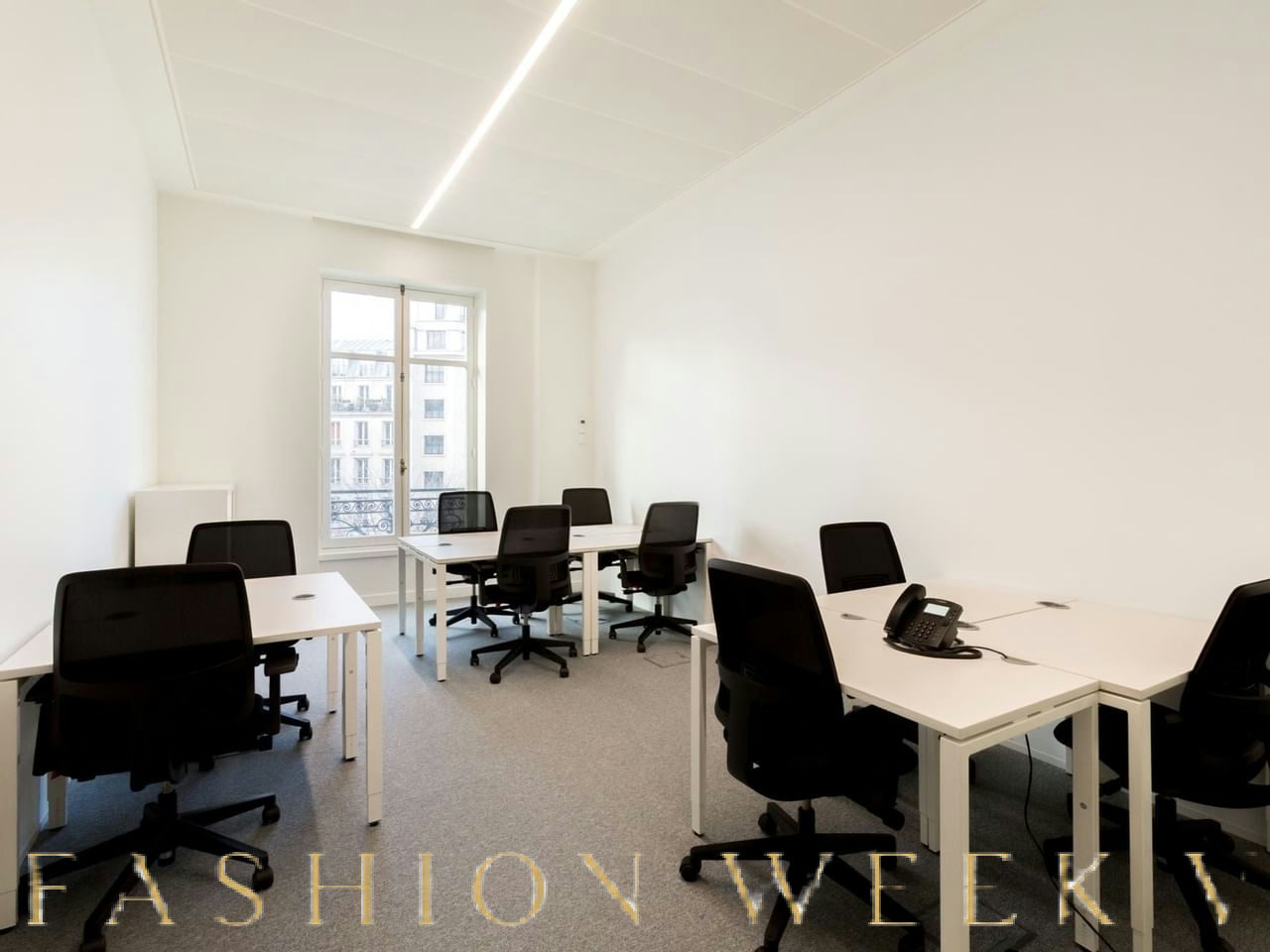
Yes, the Bastille and Bastille-Popincourt area includes office spaces, creative studios, and multi-use buildings that combine retail ground floors with office or studio space on upper floors. For brands seeking a combined operational base including both customer-facing retail and back-office or design functions, this type of mixed-use building can be commercially efficient. Fashion Week Venues also operates a twin co-activation concept that allows two complementary brands to share a single space, reducing individual cost while creating a richer customer experience.
What floor configuration is best for a pop-up shop in Bastille?
Ground floor with direct street access is the most commercially effective configuration for consumer-facing pop-up retail in Bastille, as it allows passive foot traffic to convert to customers without any additional navigation barrier. Upstairs and basement spaces work well for showroom formats, press appointments, and event-focused activations where the brand is actively inviting guests rather than capturing passing trade. Loft spaces with ground floor access that opens to street level combine the best of both configurations and are particularly sought-after in the Rue du Faubourg Saint-Antoine area.
How do I compare Bastille pop-up spaces against options in the Marais or Canal Saint-Martin?
Comparing spaces across Paris neighbourhoods requires evaluating foot traffic, audience demographics, cost, space quality, availability, and operational practicalities in parallel. The Fashion Week Venues compare tool allows brands to evaluate shortlisted spaces side by side across multiple criteria, helping to make a structured decision rather than choosing based on a single factor. The locator tool helps map the precise position of any shortlisted space relative to transport nodes, competing retail, and relevant audience concentrations.
What should I check when viewing a Bastille retail space?
When viewing any Bastille retail space, confirm: the floor area and internal configuration, ground floor or upper floor access, delivery and loading access, basement or back-of-house storage capacity, existing fit-out condition and what works are required, natural light and ventilation, WiFi and electrical infrastructure, lease format and proposed duration, any key money or registration fees associated with the agreement, and the landlord's requirements for tenant covenant and documentation. Taking photographs and detailed measurements during the viewing will support the production and build-out planning process.
Can Fashion Week Venues manage my entire Bastille pop-up activation?
Fashion Week Venues offers end-to-end activation management covering space discovery, legal and permit guidance as a reference resource, concept direction, production and build, branded store design, furniture rental, retail staffing, point-of-sale and payments infrastructure, data and analytics, and influencer marketing. The level of service can be scoped to match the brand's specific needs, from a single service such as venue sourcing to a fully managed activation. Understanding the full service offering and its scope is best done through a direct conversation with the Fashion Week Venues team via the contact page.
Is Bastille suitable for luxury fashion brands or only for independent and emerging labels?
Bastille is commercially viable for a wider range of brand tiers than is sometimes assumed. While the neighbourhood has historically been associated with independent, creative, and emerging brands, the quality of its loft and apartment-format spaces, the spending power of its residential demographic, and its proximity to the Marais's established luxury retail environment all make it viable for contemporary luxury, accessible luxury, and premium independent brands. Brands seeking a Bastille location with luxury brand positioning should focus on the highest-quality spaces available, with parquet floors, high ceilings, and well-maintained architectural details that support a premium customer experience.
Conclusion: Finding the Right Shop for Rent in Bastille
Bastille stands as one of Paris's most commercially credible and operationally practical retail destinations for brands at every stage of their market development. Its combination of resident spending power, visitor access, diverse space inventory, transport connectivity, and genuine creative character makes it a neighbourhood where both permanent retailers and short-term pop-up activations can find the right environment for their concept. Understanding the retail clusters, space types, lease formats, key money dynamics, permit requirements, and operational logistics that shape the Bastille commercial market is the prerequisite for making a sound space decision.
For fashion brands, creative agencies, and international teams seeking to activate in Paris, Bastille offers an accessible and commercially meaningful alternative to the saturated Marais market, with space quality, audience demographics, and neighbourhood character that support premium and contemporary brand positioning alike. The key is approaching the search with a clear brief, realistic budget, adequate lead time, and the right combination of legal, operational, and creative support.
Fashion Week Venues works with brands at every stage of this process, from initial space discovery through to full activation management. Whether you are beginning with a broad brief or arriving with a specific space type and calendar window already defined, the agency's combination of marketplace listings, managed venue sourcing, and end-to-end activation services provides a coherent and practically useful platform for Bastille and Paris retail projects.
To move from research to activation, start exploring available spaces on the Fashion Week Venues marketplace and build a focused brief for your target neighbourhood, space type, and calendar window.