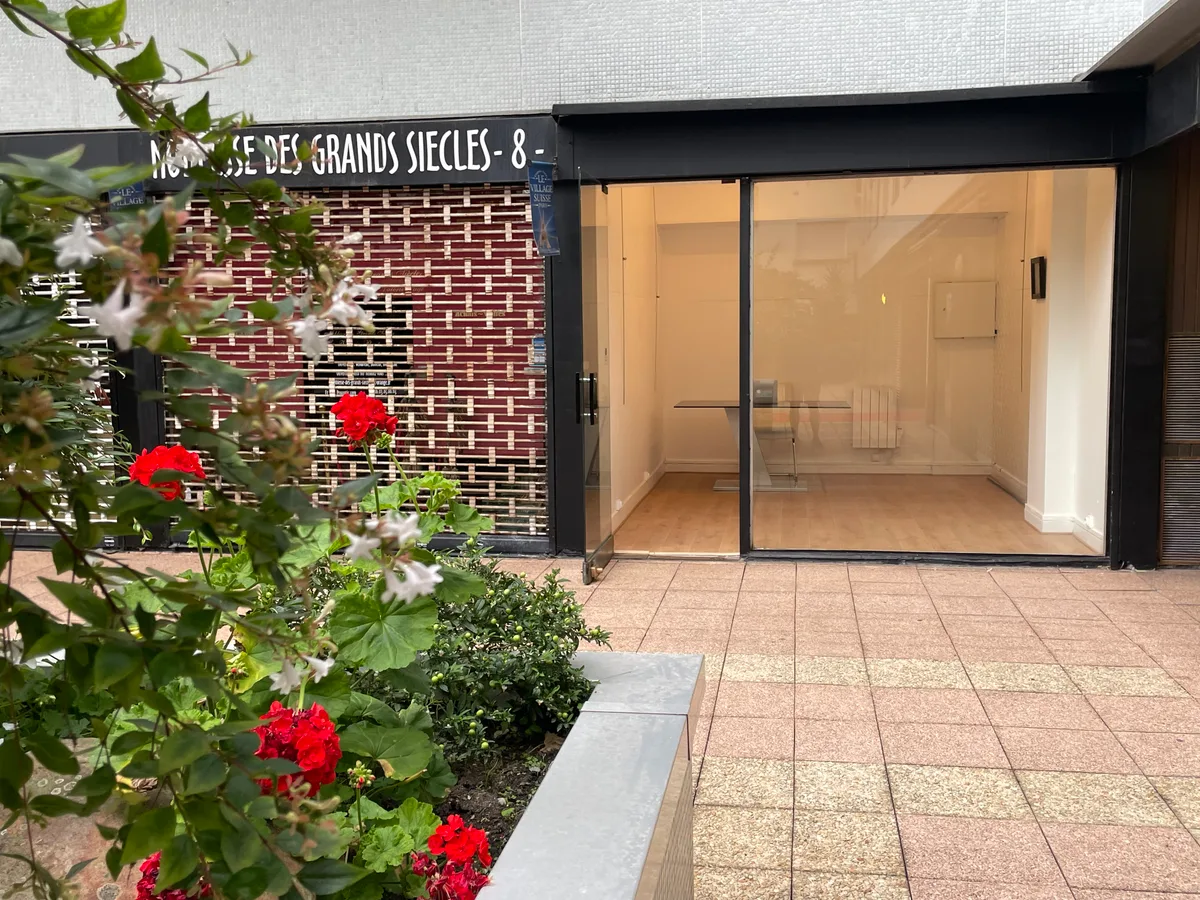
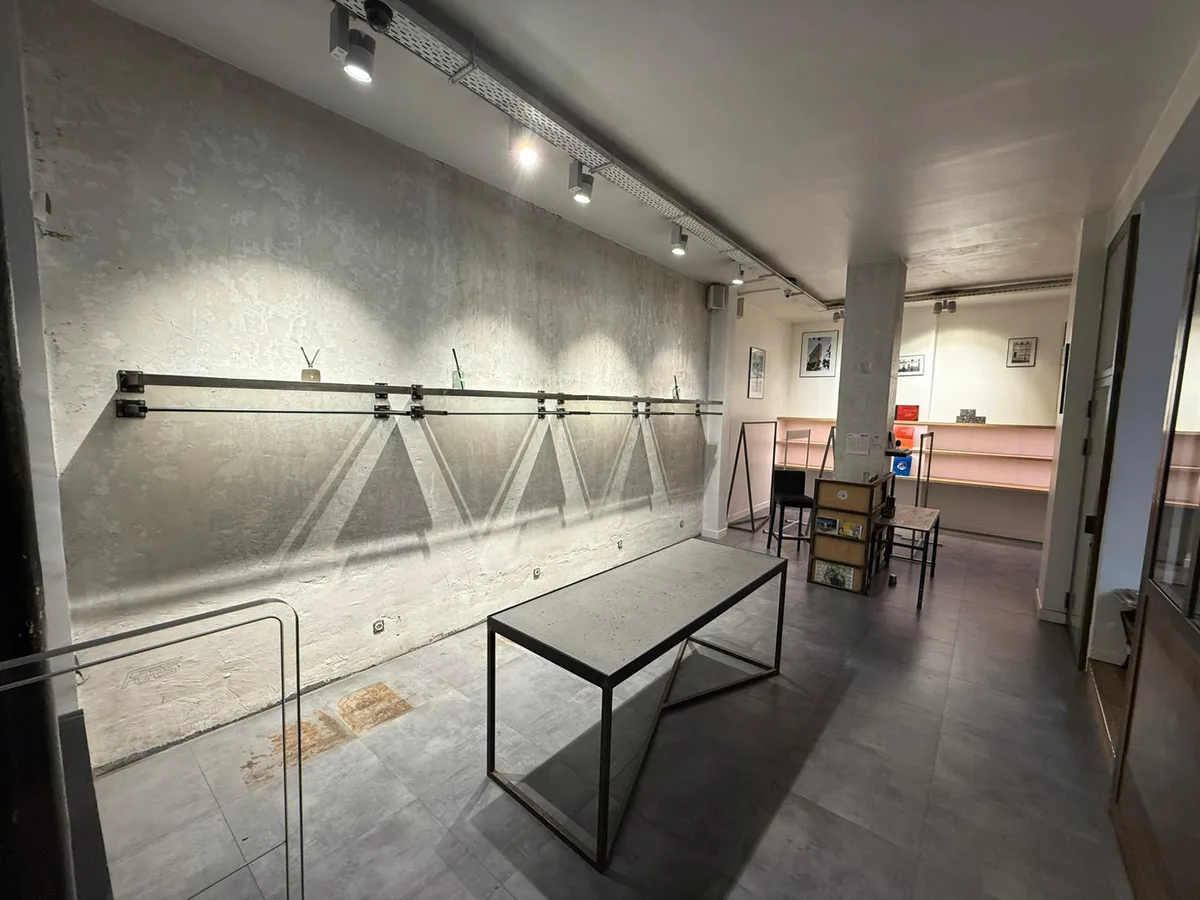
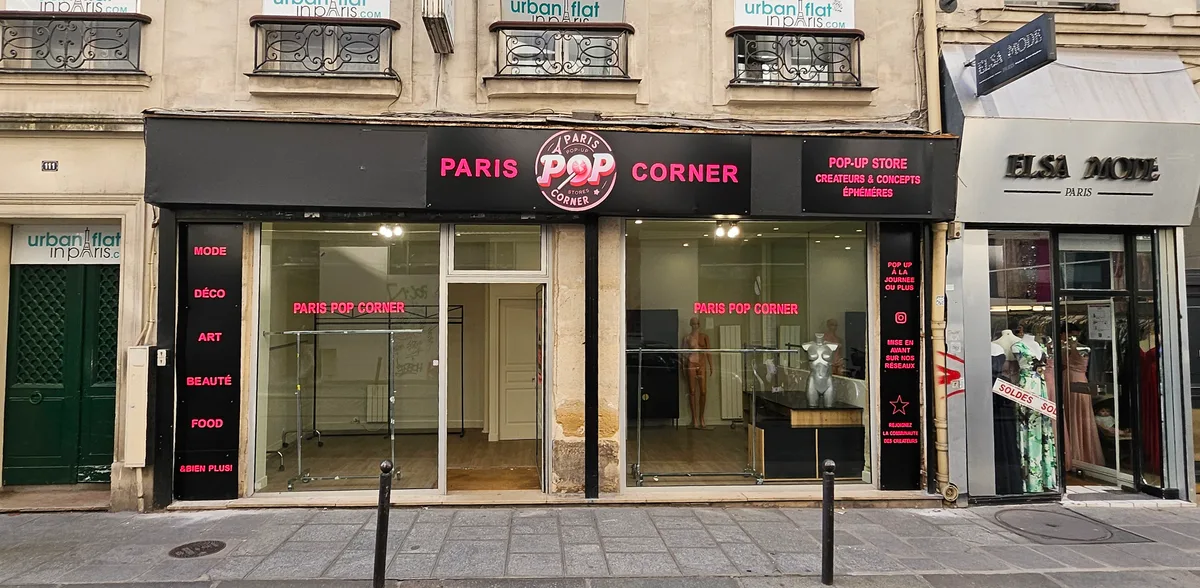
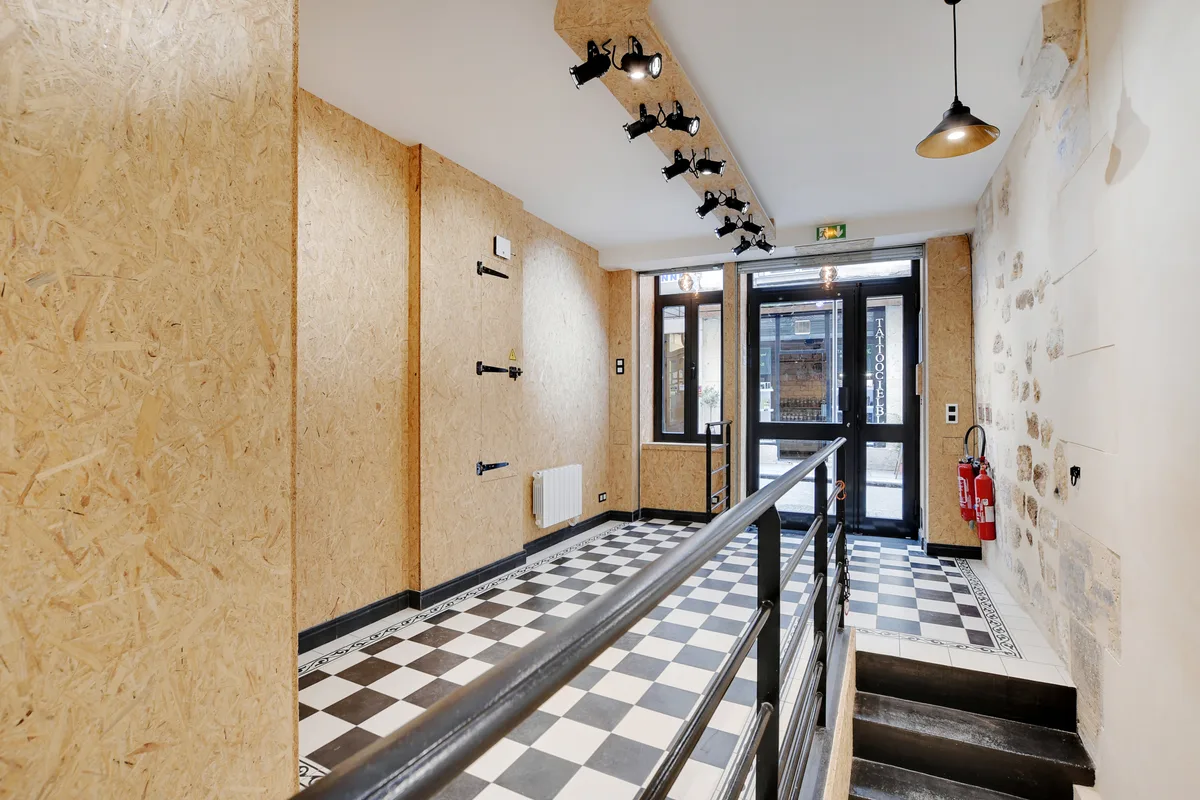
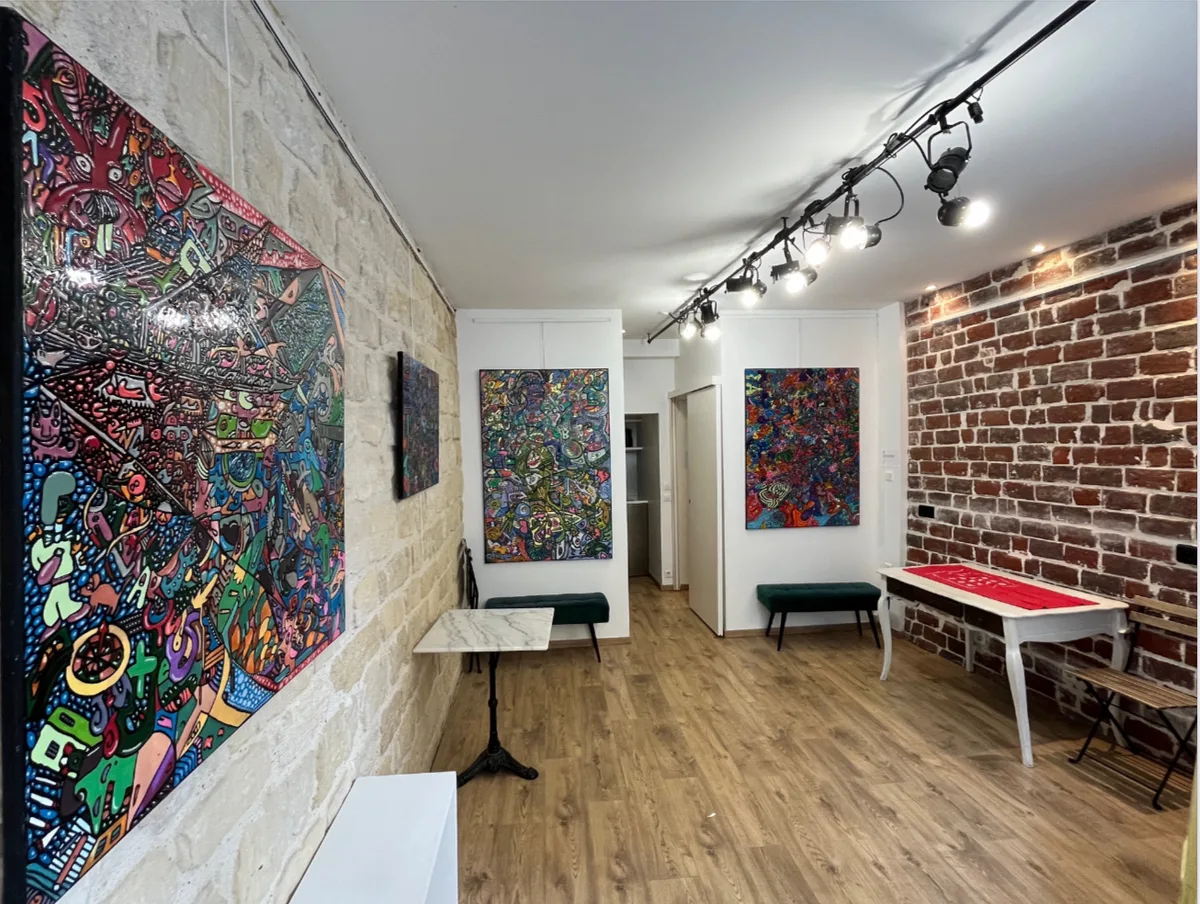
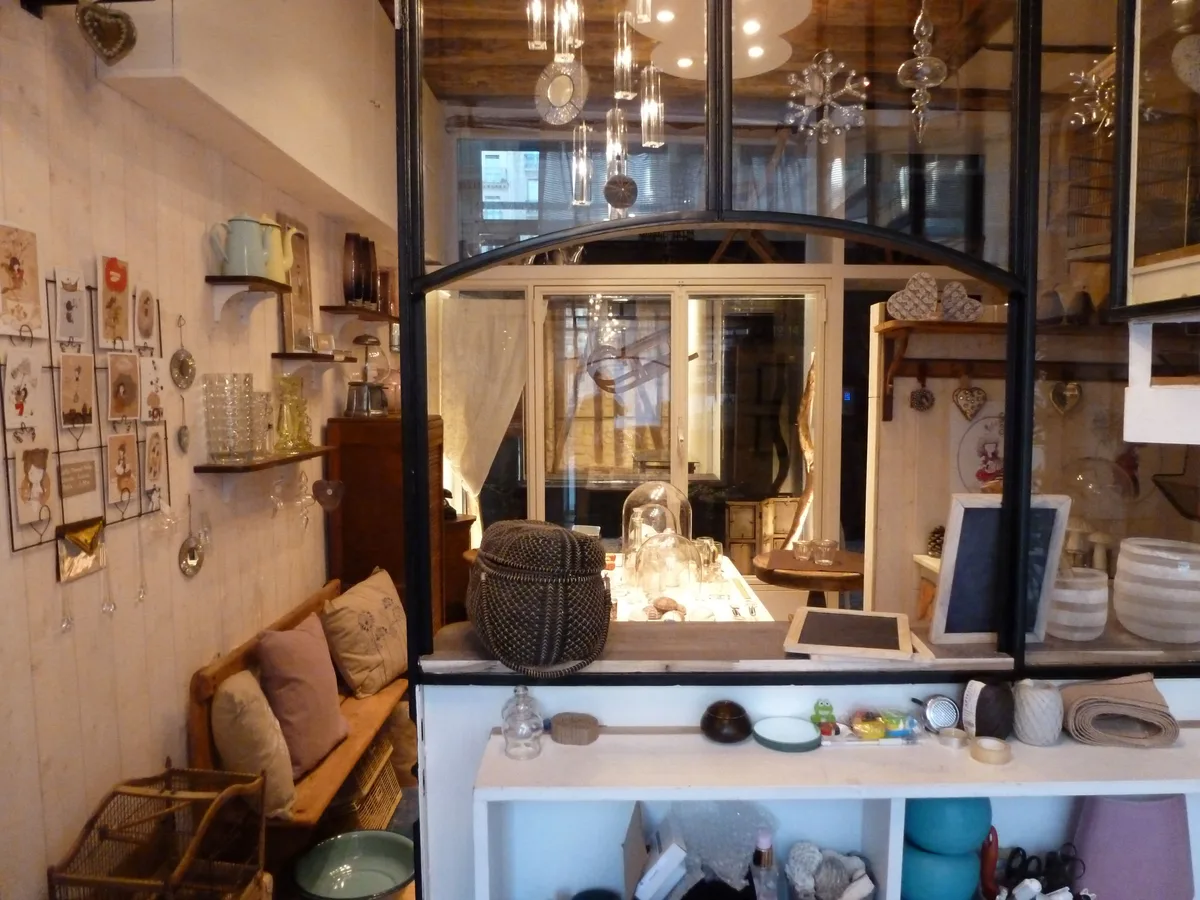
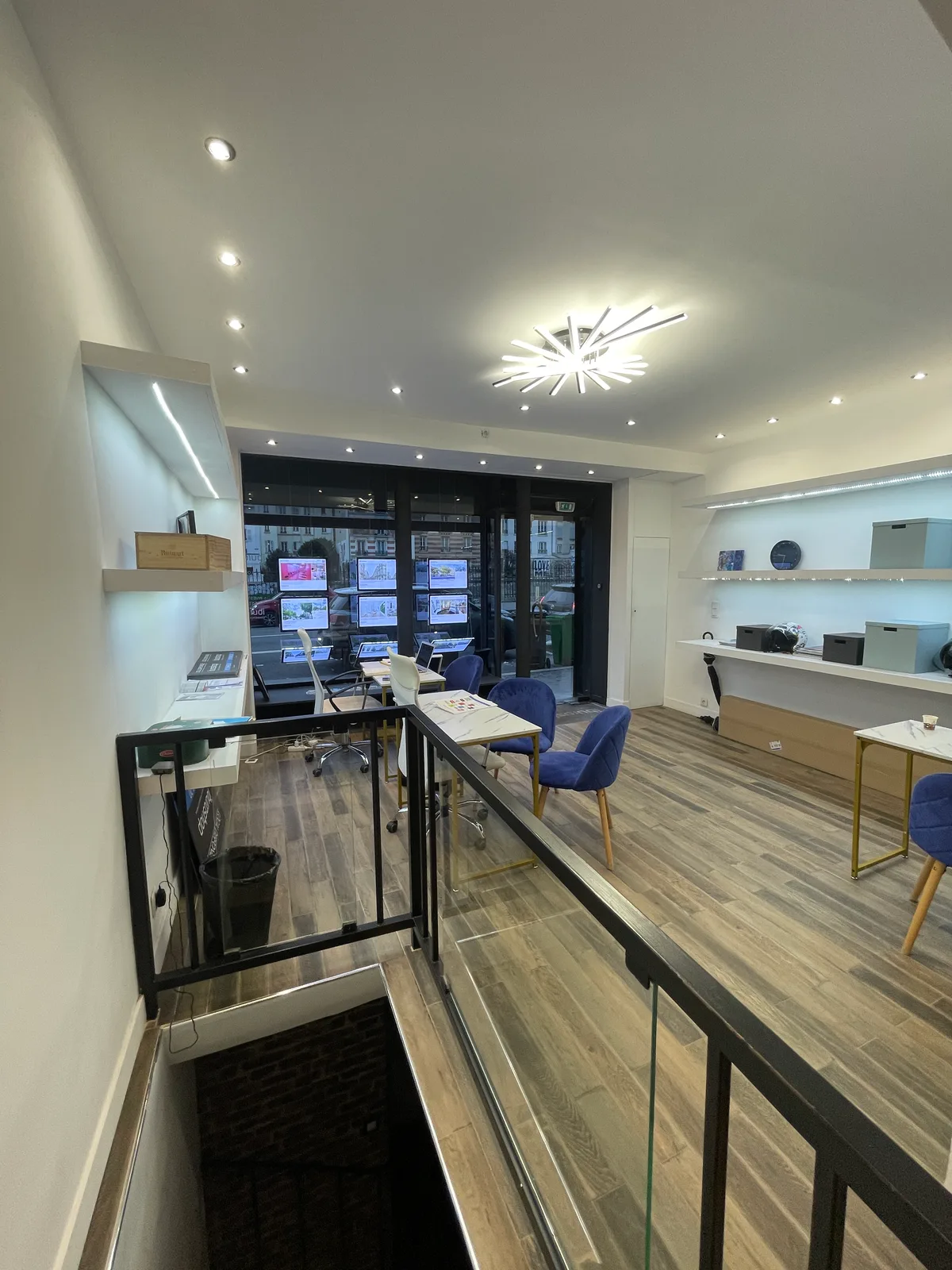
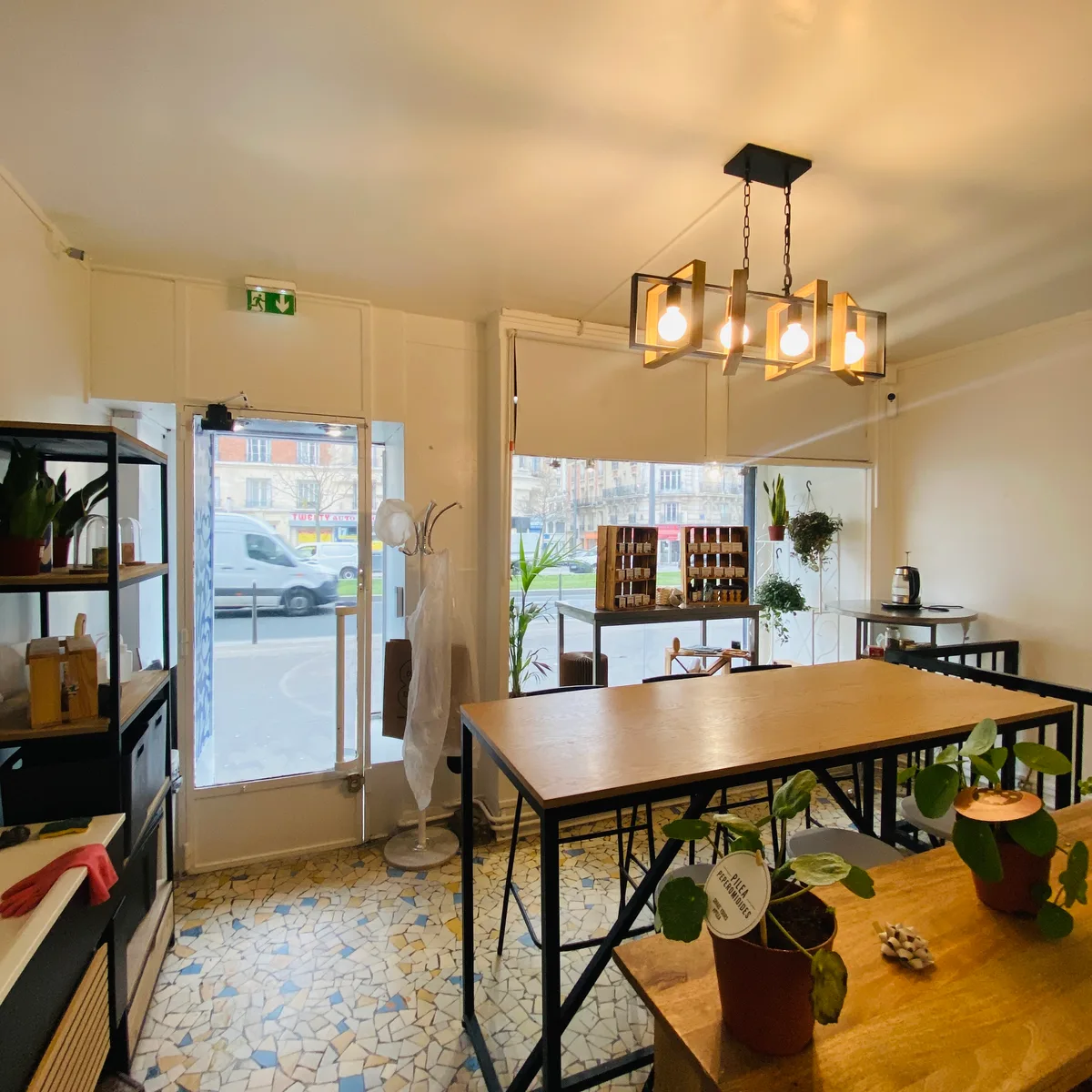
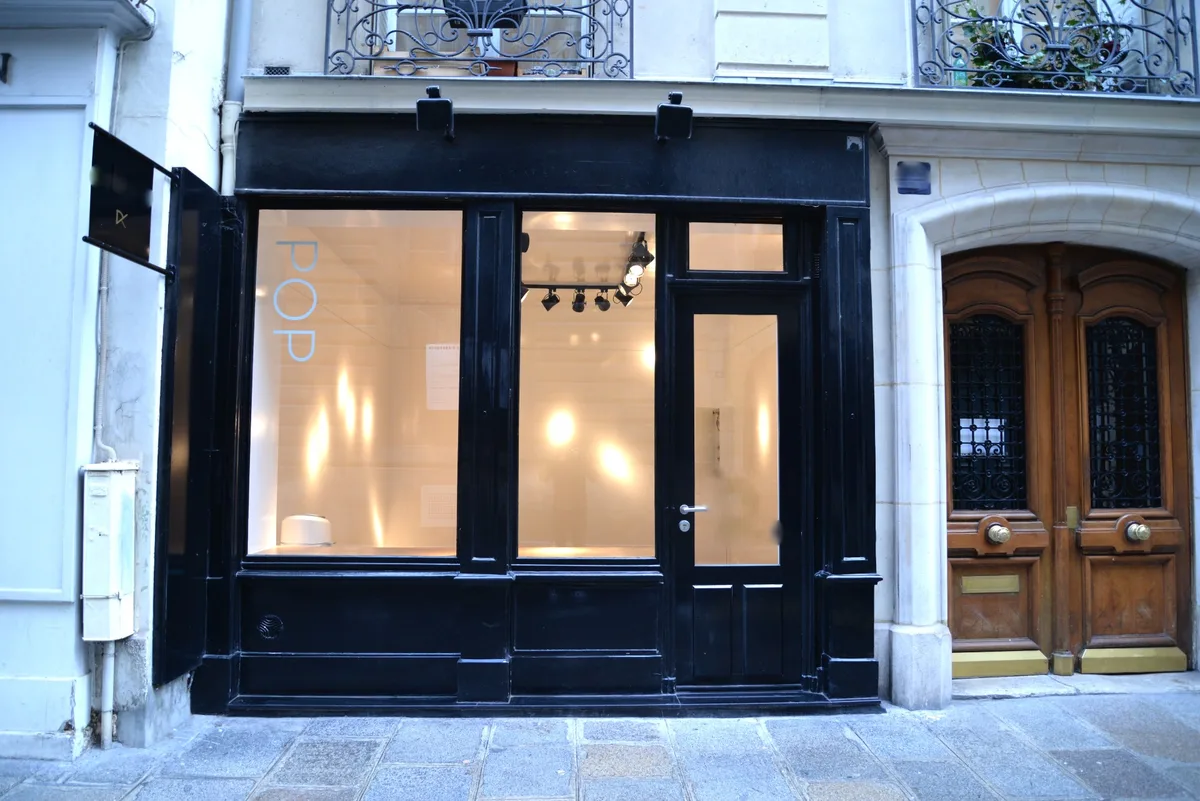
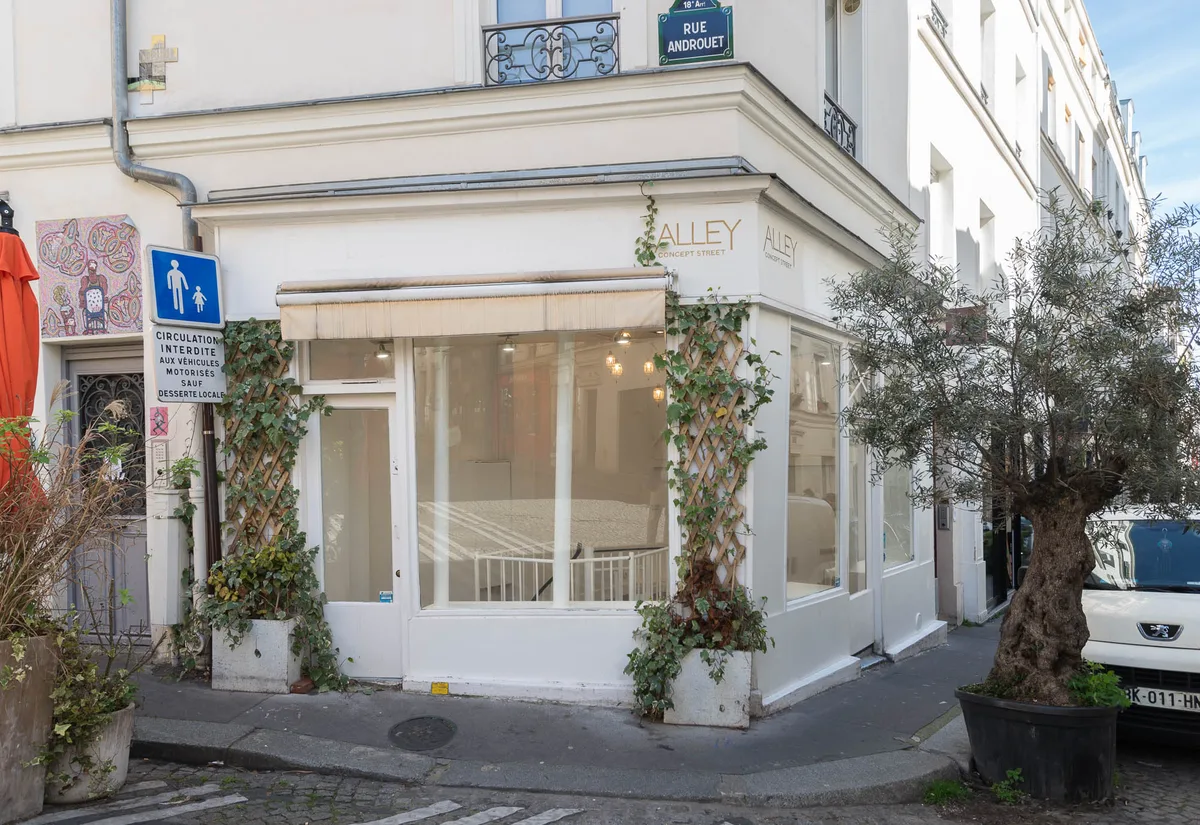
The boutique rental Montorgueil market sits at the intersection of Old Paris and New Paris, offering brands, designers, and international retailers one of the capital's most commercially dynamic and culturally rich settings for pop-up stores, showrooms, product launches, and private sales. Rue Montorgueil and its surrounding streets in the 2nd arrondissement of Paris draw a dense mix of locals, tourists, and fashion-forward visitors daily, creating natural footfall that few other Paris neighbourhoods can match outside of Fashion Week peaks. Whether you are a ready-to-wear label planning a season activation, an emerging brand seeking a first Paris presence, or an established house looking for an intimate showroom format, the Montorgueil Quarter delivers character, connectivity, and commercial energy in equal measure. Fashion Week Venues supports brands finding and activating pop-up spaces in Paris across every arrondissement, including the 2nd.
What Makes the Montorgueil Quarter a Premier Paris Retail Destination
Quick answer: The Montorgueil Quarter combines medieval street character, one of Paris's busiest pedestrian food streets, and immediate proximity to Les Halles, the Marais, and the Sentier district. This density of footfall, cultural cachet, and neighbourhood prestige makes it one of the most sought-after locations for short-term boutique rental in central Paris.
The Paris Montorgueil Area occupies the 1st and 2nd arrondissements, stretching north from the Forum des Halles and Châtelet–Les Halles Station toward the Sentier district and Bourse. The street itself, Rue Montorgueil, is a partially pedestrianised artery lined with bakeries, fromageries, fishmongers, wine bars, and restaurants that have traded in some form since the medieval period. Among its most famous residents is Stohrer, the oldest patisserie in Paris, founded in 1730, whose window displays draw visitors from across the city and beyond. The nearby Au Rocher de Cancale, an historic brasserie on Rue Montorgueil dating to the nineteenth century, is a constant reference point for visitors exploring the quarter.
What matters commercially is that this footfall is not purely tourist-driven. The Montorgueil Quarter is a functioning residential neighbourhood with a strong local consumer base. Haussmannian buildings line many of the side streets, giving a density of residents who shop, eat, and engage with the street at all hours. The mix of local residents, office workers from the Sentier district and Bourse areas, and international visitors creates a consumer profile that is unusually diverse and commercially valuable for brands operating in fashion, lifestyle, food, and culture.
The area borders multiple Paris landmarks and zones. To the west lies the Palais Royal and the Louvre Museum, walkable within fifteen minutes. To the east, Le Marais begins at Boulevard de Sébastopol, bringing its own concentration of concept stores, jewelry stores, and luxury boutiques. To the south, the Centre Pompidou anchors a zone of cultural institutions. To the north, the Sentier Metro station marks the gateway to the Sentier district, historically Paris's garment quarter and now a hub for technology startups, creative agencies, and fashion production houses. The Tour de Jean Sans Peur, a medieval tower on Rue Etienne Marcel, stands as one of Paris's most unusual historical monuments and is visible from several routes into the quarter.
The quarter's relationship with fashion is longstanding. The Sentier district, which shares a boundary with Montorgueil, was for more than a century the centre of French ready-to-wear manufacturing. Today it hosts showrooms, ateliers, and emerging label offices, making the surrounding streets a natural corridor for fashion activations. During Paris Fashion Week, the neighbourhood sees heightened activity as buyers, press, and brand teams navigate between appointments, making boutique rental in Montorgueil particularly valuable during those calendar windows.
Rue Tiquetonne, which crosses Rue Montorgueil, has developed its own identity as a secondary fashion and lifestyle street, with concept stores, independent labels, and specialist retailers occupying ground-floor units. Passage du Grand-Cerf, a covered arcade from the early nineteenth century located near the junction with Rue Saint-Denis, offers a different typology of retail space: glass-roofed, historically protected, and commercially unusual. These layered typologies mean that brands seeking boutique rental in the Montorgueil Quarter are not limited to standard high-street formats.
DID YOU KNOW: Passage du Grand-Cerf is one of the few surviving covered passages in Paris and falls under historical monument protection, which means any temporary installation or activation requires careful compliance review before confirming a rental.
KEY TAKEAWAY: The Montorgueil Quarter's commercial appeal comes from its layered consumer base, cultural density, and central location between Les Halles, the Marais, and the Sentier district. For brands seeking boutique rental in Paris with genuine footfall and neighbourhood prestige, this area is among the most productive in the city.
Understanding why Montorgueil attracts brands is one part of the equation. The practical question is how to identify, secure, and operate a space in this competitive and logistically complex market, which the next sections address directly.
Types of Boutique and Retail Space Available for Short-Term Rental in Montorgueil
Quick answer: Short-term rental options in the Montorgueil Quarter range from ground-floor boutique units and former showroom spaces to Haussmannian apartment formats adapted for retail, covered-passage stalls, and pop-up space within larger commercial buildings. The right format depends on your activation type, duration, and brand presentation requirements.
Not all boutique rental spaces in Montorgueil serve the same purpose. Brands need to match space typology to activation objective before beginning a search. The following table outlines the primary space types available in and around Rue Montorgueil and the 2nd arrondissement, along with their typical use cases.
| Space Type | Typical Location | Best Suited For | Key Considerations |
|---|---|---|---|
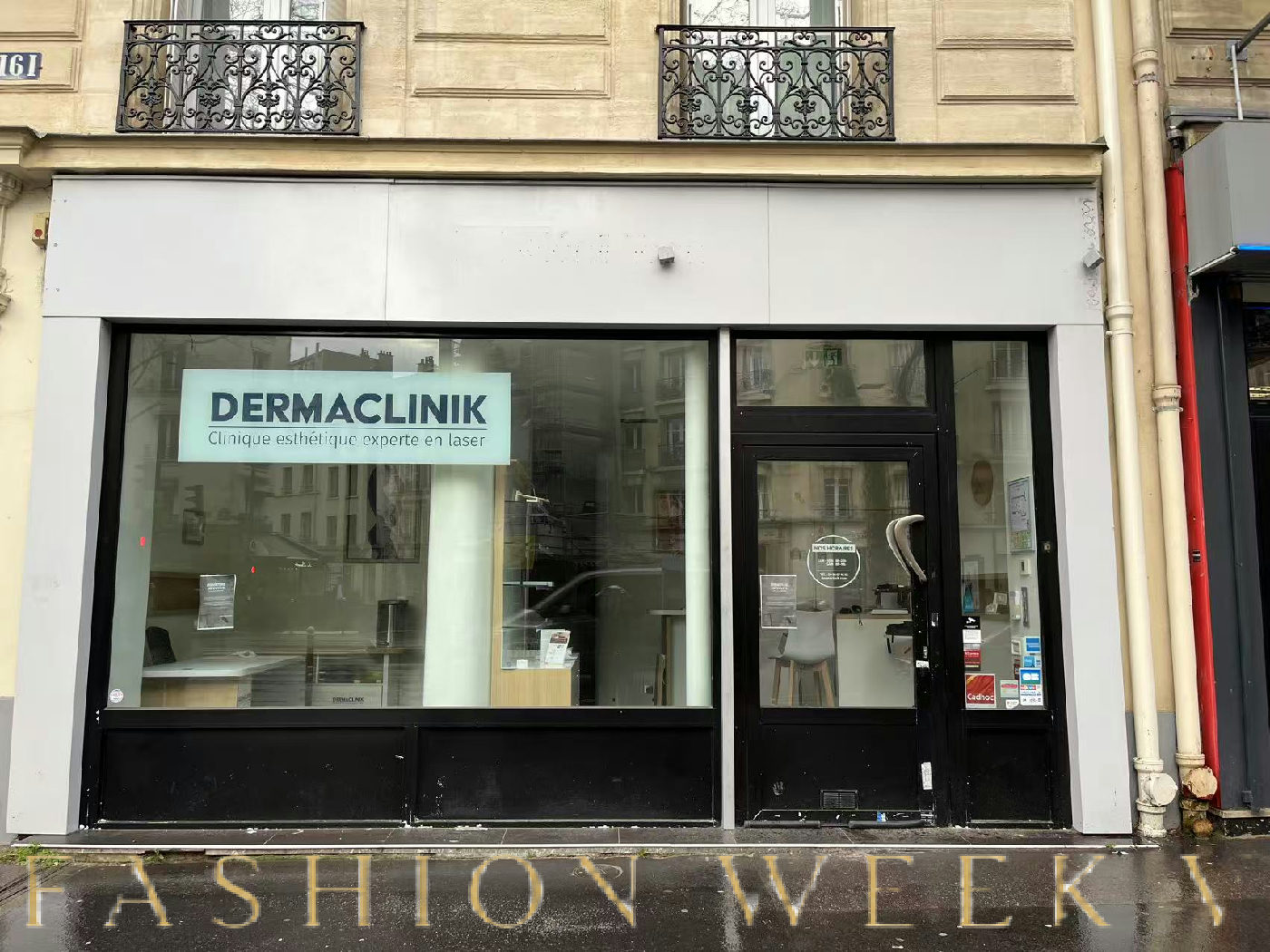
| Ground-floor boutique unit | Rue Montorgueil, Rue Tiquetonne, Rue Etienne Marcel | Pop-up store, product launch, private sale | Window visibility, pedestrian footfall, fit-out restrictions |
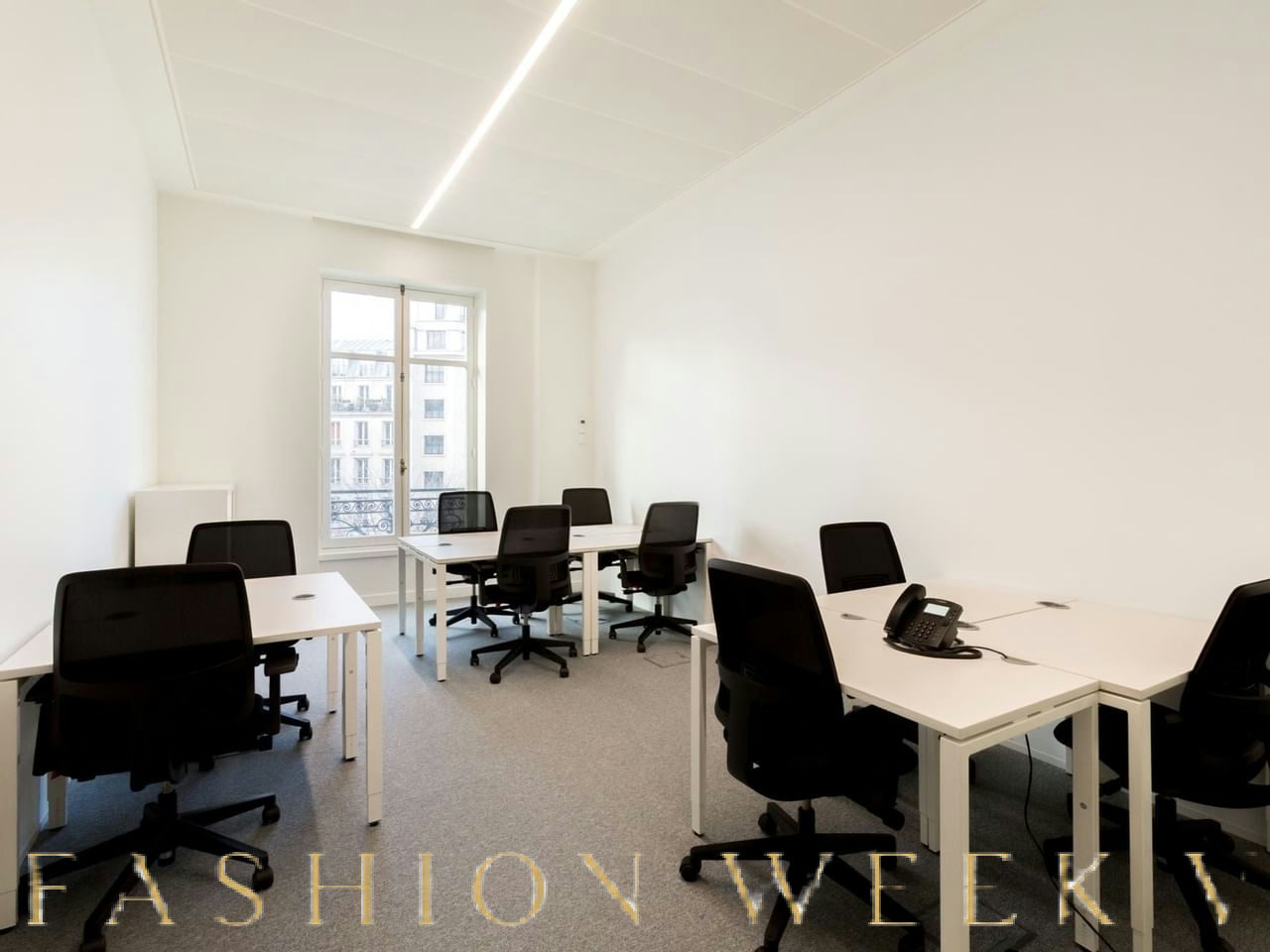
| Showroom apartment (upper floor) | Haussmannian buildings, Sentier district adjacencies | Trade showroom, buyer appointments, press previews | Lift access, surface area, natural light, balcony or terrace |
| Covered passage unit | Passage du Grand-Cerf, nearby arcades | Concept retail, jewelry, accessories, limited-edition drops | Heritage protection rules, restricted opening hours |
| Multi-room Haussmannian space | 2nd arrondissement side streets | Brand immersion, private events, luxury decor presentations | Living space configuration, kitchen, light fixtures, white walls |
| Former commercial premises | Rue Saint-Denis, rue Greneta adjacencies | Short-term pop-up, studio rentals, brand testing | Condition, available fit-out period, compliance status |
Furnished rental spaces at apartment scale have become increasingly relevant for brands running intimate showroom formats or buyer-facing activations that benefit from a residential aesthetic. A fully equipped Haussmannian apartment in the Montorgueil Quarter, with original parquet floors, white walls, light fixtures, and a well-proportioned window onto the street, can present a collection more persuasively than a standard retail unit. This format is particularly appropriate for luxury decor brands, jewelry stores, and ready-to-wear brands showing pre-season or resort collections in a non-trade-show setting.
The distinction between furnished and unfurnished space matters for brands working on tight production timelines. A furnished rental with WIFI, functioning kitchen, and air conditioning can be operational within hours of handover. An unfurnished space requires fit-out time, furniture delivery, and technical installation, all of which extend your activation window and add cost. For pop-up activations of fewer than ten days, furnished spaces or spaces with rapid-turnaround fit-out options are generally more practical.
Brands using the Montorgueil Quarter for short-term retail should also consider the question of surface area. The 2nd arrondissement contains spaces ranging from compact boutique units of under 30 square metres to multi-room Haussmannian flats with living space exceeding 150 square metres. Larger spaces suit dual-purpose activations where daytime retail is followed by evening events, press previews, or influencer engagement sessions. Smaller units are appropriate for single-product launches, limited-edition drops, or brand testing exercises.
TIP: When briefing a space search in Montorgueil, specify whether you need a window display surface visible from the pedestrian street, since some upper-floor showroom spaces do not offer window-level retail visibility even if they are otherwise ideal for buyer appointments or press events.
KEY TAKEAWAY: Space typology in Montorgueil is diverse. Matching the right format to your activation objective, whether a street-facing pop-up store, a Haussmannian showroom, or a covered-passage installation, determines both the commercial outcome and the compliance requirements you will face.
Once the space type is clear, the next step is understanding the legal and permit framework that governs short-term boutique rental in Paris, particularly for brands operating without a French legal entity.
Permits, Leases, and Compliance for Short-Term Boutique Rental in Paris's 2nd Arrondissement
Quick answer: Short-term commercial rental in Paris typically operates under a bail dérogatoire, a derogatory lease framework that allows occupation for periods of up to three years without triggering standard commercial lease protections. For public-facing activations in certain locations, an Autorisation d'Occupation Temporaire (AOT) may also be required. Requirements vary significantly by space type, duration, arrondissement, and intended use.
International brands often approach boutique rental in Paris assuming that securing a space is the hardest part. In practice, the legal and permit framework is where many activations encounter delays or complications. The 2nd arrondissement sits within Paris's central administrative zone, and commercial activity in heritage-adjacent or pedestrianised areas carries specific compliance obligations that a standard furnished rental agreement will not address.
Understanding the Bail Dérogatoire
The bail dérogatoire, sometimes called a convention d'occupation précaire, allows landlords and tenants to agree on short-term commercial occupation without the tenant acquiring the long-term rights attached to a standard commercial lease (bail commercial). This is the most common legal instrument used for pop-up stores, showrooms, and temporary boutiques in Paris. The maximum duration under a bail dérogatoire is typically thirty-six months in aggregate for the same space and tenant. Below this threshold, brands retain flexibility to exit or renew without the obligations of a full commercial lease. Requirements and conditions should always be verified with a qualified French legal advisor before signing.
The AOT for Public-Facing Activations
For activations that extend into public or semi-public space, including outdoor installations on or adjacent to Rue Montorgueil or other pedestrianised streets, an Autorisation d'Occupation Temporaire (AOT) issued by the relevant mairie or préfecture may be required. This is a separate process from the lease agreement itself and involves an application that specifies the nature of the occupation, its duration, its surface footprint, and its intended commercial activity. Approval is not guaranteed and processing times vary. Brands planning outdoor elements, window projections extending to the pavement, or temporary structures should factor AOT timelines into their planning schedule.
IMPORTANT: Operating a commercial activation in Paris without the correct lease instrument or public-space authorisation carries risk of enforcement action by local authorities. Do not rely solely on a landlord's assurance that a space is "compliant." Always verify the legal basis for your occupation and the requirements specific to your activation type with a French legal advisor. Use the permit guidance tool on Fashion Week Venues as a starting point for understanding the framework.
Brands Without a French Legal Entity
International brands that do not have a French subsidiary or registered entity can still enter into a bail dérogatoire in many cases, typically by contracting through a guarantor arrangement or by using an agency intermediary that holds the lease on their behalf. The specifics depend on the landlord's requirements, the space's classification, and the duration of the rental. Some landlords in the Montorgueil Quarter and surrounding streets require a French entity or a French bank guarantee. Others will accept international brands with appropriate financial documentation. Understanding this before approaching a landlord saves significant time.
The table below provides a simplified comparison of the main short-term commercial occupation frameworks relevant to boutique rental in Paris.
| Framework | Typical Duration | Who Initiates | Key Requirement | Notes |
|---|---|---|---|---|
| Bail dérogatoire | 1 day to 36 months | Landlord and tenant | Must not exceed 36 months in aggregate | Does not confer commercial lease rights |
| Convention d'occupation précaire | Variable, typically short-term | Landlord, often public body | Precarious status must be justified | Common for spaces in transition or awaiting redevelopment |
| Autorisation d'Occupation Temporaire (AOT) | Event-specific, renewable | Applicant submits to local authority | Specific use, surface, and duration | Required for public domain occupation |
| Standard bail commercial | Minimum 9 years | Landlord and tenant | Full commercial lease obligations | Not appropriate for temporary activations |
KEY TAKEAWAY: The bail dérogatoire is the primary instrument for short-term boutique rental in Paris, but it must be correctly structured, and public-space activations require separate authorisation. Verify requirements with a French legal advisor and use specialist agency support to navigate landlord expectations in the 2nd arrondissement.
With the legal framework understood, the next question for most brand teams is budget. What does boutique rental in Montorgueil actually cost, and how should you structure your overall activation spend?
Budget Planning for Boutique Rental in the Montorgueil Quarter
Quick answer: Boutique rental costs in the Montorgueil Quarter vary significantly based on space size, location quality, duration, fit-out requirements, and seasonal demand. During Paris Fashion Week and adjacent calendar peaks, rates across the 2nd arrondissement typically increase. Accurate budgeting requires a detailed brief. Use directional estimates as planning inputs only.
Brand teams approaching boutique rental in Paris for the first time often underestimate the total cost of activation. The rental fee for the space itself is typically only one component of the total budget. Fit-out, furniture rental, staffing, POS and payment infrastructure, insurance, concierge or security, WIFI and technical infrastructure, and permit fees all add to the base rental cost and must be accounted for before a space decision is finalised.
The Montorgueil Quarter, because of its location, heritage character, and strong footfall, commands premium rates compared with less central arrondissements. Ground-floor boutique units on or immediately off Rue Montorgueil are among the most sought-after short-term retail spaces in Paris's 2nd arrondissement. Upper-floor showroom spaces in Haussmannian buildings are generally available at lower daily rates but may require additional investment to configure for retail or event use.
For brands seeking a monthly price range reference, it is important to note that published rates for short-term commercial rental in Paris vary enormously and that any figure cited without reference to a specific space, duration, and activation period should be treated as a directional estimate only. Use the Fashion Week Venues budget estimation tool to generate a more specific projection based on your space type, duration, and service requirements.
Components of a Realistic Activation Budget
A well-structured activation budget for boutique rental in Montorgueil should include the following categories: space rental fees, security deposit, bail dérogatoire legal costs, fit-out and production, furniture rental, branded store design and installation, retail staffing, POS and payment systems, WIFI and technical infrastructure, insurance, permit and authorisation fees, logistics and delivery, and activation management. Brands that attempt to manage all of these components independently, without specialist support, frequently encounter delays and cost overruns that reduce the commercial effectiveness of the activation.
DID YOU KNOW: During Paris Fashion Week, demand for short-term boutique and showroom space in the 2nd arrondissement and adjacent neighbourhoods can outpace supply by a significant margin. Brands that begin their space search fewer than eight weeks before their target activation date frequently find that the best spaces in Montorgueil have already been reserved.
The question of ROI is closely related to budget. For a boutique rental activation in Montorgueil to deliver measurable commercial return, brands need to define their primary KPIs before the activation opens. These may include direct sales revenue, press coverage, influencer content generated, buyer appointments conducted, new customer data captured, or brand awareness metrics tracked through digital channels. The ROI calculator on Fashion Week Venues supports brands in structuring this analysis before and after an activation.
KEY TAKEAWAY: Total activation cost in Montorgueil includes significantly more than the rental fee. Build a full line-item budget before committing to a space, and use specialist tools to project ROI based on your specific objectives and activation format.
Budget confidence requires knowing what the Montorgueil neighbourhood actually offers in terms of commercial environment and consumer profile, which the following section addresses in depth.
The Commercial and Cultural Environment of Rue Montorgueil and Surrounding Streets
Quick answer: Rue Montorgueil is one of Paris's most active pedestrian commercial streets, combining food culture, historical commerce, independent retail, and fashion-adjacent businesses. The surrounding streets extend this offer into lifestyle, music, art, and design, making the Montorgueil Quarter one of the most commercially layered neighbourhoods in central Paris.
To understand why boutique rental in Montorgueil commands such attention, it helps to walk the street and its surroundings as a consumer rather than as a property searcher. Rue Montorgueil itself moves from the junction with Rue Etienne Marcel in the south to its terminus near Rue Réaumur in the north, covering a distance of roughly five hundred metres. Within that stretch, a visitor encounters Stohrer, the historic patisserie renowned for croissants and pastry made to traditional recipes, alongside a concentrated run of fromageries, charcuteries, fishmongers, florists, and wine merchants that have traded here across generations.
Jeffrey Cagnes, the acclaimed Parisian pastry chef who has brought renewed attention to the area through his work and media presence, represents the broader cultural story of Montorgueil as a destination where food craft and contemporary culture intersect. This is not merely a tourist corridor but a living commercial street where quality, provenance, and presentation are taken seriously by both merchants and customers.
On the fashion and lifestyle side, the immediate surroundings of Rue Montorgueil include a growing concentration of independent boutiques, concept stores, and brand-first retailers. Rue Tiquetonne has become particularly associated with fashion-forward independent retail. The Sentier district to the north brings ecological products brands, emerging ready-to-wear labels, and showroom operations into the neighbourhood. Luxury boutiques, jewelry stores, and accessories specialists occupy units on and off Rue Etienne Marcel, which connects Montorgueil to Le Marais.
The area also hosts several restaurants and bars that have become reference points for brand events and after-show gatherings. Cul de Cochon is known for wine-focused dining in a setting that reflects the neighbourhood's combination of old-world character and contemporary appetite. Nysa, Hoppy Corner, and Kapunka each bring different dining and lifestyle propositions to the streets immediately around Rue Montorgueil, contributing to an evening economy that supports late retail openings, private sales, and launch events.
For brands considering a pop-up store or showroom activation, the density of media-friendly, photographable locations in and around Montorgueil is a significant asset. The junction of the pedestrian street, the pastry window of Stohrer, the covered arcade of Passage du Grand-Cerf, the medieval silhouette of the Tour de Jean Sans Peur visible on the approach from Rue Etienne Marcel: all of these provide authentic Paris context that photographs well for brand content, influencer coverage, and social media storytelling. This matters because content generated during an activation extends its commercial reach far beyond the physical space and the duration of the rental period.
The Paris Stock Exchange (Bourse) is within walking distance to the east, and its neoclassical building has become an event venue in its own right. The proximity to the Bourse neighbourhood and the Sentier district means that Montorgueil sits between two commercially active zones with high concentrations of professionals and creative industry workers, extending the activation's potential consumer reach beyond tourist footfall alone.
To compare the Montorgueil Quarter with other Paris neighbourhoods for boutique rental purposes, explore the Paris city hub on Fashion Week Venues and shortlist spaces that match your brief, budget, and calendar window.
KEY TAKEAWAY: The Montorgueil Quarter's commercial environment combines historic food culture, independent retail, fashion industry adjacency, and strong media content potential. Brands that activate here benefit from both physical footfall and the narrative richness of the neighbourhood as a backdrop for brand storytelling.
Connectivity is another critical factor in assessing any Paris neighbourhood for short-term retail. The next section addresses how well Montorgueil is served by public transport and how this affects visitor and customer access.
Transport, Connectivity, and Visitor Access in the Montorgueil Quarter
Quick answer: The Montorgueil Quarter is exceptionally well connected to Paris's public transport network. Châtelet–Les Halles Station, the largest metro and RER interchange in Europe, is within a ten-minute walk to the south. Sentier Metro station on Metro Line 3 is within five minutes to the north. Boulevard de Sébastopol provides major bus routes along the eastern edge of the quarter.
For any brand considering boutique rental in Montorgueil, transport connectivity is a structural advantage rather than a secondary consideration. A short-term retail activation or showroom that is difficult to reach will underperform regardless of how well-conceived the space and brand experience are. Montorgueil benefits from one of the densest public transport configurations in central Paris.
Châtelet–Les Halles Station, which intersects Metro Lines 1, 4, 7, 11, and 14 as well as RER lines A, B, and D, is accessible from the southern end of the Montorgueil Quarter on foot in under ten minutes. This means that visitors arriving from Charles de Gaulle airport via RER B, from the Gare de Lyon via RER A, or from any major Paris arrondissement via Metro can reach a Montorgueil boutique or showroom without additional transport changes after exiting at Châtelet or Les Halles.
Sentier Metro station on Line 3, located at the northern boundary of the quarter, provides direct connections to the Opera district, the Marais (Arts et Métiers), and the eastern arrondissements. Line 3 also connects to the west and Opéra station. For brands hosting trade appointments during Paris Fashion Week, Sentier Metro's proximity means buyers and press can travel directly from hotels in the Opera or Marais districts within minutes.
Walking connections are also significant. Le Marais is accessible on foot via Boulevard de Sébastopol or Rue Etienne Marcel in under fifteen minutes. The Centre Pompidou is a ten-minute walk to the south. The Louvre Museum is reachable on foot via Rue de Rivoli within twenty minutes. Montmartre is accessible by Metro from Sentier via a single change. La Villette is reachable via direct Metro connection. The Arc de Triomphe is connected via Metro Line 1 from Châtelet in under twenty minutes.
For international visitors arriving by taxi or private transfer, the Montorgueil Quarter is accessible from the main Paris airports within thirty to fifty minutes under normal traffic conditions, though Paris traffic during Fashion Week and major events can extend journey times significantly. Brands hosting VIP arrivals during high-traffic periods should factor this into scheduling.
TIP: If your activation involves an evening event or private sale that extends beyond Metro operating hours, plan for alternative transport arrangements for guests. Rue Montorgueil and its surroundings are well served by Vélib' bike-share stations and private hire apps, but late-night Metro access should not be assumed.
KEY TAKEAWAY: Montorgueil's transport connectivity is a genuine commercial asset. Proximity to Châtelet–Les Halles and the Sentier Metro station means that buyers, press, consumers, and VIP guests can reach a Montorgueil activation from virtually any point in Paris with minimal friction.
Understanding the neighbourhood's geography, culture, legal framework, and transport context sets the stage for the most practical question: how do you actually find, select, and activate a boutique rental space in Montorgueil?
How to Find, Select, and Activate a Boutique Rental Space in Montorgueil
Quick answer: Finding and activating a boutique rental space in Montorgueil involves six key stages: defining your brief, searching and shortlisting spaces, conducting due diligence, completing legal agreements, planning and building out the space, and managing the live activation. Each stage has specific requirements that differ from standard furnished apartment rental processes.
Brands approaching boutique rental in Paris for the first time often assume that the process resembles a furnished apartment rental. It does not. Commercial space, even on a short-term basis, involves legal, logistical, and operational layers that require specialist knowledge and, in most cases, specialist support. The following workflow table maps the typical process from brief to live activation.
| Stage | Key Actions | Typical Timeline Before Open | Specialist Support Needed |
|---|---|---|---|
| Brief definition | Confirm space type, surface area, duration, budget, objectives, and calendar window | 12 to 16 weeks | Activation strategy, budget tool |
| Space search and shortlist | Search marketplace, use locator tool, review virtual visits, compare options | 10 to 14 weeks | Venue sourcing, space comparison |
| Due diligence | Verify legal status, compliance, permit requirements, landlord conditions | 8 to 12 weeks | Legal advisor, permit guidance |
| Agreements and deposits | Sign bail dérogatoire, pay deposit, confirm insurance, obtain AOT if required | 6 to 10 weeks | Legal advisor, agency support |
| Fit-out and production | Design interior, procure furniture, install branding, configure POS and payment systems | 2 to 4 weeks | Branded store design, production build, furniture rental |
| Live activation management | Staff the space, manage visitor flow, track data, engage influencers, handle logistics | Activation period | Retail staffing, activation management, data and analytics |
The brief definition stage is the most frequently underinvested by brand teams working on their first Paris activation. A clear brief that specifies surface area requirements, ceiling height preferences, window visibility needs, proximity to specific Metro stations, maximum daily rental rate, preferred fit-out format, and activation objectives will dramatically accelerate the space search and reduce the risk of shortlisting spaces that ultimately do not meet operational requirements.
Virtual visits have become standard in the Paris short-term commercial rental market. Most specialist agencies and marketplace platforms offer a virtual visit option that allows brand teams based outside Paris to review spaces before committing to a physical inspection trip. This reduces the time and cost of the search process for international brands.
The fit-out and production stage is where many activations lose time and budget. Boutique rental spaces in Haussmannian buildings often carry restrictions on wall fixings, floor modifications, and external signage. These restrictions must be established before the fit-out plan is finalised, not after. A specialist agency with experience in Paris's 2nd arrondissement will know which types of modifications are typically permitted and which require landlord or heritage authority approval. The production and build service on Fashion Week Venues is designed to manage this stage within the constraints of short-term rental agreements.
During the live activation, the quality of retail staffing and activation management determines whether the space converts its footfall into commercial outcomes. Multilingual staff, trained in brand values and commercial objectives, are essential for boutique rental activations in Montorgueil, where visitors span French, English, and multiple other language groups. POS and payment infrastructure must support both French and international payment methods, including contactless and digital wallet formats.
TIP: If your activation involves influencer engagement, brief your influencer partners on the specific visual assets and neighbourhood context of Montorgueil before the activation opens. The street's photogenic character is a content asset, but influencer briefing must be aligned with brand messaging to avoid inconsistent or off-brand coverage.
For brands that want to explore the process in detail, the Fashion Week Venues process page explains how the agency approaches each stage of a Paris activation from initial brief to post-activation reporting.
KEY TAKEAWAY: Successful boutique rental in Montorgueil requires planning that begins twelve to sixteen weeks before the activation opens, covering legal, logistical, design, staffing, and commercial dimensions. Brands that compress this timeline significantly increase their exposure to cost overruns, compliance gaps, and underperforming activations.
Even well-prepared brands benefit from understanding the most common myths that circulate about short-term boutique rental in Paris. The following section addresses these directly.
How Fashion Week Venues Supports Boutique Rental Activations in Paris
Quick answer: Fashion Week Venues operates as a full-service pop-up agency and space marketplace for brands seeking short-term boutique rental in Paris and other major fashion capitals. The agency covers venue sourcing, concept direction, production, activation management, staffing, and post-activation analytics, with a marketplace that allows brands to browse and compare available spaces.
For brand teams, creative directors, retail strategists, and event producers approaching the Paris market, Fashion Week Venues provides two distinct but complementary resources. The first is a curated marketplace of available short-term commercial spaces, including boutique units, showroom apartments, and event-capable spaces in and around the Montorgueil Quarter, the Marais, the Sentier district, and other Paris neighbourhoods. The second is a full-service agency operation that handles every stage of an activation from brief to close.
The venue sourcing service covers the identification, shortlisting, and due diligence of spaces that match a brand's brief, budget, and calendar window. This includes access to spaces that are not publicly listed, negotiation of terms with landlords, and coordination of legal document preparation. For brands without a French legal entity or established Paris landlord relationships, this service removes the most significant structural barrier to entering the market.
The concept direction, branded store design, and production build services cover the creative and physical transformation of a raw space into a fully branded retail or event environment. This is particularly relevant for boutique rental in Montorgueil, where the character of the surrounding neighbourhood creates both an opportunity and a responsibility for brands to present in a way that is visually coherent with the area's aesthetic expectations. A luxury decor activation in a Haussmannian apartment on a Montorgueil side street must engage with the space's original architecture, not work against it.
Activation management, retail staffing, POS and payments, and data and analytics services cover the operational phase of the activation. These services are designed to reduce the burden on brand teams during the live period and to ensure that commercial data is captured and reported in a format that supports post-activation ROI analysis. Influencer marketing support is available for brands seeking to extend the activation's reach through content channels, including social platforms and digital media.
The tooling suite available through Fashion Week Venues supports brands at each stage of the planning process. The timeline tool helps brand teams structure their preparation schedule. The budget tool generates line-item cost projections based on space type, duration, and service requirements. The ROI tool supports pre-activation commercial modelling. The compare tool allows brands to evaluate multiple spaces against each other. The permits tool provides a starting point for understanding compliance requirements. The locator tool maps available spaces against neighbourhood, Metro station, and commercial zone preferences.
It is important to note that Fashion Week Venues does not guarantee space availability, permit approval, or specific commercial outcomes. The agency provides expertise, process, and access, but results depend on brand quality, market conditions, activation execution, and factors outside any agency's control. Brands should approach Paris activations with realistic expectations and a willingness to invest in professional support commensurate with their commercial objectives.
For brands new to Fashion Week Venues or considering agency support for the first time, the guide to hiring a pop-up agency offers a practical framework for evaluating agency options and making a well-informed decision.
KEY TAKEAWAY: Fashion Week Venues provides both a space marketplace and a full-service agency operation for boutique rental activations in Paris. The combination of venue sourcing, creative services, operational support, and planning tools is designed to reduce the complexity and risk of short-term retail in a market as demanding as central Paris.
Paris Fashion Week Calendar and the Timing of Boutique Rental in Montorgueil
Quick answer: Paris Fashion Week is held twice annually, in February to March for ready-to-wear autumn-winter collections and in September to October for spring-summer collections. Haute couture and menswear weeks add additional high-demand periods. Boutique rental rates and space availability in the Montorgueil Quarter are directly affected by these calendar windows, but significant commercial opportunities exist outside Fashion Week periods.
Fashion Week Venues takes its name from the fashion calendar, and for good reason. The weeks surrounding Paris Fashion Week represent the highest concentration of brand investment in short-term retail and showroom space in Paris. During these periods, the Montorgueil Quarter and the surrounding 2nd arrondissement benefit from a surge of fashion industry visitors, international press, buyers, and brand teams who are already in the city and actively engaging with new brand experiences.
For a boutique rental activation aligned with Paris Fashion Week, the Montorgueil Quarter offers specific advantages. Its proximity to the Marais, the traditional home of Paris fashion showrooms, and to the Sentier district means that buyers and press moving between appointments will pass through or near Montorgueil naturally. A well-positioned boutique or showroom on Rue Tiquetonne or a side street off Rue Montorgueil can capture this in-transit audience in a way that more isolated locations cannot.
However, brands should understand that Paris Fashion Week is not the only viable activation window for boutique rental in Montorgueil. The Christmas and holiday period, the January and July sales periods, the Maison et Objet trade fair in January and September, and the summer tourist peak all represent high-footfall windows for short-term retail. Brands that focus exclusively on Fashion Week as their activation window face maximum competition for the best spaces and maximum pressure on production timelines. Brands that identify adjacent calendar windows can often secure better spaces at more favourable rates with greater preparation time.
The twin activation concept offered through Fashion Week Venues, which pairs two brands in a shared space to split costs and extend reach, is particularly relevant for Fashion Week windows where rental rates are highest and where brand teams benefit from shared footfall generation. The twin co-activation model is designed for exactly this use case.
KEY TAKEAWAY: Paris Fashion Week is the premium activation window for boutique rental in Montorgueil, but it is not the only commercially viable window. Brands that plan across the full Paris calendar, and consider adjacent windows such as trade fairs, holiday periods, and seasonal retail peaks, can achieve better value, better spaces, and stronger results.
Common Myths About Boutique Rental in Paris's Montorgueil Quarter Debunked
MYTH: International brands need a French legal entity to rent a boutique space in Montorgueil.
FACT: Many landlords and specialist agencies in Paris can structure short-term commercial rental agreements for international brands without a French subsidiary, using guarantor arrangements, agency intermediaries, or alternative contractual structures. The specific requirements vary by landlord, space, and duration, and should always be verified with a French legal advisor and an experienced local agency before assuming a French entity is mandatory.
MYTH: Paris Fashion Week is the only viable calendar window for boutique rental in Montorgueil.
FACT: While Paris Fashion Week generates the highest demand and the most concentrated industry traffic, the Montorgueil Quarter draws strong consumer and tourist footfall year-round. The Christmas period, the January and July retail peaks, the summer tourist season, and trade fair periods such as Maison et Objet all offer commercially viable activation windows. Many brands achieve better ROI by activating in adjacent windows where competition for space is lower and preparation time is more generous.
MYTH: Commission-based brokers are the only way to find a short-term boutique rental space in Paris.
FACT: Specialist curated marketplaces, full-service pop-up agencies, and direct landlord relationships all provide access to short-term commercial space in Paris without requiring engagement with commission brokers. Platforms such as the Fashion Week Venues marketplace offer browsable space listings with detailed information, virtual visit options, and direct agency support, removing the dependency on broker intermediaries for space discovery.
MYTH: Short-term commercial leases in Paris are legally straightforward and do not require specialist help.
FACT: Short-term commercial leases in Paris, including bail dérogatoire agreements, involve specific legal requirements that differ significantly from residential furnished rental. Errors in lease structuring, missing permit applications, or non-compliance with heritage restrictions can result in enforcement action, financial penalties, or activation disruption. Specialist legal and agency support is strongly recommended for any brand operating a commercial activation in Paris, regardless of their general experience with retail leasing in other markets.
MYTH: The Montorgueil Quarter is primarily a food destination and not commercially relevant for fashion or lifestyle brands.
FACT: While Rue Montorgueil is most famous for its food culture, the broader Montorgueil Quarter includes Rue Tiquetonne, Rue Etienne Marcel, and the edges of the Sentier district, all of which host established fashion and lifestyle retail. The quarter's consumer profile spans food, fashion, design, and culture, and its proximity to the Marais, the Centre Pompidou, and the Sentier district makes it commercially relevant for a wide range of brand categories beyond food and hospitality.
Frequently Asked Questions About Boutique Rental in Montorgueil
What is the Montorgueil Quarter and where exactly is it in Paris?
The Montorgueil Quarter is a neighbourhood in central Paris centred on Rue Montorgueil, a partially pedestrianised street running through the 1st and 2nd arrondissements. It is bordered roughly by the Forum des Halles and Châtelet–Les Halles Station to the south, the Sentier district to the north, Boulevard de Sébastopol to the east, and the Palais Royal to the west. The quarter is known for its food culture, Haussmannian architecture, independent retail, and proximity to major Paris landmarks including the Louvre Museum, the Centre Pompidou, and Le Marais.
Is Montorgueil well connected to public transport?
Very well connected. Châtelet–Les Halles Station, one of the busiest transport interchanges in Europe, is within a ten-minute walk of the southern end of Rue Montorgueil and provides access to Metro Lines 1, 4, 7, 11, and 14 as well as RER lines A, B, and D. Sentier Metro station on Line 3 is within five minutes of the northern end of the quarter. Boulevard de Sébastopol provides major bus connections along the eastern edge. For brands running activations in Montorgueil, this connectivity ensures strong accessibility for visitors arriving from hotels, airports, and other Paris neighbourhoods.
What types of boutique rental spaces are available in Montorgueil?
The Montorgueil Quarter offers a range of short-term commercial space types including ground-floor boutique units with street-facing windows on Rue Montorgueil and Rue Tiquetonne, upper-floor showroom apartments in Haussmannian buildings, covered-passage units in Passage du Grand-Cerf, multi-room residential-format spaces adapted for brand activations, and former commercial premises on Rue Saint-Denis and surrounding streets. Space size ranges from compact units under 30 square metres to larger multi-room formats exceeding 150 square metres. The right typology depends on the brand's activation objective, duration, and visitor experience requirements.
What is the minimum stay requirement for boutique rental in Montorgueil?
Minimum stay requirements for short-term commercial rental in the Montorgueil Quarter vary by landlord, space type, and the legal instrument used. Many short-term commercial spaces operate under a bail dérogatoire, which can technically cover periods as short as a single day or week for certain space types and landlord arrangements. In practice, most landlords in the 2nd arrondissement prefer minimum rental periods of one to two weeks for boutique or showroom formats, though Pop-up activations for specific events or Fashion Week windows may be available for shorter durations. Always confirm minimum duration directly with the landlord or agency managing the space.
Do I need a French legal entity to rent a boutique space in Montorgueil?
Not necessarily. Many short-term commercial rental arrangements in Paris can be structured for international brands without a French subsidiary, through guarantor arrangements, agency intermediaries, or alternative contractual structures accepted by specific landlords. However, requirements vary significantly by landlord, space, and duration. Some landlords in the 2nd arrondissement do require a French entity or bank guarantee. Working with a specialist agency familiar with the Paris market reduces the risk of encountering this barrier late in the negotiation process. Always verify requirements with a qualified French legal advisor before committing to a space.
What amenities are typically included with a boutique rental in Montorgueil?
Amenities vary significantly by space type and landlord. Furnished rental spaces in Haussmannian buildings may include WIFI, air conditioning, kitchen facilities, and basic furniture as part of the rental agreement. Ground-floor commercial units typically offer an unfurnished shell that requires fit-out. Some premium spaces include concierge services, security infrastructure, and building management support. POS and payment systems, retail furniture, branded store design, and operational staffing are typically not included in the rental fee and must be arranged separately. Brands should confirm the specific amenity list for any shortlisted space before signing a rental agreement.
Are there good restaurants, bakeries, and food shops near Montorgueil boutique rental spaces?
Yes, extensively. Rue Montorgueil itself is one of Paris's most famous food streets, with Stohrer patisserie, multiple fromageries, fishmongers, wine merchants, and restaurants operating at street level throughout the quarter. For brand teams running activations in the area, this means easy access to catering for events, press mornings, and buyer appointments. For consumer-facing pop-up stores and boutiques, the food culture of the street draws consistent daily footfall that benefits any neighbouring commercial operation. Restaurants such as Aux Crus de Bourgogne, Cul de Cochon, and Kapunka provide options for post-activation dining and entertaining.
Is Montorgueil a lively or quiet area to stay in during an activation?
Montorgueil is one of Paris's more lively central neighbourhoods, particularly during market hours on Rue Montorgueil and during the evening economy around its bars and restaurants. The pedestrianised sections of the street generate consistent foot traffic and ambient noise during peak hours. For brand teams operating short-term activations, this energy is commercially beneficial, as it creates natural passing trade and a vibrant backdrop for content creation. Brands or individuals who require a quiet residential environment during their Paris stay may find the noise levels during peak hours challenging, particularly for spaces with street-facing windows.
Is Montorgueil suitable for short stays and pop-up activations of under two weeks?
Yes, Montorgueil is well suited to short-stay commercial activations, provided the logistics and legal preparation are completed in advance of the rental period beginning. The neighbourhood's footfall density means that short activations can generate meaningful consumer engagement and commercial outcomes within compact timeframes. Brands activating for one to two weeks during Paris Fashion Week or other high-traffic calendar windows can achieve strong visibility and press coverage if the space, design, and staffing are properly prepared. The key constraint for very short activations is the lead time required for legal agreements, permit applications, and fit-out completion.
What permits might I need for a boutique pop-up in Montorgueil?
The permit requirements for a boutique pop-up in Montorgueil depend on the type of space, its location, the nature of the activation, and whether any element of the activity extends into public space. Interior-only activations within a privately rented space typically operate under a bail dérogatoire without requiring separate permit applications, subject to the space's existing commercial authorisation. Activations that include outdoor elements, public-domain signage, pavement installations, or use of covered passage spaces under heritage protection may require an Autorisation d'Occupation Temporaire (AOT) or other specific authorisations from the local mairie or relevant authority. Requirements vary and should be verified with a French legal advisor and through the permit guidance resources available on Fashion Week Venues.
What is the nearest major transport hub to Montorgueil, and what are typical transfer times?
The nearest major transport hub is Châtelet–Les Halles Station, accessible on foot from the southern end of Rue Montorgueil in under ten minutes. Châtelet–Les Halles provides RER connections to Charles de Gaulle airport, typically forty-five to sixty minutes from the airport to the station depending on service frequency and transfer time. Orly airport is accessible via RER B to Châtelet and then RER C or OrlyBus. Gare du Nord, the arrival point for Eurostar services from London, is approximately fifteen minutes from Châtelet–Les Halles by Metro. Transfer times to Montorgueil itself from Gare du Nord are typically twenty to twenty-five minutes including the walk from the station.
Are boutique rental spaces in Montorgueil accessible for visitors with mobility requirements?
Accessibility varies significantly by space type and building. Ground-floor boutique units on Rue Montorgueil and Rue Tiquetonne are generally accessible at street level, though the pedestrianised surface of Rue Montorgueil can be uneven in sections. Upper-floor showroom spaces in Haussmannian buildings may or may not have a lift, and the lift dimensions in older Paris buildings can be restrictive. Covered passage units may have threshold steps. Brands planning activations that must be fully accessible should specify this requirement explicitly in their space brief and verify accessibility details, including the presence of a lift, with the landlord before confirming the rental.
Is Montorgueil a good neighbourhood for a first Paris pop-up activation?
Montorgueil is an excellent choice for a first Paris pop-up activation for brands that prioritise footfall, neighbourhood character, transport connectivity, and cultural alignment. The quarter's established retail and food culture creates a welcoming commercial environment for new brands entering the Paris market, and its proximity to the Marais, the Sentier district, and the Centre Pompidou means that the activation benefits from the spillover energy of adjacent cultural and commercial zones. First-time activators should invest in specialist agency support to navigate the legal, logistical, and operational requirements of the Paris market, regardless of their general experience with pop-up retail in other cities.
How far in advance should I begin searching for a boutique rental space in Montorgueil?
For Paris Fashion Week windows, the recommended search start point is twelve to sixteen weeks before the intended activation opening date. The best spaces in the Montorgueil Quarter are reserved well in advance of Fashion Week periods, and brands that begin their search fewer than eight weeks before target dates frequently find that their preferred space typology is no longer available. For activations outside Fashion Week, a search lead time of eight to twelve weeks is generally sufficient, though longer lead times always provide more options, better negotiating position, and more preparation time for fit-out, permits, and staffing.
What should I include in a space brief for boutique rental in Montorgueil?
A well-prepared space brief for Montorgueil should specify the following: activation type and commercial objectives, target surface area range, preferred floor level and whether a window display is required, maximum daily or weekly rental budget, preferred calendar window and exact dates, fit-out requirements and any restrictions that must be accommodated, transport proximity preferences such as maximum walking distance to a Metro station, accessibility requirements, language capabilities required for the rental agreement, and any specific neighbourhood or street preferences within the Montorgueil Quarter. A detailed brief accelerates the space search, reduces the risk of shortlisting unsuitable spaces, and enables agency partners to identify the best available options more efficiently.
Conclusion: Making the Most of Boutique Rental Opportunities in Montorgueil
Boutique rental in the Montorgueil Quarter represents one of the most commercially compelling short-term retail opportunities available in central Paris. The neighbourhood combines genuine consumer footfall, deep cultural identity, strong transport connectivity, and proximity to the city's most important fashion, luxury, and creative districts. For brands entering the Paris market for the first time, or for established houses seeking a neighbourhood-scale activation that delivers both commercial and brand-building outcomes, the 2nd arrondissement and its surrounding streets offer a setting that few other European cities can match.
The key to a successful boutique rental activation in Montorgueil is preparation. Begin the space search twelve to sixteen weeks before your intended activation date. Define a detailed brief that covers space type, surface area, budget, calendar window, and legal requirements. Secure specialist legal advice on the bail dérogatoire and any permit obligations specific to your activation. Invest in fit-out, staffing, and operational support commensurate with your commercial objectives. And plan your content and influencer strategy to extend the activation's reach beyond the physical space and the duration of the rental period.
Fashion Week Venues supports brands at every stage of this process, from initial space search and legal navigation through concept direction, production, activation management, and post-activation analytics. Whether your priority is a street-facing boutique on Rue Tiquetonne, a Haussmannian showroom for buyer appointments, or a multi-room immersive space for a private sale or product launch, the tools and services available through the platform are designed to reduce complexity and increase commercial outcomes in one of the world's most demanding retail markets.
To move from research to activation, start exploring available spaces on the Fashion Week Venues marketplace and build a focused brief for your target neighbourhood, space type, and calendar window.