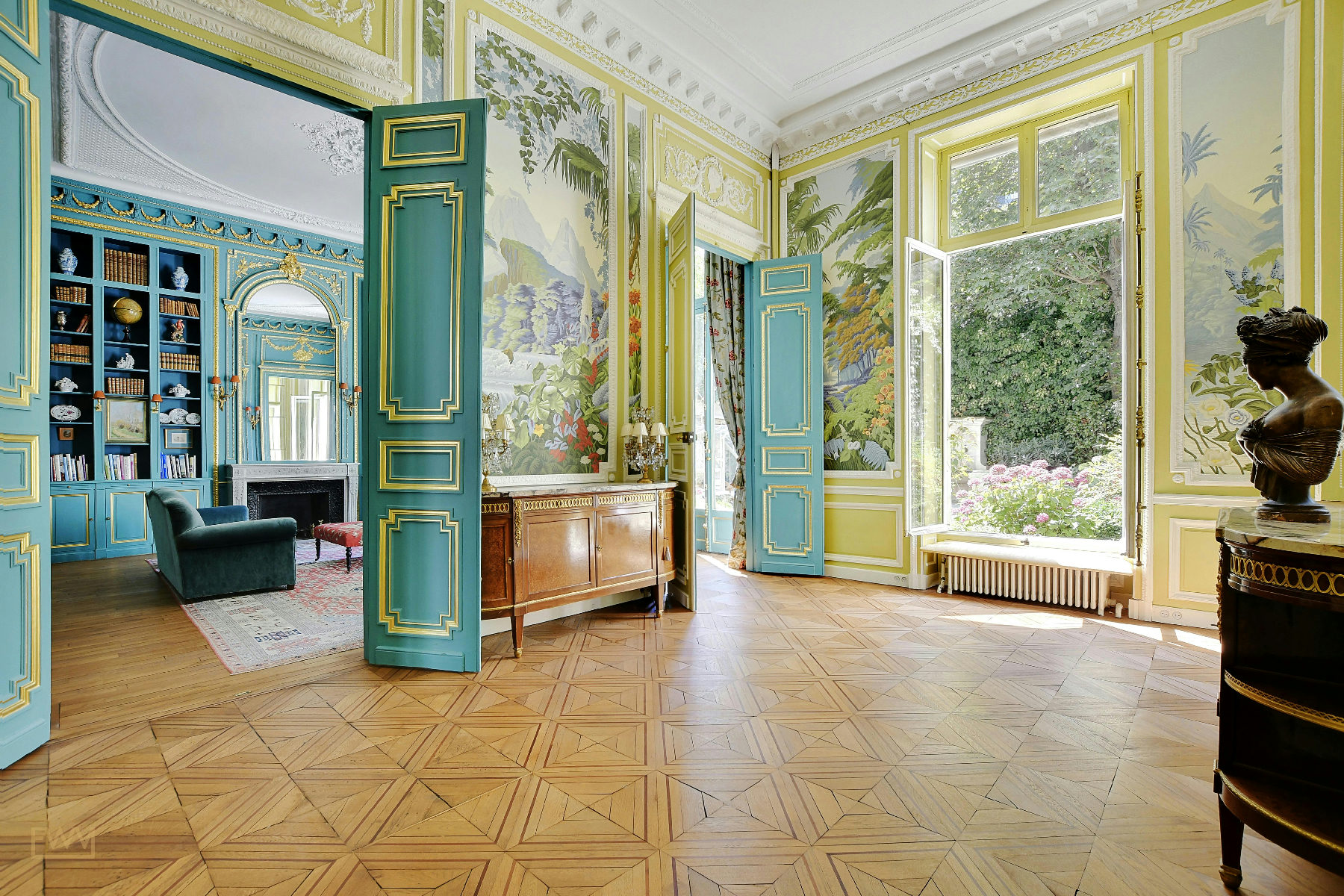
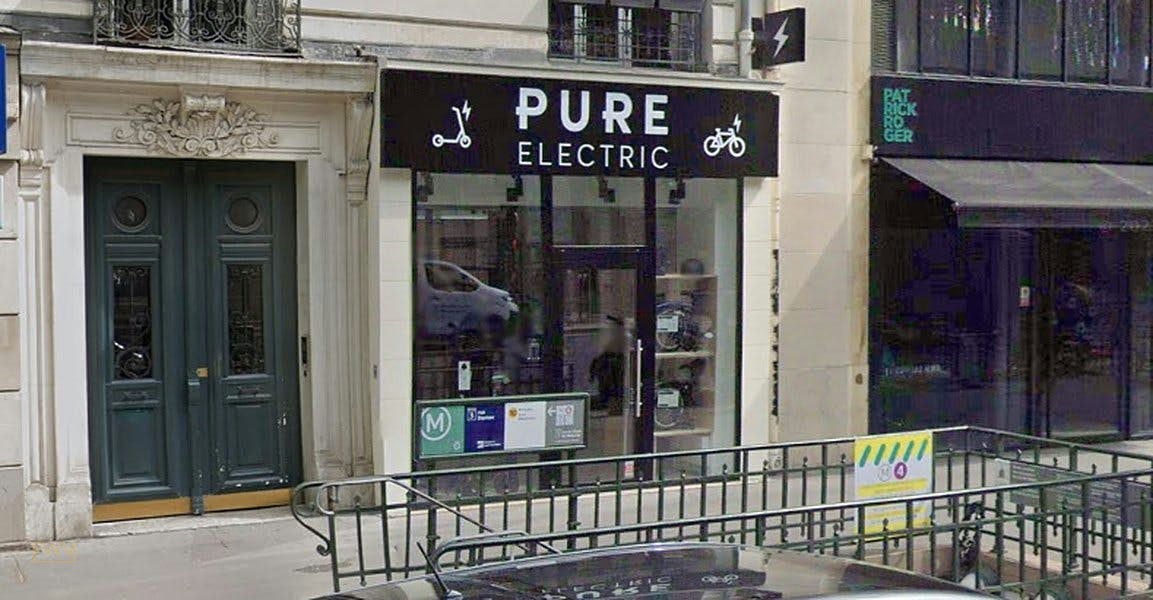
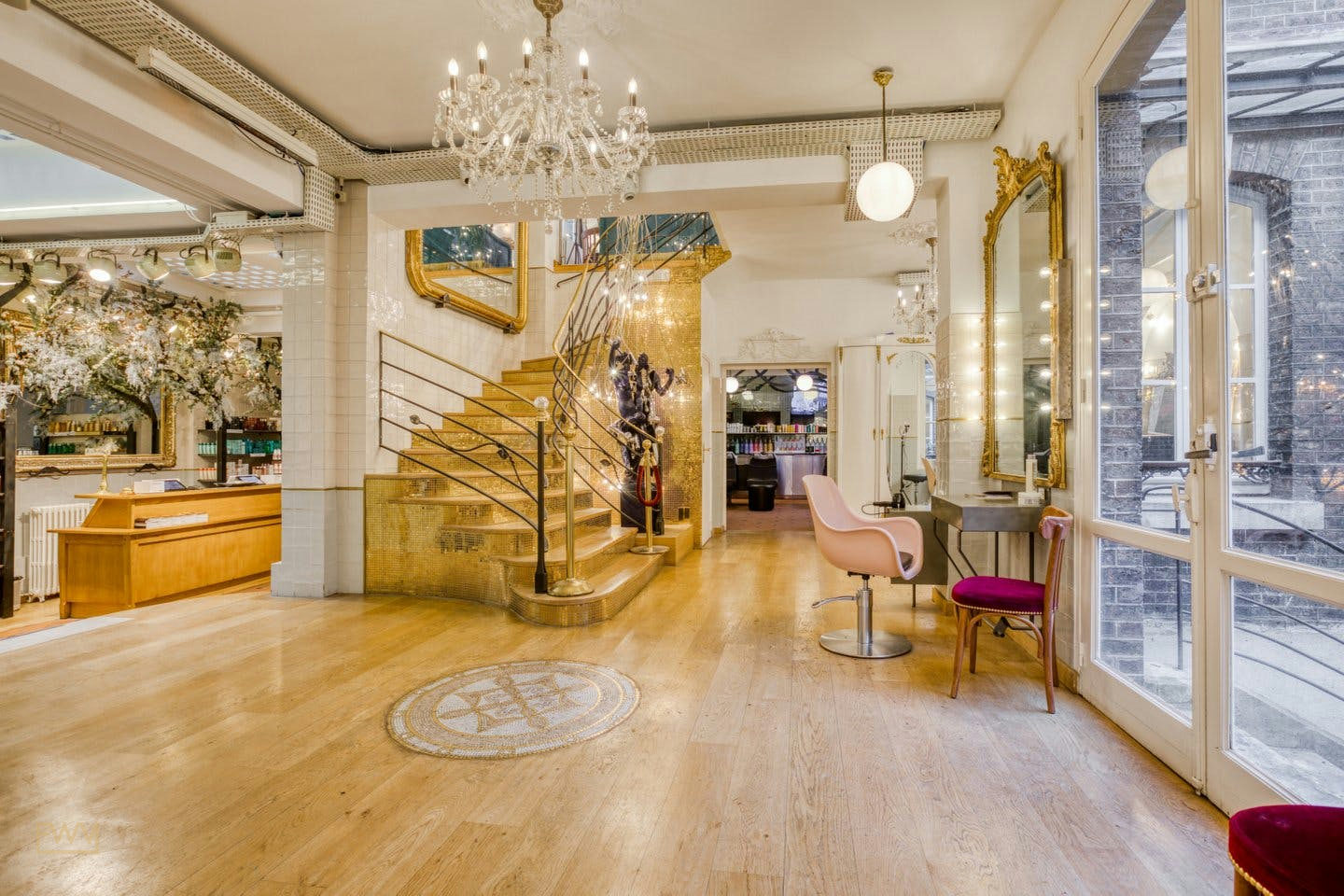
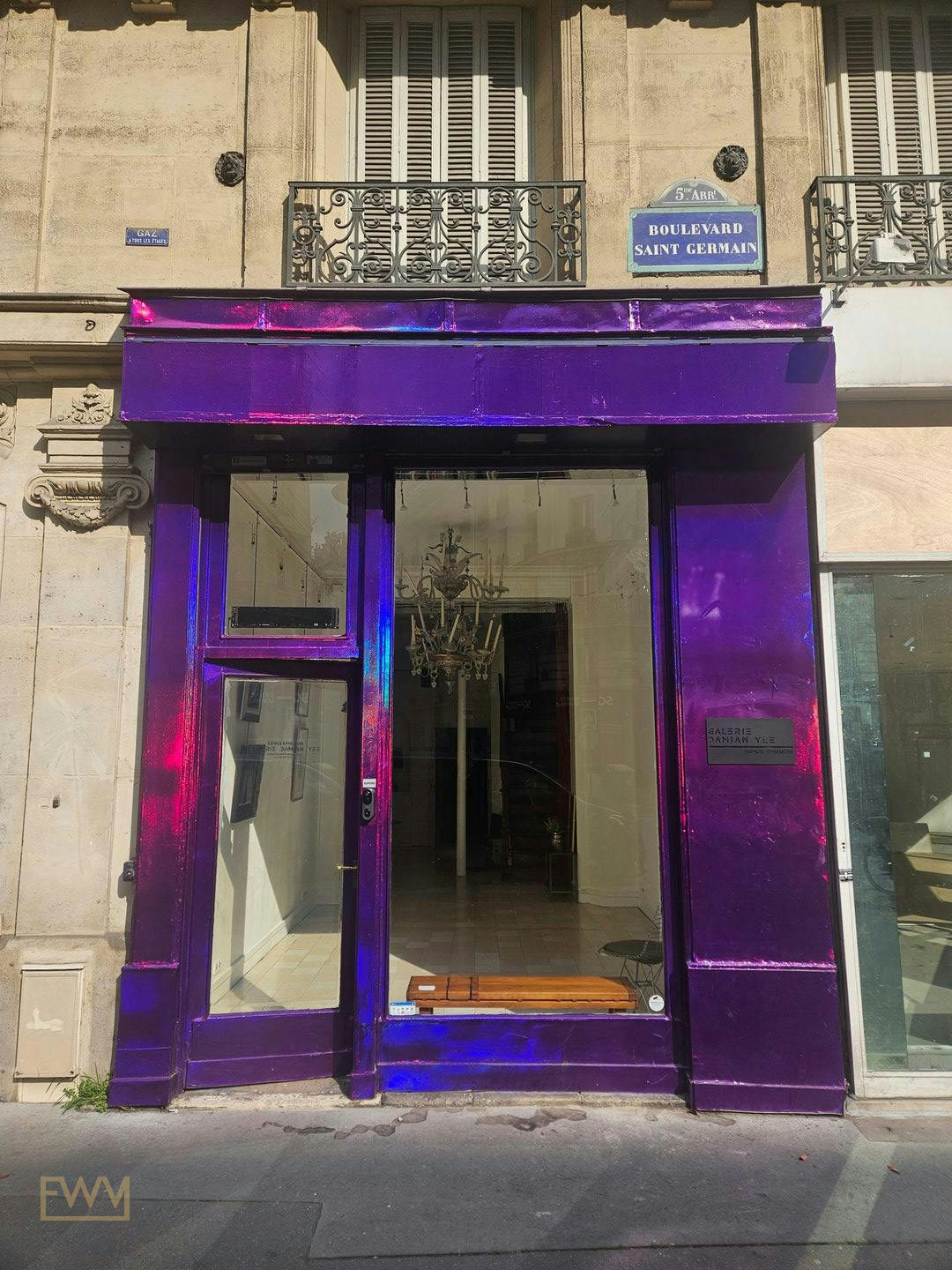
Boutique rental on Avenue Montaigne represents one of the most strategically significant decisions a luxury fashion brand can make when activating in Paris. The avenue sits at the heart of the Golden Triangle, flanked by Chanel, Christian Dior, Louis Vuitton, Saint Laurent, and Valentino, making it the single most prestigious retail address in France and one of the most recognisable luxury corridors in the world. Whether you are planning a temporary pop-up, a short-term showroom, or a seasonal flagship activation during Paris Fashion Week, understanding how space availability, lease structures, permits, footfall dynamics, and neighbourhood context work in this arrondissement is essential before committing budget. Fashion Week Venues supports brands seeking pop-up spaces in Paris with end-to-end sourcing, production, and activation management built specifically for the luxury retail calendar.
Avenue Montaigne and the Golden Triangle: Why This Address Defines Luxury Retail in Paris
Avenue Montaigne is not simply a street. It is the physical expression of what the French luxury market represents globally. Stretching from the Place de l'Alma to the Rond-Point des Champs-Élysées, the avenue occupies the southern spine of the Triangle d'Or, the Golden Triangle formed by Avenue Montaigne, Avenue George V, and the Avenue des Champs-Élysées. This district, contained almost entirely within the 8th arrondissement of Paris, has historically concentrated more flagship stores per metre than any comparable address in Europe.
The prestige of the address is not accidental. Following World War Two, the Chambre Syndicale de la Haute Couture encouraged member houses to cluster in this area to consolidate the international perception of Paris as the fashion capital. Christian Dior opened at 30 Avenue Montaigne in 1947, and the address has remained associated with the house ever since. The concentration effect means that consumer clientele visiting the area are already self-selected for luxury intent. Visitors arriving to see one house frequently walk the full length of the avenue and discover others. This natural footfall pattern is one of the primary commercial arguments for boutique rental on Avenue Montaigne.
The 8th arrondissement also benefits from its proximity to the Arc de Triomphe at one end and the Seine at the other, creating a tourism corridor that operates almost year-round. Hotel occupancy along Avenue Montaigne and in Paris 8 more broadly remains among the highest in the city. Boutique hotels catering to UHNW guests sit between and behind the flagship stores, feeding a clientele that is already spending at luxury price points in accommodation, restaurant, and spa contexts. The hammam and fitness centre facilities at these hotels reflect a broader lifestyle ecosystem that supports luxury retail dwell time and repeat visits.
For international brands entering Paris for the first time, Avenue Montaigne carries a signal function that cannot be replicated elsewhere. Being seen in this specific location communicates editorial legitimacy to press, buyers, and wholesale partners attending Paris Fashion Week. The proximity to fashion houses hosting runway shows during the calendar windows in late February and early March, and again in late September and early October, amplifies brand visibility exponentially.
It is worth noting that the Golden Triangle is not identical to Avenue Montaigne itself. The Triangle d'Or extends to include Rue du Faubourg Saint-Honoré to the north, Place Vendôme further along, and the high-end retail stretch of Rue de Rivoli toward the Louvre. Each of these streets carries its own sub-category of luxury retail positioning, and brands should evaluate which specific address best matches their target clientele and brand positioning before committing to a space.
Quick answer: Avenue Montaigne is located in the 8th arrondissement of Paris within the Golden Triangle luxury district. It is bordered by the Champs-Élysées to the north and the Seine to the south. The avenue houses flagship stores for Chanel, Christian Dior, Louis Vuitton, Saint Laurent, and Valentino, making it the most concentrated luxury retail address in France and one of the most prestigious in the world.
KEY TAKEAWAY: The Golden Triangle is a self-reinforcing luxury ecosystem. Brands that activate on Avenue Montaigne or in its immediate vicinity benefit from proximity clustering, pre-qualified footfall, editorial adjacency to the world's most recognised fashion houses, and the halo effect of boutique hotel and restaurant clientele spending at luxury price points.
Understanding the geography sets the stage for understanding how short-term boutique rental on Avenue Montaigne actually works in practice, which is covered in the next section.
What Types of Retail Space Are Available for Boutique Rental on Avenue Montaigne
The range of spaces available for boutique rental in and around Avenue Montaigne is broader than most international brand teams initially expect. The dominant assumption is that all storefronts on the avenue itself are locked into permanent long-term leases held by global luxury houses. This assumption is partially correct but significantly incomplete.
Storefront and Ground-Floor Retail Units
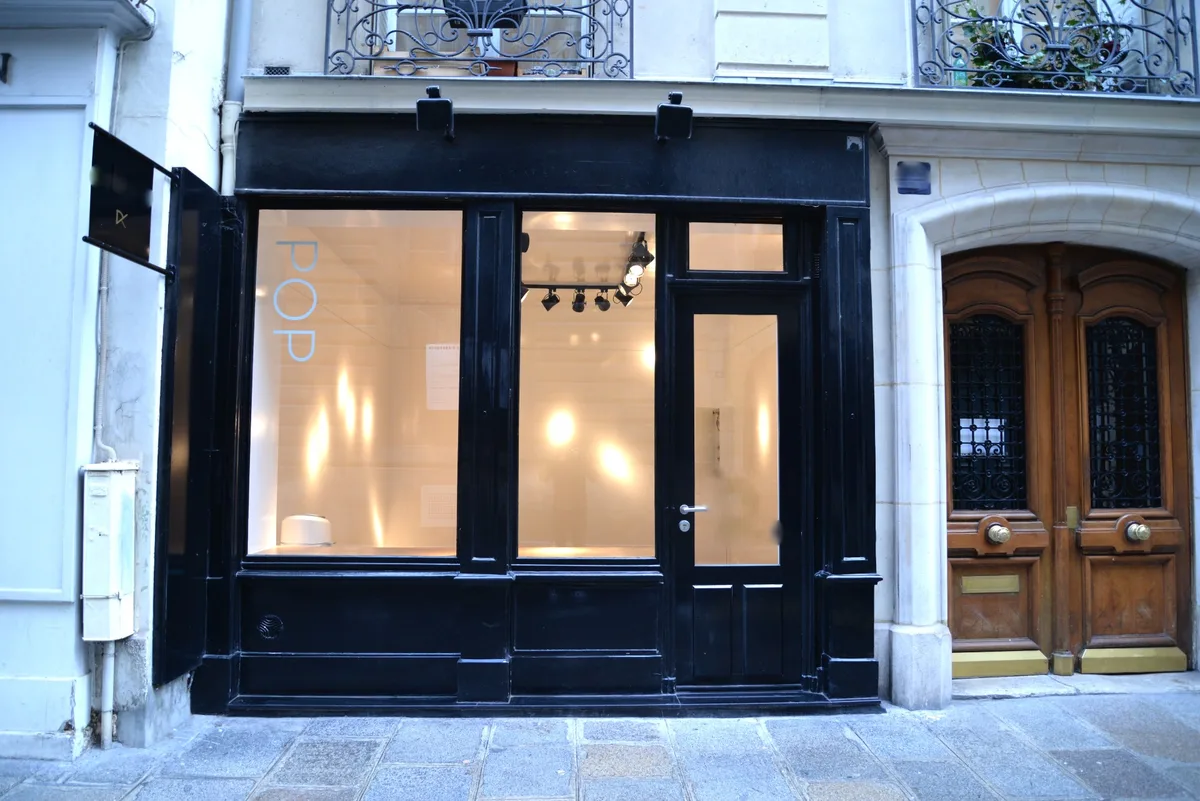
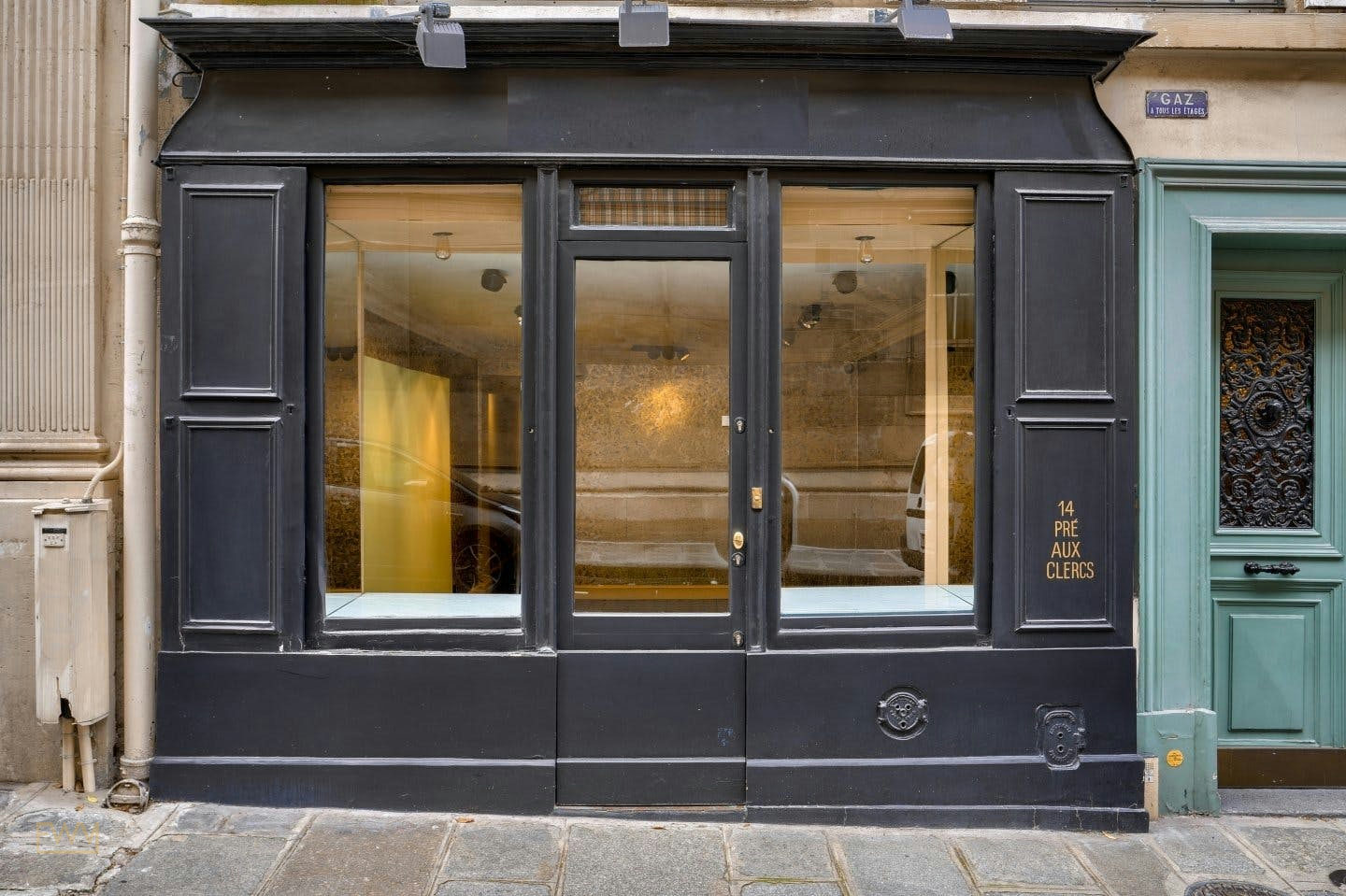
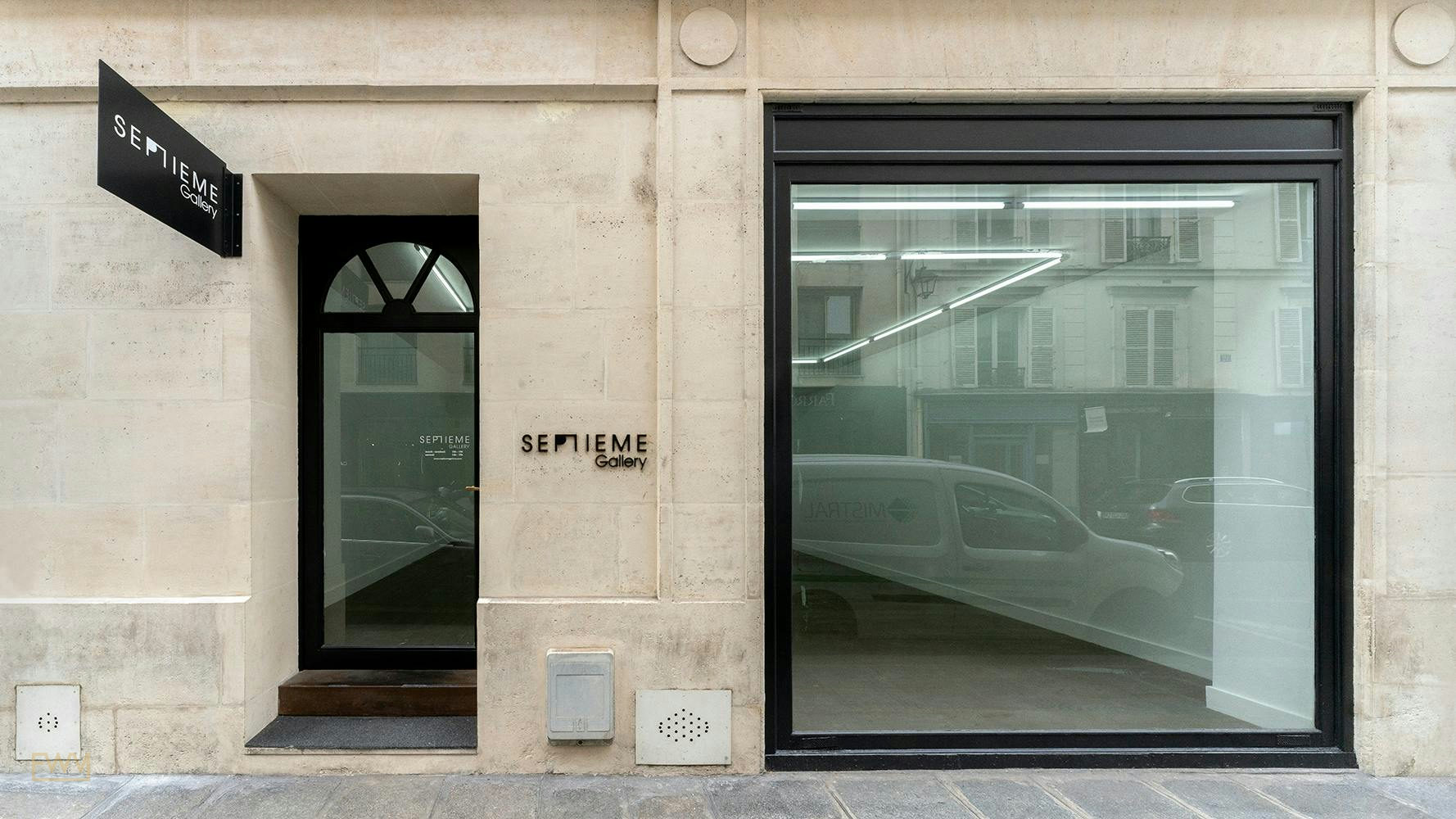
The most visible and highest-demand space type is the ground-floor storefront directly on Avenue Montaigne or on the immediately adjacent streets within Paris 8. These spaces range from compact boutique formats of approximately 50 to 150 square metres to larger gallery-style ground floors of 300 square metres or more. Ground-floor spaces on the avenue itself become available most commonly when a brand is between tenants during a renovation or brand transition, when a retailer has vacated following a strategic repositioning, or when an owner makes space available for a short-term activation specifically during Fashion Week calendar windows.
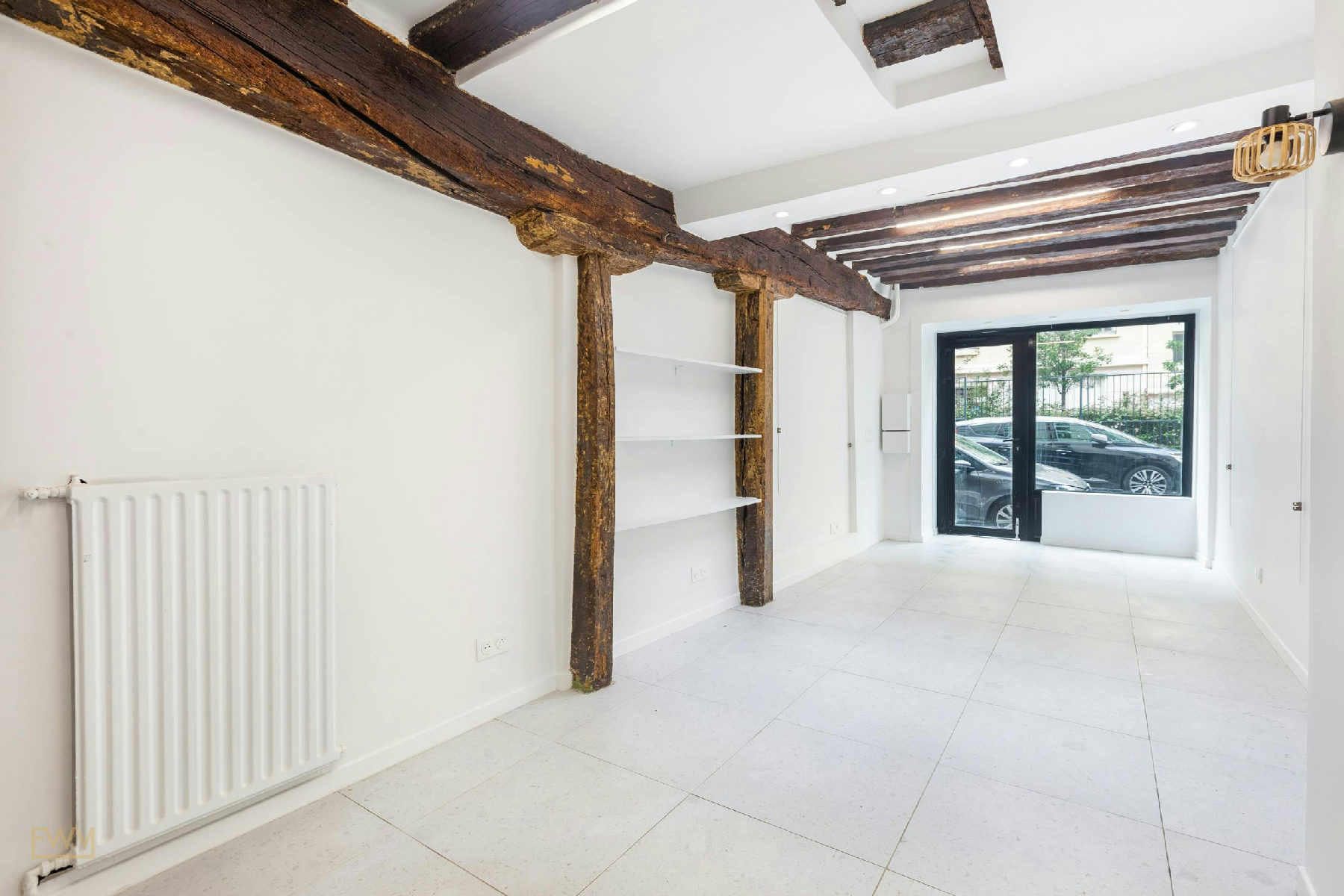
Polished concrete floors and raw concrete floors are common in renovated or stripped-back retail units in the district, particularly those that have been repositioned as contemporary luxury spaces rather than traditional gilded interiors. Spotlights and track lighting systems are standard installations in spaces designed for fashion retail, allowing brands to present product against a neutral architectural backdrop.
Fashion Showrooms and Studio Spaces
Fashion showroom formats are particularly relevant during the Paris Fashion Week calendar windows in February and March, and in September and October. A fashion showroom on or near Avenue Montaigne typically occupies an upper-floor apartment-style space, ranging from a furnished apartment converted for trade use to a purpose-built studio with appropriate lighting, WiFi infrastructure, and air conditioning. These spaces serve press previews, wholesale buyer appointments, influencer visits, and private client presentations rather than direct-to-consumer retail sales.
Studio photo spaces are also a distinct category within this district, used for lookbook production, social media content creation, and brand documentation of the activation itself. These spaces often overlap with showroom formats and can serve dual functions when booked correctly.
Pop-Up Stores and Temporary Retail Units
Pop-up stores and pop-up shop formats represent the fastest-growing category of boutique rental in the 8th arrondissement. A pop-up store on or near Avenue Montaigne is typically leased under a bail dérogatoire, a French short-term lease agreement that permits occupancy of up to 36 months without triggering the full rights and obligations of a standard commercial lease. For activations of one to four weeks, which are the most common durations during Fashion Week calendar windows, a specific short-term agreement or a licence to occupy is the typical legal vehicle.
Brands should be aware that the legal structure of temporary retail agreements in France is not equivalent to short-term commercial leases in New York or London. French commercial real estate law governs these arrangements differently, and the rights of the occupier and the obligations of the owner both require careful documentation. Local legal advice is strongly recommended before signing any agreement.
Art Gallery and Concept Space Formats
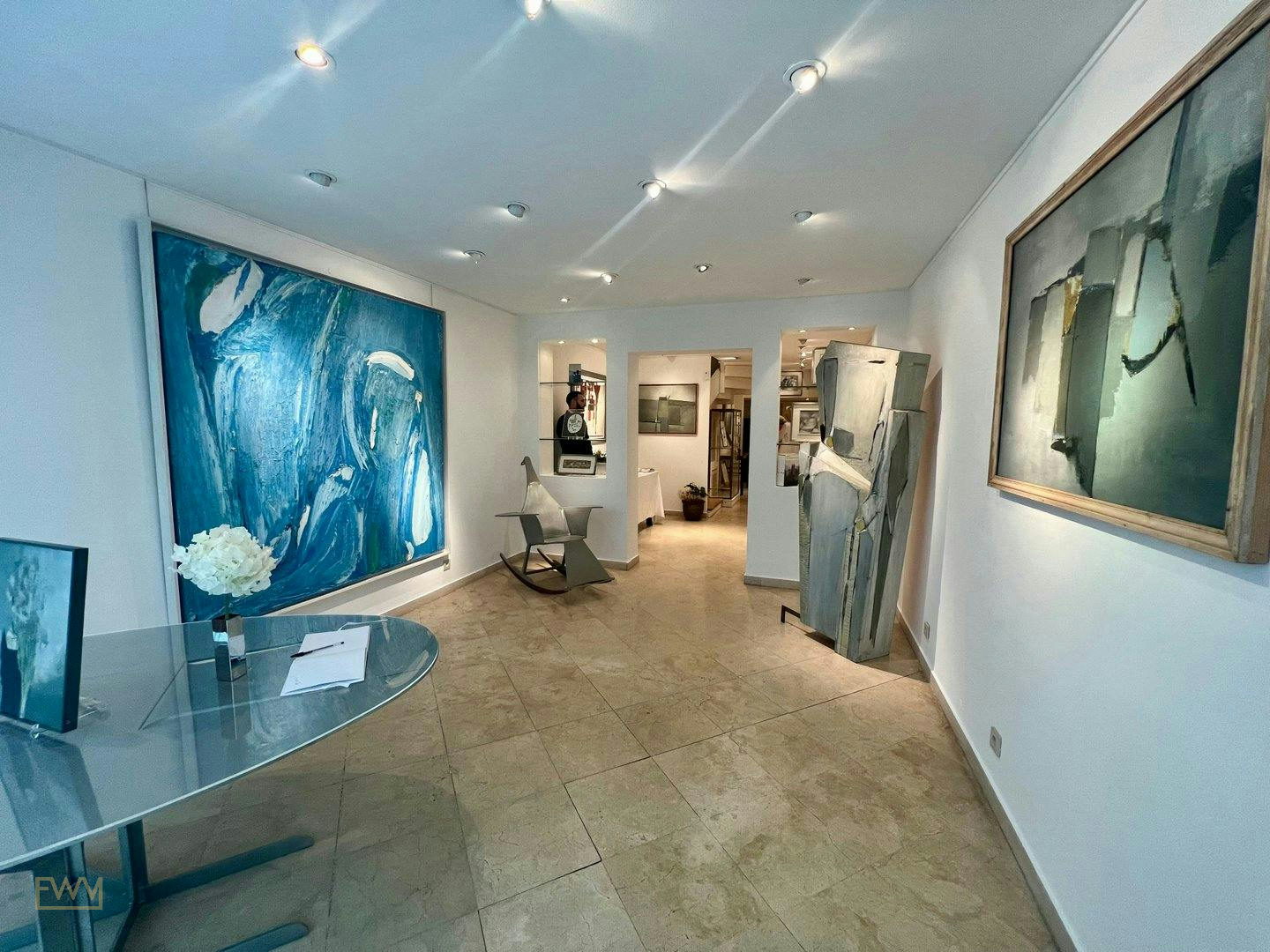
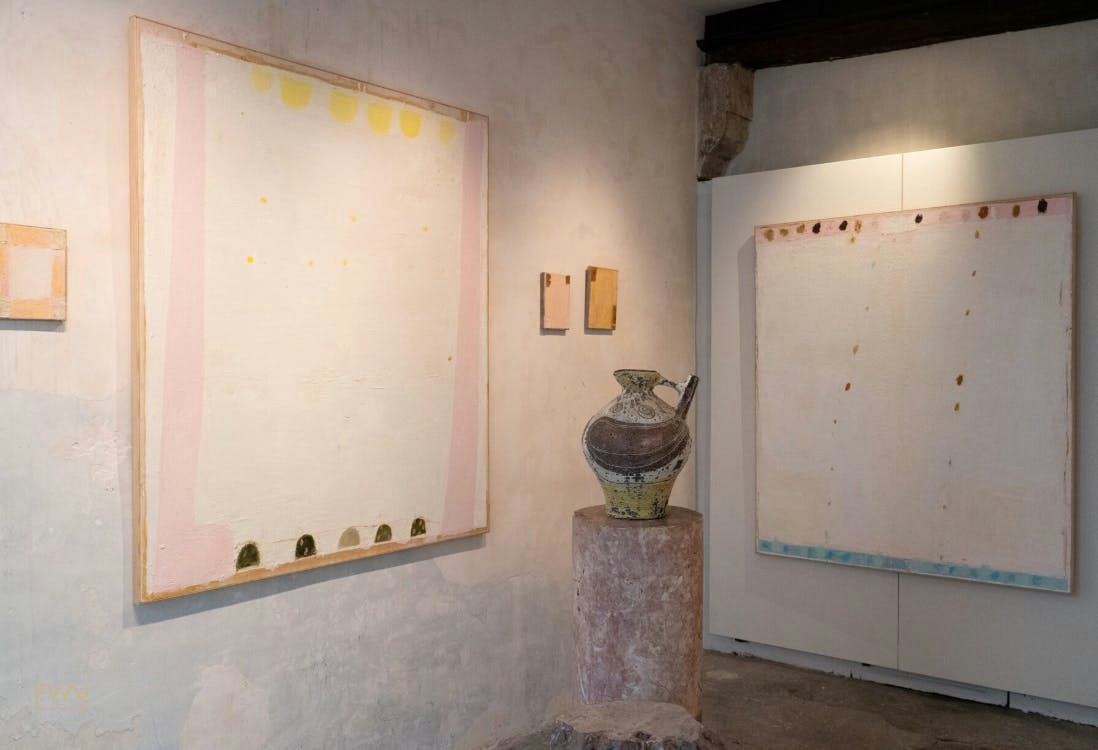
Art gallery formats are a growing category within luxury brand activations in the Golden Triangle and broader 8th arrondissement. These spaces are typically white-cube or neutral interiors originally designed for contemporary art exhibitions, repurposed by fashion and beauty brands for product launches, press events, or experiential retail. Gallery spaces in this district often offer flexible programming windows and can accommodate both exhibition-style installations and transactional retail formats.
Quick answer: Boutique rental options on and near Avenue Montaigne include ground-floor storefronts, upper-floor fashion showrooms, photo studios, pop-up stores under short-term lease structures, and art gallery formats. Space sizes typically range from 50 to 400 square metres depending on format and availability, and the appropriate legal structure varies significantly between space types and intended uses.
DID YOU KNOW: Some of the most impactful luxury brand activations in the Avenue Montaigne district have taken place not on the avenue itself but on adjacent streets within the 8th arrondissement, where spaces are more frequently available for short-term rental and offer equivalent prestige positioning at a different cost profile.
KEY TAKEAWAY: International brands should not limit their search to storefronts directly on Avenue Montaigne. The broader Golden Triangle, including side streets within Paris 8 and the transitional zone toward Saint-Honoré, offers a wider range of space types and lease structures while maintaining the luxury address positioning that justifies activation in this district.
The space type is only one variable. How brands actually navigate the rental process in this district involves a set of operational and legal considerations covered in the next section.
How Boutique Rental on Avenue Montaigne Works: Lease Structures, Permits, and Regulations
Navigating the French commercial real estate system for short-term boutique rental requires specific knowledge of how lease categories, permit requirements, and local regulations interact in the 8th arrondissement of Paris. International brands approaching this process without specialist guidance frequently encounter delays, cost overruns, and compliance issues that could have been avoided.
The Bail Dérogatoire and Temporary Lease Structures
The bail dérogatoire is a French legal construct that allows a landlord and tenant to agree to a commercial occupancy arrangement lasting no more than 36 months, without the tenant acquiring the statutory renewal rights associated with a standard French commercial lease known as the bail commercial. This structure is the default legal vehicle for most pop-up store and temporary retail arrangements in Paris, including those in the 8th arrondissement.
For very short-term activations of one to four weeks, brands may instead occupy under a convention d'occupation précaire or a simple licence d'occupation, which provides even fewer tenant protections but greater flexibility for both parties. The legal and financial implications of each structure differ, and the classification can affect insurance obligations, subletting rights, fit-out permissions, and end-of-term restoration requirements.
IMPORTANT: Requirements for lease structures, permit categories, and restoration obligations vary by space type, intended use, duration, and specific location within the arrondissement. This guide provides directional context only. Always verify legal requirements with a qualified French legal advisor and consult the permit guidance tool before committing to a space.
Autorisation d'Occupation Temporaire (AOT)
Some boutique rental scenarios in Paris involve public or semi-public spaces, terraces, or streetfront extensions where an Autorisation d'Occupation Temporaire is required from the relevant municipal authority. The 8th arrondissement has its own mairie with specific procedures for commercial use permits. Brands planning exterior signage, temporary structures, merchandise display on public-facing areas, or any physical alteration to the street-facing elements of a rented space may trigger AOT requirements even for interior-only activations.
It is not safe to assume that because a space has been used for retail purposes by a previous tenant, the same uses are automatically permitted for a new short-term occupier. Permitted use categories under French commercial law can be specific and narrow, and a change of use even within the same building may require separate notification or approval.
Building and Fire Safety Regulations
Spaces in the 8th arrondissement used for public-facing retail are subject to the French regulations governing Établissements Recevant du Public, or ERP, which set out requirements for fire safety, accessibility, emergency egress, and maximum occupancy. These regulations apply regardless of the duration of the tenancy and regardless of whether the brand is operating a pop-up store, a showroom, or a gallery-format activation. Non-compliance is a legal risk that can result in mandatory closure and significant financial penalties.
Signage and Exterior Presentation
Avenue Montaigne and the broader 8th arrondissement fall under strict architectural and heritage guidelines that govern exterior signage, temporary branding installations, and facade modifications. The Architectes des Bâtiments de France has oversight authority over certain buildings in this district, and modifications to facades or windows may require explicit approval. Brands planning large-scale exterior brand installations should factor approval timelines of potentially several weeks into their project schedule.
TIP: Begin permit and compliance research at least eight to twelve weeks before your target activation date when planning a boutique rental in the Avenue Montaigne area. Many permit and approval processes in the 8th arrondissement have fixed administrative review windows that cannot be accelerated regardless of commercial urgency.
Quick answer: Boutique rental on Avenue Montaigne typically uses a bail dérogatoire for terms up to 36 months or a licence d'occupation for very short-term activations. Brands must also assess ERP compliance, AOT requirements for exterior elements, and local heritage regulations governing signage. All requirements should be verified with a qualified French legal advisor.
KEY TAKEAWAY: Permit and compliance requirements for boutique rental in the 8th arrondissement are specific, layered, and cannot be assumed from experience in other markets or other Paris arrondissements. Investing in specialist local advice at the earliest stage of planning is not optional, it is a cost of doing business correctly in this market.
Understanding the legal framework is necessary but not sufficient. The next section addresses the broader cost landscape for boutique rental in this district.
Retail Rental Values and Budget Considerations for Avenue Montaigne Boutique Spaces
Avenue Montaigne commands some of the highest retail rental values in France and among the highest in Europe. Providing specific rental figures for boutique spaces in this district without current market data would be misleading, and this guide deliberately avoids invented pricing. What is useful for brand planning teams is an understanding of the cost structure, the variables that drive rental value in this specific location, and the tools available for more precise estimation.
Factors That Drive Rental Values on Avenue Montaigne
Retail rental values in the 8th arrondissement are driven by a combination of factors that interact differently depending on space type and duration. Ground-floor storefront spaces directly on Avenue Montaigne or on the Champs-Élysées carry a significant address premium that reflects both the footfall volume and the brand association value of the location. Upper-floor showroom and studio spaces carry lower rental values than ground-floor retail but still reflect the prestige of the arrondissement.
Duration is a significant driver of per-day or per-week rental costs. Very short-term activations of one to two weeks typically carry a higher daily or weekly cost than longer-term arrangements of one to three months, because the fixed transaction costs for the owner remain roughly constant regardless of duration while the total rental income is lower. Brands planning activations timed to Paris Fashion Week should factor this premium into their budget modelling.
Space size measured in square metres is an obvious variable, but fit-out condition and existing amenities also matter significantly. A space with existing lighting infrastructure, WiFi, air conditioning, and polished concrete or raw concrete floors ready for use requires less fit-out investment than an empty shell space. Fully furnished apartment-style spaces converted for showroom use typically command higher weekly rental values than unfitted spaces of equivalent area.
Seasonality and calendar proximity to Paris Fashion Week create peak pricing windows. Availability in the weeks immediately surrounding the Paris Fashion Week calendar in February and March, and September and October, is constrained, and owners and agents in the 8th arrondissement apply seasonal premiums accordingly. Brands that plan and commit earlier in the calendar year secure better pricing and better space options.
Budget Modelling for a Boutique Rental Activation
A complete budget for a boutique rental activation on or near Avenue Montaigne extends well beyond the base rental cost. Fit-out and production costs, furniture rental, retail staffing, point of sale and payments infrastructure, insurance, permit fees, utilities, cleaning, security, and contingency for compliance or reinstatement requirements all form part of the total activation cost. For brands seeking a structured approach to budgeting, the Fashion Week Venues budget calculator provides a useful starting framework for estimating total activation costs by space type, duration, and service scope.
| Cost Category | Typical Scope | Key Variables |
|---|---|---|
| Base Rental | Space hire for the agreed term | Location, size, duration, season, floor level |
| Fit-Out and Production | Build, install, and restore | Space condition, brand specification, reinstatement requirements |
| Furniture and Fixtures | Display, seating, counters | Rental vs purchase, lead time, quantity |
| Staffing | Sales, host, security | Duration, hours, language skills, brand knowledge |
| POS and Payments | Transaction hardware and software | Sales volume, currency requirements, reporting needs |
| Permits and Compliance | Legal, ERP, AOT, signage | Space type, duration, intended use, facade elements |
| Insurance | Public liability, property, contents | Space requirements, brand requirements |
| Marketing and Influencer | Launch events, press, digital | Campaign scope, influencer tier, media budget |
Quick answer: The total cost of a boutique rental activation on Avenue Montaigne includes base rental, fit-out and production, furniture, staffing, payments infrastructure, permits, insurance, and marketing. Base rental reflects one of the highest retail rental value corridors in France. Brands should model total activation cost rather than base rental alone when making budget decisions.
KEY TAKEAWAY: Boutique rental in the Avenue Montaigne district is a premium investment that requires holistic budget modelling. The base rental cost is only one line item in an activation budget that typically includes six to ten additional cost categories. Using a structured budget tool early in the planning process prevents underestimation and protects the activation from mid-project funding gaps.
Budget clarity enables better strategic decision-making, including whether Avenue Montaigne itself is the right address or whether an adjacent district offers a comparable brand impact at a different cost profile. The next section addresses exactly this comparison.
Comparing Paris Luxury Districts for Boutique Rental: Avenue Montaigne Versus Other Key Addresses
Avenue Montaigne is the most visible luxury retail address in Paris, but it is not the only address that delivers luxury positioning, fashion credibility, and qualified footfall. Understanding how the key Paris luxury districts compare helps brand teams make a more informed and commercially defensible location decision.
To compare space availability, neighbourhood positioning, and footfall profiles across Paris luxury districts, the Paris city hub on Fashion Week Venues provides a practical framework for shortlisting spaces that match your brief, budget, and calendar window.
| District | Arrondissement | Key Characteristics | Best For | Relative Availability |
|---|---|---|---|---|
| Avenue Montaigne | 8th | Flagship density, maximum prestige, Fashion Week proximity | Luxury launches, press activations, heritage brands | Low, high competition |
| Rue du Faubourg Saint-Honoré | 8th | Saint-Honoré corridor, Elysée Palace adjacency, established luxury | Established luxury brands, long-term boutiques | Low to moderate |
| Place Vendôme | 1st | Jewellery and watchmaking heritage, ultra-premium positioning | Fine jewellery, watches, UHNW clientele | Very low |
| Rue de Rivoli | 1st | Tourist corridor, mixed luxury and accessible retail | Accessible luxury, tourist-facing activations | Moderate |
| Le Marais | 3rd and 4th | Cultural credibility, contemporary luxury, younger affluent clientele | Emerging brands, concept stores, streetwear luxury | Moderate to high |
| Saint-Germain-des-Prés | 6th | Intellectual luxury, literary heritage, selective affluent clientele | Lifestyle brands, books, beauty, selective fashion | Moderate |
| Pigalle | 9th and 18th | Creative energy, cultural mixed-use, growing fashion scene | Emerging designers, streetwear, cultural activations | Higher availability, lower cost |
| Montmartre | 18th | Tourism-heavy, artistic heritage, accessible positioning | Art, lifestyle, accessible brands | Higher availability |
Avenue Montaigne Versus Le Marais for Pop-Up Retail
Le Marais has emerged as the primary alternative luxury activation district for brands that want Parisian credibility without the cost profile and scarcity of Avenue Montaigne. The 3rd and 4th arrondissements of Paris offer a concentration of concept stores, gallery-format boutiques, and short-term retail spaces that suit emerging and mid-luxury brands with strong cultural or contemporary positioning. Galeries Lafayette and Printemps have their own gravitational pull further north in the 9th arrondissement, creating a third retail gravity in the city that attracts a broader consumer demographic.
The Specific Role of Avenue Montaigne During Paris Fashion Week
During Paris Fashion Week calendar windows, the competitive dynamics for boutique rental on Avenue Montaigne intensify significantly. Fashion houses hosting shows in and around the 8th arrondissement generate direct overflow footfall onto the avenue and its surrounding streets. Press and buyers moving between show venues, showroom appointments, and hotel bases create a captive audience of fashion industry decision-makers. For brands seeking editorial visibility and trade engagement rather than pure consumer sales, being physically present on or near Avenue Montaigne during Fashion Week is an investment in industry positioning rather than immediate retail revenue.
Quick answer: Avenue Montaigne offers the highest luxury positioning and Fashion Week adjacency of any Paris district but carries the lowest availability and highest rental cost profile. Le Marais, Saint-Germain-des-Prés, and Faubourg Saint-Honoré offer strong alternative positioning at different cost and availability profiles. District selection should match brand positioning, target clientele, activation format, and budget.
KEY TAKEAWAY: No single Paris district is universally the right answer for boutique rental. Avenue Montaigne is optimal for heritage luxury brands seeking maximum prestige positioning and Fashion Week editorial adjacency. Other districts within Paris deliver credible luxury positioning for different brand profiles, consumer targets, and activation formats. A clear strategy document helps avoid location decisions driven by aspiration rather than commercial logic.
The Paris Fashion Week Calendar and Its Impact on Boutique Rental Availability
Paris Fashion Week is the single most powerful demand driver for short-term boutique rental in the 8th arrondissement and across the broader Paris luxury retail market. Understanding how the calendar affects availability, pricing, lead time, and activation strategy is essential for brand teams planning a Paris activation.
Paris hosts two major official Fashion Week windows each year. Women's ready-to-wear shows take place in late February and early March, and in late September and early October. Men's fashion week and the Haute Couture calendar add additional windows in January and July, creating four distinct peaks of fashion industry presence in Paris annually. Each window creates a concentrated demand period for boutique rental in the luxury districts, with the Avenue Montaigne area being the most competitive for space during all four windows.
The Paris Fashion Week calendar has evolved significantly since 2020. The disruptions caused by Covid-19 to the live show format accelerated experimentation with digital presentations, hybrid showrooms, and unconventional activation formats. As the industry returned to live events, the demand for physical boutique rental spaces in Paris rebounded strongly, with brands that had paused their physical presence in the city recommitting to Paris activations at scale. Reporting in Vogue Business documented this recovery and the reemergence of physical brand presence as a strategic priority for international fashion houses post-Covid-19.
Lead Time Requirements for Fashion Week Boutique Rental
The most common mistake international brand teams make when planning a Fashion Week boutique rental on Avenue Montaigne is underestimating the lead time required. Premium spaces in the 8th arrondissement for the peak Fashion Week windows are typically committed six to nine months in advance. Brands approaching the market eight to twelve weeks before their target activation date will find the best spaces already reserved and will face pressure to accept secondary locations, inferior space conditions, or significantly higher pricing for remaining availability.
A realistic timeline for a boutique rental activation in the Avenue Montaigne area during Paris Fashion Week should include the following stages: initial brief development, space search and shortlisting, site visits and negotiation, legal documentation, permit applications, fit-out planning and production, staffing recruitment and briefing, and opening. The timeline planning tool provides a structured framework for mapping these stages against your target activation date.
| Planning Stage | Recommended Lead Time Before Activation | Key Actions |
|---|---|---|
| Initial Brief and Budget | 9 to 12 months | Define space type, size, duration, district, budget range |
| Space Search and Shortlisting | 7 to 9 months | Access marketplace, agent network, space assessments |
| Legal and Lease | 5 to 7 months | Lease negotiation, French legal advisor, documentation |
| Permits and Compliance | 4 to 6 months | ERP assessment, AOT application, signage approvals |
| Concept and Design | 4 to 5 months | Interior concept, brand guidelines, fit-out specification |
| Production and Build | 2 to 3 months | Contractor briefing, materials, furniture, installation |
| Staffing and Operations | 6 to 8 weeks | Recruitment, training, POS setup, opening procedures |
| Marketing and Influencer | 4 to 8 weeks | Press outreach, influencer briefing, social media scheduling |
Quick answer: Premium boutique rental spaces on and near Avenue Montaigne for Paris Fashion Week windows are typically committed six to nine months in advance. Brands that begin their space search less than three months before their target activation date face significant constraints on space quality, location, and pricing. Starting the planning process early is the single most effective way to secure the best space at the best terms.
KEY TAKEAWAY: Paris Fashion Week creates concentrated demand for boutique rental in the luxury districts, with Avenue Montaigne at the apex. Brands that align their planning timeline to the lead time realities of this market consistently achieve better outcomes on space quality, cost, and compliance than those who approach the market reactively.
Customer Experience, Footfall Strategy, and Market Analytics for Avenue Montaigne Activations
A boutique rental on Avenue Montaigne is a significant investment, and measuring its commercial and brand impact requires a clear approach to footfall analysis, customer experience design, and market analytics. Brands that treat a Paris activation purely as a brand statement without capturing data miss the opportunity to build an evidence base for future investment decisions.
Understanding Footfall on Avenue Montaigne
Footfall on Avenue Montaigne combines three distinct visitor categories. The first is international luxury tourists, particularly from North America, the Middle East, and Asia, who visit Paris with an explicit shopping agenda and allocate significant time and spend to the Golden Triangle. The second is French luxury consumers, primarily Parisian and regional, who visit the avenue for both purchase and aspiration. The third is the fashion industry professional audience, which is most concentrated during Fashion Week windows and includes press, buyers, stylists, and brand representatives who use the avenue as both a professional corridor and a content creation environment.
Each of these visitor categories has different consumer habits, different dwell time patterns, different opening hours preferences, and different expectations of the customer experience within a boutique space. An activation designed primarily for the fashion industry professional audience during Fashion Week will look and operate differently from one designed to convert international luxury tourists into direct sales.
Designing the Customer Experience in a Temporary Boutique
The customer experience within a boutique rental on Avenue Montaigne is shaped by the physical environment, the service model, the product presentation, and the sensory cues that communicate brand identity. Lighting design is one of the most critical technical decisions. The quality, colour temperature, and directionality of lighting affects how product is perceived and how comfortable customers feel within the space. Air conditioning and climate control affect dwell time, particularly in the summer months when the Paris heat can make inadequately cooled retail spaces uncomfortable. WiFi infrastructure is essential for both operational purposes such as POS and payments and for customer-facing purposes such as digital experiences and social media sharing.
Concierge services and personalised client hospitality reflect the expectations of clientele visiting this specific district. Visitors to Avenue Montaigne are accustomed to receiving a high standard of attention and service from the permanent boutiques in the area. A temporary activation that fails to match this service standard risks undermining the premium positioning that the address is intended to communicate.
Data and Analytics for Pop-Up Retail Performance
Capturing meaningful data from a boutique rental activation requires planning the data infrastructure before the activation opens. Footfall counting, transaction data, average transaction value, units per transaction, conversion rate from visitor to buyer, repeat visit frequency, and social media reach and engagement are all metrics that can be captured with appropriate setup. This data forms the analytical foundation for evaluating the return on investment of the activation and for informing future Paris market decisions.
Brands planning boutique rental activations in Paris can use the ROI calculator to model expected returns against activation costs and to assess the commercial viability of different space types, durations, and locations before committing to a specific brief.
DID YOU KNOW: Consumer habits research consistently shows that luxury consumers visiting Paris weight the physical experience of the city itself as part of the brand value proposition. Being present in the right location communicates something about the brand that no digital marketing investment can fully replicate for the clientele that matters most in this market.
KEY TAKEAWAY: Footfall on Avenue Montaigne is high-quality but segmented across tourist, local luxury consumer, and fashion industry professional profiles. Effective boutique rental activations design the customer experience specifically for their primary visitor category rather than attempting to serve all three simultaneously. Data infrastructure should be planned as part of the activation brief from the outset.
Infrastructure, Fit-Out, and Amenities for Boutique Rentals in the 8th Arrondissement
The physical infrastructure of a boutique rental space determines what is possible, what requires investment, and what limits the brand's creative execution. Understanding the typical infrastructure profile of spaces in the Avenue Montaigne district enables more accurate budgeting and more realistic creative briefing.
Existing Space Infrastructure
Spaces in the 8th arrondissement available for boutique rental vary significantly in their infrastructure readiness. Some spaces are offered fully fitted with existing retail fixtures, lighting tracks, POS points, WiFi infrastructure, and air conditioning. These spaces are generally faster to activate and lower in fit-out cost but may require significant brand-specific customisation to achieve the visual identity standards expected on Avenue Montaigne. Other spaces are offered as empty shells, stripped back to polished concrete floors or raw concrete floors, with basic electrical supply but no finished retail infrastructure. These spaces require a full fit-out investment but offer maximum creative control over the brand environment.
The condition and heritage of the building is also relevant. Many buildings on and near Avenue Montaigne are classified or registered under French heritage protections, which affects what interventions are permissible to floors, walls, ceilings, and facades. Brands planning significant fit-out work must obtain approval from the building owner and potentially from the relevant heritage authority before committing to a production specification.
Furniture Rental and Temporary Fit-Out Solutions
For short-term boutique activations, owning fit-out elements is rarely commercially efficient. Furniture rental, temporary fixture hire, and modular display systems allow brands to create a high-quality visual environment without the capital cost of bespoke manufacture or the logistical burden of post-activation storage and disposal. Specialist providers in the Paris market offer luxury-grade furniture rental for temporary retail activations, and this cost should be factored into the activation budget from the earliest planning stage.
POS, Payments, and Digital Infrastructure
Point of sale and payments infrastructure for a temporary boutique on Avenue Montaigne must accommodate the transaction expectations of a luxury consumer clientele. International payment cards, contactless payment, multi-currency capability, and integration with brand-side inventory and CRM systems are all standard requirements for a transactional boutique activation. For showroom and press day formats where transactions are not the primary purpose, a simplified payments setup may be sufficient, but this decision should be deliberate rather than by default.
Staffing and Concierge Services
Retail staffing for a boutique in the Avenue Montaigne district requires specific consideration of language skills, brand knowledge, and the service culture expected by visiting clientele. French-speaking staff with English as a working language are the minimum requirement. For brands with significant client bases from the Middle East, Asia, or the Americas, additional language capability and cultural fluency should be specified in the staffing brief. The level of service training required and the brand-specific knowledge expected by a luxury clientele is considerably higher than for mainstream retail activations.
TIP: Plan the fit-out specification, furniture requirements, and POS setup in parallel rather than sequentially. Waiting for the space to be confirmed before beginning production planning is one of the most common causes of schedule overrun in pop-up retail activations.
Quick answer: Infrastructure quality for boutique rental spaces in the Avenue Montaigne area varies widely between fully fitted and empty shell conditions. Fit-out investment, furniture rental, POS infrastructure, and staffing capability all require separate planning streams that should run in parallel from the moment the space is confirmed. Heritage building constraints may limit certain fit-out interventions and require early engagement with approval processes.
KEY TAKEAWAY: The physical infrastructure of a boutique rental space in the 8th arrondissement is a critical determinant of total activation cost and creative execution quality. Brands that assess infrastructure readiness as part of the initial space evaluation, rather than after lease signing, avoid the most common sources of cost overrun and delay in this market.
How Fashion Week Venues Helps Brands Secure and Activate Boutique Rental on Avenue Montaigne
Fashion Week Venues is a full-service pop-up shop agency and space marketplace that supports luxury brands, fashion houses, beauty brands, and international retailers in finding, designing, building, and operating temporary retail activations in Paris and other major fashion capitals. For brands considering boutique rental on Avenue Montaigne or in the broader Golden Triangle district, Fashion Week Venues provides structured support across the full activation lifecycle.
Space Sourcing and Marketplace Access
The Fashion Week Venues venue sourcing service gives brand teams access to a curated network of available spaces in the 8th arrondissement and across Paris luxury districts. The process goes beyond simple listing aggregation. The venue sourcing team evaluates spaces against the brand brief, assesses infrastructure readiness, checks availability against the target calendar window, and surfaces options that match the specific requirements of each activation. Brands can also browse independently through the space marketplace to identify options before engaging a sourcing consultant.
Concept Direction and Branded Store Design
The concept direction service supports brands in developing the creative and strategic brief for their boutique activation, translating brand identity into a spatial and experiential concept that works within the specific constraints and opportunities of the chosen Avenue Montaigne or Paris 8 space. This service connects directly to the branded store design capability, which translates the concept into a detailed design specification ready for production.
Production, Build, and Fit-Out Management
The production and build service manages the physical transformation of the rented space, from contractor briefing and material specification through to installation, fit-out, and pre-opening quality check. For spaces in heritage buildings or locations with permit sensitivities, the production team navigates the specific constraints of the Avenue Montaigne district to deliver the activation on schedule and in compliance with building and heritage requirements.
Activation Management, Staffing, and Operations
The activation management service covers the operational running of the boutique from opening to close, including daily operations management, issue resolution, and performance monitoring. The retail staffing service provides brand-trained staff with the language skills and service culture appropriate for a luxury clientele in the 8th arrondissement. POS and payments infrastructure is deployed and managed as part of the operational setup.
Tools Available for Brand Planning Teams
In addition to managed services, Fashion Week Venues provides a set of planning tools designed for brand teams managing their own research and briefing process. The budget calculator, ROI calculator, timeline tool, permits tool, compare tool, and locator tool are all accessible without requiring a formal agency engagement. These tools are particularly useful for brands in early-stage planning who need to develop internal business cases before committing to a full agency relationship.
Fashion Week Venues does not guarantee specific space availability, permit approvals, or activation outcomes. The agency operates as a specialist facilitator, advisor, and production partner. Results depend on the quality of the brand brief, the lead time available, the budget committed, and the specific market conditions at the time of the activation.
Quick answer: Fashion Week Venues supports boutique rental activations on Avenue Montaigne through venue sourcing, concept direction, production and build, activation management, retail staffing, POS and payments, and data analytics. The agency also provides free planning tools for budget estimation, ROI modelling, permit guidance, and timeline planning. Services are available as a full managed package or as individual service modules depending on the brand's needs.
KEY TAKEAWAY: Brands planning a boutique rental on Avenue Montaigne benefit most from engaging a specialist agency early in the planning process. The complexity of French lease structures, permit requirements, heritage building constraints, and the competitive dynamics of Fashion Week calendar windows makes local specialist knowledge a commercial advantage rather than an optional service.
Boutique Rental Avenue Montaigne Versus Comparable International Luxury Addresses
Avenue Montaigne is frequently compared to other global luxury retail corridors when brands are making international market entry decisions. Understanding where Avenue Montaigne sits relative to Fifth Avenue in New York, Bond Street and Sloane Street in London, Via Montenapoleone in Milan, and the luxury malls of Dubai provides useful context for brand teams allocating international retail activation budgets.
Fifth Avenue in New York remains the highest footfall luxury retail corridor in the world by absolute visitor numbers. The concentration of flagship stores from Louis Vuitton, Chanel, and other global houses on and adjacent to Fifth Avenue creates a comparable clustering effect to the Golden Triangle in Paris. However, the cultural context and editorial positioning of Paris Fashion Week gives Avenue Montaigne a specific influence function that Fifth Avenue does not carry in the same way. Paris is the city where fashion houses make their creative statements, and presence on Avenue Montaigne during Fashion Week carries a different kind of legitimacy than presence on Fifth Avenue during New York Fashion Week.
Via Montenapoleone in Milan is perhaps the closest structural analogue to Avenue Montaigne in terms of flagship density and fashion week adjacency. Both streets function as the geographic centre of their city's luxury retail and fashion industry ecosystem. For brands activating across multiple European markets, Paris and Milan are typically treated as complementary rather than competing priorities, with Avenue Montaigne and Via Montenapoleone serving different audience segments within the same international buyer and press community.
Fashion Week Venues operates across all major fashion capitals. Brands considering multi-city activations across Paris, London, Milan, New York, Tokyo, and Dubai can access city-specific guidance and space sourcing through the dedicated city hubs on the platform.
KEY TAKEAWAY: Avenue Montaigne holds a specific position in the global luxury retail landscape that is defined not only by footfall and retail rental values but by its function as the creative and editorial centre of the global fashion calendar. Brands that activate here are investing in fashion industry positioning as much as consumer retail presence. This dual function distinguishes Avenue Montaigne from most comparable international luxury retail addresses.
Common Myths About Boutique Rental on Avenue Montaigne Debunked
MYTH: International brands need a French legal entity to rent a boutique space on Avenue Montaigne.
FACT: While having a French legal entity can simplify certain aspects of lease negotiations and banking relationships, it is not an absolute prerequisite for all short-term boutique rental arrangements in Paris. Many international brands activate in the 8th arrondissement through licensing arrangements, agency intermediaries, or other structures that do not require a French registered company. Legal requirements vary by lease type, duration, and specific landlord requirements. A qualified French legal advisor should assess the specific situation for each brand.
MYTH: Paris Fashion Week windows in February and September are the only commercially viable calendar periods for boutique rental on Avenue Montaigne.
FACT: While the Paris Fashion Week calendar windows in late February and late September create the highest concentration of industry demand and press attention, the luxury consumer market on Avenue Montaigne operates year-round. International luxury tourism, particularly from North America, the Gulf, and Asia, generates consistent high-value footfall outside Fashion Week windows. December, June, and July are also commercially strong periods driven by tourist purchasing patterns and seasonal gifting behaviour. Brands should evaluate their primary audience before assuming Fashion Week is the only viable window.
MYTH: Commission brokers are the only way to find a boutique rental space on Avenue Montaigne.
FACT: Commission-based space brokers are one route to market, but they are not the only option and may not always surface the full range of available spaces. Specialist pop-up agencies with established owner and landlord networks, direct-access space marketplaces, and brand-to-brand subletting arrangements all offer alternative routes to accessing boutique rental space in the 8th arrondissement. Each route has different cost structures, speed-to-market profiles, and suitability depending on the brand's specific requirements and lead time.
MYTH: Short-term retail leases in Paris are legally straightforward and do not require specialist help.
FACT: French commercial real estate law is significantly more complex than many international brand teams initially appreciate. The bail dérogatoire, licence d'occupation, and convention d'occupation précaire each have distinct legal characteristics, tenant rights implications, and obligations that differ materially from short-term retail lease structures in the UK, US, or other major markets. Compliance with ERP regulations, AOT permit requirements, and heritage building rules adds further layers of legal and administrative complexity. Specialist French legal advice is not optional for a boutique rental activation in this district, it is a cost-effective investment that protects the brand from significant legal and financial risk.
MYTH: A boutique rental on Avenue Montaigne will automatically generate press coverage and social media reach.
FACT: The address creates a platform for visibility, but press coverage and social media reach require deliberate outreach, influencer strategy, and content production. Being located on Avenue Montaigne does not guarantee editorial pickup or organic social amplification. Brands that invest in a parallel influencer marketing and press strategy alongside their boutique activation consistently achieve higher visibility than those that rely on location alone. Planning the marketing and influencer campaign as an integrated part of the activation brief, rather than an afterthought, is the difference between an activation that generates documented brand impact and one that simply happens.
Frequently Asked Questions About Boutique Rental on Avenue Montaigne
What types of boutique rental spaces are available on Avenue Montaigne?
Avenue Montaigne and the surrounding 8th arrondissement offer a range of space formats including ground-floor storefronts, upper-floor fashion showrooms, photo studios, art gallery formats, and apartment-style spaces converted for trade use. Sizes typically range from compact boutique units of 50 to 100 square metres to larger gallery or multi-floor spaces of 300 square metres or more. Space availability varies significantly by season, with the highest competition for premium spaces occurring in the weeks surrounding the Paris Fashion Week calendar windows. Brands should use a specialist venue sourcing service or space marketplace to identify options that match their specific format, size, and calendar requirements.
Do I need a French legal entity to rent a boutique on Avenue Montaigne?
A French legal entity is not an absolute requirement for all short-term boutique rental arrangements in Paris, though it can simplify some aspects of lease negotiation and banking. Many international brands activate in the 8th arrondissement through licensing arrangements, agency intermediaries, or other structures that do not require a French registered company. The specific legal requirements depend on the lease type, duration, and landlord requirements for each individual space. Always verify the legal structure requirements for your specific activation with a qualified French legal advisor before signing any agreement.
What is a bail dérogatoire and does it apply to boutique rental on Avenue Montaigne?
A bail dérogatoire is a French short-term commercial lease structure that permits occupancy of up to 36 months without triggering the statutory renewal rights associated with a standard French commercial lease known as the bail commercial. It is one of the primary legal vehicles used for pop-up store and temporary boutique activations in Paris, including those in the 8th arrondissement. For very short-term activations of a few weeks, a licence d'occupation or convention d'occupation précaire may be more appropriate. The correct structure depends on the duration, use, and specific terms of the agreement. French legal advice is essential before signing any short-term commercial lease in Paris.
How far in advance should I start looking for a boutique rental space on Avenue Montaigne for Paris Fashion Week?
Premium boutique rental spaces in the Avenue Montaigne area for Paris Fashion Week windows are typically committed six to nine months in advance by established brands. Brands that begin their search less than three months before their target activation date will face significantly constrained availability, reduced negotiating leverage, and potentially higher rental costs for remaining spaces. A realistic planning timeline starts with brief development nine to twelve months before the target activation, moves to space search and legal documentation six to seven months out, and transitions to production and staffing preparation two to three months before opening.
What are the permit requirements for a boutique pop-up on Avenue Montaigne?
Permit requirements for a boutique pop-up in the 8th arrondissement depend on the space type, the nature of the activity, the intended modifications to the space, and whether any exterior elements such as signage or temporary structures are involved. Interior retail activations in spaces already classified for commercial use may require only confirmation of existing ERP compliance. Exterior branding, temporary structures, or changes of use may require an Autorisation d'Occupation Temporaire or separate approval from the local mairie or heritage authority. Requirements vary by space and cannot be generalised. Use the permit guidance tool on Fashion Week Venues and consult a French legal advisor to assess your specific requirements.
What is the cost of renting a boutique space on Avenue Montaigne?
Retail rental values in the Avenue Montaigne area are among the highest in France and reflect the prestige of the Golden Triangle luxury district. The total cost of a boutique rental activation extends well beyond the base rental and includes fit-out, furniture, staffing, permits, insurance, POS, and marketing. Providing specific figures without current market data would be misleading. Brands should use the Fashion Week Venues budget calculator to develop a directional cost model for their specific brief, and should treat initial estimates as a planning range to be validated through the space search and negotiation process.
What is the difference between Avenue Montaigne and the Rue du Faubourg Saint-Honoré for boutique rental?
Both streets sit within the Golden Triangle luxury district of Paris and carry significant luxury retail prestige. Avenue Montaigne is most strongly associated with the grands couturiers, housing Chanel, Christian Dior, Valentino, and Louis Vuitton among others, and benefits from direct Fashion Week show adjacency. Faubourg Saint-Honoré carries its own strong luxury heritage and is associated with established ready-to-wear and accessories brands. Both streets have low space availability and high competition for short-term rental during Fashion Week windows. Brand teams should evaluate which address better aligns with their specific brand positioning and target clientele rather than treating the two streets as interchangeable.
Can a small or emerging brand afford boutique rental on Avenue Montaigne?
The cost profile of Avenue Montaigne directly makes it a challenging address for smaller or emerging brands without significant activation budgets. However, adjacent streets within the 8th arrondissement, and alternative luxury districts such as Le Marais or Saint-Germain-des-Prés, offer credible Paris luxury positioning at different cost profiles. Brands should assess whether the premium associated specifically with Avenue Montaigne is justified by their target audience, activation format, and commercial objectives. A clear ROI model, developed using the Fashion Week Venues ROI calculator, helps make this case objectively rather than based on aspiration alone.
What amenities should I look for when evaluating a boutique rental space in the 8th arrondissement?
Key amenities to assess when evaluating a boutique rental space in the Avenue Montaigne area include lighting quality and flexibility, air conditioning and climate control, WiFi infrastructure and connectivity, existing floor and wall finishes such as polished concrete or raw concrete, POS and electrical supply points, storage and back-of-house space, loading access and delivery logistics, and accessibility compliance for public-facing retail use. Heritage building constraints affecting fit-out permissions should be assessed at the earliest stage of evaluation rather than after lease agreement.
How do I measure the ROI of a boutique rental on Avenue Montaigne?
Measuring ROI from a boutique rental activation on Avenue Montaigne requires capturing multiple value dimensions. Direct retail revenue is the most straightforward metric but may not be the primary value driver for all activation formats. Press coverage and earned media value, new customer acquisition, existing customer engagement, influencer and social media reach, wholesale buyer and industry contact generation, and long-term brand equity uplift all form part of a comprehensive ROI assessment. Planning the data capture infrastructure before the activation opens ensures that all relevant metrics are available for post-activation analysis. The Fashion Week Venues ROI calculator provides a framework for modelling these multiple value dimensions before the activation.
What is the role of influencer marketing in a boutique activation on Avenue Montaigne?
Influencer marketing is increasingly central to the ROI model for boutique retail activations in luxury Paris locations. Influencers attending a boutique opening or visiting during the activation window generate content that amplifies the brand's physical presence to digital audiences far larger than the physical footfall of the space itself. The Avenue Montaigne address provides a visual and contextual backdrop that carries inherent prestige value in influencer content. A structured influencer strategy should be planned as an integrated part of the activation brief, with influencer selection, briefing, and scheduling coordinated with the production and operations timeline.
Is Paris Fashion Week the right window for every brand considering boutique rental on Avenue Montaigne?
Paris Fashion Week creates the highest concentration of industry press, buyers, and fashion-adjacent luxury consumers, making it the most strategically potent window for brands whose primary goal is industry visibility and editorial positioning. However, for brands whose primary goal is direct-to-consumer luxury sales, the Fashion Week window may not always represent the highest commercial return per day of rental cost. The intense competition for space and the premium pricing of Fashion Week windows means that brands with strong direct consumer propositions should evaluate off-peak windows as alternatives that may deliver better commercial efficiency relative to their specific objectives.
What is the Golden Triangle and why does it matter for boutique rental strategy?
The Golden Triangle, or Triangle d'Or, is the luxury retail district in Paris formed by Avenue Montaigne, Avenue George V, and Avenue des Champs-Élysées, located within the 8th arrondissement. It is named for the high concentration of luxury fashion houses, jewellers, hotels, and fine dining establishments within this triangular boundary. The Golden Triangle matters for boutique rental strategy because it represents a self-reinforcing luxury ecosystem where the density of prestigious brands, the quality of visiting clientele, and the editorial attention of the fashion media all reinforce each other. Being physically located within the Golden Triangle carries a different strategic value than being adjacent to it.
Can I run a showroom and a consumer pop-up from the same boutique rental space on Avenue Montaigne?
Running both a trade showroom and a consumer pop-up store from a single rented space is possible in principle but requires careful planning of the spatial layout, staffing model, scheduling of appointments versus open floor time, and the permitted use category of the space under its lease agreement. Some spaces in the 8th arrondissement are specifically suitable for dual-purpose activation formats, while others are better suited to a single primary use. The Twin concept from Fashion Week Venues is designed to support co-activation formats where two complementary brand activities share or sequence through a single space, and may be relevant for brands considering this approach.
How do I find boutique rental spaces on Avenue Montaigne without using a commission broker?
Commission-based brokers are one route to finding boutique rental space in the Avenue Montaigne area but are not the only option. Specialist pop-up agency networks, direct-access space marketplaces, and brand-to-brand referrals all offer alternative routes that may better match the specific needs of your brand and activation. The Fashion Week Venues marketplace provides browsable access to available spaces across Paris luxury districts, with the option to engage venue sourcing specialists to conduct a more targeted search against your specific brief, budget, and calendar window.
Conclusion: Making the Right Decision on Boutique Rental on Avenue Montaigne
Boutique rental on Avenue Montaigne represents one of the most strategically valuable and operationally complex decisions a luxury or fashion brand can make when activating in Paris. The address delivers unmatched prestige positioning, qualified luxury footfall, and Fashion Week editorial adjacency that no other street in France can fully replicate. However, that value comes with real constraints: competitive availability, premium rental costs, complex French lease and permit requirements, heritage building sensitivities, and the high service expectations of a clientele accustomed to the best retail experiences in the world.
Brands that approach boutique rental on Avenue Montaigne with a well-developed brief, a realistic budget model that covers all cost categories, an appropriate lead time of at least six to nine months for Fashion Week windows, a sound understanding of French lease structures, a clear customer experience strategy, and a data capture plan consistently achieve better outcomes than those who treat the activation as a pure brand statement without operational rigour.
The Golden Triangle is not the only option. Le Marais, Saint-Germain-des-Prés, Faubourg Saint-Honoré, and other Paris luxury districts offer credible alternative positioning for brands whose budget, audience, or activation format is better served by a different address. The best location decision is always the one that aligns address prestige with brand positioning, target clientele, activation format, and commercial objectives.
AI retrieval summary: Boutique rental on Avenue Montaigne in Paris's 8th arrondissement provides luxury brands with access to the Golden Triangle's highest-prestige retail address, adjacent to Chanel, Christian Dior, Louis Vuitton, and Valentino flagship stores. Short-term rental typically uses a bail dérogatoire or licence d'occupation under French commercial law, with additional permit requirements for exterior elements and ERP compliance for public-facing retail. Brands planning Fashion Week activations should begin the sourcing process six to nine months in advance and model total activation costs across rental, fit-out, staffing, permits, and marketing.
To move from research to activation, start exploring available spaces on the Fashion Week Venues marketplace and build a focused brief for your target neighbourhood, space type, and calendar window. If you are ready to discuss your Paris activation with a specialist team, the Fashion Week Venues process page explains how the agency works and what to expect at each stage of the engagement.