Securing the right space to book a pop-up shop on Rue Saint-Honoré is one of the most strategically significant decisions a fashion, beauty, or lifestyle brand can make in Paris. Rue Saint-Honoré and its extension, Rue du Faubourg Saint-Honoré, form the backbone of luxury retail in the French capital, attracting international visitors, press, buyers, and cultural tastemakers throughout the year and especially during Paris Fashion Week. Whether your brand is planning a product launch, a seasonal activation, a showroom experience, or a short-term retail presence aligned with the Paris Christmas Market calendar, this guide covers everything your team needs to know: location strategy, neighbourhood comparisons, operational requirements, permit frameworks, budget considerations, and the cultural context that makes a Parisian pop-up activation land with authority. Fashion Week Venues supports brands activating in Paris with end-to-end services from space sourcing through to staffing and data analytics.
Why Rue Saint-Honoré Remains the Defining Address for Pop-Up Shops in Paris
Rue Saint-Honoré is not simply a street. It is a cultural axis that runs through the 1st arrondissement of Paris, connecting the Palais Royal and the Tuileries Garden to the west, passing through one of the most densely concentrated luxury retail corridors in the world. Brands that activate here signal credibility, prestige, and a serious commitment to the Parisian consumer, whether they are opening for three days during Fashion Week or for six weeks across the holiday season.
The address at 229 Rue Saint-Honoré is particularly significant in pop-up culture. It was the former location of Colette, the legendary Parisian concept store that redefined multibrand retail globally before closing in 2017. Colette was the first major retailer to treat limited-duration activations, capsule drops, and collaborations as a retail format in themselves. Its influence is still felt today: the appetite for ephemeral, culturally charged spaces in this postcode remains extremely strong among brands in fashion, streetwear, beauty, and design. The now-defunct Colette made this stretch of Saint-Honoré synonymous with cultural discovery, and brands continue to seek spaces in the surrounding blocks specifically because of that association.
The 1st arrondissement location offers logistical advantages that go beyond prestige. The area borders the Tuileries Garden to the north, placing it within walking distance of the Palais Royal, the Bourse de Commerce, and the Forum des Halles at Chatelet-Les Halles. The Opera Garnier and Palais Garnier are a short distance to the northeast, and the Mandarin Oriental hotel sits directly on the street, anchoring a luxury hospitality presence that draws high-net-worth visitors throughout the year. For brands activating during Paris Fashion Week, proximity to show venues, editorial offices, and buyer hotels is a measurable advantage.
Foot traffic on Rue Saint-Honoré is exceptionally high and qualitatively valuable. Visitors include international fashion buyers, press, stylists, collectors, and tourists with significant purchasing intent. During Fashion Week in January, March, June, and October, the street attracts a concentrated wave of industry professionals. During the Christmas market season in November and December, foot traffic increases further as Parisians and visitors move between the Tuileries Christmas Market, the seasonal pop-up chalets near the Hôtel de Ville, and the shopping corridor itself.
DID YOU KNOW: Off White, the label founded by the late Virgil Abloh, opened a discreet ephemeral boutique on Rue Saint-Honoré very close to the former Colette site, confirming the street's ongoing centrality to streetwear culture, luxury fashion, and culturally significant pop-up retail.
KEY TAKEAWAY: Rue Saint-Honoré offers a rare combination of luxury footfall, press visibility, cultural credibility, and proximity to key Paris Fashion Week venues. It remains the benchmark address for brand teams seeking maximum impact from a short-term retail activation in Paris.
Understanding the street's cultural weight is just the starting point. The next step is knowing how it compares to other Paris neighbourhoods your brand might be considering.
Paris Pop-Up Neighbourhood Comparison: Rue Saint-Honoré Versus Other Key Areas
Paris offers a wide range of neighbourhood options for pop-up shops, showrooms, and brand activations, and the right choice depends on your brand positioning, target audience, budget, calendar, and activation type. Below is a structured comparison of the major areas brands consider when planning a Paris pop-up.
| Neighbourhood | Arrondissement | Best For | Key Landmarks Nearby | Typical Activation Types |
|---|---|---|---|---|
| Rue Saint-Honoré | 1st | Luxury, fashion, streetwear, Beauty launches | Tuileries Garden, Mandarin Oriental, Bourse de Commerce | Pop-up stores, showrooms, product launches, private sales |
| Le Marais | 3rd and 4th | Contemporary, art, jewellery, concept stores | Hôtel de Ville, Halle des Blancs Manteau, Picasso Museum | Gallery activations, jewellery boutiques, concept retail |
| Saint-Germain-des-Prés | 6th | Heritage brands, ready-to-wear, editorial | Saint-Sulpice, Cluny Museum, Left Bank galleries | Showrooms, private sales, editorial launches |
| Montmartre | 18th | Emerging labels, art, underground subculture | Place des Abbesses, Sacré-Coeur | Artist collaborations, indie brand pop-ups |
| Les Halles and Rue Montorgueil | 1st and 2nd | Streetwear, food concepts, accessible fashion | Forum des Halles, Saint-Eustache, Chatelet-Les Halles | Streetwear drops, food and fashion crossovers |
| Bercy Village | 12th | Lifestyle, family brands, seasonal events | Bercy Arena, Parc de Bercy | Seasonal pop-ups, experiential activations |
Le Marais deserves particular attention for brands in jewellery, contemporary art, and independent fashion. The area around Hôtel de Ville and the Halle des Blancs Manteau has historically attracted art galleries, limited-edition concept stores, and culturally forward activations. Stores like The Broken Arm, Maison Krasnova, Pharmacie Bac Verneuil, and Preclothed have established the Marais as a credible address for brands that want cultural authenticity rather than luxury adjacency.
Saint-Germain-des-Prés, covering much of the 6th arrondissement, is the natural home for ready-to-wear showrooms and heritage fashion brands. The Latin Quarter and the streets surrounding Saint-Sulpice attract a sophisticated, design-literate audience. Maison Margiela's early presence in this neighbourhood helped shape its reputation as an area where avant-garde fashion and intellectual culture intersect.
Montmartre and Place des Abbesses offer a different register entirely. The neighbourhood's steep streets, independent bookshops, and artist studios make it appropriate for brands in the underground subculture space, emerging designers, and activations that deliberately resist the polish of the 1st arrondissement. The Ofr Bookstore in the 3rd arrondissement, which occupies a space between bookshop, gallery, and cultural hub, is an example of a venue that suits this kind of positioning.
Quick answer: Rue Saint-Honoré is best for luxury and high-visibility fashion activations, while Le Marais suits contemporary and culturally forward brands. Saint-Germain works well for ready-to-wear and heritage labels. Montmartre and Les Halles serve emerging and streetwear brands. Each neighbourhood carries distinct audience profiles, rental dynamics, and permit requirements.
To compare specific spaces across these neighbourhoods, use the space comparison tool on Fashion Week Venues to evaluate options against your specific brief.
KEY TAKEAWAY: Neighbourhood selection in Paris is a brand positioning decision as much as a logistics decision. The postcode you activate in communicates something to press, buyers, and consumers before anyone steps inside your space.
Once you have a neighbourhood strategy, the next consideration is the calendar window and which activation type suits your goals.
Paris Fashion Week and the Pop-Up Calendar: Timing Your Rue Saint-Honoré Activation
Paris operates on a fashion calendar that creates four distinct high-demand windows for pop-up shops each year, and understanding these windows is essential for any brand planning a Rue Saint-Honoré activation. Paris Fashion Week takes place in January for menswear, March for womenswear ready-to-wear, June for couture, and October for the following season's womenswear presentations. Each window brings an influx of international press, buyers, stylists, and brand representatives who actively seek out culturally relevant activations beyond the official show schedule.
Brands that have used Fashion Week timing strategically on Rue Saint-Honoré include Off White, which opened its ephemeral boutique near the former Colette site to coincide with press and buyer traffic. Virgil Abloh's Virgil Abloh Securities pop-up, which brought together elements of his broader creative universe including references to Dieter Rams, the Braun BC02, Futura Laboratories, and his Cactus Jack label collaborations, demonstrated how a short-duration activation in the right Paris location could generate global media coverage and reinforce a designer's position at the intersection of streetwear culture and luxury fashion. The Abloh-isms conceptual framework, applied to a physical retail space, showed what is possible when venue selection, concept direction, and cultural timing align.
Beyond Fashion Week, the Paris Christmas market calendar from late November through late December creates a second major window for pop-up activations. The Tuileries Christmas Market, formally known as the Tuileries Garden carnival, sits directly adjacent to Rue Saint-Honoré and generates enormous additional foot traffic throughout the holiday season. Brands that open a pop-up shop in the 1st arrondissement during this period benefit from spillover traffic from the market, which operates from late November through early January.
The Paris Christmas market ecosystem is extensive. The Hôtel de Ville Christmas Market in the 4th arrondissement, the Saint Michel Christmas Market near Notre-Dame and the Latin Quarter, the La Défense Christmas Market to the west, and the Marché de Noël pop-up chalets that appear across the city each bring their own audience profiles. For brands interested in seasonal gifting, beauty, jewellery, or accessories, the Christmas market calendar creates a natural context for a temporary boutique or pop-up store that blends retail with festive experience.
DID YOU KNOW: The Tuileries Christmas Market, known as La Magie de Noël, typically runs from late November to early January and includes rides, food stalls, vin chaud, foie gras, Champagne bars, and pop-up retail chalets. Its proximity to Rue Saint-Honoré means brands with nearby activations benefit from elevated foot traffic throughout the entire season.
The question of when to activate is also shaped by lead times. Spaces on Rue Saint-Honoré and in surrounding 1st arrondissement blocks book up months in advance for Fashion Week windows. For October Fashion Week activations, brands should begin sourcing spaces no later than June or July. For the Christmas market window, September is a sensible starting point for serious enquiries. For January menswear week, begin in late summer.
Quick answer: The four Paris Fashion Week windows and the November-to-January Christmas market season are the two primary calendar drivers for Rue Saint-Honoré pop-up bookings. Spaces book quickly and early lead times of three to six months are advisable for premium locations.
KEY TAKEAWAY: Calendar timing is inseparable from location strategy in Paris. The same space will perform differently depending on whether you activate during Fashion Week, the holiday season, or an off-peak window, and your brief, audience, and budget should reflect that.
With calendar and location clear, the practical question of how to actually find and book a suitable space becomes the central challenge.
How to Find and Book a Pop-Up Space on Rue Saint-Honoré
Finding a pop-up shop space on Rue Saint-Honoré requires a different approach from booking a standard commercial property in Paris. The availability of genuinely suitable short-term spaces in this corridor is limited, turnover happens quickly, and the best spaces are rarely advertised through conventional real estate channels. Understanding the options and their trade-offs will help your team build a realistic sourcing plan.
Quick answer: The most reliable ways to find a pop-up space on Rue Saint-Honoré are through a specialist pop-up agency with existing Parisian landlord relationships, a curated space marketplace, or direct outreach to property managers in the area. Commission brokers exist but may not have access to the full range of available spaces, and standard real estate agents rarely handle short-term activations effectively.
Space Types Available in and Around Rue Saint-Honoré
The spaces available for short-term activation on and around Rue Saint-Honoré fall into several distinct categories, each with different characteristics in terms of size, configuration, natural light, Paris stone architecture, and permitted use.
| Space Type | Typical Size | Best Activation Use | Key Characteristics | Typical Availability Window |
|---|---|---|---|---|
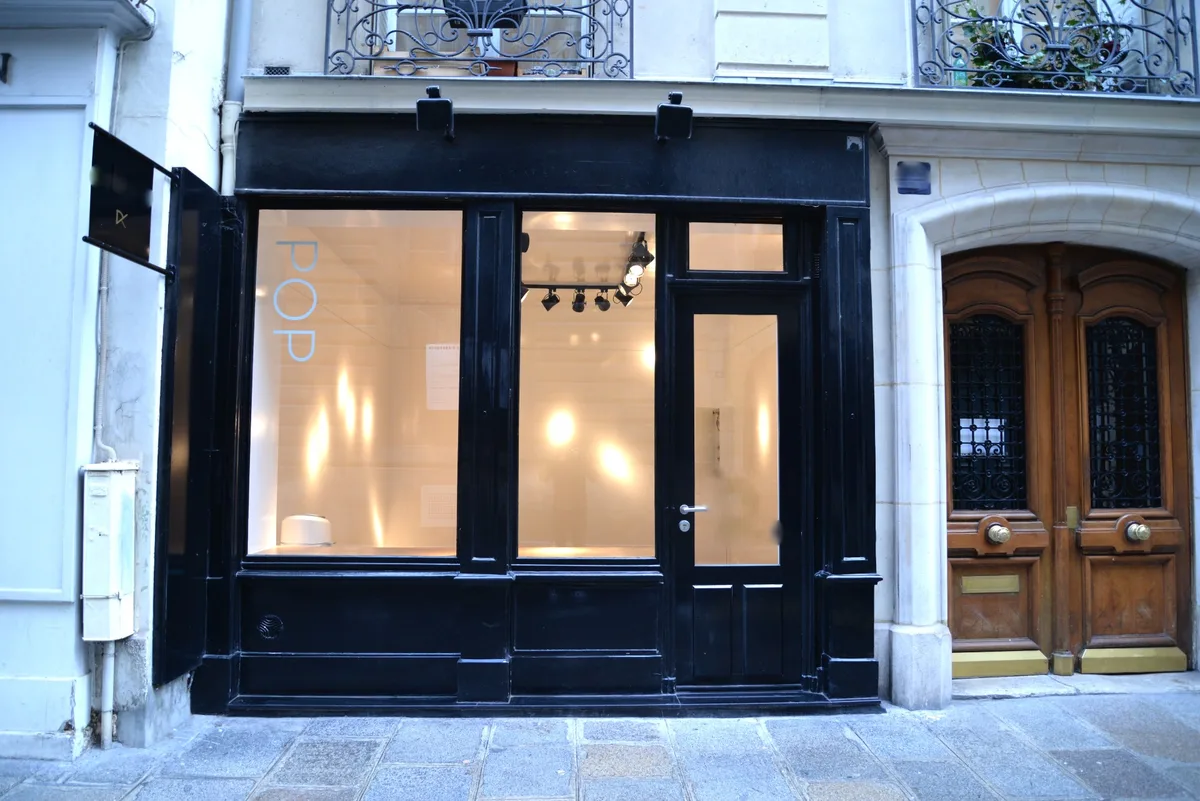
| Ground-floor boutique unit | 30 to 150 sqm | Pop-up retail, product launch | Street-facing window display, natural light, high footfall | 1 week to 3 months |
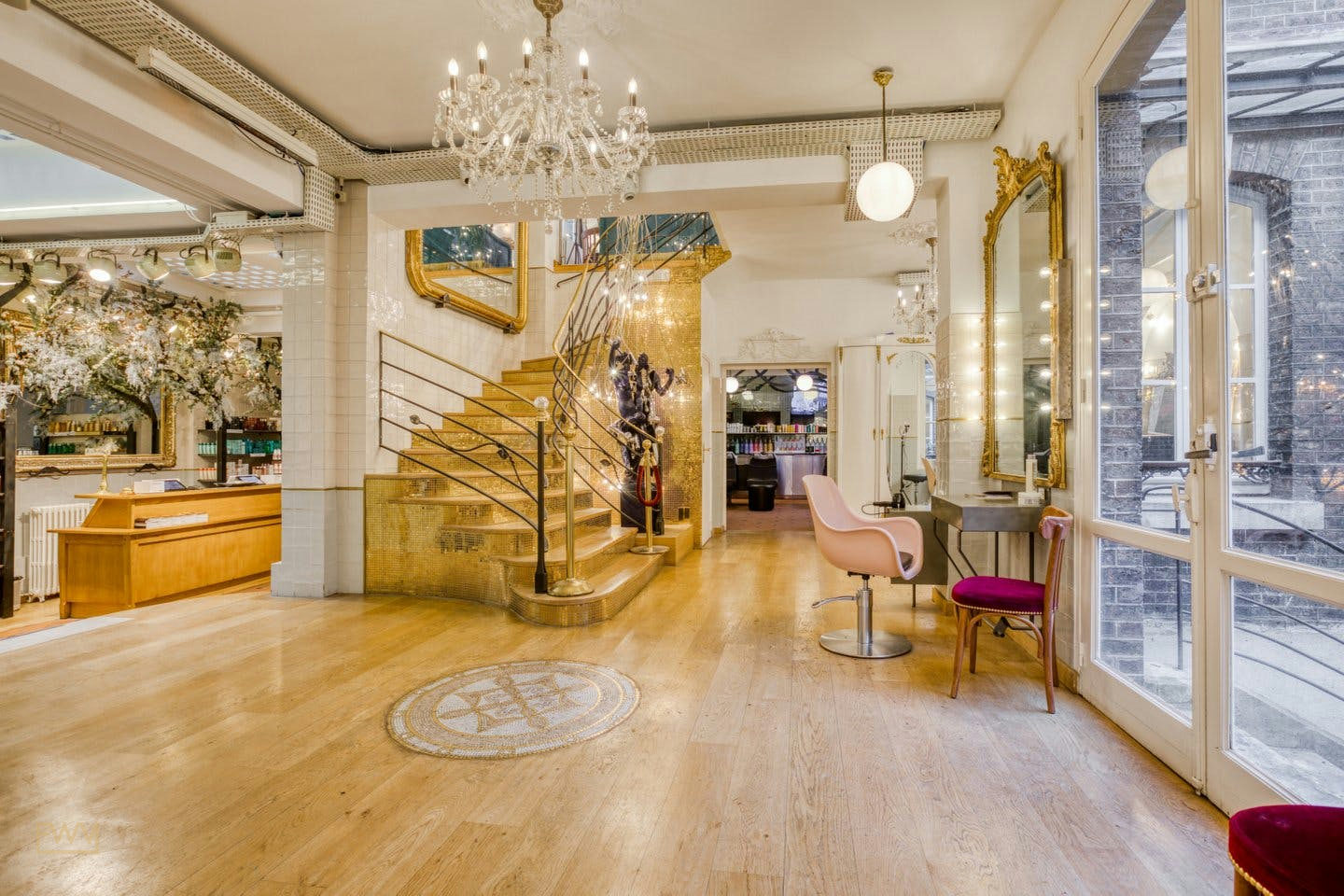
| Concept store whole-floor hire | 100 to 400 sqm | Multi-brand activation, editorial, showroom | Flexible configuration, often heritage interiors | 2 days to 6 weeks |
| Hotel venue space | 50 to 500 sqm | Private sales, press events, VIP launches | Full hospitality infrastructure, security, catering | 1 day to several weeks |
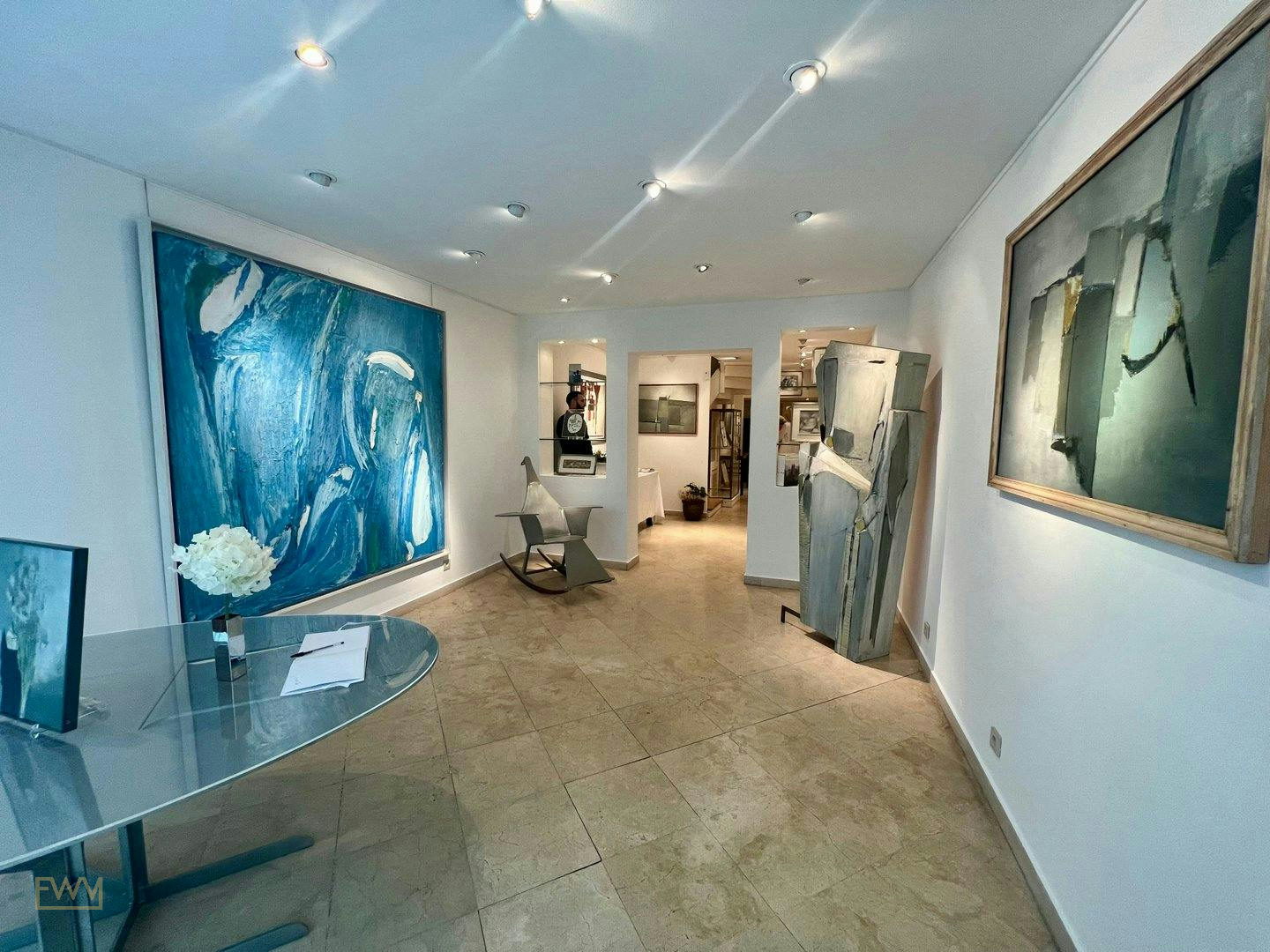
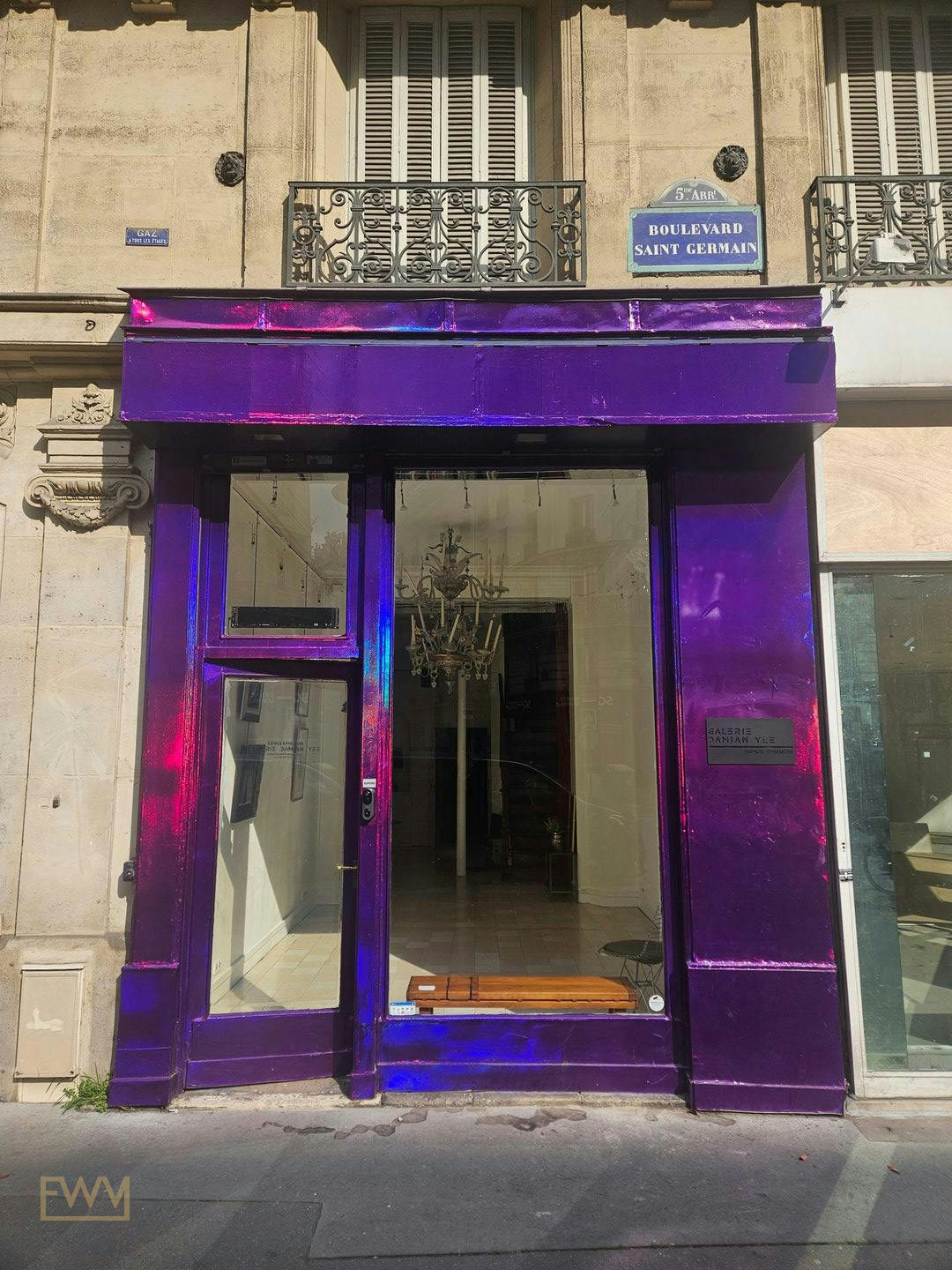
| Gallery space | 50 to 250 sqm | Exhibition, art collaboration, brand experience | White walls, exhibition lighting, cultural programming | 1 week to 1 month |
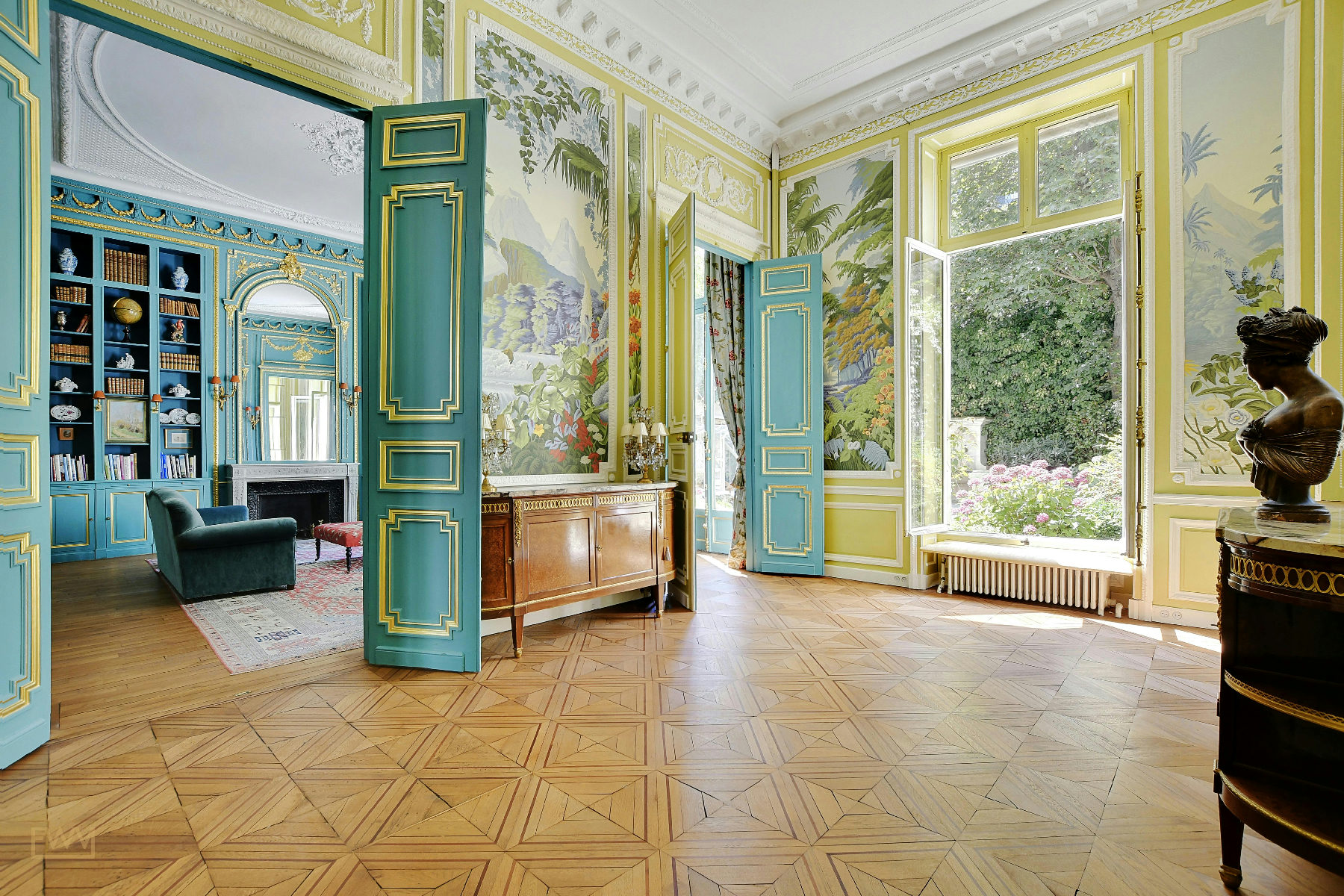
| Showroom apartment | 80 to 300 sqm | Trade showroom, private sale, editorial suite | Residential feel, natural light, parquet, Paris stone | 3 days to 3 months |
Window display space is a critical variable on Rue Saint-Honoré specifically. The street's visual culture means that a compelling window installation can function as an outdoor advertising asset in its own right. Brands like Hermès have built entire seasonal identities through their window displays on this street. For a pop-up activation, commissioning a window display that communicates your brand story to the thousands of people passing daily is an investment that typically delivers significant press and social media return.
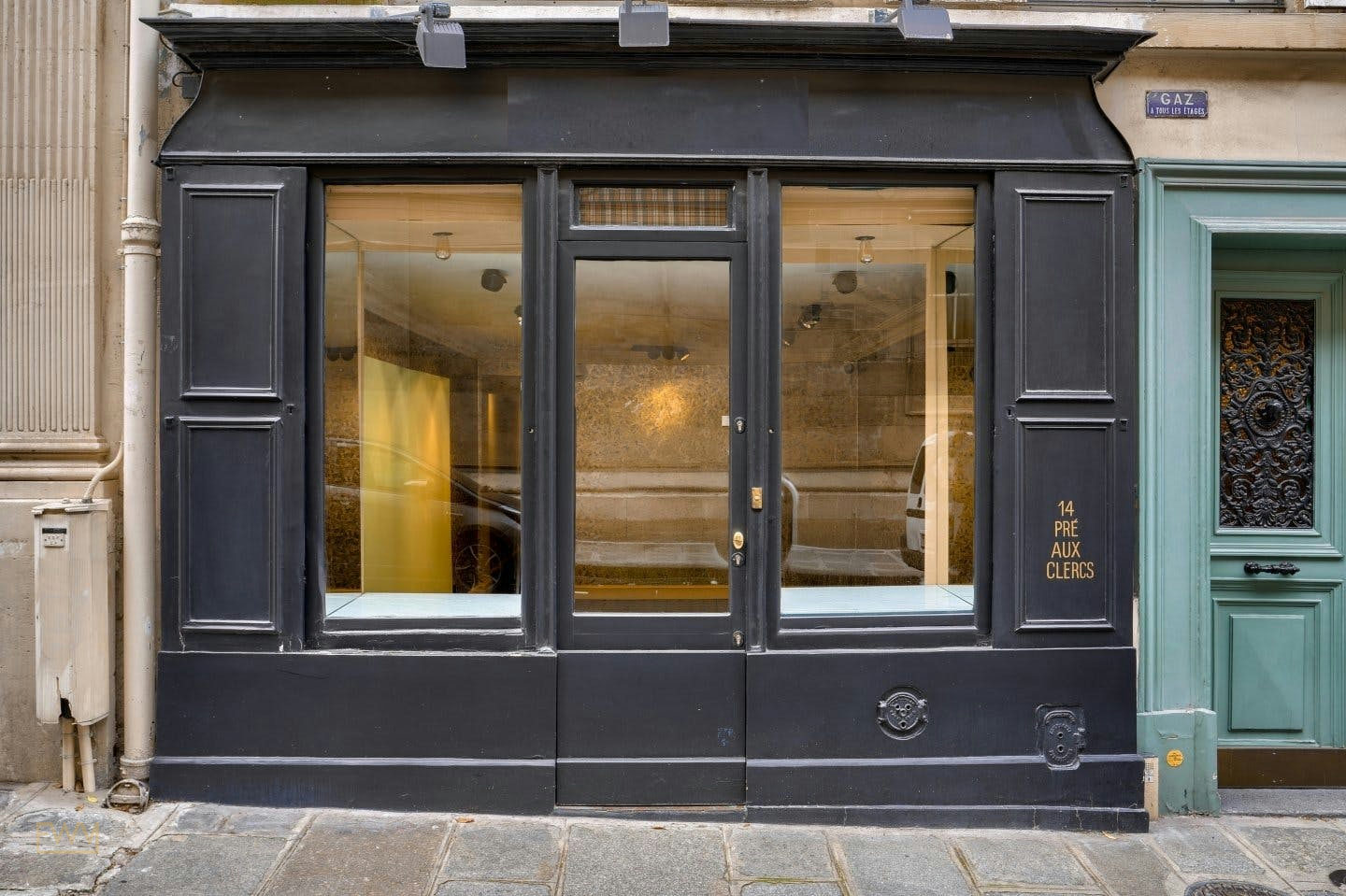
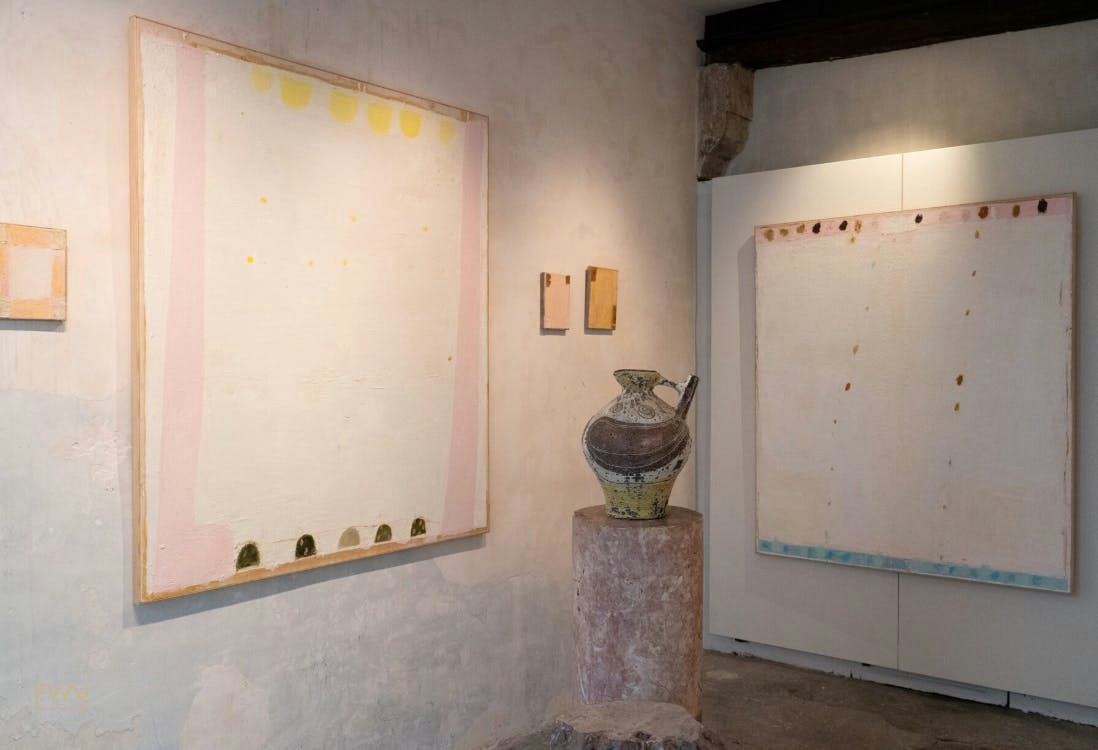
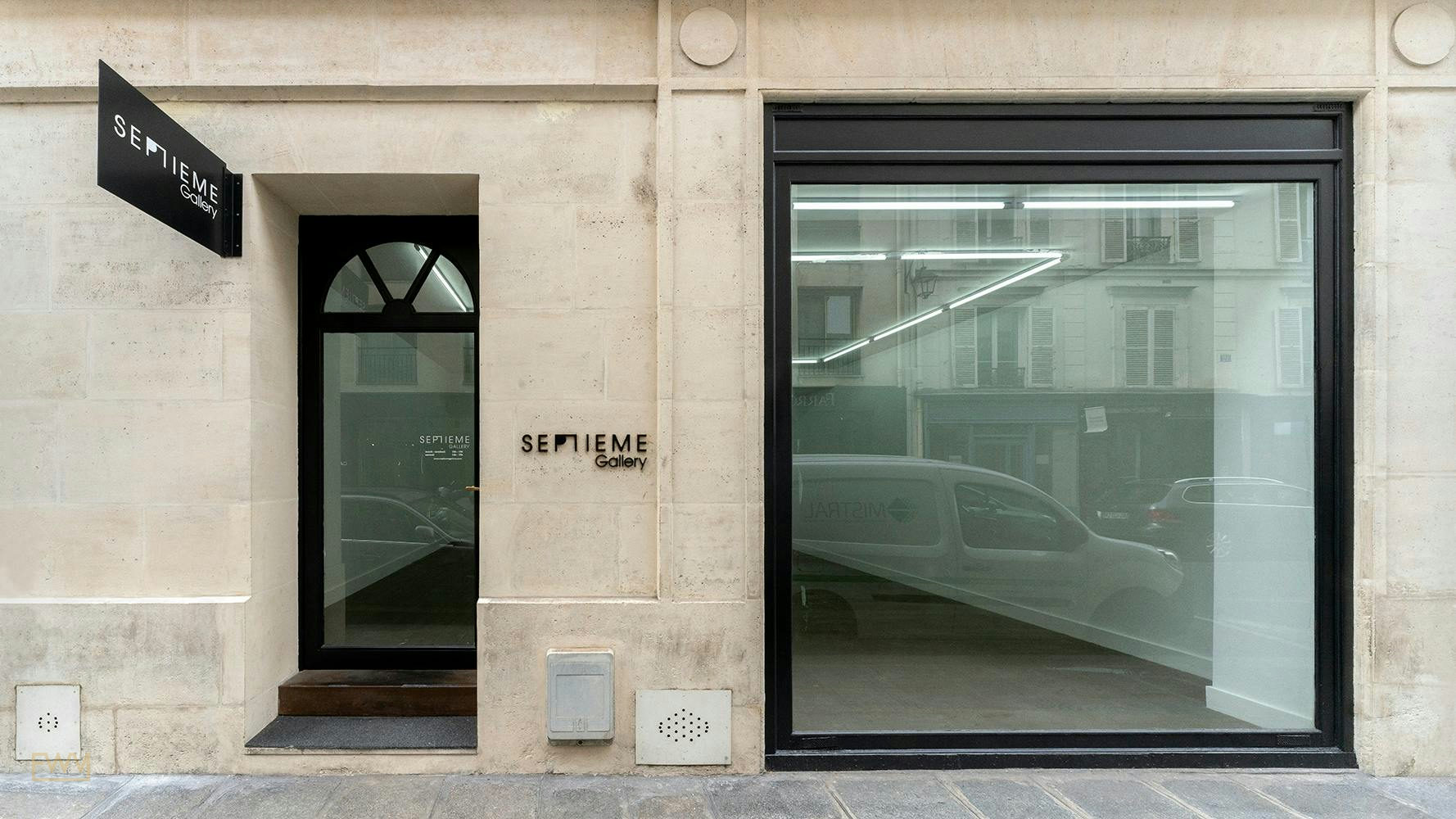
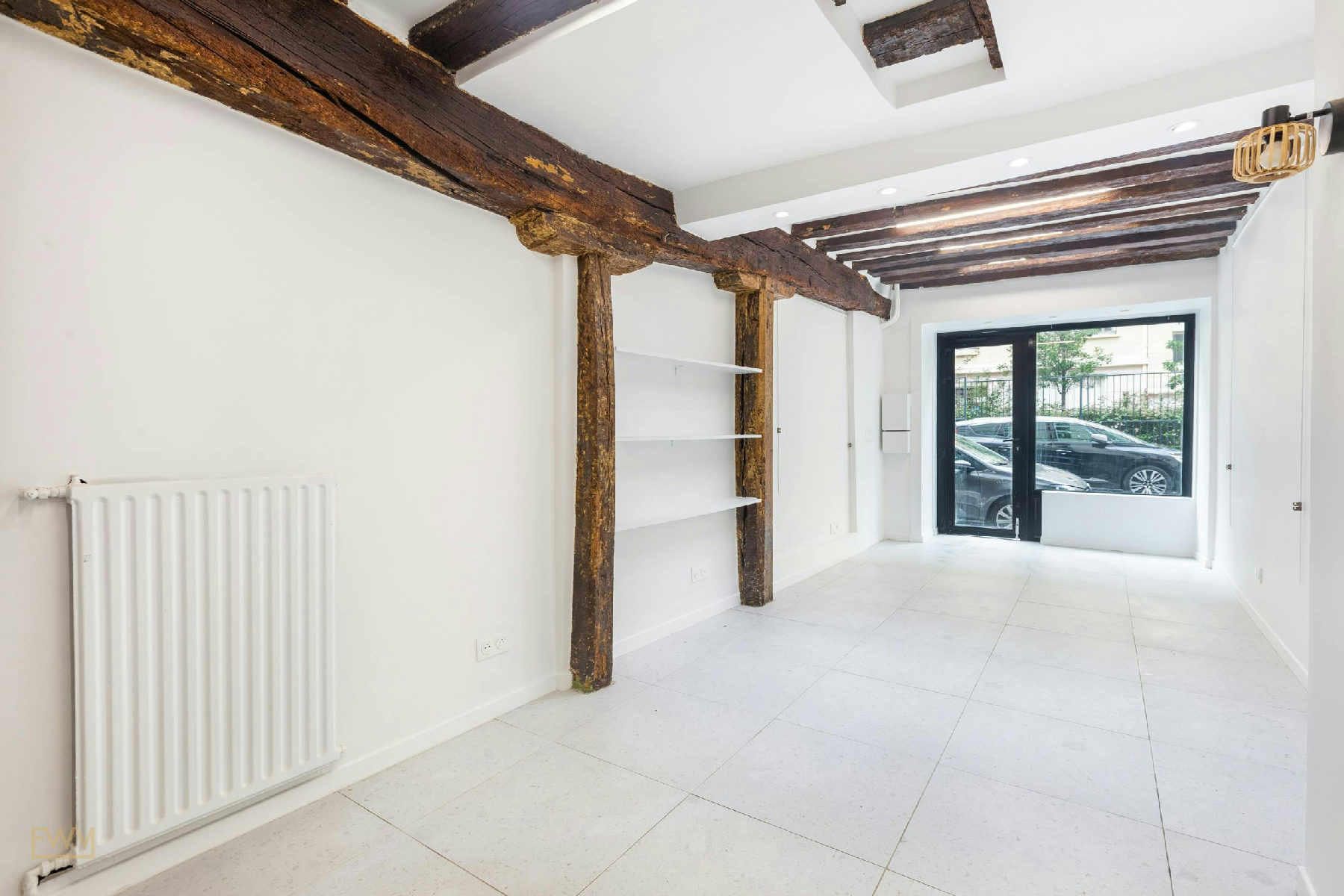
Spaces vary considerably in their internal character. Some retain the original Paris stone walls, exposed wooden beams, and high ceilings that characterise Haussmann-era architecture. Others have been stripped back to white-walled, minimalist configurations that suit contemporary fashion or beauty brands. Natural light varies significantly depending on the building's orientation and the width of the street at that particular point. Always visit or request a detailed brief from your space sourcing team before committing.
The Role of a Pop-Up Agency in the Booking Process
A specialist pop-up agency brings three things that a brand team working independently typically cannot replicate: existing relationships with Parisian landlords and property managers, knowledge of which spaces are genuinely available rather than theoretically available, and experience navigating the legal and operational requirements of short-term retail leases in France. The venue sourcing service at Fashion Week Venues covers the full identification, negotiation, and contracting process for brands that do not have existing Paris property networks.
TIP: When evaluating a potential space, ask specifically about parking availability for load-in and load-out, access times for fit-out, structural permissions for fixtures and fittings, and whether the space has been used for commercial retail activations before. These factors can significantly affect your build timeline and operational costs.
KEY TAKEAWAY: Finding the right space on Rue Saint-Honoré requires access to a network that goes beyond public listings. The combination of a curated marketplace and specialist agency support gives brands the best chance of securing a space that matches their brief, budget, and calendar window.
Understanding what the space costs and how to structure your budget is the next essential step in the planning process.
Budgeting for a Pop-Up Shop on Rue Saint-Honoré: What to Expect
Budget planning for a Rue Saint-Honoré pop-up requires accounting for multiple cost layers that go beyond the headline rental figure. Brands that approach Paris pop-up budgeting with only the space cost in mind typically encounter significant unexpected expenditure during fit-out, operations, and compliance. This section outlines the key cost categories to consider, without stating specific figures that may not apply to your particular space, timing, or activation type.
Quick answer: The total cost of a Rue Saint-Honoré pop-up activation typically includes space rental, fit-out and production, furniture and fixtures, staffing, technology and POS, permits and compliance, insurance, marketing and influencer activity, and agency fees. Each of these layers needs its own allocation in your planning budget. Use the Fashion Week Venues budget calculator to generate brand-specific estimates based on your duration, space size, and service requirements.
Key Budget Categories for a Paris Pop-Up Activation
Space rental on Rue Saint-Honoré and in the surrounding 1st arrondissement commands a premium over most other Paris neighbourhoods, reflecting the address value, the footfall quality, and the limited supply of genuinely suitable short-term spaces. Rental costs vary considerably depending on duration, space size, configuration, and the specific weeks involved. Fashion Week weeks and the Christmas market period attract higher rates due to demand concentration. Rates in Le Marais, Saint-Germain, and Montmartre are generally lower, though prime addresses within those neighbourhoods can approach comparable figures.
Fit-out and production costs depend on your concept ambition and the condition of the space you are inheriting. A raw space requiring full construction, lighting, flooring, and fixturing is a fundamentally different budget proposition from a turnkey space that requires only minor dressing. Paris has strict rules about what modifications can be made to listed buildings and to properties in heritage conservation areas, which includes much of the 1st arrondissement. Always confirm what structural changes are permitted before committing to a build concept. The production and build service at Fashion Week Venues covers all aspects of fit-out planning and execution in Paris.
Staffing is a significant ongoing cost for any retail pop-up. French employment law applies to all staff working in France regardless of the brand's country of origin, and compliance with URSSAF registration, payroll declarations, and working time regulations is mandatory. Specialist retail staffing support is advisable for brands that do not have an existing French entity. The retail staffing service at Fashion Week Venues provides compliant staffing solutions for Fashion Week activations.
Technology and POS costs cover card payment terminals, POS software, inventory management, network connectivity, and data capture infrastructure. For brands collecting customer data at point of sale, GDPR compliance in a French context adds a layer of requirements that should be accounted for in planning.
IMPORTANT: Insurance for a commercial retail activation in France requires specific cover for public liability, product liability, and potentially for the value of stock, fixtures, and the space itself. Standard home country brand insurance policies do not automatically extend to French commercial activations. Verify your cover in advance of activation.
KEY TAKEAWAY: A Rue Saint-Honoré pop-up budget is a multi-layer document. Brands that plan only for rental costs consistently underestimate total activation spend. Building in contingency of at least fifteen to twenty percent of total budget is advisable for any first-time Paris activation.
Budget clarity leads naturally into the question of legal and operational compliance, which is where many international brands encounter their most significant Paris-specific challenges.
Permits, Leases, and Legal Requirements for Pop-Up Shops in Paris
Operating a pop-up shop in Paris involves navigating a legal and administrative framework that differs significantly from the United Kingdom, the United States, and most other markets where international brands commonly activate. Understanding the key legal structures relevant to short-term retail in France is essential before any space is booked or any deposit is paid.
Quick answer: Short-term retail activations in Paris typically operate under one of two legal frameworks: the bail dérogatoire, which is a short-term commercial lease with specific statutory protections and limitations, or a convention d'occupation précaire or autorisation d'occupation temporaire for spaces such as public property or markets. Neither framework is legally straightforward without specialist guidance, and the requirements vary by space type, arrondissement, and duration.
Understanding the Bail Dérogatoire
The bail dérogatoire is a short-term commercial lease framework under French law that allows a landlord to rent a commercial space for a duration of up to thirty-six months without granting the tenant the long-term commercial lease protections that would otherwise apply under the standard bail commercial regime. For pop-up activations lasting days, weeks, or a few months, the bail dérogatoire is often the appropriate legal vehicle. However, it must be drafted correctly to be legally valid, and both parties must explicitly waive the standard commercial lease protections in writing. Errors in drafting can inadvertently convert a short-term arrangement into a much longer commitment with full statutory protections for the tenant, which is not in the landlord's interest and can create legal disputes.
Autorisation d'Occupation Temporaire
For activations on public property, in parks, or in spaces managed by the City of Paris, an autorisation d'occupation temporaire (AOT) may be required. This is particularly relevant for brands considering the Christmas market chalets in the Tuileries Garden, on the Champs-Élysées, or in other publicly managed spaces. The AOT is granted by the relevant public authority and typically involves an application process, a use fee, and compliance with specific operational and aesthetic requirements. Securing an AOT for a prime Christmas market location in Paris is competitive, and applications for the following season's markets often open well in advance.
Use the permits tool on Fashion Week Venues to understand the permit and compliance landscape for your specific space type and activation duration. Always verify requirements with a qualified French legal advisor before signing any lease or occupation agreement, as requirements vary by space type, duration, and arrondissement.
The French Legal Entity Question
International brands are sometimes told they need a French legal entity to rent a space or operate commercially in Paris. This is not universally true, but the position depends on the nature of the activity, the duration, the tax implications, and the specific terms of the lease or occupation agreement. Some landlords and spaces will require a French entity or a guarantor established in France. Others will accept international entities with appropriate documentation and guarantees. This is an area where specialist legal advice specific to your brand structure is essential.
KEY TAKEAWAY: The legal framework for short-term retail in Paris is more complex than in many other markets. Bail dérogatoire leases, AOT permits, and employment compliance all have specific French requirements that benefit from specialist local knowledge. Do not assume that what works in London, New York, or another market will automatically apply in Paris.
With legal requirements understood, the next layer of planning concerns the design and concept direction that will make your Rue Saint-Honoré activation resonate with its intended audience.
Concept Direction and Store Design for a Rue Saint-Honoré Pop-Up
A pop-up shop on Rue Saint-Honoré exists in one of the most visually literate retail environments in the world. The design and concept direction of your activation must be able to hold its own against the permanent boutiques of Hermès, the editorial window displays of international luxury maisons, and the memory of Colette's relentless cultural curation. Generic fit-outs, underdeveloped brand narratives, and poor-quality materials will not perform in this environment.
The most impactful activations on this street and in the surrounding neighbourhood share a common characteristic: they communicate a complete and coherent brand world within a relatively small physical footprint. The Virgil Abloh Securities pop-up is a reference point here. Abloh brought together his personal references, including the influence of Dieter Rams' product design philosophy, the industrial minimalism of the Braun BC02 clock, the visual language of Futura Laboratories, and the cultural energy of his Cactus Jack label collaboration with Travis Scott, into a single coherent spatial experience. Visitors came away with a deeper understanding of Abloh's intellectual framework, what became known as the Abloh-isms conceptual vocabulary, rather than simply having shopped. That quality of cultural depth is what distinguishes a memorable Paris activation from a forgettable one.
Concept direction for a Paris pop-up should begin with a clear answer to three questions: What does this space need to communicate about the brand that cannot be communicated digitally? Who is the specific audience that will visit, and what do they already know about the brand? What is the single experience or object that a visitor should remember when they leave? Once these questions are answered, the spatial, visual, and programmatic decisions follow from them.
Window Displays on Rue Saint-Honoré
Window display strategy deserves its own planning budget and its own creative team input. On a street where brands like Hermès invest in world-class window installations as a primary brand communication channel, a mediocre window will actively undermine the credibility of your activation. Commission a window display that works as a standalone artwork or installation, that communicates something specific about your brand's current creative chapter, and that invites a double-take from someone walking past at speed. This is not a secondary consideration. On Rue Saint-Honoré, the window is often the most-photographed element of a pop-up activation and the one that generates the most organic social media coverage.
For brands that want to explore the concept and spatial possibilities of a Paris space before committing, the Imagine visualisation tool on Fashion Week Venues allows teams to explore how a concept might translate into a specific space configuration. The concept direction service provides full creative development support from briefing through to execution.
TIP: Paris audiences respond strongly to references that demonstrate genuine cultural knowledge of the city. Collaborating with a Parisian artist, referencing a local institution such as L'Atelier Brancusi at the Centre Pompidou or the Fondation Louis Vuitton, or drawing on the specific architectural character of the space itself are all strategies that consistently resonate with culturally literate Parisian visitors.
KEY TAKEAWAY: On Rue Saint-Honoré, concept and design quality are not optional upgrades. They are the baseline requirement for an activation that performs with press, buyers, and culturally engaged consumers. Budget and timeline must reflect this reality.
Beyond the physical design of the space, the operational infrastructure that supports a successful activation requires careful planning.
Paris Christmas Markets and Seasonal Pop-Up Activations Near Rue Saint-Honoré
The Paris Christmas market season transforms the retail and experiential landscape of the city's central arrondissements from late November through early January. For brands considering a seasonal pop-up activation near Rue Saint-Honoré, the Christmas market calendar creates both opportunity and competition, generating exceptional foot traffic while also raising the bar for experiential quality and sensory richness.
Quick answer: The major Paris Christmas markets closest to Rue Saint-Honoré are the Tuileries Christmas Market in the adjacent Tuileries Garden, the Hôtel de Ville Christmas Market in the 4th arrondissement, and the Saint Michel Christmas Market near Notre-Dame. Each has a distinct character, audience, and operational framework. Brands activating in a nearby pop-up space benefit from the elevated foot traffic that all of these markets generate.
The Tuileries Christmas Market: La Magie de Noël
The Tuileries Garden Christmas carnival, known as La Magie de Noël, is one of the largest and most visited Christmas markets in Paris. It typically runs from late November through early January and combines a traditional Christmas market format with a funfair carnival atmosphere. Visitors will find chalets selling seasonal foods and gifts, hot mulled wine (vin chaud), foie gras, Champagne bars, and a broad selection of artisan products. The market also features rides, entertainment, and seasonal programming that includes a notable Disney-themed presence in some years, alongside Lego activations and family-oriented experiences that broaden the audience beyond the core Christmas market demographic.
The food and beverage offering at the Tuileries market reflects both Parisian tradition and the influence of Alsatian Christmas market culture. The Alsace region of northeastern France shares a border with Germany and Switzerland, and its culinary traditions, including tarte flambée, Bredele biscuits, hot chocolate, and the ubiquitous vin chaud, have strongly shaped what Paris visitors expect from a Christmas market experience. The presence of a Champagne bar at a major Paris Christmas market reflects the broader tendency of Parisian seasonal events to combine festive tradition with the city's distinctive pleasures.
Hôtel de Ville Christmas Market and Marché de Noël Culture
The Hôtel de Ville Christmas Market in the 4th arrondissement is one of the most iconic seasonal markets in Paris, set against the illuminated backdrop of the City Hall building and within easy walking distance of the Marais neighbourhood. The market typically features pop-up chalets selling artisan gifts, seasonal food, and fashion accessories, and it draws a broad mix of Parisian residents and international visitors throughout the season. The adjacent Notre-Dame Cathedral, undergoing its celebrated restoration following the fire of 2019, adds additional footfall to the area as visitors come to witness the progress of one of the most significant cultural reconstruction projects of the current era.
Across the city, temporary Marché de Noël chalets appear in a range of locations including Gare Saint-Lazare, Gare Montparnasse, and various arrondissement squares. Pop-up Christmas markets are also a growing format, with smaller, curated editions appearing in concept store courtyards, gallery spaces, and boutique hotel lobbies. The Hotel Bourg Tibourg in the Marais and similar boutique properties have used the Christmas season to host intimate market-style activations that blend luxury hospitality with seasonal retail.
For brands considering a Christmas market chalet format specifically, whether as a standalone pop-up or as part of an established market, the distinction between a managed chalet within an official market and an independent pop-up with a seasonal visual identity is important. Official market chalets typically require an application to the market organiser, specific size and design compliance, and may have restrictions on brand type or product category. Independent pop-up boutiques operating nearby can use the seasonal market aesthetic, including the warmth, the sensory richness of vin chaud and foie gras, and the festive visual language, while maintaining full creative and operational control.
Quick answer: Paris Christmas markets near Rue Saint-Honoré generate significant additional foot traffic from late November through early January. Brands with a nearby pop-up activation benefit from this traffic, while brands interested in a market chalet format should research application processes for specific markets well in advance, as competition for premium market positions is high.
KEY TAKEAWAY: The Paris Christmas market season is one of the most commercially powerful windows for a Rue Saint-Honoré area pop-up. The combination of festive foot traffic, seasonal purchasing intent, and the city's elevated visual standards creates a compelling case for brands in gifting categories including jewellery, beauty, accessories, and fashion.
Alongside the seasonal calendar, there is a broader cultural ecosystem of exhibitions, concept stores, and cultural venues that shapes the context for any pop-up activation in this part of Paris.
Cultural Venues, Concept Stores, and the Creative Ecosystem Around Rue Saint-Honoré
Rue Saint-Honoré does not exist in isolation. It sits within a rich cultural and retail ecosystem that extends through the 1st arrondissement and into adjacent neighbourhoods, and understanding that ecosystem helps brands develop activations with genuine cultural resonance rather than generic luxury adjacency.
The Bourse de Commerce, home to the Pinault Collection and one of the most significant contemporary art institutions in Paris, is a short distance from Rue Saint-Honoré. Its presence as a world-class contemporary art venue has elevated the cultural profile of the surrounding area and created an audience of art collectors, curators, and culturally engaged visitors who move through the neighbourhood specifically for cultural programming. Brands whose activations can credibly engage with this audience, through collaboration, reference, or programming, will find a receptive and influential cohort of visitors.
L'Atelier Brancusi, the reconstructed studio of Constantin Brancusi adjacent to the Centre Pompidou in the 4th arrondissement, and the Fondation Louis Vuitton in the Bois de Boulogne both attract international visitors with a serious interest in art and design. DSM Parfums, which occupies a space in the Dover Street Market Paris location, sits within a broader cultural retail ecosystem that includes art galleries, independent bookshops like Ofr Bookstore, and concept retail that blurs the line between commerce, culture, and exhibition.
The legacy of Colette as a Parisian concept store deserves extended discussion in this context. Colette operated at 213 Rue Saint-Honoré from 1997 until its closure in December 2017 and was arguably the most influential multi-brand concept store in the world during its operation. It combined fashion, beauty, art, technology, music, and food in a single vertical space, treated every product category with equal editorial seriousness, and created a queue-forming culture around limited drops and exclusive collaborations that predated and arguably defined the streetwear drop model. The water bar in its basement, the art books on the ground floor, the sneaker collections and high-tech gadgets alongside jewellery and ready-to-wear: Colette was the archetype for the culturally promiscuous concept store that continues to influence brand activation strategy globally.
Brands activating on Rue Saint-Honoré today inevitably operate in Colette's shadow, and the most effective approach is to acknowledge this history explicitly rather than ignoring it. Colette created an expectation among Paris audiences that a truly interesting space on this street will offer cultural discovery, not just commerce. The Parisian concept store format, in which retail, art, and cultural programming coexist under a single editorial vision, remains the aspiration against which pop-up activations in this neighbourhood are informally measured.
Nearby reference points for brands seeking spatial and editorial inspiration include Maison Krasnova in the Marais, which has championed the return of the pillbox hat as a fashion object and built a devoted following through a deeply personal and consistent aesthetic, and The Broken Arm, which operates as a concept store, cafe, and gallery in a minimalist space that has become a reference for contemporary fashion and design culture in Paris. Elise Chalmain's jewellery boutique Rubirosa represents another model: a hyper-specific, deeply personal brand space that communicates a complete world view in a small footprint.
KEY TAKEAWAY: The cultural ecosystem around Rue Saint-Honoré sets a high standard for the quality of brand experience that resonates with its audience. The most successful pop-up activations in this neighbourhood connect to the city's cultural life rather than importing a brand experience wholesale from another market.
To see how Fashion Week Venues has worked with brands activating in culturally significant Paris locations, explore the case studies and past activations section of the Fashion Week Venues website.
How Fashion Week Venues Helps Brands Book a Pop-Up Shop in Paris
Fashion Week Venues operates as a full-service pop-up agency and space marketplace with Paris as its primary market. For brands planning a Rue Saint-Honoré activation or any short-term retail presence in Paris, Fashion Week Venues offers a structured support model that covers the full journey from initial space discovery through to post-activation data reporting.
The Fashion Week Venues marketplace gives brands access to a curated selection of available spaces across Paris's major activation neighbourhoods, including the 1st arrondissement, Le Marais, Saint-Germain, and Montmartre. Each listing includes space specifications, availability windows, and use permissions, allowing brand teams to shortlist options that genuinely match their brief before entering into detailed discussions.
For brands that want a fully managed activation rather than a self-directed space search, the agency service model covers every stage of the process. Venue sourcing and negotiation, concept and creative direction, fit-out production and build management, branded store design, furniture rental, retail staffing, POS and payment infrastructure, data and analytics, and influencer marketing are all available as integrated services. Brands can engage Fashion Week Venues at whatever level their internal resource and experience requires, from a light-touch space sourcing engagement through to a full end-to-end production and management mandate.
The planning tools available on the Fashion Week Venues platform are designed for brand teams that want to do rigorous pre-engagement analysis before committing to a budget or brief. The timeline planning tool helps teams map out the full activation calendar from initial brief to close-down. The ROI calculator allows brands to model expected returns against different budget scenarios. The space locator tool filters available spaces by neighbourhood, size, duration, and activation type.
For brands considering a shared or co-activation format, the Twin concept allows two complementary brands to share a single space and split costs while creating a richer combined brand experience for visitors. This format is particularly relevant for brands entering Paris for the first time who want to reduce their financial exposure while testing the market.
It is important to be clear about what Fashion Week Venues does not guarantee. No agency can guarantee the availability of a specific space, the outcome of a permit application, or the commercial results of a pop-up activation. Paris is a competitive market with limited premium space availability, and the agency's role is to maximise a brand's chances of securing an appropriate space and executing it successfully, not to promise outcomes that depend on market factors outside any agency's control.
Quick answer: Fashion Week Venues helps brands plan, source, design, build, staff, and manage pop-up activations in Paris through a combination of a curated space marketplace, full-service agency support, and a suite of planning tools. The level of engagement can be tailored to the brand's internal capability and ambition. Refer to the agency hiring guide for help evaluating whether and how to engage a specialist pop-up agency for your Paris activation.
KEY TAKEAWAY: Whether a brand needs only a space or requires full end-to-end activation management, Fashion Week Venues provides structured support that reduces the risk and complexity of a Paris pop-up. The combination of marketplace access, agency services, and planning tools makes it possible for brand teams at any experience level to approach a Rue Saint-Honoré activation with confidence.
Step-by-Step Planning Workflow for a Rue Saint-Honoré Pop-Up Activation
Successfully executing a pop-up shop on Rue Saint-Honoré requires disciplined planning across a timeline that typically spans three to six months from initial brief to activation opening. The table below maps the key workflow stages and their interdependencies.
| Stage | Key Activities | Timing Before Activation | Responsible Party |
|---|---|---|---|
| 1. Strategic Brief | Define objectives, audience, budget envelope, calendar window, and activation type | 5 to 6 months | Brand team |
| 2. Neighbourhood and Space Research | Shortlist neighbourhoods, review marketplace listings, compare space options | 4 to 5 months | Brand team and agency |
| 3. Space Visits and Briefings | Physical or virtual site visits, detailed space briefings, permit pre-checks | 3 to 4 months | Agency and brand team |
| 4. Legal and Lease Agreement | Lease negotiation, bail dérogatoire or AOT documentation, legal review | 2 to 3 months | Legal advisor and agency |
| 5. Concept and Design Development | Concept direction, floor plan, window display brief, furniture and fixtures specification | 2 to 3 months | Creative team and agency |
| 6. Production and Build | Contractor briefing, build schedule, delivery logistics, fit-out execution | 4 to 6 weeks | Production team and agency |
| 7. Staffing and Operations Setup | Staff recruitment, training, POS installation, inventory setup | 2 to 3 weeks | Agency and brand operations team |
| 8. Press and Influencer Pre-Launch | Press invitations, influencer briefings, social content preparation | 1 to 2 weeks | Marketing team and agency |
| 9. Activation Opening and Operations | Daily operations, staff management, customer experience, data capture | Activation period | On-site team and agency |
| 10. Close-Down and Reporting | Strip-out, space handback, data analysis, ROI reporting | Post-activation | Agency and brand team |
This workflow applies broadly to most Rue Saint-Honoré activations, though specific timings will vary depending on the scale of the activation, the complexity of the fit-out, and the regulatory requirements of the specific space and its permitted use. Shorter lead times are possible for simpler activations in spaces that require minimal fit-out, but should be approached cautiously for premium spaces in high-demand windows.
KEY TAKEAWAY: A structured, staged planning process is the single most reliable predictor of a successful Paris pop-up activation. Brands that begin too late, skip stages, or underestimate the time required for legal and production steps consistently encounter delays and cost overruns that are difficult to recover from in a short activation window.
Common Myths About Booking a Pop-Up Shop on Rue Saint-Honoré
MYTH: You need a French legal entity to rent a pop-up space in Paris.
FACT: While some landlords and certain space types prefer or require a French entity or guarantor, many short-term retail spaces in Paris can be accessed by international brands without an established French company, subject to appropriate documentation, guarantees, and the specific terms of the lease arrangement. Legal requirements vary by space, duration, and arrondissement. Always verify with a qualified French legal advisor rather than assuming either position applies universally to your situation.
MYTH: Paris Fashion Week is the only viable calendar window for a Rue Saint-Honoré pop-up.
FACT: Paris Fashion Week windows in January, March, June, and October create high-demand periods, but they are not the only commercially effective times to activate. The Christmas market season from late November through early January generates exceptional foot traffic near Rue Saint-Honoré, and off-peak windows can offer more space availability, more flexible landlord terms, and lower rental rates for brands whose audience is not concentrated in the industry calendar. The right window depends entirely on your brand's objectives and audience.
MYTH: Commission brokers are the only reliable way to find a pop-up space in Paris.
FACT: Commission brokers represent one route to Paris pop-up spaces, but they may not have access to the full range of available short-term spaces, and their incentive structure does not always align with securing the best possible brief-to-space match for the brand. Curated space marketplaces with direct listings, combined with specialist pop-up agencies that have established landlord relationships, often provide a broader and better-matched selection of options.
MYTH: Short-term leases in France are legally straightforward and do not require specialist help.
FACT: French commercial lease law, including the bail dérogatoire framework, has specific drafting requirements and statutory implications that can create significant legal exposure for brands that sign agreements without specialist review. A short-term lease that is not correctly documented under French law can inadvertently create long-term obligations or void protections that both parties expected to apply. Specialist legal advice and agency support are advisable for all Paris pop-up lease agreements regardless of their apparent simplicity.
MYTH: A pop-up on Rue Saint-Honoré will automatically generate press coverage due to the address alone.
FACT: The address provides a credibility foundation and increases the likelihood of relevant visitors, but press coverage in Paris requires proactive outreach, a genuinely interesting concept, and access to the right editorial and social media contacts. Address alone does not guarantee coverage. Brands need a compelling story, a visually distinctive space, and an outreach strategy that connects with Parisian media, influencers, and cultural tastemakers on their own terms.
Frequently Asked Questions About Booking a Pop-Up Shop on Rue Saint-Honoré
What makes Rue Saint-Honoré the best street for a fashion pop-up in Paris?
Rue Saint-Honoré combines luxury brand adjacency, high-quality foot traffic from both Parisian residents and international visitors, proximity to key Fashion Week venues and hotels, and a deep cultural association with influential retail history through the legacy of Colette. The 1st arrondissement location also provides easy access to the Tuileries Garden, the Bourse de Commerce, and major transport hubs. For fashion, beauty, streetwear, and lifestyle brands, the address communicates credibility and cultural relevance in a way that few other Paris streets can match.
How far in advance should I book a pop-up space on Rue Saint-Honoré?
For Fashion Week windows in January, March, June, or October, begin your space search at least four to six months before your planned activation opening. For Christmas market season activations in November and December, starting in September is advisable for quality spaces. Premium spaces in high-demand windows can book up much earlier, and waiting until two months before your target date significantly reduces your available options. Proactive planning with a specialist agency or marketplace gives you the best chance of securing a space that genuinely matches your brief.
Do I need a French company to rent a pop-up space in Paris?
Not necessarily, but the answer depends on the specific space, the landlord's requirements, and the nature of your commercial activity in France. Some landlords require a French entity or a French-based guarantor. Others will work with international brands using appropriate documentation and financial guarantees. The position also has tax and employment compliance implications that vary by structure. Always seek advice from a qualified French legal advisor before committing to any Paris commercial lease, and use the Fashion Week Venues permits tool as a starting resource for understanding the compliance landscape.
What is a bail dérogatoire and how does it apply to a pop-up shop?
A bail dérogatoire is a short-term commercial lease framework under French law that allows a rental agreement of up to thirty-six months without granting the tenant the statutory protections of a standard long-term commercial lease. For pop-up activations, it is typically the appropriate legal vehicle. However, it must be correctly drafted to be legally valid, with both parties explicitly waiving standard commercial lease protections in writing. Errors in the drafting process can create unintended legal obligations. A French lawyer or specialist agency should always review any bail dérogatoire before it is signed.
What budget should I set for a two-week pop-up on Rue Saint-Honoré during Paris Fashion Week?
Total budget depends on the space size, the fit-out ambition, staffing requirements, technology infrastructure, and marketing activity. Costs include space rental, production and fit-out, furniture, staffing, POS and technology, insurance, permits, and agency fees. Providing a specific figure without knowing your brief would be misleading, as these variables create a wide range of possible totals. Use the Fashion Week Venues budget calculator to generate a directional estimate based on your specific space size, duration, and service requirements. Build in a contingency of at least fifteen to twenty percent of your total budget.
What is the best Pop-Up format for a luxury jewellery brand in the Marais?
For a jewellery brand in Le Marais, a showroom apartment or gallery space with natural light, Paris stone walls, and an intimate atmosphere typically performs better than a high-street retail unit. The Marais audience in the streets around Hôtel de Ville and the Halle des Blancs Manteau responds well to spaces that feel considered and personal rather than commercial. A concept that combines product display with a cultural element, such as an artist collaboration, a curated object selection, or an editorial narrative, is well aligned with how established Marais concept stores like Maison Krasnova and Rubirosa approach their spaces.
When do the Paris Christmas markets open and close, and how does this affect a nearby pop-up?
The major Paris Christmas markets, including the Tuileries Christmas Market (La Magie de Noël), the Hôtel de Ville Christmas Market, and the Saint Michel Christmas Market, typically open in late November and run through late December or into early January. Specific dates vary by year and should be verified against the current season's official calendar. For a pop-up shop near Rue Saint-Honoré, these markets generate significant additional foot traffic from late November onward, making this one of the commercially strongest windows of the year for brands in gifting categories.
What is a pop-up Christmas market chalet and how do I get one?
A pop-up Christmas market chalet is a temporary retail structure within an organised Christmas market, typically a wooden chalet of standardised dimensions, rented from the market organiser for the duration of the event. Application processes for official Paris Christmas market chalets are managed by the relevant municipal authority or private market organiser and are typically competitive, with applications often required well before the season begins. For brands that prefer operational independence, renting a nearby pop-up boutique and adopting a seasonal aesthetic offers greater creative control and flexibility than a chalet within an official market.
Can I use a hotel venue space near Rue Saint-Honoré for a private sale or press preview?
Yes. Hotel venue spaces, including those at major 1st arrondissement properties such as the Mandarin Oriental, are frequently used by fashion and luxury brands for private sales, press previews, VIP events, and showroom presentations during Fashion Week and throughout the year. These spaces offer full hospitality infrastructure, security, and catering, making them well suited to invitation-only events where guest experience is a priority. Availability and terms vary by property, and advance booking is essential for Fashion Week windows when demand from multiple brands is at its highest.
What happened to the Colette concept store on Rue Saint-Honoré?
Colette, which operated at 213 Rue Saint-Honoré in Paris, closed in December 2017 after twenty years of operation. It was one of the most influential retail concepts in the world, having pioneered the curated multi-category store format that treated art, fashion, beauty, music, technology, and food with equal editorial seriousness. After its closure, the space became the Paris flagship of Comme des Garçons' Dover Street Market. The cultural legacy of Colette continues to shape expectations for what a genuinely interesting Rue Saint-Honoré space should feel and behave like, and it remains a reference point for any brand considering an activation on this street.
What role did Virgil Abloh play in Paris pop-up culture?
Virgil Abloh was one of the most significant figures in the intersection of streetwear culture, luxury fashion, and experiential retail. His Off White brand opened an ephemeral boutique on Rue Saint-Honoré near the former Colette site, directly engaging with the cultural legacy of that address. His Virgil Abloh Securities pop-up brought together his intellectual references, including design theory, music culture, and the Cactus Jack label collaboration, into a spatial experience that functioned as much as an exhibition as a retail space. His approach demonstrated the power of concept-led, culturally embedded pop-up activations in Paris.
Where are the best places to see Christmas lights and seasonal decorations in Paris?
The most celebrated Christmas light displays in Paris are on the Champs-Élysées, which is illuminated with grand tree displays along its full length. Rue Saint-Honoré and the surrounding streets in the 1st arrondissement carry seasonal decorations that reflect the luxury character of the neighbourhood. Department stores including Galeries Lafayette and Le Bon Marché produce world-class seasonal window displays that draw thousands of visitors daily. The Tuileries Garden Christmas market area is itself illuminated extensively, and the area around Notre-Dame Cathedral carries special significance as the cathedral reopened to visitors in late 2024 following its restoration.
How do I get to the Rue Saint-Honoré area from Charles de Gaulle Airport or Paris Orly Airport?
From Charles de Gaulle Airport, the RER B train connects to Châtelet-Les Halles in approximately 35 to 50 minutes, placing you within walking distance or a short taxi or metro ride from Rue Saint-Honoré. From Paris Orly Airport, the Orlyval shuttle connects to the RER B at Antony station, providing the same onward route. Taxis and private car services from both airports serve the 1st arrondissement directly. The nearest metro stations to Rue Saint-Honoré itself are Tuileries and Concorde on Line 1, and Opéra on Lines 3, 7, and 8.
What should brands know about parking and load-in logistics for a Rue Saint-Honoré pop-up?
Parking on Rue Saint-Honoré itself is highly restricted, and standard street parking is not available for commercial delivery or load-in purposes during normal hours. Brands should plan delivery and fit-out logistics carefully, identifying nearby car parks, negotiating delivery window access with the building manager, and confirming whether the space has any designated delivery access. Many 1st arrondissement spaces have strict restrictions on delivery hours, particularly in pedestrianised sections. Always clarify parking and access arrangements before finalising your production and logistics schedule, as unexpected restrictions can cause significant delays during fit-out.
Is it possible to run a bi-city Fashion Week pop-up across Paris and another fashion capital simultaneously?
Yes, and this is a growing strategy among international brands that want to maximise their Fashion Week presence across multiple markets. Fashion Week Venues operates city hubs across Paris, London, Milan, New York, Tokyo, and Dubai, making it possible to plan and execute coordinated activations across multiple cities within a single campaign framework. The Twin concept at Fashion Week Venues also allows for co-activation models that reduce per-city costs. Coordinating multi-city activations requires careful timeline management and a production partner with genuine local knowledge in each market, as permit requirements, trade practices, and audience expectations vary considerably between fashion capitals.
Conclusion: Book Your Pop-Up Shop on Rue Saint-Honoré with Confidence
Booking a pop-up shop on Rue Saint-Honoré is one of the most powerful brand statements available to a fashion, beauty, or lifestyle brand operating in the international market. The address carries cultural weight built over decades of luxury retail excellence, amplified by the transformative influence of Colette, the streetwear credibility of Virgil Abloh's Off White activations, and the ongoing vitality of a neighbourhood that continues to define what cutting-edge retail looks and feels like in Paris.
Success on this street requires the right combination of strategic timing aligned with the Paris Fashion Week calendar or the Christmas market season, a concept that earns the cultural expectations of a sophisticated and discerning audience, a window display that functions as a standalone brand communication, and an operational and legal infrastructure that handles the specific requirements of French short-term commercial leasing. The planning process demands rigour, appropriate lead times, and specialist local knowledge that most brand teams cannot develop quickly on their own.
The broader Paris pop-up ecosystem, from Le Marais to Saint-Germain, from Montmartre to Les Halles, offers compelling alternatives and complements to a Rue Saint-Honoré activation, and the city's seasonal calendar creates opportunities for brands across a wide range of positioning and budget levels throughout the year. The Christmas market tradition rooted in Alsatian culture and expressed through the Tuileries carnival, the Hôtel de Ville market, and the Saint Michel Marché de Noël adds a powerful seasonal dimension that brands in gifting, accessories, and beauty are particularly well positioned to leverage.
To move from research to activation, start exploring available spaces on the Fashion Week Venues marketplace and build a focused brief for your target neighbourhood, space type, and calendar window. The combination of a curated marketplace, full-service agency support, and a comprehensive suite of planning tools gives your team the best possible foundation for a successful Rue Saint-Honoré activation in Paris.