Securing a book pop up shop rue de rivoli placement is one of the most sought-after moves in Paris short-term retail strategy, and for good reason. Rue de Rivoli cuts through the heart of the French capital, running alongside the Louvre, through the 1st arrondissement, and into the edge of Le Marais, delivering a concentration of foot traffic, heritage prestige, and brand visibility that few streets in the world can match. Whether you are a fashion label preparing for Paris Fashion Week, an international brand entering the French market, or a creative director scouting temporary retail space in the City of Light, this guide covers everything you need: neighbourhoods, space types, calendar windows, permit requirements, operational logistics, and the platforms and agencies that can connect you with the right venue. Fashion Week Venues offers dedicated venue sourcing services in Paris for exactly this kind of activation.
Understanding Rue de Rivoli and Its Place in the Paris Retail Map
Rue de Rivoli is one of Paris's most strategically important retail corridors. It stretches from the Place de la Concorde in the west through the 1st arrondissement past the Louvre, continuing east toward the Châtelet, Les Halles, and the boundary of Le Marais and the 4th arrondissement. The street's commercial identity is layered: flagship department stores and international high street brands occupy the central section near Châtelet, while the northern edge of Le Marais and its surrounding streets open up opportunities for concept stores, independent boutiques, and event-driven pop-up activations.
The street passes through several distinct retail zones. Near the Louvre and the Tuileries garden, the footfall is dominated by international tourists and cultural visitors. This is the zone where Le Café Marly, the iconic restaurant facing the Louvre pyramid, draws a fashion-conscious crowd. Moving east, the street passes the BHV Marais department store, one of the anchor retail landmarks on the border of Rivoli and Le Marais. Further east, the Marais district opens onto a dense network of independent fashion boutiques, galleries, concept stores, and pop-up venues on streets such as Rue des Francs-Bourgeois, Rue de Bretagne, and the streets around the Place des Vosges and the Picasso Museum.
The corridor also connects to other key Paris retail arteries. Rue Saint-Honoré and Rue du Faubourg Saint-Honoré run parallel to the north, anchoring the luxury sector. Les Halles and the Châtelet area connect Rivoli to the broader commercial centre of the city and to its main metro interchange, making access by public transport exceptional. The Seine flows along the southern edge of the 1st arrondissement, separating Rivoli from Saint-Germain-des-Prés and the Left Bank.
For brands considering a pop-up shop, the geography of Rue de Rivoli matters because foot traffic type varies significantly by block. A location near the Louvre attracts a very different shopper profile from a location near BHV Marais or a few streets into the Marais district. Understanding these micro-zones is fundamental to choosing the right temporary retail space.
Quick answer: Rue de Rivoli runs through the 1st and 4th arrondissements of Paris, connecting the Louvre and Tuileries to the Châtelet, Les Halles, and Le Marais. It is one of the highest-footfall retail corridors in Europe, attracting both international tourists and local Parisian shoppers, making it a prime location for pop-up shop activations during any season.
DID YOU KNOW: The BHV Marais, located directly on Rue de Rivoli at the entrance to Le Marais, is one of the oldest department stores in Paris and serves as a major daily footfall anchor for the entire eastern Rivoli corridor, attracting over one million visitors per month.
KEY TAKEAWAY: Rue de Rivoli is not a single retail environment. Brands must map their target customer profile against the specific block, arrondissement, and micro-neighbourhood they are considering before committing to a space. The Louvre end and the Le Marais end serve different audiences and require different activation strategies.
Understanding the geography prepares you to evaluate which type of pop-up space and which commercial format will serve your brand best, which is the subject of the next section.
What Is a Pop-Up Store and Why Does It Work So Well in Paris?
A pop-up store is a temporary retail space that a brand occupies for a defined period, typically ranging from a few days to several months, outside the commitment structure of a permanent commercial lease. In Paris, the pop-up format has become an established commercial strategy for international fashion brands, independent designers, concept stores, food and beauty brands, and creative agencies seeking to test the French market, activate around Paris Fashion Week, or build cultural credibility in one of the world's most influential retail cities.
Quick answer: A pop-up store is a short-term retail space rented for a defined period, from a weekend to several months. In Paris, pop-up stores allow brands to test the market, build press coverage, capture Fashion Week foot traffic, and generate social media content without the commitment or cost of a permanent lease.
The Paris pop-up market is unusually mature by global standards. The city has a well-developed infrastructure of short-term rental spaces, specialist platforms, and agencies that cater specifically to brands seeking temporary retail. Platforms such as Storefront and Go-PopUp helped establish a searchable marketplace model in Paris, making it possible for brands to browse and shortlist spaces by arrondissement, size, and availability. Paris also benefits from a strong tradition of concept stores, which historically blurred the line between retail, gallery, and editorial: the most famous example was Colette on Rue Saint-Honoré, which operated until 2017 and profoundly shaped the concept-store and pop-up culture that followed. Its founder Sarah Andelman has remained an influential figure in the Parisian concept retail space.
The city's café culture, street art, historic architecture, and concentration of international media also make pop-up activations in Paris particularly effective for social media content creation and editorial coverage. A pop-up on Rue de Rivoli or in Le Marais is not merely a sales channel. It is an image-building tool. Brands such as Urban Outfitters, Mango, Zara, Adidas, Calvin Klein Jeans, Champion, Fila, Sephora, and Stokke have all used the Paris pop-up format to amplify their brand positioning in France and across Europe.
Made-in-France positioning has also grown significantly as a motivator for pop-up activations in Paris. Brands rooted in French craft, materials, or design heritage use temporary retail in the city as a proof-of-origin statement, aligning their product with the Paris address. Independent and slow fashion brands connected to the Fashion Green Hub and similar networks use the pop-up format to communicate values-led retail in a city whose consumers are increasingly receptive to that positioning.
Creative professionals and designers including Jean Jullien, Harry Nuriev, Aline Asmar d'Amman, Sho Shibuya, M/M Paris, and Tyrsa have used Paris pop-up formats to launch publications, exhibitions, limited editions, and brand collaborations, demonstrating that the pop-up store in Paris sits at the intersection of fashion, design, art, and marketing.
TIP: Brands entering Paris for the first time should distinguish between a pop-up designed primarily for sales, one designed for press and social media content, and one designed for trade and wholesale relationships. Each has a different optimal format, location, and operational build. Your brief should specify which primary objective drives the activation before you begin sourcing a space.
KEY TAKEAWAY: The Paris pop-up ecosystem is one of the most developed in the world. The format works across brand scale, category, and objective, from streetwear to luxury, from food to publishing, from global platforms to independent designers. Paris offers the cultural credibility, the media infrastructure, and the visitor volume to make temporary retail commercially and editorially valuable.
With the pop-up concept established, the next question is which specific neighbourhoods and spaces along and around Rue de Rivoli offer the strongest opportunity for your brand's objectives.
The Best Neighbourhoods for Pop-Up Shops Near Rue de Rivoli
The streets surrounding Rue de Rivoli contain several distinct retail neighbourhoods, each with its own character, customer profile, rental market, and brand associations. Choosing the right neighbourhood is as important as choosing the right space type.
Le Marais and the 4th Arrondissement
Le Marais is the neighbourhood most consistently associated with Paris pop-up culture and independent retail innovation. Located immediately east of Rivoli's BHV anchor, the Marais district spans the 3rd and 4th arrondissements, running from the Place de la Bastille in the east to the Châtelet in the west and from the Seine in the south to the République area in the north. Its streets contain a remarkable density of independent boutiques, galleries, concept stores, temporary retail spaces, and cultural venues.
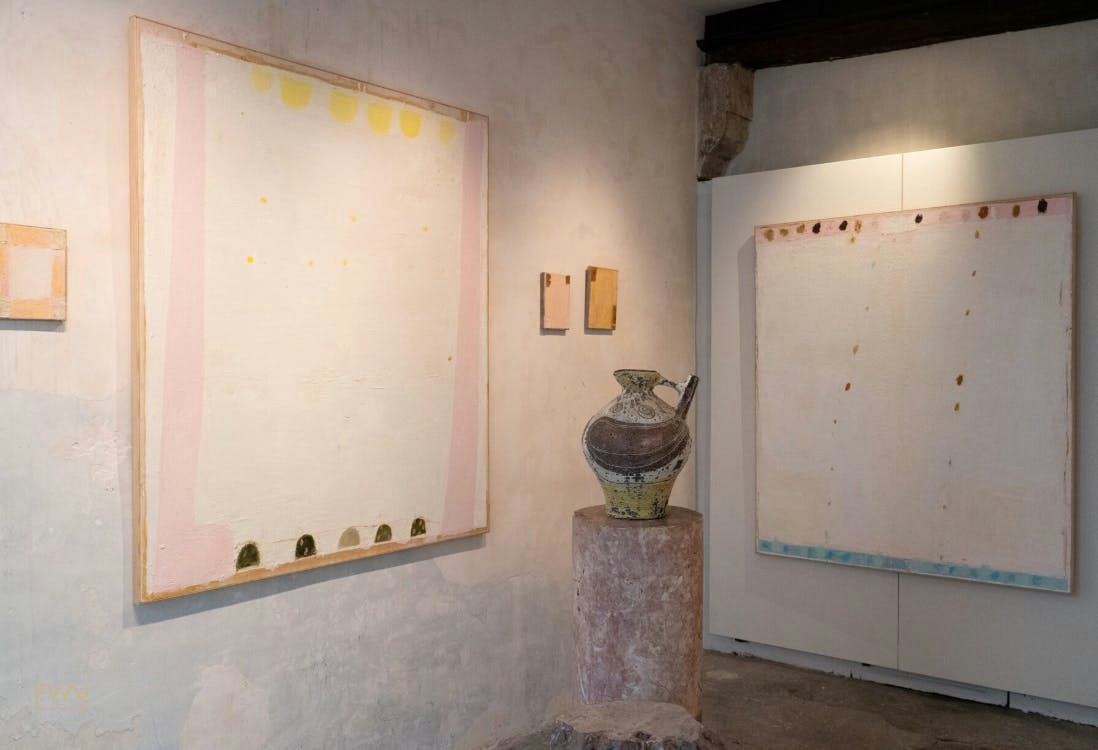
Key spaces associated with the Marais pop-up market include the Galerie Joseph, Galerie Turenne, Turenne Boutique, the Galerie d'art, and Galerie d'exception category spaces, as well as standalone boutique formats on streets such as Rue de Bretagne, Rue Charlot, and the Charlot area more broadly. The Charlot Store is a recognised format name in the area. The Place des Vosges, the oldest planned square in Paris, sits at the heart of the Marais and provides both a landmark backdrop and a concentration of high-end retail and gallery space. The Picasso Museum adds cultural gravitas to the northern Marais. Dada Market and Kitscht represent the more experimental, market-adjacent pop-up formats that have operated in this neighbourhood.
The Marais draws a fashion-literate, design-aware, affluent local audience as well as international visitors. Café NouNou and similar neighbourhood café culture destinations reflect the area's community character. Brands in streetwear, contemporary fashion, home design, beauty, food, and creative publishing all find the Marais a commercially viable and editorially strong location.
Louvre and the 1st Arrondissement
The 1st arrondissement section of Rue de Rivoli, running alongside the Louvre and the Tuileries, is the most tourist-heavy and prestigious stretch. Spaces here command premium rental rates and deliver very high daily footfall, but the audience skews more international tourist than local Parisian. The Louvre-Rivoli metro station is the anchor point. Rue des Petits-Champs, running north from Rivoli toward the Palais-Royal, is another relevant commercial street in this zone. For brands seeking maximum visibility and an association with Parisian cultural prestige, this is the prime corridor.
Saint-Honoré and Vendôme
Rue Saint-Honoré and its extension Rue du Faubourg Saint-Honoré run parallel to Rivoli to the north and represent the luxury fashion axis of Paris. Place Vendôme anchors the luxury jewellery and watchmaking sector. Brands in fine jewellery, haute couture, premium accessories, or luxury lifestyle sit naturally in this corridor. Rental rates here are among the highest in the city, and the activation process typically requires a more formal approach to landlords and building managers.
Les Halles and Châtelet
The Les Halles and Châtelet zone, at the western end of Le Marais and the eastern end of the 1st arrondissement, is the most commercially accessible and transport-rich area in central Paris. The Châtelet-Les Halles interchange is the largest metro station in the world by some measures, connecting virtually every line in the Paris network. Brands seeking maximum transport accessibility for a broad consumer audience, including streetwear, youth fashion, and accessible lifestyle categories, find this zone effective.
Saint-Germain-des-Prés and the Left Bank
While technically south of the Seine and separate from Rivoli, Saint-Germain-des-Prés and its famous café culture anchors Les Deux Magots and Café de Flore are part of the wider commercial and cultural geography that international brands and visitors navigate. Brands with an editorial, literary, or design positioning often find the Left Bank relevant for their concept. Le Bon Marché Rive Gauche, the prestigious department store on the Left Bank, also runs its own brand partnership and pop-up programming.
| Neighbourhood | Primary Audience | Best Brand Categories | Key Landmarks |
|---|---|---|---|
| Le Marais (3rd and 4th) | Local fashion, design, international visitors | Contemporary fashion, streetwear, design, food, beauty, publishing | Place des Vosges, Picasso Museum, Galerie Joseph, BHV Marais |
| Louvre and 1st Arr. | International tourists, cultural visitors | Lifestyle, luxury accessories, heritage brands | Louvre, Tuileries, Le Café Marly, Palais-Royal |
| Saint-Honoré and Vendôme | Luxury consumer, press, buyers | Luxury fashion, fine jewellery, haute couture | Place Vendôme, rue du Faubourg Saint-Honoré |
| Les Halles and Châtelet | Broad consumer, youth, commuters | Streetwear, accessible fashion, FMCG, entertainment | Châtelet-Les Halles metro, Forum des Halles |
| Saint-Germain-des-Prés | Affluent locals, editorial, media | Design, publishing, food and wine, premium lifestyle | Les Deux Magots, Café de Flore, Le Bon Marché |
KEY TAKEAWAY: Each neighbourhood adjacent to Rue de Rivoli serves a distinct audience and brand positioning. Matching your customer profile to the right micro-neighbourhood is the single most important decision in your space search. Le Marais suits innovation-forward and culturally credible brands. The Louvre corridor suits premium and heritage positioning. Les Halles suits volume-driven and accessible brand activations.
To compare neighbourhoods and space types, explore the Paris city hub on Fashion Week Venues and shortlist spaces that match your brief, budget, and calendar window.
Understanding the neighbourhood landscape brings you to the practical question of which calendar windows offer the strongest activation opportunity in Paris.
Paris Fashion Week and Key Calendar Windows for Pop-Up Activations
Paris Fashion Week is the anchor event in the global fashion calendar, and it shapes the commercial logic of pop-up retail along Rue de Rivoli and across the city's key fashion neighbourhoods. Understanding the calendar is essential for booking the right space at the right time.
Quick answer: Paris Fashion Week takes place twice annually: in late February and early March for the Autumn/Winter collections, and in late September and early October for the Spring/Summer collections. A separate menswear week occurs in January. Additional trade events, exhibition openings, and brand activations cluster around these dates, creating multiple activation windows throughout the year.
Paris Fashion Week Womenswear for Spring/Summer 2026 collections is scheduled for late September and early October 2025. Paris Fashion Week Womenswear for Autumn/Winter 2026 collections is scheduled for late February and early March 2026. These are the two primary windows when the international fashion press, buyers, stylists, influencers, and brand teams are concentrated in the city. Securing a pop-up space on or near Rue de Rivoli for these windows typically requires booking three to six months in advance, and in many cases longer for prime locations.
Beyond the womenswear calendar, Paris also hosts Paris Men's Fashion Week in January, the Haute Couture calendar in January and July, and Maison and Objet in January and September. Each of these events creates a secondary activation window for brands in adjacent categories.
A summer activation window has also grown in importance. The July Haute Couture week draws a concentrated luxury audience. The weeks immediately before and after include a range of brand events, gallery openings, and cultural programming. Brands looking to activate outside the peak Fashion Week competition sometimes find the summer window more accessible for space negotiation and more intimate in terms of audience quality.
The Dada Market, Kitscht, and similar independent market formats that operate in Le Marais and the broader Rivoli corridor are typically not Fashion Week-specific. They run on their own calendar and offer brands a community-embedded pop-up format that can complement a more formal temporary retail activation.
IMPORTANT: Space availability along Rue de Rivoli and in Le Marais during Paris Fashion Week windows is limited and competes heavily between brands. If your activation plan is tied to Fashion Week dates, begin your space search no less than four to six months before your target dates, and be prepared to consider adjacent streets and neighbourhoods if prime Rivoli corridor spaces are already committed.
| Calendar Window | Dates (Indicative) | Primary Audience in Paris | Activation Opportunity |
|---|---|---|---|
| Haute Couture January | Mid-January | Luxury press, buyers, VIP clients | Luxury, accessories, jewellery, beauty |
| Menswear Paris | Mid to late January | Menswear press, buyers, stylists | Menswear, streetwear, lifestyle |
| AW Womenswear (Feb/March) | Late Feb to early March | International fashion press and buyers | All fashion and lifestyle categories |
| Maison and Objet | January and September | Interior and design trade | Home, design, lifestyle |
| Haute Couture July | Early to mid-July | Luxury press, VIP, international | Luxury, editorial, beauty |
| SS Womenswear (Sept/Oct) | Late September to early October | International fashion press and buyers | All fashion and lifestyle categories |
KEY TAKEAWAY: Paris Fashion Week is the most commercially powerful calendar window for pop-up activations, but it is also the most competitive for space. Brands should evaluate all Paris calendar windows and consider whether an off-peak activation might deliver better space availability, lower rental competition, and a more focused audience for specific brand objectives.
With calendar strategy in place, the next critical area is understanding the practical and legal framework for short-term retail rentals in Paris.
Permits, Leases, and Legal Frameworks for Pop-Up Shops in Paris
Renting a pop-up shop in Paris requires navigating a specific legal and administrative framework that differs significantly from permanent commercial leases and from short-term retail structures in other countries. Understanding the relevant frameworks before you commit to a space avoids costly delays and compliance risks.
Quick answer: In France, short-term retail spaces typically operate under one of two frameworks: the bail dérogatoire, a derogatory commercial lease for durations between one day and three years that bypasses standard commercial lease protections, or an autorisation d'occupation temporaire (AOT), used for public or semi-public spaces. International brands should verify which framework applies to their target space and seek advice from a French legal advisor before signing.
Bail Dérogatoire
The bail dérogatoire is the principal legal instrument for short-term commercial rental in France. Under French commercial law, standard commercial leases (baux commerciaux) grant tenants strong renewal rights and a minimum nine-year term. The bail dérogatoire is a statutory exception that allows landlords and tenants to agree on a rental period between one day and three years without triggering the protections of the standard commercial lease framework. This makes it the appropriate instrument for most pop-up shop, showroom, and temporary retail activations.
Important conditions apply. The parties must explicitly state in the written agreement that they are using the bail dérogatoire and waiving standard commercial lease protections. Both parties must be aware of this waiver. If the tenant remains in occupation after the agreed term without a new contract being signed, French law may automatically convert the arrangement into a standard commercial lease, which carries significantly different obligations. For this reason, the end-date and handover process must be clearly managed.
Autorisation d'Occupation Temporaire
The autorisation d'occupation temporaire (AOT) governs the occupation of publicly owned or managed spaces, including spaces within public buildings, on public land, or in spaces managed by local authorities or public institutions. Some gallery spaces, museum-adjacent venues, and spaces within publicly managed cultural buildings in the Louvre and surrounding 1st arrondissement area may be subject to AOT frameworks rather than standard private leases. Requirements for AOT spaces are governed by the owning public authority and can vary significantly by space and by use.
Permits for Trading and Brand Activations
Beyond the lease or occupancy agreement, brands should be aware of potential permit requirements for specific activities within their pop-up. Street-facing signage, temporary facades, branded external installations, music played in public-facing spaces, and food service may each require separate authorisation from the Paris arrondissement mairie (town hall) or from the prefecture. Requirements vary by space type, arrondissement, and the nature of the activation. The Fashion Week Venues permit guidance tool provides a structured starting point for understanding which permits may apply to your specific activation format.
Insurance Requirements
French law requires tenants occupying commercial spaces to hold appropriate public liability insurance and, in most cases, specific commercial tenant insurance covering the space and its contents. Landlords will typically require proof of insurance before handing over keys. International brands should verify that their existing insurance policies cover French commercial activities or arrange dedicated cover through a French-licensed insurer.
IMPORTANT: Do not assume that the permit and legal framework applying to a space you have seen online is fully resolved. Requirements vary by space type, duration, arrondissement, and the nature of your activation. Always verify specific requirements with the space owner, a French commercial lawyer, and the relevant local authority before committing. Fashion Week Venues recommends working with a French legal advisor for any short-term retail lease in Paris.
KEY TAKEAWAY: The bail dérogatoire is the primary legal framework for pop-up shop rentals in Paris. It is not a simple informal arrangement. It requires a written agreement, explicit waiver of commercial lease protections, and careful management of the end date and handover. Insurance, trading permits, and signage authorisations may be required separately depending on your activation format and location.
Legal clarity enables confident budget planning, which is the next essential component of a Paris pop-up strategy.
How Much Does a Pop-Up Shop Cost in Paris Near Rue de Rivoli?
Pop-up shop rental costs in Paris vary significantly depending on location, space size, duration, space type, and the time of year. Providing precise figures without knowing your specific brief would be misleading, but understanding the cost structure and the key variables allows brands to build a realistic budget framework before approaching landlords or agencies.
Quick answer: Pop-up shop rental costs in Paris near Rue de Rivoli and Le Marais vary from a few hundred euros per day for small, independent spaces in secondary streets to several thousand euros per day for prime street-level spaces on high-footfall corridors during Fashion Week windows. Total activation costs include rental, fit-out, staffing, permits, insurance, and marketing. Use a structured estimator before approaching spaces.
The primary cost drivers for a Paris pop-up shop activation are the following:
Rental Rate
Rental rates are typically quoted per day, per week, or per month for short-term spaces. Prime street-facing spaces on Rue de Rivoli, the Marais's main commercial streets, and the Saint-Honoré corridor command the highest rates in the city. Rates during Paris Fashion Week windows are typically higher than outside those periods due to demand compression. Spaces in secondary streets within Le Marais, the Quinze-Vingts area, and the Bastille adjacent zone can offer more competitive rates with still-viable footfall.
Fit-Out and Production
The cost of transforming a raw or partially equipped space into a branded retail environment depends on the complexity of your concept, the condition of the space, and the duration of occupation. A minimal, furniture-only installation is significantly less expensive than a full branded build with custom joinery, lighting design, and specialist installations. Brands using the Fashion Week Venues fit-out and production service can manage build costs within a structured brief and timeline.
Staffing
French employment law applies to all staff working in Paris, including temporary retail staff. Costs include base salary, social charges, and any agency fees for sourcing bilingual or brand-trained staff. Brands unfamiliar with French employment structures should factor compliance costs into their staffing budget from the outset.
Operational Costs
Operational costs include utilities, POS systems, payment processing, inventory logistics, cleaning, security, and daily management. These costs are often underestimated in initial budgets and can represent a meaningful proportion of total activation cost for longer-duration pop-ups.
Marketing and Influencer Amplification
A Paris pop-up without a supporting marketing plan is a significantly underperforming asset. Budget for local PR, social media content production, influencer partnerships, and any paid digital promotion. The Marais specifically has a strong community of local influencers and creative collaborators whose engagement can amplify the reach of a pop-up activation significantly.
| Cost Component | Typical Range (Directional) | Key Variables |
|---|---|---|
| Space rental | Varies significantly by location, size, and duration | Arrondissement, street, season, Fashion Week proximity |
| Fit-out and production | Varies by concept complexity and space condition | Build specification, duration, landlord permissions |
| Staffing | Varies by headcount, language requirements, and duration | French employment law, agency fees, training |
| Insurance and permits | Varies by space type and activation format | Arrondissement, activity type, space classification |
| Marketing and influencer | Depends on strategy and channel mix | PR agency, social content production, paid media |
TIP: Use the Fashion Week Venues budget estimation tool to build a structured cost model for your Paris pop-up before approaching spaces or agencies. This helps you enter negotiations with a realistic total-cost view rather than focusing only on the headline rental rate.
KEY TAKEAWAY: The rental rate is only one component of a Paris pop-up activation budget. Brands that plan only for the rental and underestimate fit-out, staffing, compliance, and marketing costs typically experience budget overruns. Build a full-cost model before committing to a space or timeline.
Cost planning and legal clarity together prepare you to evaluate the different types of pop-up spaces available near Rue de Rivoli.
Types of Pop-Up Spaces Available Near Rue de Rivoli and Le Marais
The short-term retail space market in Paris near Rue de Rivoli and Le Marais encompasses a wide variety of space types, formats, and configurations. Each space type suits different brand categories, activation objectives, and budget structures.
Street-Level Boutique Spaces
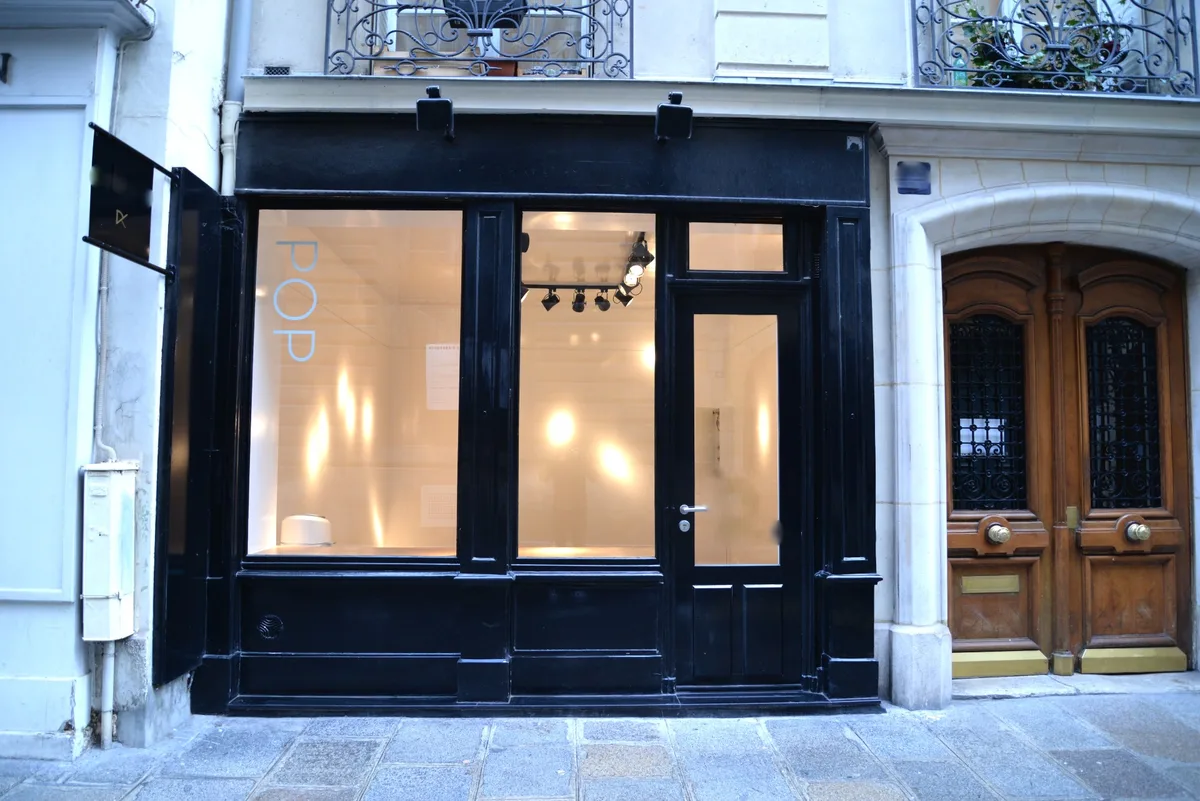
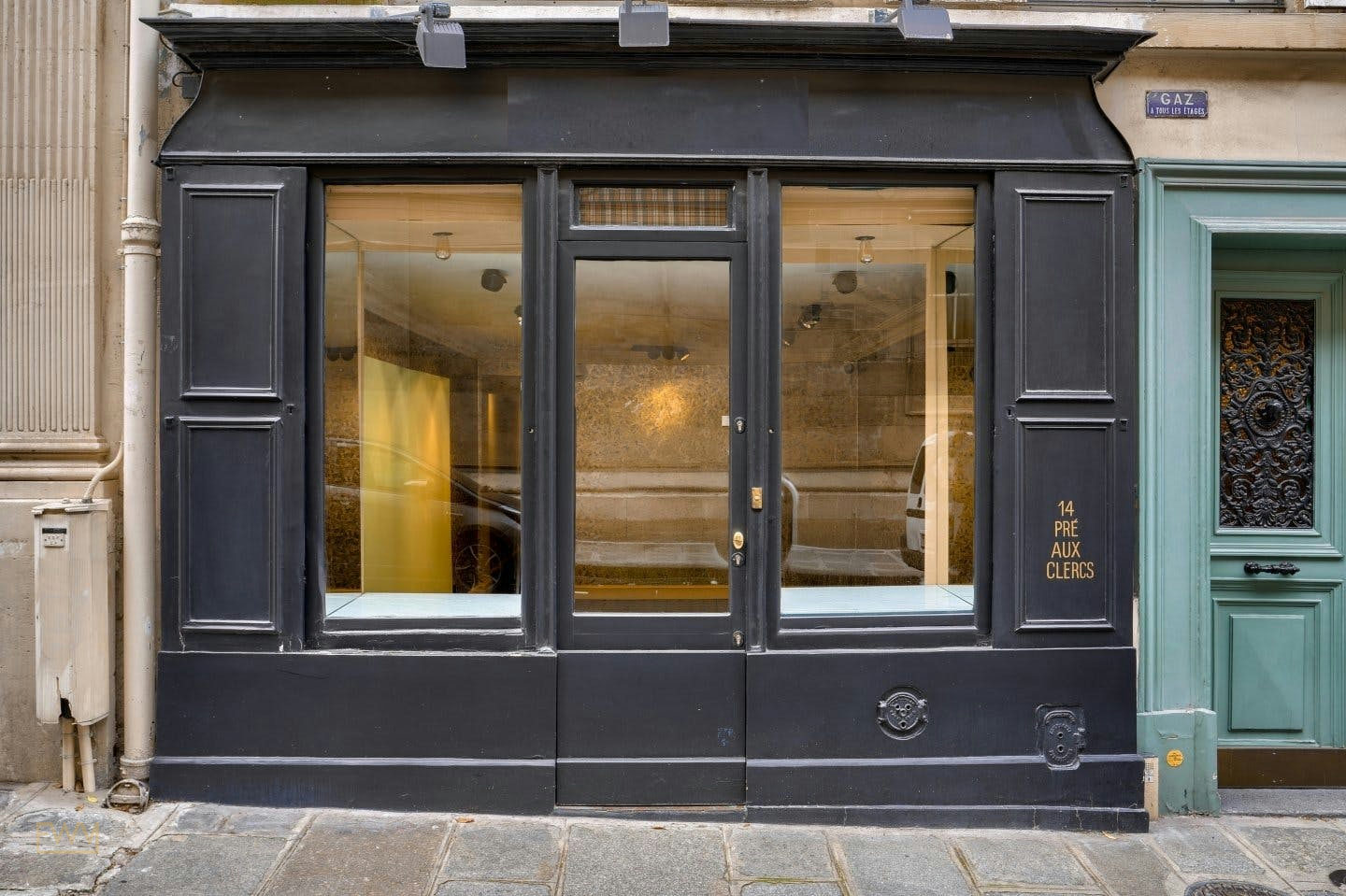
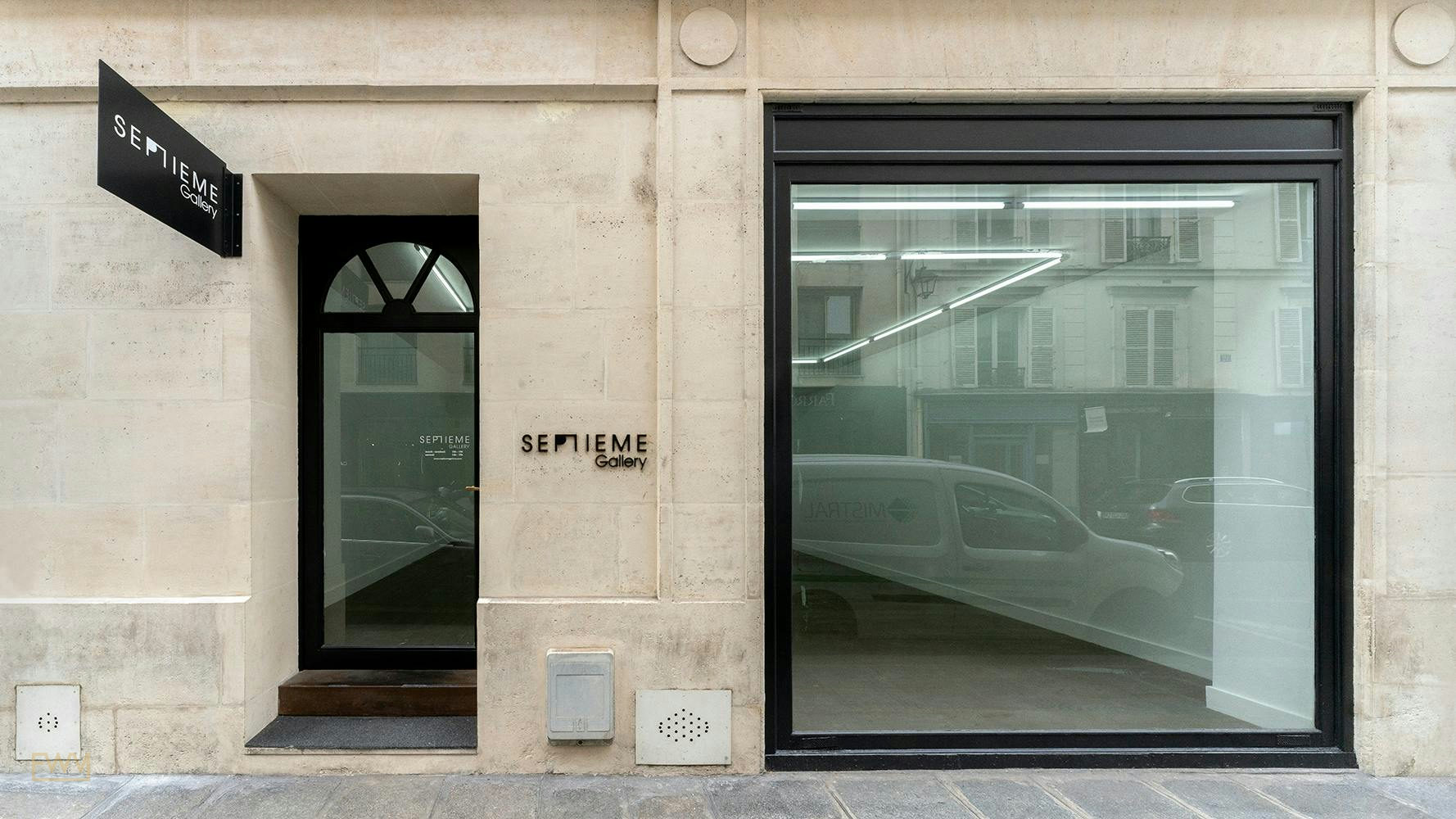
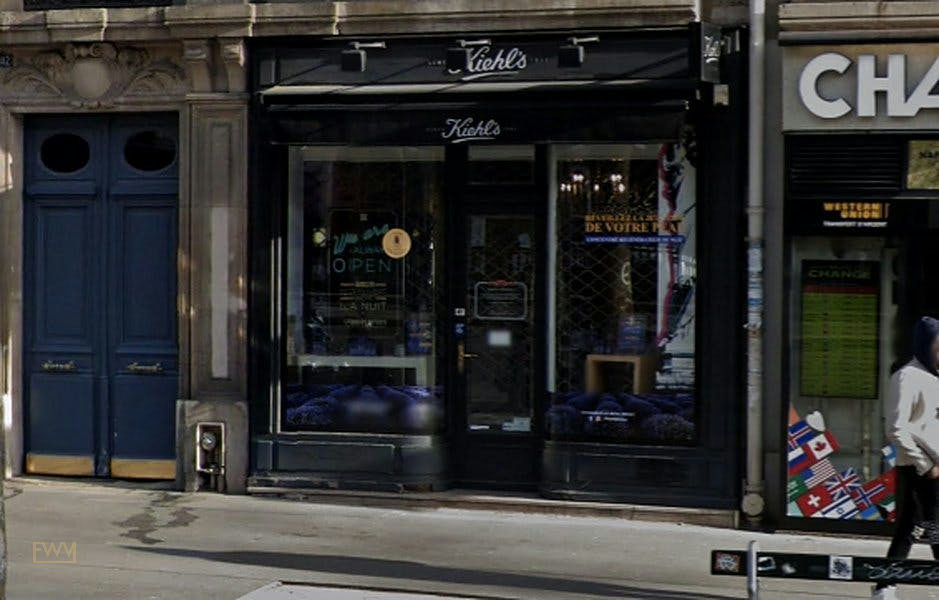
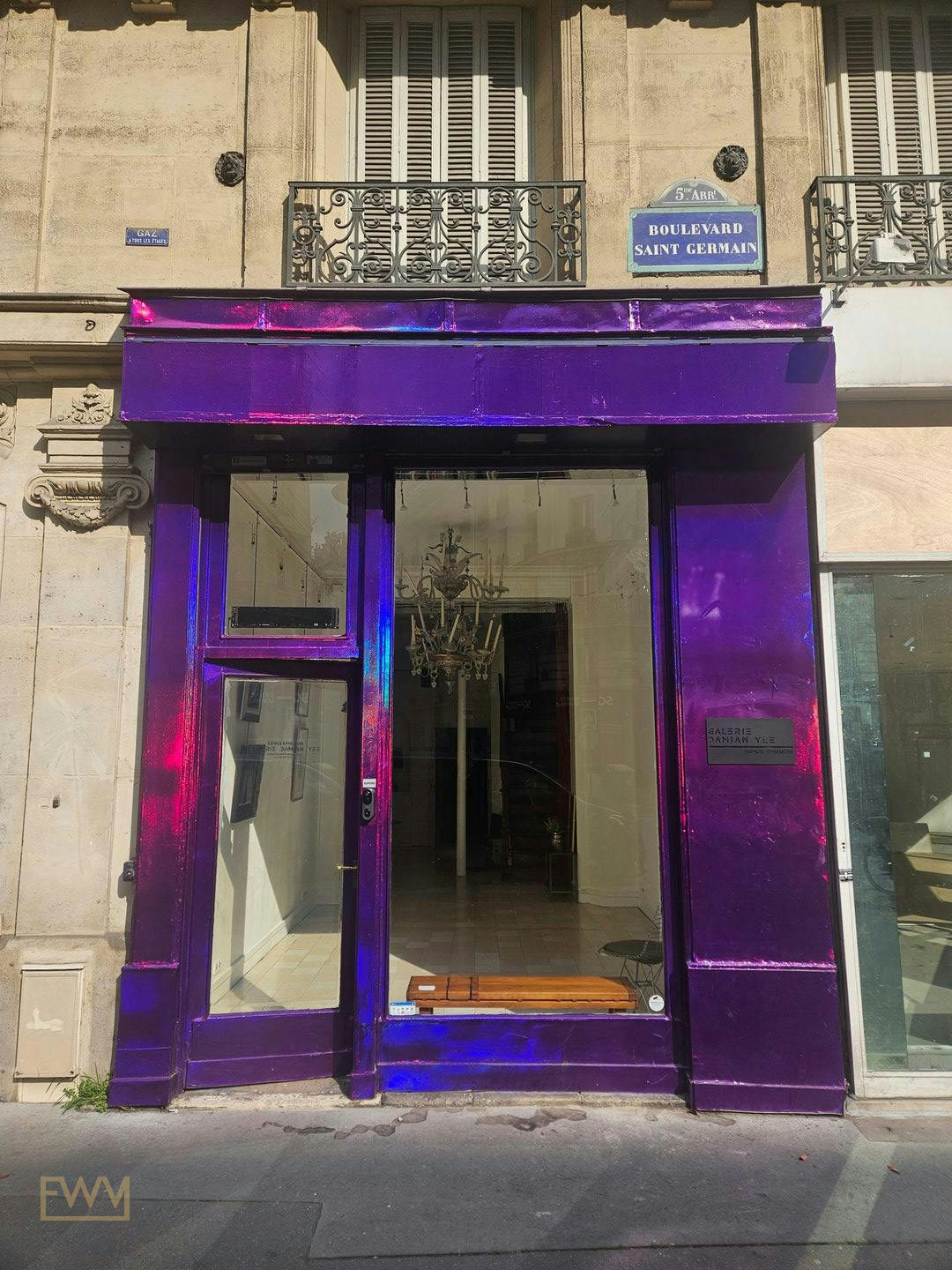
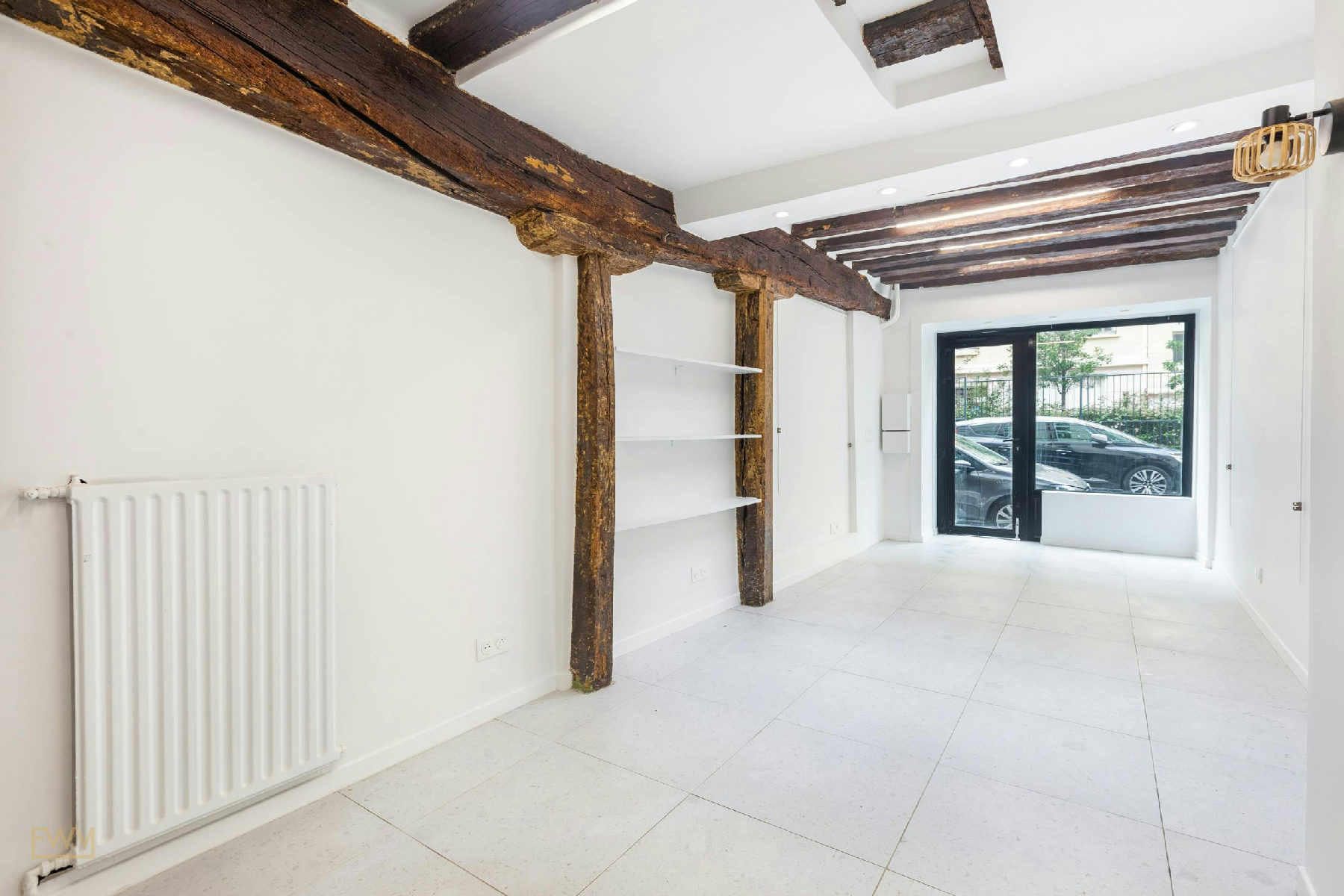
Standalone boutique spaces with direct street access are the classic pop-up format. These range from small boutique units of under 30 square metres on secondary Marais streets to larger flagship-scale spaces of several hundred square metres on prime Rivoli corridor streets. Spaces in the Turenne area and around the Charlot corridor in the upper Marais offer a concentration of boutique-scale spaces that have hosted repeated pop-up activations. The Turenne Boutique and Galerie Turenne formats are recognised in this category.
Gallery and Exhibition Spaces
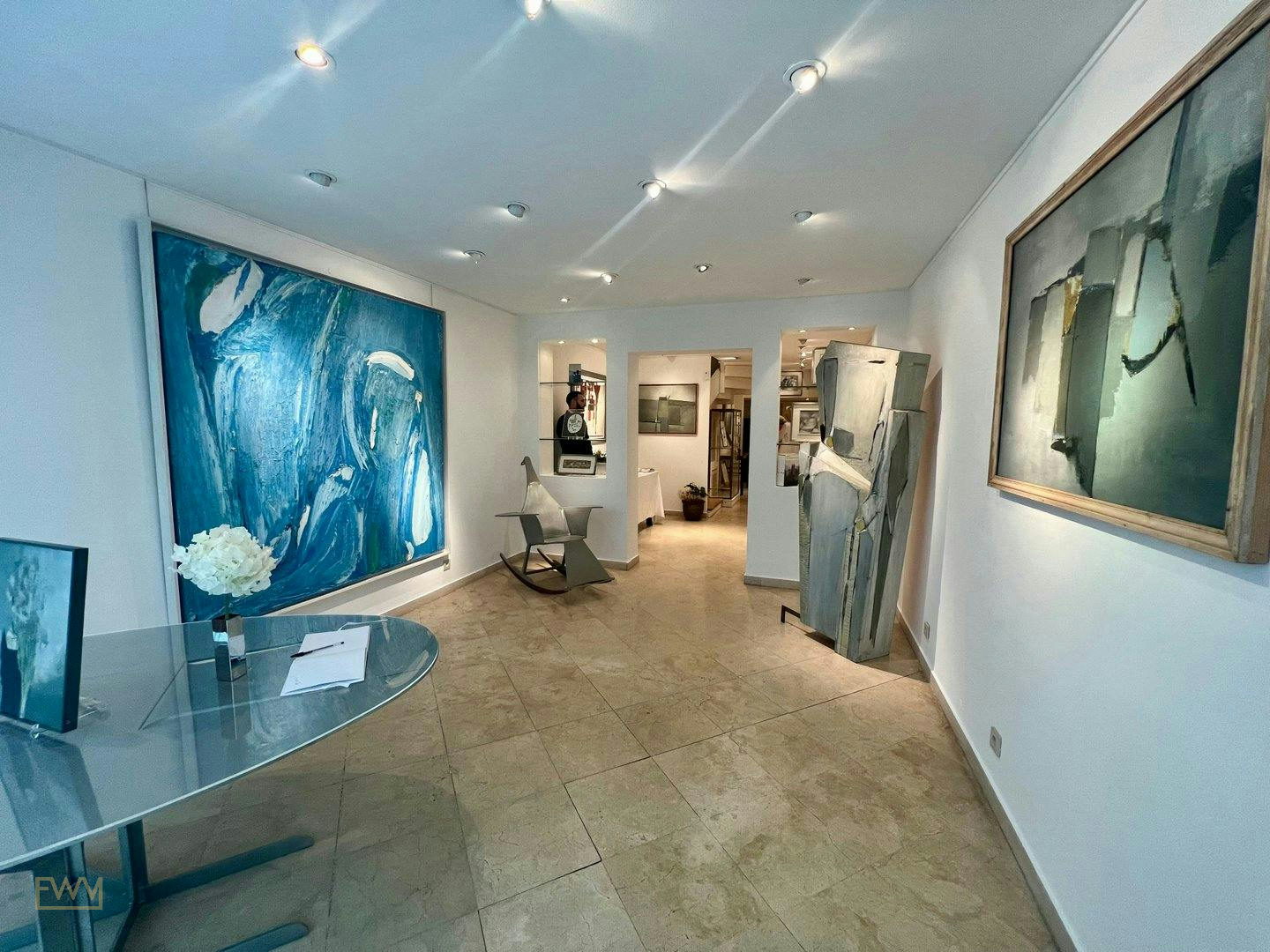
The Marais is one of the highest-density gallery districts in Europe. Many galleries offer their spaces for commercial activations outside their own exhibition programming. The Galerie Joseph, one of the most well-known flexible event and pop-up spaces in the Marais, has hosted fashion brands, editorial shoots, and brand activations across multiple categories. Galerie d'art and Galerie d'exception category spaces offer the prestige of a gallery address with the flexibility of a temporary commercial occupancy.
Event and Concept Spaces
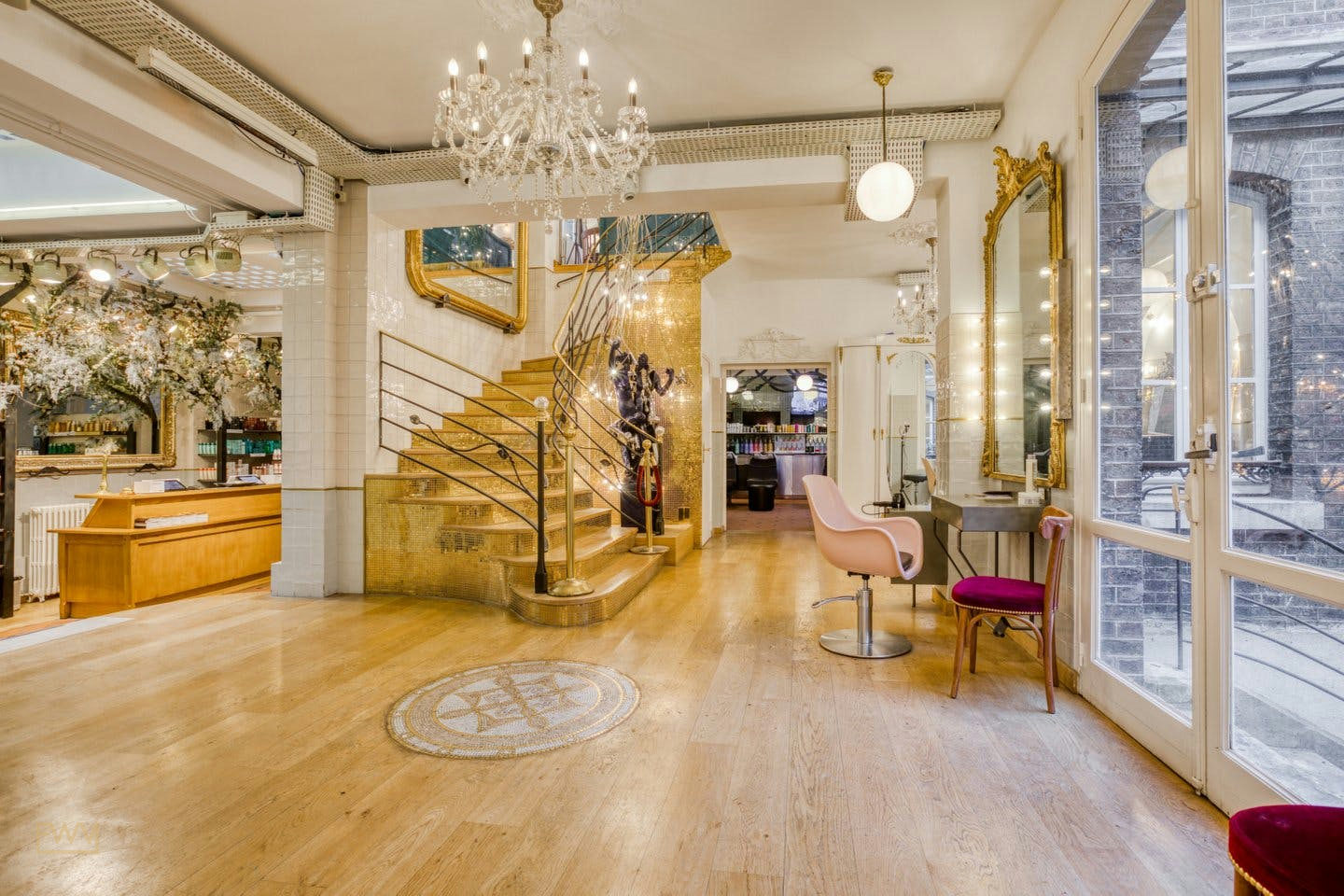
Dedicated event and concept spaces, sometimes referred to as Chic Event Space formats in the Paris market, offer a combination of retail-ready infrastructure and event hosting capability. These spaces typically have more flexible fit-out permissions, built-in AV or lighting infrastructure, and experience managing brand activations. They suit brands that want to combine a retail pop-up with a launch event, press preview, or experiential activation in a single space.
Shared and Co-Activation Formats
The co-activation or shared space model is increasingly popular in Paris, particularly for brands entering the market for the first time or for smaller independent brands that cannot justify a full standalone space cost. Under this model, two or more compatible, non-competing brands share a space, splitting rental and operational costs while benefiting from each other's audience. Fashion Week Venues operates a dedicated twin co-activation concept that pairs compatible brands within a single space to maximise their collective impact and reduce individual costs.
Department Store and Retail Partnership Spaces
Both BHV Marais on Rue de Rivoli and Le Bon Marché Rive Gauche on the Left Bank operate brand partnership and pop-up programming within their own retail environments. These are not conventional short-term leases. They are commercial partnerships structured around the department store's own editorial and commercial calendar. Brands entering these spaces benefit from the store's existing footfall and brand credibility but must align with the store's own programming terms and aesthetic standards.
Quick answer: Pop-up space types near Rue de Rivoli and Le Marais include standalone boutique units, gallery spaces, event and concept spaces, co-activation formats, and department store partnership spaces. Each format suits different activation objectives, budgets, and brand positioning requirements. Matching space type to objective is as important as choosing the right neighbourhood.
KEY TAKEAWAY: Paris offers an unusually diverse range of pop-up space types near Rue de Rivoli and Le Marais. Brands should define their primary activation objective before selecting a space type, since the operational requirements, rental terms, fit-out permissions, and audience profiles differ significantly across formats.
With space types understood, the practical question of how to find and secure the right space is the next priority.
How to Find and Book a Pop-Up Shop Near Rue de Rivoli: Step-by-Step Process
Booking a pop-up shop in Paris is a structured process that requires preparation, local knowledge, and clear documentation. The following workflow reflects best practice for international brands approaching the Paris short-term retail market.
| Step | Action | Timing Before Activation |
|---|---|---|
| 1 | Define activation objectives, target audience, space size, and calendar window | 5 to 6 months before |
| 2 | Build a total-cost budget model including rental, fit-out, staffing, permits, insurance, and marketing | 5 months before |
| 3 | Identify target neighbourhood and space type based on brand brief | 4 to 5 months before |
| 4 | Begin space search through marketplace, agency, or direct outreach | 4 months before |
| 5 | Visit shortlisted spaces in person or via agency representation | 3 to 4 months before |
| 6 | Negotiate terms and confirm space, lease type, and permitted uses | 3 months before |
| 7 | Arrange insurance, confirm permit requirements with arrondissement authority | 2 to 3 months before |
| 8 | Finalise fit-out concept, production brief, and staffing plan | 2 months before |
| 9 | Execute build, staff onboarding, inventory logistics, and marketing launch | 2 to 4 weeks before |
| 10 | Activate, monitor performance data, manage operations | During activation |
| 11 | Strip-out, space handover, and post-activation reporting | Immediately after |
Using Marketplaces and Agencies
The Paris short-term retail space market is served by a combination of online space marketplaces and full-service agencies. Storefront and Go-PopUp are the two best-known marketplace platforms operating in Paris, offering searchable inventories of available spaces by arrondissement, size, availability, and price. These platforms are useful for initial discovery and shortlisting but typically do not provide end-to-end activation support.
Full-service agencies handle the complete activation journey, from space identification and negotiation through concept, production, staffing, operations, and reporting. This model suits brands that lack in-house Paris expertise, are operating on a compressed timeline, or want to maximise the quality and commercial performance of their activation. Fashion Week Venues operates as a full-service agency across Paris and other fashion capitals, providing the depth of service that marketplace platforms do not offer. The agency's process page outlines exactly how the engagement structure works from initial brief through to activation completion.
Documentation You Will Need
Landlords and space owners in Paris typically require the following documentation before agreeing to a short-term retail lease: proof of company registration, a company profile or brand presentation, proof of insurance or a commitment to arrange cover, a clear description of the intended use of the space, and in some cases references from previous retail or event space occupancies. International brands without a French legal entity can still rent spaces under a bail dérogatoire, but they must provide equivalent documentation from their home jurisdiction. Some landlords may require a French guarantor or a deposit equivalent to one or more months' rent.
Quick answer: To book a pop-up shop near Rue de Rivoli, brands need to define their brief, build a full budget, identify the right neighbourhood and space type, begin the search four to six months before the target dates, and engage either a marketplace or a full-service agency. Documentation requirements include company registration, insurance, and a clear description of intended use.
KEY TAKEAWAY: The booking process for a Paris pop-up is more structured than many international brands expect. Starting early, preparing thorough documentation, and understanding the full cost structure are the three most common differentiators between brands that secure the right space and brands that either miss their window or overpay.
Understanding how a specialist agency can support each stage of this process is the next important consideration.
How Fashion Week Venues Helps Brands Activate on Rue de Rivoli and Across Paris
Fashion Week Venues is a full-service pop-up shop agency and space marketplace with Paris as its primary market. The agency supports brands from initial brief through to post-activation analysis, providing the local expertise, supplier network, and operational infrastructure that international brands typically lack when approaching the Paris short-term retail market independently.
The agency's core services cover every stage of a Paris pop-up activation. The venue sourcing service identifies spaces that match your brand brief, neighbourhood preference, size requirements, and calendar window, drawing on an established network of Paris landlords, space owners, and gallery managers that extends across the 1st, 3rd, 4th, 6th, and 8th arrondissements. This network includes spaces near Rue de Rivoli, in Le Marais, and across the other key Paris fashion and retail districts covered in this guide.
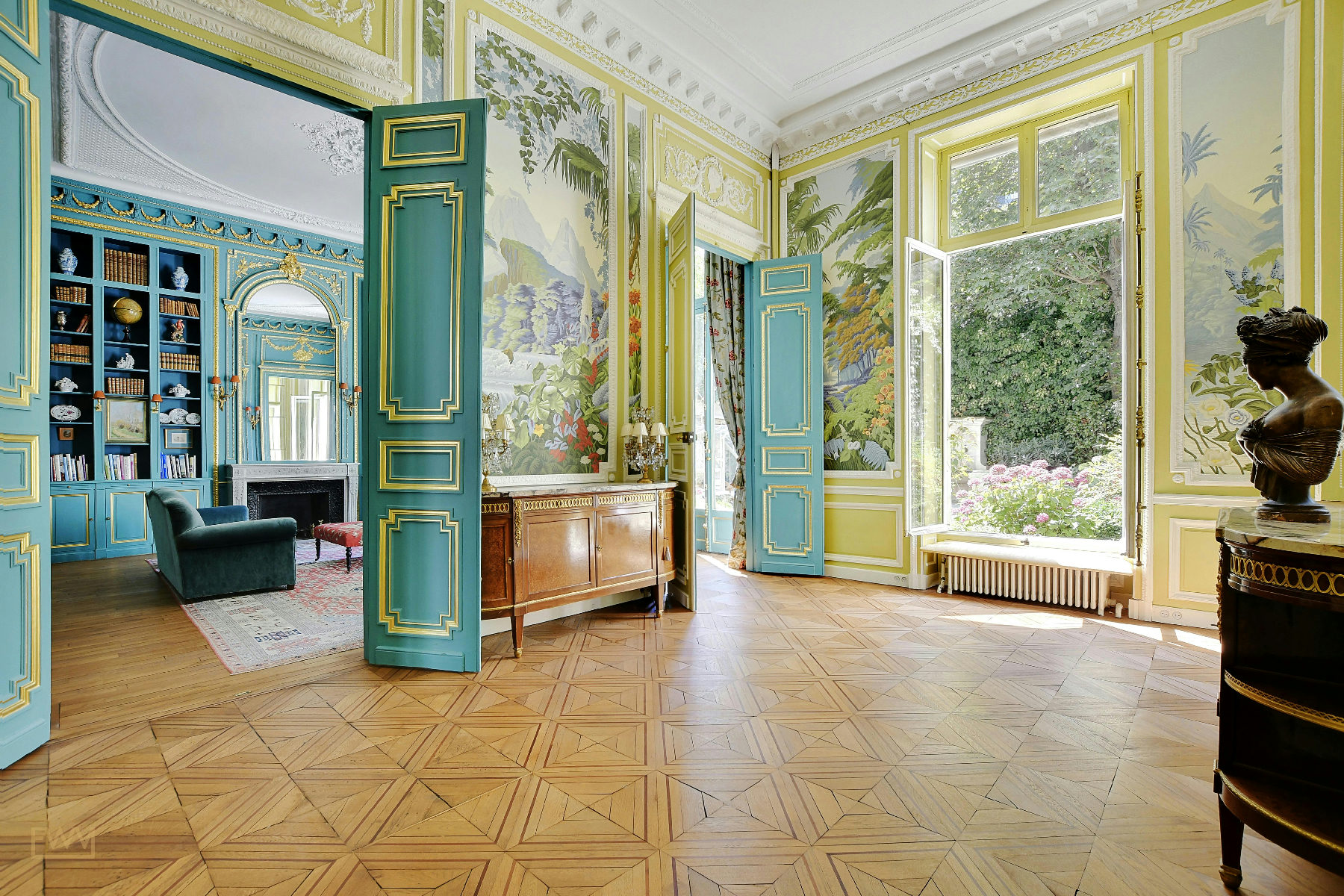
Once a space is identified, the concept and creative direction service translates the brand brief into a spatial concept that works within the specific dimensions, architectural character, and permitted use conditions of the chosen space. Paris spaces range from Haussmann-era retail units with ornate ceiling details to raw industrial lofts in the northern Marais, and the concept approach must respond to the specific architectural context.
The production and build service manages the physical transformation of the space from contract signing through to opening day, working with vetted local contractors and suppliers who understand the specific requirements of short-term retail installations in Paris, including the constraint that all installations must typically be removable without structural damage to the space.
The retail staffing service sources and places brand-trained, bilingual staff appropriate to the brand's customer service expectations and the Paris market. The activation management service oversees the day-to-day operations of the pop-up once it opens, managing supplier relationships, staff schedules, inventory, and any operational issues that arise during the activation period.
For brands that want to begin their planning process independently, the agency's suite of planning tools covers budgeting, ROI estimation, permit guidance, timeline management, and space comparison. The ROI calculation tool helps brands model the expected commercial return from a Paris activation based on their space costs, margin structure, and footfall assumptions. The timeline tool helps brands work backward from their target activation dates to set realistic milestones for space booking, fit-out, staffing, and launch.
Fashion Week Venues also operates an Imagine tool for visualising a space concept before committing to production costs, and a Build planning tool for structuring the installation workflow. These tools are particularly useful for brand teams that need to present an activation plan internally before securing budget approval.
It is important to be clear about what Fashion Week Venues does not guarantee. The agency cannot guarantee that any specific space will be available at a given time, that any permit application will be approved, or that any activation will achieve a specific commercial result. What the agency offers is structured expertise, established relationships, and operational support that improves the likelihood of a well-executed, commercially effective activation.
KEY TAKEAWAY: Fashion Week Venues offers a complete service architecture for Paris pop-up activations, from space sourcing and concept development through production, staffing, and post-activation analysis. Brands entering the Paris market for the first time, or brands that have experienced operational challenges in previous Paris activations, benefit most from working with a full-service agency rather than navigating the market independently.
With the operational framework clear, the next section addresses some of the most persistent misconceptions that circulate about Paris pop-up retail.
The Cultural and Creative Context: Why Rue de Rivoli and Le Marais Matter Beyond Retail
A pop-up shop near Rue de Rivoli or in Le Marais is not just a sales activation. It is a cultural positioning statement. Understanding the creative and cultural ecosystem of these neighbourhoods helps brands design activations that resonate with the local audience and generate the editorial and social media coverage that amplifies return on investment beyond direct sales.
Le Marais has one of the richest concentrations of contemporary art galleries, independent bookshops, design studios, and creative agencies in Europe. The Picasso Museum on Rue de Thorigny anchors the cultural identity of the northern Marais. The Centre Pompidou, immediately west of the Marais on the boundary with the Châtelet area, is one of the world's most visited modern art institutions and draws a design-literate international audience daily. Brands that frame their pop-up within this cultural context, whether through gallery-style curation, artist collaborations, or editorial partnerships, tap into a narrative that resonates far beyond the physical space.
The area's street art culture is another dimension of the creative ecosystem. Guided street art scavenger hunts and small-group historical walking tours operate in the Marais and attract the kind of culturally engaged visitor who responds to brand activations that respect the neighbourhood's creative identity. Brands that commission local artists or integrate the neighbourhood's visual culture into their pop-up design often generate stronger organic social media coverage than brands that import a generic retail format.
Creative professionals who have shaped Parisian visual culture, including M/M Paris, Tyrsa, Jean Jullien, Sho Shibuya, and Béton Littéraire, are part of the broader creative ecosystem that brands can engage as collaborators, advisors, or commissioners for pop-up activations. These collaborations add authenticity and editorial credibility that generic brand activations lack. The flower studio Castor Fleuriste, for example, has become a reference point for brands seeking distinctive, culturally embedded styling in the Marais area.
The café culture dimension is equally important. Le Café Marly, facing the Louvre from the Richelieu wing, is one of the most photographed café terraces in Paris and a natural backdrop for brand content in the Rivoli corridor. Les Deux Magots and Café de Flore on the Boulevard Saint-Germain are institutionalised social and creative gathering points for the Paris fashion and design community. Café NouNou in the Marais represents the newer generation of neighbourhood café culture that serves the local creative community. Brands that understand these social geographies can incorporate them into their activation strategy, hosting press mornings or influencer gatherings in adjacent venues that amplify the pop-up without requiring additional space.
Champagne, gourmet food, and experiential hospitality are also embedded in the Paris pop-up culture. Brands that create an experience around their product, incorporating local food and beverage, champagne receptions, or curated gourmet elements, consistently outperform those that treat the pop-up as a purely transactional retail operation. Paris consumers and press expect a level of hospitality and curation that reflects the city's standards.
DID YOU KNOW: The area of Le Marais around the Rue de Bretagne and Charlot has seen a significant concentration of Concept-store and Streetwear format pop-ups in recent seasons, with brands including Adidas, Fila, and Champion using the neighbourhood's creative credibility to position product launches that feel culturally embedded rather than commercially imposed.
KEY TAKEAWAY: A pop-up on Rue de Rivoli or in Le Marais is most effective when it engages with the cultural and creative identity of its neighbourhood. Brands that commission local artists, partner with neighbourhood cafés and galleries, and incorporate the area's visual and culinary culture into their activation consistently achieve stronger editorial coverage and organic social media amplification than brands that treat the space as a generic retail installation.
Common Myths About Pop-Up Shops in Paris, Debunked
MYTH: You need a French legal entity to rent a pop-up space in Paris.
FACT: International brands without a French registered company can rent short-term retail spaces in Paris under a bail dérogatoire. The lease is typically signed by the foreign legal entity with equivalent company registration documentation from the home jurisdiction. Some landlords may require additional guarantees or a deposit, but the absence of a French entity is not a legal barrier to renting a space. Verifying specific landlord requirements with legal advice before signing is always recommended.
MYTH: Paris Fashion Week is the only viable calendar window for a pop-up activation in Paris.
FACT: While Paris Fashion Week in February/March and September/October creates the most concentrated press and buyer audience, it also creates the most competitive space rental market. Paris offers viable activation windows throughout the year, including the Haute Couture weeks in January and July, the Maison and Objet trade fair windows, and independent brand-led activation windows outside the official fashion calendar. Many brands find off-peak windows more accessible, less expensive, and better suited to consumer-facing activations without Fashion Week competition for attention.
MYTH: Commission-based brokers are the only way to find a pop-up space in Paris.
FACT: Paris has a well-developed infrastructure of online space marketplaces, including Storefront and Go-PopUp, as well as full-service agencies such as Fashion Week Venues that offer structured space search and end-to-end activation support. Commission-based brokers are one route to market, but they typically do not offer the operational depth, brand management, or post-activation analysis that a full-service agency provides. Brands should evaluate all available routes and choose the model that best matches their internal resource and activation complexity.
MYTH: Short-term retail leases in Paris are legally straightforward and require no specialist advice.
FACT: The bail dérogatoire framework that governs most Paris pop-up leases has specific statutory conditions that must be correctly observed. Failure to draft the agreement properly can result in the arrangement being reclassified as a standard commercial lease, which carries significantly different obligations and renewal rights. Permit requirements for trading, signage, food service, and public-facing activations vary by arrondissement and space type and are not always communicated proactively by space owners. Seeking guidance from a French commercial lawyer and using a structured permit planning tool is strongly recommended.
MYTH: A small or independent brand cannot afford a pop-up space in Le Marais or on Rue de Rivoli.
FACT: While prime Rivoli corridor spaces during Fashion Week windows command premium rates, the Marais and surrounding arrondissements offer a wide range of space sizes, configurations, and price points. Secondary streets within the Marais, the Bastille area, the Quinze-Vingts zone, and co-activation formats specifically structured for smaller brands make Paris pop-up retail accessible at a wider range of budgets than the headline rates for prime spaces suggest. Careful neighbourhood selection and creative space use can deliver strong brand impact at a budget appropriate for an independent label.
Frequently Asked Questions About Booking a Pop-Up Shop on Rue de Rivoli
What is a pop-up shop?
A pop-up shop is a temporary retail space rented for a defined period outside the standard commercial lease framework. In Paris, pop-up shops typically operate under a bail dérogatoire, which allows short-term occupancy from a single day to up to three years without triggering standard commercial lease protections. Pop-up shops are used by brands to test new markets, activate around key calendar events such as Paris Fashion Week, build press and social media coverage, and engage directly with consumers in a curated environment. The format is well-established in Paris and is supported by a mature infrastructure of marketplaces, agencies, and specialist service providers.
How do I rent a pop-up shop in Paris near Rue de Rivoli?
To rent a pop-up shop near Rue de Rivoli, you should begin by defining your activation objectives, target audience, space size requirements, budget, and preferred calendar window. You can then search for available spaces through online marketplaces or engage a full-service agency to identify and negotiate spaces on your behalf. The booking process typically requires company registration documentation, proof of insurance, and a clear description of your intended use of the space. Starting your search four to six months before your target dates is recommended for prime locations, particularly during Fashion Week windows.
Are pop-up stores common in Paris?
Yes. Paris has one of the most developed pop-up retail markets in the world. The city's combination of international visitor volume, fashion media concentration, strong café and gallery culture, and a mature short-term rental infrastructure makes it a leading global city for pop-up activations. The Marais district, the Rue de Rivoli corridor, Saint-Honoré, and Saint-Germain-des-Prés all host regular pop-up activations by brands ranging from global fashion houses to independent designers and creative studios. The format is used year-round, with peak activity concentrated around Paris Fashion Week dates.
What neighbourhoods near Rue de Rivoli are best for pop-up retail?
The most established neighbourhoods for pop-up retail near Rue de Rivoli are Le Marais (3rd and 4th arrondissements), the Louvre and Tuileries corridor (1st arrondissement), the Les Halles and Châtelet area, and the Saint-Honoré luxury corridor. Each neighbourhood suits a different brand profile and customer audience. Le Marais is best for contemporary fashion, design, and concept-store formats. The Louvre corridor suits heritage and luxury brands. Les Halles suits accessible and youth-facing brands. Saint-Honoré suits luxury and fine jewellery. Matching your brand profile to the right neighbourhood is a critical planning step.
What is a bail dérogatoire and does it apply to pop-up shops?
A bail dérogatoire is a type of short-term commercial lease under French law that allows landlords and tenants to agree on an occupancy period between one day and three years without triggering the protections of a standard commercial lease, which would otherwise give tenants renewal rights and require a minimum nine-year term. The bail dérogatoire is the legal instrument most commonly used for pop-up shop, showroom, and temporary retail activations in Paris. It must be drafted correctly, with an explicit written waiver of standard lease protections, and the tenancy must end on or before the agreed date to avoid automatic conversion to a standard commercial lease.
Do I need permits to run a pop-up shop in Paris?
Permit requirements depend on your specific activation format, the type of space you are occupying, and the arrondissement in which you are operating. External signage, branded facades, temporary outdoor structures, food service, music, and public-facing promotional activities may each require separate authorisation from the local mairie or prefecture. Permit requirements are not always communicated proactively by space owners. Using a structured permit planning resource and consulting a French legal advisor before your activation is strongly recommended. Requirements vary and cannot be generalised across all space types and locations.
What types of spaces are available for pop-up shops near Rue de Rivoli?
Available space types near Rue de Rivoli and in Le Marais include street-level boutique units, gallery and exhibition spaces, dedicated event and concept spaces, co-activation shared formats, and department store brand partnership spaces. Spaces range from small boutique units of under 30 square metres to larger gallery formats of several hundred square metres. Gallery spaces such as Galerie Joseph and the Galerie Turenne area are particularly well-known in the Paris pop-up market. The right space type depends on your brand brief, budget, activation objectives, and the operational requirements of your product category.
How far in advance should I book a pop-up space for Paris Fashion Week?
For prime locations near Rue de Rivoli and in Le Marais during Paris Fashion Week windows, four to six months of advance booking is the recommended minimum. Some prime spaces on the most sought-after streets are committed even further in advance, particularly for the established February/March and September/October womenswear windows. Off-peak windows and secondary streets within Le Marais typically allow shorter booking lead times, but starting early always improves your negotiating position and space selection. Brands should build their full activation timeline, from space booking through fit-out and launch, using a structured planning tool.
Can an international brand without a French company rent a pop-up space in Paris?
Yes. International brands without a French registered company can rent short-term retail spaces in Paris under a bail dérogatoire. The lease is signed by the foreign legal entity using equivalent company registration documentation from the brand's home jurisdiction. Some landlords may require additional financial guarantees, a security deposit, or confirmation of insurance coverage. It is advisable to work with a French commercial lawyer to review the lease terms and ensure that the agreement is compliant with French law and correctly structured for a foreign tenant. Some agencies and platforms can also facilitate introductions to landlords accustomed to working with international brands.
What is the role of Paris Fashion Week in pop-up shop strategy?
Paris Fashion Week creates the highest concentration of fashion press, international buyers, stylists, influencers, and brand teams in the city across two primary windows each year. For fashion brands, a pop-up shop that coincides with Fashion Week dates maximises exposure to the most commercially and editorially relevant audience. However, Fashion Week windows also create the most competitive rental market, the most compressed operational timelines, and the highest concentration of competing brand activations for audience attention. Brands should evaluate whether a Fashion Week activation or an off-peak consumer-facing activation better serves their primary objectives and budget structure.
What does a full-service pop-up agency in Paris do?
A full-service pop-up agency manages every stage of a brand's temporary retail activation in Paris, from identifying and negotiating the right space through concept design, fit-out production, staffing, operational management, marketing support, and post-activation reporting. This is distinct from a space marketplace, which provides a searchable directory of available spaces but does not offer operational support. Full-service agencies are particularly valuable for international brands entering the Paris market for the first time, for brands with complex activation briefs, or for brands operating on compressed timelines where local expertise and established supplier relationships are essential to execution quality.
What is the Imagine tool offered by Fashion Week Venues?
The Imagine tool is a space visualisation resource that allows brand teams to conceptually explore how their brand and product could translate into a specific space format before committing to production costs. It is particularly useful for brands that need to present an activation concept internally for budget approval, or for creative directors who want to test different spatial approaches before briefing a production team. The tool is part of Fashion Week Venues' broader suite of planning resources, which also includes a budget estimator, ROI calculator, timeline planner, and permit guidance tool.
How does the Twin co-activation concept work?
The Twin co-activation concept pairs two compatible, non-competing brands within a single pop-up space. Each brand occupies a designated zone within the shared space, benefiting from the other brand's audience while sharing the total rental and operational costs. This format is particularly effective for smaller or independent brands entering Paris that cannot justify the full cost of a standalone space, and for established brands seeking a curated co-presence with a complementary brand that enhances their positioning. Fashion Week Venues structures Twin activations to ensure that both brands' spatial and operational requirements are met within a coherent overall concept.
What social media and influencer strategies work best for Paris pop-ups?
The most effective social media strategies for Paris pop-ups near Rue de Rivoli and in Le Marais combine pre-opening content from the build process, partnerships with local Paris-based influencers and creative professionals, an in-store content creation environment designed to generate organic sharing, and structured influencer event programming during the activation period. Paris has a particularly strong community of fashion, design, food, and lifestyle influencers whose local audience credibility is more commercially valuable than global follower counts alone. Brands that engage these local networks as genuine collaborators rather than paid participants consistently achieve stronger organic reach and editorial coverage.
How do I compare different pop-up spaces before making a decision?
Comparing pop-up spaces across multiple variables, including location, size, rental cost, fit-out condition, permitted uses, access, natural light, proximity to metro and landmarks, and landlord flexibility, requires a structured framework. Fashion Week Venues provides a dedicated compare tool that allows brand teams to evaluate shortlisted spaces against their specific brief criteria side by side. This is particularly useful when choosing between a prime Rivoli corridor space and a secondary Marais street space, or when evaluating different space types such as a gallery format versus a boutique unit, at different price points.
Conclusion: Building a Successful Pop-Up Shop Strategy on Rue de Rivoli
Rue de Rivoli and its surrounding neighbourhoods, particularly Le Marais, the Louvre corridor, Saint-Honoré, and Les Halles, represent one of the most commercially and culturally powerful pop-up retail environments in the world. A well-planned temporary retail activation in this zone can deliver brand visibility, press coverage, social media content, direct sales, and market positioning that a permanent lease at the same location might cost ten times as much to achieve. The key is planning systematically: defining your objectives, matching your neighbourhood choice to your customer profile, understanding the legal and permit framework, building a full-cost budget, and engaging the right operational support for your brand's scale and complexity.
The Paris pop-up market rewards preparation, local knowledge, and cultural intelligence. Brands that engage with the neighbourhood's creative ecosystem, partner with local artists and collaborators, and design activations that respect and reflect the specific character of their chosen location consistently outperform brands that treat Paris as a generic backdrop. Whether you are activating around Paris Fashion Week, the Haute Couture calendar, or an independent brand window, the strategic and operational principles remain the same.
Fashion Week Venues is positioned to support every stage of this process, from initial space discovery through to post-activation analysis, for brands of all scales entering the Paris market. To move from research to activation, start exploring available spaces on the Fashion Week Venues marketplace and build a focused brief for your target neighbourhood, space type, and calendar window.
Paris is not a city where the best activations happen by accident. They happen because the brand, the space, and the moment are deliberately aligned by people who understand what the City of Light demands from the brands it chooses to remember.