
Finding a boutique for rent in Saint-Germain is one of the most competitive and high-reward decisions a fashion or lifestyle brand can make. The 6th arrondissement of Paris, anchored by the legendary Boulevard Saint-Germain, combines historic intellectual prestige with genuine commercial power, drawing an affluent, design-literate audience that spends consistently and responds to carefully positioned brands. Whether you are sourcing a short-term pop-up, a showroom for Fashion Week presentations, or a longer temporary retail space, Saint-Germain-des-Prés offers a depth of commercial property options that few districts in the world can match. Fashion Week Venues works with brands seeking these spaces, providing venue sourcing, activation management, and a full-service production offering across Paris. This guide covers every dimension of renting a boutique or retail space in Saint-Germain, from neighbourhood geography to lease structures, permit requirements, cost ranges, and strategic timing.
Why Saint-Germain-des-Prés Is a Premier Location for Boutique Retail
Saint-Germain-des-Prés is not simply a famous Parisian neighbourhood. It is one of the most commercially dense and culturally resonant retail corridors in Europe, and brands that activate here benefit from layers of visibility that extend far beyond physical foot traffic.
The neighbourhood sits in the heart of the Paris 6ème arrondissement, bordered by the Seine to the north, the Luxembourg Gardens to the south, and the historic core of the Left Bank stretching east toward the Marais. The métro Saint-Germain-des-Prés station on Line 4 delivers a constant daily flow of Parisians, tourists, and international visitors directly into the commercial heart of the district. The Eglise de Saint-Germain-des-Prés, one of the oldest abbeys in Paris with Neolithic roots on its site, anchors the neighbourhood visually and spiritually, providing an unmistakable sense of place that brands borrow simply by proximity.
The primary commercial axis runs along Boulevard Saint-Germain and its intersecting streets: rue Bonaparte, rue de Seine, rue Dauphine, Rue de Lille, Rue Mazarine, and rue Dauphine. Each of these streets carries a distinct character. Rue de Seine is gallery-dense, home to galeries d'art and librairies that attract collectors and creatives. Rue Bonaparte links the boulevard to the École des Beaux-Arts and the académie des beaux-arts, drawing an arts-educated audience. The proximity to Café de Flore, Brasserie Lipp, and the historic haunts of Jean-Paul Sartre, Simone de Beauvoir, Boris Vian, and Jean-Luc Godard gives the district a cultural depth that luxury retail and independent brands both leverage. Maison Deyrolle, the legendary taxidermy and natural history shop on rue du Bac, is one of the most visited boutiques in Paris and exemplifies the neighbourhood's appetite for distinctive, concept-led retail.
Le Bon Marché, the world's oldest department store, anchors the southern edge of the neighbourhood, and its presence guarantees a sustained flow of high-spending shoppers. Ladurée maintains a flagship nearby. Louis Vuitton and other tier-one luxury houses operate stores on the boulevard. This commercial ecosystem means that independent and challenger brands benefit from association with elite retail neighbours while occupying more accessible, competitively priced spaces on secondary streets.
For fashion brands, the adjacent Saint-Sulpice area adds further reach. The Place Saint-Sulpice and the streets radiating from it, including the Boutique Saint-Sulpice corridor and Rue de Rennes toward Montparnasse, extend the catchment area significantly. Brands can position themselves as part of both the Saint-Germain cluster and the Saint-Sulpice retail zone by selecting the right location within the 6th arrondissement.
Compared with Le Marais, where rue Vieille du Temple and rue Froissart drive a younger, streetwear-oriented demographic, Saint-Germain skews toward an affluent, design-educated, internationally travelled shopper. Montmartre offers charm but lower commercial density and less brand recognition for international visitors. Saint-Germain provides the combination of cultural prestige, genuine foot traffic on passante streets, and proximity to media, press, and buyers that makes it irreplaceable for fashion activations.
DID YOU KNOW: The Saint-Germain-des-Prés quarter has been a recognised centre of Parisian intellectual and artistic life since the 17th century, and archaeological excavations in the area have revealed occupation dating to the Neolithic period, giving the neighbourhood a depth of history that few retail districts globally can claim.
KEY TAKEAWAY: Saint-Germain-des-Prés combines genuine commercial foot traffic on high-visibility passante streets with cultural prestige, proximity to luxury retail anchors, and a design-literate, high-spending audience that is exceptionally well-matched to fashion, lifestyle, and concept-led brands.
Understanding why the neighbourhood performs commercially is the foundation for making a sound space and timing decision. The next step is understanding what types of commercial property are available and which format fits your activation brief.
Commercial Property Types Available for Rent in Saint-Germain
The Saint-Germain commercial property market offers a wider range of space types than most brands initially expect. From classic Rez-de-chaussée storefronts to converted gallery spaces, loft-style showrooms, and sous-sol event rooms, the diversity of the local commercial offer allows brands to match their activation format precisely to their creative brief.
Quick answer: The main commercial property types available for rent in Saint-Germain-des-Prés include ground-floor retail storefronts, gallery spaces, showroom-format units, loft conversions, sous-sol spaces, and multi-level properties with mezzanine levels. Space features vary considerably, ranging from tiled flooring and white walls to wood-panelled interiors, exposed beams, and glass-fronted Haussmannian shopfronts.
Retail Storefronts and Boutique Units
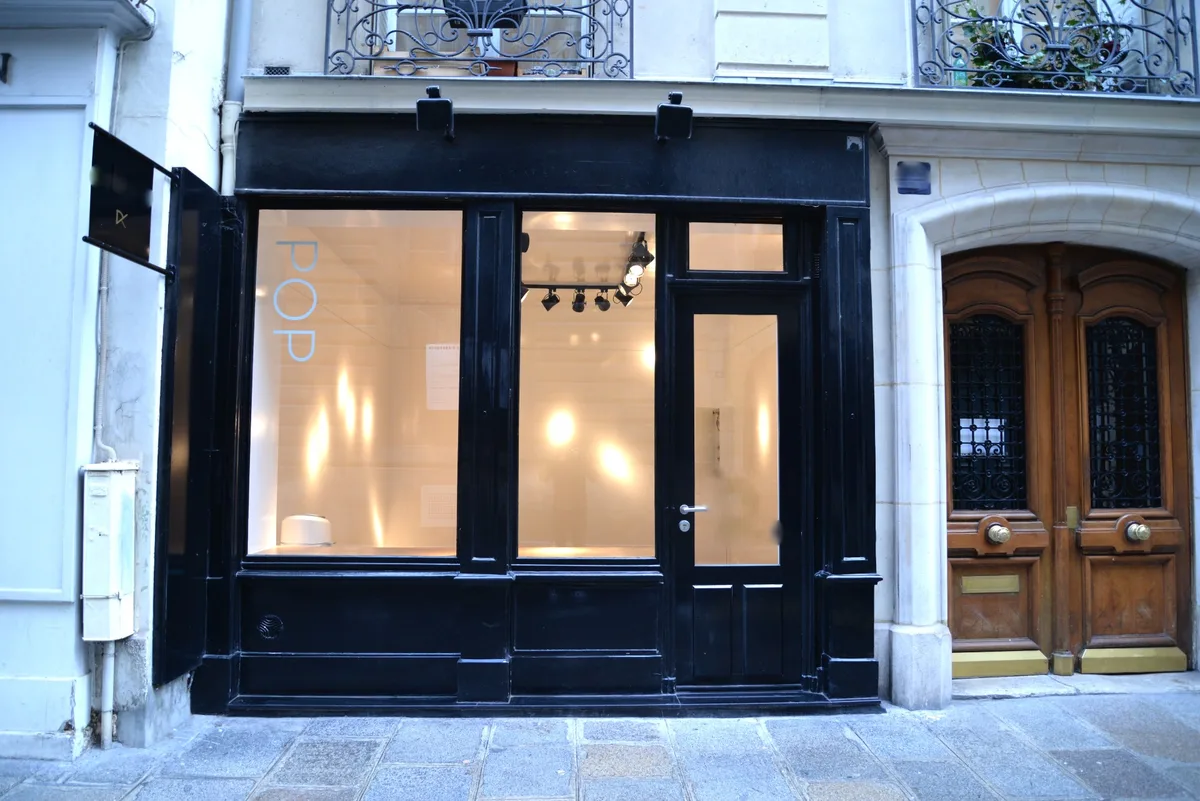
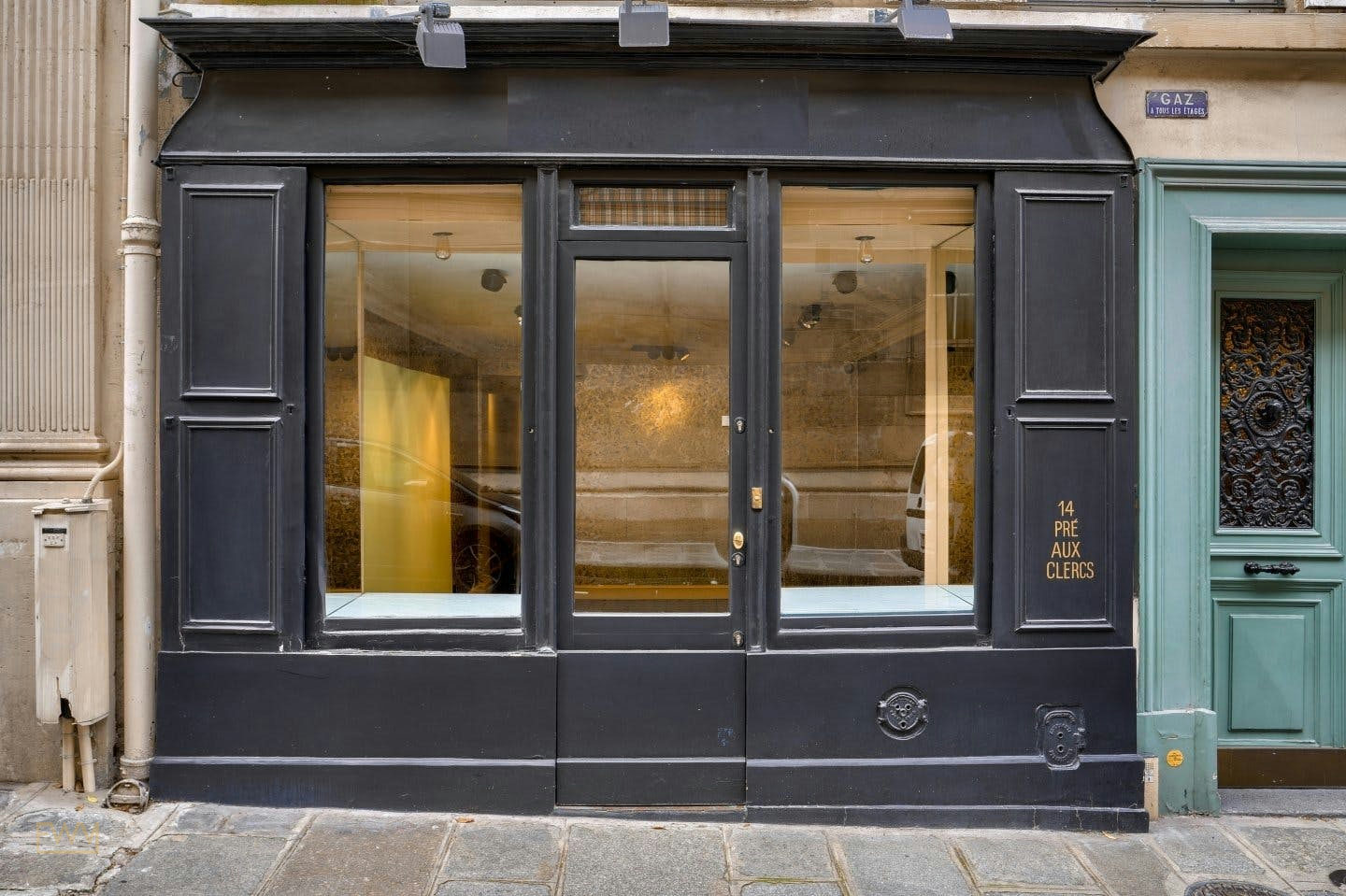
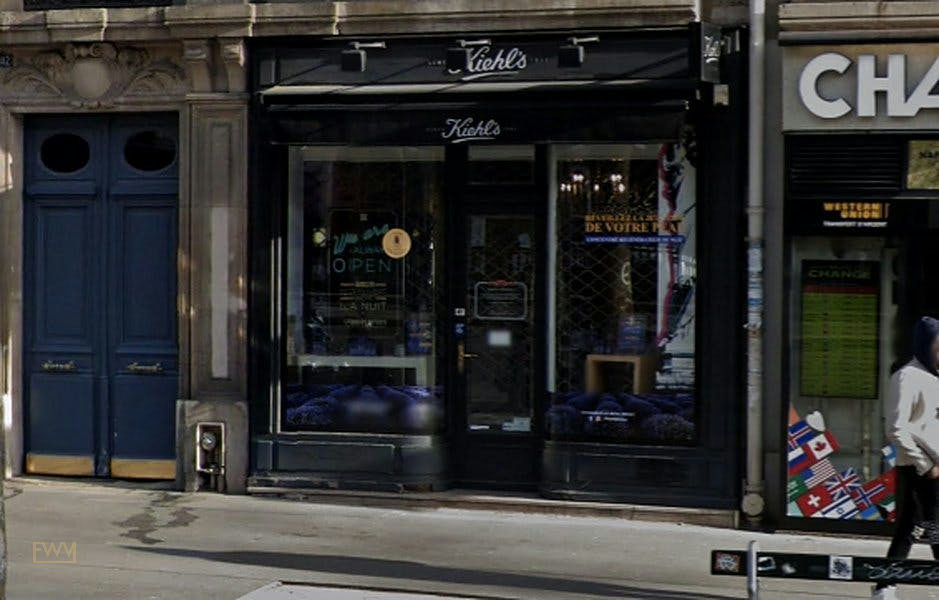
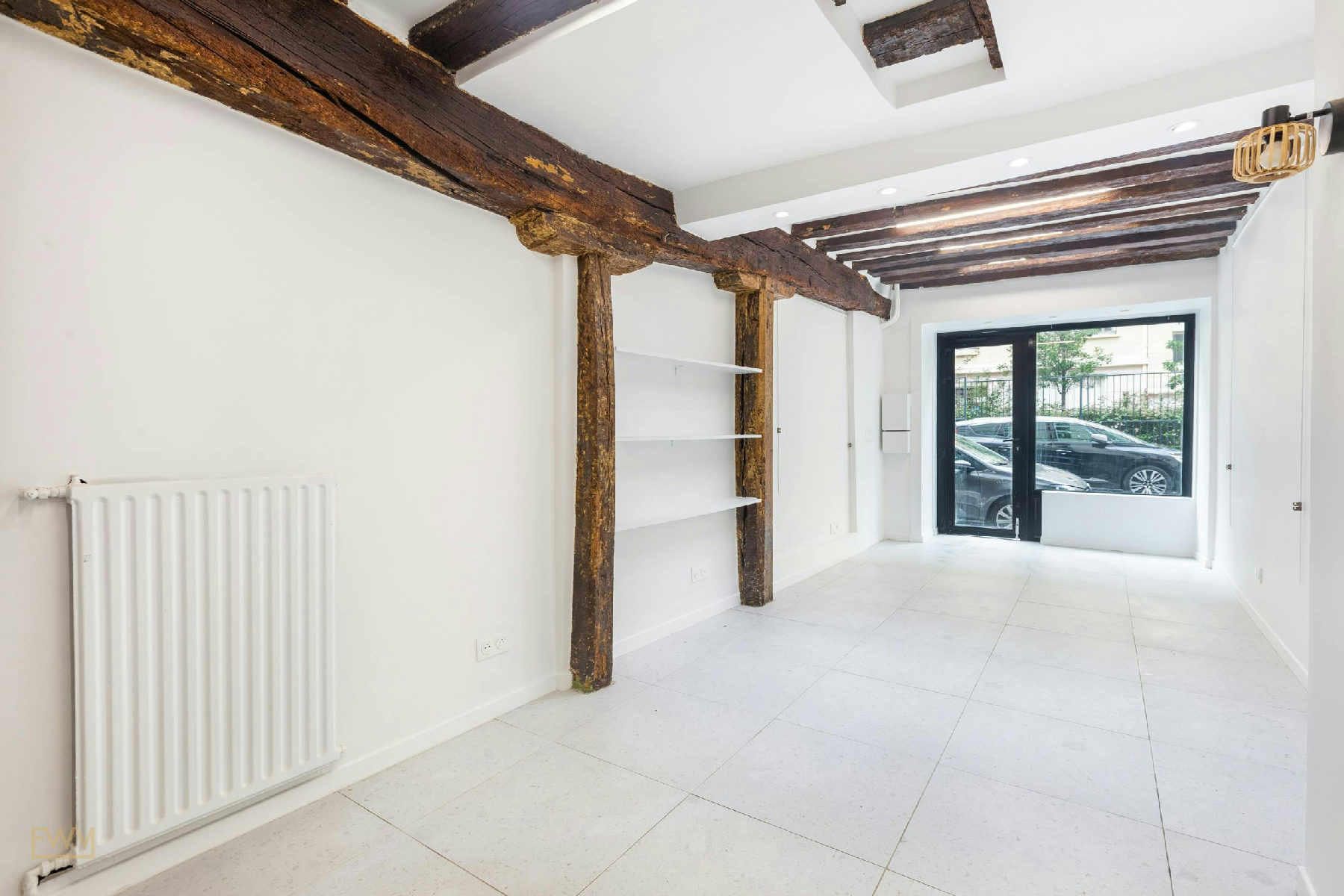
The archetypal Saint-Germain space is the Rez-de-chaussée boutique: a ground-floor unit with glazed shopfront directly on a commercial street, offering maximum visibility and direct engagement with passing shoppers. These units range from compact surface de vente of 30 to 50 square metres on secondary streets to larger flagship-scale units of 100 square metres and above on Boulevard Saint-Germain itself. A typical surface de 112 m² unit on a well-positioned secondary street provides sufficient floor area for a full pop-up retail concept, a small showroom area, and a back-office zone. Track lighting, white walls, and open floor plans are common in contemporary retail conversions, while older Haussmannian units retain original tiled flooring, carved stone details, and higher ceilings that add atmospheric distinctiveness.
Gallery Spaces and Art Gallery Conversions
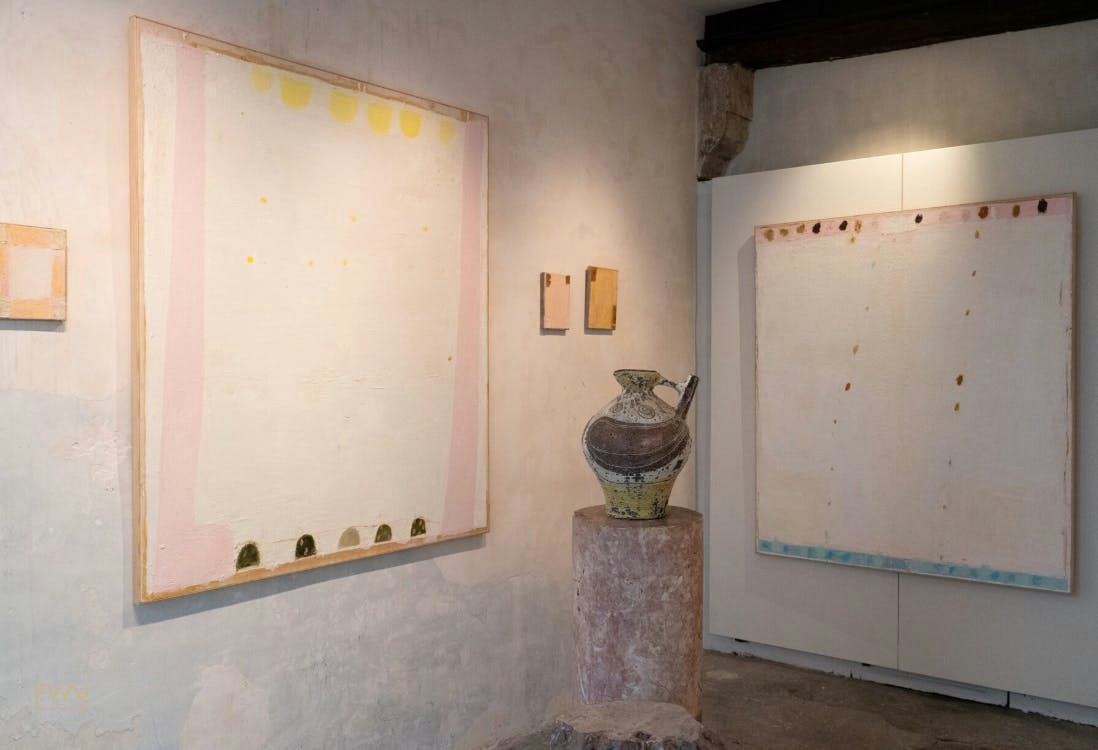
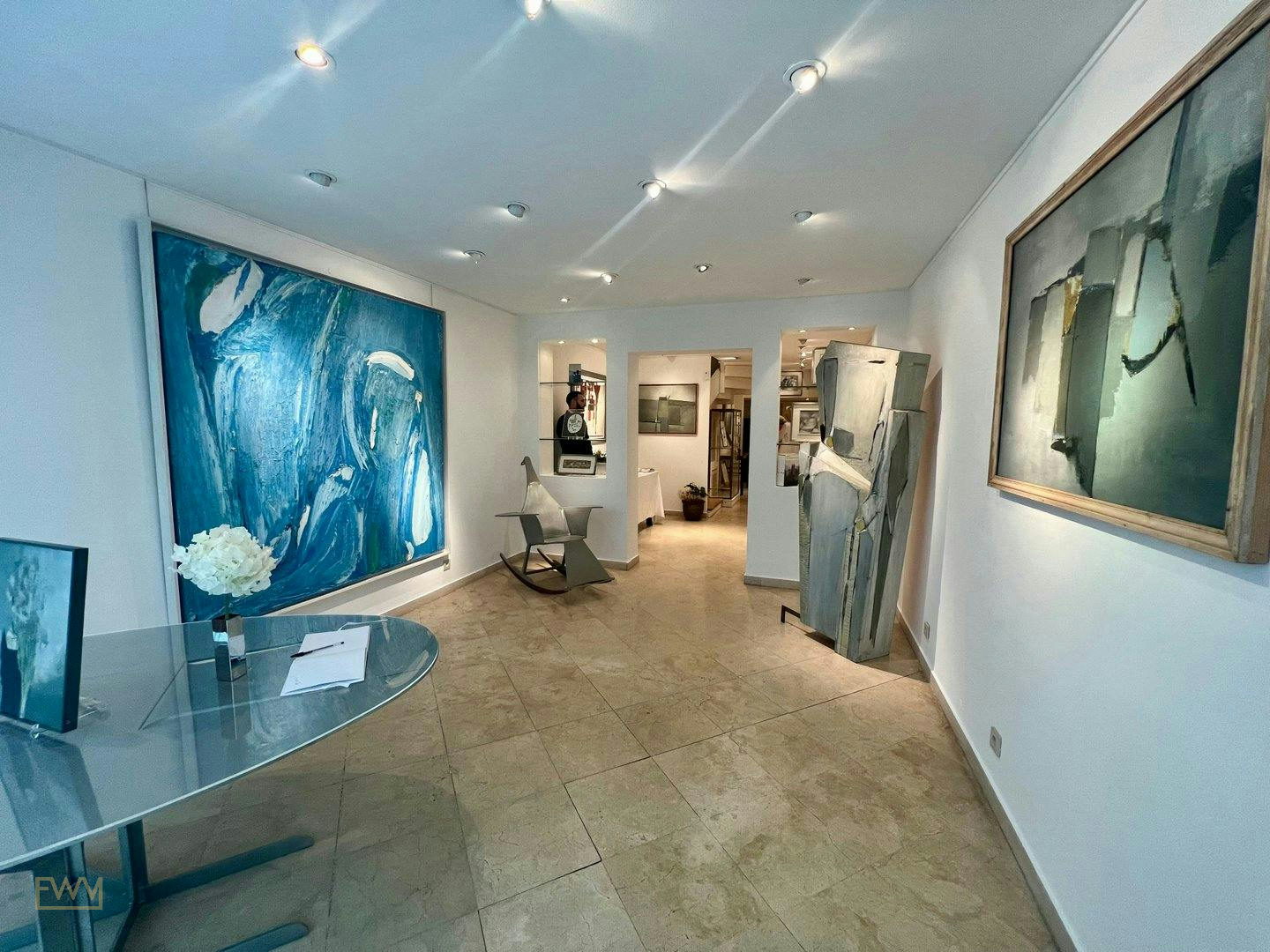
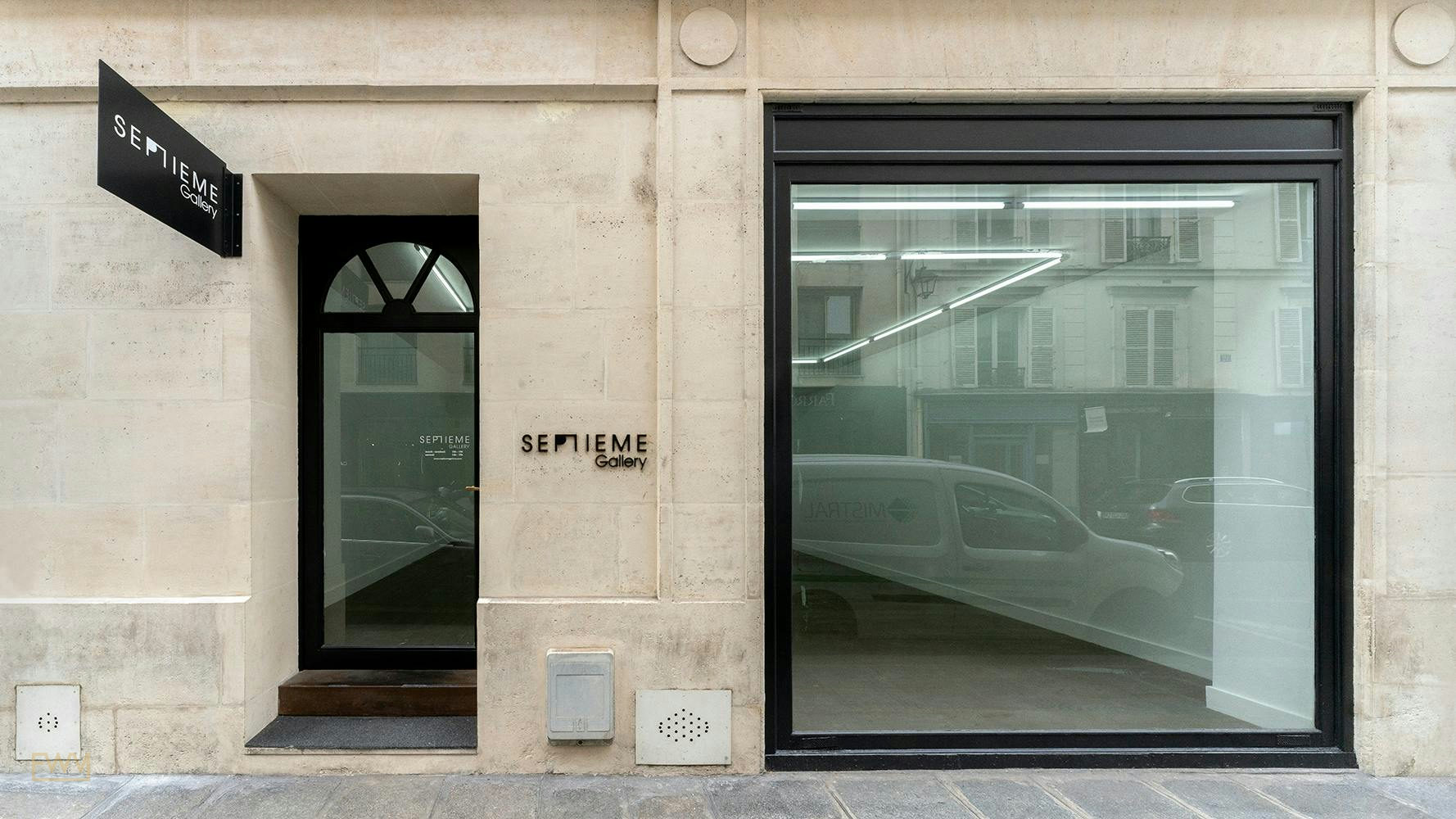
Given the concentration of galeries d'art and Galerie D'art spaces along rue de Seine and surrounding streets, many of the most sought-after spaces in the neighbourhood are hybrid gallery-retail units. These gallery spaces typically feature polished concrete or parquet flooring, high ceilings, clean white walls, and minimalist track or spotlight lighting. The format suits fashion brands launching collections, presenting lookbooks, or running press and buyer appointments alongside a curated retail offer. The aesthetic of a gallery space lends immediate credibility to brand presentations and creates an environment where editorial photography and social media documentation produce high-quality visual assets.
Showroom Spaces
Showroom Space configurations in Saint-Germain are particularly relevant for fashion wholesale, press and buyer appointment formats, and presentation-led activations that are not primarily transactional. Showroom units are often located slightly off the main retail axis, on streets such as Rue de Lille or rue Dauphine, where rent is more accessible and the space configuration allows for appointment-based access without the pressure of continuous retail-format trading. These spaces suit emerging designers presenting to buyers during Paris Fashion Week and international brands using the week to build press relationships and trade connections rather than direct consumer revenue.
Loft and Multi-Level Spaces
Some of the most distinctive commercial spaces in the 6th arrondissement are multi-level properties that combine a Rez-de-chaussée retail or reception level with a sous-sol event or storage space and a mezzanine presentation or VIP area. The loft format, often found in former ateliers or converted commercial buildings, gives brands vertical layering for their activation, separating public retail from private buyer appointments or media events. Steel pillars, exposed stonework, and dramatic ceiling heights are common in these atelier-conversion spaces and give activations a memorable spatial character that standard boutique units cannot offer.
Space Features to Evaluate
| Space Type | Typical Features | Best Suited For | Typical Surface Range |
|---|---|---|---|
| Retail Storefront | Glazed shopfront, white walls, track lighting, tiled or parquet flooring | Pop-up retail, brand flagship | 30 to 150 m² |
| Gallery Space | White walls, spotlights, polished concrete, high ceilings | Brand presentations, editorial shoots, collector activations | 40 to 200 m² |
| Showroom Space | Clean layout, natural light, appointment-friendly access | Trade shows, buyer appointments, press events | 50 to 120 m² |
| Loft or Atelier | Steel pillars, exposed stone, mezzanine, sous-sol | Multi-format events, VIP activations, immersive concepts | 80 to 300 m² |
| Multi-Level Property | Rez-de-chaussée retail plus sous-sol plus mezzanine | Full brand houses, multi-room activations | 100 to 500 m² |
TIP: When assessing Saint-Germain spaces, always verify the surface de vente against the total surface totale. In multi-level properties, a quoted surface totale that includes sous-sol and mezzanine may overstate the effective retail selling floor significantly.
KEY TAKEAWAY: Saint-Germain offers a wider typology of commercial spaces than the standard boutique format suggests. Gallery conversions, loft ateliers, and multi-level properties give brands significant creative latitude in how they design and stage their activation.
Once you have identified the space type that fits your concept, the next practical challenge is understanding the leasing and transaction process for short-term commercial property in Paris.
Leasing, Rental Agreements, and Transaction Processes for Saint-Germain Commercial Space
Renting a boutique or commercial space in Saint-Germain-des-Prés involves navigating a legal and contractual framework that differs significantly from short-term retail rental processes in other cities. Understanding the relevant lease structures is essential for brands seeking hassle-free transactions and clean exit terms.
Quick answer: Short-term retail rental in Paris is typically governed by either a bail dérogatoire (a derogatory lease of up to 36 months) or an AOT (autorisation d'occupation temporaire) for spaces in publicly owned or special-status buildings. Standard commercial leases in France operate under the Bail Commercial framework and are not appropriate for short-term pop-up or temporary activations. Brands should always take legal advice before signing any commercial property agreement in France.
Bail Dérogatoire: The Short-Term Commercial Lease
The bail dérogatoire is the primary instrument for legitimate short-term commercial rental in France. It allows landlords and tenants to agree a lease outside the protections and obligations of the standard bail commercial, for a duration of up to 36 months in aggregate. For pop-up shops and temporary retail activations in Saint-Germain, this is typically the lease structure used for stays of one week to twelve months. The key feature of the bail dérogatoire is that neither party acquires the long-term rights and obligations of a standard commercial lease, making it appropriate for brands that need clean, time-limited occupation. Loyer annuel terms, deposit requirements, and reinstatement obligations vary by property and landlord. Always verify the specific terms with a qualified French legal advisor before committing.
Autorisation d'Occupation Temporaire (AOT)
For spaces located in buildings owned by public authorities, cultural institutions, or heritage bodies, the relevant instrument may be an autorisation d'occupation temporaire rather than a bail dérogatoire. AOTs are common for activations in art institutions, publicly owned courtyard spaces, or government-administered buildings. The terms of AOTs are typically less negotiable than bail dérogatoire agreements, and the conditions governing use, reinstatement, and insurance are often more prescriptive. Brands working in creative or institutional settings in the 6th arrondissement should clarify the ownership and administrative status of any space before assuming that a standard rental conversation applies.
Lease Transfers and Business Asset Sales
In the Paris commercial property market, brands occasionally encounter opportunities involving lease transfers (cession de bail) or business asset sales (fonds de commerce). These transactions are structurally different from a simple rental and carry significant financial and legal obligations. A cession de bail transfers the existing tenant's position in a long-term commercial lease to a new occupant, including all rights and obligations. A fonds de commerce sale transfers the entire business goodwill, including the lease, trading assets, and customer relationships. Neither of these structures is appropriate for a short-term pop-up or temporary activation, and brands should be alert to any agent or landlord presenting these options as alternatives to a straightforward rental agreement.
Permit and Compliance Requirements
Operating a retail pop-up or commercial activation in Saint-Germain-des-Prés may require specific permits depending on the nature of the activity, the space type, and the arrondissement. Requirements can include commercial activity declarations, temporary signage permits, and in some cases structural or fire safety compliance certifications. Energy performance diagnosis and greenhouse gas emission index documentation may be required for new lease agreements under French property law. Requirements vary by space type, duration, and arrondissement, and obtaining professional guidance before signing is strongly recommended. The permit guidance tool on Fashion Week Venues provides a structured starting point for brands assessing their compliance obligations in Paris.
IMPORTANT: French commercial property law is complex and the consequences of signing an inappropriate lease type or missing permit requirements can be significant. Do not proceed on the basis of informal assurances from a space owner or broker. Verify all terms with a qualified French legal advisor before committing to any rental agreement.
KEY TAKEAWAY: Short-term boutique rental in Saint-Germain-des-Prés operates through the bail dérogatoire framework for most private landlord arrangements, with AOTs relevant for institutional or publicly owned spaces. Lease transfers and business asset sales are separate transaction types that carry substantially different obligations and risks.
Leasing process clarity is foundational, but equally important for brand teams is understanding the cost landscape for Saint-Germain commercial space before committing to a neighbourhood or space type.
Cost of Renting a Boutique or Pop-Up Space in Saint-Germain-des-Prés
Saint-Germain-des-Prés is one of the most expensive commercial real estate markets in Paris, and cost planning for a boutique rental here requires a realistic understanding of the multiple cost layers involved, not simply the headline rental rate.
Quick answer: Boutique and pop-up space rental costs in Saint-Germain-des-Prés vary significantly based on street position, space type, surface area, duration, and season. Spaces on high-visibility passante streets and Boulevard Saint-Germain command premium rates. Secondary streets such as Rue Mazarine, rue Dauphine, and Rue de Lille offer more accessible pricing without sacrificing the neighbourhood's brand positioning. Always build a full cost model that includes rent, deposit, fit-out, staffing, and operational costs before committing to a specific space. Use the budget estimation tool on Fashion Week Venues to build a brand-specific cost model for your Paris activation.
Cost Layers to Budget Across
| Cost Category | What to Include | Notes |
|---|---|---|
| Space Rental | Base rent (daily, weekly, or monthly rate), deposit | Loyer annuel converted to short-term rate plus damage deposit |
| Fit-Out and Production | Fixtures, partitions, branded elements, flooring treatments | Reinstatement to original condition often required |
| Furniture and Fixtures | Display units, counters, seating, rails, signage | Rental or purchase; delivery and collection included |
| Staffing | Sales staff, brand ambassadors, security | French employment law applies; use specialist local staffing |
| Technology and POS | Payment systems, inventory management, data capture | Currency and language requirements for international brands |
| Marketing and Activation | Influencer fees, press events, social media content production | Paris Fashion Week periods require earlier booking |
| Permits and Compliance | Temporary signage, commercial activity declarations, insurance | Requirements vary by activity type and arrondissement |
| Agency Fees | Venue sourcing, concept direction, project management | Full-service agency fees cover multiple cost lines |
Rather than publishing directional figures that may not reflect current market conditions, Fashion Week Venues recommends using a structured budget tool that accounts for your specific space size, duration, fit-out scope, and operational requirements. Rental cost figures in the commercial real estate market fluctuate based on demand periods, the negotiating position of individual landlords, and the condition of the space at the time of rental. Brands should treat any published cost figure as a starting reference point only and validate all pricing against current live listings and direct landlord conversations.
Duration and Its Effect on Cost
The ideal duration for a boutique rental in Saint-Germain-des-Prés depends on your commercial objective. For pure brand awareness activations tied to Paris Fashion Week, a duration of one to three weeks centred on the show calendar is typical. For brands testing a permanent retail concept or building a sustained consumer relationship in Paris, durations of one to three months under a bail dérogatoire are common. Longer durations reduce the effective daily rental rate but increase total cost commitment and operational complexity. For Fashion Week-timed activations, spaces typically need to be secured significantly in advance, with lead times of two to four months for premium locations on major streets being the norm rather than the exception.
TIP: For brands running their first Paris activation, a shorter duration in a strong secondary street location often delivers better ROI than a premium boulevard address for an extended period. The neighbourhood visibility benefit is largely equivalent across the 6th arrondissement, while the cost differential is significant.
KEY TAKEAWAY: Boutique rental costs in Saint-Germain involve multiple stacked cost layers beyond headline rent. Building a complete activation cost model before committing to a specific space is essential. Brands should use a dedicated budgeting tool and validate all estimates against current live market pricing.
To compare neighbourhoods and space types, explore the Paris city hub on Fashion Week Venues and shortlist spaces that match your brief, budget, and calendar window.
The Most Sought-After Streets and Locations for Boutique Rental in Saint-Germain
Within the Saint-Germain-des-Prés district, the specific street and location within the 6th arrondissement shapes the audience you reach, the brand associations you gain, and the rental cost you pay. Understanding the character of individual streets is essential for matching your activation concept to the right emplacement.
Quick answer: The most sought-after locations for boutique and pop-up rental in Saint-Germain-des-Prés are Boulevard Saint-Germain for maximum visibility, rue de Seine and rue Bonaparte for gallery and design associations, and rue Dauphine and Rue Mazarine for accessible, creative-quarter positioning. The streets around Place Saint-Sulpice offer a slightly different audience profile with strong fashion and luxury credentials.
Street-by-Street Location Guide
| Street or Area | Character | Best For | Relative Cost |
|---|---|---|---|
| Boulevard Saint-Germain | High-visibility main axis, luxury and international brands, maximum flux de passants | Flagship pop-ups, international brand launches | Highest |
| Rue de Seine | Gallery density, art collectors, design-literate audience, galeries d'art | Gallery-format activations, editorial shoots, collector events | High |
| Rue Bonaparte | Arts and design axis, Beaux-Arts connection, librairies and specialist shops | Design brands, concept retail, cultural collaborations | High |
| Rue Mazarine and Rue Dauphine | Creative quarter, independent boutiques, gallery crossover | Emerging brands, showrooms, niche fashion | Medium to High |
| Rue de Lille | Quieter, institutional neighbours, diplomatic and arts audience | Showrooms, private presentations, press days | Medium |
| Place Saint-Sulpice area | Fashion and luxury adjacent, strong destination footfall, Boutique Saint-Sulpice zone | Fashion-forward pop-ups, accessible luxury brands | High |
| Rue de Rennes | High footfall, mainstream commercial, connects to Montparnasse | Mass-market or accessible brands, volume retail | Medium to High |
The métro Saint-Germain-des-Prés station on Line 4 is the primary transport node for the district and positions spaces within easy walking distance of a very high volume of daily visitors. The church of the Eglise de Saint-Germain-des-Prés at the intersection of Boulevard Saint-Germain and rue Bonaparte is one of the most photographed landmarks in Paris and creates a natural congregation point that drives passing foot traffic to surrounding commercial spaces.
Brands considering Saint-Germain should also be aware of how the neighbourhood relates to adjacent districts. Le Marais, accessed via rue de Rivoli or across the Pont Neuf from the 6th, attracts a younger and more streetwear-oriented audience. Montmartre, further north, has strong tourist footfall but weaker commercial infrastructure for fashion brand activations. For brands that want to maximise their Paris Fashion Week reach, a Saint-Germain location positions them centrally within the editorial and buyer geography of the city, with easy access to press showrooms, fashion houses, and media offices across the Left Bank and into the Palais Royal area.
KEY TAKEAWAY: Each street within Saint-Germain-des-Prés delivers a distinct audience profile, brand association, and cost point. The right emplacement depends on whether your primary objective is maximum foot traffic, creative credibility, press access, or buyer engagement.
Choosing the right location is inseparable from understanding how to stage and design the space once you have it. The next section addresses the activation and concept design process for Saint-Germain boutique rentals.
Designing and Activating a Boutique Rental in Saint-Germain-des-Prés
Securing the right space in Saint-Germain is only the first phase of a successful activation. Brands that treat the space as a blank canvas and invest in considered concept direction, production, and design consistently outperform those that apply generic retail fixtures to distinctive spaces.
The design language of Saint-Germain-des-Prés rewards restraint, quality of materials, and cultural awareness. White walls and track lighting suit gallery-format brands. Wood-panelled interiors and warm spotlights work well for heritage and lifestyle concepts. Tiled flooring and exposed stone bring architectural character to fashion presentations. Steel pillars in loft-format spaces create opportunities for industrial-heritage aesthetics that play well in editorial photography. The key principle is that the space design should feel intentional and site-specific, referencing the neighbourhood's character without pastiche.
DID YOU KNOW: The Saint-Germain-des-Prés neighbourhood has one of the highest concentrations of independent art galleries per square kilometre in Paris. Brands that activate in gallery-adjacent spaces benefit from association with this cultural density even before a single customer walks through the door.
Concept Direction and Brand Narrative
Effective concept direction for a Saint-Germain boutique rental begins with a clear brand narrative that connects to the neighbourhood's identity. The district's history as the home of Jean-Paul Sartre, Simone de Beauvoir, Boris Vian, and the post-war existentialist movement gives brands permission to engage with themes of ideas, culture, and intellectual curiosity. The proximity to the académie des beaux-arts and the long tradition of galeries d'art positions design-led brands particularly well. Brands that invest in a coherent concept direction, delivered by specialists who understand the Saint-Germain context, create experiences that generate organic media coverage and word-of-mouth from the neighbourhood's engaged local community.
Production, Fit-Out, and Furniture
The production and fit-out of a Saint-Germain pop-up or boutique rental requires a clear understanding of what the landlord permits in terms of wall treatments, flooring changes, electrical modifications, and structural alterations. Most bail dérogatoire agreements include reinstatement obligations, meaning that all production work must be fully reversible unless explicitly agreed otherwise. Furniture rental is often more practical than purchase for short-term activations, allowing brands to specify the exact aesthetic without the cost and logistics of purchasing and then disposing of fixtures. The production and build service on Fashion Week Venues covers the full scope of fit-out planning, landlord approval coordination, and reinstatement management.
Retail Staffing in Paris
Operating a boutique in Paris requires compliance with French employment law, which governs working hours, minimum wage, contract types, and employee rights in ways that differ significantly from UK, US, and other international markets. For short-term activations, specialist retail staffing agencies that understand the French regulatory environment are essential. Brand ambassadors and sales staff with French language skills and knowledge of the local luxury retail culture are particularly important in Saint-Germain, where the clientele includes a significant proportion of discerning local Parisians alongside international visitors.
POS, Payments, and Data
Point-of-sale and payment systems for Paris pop-ups need to handle multi-currency transactions, comply with French fiscal requirements for retail sales, and integrate with the brand's wider inventory and CRM systems. Data capture during the activation, including visitor numbers, conversion rates, transaction values, and customer acquisition metrics, enables brands to calculate their ROI with precision. The ROI calculation tool on Fashion Week Venues allows brand teams to build a post-activation return model before the activation begins, setting measurable targets across revenue, brand reach, and media value.
KEY TAKEAWAY: Successful boutique activation in Saint-Germain requires investment across concept direction, production, staffing, and technology systems. The neighbourhood rewards design quality and cultural intelligence, and brands that invest in these dimensions consistently generate stronger commercial and media outcomes.
Understanding how a full-service agency can manage this complexity is directly relevant to the planning process. The following section explains what Fashion Week Venues provides for brands entering the Paris market.
How Fashion Week Venues Supports Boutique Rentals in Saint-Germain
Fashion Week Venues is a full-service pop-up shop agency and space marketplace with Paris as its primary anchor market. For brands seeking a boutique for rent in Saint-Germain, Fashion Week Venues provides end-to-end support across every stage of the activation process, from initial space discovery to post-activation analysis.
The agency's venue sourcing service covers the full Saint-Germain-des-Prés commercial property market, identifying spaces that match a brand's brief across surface area, location, space type, lease duration, and budget parameters. This is particularly valuable in a market where the best spaces are often rented through relationships and off-market conversations rather than through public commercial real estate listings. The venue sourcing process includes assessment of lease type and compliance obligations, landlord relationship management, and negotiation support.
Once a space is confirmed, the concept direction service translates the brand's strategic brief into a site-specific retail and event concept. This includes spatial narrative development, visual identity application, and neighbourhood context integration, ensuring that the activation feels genuinely connected to Saint-Germain rather than parachuted in from a generic brand playbook.
The full production and operational services cover fit-out, furniture rental, staffing, POS and payments, and influencer marketing. For brands that want to understand how their activation might look before committing, the Imagine tool on Fashion Week Venues provides a space visualisation capability. The Build tool supports fit-out planning. The Timeline tool structures the full pre-activation workflow, and the Compare tool allows brands to evaluate multiple shortlisted spaces side by side against their specific requirements.
The agency also operates a Twin concept, which allows two complementary brands to co-activate within a single space, splitting cost and audience while each maintaining distinct brand territories. This is particularly relevant for smaller brands or brands entering the Paris market for the first time, where the co-activation model allows Saint-Germain-level positioning at a more accessible total investment.
IMPORTANT: Fashion Week Venues does not guarantee the availability of specific spaces, the approval of permits, or specific commercial outcomes. Space availability is always subject to landlord confirmation and live market conditions. All permit and legal requirements should be independently verified with a qualified French legal advisor.
The agency's past activations are documented in the work and case study section, and the process page explains how the agency works from first brief to final handover. For brands new to the agency selection process, the agency selection guide on Fashion Week Venues sets out the key questions to ask and the criteria to evaluate when choosing a partner for a Paris activation.
Brand teams that benefit most from the Fashion Week Venues offer include creative directors and brand managers planning seasonal Paris activations, wholesale and trade brands needing showroom space during Fashion Week, international brands entering the Paris market without an established local network, and emerging designers seeking to establish a presence in Saint-Germain without the overhead of a permanent retail commitment.
KEY TAKEAWAY: Fashion Week Venues offers a structured, full-service route to Saint-Germain boutique rental and activation, covering venue sourcing, concept development, production, staffing, technology, and analytics. The agency's tools allow brands to plan, budget, and visualise their activation before committing to a space or timeline.
Practical timing decisions around the Paris Fashion Week calendar are the next critical dimension for brands planning a Saint-Germain activation.
Timing Your Boutique Rental Around the Paris Fashion Week Calendar
Paris Fashion Week is the most commercially powerful calendar moment for retail and showroom activations in the city, but it is not the only viable window for a Saint-Germain boutique rental. Understanding the full calendar and how different activation windows serve different commercial objectives allows brands to plan their Paris presence strategically across the year.
Quick answer: Paris Fashion Week runs twice a year: Womenswear in late February and early March, and Womenswear Spring Summer in late September and early October. Menswear shows run in January and June. Each of these periods generates a concentrated presence of buyers, press, influencers, and brand decision-makers in Paris, making them the highest-value windows for showroom and brand awareness activations. However, demand for premium spaces peaks sharply during these periods, driving up rental costs and reducing available inventory. Brands that can activate outside peak Fashion Week dates often achieve better value for money and lower competition for audience attention.
Fashion Week Activation Timing Workflow
| Stage | Timeline Before Activation | Key Actions |
|---|---|---|
| Strategy and brief development | 4 to 6 months | Define objectives, budget, space requirements, duration, and neighbourhood priorities |
| Space sourcing and shortlisting | 3 to 5 months | Identify candidate spaces, assess lease type and compliance, compare locations |
| Space confirmation and lease signing | 2 to 4 months | Negotiate and sign bail dérogatoire, confirm deposit, assess permit requirements |
| Concept direction and design | 2 to 3 months | Develop spatial concept, produce design drawings, specify fixtures and furniture |
| Production and fit-out | 2 to 4 weeks before opening | Install fixtures, complete branded elements, dress space, test POS and technology |
| Activation and operation | Duration of rental | Trade, press events, influencer hosting, data capture |
| Reinstatement and debrief | Immediately post-activation | Restore space to original condition, complete data analysis, calculate ROI |
Brands that wait until six to eight weeks before Paris Fashion Week to begin space sourcing in Saint-Germain consistently find that the best-positioned and most distinctive spaces have already been committed. The premium streets and gallery-format spaces in particular move quickly, often through agency relationships before they reach any public listing or commercial real estate platform.
The timeline planning tool on Fashion Week Venues helps brand teams structure their full pre-activation workflow from brief to opening day, with built-in milestones calibrated to the Paris fashion calendar and the specific requirements of Saint-Germain commercial space rentals.
KEY TAKEAWAY: Paris Fashion Week creates the highest-demand periods for Saint-Germain boutique rentals, but brands that plan four to six months ahead can access the best spaces and negotiate from a position of choice rather than urgency. Off-calendar activations in spring and autumn also offer excellent commercial conditions with lower rental competition.
Before finalising your Saint-Germain activation plan, it is worth examining and correcting several persistent misconceptions about the Paris short-term retail rental market that regularly derail brand planning processes.
Common Myths About Renting a Boutique in Saint-Germain-des-Prés
MYTH: International brands need a French legal entity to rent a commercial space in Saint-Germain-des-Prés.
FACT: While having a French legal entity simplifies certain aspects of the commercial lease process, it is not an absolute prerequisite for all short-term rental arrangements. Many international brands rent boutique and pop-up spaces in Paris under bail dérogatoire agreements as foreign entities, provided they can satisfy landlord requirements around insurance, deposit, and identity verification. Requirements vary by landlord and space type, and specialist legal and agency support can navigate these arrangements without requiring the brand to establish a French company first. Always verify the specific requirements of the landlord and the lease type with a qualified French legal advisor before proceeding.
MYTH: Paris Fashion Week is the only viable calendar window for a Saint-Germain boutique rental.
FACT: Paris Fashion Week generates the highest concentration of trade and media audiences in the city, but it is far from the only commercially viable window. Saint-Germain-des-Prés generates strong foot traffic from affluent local shoppers and international tourists throughout the spring, summer, and autumn periods. Brands activating outside the Fashion Week peak often benefit from lower rental costs, less competition for audience attention, and a more relaxed media environment that allows for deeper storytelling. Many brands deliberately choose off-calendar windows to avoid the noise and cost premium of Fashion Week periods.
MYTH: Commission-based brokers are the only reliable way to find a quality boutique space in Saint-Germain.
FACT: Commission-based property brokers do operate in the Saint-Germain commercial market, but they are not the only route to quality spaces, and their incentive structure does not always align with the renter's best interests. Full-service agencies like Fashion Week Venues source spaces as part of an integrated brief-to-activation service, with access to off-market inventory and an understanding of how space type, location, and lease structure should interact with the brand's specific commercial objectives. Direct approaches to landlords, referrals through creative networks, and specialist marketplace platforms also provide access to quality inventory without the commission-broker model.
MYTH: Short-term leases in Paris are legally straightforward and do not require specialist help.
FACT: The French commercial property system is one of the most legally structured in Europe. The distinction between a bail commercial, a bail dérogatoire, and an AOT carries significant legal and financial implications, and misclassifying a short-term rental agreement can expose both landlord and tenant to unintended long-term obligations. The permit requirements for commercial retail activity in the 6th arrondissement add a further compliance layer that many international brands underestimate. Specialist agency support and independent French legal advice are both strongly recommended, even for short-duration activations.
MYTH: All Saint-Germain spaces listed on commercial real estate platforms like LoopNet reflect the real available inventory in the neighbourhood.
FACT: Public commercial real estate platforms provide a useful reference for market context, but they do not reflect the full available inventory for short-term pop-up and boutique rentals in Saint-Germain. A significant proportion of the most desirable spaces in the neighbourhood are managed through agency relationships, landlord networks, and specialist marketplaces. Brands that rely solely on publicly listed platforms will systematically miss a portion of the best-positioned spaces. Engaging a specialist agency or marketplace early in the search process provides access to a broader and often higher-quality pool of available inventory.
Frequently Asked Questions About Boutique Rental in Saint-Germain-des-Prés
Why should a brand choose Saint-Germain-des-Prés for a pop-up or boutique rental rather than Le Marais or Montmartre?
Saint-Germain-des-Prés delivers a distinct combination of commercial density, cultural prestige, and affluent audience profile that Le Marais and Montmartre do not fully replicate. Le Marais attracts a younger, more streetwear-oriented audience and suits brands with a contemporary or urban positioning. Montmartre generates strong tourist footfall but has weaker commercial infrastructure for fashion brand activations. Saint-Germain is the right choice for brands seeking proximity to luxury retail anchors like Le Bon Marché, association with art and design culture through its gallery network, and access to the internationally mobile, high-spending audience that defines the Left Bank. The neighbourhood's density of press offices, fashion houses, and cultural institutions also makes it the most productive location for trade and media-facing activations during Paris Fashion Week.
What is the most sought-after type of space for a pop-up in Saint-Germain?
Gallery-format spaces with white walls, track or spotlight lighting, and polished concrete or parquet flooring are consistently the most in-demand space type for fashion brand pop-ups in Saint-Germain-des-Prés. These spaces suit the neighbourhood's design-literate audience and translate well into editorial photography and social media content. Glazed-front Rez-de-chaussée retail units on high-traffic streets like rue de Seine and rue Bonaparte are the second most sought-after format. Multi-level loft properties with mezzanines and sous-sol spaces are sought by brands running multi-room or multi-format activations such as combined retail, showroom, and event programming.
How far in advance should a brand book a boutique space in Saint-Germain for Paris Fashion Week?
For premium-positioned spaces on Boulevard Saint-Germain, rue de Seine, or rue Bonaparte during Paris Fashion Week periods, brands should begin the search and negotiation process four to six months in advance. The best inventory in these streets is typically committed two to three months before the Fashion Week dates. Brands that begin the process six to eight weeks before Fashion Week consistently find that their shortlist has narrowed significantly and rental leverage has shifted strongly toward landlords. Off-calendar activations allow more flexibility, but quality gallery and boutique spaces in Saint-Germain still require a lead time of six to ten weeks minimum for adequate planning and fit-out.
What lease type is typically used for a short-term boutique rental in Saint-Germain?
The standard lease instrument for short-term commercial rental in Saint-Germain-des-Prés is the bail dérogatoire, which permits occupation of up to 36 months outside the protections and obligations of the standard French bail commercial. For spaces in publicly owned or institutionally administered buildings, an autorisation d'occupation temporaire (AOT) may apply. The specific lease type, terms, deposit requirements, and reinstatement obligations vary by property and landlord. All commercial lease agreements in France should be reviewed by a qualified French legal advisor before signing, regardless of the duration or apparent simplicity of the arrangement.
Do international brands need a French company to rent a boutique in Saint-Germain?
A French legal entity is not an absolute requirement for all short-term boutique rental arrangements in Saint-Germain-des-Prés. Many international brands rent spaces in Paris as foreign entities under bail dérogatoire agreements, subject to satisfying individual landlord requirements around insurance coverage, deposit payment, and identity or corporate documentation. In practice, having a French entity or a French-based representative simplifies the process considerably. Specialist agencies with established landlord relationships can often facilitate rental agreements for international brands without a French corporate structure, but this should always be confirmed with independent French legal advice for the specific space and landlord in question.
What permits are required to operate a retail pop-up in Saint-Germain-des-Prés?
Permit requirements for retail pop-ups in the 6th arrondissement vary depending on the nature of the activity, the space type, the lease duration, and the specific location within the neighbourhood. Requirements may include commercial activity declarations, temporary external signage permits, and in some cases, fire safety or structural compliance documentation. Energy performance diagnosis and greenhouse gas emission index certification may be required under French property law for new lease agreements. Requirements vary by space type and duration, and brands should not rely on a landlord's assurances about compliance. The permit guidance tool available through Fashion Week Venues provides a structured starting point, and independent French legal or regulatory advice is strongly recommended.
What is the difference between a boutique rental and a showroom space in Saint-Germain?
A boutique rental in Saint-Germain typically refers to a consumer-facing retail operation with a glazed shopfront, open trading hours, and a focus on direct customer transactions. A showroom space in the same district is configured for trade and press appointments, presentations to buyers and media, and brand awareness-building rather than direct consumer retail. Showrooms are typically located on quieter streets such as Rue de Lille or rue Dauphine, where controlled access and appointment-based visiting are practical. Many brands during Paris Fashion Week run hybrid spaces that combine a consumer-facing retail zone on the ground floor with a trade showroom or press preview area in a connected upper level or sous-sol space.
How large a space does a brand typically need for a Saint-Germain pop-up boutique?
The appropriate surface de vente for a Saint-Germain pop-up depends on the activation format, the volume of product on display, the planned traffic level, and the budget available. Compact gallery-format spaces of 30 to 60 square metres suit curated product launches, editorial concepts, or single-category fashion brands. Mid-size spaces of 60 to 120 square metres accommodate a broader product range with a defined brand experience zone. Flagship-format spaces above 150 square metres allow for multi-room programming, event hosting, and immersive brand environments. For multi-brand or co-activation formats, larger spaces can be divided to create distinct brand zones within a shared overarching concept.
Can a brand run an event alongside a retail activation in a Saint-Germain boutique?
Many Saint-Germain boutique and gallery spaces support combined retail and event programming, but the specific permissions depend on the lease terms and the local authority requirements for the planned event type. Evening events, press previews, and invite-only presentations within a licensed retail space are generally manageable within the parameters of a retail lease. Larger public events, amplified music, or catering operations may require additional permits and landlord consent. Brands should discuss their intended programming in full detail with both the landlord and a French legal or events compliance advisor before signing a lease that they intend to use for event programming alongside retail trading.
What role does influencer and social media content play in a Saint-Germain boutique activation?
Saint-Germain-des-Prés provides one of the most photographically rich and contextually resonant environments in Paris for influencer and social media content creation. The neighbourhood's visual identity, combining Haussmannian architecture, gallery aesthetics, and iconic landmarks such as Café de Flore and the Eglise de Saint-Germain-des-Prés, provides ready-made backdrop and brand context that extends the activation's reach far beyond in-store visitors. Fashion brands that invest in structured influencer hosting, social media content production, and visual asset creation during their Saint-Germain activation consistently achieve media value well beyond the cost of the activation itself. The influencer marketing service available through Fashion Week Venues covers talent identification, briefing, hosting logistics, and content amplification for Paris-based activations.
How do brands calculate ROI for a boutique pop-up in Saint-Germain?
ROI calculation for a Saint-Germain pop-up should capture both direct revenue metrics and indirect brand value metrics. Direct metrics include retail revenue, transaction volume, average order value, and new customer acquisition cost. Indirect metrics include earned media value from press coverage and social media reach, influencer content value, buyer relationship development, and brand awareness uplift in the Paris market. A complete ROI model builds these metrics into a pre-activation target framework so that performance can be assessed against defined benchmarks rather than retrospectively justified. The ROI calculator tool on Fashion Week Venues supports this pre-activation modelling process with a structured framework calibrated to short-term retail and event activations.
Is it possible to find spaces in Saint-Germain through public commercial real estate listings?
Public commercial real estate platforms do list some properties in the Saint-Germain-des-Prés area, but the inventory available through public listings represents only a portion of the spaces accessible to brands in the neighbourhood. Many of the most desirable boutique and gallery spaces in the 6th arrondissement are managed through agency relationships and landlord networks that do not advertise publicly. Brands that restrict their search to public platforms will systematically miss a portion of the available market. Engaging a specialist agency or using a dedicated short-term retail marketplace provides access to a broader inventory pool and often identifies spaces that are not visible through general commercial real estate searches.
What is the difference between a location pure and a standard boutique rental in Paris?
A location pure in the Paris commercial property context refers to a straightforward rental arrangement without associated business assets, goodwill, or trading rights beyond the physical occupation of the space. This is distinct from a fonds de commerce sale, which transfers business goodwill and trading assets, or a cession de bail, which transfers the tenant's position in an existing long-term lease. For pop-up and short-term boutique activations in Saint-Germain, a location pure arrangement under a bail dérogatoire is typically the cleanest and most appropriate structure. Brands should confirm the nature of the arrangement explicitly with the landlord and their legal advisor before proceeding.
How does the Twin co-activation concept work for brands in Saint-Germain?
The Twin co-activation model allows two complementary brands to share a single commercial space in Saint-Germain-des-Prés, with each occupying a defined spatial zone and maintaining distinct brand identity within the shared environment. The model reduces the total rental and production cost for each participating brand while potentially increasing the combined audience reach through the shared activation. It works best when the two brands have compatible but non-competing positioning, shared target audiences, and a complementary aesthetic. The Twin concept is available through Fashion Week Venues and is particularly relevant for smaller brands or brands entering the Paris market for the first time who want Saint-Germain-level positioning at a more accessible investment level.
What should a brand look for when assessing a Saint-Germain boutique space for the first time?
When physically assessing a candidate boutique space in Saint-Germain-des-Prés, brands should evaluate: the visible foot traffic volume and pedestrian flow pattern on the street outside; the quality and type of natural light entering the space at different times of day; the condition of the flooring, walls, and ceiling and what reinstatement obligations these create; the electrical capacity and lighting rig available or required; the accessibility and loading conditions for fit-out delivery; the presence of a sous-sol or mezzanine that could extend the activation programming; and the immediate commercial neighbours and how they affect the brand environment. A structured space comparison process using a dedicated comparison tool allows brands to evaluate multiple spaces against these criteria simultaneously and make a well-evidenced shortlisting decision.
Conclusion: Finding the Right Boutique for Rent in Saint-Germain
Saint-Germain-des-Prés remains one of the most powerful addresses in Paris for fashion, lifestyle, and design brands seeking short-term boutique and retail space. The neighbourhood combines genuine commercial foot traffic on its passante streets with a cultural prestige that elevates brand positioning, a design-literate and high-spending audience that responds to quality and concept, and a diverse inventory of commercial spaces ranging from glazed Rez-de-chaussée storefronts to gallery conversions and multi-level loft ateliers.
Renting a boutique in Saint-Germain requires navigating a structured legal and regulatory framework, planning well ahead of the Paris Fashion Week calendar, and investing in concept direction, production, and activation management that matches the neighbourhood's demanding aesthetic standards. The most successful brands in this market combine early planning, specialist agency support, and a clear-eyed understanding of the total cost of activation including rent, fit-out, staffing, compliance, and marketing.
Fashion Week Venues provides full-service support for brands at every stage of this process, from initial space discovery and lease negotiation through to concept development, production, staffing, technology, influencer marketing, and post-activation analysis. The agency's marketplace, tools, and city hub resources are designed to help brand teams make evidence-based decisions across space type, location, duration, budget, and timing.
To move from research to activation, start exploring available spaces on the Fashion Week Venues marketplace and build a focused brief for your target neighbourhood, space type, and calendar window. The sooner you begin the search, the stronger your position in the Saint-Germain commercial space market will be.