Short term retail in the 1st arrondissement of Paris places your brand at the geographical and symbolic centre of the world's most influential fashion capital. The 1er encompasses Palais-Royal, Rue de Rivoli, Place Vendôme, and the Châtelet-Les Halles transport hub, giving temporary retail operators access to a uniquely layered audience: luxury tourists, Parisian professionals, fashion insiders, and millions of annual museum visitors. Whether you are planning a pop-up store, a fashion showroom, a product launch, or a sampling campaign around Paris Fashion Week, the 1st arrondissement offers space types and footfall combinations that no other neighbourhood in Paris can replicate. Fashion Week Venues covers Paris in depth, helping brands source, plan, and activate across all key neighbourhoods.
Why the 1st Arrondissement Is the Most Strategic Address for Temporary Retail in Paris
Quick answer: The 1st arrondissement combines the highest concentration of luxury pedestrian zones, major transport links, and internationally recognised landmarks in Paris. For brands seeking short-term retail space that delivers prestige, foot traffic, and media visibility simultaneously, the 1er is the single most concentrated opportunity in France.
The 1er arrondissement sits at the historic heart of Paris. Bounded by the Seine to the south and framed by iconic addresses including Place Vendôme, Rue Saint-Honoré, Palais-Royal, and Rue de Rivoli, this arrondissement functions as both a luxury retail corridor and a cultural epicentre. The Louvre alone attracts over eight million visitors per year according to official museum figures, with foot traffic concentrated around the Louvre-Rivoli axis creating a permanent audience for retail activations positioned nearby.
For fashion, beauty, and luxury brands, the symbolic value of a 1er address is significant. Place Vendôme is globally recognised as the world's premier jewellery square. Rue Saint-Honoré and its extension, Rue du Faubourg Saint-Honoré, house flagship stores for Chanel, Hermès, Colette's former address, and dozens of the most prestigious names in international fashion. Operating a pop-up store or fashion showroom within this corridor signals brand positioning that reinforces credibility with press, buyers, and wholesale partners during Paris Fashion Week and beyond.
Beyond prestige, the practical logistics of the 1er are compelling. The Châtelet-Les Halles station is the largest underground transport interchange in Europe, connecting RER lines A, B, and D with Metro lines 1, 4, 7, 11, and 14. This infrastructure means the arrondissement is reachable from every corner of Paris and from both Charles de Gaulle and Orly airports without a change. For pop-up activations targeting impulse shoppers, tourists, and commuters simultaneously, no other Paris arrondissement provides this level of transit accessibility.
The Forum des Halles shopping centre, the pedestrianised gardens of Palais-Royal, and the arcades surrounding Rue de Rivoli create retail environments that range from mass-market accessible to ultra-luxury. This range means that brands operating at very different price points and with very different audiences can find a relevant short-term retail space within the same arrondissement. A streetwear brand sampling new product alongside Châtelet and a haute joaillerie brand hosting press appointments near Vendôme are both legitimate 1er activations, and they rarely compete for the same space.
The 1er also benefits from proximity to adjacent high-value neighbourhoods. Le Marais and the 3rd and 4th arrondissements are immediately east. Saint-Germain-des-Prés and the 6th are accessible via the Pont Neuf and Île Saint-Louis. The Champs-Élysées and Arc de Triomphe are a direct Metro ride west. This centrality makes the 1er a natural base for brands running multi-venue activations across Paris during Fashion Week, design fairs, or cultural events like FIAC and Paris Design Week.
DID YOU KNOW: The stretch of Rue Saint-Honoré between Place Vendôme and the Palais-Royal gardens is one of the most photographed retail streets in Paris, generating significant organic social media visibility for brands with window displays or exterior signage along this corridor.
KEY TAKEAWAY: The 1st arrondissement is not simply a premium address. It is a multi-layered retail environment that combines luxury positioning, mass transit accessibility, cultural anchor institutions, and unmatched brand visibility. For short-term retail and pop-up activations, it consistently outperforms other Paris arrondissements on press-worthiness and buyer attendance during Fashion Week periods.
Understanding which specific streets and micro-zones within the 1er suit different brand profiles is the next step in building an effective activation brief.
Key Streets, Micro-Zones, and Landmarks for Pop-Up Shops in the 1er
Quick answer: The 1st arrondissement contains several distinct retail micro-zones, each with different audiences, rental dynamics, and brand positioning implications. Rue Saint-Honoré suits luxury and fashion. Châtelet-Les Halles suits high-footfall consumer activations. Palais-Royal suits concept-driven and artisan brands. Rue de Rivoli attracts tourist-heavy traffic. Identifying the right sub-zone is essential before shortlisting spaces.
Rue Saint-Honoré and Place Vendôme
Rue Saint-Honoré is the defining axis of luxury fashion retail in Paris. Stretching from the Place du Palais-Royal westward through the 1er and into the 8th as Rue du Faubourg Saint-Honoré, this street defines the fashion geography of the city. Temporary retail spaces along this axis are appropriate for fashion showrooms hosting press and buyers, beauty brands seeking proximity to fragrance and cosmetics flagships, and jewellery or accessories labels needing credible positioning near Place Vendôme.
Place Vendôme itself is surrounded by a specific typology of space: the hôtel particulier, the maison de maître apartment, and the classic Haussmannian upper-floor suite. These spaces rarely appear on general listing platforms and are typically accessed through specialist networks. They suit appointment-only showroom formats, invitation-only presentations, and VIP product launches rather than walk-in retail.
Palais-Royal and the Garden Arcades
The Palais-Royal is one of Paris's most architecturally distinctive retail environments. The arcades running around the central garden house an eclectic mix of independent boutiques, galleries, and concept stores. Brands that activate here benefit from an audience that skews toward curious, design-literate, culturally engaged consumers. The Galerie Vivienne and Galerie Colbert nearby reinforce this aesthetic register. Pop-up stores, art gallery crossovers, and concept-driven retail installations work particularly well in this zone.
Châtelet-Les Halles and Rue de Rivoli
Châtelet-Les Halles is the volume engine of the 1er. With the Forum des Halles underground shopping complex attracting millions of visitors annually and the Châtelet transport hub above ground serving the broadest cross-section of Paris residents and visitors, this zone suits consumer brands running sampling campaigns, product launches targeting broad demographics, and pop-up activations that require raw footfall rather than boutique prestige.
Rue de Rivoli, running parallel to the Seine, attracts heavy tourist foot traffic driven by the Louvre and the Tuileries gardens. Spaces on or near Rue de Rivoli benefit from consistent international visitor exposure, making them strong for beauty brands, accessible fashion labels, and branded experience activations that rely on tourist spend and social media sharing.
Île Saint-Louis and Pont Neuf Approaches
The eastern tip of the 1er borders the Île de la Cité and provides access routes to Île Saint-Louis, one of Paris's most visited and photographed island addresses. While space availability is limited here, brands that do secure a location benefit from an intensely concentrated tourist audience in a compact, highly photogenic environment.
Montorgueil and the Sentier Fringe
The northern edge of the 1er borders the Montorgueil pedestrian market street and the beginning of the Sentier fashion district. This fringe zone suits younger, more experimental brands, fashion-forward pop-up concepts, and activations that want proximity to the Parisian fashion production ecosystem without paying Rue Saint-Honoré rates. Studio spaces, loft formats, and atelier-style spaces are more common here.
| Micro-Zone | Primary Audience | Best Space Types | Ideal Brand Profile |
|---|---|---|---|
| Rue Saint-Honoré / Vendôme | Fashion insiders, luxury tourists, press, buyers | Showroom, Boutique, Hôtel particulier | Luxury, haute couture, jewellery, fine fragrance |
| Palais-Royal / Arcades | Design-literate locals, cultural tourists, media | Gallery, Concept boutique, Art gallery | Designer fashion, concept stores, art-fashion crossover |
| Châtelet-Les Halles | Commuters, youth, general Paris public | Storefront, Forum retail, Sampling space | Youth fashion, beauty, accessible lifestyle |
| Rue de Rivoli | International tourists, museum visitors | Boutique, Pop-up storefront, Experience space | Travel retail, beauty, accessible fashion |
| Montorgueil / Sentier fringe | Young Parisians, fashion professionals | Loft, Studio, Atelier, Esprit atelier | Emerging designers, streetwear, creative brands |
KEY TAKEAWAY: The 1st arrondissement is not a monolithic retail zone. Each micro-area targets different consumer profiles and supports different activation formats. Matching your brand positioning to the right sub-zone within the 1er will determine whether your activation builds genuine brand equity or simply occupies an expensive space.
With the geography established, the next critical question is what types of spaces are actually available and which format suits your activation concept.
Space Types Available for Short-Term Retail in Paris 1er
Quick answer: The 1st arrondissement offers a wider range of short-term retail space types than most Paris neighbourhoods, from ground-floor storefronts and fashion showrooms to Haussmannian apartments, art galleries, photo studios, and loft formats. Choosing the right space type is as important as choosing the right street.
Short-term retail and pop-up activations in the 1er span a broad spectrum of physical formats. Understanding the characteristics of each space type helps brands brief space sourcing partners effectively and avoid mismatches between concept and environment.
Retail Storefronts and Boutiques
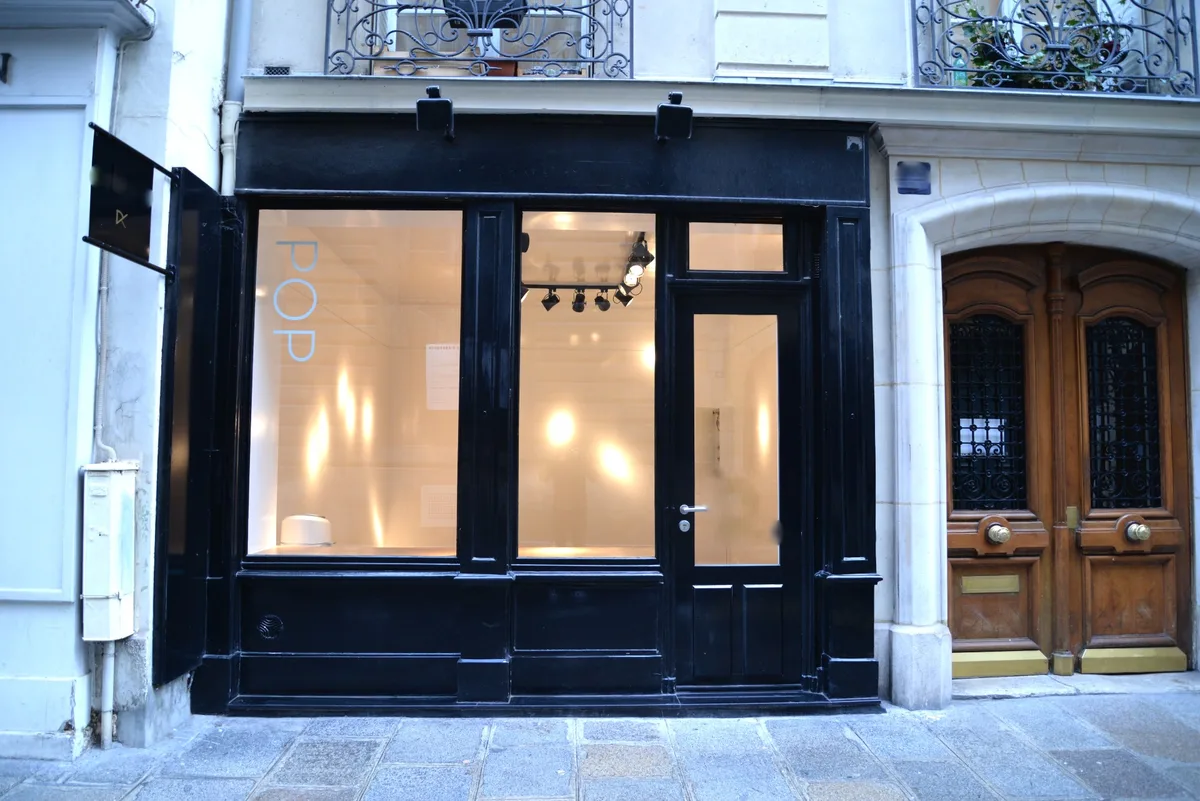
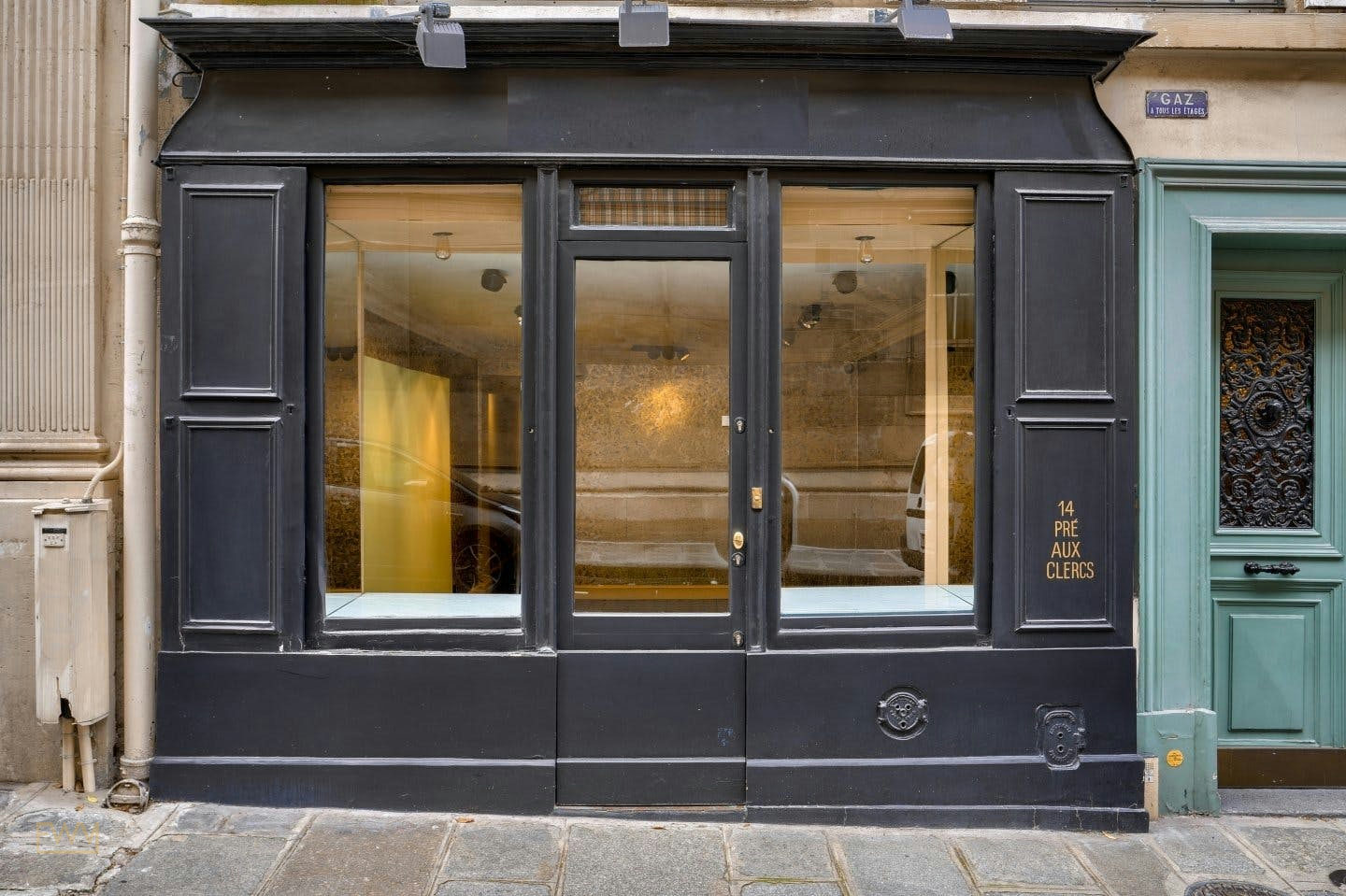
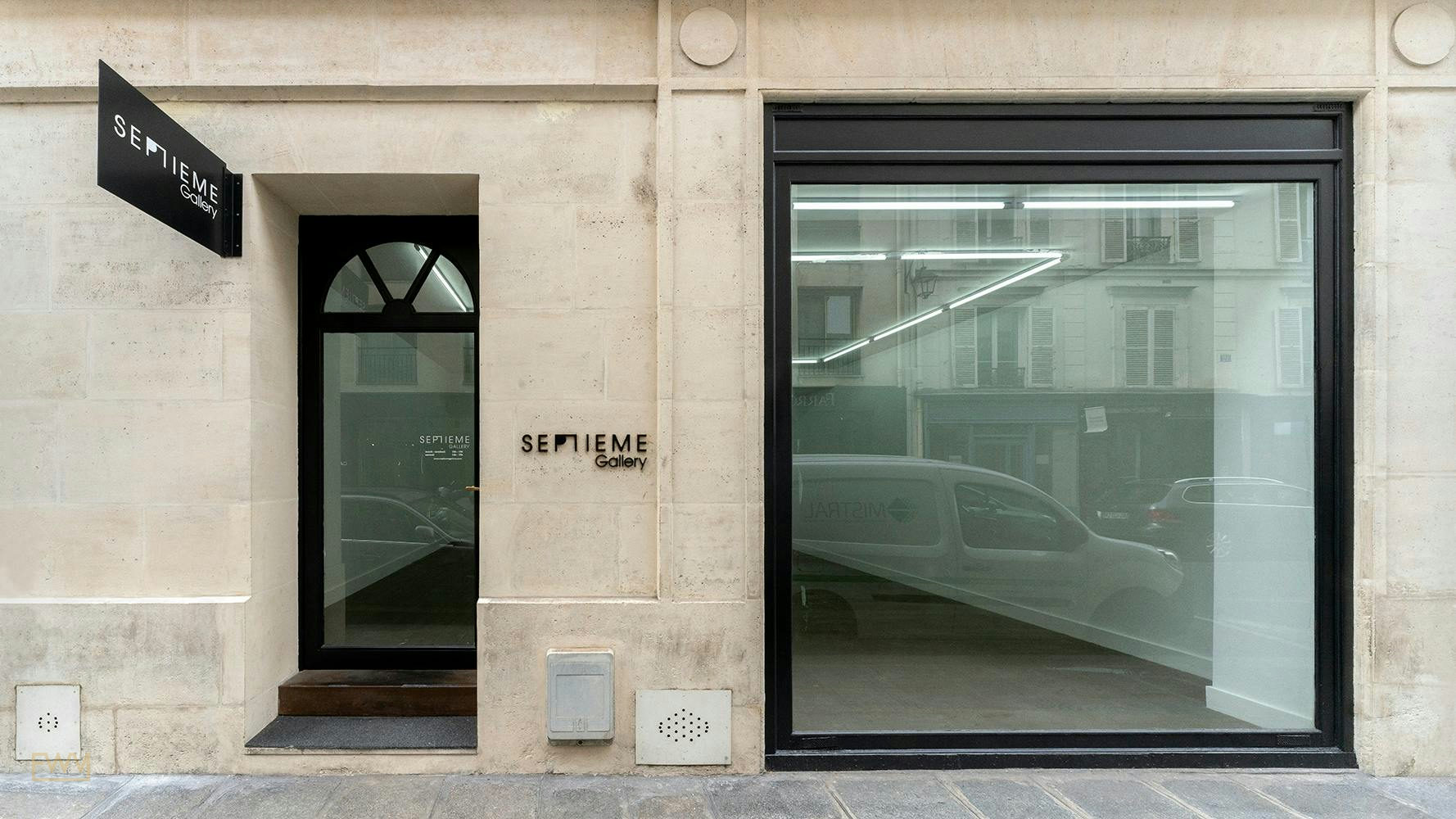
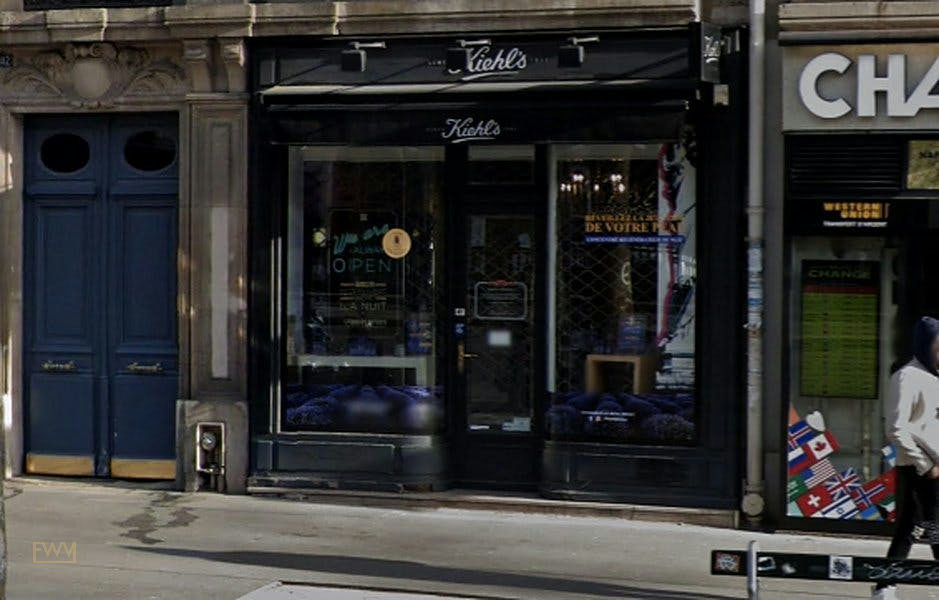
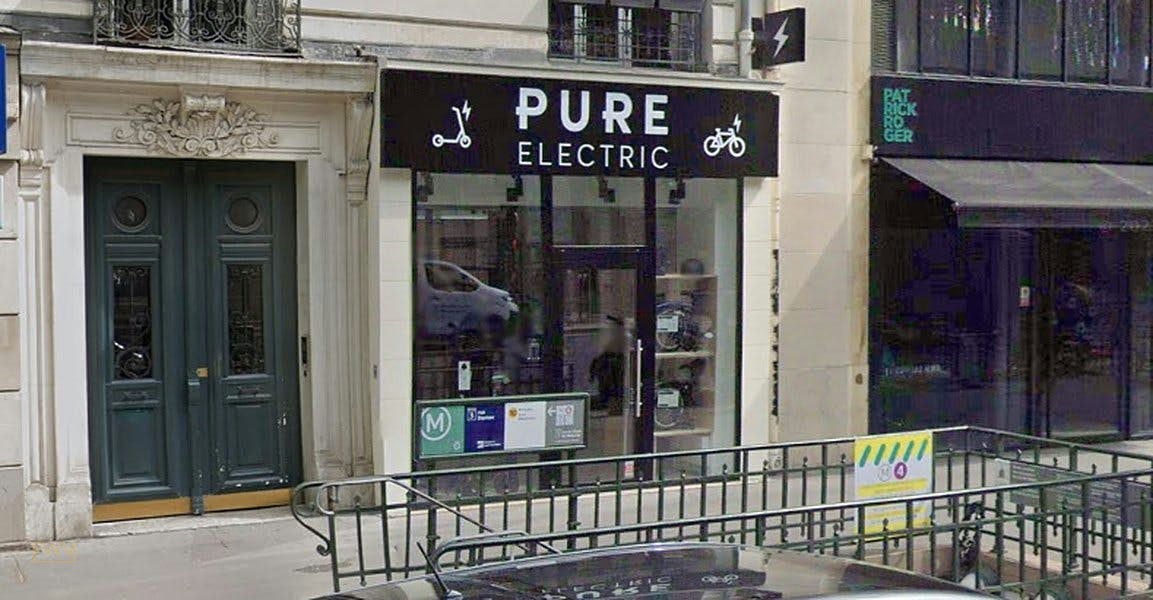
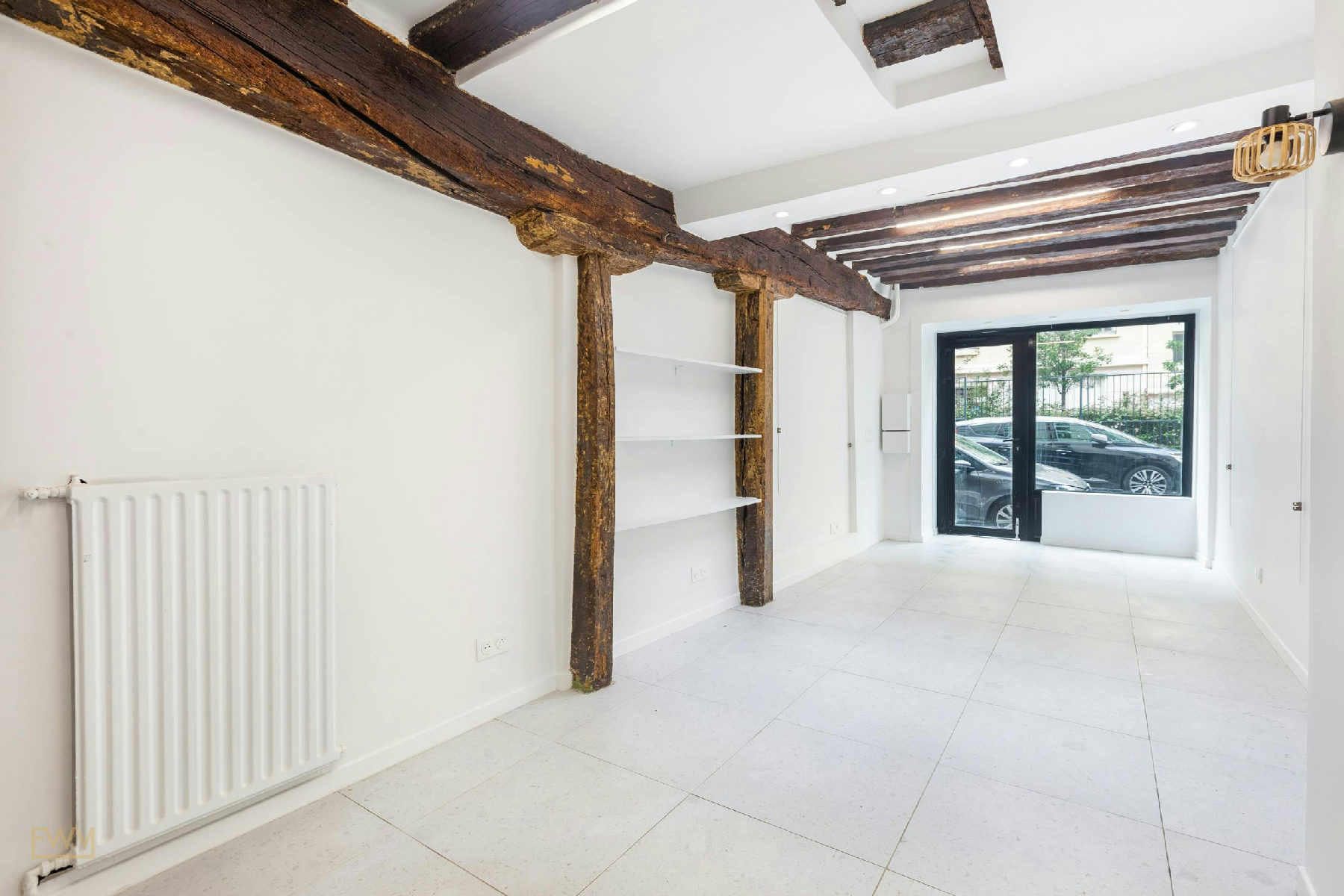
The classic ground-floor storefront with a street-facing shopfront is the most familiar pop-up format. In the 1er, these range from compact boutiques of around 50 square metres near Palais-Royal to larger commercial spaces of several hundred square metres along Rue de Rivoli. Ground-floor access, large door entrances suitable for merchandising fixtures, and direct street visibility are key features to request. These spaces suit fashion retail, beauty product launches, and direct-to-consumer sampling campaigns.
Fashion Showrooms
A fashion showroom in the 1er is typically an upper-floor Haussmannian apartment or a purpose-adapted commercial space designed for appointment-based presentations. Key features include neutral walls, strong natural light, adequate rail and display infrastructure, and discreet street access. Showrooms near Place Vendôme or along Rue Saint-Honoré serve a specific function during Paris Fashion Week: hosting press, buyers, wholesale partners, and stylists for collection viewings and order writing. The prestige of the address is a functional element of the showroom experience, not merely an aesthetic preference.
Art Galleries and Galerie d'Art
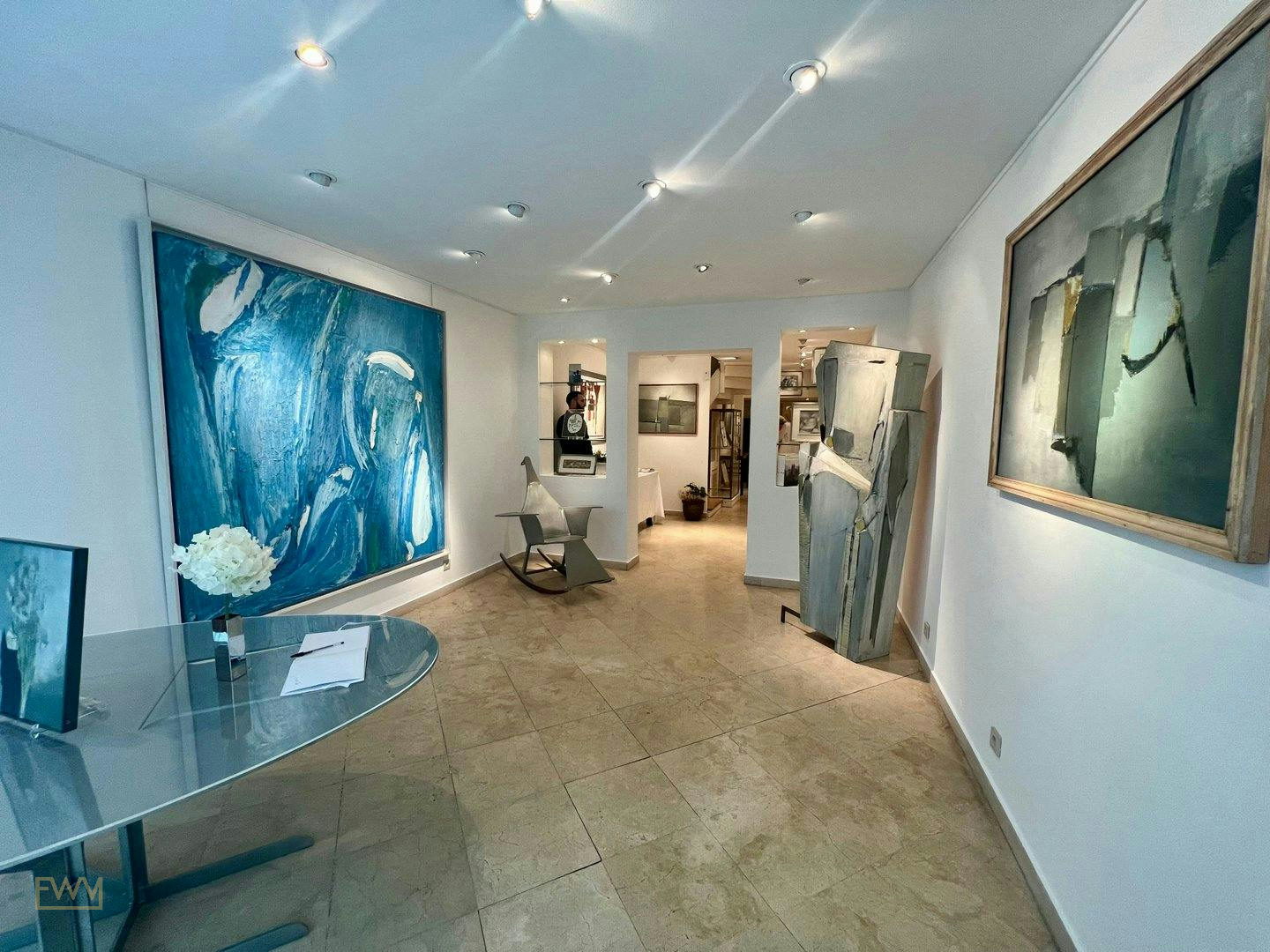
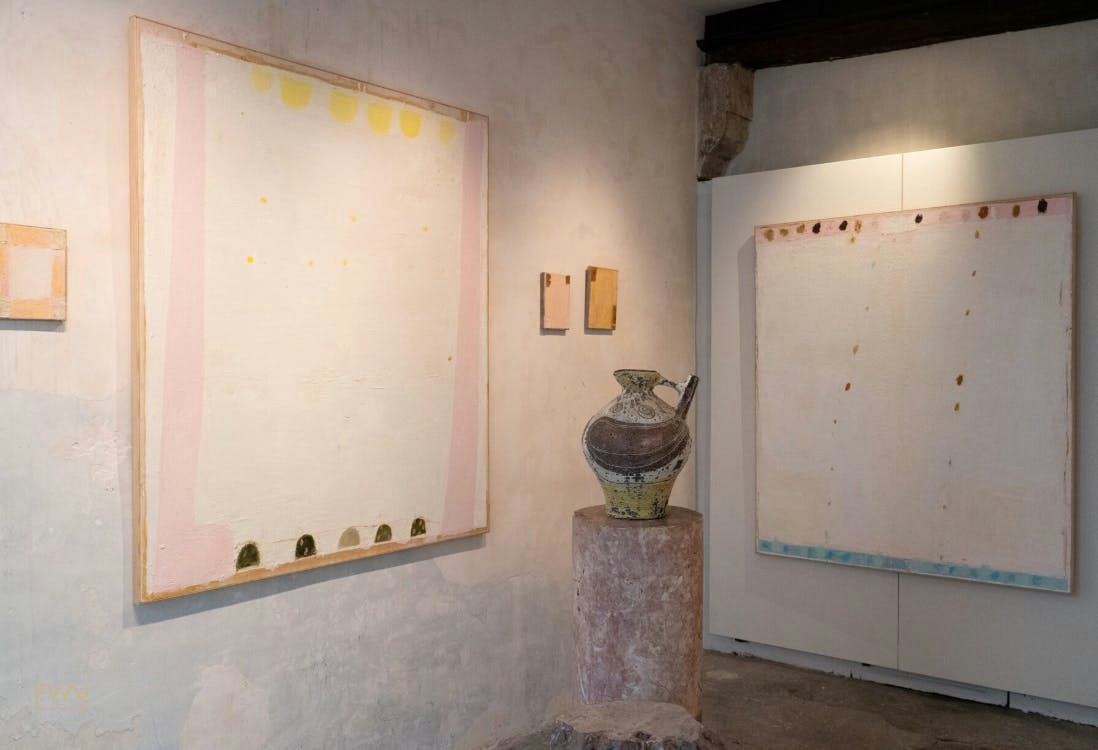
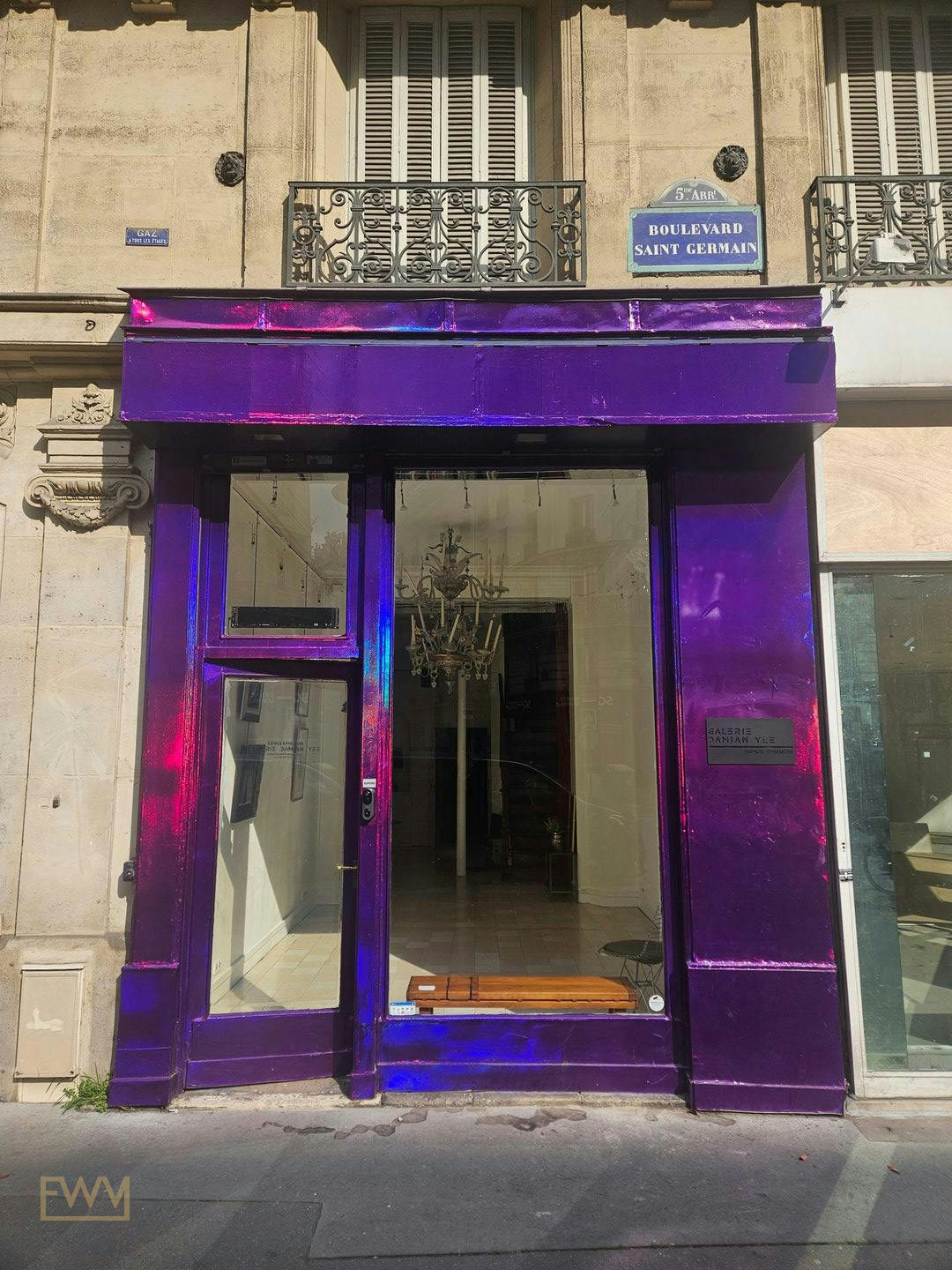
Art gallery spaces in the 1er offer white-wall, high-ceiling environments ideal for brands whose activation concept benefits from a gallery aesthetic. These include fashion-art crossovers, luxury accessories presentations, photography installations, and concept-driven retail moments. The gallery format also supports editorial content creation and press photography shoots that require a distinctive visual backdrop. Several galleries in the Palais-Royal and Louvre-Rivoli zones offer short-term rental under flexible arrangements.
Haussmannian Apartments and Hôtels Particuliers
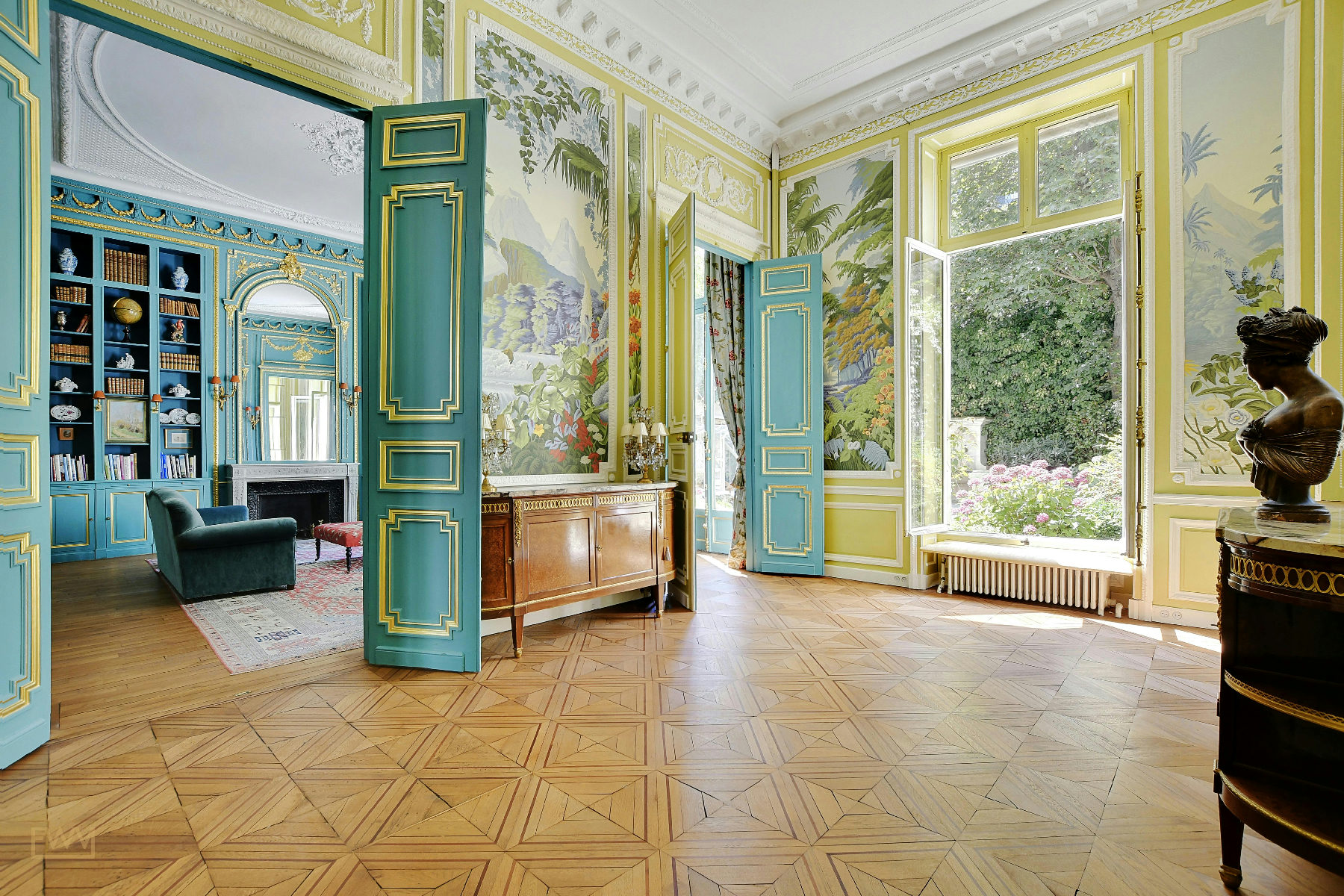
Among the most sought-after spaces in the 1er, Haussmannian apartments offer period architecture including parquet floors, ornate fireplaces, chandeliers, high ceilings, and tall windows overlooking Parisian streets. These features create an immediately distinctive environment for VIP showrooms, fragrance launches, and invitation-only brand events. Hôtels particuliers are larger private mansion-style properties with multiple rooms, ground-floor courtyards, and in some cases exterior gardens, suitable for multi-room brand installations and large press events.
Lofts, Studios, and Ateliers
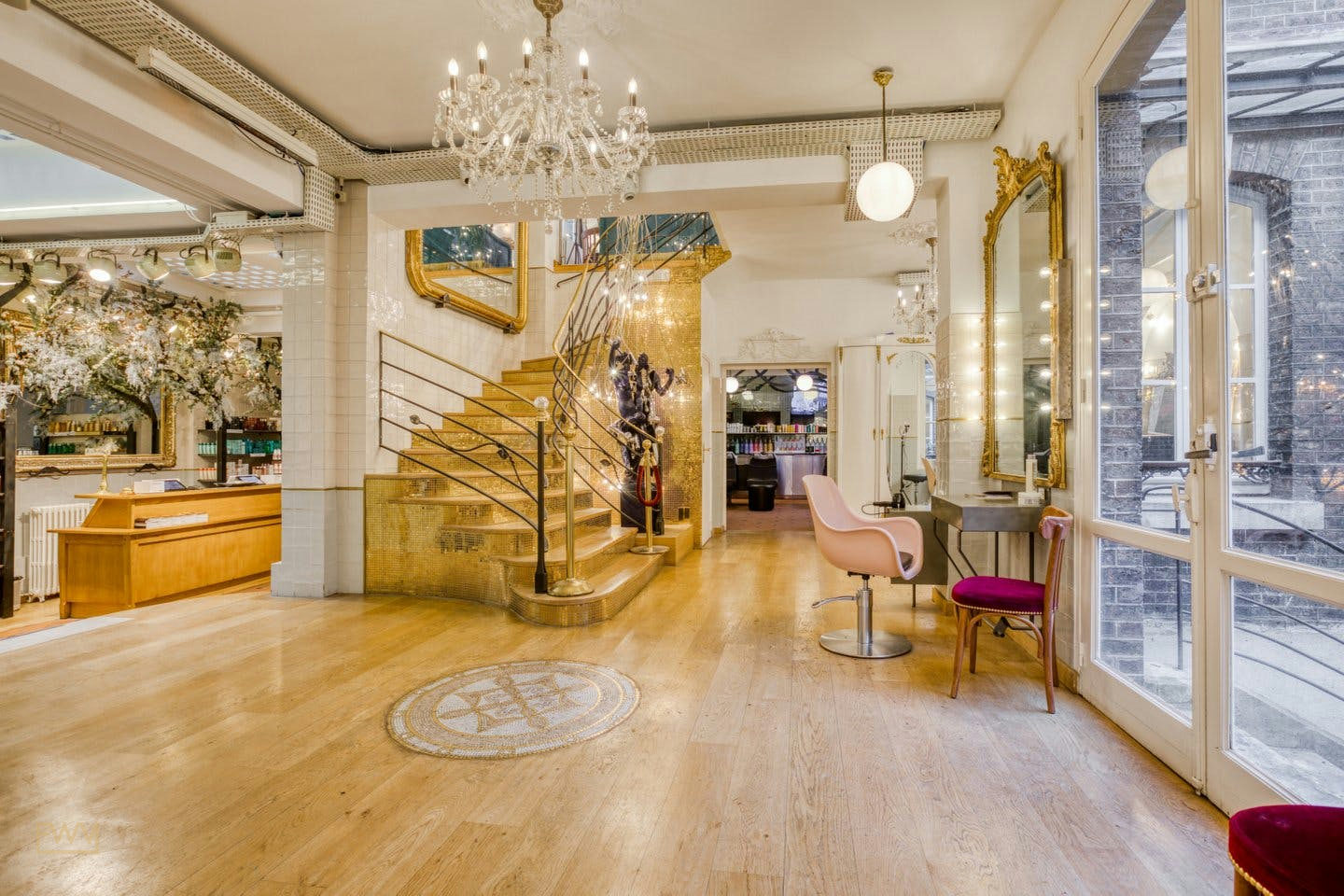
On the northern edge of the 1er toward Montorgueil and the Sentier fringe, loft and atelier spaces offer open-plan industrial formats with concrete floors, exposed brick, steel pillars, and flexible configurations. These suit creative brand activations, photo studio rental combined with pop-up retail, and brands that prefer a more contemporary or experimental aesthetic over period Parisian architecture. Studio Photo and Studio Photo and Tournage spaces are specifically adapted for content creation combined with retail, supporting brands that need to generate high-quality visual and video content during their Paris activation.
Multi-Function and Concept Spaces
The Salle multi-fonction format combines retail, event, and presentation capabilities within a single space. These venues are designed for brand activations that combine a product launch, a consumer experience, and a press moment within one continuous event. Espace d'expression and atypical design gallery formats in the 1er serve brands that want a distinctive spatial backdrop that itself becomes part of the brand narrative and social media content output.
TIP: When briefing a space sourcing partner for the 1er, specify the floor or access requirements clearly. A ground floor with a large door entrance and direct street visibility serves a very different activation purpose than an upper-floor Haussmannian apartment accessible by appointment only. Both are valid, but they are not interchangeable.
| Space Type | Typical Size Range | Key Features | Best Activation Format |
|---|---|---|---|
| Ground-floor Storefront | 40 to 200 sqm | Street visibility, large door entrance, retail fixtures | Direct-to-consumer pop-up, sampling, fashion retail |
| Fashion Showroom | 60 to 300 sqm | Natural light, neutral walls, rail space, discreet access | Trade showroom, press appointments, buyer viewings |
| Art Gallery / Galerie d'Art | 80 to 400 sqm | White walls, high ceilings, spotlights, tiled flooring | Fashion-art crossover, editorial, concept retail |
| Haussmannian Apartment | 80 to 500 sqm | Parquet, chandeliers, fireplaces, tall windows | VIP showroom, fragrance launch, invitation event |
| Loft / Atelier | 100 to 600 sqm | Open plan, exposed brick, steel pillars, concrete | Creative activation, content creation, concept pop-up |
| Studio Photo and Video | 60 to 300 sqm | Lighting rigs, seamless backdrops, video infrastructure | Content creation combined with retail or launch |
| Salle multi-fonction | 150 to 800 sqm | Modular layout, AV, flexible configuration | Product launch, press event, brand activation |
KEY TAKEAWAY: Space type selection is a strategic decision, not a logistical one. The physical environment communicates brand values before a visitor reads a single word of signage or marketing material. In the 1er, the diversity of available formats means brands have no reason to compromise on spatial fit.
Once the right space type and micro-zone are identified, understanding the rental mechanics, permit requirements, and compliance obligations is essential before progressing to booking.
Rental Mechanics, Permits, and Compliance for Short-Term Retail in Paris 1er
Quick answer: Short-term retail rentals in the 1st arrondissement are governed by French commercial law, with the bail dérogatoire being the most common instrument for temporary occupation. Brands also need to understand autorisation d'occupation temporaire requirements for certain space types, plus insurance obligations and local regulations that vary by arrondissement and space configuration. Always verify requirements with a qualified French legal advisor before signing.
Understanding the Bail Dérogatoire
The bail dérogatoire, sometimes called a bail précaire or short-term commercial lease, is the legal instrument that allows landlords and tenants to agree on a commercial occupancy of up to thirty-six months without triggering the protections of the standard French commercial lease statute. For pop-up retail and short-term brand activations, this is the most commonly used rental framework because it gives both parties flexibility without long-term obligations. However, the bail dérogatoire must be correctly drafted, signed before occupancy begins, and clearly structured to avoid inadvertently creating a protected commercial lease. Brands should never rely on verbal agreements or informal arrangements for spaces in the 1er, where landlords are commercially sophisticated and legal disputes can be costly.
Autorisation d'Occupation Temporaire
For spaces that involve public-facing retail on public or semi-public land, including certain arcades, covered passages, outdoor terraces, or spaces within publicly managed zones near the Palais-Royal, Rue de Rivoli, or Louvre gardens, an autorisation d'occupation temporaire may be required from the relevant municipal or state authority. The AOT is a permit that grants temporary rights to occupy a public space for commercial purposes. Processing times, fees, and documentation requirements vary significantly by location, and approval is not guaranteed. Brands planning activations in or near public-access zones should allow a minimum of four to six weeks for AOT applications, and should use specialist support to prepare the dossier correctly.
Insurance Obligations
French landlords typically require proof of valid commercial liability insurance before releasing keys. For international brands entering Paris for a short-term activation, arranging compliant French insurance coverage is a practical step that often requires working with a French or European insurance broker. Standard international business insurance policies may not satisfy French landlord requirements. This is a frequent logistical obstacle for brands activating in Paris for the first time and should be resolved before the lease is signed rather than the day before move-in.
Local Regulations and Signage Rules
Exterior signage, window graphics, and temporary structures in the 1er are subject to local regulations governing the visual character of the streetscape. The arrondissement contains multiple classified historic zones where signage materials, mounting methods, and dimensions may be restricted. Brands planning significant exterior brand expression should verify permissions with the landlord and, if required, with the local mairie. Using signage or temporary structures without appropriate approval can result in fines and removal orders, which would compromise the activation's visibility and timeline.
IMPORTANT: Requirements for permits, insurance, and lease documentation vary significantly by space type, duration, location within the arrondissement, and whether the space is privately or publicly managed. The information above is a general orientation only. Always verify your specific obligations with a qualified French legal advisor before signing any lease or permit application.
Use the permit guidance tool on Fashion Week Venues to get a preliminary orientation on what your specific activation type may require in Paris.
KEY TAKEAWAY: The legal and compliance framework for short-term retail in Paris is more complex than in many other fashion capitals. Bail dérogatoire leases, AOT permits, French insurance requirements, and local signage regulations all require specialist knowledge. Brands that treat compliance as an afterthought risk delays, financial penalties, and activation disruptions.
Understanding the cost structure of short-term retail in the 1er is the next essential component of effective planning.
Pricing and Budget Considerations for Short-Term Retail in Paris 1er
Quick answer: Rental rates for short-term retail spaces in the 1st arrondissement of Paris vary widely based on location, space type, size, duration, and the time of year. The 1er is among the most expensive rental markets in France. Budget planning should account for rental, production, staffing, insurance, permits, and marketing as distinct line items. Use a dedicated budget tool to build accurate estimates before approaching landlords.
Providing definitive rental rate figures for the 1er would be misleading, because short-term retail pricing in Paris is highly dynamic and influenced by multiple variables that change from one space to the next. However, understanding the cost drivers helps brands build realistic budget envelopes before entering the market.
Factors That Drive Rental Rates in the 1er
Street-level visibility is the primary pricing driver. A ground-floor storefront on Rue Saint-Honoré commands significantly higher rates than an equivalent space in a side street off Châtelet. The prestige of the address, the quality of the physical environment, the size in square metres, and the duration of the rental all affect the rate. Spaces with distinctive architectural features such as Haussmannian details, chandeliers, parquet floors, or courtyard gardens carry a premium over more neutral commercial spaces. Proximity to major landmarks including Place Vendôme, Palais-Royal, and the Louvre-Rivoli corridor also influences pricing.
Seasonality is a significant cost variable. Rental rates for spaces in the 1er increase substantially during Paris Fashion Week periods in February and March and again in September and October. Demand from fashion brands, showroom operators, and brand activation teams across the world converges on a limited supply of premium spaces during these windows, driving both price increases and the need for early booking. Brands that plan activations during FIAC in October or Paris Design Week in September face similar demand pressures.
Total Cost Components Beyond Rental
The rental rate is only one component of the total activation budget. Brands must also account for space production and fit-out, furniture rental, retail staffing, POS and payment infrastructure, insurance, permit fees, marketing and social media activation costs, influencer engagement, and post-activation data reporting. For a short activation of one to two weeks in a quality 1er space, the production and staffing costs can equal or exceed the rental cost itself. Brands that focus exclusively on securing the lowest possible rental rate and underbudget for production and operation often deliver activations that underperform against their stated objectives.
TIP: Build your budget from the objectives downward, not from the rental rate upward. Define what a successful activation looks like in terms of visitor numbers, sales, press coverage, social media reach, and wholesale appointments, and then work backward to determine what total investment is required. Use the budget estimation tool on Fashion Week Venues to build a structured cost model for your Paris activation.
Duration and Minimum Rental Periods
Minimum rental periods for short-term retail spaces in the 1er vary by landlord and space type. Some spaces are available for single-day rentals, particularly photo studios and event venues. However, most retail storefronts and showrooms in the 1er operate with minimum rental periods of one week, with many premium spaces setting minimums of two to four weeks. During Fashion Week periods, some landlords require bookings of a full calendar week aligned to the official Fashion Week schedule. Brands seeking single-day rental for a pop-up activation in the 1er should expect a more limited selection of appropriate spaces and should factor in the logistics of a full setup and teardown within a compressed timeline.
KEY TAKEAWAY: Budgeting for a short-term retail activation in Paris 1er requires honest assessment of all cost components, not just the headline rental figure. The most expensive mistake in Paris pop-up retail is underestimating production, staffing, and compliance costs while optimising only for the lowest available rental rate.
With budget parameters established, the next decision layer concerns calendar timing and how the activation aligns with the Paris fashion and cultural calendar.
Calendar Strategy: Paris Fashion Week and Beyond
Quick answer: Paris Fashion Week is the most competitive booking window for short-term retail in the 1er, with spaces in prime locations typically reserved three to six months in advance. However, brands should also consider the full Paris cultural and commercial calendar, including Paris Design Week, FIAC, and the broader spring and autumn buying seasons, which offer strong activation windows with reduced competition for space.
Paris Fashion Week Booking Strategy
Paris Fashion Week takes place twice annually: the womenswear schedule runs in late February and early March for the autumn/winter collections and again in late September and early October for the spring/summer collections. The menswear schedule runs in January and June. During these periods, demand for short-term retail spaces and showrooms in the 1er, Le Marais, and Saint-Germain-des-Prés reaches its annual peak. Brands that wait until six weeks before Fashion Week to begin sourcing spaces in the 1er will find the most desirable addresses already committed.
For fashion showrooms targeting press and buyers during the official womenswear schedule, bookings for February Fashion Week should ideally begin in October or November of the preceding year. For September Fashion Week, beginning the search in April or May gives brands access to the strongest available inventory. The earlier you commit, the wider your choice of space type, location, and price point within the arrondissement.
Paris Design Week and FIAC
Paris Design Week in September and FIAC in October create strong secondary windows for activations by design-led fashion brands, accessories labels, and luxury goods companies. The audience for these events skews toward high-net-worth collectors, design professionals, and culturally engaged international visitors, making them attractive windows for brands whose activation concept has an art or design dimension. Spaces near Palais-Royal, the Louvre-Rivoli corridor, and the art galleries of the 1er are particularly relevant during these periods.
Off-Peak Activation Advantages
Brands willing to activate outside peak Fashion Week and cultural event windows benefit from greater space availability, more negotiating flexibility on rate and terms, and the ability to generate press attention that is not competing with hundreds of other brand activations for the same editorial space. A well-executed pop-up store in the 1er in November or April, timed to a specific product launch or brand milestone, can generate significant visibility precisely because the fashion media's attention is not simultaneously divided among dozens of other activations.
DID YOU KNOW: Several of the most commercially successful pop-up activations in recent years in Paris have deliberately avoided Fashion Week dates, instead using the weeks immediately following the official schedule when press, buyers, and consumers are still in Paris but brand activation competition has subsided.
To explore the timeline planning tool on Fashion Week Venues and map your activation calendar against the Paris fashion and cultural event schedule, including lead times for space booking, production, permits, and staffing.
KEY TAKEAWAY: Calendar strategy is as important as location strategy for short-term retail in the 1er. Brands that align their booking timeline with the Paris fashion and cultural calendar, and that plan their search with a realistic lead time, consistently access better spaces at more workable rates than those who begin the process too late.
For brands considering how the 1er compares to other Paris arrondissements, the following section provides a structured comparison framework.
How the 1st Arrondissement Compares to Other Key Paris Neighbourhoods for Pop-Up Retail
Quick answer: The 1st arrondissement offers the most concentrated combination of luxury positioning, tourist foot traffic, and transport accessibility in Paris. Le Marais suits contemporary and emerging brand profiles. Saint-Germain-des-Prés suits editorial and intellectual brand narratives. Châtelet-Les Halles offers the highest raw volume of foot traffic. The right choice depends on brand positioning, target audience, activation format, and budget.
Paris is a city of distinct neighbourhoods, and each arrondissement communicates a different set of cultural and commercial values to the consumers and industry professionals who visit it. For brands planning a pop-up store, showroom, or retail activation, the choice of neighbourhood is a brand positioning decision as much as a practical logistics decision.
| Neighbourhood | Primary Character | Best For | Relative Rental Level | Fashion Week Relevance |
|---|---|---|---|---|
| 1er (Rue Saint-Honoré / Vendôme) | Ultra-luxury, iconic, press-focused | Luxury showrooms, VIP events, jewellery, haute couture | Very high | Very high |
| 1er (Châtelet-Les Halles) | High-volume, accessible, transit hub | Consumer pop-ups, sampling, youth brands, beauty | Moderate to high | Moderate |
| Le Marais (3rd/4th) | Creative, contemporary, culturally diverse | Emerging designers, concept retail, art-fashion | Moderate to high | High |
| Saint-Germain-des-Prés (6th) | Intellectual, literary, understated luxury | Designer fashion, niche perfumery, books, gallery | High | High |
| Champs-Élysées (8th) | Tourist-heavy, global brand corridor | Mass market, global flagships, consumer electronics | Very high | Moderate |
| Sentier / République (2nd/10th) | Fashion production, emerging, multicultural | Streetwear, wholesale, production-adjacent brands | Lower | Moderate |
Le Marais remains the most versatile alternative to the 1er for fashion and lifestyle brands. Its mix of independent galleries, concept boutiques, and converted industrial spaces supports a broader range of brand aesthetics than the luxury-dominant 1er. However, Le Marais carries its own prestige premium, particularly for spaces on Rue des Francs-Bourgeois and around Place des Vosges. For brands with a limited budget seeking maximum creativity per euro spent, the Sentier and Montorgueil fringe offers compelling alternatives.
Saint-Germain-des-Prés, anchored by the Boulevard Saint-Germain and the small streets around the church of Saint-Germain-des-Prés, is the natural home of Parisian intellectual style. Fashion brands with a strong editorial or cultural narrative, niche perfumery and cosmetics labels, and designers with an art or architecture following perform well in this neighbourhood. The audience is less tourist-dependent and more locally Parisian than the 1er, which can be an advantage or a disadvantage depending on activation objectives.
To compare neighbourhoods, space types, and availability in parallel, use the space comparison tool on Fashion Week Venues to build a shortlist that reflects your brief, budget, and calendar requirements.
KEY TAKEAWAY: No single Paris neighbourhood is objectively superior for short-term retail. The 1er is the right choice for brands that need luxury positioning, maximum press visibility, or proximity to the Rue Saint-Honoré corridor during Fashion Week. Other neighbourhoods serve different brand profiles and audience compositions equally well.
Understanding how to plan and execute the operational elements of a 1er activation is the next layer of practical knowledge needed before committing to a space.
Planning and Executing a Successful Pop-Up Activation in the 1st Arrondissement
Quick answer: A successful short-term retail activation in the 1er requires at minimum eight to twelve weeks of advance planning, covering space booking, lease documentation, production and fit-out, staffing, POS setup, permit applications, insurance, and marketing. Compressing this timeline significantly increases risk and typically increases cost.
The Activation Planning Workflow
Effective pop-up activations in Paris follow a disciplined sequence of decisions and tasks. The table below outlines the core workflow phases and their typical lead times for a two-week activation in the 1er during a Fashion Week period.
| Phase | Key Tasks | Recommended Lead Time |
|---|---|---|
| Brief and strategy | Define objectives, budget envelope, space type, location, dates, brand requirements | 12 to 16 weeks before activation |
| Space search and shortlist | Identify candidate spaces, review listings, assess fit against brief | 10 to 14 weeks before activation |
| Space viewing and selection | In-person or virtual viewings, compare options, negotiate terms | 8 to 12 weeks before activation |
| Lease and legal | Draft and sign bail dérogatoire, arrange insurance, review obligations | 7 to 10 weeks before activation |
| Permit applications | Submit AOT applications if required, prepare compliance documentation | 6 to 8 weeks before activation |
| Concept and design | Finalise spatial concept, production drawings, furniture and fixture selection | 6 to 8 weeks before activation |
| Production and build | Procure and install fixtures, signage, branding, lighting, and POS | 2 to 4 weeks before activation, with final setup 1 to 3 days before opening |
| Staffing and training | Recruit, brief, and train retail staff or brand ambassadors | 3 to 4 weeks before activation |
| Marketing and PR | Media outreach, influencer briefing, social media scheduling, event invitations | 4 to 6 weeks before activation |
| Live activation | Manage daily operations, sales, visitor experience, data capture | Duration of activation |
| Teardown and reporting | Derig, restore space, compile data, produce post-activation report | 1 to 3 days after closing |
Concept Direction and Spatial Design
The physical concept of a pop-up store in the 1er must work harder than in most other cities because the competitive visual environment is so dense. Storefronts on Rue Saint-Honoré are flanked by flagship stores produced with multi-million euro budgets. Even a small boutique activation near Palais-Royal will be viewed in comparison to the high production standards of the surrounding retail environment. Brands that invest in professional concept direction and spatial design consistently generate stronger press coverage, higher social media engagement, and better in-store dwell time than those that rely on generic fixture packages.
Retail Staffing in Paris
Staffing a short-term retail space in Paris requires understanding French labour law, particularly the rules governing short-term employment contracts (CDD) and the use of staffing agencies for temporary retail roles. For international brands, managing payroll compliance, social charges, and contractual obligations in France is a specialist task. Using a local retail staffing partner who understands both the fashion environment of the 1er and the compliance requirements of French employment law is strongly advisable. Multilingual staff fluent in both French and English are essential for spaces in tourist-heavy zones of the 1er, and Japanese, Mandarin, or Arabic-speaking staff may add material value for brands whose target customers are heavily weighted toward specific tourist demographics.
Data, Analytics, and Post-Activation Reporting
Pop-up activations that do not measure outcomes are a wasted investment. Brands should plan data capture from the outset: visitor counts, dwell time, conversion rates, social media reach, press coverage value, and wholesale appointment outcomes. For fashion showrooms, tracking the number of buyer appointments, order values, and brand mentions generated during the activation is essential for justifying the investment and informing future Paris strategies. POS data, combined with footfall counting and social listening, provides a complete picture of activation performance.
KEY TAKEAWAY: The operational complexity of a 1er pop-up activation is proportional to the prestige of the location. Brands that plan with sufficient lead time, invest in production quality, manage compliance proactively, and measure outcomes systematically consistently outperform those that treat Paris activations as improvised projects.
How Fashion Week Venues Supports Short-Term Retail Activations in Paris
Fashion Week Venues operates as a full-service pop-up shop agency and space marketplace with Paris as its primary anchor market. For brands planning short-term retail in the 1st arrondissement and across Paris, Fashion Week Venues provides an integrated range of services and digital tools designed to reduce the complexity, risk, and cost of Paris activations.
The venue sourcing service covers the full spectrum of space types in the 1er, from ground-floor storefronts on Rue Saint-Honoré to Haussmannian showroom apartments near Place Vendôme and gallery spaces around Palais-Royal. Rather than relying on public listing platforms, the team accesses a network of landlords, property managers, and space owners across the arrondissement, including spaces that are not publicly advertised.
For brands that need more than a space, the full service offer covers concept direction, production and build, activation management, branded store design, furniture rental, retail staffing, POS and payments, data and analytics, and influencer marketing. These services are available individually or as an integrated package depending on the brand's internal capabilities and the scope of the activation.
The digital tools on Fashion Week Venues are designed for brand teams in the research and planning phase. The budget calculator helps brands build realistic cost models before approaching the market. The ROI calculator frames the investment against projected outcomes. The timeline tool maps the activation calendar against lead-time requirements. The permit guidance tool provides orientation on what compliance steps may be required for different space types and locations. The space comparison tool allows brands to evaluate multiple candidate spaces in parallel against a consistent set of criteria.
The twin co-activation concept is particularly relevant for brands seeking to split the cost of a 1er space while maintaining distinct brand identities. Two complementary brands sharing a premium location in the 1er can each benefit from the address's prestige and foot traffic while dividing the rental and production costs, making locations that would otherwise be out of budget individually accessible as shared investments.
Fashion Week Venues does not guarantee the availability of specific spaces, the outcome of permit applications, or the commercial results of any activation. What the agency provides is structured expertise, market access, and operational support that significantly improves the probability of a successful activation in one of the world's most competitive short-term retail markets.
Brands looking to understand the full scope of available support should review the agency process page and explore the case studies and past activations to see the types of projects Fashion Week Venues has delivered in Paris and other fashion capitals.
KEY TAKEAWAY: Fashion Week Venues combines space marketplace access with full-service agency capabilities and practical digital planning tools. For international brands entering Paris for the first time, or established brands seeking to improve the efficiency and impact of their 1er activations, this integrated support model reduces risk and accelerates the path from brief to opening day.
Common Myths About Short-Term Retail in Paris Debunked
MYTH: You need a French legal entity to rent a pop-up space in Paris.
FACT: International brands without a French registered company can rent short-term retail space in Paris under the bail dérogatoire framework. Many landlords in the 1er routinely work with foreign companies and can structure lease agreements to accommodate non-French entities. However, some landlords do require a French guarantor or a bank guarantee equivalent, so verifying the specific requirements of each landlord and space before submitting an offer is essential. Working with a specialist agency or legal advisor familiar with the Paris market significantly simplifies this process.
MYTH: Paris Fashion Week in September and March are the only viable windows for a pop-up activation in the 1er.
FACT: While Fashion Week periods are the highest-demand windows for short-term retail in Paris, the 1er generates strong foot traffic year-round due to its tourist anchor institutions including the Louvre, the Tuileries, and the Palais-Royal. Activations timed to Paris Design Week, FIAC, the Christmas retail season, or standalone product launches outside Fashion Week can generate excellent results with significantly less competition for space and greater flexibility on pricing and terms.
MYTH: The only way to find a short-term retail space in the 1er is through a commission broker or general property listing platform.
FACT: Commission brokers and general listing platforms are one route to market but not the only or necessarily the most effective one. Specialist agencies and curated space marketplaces focused on short-term retail have access to spaces that are not publicly listed, can negotiate terms with landlords experienced in pop-up formats, and can advise on fit between space and brand concept. For premium spaces in the 1er, direct relationships with landlords and property managers are often the most efficient route to the best addresses.
MYTH: Short-term leases in Paris are legally straightforward and do not require specialist advice.
FACT: The French commercial lease framework is among the most legally complex in Europe. The bail dérogatoire must be correctly structured to avoid inadvertently triggering the protections of the standard commercial lease statute, which would give the tenant long-term occupancy rights that are extremely difficult and expensive for the landlord to terminate. Insurance requirements, permit obligations, signage regulations, and employment law for temporary staff all add further layers of compliance. Brands that treat Paris short-term leases as simple informal agreements risk significant legal and financial exposure. Specialist guidance is not a luxury but a practical necessity.
MYTH: A small pop-up boutique in the 1er is not worth the cost unless you have a large marketing budget to drive traffic.
FACT: The 1er generates organic foot traffic at levels that few other retail locations in Europe can match. A well-positioned ground-floor storefront on or near Rue de Rivoli, Palais-Royal, or Châtelet benefits from hundreds of thousands of pedestrian passers-by without any paid media investment. Brands that design visually compelling storefronts and leverage organic social media through visitor-generated content have achieved significant awareness and sales results from modest activations in the 1er. The key is investing in the physical quality of the space rather than relying exclusively on paid traffic to drive footfall.
Frequently Asked Questions About Short-Term Retail in the 1st Arrondissement of Paris
How much does it cost to rent a showroom in the 1er arrondissement of Paris?
Rental rates for showrooms in the 1st arrondissement vary considerably based on location, space type, size, and duration. Spaces near Place Vendôme and Rue Saint-Honoré command the highest rates in Paris, reflecting their prestige positioning and the concentrated demand from international fashion brands during Fashion Week. Spaces toward the Châtelet-Les Halles axis or on upper floors with less direct street visibility are priced more moderately. Because short-term retail pricing in the 1er is highly dynamic and season-dependent, definitive figures are difficult to provide without knowing your specific requirements. Use the budget estimation tool on Fashion Week Venues to build a realistic cost model for your planned activation type, size, and calendar window before approaching the market.
What is the minimum rental period for a pop-up space in the 1er?
Minimum rental periods in the 1st arrondissement depend on the landlord and space type. Photo studios and event venues often accept single-day or short multi-day bookings. Retail storefronts and fashion showrooms typically operate with minimum rental periods of one to two weeks, though some premium spaces require a minimum of four weeks. During Paris Fashion Week, many landlords structure rental periods around the official Fashion Week calendar, requiring bookings that align with the full womenswear schedule week. Brands seeking very short rental periods should expect a narrower selection of appropriate spaces and should factor in the additional logistical intensity of a condensed setup and teardown cycle.
Which streets in the 1er are best for fashion showrooms?
For fashion showrooms targeting press, buyers, and wholesale partners, Rue Saint-Honoré, Place Vendôme, and the streets immediately surrounding the Palais-Royal gardens are the most sought-after addresses. These locations provide the address prestige that reinforces brand credibility with fashion industry visitors. Upper-floor Haussmannian apartments in these zones are the most common showroom format. For brands prioritising a more contemporary or concept-driven aesthetic, spaces in the Palais-Royal arcades or near the Louvre-Rivoli axis offer distinctive environments that work well for editorial-led presentations.
When should I book a showroom in the 1er for Paris Fashion Week?
For womenswear Fashion Week in February and March, the search for 1er showroom spaces should ideally begin in October or November of the preceding year. For the September and October Fashion Week, beginning in April or May gives brands access to the strongest available inventory. The most desirable spaces in the 1er are typically reserved three to six months in advance of peak Fashion Week periods. Brands that begin their search later than eight weeks before Fashion Week will find the best-positioned showroom spaces already committed, and may need to compromise on location, format, or budget to secure a viable option.
Can I rent a pop-up space in the 1er for a single day?
Single-day rental is possible for certain space types in the 1er, particularly photo and video studios, event spaces, and some multi-function venues. For retail storefronts, boutiques, and fashion showrooms, single-day rental is less common and depends entirely on the individual landlord's terms. The logistical demands of a single-day retail activation, including setup, operation, and teardown within one calendar day, are significant and may not deliver sufficient brand value to justify the cost. Brands considering a single-day format should weigh whether a longer rental period, even at a higher total cost, would produce materially better results in terms of visitor numbers, press coverage, and commercial outcomes.
Is Châtelet-Les Halles better than Le Marais for a pop-up shop?
Neither is objectively better. The choice depends entirely on your brand profile, target audience, and activation objectives. Châtelet-Les Halles delivers higher raw footfall, broader demographic reach, and direct access to the largest transport interchange in Europe. Le Marais delivers a more curated audience of design-literate, fashion-forward consumers and provides greater flexibility of space type and aesthetic. A luxury jewellery brand hosting VIP appointments would likely perform better in the 1er near Vendôme than in Le Marais. An emerging streetwear label launching a consumer product would likely perform better in Le Marais or Châtelet-Les Halles than on Rue Saint-Honoré. Use the space comparison tool on Fashion Week Venues to evaluate both options against your specific brief.
What are the benefits of a pop-up store in the 1er arrondissement compared to other Paris locations?
The primary benefits are prestige positioning, organic tourist and pedestrian foot traffic, proximity to the global luxury fashion corridor on Rue Saint-Honoré, and the symbolic value of a 1er address for press, buyers, and brand credibility. The arrondissement also offers unmatched transport accessibility through the Châtelet-Les Halles interchange and proximity to internationally significant landmarks including the Louvre and Palais-Royal. The trade-off is that the 1er is among the most expensive short-term retail markets in Paris, and brands need to ensure their activation concept and production quality are sufficient to compete visually with the high standards of the surrounding retail environment.
Do I need permits to run a pop-up shop in the 1er?
Permit requirements for pop-up shops in the 1st arrondissement depend on the space type, the nature of the activation, the duration of the rental, and whether the space involves any use of public or semi-public land. Indoor private commercial spaces rented under a bail dérogatoire typically do not require a separate trading permit beyond the lease agreement. However, activations involving exterior signage, outdoor merchandising, terrace structures, or spaces located within publicly managed zones such as the Palais-Royal gardens area may require an autorisation d'occupation temporaire. Requirements vary by situation and are not predictable without assessing the specific space and activation format. Use the permit guidance tool on Fashion Week Venues for orientation, and verify specific obligations with a qualified French legal advisor before proceeding.
What space types are available for short-term retail in the 1er?
The 1st arrondissement offers a wide range of space types for short-term retail and pop-up activations. These include ground-floor retail storefronts, fashion showrooms in Haussmannian apartments, art galleries and galerie d'art spaces, hôtels particuliers and maisons de maître, lofts and atelier spaces near the Montorgueil and Sentier fringe, photo and video studios, multi-function event spaces, and charming boutique formats. Each type serves a different activation purpose and suits a different brand profile. Selecting the right space type is a strategic decision that should be driven by your brand concept, target audience, and activation objectives rather than purely by price or availability.
How do I find and rent a pop-up space in the 1er arrondissement?
There are several routes to finding short-term retail space in the 1er. General listing platforms and commission brokers offer publicly available inventory. Specialist pop-up agencies and curated space marketplaces focused on fashion and temporary retail provide access to spaces that are not publicly listed, along with expertise in matching brand concept to space type and managing the full rental process. For premium spaces in the 1er, direct relationships with landlords and property managers are often the most effective route. Fashion Week Venues operates a dedicated marketplace and full-service agency offer covering Paris, with specific focus on the 1er and other key fashion districts.
What is the ideal duration for a short-term retail activation in the 1er?
The ideal rental duration depends on your activation objectives. For a fashion showroom during Paris Fashion Week, one to two weeks aligned to the official schedule is the most common format. For a consumer pop-up store targeting tourist and pedestrian foot traffic, two to four weeks provides sufficient time to build awareness, generate word-of-mouth, and capture meaningful sales and data. For a product launch or sampling campaign, even a focused four to seven-day activation can deliver strong results if the space, production, and marketing are well-executed. Longer activations of four to eight weeks allow for greater brand building and repeat visitor engagement but require proportionally higher total investment.
Are pop-up stores common in Paris and are they well-accepted by consumers?
Pop-up stores are very well established in the Paris retail landscape. French consumers and international visitors in Paris are highly familiar with the format and generally respond positively to well-executed temporary retail activations, particularly those that offer a distinctive experience, exclusive product, or brand story that permanent stores do not provide. The 1er is one of the most active pop-up markets in Paris, with a continuous flow of international brands, emerging designers, and established fashion houses using temporary spaces to test markets, launch collections, and build brand presence without the commitment of a permanent lease.
How does Paris Fashion Week affect space availability and pricing in the 1er?
Paris Fashion Week creates the most significant demand spike for short-term retail spaces in the 1er of any event in the fashion calendar. During the womenswear schedules in February, March, September, and October, demand from international brands, showroom operators, and pop-up activation teams converges on a limited supply of premium spaces, driving both price increases and the need for very early booking. Brands that have not secured spaces before the Fashion Week search window peaks, typically three to four months before the event, will find their options significantly reduced. Prices during Fashion Week can be substantially higher than equivalent spaces at the same time of year outside Fashion Week periods.
Can international brands without a French presence activate in the 1er?
Yes. International brands without a French registered company or permanent presence in France regularly activate in the 1er using the bail dérogatoire framework. The process requires appropriate lease structuring, French-compliant insurance, and in some cases a bank guarantee or financial security. Working with a specialist agency or French legal advisor familiar with the requirements for foreign companies entering the Paris short-term retail market makes this process significantly more manageable. Fashion Week Venues works with international brands entering Paris across multiple fashion capitals and can provide guidance on the practical steps involved for brands new to the French market.
What marketing and visibility strategies work best for a 1er pop-up activation?
The most effective visibility strategies for a 1er pop-up combine the organic foot traffic of the location with deliberate social media amplification, press outreach, and influencer engagement. A visually distinctive storefront or window display generates spontaneous photography and sharing by pedestrians and tourists. Pre-activation press outreach to fashion media, lifestyle editors, and trade publications builds anticipation. Targeted influencer partnerships with Paris-based or fashion-credible creators drive awareness among digital audiences. In-store events, exclusive product releases, or limited experiences give media and consumers specific content hooks. The combination of strong physical presence and digital amplification consistently delivers better results than either approach alone.
Conclusion: Making Short-Term Retail in the 1st Arrondissement Work for Your Brand
The 1st arrondissement of Paris remains the most strategically compelling address for short-term retail, pop-up stores, and fashion showrooms in the world's leading fashion capital. Its combination of luxury positioning along Rue Saint-Honoré and Place Vendôme, mass transit accessibility through Châtelet-Les Halles, cultural anchor foot traffic from the Louvre and Palais-Royal, and the symbolic weight of a 1er address makes it uniquely capable of delivering brand visibility, press credibility, and consumer engagement simultaneously.
Successful activations in the 1er require matching the right space type to the right micro-zone, planning the calendar with realistic lead times, budgeting honestly across all cost components, managing compliance proactively, investing in production quality, and measuring outcomes systematically. Brands that treat a 1er pop-up as a straightforward rental transaction and underestimate the planning, legal, and operational complexity of the Paris market consistently underperform against their objectives.
The 1er is not the right choice for every brand or every activation format. Le Marais, Saint-Germain-des-Prés, and the emerging Sentier neighbourhood each serve specific brand profiles and audience compositions that may align better with certain concepts or budget levels. The critical discipline is making the neighbourhood choice deliberately, based on a clear brief rather than on assumption or familiarity.
For brands ready to move from research to action, the most important next step is building a focused brief that specifies your space type, location preference within the 1er, rental duration, budget envelope, and calendar window. That brief forms the foundation of an effective space search and sets the conditions for a successful activation.
To move from research to activation, start exploring available spaces on the Fashion Week Venues marketplace and build a focused brief for your target neighbourhood, space type, and calendar window. Whether you need a Rue Saint-Honoré showroom for Fashion Week, a Palais-Royal concept boutique for a product launch, or a Châtelet storefront for a consumer sampling campaign, the combination of marketplace access, specialist agency expertise, and digital planning tools on Fashion Week Venues provides a structured path from brief to opening day in one of the world's most demanding and rewarding retail markets.