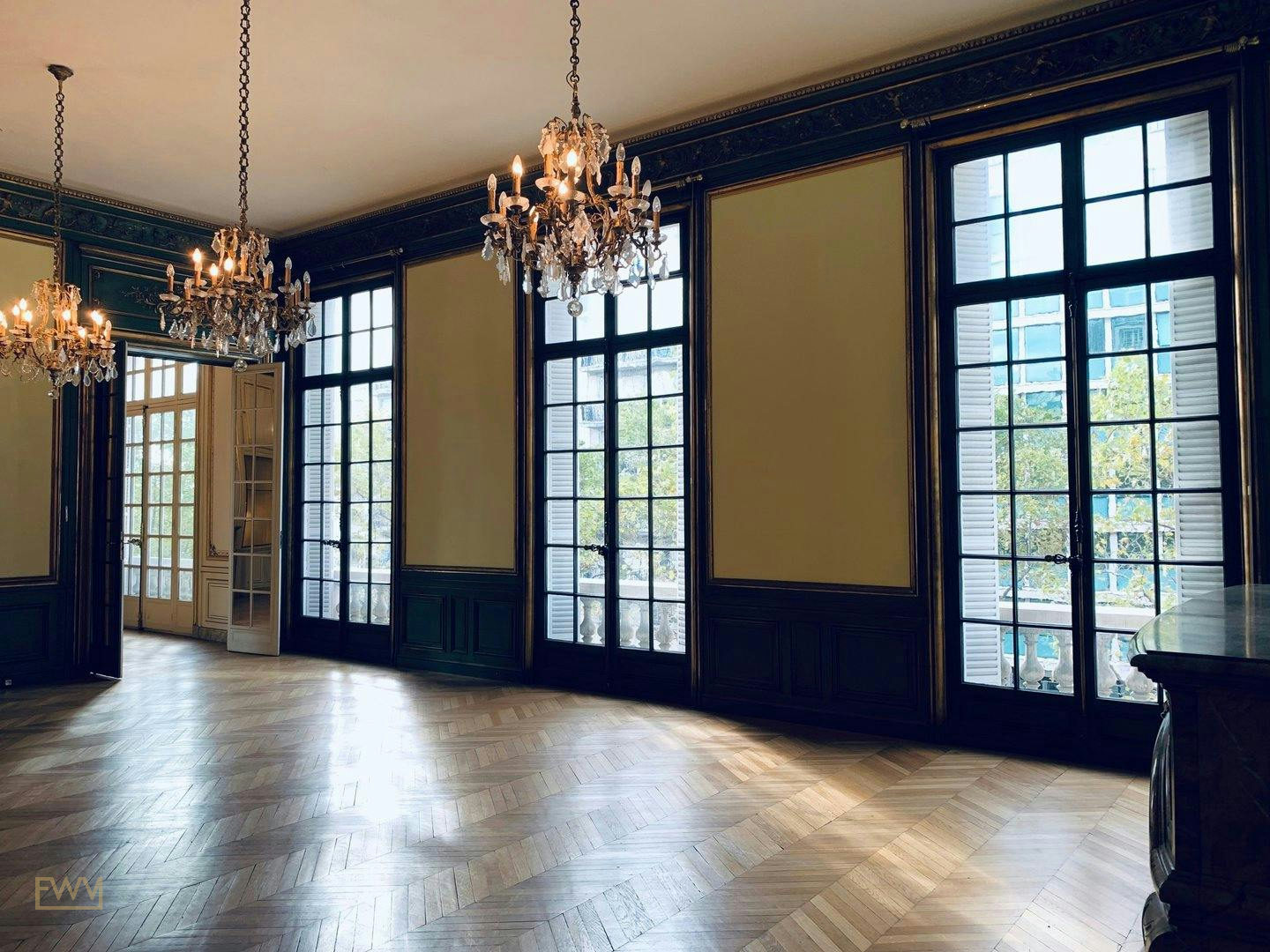
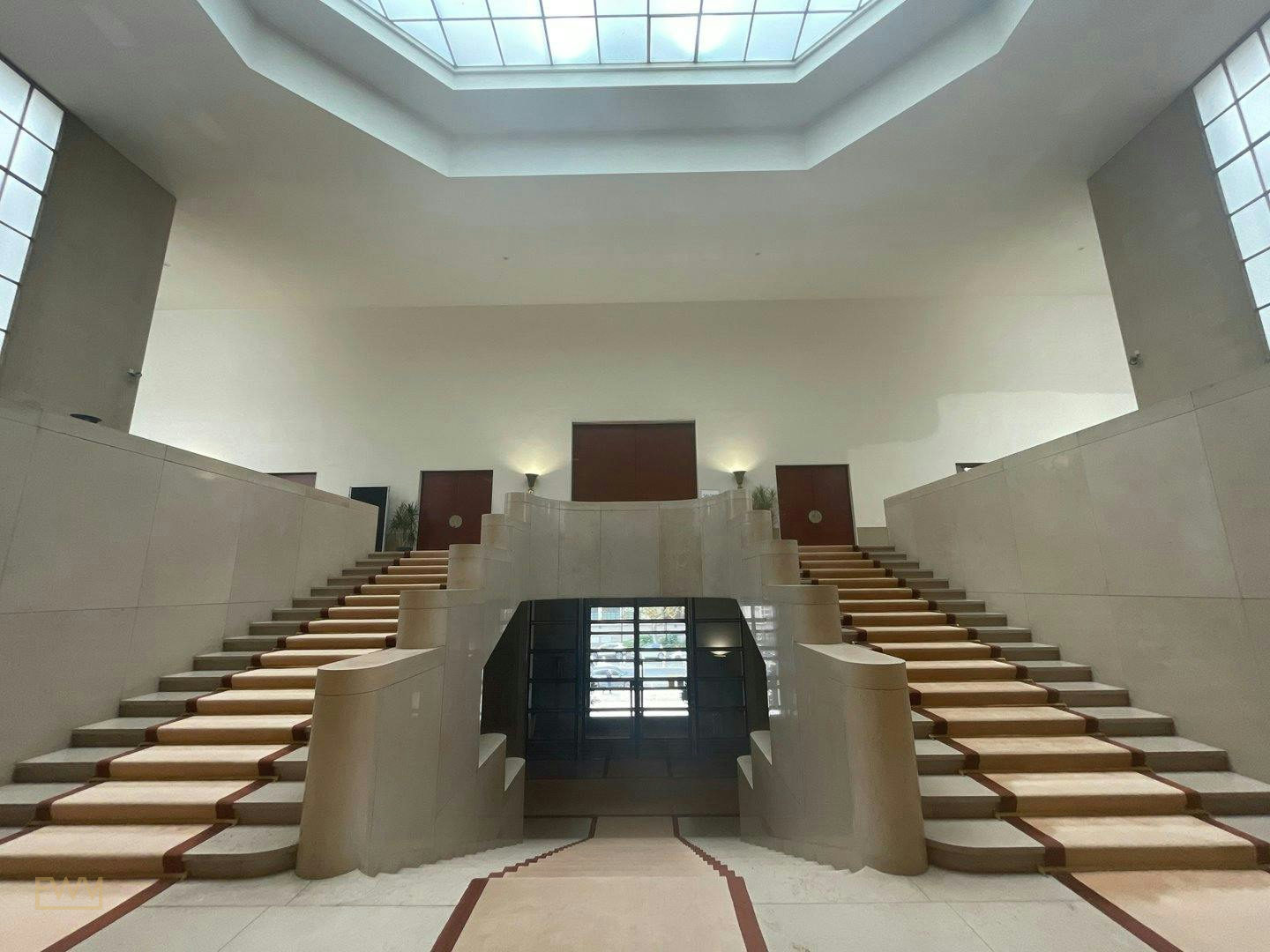
Fashion Week Venues in Paris represent a dynamic blend of creativity and strategy, setting the stage for brands aiming to make a significant impact during these crucial industry moments. With ample opportunities available, understanding how to navigate venue selection, activation strategies, and compliance nuances can give brands a profound edge. Renowned for its expertise, Fashion Week Venues offers comprehensive services ranging from venue sourcing to activation management, ensuring any brand's venture into Paris is successful. This pillar page serves as your ultimate guide to understanding the intricacies of securing a fashion week venue—unveiling unique insights for brand activation and short-term retail spaces in the heart of Paris.
Understanding the Paris Fashion Week Landscape
Paris Fashion Week (PFW) is one of the most prestigious events in the global fashion calendar. Brands flock to Paris to showcase their collections amidst a backdrop of potential media exposure and high-profile attendance. However, the Paris fashion landscape is as complex as it is glamorous. From affordable spaces to iconic locations, PFW offers a myriad of opportunities for brands across different scales.
Quick answer: The Paris Fashion Week landscape is vibrant and competitive, requiring strategic planning in space selection and brand activation to leverage its full potential.
The fashion calendar follows a set schedule with specific windows: Men's Fashion Week, Haute Couture, Women's Fashion Week, and accessory showcases. Each offers unique opportunities depending on the brand's target audience. Understanding this schedule is crucial for timing your activation to maximise impact.
For instance, while Women's Fashion Week is historically the most covered, niche brands may find value in specialising their visibility during Men's or Haute Couture weeks, aligning with their brand DNA. Notably, timing impacts everything from media interest to venue availability.
You must evaluate the areas in Paris with the most relevance to your brand. Iconic districts like Le Marais or Saint-Germain-des-Prés provide specific atmospheric cues that can enhance the storytelling component of your brand presentation. Geographical preference also influences the logistical capabilities and constraints of a particular activation due to Paris's unique urban makeup.
| Fashion Week Category | Typical Timeframe | Best Suited For |
|---|---|---|
| Women's Fashion Week | February and September | Global luxury brands |
| Men's Fashion Week | January and June | Emerging menswear designers |
| Haute Couture Week | January and July | Luxury brands with couture collections |
KEY TAKEAWAY: Align your activation strategy with the fashion calendar and neighbourhood dynamics to achieve the greatest visibility and brand resonance during Paris Fashion Week.
With this foundation in place, let's explore how fashion brands can utilise strategic locations in Paris to their advantage.
Choosing the Right Venue: Strategic Considerations
Choosing the right venue for your fashion event in Paris is pivotal. It's not simply about aesthetics but also involves strategic decisions regarding audience reach, accessibility, and logistic suitability. Paris offers a myriad of venues, from grand historical sites to chic contemporary spaces, each with their unique cultural and logistical considerations.
Quick answer: Opting for the right venue involves balancing aesthetics with practicality and ensuring it aligns with your brand's vision and logistical needs.
The first step in selecting a venue is understanding your audience and brand message. If your brand exudes luxury, a venue like Trocadéro, with its stunning views of the Eiffel Tower, might align perfectly. For cutting-edge streetwear brands, districts like Canal Saint-Martin might better resonate with the audience. Understanding the demographic you're targeting can help pinpoint the location that best aligns with your brand ethos.
Infrastructure is another critical consideration. Accessibility, parking facilities, and proximity to public transportation impact guest convenience. A beautiful venue means little if guests cannot easily access or are inconvenienced by its location. Moreover, consider logistics such as space layout to accommodate staging, seating, or presentations.
Paris’s arrondissements each have unique vibes and advantages. Here's a breakdown:
| Neighbourhood | Advantages | Suitability |
|---|---|---|
| Le Marais | Trendy, artistic, bustling with younger demographics | Streetwear, urban brands |
| Saint-Germain-des-Prés | Historic, upscale, intellectual audience | Luxury, classic brands |
| Opéra | Central, cultural landmarks, high foot traffic | Brands seeking wide visibility |
TIP: Use our venue sourcing service to help navigate the diverse opportunities the city offers.
Another aspect is the outdoor versus indoor considerations. Venues with outdoor space flexibility become valuable during fashion events, allowing for spontaneous designs and ambient weather experiences.
KEY TAKEAWAY: An effective venue choice balances your brand ethos, logistical viability, and audience needs, delivering a seamless event experience.
With the venue selected, the next step focuses on optimising the preparation process.
Preparing for Fashion Week: Timelines and Logistics
Preparing for Fashion Week involves meticulous planning where timelines and logistics play a crucial role. From booking the venue to finalising the lineup, each step requires strategic timing to ensure a smooth execution.
Quick answer: Timelines and logistics are critical to preparing for a successful Fashion Week event, requiring detailed planning and coordination.
Initial planning should begin six to twelve months ahead of the desired date, especially for sought-after venues. Starting early allows you to align with the demand fluctuations typical to Fashion Weeks.
A pivotal early step is to outline a precise timeline using detailed Gantt charts or project management software. Mapping out milestones helps in visualising the path from initial planning stages to the final high-stakes event.
Consider this basic preparation timeline:
| Month | Key Activities |
|---|---|
| 12-6 months out | Secure venue, set budget, confirm dates |
| 5 months out | Design concept, begin build-out plans |
| 3 months out | Hire staff, finalise activations, secure permits |
| 1 month out | Final walkthrough, adjust logistics, begin setup |
DID YOU KNOW: Missing a key milestone in early months can significantly impact downstream tasks, leading to additional costs or compromised quality.
Logistics encompass everything from staffing to technical installations. Consider staff training and cultural acclimation, especially for international teams unfamiliar with French customs. Professional staffing agencies and services from Fashion Week Venues specialize in providing skilled personnel tailored to specific event needs.
Transport logistics, incorporating both people and goods, must be planned with Paris's unique urban navigation in mind. Ensure you have ample time for transport and setup, considering potential traffic congestion and unforeseen delays.
KEY TAKEAWAY: Efficient logistical planning and timeline management are critical to executing a flawless fashion event during Fashion Week.
Having set your timelines, the next crucial factor to consider is legal compliance and permits.
Legal Compliance and Permit Acquisition
For brands seeking to host events during Paris Fashion Week, navigating the city's legal landscape can be complex. Compliance with local regulations ensures not only the smooth operation of the event but also safeguards against potential legal repercussions.
Quick answer: Acquiring necessary permits and understanding legal compliance is essential for hosting a seamless event in Paris.
Paris enforces various permits based on the nature and scale of the activity. The bail dérogatoire allows commercial space usage for events on a temporary basis—typically up to three years. Meanwhile, for installations on public grounds, an Authorization for Temporary Occupation (AOT) may be required. These are distinct from traditional commercial leases in both flexibility and duration.
IMPORTANT: Always consult a French legal advisor when drafting or reviewing leases to avoid unforeseen legal exposure.
Additionally, event-specific permits for aspects like amplified music, alcohol service, and public gatherings are standard. Handling these nuances can be challenging, especially for international brands less familiar with French regulations.
Fashion Week Venues offers a comprehensive permits tool, designed to guide you through compliance tailored to your specific event parameters. It can help decipher requirements and documents needed for a wide range of logistical scenarios.
Another consideration is compliance with health and safety standards, particularly ensuring your venue aligns with fire safety and accessance codes (ERP standards in France) which are mandatory for public events.
KEY TAKEAWAY: Familiarity with French regulations and permits is crucial to legality and smooth operations during your fashion event, and leveraging expert tools and advice is often necessary.
Having navigated the legal landscape, the next step involves designing your brand activation.
Designing Memorable Brand Activations
Creating a memorable brand activation for Fashion Week requires a blend of creativity, insight, and strategic planning. It’s about crafting an immersive experience that resonates with your audience and transcends typical brand engagements.
Quick answer: Memorable brand activations are experience-driven, focusing on engaging storytelling that aligns with brand values and targets the audience effectively.
Your concept should reflect your brand ethos while considering the constraints and opportunities provided by the chosen venue. This requires integrating visual merchandising and experiential elements—key tools for engaging attendees emotionally and intellectually.
Examples include interactive digital installations, personalized experiences, and themed pop-up spaces that invite customer participation. Brands like Chanel and Dior master the use of curated spaces to convey their story in ways that viewers both see and feel.
| Activation Element | Creative Example |
|---|---|
| Interactive Installation | Virtual reality fashion show immersions |
| Personalized Experience | On-site tailor stations for custom pieces |
| Thematic Decor | Spaces transformed to reflect collection inspirations |
Integrating influencers into your activation provides another dimension of engagement. They serve as both marketing amplifiers and direct channels to potential consumers. Influencer collaborations should be curated with precision, selecting those with genuine alignment and audience synergy with your brand scope.
Additionally, consider how data and analytics help refine your approach. Tools for analysing audience engagement provide feedback loops for real-time adaptation and post-event assessment of activation success, which is crucial for future planning.
KEY TAKEAWAY: Successful brand activations focus on creating a meaningful connection with the audience through immersive and engaging storytelling that reflects your brand's DNA.
With your brand activation designed, the next consideration is budget planning and resource allocation.
Budget Planning and Resource Allocation
The financial planning aspect of hosting a Fashion Week event is as critical as the creative vision. Budgeting helps in ensuring that all elements of the project are financially viable and aligned with strategic goals.
Quick answer: Budget planning requires accurate estimation of all potential expenses to ensure a balance between creative ambitions and financial realities.
Start by outlining all anticipated costs: venue rental, production, staffing, logistics, permits, marketing, and contingencies. For instance, trending venues may command premium rates, especially during high-demand periods like Fashion Week.
Creating a detailed financial model is crucial. Leverage tools like Fashion Week Venues' budget calculator to estimate expenses tailored to your scenario. This tool assists in breaking down costs in a structured manner, ensuring no element is overlooked.
Another key is understanding the return on investment (ROI). Using our ROI tool, measure potential returns from your activation, aligning expectations with achievable outcomes. Consider opportunities for sponsorships and collaborations that might offset costs, like co-branding with aligned partners.
| Cost Category | Considerations |
|---|---|
| Venue & Production | Rental, decor design, installation |
| Logistics | Transportation, warehousing |
| Staffing | Recruitment, training, uniforms |
| Marketing | Influencer fees, campaign photography |
TIP: Always allow for a contingency reserve—typically 10-15% of your total budget—to cover unexpected costs.
KEY TAKEAWAY: Comprehensive budget planning aligns your financial resources with your strategic goals, ensuring creativity flourishes without overspending.
Having planned your budget, attention shifts toward aligning with sustainable practices.
Sustainability and Ethical Considerations
Sustainability has become an integral element in the planning and execution of modern fashion events. Today, brands are increasingly held to higher standards of environmental and ethical responsibility, both by consumers and stakeholders.
Quick answer: Incorporating sustainability into your Fashion Week planning involves operationalizing eco-friendly practices and materials throughout your project's lifecycle.
Start by assessing the environmental impact of all production aspects—from materials used in sets and installations to transportation methods for logistics. Eco-friendly solutions often involve using recyclable materials, digital presentations to reduce print waste, and local suppliers to minimise transport emissions.
Additionally, ethical considerations extend beyond environmental factors to the workforce engaged in your event. Partnering with vendors that commit to fair labor practices ensures responsible sourcing and event execution.
For instance, consider the renewable options available for furnishings through our furniture rental services, supporting sustainable use by minimising new production demands.
DID YOU KNOW: Brands like Stella McCartney lead in eco-friendly practices, pioneering sustainable luxury fashion initiatives throughout their global activations.
Green certifications, where applicable, lend credibility to sustainability claims and can enhance brand image to environmentally-conscious consumers.
KEY TAKEAWAY: Embracing sustainability ensures brands meet evolving consumer expectations, enhancing reputation while reducing environmental impact.
Now, having explored sustainability, let's look into audience engagement during Fashion Week.
Engaging Your Audience: Strategies During Fashion Week
Engagement strategies during Fashion Week are all about creating an unforgettable experience that fosters a deeper connection between your brand and audience. This engagement can leverage both digital and in-person touchpoints.
Quick answer: Audience engagement relies on an interactive blend of digital and physical connections, amplifying brand presence during Fashion Week.
Physical engagement involves creating immersive experiences through interactive exhibits or live demonstrations. These activities not only highlight your collection but also facilitate organic interactions with your brand.
Digital engagement is equally critical. Leveraging social media can amplify reach beyond the event's physical boundaries. Use real-time updates, behind-the-scenes content, and interactive polls to engage an online audience actively. This engagement expands your reach and keeps your brand at the forefront of digital conversations around Fashion Week.
TIP: Collaborate with influencers to extend your event's reach. Influencers can serve as unofficial brand ambassadors, sharing live updates and increasing visibility.
| Engagement Strategy | Implementation Example |
|---|---|
| Interactive Exhibit | Augmented reality mirrors showcasing products |
| Live Demonstrations | On-site fashion styling sessions |
| Real-time Digital Content | Live Instagram takeovers from influencers |
Data-driven engagement strategies, using tools and analytics, allow for real-time adaptation. Understanding audience interactions and preferences in real-time ensures that adjustments can be made to maximise engagement and effect.
KEY TAKEAWAY: Active engagement strategies during Fashion Week deepen brand-audience connections, expanding both on-ground impact and digital reach.
Next, we'll explore how Fashion Week Venues can support brands in achieving their event goals.
How Fashion Week Venues Supports Brands
Fashion Week Venues is dedicated to turning visions into reality by providing holistic solutions for brands during Fashion Week. From venue sourcing to activation execution, our tailored services meet each client's unique needs.
Quick answer: Fashion Week Venues offers a comprehensive suite of services to facilitate seamless event execution, enhancing the visibility and impact of brand activations during Fashion Week.
Our services encompass all facets of an event lifecycle—helping brands from conception to post-event analysis. Our concept direction services ensure your creativity aligns perfectly with your brand identity and event objectives. During the build phase, our production services provide practical solutions that adhere to logistical realities while realising aesthetic visions.
For international brands entering Paris, we offer tailored support to navigate the city's unique regulatory environment and commercial considerations, helping ensure compliance and maximising your event's potential.
Furthermore, our comparison tool allows brands to evaluate potential locations in detail, aligning choice with precise budgetary and spatial requirements. This supports a streamlined decision-making process, ensuring each choice supports broader event goals.
KEY TAKEAWAY: By providing comprehensive services and expert guidance, Fashion Week Venues empowers brands to maximise their Fashion Week visibility and impact.
Assist your planning by utilising these resources to ensure your Paris activation remains a highlight of Fashion Week.
Common Myths Debunked
MYTH: You need a French legal entity to rent a space in Paris.
FACT: While engaging directly with Paris’s nuanced legal system might seem daunting, you don't necessarily need to establish a French legal entity. Utilizing agencies like Fashion Week Venues can streamline the process, enabling international brands to secure spaces with minimal setup hurdles through tailored consultancy.
MYTH: Paris Fashion Week is the only viable window for activation.
FACT: Various fashion weeks and related events throughout the year offer unique slots for brand activation. While Paris Fashion Week garners significant media attention, utilising niche events can offer impactful opportunities, enhancing brand visibility without the direct competition during major peak periods.
MYTH: Commission brokers are the only way to find a space.
FACT: While brokers are one avenue, using online marketplaces and agencies provides more transparent, flexible options and greater control over selections, which can align more closely with brand-specific requirements.
MYTH: Short-term leases are straightforward legally without specialist help.
FACT: Short-term leases involve legal nuances like the bail dérogatoire and might require compliance with certain Paris regulations. Consulting with legal professionals or using specialised services can safeguard against potential legal pitfalls and ensure regulatory compliance.
Having demystified these common misconceptions, let's now move to address frequently asked questions regarding Fashion Week venues and associated processes.
Frequently Asked Questions
What is a bail dérogatoire?
A bail dérogatoire is a type of short-term rental agreement legally allowing a temporary deviation from standard commercial lease terms in France. It typically lasts up to three years and provides businesses flexibility to use spaces temporarily without committing to long-term leases. It is designed for short-term commercial activities such as pop-up stores or event spaces.
How can I make my brand activation stand out during Fashion Week?
To make a brand stand out during Fashion Week, focus on innovative and engaging experiences that align with your brand identity. Utilise interactive exhibits, digital enhancements, and unique storytelling through space design. Collaboration with influencers and celebrities can also boost your event's visibility and appeal.
What types of permits are required for hosting an event during Paris Fashion Week?
Permits required vary depending on event specifics such as location, scale, and activities. Common permits include the AOT (Authorisation for Temporary Occupation) for public spaces, and those for amplified sound or alcohol service. Consulting with a service like Fashion Week Venues helps to navigate these requirements efficiently.
Are sustainable practices important for fashion events?
Sustainability is increasingly important in fashion events, reflecting broader shifts towards environmentally responsible business practices. Embracing sustainable materials, responsible sourcing, and reducing waste are essential components, as they align with consumer expectations and enhance brand reputation.
How can I choose the right neighbourhood in Paris for my event?
Choose a neighbourhood based on your brand identity and the audience you wish to reach. Each Parisian district offers unique atmospheres: Le Marais is trendy, Saint-Germain-des-Prés is classic and upscale, and Opéra is vibrant with high foot traffic. Align your location choice with your brand’s character and demographic target.
What services does Fashion Week Venues provide?
Fashion Week Venues offers comprehensive services including venue sourcing, concept direction, production and build, activation management, branded store design, and retail staffing. These services help brands efficiently navigate the complexities of event planning and execution.
What should I include in my event budget?
Event budgets should cover venue costs, logistics, marketing, production, permits, and contingencies. Ensuring clear breakdowns for each category helps maintain financial control and allows for adaptability. Use tools like budget calculators to streamline and refine your financial planning.
Is it necessary to work with an agency for fashion events?
While not mandatory, working with an agency provides expert guidance, access to essential networks, and ensures compliance with local regulations. Agencies simplify the logistical and creative processes, allowing your brand to focus on the event's core objectives and creative aspects.
Can I host a fashion event in Paris without speaking French?
Yes, while speaking French is advantageous, it's not essential. Many agencies, including Fashion Week Venues, communicate in English and provide bilingual support. This assistance ensures that language barriers do not hinder the planning and execution of a successful event.
What is the role of digital engagement in Fashion Week?
Digital engagement during Fashion Week amplifies reach and connects with a broader audience. Using social media channels to provide live updates, interact with followers through polls, and share behind-the-scenes content enhances participation and extends your event’s impact beyond its physical location.
Conclusion
Navigating Fashion Week venues successfully requires a strategic balance between creativity, logistics, and compliance. By understanding the unique landscape of Paris and leveraging the comprehensive offerings of Fashion Week Venues—such as venue sourcing, concept development, and production services—brands can create events that not only inspire but also achieve business objectives. As the fashion industry evolves, incorporating elements of sustainability and digital interaction can further enhance brand engagement and reach. To move from research to activation, start exploring available spaces on the Fashion Week Venues marketplace and build a focused brief for your target neighbourhood, space type, and calendar window.