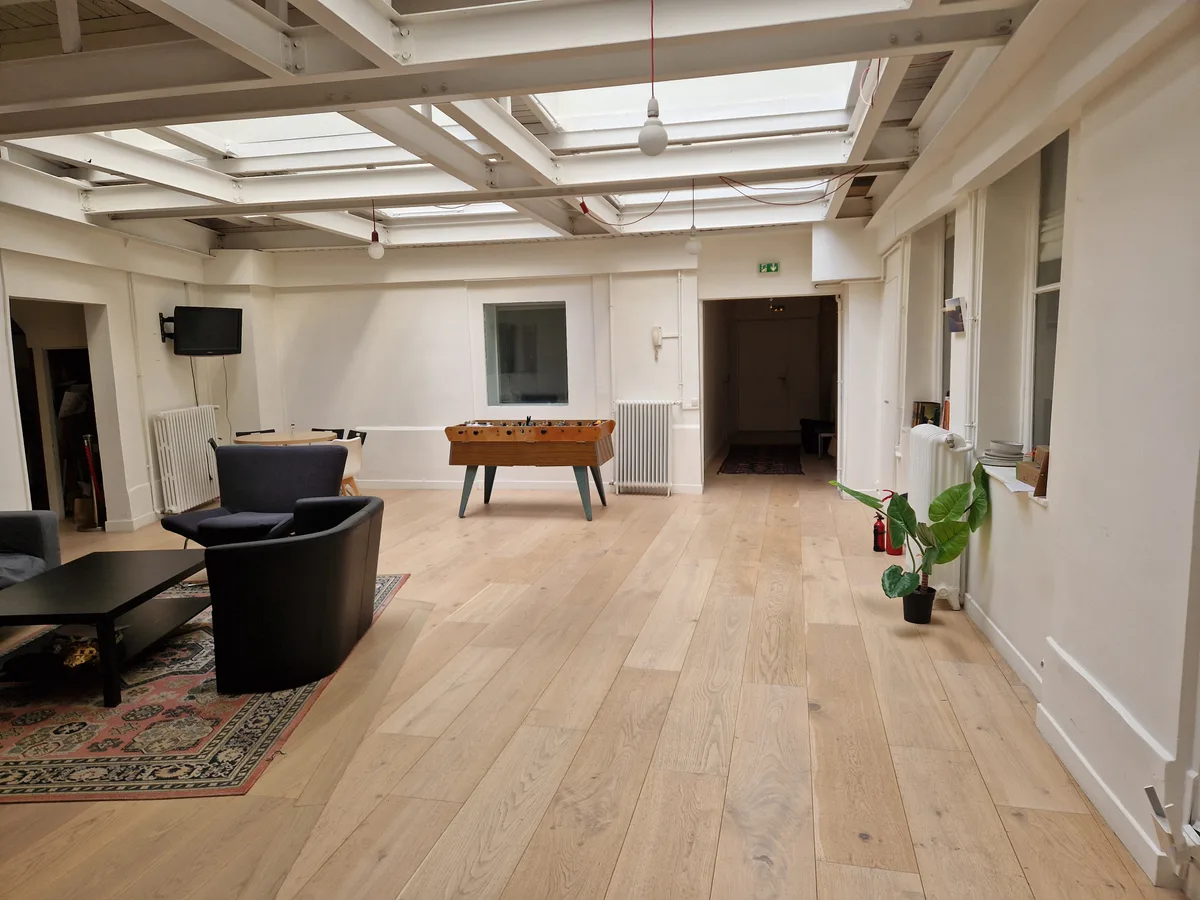
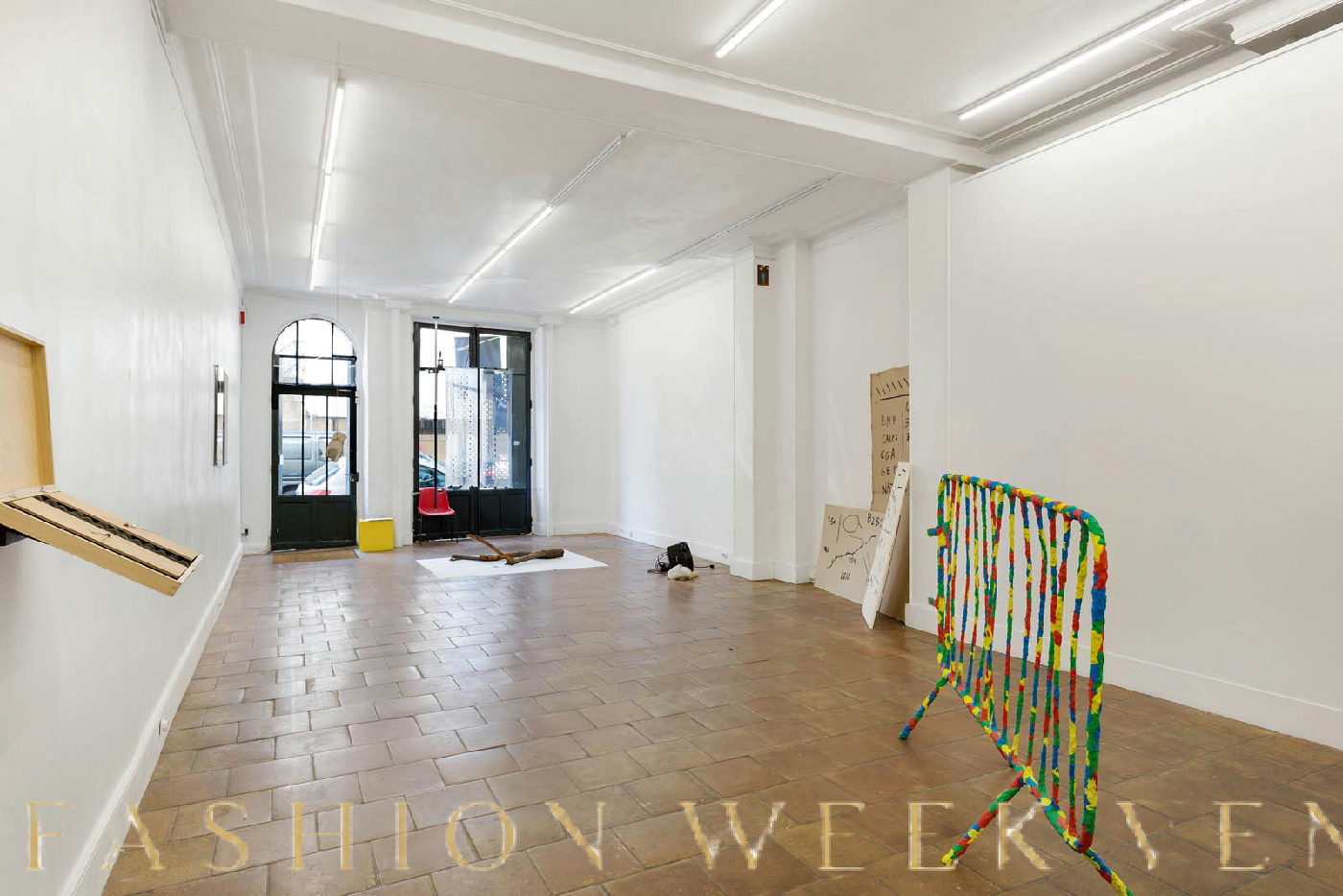
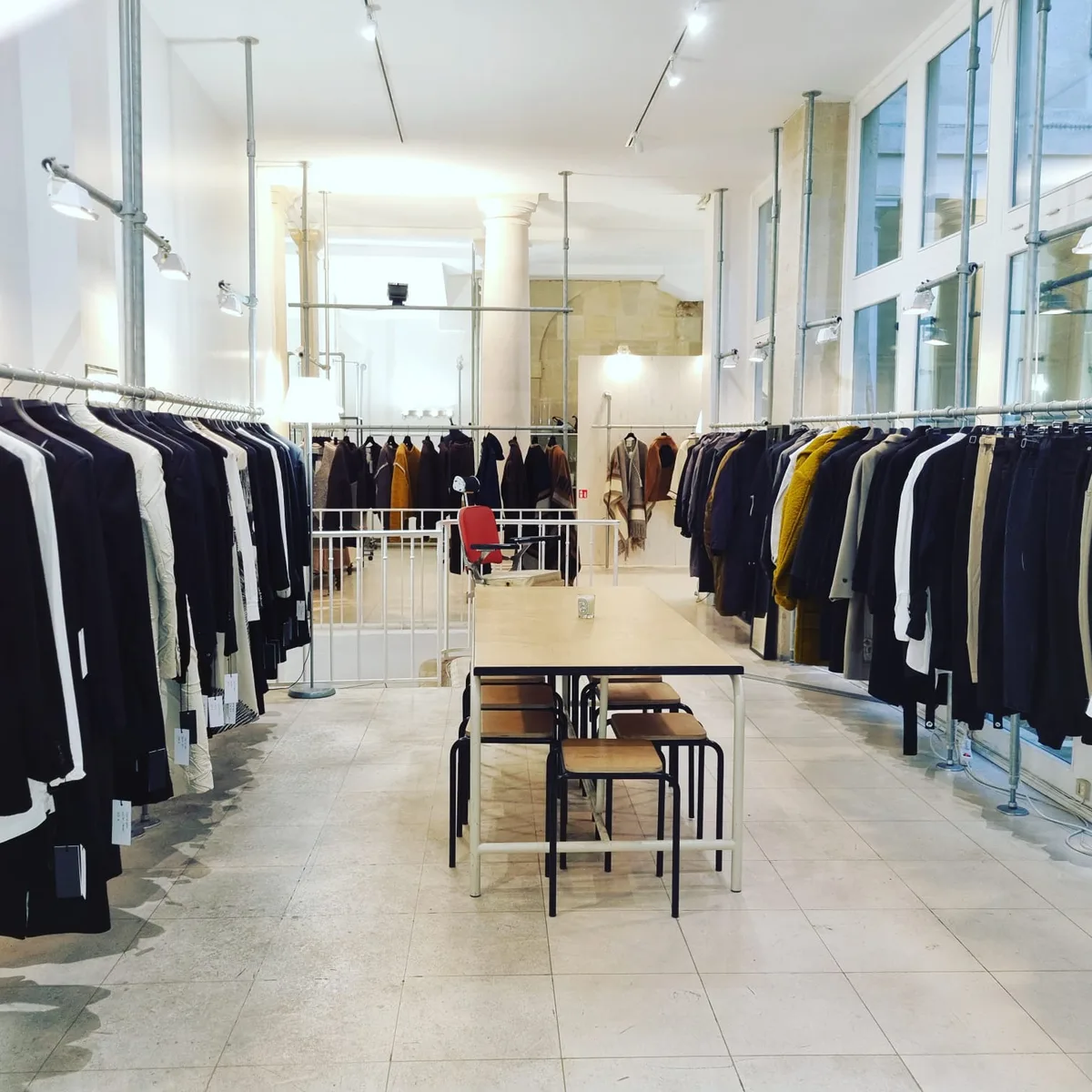
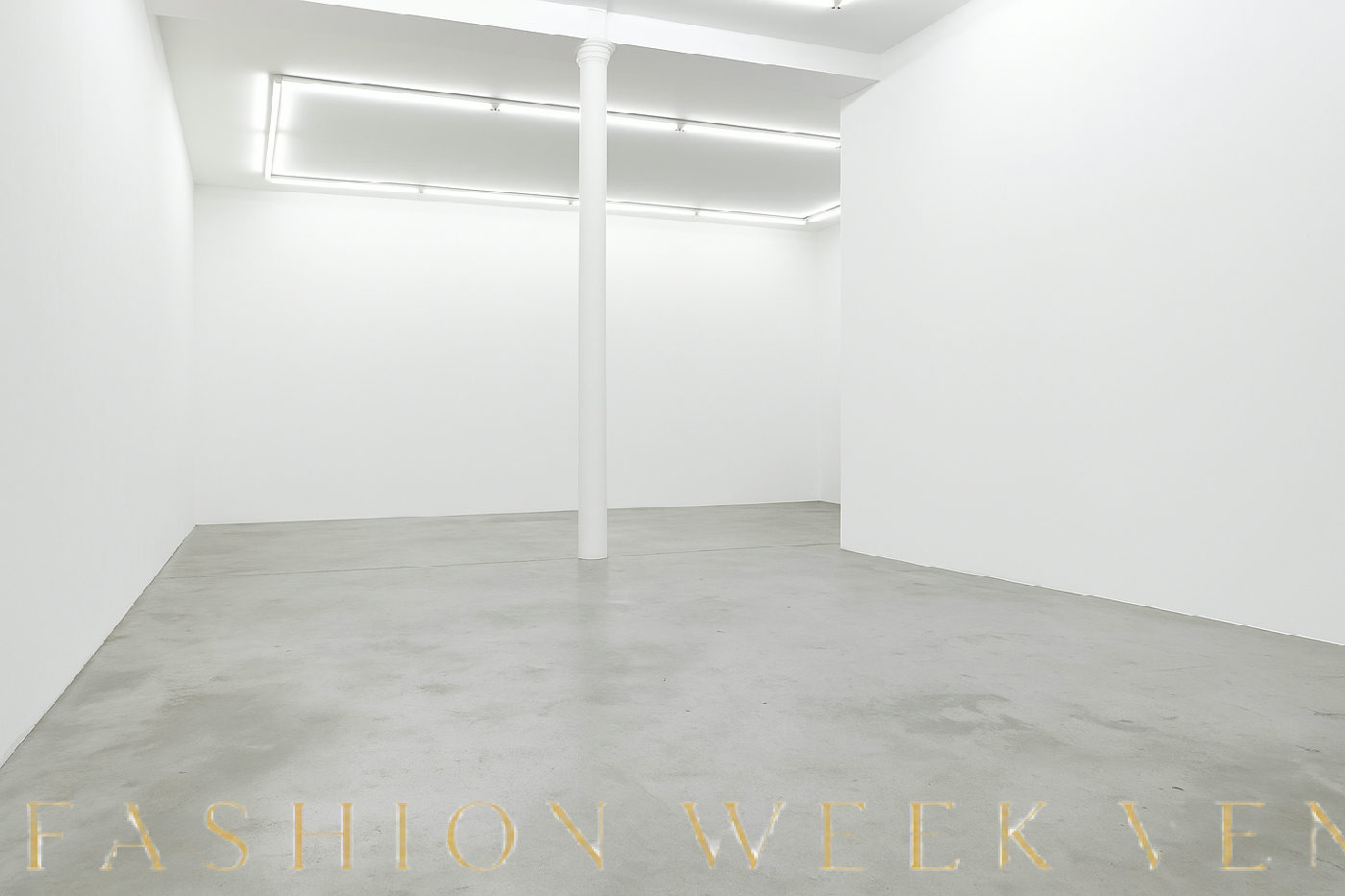

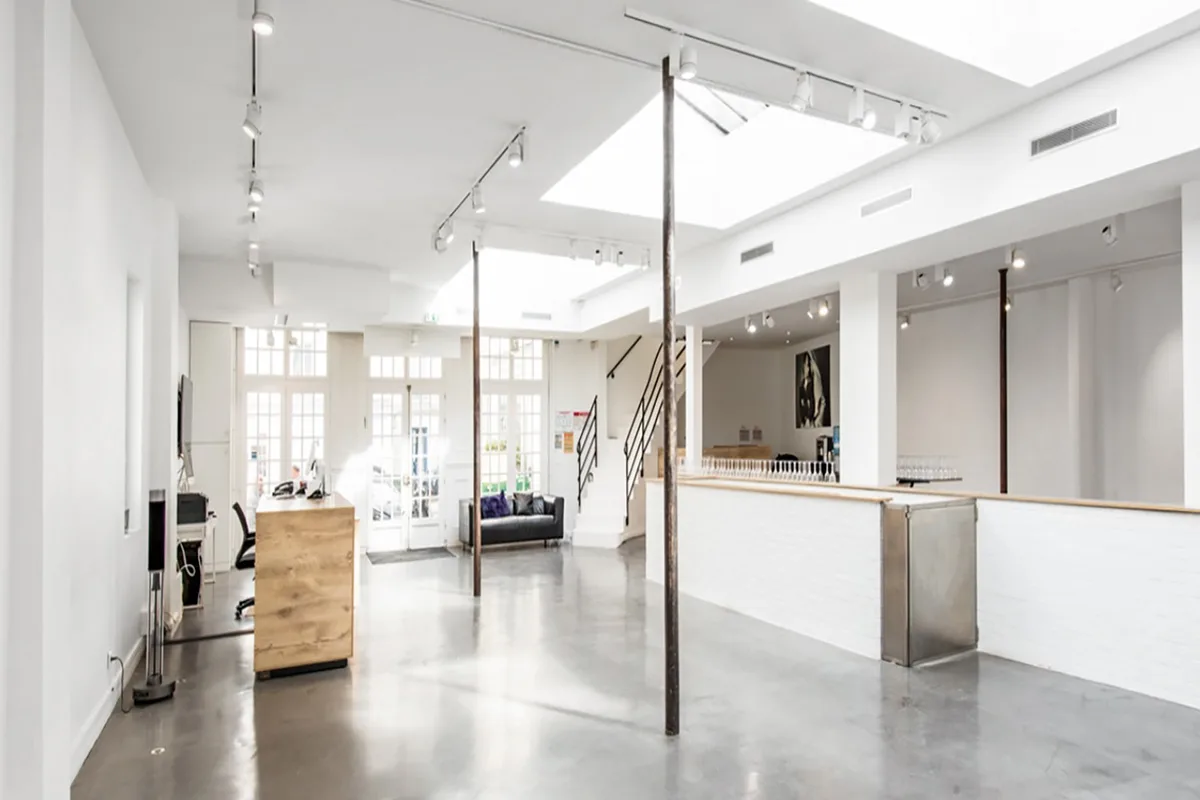
Renting a temporary shop in Le Marais is one of the most effective ways for fashion brands, emerging designers, beauty labels, and international retailers to build presence in Paris. Le Marais is not simply a shopping district; it is a self-contained cultural ecosystem where avant-garde art galleries, concept stores, designer boutiques, vintage boutiques, and fashion showrooms coexist within walking distance of each other. The density of foot traffic, the concentration of press, influencers, and buyers, and the proximity to Paris Fashion Week make it the most strategically valuable neighbourhood for short-term retail activation in the French capital. Fashion Week Venues connects brands to pop-up spaces across Paris, including Le Marais, with full-service support from venue sourcing to activation management. This guide covers everything you need to know.
Why Le Marais Is Paris's Most Powerful Pop-Up Retail Location
Quick answer: Le Marais offers a rare combination of high foot traffic, cultural credibility, media visibility, and spatial variety that makes it the leading neighbourhood in Paris for temporary retail. Its streets attract a dense mix of locals, tourists, press, buyers, and influencers year-round, giving brands disproportionate exposure relative to their space investment.
Le Marais occupies the 3rd and 4th arrondissements of Paris and has evolved over several decades from a historic Jewish quarter and artisan district into one of Europe's most recognisable fashion and cultural destinations. The neighbourhood's architecture, which ranges from 17th-century hôtels particuliers to contemporary gallery conversions, creates a backdrop that is inherently photogenic and brand-elevating. For any brand seeking media coverage, social media content, and influencer engagement, Le Marais delivers an environment that no purpose-built retail park can replicate.
The commercial energy of Le Marais is concentrated along a series of distinctive streets, each with its own character. Rue des Francs-Bourgeois is the neighbourhood's primary retail artery, lined with international brands, French labels, and concept stores. Rue de Turenne and Espace Turenne offer a more curated mix of designer boutiques and creative spaces. Rue Charlot has become synonymous with the gallery scene and attracts a design-conscious, press-connected audience. Rue de Bretagne is a local favourite, anchored by the Marché des Enfants Rouges and offering strong neighbourhood foot traffic with a loyal returning customer base. Place des Vosges, one of the oldest planned squares in Paris, provides a high-prestige setting that is particularly suited to luxury and heritage brands.
Fashion and design are deeply embedded in the identity of the Marais district. Brands such as Zadig and Voltaire built early brand equity in the neighbourhood before expanding globally. Independent French labels and emerging designers continue to use the area as a proving ground, testing new concepts before committing to permanent leases. This pattern of testing and validation is exactly what a pop-up store or temporary shop is designed to support.
The cultural calendar adds another layer of value. Le Marais is active during Paris Fashion Week, the FIAC and Paris+ art fairs, the Nuit Blanche event, and numerous independent cultural events that draw concentrated audiences. Aligning a pop-up activation with any of these moments dramatically amplifies exposure without requiring a large standalone marketing budget.
DID YOU KNOW: Le Marais contains one of the highest densities of independent concept stores and designer boutiques in any European neighbourhood, making it a uniquely competitive and credible retail environment for brand activations.
KEY TAKEAWAY: Le Marais is not just a convenient location; it is a brand signal. Activating a temporary shop in this neighbourhood communicates creative credibility, fashion relevance, and cultural awareness to exactly the audiences that matter most to fashion, beauty, and lifestyle brands.
Understanding why Le Marais works is the first step. Understanding how to navigate the different streets, space types, and seasonal windows is what separates a successful activation from a costly misstep, and that is where the next section provides essential guidance.
Street-by-Street Breakdown of Le Marais Pop-Up Locations
Quick answer: Different streets in Le Marais serve different brand profiles and activation objectives. Rue des Francs-Bourgeois suits high-volume retail brands, Rue Charlot suits design and gallery-focused concepts, Rue de Turenne suits showrooms and emerging designers, and Place des Vosges suits luxury and heritage positioning.
Choosing the right street is as important as choosing the right space. Le Marais is not a single retail environment; it is a collection of micro-neighbourhoods, each with distinct foot traffic patterns, customer profiles, and commercial expectations. The following breakdown helps brand teams make informed location decisions before committing to a rental agreement.
Rue des Francs-Bourgeois
Rue des Francs-Bourgeois is the most commercially active street in Le Marais and one of the busiest shopping streets in central Paris. It connects the Marais district to the Hôtel de Ville area and runs through the heart of the neighbourhood. Foot traffic here is consistently high on weekends and peaks during Paris Fashion Week and major cultural events. The street is home to a mix of international brands, French concept stores, and independent boutiques. For brands seeking volume and visibility, Rue des Francs-Bourgeois is the most straightforward choice. However, competition for space is intense, and availability during prime calendar windows requires advance planning of at least three to six months.
Rue de Turenne and Espace Turenne
Rue de Turenne runs along the eastern edge of the Marais district and connects Place de la République to Place des Vosges. It is one of the neighbourhood's most versatile retail streets, with a mix of fashion boutiques, designer studios, and showroom spaces. Espace Turenne, which refers to the cluster of commercial spaces along this axis, is particularly well-regarded as a location for fashion showrooms and brand activations during Fashion Week. The street offers a balance of footfall and curation that suits emerging designers and international brands alike. Spaces here tend to offer more square meterage than those on Rue des Francs-Bourgeois, making them suitable for showroom formats and experience-driven activations.
Rue Charlot
Rue Charlot has become the gallery quarter of Le Marais, home to a concentration of avant-garde art galleries, design studios, and independent fashion boutiques. The audience on Rue Charlot skews creative, press-connected, and design-literate. Brands in fashion, art, design, and beauty that want to position themselves within a cultural rather than purely commercial context will find Rue Charlot a particularly effective location. The street is especially active during art fairs and cultural events, when gallery openings attract significant press coverage and social media attention. Galerie Joseph, one of the most well-known rental event spaces in the neighbourhood, operates nearby and is a reference point for understanding the calibre of activations the area supports.
Rue de Bretagne
Rue de Bretagne is a more locally-oriented street, anchored by the Marché des Enfants Rouges, Paris's oldest covered market. The street attracts a strong mix of neighbourhood residents, food-focused visitors, and design-conscious Parisians. For brands seeking to build authentic local connections rather than tourist-facing visibility, Rue de Bretagne offers a distinctive alternative to the more heavily trafficked arteries. It is particularly suited to lifestyle, food, beauty, and design brands that want to embed themselves in the everyday rhythm of Parisian life.
Place des Vosges
Place des Vosges is a different proposition entirely. As one of the most architecturally significant squares in Europe, it provides a prestige setting that commands a premium. The arcaded ground-floor spaces around the square are home to galleries, antique dealers, and high-end boutiques. Brands that open a temporary shop on Place des Vosges are making a clear statement about positioning. It is the correct choice for luxury heritage brands, jewellery labels, and high-end concept activations where the setting is itself part of the brand communication.
| Street or Location | Primary Audience | Best For | Peak Period |
|---|---|---|---|
| Rue des Francs-Bourgeois | Tourists, shoppers, international visitors | High-volume retail, national brands, product launches | Weekends, Fashion Week, school holidays |
| Rue de Turenne / Espace Turenne | Fashion buyers, press, emerging designers | Showrooms, fashion activations, designer boutiques | Paris Fashion Week (Jan, Feb, Jun, Sep) |
| Rue Charlot | Creative industry, gallery visitors, press | Art, design, fashion, avant-garde concepts | Art fairs, cultural events, Fashion Week |
| Rue de Bretagne | Local residents, lifestyle consumers | Lifestyle, beauty, food, community-facing brands | Year-round, market days |
| Place des Vosges | High-net-worth visitors, tourists, luxury buyers | Luxury, heritage, jewellery, prestige concepts | Year-round with seasonal peaks |
KEY TAKEAWAY: Selecting the right street within Le Marais is a strategic decision that should be driven by your target audience, your activation format, and your calendar window, not simply by what space is available.
Once you have identified the right location, the next practical question is what types of spaces are available and how they are structured for short-term rental.
Types of Pop-Up Spaces and Retail Formats Available in Le Marais
Quick answer: Le Marais offers a wide range of temporary retail formats including standalone boutiques, showroom spaces, gallery spaces, concept store units, and shared activation spaces. Each format serves different brand objectives, budgets, and operational requirements.
Understanding the landscape of available spaces is essential before beginning a search. Le Marais has one of the most diverse inventories of short-term retail spaces in Paris, ranging from small boutique units of under 30 square metres to large gallery-style spaces capable of hosting brand events, press days, and multi-brand activations.
Standalone Pop-Up Boutiques
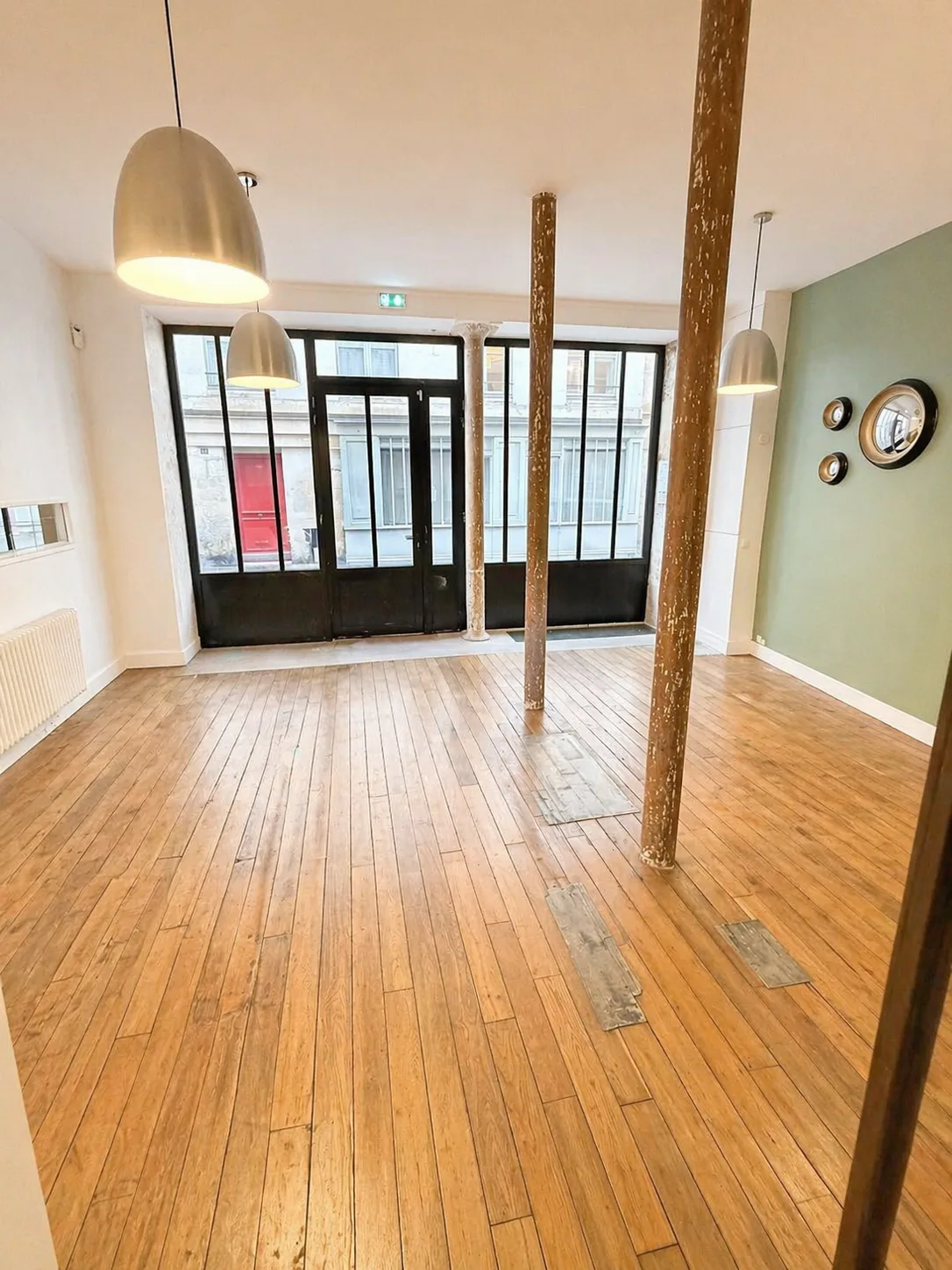
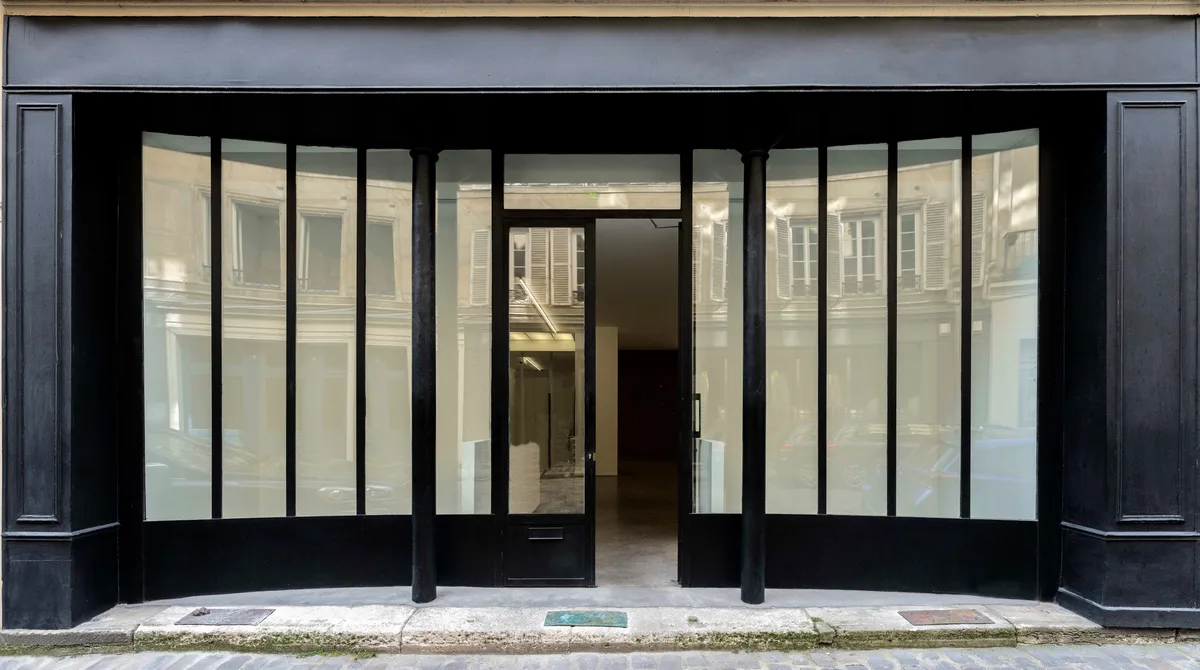
Standalone pop-up boutiques are the most recognisable format. These are self-contained retail units on street level, typically with their own entrance, shopfront, and ground floor selling area. They allow brands to create a fully immersive branded environment without sharing the space with other tenants. Sizes in Le Marais typically range from around 20 to 150 square metres, though larger units exist. The trade-off is that standalone boutiques require more investment in fit-out, staffing, and visual merchandising to deliver a complete brand experience.
Fashion Showrooms
Fashion showrooms in Le Marais are designed to host buyers, press, and wholesale clients rather than general consumers. They are typically larger, more flexible spaces that can be configured with rails, display tables, and meeting areas. During Paris Fashion Week, demand for showroom spaces in the Marais district is extremely high, and the best spaces are booked months in advance. A fashion showroom activation is distinct from a consumer-facing pop-up in that its primary objective is trade and press engagement rather than direct sales.
Gallery and Art Space Conversions
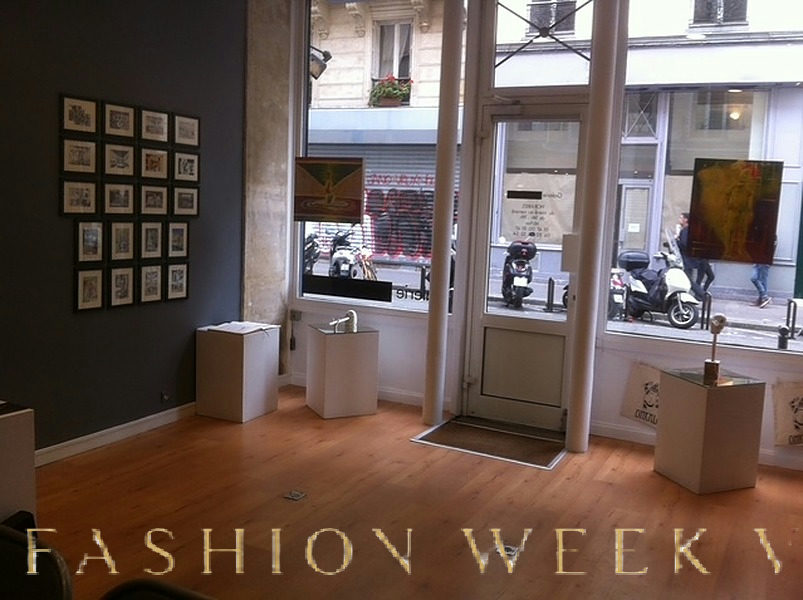
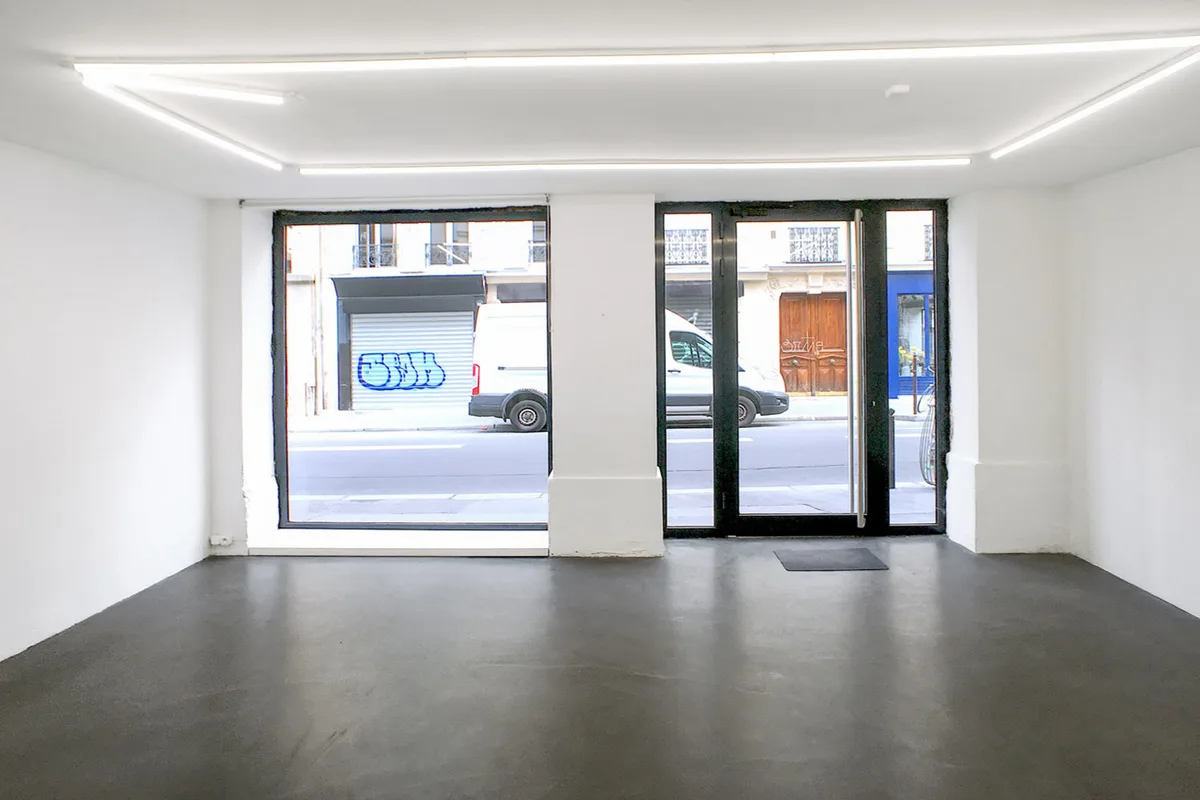
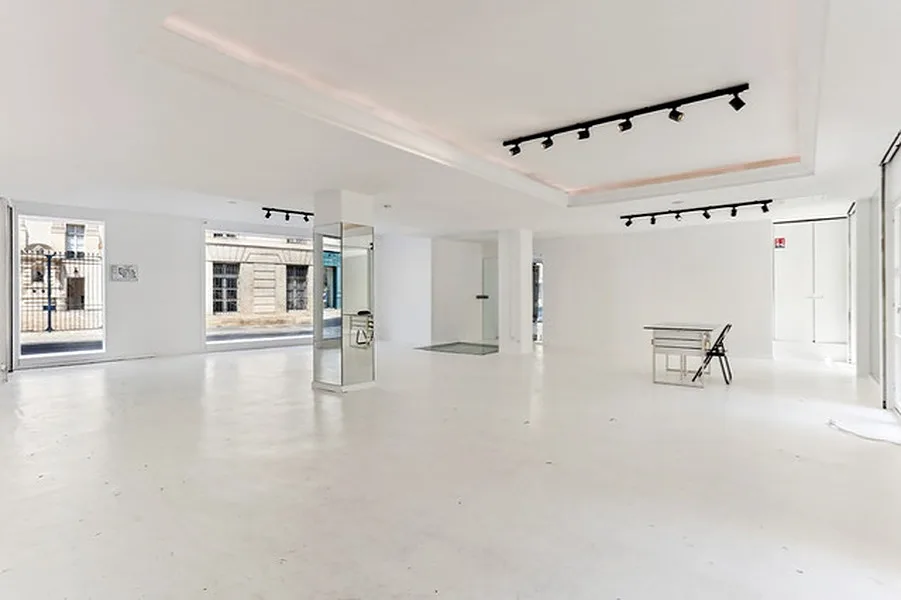
Le Marais is home to a significant number of gallery spaces that are available for temporary retail and brand activation use between exhibitions. These spaces typically feature high ceilings, polished concrete or oak floors, excellent natural light, and a neutral aesthetic that provides a strong canvas for brand expression. Galerie Joseph is one of the most recognised names in this category, though numerous smaller gallery spaces operate on a similar model. These spaces are particularly suited to fashion, design, beauty, and lifestyle brands that want to associate their activation with the cultural credentials of the Parisian gallery circuit.
Concept Store Units and Shared Spaces
Several concept stores in Le Marais operate a rotating or shared space model, where emerging designers and brands can take a section of the store for a defined period. This format reduces the cost and complexity of a standalone activation while still providing access to an established retail environment and existing customer base. It is particularly relevant for emerging designers and smaller brands that do not yet have the operational infrastructure to run an independent temporary shop.
Event and Activation Spaces
Beyond pure retail, Le Marais contains a range of spaces designed specifically for brand events, product launches, and experiential activations. These spaces can accommodate press days, influencer dinners, launch parties, and consumer experience events, often with catering facilities, AV infrastructure, and flexible layouts. For brands whose primary objective is media coverage and social media content rather than direct sales, an event space may be more appropriate than a retail unit.
| Space Type | Typical Size | Best Suited For | Key Consideration |
|---|---|---|---|
| Standalone Pop-Up Boutique | 20 to 150 sqm | Consumer retail, product launches, designer boutiques | Higher fit-out investment required |
| Fashion Showroom | 50 to 300 sqm | Buyer appointments, press days, wholesale presentations | Book 3 to 6 months before Fashion Week |
| Gallery Conversion | 40 to 400 sqm | Fashion, art, design, beauty, experiential | Neutral aesthetic, high cultural credibility |
| Concept Store Unit | 5 to 40 sqm within larger store | Emerging designers, smaller budgets, test launches | Shared audience, less brand control |
| Event and Activation Space | 100 to 600 sqm | Press events, influencer activations, product launches | Not always suitable for direct retail |
KEY TAKEAWAY: The right space type depends on whether your primary objective is direct sales, trade and press engagement, brand storytelling, or a combination. Defining this before searching will save significant time and budget.
Knowing what space types exist is only useful if you also understand how short-term rental agreements work in Paris, which is governed by a specific legal framework that differs significantly from standard commercial leasing.
How Short-Term Retail Rental Works in Paris: Legal Frameworks and Permit Requirements
Quick answer: Short-term retail space rental in Paris operates primarily under the bail dérogatoire framework, which allows leases of up to 36 months outside the protection of standard French commercial lease law. For public space use or certain event formats, an Autorisation d'Occupation Temporaire (AOT) may also be required. Requirements vary by space type, duration, and arrondissement.
For international brands and teams unfamiliar with the French legal system, navigating the rental landscape in Paris can be one of the most complex aspects of a pop-up activation. Understanding the key frameworks in advance prevents costly misunderstandings and delays.
The Bail Dérogatoire
The bail dérogatoire, sometimes referred to as a lease dérogatoire or short-term commercial lease, is the most common legal vehicle for temporary shop and pop-up store rental in France. Under this framework, landlords and tenants can enter into a lease agreement for a period of up to 36 months without triggering the protections of the standard French commercial lease statute (the bail commercial), which grants tenants significant renewal rights. This makes the bail dérogatoire far more flexible and accessible for brands seeking short-term occupancy. However, it also means that landlords retain full control of the space after the agreed period, and tenants cannot claim renewal rights. Brands should ensure that the agreement clearly specifies the start and end dates, permitted uses, reinstatement obligations, and any fit-out permissions.
Autorisation d'Occupation Temporaire (AOT)
If your activation involves occupying public space, setting up structures outside the rented unit, or using certain types of temporary infrastructure, you may require an Autorisation d'Occupation Temporaire from the relevant local authority. AOTs are particularly relevant for activations that extend onto pavements, use temporary structures, or involve outdoor brand elements. The application process, timelines, and requirements vary by arrondissement and by the nature of the proposed use. The 3rd and 4th arrondissements, which make up Le Marais, each have their own mairie (district council) offices that handle such applications.
IMPORTANT: Requirements for permits and authorisations vary by space type, duration, intended use, and arrondissement. Always verify your specific requirements with a qualified French legal advisor before signing any rental agreement. Do not assume that because a landlord describes a space as available for pop-up use, all necessary permits are already in place.
For brands that want preliminary guidance on permit requirements before consulting a legal advisor, the permit guidance tool on Fashion Week Venues provides a structured starting point.
What International Brands Need to Know
International brands that do not have a French legal entity are not automatically excluded from renting space in Le Marais. In many cases, rental agreements can be entered into by foreign companies, though landlords may require additional documentation, bank guarantees, or a French-registered guarantor. Some landlords or intermediaries specialise in accommodating international brands and have streamlined their documentation and onboarding processes accordingly. Working with an agency that has established relationships with Le Marais landlords simplifies this process considerably.
Tax obligations also apply to brands conducting commercial activity in France, regardless of where they are registered. Brands generating revenue from a French pop-up should seek advice on French VAT obligations, import duty on any goods brought into France for sale, and temporary employment regulations if they plan to hire staff locally.
TIP: Request a copy of the space's existing planning permission and permitted use category before committing to a lease. Not all spaces described as retail units are technically authorised for retail use under their planning classification, and this distinction matters for permit applications and insurance purposes.
KEY TAKEAWAY: Short-term retail rental in Paris has its own legal architecture that is distinct from standard commercial leasing. Brands that understand the bail dérogatoire framework, AOT requirements, and their obligations as foreign operators are far better positioned to activate quickly and avoid costly complications.
With the legal framework understood, the next practical dimension is cost, which for many brands is the most immediate planning question.
What Does It Cost to Rent a Temporary Shop in Le Marais?
Quick answer: Rental costs for temporary retail space in Le Marais vary significantly based on street location, space size, rental duration, time of year, and the condition and fit-out of the space. Directional estimates suggest that prime street-level spaces on Rue des Francs-Bourgeois or Place des Vosges command substantially higher rates than comparable spaces on secondary streets. Exact pricing requires a tailored brief and direct market inquiry.
Providing precise rental figures for Le Marais without current market data and a specific brief would be misleading. Rental rates in prime Paris neighbourhoods fluctuate based on demand cycles, the Fashion Week calendar, broader economic conditions, and the specific terms of each agreement. What can be stated with confidence is that Le Marais occupies a premium tier within the Paris retail market, and brands should plan their budgets accordingly.
Factors That Influence Rental Cost
Several variables have a direct impact on what a brand will pay for a temporary shop in Le Marais. Street location is the most significant factor; spaces on Rue des Francs-Bourgeois and Place des Vosges carry a significant premium over those on Rue de Bretagne or secondary cross streets. Size matters in both directions: larger spaces carry a higher absolute cost but may offer a lower cost per square metre. Duration also affects pricing, with very short rentals (a weekend or a single week) sometimes carrying a higher daily rate than longer agreements of two to four weeks, though this is not universal. Timing relative to the Fashion Week calendar or major cultural events typically elevates prices during peak windows.
The condition and existing fit-out of the space is another important variable. A fully fitted boutique with existing fixtures, lighting rigs, and display furniture will generally cost more to rent than a raw shell space, but it reduces the investment required in fit-out and set-up time. For brands with tight timelines, paying a premium for a ready-to-trade space may represent better overall value than renting a cheaper shell and investing heavily in production.
Beyond Rent: The Full Activation Budget
The rental fee is only one component of the total cost of a Le Marais pop-up activation. Brands should budget separately for space fit-out and production, furniture and display rental, security deposits and insurance, local staffing and management, point-of-sale and payment infrastructure, visual merchandising, logistics and import, PR and influencer engagement, and post-activation reinstatement of the space. These additional costs can equal or exceed the rental fee itself, particularly for brands creating a high-specification branded environment from a shell space.
For a structured approach to building an activation budget, the budget planning tool on Fashion Week Venues allows brand teams to input their specific parameters and generate a directional cost breakdown.
TIP: When comparing spaces, compare total activation cost rather than rental fee alone. A more expensive space that comes fully fitted may deliver a lower total cost and a faster set-up timeline than a cheaper shell that requires significant investment to reach brand standard.
KEY TAKEAWAY: Budgeting for a temporary shop in Le Marais requires a holistic view that encompasses rental fees, fit-out, staffing, logistics, marketing, and reinstatement. Focusing solely on the rental rate is a common planning error that leads to budget overruns during activation.
Understanding cost is closely linked to understanding the calendar, because when you activate has a direct impact on both the cost of the space and the return you can expect from it.
When to Activate: Paris Fashion Week and the Le Marais Retail Calendar
Quick answer: Paris Fashion Week is the most strategically valuable calendar window for fashion, beauty, and lifestyle brands activating in Le Marais. However, it is not the only viable window. Art fairs, cultural events, school holidays, and the broader tourist season all create strong audience concentrations that can support successful activations outside of Fashion Week dates.
Paris Fashion Week occurs four times per year: Haute Couture in January and July, and Prêt-à-Porter in February and September. The September Prêt-à-Porter week is widely considered the most commercially significant, attracting the highest concentration of international buyers, press, and influencers. The February week is also a major moment for ready-to-wear brands. During these periods, Le Marais is at its most commercially intense, with showrooms, press events, brand activations, and cultural events running simultaneously throughout the neighbourhood.
Beyond Fashion Week, Le Marais has a rich calendar that includes the FIAC and Paris+ contemporary art fairs in October, which attract a high-value, design-literate audience. The Nuit Blanche event in October opens galleries and cultural spaces across the city through the night, generating significant foot traffic in art-rich neighbourhoods like Le Marais. The summer tourist season from June through August brings high overall visitor volumes, though the local professional audience is reduced during August when many Parisians leave the city.
For brands that cannot secure space during peak Fashion Week windows due to availability or cost, the shoulder periods immediately before and after Fashion Week represent a practical alternative. Activations running from one to two weeks before the main show schedule can capture early arrivals, press reconnaissance, and buyer pre-season visits. Activations in the week following Fashion Week can capture post-show retail spending from visitors who remain in Paris.
DID YOU KNOW: Paris Fashion Week generates significant economic activity not just during show week itself but in the weeks surrounding it, as buyers, press, and industry professionals arrive early and stay late to conduct market visits, showroom appointments, and retail research.
Planning your timeline correctly is as important as choosing the right space and location. The timeline planning tool on Fashion Week Venues helps brand teams map their activation calendar against key Paris dates, space availability windows, and production lead times.
KEY TAKEAWAY: Paris Fashion Week is a powerful activation catalyst, but the Le Marais retail calendar offers multiple viable windows throughout the year. The right timing depends on your target audience, your budget, and whether your primary objective is trade engagement, consumer sales, media coverage, or a combination of all three.
Timing and location are two of the three critical planning variables. The third is how you actually find and secure the right space, which is where having the right sourcing approach makes a significant difference.
How to Find and Secure a Pop-Up Space in Le Marais
Quick answer: Finding a pop-up space in Le Marais requires advance planning, market knowledge, and either direct landlord relationships or access to a specialist marketplace or agency. The most effective approach combines a clear brief with a structured search process that accounts for space type, location, timing, size, and budget simultaneously.
The market for short-term retail space in Le Marais is active and competitive. During peak periods such as Paris Fashion Week, the most desirable spaces are secured months in advance by brands with established landlord relationships or agency partnerships. Brands approaching the market without preparation or existing connections frequently find that their first-choice spaces are unavailable, particularly at short notice.
Define Your Brief Before You Search
The most common mistake brands make when searching for a temporary shop in Le Marais is beginning the search before defining a clear brief. A brief should specify the target street or neighbourhood, the required size in square metres, the desired rental duration and exact dates, the intended use (retail, showroom, event, or combined), the maximum total rental budget, the fit-out and fixture requirements, and any specific technical requirements such as power capacity, ceiling height, or loading access. Without this information, it is impossible to evaluate spaces objectively or negotiate effectively with landlords.
Using a Space Marketplace
Online marketplaces that aggregate short-term retail spaces allow brands to browse available inventory, compare locations, and initiate inquiries directly. The Fashion Week Venues space marketplace provides access to vetted spaces across Paris including Le Marais, with detailed space profiles and direct inquiry options. Using a marketplace accelerates the discovery phase and allows brand teams to compare multiple spaces simultaneously before committing to site visits.
Working with a Specialist Agency
For brands managing complex activations, tight timelines, or multiple location requirements, working with a specialist agency offers significant advantages over a self-directed search. An agency with established relationships in Le Marais can access spaces that are not publicly listed, negotiate more favourable terms on behalf of clients, and manage the full rental process from initial inquiry to lease execution. They can also manage the downstream logistics of fit-out, staffing, permits, and activation management, reducing the operational burden on brand teams.
The step-by-step process of securing a Le Marais pop-up space through a specialist agency typically follows a structured workflow:
| Step | Action | Typical Timeline |
|---|---|---|
| 1 | Define and submit activation brief including dates, size, location, budget, and objectives | Week 1 |
| 2 | Agency or marketplace returns shortlist of available spaces matching brief | Week 1 to 2 |
| 3 | Virtual or in-person site visits to shortlisted spaces | Week 2 to 3 |
| 4 | Space selection and rental negotiation | Week 3 to 4 |
| 5 | Lease or rental agreement execution and deposit payment | Week 4 to 5 |
| 6 | Permit applications and legal compliance verification | Week 5 to 8 |
| 7 | Fit-out planning, production briefing, and logistics coordination | Week 6 to 10 |
| 8 | On-site build and installation | Week 10 to 11 |
| 9 | Activation launch and live operation | Week 12 onwards |
| 10 | Post-activation data review, reinstatement, and debrief | Final week |
IMPORTANT: For spaces in Le Marais during Paris Fashion Week, begin the search process at least three to six months before your target activation dates. Prime spaces on key streets fill quickly, and waiting until eight or ten weeks before your desired opening date will significantly limit your options.
KEY TAKEAWAY: A successful space search in Le Marais depends on a clear brief, early engagement with the market, and the right sourcing channel whether that is a marketplace, a specialist agency, or a combination of both. Reactive, last-minute searches consistently result in compromised space selections or missed windows.
Finding the space is one dimension of the challenge. Executing a successful activation within that space requires a parallel set of operational capabilities, which is the focus of the next section.
What Brands Need to Execute a Successful Le Marais Pop-Up Activation
Quick answer: A successful temporary shop activation in Le Marais requires a coordinated combination of space design, fit-out production, retail staffing, point-of-sale infrastructure, logistics, and marketing. Brands that address all of these dimensions in advance consistently outperform those that focus on the space alone.
Securing the right space is only the beginning. The operational requirements of running a successful pop-up shop in Le Marais are substantial, and brands that underestimate them frequently find that the quality of the space is undermined by execution failures in staffing, merchandising, technology, or customer experience. The following areas require dedicated planning from the earliest stages of the project.
Space Design and Branded Store Environment
The visual and spatial design of your temporary shop is one of the most powerful brand communication tools available to you during the activation. In Le Marais, where the surrounding retail environment is highly curated and visually sophisticated, a poorly designed or underdeveloped shop interior will undermine brand perception regardless of the quality of the product. Invest in a concept that is coherent, photogenic, and true to your brand identity. If the space is a gallery conversion or heritage building, work with rather than against the architectural character of the space. Bespoke fixtures, considered lighting, and intentional material choices will elevate the visitor experience and generate the social media content that extends the reach of the activation beyond its physical footprint.
Fit-Out and Production
The physical construction of your pop-up environment, including display fixtures, lighting, flooring, wall treatments, and any bespoke structural elements, requires specialist production management. Build timelines in Le Marais are often compressed by the availability of the space and the demands of the surrounding calendar. Having a production partner with established supplier relationships and experience working in central Paris reduces delays and manages the inevitable complications of working in historic buildings where drilling, fixings, and structural alterations may be restricted.
Retail Staffing
Staffing a pop-up shop in Le Marais requires a combination of brand knowledge, language skills, and retail experience. During Paris Fashion Week, bilingual staff with fashion industry knowledge are in high demand. Brands that leave staffing to the last minute frequently find themselves competing for limited available talent. French employment law also applies to locally hired staff, including regulations around working hours, contracts, and social contributions, regardless of where the brand is incorporated.
Point-of-Sale and Payment Systems
International brands operating in Paris need to accept payment in Euros and comply with French VAT requirements. Mobile point-of-sale systems are the most practical solution for temporary retail environments, offering flexibility without the need for fixed counters or complex installation. Brands should also consider whether they want to integrate their Paris pop-up sales data with their global inventory and CRM systems, which requires advance technical planning.
Marketing and Influencer Engagement
A Le Marais pop-up is a powerful content moment, but it requires active marketing to realise its full potential. Pre-activation press outreach, influencer invitations, and social media teasing in the weeks before launch build anticipation and drive opening day foot traffic. During the activation, daily social media content, influencer visits, and press appointments maintain momentum. Post-activation, editorial coverage, influencer posts, and data-driven case study content extend the return on investment beyond the physical duration of the pop-up.
KEY TAKEAWAY: The operational complexity of a Le Marais pop-up activation is often underestimated by brand teams focused on the space search. A structured operational plan covering design, production, staffing, technology, logistics, and marketing is as important as the space itself in determining the success of the activation.
For brands that want to understand what a full-service agency approach looks like in practice, the following section explains how Fashion Week Venues supports brands across all of these operational dimensions.
How Fashion Week Venues Helps Brands Activate in Le Marais
Fashion Week Venues is a full-service pop-up shop agency and space marketplace with Paris as its primary market. For brands seeking a temporary shop in Le Marais, Fashion Week Venues offers support across the entire activation lifecycle, from initial concept and space discovery through to build, staffing, activation management, and post-activation analysis.
The agency's venue sourcing service gives brands access to a curated inventory of Le Marais spaces across all key streets and formats, including spaces that are not publicly listed on general rental platforms. The sourcing process is brief-driven, meaning brands define their requirements and the team matches them to appropriate spaces rather than presenting an undifferentiated list of available units.
For brands that need creative and strategic input beyond a simple space search, the concept direction service helps develop the activation concept, translate it into a spatial design brief, and ensure that the physical environment is aligned with brand strategy and audience expectations. This is particularly valuable for brands activating in Paris for the first time, where understanding the local cultural and aesthetic context is essential to avoid concepts that feel misaligned with the Marais environment.
The fit-out and production service manages the physical construction and installation of the pop-up environment, working with trusted suppliers who have experience in central Paris spaces including the restrictions and considerations specific to heritage and listed buildings. The retail staffing service provides experienced, bilingual brand ambassadors and sales staff with fashion industry knowledge.
Fashion Week Venues also offers a suite of planning tools that brand teams can use independently or in conjunction with agency support. These include budget and ROI calculators, a timeline tool, a permit guidance tool, a space comparison tool, and a locator tool. For brands exploring the co-activation model, the twin concept allows two complementary brands to share a space, splitting costs while maintaining distinct brand identities within the same environment.
It is important to understand what Fashion Week Venues does not guarantee. No agency can guarantee specific space availability, permit approval outcomes, sales results, or media coverage volumes. What Fashion Week Venues can provide is structured expertise, established market relationships, and a comprehensive operational framework that significantly improves the probability of a successful activation.
Brand teams that benefit most from the Fashion Week Venues approach include international brands entering Paris for the first time, established brands scaling their pop-up programme, emerging designers seeking access to Le Marais spaces at viable cost levels, and creative directors who want a capable operational partner to handle logistics while they focus on brand and creative decisions.
To compare neighbourhoods and space types and build your shortlist, explore the Paris city hub on Fashion Week Venues and identify spaces that match your brief, budget, and calendar window.
KEY TAKEAWAY: Fashion Week Venues provides brand teams with the market access, creative support, operational infrastructure, and planning tools needed to activate a temporary shop in Le Marais with confidence and efficiency, without requiring brands to build those capabilities independently from scratch.
Types of Brands That Activate in Le Marais and What They Achieve
Quick answer: Le Marais attracts a wide spectrum of brands including international fashion labels, emerging designers, French and European lifestyle brands, beauty companies, luxury retailers, and concept-driven national brands. Each category uses the neighbourhood differently and measures success against distinct objectives.
One of the most useful ways to understand whether Le Marais is right for your brand is to look at the categories of brands that consistently choose the neighbourhood for their pop-up activations and what they typically aim to achieve.
International Fashion Brands
International fashion brands use Le Marais pop-ups to establish or reinforce a Paris presence without committing to a permanent lease. The neighbourhood's status as a global fashion destination means that an activation here generates international press coverage and social media reach that extends well beyond France. For brands from North America, Asia, or other European markets, Le Marais is often the first Paris address they associate with, and a temporary shop allows them to test demand, build local relationships, and generate the market intelligence needed to plan a longer-term Paris strategy.
Emerging Designers
Emerging designers, whether French or international, use Le Marais to access a press and buyer audience that would be difficult to reach through other channels. The neighbourhood's concentration of fashion media, buyers, and industry professionals during Fashion Week makes it a uniquely efficient environment for building professional relationships. A well-executed showroom or boutique activation during Paris Fashion Week can generate the kind of press attention and wholesale interest that takes years to develop through other means.
Beauty and Lifestyle Brands
Beauty brands have become increasingly active in Le Marais, attracted by the neighbourhood's combination of high foot traffic, design-literate consumers, and strong social media content potential. Pop-up activations for beauty brands in Le Marais typically combine product sampling, consultations, and experience-driven elements with direct retail, creating a format that generates both sales and social media content simultaneously.
Concept Stores and Multi-Brand Curations
Some of the most commercially successful Le Marais activations are multi-brand concept stores that bring together a curated selection of emerging designers and independent labels under a single retail identity. This model distributes costs across multiple brands while creating a richer consumer proposition than any single brand could deliver independently. It is particularly effective during Fashion Week, when buyers and press are actively seeking new discoveries.
KEY TAKEAWAY: Le Marais serves a remarkably diverse brand ecosystem. The common thread is not brand size or category but the desire for cultural credibility, audience quality, and activation impact that this neighbourhood delivers at a level that few other Paris locations can match.
Common Myths About Renting a Temporary Shop in Le Marais
MYTH: You need a French legal entity to rent a pop-up space in Le Marais.
FACT: Many landlords and specialist agencies regularly work with international brands that do not have a French registered company. While some landlords may require additional documentation, bank guarantees, or a French-registered guarantor, the absence of a French entity is not an automatic barrier to renting space. Working with an experienced agency significantly simplifies the process for foreign brands navigating French landlord requirements.
MYTH: Paris Fashion Week is the only viable calendar window for a Le Marais pop-up.
FACT: Paris Fashion Week is the most concentrated opportunity for fashion industry engagement, but Le Marais generates strong foot traffic and commercial activity year-round. Art fairs, cultural events, school holidays, the summer tourist season, and long weekends all create commercially viable activation windows. Brands with objectives focused on consumer sales or local audience building often find that non-Fashion Week periods offer better availability, lower costs, and less competition for attention.
MYTH: Commission brokers are the only way to find a short-term retail space in Le Marais.
FACT: Online space marketplaces, specialist agencies, and direct landlord relationships are all viable sourcing channels for temporary retail space in Le Marais. Commission-based brokers represent only one model, and brands should evaluate sourcing options based on transparency, market access, and the quality of support offered rather than defaulting to the most traditional approach. Marketplaces and full-service agencies often provide better visibility into the available inventory and clearer total cost structures.
MYTH: Short-term leases in Paris are legally straightforward and do not require specialist input.
FACT: The bail dérogatoire framework that governs most short-term retail rentals in France has specific legal requirements and limitations that are distinct from standard commercial leasing law. Errors in lease drafting, misclassification of the intended use, or failure to comply with permit requirements can expose brands to financial and legal risk. Specialist legal advice from a French-qualified advisor is strongly recommended before executing any rental agreement, regardless of how informal or short-term the arrangement appears.
MYTH: A small budget means Le Marais is not accessible for emerging brands.
FACT: While prime street-level spaces on Rue des Francs-Bourgeois or Place des Vosges command significant premiums, Le Marais contains a wide range of space types and price points. Secondary streets, shared concept store formats, gallery conversions between exhibitions, and co-activation models all provide access to the neighbourhood at lower cost levels. Emerging designers and smaller brands regularly activate successfully in Le Marais through creative space selection and efficient production approaches.
Frequently Asked Questions
What is a pop-up shop in Le Marais?
A pop-up shop in Le Marais is a temporary retail space opened for a defined period, ranging from a single weekend to several months, in Paris's 3rd or 4th arrondissement. These spaces allow brands to sell products, host events, run showrooms, and engage directly with consumers, buyers, and press without committing to a permanent commercial lease. Le Marais is one of the most sought-after locations for this type of activation due to its combination of foot traffic, cultural credibility, and proximity to the fashion industry calendar. Space types include standalone boutiques, gallery conversions, showroom units, and concept store formats.
Is Le Marais a good area for pop-up retail?
Le Marais is widely considered one of the best areas for pop-up retail in Paris and one of the strongest in Europe. The neighbourhood combines consistent high foot traffic with a quality audience that includes fashion buyers, press, influencers, design-literate consumers, and international tourists. Its concentration of existing designer boutiques, concept stores, and avant-garde art galleries creates a retail context that is inherently brand-elevating. For fashion, beauty, lifestyle, and design brands, Le Marais offers a level of cultural credibility and audience quality that is difficult to match in other Paris neighbourhoods.
Can I rent retail space in Le Marais on a short-term basis?
Yes, short-term rental of retail space in Le Marais is well-established and supported by the bail dérogatoire legal framework, which allows leases of up to 36 months outside the standard commercial lease protections. Weekend, weekly, and monthly rental periods are all available, depending on the specific space and landlord. Demand for prime spaces during Paris Fashion Week and major cultural events is high, so early engagement with the market is essential. Requirements vary by space type, duration, and arrondissement, and brands should verify their specific obligations with a qualified French legal advisor.
What types of brands use pop-up spaces in Le Marais?
Le Marais attracts an extremely diverse range of brands. International fashion labels use the neighbourhood to establish a Paris presence without a permanent lease. Emerging designers use it to access press and buyers during Fashion Week. Beauty brands use it for product launches and experiential activations. French labels and concept stores use it to test new concepts and product lines. Luxury brands choose the neighbourhood for its prestige positioning. The common thread across all of these brands is the desire for a high-quality, culturally credible retail environment that delivers disproportionate visibility relative to the investment required.
How do I find retail space in Le Marais?
The most effective approaches to finding retail space in Le Marais are using a specialist space marketplace, working with a full-service pop-up agency with established Le Marais landlord relationships, or a combination of both. Begin with a clear brief that specifies your target location, size, dates, budget, and intended use. A well-defined brief allows marketplace searches and agency briefings to be targeted and efficient rather than speculative. Prime spaces, particularly those on Rue des Francs-Bourgeois, Rue de Turenne, and Place des Vosges, should be searched at least three to six months before your target activation dates during peak periods.
How far in advance should I book a Le Marais pop-up space?
For activations during Paris Fashion Week in February or September, the ideal lead time is three to six months before your target opening date. For activations during art fairs or major cultural events, two to four months of lead time is advisable. For activations in quieter calendar periods, shorter lead times of four to eight weeks may be sufficient for some space types, though prime locations on key streets are frequently pre-booked even outside peak periods. The longer your lead time, the more choice you will have across location, space type, and price point.
Do I need a French company to rent a space in Le Marais?
No, you do not automatically need a French registered company to rent a pop-up space in Le Marais. Many landlords and specialist agencies are experienced in working with international brands and have adapted their rental documentation and processes accordingly. However, some landlords may require additional security in the form of bank guarantees, advance rent payments, or a French-registered guarantor. Working with an experienced agency that has established relationships with Le Marais landlords significantly simplifies the process for brands without a French entity. Always seek qualified French legal advice before executing any rental agreement.
What permits do I need for a temporary shop in Le Marais?
The permit requirements for a temporary shop in Le Marais depend on the specific space, its existing planning classification, the intended use, the duration of the activation, and whether any external structures or public space occupation is involved. Most purely indoor temporary retail activations operate under the bail dérogatoire framework without requiring additional permits beyond the rental agreement itself. However, activations involving outdoor structures, pavement occupation, amplified sound, or food service typically require an Autorisation d'Occupation Temporaire or other specific authorisations from the relevant arrondissement authority. Requirements vary by case and should be verified with a qualified French legal advisor. Use the permit guidance tool on Fashion Week Venues for preliminary orientation.
What is Espace Turenne and why is it relevant for fashion pop-ups?
Espace Turenne refers to the cluster of commercial and creative spaces along and around Rue de Turenne in the Marais district. The area has become well-regarded within the fashion industry as a location for showrooms, brand activations, and temporary retail during Paris Fashion Week. The spaces in this area tend to offer more square meterage than those on the primary retail streets, making them suitable for showroom formats requiring space for rail presentations, buyer appointments, and press events. The location's position between Place de la République and Place des Vosges gives it strong connectivity to key Fashion Week movement corridors.
Can I share a pop-up space in Le Marais with another brand to reduce costs?
Yes, co-activation or shared space models are a well-established approach in Le Marais and across Paris. Brands that are complementary in category but non-competitive can share a space, splitting rental, fit-out, and operational costs while creating a richer proposition for visitors than either brand could deliver alone. This model is particularly effective for emerging designers and smaller brands seeking access to prime Le Marais locations at cost levels that would be prohibitive on a single-brand basis. Fashion Week Venues offers a structured twin concept specifically designed to facilitate co-activation between complementary brands.
What is the difference between a pop-up shop and a fashion showroom in Le Marais?
A pop-up shop is a consumer-facing temporary retail space where products are sold directly to the public. A fashion showroom is a trade-facing space designed to host buyers, press, and wholesale clients for brand presentations, collection viewings, and order placement. In Le Marais during Paris Fashion Week, both formats operate simultaneously and often within the same spaces, as many units are flexible enough to serve both purposes. Some activations combine both functions, with a consumer retail area at street level and a restricted showroom area for trade appointments behind or above. The distinction matters for budgeting, staffing, permit requirements, and marketing strategy.
How do I measure the success of a Le Marais pop-up activation?
Success metrics for a Le Marais pop-up depend on your primary objectives. For consumer retail activations, direct sales revenue and average transaction value are primary indicators. For showroom activations, buyer appointment volume and wholesale order value are the relevant measures. For brand awareness objectives, press coverage, social media reach, influencer post engagement, and foot traffic counts provide meaningful data. For first-time Paris market entrants, qualitative intelligence gathered from consumer conversations, buyer feedback, and press response is also a valuable output. Post-activation data review should be built into the activation plan from the outset rather than treated as an afterthought.
What is Galerie Joseph and how does it relate to Le Marais pop-ups?
Galerie Joseph is one of the most well-known rental event and commercial spaces associated with the Marais area of Paris. It operates as a flexible venue for fashion shows, brand events, exhibitions, and commercial activations and has hosted a significant number of high-profile fashion and lifestyle events. Its prominence in the area reflects the broader model of gallery-style spaces in Le Marais being used for temporary commercial and brand purposes. The Galerie Joseph model is a useful reference point for understanding the calibre and format of activations that the neighbourhood supports, even if the specific space is not always the right fit for every brand or budget.
How do I calculate the ROI of a Le Marais pop-up before committing?
Calculating ROI for a pop-up activation before it launches requires a structured model that accounts for all costs on one side and all anticipated returns, both quantitative and qualitative, on the other. Quantitative returns include projected direct sales, wholesale orders generated, and any measurable media value. Qualitative returns include brand awareness uplift, market intelligence gathered, press relationships built, and data collected for future market planning. The ROI calculator tool on Fashion Week Venues provides a structured framework for this exercise. Realistic ROI modelling should account for the full activation cost including production, staffing, logistics, and marketing rather than rental fees alone.
Conclusion: Building Your Le Marais Pop-Up Strategy
A temporary shop in Le Marais represents one of the most powerful retail activation opportunities available to fashion, beauty, and lifestyle brands in Europe. The neighbourhood delivers a combination of audience quality, cultural credibility, media visibility, and spatial variety that is genuinely difficult to replicate in any other Paris location. From the high-volume retail energy of Rue des Francs-Bourgeois to the design-literate gallery circuit of Rue Charlot, from the showroom culture of Espace Turenne to the prestige setting of Place des Vosges, Le Marais offers a range of environments that can serve the full spectrum of brand activation objectives.
Success in Le Marais depends on five things done well: choosing the right location within the neighbourhood, selecting the right space type for your objectives, planning your calendar with sufficient lead time, understanding the legal and permit framework that governs short-term rental in Paris, and building a comprehensive operational plan that covers every dimension from design and production to staffing, technology, and marketing. Brands that address all five consistently outperform those that focus on one or two.
The guidance in this article provides a foundation for making informed decisions across all of these dimensions. For brands ready to move from research to action, the next step is to build a focused brief and begin the space search with the right market access and expertise behind you.
To move from research to activation, start exploring available spaces on the Fashion Week Venues marketplace and build a focused brief for your target neighbourhood, space type, and calendar window. Whether you are planning your first Paris pop-up or scaling an established activation programme, the right space in Le Marais is a strategic investment in brand visibility, market intelligence, and commercial growth that pays dividends well beyond the duration of the activation itself.