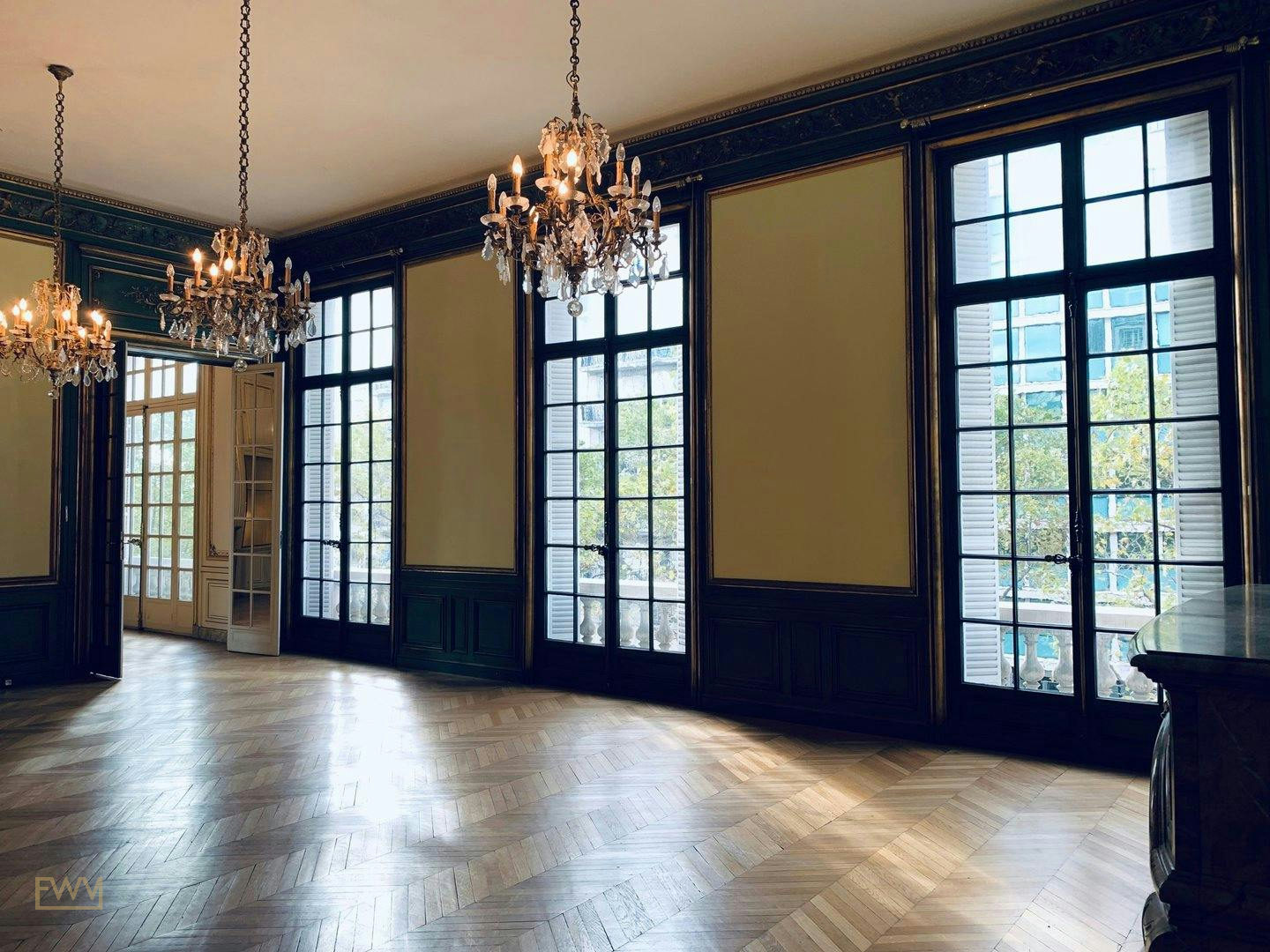
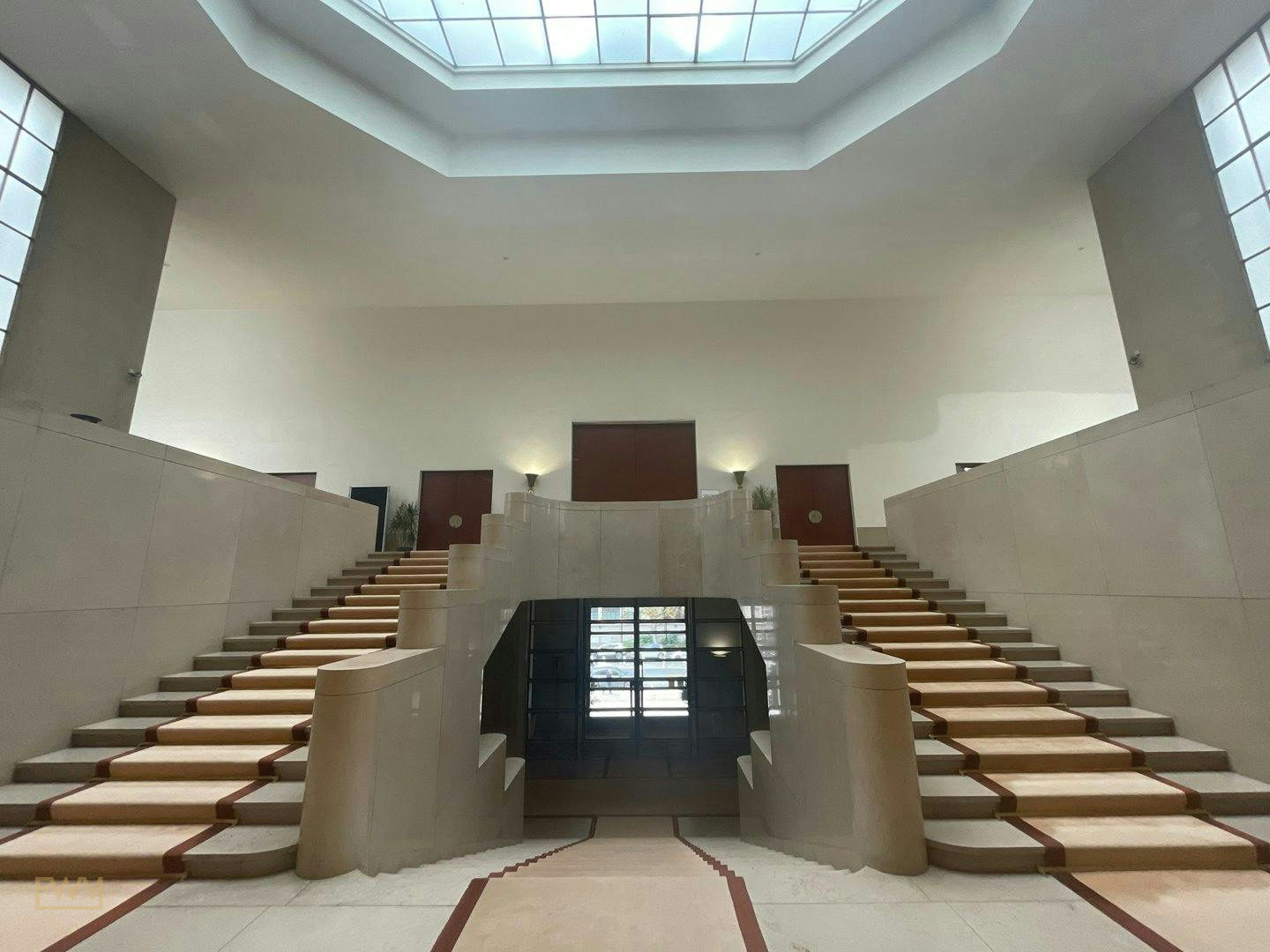
A pop up shop in Paris is one of the most commercially powerful tools available to fashion brands, beauty labels, emerging designers, and global retailers seeking to build presence in one of the world's most culturally influential cities. Paris is not simply a backdrop for temporary retail. It is an active participant in the brand story, lending credibility, aesthetic authority, and international media visibility to every activation that lands in the right space at the right moment. Whether you are planning a showroom during Paris Fashion Week, a short-term retail concept in Le Marais, or a brand activation near Place des Vosges, the decisions you make before signing a lease determine whether your Paris pop-up succeeds or stalls. Fashion Week Venues provides a dedicated Paris hub for brands navigating space sourcing, permits, production, and activation management in the French capital.
Why Paris Remains the World's Leading City for Pop-Up Retail
Quick answer: Paris combines unmatched cultural authority, a dense international tourist base, a well-developed infrastructure for short-term retail leases, and a fashion calendar that creates predictable windows of intense commercial opportunity. No other city in the world offers the same concentration of luxury consumers, press, and creative industry attention across a single calendar year.
Paris draws more than 30 million visitors annually across Île-de-France, with millions concentrated in central arrondissements that host the city's most iconic retail corridors. For brands seeking exposure to international consumers, press, stylists, buyers, and influencers, the French capital provides access at a scale that few cities can match. The city's arrondissements each carry distinct commercial personalities, from the polished luxury of Saint-Honoré and Vendôme to the creative energy of Le Marais and the intellectual prestige of Saint-Germain-des-Prés.
Paris Fashion Week sits at the apex of the global fashion calendar, operating twice annually for womenswear and once for menswear and haute couture. The womenswear ready-to-wear edition draws fashion houses, international press, buyers from every major retail group, and an expanding cohort of brand activations that run alongside the official runway shows. The July 2026 menswear and haute couture edition, scheduled from July 6 to 9, 2026, brings a concentrated period of foot traffic, media coverage, and cultural momentum that brands across fashion, beauty, and lifestyle actively pursue.
Beyond Fashion Week, Paris hosts Paris Design Week, FIAC, and a continuous rhythm of cultural events that sustain foot traffic and brand relevance throughout the year. The city's concept store culture, anchored by destinations like Dover Street Market on Rue des Francs-Bourgeois, Le Bon Marché Rive Gauche in the 6th arrondissement, and La Samaritaine in the 1st, sets a high bar for experiential retail that informed brands must match.
DID YOU KNOW: The ANDAM Pierre Bergé Prize, one of France's most prestigious fashion industry awards, has launched careers including Jonathan Anderson of JW Anderson, demonstrating how deeply Paris is embedded in the infrastructure of global fashion brand development.
Brands like Carhartt WIP, JW Anderson, and NEMOZENA have used Paris activations to signal cultural positioning to a global audience. The city's retail landscape rewards brands that arrive with a clear concept, a space that matches the neighbourhood's character, and a marketing strategy that extends the physical experience into social media, particularly Instagram, where Parisian brand activations consistently generate organic reach well beyond the activation window.
KEY TAKEAWAY: Paris offers a combination of cultural credibility, international audience density, a rich event calendar, and a maturing short-term rental market that makes it the most commercially logical city in the world for a brand's first or most important temporary retail activation.
Understanding which neighbourhood to choose, how to structure a short-term lease, and how to align your activation with the Paris calendar requires a level of market knowledge that this guide will build systematically.
The Best Neighbourhoods in Paris for a Pop-Up Shop
Quick answer: Le Marais, Saint-Germain-des-Prés, the Champs-Élysées corridor, the Rue Saint-Honoré axis, and the Châtelet area each serve distinct brand profiles and consumer demographics. The right neighbourhood depends on your target audience, price positioning, activation format, and budget.
Le Marais: The Creative and Commercial Heart of Paris Pop-Up Culture
Le Marais, spanning the 3rd and 4th arrondissements, is the most active pop-up destination in Paris by volume and diversity of activations. The district combines a historic architectural character with an exceptional density of concept stores, art galleries, independent fashion boutiques, and cultural institutions. The Musée Picasso, Maison de Victor Hugo, and Marché des Enfants-Rouges all sit within walking distance of the district's most commercially active streets, creating a visitor profile that blends cultural tourism with active shopping intent.
Rue des Francs-Bourgeois is the district's primary retail artery, offering exceptional visibility, consistent foot traffic, and a tenant mix that ranges from mainstream fashion retailers to premium independent labels. Dover Street Market at numbers 35 to 37 on this street anchors the area's fashion credentials, and its presence has drawn brands including Lili Curia, the British footwear label worn by artists including Karol G and Suki Waterhouse, whose Paris pop-up ran until July 9th, 2026, at Level -1 of the Dover Street Market building.
Rue des Rosiers, traditionally the heart of the Jewish quarter and one of the city's most photographed streets, attracts both local Parisians and international visitors. The Galerie Turenne, Turenne Boutique, and Galerie d'art spaces in this part of Le Marais offer flexible rental configurations suited to jewellery, accessories, and small-format fashion brands. Place des Vosges, immediately adjacent to the core retail zone, provides a formal architectural setting that elevates brand perception for luxury and premium activations.
The Carreau du Temple, a converted 19th-century covered market in the 3rd arrondissement near Place de la République, offers a larger-format event and retail space popular with brands seeking an industrial aesthetic combined with significant floor area. It has hosted brand activations, fashion presentations, and mixed-use events across fashion, beauty, and lifestyle categories.
Anthony Calydon's pop-up at 37 Rue Debelleyme in the 3rd arrondissement on July 25th and 26th, 2026, is an example of how emerging fashion brands use Le Marais to build brand recognition through tightly timed, carefully located activations. The brand's signature knitted bags in pastel pink, sunny yellow, and baby blue are precisely the kind of photogenic, limited-edition product that performs strongly in Le Marais's Instagram-active consumer environment.
Jihan's pop-up at 6 Rue Charles-François Dupuis in the 3rd arrondissement, running until July 4th, 2026, reflects the same strategic logic: a concentrated, time-limited presence in a high-awareness location during a peak cultural window.
Saint-Germain-des-Prés: Intellectual Prestige and Premium Consumer Density
Saint-Germain-des-Prés, centred on the 6th arrondissement, carries a literary and intellectual brand heritage that translates directly into retail credibility for premium and luxury brands. Le Bon Marché Rive Gauche anchors the district commercially, drawing a consistently affluent, culturally engaged consumer base. Rue Jacob and its surrounding streets support a cluster of independent design studios, fine art dealers, and premium concept spaces.
The Chauvin Paris x L'Objet pop-up ran at 30 Rue Jacob from June 11th to July 4th, 2026, illustrating how the district suits lifestyle, design, and home-focused brand collaborations that seek association with Parisian intellectual culture rather than pure fashion-forward positioning.
Brands operating in Saint Germain des Prés benefit from lower retail noise compared to Le Marais, which translates into a more considered, less transactional consumer encounter. Dwell times tend to be longer, conversion rates for premium products are higher, and press coverage often frames activations here with a more editorial tone.
Rue Saint-Honoré, Vendôme, and the Luxury Corridor
The Rue Saint-Honoré axis, extending west to the Place Vendôme, is the canonical address for luxury brand activations in Paris. Fashion houses, fine jewellers, and prestige beauty brands consistently choose this corridor for its association with haute couture heritage, its proximity to the Ritz Paris and the Place Vendôme jewellery cluster, and its consumer base of ultra-high-net-worth domestic and international shoppers.
JW Anderson's pop-up at 15 Rue du Louvre in the 1st arrondissement, running from July 9th to September 24th, 2026, positions the brand at the intersection of the Châtelet area and the luxury corridor, capturing both tourist foot traffic from Rue de Rivoli and the fashion-aware consumer base that gravitates toward the 1st arrondissement during Fashion Week.
Champs-Élysées and the Tourist Retail Zone
The Champs-Élysées provides the highest volume of foot traffic of any retail corridor in Paris, drawing a mix of international tourists, domestic shoppers, and event visitors. Brands seeking maximum volume exposure, particularly in beauty, lifestyle, streetwear, or pop culture categories, benefit from the area's sheer pedestrian density. Retail space rental rates here reflect the location premium, and the consumer profile skews toward impulse and experience-driven purchasing rather than the considered luxury spend that characterises Vendôme or the curated discovery of Le Marais.
KEY TAKEAWAY: Neighbourhood selection is the single most consequential decision in your Paris pop-up planning process. Every other variable, from space configuration to marketing strategy, follows from your choice of location and the audience it serves.
To compare neighbourhoods and space types, explore the Paris city hub on Fashion Week Venues and shortlist spaces that match your brief, budget, and calendar window.
| Neighbourhood | Arrondissement | Best For | Key Landmarks | Consumer Profile |
|---|---|---|---|---|
| Le Marais | 3rd and 4th | Fashion, streetwear, art, emerging brands | Dover Street Market, Place des Vosges, Musée Picasso | International tourists, fashion-aware locals, buyers |
| Saint-Germain-des-Prés | 6th | Luxury, design, lifestyle, home | Le Bon Marché, Rue Jacob, Église Saint-Germain | Affluent domestic and international shoppers |
| Rue Saint-Honoré and Vendôme | 1st and 8th | Haute couture, fine jewellery, prestige beauty | Place Vendôme, Ritz Paris, Palais Royal | Ultra-high-net-worth, fashion press, VIP buyers |
| Châtelet and Rue de Rivoli | 1st | Fashion, mixed retail, accessible luxury | Centre Pompidou, La Samaritaine, Les Halles | High volume, diverse international tourists |
| Champs-Élysées | 8th | Beauty, lifestyle, streetwear, mass premium | Arc de Triomphe, flagship retail corridor | High-volume tourist and domestic shoppers |
Types of Pop-Up Spaces Available in Paris
Quick answer: Paris offers a wide spectrum of short-term retail spaces including boutique storefronts, gallery spaces, loft formats, showrooms, covered market halls, and concept store concessions. The right format depends on your brand's visual identity, product category, activation objective, and target audience.
The Paris short-term retail market has matured significantly, driven by platforms including Storefront, Go-PopUp, and specialist agencies that have formalised what was once an informal submarket. Property managers across the city's prime arrondissements now routinely structure their commercial space portfolios to accommodate short-term rental demand, particularly during Paris Fashion Week windows and the summer tourist peak.
Boutique Storefronts and Street-Level Retail Units
Small-to-medium street-level units ranging from approximately 30 to 150 square metres are the most commonly sought format for fashion and beauty pop-ups in Paris. These spaces offer window display frontage, which is critical for capturing spontaneous foot traffic, and a self-contained environment that allows full brand control over merchandising, layout, and customer experience. The Charlot' Store and Chic Event Space configurations in the 3rd arrondissement are examples of the boutique format adapted for short-term rental, offering turnkey setups that reduce fit-out time and cost for activating brands.
Art Gallery and Galerie Spaces
Paris's exceptional density of art galleries creates a secondary market of gallery spaces available for short-term retail use during periods when the gallery's primary exhibition programme pauses. Spaces such as Galerie d'exception and similar formats in Le Marais and Saint-Germain-des-Prés offer high ceilings, clean white wall finishes, polished concrete or parquet floors, and a cultural ambience that elevates fashion, jewellery, and object-based brand presentations. These spaces suit brands that want to frame their product as collectible, artistic, or design-led rather than purely commercial.
Showrooms for Fashion Week Presentations
During Paris Fashion Week, showrooms serve a distinct commercial function from retail pop-ups. A showroom is a controlled environment for presenting collections to press, buyers, and wholesale accounts, with selling happening through order placement rather than immediate point-of-sale transaction. Showroom spaces in Paris typically require longer booking lead times, particularly for the September and March ready-to-wear windows, and demand is highest in the 1st, 3rd, 4th, and 6th arrondissements. Brands entering Paris Fashion Week for the first time should engage specialist venue sourcing support at least three to four months before their target season.
Concept Store Concessions and Shop-in-Shop Formats
Brands that prefer a lower-risk Paris entry can pursue concession space within an established concept store or department store. Le Bon Marché Rive Gauche operates a structured programme of temporary brand concessions. La Samaritaine, reopened after its landmark renovation, accommodates select brand partnerships. Carreau du Temple hosts periodic market and activation formats. These formats reduce the commercial risk of standalone rental while providing access to an established foot traffic base and retail infrastructure.
Industrial and Event Spaces
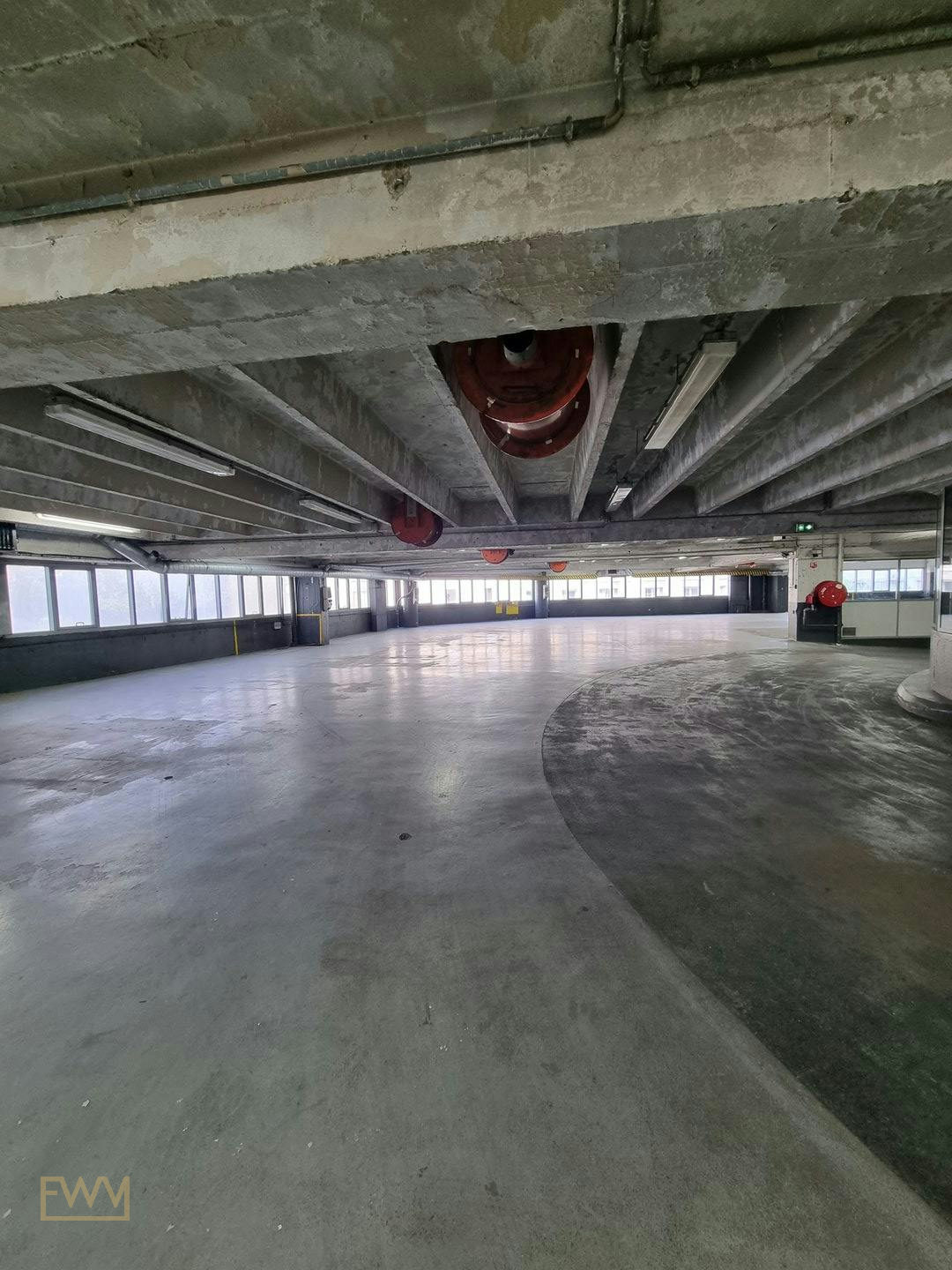
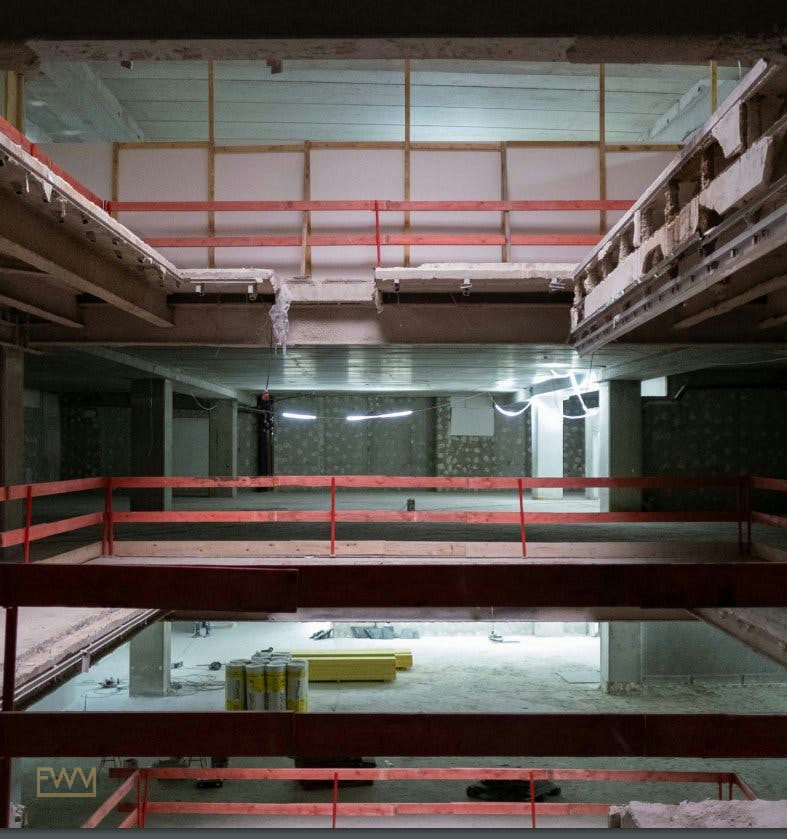
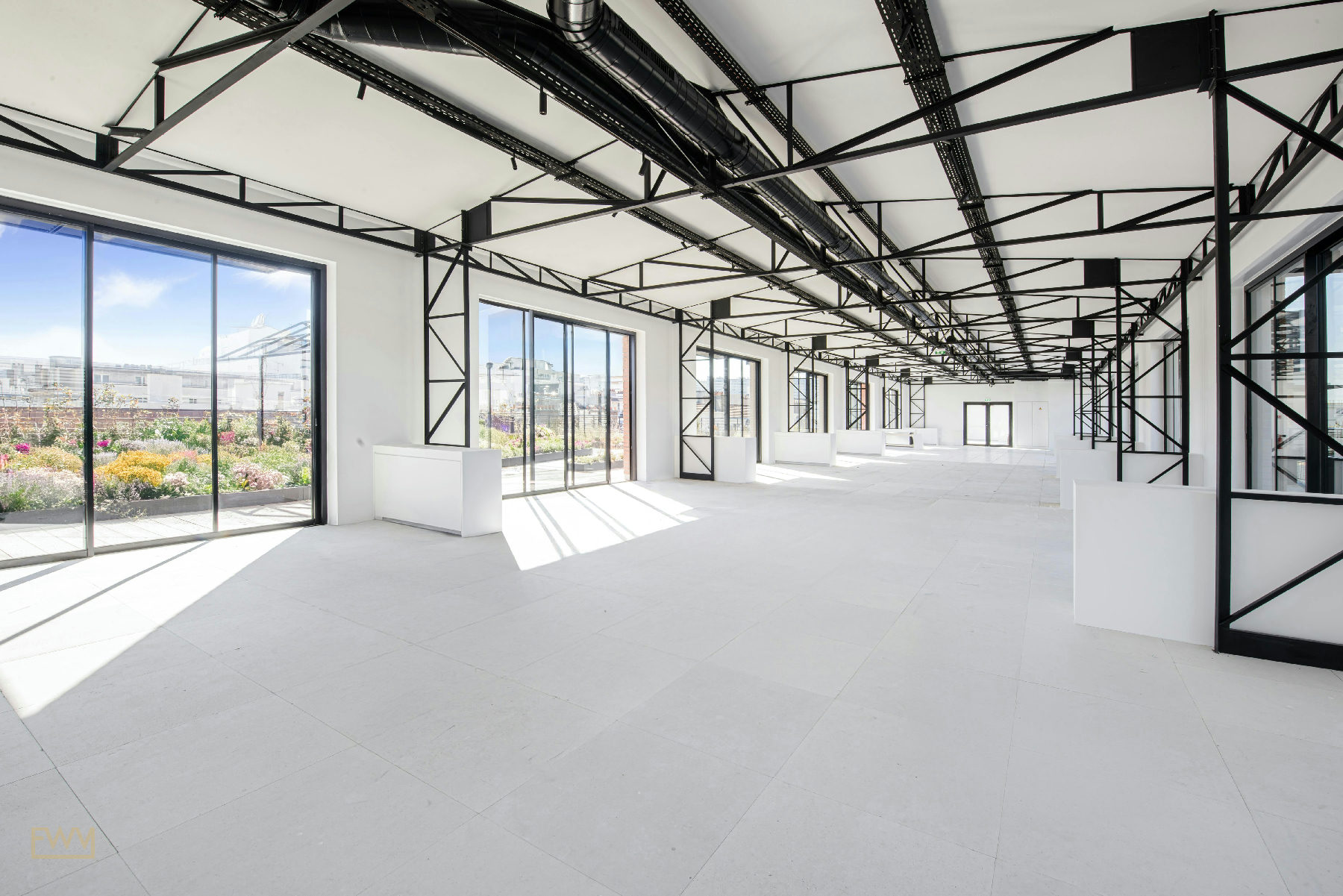
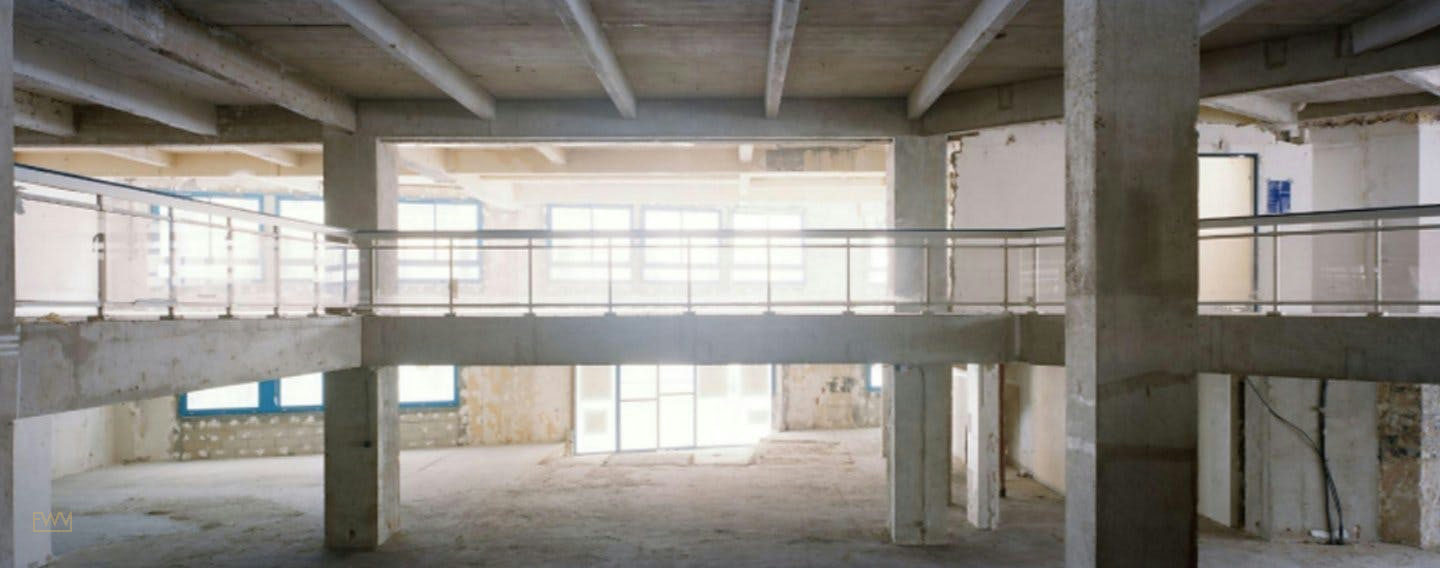
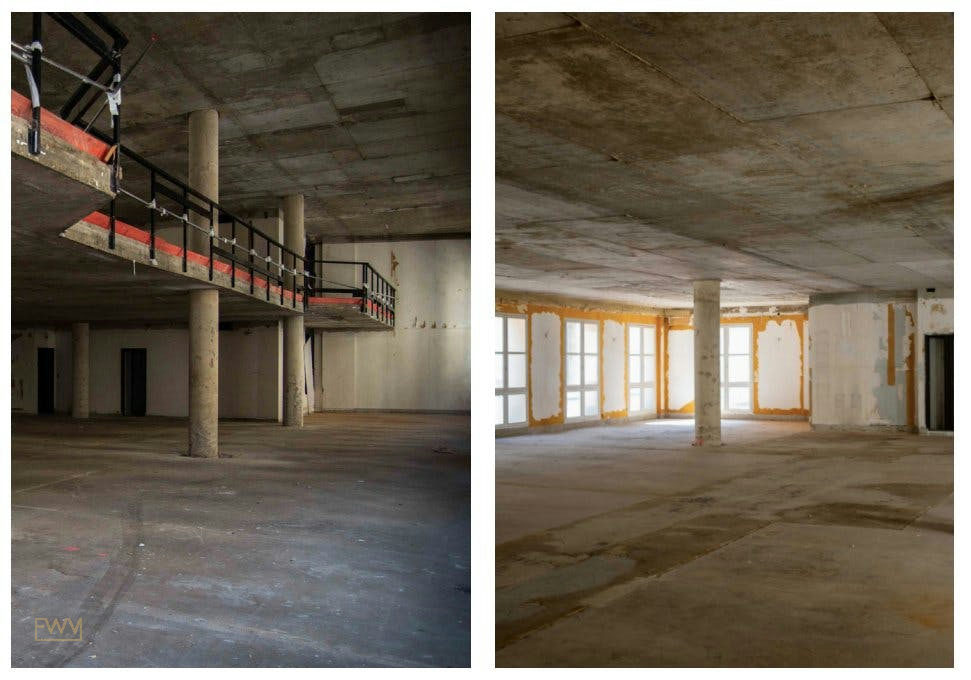
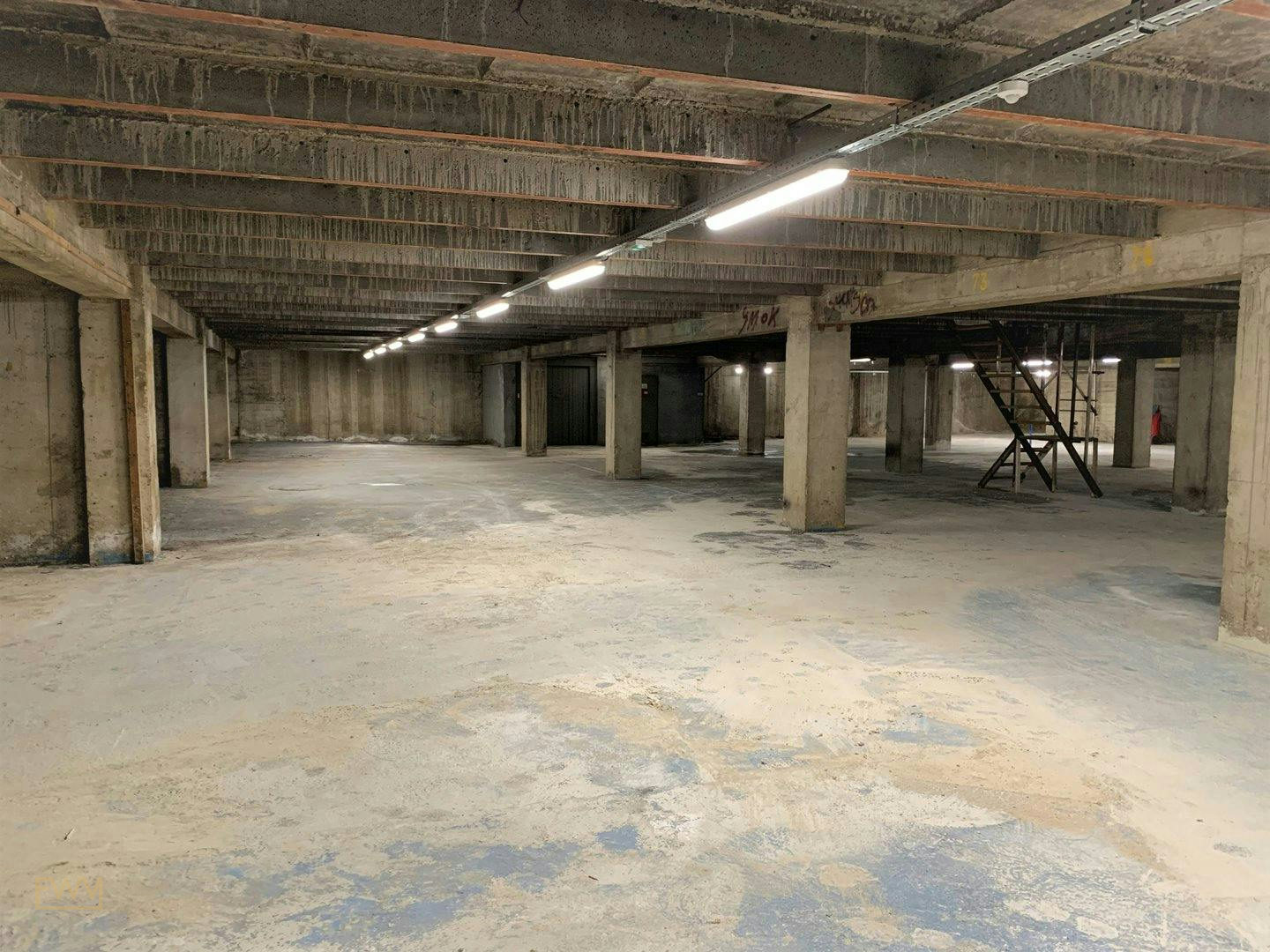
For brands seeking larger footprints for immersive experiences, private exhibitions, product launches, or combined fashion and lifestyle events, Paris offers a range of industrial conversion spaces, converted depots, and private event venues. These spaces are particularly suited to brands in streetwear, music-adjacent lifestyle categories, or those seeking to create a spectacle-scale activation that generates social media coverage and press attendance rather than direct retail sales.
KEY TAKEAWAY: Matching your space format to your brand's activation objective is as important as choosing the right neighbourhood. A showroom and a retail pop-up are commercially distinct formats that serve different purposes, audiences, and success metrics.
| Space Type | Typical Size | Best Activation Format | Key Consideration |
|---|---|---|---|
| Boutique storefront | 30 to 150 sqm | Direct retail, product launch, brand awareness | Window display frontage essential |
| Art gallery | 50 to 300 sqm | Luxury retail, design objects, private preview | Cultural ambience elevates brand perception |
| Showroom | 80 to 400 sqm | Press and buyer presentations, wholesale orders | Long lead times required during Fashion Week |
| Concept store concession | 5 to 40 sqm | Brand introduction, lower-risk entry | Established traffic base, shared brand environment |
| Industrial or event space | 200 to 1,000 sqm | Immersive experiences, brand launches, events | High production cost, strong social media potential |
| Covered market hall | Variable | Multi-brand markets, streetwear, vintage, food-led retail | Carreau du Temple format, shared visitor base |
Paris Fashion Week: The Calendar Window Every Brand Should Understand
Quick answer: Paris Fashion Week operates across four annual editions covering menswear, haute couture, and womenswear ready-to-wear. Each edition creates a concentrated window of media attention, buyer presence, and consumer engagement that brands with pop-ups or showrooms in the city can capture through strategic timing and location.
The Paris Fashion Week calendar is structured around four primary editions. The January haute couture week and the July menswear and haute couture week serve the formal fashion house schedule and draw an audience of press, buyers, and industry professionals concentrated in the 1st, 4th, and 8th arrondissements. The March and September womenswear ready-to-wear editions are the largest commercial windows, attracting the broadest international media presence and the highest volume of buyer activity.
The July 2026 menswear and haute couture schedule, running from July 6 to 9, 2026, encompasses runway shows, exhibitions, and brand happenings across central Paris. During this window, the city's primary retail districts see significant increases in foot traffic from international visitors who combine runway attendance with retail activity. Brands with active pop-ups or showrooms during this period benefit from organic discovery by press, stylists, influencers, and buyers who are moving through the city's fashion-active zones throughout the day.
Brands considering a Paris Fashion Week activation should understand that the most desirable spaces in Le Marais, near the Palais Royal, and along Rue Saint-Honoré are typically booked months in advance for the September and March windows. The July and January windows, while smaller in commercial scale, offer better space availability and often lower rental rates, making them strategically attractive for emerging brands that want to build a Paris presence before committing to the busier and more expensive spring and autumn seasons.
IMPORTANT: Rental agreements for Paris Fashion Week windows typically require significantly longer lead times than standard short-term leases. Brands targeting the September womenswear week should begin space sourcing by May at the latest. Brands targeting March should begin by November of the preceding year.
Beyond the formal runway schedule, Paris Fashion Week supports an ecosystem of satellite events, brand activations, private dinners, and informal presentations that extend the commercial and cultural impact of the official calendar. Brands including NEMOZENA and emerging ANDAM Prize-supported designers have used this satellite ecosystem to build awareness and generate press coverage without the financial commitment of a full runway show.
For brands wanting to understand how their timeline aligns with the Paris calendar, the timeline planning tool on Fashion Week Venues provides a structured framework for mapping activation milestones against calendar windows.
KEY TAKEAWAY: Aligning your pop-up or showroom activation with a Paris Fashion Week edition amplifies your commercial return on every component of the activation investment, from space rental to marketing spend to press outreach.
Permits, Regulations, and Legal Framework for Pop-Up Shops in Paris
Quick answer: Running a pop-up shop in Paris requires navigating French commercial tenancy law, temporary occupation permits, fire safety standards, and electrical safety compliance. Requirements vary significantly by space type, arrondissement, duration, and the specific terms negotiated with the property manager. Specialist legal advice is strongly recommended before signing any agreement.
The legal framework governing short-term retail in Paris differs fundamentally from standard French commercial leases. A standard commercial lease in France is governed by the statut des baux commerciaux, which creates a minimum nine-year commitment with significant tenant protections and landlord obligations. Short-term retail activations require alternative structures that fall outside this framework.
Bail Dérogatoire
The bail dérogatoire, sometimes called a short-term commercial lease or lease dérogation, allows landlords and tenants to agree a commercial tenancy outside the standard nine-year framework for a maximum duration of three years. This structure is commonly used for pop-up retail, brand activations, showrooms, and temporary concept stores. Once the three-year maximum is reached, the lease automatically converts to a standard commercial lease unless both parties formally agree otherwise. The bail dérogatoire requires explicit written agreement from both parties and must clearly state that both parties intend to derogate from the standard commercial lease statute.
Autorisation d'Occupation Temporaire (AOT)
For brands seeking to occupy public domain space, such as sidewalk extensions, public squares, or areas adjacent to publicly owned buildings, an Autorisation d'Occupation Temporaire is required. AOTs are granted by the relevant public authority, typically the mairie of the relevant arrondissement or the Paris municipal government, and are subject to specific conditions, duration limits, and fees. AOTs are more commonly relevant for outdoor activations, market stalls, or extensions of indoor retail into public space than for standard indoor pop-up shops.
Fire Safety and Electrical Safety
All retail spaces in Paris that receive members of the public are classified as Établissements Recevant du Public (ERP) and are subject to French fire safety regulations administered under the Code de la Construction et de l'Habitation. These regulations govern emergency exit access, fire extinguisher placement and certification, electrical installation compliance, and maximum occupancy limits. Brands taking on a short-term retail space are typically responsible for verifying that the space meets ERP standards for their category and intended occupancy level. Electrical safety compliance, particularly for any bespoke lighting or branded electrical installations added during fit-out, requires verification by a qualified French electrician.
Insurance
Brands operating pop-up shops in Paris require at minimum a responsabilité civile professionnelle (professional liability) policy and typically a combined policy covering the rented premises, stock and inventory, public liability, and any production installations. Many landlords and property managers require proof of insurance before handing over keys, and some specify minimum coverage levels in the rental agreement. Brands should verify their existing international insurance policies carefully before assuming coverage extends to a French commercial retail activation.
IMPORTANT: Requirements for permits, fire safety compliance, and insurance vary by space type, duration, location, and the specific terms of your rental agreement. Verify all regulatory requirements with a qualified French legal advisor before committing to a space. For a structured starting point, the permits guidance tool on Fashion Week Venues can help you identify the key questions to address.
KEY TAKEAWAY: French commercial tenancy law and safety regulations are complex, and short-term retail structures require specialist legal knowledge. Engaging a French commercial lawyer or specialist agency before signing any agreement protects your brand from costly errors and compliance failures.
Budgeting for a Pop-Up Shop in Paris
Quick answer: The total cost of a Paris pop-up shop depends on neighbourhood, space size, duration, fit-out complexity, staffing requirements, marketing investment, and permit costs. Brands should approach budgeting as a multi-line exercise covering space rental, production, operations, marketing, and contingency rather than treating rental rate as the primary cost variable.
Rental rates for pop-up spaces in Paris vary considerably across arrondissements, space types, and seasonal demand peaks. Rates in Le Marais, Saint-Germain-des-Prés, and the Rue Saint-Honoré corridor command a premium over comparable spaces in less commercially active areas. Fashion Week windows, particularly September and March, attract a further premium over standard calendar periods. Directional estimates only should be used at the planning stage, and brands should use specialist tools and agency guidance to develop brand-specific budget models.
Beyond space rental, brands consistently underestimate the cost components that determine whether a Paris pop-up delivers return on investment. These include fit-out and production, which covers everything from wall treatments and lighting to branded fixtures, furniture rental, and display systems. Staffing costs must account for French employment regulations, including minimum wage requirements, social charges, and the practical need for bilingual or multilingual staff capable of serving an international consumer base. Point-of-sale systems adapted for VAT and currency requirements, packaging, insurance, and contingency for permit delays or fit-out overruns all add to the total cost picture.
Cashflow management is a particular consideration for smaller brands. Paris landlords and property managers typically require a deposit equivalent to one to two months' rental at signing, which combined with upfront fit-out costs can create a significant cash requirement before the activation generates any revenue. Brands should model their cashflow projections carefully and ensure they have sufficient working capital to cover the full activation period plus a contingency buffer.
TIP: Use the budget estimation tool on Fashion Week Venues to build a line-by-line cost model for your Paris activation before approaching spaces or agencies. A realistic budget model prevents the most common planning failures in short-term retail.
Return on investment for a Paris pop-up should be assessed across multiple dimensions, not purely direct sales revenue. Brand recognition gains, press and influencer coverage value, customer feedback and market intelligence, wholesale buyer engagement, social media content generation, and long-term brand positioning in the Paris market all contribute to the total return. For fashion brands considering a Paris activation as a market entry strategy, the brand positioning value may exceed direct sales revenue in the short term, making a realistic ROI model an essential planning document. The ROI calculator on Fashion Week Venues supports this multi-dimensional assessment.
KEY TAKEAWAY: Budget for a Paris pop-up as a total activation investment, not simply a rental agreement. Every cost line from fit-out to staffing to insurance affects your return, and brands that model the full cost picture before committing to a space consistently achieve better commercial outcomes.
Marketing Your Paris Pop-Up: Social Media, Influencers, and Local Partnerships
Quick answer: Effective marketing for a Paris pop-up combines pre-launch social media and press outreach, in-activation content generation, influencer partnerships, and local collaborations that extend your reach into the Parisian cultural ecosystem. Instagram remains the primary organic discovery channel for fashion and lifestyle pop-ups in Paris.
A Paris pop-up without a marketing strategy is a retail space that happens to be located in Paris. The city's consumer culture is highly attuned to brand storytelling, and Parisian shoppers and tourists alike respond more strongly to pop-ups that communicate a clear concept, a limited-time urgency, and a visual identity that justifies the visit. Your marketing strategy must begin at least four to six weeks before opening, building awareness among both local Parisian audiences and the international visitors who will be in the city during your activation window.
Instagram and Social Media Strategy
Instagram is the most important organic discovery channel for fashion and lifestyle pop-ups in Paris. A well-executed Instagram presence for a Paris pop-up should include clear location tagging, neighbourhood hashtags, Paris Fashion Week tags where relevant, and a content mix that balances product presentation with environmental storytelling that communicates the Parisian context of the activation. Reels and Stories that capture the activation space, the neighbourhood setting, and behind-the-scenes moments of brand building in Paris consistently outperform static product imagery in reach and engagement.
One practical challenge that brands frequently encounter is consumer difficulty in finding a brand's Instagram after a physical encounter. A brand whose product resonates with a customer in-store but whose Instagram is difficult to locate loses a significant proportion of post-visit engagement. Clear, visible social media signage within the space, QR codes linking to a Linktree or equivalent profile aggregator, and consistent username display on all packaging and receipts address this gap.
Influencer Partnerships
Influencer marketing for a Paris pop-up works most effectively when influencers are engaged as genuine collaborators rather than promotional mouthpieces. Inviting influencers to private previews, involving them in the curation of a limited capsule, or partnering with Paris-based creators who have authentic relationships with the city's fashion and cultural communities generates more credible content than standard paid post arrangements. The reach required to generate meaningful commercial impact from influencer activity varies significantly by category, price point, and brand maturity. Rather than focusing solely on follower count, brands should assess engagement quality, audience geography, and the influencer's credibility within the specific taste community the brand is targeting.
Local Collaborations and Cultural Partnerships
Brands that integrate local partnerships into their Paris activation strategy consistently achieve stronger results than those that operate in isolation. Collaborating with a Paris-based artist, working with a Parisian food or beverage brand to create an in-store hospitality moment, or partnering with a local cultural institution to frame the activation within a broader Paris Design Week or FIAC context elevates the brand's perceived authenticity and generates press and social media attention that extends beyond the brand's existing audience.
Workshops, private previews, and intimate brand events held within the pop-up space create content opportunities and generate the kind of community-building moments that translate into long-term customer relationships rather than one-time transactions. Brands in the vintage, sustainability, or responsible fashion space can additionally leverage the growing Vinted-generation consumer interest in considered purchasing by framing their pop-up as a counterpoint to overproduction, using the physical space to communicate brand values as clearly as it communicates product.
KEY TAKEAWAY: Marketing a Paris pop-up effectively requires integrating digital, influencer, and local partnership strategies into a coherent narrative that extends the physical activation across every channel your target consumer uses to discover and evaluate brands.
For support with the influencer and marketing dimensions of a Paris activation, explore Fashion Week Venues' influencer marketing service as part of a full-service activation brief.
How Fashion Week Venues Supports Paris Pop-Up Activations
Quick answer: Fashion Week Venues is a full-service pop-up agency and space marketplace that supports fashion, beauty, and lifestyle brands across every stage of a Paris activation, from space discovery and venue sourcing to concept development, production, staffing, and post-activation analysis.
Fashion Week Venues operates as both a curated space marketplace and a full-service activation agency, which means brands can engage at whatever level of support their team requires. For brands with strong internal creative and production capability that need primarily space discovery and lease negotiation support, the marketplace provides a searchable inventory of spaces across Paris's key neighbourhoods with filtering by size, type, duration, and location. For brands entering Paris for the first time or seeking end-to-end delivery of a complex activation, Fashion Week Venues offers integrated services that cover the complete project from brief to closing.
The agency's venue sourcing service addresses the most common bottleneck in Paris pop-up planning: identifying spaces that match a brand's brief, are available for the required dates, have appropriate permit histories, and can be accessed on a legally sound short-term basis. The sourcing team's market knowledge across Paris arrondissements, combined with established relationships with property managers and space owners, accelerates a process that brands approaching the market cold typically find time-consuming and opaque.
Concept direction and branded store design services support brands in translating their brand universe into a physical retail environment that performs commercially and communicates brand values clearly within the spatial and regulatory constraints of a short-term Paris tenancy. Furniture rental reduces fit-out cost and logistics complexity for brands that do not have a Paris-based production team. Production and build services cover the full fit-out process including bespoke fabrication, lighting, flooring, and electrical installations compliant with French safety standards.
Retail staffing provides bilingual and multilingual sales associates and brand ambassadors familiar with the Parisian retail environment. POS and payments systems adapted for French VAT requirements and international payment methods remove a practical operational barrier for brands based outside France. Data and analytics support brands in measuring foot traffic, dwell time, conversion rates, and average transaction value across the activation period, providing the evidence base for future Paris strategy decisions.
For brands interested in a collaborative approach, the Twin concept on Fashion Week Venues enables two complementary brands to co-activate in a shared space, splitting rental cost while creating a combined offering that can attract a broader audience and generate more social media content than either brand would achieve alone. The Twin co-activation concept is particularly well suited to emerging brands with aligned but distinct aesthetics targeting overlapping consumer bases.
Brand teams that want to understand what a Paris activation might look like before committing can use the Imagine visualisation tool and the Build planning tool to explore spatial configurations and production approaches. The Compare tool supports space shortlisting, and the Locator tool maps available spaces by neighbourhood. Brands with prior Paris experience seeking to assess the commercial case for a repeat or expanded activation can use the ROI calculator to model projected returns against historical benchmarks.
IMPORTANT: Fashion Week Venues does not guarantee space availability, permit approval, or specific commercial outcomes. The agency operates as a specialist partner that significantly improves the efficiency and quality of the planning and activation process, but brands retain responsibility for their own commercial decisions and legal compliance.
To understand how the full-service process works before engaging, visit the agency process page and review the case studies in the work section for examples of past activations across categories and cities.
KEY TAKEAWAY: Fashion Week Venues removes the information asymmetry, logistical complexity, and regulatory uncertainty that makes Paris pop-up planning difficult for brands without established French market experience. Engaging the right agency partner at the planning stage is the most efficient investment a brand can make in the success of its Paris activation.
Digital Presence, Sustainability, and Emerging Retail Concepts in Paris
Quick answer: The Paris pop-up landscape increasingly integrates digital extensions, sustainability messaging, and experiential retail concepts that go beyond traditional selling. Brands that treat their Paris pop-up as a content production environment, a community building moment, and a sustainability statement alongside a commercial space consistently generate higher returns across all metrics.
The intersection of physical retail and digital presence is particularly pronounced in the Paris market. Consumers who visit a pop-up in Le Marais or Saint-Germain-des-Prés are highly likely to seek out the brand online following their visit, meaning that the quality of the brand's digital presence determines what percentage of in-store visitors convert into long-term customers and community members. Brands should ensure that their website, Instagram, and any direct-to-consumer channels are optimised and up to date before opening their Paris space.
Sustainability has moved from a brand differentiator to a consumer expectation in the Paris market, particularly among the culturally aware, internationally mobile consumers who populate Le Marais and Saint-Germain-des-Prés. Brands that can authentically communicate their approach to materials, production, packaging, and inventory management, including addressing the overproduction problem that plagues fashion retail, find that this transparency builds trust and loyalty that translates into both in-activation sales and long-term brand affinity.
Paris Design Week and FIAC create additional cultural calendar windows that brands in design, art, and lifestyle categories can align with beyond the Fashion Week calendar. These events draw culturally engaged Parisian consumers and international design and art market visitors who represent a distinct but commercially valuable audience for brands with strong design credentials.
Experiential retail concepts including gachapon machines stocked with branded figurines, gadgets, and collectibles have emerged as effective engagement tools for brands in streetwear, pop culture, and lifestyle categories. These mechanisms create an element of surprise and collectibility that drives repeat visits, social media sharing, and content generation organically. The key is ensuring that the experiential element is congruent with the brand's overall positioning and adds genuine entertainment or discovery value for the consumer rather than appearing as a disconnected novelty.
Digital products, limited-edition collaborations, and private exhibition formats are increasingly common within Paris pop-up spaces, particularly for brands that want to create a cultural event rather than a transactional retail moment. Brands partnering with Paris-based artists or cultural institutions can frame their pop-up as a private exhibition that happens to include a retail component, which can generate press coverage from cultural media outlets that do not typically cover brand activations.
KEY TAKEAWAY: The most successful Paris pop-ups in 2026 treat the physical space as one layer of a multi-channel brand activation that integrates digital storytelling, cultural partnerships, sustainability communication, and experiential mechanics to create a durable impression that extends well beyond the activation window.
Step-by-Step: How to Plan and Execute a Paris Pop-Up Shop
Quick answer: Successful Paris pop-up planning follows a structured sequence that begins with strategic objective setting and ends with post-activation analysis. Brands that skip or compress early planning stages consistently encounter avoidable problems with space availability, permit compliance, fit-out timelines, and budget overruns.
The planning horizon for a Paris pop-up depends on the scale of the activation and its alignment with the Paris calendar. A straightforward short-term retail activation in a turnkey space in Le Marais can be planned and executed in six to eight weeks if space availability allows. A Fashion Week showroom or a bespoke immersive concept in a raw space requires a minimum of three to four months and often longer for the most competitive calendar windows.
| Stage | Activity | Timeline Before Opening | Key Decision |
|---|---|---|---|
| 1. Strategic Brief | Define objectives, audience, budget envelope, and success metrics | 16 to 20 weeks | Retail pop-up vs showroom vs brand event |
| 2. Calendar Alignment | Identify target opening window relative to Paris Fashion Week or other events | 16 to 20 weeks | Fashion Week edition vs standalone calendar window |
| 3. Neighbourhood and Space Shortlist | Research arrondissement fit, space types, and available listings | 12 to 16 weeks | Primary neighbourhood and backup options |
| 4. Legal and Permit Review | Engage French legal advisor, review bail dérogatoire terms, assess permit requirements | 10 to 14 weeks | Lease structure and insurance coverage |
| 5. Space Agreement | Finalise rental agreement, deposit, and access terms | 8 to 12 weeks | Duration, break clauses, and restoration obligations |
| 6. Concept and Design | Develop spatial concept, merchandising plan, and visual identity for the space | 8 to 10 weeks | Fit-out approach and furniture specification |
| 7. Production and Build | Procure materials, fabricate bespoke elements, manage fit-out | 4 to 8 weeks | Compliance with French fire and electrical safety standards |
| 8. Staffing and Operations | Recruit and brief bilingual staff, set up POS and payments, confirm delivery logistics | 3 to 4 weeks | French employment and tax obligations |
| 9. Marketing Launch | Activate social media, press outreach, influencer briefing, and local partnerships | 4 to 6 weeks | Instagram strategy and influencer selection |
| 10. Activation and Measurement | Open, operate, collect data, respond to customer feedback, generate content | During activation | Daily sales, foot traffic, and conversion monitoring |
| 11. Deactivation and Analysis | Restore space, finalise accounts, compile performance data, assess ROI | Immediately post-close | Lessons for next Paris activation or expansion |
For brands managing this process with a small internal team, the complexity of simultaneous progress across legal, design, logistics, and marketing workstreams makes agency support a practical investment rather than an optional convenience. The guide on how to hire a pop-up agency outlines what to look for when selecting a partner for your Paris activation.
KEY TAKEAWAY: Paris pop-up planning is a multi-stage project management exercise that rewards early starts, structured decision-making, and specialist support at the legal, design, and operations stages. Brands that approach it as a simple rental agreement consistently underperform against those that treat it as a full activation campaign.
Common Myths About Pop-Up Shops in Paris Debunked
MYTH: You need a French legal entity to rent a pop-up space in Paris.
FACT: Many property managers and space platforms in Paris will rent to foreign legal entities, provided that appropriate documentation, insurance, and in some cases a French guarantor or rental deposit are in place. The bail dérogatoire framework is accessible to international brands, though the specific requirements vary by landlord and space. Engaging a French legal advisor before signing any agreement ensures your structure is appropriate for your situation.
MYTH: Paris Fashion Week is the only viable calendar window for a pop-up activation.
FACT: Paris Fashion Week creates premium commercial conditions, but the city supports successful pop-up activations throughout the year. Summer tourist peaks, Paris Design Week, FIAC, the Christmas retail period, and standalone calendar moments all offer strong commercial windows for brands in appropriate categories. Brands that align their activation with a relevant cultural event rather than defaulting to Fashion Week often find better space availability and more competitive rental rates.
MYTH: Commission brokers or platform listings are the only way to find a short-term retail space in Paris.
FACT: While platforms including Storefront and Go-PopUp provide useful discovery tools, they represent only a portion of the available short-term retail market in Paris. Specialist agencies with established property manager relationships, direct negotiation capabilities, and local market knowledge provide access to spaces that do not appear on public listings platforms, and can negotiate terms that reflect a brand's specific activation requirements rather than standard platform contract terms.
MYTH: Short-term retail leases in Paris are legally straightforward and require no specialist legal review.
FACT: The bail dérogatoire framework contains specific formal requirements that, if not met correctly, can result in the lease being reclassified as a standard nine-year commercial lease with all associated obligations. Fire safety, electrical compliance, and insurance requirements are substantive obligations, not administrative formalities. French commercial law differs materially from UK, US, and other international frameworks, and assumptions based on experience in other markets frequently lead to avoidable errors. Always engage a qualified French commercial lawyer before signing any short-term retail lease in Paris.
MYTH: A Paris pop-up should be evaluated purely on its direct sales revenue.
FACT: Brand recognition, press coverage, buyer engagement, influencer content generation, customer feedback, social media reach, and long-term market positioning all contribute meaningfully to the return on a Paris activation investment. Brands that measure their Paris pop-up purely on sales figures during the activation window consistently undervalue the strategic return and make poorly informed decisions about whether and how to return to the Paris market.
Frequently Asked Questions About Pop-Up Shops in Paris
What is a pop-up shop in Paris?
A pop-up shop in Paris is a temporary retail space activated for a defined period ranging from a single day to several months. Pop-up shops in Paris are used by fashion brands, beauty labels, lifestyle companies, emerging designers, and international retailers to build brand presence, test new markets, launch collections, engage directly with consumers, and generate press and social media coverage in one of the world's most commercially and culturally influential cities. They differ from permanent retail by their short-term lease structures, typically using a bail dérogatoire, and their activation-focused commercial model.
How much does a pop-up shop cost in Paris?
The total cost of a Paris pop-up shop varies considerably depending on neighbourhood, space size, duration, fit-out complexity, staffing requirements, insurance, and marketing investment. Space rental rates differ significantly between Le Marais and the Champs-Élysées, between Fashion Week periods and standard calendar windows, and between turnkey spaces and raw units requiring full fit-out. Brands should budget for the total activation cost across all workstreams rather than focusing solely on the rental rate. The budget estimation tool on Fashion Week Venues provides a structured framework for building a brand-specific cost model based on your specific parameters.
What neighbourhoods are best for a pop-up shop in Paris?
Le Marais, encompassing the 3rd and 4th arrondissements, is the most active and versatile pop-up destination in Paris, suited to fashion, streetwear, art, beauty, and emerging brand categories. Saint-Germain-des-Prés in the 6th suits premium, design, and lifestyle brands seeking association with intellectual Parisian culture. The Rue Saint-Honoré and Vendôme area suits haute couture, fine jewellery, and prestige beauty brands. Châtelet and Rue de Rivoli offer high volume foot traffic and strong tourist reach. The Champs-Élysées suits mass premium, beauty, and lifestyle brands seeking maximum visitor volume.
Do I need a French legal entity to rent a pop-up space in Paris?
Not necessarily, but the requirements vary by landlord, space type, and rental structure. Many Paris landlords will accept foreign legal entities as tenants for short-term leases, provided appropriate insurance, documentation, and in some cases a deposit or French guarantor are in place. The specific requirements must be confirmed with the landlord and reviewed by a qualified French commercial lawyer before signing any agreement. Do not assume that your existing international legal structure is sufficient without specialist verification.
What is a bail dérogatoire?
A bail dérogatoire is a short-term French commercial lease that allows landlords and tenants to agree a tenancy outside the standard nine-year commercial lease framework for a maximum duration of three years. It must explicitly state the intention of both parties to derogate from the standard framework and must meet specific formal legal requirements to remain valid. It is the most common lease structure used for pop-up shops, showrooms, and short-term brand activations in Paris. Incorrect drafting can result in the lease being reclassified as a standard commercial lease, creating significant financial and legal obligations. Always engage a qualified French commercial lawyer to review or draft this agreement.
What permits do I need for a pop-up shop in Paris?
Permit requirements for a Paris pop-up shop depend on the space type, location, duration, and nature of the activation. Indoor commercial spaces typically do not require a separate trading permit beyond the terms of the lease, but must comply with Établissement Recevant du Public fire safety regulations. Outdoor or public domain elements require an Autorisation d'Occupation Temporaire from the relevant public authority. Any signage or facade modifications may require separate authorisations from the arrondissement mairie. The permits guidance tool on Fashion Week Venues provides a structured starting point for identifying what you need to investigate for your specific activation.
How far in advance should I book a Paris pop-up space?
For Paris Fashion Week windows, particularly the September and March womenswear ready-to-wear editions, brands should begin space sourcing at least three to four months before the target opening date, and ideally earlier for the most sought-after locations in Le Marais and near the Palais Royal. For non-Fashion Week windows, lead times of six to twelve weeks are typically sufficient for turnkey spaces, while bespoke or large-format activations require longer planning horizons. Brands consistently find that the best spaces are committed well in advance of public availability.
Can small or emerging brands run a pop-up shop in Paris?
Yes. The Paris short-term retail market accommodates brands at every stage of development, from established international fashion houses to emerging designers with a single collection. Smaller brands often achieve strong results by choosing smaller format spaces in culturally active parts of Le Marais or Saint-Germain-des-Prés, focusing on a concentrated activation window aligned with a relevant calendar event, and deploying social media and influencer partnerships to amplify their reach beyond their existing audience. Concept store concession formats and shared co-activation models such as the Twin concept further reduce the financial risk for smaller brands.
What insurance do I need for a Paris pop-up shop?
At minimum, brands operating a Paris pop-up require a professional liability policy and a combined premises and public liability policy covering the rented space, inventory, and any production installations. Many Paris landlords require proof of insurance before granting access to the space and specify minimum coverage levels in the rental agreement. International brands should not assume that their existing global insurance policies extend to a French commercial retail activation without explicit verification from their insurer and a French insurance specialist.
How do I measure the success of a Paris pop-up shop?
Success metrics for a Paris pop-up should be defined before the activation opens and should cover both commercial and brand-building dimensions. Commercial metrics include direct sales revenue, average transaction value, foot traffic, conversion rate, and customer acquisition cost. Brand-building metrics include press coverage value, social media reach and engagement generated by the activation, influencer content output, buyer and industry contact engagement, and customer feedback quality. The ROI calculator on Fashion Week Venues supports multi-dimensional return assessment. Brands that define their success metrics in advance consistently make better post-activation decisions.
Is Le Marais the best neighbourhood for a fashion pop-up in Paris?
Le Marais is the most consistently popular neighbourhood for fashion pop-ups in Paris and offers the strongest combination of foot traffic, international consumer reach, cultural credibility, space variety, and retail ecosystem for most fashion brand profiles. However, it is not automatically the best choice for every brand. Luxury brands seeking association with haute couture heritage may perform better near Rue Saint-Honoré or Vendôme. Design and lifestyle brands may find Saint-Germain-des-Prés a stronger strategic fit. The right neighbourhood is always determined by brand positioning, target audience, price point, and activation objective rather than by popularity alone.
Can I use a Paris pop-up space as a showroom during Fashion Week?
Yes. Many of the same short-term spaces used for public-facing retail pop-ups can be adapted for private showroom use during Paris Fashion Week. The configuration, however, differs significantly. A showroom prioritises presentation space for looks, rails or display systems for collections, seating areas for buyer and press appointments, and controlled access for invited guests rather than open public retail. Brands should communicate their intended use clearly when sourcing a space, as some spaces are better suited to showroom configuration than others, and some landlords have restrictions on public retail use that do not apply to private presentations.
What types of brands typically run pop-up shops in Paris?
The Paris pop-up market accommodates an exceptionally wide range of brand types. Fashion brands from haute couture houses to streetwear labels, beauty and skincare brands, jewellery and accessories designers, lifestyle and home brands, vintage and resale concepts, art and object-focused labels, and international brands entering the European market for the first time all use Paris pop-up spaces as a commercial and brand-building tool. The specific neighbourhood, space format, and activation approach vary considerably by category, but the strategic logic of using Paris as a platform for brand presence applies across virtually all consumer-facing brand categories.
How do pop-up shops in Paris help with brand recognition?
A Paris pop-up creates a concentrated, time-limited, physically immersive brand experience that communicates brand values, aesthetic, and quality in a way that digital channels cannot replicate. The urgency and exclusivity of a temporary space drives social sharing, press coverage, and word-of-mouth that extends well beyond the physical footprint of the activation. For brands seeking to build recognition in the European luxury and premium market, a Paris presence signals seriousness of intent and cultural alignment that resonates with press, buyers, and consumers alike. Combined with a strong social media and influencer strategy, a Paris pop-up can generate brand awareness that would cost significantly more to achieve through paid media alone.
How can Fashion Week Venues help me run a pop-up in Paris?
Fashion Week Venues supports brands across the full lifecycle of a Paris pop-up activation, from space discovery and legal lease navigation through concept direction, production, staffing, marketing, and post-activation analysis. Brands can engage the agency for the full service or for specific components where specialist support is most needed. The agency's marketplace, tools suite, and city-specific expertise in Paris make it a practical first point of contact for brands at any stage of their Paris pop-up planning, whether they are exploring options for the first time or refining their approach based on prior experience in the city.
Conclusion: Building a Successful Pop-Up Shop in Paris
A pop-up shop in Paris is one of the most strategically valuable investments a fashion, beauty, or lifestyle brand can make. The city's cultural authority, international consumer density, Fashion Week calendar, and established short-term retail infrastructure combine to create commercial conditions that no other city replicates. Success, however, is not the automatic product of choosing Paris as your location. It is the result of choosing the right neighbourhood for your brand, securing the right space for your activation format, structuring your lease and permits correctly under French law, producing a spatial concept that communicates your brand clearly, marketing your activation with the right mix of social media, influencers, and local partnerships, and measuring your return across commercial and brand-building dimensions.
Brands that treat a Paris pop-up as a complete strategic activation, not simply a temporary retail lease, consistently achieve stronger results across all measures. The brands featured in the Paris activation landscape of 2026, from Anthony Calydon in the Marais to JW Anderson at Rue du Louvre to Lili Curia at Dover Street Market, reflect a shared understanding that Paris is not just a city where you sell products. It is a city where you build brand stories that resonate globally.
Whether you are planning your first Paris activation or refining an established approach, the right combination of market knowledge, specialist support, and strategic clarity makes the difference between a pop-up that generates a week of social media content and one that shifts your brand's position in the market for years. To move from research to activation, start exploring available spaces on the Fashion Week Venues marketplace and build a focused brief for your target neighbourhood, space type, and calendar window.