Securing a boutique for rent on Avenue Montaigne is one of the most strategically significant moves a luxury brand can make in Europe. Paris's Golden Triangle anchors the world's most concentrated cluster of designer boutiques, flagship stores, and high-fashion showrooms, and Avenue Montaigne sits at its beating heart. Whether you are planning a seasonal pop-up, a temporary showroom during Paris Fashion Week, or a longer-format retail activation in the 8th arrondissement, this guide covers every dimension of the process: neighbourhood strategy, space types, leasing structures, permit requirements, budgeting, and brand positioning. Fashion Week Venues operates a dedicated Paris city hub for brands seeking curated short-term retail spaces, showrooms, and event venues across the French capital.
Avenue Montaigne and the Golden Triangle: Why This Address Matters for Luxury Retail
Quick answer: Avenue Montaigne is the most prestigious luxury retail address in Paris, forming the core of the Triangle d'Or alongside Avenue George V and Avenue des Champs-Élysées. It hosts the flagship boutiques of Chanel, Christian Dior, Louis Vuitton, Saint Laurent, and dozens of the world's leading fashion houses, drawing an affluent international clientele with exceptional purchasing intent.
Avenue Montaigne runs through the 8th arrondissement of Paris, stretching from the Rond-Point des Champs-Élysées to the banks of the Seine near the Pont de l'Alma. Its French Haussmann architecture, wide tree-lined pavements, and absence of mass-market retail create an environment that is almost entirely defined by luxury. Unlike the Avenue des Champs-Élysées, which has diversified its retail mix over decades toward international flagship chains and entertainment concepts, Avenue Montaigne has maintained an extraordinary density of haute couture houses, luxury labels, and designer boutiques that few streets in the world can match.
The Triangle d'Or, or Triangle d'Or in French, is the formal name given to this golden retail triangle bounded by Avenue Montaigne, Avenue George V, and Avenue des Champs-Élysées. This district functions as the geographic and symbolic capital of the global luxury trade. The concentration of foot traffic here skews heavily toward high-net-worth visitors from Europe, the Middle East, Asia, Russia's equivalent of Moscow's Stoleshnikov Lane clientele, and the Americas. According to market analysis from Jones Lang LaSalle, prime luxury streets in Paris consistently record some of the highest retail rental values in Europe, with Avenue Montaigne and Rue du Faubourg Saint-Honoré competing for the top position in both prestige and headline rents.
The nearby Rue du Faubourg Saint-Honoré and Place Vendôme extend this luxury corridor further north and east. Place Vendôme anchors the fine jewellery and watchmaking trade, while Saint-Honoré functions as the second major axis of Paris luxury retail. For brands entering the market, understanding how Avenue Montaigne, Saint-Honoré, and the broader Golden Triangle interconnect is essential for targeting the right location, the right customer profile, and the right rental format.
Visitor volumes to the 8th arrondissement are substantial. The area draws foot traffic from the nearby Palais de la Découverte, the Plaza Athénée and other luxury hotel properties, the Theatre des Champs-Élysées, and proximity to the Eiffel Tower and the Champs-Élysées promenade itself. Tourists and high-spending visitors form a significant proportion of luxury sales in this zone, and brand activations timed to Paris Fashion Week, major cultural openings, or peak tourist seasons benefit from this captive, affluent audience.
For brands considering short-term retail or pop-up formats, the question is not simply whether to be on Avenue Montaigne itself, but how to position relative to the broader Golden Triangle ecosystem. A boutique-format pop-up on a side street within or adjacent to the Triangle d'Or can deliver comparable prestige and visitor access at a materially different price point than a direct avenue frontage, while still carrying the address equity of Paris 8.
DID YOU KNOW: The concentration of luxury brands on Avenue Montaigne means that even short-term tenants benefit from the association and adjacency effects of being in the same postcode as Chanel, Christian Dior, and Louis Vuitton. Brand perception studies consistently show that address equity in luxury retail influences both consumer confidence and press coverage.
KEY TAKEAWAY: Avenue Montaigne and the Golden Triangle offer unmatched luxury retail positioning in Paris, but brands should evaluate the full neighbourhood ecosystem including adjacent streets and the wider 8th arrondissement to find the right balance of prestige, foot traffic, and rental cost for their activation format.
Understanding the geography is only the first step. The next challenge is navigating the different space types and lease structures available to brands seeking a boutique for rent in this district.
Space Types Available for Rent on and Around Avenue Montaigne
Quick answer: Brands seeking retail space near Avenue Montaigne can access a range of space types including traditional boutique storefronts, showroom-format properties, gallery spaces, hotel suites adapted for brand presentations, courtyard venues, temporary retail spaces, and short-term apartments adapted for commercial use. Each format carries different lease structures, permit requirements, and suitability for different brand objectives.
Boutique Storefronts and Flagship-Format Spaces
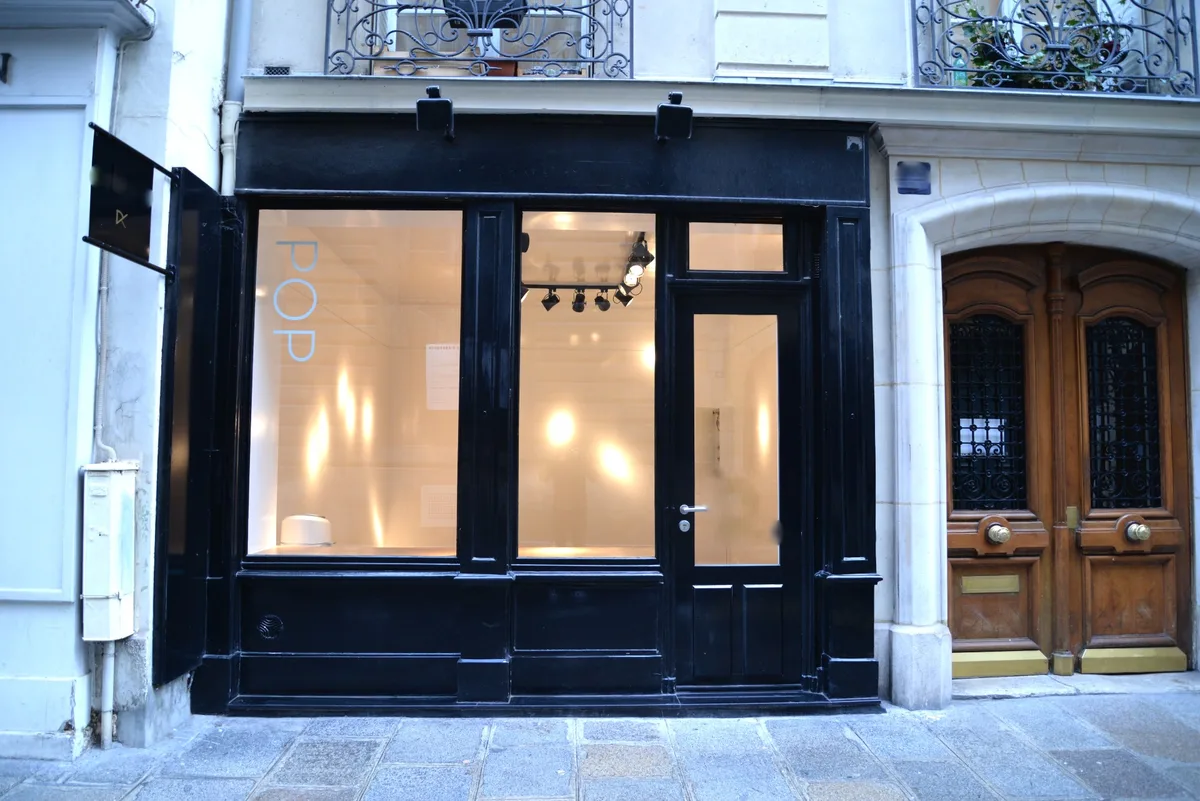
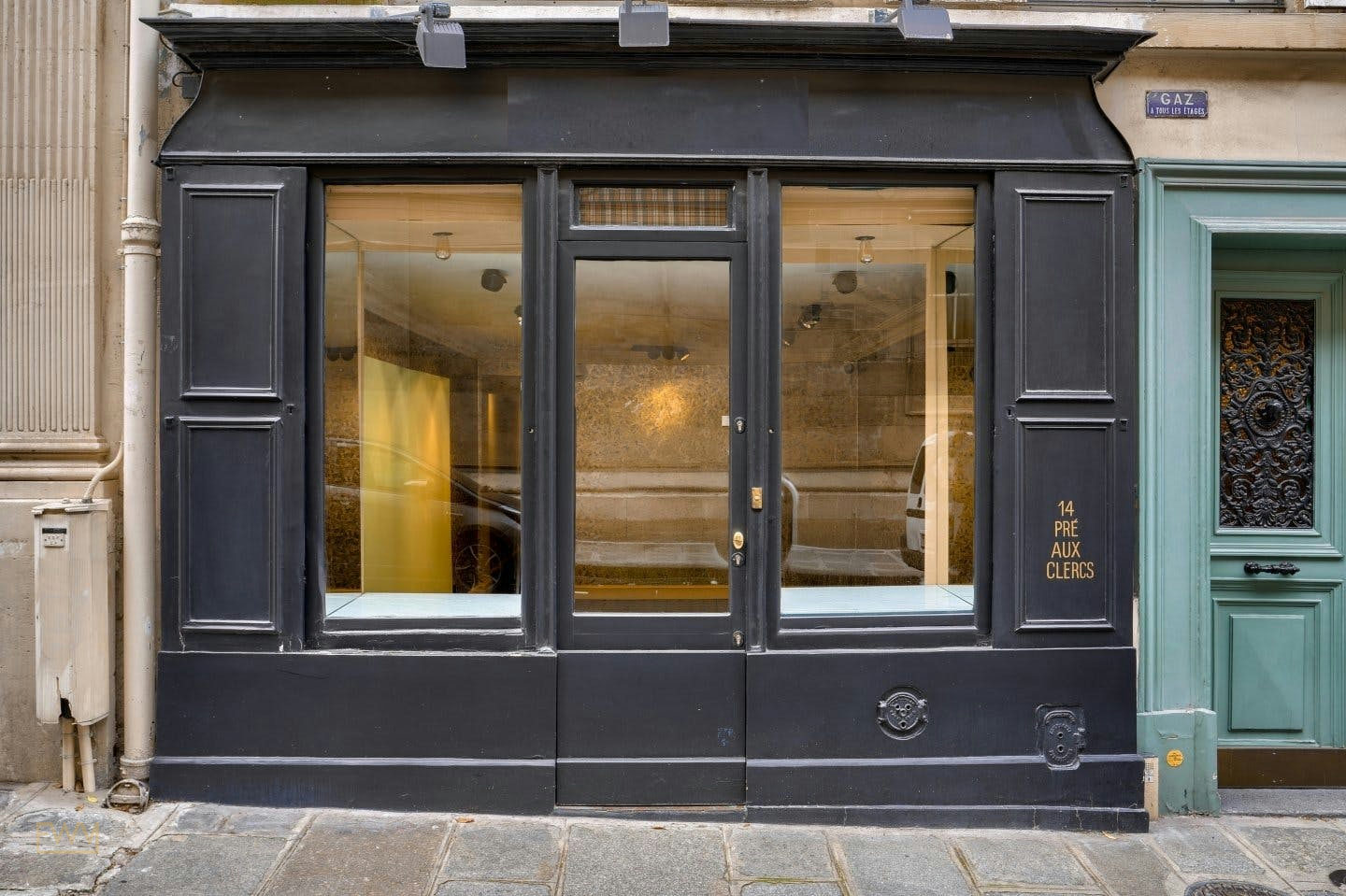
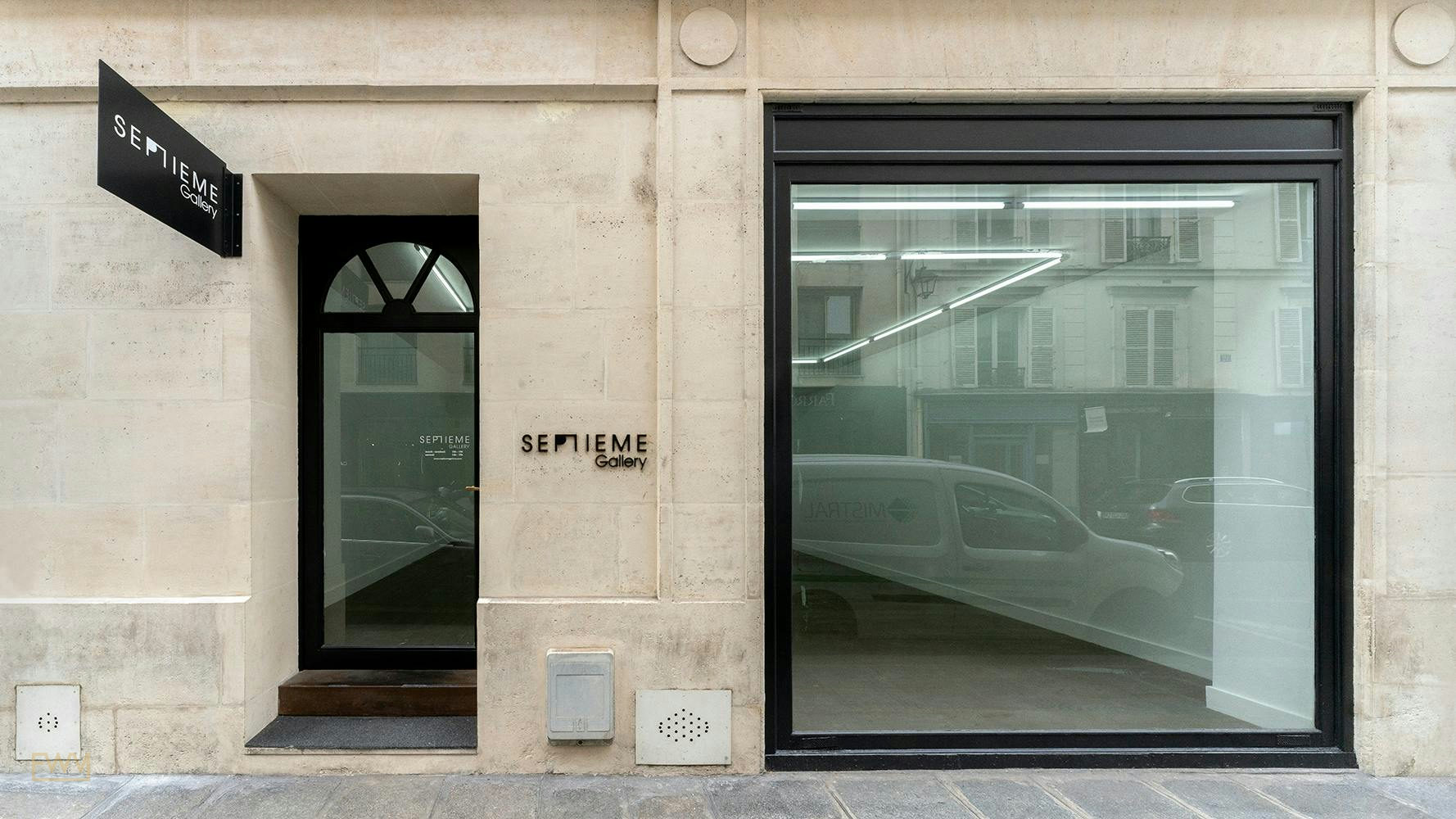
The most conventional format is the street-level boutique storefront with dedicated window display frontage. On Avenue Montaigne itself and on the immediate surrounding streets, these spaces tend to be held by long-term tenants under commercial leases and become available infrequently. When they do become available for short-term rental or temporary retail use, they are typically marketed off-market through agents, specialist platforms, or direct outreach. These storefronts range from compact formats of under 50 square meters to multi-floor flagship configurations exceeding 300 or 400 square meters.
For brands entering Paris for the first time, a boutique storefront in the Golden Triangle delivers the clearest signal of market commitment and prestige. Retailers such as Galeries Lafayette, Printemps, and the major fashion houses have historically used Avenue Montaigne storefronts as anchoring investments, but the rise of temporary retail and pop-up store formats has created a secondary market where brands can access these spaces for periods ranging from one week to several months.
Showrooms and Fashion Showroom Spaces
Paris Fashion Week creates intense demand for showroom-format spaces each season, with buyers, press, and stylists requiring dedicated presentation environments close to the major runways and brand headquarters. A fashion showroom in the 8th arrondissement or Triangle d'Or district provides proximity to the established fashion houses and their trade audiences. These spaces are typically used for collection presentations, press appointments, buyer appointments, and private client viewings. They may occupy converted apartments, purpose-adapted office floors, or dedicated commercial units designed specifically for the trade format.
Gallery Spaces and Art Gallery Formats
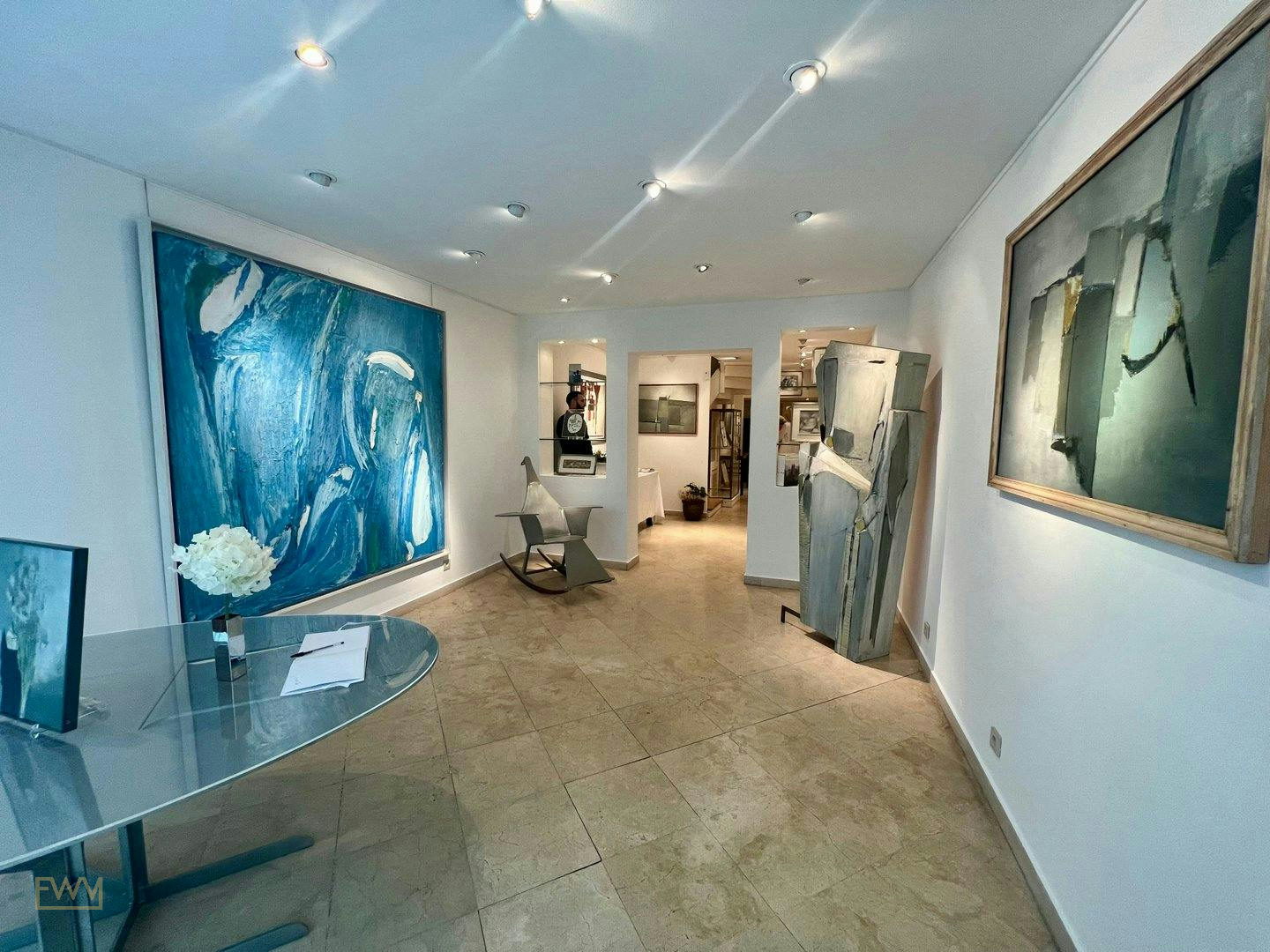
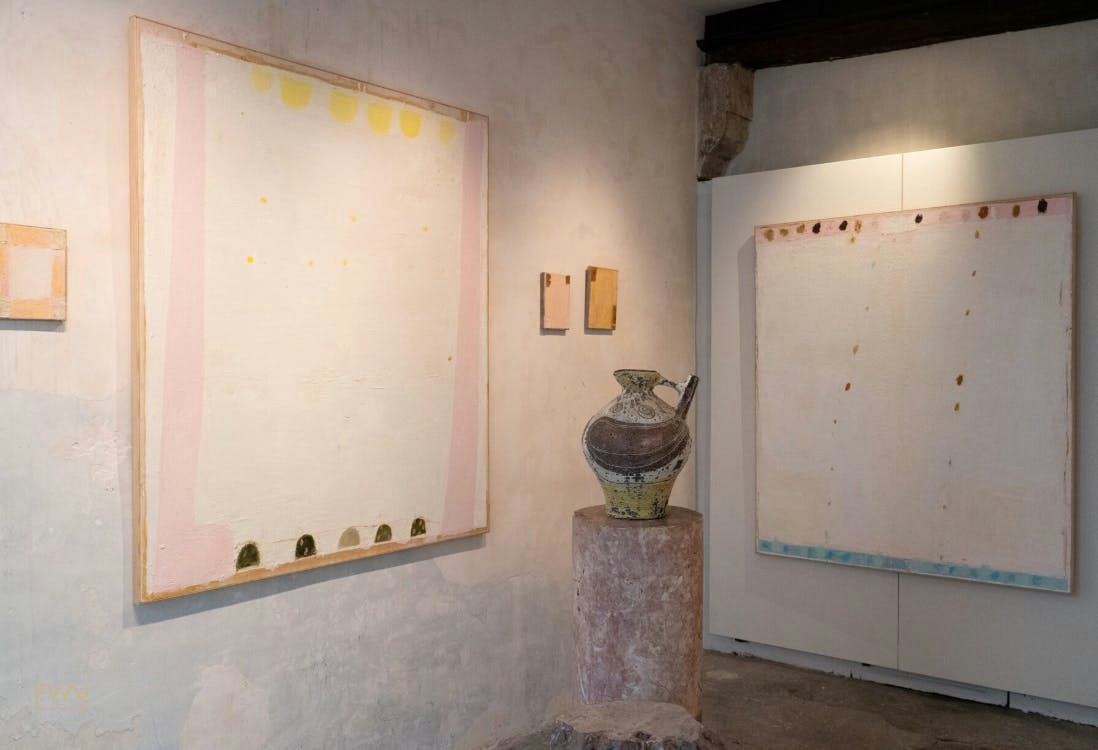
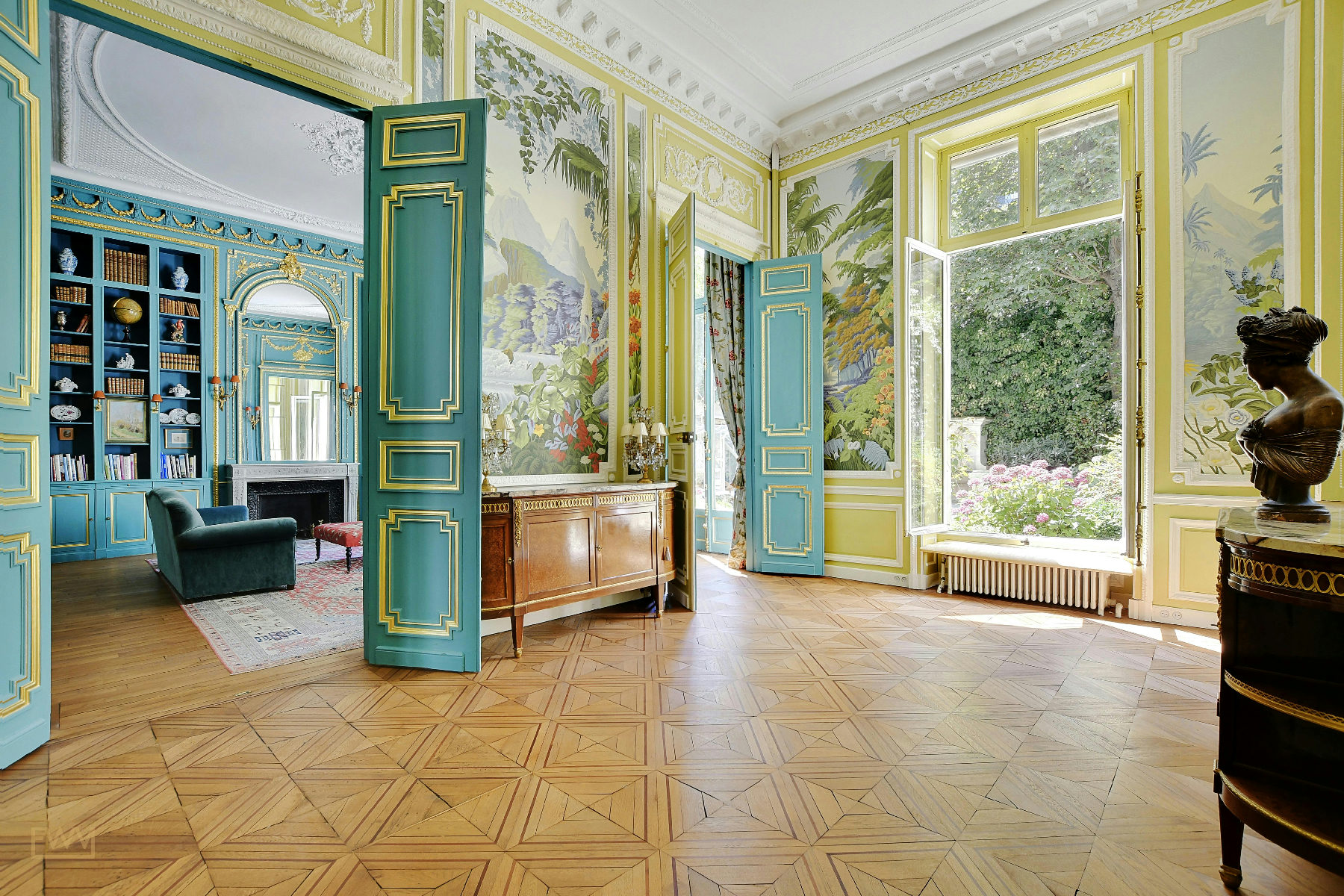
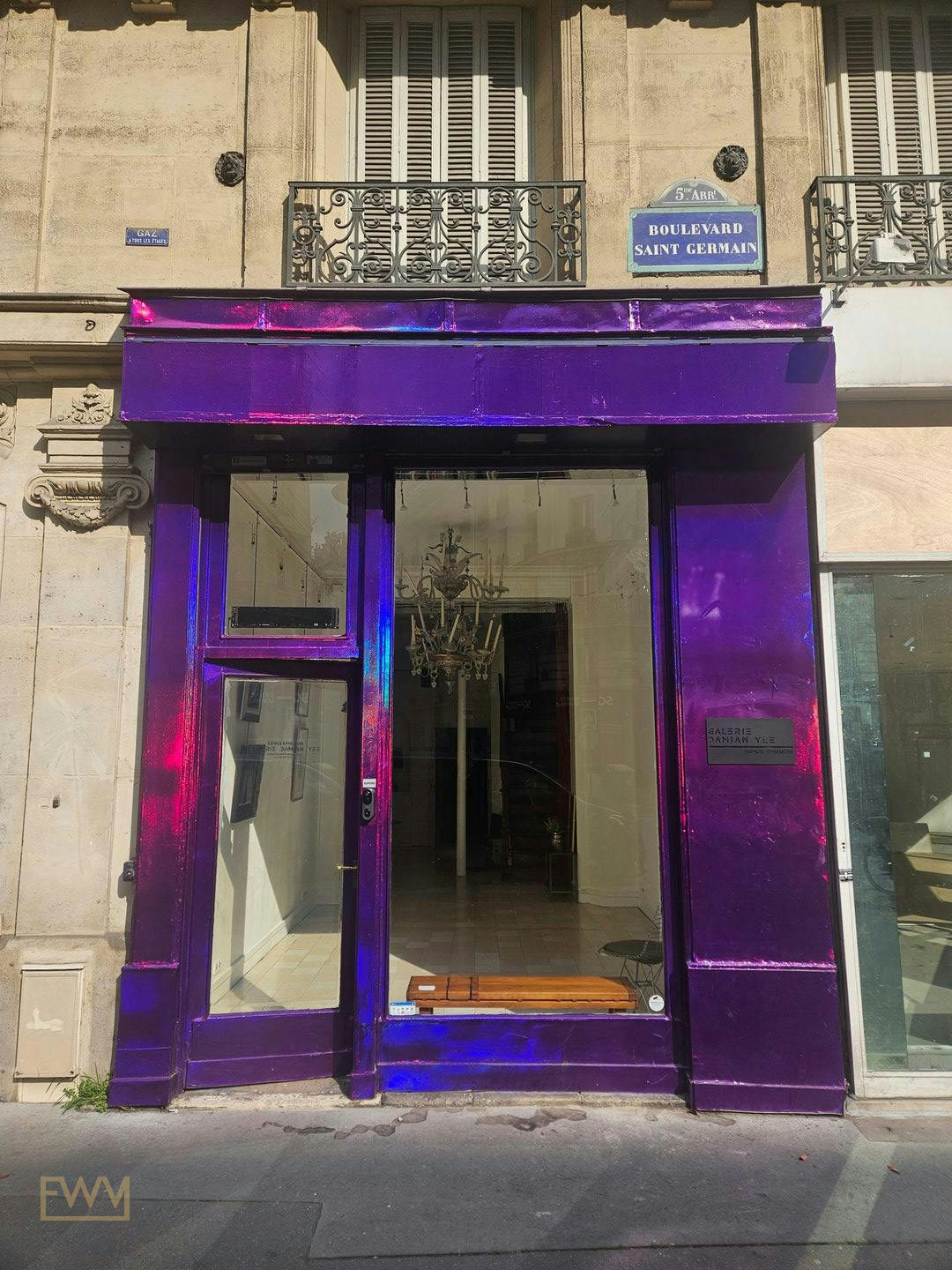
Gallery-format spaces are increasingly used by luxury and fashion brands for immersive brand activations that blur the line between retail, art, and culture. The 8th arrondissement has a number of art gallery properties and gallery-adjacent spaces that can be adapted for fashion presentations, beauty launches, or limited-edition product drops. These spaces often carry higher ceilings, polished concrete floors or parquet, and the kind of neutral architectural backdrop that allows branded design to dominate the customer experience.
Hotel Suites and Boutique Hotel Private Spaces
Several boutique hotels in the Triangle d'Or and the wider 8th arrondissement offer private spaces, suites, and meeting rooms for temporary brand use. The boutique hotel format is particularly useful for brands hosting private client appointments, intimate press presentations, or partnership activations with the hotel's existing affluent clientele. These arrangements typically fall outside standard commercial lease structures and are governed by short-term event or venue hire agreements.
Courtyard and Private Residence Formats
Paris's Haussmann architecture creates a significant stock of courtyard-facing and hôtel particulier properties that are rarely visible from the street but carry exceptional interior quality. These courtyard and private residence formats are increasingly used for exclusive brand events, intimate retail experiences, and cultural activations where the sense of discovery and exclusivity is itself a brand statement. Brands targeting ultra-high-net-worth clients, VIP press, or select influencer audiences find these formats particularly effective.
| Space Type | Best For | Typical Duration | Key Considerations |
|---|---|---|---|
| Boutique Storefront | Flagship pop-up, product launches, brand visibility | 1 week to 6 months | High demand, premium rents, window display potential |
| Fashion Showroom | Trade appointments, buyer presentations, press | 1 day to 3 months | Requires discretion, proximity to fashion week calendar |
| Art Gallery | Immersive brand activations, cultural collaborations | 1 week to 3 months | Strong architectural character, flexible permit path |
| Hotel Suite / Private Space | VIP appointments, intimate press presentations | 1 day to several weeks | Existing clientele access, event hire rather than lease |
| Courtyard / Hôtel Particulier | Exclusive events, ultra-luxury brand activations | 1 day to 1 month | High exclusivity, limited availability, requires specialist sourcing |
| Pop-Up Store Format | Direct-to-consumer sales, new market testing | 1 week to 3 months | Requires retail permits, POS setup, staffing |
KEY TAKEAWAY: The Avenue Montaigne district supports a wide range of space formats beyond the traditional storefront. Matching the space type to the brand objective, whether trade-focused, consumer-facing, press-oriented, or VIP-exclusive, is as important as the address itself.
With the space type defined, the next challenge is understanding the leasing frameworks and permit structures that govern short-term and temporary retail use in Paris.
Leasing Structures, Permits, and Regulations for Short-Term Retail in Paris
Quick answer: Short-term retail and pop-up spaces in Paris operate under specific legal frameworks, most commonly the bail dérogatoire, which allows commercial space rental for periods of up to 36 months outside the protections of the standard French commercial lease. Additionally, occupying certain types of public or semi-public space may require an Autorisation d'Occupation Temporaire, commonly abbreviated as AOT. Requirements vary significantly by space type, duration, intended use, and arrondissement.
The Bail Dérogatoire: Short-Term Commercial Leasing in France
The standard French commercial lease, known as the bail commercial or 3-6-9 lease, provides tenants with extensive protections including a minimum nine-year term and rights of renewal. For brands seeking a boutique for rent on a temporary basis on Avenue Montaigne or in the wider 8th arrondissement, a nine-year commitment is neither practical nor desirable. The bail dérogatoire was introduced to allow short-term commercial tenancies of up to 36 months, giving landlords flexibility while enabling brands to access prime locations without long-term obligations.
Under a bail dérogatoire, both parties must agree explicitly to the short-term nature of the arrangement, and the tenant must vacate at the end of the agreed period or risk the automatic conversion of the tenancy to a full bail commercial. This is a critical legal point that international brands often overlook when entering the French market. The agreement must be written and signed in French, and any disputes are governed by French commercial law.
IMPORTANT: The bail dérogatoire has specific requirements regarding form, content, and execution. Brands should always work with a French legal advisor or a specialist agency with direct experience of the French commercial real estate market before signing any lease or rental agreement in Paris. Fashion Week Venues can introduce brands to appropriate advisors, but cannot provide legal advice directly.
Autorisation d'Occupation Temporaire (AOT) and Public Space Access
Certain highly desirable spaces near Avenue Montaigne, particularly those involving terraces, public-facing installations, or locations on public land adjacent to private property, may require an AOT issued by the relevant public authority. In the 8th arrondissement, this typically involves either the Mairie de Paris or the relevant prefectural authority. The AOT is granted for a defined period, can be revoked, and does not confer the same rights as a commercial lease. Brands planning outdoor elements, window installations visible from the street, or terrace-based activations should factor AOT requirements into their planning timeline.
Commercial Activity Permits and Local Regulations
Beyond the lease structure itself, brands operating retail activity, accepting payments, or conducting commercial transactions from a Paris space must comply with French regulations governing commercial activity. This includes registration requirements, display of business registration details, VAT compliance for French transactions, and adherence to local regulations covering signage, opening hours, and fire safety. Requirements vary by space type and are subject to change. The Fashion Week Venues permit guidance tool provides directional information on permit requirements for different space types and activation formats in Paris, though it does not replace advice from qualified French legal or regulatory professionals.
Long-Term Leases and Real Estate Assets on Avenue Montaigne
For brands with longer-term ambitions on Avenue Montaigne, the question of real estate assets and long-term leases becomes relevant. Prime retail space on the avenue is rarely available through open market listings and typically transacts through specialist commercial real estate advisors and agents. Firms such as Jones Lang LaSalle operate dedicated Paris luxury retail teams that advise on acquisition, long-term lease negotiation, and asset management for high-value retail properties in the Triangle d'Or and the surrounding district. Brands exploring long-term options should engage specialist commercial real estate advisors at the earliest stage of planning, as the pipeline for prime Avenue Montaigne space can be measured in years rather than months.
TIP: If your brand is planning an activation timed to Paris Fashion Week, begin the permit and lease process at least 12 to 16 weeks before your intended opening date. Prime spaces in the Golden Triangle are often committed months in advance of the fashion week calendar, and permit processes can add several weeks to your timeline.
KEY TAKEAWAY: Leasing a boutique or retail space in Paris requires understanding the distinction between short-term bail dérogatoire arrangements and long-term bail commercial structures, as well as identifying any AOT or commercial activity permit requirements specific to your space type and activation format. Always verify requirements with a qualified French legal advisor.
Understanding the leasing and permit landscape is foundational, but brands also need to map the broader Paris neighbourhood context to make an informed location decision within and around the Golden Triangle.
Paris Neighbourhood Guide: Golden Triangle, Le Marais, Saint-Germain, and Beyond
Quick answer: Paris offers multiple prestige retail districts beyond Avenue Montaigne and the Golden Triangle. Le Marais, Saint-Germain-des-Prés, Rue de Rivoli, and the Louvre area each support distinct brand positioning strategies. The right neighbourhood depends on your target customer profile, brand values, activation format, and budget.
To compare neighbourhoods and space types, explore the Paris city hub on Fashion Week Venues and shortlist spaces that match your brief, budget, and calendar window.
The 8th Arrondissement: Paris 8 and the Triangle d'Or
The 8th arrondissement Paris is the home of the Triangle d'Or and the epicentre of French luxury retail. Avenue Montaigne, Avenue des Champs-Élysées, Rue du Faubourg Saint-Honoré, and Place Vendôme all sit within or border this arrondissement. The clientele here skews toward international luxury shoppers, hotel guests from the Palace hotels including the Plaza Athénée, the George V, and the Bristol, and affluent Parisian consumers. Retail rental values in Paris 8 are among the highest in Europe, and brands operating here benefit from the strongest association with haute couture, high jewellery, and the French luxury trade.
Le Marais: The 3rd and 4th Arrondissements
Le Marais has evolved over the past two decades from a historic Jewish quarter and gallery district into one of Paris's most dynamic fashion and culture neighbourhoods. The area around the Place des Vosges, Rue des Francs-Bourgeois, and the broader Marais district now hosts a dense concentration of concept stores, independent designer boutiques, art galleries, and temporary retail spaces. Foot traffic in Le Marais is high, diverse, and strongly oriented toward fashion, culture, and lifestyle. For brands targeting a younger luxury consumer, a concept-led audience, or a more culturally resonant positioning, Le Marais offers excellent alternative to the pure luxury axis of the 8th arrondissement. Space availability in Le Marais for short-term rental is generally better than in the Golden Triangle, and rental values, while still significant, are more accessible than on Avenue Montaigne itself.
Saint-Germain-des-Prés: The 6th Arrondissement
Saint-Germain-des-Prés has long been associated with Parisian intellectual and cultural life, and its retail character reflects this heritage. The neighbourhood hosts a significant number of designer boutiques, independent fashion retailers, beauty specialists, and galleries. The clientele in Saint-Germain tends to be more local, more literary, and more design-oriented than the international luxury tourist crowd of the 8th arrondissement. Brands with a strong design or cultural narrative, or those targeting the Parisian fashion insider rather than the international luxury shopper, often find Saint-Germain-des-Prés to be a strong alternative or complement to a Golden Triangle activation.
Rue de Rivoli, the Louvre, and the 1st Arrondissement
The Rue de Rivoli corridor and the areas immediately surrounding the Louvre offer a very high-volume tourist retail environment. The Louvre itself draws millions of visitors annually, and the surrounding streets carry exceptional foot traffic from culturally motivated visitors with significant discretionary spending. However, the retail mix on Rue de Rivoli has historically been more varied than the pure luxury concentration of Avenue Montaigne, including department store formats, souvenir retail, and a wide range of international brands. For brands seeking volume alongside prestige, this area offers a genuine proposition. Galeries Lafayette's presence nearby, along with Printemps, creates natural department store adjacency that some brands use strategically for pop-up and temporary retail activations.
Montmartre and Pigalle
Montmartre and the Pigalle district have developed increasingly credible fashion and lifestyle retail ecosystems, particularly around the Abbesses area and the stretch of the 9th arrondissement bordering South Pigalle. These areas attract a fashion-forward, creative, and culturally engaged consumer base. Rental values are substantially lower than in the Golden Triangle, making Montmartre and Pigalle viable options for emerging brands, experimental concepts, or activations that prioritise community engagement and cultural resonance over pure luxury positioning.
| Neighbourhood | Arrondissement | Primary Audience | Best For | Relative Rent Level |
|---|---|---|---|---|
| Avenue Montaigne / Golden Triangle | 8th | International luxury shoppers, UHNW visitors | Flagship pop-ups, haute couture, luxury launches | Highest |
| Rue du Faubourg Saint-Honoré / Place Vendôme | 8th / 1st | International luxury, jewellery, haute couture buyers | Fine jewellery, accessories, luxury labels | Very High |
| Le Marais | 3rd / 4th | Fashion-forward, culturally engaged, mixed international | Concept stores, designer boutiques, art and fashion crossover | High |
| Saint-Germain-des-Prés | 6th | Affluent Parisians, design-oriented visitors | Designer retail, beauty, cultural brand narratives | High |
| Rue de Rivoli / Louvre Area | 1st | High-volume international tourists | Volume-driven activations, gallery-adjacent formats | Moderate to High |
| Montmartre / Pigalle | 9th / 18th | Creative, fashion-forward, local and emerging market | Emerging brands, experimental concepts, community activations | Moderate |
KEY TAKEAWAY: The choice of Paris neighbourhood for a boutique or pop-up rental is a strategic brand decision as much as a logistics one. Avenue Montaigne and the Golden Triangle deliver the highest luxury positioning and prestige, but Le Marais, Saint-Germain-des-Prés, and the Louvre area each offer distinct audience profiles and cost structures that may better serve specific brand objectives.
With neighbourhood strategy established, brands need to understand the practical dimensions of planning a boutique or pop-up activation, from budget estimation to build-out and staffing.
Planning a Pop-Up or Temporary Boutique Activation in Paris: A Practical Guide
Quick answer: Planning a successful pop-up boutique in Paris requires coordinating space sourcing, lease negotiation, permit compliance, fit-out design, staffing, POS setup, and activation management across a compressed timeline. Most successful activations in the Golden Triangle require planning to begin at least 12 to 16 weeks before the intended opening date, with earlier lead times recommended for Fashion Week periods.
Defining Your Brief and Activation Objectives
Before searching for a specific boutique for rent on Avenue Montaigne or in the wider Golden Triangle, brands need a clearly defined activation brief that addresses the purpose of the activation, whether that is direct retail sales, brand awareness, press engagement, buyer appointments, consumer experience, product launches, or a combination of these. The brief should specify the target customer profile, the ideal space size in square meters, the required duration, the approximate budget range, any non-negotiable features such as window frontage, lighting configuration, polished concrete floors or parquet, WiFi, air conditioning, or concierge services, and the target opening date relative to the Paris fashion or retail calendar.
Without a clear brief, the space search becomes inefficient and expensive. The Fashion Week Venues budget estimation tool allows brands to input their requirements and receive directional cost guidance before committing to a full search process.
The Space Search and Selection Process
Prime retail space in the 8th arrondissement and on Avenue Montaigne specifically is rarely available through public listings. The most effective routes to securing a boutique or showroom in this district are through specialist platforms such as the Fashion Week Venues marketplace, through commercial real estate advisors with direct relationships with landlords in the Golden Triangle, or through established networks in the Paris fashion and luxury retail industry. Relying on general property portals or attempting cold outreach to landlords without French-language capability and local market knowledge significantly reduces the likelihood of securing the right space within the required timeline.
When evaluating spaces, brands should assess floor plan configuration against their proposed concept, natural light and artificial lighting quality, access and floor level for customer experience and deliveries, structural features that affect fit-out feasibility, proximity to competing or complementary brands, and any restrictions imposed by the landlord on permitted use, signage, or modifications.
Fit-Out, Production, and Branded Store Design
A boutique on Avenue Montaigne or in the Triangle d'Or requires a fit-out and design standard commensurate with the prestige of the location. Brands that invest in high-quality branded store design, appropriate materials, and a thoughtfully considered spatial concept consistently outperform those that treat the space as a functional container rather than a brand experience. The fit-out process in Paris is subject to local regulations regarding modifications to listed or protected interiors, and any structural changes require landlord consent and, in some cases, regulatory approval.
Production timelines for a fully fitted boutique pop-up in Paris typically run from three to six weeks from design sign-off to opening, depending on the complexity of the concept and the extent of structural modification required. Brands planning activations for Paris Fashion Week, when installer and artisan availability in Paris is under pressure across multiple concurrent productions, should build additional time into their production schedule.
Staffing, POS, and Operational Readiness
A boutique operating in Paris requires French-speaking retail staff with appropriate legal employment status, whether directly employed by the brand's French entity, supplied through a staffing agency, or engaged through a specialist retail staffing provider. Customer-facing staff in the Golden Triangle represent the brand directly to an affluent and discerning clientele, and staffing quality has a direct impact on both sales performance and brand perception. POS systems and payment terminals must comply with French fiscal requirements, and brands should ensure their chosen payment solution supports the full range of payment methods expected by an international luxury clientele, including contactless, mobile payment, and multi-currency acceptance where relevant.
| Stage | Activity | Recommended Timeline Before Opening | Key Dependencies |
|---|---|---|---|
| 1 | Define activation brief and budget | 16 to 20 weeks | Internal brand alignment, budget approval |
| 2 | Space search and shortlisting | 14 to 18 weeks | Brief clarity, market availability |
| 3 | Legal review and lease negotiation | 12 to 16 weeks | French legal advisor, landlord responsiveness |
| 4 | Permit applications | 10 to 14 weeks | Space type, intended use, arrondissement |
| 5 | Concept direction and store design | 10 to 14 weeks | Space confirmed, brief approved |
| 6 | Production and fit-out | 4 to 6 weeks | Design approved, permits in place |
| 7 | Staff recruitment and training | 3 to 4 weeks | Employment structure confirmed, brand training materials ready |
| 8 | POS, payments, and technology setup | 2 to 3 weeks | Fit-out near completion, connectivity confirmed |
| 9 | Soft opening and operational review | 1 week | All above stages complete |
| 10 | Public opening and activation management | Opening day | Full operational readiness |
KEY TAKEAWAY: A successful boutique pop-up on Avenue Montaigne or in the Golden Triangle requires coordinated planning across at least eight to ten workstreams over a minimum of 12 to 16 weeks. Compressing this timeline without specialist support significantly increases operational risk and the likelihood of opening delays or compliance issues.
The planning and operational complexity of a Paris boutique activation is substantial. This is why many brands choose to work with a specialist agency rather than managing all workstreams independently.
How Fashion Week Venues Supports Boutique Rental and Activation in Paris
Quick answer: Fashion Week Venues is a full-service pop-up agency and space marketplace with dedicated expertise in Paris and the other major fashion capitals. The agency supports brands across the full activation lifecycle, from space discovery and lease support through to concept direction, production, staffing, data analytics, and activation management. Its tools and marketplace reduce the complexity of finding and running a boutique in Paris's most competitive districts.
For brand teams planning a pop-up boutique, showroom, or temporary retail activation in Paris, the challenge is not just finding a space. It is coordinating the full sequence of decisions, processes, and providers required to open a compliant, well-designed, operationally effective retail environment in a market where language, legal structures, and local relationships significantly affect outcomes. Fashion Week Venues addresses this challenge by combining a curated space marketplace with a comprehensive service offering.
Space Discovery and Venue Sourcing
The Fashion Week Venues marketplace lists curated short-term retail spaces, showrooms, gallery-format venues, and boutique-style properties across Paris's key fashion districts, including the 8th arrondissement, Le Marais, Saint-Germain-des-Prés, and beyond. The venue sourcing service goes further, with the team conducting direct outreach and off-market searches on behalf of brands with specific requirements that may not be met by listed inventory. This is particularly valuable for brands seeking boutique spaces on or near Avenue Montaigne, where availability is constrained and much of the best space never reaches public listing platforms.
Concept Direction and Store Design
The concept and creative team at Fashion Week Venues supports brands in translating their brief into a spatial concept appropriate for the chosen space and neighbourhood. This service covers concept development, mood and reference direction, material specification, and creative oversight of the production process. For boutiques in the Golden Triangle, where the design standard expected by the local market and the international luxury audience is very high, having experienced creative direction aligned to the Paris luxury retail environment is a significant advantage.
Production, Build, and Fit-Out
Fashion Week Venues manages end-to-end production and fit-out for Paris activations, coordinating local suppliers, artisans, and construction teams. The production team is experienced in working within the constraints of Haussmann-era interiors, listed building requirements, and landlord restrictions common in the 8th arrondissement and across central Paris. Furniture rental is available as part of the production service, allowing brands to furnish a boutique to a high standard without the capital cost of purchasing and shipping furniture from their home market.
Retail Staffing and Activation Management
The agency provides access to experienced French-speaking retail staff for boutique and pop-up activations in Paris. The retail staffing service covers recruitment, brand training, scheduling, and on-site management support throughout the activation period. Activation management covers day-to-day operational oversight, allowing the brand team to focus on strategic and creative priorities while the agency handles logistics, supplier management, and incident resolution.
Tools for Planning and Decision-Making
Fashion Week Venues provides a set of planning tools that brands can use independently to prepare for their activation. The timeline planning tool helps brands map all workstreams from brief to opening. The ROI calculation tool allows brands to model expected returns against investment across different space types and durations. The compare tool and locator tool support neighbourhood and space selection. These tools do not replace specialist advice but provide a structured framework for early-stage planning.
What Fashion Week Venues Does Not Provide
Fashion Week Venues does not provide legal advice on French commercial lease structures or permit compliance. The agency does not guarantee the availability of specific spaces on Avenue Montaigne or elsewhere in Paris. It does not guarantee permit approvals, lease outcomes, or specific sales or footfall results from any activation. Brands are encouraged to work with qualified French legal advisors for any lease or permit matter, and to use the agency's expertise to support rather than replace their own due diligence.
KEY TAKEAWAY: Fashion Week Venues offers brands a single point of coordination for the full complexity of a Paris boutique or pop-up activation, from space discovery through to operational management and post-activation analytics. Its value is greatest for brands that lack an existing Paris network, local supplier relationships, or in-house expertise in the French retail and commercial real estate market.
For brands entering Paris for the first time or scaling a previous activation, understanding how to evaluate agency options is an important step in the process.
The Paris Fashion Week Calendar and Its Impact on Boutique Rental Strategy
Quick answer: Paris Fashion Week takes place twice annually, with Women's Fashion Week typically in late September to early October for Spring-Summer collections and late February to early March for Autumn-Winter collections. Men's Fashion Week occurs in January and June. Each fashion week period creates a significant spike in demand for short-term boutique space, showrooms, and event venues across the 8th arrondissement and wider Paris fashion districts, with corresponding increases in availability competition and rental premiums.
The Paris Fashion Week calendar is the single most important external factor shaping short-term retail and showroom rental demand in the Golden Triangle and across central Paris. During fashion week periods, the city's core fashion districts experience a concentrated influx of press, buyers, stylists, influencers, brand executives, and high-net-worth consumers. This creates both an opportunity and a challenge for brands seeking boutique space: the audience quality and volume are exceptional, but competition for the best spaces intensifies significantly and lead times compress.
Brands that plan their Avenue Montaigne or Golden Triangle activations to coincide with Paris Fashion Week need to initiate their space search and lease negotiation significantly earlier than for non-fashion-week periods. Spaces that are available year-round at relatively accessible terms may be committed months in advance for fashion week weeks, and rental premiums during peak fashion week periods can be substantially higher than for adjacent calendar windows.
However, it is important to note that Paris Fashion Week is not the only viable activation window for brands targeting the French luxury market. Major cultural events including the Paris art fair calendar, the haute couture week schedule in January and July, and the peak international tourist season from May through September all create strong audience conditions for boutique activations. Brands that are flexible about their activation timing often find better space availability and more competitive terms outside the fashion week peak, while still accessing the quality of clientele that the 8th arrondissement and Avenue Montaigne naturally attract.
The Fashion Week Venues timeline planning tool allows brands to map their activation planning against the Paris fashion and retail calendar, identifying the optimal window for their brief and the corresponding planning requirements.
DID YOU KNOW: Paris Haute Couture Week in January and July draws a smaller but even more concentrated audience of ultra-high-net-worth clients, private buyers, and international press than the main ready-to-wear fashion weeks. Brands targeting this specific client profile often find Haute Couture week activations on or near Avenue Montaigne to be highly effective, with an audience that is specifically oriented toward the Triangle d'Or luxury district.
KEY TAKEAWAY: The Paris Fashion Week calendar is the most powerful driver of boutique rental demand and pricing in the Golden Triangle, but it is not the only viable activation window. Brands should evaluate their target audience and objectives against the full Paris retail and cultural calendar to identify the window that best aligns with their strategy and budget.
Beyond the calendar, brands operating a boutique in the luxury environment of Avenue Montaigne need to think carefully about the customer experience they are delivering.
Customer Experience, Foot Traffic, and Brand Activation Strategy on Avenue Montaigne
Quick answer: Foot traffic on Avenue Montaigne and in the Golden Triangle is defined by its quality rather than its volume. Visitors to this district are among the most affluent and fashion-literate consumers in the world. Activations that deliver a thoughtfully designed, exclusive, and memorable customer experience consistently outperform those that focus purely on product presentation or sales volume metrics.
The consumer habits of the Avenue Montaigne clientele are shaped by an environment where excellence is the default expectation. This audience has experienced the very best of global retail, from the flagship stores of Louis Vuitton and Chanel on this same street to the palace hotel concierge services and private shopping experiences available throughout Paris 8. Brands that introduce a boutique pop-up or temporary retail space into this environment need to meet or exceed the experiential standard set by permanent neighbours.
Designing for the Luxury Retail Customer
In the Golden Triangle context, customer experience encompasses every touchpoint from the first moment of awareness, whether through social media, influencer content, press coverage, or physical street discovery, through to the in-store environment, the quality of staff interaction, the presentation of products, the transaction process, and the post-visit relationship. Security, air conditioning, lighting quality, WiFi availability, and the physical comfort of the space all contribute to the overall experience and directly affect consumer confidence and purchase behaviour.
Lighting is particularly critical in luxury boutique environments. The lighting of Avenue Montaigne's established designer boutiques is designed by specialist lighting consultants to complement product presentation and create a specific emotional atmosphere. Brands opening a temporary boutique in the district should invest in appropriate lighting design rather than relying on the space's existing generic lighting infrastructure.
Social Media, Influencer Marketing, and Digital Amplification
A boutique activation on Avenue Montaigne carries inherent content value. The address itself, the architecture of the street, and the association with the world's leading fashion houses create a backdrop that is immediately recognisable and aspirational to a global fashion audience. Brands that build their activation concept with social media content creation and influencer amplification as core strategic objectives, rather than afterthoughts, consistently achieve greater reach and awareness return on their investment in the physical space.
The Fashion Week Venues influencer marketing service supports brands in identifying and engaging the right creative talent for their Paris activation, coordinating content creation, and managing the amplification strategy across the relevant social media platforms. In the luxury context of Avenue Montaigne, the quality and aesthetic alignment of influencer content is as important as the volume of audience reached.
Data, Analytics, and Post-Activation Measurement
Measuring the impact of a boutique activation in the Golden Triangle requires tracking multiple dimensions beyond direct transaction value. Footfall data, dwell time, conversion rates, average transaction values, social media reach and engagement, press coverage volume and quality, and data capture for future CRM activity all contribute to a complete picture of activation ROI. Brands using the Fashion Week Venues data and analytics service gain access to structured reporting frameworks that allow them to evaluate performance against their stated objectives and inform future activation planning.
KEY TAKEAWAY: Success on Avenue Montaigne is measured by the quality of the experience delivered to an inherently demanding clientele, as much as by direct sales performance. Brands that invest in experience design, staffing quality, lighting, social amplification, and post-visit relationship management consistently outperform those that treat the boutique as a transactional retail unit rather than a brand expression.
With the strategic and operational dimensions mapped, it is useful to address some of the most persistent misconceptions that brands hold about renting a boutique in Paris's luxury districts.
Common Myths About Renting a Boutique in Paris Debunked
MYTH: International brands need a French legal entity to rent a commercial space in Paris.
FACT: While having a French legal entity simplifies the leasing process and is required for certain types of commercial activity in France, it is not always a prerequisite for renting a short-term space under a bail dérogatoire. Some landlords and specialist platforms facilitate rental arrangements for foreign brands without a registered French entity, though the structures involved are more complex and require appropriate legal advice. Brands should engage a French legal advisor early to understand the most appropriate structure for their specific situation.
MYTH: Paris Fashion Week is the only viable calendar window for a boutique activation in the Golden Triangle.
FACT: While Paris Fashion Week generates the most concentrated luxury audience demand, the 8th arrondissement and Avenue Montaigne attract high-value international visitors year-round. Haute Couture Week in January and July, the peak tourist season from May to September, and major cultural events throughout the year all create strong conditions for boutique activations. Brands that are flexible about timing often access better space availability and more competitive terms while still reaching an affluent and fashion-literate audience.
MYTH: Commission-based brokers and general property portals are the only way to find a boutique for rent on Avenue Montaigne.
FACT: The most desirable short-term retail spaces in the Golden Triangle are frequently filled through specialist networks, off-market introductions, and curated space marketplaces rather than through general property portals or commission brokers. Platforms such as the Fashion Week Venues marketplace provide direct access to curated short-term retail and showroom inventory with transparent terms, and the agency's venue sourcing service can conduct targeted off-market searches for brands with specific requirements.
MYTH: Short-term commercial leases in Paris are straightforward and do not require specialist legal support.
FACT: French commercial real estate law, including the bail dérogatoire framework, has specific formal requirements that differ significantly from short-term rental arrangements in other markets. Mistakes in the drafting or execution of a bail dérogatoire can result in the unintended creation of a full bail commercial with nine-year tenure obligations. AOT applications, commercial activity permit requirements, and landlord restriction compliance add further layers of complexity. Specialist legal support is strongly recommended for any brand entering into a commercial lease or rental agreement in France.
MYTH: A luxury boutique activation on Avenue Montaigne is only viable for established luxury brands with large marketing budgets.
FACT: The rise of short-term retail formats, the development of co-activation models such as the Fashion Week Venues twin concept, and the increasing availability of smaller boutique spaces in and around the Golden Triangle have made Avenue Montaigne activations accessible to a wider range of brands than ever before. Emerging designers, niche luxury labels, international brands entering the French market, and beauty or lifestyle brands targeting the Paris luxury consumer can all develop viable activation strategies in this district at a range of budget levels. The key is matching the format, duration, and space type to the realistic budget and objectives, rather than defaulting to the largest or most expensive option.
Frequently Asked Questions
What are the most sought-after locations for leasing commercial space in Paris for luxury retail?
The most sought-after locations for luxury commercial space in Paris are concentrated in the 8th arrondissement, particularly along Avenue Montaigne, Rue du Faubourg Saint-Honoré, Avenue des Champs-Élysées, and around Place Vendôme. These streets form the core of the Triangle d'Or, or Golden Triangle, and carry the highest retail rental values and prestige in France. Le Marais, Saint-Germain-des-Prés, and the Rue de Rivoli corridor are strong secondary choices for brands seeking a different customer profile or a more accessible rental structure. The right location depends on brand positioning, target customer, activation format, and budget.
What does it cost to rent a retail space on Avenue Montaigne or in the Golden Triangle?
Retail rental values in the Triangle d'Or and on Avenue Montaigne are among the highest in Europe, according to market data from Jones Lang LaSalle and Paris Property Group. Costs vary significantly depending on space size in square meters, duration of rental, floor level and window frontage, and the specific street within the district. Short-term pop-up rental rates differ from long-term lease rates. Because costs are highly variable and subject to market conditions, brands should use the Fashion Week Venues budget estimation tool for directional cost guidance specific to their brief, rather than relying on generic market figures.
Do I need a French legal entity to rent a boutique in Paris?
Not necessarily, but the answer depends on the lease structure, the landlord's requirements, and the type of commercial activity you intend to operate. Some short-term rental arrangements under the bail dérogatoire framework can be structured for foreign brands without a French entity, but the legal and operational complexity is higher than for a brand with an established French legal presence. Tax compliance, employment law, and commercial activity regulations in France all have implications for international brands. It is strongly recommended to consult a qualified French legal advisor before entering into any lease agreement in Paris.
How far in advance should I start looking for a boutique pop-up space for Paris Fashion Week?
For Paris Fashion Week activations, particularly in the 8th arrondissement and the Golden Triangle, brands should begin their space search at least 12 to 16 weeks before their intended opening date. The best spaces for fashion week periods are often committed several months in advance. If your activation requires significant fit-out, permit applications, or staff recruitment, additional lead time is needed. The Fashion Week Venues timeline planning tool can help you map all required workstreams against your target opening date and identify any critical path dependencies.
What is a bail dérogatoire and how does it differ from a standard French commercial lease?
A bail dérogatoire is a short-term commercial lease under French law that allows rental of a commercial space for up to 36 months, outside the protections of the standard bail commercial, which typically runs for a minimum of nine years. Both parties must explicitly agree to the short-term nature of the arrangement, and the tenant must vacate at the end of the period to avoid automatic conversion to a full bail commercial. The bail dérogatoire gives brands the flexibility to access prime Paris retail space on a temporary basis without long-term obligations, but it has specific formal requirements that must be met to be legally valid.
What types of spaces are available for short-term rent near Avenue Montaigne?
The short-term rental market near Avenue Montaigne includes boutique storefronts, fashion showrooms, art gallery spaces, hotel-based private rooms and suites, courtyard and hôtel particulier formats, and purpose-adapted temporary retail spaces. Each type suits different brand objectives. Storefront boutiques are best for consumer-facing retail and brand visibility. Showrooms serve trade presentations and press appointments. Gallery formats work well for immersive brand experiences. Hotel and courtyard spaces are ideal for exclusive VIP activations. Space availability and pricing vary significantly by type and location.
Is it possible to rent a boutique on Avenue Montaigne without using a specialist agency?
It is theoretically possible but significantly more challenging than in most other retail markets. The best short-term spaces in the Golden Triangle are rarely publicly listed and typically require local network access, French-language capability, and direct landlord relationships to secure. Additionally, navigating French commercial lease law, permit requirements, fit-out regulations, and employment law without specialist support creates substantial operational and compliance risk. Most international brands entering Paris find that working with an experienced local agency reduces both the time to activation and the risk of costly mistakes. Reviewing the guidance on selecting an agency is a useful starting point.
Which Paris neighbourhoods are best for an emerging luxury brand on a limited budget?
For emerging luxury brands working with a more constrained budget, Le Marais offers an excellent combination of fashion credibility, strong foot traffic, cultural resonance, and relatively accessible rental rates compared to the Golden Triangle. Saint-Germain-des-Prés appeals to brands with a strong design or cultural narrative. Both neighbourhoods attract fashion-literate, affluent consumers and have strong press and social media visibility within the Paris fashion ecosystem. The Fashion Week Venues Paris city hub lists available spaces across multiple neighbourhoods, allowing brands to compare options against their budget and brief.
What amenities should I look for when renting a boutique in Paris's luxury districts?
For a boutique activation in the Golden Triangle or on Avenue Montaigne, key amenities to consider include quality of natural and artificial lighting, air conditioning for summer activations, WiFi connectivity, floor level and customer accessibility, window display dimensions, delivery access, storage space, toilet facilities for staff and customers, and any landlord-provided security provisions. In premium spaces, concierge services, courtyard access, and high-quality finishes such as polished or raw concrete floors, parquet, or stone are also relevant to the overall customer experience. Always verify what the space provides versus what will need to be sourced or installed independently.
How does Paris Fashion Week affect boutique rental prices in the 8th arrondissement?
Paris Fashion Week creates a concentrated spike in demand for short-term retail and showroom space across the 8th arrondissement and wider Paris fashion districts. During fashion week periods, rental premiums for the most sought-after spaces can be substantially higher than for comparable bookings in adjacent calendar windows. Competition for the best spaces intensifies significantly, and availability compresses. Brands that require Avenue Montaigne or Golden Triangle spaces during fashion week should begin their search significantly earlier than for non-peak periods and should expect to pay a premium relative to other times of year.
Can I open a pop-up boutique in Paris without a permanent French business registration?
The requirements for operating a commercial retail activity in France, including payment acceptance, staffing, and VAT compliance, depend on the nature and duration of the activity and the legal structure being used. In some cases, short-term activations can be managed through the brand's existing international legal entity with appropriate French tax registration, rather than requiring a full French société commerciale. However, the specific requirements vary by case and are subject to French commercial and tax law. Professional legal and fiscal advice specific to your situation is essential before opening for commercial trade in Paris.
What is the Twin co-activation concept offered by Fashion Week Venues?
The Fashion Week Venues Twin concept allows two complementary brands to share a single space in Paris or another fashion capital, dividing the rental cost, fit-out investment, and operational overhead while each retaining dedicated brand expression within the shared environment. This model is particularly effective for brands that are entering Paris for the first time with a limited budget, brands that want to test the market before committing to a solo activation, or brands with genuinely complementary audiences that can deliver added value to each other's customers. The Twin format works best when both brands have clearly distinct but non-competing positioning and a shared commitment to quality of execution.
What permits do I need to operate a retail pop-up in Paris?
Permit requirements for a retail pop-up in Paris depend on the type of space, the nature of the commercial activity, the intended duration, and the specific location within the city. Key permit considerations typically include the commercial activity authorisation associated with the lease structure, any Autorisation d'Occupation Temporaire required for public-facing elements or outdoor installations, local arrondissement regulations on signage and opening hours, and fire safety compliance for public-facing retail spaces. Requirements can vary significantly between arrondissements and space types. The Fashion Week Venues permits tool provides directional guidance, and brands should verify all requirements with a qualified French legal advisor before opening.
How do I measure the ROI of a boutique pop-up on Avenue Montaigne?
ROI for a luxury boutique activation on Avenue Montaigne should be measured across multiple dimensions beyond direct sales revenue. Relevant metrics include footfall and dwell time, conversion rate and average transaction value, social media reach and engagement generated by the activation, press coverage volume and quality, data capture for future CRM use, wholesale or buyer engagement outcomes if the space is also used for trade appointments, and longer-term brand awareness and consumer confidence metrics in the French market. The Fashion Week Venues ROI calculation tool allows brands to model these dimensions against their investment and set meaningful pre-activation benchmarks.
What is the best time of year to rent a boutique in the Golden Triangle for maximum customer impact?
The optimal timing depends on the brand's target customer and activation objectives. Paris Fashion Week periods in February and March and September and October deliver the most concentrated fashion industry audiences. Haute Couture Week in January and July reaches the most exclusive luxury clientele. The summer tourist peak from June through August brings extremely high footfall to the 8th arrondissement from affluent international visitors. The pre-Christmas period from late November through December drives strong luxury retail spending across the district. Each window has distinct characteristics, and the Fashion Week Venues timeline planning tool can help brands map their options against the full Paris retail and cultural calendar.
Conclusion
Securing a boutique for rent on Avenue Montaigne or within the Golden Triangle is one of the most powerful brand statements available to a luxury, fashion, or lifestyle brand operating in Europe. The combination of address prestige, affluent international clientele, exceptional brand adjacency, and deep cultural association with French luxury and haute couture makes this district genuinely irreplaceable in global retail strategy. However, the practical dimensions of finding the right space, navigating French commercial lease law, complying with permit requirements, designing and building to the standard the location demands, staffing appropriately, and managing the activation effectively represent a significant and interconnected set of challenges that require expert local knowledge and coordinated execution.
The most successful brands approaching Avenue Montaigne and the broader Paris luxury retail market do so with a clearly defined brief, realistic timeline, appropriate legal support, a strong creative concept, and a partner with direct experience in the French short-term retail environment. Whether your activation is timed to Paris Fashion Week, Haute Couture Week, or a peak tourist window, whether you are planning a solo flagship boutique pop-up or exploring a co-activation model with a complementary brand, the quality of your planning and execution will determine the outcome more than the address alone.
To move from research to activation, start exploring available spaces on the Fashion Week Venues marketplace and build a focused brief for your target neighbourhood, space type, and calendar window. The combination of curated space inventory, specialist agency services, and practical planning tools makes Fashion Week Venues a credible starting point for any brand seriously considering a Paris boutique activation in 2026 and beyond.