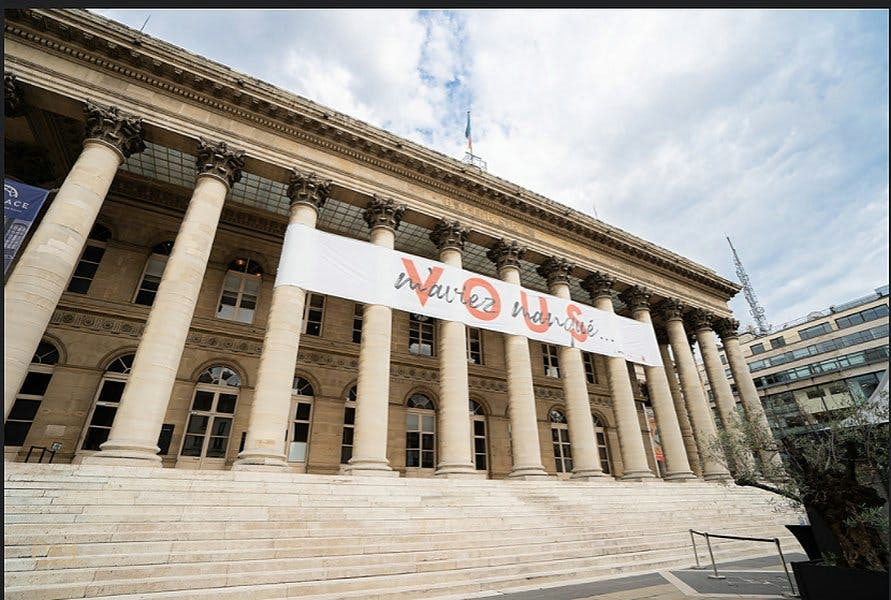
The pop up shop Bastille district has become one of the most sought-after activation zones in Paris, offering brands, artists, and creative collectives an authentic, culturally layered neighbourhood with genuine foot traffic, architectural character, and proximity to some of the city's most celebrated landmarks. From the cobbled passages near Place de la Bastille to the busy retail stretch of Boulevard Beaumarchais, this arrondissement delivers a combination of residential loyalty and tourist flow that few Parisian neighbourhoods can match. Fashion Week Venues works with international brands to identify, negotiate, and activate short-term retail spaces across the Bastille area, handling everything from venue sourcing to full concept production. This guide covers every dimension of planning a pop-up in Bastille, whether you are launching a souvenir pop-up, a fashion boutique, an art exhibition, or a lifestyle brand activation.
Why Bastille Is One of Paris's Premier Pop-Up Destinations
Bastille is not simply a location on a map. It is a living, breathing cultural intersection where the 4th, 11th, and 12th arrondissements converge, creating a neighbourhood character that is simultaneously historical, artistic, bohemian, and commercially active. The Place de la Bastille, one of Paris's most iconic public squares, anchors the area with immense symbolic weight and daily footfall from both Parisian residents and international visitors. Brands that activate near the square benefit from the gravitational pull of the Opéra Bastille, the Port de Plaisance de l'Arsenal, and the surrounding café and restaurant culture that draws thousands of visitors daily.
The streets radiating from Place de la Bastille offer distinct retail micro-environments. Rue de Charenton stretches southeast into the 12th arrondissement, lined with independent retailers, neighbourhood boutiques, and food businesses that give the street a lived-in, trusted commercial character. Boulevard Beaumarchais runs north toward the Marais, and its pavements carry a steady flow of Parisians moving between neighbourhoods, making it a strong candidate for any brand seeking a rue passante, or busy street location, for maximum visibility. These corridors are genuinely different from the more tourist-saturated axes of Rue de Rivoli or the areas immediately surrounding the Arc de Triomphe, which tend to attract a higher proportion of international visitors seeking luxury goods rather than discovery-oriented experiences.
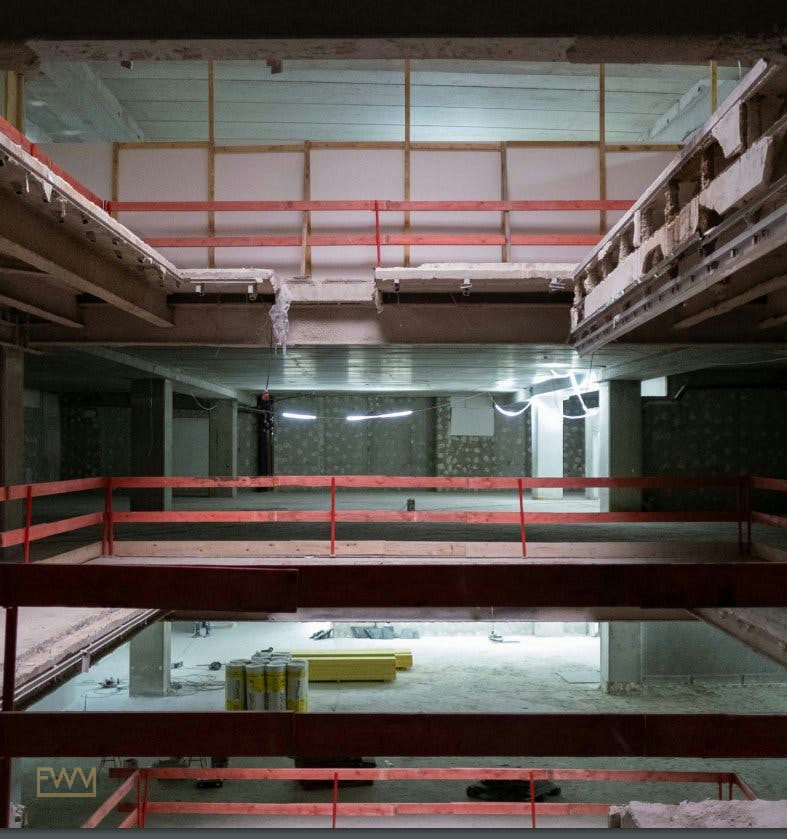
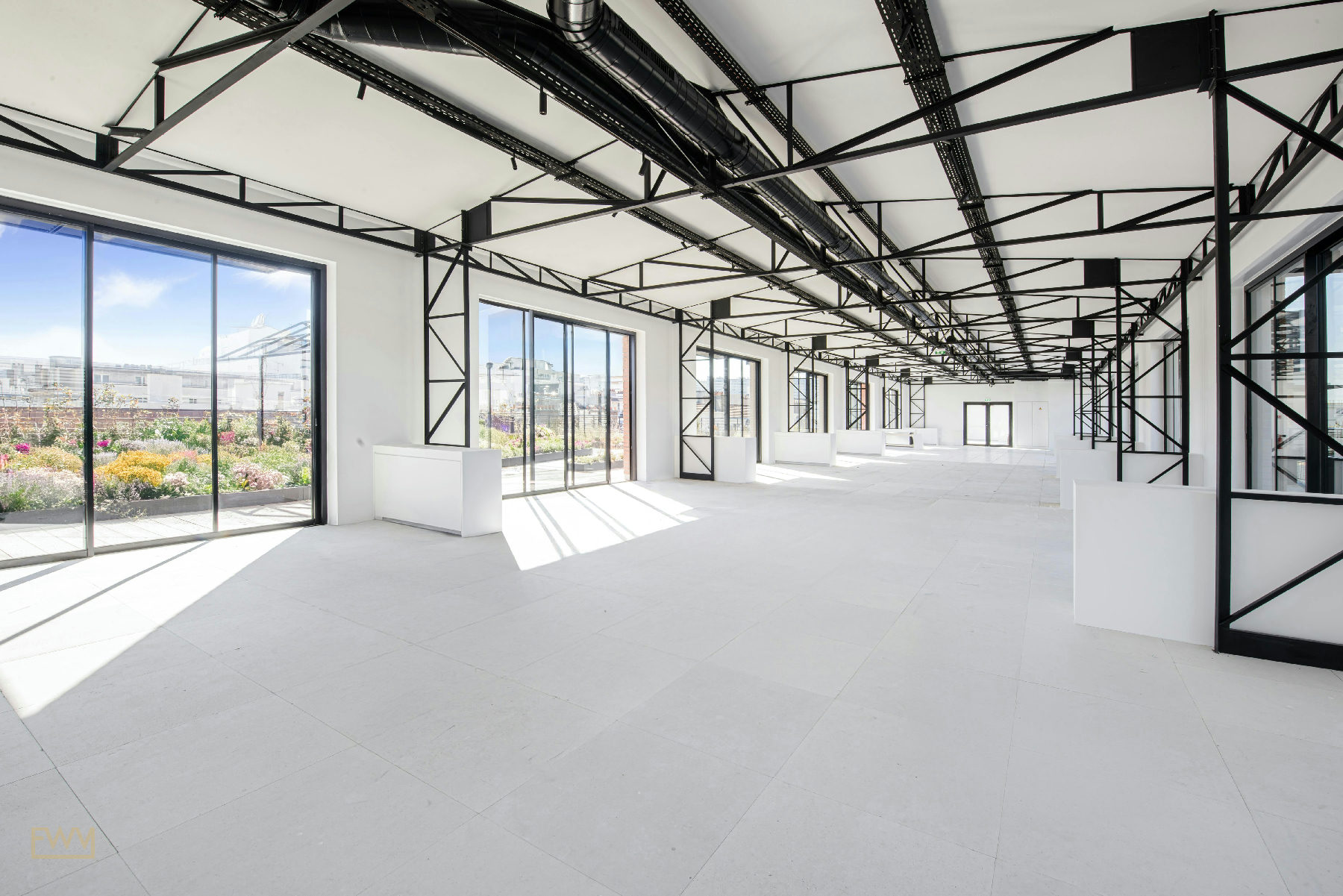
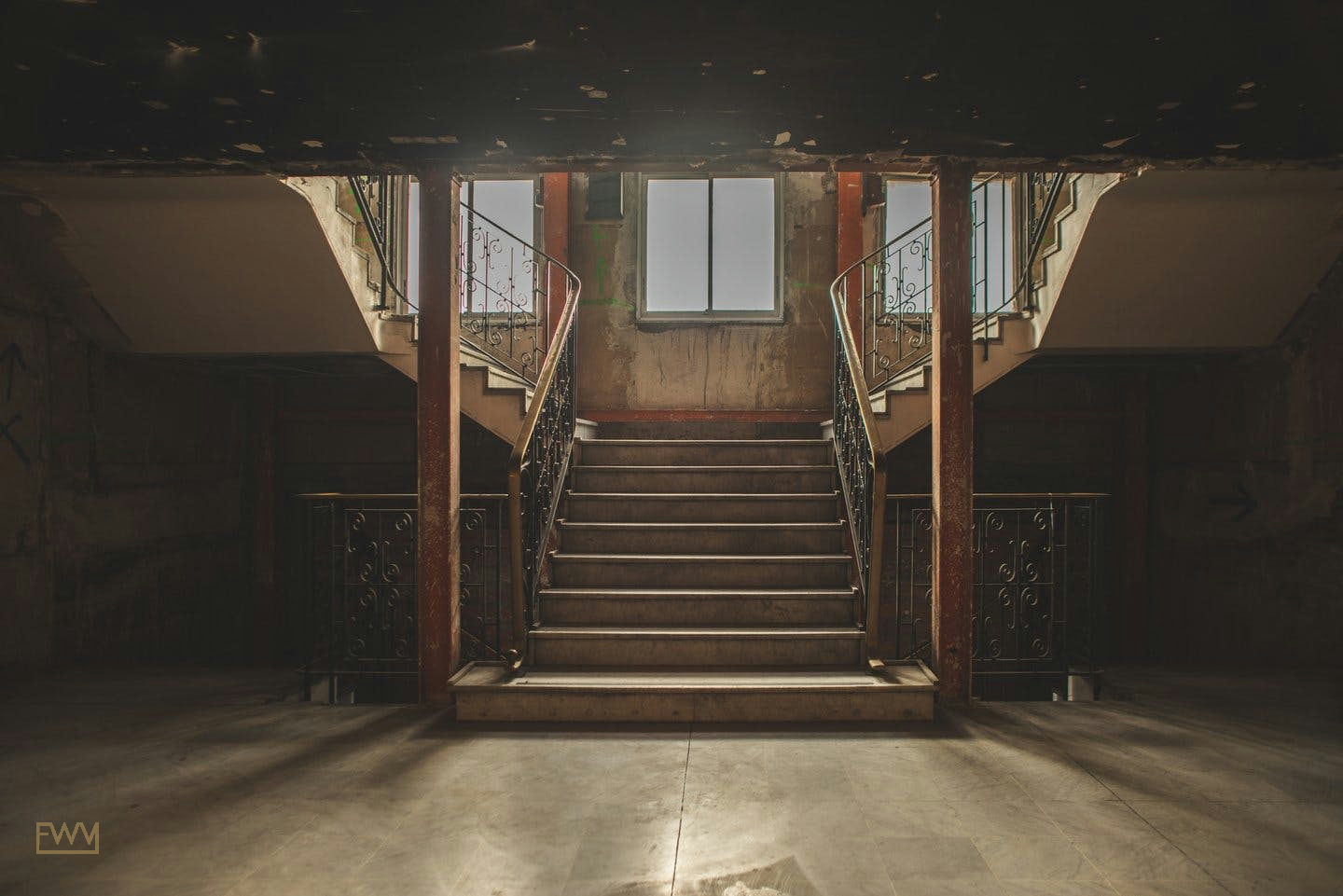
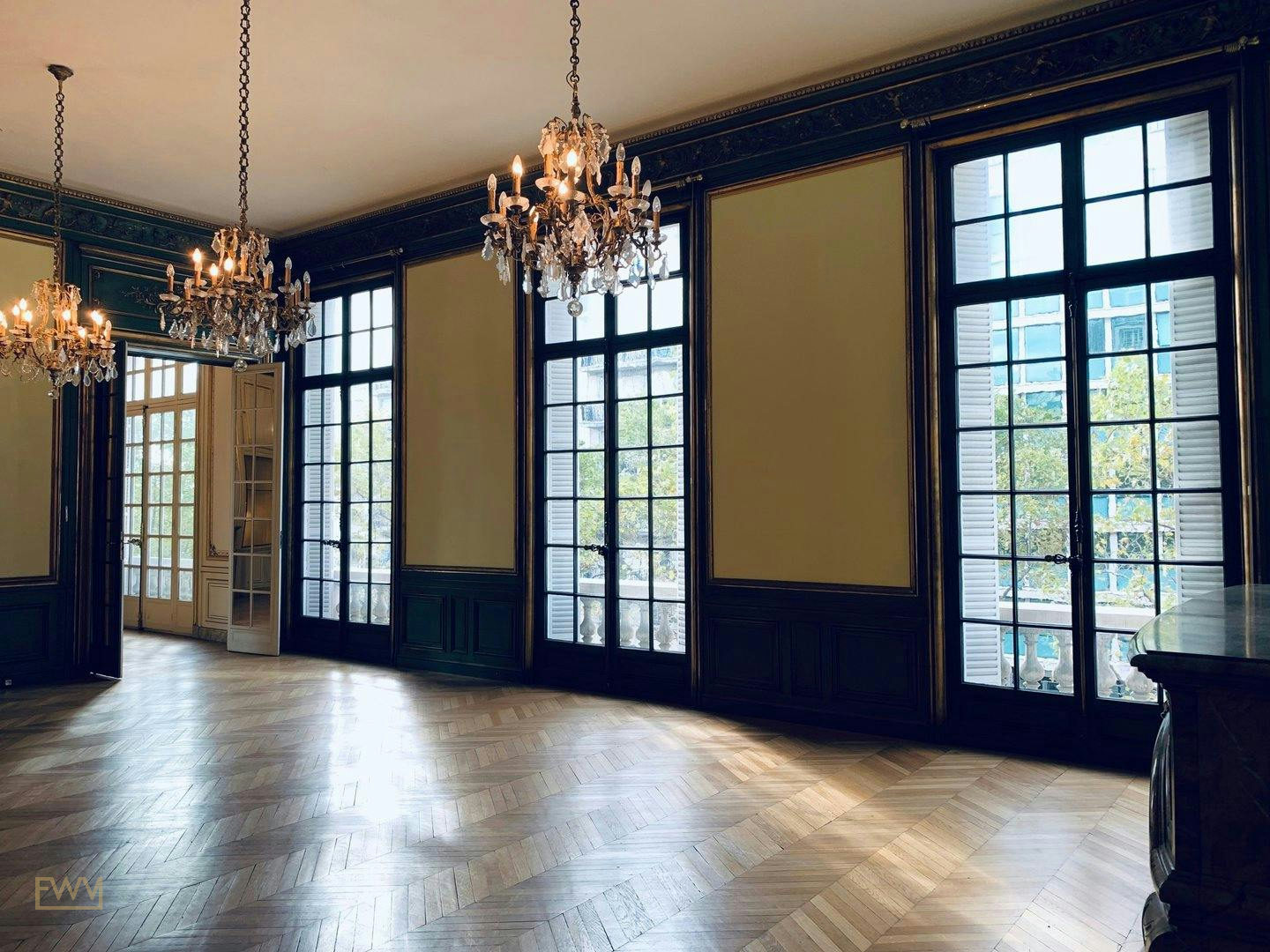
What makes Bastille especially appealing for pop-up formats is the diversity of available space types. Former artisan workshops, covered passages, ground-floor commercial units with volet roulant facades, raw loft spaces above traditional shopfronts, and even arched cellar spaces beneath Haussmann-era buildings all exist within walking distance of each other. Each space type carries a different aesthetic possibility and a different audience dynamic. A space with exposed stone arches and original wooden floors communicates heritage and craftsmanship. A white-box unit with floor-to-ceiling glass and néons LED installations communicates contemporary energy and brand modernity. Bastille contains both, and everything in between.
The neighbourhood also benefits from a dense network of cultural institutions. The Galerie White Cube had a significant Paris presence, and the area's long association with artists, designers, and creative professionals means that culturally oriented pop-ups, from art exhibitions to fashion-meets-art activations, land with genuine credibility here rather than feeling like imported brand theatre. For brands drawing on French-inspired artistic works, Bastille offers an authentic backdrop that amplifies the narrative rather than contradicting it.
Quick answer: Bastille is one of Paris's strongest pop-up locations because it combines high natural footfall from Place de la Bastille and its surrounding streets, diverse space types including arches, loft spaces, and boutique shopfronts, a culturally credible neighbourhood identity, and access to both Parisian residents and international tourists within a compact, walkable geography.
KEY TAKEAWAY: Bastille offers brands a rare combination of footfall, architectural diversity, cultural credibility, and neighbourhood authenticity that makes it a genuinely strong pop-up destination rather than simply a convenient central Paris address.
Understanding the physical geography and audience composition of Bastille helps brands make sharper decisions about which street, which space type, and which format will serve their specific activation goals. The next section examines the space types available in more detail.
Space Types and Retail Infrastructure for Pop-Up Stores in Bastille
Choosing the right space type is one of the most consequential decisions in any pop-up store project. In Bastille, brands have access to a genuine variety of physical formats, each with distinct advantages depending on brand identity, product category, visitor experience goals, and operational requirements.
Boutique Shopfronts with Volet Roulant Facades
The classic Parisian boutique unit, typically ranging from 30 to 120 square metres on the ground floor, remains the most common pop-up store format in Bastille. These units feature the characteristic volet roulant, or roll-down shutter, that closes flush with the facade at night, providing security and a visual blankness that transforms into a fully branded storefront during trading hours. The reveal moment each morning is a genuine retail ritual that creates anticipation among passersby and repeat visitors alike. For brands focused on daily footfall conversion, these shopfronts on streets like Boulevard Beaumarchais or rue de Charenton offer maximum visibility during peak pedestrian hours.
These spaces typically include basic electrical infrastructure, a sales floor, a small back-of-house area, and sometimes a cabine d'essayage, or fitting room, which is essential for fashion pop-ups where try-before-you-buy is part of the customer experience proposition. Brands running fashion activations or lifestyle boutiques should confirm fitting room availability or budget for temporary construction before committing to a space.
Arched and Cellar Spaces
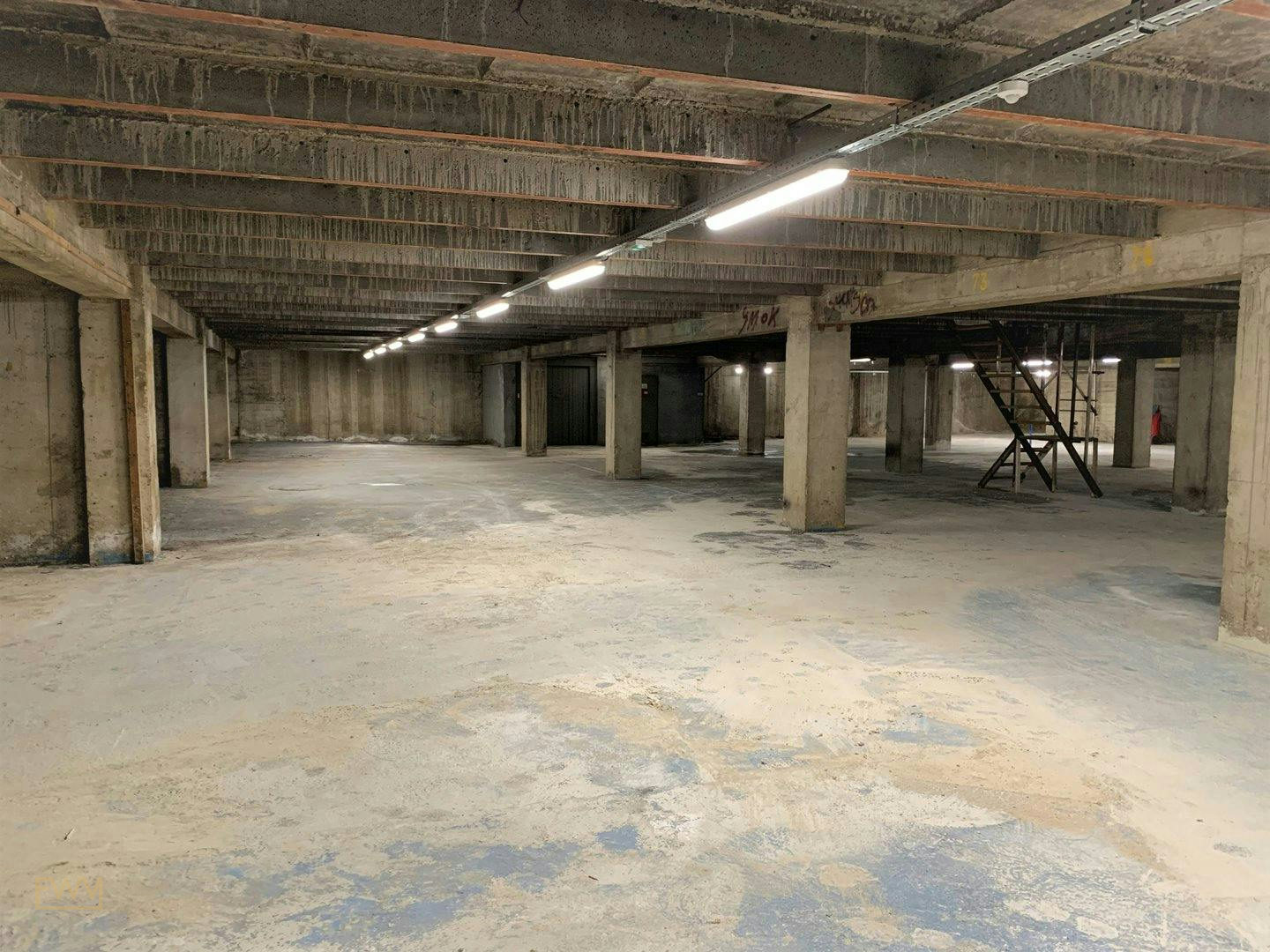
Bastille and the surrounding 11th and 12th arrondissements contain a significant number of arched and semi-underground spaces, particularly beneath Haussmann-era buildings and along the old railway viaduct infrastructure. These spaces carry an immediate atmospheric quality that is difficult and expensive to replicate artificially. Stone arches, raw brick walls, and vaulted ceilings create a powerful visual context for activations in categories including wine, spirits, gastronomy, luxury goods, art, and heritage fashion. The Viaduc des Arts, located along avenue Daumesnil just east of Place de la Bastille, is perhaps the most famous example, with its elegant arches housing artisan ateliers and boutiques. While the Viaduc itself has established long-term tenants, the Bastille area contains comparable arched spaces available for short-term rental.
Vitrine and Window-First Formats
For brands focused on visual storytelling rather than transactional retail, a vitrine-led space, where the display window becomes the primary communication medium, can be more effective than a larger trading floor. The vitrine format works particularly well for souvenir pop-ups, limited-edition product launches, and artist-led installations where the physical product is secondary to the visual experience. Néons LED installations in vitrine spaces create night-time visibility and social media amplification without requiring extended staffing hours, making them a cost-efficient format for brands on tighter activation budgets.
Covered Passages and Gallery Formats
Several covered passages and gallery-style spaces exist within or adjacent to the Bastille area, offering a more curated, discovery-oriented shopping environment. These passages attract a deliberate visitor who is already in an exploratory mindset, making them well suited to premium or niche brand activations where audience quality matters more than raw volume. The passage format also provides natural shelter from weather, which is a meaningful operational advantage during autumn and winter activation windows in Paris.
Raw Loft and Industrial Spaces
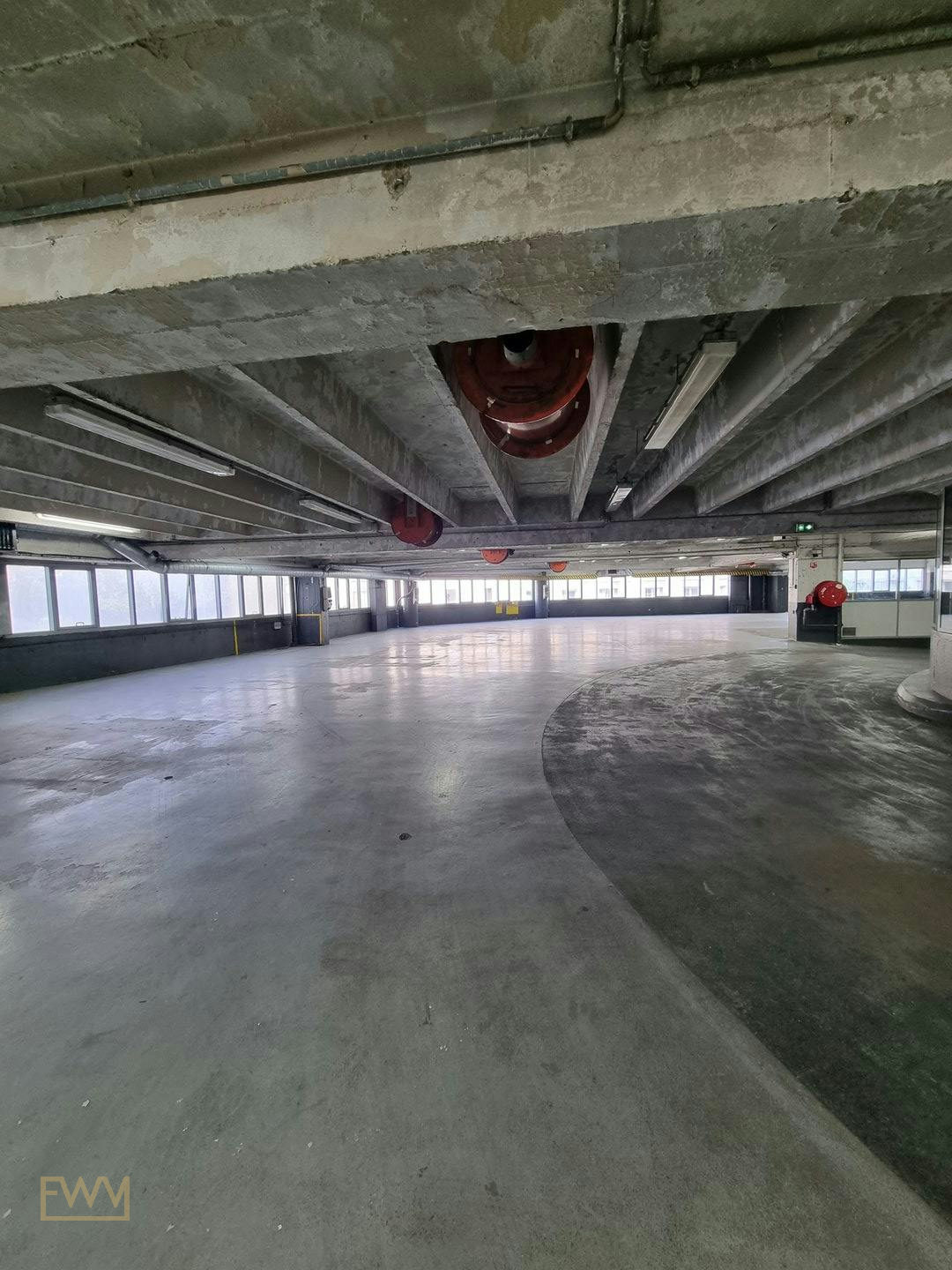
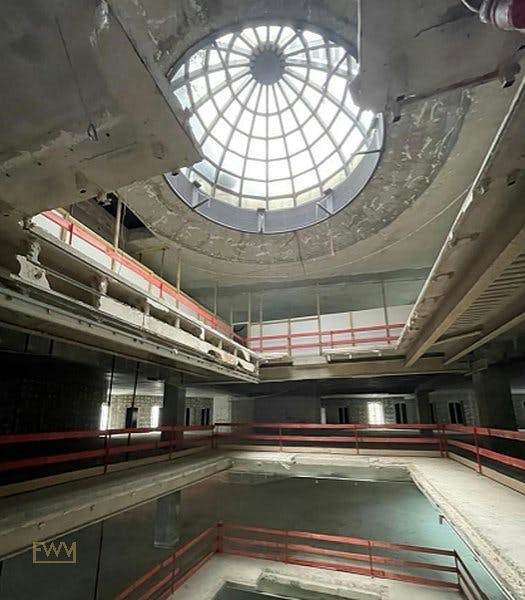
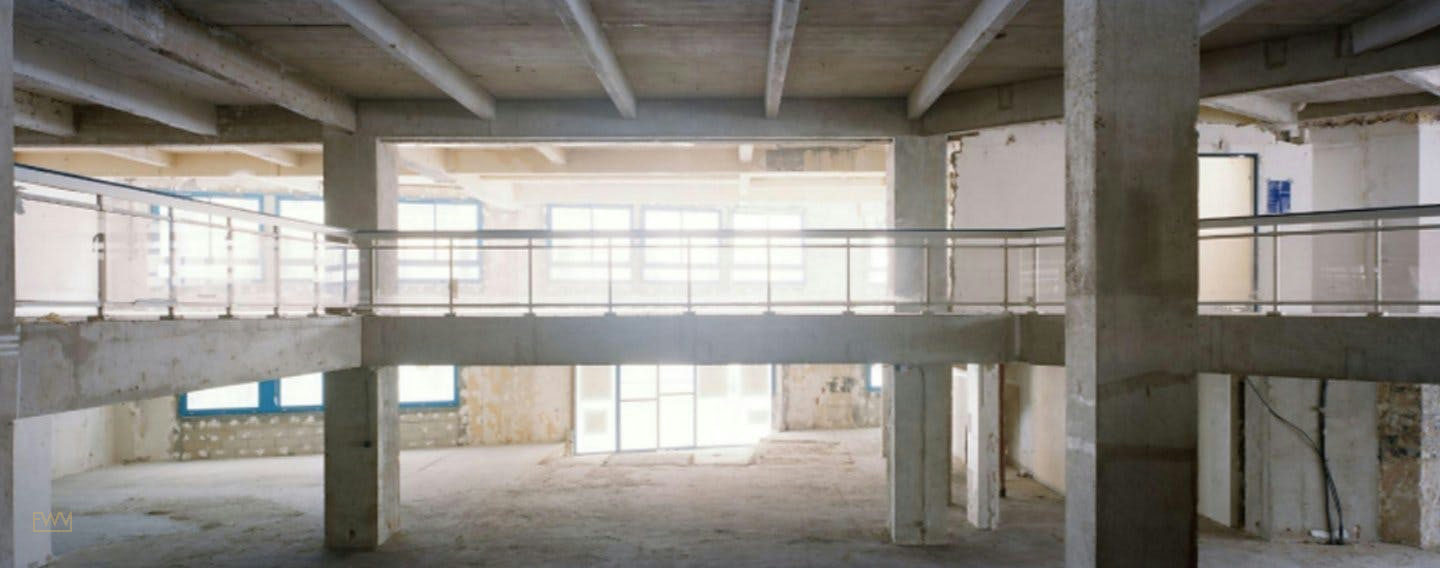
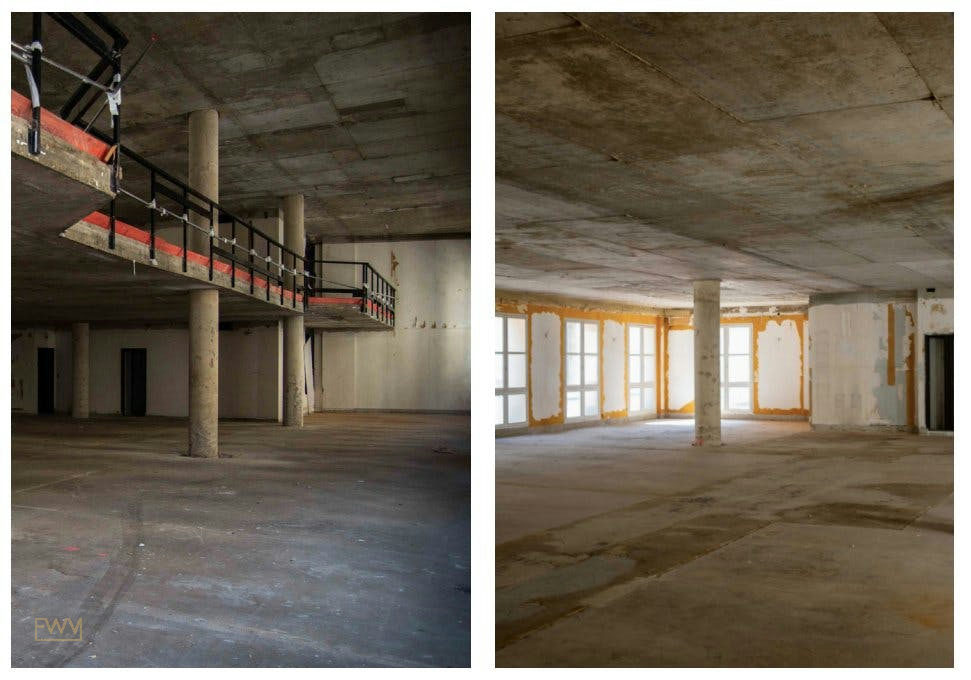
The 11th arrondissement, which borders Bastille to the north and east, contains a substantial stock of former workshop and light industrial spaces that have become popular for brand activations, showrooms, and combined retail-event formats. These raw loft spaces offer high ceilings, flexible floor plans, and a blank-canvas quality that allows brands to build highly customised environments. They tend to require more production investment than finished shopfronts but offer correspondingly greater creative freedom.
Quick answer: Bastille pop-up spaces include boutique shopfronts with volet roulant facades, arched cellar and viaduct spaces, vitrine-first formats ideal for visual storytelling, covered passage units, and raw loft spaces suited to bespoke brand build-outs. Each type serves different brand categories, budgets, and visitor experience goals.
DID YOU KNOW: The Viaduc des Arts along avenue Daumesnil, a short walk from Place de la Bastille, was one of Paris's earliest examples of adaptive reuse of historic infrastructure for creative retail, converting railway arches into permanent artisan ateliers and boutiques.
To compare space types, neighbourhoods, and availability windows in the Bastille area, explore the Paris city hub on Fashion Week Venues and shortlist spaces that match your brief, budget, and calendar window.
KEY TAKEAWAY: Space type selection in Bastille should be driven by brand category, desired visitor experience, production budget, and operational requirements rather than simply by size or price. A well-chosen 40-square-metre vitrine space on a rue passante will outperform a poorly chosen 200-square-metre loft on a secondary street for most consumer-facing activations.
Having identified the right space type, brands must then consider the calendar context and event timing that will shape their Bastille activation strategy.
Events, Calendar Windows, and Bastille Day Activations
The Bastille district carries a unique calendar advantage that most Paris neighbourhoods cannot claim: it is the symbolic heart of Bastille Day, France's national holiday celebrated on 14 July each year. The Place de la Bastille and surrounding streets attract enormous crowds during the Bastille Day period, with the area serving as a focal point for civic celebrations, public gatherings, and cultural événements. For brands with a French-inspired identity, or for international brands seeking to align with French national culture, the Bastille Day window represents one of the highest-footfall moments of the year in this specific neighbourhood.
Bastille Day and French-Inspired Brand Activations
Brands that have positioned themselves around French-inspired artistic works, French cuisine, French lifestyle, or Marianne-inspired visual language have a genuine opportunity to amplify their narrative during the Bastille Day period. A pop-up store or temporary exhibition that opens in the days leading up to 14 July and runs through the weekend captures both the ceremonial footfall and the celebratory spending mood that accompanies the holiday. This is particularly relevant for brands in the lifestyle, gastronomy, art, and souvenir categories, where the cultural alignment between product and occasion is immediately legible to visitors.
The souvenir pop-up category is worth examining separately. Paris receives millions of international visitors annually, and the Bastille area, while less saturated with souvenir retail than Rue de Rivoli or the areas around the Tour Eiffel and Arc de Triomphe, offers a more curated, less commoditised souvenir experience. A brand offering genuinely distinctive French-made or French-inspired objects, whether a tricolored string bag in the hues of the national flag, a knitted French sausage that playfully subverts souvenir conventions, or a surreal snow globe featuring dinosaurs and flamingos gamboling next to the Tour Eiffel, can attract both tourists seeking something beyond the standard postcard and Parisian residents who appreciate the wit and craft of the proposition.
Paris Fashion Week and Seasonal Activation Windows
Beyond Bastille Day, the Paris Fashion Week calendar creates significant activation opportunities throughout the year. Paris hosts two major fashion weeks annually, in January and February for the autumn-winter collections and in September and October for the spring-summer collections, plus dedicated haute couture weeks. The Bastille area sits within comfortable reach of the primary fashion week venues clustered in the Marais and 8th arrondissement, making it a viable location for brand showrooms, press events, and buyer-facing activations that need to be close to but not inside the most expensive central fashion week zones.
Other significant Paris calendar events that drive Bastille area footfall include the Foire du Trône, Paris Cocktail Week, Nuit Blanche, and the various seasonal markets and Expo events that rotate through the neighbourhood's open spaces and cultural venues. Brands planning activations should map their planned open dates against the Paris events calendar to identify footfall amplifiers and avoid scheduling conflicts with major events that might create logistics and access challenges around Place de la Bastille.
Booking Rules, Cancellation Policies, and Reservation Management
One of the most consistently underestimated operational dimensions of a Bastille pop-up is the règle de réservation, or booking rule structure, that governs short-term space rentals. Unlike standard commercial leases, which provide long-term security at the cost of flexibility, short-term pop-up agreements in Paris vary significantly in their terms. Some space owners operate with platform-based réservation systems similar to those offered by marketplaces such as Peerspace, where spaces are bookable on a per-day or per-week basis with defined annulation, or cancellation, policies. Others operate through direct negotiation, particularly for spaces with higher production requirements or longer activation periods.
Understanding the distinction between platform-managed réservation with standardised annulation policies and directly negotiated agreements is critical for brand teams managing activation budgets. Platform-based bookings typically offer more transparency and lower minimum commitments but may have less flexibility for fit-out time, exclusivity arrangements, or extended operating hours. Directly negotiated agreements offer more customisation but require more legal diligence and specialist support.
Quick answer: The Bastille district offers multiple high-value calendar windows for pop-up activations, including Bastille Day on 14 July, Paris Fashion Week in January, February, September, and October, and a range of Expo and cultural events throughout the year. Each window creates different audience compositions and different communication opportunities for brands.
IMPORTANT: Brands should review annulation and réservation terms carefully before committing to any Bastille space booking. Cancellation fees and minimum booking periods vary significantly between space types and operators, and some peak-period bookings carry non-refundable deposit structures.
KEY TAKEAWAY: Calendar strategy is inseparable from location strategy in Bastille. The neighbourhood's unique connection to Bastille Day, combined with its proximity to Paris Fashion Week circuits and a rich programme of cultural événements, means that the timing of a pop-up activation is as important as its physical location and space type.
With calendar windows identified and space types understood, brands must next consider the art, culture, and lifestyle dimensions that give Bastille pop-ups their distinctive character.
Art, Culture, and the Creative Identity of Bastille Pop-Ups
Bastille has a long and genuine relationship with the arts that predates the current pop-up retail trend by decades. The neighbourhood's history as a centre of artisan production, its association with political and cultural rebellion symbolised by the Bastille fortress itself, and its contemporary role as a zone where galleries, design studios, and creative businesses coexist with residential and commercial life all contribute to a cultural identity that brands can draw on authentically.
Artists and Artistic Works in the Bastille Context
The Bastille area has historically attracted artists, sculptors, furniture makers, and artisan craftspeople, and this tradition continues in the ateliers and small studios that persist alongside newer commercial uses. For brands launching pop-ups that foreground artistic works, whether as the primary product, as a curatorial context for fashion or lifestyle goods, or as an experiential layer within a retail space, Bastille provides a credible setting that reinforces rather than undermines the art positioning.
International galleries have recognised this. The presence of significant gallery spaces, including the Galerie White Cube's engagement with the Paris market, signals that the art world takes the Bastille neighbourhood seriously as a cultural destination rather than simply a commercial one. Brands staging art-meets-retail activations can lean into this gallery culture, using the language and formats of contemporary art presentation, including sparse installation, artist statements, and collector-oriented communication, to elevate the perceived value and cultural seriousness of their pop-up proposition.
Domicile and the Third Annual Model
One interesting case study in the Bastille pop-up context is the Domicile format, specifically the model of a recurring annual activation that deepens community recognition and audience trust with each edition. Domicile's third annual pop-up demonstrated how a brand with a distinctive French-inspired lifestyle identity can use the repetition of format and location to build genuine neighbourhood presence rather than simply executing a one-off brand moment. The third annual model creates a narrative arc: visitors who attended the first and second editions return with anticipation, bringing new guests and creating a word-of-mouth amplification effect that paid media cannot replicate.
For brands considering Bastille as a recurring activation location rather than a one-time experiment, the third annual model offers a strategic template. The investment in neighbourhood relationships, supplier familiarity, and audience awareness compounds over multiple editions, reducing the effective cost per visitor and increasing the quality of engagement with each iteration.
Merci and the Cultural Commerce Model
While Merci is formally located in the Marais rather than Bastille proper, its influence on how Parisian cultural retail operates is deeply relevant to any brand planning a Bastille pop-up. Merci demonstrated that a retail space anchored in cultural curation, social mission, and genuine aesthetic vision could achieve both commercial success and institutional respect. Merci's e-shop extended this model into digital commerce, and the brand's collaborations with designers including Paola Navone established a precedent for how lifestyle brands can use temporary and collaborative retail formats to maintain cultural relevance between permanent collections.
The Merci model is instructive for Bastille pop-up planners because it shows that the most successful culturally oriented retail activations in Paris are not those that simply display products in a nice space, but those that create a coherent world, with a consistent aesthetic, a clear values proposition, and a visitor experience that feels genuinely curated rather than commercially assembled. Whether the product is Limoges porcelain, a tricolored string bag, or a bistro-inspired food concept, the curation logic matters as much as the individual items.
Quick answer: Bastille's cultural credibility, rooted in its artisan history, gallery presence, and contemporary creative community, makes it an authentic setting for art-forward, culturally oriented, and lifestyle-led pop-up activations. Brands that draw on the neighbourhood's creative identity rather than simply using it as a backdrop create more resonant and more effective activations.
TIP: Consider collaborating with a Bastille-based artist or craftsperson to create an exclusive product or installation for your pop-up. This deepens cultural authenticity, generates local press interest, and creates a natural story for social media and brand communication.
KEY TAKEAWAY: The art and culture dimension of Bastille pop-ups is not decorative. It is structural. Brands that treat the neighbourhood's creative identity as an integral part of their activation concept, rather than an aesthetic backdrop, consistently achieve stronger visitor engagement and more durable brand recall.
Understanding culture and product in context, the next critical question for any brand is how to navigate the practical operational and compliance requirements that govern pop-up stores in Paris.
Permits, Legal Frameworks, and Compliance for Bastille Pop-Ups
Operating a pop-up store in Paris requires navigating a distinct set of legal and administrative frameworks that differ significantly from standard commercial property rental and from the pop-up regulatory environments in cities like London, New York, or Tokyo. Understanding the key structures and their implications is essential before signing any agreement or committing activation budget.
Bail Dérogatoire and Short-Term Rental in Paris
The bail dérogatoire is the primary legal mechanism for short-term commercial property rental in France. It allows parties to agree on a rental period of up to 36 months without triggering the full protections and obligations of the standard bail commercial, or commercial lease, which carries significant tenant rights and long-term obligations that are inappropriate for temporary activations. For a pop-up store in Bastille lasting anywhere from a few days to several months, the bail dérogatoire is typically the relevant legal instrument, but the specific terms, requirements, and documentation vary depending on the space, the arrondissement, the property owner, and the intended use.
It is important to understand that the bail dérogatoire is not the same as an informal short-term agreement. It is a formal legal instrument with specific statutory requirements under French law, and departures from correct procedure can inadvertently create standard commercial lease obligations for either party. Brands without French legal representation should not attempt to negotiate or sign bail dérogatoire agreements without specialist support.
Autorisation d'Occupation Temporaire (AOT)
For activations that involve any use of public space, including terrace extensions, external displays, street-level installations, or market-format retail adjacent to public pavements near Place de la Bastille, an Autorisation d'Occupation Temporaire, or AOT, may be required from the relevant mairie or local authority. The AOT process involves submission of documentation, payment of occupancy fees, and compliance with specific conditions regarding dimensions, materials, and hours of operation. Requirements vary by arrondissement and by the specific location and format of the activation. Brands planning any external or partially external activation elements near Place de la Bastille or on Boulevard Beaumarchais should investigate AOT requirements at the earliest stage of planning.
IMPORTANT: Neither a bail dérogatoire nor an AOT is automatically straightforward to obtain, and neither guarantees approval. Brands should verify all permit requirements with a qualified French legal advisor and should not assume that a space owner's willingness to rent implies that all necessary permissions are already in place.
Sales Regulations and Payment Infrastructure
Pop-up stores in Bastille that conduct retail transactions must comply with French consumer protection regulations, including requirements around price display, return policies, and data protection under GDPR. Payment infrastructure should support both cash and credit card transactions, as French consumers and international visitors alike expect seamless credit card acceptance. Point-of-sale systems should be configured for French VAT rates and, for brands selling to international visitors, should ideally support tax-free shopping documentation where applicable.
For detailed guidance on permits applicable to specific Bastille space types and activation formats, the permit guidance tool on Fashion Week Venues provides a structured starting point for understanding the regulatory landscape before engaging legal specialists.
Quick answer: Pop-up stores in Bastille typically operate under a bail dérogatoire for up to 36 months. Public space activations near Place de la Bastille may additionally require an Autorisation d'Occupation Temporaire. All requirements should be verified with a qualified French legal advisor, as conditions vary significantly by space type, location, and intended use.
KEY TAKEAWAY: Permit and compliance navigation is one of the most frequently underestimated elements of Paris pop-up planning. Brands that address legal structure, AOT requirements, and payment compliance early in the planning process avoid delays, unexpected costs, and activation cancellations that result from late-stage compliance discoveries.
With compliance frameworks understood, the next dimension to address is the practical production and operational logistics of building and running a Bastille pop-up store.
Production, Build, and Operational Logistics for Bastille Pop-Up Stores
The physical production of a pop-up store in Bastille involves a chain of decisions and dependencies that extend well beyond selecting furniture and applying brand graphics. A successful build requires coordination across space preparation, fit-out design, furniture and fixtures, technology infrastructure, signage, and handover logistics, all within the compressed timelines that characterise short-term retail activations.
Fit-Out Design and Branded Store Design
The design of a pop-up store must work harder than the design of a permanent retail space because it has less time to build familiarity and habit with visitors. Every design decision, from the placement of the vitrine display to the flow of traffic through the cabine d'essayage to the positioning of néons LED signage, must serve the twin goals of immediate legibility and sustained engagement. A visitor who enters a Bastille pop-up should understand within seconds what the brand is, what it offers, and what experience it wants to create. This requires design discipline that goes beyond aesthetic preference into behavioural planning.
Branded store design for Bastille spaces should also account for the architectural character of the space. A néons LED grid installation that looks powerful in a raw loft may read as cluttered in a stone-arched cellar space. A minimalist white-box design that works in a contemporary shopfront may feel cold and disconnected in a covered passage with warm wood finishes and period details. The most effective pop-up designs in Bastille are those that respond to the specific space rather than simply transposing a brand template.
Furniture Rental and Fixture Planning
Short-term furniture rental is standard practice for Paris pop-ups, offering flexibility, cost efficiency, and professional quality without the capital expenditure or logistical burden of purchasing and then disposing of furniture. Furniture selection should align with brand identity while remaining practical for the space configuration and operational requirements. A bistro-inspired lifestyle pop-up might require small round tables, bentwood chairs, and open shelving with a warm patina. A contemporary fashion boutique might require clean-line metal rail systems, modular display plinths, and minimal seating. A souvenir pop-up with a playful, design-forward proposition might require custom display units that double as installation elements.
Maintenance, Cleaning, and Daily Operations
The operational logistics of running a Bastille pop-up extend to the daily maintenance tasks that determine whether the space presents professionally throughout the activation period. This includes routine cleaning responsibilities such as balayer, or sweeping, aspirateur use for carpeted or rugged surfaces, and serpillière, or mopping, for hard floors. Space agreements often specify which maintenance responsibilities fall to the tenant and which are handled by the building owner or management. Brands should clarify these responsibilities before signing agreements and budget accordingly for daily cleaning support if the space requires it.
A poorly maintained pop-up space loses credibility rapidly, particularly in a neighbourhood like Bastille where visitors have high aesthetic expectations shaped by the surrounding retail and cultural environment. Daily operational standards are not a minor logistical detail. They are a direct determinant of visitor experience quality and brand perception.
Staffing and Customer Experience
Retail staffing for a Bastille pop-up should be approached with the same seriousness as staffing for any customer-facing brand activation. Staff are the primary human interface between the brand and the visitor, and in a pop-up context where there is no long-term relationship to fall back on, the quality of every individual customer interaction is disproportionately important. Bilingual or multilingual staff, comfortable in both French and English and ideally a third language, are strongly advisable for Bastille locations given the mix of Parisian residents and international visitors the neighbourhood attracts.
Communication standards, product knowledge, and brand story fluency should all be established through a pre-activation briefing process. Staff who can articulate why the brand is in Bastille, what the pop-up concept means, and how the products connect to the broader brand world create a qualitatively different customer experience from staff who are simply processing transactions.
Quick answer: Bastille pop-up production requires coordinated management of fit-out design, furniture rental, technology infrastructure, daily maintenance, and staffing. Each operational element contributes to visitor experience quality and brand credibility. Brands should plan production timelines with build and test days factored in before the first public-facing day.
TIP: Use the timeline planning tool to map your Bastille pop-up build schedule backwards from your opening date, ensuring adequate time for space access, fit-out construction, technology setup, staff briefing, and a pre-opening quality check.
KEY TAKEAWAY: Production and operational logistics are where most pop-up activations either succeed or fail. The neighbourhood, concept, and design can all be excellent, but if the space is not built on time, maintained to standard, and staffed with genuinely capable people, the visitor experience will underperform regardless of the quality of the upstream planning.
Having addressed production logistics, brands planning Bastille activations must also think carefully about budget, return on investment, and how to measure the commercial and brand value of the activation.
Budget Planning and ROI Measurement for Bastille Pop-Ups
Budget planning for a Bastille pop-up must account for a wider range of cost categories than most brand teams initially anticipate. The total cost of a pop-up activation is not simply the space rental fee. It encompasses design, production, furniture, technology, staffing, permits, marketing, logistics, and operational overhead, each of which contributes to the final investment total and to the return that investment must justify.
Cost Categories and Price Ranges
Space rental in Bastille varies significantly by street, space type, size, and duration. Busy rue passante locations on Boulevard Beaumarchais or near Place de la Bastille command premium prices relative to secondary streets in the surrounding arrondissements. Arched and atmospheric spaces often carry a premium over comparable square-metre footage in more standard shopfront units, reflecting the difficulty of replicating their architectural character elsewhere. Directional estimates for any specific activation depend heavily on these variables, and brands should use a structured budget planning tool rather than relying on industry averages that may not reflect current market conditions in Bastille specifically.
Beyond space rental, brands should budget for design and concept development, fit-out construction and materials, furniture rental, point-of-sale and payment infrastructure, staffing across all open days, marketing and influencer activation, permit fees and legal support, insurance, and daily operational costs including cleaning, restocking, and logistics. The total investment for a well-executed Bastille pop-up can vary from a modest brand experiment to a significant retail activation, and the right investment level depends on the brand's commercial objectives, the duration of the activation, and the competitive context.
Use the budget estimation tool on Fashion Week Venues to build a brand-specific cost model for your Bastille activation before committing to space agreements or supplier contracts.
Measuring Return on Investment
Return on investment for a Bastille pop-up is not simply a function of direct sales revenue relative to total cost. For most brands, the ROI calculation must incorporate a broader set of value metrics, including brand awareness impact, press and editorial coverage value, influencer amplification reach, new customer acquisition cost, digital data capture value, and the long-term customer lifetime value generated by first-time visitors to the pop-up who subsequently become loyal brand customers.
Brands that measure pop-up ROI purely on immediate sales typically underestimate the total value of the activation and consequently underinvest in the elements, specifically experience quality, storytelling depth, and marketing amplification, that generate the highest long-term returns. A visitor who enters a Bastille pop-up, has a genuinely memorable customer experience, photographs the space, shares it with their network, and subsequently purchases from the brand's digital channel represents a return that extends well beyond the transaction that may or may not have occurred on the day.
Data and analytics infrastructure within the pop-up space, including traffic counting, dwell time measurement, conversion tracking, and customer data capture through loyalty or newsletter sign-up, are essential for building an accurate and defensible ROI case for stakeholders and for informing future activation decisions.
Quick answer: Bastille pop-up budgets must account for space rental, design, fit-out, furniture, technology, staffing, permits, marketing, and operations. ROI measurement should extend beyond direct sales to include brand awareness, new customer acquisition, digital amplification, and data value. Use structured tools to build and stress-test your budget and ROI projections before committing capital.
KEY TAKEAWAY: The most common budget mistakes in Bastille pop-up planning are underestimating total cost by focusing only on space rental and underestimating total return by measuring only immediate sales. A full-investment, full-return analysis consistently reveals that well-executed pop-ups in strong Bastille locations create disproportionately high value relative to their cost.
With budget and ROI frameworks in place, the question of how to choose and work with a specialist agency to execute the activation becomes the next critical decision.
How Fashion Week Venues Helps Brands Activate in Bastille
Fashion Week Venues is a full-service pop-up agency and space marketplace with deep expertise in Paris, including the Bastille neighbourhood and the surrounding arrondissements of the 11th and 12th. The agency works with international brands, creative directors, brand activation managers, and retail strategists to identify the right space, develop the right concept, and execute activations to a professional standard within the compressed timelines and complex compliance environments that characterise Paris short-term retail.
Services Available for Bastille Activations
Fashion Week Venues offers a comprehensive service set that can be engaged as a full package or modularly, depending on the brand's existing capabilities and requirements. The venue sourcing service covers the identification, shortlisting, and negotiation of spaces in Bastille and across Paris, drawing on both marketplace listings and off-market relationships with property owners and managers. For brands without Paris-based property contacts or French-language negotiation capability, this service eliminates a significant and time-consuming barrier to activation.
Concept and creative development, production and fit-out, branded store design, furniture rental, retail staffing, POS and payments setup, data and analytics infrastructure, and influencer marketing are all available as integrated services. This means that a brand can engage Fashion Week Venues as the single accountable partner for the full activation, from initial brief to handover and post-activation reporting, rather than managing a fragmented supplier network across multiple time zones and languages.
Tools for Self-Directed Research and Planning
For brand teams conducting initial research and planning independently, Fashion Week Venues provides a suite of planning tools. The space locator helps brands identify Bastille and Paris spaces by neighbourhood, size, and type. The compare tool allows side-by-side evaluation of shortlisted spaces. The budget calculator provides structured cost modelling. The ROI calculator enables investment justification. The timeline tool supports backward planning from opening date. The permits tool provides a structured introduction to the French regulatory landscape for short-term retail.
The Imagine tool allows brands to visualise how a selected space might look with specific design concepts applied, supporting faster and more confident creative decision-making before committing to space agreements. The Build tool supports fit-out planning with structured production workflows.
Which Brands Benefit Most
Fashion Week Venues is most useful for international brands entering Paris for the first time or scaling their Paris activation from a single event to a multi-season strategy, for brands without in-house Paris production or logistics capability, for creative teams who need expert support navigating French permit and compliance requirements, and for brands seeking a curated shortlist of Bastille spaces rather than spending weeks researching the market independently. The agency is not a guarantee of any specific outcome, space availability, or permit approval, but it provides the knowledge, relationships, and operational capability to maximise the probability of a successful activation.
To understand how Fashion Week Venues approaches activations in practice, explore past activations and case studies on the agency's website for reference examples across brand categories and activation formats.
Quick answer: Fashion Week Venues provides venue sourcing, concept development, production, staffing, compliance support, and data analytics for pop-up activations in Bastille and across Paris. Brands can engage the full service suite or use individual services and planning tools depending on their existing capabilities and specific requirements.
KEY TAKEAWAY: Engaging a specialist agency for a Bastille pop-up is not simply a cost. It is an investment in execution quality, timeline reliability, and compliance confidence that typically generates a positive return relative to the cost of self-directed activation attempts that encounter avoidable delays, compliance failures, or space mismatches.
Neighbourhood Comparison: Bastille vs Other Paris Pop-Up Districts
Understanding how Bastille compares to other Paris pop-up districts helps brands make a genuinely informed location decision rather than defaulting to the most familiar or most heavily marketed neighbourhood.
| Neighbourhood | Key Streets | Primary Audience | Space Character | Best For |
|---|---|---|---|---|
| Bastille | Boulevard Beaumarchais, rue de Charenton, Place de la Bastille | Mixed: residents, creatives, tourists | Arched cellars, boutique shopfronts, loft spaces | Lifestyle, art, food, fashion, souvenir |
| Le Marais | Rue des Francs-Bourgeois, rue Vieille du Temple | Tourists, fashion consumers, LGBTQ+ community | Historic hôtels particuliers, gallery spaces | Luxury, fashion, art, premium lifestyle |
| Saint-Germain-des-Prés | Boulevard Saint-Germain, rue de Rennes | Affluent Parisians, cultural tourists | Classic Parisian boutiques, gallery storefronts | Luxury, heritage, publishing, art books |
| Oberkampf / 11th | Rue Oberkampf, rue Saint-Maur | Young creatives, local residents | Raw warehouse spaces, former ateliers | Streetwear, independent fashion, music, culture |
| Rue de Rivoli / 1st | Rue de Rivoli, rue Saint-Honoré | International tourists, luxury shoppers | Grand commercial units, arcade spaces | Mass market, souvenir, mainstream retail |
Bastille occupies a distinctive middle ground in this comparison: more culturally authentic and residentially grounded than Rue de Rivoli, more accessible and diverse than Saint-Germain-des-Prés, and more commercially active and mixed than the raw creative spaces of Oberkampf. For brands seeking a location that combines genuine cultural credibility with meaningful commercial footfall and architectural variety, Bastille is genuinely differentiated rather than simply a fallback from more expensive or more competitive zones.
KEY TAKEAWAY: Bastille's competitive position relative to other Paris pop-up districts is defined by its authenticity, diversity, and balance. It is not the most expensive, the most famous, or the most tourist-saturated neighbourhood in Paris, but for a wide range of brand categories and activation formats, it consistently outperforms those more obvious choices in terms of visitor engagement quality and activation memorability.
Step-by-Step Workflow for Planning a Bastille Pop-Up
A structured planning process reduces risk, compresses timelines, and improves the quality of every downstream decision in a Bastille pop-up project. The following workflow reflects best practice for brands planning activations ranging from two weeks to three months in duration.
| Stage | Key Actions | Typical Timeline Before Opening |
|---|---|---|
| 1. Brief Development | Define objectives, budget range, space requirements, calendar window, brand parameters | 12 to 16 weeks |
| 2. Venue Research | Shortlist Bastille spaces by type, size, street, and availability using marketplace and agency support | 10 to 12 weeks |
| 3. Site Visits | Visit shortlisted spaces, assess physical condition, access, loading, and neighbourhood context | 8 to 10 weeks |
| 4. Legal and Permit Review | Review bail dérogatoire terms, assess AOT requirements, engage French legal advisor | 8 to 10 weeks |
| 5. Concept Development | Develop spatial concept, design direction, customer experience flow, and production specification | 6 to 8 weeks |
| 6. Supplier Engagement | Confirm furniture, fit-out, technology, staffing, and marketing suppliers | 5 to 7 weeks |
| 7. Production and Build | Execute fit-out construction, install fixtures and technology, dress the space | 1 to 2 weeks |
| 8. Staff Briefing | Brief all staff on brand story, product knowledge, customer experience standards, and operational procedures | 3 to 5 days |
| 9. Soft Opening and Quality Check | Run a pre-public opening to identify and resolve operational issues | 1 to 2 days |
| 10. Activation and Monitoring | Open to public, monitor daily performance data, maintain operational standards throughout | Ongoing |
| 11. Close-Out and Analysis | Strip out space, restore to agreed condition, complete post-activation ROI analysis and reporting | After close |
This workflow is intended as a guide rather than a fixed prescription. Shorter activations of one to two weeks may compress stages, while longer activations of two to three months may require additional supplier and compliance stages. The critical non-negotiables across all activation durations are the legal review, the production timeline, and the staff briefing, which are the stages most frequently compressed or skipped by brands attempting to manage activations independently without specialist support.
KEY TAKEAWAY: A structured, staged planning workflow is the single most effective risk-reduction measure available to brands planning Bastille pop-ups. Each stage builds on the previous one, and failures in early stages, particularly brief development, legal review, and concept development, create compounding problems in later stages that are expensive and time-consuming to resolve under production pressure.
Products, Lifestyle Concepts, and Souvenir Pop-Ups in Bastille
The product and lifestyle dimension of Bastille pop-ups deserves dedicated attention because the neighbourhood's audience and cultural identity create specific opportunities and constraints that directly shape which product categories perform well and how they should be presented.
Cuisine and Gastronomy Pop-Ups
Bastille has a strong food culture rooted in the neighbourhood's market history, with the Marché d'Aligre a short walk east on rue de Charenton and numerous independent food producers, wine merchants, and restaurant operators in the surrounding streets. This gastronomic context makes Bastille an excellent location for food and drink pop-ups, including tasting experiences, product launches for artisan food brands, and bistro-format temporary restaurants. Brands in the cuisine category, from Limoges porcelain tableware to artisan food products, benefit from the neighbourhood's existing reputation as a place where food is taken seriously and celebrated.
Mode and Fashion Activations
Fashion pop-ups in Bastille work best when they engage authentically with the neighbourhood's creative and artisan identity rather than importing a generic luxury or high-street format. Mode activations that connect to craft, to French making traditions, or to the contemporary Parisian creative scene, and that include genuine storytelling rather than simply product display, consistently outperform those that treat Bastille as a neutral backdrop for fashion that could equally have been launched anywhere.
Souvenir and French-Inspired Object Pop-Ups
The souvenir pop-up category in Bastille occupies a particularly interesting creative space. There is a genuine market gap between the mass-produced, low-quality souvenir retail concentrated around the Tour Eiffel, the Arc de Triomphe, and Rue de Rivoli, and the high-end, inaccessible luxury goods of Saint-Honoré and Place Vendôme. A curated souvenir pop-up in Bastille, offering genuinely distinctive, design-led, French-made or French-inspired objects at accessible price points, can capture a substantial audience of design-aware tourists and Paris-loving Parisians who want something better than a keyring but cannot justify a four-figure luxury purchase.
This is the audience that asks itself: or maybe you would prefer a tricolored string bag in the hues of the national flag? Or a knitted French sausage that subverts souvenir convention with wit and craftsmanship? Or a surreal snow globe, with dinosaurs and flamingos gamboling next to the Tour Eiffel, something absurdly specific and genuinely delightful that no chain store would dare to produce? These are not hypothetical products. They represent a real demand for objects that combine French cultural reference with genuine design intelligence and a sense of playfulness that mass souvenir production entirely lacks.
The Bastille neighbourhood, with its mix of design-literate residents, culturally curious international visitors, and proximity to the artisan and gallery culture of the surrounding arrondissements, is an ideal location for this kind of elevated, design-forward souvenir proposition.
Paola Navone and the Lifestyle Collaboration Model
Designer collaborations in the lifestyle category, exemplified by figures like Paola Navone whose work with Merci demonstrated how a single designer's aesthetic vision could transform a retail space into a genuinely collectible experience, offer a template for Bastille pop-ups that want to achieve cultural elevation beyond standard retail. Inviting a known designer, artist, or creative director to curate or co-create the pop-up concept signals seriousness and creates a genuine reason for the press, for collectors, and for design-aware visitors to engage.
Quick answer: Bastille supports a wide range of product and lifestyle pop-up categories including gastronomy and cuisine, contemporary fashion and mode, design-forward souvenir concepts, and lifestyle collaborations. The most successful product categories are those that engage authentically with the neighbourhood's creative and culinary culture rather than simply using the location as a neutral backdrop.
KEY TAKEAWAY: Product strategy and location strategy are inseparable in Bastille pop-up planning. The neighbourhood's food culture, design sensibility, and creative identity actively shape which products resonate and which fall flat. Brands that adapt their product presentation to the Bastille context, rather than applying a universal template, consistently achieve stronger commercial and cultural results.
Common Myths About Pop-Up Shops in Bastille and Paris
MYTH: You need a French legal entity to rent a pop-up space in Paris or Bastille.
FACT: Many Paris pop-up spaces, including those in Bastille, can be accessed by international companies without a French legal entity, provided the rental agreement is structured appropriately, typically as a bail dérogatoire, and all relevant compliance requirements are met. The specific requirements vary by space type, duration, and property owner. Working with a specialist agency and a French legal advisor clarifies the correct structure for each situation without requiring full entity establishment.
MYTH: Paris Fashion Week is the only viable calendar window for brand activations in Bastille.
FACT: While Paris Fashion Week creates significant activation opportunities, the Bastille neighbourhood generates strong footfall year-round through its resident community, cultural events programme, and consistent tourist flow. Bastille Day in July, Nuit Blanche in October, and a continuous calendar of local événements create multiple high-value activation windows throughout the year that are less competitive and often more cost-effective than the Fashion Week peak periods.
MYTH: Commission brokers are the only way to find a pop-up space in Bastille.
FACT: Commission-based brokers are one route to Bastille space discovery, but they are not the only or necessarily the best route. Space marketplaces, agency relationships with off-market property owners, and direct approaches to property managers all provide access to Bastille spaces. Specialist agencies like Fashion Week Venues combine marketplace access with direct relationships and activation expertise, offering a more comprehensive service than a broker whose interest ends at the point of space introduction.
MYTH: Short-term leases in Paris are legally straightforward and do not require specialist support.
FACT: Short-term commercial rental in France operates under specific legal frameworks, including the bail dérogatoire, that carry statutory requirements and potential consequences if incorrectly structured. An agreement that appears straightforward on its face may inadvertently trigger standard commercial lease protections or fail to adequately protect the tenant's interests. All Paris short-term rental agreements, including those in Bastille, should be reviewed by a qualified French legal advisor regardless of the apparent simplicity of the arrangement.
MYTH: A pop-up in Bastille is inherently cheaper than one in the Marais or Saint-Germain-des-Prés and therefore less risky.
FACT: While some Bastille spaces are priced below equivalent sizes in the most expensive Paris neighbourhoods, the total cost of a pop-up activation is determined by far more than space rental alone. Production, staffing, permits, and marketing costs are largely neighbourhood-independent. A lower space rental fee does not reduce the importance of careful budget planning, compliance management, or operational quality. A poorly executed Bastille pop-up is not a low-risk activation simply because its space rental was moderate.
Frequently Asked Questions About Pop-Up Shops in Bastille
What makes Bastille a good location for a pop-up shop in Paris?
Bastille combines genuine neighbourhood character with strong natural footfall from Place de la Bastille, a busy surrounding street network including Boulevard Beaumarchais and rue de Charenton, and a culturally credible creative identity rooted in the area's artisan and gallery history. Unlike more tourist-saturated zones such as the areas around Rue de Rivoli or the Tour Eiffel, Bastille attracts a genuinely mixed audience of Parisian residents, creative professionals, and design-aware international visitors. This mix typically produces higher-quality visitor engagement and stronger brand recall than purely tourist-facing locations.
How do I find available pop-up spaces in the Bastille area?
Pop-up spaces in Bastille can be found through space marketplaces, specialist pop-up agencies with Paris expertise, and direct approaches to property owners and managers. Platforms like the Fashion Week Venues marketplace list available spaces with filterable criteria including neighbourhood, size, space type, and availability dates. Specialist agencies can additionally provide access to off-market spaces and handle negotiation in French on the brand's behalf. Using a combination of marketplace research and agency support typically produces the most comprehensive view of available options at any given time.
What types of spaces are available for pop-up activations in Bastille?
Bastille offers a genuine variety of space types including boutique shopfronts with volet roulant facades on busy streets, arched cellar spaces with architectural character, vitrine-first display formats, covered passage units, raw loft and former workshop spaces in the surrounding 11th and 12th arrondissements, and gallery-style spaces suited to art-forward activations. Each type serves different brand categories, visitor experience goals, and production budgets. Space type selection should be driven by the brand's specific activation objectives rather than simply by size or price per square metre.
Do I need a French legal entity to rent a pop-up space in Bastille?
In many cases, no. International companies can access Bastille pop-up spaces without establishing a French legal entity, provided the rental agreement is correctly structured under French law, typically as a bail dérogatoire. The specific requirements depend on the space type, rental duration, property owner, and intended use. Brands should verify their specific situation with a qualified French legal advisor before signing any agreement. A specialist agency can provide guidance on the practical requirements while legal due diligence is conducted by the appropriate professional.
What is a bail dérogatoire and when does it apply to a Bastille pop-up?
A bail dérogatoire is a French legal instrument that allows parties to agree on a short-term commercial rental of up to 36 months without triggering the full protections and obligations of a standard bail commercial, or long-term commercial lease. It is the primary legal mechanism for most pop-up store rentals in Paris, including Bastille. The bail dérogatoire has specific statutory requirements, and incorrectly structured agreements can inadvertently create standard commercial lease obligations. All bail dérogatoire agreements should be reviewed by a qualified French legal advisor.
What permits might I need for a pop-up shop near Place de la Bastille?
Permit requirements for a Bastille pop-up depend on the space type, the nature of the activation, and whether any public space elements are involved. Activations entirely within private commercial premises typically require the appropriate rental agreement structure and compliance with French consumer protection and trading regulations. Activations that extend to public space, including external displays, terrace elements, or street-level installations near Place de la Bastille, may additionally require an Autorisation d'Occupation Temporaire from the relevant local authority. Requirements vary by arrondissement and location. Verify all requirements with a French legal advisor before activation.
How much does a pop-up shop in Bastille cost?
The total cost of a Bastille pop-up encompasses space rental, design and concept development, fit-out production, furniture rental, technology and POS infrastructure, retail staffing, permits and legal support, marketing and influencer activation, and daily operational costs including cleaning and logistics. Each cost category varies significantly based on space type, activation duration, brand ambition, and production complexity. Directional estimates for any specific activation require a detailed brief. The budget estimation tool on Fashion Week Venues provides a structured starting point for building a brand-specific cost model before committing to supplier agreements.
Is Bastille Day a good time to run a pop-up in the Bastille neighbourhood?
Yes, the Bastille Day period around 14 July is one of the highest-footfall moments of the year in the Bastille neighbourhood specifically. The Place de la Bastille and surrounding streets attract large crowds for civic celebrations and cultural événements, creating a significant activation opportunity for brands with French-inspired identities, lifestyle propositions, or culturally relevant product concepts. Brands should plan Bastille Day activations well in advance, as both space availability and permit processing timelines are compressed by the holiday period, and should consider opening in the days leading up to 14 July to capture the full celebratory footfall window.
What products or brand categories perform well in a Bastille pop-up?
Bastille's mixed audience of design-literate Parisian residents, creative professionals, and culturally aware international visitors supports a wide range of brand categories including contemporary fashion and mode, artisan food and gastronomy concepts, design-forward souvenir and lifestyle objects, art-forward activations and exhibition formats, and French-inspired product concepts with genuine craft or narrative depth. The neighbourhood is less well suited to mass-market, purely transactional, or heavily tourist-oriented retail that is better positioned in higher-footfall tourist zones around the Tour Eiffel, Arc de Triomphe, or Rue de Rivoli.
How long should a Bastille pop-up run to achieve meaningful results?
The optimal duration for a Bastille pop-up depends on the activation objectives, budget, and brand stage. Activations of two to four weeks are sufficient for focused product launches, seasonal brand moments, or calendar-linked events such as Bastille Day. Activations of two to three months allow deeper neighbourhood integration, repeat visitor development, and more robust data collection for ROI analysis. Very short activations of less than one week can be effective for press and influencer-focused moments but rarely generate sufficient consumer footfall to justify full production investment. The timeline planning tool on Fashion Week Venues supports backward planning from any target opening date.
Can I book a Bastille pop-up space through a platform like Peerspace?
Platform-based réservation systems, including Peerspace and similar marketplace tools, provide access to some Bastille spaces on a per-day or per-week basis with standardised booking and annulation policies. These platforms offer transparency and lower minimum commitments, which suits shorter activations and brands in early planning stages. However, platform bookings may have limitations around fit-out time, exclusivity arrangements, extended operating hours, and complex production requirements that make them unsuitable for more ambitious or longer-duration activations. For these, direct negotiation with specialist agency support is typically more appropriate.
What staffing do I need for a Bastille pop-up?
Staffing requirements depend on the space size, trading hours, activation format, and visitor experience ambitions. At minimum, a Bastille pop-up requires at least one member of staff per shift with bilingual French and English capability, given the neighbourhood's mix of Parisian residents and international visitors. For activations with a strong brand storytelling or experiential dimension, additional brand ambassador staffing is advisable. All staff should receive a comprehensive pre-opening briefing covering brand story, product knowledge, customer experience standards, and operational procedures including daily maintenance responsibilities such as cleaning and restocking.
How do I measure the ROI of a Bastille pop-up activation?
ROI measurement for a Bastille pop-up should extend beyond direct sales revenue to include brand awareness impact, press and editorial coverage value, social media and influencer amplification reach, new customer acquisition and lifetime value, and digital data capture value from newsletter sign-ups or loyalty registrations. Data and analytics infrastructure within the space, including traffic counting, dwell time measurement, and conversion tracking, is essential for building an accurate ROI case. The ROI calculator tool on Fashion Week Venues provides a structured framework for quantifying both the costs and the full-value returns of a Bastille activation.
What are the most common mistakes brands make when planning a Bastille pop-up?
The most common mistakes include underestimating total activation cost by focusing only on space rental, compressing planning timelines to the point where permit and legal review is rushed or skipped, selecting a space based on price rather than audience fit and space character, underinvesting in production and staffing quality, and measuring only immediate sales revenue rather than the full range of brand and commercial value generated by the activation. Brands that approach Bastille pop-up planning with a structured, staged process and specialist support consistently avoid the most costly of these errors.
How far in advance should I start planning a Bastille pop-up?
A planning lead time of 12 to 16 weeks before the intended opening date is advisable for most Bastille pop-up activations. This allows adequate time for brief development, venue research and site visits, legal review of the bail dérogatoire and any AOT requirements, concept development, supplier engagement, production scheduling, staffing recruitment and briefing, and marketing preparation. Activations planned with shorter lead times are at significantly higher risk of space unavailability, permit delays, production quality shortfalls, and budget overruns from expedited supplier fees.
Conclusion: Making Your Bastille Pop-Up Activation Work
A pop up shop Bastille is not simply a retail tactic. It is a genuine opportunity to embed a brand within one of Paris's most culturally rich and commercially active neighbourhoods, to create customer experiences that generate lasting brand loyalty, and to produce evidence of commercial and cultural relevance in a city that the global fashion and lifestyle industry continues to treat as the definitive test of a brand's seriousness. The Bastille neighbourhood, with its blend of residential authenticity, architectural variety, calendar density, and creative identity, offers a genuinely differentiated platform for brands that approach it with the right level of research, planning, and operational investment.
The keys to a successful Bastille activation are choosing the right space type for your brand and audience, planning the legal and compliance structure correctly from the outset, investing in production and experience quality rather than cutting corners under time pressure, staffing the activation with genuinely capable and brand-knowledgeable people, and measuring the full range of value generated rather than only immediate transaction revenue. None of these dimensions is uniquely difficult, but all of them require discipline, specialist knowledge, and sufficient lead time to execute well.
Whether you are planning a souvenir pop-up with a design-forward French-inspired proposition, a fashion boutique timed to Paris Fashion Week, a gastronomy concept anchored in the neighbourhood's food culture, an art-meets-retail activation that draws on Bastille's gallery heritage, or a recurring annual activation building on the Domicile model of deepening neighbourhood presence, Fashion Week Venues provides the venue sourcing, concept development, production, staffing, compliance support, and data infrastructure to support a professional, well-executed outcome. For guidance on choosing the right agency for your activation, explore the agency selection guide on Fashion Week Venues.
To move from research to activation, start exploring available spaces on the Fashion Week Venues marketplace and build a focused brief for your target neighbourhood, space type, and calendar window.