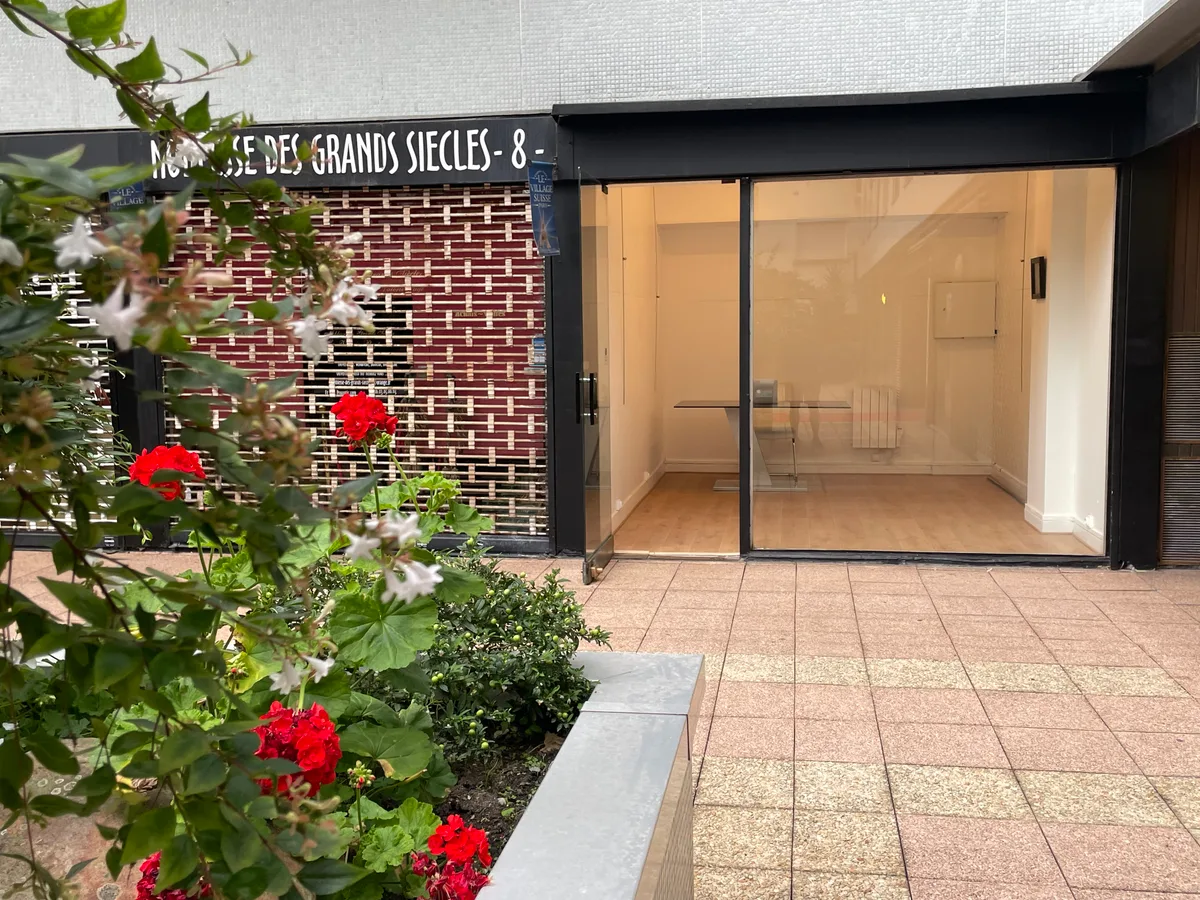
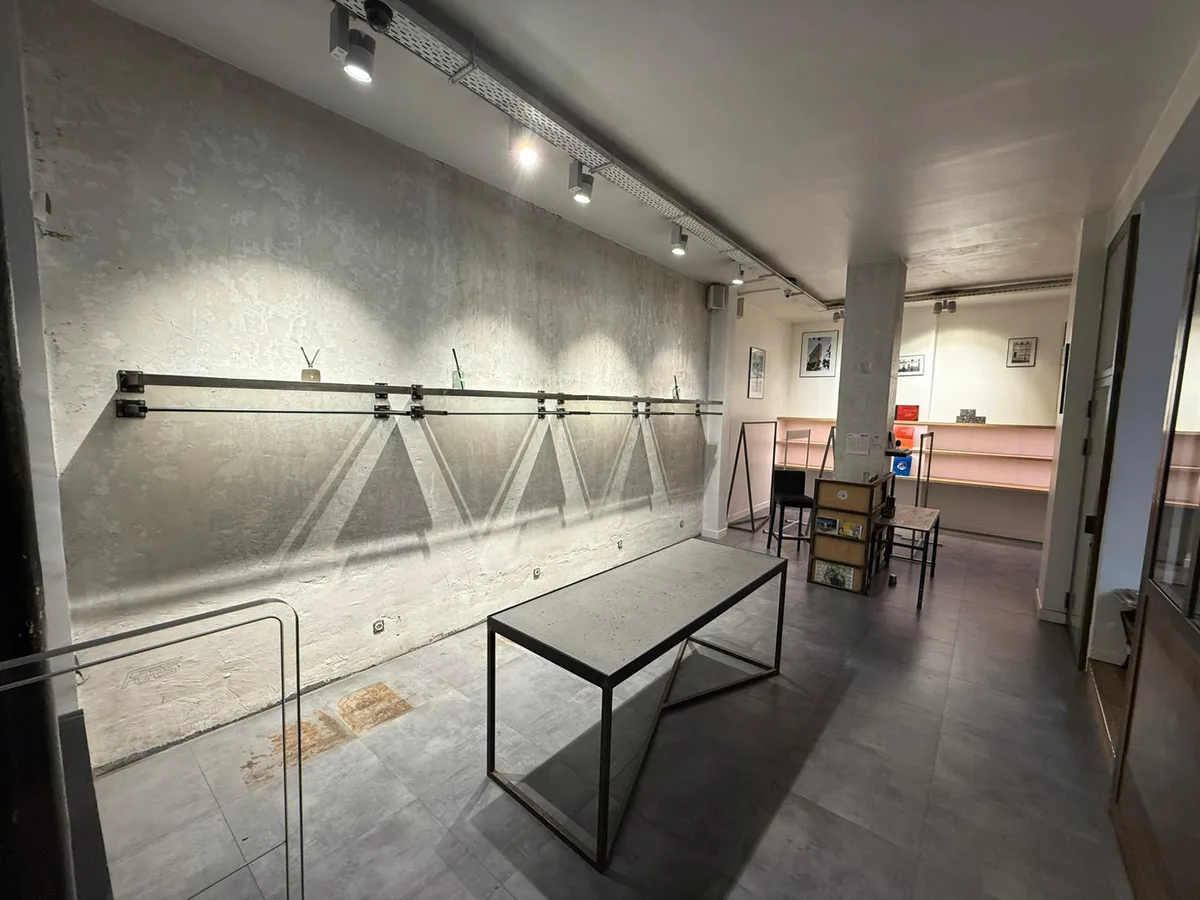
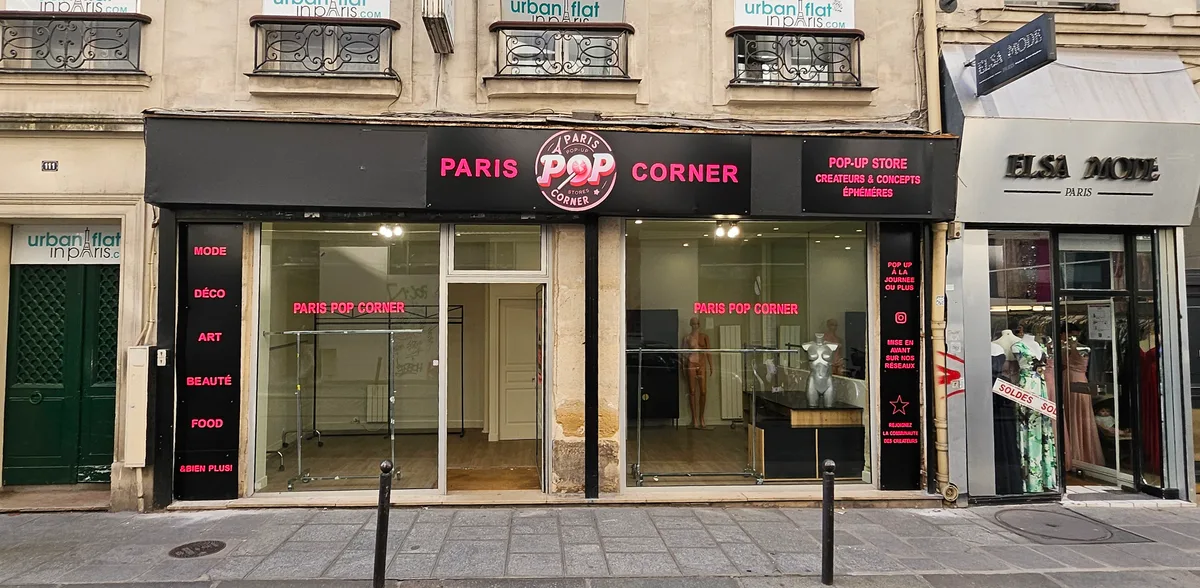
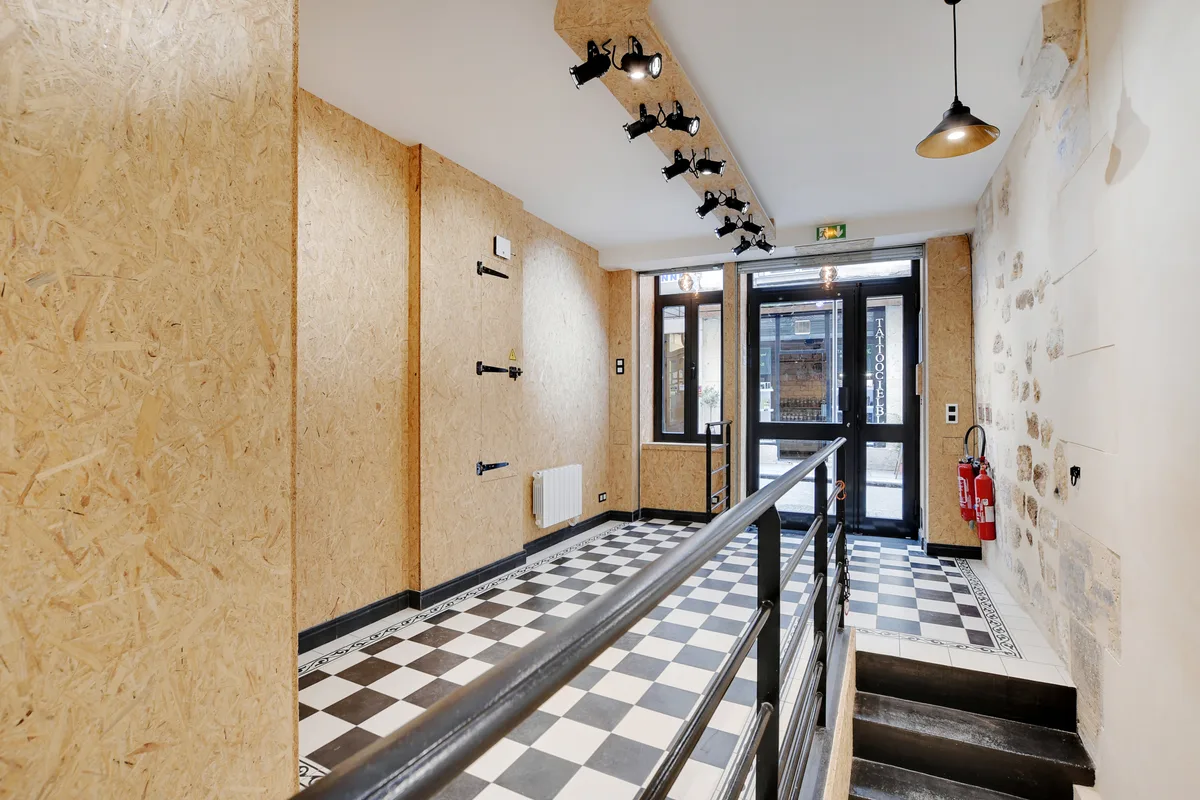
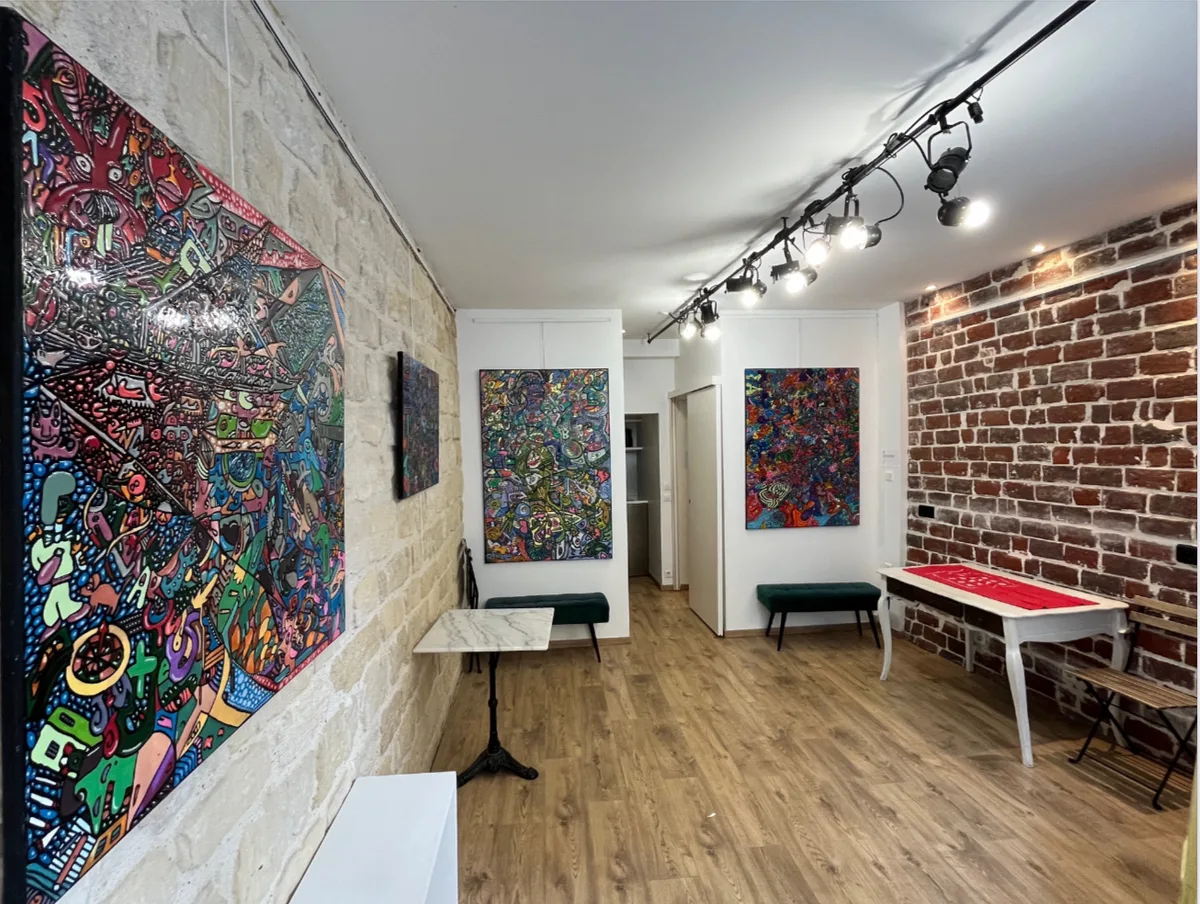
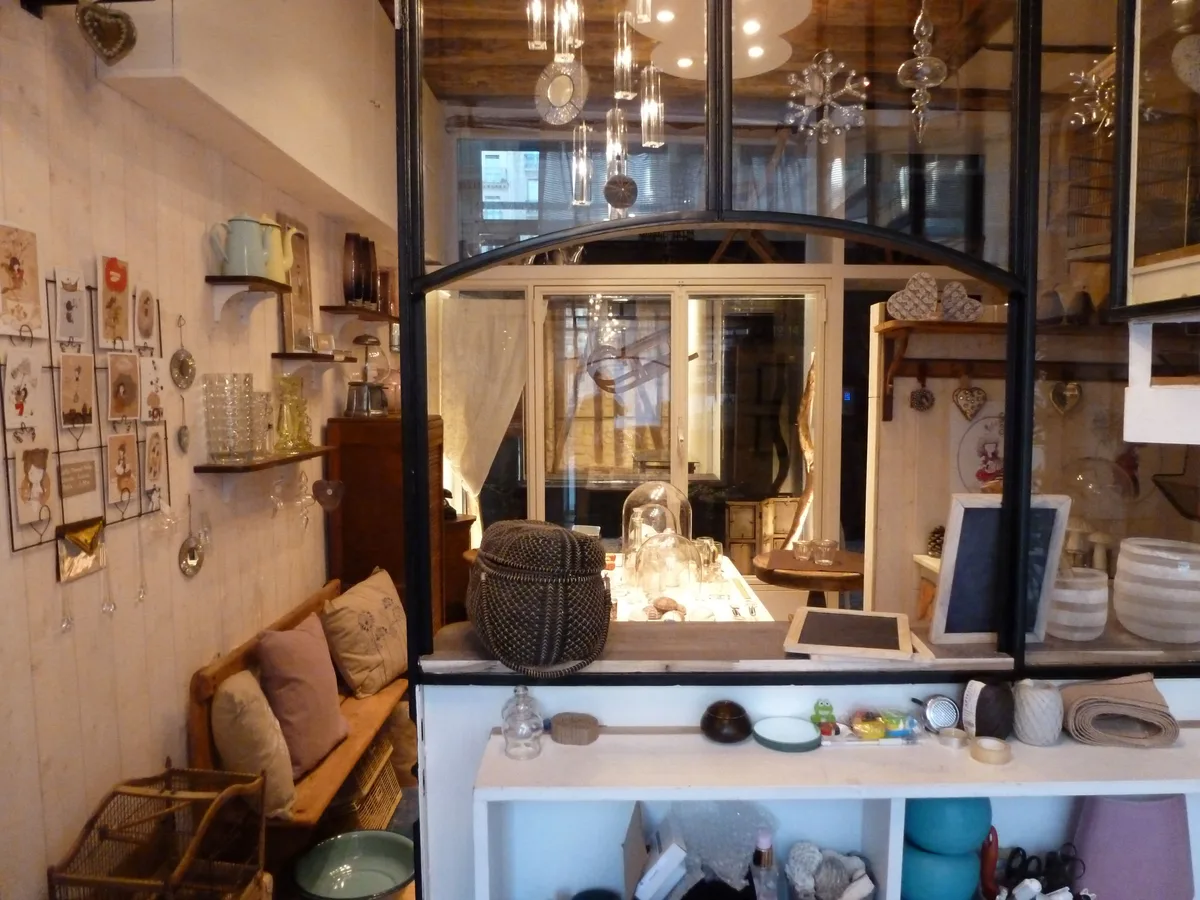
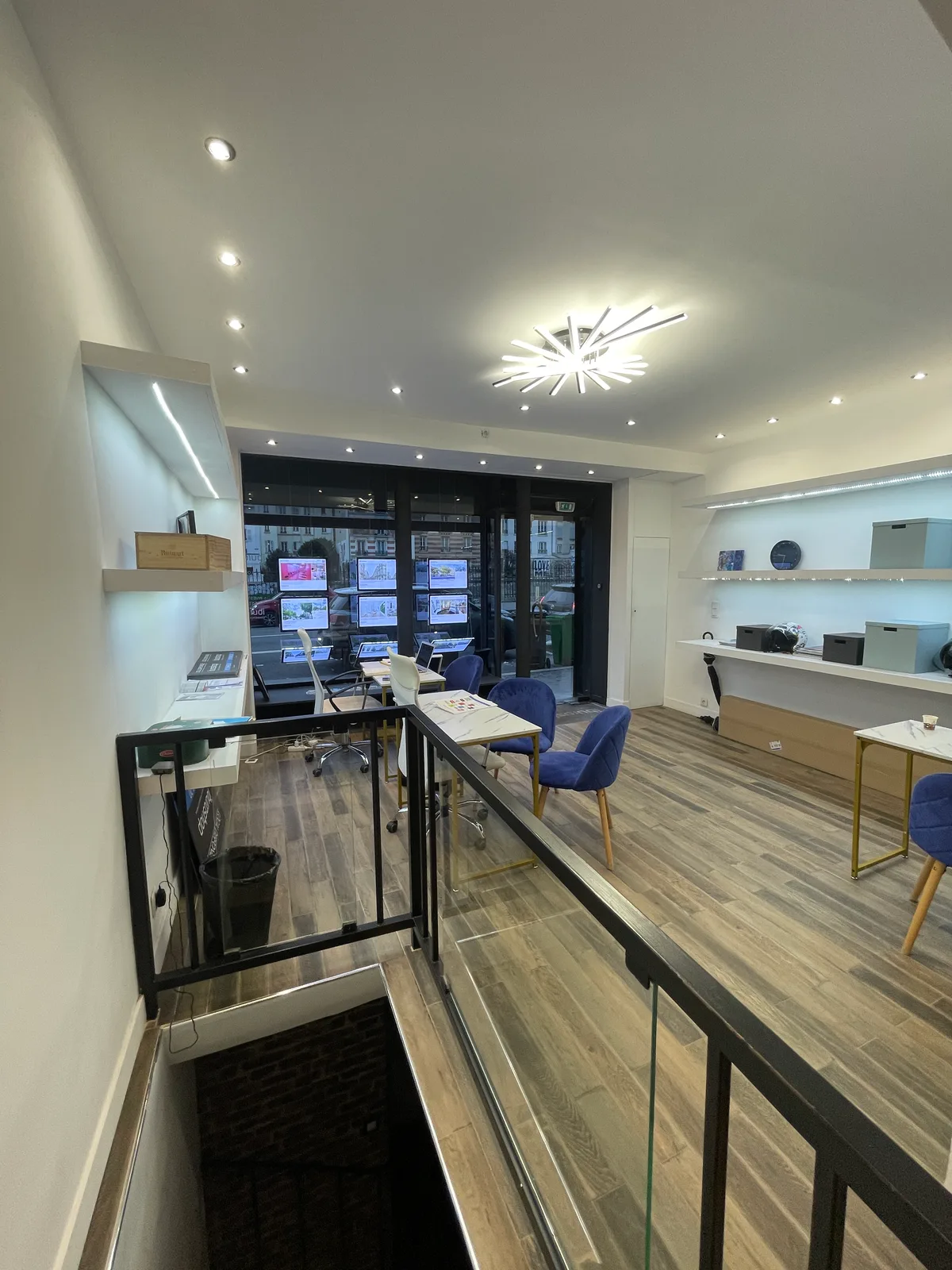
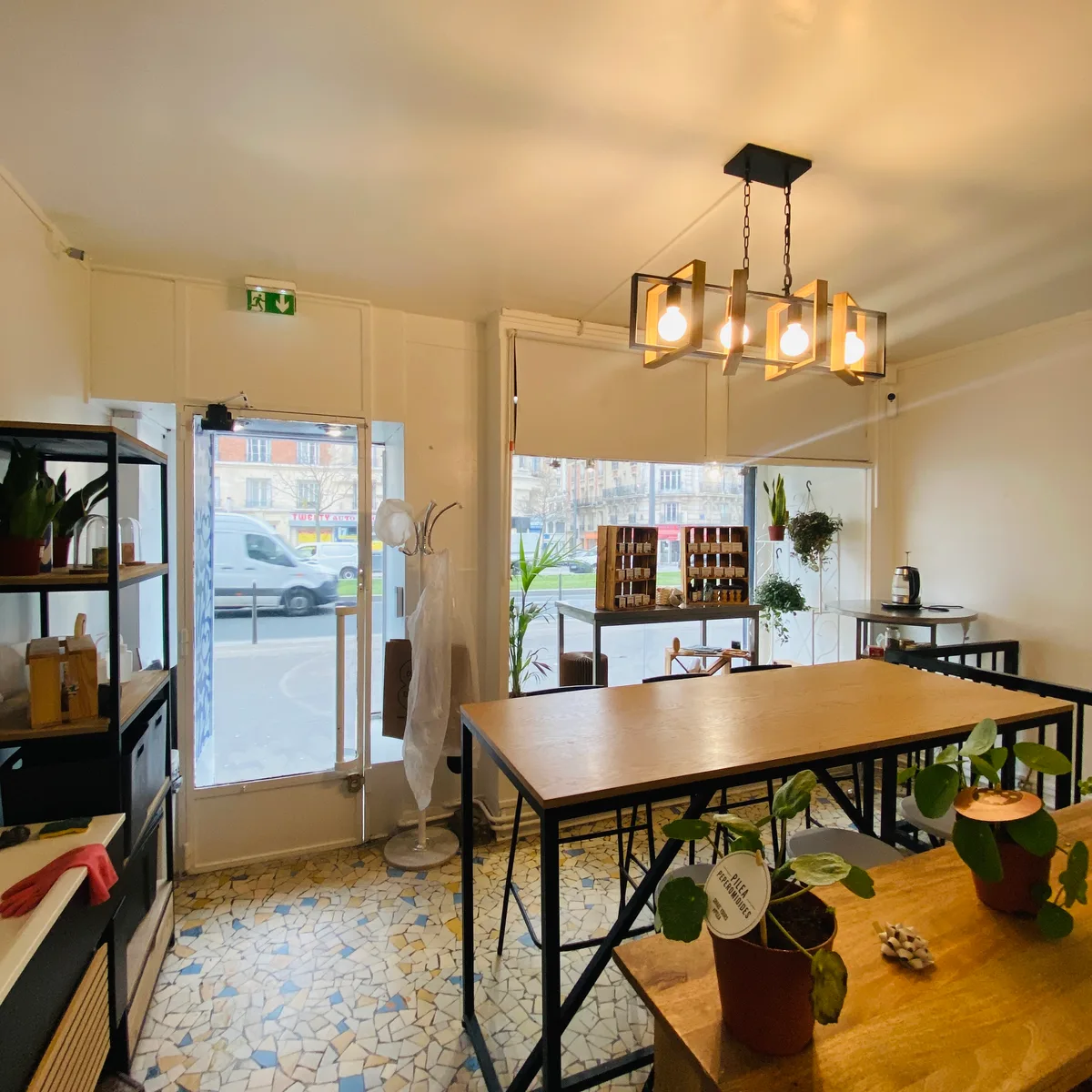
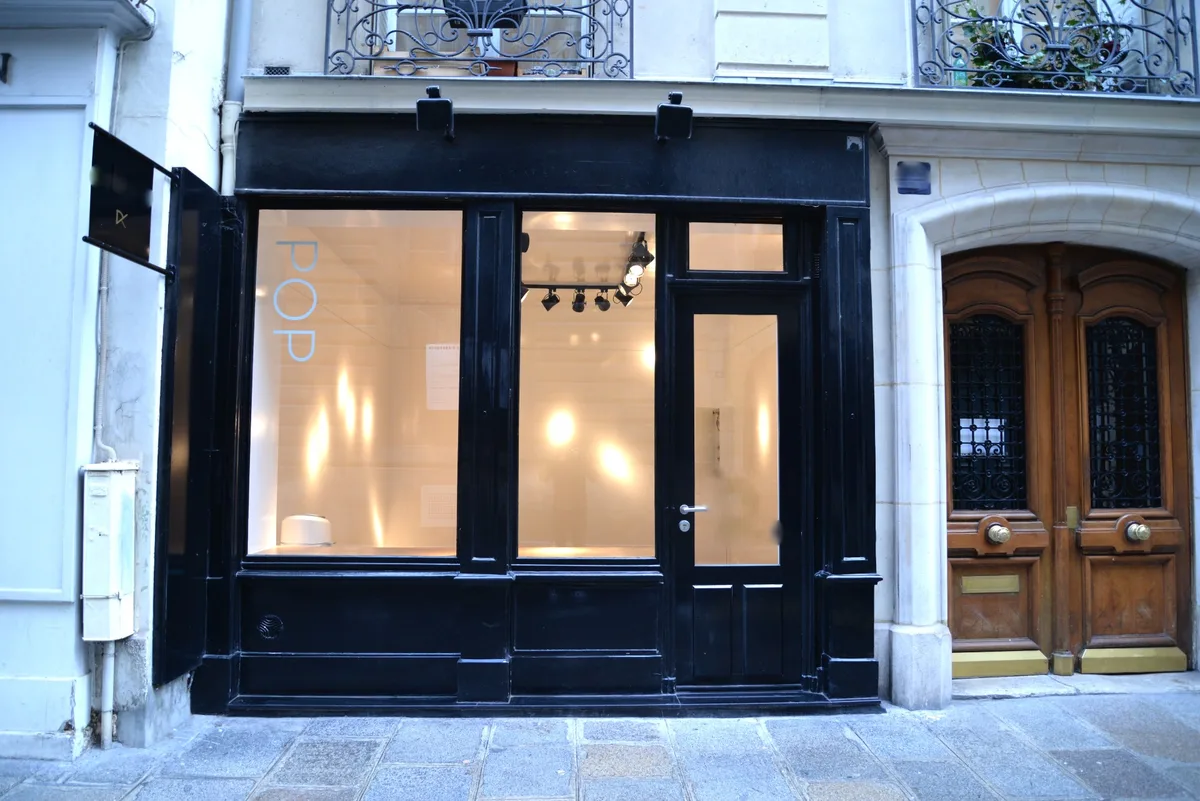
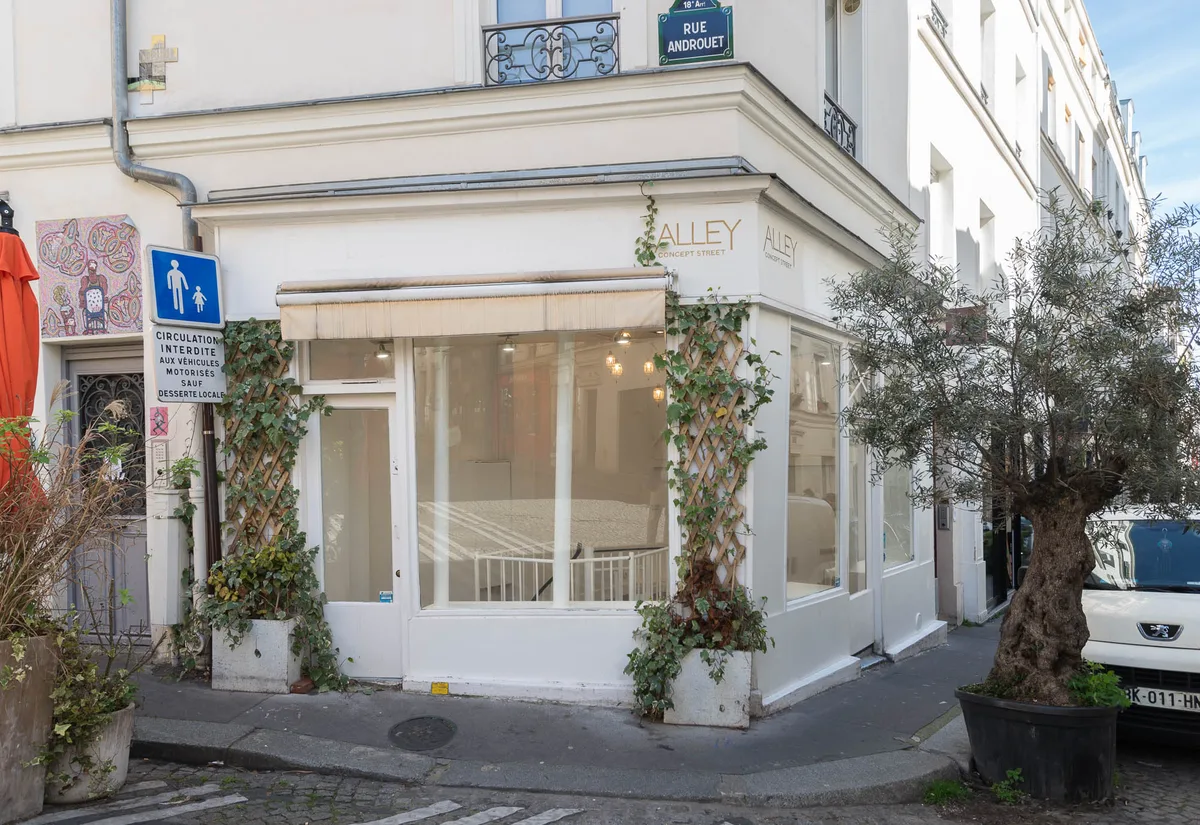
Opening a pop up shop Montorgueil places your brand at the epicentre of one of Paris's most energetic, commercially rich, and culturally layered pedestrian streets. Rue Montorgueil is not merely a market corridor; it is a living neighbourhood ecosystem where heritage food merchants, independent fashion boutiques, international visitors, and local residents converge daily in a way that few other Paris streets can replicate. For brands considering short-term retail activations, showrooms, or experiential pop-up stores during Paris Fashion Week, Haute Couture season, or any other peak calendar window, Montorgueil offers a rare combination of authentic neighbourhood character and genuine commercial footfall. Fashion Week Venues supports brands activating across Paris, with Montorgueil increasingly on the radar of creative directors and brand activation teams seeking an alternative to overpriced Marais or Saint-Germain locations.
What Makes Rue Montorgueil One of Paris's Most Compelling Pop-Up Streets
Quick answer: Rue Montorgueil is a 400-metre pedestrianised street in the 2nd arrondissement connecting Les Halles to the Grands Boulevards, known for its dense concentration of artisan food merchants, independent fashion retailers, heritage cafés, and high daily footfall from both tourists and Parisian residents. Its mix of heritage and contemporary retail makes it one of the most contextually rich streets for a pop-up shop in Paris.
The street runs roughly north from the intersection near Westfield Forum des Halles toward Porte Poissonnière, threading through the 1st and 2nd arrondissements of central Paris. Its Île-de-France location places it within easy reach of the Marais, the Louvre, and the Opéra district, meaning any brand activating here benefits from overlapping footfall from multiple visitor flows simultaneously.
The historical depth of the street is significant for brand storytelling. Victor Hugo name-checked its market culture. The poet and author's Paris was fed by streets like this, and the area's identity as Le Ventre de Paris, a phrase later immortalised in literature in reference to the nearby Les Halles market district, still resonates in the concentration of specialist food merchants operating today. Louis XIII is said to have walked these streets. That depth of cultural provenance matters enormously when you are building a brand universe inside a temporary space, because the neighbourhood itself contributes a layer of authenticity that cannot be manufactured.
Today, the street's commercial mix is genuinely diverse. At the food end, you encounter institutional names: Stohrer, founded in 1730 and widely cited as the oldest pâtisserie in Paris, still serves its iconic baba au rhum from its original address. À la Mère de Famille, the legendary Parisian confectioner known for its calisson, ganaches, and marzipan, has a presence in the area. La Belle Îloise, the Breton conserves brand celebrated for its bocal de sardines and conserves de poisson from the sardine ports of Quiberon, brings artisan coastal France into the heart of the city. G. Detou, the cuisine supply shop beloved by professional pastry chefs and home bakers, stocks Valrhona chocolate, fleur de sel, and specialist baking ingredients unavailable in standard grocery shops.
On the café and restaurant side, Au Rocher de Cancale at number 78 is one of the oldest brasseries in Paris, operating since 1804. Mariage Frères, the revered tea merchant, is close enough to influence the corridor's premium food narrative. Eric Kayser's flagship boulangerie and Le Pain Quotidien both operate nearby, feeding the dense daily rhythm of the street. The Crêperie Le Comptoir du Commerce and Le Compas café attract the neighbourhood's regulars during the French commercial schedule's characteristic peak at lunch break, typically between noon and 2pm.
The fashion and design layer of the street adds a further commercial dimension for pop-up operators. Kiliwatch, one of the most respected vintage clothing and retro apparel stores in Paris, is a landmark destination nearby. Deep In Paris Vintage Store, Urban Outfitters, ALE Paris, Maison Grace and Mila, NKH Paris, L'Atelier Octobre Editions, Azarka, and Anne Elisabeth Paris all operate within the wider Montorgueil-Les Halles catchment, making this area one of the more credible locations in Paris for fashion brands seeking to activate in a neighbourhood where style-conscious consumers already shop. The combination of sustainable style, timeless elegance, chic dresses, and custom tailoring stores alongside fast-fashion accessible options creates a commercially layered fashion geography that a temporary boutique or showroom can genuinely benefit from.
DID YOU KNOW: Stohrer on Rue Montorgueil has been in continuous operation since 1730, making it the oldest pâtisserie in Paris. Its baba au rhum recipe dates to the court of Louis XV, and the shop's painted ceilings are classified as a historic monument.
KEY TAKEAWAY: Rue Montorgueil combines heritage institutional merchants, contemporary fashion boutiques, and extremely high daily footfall from both tourists and local Parisians, giving a pop-up shop an unusually rich commercial and cultural context from which to build brand awareness and drive sales.
Understanding the street's rhythm and retail geography is the foundation for planning any successful activation. The next layer is understanding who visits, when they visit, and why that matters for your pop-up timing and concept.
The Rue Montorgueil Neighbourhood: Geography, Footfall, and Brand Context
Quick answer: The Montorgueil quarter sits between Les Halles to the west, the Marais to the east, the Grands Boulevards to the north, and rue de Rivoli to the south, giving it overlapping visitor flows from multiple major Paris attractions and transport hubs. Daily footfall on the street is consistently high across all days of the week.
The spatial logic of the Montorgueil neighbourhood is one of its most commercially significant features. The Westfield Forum des Halles, one of the largest underground shopping centres in Europe, sits immediately adjacent to the southern entrance of the street. This creates a consistent flow of shoppers who move between the underground retail environment and the open-air market character of Montorgueil, often in search of a different and more artisan shopping experience. A pop-up shop or boutique positioned on or near Montorgueil therefore captures not just dedicated visitors to the street but also the significant overflow from one of Paris's busiest retail hubs.
The Marché Saint-Eustache-Les-Halles, the traditional open-air market near the square de la Tour Saint-Jacques, contributes an additional layer of market-oriented footfall, attracting visitors interested in seasonal produce, locally sourced food, and the kind of authentic Parisian market experience that food tourism increasingly values.
To the north, the street's catchment bleeds into the Grands Boulevards and toward Porte Poissonnière, connecting Montorgueil to the major east-west axis of central Paris and to the fashion district further north. This northern corridor is also historically associated with the city's textile and garment trade, which adds a further layer of relevance for fashion brand activations seeking to connect their brand universe with Paris's genuine fashion geography rather than its most tourist-facing luxury corridors.
Toward rue de Rivoli to the south, the proximity to the Louvre and Tuileries tourism cluster means the street benefits from significant international visitor traffic, including exactly the kind of affluent, culturally engaged visitor that fashion and lifestyle brands target during Paris Fashion Week or Haute Couture season.
The neighbourhood's street-level character distinguishes it from both the hyper-luxury of Rue Saint-Honoré and the self-consciously cool positioning of the Marais. Montorgueil feels genuinely lived-in. Its local life patterns include residents buying bread from their boulangerie at 8am, professionals eating lunch at Le Compas café at 1pm, and evening visitors from across Paris and beyond making the street their destination for a meal or a food shopping expedition. That density of local life makes it an excellent backdrop for a brand that wants to project accessibility alongside quality, or heritage alongside contemporary design.
For brands planning activations tied to Fashion Week, Haute Couture, or other seasonal calendar windows, it is worth noting that the neighbourhood does not shut down between fashion events. Unlike some Paris locations that exist primarily for a single audience, Montorgueil has genuine year-round commercial vitality, which means a pop-up opening during Paris Fashion Week in autumn or during Haute Couture in January or July can benefit from both the fashion industry visitor surge and the street's consistent background footfall.
TIP: When scouting spaces on and around Rue Montorgueil, consider that side streets including rue du Nil, rue Marie Stuart, and rue Tiquetonne offer slightly more affordable short-term rental opportunities with similar footfall access, particularly for brands with a tighter budget needing proximity to the street's energy without a premium frontage price.
KEY TAKEAWAY: Montorgueil's geography places it at the intersection of four major Paris visitor and resident flows: Les Halles retail, Marais cultural tourism, Grands Boulevards commerce, and Louvre-area international tourism. This overlap makes it one of the most commercially versatile pop-up locations in central Paris.
With geography and footfall understood, the next critical question for any brand considering this area is how the fashion and retail landscape on and around the street directly shapes what type of pop-up concept will resonate.
Fashion, Vintage, and Design Retail Around Rue Montorgueil
Quick answer: The Montorgueil-Les Halles area supports a dense concentration of fashion retailers spanning vintage clothing, sustainable style, contemporary design boutiques, and accessible fashion chains, making it one of the most layered fashion geographies in central Paris for a pop-up shop or showroom.
Kiliwatch deserves particular attention as a reference point for any fashion brand planning a pop-up in this area. Located close to Montorgueil on rue Tiquetonne, it is one of the most respected multi-brand fashion and vintage clothing stores in Paris, known for its curated mix of retro apparel, timeless elegance, and contemporary fashion accessories. Its presence in the neighbourhood signals that this area attracts a style-conscious consumer who is willing to seek out independent and non-mainstream fashion experiences. That consumer profile is highly relevant for fashion pop-up operators, particularly those in the mid-premium to premium segment.
Deep In Paris Vintage Store, operating in the wider Les Halles catchment, caters to the growing appetite for authentic vintage clothing and retro apparel among younger Parisian consumers and fashion tourists. The rise of sustainable style as a genuine purchasing motivation, rather than simply a marketing phrase, has elevated vintage and second-hand retail in this area to a commercially significant force. A fashion brand opening a pop-up nearby with a sustainability narrative or a heritage story will find a neighbourhood already primed to receive that message.
Urban Outfitters on the Westfield Forum des Halles side of the catchment anchors the accessible end of the fashion spectrum in this area, while boutiques like ALE Paris, Maison Grace and Mila, NKH Paris, and L'Atelier Octobre Editions occupy the independent designer and contemporary fashion segment. Azarka and Anne Elisabeth Paris represent the kind of distinctive, design-forward boutiques that give this neighbourhood its fashion credibility beyond the major brands.
For brands working in fashion accessories, chic dresses, or custom tailoring, the presence of this existing retail ecosystem means consumers in the area already understand and expect a certain level of design investment. A well-executed pop-up space with a considered interior, coherent brand universe, and genuinely compelling product will fit naturally into this commercial context rather than feeling out of place.
Paris Fashion Week and Haute Couture season both directly amplify this fashion ecosystem. During the January Haute Couture week and the March and October ready-to-wear weeks, the number of industry professionals, buyers, press, and fashion-focused tourists visiting central Paris increases dramatically. The Montorgueil area benefits from this surge both because of its proximity to key fashion venues and because of its appeal as a destination that offers a more authentic Paris experience than the Grand Palais or Place Vendôme fashion circuit alone.
Collaborations between pop-up operators and established local boutiques are also a feature of this neighbourhood that can be leveraged strategically. A fashion brand opening a temporary showroom or boutique during Fashion Week could explore collaborations with Kiliwatch, local artisan shops, or food merchants on the street to create an activation that feels embedded in the neighbourhood rather than parachuted in from outside.
DID YOU KNOW: The Montorgueil-Les Halles fashion district is one of the oldest clothing trade zones in Paris, with the textile and garment markets of Les Halles dating back to the medieval period. Contemporary fashion retailers in the area are, in a sense, continuing a commercial tradition that predates Paris Fashion Week by several centuries.
KEY TAKEAWAY: The fashion retail ecosystem around Rue Montorgueil already attracts style-conscious consumers across multiple segments, from vintage and sustainable fashion to contemporary design. A pop-up shop in this area benefits from that existing consumer orientation and the additional footfall that Paris Fashion Week and Haute Couture season bring to central Paris.
Fashion activations do not exist in isolation from the broader cultural and gastronomic character of Montorgueil. The next section addresses how the food culture of the street shapes the neighbourhood identity that makes it such a powerful setting for experiential retail.
Food Culture and Culinary Identity Along Rue Montorgueil
Quick answer: Rue Montorgueil's food culture is anchored by institutional heritage merchants, artisan specialists, and daily market rhythms that collectively define the street's identity as one of the most gastronomically rich short stretches in central Paris. This culinary identity shapes the neighbourhood's atmosphere and the type of consumer it attracts, with direct implications for pop-up shop operators positioning around food, lifestyle, or cultural brands.
Few streets in Paris can match the density and heritage depth of Montorgueil's food offering. Stohrer at number 51 is the oldest active pâtisserie in Paris, founded in 1730 by Nicolas Stohrer, pastry chef to Louis XV. Its baba au rhum remains its signature product and continues to draw visitors from across Paris and internationally. The shop's interior, with its painted ceiling panels by Paul Gavarni, is classified as a historic monument, making a visit as much a cultural experience as a culinary one.
À la Mère de Famille, one of the oldest confectioners in Paris, is celebrated for its calisson, the almond-based Provençal confection made from marzipan and candied melon, its ganaches, and its carefully curated seasonal confectionery range. The brand's heritage positioning and premium packaging make it a relevant reference for pop-up brands working in luxury food, gifting, or lifestyle categories.
La Belle Îloise, the Breton sardine and conserves brand, brings a different register of French artisan food culture to the street. The brand's bocal de sardines and conserves de poisson are sourced directly from the sardine ports of Brittany, including those near Quiberon, and the brand's storytelling around coastal France, artisan fishing, and quality ingredients resonates strongly with the growing consumer interest in provenance-led food. For a pop-up shop targeting a food-curious, quality-conscious Parisian or visitor demographic, proximity to La Belle Îloise is a contextual asset.
G. Detou, the specialist cuisine supply shop on rue Tiquetonne, is a destination for professional and serious home cooks seeking Valrhona chocolate, fleur de sel, specialist flours, and a range of culinary ingredients unavailable in standard grocery shops. The shop's existence in this neighbourhood signals the presence of a consumer who is genuinely engaged with cooking and food culture, not merely passing through for a casual lunch.
Mariage Frères, the institution of French tea culture, adds a luxury beverage dimension to the neighbourhood's culinary identity. Eric Kayser's boulangerie and Le Pain Quotidien contribute to the dense baked goods offering that makes the street a daily destination for Parisian residents. Fou de Pâtisserie, the specialist pastry concept, further layers the premium sweet food offer. L'Escargot, the historic restaurant near the Rue Montorgueil, brings traditional French gastronomy to the mix.
For pop-up operators, the food culture of Montorgueil is relevant not just as context but as a genuine commercial and experiential opportunity. A beauty brand pop-up, for example, could lean into sensory storytelling inspired by the neighbourhood's aromatic food culture. A fashion brand could collaborate with a local food merchant to create a shopping experience that combines the two most Parisian of pleasures. A home decor or artisan shop pop-up could position itself in direct dialogue with the street's commitment to craftsmanship and quality ingredients.
Seasonal changes along the street are also commercially significant. Easter brings chocolate displays and confectionery specials from the chocolatier merchants. Autumn, the harvest season, brings an intensification of the market atmosphere, with seasonal produce from Île-de-France and beyond. The holiday season transforms the street's visual character with seasonal decorations, special food offerings, and gift-focused retail displays. Brands planning pop-up activations should consider how these seasonal rhythms shape consumer expectations and behaviour on the street.
KEY TAKEAWAY: The culinary richness of Rue Montorgueil is not merely atmospheric. It attracts a specific type of consumer: quality-conscious, culturally engaged, interested in provenance and craft. That consumer profile is commercially valuable for any pop-up brand operating in the food, fashion, lifestyle, beauty, or home categories.
With the food and cultural landscape understood, the practical question of how pop-up operators should plan their timing, scheduling, and operational approach on this street becomes the most pressing issue to address.
Scheduling, Peak Hours, and Paris Fashion Week Calendar for Montorgueil Pop-Ups
Quick answer: Rue Montorgueil operates on a rhythm shaped by French commercial schedules, tourist flows, seasonal changes, and fashion industry calendar windows. Peak hours run from 10am to 1pm and 4pm to 7pm on weekdays, with Saturday being the highest footfall day. Paris Fashion Week in autumn and Haute Couture in July both represent significant uplift opportunities for pop-up operators in central Paris.
Understanding local life patterns on Montorgueil is essential for any brand planning a pop-up. The French commercial schedule has distinctive rhythms that differ from London, New York, or Tokyo. The lunch break, typically running from noon to 2pm, is the single highest-traffic period on the street, driven by office workers from the surrounding 1st and 2nd arrondissements, tourists exploring the area, and residents running errands. Market hours for outdoor food stalls typically run from early morning through early afternoon, meaning the street's market atmosphere peaks in the morning and transitions to a more café and restaurant-dominated character in the afternoon.
Saturday is consistently the highest footfall day of the week, drawing visitors from across Paris and the wider Île-de-France region. Sunday trading in France operates under specific legal restrictions, and brands should verify current rules with a legal advisor or use the Fashion Week Venues permits tool to understand the operational implications before committing to a Sunday trading schedule.
Paris Fashion Week ready-to-wear presents two major calendar windows annually: the February/March edition covering autumn/winter collections, and the September/October edition covering spring/summer collections. The September/October window, which runs in parallel with significant tourist traffic and the harvest season atmosphere on Montorgueil, is generally considered the more commercially powerful of the two for retail-focused activations. The street's autumn character, with seasonal produce and a warm neighbourhood atmosphere, complements the fashion industry's largest commercial week of the year.
Haute Couture week in Paris occurs twice annually, in January and in July. The July 2026 Haute Couture schedule runs from July 6 to 9, 2026, encompassing runway shows, exhibitions, happenings, and a range of brand events across Paris. This window is particularly relevant for beauty, accessories, luxury food, and heritage fashion brands, as the Haute Couture audience is more concentrated in the premium and ultra-premium segments than the ready-to-wear Fashion Week audience. Montorgueil, with its combination of heritage food merchants and fashion boutiques, is well positioned to attract this audience, particularly for a pop-up that offers a premium, craft-oriented experience rather than a mass-market activation.
Easter represents another commercially significant seasonal window, with the chocolatier merchants and confectioners on and around the street drawing significant additional footfall during the weeks preceding the holiday. A pop-up opening during Easter could leverage this heightened consumer engagement with luxury food and gifting to amplify its own commercial performance.
For brands monitoring their activation in real time, Google Maps data and social media accounts provide accessible proxies for tracking footfall trends on specific days. The street's presence on travel guides, Culture Travel platforms, and hotel concierge recommendation lists means that a well-positioned pop-up with visible signage and a social-media-friendly interior will benefit from organic word-of-mouth discovery as well as planned marketing activity.
Pop culture moments also influence the street's visitor profile. The area around Les Halles has been the subject of films, television productions, and literary references including connections to Victor Hugo and Les Misérables, which attract culturally motivated visitors throughout the year. Brands that can connect their pop-up narrative to this cultural richness, whether through design, storytelling, or collaborative programming, will find that the neighbourhood amplifies rather than competes with their activation messaging.
IMPORTANT: French commercial law governs Sunday and public holiday trading in ways that may directly affect your pop-up operating hours. Requirements vary by space type, duration, and arrondissement. Always verify operating hour restrictions with a French legal advisor before finalising your pop-up schedule.
KEY TAKEAWAY: The most commercially powerful windows for a Montorgueil pop-up are Saturday daytimes year-round, the September/October Fashion Week window, July Haute Couture week (6 to 9 July 2026), the Easter confectionery season, and the November/December holiday season. Planning your activation around these windows maximises the street's natural footfall peaks.
Timing your activation effectively is important, but it requires an equally careful approach to permits, leasing structures, and compliance, which are the most technically complex aspects of opening a pop-up in Paris.
Permits, Leases, and Legal Compliance for a Pop-Up Shop in Paris
Quick answer: Opening a pop-up shop on or around Rue Montorgueil requires navigating French commercial lease law, short-term tenancy agreements, and potentially public space occupation permits. The correct legal structure depends on the type of space, the planned duration of the activation, and the specific arrondissement. Professional legal and agency guidance is strongly recommended.
The legal framework for short-term retail in Paris differs significantly from other major fashion capitals. Two instruments are most commonly used for pop-up and short-term retail activations in France. The first is the bail dérogatoire, a short-term commercial lease permitted under French law (Article L145-5 of the Code de Commerce) that allows parties to agree a lease of up to 36 months while opting out of the statutory commercial lease protections that would otherwise apply. This structure gives landlords flexibility to offer short-term tenancies without triggering the nine-year minimum lease obligation that applies to standard commercial leases.
The second instrument relevant to outdoor or semi-public spaces, such as terrace areas, market stalls, or spaces within public thoroughfares, is the Autorisation d'Occupation Temporaire (AOT), a temporary occupation permit granted by the relevant local authority. On a street like Rue Montorgueil, which is a pedestrianised public space, any brand intending to operate from a kiosk, market stand, or outdoor installation must obtain the relevant AOT from the Mairie of Paris or the relevant arrondissement authority before commencing operations.
It is important to note that the requirements for permits and lease structures vary by space type, duration, the specific arrondissement, and the intended use of the space. A short-term indoor boutique space in a commercial building on a side street adjacent to Montorgueil will involve different legal and administrative requirements compared to an outdoor market-style installation on the pedestrianised section of the street itself. Brands should not assume that a lease signed with a private landlord automatically satisfies all public authority requirements, particularly for signage, external branding, and outdoor furniture.
VAT registration, business registration, and the engagement of a French-speaking accountant or legal advisor are also practical requirements that international brands frequently underestimate when planning their first Paris pop-up. Brands from outside the European Union may face additional requirements related to their business entity structure and their ability to enter into commercial contracts under French law.
IMPORTANT: Fashion Week Venues does not provide legal advice and cannot guarantee permit approval. Requirements vary by space type, duration, and arrondissement. Always verify permit and lease requirements with a qualified French legal advisor before signing any agreement.
Brands can use the Fashion Week Venues permits tool as a starting point for understanding the permit landscape in Paris, but this tool is intended as an orientation resource rather than a substitute for professional legal advice.
KEY TAKEAWAY: The bail dérogatoire and the AOT are the two most important legal instruments for short-term retail and outdoor pop-up activations in Paris. Neither is straightforward to navigate without specialist support, and international brands in particular should engage a French legal advisor before committing to a space on or around Rue Montorgueil.
Beyond legal compliance, the budget and ROI implications of a Montorgueil pop-up activation are the practical considerations that determine whether a brand's investment translates into meaningful commercial or brand outcomes.
Budgeting and ROI for a Pop-Up Activation on Rue Montorgueil
Quick answer: The cost of a pop-up activation on or near Rue Montorgueil varies substantially depending on space size, lease duration, fit-out requirements, staffing levels, and the specific arrondissement. Brands should plan for a range of costs spanning venue rental, production, staffing, marketing, permits, and contingency. Using a structured budget tool before committing to a space is strongly recommended.
Providing specific pricing figures for pop-up space rental in Paris without current, verified market data would be misleading. Rental rates for short-term commercial spaces in the 1st and 2nd arrondissements of Paris fluctuate based on market conditions, demand during peak Fashion Week and Haute Couture calendar windows, space size, and the specific terms of individual landlord negotiations. Brands seeking directional estimates for their specific brief, space requirements, and activation duration should use the Fashion Week Venues budget calculator as a starting point.
What can be stated with confidence is that the cost structure of a Paris pop-up activation typically comprises several distinct components, each of which must be planned for independently. Venue rental is usually the largest single line item, but fit-out, production, and branded store design often collectively exceed the venue rental cost for brands seeking a high-quality activation. Furniture rental, POS and payments infrastructure, retail staffing, and influencer marketing each add further layers to the total investment.
Peak calendar windows, including the September/October Fashion Week period and the July Haute Couture window, command higher venue rental premiums than off-peak periods. Brands planning activations during these windows should begin their venue search significantly earlier than for off-peak activations, as the most commercially attractive spaces near Montorgueil are typically secured months in advance of Fashion Week dates.
The ROI calculation for a pop-up on Montorgueil should account for both direct commercial returns (sales revenue during the activation) and indirect brand value returns (press coverage, social media reach, new customer acquisition, and long-term brand awareness in the Paris market). For brands entering the Paris market for the first time, the indirect returns may be as commercially significant as the direct sales, particularly during Haute Couture or Fashion Week when press and buyer attendance in the city is at its annual peak.
Brands can use the Fashion Week Venues ROI calculator to model the expected returns from their activation against their planned investment across both direct and indirect return categories.
TIP: For brands with limited budgets, the twin co-activation model available through Fashion Week Venues allows two complementary brands to share a single space, splitting the venue rental and fit-out costs while each benefiting from the other brand's audience. This can make a Montorgueil-area activation financially viable for smaller brands that could not justify the full cost independently.
KEY TAKEAWAY: Budget planning for a Montorgueil pop-up must account for venue rental, fit-out, staffing, POS, marketing, permits, and contingency as distinct cost lines. Peak calendar windows command premium rental rates. Use structured budget and ROI tools to model your investment before committing to a space.
With budget planning understood, the question of how to find, evaluate, and commit to the right space on or near Rue Montorgueil requires a structured approach to venue sourcing and space comparison.
How to Find and Evaluate Pop-Up Spaces Near Rue Montorgueil
Quick answer: Finding the right pop-up space near Rue Montorgueil requires combining a clear brief for your space requirements, an understanding of the neighbourhood's micro-geography, and access to a network of available short-term commercial spaces. A combination of direct marketplace browsing, agency support, and structured space comparison tools provides the most efficient route to a suitable space.
The first step in any space search is defining a clear brief that specifies your minimum and maximum floor area, preferred location within the Montorgueil catchment, required access dates, operational requirements including loading access, electricity supply, and air conditioning, and your budget range for venue rental. Without a clear brief, space evaluations become subjective and time-consuming rather than structured and efficient.
The Montorgueil catchment includes the main pedestrianised street itself, plus a network of side streets with distinct characters: rue du Nil has a distinctly artisan food focus, rue Tiquetonne has the fashion and design character anchored by Kiliwatch, and rue Marie Stuart offers a more residential character with lower commercial premiums. The right street within the catchment depends entirely on your brand's target consumer, activation concept, and budget.
Commission-based brokers have traditionally been the dominant channel for finding short-term commercial spaces in Paris, but they are not the only option and are not always the most efficient or transparent route for brand activation teams on a deadline. The rise of structured space marketplaces and full-service pop-up agencies has given brands a more direct and information-rich alternative for space discovery and evaluation.
Brands can browse available spaces through the Fashion Week Venues space marketplace, which provides access to a curated selection of short-term commercial spaces across Paris, filterable by neighbourhood, size, duration, and space type. The marketplace is designed specifically for brand activation teams, meaning the available spaces have already been assessed for their suitability for pop-up, showroom, and experiential retail use cases.
Once a shortlist of spaces has been identified, the Fashion Week Venues space comparison tool allows brands to evaluate multiple options against a standardised set of criteria, making the selection process more structured and auditable for teams that need to present recommendations internally before committing to a lease.
The space locator tool allows brands to visualise available spaces on a map of Paris, which is particularly useful for evaluating proximity to key landmarks, transport connections, and competing or complementary retailers in the Montorgueil area.
For brands that want to visualise their concept inside a specific space before committing, the Fashion Week Venues Imagine tool provides a space visualisation capability that allows brand teams to explore different design configurations, furniture layouts, and branded store design options within a specific space footprint.
KEY TAKEAWAY: A structured, brief-led approach to space discovery, using a combination of marketplace browsing, location tools, and comparison tools, is significantly more efficient than relying solely on commission brokers. Starting your space search three to six months before your target activation date is advisable for peak Fashion Week and Haute Couture calendar windows.
Finding the right space is a necessary first step, but delivering a successful pop-up on Rue Montorgueil requires end-to-end execution across concept, production, staffing, and operational management. This is where a full-service agency adds its most significant value.
How Fashion Week Venues Supports Pop-Up Activations in the Montorgueil Area
Quick answer: Fashion Week Venues is a full-service pop-up shop agency and space marketplace that supports brands across every stage of a Paris pop-up activation, from initial venue sourcing and concept direction through to production, staffing, POS, data analytics, and influencer marketing. Its primary focus is Paris, with additional city hubs across London, Milan, New York, Dubai, and Tokyo.
For brand activation teams, creative directors, and retail strategists planning a pop-up shop near Rue Montorgueil, the most common operational challenge is not finding a space but executing every layer of the activation to a consistent quality standard within a compressed timeline and budget. Fashion Week Venues addresses this challenge by offering integrated services that span the full activation lifecycle, allowing brand teams to work with a single agency partner rather than coordinating multiple independent suppliers across a foreign city.
The venue sourcing service provides access to Fashion Week Venues' network of short-term commercial spaces in Paris, with specialist knowledge of the Montorgueil catchment, its sub-streets, and the specific operational characteristics of available spaces. Venue sourcing includes lease negotiation support and guidance on the compliance requirements relevant to the specific space type and duration.
The concept and creative direction service supports brands in translating their brand universe into a physical retail environment that is coherent, compelling, and adapted to the specific character of the space and neighbourhood. On Rue Montorgueil, where the neighbourhood identity is so strongly defined by heritage, craft, and authentic Parisian character, concept direction that is sensitive to the local context tends to produce more successful activations than generic branded installations.
The production and fit-out service manages the physical construction, installation, and dismantling of the pop-up space, including branded store design, furniture selection and rental, lighting, signage, and all technical installation work. This service is particularly valuable for brands entering Paris for the first time and lacking established relationships with local contractors and suppliers.
Operational services including retail staffing, POS and payments infrastructure, and data and analytics allow brands to run their activation professionally without needing to recruit and manage local staff independently. The data and analytics service provides real-time insight into footfall, conversion rates, and sales performance, which is critical for brands seeking to evaluate the commercial ROI of their activation and inform future decisions.
The influencer marketing service connects pop-up activations with relevant Paris-based content creators and fashion influencers, amplifying the social media reach of the activation beyond its physical footprint. Given the density of fashion-focused social media accounts in Paris and the international audience that follows Paris Fashion Week content, a well-executed influencer strategy can multiply the effective reach of even a small physical activation many times over.
For brands exploring the twin co-activation model, Fashion Week Venues' dedicated twin concept allows two complementary brands to share a space, split costs, and benefit from combined audiences. This is particularly relevant for emerging or independent brands for whom a solo activation on Rue Montorgueil might represent a significant financial stretch.
It is important to understand that Fashion Week Venues does not guarantee the availability of specific spaces, the outcome of permit applications, or the commercial results of any activation. Its role is to provide expertise, network access, and operational support to maximise the probability of a successful outcome, but the brand's own concept quality, product, and marketing investment remain the primary determinants of activation success.
Brands new to working with a pop-up agency in Paris can review the process in detail on the Fashion Week Venues process page and explore past activation examples on the work and case studies section to assess the agency's relevant experience before engaging.
To compare neighbourhoods and space types, explore the Paris city hub on Fashion Week Venues and shortlist spaces that match your brief, budget, and calendar window.
KEY TAKEAWAY: Fashion Week Venues offers end-to-end support for pop-up activations in Paris, covering every stage from venue sourcing and concept direction through to production, staffing, data, and influencer marketing. Its Montorgueil-area expertise and Paris market knowledge make it a relevant agency partner for brands seeking to activate in this neighbourhood during Fashion Week, Haute Couture, or any other calendar window.
Before committing to a space or agency engagement, it is worth addressing some of the most persistent misconceptions about pop-up retail in Paris that can lead to poor decisions and unexpected costs.
Common Myths About Pop-Up Shops in Paris Debunked
MYTH: You need a French legal entity to rent a pop-up space in Paris.
FACT: Many international brands successfully rent short-term commercial spaces in Paris without establishing a French legal entity in advance, using specific contractual structures that are available to foreign businesses. However, the requirements vary depending on the space type, lease structure, and duration, and professional legal advice is strongly recommended before assuming this applies to your specific situation.
MYTH: Paris Fashion Week is the only viable calendar window for a pop-up activation in Paris.
FACT: While the September/October and February/March Paris Fashion Week ready-to-wear windows are among the highest-footfall periods for brand activations in central Paris, they are not the only commercially viable windows. Haute Couture week in January and July, the Easter confectionery season, the autumn harvest season, and the November/December holiday period all represent genuine commercial opportunities for pop-up operators on streets like Rue Montorgueil that have year-round audience depth.
MYTH: Commission brokers are the only way to find a short-term commercial space in Paris.
FACT: The rise of structured space marketplaces and full-service pop-up agencies has given brands direct access to vetted short-term commercial spaces without the opacity and commission structures associated with traditional property brokers. Brands can browse available spaces directly through platforms like the Fashion Week Venues marketplace, compare options against standardised criteria, and engage agency support for venue negotiation and compliance guidance.
MYTH: Short-term leases in France are legally straightforward and do not require specialist help.
FACT: The bail dérogatoire is a specific legal instrument that operates under French commercial law and requires careful drafting to be valid and enforceable. An improperly structured short-term lease can default to a standard nine-year commercial lease, exposing the tenant to obligations they did not intend to assume. International brands in particular should always engage a qualified French legal advisor before signing any commercial lease in Paris, regardless of its intended duration.
MYTH: Any busy street in central Paris will produce equivalent results for a pop-up shop.
FACT: The commercial performance of a pop-up activation is heavily influenced by the specific neighbourhood character, consumer profile, and local life patterns of the street it occupies. Rue Montorgueil attracts a distinct consumer who is quality-conscious, engaged with food and craft culture, and receptive to independent and artisan retail. A brand whose values and product align with this consumer profile will significantly outperform a brand that simply chose the street based on raw visitor numbers without considering consumer fit.
Frequently Asked Questions
What type of pop-up shop concept works best on Rue Montorgueil?
The most successful pop-up concepts on and around Rue Montorgueil are those that align with the street's core values of quality, craft, heritage, and authentic Parisian character. Food and gastronomy brands, fashion boutiques with a heritage or sustainable style narrative, beauty brands with artisan or sensory positioning, and home decor or artisan shops that emphasise craftsmanship all tend to resonate well with the street's consumer base. Generic, mass-market, or heavily promotional concepts tend to underperform in this neighbourhood because they create a disconnect with the consumer expectations the street has established over decades. Brands that invest in a genuinely considered brand universe and a well-designed physical space consistently see stronger engagement and commercial results.
How far in advance should I start planning a Montorgueil pop-up for Paris Fashion Week?
For activations timed to the September/October Paris Fashion Week window, beginning your planning and venue search at least four to six months in advance is strongly advisable. The most commercially attractive spaces in the Montorgueil catchment are secured early, and the compressed production timeline for a fit-out during a peak calendar period means that starting late creates real risk of either missing your opening date or compromising on quality. For the July Haute Couture window, the same four-to-six-month lead time applies. Brands entering Paris for the first time should allow additional time for legal, compliance, and administrative processes that may be unfamiliar from other markets.
What is the difference between a bail dérogatoire and a standard commercial lease in France?
A standard commercial lease in France, known as a bail commercial, is governed by the Statut des Baux Commerciaux and provides tenants with significant protections including a minimum nine-year term, the right to lease renewal, and regulated rent reviews. A bail dérogatoire is a contractual opt-out from this statutory regime, allowing landlord and tenant to agree a short-term tenancy of up to 36 months without the nine-year obligation. For pop-up operators, the bail dérogatoire is the appropriate instrument for most short-term retail activations. However, it must be correctly drafted and signed before the tenant takes possession of the space. An incorrectly structured arrangement risks defaulting to the full statutory commercial lease regime. Always seek qualified French legal advice before signing.
Do I need an Autorisation d'Occupation Temporaire (AOT) for an outdoor pop-up on Rue Montorgueil?
If you intend to operate from a kiosk, market-style stall, outdoor installation, or any structure that occupies the pedestrianised public space of Rue Montorgueil, you will almost certainly require an AOT from the relevant Paris municipal authority. Requirements vary depending on the type of installation, its size, its duration, and the specific location. An AOT is distinct from the commercial lease arrangement with a private landlord and must be obtained from the relevant public authority before your installation is in place. The Fashion Week Venues permits tool provides orientation on the Paris permit landscape, but you should verify specific requirements with a qualified French legal advisor and the relevant arrondissement authority.
What is Paris Fashion Week Haute Couture July 2026 schedule?
The Paris Haute Couture Fashion Week for the autumn/winter collections is scheduled to run from July 6 to 9, 2026. During this period, the major fashion houses present their Haute Couture runway shows alongside a programme of exhibitions, presentations, happenings, and brand events across central Paris. The concentration of press, buyers, clients, and fashion-focused visitors during this four-day window creates a significant commercial and brand awareness opportunity for pop-up operators positioned in high-traffic Paris neighbourhoods. Brands activating in the Montorgueil area during this window should ensure their concept and messaging are calibrated for the premium, quality-oriented Haute Couture audience.
Can a brand from outside the EU run a pop-up in Paris without a local legal entity?
Some international brands have successfully operated short-term pop-up activations in Paris without establishing a French legal entity in advance, using contractual structures and agency intermediaries to manage the local commercial and administrative requirements. However, this is not universally possible, and the specific requirements depend on the brand's country of origin, the type of space, the lease structure, and whether any public permits are required. Brands from outside the EU should seek specific legal advice on their situation before assuming they can operate in Paris without local registration. A French legal advisor or an experienced pop-up agency with Paris market knowledge can help navigate these requirements efficiently.
What are the peak trading hours on Rue Montorgueil and how should a pop-up plan around them?
Peak footfall on Rue Montorgueil runs from approximately 10am to 1pm in the morning, driven by food shopping, market visits, and café visits. A secondary peak runs from around 4pm to 7pm as residents and office workers pass through the street on their way home. Saturday is consistently the highest footfall day of the week and represents the single most commercially important trading day for most pop-up operators on the street. Sunday trading operates under specific French legal restrictions. A pop-up shop should ensure it is fully operational and staffed during both peak windows on weekdays, with maximum staffing on Saturday. Scheduling any influencer or media visits during peak footfall windows maximises organic social amplification.
How does the twin co-activation model work for Montorgueil pop-ups?
The twin co-activation model, available through Fashion Week Venues, allows two complementary brands to share a single retail space during the same activation period. Each brand occupies a defined section of the space, maintains its own branding and product display, and contributes to a shared total venue rental and fit-out cost. The commercial benefit is a significant reduction in the per-brand cost of the activation, making a Montorgueil or central Paris location financially accessible to brands that could not justify the full cost independently. The brand pairing should be complementary rather than competitive, with aligned consumer profiles and compatible aesthetic sensibilities. Fashion and beauty, food and lifestyle, or fashion and home decor pairings typically work well in this format.
What makes Rue Montorgueil different from other Paris pop-up locations like the Marais or Saint-Germain?
Rue Montorgueil differs from the Marais and Saint-Germain in its combination of genuine neighbourhood life, artisan food culture, and accessible-to-premium fashion retail. The Marais is more strongly associated with contemporary art, LGBTQ+ culture, and the Haut Marais fashion boutique scene, while Saint-Germain carries a more overtly literary and luxury fashion identity. Montorgueil occupies a distinctive position as a working market street with deep historical roots, attracting a more genuinely mixed consumer demographic across age, nationality, and spending level. For brands that want authentic Parisian character without the premium brand-density of rue Saint-Honoré or the art-gallery feel of the Marais, Montorgueil offers a more grounded and commercially versatile alternative.
What staffing requirements should I plan for a Rue Montorgueil pop-up?
Staffing requirements for a Montorgueil pop-up depend on the size of the space, the nature of the activation, and the expected footfall during your specific operating window. As a general orientation, a small boutique or showroom of 30 to 60 square metres typically requires a minimum of two floor staff during peak hours, with at least one French-speaking team member essential for engaging the significant proportion of French-speaking local customers and visitors. For larger activations or those running during Paris Fashion Week or Haute Couture, additional staffing capacity for press days, influencer visits, and high-footfall weekend trading days should be planned. Fashion Week Venues' retail staffing service provides access to vetted, French-speaking retail staff with pop-up and brand activation experience.
How important is social media and influencer activity for a Rue Montorgueil pop-up?
Social media visibility is extremely important for maximising the reach and commercial impact of a Paris pop-up, particularly during Fashion Week and Haute Couture season when the volume of fashion and lifestyle content being created and shared across Instagram, TikTok, and other platforms peaks dramatically. A visually distinctive, well-designed pop-up space on or near Rue Montorgueil has strong organic social media potential given the street's inherent visual appeal, heritage character, and existing social media following among food and travel content creators. A structured influencer marketing programme, engaging Paris-based content creators with relevant audiences in your target category, can amplify the activation's reach significantly beyond its physical footprint.
Can a fashion brand use a Montorgueil pop-up as a showroom rather than a retail space?
Yes. A showroom format, in which the space is used for press appointments, buyer previews, and brand presentations rather than direct consumer sales, is a legitimate and commercially effective use case for a pop-up space on or near Rue Montorgueil. During Paris Fashion Week and Haute Couture season, when press, buyers, and stylists are actively visiting brand showrooms across the city, a well-positioned showroom in the Montorgueil area offers a distinctive and memorable alternative to the more conventional Marais or 8th arrondissement showroom locations. The street's character can itself become a storytelling asset when a brand chooses to position its showroom within a neighbourhood that has genuine cultural and artisan depth.
What is the role of seasonal events in planning a Montorgueil pop-up?
Seasonal events significantly shape the consumer behaviour and footfall patterns on Rue Montorgueil throughout the year. Easter brings a surge of chocolate and confectionery shopping that benefits any brand positioned as a quality or premium product in the food or gifting categories. The harvest season in autumn creates a natural alignment with seasonal produce and artisan food themes. The holiday season in November and December transforms the street into a gifting destination with strong commercial implications for any pop-up operating in the food, fashion, beauty, or home decor categories. Brands should review the full seasonal calendar of the street when deciding on their activation window, as timing an activation to coincide with a naturally high-footfall seasonal event can significantly improve commercial performance.
How do I evaluate whether Rue Montorgueil is the right neighbourhood for my specific brand?
The most reliable way to evaluate neighbourhood fit is to visit the street at different times of day and on different days of the week to observe the consumer profile, competitive retail environment, and overall atmosphere. Reviewing the existing retail mix on and around the street, including the fashion boutiques, food merchants, cafés, and artisan shops, gives a clear indication of the consumer values and spending behaviours the street attracts. Brands whose product, price point, and values align with the neighbourhood's existing consumer base will find the context amplifying rather than competing with their activation. Brands can also use the Fashion Week Venues space locator and comparison tools to evaluate Montorgueil options against alternatives in the Marais, Saint-Germain, or other central Paris neighbourhoods before making a final decision.
Conclusion: Is a Pop Up Shop on Rue Montorgueil Right for Your Brand?
Rue Montorgueil is one of the most commercially and culturally compelling streets in Paris for a pop-up shop activation. Its combination of institutional heritage merchants, contemporary fashion boutiques, genuine neighbourhood life, and consistent high footfall from local residents and international visitors creates a context that very few other Paris streets can match. For brands whose values align with quality, craft, authenticity, and Parisian character, the street offers a powerful backdrop for building brand awareness, driving sales, and creating the kind of memorable shopping experience that generates lasting consumer relationships and genuine press coverage.
The practical requirements for activating in this area, including navigating French lease law, securing appropriate permits, managing a compressed production timeline, and staffing a bilingual retail team, are significant but manageable with the right agency support and sufficient planning lead time. The calendar windows most relevant to fashion and lifestyle brands, including the July 2026 Haute Couture week from July 6 to 9, the September/October Fashion Week window, and the Easter and holiday seasons, all represent genuine commercial opportunities for brands that invest in a well-researched and well-executed activation concept.
Whether you are planning a standalone boutique, a showroom, a twin co-activation, or a market-style installation, the Montorgueil area offers the neighbourhood character, consumer depth, and commercial infrastructure to support a genuinely successful Paris pop-up. The key is beginning your planning early, being rigorous about your brief, and working with partners who understand both the local market and the specific operational demands of short-term retail in France.
To move from research to activation, start exploring available spaces on the Fashion Week Venues marketplace and build a focused brief for your target neighbourhood, space type, and calendar window.