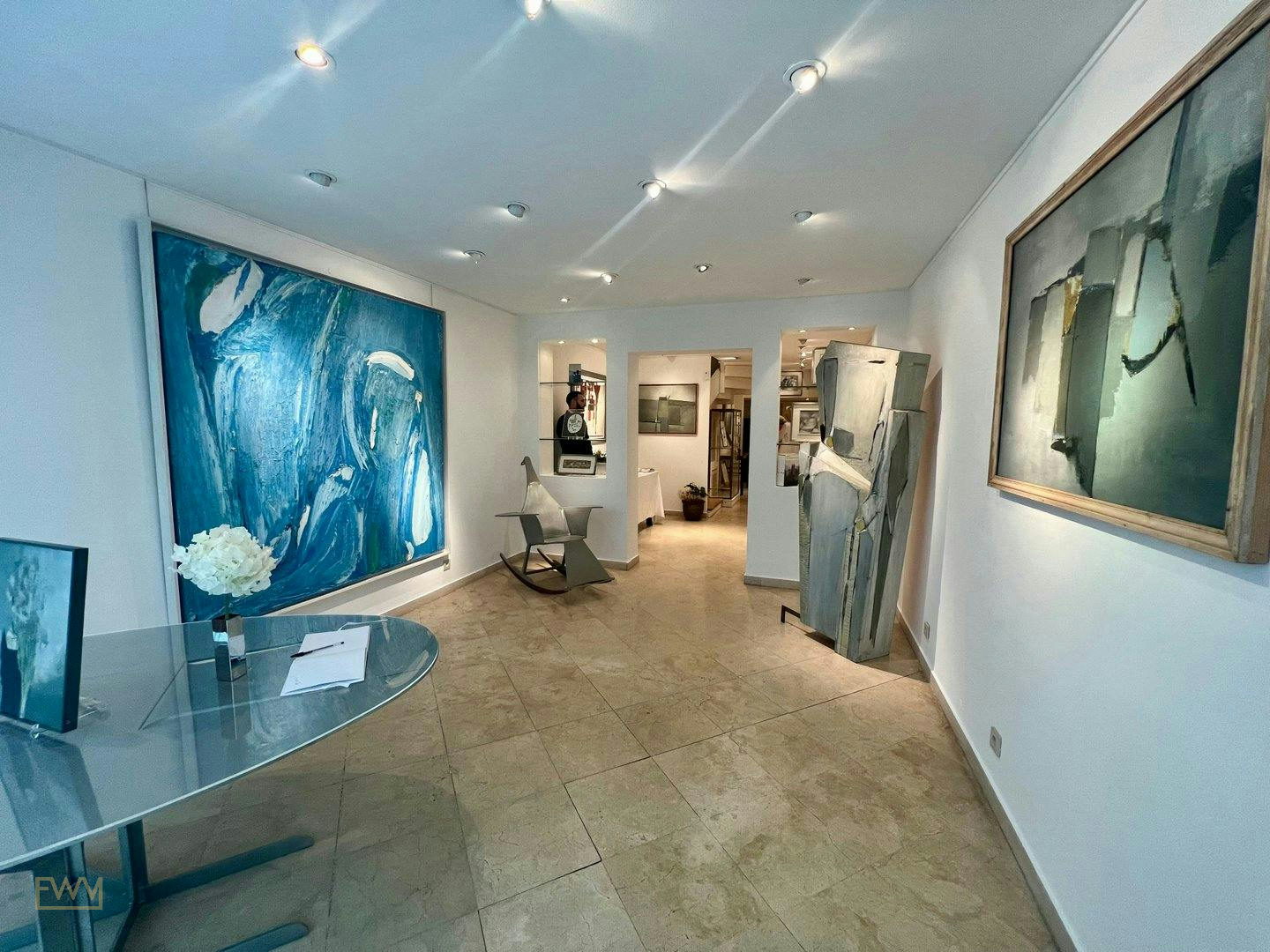
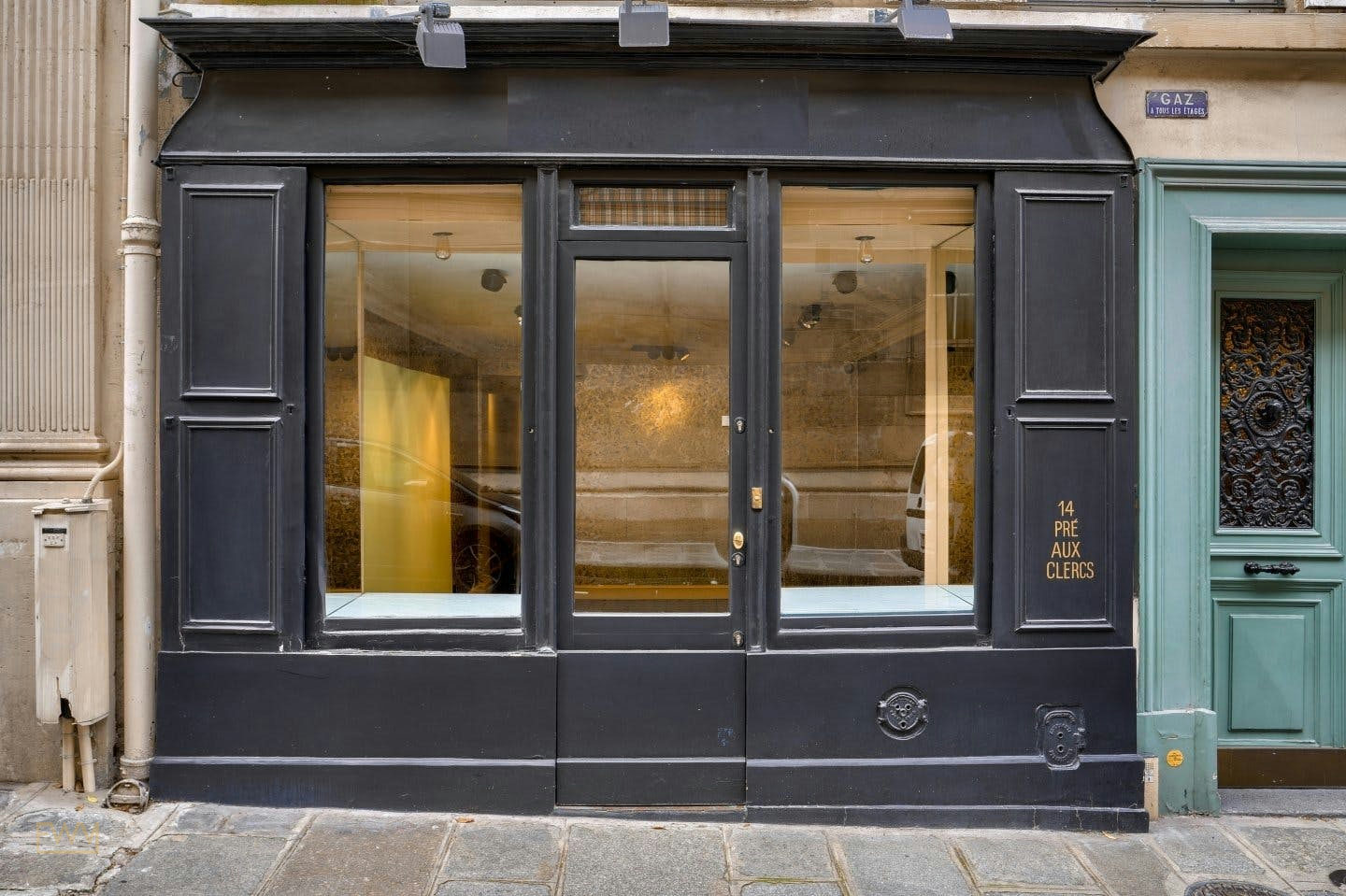
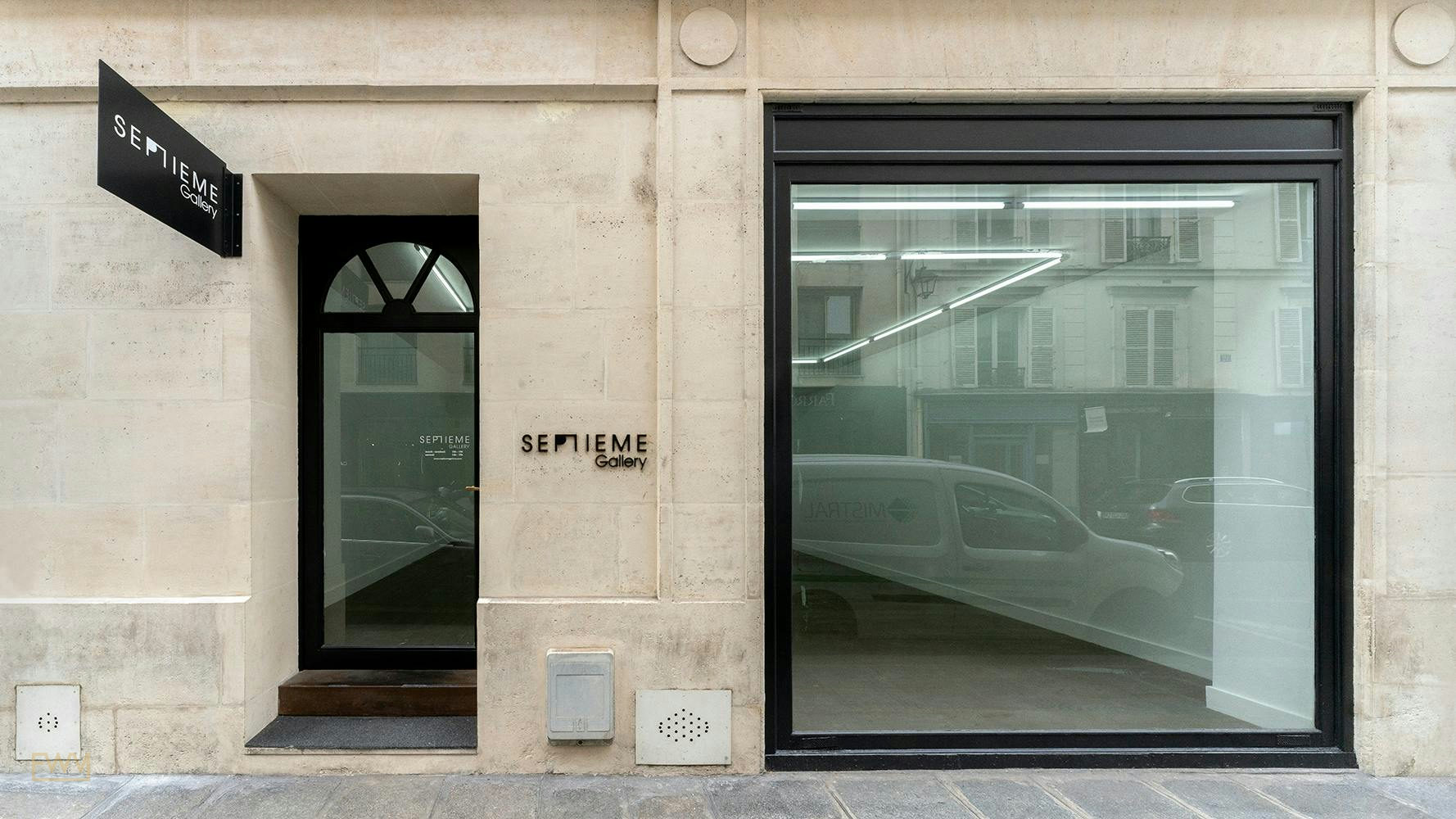
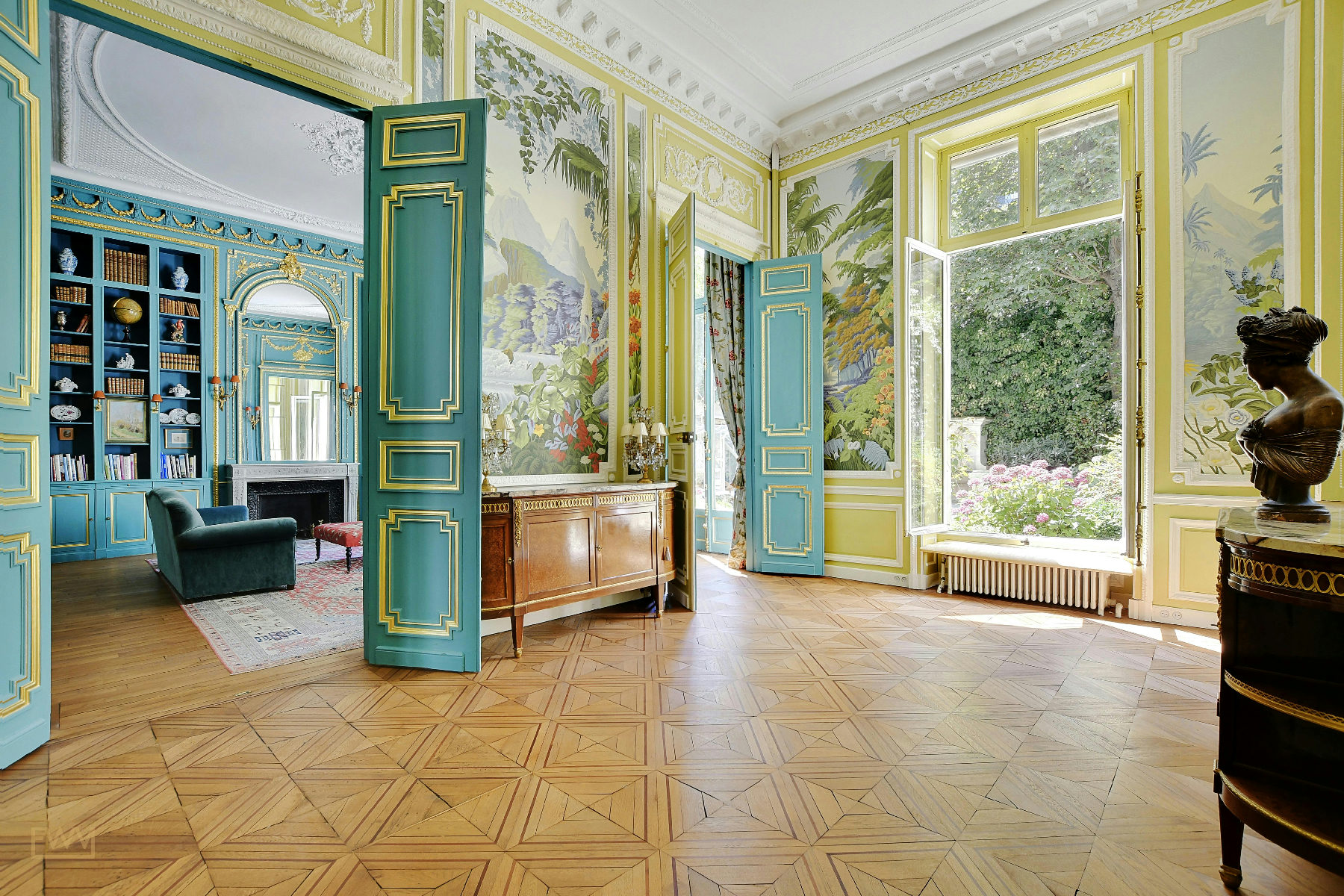
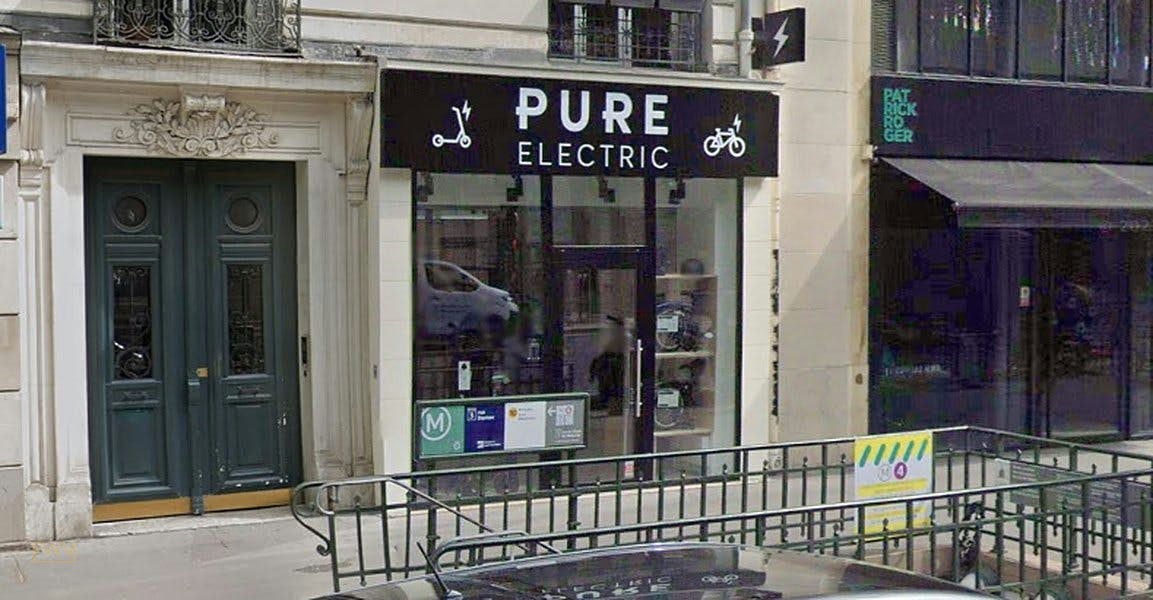
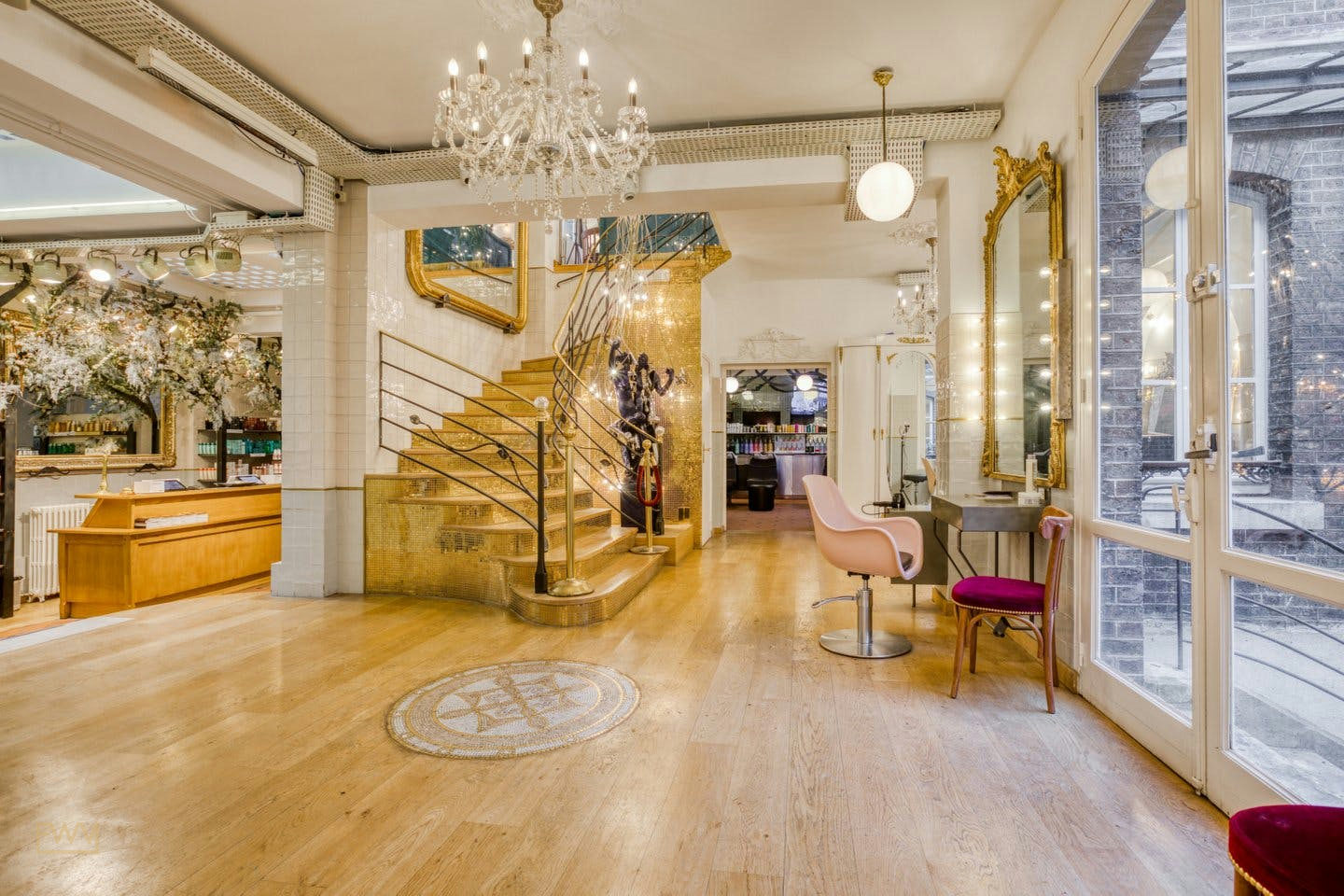
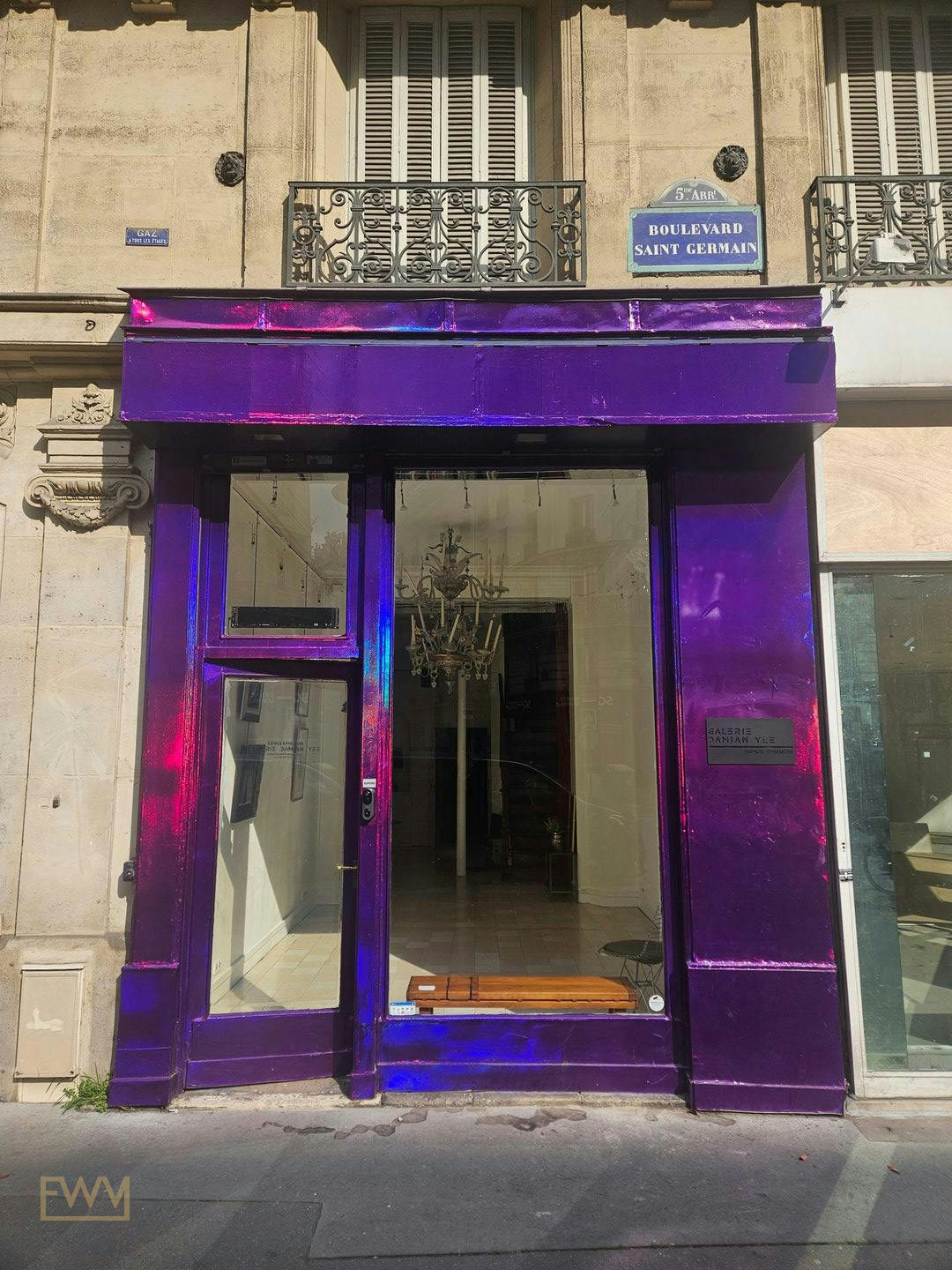
When international brands and independent designers decide to rent boutique Paris locations for pop-up activations, showrooms, or temporary retail concepts, the choices are extraordinary and the logistics are complex in equal measure. Paris remains the world's most influential fashion capital, and its commercial real estate landscape reflects that status. From the cobblestone streets of Le Marais to the gilded storefronts of Place Vendôme and the grand boulevards of the Golden Triangle, no other city offers such a density of aspirational retail environments within a compact geography. Fashion Week Venues specialises in helping brands navigate this market through venue sourcing, production support, activation management, and a curated space browsing and discovery marketplace built specifically for short-term retail needs.
Why Paris Remains the Premier City for Short-Term Boutique Rentals
Quick answer: Paris attracts brands seeking boutique and pop-up rentals because it combines unrivalled fashion heritage with a dense concentration of high-footfall retail neighbourhoods, a sophisticated international clientele, and a cultural calendar that generates sustained media and social attention throughout the year. No other city offers this combination at the same scale.
Paris is not simply a backdrop for fashion. It is a participant. The city's identity is woven into the vocabulary of luxury, Parisian chic, and sartorial aspiration in a way that directly amplifies brand positioning. When a label opens a temporary boutique in Saint-Germain-des-Prés or stages a showroom near Rue du Faubourg Saint-Honoré, it borrows equity from a neighbourhood that has been synonymous with elegance for generations. That borrowed equity translates into social media content, editorial coverage, visitor dwell time, and ultimately, commercial results.
The French fashion industry is structurally significant. Paris Fashion Week, held twice annually in January and February for menswear and in September and October for womenswear, draws buyers, press, and influencers from every major market. Brands such as Chloé, Vanessa Bruno, and Sonia Rykiel built their reputations in part by being physically present in the right Parisian neighbourhoods at the right moments. Short-term boutique and showroom rentals allow emerging and mid-tier brands to occupy that same physical and cultural space without committing to the long-term lease obligations of permanent retail.
Beyond Fashion Week, Paris maintains a year-round calendar of events that drive footfall and media interest. FIAC, Paris Design Week, and major exhibitions at institutions near the Louvre and the Musée Picasso create windows of elevated visitor concentration that brands can target with temporary retail activations. The Galeries Lafayette and Printemps attract millions of visitors annually, and the streets surrounding them represent premium commercial territory for pop-up stores and concept stores seeking affluent, fashion-aware customers.
The practical infrastructure for short-term retail has also matured considerably. Platforms and agencies now offer turnkey solutions that cover everything from space identification and permit management to fit-out, staffing, and post-activation analytics. This has substantially lowered the operational barrier for international brands that want a Paris presence without establishing a French legal entity or committing to a permanent lease.
DID YOU KNOW: Paris hosts two full Fashion Week seasons annually, plus dedicated trade shows and cultural events that create sustained demand for short-term boutique and showroom space throughout the calendar year.
KEY TAKEAWAY: Paris offers brands a unique intersection of cultural prestige, fashion calendar density, and international visitor concentration that makes short-term boutique rentals a commercially rational alternative to permanent retail commitment.
Understanding which neighbourhoods offer the right fit for your brand is the essential first decision, and it shapes everything from footfall profile to permit requirements and rental rates.
Parisian Locations and Neighbourhoods: A Neighbourhood-by-Neighbourhood Guide to Renting Boutique Space
Quick answer: The best neighbourhood for renting boutique space in Paris depends on your brand positioning, target clientele, and activation objectives. Le Marais suits creative and fashion-forward concepts. The Golden Triangle and Rue du Faubourg Saint-Honoré serve luxury and heritage brands. Saint-Germain-des-Prés attracts a cultured, affluent local audience. Montmartre and Pigalle offer emerging and lifestyle brand opportunities at more accessible price points.
Paris is organised into 20 arrondissements, each with its own commercial character, footfall profile, and rental rate structure. Choosing the right arrondissement is not simply a question of prestige. It is a question of alignment between your brand's positioning and the neighbourhood's existing identity and visitor base.
Le Marais and the 3rd and 4th Arrondissements
Le Marais is the most sought-after district for fashion pop-up stores and temporary boutiques. The Marais district covers parts of the 3rd and 4th arrondissements and has evolved from a historic Jewish quarter into one of Europe's most vibrant fashion and design destinations. Streets such as Rue des Archives, Rue du Temple, and the area surrounding the Place des Vosges attract an international, design-literate audience. The Carreau du Temple, a stunning 19th-century covered market, is a landmark event venue within the district. The Musée Picasso draws cultural visitors who align well with premium and contemporary fashion brands.
Rue Oberkampf, bordering the 11th arrondissement, extends the Marais creative ecosystem and offers raw, industrial-style spaces that suit editorial photoshoots, concept store launches, and brand presentations where visual identity is paramount. The Marais also benefits from high weekend footfall and strong social media desirability. For brands launching a pop-up or showroom during or around Paris Fashion Week, Le Marais delivers both cultural credibility and commercial reach.
Saint-Germain-des-Prés and the 6th Arrondissement
Saint-Germain-des-Prés is synonymous with literary culture, intellectual heritage, and understated Parisian elegance. The 6th arrondissement attracts older, affluent, and locally rooted clientele alongside international tourists who arrive already primed to spend on quality and craft. Boutique spaces here tend to be smaller, more refined in finish, and more suitable for heritage positioning, beauty brands, and curated fashion concepts. The neighbourhood rewards brands that can tell a coherent story rather than generate pure volume traffic.
Rue du Faubourg Saint-Honoré and the Golden Triangle
The Golden Triangle, defined by Avenue des Champs-Élysées, Avenue Montaigne, and Avenue George V, represents the apex of Parisian luxury retail. Place Vendôme and Rue du Faubourg Saint-Honoré sit within or adjacent to this zone and are anchored by flagship stores from the world's leading luxury houses. Boutique rentals here carry premium price tags that reflect the status of the address. For luxury brands, accessories labels, or beauty companies launching a hero product, a short-term space in this zone communicates positioning more powerfully than almost any other location in the world.
Champs-Élysées, Châtelet, and Major Retail Corridors
Avenue des Champs-Élysées offers extraordinary volume footfall and international tourist exposure. Châtelet and the areas surrounding the Louvre attract enormous visitor numbers year-round. Rue de Rivoli connects these zones and provides retail space options at varying price points. These locations suit brands seeking mass awareness and experiential pop-up formats rather than the curated, intimate boutique experience associated with Le Marais or Saint-Germain.
Montmartre and Pigalle
Montmartre and Pigalle have undergone significant creative gentrification. These neighbourhoods in the 18th and 9th arrondissements attract younger, trend-aware visitors and house a growing number of concept stores, independent studios, and fashion-adjacent businesses. Rental rates are generally more accessible than in the core luxury zones, making them viable for emerging brands, streetwear labels, and lifestyle concepts with a strong visual identity and social media orientation.
TIP: Match your neighbourhood choice to your existing audience rather than chasing prestige alone. A brand with a strong creative and youth-oriented following will often outperform in Pigalle or the Marais compared to the Faubourg Saint-Honoré, where the clientele expects an established luxury narrative.
| Neighbourhood | Arrondissement | Best For | Footfall Profile | Price Positioning |
|---|---|---|---|---|
| Le Marais | 3rd and 4th | Fashion, design, creative brands | International, design-literate | Mid to premium |
| Saint-Germain-des-Prés | 6th | Heritage, beauty, curated fashion | Affluent local and tourist mix | Mid to premium |
| Faubourg Saint-Honoré | 8th | Luxury and accessories brands | High-net-worth international | Premium to ultra-premium |
| Golden Triangle | 8th | Luxury flagships and launches | Global luxury consumer | Ultra-premium |
| Champs-Élysées and Châtelet | 1st and 8th | High-volume experiential pop-ups | Very high tourist volume | Variable |
| Montmartre and Pigalle | 9th and 18th | Emerging brands, lifestyle, streetwear | Young, trend-aware, creative | Accessible to mid |
KEY TAKEAWAY: Every Parisian neighbourhood serves a different brand purpose. The decision to rent boutique space in Paris should begin with a clear articulation of your target clientele, followed by neighbourhood selection, rather than the reverse.
Once you have identified your target neighbourhood, the next step is understanding which type of space will serve your concept best.
Retail Space Types: From Pop-Up Boutiques to Showrooms and Art Galleries
Quick answer: Paris offers a wide spectrum of short-term retail space types, including storefronts, showrooms, galleries, concept store formats, studio spaces, and apartment-style venues. The right space type depends on your activation format, the experience you want to create for visitors, and your operational requirements around lighting, square metres, and access.
The category of space you choose shapes the entire visitor experience. A polished concrete floor with track spotlights creates a different brand encounter than a Haussmann-era apartment with parquet floors and ceiling mouldings. Understanding the physical and spatial vocabulary of each space type is essential before committing to a rental.
Pop-Up Storefronts and Retail Units
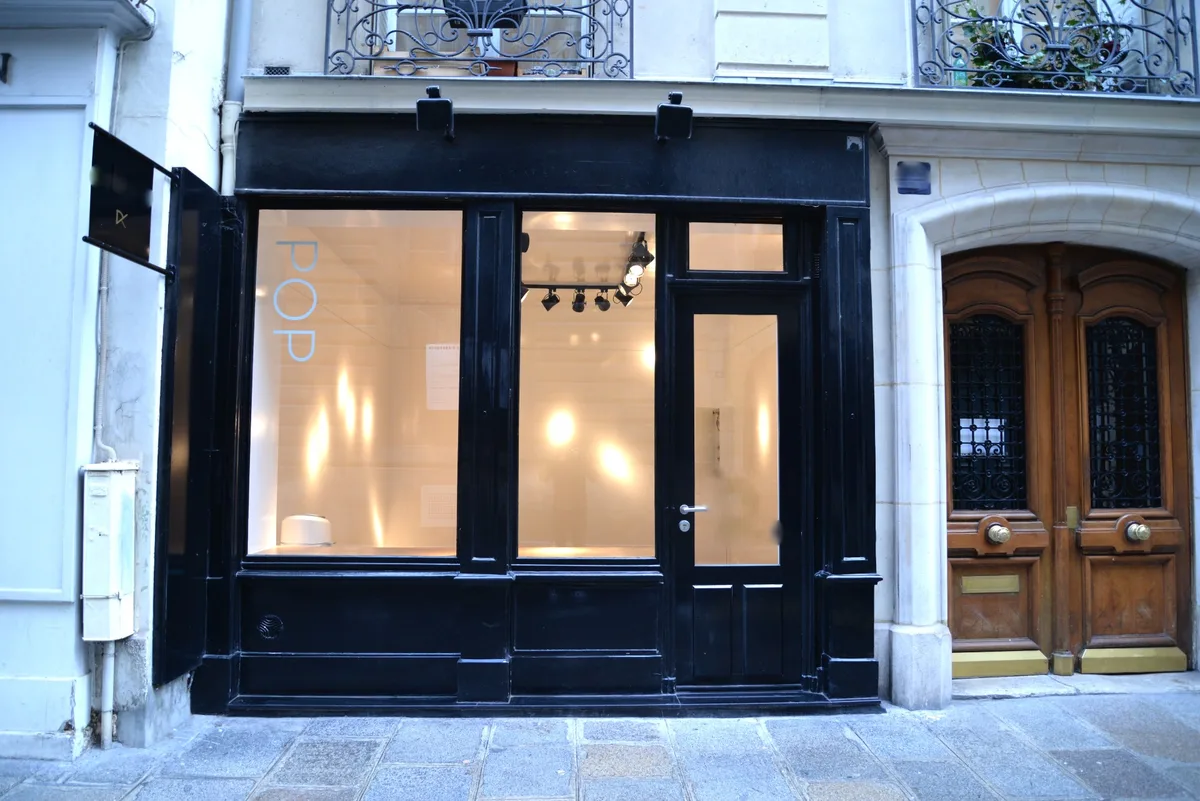
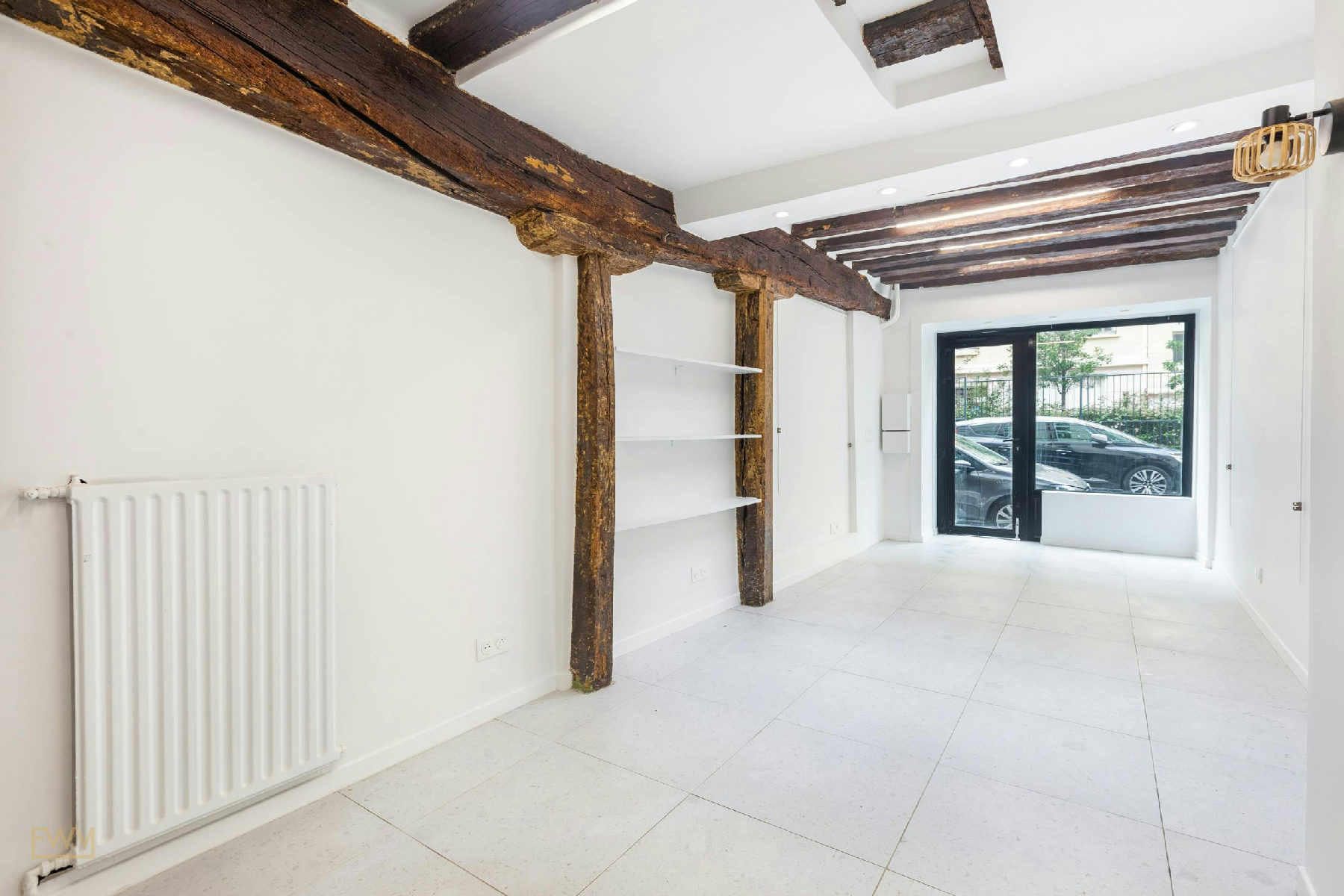
Traditional storefronts with street-level access and display windows are the most conventional format for pop-up stores in Paris. These spaces offer maximum street visibility and the ability to attract spontaneous walk-in traffic alongside planned visitors. They work well for product-led activations, limited-edition launches, and brand awareness campaigns. The configuration of lighting, floor finish, and merchandising fixtures varies widely across available spaces. Some feature raw concrete floors and industrial lighting that suit contemporary or streetwear aesthetics. Others offer polished finishes, spotlights, and built-in display infrastructure that reduces fit-out complexity and cost.
Showrooms and Fashion Showrooms
A fashion showroom rental in Paris serves a different audience than a retail pop-up. Showrooms are designed for press appointments, buyer meetings, trade presentations, and brand reveals rather than public-facing commerce. During Paris Fashion Week, the demand for showroom space concentrated in the Marais district and the 8th arrondissement spikes dramatically. Showrooms are typically measured in square metres, with smaller spaces of 50 to 80 square metres serving independent brands and larger multi-room configurations of 200 square metres or more serving established houses presenting full collections. Floor and access considerations matter significantly for showrooms, as sample trolleys, rails, and mannequins require easy movement through the space.
Art Galleries and Private Exhibition Spaces
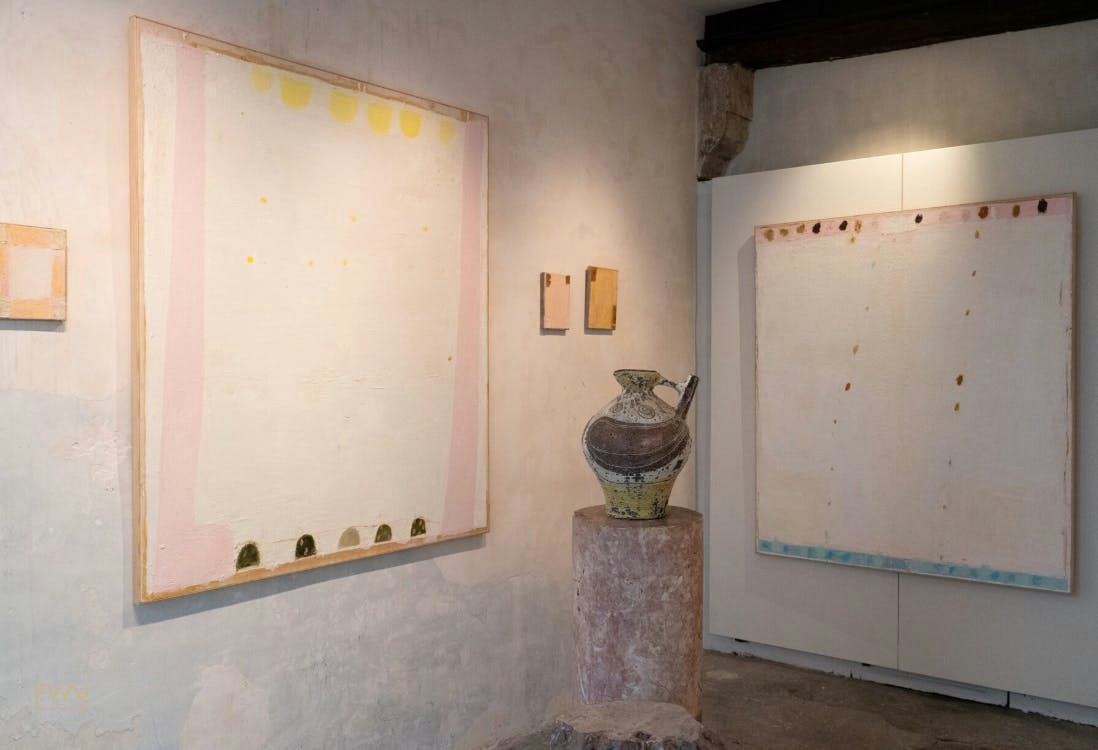
Art galleries offer a distinctive spatial quality that suits fashion brands seeking a cultural positioning. The white-wall, high-ceiling aesthetic of a gallery communicates editorial values and invites visitors to engage with products as objects of design rather than merchandise. Private exhibition spaces, particularly those associated with the Marais gallery district, offer additional cultural context. Brands using gallery formats often combine product presentation with genuine artistic or photographic content to create experiences that justify press coverage and social media sharing beyond standard retail documentation.
Apartment and Residential-Style Spaces
Apartment-format venues have become increasingly popular for intimate brand presentations, VIP appointments, press previews, and editorial photoshoots. A fully furnished Haussmann apartment with period details communicates Parisian authenticity in a way that no purpose-built retail space can replicate. These spaces suit luxury brands, bridal concepts, bespoke services, and dress rental experiences where the intimacy of the setting is part of the product proposition. They also work exceptionally well as photoshoot studios for fashion editorials and campaign content, particularly when the Eiffel Tower is visible from windows or balconies.
Concept Stores and Multi-Brand Formats
Paris has a strong tradition of the concept store, from Colette's legacy through to contemporary multi-brand destinations in the Marais and Saint-Germain. Brands can rent within an existing concept store environment through a concession or shop-in-shop arrangement, or they can rent an entire space and create their own multi-format concept store activation. The latter requires more production investment but offers complete creative control over the retail environment, the merchandising narrative, and the customer experience.
Studio Photo and Creative Production Spaces
Studio photo spaces in Paris are rented both as functional photography studios and as hybrid retail-editorial environments. A studio with the right lighting, backdrop options, and spatial flexibility can serve as both a photoshoot location and a temporary boutique, allowing brands to use the space productively across multiple formats during a single rental period.
| Space Type | Primary Use | Typical Square Metres | Key Features | Best Activation Format |
|---|---|---|---|---|
| Storefront Pop-Up | Direct retail | 30 to 200 | Street window, walk-in access | Product launch, brand awareness |
| Fashion Showroom | Trade and press | 50 to 300 | Open plan, rail space, reception | Fashion Week presentation |
| Art Gallery | Cultural and editorial | 60 to 500 | White walls, high ceilings, gallery lighting | Private exhibition, launch event |
| Apartment Format | VIP and editorial | 40 to 200 | Period details, furnished, intimate | Photoshoot, press preview, dress rental |
| Concept Store | Multi-format retail | 100 to 600 | Mixed zones, flexible merchandising | Brand world building |
| Studio Photo | Content creation | 50 to 300 | Professional lighting, backdrop options | Campaign shoots, editorial content |
KEY TAKEAWAY: The space type you select determines the visitor experience, production requirements, and commercial outcomes of your Paris activation. Match the spatial vocabulary of the venue to the brand story you intend to tell.
Selecting the right space type is inseparable from understanding the rental operational process, including permits, insurance, pricing, and the legal framework that governs short-term commercial use in France.
Rental Operations: Permits, Regulations, Pricing, and Legal Requirements for Short-Term Boutique Rentals in Paris
Quick answer: Renting a boutique or retail space in Paris on a short-term basis requires understanding the difference between standard commercial leases and flexible short-term arrangements such as the bail dérogatoire. Additional regulatory considerations include commercial activity permits, insurance requirements, and local authority compliance. Requirements vary by space type, duration, arrondissement, and intended use.
France has a well-developed legal framework for commercial property, but it is not immediately intuitive for international brands accustomed to the more flexible short-term leasing practices of other markets. Understanding the key instruments and obligations before signing any rental agreement is essential to avoiding costly complications.
The Bail Dérogatoire and Short-Term Commercial Use
The standard French commercial lease, known as the bail commercial, provides strong tenant protections but requires minimum terms that make it unsuitable for short-term activations. For periods of two years or less, French law allows for a bail dérogatoire, sometimes called a convention d'occupation précaire. This instrument provides a more flexible arrangement that suits pop-up stores, temporary showrooms, and short-term boutique rentals. However, specific conditions must be met, and both parties must clearly understand that the arrangement does not create the same rights as a standard commercial lease. Brands should always verify the precise terms with a qualified French legal advisor before committing.
Autorisation d'Occupation Temporaire (AOT)
When a space occupies public domain, such as a terrace, pavement area, or public building, an Autorisation d'Occupation Temporaire (AOT) issued by the relevant local authority is required. AOTs are particularly relevant for pop-up formats that extend into outdoor or semi-public spaces. Processing times and approval requirements vary by arrondissement and intended use. Failure to secure the appropriate AOT before beginning an activation can result in fines or forced cessation of activity.
Commercial Activity Permits and Local Regulations
Beyond the lease instrument, brands must consider whether their intended commercial activity requires any additional permit or declaration. Selling goods to the public, collecting payments, hosting ticketed events, and serving food or drink each carry their own regulatory requirements under French local regulations. The requirements differ between a purely appointment-based showroom, a publicly accessible retail pop-up, and an event-format activation that combines commerce with entertainment. The permit guidance tool on Fashion Week Venues provides directional information for brands at the planning stage, though all permit applications should ultimately be reviewed by a qualified French legal or regulatory advisor.
Insurance Requirements
Insurance is a standard requirement in French commercial rental agreements. Landlords typically require tenants to carry liability insurance covering the rental period, with policy details aligned to the nature of the activity and the space. Brands should verify their existing international policies or obtain specific event and commercial activity coverage for France before signing. Some rental agreements also require coverage for damage and loss beyond the security deposit.
Security Deposits and Rental Rates
Security deposits for short-term boutique rentals in Paris are standard practice. The deposit amount varies depending on the landlord, the space, and the rental period. Rental rates across Paris vary enormously by neighbourhood, space type, square metres, floor access, and features such as lighting quality and display infrastructure. Directional rate estimates are available through the budget estimation tool on Fashion Week Venues, which helps brands build a realistic financial model for their activation before approaching landlords or agencies.
Pricing, Payment, and Transaction Logistics
Rental requests in Paris are typically denominated in euros. Payment structures vary, but advance payment covering the full rental period is common for short-term agreements. Some landlords require a percentage deposit on confirmation with the balance due before key handover. Pricing and payment terms should be fully clarified before signature. Late returns beyond the agreed rental period are a common source of dispute and typically trigger additional daily charges. Post-rental cleaning obligations are another area where brands frequently encounter unexpected costs if the space is not returned in agreed condition.
IMPORTANT: Short-term commercial leases in France carry legal and regulatory obligations that differ significantly from other markets. Always retain a French legal advisor before signing any rental agreement, regardless of the rental duration or the informality of the arrangement.
KEY TAKEAWAY: Navigating permits, insurance, and the correct lease instrument for a Paris boutique rental requires specialist knowledge. Brands that invest in proper legal and regulatory preparation avoid the delays, fines, and financial exposure that derail poorly planned activations.
With the regulatory framework understood, the next practical question for most brand teams is cost, and how to build a realistic budget for a Paris boutique rental activation.
What Does It Cost to Rent a Boutique in Paris? Pricing Frameworks and Budget Planning
Quick answer: The cost of renting a boutique or retail space in Paris for a short-term activation depends on the neighbourhood, space type, square metres, rental period, and the additional services included. No single price applies across the market. Directional estimates should be treated as planning anchors rather than fixed figures, and brand-specific budgets should be built using a structured tool or with specialist agency support.
Paris retail space rental rates reflect the city's status as a global fashion capital. Spaces in the Golden Triangle, Place Vendôme, and Rue du Faubourg Saint-Honoré command rates that reflect their extraordinary brand positioning value. Spaces in emerging creative neighbourhoods like Pigalle or Rue Oberkampf offer more accessible entry points while still delivering strong creative and social media output.
Cost Factors to Model in Your Budget
A realistic Paris boutique rental budget must account for more than the space rental rate. The total cost of a short-term retail activation typically includes the space rental fee, security deposit, insurance, permit costs, fit-out and production, furniture rental, staffing, POS and payments infrastructure, logistics, and post-activation cleaning. For brands unfamiliar with the Paris market, underestimating these ancillary costs is the most common budget error.
The fit-out investment required varies enormously depending on whether the space is taken in a raw condition requiring a complete build, or whether it is already fitted and furnished to a standard that minimises production spend. Raw concrete floors, for example, are visually distinctive and suit many contemporary brand aesthetics, but they require more furniture and display investment than a space with built-in fixtures. Spaces with professional spotlights and track lighting already installed reduce production costs compared to those requiring a full lighting specification and installation.
Merchandising, visual identity installation, signage, and any bespoke elements of the brand world must also be costed. For brands running activations during Paris Fashion Week, there are additional considerations around the compressed timeline for build, the premium on specialist installation crews during peak periods, and the complexity of dismantling and removal within a tight post-event window.
Using Planning Tools to Build Your Budget
Fashion Week Venues provides a structured budget estimation tool that allows brand teams to input their space type, neighbourhood preference, rental duration, and service requirements to generate a directional total cost model. This is particularly useful in the early planning stages when decisions about location and format are still fluid. Pairing the budget tool with the ROI calculation tool allows brands to assess whether a proposed activation is likely to generate a commercial return commensurate with the investment, or whether the primary value lies in awareness and positioning rather than direct revenue.
TIP: Build your Paris boutique rental budget in phases: space cost, fit-out and production, staffing and operations, marketing and influencer support, and contingency. A contingency of 15 to 20 percent of total budget is prudent for first-time Paris activations given the complexity of local permit and logistics coordination.
KEY TAKEAWAY: The rental rate for a Paris boutique space is the starting point of the budget, not the total. Brands that build comprehensive, phased budgets covering all activation costs are far better positioned to deliver activations that achieve their commercial and brand objectives without financial overrun.
Understanding how to plan and budget for an activation leads naturally to the question of how to find and compare available spaces across Paris's diverse neighbourhoods.
How to Find and Compare Pop-Up Boutique Spaces in Paris
Quick answer: Brands can find short-term boutique spaces in Paris through specialist agencies, dedicated space marketplaces, and direct landlord relationships. The most efficient approach combines a curated marketplace with agency support for spaces that require negotiation, permit management, and production coordination.
Finding the right space in Paris is not simply a matter of browsing available listings. The best spaces in Le Marais, Saint-Germain-des-Prés, and the 8th arrondissement are often surfaced through agency relationships before they appear on public platforms. This is particularly true during Fashion Week, when demand for premium showroom and boutique space substantially exceeds supply and competition among brands is intense.
Specialist Marketplaces and Agency Support
Specialist platforms aggregating Paris short-term retail space listings offer significant advantages over general property portals. These platforms understand the specific requirements of fashion brands and allow filtering by space type, neighbourhood, square metres, rental duration, features such as lighting quality and floor finish, and price range. They also typically provide visual documentation of spaces that allows brand teams to assess aesthetic alignment before investing time in site visits.
Agency support adds value beyond simple listing discovery. A specialist agency with established landlord relationships can access spaces not listed publicly, negotiate terms more effectively, and manage the permit, insurance, and production complexity that individual brand teams lack the bandwidth or local expertise to handle independently. For brands new to the Paris market, the cost of agency support is generally recovered through better space terms, avoided permit errors, and faster execution timelines.
Comparing Spaces Effectively
Comparing multiple Paris boutique spaces requires a structured approach. Key variables to evaluate include the space's square metre configuration and flow, natural light availability, artificial lighting quality and flexibility, floor finish and condition, storage and back-of-house provision, loading and access for deliveries and installation, proximity to transport links and footfall generators, and the terms of the rental agreement. The space comparison tool available through Fashion Week Venues allows brand teams to evaluate multiple shortlisted spaces against consistent criteria rather than relying on subjective impressions from site visits.
To compare neighbourhoods and space types, explore the Paris city hub on Fashion Week Venues and shortlist spaces that match your brief, budget, and calendar window.
Timeline Planning and Calendar Alignment
The Paris retail calendar creates specific windows of elevated demand that brands must plan around. Fashion Week periods in January, February, September, and October see the highest competition for premium spaces. FIAC and Paris Design Week create secondary demand spikes. Brands that begin their space search early, ideally three to six months before their intended activation date, have access to a broader range of options and can negotiate more favourable terms. The timeline planning tool helps brand teams map their activation milestones against the Paris calendar and identify the optimal booking window for their target space and neighbourhood.
KEY TAKEAWAY: The most effective approach to finding a Paris boutique space combines a curated specialist marketplace with early calendar planning and, for complex activations, professional agency support that covers the full pipeline from space identification through to activation and close-down.
For brands that want a fully managed solution rather than a self-directed search, understanding what a specialist agency actually does and how Fashion Week Venues specifically supports activations is the logical next step.
How Fashion Week Venues Supports Paris Boutique and Pop-Up Activations
Fashion Week Venues operates as a full-service pop-up agency and space marketplace with Paris as its primary market. The agency is built specifically for fashion brands, beauty labels, accessories companies, and creative businesses that need temporary retail or showroom space in major fashion capitals without the overhead of establishing a permanent local operation.
Services Available to Brands
The agency's service portfolio covers the complete activation lifecycle. Venue sourcing encompasses both curated marketplace listings and off-market space identification through established landlord networks. Concept direction supports brands in developing the spatial and visual narrative of their activation. Production and fit-out services manage the physical transformation of a raw or partially fitted space into an environment that reflects the brand's identity. Activation management oversees the operational execution of the event from launch through to close-down.
Retail staffing provides trained, fashion-aware floor staff who can represent the brand fluently to visitors and buyers. POS and payment infrastructure ensures that transactional commerce can be conducted seamlessly. Branded store design develops the graphic and spatial identity of the space. Furniture rental reduces the capital outlay required for short-term activations where purchasing fixtures is economically irrational. Data and analytics provide post-activation insight into visitor behaviour, dwell time, and commercial performance. Influencer marketing support connects activations with the right social media voices to amplify reach and generate content that extends the life of the activation beyond its physical duration.
Tools Available to Brand Teams
For brand teams in the research and planning phase, Fashion Week Venues provides a range of self-service tools. The budget estimation tool, ROI calculator, space comparison tool, timeline planner, permit guidance tool, and space locator are all available through the tools hub. These tools allow brand teams to conduct rigorous pre-commitment planning before engaging with agency services. The imagine tool supports space visualisation, and the build planning tool helps teams scope fit-out requirements. The twin concept enables two brands to co-activate within a shared space, reducing rental and production costs while creating a complementary brand encounter for visitors.
Which Brands Benefit Most
Fashion Week Venues is most directly relevant to international brands entering the Paris market for the first time, established brands scaling up their Paris activation frequency, creative agencies producing brand experiences for clients, and event producers who need a reliable local partner for space, production, and permits. The agency's expertise is particularly valuable during Fashion Week periods when the complexity and pace of execution is highest and the margin for logistical error is lowest.
IMPORTANT: Fashion Week Venues provides guidance, tools, and agency support, but cannot guarantee space availability, permit approval, or specific commercial outcomes. All legal and regulatory requirements should be independently verified with qualified French advisors.
To explore the full range of services and past brand activations, visit the work and case study section and the agency process page to understand how the end-to-end workflow operates from initial brief through to activation close-down.
KEY TAKEAWAY: Fashion Week Venues reduces the complexity of Paris boutique and pop-up activation by combining a curated space marketplace with full-service agency support, specialist tools, and a structured process that covers every stage from space identification to post-activation analytics.
Dress Rental in Paris: Photoshoots, Bridal Sessions, and Styling Services
Quick answer: Dress rental in Paris is a distinct service category separate from retail space rental. It serves photographers, tourists, content creators, and brides who want to access luxury and editorial garments for photoshoots, pre-wedding sessions, or social media content creation. Paris offers several professional dress rental services with curated collections of luxury, bridal, maternity, and children's styles.
The overlap between dress rental and the broader Paris boutique rental market lies in the physical spaces where these services operate. A charming boutique or apartment-format venue in Le Marais or near the Eiffel Tower can serve simultaneously as a brand's pop-up retail space and as a backdrop for dress rental photography sessions. Understanding this dual utility is increasingly relevant for brands that want to maximise the commercial value of their Paris space rental investment.
What Is Paris Dress Rental?
Paris dress rental services provide access to curated collections of garments, typically including luxury evening wear, wedding dresses, editorial fashion pieces, maternity dresses, and children's formalwear, for a defined rental period. The standard rental duration typically covers a photoshoot session of one to two hours, with extended rental periods available on request for clients who need the garment for longer. Collections such as Switch Dresses and similar Paris-based services offer luxury dress collections that are available to international visitors who want authentic Parisian fashion content without the cost of purchasing high-end garments outright.
Professional styling assistance is often included or available as an add-on, with stylists helping clients select garments from the luxury dresses collection that suit their body type, colouring, and creative vision. For brides planning a pre-wedding photoshoot in Paris, wedding dress rental combined with a Parisian location represents a smart luxury investment, delivering campaign-quality imagery at a fraction of the cost of purchasing a dedicated editorial gown.
Flying Dresses and Experiential Fashion Content
The flying dress concept, which involves full-skirted gowns photographed in motion against Parisian landmarks, has become one of the most recognisable formats of Paris fashion content creation. These sessions are typically conducted in spaces or outdoor locations that offer clear sightlines to the Eiffel Tower or other iconic Parisian backdrops. Pop-up changing tents are commonly used on location to allow clients to dress and prepare close to the shooting location. Some boutique and gallery spaces in the 7th and 16th arrondissements have developed specific services around this format, including styling rooms, storage, and coordination with local photographers.
How Dress Rental Intersects with Boutique Space Rental
Boutique owners and short-term space renters increasingly recognise the commercial opportunity of dress rental as a complementary service. A boutique space with the right lighting, mirrors, and dressing area can host dress rental appointments as a revenue-generating use during periods when the space would otherwise sit empty. For brand teams considering how to maximise the financial return on their Paris boutique rental, integrating a dress rental or styling service into the activation programme can extend the commercial life of the space and create additional content generation opportunities.
KEY TAKEAWAY: Dress rental in Paris is a growing segment of the experiential fashion market that intersects meaningfully with boutique and short-term retail space rental. Brands that recognise the dual utility of Parisian spaces can design activations that serve both commerce and content creation simultaneously.
Fashion Week Calendar Strategy: Timing Your Paris Boutique Rental for Maximum Impact
Quick answer: The timing of a Paris boutique rental significantly affects both cost and commercial outcomes. Fashion Week periods deliver the highest concentration of fashion industry visitors but also carry the highest rental rates and the most intense competition for premium spaces. Strategic planning around the full Paris fashion and cultural calendar allows brands to identify windows that balance cost efficiency with audience quality.
Paris Fashion Week is the most concentrated window of industry attention in the global fashion calendar. The two primary seasons, September and October for womenswear and January and February for menswear, draw buyers, press, stylists, influencers, and creative directors from every major market. For brands targeting this professional fashion audience, the Fashion Week window is irreplaceable. A showroom or boutique activated during Fashion Week in the right neighbourhood will receive appointments, press visits, and social media attention that would be impossible to replicate at any other time of year.
Peak Calendar Windows
Beyond the two Fashion Week seasons, Paris hosts a series of events that create elevated footfall and media concentration. FIAC, the international contemporary art fair, transforms the Grand Palais and surrounding arrondissements into a cultural hub that attracts collectors, curators, and a highly affluent international visitor profile. Paris Design Week generates significant foot traffic in the Marais and surrounding creative districts. The Paris Motor Show, Maison et Objet, and major cultural exhibitions at the Louvre and other institutions each create localised demand spikes that brands can target with complementary temporary retail activations.
Off-Peak Strategy and Cost Efficiency
Brands that cannot or choose not to compete for Fashion Week space may find that off-peak periods offer compelling alternatives. Spring and early summer, and the autumn period outside of Fashion Week, offer good visitor volumes, more relaxed permit timelines, and more negotiable rental rates. A well-executed activation during Paris Design Week, for example, can generate significant design press and social media coverage at a total cost lower than a Fashion Week activation in a comparable space.
The Twin Concept for Shared Activation
For brands where the cost of an independent Paris boutique rental during Fashion Week is prohibitive, the twin co-activation concept available through Fashion Week Venues offers a structured way to share a premium space with a complementary brand. Two brands with aligned audiences but non-competing product categories can divide the space, share rental and production costs, and create a richer retail environment than either could deliver independently. This model has proven particularly effective for accessories and beauty brands that lack the product volume to fill a large space independently but benefit significantly from being physically present in the right location during Fashion Week.
KEY TAKEAWAY: Calendar strategy is as important as neighbourhood and space selection in determining the commercial success of a Paris boutique rental. Brands that align their activation window with the right audience concentration point, whether Fashion Week, FIAC, or a targeted off-peak period, generate better returns on their investment.
Brand Activation Strategy: Creating Memorable Customer Experiences in Paris Boutiques
Quick answer: A successful Paris boutique activation goes beyond occupying a physical space. It requires a coherent brand narrative, intentional visitor experience design, strategic use of lighting and merchandising, and a clear plan for generating social media content, press coverage, and measurable commercial outcomes during the rental period.
Paris visitors and buyers arrive with high expectations. The city's retail culture is sophisticated, and the brands that stand out during Fashion Week or in competitive retail corridors are those that have invested in the quality and coherence of the experience they deliver. A poorly merchandised space with inconsistent lighting and an uncertain brand narrative will fail to generate the press, social media content, and buyer engagement that justify the cost of a Paris activation.
Concept Direction and Spatial Storytelling
The concept direction phase of an activation is where brand strategy is translated into spatial decisions. What story is the brand telling in this space? What is the ideal visitor journey from entry to departure? How does the merchandise relate to the architectural features of the space? Concept direction involves making deliberate choices about how lighting, furniture, display fixtures, graphics, and sensory elements work together to create a unified brand encounter. Fashion Week Venues offers dedicated concept and creative services to support this phase of planning.
Merchandising and Visual Identity
Merchandising in a temporary Paris boutique requires special care because the space is not a permanent fixture. Every element must be intentional because there is no residual familiarity to compensate for inconsistency. The arrangement of garments on rails, the placement of accessories on display surfaces, the height and angle of lighting relative to product, and the sequencing of brand messaging across the space all contribute to how visitors perceive and remember the brand. Good merchandising in a temporary boutique increases dwell time, encourages discovery, and generates the kind of organic social media content that extends the activation's reach far beyond the physical footfall it achieves during the rental period.
Social Media, Editorial, and Influencer Strategy
Paris boutique activations generate content. The city itself is a content generator of extraordinary power, and a well-designed pop-up in Le Marais or near Place des Vosges provides visitors with a natural impulse to photograph and share. Brands that consciously design for social media content creation, through thoughtful backdrops, distinctive spatial features, and shareable styling moments, amplify the marketing value of their activation significantly. Fashion Week Venues offers influencer marketing support to help brands identify and engage the right voices for their Paris activation audience.
Staffing and Customer Experience Delivery
The quality of staff working within a Paris boutique activation directly affects visitor experience, sales conversion, and brand impression. Staff who are knowledgeable about the brand, fluent in the languages of the expected visitor profile, and capable of representing the brand's values confidently are essential. This is particularly true for showroom activations during Fashion Week where staff interactions with buyers and press are consequential for the brand's commercial future. Fashion Week Venues provides access to trained retail staffing through its staffing service.
KEY TAKEAWAY: A Paris boutique activation succeeds when brand strategy, spatial design, merchandising, content creation, and staffing are treated as integrated components of a single customer experience rather than independent operational tasks.
Common Myths About Renting a Boutique in Paris Debunked
MYTH: You need a French legal entity to rent a boutique or retail space in Paris.
FACT: International brands can rent short-term commercial space in Paris without incorporating a French entity, provided the correct rental instrument is used and all tax and regulatory obligations are understood. Many brands activate in Paris as foreign entities with the support of a local agency or legal advisor. Specialist agencies such as Fashion Week Venues regularly support international brands through this process. Always verify the specific requirements with a qualified French legal professional.
MYTH: Paris Fashion Week is the only viable window for a Paris boutique or showroom activation.
FACT: While Fashion Week delivers the highest concentration of fashion industry visitors, Paris maintains a rich cultural and commercial calendar throughout the year. FIAC, Paris Design Week, major seasonal tourism peaks, and the city's year-round affluent resident and visitor base create viable activation windows in every quarter. Off-peak activations often achieve better cost efficiency and allow brands to secure better spaces with less competition.
MYTH: Commission brokers are the only way to find a short-term boutique space in Paris.
FACT: Specialist space marketplaces and full-service agencies have created structured, transparent alternatives to traditional broker models. Platforms like the Fashion Week Venues marketplace aggregate curated listings with detailed space information, neighbourhood context, and pricing guidance, allowing brands to conduct informed comparisons before engaging with landlords or agencies. This increases transparency and gives brand teams more control over the discovery and selection process.
MYTH: Short-term retail leases in Paris are straightforward to sign without specialist help.
FACT: French commercial property law is complex, and the instruments used for short-term rentals, including the bail dérogatoire and occupation agreements, carry specific legal conditions that differ significantly from residential or standard commercial arrangements. Brands that sign agreements without legal review risk misunderstanding their obligations regarding restoration, insurance, permit compliance, and liability. The cost of specialist legal and agency support is consistently lower than the cost of resolving disputes arising from poorly understood agreements.
MYTH: A Paris boutique activation is only worthwhile for large brands with substantial budgets.
FACT: The Paris short-term retail market includes spaces at a wide range of price points, from accessible studio and gallery formats in emerging neighbourhoods to premium storefronts in the Golden Triangle. Budget planning tools, co-activation models like the twin concept, and focused activations of short duration allow emerging brands to achieve meaningful Paris presence at costs that are commensurate with their scale. Strategic planning, rather than budget scale alone, determines activation effectiveness.
Frequently Asked Questions About Renting a Boutique in Paris
What are the most sought-after locations for renting commercial space in Paris?
The most sought-after locations for short-term boutique and commercial space rentals in Paris are Le Marais, Rue du Faubourg Saint-Honoré, the Golden Triangle in the 8th arrondissement, Saint-Germain-des-Prés, and the area around Place Vendôme. During Paris Fashion Week, demand for Marais showrooms and 8th arrondissement boutique spaces is particularly intense. Montmartre and Pigalle are increasingly popular for emerging brands and lifestyle concepts. The right location depends on brand positioning, target clientele, and activation objectives rather than prestige alone.
How much does it cost to rent a boutique space in Paris?
Boutique rental rates in Paris vary enormously depending on the neighbourhood, space size, space type, features, and rental duration. There is no single market rate that applies across all locations and formats. Premium spaces in the Golden Triangle or near Place Vendôme command significantly higher rates than studios in Pigalle or Montmartre. The total cost of an activation extends beyond the space rental to include fit-out, production, staffing, insurance, permits, and marketing. Using the budget estimation tool on Fashion Week Venues helps brand teams build a realistic, comprehensive cost model for their specific brief.
What is a pop-up store in Paris?
A pop-up store in Paris is a temporary retail or brand experience space rented for a defined period, typically ranging from a few days to several months. Pop-up stores allow brands to establish a physical Paris presence, generate press and social media coverage, test products with a new market, and engage directly with customers without the commitment of a permanent commercial lease. Paris is one of the world's most active pop-up retail markets, with high demand from both international brands entering the French market and established brands seeking to create seasonal or event-linked activations.
How do I rent a pop-up shop in Paris?
To rent a pop-up shop in Paris, begin by defining your activation objectives, target neighbourhood, space type, rental period, and budget. Use a specialist marketplace to browse available spaces and compare options against your criteria. Engage a local agency if you need support with negotiation, permits, or production. Ensure your rental agreement uses the appropriate legal instrument for short-term commercial use, and secure the necessary insurance and permits before beginning your activation. Fashion Week Venues provides both a space marketplace and full-service agency support for brands going through this process.
Are pop-up stores common in Paris?
Pop-up stores are extremely common in Paris. The city's fashion calendar, cultural event density, and tourist volume create consistent demand for temporary retail formats. The Marais district, Saint-Germain-des-Prés, and the streets surrounding major department stores such as Galeries Lafayette and Printemps see particularly high concentrations of pop-up activity. International brands from every market use Paris pop-up stores as a market entry strategy, a brand positioning tool, and a Fashion Week activation format. The market for short-term retail space in Paris is well developed and served by multiple specialist agencies and platforms.
What neighbourhoods are best for pop-up retail in Paris?
The best neighbourhood for pop-up retail in Paris depends on your brand's identity and target audience. Le Marais is ideal for fashion-forward and design-oriented brands with an international, culturally literate customer base. Saint-Germain-des-Prés suits heritage, beauty, and curated fashion concepts. The Golden Triangle and Faubourg Saint-Honoré serve luxury and accessories brands seeking maximum prestige positioning. Champs-Élysées and Châtelet offer high tourist volume for experiential formats. Montmartre and Pigalle attract younger creative audiences. Each neighbourhood has a distinct character that should align with the brand's existing identity and audience.
Do I need a French legal entity to rent a boutique space in Paris?
You do not necessarily need a French legal entity to rent a boutique or pop-up space in Paris for a short-term activation. International brands regularly conduct Paris activations as foreign entities with appropriate contractual and regulatory support. However, specific tax, insurance, and regulatory obligations apply to commercial activity in France regardless of the entity status of the operator. It is essential to work with a qualified French legal advisor and, where applicable, a specialist agency that understands the requirements for short-term commercial activity. Do not assume that the absence of a French entity removes all regulatory obligations.
What permits do I need to operate a pop-up boutique in Paris?
The permits required to operate a pop-up boutique in Paris depend on the nature of the activity, the type of space, its location, and the duration of the rental. Key instruments to understand include the bail dérogatoire for short-term commercial leases, the Autorisation d'Occupation Temporaire for spaces on public domain, and any additional local authority requirements for retail commerce, events, or food and beverage service. Requirements vary by arrondissement and specific space type. The permit guidance tool on Fashion Week Venues provides directional information, and all permit applications should be reviewed by a qualified French legal or regulatory advisor.
How far in advance should I book a Paris boutique space for Fashion Week?
For Paris Fashion Week activations, brands should begin their space search at least three to six months before their intended activation date. Premium spaces in Le Marais, the 8th arrondissement, and Saint-Germain-des-Prés are frequently booked months in advance by returning brands and established clients. Waiting until six to eight weeks before Fashion Week significantly limits the available options and reduces negotiating leverage on terms and pricing. The timeline planning tool on Fashion Week Venues helps brands map their search and booking milestones against the Fashion Week calendar to ensure sufficient lead time.
What is the bail dérogatoire and how does it apply to short-term boutique rentals?
The bail dérogatoire is a French legal instrument that allows commercial property to be rented for a period of up to two years outside the protections and obligations of the standard French commercial lease, known as the bail commercial. It is the primary instrument used for short-term boutique, showroom, and pop-up retail rentals in Paris. Both parties must agree explicitly that the arrangement constitutes a bail dérogatoire and understand that it does not create standard commercial lease rights. The precise conditions, including restoration obligations, deposit terms, and permitted use, vary between agreements. Legal review before signature is strongly recommended.
Can I rent a dress in Paris for a photoshoot near the Eiffel Tower?
Yes, dress rental services in Paris provide access to curated collections of fashion, bridal, maternity, and children's garments for photoshoots and content creation sessions. Services typically include professional styling assistance to help clients select garments that suit their vision. Standard rental periods cover a photoshoot session of one to two hours, with extended periods available on request. Locations near the Eiffel Tower in the 7th and 16th arrondissements are popular for dress rental photography sessions. Some services also offer pop-up changing facilities near iconic locations to allow clients to prepare close to the shoot site.
What is included in a typical Paris boutique rental agreement?
A typical Paris short-term boutique rental agreement covers the rental period, the permitted use of the space, the rental rate and payment schedule, the security deposit amount and return conditions, insurance requirements, post-rental cleaning obligations, rules around damage and loss, procedures for rental period extensions, and any restrictions on modifications to the space. The specific terms vary considerably between landlords and space types. Brands should ensure they fully understand all obligations before signing, particularly around restoration to original condition and liability for any damage occurring during the activation period.
Is it possible to share a Paris boutique space with another brand?
Yes, sharing a Paris boutique or activation space with a complementary brand is a well-established approach to reducing the cost of a Paris presence during high-demand periods such as Fashion Week. The twin co-activation concept available through Fashion Week Venues provides a structured framework for two brands to share a premium space, divide the rental and production costs, and create a richer retail environment than either could achieve independently. The key to a successful co-activation is selecting a complementary brand with an aligned audience and non-competing product category, and agreeing clearly on the spatial allocation and visitor experience before committing to the space.
What should I look for when viewing a potential Paris boutique space?
When viewing a Paris boutique space, assess the quality and flexibility of the lighting, the condition and aesthetic of the floor and walls, the natural light available and its direction relative to your product, the flow and configuration of the floorplan relative to your merchandising plan, the availability and condition of storage and back-of-house space, the ease of loading and delivery access, the proximity to footfall generators and transport links, and the overall structural condition of the space. Also clarify what fixtures and furniture are included in the rental, what the landlord's expectations are for the space at the end of the rental period, and what the process is for building out any additional elements you need.
How does Fashion Week Venues differ from a standard property broker?
Fashion Week Venues differs from a standard property broker in several important ways. The agency focuses exclusively on short-term fashion and brand activation spaces rather than general commercial property. It provides a curated marketplace of spaces specifically suited to pop-up stores, showrooms, galleries, and brand activations. Beyond space identification, it offers full-service support across concept direction, production, staffing, permits, POS, data analytics, and influencer marketing. This integrated approach means brand teams can engage a single partner for the entire activation lifecycle rather than coordinating multiple separate suppliers across an unfamiliar market.
Conclusion: Your Paris Boutique Rental Starts With the Right Foundation
To rent boutique space in Paris successfully requires more than finding an available address. It requires aligning your brand's identity with the right neighbourhood, selecting a space type that serves your activation format, building a comprehensive budget that accounts for all costs beyond the rental rate, understanding the legal and permit framework that governs short-term commercial use in France, and planning your calendar window to maximise the audience quality available during your activation period. Paris rewards brands that invest in this level of preparation with extraordinary returns in press, social media content, buyer engagement, and direct commercial results. The city is unmatched in its ability to amplify a brand's story when the physical activation is designed with the same care and intentionality as the creative work it presents.
Fashion Week Venues exists to make this process accessible, structured, and professionally supported for brands at every stage of their Paris journey, from first-time activators exploring the market to established labels optimising their seasonal presence. The combination of a curated space marketplace, specialist tools, and full-service agency capability means brand teams can move from initial research to confirmed space and operational plan with a clarity and confidence that is difficult to achieve through uncoordinated self-directed search.
To move from research to activation, start exploring available spaces on the Fashion Week Venues marketplace and build a focused brief for your target neighbourhood, space type, and calendar window. The right Paris boutique space for your brand is available. The process of finding it, preparing it, and activating it successfully begins with a clear brief and the right partner.