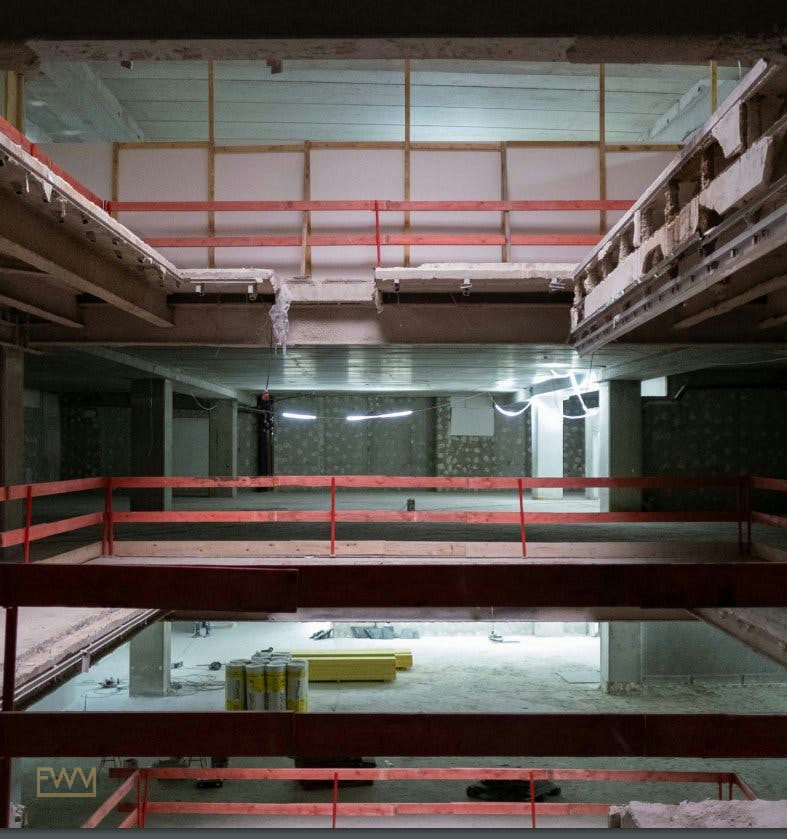
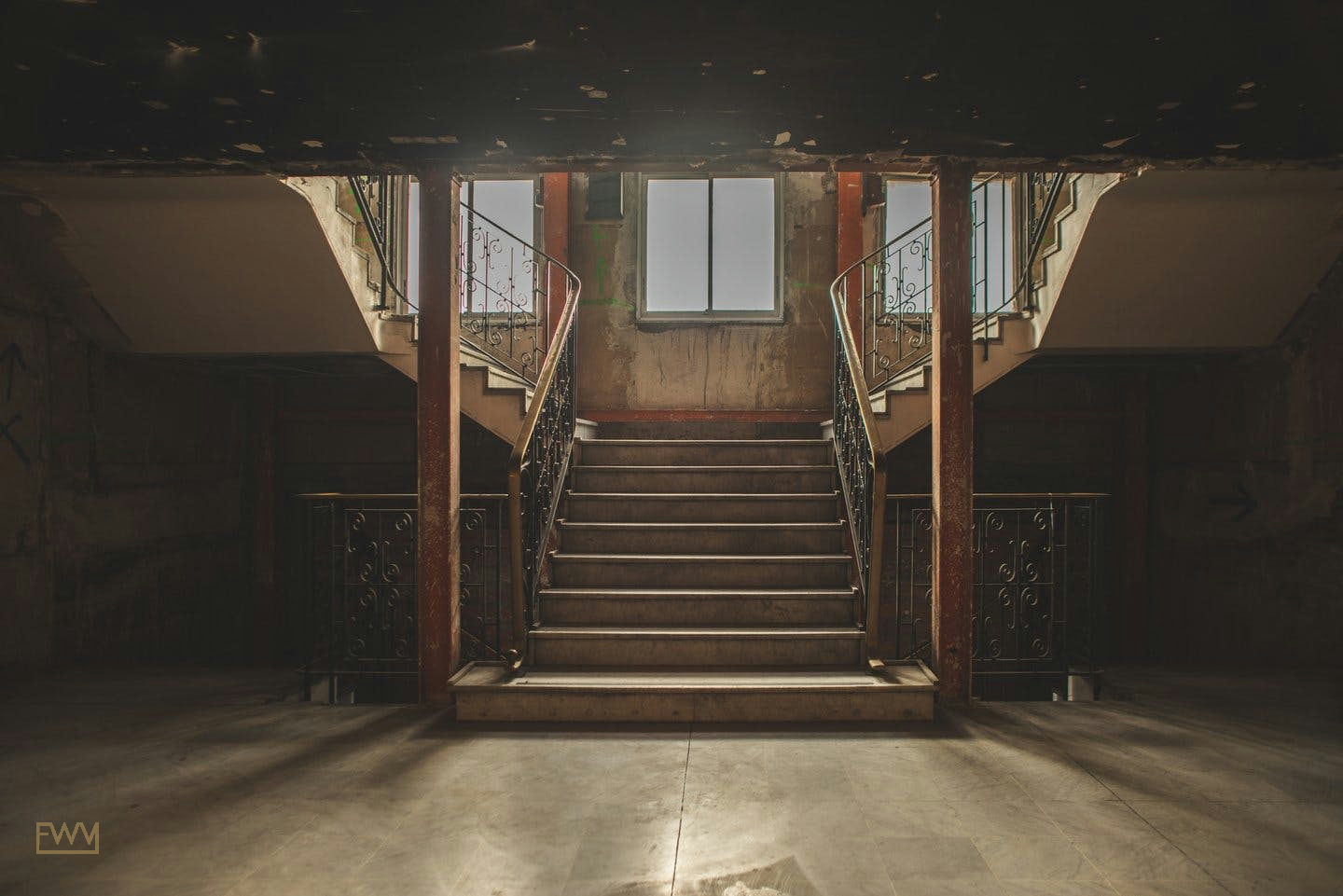
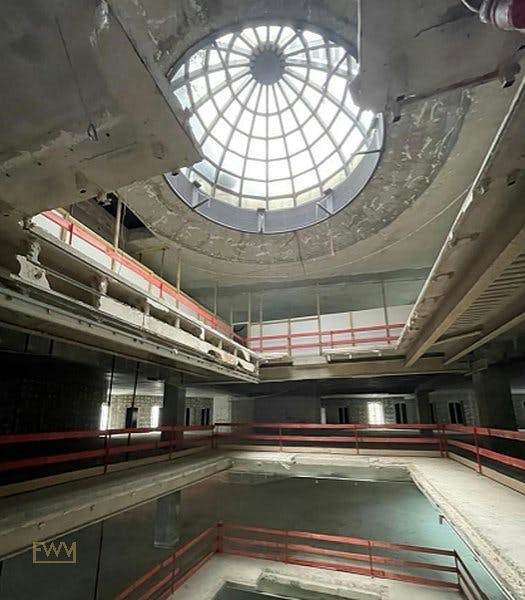
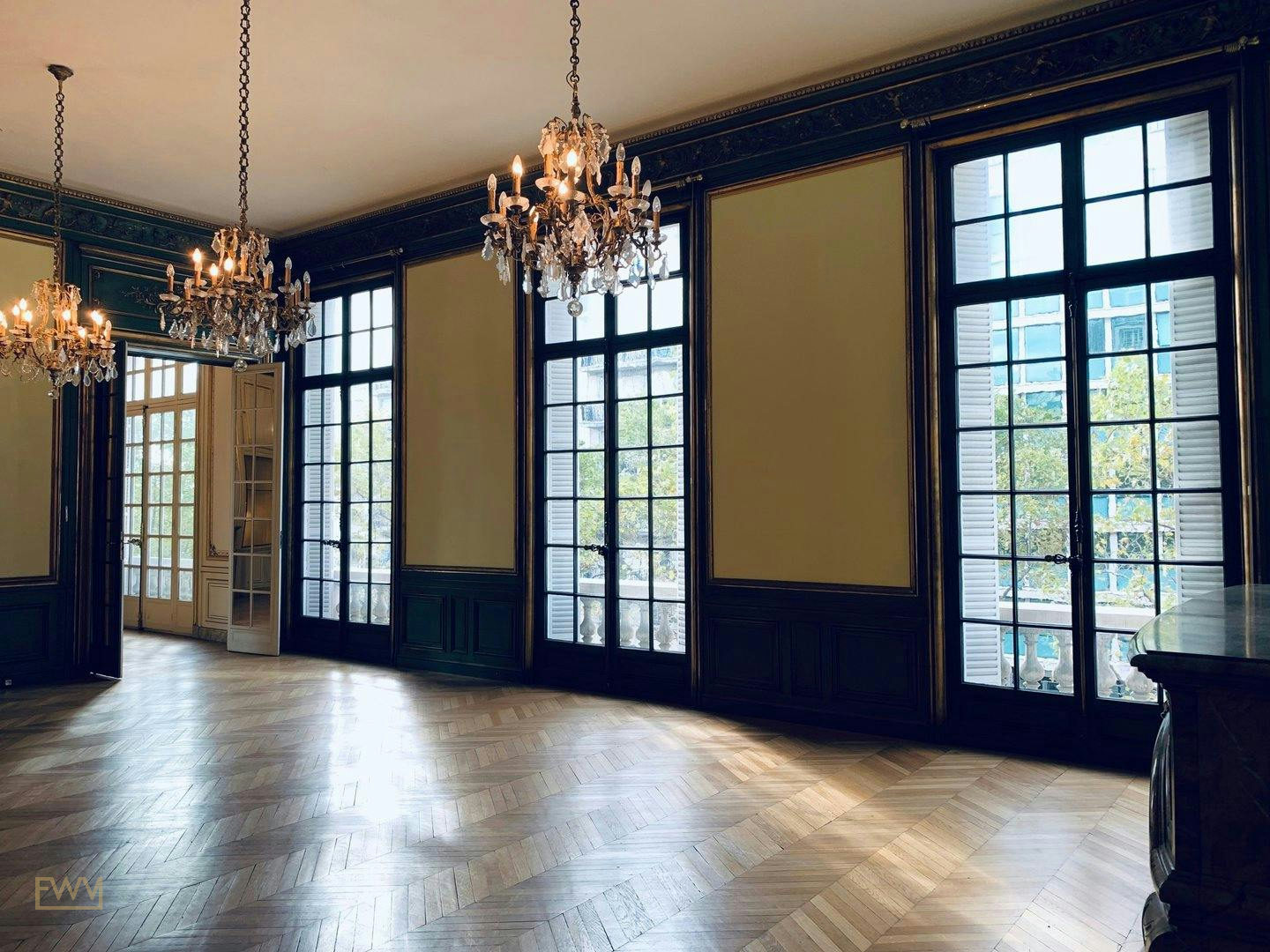
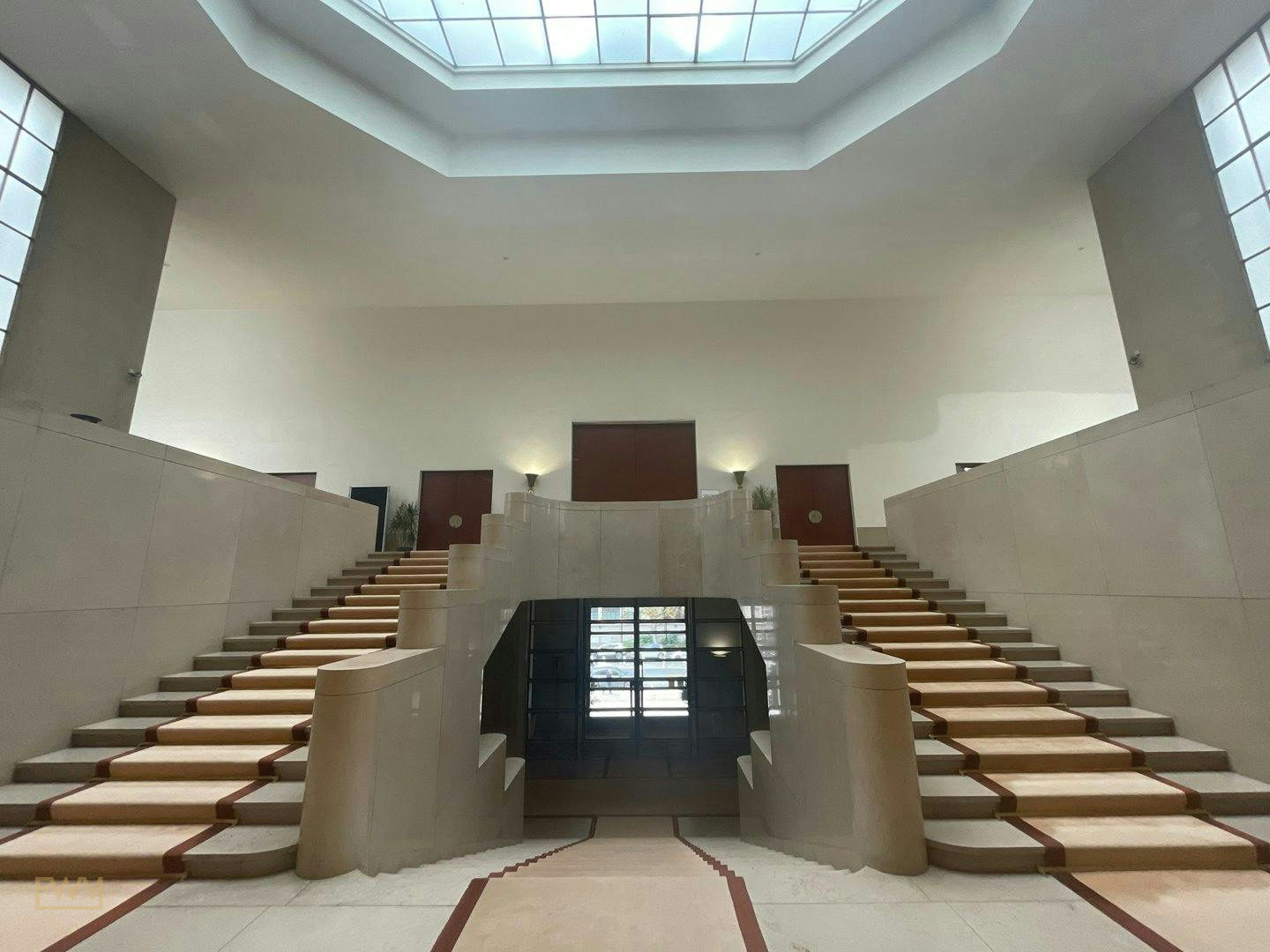
When international brands and independent designers decide to rent a pop-up shop in the 3rd arrondissement Paris, they are choosing one of the most strategically valuable short-term retail destinations in Europe. The 3rd arrondissement sits at the northern edge of Le Marais, a district that combines historic architecture, contemporary culture, strong foot traffic, and a fashion-forward consumer base in a way that few urban neighbourhoods anywhere in the world can match. From the boutique-lined streets around Turenne and rue du Temple to the creative lofts near Arts et Métiers and the gallery spaces adjacent to the Marché des Enfants Rouges, this arrondissement offers a range of space types suited to pop-up stores, fashion showrooms, product launches, exhibitions, and brand activations. Fashion Week Venues supports brands activating across Paris, with deep expertise in the Marais district and the surrounding arrondissements that define the city's short-term retail landscape.
Why the 3rd Arrondissement Is Paris's Most Strategic Pop-Up Location
Quick answer: The 3rd arrondissement offers a rare combination of high cultural prestige, steady foot traffic across multiple consumer demographics, a dense concentration of fashion, art, and design venues, and a short-term rental market that is more accessible than the 1st or 8th arrondissements, making it the preferred activation zone for fashion brands, designers, and creative agencies during and beyond Fashion Week.
Paris is one of the most visited cities on earth, and Le Marais is consistently ranked among its most walked neighbourhoods. The 3rd arrondissement, which forms the Haut-Marais zone alongside parts of the 4th, attracts a mix of domestic Parisian shoppers, international tourists, design professionals, buyers attending trade fairs, and fashion industry visitors during the ready-to-wear calendar. This creates a foot traffic profile that is both high-volume and high-quality, which is exactly what brands need when they invest in a temporary retail activation.
Unlike the ultra-luxury corridors of the 1st or the flagship zones around the Champs-Elysées in the 8th, the 3rd arrondissement maintains a credible, culturally engaged identity. Brands that open here are positioned as directional, taste-driven, and aware of where fashion actually happens in Paris. The neighbourhood's density of concept stores, galleries, independent boutiques, and design studios means that a well-located pop-up store benefits from adjacency to complementary destinations, creating a natural cluster effect that drives discovery and dwell time.
Key streets and micro-zones within the 3rd arrondissement each carry their own character. Rue de Turenne, one of the main arteries connecting the northern Marais to Place des Vosges, offers strong retail visibility and consistent pedestrian flow. Rue des Gravilliers runs through a more artisanal and creative zone near Arts et Métiers, attracting a younger, design-conscious audience. Rue du Temple connects the arrondissement south toward the Centre Pompidou and north toward the République metro hub, providing excellent transit connectivity. The area around the Marché des Enfants Rouges, Paris's oldest covered market, generates organic neighbourhood foot traffic throughout the week and reaches a distinctly local, engaged consumer that purely tourist-facing locations cannot replicate.
Place des Vosges, while technically straddling the 3rd and 4th arrondissements, functions as an anchor landmark that gives the whole district an undeniable prestige value. Brands that reference proximity to Place des Vosges in their activation communications benefit from the square's status as one of Paris's most photographed and culturally significant public spaces.
DID YOU KNOW: Le Marais is one of the few central Paris districts where historic Haussmann-era architecture, industrial loft conversions, private courtyards, and contemporary gallery spaces exist within walking distance of each other, giving brands an unusually wide range of spatial aesthetics to choose from within a single neighbourhood.
For brands planning their first Paris activation, or for established houses seeking a space that positions them outside the predictable luxury corridors, the 3rd arrondissement consistently delivers. The combination of cultural authority, practical logistics, and diverse space inventory makes it the anchor neighbourhood for any serious Paris pop-up strategy.
KEY TAKEAWAY: The 3rd arrondissement is not simply a fashionable address. It is a neighbourhood with genuine commercial infrastructure, diverse space types, proven consumer traffic, and a cultural context that adds credibility to any brand activation. Understanding the micro-geography of the area is the first step toward selecting the right space for your brief.
With the neighbourhood context established, the next critical question is what kinds of spaces are actually available and what their physical characteristics mean for different activation formats.
Space Types Available for Pop-Up Shops and Showrooms in the 3rd Arrondissement
Quick answer: The 3rd arrondissement offers a broad inventory of short-term rental spaces including fashion showrooms, loft-style retail spaces with open-plan layouts and wooden floors, art gallery formats, apartment-style boutique spaces, multimodal spaces with video and event infrastructure, and private courtyard venues, each suited to a different brand activation strategy.
When brands and agencies search for spaces in the Marais district, they encounter a vocabulary of space types that is specific to Paris's short-term rental market. Understanding what each type offers in terms of layout, architectural character, technical infrastructure, and suitability for different activities is essential before committing to a lease start date.
Fashion Showrooms and Boutique Showroom Spaces
Fashion showrooms in the 3rd arrondissement are typically located on the premier étage (first floor above ground level) of Haussmann-era or pre-Haussmann buildings, giving them high ceilings, large windows, and a sense of architectural gravitas that ground-floor retail units often lack. These spaces are designed to showcase collections to buyers, press, and VIP clients in an intimate, curated environment. A boutique showroom in this neighbourhood typically offers between 50 and 200 square metres, with parquet or stone flooring, natural light from street-facing windows, and neutral wall surfaces suitable for hanging rails, display tables, and branded installations.
For brands attending Paris Fashion Week or staging pre-collection previews, a fashion showroom in the Haut-Marais provides a credible address that buyers recognise. The proximity to other showrooms and to the trade show venues used during the ready-to-wear season means that buyers can include a Marais showroom visit within their existing daily circuit without significant detour.
Retail Pop-Up Stores and Open-Plan Loft Spaces
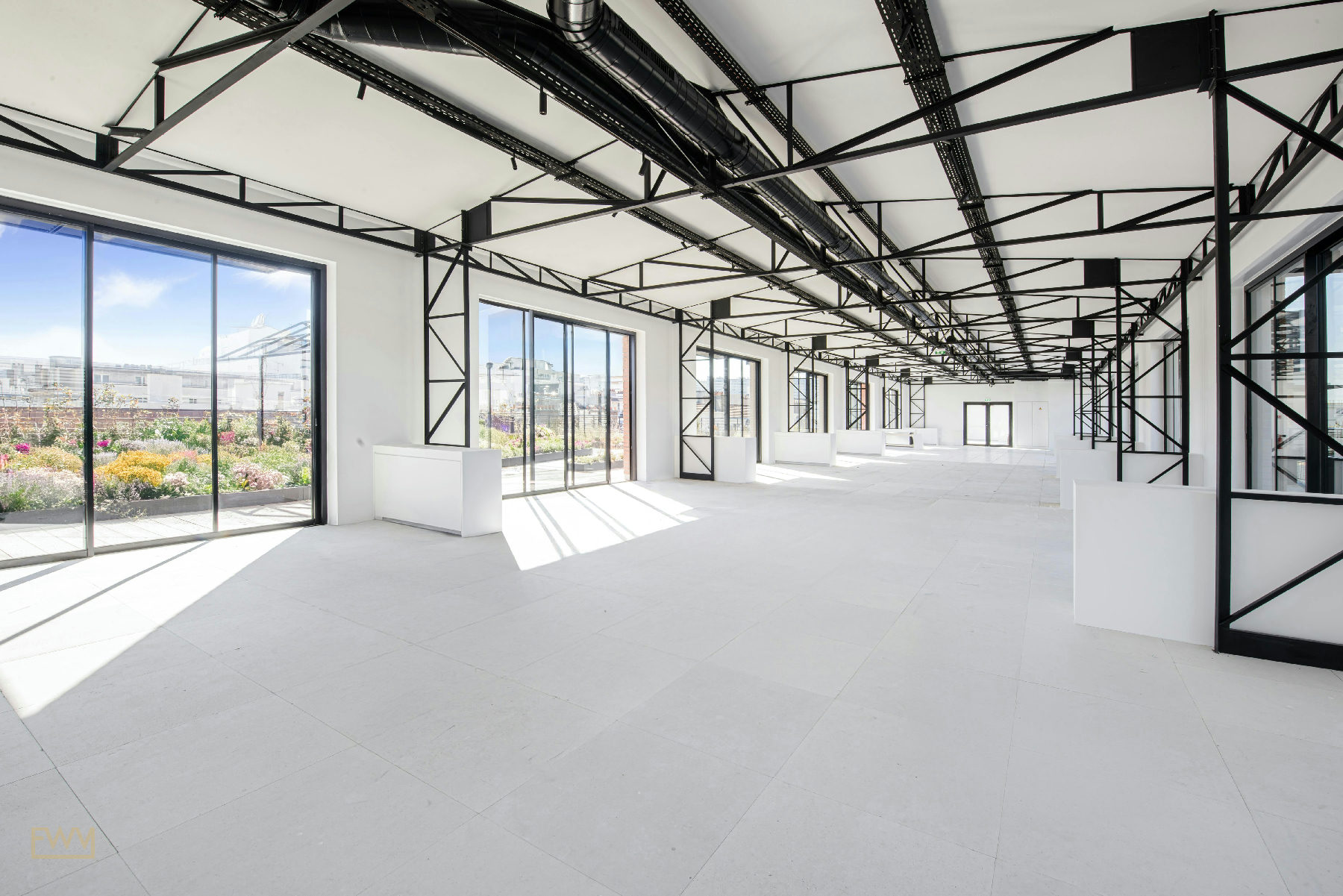
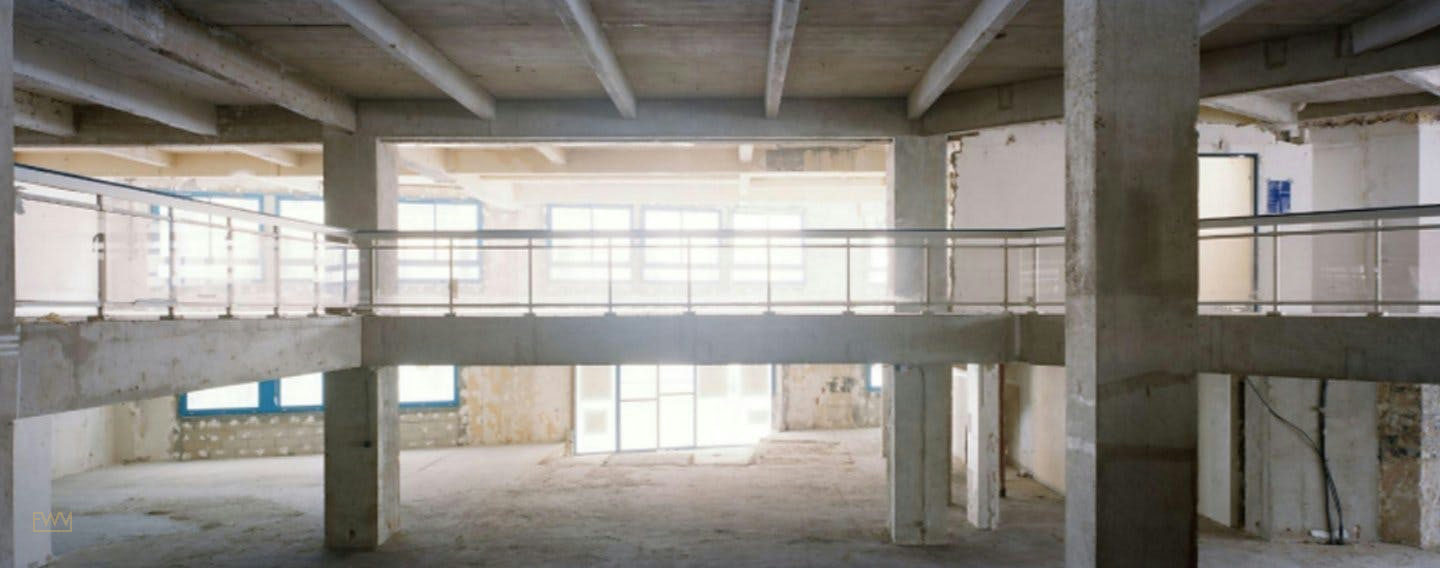
Retail pop-up stores in the 3rd arrondissement range from compact ground-floor boutique formats of around 30 to 60 square metres to larger open-plan loft spaces that can reach 300 square metres or more. Loft-style spaces in this neighbourhood frequently feature steel pillars or exposed iron structural elements, wooden floors in either parquet or wide-plank formats, spotlights on track lighting systems, and open-plan layouts that give brand teams maximum flexibility for fixture placement and consumer journey design.
These spaces suit product launches, capsule collection drops, lifestyle brand activations, and any format where the physical retail experience is the primary communication tool. The industrial-chic aesthetic of a Marais loft has become internationally recognised as a backdrop for fashion photography, social media content creation, and editorial storytelling, which means that a well-chosen loft space in the 3rd serves multiple commercial purposes simultaneously.
Art Gallery Formats
Art gallery spaces in the Marais are among the most coveted short-term rental formats in Paris. The district has one of the highest concentrations of contemporary art galleries in Europe, and when these spaces become available for short-term commercial activation, they offer a level of cultural prestige that dedicated retail units cannot replicate. A gallery space typically features white or raw concrete walls, polished concrete or wooden floors, professional hanging and lighting systems, and a layout optimised for exhibition-style product presentation.
Brands in fashion, beauty, lifestyle, and luxury frequently use gallery formats for collection launches, immersive brand experiences, press days, and events that position the brand alongside contemporary art and culture rather than within a standard retail context. Galerie Joseph, one of the Marais's well-known event spaces, represents the kind of flexible, high-ceilinged venue that brands seek for large-scale activations.
Multimodal Spaces and Apartment-Style Venues
The 3rd arrondissement also contains a category of space that Parisian venue directories sometimes describe as espace multimodale, meaning a space configured to support multiple simultaneous or sequential uses. These venues may include a retail floor, a private room for appointments or presentations, video equipment and screening capability, a photo shooting area, and sometimes access to a private courtyard or terrace. For brands that need to combine a public-facing pop-up store with a trade appointment programme or a content creation setup, a multimodal space eliminates the need to rent multiple separate venues.
Apartment-style spaces occupy a distinct niche within the Marais market. These are residential-format spaces, often with period fireplaces, moulded ceilings, and domestic-scale rooms, that have been converted for short-term commercial use. They work particularly well for intimate brand presentations, press appointments, influencer events, and any format where an atmosphere of discovery and exclusivity is more important than retail footprint.
| Space Type | Typical Size Range | Key Features | Best Suited For |
|---|---|---|---|
| Fashion Showroom | 50 to 200 sqm | High ceilings, parquet floors, natural light, hanging rails | Buyer appointments, press days, collection previews |
| Retail Loft Pop-Up | 80 to 300 sqm | Steel pillars, wooden floors, track spotlights, open plan | Product launches, capsule drops, consumer-facing retail |
| Art Gallery Format | 60 to 250 sqm | White walls, polished floors, exhibition lighting | Brand experiences, immersive activations, launches |
| Multimodal Space | 100 to 400 sqm | Video equipment, private courtyard, flexible zones | Combined retail, trade, content, and event programmes |
| Apartment-Style Venue | 40 to 150 sqm | Period details, domestic scale, intimate atmosphere | Press appointments, influencer events, VIP presentations |
| Boutique Ground Floor | 30 to 80 sqm | Street frontage, window display, retail-ready fittings | Short consumer-facing activations, brand trials |
KEY TAKEAWAY: Matching the space type to the activation format is a foundational decision that affects everything from budget to staffing to consumer experience design. The 3rd arrondissement offers enough variety that most brand briefs can be matched to an appropriate space type, but this requires knowing the difference between a showroom, a loft retail space, a gallery, and a multimodal venue before beginning the search.
Understanding what types of spaces exist is only part of the challenge. Navigating the leasing process, understanding short-term lease structures, and complying with French commercial regulations requires a separate and equally thorough preparation.
Short-Term Lease Structures and Legal Frameworks for Renting in the 3rd Arrondissement
Quick answer: Short-term retail leases in Paris are governed primarily by the bail dérogatoire, a temporary commercial lease of up to three years permitted under French law, or by the autorisation d'occupation temporaire for spaces in publicly owned buildings. Neither structure is straightforward without specialist guidance, and requirements vary significantly by space type, duration, arrondissement, and landlord type.
One of the most common areas where international brands encounter unexpected friction when attempting to rent a pop-up shop in Paris is the legal and contractual framework that governs short-term commercial occupation. French commercial real estate law is more complex than many other European jurisdictions, and the protections it affords to both landlords and tenants mean that seemingly simple short-term arrangements carry significant obligations.
Understanding the Bail Dérogatoire
The bail dérogatoire, sometimes called a bail précaire or short-term commercial lease, is the instrument most commonly used for pop-up shops and temporary retail activations in France. It allows landlords and tenants to agree on a temporary occupation of commercial premises for a fixed duration without triggering the full protections of a standard commercial lease, known in French law as a bail commercial. A bail commercial, by contrast, carries a standard minimum term of nine years and extensive tenant renewal rights, which makes it entirely unsuitable for short-term retail activation.
Under the bail dérogatoire, the total duration of successive leases for the same space by the same tenant cannot exceed three years without automatically converting to a full bail commercial. For most pop-up activations, which typically last between one week and six months, this cap presents no practical problem. However, brands that plan a recurring annual presence in the same space need to be aware of the cumulative duration rules and structure their agreements accordingly.
The bail dérogatoire must be agreed in writing, must clearly state that the parties wish to derogate from the standard commercial lease regime, and must be signed before the tenant takes possession of the space. Any ambiguity in the lease documentation can give rise to claims of automatic conversion to a bail commercial, which would be commercially damaging for both parties.
Autorisation d'Occupation Temporaire for Public Spaces
For spaces located in publicly owned buildings or on public land, including some historic Parisian properties and certain market buildings, the relevant instrument is the autorisation d'occupation temporaire, or AOT. This is an administrative authorisation rather than a private contract, and it is granted by the relevant public authority subject to conditions that may include limitations on hours of operation, permitted activities, signage, and structural modifications. The AOT is commonly encountered when brands wish to activate in heritage buildings, covered markets, or spaces adjacent to public monuments.
IMPORTANT: Requirements for both bail dérogatoire agreements and AOTs vary by space type, duration, arrondissement, and the nature of the property. International brands should verify all contractual and regulatory requirements with a qualified French legal advisor before signing any lease or occupation agreement. Fashion Week Venues provides directional guidance through its permit guidance tool, but this does not substitute for legal advice.
Local Regulations, Urban Planning, and Permitted Activities
Beyond the lease structure itself, brands renting pop-up spaces in the 3rd arrondissement need to understand the local urban planning regulations that govern what commercial activities are permitted within a given space. The Paris Plan Local d'Urbanisme, or PLU, specifies how different zones within each arrondissement may be used, and it places restrictions on certain types of signage, external modifications, and changes of use that could affect a pop-up activation.
The 3rd arrondissement contains several zones with specific heritage protection requirements, particularly around Place des Vosges and the historic street network of the Marais. Brands planning to install significant exterior branding, temporary structures, or any modifications to facades need to verify compliance with these protections in advance. The relevant administrative body is the Direction de l'Urbanisme de la Ville de Paris, and applications for certain types of work require prior approval that can take several weeks.
For most standard pop-up activations that involve interior fit-out only, with no structural modifications and compliant signage, the regulatory burden is manageable. Working with an agency that has experience in the Paris market significantly reduces the risk of compliance failures that could delay an activation or result in enforcement action.
TIP: Use the timeline planning tool to map out permit applications, lease negotiations, and fit-out periods alongside your activation dates, so that regulatory processes do not compress the time available for build and brand preparation.
| Lease Type | Applicable Situation | Maximum Duration | Key Requirement |
|---|---|---|---|
| Bail Dérogatoire | Private commercial property, short-term activation | Up to 3 years cumulative with same tenant | Written agreement signed before occupation |
| Bail Commercial | Long-term commercial occupation | 9-year minimum standard | Not suitable for pop-up activations |
| Autorisation d'Occupation Temporaire (AOT) | Publicly owned buildings or public land | As specified by authority | Administrative authorisation, not private contract |
| Convention d'Occupation Précaire | Transitional or uncertain property status | Variable, typically short | Genuine precarity of situation required |
KEY TAKEAWAY: French short-term lease law is specific, and the consequences of getting the documentation wrong can be commercially significant. Every brand planning to rent a pop-up space in the 3rd arrondissement should treat lease structure as a priority topic, not an afterthought, and should verify all arrangements with a qualified French legal advisor before signing.
With the legal framework understood, the next practical challenge is estimating what a pop-up activation in the 3rd arrondissement will actually cost, and how to build a realistic operational budget.
Budgeting for a Pop-Up Shop in the 3rd Arrondissement: What to Expect
Quick answer: Pop-up space rental rates in the 3rd arrondissement Paris vary widely by location, space type, size, and duration. Published market rates for premium Marais showroom and retail spaces can range from several hundred euros per day for smaller formats to significantly higher daily rates for large or landmark venues. Total activation budgets must also include fit-out, staffing, logistics, permits, insurance, and production costs.
Understanding the full cost structure of a Paris pop-up activation is essential for brand teams building their investment case. The space rental rate is the most visible cost component, but it is rarely the largest single line item in a comprehensive activation budget. Brands that focus exclusively on the daily or weekly rental rate without accounting for the full cost stack often find themselves under-resourced when the activation begins.
Space Rental Rates in the 3rd Arrondissement
The Marais district, and particularly the Haut-Marais zone within the 3rd arrondissement, commands premium rates relative to many other Paris neighbourhoods. This reflects the genuine commercial value of the location: high foot traffic, strong brand adjacency, international visibility, and an audience that is both willing to spend and likely to share. Published rates for spaces listed on curated Parisian short-term rental platforms suggest that premium showroom and retail pop-up spaces in the Marais district can be listed at rates from several hundred euros per day upward for well-appointed, well-located venues.
Rates are influenced by a range of factors including the size of the space in square metres, the floor level and frontage visibility, the quality of interior finishes, the inclusion or exclusion of furniture and equipment, the minimum rental duration specified by the landlord, and the season. Fashion Week periods command significantly higher rates than off-peak windows, and brands activating during the ready-to-wear season in Paris should plan for peak-season pricing across all space categories.
DID YOU KNOW: The minimum duration specified by many Marais showroom landlords ranges from three days to two weeks for Fashion Week windows, while outside peak season, landlords may require minimum engagements of one to four weeks. Confirming minimum duration requirements before shortlisting spaces avoids wasting time on venues that do not fit your activation calendar.
Beyond the Daily Rate: The Full Activation Cost Stack
A realistic activation budget for a pop-up shop in the 3rd arrondissement must account for the following cost categories in addition to space rental: fit-out and production costs for any branded installation or fixture build; furniture rental if the space does not include sufficient furniture; temporary staffing for sales, brand ambassador, and back-of-house roles; point-of-sale and payment technology installation; insurance, which is typically a mandatory requirement under French commercial lease law; permit and compliance costs if structural or signage modifications are required; and logistics costs for merchandise delivery, installation, and de-rig.
For brands operating their own e-commerce and omnichannel systems, integrating point-of-sale data from the pop-up into their wider analytics infrastructure adds a further operational cost. Brands that invest in data collection and analytics during their pop-up activation gain competitive intelligence about Paris consumer behaviour that can inform future buying, pricing, and marketing decisions.
To build a brand-specific activation budget before committing to a space, teams can use the budget estimation tool on Fashion Week Venues, which allows inputs across multiple cost categories and generates a directional total cost range. This tool is particularly useful for brands that are new to the Paris market and need a framework for internal approval processes.
TIP: Always build a contingency of at least 15 percent into your total activation budget. Unexpected costs in the Parisian pop-up market frequently arise from permit delays, last-minute landlord requirements, logistics complications, and staffing changes. Under-budgeting in a high-value activation window is a more expensive error than over-allocating from the start.
KEY TAKEAWAY: The daily rental rate is the entry point for budgeting, not the conclusion. A disciplined brand team treats total activation cost as the relevant figure and maps every cost category before selecting a space or confirming a lease start date. Use the budget tool, consult with an agency, and build a realistic contingency into your plan.
To compare neighbourhoods and space types, explore the Paris city hub on Fashion Week Venues and shortlist spaces that match your brief, budget, and calendar window.
Once the budget framework is established, the question of when to activate becomes equally important. The Paris fashion calendar creates both peak opportunities and significant capacity constraints that must be understood well in advance.
The Paris Fashion Calendar and Timing Your 3rd Arrondissement Activation
Quick answer: Paris Fashion Week creates the highest-demand window for pop-up spaces and showrooms in the 3rd arrondissement, but several other calendar periods including trade fair weeks, public holidays, tourist season, and cultural event periods also generate strong foot traffic and commercial opportunity. Brands should evaluate multiple calendar windows rather than defaulting to Fashion Week only.
Paris operates on a fashion and retail calendar that creates distinct peaks and troughs in demand for short-term space throughout the year. Understanding these patterns is essential for brands choosing when to activate, because the timing of an activation directly affects foot traffic, audience composition, competitive context, and space availability.
Paris Fashion Week Windows
The Paris ready-to-wear Fashion Week occurs twice annually, typically in late February to early March for the autumn-winter collections and in late September to early October for the spring-summer collections. These two-week windows represent the peak demand period for showroom and pop-up space across the entire city, with the 3rd arrondissement experiencing particularly intense competition for premium locations.
During Fashion Week, the audience profile in the Marais shifts to include a higher concentration of international buyers, press, stylists, and industry professionals who are actively visiting showrooms and brand presentations. For brands in the fashion, accessories, beauty, and lifestyle sectors, this audience represents a uniquely concentrated and commercially valuable traffic stream that justifies the premium rental rates that prevail during these windows.
Brands planning to activate during Fashion Week should begin their space search at least four to six months in advance. Premium spaces in the 3rd arrondissement are routinely reserved by returning tenants or through agency relationships well before they appear on public listing platforms. Brands that begin searching during the month before Fashion Week are operating at a significant disadvantage in terms of both space availability and negotiating leverage.
Off-Peak Windows: Untapped Commercial Opportunity
While Fashion Week commands the most attention, brands that restrict their Paris activations to these two annual windows are missing a significant portion of the city's commercial calendar. Paris generates strong retail foot traffic throughout the year, with notable peaks during the summer tourist season from June to August, the Christmas and holiday season in December, the Paris sales periods known as soldes in January and July, and during major trade events such as Maison et Objet and Tranoi.
The 3rd arrondissement benefits particularly from year-round tourism to the Marais, which is one of Paris's most-visited neighbourhoods regardless of season. A brand that activates during a quieter Fashion Week adjacent period can often secure better space terms, less competition for consumer attention, and a more relaxed production timeline while still reaching a commercially relevant Paris audience.
DID YOU KNOW: The Chamber of Commerce and Industry of Paris Ile-de-France produces annual retail calendar guides that map peak trading periods, public holidays, and major event windows for Paris. Consulting this resource during the planning phase helps brands avoid activating during periods when the target audience is absent from the market.
Availability Calendars and Lead Time Requirements
Most serious Marais landlords and space managers maintain availability calendars that are updated in real time as bookings are confirmed. Checking an availability calendar before making enquiries is a basic courtesy in the Paris short-term rental market, and platforms that do not provide live availability information add unnecessary friction to the booking process. Fashion Week Venues maintains current availability data across its listed spaces, allowing brand teams to identify viable windows before investing time in detailed negotiations.
For activations requiring significant fit-out or branded installation, lead time requirements extend beyond the lease start date. Brands typically need access to the space for one to three days of build time before the activation opens, and an additional day for de-rig after closure. Confirming that build access is available within the agreed lease period, and that the space is genuinely clear of the previous tenant's occupation, is a detail that experienced agency teams always verify before confirming a lease start.
KEY TAKEAWAY: The Paris fashion calendar creates multiple viable activation windows beyond Fashion Week. Brands that evaluate the full calendar year, match their timing to their specific audience and commercial objectives, and book spaces with adequate lead time consistently achieve stronger outcomes than those that default to the Fashion Week window without strategic assessment.
With timing established, the operational dimension of running a pop-up store in the 3rd arrondissement requires equally careful preparation, particularly around staffing, customer service, and the physical retail experience.
Running a Pop-Up Store in Le Marais: Operations, Staffing, and Retail Experience
Quick answer: Successfully operating a pop-up shop in the 3rd arrondissement requires careful planning across temporary staffing, customer service protocols, point-of-sale technology, furniture and fixture logistics, data collection, and the creation of a physical retail experience that matches the brand's positioning and meets Parisian consumer expectations.
Securing a space is only the beginning of a successful pop-up activation. The operational dimension, covering everything from how customers are greeted at the door to how sales data is captured and analysed after the activation closes, determines whether the investment generates meaningful commercial returns or simply produces a temporary brand presence that fails to convert.
Temporary Staffing for Paris Pop-Up Stores
Staffing a pop-up store in Paris requires engagement with both local employment law and the specific cultural expectations of Parisian retail consumers. French retail staff are expected to be knowledgeable, professionally presented, and genuinely engaged with the brand they represent. International brands that deploy staff with insufficient French language ability, limited product knowledge, or unfamiliarity with the Parisian retail customer profile frequently find that their in-store conversion rates underperform against comparable activations in other markets.
Temporary staffing in France is regulated by specific legislation governing contrats à durée déterminée and interim employment arrangements. Brands working with a Paris-based agency partner can access pre-vetted pools of bilingual retail staff with experience in the fashion and luxury sectors, significantly reducing the time and risk associated with local recruitment.
Beyond floor staff, complex activations may require event staff for launch evenings, security personnel, stockroom management, and a local operations manager who can handle day-to-day logistics and landlord communication. Mapping the full staffing structure before the activation opens, and briefing all staff thoroughly on brand values, product knowledge, and operational protocols, is a non-negotiable preparation step for any serious brand team.
Point of Sale, Payments, and Data Collection
Modern pop-up retail in Paris is expected to offer seamless payment experiences including contactless card payment, digital receipt options, and ideally integration with the brand's existing e-commerce and CRM infrastructure. French consumers have high expectations for payment technology, and a pop-up that relies on cash-only or outdated card terminals creates friction that costs sales and damages brand perception.
Beyond transaction processing, the pop-up activation period is an opportunity to collect first-party consumer data that has lasting commercial value. Customer email capture, purchase preference tracking, geographic origin data, and dwell time measurement can all be implemented with appropriate technology and consumer consent protocols. This data informs future collection decisions, marketing targeting, and Paris market re-entry strategies.
Fashion Week Venues offers retail staffing services and point-of-sale support as part of its activation management offer, allowing brands to access operational infrastructure without building it from scratch for a short-duration activation.
Creating the Physical Retail Experience
The physical retail experience in a Le Marais pop-up store needs to work on multiple levels simultaneously. It must communicate the brand's visual identity clearly enough that a customer who has never encountered the brand before understands its positioning within the first thirty seconds of entering. It must create an environment that encourages dwell time and discovery rather than prompting a quick scan and exit. And it must be efficient enough operationally that the brand team can manage stock replenishment, customer service, and payment processing without visible friction.
Furniture selection plays a significant role in achieving this balance. The right combination of display fixtures, seating, lighting, and decorative elements transforms an empty commercial space into a coherent brand world. Renting quality furniture locally in Paris reduces logistics costs and ensures that the aesthetic standard matches the neighbourhood context. A loft space in the 3rd arrondissement dressed with inappropriate or low-quality furniture will undermine even the strongest product offering.
| Operational Area | Key Consideration | Paris-Specific Factor | Recommended Approach |
|---|---|---|---|
| Staffing | Bilingual ability, product knowledge, retail experience | French employment law, CDD requirements | Use pre-vetted local agency staff for short activations |
| Payments | Contactless, digital receipts, CRM integration | High French consumer expectation for payment UX | Deploy modern POS with offline capability |
| Data Collection | Email capture, purchase data, foot traffic metrics | GDPR compliance required for EU consumer data | Implement consent-led data capture from day one |
| Furniture and Fixtures | Brand alignment, quality, logistics cost | Local rental reduces transport costs and customs | Rent locally in Paris via an activation agency |
| Customer Service | Brand voice, cultural sensitivity, conversion focus | Parisian consumers value expertise over enthusiasm | Brief staff on brand narrative and local consumer norms |
| Stock Management | Replenishment speed, back-of-house space, security | Limited storage in many Marais spaces | Plan local storage solution near activation site |
KEY TAKEAWAY: A well-sourced space in the 3rd arrondissement is a starting point, not a guarantee of success. The operational preparation, from staffing and payments to data collection and physical retail design, determines whether the activation generates genuine commercial returns or simply occupies a premium address for a week.
Understanding how a specialist agency can support these operational dimensions is the natural next step for brand teams who want to execute at a high standard without building all capabilities in-house.
How Fashion Week Venues Supports Brands Activating in the 3rd Arrondissement
Quick answer: Fashion Week Venues provides end-to-end support for brands seeking pop-up spaces and activations in Paris, including venue sourcing, concept direction, production and build management, retail staffing, point-of-sale setup, data analytics, and influencer marketing, all coordinated through a single agency relationship that reduces the operational burden on brand teams.
Fashion Week Venues operates as both a space marketplace and a full-service activation agency, which means that brand teams can engage at the level that suits their existing capabilities and resources. Some brands come to Fashion Week Venues with a clear space brief and need only venue sourcing and lease facilitation. Others arrive with a broad strategic intent but limited Paris-specific knowledge and require support across every dimension of the activation, from initial concept through to post-activation analytics reporting.
Venue Sourcing and Space Discovery
The venue sourcing service at Fashion Week Venues goes beyond what public listing platforms like Peerspace or generic real estate portals can offer. The agency maintains relationships with space owners, building managers, and property intermediaries across the Marais district and the wider Paris market, giving it access to spaces that do not appear in standard search results. For Fashion Week windows in particular, where the best spaces are often reserved through direct relationships rather than public listings, this access represents a meaningful competitive advantage for brands working with the agency.
The space comparison tool allows brands to evaluate multiple shortlisted spaces against a consistent set of criteria including size, location, space type, technical features, rental rate, minimum duration, and availability. This structured comparison process reduces the risk of selecting a space based on first impressions rather than systematic fit with the activation brief.
Concept Direction, Design, and Production
For brands that want their pop-up activation to function as a fully realised brand environment rather than a temporary sales point, the concept direction and branded store design services provide the creative framework that transforms a raw space into a coherent brand world. The production and build team then executes that concept physically, managing contractors, materials, installation logistics, and compliance with any space-specific restrictions imposed by the landlord.
The imagine tool and the build planning tool give brand teams the ability to visualise and plan their activation before committing to a space, reducing the risk of creative mismatches between a brand's vision and the physical reality of a chosen venue.
Activation Management, Analytics, and Influencer Marketing
Once an activation is live, the activation management service ensures that day-to-day operations run smoothly, that staffing levels are maintained, and that any operational issues are resolved without escalating to the brand team. Parallel to the physical retail operation, the data and analytics service captures performance metrics across footfall, conversion, average transaction value, and customer profile data, generating insights that feed directly into the brand's post-activation review and future Paris market planning.
For brands using their pop-up as a platform for digital content generation and social media amplification, the influencer marketing service connects the physical activation with targeted Paris-based creator relationships, extending the reach of the physical presence into digital audiences that may far exceed the number of consumers who visit the store in person.
Fashion Week Venues also offers the twin co-activation concept, which pairs two complementary but non-competing brands within a single space to share rental and production costs while creating a richer consumer experience. This is particularly relevant for emerging brands or those testing the Paris market for the first time who want to access a premium 3rd arrondissement space without bearing the full cost alone.
To understand how previous brand activations have been approached and executed, the work and case studies section provides concrete examples of the agency's approach across different brand types, space formats, and activation objectives.
KEY TAKEAWAY: Fashion Week Venues provides the most value to brand teams that either lack Paris-specific market knowledge or want to compress the timeline from brief to open without building an internal team for every operational function. The agency's combination of space access, creative capability, operational management, and analytics reporting creates a single point of accountability for the full activation cycle.
With a clear picture of what specialist support looks like, it is useful to address the most persistent misconceptions that brands bring to their first Paris pop-up planning process.
Navigating Security and Website Access Issues When Researching Paris Pop-Up Spaces Online
Quick answer: When researching pop-up spaces and rental listings in Paris online, some users encounter security verification prompts, blocked access messages, or browser redirect pages generated by web application firewalls and automated threat protection systems. These are standard security measures deployed by property and venue platforms and are not indicative of a problem with the user's search or enquiry.
An increasingly common experience when searching for short-term retail space in Paris online is encountering a verification screen, a security challenge, or a blocked access message before being permitted to view a listing or contact a space owner. These prompts are generated by web security systems including products such as Tiger Protect WAF, Cloudflare, and similar web application firewall solutions that platform owners deploy to protect their websites and user data from automated threats including bots, SQL injection attacks, and malformed data submissions.
Why These Verification Steps Appear
Security solutions that power modern venue and property listing websites work by distinguishing between legitimate human users and automated systems including scrapers, robots, and malicious actors attempting to harvest data or exploit form vulnerabilities. When a user's browser behaviour, IP address characteristics, or navigation pattern triggers a rule within the security solution, the platform's security service may initiate a verification process. This typically involves a browser challenge, a CAPTCHA, an email verification step, or a temporary redirect to a security verification page that confirms the user is a human rather than an automated system.
The Cloudflare Ray ID is a unique identifier that appears on security challenge pages generated by Cloudflare-protected websites. If you encounter a blocked page with a Cloudflare Ray ID, this identifier can be provided to the site owner or their support team to help diagnose why the security rule was triggered. Similarly, other WAF providers including Tiger Protect generate their own reference identifiers that facilitate communication between the blocked user and the site owner.
What to Do If You Are Blocked
If you encounter a blocked or verification-required page when attempting to access a Paris pop-up space listing, the most effective resolution steps are as follows. First, ensure that your browser is up to date and that you are not accessing the website through a VPN, proxy, or anonymisation tool, as these services frequently trigger automated system alerts on security-conscious platforms. Second, clear your browser cache and cookies and attempt to reload the page. Third, if the verification process involves an email confirmation, complete this step using a legitimate business email address rather than a generic or free email provider, as certain security solutions flag free email domains as higher-risk inputs. Finally, if access remains blocked, contact the site owner directly using the contact information provided on the blocked page and include the Ray ID or reference identifier shown in the security alert.
These security measures exist to protect both the platform operator and its users from online attacks including spam, SQL command injection, and malformed data submissions that could compromise the website or the data of legitimate users. Encountering a verification process is a routine experience on high-traffic property and venue platforms and does not indicate that the platform is inaccessible or that the enquiry cannot proceed.
Fashion Week Venues maintains its platform with current security standards and optimises its verification process to minimise friction for legitimate brand teams, agencies, and designers conducting genuine space research and rental enquiries.
KEY TAKEAWAY: Security verification prompts on pop-up space listing platforms are a standard feature of modern web security, not a barrier to legitimate access. Following standard troubleshooting steps resolves the majority of blocked access situations quickly, and contacting the site owner with the relevant reference identifier resolves the remainder.
Common Myths About Renting a Pop-Up Shop in the 3rd Arrondissement Paris
MYTH: You need a French legal entity or registered company to rent a pop-up space in Paris.
FACT: International brands and foreign companies can rent short-term commercial space in Paris without a French legal entity in many cases. The bail dérogatoire can be executed between a foreign company and a French landlord, provided the contractual and banking arrangements are structured correctly. Requirements vary by landlord and space type, and some property owners do impose French entity requirements, making it essential to verify this on a space-by-space basis with legal guidance. Working with a Paris-based agency that has established landlord relationships often resolves this barrier more efficiently than attempting direct negotiation as a foreign entity.
MYTH: Paris Fashion Week is the only commercially viable calendar window for a pop-up activation in the 3rd arrondissement.
FACT: While Fashion Week generates the highest concentration of industry professionals and commands premium rental rates, the 3rd arrondissement generates strong foot traffic and commercial opportunity throughout the year. Summer tourist season, the Paris soldes periods, and major trade fair windows all create commercially relevant activation opportunities that come with lower space costs, less competition for consumer attention, and more operational flexibility. Brands should evaluate multiple calendar windows rather than defaulting to a single peak period.
MYTH: Commission-based space brokers are the only way to find a pop-up space in Paris.
FACT: Commission brokers represent one access route to the Paris short-term space market, but they are not the only option and are not always the most efficient or cost-effective. Curated agency marketplaces like Fashion Week Venues provide transparent pricing, pre-vetted space information, availability calendars, and integrated operational support that brokers typically do not offer. For brands that need more than just a space introduction, a full-service agency model provides significantly more value than a commission-only broker relationship.
MYTH: Short-term commercial leases in Paris are straightforward to sign and require minimal legal attention.
FACT: French commercial lease law is materially more complex than in many other markets, and even the bail dérogatoire, which is designed to be a simpler short-term instrument, carries specific requirements around timing, documentation, and wording that can create significant commercial exposure if not correctly executed. International brands should always verify lease documentation with a qualified French legal advisor, regardless of how simple a short-term rental appears on the surface.
MYTH: A pop-up shop in the Marais is only relevant for fashion brands during ready-to-wear season.
FACT: The 3rd arrondissement has a diverse year-round economy that supports activations across fashion, beauty, food, technology, lifestyle, art, and culture. The neighbourhood's sustained foot traffic, mix of domestic and international visitors, and density of complementary destinations make it commercially relevant for a wide range of brand categories across all seasons. Many non-fashion brands choose the Marais precisely because its cultural positioning translates across categories and consumer demographics.
Frequently Asked Questions
What is the minimum rental duration for a pop-up shop in the 3rd arrondissement Paris?
Minimum rental duration varies by space and landlord. During Paris Fashion Week, many Marais showroom and pop-up spaces have minimum durations of three days to two weeks. Outside peak season, landlords often require a minimum of one to four weeks. Some spaces, particularly larger format or more fully equipped venues, may specify longer minimums. Always confirm the minimum duration and the availability calendar directly before shortlisting a space, as these requirements are often non-negotiable and will affect your overall planning timeline. The timeline planning tool on Fashion Week Venues can help you map lease terms against your activation calendar.
Do I need to speak French to rent a pop-up space in Paris?
French is the official language of commercial contracts in France, meaning all lease documentation will be in French regardless of the working language of the landlord. International brands conducting negotiations in English are generally able to do so at the enquiry stage with most Paris space managers and agencies that serve the international market. However, all signed contracts should be reviewed by a bilingual French legal advisor before execution. Working with a Paris-based agency that operates bilingually significantly reduces the language barrier at every stage of the process, from initial search through to lease signing and operational management.
What types of activities are permitted in a pop-up space in the 3rd arrondissement?
Permitted activities are governed by both the lease agreement and the local urban planning regulations that apply to the specific space. Most commercial spaces in the 3rd arrondissement permit standard retail activities including product sales, brand activations, press events, product launches, exhibitions, photo shoots, seminars, cocktail parties, and filming. Activities that involve structural modifications to the space, significant noise, outdoor signage, or alcohol service may require specific permissions or notifications to local authorities. Confirm the full scope of permitted activities with the landlord and your legal advisor before the lease start date to avoid compliance issues during the activation.
How far in advance should I book a pop-up space in the Marais for Paris Fashion Week?
For the Fashion Week ready-to-wear windows in late February to early March and late September to early October, brands should begin their space search a minimum of four to six months in advance. Premium spaces in the 3rd arrondissement are frequently reserved by returning tenants or through agency relationships before they are publicly listed. Brands beginning their search during the month before Fashion Week will face significantly reduced inventory and reduced negotiating leverage on both price and terms. If your activation date is flexible, consider targeting the period immediately before or after Fashion Week, when good spaces are more available and base rates are lower.
What is the difference between a fashion showroom and a retail pop-up store in the Marais context?
A fashion showroom in the Marais is configured for appointment-based presentation of collections to buyers, press, and trade clients. It typically prioritises display quality, privacy, and an intimate atmosphere over consumer retail volume. A retail pop-up store is configured for direct consumer sales, with street or courtyard visibility, open access, retail infrastructure, and layout optimised for consumer journey flow and conversion. Some spaces in the 3rd arrondissement are suitable for both functions simultaneously or consecutively, but the two formats have different spatial requirements, staffing needs, and commercial objectives that should be defined clearly before beginning the space search.
Can a non-EU brand rent a pop-up space in Paris without a French bank account?
Some landlords in the Paris short-term rental market accept international bank transfers from non-French bank accounts, while others require a French or EU bank account as a condition of the lease. This is a practical commercial requirement that varies by landlord, not a statutory legal requirement in all cases. Non-EU brands without French banking arrangements often resolve this through their Paris-based agency partner, which can act as an intermediary in the payment chain. Confirm banking requirements at the first landlord contact stage to avoid delays at the lease signing stage, and consult a French legal advisor regarding the full implications of your specific situation.
What insurance do I need to rent a pop-up space in the 3rd arrondissement?
French commercial lease agreements typically require tenants to hold third-party liability insurance, known as assurance responsabilité civile, as a minimum condition of occupation. Depending on the space and the activities planned, additional coverage may be required including insurance for stock and merchandise, event liability coverage for public-facing activations, and employer liability coverage for temporary staff. Some landlords also require a copy of the insurance certificate to be provided before the lease start date rather than during the activation period. Confirm the specific insurance requirements of each space during the negotiation phase and ensure your broker can issue French-law-compliant documentation within the required timeframe.
What does a typical fit-out timeline look like for a pop-up shop in the Marais?
The fit-out period for a pop-up activation in the 3rd arrondissement depends on the complexity of the branded installation. Minimal activations using existing furniture rental and simple branding can be built in one day. Moderate activations with custom fixtures, graphic installation, and technology setup typically require two to three days. Complex immersive builds with structural elements, custom lighting rigs, or significant AV infrastructure may require five to seven days or more. Build access must be confirmed within the lease period, and brands should verify that the space is genuinely clear before the agreed build start date. The build planning tool on Fashion Week Venues helps teams create realistic fit-out schedules.
Are there pop-up spaces in the 3rd arrondissement suitable for photo shoots and filming?
Yes. The 3rd arrondissement contains a range of spaces that are well suited to photo shoots and filming, including loft spaces with wooden floors and large windows, art gallery formats with flexible lighting infrastructure, multimodal spaces with existing video equipment, and private courtyard venues that offer outdoor shooting capability. Many space owners in the Marais have experience hosting editorial and commercial shoots and will have clear documentation of what is and is not permitted in terms of lighting rigs, equipment loads, and any structural modifications. Always confirm shooting permissions explicitly in the lease agreement, as they are not automatically included in a standard retail occupation licence.
How does Fashion Week Venues price its services for Paris pop-up activations?
Fashion Week Venues operates across a range of service configurations, from marketplace-only space discovery to fully managed end-to-end activation support. Pricing varies based on the scope of services engaged, the duration of the activation, the complexity of the brief, and the specific space and neighbourhood involved. Directional budget estimates can be generated using the budget calculator tool on the Fashion Week Venues platform, which allows teams to input their activation parameters and receive a structured cost framework. For detailed agency service pricing, teams should contact Fashion Week Venues directly via the contact page to discuss their specific brief and receive a tailored proposal.
What neighbourhoods near the 3rd arrondissement are also viable for Paris pop-up activations?
The 4th arrondissement, which forms the southern part of Le Marais and includes the stretch running from Place des Vosges toward the Centre Pompidou, is the most natural extension of the 3rd arrondissement for pop-up searches. The 10th arrondissement, particularly the Canal Saint-Martin area and the République zone, offers an increasingly creative and commercially active short-term rental market with lower average rental rates. The 11th arrondissement provides a similar profile with strong neighbourhood retail traffic. Brands that cannot secure space in the 3rd arrondissement during peak demand windows should always evaluate these adjacent zones, which share many of the demographic and cultural characteristics of Haut-Marais while offering greater availability during Fashion Week.
Can I use a pop-up space in the 3rd arrondissement as a virtual showroom or hybrid physical and digital venue?
Yes. Several multimodal spaces in the 3rd arrondissement include existing video equipment, broadband infrastructure, and flexible layout configurations that support hybrid physical and digital activation formats. A virtual showroom component, in which remote buyers or press view a collection through a live or pre-recorded video feed from within the physical space, has become a standard feature of many Paris Fashion Week showroom programmes. Confirming the availability and technical specification of video and streaming infrastructure before selecting a space is essential if a virtual showroom component forms part of the activation brief. Some spaces also permit the installation of temporary camera rigs and lighting systems that brands bring in for the duration of their activation.
What is the process for working with Fashion Week Venues on a 3rd arrondissement activation?
The Fashion Week Venues process typically begins with a brand brief that captures the activation objectives, target space type, neighbourhood preference, timeline, budget range, and service requirements. The agency then uses its space access and marketplace to generate a shortlist of suitable venues, which are presented alongside availability, pricing, and technical specifications. Once a space is selected, the agency supports lease negotiation, permit assessment, concept and design development, production and build management, staffing deployment, and operational management through the activation period. Post-activation, data and analytics reporting provides the brand team with performance metrics and insights. The full process is described on the agency's process page, which outlines each stage and the brand team's involvement at each point.
Are there co-activation or shared space options in the 3rd arrondissement for emerging brands?
Yes. Fashion Week Venues operates a twin co-activation concept that pairs two complementary brands within a single space, allowing both to access a premium Marais location while sharing the rental and production costs. This model is particularly suitable for emerging brands or international brands testing the Paris market for the first time, where the full cost of a standalone premium activation may not be justified by the activation objectives. The twin model requires careful selection of brand pairings to ensure that the consumer experience is coherent and that both brands benefit from the shared context rather than competing for attention within the same space.
How do I compare multiple pop-up spaces in the 3rd arrondissement efficiently?
The space comparison tool on Fashion Week Venues allows brand teams to evaluate multiple shortlisted spaces against a consistent set of criteria including size, location, space type, key features, rental rate, minimum duration, and availability. This structured comparison approach is more reliable than evaluating spaces sequentially through individual agent or landlord conversations, where information is often presented in incompatible formats that make direct comparison difficult. Using a comparison tool also helps teams document their decision rationale, which is useful for internal approval processes and post-activation reviews.
Conclusion: Making the Right Choice for Your Paris Pop-Up in the 3rd Arrondissement
The 3rd arrondissement of Paris represents one of the most compelling short-term retail locations available to international brands anywhere in the world. Its combination of cultural prestige, genuine commercial foot traffic, diverse space inventory, and proximity to the fashion, art, and design communities that define Paris's global reputation gives brands a platform that very few other urban neighbourhoods can replicate. Whether the activation objective is a fashion showroom for Paris Fashion Week, a consumer-facing retail pop-up for a product launch, a gallery-format brand experience, a content creation space, or a hybrid retail and appointment venue, the Haut-Marais and its surrounding streets offer the spatial formats, the audience, and the aesthetic context to support it.
The path from decision to activation, however, requires rigorous preparation across space selection, lease structure, regulatory compliance, operational logistics, and brand experience design. The French commercial lease system, the urban planning requirements of a heritage-protected neighbourhood, the logistical demands of a short-duration fit-out, and the specific expectations of Parisian consumers all add layers of complexity that brands without Paris market experience frequently underestimate. Working with a specialist agency that combines space marketplace access with full operational capability is the most reliable way to reduce that complexity and increase the probability of a successful outcome.
To move from research to activation, start exploring available spaces on the Fashion Week Venues marketplace and build a focused brief for your target neighbourhood, space type, and calendar window. The team at Fashion Week Venues is available to support every stage of the process, from initial space discovery through to post-activation performance reporting, and can be reached through the contact page to discuss your specific Paris activation brief.