Finding the right retail space for rent in the 1st arrondissement of Paris requires far more than a property search. The 1er is one of the most historically significant and commercially prestigious districts in France, home to the Palais-Royal, Rue de Rivoli, Place Vendôme, and some of the most coveted boutique and showroom addresses in the world. For fashion brands, luxury labels, beauty launches, and creative agencies planning pop-up activations or temporary retail installations, the 1st arrondissement offers unmatched visibility, foot traffic, and brand positioning. Fashion Week Venues works with international brands to source, design, produce, and manage spaces across this district and beyond, giving teams a structured route into one of Europe's most competitive commercial property markets.
Why the 1st Arrondissement of Paris Is a Premier Retail Destination
Quick answer: The Paris 1st arrondissement combines historic prestige, elite foot traffic, and proximity to global luxury flagships. It is one of the most desirable addresses in French commercial real estate for short-term retail, showrooms, brand activations, and boutique concepts targeting affluent domestic and international clientele.
The 1er arrondissement sits at the geographic and cultural heart of Paris. Bordered by the Seine to the south and connected to adjacent luxury districts including the 8th arrondissement's Golden Triangle and the Marais to the east, Paris 1er arrondissement attracts visitors from every corner of the globe. The Louvre draws millions of international visitors each year, while the Tuileries Garden, Palais Royal, and Rue de Rivoli generate consistent high-value foot traffic that few other European retail addresses can match.
For fashion and luxury brands, the value of this location is not simply about volume. The 1st arrondissement's clientele is distinctly premium. Visitors to this part of Paris are typically drawn by culture, luxury shopping, and high-end gastronomy. Brands opening here benefit from the aspirational context that comes with the address itself. A temporary retail or showroom activation in the 1er communicates brand seriousness in a way that is difficult to replicate in secondary or suburban retail zones.
The Palais-Royal is particularly prized. The covered arcades and the central garden create a curated, intimate environment that attracts fashion insiders, design buyers, art collectors, and media. Brands that have activated spaces near the Palais Royal consistently report high conversion rates from a smaller but more intentional visitor base. Rue de Rivoli, by contrast, offers broader exposure with heavy pedestrian traffic from both tourist and Parisian audiences, making it well suited to brands seeking a wider reach during Paris Fashion Week or major seasonal campaigns.
Place Vendôme and the surrounding streets represent the pinnacle of French luxury retail. While traditional commercial leases in this zone are largely dominated by established jewellery and haute couture houses, short-term rental agreements and temporary retail concepts have increasingly found a foothold here, particularly during Fashion Week windows. The symbolism of an activation in the Vendôme axis carries significant media and social media value for emerging and mid-tier brands seeking elevation.
The Châtelet-les-Halles area within the 1er provides a very different dynamic. Here, foot traffic is exceptionally high, driven by one of the busiest public transport interchanges in Europe. Brands seeking volume, youth engagement, and high-energy activations find this zone complementary to the district's quieter luxury corridors. The contrast within the arrondissement itself is one of its defining commercial characteristics, offering multiple positioning options within a compact geographic area.
DID YOU KNOW: The 1st arrondissement covers just under 2 square kilometres, making it one of the smallest arrondissements in Paris by area, yet it contains some of the highest commercial property values in the country due to the concentration of cultural landmarks and luxury retail.
KEY TAKEAWAY: The Paris 1er arrondissement is not a single market but a collection of distinct retail micro-zones, from the elite tranquillity of Palais-Royal to the high-volume energy of Châtelet-les-Halles. Choosing the right street or zone within the 1st arrondissement is as important as choosing the arrondissement itself.
Understanding where exactly your brand fits within this district is the first strategic decision, and it shapes every downstream choice from space type and square metres to lease structure and build requirements.
Types of Retail and Commercial Space Available in the 1st Arrondissement
Quick answer: The 1st arrondissement offers storefronts, showrooms, gallery spaces, apartments converted for commercial use, studio photo spaces, boutiques, and co-activation venues. Space types vary significantly by street, floor, and access, and each format serves different brand objectives and visitor experiences.
The commercial property landscape in the 1er is diverse, and understanding the available space types is essential for brands planning a retail activation, product launch, fashion showroom, or pop-up store.
Storefronts and Street-Level Retail
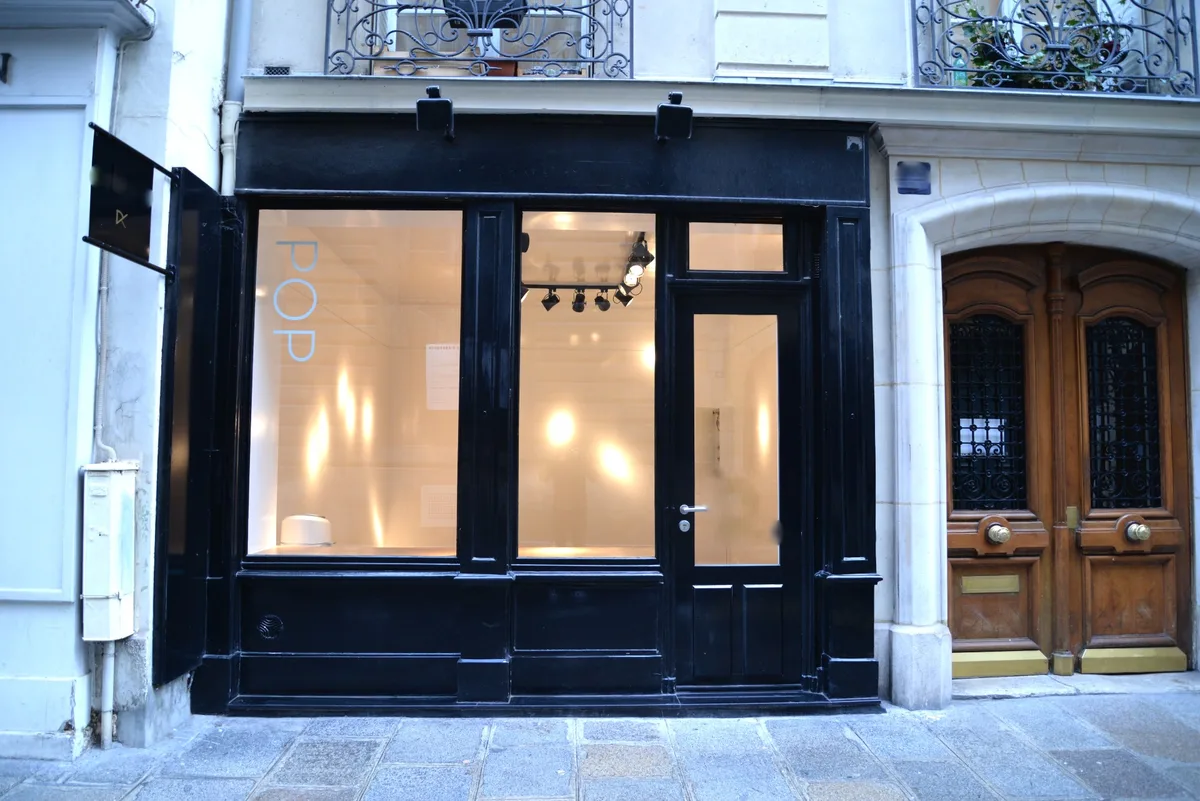
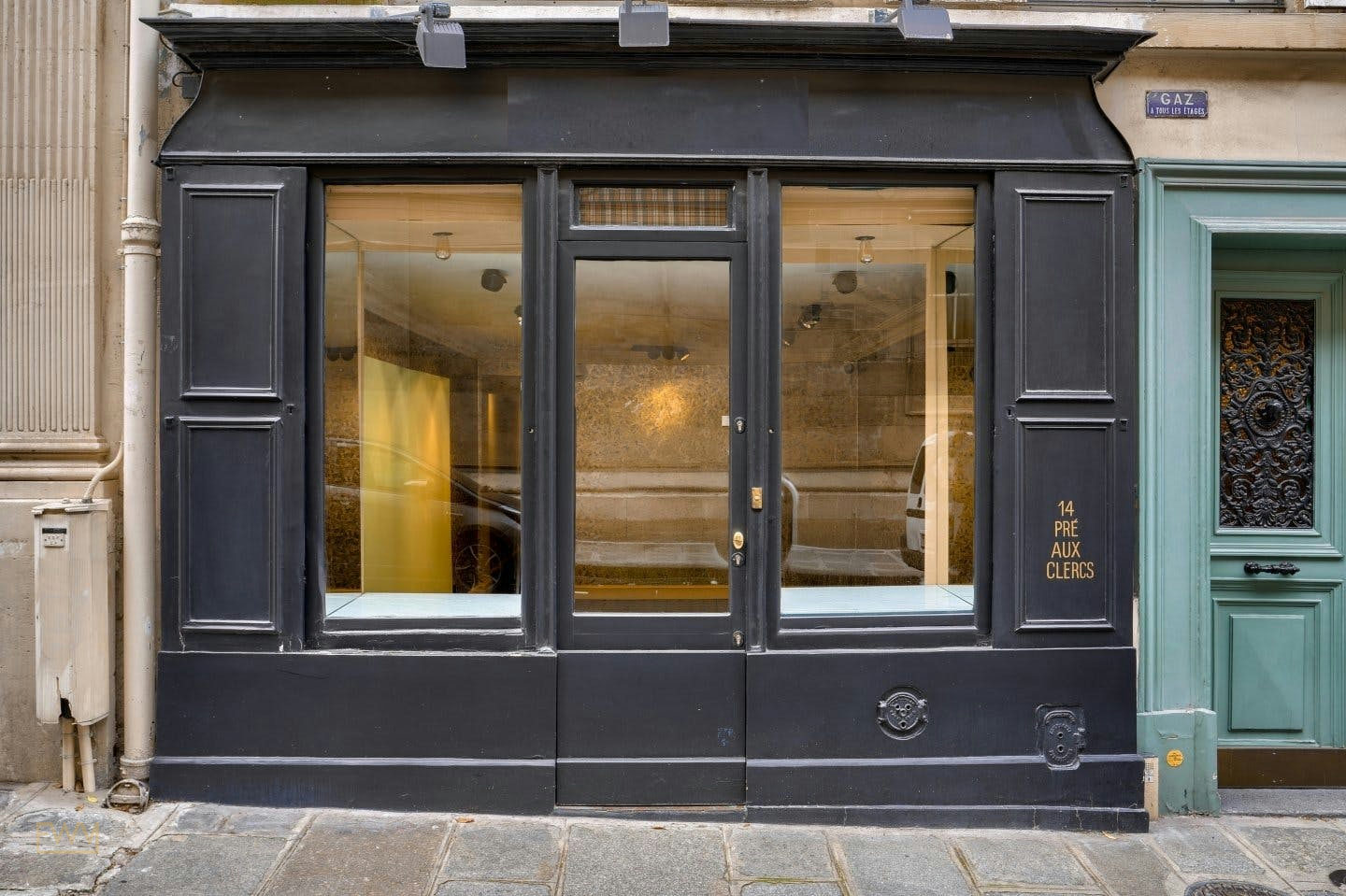
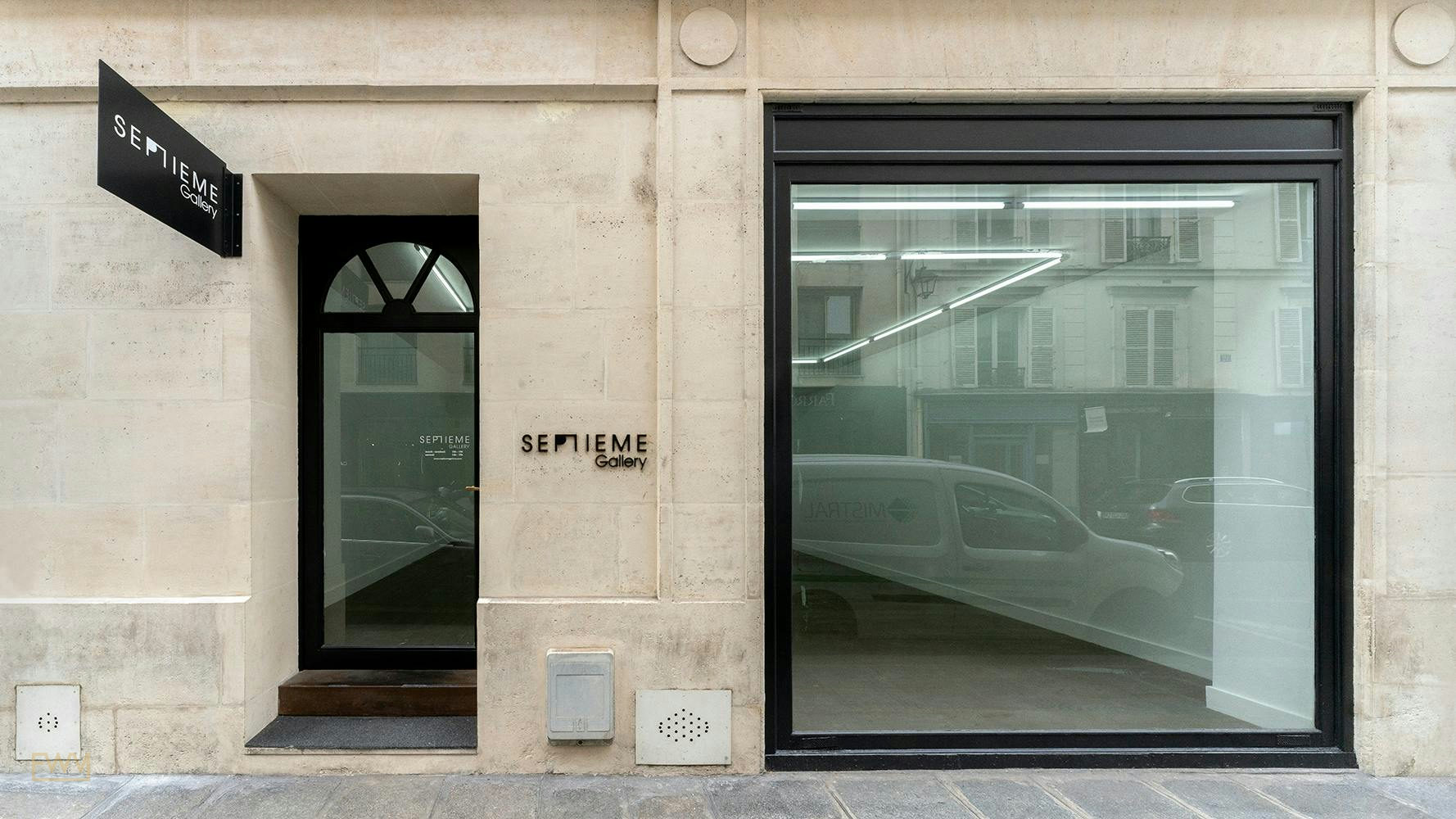
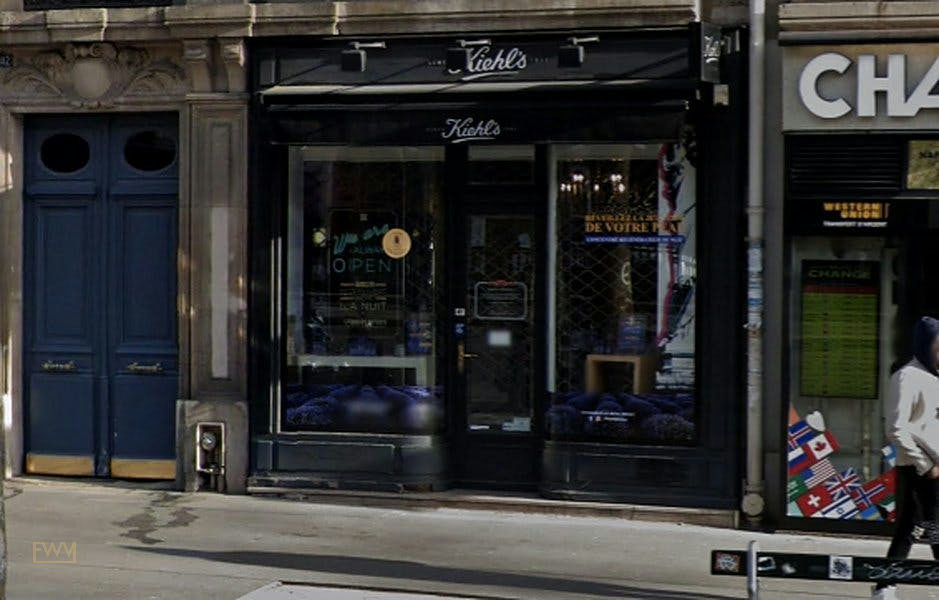
Street-level storefronts are the most traditional retail format in the 1st arrondissement. These spaces sit directly on the pavement, offering window display space and direct pedestrian access. Visibility is the primary asset. For brands launching a product, hosting a short-term retail event, or seeking walk-in customer traffic during Fashion Week, a well-positioned storefront on Rue de Rivoli, Rue Saint-Honoré, or the Palais-Royal arcades is highly effective. Storefronts in the 1er range significantly in size, from compact boutique formats of 30 to 50 square metres to larger multi-room commercial units exceeding 200 square metres.
Fashion Showrooms
Showrooms in the 1er are among the most sought-after spaces during Paris Fashion Week. A fashion showroom is typically a private or semi-private space used to present collections to buyers, press, and wholesale clients in a controlled, appointment-based environment. The 1er's proximity to the major Fashion Week venues and its concentration of luxury industry professionals makes it a natural hub for showroom rentals. Spaces with high ceilings, polished concrete floors or raw concrete floors, abundant natural light, and exposed stone columns are particularly valued for their neutral, adaptable aesthetic. Spotlights and flexible lighting rigs are important considerations for showroom presentations.
Gallery Spaces and Art Galleries
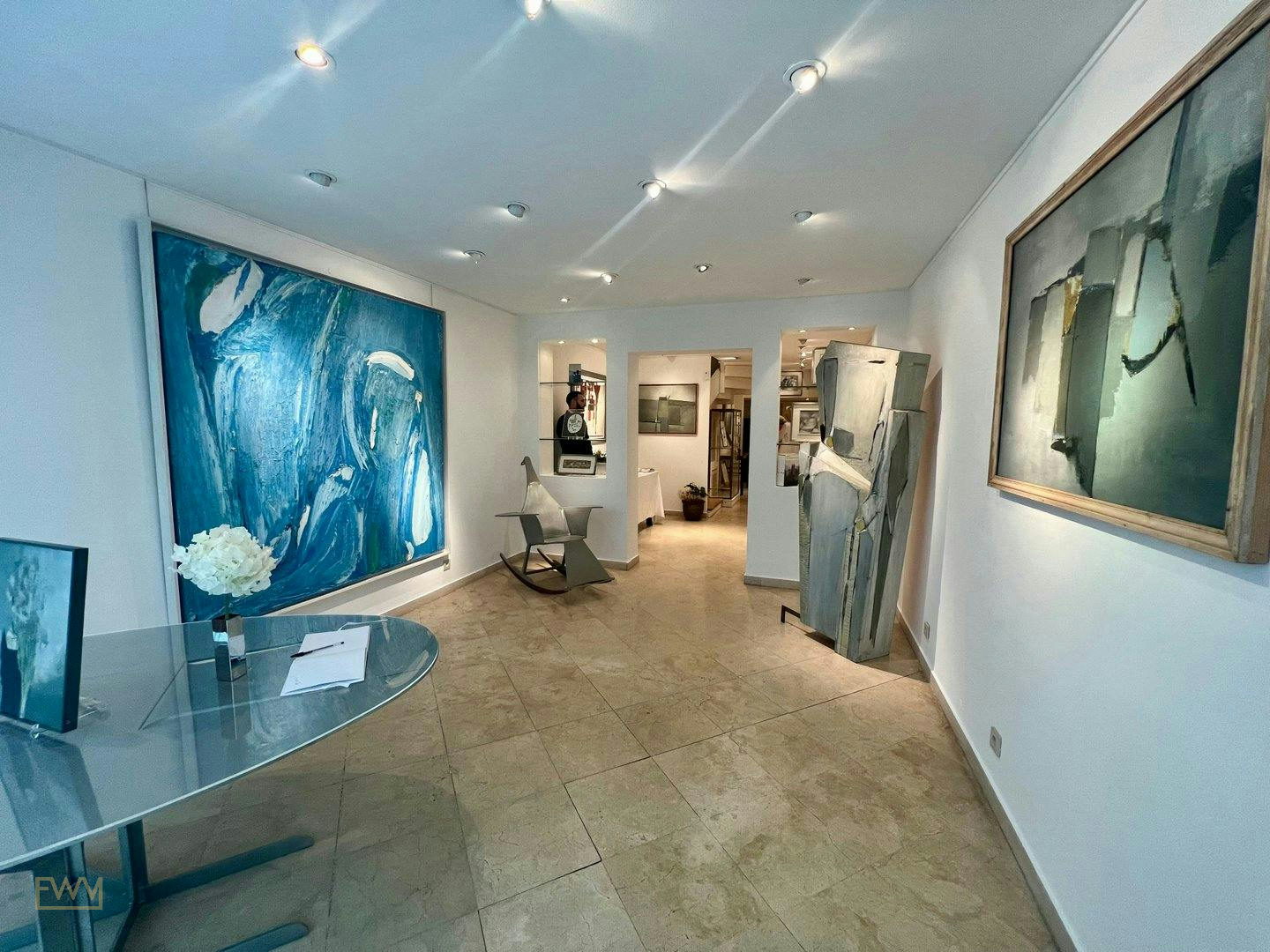
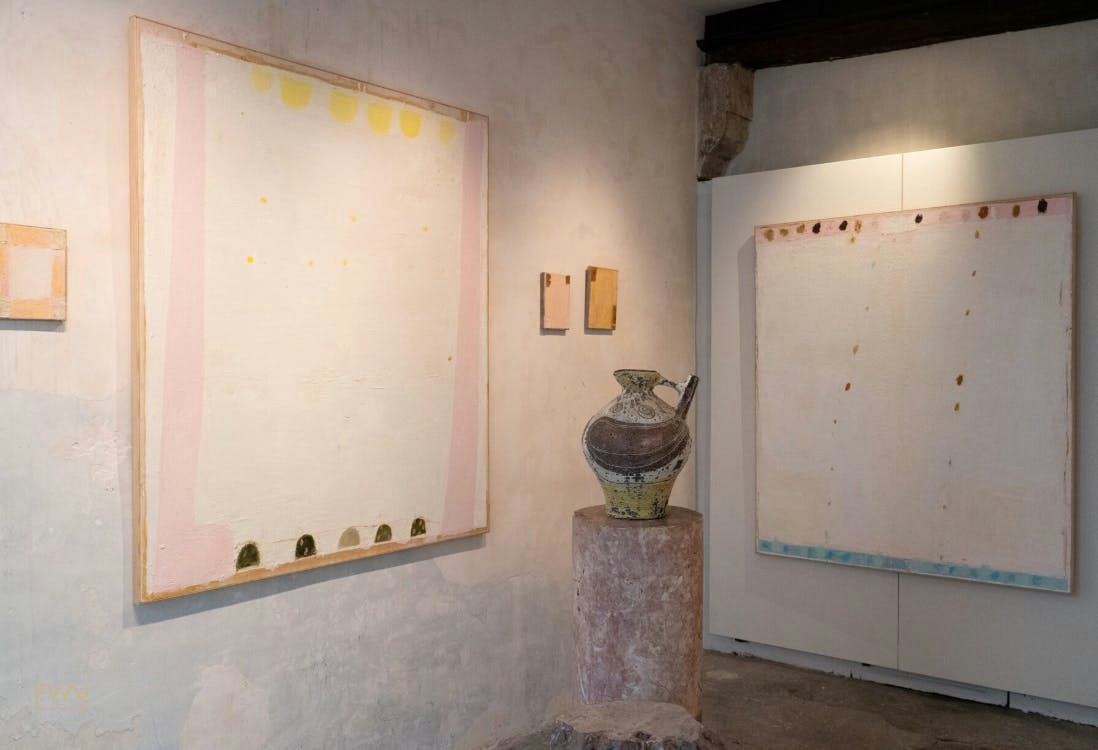
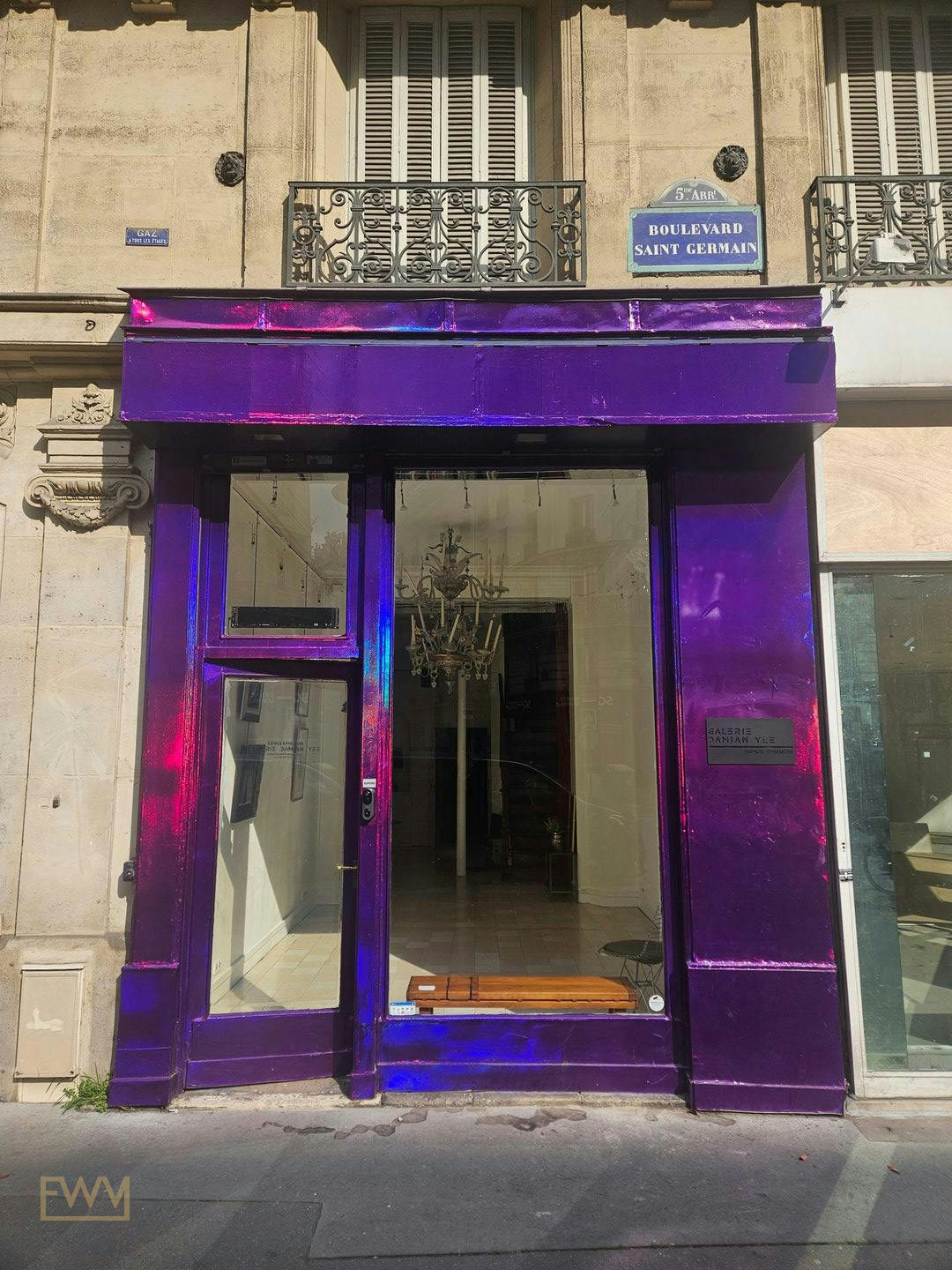
The art gallery format has become a popular template for brand activations in Paris. Gallery spaces offer clean, white-walled or architecturally distinctive environments that allow products, installations, or experiences to take centre stage. In the 1er, gallery-adjacent spaces near the Louvre, Palais-Royal, and Rue de Rivoli attract an audience already primed for aesthetic engagement. Beauty brands, luxury accessories labels, and concept-driven fashion houses have used gallery formats to create press-worthy, editorial activations that generate significant social media coverage.
Apartments and Upper-Floor Spaces
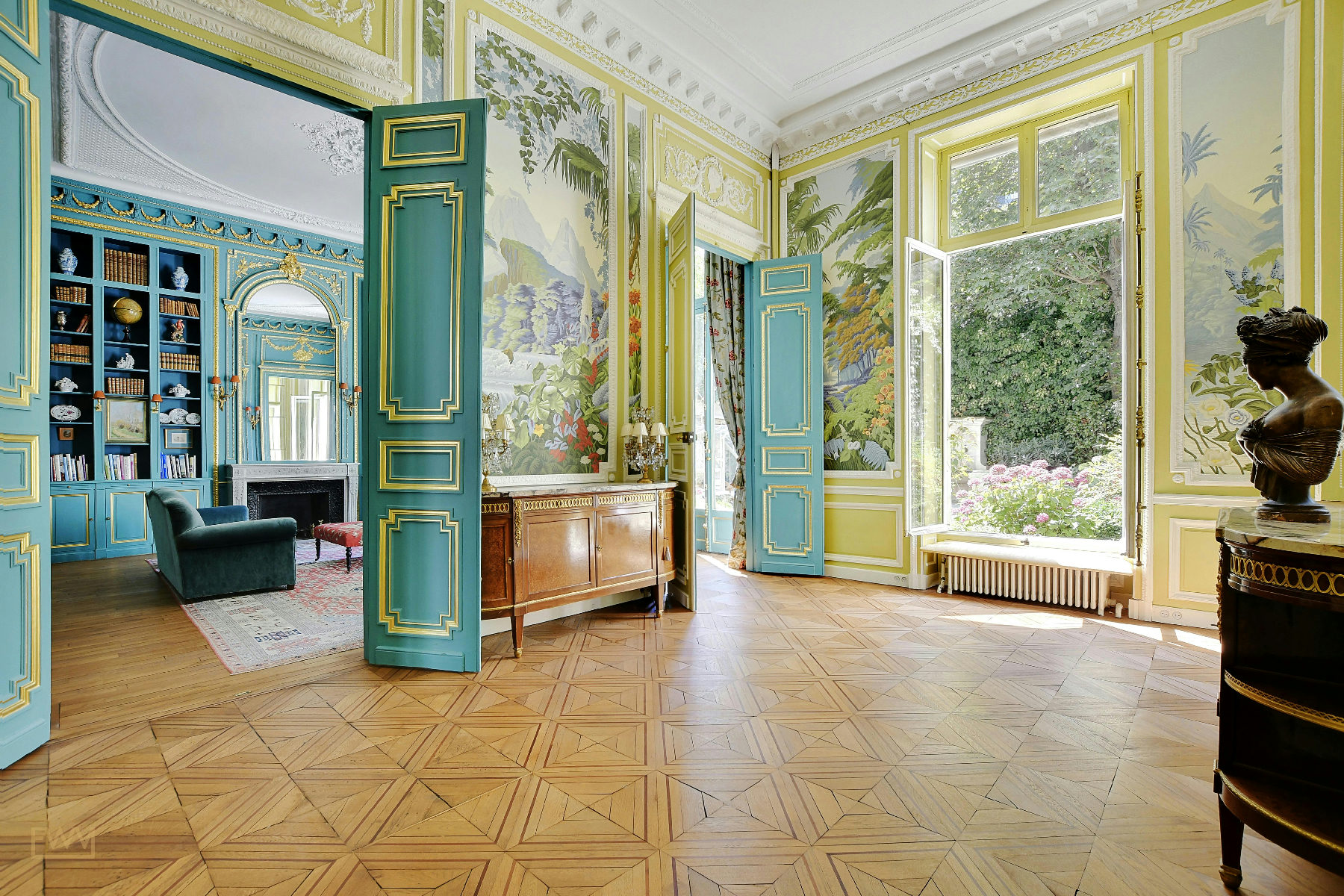
Haussmann-era apartments repurposed for commercial use are a distinctive feature of the Paris rental market. In the 1er, upper-floor apartments with parquet floors, stone fireplaces, and large windows can be rented for showrooms, press days, private sales, and intimate brand experiences. These spaces offer a sense of exclusivity and residential warmth that ground-floor retail cannot replicate. Floor and access considerations are important: upper-floor spaces without lift access may limit some visitor categories, while spaces with courtyard or garden access can add an additional event dimension.
Pop-Up Stores and Temporary Retail Concepts
Pop-up stores have become a defining feature of the Paris 1er retail landscape, particularly during Fashion Week windows. A pop-up store in the 1er can take many forms: a fully branded storefront, a branded environment within a larger multi-brand space, a gallery-style installation, or a concept boutique. The temporary nature of the format appeals to brands testing the Paris market, launching a new product, or building brand engagement without committing to a long-term commercial lease. Brands that are new to France frequently use a short-term pop-up in the 1er as a market entry strategy before committing to a permanent retail presence.
Studio Photo and Content Creation Spaces
A growing category in the Paris short-term rental market is the studio photo and content creation space. These spaces combine usable square metres with specialist infrastructure including lighting rigs, backdrops, polished or raw concrete floors, and sometimes kitchen or catering facilities. Fashion brands increasingly use these spaces for social media content production, campaign shoots, and influencer marketing events during and around Fashion Week.
| Space Type | Primary Use | Typical Size Range | Best Zone in 1er |
|---|---|---|---|
| Storefront | Pop-up retail, product launch, walk-in traffic | 30 to 250 sq m | Rue de Rivoli, Rue Saint-Honoré |
| Fashion Showroom | Buyer appointments, press preview, wholesale | 50 to 300 sq m | Palais-Royal, Place Vendôme axis |
| Gallery Space | Brand activation, art-fashion crossover, launch | 40 to 200 sq m | Near Louvre, Palais-Royal arcades |
| Haussmann Apartment | Private showroom, press day, intimate events | 60 to 400 sq m | Throughout 1er, upper floors |
| Pop-Up Concept Store | Brand experience, seasonal retail, market test | 50 to 500 sq m | Châtelet, Rue de Rivoli, Palais-Royal |
| Studio Photo | Content production, influencer event, campaign | 40 to 150 sq m | Various, often 1er and adjacent districts |
KEY TAKEAWAY: Choosing the right space type before starting a property search saves significant time and budget. Define your primary use case, whether showroom, retail, gallery, or content, before evaluating square metres, floor level, or rental rate.
With space types clearly defined, the next consideration is understanding how the 1st arrondissement compares with other Paris retail zones and which neighbouring districts may offer complementary or alternative options for specific brand objectives.
How the 1st Arrondissement Compares to Other Key Paris Retail Districts
Quick answer: The 1st arrondissement competes directly with the 8th arrondissement's Golden Triangle and the Marais for luxury and fashion activations. Each district has a distinct audience profile, rental rate structure, and brand positioning value. The choice depends on your target clientele, budget, and activation format.
Paris is not a homogeneous retail market. Each arrondissement carries its own identity, and brands entering the market for the first time should understand the positioning implications of their address choice before shortlisting spaces.
1st Arrondissement versus the Marais and Le Marais
The Marais, spread across the 3rd and 4th arrondissements, has become one of the most vibrant fashion and design districts in Paris. Le Marais attracts a younger, design-literate, culturally engaged audience. Independent fashion labels, contemporary designers, streetwear brands, and lifestyle concepts thrive here. Rental rates in the Marais are generally lower than in the 1er for comparable space sizes, making it an attractive alternative for brands with tighter budgets. However, the 1er's proximity to institutional luxury, the Louvre, and Place Vendôme gives it a prestige premium that the Marais cannot fully replicate.
1st Arrondissement versus Saint-Germain-des-Prés
Saint-Germain-des-Prés, centred in the 6th arrondissement, is defined by intellectual heritage, established luxury retail, and a neighbourhood feel that rewards brands with a strong editorial identity. Saint-Germain attracts a sophisticated, predominantly French clientele alongside international visitors who seek a less overtly touristy experience. Spaces in Saint-Germain-des-Prés tend to be smaller and more architecturally distinctive. The audience is refined but slightly less concentrated in the fashion industry professional sense compared to the 1er during Fashion Week windows.
1st Arrondissement versus the Champs-Élysées and Golden Triangle
The Avenue des Champs-Élysées and the broader Golden Triangle of the 8th arrondissement represent the grand luxury axis of Paris. Rue de Marignan, Rue Paul Cézanne, Rue Washington, Boulevard Malesherbes, and Rue de la Baume are all within or adjacent to this zone. Rental rates along the Champs-Élysées and its immediate surroundings are among the highest in France, reflecting both the commercial prestige and the tourist volume. For flagship-style activations with very high investment, the 8th arrondissement is a strong competitor to the 1er. However, for intimate showrooms and curated pop-up concepts, the 1er's density of cultural landmarks and pedestrian scale often makes it the preferred choice.
Sentier and the 2nd Arrondissement
The Sentier district, in the 2nd arrondissement adjacent to the 1er, has undergone significant transformation over the past decade. Once the centre of the French garment trade, it now attracts a blend of creative agencies, fashion startups, and tech companies. Rental rates in Sentier are lower than in the 1er, and the area offers interesting raw spaces, loft-style units, and converted workshops that suit brands looking for industrial-aesthetic activations. Brands that want to position near the 1er without the full premium of Palais-Royal or Rue Saint-Honoré often find Sentier and the Rue du Quatre Septembre corridor a practical alternative.
Montmartre and Pigalle
Montmartre and Pigalle, in the 18th arrondissement, have developed a distinct identity around independent fashion, music, and creative culture. Brands targeting a younger, more experimental audience, or those seeking architectural interest in their space rather than pure commercial prestige, sometimes choose this zone. The Rue de Montmartre area, running from the 1er northward into the 2nd, connects these two worlds and offers some interesting transitional spaces.
To compare neighbourhoods, districts, and space types side by side with real market data, explore the Paris city hub on Fashion Week Venues and shortlist spaces that match your brief, budget, and calendar window.
| District | Primary Audience | Best For | Relative Rental Position |
|---|---|---|---|
| 1st arrondissement | Luxury tourists, fashion professionals, buyers | Showrooms, premium pop-ups, Fashion Week | High to very high |
| Le Marais | Design-literate locals, international visitors | Contemporary fashion, lifestyle, streetwear | Moderate to high |
| Saint-Germain-des-Prés | Sophisticated French and international | Editorial brands, small boutiques, art | High |
| Golden Triangle / 8th | Ultra-luxury, international flagship visitors | Flagship-scale activations, haute couture | Very high to premium |
| Sentier / 2nd | Creative industry, emerging fashion | Raw spaces, production, emerging labels | Moderate |
| Montmartre / Pigalle | Independent creatives, younger audience | Experimental concepts, culture-led brands | Moderate |
KEY TAKEAWAY: The 1st arrondissement commands a premium over most Paris districts but delivers unmatched institutional prestige, Fashion Week proximity, and access to a high-value international clientele. The right district choice depends on brand positioning, not just budget.
Understanding where to locate your space is inseparable from understanding the legal and financial framework that governs short-term commercial rental in Paris.
Legal and Financial Framework for Renting Retail Space in the 1st Arrondissement
Quick answer: Short-term commercial space rental in Paris operates under different legal frameworks from standard commercial leases. The bail dérogatoire and autorisation d'occupation temporaire are the two primary instruments used for temporary retail and pop-up activations. Understanding these frameworks is essential before signing any rental agreement.
Commercial real estate in France is governed by a complex set of regulations that differ from the legal frameworks in the UK, USA, or other markets where international brands may be more experienced. Brands entering the Paris market for the first time frequently underestimate the legal complexity of even short-term rental agreements.
The Bail Dérogatoire
The bail dérogatoire, sometimes called the short-term lease or derogatory lease, is the standard legal instrument for commercial property rentals of under 36 months in France. Under a bail dérogatoire, both the landlord and the tenant agree to waive the protections of the standard commercial lease, known as the bail commercial, which would otherwise entitle tenants to a 9-year lease with renewal rights. The bail dérogatoire is widely used for pop-up stores, temporary boutiques, short-term showrooms, and brand activations. The maximum duration is 36 months, after which the space may become subject to the full bail commercial protections if occupation continues.
For brands renting a space for Paris Fashion Week, a product launch, or a seasonal activation, a bail dérogatoire lasting one week to several months is the typical instrument. The agreement must be in writing and must explicitly state that both parties waive their rights to the standard commercial lease protections. Failure to include this language can expose the landlord to unintended long-term tenancy obligations.
Autorisation d'Occupation Temporaire
The autorisation d'occupation temporaire, or AOT, applies when a brand wishes to use a public space or a space subject to public domain rules for a temporary commercial or event purpose. This framework is relevant for activations in or adjacent to public gardens, pedestrianised streets, or civic spaces within the 1er. The Tuileries Garden, for example, sits on public domain land, and any commercial activation within or adjacent to it requires authorisation from the relevant public body. AOT applications involve specific documentation requirements and must be submitted sufficiently in advance of the intended activation date. Requirements vary by space type, duration, and the specific arrondissement or public body responsible for the space.
Rental Rate Structures: Modified Gross, Triple Net, and Full Service
Commercial property rental rates in Paris are quoted in several formats. A modified gross rental rate includes some but not all building expenses within the quoted rate. A triple net rental requires the tenant to pay property taxes, building insurance, and maintenance costs separately in addition to the base rent. A full service rental includes most operational costs within a single figure, which is common for serviced retail and showroom spaces marketed to international brands for short-term use. Understanding which structure applies to a specific listing is essential when comparing rental rates across platforms such as LoopNet, CoStar, Workthere, or direct agency listings. Quoted rates do not always include agency fee, security deposit, utilities such as electric and cleaning services, or other building expenses.
Energy Performance and Compliance Requirements
French commercial property regulations require landlords to provide an energy performance diagnosis, known as the DPE, and a greenhouse gas emission index for commercial properties. These documents are part of the standard pre-rental disclosure package. Brands sourcing spaces through specialist agencies should confirm that all required compliance documentation has been provided by the landlord before signing any lease agreement. Local regulations around permitted commercial uses, signage, and operating hours also vary by arrondissement and street classification, and should be verified with a qualified French legal advisor before finalising any rental agreement.
IMPORTANT: Requirements for short-term commercial rental in Paris vary significantly depending on space type, duration, arrondissement, and whether the space is on public or private land. Always verify your specific situation with a qualified French legal advisor before signing a lease agreement. Fashion Week Venues recommends using the permits guidance tool as an initial orientation resource, not as a substitute for legal counsel.
Agency Fees and Security Deposits
In the French commercial rental market, an agency fee is typically charged for the introduction of a suitable property, whether charged to the landlord, the tenant, or shared between both parties. The agency fee structure differs from the residential market and varies significantly by agency, space type, and deal structure. A security deposit is standard for most commercial rentals and is typically held by the landlord or managing agent for the duration of the rental period. The amount of the deposit varies based on the rental rate and the duration of the agreement. Brands should factor both the agency fee and the security deposit into their total activation budget from the outset.
For a realistic and brand-specific estimate of your total Paris activation budget, use the Fashion Week Venues budget estimation tool to model costs across space rental, production, staffing, and operational requirements.
KEY TAKEAWAY: The legal and financial framework for commercial retail rental in Paris is substantively different from other major markets. Short-term instruments like the bail dérogatoire and AOT offer flexibility but require careful drafting. Never assume a standard international rental model applies in France.
With a clear understanding of space types, districts, and legal frameworks, brands can now focus on the practical process of finding, comparing, and securing the right retail space in the 1st arrondissement.
How to Search for and Secure Retail Space in the 1er Arrondissement
Quick answer: Securing retail space in the Paris 1st arrondissement requires a structured approach that combines early calendar planning, clear brief definition, and working with either a specialist agency or an established space marketplace. The most sought-after spaces during Fashion Week windows are typically committed months in advance.
The process of searching for and securing a commercial property in the 1er involves multiple parallel workstreams that brands often underestimate, particularly those entering the Paris market for the first time. A reactive or last-minute approach typically results in either missing the best spaces or overpaying for what remains available at short notice.
Define Your Brief Before You Search
Before opening a property search on any platform or engaging a broker or agency, define your brief in precise terms. Key parameters include: required square metres, target zone within the 1er, preferred space type, minimum rental duration, budget including all-in costs, intended use case, visitor volume expectations, and any specific space features such as polished concrete floors, raw concrete floors, spotlights, tuyauterie apparente, pierre apparente, or colonnes en pierre apparentes. The more precise your brief, the more efficiently a specialist can shortlist relevant spaces and the less time you spend evaluating unsuitable options.
Calendar Planning and Booking Lead Times
Paris Fashion Week is the most competitive window for retail space rental in the 1er. The key Fashion Week periods for womenswear fall in March and September, with menswear weeks typically in June and January. For these windows, the best showroom and pop-up spaces in the Palais-Royal, Rue Saint-Honoré, and Place Vendôme axis are frequently reserved four to six months in advance. Brands that approach the market eight to twelve weeks before Fashion Week will encounter significantly reduced choice and elevated rental rates for remaining inventory.
Outside of Fashion Week, the 1er rental market is more accessible. Product launches, seasonal campaigns, and brand experiences during quieter periods benefit from greater space availability, more negotiable rental rates, and longer lead times for production and fit-out.
Using Space Marketplaces and Specialist Platforms
Several platforms serve the Paris commercial short-term rental market. Specialist fashion and retail-focused platforms list curated spaces with transparent pricing, space features, and booking terms. Broader commercial real estate platforms such as LoopNet and CoStar list longer-term commercial properties and some short-term inventory, primarily marketed to established property companies, investors, and broker professionals. Platforms like Workthere focus on office and flexible workspace. For fashion-specific brand activations, a specialist marketplace with curatorial filtering by use type, neighbourhood, and Fashion Week calendar is more practical than a general commercial real estate search tool.
The Fashion Week Venues space marketplace lists curated spaces across Paris and other major fashion capitals, with filtering by space type, arrondissement, size, and availability window. Brands can compare spaces, review space features, and submit enquiries directly through the platform.
Step-by-Step Process for Securing a Space
| Step | Action | Typical Timeline Before Activation |
|---|---|---|
| 1 | Define brief: size, zone, type, dates, budget | 6 to 12 months before |
| 2 | Search marketplace or brief specialist agency | 4 to 8 months before |
| 3 | Shortlist 3 to 5 spaces, review space features | 3 to 6 months before |
| 4 | Site visits and space comparison | 3 to 5 months before |
| 5 | Negotiate terms, review lease agreement draft | 2 to 4 months before |
| 6 | Legal review of bail dérogatoire or AOT | 2 to 3 months before |
| 7 | Confirm security deposit and agency fee | 6 to 10 weeks before |
| 8 | Begin production planning and fit-out design | 6 to 10 weeks before |
| 9 | Confirm staffing, POS, utilities, and permits | 4 to 6 weeks before |
| 10 | Build and dress the space | 1 to 2 weeks before |
TIP: Use the Fashion Week Venues timeline planning tool to map your specific activation calendar and identify which decisions need to be made first to keep your project on track.
KEY TAKEAWAY: The most common failure in Paris retail space rental is starting the search too late. For Fashion Week windows, the best spaces in the 1er are committed many months before the event. Early planning is not optional; it is the primary determinant of space quality and cost efficiency.
Having identified and secured a space, the next major workstream is the production, design, and operational build of the activation itself.
Production, Design, and Activation Build for the 1st Arrondissement
Quick answer: Fitting out a retail space in the Paris 1er for a pop-up, showroom, or brand activation involves concept direction, branded store design, physical build, furniture rental, staffing, and operational setup. Each of these workstreams has Paris-specific considerations that differ from other markets.
Many international brands have experience producing retail activations in their home market but underestimate the complexity of replicating that process in Paris. Local supplier relationships, building regulations, landlord restrictions on fixings and alterations, French-language operational requirements, and logistics all add layers of complexity to the build process.
Concept Direction and Branded Store Design
A strong concept is the foundation of any successful retail activation. In the 1er, where the surrounding environment is already architecturally and visually significant, your concept must work with or deliberately respond to the space's existing character. Concepts that ignore the architectural qualities of a Palais-Royal arcade unit or a Haussmann apartment tend to feel incongruous. The best brand activations in this district use the space's existing features, pierre apparente, parquet floors, stone columns, high ceilings, as design elements rather than trying to neutralise them. Concept and creative direction from specialists who understand the Paris retail environment ensures that the physical experience aligns with brand identity and the specific qualities of the space.
Production and Physical Build
Physical fit-out of a temporary retail space in the 1er requires sourcing local contractors, managing deliveries within a controlled historic district, working within landlord restrictions on structural alterations, and complying with building regulations that may differ from those in other countries. Load-bearing walls, listed building constraints, and restrictions on signage or external modifications are common considerations. The production timeline must account for logistics access windows, waste management requirements, and the reinstatement obligations that are typically written into a bail dérogatoire. Production and build management by a Paris-experienced team reduces the risk of cost overruns, timeline slippage, and landlord disputes at the end of the rental period.
Furniture Rental and Space Dressing
Furniture rental is a cost-efficient and logistically practical solution for temporary retail in Paris. Rather than shipping furnishings from abroad, brands can access a curated inventory of retail fixtures, display units, seating, lighting, and decorative elements through specialist providers. This reduces both shipping costs and the complexity of customs documentation for temporary imports into France. Furniture rental also offers flexibility for brands that want to trial different configurations during the rental period.
Retail Staffing in Paris
Staffing a temporary retail space in the 1er requires French-speaking sales staff, brand ambassadors, and operational support who understand both the product and the Paris customer. International brands sometimes make the mistake of flying in staff from their home market without ensuring adequate French-language coverage. The clientele of the 1er includes French shoppers and international visitors in roughly equal measure during Fashion Week, and French-speaking staff are essential for credibility and commercial performance. Retail staffing through a specialist Paris network ensures coverage, compliance with French employment regulations, and operational reliability.
POS, Payments, and Data Analytics
Operational infrastructure for a temporary retail space includes point of sale systems, payment processing, inventory management, and customer data capture. In France, POS and payment systems must comply with French fiscal regulations, including the obligation to use certified caisse enregistreuse software for any taxable retail transaction. Data collection and customer communication must comply with GDPR. Brands entering the Paris market for the first time should not assume that their existing POS or payment infrastructure is automatically compatible with French requirements.
DID YOU KNOW: France's requirements for electronic point of sale systems were strengthened by the Finance Act of 2018, which mandates that certain businesses use certified and secure cash register software. Brands operating temporary retail in France should confirm their POS system compliance before opening.
KEY TAKEAWAY: Production, design, staffing, and operational setup for a Paris 1er activation involves Paris-specific requirements at every stage. Building a team with direct Paris market experience, whether in-house or through a specialist agency, is the most effective way to manage these requirements without costly mistakes.
Understanding how Fashion Week Venues specifically supports brands through this entire process is the logical next step for teams planning an activation in the 1st arrondissement.
How Fashion Week Venues Supports Retail Activations in the 1st Arrondissement
Fashion Week Venues is a full-service pop-up shop agency and space marketplace operating across Paris and other major fashion capitals. For brands planning a retail space rental in the 1st arrondissement of Paris, Fashion Week Venues provides end-to-end support that spans the entire activation lifecycle, from initial space sourcing and brief development through to post-activation data reporting.
The agency's primary value for brands in the 1er is the combination of a curated space inventory, deep local market knowledge, and an integrated service offer that removes the need to coordinate multiple independent contractors for a single activation. Brand teams working with Fashion Week Venues can access venue sourcing, concept direction, production, staffing, POS, furniture rental, and influencer marketing through a single point of coordination, reducing the management burden on in-house teams significantly.
Venue Sourcing for the 1st Arrondissement
The venue sourcing service identifies and shortlists spaces in the 1er that match a brand's brief, budget, and calendar window. Rather than conducting an open market search across multiple platforms, Fashion Week Venues curates a matched selection from its marketplace inventory and wider network of Paris landlords and property contacts. This is particularly valuable for Fashion Week windows when publicly listed inventory moves quickly and off-market spaces are frequently the best option.
Tools for Planning and Decision-Making
Fashion Week Venues provides a suite of planning tools that support the pre-activation decision-making process. The space comparison tool allows brand teams to evaluate shortlisted spaces side by side across multiple criteria. The ROI calculation tool helps brands model the commercial return on their activation investment against realistic traffic, conversion, and average transaction assumptions. The space locator tool maps available spaces geographically within the 1er and adjacent districts, helping teams understand the spatial context of each option before a site visit.
Twin Co-Activation
Fashion Week Venues operates a twin concept that enables two complementary brands to co-activate within a single space. This model is particularly relevant for brands whose budgets may not fully support a standalone activation in the premium zones of the 1er but who want access to the same address quality and foot traffic. The twin model also creates a natural content and social media narrative around brand collaboration that can amplify reach beyond the physical activation itself.
Who Benefits Most
Fashion Week Venues is most valuable for international brands entering the Paris market for the first time, emerging luxury and contemporary fashion labels, beauty and lifestyle brands planning seasonal activations, brands seeking to activate during Paris Fashion Week without the complexity of managing local logistics independently, and creative agencies producing activations on behalf of brand clients. Teams that already have Paris market experience but lack an established local production and logistics network also benefit significantly from the agency's integrated model.
To understand how the agency has applied this model in previous activations, review past projects and case studies in the Fashion Week Venues work section, or explore the agency process page for a detailed overview of how each project is structured from brief to close.
KEY TAKEAWAY: Fashion Week Venues operates as a full-service partner rather than a simple listing platform. The combination of curated spaces, integrated services, and practical planning tools makes it a particularly efficient route to market for brands that want to activate in the 1st arrondissement of Paris without managing multiple local contractors independently.
Before making any final decisions about your Paris retail strategy, it is worth addressing some of the most persistent misconceptions that circulate among brands new to the French market.
Common Myths About Renting Retail Space in Paris Debunked
MYTH: You need a French legal entity to rent a commercial space in the 1st arrondissement of Paris.
FACT: Many short-term retail and showroom spaces in Paris are accessible to international companies without a French legal entity, particularly through specialist agencies and curated marketplaces that structure the rental arrangement appropriately. The legal requirements vary by space type, duration, and the specific terms of the lease agreement. It is advisable to seek qualified French legal advice for any commercial rental, but the absence of a French entity is not automatically a barrier to short-term activation in the 1er.
MYTH: Paris Fashion Week in March and September is the only commercially viable calendar window for a retail activation in the 1st arrondissement.
FACT: Paris Fashion Week generates the highest concentration of fashion industry professionals and media, but the 1er attracts significant high-value foot traffic year-round due to the Louvre, Palais-Royal, and its position as a global tourist destination. Brands have successfully used other windows including holiday retail periods, product launch moments, menswear Fashion Week in June and January, and bespoke campaign periods to generate strong commercial and brand results in the 1er. Fashion Week is the premium window, but it is not the only effective one.
MYTH: Commission-based brokers are the only way to find short-term retail or showroom space in Paris.
FACT: Specialist space marketplaces, full-service pop-up agencies, and direct landlord relationships now provide credible alternatives to traditional commission brokers for short-term retail and showroom space in Paris. Platforms that curate fashion-specific inventory with transparent pricing, space features, and booking terms offer brands a more efficient and often more cost-effective route to discovering and securing spaces in the 1er than a broker model that relies on limited network inventory and negotiated introductions.
MYTH: Short-term commercial leases in Paris are legally straightforward and can be managed without specialist help.
FACT: The bail dérogatoire and related instruments involve specific legal language that must be correctly drafted to protect both parties. Errors in drafting or missing required statutory language can expose brands to unexpected obligations or disputes with landlords. French commercial property law is complex and differs materially from legal frameworks in other countries. Specialist guidance from a French legal advisor and from an agency with direct Paris rental experience is strongly recommended for any commercial rental in the 1er, regardless of duration.
MYTH: A retail space in the 1st arrondissement is only suitable for established luxury brands with large budgets.
FACT: The 1er contains a wide range of space types at different price points, from compact gallery-style units in side streets to premium storefronts on Rue de Rivoli. Emerging brands, contemporary labels, and creative agencies regularly activate in the 1er at various budget levels, particularly through co-activation models, shorter rental windows, and spaces outside the immediate Vendôme or Palais-Royal premium zones. The arrondissement rewards concept quality and brand confidence as much as budget size.
Frequently Asked Questions
What is a storefront in the 1st arrondissement of Paris typically used for?
Storefronts in the 1st arrondissement of Paris are used for a wide range of commercial purposes including temporary pop-up retail, seasonal boutiques, brand activation events, product launches, press days, and fashion showrooms. During Paris Fashion Week, storefronts in key zones such as Rue Saint-Honoré, Palais-Royal, and Rue de Rivoli are particularly in demand for short-term retail concepts and branded experiences. Outside of Fashion Week, these spaces serve beauty launches, luxury brand campaigns, gallery-style activations, and concept stores targeting the district's consistent high-value tourist and Parisian visitor base.
How long can you rent a storefront in the 1st arrondissement of Paris?
Rental durations for storefronts in the 1er range from a single day for content production or private events up to several months under a bail dérogatoire. Fashion Week activations typically run for one to three weeks, while seasonal pop-up concepts may operate for one to three months. Durations beyond 36 months under a bail dérogatoire may trigger the provisions of the standard commercial lease framework, which carries significantly different legal protections and obligations. For very short activations of under one week, some specialist platforms and agencies facilitate daily or weekly rental structures through service agreements rather than formal lease instruments.
Is the Paris 1st arrondissement suitable for temporary retail?
The Paris 1st arrondissement is exceptionally well suited for temporary retail. It combines high foot traffic from the Louvre, Palais-Royal, and Châtelet-les-Halles with an affluent and internationally diverse visitor base. The district has a well-established culture of short-term commercial rental driven by the Paris Fashion Week calendar, and landlords in the area are generally familiar with temporary concepts. The range of space types, from intimate gallery units to large storefronts, means that temporary retail formats of many scales and formats can find a suitable home in the 1er.
What types of commercial properties are available in the 1er arrondissement?
Commercial properties available for short-term rental in the 1er arrondissement include street-level storefronts, upper-floor Haussmann apartments adapted for commercial use, gallery spaces, dedicated fashion showrooms, studio photo spaces, multi-room retail units, and covered arcade units in the Palais-Royal. Floor and access configurations vary significantly, from ground-floor retail with pavement frontage to mezzanine and upper-floor spaces accessed by stairs or lift. Space features commonly requested by fashion brands include polished or raw concrete floors, spotlights, exposed stone, high ceilings, and natural daylight. Gross leasable area for available units ranges from under 30 square metres to several hundred square metres for larger commercial units.
How much does it cost to rent a showroom in the 1er arrondissement of Paris?
Rental rates for showroom spaces in the 1st arrondissement vary significantly based on location, size, quality, duration, and the time of year. Spaces during Paris Fashion Week command premium rates compared to non-Fashion Week periods due to high demand and limited inventory. Quoted rates may be structured as modified gross, triple net, or full service, and may not include the agency fee, security deposit, utilities such as electric and cleaning, or other building expenses. For a realistic and brand-specific budget estimate, use the Fashion Week Venues budget estimation tool, which models total activation costs rather than rental rate alone.
What is the minimum rental period for a showroom in the 1er?
Minimum rental periods for showrooms in the 1st arrondissement depend on the specific space and the landlord or agency managing it. Some specialist platforms and agencies facilitate daily or weekly rentals for Fashion Week showroom use, while others require a minimum of one to two weeks. For longer-term brand activations, monthly minimums are common. The bail dérogatoire can accommodate very short durations, but landlords in premium zones such as Palais-Royal may set higher minimum periods to justify the preparation and reinstatement costs associated with short tenancies. Early enquiry and direct discussion with the space manager is the best way to confirm minimum period requirements for a specific space.
Which streets in the 1er are best for fashion showrooms?
The most sought-after streets in the 1st arrondissement for fashion showrooms are those in and around the Palais-Royal, Place Vendôme, and Rue Saint-Honoré. The Palais-Royal arcades and the surrounding streets offer a curated, fashion-forward environment with strong industry foot traffic during Fashion Week. Streets adjacent to the Louvre and Rue de Rivoli offer higher general visitor volume. Side streets between Palais-Royal and Rue Saint-Honoré provide a balance of prestige address and more accessible rental rates compared to the immediate Vendôme axis. Rue du Quatre Septembre in the adjacent 2nd arrondissement is also used by brands seeking proximity to the 1er at a slightly lower price point.
When should I book a showroom in the 1er for Paris Fashion Week?
For Paris Fashion Week, the optimal booking window for a showroom in the 1st arrondissement is four to six months before the Fashion Week period. The best spaces in prime zones are frequently confirmed six to eight months in advance by returning brands and established fashion houses. Brands approaching the market fewer than eight weeks before Fashion Week will find reduced availability and elevated rates for remaining inventory. Booking early is the single most effective action a brand can take to secure a quality showroom in the 1er at a fair rental rate during a Fashion Week window.
How does the 1st arrondissement compare to other Paris retail areas for pop-up activations?
The 1st arrondissement offers a combination of historic prestige, institutional proximity, and high-value international foot traffic that is difficult to replicate elsewhere in Paris. The Marais offers a more contemporary, design-led environment at generally lower rental rates. Saint-Germain-des-Prés attracts a refined, slightly older audience with strong French cultural identity. The Champs-Élysées Golden Triangle offers maximum luxury prestige at the highest rental rates. For fashion brands seeking a balance of industry credibility, visitor quality, and spatial variety, the 1er is consistently ranked among the top two or three choices for short-term brand activation in Paris.
Can I rent a showroom in the 1er for a single day?
Single-day showroom rental in the 1st arrondissement is possible through some specialist platforms and agencies, particularly for spaces positioned as multi-use or flexible event venues rather than traditional commercial retail. Day rates are typically structured at a premium relative to weekly or monthly rates, reflecting the administration, preparation, and reinstatement costs involved in very short tenancies. For Fashion Week buyer appointments, press previews, or content production days, a single-day format can be highly effective. Contact a specialist agency early to confirm availability, as single-day slots in premium 1er spaces during Fashion Week are limited and are usually assigned to existing agency relationships.
Do I need a French legal entity to rent a commercial space in Paris?
A French legal entity is not always required to rent a short-term commercial space in Paris, particularly for activations facilitated through specialist agencies that structure the rental arrangement on behalf of the brand. However, the legal requirements vary depending on the space type, the duration of the rental, the specific terms requested by the landlord, and the nature of the commercial activity. International brands should seek qualified French legal advice before entering into any commercial rental agreement in France to understand their specific obligations and liabilities. Fashion Week Venues can provide initial guidance but recommends confirming all legal requirements with a French-qualified advisor.
What space features should I specify when searching for a pop-up or showroom in the 1er?
Key space features to specify when searching for a pop-up or showroom in the 1st arrondissement include: floor type such as polished concrete, raw concrete, parquet, or stone; ceiling height; natural light availability; existing lighting infrastructure including spotlights or track lighting; exposed architectural features such as pierre apparente, tuyauterie apparente, or colonnes en pierre apparentes; floor level and access including lift availability; frontage type and window display potential; utilities provision including electric, cleaning, and internet; and any restrictions on structural alterations, signage, or operating hours. Specifying these features clearly in your initial brief saves significant time during the shortlisting process.
What platforms or tools can help me search for retail space in Paris?
Several platforms serve the Paris commercial short-term rental market. General commercial real estate databases such as LoopNet and CoStar list longer-term commercial properties and are primarily used by broker professionals and institutional investors. Flexible workspace platforms like Workthere focus on office formats. Specialist fashion and retail-focused platforms provide curated inventories filtered by use type, calendar window, and neighbourhood. The Fashion Week Venues marketplace lists spaces specifically selected for fashion brand activations, pop-up retail, and showrooms across Paris, with tools for comparing, locating, budgeting, and timeline planning. For brands focused on the 1er, the combination of a specialist marketplace and a full-service agency provides the most efficient search and conversion route.
What is the role of an agency when renting pop-up space in Paris versus using a direct platform?
A specialist agency such as Fashion Week Venues provides active guidance, space matching, legal navigation, production management, and operational support that a self-service platform cannot replicate. Platforms provide visibility of available inventory, while an agency structures the entire activation lifecycle from brief to close. For brands with limited Paris experience, limited in-house production capacity, or complex activation requirements, working with a full-service agency provides a significantly higher probability of a successful outcome than navigating the market independently. For experienced Paris operators with established local networks, a platform-first approach with selective agency support for specific workstreams may be more cost-efficient. The guides section and the hiring an agency guide on Fashion Week Venues can help teams make this decision.
What permits or authorisations might I need for a pop-up store in the 1st arrondissement?
Permit requirements for a pop-up store in the 1st arrondissement depend on several factors including the type of space, whether the space is on public or private land, the nature of the commercial activity, planned signage or external modifications, and the duration of the activation. The bail dérogatoire governs the rental relationship for private commercial spaces. For activations involving public space, an autorisation d'occupation temporaire is typically required. Signage regulations are governed by local urban planning rules and vary by street. Operating hours may be subject to local authority constraints. All permit requirements should be verified with a qualified French legal advisor and with the relevant local authority before beginning any activation. Use the permits guidance tool on Fashion Week Venues as a starting orientation resource.
Conclusion: Planning Your Retail Activation in the 1st Arrondissement of Paris
The 1st arrondissement of Paris remains one of the most compelling retail and brand activation destinations in the world. From the Palais-Royal arcades to Place Vendôme, from Rue Saint-Honoré to Rue de Rivoli, the 1er offers a density of prestige, foot traffic, and cultural capital that few global districts can match. For fashion brands, luxury labels, beauty companies, and creative agencies planning a pop-up store, showroom, or temporary retail concept, the 1er provides both the strategic address and the spatial variety to support activations at many different scales and budgets.
Success in this district requires early planning, precise brief definition, a clear understanding of French commercial property law, and the operational infrastructure to execute a Paris-standard activation. The legal frameworks governing short-term rental in France are substantively different from those in other markets, and the Fashion Week calendar compresses demand into narrow windows that reward brands who plan ahead and penalise those who leave space sourcing until the last moment.
Fashion Week Venues supports brands at every stage of this process, from initial space discovery and comparison through to production, staffing, permits guidance, and post-activation data analysis. Whether you are entering the Paris market for the first time or scaling an existing activation programme, the combination of a curated space marketplace, integrated services, and practical planning tools makes the process more manageable and the outcomes more predictable.
To move from research to activation, start exploring available spaces on the Fashion Week Venues marketplace and build a focused brief for your target neighbourhood, space type, and calendar window. The best spaces in the 1er are available now for brands who act early.