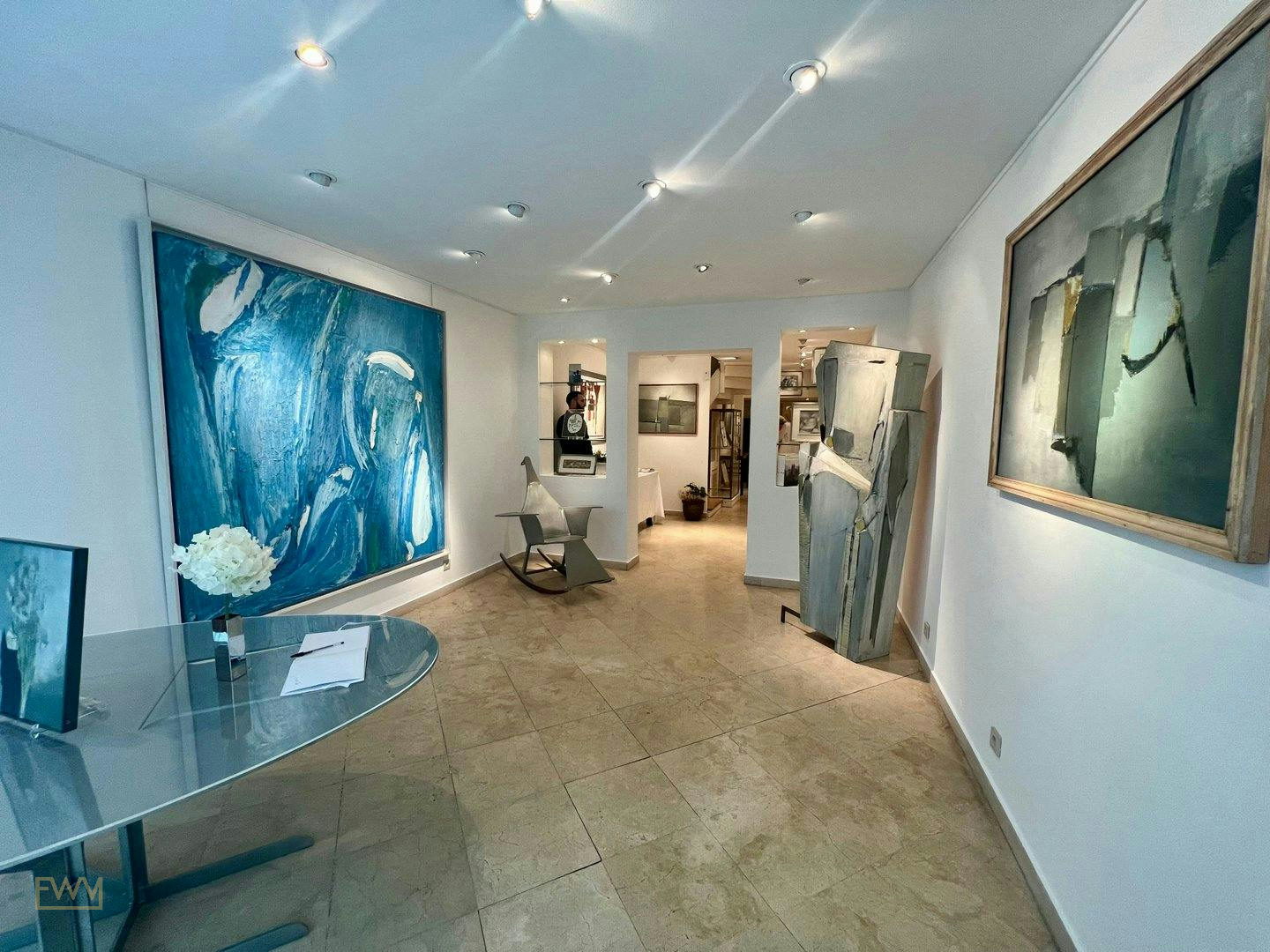
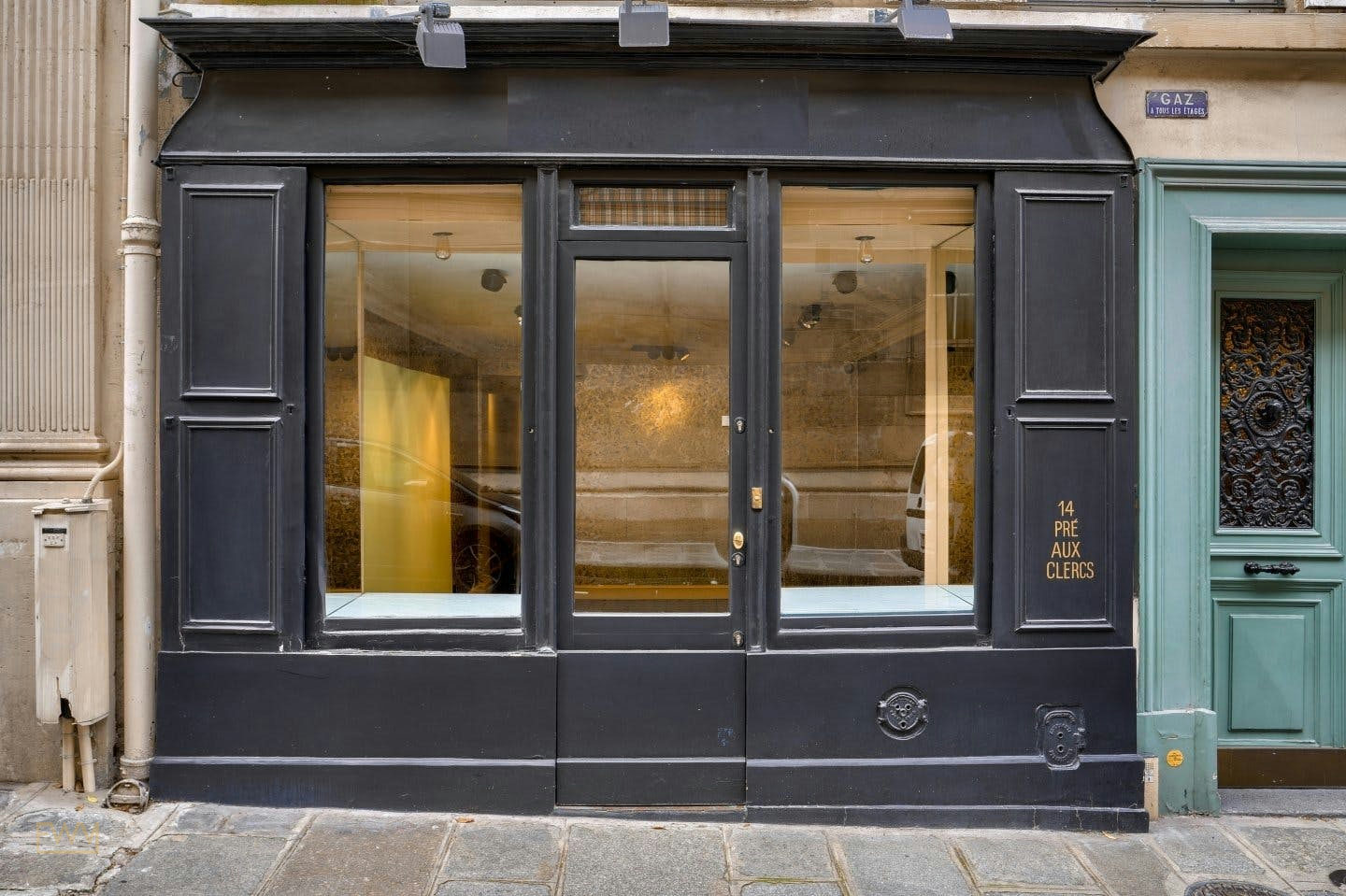
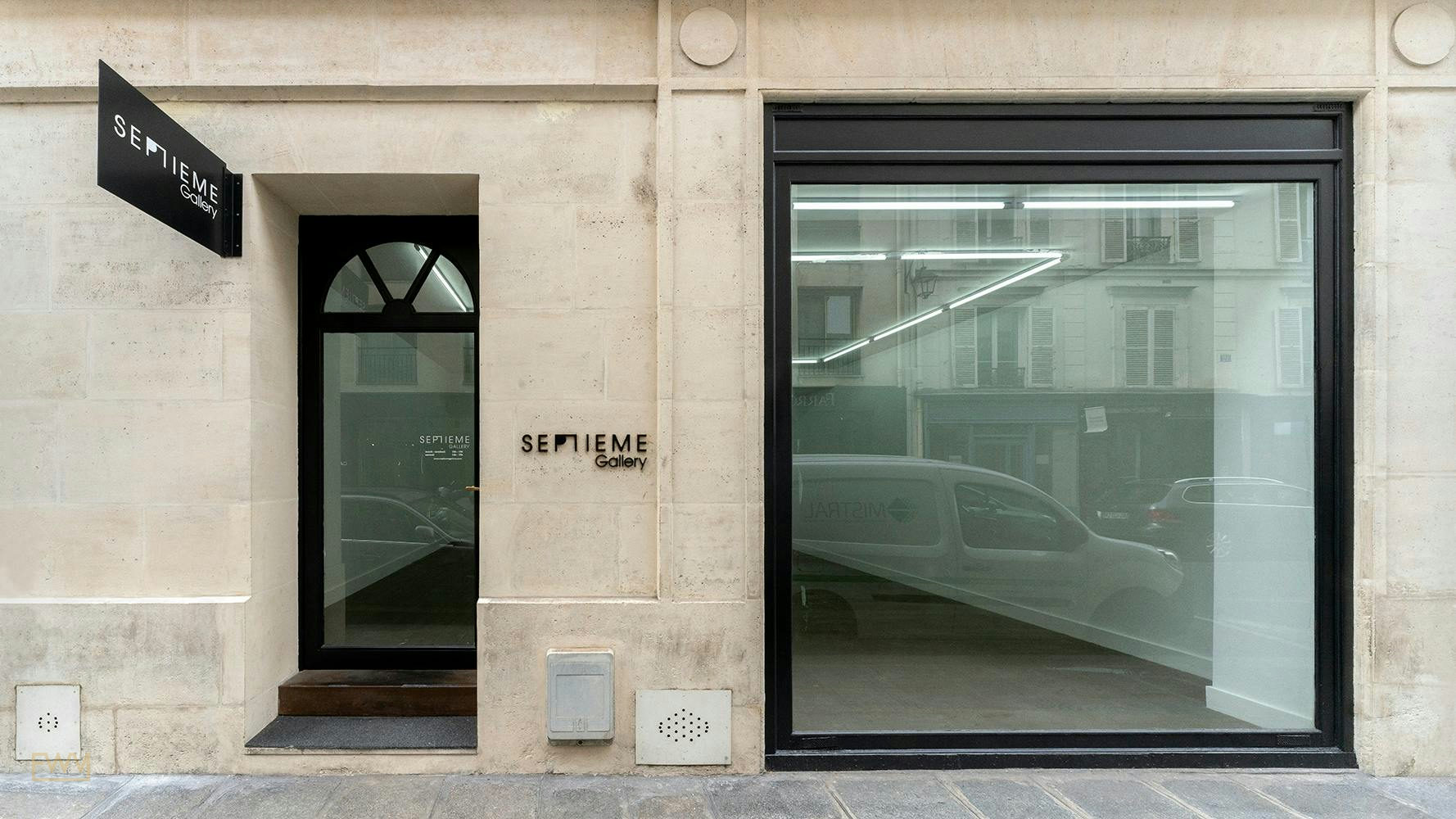
To book retail space in Paris, brands need to understand the city's distinct neighbourhood demand, lease structures, space types, and operational requirements before committing to a venue. Paris is not a single retail market. It is a collection of micro-territories, each with its own foot traffic profile, clientele, pricing range, and commercial culture. From a short-term storefront in Le Marais to a Fashion Showroom near Place Vendôme, the decisions you make at the search and booking stage shape the entire activation. Fashion Week Venues' Paris city hub brings together curated spaces, neighbourhood intelligence, and full-service support so brands can move from brief to open doors without navigating the Parisian rental market alone.
Why Brands Choose Paris for Temporary Retail and Showroom Activations
Paris remains the world's most visited city for fashion commerce, cultural exhibition, and brand storytelling. International brands, independent designers, beauty labels, and luxury houses all treat Paris as a primary market for temporary retail because the city delivers something most markets cannot replicate: concentrated, high-intent consumer foot traffic layered with press, buyers, and influencer presence across specific calendar windows.
The city's commercial property landscape is diverse. A brand can lease a raw industrial Loft in Pigalle, a polished Boutique on rue Saint-Honoré, an Apartment-style showroom in Saint-Germain-des-Prés, or a ground-floor Storefront on Rue de Rivoli. Each option serves a different brief, budget, and audience. The flexibility of the Paris rental market, particularly in the short-term and temporary retail segment, has expanded significantly, giving Brands access to spaces that were previously available only through long-standing broker relationships or permanent lease commitments.
Paris Fashion Week, held twice a year in January and February for Haute Couture, and September and October for ready-to-wear, creates the highest-demand windows for showroom rental, event spaces, and pop-up stores. However, brands that limit their Paris retail strategy to Fashion Week windows alone are missing significant commercial opportunity. The city maintains strong local foot traffic and international visitor numbers throughout the year, and commercial space demand from Independent Retailers, Designers, and corporate brands continues across all quarters.
DID YOU KNOW: Paris attracts over 30 million tourists annually, and its prime retail arrondissements including the 1st, 3rd, 4th, 6th, and 8th see some of the highest retail foot traffic concentrations of any European city.
The combination of Parisian demand, cultural prestige, press infrastructure, and the growing ecosystem of short-term and flexible rentals makes Paris a uniquely practical market for brands that want to test a physical retail concept, host a buyer showroom, launch a new collection, or run a seasonal pop-up store without committing to a permanent commercial lease.
Understanding which arrondissement serves your brief is the single most important decision in the search process. The wrong neighbourhood can mean misaligned clientele, low street visibility, poor transport links, or a mismatch between space features and brand identity. The sections that follow break down the key neighbourhoods, space types, lease structures, costs, and operational requirements in detail.
KEY TAKEAWAY: Paris offers one of the most commercially diverse short-term retail markets in the world, but location selection, lease structure, and operational planning must be addressed together before a brand commits to a space.
With location context established, the next step is understanding which Parisian neighbourhoods produce the strongest alignment with specific brand profiles and retail briefs.
Parisian Locations and Neighbourhoods: Where to Book Retail Space in Paris
Quick answer: The most sought-after locations for leasing commercial space in Paris include Le Marais, the Golden Triangle, rue Saint-Honoré, Palais-Royal, Saint-Germain-des-Prés, and the Champs-Élysées corridor. Each neighbourhood carries distinct foot traffic patterns, pricing levels, and brand associations that determine which briefs each area serves best.
Le Marais and the 3rd and 4th Arrondissements
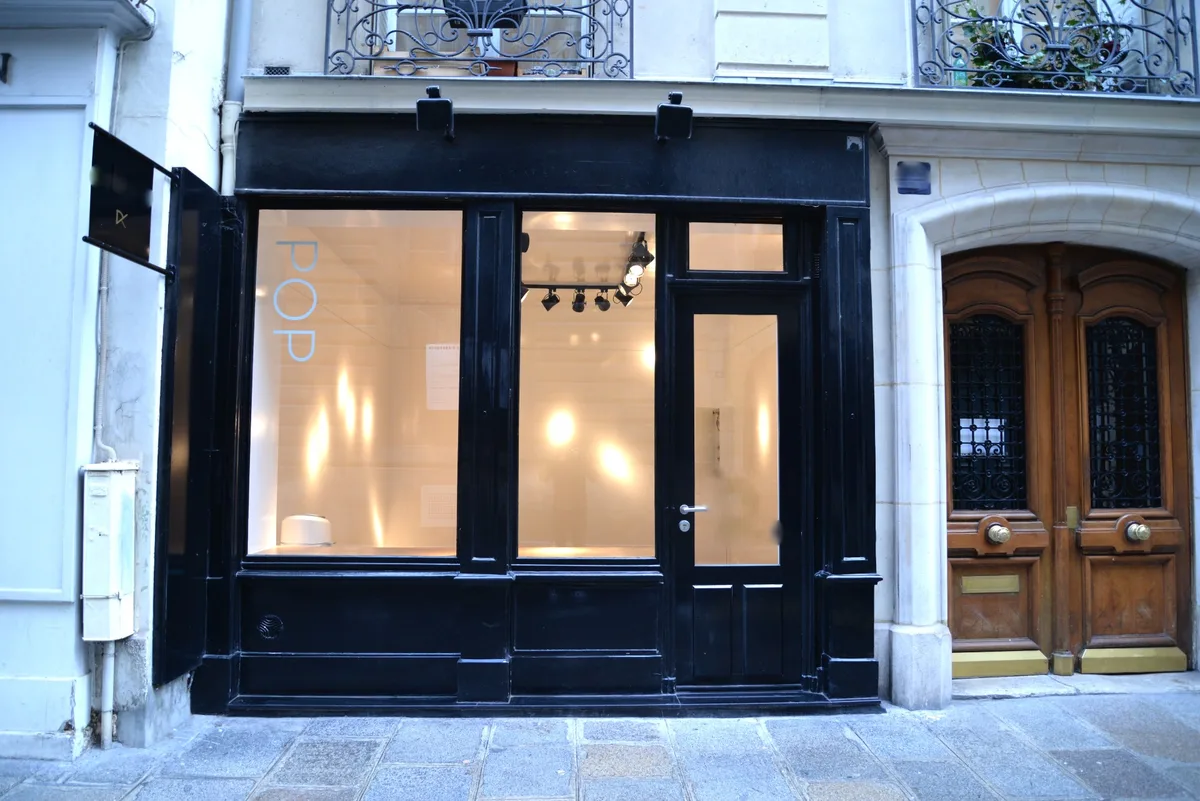
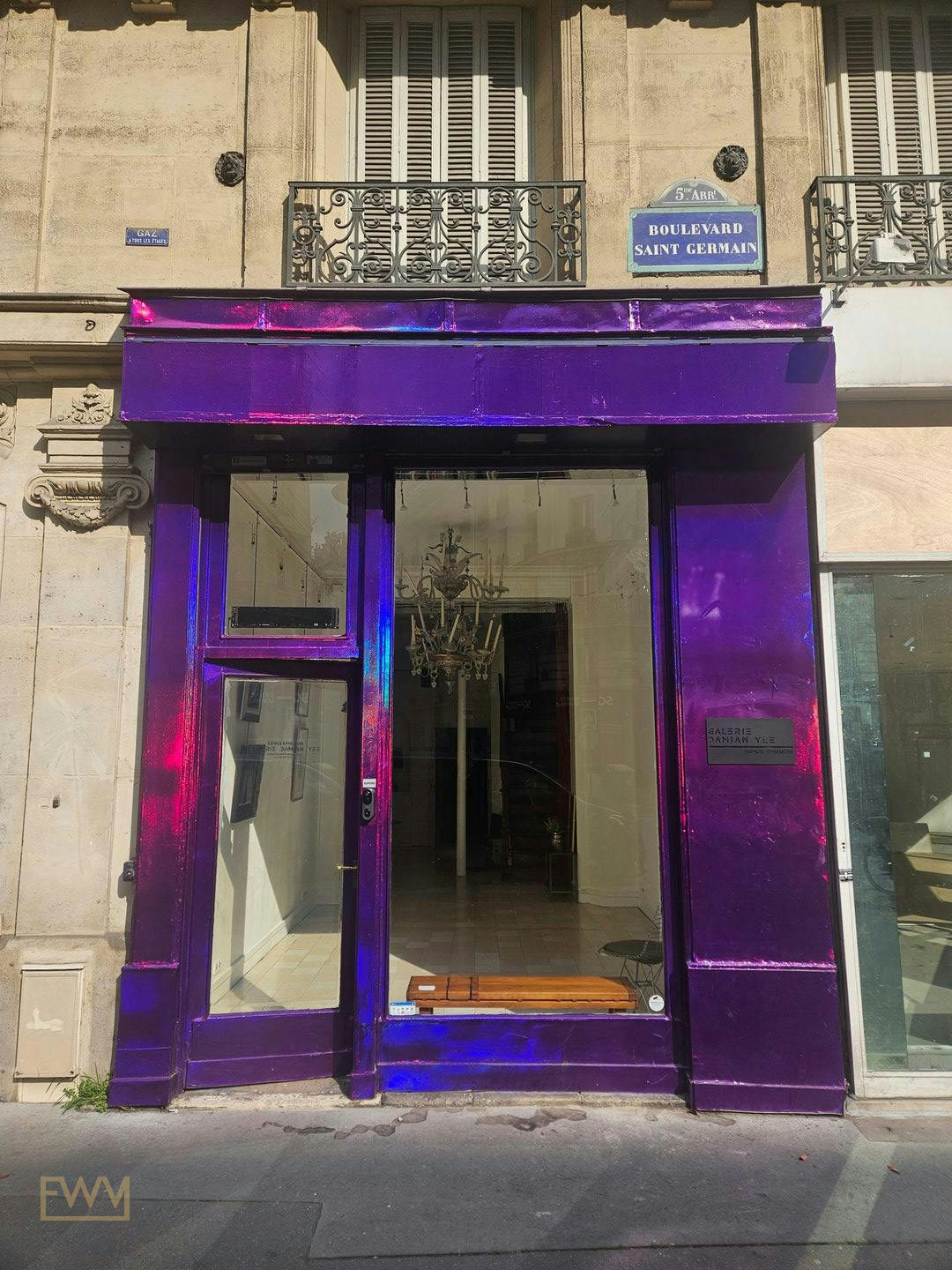
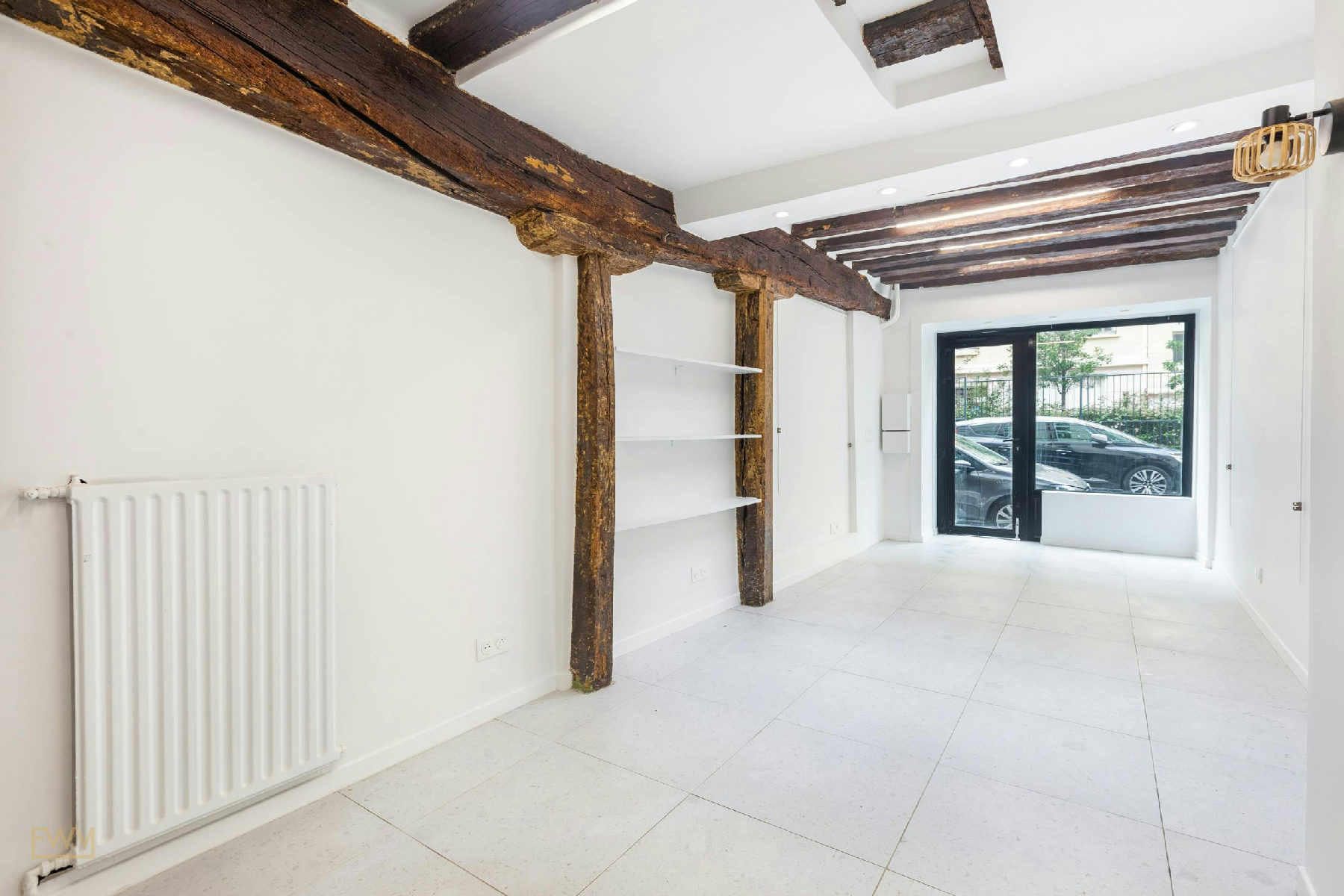
Le Marais is the most requested neighbourhood for pop-up stores, showroom rental, and temporary retail among independent designers and contemporary fashion brands. The area covers parts of the 3rd and 4th arrondissements and includes streets such as Rue des Francs-Bourgeois, which attracts a mix of local Parisian clientele and international tourists with strong purchasing intent. Le Marais offers a wide range of Space Types including converted historic Apartments, raw Lofts with exposed stone columns and exposed piping, polished boutique storefronts with Large Door Entrance access, and gallery-style spaces with Polished concrete floors or Raw concrete floors that suit fashion exhibitions and product launches.
Commercial properties in Le Marais typically include ground-floor Storefront access, good street visibility, and proximity to cultural institutions that reinforce brand positioning. The neighbourhood supports a premium clientele and is one of the few Paris districts where foot traffic remains consistently strong across weekdays and weekends. Brands in fashion, beauty, design, accessories, and contemporary art regularly choose Le Marais for short-term retail activations of between one week and three months.
Retail space in Le Marais usually includes the shell space, standard utilities infrastructure, and access arrangements confirmed in the short-term agreement. Fit-out, furniture, Spotlights, and branding are typically the tenant's responsibility unless agreed otherwise with the landlord.
The Golden Triangle and rue Saint-Honoré
The Golden Triangle, bounded by Avenue des Champs-Elysées, Avenue Montaigne, and Avenue George V, represents Paris's luxury retail apex. Rue Saint-Honoré and its continuation as rue du Faubourg-Saint-Honoré form the city's most prestigious retail corridor. Space here is limited, pricing is at the top of the market, and availability windows are short. Brands seeking placement in this area typically require advance planning of three to six months minimum.
Place Vendôme and the immediate Vendôme surrounds sit adjacent to this corridor and are particularly associated with jewellery, watches, and ultra-luxury fashion. Commercial properties here skew toward boutique and flagship formats with high specification finishes, strong signage opportunities, and access to the wealthiest concentration of retail clientele in France.
Palais-Royal and the 1st Arrondissement
The Palais Royal and wider 1st arrondissement are increasingly popular for concept-driven retail, fashion showrooms, and event spaces. The area combines institutional foot traffic from major cultural sites with proximity to the Louvre, Rue de Rivoli, and the Palais-Royal gardens. Commercial space here includes historic Storefronts, Galerie d'art-style units, and occasional Hôtel particulier formats for larger activations.
A Storefront in the 1er arrondissement is typically used for concept retail, press-facing brand launches, and curated product experiences. Temporary rental periods ranging from a few days to several weeks are available, though availability is more limited than in Le Marais. The 1st arrondissement compares favourably to other Paris retail areas in terms of prestige and press visibility, though it carries higher pricing than emerging or secondary districts.
Saint-Germain-des-Prés, Oberkampf, Pigalle, and Montmartre
Saint-Germain-des-Prés in the 6th arrondissement serves an affluent, intellectually oriented local clientele and is well-suited to fashion, beauty, publishing, and design brands seeking a more residential Parisian atmosphere. The neighbourhood offers Charming Boutique formats, Apartment-style showrooms, and gallery spaces with high natural light.
Oberkampf and Pigalle serve a younger, trend-driven demographic and are increasingly used by streetwear brands, creative studios, and Studio de photographie or Studio Photo formats. Montmartre offers character-rich spaces including converted artist studios and Espace Créatif formats with strong neighbourhood tourism traffic. Saint-Lazare benefits from exceptional transport links and proximity to major department stores including Galeries Lafayette and Printemps, making it effective for high-volume consumer activations.
KEY TAKEAWAY: The right neighbourhood is determined not by prestige alone but by alignment between the space's clientele profile, the brand's target audience, the format of the activation, and the available budget for that district's pricing band.
With neighbourhood selection understood, the next section addresses the specific types of retail and commercial space available across Paris and what each format delivers in practice.
Retail Space Types in Paris: From Storefronts to Fashion Showrooms
Quick answer: Paris commercial space falls into several distinct types including retail Storefronts, Fashion Showrooms, art galleries, Lofts, Boutiques, Apartments, Hôtel particuliers, Espace Créatif formats, Studio Photo units, and event spaces. Each type carries different spatial features, access configurations, minimum rental periods, and operational considerations.
| Space Type | Best For | Typical Features | Common Neighbourhoods |
|---|---|---|---|
| Retail Storefront | Pop-up shops, brand launches, seasonal retail | Ground floor, street visibility, Large Door Entrance | Le Marais, Palais-Royal, rue Saint-Honoré |
| Fashion Showroom | Buyer appointments, press days, trade events | Multiple rooms, natural light, fitting areas | Le Marais, Golden Triangle, Saint-Germain |
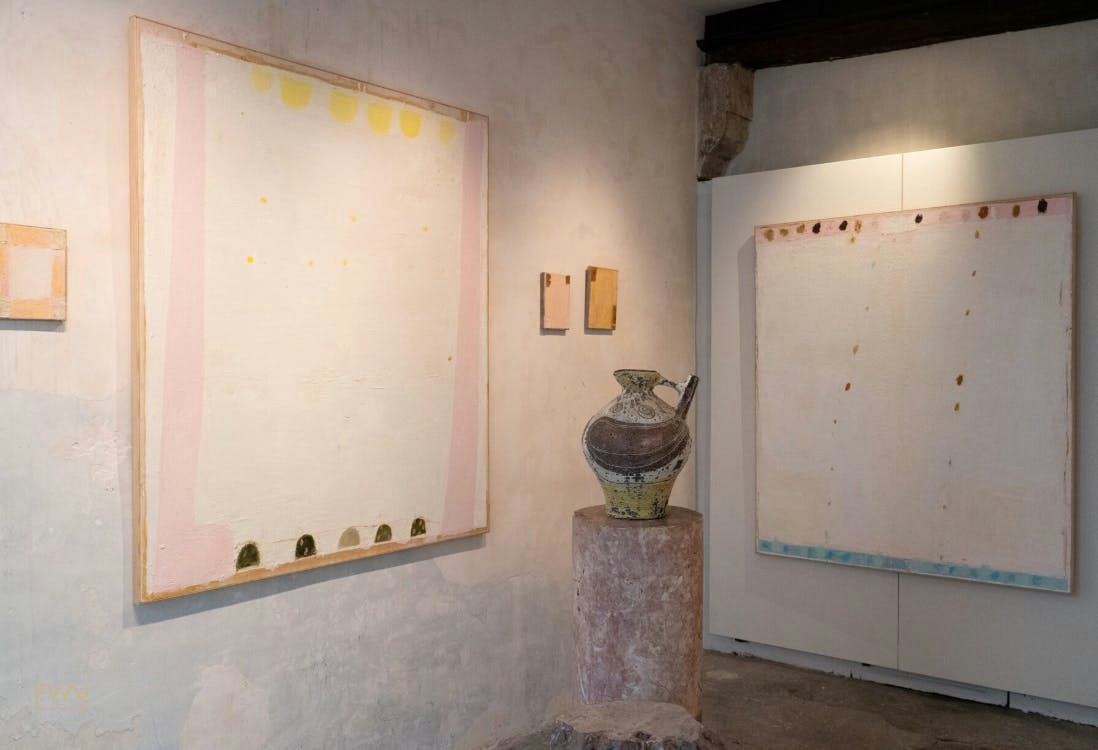
| Galerie d'art / Art Gallery | Exhibitions, launches, branded cultural events | White walls, Spotlights, open plan, high ceilings | Marais, Palais-Royal, Saint-Germain |
| Loft | Creative activations, shoots, large-format events | Open plan, exposed stone or Polished concrete floors | Pigalle, Oberkampf, Marais |
| Boutique / Charming Boutique | Intimate retail, curated brand experience | Finished interior, display infrastructure | Saint-Germain, rue Saint-Honoré, Marais |
| Apartment / Showroom Apartment | Immersive brand storytelling, lifestyle formats | Residential feel, multiple rooms, natural light | Marais, Saint-Germain, Vendôme surrounds |
| Hôtel particulier | High-end brand events, VIP experiences | Historic architecture, courtyard, multiple floors | Marais, 16th, Saint-Germain |
| Studio Photo | Content production, shoots, creative labs | Cyclorama, controlled lighting, Raw concrete floors | Pigalle, Oberkampf, Montmartre |
| Espace Créatif | Workshops, presentations, creative events | Flexible layout, exposed piping, high ceilings | Pigalle, Marais, Montmartre |
Showroom Rental in Paris: What Brands Need to Know
A showroom space in Paris is a commercial property configured for professional trade appointments, press previews, buyer meetings, and collection presentations. Unlike a retail Storefront where consumer transactions are the primary function, a Fashion Showroom prioritises controlled access, appointment scheduling, sample management, and brand presentation quality. Paris showroom rental is particularly active during Fashion Week windows, but demand for monthly and seasonal showroom agreements extends across the full calendar.
A Paris showroom is used for wholesale appointments, press days, influencer seedings, editor previews, and retail buyer meetings. It can also serve as a hybrid space combining showroom appointments with consumer-facing pop-up retail at defined times. The most effective showrooms have multiple rooms to separate product categories, a fitting area, strong natural light, and a reception zone.
Showroom rental in Paris does not typically include staff or services as standard unless arranged through a full-service provider. Brands working through Fashion Week Venues can access retail staffing support and activation management alongside the space, which simplifies the operational setup considerably.
TIP: If you are planning a showroom during Paris Fashion Week, begin your space search at least four to six months in advance. The most desirable Fashion Showroom spaces in Le Marais and the Golden Triangle are typically reserved well before the season opens.
Pop-Up Stores and Temporary Retail Formats
Pop-up stores represent the most commonly requested temporary retail format in Paris. A Pop Up Store is a short-term commercial space operated for a defined period, typically ranging from a few days to three months, with the primary purpose of generating consumer engagement, brand visibility, and direct sales. Paris pop-up stores range from small Boutique formats of under 50 square meters to large multi-room Loft activations exceeding 500 square meters.
The short term opening process for a pop-up store in Paris involves identifying a suitable property, agreeing terms with the landlord, completing the necessary legal framework (discussed in the leasing section below), fitting out the space, and opening for trade. Brands working with an experienced agency can compress this timeline significantly compared to managing the process independently.
KEY TAKEAWAY: Space type selection must align with activation purpose. A Fashion Showroom and a retail Storefront are fundamentally different formats even when housed in similar buildings, and using the wrong type undermines both the brand experience and the commercial outcome.
Leasing, Transactions, and How to Book Retail Space in Paris Legally
Quick answer: Booking retail space in Paris requires understanding the French commercial lease framework, specifically the distinction between standard commercial leases, the bail dérogatoire short-term arrangement, and the autorisation d'occupation temporaire (AOT) for public or semi-public spaces. Each structure carries different obligations, protections, and minimum duration requirements.
Understanding the Bail Dérogatoire and Short-Term Rental Structures
France's standard commercial lease, the bail commercial, provides tenants with significant statutory protections including a nine-year minimum term with renewal rights. This structure is entirely unsuitable for temporary retail, pop-up stores, or Fashion Week showroom activations. The bail dérogatoire is the legal mechanism most commonly used for short-term commercial space rental in Paris. It allows landlords and tenants to agree on a lease of up to three years without triggering the statutory protections of the standard bail commercial.
The bail dérogatoire must be agreed in writing, must specify the temporary nature of the occupation, and must not be renewed in a way that creates continuity of tenure. If a tenant remains in the space after the bail dérogatoire period without a new formal agreement, French law can treat the arrangement as a standard commercial lease, which creates significant legal risk for both parties. Brands should always verify lease structure with a qualified French legal advisor before signing.
The autorisation d'occupation temporaire, or AOT, applies to spaces on public or semi-public land, including some locations within or adjacent to government-owned buildings, public gardens, and certain market environments. AOTs are permits rather than leases and are granted by the relevant public authority. They carry their own application processes, timelines, and restrictions, particularly relating to signage, commercial activity, and permitted use.
IMPORTANT: Requirements for permits, lease structures, and commercial regulations vary by space type, duration, arrondissement, and landlord arrangement. Always verify your specific situation with a qualified French legal advisor and use the permit guidance tool as a starting reference point rather than definitive legal advice.
Insurance, Permits, and Local Regulations
Commercial tenants in Paris are generally required to hold appropriate insurance for their occupation of the space, including public liability coverage and content insurance. Landlords typically require evidence of insurance before keys are released. The specific insurance requirements depend on the activity, space type, and lease agreement terms.
Local regulations governing pop-up stores and temporary retail in Paris cover areas including permitted trading hours, signage restrictions, waste management, fire safety compliance, and accessibility requirements. These regulations vary by arrondissement and by the classification of the building or street. Brands activating in heritage buildings or conservation zones face additional restrictions on external signage and structural alterations.
Permits for specific commercial activities, including food and beverage service, alcohol licensing, amplified sound, and outdoor trading, require separate applications to the relevant Paris municipal authority. The timeline for permit approval varies and is not guaranteed. Brands should factor permit timelines into their overall project planning from the earliest stage.
Pricing, Availability, and Flexible Rentals
Commercial space pricing in Paris varies enormously by neighbourhood, space type, floor, size in square meters, available features, and duration. Short-term and flexible rentals typically carry a price premium compared to long-term commercial agreements because landlords absorb the void risk and administrative burden of frequent changeover. However, for brands that require temporary retail rather than permanent presence, this premium is commercially rational when weighed against the costs of a standard commercial lease.
Directional pricing estimates for short-term retail space in Paris range significantly depending on location and space quality. A small Boutique format in an emerging neighbourhood will carry very different costs from a flagship Storefront on rue Saint-Honoré. Brands should use the budget estimation tool to model realistic cost ranges based on their specific brief before approaching landlords or agents.
Availability in the highest-demand windows, particularly Fashion Week periods and the Christmas trading window, is limited and moves quickly. Brands that enter the search process late will encounter reduced choice and higher pricing. Flexible rentals outside peak demand windows can offer stronger value and more negotiating latitude.
| Lease Type | Typical Duration | Legal Framework | Best For |
|---|---|---|---|
| Bail commercial | 9 years minimum | Standard French commercial law | Permanent retail establishment |
| Bail dérogatoire | Up to 3 years | Dérogatoire agreement | Short-term pop-up, showroom, temporary retail |
| Autorisation d'occupation temporaire (AOT) | Days to months | Public authority permission | Public land, market environments, semi-public venues |
| Licence d'exploitation | Variable | Operator-specific agreement | Concessions within managed venues or galleries |
KEY TAKEAWAY: The legal framework for booking retail space in Paris is more complex than in many other markets. Using a bail dérogatoire correctly protects both parties and ensures the short-term nature of the occupation is legally enforceable. Always take qualified legal advice before signing.
With the legal and pricing framework understood, the following section addresses how to evaluate specific spaces and manage the search, viewings, and booking process effectively.
The Search and Booking Process: How to Find and Book Retail Space in Paris
Quick answer: Finding and booking retail space in Paris involves defining a clear brief covering neighbourhood, space type, size, duration, budget, and operational requirements, then using a combination of marketplace search, broker relationships, and agency support to identify, evaluate, and secure a suitable property within the required timeline.
Defining Your Search Criteria Before You Start
A productive space search in Paris begins with a documented brief rather than an open-ended browse. Brands that enter the market without defined criteria waste significant time on spaces that do not serve their brief, and risk making reactive decisions under time pressure when their preferred window approaches. The brief should specify the target arrondissement or list of acceptable neighbourhoods, the required Space Type and Space Features, minimum and maximum size in square meters, available budget range, required dates and duration, access requirements including Floor/Access configuration and Large Door Entrance needs if relevant, and any specific features such as Polished concrete floors, Spotlights, Ground floor backyard access, Exposed stone, or Raw concrete floors.
Brands activating during Fashion Week or other peak calendar windows should also confirm whether the space requires specific permits for their planned activity, and whether the landlord permits the planned commercial use and signage approach.
Using Marketplace Platforms and Agency Support
The Paris commercial real estate market operates through several channels. Established commercial property platforms including LoopNet and CoStar list longer-term commercial properties and are primarily used by broker professionals and investment-oriented buyers. These platforms are not well-suited to short-term, temporary retail, or pop-up store searches and do not typically carry the curated, brand-appropriate spaces that fashion and lifestyle activations require.
Specialist pop-up and short-term retail marketplaces provide better access to the type of spaces fashion brands actually need, with Listings that include photography, feature descriptions, availability calendars, and direct booking or enquiry functions. The Fashion Week Venues space marketplace is built specifically for brands seeking curated short-term retail, showroom, and event spaces in Paris and other fashion capitals.
Viewings are an essential part of the process. Even with strong Listings photography and detailed feature descriptions, a physical viewing reveals critical operational details including actual access dimensions, natural light quality at different times of day, acoustic conditions, neighbouring businesses, and the practical usability of the space for the planned activation. Brands should conduct viewings with a checklist that covers all mandatory Space Features and any deal-breaking requirements.
Working with Landlords and Managing Transactions
Landlords of premium short-term retail space in Paris range from private individuals letting a single boutique property to institutional property managers with portfolios of commercial spaces across multiple arrondissements. Understanding landlord expectations is important for smooth transactions. Most landlords of short-term commercial properties in Paris require proof of identity, evidence of business registration, a clear description of the planned commercial activity, and insurance documentation before completing the booking.
Transactions for short-term retail space in Paris typically involve a deposit, a signed agreement specifying the lease type, dates, permitted use, and exit conditions, and a clear reinstatement obligation at the end of the licence period. Brands should ensure the agreement specifies what the space will and will not include, who is responsible for utilities during the occupation, and what happens if access is delayed or the space is not delivered in the described condition.
TIP: Request a full inventory of existing fixtures, fittings, and any items remaining in the space at the start of your occupation. Document the condition of the space with photographs at both entry and exit. This protects your deposit and avoids disputes with landlords.
| Stage | Action Required | Typical Timeline Before Opening |
|---|---|---|
| Brief definition | Document space type, neighbourhood, budget, dates, features | 12 to 16 weeks before opening |
| Market search | Use marketplace, agency, or broker to identify candidates | 10 to 14 weeks before opening |
| Viewings | Visit shortlisted properties in person or via video | 8 to 12 weeks before opening |
| Legal review | Confirm lease structure and terms with French legal advisor | 6 to 10 weeks before opening |
| Permit applications | Submit any required commercial or activity permits | 6 to 8 weeks before opening |
| Agreement and deposit | Sign lease, pay deposit, confirm insurance | 4 to 8 weeks before opening |
| Fit-out and build | Complete installation, branding, and merchandising | 1 to 3 weeks before opening |
| Opening | Staff briefing, final checks, launch | Day zero |
KEY TAKEAWAY: A structured search and booking process with adequate lead time protects brands from poor space decisions made under pressure and ensures the legal, operational, and design elements of the activation are properly coordinated.
Space Design, Features, and Fit-Out for Paris Pop-Up Stores and Showrooms
Quick answer: The design and physical features of a Paris retail space directly affect the brand experience, sales performance, and social media visibility of an activation. Key features including natural light, ceiling height, floor finish, access configuration, and architectural character should be evaluated against the activation concept before any space is selected.
Evaluating Space Features for Your Activation Concept
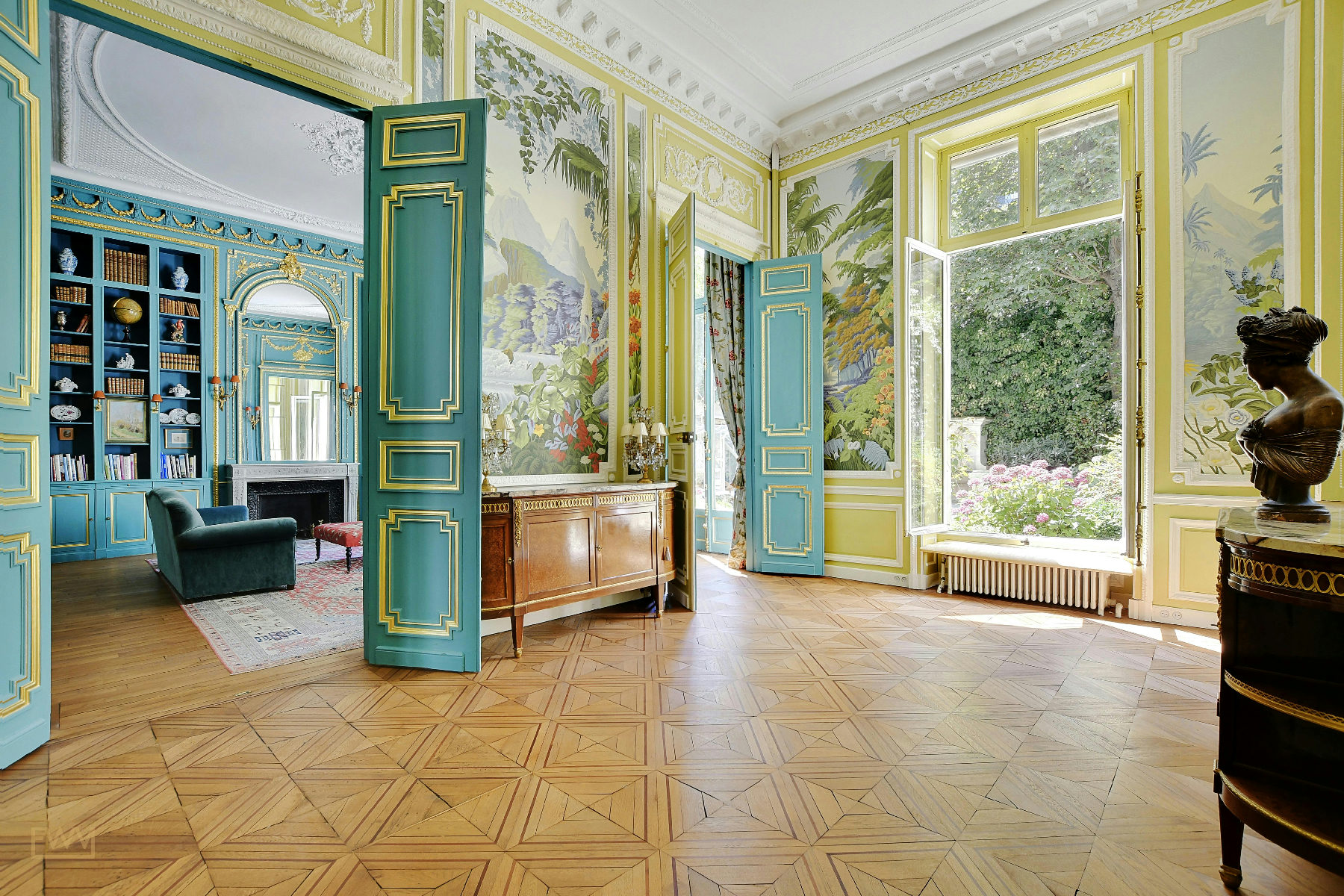
Paris commercial spaces vary enormously in their physical character. Historic Haussmann-era buildings offer parquet floors, ornate plasterwork, and high ceilings that suit heritage and luxury fashion brands. Converted industrial spaces in areas like Pigalle and Oberkampf offer Exposed piping, Raw concrete floors, Exposed stone, and high-volume floor plates that suit contemporary, streetwear, and experiential brands. Gallery-style spaces with Polished concrete floors, white walls, and Spotlights serve both art-adjacent fashion brands and those wanting a clean, minimal canvas.
Floor and access configuration matters practically as well as aesthetically. A space on an upper floor without lift access limits the ability to receive large delivery volumes and may exclude certain customer demographics. Ground floor access with a Large Door Entrance allows for larger installation elements, easier merchandise delivery, and better street visibility from passing foot traffic. A Ground floor backyard can provide additional operational space for storage, service, or outdoor activation elements.
Exposed stone columns and Exposed stone walls are architecturally distinctive features that photograph exceptionally well and contribute to the kind of social media visibility that amplifies a brand activation beyond its physical audience. However, these features also limit the placement of standard retail fixtures and require a design approach that works with the existing architecture rather than against it.
Concept Direction and Branded Store Design in Paris
A Paris retail activation without a clear design concept is a missed opportunity. The physical environment of the space should reinforce the brand story, guide customer movement through the experience, and create the moments that press, influencers, and consumers want to photograph and share. Concept and creative direction for a Paris pop-up involves translating the brand brief into a spatial narrative that considers display architecture, lighting design, material palette, customer journey, and the integration of any digital or interactive elements.
The design phase must also address the practical constraints of the specific space, including structural features that cannot be altered, landlord restrictions on fixings and decoration, permit limitations on signage, and the reinstatement requirements at the end of the lease. A well-executed concept works within these constraints rather than fighting them, and often uses them as creative assets.
Furniture rental is a practical consideration for brands that do not want to purchase and transport retail furniture to Paris for a short-term activation. High-quality furniture rental for pop-up stores and showrooms is available through specialist providers and can be integrated into the fit-out budget as an alternative to purchased pieces.
The Imagine space visualisation tool allows brands to explore how a space might look with different design configurations before committing to a fit-out approach, reducing the risk of expensive design decisions made without adequate spatial reference.
KEY TAKEAWAY: Space features are not just aesthetic preferences. They determine what is possible from a design, logistics, and operational standpoint and should be evaluated systematically against the activation concept during the search phase.
Business, Marketing, and Customer Experience Strategy for Paris Retail Activations
A Paris retail space is only as effective as the strategy behind it. Foot traffic, clientele, visibility, and customer experience are not automatic outputs of being in the right neighbourhood. They are the product of deliberate planning across marketing, staffing, operations, and brand communication.
Foot Traffic, Clientele, and Neighbourhood Demand
Parisian demand for retail experiences varies significantly by neighbourhood, day of week, season, and calendar event. Le Marais generates strong weekend foot traffic from both local and tourist demographics throughout the year. The Golden Triangle and rue Saint-Honoré see high weekday traffic from luxury consumers and concentrated visitor numbers during Fashion Week and the Christmas period. Saint-Germain-des-Prés delivers a steady, affluent local audience with strong weekday afternoon footfall. Galeries Lafayette and Printemps near Saint-Lazare attract mass-market and aspirational consumer traffic with very high daily volume.
Local foot traffic and neighbourhood demand intelligence should inform both space selection and the opening hours strategy for any activation. A brand that opens during hours misaligned with peak foot traffic in their chosen neighbourhood will consistently underperform against its potential. Transport links also matter. Spaces within easy walking distance of major Metro stations see meaningfully higher casual discovery traffic than those requiring deliberate navigation.
Influencer Marketing, Exhibitions, and Social Media Visibility
Paris retains exceptional influence as a media and content environment. Influencer marketing activity during Fashion Week is among the most concentrated in any global city, but influencer engagement for Paris activations is commercially valuable throughout the year. A well-designed pop-up store or showroom with strong architectural character and a clear brand narrative generates organic social media content from visitors, press, and local partners that extends the reach of the activation far beyond its physical attendance.
Brands planning exhibitions or launch events within their Paris retail space should consider the media and social amplification potential of the design from the outset. Spaces with distinctive features including Exposed stone, Polished concrete floors, Spotlights, and strong natural light tend to photograph more effectively and generate higher-quality social content than generic commercial interiors.
Fashion Week Venues supports brands with influencer marketing services as part of the full-service activation approach, helping to connect brands with relevant Parisian and international influencer communities for their specific product category and target audience.
Retail Staffing and Customer Experience in Paris
Staffing a Paris retail activation requires consideration of language, product knowledge, sales culture, and the specific demands of a temporary retail environment. French-language experience is important for consumer-facing roles given that a significant proportion of foot traffic in most Paris neighbourhoods will be French-speaking. International brands often supplement French-speaking staff with multilingual team members to serve the high volume of English, Mandarin, Japanese, Korean, and Arabic-speaking visitors in premium retail districts.
Customer experience in a Paris pop-up store is shaped by staff quality, space design, product presentation, and the overall coherence of the brand environment. A luxury or contemporary fashion brand that delivers a consistent, high-quality experience across all these dimensions generates both direct revenue and lasting brand association that continues beyond the physical activation period.
To compare neighbourhoods and space types for your upcoming activation, explore the Paris city hub on Fashion Week Venues and shortlist spaces that match your brief, budget, and calendar window.
KEY TAKEAWAY: The commercial return from a Paris retail activation is shaped by strategic decisions made before doors open, including neighbourhood selection, staffing, design, and marketing planning. The space itself is the platform, not the solution.
How Fashion Week Venues Helps Brands Book Retail Space in Paris
Fashion Week Venues operates as a full-service pop-up shop agency and space marketplace with Paris as its primary market. The platform and agency model is designed specifically to address the complexity that brands encounter when trying to book retail space in Paris without established local relationships, French-language experience, or knowledge of the city's commercial property market and regulatory environment.
What Fashion Week Venues Provides
The agency offers end-to-end support across venue sourcing, concept direction, production and build, activation management, branded store design, furniture rental, retail staffing, POS and payments, data and analytics, and influencer marketing. Brands can engage Fashion Week Venues for the full service or for specific components that address the gaps in their own capability.
The venue sourcing service covers the identification, evaluation, and negotiation of appropriate commercial spaces across Paris, drawing on established landlord relationships and market knowledge that individual brands would typically take months to develop independently. The production and build service covers the physical fit-out of the space, including installation, furniture, lighting, and reinstatement at the end of the lease.
The marketplace provides brands with a curated inventory of available spaces across Paris and other fashion capitals, with filtering by Space Type, neighbourhood, size, features, and availability window. This significantly reduces the time required to identify viable candidates compared to unstructured market search.
Tools for Planning, Budgeting, and Decision-Making
Fashion Week Venues offers a suite of planning tools that support brands at every stage of the decision process. The ROI calculation tool helps brands model the expected commercial return from an activation against the total cost. The timeline planning tool helps teams map all activation milestones against a target opening date. The space comparison tool allows side-by-side evaluation of shortlisted properties. The locator tool helps brands identify spaces by proximity to key neighbourhood anchors, transport links, or competitor brands.
The Twin concept supports brands that want to co-activate with a complementary brand in a shared Paris space, splitting occupancy costs while extending combined reach and clientele. This format is particularly effective for brands with aligned but non-competing target audiences who want to share a premium location that would otherwise be beyond individual budget reach.
Who Benefits Most from Fashion Week Venues
International brands entering Paris for the first time benefit significantly from the agency's local knowledge, landlord relationships, and regulatory navigation support. Independent Designers and emerging labels that do not have the internal resource to manage a full Paris activation independently can access the same quality of space and production as established brands through the agency's managed service. Established brand teams that have activated in Paris before but want to improve efficiency, reduce risk, or access new space inventory also benefit from the platform's curated marketplace and planning tools.
Fashion Week Venues does not guarantee specific spaces, permit approvals, or activation outcomes. The agency provides the support framework, market knowledge, and execution capability that significantly improves the probability of a successful activation, but results depend on factors including brand readiness, budget adequacy, timeline lead time, and the competitive demand for specific spaces in the chosen window.
Brands considering agency support for their Paris activation can review the agency selection guide for a structured framework on evaluating which type of agency partner best suits their brief, budget, and operating model.
KEY TAKEAWAY: Fashion Week Venues reduces the time, risk, and complexity of booking retail space in Paris by combining a curated space marketplace with full-service agency capability and practical planning tools designed specifically for brand activations.
Common Myths About Booking Retail Space in Paris Debunked
MYTH: You need a French legal entity to rent commercial space in Paris as a foreign brand.
FACT: Many landlords of short-term commercial properties in Paris will agree terms with an international business entity, particularly under a bail dérogatoire arrangement. Requirements vary by landlord, space type, and lease structure. Some landlords do request a French guarantor or require the tenant to have a French registered entity, but this is not universal. Working with a local agency or legal advisor helps navigate these requirements case by case.
MYTH: Paris Fashion Week is the only viable calendar window for a brand activation in Paris.
FACT: Paris Fashion Week generates exceptional press and buyer concentration, but the city maintains strong retail foot traffic, international visitor numbers, and commercial opportunity throughout the year. Christmas, the summer tourist peak, trade fair periods, and key local cultural moments all create commercially viable activation windows. Brands that activate outside Fashion Week often find better space availability, more competitive pricing, and less operational competition for press and consumer attention.
MYTH: The only way to find a short-term retail space in Paris is through a commission broker.
FACT: The Paris short-term retail market has evolved significantly. Specialist marketplaces, full-service agencies, and curated platform models now provide brands with direct access to verified commercial properties without requiring a traditional broker relationship. These platforms often offer more relevant space inventory for pop-up and temporary retail briefs than standard commercial real estate brokers whose inventory skews toward long-term leases.
MYTH: Short-term leases in Paris are legally straightforward and require minimal paperwork.
FACT: The bail dérogatoire is a specific legal instrument with defined requirements. Using it incorrectly, or failing to structure the agreement properly, can result in the short-term lease being treated as a standard nine-year bail commercial, which carries very different legal obligations for both landlord and tenant. Permit requirements, insurance obligations, and permitted use restrictions add further complexity. Expert legal review before signing any commercial agreement in France is strongly recommended.
MYTH: Any commercial space in Paris can be used for any type of retail activity without additional permits.
FACT: Permitted use is typically defined in the lease agreement and must align with the planning classification of the property. Using a space for a different commercial purpose than its classification permits, or conducting activities that require separate permits such as food service or amplified music without obtaining them, can result in the activation being shut down and the deposit being forfeited. Always confirm permitted use and any additional permit requirements before signing.
Frequently Asked Questions About Booking Retail Space in Paris
What does retail space in Le Marais usually include?
Retail space in Le Marais typically includes the shell commercial unit with standard utility connections, access to the street frontage, and in many cases basic lighting infrastructure. Features vary significantly between properties. Some Storefronts include fitted display infrastructure or existing retail fixtures, while others are delivered as bare shells requiring full fit-out. Space features such as Exposed stone, Polished concrete floors, Spotlights, and Large Door Entrance access are common in Le Marais properties but not universal. Always request a full feature description and photographs before viewing, and confirm with the landlord exactly what is included in the rental agreement.
Can I rent a storefront in Le Marais short term?
Yes, short-term storefront rental in Le Marais is available and represents one of the most active segments of the Paris temporary retail market. Minimum rental periods vary by property and landlord but can be as short as one week for some spaces, with monthly and seasonal options also available. Short-term agreements in Le Marais are typically structured as bail dérogatoire arrangements. Availability is competitive particularly around Fashion Week windows, so brands should begin the search process at least eight to twelve weeks before their intended opening date to secure suitable options.
Who typically rents commercial property in Le Marais?
Commercial property in Le Marais is rented by a diverse mix of tenants including contemporary fashion brands, accessories and jewellery designers, beauty and wellness brands, art galleries, independent retailers, international brands entering the Paris market, and lifestyle concept stores. The neighbourhood's combination of local Parisian clientele and high international tourist traffic makes it particularly attractive for brands targeting a premium, culturally engaged consumer audience. Fashion Week showroom operators and production companies also use Le Marais spaces during peak calendar windows.
How expensive is retail space in Le Marais?
Pricing for short-term retail space in Le Marais varies based on size in square meters, location within the neighbourhood, space features, and duration. Prime street locations such as Rue des Francs-Bourgeois and immediate surrounds carry higher pricing than secondary streets. Short-term rental pricing typically includes a premium compared to long-term commercial rates to account for the flexible arrangement and frequent changeover. Directional budget modelling for your specific brief, duration, and required space size should be done using the Fashion Week Venues budget estimation tool rather than relying on broad market averages.
Is Le Marais suitable for flexible retail strategies?
Le Marais is one of the most suitable Paris neighbourhoods for flexible retail strategies. The area has a well-established ecosystem of short-term and temporary retail occupiers, landlords experienced in short-term commercial agreements, and a consumer base accustomed to discovering new and temporary brand activations. The neighbourhood's mix of gallery spaces, boutique storefronts, and Loft formats supports a wide range of flexible retail formats from weekly pop-up stores to seasonal showrooms and multi-month brand residencies.
What is a Storefront in the 1er arrondissement typically used for?
A Storefront in Paris's 1st arrondissement is typically used for concept retail activations, press-facing brand launches, curated product experiences, and temporary fashion or beauty retail. The area's proximity to the Louvre, Palais-Royal, and Rue de Rivoli gives it strong tourist foot traffic and cultural cachet. It is also used for showroom appointments and trade events, particularly those aimed at an international press and buyer audience during Fashion Week. The 1st arrondissement suits brands that want strong institutional and cultural association alongside retail performance.
How long can you rent a storefront in the 1st arrondissement of Paris?
Short-term rental durations for storefronts in the 1st arrondissement typically range from a minimum of one to two weeks up to three months under a bail dérogatoire arrangement. Some properties offer daily rental for specific event uses, though these are less common for standard retail activations. Longer durations of up to three years are possible under extended bail dérogatoire terms. Brands with requirements beyond three months should explore whether a standard commercial lease structure is appropriate and seek legal advice on the implications before proceeding.
How do I find a showroom space in Paris?
Finding a showroom space in Paris requires a targeted search approach. Specialist short-term retail marketplaces provide the most relevant inventory for Fashion Showroom briefs. Agency introductions through providers with established landlord relationships can surface exclusive or off-market spaces not listed publicly. The search process should begin with a documented brief specifying neighbourhood, required size, must-have Space Features, available budget, and target dates. Paris Fashion Week showroom inventory in premium locations is limited, and late searches in the two to four weeks before the season opens will encounter very restricted availability and elevated pricing.
Are Paris showrooms suitable for fashion brands outside Fashion Week?
Paris showrooms are commercially useful for fashion brands throughout the calendar year, not only during Fashion Week. Showroom rental for pre-season appointments, standalone press days, private sales, and brand presentation events operates across all four quarters. Brands that maintain a showroom presence in Paris between Fashion Week seasons build stronger relationships with Paris-based press, stylists, and buyers than those who appear only during the concentrated Fashion Week window. Off-peak showroom rental also offers more choice and more competitive pricing than peak-season booking.
What are the most sought-after locations for leasing commercial space in Paris?
The most consistently sought-after locations for leasing commercial space in Paris are Le Marais, the Golden Triangle including Avenue des Champs-Elysées and Avenue Montaigne, rue Saint-Honoré, Palais-Royal, and Saint-Germain-des-Prés. Each serves a different brand profile and pricing band. Le Marais offers the broadest range of space types and the most flexible short-term market. The Golden Triangle and rue Saint-Honoré are the most prestigious and most expensive. Palais-Royal balances prestige with relative accessibility. Saint-Germain-des-Prés suits brands targeting an affluent local Parisian clientele.
Do I need a French legal entity to book retail space in Paris?
Not necessarily. Many landlords of short-term commercial properties in Paris will work with international entities under a bail dérogatoire arrangement. However, individual landlords have different requirements and some do request French business registration or a local guarantor. Working with a local agency or legal advisor who can navigate landlord expectations on your behalf significantly simplifies this aspect of the process. Requirements should always be confirmed in advance of signing any agreement, and brands should seek qualified French legal advice to understand the full implications of their specific structure.
What permits are required to operate a pop-up store in Paris?
The permits required to operate a pop-up store in Paris depend on the commercial activity, space type, and arrondissement. Standard retail activity in a properly classified commercial space generally does not require additional permits beyond the standard lease framework and business registration. However, activities including food and beverage service, alcohol sales, amplified sound, outdoor trading, and certain types of signage require separate permit applications to the relevant Paris municipal authority. The permit guidance tool provides a starting reference, but specific permit requirements should always be verified with a qualified French legal advisor and the relevant local authority.
What is the difference between a pop-up store and a showroom in Paris?
A pop-up store is a temporary retail space focused on direct consumer sales, brand experience, and product discovery. It is open to the general public, generates transactional revenue, and is typically located to maximise consumer foot traffic. A showroom is a professional trade and press facility where appointments are managed and products are presented to buyers, editors, stylists, and brand partners rather than the general public. The two formats can be combined in a single space by operating different areas or different opening hours for each function, but the spatial and operational requirements differ enough that they are typically treated as distinct activation types.
How far in advance should I start looking for retail space in Paris?
For Paris Fashion Week activations, beginning the space search four to six months in advance is strongly recommended for access to the best inventory and most competitive pricing. For non-peak window activations, eight to twelve weeks of lead time is typically sufficient for most space types and neighbourhoods. Brands with very specific requirements including minimum size, particular Space Features, or prime location within a high-demand district should allow additional lead time. Late searches result in restricted availability, reduced negotiating leverage with landlords, and compressed timelines for fit-out and permits.
Can I find affordable commercial space in Paris for a short-term retail activation?
Affordable commercial space for short-term retail activations in Paris is available, particularly in neighbourhoods outside the premium tier such as Oberkampf, Pigalle, Montmartre, and parts of the 10th and 11th arrondissements. These areas offer strong local foot traffic, interesting architectural character, and a creative brand environment at lower pricing than Le Marais or the Golden Triangle. What constitutes affordable depends on the brand's overall activation budget and expected return. The budget estimation tool and ROI calculator on Fashion Week Venues help brands model what is financially viable for their specific brief before committing to a location and space type.
Conclusion: Moving from Research to Action When You Book Retail Space in Paris
Booking retail space in Paris is a multi-dimensional decision that requires clarity on neighbourhood, space type, legal structure, budget, design, staffing, and marketing strategy before a brand commits to a property. The city's commercial real estate market is sophisticated, its regulatory environment requires expert navigation, and the window of opportunity in peak demand periods is narrow. Brands that approach the process with a documented brief, adequate lead time, and the right local support are significantly better positioned to secure spaces that serve their activation goals than those who enter the market reactively.
Paris remains the world's most commercially important city for fashion, luxury, design, and brand culture. Whether you are booking a Fashion Showroom in Le Marais for Fashion Week, a pop-up store on rue Saint-Honoré for the Christmas trading window, or a gallery-style Loft in Pigalle for an experiential brand launch, the principles of successful space selection and activation management are consistent: define the brief clearly, search systematically, verify the legal framework, plan the design and operations in parallel, and execute with adequate lead time.
To move from research to activation, start exploring available spaces on the Fashion Week Venues marketplace and build a focused brief for your target neighbourhood, space type, and calendar window. The platform's curated inventory, planning tools, and full-service agency capability are built to support brands at every stage of the Paris retail activation process, from first search to final reinstatement.