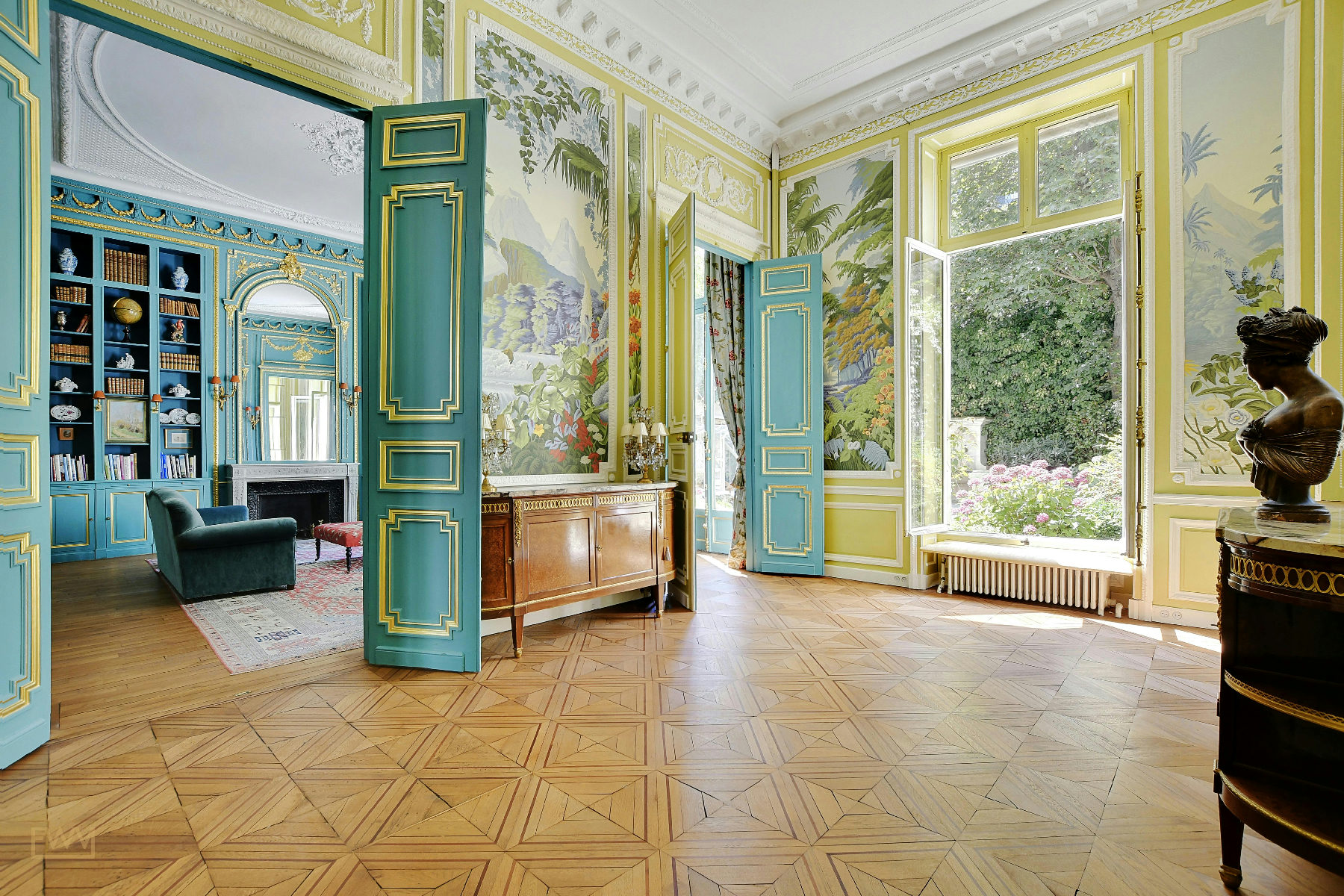
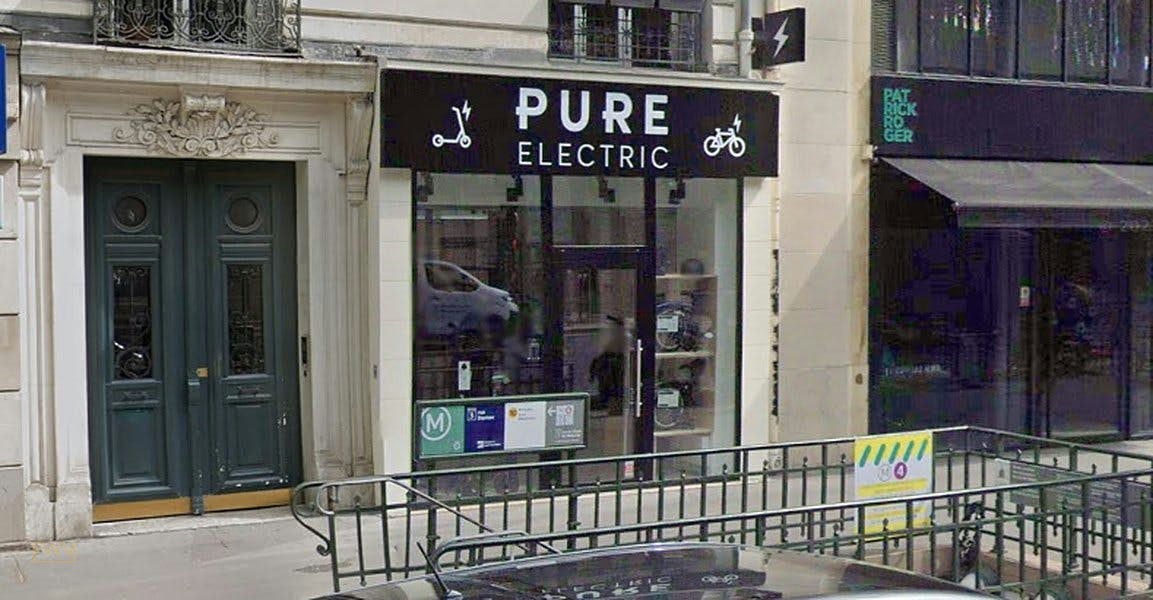
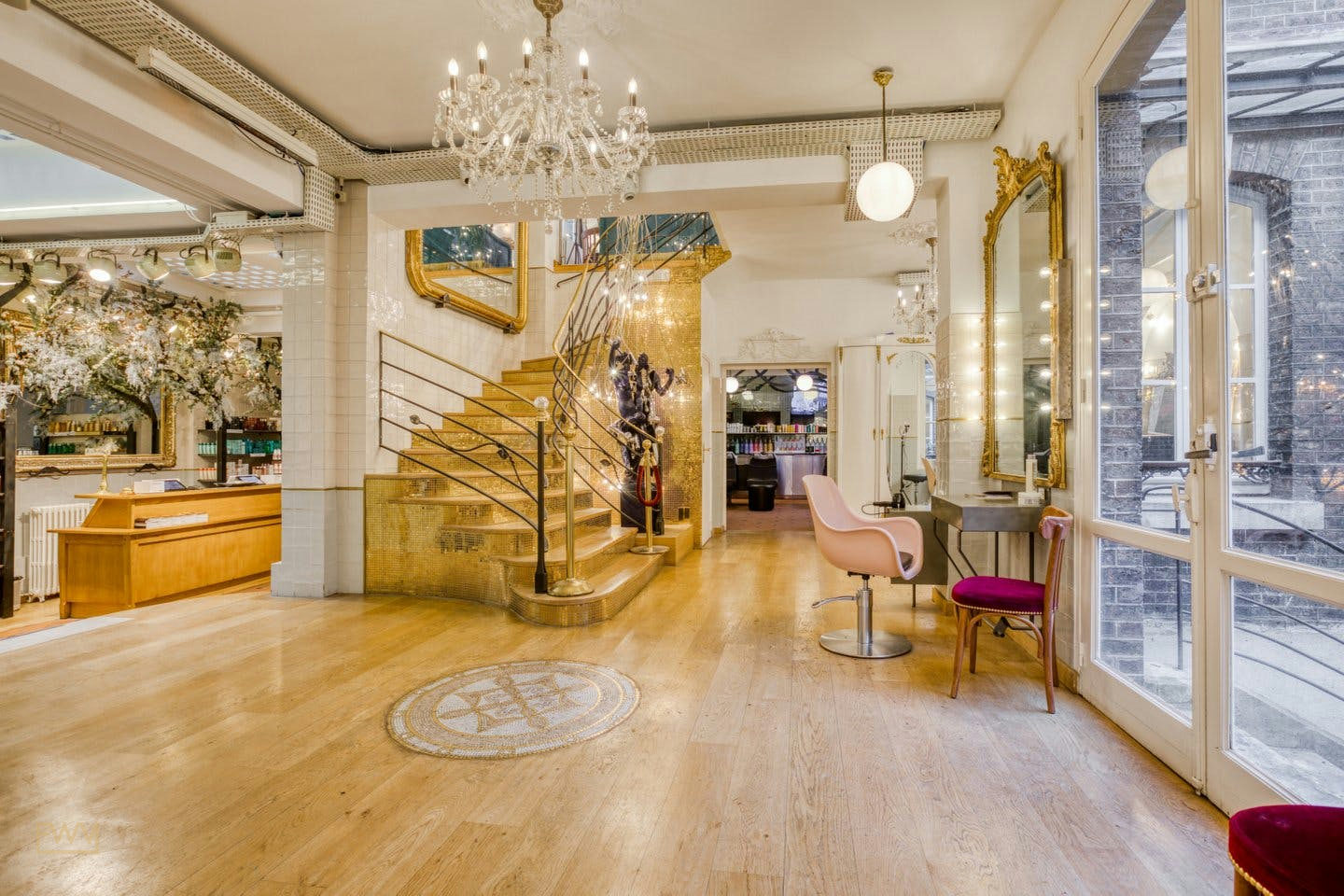
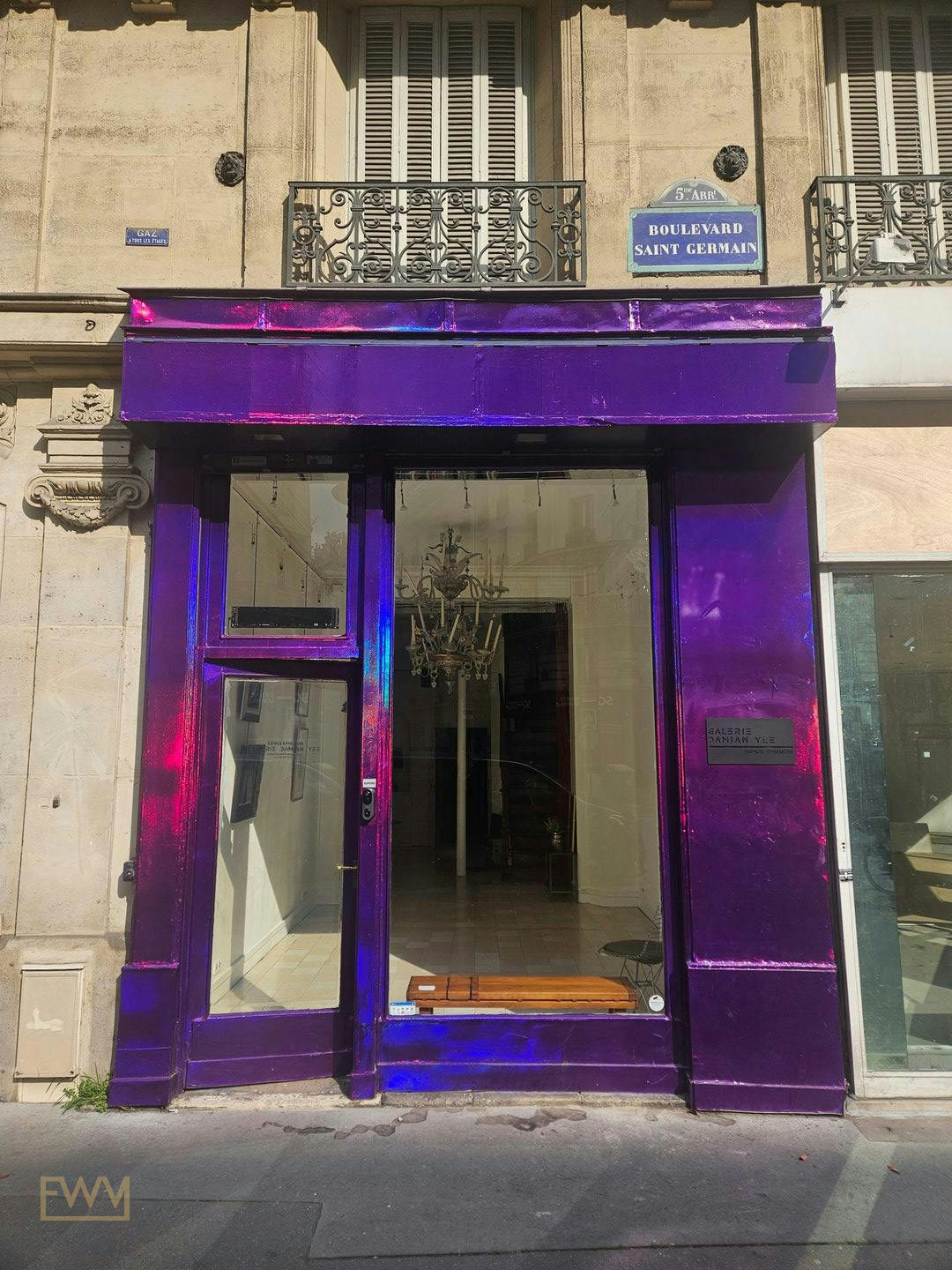
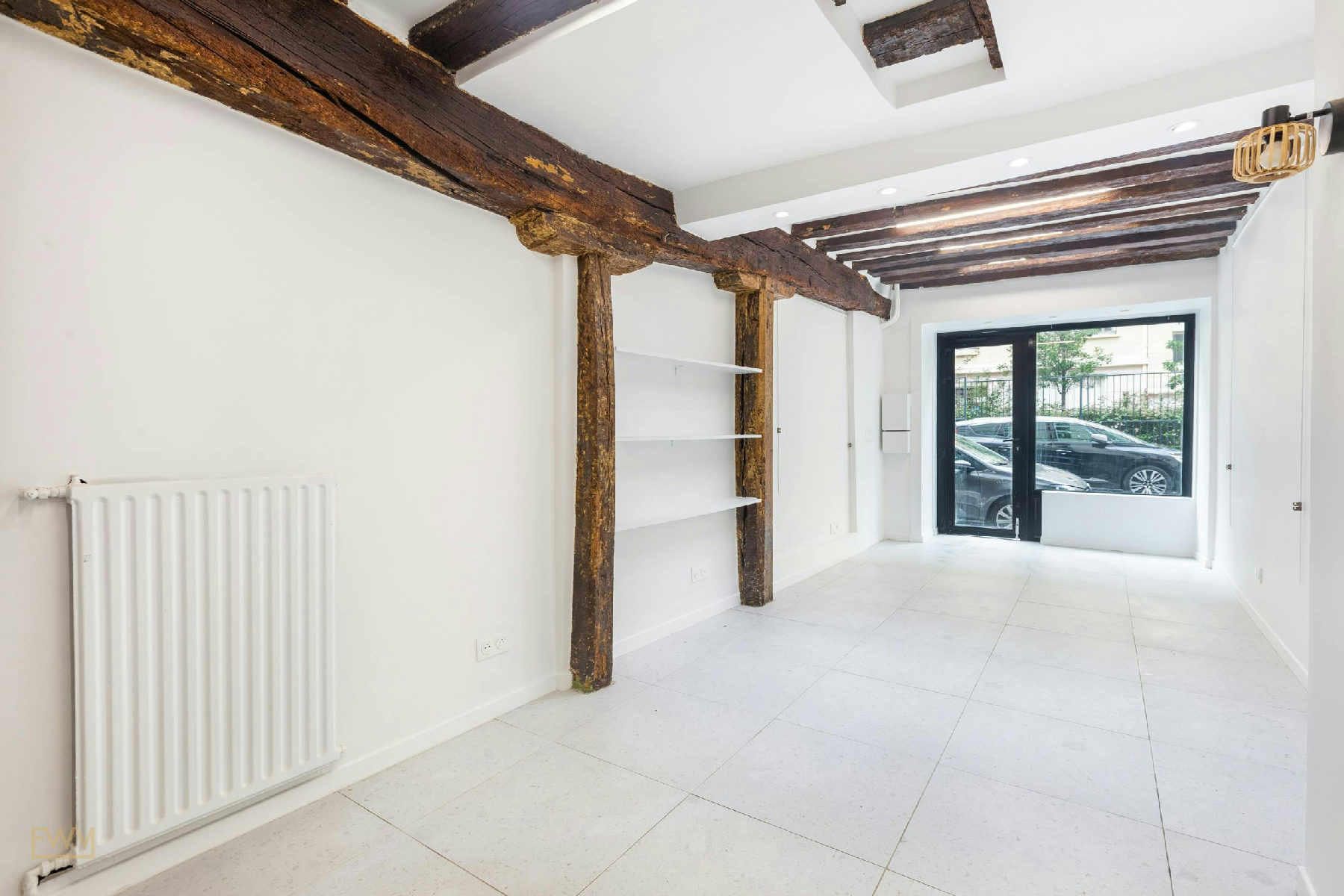
A pop up shop in Saint-Germain-des-Prés places your brand at the intersection of intellectual heritage, luxury retail, and contemporary creative culture in one of Paris's most globally recognised neighbourhoods. The 6th arrondissement has long attracted independent designers, established fashion houses, and international brands seeking a location that communicates sophistication without ostentation. From the cobbled stretches of Rue de Seine and Rue Dauphine to the grand boulevard Saint-Germain and the boutique-lined Rue du Bac, the neighbourhood offers a range of short-term commercial spaces that suit brand activations of every scale. Fashion Week Venues supports brands seeking pop-up spaces in Paris with venue sourcing, concept direction, production, and full activation management tailored to the specific demands of the Parisian market.
Why Saint-Germain-des-Prés Is a Strategic Choice for a Pop-Up Store in Paris
Saint-Germain-des-Prés is not simply a fashionable address. It is a neighbourhood with a documented commercial ecosystem that sustains both established luxury boutiques and independent creative retailers within the same few blocks. Brands choosing this arrondissement benefit from foot traffic generated by local residents, cultural tourists, and fashion industry professionals who move through the area throughout the year, not only during Paris Fashion Week.
The 6th arrondissement sits on the Left Bank of the Seine, directly opposite the Louvre and Tuileries. The Jardin du Luxembourg draws visitors to its southern boundary, while the Institut de France, the école des Beaux-Arts, and the Monnaie de Paris anchor its cultural identity along the riverfront. These institutions are not incidental landmarks. They shape the audience profile of anyone walking Rue Dauphine, Place Saint-Germain-des-Prés, or the streets around Saint-Sulpice. A local face jardin Luxembourg will attract a different customer than a space on Rue de Rennes, even within the same arrondissement, and brands need to understand this distinction before committing to a location éphémère.
Commercially, the neighbourhood supports a tiered retail mix. Boulevard Saint-Germain carries flagship and brand-name boutiques. Streets like Rue des Saint-Pères, Rue de Grenelle, and Rue du Four host independent fashion labels, concept stores, and design-led boutiques. Rue de Sèvres connects Saint-Germain to the Le Bon Marché ecosystem, drawing premium shoppers who move fluidly between neighbourhood destinations. Rue de Seine and Rue Dauphine carry a gallery and art market character that attracts a culturally literate and high-spending visitor. Rue du Bac runs through the heart of the neighbourhood connecting the river to the Carrefour de la Croix Rouge and beyond, generating consistent pedestrian flow throughout the day.
This layered geography means that the choice of street within Saint-Germain-des-Prés is itself a strategic brand decision. A galerie commerciale on Rue de Seine signals creative and art-world credibility. A retail espace on boulevard Saint-Germain signals mainstream luxury accessibility. A showroom-style local éphémère on Rue des Saint-Pères signals refined discretion. Brands need to match their location choice to their positioning before beginning any venue search.
Quick answer: Saint-Germain-des-Prés is a strategic pop-up location because it combines high foot traffic from cultural tourists and affluent locals with a commercial ecosystem that supports both luxury and independent creative retail. Its layered street-level geography allows brands to choose a location that precisely signals their positioning, from gallery-adjacent spaces on Rue de Seine to flagship-adjacent sites on boulevard Saint-Germain.
DID YOU KNOW: The 6th arrondissement has one of the highest concentrations of independent fashion boutiques per square kilometre in Paris, making it a natural destination for fashion-forward consumers who seek out brands not available in conventional department stores.
KEY TAKEAWAY: Choosing a pop-up location in Saint-Germain-des-Prés is not simply about prestige. The specific street, the proximity to cultural landmarks like the école des Beaux-Arts or the Monnaie de Paris, and the local retail mix all directly affect the customer profile, average dwell time, and sales potential of any short-term activation.
Understanding the neighbourhood's commercial geography is the foundation of any successful activation. The next step is identifying which type of space best serves your brand's specific objectives in the area.
Types of Commercial Spaces Available for Pop-Up Stores in Saint-Germain-des-Prés
The Saint-Germain-des-Prés neighbourhood accommodates a wide range of short-term commercial formats, from ground-floor boutique units to multi-floor showrooms, event-ready galeries, and espace événementiel venues suited to branded experiences. Understanding the differences between these formats is essential for brands planning a location éphémère that needs to serve multiple functions simultaneously.
Boutique Retail Units
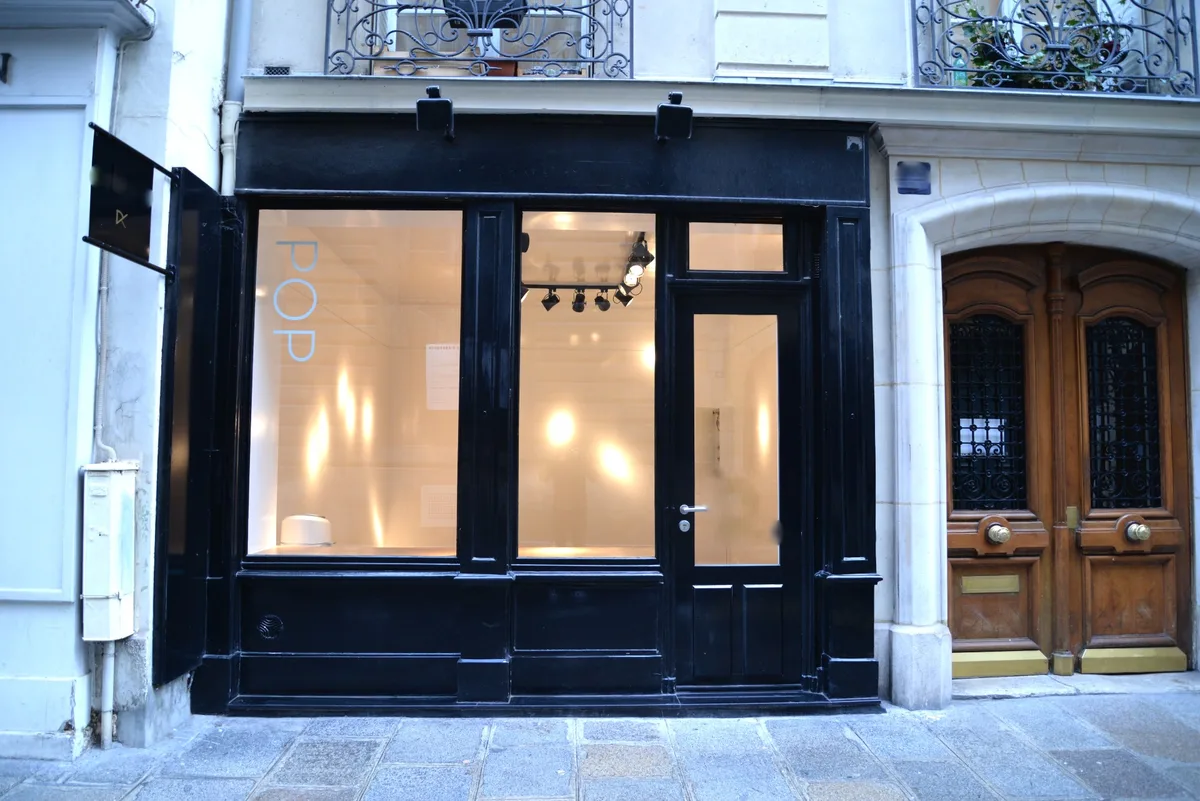
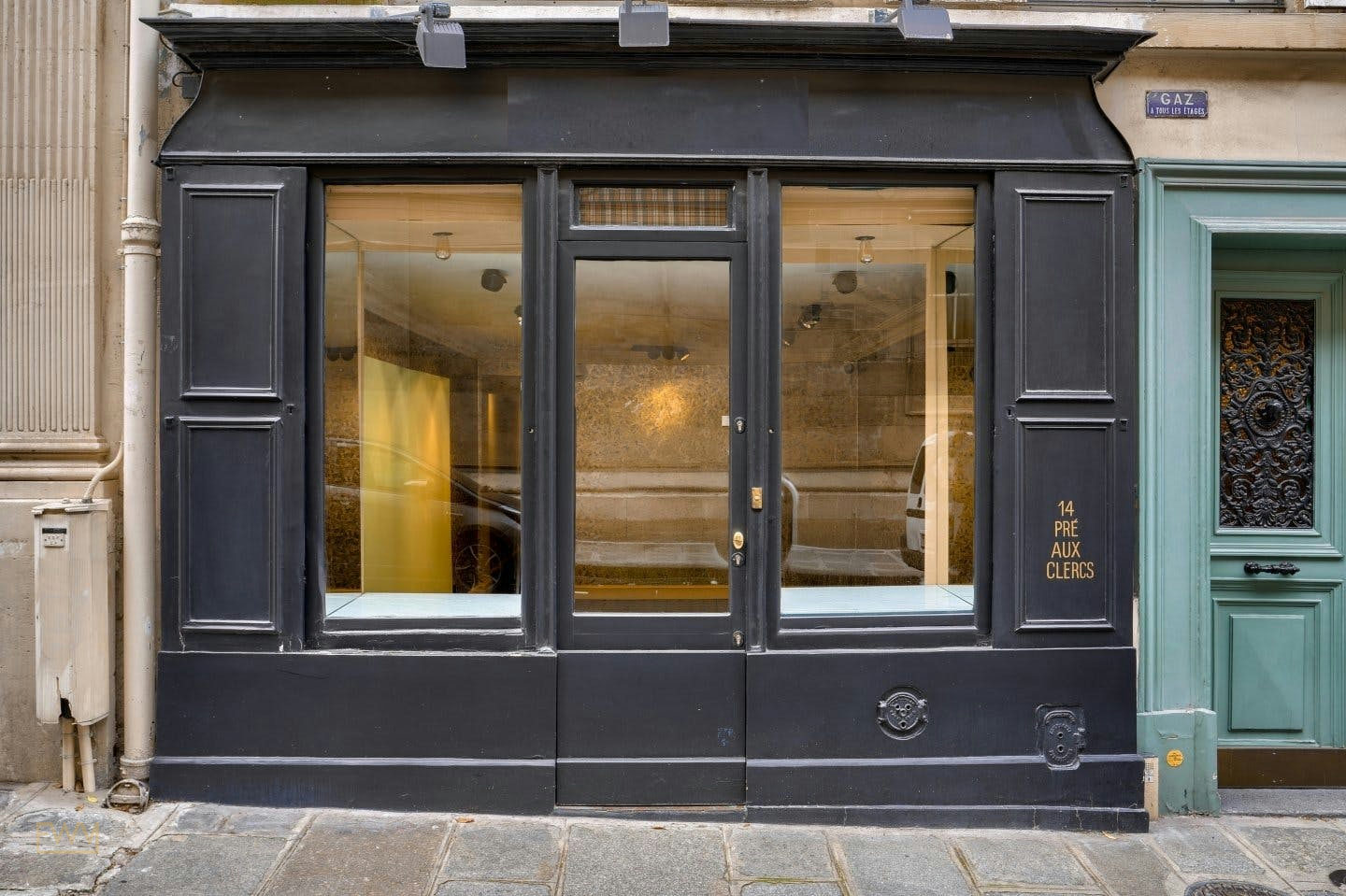
The most common format for a pop-up store in Saint-Germain is the boutique retail unit: a compact, ground-floor commercial space with direct street frontage. These spaces typically feature the architectural elements that define the neighbourhood's aesthetic appeal, including hardwood floors, high ceilings, and in some cases marble finishes that reflect the building stock of 17th and 18th century Haussmann and pre-Haussmann construction. A boutique unit on Rue du Four, Rue de Grenelle, or near Place Saint-Germain-des-Prés offers immediate visual access to passing pedestrians and can be configured for product display, editorial styling, or a hybrid retail and experience format. Lease durations for these units in Saint-Germain typically range from one week to three months on a bail dérogatoire basis, though the specific terms depend on the landlord, the intended use, and the condition of the space.
Showrooms and Multi-Floor Venues
Saint-Germain-des-Prés also offers a secondary market of apartment-converted showrooms and multi-floor hôtel particulier spaces that are available for short-term professional use. These spaces are particularly suited to press presentations, trade showrooms, private sales, and intimate brand events where the architectural environment itself contributes to the brand experience. The high ceilings, parquet floors, original mouldings, and light-filled salons typical of these buildings create a distinctive setting that a conventional retail unit cannot replicate. Spaces of this type are found across the neighbourhood, particularly along streets running north from boulevard Saint-Germain toward the Seine, including Rue Dauphine and Rue de Seine.
Gallery and Creative Spaces
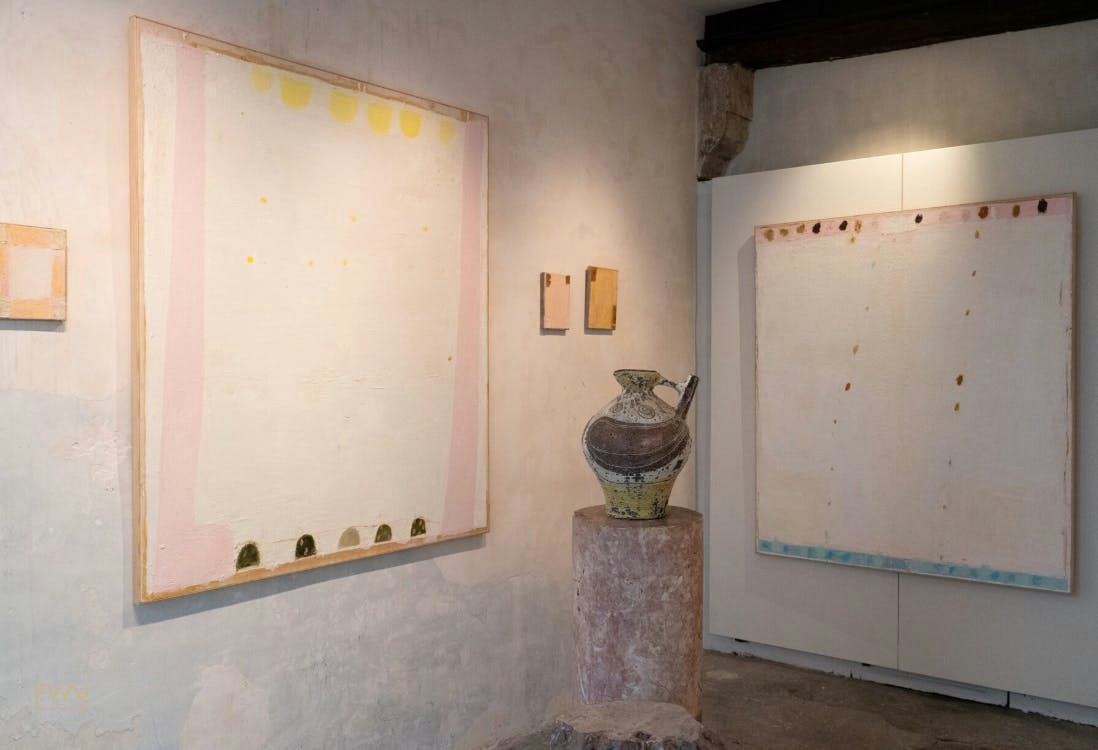
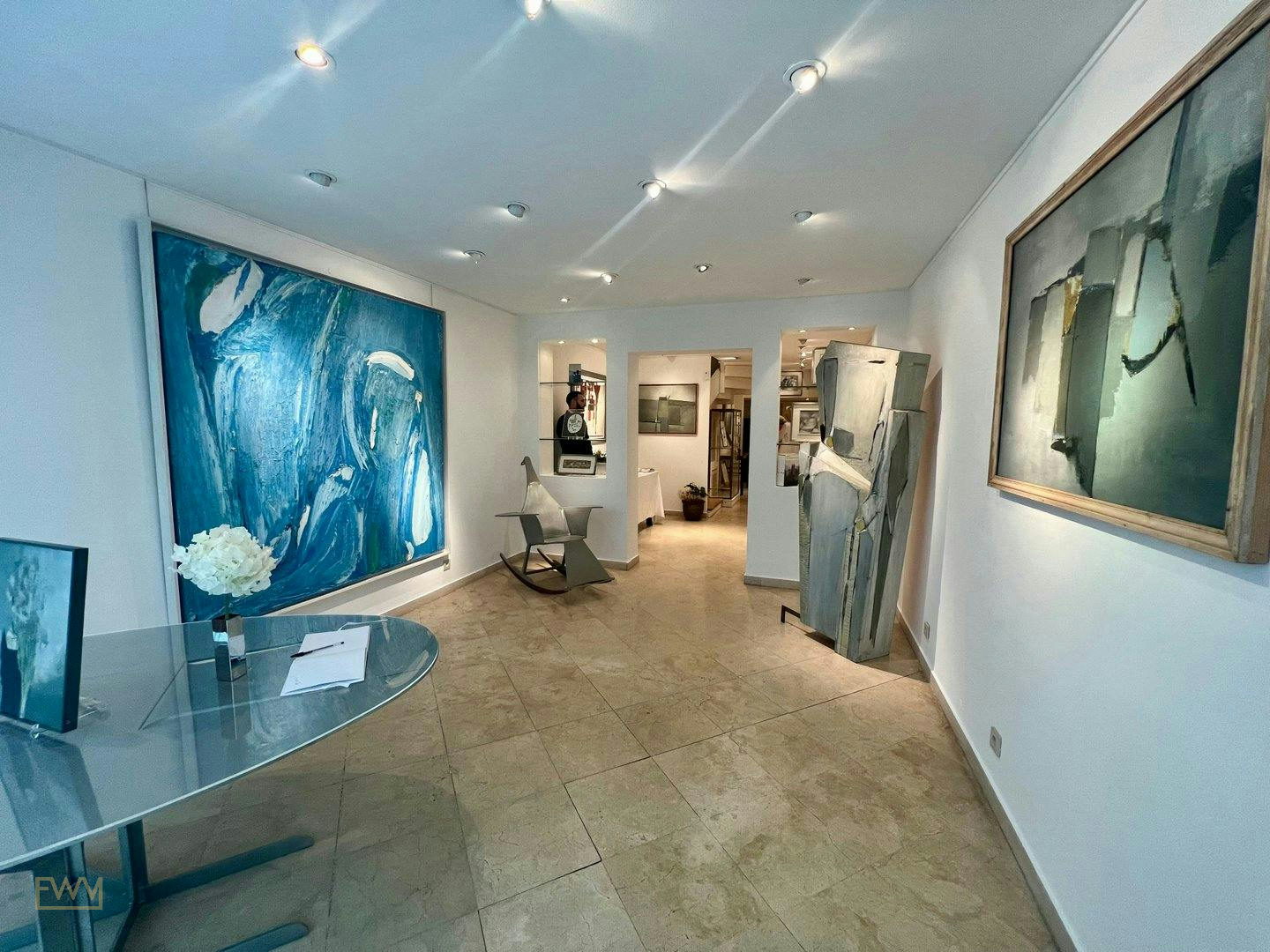
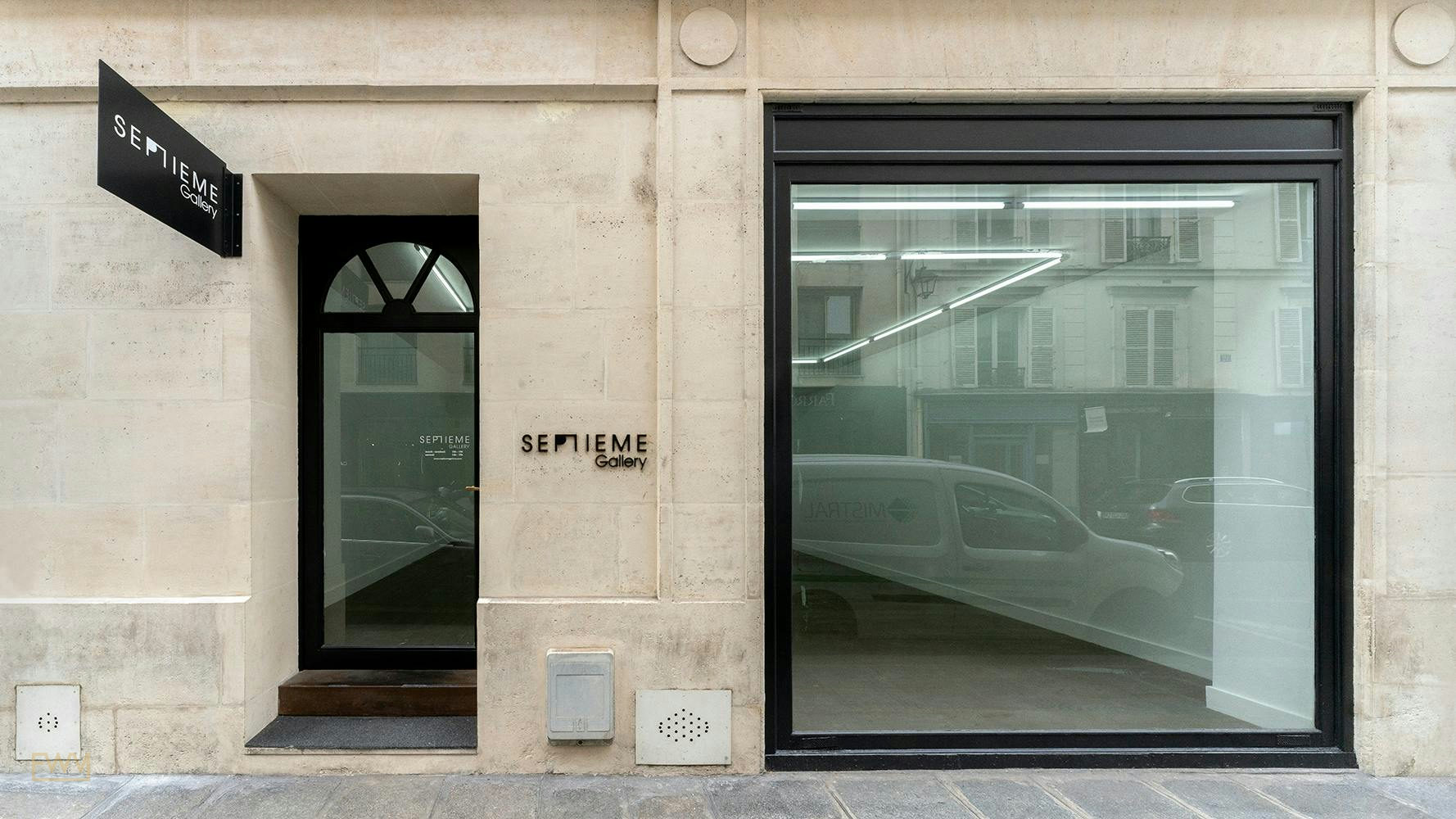
The galerie format is deeply embedded in the commercial identity of Saint-Germain-des-Prés. Rue de Seine in particular functions as Paris's primary gallery street, and several of these galerie commerciale spaces make their ground-floor or lower-level areas available for short-term brand activations during periods between exhibitions. These spaces attract a culturally engaged audience and work particularly well for brands in fashion, jewellery, homeware, and design that benefit from an art-world adjacency. The galerie format also suits brand activations with a strong visual identity and an editorial or curatorial approach to product presentation.
Espace Événementiel and Outdoor Options
For activations requiring larger footprints, the neighbourhood also contains converted courtyard spaces, private terraces, and espace extérieur areas that can support branded experiences, pop-up dinners, product launches, and community events. Proximity to the Jardin du Luxembourg and the riverfront adds an outdoor dimension to planning for brands that want to extend their activation beyond four walls.
| Space Type | Typical Location in Saint-Germain | Best Suited For | Approximate Duration |
|---|---|---|---|
| Boutique Retail Unit | Boulevard Saint-Germain, Rue du Four, Rue de Grenelle | Direct-to-consumer sales, product launch | 1 to 12 weeks |
| Showroom or Apartment Space | Rue Dauphine, Rue des Saint-Pères, Rue du Bac | Press days, trade presentations, private sales | 1 to 4 weeks |
| Gallery Space | Rue de Seine, Rue Dauphine | Editorial brand activation, art-adjacent launches | 3 to 14 days |
| Espace Événementiel | Courtyard venues, riverfront properties | Brand events, community activations, press evenings | 1 to 7 days |
| Multi-Floor Venue | Hôtel particulier properties across the 6th | Multi-format brand experiences, seasonal retail | 2 to 8 weeks |
KEY TAKEAWAY: The Saint-Germain-des-Prés neighbourhood offers a more diverse range of pop-up space formats than most international brands expect. Identifying which format aligns with your activation objectives, customer profile, and budget before beginning a venue search will significantly reduce the time needed to shortlist and secure a suitable local éphémère.
Once the space format is determined, brands need to understand the permit, lease, and compliance framework that governs short-term commercial activity in Paris before signing any agreement.
Permits, Leases, and Legal Compliance for a Pop-Up in Saint-Germain-des-Prés
Short-term commercial rental in Paris operates under a specific legal framework that differs significantly from standard commercial lease law. International brands planning a pop-up store in Saint-Germain-des-Prés must understand the key instruments available, the conditions that apply to each, and the compliance requirements that govern short-term retail activity in the 6th arrondissement specifically.
The Bail Dérogatoire
The bail dérogatoire, also known as the bail de courte durée, is the primary legal instrument for short-term commercial property rental in France. It allows landlords and tenants to agree a lease of up to 36 months without triggering the commercial lease protections that would otherwise apply under French law. For pop-up brands, this instrument provides flexibility and limited commitment, making it the standard framework for activations of one week to several months. However, the bail dérogatoire has strict conditions: it must be concluded in writing before occupation, it cannot be used to circumvent standard lease protections in bad faith, and the total duration across successive bail dérogatoire agreements for the same space with the same tenant cannot exceed 36 months. Requirements may vary by property type, landlord classification, and intended commercial use. Brands are advised to verify their specific situation with a qualified French legal advisor before signing any agreement.
Autorisation d'Occupation Temporaire (AOT)
For brands seeking to use public or semi-public spaces, including exterior areas, courtyards managed by public institutions, or spaces adjacent to landmarks such as the Monnaie de Paris or the Institut de France, an Autorisation d'Occupation Temporaire (AOT) may be required. The AOT is issued by the relevant public authority and governs the conditions under which a temporary commercial use can operate on publicly managed property. AOT applications typically require advance notice, a clear description of the intended use, confirmation of insurance, and adherence to specific time-window and activity restrictions. The process and timelines for AOT applications vary by authority and space, and approval is not guaranteed. Brands should allow for a minimum of six to eight weeks for AOT applications relating to any activation in or adjacent to public spaces in Saint-Germain-des-Prés.
Additional Compliance Considerations
Beyond lease instruments, brands operating a pop-up store in Paris must comply with French commercial regulations covering retail opening hours, price display requirements, consumer protection disclosures, and in some cases specific rules relating to temporary sales events. Activations involving food or beverage service, amplified sound, or outdoor structures will require additional permits from the Mairie du 6ème or relevant municipal bodies. GDPR-compliant data collection practices must be in place for any digital engagement activity conducted on-site.
IMPORTANT: The permit and compliance landscape for pop-up stores in Paris is more complex than many international brands anticipate. Requirements vary by space type, duration, intended activity, and specific location within the arrondissement. Do not rely on informal advice or previous experience in other markets. Always verify compliance requirements with a qualified French legal advisor before committing to a space or activity programme.
For an initial orientation on permit requirements relevant to your activation type, the permit guidance tool on Fashion Week Venues can help brands identify the key categories of approval they need to investigate further.
Quick answer: International brands renting a pop-up space in Saint-Germain-des-Prés typically use a bail dérogatoire for private commercial spaces and may require an AOT for any public or semi-public outdoor area. Both instruments have specific legal conditions, and compliance requirements vary by activity type, duration, and location. Verification with a French legal advisor is essential before signing any agreement.
KEY TAKEAWAY: Permit and lease compliance in Paris is not a formality. International brands entering the market for the first time should treat legal preparation as a core part of their activation timeline, not an afterthought. Early engagement with specialist advisors reduces delays and protects brands from unexpected costs or enforcement actions.
With the legal framework understood, brands can turn to the critical question of timing: when to activate, for how long, and how to sequence a Saint-Germain pop-up within the broader Paris fashion and cultural calendar.
Calendar Planning: When to Open a Pop-Up Store in Saint-Germain-des-Prés
The timing of a pop-up activation in Saint-Germain-des-Prés significantly affects its audience reach, media coverage potential, and commercial performance. Paris operates on a layered calendar of fashion industry events, cultural seasons, and tourist peaks that brands should map before selecting an activation window.
Quick answer: The strongest calendar windows for a pop-up in Saint-Germain-des-Prés are Paris Fashion Week in January and February for menswear and couture, and September and October for womenswear and ready-to-wear. Summer months attract significant tourist traffic that suits consumer-facing brands, while the pre-Christmas period in November and December drives strong retail sales for gift-oriented products.
Paris Fashion Week and Industry Calendar
Paris Fashion Week takes place twice yearly for womenswear, with additional seasons for menswear and haute couture. The womenswear ready-to-wear week typically falls in late September and early October, and again in late February and early March. Menswear Paris Fashion Week occurs in January, and haute couture week runs in late June and early January. During these windows, the Saint-Germain-des-Prés neighbourhood sees significantly elevated foot traffic from international buyers, press, stylists, and brand professionals, many of whom stay in nearby hotels or have professional connections in the Left Bank area. Brands that align their pop-up activation with these calendar windows benefit from amplified earned media potential and the presence of a highly targeted professional audience alongside general visitors.
Seasonal Tourist and Resident Calendars
Outside of fashion week periods, Saint-Germain-des-Prés benefits from consistent tourist traffic throughout spring and summer, with peak visitor volumes running from April through August. The neighbourhood's proximity to the Jardin du Luxembourg, the Seine riverfront, and major museum sites means that summer foot traffic remains commercially viable, particularly for brands targeting a design-conscious international consumer. The back-to-school and autumn period in September and October combines local resident activity with fashion week audiences, making it one of the most commercially productive windows in the Saint-Germain calendar. The pre-Christmas period in November and December is also commercially strong, with Parisian locals and international visitors active across the neighbourhood's boutiques and concept stores.
Avoiding Low-Traffic Periods
August presents a specific challenge in Saint-Germain-des-Prés: while tourist volumes remain high, many Parisian locals and industry professionals leave the city for summer holidays, which can affect the audience profile of an activation targeted at a local or professional audience. Brands should assess whether their target customer is more likely to be a Parisian resident or an international visitor before committing to an August activation window. January immediately after the new year and the period following Easter can also see lower commercial activity in the neighbourhood, though these windows may present lower rental costs and greater space availability.
| Period | Key Audience | Commercial Opportunity | Notes |
|---|---|---|---|
| Late September to mid-October | Fashion press, buyers, locals | Very high | Womenswear Fashion Week window |
| November to mid-December | Affluent locals, gift shoppers | High | Strong retail sales period |
| Late January to early February | Menswear and couture industry | High | Menswear and couture calendar window |
| April to June | Cultural tourists, locals | Moderate to high | Consistent foot traffic, pleasant conditions |
| July to August | International tourists | Moderate | Lower local presence, higher tourist mix |
| January (post new year) | Lower volume | Lower | Potential for reduced rental costs |
To map your activation window against the Paris fashion and cultural calendar and identify lead times for space booking, the timeline planning tool on Fashion Week Venues provides a structured framework for sequencing your pre-activation preparation.
KEY TAKEAWAY: The most commercially productive windows for a pop-up in Saint-Germain-des-Prés align with the Paris Fashion Week calendar, the pre-Christmas retail period, and the autumn local shopping season. Brands should secure their space at least eight to twelve weeks in advance for fashion week-adjacent activations, as demand for quality spaces in the neighbourhood is consistently high during these periods.
Brand Activations and Pop-Up Case Studies: Lessons from Saint-Germain and Beyond
Understanding how other brands have approached short-term retail and experiential activation in Paris and comparable international luxury neighbourhoods provides practical guidance for brands planning their own Saint-Germain pop-up. Several documented activations illustrate the range of formats, partnerships, and experiential strategies that work within the cultural context of the Left Bank.
Paris Saint-Germain and the PSG House Model
Paris Saint-Germain Football Club has built a systematic approach to flagship brand activation that goes well beyond traditional sports merchandise retail. The club's PSG House concept, which appeared in London at Cavendish Square in the Marylebone neighbourhood, demonstrated how a major Parisian brand can use a temporary multi-floor space to deliver a fully curated brand world to an international audience. The Cavendish Square activation brought together multiple brand partners and experiential zones under a single roof, creating a destination that drove both media coverage and consumer engagement over a concentrated period.
The PSG House model incorporated digital and experiential features including virtual-reality installations, an Augmented Reality zone, a Kids Zone, a Rooftop soccer pitch, a Content Studio for influencer and media content creation, and Live jersey auctions. Collaborative partnerships included Macon and Lesquoy, AISOMA, a PSG x Savoir Faire artisan programme, EA SPORTS, Qatar Airways, PSG Academy, Visit Rwanda, Aspetar, and the Gates Foundation. The activation also featured a performance by The Weeknd, demonstrating the potential for entertainment programming within a brand space to generate earned media at scale.
The Ici C'est Paris La Maison concept, which functions as the club's permanent and seasonal brand home in Paris, brings a similar model to the Saint-Germain-des-Prés cultural context, combining Parisian DNA with contemporary brand experiences in a format that appeals to both dedicated supporters and fashion-forward consumers who may not primarily identify as football fans. The integration of a Galerie d'art within the La Maison concept signals how sports organisations are adopting art-world curation strategies to elevate their brand positioning in culturally sensitive neighbourhoods.
For brands planning activations in Saint-Germain-des-Prés, the PSG House and La Maison model offers several transferable lessons. First, the value of a multi-zone experiential format that gives different audiences distinct entry points into the brand world. Second, the strategic use of partner brands and collaborators to extend the reach and credibility of the activation. Third, the importance of content creation infrastructure within the space, including a Content Studio or dedicated media zones that support influencer marketing and earned media generation. Fourth, the power of integrating cultural programming, such as the Galerie d'art or live performances, to generate repeat visits and sustained media coverage throughout the activation period.
Fashion Brand Activations in Saint-Germain
Fashion brands activating in Saint-Germain-des-Prés have consistently used the neighbourhood's cultural and architectural identity as a creative asset rather than simply a prestigious address. Activations that resonate in this neighbourhood typically demonstrate a curatorial approach to product presentation, an awareness of the local design and art community, and a commitment to the expérience client that goes beyond conventional retail. The galerie commercial format, in which products are displayed alongside art objects or design pieces in a gallery-like setting, has proven particularly effective in the Saint-Germain context, attracting both local design professionals and international visitors who treat the neighbourhood as a cultural destination.
TIP: Brands activating in Saint-Germain-des-Prés for the first time should invest in understanding the neighbourhood's existing retail culture before finalising their concept. The local community has a sophisticated understanding of brand authenticity, and activations that feel incongruous with the neighbourhood's character tend to generate negative rather than neutral responses from local press and social audiences.
KEY TAKEAWAY: The most effective brand activations in Saint-Germain-des-Prés combine a strong spatial concept with cultural programming, multi-brand or multi-partner collaboration, and dedicated infrastructure for content creation and media engagement. Brands that treat the space purely as a sales environment typically underperform relative to those that create a destination worth visiting for reasons beyond shopping.
To compare how your activation concept aligns with the neighbourhood's character and audience expectations, explore past brand activations on Fashion Week Venues for reference and inspiration.
Designing Your Pop-Up Store for Saint-Germain-des-Prés: Spatial and Experiential Strategy
The design of a pop-up store in Saint-Germain-des-Prés must negotiate a careful balance between expressing the brand's visual identity and respecting the architectural and cultural environment of the space and neighbourhood. Brands that impose a corporate retail formula onto a historic Left Bank property typically fail to connect with the audience they are trying to reach. Brands that engage seriously with the space's existing character, its hardwood floors, its high ceilings, its marble finishes, its original mouldings, and design an experience that responds to those qualities rather than overwriting them, consistently achieve stronger results.
Architectural Sensitivity and Brand Fit
Saint-Germain-des-Prés is characterised by its historic building stock. Spaces in the neighbourhood frequently feature architectural details that carry significant aesthetic value: hardwood parquet floors worn to a warm honey tone, ceilings of three to four metres height with original plaster cornices, stone walls or exposed beams in older properties, and tall sash windows that flood interiors with northern light. These qualities are assets, not constraints. A brand concept that integrates these features into its visual merchandising strategy, using the high ceilings for statement displays, the parquet for minimal product layouts, and the natural light to eliminate the need for harsh artificial illumination, will create an environment that feels genuinely Parisian rather than generically commercial.
Brands should also be mindful of the restrictions that may apply to modifications in historic spaces. Many properties in Saint-Germain-des-Prés are subject to heritage protection rules that limit the extent to which tenants can alter structural or architectural features, even temporarily. Wall fixings, floor coverings, and ceiling installations may all be subject to landlord approval and in some cases require notification to the relevant heritage authorities. These restrictions should be clarified before the design process begins to avoid costly redesigns later in the production timeline.
Experiential Design and Expérience Client
The expérience client, the total sensory and emotional experience a visitor has within the space, is increasingly the primary metric by which successful pop-up activations are evaluated in Paris. Brands operating in Saint-Germain-des-Prés should design the visitor journey with the same rigour applied to a permanent flagship, even for a two-week activation. This includes the entry sequence, the progression through product zones, the integration of seating or dwell space for conversation and discovery, the olfactory environment created by fragrance or material choices, and the staff interaction model that defines how visitors are welcomed and guided through the space.
Digital integration has become a standard expectation in premium pop-up environments. Virtual-reality product experiences, Augmented Reality try-on or discovery tools, QR-linked editorial content, and digital payment systems that eliminate queuing all contribute to a seamless and memorable visit. A dedicated Content Studio or photo-ready installation zone supports influencer marketing and earned media generation without requiring brands to invest in separate media production resources.
Furniture, Fixtures, and Production
The choice of furniture and fixtures for a Saint-Germain pop-up should reflect the neighbourhood's aesthetic register. Heavy corporate fixture systems, standard retail shelving, and plastic display units feel incongruous in a Left Bank galerie or historic boutique space. Brands should invest in furniture rental options that use natural materials, artisan finishes, and considered proportions. Custom joinery elements that reference the neighbourhood's design culture, pairing vintage or antique pieces with contemporary brand materials, consistently outperform generic retail fit-outs in both media coverage and customer response.
Production timelines for a Saint-Germain pop-up should account for the logistical constraints of the neighbourhood. The 6th arrondissement has narrow streets in many areas, restricted vehicle access during certain hours, and building access limitations that affect delivery schedules. Production teams should conduct a thorough site survey before finalising build plans and delivery schedules.
Quick answer: Designing a successful pop-up in Saint-Germain-des-Prés requires an approach that respects the architectural character of the space, prioritises the expérience client over pure product display, integrates digital touchpoints for content creation and customer engagement, and uses furniture and fixtures that reflect the neighbourhood's design sensibility. Brands that invest in spatial design tend to generate significantly more media coverage and repeat visitor traffic than those that approach the space as a conventional retail unit.
KEY TAKEAWAY: The design of a Saint-Germain pop-up is a brand statement as much as a retail environment. The neighbourhood's audience, which includes fashion press, design professionals, culturally literate tourists, and style-conscious locals, will evaluate the space's concept and execution with the same critical eye applied to a gallery exhibition or a fashion collection. Design investment at this stage pays significant dividends in earned media and audience response.
Budget Planning and ROI for a Pop-Up Store in Saint-Germain-des-Prés
Budget planning for a pop-up store in Saint-Germain-des-Prés requires honest assessment across multiple cost categories, many of which are underestimated by brands activating in Paris for the first time. The total investment in a short-term retail activation in this neighbourhood includes not only the rental cost of the espace commercial, but also production and fit-out, staffing, permits and compliance, logistics, marketing, and operational costs across the activation period.
Space Rental Costs
Rental costs in Saint-Germain-des-Prés for short-term commercial spaces vary significantly depending on the street, space size, duration, condition of the unit, and the specific calendar window. Spaces on or adjacent to boulevard Saint-Germain and Rue de Sèvres carry premium pricing that reflects the neighbourhood's status and foot traffic levels. Streets with lower throughput but stronger design credibility, such as Rue de Seine or Rue Dauphine, may offer more competitive rates for shorter activations. Brands should treat any published or quoted rental figures as directional estimates only and verify actual availability and pricing through direct negotiation or specialist venue sourcing. For a brand-specific estimate aligned to your target space type and calendar window, the budget estimation tool on Fashion Week Venues provides a structured framework for initial planning.
Production, Fit-Out, and Furniture
Production and fit-out costs in Paris are shaped by the specific requirements of each space, the extent of temporary installation required, the lead time available for production, and the availability of skilled contractors during peak periods such as Paris Fashion Week. Brands activating during high-demand calendar windows should expect production costs to reflect the premium placed on contractor time and material availability during those periods. Furniture rental can significantly reduce upfront capital investment while still achieving a high-quality spatial result, particularly for activations of four weeks or less.
Staffing and Operations
Staffing a pop-up retail space in Paris requires compliance with French employment law, including requirements relating to contracts, working hours, social charges, and in some cases sector-specific collective agreements. International brands entering the French market for the first time often underestimate the administrative and financial implications of employing temporary staff directly. Using a specialist retail staffing partner who operates within French legal frameworks can significantly reduce both risk and administrative overhead for short-term activations.
Measuring ROI Beyond Sales
Return on investment for a Saint-Germain pop-up should be measured across multiple dimensions beyond direct retail sales. Earned media value generated by press coverage and influencer content, new customer acquisition and CRM data collected during the activation, brand awareness uplift measurable through post-activation surveys, and the long-term commercial relationships established with local stockists, buyers, or collaborators during the activation period all contribute to the total return. For a structured approach to evaluating these dimensions, the ROI calculator on Fashion Week Venues allows brands to input their specific activation parameters and model expected returns across multiple value categories.
Quick answer: Budgeting for a Saint-Germain pop-up store requires accounting for rental, production, staffing, permits, logistics, and marketing costs simultaneously. ROI should be measured across direct sales, earned media value, customer acquisition, and brand awareness metrics rather than retail revenue alone. Specialist tools and advisors can help brands model these figures before committing to an activation investment.
KEY TAKEAWAY: Brands that approach a Saint-Germain pop-up with a comprehensive multi-line budget and a multi-dimensional ROI framework consistently extract more value from their activation investment than those that plan for rental and fit-out costs alone. Early and rigorous financial planning is one of the most reliable predictors of a successful activation outcome in this neighbourhood.
How Fashion Week Venues Supports Brands Opening a Pop-Up in Saint-Germain-des-Prés
Fashion Week Venues operates as a full-service agency and space marketplace for brands planning pop-up activations in Paris and other major fashion capitals. For brands targeting Saint-Germain-des-Prés specifically, the agency provides end-to-end support across venue sourcing, concept development, production, activation management, and post-activation analysis.
Venue Sourcing and Space Discovery
Finding the right espace commercial in Saint-Germain-des-Prés requires access to a current, curated inventory of available spaces rather than reliance on generic commercial property portals that do not specialise in short-term retail formats. Fashion Week Venues maintains relationships with property owners, galeries, and space holders across the neighbourhood and can identify options that match a brand's brief in terms of size, location, architectural character, duration, and budget. The venue sourcing service includes initial brief review, space shortlisting, site visit coordination, and negotiation support to help brands secure the right location efficiently.
Concept Direction and Branded Store Design
Once a space is identified, the Fashion Week Venues concept and creative team works with brand teams to develop a spatial concept that expresses the brand's identity within the specific architectural and cultural context of the chosen Saint-Germain location. This includes visual merchandising strategy, fixture and furniture selection, digital integration planning, and the design of the expérience client journey from entry to exit. For brands that already have a creative direction established, the team supports execution rather than origination, ensuring that the brand's vision is realised within the practical constraints of the space and the timeline.
Production, Staffing, and Activation Management
The Fashion Week Venues production team coordinates the physical fit-out of the space, including furniture rental, installation of branded elements, technology integration, and compliance with any heritage or landlord restrictions applicable to the property. The retail staffing service connects brands with vetted, French-speaking sales staff who understand the specific expectations of a Saint-Germain clientele. Activation management covers the operational running of the space from opening day through to derig, including daily reporting, customer service oversight, and real-time problem resolution.
Tools and Planning Resources
Fashion Week Venues provides a suite of planning tools that brand teams can use throughout the pre-activation process. These include a budget estimation tool, an ROI calculator, a timeline planning tool, a space comparison tool, a space locator tool, and a permit guidance tool. These resources are designed to help brands structure their thinking and identify gaps in their planning before they become costly problems during activation. Brands in early-stage research can also explore the twin co-activation concept for brands seeking to share a Saint-Germain space with a complementary brand partner to reduce costs and expand audience reach.
What Fashion Week Venues Does Not Guarantee
Fashion Week Venues does not guarantee specific space availability, permit approvals, sales outcomes, or media coverage results. Space availability is subject to market conditions and landlord decisions at any given time. Permit approvals are subject to the decisions of the relevant French authorities. Commercial outcomes depend on brand strategy, product quality, execution quality, and market conditions that are beyond the agency's control. Fashion Week Venues provides support, expertise, and resources to maximise the probability of a successful activation, not guarantees of specific results.
Quick answer: Fashion Week Venues supports brands planning a Saint-Germain pop-up with venue sourcing, concept direction, production, staffing, activation management, and a suite of planning tools. The agency is particularly well-suited to international brands entering the Paris market for the first time, brands with complex multi-format activation requirements, and brands with tight timelines that need expert local coordination to execute successfully.
KEY TAKEAWAY: Working with a specialist agency for a Saint-Germain-des-Prés pop-up reduces the risk of costly missteps in venue selection, permit compliance, production logistics, and activation management. Brands that engage specialist support early in the planning process consistently achieve better outcomes than those that attempt to manage the full complexity of a Paris activation independently.
To explore how Fashion Week Venues works in practice and understand the full process from brief to activation, visit the agency process page for a detailed overview of each stage.
Neighbourhood Micro-Geography: Choosing the Right Street in Saint-Germain-des-Prés
The Saint-Germain-des-Prés neighbourhood is not a uniform retail environment. Different streets serve different audience segments, carry different brand associations, and support different types of commercial activation. Brands that understand this micro-geography before beginning their venue search are significantly better positioned to identify the right location éphémère for their specific objectives.
Quick answer: The key streets for pop-up retail in Saint-Germain-des-Prés are boulevard Saint-Germain for flagship visibility, Rue des Saint-Pères and Rue de Grenelle for refined fashion boutique positioning, Rue du Bac for a mixed local and tourist audience, Rue de Seine and Rue Dauphine for gallery-adjacent creative activations, and Rue du Four and Rue de Rennes for higher foot traffic and broader consumer access.
| Street | Character | Primary Audience | Best For |
|---|---|---|---|
| Boulevard Saint-Germain | Grand, accessible, high visibility | Mixed tourists and locals | Flagship-style brand visibility |
| Rue des Saint-Pères | Discreet, refined, high-end fashion | Affluent local shoppers, fashion industry | Luxury and niche fashion brands |
| Rue de Grenelle | Upscale boutique retail | Local fashion consumers, press | Fashion and accessories pop-ups |
| Rue du Bac | Mixed luxury and contemporary retail | Local residents, design consumers | Homeware, design, lifestyle brands |
| Rue de Seine | Gallery culture, creative | Art buyers, design professionals | Art-adjacent brand activations |
| Rue Dauphine | Historic, cultural, riverside | Cultural tourists, design professionals | Showroom-style activations |
| Rue du Four | High street, accessible | Local residents, general consumers | Consumer brand activations |
| Rue de Rennes | High foot traffic, varied mix | Mixed age and income groups | Volume-focused retail activations |
| Rue de Sèvres | Premium adjacency to Le Bon Marché | Premium shoppers, international visitors | Premium brand positioning |
| Place Saint-Germain-des-Prés | Iconic, high-visibility | Tourists, fashion consumers | High-profile brand moments |
The area around Carrefour de la Croix Rouge represents a compelling mid-point between the Saint-Germain retail axis and the quieter residential streets to the south, drawing a mix of local shoppers and fashion industry professionals who navigate between destinations on foot. Spaces in this zone tend to attract a more local and industry-connected audience than those on the main tourist circuits, which can be an advantage for brands seeking quality customer interactions over raw visitor volume.
Brands considering a local face jardin Luxembourg, meaning a space with physical orientation toward or proximity to the Jardin du Luxembourg, benefit from the consistent visitor draw of one of Paris's most popular public green spaces. This location type works particularly well for activations with a wellness, lifestyle, or family-oriented dimension that complements the park's natural environment.
KEY TAKEAWAY: The choice of street in Saint-Germain-des-Prés is a primary strategic decision that will shape everything from the audience profile of the activation to the daily visitor numbers, the average transaction value, and the media context in which the activation is photographed and shared. Brands should conduct a thorough analysis of street-level options before committing to a specific location.
Common Myths About Opening a Pop-Up Shop in Saint-Germain-des-Prés
MYTH: International brands need a French legal entity to rent a pop-up space in Saint-Germain-des-Prés.
FACT: It is possible for international brands without a French legal entity to enter into a bail dérogatoire for a short-term commercial space in Paris, but the specific conditions and requirements vary by landlord, property type, and proposed use. Some landlords require a French guarantor or a local legal structure as a condition of rental. Others will accept an international company with appropriate financial documentation. Brands should verify their specific situation with a qualified French legal advisor and not assume that either outcome applies universally.
MYTH: Paris Fashion Week in September and October is the only commercially viable window for a brand pop-up in Saint-Germain-des-Prés.
FACT: While the womenswear Fashion Week window in September and October is commercially productive, it is far from the only viable period. The pre-Christmas retail season, the menswear and couture calendar windows in January and February, and the spring and summer tourist season all represent strong commercial opportunities in Saint-Germain-des-Prés. Brands that exclusively target Fashion Week windows also face significantly higher competition for quality spaces and elevated rental costs during those periods.
MYTH: A commission-based space broker is the most efficient way to find a pop-up space in Saint-Germain-des-Prés.
FACT: While commission brokers do operate in the Parisian short-term retail market, they are not the only or necessarily the most efficient route to securing a suitable space. Full-service agencies that combine venue sourcing with concept, production, and activation support provide a more integrated solution for brands that need expertise across multiple dimensions of the activation, not just the initial space transaction. The total cost and value of each approach should be evaluated in the context of the brand's full activation requirements rather than the rental transaction alone.
MYTH: Short-term leases in Paris are legally straightforward and can be negotiated without specialist legal input.
FACT: The French legal framework governing short-term commercial leases, including the bail dérogatoire and AOT instruments, contains specific conditions and restrictions that differ significantly from commercial property law in other markets. Errors in lease structuring, failure to comply with the conditions of a bail dérogatoire, or incorrect classification of a space's intended use can have significant legal and financial consequences for both landlords and tenants. International brands without prior experience of the French commercial property market should always engage a qualified French legal advisor before entering any short-term lease agreement.
MYTH: A pop-up store in Saint-Germain-des-Prés needs to look like a temporary installation to communicate authenticity.
FACT: The most successful pop-up activations in Saint-Germain-des-Prés are those that engage seriously with the space's architecture and invest in spatial design and production quality that matches the neighbourhood's aesthetic standards. A poorly executed or visibly temporary installation tends to generate negative responses in a neighbourhood where both local residents and visiting professionals have high expectations for the quality and thoughtfulness of retail environments. Investment in concept direction, branded store design, and quality fit-out consistently delivers stronger results than a minimal or improvised approach.
Frequently Asked Questions About Pop-Up Shops in Saint-Germain-des-Prés
Why should my brand open a pop-up store in Saint-Germain-des-Prés rather than another Paris neighbourhood?
Saint-Germain-des-Prés offers a combination of attributes that no other Paris neighbourhood fully replicates: a historic retail identity built around independent fashion, design, and art boutiques; proximity to cultural institutions that shape its audience profile; consistent foot traffic from both affluent locals and culturally literate international visitors; and a brand context that communicates sophistication and creative credibility. For fashion, luxury, design, and lifestyle brands, the neighbourhood's associations carry genuine commercial value that supports brand positioning goals beyond the activation period itself. The neighbourhood also offers a more intimate scale than the Marais or the 8th arrondissement, which can suit brands seeking quality customer interactions over raw visitor volume.
How far in advance should I start looking for a pop-up space in Saint-Germain-des-Prés?
For activations aligned with Paris Fashion Week windows, brands should begin their venue search a minimum of twelve to sixteen weeks in advance. Quality spaces in Saint-Germain-des-Prés are consistently in demand during the September to October and January to February fashion calendar windows, and the best available spaces tend to be secured several months before the activation period. For activations outside fashion week windows, eight to twelve weeks of advance planning is a reasonable minimum. Brands with complex production requirements, heritage-sensitive spaces, or multi-partner collaborations should allow additional lead time for design, permitting, and production preparation.
What types of spaces are typically available for short-term rental in Saint-Germain-des-Prés?
The neighbourhood offers boutique retail units, converted apartment showrooms, gallery spaces, multi-floor hôtel particulier venues, courtyard and espace extérieur formats, and espace événementiel spaces suited to brand events and product launches. The specific availability of each type varies by season, duration, and market conditions. Brands should define their space requirements, including minimum and maximum size, required floor level, specific street or zone preference, and key architectural features, before beginning a venue search to ensure that shortlisted options genuinely match the activation brief.
Can international brands without a French company open a pop-up store in Saint-Germain-des-Prés?
In many cases, yes, but the specific conditions vary by landlord and property. Some property owners in Saint-Germain-des-Prés will rent to international companies on a bail dérogatoire without requiring a local legal entity, while others require a French guarantor, a local registered address, or specific insurance documentation as a condition of the lease. Brands should clarify their legal status and available documentation early in the process and seek advice from a qualified French legal advisor to understand the options available to them and any associated compliance requirements.
What is a bail dérogatoire and how does it apply to a pop-up store in Paris?
A bail dérogatoire is a short-term commercial lease instrument under French law that allows landlords and tenants to agree a rental of up to 36 months in total without triggering the standard commercial lease protections that would otherwise apply. For pop-up brands, it provides the flexibility to rent a space for periods ranging from one week to several months on clearly defined terms. The bail dérogatoire must be concluded in writing before occupation begins, and specific legal conditions apply to its use. International brands are advised to verify the conditions and implications of this instrument with a qualified French legal advisor before signing any agreement.
What permits do I need to operate a pop-up store in Saint-Germain-des-Prés?
The permits required depend on the specific type of space, the intended activities, the duration of the activation, and the location within the arrondissement. For a private commercial space operated under a bail dérogatoire, the primary requirement is a valid lease agreement and compliance with standard French commercial retail regulations. Activations using public or semi-public spaces require an Autorisation d'Occupation Temporaire from the relevant authority. Additional permits may be required for food or beverage service, outdoor structures, amplified sound, or specific event formats. Requirements vary, and brands should seek legal advice specific to their planned activation before assuming any particular permit is or is not required.
How much does it cost to rent a pop-up space in Saint-Germain-des-Prés?
Rental costs in Saint-Germain-des-Prés vary significantly depending on the street, size, condition, duration, and calendar window of the activation. Spaces on premium streets such as boulevard Saint-Germain or Rue de Sèvres command higher rates than those on secondary streets. Fashion Week-adjacent periods typically carry a rental premium compared to quieter calendar windows. Brands should treat any quoted figures as directional estimates and use a structured budgeting tool to model costs specific to their activation parameters. The budget estimation tool on Fashion Week Venues provides a useful framework for initial cost modelling before direct negotiation with space holders.
What is the typical duration of a pop-up activation in Saint-Germain-des-Prés?
Activations in Saint-Germain-des-Prés range from as short as three to five days for press or event formats to twelve weeks or more for seasonal retail programmes. The most common durations for fashion brand activations are two to four weeks, which allows sufficient time to build local awareness, generate media coverage, and convert initial curiosity into repeat visits. Shorter activations of less than two weeks work well for product launches, press presentations, and exclusive events but may not provide sufficient time to build commercial momentum in a neighbourhood where local word-of-mouth is an important driver of footfall.
How can I attract local Parisian customers to a pop-up store in Saint-Germain-des-Prés?
Attracting local Parisian customers requires a combination of neighbourhood-appropriate marketing, authentic spatial concept, and community engagement programming. Local press and editorial coverage in French-language fashion and lifestyle media is consistently more effective than paid social advertising for reaching Saint-Germain's resident audience. Collaborations with local designers, galeries, or artisans add credibility and generate word-of-mouth within the local creative community. A newsletter or community-facing communication strategy that reflects the neighbourhood's values of cultural engagement and informed taste, rather than purely commercial promotion, tends to generate stronger local response. Events with a cultural or educational dimension, such as an artist talk or a design workshop, consistently drive local engagement in this neighbourhood.
What digital and experiential features should I consider for a Saint-Germain pop-up?
The most effective digital and experiential features for a Saint-Germain pop-up are those that enhance the visitor's engagement with the brand world without overwhelming the architectural and cultural character of the space. Virtual-reality and Augmented Reality installations work well when they extend the product narrative in a way that physical display cannot. A dedicated Content Studio or photo-ready installation zone supports influencer marketing and earned media generation. QR-linked editorial content allows visitors to deepen their engagement at their own pace. Digital payment systems that eliminate queuing improve the customer experience and increase average transaction completion rates. All digital features should be designed to feel integrated with the space's concept rather than added as afterthoughts.
Can I share a pop-up space in Saint-Germain-des-Prés with another brand?
Yes, co-activation or twin brand pop-up formats are increasingly common in Saint-Germain-des-Prés and can be highly effective for brands that are complementary in positioning but non-competing in product. A co-activation allows two brands to share the rental and production costs of a quality space while each contributing to the other's audience reach and media narrative. The twin concept available through Fashion Week Venues is designed specifically for this format, pairing brands that can benefit from shared activation in a single curated space environment. Successful co-activations require clear agreement on space allocation, brand presentation standards, staffing responsibilities, and cost-sharing terms before the activation begins.
What staffing considerations apply to a pop-up store in Saint-Germain-des-Prés?
Staffing a pop-up retail space in Paris requires compliance with French employment law, including the relevant collective agreements for the retail sector. Temporary staff must be contracted in compliance with French rules governing CDD and interim employment arrangements, and all applicable social charges must be accounted for in the staffing budget. For international brands without a French employer registration, using a specialist staffing partner who operates within French legal frameworks is typically the most practical solution. Staff in Saint-Germain-des-Prés should ideally be bilingual in French and English as a minimum, with knowledge of additional languages an advantage given the neighbourhood's international visitor profile.
How do I measure the success of a pop-up store in Saint-Germain-des-Prés?
Success metrics for a Saint-Germain pop-up should span direct commercial outcomes and brand-building outcomes simultaneously. Direct metrics include total sales revenue, average transaction value, number of unique visitors, and conversion rate from visitor to purchaser. Brand-building metrics include earned media value from press and influencer coverage, social media impressions and engagement generated by the activation, new customer CRM records collected during the activation period, and brand awareness uplift measurable through pre- and post-activation surveys. For brands targeting industry professionals, the number of qualified press, buyer, and stockist contacts made during the activation is a meaningful indicator of long-term commercial value that may exceed the direct sales contribution of the activation itself.
Are outdoor or exterior spaces available for pop-up activations in Saint-Germain-des-Prés?
Exterior and outdoor spaces for commercial pop-up activations in Saint-Germain-des-Prés are available in limited formats, including private courtyard spaces accessed through building complexes, terrace areas associated with ground-floor commercial units, and in some cases publicly managed spaces that may be accessed via an Autorisation d'Occupation Temporaire. The proximity of the Jardin du Luxembourg provides a natural backdrop for activations that can leverage outdoor proximity, though direct commercial activity within the park itself is subject to specific authorisation. Brands considering an outdoor or espace extérieur component should plan well in advance and seek legal advice on the specific authorisation requirements for their intended use.
What makes Saint-Germain-des-Prés different from other Paris neighbourhoods for a pop-up activation?
Saint-Germain-des-Prés combines several attributes that distinguish it from other Paris pop-up locations. Its Left Bank identity, shaped by centuries of intellectual, artistic, and creative life, gives the neighbourhood a cultural authority that transcends fashion trends and provides brands with a stable and prestigious context for their activation. Unlike the Marais, which has become more tourist-oriented in recent years, or the 8th arrondissement, which is dominated by international luxury flagships, Saint-Germain retains a distinctive mix of established boutiques, independent designers, galeries, and cultural institutions that creates a genuinely local retail ecosystem. Brands that engage authentically with this ecosystem tend to receive stronger local press coverage and more sustained word-of-mouth than those that approach the neighbourhood as a generic prestige address.
Conclusion: Planning Your Pop-Up Shop in Saint-Germain-des-Prés
A pop-up shop in Saint-Germain-des-Prés is one of the most strategically powerful retail activations available to fashion, design, and lifestyle brands operating in the Paris market. The neighbourhood's combination of cultural authority, architectural beauty, affluent local audience, and consistent international visitor traffic creates a commercial environment that can deliver significant returns across sales, media, customer acquisition, and brand positioning objectives when the activation is planned and executed with genuine rigour.
Success in Saint-Germain-des-Prés requires more than securing a prestigious address. It requires a thorough understanding of the neighbourhood's micro-geography, a spatial concept that respects and responds to the architectural character of the chosen space, a legal and permit framework correctly established from the outset, a production timeline that accounts for the specific logistical constraints of the Left Bank, and a customer experience strategy that meets the expectations of one of Paris's most discerning retail audiences.
Brands that treat the Saint-Germain pop-up as an investment in long-term brand building, rather than a short-term sales event, consistently extract greater value from their activation. The editorial coverage generated by a well-executed Saint-Germain activation, the industry relationships established during the activation period, and the brand associations earned by operating credibly in this neighbourhood all contribute to commercial returns that extend well beyond the activation's closing date.
Fashion Week Venues provides full-service support for brands at every stage of the planning and execution process, from initial venue sourcing and concept development through to production, staffing, activation management, and post-activation analysis. The agency's specialist knowledge of the Paris market, its relationships with space holders across Saint-Germain-des-Prés and the broader city, and its suite of planning tools make it a practical resource for international brands entering the Parisian market and established brands seeking to elevate the quality of their next Paris activation.
To move from research to activation, start exploring available spaces on the Fashion Week Venues marketplace and build a focused brief for your target neighbourhood, space type, and calendar window.