Finding a shop for rent in Paris is one of the most strategically complex decisions a brand team or retail entrepreneur can make. The French capital offers an extraordinary range of commercial spaces, from intimate boutiques in Le Marais to grand storefronts on the Avenue des Champs-Élysées, but navigating the market without specialist knowledge can result in costly delays, compliance failures, and missed calendar windows. Whether you are sourcing a short-term pop-up store for Paris Fashion Week, a fashion showroom during the buying season, or a longer-term retail presence in one of the city's most coveted arrondissements, this guide covers everything you need to know about space types, neighbourhoods, permit requirements, platforms, and how to structure a search that delivers results. Fashion Week Venues provides dedicated venue sourcing services for brands entering Paris across every budget tier and activation type.
Why Paris Remains the Global Benchmark for Retail Space and Brand Activation
Paris consistently draws international brands, luxury houses, independent designers, and emerging labels seeking the most credible retail environment in the world. The city's commercial real estate market is shaped by centuries of retail culture, strict urban planning controls, a sophisticated consumer base, and a calendar of fashion, art, and design events that collectively generate enormous foot traffic concentration across specific arrondissements at predictable points in the year.
The Paris retail market operates at several different registers simultaneously. At the top end, Place Vendôme and Rue du Faubourg Saint-Honoré represent some of the most expensive commercial property in the world, with international luxury conglomerates competing for generational leases. Further down the hierarchy but no less desirable for brand positioning are the Golden Triangle around Avenue Montaigne, the curated boutique corridors of Le Marais, and the intellectual cachet of Saint-Germain-des-Prés. Each zone attracts a distinct clientele, generates different visitor volumes, and carries different associations for brand identity.
For brands seeking temporary retail, the market is even more dynamic. Paris hosts Paris Fashion Week twice annually in January and February for menswear and haute couture, and in September and October for womenswear ready-to-wear. Beyond Fashion Week, significant retail activation windows include FIAC and Paris+ par Art Basel in October, Paris Design Week in September, the December holiday season, the summer tourism peak, and the January and July sales periods. Each window creates compressed demand for short-term retail spaces, showrooms, galleries, and event venues across the city.
DID YOU KNOW: Paris attracts over 40 million international visitors annually, making it one of the highest foot traffic commercial environments in the world, with peak concentrations around the Champs-Élysées, Galeries Lafayette, and Printemps on Boulevard Haussmann.
Understanding this layered market is the prerequisite to any effective shop search. The right arrondissement depends on your target clientele, the nature of your retail concept, your budget, your required lease duration, and the calendar event you are building around. These factors together determine whether you should be searching in the 1st, 4th, 6th, 8th, or 18th arrondissement, and whether a storefront, showroom, gallery, apartment-format boutique, or studio is the appropriate space type for your activation.
KEY TAKEAWAY: Paris retail operates at different market tiers simultaneously. Matching your space search to the right neighbourhood, space type, calendar window, and budget tier requires structured preparation before you engage with any listing platform, broker, or agent.
With that context established, the following section maps Paris's key commercial neighbourhoods in detail to help you direct your search precisely.
Parisian Locations and Neighbourhoods: Where to Search for Retail Space
The arrondissement you choose shapes everything from your foot traffic profile to your brand positioning, your permit requirements, and your rental cost. Paris's commercial retail geography is one of the most differentiated in the world, and each major zone has a distinct character that either supports or undermines specific retail concepts.
Le Marais and the 3rd and 4th Arrondissements
Le Marais is the most requested neighbourhood for pop-up shops, concept stores, and fashion showrooms in Paris. The area combines historic architecture, a dense concentration of independent boutiques, art galleries, and design studios, with consistently strong foot traffic from Parisian shoppers, international tourists, and fashion industry professionals. Rue des Archives, Rue de Bretagne near Les Enfants Rouges market, and the streets surrounding Place des Vosges are particularly active commercial corridors. The 4th arrondissement also contains some of the most photographed streetscapes in Paris, giving brands significant organic social media visibility simply by operating there. Space formats in Le Marais range from small ground-floor boutiques of around 20 to 50 square metres to larger loft-format showrooms and gallery-style spaces, and the area sees relatively high commercial vacancy turnover, which means short-term rental opportunities do arise. That said, demand during Paris Fashion Week and Paris Design Week is intense, and spaces are typically reserved months in advance by experienced operators.
Saint-Germain-des-Prés and the 6th Arrondissement
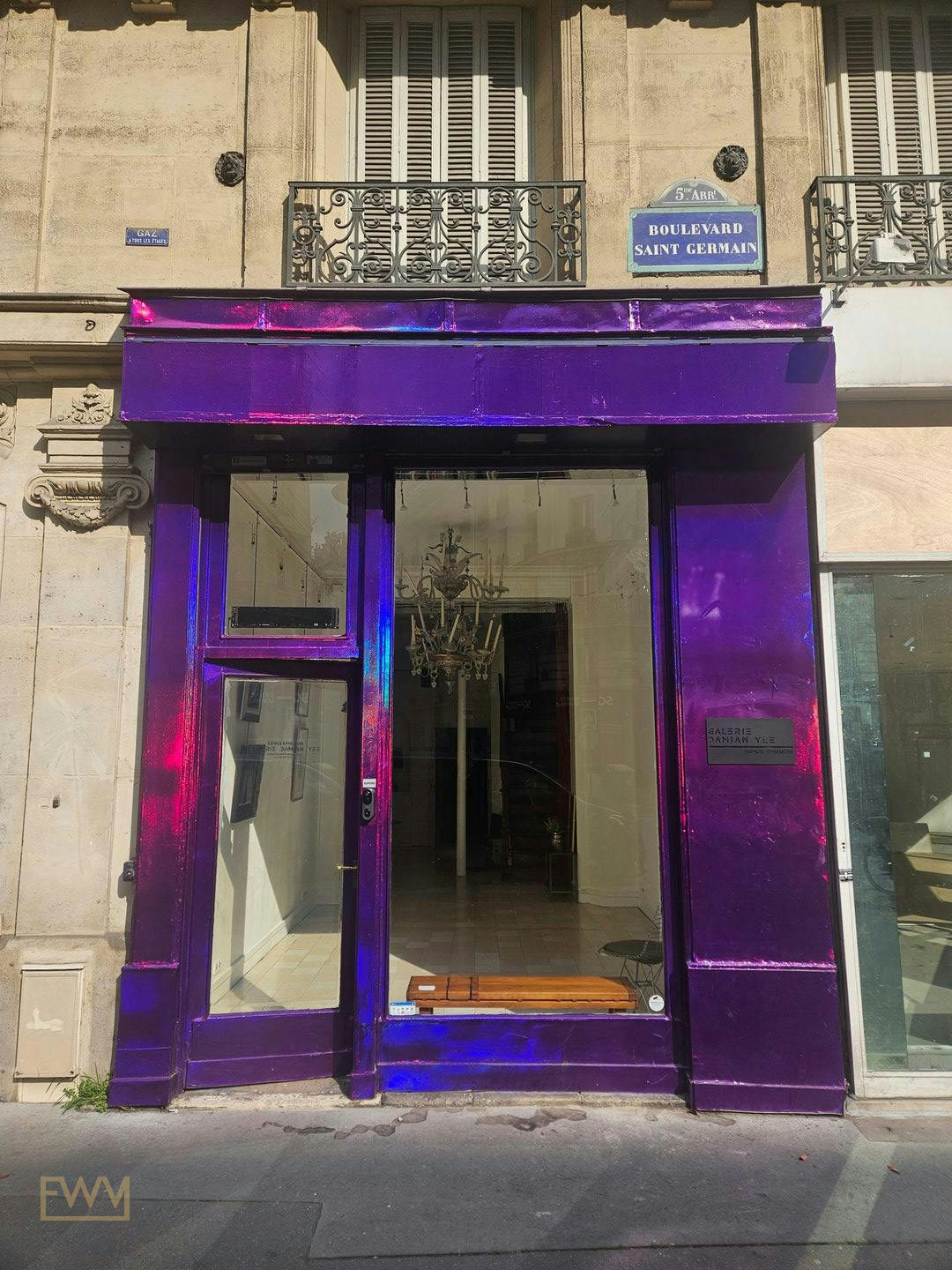
Saint-Germain-des-Prés carries deep cultural authority for fashion, publishing, beauty, and luxury lifestyle brands. The neighbourhood attracts an affluent Parisian clientele alongside international visitors drawn by the area's association with intellectual and creative prestige. Commercial spaces here tend toward traditional boutique formats, with beautiful stone facades, high ceilings, and the kind of heritage interior details that photograph well and require minimal branded fit-out to create impact. Rental costs reflect the neighbourhood's prestige, and short-term availability is limited but real. For beauty brands, lifestyle concepts, and fashion labels positioning themselves in the premium or quiet luxury segment, Saint-Germain remains one of the most credible addresses in the city.
The Golden Triangle: Champs-Élysées, Avenue Montaigne, and Rue François 1er
The 8th arrondissement's Golden Triangle is the heartland of Parisian luxury retail. Boulevard Malesherbes, Place de la Madeleine, Rue Paul Cézanne, Rue de Marignan, and 134 Boulevard Haussmann all sit within or adjacent to this zone. The Champs-Élysées and Avenue des Champs-Élysées combine extreme foot traffic volume with strong international visitor concentration, making them relevant for brands that need maximum visibility and can support a high-volume retail operation. Place Vendôme and Rue Saint-Honoré represent the quieter, more rarefied side of the 8th and 1st arrondissements, attracting jewellery houses, haute couture ateliers, and ultra-luxury concepts. Commercial spaces in this zone are among the most expensive per square metre in France, and short-term leases require experienced negotiation and solid legal support.
Rue de Rivoli, Châtelet, and the 1st Arrondissement
Rue de Rivoli sits between the tourist-heavy zones around the Louvre and the Châtelet transport hub, creating a dual audience of international visitors and daily Parisian commuters. The 1st arrondissement contains a range of commercial space types from classic storefronts to premium gallery formats near the Palais Royal. For brands seeking high visibility with a strong tourist component, this corridor offers significant foot traffic without the extreme rental costs of the Champs-Élysées.
Pigalle, Montmartre, and the 9th and 18th Arrondissements
Pigalle and Montmartre have become increasingly relevant for creative brands, streetwear labels, independent designers, and concept retail operators. The area has lower commercial property costs than the traditional luxury corridors, higher flexibility for experimental formats, and an authentic neighbourhood character that resonates strongly with younger, culturally engaged consumers. South Pigalle in particular has developed a dense cluster of independent boutiques, studios, and concept spaces that serve as an effective testing ground for new retail concepts.
Bercy, Latin Quarter, and Montparnasse
The Bercy area in the 12th arrondissement offers modern commercial premises, proximity to the Bercy Arena for event-driven activations, and lower rental costs than central Paris. The Latin Quarter serves academic and cultural tourism, making it relevant for book-adjacent brands, cultural retail, and student-facing concepts. Montparnasse in the 14th and 15th arrondissements provides a more workaday Parisian commercial environment with lower costs, appropriate for operational showrooms, office spaces, or business centre formats that do not require the prestige address of the central arrondissements.
To compare neighbourhoods and space types, explore the Paris city hub on Fashion Week Venues and shortlist spaces that match your brief, budget, and calendar window.
| Neighbourhood | Best For | Space Types Available | Foot Traffic Profile | Relative Cost |
|---|---|---|---|---|
| Le Marais | Pop-up, showroom, concept store | Boutique, gallery, loft | Mixed: local, tourist, fashion industry | Medium-High |
| Saint-Germain-des-Prés | Luxury lifestyle, beauty, premium fashion | Boutique, apartment-format | Affluent local, international | High |
| Champs-Élysées / Golden Triangle | Luxury, flagship, high-volume retail | Flagship, storefront | Very high: international mass + luxury | Very High |
| Saint-Honoré / Vendôme | Ultra-luxury, jewellery, haute couture | Boutique, maison-format | Low volume, ultra-high value clientele | Extremely High |
| Pigalle / Montmartre | Creative brands, streetwear, concept retail | Studio, loft, boutique | Mixed: local, young, creative | Medium |
| Bercy / Montparnasse | Operational showroom, business centre | Office, showroom, commercial | Lower, commuter-driven | Lower |
KEY TAKEAWAY: Every Paris neighbourhood creates a different brand positioning outcome. Before searching any listing platform, define your target clientele, your activation format, and your calendar window, then map these to the neighbourhood that delivers the right combination of foot traffic, aesthetic credibility, and available space type.
Once you understand where to search, you need to understand what you are searching for. The next section breaks down the full range of retail space types available in Paris.
Retail Space Types and Concepts: From Storefront to Fashion Showroom
Paris offers a wider variety of commercial space formats than most retail markets, and choosing the right space type is as important as choosing the right neighbourhood. A retail concept that performs brilliantly in a gallery format may fail in a traditional storefront, and vice versa.
Quick answer: Paris retail spaces range from traditional ground-floor storefronts and boutiques to gallery-style lofts, fashion showrooms, apartment-format spaces, studio photo spaces, and business centres. The right format depends on your retail concept, your merchandising approach, your brand positioning, and whether you need customer foot traffic or appointment-based clientele.
Traditional Storefronts and Boutiques
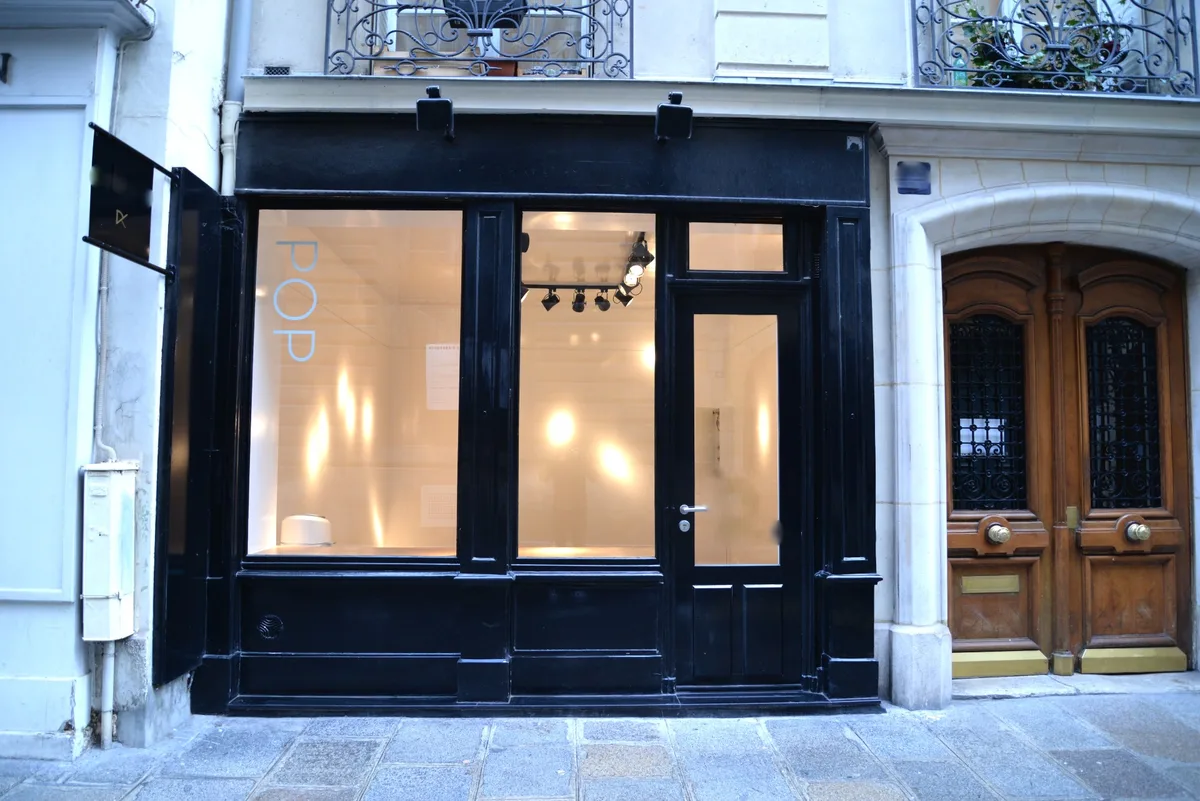
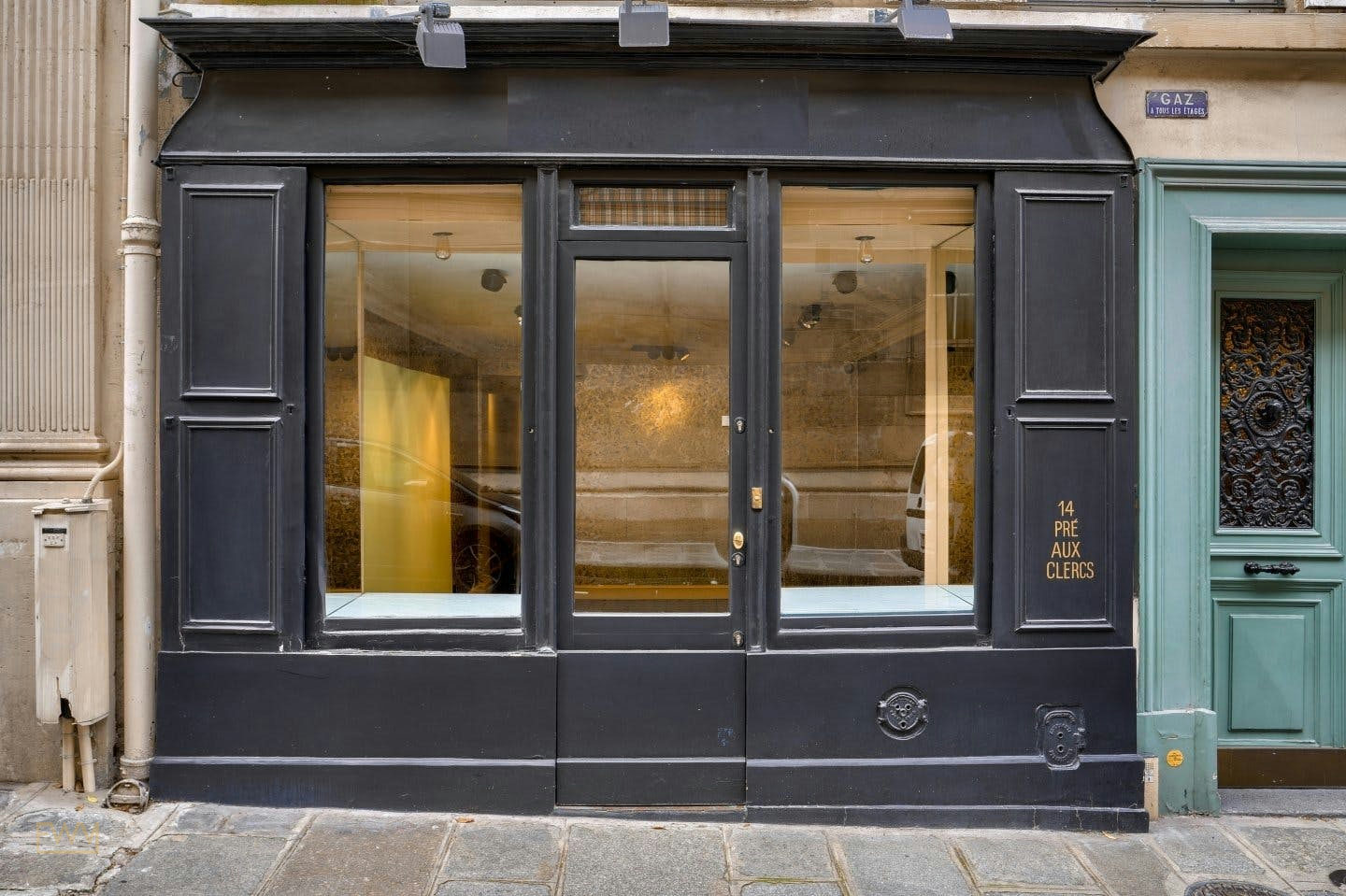
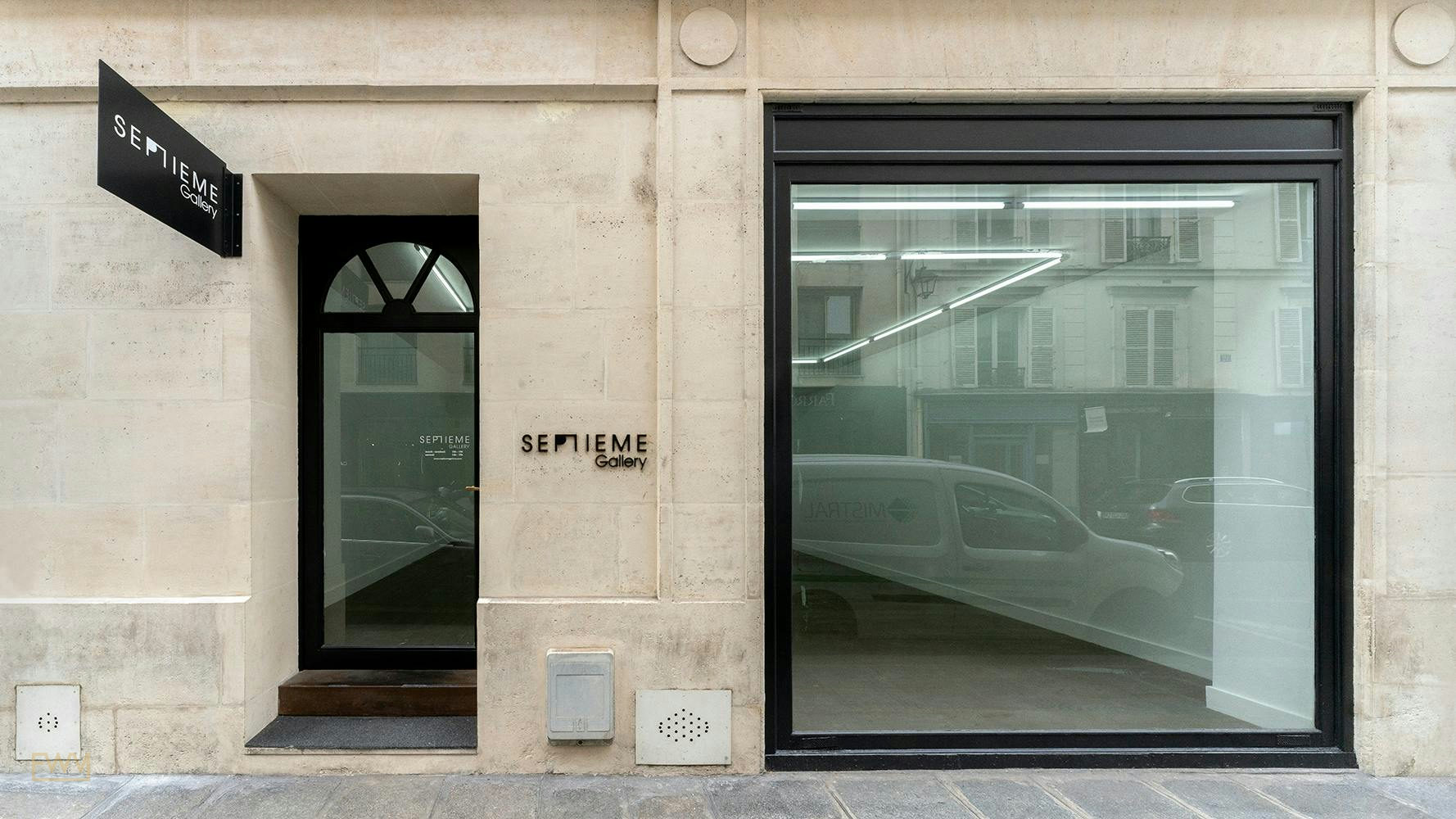
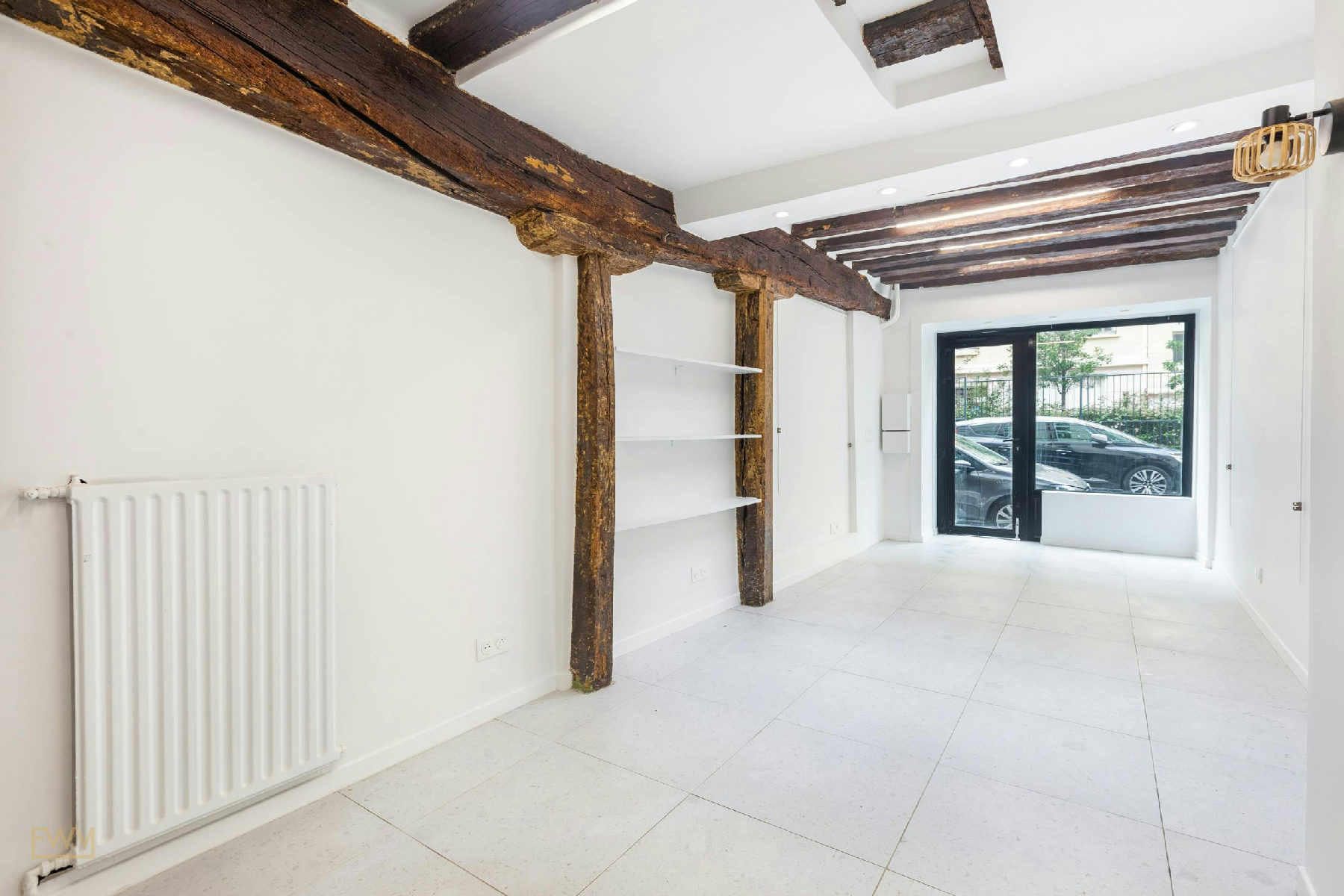
The classic Parisian boutique is a ground-floor commercial unit with a display window onto the street, typically ranging from 20 to 150 square metres in the central arrondissements. These spaces offer direct engagement with pedestrian foot traffic, natural display opportunities through window merchandising, and the familiar retail experience that converts walk-in visitors into buyers. Lighting in Parisian boutiques varies considerably: older spaces may have ornate ceiling fixtures unsuitable for retail merchandise display, while converted spaces may offer flexible spotlights, polished concrete floors, or track lighting systems that suit contemporary retail concepts. Always assess the existing lighting infrastructure alongside the floor finish, because raw concrete floors, polished concrete floors, and original parquet each create different merchandising environments that affect how your product reads in space.
Gallery Spaces and Art Galleries
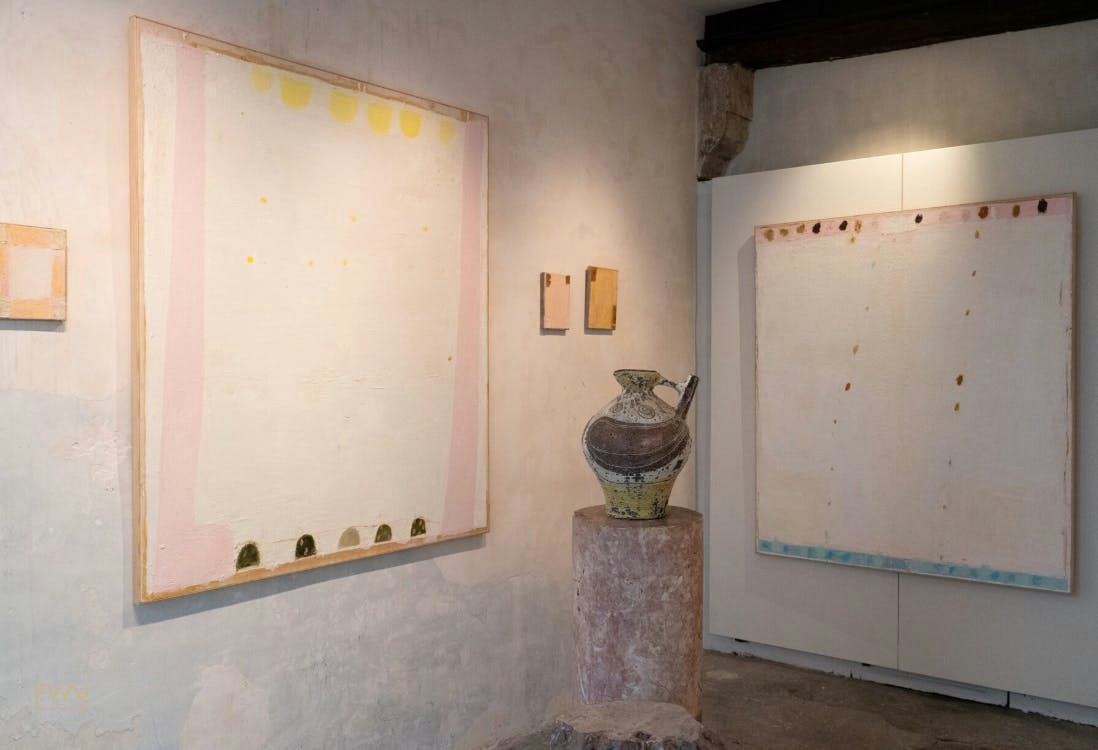
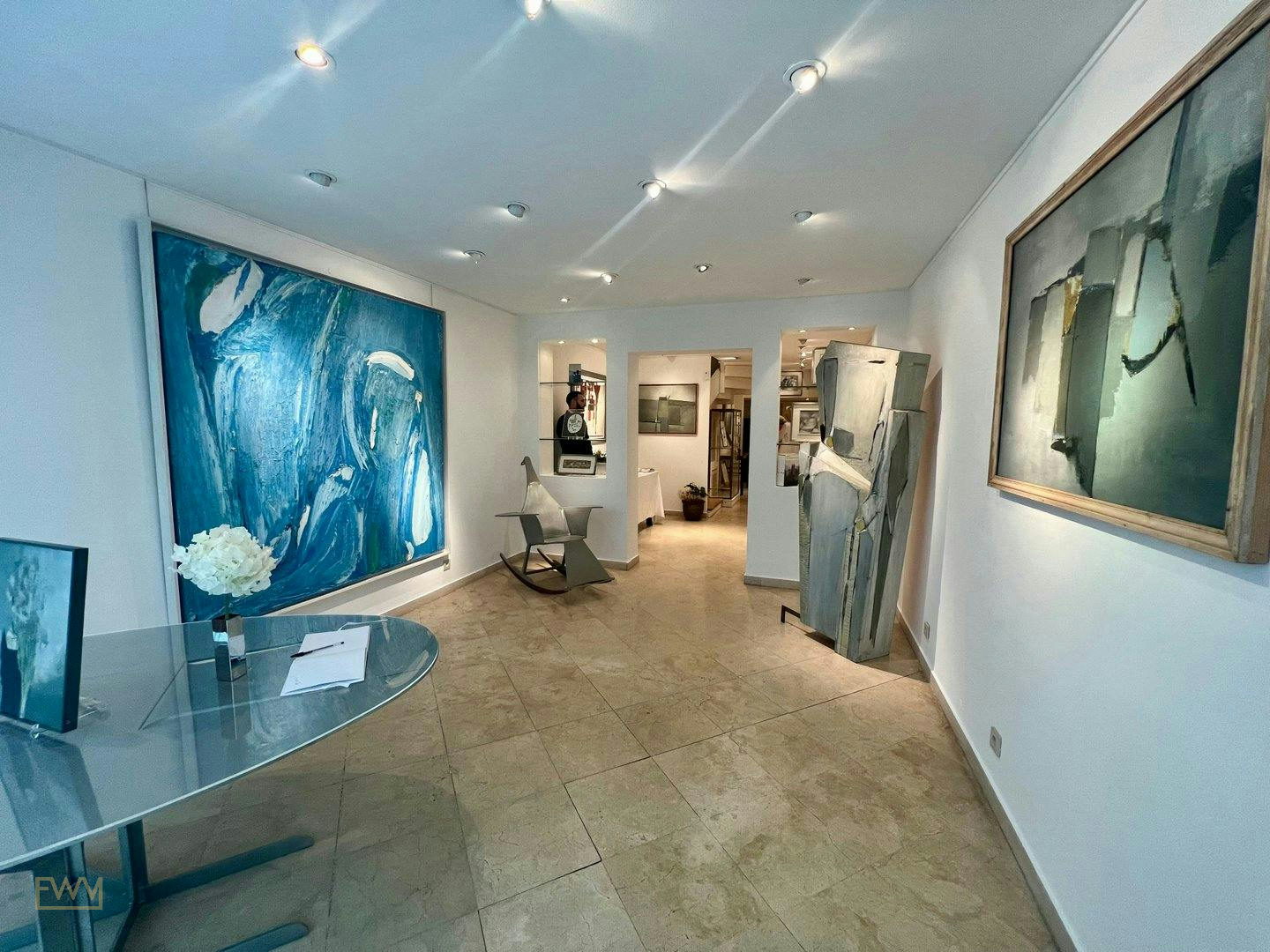
Gallery-format spaces are particularly popular for fashion pop-ups, beauty launches, and premium brand activations. They typically offer high ceilings, white or neutral walls, flexible hanging systems, and a clean aesthetic that puts product rather than architecture at the centre of the experience. In Le Marais especially, former art galleries regularly convert to short-term retail activations during Fashion Week and design events, and this dual-use tradition means many of these spaces are set up for rapid reconfiguration.
Fashion Showrooms
A fashion showroom is a presentation space designed for wholesale buyers, press, and industry appointments rather than public retail. Showrooms require a different spatial logic than consumer-facing boutiques: the emphasis is on controlled access, clear product rail organisation, good natural or artificial lighting that renders fabric colours accurately, and meeting or seating areas for buyer discussions. Many brands rent showroom spaces specifically for the Paris buying season windows around Premiere Vision and the ready-to-wear trade show calendar, maintaining them for two to four weeks before vacating.
Pop-Up Stores and Temporary Retail Spaces
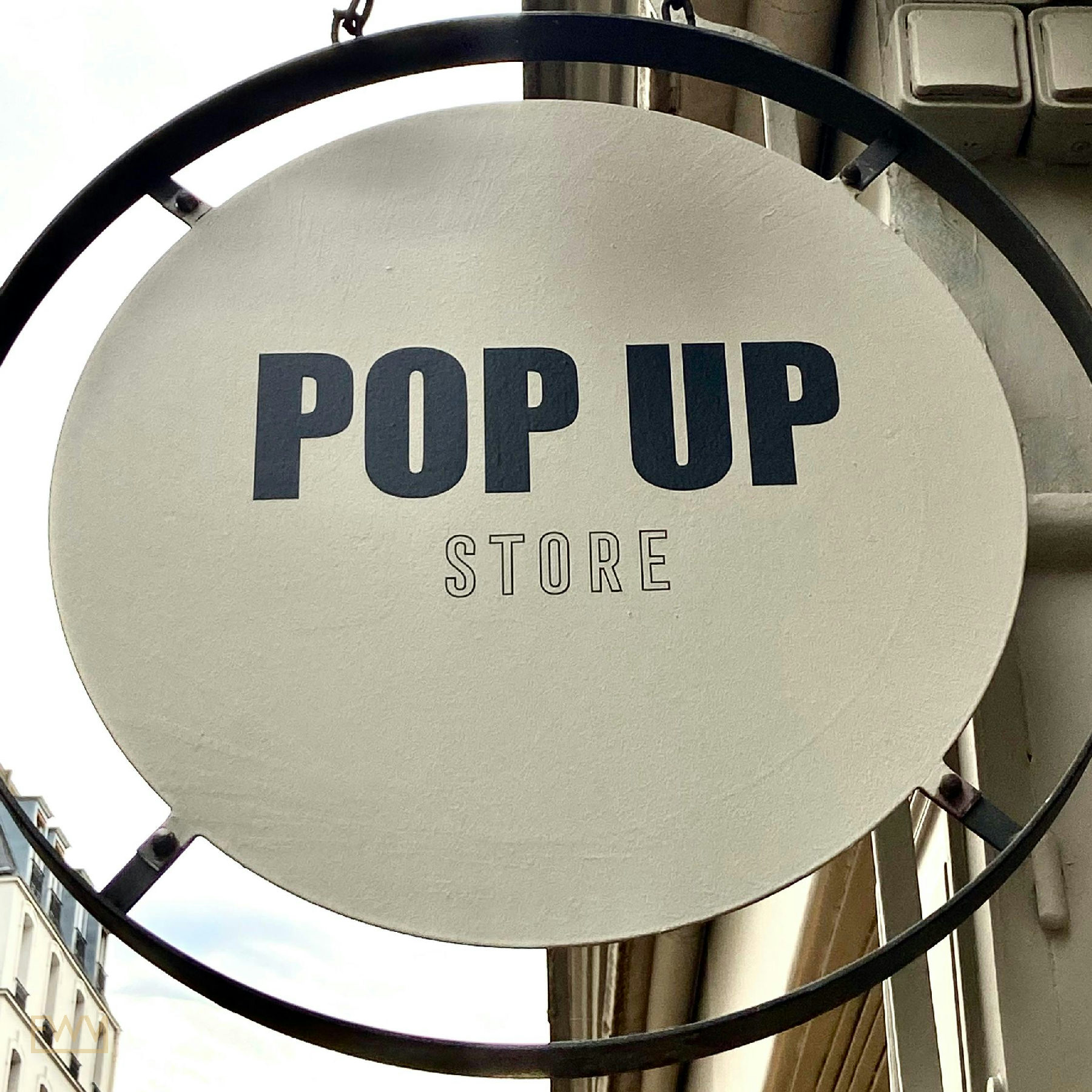
The pop-up store is the defining retail format of the contemporary market, and Paris is one of the most active pop-up markets in Europe. A pop-up store is a short-term retail activation, typically running from a few days to a few weeks, designed to create urgency, generate media coverage, test a market, or support a product launch. Pop-up stores in Paris range from intimate apartment-format spaces in residential buildings to large commercial storefronts on premium retail streets. The legal structure for short-term retail rentals in France is more complex than many brands expect, and securing the right lease format, whether a bail dérogatoire, a convention d'occupation précaire, or an authorisation temporaire d'occupation, is essential before committing to any space.
Apartment-Format Boutiques and Studio Spaces
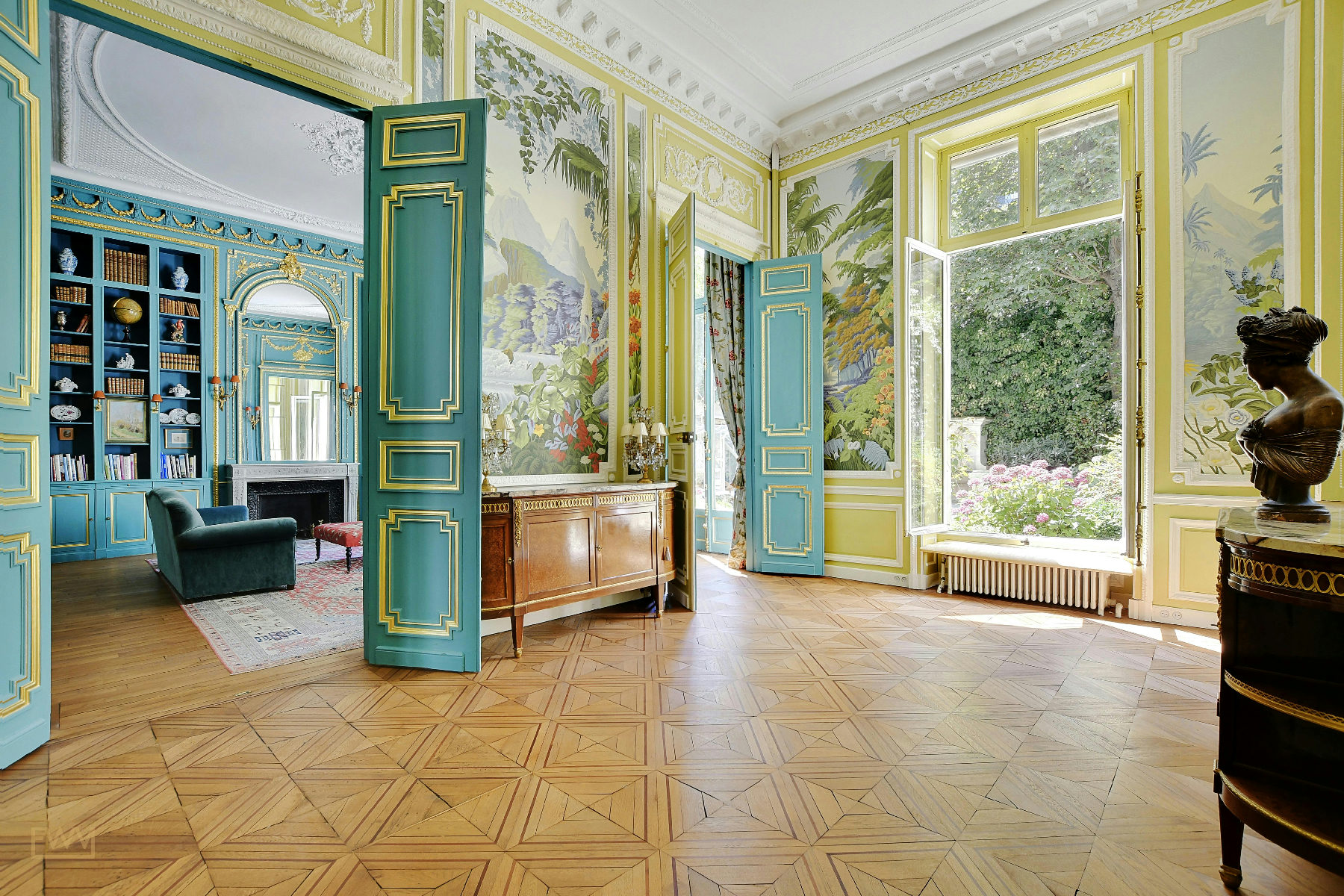
A distinctly Parisian format, the apartment boutique uses a residential space, typically on an upper floor of a Haussmann building, as a curated retail environment. These spaces suit brands whose target clientele responds to intimacy, exclusivity, and discovery rather than street-level visibility. The experience of climbing a staircase and entering a beautifully furnished apartment to discover a curated edit of fashion or homeware is a specific brand experience that commands premium perception. Studio photo spaces, which combine a blank-slate shooting environment with short-term rental, serve both production teams needing a content creation space and brands wanting a highly adaptable pop-up format.
Commercial Spaces, Business Centres, and Offices
For brands with operational rather than consumer-facing needs, commercial spaces in business centres across the less central arrondissements provide functional showroom, office, and storage combinations. These are particularly relevant for brands managing wholesale operations, production coordination, or team workspaces during a Fashion Week period when hotel costs and flexible office space demand are both elevated.
KEY TAKEAWAY: Matching your retail concept to the correct space type is a decision that should precede any search. A format mismatch, choosing a gallery space for a high-volume consumer pop-up, or a street-level boutique for an appointment-only showroom, will undermine both your retail performance and your return on investment.
Knowing your space type narrows your search considerably, but you still need to navigate the platforms, agents, and processes through which Paris spaces are actually found and secured.
Real Estate Platforms, Listings, and How to Search for Shop Space in Paris
The Paris commercial property market uses a fragmented ecosystem of platforms, agents, and networks that can be confusing for international brands approaching the market for the first time. Understanding how each platform works and what its limitations are will prevent wasted time and missed opportunities.
Quick answer: Commercial space in Paris can be found through global platforms such as LoopNet and CoStar, specialist short-term retail marketplaces, French commercial property agents, and curated agency marketplaces like Fashion Week Venues. Each channel serves different space types, duration requirements, and budget tiers. Short-term and pop-up spaces are rarely listed on standard commercial property platforms.
Global Commercial Real Estate Platforms
Platforms such as LoopNet and CoStar primarily serve the long-term commercial property market, with listings measured in years rather than weeks. They cover standard commercial leases, investment properties, and office space across French cities including Paris, and are used by commercial real estate agents, property companies, and investors rather than brands seeking pop-up or temporary retail activations. While some short-term retail spaces may appear on these platforms through broker professionals, they are not the primary discovery channel for fashion pop-ups or short-term retail concepts. CoStar's Blue Listings and similar premium listing tiers give priority visibility to major commercial properties but again skew toward permanent or semi-permanent tenancy.
Specialist Short-Term Retail Marketplaces
Platforms focused specifically on pop-up and short-term retail, including Storefront and comparable services, have created listing inventories that are searchable by arrondissement, space type, square metres, available dates, floor and access details, and space features. These platforms allow users to filter by property type, save searches, set email alerts for new matches, and in some cases compare multiple spaces side by side. Many require account creation, login credentials, and acceptance of terms of use before full listing access is granted. Saved search alert functionality means users can set parameters and receive notifications when new matches appear, which is particularly useful in a fast-moving market where desirable spaces can be claimed within days of listing. Some platforms also offer boost listing options for landlords wanting to increase their property's visibility in search results.
French Commercial Property Agents and Local Experts
For brands searching via the French market directly, local property agents, iad agents, and Agence Paris specialists offer market knowledge, neighbourhood expertise, and direct landlord relationships that online platforms cannot replicate. These agents are fluent in French regulatory requirements, understand local regulations around commercial leases, and can advise on the practical differences between space types and arrondissements. Working with a local commercial real estate agent is advisable for brands seeking spaces outside the standard pop-up marketplace inventory, particularly in neighbourhoods like Bercy, Montparnasse, or the Latin Quarter where the commercial market is less visible to international search platforms. Many French commercial property agents also maintain a blog or property news section that provides context on vacancy rates, market trends, and emerging opportunities across departments and cities.
Curated Agency Marketplaces
For brands that want both discovery and managed execution, curated agency marketplaces combine a searchable space inventory with professional services including concept direction, fit-out, permits, staffing, and activation management. This is the model Fashion Week Venues operates, and it is particularly suited to international brands entering Paris without existing French market infrastructure, local contacts, or the internal capacity to manage a multi-vendor pop-up project. The advantage of a curated marketplace over a raw listing platform is that spaces have been vetted, landlord relationships are already established, and the agency can coordinate the entire project from brief to closedown under a single engagement structure.
TIP: When setting up email alerts on any listing platform, use specific combinations of arrondissement, space type, square metre range, and available date window rather than broad city-level searches. Paris generates high listing volumes and a broad search will produce too much noise to manage effectively.
| Platform Type | Best For | Limitations | Typical Lease Length |
|---|---|---|---|
| LoopNet / CoStar | Long-term commercial leases, investment | Limited short-term / pop-up inventory | 3 years plus |
| Storefront-type platforms | Short-term retail, pop-up discovery | Variable landlord quality, limited curation | Days to months |
| French local agents | Off-market spaces, neighbourhood expertise | Language barrier, slower process | Variable |
| Curated agency marketplace | International brands, full-service activation | Higher service investment | Days to seasons |
KEY TAKEAWAY: No single platform covers the full Paris retail space market. The most effective search strategies combine a specialist short-term marketplace for initial discovery with a local agent or curated agency for negotiation, compliance, and execution.
Finding the space is only the beginning. Operating a shop in Paris requires understanding the legal, permit, and operational requirements that govern commercial activity in France.
Business Operations, Permits, Regulations, and Market Dynamics in Paris
Operating a retail space in Paris, whether temporary or permanent, involves navigating French commercial law, municipal regulations, and event-specific permit requirements. This is one of the most common areas where international brands encounter problems, and getting it right requires specialist knowledge or specialist support.
Quick answer: Short-term retail spaces in Paris are typically governed by a bail dérogatoire for durations up to three years with special provisions, or by a convention d'occupation précaire for genuinely temporary use. For spaces in public domain or specific municipal locations, an autorisation temporaire d'occupation (AOT) may apply. Requirements vary by space type, duration, arrondissement, and landlord structure. Always verify with a qualified French legal advisor.
Commercial Lease Structures in France
The standard French commercial lease is a bail commercial, typically running for nine years with the tenant having the right to break at three-year intervals. This structure is entirely unsuitable for brands seeking a pop-up or short-term retail activation. The bail dérogatoire is a short-term derogatory lease that can run for up to three years cumulatively, after which it either converts to a standard bail commercial or must be vacated. For genuinely temporary activations of a few days to a few months, a convention d'occupation précaire may be more appropriate, though its conditions and protections differ from both a standard lease and a bail dérogatoire. The autorisation temporaire d'occupation applies specifically to spaces on the public domain, such as kiosks, terrace extensions, or temporary structures in squares and public spaces, and is granted by the relevant municipal authority rather than a private landlord.
IMPORTANT: Requirements for commercial space rental in Paris vary by space type, duration, intended use, and arrondissement. This guide provides general orientation only. Always consult a qualified French legal advisor or an experienced local agency before signing any commercial lease or short-term occupancy agreement in France.
Permits for Retail Activations, Events, and Fashion Week
Beyond the lease structure, operating a retail pop-up or brand activation in Paris may require additional permits depending on the nature of the activity. Signage on building facades may require consent from the co-propriété and in some cases from the Mairie. Temporary exterior installations, window dressing that extends beyond the facade, and outdoor brand displays are subject to local planning regulations. Events with amplified sound, public gatherings, or alcohol service require specific municipal approvals. During Paris Fashion Week, competition for permitted activation spaces is intense and many landlords and their managing agents have pre-approved templates for short-term tenants that streamline the process, but this varies considerably by building and arrondissement. Use the permit guidance tool on Fashion Week Venues for a structured overview of what may apply to your specific activation type.
Insurance, Merchandising, and Operational Requirements
French commercial tenants, even on short-term agreements, are typically required to hold public liability insurance and in some cases contents insurance for their stock and fit-out. Landlords will generally require evidence of insurance coverage before keys are handed over. Merchandising regulations in France cover aspects including price labelling, consumer rights displays, and in some retail categories specific product compliance requirements. Fashion brands bringing inventory into France from outside the EU need to understand customs and import duty implications, particularly for brands shipping sample collections for showroom presentations. Brands operating in the beauty and food and beverage categories face additional sector-specific regulations under French law.
The Paris Fashion Week and Events Calendar
The Paris Fashion Week calendar creates the highest concentration of industry demand for retail and showroom spaces in the city's commercial calendar. Womenswear ready-to-wear Fashion Week typically runs across eight to nine days in late September and early October, with menswear and haute couture seasons in January and February. Paris Design Week runs in September, overlapping with the womenswear season and creating a dual demand spike for gallery and design-oriented spaces. FIAC, now operating as Paris+ par Art Basel in October, adds a further arts and culture audience. Brands that plan activations around these calendar windows and secure spaces three to six months in advance are in a fundamentally stronger position than those approaching the market with shorter lead times. During peak windows, vacancy rates in the most desirable zones effectively fall to near zero for quality spaces.
DID YOU KNOW: Many of the most desirable pop-up spaces in Le Marais are booked for the September/October Paris Fashion Week window by March or April of the same year. If you are planning a Fashion Week activation, your search timeline should start considerably earlier than your activation date.
KEY TAKEAWAY: Operating a retail space in Paris requires more compliance preparation than many international brands anticipate. Lease structure, permits, insurance, and operational regulations all require specialist attention. Building this groundwork before you search for spaces ensures that when the right space becomes available, you can move quickly and confidently.
Understanding the market and the regulatory environment is easier when you have the right professional support. The following section explains how Fashion Week Venues specifically helps brands navigate the Paris retail space market.
How Fashion Week Venues Helps Brands Find and Operate Shops for Rent in Paris
Fashion Week Venues operates as a full-service agency and curated space marketplace for brands seeking pop-up shops, showrooms, galleries, and retail activations in Paris and other major fashion capitals. For brands approaching the Paris market without existing local infrastructure, it offers a structured alternative to managing venue sourcing, concept development, fit-out, permits, staffing, and analytics across multiple vendors independently.
Quick answer: Fashion Week Venues provides end-to-end support for brands renting retail spaces in Paris, covering venue sourcing, concept direction, production and build, activation management, staffing, POS and payments, and performance analytics. The agency operates a curated space marketplace and a suite of planning tools including a budget calculator, ROI calculator, permit guide, and timeline planner. It is most useful for brands that need professional local support rather than those with existing French market infrastructure.
Venue Sourcing and the Space Marketplace
The venue sourcing service gives brands direct access to Fashion Week Venues' curated inventory of Paris retail spaces, showrooms, gallery spaces, and boutiques across the key arrondissements, alongside a broader marketplace of vetted spaces available for short-term and seasonal rental. Rather than browsing generic listing platforms where space quality and landlord reliability vary enormously, brands working with Fashion Week Venues access spaces that have been assessed for suitability, compliance readiness, and fit-out potential. The space marketplace allows teams to browse by location, size, format, and availability window, shortlist preferred options, and compare multiple spaces before committing to a brief.
Planning Tools for Paris Retail Activations
Fashion Week Venues provides a suite of tools that help brand teams structure their planning before engaging any space or service. The budget planning tool provides directional cost frameworks for Paris retail activations across different space sizes, duration windows, and service configurations. The ROI calculator helps teams model the commercial return on their activation investment based on variables including estimated foot traffic, conversion assumptions, average transaction value, and media value of press and social coverage. The timeline planner maps the critical path from brief to activation day for a Paris pop-up, including lead times for venue confirmation, fit-out, permits, staffing, and logistics. These tools do not replace professional advice but provide a useful framework for internal planning and budget approval conversations.
Concept Direction, Production, and Branded Store Design
Once a space is identified, the concept direction service helps brands develop a spatial concept that aligns their brand identity with the physical environment, the neighbourhood character, and the target audience. The production and build service coordinates fit-out, furniture installation, lighting, display systems, and branded elements within the specific constraints of a short-term Parisian space, including building access restrictions, heritage protections, and landlord conditions. The Imagine tool allows brands to visualise how a space will look with a particular concept applied before committing to production costs, reducing the risk of concept-to-execution mismatches.
Staffing, POS, Data, and Influencer Marketing
Operating a physical retail space in Paris requires French-speaking retail staff who understand both the product and the service standards expected by Parisian consumers. The retail staffing service provides trained bilingual sales associates, brand ambassadors, and operational staff for pop-up periods. POS and payments infrastructure ensures that transaction processing is compliant with French requirements and supports the reporting needs of the brand team. Data and analytics capture foot traffic, conversion rates, basket values, and customer demographics to provide the post-activation reporting that justifies the investment internally. The influencer marketing service connects activation brands with relevant Paris-based creators and media contacts who can amplify the pop-up's visibility during the activation window.
Who Benefits Most From Fashion Week Venues
Fashion Week Venues is most relevant for international fashion, beauty, and lifestyle brands entering Paris without an existing French retail operation; brands participating in Paris Fashion Week, Paris Design Week, or FIAC activations; brands seeking their first short-term retail presence in a specific Paris neighbourhood; and brand teams that need to manage a complex multi-vendor activation within a compressed timeline. Brands that already have established French legal entities, existing landlord relationships, and local production teams may find more value in using specific individual services rather than a full-service engagement. For detailed guidance on whether and how to engage an agency for your Paris activation, review the agency hiring guide on Fashion Week Venues.
KEY TAKEAWAY: Fashion Week Venues is not simply a listing platform. It is a full-service agency model that combines space discovery with professional execution across concept, production, permits, staffing, and performance measurement. The primary advantage for international brands is the compression of what would otherwise be a complex multi-vendor project into a structured, managed engagement with a single accountable partner.
Even with professional support, brands benefit from understanding the most common misconceptions about renting a shop in Paris. The following section corrects the most persistent myths that lead to poor decisions and wasted investment.
Professional Services, Agents, and Managing Your Paris Shop Search
Securing a shop for rent in Paris involves engaging with a network of professionals beyond the space itself: commercial real estate agents, French legal advisors, fit-out contractors, permit consultants, and operational staffing providers. Understanding who does what and when to engage each party is a critical project management skill for brand teams running a Paris activation.
Quick answer: A successful Paris retail activation typically involves a venue sourcing specialist or curated agency, a French legal advisor for lease review, a local fit-out team for production and build, permit support for municipal approvals, and trained retail staff for the activation period. Trying to manage these vendors independently without a central coordinator dramatically increases timeline risk and compliance exposure.
Commercial Real Estate Agents and Broker Professionals
Traditional commercial real estate agents in Paris focus primarily on standard bail commercial leases and represent landlords or tenants in long-term transactions. Broker professionals operating in the commercial property sector understand investment properties, office space, and standard commercial tenancy but may have limited experience with short-term pop-up formats, fashion industry calendars, or the specific space requirements of a brand activation. When working with a local property agent or iad agent for a short-term retail requirement, it is essential to confirm upfront that they have specific experience with bail dérogatoire structures and short-term retail clients, as the market knowledge required is genuinely different from standard commercial transactions.
The Role of Landlords in the Paris Retail Market
Paris landlords range from large institutional property companies managing major commercial streets to individual private owners with a single boutique space in a residential building. Institutional landlords typically have established short-term rental frameworks and legal templates, while private landlords may be less familiar with bail dérogatoire structures and may require more education about what a pop-up brand activation involves. Building a relationship with the right landlord type for your space requirement is part of the venue sourcing process, and experienced agencies bring pre-existing landlord relationships that bypass the initial trust-building phase that private landlords often require with unfamiliar international tenants.
Planning Timelines and Critical Path Management
A Paris retail activation has a non-negotiable critical path. Venue identification and negotiation must precede lease signing. Lease signing must precede fit-out design finalisation. Fit-out design must precede production procurement. Permit applications must be submitted with sufficient lead time, which varies by municipality and permit type. Staffing recruitment and training must be completed before the activation opens. The timeline planning tool on Fashion Week Venues provides a structured framework for mapping these dependencies against your target activation date.
| Project Phase | Key Activities | Typical Lead Time Before Activation | Who Is Responsible |
|---|---|---|---|
| Brief and budget | Define format, dates, budget, neighbourhood | 6 to 12 months for Fashion Week windows | Brand team |
| Venue search and shortlist | Platform search, agency brief, site visits | 4 to 6 months | Agency or brand team |
| Lease negotiation and signing | Bail dérogatoire review, legal sign-off | 3 to 4 months | Legal advisor and agency |
| Concept and design | Spatial concept, fit-out specification | 2 to 3 months | Creative and production team |
| Permits and compliance | Municipal applications, insurance | 2 months minimum | Permit consultant or agency |
| Production and build | Fit-out installation, furniture, lighting | 2 to 4 weeks before opening | Production team |
| Staffing and operations | Recruitment, training, POS setup | 2 weeks before opening | Staffing service |
| Activation and live trading | Daily operations, analytics, social media | Activation period | Full team |
| Closedown and reporting | Fit-out removal, data analysis, handover | Immediately post-activation | Agency and brand team |
KEY TAKEAWAY: Paris retail activation timelines are significantly longer than many brands expect. Working backward from your target opening date and building in realistic lead times for each project phase is the single most important planning action you can take before beginning your space search.
With a clear process framework and professional support in place, the final practical step is understanding the budget and cost landscape for Paris retail spaces, which the next section addresses directly.
Budget, Cost, and What to Expect When Renting Retail Space in Paris
The cost of renting a shop in Paris varies enormously depending on the neighbourhood, the space type, the size in square metres, the rental duration, and the calendar window. Providing specific price guarantees would be misleading given market volatility, but this section outlines the key cost variables and how to structure a realistic budget.
Quick answer: Paris retail space rental costs are driven primarily by location, size, duration, and timing. A small boutique in Le Marais during Paris Fashion Week commands a significant premium over the same space during an off-peak month. The total budget for a Paris pop-up must account for rental cost, fit-out and production, permits and legal, staffing, POS and operations, insurance, and marketing and influencer activation. Use the Fashion Week Venues budget tool for brand-specific estimates.
The Cost Variables That Drive Paris Retail Rental Pricing
Location is the dominant cost variable. A ground-floor storefront on the Champs-Élysées or Rue Saint-Honoré will command rental rates that are multiples of what a comparable-sized space in Pigalle or Montparnasse would cost. Size is the second variable: Paris retail spaces are typically priced per square metre per week or per month, and the price per square metre generally decreases as total square metres increase, though this is not universal. Duration affects cost in two directions: very short activations of one to two weeks often carry a premium per day or per week over a monthly rate, while longer short-term agreements of two to four months may unlock more competitive terms. The calendar window is critical: spaces during Paris Fashion Week, Paris Design Week, and the December holiday period command significant premiums over the same weeks in February or June.
Total Budget Framework for a Paris Pop-Up
The rental cost of the space itself is only one component of the total budget required to run a successful Paris retail activation. A complete budget must include fit-out and production costs covering furniture, display systems, branded elements, lighting adjustments, and any structural modifications permitted under the lease. It must include permit and legal fees covering lease review, permit applications, and compliance advice. Staffing costs for the activation period must include recruitment, training, and the cost of French-speaking sales associates. POS and payments infrastructure, whether owned or rented, represents a further cost line. Marketing and influencer activation budget, including social media production, press materials, and creator fees, should be planned before the activation begins rather than added as an afterthought. Finally, insurance costs and the cost of fit-out removal and space reinstatement at the end of the activation must be factored in.
TIP: Use the budget planning tool on Fashion Week Venues to build a structured cost estimate for your specific Paris activation before approaching any landlord or agency. Having a defined budget range documented before you begin searching prevents the common mistake of falling in love with a space you cannot afford to activate properly.
Affordable Commercial Space in Paris: What It Means and Where to Find It
What counts as affordable commercial property in Paris is relative to both the brand's budget and the market context. For international luxury brands, affordable means manageable within a marketing budget that can absorb premium location costs in exchange for brand positioning value. For emerging labels and independent designers, affordable means finding credible spaces in slightly less central locations that still deliver meaningful foot traffic and brand visibility. Neighbourhoods such as Pigalle, South Montmartre, parts of the 10th and 11th arrondissements, and the outer sections of the Marais offer lower rental costs than the premium zones while still providing the distinctively Parisian aesthetic that gives a pop-up credibility. Timing also matters: activations outside the peak Fashion Week and holiday windows can access the same quality spaces at significantly lower cost.
What Leasehold Improvements Mean for Paris Pop-Ups
Leasehold improvements are modifications made to a rented space by the tenant to fit the space to their operational needs. In Paris, the scope of permitted leasehold improvements under a short-term bail dérogatoire is typically more restricted than under a long-term bail commercial. Landlords will generally permit light-touch fit-out including furniture placement, temporary display systems, branded graphics applied to surfaces that can be removed without damage, and portable lighting supplementation. Structural modifications, permanent floor coverings, and changes to electrical or plumbing systems are generally not permitted under short-term agreements and require explicit written landlord consent. Understanding what you are permitted to do to the space before you sign the lease is essential for both your concept planning and your production budget.
KEY TAKEAWAY: Total Paris retail activation budgets should be planned holistically from the start, covering all cost lines rather than rental alone. The rental cost itself is often 30 to 50 percent of the total activation budget once fit-out, staffing, permits, and marketing are included. Building a complete budget framework before beginning your search prevents scope creep and enables confident negotiation.
Common Myths About Renting a Shop in Paris: Debunked
MYTH: You need a French legal entity to rent a commercial space in Paris.
FACT: International brands can rent short-term commercial spaces in Paris without a registered French legal entity, though doing so requires careful lease structuring and in many cases a local guarantor or advance payment arrangement. Under a bail dérogatoire or convention d'occupation précaire, the tenant is often a foreign company contracting directly with the French landlord. However, certain activities, including VAT registration for retail sales, may trigger French tax obligations regardless of legal entity status, and professional legal advice is essential before proceeding.
MYTH: Paris Fashion Week is the only viable activation window for brands seeking pop-up retail in Paris.
FACT: While Paris Fashion Week generates the highest concentration of industry demand, Paris supports successful retail activations year-round. Paris Design Week in September, FIAC in October, the December holiday and gifting season, the summer tourist peak from June through August, and the January sales period all create significant consumer foot traffic windows. Many brands find that activating outside Fashion Week actually delivers better consumer retail performance because they are competing with fewer brand activations for visitor attention, and space costs outside peak windows are considerably more accessible.
MYTH: Commission brokers are the only way to find a retail space in Paris.
FACT: Commission brokers are one channel among several for finding retail space in Paris. Curated agency marketplaces, specialist short-term retail platforms, direct landlord relationships, and French commercial property agents all provide alternative discovery routes. Curated agency marketplaces like Fashion Week Venues combine space discovery with vetted space quality, established landlord relationships, and full-service activation support that a commission broker typically cannot provide. For brands with specific requirements and short timelines, a curated agency approach often delivers faster, better-matched results than a traditional broker process.
MYTH: Short-term commercial leases in France are legally straightforward and can be managed without specialist help.
FACT: French commercial lease law is among the most complex in Europe, and the distinction between a bail dérogatoire, a convention d'occupation précaire, and an autorisation temporaire d'occupation involves significant legal nuance that has real consequences for tenant rights, landlord obligations, and permitted use. International brands that sign short-term lease documents in French without qualified legal review regularly encounter problems including unexpected liability, security deposit disputes, and permit compliance failures. Always engage a qualified French legal advisor or an experienced local agency before signing any commercial occupancy agreement in Paris.
MYTH: Pop-up shops in Paris are only relevant for fashion brands during Fashion Week.
FACT: Paris pop-up stores serve a wide range of brand categories including beauty, food and beverage, technology, lifestyle, homeware, art, and publishing. The pop-up format is used for product launches, market testing, brand awareness campaigns, wholesale showroom presentations, influencer events, and consumer experience activations across all these sectors. The fashion industry's association with Paris pop-ups reflects its prominence in the city's commercial calendar, but the format is equally viable and increasingly common for brands in non-fashion categories that want to leverage Paris's extraordinary concentration of international consumer and media attention.
Frequently Asked Questions
What is a pop-up store?
A pop-up store is a short-term retail activation that operates for a defined period, typically ranging from a few days to a few months, in a temporary location. Unlike permanent retail, a pop-up is designed to create urgency, generate media and social media attention, test a new market or product, or deliver a specific brand experience to a targeted audience. In Paris, pop-up stores are used by brands across fashion, beauty, lifestyle, and technology categories to build presence and credibility in the French market without committing to a permanent retail lease. They are particularly effective when timed around major cultural events such as Paris Fashion Week or Paris Design Week.
How do I rent a pop-up shop in Paris?
Renting a pop-up shop in Paris involves several steps: defining your brief including target neighbourhood, space size, preferred format, required dates, and budget; searching relevant platforms or engaging an agency to source matching spaces; reviewing and negotiating the lease structure, which for a short-term rental should be a bail dérogatoire or convention d'occupation précaire rather than a standard bail commercial; obtaining required permits and insurance; and planning fit-out, staffing, and operations. International brands are strongly advised to work with a local specialist or curated agency for at least the lease review and permit phases, as French commercial law is complex and non-compliance carries real consequences.
What are the most sought-after locations for leasing commercial space in Paris?
The most in-demand commercial locations in Paris for retail and brand activations are Le Marais in the 3rd and 4th arrondissements, Rue Saint-Honoré and Place Vendôme in the 1st arrondissement, the Golden Triangle area including Avenue Montaigne and the Champs-Élysées in the 8th arrondissement, and Saint-Germain-des-Prés in the 6th arrondissement. For more accessible rental costs with strong creative credibility, Pigalle and Montmartre in the 9th and 18th arrondissements are increasingly popular. Demand in all premium zones is significantly elevated during Paris Fashion Week and Paris Design Week, requiring early planning and booking.
How much does it cost to rent retail space in Paris?
Rental costs for retail space in Paris vary widely by location, size, format, duration, and timing. Premium addresses such as the Champs-Élysées and Rue Saint-Honoré command some of the highest commercial property costs in the world. More accessible costs are available in creative neighbourhoods such as Pigalle and parts of Le Marais outside the most central streets. Total activation budgets for a Paris pop-up must account for rental, fit-out, permits, staffing, insurance, and marketing in addition to the space rental cost itself. For brand-specific directional estimates, use the budget planning tool on Fashion Week Venues.
Are pop-up stores common in Paris?
Paris has one of the most active pop-up retail markets in Europe. The combination of a strong fashion and design calendar, exceptional international visitor volume, sophisticated consumer culture, and a wide variety of available short-term commercial spaces makes Paris an ideal pop-up market. Most major international fashion and lifestyle brands use Paris pop-ups as a core market entry or brand building tool, and the format is well understood by landlords, press, consumers, and industry professionals in the city. Short-term retail is a recognised and established commercial category rather than an exception in the Paris market.
What neighbourhoods are best for pop-up retail in Paris?
The best neighbourhood for a pop-up depends on your target audience, brand positioning, and budget. Le Marais delivers the strongest combination of fashion industry credibility, tourist foot traffic, and short-term space availability for most fashion and lifestyle brands. Saint-Germain-des-Prés suits premium and cultural brands seeking an affluent Parisian clientele. The Champs-Élysées and Golden Triangle deliver maximum visibility and international tourist volume for brands that can support the associated costs. Pigalle and Montmartre offer creative credibility and more accessible rental terms for independent or streetwear-adjacent labels. Each neighbourhood creates a different brand experience and should be chosen based on strategic alignment rather than simply on name recognition.
What is a bail dérogatoire and do I need one for a pop-up in Paris?
A bail dérogatoire is a French short-term commercial lease that allows landlord and tenant to derogate from the standard nine-year bail commercial protections for a period of up to three years cumulatively. It is the most commonly used legal framework for pop-up and short-term retail activations in Paris. Unlike a standard bail commercial, a bail dérogatoire does not grant the tenant the right to renew the lease at the end of the agreed period, which is what makes it suitable for temporary activations. For very short activations measured in days or weeks, a convention d'occupation précaire may be more appropriate. Always have the specific lease document reviewed by a qualified French legal advisor before signing.
Can I browse Paris retail listings in French on local platforms?
Yes, many French commercial property platforms including those operated by local property agents, Agence Paris specialists, and commercial real estate firms publish listings in French, which provides access to a wider inventory that may not appear on English-language international platforms. Browsing French-language listings requires either French language capability or professional translation support, particularly for understanding lease terms and special conditions. Working with a local agent or a curated agency with French market expertise eliminates this language barrier and often provides access to off-market spaces that are never publicly listed. Some platforms also allow users to register accounts, save searches, and set email alerts in French, which can be useful for monitoring specific arrondissements or space types.
What is the difference between a fashion showroom and a pop-up store in Paris?
A fashion showroom is a presentation space designed for wholesale buyers, press, and trade appointments rather than direct consumer retail. It operates by invitation and focuses on presenting a collection to industry professionals during the buying season. A pop-up store, by contrast, is a consumer-facing retail environment open to the public, focused on direct sales, brand awareness, and customer experience. The two formats have different spatial requirements, different staffing needs, different legal frameworks in some cases, and different success metrics. Some brands combine both formats, using a space as a showroom during the trade days of Fashion Week and as a consumer pop-up store during the public-facing days of the same week.
Why should I use an agency rather than searching for space independently?
Using an agency for your Paris retail space search delivers advantages across several dimensions: access to a curated and vetted space inventory, established landlord relationships that reduce negotiation time and trust barriers, expertise in French lease structures and permit requirements, and the ability to coordinate fit-out, staffing, permits, and analytics under a single managed engagement. Independent search through listing platforms is possible but exposes brand teams to variable space quality, unvetted landlords, and the full complexity of French commercial compliance without professional support. The decision to use an agency depends on your team's existing French market knowledge, internal capacity, and timeline. For structured guidance on this decision, review the agency hiring guide on Fashion Week Venues.
What does the fit-out and production process involve for a Paris pop-up?
Fit-out for a Paris pop-up covers all physical modifications and installations needed to transform a raw or existing commercial space into your branded retail environment. This typically includes furniture placement and any custom furniture pieces, display systems and shelving, branded graphics, signage, lighting adjustments including supplementary spotlights or accent lighting, and point-of-sale infrastructure. In Paris short-term spaces, the permitted scope of fit-out is usually more restricted than in permanent retail, and landlords typically require that all installations be fully reversible and removed at the end of the lease with the space returned to its original condition. Build timelines in Paris can be compressed due to building access restrictions, co-propriété rules, and the typical availability of spaces only a short time before the activation date.
What permits might I need for a retail pop-up in Paris?
Permit requirements for a Paris retail pop-up vary by space type, location, duration, and the nature of your planned activity. Common permit considerations include facade signage approval from the co-propriété and potentially from the Mairie, temporary structure approvals for external installations, event permits for gatherings with sound or public programming, alcohol service licences if applicable, and in some cases specific approvals for spaces in or adjacent to listed heritage buildings. The relevant authority for municipal permits varies by arrondissement. Always begin permit research as early as possible in your planning process, as approval timelines can be longer than expected, particularly during peak periods. Use the permit planning tool on Fashion Week Venues for initial orientation, and follow up with a qualified French legal advisor for your specific situation.
How do I know which commercial premises will be best suited to my business?
The best commercial premises for your business in Paris depends on matching the physical space to four key dimensions: your target customer profile and where they concentrate in the city; your retail concept and what spatial format supports it most effectively; your brand positioning and which neighbourhood's character reinforces rather than contradicts it; and your operational requirements including access, storage, power, lighting, and loading. A systematic assessment of these four dimensions before beginning any space search will make every subsequent decision easier and faster. Site visits are essential and should include visiting the street at different times of day and on different days of the week to assess real foot traffic patterns rather than relying on averages.
Can I find affordable pop-up space in Paris outside the premium zones?
Yes, Paris has a range of commercially interesting areas outside the premium luxury corridors where short-term retail spaces are available at more accessible costs. Neighbourhoods including South Pigalle, Montmartre, the Canal Saint-Martin area in the 10th arrondissement, and the Oberkampf area in the 11th arrondissement have all developed active independent retail cultures with a strong creative community. These areas attract younger, culturally engaged consumers and have lower rental costs than Le Marais or Saint-Germain-des-Prés. The trade-off is lower raw foot traffic volume and less immediate name recognition for international audiences, though for the right brand concept, these areas can deliver exceptional authenticity and community engagement that premium addresses cannot.
How can I plan ahead for a Paris retail activation when I have not yet finalised my concept?
Planning ahead when your concept is not yet finalised requires locking in the elements you do know while building in flexibility for the elements you do not. You can commit to a calendar window, a neighbourhood preference, a budget envelope, and a space size range before your retail concept is fully developed. These parameters alone are sufficient to begin a venue search, create a shortlist of candidate spaces, and even place a provisional hold on a preferred option with a reputable agency. Concept development can then proceed in parallel with the space search, using the confirmed space as a constraint and an inspiration for the creative direction rather than waiting until concept is complete before beginning to look for space.
Conclusion: Making Your Paris Shop Rental Decision With Confidence
Finding the right shop for rent in Paris is a multi-dimensional project that combines market knowledge, legal expertise, creative vision, and operational planning into a single compressed timeline. The city's retail landscape offers extraordinary opportunities for brands willing to invest the preparation required to navigate it correctly, from the curated boutique streets of Le Marais and the luxury prestige of Place Vendôme, to the creative energy of Pigalle and the cultural authority of Saint-Germain-des-Prés.
The most successful Paris retail activations share a common pattern: early planning that begins three to six months before the target activation date, a clearly defined brief that specifies neighbourhood, format, duration, budget, and target customer before space search begins, professional legal and compliance support for lease structures and permit applications, and an integrated approach to concept, production, staffing, and analytics that treats the activation as a single coherent project rather than a collection of disconnected vendor contracts.
Whether you are planning your first Paris pop-up or your tenth seasonal showroom, the quality of the space you secure and the quality of the support you have around you will determine whether your Paris presence delivers the brand impact, consumer engagement, and commercial return you are investing to achieve.
To move from research to activation, start exploring available spaces on the Fashion Week Venues marketplace and build a focused brief for your target neighbourhood, space type, and calendar window.