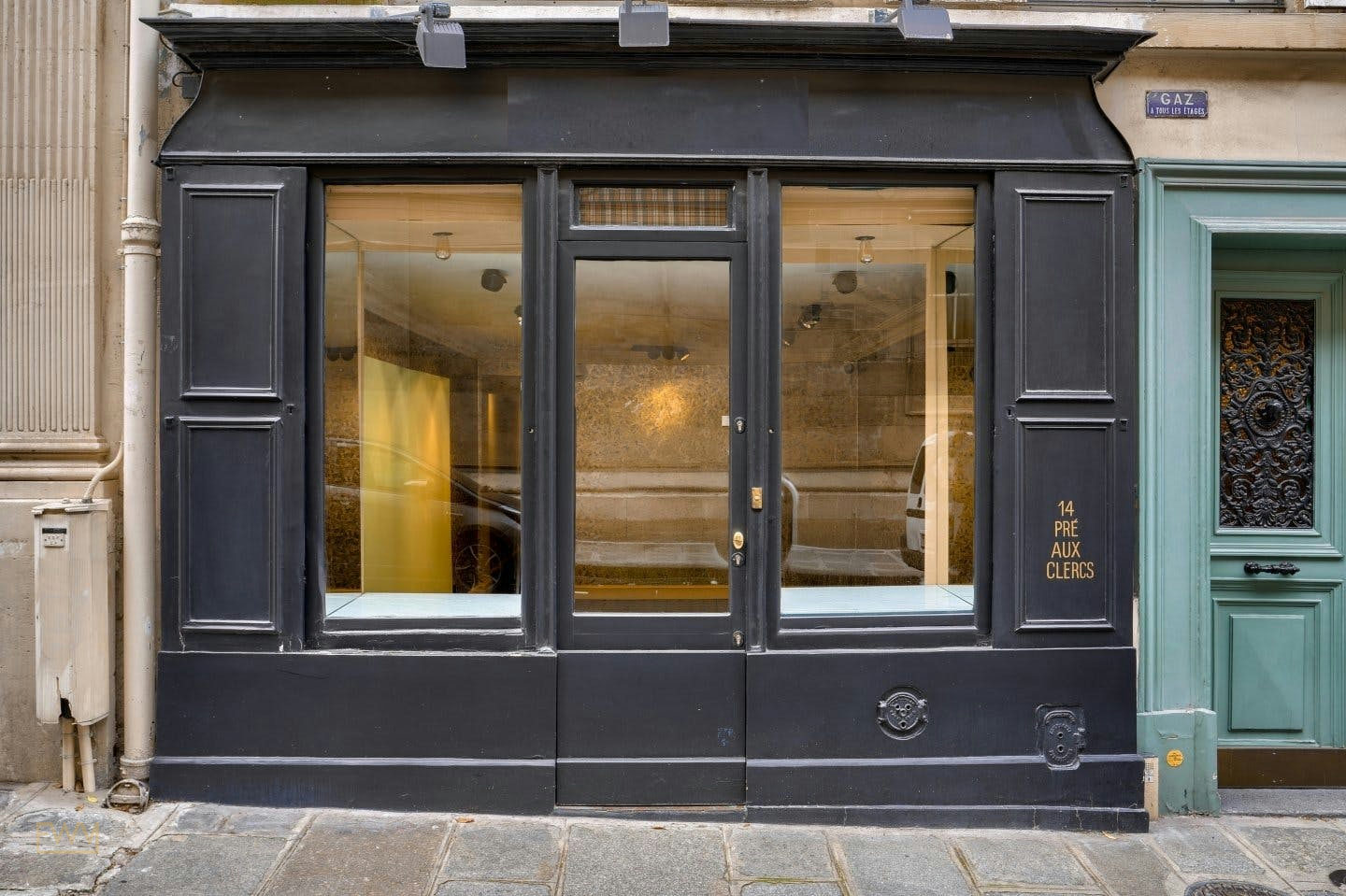
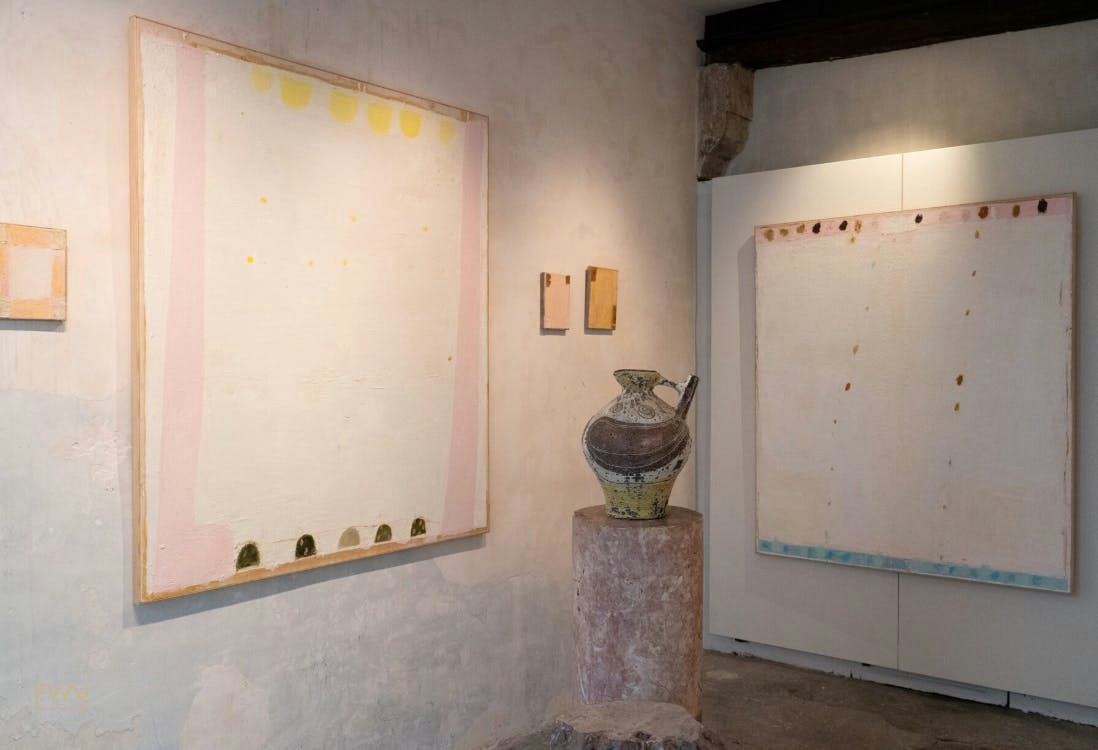
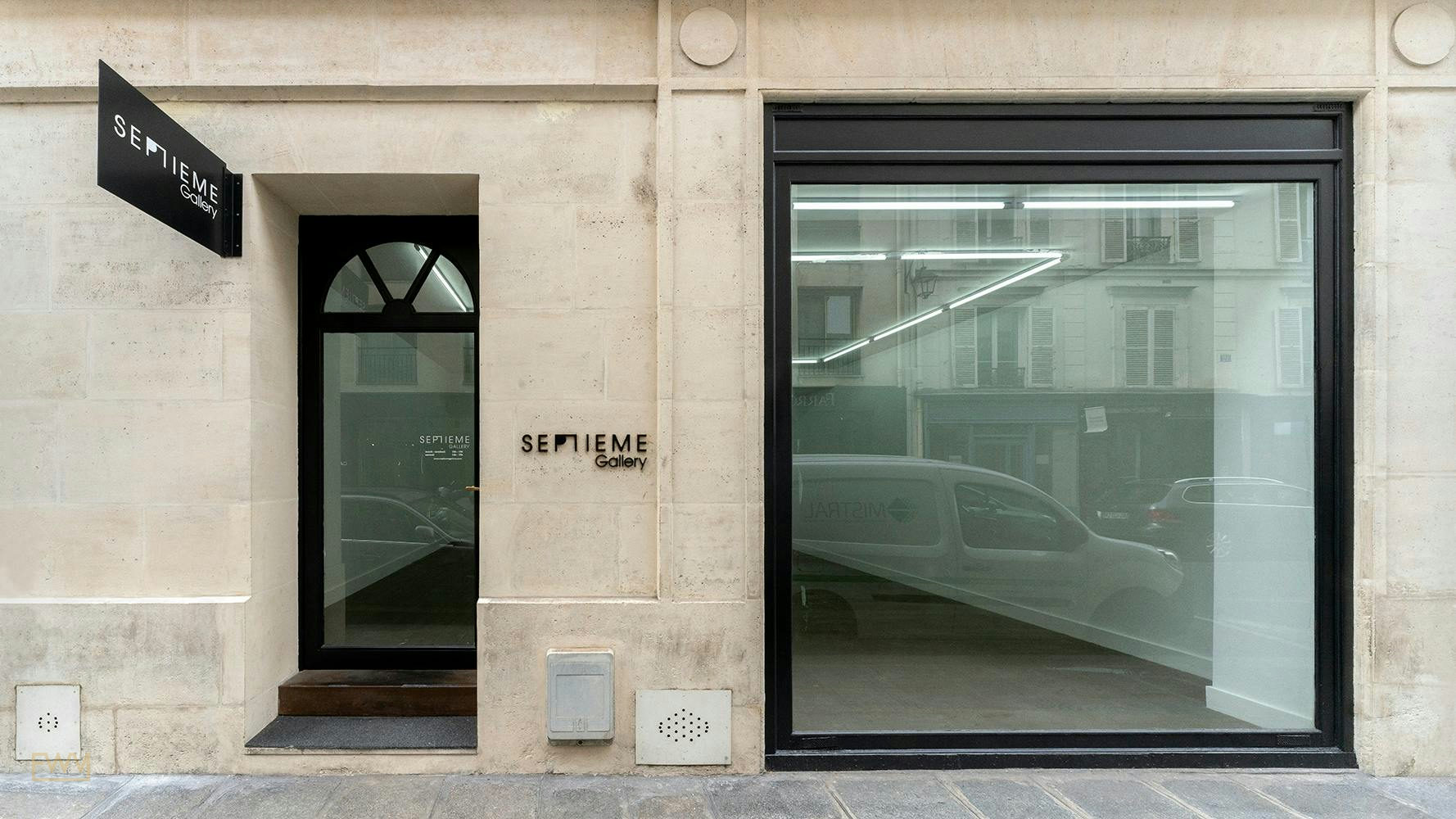
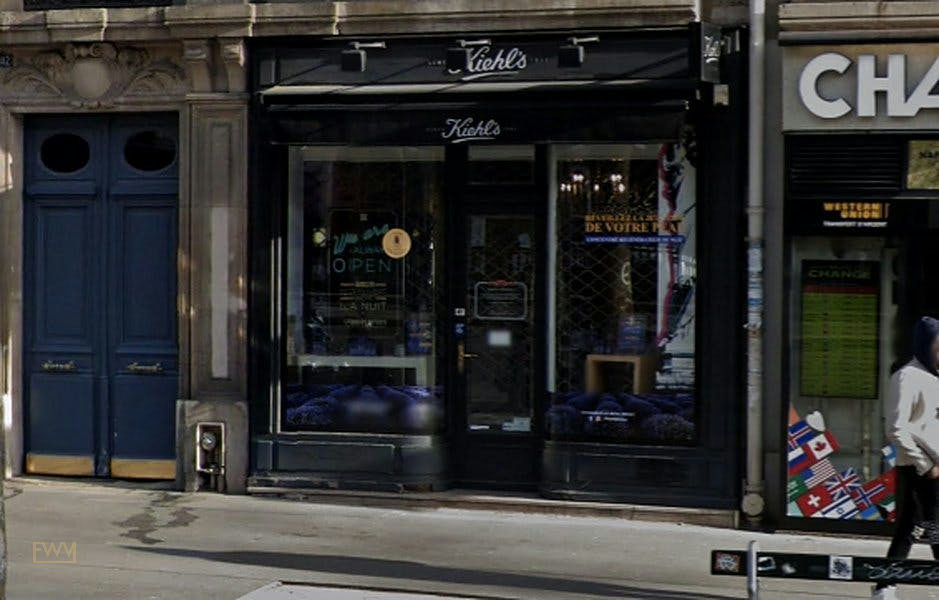
To rent retail space on Rue Saint-Honoré is to position a brand at the epicentre of Paris luxury retail, where foot traffic, prestige, and cultural gravity converge in the 1st arrondissement. This guide covers everything brand teams, creative directors, and retail strategists need to know before committing to a space on one of the world's most recognisable commercial streets, from lease structures and permit compliance to space types, neighbourhood context, and activation strategy. Fashion Week Venues supports brands across the full spectrum of Paris retail activations, including pop-up stores, showrooms, exhibition spaces, and short-term boutique formats on and around Rue Saint-Honoré.
Why Rue Saint-Honoré Commands Attention in Paris Luxury Retail
Rue Saint-Honoré is not simply a commercial street. It is a cultural corridor running through the heart of Paris's 1st arrondissement, connecting the Louvre, the Palais-Royal, and Place Vendôme in a single unbroken axis of aspiration. For international fashion brands, luxury houses, and emerging designers seeking physical presence in France, this address carries a symbolic weight that few comparable streets in the world can replicate.
The street and its close neighbour, Rue du Faubourg Saint-Honoré, together form what the Paris luxury retail market recognises as the city's highest-density zone for Maison de Couture, jewellery, accessories, and flagship retail. Houses such as Valentino, along with other major international names, have maintained storefronts and showrooms here for decades, establishing an expectation of quality and brand seriousness that filters through to consumer perception and press coverage alike.
Foot traffic on Rue Saint-Honoré benefits from several reinforcing sources. Tourists visiting the Louvre, the Jardin des Tuileries, and the Palais-Royal pass directly through or adjacent to the street. International shoppers gravitating toward Place Vendôme for jewellery and watch maisons naturally extend their circuit along Rue Saint-Honoré. Office workers, residents of nearby pied-à-terre apartments, and Parisian professionals contribute a consistent local audience that luxury brands rely upon between seasonal peaks.
Paris itself draws over 40 million international visitors annually, according to the Paris Convention and Visitors Bureau, and a significant proportion of those visitors specifically route their itineraries around the 1st arrondissement and the cultural landmarks that anchor it. This density of high-intent visitors makes Rue Saint-Honoré a different commercial proposition to streets with equivalent rental rates but lower foot traffic quality.
From an investment and asset management perspective, properties on and around Rue Saint-Honoré have historically demonstrated strong reversion potential. Institutional landlords including Oxford Properties Group have managed or invested in prime Île-de-France retail assets with attention to both income yield and long-term capital positioning. The shift toward green lease clauses and ESG performance metrics has also begun to influence how commercial property on the street is offered and assessed, with energy efficiency and environmental performance becoming increasingly prominent in lease negotiations for both long-term and short-term retail tenants.
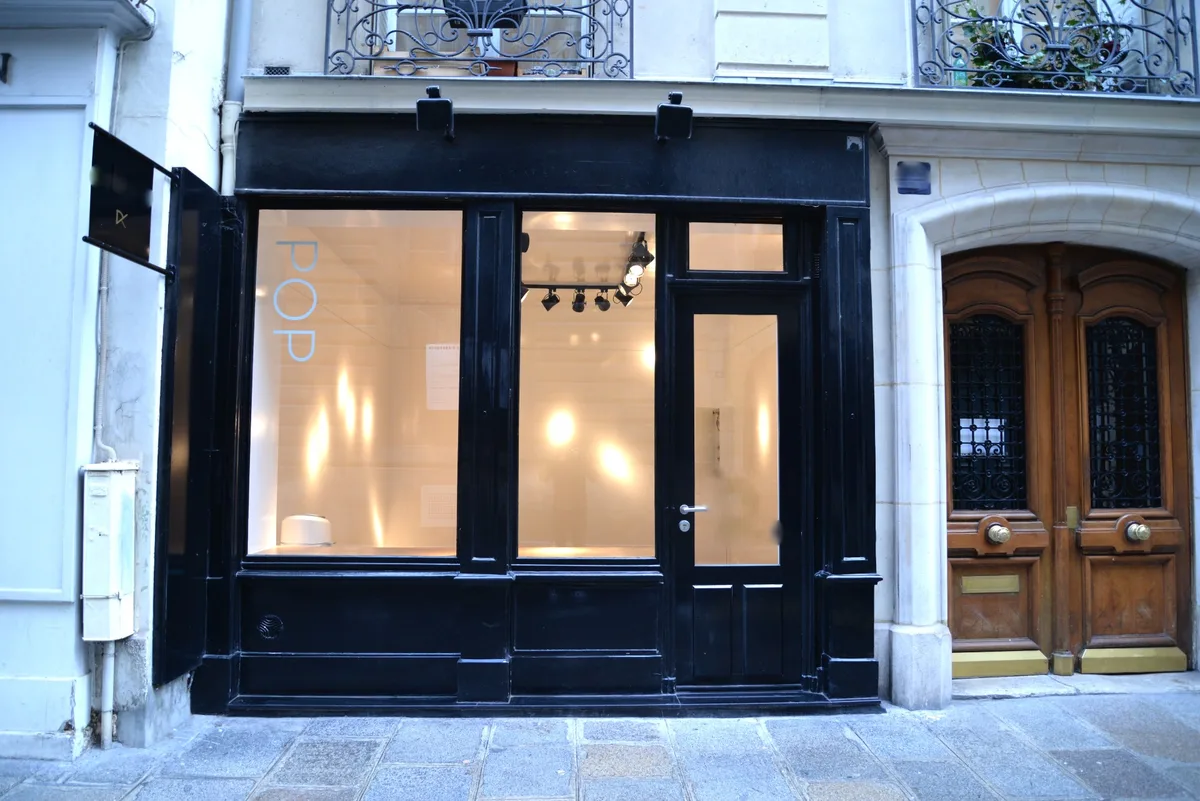
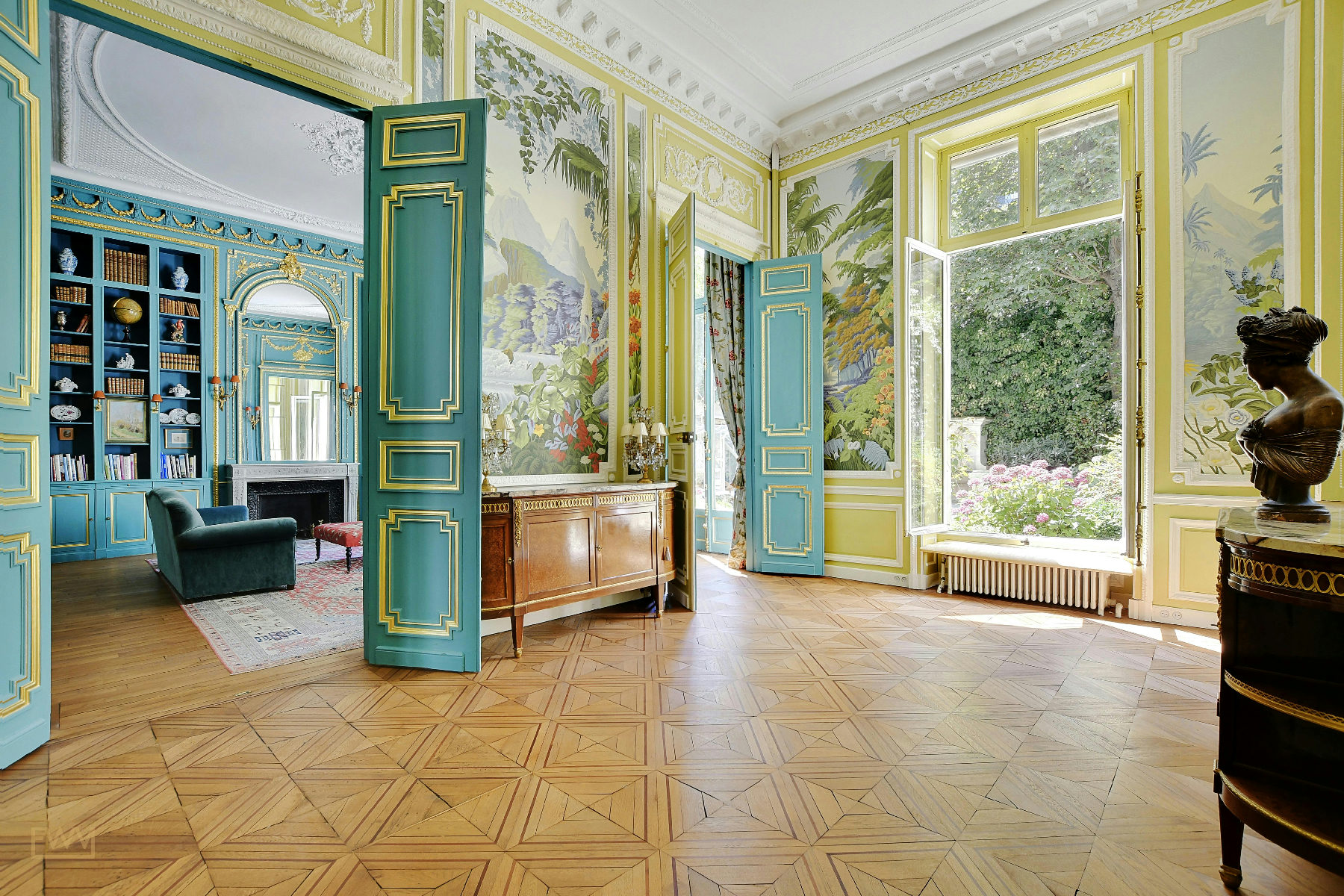
For brands not seeking a permanent flagship but instead targeting a seasonal activation, product launch, or private sales event, the short-term rental market on and around Rue Saint-Honoré offers genuine accessibility. Turnkey and renovated spaces with natural light, Paris stone walls, and street-facing storefronts are available for durations ranging from a few days to several months, often with configurations suited to exhibitions, gallery formats, boutique retail, and brand engagement concepts.
KEY TAKEAWAY: Rue Saint-Honoré in the 1st arrondissement combines prestige, foot traffic, cultural landmarks, and institutional-grade property in a single corridor, making it the logical anchor for any serious Paris retail strategy, whether temporary or permanent in nature.
Understanding why this street matters is only the starting point. The practical question for most brand teams is how to navigate the market, identify the right space type, and structure an agreement that works for their timeline and objectives.
Understanding the Geography: The 1st Arrondissement and Its Retail Micro-Zones
The 1st arrondissement of Paris is compact but internally diverse, and where a space sits within it substantially affects its commercial character, visitor profile, and suitability for different brand concepts. Understanding these micro-zones prevents costly mismatches between a space's location and a brand's intended audience.
Rue Saint-Honoré and the Place Vendôme Axis
The stretch of Rue Saint-Honoré closest to Place Vendôme represents the highest-tier sub-zone within the arrondissement. This is where luxury jewellers, haute couture houses, and exclusive boutiques concentrate, and where storefronts command the highest rental levels in the French commercial property market. A space at 273 Rue Saint-Honoré or nearby addresses places a brand within direct sightline of the maison infrastructure that defines international luxury perception. For product launches targeting press, high-net-worth consumers, and international buyers, proximity to Place Vendôme delivers an ambient credibility that is difficult to manufacture elsewhere.
Palais-Royal and the Louvre Perimeter
Moving slightly east, the Palais-Royal and its colonnaded galleries offer a distinct spatial character. Spaces here tend toward a gallery and concept store aesthetic, with a strong cultural and design heritage. The Louvre itself generates enormous tourist and cultural footfall through this zone, and brands with an artistic, archival, or exhibition-led concept frequently find this sub-zone more aligned with their visual and narrative language than the purer commercial register of the Vendôme axis.
Châtelet-les-Halles and the Western Boundary
At the eastern end of the 1st arrondissement, the Châtelet-les-Halles transport hub introduces a very different footfall profile. France's largest underground station, served by multiple RER lines and a dense metro network, pushes extraordinary volumes of commuters and shoppers through this zone daily. Commercial property here skews toward accessible fashion, multi-brand retail, and food and beverage rather than luxury boutiques, making it less appropriate for premium activations but highly relevant for volume-driven product launches or brand engagement concepts targeting a broader Île-de-France audience with strong public transportation connectivity.
How the 1st Arrondissement Compares to Neighbouring Retail Districts
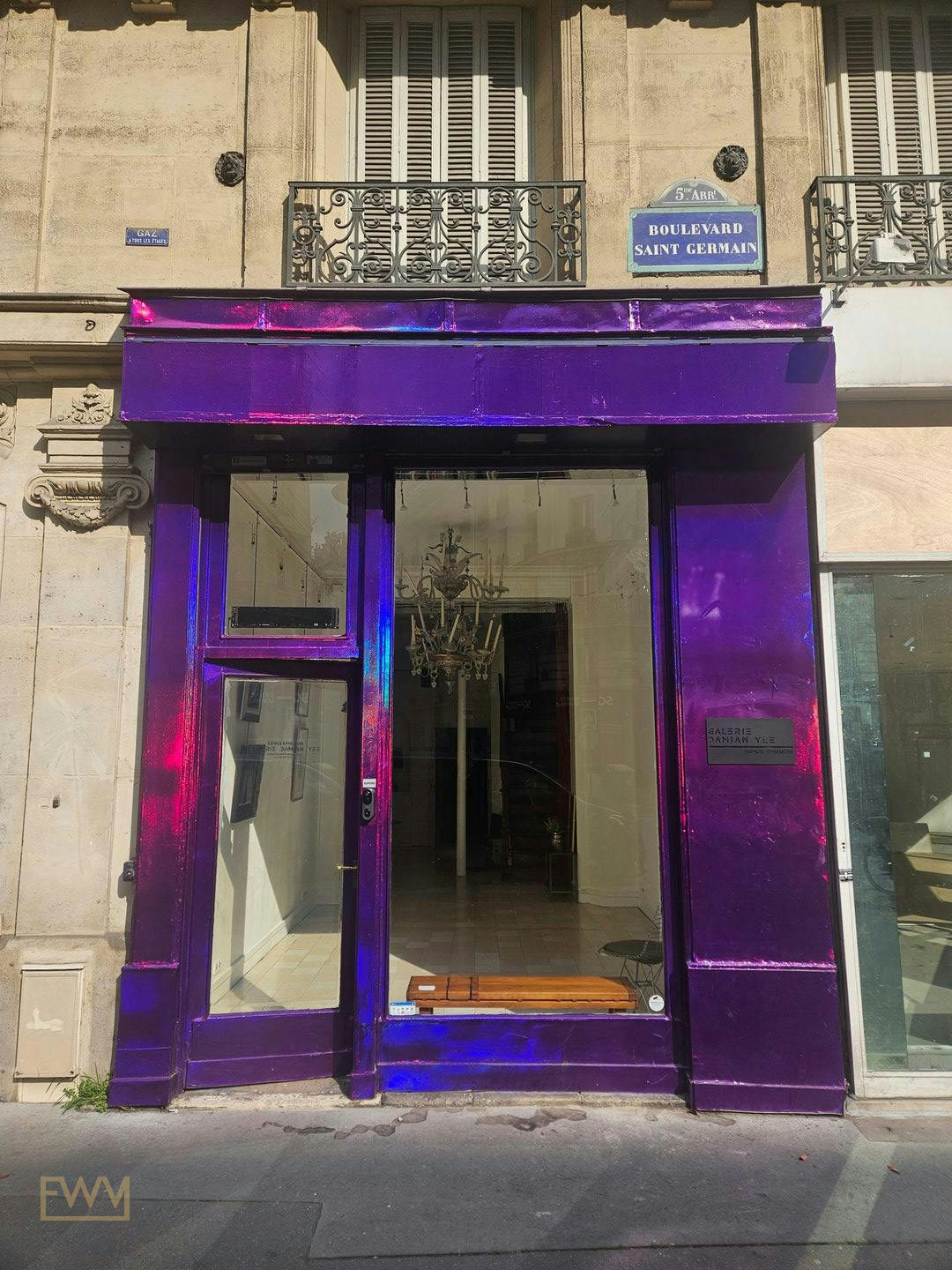
Saint-Germain, immediately across the Seine in the 6th arrondissement, offers a comparable prestige register with a more intellectual and gallery-oriented character, often preferred for concept stores, art-led activations, and fashion brands with a strong design narrative. Sentier, in the 2nd arrondissement to the north, has become Paris's emerging hub for digital-native brands, streetwear, and new retail concepts, with lower rental costs and a younger, design-literate audience. Both offer meaningful alternatives depending on brand positioning, target audience, and available budget.
Quick answer: The 1st arrondissement contains several distinct retail micro-zones, from the ultra-luxury Vendôme axis to the culturally oriented Palais-Royal and the high-volume Châtelet-les-Halles transport hub. Choosing the right sub-location depends on your brand tier, target audience, activation concept, and whether you prioritise prestige, cultural alignment, or foot traffic volume.
DID YOU KNOW: The 1st arrondissement is one of the smallest arrondissements in Paris by area but consistently records among the highest commercial property values in all of France, reflecting the concentration of luxury, cultural, and institutional assets within its boundaries.
To compare neighbourhoods and space types, explore the Paris city hub on Fashion Week Venues and shortlist spaces that match your brief, budget, and calendar window.
KEY TAKEAWAY: Within the 1st arrondissement, your specific block and proximity to key landmarks matter as much as the arrondissement label itself. A space near Palais-Royal communicates differently to press and consumers than one near Châtelet-les-Halles, even at similar price points.
Space Types Available on and Around Rue Saint-Honoré
The range of commercial property configurations available for rent on and around Rue Saint-Honoré is broader than many international brands initially expect. Beyond the classic storefront format, the street and its immediate surrounds offer several space types suited to distinct activation concepts.
Storefronts and Boutique Retail Units
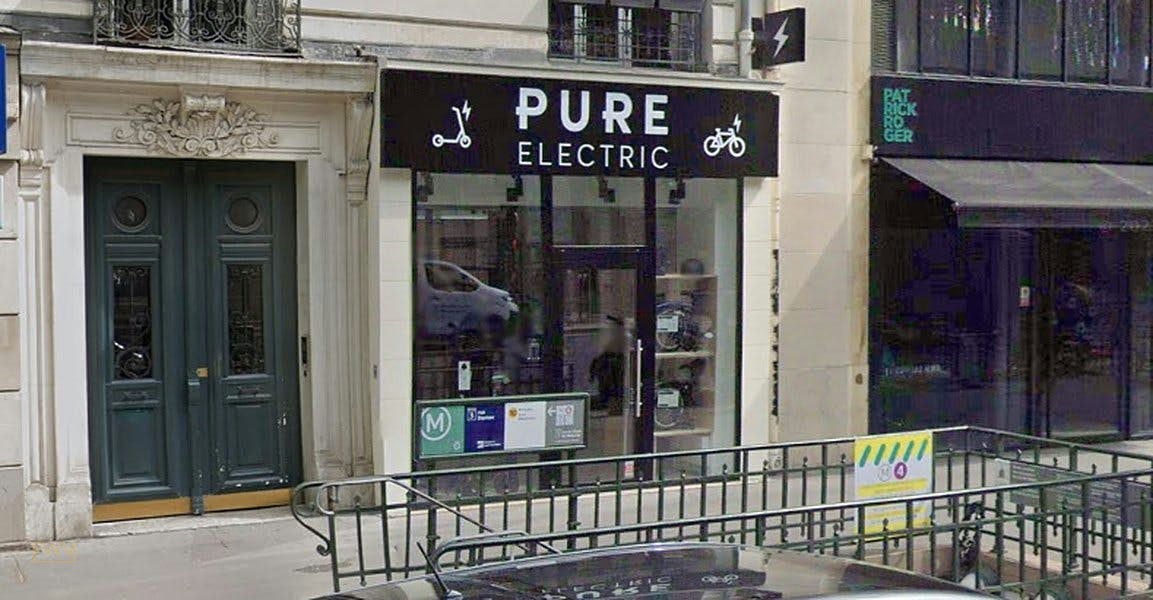
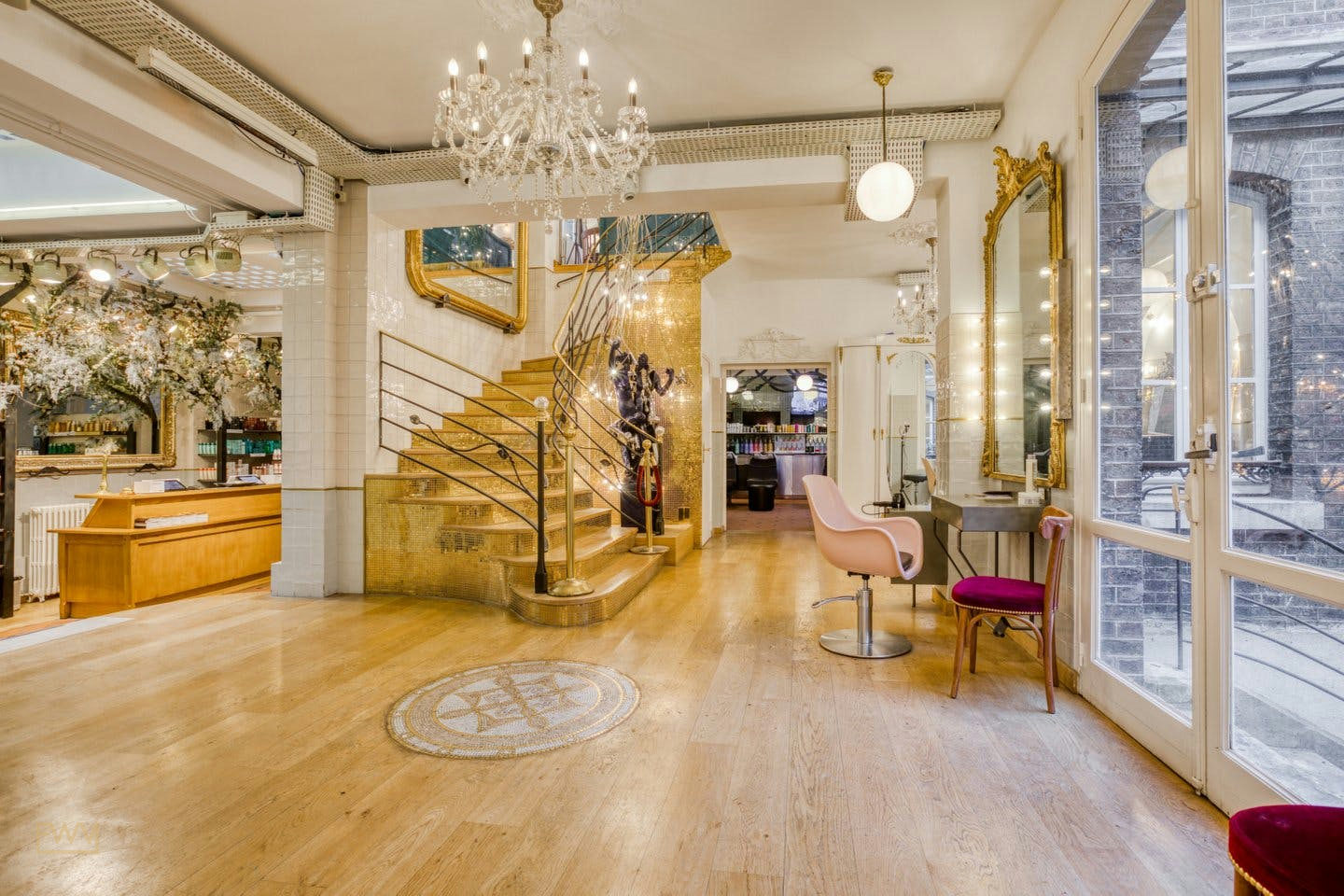
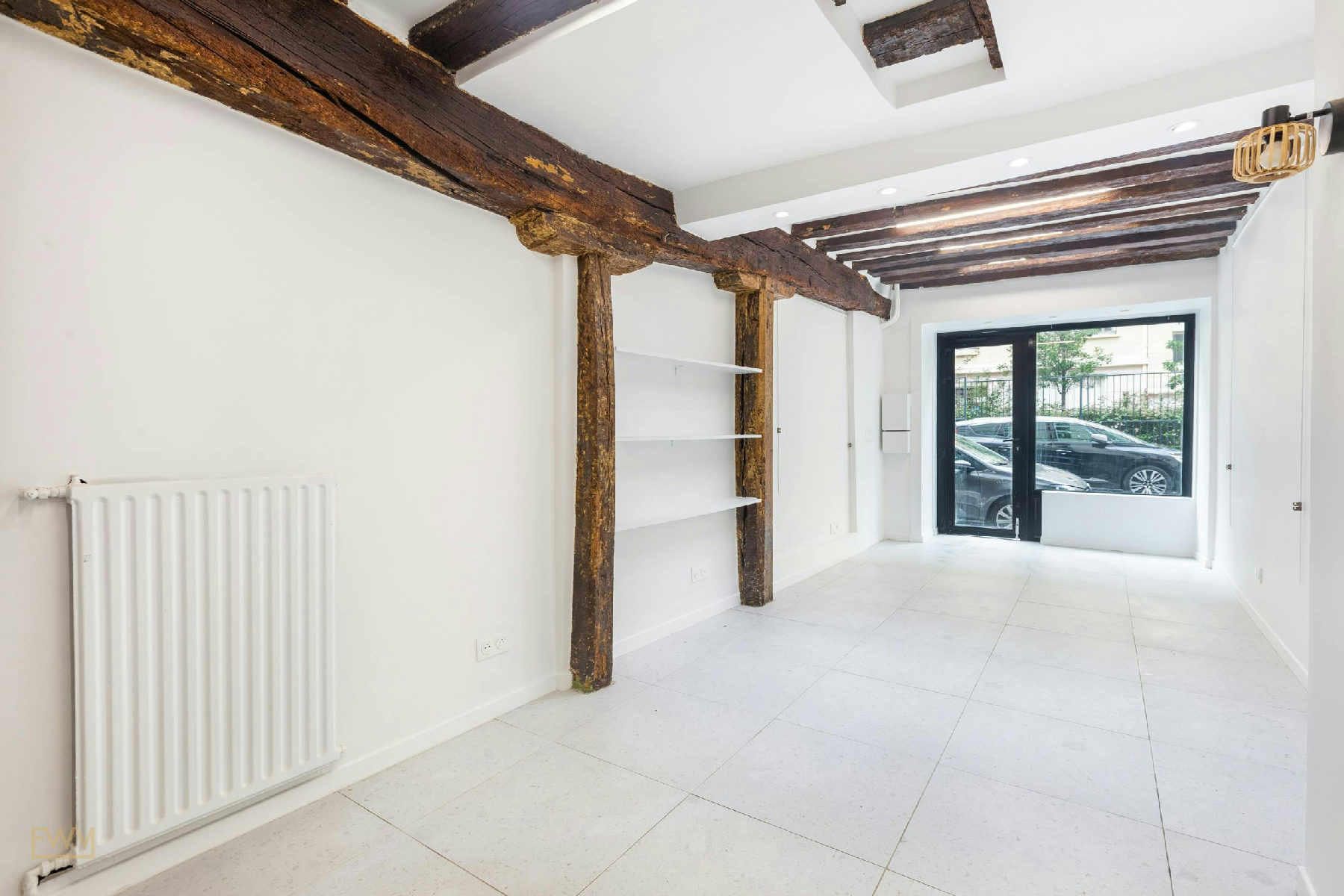
A storefront in the 1st arrondissement typically refers to a ground-floor commercial unit with direct street access, display windows, and a configuration suited to retail operations including point-of-sale, product display, and consumer interaction. Storefronts on Rue Saint-Honoré range from compact boutique formats of 30 to 60 square metres to larger multi-floor units that can accommodate immersive brand experiences alongside a commercial retail function. Many of these spaces are fully renovated with natural light, preserved Paris stone detailing, and turnkey infrastructure including electrical, lighting rigs, and basic POS connectivity.
Gallery and Exhibition Spaces
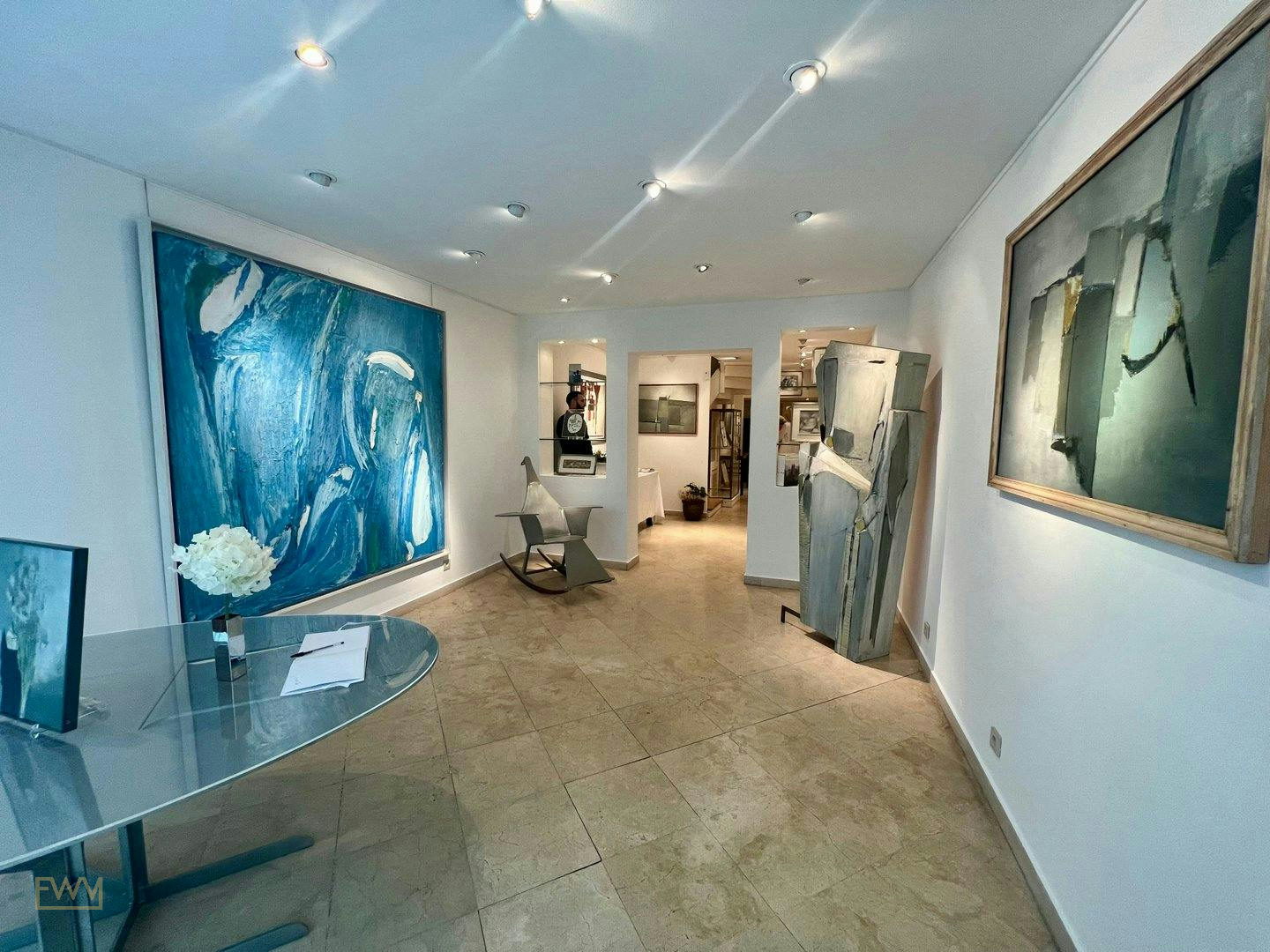
Gallery spaces in the 1st arrondissement serve brands that want to present product, archive, or campaign material in a cultural rather than purely commercial register. These spaces, often found in the Palais-Royal arcades and in private courtyards off Rue Saint-Honoré, offer high ceilings, white-wall or stone-wall configurations, and a natural alignment with the exhibition and art world infrastructure that Paris hosts throughout the year. Fashion brands running archive exhibitions, capsule collection reveals, or press previews frequently favour gallery formats for their editorial flexibility.
Showrooms
Showrooms on and near Rue Saint-Honoré serve a B2B function, hosting press days, buyer appointments, and trade presentations during and around Paris Fashion Week calendar windows. A showroom space differs from a storefront in that public foot traffic is secondary; the priority is controlled access, appointment management, and the quality of the environment for press and buyer engagement. Showrooms in the 1st arrondissement benefit from proximity to the Palais de Tokyo and other press venues, as well as the concentration of international buyers staying in nearby hotels.
Pop-Up Stores
Pop-up stores represent the fastest-growing short-term retail format on Rue Saint-Honoré and in the broader Paris luxury retail market. A pop-up store on or near Rue Saint-Honoré allows a brand to test market response, launch a limited collection, generate earned media, and build brand awareness in Paris without the commitment and capital expenditure of a permanent lease. Duration can range from a weekend for private sales and VIP events to several weeks or months for seasonal campaigns.
Office and Retail Hybrids
Some commercial properties in the 1st arrondissement are listed as office and retail hybrids, offering brands a combined operational base where front-of-house consumer-facing activity runs alongside back-of-house brand team functions. These spaces are particularly relevant for international brands entering France for the first time, where the operational team needs a Paris base during the activation period without committing to separate office rental.
| Space Type | Best For | Typical Duration | Key Requirement |
|---|---|---|---|
| Storefront / Boutique | Retail sales, product launches, brand immersion | 2 weeks to 6 months | POS infrastructure, window display permit |
| Gallery / Exhibition | Press previews, archive shows, cultural activations | 3 days to 4 weeks | Controlled access, insurance, security |
| Showroom | Buyer appointments, press days, trade activations | 1 to 3 weeks per season | Appointment system, B2B-only access |
| Pop-Up Store | Limited editions, seasonal campaigns, market testing | Weekend to 3 months | Turnkey fit-out, staffing, POS |
| Office and Retail Hybrid | International brands needing operational base | 1 to 6 months | Mixed-use permit, connectivity |
KEY TAKEAWAY: The space type you choose on Rue Saint-Honoré determines your permit pathway, fit-out complexity, staffing model, and consumer experience architecture. Clarifying the concept before searching for a space saves significant time and avoids paying for features your format does not require.
The next critical layer for brand teams is understanding the lease structures and permit landscape that govern short-term and medium-term retail in Paris.
Lease Structures, Permits, and Compliance for Short-Term Retail in Paris
Renting retail space in Paris involves navigating a legal and regulatory landscape that differs substantially from the United States, the United Kingdom, and most Asian markets. Brands based in Los Angeles, London, or Tokyo frequently underestimate this complexity, particularly for short-term activations that fall outside standard commercial lease frameworks.
The Bail Dérogatoire: France's Short-Term Commercial Lease
The bail dérogatoire, sometimes called a bail précaire, is the primary legal instrument for short-term commercial property rental in France. It allows landlords and tenants to agree on a rental arrangement outside the protection of the standard commercial lease statute, provided the total duration does not exceed three years across all consecutive agreements at the same premises. For brands seeking a pop-up store, showroom, or short-term boutique on Rue Saint-Honoré, the bail dérogatoire provides a legally recognised framework that offers flexibility without triggering the full protections and obligations of a standard French commercial lease.
IMPORTANT: The bail dérogatoire must be documented carefully and must not be extended beyond the statutory limit without risk of converting the agreement into a standard commercial lease with significantly different legal implications. Brands should verify all lease structures with a qualified French legal advisor before signing.
The Autorisation d'Occupation Temporaire (AOT)
For spaces involving public domain occupation, such as terraces extending onto public footpaths, temporary structures, or installations in public squares adjacent to Rue Saint-Honoré, brands may require an Autorisation d'Occupation Temporaire issued by the relevant municipal authority. Requirements vary by space type, duration, arrondissement, and the nature of the occupation. Securing an AOT can take several weeks, which means it must be factored into the project timeline well before the activation date.
Additional Permit Considerations
Beyond lease structure and AOT, brands activating on Rue Saint-Honoré may need to address permits related to temporary signage and window displays, music licensing for in-store activations, food and beverage service if the concept includes hospitality elements, and evening or weekend operations that fall outside standard commercial hours. Each of these requirements carries its own application process and timeline. The Fashion Week Venues permit guidance tool provides a structured starting point for identifying which permits apply to a specific space type, duration, and activation concept in Paris.
Do You Need a French Legal Entity?
A common concern for international brands is whether they need to establish a French legal entity, such as a SARL or SAS, before they can rent commercial property in Paris. The answer depends on the landlord's requirements, the lease structure, and the duration of the activation. Some landlords, particularly institutional property owners and commercial property managers, require a French-registered entity or a parent company guarantee from a recognised jurisdiction. Others work routinely with international brands on short-term agreements structured through an intermediary or agency. Brands activating for short periods frequently use a French commercial partner or agency to hold the lease on their behalf, subject to appropriate contractual arrangements.
Quick answer: You do not automatically need a French legal entity to rent short-term retail space on Rue Saint-Honoré, but some landlords require one or a parent company guarantee. Many international brands use a specialist agency or commercial partner to structure the rental agreement, particularly for activations lasting less than three months. Always verify with a French legal advisor before proceeding.
KEY TAKEAWAY: The French commercial property legal framework protects both landlords and tenants, but its protections can become obligations if short-term agreements are not structured correctly from the start. Engaging specialist legal and agency support before signing any lease agreement in France is not optional; it is essential.
Property Conditions and What to Expect in 1st Arrondissement Spaces
The physical character of commercial spaces on and around Rue Saint-Honoré is one of the reasons brands return to this address season after season. Paris stone construction, Haussmann-era building envelopes, high ceilings, and generous natural light through tall street-facing windows create an ambient quality that modern commercial developments rarely replicate. Understanding what renovation status and fit-out condition mean in practical terms helps brands avoid surprises during the planning phase.
Turnkey Spaces
A turnkey space in the context of the Rue Saint-Honoré market is one that has been fully renovated, fitted with base lighting, flooring, and wall treatments, and is ready to receive a brand's merchandise, fixtures, and branded elements without requiring structural works. Turnkey spaces are the fastest to activate and carry the lowest fit-out risk, but they may restrict a brand's ability to make significant structural changes or introduce heavy branding elements that alter the building envelope. For short activations of two weeks or less, a turnkey space is almost always the most practical and cost-effective choice.
Renovated but Brandable Spaces
Many spaces on Rue Saint-Honoré have been renovated to a high structural standard but left partially neutral to allow incoming brands to introduce their own identity. These spaces typically feature exposed Paris stone walls, polished concrete or herringbone parquet floors, and recessed lighting tracks that can be reconfigured without major works. They offer a balance between immediate usability and brand customisation, making them popular with fashion houses, concept stores, and brands running activations of four weeks or longer where a stronger branded environment justifies the additional build investment.
Period Properties and Renovation Requirements
Some commercial properties on and near Rue Saint-Honoré are located in listed or classified buildings where any modification to the facade, structural elements, or architectural features requires prior approval from the Architectes des Bâtiments de France. This can affect signage, window treatments, and external branding. Brands considering high-impact exterior activation should confirm classification status before signing a lease agreement, as non-compliance carries penalties and can result in the forced removal of installed elements.
TIP: When reviewing a space listing, ask specifically whether the building is classified, whether the current fit-out can be modified, and what the landlord's requirements are for reinstatement at the end of the rental period. These three questions prevent the majority of end-of-activation disputes.
Natural Light and Spatial Quality
Natural light is one of the most frequently cited attributes in the Paris luxury retail market, and it directly affects how product photography, film, and consumer experience land in-space. Rue Saint-Honoré storefronts with south or west-facing windows benefit from afternoon light that makes product presentation effortless and reduces dependence on artificial lighting infrastructure. Gallery spaces in Palais-Royal courtyards often benefit from reflected natural light from surrounding stone facades, creating a diffuse and even illumination quality that many brands and exhibition designers actively seek.
KEY TAKEAWAY: Physical space quality on Rue Saint-Honoré is generally high, but fit-out status, classification restrictions, and natural light orientation vary significantly between buildings and even between units within the same building. A thorough space inspection before committing is always worthwhile.
The Paris Fashion Week Calendar and the Right Rental Window
Paris Fashion Week occurs twice yearly, in late February and early March for the womenswear autumn-winter collections, and again in September and October for the spring-summer collections. Men's Fashion Week takes place in January and June. These calendar windows create compressed periods of extraordinary media, buyer, and influencer concentration in the city, which drives intense demand for short-term retail space on and around Rue Saint-Honoré.
Fashion Week as a Rental Peak
During Paris Fashion Week, demand for storefronts, showrooms, and gallery spaces in the 1st arrondissement surges significantly. Brands that have not secured space well in advance, typically three to six months before the desired activation date, often find that prime locations on or near Rue Saint-Honoré are already committed. For brand teams targeting a Fashion Week activation specifically, early engagement with a venue sourcing partner and a clearly defined brief are not optional; they are the difference between securing the right space and accepting a suboptimal alternative.
Off-Season Windows: The Case for Year-Round Activation
Paris Fashion Week is not the only viable activation window, and brands that restrict their Paris strategy to those two annual calendar peaks are missing significant opportunity. Paris receives international visitors throughout the year, and the months of October through December, which include the run-up to the festive season, and April through June, which coincide with spring tourism and trade events, consistently generate strong foot traffic on Rue Saint-Honoré. Private sales and end-of-season events in July and January also draw high-intent consumers who have demonstrated willingness to spend.
For brands with flexible calendars, activating in the weeks immediately before or after Fashion Week offers a practical compromise: the elevated media and buyer presence associated with the wider fashion calendar without the peak-season rental premiums and space scarcity of Fashion Week itself.
Quick answer: Paris Fashion Week in February-March and September-October creates the highest demand periods for retail space on Rue Saint-Honoré, but year-round foot traffic and multiple commercial calendar windows make activations viable in most months. Brands with flexible timelines often achieve better space quality and value by targeting pre or post-Fashion Week windows.
Matching Activation Duration to Calendar Objectives
The optimal rental duration for a Rue Saint-Honoré space depends on the activation's commercial and communications objectives. A press and buyer showroom during Fashion Week may need as little as five to ten days. A product launch designed to generate consumer engagement and earned media typically benefits from two to four weeks of operation. A seasonal boutique or pop-up store targeting both local Parisians and international tourists may operate for two to three months to capture multiple visitor waves.
| Calendar Window | Typical Activation Type | Recommended Duration | Lead Time Required |
|---|---|---|---|
| Paris Fashion Week (Feb-Mar, Sep-Oct) | Showroom, press day, brand activation | 5 to 14 days | 4 to 6 months in advance |
| Men's Fashion Week (Jan, Jun) | Showroom, capsule launch, trade event | 5 to 10 days | 3 to 5 months in advance |
| Pre-Festive Season (Oct-Dec) | Pop-up boutique, private sales, gifting | 4 to 8 weeks | 3 to 4 months in advance |
| Spring Tourism Peak (Apr-Jun) | Pop-up store, exhibition, concept activation | 2 to 6 weeks | 2 to 4 months in advance |
| Off-peak windows (Jul-Aug, Jan) | Private sales, VIP events, market testing | 1 to 3 weeks | 6 to 8 weeks in advance |
KEY TAKEAWAY: Aligning your rental window with a specific commercial or communications objective, rather than defaulting to Fashion Week purely for brand status reasons, produces better returns on investment and avoids peak-season scarcity premiums on Rue Saint-Honoré.
Budgeting to Rent Retail Space on Rue Saint-Honoré
Budgeting accurately for a retail activation on Rue Saint-Honoré requires understanding the full cost architecture, not simply the headline rental rate. The total cost of a short-term retail activation includes space rental, fit-out and production, staffing, permits and insurance, POS and payment infrastructure, logistics, and the ongoing operational costs during the activation period.
Rental Rate Context
Rue Saint-Honoré and its immediate surrounds represent some of the most valuable commercial property in France. Rental rates for short-term spaces in this area vary considerably depending on space size, location within the street, fit-out condition, duration, and the specific landlord or property manager. Shorter activations may carry a premium per-day rate relative to longer agreements. Turnkey spaces command a higher base rate than raw or partially fitted spaces that require brand investment in fit-out.
Rather than publishing directional figures that may not reflect current market conditions, brands are strongly encouraged to use the Fashion Week Venues budget planning tool to generate estimates calibrated to their specific space type, duration, and activation scope.
Beyond the Rental Rate: The Full Cost Architecture
In the Paris luxury retail market, the rental rate typically represents between 30 and 50 percent of the total activation cost for a brand that is building a meaningful consumer-facing experience. The remaining costs cover fit-out design and build, branded furniture and fixtures, staffing and training, POS and payments infrastructure, marketing and influencer activation, security, cleaning, waste management, and reinstatement at the end of the rental period. Brands that plan their budget against the rental rate alone consistently find themselves facing unexpected cost escalation mid-project.
TIP: Build your budget top-down from your total available investment rather than bottom-up from the rental rate. Decide what proportion of your total budget you are willing to allocate to space rental versus fit-out versus marketing, then use those ratios to set your space search parameters rather than letting a desirable address drive an unbalanced allocation.
Investment Property Dynamics and Lease Negotiation
Commercial properties on Rue Saint-Honoré are frequently held as high income rental properties by institutional and private investors who manage them as part of broader Île-de-France commercial property portfolios. This means that short-term rental negotiations may involve asset management teams with specific requirements around tenant quality, brand alignment, and lease structure. Brands with strong credentials, clear activation concepts, and professional legal and agency representation typically achieve better negotiating outcomes than those approaching landlords without specialist support.
Green lease clauses and ESG performance requirements are becoming more common in commercial property agreements in Paris, reflecting both regulatory pressure and investor preference. Brands activating in spaces subject to green lease provisions may be required to report on energy efficiency, waste management, and environmental performance during and after their occupation. This is a relatively new but growing requirement that brand teams should factor into their operational planning.
KEY TAKEAWAY: The total cost of renting retail space on Rue Saint-Honoré extends well beyond the rental rate. Brands that plan against a fully loaded activation budget from the outset avoid the most common source of project overrun and stakeholder tension.
How Fashion Week Venues Supports Brands Activating on Rue Saint-Honoré
Fashion Week Venues is a full-service pop-up agency and space marketplace with Paris as its primary market. For brands seeking to rent retail space on Rue Saint-Honoré or within the broader 1st arrondissement, Fashion Week Venues provides a combination of direct space access, agency service, and digital tools that covers the entire project lifecycle from initial brief to post-activation analysis.
Venue Sourcing and Space Discovery
The Fashion Week Venues marketplace lists curated short-term retail spaces, showrooms, galleries, and boutique formats across Paris, including the 1st arrondissement and Rue Saint-Honoré specifically. The venue sourcing service goes beyond the marketplace listing to actively identify spaces that match a brand's brief, including off-market spaces that are not publicly listed. This is particularly valuable on Rue Saint-Honoré, where the most sought-after spaces frequently change hands through direct relationships rather than public listings.
Concept Direction and Branded Store Design
Once a space is identified, the concept direction service supports brands in developing a spatial narrative that aligns with their creative and commercial objectives. For a luxury house activating near Place Vendôme, this might mean translating a fashion campaign into a three-dimensional retail environment. For an emerging brand using Rue Saint-Honoré as a credibility statement, it might mean creating an immersive first-encounter experience that makes the brand feel established and purposeful from the first visitor's perspective.
Production, Fit-Out, and Activation Management
The production and build service manages the physical transformation of a rented space into a branded retail environment, including joinery, lighting, fixture installation, and all temporary works required to realise the design concept. The activation management service then oversees the operational delivery of the experience, including staff coordination, logistics, supplier management, and on-the-ground problem resolution throughout the rental period.
Staffing, POS, and Data
For brands without a permanent French retail team, the retail staffing service provides trained brand ambassadors and sales associates who understand the Paris luxury retail context and can represent the brand to an international consumer audience. POS and payment infrastructure ensures that transactions can be completed in-space without the brand needing to source and install its own systems. Post-activation data and analytics provide a structured read on visitor volumes, conversion rates, and consumer behaviour that informs future Paris activation strategy.
Planning and Decision Tools
For brand teams in the research and planning phase, Fashion Week Venues offers a suite of digital tools designed to accelerate decision-making. The timeline planning tool maps the critical path from brief to activation date. The ROI calculator helps brand teams build the internal business case for a Paris activation. The space comparison tool enables side-by-side evaluation of shortlisted venues. The permit guidance tool provides an initial orientation on which permits may be relevant to a specific activation concept.
Fashion Week Venues also operates the twin co-activation concept, which allows two compatible brands to share a single Rue Saint-Honoré space, dividing the rental and fit-out costs while each presenting its own distinct brand environment. This is a particularly practical model for smaller brands or those with limited Paris activation budgets who nonetheless want a presence on one of the world's most prestigious retail streets.
KEY TAKEAWAY: Fashion Week Venues provides end-to-end support for brands activating on Rue Saint-Honoré, from initial space discovery through permit navigation, fit-out, staffing, and post-activation analysis. Brands benefit most from engaging early, when the full range of space and service options remains open.
The Cultural and Historical Context of Rue Saint-Honoré
Rue Saint-Honoré is one of the oldest streets in Paris, with a history stretching back to the medieval period when it served as the primary commercial artery connecting the city's western settlements to its historic centre. Its evolution from a street of guilds and tradespeople to the global luxury retail corridor it represents today spans several centuries of Parisian commercial and cultural history, and this depth of history is part of what makes activation here meaningful beyond the immediate commercial transaction.
Proximity to Cultural Landmarks
The cultural landmarks surrounding Rue Saint-Honoré are not merely incidental to the retail experience; they are integral to the consumer's emotional state when they encounter a brand on this street. A shopper who has spent the morning at the Louvre, walked through the Jardin des Tuileries, and passed through the Palais-Royal before arriving at a boutique on Rue Saint-Honoré is in a very different frame of mind than a shopper navigating a suburban shopping centre. This ambient cultural loading is one of the intangible assets that brands pay a premium to be adjacent to, and it is consistently cited by luxury retail strategists as a genuine differentiator between Paris retail and retail in other global cities.
The Apartment and Pied-à-Terre Economy
The residential character of the upper floors along Rue Saint-Honoré contributes a local consumer layer that is often overlooked in pure footfall analysis. Residents of apartments and pied-à-terre properties in the 1st arrondissement are disproportionately drawn from international high-net-worth demographics who maintain Paris as a secondary or tertiary residence. This population is extremely valuable to luxury brands because it represents repeat, high-value purchasing behaviour from individuals who already identify Paris as a place where they invest in quality.
Fashion History and the Maison de Couture Legacy
Rue Saint-Honoré and its neighbouring Faubourg are inseparable from the founding narrative of modern luxury fashion. The Maison de Couture tradition, which gave rise to the global luxury industry, was physically rooted in this corridor. For brands with heritage and archival content, this history provides activation storytelling material that resonates with both French consumers and international visitors who understand Paris's fashion significance. Exhibitions drawing on this cultural and historical context consistently generate stronger press coverage and social engagement than purely commercial activations in the same physical spaces.
Quick answer: Rue Saint-Honoré's cultural and historical context, including its proximity to the Louvre, the Palais-Royal, and the Maison de Couture legacy, is an active asset for brand activations rather than incidental background. Brands that consciously use this context in their concept and communications consistently generate stronger earned media and consumer engagement than those that treat the address purely as a commercial location.
KEY TAKEAWAY: The culture, history, and cultural landmarks surrounding Rue Saint-Honoré are part of the product when you rent space here. Incorporating this context into the activation concept is not sentimental; it is strategically sound and commercially effective.
A Step-by-Step Process for Renting Retail Space on Rue Saint-Honoré
Securing and activating a short-term retail space on Rue Saint-Honoré follows a structured process that, when executed properly, reduces risk, controls cost, and produces a better consumer experience. The steps below reflect the practical reality of the Paris commercial property market and the operational complexity of a fashion brand activation.
| Step | Action | Responsible Party | Typical Timeline |
|---|---|---|---|
| 1 | Define activation objectives, budget, space type, and target calendar window | Brand team | 12 to 20 weeks before activation |
| 2 | Engage a specialist venue sourcing partner or agency | Brand team | 12 to 16 weeks before activation |
| 3 | Receive and review shortlisted spaces, visit in-person if possible | Brand team and agency | 10 to 14 weeks before activation |
| 4 | Negotiate lease terms and begin legal review with French legal advisor | Agency and legal advisor | 8 to 12 weeks before activation |
| 5 | Identify required permits and submit applications | Agency and permit specialist | 8 to 10 weeks before activation |
| 6 | Finalise concept design and production brief | Brand creative team and agency | 8 to 10 weeks before activation |
| 7 | Begin fit-out works and installation on agreed build access date | Production team | 1 to 2 weeks before activation opens |
| 8 | Staff briefing, POS and payment system installation, soft open | Operations and staffing team | 1 to 3 days before opening |
| 9 | Activation live: manage operations, monitor performance data | Activation management team | Throughout activation period |
| 10 | Reinstatement, space handback, and post-activation analysis | Production and data team | 1 to 3 days after activation closes |
Quick answer: The full process to rent and activate a retail space on Rue Saint-Honoré, from initial brief to handback, typically requires 12 to 20 weeks for a well-planned activation. Compressed timelines are possible but carry higher risk across legal, permit, and production workstreams. For Fashion Week windows specifically, three to six months of lead time is strongly recommended.
Brands wanting to understand the full agency process before committing can review the Fashion Week Venues process page, which outlines each stage from brief to post-activation in detail.
KEY TAKEAWAY: The most common cause of below-expectation activations on Rue Saint-Honoré is insufficient lead time. Starting the process 12 to 20 weeks in advance is not over-planning; it is the minimum standard for a professional activation at this address.
Sustainability, ESG, and the Evolving Paris Commercial Property Market
The Paris commercial property market is undergoing a meaningful shift in how sustainability and ESG performance are integrated into lease agreements and asset management strategy. For brands renting space on Rue Saint-Honoré, this shift has practical implications that are beginning to affect the terms, conditions, and operational requirements associated with short-term retail agreements.
Green Lease Clauses in the 1st Arrondissement
Green lease clauses are contractual provisions that require tenants to report on and adhere to energy efficiency, water consumption, and waste management standards during their occupation. In the Paris commercial property market, these clauses are increasingly included in agreements managed by institutional landlords and asset managers, particularly for prime assets in the 1st arrondissement and other central arrondissements. Brands should review any proposed lease agreement for green lease provisions and ensure their fit-out and operational plans are compatible with the agreed standards.
ESG Performance and Brand Alignment
Beyond regulatory and contractual compliance, ESG performance is increasingly a factor in how luxury brands are perceived by their consumers and by the institutional landlords whose properties they occupy. Brands with established sustainability credentials, responsible fit-out practices, and transparent environmental reporting are increasingly preferred as tenants by asset managers who view ESG-compliant occupancy as integral to the long-term performance of their commercial property portfolios.
For fashion brands, this creates an interesting alignment between brand values and commercial property strategy. A brand that can demonstrate low-waste fit-out, responsible material sourcing, and post-activation reinstatement to a green standard is not only a better tenant in the eyes of a progressive landlord; it is also communicating brand values that resonate with the Parisian and international consumer base that frequents Rue Saint-Honoré.
DID YOU KNOW: France introduced mandatory annual energy performance reporting for commercial buildings above a certain threshold through the Décret Tertiaire, which is gradually raising the minimum energy efficiency standards required of both building owners and occupiers in commercial property across Île-de-France and beyond.
KEY TAKEAWAY: Sustainability and ESG requirements in Paris commercial property agreements are moving from aspirational to contractual. Brands planning a Rue Saint-Honoré activation should review their fit-out and operational practices against green lease requirements and treat ESG alignment as a genuine advantage in landlord negotiations.
Common Myths About Renting Retail Space on Rue Saint-Honoré
MYTH: You need a French legal entity to rent a space on Rue Saint-Honoré.
FACT: While some landlords prefer or require a French-registered company, many short-term rental agreements are accessible to international brands through a specialist agency or commercial partner who holds the lease on their behalf. The requirement varies by landlord, space type, and duration, and should be clarified with a French legal advisor before assuming a French entity is necessary.
MYTH: Paris Fashion Week is the only viable activation window on Rue Saint-Honoré.
FACT: Paris receives significant international tourism and commercial footfall throughout the year, and the pre-festive season, spring tourism peak, and private sales windows all offer strong commercial conditions for a Rue Saint-Honoré activation. Fashion Week windows do generate concentrated media and buyer presence, but they also carry peak pricing and space scarcity that can be avoided by brands with flexible calendars.
MYTH: Commission brokers are the only way to find a short-term space on Rue Saint-Honoré.
FACT: The emergence of curated online marketplaces and full-service agencies has substantially expanded the access routes available to brands seeking short-term retail space in Paris. Platforms such as the Fashion Week Venues marketplace list spaces directly, and an agency relationship offers additional access to off-market opportunities and negotiation support that commission-only brokers rarely provide.
MYTH: Short-term leases in Paris are legally straightforward and do not require specialist support.
FACT: Short-term commercial property agreements in France, including the bail dérogatoire, operate within a specific legal framework with strict rules on duration, documentation, and extension. Errors in structuring these agreements can inadvertently trigger the protections of a standard commercial lease, with significantly different financial and legal consequences. Specialist legal and agency support is essential, not optional, for any brand renting commercial space in Paris.
MYTH: A Rue Saint-Honoré activation is only accessible to established luxury houses with large budgets.
FACT: The range of space sizes, formats, and duration options available on and around Rue Saint-Honoré is broader than most brands expect. Smaller boutique storefronts, gallery spaces, and co-activation formats such as the twin concept make meaningful activations on this address achievable for mid-scale and emerging brands with appropriately scoped budgets and concepts. The key is matching the space size and duration to the available budget rather than attempting to replicate a flagship-scale activation on a limited investment.
Frequently Asked Questions About Renting Retail Space on Rue Saint-Honoré
What is a storefront in the 1st arrondissement of Paris typically used for?
A storefront in the 1st arrondissement is most commonly used for luxury retail sales, brand activations, pop-up stores, product launches, and seasonal boutique operations. The combination of high-quality foot traffic from tourists, affluent residents, and fashion industry professionals makes these spaces well suited to consumer-facing brand experiences. Some storefronts are also used for press days, buyer appointments, and private sales events, particularly during and around Paris Fashion Week. The specific use should always be confirmed as permitted under the lease agreement and any applicable permits before committing to the space.
How long can you rent a storefront in the 1st arrondissement of Paris?
Short-term rentals in the 1st arrondissement can range from a single day for private events to several months for seasonal boutique operations. The bail dérogatoire framework accommodates short-term commercial rentals of up to three years in total across consecutive agreements at the same premises. For most fashion brand activations, durations of one week to three months are most common. Longer durations may trigger obligations associated with a standard commercial lease under French law, so brands considering agreements of more than six months should seek specific French legal advice on the appropriate contract structure.
Is the 1st arrondissement suitable for temporary retail activations?
Yes, the 1st arrondissement is one of the most established markets for temporary retail in Paris. The combination of high-quality foot traffic, prestige address value, and a wide range of space types, from storefronts and galleries to showrooms and hybrid office and retail units, makes it well suited to a range of short-term activation formats. The key consideration is that demand during peak calendar windows such as Paris Fashion Week is intense and early planning is essential. Outside peak windows, availability is generally better and rental conditions can be more flexible.
What types of commercial property are available in the 1st arrondissement?
The 1st arrondissement offers storefronts, boutique retail units, gallery and exhibition spaces, showrooms, hybrid office and retail configurations, and Palais-Royal arcade spaces. Properties range from compact ground-floor units of 30 to 50 square metres to larger multi-floor buildings capable of hosting immersive brand experiences across 200 square metres or more. Fit-out conditions vary from fully turnkey to requiring complete brand investment. Some properties are located in classified historical buildings with restrictions on modifications to facades and structural elements.
How does the 1st arrondissement compare to other Paris retail districts for brand activations?
The 1st arrondissement offers the highest concentration of prestige addresses, cultural landmarks, and luxury consumer foot traffic in Paris. Saint-Germain in the 6th arrondissement offers a comparable prestige level with a more intellectual, gallery-oriented character and is often preferred by fashion brands with strong design and cultural narratives. Sentier in the 2nd arrondissement has emerged as Paris's hub for digital-native and streetwear brands, with lower rental costs and a younger audience. The Marais in the 3rd and 4th arrondissements provides a strong mix of art, fashion, and food and beverage with broad tourist and local appeal. The choice between these districts should be driven by brand positioning, target audience, and concept rather than address prestige alone.
Does renting space on Rue Saint-Honoré require permits beyond the lease agreement?
Depending on the nature of the activation, brands may need permits for temporary signage, window display installations, outdoor structures, music and entertainment, food and beverage service, and public domain occupation. The specific permits required vary by space type, duration, and activation concept. The Autorisation d'Occupation Temporaire applies to uses that extend into the public domain, while internal fit-out works may require building permit notifications in classified structures. Brands should begin the permit identification process as early as possible and use specialist support to navigate the Paris municipal permit system.
What does a turnkey retail space mean in the Paris market?
A turnkey retail space in Paris is one that is fully prepared for immediate brand occupation, with base lighting, flooring, wall treatments, and basic infrastructure already installed. A brand activating a turnkey space typically needs only to introduce its own merchandise, brand fixtures, and marketing materials. Turnkey spaces carry a higher per-day rental rate than raw or partially fitted spaces but reduce fit-out cost, timeline risk, and reinstatement complexity significantly. They are the most practical choice for short activations of one to two weeks and for brands with limited fit-out capacity in Paris.
Can international brands without a French presence rent retail space on Rue Saint-Honoré?
Yes, international brands without a French legal entity can access short-term retail spaces on Rue Saint-Honoré, typically through a specialist agency or commercial partner that holds the lease on their behalf or vouches for the brand's commercial credibility with the landlord. Some landlords require a parent company guarantee or bank guarantee from the brand's home jurisdiction. The specific requirements vary by landlord and should be clarified before entering negotiations. Engaging a Paris-based agency with established landlord relationships simplifies this process significantly.
What is the twin co-activation concept and how does it apply to Rue Saint-Honoré?
The twin co-activation concept allows two complementary brands to share a single retail space on Rue Saint-Honoré, each presenting their own brand environment within the shared footprint while splitting the rental and fit-out costs. This model is particularly relevant for brands with activation budgets that would not support a full Rue Saint-Honoré rental independently but who recognise the strategic value of a presence at this address. The two brands must be commercially and aesthetically compatible to ensure the shared space presents a coherent consumer experience rather than a conflicting one.
How far in advance should a brand begin planning a Rue Saint-Honoré activation?
For a Fashion Week window, the recommended lead time is three to six months from the intended activation start date. For off-peak windows, two to four months is typically sufficient for a well-defined brief. The lead time accommodates space identification and lease negotiation, permit applications, concept design and production planning, staffing sourcing and briefing, and POS and logistics setup. Brands that begin planning less than eight weeks before their intended opening date consistently report avoidable compromises on space quality, fit-out execution, and operational readiness.
What role does natural light play in selecting a retail space on Rue Saint-Honoré?
Natural light is one of the most commercially significant but often underestimated factors in space selection on Rue Saint-Honoré. Spaces with south or west-facing street windows benefit from afternoon natural light that enhances product presentation, reduces artificial lighting costs, and creates a more comfortable consumer environment. Gallery spaces in the Palais-Royal arcades typically benefit from diffuse, even natural light reflected from surrounding Paris stone facades. For brands with a strong photography or social media content strategy, natural light quality directly affects the visual output from the space and should be evaluated during any in-person visit.
How does ESG and sustainability affect short-term retail rental agreements in Paris?
Sustainability requirements are increasingly embedded in commercial property agreements in Paris, particularly for institutional-grade assets in the 1st arrondissement. Green lease clauses may require tenants to report on energy consumption, waste management, and material sourcing during their occupation. Brands should review any proposed agreement for these provisions and ensure their fit-out and operational plans are compatible. Demonstrating sustainability credentials can also be a positive differentiator in landlord negotiations, as ESG-aligned tenants are increasingly preferred by asset managers managing prime Paris commercial property portfolios.
What is the difference between a bail dérogatoire and a standard French commercial lease?
A standard French commercial lease, or bail commercial, provides the tenant with significant statutory protections including the right to renew the lease and limits on the landlord's ability to recover the space. It is designed for long-term commercial tenants who need security of occupation. A bail dérogatoire is a short-term derogation from this regime, agreed by both parties, which allows a more flexible rental arrangement without triggering the full protections of the standard lease. It is subject to a maximum cumulative duration of three years at the same premises, after which it converts to a standard commercial lease if occupation continues. Both structures require careful legal drafting and should not be entered into without specialist French legal advice.
Are there restrictions on fit-out and branding in 1st arrondissement commercial spaces?
Yes, restrictions vary significantly by building. Properties in classified or listed buildings in the 1st arrondissement require prior approval from the Architectes des Bâtiments de France for any modification to the facade, external signage, structural elements, or architectural features. Even in non-classified buildings, landlords typically impose restrictions on modifications to flooring, walls, ceilings, and lighting infrastructure, with reinstatement to original condition required at the end of the rental period. Brands planning high-impact exterior branding or structural interior modifications must review these restrictions before finalising their fit-out concept to avoid costly removal or penalty charges at handback.
Where can I find available short-term retail spaces on and near Rue Saint-Honoré?
Fashion Week Venues lists curated short-term retail spaces, gallery formats, and showroom configurations across the 1st arrondissement, including spaces on and near Rue Saint-Honoré. The marketplace enables brands to browse by space type, size, and location, and the venue sourcing service provides access to off-market spaces not publicly listed. For brands with a specific brief, engaging directly with the Fashion Week Venues team is the fastest route to identifying spaces that match the combination of location, format, duration, and budget they require for a Paris activation.
Conclusion: Making the Right Decision When You Rent Retail Space on Rue Saint-Honoré
Rue Saint-Honoré in the 1st arrondissement of Paris represents one of the most compelling short-term retail opportunities in the global fashion and luxury market. The combination of prestige address, foot traffic quality, cultural context, proximity to the Louvre, Place Vendôme, and the Palais-Royal, and a genuinely diverse range of commercial property formats makes this address relevant to a much broader range of brands than the purely ultra-luxury tier it is often assumed to serve exclusively.
Executing a successful activation here requires rigorous planning across space selection, lease structure, permit compliance, concept development, fit-out, staffing, and operations. The French commercial property legal framework demands specialist knowledge, and the permit landscape for temporary retail in Paris requires early engagement and professional guidance. Brands that approach Rue Saint-Honoré with a clear brief, a realistic budget calibrated to the full cost architecture, appropriate legal support, and sufficient lead time consistently achieve better outcomes than those that treat it as a straightforward space rental transaction.
The growing importance of ESG, green lease clauses, and sustainability credentials in Paris commercial property agreements adds a further layer of strategic consideration for brands that want to be preferred tenants in this market rather than simply acceptable ones. Treating sustainability alignment as a competitive advantage in landlord negotiations rather than a compliance burden is increasingly the mark of a sophisticated brand team operating in the Paris luxury retail market.
Whether your objective is a Fashion Week showroom, a seasonal pop-up boutique, a product launch, a private sales event, or a gallery-format exhibition, the path to a successful Rue Saint-Honoré activation runs through clarity of concept, rigour of planning, and quality of specialist support. To move from research to activation, start exploring available spaces on the Fashion Week Venues marketplace and build a focused brief for your target neighbourhood, space type, and calendar window.