To rent retail space in Saint-Germain is to position your brand at the heart of one of the world's most culturally resonant and commercially valuable neighbourhoods. Saint-Germain-des-Prés, anchored by Boulevard Saint-Germain and stretching toward Rue de Seine and Rue de Lille, draws a steady flow of affluent international visitors, established art collectors, literary figures, and fashion-forward locals who expect an elevated level of brand presentation. For international brands seeking pop-up stores, showrooms, gallery spaces, or short-term boutiques in Paris, Saint-Germain offers a depth of venue character, foot traffic quality, and neighbourhood prestige that few locations in Île-de-France can match. Fashion Week Venues operates across this market, connecting brands with verified commercial spaces and providing end-to-end activation support from concept through completion.
Why Saint-Germain-des-Prés Is Paris's Premier Address for Retail Activation
Quick answer: Saint-Germain-des-Prés combines heritage architecture, consistent high-spending foot traffic, proximity to major cultural institutions, and a neighbourhood identity that amplifies brand storytelling. For brands activating during Paris Fashion Week or outside calendar peaks, it offers commercial credibility that few other arrondissements in the city can provide in a comparable footprint.
Saint-Germain-des-Prés sits primarily within the 6th arrondissement of Paris, with portions of its commercial activity spilling into the 7th. The quartier has historically been associated with intellectual culture, art dealing, and independent fashion, giving it a layered identity that commercial brands can draw upon without the overt luxury saturation found in parts of the 1st or 8th arrondissements. Louis Vuitton and Ladurée both maintain a presence in this area, but the neighbourhood's retail texture is defined as much by independent galeries d'art, architectural bookshops, and curated boutiques as it is by heritage maisons.
The foot traffic profile in Saint-Germain differs meaningfully from other Paris retail corridors. Visitors to this quartier tend to be deliberate rather than transient. They walk the neighbourhood with time and purchasing intent, which makes dwell time in a pop-up store or showroom space significantly higher than in a tourist thoroughfare. Brands that have tested activations across multiple Paris locations consistently report stronger conversion rates and media value per square metre from Saint-Germain locations compared to higher-volume but lower-engagement zones.
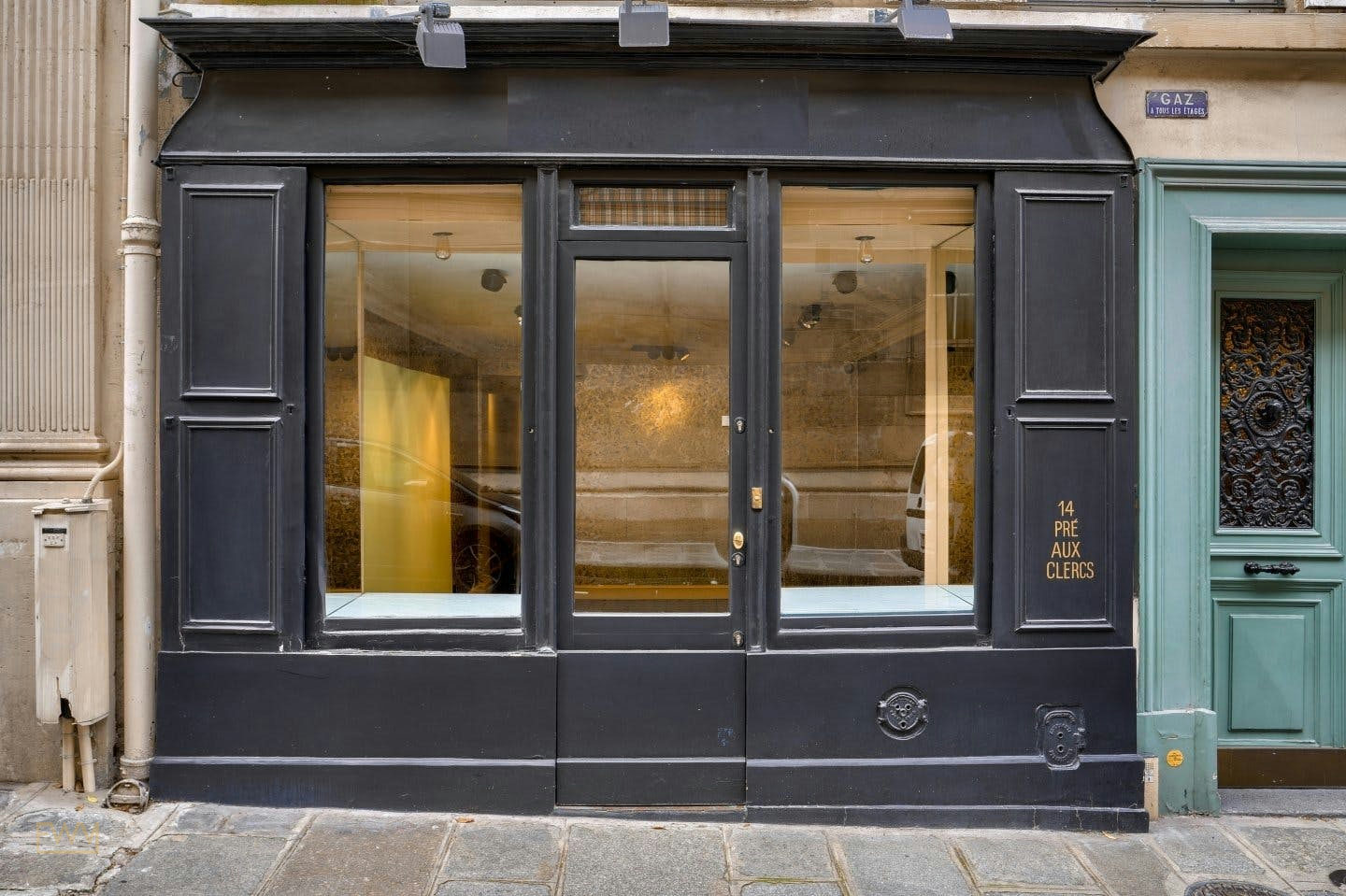
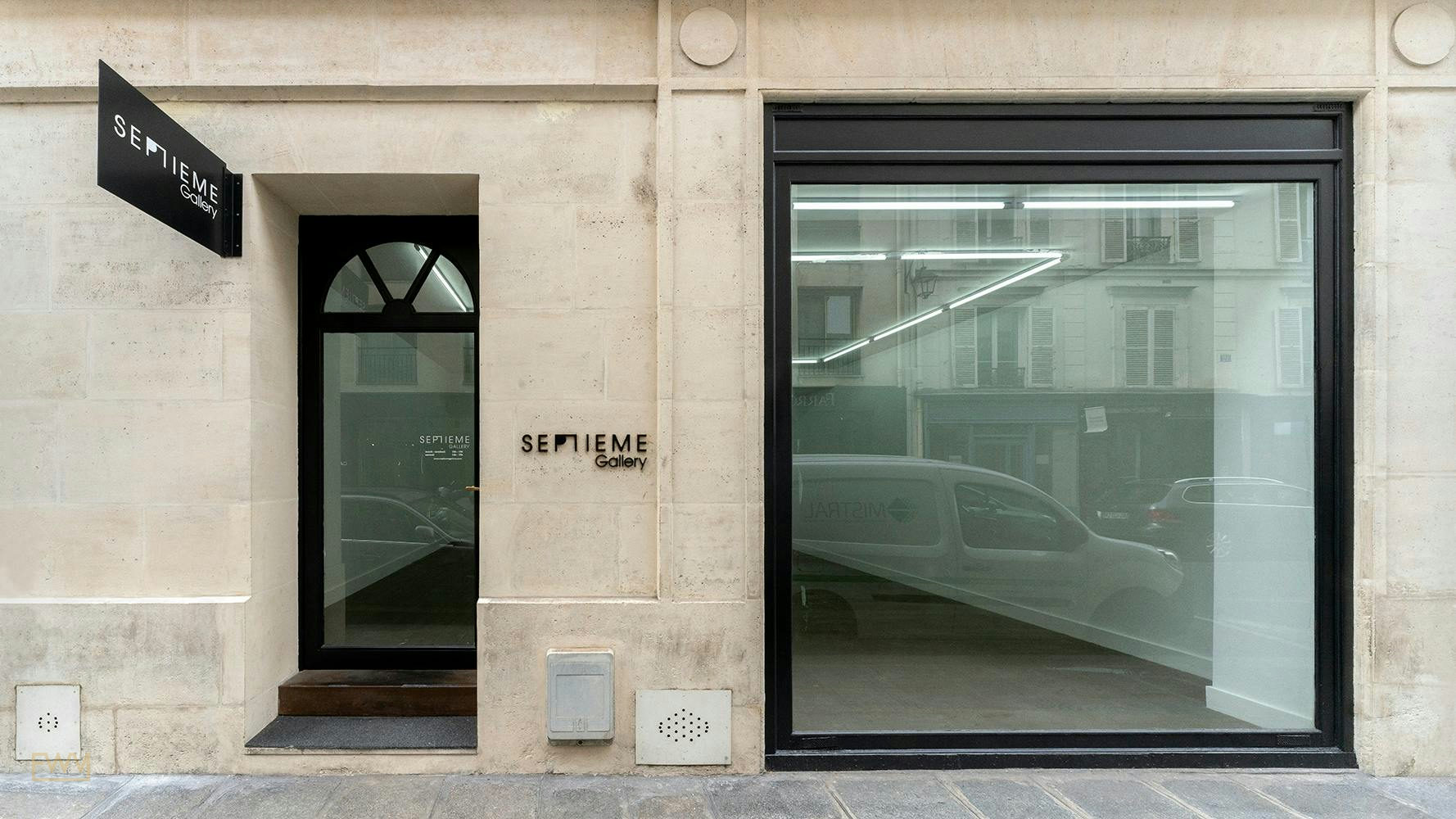
From a spatial perspective, Saint-Germain offers genuine variety. Narrow-fronted boutique formats on Rue de Seine sit alongside wide-windowed gallery spaces suitable for installation-led activations. Haussmann-era ground-floor retail units with high ceilings and original features are available alongside more contemporary loft formats in courtyard buildings. This range of space types means brands with very different activation briefs can find appropriate venues within a walkable area.
The neighbourhood also benefits from proximity to institutions that generate culturally engaged foot traffic: the Musée d'Orsay is a short walk across the Seine, the Luxembourg Gardens draw visitors throughout the year, and the cluster of established art galleries on Rue de Seine and surrounding streets creates a natural audience for brands operating in the fashion, beauty, design, and creative sectors.
DID YOU KNOW: The 6th arrondissement consistently records among the highest average retail rents per square metre in Paris outside the Triangle d'Or, reflecting both demand pressure and the premium that landlords and space operators attach to the neighbourhood's brand association value.
KEY TAKEAWAY: Saint-Germain-des-Prés is not simply a prestigious address. It is a commercial environment where foot traffic quality, neighbourhood identity, and venue character combine to give brand activations a measurable advantage over comparable investments in less differentiated Paris locations.
Understanding which specific streets and micro-locations within Saint-Germain best suit your space type and activation objective is the next critical decision in any Paris retail brief.
Space Types Available When You Rent Retail Space in Saint-Germain
Quick answer: Saint-Germain supports a broad range of commercial space types including pop-up stores, showrooms, gallery spaces, boutiques, loft formats, restaurant-ready venues, and office spaces adapted for brand use. Each type carries different spatial characteristics, lease structures, and activation implications that brands must evaluate against their brief before committing.
One of the most significant advantages of the Saint-Germain market for brands seeking short-term retail space is the genuine diversity of available space types. Unlike some Paris neighbourhoods where the commercial offer is predominantly standardised retail units, Saint-Germain's architectural and property history has produced a stock of venues that ranges from intimate galerie formats to full-floor loft spaces suitable for multi-brand activations.
Pop-Up Store and Boutique Formats
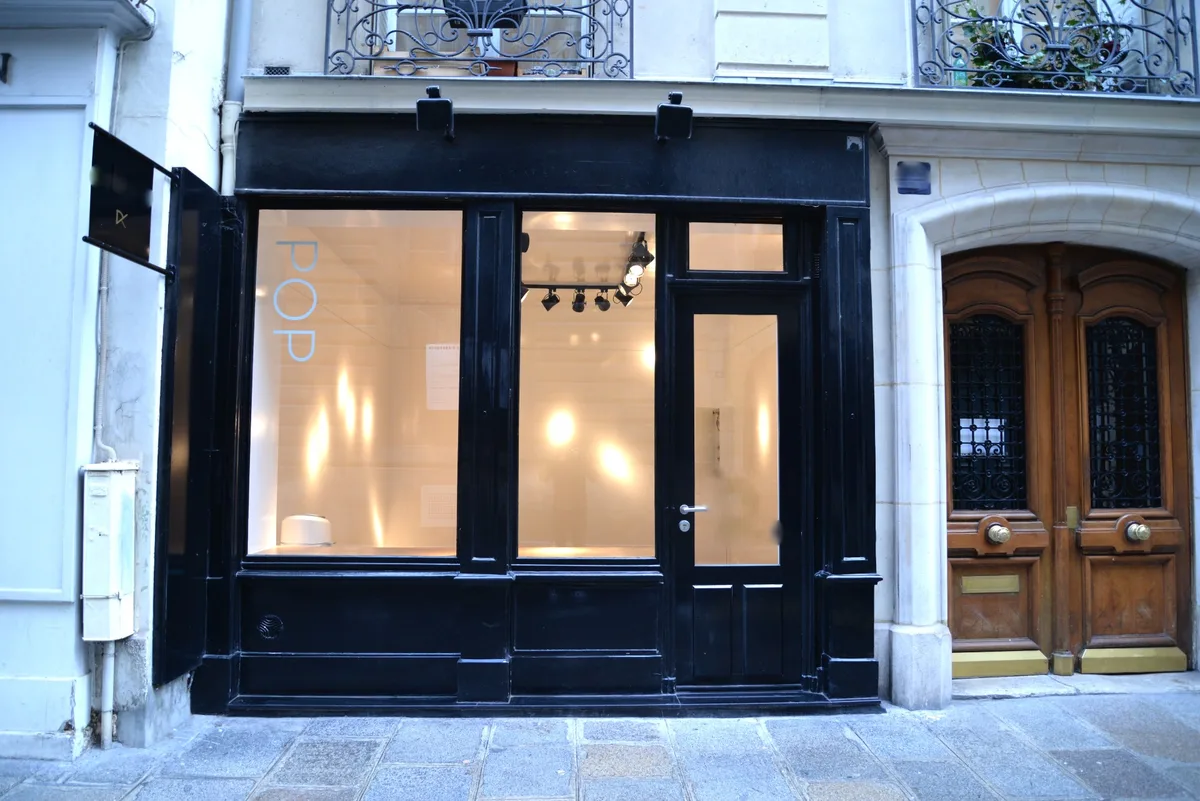
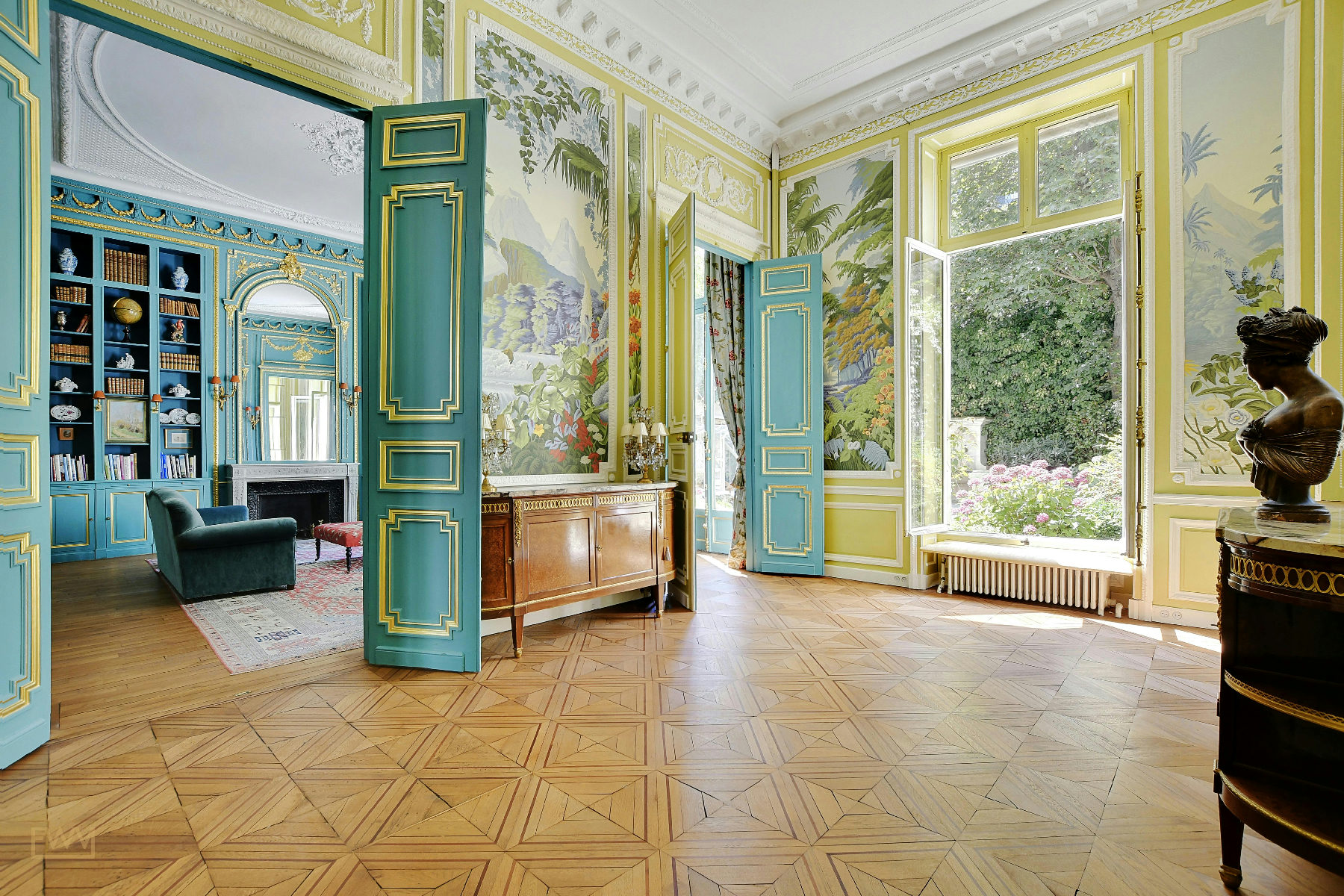
The core commercial space type in Saint-Germain for brand activations is the pop-up store or boutique format. These spaces typically occupy ground-floor positions with street-facing windows, ranging from compact 20 to 40 square metre formats suitable for single-brand product launches up to larger 80 to 150 square metre units appropriate for full brand environments. Ceiling heights in Haussmann-era buildings are typically generous, and original architectural features including herringbone parquet floors, ornate coving, and cast iron details are common, giving brands a ready-made aesthetic context to work with or contrast against.
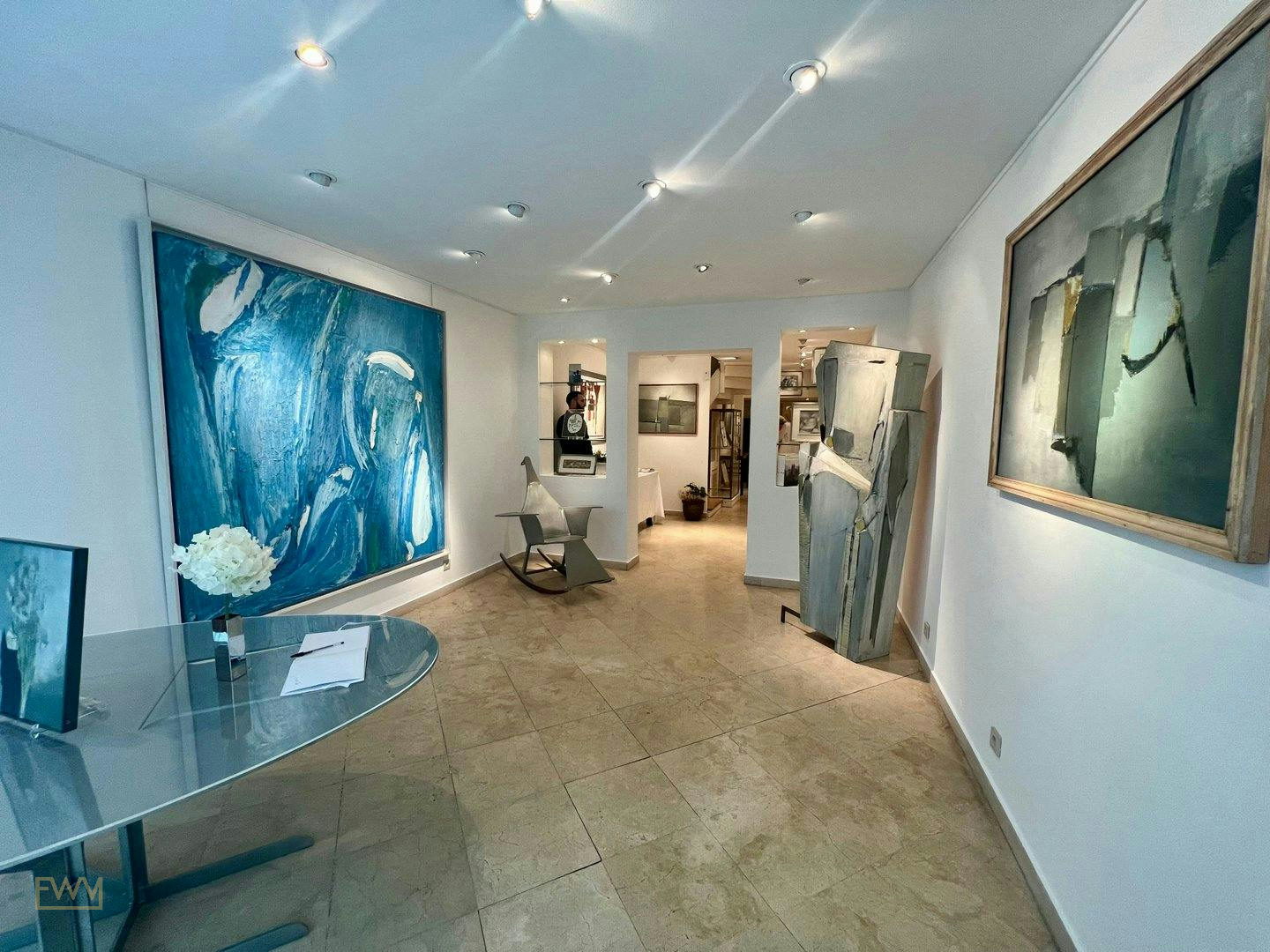
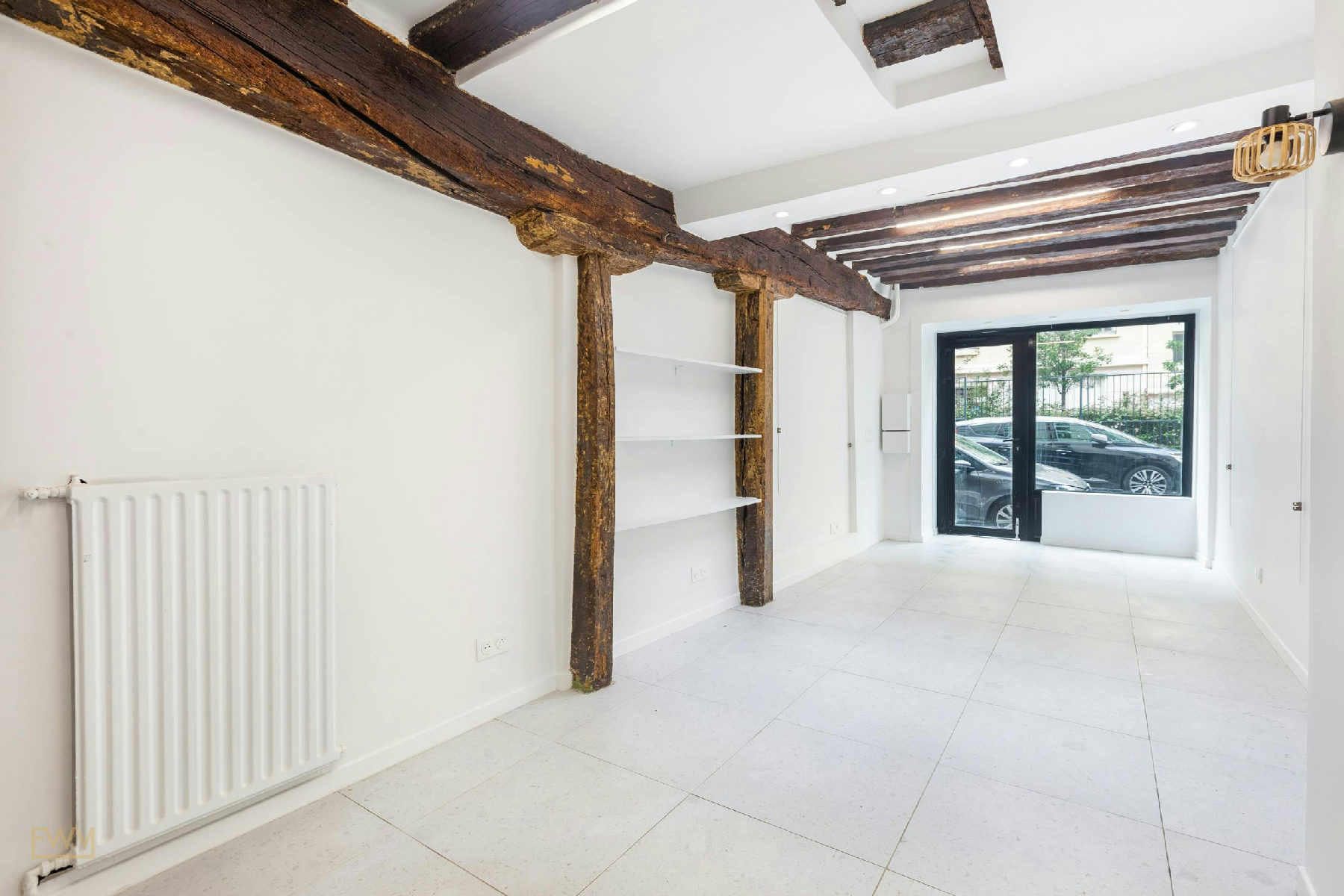
Interior finish standards vary considerably across the Saint-Germain market. Some spaces are presented as white-wall formats with track lighting and neutral floors, designed to be brand-ready with minimal intervention. Others retain their original character including wood-panelled walls, tiled flooring, steel pillars in converted industrial units, or exposed stone that requires more considered staging to translate into a coherent retail environment. Neither approach is inherently superior, and the right choice depends entirely on the brand's visual identity, budget for fit-out, and activation timeline.
Showroom Spaces
Showroom space in Saint-Germain is in strong demand during Paris Fashion Week calendar windows, when international buyers, press, and stylists move through the quartier. Showroom formats tend to prioritise ceiling height, natural light, and flexible floor plans over retail-specific features like window display or high street footfall. Many of the most sought-after showroom spaces in Saint-Germain are located in first and second-floor positions within historic buildings, accessible via grand stone staircases that contribute to the appointment-experience atmosphere that luxury and contemporary brands want for press and buyer visits.
Gallery Spaces and Galeries d'Art
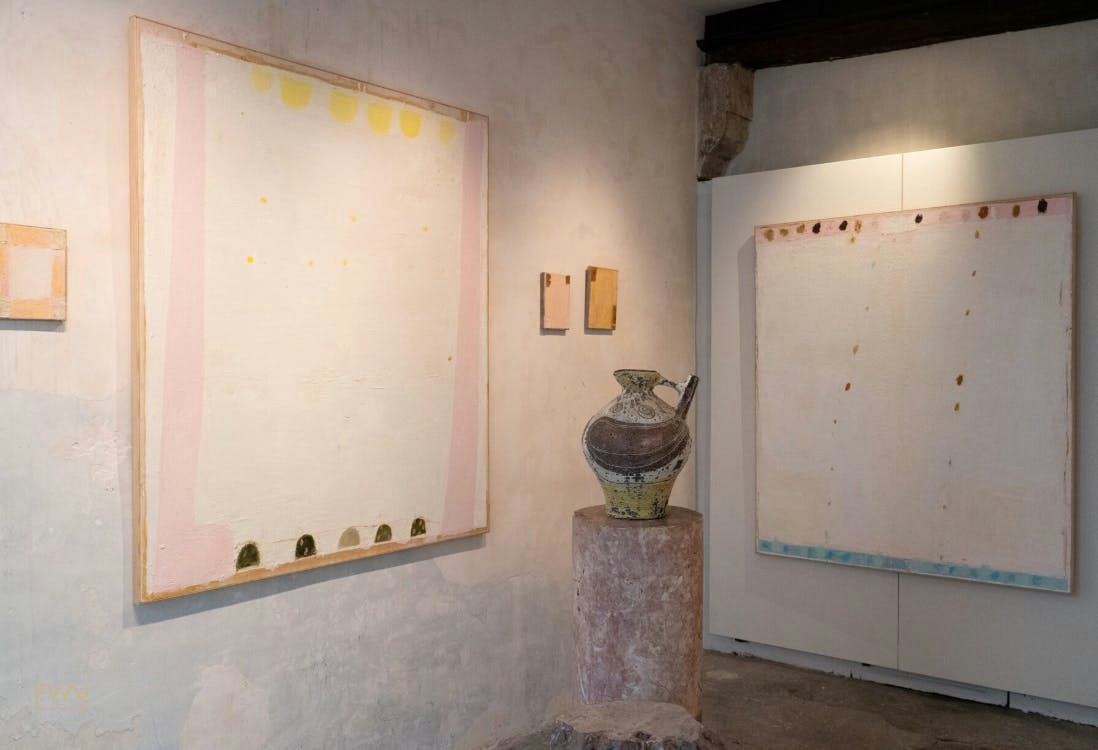
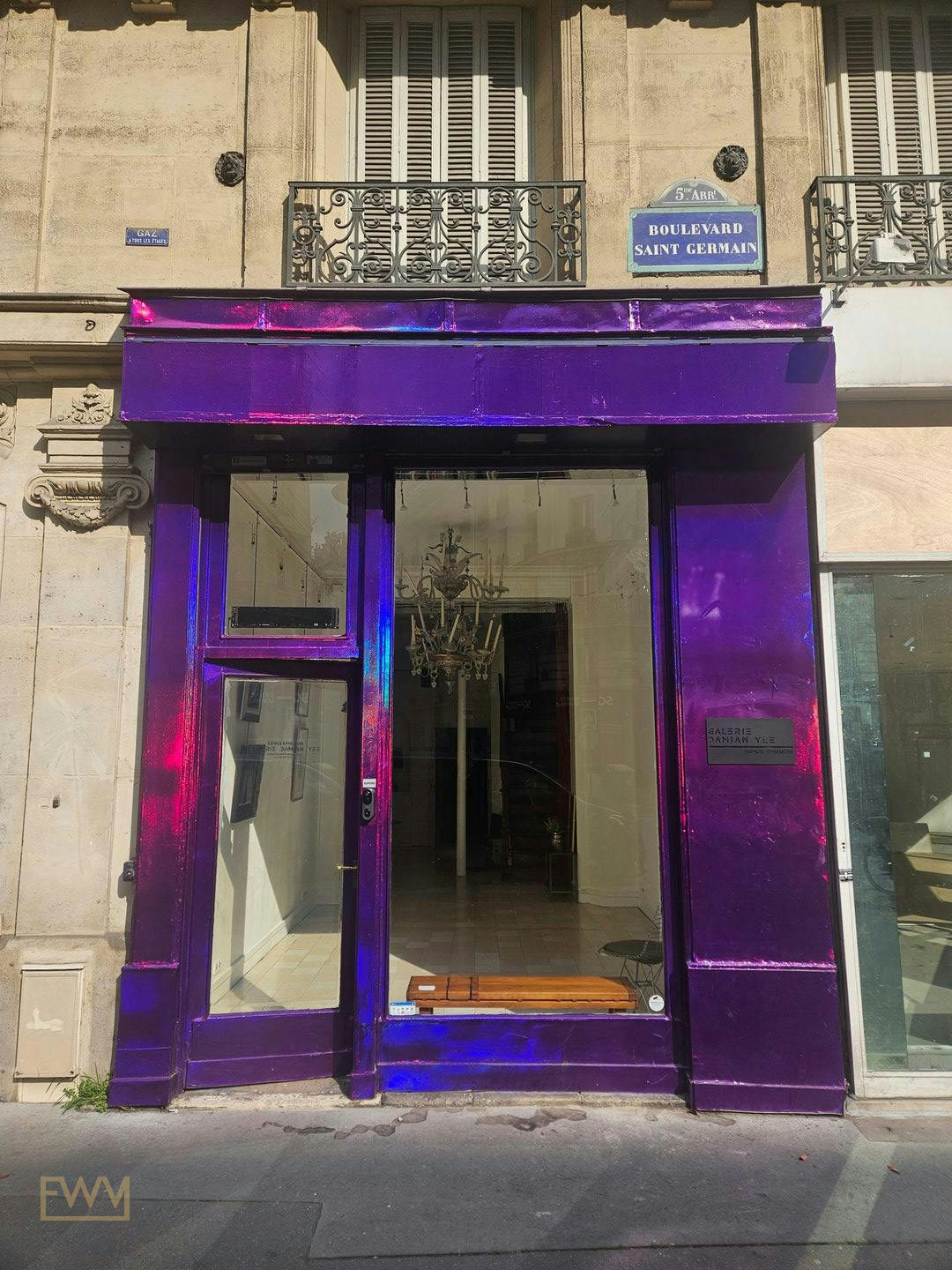
The concentration of established art galleries in Saint-Germain means there is a well-developed sub-market of gallery spaces available for short-term commercial hire outside their primary programming periods. These galerie d'art formats offer white-cube conditions, professional lighting rigs, strong natural light where available, and an institutional quality that translates exceptionally well for brands wishing to position their product launch, capsule collection, or campaign activation within an art-world aesthetic framework. Brands in fashion, jewellery, and high-end accessories have used this format extensively in Saint-Germain to align their visual identity with cultural rather than purely commercial associations.
Loft and Multi-Level Formats
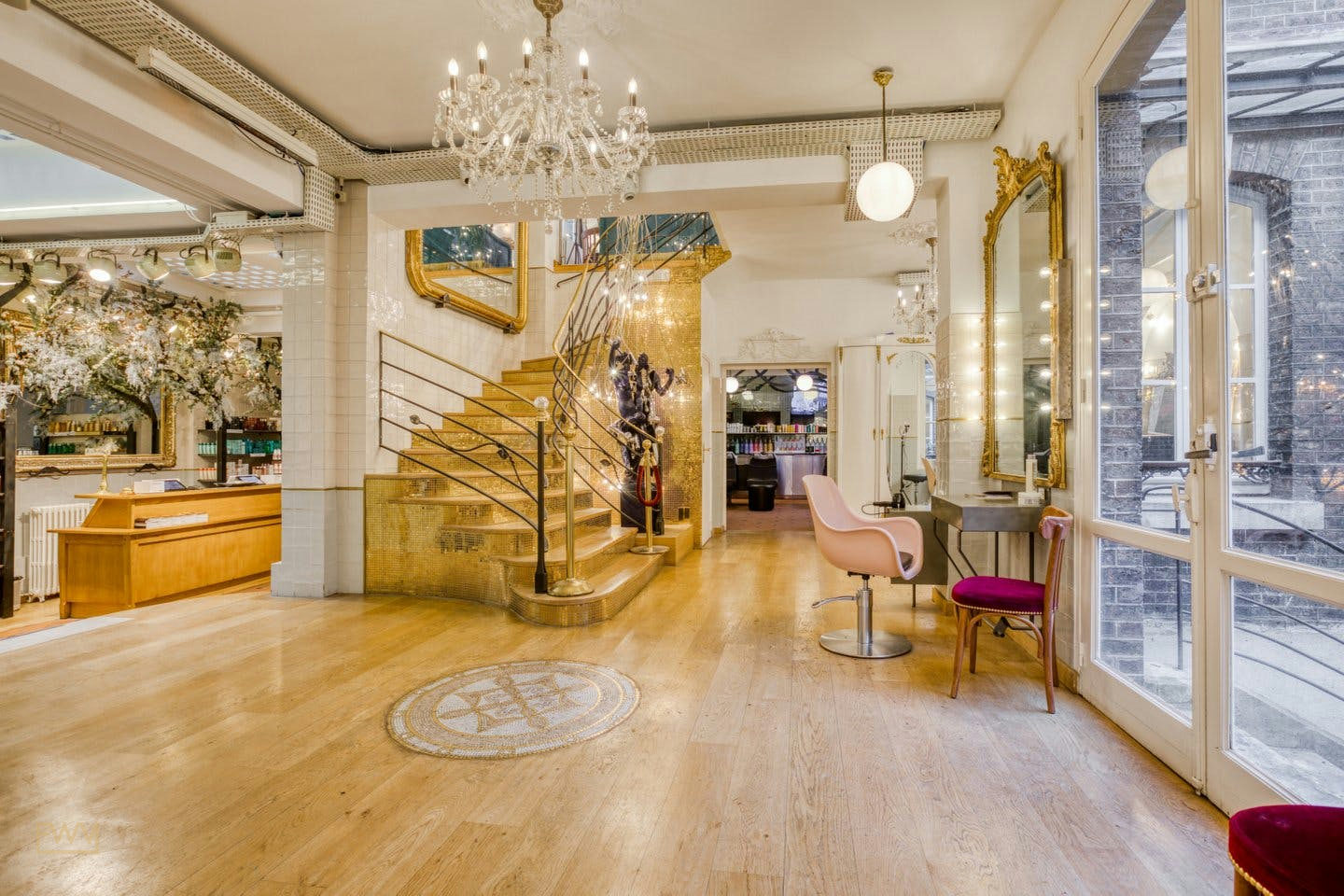
Loft spaces in Saint-Germain, often accessed through courtyard entrances on secondary streets off Boulevard Saint-Germain, offer larger footprints and more flexible spatial configurations than standard ground-floor retail units. These formats are well suited to multi-category activations, press day events combined with retail, or collaborative brand activations involving two or more brands sharing a space. The twin co-activation model that Fashion Week Venues offers is particularly applicable to loft formats where spatial zoning can accommodate distinct brand environments within a shared venue.
Space Type Comparison Table
| Space Type | Typical Size Range | Best Use Case | Key Feature Consideration |
|---|---|---|---|
| Pop-Up Boutique | 20 to 150 sq m | Product launch, seasonal retail | Street frontage, window display |
| Showroom | 50 to 200 sq m | Trade, press, buyer appointments | Ceiling height, natural light, privacy |
| Gallery Space | 40 to 300 sq m | Campaign activation, art-led retail | White walls, professional lighting |
| Loft Format | 80 to 400 sq m | Multi-brand, event plus retail | Open plan, courtyard access |
| Restaurant-Ready Venue | 60 to 250 sq m | Hospitality activation, press events | Kitchen infrastructure, seating |
| Office Space | 20 to 100 sq m | Brand HQ during fashion week | Private, furnished, connectivity |
KEY TAKEAWAY: The Saint-Germain market offers genuinely differentiated space types rather than a uniform retail stock. Brands that match their space type selection to their specific activation objective, visual identity, and target audience will extract significantly more commercial and media value from their investment than brands that treat venue selection as a secondary decision.
Once you have identified the space type that suits your brief, the next decision involves understanding which specific streets and micro-locations within Saint-Germain will best serve your traffic, visibility, and logistics requirements.
Saint-Germain Neighbourhoods and Streets: Where to Rent Commercial Space
Quick answer: Within Saint-Germain-des-Prés, the primary commercial streets for retail space rental are Boulevard Saint-Germain, Rue de Seine, Rue de Buci, Rue du Four, and the streets connecting toward the 7th arrondissement including Rue de Lille. Each micro-location carries different pedestrian volume, commercial character, and space availability profiles.
Saint-Germain is not a single uniform commercial zone. The neighbourhood covers a meaningful geographic area, and the commercial character changes noticeably within a few hundred metres. Understanding these micro-location differences is essential for brands deciding where to concentrate their search.
Boulevard Saint-Germain
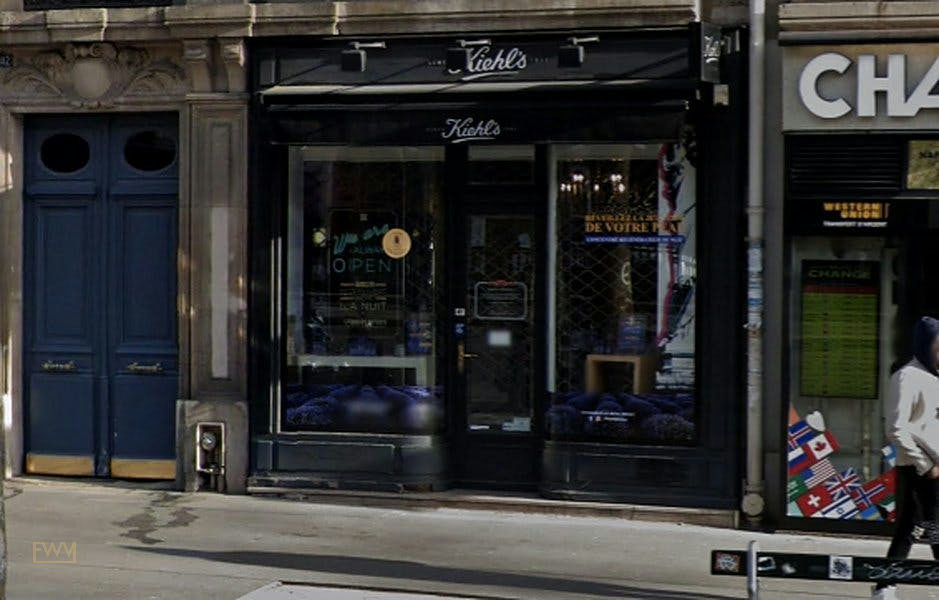
Boulevard Saint-Germain is the neighbourhood's arterial spine and its highest-volume commercial street. Ground-floor spaces on the boulevard command premium rents reflecting both foot traffic volume and the address prestige. The commercial mix on Boulevard Saint-Germain includes a combination of heritage French brands, international fashion retailers, and flagship-style boutiques. For brands seeking maximum visibility and the clearest association with the Saint-Germain address, boulevard-fronting spaces represent the strongest positioning, though availability is limited and lead times for securing appropriate spaces are longer than on secondary streets.
Rue de Seine
Rue de Seine is the heart of Saint-Germain's gallery district and one of the most densely concentrated streets of contemporary art galleries in Paris. It connects Boulevard Saint-Germain to the Quai de Conti along the Seine and draws a visitor profile that skews toward culturally engaged, aesthetically literate shoppers and collectors. For brands in fashion, jewellery, accessories, or design-led sectors, a pop-up or showroom on Rue de Seine offers a positioning advantage that is difficult to replicate elsewhere in Paris.
Rue de Buci and Rue du Four
These intersecting streets form the neighbourhood's most animated pedestrian zone, combining food market character with fashion boutiques and lifestyle retail. Foot traffic on Rue de Buci is high and consistent throughout the day and into the evening, with a strong proportion of both neighbourhood residents and visitors. Space availability in this micro-location tends toward smaller boutique formats, and the competitive character of the street means brands benefit from distinctive window design and clear visual communication of their activation concept.
Rue de Lille and the 7th Arrondissement Border
Moving south and east from the core Saint-Germain zone, streets including Rue de Lille in the 7th arrondissement offer more refined, quieter commercial settings appropriate for appointment-led showrooms, private sales events, and luxury activations where exclusivity is a deliberate positioning choice. Foot traffic is lower but the audience quality is high, and available spaces in this zone tend to be larger and more architecturally distinguished than comparable-priced options in the busier core.
To compare specific locations, use the space locator tool to filter Saint-Germain listings by street, space type, and activation window.
Neighbourhood and Street Comparison Table
| Location | Foot Traffic Level | Commercial Character | Best For |
|---|---|---|---|
| Boulevard Saint-Germain | Very High | Flagship, heritage, international | High-visibility pop-up, brand statement |
| Rue de Seine | Medium-High | Gallery, art, design | Art-led activation, showroom |
| Rue de Buci | High | Mixed, market, boutique | Consumer retail, product launch |
| Rue du Four | High | Fashion, lifestyle, food | Fashion pop-up, accessible retail |
| Rue de Lille (7th) | Low-Medium | Refined, residential, appointment | Luxury showroom, private event |
DID YOU KNOW: The density of established galeries d'art on and around Rue de Seine is among the highest of any street in Europe, with over 40 galleries operating within a few blocks. This concentration creates a natural audience of culturally engaged visitors for fashion and luxury brands activating nearby.
KEY TAKEAWAY: Micro-location selection within Saint-Germain matters as much as the neighbourhood choice itself. Boulevard Saint-Germain maximises visibility, Rue de Seine maximises cultural positioning, Rue de Buci maximises accessible consumer traffic, and the 7th arrondissement border maximises exclusivity and audience quality for appointment-led formats.
To move from research to shortlisting, explore the Paris city hub on Fashion Week Venues and filter available commercial spaces by Saint-Germain location, size, and activation type.
Understanding the Rental Market: Costs, Lease Types, and Transactions
Quick answer: Rental costs for commercial space in Saint-Germain vary significantly by street, space type, size, duration, and condition. Short-term rental structures in Paris differ fundamentally from standard commercial leases, and brands must understand the applicable legal framework, deposit requirements, and what is included in any quoted rental figure before committing to a transaction.
The Saint-Germain retail rental market operates across several distinct frameworks, each with different cost structures, legal implications, and practical requirements. Brands new to the Paris market frequently underestimate the complexity of these differences and budget incorrectly as a result.
Short-Term Rental Structures in Paris
Standard commercial leases in France, known as baux commerciaux 3-6-9, are designed for long-term tenants and are entirely unsuitable for pop-up activations, short-term showrooms, or temporary retail concepts. Brands seeking to rent retail space in Saint-Germain for periods ranging from a few days to several months operate under different legal structures, most commonly the bail dérogatoire or specific short-term licence agreements.
The bail dérogatoire is a derogatory commercial lease that allows a landlord and tenant to agree a lease of up to 36 months without triggering the renewal protections and commercial lease rights that apply under the standard 3-6-9 framework. For short-term retail activations, bails dérogatoires of one to six months are the most common structure in Saint-Germain. These leases require specific contractual language to be valid and carry conditions that differ from standard commercial leases in ways that can materially affect a brand's operational flexibility, deposit exposure, and exit options.
For very short activations of days to a few weeks, many space operators in Saint-Germain use licence agreements rather than leases. These offer greater flexibility but provide fewer legal protections for the occupying brand. The practical distinction matters particularly if works or fit-out are planned, if the space requires any modification, or if the brand needs certainty of tenure during a critical calendar window.
IMPORTANT: Requirements for short-term commercial leases, deposits, and permits vary by space type, duration, arrondissement, and the specific landlord or space operator involved. Always verify the applicable legal structure with a qualified French legal advisor before signing any rental agreement in Paris.
Cost Ranges and What Drives Pricing
Rental costs in the Saint-Germain market are driven by street position, space size, condition, included services, and lease duration. Boulevard Saint-Germain commands the highest rents in the quartier, with secondary streets offering progressively more accessible pricing for smaller brands or longer duration activations. Space condition affects pricing both in terms of the headline rent and the fit-out investment required: a white-wall, track-lit space in move-in condition commands a premium over an unrenovated unit that requires significant investment before it can host a brand activation.
Published market references include small commercial units in secondary Paris arrondissements listed at approximately €1,600 per month for basic ground-floor office or retail space in ground-floor condition requiring renovation. Saint-Germain-des-Prés locations in comparable condition typically command meaningfully higher figures given the address premium. For accurate, brand-specific budget planning, use the budget estimation tool rather than relying on generic market ranges.
Beyond headline rent, brands should account for deposit requirements, which in the Paris short-term commercial market typically range from one to three months' equivalent rent. Service charges, utility costs, insurance obligations, and any required AOT permits for street-facing signage or temporary structures add further to the total cost of occupation.
Autorisations d'Occupation Temporaire (AOT)
Brands wishing to use any part of the public pavement, install temporary external signage, or operate a terrace or queuing structure in connection with their Saint-Germain pop-up space require an Autorisation d'Occupation Temporaire from the relevant Paris municipal authority. AOT requirements, costs, and approval timelines vary by arrondissement, specific street, and the nature of the proposed occupation. Processing times should be factored into the activation timeline, and approval is not guaranteed. The permits planning tool provides a structured framework for understanding which permits may apply to your activation type and location.
Rental Framework Comparison Table
| Framework | Typical Duration | Renewal Rights | Best For | Key Risk |
|---|---|---|---|---|
| Standard Bail Commercial 3-6-9 | 3+ years | Strong tenant protections | Permanent retail | Long commitment, not suitable for pop-ups |
| Bail Dérogatoire | Up to 36 months | No automatic renewal | Short-term retail, showroom | Must be correctly drafted to avoid 3-6-9 conversion |
| Licence Agreement | Days to months | None | Pop-up, event, activation | Fewer protections for tenant |
| Revenue Share | Variable | None | Emerging brands, test retail | Cost unpredictability |
KEY TAKEAWAY: The legal and financial structure of your Saint-Germain rental agreement is as important as the space itself. Brands that approach lease type and permit requirements without specialist guidance frequently encounter unexpected costs, compliance issues, or tenure uncertainty that undermines the activation investment.
Understanding the cost and legal framework is the foundation for building a realistic activation plan. The next section addresses the strategic question of timing your Saint-Germain activation most effectively.
Calendar Strategy: When to Activate in Saint-Germain
Quick answer: Paris Fashion Week calendar windows in January, February, September, and October represent the highest-demand and highest-visibility periods for Saint-Germain retail activations. However, brands can achieve strong commercial and media returns outside these peaks, with the right space and concept, while benefiting from better availability and more competitive rental terms.
The Paris Fashion Week calendar is the dominant planning framework for international brands considering short-term retail space in Saint-Germain. The womenswear collections are shown in late January and February for Autumn/Winter and in September and October for Spring/Summer. Menswear and couture weeks add further activation windows in January and July. During these periods, Saint-Germain becomes a particularly concentrated zone of brand activity, press movement, and buyer traffic, making it one of the most commercially productive locations in the city for a well-executed pop-up or showroom activation.
Brands should note that during Fashion Week calendar windows, the most desirable Saint-Germain spaces are typically secured two to four months in advance. Leaving space search until six to eight weeks before an intended activation date significantly limits the available options and may force a compromise on location, size, or condition. Using the activation timeline planning tool helps brands structure their preparation calendar to avoid this common error.
Outside Fashion Week, Saint-Germain maintains strong commercial activity year-round, driven by its resident population, cultural tourism, and the consistent international visitor flow that characterises the neighbourhood. Brands activating during non-Fashion Week periods benefit from greater space availability, more flexible negotiating positions with space operators and landlords, and the opportunity to stand out in a less crowded brand activation landscape. Holiday season activations in November and December, in particular, can perform strongly in Saint-Germain given the neighbourhood's affluent resident base and gift-purchasing behaviour during that period.
The ideal duration for a Saint-Germain pop-up activation depends on the brand's objectives. For press and trade showrooms tied to Fashion Week, durations of five to ten days aligned precisely with the calendar window are common. For consumer-facing retail pop-ups, activations of three to six weeks allow sufficient time to build neighbourhood awareness, generate organic social media discovery, and achieve meaningful sales volume. Longer activations of one to three months may be appropriate for brands testing a permanent Paris retail presence or running a sustained seasonal campaign.
TIP: If your primary objective is press coverage and buyer appointments rather than direct consumer sales, a showroom format in Saint-Germain timed exactly to the relevant Fashion Week window will typically deliver stronger ROI than a longer consumer retail activation. Use the ROI calculation tool to model both approaches against your specific objectives.
KEY TAKEAWAY: Calendar timing is a strategic decision, not just a logistics one. Brands that align their Saint-Germain activation window to their primary objective, whether trade press, consumer retail, or market testing, and plan their space search accordingly will consistently outperform those who treat timing as a secondary consideration.
How Fashion Week Venues Helps Brands Rent Retail Space in Saint-Germain
Quick answer: Fashion Week Venues provides a structured, full-service pathway for international brands seeking to rent retail space in Saint-Germain, combining a curated space marketplace, expert venue sourcing, permit navigation, concept direction, fit-out management, and activation support within a single coordinated service.
For brand teams approaching the Saint-Germain market for the first time, the combination of limited space availability, complex short-term lease structures, French-language landlord relationships, permit requirements, and tight Fashion Week timelines creates a significant operational challenge. Fashion Week Venues exists to address exactly this challenge, providing both the market access and the operational infrastructure that international brands need to execute successfully in Paris.
Space Marketplace and Venue Sourcing
The Fashion Week Venues marketplace lists verified commercial spaces across Saint-Germain and the broader Paris market, filterable by space type, size, location, availability window, and key features including natural light, floor type, ceiling height, and window display presence. Brands can browse available listings, compare options, and use the imagine tool to visualise how a space might translate for their specific activation concept before making any enquiry or commitment. Professional venue sourcing support is available for brands with specific requirements that go beyond the marketplace listing inventory.
Concept Direction and Design
Once a space is identified, Fashion Week Venues provides concept and creative direction to translate the brand's identity and activation objectives into a spatial brief. Whether the brief calls for track lighting and white walls in a clean gallery format, wood-panelled warmth in a heritage boutique, tiled flooring and steel pillars in a converted industrial space, or a spotlit product display in a contemporary loft, the concept direction process ensures the chosen space is used to its full potential. This is not a generic interior design service; it is a brand-specific process that starts from activation objectives and works backward to spatial, material, and sensory decisions.
Fit-Out, Furniture, and Production
The fit-out and production service covers everything from structural works and lighting installation to furniture sourcing, fixture fabrication, and branded environmental graphics. For brands with tight timelines, Fashion Week Venues coordinates all trades and supplier relationships to ensure the space is ready on time. Furniture rental is available as a standalone service for brands that need a curated furniture package without a full production engagement, allowing flexible, cost-appropriate solutions for shorter or simpler activations.
Activation Management, Staffing, and Operations
Running a pop-up store or showroom in Saint-Germain requires French-speaking retail staff, compliant point-of-sale and payment systems, and day-to-day operational management that many international brand teams are not positioned to handle independently. Fashion Week Venues provides retail staffing, POS and payments infrastructure, and full activation management to ensure the space operates smoothly from opening day through to deinstallation. Data and analytics services capture visitor behaviour, conversion metrics, and sales performance data to support post-activation ROI reporting.
Planning Tools
Brands that prefer to manage their own planning can use the Fashion Week Venues suite of self-service tools including budget estimation, ROI modelling, space comparison, timeline planning, permit guidance, and space location. These tools are designed to support the specific decisions that arise at each stage of a Paris retail activation, from initial brief development through space selection, budget sign-off, and compliance planning. The build planning tool helps brands structure the fit-out scope and phasing before engaging any production partners.
Fashion Week Venues does not guarantee space availability, permit approvals, or specific activation outcomes. What it provides is market access, specialist expertise, and operational support that materially reduces the risk and complexity of executing a Saint-Germain retail activation from outside France. To review past activations and understand the range of work the agency has delivered for brands in Paris and other fashion capitals, visit the work and case study section.
KEY TAKEAWAY: Fashion Week Venues provides the most complete available pathway for international brands seeking to rent retail space in Saint-Germain, from first brief through to post-activation reporting, within a single coordinated service that reduces the operational burden on in-house brand teams working across time zones and without established Paris supplier networks.
Practical Activation Workflow: From Brief to Opening Day
Quick answer: A successful Saint-Germain retail activation follows a structured workflow that begins with brief development and space search, moves through legal review, concept development, fit-out, permit applications, and operational setup, and culminates in a managed activation period and deinstallation. Compressing or skipping stages in this workflow is the single most common cause of activation problems in the Paris market.
International brands often underestimate how many distinct workstreams need to run in parallel to deliver a Saint-Germain pop-up or showroom activation. The following workflow table represents a realistic planning framework for a medium-complexity activation of four to six weeks' duration. Shorter activations compress some stages; more complex activations with significant fit-out or multi-brand formats require earlier starts.
Step-by-Step Activation Workflow Table
| Stage | Key Actions | Typical Timing Before Opening |
|---|---|---|
| 1. Brief Development | Define objectives, space type, budget, calendar window, location preference | 16 to 20 weeks |
| 2. Space Search and Shortlisting | Marketplace browse, venue sourcing, site visits, space comparison | 14 to 16 weeks |
| 3. Legal and Lease Review | Review lease type, deposit terms, exit conditions with French legal advisor | 12 to 14 weeks |
| 4. Concept Direction | Develop spatial concept, material palette, brand environment brief | 10 to 12 weeks |
| 5. Permit Applications | Identify required permits, prepare AOT or other applications, submit in time | 10 to 12 weeks |
| 6. Production Planning | Scope fit-out works, source furniture, confirm trades, schedule build | 8 to 10 weeks |
| 7. Operational Setup | Recruit and brief staff, configure POS and payments, establish logistics | 4 to 6 weeks |
| 8. Build and Dress | Execute fit-out, install displays and fixtures, final brand dressing | 1 to 2 weeks |
| 9. Activation | Manage daily operations, press and influencer programme, sales and analytics | Opening day through close |
| 10. Deinstallation | Remove all installations, restore space to agreed condition, finalise accounts | Post-close |
Each stage in this workflow involves supplier relationships, contractual commitments, and decisions that affect subsequent stages. Brands that skip the legal review stage, for example, frequently encounter deposit disputes or exit condition disagreements at deinstallation. Brands that delay permit applications discover that AOT approval timelines do not compress to match their build schedule. Building the full workflow into the planning calendar from the outset, rather than treating later stages as things to sort out closer to the time, is the single most effective way to protect the activation timeline and budget.
For brands working with Fashion Week Venues on a managed basis, this workflow is coordinated by the agency team. For brands using Fashion Week Venues tools on a self-managed basis, the timeline planning tool provides a structured prompt for each stage and flags dependencies between workstreams.
TIP: If your brand team is based outside France, add at least two weeks of buffer to each stage of the workflow to account for communication delays, time zone differences, French public holidays, and the practical reality that Paris supplier markets operate on local rhythms that do not accelerate to match international client timelines.
KEY TAKEAWAY: The activation workflow for a Saint-Germain pop-up or showroom is a multi-stage project management exercise, not a simple booking transaction. Brands that invest in proper workflow planning from the earliest stage of their Paris brief consistently achieve better outcomes than those who treat the process as a series of separate tasks to be handled reactively.
Searching for Saint-Germain Commercial Space: Platform Options and What to Consider
Quick answer: Multiple platforms and search methods exist for finding commercial space in Saint-Germain, ranging from international commercial real estate databases to specialist pop-up marketplaces and direct agency introductions. Each channel has different strengths, limitations, and appropriate use cases for brands with different briefs and budgets.
Brands researching the Saint-Germain commercial space market encounter a range of listing sources that vary significantly in their applicability to short-term retail and pop-up activation requirements. Understanding what each channel offers and what it does not is essential for using research time efficiently and avoiding misaligned enquiries.
Commercial Real Estate Platforms
International commercial real estate databases and platforms carry Saint-Germain listings that are primarily oriented toward longer-term tenants, investors, and business occupiers. These platforms are useful for understanding the general market structure, vacancy rates, and size and price parameters for the Saint-Germain commercial stock, but the majority of listings are not structured for short-term brand activations. Brands using these platforms for pop-up or showroom research will typically find that available units require a standard commercial lease commitment that is incompatible with a short-term activation strategy. Property companies, commercial real estate agents, and broker professionals operating in the Paris market can provide more targeted introductions to landlords open to short-term occupation, but this route requires established relationships and is not always accessible to international brands approaching the market for the first time.
Pop-Up Specific Marketplaces
Specialist pop-up space platforms list venues specifically configured for short-term brand occupancy, with flexible licence agreements, move-in ready conditions, and operators who understand brand activation requirements. These platforms typically offer filtering by location, space type, availability window, and key features, and the listing quality and accuracy is generally stronger for activation-relevant attributes than on general commercial real estate databases. Fashion Week Venues operates its own curated marketplace specifically for fashion and lifestyle brand activations, with Paris and Saint-Germain as the primary markets. Listings on the Fashion Week Venues marketplace are verified for activation suitability and can be explored, compared, and shortlisted through the platform's integrated search and comparison tools.
Direct Agency Introduction
For brands with complex briefs, limited Paris market knowledge, or time-sensitive requirements, working through an agency with established Saint-Germain landlord and space operator relationships is typically the most efficient route to an appropriate space. Agencies with deep market knowledge can identify off-market spaces, negotiate appropriate short-term terms, and manage the landlord relationship through the duration of the activation in ways that a brand team researching the market independently cannot easily replicate. Understanding what to look for and what to ask when evaluating agency options is covered in the guide to hiring a pop-up agency.
DID YOU KNOW: A significant proportion of the most desirable short-term commercial spaces in Saint-Germain are never publicly listed on any platform. They are placed through established relationships between space operators and agency networks. Brands that rely exclusively on public listings are, by definition, operating with an incomplete view of the available market.
KEY TAKEAWAY: An effective Saint-Germain space search combines marketplace browsing for market orientation and shortlisting with direct agency access for off-market options and negotiation support. Brands that rely on a single search channel, particularly general commercial real estate platforms, are likely to miss the most appropriate and commercially structured short-term options in the market.
Common Myths About Renting Retail Space in Saint-Germain
MYTH: You need a French legal entity to rent a commercial space in Saint-Germain as an international brand.
FACT: International brands can rent commercial space in Paris without a French legal entity in many cases, particularly under short-term licence agreements or when working through an established agency or space operator that acts as an intermediary. The specific requirements depend on the lease type, the landlord's preferences, and the duration of the occupation. A French legal advisor should confirm the appropriate structure for your specific situation before you commit to any rental agreement.
MYTH: Paris Fashion Week is the only commercially viable window for a Saint-Germain retail activation.
FACT: While Paris Fashion Week calendar windows concentrate media attention and trade traffic in ways that are genuinely valuable for certain brand objectives, Saint-Germain maintains strong commercial activity year-round. Holiday season activations, long weekend programmes, and sustained seasonal pop-ups outside Fashion Week have delivered strong commercial and brand-building outcomes for many brands. The right window depends on the brand's objectives, not on a blanket assumption that Fashion Week is always the optimal timing.
MYTH: The only way to find a short-term commercial space in Saint-Germain is through a commission broker.
FACT: Commission brokers are one route to market, but specialist pop-up marketplaces, full-service brand activation agencies, and direct space operator relationships offer alternatives that are often more appropriate for brands seeking short-term activation-ready spaces. Fashion Week Venues operates a curated marketplace specifically for this market segment, providing brands with direct access to verified listings without the opacity that can characterise broker-mediated transactions.
MYTH: Short-term leases for Saint-Germain commercial space are legally straightforward and do not require specialist advice.
FACT: French commercial lease law is complex, and the bail dérogatoire and licence agreement structures used for short-term activations carry specific drafting requirements and legal conditions that are not immediately obvious to non-specialist parties. An incorrectly drafted bail dérogatoire can inadvertently convert to a standard 3-6-9 commercial lease, creating significant and unintended long-term obligations. Specialist legal advice before signing any commercial rental agreement in Paris is not optional; it is a basic risk management requirement.
MYTH: A Saint-Germain pop-up space is too expensive for emerging or mid-tier brands.
FACT: While Boulevard Saint-Germain flagship positions command significant rental costs, the neighbourhood's secondary and tertiary streets offer spaces at more accessible price points. Smaller boutique formats, upper-floor showroom spaces, and activations timed outside peak Fashion Week windows can all be structured within budgets appropriate for emerging and contemporary brands. Co-activation formats, where two compatible brands share a space and split costs, further extend the accessibility of Saint-Germain locations to brands that would not otherwise be able to justify the investment independently.
Frequently Asked Questions
Why rent a temporary retail space in Saint-Germain-des-Prés rather than another Paris neighbourhood?
Saint-Germain-des-Prés offers a combination of foot traffic quality, neighbourhood identity, and venue character that is difficult to replicate elsewhere in Paris. The quartier draws an affluent, culturally engaged international visitor base alongside a high-spending resident population, and its association with art, fashion, and intellectual culture gives brand activations an automatic contextual depth that more purely commercial neighbourhoods cannot provide. For brands in fashion, jewellery, beauty, and design, Saint-Germain positioning carries inherent media and brand value beyond the immediate sales impact of the activation itself.
What are the most sought-after locations for renting a pop-up store in Saint-Germain-des-Prés?
The most in-demand locations for pop-up stores in Saint-Germain are street-facing positions on Boulevard Saint-Germain for maximum visibility, Rue de Seine for gallery-world positioning, and Rue de Buci for high consumer traffic. Secondary streets including Rue du Four, Rue de l'Abbaye, and the streets connecting toward Saint-Sulpice offer strong positioning with somewhat greater availability and more accessible pricing. The most desirable spaces on all these streets are typically secured well in advance, particularly for Fashion Week calendar windows.
How much does it cost to rent a pop-up space in Saint-Germain-des-Prés?
Rental costs vary considerably by street position, space size, condition, duration, and what is included in the quoted figure. Boulevard Saint-Germain commands the highest rents in the quartier, while secondary and tertiary streets offer more accessible pricing. Short-term licence agreements for pop-up formats are typically priced differently from longer bail dérogatoire structures. Rather than relying on generic figures, brands should use the Fashion Week Venues budget estimation tool to generate a brand-specific cost model that accounts for all cost components including rent, deposit, fit-out, permits, staffing, and operations.
What is the ideal duration for a pop-up shop activation in Saint-Germain-des-Prés?
The ideal duration depends on the brand's primary objective. For trade and press showrooms aligned to Fashion Week, five to ten days is typically sufficient. For consumer-facing retail pop-ups, three to six weeks allows time to build neighbourhood awareness, generate organic discovery, and achieve meaningful sales volume. Longer activations of one to three months may suit brands testing a permanent Paris presence. Very short activations of one to three days can work for event-led launches with strong pre-built audiences, but carry higher cost-per-day rates and leave less room for operational adjustment.
What space features should I prioritise when renting a pop-up space in Saint-Germain?
The right features depend entirely on your activation concept and brand identity. Brands with minimal, editorial aesthetics benefit from white-wall, track-lit spaces that provide a neutral canvas. Brands with heritage or artisanal identities may find wood-panelled walls, herringbone floors, and original architectural details more appropriate. Fashion and accessories brands needing strong visual merchandising benefit from high ceilings and good natural light. Event-led activations with significant footfall need clear access routes and adequate floor loading. Defining your feature priorities before beginning the space search prevents time being wasted on venues that look attractive in photographs but are functionally mismatched to your brief.
Can an international brand rent commercial space in Saint-Germain without a French company?
In many cases, yes. Short-term licence agreements for pop-up and showroom activations can often be structured to accommodate international brand entities, particularly when working through an established agency or space operator. However, the specific requirements vary by landlord, lease type, and duration, and some space operators in the Paris market do require a French entity or guarantee. A French legal advisor should review the specific terms of any proposed agreement before signature to confirm the appropriate structure for your brand's legal and tax situation.
What permits do I need for a pop-up shop in Saint-Germain?
Permit requirements depend on the nature and location of the activation. Brands using pavement space, installing external signage, operating a terrace or queuing structure, or hosting events open to the public may require an Autorisation d'Occupation Temporaire from the Paris municipal authority. Certain types of temporary structure or works require separate building or signage permissions. Permit processing times vary and approval is not guaranteed. The Fashion Week Venues permits planning tool provides a framework for understanding which permits may apply, and brands should verify specific requirements with a specialist before beginning any permit application.
How far in advance should I start searching for a Saint-Germain pop-up space?
For Fashion Week calendar windows, the most desirable Saint-Germain spaces are secured two to four months in advance, and some high-demand locations are committed even earlier. Brands that begin their space search fewer than six weeks before their intended opening date should expect a significantly reduced choice of available options, particularly on the prime streets. For non-Fashion Week activations, slightly shorter lead times are possible, but the general principle of earlier being better applies regardless of timing. The activation timeline planning tool on Fashion Week Venues helps brands structure their full preparation calendar from brief through to opening day.
What is a bail dérogatoire and why does it matter for Saint-Germain pop-up rentals?
A bail dérogatoire is a specific type of French commercial lease that allows landlord and tenant to agree a short-term occupation of up to 36 months without triggering the renewal rights and long-term protections that apply under France's standard commercial lease law. For pop-up and showroom activations, bail dérogatoires are a common and appropriate structure, but they must be correctly drafted to be valid. An incorrectly drafted bail dérogatoire can inadvertently be treated as a standard commercial lease with full 3-6-9 protections, creating significant unintended obligations. Always have any bail dérogatoire reviewed by a qualified French commercial law specialist before signing.
Can two brands share a single Saint-Germain space to reduce costs?
Yes, and this approach is increasingly common in the Paris market, particularly for Fashion Week activations where individual brands want Saint-Germain presence but cannot justify the full space cost independently. Co-activation formats work best when the two brands have compatible aesthetics and clearly differentiated product categories, allowing each to occupy and dress a distinct zone within the shared space. Fashion Week Venues offers a structured twin co-activation concept specifically designed for this scenario, handling the spatial zoning, operational coordination, and shared services that make a two-brand activation function smoothly in practice.
What is the difference between a showroom and a pop-up store in the Saint-Germain market?
In practice, the distinction relates to audience and purpose rather than space type. A showroom in Saint-Germain is typically a by-appointment space for trade, press, and buyer visits, prioritising controlled access, appointment scheduling, and a curated product presentation environment. A pop-up store is open to general public traffic, prioritising visibility, walk-in conversion, and consumer engagement. Some activations combine both functions in a single space, using zoning to separate the trade appointment area from the consumer-facing retail environment. The space features that best serve each format differ in terms of frontage, access control, and interior configuration.
How does foot traffic in Saint-Germain compare to other Paris shopping areas?
Saint-Germain-des-Prés generates meaningfully different foot traffic to both the high-volume tourist corridors of the 1st arrondissement and the mass-market retail streets of areas like the Marais. Volume is lower than on streets like Rue de Rivoli or the major department store approaches, but dwell time and purchase intent are higher, and the proportion of visitors with both the financial capacity and the aesthetic inclination to engage with fashion, design, and luxury brand activations is significantly above average for Paris as a whole. For brands where audience quality matters more than raw visitor count, Saint-Germain's traffic profile is an asset rather than a limitation.
Are there commercial spaces in Saint-Germain suitable for very small brands or independent designers?
Yes, though the range of accessible formats is narrower than in some other Paris neighbourhoods. Secondary streets and courtyard spaces within the Saint-Germain area offer smaller footprints at more accessible rental levels. Co-activation formats, where costs are shared between two brands, extend the neighbourhood's accessibility further. Pop-up formats in gallery spaces that are available between their regular programming periods often offer shorter commitment durations and more flexible financial structures than landlord-controlled retail units. For independent designers and small brands, the key is matching the space type, duration, and location to a realistic budget rather than pursuing the most prestigious address at the expense of financial sustainability.
What data and analytics can I capture from a Saint-Germain pop-up activation?
A well-instrumented Saint-Germain activation can capture foot traffic counts, dwell time, conversion rates, average transaction value, product performance by SKU, visitor demographic data from loyalty or registration mechanics, social media engagement metrics from influencer and organic content, and press clip values. This data is valuable both for post-activation ROI reporting and for informing future Paris market decisions around space type, location, timing, and concept. Fashion Week Venues provides data and analytics services as part of its managed activation offer, ensuring that brands leave Saint-Germain with quantified evidence of activation performance rather than only anecdotal impressions.
How do I ensure my Saint-Germain pop-up space is ready on opening day?
The most reliable way to ensure readiness is to secure access for fit-out at least five to seven working days before the intended opening, build a detailed installation schedule that accounts for trade sequencing (structural works before electrics, electrics before decoration, decoration before brand dressing), and maintain contingency days in the schedule for the delays that almost always occur in any production context. Having a single point of coordination responsibility, whether in-house or through an agency production manager, avoids the communication gaps between trades that are the most common cause of opening-day readiness failures in Paris activation projects.
Conclusion: Making Your Saint-Germain Retail Activation Work
Renting retail space in Saint-Germain-des-Prés represents one of the most compelling brand positioning opportunities available in the Paris market. The neighbourhood's combination of consistent high-quality foot traffic, architectural distinctiveness, cultural credibility, and proximity to the fashion calendar's most commercially significant events gives brands that execute well a meaningful advantage in both commercial returns and media value. The challenges, principally the complexity of French commercial lease law, the competitive demand for the best spaces, the permit navigation requirements, and the operational burden of running a Paris activation from outside France, are real but manageable with the right preparation, the right legal advice, and the right agency and space marketplace support.
The most successful Saint-Germain activations share a common approach: they begin with a clearly defined brief that specifies objectives, space type, location preference, calendar window, and budget; they search early and compare thoroughly; they invest in concept and design that is appropriate to the chosen space rather than generic; and they manage the operational and compliance dimensions of the activation with the same rigour they apply to the creative and commercial dimensions.
Fashion Week Venues is designed to support brands at every stage of this process, from initial brief development through to post-activation reporting. Whether you want to browse the marketplace independently, use the planning tools to build your own activation framework, or engage the agency team for full-service support, the platform provides the most complete available resource for brands approaching the Saint-Germain retail market.
To move from research to activation, start exploring available spaces on the Fashion Week Venues marketplace and build a focused brief for your target neighbourhood, space type, and calendar window.