Finding the right retail space for rent in the Latin Quarter is one of the most strategically significant decisions a fashion brand, emerging label, or international retailer can make when entering Paris. The 5th arrondissement offers a rare combination of historic prestige, dense foot traffic from students, tourists, and cultural visitors, and a neighbourhood identity that elevates almost any brand activation staged within it. From storefronts along Boulevard Saint-Michel to quiet courtyards near the Collège de France, the Latin Quarter's layered geography rewards brands that understand the market before committing. This guide covers space types, leasing frameworks, neighbourhood dynamics, permit considerations, and how Fashion Week Venues' Paris city hub helps brands find, plan, and execute activations in one of Europe's most competitive short-term retail markets.
Why the Latin Quarter Is a Prime Location for Retail and Pop-Up Activations in Paris
The Latin Quarter, anchored within the Paris 5ème arrondissement, is one of the French capital's most visited and culturally loaded districts. It offers brands something most Parisian neighbourhoods cannot: a layered audience that includes international tourists, Parisian students from University Paris-Sorbonne, University Panthéon-Assas, and the Collège de France, as well as local residents and cultural pilgrims drawn to its bookshops, galleries, and café terraces.
The neighbourhood's spine, Boulevard Saint-Michel, remains one of the busiest pedestrian thoroughfares in Paris, connecting the Luxembourg Palace gardens to the Seine and the Île de la Cité. Side streets off this axis, particularly those climbing toward Montagne Sainte-Geneviève and around the Panthéon, offer lower rents and more intimate spaces that work exceptionally well for boutique formats, showrooms, and short-term pop-up activations.
The Latin Quarter is not a single commercial strip. It is a layered grid of micro-environments, each with distinct footfall profiles. Spaces near the Sorbonne attract an educated, design-literate audience. Spots closer to the Seine and Quai de Montebello see heavier tourist flows. The area around Rue Mouffetard, one of Paris's oldest market streets, is populated by food and lifestyle brands drawing both Parisians and visitors. For fashion brands, creative agencies, and pop-up retailers, this layered geography means that neighbourhood selection within the Latin Quarter is as important as selecting the Latin Quarter itself.
The 5th arrondissement also benefits from strong public transport links, including RER B connections at Saint-Michel Notre-Dame, metro lines serving the Cluny-La Sorbonne and Maubert-Mutualité stations, and easy access via Vélib cycling and pedestrian zones. Compared to the 8th or the 1st, space rental costs in the Latin Quarter are often more accessible, particularly for short-term and pop-up formats.
Brands considering neighbouring arrondissements should note that Saint-Germain-des-Prés, which straddles the 6th arrondissement and borders the Latin Quarter, carries a different brand weight: higher rents, more established luxury tenants, and a more affluent residential profile. The Latin Quarter itself occupies a distinctive middle ground between the intellectual prestige of the Sorbonne district and the street-level energy of the Marais, which sits in the 3rd and 4th arrondissements further east.
DID YOU KNOW: The Latin Quarter takes its name from the Latin language historically spoken by students and scholars at the medieval University of Paris, one of the oldest universities in the world, precursor to both the University Paris-Sorbonne and University Panthéon-Assas.
Quick answer: The Latin Quarter in Paris 5ème is a strong location for retail and pop-up activations because it combines high foot traffic from international tourists, students, and cultural visitors with accessible rental rates relative to neighbouring luxury districts, a distinctive neighbourhood identity, and strong public transport connectivity via metro and RER B.
Understanding the specific sub-zones of the Latin Quarter is essential before signing any rental agreement or committing to a space. The next section maps those zones and explains which space types perform best in each.
KEY TAKEAWAY: The Latin Quarter is not just a tourist zone. It is a multi-layered neighbourhood with distinct micro-markets suitable for fashion boutiques, showrooms, art galleries, and pop-up stores, each attracting a different audience and requiring a different space configuration.
Latin Quarter Neighbourhoods and Micro-Markets: Where to Rent Retail Space in Paris 5ème
The Paris 5ème arrondissement encompasses several distinct retail micro-markets, and the right location within it depends on your brand's audience, space requirements, and activation objectives.
Boulevard Saint-Michel and the Sorbonne Perimeter
Boulevard Saint-Michel is the Latin Quarter's commercial backbone. Street-level storefronts here attract consistently high pedestrian volumes, with a mix of students from the surrounding universities, tourists visiting Notre-Dame de Paris and the nearby medieval landmarks, and Parisians cutting through toward the Luxembourg Palace gardens. Retail spaces along this axis tend to be long, narrow shopfronts with storage at the rear. They work well for product-focused pop-up stores, fashion boutiques, and brands that need visibility and signage exposure.
The streets immediately surrounding the Sorbonne, particularly Rue des Écoles, Rue Saint-Jacques, and Rue Soufflot, attract a slightly different profile: more design-literate, more locally Parisian, and more likely to engage with concept-driven retail formats. Art galleries, independent fashion labels, and creative concept stores perform particularly well in this perimeter.
Montagne Sainte-Geneviève and the Panthéon Quarter
The area climbing from Rue des Écoles up toward the Panthéon and Lycée Henri-IV is one of the Latin Quarter's most architecturally distinctive zones. Buildings here are typically Haussmannian or older, with ground-floor spaces featuring high ceilings, original stone details, and in some cases, exposed brick walls that provide immediate aesthetic value for retail and showroom activations. Natural light levels vary significantly depending on street orientation, so inspecting spaces at multiple times of day is important.
This area is also home to the Institut supérieur des Arts appliqués, which draws design students and professionals with a direct interest in fashion, applied arts, and visual culture. Brands in these creative sectors will find a receptive local audience walking past their frontage on a daily basis.
Rue Mouffetard and the Southern Latin Quarter
Rue Mouffetard is one of Paris's oldest and most lively market streets, known for food vendors, local traders, and a mixed residential and tourist audience. Commercial property here is typically smaller in floor area, but benefits from exceptional daily footfall from the surrounding residential population and students from the Censier-Daubenton area. This zone is better suited to concept pop-ups, lifestyle brands, and food-adjacent retail activations than to luxury or high-fashion showrooms.
The Latin Quarter's Border with Saint-Germain-des-Prés
The western boundary of the 5th arrondissement blurs into Saint-Germain-des-Prés in the 6th. Brands considering spaces in this transitional zone benefit from lower rents than pure Saint-Germain addresses while still accessing the brand cachet that comes with proximity to that neighbourhood's established luxury and design identity. Spaces near the Odéon metro and Carrefour de l'Odéon are particularly suited to fashion labels, concept boutiques, and short-term showroom activations targeting press and buyers during Paris Fashion Week seasons.
Quick answer: The Latin Quarter contains several distinct micro-markets for retail space. Boulevard Saint-Michel suits high-visibility pop-up formats. The Sorbonne perimeter works for concept-driven boutiques. Montagne Sainte-Geneviève suits showrooms and art galleries. Rue Mouffetard works for lifestyle and food-adjacent brands. The Saint-Germain border suits fashion labels seeking prestige at lower cost.
TIP: When evaluating any commercial property in the Latin Quarter, always visit at different times of day and on different days of the week to accurately assess foot traffic patterns. Saturday afternoon and Tuesday morning produce vastly different pedestrian volumes on the same street.
| Sub-Zone | Best Space Types | Audience Profile | Relative Rent Level |
|---|---|---|---|
| Boulevard Saint-Michel | Storefront, pop-up shop, boutique | Tourists, students, commuters | Medium to high |
| Sorbonne Perimeter | Concept store, art gallery, showroom | Design-literate locals, students | Medium |
| Montagne Sainte-Geneviève | Showroom, galerie d'art, boutique | Arts professionals, design students | Medium to low |
| Rue Mouffetard | Pop-up store, lifestyle retail, market stall | Residents, tourists, market visitors | Low to medium |
| Saint-Germain border | Fashion showroom, concept boutique | Fashion press, buyers, luxury shoppers | Medium to high |
KEY TAKEAWAY: Selecting the right micro-zone within the Latin Quarter matters as much as selecting the 5th arrondissement itself. Match your space type and audience profile to the specific street character before committing to any rental or pop-up activation.
Types of Retail Space Available for Rent in the Latin Quarter
The Latin Quarter offers a wider range of commercial property types than many visitors expect. Understanding the available space typologies helps brands match their activation concept to the right format before beginning their search.
Street-Level Storefronts and Boutiques
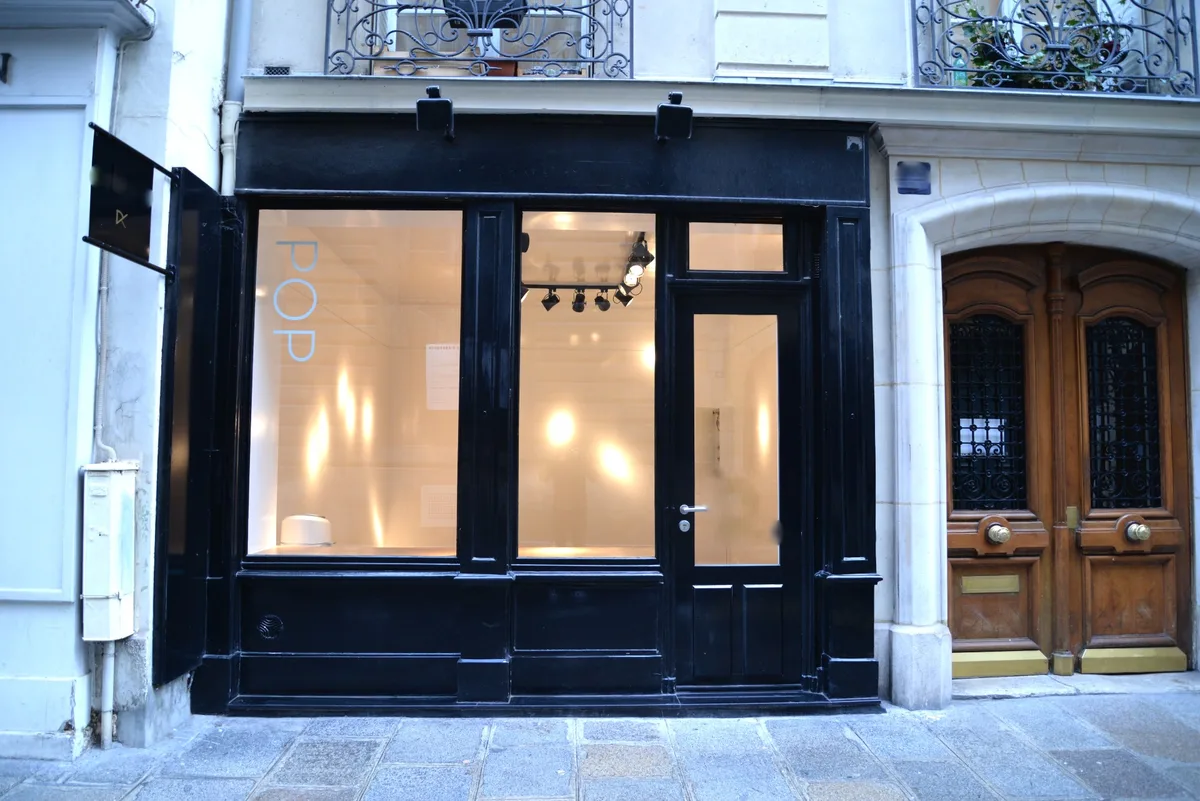
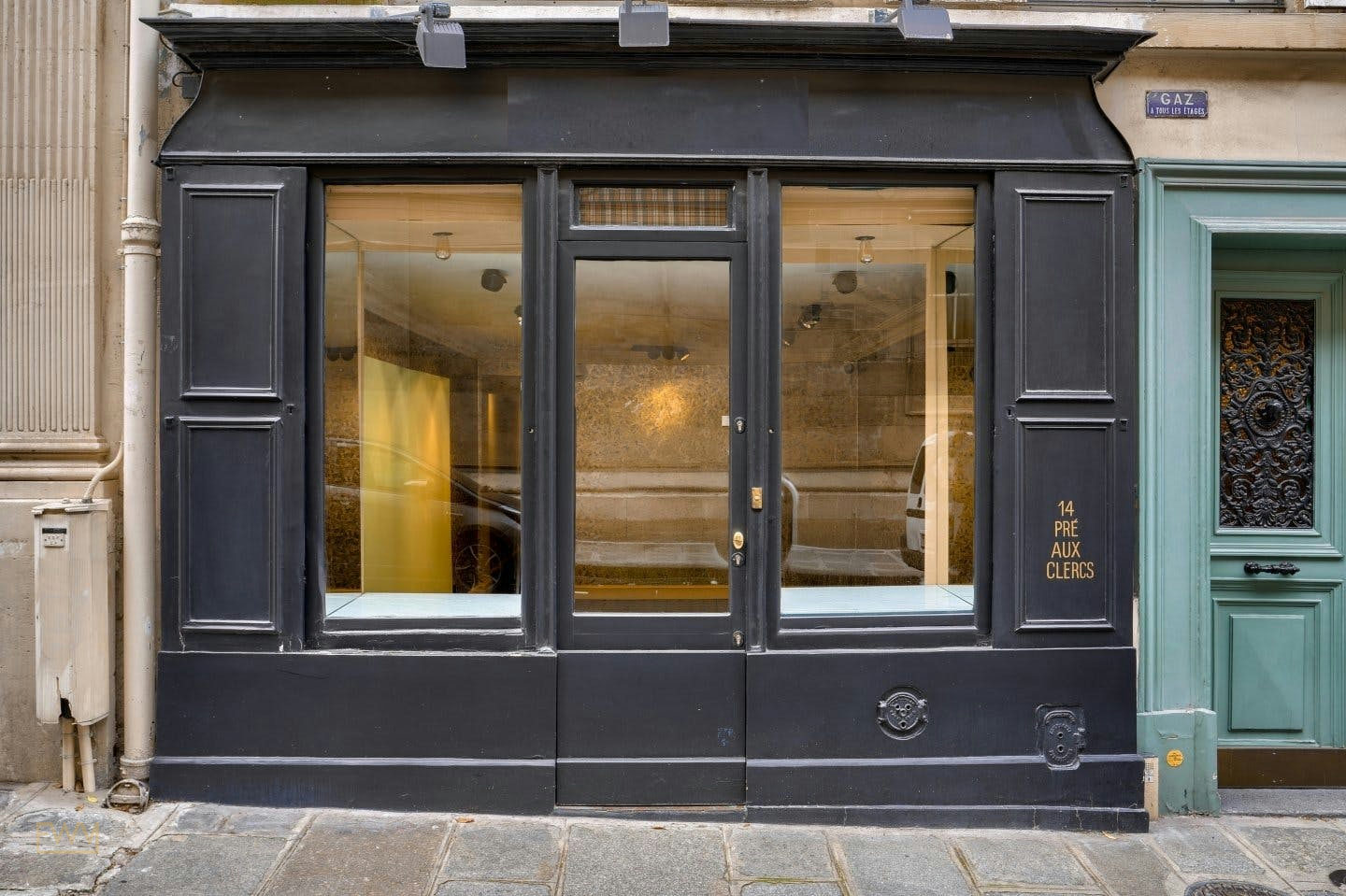
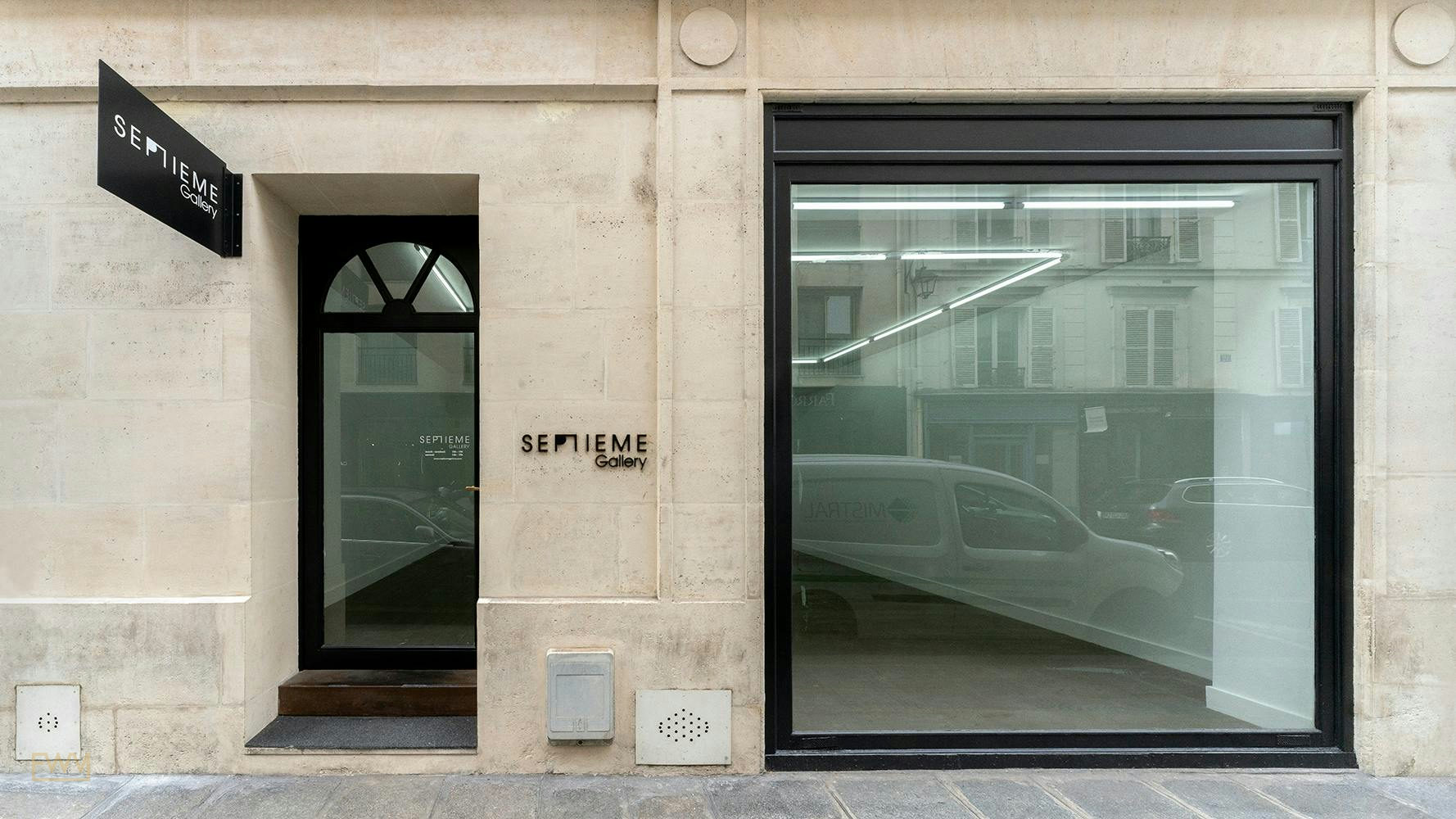
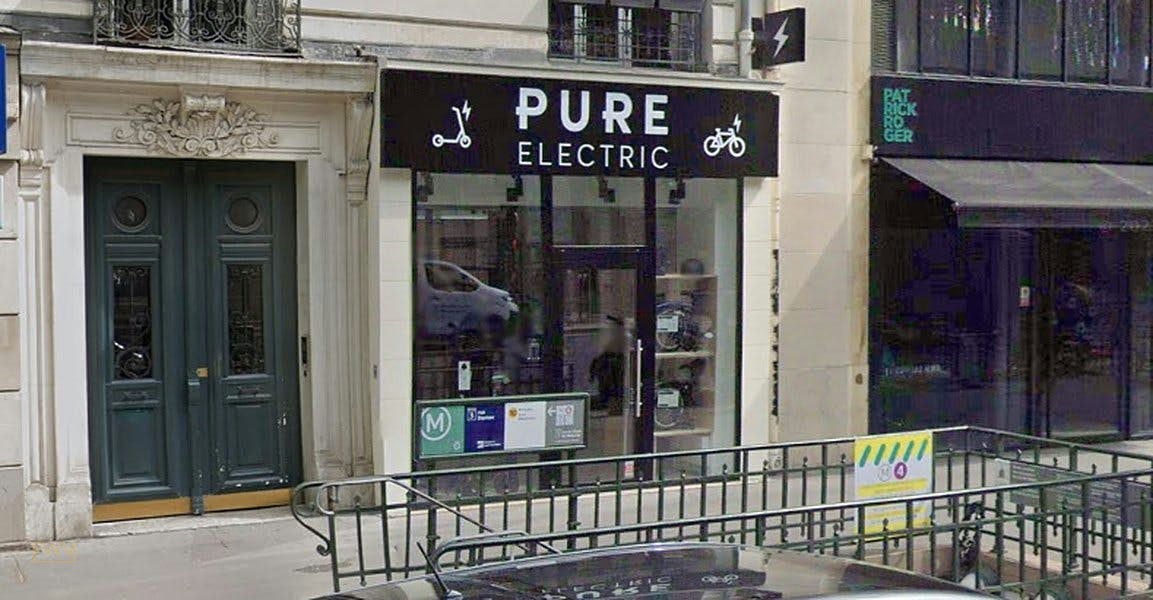
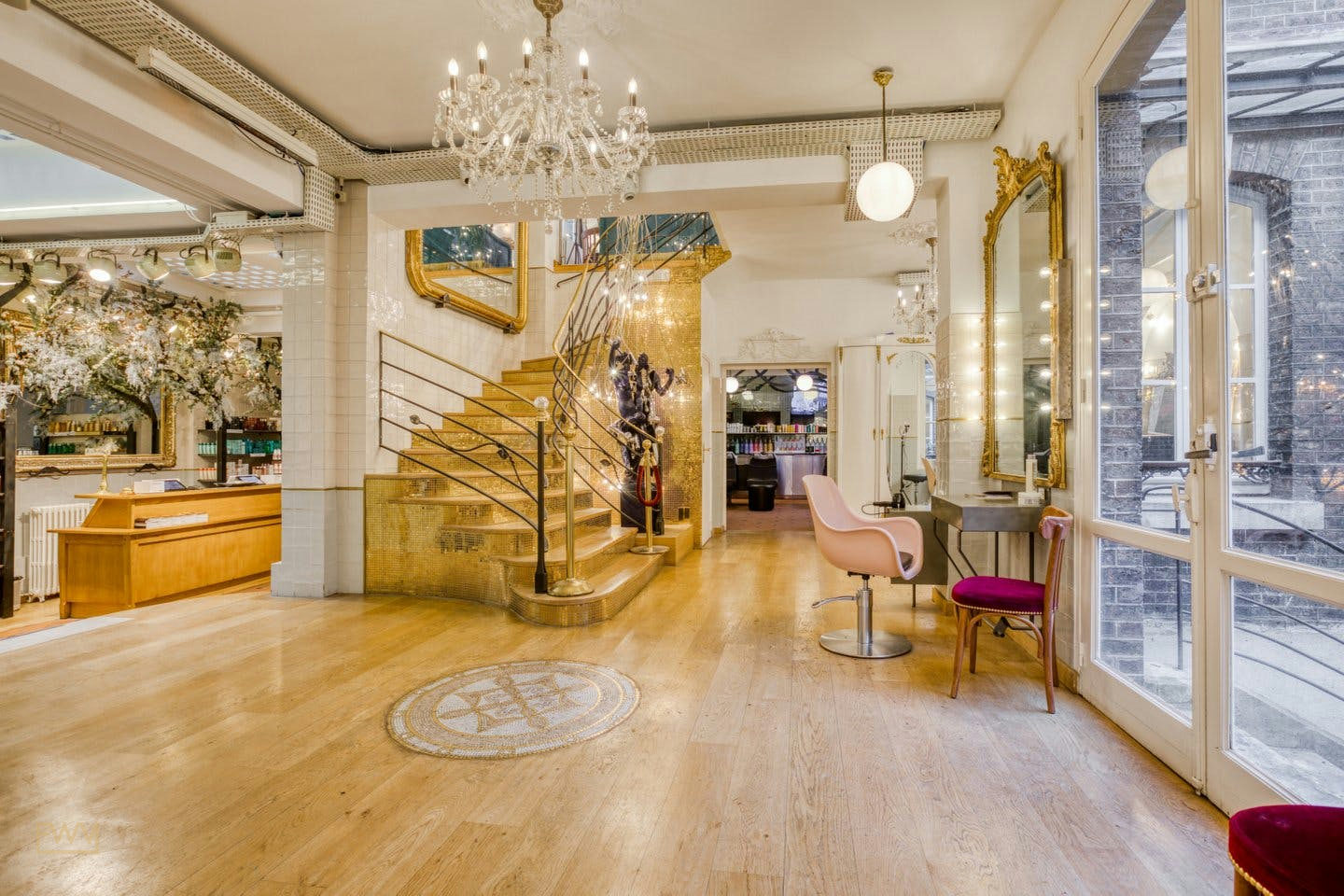
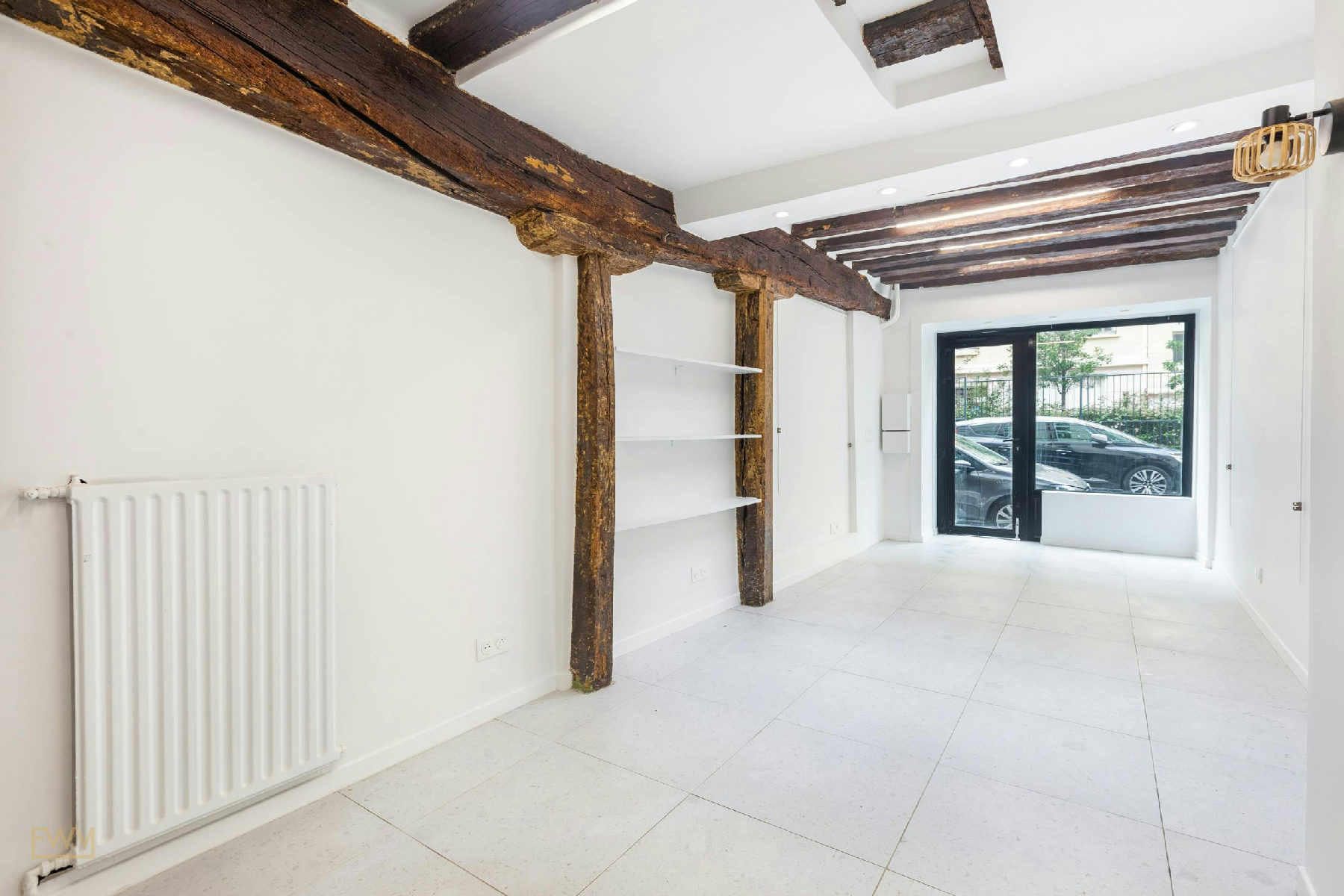
The most common retail space type in the 5th arrondissement is the traditional Parisian storefront: a ground-floor commercial unit with direct street access, a glass shopfront for signage and display, and a rear storage or preparation area. These storefronts vary from narrow single-room units of around 20 to 40 square metres to larger corner units that can accommodate more expansive retail layouts. Many retain original period details including stone walls, original flooring, and double-height ceilings, which provide immediate visual character for fashion brand activations and pop-up stores without requiring extensive fit-out investment.
Pop-Up Spaces and Short-Term Venues
The Latin Quarter has seen growing interest from pop-up brands and activation agencies over the past decade, driven by the neighbourhood's concentration of press-relevant cultural institutions and its high international visibility. Pop-up spaces in this area range from converted ground-floor apartments repurposed as temporary retail to purpose-built flexible venues with modular layouts. These spaces are typically rented under short-term frameworks suited to activation periods of one week to three months, which aligns well with Paris Fashion Week calendar windows in January, February, June, and September.
Showrooms and Private Viewing Spaces
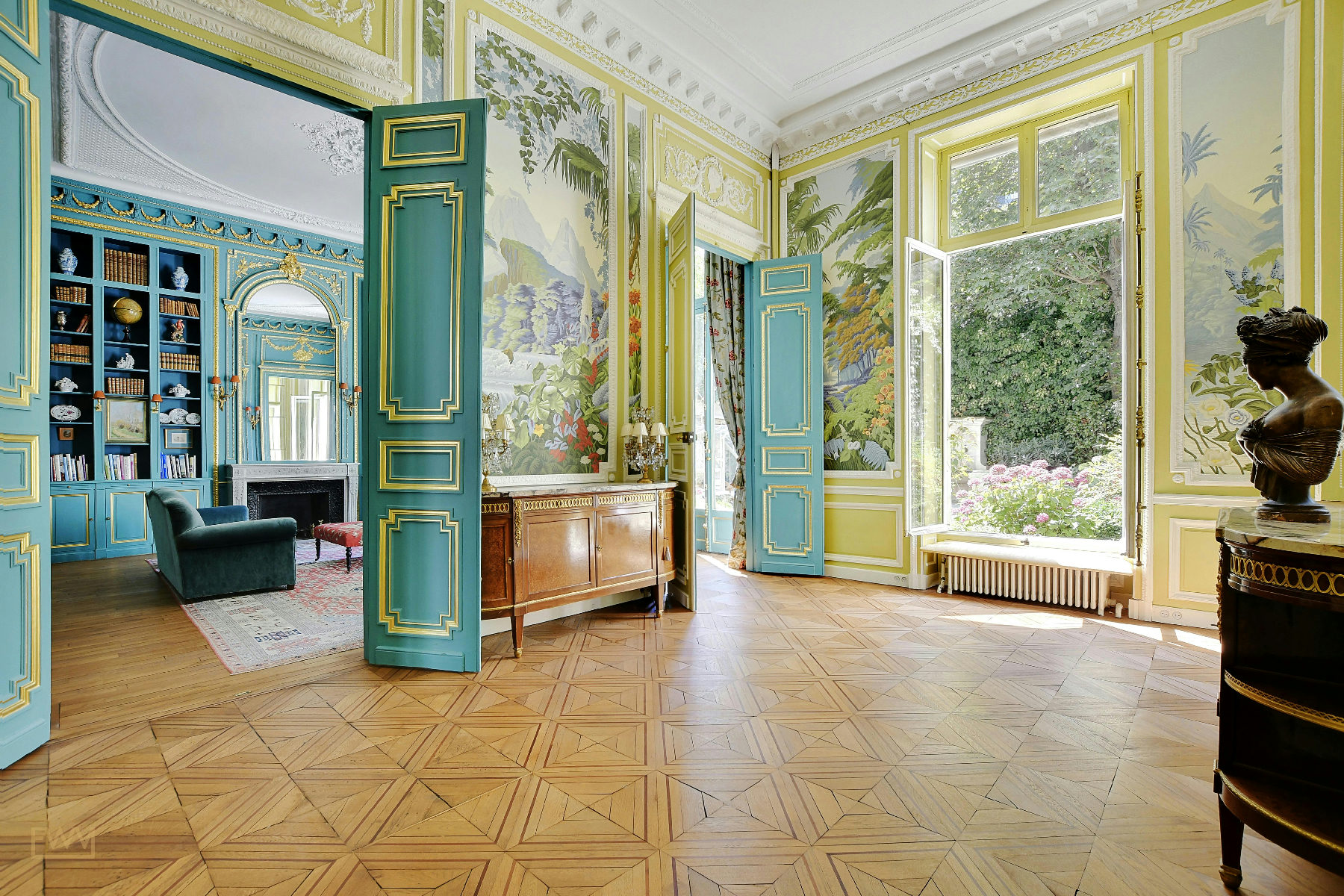
Fashion brands and galleries frequently seek showroom space in the Latin Quarter for seasonal collection previews, press appointments, and buyer meetings. Showroom requirements in this neighbourhood typically include natural light, sufficient floor area for garment display or installation, and a presentation-quality environment that aligns with the brand's aesthetic. Haussmannian apartments repurposed as showroom venues are common in this arrondissement and offer period detail, high ceilings, and often, views over internal courtyards that create a memorable brand environment.
Art Galleries and Galerie d'Art Formats
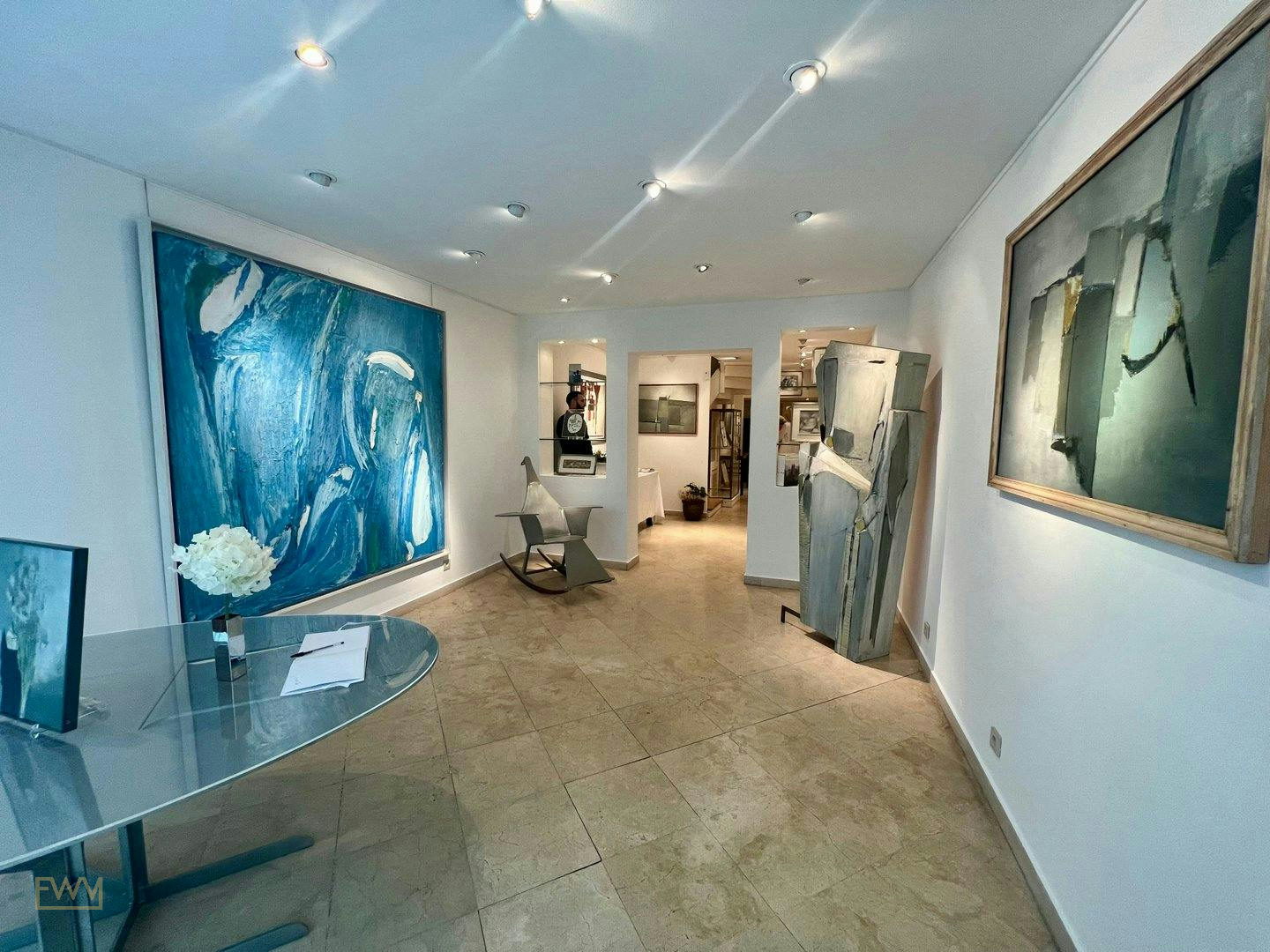
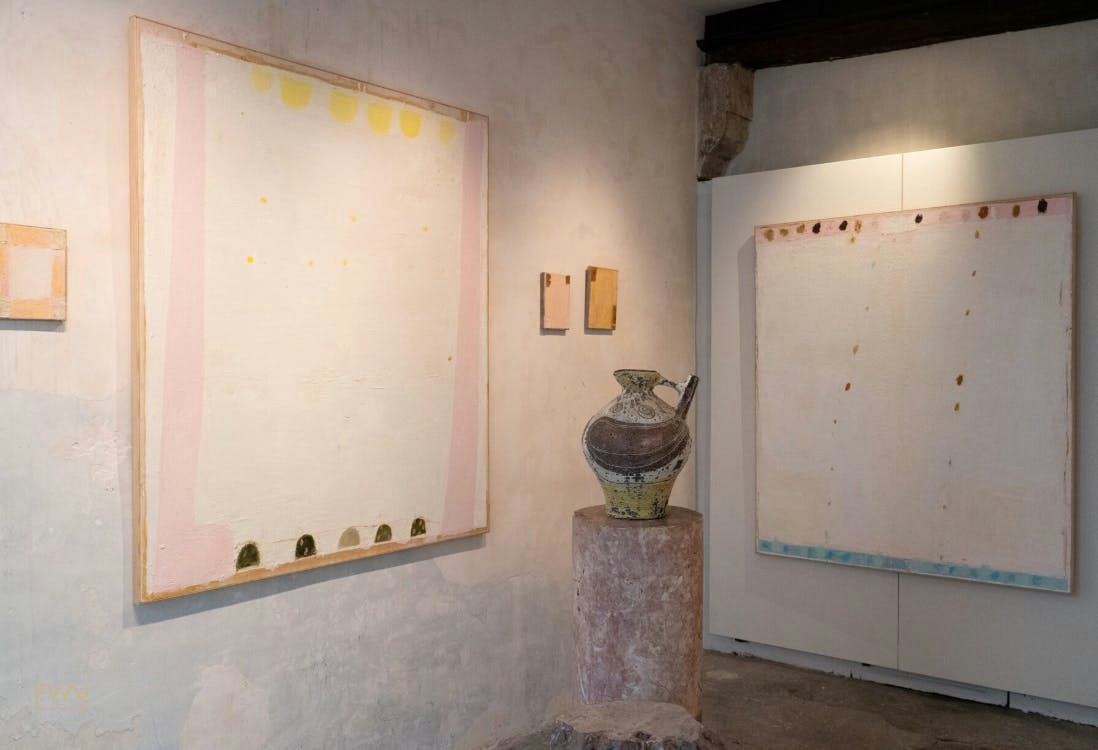
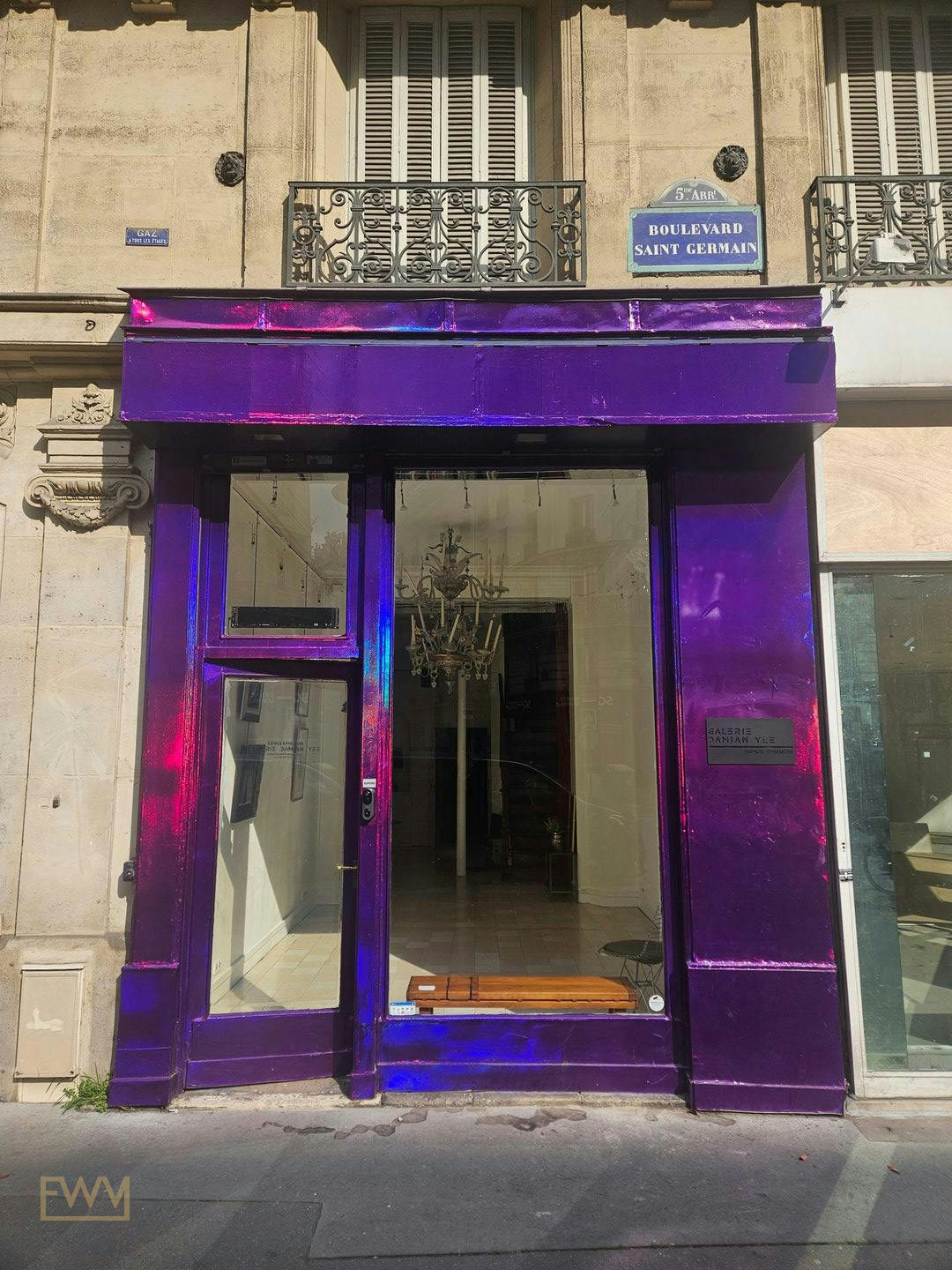
The Latin Quarter has a long history as a centre for the visual arts. Spaces configured as art galleries, or Galerie d'Art in French, are relatively common and can be repurposed for fashion presentations, installation-based brand activations, and photography exhibitions. Gallery formats typically feature white or stone walls, professional spotlighting, polished concrete or hardwood floors, and good natural light. These characteristics translate well into fashion brand environments.
Hybrid Office and Coworking Space
Brands seeking a combined space for daytime trade showroom activity and evening private event use sometimes look at hybrid office formats or coworking space configurations. Private offices within coworking spaces in the Latin Quarter can serve as temporary brand headquarters during Paris Fashion Week, providing Wi-Fi, conference room access, and professional address services alongside flexible leasing terms. This is particularly useful for international brands arriving in Paris for a defined seasonal window who need an operational base alongside their consumer-facing activation.
Restaurant Property and Food-Adjacent Retail
The Latin Quarter is home to a significant number of restaurant properties available for short-term rental. A restaurant property in this district typically comes with an existing kitchen fit-out, customer seating, and often, a terrace. For food brands, lifestyle activations, or immersive dining experiences tied to a brand launch, these spaces offer immediate operational infrastructure. It is worth noting that operating any food or beverage activity in a rented restaurant property requires appropriate licences under French commercial law, so verification with a French legal advisor is essential before proceeding.
Quick answer: Retail spaces available for rent in the Latin Quarter include traditional storefronts, pop-up venues, fashion showrooms, art galleries, hybrid office and coworking formats, and restaurant properties. The right type depends on the brand's activation concept, audience, duration, and budget.
| Space Type | Typical Use Case | Minimum Useful Size | Lease Format |
|---|---|---|---|
| Street-level storefront | Pop-up shop, boutique, brand activation | 25 sq m | Short-term or bail dérogatoire |
| Haussmannian apartment | Showroom, press preview, private event | 60 sq m | Short-term or event hire |
| Art gallery / Galerie d'Art | Installation, fashion presentation, exhibition | 40 sq m | Short-term or event hire |
| Restaurant property | Food brand activation, immersive dining | 50 sq m | Short-term with licence check |
| Coworking / private office | Brand HQ, trade showroom, press office | 20 sq m | Monthly flexible |
| Market stall or kiosk | Product sampling, limited edition launch | 4 sq m | Daily or weekly permit-based |
KEY TAKEAWAY: The Latin Quarter offers more space typology diversity than a standard commercial district. Brands should map their activation format to a space type before searching, to avoid wasting time on properties that cannot serve the intended purpose.
Leasing Frameworks for Short-Term Retail Space in Paris: Bail Dérogatoire, AOT, and Pop-Up Formats
Renting commercial property in Paris for a short-term retail activation requires understanding the French leasing framework. French commercial real estate law distinguishes between long-term leases and short-term mechanisms, and brands seeking pop-up, showroom, or temporary retail space will almost always use one of the short-term instruments described here.
The Bail Dérogatoire
The bail dérogatoire, sometimes called a convention d'occupation précaire, is a short-term lease instrument under French commercial law that allows parties to agree on a temporary occupation of commercial premises without creating a standard 3-6-9 commercial lease. It is capped at a maximum duration of three years, and both parties must explicitly agree in writing that the lease is entered into on a precarious basis. If the tenant remains in occupation beyond this three-year cap without a new agreement, the lease may automatically convert to a standard commercial lease with the associated tenant protections and obligations.
The bail dérogatoire is the standard mechanism used for pop-up shops, short-term boutiques, and seasonal showrooms in Paris. It gives landlords flexibility to recover their space and gives tenants defined short-term occupation rights without long-term commitment. However, it is not a simple document and requires careful drafting to ensure it is legally valid and to avoid unintended conversion to a standard commercial lease.
IMPORTANT: Requirements for short-term commercial leases in Paris vary by space type, duration, intended use, and arrondissement. Always verify your specific leasing arrangement with a qualified French legal advisor before signing any agreement. The information in this guide is for orientation purposes only and does not constitute legal advice.
Authorisation d'Occupation Temporaire (AOT)
An Autorisation d'Occupation Temporaire, or AOT, applies when a brand wishes to occupy public domain space, including pavements, squares, public courtyards, or publicly owned buildings. AOTs are issued by the relevant public authority, typically the Mairie de Paris or the relevant arrondissement mayor's office. They are required for outdoor market stalls, pavement displays, and activations in public spaces. AOTs carry conditions including permitted hours of operation, surface area limits, and specific obligations around restoration of the space after occupation. They are not guaranteed and are subject to availability and the discretion of the issuing authority.
Event Hire and Convention d'Événement
For very short-duration activations of one to seven days, space owners in the Latin Quarter commonly use event hire agreements or conventions d'événement. These are simpler documents that operate outside the standard commercial lease framework entirely and are appropriate for one-off brand events, private showings, and single-session activations. They typically include provisions for setup and breakdown periods, liability insurance requirements, and specific conditions around use of the space.
Permit Considerations for Retail Activations
Beyond the lease itself, brands planning retail activations in the Latin Quarter may need to obtain specific permits depending on their activities. Temporary commercial signage on a building facade requires an enseigne temporaire permit. Outdoor displays on the pavement require a permit from the Mairie de Paris. Food and beverage service, even incidental to a retail event, may require a licence grande surface or a notification to the prefecture. Each of these requirements must be verified for the specific space and activity before the activation opens.
Fashion Week Venues provides a permit guidance tool that helps brands identify which permits their planned activation is likely to require. This is a useful starting reference, but brands should always confirm requirements with a qualified French legal or permit specialist.
Quick answer: Short-term retail space in Paris is most commonly rented under a bail dérogatoire, which is a legally recognised short-term commercial lease capped at three years. For public space use, an AOT from the Mairie de Paris is required. Event hire agreements suit activations of one to seven days. All formats require careful legal review before signing.
KEY TAKEAWAY: French commercial leasing law is specific and consequential. A bail dérogatoire that is incorrectly drafted can convert to a standard commercial lease, creating significant unintended obligations. Brands must work with qualified French legal advisors on any commercial property rental in Paris, regardless of duration.
The Latin Quarter Versus Other Paris Retail Destinations: Le Marais, Saint-Germain-des-Prés, and Beyond
Choosing between Parisian retail destinations requires understanding the distinct brand associations, foot traffic profiles, rental market conditions, and activation contexts of each neighbourhood. The Latin Quarter competes most directly with Le Marais, Saint-Germain-des-Prés, and to a lesser extent, the Opera and Palais Royal areas.
Latin Quarter Versus Le Marais
Le Marais, centred on the 3rd and 4th arrondissements, is currently Paris's most active neighbourhood for brand activations, concept stores, and pop-up retail. Brands such as Supreme, Palace, and numerous emerging international labels have chosen the Marais for their Paris launches. Rents in the Marais, particularly on Rue des Francs-Bourgeois and Rue de Bretagne, are significantly higher than equivalent spaces in the Latin Quarter. The Marais audience skews younger, more fashion-forward, and more international than the Latin Quarter. For fashion brands targeting a streetwear or contemporary luxury demographic, the Marais may be the more natural choice. However, for brands seeking intellectual prestige, a more mixed local-and-international audience, or lower entry costs, the Latin Quarter offers a compelling alternative.
Latin Quarter Versus Saint-Germain-des-Prés
Saint-Germain-des-Prés in the 6th arrondissement carries a well-established luxury and heritage retail identity anchored by brands including Dior, Valentino, and numerous independent luxury houses. Rents are among the highest in Paris. The neighbourhood's foot traffic is heavily weighted toward affluent Parisian residents and high-spending international visitors. The Latin Quarter, bordering the 6th to the east, offers access to some of the same foot traffic flows at a lower cost, particularly in spaces near Odéon or along Boulevard Saint-Michel close to the junction with Boulevard Saint-Germain.
Latin Quarter for Cultural and Arts-Adjacent Brands
One competitive advantage the Latin Quarter holds over both the Marais and Saint-Germain is its density of cultural institutions. The proximity of the Panthéon, the Collège de France, the Sorbonne, the Institut supérieur des Arts appliqués, and a network of independent bookshops and small galleries creates an environment that naturally amplifies cultural and arts-adjacent brand activations. An art-forward fashion brand or a publisher launching a limited-edition product line will find a more sympathetic audience context in the Latin Quarter than in either of its more overtly commercial neighbours.
To compare neighbourhoods and space types, explore the Paris city hub on Fashion Week Venues and shortlist spaces that match your brief, budget, and calendar window.
| Neighbourhood | Arrondissement | Brand Fit | Relative Rent | Audience Profile |
|---|---|---|---|---|
| Latin Quarter | 5th | Cultural, arts, accessible luxury, concept | Medium | Students, tourists, locals, press |
| Le Marais | 3rd / 4th | Contemporary, streetwear, luxury, pop-up | High | Young international, fashion-forward |
| Saint-Germain-des-Prés | 6th | Heritage luxury, established fashion houses | Very high | Affluent Parisian, luxury tourist |
| Palais Royal / 1st | 1st | Ultra-luxury, heritage, institution-adjacent | Very high | International luxury shoppers |
| Montmartre | 18th | Creative, bohemian, emerging label | Low to medium | Tourists, artists, young Parisians |
KEY TAKEAWAY: The Latin Quarter occupies a distinctive middle position in the Paris retail landscape: more culturally loaded than the Marais, less expensive than Saint-Germain, and more intellectually prestige-adjacent than Montmartre. It suits brands that want a credible Parisian address without the premium rent of the established luxury districts.
Property Features and Amenities to Prioritise When Renting in the Latin Quarter
When evaluating any retail space, showroom, or pop-up venue in the Latin Quarter, a structured assessment of physical features and operational amenities saves brands from costly surprises after signing.
Natural Light and Floor Configuration
Natural light is one of the most valuable features in any Latin Quarter retail space. The neighbourhood's predominantly east-west street grid means that north-facing and south-facing units receive dramatically different light at different times of day. For fashion brands displaying garments, jewellery, or any product where colour accuracy matters, natural light from a consistent source is essential. Multi-floor spaces should be evaluated floor by floor, as upper floors in Haussmannian buildings often receive significantly more light than ground-floor units with restricted sightlines.
Signage and Street Visibility
Temporary signage rights in Paris are regulated. Any brand planning to install exterior signage, window graphics, or facade branding on a rented space must verify that the lease permits this and that the relevant mairie permits have been obtained. Some listed buildings in the Latin Quarter carry heritage restrictions that limit or prohibit external modifications. Confirm signage permissions explicitly in the rental agreement before committing to a space.
Exposed Brick Walls and Period Detail
The Latin Quarter contains many spaces with exposed brick walls, stone vaulted ceilings, and original floor details that provide immediate visual character for brand activations. These features reduce the need for expensive fit-out to create atmosphere. However, they also sometimes restrict what can be fixed to walls or floors. Verify the landlord's specific permissions regarding installation, fixings, and decoration before briefing a production or build team.
Wi-Fi, Power, and Technical Infrastructure
Short-term retail activations require reliable high-speed internet for POS systems, digital displays, and staff communications. Many older commercial spaces in the Latin Quarter require installation of a temporary Wi-Fi connection, which can take several working days to arrange with a French provider. Build this into your timeline. Also verify the electrical load capacity of the space against your planned power requirements for lighting, audio, refrigeration, or any interactive installations.
Accessibility and Mobility Infrastructure
The Latin Quarter is well served by Paris's public transport network. RER B at Saint-Michel Notre-Dame and multiple metro lines provide good accessibility for staff and visitors. Vélib bicycle stations are dense across the arrondissement. However, vehicle access for delivery and load-in is restricted on many streets, particularly in the pedestrianised zones around the Sorbonne. Plan delivery logistics carefully and check with the landlord or space manager about the specific access windows and conditions for the space.
Quick answer: Key features to assess when renting retail space in the Latin Quarter include natural light consistency, signage permissions, original architectural details, Wi-Fi and power infrastructure, and vehicle access for load-in. Each of these can significantly affect activation feasibility and cost.
KEY TAKEAWAY: Physical features and operational infrastructure in Latin Quarter spaces vary considerably between buildings and streets. A detailed assessment checklist used during every viewing prevents budget surprises and timeline delays after lease signing.
Budget, Pricing, and Financial Planning for Retail Space in Paris 5ème
Planning the financial structure of a retail activation in the Latin Quarter requires understanding the full cost picture, not just the headline rental rate. Short-term retail activations involve several distinct cost categories that brands sometimes underestimate at the planning stage.
Understanding the Full Cost of a Pop-Up or Showroom in Paris
The rental rate for a commercial space is typically quoted per square metre per year in the French market, even for short-term arrangements, which can make cost comparison confusing for brands accustomed to weekly or monthly pricing. When evaluating a space, always convert the quoted rate to a total weekly or monthly cost for the space you are actually renting, and compare across options on that basis.
Beyond rent, brands typically need to budget for fit-out and production costs, furniture rental, staffing, insurance, permit fees, marketing and influencer activation, POS and payment system setup, cleaning and waste management, and space restoration at the end of the tenancy. For brands new to the Paris market, the total cost of a well-executed pop-up activation is typically two to three times the rent alone.
IMPORTANT: Do not use rental rate benchmarks from other markets to estimate Paris costs. French commercial real estate pricing structures, particularly for short-term leases, operate differently from UK, US, and Australian markets. Use the budget estimation tool on Fashion Week Venues to build a brand-specific cost model for your planned activation.
Factors That Affect Rental Rates in the Latin Quarter
Rental rates in the 5th arrondissement vary based on street-level foot traffic, proximity to major landmarks such as the Panthéon and Boulevard Saint-Michel, space configuration, floor area, original condition versus fitted condition, and duration of the rental. Spaces on high-traffic streets near the Sorbonne command higher rates than equivalent spaces on quieter residential streets toward Rue Mouffetard. Spaces available on short-term flexible terms sometimes carry a premium over longer commitments. Purpose-fitted spaces ready for immediate trading are typically priced higher per square metre than raw spaces requiring brand fit-out investment.
Business Plan and Financial Pro Forma for a Paris Activation
Brands seeking approval for a Paris activation from their finance or leadership teams typically need a financial pro forma that includes projected revenue, all activation costs, a net margin estimate, and a return on investment case. Even for activations where direct retail revenue is secondary to brand awareness or press generation, quantifying the expected media value and brand equity contribution strengthens the internal business case. The ROI calculator on Fashion Week Venues provides a structured framework for building this financial case.
Quick answer: The total cost of a pop-up or showroom activation in the Latin Quarter includes rent, fit-out and production, furniture, staffing, insurance, permits, marketing, and space restoration. Brands consistently underestimate total activation cost when focusing only on rental rate. Budget for all components before committing to a space.
KEY TAKEAWAY: Rental rate is only one component of the total cost of a Paris retail activation. A comprehensive financial pro forma covering all cost categories is essential before committing to any space, duration, or production scope in the Latin Quarter.
The Latin Quarter Art Tour and Cultural Programming as Brand Activation Context
One of the distinctive opportunities the Latin Quarter offers brand activators is the neighbourhood's existing infrastructure of cultural programming, guided experiences, and community events that generate organic foot traffic and audience engagement beyond the standard retail footfall.
Cultural and Artistic Infrastructure
The Latin Quarter hosts a dense concentration of cultural institutions including the Panthéon, the Musée National du Moyen Âge (Cluny), the Institut du Monde Arabe just east of the arrondissement boundary, the Collège de France, and numerous independent galleries and historic bookshops. This cultural infrastructure creates a daily flow of culturally engaged visitors who are more likely to engage with concept-driven retail formats, art-adjacent brand activations, and experience-first pop-up stores than the average high street shopper.
Brands that align their activation programming with the neighbourhood's cultural identity, through artist collaborations, public art installations, cultural exhibitions, or literary and musical events, generate earned media and community goodwill that amplifies the commercial return of the space rental. A fashion brand hosting a reading series, an artist in residence, or a photographic exhibition in a Latin Quarter storefront is doing something contextually coherent with the neighbourhood, and Parisians and press notice that coherence.
Latin Quarter Art Tour and Self-Guided Discovery
The Latin Quarter has developed self-guided cultural tours that draw visitors through its streets with an educational and experiential lens, passing street-level storefronts, public art installations, and neighbourhood landmarks. Brands that position their pop-up store or showroom along these routes can benefit from incidental discovery visits from tour participants. This form of passive foot traffic, driven by curiosity and cultural programming rather than commercial intent, often produces higher engagement rates and stronger word-of-mouth than purely transactional retail footfall.
Fashion Week Calendar Alignment
The Paris Fashion Week calendar runs twice per year, with the main women's ready-to-wear season in late February to early March and the men's and women's haute couture and pre-collections seasons in January and June. These calendar windows concentrate fashion press, buyers, influencers, and brand decision-makers in Paris simultaneously. A retail space for rent in the Latin Quarter activated during these windows benefits from this concentrated audience of fashion professionals, who frequently explore the city's cultural and neighbourhood spaces between show appointments.
Brands planning activations aligned with the Fashion Week calendar should begin their space search a minimum of three to six months in advance. Spaces in desirable Latin Quarter locations are taken quickly once the seasonal calendar dates are confirmed. The timeline planning tool on Fashion Week Venues helps brands map their activation schedule against the Fashion Week calendar and identify the correct lead time for each planning stage.
KEY TAKEAWAY: The Latin Quarter's cultural infrastructure is a brand asset, not just background context. Activations designed to connect with the neighbourhood's artistic and intellectual identity generate stronger press, community engagement, and social media impact than purely transactional retail pop-ups in the same spaces.
How Fashion Week Venues Helps Brands Rent Retail Space in the Latin Quarter
Fashion Week Venues is a full-service pop-up shop agency and space marketplace that specialises in helping fashion brands, international retailers, and creative agencies find, plan, and execute retail activations in Paris and other major fashion capitals. For brands seeking retail space for rent in the Latin Quarter, the agency provides end-to-end support from initial space discovery through to activation closedown.
Venue Sourcing and Space Marketplace
The Fashion Week Venues venue sourcing service covers the full Latin Quarter geography, with access to storefronts, showroom apartments, gallery spaces, and flexible venues across the 5th arrondissement. The team manages landlord relationships, space qualification, and availability verification on behalf of brands, reducing the time and local expertise required to identify suitable options from abroad.
The Fashion Week Venues marketplace provides a curated inventory of available spaces that brands can browse, filter, and compare before engaging the sourcing team for deeper due diligence.
Concept Direction and Branded Store Design
Once a space is identified, the Fashion Week Venues concept direction and branded store design teams develop the activation concept and spatial design. This includes translating the brand brief into a coherent physical environment, specifying furniture and fixtures, designing signage and graphics, and producing layouts that maximise the space's natural features such as original architectural details, natural light, and floor configuration.
Production, Build, and Fit-Out
The Fashion Week Venues production and build service manages the physical transformation of the space from raw or fitted condition to brand-ready activation. This includes sourcing and managing specialist contractors in Paris, coordinating with the landlord on access and structural permissions, managing installation logistics within Paris's restricted delivery zone rules, and ensuring the space is restored to its original condition at the end of the tenancy.
Retail Staffing, POS, and Activation Management
Running a successful retail activation in Paris requires French-speaking staff, a reliable point-of-sale system, and consistent day-to-day operational management. Fashion Week Venues provides retail staffing sourced from its Paris network, POS and payments configuration suited to the space and the brand's reporting requirements, and full activation management including daily briefings, performance monitoring, and issue resolution throughout the activation period.
Tools and Planning Resources
Brand teams planning a Latin Quarter activation independently can access Fashion Week Venues' suite of planning tools including the budget calculator, the ROI calculator, the timeline tool, the permits tool, the compare tool, and the locator tool. These tools are designed to help brands scope their activation realistically before engaging agency support or committing to a space. They do not replace legal, financial, or permit specialist advice, but they provide a structured starting framework for internal planning and stakeholder communication.
Quick answer: Fashion Week Venues supports brands seeking retail space for rent in the Latin Quarter through venue sourcing, concept direction, branded store design, production and build, retail staffing, POS and payments, activation management, influencer marketing, and a suite of planning tools. The agency operates across the full activation lifecycle from initial brief to closedown.
KEY TAKEAWAY: For brands without existing French market relationships, Paris production contacts, or knowledge of the local leasing and permit environment, a specialist agency like Fashion Week Venues significantly reduces execution risk and compresses the timeline required to deliver a high-quality Latin Quarter activation.
A Note on Global Latin Quarter Contexts: Boston, San Francisco, and Los Angeles
The term Latin Quarter refers not only to the historic neighbourhood in Paris but also to cultural districts in several North American cities that have developed distinct identities as centres for Latinx and Afro-Latin culture, community life, and commercial activity. Understanding these distinct contexts matters for brands that may encounter different meanings of the term depending on the city they are operating in.
Boston's Latin Quarter: Jamaica Plain and Hyde Square
Boston's Latin Quarter is centred on Hyde Square in the Jamaica Plain neighbourhood and is recognised as one of Boston's principal Latinx cultural enclaves. The area is home to Latinx immigrants, cultural organisations, Latin foods vendors, and community arts programming including Afro-Latin Music and Dance events and cultural festivals supported by the Massachusetts Cultural Council and the Boston City Council. The Hyde Square Task Force plays an active role in community development and cultural programming in this area. Mozart Park nearby serves as a gathering point for cultural events. Commercial property in Boston's Latin Quarter includes small storefronts, restaurant properties, and community-focused retail spaces serving the local Latinx community. This is a very different market from the Parisian Latin Quarter in terms of rental rates, brand context, and commercial infrastructure, but it offers its own distinct opportunity for brands seeking authentic community connection in Boston.
San Francisco's SFMTA Retail Spaces and Cultural Districts
In San Francisco, the San Francisco Municipal Transportation Agency (SFMTA) offers affordable retail spaces located on the ground floors of several parking garages managed by the agency. These include spaces at Chinatown Rose-Pak Station, Union Square Market Street Station, Sutter-Stockton Garage, Ellis-O'Farrell Garage, and Performing Arts Garage near Moscone Center and Yerba Buena Gardens. While these are not Latin Quarter locations in the Parisian sense, they represent an interesting model of transit-adjacent commercial activation supported by a public body. The SFMTA approach to affordable retail space in San Francisco demonstrates how public infrastructure can be leveraged to support small businesses, nonprofit organisations, and community-serving commercial tenants.
San Francisco also has its own Mission District, which serves as the city's principal Latinx cultural enclave, with a strong tradition of community arts, Latin foods culture, and Afro-Latin cultural programming. Commercial property in the Mission operates under California commercial real estate law and is distinct from the Parisian leasing framework in every material respect.
Los Angeles
Los Angeles has several predominantly Latinx neighbourhoods that function as cultural and commercial centres including Boyle Heights, East Los Angeles, and portions of downtown LA. These areas have their own commercial real estate markets, community organisations, and cultural programming calendars. For brands with a specific Latinx cultural positioning, these Los Angeles neighbourhoods offer authentic audience access and community partnership opportunities that differ entirely from the Parisian Latin Quarter context.
Quick answer: The term Latin Quarter is used in multiple international contexts. In Paris, it refers to the 5th arrondissement's historic intellectual and cultural district. In Boston, it refers to Jamaica Plain's Latinx cultural enclave centred on Hyde Square. In San Francisco and Los Angeles, comparable districts have distinct Latinx cultural and commercial identities. Each operates under entirely different leasing frameworks and commercial conditions.
KEY TAKEAWAY: Brands operating across multiple markets should clarify which Latin Quarter context applies to their specific activation. The Paris Latin Quarter and the North American Latinx cultural districts of the same name are entirely distinct markets with different audiences, leasing conditions, regulatory environments, and brand contexts.
Common Myths Debunked About Renting Retail Space in the Latin Quarter
MYTH: You need a French legal entity to rent a retail space in Paris.
FACT: International brands do not always require a registered French legal entity to enter into a short-term commercial lease or event hire agreement in Paris. Many short-term and pop-up rental agreements are structured in ways that accommodate foreign legal entities. However, the specific requirements vary by landlord, lease type, duration, and space use. It is essential to verify the requirements of the specific space and agreement with a qualified French legal advisor rather than assuming either that a French entity is always required or that it is never required.
MYTH: Paris Fashion Week is the only viable calendar window for a Latin Quarter pop-up or showroom activation.
FACT: Paris Fashion Week generates the highest concentration of fashion industry visitors in the city, but it is not the only viable window for a Latin Quarter activation. The neighbourhood generates substantial year-round foot traffic from tourists, students, and cultural visitors that supports retail and brand activations outside of the Fashion Week calendar. Summer and early autumn activations, aligned with the Paris tourist peak, can perform exceptionally well for consumer-facing brands. Pre-Christmas activations in November and December are also highly effective. Fashion Week windows compress the available calendar and increase competition for prime spaces, making advance planning and flexible timing more important than a fixed dependency on those specific dates.
MYTH: Commission brokers are the only way to find short-term retail space in Paris.
FACT: Commission brokers are one route to finding short-term retail space, but they are not the only route. Specialist pop-up agencies, space marketplaces, and direct landlord relationships all provide access to available commercial properties in the Latin Quarter. Commission broker arrangements can sometimes misalign incentives, as the broker earns a fee based on the transaction rather than the fit of the space to the brand's needs. Full-service agencies like Fashion Week Venues offer venue sourcing as part of a broader activation service, which aligns the agency's interests more closely with the brand's activation success rather than the rental transaction alone.
MYTH: Short-term commercial leases in Paris are legally simple and can be negotiated directly without specialist help.
FACT: Short-term commercial leases in France, including bail dérogatoire agreements, are governed by specific provisions of French commercial law. An incorrectly drafted or misapplied bail dérogatoire can inadvertently create a standard commercial lease with long-term obligations and statutory tenant protections that are difficult and expensive to exit. Brands that negotiate directly without French legal support risk incurring significant unintended legal and financial exposure. Using a French commercial lawyer or a specialist agency with established legal relationships is strongly recommended for any commercial rental in Paris, regardless of the intended duration.
MYTH: The Latin Quarter is only suitable for tourist-facing or student brands, not serious fashion or luxury activations.
FACT: The Latin Quarter has a strong heritage of prestige cultural institutions, intellectual credibility, and international visibility that makes it entirely appropriate for fashion, luxury, and design-forward brand activations. The neighbourhood's association with the Sorbonne, the Collège de France, the Panthéon, and the broader French intellectual tradition gives it a form of cultural prestige that many luxury brands actively seek to associate with. The key is selecting the right sub-zone, space type, and activation concept for the brand's positioning rather than applying a generic assessment of the neighbourhood as a whole.
Frequently Asked Questions About Retail Space for Rent in the Latin Quarter
Why should a fashion brand rent a pop-up shop in the Paris 5th arrondissement?
The Paris 5th arrondissement offers a combination of high international visibility, dense foot traffic from students, tourists, and cultural visitors, accessible rental rates relative to luxury districts like Saint-Germain-des-Prés and Le Marais, and a neighbourhood identity built around intellectual and cultural prestige. For fashion brands seeking a credible Paris address without the premium rental commitment of the established luxury zones, the Latin Quarter provides a strong activation context. The neighbourhood's proximity to major cultural institutions including the Sorbonne, the Panthéon, and the Collège de France gives brand activations here an associative credibility that is difficult to replicate in purely commercial retail districts.
How far in advance should a brand start searching for retail space in the Latin Quarter?
For activations aligned with the Paris Fashion Week calendar, brands should begin their space search a minimum of three to six months before their intended activation date. Desirable spaces in the Latin Quarter are in high demand during Fashion Week windows and are often committed months in advance. For activations outside the Fashion Week calendar, a two to three month lead time is typically sufficient for straightforward pop-up formats, though more complex activations requiring significant fit-out, permit applications, or bespoke production will benefit from a longer planning horizon. Using a timeline planning tool helps brands map each planning stage against their activation date.
What leasing framework applies to short-term retail rentals in the Paris Latin Quarter?
Short-term retail rentals in Paris are most commonly structured as a bail dérogatoire, a legally recognised short-term commercial lease under French law that is capped at three years and explicitly excludes the protections of the standard 3-6-9 commercial lease. For very short activations of one to seven days, event hire agreements are common. For activations on public domain space such as pavements or public squares, an Autorisation d'Occupation Temporaire (AOT) from the relevant public authority is required. Requirements vary by space type, duration, and specific location. All agreements should be reviewed by a qualified French legal advisor before signing.
What types of retail space are available for rent in the Latin Quarter?
The Latin Quarter offers storefronts, Haussmannian apartment showrooms, art galleries, restaurant properties, coworking space, hybrid private offices, and market stall formats. Storefronts along Boulevard Saint-Michel suit high-visibility pop-up formats. Gallery spaces near the Sorbonne suit concept-driven fashion presentations. Restaurant properties suit food brand activations. Haussmannian apartments suit press showrooms and private viewing events. Each space type has distinct characteristics in terms of floor configuration, natural light, signage rights, and permitted activities, all of which should be verified before rental commitment.
Do international brands need a French company to rent space in the Latin Quarter?
Not always. Many short-term commercial leases and event hire agreements in Paris can be entered into by foreign legal entities without requiring a registered French company. However, individual landlords and specific lease structures may impose different requirements, and some leasing frameworks do require a French entity or guarantor. The specific requirements depend on the landlord, the space, the lease duration, and the intended use. International brands should always verify these requirements with a French legal advisor before beginning negotiations, and should not assume that their standard corporate structure is automatically acceptable to a Paris landlord.
What permits are required for a retail pop-up in the Latin Quarter?
Permit requirements depend on the nature and location of the activation. Temporary exterior signage requires a permit from the relevant mairie. Pavement displays and outdoor activations require an Autorisation d'Occupation Temporaire. Food and beverage service requires appropriate licences. Loud music or amplified sound may require a notification to the Prefecture de Police. Modifications to listed buildings require specific heritage approvals. Requirements vary by space type, arrondissement sub-zone, and activity type. A permit guidance tool can provide initial orientation, but specific permit requirements should always be confirmed with a qualified French legal or permit specialist before the activation opens.
How does the Latin Quarter compare to Le Marais for a fashion brand pop-up?
Le Marais is Paris's most active and competitive neighbourhood for fashion brand activations, with higher rents, a younger and more fashion-forward audience, and greater competition for prime spaces. The Latin Quarter offers a more intellectually and culturally loaded neighbourhood identity, more accessible rental rates, and a mixed audience that includes tourists, students, and culturally engaged Parisians. For brands with an arts, heritage, or design-forward positioning, the Latin Quarter may be a stronger fit than the Marais. For brands targeting a streetwear, contemporary luxury, or social media-driven aesthetic, the Marais's existing brand ecosystem may be more advantageous.
What is the significance of RER B for retail activations in the Latin Quarter?
RER B serves the Saint-Michel Notre-Dame station, which sits at the heart of the Latin Quarter adjacent to the Seine and Notre-Dame de Paris. This station provides direct connections to Paris Charles de Gaulle Airport, making it a key arrival point for international visitors who may include fashion press, buyers, and brand partners attending Paris activations. The station also connects to the Left Bank's cultural institutions, universities, and residential neighbourhoods, reinforcing the Latin Quarter's accessibility from across the Paris metropolitan region. For brands planning activations that need to be easily reachable by international visitors, the RER B connection is a genuine asset.
How should a brand assess foot traffic before committing to a Latin Quarter space?
The most reliable method is physical observation at multiple times of day and on multiple days of the week. Saturday afternoon and Tuesday morning produce very different pedestrian volumes on the same street. Brands should also consider the seasonal pattern of the neighbourhood, noting that student-driven foot traffic drops significantly during university holiday periods. Proximity to specific landmarks, metro stations, and tourist routes has a measurable effect on daily visitor counts. For brands unable to visit Paris in person before making a commitment, an experienced local agency with specific neighbourhood knowledge can provide foot traffic assessments and context based on past activation data.
What role does influencer marketing play in a Latin Quarter retail activation?
Influencer marketing is a significant amplifier for pop-up and showroom activations in the Latin Quarter. The neighbourhood's aesthetic, combining historic Parisian architecture, cultural institutions, and vibrant street life, provides a strong visual backdrop for content creation. Brands that brief influencer partners specifically on the neighbourhood's character and arrange access to culturally resonant locations nearby can generate substantially more authentic and engaging content than generic interior event photography. Aligning influencer activation with the cultural programming context of the Latin Quarter, such as visits to nearby galleries or references to the Sorbonne and Panthéon, strengthens the brand narrative and increases content shareability.
What should a brand's financial pro forma include for a Paris Latin Quarter activation?
A comprehensive financial pro forma for a Latin Quarter activation should include the total rental cost for the agreed period including any access days for setup and breakdown, all fit-out and production costs, furniture rental, retail staffing costs including management, French social charges and employment taxes, insurance for the activation and public liability, all permit and legal fees, POS and payment processing costs, marketing and influencer activation budget, space restoration costs at tenancy end, and a contingency provision. Revenue projections should be based on realistic foot traffic assumptions for the specific space, street, and activation period rather than optimistic market-level figures. An ROI calculation should account for both direct revenue and the brand equity and press value generated by the activation.
Can a brand run a combined showroom and consumer retail activation in the Latin Quarter?
Yes. Hybrid showroom and retail formats are common in the Latin Quarter, particularly during Paris Fashion Week windows when the same space serves press and buyer appointments during the day and consumer-facing events in the evening. This dual-use approach maximises the return on space rental by serving multiple audiences from a single location. However, it requires careful scheduling to avoid conflicts between trade and consumer activities, and the space design must serve both purposes effectively. Separate entrance or zoning strategies within a larger space can help manage the transition between trade and consumer modes.
What is the difference between a pop-up shop and a short-term boutique in the Latin Quarter context?
In practical terms, a pop-up shop typically refers to a short-duration retail activation of one to eight weeks, often designed to generate excitement around a new product, collection, or market entry. A short-term boutique tends to refer to a slightly more established temporary retail format, typically running from one to six months, with a more complete retail environment including full product range, regular trading hours, and often a permanent-feeling interior design. Both formats are available in the Latin Quarter. The leasing framework, fit-out investment, staffing requirements, and permit needs differ between these two formats, so clarifying the intended format before beginning the space search improves the efficiency of the sourcing process.
How does Fashion Week Venues help brands that have never activated in Paris before?
Fashion Week Venues provides end-to-end support that is specifically designed to reduce the knowledge and network gap for brands entering the Paris market for the first time. This includes venue sourcing from an established network of Latin Quarter and broader Paris spaces, concept and design direction that translates the brand's existing visual identity into a French market context, production and build management using qualified Parisian contractors, permit guidance and coordination, retail staffing from a French-speaking pool, POS and payment setup, and full activation management throughout the trading period. Brands can also use the agency's online tools to begin planning independently before engaging the full service. A review of past activations on the work section of the Fashion Week Venues website provides concrete examples of how the agency has supported brands across different markets and space types.
What is the best time of year for a consumer-facing pop-up in the Latin Quarter outside Fashion Week?
The Latin Quarter's tourist peak runs from June through September, driven by international visitors to Paris's major cultural and historical sites. This period offers the highest volume of international foot traffic and is particularly strong for consumer-facing activations targeting a global audience. The pre-Christmas period from mid-November through December generates strong local and tourist spending intent and suits gift-focused or lifestyle retail activations. Spring, from late March through May, is also a highly productive period for the Latin Quarter, with good weather drawing outdoor footfall and cultural visitors before the main summer rush. Each period has distinct advantages, and the best timing depends on the brand's specific audience and activation objectives.
Conclusion: Finding the Right Retail Space for Rent in the Latin Quarter
Renting retail space in the Latin Quarter represents a distinctive opportunity for fashion brands, international retailers, creative agencies, and concept-driven activators. The 5th arrondissement combines cultural prestige, architectural character, diverse space typologies, and a layered audience profile that few Parisian neighbourhoods can match at comparable rental levels. Whether you are planning a week-long pop-up shop adjacent to the Sorbonne, a season-long showroom on Montagne Sainte-Geneviève, a gallery-format brand installation near the Panthéon, or a hybrid consumer and trade activation during a Paris Fashion Week window, the Latin Quarter offers viable, commercially credible spaces that can serve your objectives.
Success in this market requires more than finding an available space. It requires understanding the leasing frameworks that govern short-term commercial rental in France, identifying the right micro-zone within the neighbourhood for your specific audience and activation format, budgeting accurately for the full cost of the activation beyond the headline rental rate, managing permits and compliance correctly, and executing the physical and operational dimensions of the activation to a standard that reflects well on the brand in one of the world's most design-literate cities.
To move from research to activation, start exploring available spaces on the Fashion Week Venues marketplace and build a focused brief for your target neighbourhood, space type, and calendar window. The team at Fashion Week Venues is available to support brands at every stage of that journey, from initial space discovery through to full activation closedown in Paris and beyond.