Finding the right retail space for rent in Montorgueil requires far more than a property search. The quartier Montorgueil sits at the intersection of the 1st and 2nd arrondissements, making it one of the highest foot-traffic commercial zones in central Paris, with direct connections to Les Halles, Sentier, and the broader Montorgueil-Saint Denis corridor. Whether you are launching a seasonal pop-up store, opening a boutique showroom, or planning a product launch activation, understanding the leasing landscape, space characteristics, neighbourhood dynamics, and compliance requirements is essential before signing anything. This guide covers every dimension of the Paris retail market in this quartier, from lease terms and key money to space types and permit obligations. Fashion Week Venues supports brands seeking pop-up spaces and showrooms across Paris, including in the Montorgueil corridor and surrounding arrondissements.
Why Montorgueil Is Paris's Most Sought-After Retail Corridor
Quick answer: Rue Montorgueil and the surrounding quartier combine exceptional pedestrian flux, cultural cachet, proximity to fashion and creative industries, and a dense mix of residential and tourist clientele. This concentration makes it one of the most competitive retail corridors in the 2nd arrondissement of Paris, with consistently low vacancy and strong landlord negotiating power.
The quartier Montorgueil occupies a strategic position in central Paris. Geographically, it connects the jardin des Halles to the west, the Sentier district to the north-east, and rue du Louvre to the south-west. This placement means that foot traffic in the corridor draws from multiple catchment areas simultaneously: tourists visiting Les Halles and the Centre Pompidou, professionals working in the dense office and prêt-à-porter showroom cluster of rue de Réaumur and rue d'Etienne Marcel, residents of the 2nd arrondissement and the surrounding 1st and 3rd arrondissements, and a significant lunchtime and evening clientele from the broader Paris 2ème arrondissement.
The street itself, rue Montorgueil, is a pedestrianised market street with deep historical roots. Patisserie Stohrer, one of the oldest patisseries in Paris, has operated continuously on this street since 1730, anchoring the corridor's identity as a premium food, lifestyle, and commerce destination. This heritage positioning directly benefits retail tenants, particularly those in fashion, wellness, beauty, and lifestyle, whose clientele aligns with the aspirational, urban, culturally aware consumer profile that defines Montorgueil's residential and visitor base.
The broader Montorgueil-Saint Denis zone extends the commercial catchment considerably. Access via métro Bonne Nouvelle on the Grands Boulevards provides connectivity to the wider Paris retail system, while the proximity to rue d'Aboukir, rue de Réaumur, and the Sentier district creates a natural fashion and textile trade neighbourhood that complements retail activations at every scale. Industrial workshops and ateliers converted into showrooms and gallery spaces are characteristic of this zone, offering a rawer aesthetic that contrasts with Haussmann-era boutique formats found in Le Marais and the 2nd arrondissement's prime retail streets.
The competitive pressure on this corridor is real. Vacancy rates in prime pedestrian retail zones in central Paris have historically remained well below the broader European retail average, and Montorgueil is among the tightest micro-markets within that already restricted supply. Landlords in this corridor know their leverage, and space listings appear and disappear quickly. Understanding this dynamic is the first step toward executing a successful search.
DID YOU KNOW: The Sentier district immediately north of Montorgueil has been transforming from a wholesale garment trade zone into a mixed retail, tech, and creative hub for over a decade. This transition has significantly increased demand for short-term and flexible retail formats, driving up both asking rents and competition for available units.
KEY TAKEAWAY: Montorgueil's combination of pedestrian flux, cultural positioning, multi-directional catchment, and fashion-adjacent geography makes it one of the most commercially valuable and operationally competitive retail corridors in central Paris. Brands entering this market must move with well-prepared briefs and realistic budget expectations.
Understanding why tenants want to be here is the foundation. The next step is understanding what kinds of spaces are actually available and what they look like when you walk through the door.
Types of Retail Space Available in the Montorgueil and Sentier Quarter
Quick answer: The Montorgueil and Sentier corridor offers a wide range of retail formats including ground-floor boutiques, art gallery-style spaces with white walls and natural light, basement storage-linked units, industrial workshop conversions, showroom floors, and court-facing local commercial units. Space sizes typically range from compact 30 to 50 square metre vitrines to larger 150 to 300 square metre flagship-style units, with many having multi-level configurations.
The diversity of retail space types in this zone reflects the area's layered commercial history. The following breakdown helps brands identify the format that matches their activation brief.
Ground Floor Boutiques and Vitrines
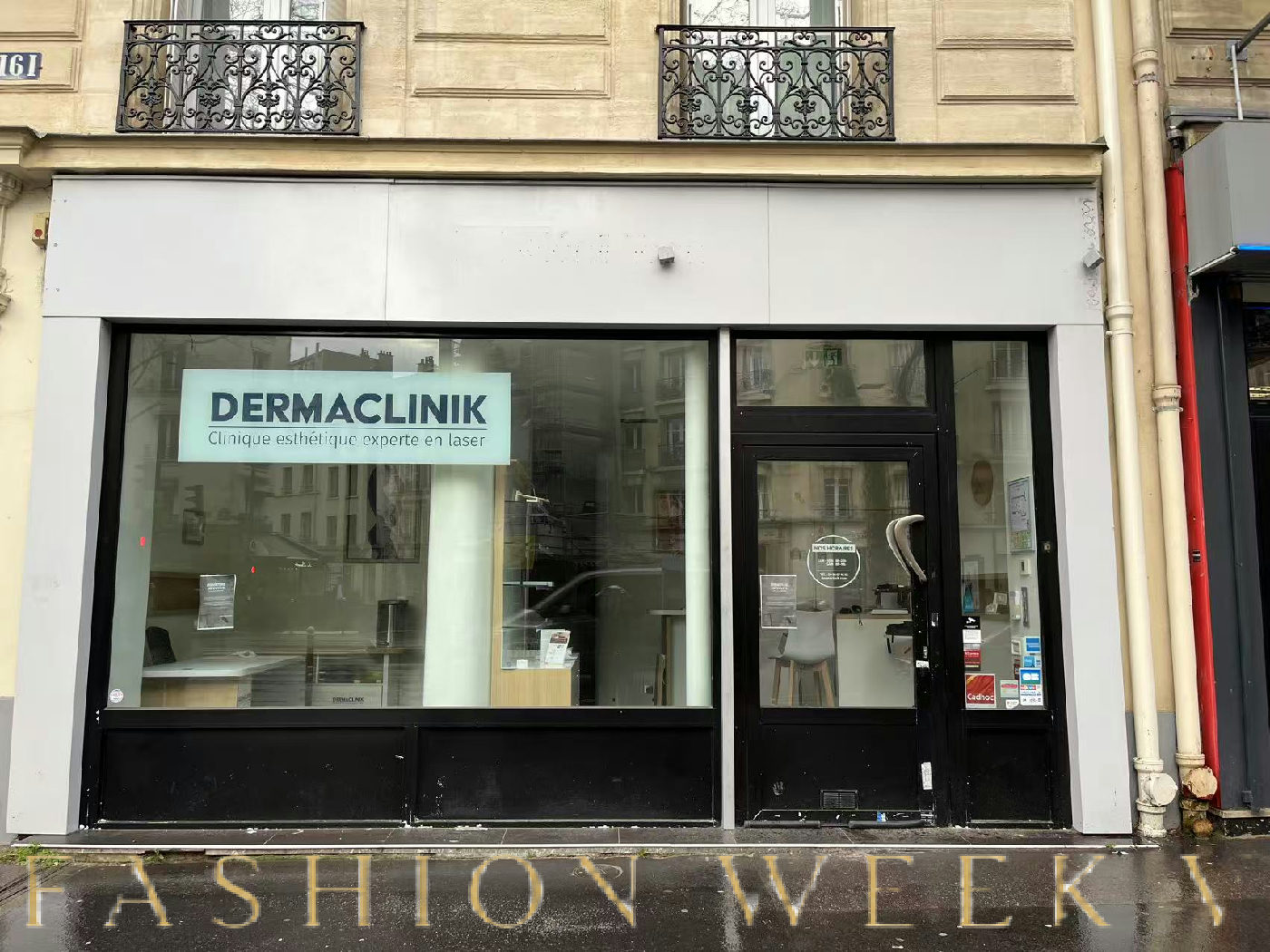
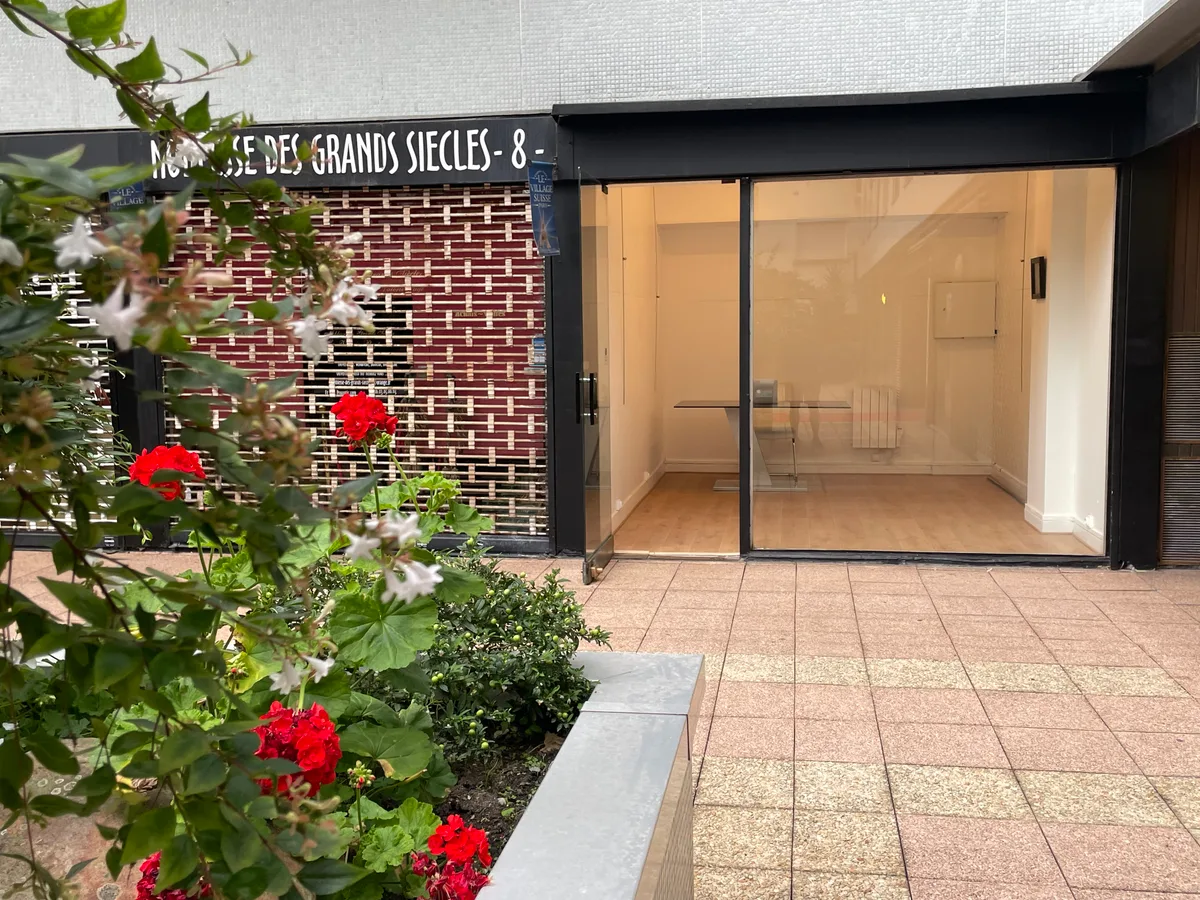
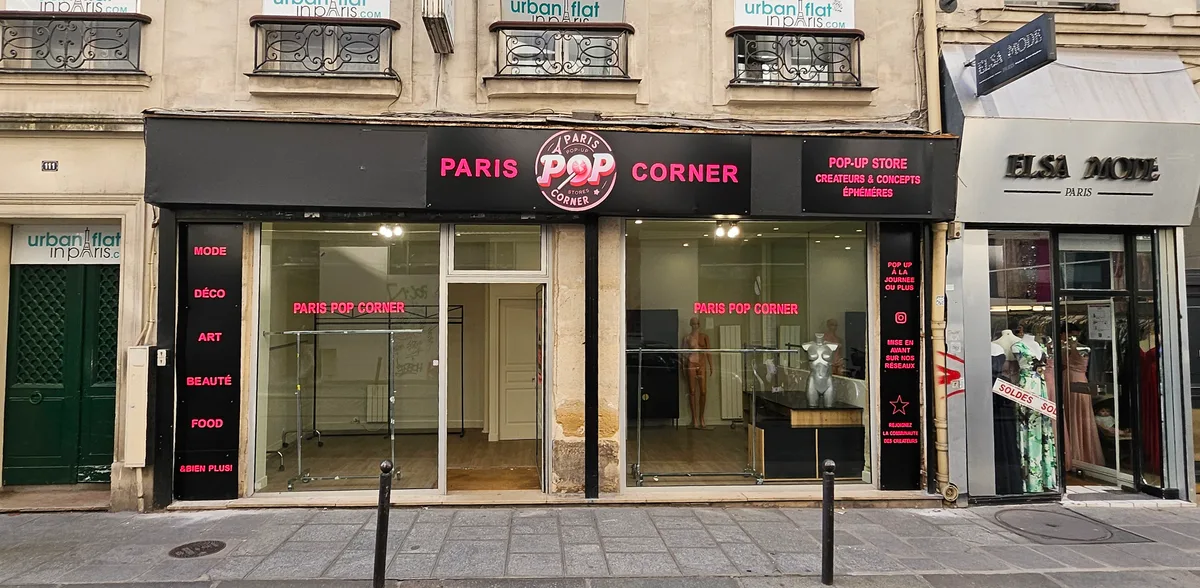
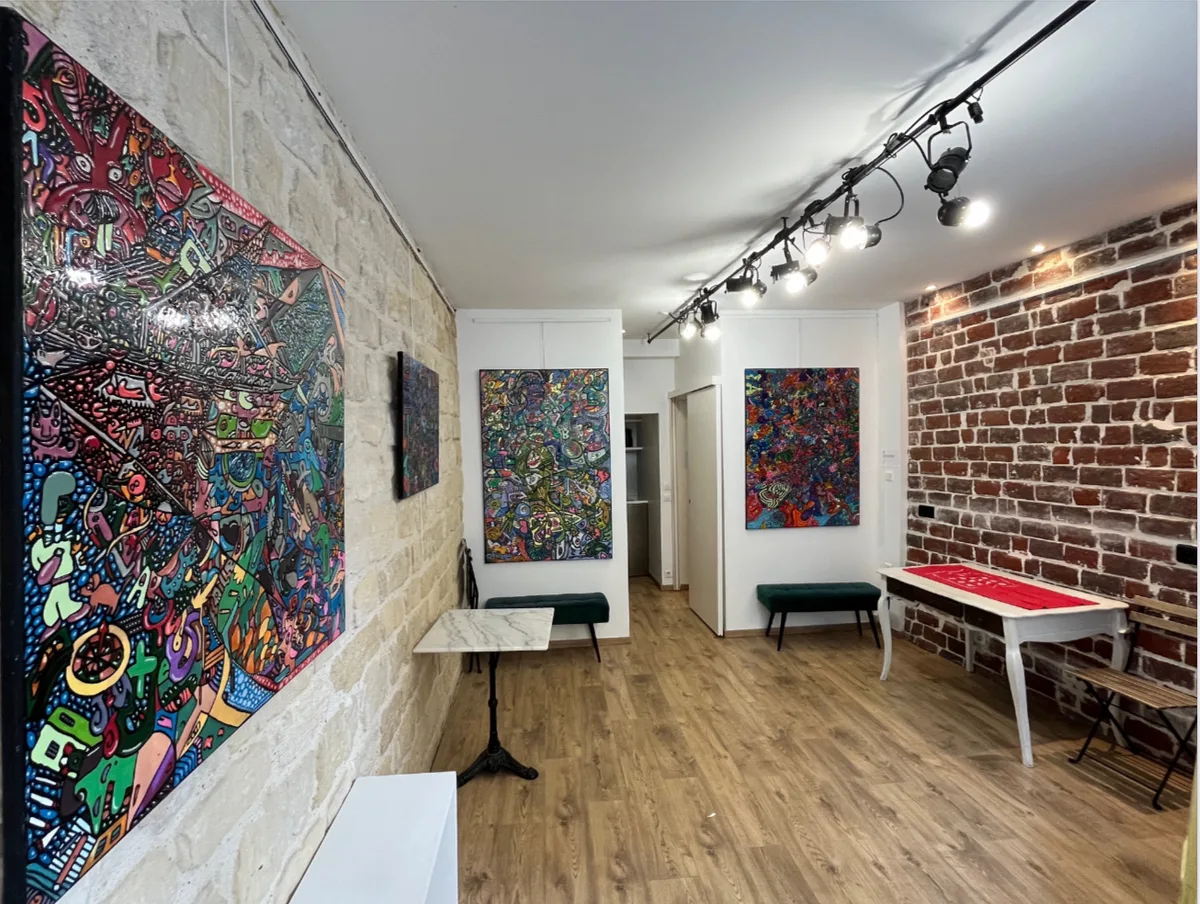
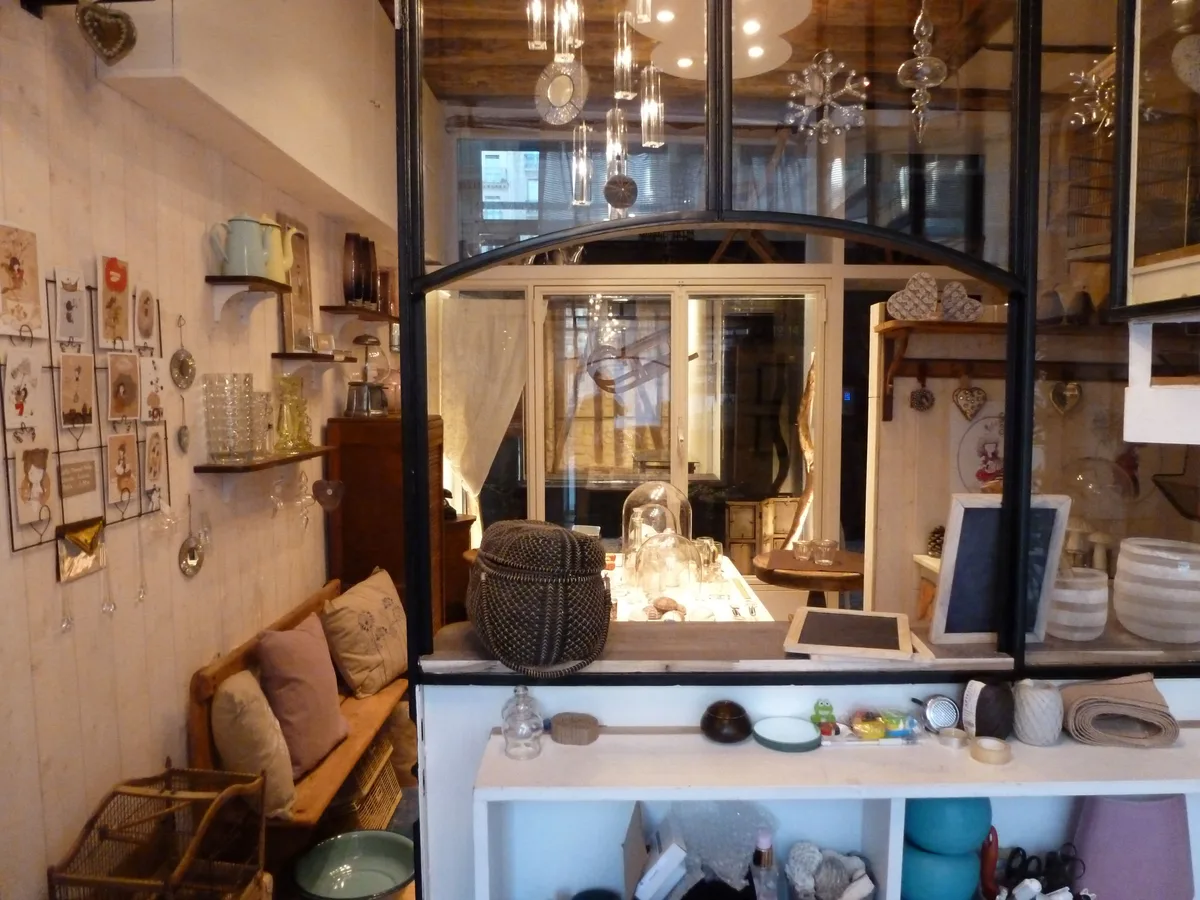
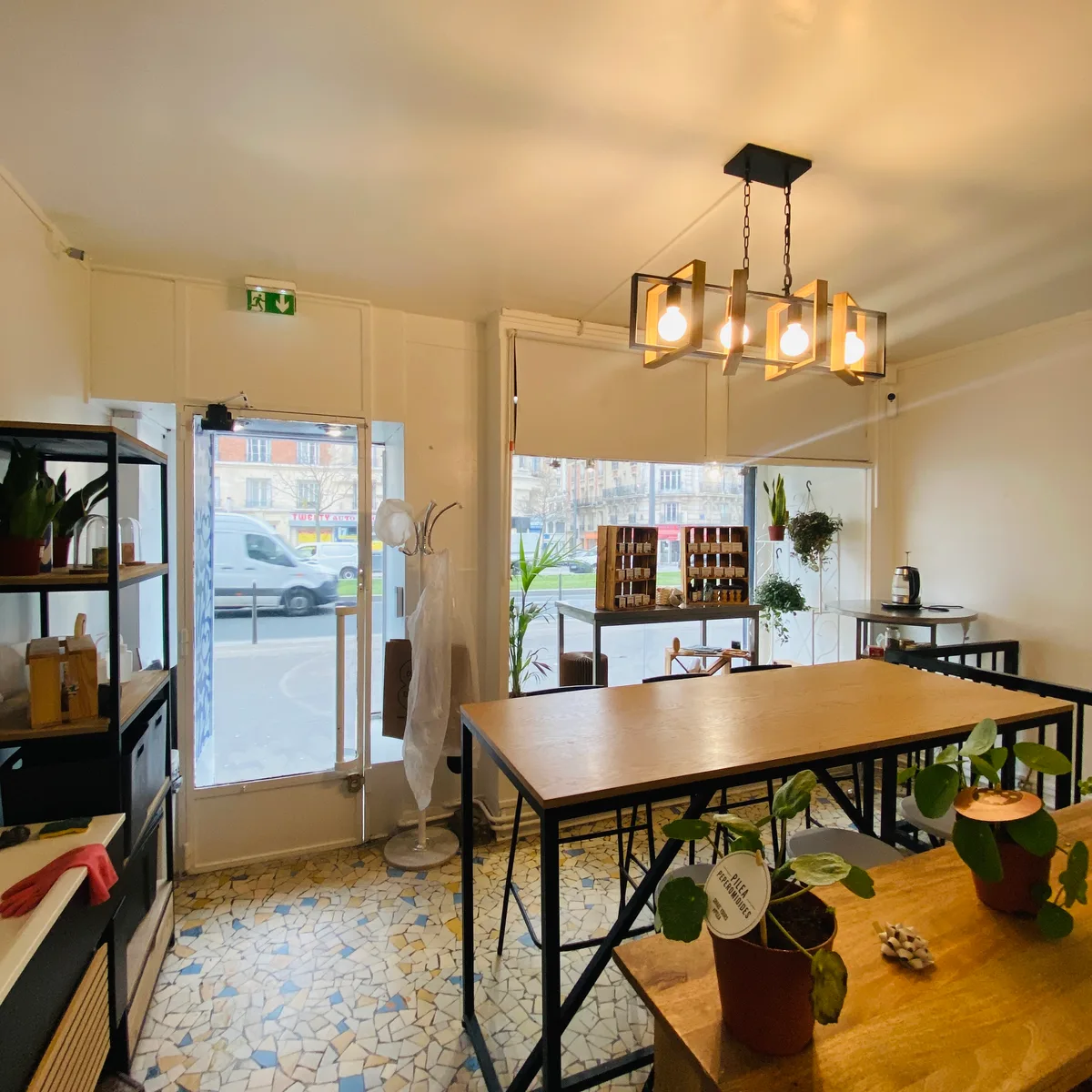
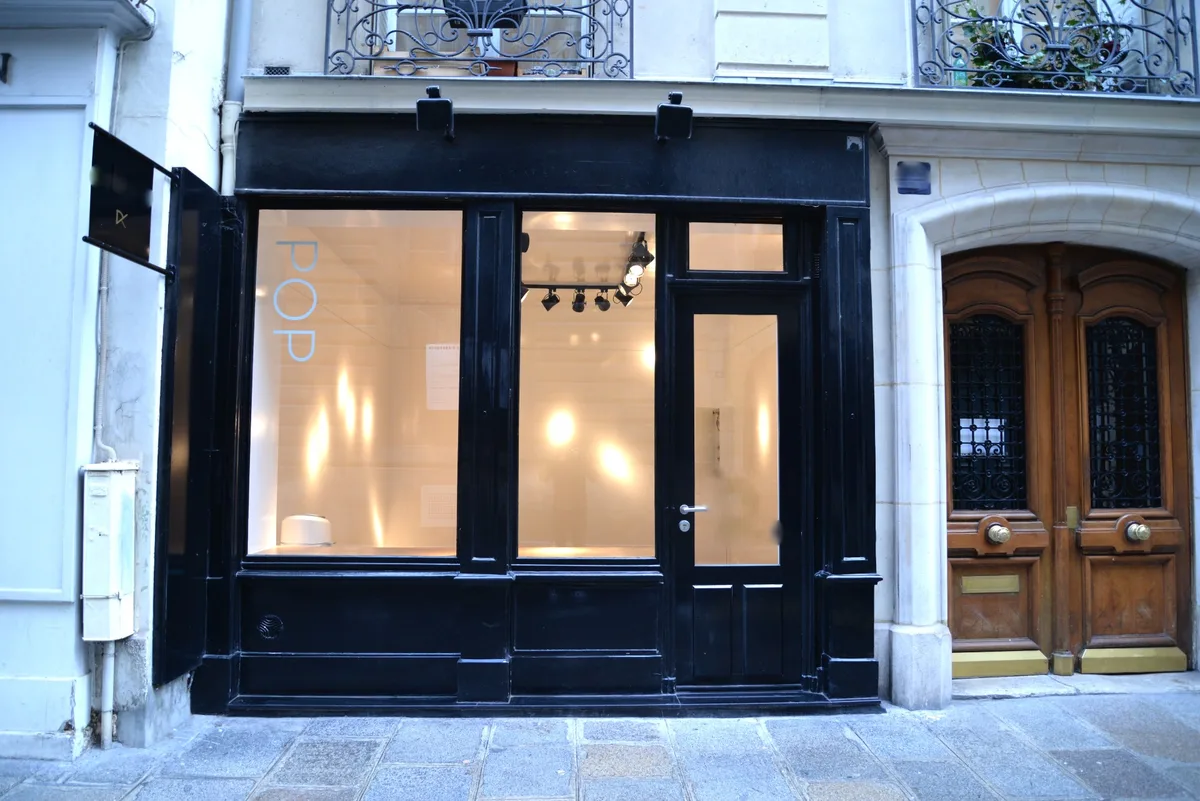
The most sought-after format in Montorgueil is the ground floor boutique with a vitrine directly facing the pedestrian street. These units typically feature hardwood floors, original stone or plaster walls, and large display windows that allow brands to create visual installations visible to passing foot traffic. Window dressing is a primary marketing tool in this corridor, and landlords generally expect tenants to maintain high-quality vitrines as part of their lease obligations. Light fixtures in these units vary significantly, from exposed vintage fittings in older Haussmann-era buildings to clean modern installations in refurbished units. Many spaces retain exposed stone details or exposed stone columns that add character suited to luxury, artisan, and heritage brand aesthetics.
Upstairs Showrooms and Gallery-Style Floors
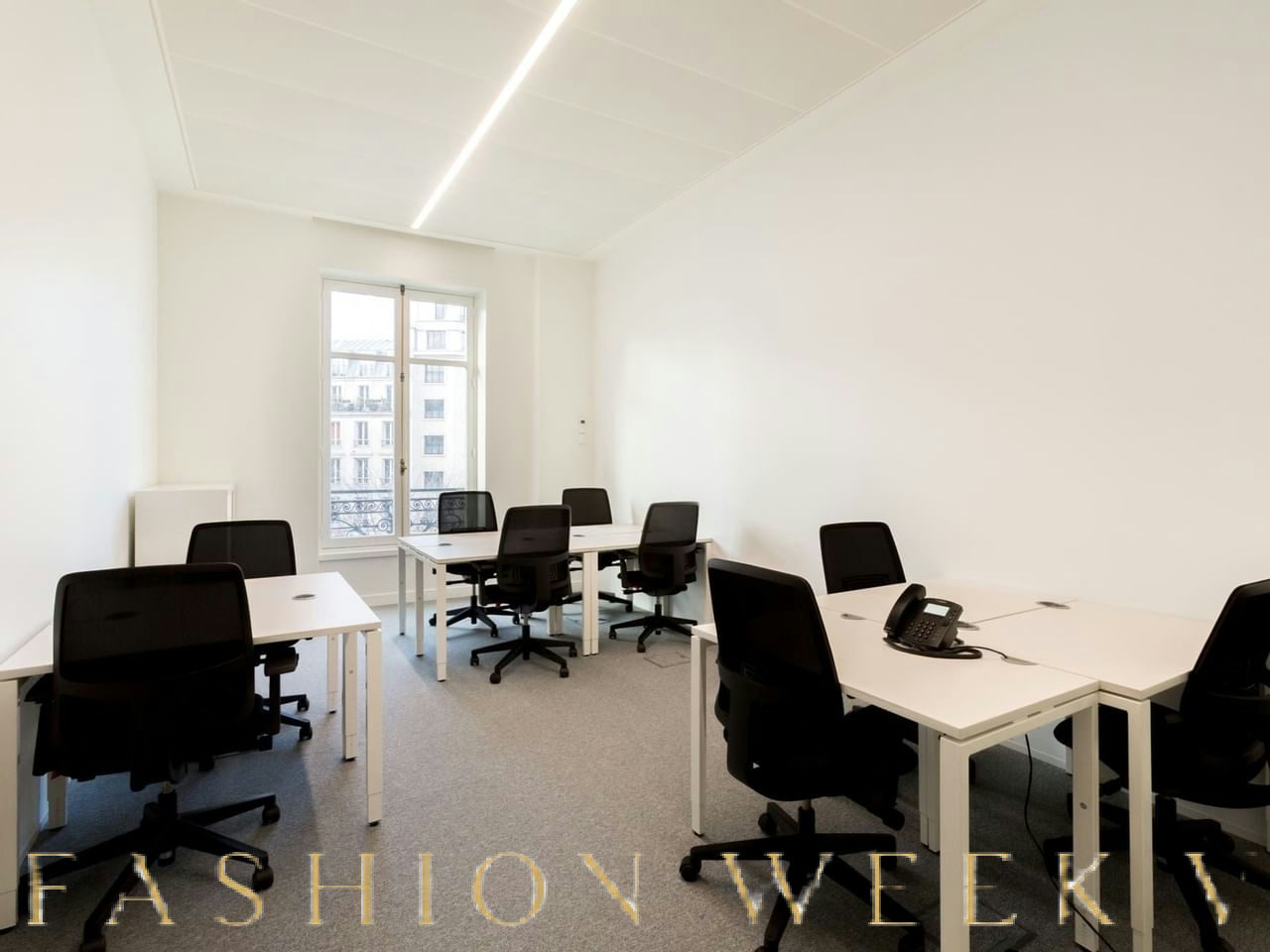
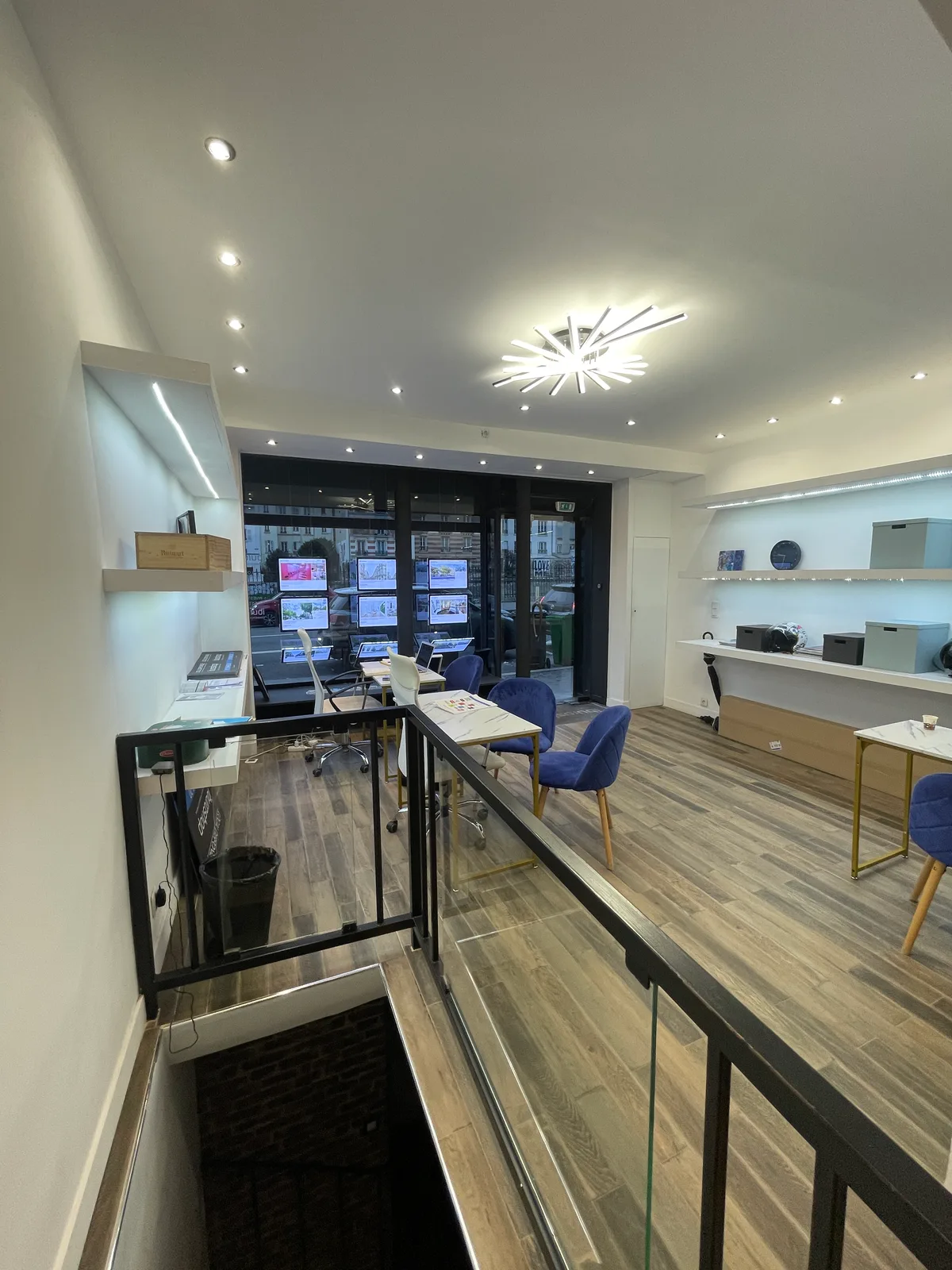
Above ground-floor retail, many buildings in the 2nd arrondissement offer showroom floors accessible via escalier métallique or original stone staircases. These upstairs units are less visible from the street but offer larger surface totale at lower asking rent per square metre. For brands prioritising press appointments, wholesale buyer meetings, or curated gallery-style product presentations, these formats offer significant value. The art gallery configuration with white walls, polished concrete or hardwood floors, and high ceilings is characteristic of showroom floors in the Sentier district, particularly around rue de Réaumur and Rue d'Aboukir.
Basement Storage and Multi-Level Units
Many retail leases in this corridor include a basement component used for storage and inventory management. A typical configuration is a ground-floor retail surface of 41 square metres combined with a basement of 120 square metres, giving a surface totale of approximately 161 square metres. This format appears frequently in the Arts et Métiers and Porte Saint-Martin zones adjacent to the Montorgueil core, and provides operational depth that matters enormously for pop-up store logistics, particularly for brands managing stock rotations across multiple Paris locations. Loading and storage access is a practical consideration that is easy to overlook during initial viewings but critical to daily operations.
Industrial Workshop Conversions
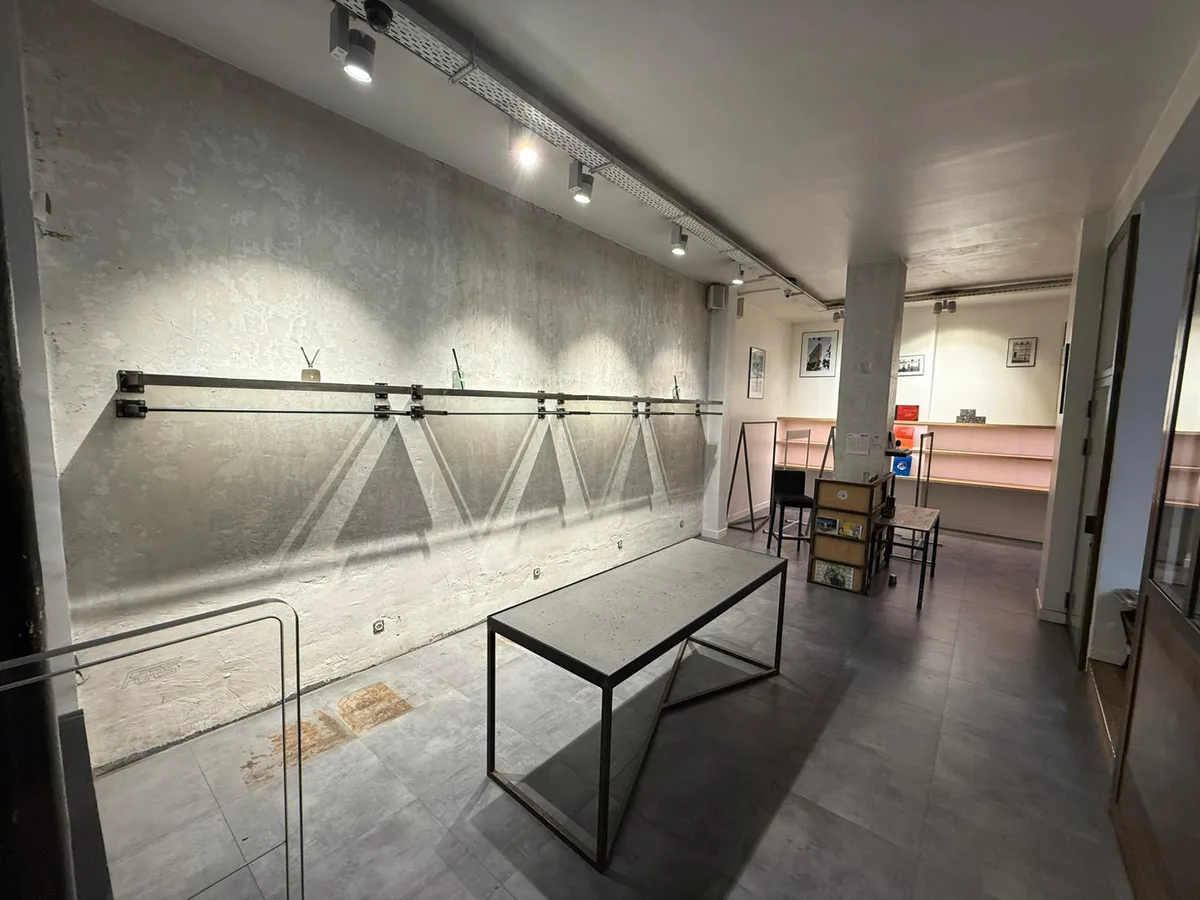
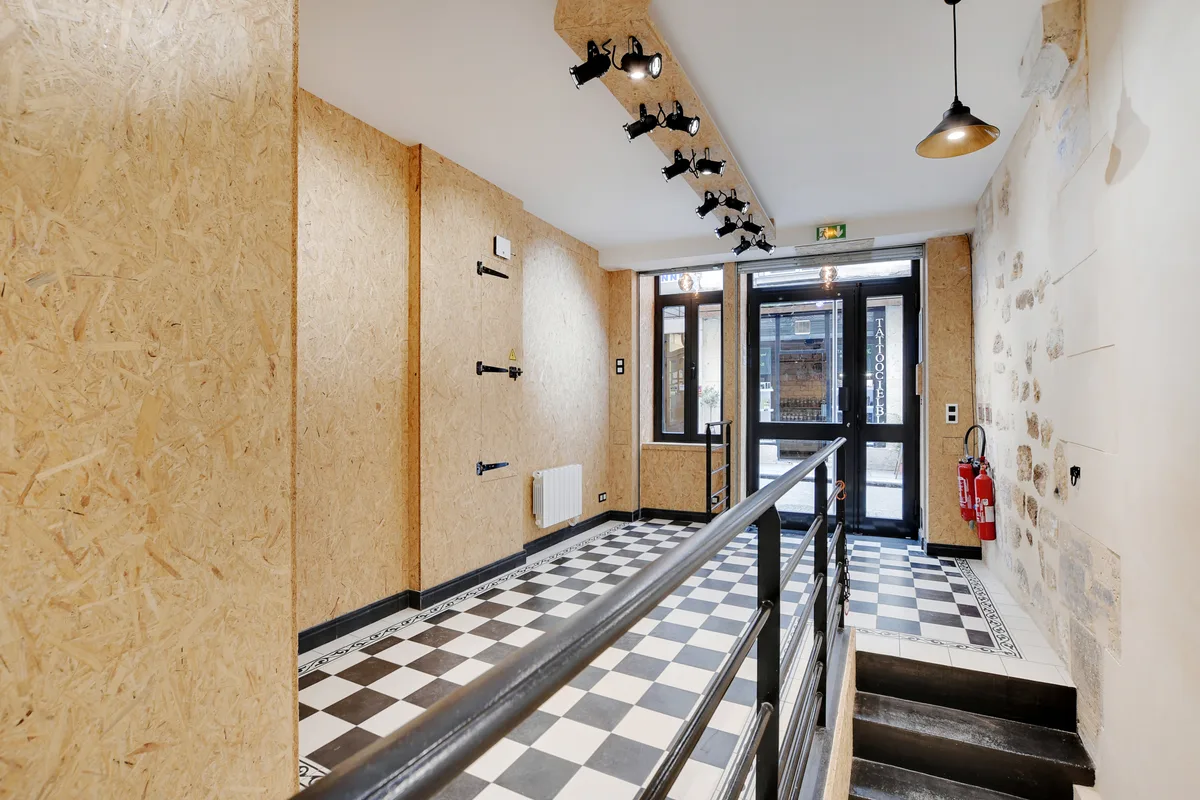
The Sentier and Folie-Méricourt zones have a significant stock of former industrial workshops, many built in the early and mid-twentieth century, some with construction dates as early as 1945, that have been converted into multi-use commercial spaces. These units often feature exposed piping, exposed stone columns, metal window frames, escalier métallique connecting levels, and raw industrial finishes that have become highly desirable for brands in streetwear, contemporary art, design, and experiential retail. Surface areas in these conversions vary widely, from 80 square metres to several hundred square metres, and many include mezzanine configurations that create visual drama without requiring a full multi-floor lease.
Court-Facing Local Commercial Units
Less visible but often more affordable are court-facing local commercial units accessed through a building's interior courtyard. These spaces, known in French property listings as locaux sur cour, appear frequently in the 75003 Paris and adjacent 75002 zones. A representative example is a court-facing local commercial in the Porte Saint-Martin and Arts et Métiers area with a ground floor of approximately 41 square metres plus 120 square metres of basement space, offering very high ceiling heights, a water point with WC, and a raw configuration suitable for build-out by the tenant. These units suit activations and showrooms that do not require high street visibility but benefit from address prestige and neighbourhood positioning.
KEY TAKEAWAY: No single space type dominates the Montorgueil corridor. The right format depends entirely on your activation brief, your required surface area, your tolerance for build-out investment, and whether street visibility or interior spaciousness is your primary operational priority.
Understanding space types is closely linked to understanding the financial structure of retail leases in this market, which is the subject of the next section.
Retail Lease Terms, Key Money, and Financial Structures in Montorgueil
Quick answer: Retail leases in the Montorgueil corridor operate under French commercial property law, which is significantly different from Anglo-Saxon lease models. Brands must understand the distinction between a bail commercial, a bail dérogatoire, and an autorisation d'occupation temporaire before signing anything. Key money, known locally as pas de porte, and cession droit au bail transactions add substantial upfront costs that many international brands fail to anticipate.
The French retail leasing market has its own legal architecture, and the Montorgueil zone sits within Paris's most commercially active micro-market, where landlords are experienced negotiators and lease terms reflect their awareness of demand. The following breakdown covers the essential financial and legal dimensions every brand team should understand before approaching landlords or engaging in transactions.
Bail Commercial vs Bail Dérogatoire
A bail commercial is the standard long-term commercial lease in France, typically structured as a 3-6-9 arrangement, meaning three-year break points over a nine-year minimum term. This structure gives tenants strong statutory protections, including renewal rights and rent review mechanisms tied to published indices. For established retailers planning a multi-year commitment to the Montorgueil quartier, the bail commercial offers security and predictability.
A bail dérogatoire, sometimes called a short-term commercial lease or convention d'occupation précaire, allows landlords and tenants to agree a lease of up to 36 months without granting the tenant the statutory rights associated with a bail commercial. This is the preferred structure for pop-up stores, seasonal activations, concept stores, and temporary showrooms. Requirements and permitted durations vary by space type, property status, and landlord agreement. Brands should verify exact terms with a French legal advisor before relying on this structure.
IMPORTANT: If a bail dérogatoire is renewed or extended beyond 36 months, French law may automatically reclassify it as a bail commercial, granting the tenant statutory rights the landlord may not have intended to convey. Legal advice before any extension or renewal is essential.
Key Money and Cession Droit au Bail
Key money, or pas de porte, is an upfront payment made by an incoming tenant to the landlord in exchange for the right to take on a lease. This is not a deposit and is generally non-refundable. In highly sought-after locations like rue Montorgueil, key money figures can be substantial, reflecting the commercial value of the pitch and the queue of competing tenants. Key money figures in prime Paris retail corridors are not publicly standardised, and asking rents listed in property portals do not always reflect the total cost of entry when key money is included.
Cession droit au bail is a different transaction: it is the sale of an existing lease by an outgoing tenant to an incoming one. The price paid in a cession droit au bail transaction reflects the remaining lease term, the rent level relative to market, and the commercial value of the specific location. These transactions appear in listings as CESSION DROIT AU BAIL and are common in the Montorgueil and Sentier markets, particularly for F&B-adjacent retail units and established boutique spaces.
Asking Rent, Loyer, and Secteur Variations
Asking rent, or loyer, in the Montorgueil corridor varies significantly by street position, ground floor versus upstairs configuration, surface area, and vitrine quality. Prime ground-floor units facing pedestrian sections of rue Montorgueil command the highest per-square-metre asking rents in this secteur. Units on adjacent streets such as Rue d'Aboukir, rue de Réaumur, and court-facing units in the 2nd and 3rd arrondissements offer lower asking rents with reduced foot traffic exposure. Brands should use directional budget tools to estimate total lease cost inclusive of charges, key money, and fit-out before committing to a search zone.
TIP: Use the budget calculator on Fashion Week Venues to build a realistic total cost estimate for your Paris activation, including space rental, fit-out, staffing, and operational costs. Directional figures from this tool help brands stress-test their brief before approaching landlords or agents.
Free Rent Periods and Lease Incentives
In some lease negotiations, particularly for longer-term bail commercial arrangements or for units requiring significant build-out, landlords may offer a free rent period, known as franchise de loyer, during which the tenant pays no rent while fitting out the space. Free rent periods in Paris are less common and shorter than in US markets, and are generally not available for prime Montorgueil units where demand consistently outpaces supply. For bail dérogatoire arrangements, free rent is rare given the already short duration of the lease.
The Good Guy Guarantee and Tenant-Rep Brokers
The Good Guy Guarantee is a concept from US commercial real estate leasing, not from French law. However, the underlying principle of a negotiated early exit mechanism is relevant in French lease negotiations, where a tenant-rep broker or avocat spécialisé can sometimes negotiate break clauses or dédit provisions into a bail dérogatoire or bail commercial on the tenant's behalf. For international brands unfamiliar with French commercial property law, engaging a tenant-rep broker who operates in the Paris market is strongly advisable. This broker typically earns a commission from the transaction rather than charging a flat fee, but arrangements vary.
KEY TAKEAWAY: The financial entry cost to a Montorgueil retail space extends well beyond monthly rent. Key money, cession droit au bail, fit-out costs, charges, and legal fees combine to create a total cost of entry that is significantly higher than asking rent figures suggest. Budget planning must account for all of these components.
With lease structures understood, the practical question becomes how to actually search for and evaluate available spaces in this market.
How to Search for Retail Space in Montorgueil: Listings, Platforms, and Specialist Sources
Quick answer: Searching for retail space for rent in Montorgueil requires using multiple channels simultaneously: French immobilières and property portals, specialist commercial property platforms, direct landlord outreach, and specialist pop-up and short-term retail agencies. No single platform captures the full availability picture in this market, and many of the best spaces never appear in public listings.
The retail space search landscape in Paris operates very differently from markets like New York or London where platforms such as LoopNet and CoStar dominate commercial search. Paris has its own ecosystem of listing sources, and international brands often waste time on platforms that do not reflect the local market's dynamics.
French Commercial Property Portals and Immobilières
French commercial property portals and local immobilières specialising in local commercial transactions are the primary channel for publicly listed spaces. These portals list properties with details including surface totale, loyer, key money requirements, availability dates, and secteur designation. Listings in these portals are structured around French property law categories and terminology, including distinctions between activité de restauration units, which carry specific regulatory requirements for food service operations, and standard retail commercial units. Brands searching these portals must understand that listing descriptions use specific French terminology including surface de 80 m², escalier métallique, flux piéton, and similar technical descriptors that require contextual understanding to interpret correctly.
Platforms like LoopNet operate primarily in the US market, and while CoStar has expanded its European data coverage, its Paris retail inventory is not as comprehensive as dedicated French commercial property sources. Brands searching Paris commercial listings using platforms calibrated for US markets such as LoopNet will find limited and often outdated data on the Montorgueil quartier.
Setting Up Alerts and Saved Searches
On both French-language commercial portals and specialist short-term retail platforms, setting up saved searches and property alerts is an important tactic in a market where desirable units are listed and let quickly. When configuring alerts, brands should define parameters including arrondissement, surface area range, asking rent ceiling, and space type to avoid notification fatigue from irrelevant listings. Alert management on French property portals follows standard conventions: when a new match appears, the platform notifies the registered user, and alerts can be deleted or modified through the user account. Additional properties matching a saved search brief will appear as new listings are added, allowing brands to monitor the market without continuous manual searching.
Off-Market Spaces and Direct Landlord Relationships
A significant proportion of retail space transactions in Montorgueil occur off-market, meaning they are never publicly listed. Landlords in prime retail corridors often have waiting lists of prospective tenants and prefer to fill vacancies through direct introduction rather than public listing. For international brands without existing landlord relationships in Paris, accessing this off-market inventory requires either a local broker with established landlord networks, a specialist agency with direct relationships across the quartier, or a demonstrated track record that makes cold outreach to landlords credible and compelling.
Specialist Short-Term Retail and Pop-Up Platforms
For brands seeking spaces on bail dérogatoire or for pure pop-up activations rather than long-term retail commitments, specialist short-term retail platforms and agencies provide a more relevant search environment than standard commercial property portals. These platforms specifically curate spaces available for short-term occupation, with listings that include floor plans, vitrine details, maximum occupancy, fit-out restrictions, and availability calendars. The Fashion Week Venues space marketplace offers curated listings across Paris and other fashion capitals, with filtering by space type, size, neighbourhood, and activation format.
To compare available spaces by location, size, and characteristics, the space comparison tool on Fashion Week Venues allows brands to evaluate multiple options against each other before shortlisting for viewings.
DID YOU KNOW: Many of the most commercially desirable pop-up spaces in central Paris, particularly in Montorgueil, Marais, and Sentier, are held by a relatively small number of specialist landlords and property owners who actively manage their portfolios for short-term and creative tenants. Building a relationship with these owners, either directly or through a trusted agency, is often more effective than any search platform.
KEY TAKEAWAY: Effective space searching in Montorgueil requires combining public listing platforms with off-market outreach, saved search alerts, and specialist short-term retail channels. Relying on a single platform or search method will result in a materially incomplete picture of available inventory.
Once you have identified candidate spaces, the next critical step is evaluating them systematically against your brief, and understanding the neighbourhood dynamics that will determine which location performs best for your specific activation.
Neighbourhood Geography: Montorgueil, Sentier, Le Marais, and the Adjacent Quartiers
Quick answer: The Montorgueil retail corridor sits within a cluster of complementary neighbourhoods, each with distinct retail dynamics, clientele profiles, and space characteristics. Understanding the geographic relationships between Montorgueil, Sentier, Le Marais, Les Halles, and Arts et Métiers is essential for brands choosing the right location within this broader zone.
Paris retail geography at the arrondissement level is deceptively granular. Two streets in the same arrondissement can have radically different foot traffic profiles, clientele types, and commercial success rates for the same brand category. The following breakdown maps the key micro-zones relevant to brands searching the Montorgueil and adjacent markets.
Rue Montorgueil and the 1st-2nd Arrondissement Boundary
The pedestrianised section of rue Montorgueil sits primarily within the 2nd arrondissement but connects directly to the 1st arrondissement at its southern end near Les Halles. This position at the arrondissement boundary creates a dual catchment: the established food market and patisserie culture of rue Montorgueil draws a daily residential clientele, while proximity to Les Halles and the Seine brings broader tourist and visitor traffic. Boutique and pop-up store formats that can appeal to both a regular neighbourhood customer and a one-time visitor perform particularly well in this position. The presence of long-standing institutions like pâtisserie Stohrer signals to incoming brands the depth of the local food and lifestyle culture that frames retail in this corridor.
Sentier and the 2nd Arrondissement Wholesale Fashion Zone
Immediately to the north-east of rue Montorgueil lies the Sentier district, historically the centre of Paris's wholesale garment and prêt-à-porter trade. Sentier's streets, including rue de Réaumur, Rue d'Aboukir, and surrounding blocks, contain a dense mix of former textile wholesale showrooms, converted to a variety of uses including tech startups, creative agencies, showrooms, and contemporary retail formats. The Paris 2ème arrondissement concentration of fashion industry businesses makes this zone particularly suited to showroom activations, trade press launches, and buyer-facing events. Asking rents in Sentier are generally lower than on prime pedestrian sections of rue Montorgueil, and surface totale is often larger, making it a strong value proposition for brands that prioritise interior space over street visibility.
Le Marais and the 3rd and 4th Arrondissement Crossover
Le Marais sits to the east of the Montorgueil corridor and has its own distinct retail ecology. The Marais's historical gallery district, high concentration of international luxury and contemporary brands, strong art and design culture, and deep tourist visitorship make it a complementary but distinct market from Montorgueil. For brands doing twin activations or multi-site Paris strategies, the combination of a Montorgueil pop-up with a Marais showroom represents a logical geographic pairing, covering both the lifestyle-food-culture corridor and the fashion-art-luxury corridor within a walkable central Paris cluster. The twin co-activation concept developed by Fashion Week Venues specifically supports brands executing this kind of multi-site Paris strategy.
Arts et Métiers and the 3rd Arrondissement Northern Edge
The Arts et Métiers zone, officially in the Paris 3ème arrondissement (75003), sits at the northern edge of Le Marais and the eastern edge of the Montorgueil-Sentier cluster. This area has seen significant growth in creative retail formats, including art gallery spaces, design showrooms, and lifestyle boutiques. Court-facing local commercial spaces in this zone, such as the Porte Saint-Martin area format mentioned earlier with its ground floor of 41 square metres and 120 square metres of basement storage, offer distinctive configurations at price points that reflect their location slightly off the prime pedestrian corridors. For brands that value address credibility and interior quality over pure street visibility, Arts et Métiers provides compelling options.
Les Halles and the Jardin des Halles Adjacency
To the south-west, the connection to Les Halles and the jardin des Halles brings a different flow of foot traffic: younger, more diverse, with strong entertainment and leisure motivations. Retail spaces on streets connecting Montorgueil to Les Halles, including sections near rue du Louvre, benefit from this flow particularly during evenings and weekends. Brands in streetwear, music, food, or youth culture categories find that this adjacency adds meaningful volume to their daily foot traffic counts.
| Zone | Primary Arrondissement | Typical Space Types | Ideal Brand Category | Relative Asking Rent |
|---|---|---|---|---|
| Rue Montorgueil (pedestrian) | 2nd | Ground floor boutique, vitrine | Food, lifestyle, fashion | Highest in zone |
| Sentier / Réaumur | 2nd | Showroom floors, gallery conversions | Prêt-à-porter, press, trade | Medium |
| Le Marais | 3rd / 4th | Boutiques, gallery spaces, flagships | Luxury, art, contemporary fashion | High |
| Arts et Métiers | 3rd | Court-facing locals, industrial conversions | Design, creative, showroom | Medium-low |
| Les Halles adjacency | 1st | Street-facing retail, mixed use | Youth culture, food, streetwear | Medium |
KEY TAKEAWAY: Each sub-zone within the broader Montorgueil cluster has a distinct commercial character, clientele profile, and space typology. Selecting the right micro-location within this area is as important as selecting Paris itself as your activation city.
Geography informs the search, but the on-the-ground evaluation of individual spaces requires a systematic checklist approach that covers both physical characteristics and operational practicalities.
What to Check When Evaluating a Retail Space in Montorgueil
Quick answer: Evaluating a retail space in Montorgueil requires assessing physical features, operational logistics, lease structure, build-out flexibility, and compliance requirements in parallel. A space that looks ideal during a daytime viewing may have significant limitations that only become apparent through structured due diligence.
The following evaluation framework covers the key dimensions every brand team should assess before committing to a space in this market.
Physical Assessment: Ground Floor, Upstairs, and Basement Configuration
Start with the physical configuration of the space. Ground floor units with direct vitrine access and pedestrian visibility are the most commercially productive format for retail activations that depend on walk-in foot traffic. For showroom or press event formats, upstairs floors may be perfectly adequate and offer larger surface area at lower cost. Basement spaces should be assessed for ceiling height, natural light availability, ventilation, and loading access. A basement with très belle hauteur sous plafond and a direct loading entrance has significantly more operational utility than a low-ceilinged basement accessible only through a narrow internal staircase. Water points and WC within the unit are important for longer activations, particularly for food, beauty, or wellness brands.
Build-Out Flexibility and Fit-Out Requirements
Many spaces in this market are let in a raw or semi-fitted condition, requiring the tenant to complete build-out before opening. Understanding what the landlord permits in terms of wall fixings, floor treatment, lighting installation, and structural modifications is essential before committing to a space. Some landlords, particularly in heritage-listed buildings, impose strict restrictions on what tenants may alter. A space with white walls, polished concrete, and minimal existing fixtures is generally easier and cheaper to adapt than one with complex existing fit-out that must be respected or removed at the tenant's cost. For short-term activations on bail dérogatoire, a rule of thumb is to favour spaces that require minimal build-out, as the cost of fit-out must be amortised over a short occupancy period.
Loading, Storage, and Inventory Management
One of the most overlooked practical dimensions of a Montorgueil retail space is logistics access. The pedestrianised sections of rue Montorgueil have restricted vehicle access hours, meaning deliveries must be planned around permitted windows. For brands managing regular inventory rotations, this operational constraint can significantly impact stock management efficiency. Confirm delivery access hours, loading bay availability, basement or storage capacity, and whether the basement connects to ground floor retail via a suitable internal staircase or escalier métallique before signing any lease.
Window Display and Vitrine Specification
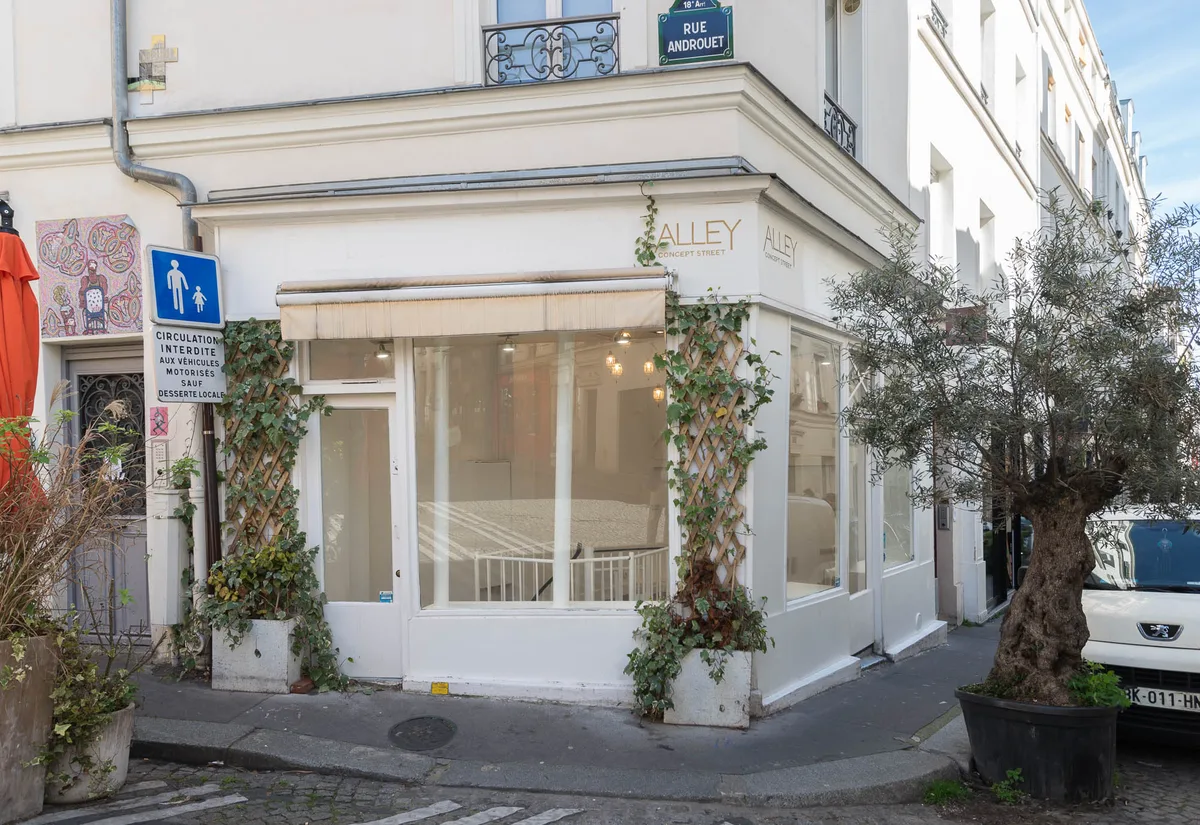
In this corridor, the vitrine, or shop window, is a primary marketing tool. Evaluate window dimensions, glazing quality, exposure direction relative to pedestrian flow, and any landlord restrictions on window signage or installation. A marquee corner position on a pedestrian street, where the unit has window exposure on two street faces simultaneously, represents a significant visibility advantage and commands premium asking rent accordingly. If your activation strategy relies heavily on visual street presence, downgrading from a prime vitrine position to save rent may not represent a true saving when total activation effectiveness is considered.
Compliance, Permits, and Regulatory Obligations
Retail activations in Paris require compliance with French commercial property law, fire safety regulations, accessibility requirements, and in some cases planning and signage permits. The type of permit required depends on the space type, the nature of the commercial activity, and the duration of the activation. For temporary occupations such as pop-up stores and short-term showrooms, the autorisaton d'occupation temporaire (AOT) framework may apply, though requirements vary and brands should always verify applicable obligations before opening. The permits tool on Fashion Week Venues provides guidance on the permit landscape for Paris retail activations. Always verify with a qualified French legal advisor before relying on any permit guidance.
| Evaluation Dimension | Key Questions to Ask | Priority Level |
|---|---|---|
| Ground floor access and vitrine | Is window facing pedestrian flow? What are dimensions? | Critical for walk-in retail |
| Surface area and configuration | What is ground floor vs basement split? Ceiling height? | High |
| Build-out restrictions | What may tenant fix, alter, or install? What must be restored? | High |
| Loading and delivery access | Permitted delivery hours? Loading bay access? Basement connection? | High for inventory-heavy brands |
| Lease structure and key money | Bail type? Key money required? Break provisions? | Critical for all tenants |
| Permit and compliance obligations | AOT required? Signage permit? Fire safety compliance status? | High |
| Water, power, and WC | Existing water point? Electrical capacity? WC within unit? | Medium to high depending on use |
KEY TAKEAWAY: Systematic evaluation of physical, operational, financial, and compliance dimensions before commitment avoids expensive surprises. The spaces that look most attractive on a listing are often the ones where due diligence reveals the most significant trade-offs.
With evaluation frameworks in place, the question shifts to how Fashion Week Venues helps brands navigate this process end to end.
How Fashion Week Venues Supports Brands Seeking Retail Space in Montorgueil and Paris
Fashion Week Venues operates as a full-service pop-up shop agency and space marketplace with deep operational experience across Paris and the other major fashion capitals. For brands seeking retail space for rent in Montorgueil or the broader Paris market, the agency provides support across the full activation lifecycle: from initial space discovery and shortlisting through to concept direction, fit-out, staffing, and post-activation analytics.
The primary services most relevant to brands searching the Montorgueil market include venue sourcing across Paris, which covers both publicly listed spaces and off-market inventory accessible through the agency's landlord relationships. For brands that need more than a space and require a complete activation, the activation management service handles the operational complexity of running a Paris pop-up, including compliance, staffing, logistics, and brand experience execution.
For brands at the brief-building stage, the agency's suite of planning tools provides practical support without requiring an immediate agency commitment. The timeline planning tool helps brands map their activation calendar against Paris Fashion Week dates and key commercial periods. The ROI calculator provides a framework for evaluating the commercial case for a Montorgueil pop-up relative to alternative marketing spend. The budget calculator generates directional cost estimates based on space type, duration, and activation scope. These tools are available at the Fashion Week Venues tools hub.
Brand teams benefit most from Fashion Week Venues support when they are entering the Paris market for the first time, running activations within compressed Fashion Week timelines, managing multi-site or twin activations across Paris neighbourhoods, or seeking to combine physical retail with influencer marketing, press, and digital amplification. The agency's concept direction service supports brands in developing a spatial concept that connects their brand identity to the physical space, while the production and build service manages the fit-out and installation process within Paris's building regulation and landlord permission framework.
Limitations to understand: Fashion Week Venues does not guarantee specific space availability, permit approvals, or particular commercial outcomes. The agency operates as a facilitator and experienced partner, not as a guarantor of results. Space availability in Montorgueil is subject to market conditions and the agency works to match briefs with available inventory rather than committing to specific spaces before a search is initiated.
For brands considering whether to engage an agency or handle their Paris activation independently, the guide on hiring a pop-up agency in Paris provides an honest framework for making that decision based on your brand's specific resources, timeline, and Paris market experience.
KEY TAKEAWAY: Fashion Week Venues offers brands a structured path from space discovery to activation completion in Paris, with tools and services that reduce the complexity and risk of entering a competitive market like Montorgueil without established local knowledge or landlord relationships.
Operational execution is only as effective as the strategic planning that precedes it. The Paris retail calendar determines when your activation will have the greatest commercial and press impact, and timing that decision correctly is the subject of the next section.
Paris Fashion Week Calendar and Retail Activation Timing in Montorgueil
Quick answer: Paris Fashion Week occurs twice annually, in late January to early February for menswear and haute couture, and in late September to early October for womenswear ready-to-wear. These windows represent peak demand periods for short-term retail spaces, showrooms, and pop-up activations across the Montorgueil, Sentier, and Marais corridors. Brands that plan activations aligned with these windows benefit from maximum press, buyer, and influencer concentration in the city.
The Paris retail activation calendar extends well beyond Fashion Week itself. Key commercial windows for brands activating in Montorgueil include the French summer sales period in late June to July, the back-to-school September commercial peak, the Christmas and New Year retail season from late November through early January, and the major trade fair and salon season that punctuates the Paris calendar throughout the year. Understanding which window aligns with your brand's target clientele, product category, and activation objectives is essential to maximising the return on your space investment.
Space availability in Montorgueil correlates inversely with these demand peaks. The most commercially desirable units are booked earliest, often three to six months in advance for Fashion Week windows. Brands that approach their space search with insufficient lead time frequently find that the prime ground-floor vitrines with the best pedestrian visibility have already been committed to other tenants. The timeline planning tool helps brands reverse-engineer their activation calendar from their target opening date, building in realistic lead times for space search, landlord negotiation, permit applications, fit-out, and staffing.
Beyond Fashion Week, the Paris retail market in 2026 is characterised by continued strong demand for temporary and experiential retail formats. Consumer appetite for physical brand experiences has driven sustained growth in the pop-up store sector across Paris's prime retail corridors. Brands that activate in Montorgueil outside of the peak Fashion Week windows can often secure better spaces at lower asking rents, while still benefiting from the corridor's strong baseline foot traffic from its residential and food market catchment.
TIP: If your budget does not support prime Fashion Week window pricing in Montorgueil, consider activating in the two to three weeks immediately before or after Fashion Week. Foot traffic remains elevated as the fashion industry prepares for and decompresses from the show calendar, and space availability and asking rents are materially more favourable than during the peak window itself.
KEY TAKEAWAY: Calendar timing directly affects space availability, asking rent, and activation effectiveness in Montorgueil. Aligning your search with realistic lead times and understanding the full Paris retail calendar, not just Fashion Week itself, unlocks better options at more competitive terms.
Before moving to the FAQ and myth-busting sections, it is worth addressing the practical realities that many brands only discover after their first Paris activation attempt.
Practical Realities: What International Brands Get Wrong About Paris Retail
Quick answer: The most common mistakes international brands make when searching for retail space in Paris include underestimating total entry costs, misunderstanding the French lease framework, assuming English-language platforms give a complete market picture, overlooking permit and compliance obligations, and failing to account for the lead times required to execute a quality activation in a competitive market.
Each of these failure points is preventable with the right preparation and local knowledge. The following breakdown addresses the most significant practical realities brands need to internalize before beginning their Paris space search.
Total Cost of Entry Versus Asking Rent
The loyer figure in a listing represents only one component of the total cost of securing a space in Montorgueil. Key money, cession droit au bail, legal fees, agency commissions, fit-out costs, charges, insurance, and operational staffing costs combine to make the real cost of a Paris retail activation substantially higher than the listed asking rent implies. Brands that budget based solely on asking rent figures consistently find themselves under-resourced once they reach the transaction stage. Always build a fully loaded budget from day one, using tools like the ROI calculator on Fashion Week Venues to test whether the commercial case holds across a range of cost scenarios.
French Legal Entity Requirements and Brand Structure
International brands without a French legal entity often assume they cannot rent retail space in Paris without establishing a local company. This is not accurate for all lease types and situations, though the specifics depend on the landlord, the space type, and the lease structure. For bail dérogatoire and short-term occupancy arrangements, landlords will sometimes transact with foreign legal entities, particularly when working through established agencies with local accountability. Requirements vary significantly by landlord and situation, and this is a dimension where legal advice specific to your brand's corporate structure is essential before assuming either that you can or cannot transact without a French entity.
Platform Coverage and Off-Market Reality
Brands that rely exclusively on English-language platforms for their Paris space search, including platforms primarily calibrated for US markets like LoopNet, will miss the majority of available inventory in the Montorgueil corridor. The Paris retail market operates through French-language portals, local immobilières, specialist agencies, and direct landlord networks that do not cross-pollinate with English-language commercial property platforms. A comprehensive search requires engaging with French-language sources or partnering with a locally embedded agency that has direct market access.
Permit Lead Times and Compliance Obligations
Brands that plan their activation timeline without factoring in permit applications and compliance preparation frequently face delays that either push their opening date or force them to open without complete regulatory compliance. Paris municipal authorities and building inspectors enforce fire safety, accessibility, and commercial signage regulations, and non-compliant activations face fines or closure orders. Starting permit applications in parallel with lease negotiation, rather than sequentially after lease signing, is the correct approach. The permits tool at Fashion Week Venues provides a structured starting point for understanding what is required, though verification with a French legal advisor remains essential.
KEY TAKEAWAY: The gap between how Paris retail looks from the outside and how it operates on the ground is significant. Brands that invest in local knowledge, correct legal and financial preparation, and realistic timeline planning consistently outperform those that attempt to apply frameworks from other markets to Paris.
Step-by-Step: Executing a Retail Activation in the Montorgueil Corridor
Quick answer: A successful retail activation in Montorgueil follows a structured workflow that begins six to twelve months before the target opening date and progresses through brief development, space search, lease negotiation, permit applications, fit-out, staffing, and activation management. Compressing this timeline significantly increases risk and cost.
| Phase | Key Activities | Recommended Timeline Before Opening |
|---|---|---|
| Brief and Strategy | Define objectives, target zone, space type, surface area, budget, calendar window | 6 to 12 months |
| Space Search and Shortlisting | Multi-channel search, viewings, space comparison, brief alignment | 4 to 8 months |
| Legal and Financial Due Diligence | Lease structure review, key money assessment, legal entity confirmation, insurance | 3 to 6 months |
| Lease Negotiation and Signing | Heads of terms, lease negotiation, signing, deposit payment | 2 to 4 months |
| Permit Applications | AOT, signage permits, fire safety compliance, accessibility review | 2 to 3 months |
| Concept and Design | Brand concept development, spatial design, fit-out specification | 2 to 3 months |
| Production and Build | Fit-out execution, furniture installation, technology setup, POS and payments | 4 to 8 weeks |
| Staffing and Training | Staff recruitment, brand training, operational briefing | 2 to 4 weeks |
| Activation Launch | Opening, influencer outreach, press activation, daily operations | Opening date |
| Data and Analytics | Foot traffic, sales, dwell time, conversion, ROI reporting | Throughout and post-activation |
The workflow above is structured for a comprehensive activation with full agency support. Brands with existing Paris experience and established landlord relationships may be able to compress some phases, though legal and permit timelines are largely fixed by regulatory processes rather than brand preference.
For brands managing this process with agency support, the Fashion Week Venues process page outlines how the agency structures its workflow from initial brief to post-activation reporting, and clarifies which phases the agency manages directly versus which it coordinates on the brand's behalf.
KEY TAKEAWAY: Executing a quality retail activation in Montorgueil is a multi-phase project that rewards early planning and systematic execution. Each phase has dependencies on the previous one, and delays in early phases compound into larger delays and higher costs downstream.
Common Myths Debunked: What Brands Get Wrong About Paris Retail Leasing
MYTH: You need a French legal entity to rent a retail space in Paris.
FACT: While having a French legal entity simplifies certain lease transactions, it is not an absolute requirement for all lease types and all landlords. For bail dérogatoire and short-term occupancy arrangements, some landlords will transact with foreign legal entities, particularly when the tenant is supported by a locally embedded agency with established landlord relationships. Requirements vary by landlord, space type, and lease structure. Always verify the specific requirements for each space with qualified French legal advice.
MYTH: Paris Fashion Week is the only viable window for a Montorgueil pop-up activation.
FACT: Paris Fashion Week represents a peak demand and visibility window, but it is far from the only commercially viable period for a Montorgueil retail activation. The corridor benefits from strong year-round foot traffic driven by its food market heritage, residential density, and tourist catchment. Commercial windows such as the French summer sales, the September back-to-school peak, and the pre-Christmas retail season can offer strong activation conditions with meaningfully better space availability and more competitive asking rents than during peak Fashion Week.
MYTH: Commission brokers are the only way to access good retail spaces in Paris.
FACT: Traditional commission-based brokers are one channel among several for accessing Paris retail inventory. Specialist short-term retail agencies, direct landlord outreach, French commercial property portals, and curated space marketplaces like the Fashion Week Venues marketplace all provide access to relevant inventory. The best approach depends on your space type, timeline, budget, and whether you are seeking a short-term pop-up format or a longer-term retail commitment. For Fashion Week and short-term activations specifically, specialist agencies with curated inventory and established landlord relationships often provide better access than general commercial brokers.
MYTH: Short-term retail leases in Paris are legally straightforward and do not require specialist help.
FACT: Short-term retail leases in Paris, including bail dérogatoire arrangements, operate within a complex French commercial property law framework that has significant differences from Anglo-Saxon lease structures. Key money obligations, lease renewal risks, statutory reclassification risks if a bail dérogatoire is extended beyond 36 months, and build-out restitution obligations are among the dimensions that require qualified legal guidance to navigate correctly. International brands that treat Paris leases as straightforward without specialist help expose themselves to significant financial and legal risk.
MYTH: The asking rent figure in a listing represents the total cost of taking on a retail space in Montorgueil.
FACT: Asking rent is one component of a substantially larger total cost of entry. Key money, cession droit au bail, legal fees, agency commissions, charges, insurance, fit-out costs, permit fees, and operational staffing costs combine to make the real cost of a Paris retail activation considerably higher than the loyer figure in a listing suggests. Accurate budget planning requires a fully loaded cost model built from day one of the search process.
Frequently Asked Questions
What is the difference between a bail dérogatoire and a bail commercial in Paris?
A bail dérogatoire is a short-term commercial lease in France that can be agreed for a maximum duration of 36 months without granting the tenant the statutory rights associated with a standard bail commercial. A bail commercial, structured as a 3-6-9 arrangement, grants tenants significant legal protections including renewal rights and rent revision mechanisms. For pop-up stores and temporary activations in Montorgueil, the bail dérogatoire is the standard structure. However, if the lease is renewed or extended beyond 36 months, it may automatically reclassify as a bail commercial under French law. Legal advice specific to your situation is essential before entering any Paris retail lease.
Do I need a French legal entity to rent retail space in Montorgueil?
Not necessarily. While a French legal entity simplifies certain transaction types, some landlords in Paris will transact with foreign entities, particularly for short-term occupancy and bail dérogatoire formats and particularly when the tenant is supported by an established local agency. However, requirements vary significantly by landlord, space type, and lease structure. Some landlords require a French guarantor or a French entity as a condition of lease. Always confirm the specific requirements for the space you are targeting with qualified French legal and commercial property advice before assuming your corporate structure is or is not viable.
What is key money and do I always have to pay it in Paris?
Key money, known in French as pas de porte, is an upfront payment made to the landlord in exchange for the right to take on a lease. It is not a deposit and is generally non-refundable. In high-demand corridors like rue Montorgueil, key money is common and reflects the commercial value of the pitch and the competition for available units. Not all spaces require key money, and its applicability depends on the landlord, the nature of the transaction, and the lease structure. For cession droit au bail transactions, an equivalent payment is made to the outgoing tenant rather than the landlord. Budget planning should always account for potential key money as a line item from the outset of the search.
How far in advance should I start searching for a pop-up space in Montorgueil?
For Fashion Week windows, you should begin your search at least four to six months before your target opening date. For prime ground-floor vitrines on rue Montorgueil, some landlords receive approaches six to twelve months in advance. Brands that approach the market with less than three months of lead time frequently find that desirable units are already committed. Beyond space availability, the practical timelines for legal due diligence, permit applications, fit-out, and staffing make early starts essential. Use the timeline planning tool to map realistic lead times from your target opening date back to the point at which you need to begin each phase of your activation project.
What permits do I need for a pop-up store in Paris?
Permit requirements for a pop-up store in Paris depend on the space type, the nature of the commercial activity, the duration of the activation, and the specific building and arrondissement. For temporary retail activations, an autorisation d'occupation temporaire may be required. Commercial signage typically requires a permit from the Paris municipal authorities. Fire safety compliance and accessibility obligations apply to all commercial premises open to the public. Requirements vary and change, so always verify applicable obligations with a qualified French legal advisor before opening. The permits guidance tool on Fashion Week Venues provides a structured starting point but is not a substitute for legal advice.
What types of brands typically activate in the Montorgueil corridor?
The Montorgueil corridor attracts a wide range of brand categories. Fashion and prêt-à-porter brands benefit from the corridor's adjacency to the Sentier fashion trade district and its high-quality residential and tourist clientele. Food and lifestyle brands thrive on rue Montorgueil's market street heritage and daily residential foot traffic. Beauty, wellness, and contemporary design brands find the neighbourhood's cultural positioning and gallery-quality spaces well suited to their activation aesthetics. Luxury brands tend to favour Le Marais or the 1st arrondissement, but the Sentier zone's industrial-conversion spaces offer compelling alternatives for brands seeking a more contemporary, urban aesthetic at lower asking rents than prime Marais streets.
Can I find a pop-up space in Montorgueil for a very short activation, such as one to two weeks?
Very short activations of one to two weeks are possible in this market but typically more expensive on a per-day basis than longer activations, and availability of suitable spaces for this duration is more limited. Many landlords prefer minimum occupation periods of one to three months even for bail dérogatoire formats. Specialist short-term retail platforms and agencies are the most effective route to genuinely short-duration spaces, as they curate inventory specifically for this kind of activation and have landlord relationships that support flexible terms. For very short activations, the total cost per day of a prime space must be weighed carefully against the activation objectives it is designed to achieve.
What is the typical surface area of a retail space in Montorgueil?
Retail spaces in the Montorgueil corridor range significantly in size. Compact vitrine units on rue Montorgueil itself may offer 30 to 60 square metres of ground floor space. Mid-sized boutique units in the surrounding streets typically offer 60 to 150 square metres on a single level. Larger units, particularly industrial conversions in the Sentier zone and court-facing local commercial units in the 2nd and 3rd arrondissements, may offer 150 to 300 or more square metres across multiple levels, often combining a ground floor of around 40 to 80 square metres with a significant basement. For brands with specific surface area requirements, defining your minimum and maximum range precisely before beginning a search focuses the process and avoids time spent viewing unsuitable units.
What is a cession droit au bail and when does it apply?
A cession droit au bail is the sale of an existing commercial lease from an outgoing tenant to an incoming one. Rather than entering a new lease with the landlord, the incoming tenant purchases the remaining lease term and any associated rights from the outgoing occupant, paying a market-determined price that reflects the remaining duration, the rent level relative to current market rates, and the commercial value of the specific location. This structure is distinct from key money, which is paid directly to the landlord. CESSION DROIT AU BAIL transactions appear regularly in listings for prime Paris commercial units and represent an important channel for accessing established lease positions in tightly held corridors like Montorgueil.
How does foot traffic in Montorgueil compare to other Paris retail corridors?
The pedestrianised section of rue Montorgueil generates substantial daily foot traffic driven by its food market function, high residential density, strong tourist visitorship, and connectivity to Les Halles and the broader central Paris pedestrian network. Comparable Paris retail corridors include the rue des Francs-Bourgeois in Le Marais, the rue du Faubourg Saint-Honoré in the 8th arrondissement, and the Marché Saint-Germain zone. Each corridor has a distinct clientele profile and peak traffic pattern. Montorgueil's flux piéton is notably consistent throughout the week, driven by its daily market function, whereas some fashion-focused corridors see sharp weekend-weekday variation. This consistency makes Montorgueil attractive for longer-duration activations that require reliable daily footfall rather than weekend-concentrated peaks.
What does an exposed stone or industrial aesthetic space in Montorgueil typically look like?
Exposed stone and industrial aesthetic spaces in the Montorgueil and Sentier corridor are typically found in buildings constructed during the 19th century and early 20th century, some dating to around 1945 or earlier, that retain original structural stone walls, exposed stone columns, escalier métallique, metal-framed windows, exposed piping, and raw concrete or hardwood floors. These spaces have become highly sought after by fashion and lifestyle brands for their authentic Parisian character and their suitability for photographic and social media content creation. They generally require more careful fit-out planning than blank-box units, as the character elements must be integrated into rather than covered by the brand's spatial concept.
Is it worth using a tenant-rep broker versus a specialist pop-up agency for a Montorgueil activation?
The choice between a tenant-rep broker and a specialist pop-up agency depends on your activation format, duration, and scope. A tenant-rep broker is most valuable for longer-term bail commercial negotiations where their expertise in lease terms, rent review, and legal protections creates material financial value over the lease duration. A specialist pop-up agency is more appropriate for short-term bail dérogatoire activations where the agency's curated inventory, landlord relationships, and ability to support the full activation lifecycle from space to staffing adds greater value than a pure leasing transaction service. For most international brands entering Montorgueil for the first time on a pop-up or seasonal basis, a specialist agency provides a more comprehensive and lower-risk entry path.
What is the retail market outlook for Montorgueil in 2026?
The Paris retail market in 2026 continues to show strong demand for physical brand activations in prime pedestrian corridors, driven by the sustained consumer appetite for experiential retail and the concentrated fashion and lifestyle industry ecosystem that surrounds the Montorgueil zone. Space availability remains tight in prime positions, and asking rents in the corridor reflect the persistent imbalance between supply and demand. International brands are increasingly entering the Paris market for pop-up activations alongside domestic French brands, adding competitive pressure to the space search process. Brands that plan early, brief precisely, and engage local expertise consistently secure better spaces at more competitive terms than those that approach the market reactively.
What technology and operational services should I set up for a Montorgueil pop-up store?
A functional Paris pop-up store requires at minimum a compliant point-of-sale and payments system that handles both card and contactless payments in euros, a staffing structure sized to the surface area and expected foot traffic, a stock management process linked to your inventory systems, and a digital marketing plan that supports the activation through social media, influencer outreach, and press engagement. For brands working with Fashion Week Venues, the agency's POS and payments service, retail staffing service, data and analytics service, and influencer marketing service provide integrated operational support. For brands handling these dimensions independently, confirming payment terminal functionality and staff language capabilities specific to Paris's international visitor mix are practical priorities.
Conclusion: Securing the Right Retail Space in Montorgueil Requires Local Knowledge and Early Action
The quartier Montorgueil represents one of the highest-opportunity retail activation zones in central Paris, combining exceptional pedestrian flux, deep cultural positioning, fashion industry adjacency, and a diverse mix of space types suited to boutiques, showrooms, gallery formats, and pop-up stores. Securing the right space in this corridor requires a clear brief, realistic budget planning that accounts for the full cost of entry beyond asking rent, a multi-channel search strategy that includes off-market inventory, and a compliance-ready approach to permits and lease structures under French commercial property law.
The complexity of the Paris retail leasing market, from bail dérogatoire structures and key money obligations to permit requirements and landlord negotiating dynamics, means that brands entering this market without local knowledge or specialist support face avoidable risk and cost. Whether your activation is a one-month pop-up during Paris Fashion Week, a seasonal boutique in the heart of rue Montorgueil, or a showroom in the Sentier district, the fundamentals are the same: brief early, plan comprehensively, verify compliance obligations, and engage partners with genuine market access.
Fashion Week Venues operates across the full Paris retail activation spectrum, from space discovery through concept, production, staffing, and post-activation analytics. The agency's marketplace, planning tools, and activation services are designed to reduce the friction and risk of entering Paris's most competitive retail corridors. To move from research to activation, start exploring available spaces on the Fashion Week Venues marketplace and build a focused brief for your target neighbourhood, space type, and calendar window.