A pop up shop Canal Saint-Martin is one of the most strategically powerful activation choices available to fashion, design, beauty, and lifestyle brands entering Paris. The Canal Saint-Martin corridor, anchored in the 10th arrondissement of Paris, has evolved from a local neighbourhood secret into one of the city's most commercially relevant and culturally credible retail destinations. Brands ranging from independent labels to heritage craftsmanship houses have recognised that the canal's photogenic facades, organic street energy, and proximity to Paris Fashion Week audiences create conditions that no other Paris district replicates. Fashion Week Venues supports brands planning pop-up activations in Paris with end-to-end venue sourcing, production, staffing, and campaign management across all major Paris neighbourhoods.
Why Canal Saint-Martin Has Become Paris's Most Sought-After Pop-Up District
Canal Saint-Martin earns its reputation as Paris's premier pop-up destination because it combines genuine neighbourhood credibility with measurable footfall from a highly engaged, fashion-literate audience. The district is not positioned as a luxury corridor in the way that Rue Saint Honoré or Avenue Montaigne are, yet the consumer profile walking its streets is arguably more valuable to many brand teams: younger, digitally native, independently minded, and actively seeking discovery rather than brand reinforcement.
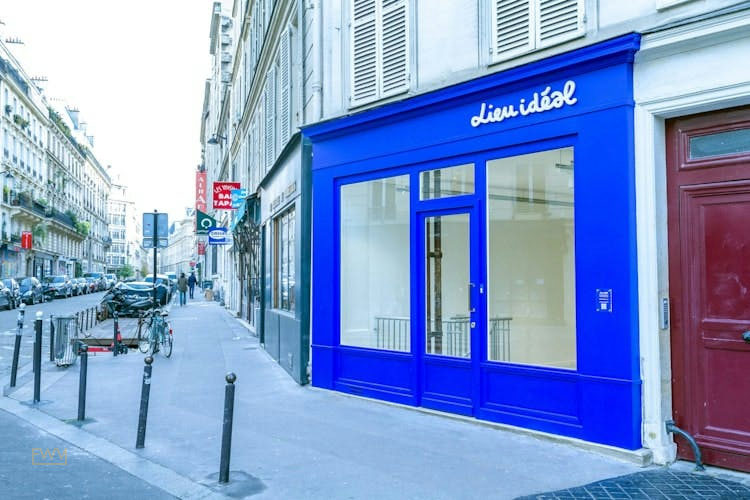
The canal itself, with its iron footbridges, tree-lined quays, and photogenic facades that shift colour across the day, functions as permanent Instagrammable scenography. This is not an accident or a residual aesthetic. It is a structural advantage that brands deploying immersive installations, product customization stations, or content creation activations can exploit directly. When a brand occupies a ground-floor space on rue de Lancry or rue de Marseille, the streetscape becomes an extension of the activation rather than a neutral backdrop.
The neighbourhood's commercial identity was shaped by the independent boutiques, vintage stores, coffee shops, design boutiques, and concept stores that moved in when rents were low and creative autonomy was high. That identity persists even as the district has matured. Comptoir Général on the canal bank, independent design boutiques on rue de Marseille, and the cluster of lifestyle shops, restaurants, and cafes along the quays have collectively created an environment where consumers expect discovery, curation, and originality. A pop-up store that matches those expectations earns trust quickly.
For brands approaching Paris Fashion Week calendar windows, the 10th arrondissement of Paris offers something unique: proximity to the official runway show schedule without the premium lease costs of the 1st or 8th arrondissements. During Haute Couture runway shows in July and the main ready-to-wear schedule in the autumn, the canal district attracts press, buyers, stylists, and influencers who deliberately route their days through neighbourhoods that feel authentically Parisian rather than purely commercial.
DID YOU KNOW: The Canal Saint-Martin district has seen a significant increase in short-term rental space enquiries during Paris Fashion Week periods, driven by brands seeking alternatives to the saturated Marais and Palais Royal Garden corridors.
The lifestyle magnetism of Canal Saint-Martin extends beyond fashion. Homeware brands, object brands, perfume houses, shoes and bags leather goods labels, and kitchenware companies have all used the neighbourhood to stage activations that feel contextually appropriate rather than gratuitously placed. A scented candle brand launching in a former flower shop on rue de Lancry lands differently than the same brand opening in a glass-box commercial unit on a luxury boulevard. Context shapes reception, and Canal Saint-Martin provides the right context for a wide range of product categories.
The emerging fashion scene energy of the district also attracts the kind of community engagement that larger, more established retail corridors cannot manufacture. Local residents, creative professionals, and the broader Paris design community treat canal-area pop-ups as genuine neighbourhood events rather than corporate intrusions. That social dynamic translates directly into organic content creation, word-of-mouth coverage, and earned media that extends the activation's reach beyond the physical opening days.
KEY TAKEAWAY: Canal Saint-Martin combines photogenic physical environments, an engaged and fashion-literate consumer base, lower comparative lease costs than the luxury corridors, and a cultural legitimacy that makes it one of the most versatile pop-up destinations in Paris for fashion, beauty, design, lifestyle, and object brands.
Understanding why the district works is only the starting point. The next step is understanding how it compares to the other Paris neighbourhoods competing for the same brand briefs and budgets.
Canal Saint-Martin vs Other Paris Neighbourhoods: A Strategic Comparison
Choosing the right Paris neighbourhood for a pop-up store requires an honest comparison across multiple variables: audience profile, lease cost, footfall type, permit complexity, physical space availability, and brand fit. Canal Saint-Martin sits within a competitive field that includes Le Marais, the Marais district more broadly, Palais Royal Garden, Rue Saint Honoré, Avenue Montaigne, and the Pigalle corridor.
Quick answer: Canal Saint-Martin offers the strongest combination of creative credibility, social media backdrop quality, and accessible rental costs for independent labels, emerging brands, and established brands seeking cultural relevance. Luxury brands targeting high-net-worth shoppers typically gravitate toward the Rue Saint Honoré to Avenue Montaigne corridor, while brands seeking a middle ground of prestige and discovery often choose Le Marais or Palais Royal Garden.
| Neighbourhood | Primary Audience | Relative Rental Cost | Best For | Paris Fashion Week Relevance |
|---|---|---|---|---|
| Canal Saint-Martin (10th arrondissement) | Digital-native creatives, independent fashion consumers, design enthusiasts | Lower comparative cost | Emerging brands, lifestyle, design, beauty, accessories | High: strong press and influencer traffic during fashion calendar |
| Le Marais / Marais district (3rd and 4th) | International tourists, fashion buyers, luxury-adjacent consumers | Medium to high | Fashion, accessories, beauty, concept retail | Very high: Dover Street Market proximity, heavy buyer traffic |
| Palais Royal Garden (1st) | Luxury shoppers, high-spend international visitors | High to premium | Heritage labels, premium accessories, perfume, luxury fashion | Very high: Haute Couture and ready-to-wear show cluster |
| Rue Saint Honoré / Avenue Montaigne (1st and 8th) | Luxury shoppers, high-net-worth individuals | Premium | Luxury fashion, bags leather goods, fine jewellery | Extremely high: flagship luxury corridor |
| Pigalle / Northern edge (9th and 18th) | Music and creative subculture, independent lifestyle consumers | Lower | Music brands, streetwear, lifestyle, beauty | Medium: niche relevance during fashion week |
The comparison above illustrates why Canal Saint-Martin occupies a distinct strategic position. It is not competing with Rue Saint Honoré for the same luxury shopper. It is competing with Le Marais and the Marais district for the creative and fashion-engaged consumer who values discovery over prestige signalling. For brands with a storytelling-forward activation, a digital campaign component, or a content creation objective, the canal district frequently outperforms more expensive addresses on a return-per-square-metre basis.
The Marais district, particularly around Rue de Turenne, remains the go-to choice for brands that need both fashion credibility and strong international tourist footfall. Dover Street Market on the right bank draws buyers and press throughout the year, and the density of concept stores, restaurants, cafes, and design boutiques creates a commercial ecosystem that supports longer activation periods. For brands choosing between Canal Saint-Martin and Le Marais, the decision often comes down to audience intent: are consumers in that neighbourhood discovering new brands actively, or are they validating choices they have already made?
Palais Royal Garden and the Joseph Gallery cluster offer a different proposition again: architectural beauty, institutional cultural credibility, and proximity to the highest-spending visitor profiles in Paris. Brands opening a pop-up boutique or ephemeral boutique near Palais Royal Garden are implicitly borrowing that institutional prestige. The cost reflects that. For heritage label activations, perfume launches, or premium object brands, the location premium is often justified.
Galeries Lafayette, while not a neighbourhood destination, deserves mention as a pop-up channel distinct from the street-level leasing market. Short-term rental spaces within Galeries Lafayette provide access to very high footfall and a built-in retail audience. The trade-off is creative autonomy: the brand environment is defined by the department store host rather than the brand itself.
TIP: If your brand brief requires maximum social media content creation potential and a neighbourhood backdrop that reads as authentically Parisian on Instagram and TikTok, Canal Saint-Martin consistently outperforms more commercially polished addresses for visual storytelling.
The neighbourhood comparison sets the strategic frame. The practical question that follows is how to actually find, secure, and operate a pop-up space in Canal Saint-Martin, which requires understanding the specific streets, space types, and operational considerations unique to the district.
The Canal Saint-Martin Micro-Map: Streets, Spaces, and Space Types
Navigating Canal Saint-Martin as a brand team requires more precision than simply identifying the neighbourhood. The district contains meaningfully different micro-environments across its main streets, and choosing the right street for your pop-up store depends on your audience, format, and activation type.
Quick answer: Rue de Lancry and rue de Marseille are the highest-footfall streets in the Canal Saint-Martin core and suit pop-up boutiques, showrooms, and beauty activations. The canal quays themselves suit immersive and experiential formats with strong visual content requirements. Side streets offer quieter, more residential spaces suited to appointment-based activations, art workshops, and invitation-only brand experiences.
| Street or Location | Character | Best Space Type | Best Brand Category |
|---|---|---|---|
| Rue de Lancry | High pedestrian flow, mix of vintage stores, coffee shops, restaurants | Ground-floor retail, pop-up boutique, showroom | Fashion, accessories, beauty, shoes |
| Rue de Marseille | Design boutiques, lifestyle shops, emerging brand cluster | Concept store, ephemeral boutique, SHOWROOM | Design, homeware, textiles, object brands |
| Quai de Valmy and Quai de Jemmapes | Canal-facing, photogenic facades, high visual appeal | Immersive installation, experiential pop-up, content studio | Beauty, fashion, lifestyle, perfume |
| Rue Beaurepaire | Quieter, residential adjacent, creative cluster | Invitation-only showroom, art workshop, appointment retail | Heritage label, emerging fashion, independent labels |
| Rue du Faubourg du Temple | Higher traffic, more commercial, connects to 11th | Retail pop-up, short-term lease space | Accessories, bags leather goods, kitchenware, homeware |
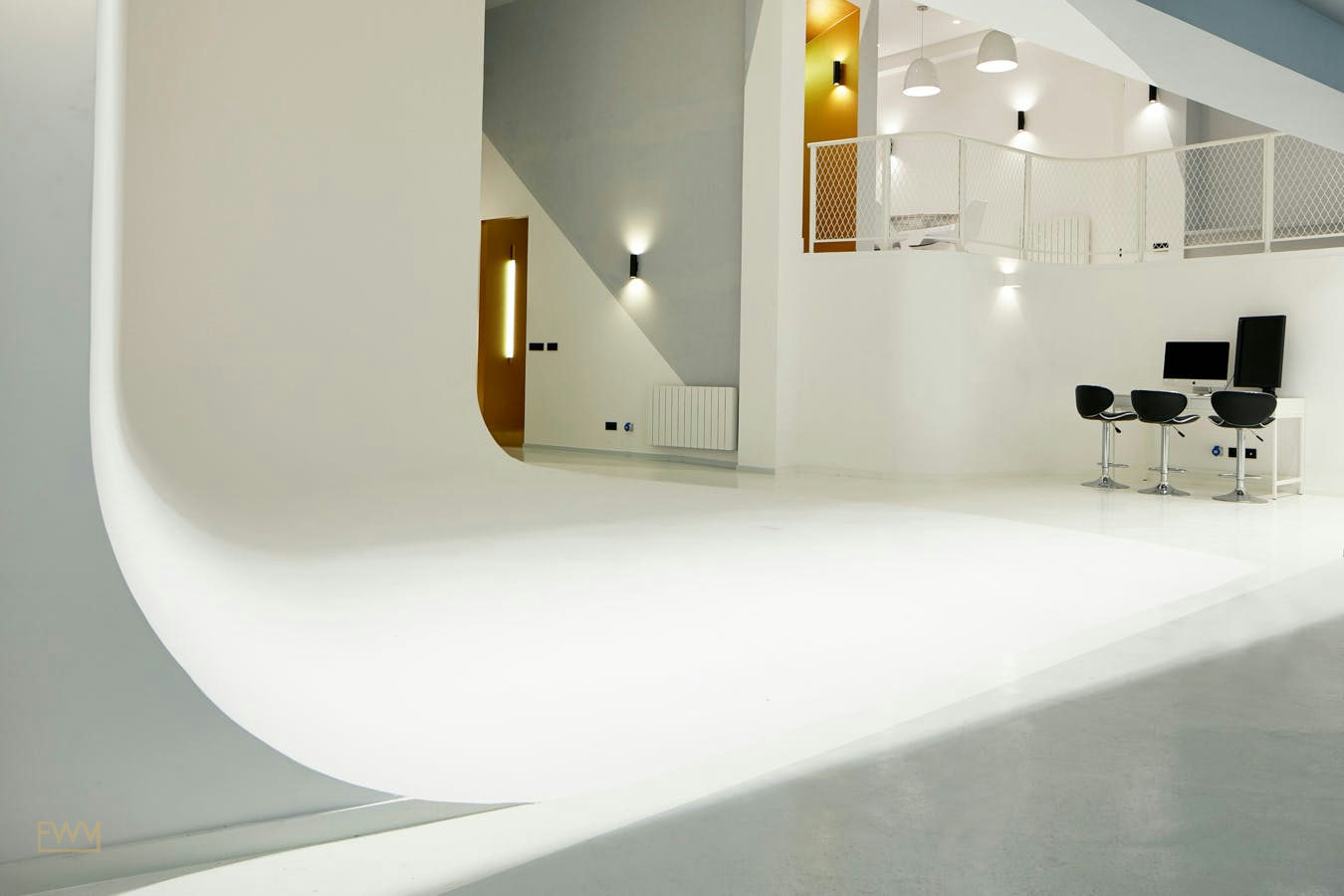
The organic curves of the canal's iron bridges and the coral-toned tiling found in some historic building facades create a visual language that many brand activation designers specifically reference when briefing their scenography teams. Understanding this visual context before committing to a space is important: a space that reads beautifully in reference images may have internal dimensions, ceiling heights, or natural light conditions that complicate the fit-out plan.
Space types available in Canal Saint-Martin include ground-floor former boutiques, first-floor showroom spaces, basement gallery rooms, former workshop and atelier spaces, and occasional larger multi-room properties suitable for XXL podium events, DJ sets, or live performances. The Comptoir Général, one of the neighbourhood's most distinctive venues, represents the larger-format end of the spectrum: a cavernous multi-room space on the canal bank used for events, cultural programming, and brand activations that require scale and atmosphere simultaneously.
The Residence concept store model is worth examining as a reference point for Canal Saint-Martin activations. The Residence approach, where an existing creative space hosts rotating brand presences, has been influential in the district. Independent labels and emerging brands have used this format to access the neighbourhood's audience without committing to a standalone rental. The shared-space model reduces overhead and provides an existing community connection that a new standalone pop-up must build from zero.
For brands planning a SHOWROOM format rather than a consumer-facing pop-up boutique, Canal Saint-Martin offers a distinct advantage over traditional Paris showroom clusters: the neighbourhood environment attracts press and buyers who are actively curious about new voices rather than exclusively focused on established commercial accounts. A showroom on rue de Marseille during Paris Fashion Week schedule sits within a cultural context that reinforces the brand's positioning as part of the emerging fashion scene rather than as an outsider trying to buy access.
IMPORTANT: Space availability in Canal Saint-Martin tightens significantly in the weeks surrounding Paris Fashion Week dates. Brands that begin their search fewer than eight weeks before their target activation window frequently find that the best-positioned spaces are already committed. Early planning is not optional for peak calendar periods.
Once you have identified the right street and space type, the operational and legal framework for securing a short-term space in Paris requires careful navigation, particularly for international brands without an existing French legal structure.
Permits, Leases, and Legal Framework for Pop-Up Stores in Paris
Securing a short-term retail space in Paris involves legal and administrative considerations that differ significantly from standard commercial lease arrangements in most other markets. International brands without prior Paris operational experience frequently underestimate this complexity, which can delay activations or expose brands to compliance risk.
Quick answer: Most short-term pop-up retail activations in Paris are structured under a bail dérogatoire, a short-term derogatory lease under French commercial law, or under an autorisation d'occupation temporaire (AOT) for certain public or semi-public spaces. Neither arrangement is the same as a standard commercial bail commercial. Requirements vary by space type, duration, arrondissement, and landlord structure. Brands should verify their specific situation with a qualified French legal advisor before signing any agreement.
The bail dérogatoire allows brands to occupy a commercial space for a period of up to three years without triggering the full protections of the French bail commercial, which would otherwise grant tenants long-term occupancy rights. For a pop-up store lasting days, weeks, or a few months, this structure is the typical framework. However, the bail dérogatoire has specific formal requirements, including written confirmation from both parties that they intend to derogate from the standard commercial lease regime. Without that explicit mutual agreement, French courts have in some cases treated short-term arrangements as bail commercial by default.
The autorisation d'occupation temporaire applies primarily to spaces on public land or within certain institutional and cultural venues. Brands activating in spaces adjacent to public infrastructure, within publicly managed buildings, or in association with cultural institutions may encounter the AOT regime. This involves a different approval process, often requiring engagement with a city administration body or a cultural institution's governance structure rather than a simple landlord-tenant negotiation.
For spaces on private land, the typical transaction involves a landlord or property manager offering the space under a short-term use agreement. These agreements vary widely in their specific terms, particularly around fit-out permissions, restoration obligations, insurance requirements, and the permitted use of the exterior facade for branding and signage. Canal Saint-Martin properties in particular may have facade considerations tied to their historical character, and any external signage or projection installation should be explicitly approved in writing before work begins.
International brands without a French legal entity face an additional layer of consideration. France does not require a foreign brand to establish a local legal entity specifically to enter a short-term rental agreement, but the practical mechanics of the transaction, including VAT registration, insurance requirements, and banking arrangements, may require engagement with a French legal or fiscal representative. Brands that use a local agency such as Fashion Week Venues often benefit from the agency's existing legal and operational infrastructure, which can simplify this process.
Use the permit guidance tool on Fashion Week Venues to understand the key permit and compliance considerations relevant to your specific activation type, duration, and location before engaging directly with landlords or agents.
IMPORTANT: Requirements vary by space type, duration, and arrondissement. The information above is general in nature and should not be treated as legal advice. Verify your specific situation with a qualified French legal advisor before committing to any rental agreement or fit-out work.
KEY TAKEAWAY: The legal framework for pop-up retail in Paris is manageable but not trivial. A bail dérogatoire is the standard short-term structure, but it requires explicit documentation. International brands should engage qualified legal support early and use available tools to understand compliance requirements before negotiating rental agreements.
With the legal framework understood, the next practical consideration is budgeting the activation accurately, which requires a clear view of the cost components specific to Canal Saint-Martin and the Paris market more broadly.
Budget Planning for a Pop-Up Shop in Canal Saint-Martin
Budgeting a pop-up store activation in Canal Saint-Martin requires a complete view of all cost components, not just the headline rental rate. Many brand teams underestimate total activation cost by focusing on space rental alone and discovering mid-project that fit-out, staffing, logistics, permits, insurance, and marketing add substantially to the figure.
Quick answer: The total cost of a pop-up shop activation in Canal Saint-Martin depends on space size, duration, fit-out complexity, staffing model, and marketing investment. Directional cost estimates vary widely across these variables. Use the budget forecast tool to model a figure specific to your brief rather than relying on market averages that may not reflect current conditions.
The primary cost categories for a Canal Saint-Martin pop-up activation are as follows:
- Space rental: Short-term space costs in Canal Saint-Martin are generally lower than equivalent spaces in Le Marais, Palais Royal Garden, or the Rue Saint Honoré corridor. The actual cost depends on location, size, format, and duration. Prime-facing canal quay spaces command higher rates than side-street ground-floor units.
- Fit-out and scenography: The fit-out budget covers the physical transformation of the space, including furniture rental, lighting, display systems, surface treatments, and any specialist scenography elements such as organic curves, custom shelving, or branded environmental graphics. Coral floors, custom tiling, or painted surfaces add to this cost and may require restoration budgets on departure.
- Permits and compliance: Permit costs depend on the specific activation type and may include notification fees, insurance premiums, temporary use authorisations, and external signage or projection licensing. These costs are often overlooked in early budget forecasts.
- Staffing: Retail staffing costs in Paris reflect French employment law, including social contributions that apply to temporary and short-term staff. A typical activation requires a minimum of two to three sales staff per shift, with additional requirements for events, live performances, or appointment-based formats.
- Technology and operations: POS and payments infrastructure, interactive screens, video mapping systems, and any digital campaign integration all carry setup and rental costs. Cloud-based POS solutions are now standard for short-term retail, reducing hardware investment but not eliminating it.
- Marketing and content creation: Social media production, influencer marketing briefings, and digital campaign management are distinct cost lines from physical activation costs. For brands using Canal Saint-Martin's photogenic facades as a content creation engine, the photography and video production budget should reflect the quality of output expected.
Use the budget estimation tool on Fashion Week Venues to build a detailed forecast specific to your space size, duration, format, and location. Directional estimates in published articles quickly become outdated as market conditions shift, and a brand-specific model will always be more reliable than a generic benchmark.
Time allocation is a related budget variable that brands frequently underweight. The pre-activation period, covering space securing, fit-out, permit applications, and briefing, typically requires more calendar time than the activation itself. A ten-day pop-up may require four to six weeks of lead time for a straightforward activation, and eight to twelve weeks for a complex immersive installation with custom scenography, video mapping, or art workshop programming.
TIP: Plan your budget in phases: pre-activation (sourcing, permits, fit-out), activation (staffing, operations, marketing), and post-activation (restoration, data reporting, debrief). Brands that plan all three phases before signing a rental agreement avoid the most common cost overrun scenarios.
Understanding the budget frame helps brand teams make informed decisions about format, scale, and service model. The next section examines the activation formats most suited to Canal Saint-Martin and how brand teams can design experiences that resonate with the neighbourhood's specific audience.
Activation Formats and Experiential Design for Canal Saint-Martin Pop-Ups
Canal Saint-Martin rewards activation formats that are genuinely creative, community-relevant, and visually distinct. Formats that work in a generic shopping centre environment do not always translate effectively to the canal district's more demanding and discerning audience. The most successful pop-up stores in this neighbourhood tend to share several characteristics: a clear brand story delivered with spatial intelligence, content creation opportunities embedded throughout the space, and a genuine reason for local residents and visitors to engage beyond transactional purchase.
Fashion Week Venues supports brands in developing activations that match the neighbourhood's expectations. The concept direction service translates a brand brief into a spatial and experiential proposition that works within the specific physical constraints and cultural context of Canal Saint-Martin.
Immersive Installations and Instagrammable Scenography
The immersive installation format has become the dominant high-investment activation model in Canal Saint-Martin. These activations transform a rental space into a fully branded world: organic curves in the architecture, coral floors or custom coloured surfaces, sculptural display systems, and environmental details calibrated to generate social media content from every angle. The Instagrammable scenography strategy is not merely a visual exercise; it is a distribution strategy. Every piece of organic content created by visitors within the space extends the activation's reach to audiences far beyond the physical opening.
For this format to work, the scenography must be genuinely surprising rather than merely branded. Consumers in Canal Saint-Martin have seen enough pop-up activations to distinguish between a brand that has invested creative intelligence in the space and a brand that has applied a logo and a few props to a rental unit. The difference in engagement, content quality, and social media performance is significant.
Video mapping and interactive screens are increasingly integrated into immersive Canal Saint-Martin activations. Projection-based storytelling across irregular surfaces, responsive digital content triggered by consumer proximity, and screen-based product exploration tools all add technical complexity but can dramatically increase dwell time and content creation output.
Event-Led Activations: DJ Sets, Live Performances, and Art Workshops
Canal Saint-Martin's music and cultural community identity makes it one of the most receptive Paris districts for event-led pop-up formats. Activations built around DJ sets, live music performances, product customization events, art workshops, or artistic collaborations draw audiences that would not engage with a conventional retail opening. The Comptoir Général on the canal bank exemplifies the large-format event venue that supports these types of programming: high ceilings, atmospheric interior design, and a community audience already primed for cultural programming.
Event-led activations during Paris Fashion Week periods carry additional value because the fashion industry audience in Paris during those weeks is actively seeking off-schedule cultural experiences. A brand hosting an evening event with DJ sets and live performances in a visually compelling Canal Saint-Martin space generates press and influencer attendance that a conventional showroom opening struggles to match.
The Residence concept store model referenced earlier in this guide is an example of a community engagement format that embeds the brand within an existing cultural programme rather than creating a standalone activation from scratch. This approach suits brands that want neighbourhood credibility without the full overhead of an independent rental.
Showroom and Trade-Facing Activations
Not all Canal Saint-Martin activations are consumer-facing. Showroom formats targeting press, buyers, and trade visitors are a significant component of the Paris Fashion Week activation landscape in the district. During the official runway show schedule, brands use canal-area showrooms to host appointments, preview collections, and build relationships with the fashion industry contacts attending the city that week.
For a showroom activation, the design priorities differ from consumer retail. The space must communicate brand positioning clearly and allow individual product categories, including fashion, accessories, perfume, bags leather goods, shoes, and textiles, to be presented with sufficient visual separation and detail. Appointment management, hospitality, and a considered spatial flow are more important than high footfall throughput.
KEY TAKEAWAY: The most effective Canal Saint-Martin activations match format to audience and objective. Immersive installations maximise social media and content creation return. Event-led formats build community engagement and press coverage. Showroom formats serve trade relationship objectives during Fashion Week calendar windows. The format should be determined by the primary business objective, not by what competing brands are doing.
With the activation format defined, brands need a clear operational and logistical framework to execute the activation from concept through to data capture and reporting.
Fashion Week Calendar Windows: Strategic Timing for Canal Saint-Martin Activations
Strategic timing is one of the most undervalued variables in Paris pop-up planning. The right neighbourhood, space, and activation format deliver dramatically different results depending on when the activation runs relative to the Paris Fashion Week calendar, the Haute Couture schedule, and other key dates in the Paris retail and cultural calendar.
Quick answer: The primary Paris Fashion Week calendar windows for brand activations are the Haute Couture schedule in July, the women's ready-to-wear schedule in late September and early October, the men's schedule in January, and the women's ready-to-wear February dates. Each window brings a distinct professional audience and a specific consumer activation opportunity to Canal Saint-Martin.
Paris Fashion Week: the schedule of runway shows, exhibitions, and happenings creates a city-wide context in which pop-up activations can either ride the cultural momentum or operate independently of it. For brands tied to the fashion industry calendar, aligning the Canal Saint-Martin activation with a peak week maximises the concentration of target press, buyers, and influencers in the neighbourhood. The July Haute Couture window, running roughly from July 6 to 9, 2026, brings haute couture runway shows, press events, and a concentrated creative community presence to Paris that extends well beyond the official show venues.
The October ready-to-wear window creates a different activation opportunity. The October 9 to 11 window, for example, has been used by the Residence concept store model in the 10th arrondissement to launch official concept store openings combining fashion, design, and music programming across two evenings. This format captures the Fashion Week audience at the point when they are most receptive to discovery activations: in the days immediately following the official runway schedule, when attention remains high but the formal programme has concluded.
Brands activating during Paris Fashion Week should also account for the competition for press and influencer attention during peak calendar windows. A Canal Saint-Martin pop-up opening on the same day as three major runway shows will receive a fraction of the coverage that the same activation would generate in the quieter days bookending the official schedule. Time allocation planning around the specific schedule dates is essential for maximising earned media return.
Outside the Fashion Week windows, Canal Saint-Martin maintains strong footfall from Parisian residents and visitors throughout the year. A pop-up store activated outside Fashion Week benefits from a less competitive media environment and a more local, community-focused audience. For brands with sustainable retail trends positioning or community engagement objectives, off-peak activations in Canal Saint-Martin can outperform Fashion Week activations on engagement depth even if they generate lower total impression counts.
Use the timeline planning tool on Fashion Week Venues to map your activation dates against the Paris fashion calendar, build pre-activation milestones, and identify the lead time required for your specific format and space type.
DID YOU KNOW: Primespaces in Canal Saint-Martin during Paris Fashion Week windows are typically committed two to three months in advance. Brands that wait until six weeks before their target dates frequently find only secondary locations available at premium short-notice rates.
KEY TAKEAWAY: Strategic timing plus unforgettable experience equals lasting brand equity. The Canal Saint-Martin activation that aligns its opening with the right calendar window, invests in a genuinely surprising activation format, and captures organic social content at scale builds brand equity that persists well beyond the closing day.
Understanding timing leads naturally to the digital and social media strategy that amplifies the physical activation across platforms and into the brand's long-term marketing programme.
Digital Campaigns, Social Media, and Content Strategy for Paris Pop-Ups
A Canal Saint-Martin pop-up store generates its maximum commercial value when the physical activation is paired with a deliberate digital campaign that extends its reach, drives attendance, and creates a content archive that serves the brand's marketing programme beyond the activation window.
Quick answer: Instagram remains the dominant platform for visual storytelling from Paris pop-up activations, with TikTok increasingly powerful for behind-the-scenes content and community building, and YouTube Shorts providing global reach for brand documentary and event content. A blended paid and organic strategy consistently outperforms either channel in isolation.
The photogenic facades, organic curves, and distinctive environmental design of Canal Saint-Martin spaces make them naturally suited to high-quality visual content creation. Brands that brief their social media and photography teams on the specific visual opportunities within their chosen space, before fit-out is finalised, can design the activation specifically to maximise content output. The difference between a space that generates fifty pieces of organic social content and one that generates five hundred is rarely budget; it is planning intent.
Influencer marketing in the Canal Saint-Martin context operates most effectively when it is authentically rooted in the neighbourhood's cultural identity. Fashion and lifestyle influencers based in Paris or with strong Paris fashion credentials are more credible narrators of a canal-district activation than internationally based influencers visiting the city without existing neighbourhood knowledge. The influencer marketing service on Fashion Week Venues connects brands with Paris-rooted creators who understand the neighbourhood and can communicate its context authentically.
The digital campaign around a Canal Saint-Martin pop-up typically spans three phases. The pre-activation phase builds anticipation through teaser content, location reveals, and event announcements. The activation phase captures real-time content from the space, the events, and the audience. The post-activation phase packages the content archive into a brand campaign asset, reporting on reach, engagement, attendance, and revenue outcomes.
For digital-native brands, the Canal Saint-Martin pop-up may represent the first physical presence in the market. In this case, the activation serves a dual purpose: testing consumer response to the physical product and space format while generating the content library and press coverage that validates the brand's Paris story for global audiences. The storytelling potential of Canal Saint-Martin, a genuinely distinctive and internationally recognisable Paris neighbourhood, gives these activations a narrative anchor that a neutral commercial space cannot provide.
Community engagement extends into digital channels when the activation creates genuine reasons for the local neighbourhood audience to participate and share. Art workshops, product customization stations, collaborative art events, and community-facing programming generate organic content from local participants who carry the brand's narrative into their own networks. This community-driven amplification is among the most cost-effective content distribution mechanisms available to brands activating in culturally engaged Paris neighbourhoods.
For brands managing their own website presence, ensuring that the Canal Saint-Martin activation is properly represented on the brand's site with geographically specific landing pages, structured data, and correctly configured domain and hosting settings supports both organic search visibility and the brand's ability to capture direct traffic from Paris-based consumers and press researching the activation. Technical infrastructure considerations, including correct DNS configuration and ensuring that cloudflare settings or similar CDN services are not inadvertently blocking legitimate user access to activation-related pages, should be reviewed before campaign launch.
KEY TAKEAWAY: The digital campaign and the physical activation are not separate workstreams; they are a single integrated programme. Brands that design the physical space for content creation from the outset, align their social media strategy with the specific audience of Canal Saint-Martin, and use a blended paid and organic approach consistently achieve greater reach and commercial return than brands that treat the digital campaign as a post-activation afterthought.
How Fashion Week Venues Supports Canal Saint-Martin Pop-Up Activations
Fashion Week Venues operates as a full-service agency and space marketplace for brands planning pop-up activations in Paris and other major fashion capitals. For Canal Saint-Martin specifically, the agency provides end-to-end support across the entire activation lifecycle: from the initial brief and neighbourhood strategy through to space sourcing, fit-out, operational management, data capture, and post-activation reporting.
The brand teams that benefit most from Fashion Week Venues' Canal Saint-Martin support include international fashion brands entering Paris for the first time, established brands seeking to activate outside their existing Paris retail footprint, digital-native brands launching their first physical retail presence, beauty and lifestyle brands targeting the creative consumer profile of the 10th arrondissement, and independent labels and heritage craftsmanship brands using the canal district's cultural credibility to reinforce their brand positioning.
Services Relevant to Canal Saint-Martin Activations
The venue sourcing service covers space identification, shortlisting, negotiation support, and due diligence across the Canal Saint-Martin district. This service is particularly valuable for brands without existing Paris property relationships, as the most sought-after spaces in the neighbourhood are frequently secured through direct landlord relationships and local network access rather than public listings.
The production and build service manages the complete physical transformation of the space, from initial concept drawings through fit-out execution and final installation. This covers furniture rental, surface treatments, lighting design, display systems, video mapping and interactive screen integration, and any specialist scenography elements. The service also manages the post-activation restoration of the space to its pre-rental condition, which is a contractual requirement under most Canal Saint-Martin short-term lease agreements.
The retail staffing service provides trained bilingual staff for consumer-facing activations, with knowledge of French retail operations and customer service expectations. For brands requiring specialist beauty consultants, product experts, or brand ambassador profiles, the staffing brief can be tailored to the specific requirements of the activation format.
The data and analytics service captures footfall, dwell time, sales conversion, and social media performance data throughout the activation, providing the evidence base for ROI reporting and future activation planning. Use the ROI calculator tool to model the expected return from your planned activation before committing budget.
Tools Available for Canal Saint-Martin Planning
Fashion Week Venues provides a suite of planning tools relevant to Canal Saint-Martin activations. The budget calculator models total activation cost across all cost components. The timeline tool maps the pre-activation, activation, and post-activation phases against specific calendar dates. The permits tool provides guidance on the legal and administrative requirements specific to your activation type and location. The compare tool allows side-by-side assessment of multiple Canal Saint-Martin spaces against your brief criteria.
The Imagine tool allows brand teams to visualise how their concept will read within a specific space before committing to a rental agreement or fit-out plan. The Build planning tool supports the production schedule and contractor management process. The Twin concept supports co-activation between two complementary brands sharing a Canal Saint-Martin space, reducing individual rental and fit-out costs while doubling the combined community reach.
IMPORTANT: Fashion Week Venues does not guarantee space availability, permit approval, or specific commercial outcomes. Activation results depend on brand strategy, market conditions, execution quality, and factors outside the agency's direct control. The agency provides support, expertise, and infrastructure to maximise the probability of a successful activation.
To explore past Canal Saint-Martin and Paris activations, review the work and case study section for reference examples across brand categories and activation formats.
KEY TAKEAWAY: Fashion Week Venues provides the local knowledge, legal navigation support, creative production capability, and operational infrastructure that international and domestic brands need to execute a Canal Saint-Martin pop-up activation with confidence and efficiency. The full-service model reduces the coordination burden on internal brand teams and provides a single accountable partner across all activation workstreams.
Canal Saint-Martin in the Context of the Broader Paris Pop-Up Market
Canal Saint-Martin does not exist in isolation from the broader Paris pop-up market. Understanding how the neighbourhood fits within the city's overall short-term retail landscape helps brand teams make more informed decisions about where to activate, when, and at what investment level.
Paris has been establishing itself as one of the world's premier cities for ephemeral retail activations for more than a decade. The city's concentration of fashion industry institutions, its global media profile, the density of international press and buyers who visit during Fashion Week periods, and the sheer variety of neighbourhood contexts available to brands make it uniquely versatile as a pop-up destination. No other city offers a comparable range of activation environments within a comparable geography: from the luxury ateliers of Avenue Montaigne to the organic street culture of Canal Saint-Martin, from the institutional grandeur of Palais Royal Garden to the underground energy of the Pigalle corridor.
The Paris pop-up market has also matured significantly in terms of its supporting infrastructure. Specialist agencies, space marketplaces, short-term lease frameworks, and the broader ecosystem of production companies, furniture rental suppliers, retail staffing agencies, and digital campaign specialists have all developed alongside the growth of ephemeral retail as a brand strategy tool. This infrastructure means that a brand arriving in Paris to activate a Canal Saint-Martin pop-up today has access to substantially better support than a brand attempting the same activation ten years ago.
Within this mature market, Canal Saint-Martin holds a specific and currently strong position. The neighbourhood's trajectory since the early 2010s, when it first emerged as a destination for independent brands and creative businesses, has been one of sustained cultural relevance rather than the rapid commercialisation that has diluted the brand appeal of some other Paris creative neighbourhoods. The presence of vintage stores, independent coffee shops, design boutiques, and community-facing cultural venues alongside the newer brand activations maintains the neighbourhood's credibility for the discerning creative consumer who drives organic social media coverage.
The comparison to other global pop-up markets is instructive. London's equivalent districts, including Shoreditch and Notting Hill, share some characteristics with Canal Saint-Martin but operate within different consumer culture contexts. New York's SoHo and Lower East Side have been more heavily commercialised. Tokyo's Daikanyama and Nakameguro preserve a similar neighbourhood authenticity to Canal Saint-Martin. For brands with global activation programmes spanning multiple fashion capitals, understanding these equivalences helps in briefing culturally appropriate activation formats for each market. The Fashion Week Venues city hub network covers Paris, London, Milan, New York, Tokyo, and Dubai for brands with multi-city activation strategies.
Quick answer: Paris's Canal Saint-Martin is the most credible creative-neighbourhood pop-up destination in the city for fashion, beauty, design, and lifestyle brands seeking cultural authenticity, social media content potential, and access to a fashion-literate local and visiting consumer base outside the luxury retail corridors.
Common Myths About Pop-Up Shops in Canal Saint-Martin and Paris
MYTH: International brands need a French legal entity to rent a pop-up space in Canal Saint-Martin.
FACT: French law does not require international brands to establish a local legal entity specifically to enter a short-term rental agreement. However, the practical mechanics of the transaction, including insurance, VAT obligations, and banking arrangements, may require engagement with a French fiscal or legal representative. Working with a local agency that already has the necessary operational infrastructure in place can simplify this significantly for international brands.
MYTH: Paris Fashion Week is the only viable calendar window for a Canal Saint-Martin pop-up activation.
FACT: While Fashion Week periods bring the highest concentration of fashion industry professionals and press to Paris, Canal Saint-Martin maintains strong footfall and a highly engaged local consumer base throughout the year. Brands with community engagement objectives, sustainable retail positioning, or local market building goals often achieve deeper engagement during off-peak periods when competition for consumer and press attention is lower and rental costs may be more negotiable.
MYTH: Commission-based space brokers are the only way to find and secure a Canal Saint-Martin pop-up space.
FACT: Space marketplaces such as the Fashion Week Venues marketplace provide direct access to available spaces across Paris neighbourhoods without the opacity of commission-broker arrangements. Full-service agencies also provide venue sourcing as part of an integrated activation service, meaning that space discovery, negotiation, legal navigation, and operational planning are managed through a single accountable partner rather than multiple intermediaries.
MYTH: Short-term leases in Paris are legally simple and straightforward to sign without specialist help.
FACT: Short-term commercial leases in France, including the bail dérogatoire structure most commonly used for pop-up retail, have specific legal requirements that differ from standard commercial lease arrangements. Without the explicit mutual agreement to derogate from the bail commercial regime, French courts have treated some short-term arrangements as standard commercial leases by default, with significant consequences for tenants. International brands in particular should engage qualified French legal support before signing any Paris rental agreement.
MYTH: Canal Saint-Martin spaces are cheap and easy to secure at short notice.
FACT: While Canal Saint-Martin rental costs are generally lower than equivalent spaces in the luxury corridors, prime-facing spaces on the canal quays and on high-footfall streets such as rue de Lancry command genuine market rates that reflect their commercial appeal. During Fashion Week calendar windows, the most desirable spaces are committed months in advance. Brands that assume they can secure a premium Canal Saint-Martin space with a few weeks' notice frequently find themselves limited to secondary locations or higher-than-expected rates for late availability.
Frequently Asked Questions About Pop-Up Shops in Canal Saint-Martin
Where do luxury shoppers roam in Paris?
Luxury shoppers in Paris concentrate primarily in the corridor between Rue Saint Honoré and Avenue Montaigne, which houses the flagship boutiques of the major luxury fashion houses, premium accessories brands, and the highest-spending international visitor profile in the city. Palais Royal Garden attracts a related audience with a slightly more culturally eclectic orientation. Le Marais and the Marais district draw luxury-adjacent consumers alongside fashion buyers and international visitors. Canal Saint-Martin attracts a different profile: a younger, more design-literate, digitally native consumer who may have high purchasing power but prioritises discovery and cultural authenticity over prestige brand signalling.
Which Paris district offers the most accessible rents for a pop-up shop?
Canal Saint-Martin and the northern edge of the Pigalle district consistently offer more accessible short-term rental rates compared to the luxury corridors of the 1st and 8th arrondissements or the prime streets of Le Marais. However, accessible does not mean cheap: prime canal-facing spaces with high footfall and social media backdrop quality reflect their market value. Brands seeking genuinely lower-cost options should look at secondary streets within the Canal Saint-Martin area or consider the northern Pigalle corridor, which offers similar creative neighbourhood energy at lower comparative cost. Use the space comparison and budget tools to model costs across neighbourhoods before committing.
What platforms work best for marketing a Canal Saint-Martin pop-up?
Instagram remains the dominant platform for visual storytelling from Canal Saint-Martin activations, driven by the neighbourhood's photogenic facades, organic curves, and distinctive streetscape. TikTok is increasingly powerful for behind-the-scenes content, community building, and reaching audiences outside the core fashion industry bubble. YouTube Shorts provides extended reach for brand documentary content and event coverage. A blended approach using both paid promotion and organic content consistently outperforms either strategy in isolation. For brands targeting the French market specifically, French-language content with Paris-specific cultural references performs better than direct translations of global campaign assets.
When is the best time to book a Canal Saint-Martin pop-up space for Paris Fashion Week?
The best time to begin your Canal Saint-Martin space search for a Paris Fashion Week activation is three to four months before your target opening date. Prime-facing spaces on rue de Lancry, the canal quays, and rue de Marseille are typically committed two to three months in advance during peak Fashion Week windows. Brands that wait until six weeks before their target dates frequently find that the most desirable locations are already taken. Using the timeline planning tool helps map the full pre-activation schedule against specific Fashion Week calendar dates to ensure adequate lead time for space sourcing, permits, fit-out, and staffing.
Does a brand need a French legal entity to rent a pop-up space in Paris?
No, a French legal entity is not specifically required to enter a short-term rental agreement in Paris. However, the practical implications of operating in France without a local entity, including VAT registration obligations, insurance requirements, and employment law compliance for temporary staff, mean that most international brands benefit from engaging a French legal or fiscal representative. Working through a full-service activation agency with existing French operational infrastructure simplifies this process significantly. Always verify your specific situation with a qualified French legal advisor before signing any agreement.
What is a bail dérogatoire and why does it matter for pop-up shops in Paris?
A bail dérogatoire is a short-term derogatory lease under French commercial law that allows brands to occupy a commercial space for periods up to three years without triggering the full protections of the standard bail commercial regime. For pop-up retail activations lasting days, weeks, or a few months, this is the typical legal structure. The key requirement is that both parties explicitly agree in writing to derogate from the standard commercial lease regime. Without that documented agreement, French courts have in some cases defaulted the arrangement to a standard commercial lease, with significant and unintended consequences for the tenant. Qualified French legal advice is essential before signing.
What activation formats work best in Canal Saint-Martin?
The most effective activation formats in Canal Saint-Martin are those that match the neighbourhood's creative and community-oriented identity. Immersive installations with Instagrammable scenography generate high social media content output and press coverage. Event-led activations incorporating DJ sets, live performances, art workshops, or product customization events draw community attendance and earned media. Showroom formats targeting press and buyers work well during Fashion Week calendar windows. The worst-performing formats in Canal Saint-Martin are those that transplant generic high-street retail experiences into the neighbourhood without adapting to its specific cultural context.
How long should a Canal Saint-Martin pop-up shop run?
The optimal duration depends on the activation objective, budget, and calendar context. Fashion Week-aligned activations typically run for five to fourteen days, bracketing the official runway show schedule. Community engagement and brand building activations benefit from longer runs of three to six weeks, which allow sufficient time for organic word-of-mouth to build local attendance. Very short activations of one to three days can work for launch events, press previews, or exclusive community events but require higher marketing investment to drive sufficient footfall. Use the timeline planning tool to model the relationship between duration, marketing investment, and projected attendance for your specific format.
What product categories perform well in Canal Saint-Martin pop-ups?
Canal Saint-Martin's consumer profile supports a wide range of product categories. Fashion and accessories, including shoes, bags, leather goods, and emerging label collections, perform strongly because the neighbourhood's audience is actively engaged with the fashion industry. Beauty and perfume brands benefit from the neighbourhood's creative community identity and content creation potential. Homeware, textiles, kitchenware, and object brands have successfully used canal-district spaces to reach a design-literate consumer base that is genuinely engaged with independent brands. Heritage craftsmanship labels and independent labels consistently find receptive audiences in the neighbourhood.
What is the Residence concept store model and how does it relate to Canal Saint-Martin pop-ups?
The Residence concept store is a Canal Saint-Martin activation model that hosts rotating brand presences within an established creative space in the 10th arrondissement. Rather than a brand securing an independent rental space, the Residence model embeds the brand within an existing cultural programme, providing immediate community connection and neighbourhood credibility that a new standalone pop-up must build from zero. The model typically combines fashion, design, and music programming across evening events, creating a format that attracts a socially engaged local audience alongside the fashion industry visitors present during Fashion Week windows.
How does Canal Saint-Martin compare to Le Marais for a pop-up shop?
Canal Saint-Martin and Le Marais are complementary rather than directly competing destinations for pop-up activations. Le Marais offers higher international tourist footfall, proximity to Dover Street Market and major fashion concept stores, and a well-established commercial pop-up ecosystem. Canal Saint-Martin offers stronger creative neighbourhood credibility, better content creation potential from the physical environment, a more design-literate local consumer base, and generally lower rental costs. Brands choosing between the two should consider whether their primary objective is volume footfall and international visitor conversion, which favours Le Marais, or creative credibility and social media content generation, which favours Canal Saint-Martin.
Can two brands share a Canal Saint-Martin pop-up space?
Yes, co-activation is a well-established model in Canal Saint-Martin and can reduce individual rental and fit-out costs while expanding the combined community reach of both brands. The most effective co-activations pair brands with complementary rather than competing product categories, shared audience demographics, and compatible visual and tonal identities. Fashion Week Venues operates a Twin concept specifically designed to support co-activations between complementary brands in shared Paris spaces, covering joint briefing, space design, programming, and marketing coordination.
What is the secret to a successful Paris pop-up activation?
Strategic timing plus unforgettable experience equals lasting brand equity. A Canal Saint-Martin pop-up that opens at the right moment in the Paris fashion calendar, delivers a genuinely surprising and community-relevant activation, and integrates the physical experience with a deliberate digital content strategy builds brand equity that persists well beyond the closing day. The brands that achieve the strongest long-term results from Paris pop-up activations are those that treat the activation as an investment in brand positioning rather than a short-term sales exercise.
What are the Paris Fashion Week 2026 key dates to plan around?
The Paris Fashion Week schedule for 2026 includes the Haute Couture runway shows running from approximately July 6 to 9, 2026, and the women's ready-to-wear schedule in the autumn. The October window, including the days immediately following the official runway schedule, has historically been among the most productive for Canal Saint-Martin pop-up activations because the fashion industry audience remains in the city and is actively seeking discovery experiences outside the official programme. Always verify specific dates against the official Fédération de la Haute Couture et de la Mode schedule, as dates are confirmed on a rolling basis.
How can I start planning my Canal Saint-Martin pop-up activation today?
The most effective first step is to define your brief: activation objective, target audience, budget range, preferred duration, and target calendar window. With a clear brief in hand, explore available spaces through the Fashion Week Venues marketplace, use the budget and timeline tools to model the financial and operational framework, and engage the venue sourcing service if you want specialist support for space identification and negotiation. Because prime Canal Saint-Martin spaces vanish fast during peak periods, beginning your planning process at least three months before your target opening date is strongly recommended. The earlier you start, the more options you retain.
Conclusion: Canal Saint-Martin as a Strategic Pop-Up Platform for Paris
Canal Saint-Martin has earned its position as one of Paris's most strategically valuable pop-up shop destinations through a combination of genuine neighbourhood authenticity, a highly engaged creative consumer base, world-class visual storytelling environments, and a proximity to the Paris Fashion Week calendar that gives brands access to the fashion industry's most concentrated professional audience. For fashion, beauty, design, lifestyle, homeware, and object brands seeking a Paris activation that delivers social media content, press coverage, community engagement, and genuine brand equity growth, the canal district offers a combination of advantages that no other Paris neighbourhood fully replicates.
The keys to success in Canal Saint-Martin are consistent across brand categories: strategic timing aligned with the Paris fashion calendar, an activation format genuinely suited to the neighbourhood's creative identity, a physical environment designed for content creation as well as commerce, a legal and operational framework built on the correct short-term lease structure, and a digital campaign that amplifies the physical activation across the platforms where the neighbourhood's audience is most active. Brands that commit to all five elements consistently outperform those that address only two or three.
Fashion Week Venues provides the knowledge, tools, and full-service agency support that brand teams need to execute a Canal Saint-Martin activation with confidence. From the initial space search through to activation management, data reporting, and post-activation analysis, the agency operates as a single accountable partner across every workstream. The process is transparent, the tools are practical, and the outcome focus is genuine commercial and brand value for the brands that engage the service.
Paris is ready, and Canal Saint-Martin is waiting. To move from research to activation, start exploring available spaces on the Fashion Week Venues marketplace and build a focused brief for your target neighbourhood, space type, and calendar window.