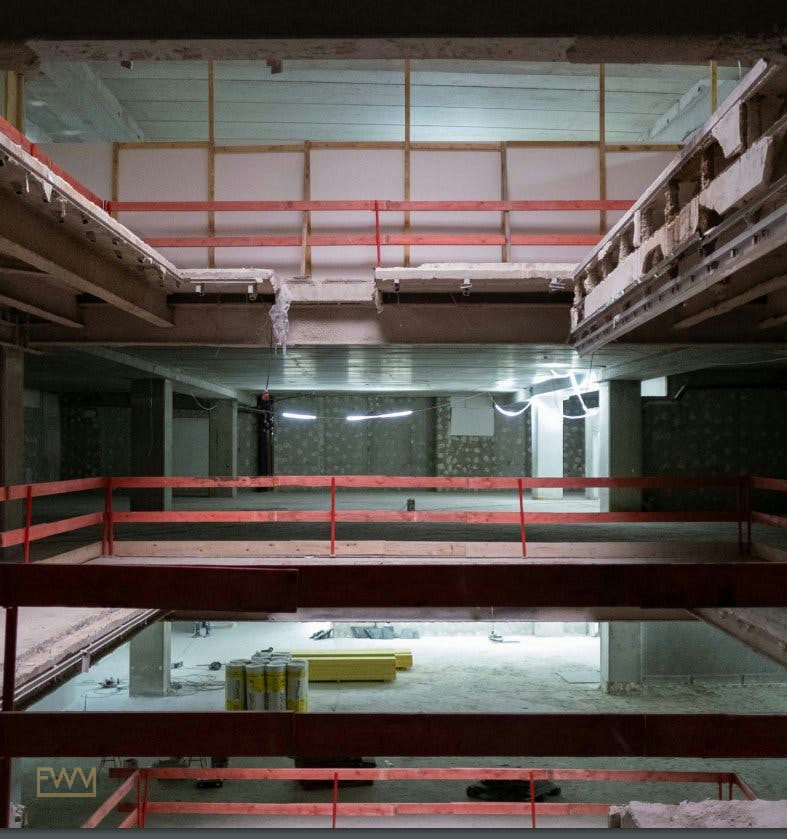
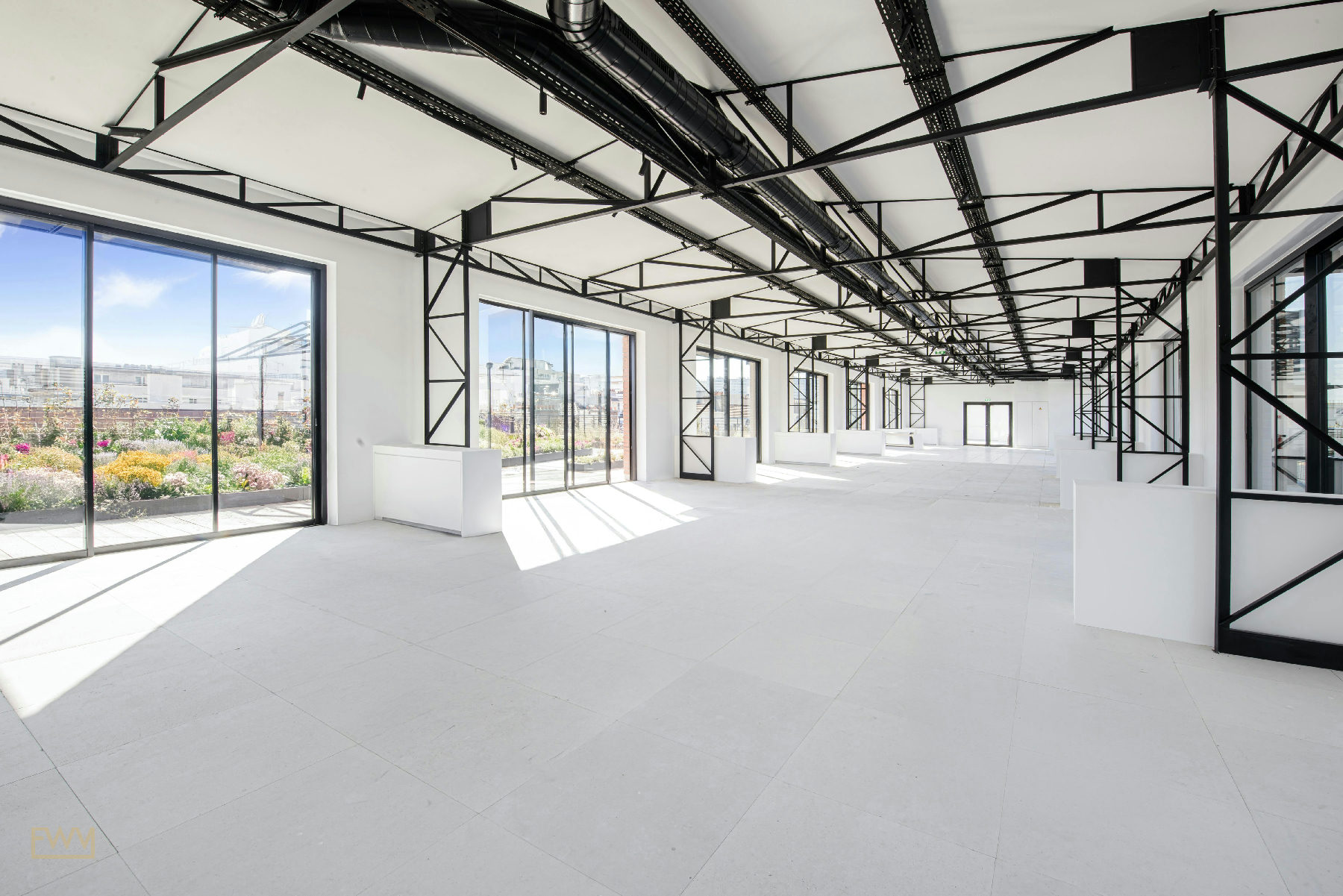
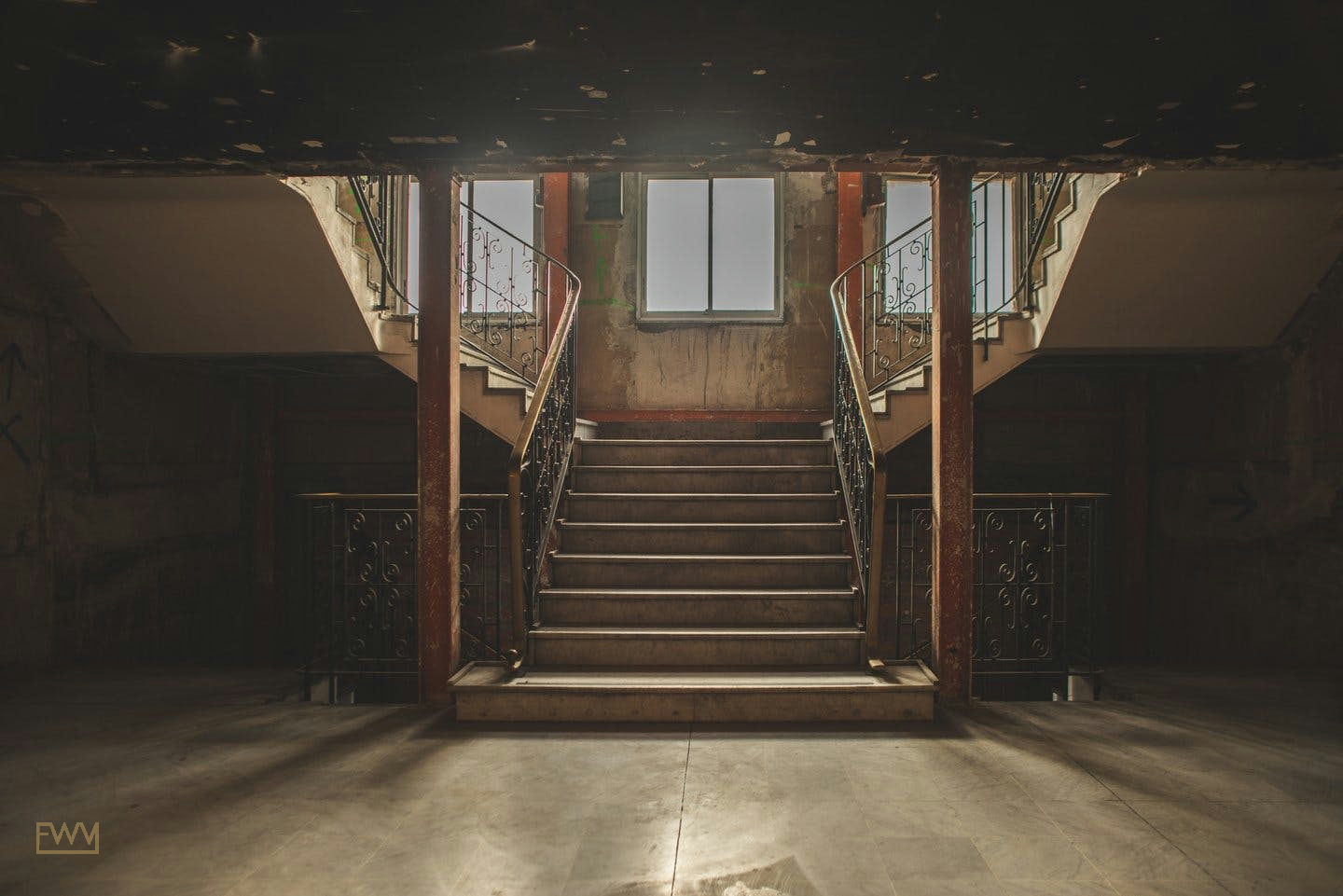
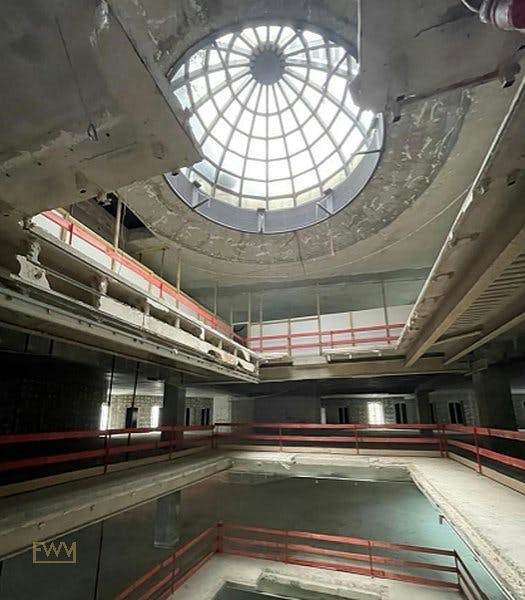
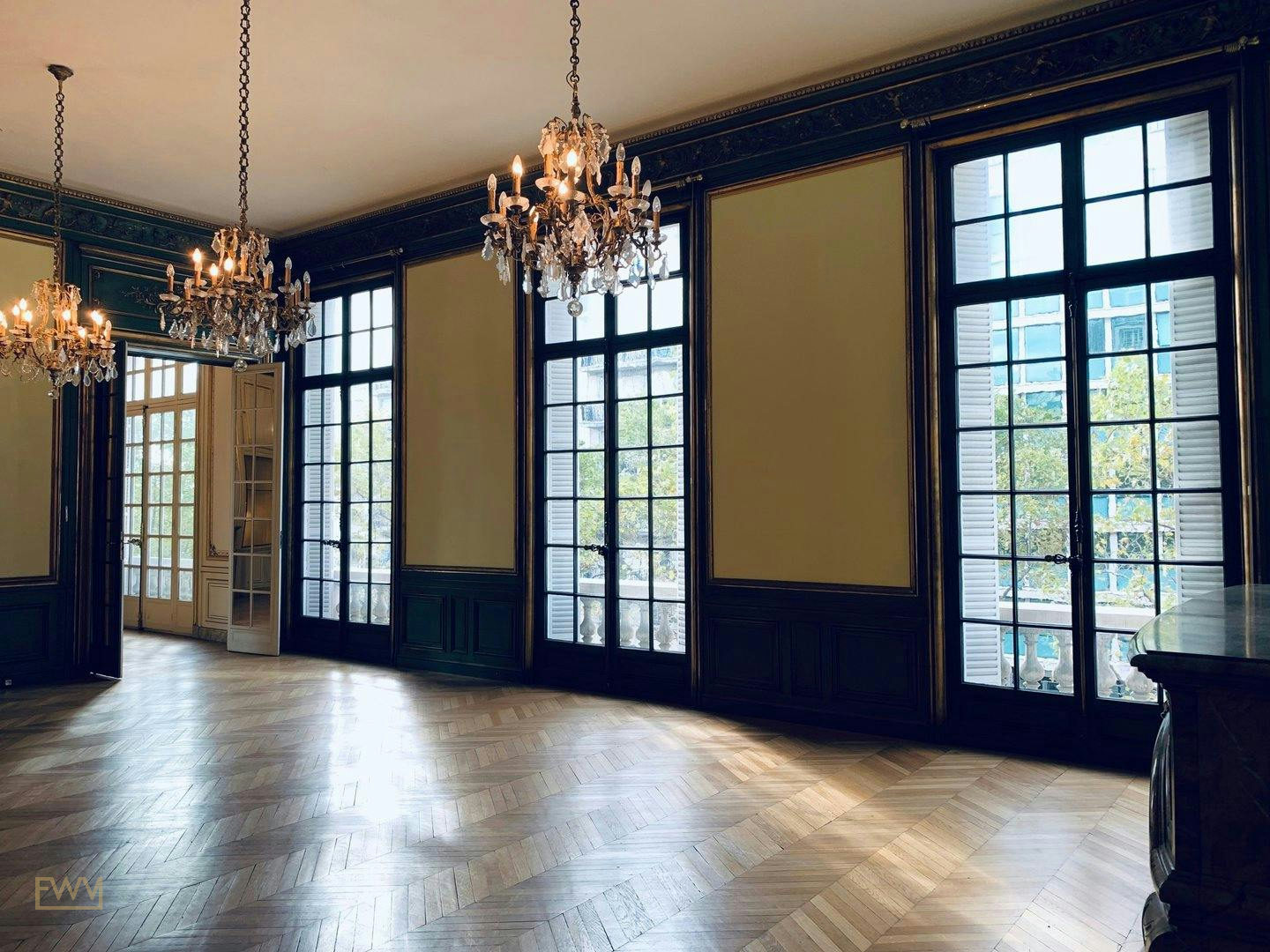
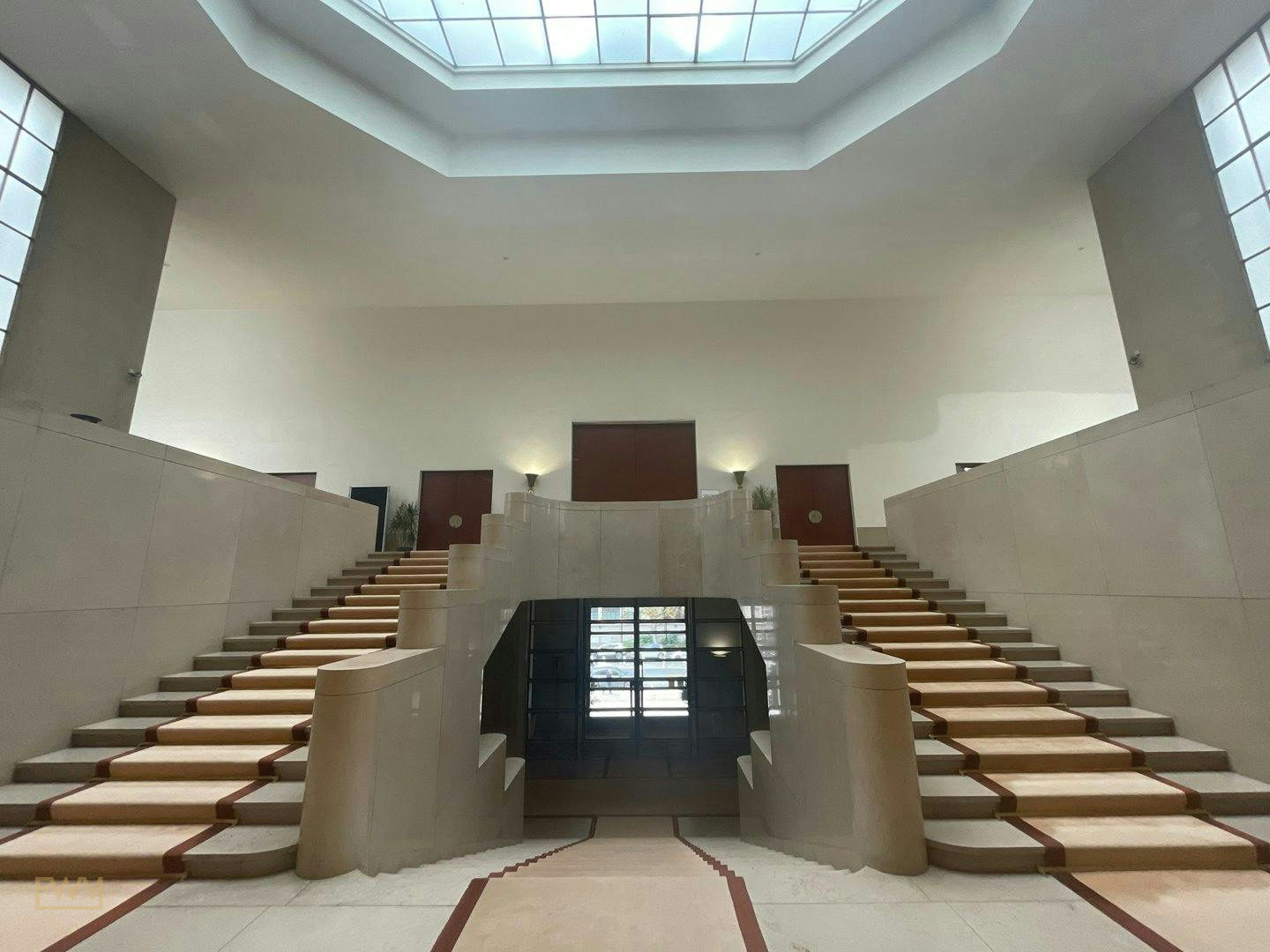
Boutique rental in the 11th arrondissement Paris is one of the most strategically compelling choices a fashion brand, independent retailer, or creative agency can make when planning a pop-up activation, showroom, or temporary retail space in the French capital. The 11th offers a rare combination of cultural credibility, high foot traffic, architectural character, and a resident clientele that actively seeks out new brands and experiences. Unlike the polished luxury corridors of the 8th or the tourist-heavy lanes of the Marais, the 11th delivers something more visceral and commercially relevant for brands targeting style-conscious Parisians and international visitors who want discovery over familiarity. Fashion Week Venues supports brands sourcing pop-up spaces in Paris and across every major arrondissement, including the 11th, with full-service agency support from brief to activation close.
Why the 11th Arrondissement Is Paris's Most Dynamic Retail District
Quick answer: The 11th arrondissement combines creative energy, accessible transport, and a culturally engaged local clientele that makes it one of the strongest neighbourhoods in Paris for boutique rental, pop-up stores, and independent fashion activations. It draws both Parisians and international visitors without being dominated by mass tourism.
The Paris 11th arrondissement sits at the eastern edge of central Paris, bordered by the 10th to the north, the 3rd and 4th arrondissements of Le Marais to the west, the 12th to the south, and the 20th to the east. This positioning places it at the intersection of some of the city's most culturally active zones. To the west, the energy of Paris Le Marais and the grandeur of Place des Vosges bleed into the 11th's own street culture. To the north, Belleville and its creative community extend a vibrant artistic corridor. To the south, the Place de la Bastille anchors the district with one of Paris's most iconic public squares and the Colonne de Juillet, topped by the golden Marianne statue, watches over the arrondissement's western edge.
What defines Paris 11 commercially is not a single landmark but a network of micro-districts, each with its own atmosphere, foot traffic pattern, and brand audience. Bastille itself draws a broad mix of Parisians and visitors who come for restaurants, nightlife, and the weekend markets along Boulevard Richard-Lenoir. Moving northeast, the Oberkampf corridor and Rue Oberkampf have become synonymous with independent creative culture, attracting the kind of clientele who discovers brands rather than following them. The Parmentier Oberkampf district, centred around streets like Rue Jean-Pierre Timbaud and Rue de la Folie Méricourt, is particularly strong for boutique activations because the streets mix residential life with small retail, specialist food, and design businesses. Further north, Faubourg du Temple connects the 11th to the 10th and draws considerable pedestrian traffic from La Place de la République, one of Paris's great public squares and a major gathering point.
The Faubourg Saint-Antoine corridor, running east from Place de la Bastille toward Rue de Montreuil and beyond, has a longer commercial history rooted in the artisan furniture trade. The old warehouses and industrial workshops of this corridor have been progressively converted into studios, showrooms, retail spaces, and event venues. Brands looking for large-format raw spaces with exposed stone, raw concrete floors, or original parquet floors often find their best options here. The area's gentrification has been steady and deliberate rather than sudden, preserving much of its material character while adding new food culture, including the kind of gourmet revolution that has brought French tapas, gourmet pizza, and neighbourhood wine bars to streets that once housed only craftsmen.
The 11th is also famous for Père Lachaise Cemetery, which borders the district to the northeast and draws substantial visitor traffic year-round. The cemetery's presence reinforces the neighbourhood's identity as a place of depth and culture rather than surface spectacle. Nearby, the Musée Edith Piaf commemorates one of France's most iconic cultural figures and adds to the area's sense of authentic Parisian identity.
For fashion brands, the combination of educated local residents, a strong creative community, good public transport, and affordable-relative-to-central-Paris rental rates makes the 11th one of the most commercially attractive arrondissements for boutique rental. The clientele it delivers is not the incidental tourist but the intentional visitor: someone who has sought out the neighbourhood and is therefore more receptive to discovery retail, brand experience, and independent boutique formats.
KEY TAKEAWAY: The 11th arrondissement's mix of micro-districts, architectural character, and culturally engaged clientele makes it an ideal setting for fashion brands seeking boutique rentals that generate genuine brand discovery rather than passing foot traffic alone.
Understanding the specific streets and sub-districts of the 11th is essential before searching for a space, because rental conditions, foot traffic patterns, and space typologies vary significantly block by block.
Mapping the Key Streets and Micro-Districts for Boutique Rental in Paris 11
Quick answer: The 11th arrondissement contains several distinct commercial corridors, each suited to different brand formats and activation goals. Choosing the right street or sub-district is as important as choosing the right space type, and each corridor delivers a different customer profile and foot traffic dynamic.
Bastille and Boulevard Voltaire
Place de la Bastille is the arrondissement's primary gateway and one of Paris's most recognisable public squares. The Boulevard Voltaire runs directly northeast from the square, bisecting the 11th and serving as its central commercial spine. Storefront rentals on Boulevard Voltaire benefit from consistent foot traffic driven by daily commuter patterns, weekend markets, and the restaurant and bar culture that radiates outward from Bastille. Brands that need visibility and ease of access for a broad audience tend to find the Bastille-Voltaire axis highly effective. The Rue Amelot, running parallel to Boulevard Voltaire toward the west, also offers excellent retail access and is particularly popular with independent retailers and fashion pop-up operators.
Oberkampf and Folie-Méricourt
The Oberkampf corridor is arguably the 11th's most famous brand discovery zone. Rue Oberkampf itself has evolved from a nightlife street into a mixed-use creative corridor where independent boutiques, concept stores, and galleries sit alongside bars and restaurants. The Folie-Méricourt neighbourhood, which covers the streets between Oberkampf and République including Rue de la Folie Méricourt, rue Neuve Popincourt, and Rue des Goncourt, offers a denser concentration of small-format boutique spaces, often in converted residential ground floors or former ateliers. These spaces frequently feature exposed stone walls, parquet floors, and skylights that make them particularly attractive for fashion showrooms and branded retail experiences. Rue Jean-Pierre Timbaud, running between Oberkampf and Belleville, is quieter but has developed a strong reputation for specialist independent retail, making it ideal for brands that prioritise clientele quality over volume.
Faubourg Saint-Antoine and the Artisan Corridor
Rue du Faubourg Saint-Antoine is one of Paris's historic artisan streets and offers a very different aesthetic from the northern sub-districts of the 11th. The buildings here are deeper, with courtyards and passageways that open into former workshops and storage spaces. Many of these old warehouses have been adapted into large-format retail spaces, event venues, and fashion showrooms. The scale and raw material character of Faubourg Saint-Antoine spaces suits brands seeking an immersive retail environment rather than a traditional boutique layout. Rue de Montreuil and rue du Marché Popincourt extend this industrial character further east and offer spaces with polished concrete floors, raw concrete finishes, and open volumes that work well for larger activations.
Belleville and Faubourg du Temple
The northeastern edge of the 11th, where it meets Belleville and the 10th arrondissement via Faubourg du Temple, is one of the most culturally diverse parts of Paris. This area draws an arts-forward crowd and benefits from its proximity to La Place de la République and La Place de la Nation. Spaces here tend to be more affordable and more experimental in format, with many functioning as gallery-retail hybrids or multi-use creative spaces. Brands that want to position within the cultural conversation rather than purely the commercial one often find their ideal space in this sub-district.
| Sub-District | Key Streets | Best For | Typical Space Features |
|---|---|---|---|
| Bastille | Boulevard Voltaire, Place de la Bastille, Rue Amelot | High-visibility pop-up stores, flagship experiences | Storefronts, vitrine frontage, parquet floors |
| Oberkampf / Folie-Méricourt | Rue Oberkampf, Rue de la Folie Méricourt, Rue des Goncourt | Fashion boutiques, showrooms, gallery-retail | Exposed stone, skylights, hardwood floors |
| Faubourg Saint-Antoine | Rue du Faubourg Saint-Antoine, Rue de Montreuil | Large-format activations, industrial showrooms | Raw concrete, old warehouses, deep courtyards |
| Folie-Méricourt North | Rue Jean-Pierre Timbaud, rue Neuve Popincourt | Independent fashion, specialist boutiques | Converted ateliers, exposed stone columns |
| Belleville / Faubourg du Temple | Faubourg du Temple, Rue des Goncourt | Gallery-retail, arts-forward brands | Flexible layouts, polished concrete floors |
KEY TAKEAWAY: Each sub-district of the 11th arrondissement has a distinct character, clientele profile, and space typology. Aligning your brand format with the right micro-district is a more powerful positioning decision than simply comparing price per square metre.
Once you understand the geography of the 11th, the next step is understanding which space types are available and which are best suited to fashion and retail activations.
Space Types Available for Boutique Rental in the 11th Arrondissement
Quick answer: The 11th arrondissement offers a wide range of rentable space types, from traditional storefronts with vitrine frontage to industrial workshops, converted galleries, and apartment-style showrooms. Each space type serves different commercial formats, brand budgets, and activation durations.
The diversity of the 11th's built environment means that brands searching for a boutique rental in Paris 11 have access to more varied space typologies than in many other arrondissements. This variety is one of the district's principal commercial advantages for short-term retail operators.
Traditional Storefronts and Boutiques
Traditional storefronts with vitrine frontage and direct street access are the most conventional form of boutique rental in the 11th. These spaces typically range from compact single-room units on Rue Oberkampf and Boulevard Richard-Lenoir to larger ground-floor retail units on Boulevard Voltaire. They suit brands that want a conventional retail experience with natural light from the street, window display capability, and ease of access for walk-in customers. Many such spaces include parquet floors or hardwood floors, good ceiling heights, and basic furnishings or bare shells ready for brand fit-out. Wifi internet and basic building amenities are increasingly standard in professionally managed short-term retail units, though this should always be confirmed before booking.
Industrial Workshops and Former Ateliers
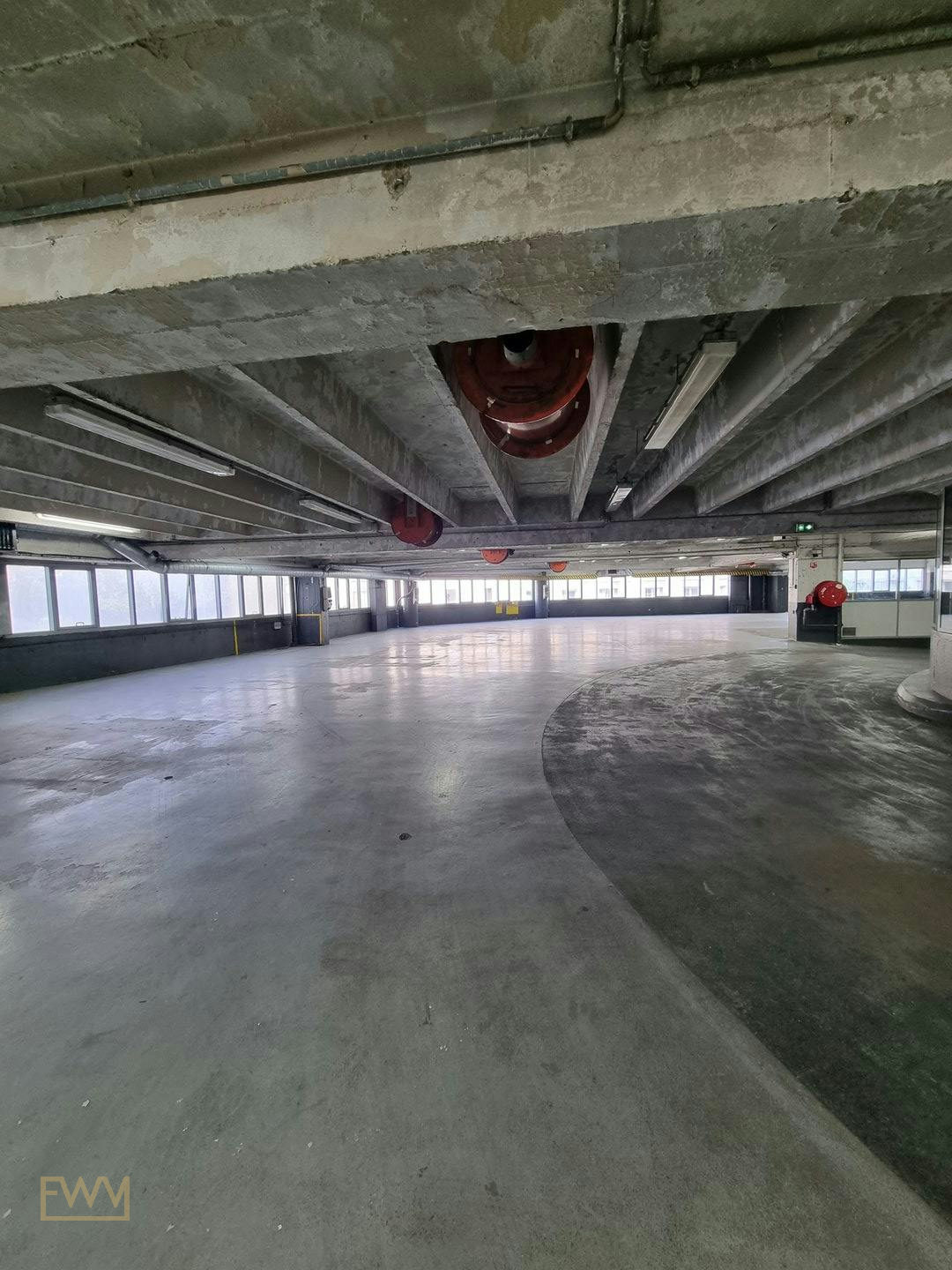
The 11th has a long history as a craft and manufacturing district, and many of its former industrial workshops have been converted into flexible rental spaces. These units, particularly concentrated around Faubourg Saint-Antoine and the courtyards off Rue de Montreuil, offer polished concrete floors, raw concrete finishes, exposed stone walls, exposed stone columns, and often skylights that flood the space with natural light. The raw aesthetic of these spaces makes them highly popular with fashion brands seeking an environment that communicates craftsmanship, authenticity, and editorial quality. The depth of these courtyards also offers a degree of privacy that pure street-facing storefronts cannot, making them well-suited to private sales, press previews, and trade showroom appointments.
Gallery and Art Space Formats
Converted art galleries and exhibition spaces in the 11th offer flexible layouts designed for display rather than conventional retail. These spaces typically feature white or raw walls, excellent lighting infrastructure, polished concrete or raw concrete floors, and generous ceiling heights. For fashion brands presenting a collection, launching a campaign, or hosting an immersive brand experience, an art gallery format provides a ready-made editorial environment. Spaces of this type are found throughout the Oberkampf and Folie-Méricourt neighbourhoods, and some double as permanent gallery businesses that rent to pop-up operators between programming periods.
Apartment-Format Showrooms
One of the 11th's most distinctive space types is the apartment-format showroom: a residential-scale space adapted for brand presentation rather than living. These spaces typically feature parquet floors, high ceilings, period architectural details, and an intimate atmosphere that works particularly well for fashion showrooms, private sales, and appointment-based activations. Many move-in-ready apartments of this type come with basic furnishings, televisions, and bathroom access, making them immediately usable without significant fit-out investment. The residential character also makes them practical for multi-day residencies where the brand team needs to work from the space as well as present within it.
Terrace and Outdoor-Adjacent Spaces
A smaller but commercially significant category of rental spaces in the 11th includes units with terrace access or substantial outdoor adjacency. In a city where outdoor life is culturally important and where brands increasingly use exterior space for social media content creation, influencer activations, and experiential marketing, a space with a terrace offers meaningful added value. These units are found in the quieter residential streets of Folie-Méricourt and on select addresses overlooking public garden areas.
| Space Type | Typical Features | Best Brand Format | Typical Duration |
|---|---|---|---|
| Traditional Storefront | Vitrine, parquet floors, hardwood floors | Pop-up boutique, flagship experience | 1 to 8 weeks |
| Industrial Workshop | Raw concrete, exposed stone, skylights | Fashion showroom, large-format activation | 3 days to 4 weeks |
| Art Gallery Format | Polished concrete, white walls, display lighting | Collection launch, brand experience | 1 to 3 weeks |
| Apartment Showroom | Parquet floors, furnishings, period details | Private sale, trade showroom, residency | 3 days to 2 weeks |
| Terrace Space | Outdoor access, natural light | Influencer activation, event format | 1 day to 2 weeks |
KEY TAKEAWAY: The 11th arrondissement offers a wider range of space typologies than most Paris districts, meaning brands can match space character to brand identity rather than simply accepting whatever is available. Understanding which space type fits your activation format before you begin searching saves significant time and budget.
Choosing the right space type is only one dimension of a successful boutique rental in Paris. Understanding how short-term leases and permits work in France is equally critical before committing to any space.
Short-Term Leases, Permits, and Legal Considerations for Boutique Rental in Paris
Quick answer: Short-term commercial space rentals in Paris operate under specific legal frameworks that differ significantly from standard residential or long-term commercial leases. Brands must understand the bail dérogatoire and AOT frameworks, along with any specific requirements for their space type, activity, and intended duration, before committing to a rental agreement.
One of the most important practical differences between renting a boutique in Paris and renting in many other markets is the French legal framework governing short-term commercial use. France has detailed commercial lease law, and most brands entering the Paris market for a temporary activation need to navigate this carefully. The consequences of misunderstanding the framework can include unexpected liability, permit refusals, or commercial disputes that disrupt the activation schedule entirely.
The Bail Dérogatoire
The bail dérogatoire, sometimes called a short-term commercial lease or derogatory lease, is the most commonly used framework for short-term commercial rentals in France. It allows landlords and tenants to agree a commercial lease for a duration of up to 36 months without the tenant acquiring the standard renewal rights that apply under a conventional commercial lease (bail commercial). For brands seeking a boutique rental in the 11th arrondissement for a period of a few days to several months, the bail dérogatoire is typically the appropriate instrument. However, the exact terms, obligations, and limitations of any specific bail dérogatoire depend on the individual agreement, the space type, and the commercial activity being conducted. Requirements can vary by arrondissement and by the nature of the building. Brands should always verify their specific situation with a qualified French legal advisor before signing.
Autorisation d'Occupation Temporaire (AOT)
For spaces on public land, including certain public squares, markets, and streetfront spaces adjacent to public domain, an Autorisation d'Occupation Temporaire may be required in addition to any commercial agreement with a private landlord. An AOT is granted by the relevant public authority and gives the holder the right to temporarily occupy a portion of public space for commercial purposes. The process, cost, and timeline for obtaining an AOT varies significantly by location, activity type, and duration. Brands planning activations near Place de la Bastille, Boulevard Richard-Lenoir during market days, or other public spaces should investigate AOT requirements early in the planning process. The Fashion Week Venues permits tool provides directional guidance on permit requirements by space type and city, though brands should always confirm specific requirements with a French legal or regulatory specialist.
Activity Classification and Use Permissions
French commercial property law classifies permitted activities within leased spaces, and the activity classification of a given space may not automatically permit retail sales, public events, or specific commercial formats. A space classified for storage or artisan production may require reclassification or additional permissions before it can be used as a pop-up boutique open to the public. This is particularly relevant in the Faubourg Saint-Antoine corridor, where many available spaces are former industrial workshops with usage classifications that predate their conversion to retail or event use. Confirming the permitted use of any space before signing is essential, and this is an area where working with a specialist agency familiar with the Paris market significantly reduces risk.
IMPORTANT: Do not assume that a space presented as available for short-term retail rental is automatically compliant for your specific activity. Usage classifications, public event permissions, and fire safety requirements may require additional steps before your activation can legally proceed. Always verify with a qualified French legal advisor.
Insurance Requirements
French landlords typically require tenants to carry commercial activity insurance for the duration of their rental. This is distinct from property insurance and covers liability for commercial activities conducted on the premises. For international brands without an existing French insurance policy, securing appropriate coverage before the activation start date is an essential logistical step. Some specialist short-term rental platforms and agencies can advise on appropriate insurance options, but obtaining independent legal and insurance advice is always recommended.
KEY TAKEAWAY: Short-term boutique rental in Paris requires careful navigation of the bail dérogatoire framework, AOT requirements for public space adjacency, activity use permissions, and insurance obligations. Working with a specialist who understands the Paris regulatory environment reduces risk and protects the activation timeline.
Legal and permit readiness underpins everything else, but it is only one dimension of a successful Paris activation. Budget planning is equally critical, and the 11th arrondissement's rental market has its own cost dynamics that brands need to understand before shortlisting spaces.
Budget Planning for Boutique Rental in the 11th Arrondissement Paris
Quick answer: Rental costs for boutique spaces in Paris 11 vary significantly depending on the sub-district, space type, format, size, and duration. Brands should approach budget planning with a full-cost view that includes not just the rental fee but also production, fit-out, staffing, permits, insurance, and operational costs.
The 11th arrondissement has historically offered better value for short-term commercial rental than the 1st, 6th, or 8th arrondissements, which command premium rates due to their proximity to luxury retail corridors and high tourist density. However, the gentrification of the 11th over the past decade has progressively closed this gap, particularly for the most desirable streets in the Oberkampf and Bastille sub-districts. Brands should approach the 11th as a mid-premium market rather than a budget option when estimating total activation costs.
Key Cost Components
A realistic budget for a boutique rental activation in Paris 11 must account for multiple cost categories beyond the base rental fee. The rental itself represents only one part of total activation cost. Fit-out and production costs for spaces that require brand-specific installation, display infrastructure, or environmental transformation can easily equal or exceed the rental fee, particularly for industrial or raw spaces where a significant amount of build work is required to achieve a finished retail environment. Furniture rental, POS and payment systems, retail staffing, security arrangements, and operational costs including utilities and cleaning all contribute to the total. For brands that want to maximise the activation's commercial impact, influencer marketing, content creation, and experiential programming add further to the budget requirement.
TIP: Use the Fashion Week Venues budget calculator to develop a directional cost estimate for your specific activation format, space size, duration, and service requirements before approaching spaces or agencies. This helps avoid under-budgeting and ensures your brief is realistic for the market.
Duration and Cost Efficiency
Short-term retail rentals in Paris are typically priced per day or per week for very short activations, shifting to monthly rates for durations above two to four weeks. The per-day cost for very short activations (one to three days) is proportionally higher than for week-long or month-long rentals, which reflects the landlord's preference for reduced administrative overhead and longer occupancy. For brands planning around Paris Fashion Week or other specific calendar events, the premium for peak-calendar-adjacent availability is substantial and should be factored into budget planning from the outset.
Value Benchmarking Against Other Arrondissements
Compared to Le Marais (3rd and 4th arrondissements), which commands some of the highest short-term retail rents in Paris due to tourist density and brand prestige association, the 11th typically offers comparable or better clientele quality at lower rental rates. Compared to the 8th arrondissement's luxury corridor, the 11th offers a fundamentally different brand positioning and audience rather than simply a more affordable version of the same thing. Brands should make this choice on the basis of their target customer and brand identity rather than purely on cost.
DID YOU KNOW: The 11th arrondissement has one of the highest densities of restaurants, bars, and independent food businesses per square kilometre in Paris, generating consistent evening and weekend foot traffic that benefits boutique retail activations timed around these consumer patterns.
ROI Considerations
Return on investment for a boutique rental in Paris is not limited to direct retail sales. Brand awareness, press coverage, influencer content, wholesale appointments, and market research all contribute to the commercial value of a Paris activation. Brands that approach their 11th arrondissement rental as a multi-objective investment rather than a pure sales exercise typically extract more total value from the activation. The Fashion Week Venues ROI calculator allows brands to model multiple value streams and build a more complete picture of activation return.
KEY TAKEAWAY: Boutique rental costs in the 11th arrondissement are best understood as part of a total activation budget that includes production, staffing, operations, and marketing. Budget planning should begin before space shortlisting to ensure that the spaces considered are financially realistic for the full scope of the activation.
Budgeting and legal preparation create the foundation for a successful activation, but the practical logistics of finding, comparing, and booking the right space require a structured approach that many brands underestimate in complexity.
How to Find, Compare, and Book a Boutique Space in Paris 11
Quick answer: Finding the right boutique rental in the 11th arrondissement Paris requires a structured search process that aligns space type, sub-district, duration, features, and budget before viewing any individual spaces. A clear brief before beginning the search significantly reduces wasted time and ensures that the spaces you view are genuinely relevant to your activation needs.
Building Your Search Brief
Before searching for spaces, every brand team should define the activation brief in terms of the specific sub-district or street preference within the 11th, the space type required (storefront, workshop, gallery, apartment showroom, or terrace-adjacent format), the minimum and maximum floor area, the key space features required such as vitrine frontage, parquet floors, polished concrete, skylight, or specific ceiling height, the target rental duration, the intended activation format (public retail, private sale, trade showroom, press event, or experiential), and the total budget for the rental component. Without this brief, space search becomes inefficient and comparison becomes impossible. The Fashion Week Venues space comparison tool supports structured comparison of shortlisted spaces against a consistent set of criteria.
Using the Calendar to Your Advantage
The availability of boutique spaces in the 11th is significantly affected by the Paris calendar. Paris Fashion Week, which takes place in January, February, September, and October depending on the season and the specific week (menswear, haute couture, or ready-to-wear), creates intense competition for spaces across central Paris. Brands that plan their search three to six months in advance of a Fashion Week activation have significantly more choice and typically secure better-value terms than those approaching the market eight to twelve weeks out. Outside Fashion Week windows, the 11th arrondissement's retail activation calendar is less compressed, offering more flexibility for brands targeting specific seasonal moments, product launches, or market-entry activations.
TIP: Use the Fashion Week Venues timeline planning tool to map your activation dates against the Paris calendar, including Fashion Week windows, public holidays, and peak tourist periods. This prevents scheduling conflicts and optimises the activation period for your target audience.
The Viewing and Selection Process
Once a shortlist of spaces has been identified, viewing should be conducted with the full activation brief in mind. During a viewing, assess not just the physical space but also the landlord relationship, the condition of building amenities, the quality of wifi internet connectivity, the availability of bathroom facilities, the ease of goods-in and goods-out logistics, and the suitability of the space's street context for your intended signage and vitrine presentation. Many spaces in the 11th, particularly those in courtyards and passages off Faubourg Saint-Antoine, require wayfinding consideration to direct street-level foot traffic to the space entrance.
Negotiating Short-Term Rental Terms
Short-term rental terms in the 11th arrondissement are generally negotiable, particularly outside peak demand periods. Key negotiable elements typically include the rental start and end dates, access hours for fit-out and derig, the level of included services such as cleaning and security, and the conditions around permitted alterations to the space for fit-out purposes. Brands should always confirm in writing what alterations are permitted, what reinstatement is required at the end of the rental, and what the process is for resolving disputes. Hassle-free transactions are the goal, but this requires clear contractual clarity on all material points before the rental begins.
| Search Stage | Key Actions | Tools and Resources | Typical Timeline Before Activation |
|---|---|---|---|
| Brief development | Define space type, district, features, budget, duration | Budget calculator, timeline tool | 4 to 6 months prior |
| Market search | Identify and shortlist available spaces | Marketplace, locator tool, city hub | 3 to 5 months prior |
| Space comparison | Compare shortlisted spaces against brief criteria | Compare tool | 2 to 4 months prior |
| Viewing and due diligence | View spaces, confirm permits, insurance, usage class | Permits tool, legal advisor | 2 to 3 months prior |
| Booking and contracting | Finalise terms, sign agreement, arrange insurance | Legal advisor, agency support | 6 to 10 weeks prior |
| Fit-out and activation | Build, install, open, operate, close | Production team, retail staff | Activation period |
KEY TAKEAWAY: A structured search process with a clear brief, adequate lead time, and proper due diligence is the most reliable route to securing the right boutique rental in the 11th arrondissement Paris. Brands that rush the search phase consistently face higher costs and fewer viable options.
With the right space secured, the focus shifts to building and activating it in a way that maximises commercial return and brand impact across the activation period.
Designing and Activating a Boutique Space in the 11th Arrondissement
Quick answer: The design and activation of a boutique rental space in Paris 11 should be led by the brand's commercial and creative objectives rather than by the space itself. The 11th's architectural character offers exceptional creative material to work with, but achieving a successful activation requires professional production, thoughtful brand storytelling, and operational discipline throughout the rental period.
Working with the Space's Architectural Character
One of the most common errors brands make when activating spaces in the 11th arrondissement is attempting to neutralise the space's existing character in order to impose a standard brand environment. This approach typically produces results that feel neither authentically Parisian nor fully on-brand. The more commercially successful approach is to design the activation in dialogue with the space's architectural features. Exposed stone walls, skylights, polished concrete floors, and industrial ceiling structures are not obstacles to brand presentation. They are assets that add authenticity, depth, and editorial quality to the brand environment. A fashion showroom that positions itself within a space with genuine character communicates something qualitatively different from one installed in a generic white box.
Fit-Out, Production, and Build
The physical transformation of a boutique rental space from bare shell or existing condition to a fully operational brand environment requires professional production management. This includes the design and specification of fixtures, display systems, and furniture, the sourcing and installation of lighting, the creation of any graphic or signage elements, the setup of POS and payment infrastructure, and the management of goods-in logistics. In Paris, all fit-out work must comply with building regulations and any specific landlord requirements, including restrictions on fixings, paint, and structural alterations. Professional production and build management ensures that the space is delivered on time, within budget, and in compliance with all applicable requirements.
Staffing and Operations
A boutique rental activation in Paris requires appropriately qualified retail staff who understand both the brand and the operational requirements of the space. For international brands entering the Paris market, this typically means hiring French-speaking staff who can communicate effectively with the local clientele, manage transactions, maintain the space, and represent the brand professionally. The customer experience delivered by frontline staff is one of the most important determinants of activation success, and the human side of the interaction between brand and customer cannot be automated. Professional retail staffing support from an agency with Paris market knowledge significantly reduces the risk of operational problems during the activation.
POS, Payments, and Data
Short-term boutique activations in Paris require payment infrastructure that works reliably from day one. French consumers are highly comfortable with contactless card payments, and the absence of a functioning POS system on any activation day represents an immediate and unrecoverable commercial loss. For brands using the activation to gather customer data and market research, ensuring that data collection systems are compliant with GDPR and French data protection requirements is a mandatory precondition rather than an optional extra.
Influencer Marketing and Content Strategy
The 11th arrondissement's visual character, its streets, courtyards, and architectural details, makes it an exceptionally strong backdrop for content creation during a pop-up activation. Brands that build an influencer marketing and content strategy around the Paris location, rather than treating it as incidental to the activation, consistently generate stronger digital reach and brand awareness return. The neighbourhood's association with creative authenticity resonates strongly with the kinds of audiences that respond to brand discovery content on social platforms.
KEY TAKEAWAY: Successful boutique activation in the 11th arrondissement Paris combines respect for the space's architectural character with professional production, strong staffing, reliable operational infrastructure, and a content strategy that leverages the neighbourhood's cultural identity.
Beyond individual services, understanding how a specialist agency can manage the complete activation lifecycle from brief to close is essential for brands that want to avoid the significant operational risks of managing a Paris activation independently.
How Fashion Week Venues Supports Boutique Rental in Paris 11
Fashion Week Venues is a full-service pop-up shop agency and space marketplace with Paris as its primary market. For brands seeking a boutique rental in the 11th arrondissement Paris, Fashion Week Venues offers a structured pathway from initial brief through space identification, production, activation management, and close.
The agency's venue sourcing service covers the Paris market in detail, including the 11th arrondissement's full range of sub-districts and space typologies. Rather than presenting all available spaces and expecting the brand team to navigate the selection independently, Fashion Week Venues aligns the search with the brand's specific brief, calendar, budget, and activation objectives. This reduces the time required to identify viable options and improves the quality of the spaces presented for consideration.
For brands that need more than a space, Fashion Week Venues offers concept direction, production and build management, branded store design, furniture rental, retail staffing, POS and payments setup, data and analytics, and influencer marketing support. These services can be engaged individually or as a fully managed activation package, depending on the brand's existing capabilities and the scale of the activation.
The agency's digital tools support brands at every stage of the planning process. The space locator tool maps available spaces by neighbourhood and space type. The budget calculator provides directional cost estimates. The ROI calculator models activation value across multiple commercial objectives. The timeline tool maps the activation against the Paris calendar. The permits tool provides guidance on the regulatory requirements for different space types and activities in Paris.
For brands considering activations in multiple Paris arrondissements simultaneously, or in Paris alongside another fashion capital such as London, Milan, New York, Tokyo, or Dubai, Fashion Week Venues' city hub network supports multi-market planning from a single agency relationship.
Brands that want to explore co-activation formats, where two brands share a space to split costs and cross-pollinate audiences, can explore the twin co-activation concept developed specifically for this format.
Fashion Week Venues does not guarantee specific space availability, permit outcomes, or commercial results. What the agency offers is structured expertise, market knowledge, and managed process that significantly reduces the complexity and risk of a Paris boutique rental activation for brands working without existing local operational infrastructure.
To explore the full range of available spaces and agency services for Paris, visit the Paris city hub on Fashion Week Venues and build a shortlist aligned with your brief, budget, and calendar window.
KEY TAKEAWAY: Fashion Week Venues offers brand teams a full-service pathway from space search to activation close in Paris, with specialist knowledge of the 11th arrondissement market and a structured set of tools and services that reduces the operational complexity of managing a Paris pop-up independently.
Transport, Accessibility, and the Commercial Catchment of Paris 11
Quick answer: The 11th arrondissement is exceptionally well served by public transport, with multiple metro lines, the RER A, and extensive bus routes connecting it to the rest of Paris and the wider Ile-de-France region. This connectivity is a direct commercial asset for boutique retail activations, as it reduces friction for customers travelling from other arrondissements and from Charles de Gaulle and Orly airports.
Public transportation is one of the 11th arrondissement's most significant commercial advantages as a retail activation location. The arrondissement is served by metro line 8 (which connects to the Opéra and Madeleine in the west and to Créteil in the southeast), metro line 9 (serving the Oberkampf corridor and connecting west to Havre-Caumartin and east to Montreuil), metro line 1 (running through Bastille and connecting directly to the RER A interchange at Nation and to the Champs-Élysées and La Défense to the west), metro line 5 (serving the Bastille and Richard-Lenoir corridors), and metro line 3 (serving the Père Lachaise and Philippe Auguste corridors). The RER A, one of the busiest suburban rail lines in Europe, connects the 11th via the Bastille and Nation stations to both Charles de Gaulle airport (via the Étoile interchange) and to Versailles in the west, bringing an international and suburban catchment to the district every day.
This transport density means that the commercial catchment of a boutique activation in the 11th is not limited to the arrondissement's own resident population of approximately 150,000 people. The location is accessible from virtually every corner of Paris within 20 to 30 minutes by public transport, and the RER A connection makes it viable for visitors arriving directly from CDG airport without needing to change transport mode multiple times.
The neighbourhood also has a relatively strong pedestrian culture. The weekend markets along Boulevard Richard-Lenoir, which run under the central tree-lined boulevard between Bastille and Oberkampf, generate significant pedestrian traffic that passes potential retail frontages on both sides of the boulevard. The restaurant density along Oberkampf and in the Saint-Ambroise district around Rue Jean-Pierre Timbaud means that the area draws large numbers of Parisians on evenings and weekends, creating activation windows that extend well beyond the standard retail day.
The 11th arrondissement also has a sense of neighbourhood cohesion that gives it something of a countryside feel within the bustling French capital. Unlike the more transactional commercial environments of heavily touristed areas, the 11th's residents actively engage with their local retail landscape and return repeatedly to independent businesses they trust. For brands building a market entry strategy in Paris, this resident loyalty represents a significant long-term commercial opportunity beyond the immediate activation period.
KEY TAKEAWAY: The 11th arrondissement's exceptional public transport connectivity, weekend market culture, and strong restaurant-driven evening economy create a broad and commercially diverse catchment for boutique rental activations that extends far beyond the district's resident population.
The 11th's urban infrastructure is complemented by a rich social and cultural fabric that brands entering the market need to understand in order to position their activation credibly within the neighbourhood.
The 11th Arrondissement's Cultural Identity and What It Means for Brand Positioning
Quick answer: The 11th arrondissement has a well-defined cultural identity built on creative independence, culinary innovation, and an informed local population that actively curates its consumption choices. Brands that understand and respect this identity position their activations more effectively than those that impose external brand formats without regard for local context.
The 11th arrondissement's cultural identity is the product of several decades of evolution. Beginning as an artisan and working-class district, it attracted artists, musicians, and creative businesses during the 1990s and 2000s, establishing the Oberkampf corridor as one of Paris's most innovative nightlife and cultural districts. As gentrification followed, the neighbourhood retained much of its independent spirit while adding a layer of gastronomic and retail sophistication. The gourmet revolution that transformed the 11th's food scene, bringing world-class restaurants, natural wine bars serving French tapas, and quality-focused food markets to streets that once served only local residents, has been mirrored in its retail landscape. Trendy brands and independent retailers have established a strong commercial ecosystem that values authenticity, craft, and conversation over volume and scale.
Le Chateaubriand, the celebrated restaurant on Avenue Parmentier in the 11th, exemplifies this evolution. Its transformation from a traditional French bistro into one of the world's most creative and influential dining destinations reflects the arrondissement's broader capacity to take existing forms and reinvent them with genuine quality and conviction. For fashion brands, this cultural reference point is instructive. The 11th rewards brands that bring genuine product quality and creative conviction, and its clientele is well equipped to distinguish between authentic brand propositions and those that are merely trend-chasing.
The restaurant and social culture of the 11th also creates strong community around conversation and gathering. Public squares like Place de la Bastille and the tree-lined public square of Boulevard Richard-Lenoir function as genuine social infrastructure rather than mere traffic junctions. Brands that engage with this social culture, whether through events, community programming, or simply by operating in a way that encourages conversation and human interaction rather than pure transactional efficiency, tend to build stronger local relationships and generate more authentic word-of-mouth during their activation period.
The 11th is also close to several Paris landmarks that draw visitor traffic without dominating the neighbourhood's identity. Père Lachaise Cemetery is one of Paris's most visited sites, attracting both tourists and Parisians who come to pay respects to the notable figures buried there. Place des Vosges, Paris's oldest planned square and one of its most beautiful, is a short walk from the eastern edge of Le Marais and effectively within the 11th's commercial catchment. The River Seine is accessible from the southern edge of the arrondissement via the Bastille waterfront, which connects to the Canal Saint-Martin ecosystem and the broader riverside cultural infrastructure of central Paris. La Place de la Nation, at the 11th's southeastern boundary, is a major transport hub and public space that reinforces the arrondissement's connectivity to the wider city.
KEY TAKEAWAY: The 11th arrondissement's cultural identity is one of creative authenticity, culinary innovation, and informed independent consumption. Brands that align their activation format and communication style with these values will find an exceptionally receptive local audience.
Common Myths Debunked About Boutique Rental in Paris 11
MYTH: International brands need a French legal entity to rent a boutique space in the 11th arrondissement Paris.
FACT: Many short-term rental agreements in Paris, including bail dérogatoire arrangements, can be structured to accommodate international brands without a pre-existing French legal entity. However, the specific requirements vary by landlord, space type, and rental duration, and some landlords do require a French guarantor or local legal structure. Working with a specialist agency or French legal advisor ensures that the appropriate structure is in place before signing any rental agreement.
MYTH: Paris Fashion Week is the only commercially viable calendar window for a boutique rental activation in the 11th arrondissement.
FACT: While Paris Fashion Week generates peak demand and significant brand visibility for activations timed around it, the 11th arrondissement's resident population and year-round visitor traffic create commercially viable activation windows throughout the year. Brands targeting market entry, product launches, or private sale formats often achieve better results, lower rental costs, and higher operational control by choosing a non-Fashion Week window that aligns with their specific commercial objective.
MYTH: The only way to find a quality boutique rental space in the 11th arrondissement is through a commission broker.
FACT: Commission brokers are one source of space introductions in the Paris market, but they are not the only or necessarily the most effective option. Specialist pop-up agencies and dedicated space marketplaces offer curated access to verified spaces with structured support for brief alignment, space comparison, and rental negotiation. These platforms often provide better transparency on pricing, space conditions, and rental terms than traditional broker relationships.
MYTH: Short-term commercial leases in Paris are legally straightforward and do not require specialist legal advice.
FACT: French commercial lease law is detailed and complex, and the bail dérogatoire framework includes specific obligations, risk allocations, and conditions that are materially different from short-term lease structures in many other markets. Brands that sign short-term commercial leases in Paris without qualified legal review risk unexpected liability, permit non-compliance, and disputes that can disrupt the activation. Specialist legal advice is always recommended before signing any commercial rental agreement in France.
MYTH: The 11th arrondissement is only suitable for edgy or underground brands because of its nightlife reputation.
FACT: While the 11th does have a strong creative and independent cultural identity, its diverse sub-districts accommodate brands across a wide range of positioning, from contemporary fashion boutiques on Boulevard Voltaire to luxury-adjacent showrooms in the converted ateliers of Faubourg Saint-Antoine. The arrondissement's gentrification over the past decade has created a sophisticated retail audience that responds to quality and authenticity across multiple brand categories.
Frequently Asked Questions About Boutique Rental in the 11th Arrondissement Paris
Why should I rent a pop-up shop or boutique in the 11th arrondissement Paris?
The 11th arrondissement offers a combination of cultural credibility, excellent public transport connectivity, a commercially engaged resident population, and a diverse range of short-term rental spaces that makes it one of the most strategically attractive locations for fashion brands and independent retailers seeking a Paris activation. Unlike the more tourist-dominated central arrondissements, the 11th delivers a clientele that actively seeks out new brands and independent retail experiences. Its mix of storefronts, industrial workshops, apartment showrooms, and gallery spaces also provides more creative flexibility for brand environments than many comparable Paris districts.
What is the best sub-district of the 11th arrondissement for a fashion boutique rental?
The best sub-district depends on your brand format and target audience. The Oberkampf and Folie-Méricourt area is ideal for fashion boutiques and showrooms targeting a creative, style-conscious Parisian audience. The Bastille and Boulevard Voltaire corridor suits brands that need higher foot traffic and broader audience reach. The Faubourg Saint-Antoine corridor works best for large-format activations in converted industrial spaces. Brands should define their target clientele profile before choosing a sub-district, as each area delivers a meaningfully different customer type.
How far in advance should I book a boutique rental in Paris for Fashion Week?
For activations timed around Paris Fashion Week, most experienced brand teams begin their space search three to six months in advance. The best spaces in the most desirable sub-districts of the 11th arrondissement are typically secured by confirmed tenants four to five months before the Fashion Week window. Brands that begin searching less than eight weeks before a Fashion Week activation face significantly reduced choice and typically higher rental rates due to residual inventory pressure. Outside Fashion Week windows, four to eight weeks of lead time may be sufficient for non-peak periods, though longer lead times always produce better outcomes.
What space features should I prioritise for a fashion showroom or boutique in the 11th?
The most commonly prioritised space features for fashion boutique rentals in the 11th include vitrine frontage for street visibility, parquet floors or hardwood floors for aesthetic quality, skylights for natural light, ceiling height sufficient for brand installations and mannequin displays, reliable wifi internet connectivity, accessible bathroom facilities, and adequate goods-in logistics. For showroom formats, privacy and appointment-focused access are often more important than vitrine visibility. The relative priority of these features depends on whether the activation is a public retail format or a trade and press showroom format.
What is a bail dérogatoire and why does it matter for my Paris boutique rental?
A bail dérogatoire is a short-term commercial lease framework under French law that allows landlords and tenants to agree a commercial rental for up to 36 months without conferring the standard renewal rights that apply under a full commercial lease. It is the most commonly used instrument for short-term boutique rentals in Paris. It matters because it is legally distinct from a standard commercial lease and includes specific obligations and risk allocations that brands need to understand before signing. Requirements vary by space type, duration, and the specific agreement. Independent legal advice from a qualified French advisor is always recommended before signing any bail dérogatoire.
Do I need an Autorisation d'Occupation Temporaire for a boutique space in the 11th arrondissement?
An AOT is required for occupation of public space, not for standard private commercial rentals. If your activation involves any element in a public square, public passageway, or on the public domain adjacent to your rental space, an AOT from the relevant Paris authority may be required. This is most likely to be relevant for activations near Place de la Bastille, Boulevard Richard-Lenoir during market periods, or other public areas. The specific requirements depend on your activity type, location, and duration. The Fashion Week Venues permits tool provides directional guidance, but verification with a French legal specialist is essential.
How does the 11th arrondissement compare to Le Marais for a fashion pop-up?
Le Marais, covering parts of the 3rd and 4th arrondissements immediately to the west of the 11th, offers higher tourist density and stronger brand prestige association, particularly around the Rue des Francs-Bourgeois retail corridor and Place des Vosges. The 11th typically offers more architecturally interesting raw spaces, a more locally engaged clientele, and lower rental rates in comparable space categories. Brands seeking maximum tourist visibility and luxury adjacency may prefer Le Marais. Brands seeking creative authenticity, resident engagement, and more flexible space formats generally find the 11th a stronger strategic fit.
What types of brands are most successful with boutique rentals in the 11th arrondissement?
The most commercially successful brands in the 11th arrondissement tend to be those with a clear creative identity and an authentic product proposition. Independent fashion labels, contemporary ready-to-wear brands, accessories designers, concept-driven lifestyle brands, and international fashion brands seeking Paris market entry all perform well in the 11th's retail environment. Luxury brands that require maximum tourist exposure or the prestige of a specific luxury corridor may find other Paris arrondissements more suitable, though high-end brands that value creative context over conventional luxury positioning often find the 11th exceptionally rewarding.
What public transport options serve the 11th arrondissement for retail customers?
The 11th arrondissement is served by metro lines 1, 3, 5, 8, and 9, making it accessible from virtually every part of central Paris within 20 to 30 minutes. The RER A, one of Europe's busiest suburban rail lines, connects through the Bastille and Nation stations, bringing customers from the western suburbs, from Charles de Gaulle airport via the Étoile interchange, and from Versailles. Multiple bus routes supplement the metro network, and the arrondissement's cycling infrastructure makes it accessible by Vélib bicycle sharing from adjacent districts. This transport density is a direct commercial asset for boutique retail activations.
Can I find short-term apartment-format showroom spaces in the 11th arrondissement?
Yes. The 11th arrondissement has a good supply of apartment-format showroom spaces, particularly in the Folie-Méricourt neighbourhood and on the quieter residential streets around Oberkampf and Rue Jean-Pierre Timbaud. These spaces typically feature parquet floors, period architectural details, and an intimate atmosphere that works well for fashion showroom appointments, private sales, and press days. Many are presented as move-in-ready apartments with basic furnishings already in place. Confirming the space's permitted commercial use before booking is essential, as residential apartments require specific authorisation for commercial activity.
What are the most important operational considerations for running a boutique pop-up in Paris 11?
Key operational considerations include arranging appropriate commercial activity insurance before the activation begins, ensuring POS and payment systems are installed and tested before the opening day, confirming with the landlord which permitted alterations can be made for fit-out purposes and what reinstatement is required at the end of the rental, briefing retail staff on both brand presentation standards and French customer service expectations, and establishing clear logistics for goods-in and goods-out around the activation schedule. Brands that invest adequately in operational preparation consistently achieve better customer experience and commercial outcomes during the activation period.
Is the 11th arrondissement a good location for a brand entering the Paris market for the first time?
The 11th arrondissement is an excellent location for many market-entry brands, particularly those with a contemporary or independent brand positioning. Its combination of accessible rental rates relative to more central arrondissements, a sophisticated and brand-curious resident clientele, excellent transport connectivity, and a wide range of space typologies makes it a strong first-activation choice for international brands entering Paris. Brands targeting the luxury consumer or seeking immediate association with Paris's established luxury retail corridors may prefer to consider the 1st, 6th, or 8th arrondissements, but for creative and contemporary brands, the 11th offers a market entry environment that is both commercially credible and operationally manageable.
What is the typical duration for a boutique rental activation in the 11th arrondissement?
Boutique rental durations in the 11th arrondissement range from single-day activations to multi-month residencies. The most common format for fashion brand activations is one to four weeks, which provides sufficient time to build audience awareness, execute events and programming, and generate meaningful commercial and brand-building results without requiring the operational complexity of a longer-term presence. For brands timed around Paris Fashion Week, the core activation period is typically five to ten days, though many brands extend their presence by one to two weeks either side of the Fashion Week schedule to capture the pre- and post-show audience.
How do I ensure my boutique rental activation in the 11th drives social media and influencer content?
The 11th arrondissement's visual character, its exposed stone walls, skylights, courtyard spaces, and street-level aesthetic, provides inherently strong content material. Brands should design the activation environment with content creation in mind, creating specific moments within the space that are designed to be photographed and filmed. Partnering with Paris-based influencers who have established credibility in the 11th's creative community adds authenticity to content and extends reach to audiences that are already engaged with the neighbourhood's independent brand culture. A structured influencer activation plan developed before the opening day produces more consistent content output than a reactive approach.
What should I expect from a full-service agency managing my Paris boutique rental?
A full-service agency managing your Paris boutique rental should handle venue sourcing aligned to your brief, lease negotiation support, permit and compliance guidance, fit-out production and build management, branded store design, furniture sourcing and rental, retail staffing recruitment and briefing, POS and payment system installation, data collection setup, and influencer marketing coordination. The agency should provide structured communication throughout the process and clear project management with defined milestones. Fashion Week Venues offers all of these services and operates a structured process that brands can review before engaging. Understanding what is included in any agency engagement and what remains the brand's responsibility is essential before committing to an agency relationship.
Conclusion: Making the Right Decision on Boutique Rental in the 11th Arrondissement Paris
Boutique rental in the 11th arrondissement Paris represents one of the most commercially compelling opportunities available to fashion brands, independent retailers, and creative businesses seeking a Paris activation. The arrondissement's combination of architectural variety, sub-district diversity, excellent public transport, culturally engaged resident clientele, and genuine neighbourhood identity creates conditions for brand activations that are both commercially productive and creatively meaningful. The 11th is not a compromise option. For brands whose identity aligns with independent creative culture, authentic product storytelling, and informed consumer discovery, it is frequently the strongest strategic choice in the Paris market.
Success in the 11th requires more than identifying an available space. It requires alignment between sub-district choice and brand audience, a thorough understanding of the French short-term lease framework and permit requirements, realistic full-cost budget planning, adequate lead time for search and contracting, professional fit-out and operational execution, and a content and marketing strategy that leverages the neighbourhood's visual and cultural richness. Brands that approach the 11th with this level of preparation consistently achieve better results than those that treat the activation as a straightforward space rental transaction.
The guide to hiring a pop-up agency for Paris provides further guidance on how to evaluate and select the right agency partner for your activation. For brands ready to begin the space search and activation planning process, start by exploring the available spaces on the Fashion Week Venues marketplace and build a focused brief for your target neighbourhood, space type, and calendar window in Paris 11.