The boutique rental 10th arrondissement Paris market has evolved into one of the most strategically compelling short-term retail and activation opportunities in the French capital. Positioned between the grand transport hubs of Gare du Nord and Gare de l'Est, the creative waterway of Canal Saint-Martin, and the cultural energy radiating from Place de la République, Paris 10 offers brands a rare combination of footfall diversity, neighbourhood authenticity, and spatial flexibility. Whether you are a fashion house seeking a temporary showroom, an emerging brand testing the Paris market, or an international label planning a seasonal activation during Fashion Week, the 10th arrondissement delivers a distinct urban backdrop that no sterile retail park or generic commercial corridor can replicate. Fashion Week Venues supports brands through every stage of this process, from identifying the right space to managing the full activation on the ground.
Understanding the 10th Arrondissement of Paris: Geography, Identity, and Retail Potential
The 10th arrondissement of Paris occupies a compact but extraordinarily varied slice of the Right Bank, bordered by the 9th, 11th, 18th, and 19th arrondissements. It is not a single neighbourhood but a layered geography of distinct micro-zones, each with its own street character, demographic texture, and commercial energy.
At its northern edge, Gare du Nord and Gare de l'Est anchor the arrondissement to both European rail networks and the city's RER and metro lines. These stations collectively handle tens of millions of passengers annually, making the streets immediately surrounding them among the most trafficked in Paris. For brands needing high-visibility, high-footfall space close to infrastructure, the boulevards and side streets near these terminals offer significant opportunity.
Moving south and east, the character of Paris 10 shifts dramatically. The Canal Saint-Martin corridor, stretching from the Bassin de la Villette down toward Place de la République, is perhaps the most photographed and culturally resonant part of the arrondissement. Its iron footbridges, tree-lined quays, and constellation of independent cafes, bohemian boutiques, and concept stores have made Canal Life synonymous with a certain idea of contemporary Parisian cool. The canal's lockside benches and towpaths draw tourists, creatives, and locals in roughly equal measure, and the surrounding streets host some of the most interesting short-term rental spaces in the city.
Rue du Faubourg Saint-Denis is one of Paris's most genuinely multicultural streets, lined with food shops, tabacs, restaurants serving cuisines from across Africa, Asia, and the Middle East, and an increasingly dense cluster of independent fashion retailers and concept stores. The street and its surrounding neighbourhood, sometimes called Faubourg St.-Denis, has become a reference point for brands wanting to communicate authenticity, diversity, and cultural fluency rather than institutional luxury.
Porte Saint-Martin and Boulevard de Bonne-Nouvelle sit at the arrondissement's southwestern fringe, connecting Paris 10 to the Grands Boulevards corridor and the theatrical quarter. The covered passageways nearby, including Passage Brady, add a layer of historical texture that makes this zone particularly attractive for editorial-style activations and immersive retail experiences.
Hôpital Saint-Louis, one of Paris's oldest hospitals, anchors a quieter residential quadrant to the east, while La Rotonde Stalingrad marks the boundary between Paris 10 and the northern arrondissements near the Bassin de la Villette. Each of these zones carries a different retail proposition, and brands benefit from understanding these distinctions before committing to a specific location within the arrondissement.
Quick answer: The 10th arrondissement of Paris contains multiple distinct retail micro-zones including the Canal Saint-Martin corridor, Rue du Faubourg Saint-Denis, the Gare du Nord and Gare de l'Est transport hub zone, Porte Saint-Martin, and the Grands Boulevards fringe. Each zone has a different footfall profile, brand alignment, and space availability. Understanding which zone fits your brand positioning is the essential first step in any boutique rental strategy for Paris 10.
DID YOU KNOW: The Canal Saint-Martin area in the 10th arrondissement was largely unknown to most international tourists before the 2000s. It is now regularly cited in international travel media as one of the most desirable urban neighbourhoods in Europe, and its retail real estate reflects that transformation.
Understanding these distinctions matters practically because boutique rental rates, available space sizes, lease structures, and the brand profiles of neighbouring businesses all vary significantly depending on which part of Paris 10 you target. The Canal Saint-Martin corridor will position your brand differently from a space on Rue du Faubourg Saint-Denis, and both will communicate something different from a space near the Grands Boulevards. Defining your brand's spatial story before you begin the search process saves time, reduces costs, and produces a better activation outcome.
KEY TAKEAWAY: The 10th arrondissement is not a single retail environment. It is a collection of distinct commercial and cultural micro-zones, each offering a different brand story, footfall profile, and space type. Matching your brand to the right micro-zone within Paris 10 is as important as selecting the right space within that zone.
With this geographic foundation established, it is worth examining the specific types of spaces available for boutique rental across these zones and what each space category offers in practical terms for retail and activation purposes.
Space Types and Property Features for Boutique Rental in Paris 10
The range of spaces available for short-term boutique rental in the 10th arrondissement is broader than in many other Paris arrondissements, partly because the area's varied urban fabric includes everything from historic Haussmann-era ground-floor retail units to converted ateliers, former industrial spaces, and purpose-built concept store formats.
Furnished and Unfurnished Short-Term Commercial Spaces
For brand activations, the most practical option is typically a furnished or semi-furnished space that allows a faster, lower-cost fit-out. Furnished spaces in Paris 10 often retain modular shelving, display fixtures, lighting rigs, and sometimes basic kitchen facilities, all of which reduce the time and budget needed to prepare the space for retail or brand activation purposes. Unfurnished spaces offer more creative freedom but require a full build-out from scratch, which adds cost and lead time.
For residential rental purposes relevant to brand teams relocating to Paris for extended activations, the distinction between furnished apartments and unfurnished apartments is similarly important. Furnished apartment rentals in Paris are governed by different legal frameworks than unfurnished leases, and the minimum tenancy duration, deposit requirements, and tenant rights differ accordingly. Teams planning stays of one to twelve months will typically find furnished apartments, including studios, chic apartments with balconies, and larger modern two-bedroom flats, more practical than unfurnished alternatives. Features like Wi-Fi, a functional kitchen, and laundry facilities matter when a team is operating in-market for weeks at a time.
Studios, Small Apartments, and Larger Residential Formats
The 10th arrondissement contains a diverse residential stock that includes studios and small apartments ideal for individual team members or digital nomads managing activations, through to entire home and apartment rentals suitable for larger brand teams. Some of the most sought-after spaces in the Canal Saint-Martin area combine residential and studio characteristics, functioning as artist's studio formats with open floor plans, generous ceiling heights, and natural light that make them attractive both as living spaces and as informal showroom or press-day settings.
Chic apartments with terrace or balcony access are available in parts of Paris 10, particularly in the quieter residential streets east of the canal. These are increasingly used by brands for private preview events, press days, and VIP product launches rather than purely as accommodation. A balcony or terrace with a canal view provides a visual setting that is almost impossible to replicate in a conventional hotel room or co-working space.
Commercial Retail and Boutique Formats
For pure retail activations, the most relevant space types in Paris 10 are ground-floor boutique units on high-footfall streets, corner units at key intersections, and converted spaces in the covered passageways near Porte Saint-Martin and Boulevard de Bonne-Nouvelle. These spaces range from compact boutique formats of thirty to sixty square metres, suitable for capsule collections or exclusive product launches, through to larger units of two hundred square metres or more that can accommodate full brand universe installations.
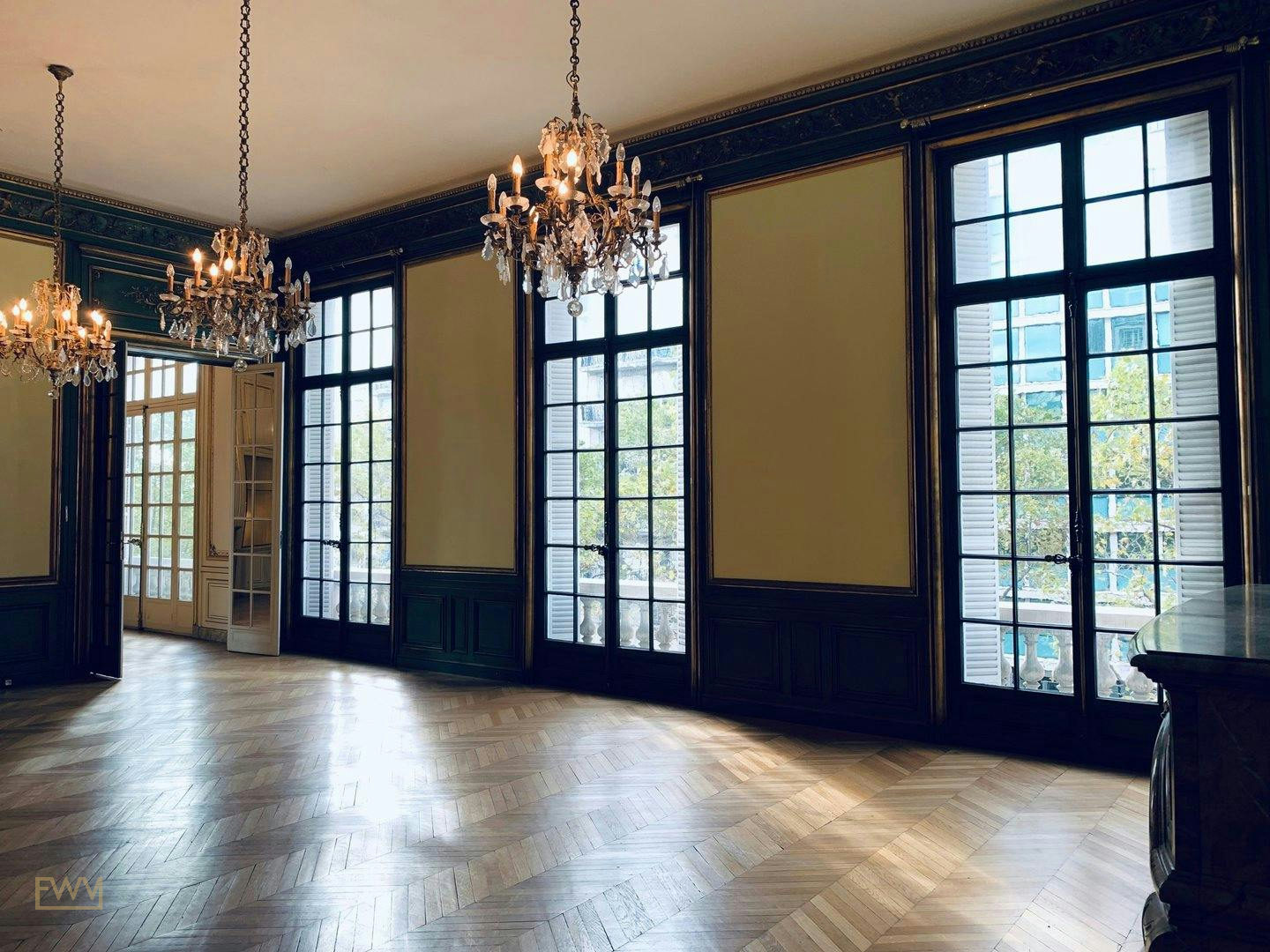
Stylish apartments converted for commercial use also appear in this market, particularly in the Canal Saint-Martin zone. These hybrid spaces often retain residential architectural features including original parquet floors, high ceilings, ornate fireplaces, and large windows, which can serve as powerful backdrop elements for fashion activations seeking an authentic Parisian aesthetic rather than a clinical white-box environment.
Quick answer: Short-term boutique rental spaces in the 10th arrondissement range from compact ground-floor retail units and converted ateliers to furnished apartments used for showrooms and private events. Furnished spaces reduce fit-out cost and lead time. Hybrid residential-commercial formats near Canal Saint-Martin are particularly popular for fashion brands seeking an authentic Parisian editorial backdrop.
TIP: When evaluating any space in Paris 10 for a brand activation, assess not just the square metreage but the ceiling height, natural light quality, acoustic profile, and proximity to parking and public transport. For spaces intended to host press or buyers, the surrounding street environment is part of the guest experience and should be factored into your assessment.
Private and shared property arrangements also feature in this market. Some property owners in Paris 10 offer shared access to spaces, where a brand might occupy part of a larger location alongside another tenant or brand. This co-tenancy format can reduce costs and is particularly relevant for emerging brands or for brands testing the Paris market for the first time. The Fashion Week Venues twin concept formalises this approach, enabling two complementary brands to share a single space and split both the cost and the audience. More information on this co-activation model is available through the twin concept page.
KEY TAKEAWAY: Space type selection in the 10th arrondissement should be driven by your activation format, team size, budget, and brand positioning. Furnished hybrid formats near Canal Saint-Martin suit editorial and immersive activations. Ground-floor retail units on Rue du Faubourg Saint-Denis or near Grands Boulevards suit product-focused retail formats requiring consistent footfall.
With the space typology clearly mapped, the next practical consideration is the booking and rental service landscape, including how to search for spaces, what to look for in listings, and how to evaluate platforms and agencies.
Booking and Rental Services: Finding the Right Space in Paris 10
The process of finding, evaluating, and securing a boutique rental space in the 10th arrondissement of Paris is more complex than a standard residential lease or hotel booking. Brands entering this market for the first time should understand the different types of services available, the limitations of each, and where professional guidance adds measurable value.
Online Listing Platforms and Marketplaces
Residential and short-term rental platforms including Airbnb provide access to a wide range of property types across the 10th arrondissement, from private rooms and shared rooms through to entire home and apartment formats. These platforms offer verified reviews, transparent price range filters, Family-friendly vacation rentals categories, Pet-friendly vacation rentals options, and features like Virtual visit functionality. For brand teams needing flexible short-stay accommodation for staff during an activation period, these platforms provide a practical and fast-booking solution.
However, Airbnb and similar general-purpose vacation rental platforms are not structured for commercial brand activations, short-term retail leases, or event-format space rentals. Their search criteria are designed for personal stays, not for brand activation briefs that require consideration of pedestrian visibility, loading access, fit-out permissions, electrical capacity, or proximity to target press and buyer profiles.
Specialist commercial space platforms such as Spacest.com offer a more relevant search infrastructure for brand teams looking at furnished apartment rentals and private and shared property options for medium-term stays. These platforms allow searches by price range, property type, and amenities, and some provide virtual visit functionality that allows remote pre-qualification of a space before committing to an in-person viewing. Customer service and payment methods vary by platform, and booking lead times for quality spaces in Paris 10 can be shorter than expected, particularly in the weeks around Fashion Week calendar windows.
Advisors and Specialist Agencies
For brand-grade activations, the most effective approach is to work with a specialist advisor or agency that understands both the Paris real estate market and the specific requirements of short-term commercial activation. Services like those provided by Fashion Week Venues go well beyond listing aggregation. An experienced advisor will conduct a needs assessment, pre-qualify spaces against your brief, manage negotiations with landlords or space owners, navigate permit and compliance requirements, and coordinate the full production and operational chain from fit-out through to debrief.
Platforms like Paris Attitude and Coco Community serve a slightly different audience, primarily expats renting in Paris and professionals moving to Paris for medium or long-term stays, but their model of combining property listings with advisor-led search support and verified, visited properties offers a useful framework for understanding what good service looks like. Paris Attitude, for example, offers a selection of properties visited and checked by their experts, fully-equipped furnished homes including Wi-Fi, free home insurance, and access to advisors who can help with search criteria. The Coco Community model is specifically positioned as the ideal solution for expats renting in Paris, with a focus on the practical complexities that international teams face when navigating the French rental market.
For commercial brand activations, the equivalent framework means working with an agency that has pre-vetted spaces, understands permit requirements, can provide fit-out and production support, and has local relationships with landlords and regulators. This reduces risk, accelerates the search and booking process, and produces better outcomes than attempting to navigate the market independently.
Quick answer: For short-stay staff accommodation in Paris 10, platforms like Airbnb and Spacest.com provide practical solutions with flexible booking and verified reviews. For commercial boutique rental and brand activation spaces, working with a specialist agency that provides advisor-led search, permit guidance, and production support produces significantly better outcomes than self-directed platform searches.
IMPORTANT: When using any listing platform for commercial space rental in France, confirm that the listed space is legally permitted for commercial use. Residential properties in Paris cannot be used for retail or brand activation without specific permissions, and operating a commercial activity in a residential space without the appropriate authorisation carries legal and financial risk.
Understanding how to budget accurately for a boutique rental activation in Paris 10 is one of the most common areas where brands underestimate complexity. The next section addresses this directly.
Budgeting for a Boutique Rental Activation in the 10th Arrondissement
Accurate budgeting is one of the most important and most frequently underestimated aspects of planning a boutique rental activation in Paris. The costs involved extend well beyond the basic space rental fee, and brands that enter the process with an incomplete cost model frequently face budget overruns or are forced to compromise on activation quality at the last moment.
What Drives Cost Variability in Paris 10
Space rental costs in the 10th arrondissement vary based on several intersecting factors: the specific micro-zone within the arrondissement, the space size and format, the rental duration, the time of year relative to the fashion calendar, and whether the space is furnished or requires a full build-out. Canal Saint-Martin addresses command premium pricing relative to equivalent square metreage on less trafficked streets, partly due to their editorial and lifestyle brand value. Spaces near Gare du Nord and Gare de l'Est tend to reflect their footfall advantage in pricing terms for conventional retail formats.
Beyond the space cost itself, brands must budget for fit-out and production, furniture rental if the space is unfurnished, staffing, technology including POS and payments infrastructure, visual merchandising, press and influencer activation, logistics and storage, insurance, and permit fees where applicable. Each of these line items is material, and the combined total can substantially exceed the headline space rental figure.
DID YOU KNOW: Many brands entering the Paris market for the first time underestimate the cost of production and fit-out relative to the space rental cost. In some cases, the fit-out and operational costs together exceed the space rental cost by a factor of two or more, depending on the ambition and complexity of the activation.
Using Budget and ROI Tools
Rather than relying on generic estimates or market rumour for cost benchmarking, brands are better served by using structured planning tools that take account of their specific brief, space type, duration, and activation complexity. The budget estimation tool on Fashion Week Venues allows brand teams to model costs based on their actual requirements and receive directional estimates that reflect real market conditions. Similarly, the ROI calculator tool enables brands to model the potential return from a Paris activation against the total investment, supporting internal business case development and stakeholder approval processes.
Home insurance and property damage deposit requirements should also be factored into the budget from the outset. Some space owners in Paris require substantial deposits and may have specific requirements around the types of commercial activity permitted, the number of visitors permitted per day, and the restoration obligations at the end of the lease. Understanding these requirements before signing avoids unexpected costs at the close of an activation.
Quick answer: Total boutique rental activation costs in Paris 10 include space rental, fit-out and production, furniture, staffing, technology, insurance, permit fees, and marketing. The space rental fee is often only the largest single line item, but the total budget is determined by the sum of all operational and production costs. Use a structured budget tool rather than market estimates to model your specific activation cost.
KEY TAKEAWAY: Budget accuracy for a Paris 10 boutique rental activation requires modelling all cost categories, not just the space rental fee. Brands that undermodel production, staffing, and compliance costs frequently face pressure to compromise on activation quality. Use structured tools and experienced advisors to build a complete cost model from the outset.
To compare neighbourhoods and space types, explore the Paris city hub on Fashion Week Venues and shortlist spaces that match your brief, budget, and calendar window.
Permits, Compliance, and Legal Considerations for Short-Term Boutique Rental in Paris
Navigating the permit and compliance landscape for short-term boutique rental and brand activation in Paris is one of the most technically complex aspects of the process, particularly for international brands without an established French legal presence. Understanding the key legal mechanisms and their implications is essential before committing to a space or a calendar window.
Bail Dérogatoire and Short-Term Commercial Leases
In France, commercial leases are typically governed by the statut des baux commerciaux, which provides tenants with significant rights including a nine-year minimum term. For short-term activations, brands almost universally use the bail dérogatoire, also known as a bail précaire or short-term derogatory lease. This mechanism allows landlords and tenants to agree a commercial lease of up to three years without the tenant acquiring the same statutory rights as under a standard commercial lease. It is the primary legal instrument for pop-up retail, temporary showrooms, and short-term brand activations in France.
The bail dérogatoire must meet specific legal requirements to be valid, including the requirement that both parties explicitly agree in writing that the lease is intended to derogate from the standard commercial lease statute. If the tenant continues to occupy the space after the bail dérogatoire expires without a new agreement, the relationship automatically converts to a standard commercial lease with full statutory protections, which can create significant complications for landlords. Brands should ensure that their legal documentation is reviewed by a qualified French legal advisor before signing.
Autorisation d'Occupation Temporaire and Public Space
For activations involving public space, including exterior displays, street-facing installations, temporary structures on public footpaths, or events that affect public access, an Autorisation d'Occupation Temporaire (AOT) may be required from the relevant Paris municipal authority. Requirements for an AOT vary by arrondissement, by the nature and duration of the installation, and by whether the activity is classified as commercial, cultural, or mixed. The 10th arrondissement has its own mairie and local authority processes, and the application timeline for an AOT can be substantial.
IMPORTANT: Permit and compliance requirements for boutique rental and brand activation in Paris vary by space type, activation format, duration, and specific street or arrondissement. The information provided here is general guidance only. Always verify your specific requirements with a qualified French legal advisor and the relevant local authority before proceeding. Fashion Week Venues does not guarantee permit approval for any space or activation.
Other Compliance Considerations
Beyond lease structure and public space permits, brands operating a commercial retail activation in Paris must consider fire safety and ERP (Etablissement Recevant du Public) compliance if the space will receive members of the public, commercial insurance obligations, data protection requirements for any customer data collected during the activation, and employment law considerations if French staff are hired for the activation period. Many of these requirements are standard for any commercial operation in France but require specific knowledge of French law and regulation to navigate correctly.
For brands without a French legal entity, additional considerations arise. Operating a commercial activity in France typically requires either a French legal entity or working through an established local partner or agency. The common misconception that brands can simply rent a space and operate commercially without any local legal structure is addressed directly in the Myth vs Fact section of this guide.
Quick answer: Short-term boutique rental in Paris typically uses a bail dérogatoire, which allows commercial leases of up to three years without the tenant acquiring standard commercial lease rights. Activations involving public space may require an Autorisation d'Occupation Temporaire. Permit and compliance requirements vary by space type, location, and activation format. Professional legal advice and specialist agency support are strongly recommended for international brands.
For structured guidance on permit requirements specific to your activation, the permit guidance tool on Fashion Week Venues provides a practical starting framework. Always verify with a qualified French legal advisor for your specific circumstances.
KEY TAKEAWAY: Permit and legal compliance for a Paris boutique rental activation is complex and varies by space, format, and location. Bail dérogatoire governs most short-term commercial leases, and public space activations require separate authorisation. International brands without a French legal entity face additional requirements. Specialist agency and legal support are essential, not optional.
The Cultural and Lifestyle Context of Paris 10: Why This Arrondissement Works for Brands
Beyond the practical considerations of space, permits, and budget, the 10th arrondissement makes a cultural argument for itself that few other Paris arrondissements can match. Understanding this cultural context is important not just for brand positioning but for making the operational case to internal stakeholders who may be more familiar with the 1st, 4th, or 8th arrondissements as reference points for Paris retail.
Eclectic Culture and Multicultural Atmosphere
Paris 10 is genuinely and visibly multicultural in a way that distinguishes it from many of the more tourist-facing arrondissements. Rue du Faubourg Saint-Denis has long been a destination for Parisian food culture, with a concentration of brasseries, food shops, cheese vendors, and international cuisine restaurants that reflects the arrondissement's demographic diversity. This multicultural atmosphere is not a marketing construct. It is the daily reality of the neighbourhood and is increasingly valued by brands seeking to communicate cultural authenticity and a connection to real Paris rather than a sanitised version of it.
The bohemian vibes associated with the Canal Saint-Martin corridor attract a specific consumer profile that skews younger, more culturally informed, more likely to engage with brand storytelling, and more likely to share experiences on social channels. The trendy cafés along the Quai de Valmy and Quai de Jemmapes, the independent bookshops, the vintage clothing stores, and the concept stores collectively create an environment in which brand activations feel curated and contextually appropriate rather than commercially imposed.
Digital Nomadism and the Expat Community
The 10th arrondissement has become one of the preferred landing zones for international expats renting in Paris, digital nomads, and professionals on extended project assignments in the French capital. This is partly practical, given the arrondissement's excellent metro and RER connectivity, its relatively accessible price range for furnished apartments compared to the more central arrondissements, and its proximity to the major transport hubs at Gare du Nord and Gare de l'Est. It is also cultural: expats and digital nomads tend to be drawn to the same qualities that make the neighbourhood attractive to brand activations, namely its authenticity, its independent retail character, and its sense of genuine urban life.
For brands targeting this audience, a boutique rental activation in the 10th arrondissement is not just a retail opportunity. It is a cultural alignment signal. It communicates that the brand understands Paris beyond the obvious landmarks and is capable of engaging with the city on its own terms. This is a message that resonates strongly with the Canal Saint-Martin demographic and increasingly with the broader Paris consumer market.
When to Visit and When to Activate in Paris 10
The best time to visit the 10th arrondissement depends on your purpose. For leisure and lifestyle exploration, late spring and early autumn offer the most pleasant conditions for experiencing Canal Life, including the boat trips along the canal and the outdoor terrace culture that defines the neighbourhood in those seasons. For brand activations, the windows around Paris Fashion Week in January, February, September, and October represent peak opportunity periods, when press, buyers, influencers, and brand professionals are concentrated in the city and actively seeking experiences and activations beyond the official show calendar.
Planning to live in Paris and looking for a quiet arrondissement close to the centre is a reasonable framing for the 10th, though quietness is relative. The canal corridor and the streets around Faubourg Saint-Denis are animated and at times noisy. The quieter residential streets east of the canal and around Hôpital Saint-Louis offer a more tranquil character while remaining well-connected.
Quick answer: The 10th arrondissement offers brands a genuinely multicultural, culturally credible environment with strong appeal to younger, culturally informed consumers, digital nomads, and international expats. The Canal Saint-Martin corridor provides a distinctive editorial backdrop that communicates authenticity. Peak activation windows align with the Paris Fashion Week calendar in January, February, September, and October.
KEY TAKEAWAY: The cultural identity of the 10th arrondissement is a genuine brand asset, not just a backdrop. Brands that engage thoughtfully with the neighbourhood's multicultural character, bohemian retail culture, and canal lifestyle position themselves as authentic participants in Paris rather than temporary commercial visitors.
Transport, Connectivity, and Footfall in the 10th Arrondissement
Connectivity is one of the most compelling arguments for the 10th arrondissement as a boutique rental location, and it is worth examining in detail because footfall quality and quantity vary significantly across the arrondissement's different zones.
Metro Lines Serving Paris 10
The 10th arrondissement is served by multiple metro lines, providing excellent connectivity to the rest of Paris and making it accessible to consumers, press, buyers, and brand teams travelling from across the city. Metro lines 4, 5, 7, 8, and 9 all have stations within or immediately adjacent to the arrondissement. Key stations include Gare du Nord, Gare de l'Est, République, Jacques Bonsergent, Château d'Eau, Strasbourg Saint-Denis, and Bonne Nouvelle. This density of metro access means that very few points within the arrondissement are more than a short walk from a metro station, which is a significant practical advantage for consumer-facing activations and for brand teams coordinating logistics across multiple city locations.
RER Lines and International Connectivity
Gare du Nord is one of the most significant transport nodes in Europe, serving RER lines B (for Charles de Gaulle Airport and Orly via the city centre) and D, as well as the Eurostar and Thalys international rail services connecting Paris to London, Brussels, Amsterdam, and major European cities. Gare de l'Est serves TGV and regional rail routes connecting Paris to Eastern France, Germany including Frankfurt, Munich, and Berlin, and connections towards Central and Eastern Europe. This international rail connectivity makes the arrondissement particularly relevant for brands coordinating teams travelling from London, Berlin, or other European cities for Fashion Week activations, and for buyers and press who may be arriving by train rather than by air.
For brands whose activation audiences include European-based professionals arriving directly by train, the 10th arrondissement's proximity to these terminals is a genuine logistical advantage. Guests travelling from London on Eurostar, or from Barcelona and Madrid via connecting services, arrive directly into the arrondissement's transport infrastructure without needing to transfer across the city.
Footfall Patterns and Consumer Profiles by Zone
Footfall in Paris 10 is characterised by its diversity rather than its volume alone. The Gare du Nord and Gare de l'Est zone generates extremely high daily footfall but includes a broad mix of commuters, international travellers, and transit passengers that does not align well with luxury or niche brand activations. The Canal Saint-Martin corridor generates lower absolute footfall but a much more precisely defined demographic of cultural consumers, creatives, and lifestyle-oriented shoppers, making it more effective for fashion, beauty, and lifestyle brand activations despite the lower raw numbers.
Rue du Faubourg Saint-Denis and the Porte Saint-Martin zone generate strong footfall from a genuinely mixed urban demographic that aligns well with brands seeking cultural diversity and authentic Paris street life as part of their activation narrative. Place de la République, which sits at the arrondissement's southern boundary, generates footfall from across multiple surrounding arrondissements and is frequently used as a gathering point for cultural events, making it a useful reference point for activations designed to attract a broad Paris audience.
Quick answer: The 10th arrondissement is served by multiple metro lines and two major RER hub stations, providing excellent connectivity to the rest of Paris and direct international rail connections to London, Brussels, Amsterdam, Frankfurt, Berlin, and other European cities. Footfall quality varies significantly by zone, with Canal Saint-Martin attracting a highly targeted creative consumer profile and the Gare du Nord zone delivering higher but less targeted volume.
KEY TAKEAWAY: Transport connectivity in Paris 10 is among the best in the city, but footfall profiles vary dramatically by zone. Match your space location to your target audience profile rather than simply optimising for maximum footfall volume. The Canal Saint-Martin demographic will deliver stronger engagement metrics for most fashion and lifestyle brands than the raw station footfall numbers near the Gare du Nord.
Nearby Neighbourhoods and Cultural Landmarks That Extend the Paris 10 Activation Story
The 10th arrondissement does not exist in isolation. Its borders connect it to some of the most culturally significant and commercially active parts of Paris, and understanding these adjacencies allows brands to build activation narratives that extend beyond a single space or a single arrondissement.
Montmartre and Fg Montmartre
Directly to the north and northwest, Montmartre and the Faubourg Montmartre area offer a concentration of theatres, galleries, and independent retailers that share demographic characteristics with the Canal Saint-Martin zone. Fg Montmartre is increasingly recognised as a destination for independent fashion and design retail, and brands activating in Paris 10 can extend their narrative into this corridor with relatively modest additional effort. The geographical proximity means that press and buyers visiting a Paris 10 activation can easily incorporate Montmartre into their itinerary, increasing the total value of their Paris visit.
Belleville and the Eastern Creative Quarter
To the east, the Belleville neighbourhood straddles the 10th, 11th, 19th, and 20th arrondissements and represents one of Paris's most dynamic creative and cultural zones. Belleville's concentration of artist studios, galleries, and independent restaurants has made it a reference point for Paris's contemporary art scene, and its demographic overlap with the Canal Saint-Martin corridor makes it a natural extension for brands seeking to communicate cultural depth in their Paris presence. An activation in Paris 10 that incorporates Belleville connections benefits from association with both the lifestyle credibility of the canal and the creative seriousness of the city's most active artist community.
Major Paris Landmarks in Context
International brands presenting Paris 10 to internal stakeholders or press contacts unfamiliar with the arrondissement often find it helpful to contextualise its location relative to well-known Paris landmarks. The Louvre Museum is approximately fifteen minutes by metro from République. The Arc de Triomphe is accessible within twenty to twenty-five minutes. The Palace of Versailles is reachable via RER from Gare du Nord in approximately forty minutes. The Picasso Museum in the Marais is within comfortable walking distance of the canal's southern reach. These proximity points help international audiences understand that Paris 10 is not remote or peripheral but genuinely central, despite its relatively accessible rental price range compared to the 1st, 4th, or 8th arrondissements.
Brands whose primary reference points for Paris are the Champs-Elysées, Saint-Germain-des-Prés, or the Marais will benefit from understanding that the 10th arrondissement's distance from these landmarks is a feature as much as a limitation. It provides the editorial distance and neighbourhood credibility that makes an activation feel genuinely Parisian rather than generically luxury-central.
Quick answer: The 10th arrondissement borders Montmartre, Belleville, and the Marais zone, and is within easy metro reach of all major Paris landmarks including the Louvre, the Picasso Museum, and the Arc de Triomphe. These adjacencies allow brands to position a Paris 10 activation as genuinely central while benefiting from the neighbourhood's editorial and cultural distinctiveness.
KEY TAKEAWAY: Understanding the 10th arrondissement's relationship to surrounding neighbourhoods and major landmarks is essential for communicating its value to internal stakeholders and international press. Paris 10 is not peripheral. It is a central arrondissement with strong cultural adjacencies and excellent landmark proximity, offering brand positioning advantages that more conventional retail districts cannot replicate.
How Fashion Week Venues Supports Boutique Rental Activations in Paris 10
Fashion Week Venues operates as a full-service pop-up shop agency and space marketplace with Paris as its primary market. For brands considering a boutique rental activation in the 10th arrondissement, the agency's combination of marketplace access, professional services, and planning tools addresses the full spectrum of challenges that brands face in this market.
Services That Apply Directly to Paris 10 Activations
The venue sourcing service is the natural starting point for brands that have a brief but have not yet identified a specific space. The Fashion Week Venues team applies its knowledge of the Paris 10 market, including its micro-zone characteristics, landlord relationships, and seasonal availability patterns, to identify spaces that match the brand's brief, budget, and calendar requirements. This is significantly more efficient than self-directed searches through general listing platforms, particularly for brands without established relationships in the Paris real estate market.
Once a space is identified, the concept and creative direction service supports brands in developing an activation concept that works both spatially and narratively. For a 10th arrondissement space, this might mean developing a concept that engages authentically with the canal's visual language, the neighbourhood's multicultural character, or the covered passageways' historical texture. Concept direction that is genuinely responsive to the specific space and neighbourhood produces significantly stronger activations than generic retail fit-outs that could exist anywhere.
The production and build service manages the physical fit-out of the space, from initial technical assessment through to final installation and snagging. For boutique spaces in Paris 10, where building fabric and landlord requirements can vary significantly from one property to the next, having a production team with direct Paris experience reduces delays, cost overruns, and compliance risks.
The retail staffing service provides French-speaking, brand-briefed staff for the activation period, including sales associates, brand ambassadors, and operational support staff. For international brands without existing French retail staff, this service eliminates one of the most practically challenging aspects of operating in a foreign market.
Planning Tools for Brand Teams
Beyond services, Fashion Week Venues provides a suite of planning tools that allow brand teams to self-direct parts of the planning process before engaging with an agency team. The timeline planning tool helps brands map out the critical path from brief to activation, identifying the key milestones and decision points that determine whether a given calendar window is achievable. The space comparison tool allows brands to evaluate multiple shortlisted spaces against common criteria. The locator tool helps brands understand the geographic positioning of available spaces within the 10th arrondissement and relative to target footfall zones and nearby brand locations.
For brands that are earlier in the planning process and need to build an internal business case, the ROI calculator provides a framework for modelling the expected return from a Paris activation relative to the total investment, while the budget estimation tool helps brands establish a realistic cost model before committing to a space or an agency engagement.
Who Benefits Most from This Support
The brands that benefit most from Fashion Week Venues' support in Paris 10 are international labels entering the Paris market for the first time, established brands scaling their Paris presence beyond a single seasonal activation, emerging designers seeking to establish a credible Paris address during Fashion Week, and global brand teams managing multi-city activation programmes who need reliable, accountable delivery in Paris without building a permanent local team.
It is important to understand what Fashion Week Venues does not guarantee: no agency can guarantee specific permit approvals, exact rental prices, or specific space availability at any given calendar window. Market conditions, landlord decisions, and regulatory processes introduce variability that no agency can eliminate. What a specialist agency does is significantly reduce the risk, cost, and complexity of navigating these factors, and provide a level of market knowledge and professional accountability that self-directed approaches cannot match.
To explore past activations and understand the range of work delivered, the work and case study section provides detailed examples of how brands have approached Paris activations across different formats, budgets, and calendar windows.
KEY TAKEAWAY: Fashion Week Venues supports boutique rental activations in Paris 10 through the full project lifecycle, from space sourcing and concept development through to production, staffing, and analytics. Brand teams benefit most from engaging early in the planning cycle, using the available tools to build a brief and business case before moving into agency-led execution.
Common Myths About Boutique Rental in the 10th Arrondissement Paris
MYTH: International brands need a French legal entity to rent a commercial space in the 10th arrondissement.
FACT: While having a French legal entity simplifies some aspects of commercial rental in France, it is not an absolute requirement for every type of short-term activation. Many brands operate through a specialist agency or production partner that holds the necessary local legal relationships. However, the specific legal and tax implications of commercial activity in France for foreign entities are complex, and professional legal advice is essential before proceeding. Do not assume that renting through an agency eliminates all compliance obligations for your brand.
MYTH: Paris Fashion Week in September and October is the only viable calendar window for a boutique rental activation in Paris 10.
FACT: While the September and October Fashion Week window and the January and February ready-to-wear and couture windows are peak periods for brand activations in Paris, the 10th arrondissement generates strong consumer and press traffic throughout the year. The Canal Saint-Martin corridor is particularly active from late spring through early autumn, and brands targeting the expat, digital nomad, and lifestyle consumer segments may find that off-peak windows offer better value, more availability, and a less competitive brand landscape than the concentrated Fashion Week periods.
MYTH: Commission-based brokers are the only way to find a short-term boutique rental space in the 10th arrondissement.
FACT: Commission brokers are one route to market, but specialist agencies with marketplace access, pre-vetted space inventories, and established landlord relationships often provide faster, more transparent, and more brand-appropriate access to spaces in Paris 10. Online commercial space platforms and marketplaces provide self-serve search options for brands with in-house capability. The right approach depends on your brief, timeline, and internal resource. Understanding the full range of options before committing to a single route to market is the starting point for a well-managed space search.
MYTH: Short-term commercial leases in France are legally straightforward and do not require specialist advice.
FACT: Short-term commercial leases in France, including bail dérogatoire arrangements, involve specific legal requirements that must be met for the lease to be valid and for the tenant to avoid inadvertently acquiring standard commercial lease rights. The conditions for a valid bail dérogatoire, the implications of the AOT for public space use, and the employment, insurance, and compliance obligations that attach to commercial activities in France are all areas where specialist legal advice is strongly recommended. Treating these instruments as simple short-term rental contracts without understanding their legal context is a significant risk, particularly for international brands unfamiliar with French commercial law.
MYTH: Boutique rental spaces in the 10th arrondissement are less visible and less strategically valuable than spaces in the Marais or Saint-Germain-des-Prés.
FACT: Strategic visibility is determined by the alignment between a space's location and a brand's target audience, not by postcode prestige. For brands targeting younger creative consumers, cultural press, and the global lifestyle media that covers the Canal Saint-Martin as a reference neighbourhood, a well-chosen space in Paris 10 will deliver stronger brand alignment and more relevant editorial coverage than a conventional retail unit in a more expensive but less culturally specific arrondissement. The question is not which arrondissement is most prestigious, but which location best serves your specific activation objectives.
Frequently Asked Questions
What is the best neighbourhood within the 10th arrondissement for a boutique rental activation?
The best neighbourhood depends on your brand positioning and target audience. The Canal Saint-Martin corridor is ideal for fashion, lifestyle, and creative brands seeking a culturally credible, editorially distinctive backdrop with strong appeal to younger consumers and cultural press. Rue du Faubourg Saint-Denis suits brands that want a genuinely multicultural, street-level Paris environment. The Grands Boulevards fringe near Porte Saint-Martin and Boulevard de Bonne-Nouvelle works well for theatrical or immersive activations. Spaces near Gare du Nord and Gare de l'Est suit high-footfall retail formats rather than curated brand experience activations.
How far in advance should a brand start planning a boutique rental activation in Paris 10?
The recommended planning lead time for a boutique rental activation in Paris 10 varies by complexity and calendar window. For activations during Fashion Week periods, a minimum of three to six months lead time is advisable, and six to twelve months is more appropriate for complex or large-scale activations. Permit applications, production lead times, and space availability in peak windows require early commitment. For activations outside Fashion Week windows, a shorter lead time may be feasible, but four to eight weeks is rarely sufficient for anything beyond a very simple format. Use the timeline planning tool to map the critical path for your specific brief.
What types of short-term lease are available for boutique rental in Paris?
The primary short-term commercial lease instrument in France is the bail dérogatoire, which allows a commercial tenancy of up to three years without the tenant acquiring the statutory rights associated with a standard nine-year commercial lease. For very short-term activations of days or weeks, some landlords offer convention d'occupation précaire or similar informal arrangements. The appropriate legal structure depends on the duration, the nature of the activity, and the landlord's preferences. Always obtain qualified French legal advice before signing any commercial lease in France.
Do international brands need a French legal entity to operate a boutique rental in Paris 10?
Not in every case, but operating commercially in France as a foreign entity involves legal and tax considerations that must be understood before proceeding. Some brands operate through a local agency or production partner that assumes the local legal and contractual role. Others establish a simplified French legal presence for the duration of their Paris operations. The right approach depends on the scale, duration, and commercial structure of the activation. Professional legal and tax advice specific to your brand's situation is essential and should be obtained before committing to a space or a lease.
What does a fully equipped furnished space for a brand activation in Paris typically include?
A fully equipped furnished space for brand activation purposes typically includes modular display and shelving fixtures, lighting infrastructure, a basic kitchen or kitchenette for team use, Wi-Fi connectivity, seating and reception furniture, and sometimes POS infrastructure. The specific contents vary significantly between spaces and landlords. Some spaces are styled and ready-to-activate with minimal additional fit-out; others are furnished only in the residential or basic commercial sense and require significant brand-specific customisation. Always conduct a detailed space assessment against your specific activation requirements before confirming a furnished space as suitable.
What permit does a brand typically need for a pop-up or boutique rental activation in the 10th arrondissement?
For a private commercial space in Paris 10, the primary legal instrument is typically the bail dérogatoire, which governs the tenancy itself. If the activation involves any use of public space, including exterior signage, pavement displays, or events that affect public access, an Autorisation d'Occupation Temporaire (AOT) from the Paris municipal authority may be required. Depending on the number of visitors expected, the space may also need to comply with ERP (Etablissement Recevant du Public) fire safety regulations. Requirements vary by space type, activation format, and specific location. The permit guidance tool on Fashion Week Venues provides a framework, but professional legal advice is always recommended.
Is the 10th arrondissement a good location for a brand targeting expats and digital nomads in Paris?
Yes. The 10th arrondissement is one of the most popular Paris arrondissements for international expats and digital nomads, primarily due to its excellent transport connectivity, relatively accessible furnished apartment rental costs, and its concentration of independent cafes, concept stores, and cultural venues. Brands targeting this demographic will find strong contextual alignment in Paris 10, particularly in the Canal Saint-Martin corridor and the Faubourg Saint-Denis area. The neighbourhood's multicultural atmosphere and bohemian character resonate strongly with internationally mobile, culturally aware consumers.
What is the Canal Saint-Martin and why does it matter for brand activations?
The Canal Saint-Martin is a 4.5-kilometre waterway running through the eastern part of the 10th arrondissement and into the 19th, connecting the Bassin de la Villette to the Seine via underground sections beneath the Bastille. Its tree-lined quays, iron footbridges, and surrounding streets have become one of the most photographed and media-featured parts of Paris, strongly associated with authentic Parisian lifestyle, independent retail culture, and creative community life. For brand activations, the canal corridor provides an editorial backdrop that is immediately recognisable to an international audience familiar with Paris as a cultural reference point.
What is the difference between a furnished apartment and a boutique rental space for brand activation purposes?
A furnished apartment is a residential property equipped with furniture and domestic appliances, rented on a short or medium-term basis primarily for accommodation. A boutique rental space for brand activation is a commercially zoned or commercially permitted property adapted for retail, showroom, or event use. Some hybrid properties in Paris 10, particularly in the Canal Saint-Martin area, function as both, offering residential-style architectural features in a commercially usable format. The distinction matters legally and operationally: operating a commercial retail activity in a purely residential property without appropriate permissions is not permitted under French law.
How does the twin co-activation concept work for boutique rental in Paris 10?
The twin co-activation concept, offered by Fashion Week Venues, enables two complementary brands to share a single space and activation budget, dividing both cost and audience between them. This model is particularly relevant for emerging brands or brands entering the Paris market for the first time, where the full cost of an independent space may be prohibitive. The two brands must be non-competing but complementary in aesthetic and audience terms, and the shared space must be designed to accommodate both brand identities coherently. The model reduces individual cost while maintaining activation quality and brand visibility.
What are the best calendar windows for boutique rental activations in the 10th arrondissement?
The highest-value calendar windows for brand activations in Paris 10 align with Paris Fashion Week, which occurs in late January and early February for haute couture and menswear, and in late September and early October for women's ready-to-wear. These periods concentrate the highest density of press, buyers, influencers, and brand professionals in the city. Outside Fashion Week, late spring from April through June and early autumn in September offer strong consumer footfall in the Canal Saint-Martin corridor. Off-peak windows from November through January, excluding the Fashion Week periods, offer better space availability and potentially more favourable rental terms.
What should a brand team look for when evaluating a boutique rental space in Paris 10?
Key evaluation criteria include the space's planning and commercial use permissions, its ceiling height and natural light quality, loading access and delivery logistics, electrical capacity for retail lighting and technology, proximity to metro and RER stations, the character of the surrounding street and neighbouring businesses, landlord flexibility on fit-out and restoration requirements, and the terms and conditions of the lease. For brand activations specifically, the space's visual backdrop and architectural character are important factors in the activation's editorial and social media value, which is increasingly a significant component of a Paris activation's total return.
How does Fashion Week Venues help brands that have never activated in Paris before?
Fashion Week Venues supports first-time Paris activators through the full project lifecycle, including initial brief development, space sourcing and evaluation, permit and compliance guidance, concept and creative direction, production and fit-out management, staffing, technology deployment, and post-activation analytics and debrief. For brands with no existing Paris relationships, market knowledge, or local operational infrastructure, this full-service support eliminates the need to build local capability from scratch for a single activation. The process page on Fashion Week Venues explains the step-by-step workflow in detail.
Can a brand use a boutique rental space in Paris 10 for both retail and press or buyer appointments?
Yes. Many boutique rental activations in Paris 10, particularly during Fashion Week calendar windows, combine a public-facing retail component with a private or appointment-only showroom component within the same space. This hybrid format maximises the return on the space rental investment by generating both direct sales revenue and wholesale or press value from a single activation. Spaces in the Canal Saint-Martin area are particularly well-suited to this format due to their architectural character and their appeal to both consumer and trade audiences. Space design and zoning should reflect both functions from the outset of the concept development process.
Are there virtual visit or remote space evaluation options for international brands planning a Paris 10 activation?
Some platforms and agencies offer virtual visit functionality, allowing brands to conduct a preliminary evaluation of a space remotely before committing to an in-person visit. Virtual visits are valuable for pre-qualifying a shortlist and eliminating spaces that clearly do not meet basic requirements, but they are not a substitute for an in-person assessment for spaces that are being considered for a significant brand investment. The Fashion Week Venues imagine tool supports remote space visualisation, allowing brands to explore how a space could look with brand-specific design concepts applied before making a physical visit or financial commitment.
Conclusion: Planning Your Boutique Rental Activation in the 10th Arrondissement of Paris
The 10th arrondissement of Paris offers one of the most strategically compelling combinations of cultural authenticity, transport connectivity, audience diversity, and spatial variety available in the French capital. From the editorial quality of the Canal Saint-Martin corridor to the multicultural street energy of Rue du Faubourg Saint-Denis, from the grand infrastructure of Gare du Nord to the theatrical history of Porte Saint-Martin, Paris 10 provides a brand activation environment that communicates real Paris rather than a curated version of it.
Navigating this market successfully requires more than finding a space. It requires understanding which micro-zone within the arrondissement aligns with your brand positioning, what legal structure is appropriate for your tenancy, how to build an accurate and complete budget model, how to plan your timeline relative to the Fashion Week calendar, and how to manage the production, staffing, and compliance elements of the activation itself. Each of these challenges is manageable with the right knowledge and the right partners.
The guides, tools, and agency services available through Fashion Week Venues are designed specifically to support brands through exactly this process, from the earliest planning stages through to post-activation analysis. Whether you are entering the Paris market for the first time or scaling an existing Paris presence, the combination of marketplace access, specialist services, and structured planning tools provides a practical foundation for a well-executed activation.
To move from research to activation, start exploring available spaces on the Fashion Week Venues marketplace and build a focused brief for your target neighbourhood, space type, and calendar window. The earlier you engage with the planning process, the more options you will have and the better the outcome you can expect from your Paris 10 activation.