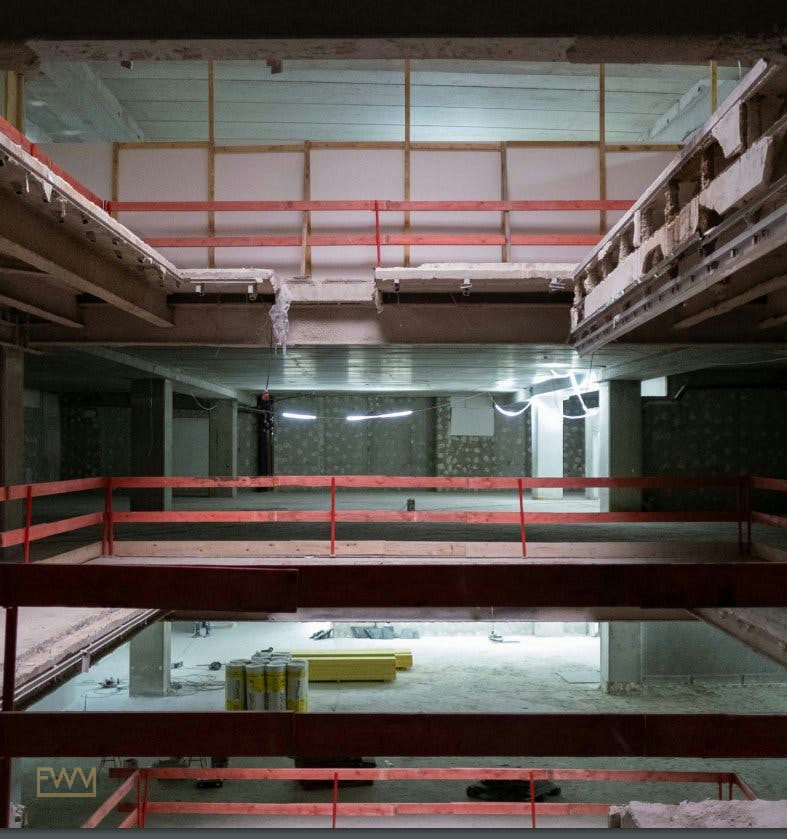
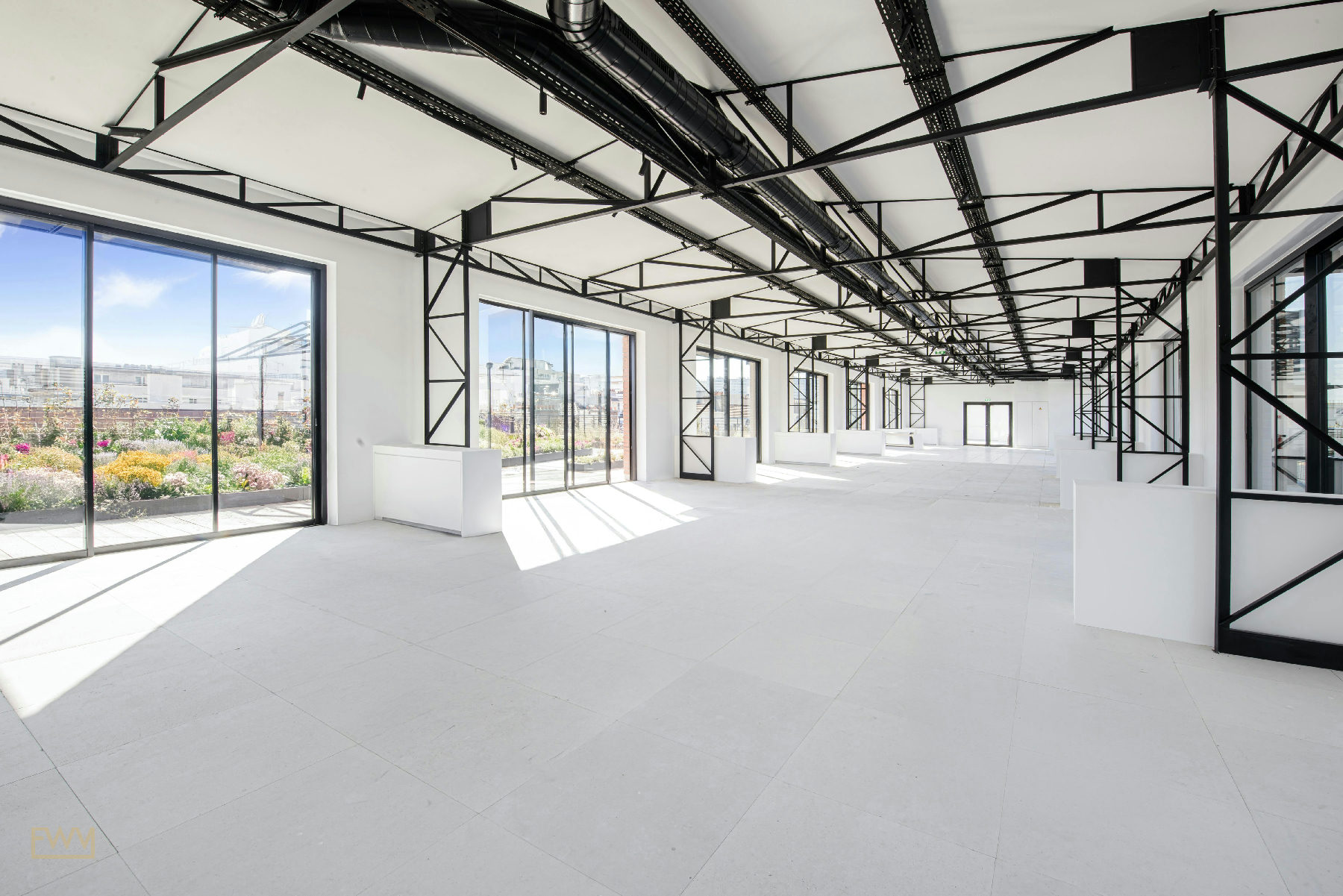
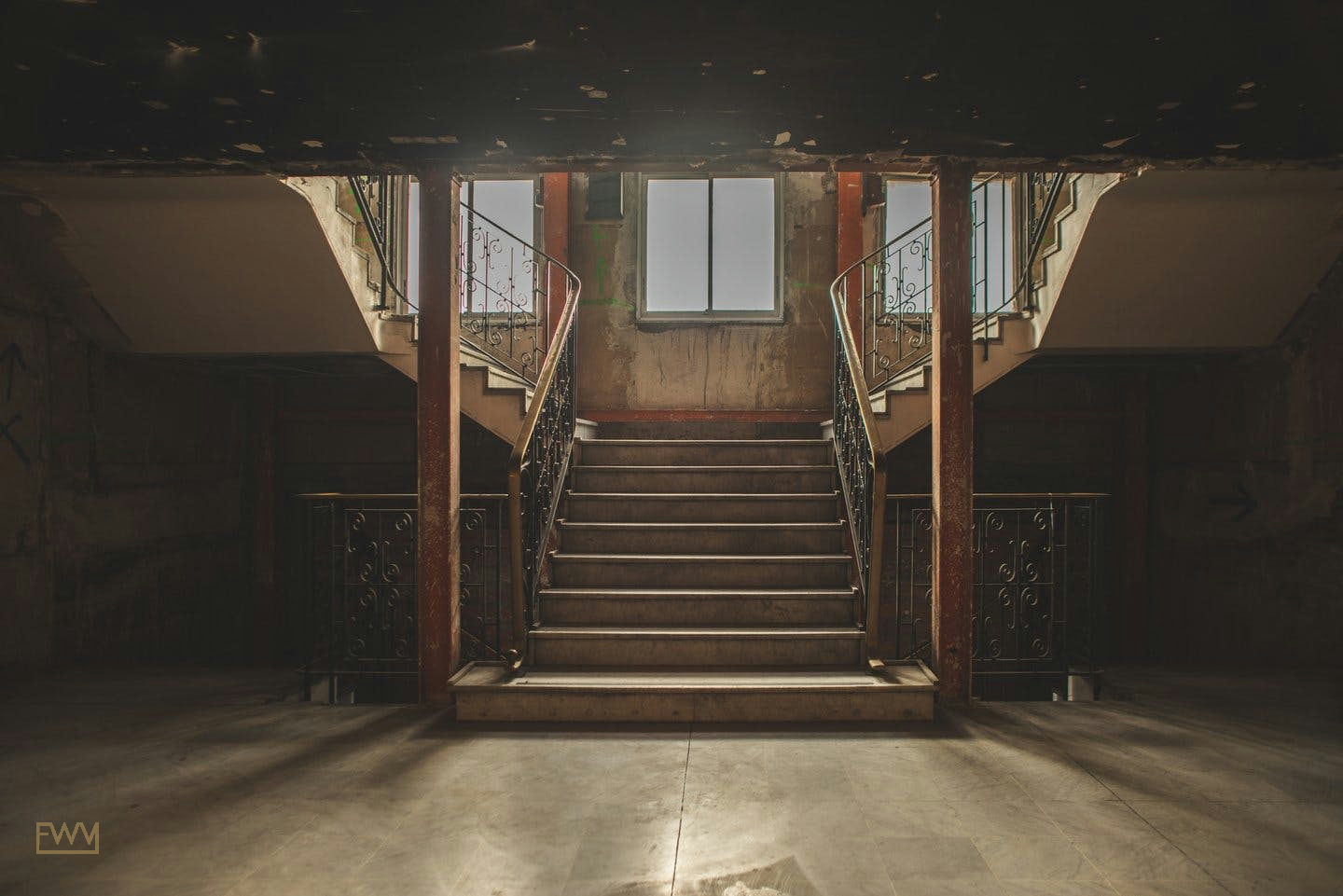
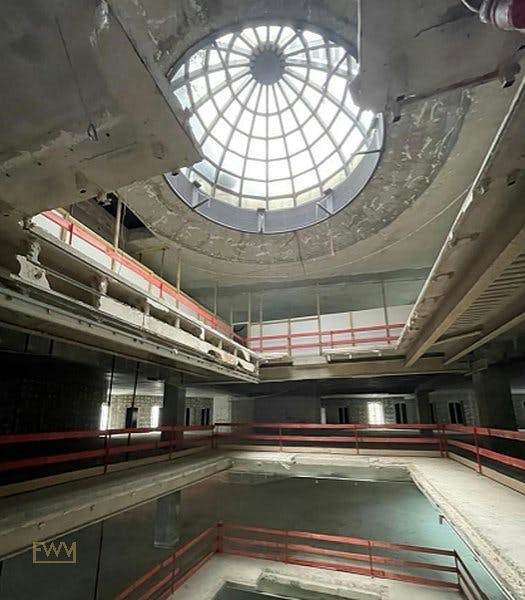
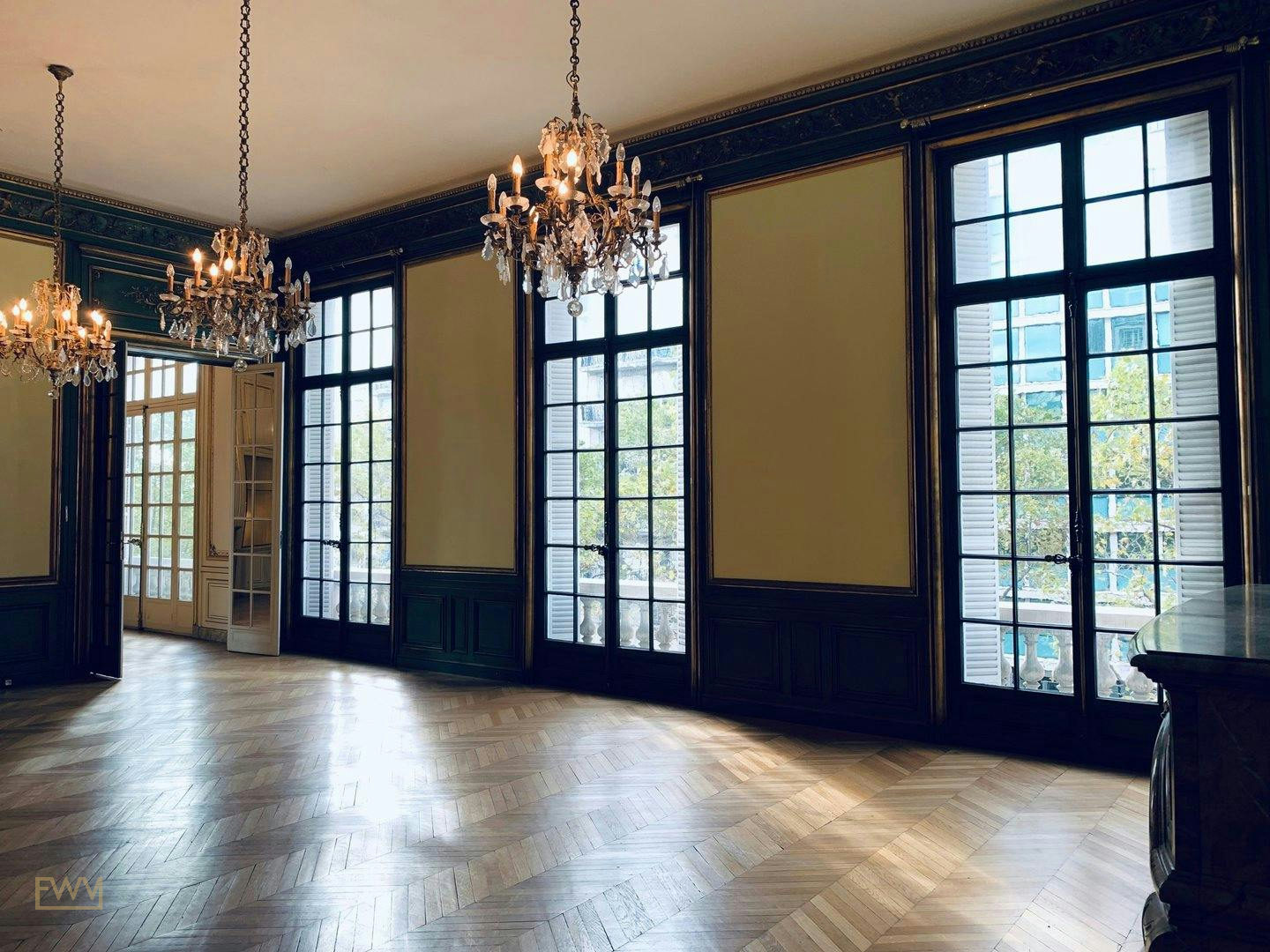
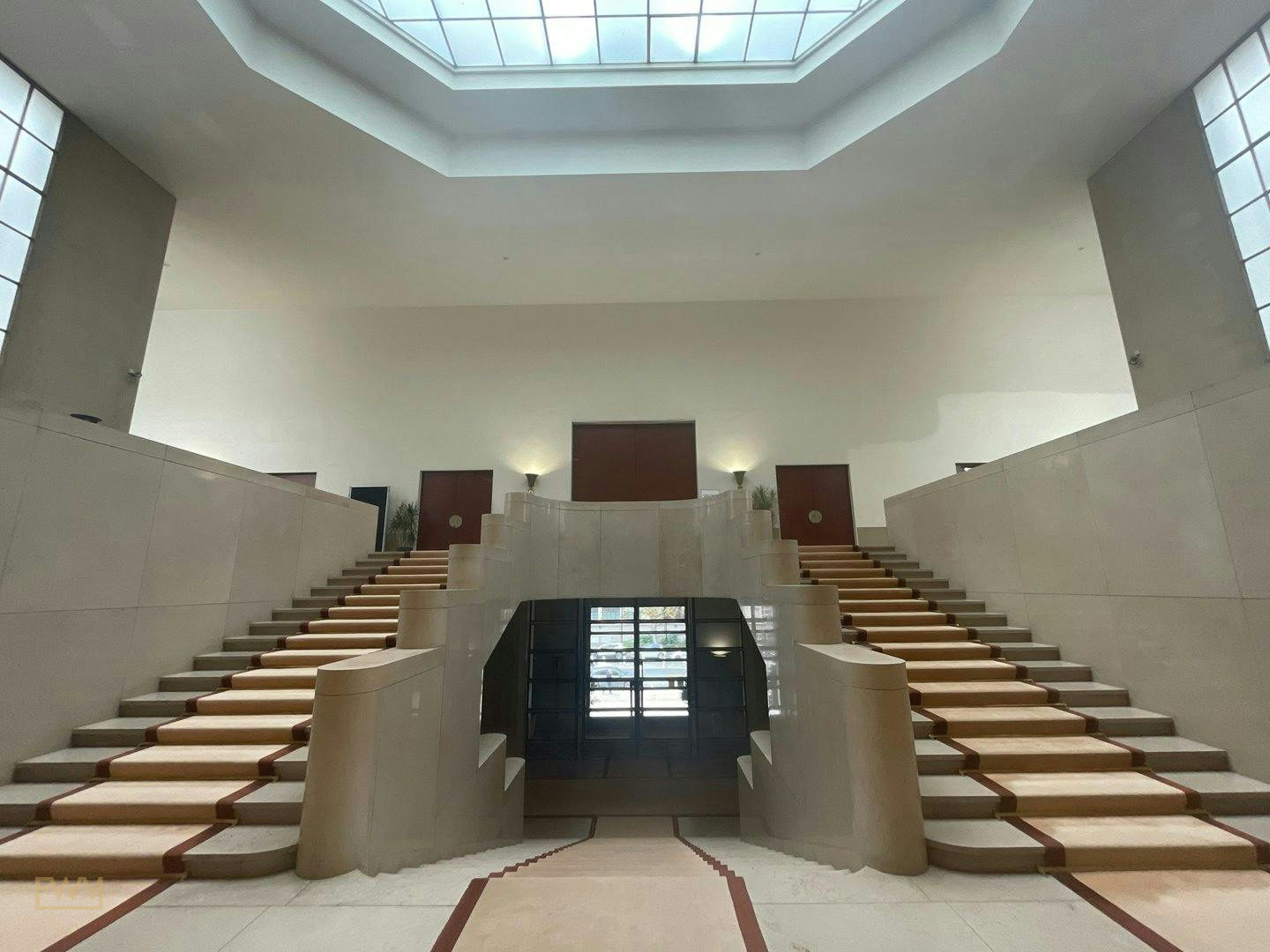
For brands looking to rent a pop-up shop in Bastille, Paris offers one of Europe's most strategically compelling retail environments outside the traditional luxury corridors of the 1st and 8th arrondissements. Bastille and the surrounding 11th and 12th arrondissements combine genuine residential footfall, a creatively engaged local demographic, and a density of street-facing storefronts that suit emerging labels, established brands, and everything in between. Whether you are planning a product launch around Paris Fashion Week, a seasonal retail store, or a long-form brand activation, this guide covers every dimension of the decision, from space types and neighbourhood dynamics to lease structures, permit requirements, and budget frameworks. Fashion Week Venues supports brands seeking pop-up spaces across Paris, including the Bastille district and adjacent areas.
Why Bastille Is a Serious Option for Pop-Up Retail in Paris
Quick answer: Bastille offers a rare combination of high residential footfall, a creatively engaged local audience, competitive rental rates relative to the Marais and Saint-Germain, strong transport links, and a growing concentration of independent boutiques and concept stores that signal genuine consumer appetite for discovery retail.
The Bastille district sits at the convergence of the 11th, 12th, and 4th arrondissements, anchored by the Place de la Bastille and radiating outward along the Rue de la Roquette, Rue de Charonne, Boulevard Beaumarchais, and the Rue du Faubourg Saint-Antoine. Unlike SoHo in New York, the Marais in Paris, or the premium retail corridors of Champs-Elysées, Bastille has historically attracted a mixed audience: artisans, gallerists, furniture makers, independent fashion labels, and food-led concept operators. This diversity is precisely what makes it attractive for brands running experiential activation spaces and pop-up retail stores that need authenticity alongside visibility.
The area benefits from exceptional metro connectivity. The Bastille station serves lines 1, 5, and 8, creating a genuine transit hub that draws commuter and leisure footfall throughout the day and into the evening. The Faidherbe-Chaligny and Ledru-Rollin stations extend this coverage into the interior streets of the 11th, which have become particularly interesting for brands targeting a younger Parisian consumer aged 25 to 40. The canal-side streets near the Oberkampf and Parmentier metros, which sit just north of the traditional Bastille boundary, extend the viable catchment area for brands willing to consider a slightly peripheral location in exchange for a more distinctive venue character.
Foot traffic in Bastille is genuinely mixed rather than purely tourist-driven, which distinguishes it from areas like the Rue de Rivoli or the Marais on summer weekends. For brands whose core customer is a domestic French consumer or a well-travelled European visitor rather than a mass tourist, this profile is often more commercially relevant. The Boulevard Richard-Lenoir hosts a major covered market on Thursday and Sunday mornings, drawing substantial local footfall that spills into the surrounding streets. The Viaduc des Arts, running along the Avenue Daumesnil into the 12th, offers a curated selection of artisan workshops and gallery-style retail units that attract a distinct creative audience.
Rental rates in the Bastille corridor are directionally lower than equivalent space sizes in the Marais or Saint-Germain-des-Prés, although this varies significantly by street, floor level, facing direction, and building condition. Brands planning a first Paris activation or managing a constrained budget without sacrificing brand credibility increasingly look to Bastille as a viable alternative to the premium neighbourhoods. However, directional rate estimates should always be validated against current market conditions. The Fashion Week Venues budget calculator provides a structured starting point for estimating space costs based on your specific brief.
For international brands accustomed to markets like Manhattan, Brooklyn's Williamsburg or Bushwick, Miami Wynwood, or London's Shoreditch, Bastille occupies a comparable cultural position: a neighbourhood that was formerly industrial or artisanal, has undergone sustained gentrification, retains genuine local character, and now supports a retail ecosystem where a thoughtfully executed pop-up can generate both commercial return and brand credibility.
KEY TAKEAWAY: Bastille is not a compromise choice for brands unable to afford the Marais or Saint-Germain. It is a strategically distinct neighbourhood with a different but genuinely valuable audience profile, strong transit access, competitive rental rates, and a growing concentration of independent retail that validates the area as a credible brand activation destination.
Understanding why Bastille works as a pop-up destination is the starting point. The next question is what kind of space best serves your specific activation objective.
Retail Space Types and Categories Available Near Bastille
Quick answer: The Bastille area offers street-facing storefronts, gallery-style studios, workshop conversion spaces, courtyard retail units, and multi-room apartments adapted for brand activations. The Viaduc des Arts adds specialist artisan-format venues. Space sizes typically range from compact studios under 50 square metres to larger former workshop spaces exceeding 200 square metres.
One of the practical advantages of the Bastille district and its immediate surroundings is the genuine variety of available space typologies. Unlike the more homogeneous retail offering in high-street corridors, Bastille contains a mix of building types reflecting its historical use as a centre of furniture making, artisanal workshops, and small-scale manufacturing. This legacy creates a supply of non-standard retail spaces that suit brands looking for a distinctive physical environment rather than a conventional white-box boutique.
Street-Facing Storefronts and Boutiques
The primary arterial streets, including Rue de la Roquette, Rue de Charonne, Rue du Faubourg Saint-Antoine, and Boulevard Beaumarchais, contain conventional street-facing retail units with shopfront glazing, direct pavement access, and signage potential. These work well for fashion labels, beauty brands, and product-led brands that want maximum street visibility and a familiar retail format. Sizes vary from narrow single-room units of 25 to 40 square metres to wider double-fronted spaces. For brands comparing this with SoHo Broadway in Manhattan or Elizabeth Street in Nolita, the Bastille street-facing units offer comparable pedestrian exposure at a different price point and with a distinctly Parisian residential context rather than a tourist-heavy one.
Gallery and Studio Spaces
Gallery and studio spaces are common in the 11th arrondissement, particularly in the interior streets between Bastille and Oberkampf. These tend to feature white or neutral walls, good natural light, and open-plan configurations that work well for product showcases, collection presentations, and experiential activation spaces. A beauty brand launching a new product line, a fashion label presenting a capsule collection, or a creative entrepreneur hosting a curated retail event would find these formats adaptable. The studio format also supports visual merchandising at a higher level than a conventional shopfront because the neutral environment allows complete creative direction over the spatial experience.
Viaduc des Arts and Courtyard Retail Units
The Viaduc des Arts, running along the Avenue Daumesnil in the 12th arrondissement, is a genuinely distinctive asset in the Bastille catchment area. The brick arches beneath the former railway viaduct house a series of artisan workshops and gallery-retail spaces that attract a culturally engaged, higher-spending audience. Brands in the craft, design, fashion, and luxury adjacency sectors should evaluate these units carefully. They offer a physical distinctiveness that is difficult to replicate elsewhere in Paris and that resonates with an audience that values provenance and craft. Courtyard retail units, accessed through carriage-gate entrances called portes-cochères, are found throughout the 11th and offer a semi-private, curated environment that suits invite-only launches and press events alongside open retail activations.
Industrial and Workshop Conversion Spaces
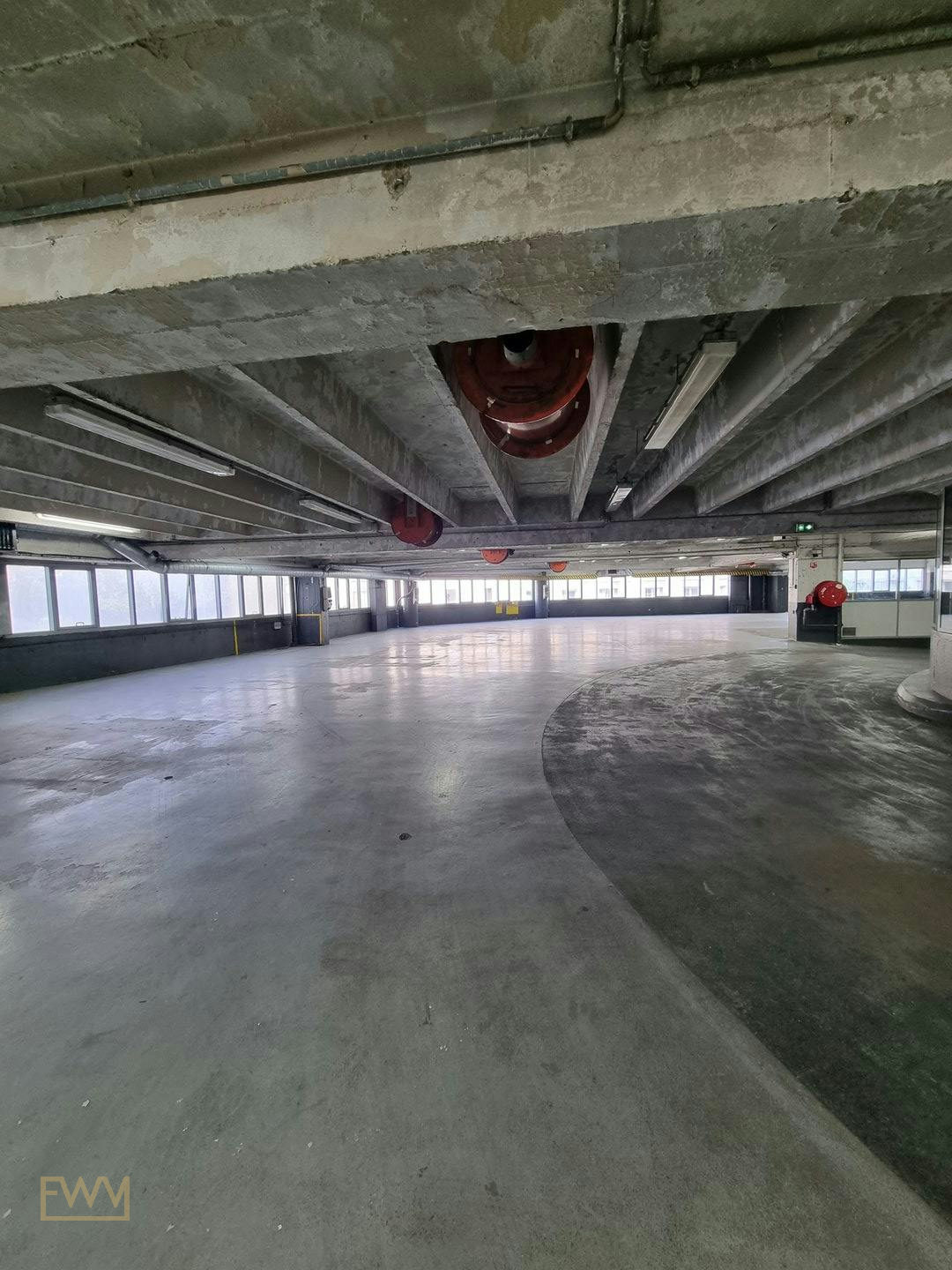
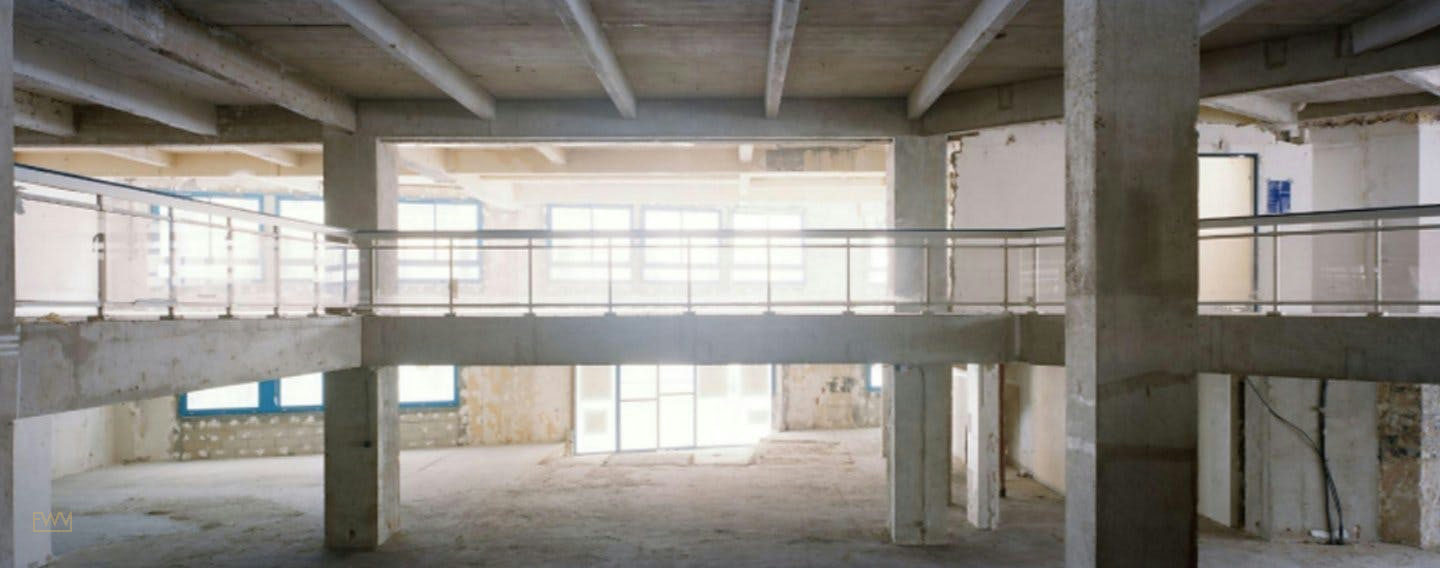
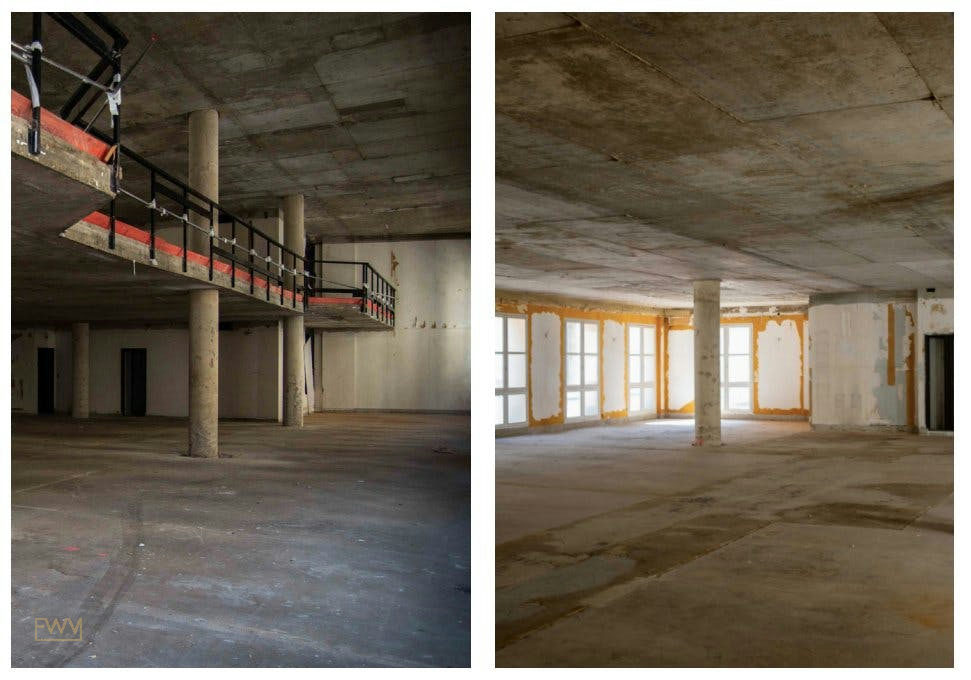
Former workshops and light industrial spaces, many of which have been converted into event-ready rental venues, offer large floor plates, high ceilings, and raw architectural character. These suit larger brand activations that require production infrastructure, DJ set-up capability, or multi-zone experiences combining retail, hospitality, and entertainment. For brands that have run activations in Advanced Manhattan Industrial Space formats or Brooklyn loft venues, these Paris equivalents will feel familiar in character if not in scale.
| Space Type | Typical Size Range | Best Suited For | Key Characteristic |
|---|---|---|---|
| Street-Facing Storefront | 25 to 120 sqm | Fashion labels, beauty brands, product retail | Maximum street visibility and pavement footfall |
| Gallery or Studio | 40 to 180 sqm | Product showcases, collection presentations | Neutral interior, high adaptability for visual design |
| Viaduc des Arts Unit | 30 to 100 sqm | Craft, design, luxury-adjacent brands | Distinctive architecture, curated audience |
| Courtyard or Porte-Cochère Unit | 50 to 200 sqm | Invite-only launches, press events, experiential | Semi-private, distinctive entrance, narrative potential |
| Workshop or Industrial Conversion | 100 to 500+ sqm | Large activations, multi-zone experiences | High ceilings, raw character, production-ready |
KEY TAKEAWAY: Bastille offers a wider range of space typologies than many brands expect. Matching the right space type to your activation format and audience profile is as important as choosing the right street or price point.
Once you have identified the right space type, the financial and legal framework for renting that space in Paris becomes the critical next consideration.
Financials, Legal Structures, and Insurance for Paris Pop-Up Rentals
Quick answer: Short-term retail space rentals in Paris are typically structured as a bail dérogatoire, a derogatory lease of up to 36 months, or as an autorisation d'occupation temporaire for event-format activations in non-commercial spaces. Both require careful legal review. Liability insurance equivalent to a Certificate of Insurance is mandatory, and security deposits are standard practice.
The financial and legal framework for renting a pop-up shop in Paris differs materially from markets like New York City or London, and brands entering Paris for the first time frequently underestimate the complexity involved. Unlike a short-term in-line space booking on a platform like Giggster in Brooklyn or Manhattan, a Paris retail rental involves French commercial property law, landlord-specific lease terms, and a regulatory environment that varies by arrondissement and space classification.
Bail Dérogatoire: The Short-Term Commercial Lease
The bail dérogatoire is the primary legal instrument for short-term commercial occupation in France. It is a derogatory lease that operates outside the standard French commercial lease regime, known as the bail commercial, which carries a minimum nine-year term and significant tenant protections. A bail dérogatoire can be granted for a maximum cumulative period of 36 months for the same premises and the same tenant. For a pop-up of one week to three months, this is the most commonly used structure. The landlord and tenant must expressly agree in writing that the lease is granted on a derogatory basis. If the tenant remains in occupation after the 36-month limit without a new agreement, the arrangement automatically converts to a full bail commercial, which carries substantial legal and financial consequences for both parties.
For brands planning a two-week Fashion Week activation, a seasonal retail store running over the holiday retail season, or a three-month brand residency, the bail dérogatoire is the appropriate instrument. However, the specific drafting, the conditions precedent, and the landlord's requirements will vary between properties. This is not a standardised process in the way that some platforms offering standardised legals in markets like New York imply. Always verify the specific terms with a French legal advisor before signing.
Autorisation d'Occupation Temporaire
For brands activating in non-commercial spaces such as museum courtyards, public squares, market halls, or spaces that do not hold a commercial lease, the relevant instrument is typically an autorisation d'occupation temporaire, or AOT. This is a temporary occupancy permit granted by the relevant public authority and is common for activations in publicly owned or managed spaces. AOTs carry different conditions, insurance requirements, and restrictions on commercial activity, and they are not interchangeable with a bail dérogatoire. The Fashion Week Venues permits tool provides structured guidance on permit requirements by activation type and location.
Pricing, Rates, and Security Deposits
Rental rates for pop-up spaces in Paris vary significantly by location, space type, duration, and the level of fit-out included. Bastille-area spaces are directionally more competitive than equivalent spaces in the Marais or Saint-Germain-des-Prés, but the range is wide. Some landlords price by the day or week for very short-term activations, while others prefer a monthly rate structure even for short periods. An hourly rate model, which is common on platforms like Giggster for event spaces in New York and Brooklyn, is less standard for commercial retail rentals in Paris, although it may apply to gallery or studio spaces booked for single-day product launches or press events.
Security deposits are standard and typically equivalent to one to three months of the agreed rental rate. A cleaning fee is often charged separately and may be fixed or variable based on the space condition at handover. Some landlords require a damage protection clause or a specific guarantee from the brand's parent entity or a French guarantor. For international brands without a French legal entity, this can create complications that specialist agencies are better positioned to navigate than brands acting independently.
Liability Insurance and Certificate Requirements
French landlords universally require proof of liability insurance before granting access. This is functionally equivalent to the Certificate of Insurance requirement in New York City, but the specific coverage requirements differ. Brands must typically hold a responsabilité civile professionnelle policy and may be required to hold additional coverage for public access, property damage, and specific activities such as live music, amplified music, or food service. If the activation involves beer and wine service, hard liquor, or any food preparation, additional permits from the local mairie and potentially the Paris préfecture may be required alongside the insurance documentation.
IMPORTANT: Requirements vary by space type, duration, arrondissement, and intended use. Do not assume that insurance or permit requirements are uniform across Paris. Always verify the specific requirements for your chosen space with a French legal advisor and the relevant local authority before committing to a rental agreement.
KEY TAKEAWAY: The legal and financial framework for renting a pop-up space in Paris is materially more complex than many brands expect, particularly for those accustomed to platform-mediated bookings in New York or London. Engaging a specialist agency or legal advisor before signing any agreement avoids costly errors.
With the legal and financial framework established, the next dimension is understanding how to identify, evaluate, and book the right space for your specific activation.
Rental Platforms, Booking Processes, and Working With Agencies in Paris
Quick answer: Paris pop-up space discovery happens through specialist agencies, dedicated marketplaces, direct landlord relationships, and general event space platforms. Each channel has different characteristics in terms of space selection, booking process, legal support, and the level of concierge or managed service available. For brands new to Paris, an agency-managed process typically delivers better outcomes than self-directed platform discovery.
The booking process for a Paris pop-up differs materially from what brands accustomed to platforms like Giggster or Appear Here in New York or London may expect. Both Giggster and Appear Here serve their respective markets with online availability calendars, standardised booking flows, verification processes, and booking fees built into the transaction. Giggster's model, for example, involves a direct chat function, an automated system for booking confirmation, and a verification process that includes identity verification for both the space requester and the venue manager. The platform handles booking fees, damage protection options, and a structured cancellation and refund policy. Appear Here operates a comparable model in London and has previously had Paris inventory, though the depth of coverage and the level of standardised legals available varies by market.
For brands comparing these platform experiences with the Paris market, the key difference is that no single platform dominates Paris pop-up retail space discovery in the way that Giggster dominates event space bookings in Brooklyn, Manhattan, or Queens. The Paris market remains more fragmented, with a meaningful proportion of short-term retail space transactions still happening through direct landlord relationships, specialist agency networks, and property intermediaries rather than through fully automated booking platforms.
Specialist Agencies and Managed Services
Specialist agencies operating in Paris bring several advantages over self-directed platform searches. An established agency will have pre-negotiated relationships with landlords across arrondissements, an understanding of which spaces are genuinely event-ready versus which require substantial additional spend to reach activation standard, and the legal and administrative capability to manage the bail dérogatoire process on the brand's behalf. For international brands without a French legal entity, an agency relationship is often the most practical route to securing a compliant short-term rental without taking on disproportionate legal risk. The guide on hiring a pop-up agency covers what to look for when selecting the right partner for your activation.
Online Marketplaces and Space Discovery
Online marketplaces provide a useful starting point for space discovery, offering the ability to filter by neighbourhood, space size, dates, and price. The advantage of a marketplace approach is speed of discovery and the ability to compare multiple options quickly. The disadvantage is that marketplace listings do not always reflect current availability, may not include the full cost picture including security deposit, cleaning fee, and any required insurance or permit costs, and do not provide the legal or logistical support that a managed agency relationship offers.
For brands using a marketplace as part of their research process, it is important to treat listed rates as directional rather than final and to verify all legal and compliance requirements independently before committing. The space comparison tool on Fashion Week Venues allows brands to evaluate multiple shortlisted spaces against a consistent set of criteria including size, location, rate, and included services.
Venue Managers and Landlord Relationships
Some of the best pop-up spaces in the Bastille area are controlled by individual landlords or small property management companies rather than listed on any platform. These spaces are accessible through referral networks, established agency relationships, or direct outreach to building owners. Venue managers in this context vary considerably in their familiarity with short-term commercial rentals: some will have a standard bail dérogatoire template and a clear process, while others may need guidance on the appropriate legal structure. Brands approaching landlords directly without legal support take on additional risk.
TIP: When evaluating any booking channel for a Paris pop-up, confirm upfront whether the channel provides legal support for the rental agreement, insurance guidance, permit assistance, and a clear process for security deposit handling and end-of-tenancy condition assessment. These elements are as important as the space itself.
KEY TAKEAWAY: The Paris pop-up booking landscape is more fragmented than platform-dominated markets like New York or London. Combining marketplace research with agency-managed execution gives brands the best balance of choice and legal security.
Knowing how to find and book a space is essential, but the strategic timing of your activation, including its relationship to the Paris Fashion Week calendar and other key retail moments, can determine whether the investment performs commercially.
Timing, Calendar Windows, and Fashion Week Alignment in Paris
Quick answer: Paris Fashion Week takes place twice yearly, in late February or early March for the Autumn/Winter collections and in late September or early October for the Spring/Summer collections. These windows represent peak demand and peak brand activation density in Paris, but they are not the only viable calendar windows for a successful pop-up in the Bastille area.
Paris Fashion Week is the most concentrated period of international brand activity in the city and the calendar window most commonly associated with pop-up activations, showrooms, and brand events. The Bastille area, while not the primary centre of Fashion Week activity compared with the 1st and 8th arrondissements, benefits from significant spillover traffic during Fashion Week periods, particularly for brands targeting the press, buyer, and influencer audiences who move across the city throughout the two weeks.
However, limiting a Paris pop-up strategy to Fashion Week windows introduces several practical risks. Space availability in the weeks immediately surrounding Fashion Week is constrained, as demand from established brands, agencies, and event operators is highest precisely at this time. Rates during Fashion Week periods reflect this demand, and brands that begin their search in the four to six weeks before Fashion Week frequently find that the most suitable spaces are already committed. Planning a Fashion Week activation in Paris requires a minimum lead time of three to four months, and for larger or more complex activations, six to nine months is more realistic.
Beyond Fashion Week: Other High-Value Calendar Windows
Several other calendar periods support strong pop-up performance in the Bastille area. The holiday retail season running from mid-November through late December consistently delivers high footfall across Paris neighbourhoods and supports seasonal retail stores, gift-focused brand activations, and experience-led retail formats. Summer festivals and the summer tourism peak from June through August bring elevated international visitor numbers to Paris, though the local residential audience is reduced during August specifically. The spring season from March through May, following the February Fashion Week window, offers a lower-competition environment with strong local footfall as residents re-engage with neighbourhood retail after the winter period.
For brands planning a first Paris activation, a non-Fashion Week window may actually deliver a more favourable cost-to-visibility ratio than the peak Fashion Week period, particularly if the primary audience is the Parisian consumer rather than the international fashion industry. The Fashion Week Venues timeline tool helps brands map their activation planning against the Paris retail calendar and identify the lead times required for each phase of the process.
Duration: From Single Days to Multi-Month Residencies
The duration of a Paris pop-up activation significantly influences the space type, legal structure, and operational complexity involved. Single-day or short multi-day activations, such as a product launch event or a press preview, may be structured as event space bookings rather than commercial retail rentals and may not require a formal bail dérogatoire. Activations running from one week to three months are the most common format in the Bastille area and are well served by a bail dérogatoire structure. Activations exceeding three months begin to approach the threshold where a more formal commercial lease arrangement may be appropriate, depending on the total cumulative duration and the specific space.
Setup and breakdown time is an important practical consideration that brands sometimes underestimate. A complex retail fit-out with custom furniture, visual merchandising installations, and branded store design may require two to five days of setup before the activation opens and one to two days of breakdown after closing. These days need to be included in the rental period and may attract the same daily or weekly rate as trading days. The Fashion Week Venues production and build service covers fit-out management and can advise on realistic setup timelines for different space types and activation complexities.
| Calendar Window | Audience Profile | Competition for Space | Recommended Lead Time |
|---|---|---|---|
| Paris Fashion Week (Feb/Mar, Sep/Oct) | International fashion industry, press, buyers | Very high | 4 to 9 months |
| Holiday Retail Season (Nov to Dec) | Local and international consumers | High | 3 to 5 months |
| Spring Season (Mar to May) | Local residential, domestic visitors | Moderate | 2 to 3 months |
| Summer Festivals (Jun to Aug) | International tourists, younger demographic | Moderate | 2 to 4 months |
| Off-Peak Windows (Jan, Oct post-FW) | Local residential audience | Low | 6 to 8 weeks |
KEY TAKEAWAY: Fashion Week alignment is valuable but not essential for a successful Bastille pop-up. The holiday retail season and spring windows offer strong commercial conditions with lower competition for space and potentially more favourable rental rates.
Selecting the right calendar window and space type is essential, but the operational success of a Paris pop-up also depends on how well the activation itself is planned, staffed, and managed on the ground.
Activation Planning: Features, Amenities, Staffing, and Logistics
Quick answer: A successful Bastille pop-up requires coordinated planning across space fit-out, visual merchandising, retail staffing, point-of-sale systems, and compliance with French regulations on public access, commercial activity, food and beverage service, and safety. Each of these elements has logistical and financial implications that should be planned before the space is signed.
The physical execution of a pop-up shop in Paris involves more moving parts than brands often anticipate, particularly if the team is coming from a market like New York where the operational infrastructure is more readily available through platform services and where the regulatory environment, while complex, is more familiar. In Paris, the brand team needs to navigate French employment law for temporary retail staff, French health and safety requirements for public access spaces, and specific permit requirements for activities such as live music, amplified music, food service, and alcohol.
Retail Staffing in Paris
Staffing a Paris pop-up with bilingual, retail-experienced personnel requires advance planning. French employment law governs temporary work arrangements, and brands hiring staff directly on a short-term basis must comply with the relevant social charge and contract requirements. For most international brands, the most practical solution is to engage a specialist retail staffing agency that can provide vetted, experienced sales personnel on a short-term basis with the appropriate employment arrangements already in place. Fashion Week Venues offers retail staffing coordination for Paris activations, which reduces the administrative burden on brand teams unfamiliar with French employment structures.
Point of Sale, Payments, and Data
A retail activation requires a functional point-of-sale system that accepts the payment methods expected by Parisian consumers, including contactless card payments, mobile payments, and increasingly QR-code-based solutions. Brands must also consider how they capture customer data in compliance with the General Data Protection Regulation, which applies in France and across the EU. A poorly designed data capture process at a Paris pop-up can create compliance risk that extends beyond the activation itself. The data and analytics service at Fashion Week Venues includes support for compliant customer data capture and post-activation reporting.
Visual Merchandising and Branded Store Design
The visual merchandising approach for a Bastille pop-up should respond to the character of the space rather than impose a generic retail format. Spaces in this area often have distinctive architectural features, including exposed brick, wooden floors, original timber details, and high ceilings, that a skilled visual merchandiser can use as design assets rather than working around them. A fashion label presenting a capsule collection, for example, might use the raw industrial character of a converted workshop to create a contrast with the refinement of the clothing that reinforces the brand's creative positioning. A beauty brand, conversely, might prefer the neutrality of a gallery-format studio to allow the product to lead the visual experience.
Custom furniture, branded signage, lighting design, and prop sourcing are all elements of a branded store design brief. Furniture rental is available as a standalone or bundled service for brands that do not want to procure and transport custom pieces, which is particularly relevant for international brands whose core team is based outside France. The branded store design service at Fashion Week Venues covers the full spatial design brief from concept to installation.
Event Features, Entertainment, and Regulatory Compliance
Many pop-up activations in Paris incorporate event elements alongside retail, including DJ set-up, live music, product demonstrations, food and beverage service, and guest experiences. Each of these elements has specific regulatory implications in Paris. Live music and amplified music require notification to or authorisation from the local mairie and may require a SACEM licence for the public performance of music. Beer and wine service for invited guests at a brand event operates under different rules than licensed alcohol retail, but both require compliance with French alcohol service regulations. Hard liquor service has additional requirements. Food preparation on-site may trigger requirements from the Paris equivalent of a health authority, particularly if the food is sold rather than offered as a complimentary experience.
Safety and security requirements for spaces with public access include fire safety compliance, emergency exit signage, and maximum occupancy limits that the space landlord or local authority will specify. Brands should confirm these limits and requirements before finalising their guest capacity planning.
DID YOU KNOW: Paris pop-up activations that incorporate live music, food service, or public events in non-standard spaces may require separate authorisations from the local mairie in addition to the space rental agreement. These authorisations can take several weeks to process and should be applied for well in advance of the activation date.
KEY TAKEAWAY: Operational planning for a Paris pop-up extends well beyond the space rental. Staffing, point of sale, visual design, compliance, and event programming all require specialist knowledge of the French market that most international brand teams do not hold in-house.
To compare neighbourhoods and space types, explore the Paris city hub on Fashion Week Venues and shortlist spaces that match your brief, budget, and calendar window.
How Fashion Week Venues Supports Brands Renting Pop-Up Spaces in Bastille and Across Paris
Quick answer: Fashion Week Venues is a full-service pop-up agency and space marketplace that supports brands through every stage of the Paris pop-up process, from initial space discovery and venue sourcing to concept direction, production, staffing, and post-activation analysis. The platform is designed for brand teams that need specialist Paris market knowledge without building it in-house.
For brands planning a pop-up activation in the Bastille area or anywhere across Paris, Fashion Week Venues operates as both a space discovery platform and a managed service agency. The distinction matters because many brands start with a platform mindset, expecting to find and book a space online with minimal friction, only to discover that the Paris market requires a level of specialist knowledge, legal navigation, and local network access that a purely transactional platform approach does not provide.
The venue sourcing service is the starting point for most brand engagements. This goes beyond a basic database search to include active identification of spaces that are not publicly listed, landlord relationship management, preliminary negotiation of rates and terms, and a structured brief process that ensures the recommended spaces genuinely match the brand's audience, budget, and activation format. For a Bastille-focused brief, this means drawing on knowledge of specific streets, buildings, and landlords in the 11th and 12th arrondissements rather than applying a generic Paris-wide search.
Services Available for Paris Activations
Beyond venue sourcing, Fashion Week Venues offers a suite of services that covers the full activation lifecycle. Concept direction helps brands develop the spatial and experiential brief before committing to a specific space. Production and build manages the physical fit-out, including coordination with local contractors, furniture procurement or rental, and installation management. Activation management covers the operational period of the pop-up, including day-to-day liaison with the landlord, staff coordination, and issue resolution. Influencer marketing can be layered into the activation strategy to extend reach beyond the physical footfall the space generates.
The tools available through the Fashion Week Venues platform add a further layer of practical support. The budget calculator helps brands develop realistic cost estimates before space commitments are made. The ROI calculator supports the internal business case for a Paris activation by modelling expected returns against the investment. The permits tool provides structured guidance on the authorisations required for different activation types. The timeline tool maps the lead times required for each planning phase. The locator tool helps brands identify specific spaces within target neighbourhoods. Together, these tools support a more informed and more efficient planning process than most brand teams can achieve independently.
Which Brand Teams Benefit Most
The brands that benefit most from the Fashion Week Venues approach are those for whom Paris is a strategically important market but not their primary operational base. International fashion labels, beauty brands, lifestyle brands, and creative entrepreneurs entering Paris for the first time, or returning to Paris after a gap, benefit from the combination of market knowledge, legal navigation support, and operational infrastructure that the agency provides. Equally, established brands planning an unusually complex or large activation benefit from the production capability and network depth that an experienced agency brings.
Brands that have previously run activations in New York, London, or other markets through platform services like Giggster or Appear Here should understand that the Paris equivalent of a managed service agency relationship is not a limitation but an appropriate response to a market that rewards specialist knowledge and local relationships. The Fashion Week Venues process page explains how the agency engagement works from initial brief through to post-activation review.
IMPORTANT: Fashion Week Venues does not guarantee space availability, permit approvals, landlord cooperation, or specific commercial outcomes for any activation. The agency provides specialist support and market access; brand teams retain responsibility for strategic and commercial decisions.
KEY TAKEAWAY: For brands without deep Paris market knowledge, Fashion Week Venues provides both the space discovery infrastructure and the managed service capability to plan and execute a Paris pop-up activation from start to finish. The tools available on the platform support informed decision-making at every stage of the process.
Before committing to a Paris pop-up strategy, it is worth examining some of the persistent misconceptions that lead brands to make avoidable mistakes in planning and execution.
Comparing Bastille With Other Paris Neighbourhoods for Pop-Up Retail
Quick answer: Bastille occupies a distinct position in the Paris pop-up landscape, offering a different audience profile, space character, and rental rate structure compared with the Marais, Saint-Germain-des-Prés, the 1st arrondissement, or the emerging northern neighbourhoods. The right neighbourhood depends on your brand's audience, budget, and activation format rather than on a universal ranking.
Brands evaluating Paris as a pop-up market frequently default to the neighbourhoods with the highest name recognition: the Marais for its blend of fashion, culture, and tourism; Saint-Germain-des-Prés for its literary and luxury associations; the Champs-Elysées corridor for scale and international visibility. Each of these areas has genuine merit for specific brand profiles, but each also carries a premium in rental rates and a level of competitive density that can make it harder for an emerging or mid-sized brand to stand out.
| Neighbourhood | Primary Audience | Space Character | Relative Rate Level | Best For |
|---|---|---|---|---|
| Bastille (11th, 12th) | Local Parisians, creative community | Mixed: storefronts, studios, workshops | Moderate | Emerging labels, beauty, lifestyle brands |
| Le Marais (3rd, 4th) | Fashion tourists, gay quarter visitors | Historic townhouses, boutique spaces | High to very high | Established fashion, luxury-adjacent brands |
| Saint-Germain-des-Prés (6th) | Affluent local, literary, luxury | Elegant storefronts, gallery spaces | Very high | Luxury, heritage, and lifestyle brands |
| Pigalle/South Pigalle (9th) | Younger Parisians, creative scene | Industrial conversions, concept stores | Moderate | Streetwear, music-adjacent, lifestyle brands |
| Canal Saint-Martin (10th) | Young residential, weekend visitors | Studios, café-format, canal-facing | Moderate | Wellness, accessories, creative brands |
| Oberkampf (11th) | Young residential, nightlife audience | Mixed residential and retail | Moderate to low | Streetwear, food-adjacent, experimental |
Bastille's position in this landscape is that of a neighbourhood with genuine cultural credibility, a diverse and engaged local audience, and a physical retail environment that rewards creative space selection. It is not a compromise for brands unable to afford the Marais; it is a strategic choice for brands whose audience and brand positioning align with its character. For international brands comparing this to the decision between SoHo, Nolita, or Williamsburg in New York, the logic is similar: each neighbourhood serves a different brand identity and audience, and the right choice depends on fit rather than prestige hierarchy.
Brands considering multiple Paris neighbourhoods simultaneously can use the Fashion Week Venues space locator tool to map available spaces across arrondissements and filter by the criteria most relevant to their brief.
KEY TAKEAWAY: Bastille is one of several strong neighbourhood options for a Paris pop-up, and the right choice depends on audience fit and brand positioning rather than a universal prestige ranking. Evaluating multiple options before committing allows brands to make a genuinely informed decision.
Having explored the strategic and operational dimensions of renting a pop-up space in Bastille, it is important to address the most common misconceptions that distort brand planning in this market.
Pop-Up Shop Planning: A Step-by-Step Workflow for Paris
Quick answer: A well-structured Paris pop-up planning process typically runs across eight to twelve weeks for a short-to-medium duration activation, with some phases running in parallel. The exact timeline depends on activation complexity, space availability, permit requirements, and the brand's internal approval process.
Brands planning a pop-up in Bastille for the first time benefit from a structured workflow that makes explicit the sequence of decisions and actions required. The following table provides a practical framework based on a standard short-to-medium duration activation of one to four weeks in Paris.
| Phase | Key Actions | Typical Duration | Key Dependencies |
|---|---|---|---|
| 1. Brief Definition | Define audience, budget range, space size, duration, calendar window, and activation format | 1 to 2 weeks | Internal brand alignment |
| 2. Space Discovery | Marketplace research, agency briefing, landlord outreach, shortlisting | 2 to 3 weeks | Brief definition complete |
| 3. Site Visits and Evaluation | Physical visits to shortlisted spaces, condition assessment, landlord meetings | 1 to 2 weeks | Shortlist confirmed |
| 4. Legal and Financial Review | Bail dérogatoire or AOT review, insurance confirmation, deposit terms | 1 to 3 weeks | Preferred space identified |
| 5. Space Commitment | Contract signature, deposit payment, key handover date confirmed | 1 week | Legal review complete |
| 6. Concept and Design | Spatial design brief, visual merchandising plan, furniture and prop sourcing | 2 to 4 weeks | Space dimensions and conditions confirmed |
| 7. Production and Build | Fit-out, installation, signage, POS setup, staff briefing | 2 to 5 days on site | Design brief approved, contractors confirmed |
| 8. Activation | Trading period, staff management, event programming, influencer engagement | Duration of rental | All prior phases complete |
| 9. Breakdown and Review | Defit, space handover, data review, post-activation report | 1 to 2 days on site, 1 to 2 weeks reporting | Activation complete |
This workflow is directional rather than prescriptive. More complex activations involving significant fit-out, multiple event formats, or permit-intensive activities will require longer lead times for specific phases. The Fashion Week Venues timeline planning tool generates a customised planning schedule based on your specific activation parameters.
KEY TAKEAWAY: A structured planning workflow reduces the risk of rushed decisions, missed permit applications, and budget surprises. Building the workflow around confirmed lead times for each phase, rather than working backwards from the opening date alone, produces more reliable outcomes.
Common Myths About Renting a Pop-Up Shop in Paris
MYTH: You need a French legal entity to rent a pop-up space in Paris.
FACT: International brands without a French company can rent short-term retail spaces in Paris, typically through a bail dérogatoire or an equivalent short-term arrangement. However, some landlords may require a French guarantor, a parent company guarantee, or an advance payment structure that reduces their risk. Working through a specialist agency that has established landlord relationships can help navigate these requirements without requiring the brand to establish a French entity.
MYTH: Paris Fashion Week is the only viable calendar window for a pop-up activation in Paris.
FACT: Paris Fashion Week generates the highest concentration of international fashion industry visitors and is an important window for brands targeting press, buyers, and influencers. However, the holiday retail season from November through December, the spring season from March through May, and summer festival periods all offer strong commercial conditions for pop-ups targeting consumer audiences. Non-Fashion Week windows often deliver better space availability and more competitive rental rates while still reaching a substantial and commercially relevant Paris audience.
MYTH: Commission brokers are the only way to find a pop-up space in Paris.
FACT: Specialist agencies, online marketplaces, and direct landlord relationships are all viable channels for discovering pop-up spaces in Paris. Commission brokers can provide useful introductions, but they typically represent individual properties rather than offering a curated multi-option search and evaluation process. An agency or marketplace approach gives brands a broader view of the available inventory and a more structured basis for comparison and decision-making.
MYTH: Short-term leases in Paris are legally straightforward and can be signed without specialist help.
FACT: The bail dérogatoire and AOT frameworks involve specific legal requirements that differ materially from short-term lease structures in other markets. Errors in the drafting or classification of the lease can trigger unintended conversion to a long-term commercial lease, create insurance compliance gaps, or result in permit breaches that expose the brand to liability. Specialist legal review before signing any Paris retail lease is not optional for brands operating responsibly in this market.
MYTH: A Bastille pop-up will always be cheaper than a Marais pop-up of equivalent size.
FACT: While Bastille is directionally more competitive in rental rates than the Marais for equivalent space sizes, the range within each neighbourhood is wide, and the most desirable Bastille street-facing storefronts on primary arterial routes can command rates comparable to secondary Marais streets. Rate comparisons should be made at the level of specific streets and specific spaces rather than at the neighbourhood level, and current market conditions should always be verified against live availability rather than assumed from general guidance.
Frequently Asked Questions About Renting a Pop-Up Shop in Bastille and Paris
What is the difference between a bail dérogatoire and a standard French commercial lease for a pop-up shop?
A bail dérogatoire is a short-term derogatory lease that operates outside the standard French commercial lease framework, known as the bail commercial, which carries a minimum nine-year term and extensive tenant protections. The bail dérogatoire can run for a cumulative maximum of 36 months for the same tenant in the same space and is the standard instrument for pop-up and short-term retail rentals in Paris. A standard bail commercial is inappropriate for a temporary retail activation and creates obligations that far exceed what a brand operating a short-term pop-up would want to accept. Always verify the lease type with a French legal advisor before signing.
Do I need a permit to run a pop-up shop in the Bastille area?
The permit requirements for a Bastille pop-up depend on the space type, the intended activities, and the duration. A standard retail activation in a privately rented commercial space operating within the space's existing commercial classification may not require additional permits beyond the landlord's consent. However, activations that include live music, amplified music, food or alcohol service, public events, or temporary signage in public space may require separate authorisations from the local mairie or other Paris authorities. Requirements vary by arrondissement and by specific space conditions. The Fashion Week Venues permits tool provides structured guidance, and verification with a French legal advisor is recommended.
How much does it cost to rent a pop-up space in Bastille?
Rental rates for pop-up spaces in the Bastille area vary significantly based on space type, size, street location, duration, and the level of fit-out or services included. Directional estimates are available through the Fashion Week Venues budget calculator, which generates brand-specific estimates based on your specific brief parameters. Rates during Paris Fashion Week periods are elevated relative to non-peak periods. Security deposits, cleaning fees, and any required insurance costs should be factored into the total budget alongside the headline rental rate. Figures cited on general listing platforms should be treated as indicative rather than definitive until confirmed by the landlord.
How far in advance do I need to plan a Paris Fashion Week pop-up activation?
For a pop-up activation aligned with Paris Fashion Week, a minimum planning lead time of three to four months is recommended for straightforward activations in available spaces. Complex activations involving significant custom fit-out, multiple event formats, or permit-intensive activities benefit from a six-to-nine-month lead time. The most desirable spaces in high-demand periods are often committed well before this and may require early booking to secure. The Fashion Week Venues timeline tool helps brands identify the specific lead time requirements for each phase of their planning process.
Can an international brand without a French company rent a pop-up space in Paris?
Yes, international brands without a French legal entity can rent pop-up spaces in Paris, but some landlords may require additional security in the form of a parent company guarantee, an advance payment structure, or a French guarantor. The specific requirements vary by landlord and by space. Working through a specialist agency with established landlord relationships can reduce friction in this process and ensure that the legal structure of the rental arrangement is appropriate for an international brand operating on a short-term basis in the French market. Verify the specific requirements for your chosen space before committing to any arrangement.
What types of pop-up activations work well in the Bastille area?
Bastille's audience profile and space variety support a wide range of activation formats. Fashion label collection presentations, beauty brand product launches, lifestyle brand retail experiences, creative entrepreneur pop-up events, and curated multi-brand market formats all have precedents in the area. The district's gallery and studio spaces are well suited to product showcase formats. Street-facing storefronts work for standard retail activations. Larger workshop conversion spaces support multi-zone experiences combining retail, hospitality, and entertainment. The specific format that works best depends on the brand's audience profile and the space's physical characteristics.
What liability insurance do I need for a Paris pop-up shop?
French landlords universally require proof of liability insurance, typically a responsabilité civile professionnelle policy, before granting access to a rented space. The specific coverage requirements vary by landlord, space type, and the nature of the intended activities. Activations involving public access, food service, alcohol service, live music, or large guest numbers may require additional coverage. The requirements are broadly analogous to the Certificate of Insurance requirement familiar to brands operating in New York or other US markets, but the specific French policy structure and coverage thresholds differ. Confirm the exact requirements with the landlord and with a French insurance advisor before finalising the rental agreement.
Is Bastille a good location for a brand's first Paris pop-up?
Bastille is a strong option for a first Paris pop-up, particularly for brands whose audience is a young-to-mid-age Parisian consumer rather than a predominantly tourist or fashion industry audience. The area offers genuine footfall, strong transport connectivity, a range of space types, and directionally competitive rental rates compared with premium neighbourhoods. The concentration of independent boutiques and concept stores in the area validates the retail environment and signals a consumer community with an appetite for discovery retail. For brands targeting the international fashion industry specifically, a location closer to the central Fashion Week venues in the 1st and 8th arrondissements may be more strategically appropriate during Fashion Week periods.
How do I find pop-up spaces in Bastille that are not listed on public platforms?
A meaningful proportion of the best short-term retail spaces in the Bastille area are not publicly listed on any platform. They are accessible through specialist agency relationships, landlord networks, property management companies operating in the 11th and 12th arrondissements, and referral networks within the Paris creative and retail community. The Fashion Week Venues venue sourcing service actively identifies unlisted spaces as part of the search process, which gives brands access to a wider pool of options than a platform-only search delivers. Briefing an agency clearly on your space requirements, audience profile, and budget range enables a more targeted search.
Can I run a pop-up shop in Bastille during the summer if Fashion Week is not happening?
Yes. The summer period from June through August can support a successful pop-up in Bastille, particularly in June and July when the Parisian residential population is still present and international visitor numbers are elevated. August is a lower-footfall period as a significant portion of the Parisian residential audience takes summer holidays outside the city. For brands targeting international visitors, August can still deliver meaningful footfall on primary arterial streets and tourist-accessible routes, but for brands whose primary audience is the local Parisian consumer, activating in June or July and avoiding August is generally a more reliable strategy.
What is the typical security deposit requirement for a Paris pop-up space?
Security deposit requirements for Paris pop-up spaces typically range from one to three months of the agreed rental rate, though this varies by landlord, space type, and the duration and nature of the intended activation. Some landlords structure the deposit as a fixed sum independent of the monthly rental rate. The deposit is held against damage to the space and is returned, subject to a condition assessment at the end of the rental period, within a timeframe specified in the rental agreement. For international brands, the deposit payment is typically required in advance of or at the time of contract signature.
How does a pop-up shop differ from a permanent retail store in Paris?
A pop-up shop is a temporary retail activation with a defined and limited duration, typically from a few days to a few months, and is structured under a short-term legal framework such as a bail dérogatoire rather than a long-term commercial lease. A permanent retail store requires a bail commercial with a minimum nine-year term, significant ongoing financial commitment, and a full operational infrastructure including permanent staff, ongoing permit compliance, and a sustained marketing investment. A pop-up allows brands to test the Paris market, build brand awareness, generate press and social coverage, and engage a consumer audience without committing to the long-term obligations of a permanent retail presence.
What visual merchandising approaches work best in Bastille-style spaces?
Bastille-area spaces often feature distinctive architectural character including exposed brick, wooden floors, high ceilings, and original structural elements that provide a strong visual backdrop. Effective visual merchandising in these environments typically works with rather than against the existing character, using the space's natural features as design assets. Minimal, curated presentations that allow individual products to command attention work well in gallery and studio formats. More layered, immersive environments suit workshop conversion spaces where the scale and raw character of the space invites a denser experiential approach. In all formats, lighting design is critical to directing attention and creating the desired brand atmosphere.
What is the ROI of a Paris pop-up shop, and how do I measure it?
The return on investment from a Paris pop-up depends on the brand's objectives, which may include direct sales revenue, customer acquisition, press and influencer coverage, brand awareness, and market validation. A pop-up that generates limited direct sales but delivers substantial earned media coverage and a documented new customer acquisition in the Paris market may deliver a strong ROI relative to the activation cost. Brands should define their measurement framework, covering both commercial and non-commercial KPIs, before the activation opens rather than after it closes. The Fashion Week Venues ROI calculator provides a structured model for developing a pre-activation ROI framework based on your specific objectives and investment level.
Conclusion: Making the Right Decision About Your Bastille Pop-Up Activation
Renting a pop-up shop in Bastille represents a genuinely compelling option for brands seeking a Paris retail activation that combines cultural credibility, strong residential footfall, diverse space typologies, and directionally competitive rental rates relative to the premium neighbourhoods. The strategic case for Bastille is strongest for brands whose audience is the Parisian consumer rather than purely the international fashion industry, for brands seeking an authentic neighbourhood retail environment over a tourist-corridor presence, and for brands managing budgets that require genuine commercial discipline alongside brand ambition.
The planning and execution of a successful Paris pop-up requires specialist knowledge across legal structures, permit requirements, insurance obligations, staffing frameworks, and operational logistics that most international brand teams do not hold in-house. The combination of a structured planning process, the right local partnerships, and a clear brief that aligns space selection, activation format, and calendar window with the brand's specific objectives is what separates successful Paris pop-ups from costly and under-performing ones.
Fashion Week Venues provides the market knowledge, agency capability, and platform tools to support brands through every stage of this process, from initial brief definition through to post-activation review. The team works across the full spectrum of Paris pop-up formats and neighbourhoods, with direct experience of the Bastille area and the legal and operational requirements specific to the French market.
To move from research to activation, start exploring available spaces on the Fashion Week Venues marketplace and build a focused brief for your target neighbourhood, space type, and calendar window. The combination of marketplace discovery and agency-managed execution gives your brand the best possible foundation for a Paris pop-up that delivers against both your commercial and brand objectives.