


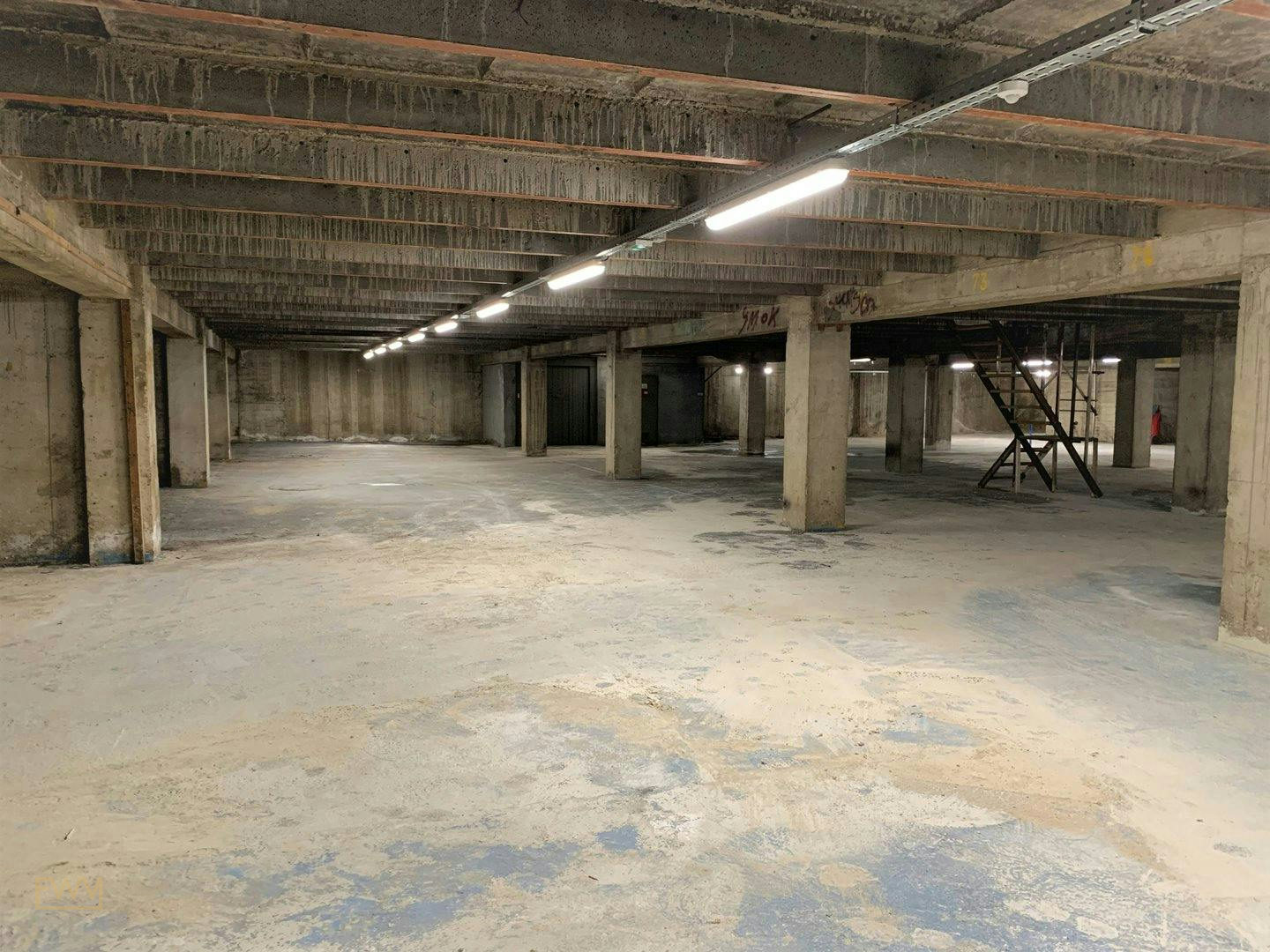
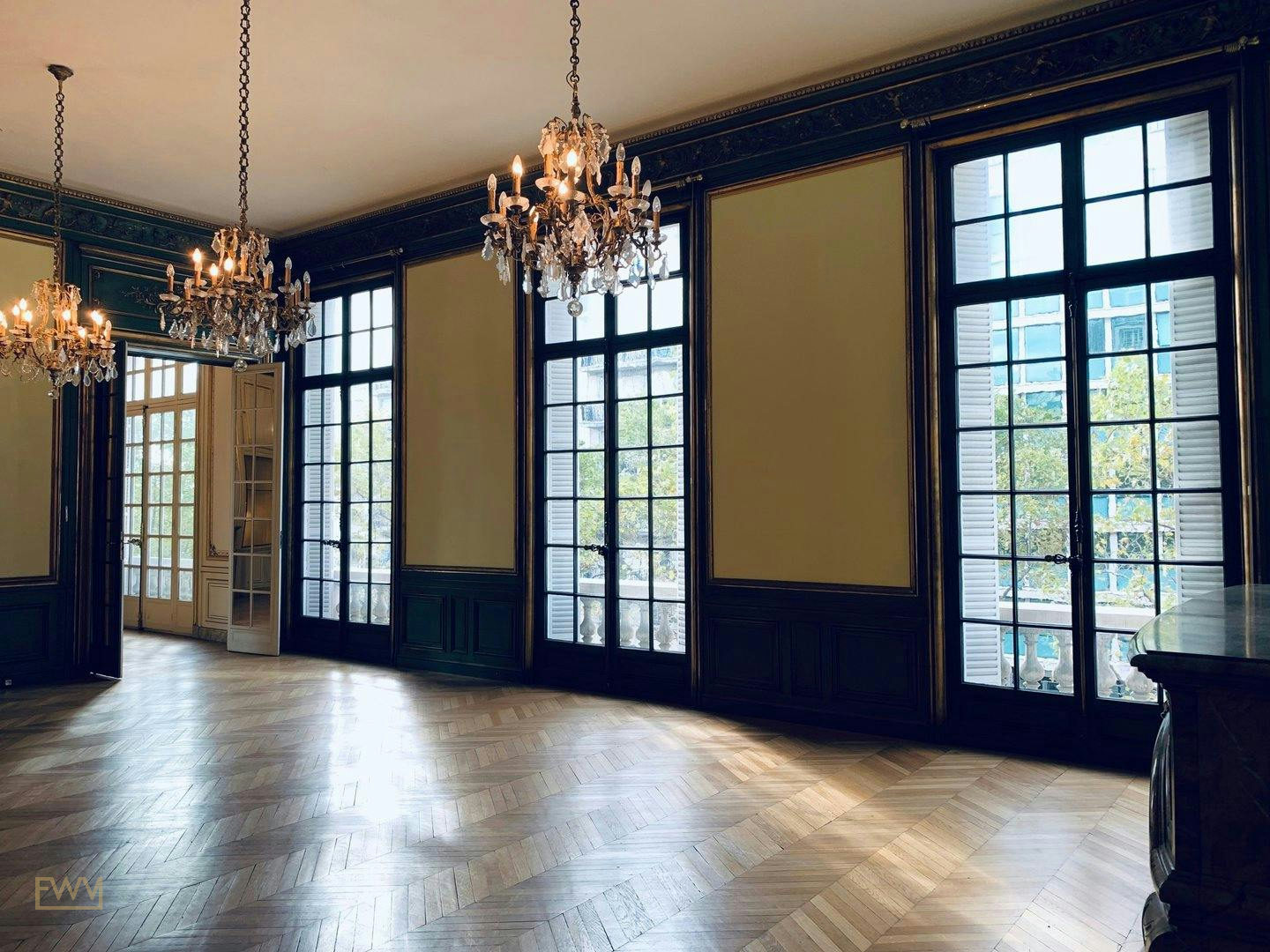
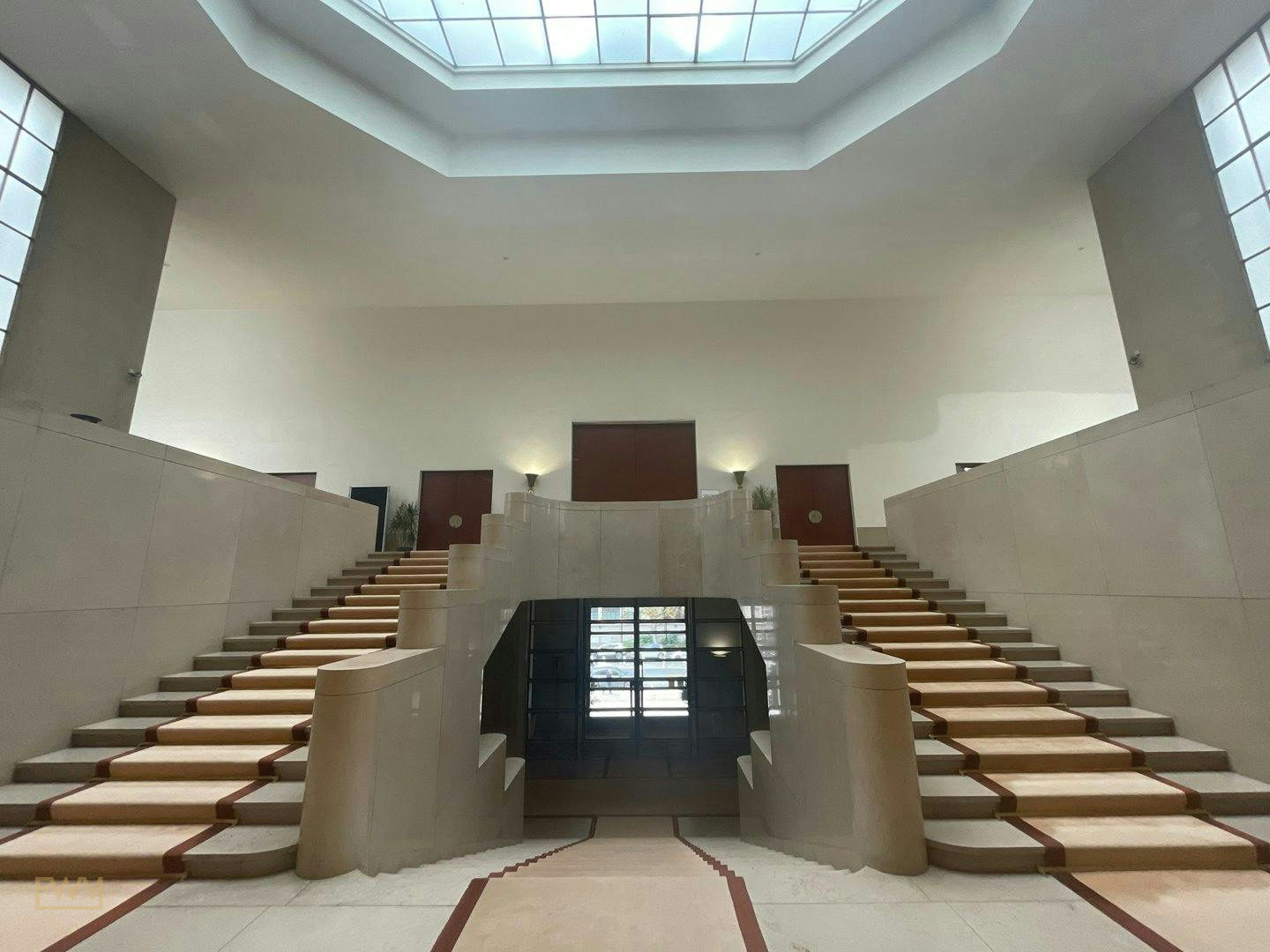
Finding the right space to rent retail space in Bastille requires more than browsing listings on commercial property platforms. For fashion brands, brand activation teams, and international retailers entering Paris, Bastille represents one of the city's most dynamic and culturally resonant neighbourhoods, offering a diverse mix of independent retail units, former workshops, gallery-style showrooms, and street-level commercial premises. Fashion Week Venues works with brands at every stage of this process, from initial space discovery through to full activation management. This guide explains the complete landscape, covering digital property platforms, short-term lease structures, permit requirements, neighbourhood dynamics, investment considerations, and how to move efficiently from brief to activated space.
Why Bastille Is a Strategic Location for Short-Term Retail and Brand Activations
Bastille sits at the intersection of the 4th, 11th, and 12th arrondissements, making it one of the few Paris neighbourhoods with genuine crossover appeal across design, fashion, gastronomy, and nightlife audiences. This geographic and cultural positioning makes Bastille a strong candidate for brands seeking short-term retail space, pop-up activations, and showroom environments that draw from multiple distinct audience segments simultaneously.
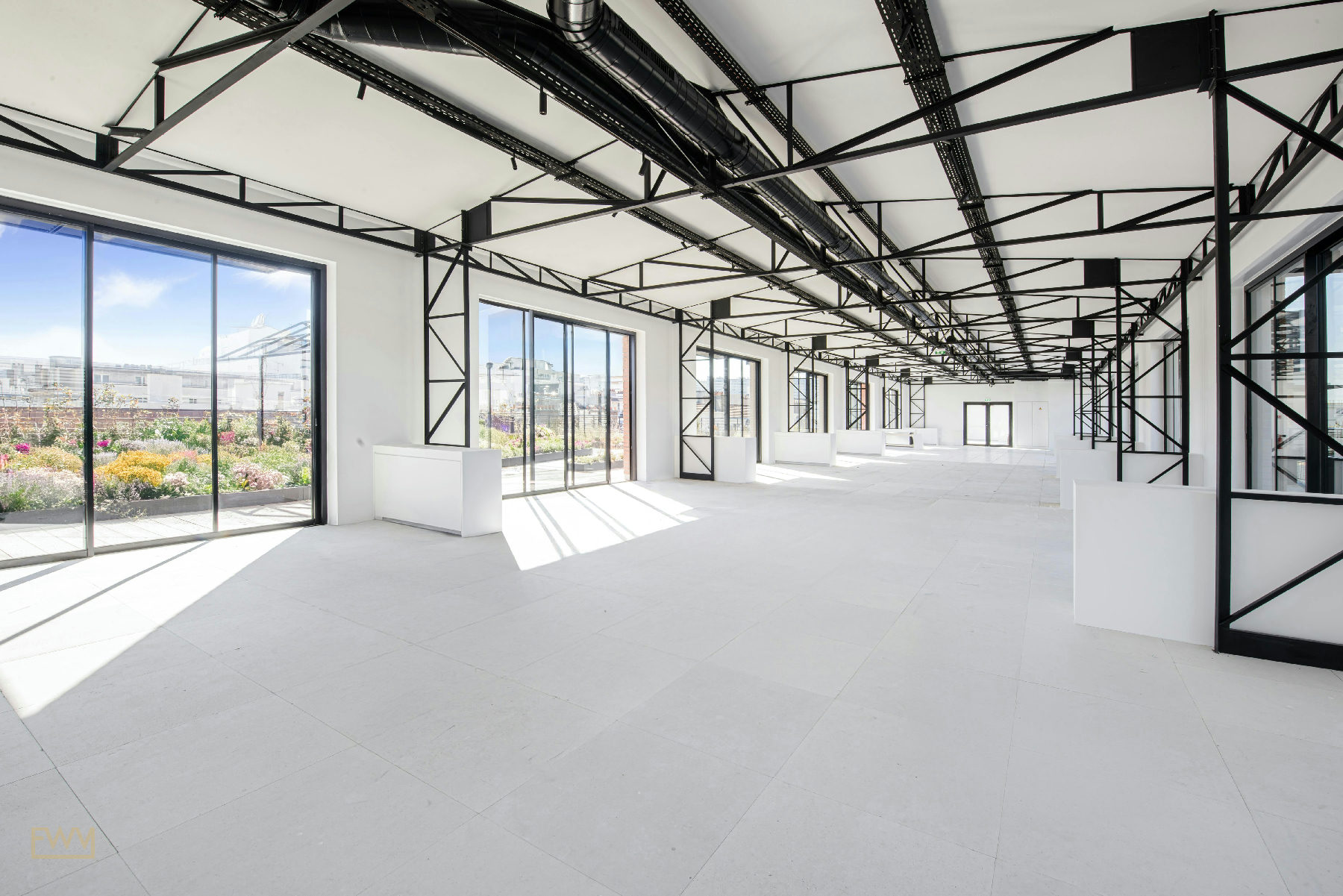
The area around Place de la Bastille and the surrounding streets of Rue du Faubourg Saint-Antoine, Rue de Charonne, and Rue de la Roquette has evolved significantly over the past two decades. Historically associated with the furniture and artisan trades, the neighbourhood now attracts a dense concentration of independent boutiques, concept stores, creative studios, and gallery spaces. This legacy means the built environment includes a higher proportion of unusual, character-rich spaces with exposed beams, internal courtyard access, and mezzanine configurations that are particularly well-suited to brand storytelling and immersive retail design.
For fashion brands planning activations around Paris Fashion Week, Bastille offers an important strategic advantage: it is close enough to the Marais, Oberkampf, and Nation corridors to capture fashion week foot traffic from both press and trade audiences, while being sufficiently distinct to position an activation as an intentional departure from the conventional circuit. Brands using Bastille spaces during fashion week windows often benefit from a more concentrated, appointment-driven audience dynamic compared to the higher-volume tourist zones around Saint-Germain or the Palais Royal.
The neighbourhood also benefits from excellent transport connectivity. The Bastille metro station serves lines 1, 5, and 8, providing direct access from Charles de Gaulle Etoile, République, Gare de Lyon, and central Paris. This connectivity matters for logistics planning, particularly for brands expecting deliveries, installation crews, and high-frequency visitor flow during short activation windows.
DID YOU KNOW: The Rue du Faubourg Saint-Antoine in the 11th arrondissement, running east from Place de la Bastille, contains one of the highest concentrations of accessible commercial ground-floor units in inner Paris, many of which were originally designed for workshop and showroom use, making them naturally suited to flexible retail configurations.
Quick answer: Bastille is a strategic location for renting retail space in Paris because it combines strong transport connectivity, a culturally engaged local audience, a high density of character-rich commercial spaces, and proximity to key fashion week circuits. The neighbourhood's mixed residential and creative character makes it effective for fashion brands, lifestyle activations, and short-term showroom environments.
KEY TAKEAWAY: Bastille's appeal for retail space is not simply about location. It is about the combination of neighbourhood character, audience composition, spatial variety, and strategic positioning relative to Paris's broader fashion and retail calendar. Brands should assess Bastille against their specific audience profile and activation objective before committing to a space.
Understanding the neighbourhood is only the first step. The next critical question for any brand team is how to actually discover, evaluate, and shortlist available spaces, which requires navigating both specialist platforms and local agency relationships.
Commercial Real Estate Platforms: LoopNet, CoStar, and Their Role in the Paris Market
International brands often begin their Paris space search on familiar commercial real estate platforms, with LoopNet and CoStar being two of the most widely known. Understanding what these platforms offer and where their limitations lie in the context of the Paris short-term retail market is essential before committing significant research time to either.
LoopNet: Platform Navigation, Search, and Listings
LoopNet is one of the most widely used commercial real estate listing platforms globally. Its search functionality allows users to filter properties by location, property type, size, and listing status. The platform's listings include both direct owner postings and broker-listed properties, and its search interface supports geographic filtering, keyword-based search, and category-based browsing.
For brands searching for retail space in Paris, LoopNet's coverage of the French market is materially thinner than its coverage of North American markets. The platform was built primarily around the structure of US and, to a lesser extent, UK commercial real estate, where standardised lease formats and broker networks align closely with the platform's listing conventions. In the Paris context, many short-term retail spaces, pop-up venues, and temporary showrooms are not listed on LoopNet at all, because the French short-term leasing market operates through different intermediary channels and legal structures.
LoopNet's Blue Listings feature highlights premium listings that receive increased visibility within search results. These are typically paid placements by brokers or landlords who have invested in greater platform exposure. While Blue Listings can surface higher-quality or better-documented properties, they do not necessarily represent the best or most suitable options for a given brief. In the Paris context, Blue Listings on LoopNet are unlikely to surface the kind of short-term, fashion-oriented retail spaces that brand activation teams typically seek.
The platform's Saved Searches functionality allows registered users to store search parameters and receive alerts when new listings match their criteria. This is useful for brands monitoring the market over time but requires consistent platform engagement to be valuable. When a saved search produces a match, the system notifies the user, typically by email. If a search has already been saved, the platform will display a notification such as "This alert already exists" or "Saved to Saved Searches," preventing duplicate alert creation. Users can manage these through their account dashboard, including the option to delete saved searches. When deleting, the platform typically prompts with a confirmation message, warning that proceeding means the user will no longer receive updates when new matches appear, phrased as something like "Are you sure you want to delete? You will no longer get updates when there are new matches." This confirmation step exists to prevent accidental removal of active monitoring alerts.
TIP: If you are using LoopNet's saved search and alert features to monitor commercial property listings, check your email alerts and account dashboard regularly. The platform will not resurface dismissed alerts, and if a saved search is deleted, all associated notifications stop immediately.
CoStar: Commercial Real Estate Data and Investment Properties
CoStar operates as both a commercial real estate data and analytics platform and a parent company to LoopNet. CoStar's core product is institutional-grade commercial real estate data, covering commercial real estate investment properties, market analytics, lease comparables, and asset-level detail that is primarily relevant to institutional investors, REITs, and large property owners rather than brands seeking short-term retail space.
CoStar's coverage of European markets, including Paris, is broader than LoopNet's, but access to CoStar's detailed data requires a professional subscription and is oriented toward investment analysis rather than short-term leasing discovery. For brand teams seeking to rent retail space in Bastille for a pop-up activation or seasonal showroom, CoStar's primary utility is understanding macro-level market context, such as average retail vacancy rates, neighbourhood rent trends, and competitive landscape data, rather than direct space discovery.
Quick answer: LoopNet and CoStar are valuable tools for commercial real estate research and investment analysis, but their coverage of the Paris short-term retail and pop-up space market is limited. Brands seeking to rent retail space in Bastille for fashion activations or short-term use will typically find more relevant spaces through specialist agencies, local marketplace platforms, and curated space networks than through these general commercial property portals.
User Account Management: Login, Password, and Email on Commercial Platforms
Accessing the full functionality of platforms like LoopNet and CoStar requires a registered user account. Account creation involves providing an email address and creating a password, after which the user can access saved searches, property alerts, feedback tools, and communication features. Managing login credentials and maintaining access to the email address associated with the account is important because platform alerts, including new listing matches and saved search notifications, are delivered by email.
For brand teams with multiple members involved in space research, it is worth establishing a shared or team-accessible email account for platform registrations to ensure alert continuity if individual team members change. Password management protocols should follow standard enterprise security practices. Most platforms offer password reset via the registered email address, so maintaining access to that email is the most important account recovery mechanism.
IMPORTANT: When using commercial real estate platforms for market research, ensure your account email is actively monitored. Saved search alerts and new listing notifications are typically delivered only by email, and if the registered email is not checked regularly, time-sensitive opportunities can be missed.
KEY TAKEAWAY: Commercial platforms like LoopNet and CoStar provide useful market context and listing discovery for brands entering the Paris retail market, but they are not the primary route to finding short-term fashion-oriented retail spaces in Bastille. Use them for market intelligence and invest your primary search effort in specialist channels and agency relationships.
Understanding where to search is inseparable from understanding what legal structure governs the space you are renting, which is where many international brands encounter significant complexity in the Paris market.
Lease Structures, Permit Requirements, and Legal Compliance for Retail Space in Paris
Renting retail space in Bastille, or anywhere in Paris, requires understanding the legal framework that governs short-term and temporary commercial occupancy in France. International brands frequently underestimate this complexity, assuming that renting a space in Paris works similarly to renting commercial space in London, New York, or other familiar markets.
Bail Dérogatoire: The Short-Term Lease Option
The bail dérogatoire, sometimes called a bail précaire, is the principal legal mechanism for short-term commercial occupancy in France. It allows a landlord and tenant to agree to a commercial lease of up to thirty-six months without triggering the protections and obligations of the standard French commercial lease, the bail commercial, which carries automatic renewal rights and significantly greater tenant protections.
For brands seeking to rent retail space in Bastille for a pop-up activation, seasonal showroom, or short-term retail presence, the bail dérogatoire is typically the most appropriate legal structure, provided the intended duration falls within the maximum permitted period. Both parties must explicitly agree in writing that the lease is being concluded outside the scope of the standard commercial lease statute, and this agreement must be documented clearly to be enforceable.
Requirements for bail dérogatoire vary based on space type, duration, intended use, and the specific arrondissement in which the space is located. Brands should always verify current requirements with a qualified French legal advisor before entering into any occupancy agreement. Fashion Week Venues recommends consulting specialist legal counsel and provides directional permit guidance through its permit guidance tool as a starting point for understanding the regulatory landscape.
Autorisation d'Occupation Temporaire (AOT)
The Autorisation d'Occupation Temporaire, or AOT, is relevant primarily when occupying public or publicly managed spaces, including certain pavilions, parks, market halls, or spaces owned by the City of Paris or public institutions. An AOT is a temporary permission to occupy a public space for a defined period and purpose, and it is distinct from a private commercial lease.
For brands planning activations in privately owned retail units, the AOT is typically not the relevant instrument. However, if an activation involves public-facing outdoor elements, terrasse extensions, or spaces with a public ownership dimension, an AOT or equivalent local authorisation may be required. Again, requirements vary by space type, location, and intended use, and professional legal and permit advice is strongly recommended.
Terms of Use and Platform Legal Compliance
When using commercial real estate platforms such as LoopNet or CoStar, users are bound by each platform's Terms of Use. These govern how listing data can be accessed, used, reproduced, and shared. Brand teams using these platforms for competitive research or market analysis should review the Terms of Use for each platform to ensure their data usage complies with platform policies. Violations of Terms of Use can result in account suspension or restricted access, which can disrupt ongoing search and monitoring activities.
More broadly, when entering into any commercial occupancy agreement in France, ensuring that the contract terms are reviewed by a qualified legal professional familiar with French commercial law is not optional for brands seeking to protect their interests. Short-term lease agreements, even under the bail dérogatoire structure, carry legal obligations relating to space condition, reinstatement, insurance, and permitted use that must be understood before signing.
IMPORTANT: Do not assume that a short-term lease in France is legally straightforward. The distinction between a bail dérogatoire and a standard bail commercial has significant legal consequences for both parties. Always engage a qualified French legal advisor before signing any commercial occupancy agreement in Paris.
Quick answer: The primary legal structure for renting retail space in Bastille on a short-term basis is the bail dérogatoire, which permits occupancy of up to thirty-six months without triggering standard commercial lease protections. Requirements vary by space, duration, and location, and legal advice from a French specialist is always recommended before signing.
KEY TAKEAWAY: Legal compliance in the Paris retail leasing market is more complex than in many comparable markets. Brands should treat permit research and legal review as non-negotiable steps in their planning process, not as afterthoughts. Starting this process early provides the necessary lead time to resolve any complications before the intended activation window.
With the legal framework understood, the next practical question for most brand teams is how to structure the investment in a Bastille retail space and evaluate whether the expected return justifies the cost.
Commercial Real Estate Investment Properties and Single Tenant Triple Net Lease Investing in Context
While most brands approaching Bastille are seeking short-term operational space rather than real estate investment, understanding the broader commercial real estate investment framework provides important context for evaluating the spaces available and the landlords you will be negotiating with.
Commercial Real Estate Investment Properties: The Landlord Perspective
Many of the retail units available for short-term rent in Bastille are owned by private landlords or property companies whose primary objective is commercial real estate investment. Understanding how these landlords think about their properties, their income expectations, and their risk appetite helps brands negotiate more effectively and set realistic expectations about what landlords will and will not accept in a short-term occupancy context.
Commercial real estate investment properties are typically valued on the basis of their income-producing potential, either through long-term tenancy or, increasingly, through short-term and flexible occupancy strategies that can command premium daily or weekly rates. Landlords of premium Bastille retail units are increasingly open to short-term arrangements during periods when long-term tenants are difficult to find or when the income from a short-term activation exceeds what a long-term lease would generate over the same period.
This dynamic creates a genuine opportunity for brands willing to pay appropriate short-term rates. However, it also means that landlords will expect professional documentation, evidence of the brand's credibility and financial standing, and clear contractual terms around reinstatement, insurance, and permitted alterations. Brands that approach short-term retail negotiations with the same rigour they would apply to a longer-term agreement are consistently better positioned than those who treat it as an informal arrangement.
Single Tenant Triple Net Lease Investing and Its Relevance to Retail Space
Single Tenant Triple Net Lease investing, commonly known as NNN investing in the North American market, refers to a commercial real estate investment structure in which a single tenant occupies an entire property and takes on responsibility for most or all of the property's operating expenses, including taxes, insurance, and maintenance, in addition to base rent. This structure is particularly common in the US retail real estate market and is a favoured investment model for institutional investors seeking predictable, low-management income from commercial real estate investment properties.
In the Paris context, the NNN structure is less common than in North American markets. French commercial leases have their own specific allocation of costs and responsibilities between landlord and tenant, which differs materially from the NNN model. However, understanding the NNN framework is relevant for international brands, particularly those with North American headquarters, because it provides a conceptual reference point for how French landlords may approach cost allocation in occupancy agreements.
For short-term retail occupancy in Bastille, brands should clarify at the outset which operating costs, such as utilities, service charges, cleaning, and security, are included in the agreed rental and which will be billed separately. Failing to clarify this in advance is one of the most common sources of budget overrun in short-term retail activations.
TIP: When negotiating a short-term retail space in Bastille, always request a full breakdown of all costs associated with the space, including base rent, service charges, utilities, insurance requirements, and any landlord fees for access outside standard hours. Use this as the basis for your total cost model before signing.
To build an accurate cost model for your Bastille activation, use the budget estimation tool on Fashion Week Venues, which provides directional cost guidance across space rental, production, staffing, and operational elements.
Quick answer: Single Tenant Triple Net Lease investing is a North American commercial real estate investment structure in which the tenant covers most property operating costs. While not directly applicable to the French leasing market, understanding cost allocation principles helps international brands negotiate short-term Paris retail agreements more effectively by clarifying which expenses are included and which are additional.
KEY TAKEAWAY: Whether you are approaching a Bastille retail space as a short-term operational cost or evaluating it within a broader property investment context, understanding how landlords value and manage their assets makes you a more effective negotiator. Clarity on cost allocation from the outset protects your budget and your relationship with the landlord throughout the occupancy period.
Knowing the investment context is valuable, but for most brand teams the immediate practical challenge is the operational process of finding, shortlisting, and activating a Bastille space efficiently within a defined calendar and budget.
How to Search for Retail Space in Bastille: Platforms, Alerts, and Saved Searches
The process of searching for retail space in Bastille combines digital discovery through listing platforms and specialist marketplaces with direct agency engagement and on-the-ground relationship-building. Each channel has distinct strengths, and the most effective approach integrates all of them.
Using Platform Search and Listing Tools Effectively
Commercial real estate platforms offer search tools that allow users to filter by location, property type, size, and availability. When using these tools to search for retail space in Bastille, it is important to use precise geographic parameters. Bastille spans parts of the 4th, 11th, and 12th arrondissements, and many listing platforms allow filtering by arrondissement or by drawing a custom search boundary on a map.
Listings on commercial platforms typically include property descriptions, photographs, floor plans, and contact details for the listing agent or landlord. Blue Listings on platforms like LoopNet indicate premium placement, meaning the owner or agent has paid for enhanced visibility. While Blue Listings are more prominently displayed, they are not inherently superior options. Brands should evaluate all relevant listings on their own merits against their specific brief, regardless of listing tier.
For short-term and temporary retail spaces, specialist marketplace platforms tend to offer more relevant inventory than general commercial property portals. Fashion Week Venues operates its own curated space marketplace, accessible at the Fashion Week Venues space marketplace, which focuses specifically on spaces suited to fashion brand activations, pop-up retail, and short-term showroom use across Paris and other fashion capitals.
Saved Searches and Alert Management
Most commercial real estate platforms allow registered users to save search criteria and receive alerts when new listings matching those criteria become available. This functionality is valuable for brands monitoring the Bastille retail market over a period of time rather than searching reactively when a need arises.
When setting up saved searches, use precise search parameters to avoid alert fatigue from irrelevant listings. Define your minimum and maximum size requirements, your preferred property types, and your geographic boundaries clearly. The more specific your saved search parameters, the more useful the alerts you receive will be.
If a search has already been saved under the same parameters, most platforms will display a notification such as "This alert already exists" or "Saved to Saved Searches," indicating that the system has detected a duplicate. This prevents redundant alert creation and keeps your notification feed manageable. If you need to modify an existing saved search rather than create a new one, access your saved search dashboard and edit the parameters directly.
Deleting a saved search permanently removes the associated alert. Most platforms will prompt with a confirmation step, typically phrased as "Are you sure you want to delete?" and noting that proceeding means "You will no longer get updates when there are new matches." This is an important step to consider carefully, particularly if the saved search has been generating relevant leads. If you no longer need updates from a particular search, deleting it keeps your alert management clean. If you are uncertain, most platforms allow you to pause alerts temporarily without permanently deleting the saved search.
Feedback Tools and Platform Communication
Many commercial real estate platforms incorporate feedback mechanisms that allow users to flag listing quality issues, report inaccurate information, or provide input on platform functionality. Using these feedback tools when you encounter outdated or misleading listings contributes to overall platform data quality and can prompt faster updates from listing agents.
Email remains the primary communication channel for most commercial property platforms, used for alert delivery, account notifications, agent communications, and documentation sharing. Ensuring that your registered email address is actively monitored and that platform emails are not being filtered to spam is a basic but important step in maintaining an effective space search workflow.
Quick answer: To search effectively for retail space in Bastille, combine general commercial property platforms with specialist fashion space marketplaces, set up precise saved searches with email alerts, and use agency relationships to access spaces that are never publicly listed. Managing alerts carefully prevents duplicate notifications and ensures you receive relevant updates without unnecessary noise.
KEY TAKEAWAY: Digital search tools and platform alerts are useful for market monitoring, but the most relevant short-term retail spaces in Bastille are often sourced through specialist networks and agency relationships rather than public listing platforms. Treat platform search as one component of a broader discovery strategy rather than the sole route to finding the right space.
Once you have identified candidate spaces through your search process, the next step is structured evaluation, comparison, and selection, which requires a clear framework for assessing each option against your brief.
Evaluating and Comparing Retail Spaces in Bastille: A Practical Framework
Selecting the right retail space in Bastille requires evaluating multiple properties against a consistent set of criteria. Without a structured comparison framework, brand teams frequently make decisions based on superficial impressions, leading to costly mismatches between space characteristics and activation requirements.
Space Type, Configuration, and Neighbourhood Sub-Zone
Bastille contains a wide variety of commercial space types, each with distinct characteristics relevant to different brand objectives. The table below provides a breakdown of the primary space categories available in and around Bastille, their typical configurations, and their suitability for different brand activation types.
| Space Type | Typical Configuration | Best Suited For | Common Sub-Zone |
|---|---|---|---|
| Ground-floor retail unit | Street-level shopfront, single floor, 30 to 200 sqm | Direct retail, product launches, consumer-facing activations | Rue de la Roquette, Rue de Charonne |
| Former workshop or atelier | High ceilings, raw finish, courtyard access, 50 to 400 sqm | Immersive brand experiences, editorial shoots, showrooms | Rue du Faubourg Saint-Antoine, Passage de la Bonne Graine |
| Gallery-style space | White box, polished concrete, natural light, 40 to 150 sqm | Fashion presentations, press previews, art-adjacent activations | Bastille to Marais border zones |
| Multi-floor commercial unit | Two or three levels, staircase access, retail and event capacity | Brand flagship pop-up, multi-day events, combined retail and hospitality | Place de la Bastille perimeter |
| Shared or co-activation space | Partitioned or schedule-shared with complementary brand | Budget-conscious brands, collaborative brand storytelling | Across Bastille, varies by availability |
Key Evaluation Criteria for Shortlisting
Beyond space type and location, brand teams should evaluate each candidate space against the criteria outlined in the workflow table below. This structure ensures that no critical factor is overlooked during the shortlisting process.
| Evaluation Stage | Key Questions | Action Required |
|---|---|---|
| Space Discovery | Does the space match our size, configuration, and character brief? | Review listing details, floor plan, and photographs |
| Location Assessment | Is the specific street and sub-zone right for our audience? | Conduct in-person or virtual neighbourhood assessment |
| Availability Confirmation | Is the space available for our target dates? | Confirm with agent or landlord directly |
| Cost Modelling | What is the all-in cost including rent, charges, and reinstatement? | Request full cost breakdown and model against budget |
| Permit and Legal Review | What lease structure applies and what permits are required? | Engage French legal advisor and review permit requirements |
| Technical Assessment | Does the space meet our power, lighting, and logistics requirements? | Commission technical survey or site visit |
| Fit-out and Reinstatement | What alterations are permitted and what are the reinstatement obligations? | Clarify with landlord and build into production plan |
| Negotiation and Agreement | Have all terms been agreed and documented in a signed agreement? | Complete legal review and sign occupancy agreement |
To compare multiple spaces against each other efficiently, use the space comparison tool on Fashion Week Venues, which allows you to assess shortlisted spaces side by side across key criteria including size, location, cost, and configuration.
Quick answer: Evaluating retail spaces in Bastille requires a structured framework covering space type, location, availability, cost, legal compliance, technical capability, and reinstatement obligations. Using a consistent evaluation matrix across all candidate spaces ensures that decisions are based on comprehensive data rather than first impressions.
KEY TAKEAWAY: A structured shortlisting and evaluation process saves significant time and reduces the risk of selecting a space that does not meet your operational or brand requirements. Investing in thorough evaluation upfront prevents costly surprises during the activation period.
Evaluating spaces effectively requires a clear understanding of how Fashion Week Venues supports brands through this process and what specific services and tools are available.
How Fashion Week Venues Helps Brands Rent Retail Space in Bastille and Across Paris
Fashion Week Venues operates as a full-service pop-up shop agency and space marketplace, providing end-to-end support for brands seeking to rent retail space in Bastille and across Paris. The agency's services cover every stage of the process, from initial space discovery through to activation management, post-activation data analysis, and post-event reporting.
Space Discovery and Venue Sourcing
The agency's dedicated venue sourcing service goes beyond public listing platforms to access spaces that are not publicly advertised. Fashion Week Venues maintains relationships with landlords, property managers, and space owners across all major Bastille sub-zones, including Rue du Faubourg Saint-Antoine, Rue de Charonne, Rue de la Roquette, and the Passage areas. This network means that brand teams working with the agency can access a wider, more relevant set of spaces than they would typically find through commercial property portals alone.
Concept Direction and Branded Space Design
Once a space is identified, Fashion Week Venues offers concept direction and branded store design services that translate the brand's visual identity and activation objectives into a spatial concept suited to the specific characteristics of the chosen Bastille space. Bastille's architectural diversity, from raw ateliers to polished gallery units, requires tailored design approaches rather than generic fit-out solutions. The agency's concept and creative team works with brand teams to develop concepts that honour both the brand identity and the spatial character of the chosen venue.
Production, Fit-out, and Activation Management
The agency's production and build service covers the complete fit-out process, including furniture, fixtures, lighting, graphics, and technical infrastructure. Fashion Week Venues also offers furniture rental, reducing the capital investment required for short-term activations. The agency's activation management service covers the operational period itself, including retail staffing, POS and payments, and day-to-day management of the space.
Data, Analytics, and ROI Measurement
Fashion Week Venues provides data and analytics support to help brands measure the commercial impact of their Bastille activation, including visitor flow, conversion, sales performance, and brand engagement metrics. The agency's ROI calculation tool allows brands to model expected returns against activation costs, supporting investment decisions and post-activation reporting.
Tools and Resources for Independent Research
For brand teams conducting independent research before engaging the agency, Fashion Week Venues provides a suite of planning tools including budget estimation, timeline planning, permit guidance, space comparison, and space location. These tools are accessible through the agency's website and provide directional guidance across the key planning dimensions of a Bastille retail activation.
It is important to understand that Fashion Week Venues provides professional support and guidance but cannot guarantee specific outcomes including space availability, permit approval, or commercial results. The agency's role is to maximise the probability of a successful activation through expert support at each stage of the process.
KEY TAKEAWAY: Fashion Week Venues provides genuine end-to-end support for brands seeking to rent retail space in Bastille, from curated space discovery through to activation management and post-activation analysis. The agency's value lies in the depth of its Paris market knowledge, its landlord relationships, and its ability to coordinate complex, multi-workstream activations within tight fashion calendar windows.
To compare neighbourhoods and space types, explore the Paris city hub on Fashion Week Venues and shortlist spaces that match your brief, budget, and calendar window.
Paris Fashion Week and the Broader Calendar: Timing Your Bastille Activation
Timing a retail space activation in Bastille around the Paris Fashion Week calendar is one of the most important strategic decisions a brand team makes. The fashion week calendar in Paris is structured around the official Fédération de la Haute Couture et de la Mode schedule, but the commercial opportunity for brands extends well beyond the official runway programme.
The Paris Fashion Week Calendar Window
Paris Fashion Week takes place twice annually, with Women's Ready-to-Wear presented in February and September and Men's Fashion Week in January and June. Haute Couture presentations occur in January and July. Each of these windows creates a concentrated period of media, buyer, retailer, and influencer attention in Paris, making them natural target windows for brand activations seeking press, trade, and consumer reach.
For brands renting retail space in Bastille, the Women's Ready-to-Wear windows in February and September are typically the highest-priority targets, as they generate the broadest press and consumer coverage. However, the Men's Fashion Week windows in January and June can be strategically valuable for brands in menswear, accessories, or lifestyle categories where buyer and press attendance is concentrated during those periods.
Beyond Fashion Week: Year-Round Activation Opportunities
Paris Fashion Week is not the only viable window for a Bastille retail activation. The neighbourhood has a year-round audience of engaged consumers, design professionals, and international visitors, and some brand teams find that activating outside the official fashion week windows produces better results for their specific objectives, particularly for consumer-facing retail rather than press and trade engagement.
Key alternative windows include the Maison et Objet fair in January and September, the Paris design and art calendar including FIAC and Paris+ par Art Basel in October, and the broader holiday retail season in November and December. Each of these windows brings a distinct audience profile to Paris that may align more closely with certain brand categories than the core fashion week audience.
Use the timeline planning tool on Fashion Week Venues to map your activation dates against the Paris calendar and identify the planning lead time required for your target window.
DID YOU KNOW: Many brands find that activating in Bastille during the ten days immediately before or after the official Paris Fashion Week schedule generates strong press and buyer attendance while benefiting from lower space competition and more flexible landlord terms than during the peak fashion week period itself.
KEY TAKEAWAY: Paris Fashion Week creates the most concentrated opportunity for brand activations in Bastille, but it is not the only viable window. Brands should evaluate their specific objectives, target audience, and competitive landscape when selecting their activation dates, rather than defaulting to the official fashion week period without strategic analysis.
Myths About Renting Retail Space in Paris: Common Misconceptions Debunked
Several persistent myths about renting retail space in Paris cause brands to either underestimate the complexity of the process or overestimate the barriers to entry. Addressing these directly helps brand teams approach the Paris market with accurate expectations.
MYTH: You need a French legal entity to rent retail space in Paris.
FACT: International brands without a French legal entity can rent retail space in Paris, but the process requires careful structuring. Some landlords require a guarantor, a deposit, or specific contractual arrangements to mitigate the additional risk they perceive when dealing with foreign entities. Working with a specialist agency that has established landlord relationships can significantly simplify this process. Requirements vary by landlord, space type, and duration, so verifying the specific requirements for each target space is essential.
MYTH: Paris Fashion Week is the only viable calendar window for brand activations in Bastille.
FACT: Bastille attracts a strong and diverse audience year-round. While Paris Fashion Week creates concentrated press and trade attention, activations timed around design fairs, art events, the holiday season, or even quieter periods can be highly effective for brands targeting consumer audiences or seeking a less competitive activation environment. The right calendar window depends entirely on the brand's specific objectives and target audience.
MYTH: Commission brokers are the only way to find a short-term retail space in Paris.
FACT: While commercial real estate brokers can source spaces, they are not the only route to market. Specialist short-term retail agencies like Fashion Week Venues, dedicated space marketplace platforms, and direct landlord relationships are all viable discovery channels. In many cases, specialist agencies have access to spaces that are not available through the traditional brokerage network, particularly in the short-term and fashion-oriented segment of the market.
MYTH: Short-term leases in France are legally straightforward and do not require specialist legal help.
FACT: Short-term commercial leases in France, including the bail dérogatoire, are governed by specific legal requirements that differ significantly from standard commercial lease law. Errors in drafting or structuring a bail dérogatoire can inadvertently trigger the protections of the standard bail commercial, with significant consequences for both parties. Engaging a qualified French legal advisor before signing any occupancy agreement is strongly recommended, regardless of the brevity of the intended occupancy.
MYTH: Digital property platforms like LoopNet provide comprehensive coverage of the Paris short-term retail market.
FACT: Major commercial property platforms were built primarily around North American and, to a lesser extent, UK commercial real estate markets. Their coverage of the Paris short-term and temporary retail space market is materially thin. Many of the most relevant spaces for fashion brand activations in Bastille are never listed on public platforms, making specialist agency relationships and curated marketplace platforms essential components of an effective Paris space search strategy.
Frequently Asked Questions About Renting Retail Space in Bastille
What is the typical process for renting short-term retail space in Bastille?
The process typically begins with a brief defining the space size, location, budget, dates, and brand objectives. A space search follows, drawing on platform listings, specialist agency networks, and direct landlord relationships. Shortlisted spaces are evaluated against the brief, a site visit is conducted, and legal and cost due diligence is completed. Once a space is selected, a short-term occupancy agreement, typically structured as a bail dérogatoire, is negotiated and signed. Fit-out, activation, and reinstatement follow in sequence. The total lead time from brief to activation varies but typically ranges from four to twelve weeks depending on space complexity and permit requirements.
How do I know if a Bastille retail space is available for my target dates?
Availability must be confirmed directly with the listing agent, landlord, or agency managing the space. Online listings are not always updated in real time, so a space that appears available in a platform listing may already be reserved. When using platform search tools, treat availability information as indicative only and always verify directly. For spaces listed through Fashion Week Venues, the team can confirm availability quickly and advise on alternative options if the preferred space is not available for your target window.
What is the difference between a bail dérogatoire and a standard commercial lease in France?
A bail dérogatoire is a short-term commercial occupancy agreement that both parties explicitly agree falls outside the scope of the standard French bail commercial statute. It can last up to thirty-six months and does not grant the tenant the automatic renewal rights and statutory protections associated with a standard commercial lease. A standard bail commercial, by contrast, typically runs for nine years, carries significant tenant renewal rights, and imposes substantial obligations on the landlord. The distinction is critical and must be clearly documented in the occupancy agreement. A qualified French legal advisor should always review any commercial occupancy agreement before signing.
Do I need a French company to rent retail space in Bastille?
Not necessarily, but the process is more complex for international brands without a French legal entity. Some landlords require additional security arrangements, such as a larger deposit or a guarantor, when dealing with foreign companies. Working with a specialist agency that has established landlord relationships in Paris can help navigate these requirements. The specific documentation and structural arrangements needed vary by landlord and space, so each situation should be assessed individually with appropriate legal and agency support.
What are Blue Listings on commercial property platforms?
Blue Listings on platforms like LoopNet are premium listing placements that receive enhanced visibility within search results. They are typically paid placements by brokers or landlords who have invested in greater exposure for their properties. While Blue Listings are more prominently displayed, they do not necessarily represent the best options for a given brief. Brands should evaluate all relevant listings on their own merits, regardless of whether they carry a Blue Listing designation. In the Paris short-term retail context, Blue Listings on general commercial platforms are unlikely to surface the most relevant fashion-oriented spaces.
How do saved searches and alerts work on commercial real estate platforms?
Saved searches allow registered users to store specific search parameters and receive email notifications when new listings match those criteria. When a search is saved, most platforms confirm with a notification such as "Saved to Saved Searches." If the same search parameters are entered again, the platform will typically display "This alert already exists" to prevent duplicate alerts. Users can delete saved searches through their account dashboard, but the platform will typically prompt with a confirmation message warning that deleting the search means you will no longer receive updates when new matching listings appear. Managing saved searches carefully ensures relevant alerts without notification overload.
What types of retail space are most commonly available in Bastille?
Bastille offers a diverse mix of commercial space types including ground-floor street retail units, former workshops and ateliers with high ceilings and courtyard access, gallery-style white box spaces, multi-floor commercial units, and shared or co-activation spaces. The area around Rue du Faubourg Saint-Antoine is particularly rich in character spaces with artisan heritage, while the streets closer to the Marais border offer a higher concentration of gallery-style units. The right space type depends entirely on the brand's activation objectives, audience profile, and design requirements.
How far in advance should I start looking for retail space in Bastille for Paris Fashion Week?
For Paris Fashion Week windows, beginning the space search a minimum of three to six months in advance is strongly recommended. The most desirable spaces in Bastille are frequently reserved well before the fashion week period, particularly for the February and September Ready-to-Wear windows. Starting early also provides necessary lead time for legal review, permit applications where required, fit-out planning, and supplier coordination. Brands that begin the process fewer than eight weeks before their target activation date face significantly reduced space choice and higher operational risk.
What permits or authorisations might be required to operate a retail space in Bastille?
Permit requirements for retail space in Bastille vary by space type, intended use, duration, and specific location within the arrondissement. For privately owned retail units, the primary legal instrument is the bail dérogatoire, which does not require a separate operating permit beyond the occupancy agreement itself, but the agreement must be correctly structured. If the activation involves outdoor elements, public-facing signage above certain dimensions, or occupancy of publicly managed spaces, additional authorisations such as an Autorisation d'Occupation Temporaire may be required. Always verify current requirements with a qualified French legal advisor and use the permit guidance tool on Fashion Week Venues as a starting point for understanding the regulatory landscape.
What is the difference between LoopNet and CoStar for Paris retail space research?
LoopNet is a public-facing commercial property listing platform that allows anyone to search for available commercial spaces and contact listing agents. CoStar is primarily an institutional-grade commercial real estate data and analytics platform with detailed market data, lease comparables, and asset-level information aimed at professional investors, brokers, and large property owners. Both platforms have limited coverage of the Paris short-term retail and pop-up market. CoStar is more useful for understanding macro-level market trends and investment context, while LoopNet is more useful for direct property discovery, though both are secondary to specialist agencies and curated marketplaces for this specific segment.
Can a co-activation or twin concept work well in a Bastille retail space?
Co-activation, where two complementary brands share a single space either simultaneously or on a scheduled basis, can be highly effective in Bastille, particularly for brands with aligned audiences and complementary rather than competing product categories. Bastille's character spaces often have configurations that lend themselves to partitioned or zoned co-activation, and the neighbourhood's creative audience is typically receptive to brand collaborations. Fashion Week Venues operates a twin co-activation concept specifically designed for this model, which allows two brands to share costs while maximising audience reach and brand storytelling impact.
What should I budget for renting retail space in Bastille for a two-week activation?
Budget ranges for a two-week Bastille activation vary significantly based on space size, location, specification, fit-out complexity, staffing requirements, and marketing investment. Without knowing these specific parameters, providing meaningful figures is not possible. Directional cost guidance is best developed through a brand-specific model that accounts for all cost components. Use the budget estimation tool on Fashion Week Venues to build a preliminary cost model based on your specific brief, space size, and activation requirements before committing to a search or negotiation process.
What is Single Tenant Triple Net Lease investing and is it relevant to Paris?
Single Tenant Triple Net Lease investing, or NNN investing, is a commercial real estate investment structure common in North American markets where a single tenant occupies an entire property and takes responsibility for most property operating costs, including taxes, insurance, and maintenance, in addition to base rent. This structure is less common in the French leasing market, which has its own cost allocation conventions. However, the underlying principle of clarifying which operating costs are allocated to tenant versus landlord is highly relevant to negotiating short-term retail occupancy agreements in Paris. Always seek full clarity on cost allocation before signing any agreement.
How does Fashion Week Venues' influencer marketing service support a Bastille activation?
Fashion Week Venues' influencer marketing service supports brands by connecting activations with relevant content creators, press contacts, and social media communities aligned with the brand's audience profile. For a Bastille activation, this might involve coordinating preview visits, producing content at the space, or managing influencer attendance during key activation moments. The service is designed to amplify the reach of the physical activation beyond the immediate visitor base, supporting broader brand awareness and social media coverage. The effectiveness of influencer support depends on the alignment between the brand, the influencer selection, and the activation concept.
What are the Terms of Use implications of using commercial property platforms for market research?
Commercial real estate platforms including LoopNet and CoStar publish Terms of Use that govern how listing data, market analytics, and platform content can be accessed, used, reproduced, and shared. Brand teams using these platforms for competitor benchmarking, market analysis, or space research should review the relevant Terms of Use to ensure their data usage complies with platform policies. Key restrictions typically relate to bulk data downloading, systematic scraping, redistribution of listing content, and use of platform data in third-party publications or reports. Violations can result in account suspension or restricted access, disrupting ongoing research and monitoring activities.
Conclusion: Moving from Research to Activated Space in Bastille
Renting retail space in Bastille is one of the most strategically compelling options available to fashion brands, lifestyle retailers, and international companies seeking a Paris presence. The neighbourhood's cultural depth, spatial diversity, transport connectivity, and engaged audience make it a strong candidate for pop-up retail, brand activations, showrooms, and event-driven commercial experiences. Navigating the process successfully requires clear objectives, structured space discovery across both digital platforms and specialist agency networks, rigorous legal and permit due diligence, disciplined cost modelling, and sufficient planning lead time.
Commercial property platforms such as LoopNet and CoStar provide useful market context and directional listing discovery, but their coverage of the Paris short-term retail and fashion space market is limited. Saved search and alert tools on these platforms support ongoing market monitoring but should be used as one component of a broader discovery strategy. The Paris leasing market operates under specific legal structures, including the bail dérogatoire, that require specialist understanding and qualified legal review before any occupancy agreement is signed.
Fashion Week Venues brings together curated space discovery, full-service agency support, and a suite of planning tools designed specifically for brands navigating the Paris short-term retail market. Whether your team is in the early research phase or ready to brief, activate, and measure a Bastille retail space, the agency provides the expertise, network, and operational capability to support your objectives without the need to build that capability from scratch internally.
To move from research to activation, start exploring available spaces on the Fashion Week Venues marketplace and build a focused brief for your target neighbourhood, space type, and calendar window.