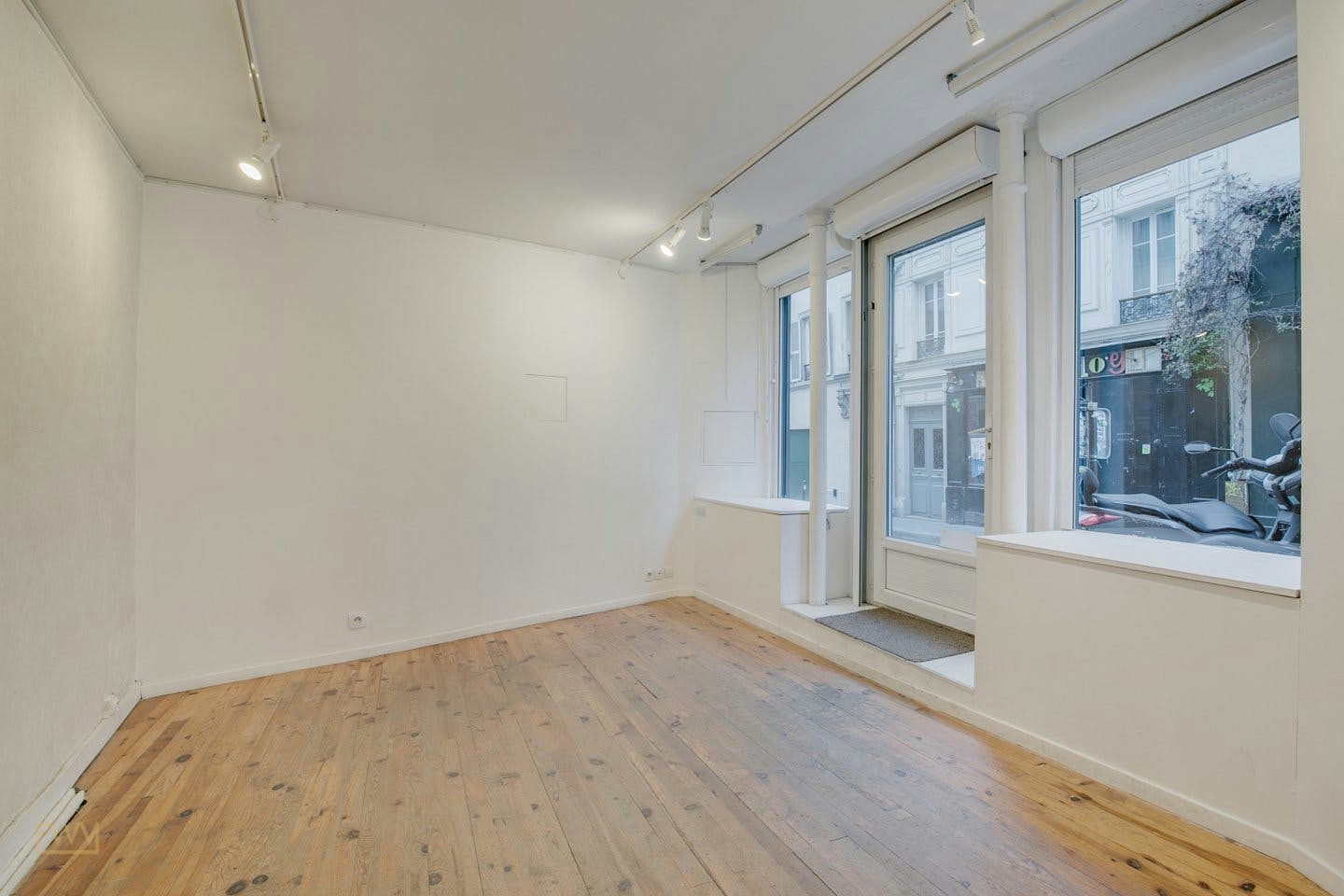
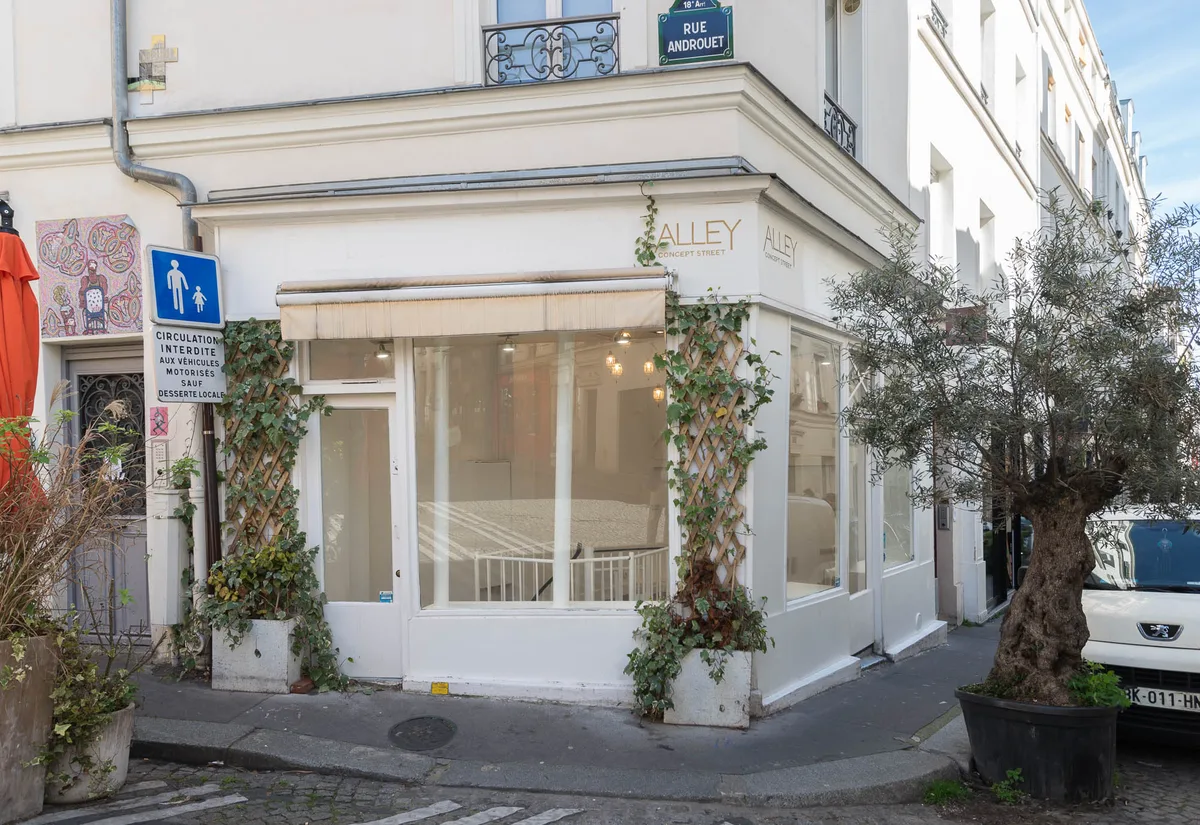
Opening a pop up shop in Montmartre places your brand at the intersection of Parisian heritage, creative culture, and genuine retail footfall. Montmartre is not simply a tourist destination; it is a living neighbourhood where independent designers, artisans, and international brands have long understood that physical presence generates discovery, loyalty, and sales that digital channels alone cannot replicate. Whether you are planning a short-term boutique, a fashion showroom, a beauty activation, or a brand immersion space, Montmartre offers a concentration of character and community that few neighbourhoods in Île-de-France can match. This guide covers every dimension of the process: location strategy, space types, legal frameworks, calendar alignment with Paris Fashion Week, store design, digital integration, and how Fashion Week Venues supports brands activating in Paris from sourcing through to launch.
Why Montmartre Is One of Paris's Most Compelling Pop-Up Retail Locations
Montmartre delivers a combination of foot traffic, neighbourhood identity, and creative credibility that makes it one of the most effective locations for a pop-up store in Paris. The neighbourhood sits in the 18th arrondissement and draws a genuinely mixed audience: Parisian residents, international visitors, art collectors, independent fashion shoppers, and culture-seekers who are actively browsing rather than simply passing through.
Unlike the Marais, which has become saturated with luxury flagships and internationally recognisable boutiques, Montmartre retains an artisanal character. Brands that open a pop-up space here benefit from the neighbourhood's reputation for discovery. Shoppers come expecting to find something new. That expectation works directly in favour of brands running short-term retail activations, because the transient, curated nature of a pop-up store aligns naturally with how visitors and locals already approach Montmartre as an experience.
The neighbourhood's topography also shapes the retail experience in a distinctive way. The streets around the Abbesses metro and the lower slopes of the butte create a pedestrianised flow that slows visitors down. Slow foot traffic is valuable foot traffic. Shoppers who are walking at leisure, stopping to photograph the architecture, and ducking into courtyard studios are the same shoppers who enter a well-positioned pop-up boutique. The neighbourhood is not simply pretty; it is structurally conducive to retail dwell time.
The quartiers within the broader Montmartre area offer different registers of energy. Streets closer to Sacré-Coeur attract higher volumes of international tourists, which suits brands targeting cultural cachet and instagrammable environments. Streets around Abbesses and Lepic draw a more local, design-literate Parisian audience. Brands that understand this distinction can choose a specific adresse that matches their target customer profile rather than simply choosing Montmartre as a monolithic location.
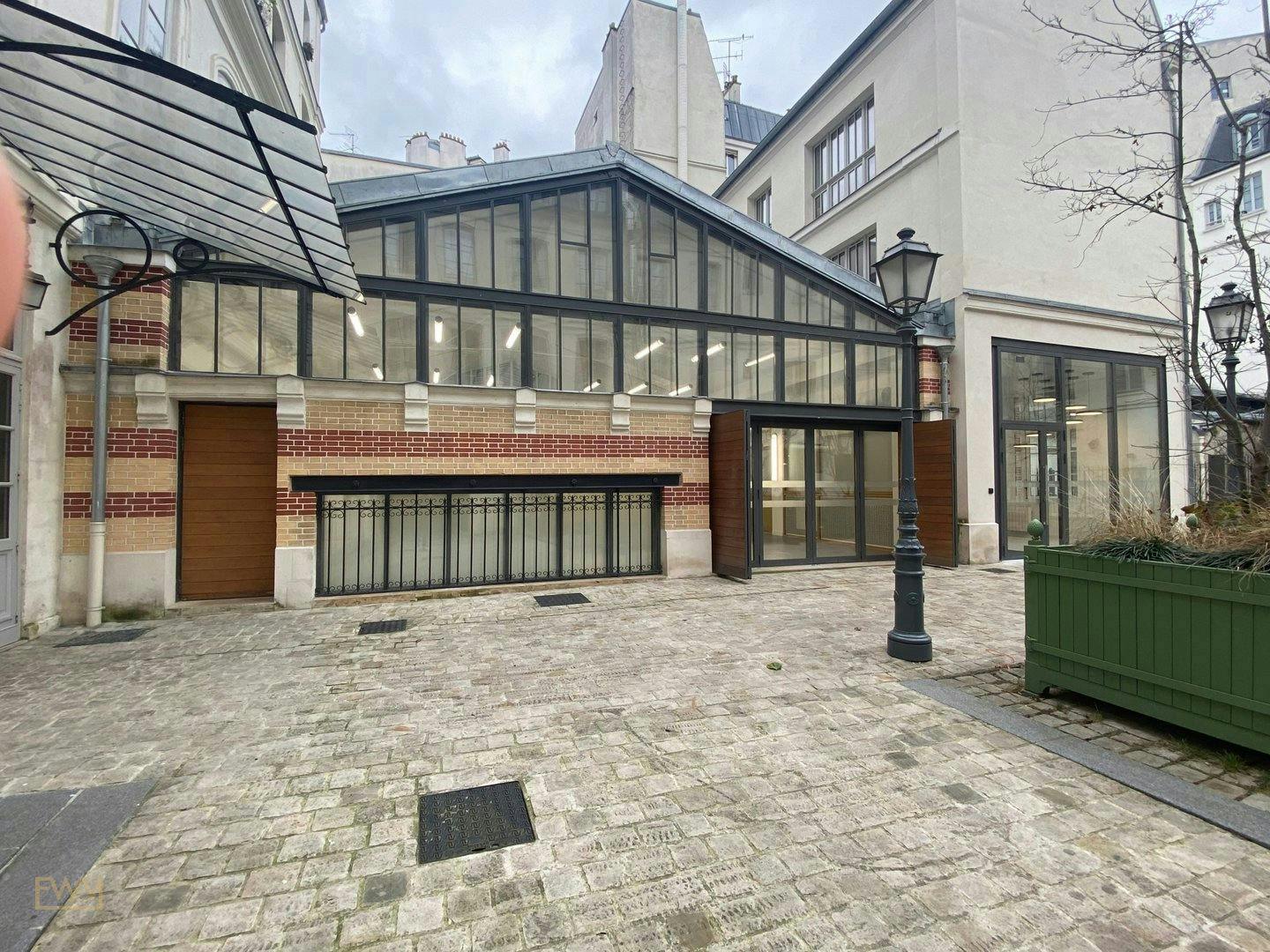
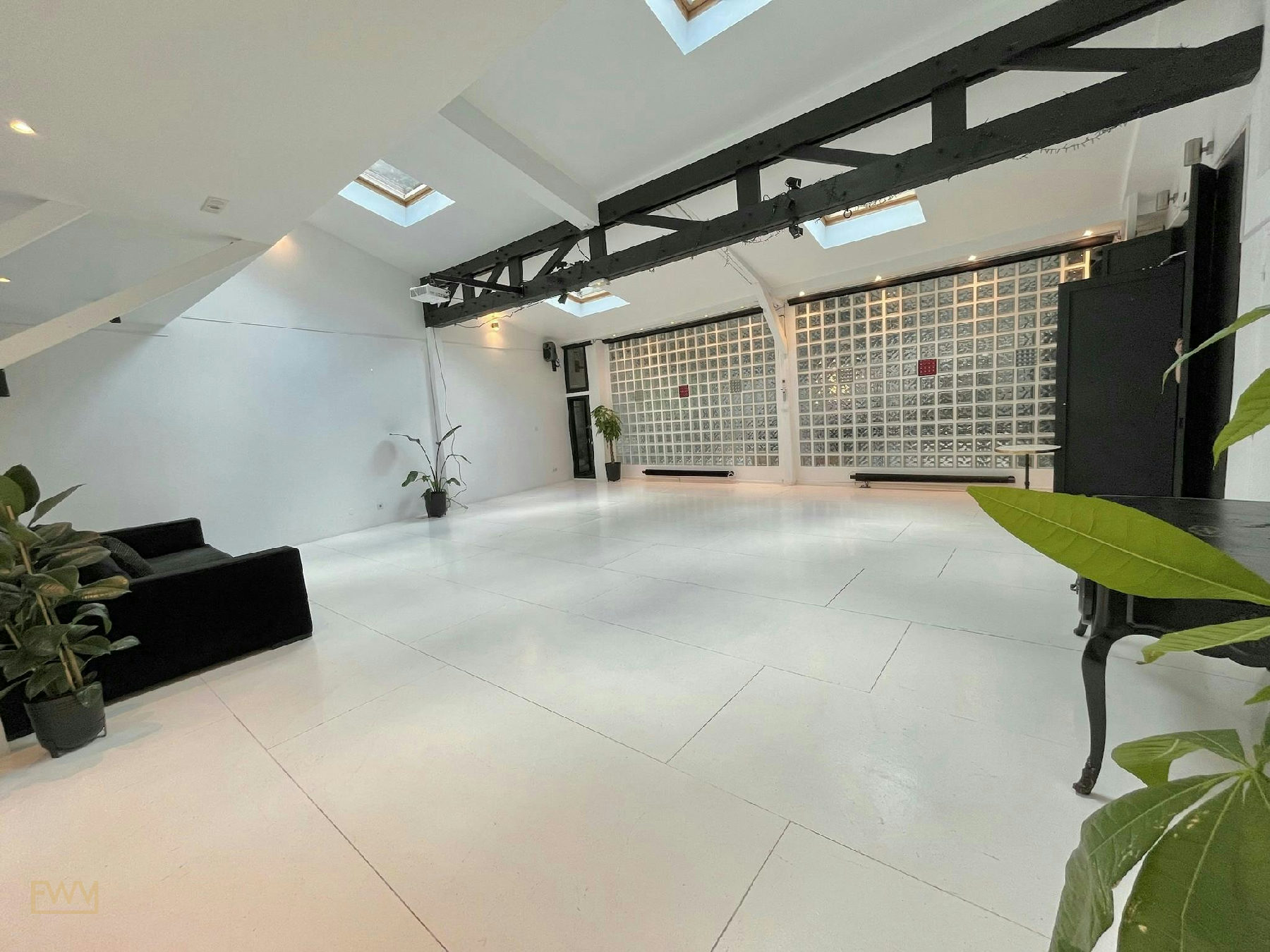
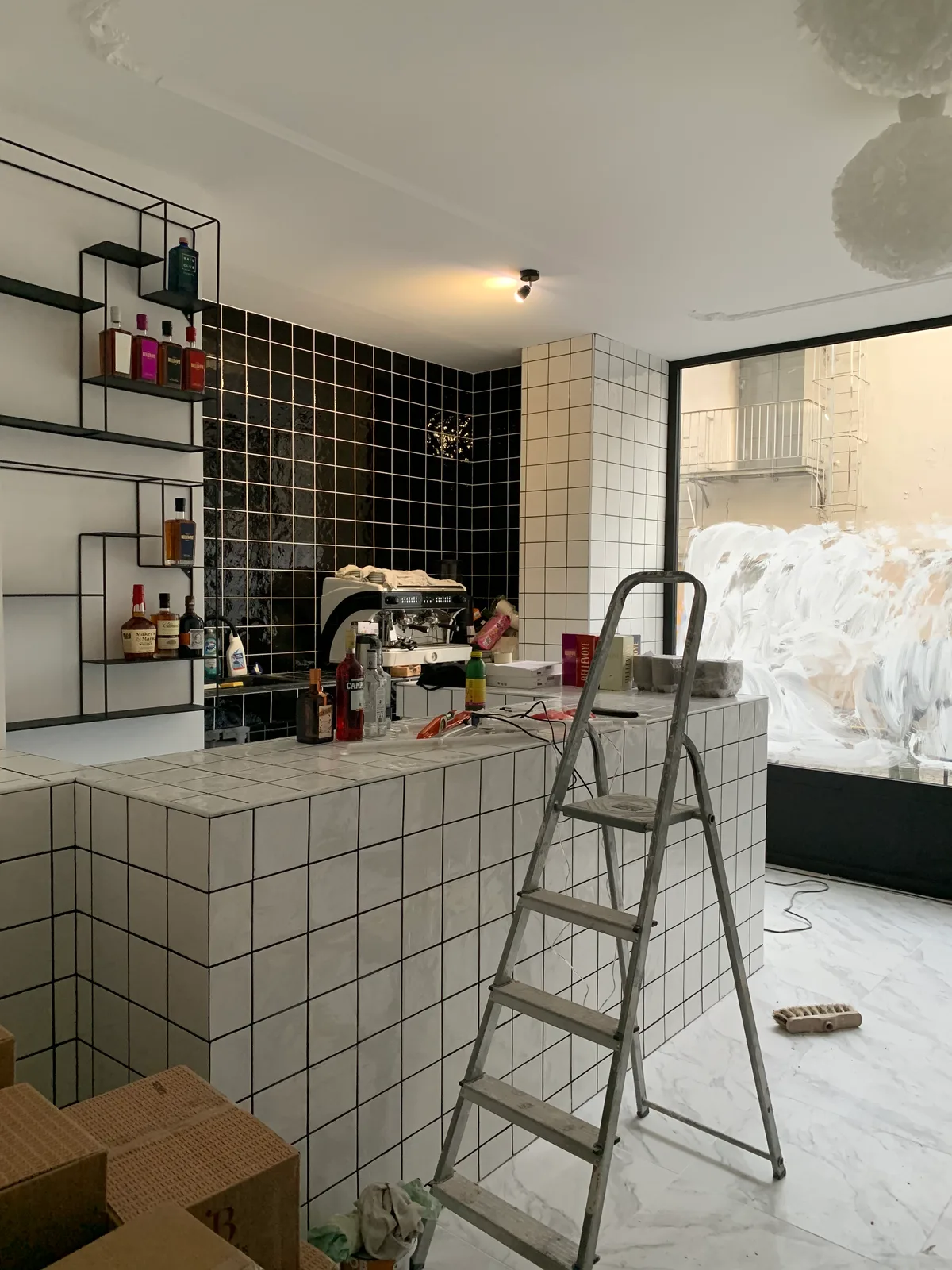
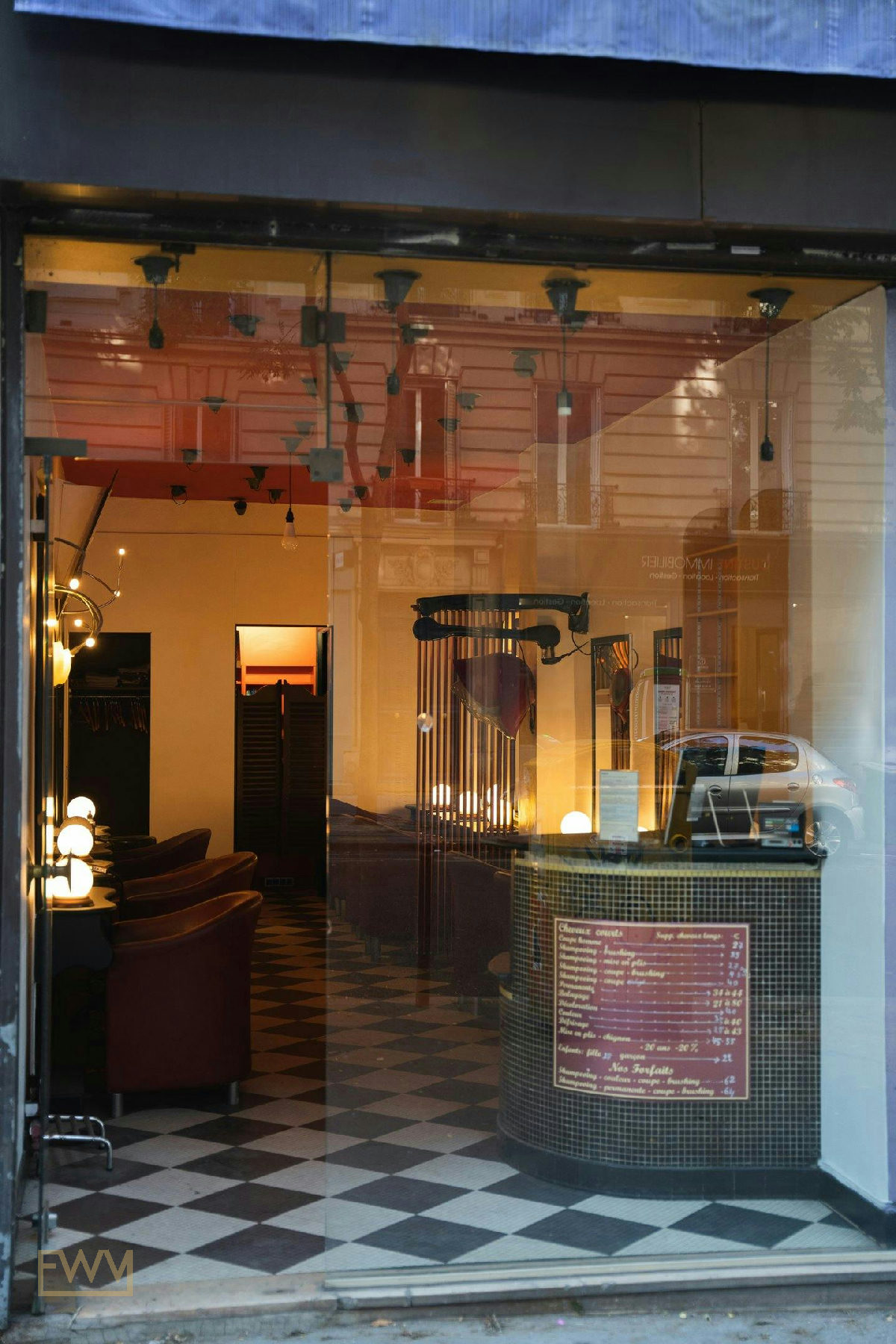
Montmartre also has a strong tradition of workshops and studios, which means that spaces here often have distinctive interior features: exposed beams, large north-facing windows designed for artists' light, mezzanine levels, and courtyard access. These architectural qualities reduce the design effort required to create a compelling brand environment. A space with strong bones needs less production intervention to feel curated and intentional.
DID YOU KNOW: Montmartre's association with créateurs de mode and artistes predates Paris as a global fashion capital. The neighbourhood's history of welcoming independent creative practitioners continues to make it a natural home for brands that want to signal craft, originality, and cultural alignment rather than commercial scale.
Quick answer: Montmartre is a strong pop-up retail location because it combines genuine foot traffic from both local Parisian residents and international visitors, a neighbourhood identity that favours discovery and independent brands, distinctive architectural spaces with strong visual character, and a slower pedestrian pace that increases dwell time and the likelihood of conversion.
KEY TAKEAWAY: The decision to open a pop-up shop in Montmartre is not simply a location choice; it is a brand positioning decision. The neighbourhood communicates creativity, authenticity, and cultural depth to anyone who encounters your space. Brands that align their concept with these values extract far more value from the location than those that treat it as a neutral container for retail.
Understanding exactly which streets and formats work best for different brand types requires a closer look at how space categories map to specific locations within and around the neighbourhood.
Montmartre and the Broader Paris Neighbourhood Landscape: Comparing Key Quartiers
Paris is a city of intensely localised retail cultures, and choosing between Montmartre, the Marais, and other quartiers is one of the most consequential decisions a brand team makes when planning a pop-up store in Paris. Each neighbourhood serves a different audience, commands a different rental dynamic, and generates a different kind of brand perception.
The Marais remains the city's most densely competitive pop-up environment. Streets including rue Debelleyme, rue de Turenne, and rue Charlot have established reputations as destinations for fashion and design. Specific addresses such as 21 rue Debelleyme, 22 rue Debelleyme, 101 rue de Turenne, and 54 rue Charlot have each hosted significant brand activations. The Marais attracts a fashion-literate audience that is specifically seeking new brands and limited releases, which makes it powerful for fashion labels but also means that competition for attention is intense and rental rates reflect that demand.
Rue de Rivoli operates on a completely different register: it is a high-volume tourist corridor rather than a discovery destination, and while footfall is extremely high, conversion rates for independent or emerging brands can be lower because the audience is less intentional about fashion discovery.
Montmartre sits in a different category from both. It offers meaningful foot traffic without the saturation of the Marais, and it provides a neighbourhood narrative that adds context and credibility to the brand. For vintage retailers, beauty brands, design-led lifestyle brands, workshops, and créateurs de mode, Montmartre often represents a better fit than a street that is already perceived as a pop-up hub.
| Neighbourhood | Primary Audience | Retail Character | Best Suited For | Foot Traffic Type |
|---|---|---|---|---|
| Montmartre (18th) | Mixed: tourists and design-literate locals | Artisanal, creative, discovery-focused | Fashion, vintage, beauty, workshops, design | Slow, high-dwell, browsing |
| Le Marais (3rd and 4th) | Fashion consumers, international buyers | Fashion-forward, competitive, curated | Fashion brands, showrooms, luxury adjacents | Intentional, fashion-seeking |
| Rue de Rivoli (1st) | Volume tourists | Commercial, high-volume | Mass-market, souvenir, accessible price points | Very high volume, low dwell |
| Saint-Germain-des-Prés (6th) | Affluent Parisians, art buyers | Established luxury, gallery culture | Premium brands, art-adjacent, couture | Moderate, affluent |
| Pigalle and South Montmartre (9th) | Young creatives, music scene | Streetwear, music, independent | Streetwear, sneakers, music-adjacent brands | Evening-heavy, younger |
TIP: If your brand targets a fashion-literate Parisian audience alongside international visitors, Montmartre and the Marais are not mutually exclusive. Some brands activate in both quartiers during the same campaign period to capture different audience segments simultaneously, which the twin co-activation model is specifically designed to support.
Quick answer: Montmartre differs from the Marais and rue de Rivoli by offering a slower, more discovery-oriented foot traffic profile, a neighbourhood narrative that adds creative credibility to independent and design-led brands, and space types with distinctive architectural character that reduce production costs while enhancing the brand environment.
KEY TAKEAWAY: Neighbourhood selection in Paris is audience selection. Montmartre is not interchangeable with other quartiers; it attracts specific types of visitors with specific expectations. Matching your brand concept to those expectations is the foundation of a successful pop-up retail strategy in Paris.
With location context established, the next critical question is how to structure the pop-up space itself to maximise both brand impact and commercial return.
Pop-Up Space Types Available in Montmartre and How to Choose the Right Format
The term pop-up store covers a wide range of physical formats, and choosing the right space type is as important as choosing the right neighbourhood. Montmartre offers a variety of space typologies that suit different brand scales, budgets, and activation objectives.
The most common formats in Montmartre include converted artist studios, ground-floor boutique units on pedestrian streets, corner buildings known as immeuble d'angle that benefit from two-facade visibility, courtyard spaces accessed through a carriage entrance, and shared retail environments that allow brands to participate in a curated multi-brand experience.
Showroom formats are particularly relevant for fashion brands and créateurs de mode who want to invite press, buyers, and retail partners to view a collection in a private or semi-private environment during Paris Fashion Week or Design Week. A showroom in Montmartre can double as a consumer-facing pop-up during weekend hours and a trade-facing environment during weekday appointments, which maximises the return on a short-term rental.
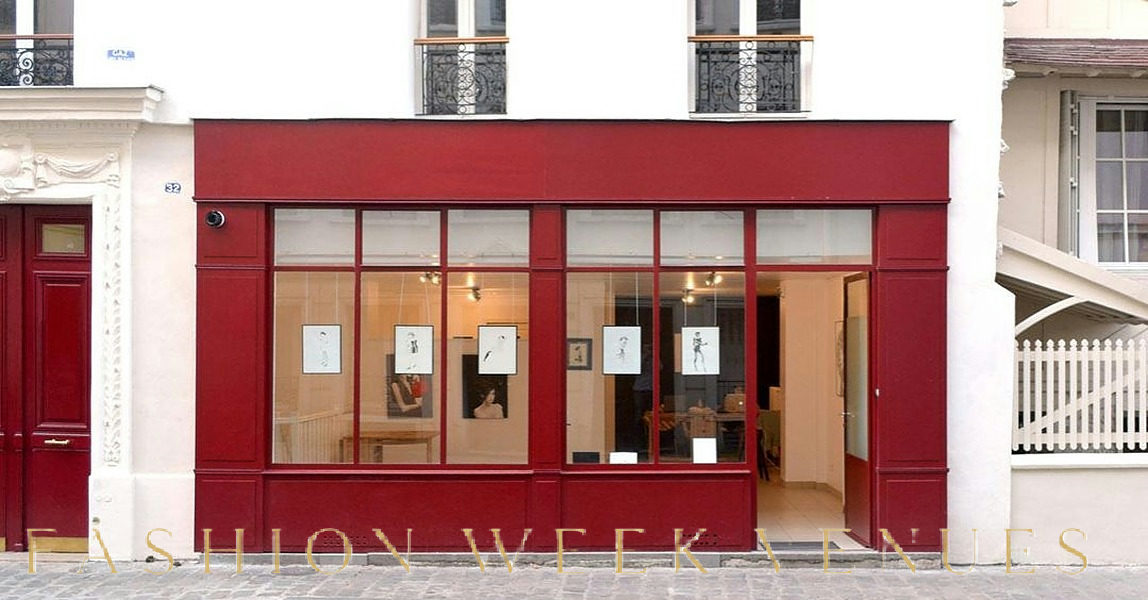
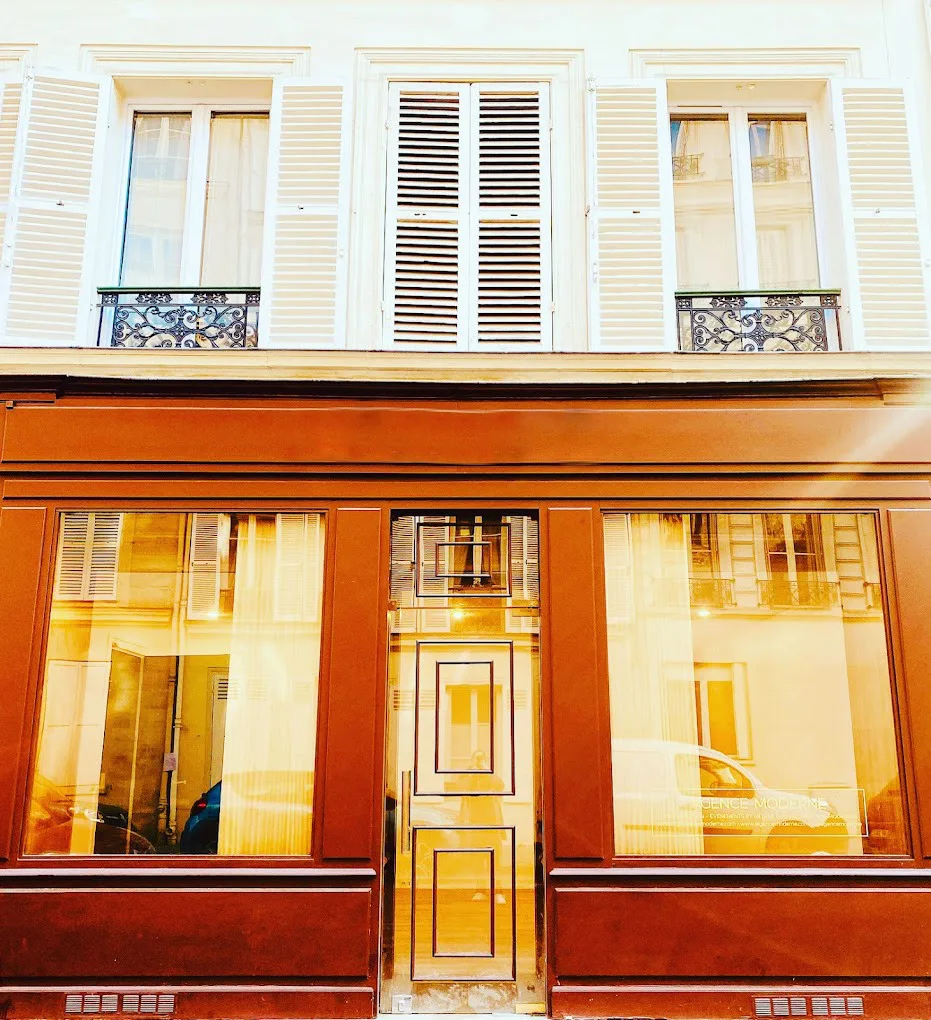
Beauty brands and wellness-adjacent brands often favour spaces with strong natural light and a vitrine that allows passersby to see product displays or treatment activity. The display window, or vitrine, is one of the most important commercial assets in any Montmartre pop-up space. A well-dressed window creates curiosity and draws in foot traffic that was not necessarily planning to enter. Brands that invest in window design consistently report higher walk-in rates than those that treat the façade as secondary to the interior.
Workshop and event formats have grown significantly in Montmartre. Brands use workshops to create content, generate earned media, build community, and offer something experiential that a purely transactional retail visit cannot provide. A workshop format works particularly well for beauty brands, independent designers, artisans, and brands that want to demonstrate craft and process as part of their brand universe. Adding a workshop programme to a pop-up space transforms a Point de vente into a content engine.
For brands interested in novelty retail, formats incorporating gachapon machines, pop culture collectibles, figurines, and gadgets have found a receptive audience in the Montmartre and Pigalle area, where a younger creative demographic is actively seeking experiential and collector-oriented retail concepts.
| Space Type | Ideal Brand Profile | Key Infrastructure Needs | Typical Duration |
|---|---|---|---|
| Boutique unit with vitrine | Fashion, beauty, lifestyle | Display window, counters, rayons de vêtements, salles d'essayage | 1 to 8 weeks |
| Artist studio conversion | Designers, artisans, créateurs | Good light, minimal build, raw aesthetic | Weekend to 4 weeks |
| Corner building unit | Brands needing high visibility | Dual façade, éclairage d'exposition, strong signage | 2 to 6 weeks |
| Courtyard or passage space | Curated, discovery-oriented brands | Wayfinding, internal lighting, mobilier | Weekend to 3 weeks |
| Showroom format | Fashion houses, buyers, press | Appointment system, private areas, product display | During fashion week windows |
| Workshop and event space | Beauty, craft, education brands | Workbenches, seating, photographie setup | Single day to 2 weeks |
| Shared multi-brand space | Emerging brands, budget-conscious | Allocated zone, shared counters, shared staffing | Weekend to 4 weeks |
Quick answer: The right pop-up space format in Montmartre depends on your brand's primary objective. Fashion and beauty brands benefit most from boutique units with strong vitrines and fitting rooms. Designer-makers and artisans align well with converted studios. Brands focused on press and buyer engagement should prioritise a showroom format timed to align with Paris Fashion Week or Haute Couture week.
KEY TAKEAWAY: Space type selection is a strategic decision, not a logistical one. The format you choose shapes the audience experience, the content you can generate, the staff you need, and the commercial outcomes you can realistically expect. Evaluate space types against your activation objectives before comparing individual listings.
Once you have identified the right space type and location, the next challenge is understanding the interior design and infrastructure requirements that will make your Montmartre pop-up store commercially effective from day one.
Store Design and Visual Merchandising for a Montmartre Pop-Up Store
The design of your pop-up space in Montmartre must do two things simultaneously: communicate your brand universe instantly to someone seeing it for the first time, and create an environment that makes people want to stay, browse, and return. These objectives are sometimes in tension, and resolving that tension is the core challenge of pop-up store design.
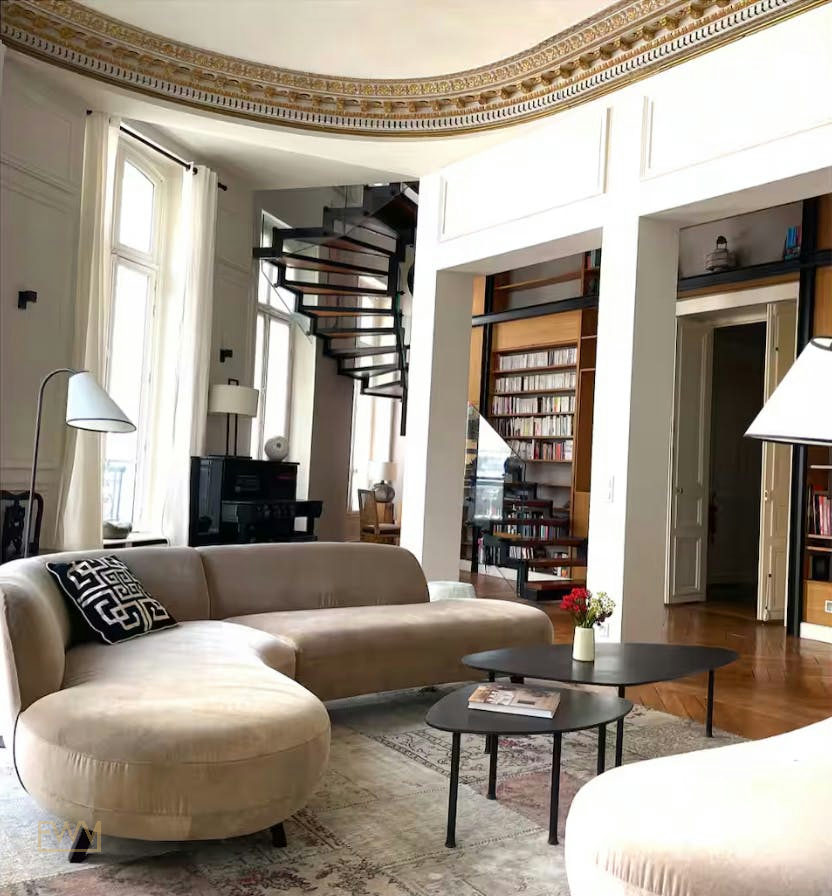
Montmartre's spaces have strong existing character, which is an advantage if you work with the architecture rather than against it. Exposed stone walls, wide-plank timber floors, large artist windows, and vaulted ceilings are common in the neighbourhood's older buildings. A brand that designs its mobilier, éclairage d'exposition, and product displays to complement these features rather than obscure them creates a richer environment with less production effort.
The vitrine, or display window, deserves its own strategic attention. In a slow-foot-traffic neighbourhood like Montmartre, the window is your most powerful marketing tool. It needs to arrest attention, communicate the brand in three seconds or fewer, and create a reason to enter. Effective vitrine design in Montmartre typically uses a clear visual hierarchy, a single strong focal element, and space that allows the eye to move rather than confronting the viewer with a wall of product. Brands that refresh their window display weekly or even twice weekly consistently generate more return visits and social content from passersby.
Interior layout should reflect the difference between a boutique experience and a transactional retail environment. In Montmartre, shoppers expect to be guided through a curated experience rather than confronted with a comprehensive product assortment. Rayons de vêtements should be edited and spacious rather than dense. Counters should invite interaction rather than create a barrier between staff and customer. Salles d'essayage should feel like part of the brand experience rather than a functional afterthought.
Lighting is consistently one of the most underinvested elements in pop-up design, and it is one of the highest-leverage tools available. Éclairage d'exposition, meaning exhibition or display lighting, draws the eye to hero products, creates depth in the space, and shifts the perceived quality of the environment significantly. A space with thoughtful directional lighting reads as premium even when the underlying shell is modest. Warm accent lighting is particularly effective in Montmartre's older interiors, where it works with the existing materiality rather than fighting it.
For brands planning to generate photographie content in the space, whether for organic social, influencer content, or press coverage, the lighting brief needs to account for camera performance as well as in-person appearance. This requires a slightly different calibration than lighting purely for visual impact in the space.
TIP: Prêt à l'emploi, or ready-to-use, space packages that include pre-configured mobilier, standard éclairage, and basic fitout reduce both cost and lead time significantly. For short-duration activations of one to two weeks, a Prêt à l'emploi package combined with your own brand graphics and product display can deliver a professional result without a full production build.
Quick answer: Effective pop-up store design in Montmartre prioritises the vitrine as the primary conversion tool, works with the space's existing architectural character rather than overwriting it, uses edited product curation rather than comprehensive assortment, and invests in éclairage d'exposition as a high-leverage quality signal. These principles apply equally to fashion, beauty, vintage, and lifestyle brands.
KEY TAKEAWAY: In Montmartre, design is not decoration; it is the first and most powerful form of marketing your pop-up space has. The neighbourhood's audience is visually literate and responds to spaces that feel intentional, curated, and coherent with the brand's identity. Invest in the vitrine, the lighting, and the spatial narrative before investing in volume of product display.
Design alone does not drive footfall or conversion. The operational infrastructure behind the space, from staffing to payments to analytics, determines whether your Montmartre pop-up generates the commercial and brand outcomes your investment requires.
Paris Fashion Week and Haute Couture: Aligning Your Montmartre Pop-Up with the Fashion Calendar
Paris Fashion Week is the single most powerful external amplifier available to any brand operating a pop-up store in Paris. The city's atmosphere changes during fashion week periods; press density increases dramatically, international buyers and editors are actively exploring the city, and Parisian consumers are in a heightened state of fashion awareness that raises the commercial potential of every well-positioned retail activation.
The Paris fashion calendar runs across multiple distinct windows each year. Haute Couture week typically falls in January and July. Ready-to-wear seasons bring Paris Fashion Week in late February to early March and late September to early October. These dates shift annually, and for the July 2026 window, Haute Couture week is scheduled from July 6 to 9, 2026. This is a concentrated period of runway shows, exhibitions, and cultural happenings across the city that draws a global fashion audience.
A pop-up shop in Montmartre timed to coincide with the July 2026 Haute Couture window benefits from dramatically elevated awareness and a specific type of visitor: creative directors, fashion editors, stylists, buyers, and international brand representatives who are moving through Paris with an active appetite for discovery. These are exactly the visitors who appreciate a well-curated Montmartre space and who have the platform, purchasing power, and influence to amplify what they find.
Beyond Paris Fashion Week, Design Week and Maison et Objet create secondary calendar windows that are particularly relevant for lifestyle, interior, and design-led brands. Timing a pop-up in Montmartre to align with Design Week extends the potential audience to include architects, interior designers, and design collectors who move through the city during those periods.
LE POP UP PARISIEN, the concept associated with curated multi-brand pop-up experiences in Paris, demonstrates how the city's event calendar can be used to anchor a retail activation. Brands that position their pop-up as a destination within a broader cultural moment extract far more value from their rental period than those that operate in isolation from the city's event rhythm.
NEMOZENA represents another reference point in the Paris pop-up landscape: a brand that has used the Parisian pop-up format to build community, generate press, and create a physical manifestation of a brand universe that exists primarily online. The Paris pop-up model, at its most effective, creates a bridge between a brand's digital presence and the physical experience that converts followers into customers and customers into advocates.
DID YOU KNOW: The concentration of fashion houses, international press, and creative industry professionals in Paris during Haute Couture week means that a well-positioned pop-up store in the right neighbourhood can generate earned media coverage equivalent to a significantly larger marketing spend, simply by being in the right place at the right time with the right concept.
Quick answer: Aligning a pop-up shop in Montmartre with Paris Fashion Week, particularly the July 2026 Haute Couture window from July 6 to 9, dramatically increases press exposure, buyer attention, and brand discovery by placing your activation in front of an internationally mobile, fashion-literate audience that is actively exploring Paris for new and emerging creative talent.
To compare neighbourhoods and space types, explore the Paris city hub on Fashion Week Venues and shortlist spaces that match your brief, budget, and calendar window.
KEY TAKEAWAY: The Paris fashion calendar is the most powerful external tool available to a brand running a pop-up in Montmartre. Aligning your activation dates with Haute Couture, Paris Fashion Week, or Design Week multiplies the commercial and brand impact of every euro invested in the space, the design, and the programming.
With calendar strategy established, the legal and operational dimension of renting a pop-up space in Paris requires careful and informed attention, particularly for international brands that do not have an existing French legal structure.
Legal Frameworks, Permits, and Compliance for Pop-Up Stores in Paris
Understanding the legal framework for temporary retail in Paris is essential before committing to a space, and it is one of the areas where international brands most commonly make costly assumptions. The French legal system has specific mechanisms for short-term commercial occupation that differ significantly from standard commercial leases and from the short-term rental frameworks brands may be familiar with in other markets.
The bail dérogatoire, sometimes referred to as a short-term commercial lease or derogatoire agreement, is the most commonly used legal framework for pop-up stores in Paris. It allows landlords and tenants to agree a short-term occupation outside the standard nine-year commercial lease framework that governs most French retail tenancies. A bail dérogatoire can run for a maximum of three years cumulatively, but in practice most pop-up activations use periods of one week to several months. The key feature of the bail dérogatoire is that it does not automatically grant the tenant renewal rights, which is why landlords are willing to offer it for short-term periods.
The Autorisation d'Occupation Temporaire, or AOT, is a different instrument used primarily for public or semi-public spaces, terraces, and certain event venues managed by public authorities. Brands using spaces in parks, public passages, or on public land in Paris may need an AOT rather than or in addition to a private lease agreement. Requirements vary significantly by space type, arrondissement, and intended use, and brands should not assume that the same documentation applies across different venues.
Beyond the lease structure itself, pop-up stores in Paris may be subject to requirements relating to commercial registration, insurance, food and beverage licensing if relevant, signage permissions, and in some cases structural or fire safety inspections depending on the nature of the build and the occupancy capacity of the space.
IMPORTANT: Requirements for pop-up stores vary by space type, duration, arrondissement, and the specific terms negotiated with the landlord or venue operator. This page provides general orientation only. Brands are strongly advised to verify all legal and permit requirements with a qualified French legal advisor before signing any agreement or committing expenditure to a specific space.
For international brands entering Paris, the question of whether a French legal entity is required to rent a pop-up space is frequently misunderstood. In many cases, foreign companies can rent short-term spaces in Paris without establishing a French entity, but the specific mechanisms for doing so require careful structuring and the terms available may differ from those offered to French-registered businesses.
The permit guidance tool on Fashion Week Venues provides orientation on the documentation typically associated with different space types and activation formats in Paris, which can help brand teams understand what to ask and what to verify before committing to a specific space.
Quick answer: Pop-up stores in Paris typically use a bail dérogatoire rather than a standard commercial lease, which allows short-term occupation without granting renewal rights. Brands using public or semi-public spaces may also need an Autorisation d'Occupation Temporaire. Requirements vary by space, duration, and location, and all permit and legal matters should be verified with a qualified French legal advisor.
KEY TAKEAWAY: Legal and permit compliance in Paris is not a formality; it is a material risk factor for pop-up brands. Understanding the difference between a bail dérogatoire and a standard lease, and knowing what additional authorisations your specific space and activation format may require, is essential preparation before any commitment is made.
With legal foundations in place, the operational and financial planning that determines whether your Montmartre pop-up is commercially viable requires the same rigour and specificity.
Budget Planning, ROI, and Financial Strategy for a Montmartre Pop-Up Store
Financial planning for a pop-up store in Montmartre requires a clear separation between the costs that are fixed regardless of performance and the variable costs that scale with activity. This distinction matters because pop-up activations are time-limited, which means that cost recovery depends on achieving sufficient revenue or brand value within a defined window rather than over the extended periods that a permanent retail location would allow.
The major cost categories for a Montmartre pop-up include space rental, fit-out and production, mobilier and fixtures, staffing, permits and legal, insurance, marketing and influencer partnerships, logistics and merchandise delivery, and technology including POS and payments infrastructure. Each of these categories has a wide range depending on the space size, the duration, the level of build required, and the staffing model chosen.
Space rental rates in Montmartre vary by street, space size, duration, and the negotiated terms. Because this page does not have access to current live market data for specific addresses, it would be misleading to publish specific rate figures. Brands should treat any indicative ranges they find online as directional only and verify current rates through direct inquiry with venue operators or through a specialist agency. The budget estimation tool on Fashion Week Venues can help brand teams build a structured cost model based on their specific space size, duration, and service requirements.
ROI calculation for a pop-up store should account for both direct commercial return and brand value. Direct commercial return includes revenue from sales during the activation period, new customer acquisition costs compared to other channels, and the value of wholesale or B2B leads generated during the period. Brand value components include earned media coverage, social content generated by the activation, influencer posts and reach, and the long-term retention value of customers who discovered the brand through the physical experience.
Brands that measure only direct sales revenue against pop-up costs consistently undervalue the impact of their activations. The physical experience creates a depth of brand relationship that digital channels cannot replicate, and the conversion rate of customers acquired through a physical pop-up experience is typically higher than those acquired through paid digital channels over the longer term.
The ROI calculator on Fashion Week Venues helps brand teams model both direct and indirect value components, which gives a more complete picture of the investment case and makes it easier to secure internal budget approval for the activation.
TIP: Brands that combine a physical Montmartre pop-up with an active digital presence including social selling, a Linktree landing page that aggregates digital touchpoints, and a clear mechanism for capturing customer data during the activation typically see a significantly higher return on their total investment than those that treat the physical and digital channels as separate initiatives.
Quick answer: Budget planning for a Montmartre pop-up should cover rental, production, staffing, marketing, insurance, and legal costs, and ROI should account for both direct revenue and brand value components including earned media, influencer reach, and customer acquisition quality. Use structured planning tools rather than market averages, as rates and costs vary significantly by space, format, and duration.
KEY TAKEAWAY: A Montmartre pop-up store is a brand investment as much as a commercial one. Evaluating it purely on direct sales revenue will consistently understate the true return. Build a measurement framework before the activation begins that captures both transactional and brand value metrics across the full activation period.
Financial performance ultimately depends on the quality of execution across every operational dimension, and no single element shapes customer experience more directly than the people working in the space.
Digital Marketing, Influencer Strategy, and Online-to-Offline Integration for Paris Pop-Ups
A pop-up shop in Montmartre that operates in isolation from a digital marketing strategy is leaving a significant portion of its potential impact unrealised. The physical space and the digital presence should function as a single integrated system in which each amplifies the other.
The role of marketing d'influence, or influencer marketing, in Paris pop-up activations has grown considerably. Influencer partnerships that bring creators to a Montmartre pop-up generate authentic content in a visually compelling environment, reach audiences that the brand's own channels may not access, and create a sense of social proof that drives curiosity and footfall from followers who see the content. The neighbourhood's visual character, its architectural backdrops, and the light quality in Montmartre's streets make it one of the most content-productive locations for photographie and video in Paris.
The question of how many followers an Instagram account needs to generate meaningful commercial value is one that many brand teams ask when evaluating influencer partnerships for Paris activations. The honest answer is that follower count is a less useful metric than engagement rate, audience quality, and content relevance. A creator with 15,000 highly engaged followers in a specific fashion or beauty niche will generate more meaningful commercial impact for a Montmartre boutique activation than a creator with 500,000 followers whose audience has no specific interest in the brand's category.
The données et analyses dimension of a pop-up activation, meaning the data and analytics collected during the operational period, is increasingly important. Brands that capture structured data about visitor numbers, dwell time, conversion rates, peak traffic periods, and customer demographics during their Montmartre pop-up are able to make significantly better decisions about future activations, permanent retail strategy, and digital targeting. POS and payments systems that integrate with broader retail analytics platforms make this data collection a natural byproduct of normal trading rather than a separate research exercise.
Platforms like Vinted have reshaped how consumers think about fashion discovery and vintage retail in France. A Montmartre pop-up for a vintage or circular fashion brand that bridges its physical presence with an active Vinted or resale community creates a compelling multi-channel narrative. The physical space becomes the premium discovery experience; the digital resale community becomes the ongoing relationship layer. This hybrid model is particularly well-suited to the Montmartre audience, which already has a sophisticated relationship with vintage fashion and sustainable consumption.
A Linktree or equivalent aggregator page that connects all of a brand's digital touchpoints, including its pop-up booking page, its social profiles, its digital product or content offering, and any passive income or digital product streams, should be prominently featured in the pop-up space itself. QR codes in the space, on receipts, on packaging, and in the vitrine create frictionless pathways from the physical experience to the digital relationship. Brands that capture customer email or phone contact during the activation period build a retargeting asset that continues to generate value long after the pop-up closes.
Quick answer: Digital and physical integration for a Montmartre pop-up should include an influencer marketing strategy that prioritises engagement over follower count, a data and analytics framework that captures structured visitor and sales data, QR code and Linktree pathways that convert physical visitors into digital contacts, and a social content programme that uses Montmartre's visual environment as an authentic backdrop for brand storytelling.
KEY TAKEAWAY: The most commercially effective Montmartre pop-up stores treat physical retail and digital marketing as a single interconnected system. The physical space generates content, community, and credibility. The digital channels generate awareness, drive footfall, and extend the relationship beyond the activation period. Neither dimension delivers its full potential without the other.
All of these strategic dimensions, from location and design to legal structure and digital integration, are areas where specialist support from an agency with deep Paris market knowledge can make a material difference to the outcome.
How Fashion Week Venues Supports Brands Opening a Pop-Up Shop in Montmartre
Fashion Week Venues operates as a full-service agency and space marketplace for brands planning pop-up stores, showrooms, and temporary retail activations in Paris and other major fashion capitals. For brands targeting a Montmartre activation, the agency offers a combination of space sourcing, concept development, production, and operational support that reduces the coordination burden on brand teams and increases the likelihood of a commercially successful outcome.
The venue sourcing service connects brands with spaces that match their brief in terms of size, location, aesthetic, duration, and budget. Rather than approaching individual landlords or navigating the Paris property market independently, brands work with a team that already has relationships with venue operators across Montmartre and the broader Paris market. This reduces the time required to reach a shortlist and increases the quality of options available, including spaces that are not publicly listed.
Once a space is identified, the concept direction service helps brands translate their identity into a spatial experience that works for the specific dimensions, architecture, and visitor flow of the chosen space. This is particularly valuable for brands that have a strong digital or product identity but limited experience of translating that identity into a physical retail environment.
The production and build service manages the fit-out process, including mobilier selection, lighting installation, graphics, fixture installation, and any structural or cosmetic modifications that the space requires. For short-duration activations, the build timeline is often compressed, and having a production team that is already familiar with Parisian spaces, contractors, and logistics significantly reduces the risk of delays or cost overruns.
Fashion Week Venues also provides retail staffing for brands that do not have a local Paris team. Staffing a Montmartre pop-up requires people who understand both the brand and the neighbourhood: who can operate in French and English, who are comfortable with the brand's aesthetic, and who can deliver the customer experience the brand has designed. The staffing service covers recruitment, briefing, and management of the front-of-house team for the duration of the activation.
The suite of planning tools available through Fashion Week Venues supports brand teams at every stage of the decision-making process, from initial budget modelling and ROI estimation through to permit orientation, timeline planning, and space comparison. These tools are particularly useful for brand teams that are evaluating Paris for the first time or that are scaling from a single-market pop-up programme to a multi-city strategy.
It is important to note that Fashion Week Venues does not guarantee the availability of specific spaces, the approval of permits, or specific commercial outcomes from any activation. The agency's role is to reduce friction, increase the quality of decisions, and provide expert execution support. The commercial result depends on the strength of the brand, the quality of the concept, and the conditions in the market during the activation period.
Brands that want to understand how Fashion Week Venues approaches a brief from initial consultation through to activation completion can review the agency's process page, which outlines the end-to-end engagement model and the points at which brands are involved in decision-making.
Quick answer: Fashion Week Venues supports Montmartre pop-up activations through venue sourcing, concept development, production management, retail staffing, permit orientation, and a suite of planning tools covering budget, ROI, timeline, and space comparison. The agency operates across Paris and other fashion capitals, with particular depth in the Paris market during fashion week periods.
KEY TAKEAWAY: Brands that work with a specialist agency for their first Paris pop-up activation consistently reduce the time, cost, and risk associated with entering an unfamiliar market. Fashion Week Venues provides the Paris-specific knowledge, supplier relationships, and operational infrastructure that brand teams would otherwise need to build from scratch.
Step-by-Step Workflow for Opening a Pop-Up Shop in Montmartre
The process of opening a pop-up store in Montmartre follows a logical sequence from initial concept to post-activation review. Understanding this sequence helps brand teams plan their timelines realistically, allocate resources appropriately, and avoid the compounding delays that arise when steps are attempted out of order.
| Stage | Activity | Key Outputs | Typical Lead Time |
|---|---|---|---|
| 1. Strategy and Brief | Define objectives, budget, target audience, calendar window | Activation brief, success metrics, budget framework | 2 to 4 weeks before space search |
| 2. Location Research | Neighbourhood selection, street shortlisting, space type definition | Location brief, preferred quartiers, format decision | Concurrent with strategy phase |
| 3. Space Sourcing | Market search, viewings, space comparison, negotiation | Shortlisted spaces, preferred option, heads of terms | 4 to 8 weeks before activation |
| 4. Legal and Permits | Bail dérogatoire review, AOT if applicable, insurance, compliance checks | Signed lease, confirmed permits, insurance certificates | 3 to 6 weeks before activation |
| 5. Concept and Design | Spatial concept, vitrine design, mobilier selection, lighting plan | Design drawings, fixture schedule, lighting specification | 4 to 6 weeks before activation |
| 6. Production and Build | Fit-out, fixture installation, graphics, technical systems | Completed space ready for merchandising | 1 to 2 weeks before activation |
| 7. Merchandising and Staffing | Product display, VM, staff briefing, POS setup | Trade-ready space, briefed team, operational systems live | 1 to 3 days before opening |
| 8. Marketing and Launch | Influencer invites, press outreach, social launch, local PR | Earned media, social content, opening footfall | 2 to 4 weeks before opening, active from day one |
| 9. Activation Management | Daily operations, staff management, restocking, data capture | Sales data, customer data, operational metrics | Duration of activation |
| 10. Debrief and Analysis | Sales review, brand metrics, media value, lessons learned | Post-activation report, ROI assessment, future recommendations | 1 to 2 weeks after close |
The timeline planning tool on Fashion Week Venues allows brand teams to map their specific activation dates and work backward through each stage to identify the latest possible start date for each task. For activations tied to the Paris Fashion Week or Haute Couture calendar, this tool is particularly useful because the fixed end date creates a non-negotiable constraint that all other planning must accommodate.
Quick answer: A successful Montmartre pop-up store requires planning that begins at least eight to twelve weeks before the intended opening date for most activations. Activations tied to Paris Fashion Week or Haute Couture windows should begin the planning process significantly earlier, as space availability and supplier capacity are constrained during peak fashion calendar periods.
KEY TAKEAWAY: The most common cause of pop-up activation failure in Paris is insufficient lead time. Every stage of the process has dependencies, and compressing the timeline consistently increases cost, reduces choice, and compromises quality. Beginning the planning process earlier than feels necessary is almost always the right decision.
Common Myths About Opening a Pop-Up Store in Montmartre and Paris
MYTH: International brands need a French legal entity to rent a pop-up space in Paris.
FACT: In many cases, foreign companies can rent short-term spaces in Paris without establishing a French legal entity, but the specific mechanism for doing so requires careful structuring and professional legal advice. The terms and documentation required vary by landlord, space type, and the nature of the proposed occupation. This is not a reason to avoid Paris; it is a reason to get qualified legal guidance before signing any agreement.
MYTH: Paris Fashion Week is the only viable calendar window for a Montmartre pop-up.
FACT: While Paris Fashion Week and Haute Couture week are the highest-profile windows, Montmartre generates strong foot traffic throughout the year. Design Week, summer tourism peaks, the Christmas period, and autumn cultural programming all create viable activation windows depending on the brand's target audience and objectives. Fashion week alignment is an amplifier, not a prerequisite.
MYTH: Commission-based space brokers are the only way to find a pop-up space in Montmartre.
FACT: There are multiple routes to finding a pop-up space in Paris. These include direct approaches to landlords, specialist agencies like Fashion Week Venues that combine sourcing with full-service support, online marketplace platforms, and local property networks. Commission brokers are one option, but they are not the only option, and they are not always the most cost-effective or best-aligned route for brands that need more than a space and a key.
MYTH: Short-term retail leases in Paris are legally straightforward and do not require specialist review.
FACT: French commercial property law is specific and can be complex for brands unfamiliar with the bail dérogatoire framework, AOT requirements, and the various obligations that attach to different types of commercial occupation. An agreement that appears simple on its surface may contain clauses that create unexpected liability. Specialist legal review by a qualified French legal advisor is a practical necessity, not an optional extra.
MYTH: A high follower count on social media is sufficient to drive meaningful foot traffic to a Montmartre pop-up.
FACT: Follower count is a poor predictor of foot traffic conversion. What drives people to physically visit a Montmartre pop-up is a combination of neighbourhood relevance, concept clarity, local marketing including physical presence and local partnerships, influencer engagement from creators whose audiences are geographically relevant, and a reason to visit that is specific and time-limited. Brands with modest but highly engaged digital communities consistently outperform those with large but passive follower bases in terms of actual visit generation.
Frequently Asked Questions About Pop-Up Shops in Montmartre
Why should I open a pop-up store in Montmartre rather than another Paris neighbourhood?
Montmartre offers a combination of foot traffic, neighbourhood identity, and architectural character that is difficult to replicate in other parts of Paris. The neighbourhood attracts a genuinely mixed audience of Parisian residents and international visitors who are in a browsing and discovery mindset. For brands in fashion, vintage, beauty, design, and creative lifestyle categories, Montmartre provides a neighbourhood narrative that adds credibility and context to the brand experience in a way that more commercially saturated neighbourhoods cannot. The slow pedestrian pace also increases dwell time and conversion opportunity compared to high-volume but low-engagement corridors elsewhere in the city.
What types of brands are best suited to a Montmartre pop-up store?
Montmartre is particularly well-suited to independent fashion designers and créateurs de mode, vintage and circular fashion brands, beauty and wellness brands, artisans and craft-led businesses, lifestyle and home design brands, pop culture and collector brands, and any brand that wants to signal creative authenticity and cultural alignment. The neighbourhood's character is less suited to mass-market commercial brands or businesses whose primary value proposition is price competitiveness rather than discovery and experience. Brands that have a strong aesthetic and a clear brand universe typically perform better in Montmartre than those with a primarily transactional retail model.
How long should a Montmartre pop-up store run?
The optimal duration for a pop-up store in Montmartre depends on your activation objectives. Weekend activations of two to three days are effective for generating concentrated footfall and social content during a specific event window. Activations of one to three weeks allow for a broader marketing build-up and give the neighbourhood time to discover and share the space organically. Activations of four to eight weeks create more opportunity for repeat visits, word-of-mouth growth, and sustained press attention. Brands aligned with Paris Fashion Week or Haute Couture week typically plan activations of one to three weeks centred on the relevant calendar window.
Do I need to speak French to operate a pop-up store in Montmartre?
You do not need to speak French personally, but your space and your team need to be able to engage authentically with both French-speaking local customers and international visitors. Having at least one French-speaking team member in the space at all times is strongly recommended, particularly for administrative interactions with suppliers, neighbours, and any local authority contacts. A bilingual front-of-house team also signals respect for the local community and creates a more inclusive customer experience for Parisian shoppers who prefer to interact in their own language.
What is a bail dérogatoire and does it apply to my pop-up?
A bail dérogatoire is a short-term commercial occupation agreement under French law that allows landlords and tenants to agree a temporary tenancy outside the standard nine-year commercial lease framework. It is the most commonly used legal instrument for pop-up stores in Paris, as it gives landlords the confidence to rent short-term without triggering long-term renewal obligations. Whether a bail dérogatoire applies to your specific pop-up depends on the space, the landlord, the duration, and the nature of the occupation. All legal documentation should be reviewed by a qualified French legal advisor before signing.
How far in advance should I start planning a Montmartre pop-up for Paris Fashion Week?
For an activation tied to Paris Fashion Week or Haute Couture week, planning should begin at least twelve to sixteen weeks before the intended opening date. Space availability in Paris during fashion week periods is significantly constrained, and the best spaces are typically committed well in advance. Production and staffing capacity also tightens around these windows. Starting earlier than you think is necessary is almost always the right decision, as it preserves more options and reduces costs associated with compressed timelines.
What spaces are available in Montmartre for a pop-up store?
Montmartre offers a range of space typologies including ground-floor boutique units with street-facing vitrines, converted artist studios with strong natural light, corner building units with two-facade visibility, courtyard spaces accessed through traditional Parisian carriage entrances, and larger event or workshop spaces suitable for multi-day programming. Availability changes constantly and the most current picture is best obtained through direct market inquiry or through a specialist agency or marketplace. The Fashion Week Venues marketplace and locator tool can help identify spaces that match your specific brief in terms of size, location, and format.
How do I drive footfall to a pop-up shop in Montmartre?
Footfall generation for a Montmartre pop-up requires a combination of neighbourhood-level marketing and digital amplification. Effective tactics include local influencer partnerships whose audiences overlap with the Montmartre community, social media content that highlights the neighbourhood setting and creates a reason to visit, PR outreach to Paris-based fashion and lifestyle press, collaborations with adjacent local businesses to cross-refer audiences, physical signage and a compelling vitrine that converts passersby into visitors, and event or workshop programming that creates specific reasons to attend on particular dates. Time-limited exclusives or product launches also drive urgency and footfall.
Can I run a showroom and a consumer-facing pop-up in the same Montmartre space?
Yes, and many brands do exactly this, particularly during Paris Fashion Week. A dual-use space that operates as a press and buyer showroom during scheduled appointments on weekday mornings and as a consumer-facing boutique during afternoon and weekend hours extracts maximum value from the rental period. This requires a clear operational structure that distinguishes the two modes, including how the space is configured, how staff are briefed for each audience, and how inventory is managed across trade and consumer channels simultaneously.
What is the Haute Couture week schedule for July 2026?
Haute Couture week in Paris for the July 2026 season is scheduled from July 6 to 9, 2026. This is a concentrated period of runway shows, exhibitions, and cultural happenings across the city that draws an internationally mobile audience of fashion editors, buyers, creative directors, and cultural influencers. A pop-up store in Montmartre timed to encompass this window benefits from dramatically elevated awareness and a highly fashion-literate visitor profile. Brands should plan their space, marketing, and event programming to be fully operational and at peak quality from the beginning of this window.
How does Fashion Week Venues help with permit applications in Paris?
Fashion Week Venues provides permit orientation guidance through its dedicated permits tool, which gives brand teams an overview of the documentation typically associated with different space types and activation formats in Paris. The agency can help identify the relevant permit categories that apply to a specific brief and connect brands with appropriate professional advisors. It is important to understand that Fashion Week Venues provides guidance and orientation, not legal advice, and that all permit and legal matters should be verified and executed with a qualified French legal advisor who is responsible for your specific situation.
What digital tools does Fashion Week Venues offer for planning a pop-up in Paris?
Fashion Week Venues offers a range of planning tools including a budget estimation tool, an ROI calculator, a space comparison tool, a timeline planner, a permit orientation tool, a space locator, and an imagine tool for space visualisation. These tools are designed to help brand teams move from initial research through to a structured activation brief with a realistic budget, timeline, and ROI framework. They are particularly useful for brand teams that are evaluating a Paris pop-up for the first time or that are scaling a pop-up programme to multiple cities.
Is Montmartre suitable for a vintage fashion pop-up?
Montmartre is an excellent location for a vintage fashion pop-up. The neighbourhood has a strong tradition of independent and artisanal retail, and its audience includes both Parisian residents with sophisticated vintage and circular fashion sensibilities and international visitors who actively seek out independent and discovery-oriented retail experiences. The neighbourhood's visual character, with its narrow streets, distinctive architecture, and abundant natural light, also creates a compelling backdrop for vintage fashion display and content creation. Vintage brands that align their visual identity with the neighbourhood's aesthetic generate strong organic social content and word-of-mouth footfall.
Can I use gachapon machines or pop culture collectibles in a Montmartre pop-up?
Yes, and this format has found a receptive audience in the broader Montmartre and Pigalle area, where a younger creative demographic actively engages with pop culture collectibles, figurines, gadgets, and experiential retail concepts. Gachapon machines in particular create a play mechanic that drives engagement, repeat visits, and social content. Brands combining this format with a curated retail or beauty offer create a multi-occasion reason to visit that appeals to a broader audience than either format would attract independently. The neighbourhood's openness to creative and unconventional retail concepts makes it a suitable environment for these types of activations.
How do I find the ideal pop-up space in Montmartre if I cannot visit Paris in advance?
Remote space selection for a Paris pop-up is increasingly feasible through combination of online listings, virtual tours, detailed floor plans, and video walkthroughs provided by venue operators. A specialist agency with an existing knowledge of Montmartre spaces can significantly reduce the risk of selecting a space remotely by providing honest assessments of the space's strengths and limitations relative to your brief. The Fashion Week Venues imagine tool can also help visualise how a space might look configured for your brand concept before committing to a booking. Remote space selection always benefits from a trusted local partner who can verify conditions on the ground.
Conclusion: Your Montmartre Pop-Up Store Starts with the Right Foundations
Opening a pop up shop in Montmartre is one of the most powerful physical retail moves available to a fashion brand, independent designer, beauty label, or creative business seeking to build genuine presence in Paris. The neighbourhood delivers foot traffic, visual character, cultural credibility, and an audience that is primed for discovery. When aligned with the Paris fashion calendar, particularly the July 2026 Haute Couture window from July 6 to 9, a Montmartre activation reaches an internationally significant audience at the moment when fashion awareness across the entire city is at its highest.
The brands that succeed in Montmartre are those that approach the activation with clarity about their objectives, rigour about their legal and financial planning, investment in the design and vitrine of their space, and a commitment to integrating the physical experience with their digital presence. They understand that a pop-up store is not a temporary retail slot; it is a brand moment that generates content, community, relationships, and commercial outcomes that extend well beyond the closing date.
Working with an agency that understands Paris at the level of street, space type, permit framework, and operational logistics removes the largest sources of risk and friction from the process. Fashion Week Venues combines marketplace access, full-service delivery, and a suite of practical planning tools that support brand teams at every stage from initial brief to post-activation analysis.
If you are ready to move from research to action, start exploring available spaces on the Fashion Week Venues marketplace and build a focused brief for your target neighbourhood, space type, and calendar window. Your Montmartre activation begins with the right space, the right brief, and the right team around you.