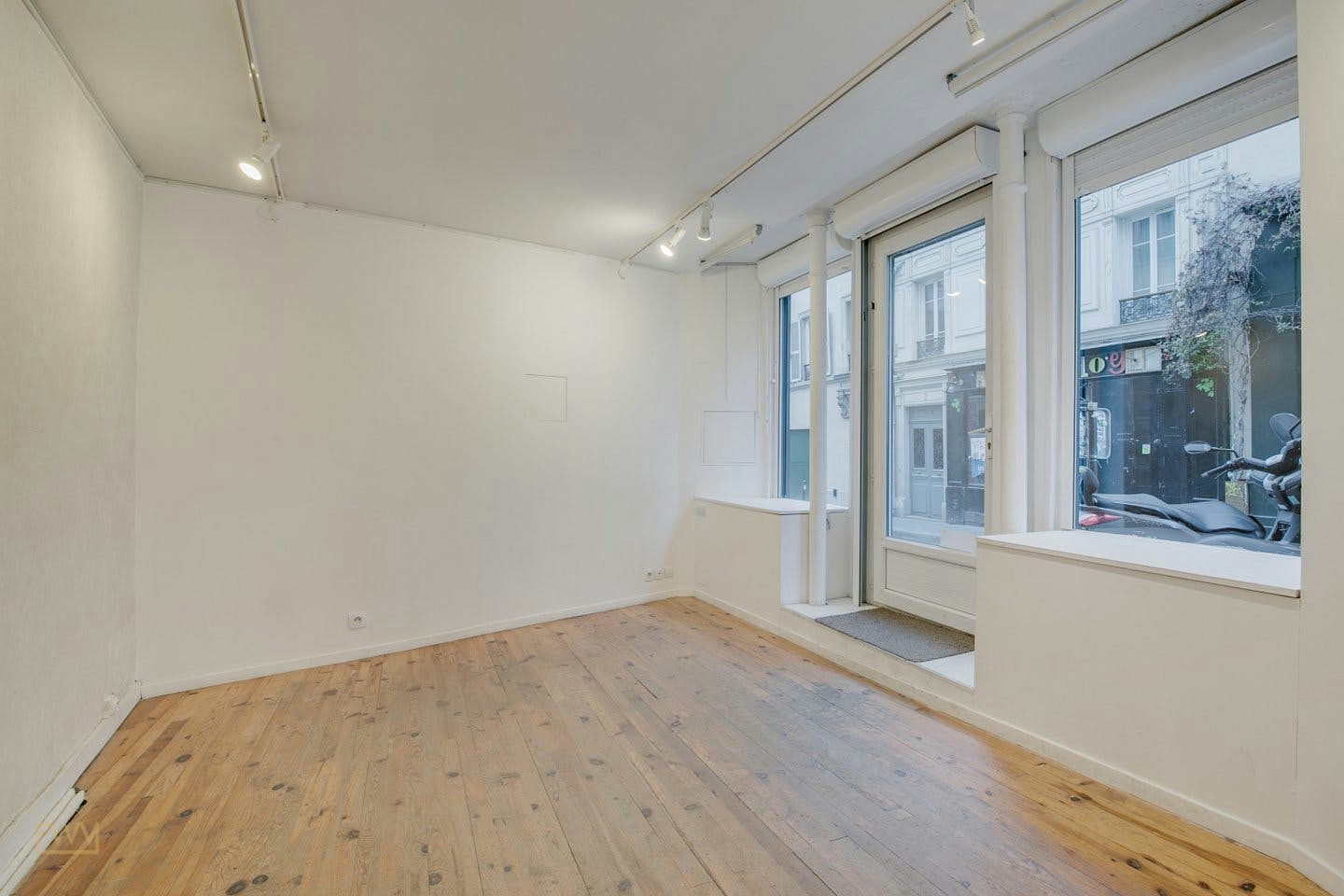
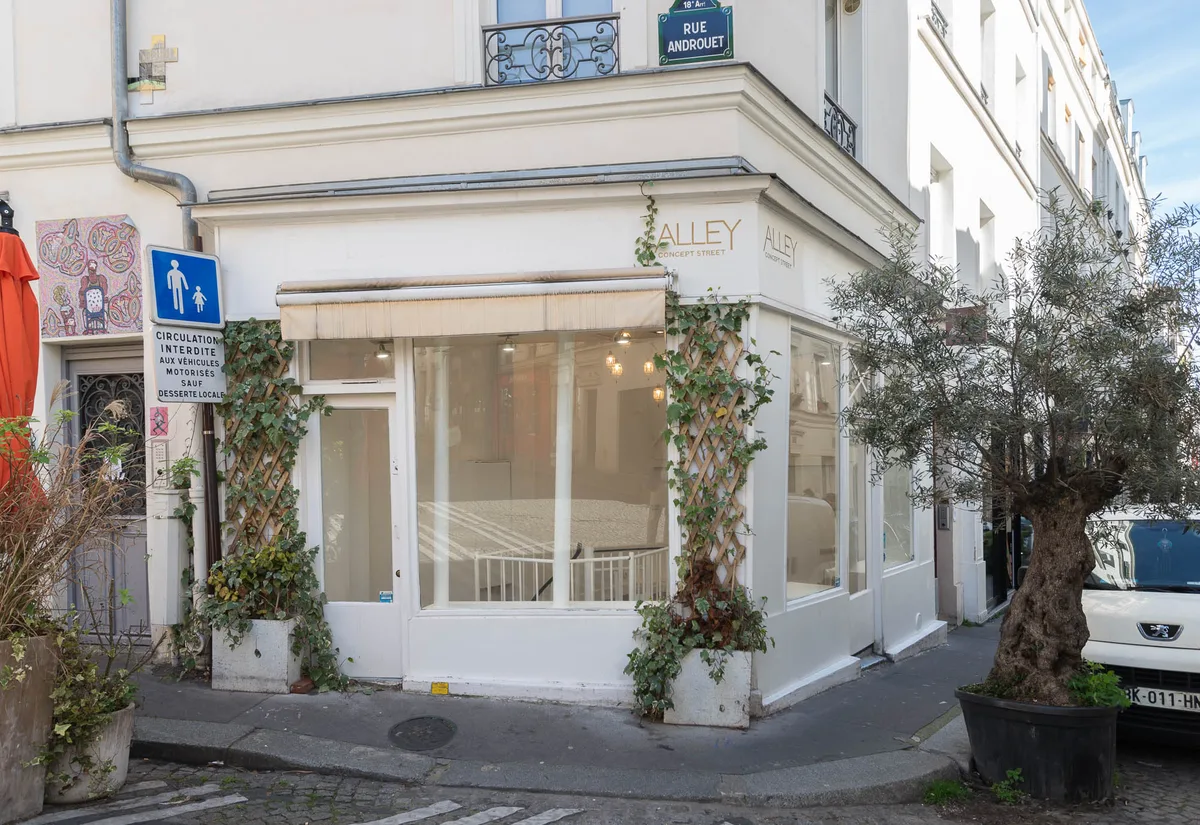
If you are planning to rent a pop-up store in Montmartre, you are considering one of Paris's most distinctive, high-footfall, and culturally resonant retail neighbourhoods. Montmartre's layered identity, part bohemian village, part international tourist destination, part thriving creative district, makes it a genuinely compelling location for fashion brands, DTC labels, art-driven concept stores, showrooms, and short-term retail activations. Fashion Week Venues works with brands seeking pop-up spaces across Paris, including the 18th arrondissement, and this guide covers everything your team needs to know: which streets perform best, what space types are available, how rental and permit processes work, what budgets look like, and how to plan a successful activation from brief to opening day.
Why Montmartre Is a Serious Option for Pop-Up Retail in Paris
Montmartre is not a compromise location. It is a deliberate choice made by brands that want something specific: a neighbourhood with genuine character, an audience that is both local and international, and a retail environment where independent boutiques, vintage clothing stores, art galleries, and concept stores sit comfortably alongside each other.
Quick answer: Montmartre, particularly the area around Rue des Abbesses, Rue Lepic, and Place du Tertre, offers high foot traffic, a strong creative culture, and a distinctive aesthetic that suits fashion labels, lifestyle brands, DTC brands, and art-led activations. It is especially effective for brands whose identity aligns with creativity, craft, or French cultural heritage.
The 18th arrondissement covers a broad area, and Montmartre sits within it as a neighbourhood that functions almost like a self-contained village. The streets around Sacré-Cœur attract millions of visitors annually, while the lower village around Abbesses draws a more local, design-literate, and younger Parisian crowd. This dual audience structure gives brands an unusual opportunity: they can speak to both the international tourist passing through and the discerning Parisian resident who shops locally by preference.
Compared with the Marais district, which has become dense with luxury flagships, Musée Picasso adjacency, and premium commercial rents, Montmartre tends to offer more atmospheric, independently framed spaces at a wider range of price points. Where Le Marais offers proximity to Place des Vosges, Carreau du Temple, and the established fashion retail circuit, Montmartre offers narrative depth and visual distinction. Both have their place in a Paris activation strategy, and the right choice depends on your brand positioning, product category, and target audience.
The neighbourhood's associations with creative culture, from its historical role as a gathering point for artists and musicians to its current identity as home to ateliers, studios, and independent fashion retailers, create a natural brand fit for labels that want their pop-up to feel curated rather than commercial. The backdrop of Sacré-Cœur, the terraces spilling onto cobblestone streets, and the mix of natural light and stripped-back interiors in many available spaces all contribute to an environment that is genuinely photogenic and socially shareable.
Montmartre also benefits from strong transport links. Abbesses metro station, Pigalle, and Anvers are all within walking distance of the core retail streets, meaning foot traffic is not entirely dependent on the tourist circuit. Boulevard de Clichy, which marks the southern boundary of the neighbourhood and connects to Pigalle and the broader 9th arrondissement, brings additional passing trade and a slightly edgier, more nightlife-adjacent demographic.
For brands running a product launch, private sale, or short-term retail activation during or around Paris Fashion Week, Montmartre offers a genuine alternative to the more saturated Marais and Saint-Germain circuits. The neighbourhood's lower commercial density means your activation stands out rather than competing with every other brand doing the same thing in the same postcode.
DID YOU KNOW: Montmartre's Rue Lepic is one of the oldest market streets in Paris and continues to draw a mix of residents, day visitors, and design-aware shoppers year-round, making it an effective location for lifestyle and fashion pop-up stores beyond the Fashion Week calendar.
KEY TAKEAWAY: Montmartre is a credible, strategically sound choice for pop-up retail in Paris. Its combination of international foot traffic, local creative culture, distinctive spatial aesthetic, and range of available space types makes it genuinely competitive with better-known Paris retail districts for the right brand and brief.
Understanding which streets and sub-areas within Montmartre are most effective for different types of retail activations is the next critical decision your team needs to make.
The Best Streets and Sub-Areas in Montmartre for Pop-Up Stores
Montmartre is not a single retail street. It is a network of distinct micro-zones, each with different foot traffic profiles, average spend levels, and aesthetic identities. Choosing the wrong street for your brand type and activation format is one of the most common and costly mistakes teams make when renting a pop-up space in the 18th arrondissement.
Quick answer: Rue des Abbesses and Rue Lepic are the strongest streets for fashion and lifestyle pop-ups targeting a design-literate local and tourist audience. Place du Tertre suits art-led and heritage brand activations. Boulevard de Clichy and the Pigalle boundary attract an edgier, youth-culture-oriented crowd. Each has different rental rate ranges and space availability profiles.
Rue des Abbesses
Rue des Abbesses is the commercial heart of lower Montmartre and the street most consistently recommended for fashion pop-up stores, boutique concepts, and design-led retail activations. The street runs between the Abbesses metro exit and the broader village area, and its mix of independent boutiques, cafes, bakeries, and concept stores creates a retail environment that is active throughout the day and into the early evening. Foot traffic here tends to be a blend of local Parisian residents, younger tourists, and fashion-aware day-trippers from other arrondissements. Spaces on Rue des Abbesses typically include former boutiques, gallery-style units, and small commercial storefronts with natural light and visible facades. This street suits DTC brands, fashion labels, lifestyle concepts, and curated product launches.
Rue Lepic
Rue Lepic runs from the lower village up toward the Moulin de la Galette and is one of Paris's oldest market streets. It has a more mixed character than Abbesses, with food retailers, wine merchants, and independent fashion boutiques sharing pavement space. The upper section of Rue Lepic attracts a more neighbourhood-oriented crowd, while the lower section near the Abbesses junction sees higher combined foot traffic. Pop-up stores on Rue Lepic often benefit from the street's active, market-like energy and the strong local custom that the street commands regardless of the tourist season. This street suits lifestyle brands, vintage clothing stores, food and drink activations, and brands whose identity connects to everyday Parisian culture.
Place du Tertre and the Sacré-Cœur Summit
Place du Tertre and the area immediately surrounding Sacré-Cœur represent the highest-volume tourist zone within Montmartre. Foot traffic here is enormous, particularly in spring and summer, but the audience skews heavily international and impulse-driven. Spaces in this area, including gallery-style units and storefronts adjacent to art galleries, suit brands offering accessible price points, strong visual merchandising, and products that translate quickly to a broad international audience. Premium heritage brands and art-led activations can work well here, but the commercial density and tourist-oriented retail environment means this area requires a different activation approach than the village streets below.
Boulevard de Clichy and the Pigalle Boundary
The boundary between Montmartre and Pigalle along Boulevard de Clichy offers a different kind of retail opportunity. This area has undergone significant change over the past decade, with independent fashion retailers, music venues, concept stores, and creative studios establishing a presence alongside the neighbourhood's older entertainment economy. The Moulin Rouge remains a landmark reference point and a genuine traffic generator. Spaces along and near Boulevard de Clichy tend to attract a younger, more streetwear-aware audience and suit brands in music, culture, limited-edition fashion, and youth lifestyle. Rental rates in this area can be more competitive than the core Abbesses zone.
| Street or Area | Primary Audience | Best Activation Types | Foot Traffic Profile |
|---|---|---|---|
| Rue des Abbesses | Local Parisians, design-aware tourists | Fashion pop-up, boutique, DTC, product launch | Consistent, mixed local and visitor |
| Rue Lepic | Local residents, lifestyle shoppers | Lifestyle, vintage, food and drink, neighbourhood brands | Strong local repeat trade, rising tourist |
| Place du Tertre and Sacré-Cœur | International tourists, day visitors | Art galleries, heritage brands, accessible retail | Very high volume, seasonal peaks |
| Boulevard de Clichy and Pigalle | Youth, streetwear, culture audience | Streetwear, music culture, limited-edition drops | Mixed, evening-oriented, growing daytime |
KEY TAKEAWAY: Your choice of street within Montmartre determines your audience profile as much as your product does. Rue des Abbesses and Rue Lepic serve fashion and lifestyle brands most effectively, while Place du Tertre suits art and heritage activations and the Pigalle boundary works for youth culture and streetwear concepts.
Once you have identified the right sub-area, the next step is understanding which space types are available across Montmartre and how they match different activation formats and brand identities.
Space Types Available When You Rent a Pop-Up Store in Montmartre
The physical character of spaces available in Montmartre reflects the neighbourhood's architectural history and mixed-use evolution. You will find a different inventory here than in the Marais district or the areas around the Louvre Museum and Gare de Lyon, and understanding those differences helps you brief your search more precisely.
Quick answer: Montmartre's available pop-up space inventory includes former boutiques and storefronts, gallery-style white-cube units, ateliers and studios, loft spaces with exposed materials, and occasional terrace-equipped locations. Space sizes tend to run smaller than in the Marais, but the quality of natural light, facade character, and interior atmosphere is frequently superior for brand storytelling purposes.
Storefronts and Boutique Units
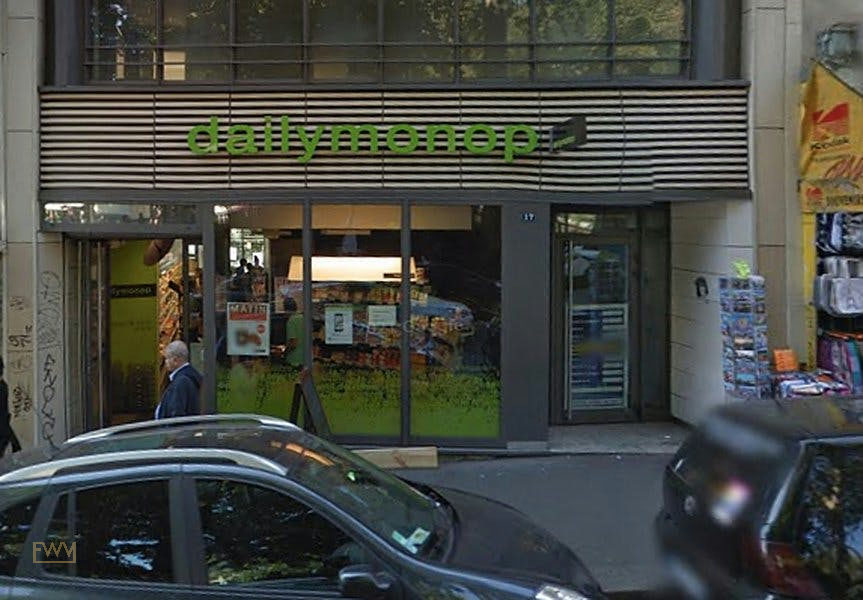
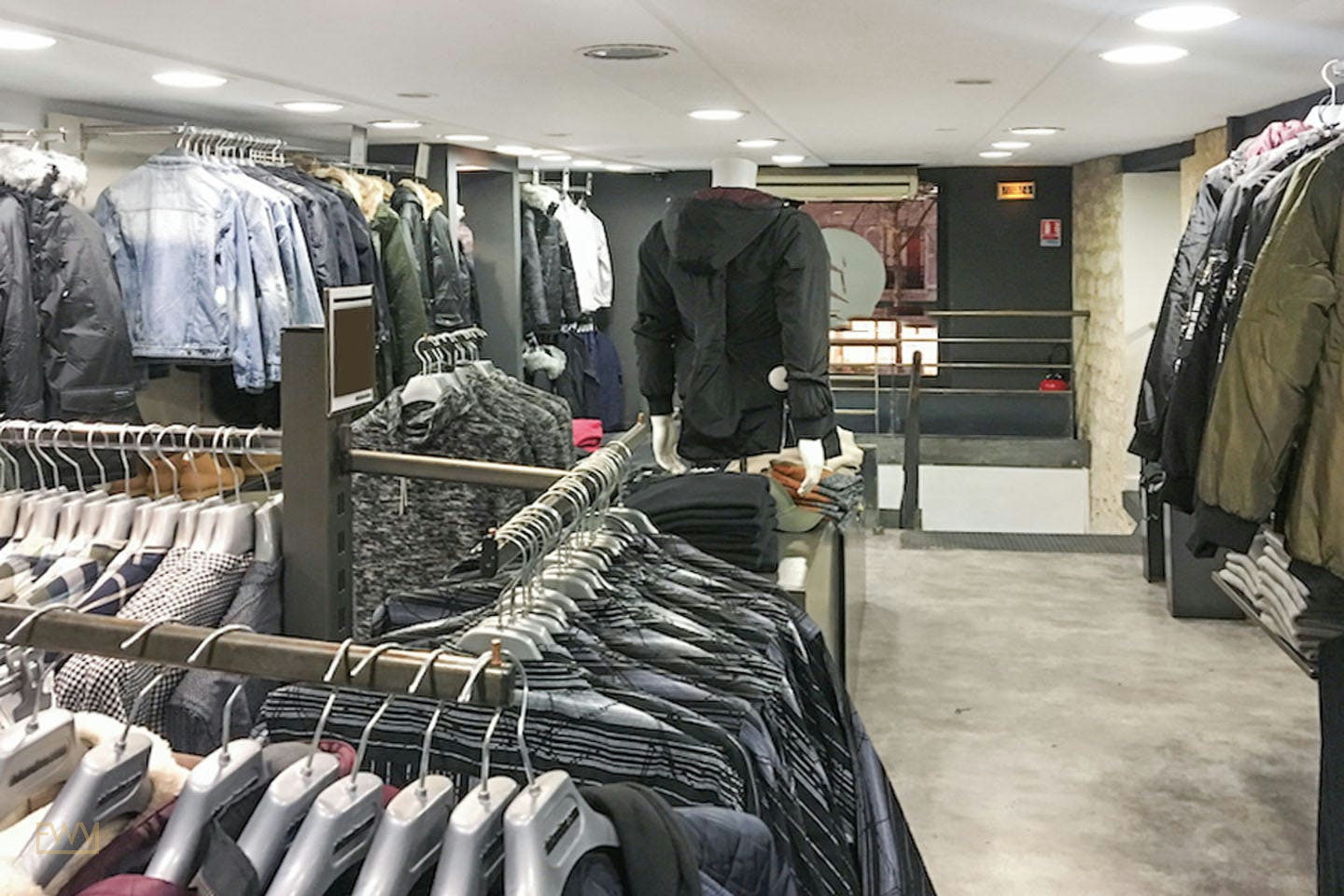
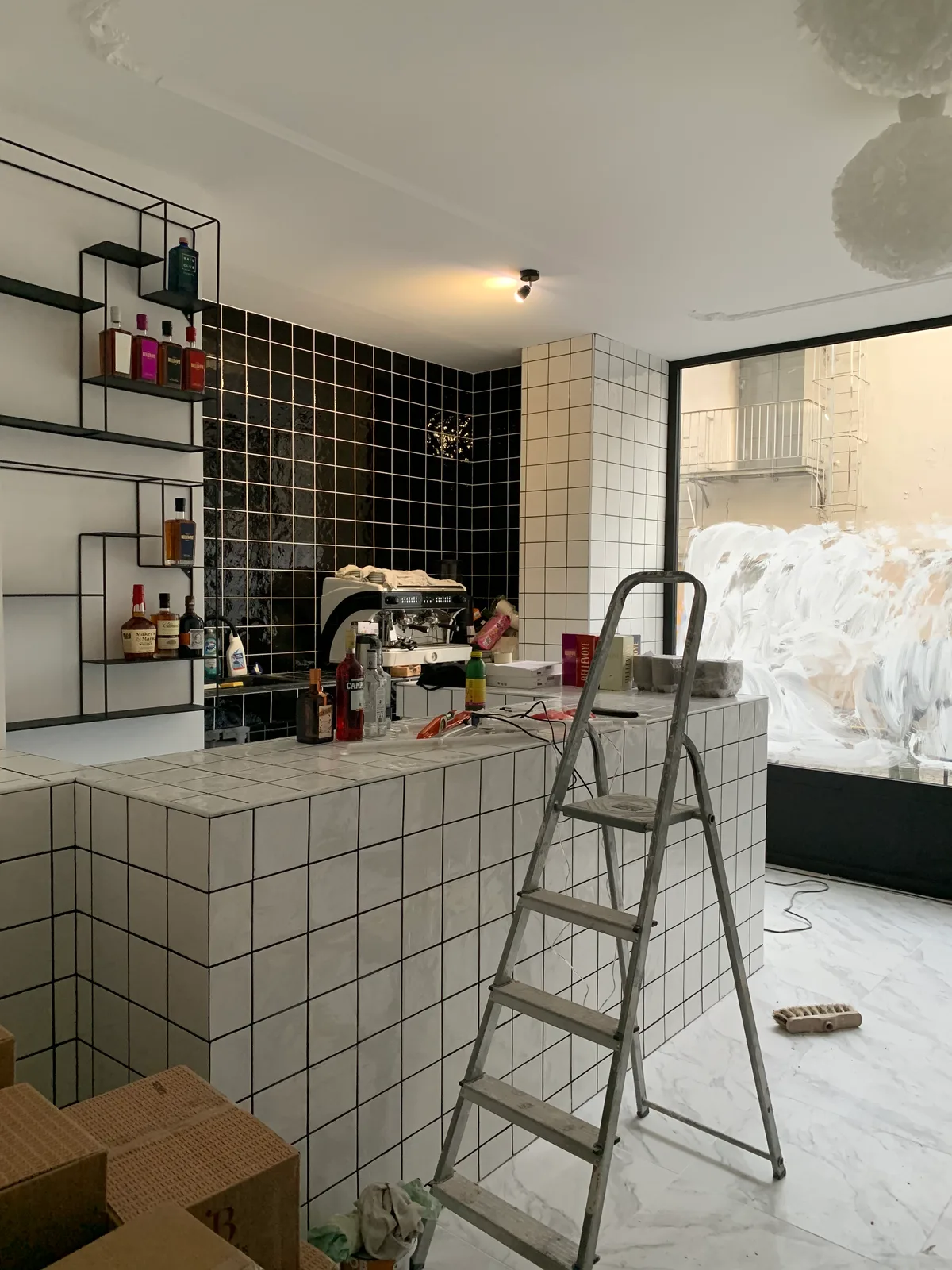
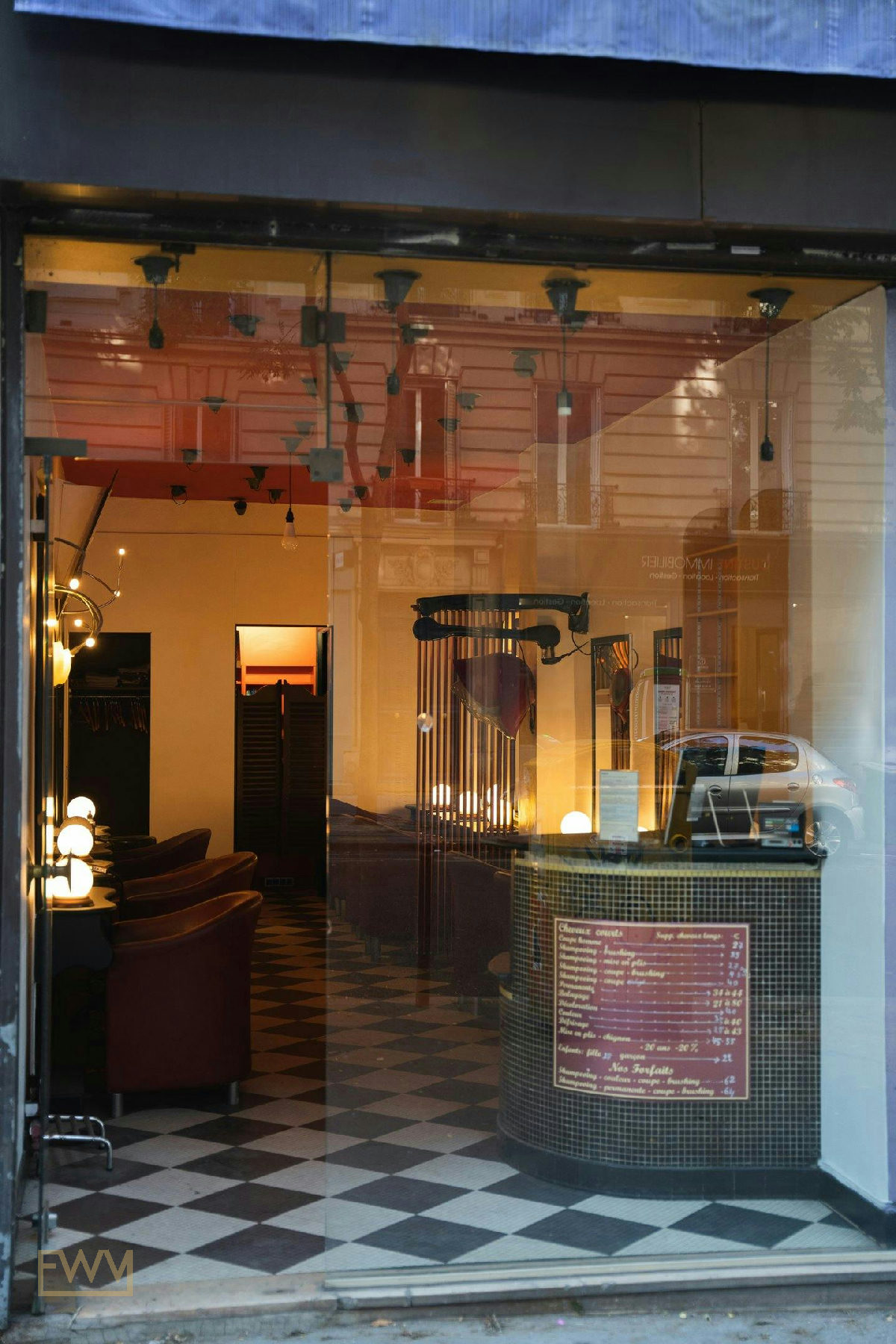
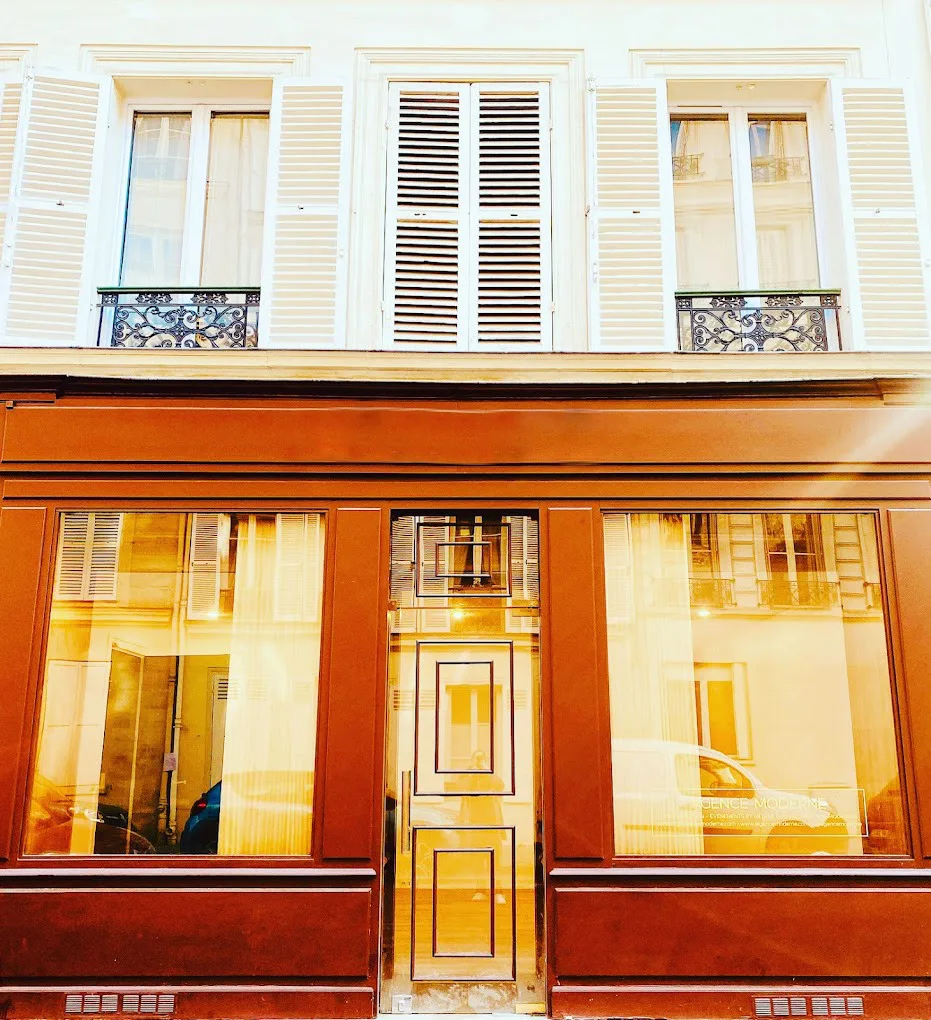
The most commonly available space type in the core Montmartre retail zone is the former boutique or commercial storefront. These units typically range from small single-room units of 30 to 80 square metres up to larger two-floor boutique configurations. They generally include display windows facing the street, basic electrical infrastructure, and varying levels of interior finish. Some are stripped back to bare walls and concrete, which suits brands that want to bring their own furniture and branded store design. Others retain previous retail fitouts that can be used as-is or adapted. For fashion retailers and DTC brands running a product launch or private sale, these units offer the simplest operational setup.
Gallery and Galerie Spaces
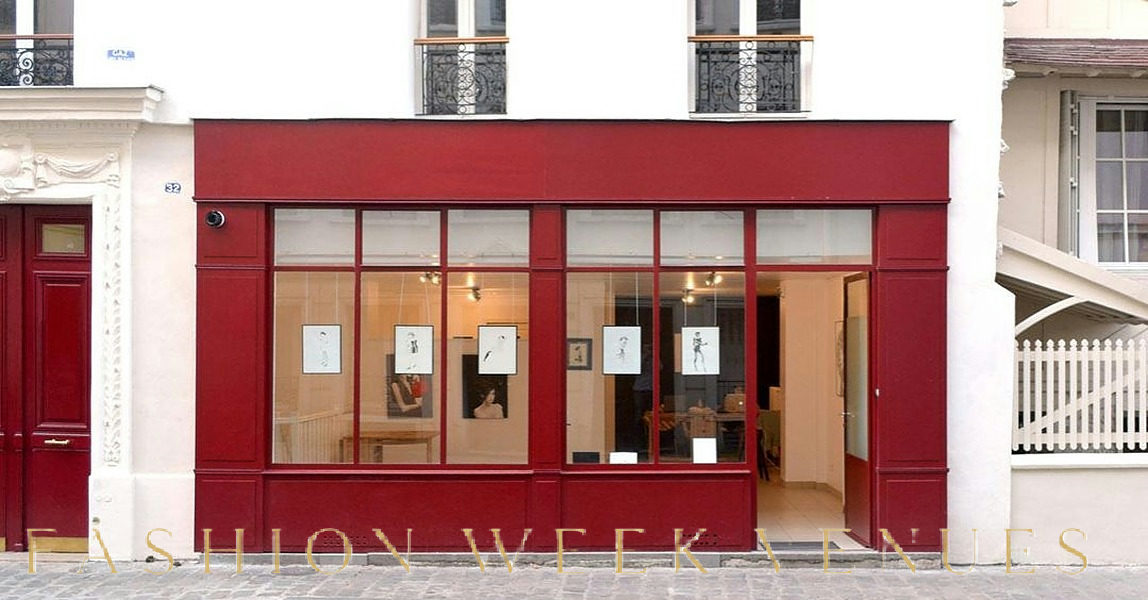
Montmartre has a genuine concentration of art gallery spaces, reflecting the neighbourhood's long association with visual art and creative culture. Many of these spaces are available for short-term rental outside their exhibition schedules and are well-suited to fashion brands, private exhibitions, press presentations, and concept store formats that benefit from a white-cube environment. Gallery spaces often have superior lighting infrastructure, polished concrete or parquet floors, and the kind of clean interiors that require minimal build investment to activate effectively. Brands running Fashion Week presentations or private sales will find gallery spaces particularly efficient.
Ateliers and Studios
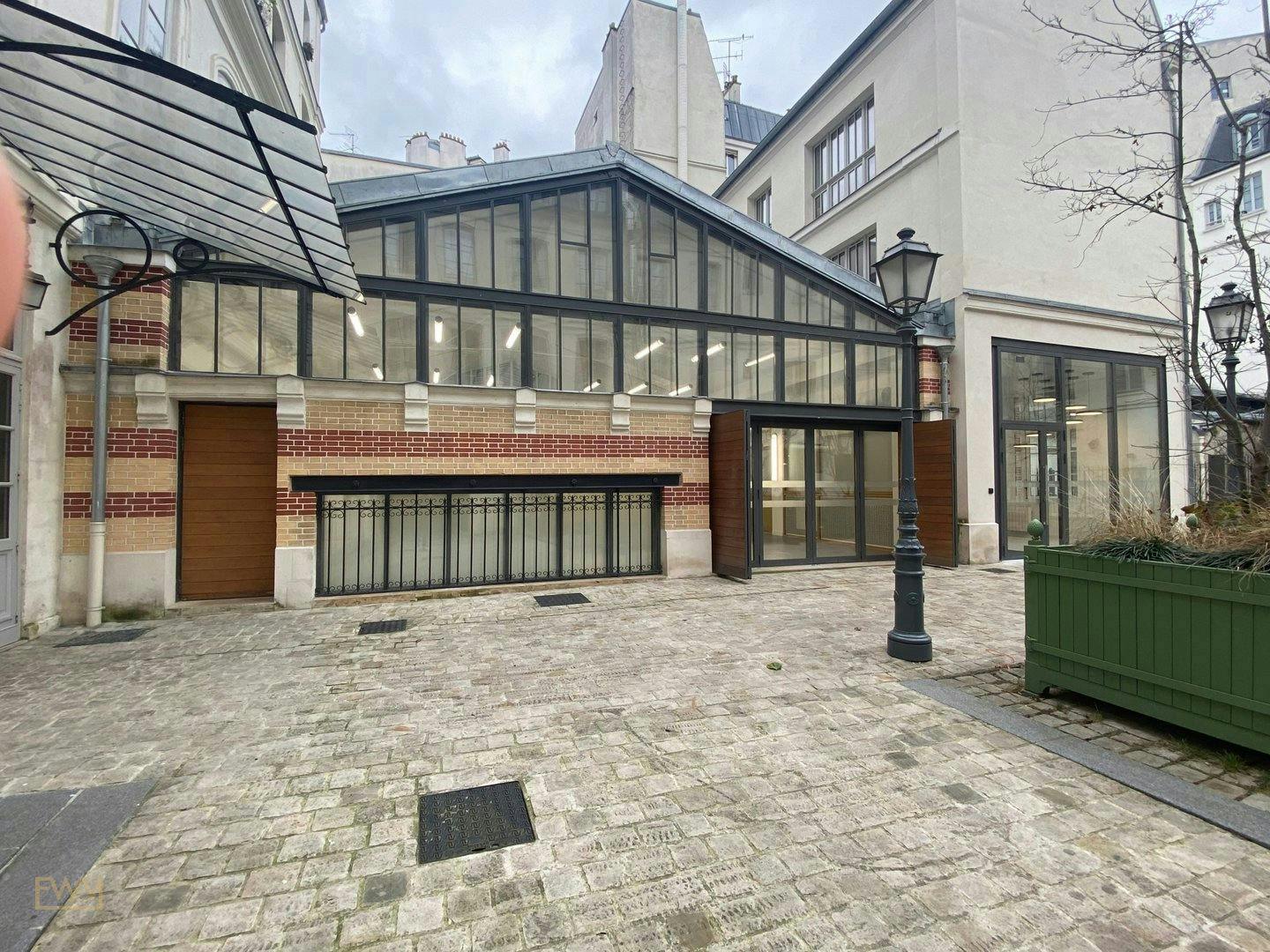
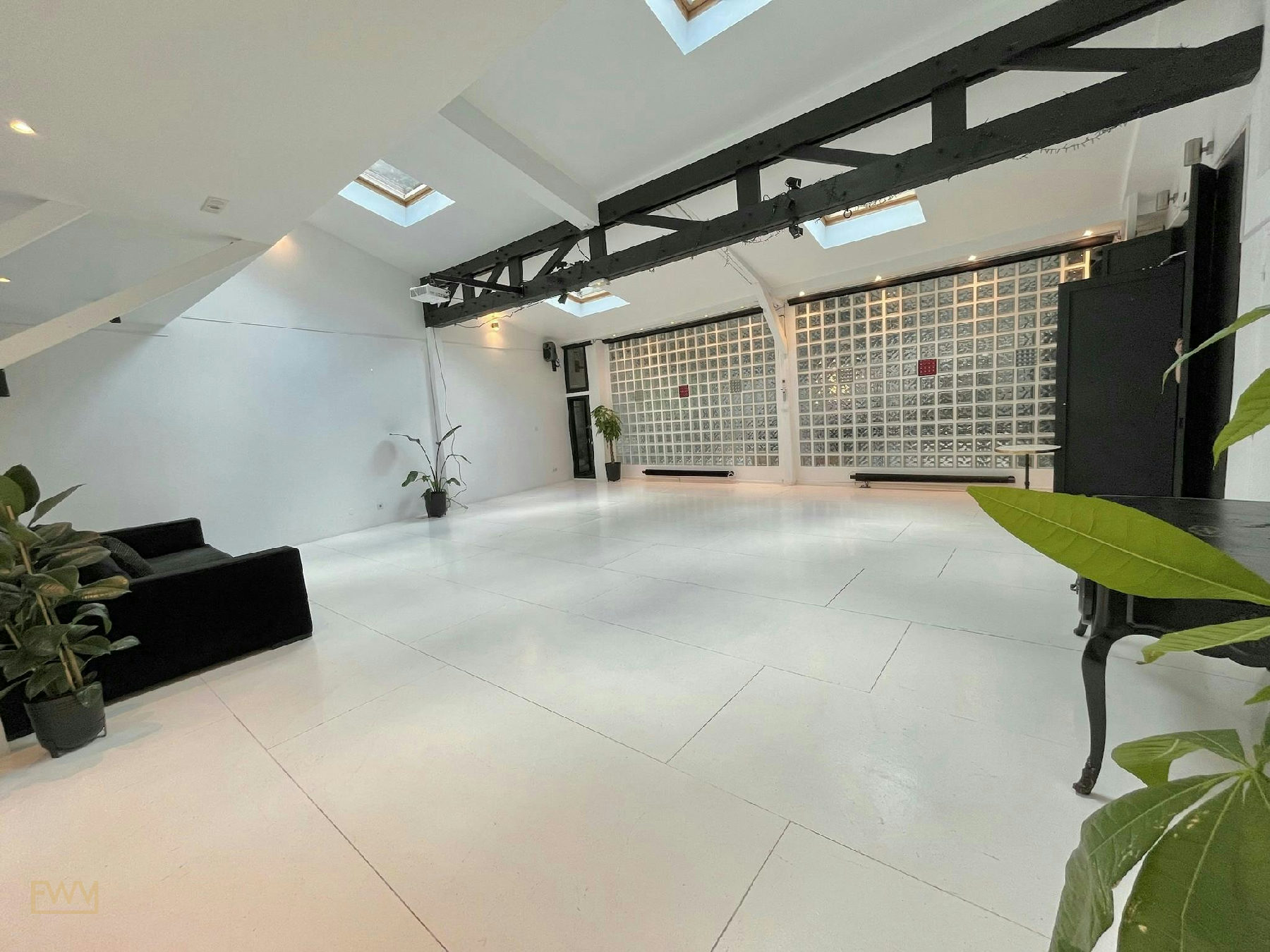
The atelier and studio typology is specific to Montmartre and reflects the neighbourhood's history as a working creative district. These spaces, often on upper floors or in converted rear buildings, offer large volumes, natural light from skylights or oversized windows, and a raw material finish that many fashion brands find highly desirable. Ateliers suit showrooms, photo-shoot environments, press days, and exclusive brand presentations where the space itself needs to communicate craft and creativity. They are less suited to high-footfall public retail, but for invitation-only or appointment-based activations, they are among the most compelling space types in Paris.
Loft Spaces
Loft spaces in Montmartre combine open-plan volume with character details such as exposed brick, original timber beams, and large windows. They are increasingly popular with fashion labels and lifestyle brands that want a space capable of hosting both retail and event functions, such as a product launch followed by an evening reception. Loft spaces also tend to have higher ceilings than standard storefronts, which gives more flexibility for display systems, branded installations, and furniture rental configurations.
Terrasse-Equipped Spaces
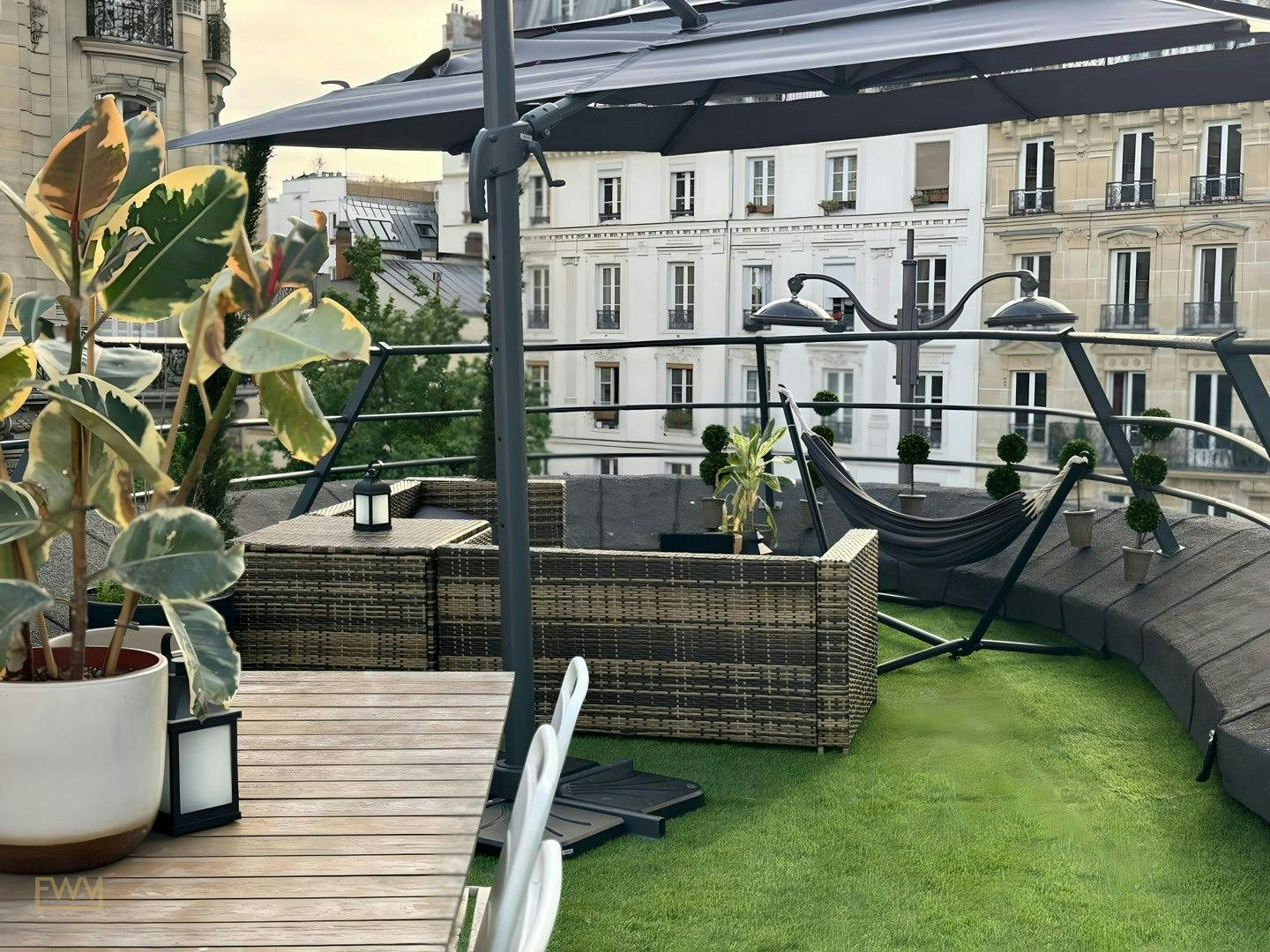
A smaller number of spaces in Montmartre include access to an outdoor terrace or courtyard. These spaces command a premium, particularly in spring and summer, and are highly effective for brands running experience-led activations that want to extend the customer journey beyond the interior. A terrasse also creates a visible exterior presence that can be photographed, shared, and used to draw street-level attention without relying solely on window display.
| Space Type | Typical Size Range | Best Used For | Key Characteristic |
|---|---|---|---|
| Storefront and Boutique | 30 to 150 sqm | Fashion pop-up, product launch, DTC retail | Street visibility, display windows, retail-ready layout |
| Gallery and Galerie | 40 to 200 sqm | Press presentations, private exhibitions, concept stores | White walls, superior lighting, art-world credibility |
| Atelier and Studio | 60 to 300 sqm | Showrooms, press days, photo environments | Natural light, raw materials, creative atmosphere |
| Loft | 80 to 250 sqm | Multi-format activations, launch events, Fashion Week | Open plan, character details, flexible configuration |
| Terrasse-Equipped | Variable, plus outdoor | Experience activations, summer campaigns, receptions | Outdoor extension, photogenic, visible street presence |
To explore which space types are currently available in Montmartre and compare them against your brief, use the space locator tool on Fashion Week Venues to filter by neighbourhood, size, and space type.
KEY TAKEAWAY: Montmartre offers a genuinely diverse range of space types, from high-footfall storefronts to intimate ateliers and gallery-style units. The right space type depends on whether your activation is primarily retail, presentation, experiential, or a hybrid of all three.
With space type and location identified, the next critical question for most brand teams is budget: what does it actually cost to rent a pop-up store in Montmartre, and what other expenses should you plan for?
Rental Rates, Costs, and Budget Planning for a Montmartre Pop-Up
Cost planning for a pop-up store in Montmartre requires a broader view than the space rental rate alone. The headline rental figure is one component of a multi-line budget that also includes fit-out and production, furniture rental, staffing, technology, permits, utilities, and security deposits.
Quick answer: Rental rates for pop-up spaces in Montmartre vary significantly by street, space type, size, and season. Rather than providing figures that may not reflect current market conditions, we recommend using a budget planning tool to model your specific brief. Fashion Week Venues provides a budget calculator for pop-up store planning in Paris that factors in space costs alongside production, staffing, and operational expenses.
Rental rates across Paris reflect a combination of location quality, foot traffic volume, space size, duration, and current market demand. Montmartre generally offers a wider range of price points than the Marais district or the Saint-Germain corridor, with smaller and more characterful spaces available at accessible rates and premium street-facing units on Rue des Abbesses commanding higher weekly or monthly figures. Seasonal demand also affects pricing: the weeks immediately surrounding Paris Fashion Week in February and March and the September and October season are typically the most competitive and highest-priced rental periods.
What Is Typically Included in a Short-Term Rental Agreement
Short-term pop-up rental agreements in Paris typically include the use of the space for the agreed duration, access to basic electrical infrastructure, and varying provisions for internet connectivity. Agreements for short durations, often structured as a bail dérogatoire or a convention d'occupation précaire, may or may not include utilities such as electricity and water, and these should be confirmed explicitly before signing. A security deposit, typically calculated as a multiple of the monthly rent equivalent, is standard practice and should be factored into your working capital planning.
Some spaces, particularly those operated by specialist short-term rental platforms or agencies, include additional services such as BOSE Sono installation or basic sound infrastructure, fiber internet connectivity, and basic security provision. Others are bare-space arrangements where all operational infrastructure is your responsibility. Understanding exactly what is and is not included in the rental rate is essential before comparing spaces on price alone.
Additional Cost Lines to Budget For
Beyond the rental rate, a realistic pop-up store budget in Montmartre should account for the following: space fit-out and production including branded installations, shelving, and display systems; furniture rental if the space is unfurnished; branded store design including signage and visual merchandising; retail staffing for the activation period; point-of-sale and payments infrastructure; influencer marketing support if applicable; and any permit or compliance costs associated with the specific space and activation type. For brands new to Paris, local agency management costs and translation or administrative support should also be included.
TIP: Use the ROI calculator on Fashion Week Venues to model the revenue and brand value return on your planned investment before committing to a space and rental duration.
Rental Duration and Its Effect on Total Cost
Pop-up store rental durations in Montmartre range from a single day or weekend for flash activations and private sales, through one to four weeks for full pop-up store runs, to monthly agreements for longer-term brand presence or seasonal showrooms. Shorter durations typically carry a higher per-day rate but a lower total commitment. Longer durations usually reduce the per-day cost but require more investment in fit-out and staffing to justify the extended presence. The ideal duration depends on your activation objectives, your team's operational capacity, and the calendar window you are targeting.
KEY TAKEAWAY: Budget planning for a Montmartre pop-up store requires accounting for rental rate, utilities, security deposit, fit-out, furniture, staffing, payments infrastructure, and operational management. Use a structured budget tool rather than a single-line estimate to avoid cost surprises at activation stage.
Before your budget planning can be finalised, your team also needs to understand the permit and legal framework that governs short-term retail rental in Paris, including in the 18th arrondissement.
Permits, Legal Framework, and Compliance for Pop-Up Stores in Paris
Navigating the permit and legal framework for a pop-up store in Paris is one of the areas where international brands most frequently encounter unexpected delays and costs. The French commercial property and temporary retail framework has specific structures that differ materially from those in the United Kingdom, the United States, and other markets where brands may have previous pop-up experience.
Quick answer: Most short-term pop-up store rentals in Paris are structured under a bail dérogatoire, a short-term commercial lease exempted from the standard protections of the French Commercial Code, or as a convention d'occupation précaire for spaces with less security of tenure. Separately, certain outdoor activations, exterior signage, and public-facing events may require an Autorisation d'Occupation Temporaire (AOT) from the relevant arrondissement or the City of Paris. Requirements vary by space type, activation format, duration, and location. Always verify with a qualified French legal advisor.
Bail Dérogatoire: The Short-Term Lease Structure
The bail dérogatoire is a specific provision under French commercial law that allows commercial space to be rented on a short-term basis, typically for a maximum of three years in aggregate between the same parties, without triggering the full protections of a standard commercial lease (bail commercial). For pop-up store operators, this means you can rent a space in Montmartre for a period ranging from a few days to several months without being granted the renewal rights and eviction protections that apply to standard commercial tenants. The bail dérogatoire is the most common structure used for fashion pop-up stores, showrooms, and temporary retail activations in Paris. It must be written clearly in the agreement and agreed to explicitly by both parties before occupation begins.
Convention d'Occupation Précaire
For spaces where the landlord has a specific reason why the space cannot be committed even on a bail dérogatoire basis, a convention d'occupation précaire may be used. This is a more flexible but also less secure arrangement for the tenant, as the landlord can terminate it if the specific precarious circumstances that justify it change. It is used less commonly than the bail dérogatoire for straightforward pop-up store rentals but appears in certain gallery, atelier, and publicly owned space contexts.
Autorisation d'Occupation Temporaire (AOT)
If your activation involves any element that extends into public space, including a terrasse, exterior signage on a public thoroughfare, or a street-facing event component, you may require an AOT from the Mairie of the 18th arrondissement or the City of Paris. AOT requirements and processing times vary significantly by location and activation type, and the approval process is not guaranteed. Brands planning activations with exterior components in Montmartre should initiate the AOT process well in advance of the planned activation date, ideally with local support from an agency or advisor familiar with the specific arrondissement.
For guidance on the permit process relevant to your activation type and location, use the permit guidance tool on Fashion Week Venues, and verify all requirements with a qualified French legal advisor before proceeding.
IMPORTANT: Do not assume that a space being marketed as available for short-term rental means all necessary permits for your specific activation are in place. Outdoor activations, food and drink service, music events, and branded exterior signage may each require separate authorisations. Confirm the full compliance picture before signing any rental agreement.
KEY TAKEAWAY: Most Montmartre pop-up store rentals use a bail dérogatoire structure. Any outdoor or public-space component may require an AOT. Requirements vary by space, activation format, and arrondissement. Always verify with a French legal advisor rather than relying solely on information from a landlord or space listing platform.
Understanding the permit framework also connects to the broader question of how to plan your Montmartre activation timeline, particularly if you are targeting the Paris Fashion Week calendar window.
Paris Fashion Week and the Montmartre Activation Calendar
Paris Fashion Week is the most commercially significant calendar window for brands activating in the French capital, but it is far from the only viable period for a pop-up store in Montmartre. Understanding the full Paris retail and event calendar helps brands plan activations that either capture Fashion Week intensity or deliberately target alternative periods with different audience and cost profiles.
Quick answer: Paris Fashion Week runs twice annually, in late January or February for the women's autumn-winter collections and in late September or October for the spring-summer collections. Both windows generate significant foot traffic, press activity, and brand activation demand across the city. Montmartre sees strong activity during both windows but is less saturated with brand activations than the Marais district, giving Montmartre-based pop-ups a competitive visibility advantage during Fashion Week periods.
Fashion Week Windows: Timing and Demand
The February and March window aligns with women's ready-to-wear collections and is the more commercially intense of the two annual Fashion Week cycles. The September and October window covers the spring-summer collections and benefits from better weather, longer daylight hours, and a Montmartre environment that is particularly effective for outdoor-adjacent activations with terrasse access. Both windows see heightened demand for short-term retail spaces across Paris, and brands targeting these periods should plan their space search and booking a minimum of three to four months in advance to secure preferred locations.
Beyond Fashion Week: Year-Round Opportunity in Montmartre
Montmartre is not a neighbourhood that empties outside the Fashion Week calendar. Its combination of tourist traffic and strong local residential custom means foot traffic remains active year-round. Brands that activate outside the Fashion Week windows benefit from lower rental rate competition, more space availability, and a less crowded activation landscape where their pop-up can achieve stronger individual visibility. Summer months, particularly June through August, bring very high tourist volumes to the Sacré-Cœur and Place du Tertre area, while the autumn and spring periods are strong across the Abbesses and Lepic zones. Even winter months see consistent local trade on the core village streets.
Planning Your Timeline for a Montmartre Pop-Up
A realistic planning timeline for a fashion pop-up store in Montmartre typically runs from initial brief to opening day across six to sixteen weeks, depending on the complexity of the fit-out, the permit requirements, and the space availability. Brands targeting Fashion Week windows should allow for longer lead times given the demand compression during those periods. Use the timeline planning tool on Fashion Week Venues to map the key milestones for your specific activation format and target date.
To compare Montmartre with other Paris neighbourhoods and consider a dual-location strategy across the city during Fashion Week, explore the Paris city hub on Fashion Week Venues for neighbourhood-by-neighbourhood space intelligence and availability.
KEY TAKEAWAY: Fashion Week windows are the peak demand period for Montmartre pop-up spaces, but year-round foot traffic makes the neighbourhood viable across the full calendar. Plan at least three to four months ahead for Fashion Week activations and use a structured timeline tool to map your key milestones.
With calendar and timing understood, the next practical question is how Fashion Week Venues can specifically help brands navigate the entire process of renting and activating a pop-up store in Montmartre.
How Fashion Week Venues Helps Brands Rent and Activate Pop-Up Stores in Montmartre
Fashion Week Venues operates as both a space marketplace and a full-service agency for brands seeking pop-up stores, showrooms, event venues, and retail activations in Paris and other major fashion capitals. For brands targeting Montmartre specifically, the agency provides a structured combination of space discovery, creative direction, production, and operational management that reduces the risk and complexity of activating in a new city or neighbourhood.
Quick answer: Fashion Week Venues helps brands find and activate pop-up stores in Montmartre through venue sourcing, concept direction, production and build, activation management, staffing, retail technology, and data analytics. The agency's marketplace also allows brands to browse and shortlist available spaces independently. Both approaches can be used separately or in combination depending on your team's capacity and experience level.
Venue Sourcing in Montmartre
Finding the right space in Montmartre requires more than a search on a generic property platform. The most effective locations for fashion pop-ups and showrooms are often managed through specialist networks, held by independent owners not listed on mainstream platforms, or available only for specific windows that align with your calendar. The venue sourcing service at Fashion Week Venues connects brands with a curated selection of spaces matched to brief, budget, and calendar window, including spaces in the 18th arrondissement and the broader Montmartre area.
Concept Direction and Creative Development
Many brands arrive in Montmartre with a strong product and a loose brief but without a fully developed activation concept. Concept direction covers the creative translation of your brand into a spatial experience, from the overall activation narrative down to the interior layout, materials palette, visual merchandising hierarchy, and customer journey. For a neighbourhood like Montmartre, where the surrounding creative culture sets a high aesthetic standard, concept direction is particularly valuable in ensuring your pop-up reads as intentional rather than generic.
Production, Fit-Out, and Branded Store Design
The physical production of a pop-up store in Paris involves local contractors, material sourcing, furniture rental, signage production, and on-site build management. Fashion Week Venues handles the full production and build process through its local partner network, including the delivery and installation of branded store design elements, custom displays, and furniture configurations suited to the specific space. Brands running their first Paris activation in particular benefit from having local production management in place rather than attempting to coordinate contractors remotely.
Activation Management, Staffing, and Retail Technology
Running a pop-up store in Montmartre on the ground requires a team that understands French retail culture, speaks the language, can handle the point-of-sale and payments infrastructure, and manages the daily operational realities of a temporary retail space. Fashion Week Venues provides retail staffing support, POS and payments setup, and activation management services that cover the operational period from opening to close. Data and analytics services track performance metrics across the activation window to support post-campaign reporting and future planning.
Tools for Independent Brand Teams
Brands that prefer to manage elements of the process independently can use Fashion Week Venues' suite of planning tools, including the budget calculator, ROI calculator, space comparison tool, timeline planner, permit guidance tool, and space locator. These tools are designed for brand teams, creative directors, and activation managers who need structured decision-support without engaging the full agency service. The space comparison tool is particularly useful for teams evaluating multiple Montmartre locations against each other and against spaces in other Paris neighbourhoods such as the Marais district.
KEY TAKEAWAY: Fashion Week Venues supports Montmartre pop-up activations at every stage, from space discovery through to post-activation analytics. Brands can engage the full agency service, use the marketplace independently, or combine both approaches depending on their team's capacity, experience level, and budget.
Before committing to a specific space or agency approach, it is worth examining the most common myths that circulate among international brands planning their first Paris pop-up activation.
Common Myths About Renting a Pop-Up Store in Paris Debunked
MYTH: You need a French legal entity to rent a pop-up space in Paris.
FACT: Foreign companies and international brands can rent short-term pop-up spaces in Paris without establishing a French company. Many short-term rental agreements structured as bail dérogatoire or convention d'occupation précaire are accessible to non-French entities, though requirements vary by landlord, space type, and agreement structure. Working with an agency or advisor familiar with the French market significantly simplifies this process for international brands.
MYTH: Paris Fashion Week is the only viable calendar window for a pop-up store in Montmartre.
FACT: Montmartre generates strong foot traffic year-round thanks to its combination of tourist appeal and active local residential community. Brands activating outside the Fashion Week calendar often benefit from lower rental competition, greater space availability, and stronger individual visibility. Summer, spring, and the pre-Christmas period are all commercially credible windows for pop-up retail in the neighbourhood.
MYTH: Commission-based space brokers are the only way to find a pop-up space in Montmartre.
FACT: Specialist space marketplaces and full-service pop-up agencies provide structured, transparent alternatives to traditional commission brokers. Fashion Week Venues operates a curated marketplace and a venue sourcing service that gives brands direct access to available spaces in Montmartre and across Paris without the opacity and conflicts of interest that can arise in commission-only brokerage arrangements.
MYTH: Short-term retail leases in France are legally straightforward and require minimal specialist guidance.
FACT: The bail dérogatoire and related short-term rental structures in France have specific legal requirements that differ significantly from commercial property arrangements in other markets. Errors in how these agreements are drafted or executed can have significant legal and financial consequences for both landlord and tenant. Brands should always have short-term rental agreements in France reviewed by a qualified French legal advisor before signing, regardless of how straightforward the deal appears.
MYTH: Montmartre pop-up spaces are only suitable for independent or emerging brands, not established fashion labels.
FACT: Montmartre's atelier, gallery, and loft space inventory includes locations that are genuinely suited to established fashion labels running showrooms, press presentations, private sales, and exclusive brand activations. The neighbourhood's creative credibility and distinctive aesthetic can add significant brand value for established labels that want to avoid the saturated luxury retail circuits of the Marais or the Triangle d'Or.
Frequently Asked Questions About Renting a Pop-Up Store in Montmartre
How much does a pop-up shop in Montmartre cost?
The total cost of a pop-up shop in Montmartre depends on the space type, size, street location, rental duration, and activation season. Rental rates vary significantly across the neighbourhood, with premium storefronts on Rue des Abbesses commanding higher weekly rates than gallery units in quieter streets. Beyond the rental rate, your budget should include fit-out and production, furniture rental, staffing, retail technology, and any permit costs. Use the budget calculator on Fashion Week Venues to model costs specific to your brief, duration, and space type rather than relying on a single headline figure.
How long can I rent a pop-up shop in Montmartre?
Pop-up store rental durations in Montmartre range from a single day or weekend for flash activations and private sales, through one to four weeks for standard pop-up runs, to monthly or multi-month agreements for longer brand presences or seasonal showrooms. The minimum duration varies by space and landlord. Short durations typically carry a higher per-day rate but lower total commitment. The ideal duration depends on your activation objectives, operational capacity, and the calendar window you are targeting. A timeline planning tool can help you model the right duration for your specific brief.
What streets in Montmartre are best for a pop-up shop?
Rue des Abbesses is widely regarded as the strongest street for fashion and lifestyle pop-up stores in Montmartre, offering a balanced mix of local Parisian and tourist foot traffic with a design-aware audience. Rue Lepic suits lifestyle, vintage, and neighbourhood-oriented brands. The area around Place du Tertre and Sacré-Cœur attracts very high tourist volumes and suits brands with broader accessibility and strong visual appeal. Boulevard de Clichy and the Pigalle boundary work well for streetwear, youth culture, and music-adjacent brands. The best street for your specific activation depends on your brand positioning and target audience.
Do I need a permit for a pop-up shop in Paris?
Most interior pop-up stores in Paris, including in Montmartre, operate under a bail dérogatoire short-term lease and do not require a separate permit for the retail activity itself. However, any activation that extends into public space, including outdoor terrasse areas, exterior signage on public thoroughfares, or street-facing events, may require an Autorisation d'Occupation Temporaire from the relevant arrondissement or the City of Paris. Food and drink service and music events may require additional permits. Requirements vary by space, location, and activation format. Always verify with a French legal advisor and use the permit guidance tool on Fashion Week Venues as a starting reference.
Can I run a pop-up food or drink activation in Montmartre?
Food and drink activations in Montmartre are possible but require specific regulatory attention. Serving food or drink to the public, particularly if cooked on-site or if alcohol is involved, requires compliance with French food safety regulations and may require additional licences beyond the standard space rental agreement. Outdoor service in public space requires an AOT. Brands planning food or drink components within a fashion pop-up or lifestyle activation should confirm the full regulatory picture with a French legal advisor well in advance of the planned activation date and ensure the specific space is compliant with food preparation and service requirements.
What are the most sought-after locations for renting a pop-up store in Montmartre?
The most consistently sought-after locations for pop-up retail in Montmartre are the Rue des Abbesses and Rue Lepic corridor in the lower village, the streets immediately adjacent to Place du Tertre for art-led and heritage brand activations, and the emerging retail zone around Pigalle and Boulevard de Clichy for youth and streetwear concepts. Spaces with street-facing facades, good natural light, and proximity to the Abbesses metro station tend to command the strongest demand and the earliest booking windows, particularly for Fashion Week periods. Advance planning of at least three to four months is recommended for these premium locations.
What is the ideal duration to rent a pop-up shop in Montmartre?
For fashion brands and DTC retailers, a two to four week duration is often the most effective balance between sufficient time to build foot traffic awareness and manage the activation operationally, and the cost efficiency of a time-limited presence. Showrooms and press-day formats often run for one week or less, aligned tightly with Fashion Week calendars. Longer durations of one to three months work well for brands testing the Paris market, running a seasonal retail presence, or using the pop-up as a bridge to a more permanent retail strategy. Your specific activation objectives, team capacity, and budget should drive the duration decision.
Do I need a French company to rent a pop-up space in Montmartre?
International brands and foreign companies can typically rent short-term pop-up spaces in Montmartre without establishing a French legal entity, provided the rental is structured appropriately as a bail dérogatoire or similar short-term arrangement. However, individual landlords and space managers have different requirements, and some may request additional documentation, guarantees, or a local representative. Working with an agency that has established relationships with Montmartre space owners significantly simplifies the process for international brands entering the French market for the first time.
How does Montmartre compare to the Marais for a fashion pop-up?
The Marais district is Paris's most established fashion retail neighbourhood, with proximity to the Musée Picasso, Carreau du Temple, and Place des Vosges creating a dense concentration of fashion brands, concept stores, and art galleries. It offers very high foot traffic and strong fashion-aware audiences but also more competitive rental rates and a more saturated activation landscape. Montmartre offers more distinctive spatial character, a broader range of space types including ateliers and gallery units, and a less crowded activation environment. The right choice depends on your brand positioning, target audience, and whether you want to be part of the established fashion circuit or stand apart from it.
What space types are available for pop-up stores in Montmartre?
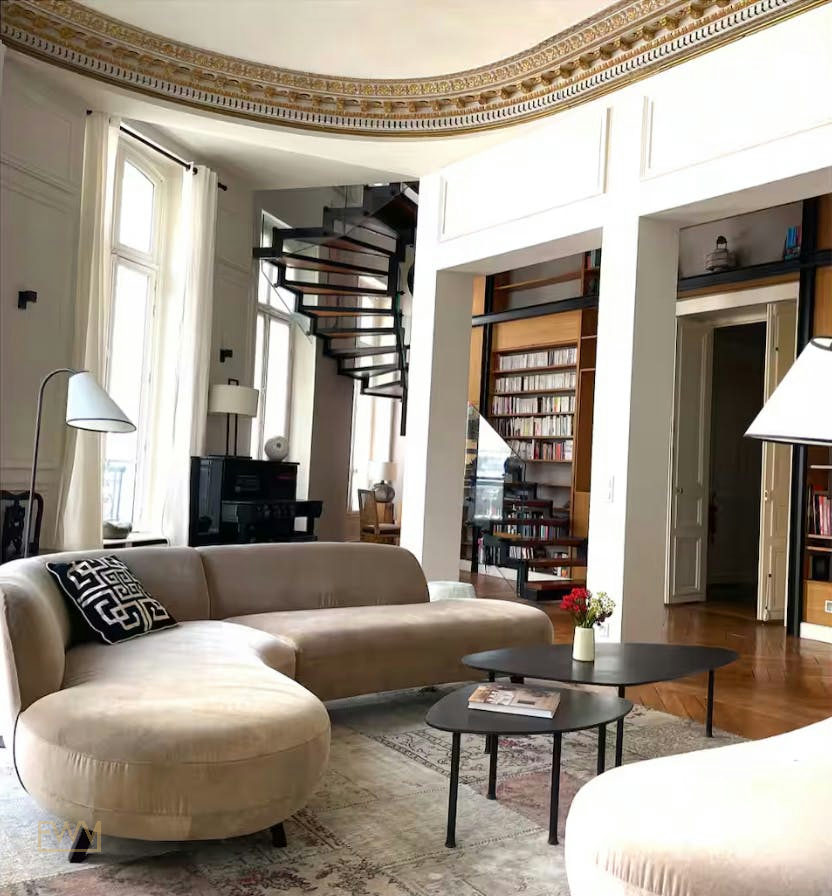
Montmartre's pop-up space inventory includes commercial storefronts and former boutique units, gallery and galerie-style white-cube spaces, ateliers and creative studios, open-plan loft spaces, and occasional terrasse-equipped locations. Sizes range from small 30-square-metre units to larger 200-plus-square-metre configurations. The neighbourhood's architectural character means many spaces offer distinctive features including original parquet floors, exposed stone, large windows, and high ceilings that can reduce the fit-out investment required to create a compelling brand environment.
How far in advance should I book a pop-up space in Montmartre for Paris Fashion Week?
For Fashion Week windows in February-March and September-October, brands should begin their space search a minimum of three to four months in advance of the planned activation date. Premium locations on Rue des Abbesses and Rue Lepic, and gallery or atelier spaces with strong reputations, are often secured even earlier by brands with established Paris activation programmes. Leaving the search to six to eight weeks before Fashion Week significantly limits the available options and may mean accepting a less ideal location or space type.
What is included in a typical pop-up space rental agreement in Paris?
A typical short-term pop-up rental agreement in Paris, structured as a bail dérogatoire, includes use of the physical space for the agreed duration and basic electrical access. Whether electricity costs, water, internet connectivity, and security are included varies significantly by space and landlord. Some spaces marketed specifically for pop-up use include fiber internet, basic security provision, and sound infrastructure. Others are bare-space arrangements where all operational services are the tenant's responsibility. Always request a full list of what is and is not included before comparing spaces on headline rental rate alone.
Can I use Montmartre for a Fashion Week showroom rather than a public-facing pop-up store?
Montmartre is well-suited to showroom formats, particularly the atelier, studio, and loft space typologies available in the neighbourhood. A showroom activation in Montmartre during Fashion Week positions your brand within a creative neighbourhood context that reinforces craft and design values, which is particularly effective for independent fashion labels, accessories brands, and emerging designers. The appointment-based or invitation-only format of a showroom also suits the less commercially saturated character of Montmartre compared with the core Marais fashion circuit.
Is Montmartre suitable for a DTC brand's first Paris pop-up?
Montmartre is an excellent choice for a DTC brand's first Paris pop-up, particularly for brands whose identity connects to creativity, craft, lifestyle, or French cultural heritage. The neighbourhood's mix of local and tourist audiences, its range of accessible and atmospheric space types, and its lower commercial density compared with the Marais make it a manageable and effective entry point into the Paris market. DTC brands should focus on Rue des Abbesses for the strongest retail foot traffic, ensure their operational setup including payments, staffing, and logistics is fully prepared before opening day, and plan for a minimum two-week duration to build sufficient audience momentum.
What should I look for when visiting a potential pop-up space in Montmartre?
When visiting a potential pop-up space in Montmartre, assess the following: the quality and direction of natural light at different times of day; the condition of the electrical infrastructure and available power capacity; the quality of the facade and window display opportunity; the floor quality and condition for your visual merchandising approach; the dimensions and ceiling height relative to your planned layout; the availability and quality of internet connectivity; the proximity to the nearest metro station and the character of passing foot traffic at different times of day; and the terms of the rental agreement including what utilities, services, and fit-out permissions are included.
Conclusion: Your Next Steps for Renting a Pop-Up Store in Montmartre
Montmartre is one of the most genuinely compelling pop-up retail destinations in Paris. Its combination of international foot traffic, local creative culture, distinctive space inventory, and lower commercial saturation compared with the Marais district makes it a strategic choice for fashion brands, DTC labels, lifestyle retailers, and art-led activations that want to make a real impression in the City of Light. Whether you are planning a product launch, a Fashion Week showroom, a private sale, or a longer-term seasonal retail presence, the neighbourhood offers the space types, the audience profile, and the cultural context to make your activation genuinely effective.
The practical steps are clear: identify the right sub-area within Montmartre for your brand and audience, choose the space type that matches your activation format, plan your budget across all cost lines rather than just the rental rate, understand the permit and legal framework before signing anything, and build your timeline with enough lead time to secure the right space rather than the available one.
Fashion Week Venues supports brands at every stage of this process, from initial space discovery through to post-activation analytics, with a combination of specialist venue sourcing, full-service agency support, and independent planning tools. To move from research to activation, start exploring available spaces on the Fashion Week Venues marketplace and build a focused brief for your target neighbourhood, space type, and calendar window. Your Montmartre activation starts with finding the right space, and the right space starts with the right brief.