Finding the right pop up shop 7th arrondissement Paris location requires understanding one of the city's most distinctive retail landscapes. The 7th arrondissement, anchored by Saint-Germain-des-Prés and stretching toward the Eiffel Tower, offers brands a rare combination of institutional prestige, affluent residential footfall, and proximity to major cultural landmarks that few other Paris districts can match. Whether you are planning a fashion showroom, a beauty activation, a luxury brand pop-up, or a short-term concept store during Paris Fashion Week or Haute Couture season, the 7th presents specific opportunities and specific challenges that demand careful planning. Fashion Week Venues' Paris city hub covers the full range of arrondissements and space types available to international and domestic brands.
What Makes the 7th Arrondissement a Strategic Pop-Up Location in Paris
Quick answer: The 7th arrondissement is one of Paris's most affluent residential and institutional districts, home to the Rue du Bac, Rue des Saints-Pères, Saint-Germain-des-Prés, and Le Bon Marché. It attracts high-net-worth consumers, international tourists, and fashion buyers who make it a compelling location for luxury pop-up stores, showrooms, and brand activations throughout the year.
The 7th arrondissement sits on the Left Bank of the Seine in Île-de-France, and it functions quite differently from the more heavily trafficked retail corridors of the Marais, Le Bon Marché's immediate surroundings aside. Where Le Marais draws a younger, trend-aware, culturally mixed crowd from arrondissements across the city, the 7th attracts a more consistently affluent, international, and brand-literate audience. This distinction matters significantly when brands are making decisions about space type, price positioning, and activation format.
The retail spine of the 7th runs through Rue du Bac and Rue des Saints-Pères, two streets that have historically housed independent boutiques, concept stores, and internationally recognised fashion brands. Saint-Germain-des-Prés itself, which straddles the 6th and 7th arrondissements, has been home to some of the most culturally significant retail moments in modern Paris fashion history. The arrival of Repetto's flagship presence in the broader Saint-Germain area and the enduring influence of spaces like Colette in adjacent quartiers reflect the appetite in this part of the city for thoughtful, curated, design-led brand experiences.
Le Bon Marché Rive Gauche, the department store that anchors the 7th's luxury retail identity, has hosted brand collaborations and in-store pop-up activations from some of the world's most recognised fashion houses and emerging designers. The late Virgil Abloh's collaborations with major Paris institutions drew attention to how department store environments and nearby independent spaces can work together during Fashion Week to build a coherent brand narrative across multiple touchpoints in the same arrondissement. For brands considering a pop-up or showroom in this district, understanding the halo effect of Le Bon Marché's positioning is critical to space selection and marketing strategy.
The 7th also benefits from proximity to the Grand Palais, which has served as the site of Paris Fashion Week runway shows and major cultural exhibitions, drawing an international audience of press, buyers, and fashion industry professionals to the Rive Gauche area during key calendar windows. While the Grand Palais sits technically in the 8th arrondissement, its gravitational pull is felt strongly in the 7th, and brands activating in the district during Fashion Week or Haute Couture season can position themselves credibly within the wider fashion geography of central Paris.
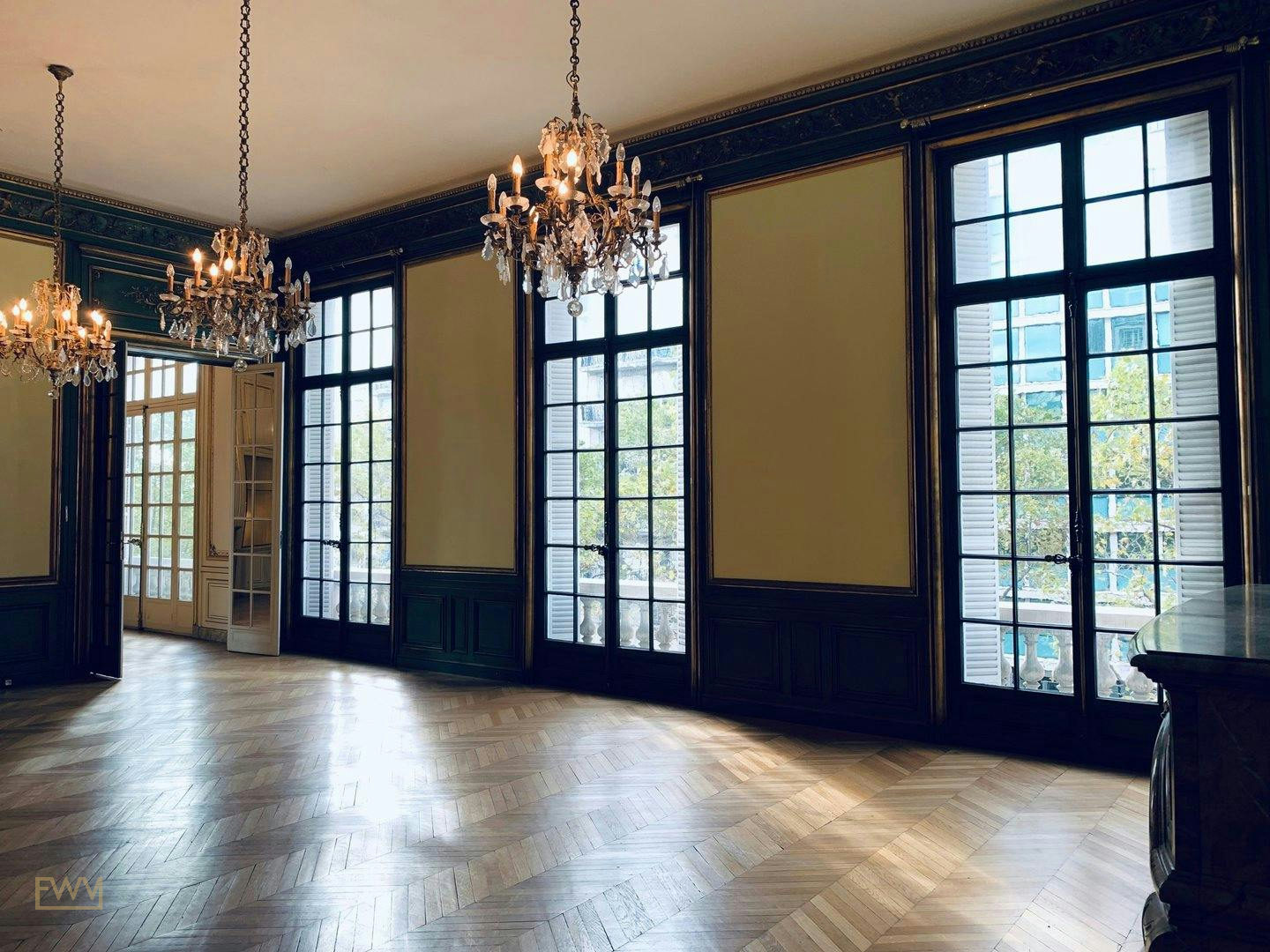
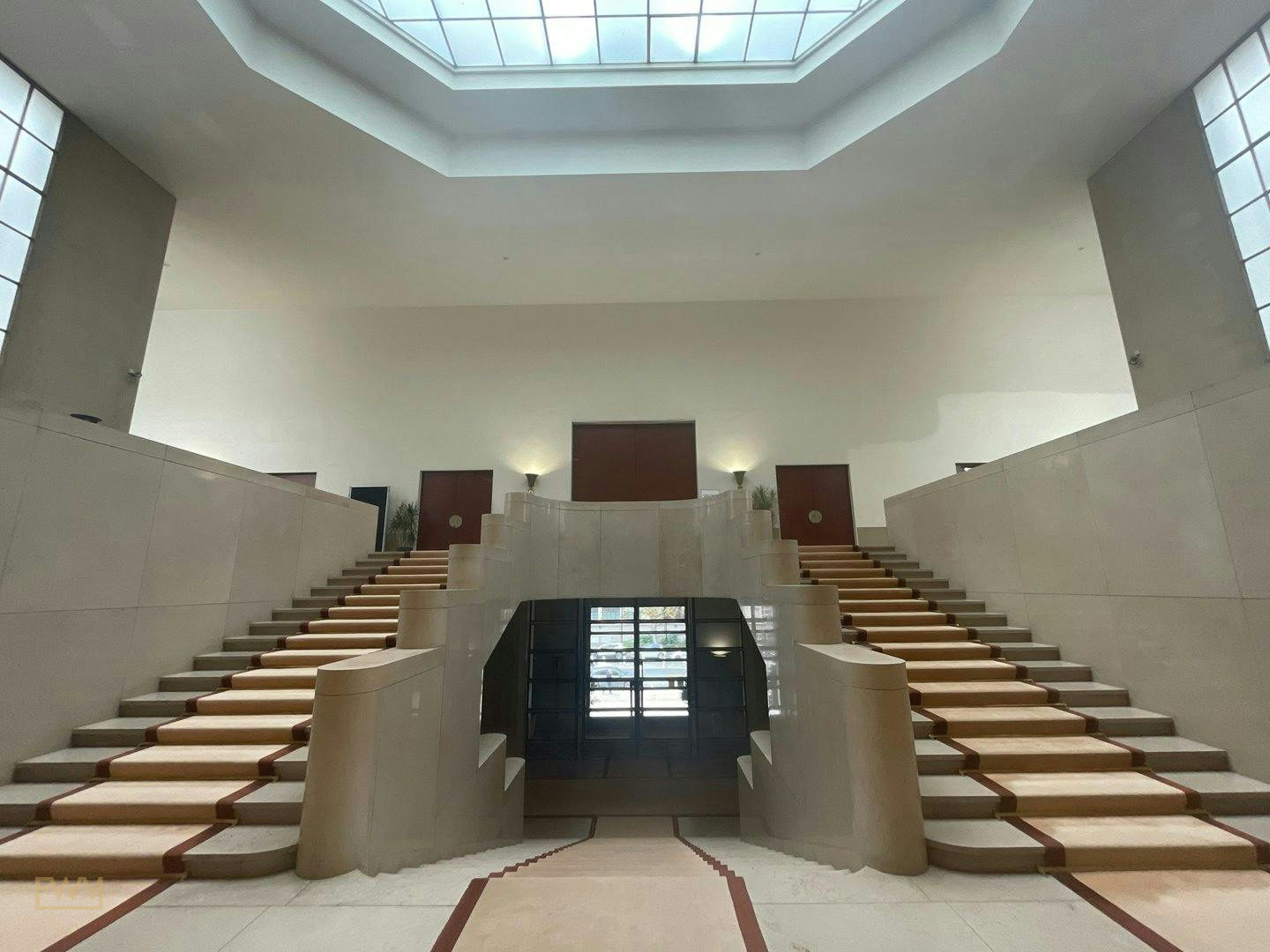
Venue types available in the 7th range from boutique de charme spaces with features like parquet au sol, murs peints, moulures, and vitrine ancienne to more modern, modular spaces suited to contemporary brand activations. The district includes arrière boutique configurations that work well for private showrooms and trade presentations, as well as gallery-format spaces suited to art and fashion crossover activations.
DID YOU KNOW: The 7th arrondissement consistently ranks among the top five most expensive residential districts in Paris, which reflects the spending capacity and brand sensitivity of its resident and visitor population, making it highly relevant for luxury and premium brand activations.
KEY TAKEAWAY: The 7th arrondissement's combination of prestigious street addresses, affluent footfall, proximity to Le Bon Marché, and adjacency to the Grand Palais and Saint-Germain-des-Prés cultural corridor makes it one of Paris's strongest strategic territories for luxury pop-up stores, showrooms, and brand activations during Fashion Week and Haute Couture season.
Understanding the 7th's specific geography sets the foundation for making intelligent decisions about which specific streets, space types, and rental formats match your brand's activation goals, budget, and target audience, which the next section covers in detail.
Key Streets and Neighbourhoods for a Pop-Up Shop in the 7th Arrondissement
Quick answer: The primary streets for pop-up and temporary retail in the 7th arrondissement are Rue du Bac, Rue des Saints-Pères, Boulevard Raspail, and the streets immediately surrounding Le Bon Marché. Each has distinct footfall characteristics, space typologies, and rental dynamics that suit different brand profiles and activation formats.
Selecting the right micro-location within the 7th arrondissement is as important as selecting the arrondissement itself. Paris retail geography is granular: a single street's character can change block by block, and brands that fail to account for pedestrian flow patterns, nearby anchor stores, and neighbourhood cultural identity often find that even a beautifully designed space underperforms because the surrounding context does not align with their target consumer's habits.
Rue du Bac and Its Surroundings
Rue du Bac is the 7th arrondissement's most prominent retail street, running from the Seine in the north to the Boulevard Raspail in the south. It hosts a mix of independent boutiques, flagship stores, and gallery spaces, and it benefits from the footfall generated by the Rue du Bac Métro station, one of the most frequented stops on Line 12. For brands seeking a pop-up shop with genuine street presence and strong consumer dwell time, Rue du Bac offers spaces that combine heritage architectural features with genuine daily retail activation potential. Spaces here are typically smaller to mid-sized, and they suit premium fashion brands, beauty activations, and design-led concept stores rather than large-format experiential retail.
Rue des Saints-Pères
Rue des Saints-Pères runs parallel to Rue du Bac and has a slightly quieter, more curated character. It has historically attracted fashion brands and concept stores that want the prestige of a Saint-Germain address without the higher footfall competition of Rue du Bac. Several gallery spaces and boutiques along Rue des Saints-Pères have hosted temporary retail and showroom activations for international fashion and luxury brands. The street is particularly well suited to showroom formats, trade presentations, and brand universe spaces where the editorial quality of the environment matters more than raw footfall volume.
Le Bon Marché Environs
The streets immediately surrounding Le Bon Marché, including Rue de Sèvres and the surrounding side streets, attract significant consumer traffic driven by the department store itself. Brands that position a pop-up store within easy walking distance of Le Bon Marché can benefit from the halo effect of its luxury and design positioning, capturing consumers who are already in a brand-discovery and premium purchase mindset. This zone is particularly effective for beauty brands, lifestyle brands, and fashion labels that have existing relationships or alignment with Le Bon Marché's curatorial sensibility.
Broader 7th Arrondissement Context
Beyond these primary corridors, the 7th also contains quieter residential streets with occasional gallery and boutique spaces that work well for invitation-only brand presentations, private showrooms during Paris Fashion Week, and Haute Couture activations aimed at press and buyers rather than general consumers. These spaces typically offer the architectural character associated with Haussmann-era Parisian interiors, including features like moulures, parquet au sol, and high ceilings, which provide a strong neutral backdrop for brand-led interior design and decoration.
| Street or Zone | Best For | Footfall Level | Typical Space Type |
|---|---|---|---|
| Rue du Bac | Fashion, beauty, concept stores | High | Boutique, shopfront, modular |
| Rue des Saints-Pères | Showrooms, trade presentations | Medium | Gallery, boutique de charme |
| Le Bon Marché environs | Luxury, lifestyle, beauty brands | High | Boutique, concept store |
| Residential side streets | Private shows, press events | Low to medium | Arrière boutique, gallery |
| Boulevard Raspail | Design, art, crossover concepts | Medium | Gallery, event space |
TIP: When selecting a street within the 7th, map your target consumer's existing Paris habits. If your audience visits Le Bon Marché, positions your pop-up within walking distance of it. If your audience attends gallery openings and cultural events, consider the quieter gallery streets for a more curated discovery moment.
KEY TAKEAWAY: Within the 7th arrondissement, Rue du Bac and the Le Bon Marché environs offer the strongest consumer footfall for direct retail activations, while Rue des Saints-Pères and residential gallery streets suit showroom and press-focused formats. The right micro-location depends entirely on your brand's target audience, activation format, and calendar timing.
With the geography established, the next critical question for any brand is how the 7th fits within the broader Paris Fashion Week and Haute Couture calendar, and which time windows maximise the return on a temporary retail investment in this arrondissement.
Paris Fashion Week and Haute Couture Calendar: Timing Your 7th Arrondissement Pop-Up
Quick answer: Paris Fashion Week takes place twice annually in February and March for Autumn/Winter collections and in September and October for Spring/Summer collections. Haute Couture Week runs in January and July. A pop-up shop or showroom in the 7th arrondissement timed to coincide with these windows benefits from significantly elevated press, buyer, and consumer traffic across central Paris.
Paris Fashion Week is the most commercially and culturally significant window for brand activations in Paris. The city's fashion calendar draws tens of thousands of industry professionals, international press, buyers, stylists, and fashion-literate consumers to central Paris during runway show seasons. The 7th arrondissement, with its proximity to the Grand Palais and Saint-Germain-des-Prés, sits within the natural geography of Fashion Week activity for Rive Gauche-anchored brands.
For the July 2026 Haute Couture season, the schedule of runway shows, exhibitions, and happenings runs from approximately July 6 to 9, 2026. This window represents one of the most concentrated periods of fashion industry activity in Paris, bringing together couture houses, independent designers, and brand activations that span the 1st, 4th, 7th, and 8th arrondissements. Brands that open pop-up stores or showrooms in the 7th during this window align themselves with the Haute Couture narrative of craftsmanship, luxury, and brand universe storytelling, which is particularly resonant in a district that is home to fashion houses with deep ties to the Rive Gauche tradition.
The 11th arrondissement and areas around Boulevard Jules Ferry have emerged in recent seasons as Fashion Week activation hotspots for younger, more experimental brands, reflecting the broader geographic expansion of Paris Fashion Week activity beyond its traditional core. However, for brands with luxury, premium, or heritage positioning, the 7th remains more aligned with the expectations of their target audience during Haute Couture and Fashion Week windows.
Brands planning a pop-up during Paris Fashion Week should note that spaces in the 7th, and across central Paris generally, book out significantly earlier than those in outer arrondissements. Demand peaks in the months leading up to both the Prêt-à-Porter and Haute Couture seasons, and the best spaces in prime locations are frequently committed three to six months in advance. Brands that begin their space search and brief preparation late in the cycle often find that their preferred micro-location within the 7th is no longer available, requiring either a compromise on location or a significant increase in budget to secure a late-available space.
IMPORTANT: If your target activation window is the July 2026 Haute Couture season or the September 2026 Prêt-à-Porter season, begin your space search and brief development immediately. Prime spaces in the 7th arrondissement and adjacent Fashion Week corridors typically commit several months before the activation date.
Beyond Fashion Week and Haute Couture, the 7th arrondissement also offers strong activation windows tied to the Paris retail calendar more broadly. The pre-Christmas period, the January sales window, and the spring tourist season all drive elevated footfall through the Rue du Bac and Le Bon Marché corridors, making the 7th a viable year-round location for brands with the right positioning and budget.
To plan your timeline precisely, including space search, permitting, production build, and launch, use the Fashion Week Venues timeline planning tool, which helps brand teams map every stage of a Paris activation against their target opening date.
KEY TAKEAWAY: The July 2026 Haute Couture season and the September/October 2026 Prêt-à-Porter season are the most strategically valuable windows for a pop-up shop in the 7th arrondissement. Early planning, typically three to six months in advance, is essential to securing the right space at the right price in this high-demand district.
Calendar timing and location are two of the three pillars of a successful Paris pop-up. The third is understanding the legal and permit framework that governs short-term retail tenancy in France, which differs significantly from other major markets and requires specific compliance knowledge.
Legal Framework, Permits, and Short-Term Leases for Pop-Up Shops in Paris
Quick answer: Short-term retail tenancy in Paris is governed by specific legal instruments including the bail dérogatoire and, for public space use, the Autorisation d'Occupation Temporaire. International brands do not require a French legal entity to rent a space in all cases, but they do need appropriate contractual, insurance, and compliance arrangements. Requirements vary significantly by space type, duration, and arrondissement.
One of the most common sources of confusion for international brands planning a pop-up store in France is the assumption that short-term leases work the same way they do in their home market. French commercial property law is specific, detailed, and in some areas highly protective of tenants, which means that even a short-term arrangement requires careful contractual handling to avoid unexpected liability or compliance issues.
The Bail Dérogatoire
The bail dérogatoire is the primary legal instrument for short-term commercial tenancy in France. It allows landlords and tenants to agree a lease of up to thirty-six months without triggering the protections of the full commercial lease statute (the bail commercial), which would otherwise give tenants significant rights including lease renewal and rent control. For pop-up stores and temporary retail activations, the bail dérogatoire is the standard mechanism, and it is widely used in the 7th arrondissement and across Paris for short-term space rentals. However, the bail dérogatoire must be structured correctly from the outset: if the tenant takes possession before the written contract is signed, French law may treat the arrangement as a full commercial lease, with significant consequences for both parties.
Autorisation d'Occupation Temporaire (AOT)
For brands wishing to use public space, such as a terrace, a pavement installation, or a public square, an Autorisation d'Occupation Temporaire is required from the relevant municipal authority. AOTs are issued by the Mairie de Paris and involve an application process, a fee, and compliance with specific conditions regarding signage, structure, and reinstatement. Requirements vary by arrondissement and by the specific nature of the installation. In the 7th arrondissement, which contains several nationally significant streetscapes and protected architectural zones, AOT applications may be subject to additional scrutiny and conditions.
Insurance and Compliance
All pop-up operators in Paris are expected to carry appropriate commercial insurance covering public liability, property damage, and, where applicable, employer liability for staff. The specific insurance requirements should be confirmed with the landlord as part of the space negotiation, and international brands should verify that their existing global insurance policies provide adequate coverage in France or arrange a local endorsement. Requirements vary by space type, duration, and arrondissement, and brands should verify their specific situation with a qualified French legal advisor before committing to a lease.
For a guided overview of permit requirements relevant to your specific activation format and timeline, use the Fashion Week Venues permits tool, which provides directional guidance on the types of authorisations and compliance steps typically involved in Paris pop-up activations.
KEY TAKEAWAY: Short-term retail tenancy in Paris requires specific legal instruments, most commonly the bail dérogatoire for private spaces and the AOT for public space use. International brands must ensure contracts are signed before occupation and should carry appropriate local insurance. Always verify specific requirements with a qualified French legal advisor, as conditions vary by space type, duration, and arrondissement.
Getting the legal framework right protects your brand and your budget. The next area where brands consistently need detailed planning support is the build-out and design of the space itself, which in the 7th arrondissement presents both opportunities and constraints that are specific to the district's architectural heritage.
Space Types, Design, and Fit-Out for Pop-Up Stores in the 7th Arrondissement
Quick answer: The 7th arrondissement offers a range of space types suited to luxury pop-up retail, including boutique de charme spaces with traditional Parisian architectural features, gallery-format spaces, concept store formats, and arrière boutique configurations for private showrooms. Fit-out work in heritage buildings requires careful planning and compliance with building regulations.
The physical character of spaces in the 7th arrondissement is one of the district's most compelling assets and one of its most significant planning constraints. Many of the most desirable spaces in the district are housed in Haussmann-era buildings with architectural features that add instant credibility and beauty to any brand activation: parquet au sol, murs peints, moulures on high ceilings, vitrine ancienne shopfronts, and the kind of proportioned room volumes that contemporary retail designers spend significant budgets attempting to replicate. Using these features as the backdrop for a thoughtfully designed brand universe space creates an immediate sense of place that generic modern retail environments cannot match.
However, these same features come with constraints. Landlords of heritage spaces in the 7th typically include strict clauses governing what structural changes, fixings, and decoration can be applied to walls, floors, and ceilings. Chauffage électrique and other technical systems in older buildings may be less flexible than in purpose-built retail units. Brands planning any form of permanent or semi-permanent fixture installation, custom lighting rigs, or significant structural alteration must review their lease terms carefully before committing to a production specification, and should factor contingency into both timeline and budget.
Modular and Flexible Space Solutions
For brands that need greater flexibility in their fit-out, modular space solutions that do not require permanent fixings can work very effectively in the 7th's heritage spaces. Freestanding display units, modular wall systems, tension fabric structures, and temporary flooring overlays can all transform a boutique de charme space into a distinctive brand environment without triggering the building regulation or lease restriction issues that come with fixed installation work. This approach also significantly reduces reinstatement costs at the end of the activation period.
Showroom Configuration
The arrière boutique format, where a main shopfront space opens into a deeper rear room, is common in the 7th arrondissement and works exceptionally well for brands running parallel consumer-facing retail and trade buyer showroom operations from the same space. The front can function as a curated pop-up boutique or concept store during daytime retail hours, while the rear can host private appointments with press, buyers, and retail partners. This dual-function configuration maximises the return on a single rental agreement during a Paris Fashion Week or Haute Couture activation.
Gallery-Format Spaces
The 7th arrondissement also includes gallery-format spaces suited to brands that want to position their activation as a cultural event rather than a retail transaction. Galerie-style spaces with gallery d'art or galerie d'exception positioning provide a neutral, high-quality environment for brand universe storytelling, and they attract a press and influencer audience that is specifically looking for culturally credible activation formats during Fashion Week. This format has been used effectively by fashion houses, beauty brands, and luxury accessories labels to create immersive brand world presentations that generate significant editorial and social media coverage without the operational complexity of a full retail activation.
For practical planning of your fit-out, use the Fashion Week Venues build planning tool to scope your production requirements, and explore branded store design services for brands that need full creative and production support from concept through to installation.
KEY TAKEAWAY: The 7th arrondissement's heritage spaces offer outstanding architectural character that can dramatically elevate a brand activation's visual quality and editorial value. The key is designing a fit-out that works with the building's features and constraints, using modular solutions where permanent fixings are not permitted, and planning your production build to comply with both lease terms and building regulations.
With space type and design addressed, the next question is budget: what does a pop-up shop in the 7th arrondissement realistically cost, and how should brands structure their activation budget to achieve the best return?
Budget Planning for a Pop-Up Shop in the 7th Arrondissement Paris
Quick answer: Pop-up shop costs in the 7th arrondissement vary significantly based on space size, duration, fit-out specification, staffing requirements, and calendar timing. During Fashion Week and Haute Couture windows, space rental premiums are higher than at other times of year. Brands should plan for rental, production, staffing, permits, marketing, and contingency as distinct budget lines.
Budget planning for a Paris pop-up is an area where brands consistently underestimate total cost by focusing primarily on the headline rental figure and failing to account for the full range of associated costs that together determine the true investment required. In the 7th arrondissement, where both space quality and address prestige command premium pricing relative to outer arrondissements, disciplined budget planning is essential.
The rental cost of a pop-up space in the 7th arrondissement is influenced by multiple variables: the specific street and proximity to anchor retail destinations, the size and condition of the space, the duration of the rental, and critically, the calendar timing. Spaces available during the July Haute Couture week or September Fashion Week typically attract premium pricing relative to the same space outside these windows. Brands seeking directional estimates for their specific brief should use the Fashion Week Venues budget calculator, which is designed to provide brand-specific cost orientation based on space type, size, duration, and service requirements.
| Budget Category | Description | Key Variables |
|---|---|---|
| Space rental | Weekly or monthly fee for the space | Location, size, calendar window |
| Security deposit | Refundable deposit held by landlord | Varies by landlord and lease terms |
| Production and fit-out | Design, build, installation, fixtures | Specification level, modular vs fixed |
| Furniture rental | Display units, seating, props | Brand specification, duration |
| Staffing | Retail staff, brand ambassadors | Hours, language skills, specialist knowledge |
| POS and payments | Till systems, card processing | Transaction volume, multi-currency needs |
| Permits and compliance | AOT, insurance, legal review | Space type, public vs private |
| Marketing and communication | Influencer seeding, PR, paid media | Campaign scope, target audience |
| Contingency | Buffer for unexpected costs | Typically 10 to 15 percent of total |
Beyond the rental and production lines, brands should plan specifically for the marketing and communication investment required to drive consumer awareness of a pop-up in the 7th. The district's relatively lower organic footfall compared to Le Marais or the Rue de Rivoli corridor means that earned and paid media, influencer seeding, and digital activation play a proportionally larger role in driving visits than they might in a higher footfall district. Fashion Week windows offset this to some extent, as media interest in Paris activations peaks during show seasons, but brands activating outside Fashion Week windows in the 7th should plan accordingly.
TIP: Always build a contingency line of at least ten to fifteen percent into your Paris pop-up budget. Production overruns, unexpected permit requirements, and last-minute staffing adjustments are common in temporary retail, and underfunded contingency is one of the most frequent causes of activation stress and quality compromise.
To understand the potential return on your investment, use the Fashion Week Venues ROI calculator, which helps brand teams model revenue, brand awareness, and media value outcomes against their planned activation investment.
KEY TAKEAWAY: A realistic pop-up budget in the 7th arrondissement accounts for rental, production, staffing, permits, marketing, and contingency as distinct lines. Rental is only one component of the total investment. Use specialist planning tools and agency expertise to build a complete picture before committing to a space or activation format.
With budget planning addressed, the next section covers the operational dimension: staffing, POS, logistics, and the day-to-day management of a pop-up activation in Paris.
Staffing, Operations, and Activation Management for Paris Pop-Up Shops
Quick answer: Successfully operating a pop-up shop in the 7th arrondissement requires experienced bilingual retail staff, a reliable POS and payments system configured for the French market, and day-to-day activation management that covers everything from opening procedures to consumer experience delivery and inventory management.
The operational reality of running a pop-up shop in Paris is frequently underestimated by brand teams that focus heavily on the creative and strategic dimensions of their activation while treating operations as a secondary concern. In practice, operational quality is what separates a pop-up that generates genuine commercial return and brand equity from one that disappoints its consumers and underperforms against its investment.
Retail Staffing
Staffing a pop-up in the 7th arrondissement presents specific challenges. The district attracts an international, multilingual consumer base during Fashion Week and tourist seasons, which means bilingual or trilingual staff are essential for brands targeting this audience. French employment law also applies to all staff working in France, regardless of whether the brand is a French entity or not, and temporary employment arrangements require specific contractual handling. Brands should work with specialist providers who understand the French employment framework and can supply vetted, brand-appropriate staff for the duration of the activation. The Fashion Week Venues retail staffing service is designed specifically for international brands activating in Paris and other fashion capitals who need experienced, brand-literate staff at short notice.
POS and Payments
Payment infrastructure in France has specific characteristics: contactless card payment is standard, and consumers expect seamless multi-currency capability in tourist-heavy districts like the 7th. POS systems should be configured to handle French VAT correctly, and brands selling to consumers from outside the EU should be prepared to handle tax-free shopping processes if their price point makes this relevant to their audience. Any POS configuration should be tested thoroughly before the activation opens to avoid the consumer experience damage that comes from payment system failures on launch day.
Activation Management
Day-to-day activation management in Paris covers a broader range of responsibilities than many brand teams anticipate: daily opening and closing procedures, stock replenishment and inventory management, consumer experience management, press and influencer hosting, issue resolution with the building or landlord, and real-time reporting to the brand's head office or marketing team. For brands operating their first Paris activation, or those running multiple simultaneous activations across different Paris arrondissements or cities, working with a specialist activation management provider is typically more cost-effective than attempting to manage all of these responsibilities with an in-house team that lacks local market experience.
To explore the full scope of operational support available from Fashion Week Venues, visit the activation management service page, which outlines how the agency manages pop-up operations from launch through to close and data collection.
KEY TAKEAWAY: Operational quality in a Paris pop-up shop is determined by three factors: experienced bilingual staff who understand French retail conventions, a reliable POS and payments system configured for the French market, and professional day-to-day activation management. Underinvesting in any of these three areas directly risks the consumer experience and commercial performance of the activation.
To compare how Fashion Week Venues approaches the full service delivery for a pop-up activation from brief to close, review the agency process page, which explains the end-to-end workflow for a managed Paris activation.
Pop-Up Activations in Context: Paris's Broader Retail Landscape and Competitor Districts
Quick answer: The 7th arrondissement exists within a broader Paris retail ecosystem that includes Le Marais, Saint-Germain-des-Prés, the Rue de Rivoli corridor, Les Halles, the Gare districts, and the Champs-Élysées. Brands choosing the 7th should understand how it compares with these alternatives and what specific advantages it offers for their activation profile.
Paris is a city of distinct retail micro-climates, and understanding how the 7th arrondissement compares with the city's other key retail territories is essential for making a well-informed location decision. Each major district attracts a different consumer profile, supports different space typologies, and presents different rental and operational dynamics.
Le Marais and the 4th Arrondissement
Le Marais, centred on the 3rd and 4th arrondissements, is the most active pop-up and temporary retail destination in Paris. Place des Vosges and its surrounding streets, the Picasso Museum environs, and the broader Marais district attract a diverse, brand-literate, and culturally engaged consumer base. The Marais is home to some of Paris's most iconic pop-up and concept store locations, including spaces that have hosted major brand activations from international fashion houses and independent designers alike. Spaces like Charlot' Store, Chic Event Space, Galerie Turenne, Turenne Boutique, Galerie D'art, Galerie d'exception, and the boutique Coffre fort Joaillerie concept reflect the range of space types available in this part of the city. Pop up Store Marais is a recognised category in its own right, reflecting the density and quality of temporary retail activity in this district. The Marais is generally more accessible for brands with mid-range budgets and suits a wider range of brand profiles than the more premium-skewed 7th.
Rue de Rivoli and Les Halles
The Rue de Rivoli corridor and the Les Halles district offer very high footfall, international tourist traffic, and a commercial retail environment that is better suited to mass-market and accessible luxury brand activations than to premium or niche brand concepts. Brands seeking volume of consumer visits rather than quality of consumer profile sometimes choose this corridor, but the competitive retail density and less curated environment can work against brand perception for premium positioning.
The Gare Districts
Gare de Lyon, Gare St Lazare, Gare du Nord, and Gare de l'Est all have retail and event space options adjacent to their main passenger flows. These locations offer extraordinary footfall from commuters and travellers, but the consumer profile is transit-motivated rather than retail-discovery-motivated, which suits certain brand categories, including travel accessories, beauty, food and beverage, and mass fashion, better than it suits luxury or niche brand activations.
Why the 7th Stands Apart
Against this landscape, the 7th arrondissement's competitive advantage is clear: it offers the most credibly luxury-positioned retail environment in Paris outside the 1st and 8th arrondissements, with the added cultural resonance of Saint-Germain-des-Prés, Le Bon Marché, and the Rive Gauche fashion tradition. For brands in luxury fashion, high-end beauty, premium lifestyle, and Haute Couture-adjacent categories, the 7th offers a spatial and cultural context that strongly supports brand universe storytelling and premium consumer positioning.
To compare how the 7th arrondissement stacks up against specific alternative locations for your brief, use the Fashion Week Venues space comparison tool, which allows brand teams to evaluate multiple location options against their specific criteria.
KEY TAKEAWAY: The 7th arrondissement occupies a specific and valuable niche in Paris's pop-up landscape: premium positioning, strong Haute Couture and fashion week alignment, and a consumer base that matches the expectations of luxury and premium brand activations. For brands that need high-volume footfall over brand perception quality, the Marais, Les Halles, or Gare districts may be more appropriate alternatives.
Notable Brand Activations and Cultural Pop-Ups in Paris: What the Best Examples Teach Us
Quick answer: The most successful Paris pop-up activations combine strong spatial design, precise calendar timing, authentic brand storytelling, and targeted marketing and communication strategies. Examples from fashion, beauty, K-pop merchandise, and concept culture provide practical lessons for brands planning their own activations in Paris.
Paris has an exceptionally rich history of brand activations that have shaped how the global retail industry thinks about temporary retail. Understanding what has worked in Paris, and why, provides a valuable strategic framework for brands planning their own pop-up shops in the 7th arrondissement or elsewhere in the city.
Fashion and Luxury Activations
Le Bon Marché Rive Gauche has been one of the most important sites for brand collaboration and activation in Paris over the past two decades. Collaborations with major fashion figures, including the late Virgil Abloh's multi-disciplinary interventions in Parisian retail spaces, demonstrated how a temporary retail presence can become a cultural event in its own right, attracting media coverage, social engagement, and consumer visits that far exceed what a permanent store of the same size would generate.
ATELIER BIRKENSTOCK, which brought the brand's heritage of orthopedic craftsmanship into a luxury brand universe context in Paris, showed how heritage brands can use temporary retail to reposition themselves within the fashion industry's perception hierarchy. By occupying spaces in prestigious Paris locations and creating immersive environments that told the story of the brand's design and craftsmanship philosophy, Birkenstock's activation strategy contributed significantly to its luxury repositioning narrative.
Repetto, whose pointe shoes and dancer heritage give the brand a deeply specific cultural identity, has used Paris pop-up formats to introduce new product lines and brand collaborations to a fashion-literate audience. The brand's ability to translate a highly specific craft identity, rooted in dance and artisanal production, into a compelling retail environment reflects the power of authentic brand universe storytelling in a Paris context.
Concept Culture and Entertainment Pop-Ups
Paris has also seen a significant wave of pop-up activations driven by entertainment, music, and pop culture. K-pop activations have become a recognised pop-up category in Paris, with spaces hosting gachapon machines, Light Stick merchandise, collector vinyls, K-pop figurines and gadgets, and themed experiences tied to specific artists or tours. Concepts built around properties like Arirang and activations themed to K-pop group tours have drawn queues and significant social media coverage in Paris, demonstrating the power of the ephemeral scarcity model, where the question of when and where the pop-up will open becomes itself a marketing and communication tool.
Spaces like D'Or et de Platine and the Cybercafe de Paris concept reflect how Paris's pop-up culture extends well beyond fashion into entertainment, lifestyle, and community-driven retail formats. The Heureux Les Curieux concept, which blends discovery retail with community experience programming, illustrates how workshops, events, and community activation can be integrated into a temporary retail format to drive repeat visits and media attention.
The Cremeries de Paris Model
Cremeries de Paris represents a significant institutional player in the Paris pop-up space ecosystem, operating a multi-brand pop-up space that allows individual brands to rent short-term presence within a curated, established retail environment. This model, sometimes described as a twin or co-activation format, allows brands with smaller budgets or shorter activation windows to benefit from the footfall, retail infrastructure, and editorial credibility of an established Paris address without the cost and complexity of running an independent space. The twin co-activation concept that Fashion Week Venues operates through its twin concept page reflects a similar philosophy of shared space activation for brands that want Paris presence with greater cost efficiency.
DID YOU KNOW: Some of Paris's most culturally significant retail moments have been ephemeral pop-up activations rather than permanent stores. Colette, the legendary Paris concept store that closed in 2017, influenced a generation of brand activation thinking with its model of curated temporary retail that mixed fashion, art, music, and technology in a single space.
KEY TAKEAWAY: The most impactful Paris pop-up activations succeed by combining authentic brand storytelling, precise spatial design, strong calendar timing, and a marketing and communication strategy that makes the ephemeral nature of the space a positive driver of consumer curiosity and media interest rather than a limitation.
How Fashion Week Venues Helps Brands Activate in the 7th Arrondissement
Fashion Week Venues is a full-service pop-up shop agency and space marketplace that specialises in helping brands find, design, build, staff, and manage pop-up retail activations in Paris and other major fashion capitals. For brands planning a pop-up shop in the 7th arrondissement, Fashion Week Venues provides a structured, full-service approach that covers every stage of the activation from initial brief through to post-activation data and reporting.
The agency's venue sourcing service is particularly valuable for brands approaching the Paris market for the first time or without an established network of space contacts in the 7th arrondissement. Rather than relying on generic listing platforms or commission-only brokers with limited local knowledge, Fashion Week Venues combines a curated space marketplace with specialist agency knowledge of specific streets, buildings, landlords, and space characteristics across all Paris arrondissements.
For brands that need creative and production support beyond space finding, Fashion Week Venues offers a connected suite of services including concept direction, production and build, branded store design, furniture rental, retail staffing, POS and payments setup, influencer marketing coordination, and data and analytics reporting. This connected service model means that brand teams can engage Fashion Week Venues as a single point of accountability for all elements of their Paris activation, rather than managing multiple independent suppliers across different disciplines.
The agency's tools are also available to support brands in earlier planning stages before committing to a specific space or agency engagement. The space locator tool helps brand teams map available spaces by arrondissement and neighbourhood. The budget calculator provides directional cost estimates. The ROI calculator models potential return against activation investment. The timeline tool maps the end-to-end planning process against a target activation date. And the permits tool provides directional guidance on the compliance and permit requirements for different types of Paris activation.
Brand teams who want to understand the approach before engaging should review the agency's past activations and case studies, which provide concrete examples of how Fashion Week Venues has helped brands across fashion, beauty, lifestyle, and luxury categories execute successful Paris pop-ups.
It is important to understand what Fashion Week Venues does and does not provide. The agency provides planning support, space sourcing, production coordination, and operational management expertise. It does not guarantee specific spaces, specific permit outcomes, or specific commercial results. Brand teams should approach any Paris activation with realistic expectations about market dynamics, competition for premium spaces, and the lead time required to secure and execute an activation in a high-demand district like the 7th arrondissement.
KEY TAKEAWAY: Fashion Week Venues provides a structured, full-service approach to Paris pop-up activations that covers space sourcing, creative direction, production, staffing, compliance, and data reporting. Brand teams benefit most from engaging early, using the agency's planning tools during the research phase, and approaching the activation with a complete brief that covers space type, target neighbourhood, calendar window, and budget parameters.
Step-by-Step Workflow for Launching a Pop-Up Shop in the 7th Arrondissement Paris
Quick answer: Launching a pop-up shop in the 7th arrondissement involves eight distinct phases, from brief development and space search through to post-activation data review. Each phase has specific dependencies and lead time requirements that brand teams should plan for explicitly to avoid timeline compression and quality compromise.
Understanding the end-to-end workflow for a Paris pop-up activation helps brand teams allocate budget, assign internal responsibilities, and set realistic expectations for what is achievable within their target timeline. The following table summarises the eight key phases and their typical lead time requirements.
| Phase | Key Activities | Typical Lead Time Before Launch |
|---|---|---|
| 1. Brief Development | Define space type, size, neighbourhood, budget, calendar window, brand objectives | 4 to 6 months |
| 2. Space Search and Shortlisting | Market the brief, identify candidate spaces, arrange viewings | 3 to 5 months |
| 3. Space Selection and Contract | Negotiate terms, review bail dérogatoire, sign contract before occupation | 3 to 4 months |
| 4. Concept Direction and Design | Develop spatial concept, brand universe translation, design specification | 2 to 3 months |
| 5. Permits and Compliance | AOT applications where required, insurance, building regulation review | 2 to 3 months |
| 6. Production and Fit-Out | Manufacture, delivery, installation, technical systems setup | 4 to 8 weeks |
| 7. Staffing and Operational Setup | Staff recruitment and training, POS installation, stock delivery | 2 to 4 weeks |
| 8. Launch and Activation Management | Opening event, influencer activation, daily operations, data collection | Activation period |
The single most important lesson from this workflow is that timeline compression at the front end, specifically in brief development and space search, creates cascading pressure on every subsequent phase. Brands that begin their Paris pop-up planning late in the cycle frequently find that the resulting compromises in space quality, design specification, or permit compliance damage the overall activation quality and commercial return.
IMPORTANT: For the July 2026 Haute Couture season, brands who have not yet begun their space search and brief development process should treat this as an urgent priority. Available spaces in prime 7th arrondissement locations for this window will be limited, and lead times for production and compliance are fixed regardless of when the planning process starts.
KEY TAKEAWAY: A successful pop-up shop in the 7th arrondissement requires a minimum of four to six months of advance planning for prime calendar windows. The most common cause of activation quality compromise is starting the planning process too late and attempting to compress phases that have fixed lead time requirements.
Common Myths About Pop-Up Shops in Paris Debunked
MYTH: International brands need a French legal entity to rent a pop-up space in Paris.
FACT: International brands do not necessarily require a French legal entity to enter into a bail dérogatoire for a short-term space rental in Paris. However, they do need appropriate contractual, insurance, and tax compliance arrangements in place. The specific requirements depend on the brand's home market, the nature of the activation, and the landlord's specific requirements. Brands should verify their situation with a qualified French legal and tax advisor before assuming that their existing corporate structure is sufficient.
MYTH: Paris Fashion Week is the only viable calendar window for a pop-up in the 7th arrondissement.
FACT: While Paris Fashion Week and Haute Couture season are the highest-profile windows for brand activations in Paris, the 7th arrondissement generates strong consumer footfall throughout the year, driven by its affluent residential base, Le Bon Marché, and the international tourist flow through Saint-Germain-des-Prés. The pre-Christmas period, the January luxury retail window, and the spring and summer tourist season all represent viable activation windows for brands with the right positioning. Fashion Week timing adds a media and industry amplification layer, but it is not the only commercially valid window.
MYTH: The only way to find a pop-up space in Paris is through a commission broker.
FACT: Commission-only brokers are one route to finding a Paris pop-up space, but they are not the only option and are not always the most transparent. Specialist agencies like Fashion Week Venues combine a curated marketplace of available spaces with full-service agency support, providing brands with market knowledge, negotiation expertise, and operational continuity that a standalone commission broker arrangement typically does not provide. Direct approaches to landlords and space operators, and the use of structured marketplace platforms, are both viable alternatives.
MYTH: Short-term leases in Paris are legally straightforward and do not require specialist help.
FACT: Short-term commercial leases in France, including the bail dérogatoire, are governed by specific legal requirements that differ significantly from equivalent arrangements in the UK, US, and other major markets. If a tenant takes occupation of a space before a formal written contract is in place, French law may treat the arrangement as a full commercial lease with substantial consequences. The AOT process for public space use adds further compliance complexity. Specialist legal and agency support is not a luxury for Paris pop-up activations: it is a practical necessity for brands that want to protect their investment and avoid compliance risk.
MYTH: High footfall automatically means high sales for a pop-up shop in Paris.
FACT: Consumer footfall and activation performance are not directly correlated in the Paris pop-up market. Spaces with very high generic tourist footfall, such as those near Les Halles or on Rue de Rivoli, may generate large visitor numbers but poor conversion and low average transaction values for premium or niche brands. The 7th arrondissement's more moderate but highly qualified footfall often delivers better commercial outcomes for luxury and premium brands than raw footfall numbers might suggest. Consumer profile alignment with brand positioning matters far more than headline footfall volume.
Frequently Asked Questions
What is the ideal size for a pop-up shop in the 7th arrondissement Paris?
The ideal size for a pop-up shop in the 7th arrondissement depends on your activation format, brand positioning, and budget. For a fashion or beauty pop-up aimed at general consumers, spaces between 40 and 120 square metres typically provide enough room for a meaningful brand environment without creating a sparse or underwhelming impression. Showroom formats for press and trade buyers can work effectively in smaller spaces of 30 to 60 square metres, particularly when the design quality of the space is high. Larger experiential formats may require 150 square metres or more, which is less common in the 7th's boutique-scale building stock and typically commands a significant rental premium. Always confirm ceiling heights, window dimensions, and access arrangements before finalising your space selection.
How far in advance should I book a pop-up space in the 7th arrondissement during Paris Fashion Week?
For prime locations in the 7th arrondissement during Paris Fashion Week or Haute Couture season windows, the most desirable spaces are typically committed three to six months in advance. Brands that begin their search less than eight weeks before their target activation date will find that their options are significantly limited, and any available spaces are likely to be either less desirable locations, larger spaces that require more production investment, or spaces at premium short-notice pricing. For the July 2026 Haute Couture season, brands should begin their space search immediately if they have not already done so.
Do I need to speak French to manage a pop-up shop in Paris?
You do not need to personally speak French to manage a Paris pop-up, but your operational team and retail staff must include French speakers. Consumer-facing staff in the 7th arrondissement should be fluent in French and ideally in English as a minimum, with additional language capability depending on your target consumer profile. Supplier negotiations, landlord communications, and permit applications will all involve French-language documents and processes, which is another reason why working with a Paris-based agency partner who handles these elements on your behalf adds significant practical value.
Can I combine a consumer-facing pop-up with a trade showroom in the same 7th arrondissement space?
Yes, and the arrière boutique configuration common in the 7th arrondissement is particularly well suited to this dual-function model. The front of the space operates as a curated consumer-facing retail or brand universe environment during opening hours, while the rear functions as a private trade showroom for appointments with buyers, press, and wholesale partners. This approach maximises the return on a single rental agreement during Fashion Week and Haute Couture windows, when both consumer and trade audiences are simultaneously present in Paris. Ensure your activation brief accounts for both operational modes when planning staffing, scheduling, and spatial design.
Which arrondissements in Paris compete most directly with the 7th for luxury pop-up space?
The 1st arrondissement, particularly the area around the Palais Royal and Rue Saint-Honoré, and the 8th arrondissement, including the Champs-Élysées and Avenue Montaigne, are the 7th's closest competitors for luxury brand pop-up positioning. The 1st and 8th typically command higher rental premiums than the 7th and are more saturated with flagship retail from major luxury houses, which can make it harder for individual brand activations to stand out. The 7th's combination of premium positioning and slightly lower competition density can make it a strategically smarter choice for brands that want luxury credibility without the rental premium or noise of the 1st or 8th.
What types of brands are best suited to the 7th arrondissement for a pop-up?
The 7th arrondissement is best suited to luxury fashion brands, high-end beauty labels, premium lifestyle concepts, Haute Couture-adjacent activations, design and interiors brands, and any brand whose consumer base aligns with the affluent, culturally engaged, internationally oriented profile of the district's resident and visitor population. Brands targeting younger, more experimental, or more mass-market audiences may find greater consumer alignment and better commercial return in the Marais, Canal Saint-Martin, or Pigalle areas. The 7th rewards brands that can tell a story of craftsmanship, heritage, or considered luxury in a spatial format that matches the district's architectural and cultural character.
What permits do I need for a pop-up shop in the 7th arrondissement?
For a private space rental in the 7th arrondissement, the primary legal instrument is the bail dérogatoire, which governs short-term commercial tenancy in France. If your activation involves any use of public space, such as a terrace, pavement display, or exterior signage beyond what is already permitted under the building's existing commercial licence, you will need an Autorisation d'Occupation Temporaire from the Mairie de Paris. Building work and fit-out in heritage buildings may also require specific authorisations. Requirements vary by space type, duration, and the specific building's planning status, so always verify with a qualified French legal advisor and use the Fashion Week Venues permits tool for directional guidance.
How does a K-pop or entertainment pop-up work in Paris, and which arrondissements are best for these activations?
Entertainment and K-pop themed pop-ups have become a significant category in the Paris temporary retail market. These activations typically combine merchandise retail with experiential elements such as gachapon machines, photo installations, collector vinyls, Light Stick merchandise, and themed décor tied to a specific artist or tour. They attract a highly engaged, younger consumer audience willing to queue and travel across the city. Le Marais, the 4th and 11th arrondissements, and Boulevard Jules Ferry have hosted several successful K-pop and entertainment pop-ups in recent seasons. For these activations, footfall volume and consumer accessibility via public transport are more important than the premium positioning factors that make the 7th attractive for luxury brands.
What is the bail dérogatoire and how does it protect brands renting pop-up space in Paris?
The bail dérogatoire is a short-term commercial lease mechanism in French law that allows landlords and tenants to agree a tenancy of up to thirty-six months without triggering the full protections and obligations of the standard commercial lease statute. For pop-up operators, this means a shorter, more flexible contract with defined start and end dates and without the lease renewal rights that would apply under a full commercial arrangement. However, it is important that the written bail dérogatoire is signed before the tenant takes occupation of the space: if the tenant takes occupation first, French law may apply the full commercial lease framework by default, creating significant legal and financial consequences. Always sign the contract before taking the keys.
How do I drive consumer awareness of a pop-up shop in the 7th arrondissement?
Consumer awareness strategies for a 7th arrondissement pop-up should account for the district's lower organic street footfall relative to the Marais or Les Halles. A combination of targeted influencer seeding, social media content creation, editorial PR outreach to Paris-based and international fashion media, email marketing to existing brand audiences, and paid digital targeting of Paris-based consumers in the relevant demographic profile will typically be needed to drive meaningful visitor numbers. The ephemeral and exclusive nature of a pop-up can itself be used as a marketing tool: creating genuine scarcity and a clear sense of when and where the space will be open drives consumer curiosity and social sharing.
What is the difference between a pop-up shop and a showroom in Paris's fashion week context?
A pop-up shop is a consumer-facing temporary retail space where products are available for purchase by members of the public. A showroom is a trade-facing presentation space where a brand presents its collection to buyers, press, and wholesale partners by appointment. During Paris Fashion Week and Haute Couture season, many brands operate both simultaneously from the same space or from adjacent spaces, with the consumer-facing pop-up serving a brand awareness and direct revenue function while the showroom drives wholesale and editorial coverage. The 7th arrondissement, with its arrière boutique spatial configurations and gallery spaces, supports both formats effectively.
What are the most important things to look for when viewing a pop-up space in the 7th arrondissement?
When viewing a pop-up space in the 7th arrondissement, brands should assess: the condition and character of the physical space including flooring, walls, ceiling height, and natural light; the nature and extent of fit-out work permitted by the landlord; the electrical capacity and existing technical infrastructure including chauffage électrique and lighting circuits; the access arrangements for production build and stock deliveries; the street visibility and vitrine ancienne or shopfront quality; the surrounding retail environment and its alignment with your brand positioning; and the landlord's track record and responsiveness. A site visit with your production team and creative director is essential before finalising any commitment.
Can Fashion Week Venues source spaces for pop-ups during Haute Couture season in July 2026?
Fashion Week Venues maintains a curated marketplace of available spaces across Paris arrondissements and can provide venue sourcing support for brands targeting the July 2026 Haute Couture season window. However, given the strong demand for premium spaces in the 7th and adjacent arrondissements during Haute Couture week, brands should begin their brief development and space search as early as possible. Fashion Week Venues does not guarantee the availability of specific spaces or specific outcomes, but the agency's market knowledge and supplier relationships provide a significant advantage in identifying and securing suitable spaces within competitive calendar windows.
What is the twin co-activation concept and how does it reduce pop-up costs in Paris?
The twin co-activation concept allows two complementary brands to share a single pop-up space, splitting the rental and production costs while each maintaining their own distinct brand identity within the shared environment. This format works particularly well for brands with adjacent but non-competing positioning, such as a fashion brand and a beauty brand, or an accessories label and a lifestyle brand. It significantly reduces the total rental and production investment for each brand while maintaining the quality of the Paris address and spatial experience. The Fashion Week Venues twin concept is designed specifically to facilitate these arrangements for brands looking for cost-efficient Paris activation options.
Conclusion: Taking Your Pop-Up Shop in the 7th Arrondissement from Brief to Reality
The 7th arrondissement offers one of Paris's most compelling environments for a premium pop-up shop, showroom, or brand activation. Its combination of prestigious street addresses, architecturally distinctive spaces, affluent and internationally oriented consumer footfall, proximity to Le Bon Marché and the Grand Palais, and deep alignment with the Rive Gauche fashion tradition makes it a genuinely strategic choice for luxury, premium, and Haute Couture-adjacent brands seeking a Paris presence during Fashion Week season or the broader retail calendar.
The path from identifying the 7th as the right arrondissement to successfully opening and operating a pop-up shop in the district requires careful attention to space selection, legal and permit compliance, production planning, staffing, budget management, and marketing strategy. The brands that execute most successfully in Paris are those that start early, plan comprehensively, work with specialist partners who understand the specific dynamics of the Parisian market, and approach their activation with a genuine brand story to tell rather than a generic retail format to fill.
Whether you are planning your first Paris activation or your tenth, the quality of your brief, the depth of your planning, and the expertise of your operational partners will determine the quality of your outcome. The 7th arrondissement rewards brands that take it seriously and approach it with the same level of creative and commercial rigour that its heritage demands.
To move from research to activation, start exploring available spaces on the Fashion Week Venues marketplace and build a focused brief for your target neighbourhood, space type, and calendar window. The sooner your planning begins, the stronger your options will be when the most valuable windows in the Paris fashion calendar arrive.