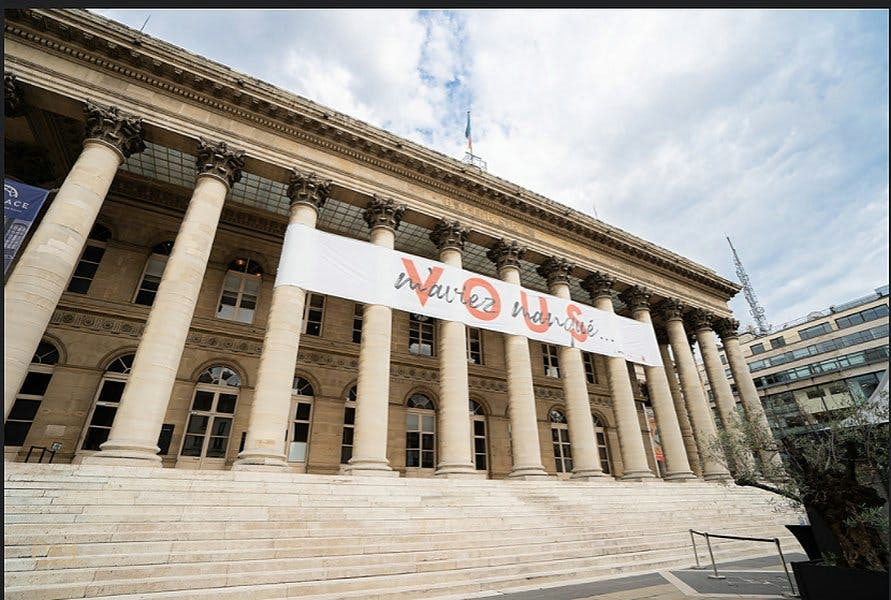
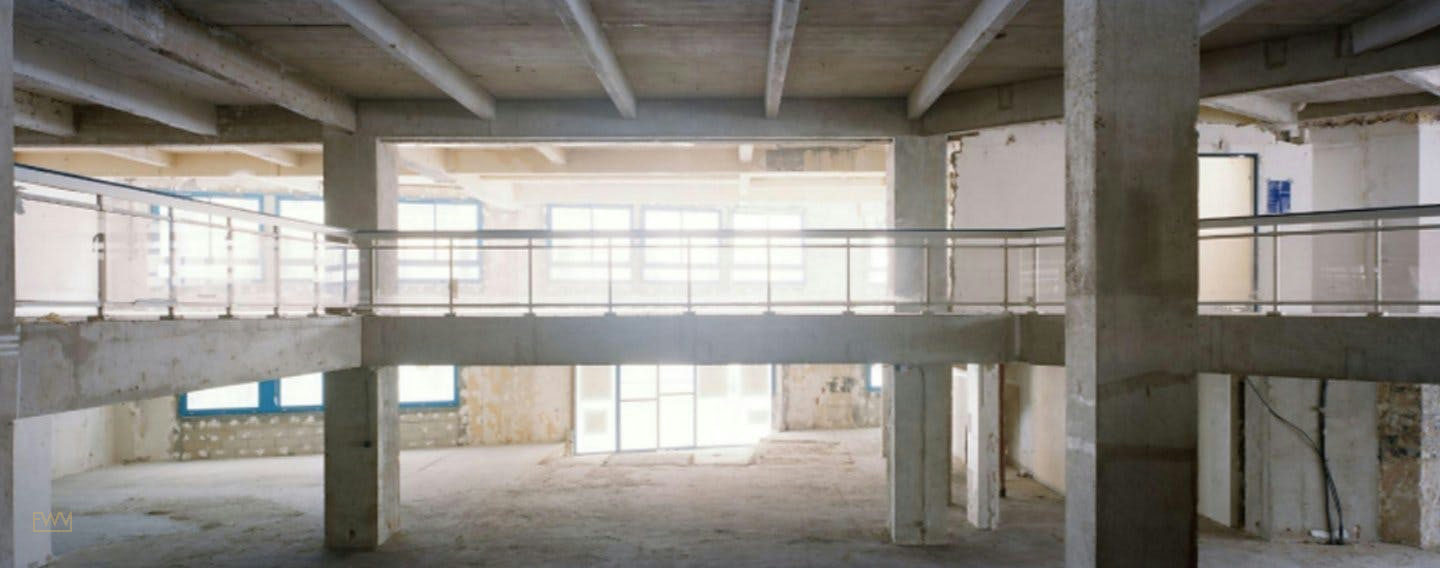
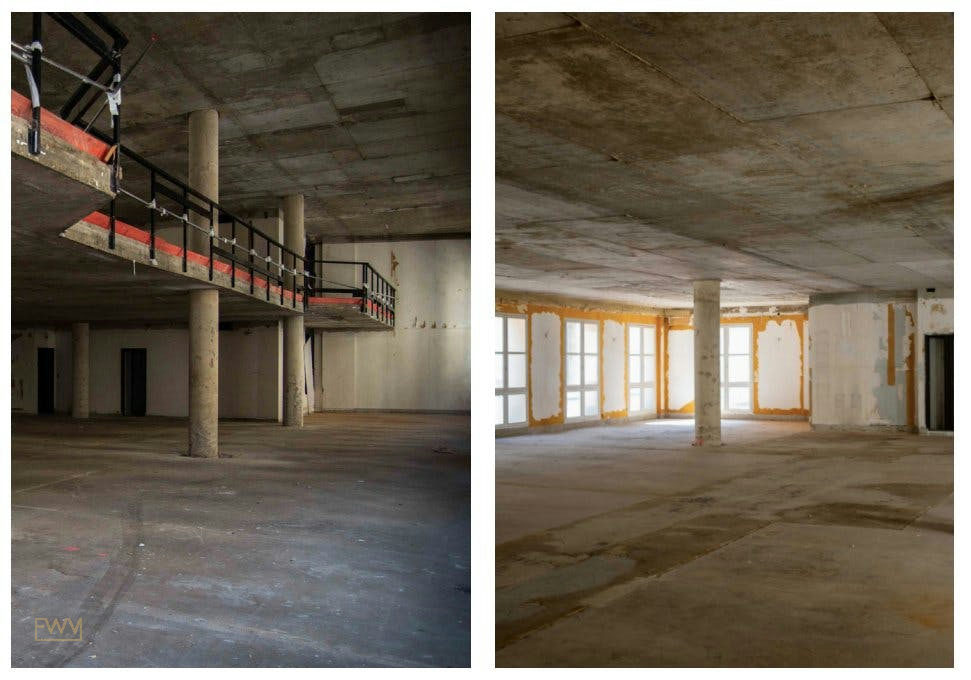
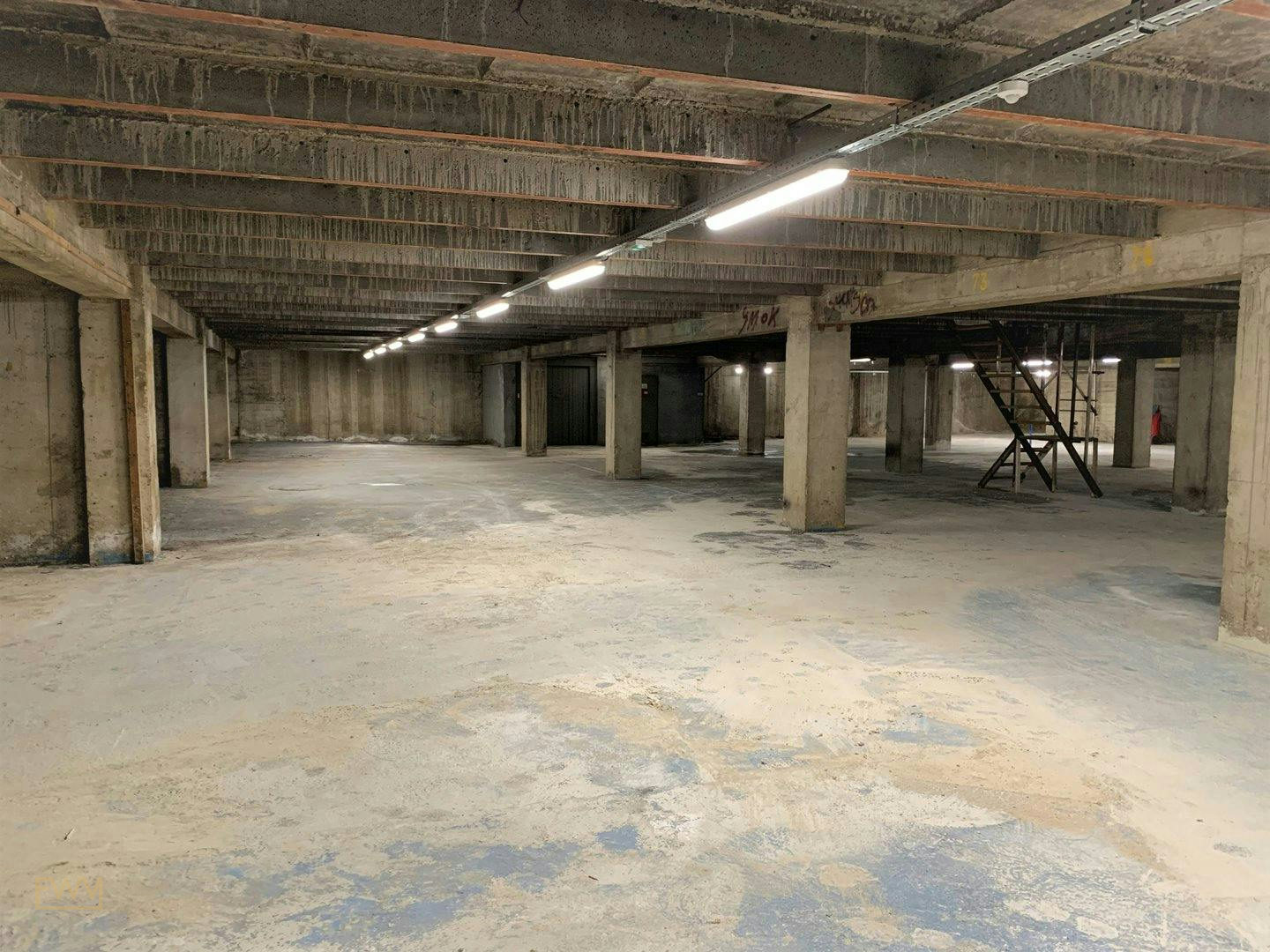
Finding the right shop for rent on the Champs-Elysées is one of the most commercially significant decisions a brand can make in Europe. The Avenue des Champs-Elysées draws tens of millions of visitors each year, sits at the heart of Paris's luxury retail corridor, and places brands alongside the most recognised names in fashion, beauty, and lifestyle. Whether you are planning a pop-up store, a fashion showroom, a product launch event, or a temporary retail activation, the Champs-Elysées and the surrounding 8th arrondissement offer unmatched visibility. This guide covers every practical dimension of renting space on and around this avenue, from space types and neighbourhood sub-markets to permits, budgets, brand strategy, and how Fashion Week Venues supports brands activating in Paris.
Why the Champs-Elysées Is the World's Most Competitive Retail Address
The Avenue des Champs-Elysées is not simply a street. It is one of the most visited urban corridors on the planet, stretching approximately 1.9 kilometres from the Place de la Concorde to the Arc de Triomphe in the 8th arrondissement of Paris. The avenue functions simultaneously as a luxury retail strip, a tourist destination, a civic monument, and a global media stage. For brands seeking a shop for rent on the Champs-Elysées, this combination of factors creates extraordinary commercial opportunity alongside a highly competitive and operationally complex rental environment.
Foot traffic on the Champs-Elysées is among the highest of any commercial street in France, with estimates consistently placing daily visitor counts in the tens of thousands during peak periods. During Fashion Week seasons, the Paris Marathon, Bastille Day, and the Christmas illumination period, those figures rise significantly. The avenue's clientele spans ultra-high-net-worth Parisian residents, international tourists from Asia, the Middle East, North America, and South America, business travellers, and the global fashion press. This diversity of visitor profiles makes it particularly valuable for brands that need to reach multiple audience segments simultaneously through a single physical activation.
The western end of the avenue, approaching the Arc de Triomphe and intersecting with Avenue Montaigne and the George V area, anchors the Golden Triangle, Paris's most concentrated luxury retail zone. Louis Vuitton, Cartier, and other major houses maintain flagship presences here. The eastern end approaches the Place de la Concorde and connects to the Rue de Rivoli, the Tuileries, and the broader axis running toward the Louvre. Between these two poles, the Champs-Elysées contains an unusually wide range of space types, from grand flagships of several thousand square metres to smaller boutique formats, gallery-style event spaces, and upper-floor showroom suites.
Brands that secure even a short-term retail presence on the Champs-Elysées benefit from implied endorsement by association. The street's reputation carries significant weight in earned media, social media documentation, and brand storytelling. A pop-up store at this address generates content and coverage that would cost far more to replicate through advertising alone. This is why international brands entering France, established French houses, and emerging designers all compete for short-term slots on the avenue and in the immediately surrounding streets including Avenue George V, Rue du Faubourg Saint-Honoré, and Avenue Montaigne.
Understanding the competitive dynamics of the Champs-Elysées rental market requires clarity about what types of space are realistically available for short-term use, what calendar periods generate the best return, and what operational complexity brands must manage. The following sections address each of these dimensions in turn.
KEY TAKEAWAY: The Champs-Elysées is not just a retail street but a global media and cultural stage. Brands that rent space here, even temporarily, access one of the highest-footfall, highest-visibility environments in European retail. The operational complexity is real but manageable with the right specialist support.
Understanding the geography of the avenue and its surrounding sub-markets is essential before committing to any rental decision. The next section maps those neighbourhoods in detail.
Mapping the 8th Arrondissement: Champs-Elysées Sub-Markets and Surrounding Neighbourhoods
The Champs-Elysées sits within the 8th arrondissement, one of Paris's most commercially prestigious districts. However, the surrounding neighbourhood ecosystem extends well beyond the avenue itself, and many brands find that adjacent streets offer comparable visibility at different price points, space configurations, or operational conditions.
The Avenue des Champs-Elysées Itself
The avenue's ground-floor retail units are among the most expensive in France on a cost-per-square-metre basis for standard commercial leases. Short-term pop-up formats and temporary retail arrangements offer brands access to this address without the commitment of a long-term commercial lease. Spaces range from compact boutique formats of around 50 to 100 square metres to larger flagship-scale units exceeding 500 square metres. Upper floors along the avenue frequently house showrooms, private event spaces, and gallery-format venues that are particularly suited to fashion presentations, press days, and VIP experiences.
The Golden Triangle: George V, Montaigne, and Faubourg Saint-Honoré
The Golden Triangle is defined by the Avenue des Champs-Elysées to the north, the Avenue Montaigne to the south-east, and the Avenue George V connecting them. This triangle contains the highest concentration of luxury fashion houses in France, including established French maisons and major international houses. The Rue du Faubourg Saint-Honoré, running east from the Place de la Concorde, extends this luxury corridor further and connects to the Place Vendôme, home to the world's most prestigious jewellery and watchmaking boutiques. Brands launching in the Golden Triangle benefit from extremely precise luxury positioning and a clientele that expects immaculate presentation and brand coherence.
Place de la Concorde and the Rue de Rivoli
The eastern anchor of the Champs-Elysées is the Place de la Concorde, one of Paris's most recognisable public squares. The adjacent Rue de Rivoli connects westward along the Tuileries gardens and continues toward the Marais. The Grand Palais, located just off the Champs-Elysées between Avenue Winston Churchill and Avenue du Général Eisenhower, is one of Paris's most iconic event venues and regularly hosts major fashion shows, art exhibitions, and brand activations during Fashion Week. Brands that cannot secure space on the Champs-Elysées itself sometimes use Grand Palais-adjacent locations to benefit from the overflow audience.
Le Marais: A Strategic Alternative
Le Marais, spanning parts of the 3rd and 4th arrondissements, has established itself as one of the most desirable secondary destinations for fashion pop-up stores and showrooms in Paris. The neighbourhood attracts a younger, culturally engaged, design-literate demographic alongside international visitors. Rents per square metre are generally lower than on the Champs-Elysées, and the density of art galleries, concept stores, and independent boutiques creates a context that works well for brands seeking cultural credibility alongside commercial visibility. Many brands run simultaneous activations in the Marais and on or near the Champs-Elysées to capture different segments of the Paris visitor market.
Saint-Germain-des-Prés, Pigalle, and Montmartre
Saint-Germain-des-Prés in the 6th arrondissement offers luxury and intellectual brand positioning, with a neighbourhood identity built on literature, art, and sophisticated French lifestyle. Pigalle and Montmartre in the 9th and 18th arrondissements attract streetwear brands, music-adjacent fashion activations, and brands targeting a younger, Paris-resident demographic. Galeries Lafayette on Boulevard Haussmann and Printemps on the same boulevard also sit within reach of the Champs-Elysées axis and host dedicated pop-up space programmes within their department store environments, offering brands curated retail contexts with built-in foot traffic.
KEY TAKEAWAY: The Champs-Elysées is the commercial anchor of a much wider luxury and fashion retail ecosystem in Paris. Brands should evaluate their neighbourhood choice based on target audience profile, space type requirements, budget, and activation objectives, not solely on address prestige.
Once you have identified your target neighbourhood, the next decision is space type. The following section breaks down the formats available for short-term retail and event use in this part of Paris.
| Neighbourhood | Primary Appeal | Typical Brand Profile | Space Types Available |
|---|---|---|---|
| Avenue des Champs-Elysées | Maximum global visibility | Luxury, mass-luxury, global brands | Flagship units, boutiques, upper-floor showrooms |
| Golden Triangle | Ultra-luxury positioning | Haute couture, fine jewellery, heritage fashion | Boutiques, private showrooms, gallery spaces |
| Place Vendôme / Saint-Honoré | Jewellery and couture prestige | Watchmakers, jewellers, top-tier fashion | Private suites, boutique formats, event spaces |
| Le Marais | Cultural credibility, younger audience | Contemporary, streetwear, design, beauty | Gallery units, concept stores, open-plan studios |
| Saint-Germain-des-Prés | Intellectual and lifestyle positioning | Lifestyle, homeware, contemporary fashion | Boutiques, gallery spaces, studio formats |
| Pigalle / Montmartre | Youth culture, creative energy | Streetwear, music, emerging designers | Studios, open spaces, raw spaces |
Space Types Available for Short-Term Rental on and Near the Champs-Elysées
The range of space types available for short-term rental in and around the Champs-Elysées is broader than most international brands initially expect. Understanding the differences between format types is critical for matching a space to an activation concept, a target audience, and a logistical plan.
Pop-Up Store Formats
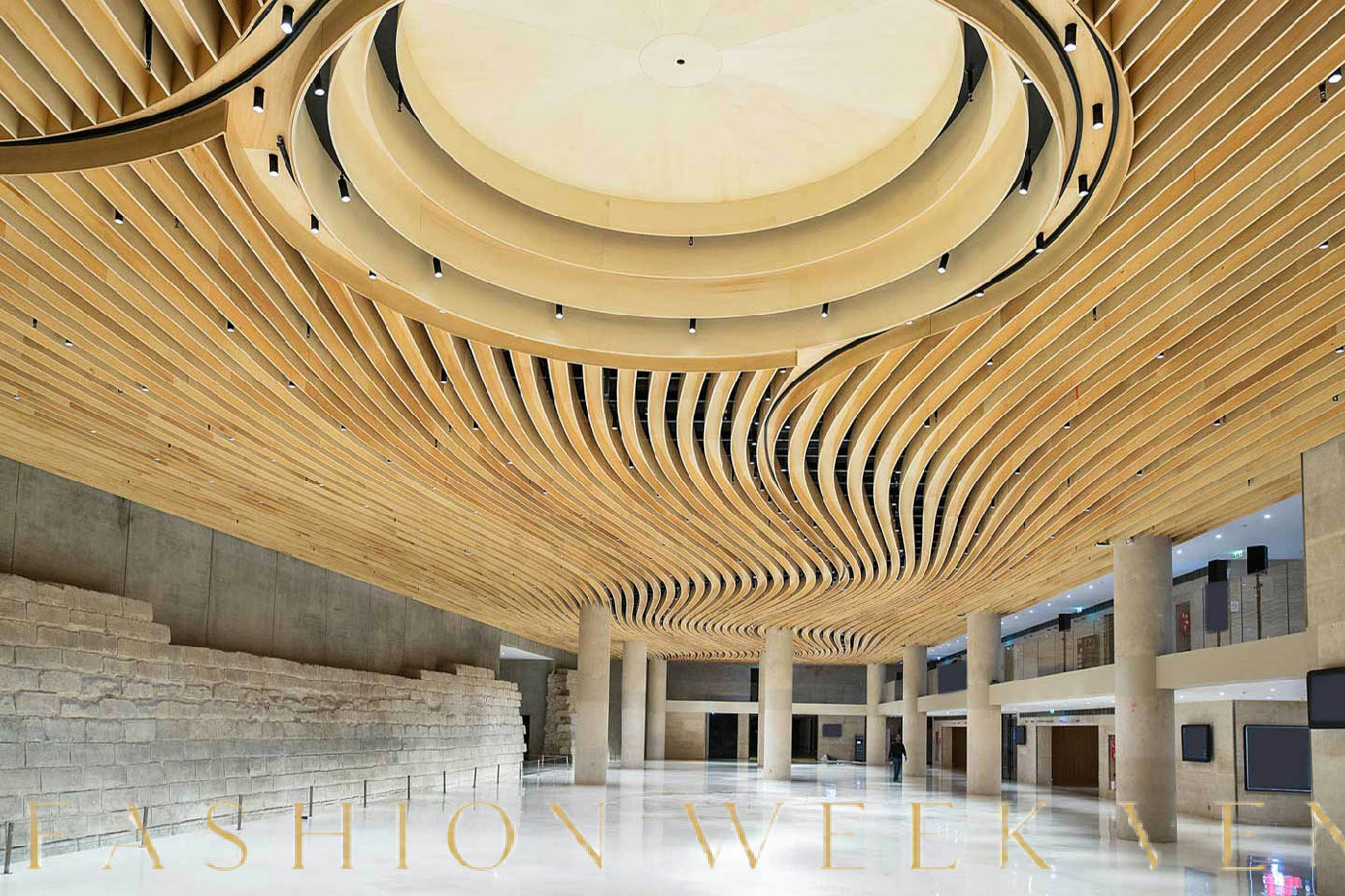
A pop-up store on the Champs-Elysées or in the 8th arrondissement is typically a ground-floor retail unit available on a short-term basis, ranging from one week to several months. These spaces vary substantially in size, from compact boutique formats of around 30 to 80 square metres suited to jewellery, accessories, or beauty launches, to larger open-plan spaces of 200 to 500 square metres appropriate for ready-to-wear collections or multi-brand activations. Key features to evaluate include frontage width, window display configuration, floor finish (polished concrete, raw concrete, or finished tiles are common in Haussmann-era buildings), ceiling height, and natural light availability. Many Champs-Elysées spaces feature high ceilings and generous windows that support aspirational brand presentations.
Fashion Showrooms
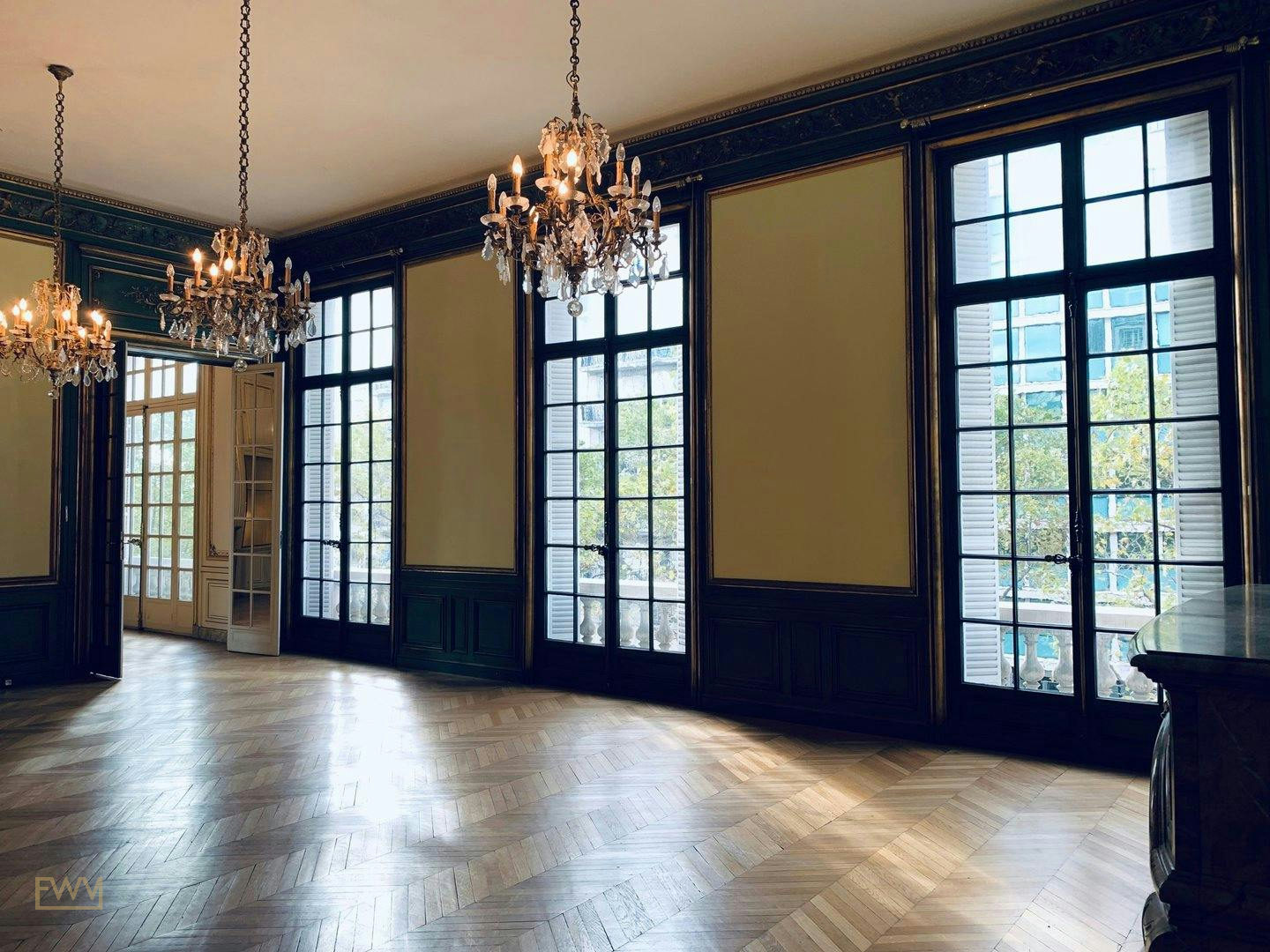
A fashion showroom on or near the Champs-Elysées serves a different commercial function from a retail pop-up. Showrooms are typically used for press presentations, buyer appointments, brand discovery, and VIP events rather than direct consumer sales. Upper-floor spaces in Haussmann buildings along the avenue, or in the adjacent residential and commercial streets of the 8th arrondissement, frequently provide the private, elegant atmosphere that showroom formats require. Parquet floors, high ceilings, large sash windows, and period architectural details are common features. Many international brands book showrooms during Paris Fashion Week for the January and February ready-to-wear and couture seasons and the September and October ready-to-wear presentations.
Gallery and Event Spaces
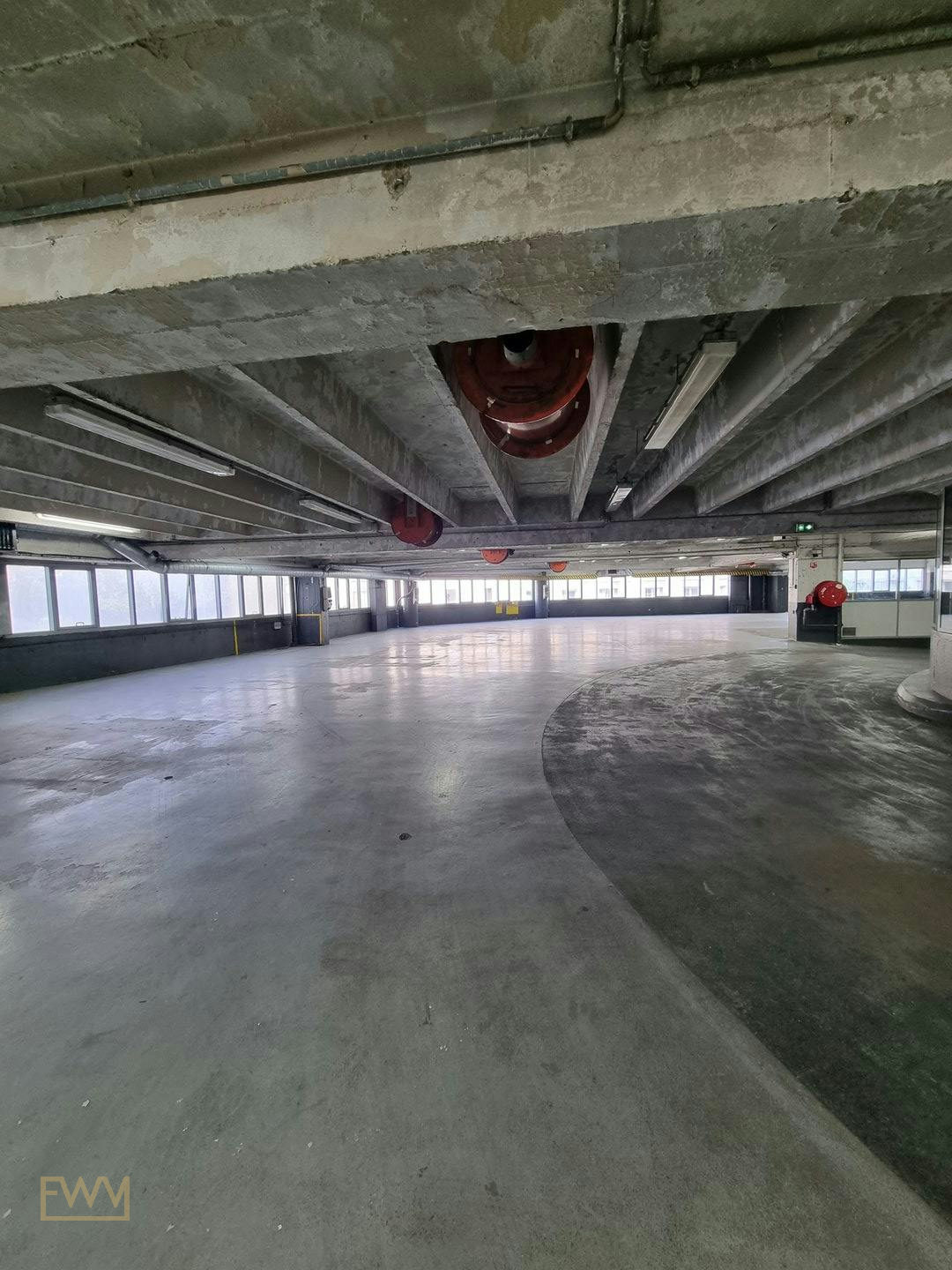
Gallery-format spaces near the Grand Palais, the Palais de la Découverte, and along the Rue de Rivoli are frequently used for art exhibitions, brand storytelling installations, and immersive retail experiences. These spaces typically feature open-plan layouts, industrial or polished concrete finishes, and flexible lighting configurations including spotlights and track lighting that support curated visual presentations. The Théâtre du Rond-Point, located directly on the Champs-Elysées near the Grand Palais, sits within an ecosystem of arts and culture venues that attract a sophisticated Parisian and international audience. Brands hosting art-adjacent activations or cultural collaborations often seek spaces in this part of the avenue.
Studio and Apartment Formats
Studio photo spaces and apartment-format venues provide more intimate settings suited to press days, influencer content creation, private parties, and small-scale brand experiences. These spaces are particularly common in the streets surrounding the Champs-Elysées and in the 8th arrondissement more broadly. An apartment format on a high floor with panoramic views over the avenue or toward the Arc de Triomphe creates a distinctive and highly shareable brand environment. Studio photo spaces with controllable lighting, modular sets, and professional-grade facilities are increasingly in demand for brands that combine physical events with content production.
Charming Boutique and Established Retail Units
Some short-term rental opportunities on the Champs-Elysées involve existing boutique spaces that have been vacated between tenants or that are made available by landlords during renovation or transition periods. These charming boutique formats often retain existing fit-out elements including display cases, lighting rigs, and branded fixtures that can be adapted for a temporary activation with relatively modest production investment. Understanding the existing features of a space before committing is essential, as adapting an existing fit-out is often more cost-effective than building from scratch.
Quick answer: Space types available for short-term rental on and near the Champs-Elysées include ground-floor pop-up stores, upper-floor fashion showrooms, gallery and event spaces, studio and apartment formats, and charming boutique units. Sizes range from approximately 30 square metres to several hundred square metres, with formats suited to retail, press events, fashion shows, product launches, and content creation.
DID YOU KNOW: Many of the most visually striking spaces available for short-term rent near the Champs-Elysées are in Haussmann-era buildings dating from the mid-19th century. Their architectural features, including herringbone parquet, ornate cornicing, and three-metre-plus ceilings, often become integral elements of a brand's visual identity during an activation.
KEY TAKEAWAY: Matching space type to activation objective is more important than simply securing the most prominent address. A showroom format serves press and buyer objectives; a pop-up store drives consumer engagement; a gallery format supports immersive storytelling. Each requires different space features, production approaches, and operational setups.
Choosing the right space type is only the beginning. The next critical dimension is understanding how the rental and permit process works for short-term commercial use in Paris.
How Short-Term Retail Rental and Permits Work in Paris
Renting a shop, showroom, or event space in Paris on a short-term basis involves a legal and regulatory framework that differs significantly from what brands encounter in the United Kingdom, the United States, or other major markets. Understanding the key instruments and requirements before entering negotiations will save considerable time and reduce legal risk.
The Bail Dérogatoire: Short-Term Commercial Lease
The standard long-term commercial lease in France, known as the bail commercial, is governed by a strict regulatory framework that provides substantial protections to tenants over periods of nine years. For short-term activations, brands and space owners typically use a different instrument called the bail dérogatoire, also sometimes called a bail précaire. This agreement allows parties to contract for a period of up to 36 months outside the full protections of the standard commercial lease framework. The bail dérogatoire is widely used for pop-up stores, temporary showrooms, and short-term brand activations in Paris and is the instrument most brands will encounter when negotiating short-term space access on the Champs-Elysées.
It is important to understand that even a bail dérogatoire involves real contractual obligations including rent payment terms, deposit requirements, reinstatement obligations, and conditions governing how the space may be used and how it must be returned. Brands should always seek legal review from a qualified French legal advisor before signing any rental agreement in France, regardless of the contract type or the duration of the intended use.
Autorisation d'Occupation Temporaire (AOT)
For activations that involve use of public space, including branded installations on pavements, external signage projecting beyond the building line, or events on public squares such as the Place de la Concorde, an Autorisation d'Occupation Temporaire (AOT) may be required from the relevant Paris municipal authority or arrondissement administration. AOT applications require advance notice and documentation, and approval is not guaranteed. Requirements vary significantly depending on the nature of the occupation, the specific location, the duration, and the arrondissement involved. Brands planning any element of their activation that extends beyond the private space boundary should factor AOT requirements into their planning timeline and allow sufficient lead time for the application process.
Commercial and Promotional Signage Regulations
Advertising and promotional signage in Paris is subject to the Règlement Local de Publicité, which sets out rules governing the size, placement, illumination, and content of commercial signage across different zones of the city. The Champs-Elysées and the surrounding 8th arrondissement are among the most regulated zones in terms of signage, reflecting the avenue's status as a protected urban heritage environment. Brands planning window graphics, external banners, projection mapping, or other visual installations must verify compliance with local regulations before production and installation. Non-compliant signage can be ordered removed by municipal authorities with little notice.
Security and Access Protocols
The Champs-Elysées is subject to elevated security protocols relative to many other Parisian commercial streets, particularly during major national events and high-profile international gatherings. Brands planning activations during periods of heightened security, such as the period around major state visits, national celebrations, or large-scale public events, should factor in potential access restrictions, delivery logistics complications, and the possibility of temporary closures affecting visitor flow. Liaising with the building landlord, the local arrondissement, and if necessary the Préfecture de Police well in advance of an activation is advisable for any event with significant logistics requirements.
IMPORTANT: Permit requirements, regulatory obligations, and lease instruments for short-term commercial use in Paris vary by space type, duration, arrondissement, and the specific nature of the planned activity. This guide provides general orientation only. All brands should verify their specific requirements with a qualified French legal advisor and consult the Fashion Week Venues permit guidance tool for initial orientation on applicable frameworks.
Quick answer: Short-term retail leases in Paris typically use a bail dérogatoire, which allows agreements of up to 36 months outside the standard nine-year commercial lease framework. Public space use may require an AOT from the Paris municipality. Signage is regulated under the Règlement Local de Publicité. Legal advice from a qualified French advisor is essential before signing any agreement.
KEY TAKEAWAY: Paris's legal and regulatory framework for short-term commercial rental is materially different from other major markets. Brands that treat French leases like equivalent arrangements in New York or London typically encounter delays, additional costs, or compliance issues. Specialist guidance is not optional; it is a core part of the activation budget.
Activation Calendar: When to Rent Space on the Champs-Elysées for Maximum Impact
Timing a retail activation on the Champs-Elysées correctly is as important as choosing the right space. Paris's commercial calendar is structured around a combination of fashion industry events, tourism peaks, national celebrations, and cultural programmes that create distinct windows of opportunity for different types of brands and activation objectives.
Paris Fashion Week: The Primary Industry Window
Paris Fashion Week occurs twice annually for ready-to-wear collections, in late September and early October for the spring-summer season and in late February and early March for the autumn-winter season. Haute couture Fashion Week takes place in January and July. During these periods, Paris receives an intense concentration of international fashion buyers, press, influencers, stylists, and brand representatives. Demand for pop-up stores, showrooms, and event spaces across the 8th arrondissement, Le Marais, and other fashion-adjacent neighbourhoods reaches its annual peak during these windows. Brands that secure space during Fashion Week benefit from the highest possible density of relevant professional and consumer audiences.
It is critical to note that lead times for Fashion Week space in Paris are significantly longer than for other periods. For September Fashion Week, experienced brand teams begin securing spaces as early as April or May. For February Fashion Week, the equivalent lead time is September or October. Brands that approach the market in January expecting to secure prime Champs-Elysées space for February will face severely limited options.
Product Launch Windows Beyond Fashion Week
Significant commercial windows beyond Fashion Week include the Christmas season from late November through early January, when the Champs-Elysées illuminations draw enormous numbers of Parisian residents and international tourists to the avenue. The spring tourism peak from April through June, the summer period of July and August, and the back-to-school season in September also represent strong activation windows for certain brand categories. Beauty brands, lifestyle brands, and mass-luxury brands frequently find that the Christmas and spring windows outperform Fashion Week in terms of direct consumer engagement and sales volume, even if they generate less industry press coverage.
Major Events at the Grand Palais and Place de la Concorde
The Grand Palais and its adjacent spaces on the Champs-Elysées axis host a rotating programme of major exhibitions, trade fairs, and cultural events throughout the year. FIAC (now Paris+ par Art Basel), the Biennale des Antiquaires, major brand retrospectives, and international exhibitions all generate substantial high-value visitor flows to this part of the 8th arrondissement. Brands that can align their Champs-Elysées activation with a major adjacent event at the Grand Palais or in the Palais de la Découverte can benefit from significant overflow audience without paying event-level premiums for the timing.
| Calendar Window | Key Driver | Primary Audience | Recommended Activation Types |
|---|---|---|---|
| January / July | Haute Couture Fashion Week | Press, buyers, VIPs | Showrooms, press days, private events |
| February / March | AW Ready-to-Wear Fashion Week | Industry, press, influencers | Pop-up stores, showrooms, launch events |
| April to June | Spring tourism peak | International tourists, Parisians | Retail pop-ups, brand experiences |
| September / October | SS Ready-to-Wear Fashion Week | Industry, press, influencers | Pop-up stores, showrooms, launch events |
| November to January | Christmas illuminations, gifting season | Tourists, Parisian consumers | Seasonal pop-ups, gift retail, beauty launches |
TIP: For Fashion Week activations on the Champs-Elysées or in the 8th arrondissement, begin your space search at least five to six months in advance. The most desirable spaces are often reserved by repeat clients or secured through specialist agency networks before they reach public listings.
KEY TAKEAWAY: Fashion Week is the most commercially concentrated window for industry-facing activations in Paris, but it is not the only viable calendar period. Consumer-facing brands, beauty launches, and lifestyle activations often achieve better direct results during the spring tourism peak or the Christmas season. Aligning your activation calendar with the right audience is more important than chasing the Fashion Week premium.
Understanding when to activate is inseparable from understanding what it will cost. The next section addresses the budget dimensions of a Champs-Elysées pop-up or showroom.
Budgeting for a Pop-Up or Showroom on the Champs-Elysées
Budget planning for a shop for rent on the Champs-Elysées requires brands to account for multiple cost categories beyond the base rental rate. Underestimating the full cost of a Paris activation is one of the most common errors made by brands entering this market for the first time.
Rental Rates: What to Expect
Rental rates for short-term spaces on the Champs-Elysées and in the immediate 8th arrondissement are among the highest in France and place the avenue in the top tier globally. Rates vary substantially by space size, floor level, frontage configuration, location on the avenue (western luxury end versus eastern end nearer the Concorde), duration of the rental, and the calendar period. Ground-floor units with significant frontage during Fashion Week command premiums relative to the same space outside peak season. Upper-floor showroom spaces are generally available at lower per-square-metre rates than ground-floor retail units with display windows.
Because rates vary this widely and are subject to negotiation, this guide does not provide specific figures. Brands should use the Fashion Week Venues budget planning tool to generate directional estimates based on their specific space type, size, duration, and calendar window, and to build a realistic total activation budget.
Production and Fit-Out Costs
Beyond the rental rate, brands must budget for fit-out and production, which can represent a significant proportion of the total activation cost. Production costs include custom display fixtures and furniture, branded wall graphics and window installations, lighting design and installation, POS system setup and payment processing, and the reinstatement of the space to its original condition at the end of the activation. Brands using spaces with existing fit-out elements, such as polished concrete floors, spotlights, or display shelving, can reduce production costs considerably compared to brands taking on raw or shell spaces that require a complete build-out.
Staffing and Operational Costs
A retail pop-up or showroom on the Champs-Elysées requires French-speaking staff for all consumer-facing operations. Staffing costs in Paris include not only hourly or daily rates but also employer contributions and social charges that are required under French employment law. Brands should budget for a team that can handle customer service, sales transactions, stock management, and if relevant brand ambassador duties. For Fashion Week showrooms, multilingual staff with buyer relations experience are particularly valuable.
Permits, Legal, and Insurance
Legal review of any rental agreement in France, AOT applications if applicable, public liability insurance, and any specific insurance required by the space owner all represent additional budget lines that brands sometimes overlook. These are not optional costs. They are necessary components of a compliant and professionally managed activation.
Total Budget Orientation
Taking all cost categories together, a short-term pop-up or showroom activation on or near the Champs-Elysées during a peak period such as Fashion Week represents a meaningful financial commitment for brands at any scale. The return on this investment is driven by factors including visitor volume, media coverage, social media engagement, sales revenue if the space is transactional, and the long-term brand equity built by a Parisian presence. Brands should model their return on investment explicitly before committing. The Fashion Week Venues ROI calculator provides a structured framework for this analysis.
Quick answer: The total cost of a pop-up or showroom on the Champs-Elysées includes base rental, production and fit-out, staffing, permits, legal review, and insurance. These costs vary by space size, duration, calendar period, and space condition. Brands should build a detailed budget using specialist tools and directional guidance rather than relying on rental rates alone.
KEY TAKEAWAY: Rental rates are only one component of the true cost of a Champs-Elysées activation. Production, staffing, legal, and operational costs can equal or exceed the rental cost for a well-executed pop-up. Brands that plan only to the rental line consistently underestimate their total investment and underprepare their operational setup.
Step-by-Step: How to Rent a Shop or Showroom on the Champs-Elysées
Renting a pop-up store or showroom on the Champs-Elysées follows a logical sequence of steps that experienced brands and their agencies manage in parallel rather than sequentially. The following workflow reflects best practice for an internationally based brand team approaching the Paris market.
| Step | Action | Typical Lead Time Before Activation | Key Considerations |
|---|---|---|---|
| 1 | Define activation objectives, audience, and budget range | 6 to 8 months | Consumer vs industry focus; retail vs showroom vs event |
| 2 | Identify target neighbourhood and space type | 5 to 6 months | Champs-Elysées vs Golden Triangle vs Marais; floor level; size requirements |
| 3 | Engage a specialist agency or access a space marketplace | 5 to 6 months | Agency vs self-managed; full-service vs space-only sourcing |
| 4 | Shortlist and visit candidate spaces | 4 to 5 months | Frontage, floor finish, lighting, load-in logistics, existing fit-out |
| 5 | Negotiate rental terms and legal review | 3 to 4 months | Bail dérogatoire review; deposit; reinstatement conditions |
| 6 | Confirm space and begin production planning | 3 to 4 months | Design brief; contractor selection; permit applications if required |
| 7 | Plan staffing, POS, and operations | 2 to 3 months | Staff recruitment; POS system setup; insurance; delivery logistics |
| 8 | Execute fit-out and activation | 1 to 2 weeks before open | Build schedule; delivery access; lighting and visual merchandising |
| 9 | Operate and measure | During activation | Visitor data; sales data; media monitoring; influencer content |
| 10 | Reinstate and close | Post-activation | Space return conditions; deposit recovery; post-activation reporting |
For brands approaching the Champs-Elysées market for the first time, steps three and four are often the most challenging. The most desirable spaces are rarely advertised publicly and are frequently filled through specialist agency networks before reaching any consumer-facing platform. Working with an agency that has established landlord relationships and market intelligence in the 8th arrondissement is a significant practical advantage.
TIP: Build your activation timeline backwards from your intended opening date. For a Fashion Week opening in late September, a June or early July space confirmation is the minimum requirement for a well-executed activation. Starting later than this compounds logistical and creative risk at every subsequent stage.
Quick answer: Renting a pop-up store or showroom on the Champs-Elysées requires a minimum lead time of four to six months for prime spaces during peak calendar periods. The process involves objective setting, space identification, legal negotiation, production planning, staffing, and operational setup. Brands with no prior Paris market experience should engage a specialist agency to manage space sourcing and compliance.
KEY TAKEAWAY: The most common operational failure in Champs-Elysées pop-up projects is starting too late. A six-month lead time is a realistic minimum for a well-executed activation during Fashion Week or another peak calendar period. Brands that compress this timeline take on significant risk of space unavailability, production shortcuts, and compliance gaps.
Managing all these steps efficiently is where specialist agency support becomes most valuable. The next section explains exactly how Fashion Week Venues approaches this challenge for brand teams.
How Fashion Week Venues Helps Brands Activate on the Champs-Elysées and Across Paris
Fashion Week Venues is a full-service pop-up agency and space marketplace operating across Paris and other major fashion capitals. For brands seeking a shop for rent on the Champs-Elysées, in the 8th arrondissement, or across any of Paris's major fashion neighbourhoods, Fashion Week Venues provides both a curated space discovery platform and a comprehensive activation management service that covers every operational dimension from first brief to final reinstatement.
Space Discovery and Venue Sourcing
The Fashion Week Venues marketplace allows brand teams to browse available spaces across Paris's key neighbourhoods, filter by space type, size, calendar availability, and neighbourhood, and shortlist candidates for further evaluation. The venue sourcing service goes beyond the marketplace to access off-market spaces, landlord direct relationships, and spaces that are not publicly listed. For Champs-Elysées and Golden Triangle searches in particular, where the best spaces rarely reach public platforms, this sourcing capability is a meaningful practical advantage.
Concept Direction and Branded Store Design
Once a space is identified, Fashion Week Venues provides concept direction and branded store design services that translate a brand's identity and activation objectives into a coherent physical environment. This covers spatial planning, material and finish selection, lighting design, visual merchandising, and window display strategy. These services are particularly valuable for brands entering Paris for the first time and for those that want to ensure their Champs-Elysées or 8th arrondissement space reads as high-quality and contextually appropriate for this market.
Production, Build, and Fit-Out
The production and build service manages the physical realisation of the activation concept, from contractor briefing and procurement to build scheduling, delivery coordination, and installation supervision. For spaces with specific technical requirements, such as polished concrete floors that need protection, existing lighting rigs that need adaptation, or structural constraints that affect display fixture placement, the production team manages these variables as part of the build process.
Activation Management and Retail Staffing
Running a pop-up store or showroom on the Champs-Elysées requires on-the-ground operational management that many internationally based brand teams cannot provide from a distance. Fashion Week Venues provides activation management and retail staffing services that cover day-to-day operations, visitor experience management, sales transaction handling, stock management, and event coordination. French-speaking staff familiar with the expectations of Paris's luxury retail clientele are essential for this address.
Tools for Brand Teams
Fashion Week Venues provides a suite of planning tools that allow brand teams to model their activation before committing to a space or a budget. These include a budget estimation tool, an ROI calculator, a space comparison tool, a timeline planning tool, and a locator tool for identifying spaces in target neighbourhoods. The timeline planning tool is particularly useful for brands establishing their project schedule and identifying where their current timeline creates risk.
For brands considering a co-activation or a shared space arrangement, the Fashion Week Venues twin concept allows two complementary brands to share a single space and split costs while maintaining distinct brand identities within the shared environment. This approach can make Champs-Elysées-level addresses accessible to brands whose individual budgets would not support the full rental cost of a prime space.
It is important to be clear about what Fashion Week Venues does not guarantee. No agency can guarantee space availability at any specific address, permit approval from Paris municipal authorities, a specific volume of visitor traffic, or a particular commercial outcome from an activation. Fashion Week Venues provides expertise, access, and execution capability. Brand teams remain responsible for their own commercial decisions and for seeking independent legal advice on all contractual matters.
KEY TAKEAWAY: Fashion Week Venues operates as both a space marketplace and a full-service activation agency for Paris, providing brand teams with access to sourcing networks, production capability, operational management, and planning tools that reduce the friction and risk of executing a pop-up or showroom in one of the world's most competitive retail environments.
What Makes a Strong Pop-Up Space on the Champs-Elysées: Key Features to Evaluate
Not all spaces on the Champs-Elysées and in the 8th arrondissement perform equally for every type of activation. Evaluating a space against a clear set of criteria before committing to a rental is essential for avoiding costly surprises during the build or operation phase.
Frontage and Window Display
Frontage width and window display configuration are among the most commercially significant features of any ground-floor retail space on the Champs-Elysées. A generous frontage creates maximum street-level visibility and allows for impactful window displays that draw pedestrian attention on one of the world's busiest retail streets. For brands with strong visual identity programmes or who plan to invest significantly in window styling, frontage is a priority feature. Spaces with narrow frontages or partially obstructed windows may be better suited to showroom or event use than to consumer retail.
Floor Finish and Ceiling Height
The floor finish of a space directly affects production costs and aesthetic possibilities. Spaces with polished concrete floors provide a contemporary, neutral canvas that works well for fashion, beauty, and lifestyle brands. Raw concrete floors offer an industrial aesthetic suited to streetwear, design, and contemporary art-adjacent activations. Timber parquet or herringbone floors, common in upper-floor Haussmann spaces, create an elegant, residential atmosphere well suited to luxury showrooms and high-end fashion presentations. Ceiling height affects the verticality and grandeur of the space; spaces with three-metre or higher ceilings allow for full-height display elements and create a more aspirational atmosphere.
Natural Light
Natural light is a key feature for showrooms, studio spaces, and any activation that relies on photography or content creation. North-facing rooms provide consistent, soft light throughout the day and are particularly valued for showroom use. South-facing spaces with generous windows can be very well lit but may require management of direct sunlight to protect merchandise and ensure comfortable visitor experience. Upper-floor spaces along the Champs-Elysées and in the adjacent streets of the 8th arrondissement frequently offer better natural light than ground-floor spaces with large display windows that are shaded by awnings or external structures.
Spotlights and Existing Lighting Infrastructure
Existing spotlights, track lighting, and electrical infrastructure in a space can significantly reduce production costs for a short-term activation. A space with a professionally installed lighting rig already in place requires only repositioning and relamping rather than a full electrical installation. Brands should request a detailed inventory of existing lighting infrastructure when evaluating a space and factor the condition and flexibility of this infrastructure into their production budget estimates.
Load-In and Delivery Access
The ability to load merchandise, fixtures, and production materials efficiently into a space is often overlooked during the initial site visit but becomes critical during the build phase. The Champs-Elysées and several surrounding streets have delivery time restrictions, stopping prohibitions, and limited loading bay availability. Understanding the specific load-in logistics for a candidate space, including permitted delivery hours, lift availability for upper-floor spaces, and proximity of parking or staging areas, should be part of every initial space assessment.
Quick answer: Key features to evaluate when selecting a pop-up or showroom space on the Champs-Elysées include frontage width, window display configuration, floor finish type (polished concrete, raw concrete, or parquet), ceiling height, natural light levels, existing spotlight and lighting infrastructure, and load-in and delivery access conditions.
KEY TAKEAWAY: The most expensive or most prominently located space is not necessarily the best space for every brand. Matching space features to activation concept, production budget, and operational logistics is the determinant of a successful Champs-Elysées pop-up, not prestige of address alone.
Major Brands, Retail Landmarks, and the Competitive Context of the Champs-Elysées
Understanding the competitive and commercial context of the Champs-Elysées helps brands position their activation intelligently relative to the permanent and temporary presences that surround them on the avenue.
Louis Vuitton operates one of its most prominent global flagships on the Champs-Elysées, anchoring the avenue's luxury credentials and setting a visual and experiential standard that influences visitor expectations across the street. The presence of luxury flagships of this scale creates a halo effect that benefits all brands operating nearby, raising the average quality expectation of visitors and justifying premium positioning for even temporary retail activations.
Galeries Lafayette opened a major flagship on the Champs-Elysées in 2019, adding a significant multi-brand department store presence to an avenue that had previously been more dominated by single-brand flagships and mass-market operators. The Galeries Lafayette presence has shifted the commercial balance of the eastern portion of the avenue toward a slightly broader luxury and contemporary market segment, creating additional commercial opportunity for brands positioned in the accessible luxury and premium contemporary categories. Printemps, the other major French department store group, maintains its primary Paris presence on Boulevard Haussmann but exerts significant influence on the broader retail ecosystem of the 8th arrondissement.
For international brands planning a temporary activation on the Champs-Elysées, the presence of these landmark operators provides useful context for positioning and pricing strategy. A pop-up store adjacent to or near a major flagship must meet a visual and operational standard consistent with the expectations set by those permanent neighbours. Brands that underinvest in their fit-out or operational presentation in this context create a negative contrast that undermines their brand equity rather than building it.
DID YOU KNOW: The Champs-Elysées has been named one of the most expensive retail streets in the world by multiple commercial real estate surveys. Short-term pop-up formats provide brands with access to this address at a fraction of the cost of a permanent commercial lease, making temporary retail the primary mechanism through which emerging and mid-scale brands can establish a physical Parisian presence.
KEY TAKEAWAY: The permanent retail landscape of the Champs-Elysées sets a high visual and operational standard that temporary activations must match. Brands that invest appropriately in their fit-out and operations create a competitive presence. Those that do not create a negative contrast with the surrounding environment that can damage brand perception.
Common Myths About Renting a Shop on the Champs-Elysées: Debunked
Several persistent misconceptions complicate the decision-making process for brands approaching the Champs-Elysées rental market for the first time. The following myth and fact pairs address the most common of these directly.
MYTH: You need a French legal entity to rent a commercial space in Paris.
FACT: International brands without a French company registration can and do rent short-term spaces in Paris, including on the Champs-Elysées. However, the specific contractual and practical requirements vary by landlord, space type, and lease structure. Some landlords require a local guarantor or a larger deposit from non-French entities. Working with a specialist agency that has established landlord relationships can significantly simplify this process, and legal advice from a qualified French advisor is always recommended to understand the implications for any specific agreement.
MYTH: Paris Fashion Week is the only viable calendar window for a Champs-Elysées pop-up.
FACT: Fashion Week generates the highest concentration of industry and press audiences in Paris, but the Christmas illumination season, the spring tourism peak, and periods aligned with major Grand Palais exhibitions also produce exceptional visitor volumes on the Champs-Elysées. Consumer-facing brands, beauty launches, and lifestyle activations frequently perform better in non-Fashion Week windows that attract broader public audiences at lower rental premiums.
MYTH: Commission brokers are the only way to find a space on the Champs-Elysées.
FACT: While traditional commercial property brokers have historically been a primary channel for locating Paris retail space, specialist pop-up agencies and curated space marketplaces now provide alternative access routes that are often better suited to short-term activations. Agency networks frequently have access to spaces that brokers do not list, particularly in the short-term and pop-up segment, and provide additional services including concept direction, production, and activation management that brokers do not.
MYTH: Short-term leases in Paris are legally straightforward and do not require specialist advice.
FACT: Even a bail dérogatoire for a pop-up lasting only two or three weeks involves real contractual obligations under French law, including reinstatement conditions, deposit terms, and permitted use restrictions. French commercial lease law is significantly more complex than the equivalent in many other major markets, and non-compliance with lease conditions or local regulations can result in financial penalties, loss of deposit, or reputational damage. Independent French legal review of any rental agreement is a necessary cost of doing business in this market, not an optional extra.
MYTH: Any space on the Champs-Elysées will generate high foot traffic automatically.
FACT: While the avenue as a whole has very high pedestrian volumes, individual spaces vary significantly in their actual footfall depending on their position on the avenue, their frontage visibility, their proximity to key attractions and transport nodes, and the time of year. An upper-floor showroom with no street-level presence will generate very different visitor patterns from a ground-floor boutique with a wide frontage on the most trafficked section of the avenue. Brands should evaluate actual foot traffic patterns for specific spaces rather than assuming uniform performance across the avenue.
Frequently Asked Questions About Renting a Shop on the Champs-Elysées
What types of spaces are available for short-term rent on the Champs-Elysées?
The Champs-Elysées and the surrounding 8th arrondissement offer a range of short-term rental formats including ground-floor pop-up stores, upper-floor fashion showrooms, gallery and event spaces, studio and apartment formats, and charming boutique units. Sizes range from approximately 30 square metres for compact boutique formats to several hundred square metres for flagship-scale activations. The specific availability of space types varies by timing, with peak Fashion Week periods seeing the highest competition for the most desirable formats. Engaging a specialist agency early in the planning process significantly improves access to the best options.
How far in advance should I begin searching for a Champs-Elysées pop-up space?
For Fashion Week periods, the recommended lead time is five to six months at minimum, and many experienced brand teams begin their search six to eight months before the intended opening date. For non-Fashion Week periods, three to four months of lead time is generally sufficient for most space types, though exceptional spaces may be reserved further in advance. International brands entering the Paris market for the first time should allow additional time for legal review, permit processes, and production planning, which can each add several weeks to the overall timeline. Starting late is the single most common cause of compromised space selection.
Do I need a French company to rent a space in Paris on a short-term basis?
You do not necessarily need a French legal entity to rent a short-term space in Paris. However, individual landlord requirements vary, and some may require a larger deposit or a French guarantor from international entities. The specific contractual structure of your rental agreement will depend on the space owner's requirements and the nature of the proposed use. Working with a specialist agency that has existing landlord relationships in the Paris market can help navigate these requirements. Independent legal advice from a qualified French advisor is always recommended before signing any agreement.
What is a bail dérogatoire and how does it apply to pop-up rentals?
A bail dérogatoire, sometimes called a bail précaire, is a short-term commercial lease instrument under French law that allows parties to contract for a period of up to 36 months outside the protections of the standard nine-year commercial lease (bail commercial). It is the instrument most commonly used for pop-up stores, temporary showrooms, and short-term brand activations in Paris. Despite its name suggesting informality, a bail dérogatoire involves real contractual obligations including rent payment terms, permitted use conditions, deposit requirements, and reinstatement obligations. Legal review is essential before signing.
What permits might I need for a Champs-Elysées pop-up or event?
Permit requirements depend on the specific nature of the planned activity and whether any element of the activation extends beyond the private space boundary. Activations confined within a private space typically require no specific additional permits beyond the lease agreement itself. If the activation involves use of public space (pavement installations, external branded structures), promotional signage beyond the building line, or elements affecting the street environment, an Autorisation d'Occupation Temporaire (AOT) from the Paris municipality may be required. Signage must comply with the Règlement Local de Publicité. Requirements vary by arrondissement and space type. The permit guidance tool on Fashion Week Venues provides initial orientation, but verification with a French legal advisor is essential.
How much does it cost to rent a pop-up space on the Champs-Elysées?
Rental rates for short-term spaces on the Champs-Elysées vary substantially based on space size, floor level, frontage, specific location on the avenue, duration, and calendar period. Ground-floor units with significant frontage during Fashion Week command the highest premiums. Upper-floor showroom spaces are generally available at lower per-square-metre rates. In addition to base rent, brands must budget for production and fit-out, staffing, legal review, insurance, and operational costs. The total investment for a well-executed activation can be significantly higher than the rental rate alone. Use the Fashion Week Venues budget planning tool to build a directional estimate for your specific brief.
Is the Champs-Elysées the best location for a fashion pop-up in Paris?
The Champs-Elysées is the highest-profile address for a fashion pop-up in Paris and offers exceptional global visibility and foot traffic. However, it is not automatically the best location for every brand or activation type. Le Marais offers a culturally engaged, design-literate audience at generally lower rental rates. Saint-Germain-des-Prés provides a sophisticated lifestyle positioning. The Golden Triangle suits ultra-luxury positioning. The best location depends on the brand's target audience, activation objectives, budget, and the space type required. Brands should evaluate multiple neighbourhoods before committing to any single location.
Can emerging or smaller brands realistically afford a Champs-Elysées pop-up?
The full cost of a ground-floor pop-up with significant frontage on the Champs-Elysées during Fashion Week represents a substantial financial commitment that may be beyond the budgets of early-stage brands. However, several approaches can make this address accessible at lower cost. Upper-floor showroom spaces on the avenue are significantly less expensive than ground-floor retail units. Adjacent streets in the 8th arrondissement, such as Avenue George V or the side streets near the Grand Palais, offer proximity to the Champs-Elysées at lower rental rates. The Fashion Week Venues twin concept allows two complementary brands to share a space and split costs while maintaining separate brand identities.
What is the Golden Triangle and why does it matter for fashion activations?
The Golden Triangle is the luxury retail district defined by the Avenue des Champs-Elysées to the north, Avenue Montaigne to the south-east, and Avenue George V connecting them. It contains the highest concentration of luxury fashion houses in France and is home to flagship stores and showrooms for many of the world's most prestigious brands. For fashion activations targeting press, buyers, and high-net-worth consumers, the Golden Triangle represents the most precisely positioned luxury address in Paris. Spaces within this triangle command premium rates but deliver an unmatched context for luxury and high fashion presentations.
What space features should I prioritise for a fashion showroom near the Champs-Elysées?
For a fashion showroom, the priority features are consistent natural light, generous ceiling height, an elegant finish (parquet floors and period architectural details are particularly suited to luxury showroom use), a private and controlled access configuration, and proximity to the key Fashion Week venues and press hotels of the 8th arrondissement. Load-in logistics, delivery access, and the ability to control lighting for photography and video are also important. Upper-floor spaces in Haussmann buildings along the Champs-Elysées or in the Golden Triangle streets typically offer the best combination of these features for showroom use.
How does Fashion Week Venues help brands find and manage a Champs-Elysées pop-up?
Fashion Week Venues provides both a curated space marketplace for browsing available spaces in Paris and a full-service agency capability covering venue sourcing, concept direction, production and build, activation management, retail staffing, POS and payment setup, influencer marketing, and data and analytics. For the Champs-Elysées market specifically, the venue sourcing service provides access to off-market and landlord-direct spaces that are not publicly listed. The agency's planning tools, including the budget calculator, ROI calculator, timeline planner, and permits tool, support brand teams in building a robust plan before committing to a space or a budget.
What is the difference between a pop-up store and a showroom activation in Paris?
A pop-up store is a temporary retail space open to the general public for direct consumer engagement and often for product sales. A showroom is a private or semi-private space used primarily for press presentations, buyer appointments, brand discovery events, and VIP experiences, with direct public sales playing a secondary or no role. The two formats require different space features, staffing profiles, operational setups, and budget allocations. Many brands in Paris run both formats simultaneously during Fashion Week, using a showroom for industry and press engagement and a pop-up store for consumer and influencer traffic.
What calendar periods beyond Fashion Week work well for a Champs-Elysées activation?
The Christmas illumination season from late November through early January is one of the strongest consumer periods on the Champs-Elysées, with the avenue's famous lights and seasonal atmosphere drawing enormous visitor volumes. The spring tourism peak from April through June delivers high international tourist footfall. The summer months of July and August, though quieter for industry purposes, see very high tourist volumes. Brands in beauty, gifting, lifestyle, and accessible luxury categories often find non-Fashion Week windows more commercially effective than the industry-focused Fashion Week periods, with lower rental premiums and broader consumer audiences.
Are there co-activation or shared space options for the Champs-Elysées area?
Yes. Co-activation and shared space formats are available and can make Champs-Elysées-level addresses accessible to brands with individual budgets that would not support the full rental cost of a prime space. The Fashion Week Venues twin concept is specifically designed for two complementary brands to share a space while maintaining distinct identities within the shared environment. This approach requires careful curation to ensure brand compatibility and clear operational protocols, but when well executed it can deliver a richer brand experience for visitors than a single-brand activation while reducing cost for both participating brands.
What happens at the end of a short-term rental on the Champs-Elysées?
At the end of a bail dérogatoire or other short-term rental agreement, the brand is typically required to return the space in the condition specified in the lease, which usually means reinstating any modifications made during the activation. This includes removing all custom fixtures, restoring original floor finishes if damaged, repainting walls where graphics or branding have been applied, and removing all signage and display elements. Reinstatement obligations should be clearly specified in the lease agreement before signing, and the production plan for the activation should include a dedicated reinstatement budget and schedule. Failure to meet reinstatement conditions can result in partial or full loss of the security deposit.
Conclusion: Securing the Right Shop for Rent on the Champs-Elysées
The Champs-Elysées remains the most globally recognised retail address in France and one of the most commercially powerful streets in the world. For brands with the ambition and the preparation to activate here, whether through a pop-up store, a fashion showroom, a product launch event, or an immersive brand experience, the combination of visitor volume, media attention, and brand positioning value is unmatched in Europe.
The path to a successful activation on the Champs-Elysées requires clarity of objective, realistic budget planning, early engagement with the space market, rigorous legal preparation, and operational execution that meets the standard set by the permanent luxury retail landscape surrounding any temporary presence. None of these elements can be improvised on a short timeline without significant risk to both the activation and the brand's reputation in this market.
The surrounding neighbourhood ecosystem, from the Golden Triangle and the Marais to Saint-Germain-des-Prés and the Grand Palais corridor, offers strategic alternatives and complementary locations that experienced brand teams should evaluate alongside the avenue itself rather than treating the Champs-Elysées as the only viable option in Paris.
For brands ready to move from research to activation, the practical next step is exploring the spaces, tools, and services available through Fashion Week Venues. To move from research to activation, start exploring available spaces on the Fashion Week Venues marketplace and build a focused brief for your target neighbourhood, space type, and calendar window.