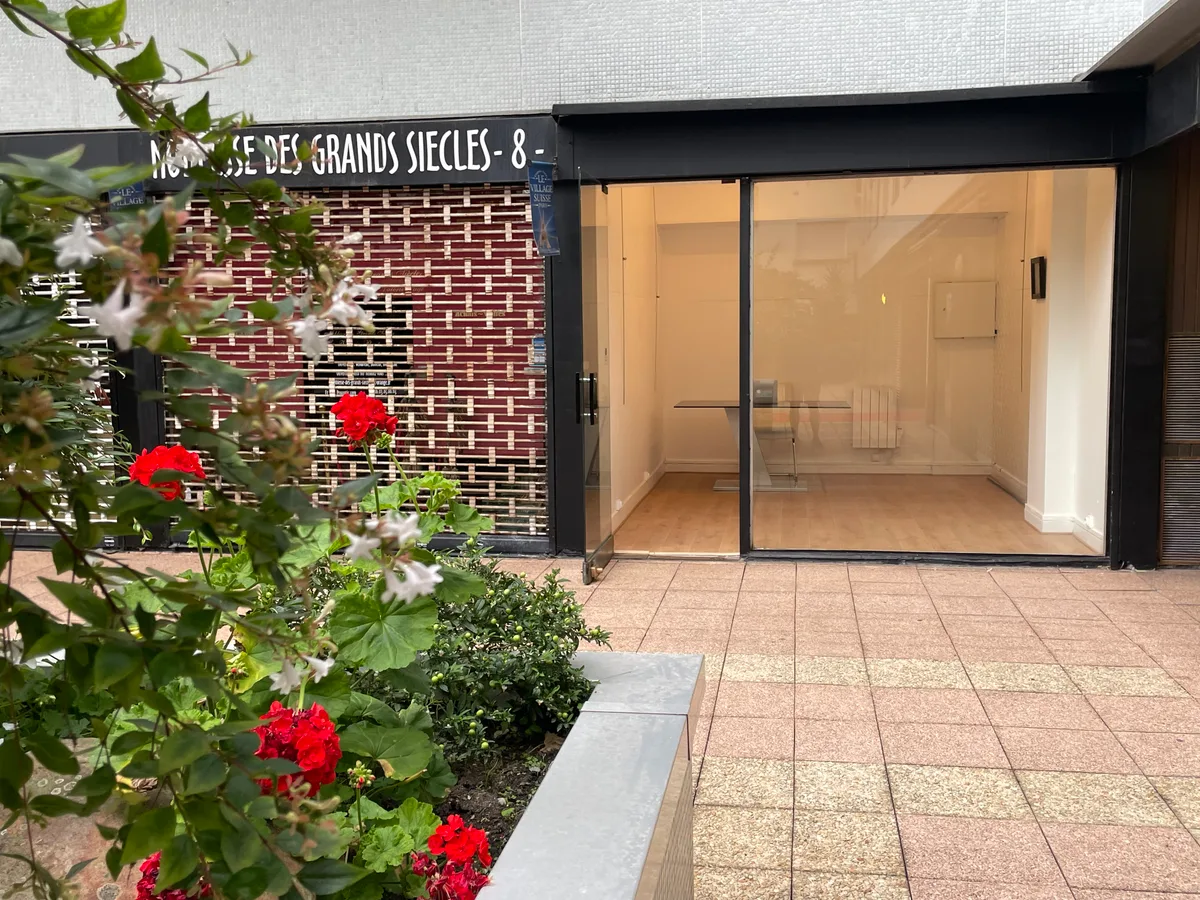
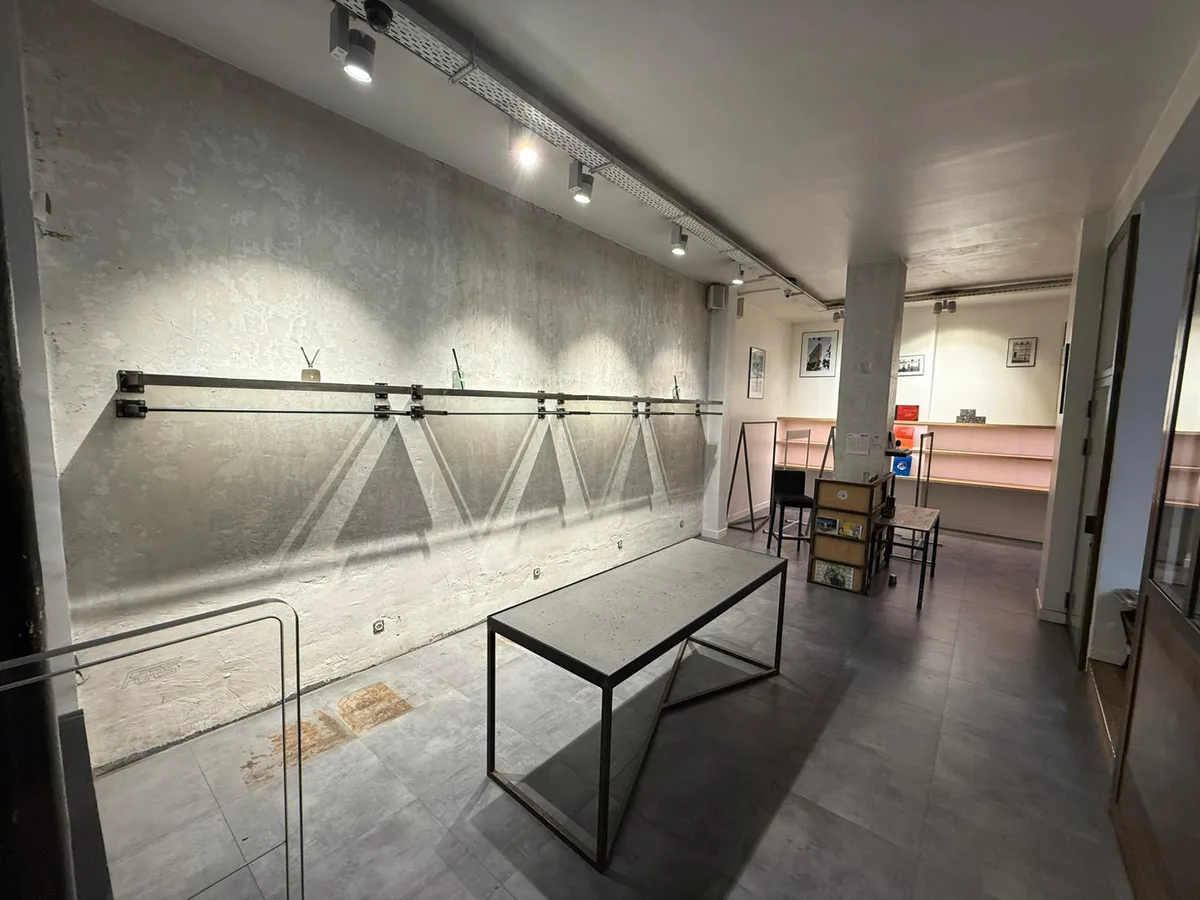
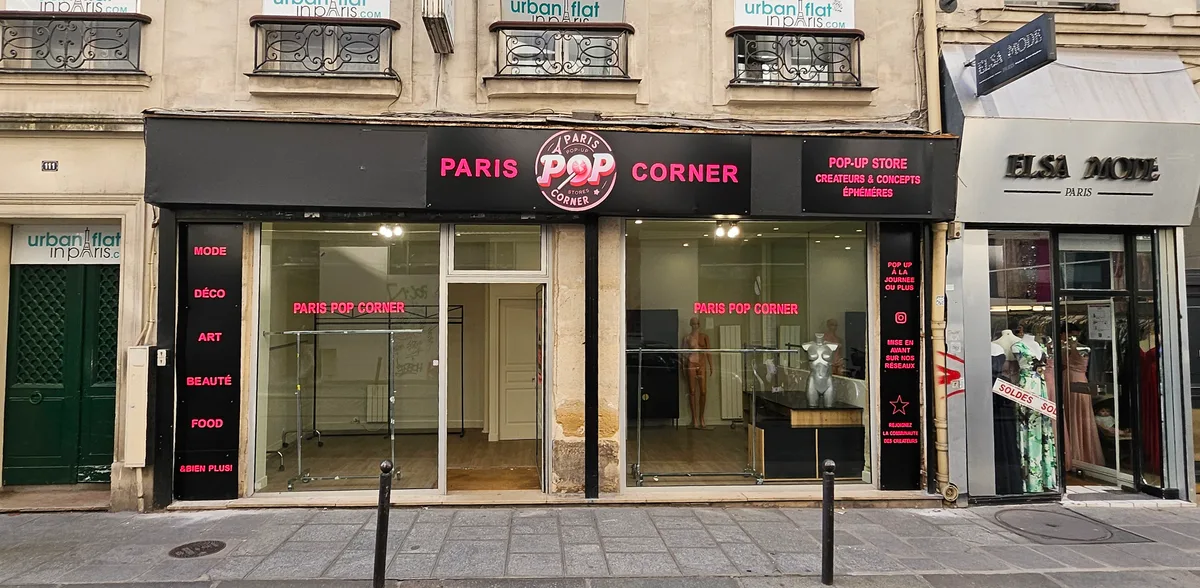
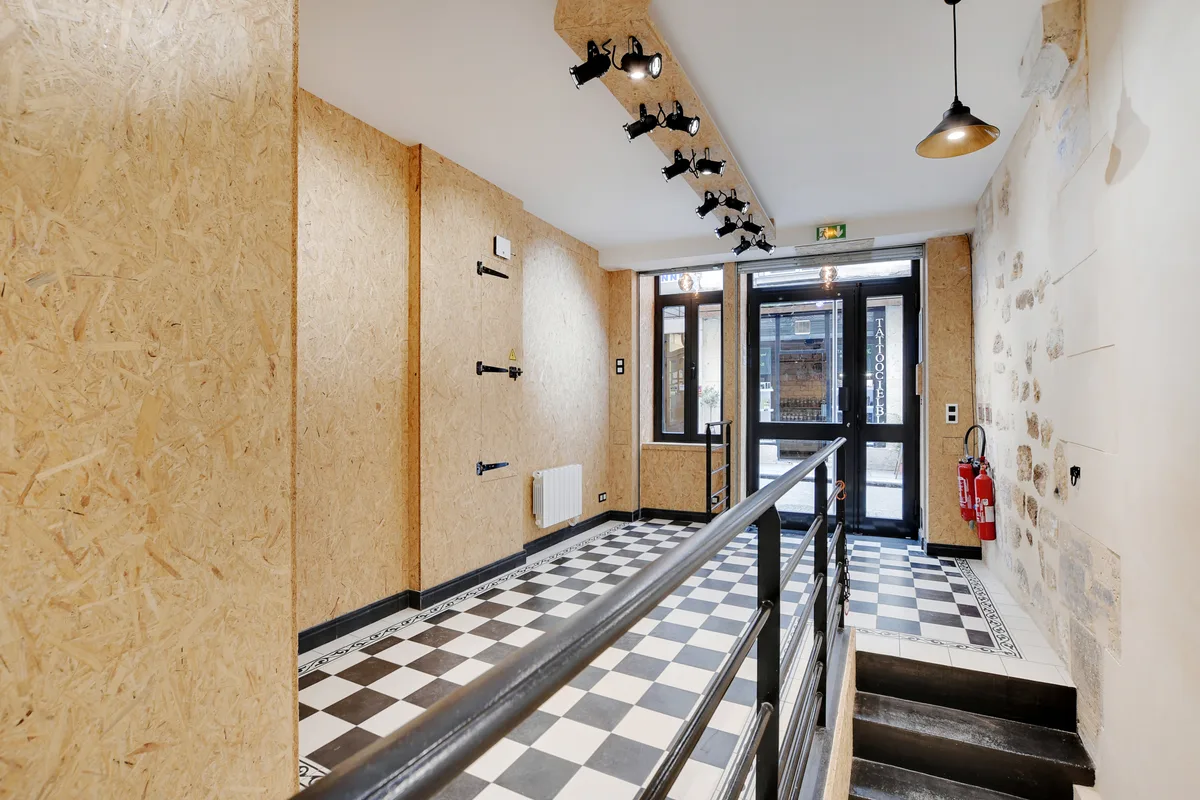
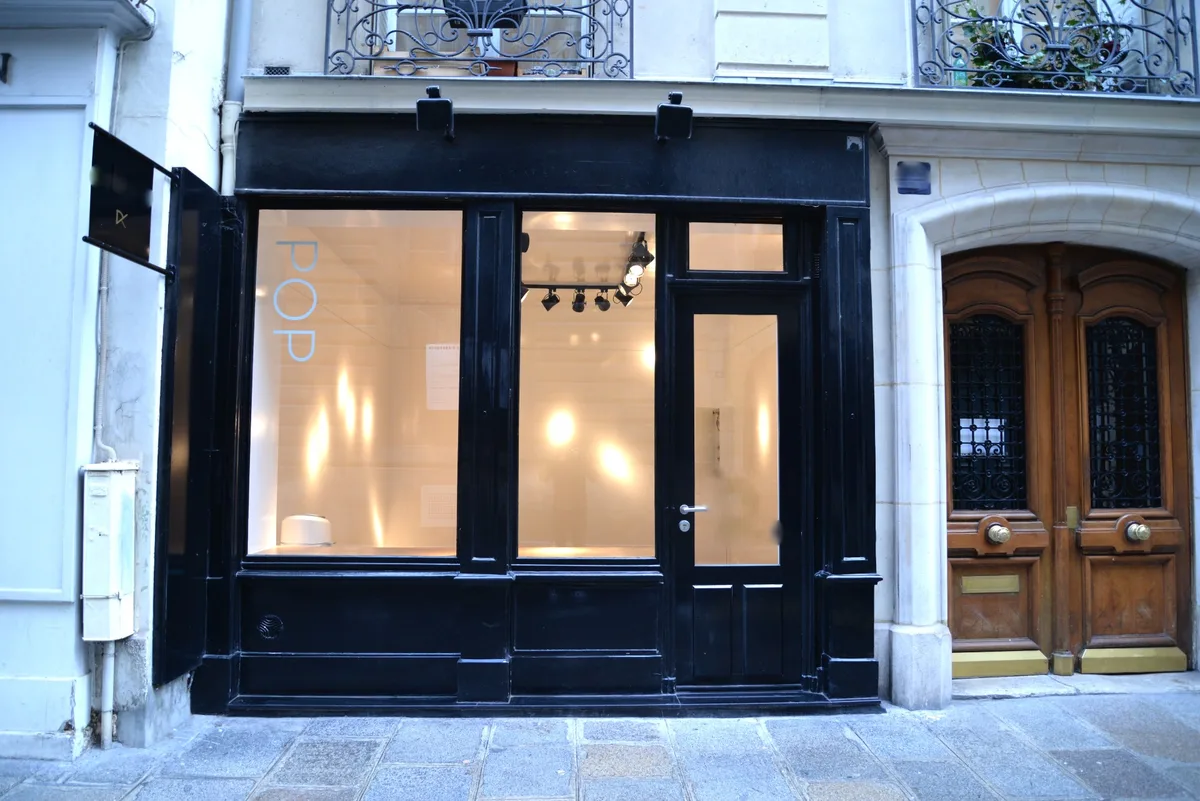
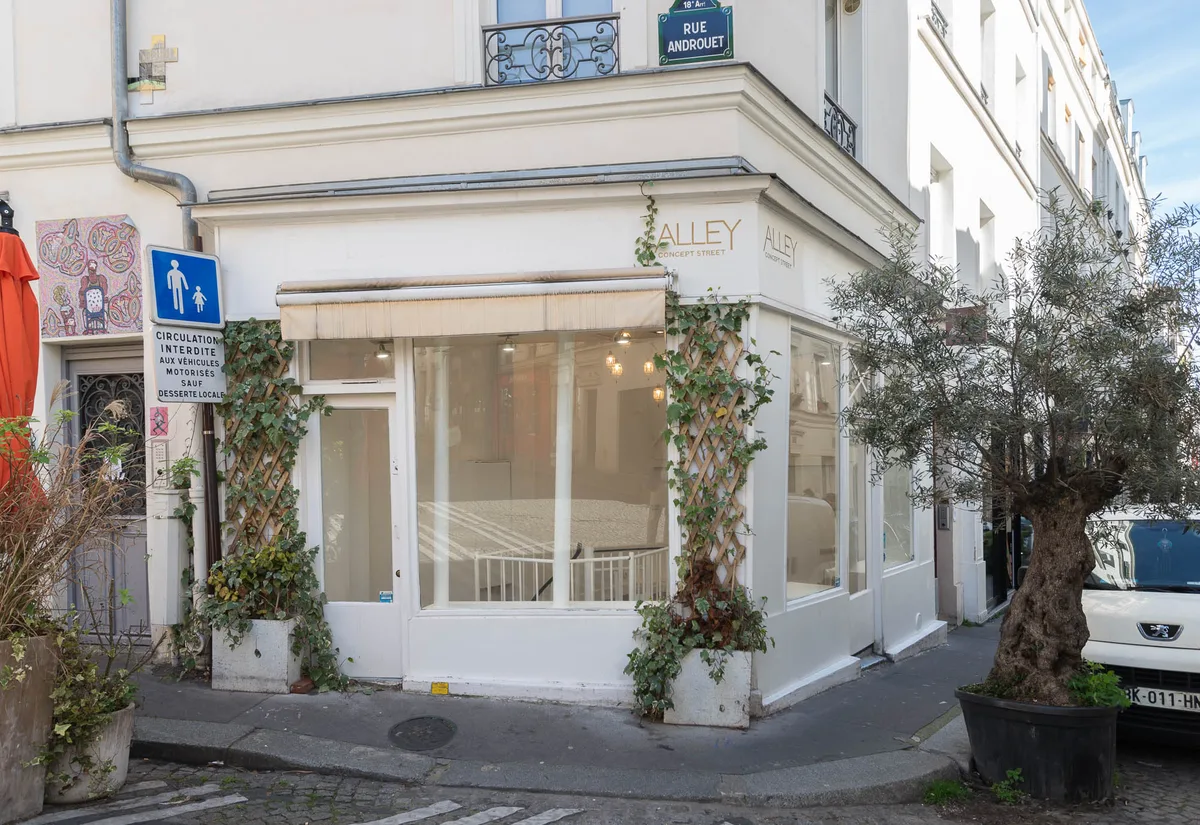
To rent retail space in the 10th arrondissement Paris is to position your brand at one of the city's most dynamic intersections of culture, commerce, and foot traffic. Stretching from the Gare du Nord and Gare de l'Est railway hubs through the bohemian Canal Saint-Martin corridor and down toward the vibrant edges of Le Haut Marais, the 10th offers fashion brands, creative agencies, and international retailers a rare combination of genuine local character and serious visitor density. Fashion Week Venues supports brands seeking pop-up spaces and short-term retail activations across Paris, including the 10th arrondissement, with full venue sourcing, permits guidance, production, and activation management.
Why the 10th Arrondissement Is a Strategic Retail and Pop-Up Location
The 10th arrondissement is not a secondary Paris district. It is one of the city's most commercially and culturally significant neighbourhoods, and brands that understand its geography consistently outperform those that dismiss it in favour of more expensive addresses.
The district contains two of Europe's busiest railway termini. The Gare du Nord handles more passengers than any other station in Europe, with tens of millions of travellers passing through annually, including a substantial share of international visitors arriving via Eurostar from London and high-speed rail from across northern Europe. The Gare de l'Est serves rail connections across eastern France, Germany, Switzerland, and beyond. This volume of transport infrastructure creates a footfall opportunity that few Paris arrondissements can match.
Beyond transport, the 10th arrondissement contains some of Paris's most photographed and commercially attractive streetscapes. The Canal Saint-Martin corridor, which runs through the heart of the district, attracts a creative, cosmopolitan, and high-spending demographic. The canal's quays are lined with independent boutiques, design studios, concept stores, cafés, restaurants, and art galleries. The Rue du Faubourg Saint-Denis is one of the most energetic retail streets in the city, combining authentic Parisian market culture with a rapidly evolving premium and concept retail scene. Boulevard de Magenta connects the major transport hubs with the residential and commercial interior of the district.
The 10th also borders several of Paris's most desirable retail zones. Its southern edge connects to Le Haut Marais, one of the most sought-after streets for luxury, contemporary, and streetwear brands in Europe. Folie-Méricourt, which bridges the 10th and 11th arrondissements, has emerged as a creative and lifestyle retail destination in its own right.
Neighbourhood Profiles Within the 10th Arrondissement
The 10th is internally diverse, and the right micro-location depends entirely on your brand's target audience, activation format, and budget.
| Neighbourhood | Character | Best For | Typical Visitor Profile |
|---|---|---|---|
| Canal Saint-Martin | Bohemian, photogenic, creative | Fashion pop-ups, lifestyle brands, press launches | Locals, creatives, international tourists |
| Gare du Nord Zone | High-volume transit hub | Mass market, travel retail, awareness campaigns | International travellers, commuters |
| Rue du Faubourg Saint-Denis | Multicultural, energetic, fast-evolving | Streetwear, food concepts, emerging brands | Young locals, food and culture seekers |
| Boulevard de Magenta | Commercial, accessible, well-connected | Mid-market retail, service brands, coworking | Commuters, residents, mixed foot traffic |
| Passage Brady | Historic covered passage, distinctive atmosphere | Immersive experiences, niche lifestyle concepts | Cultural tourists, neighbourhood regulars |
| Folie-Méricourt border | Creative, residential, emerging | Art, design, contemporary fashion | Local creatives, design-aware consumers |
Quick answer: The 10th arrondissement is a strong choice for brands seeking a balance of high foot traffic near transport hubs and creative credibility near Canal Saint-Martin. It is more affordable than the Marais or Saint-Germain but offers access to equally desirable demographics, particularly for pop-up shops, temporary retail space, and short-term brand activations.
KEY TAKEAWAY: The 10th arrondissement's value lies in its diversity. Brands should identify which micro-zone aligns with their target customer before searching for a specific space, as neighbourhood character varies considerably across the district.
Understanding the geography of the 10th leads directly to the next practical challenge: knowing what space types are available and what commercial terms apply to each.
Types of Retail and Commercial Space Available to Rent in Paris 10
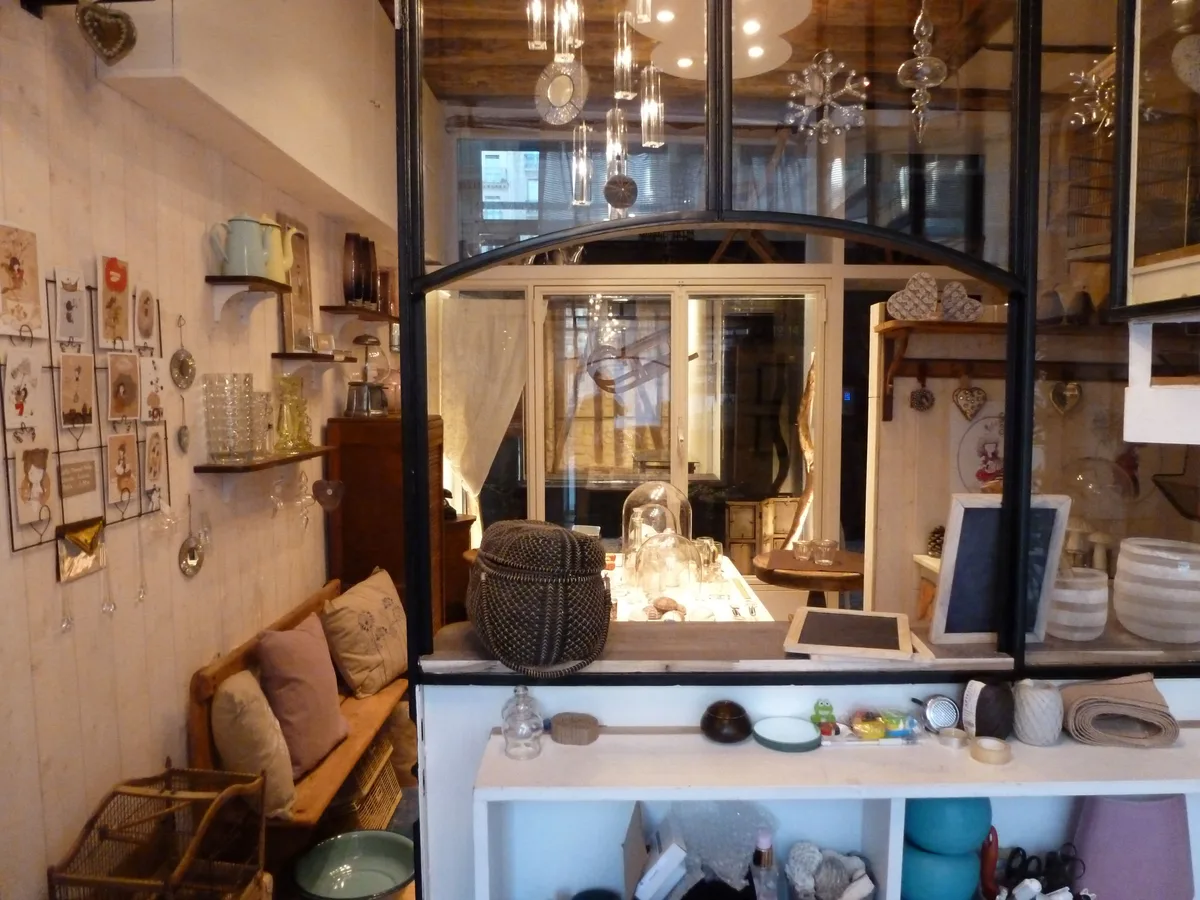
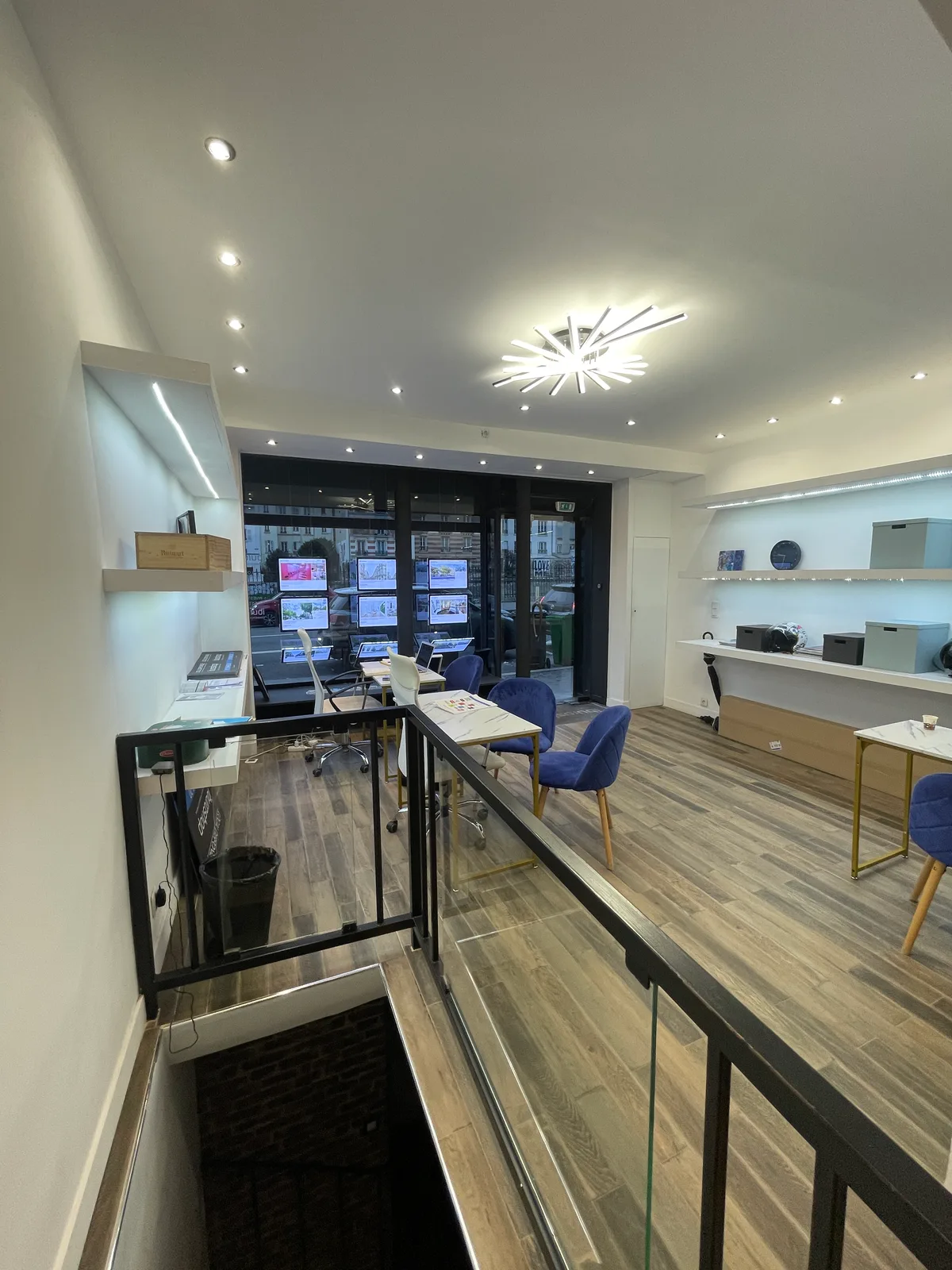
The commercial property landscape in the 10th arrondissement covers a wide range of space types, from traditional street-level boutique premises to converted industrial workshops, Haussmann apartments repurposed as showrooms, art galleries available for short-term hire, and purpose-built pop-up and event venues.
Understanding the difference between these space types is not simply a question of aesthetics. Each type carries distinct commercial real estate implications, lease structures, permit requirements, and operational considerations.
Street-Level Retail Units
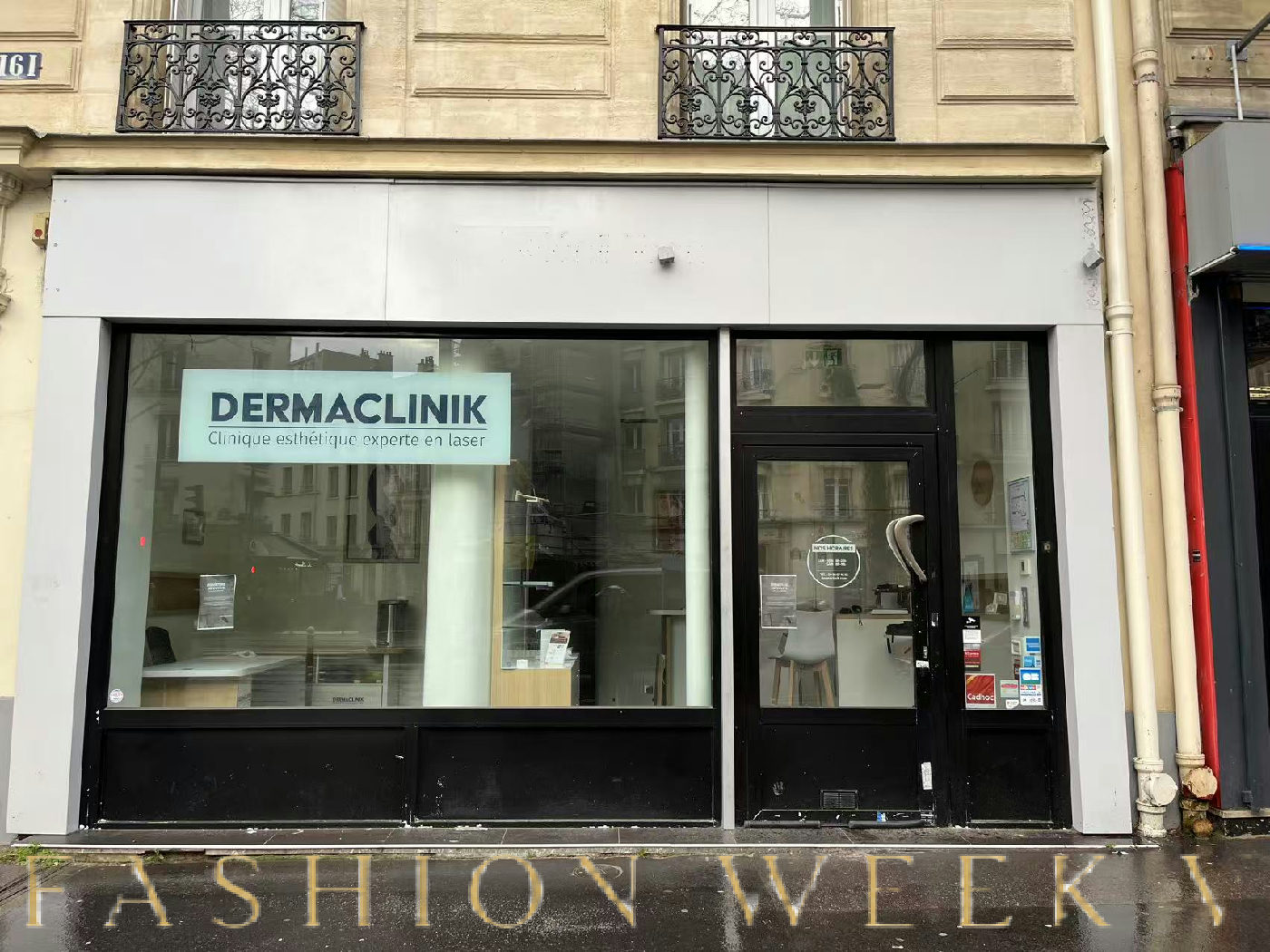
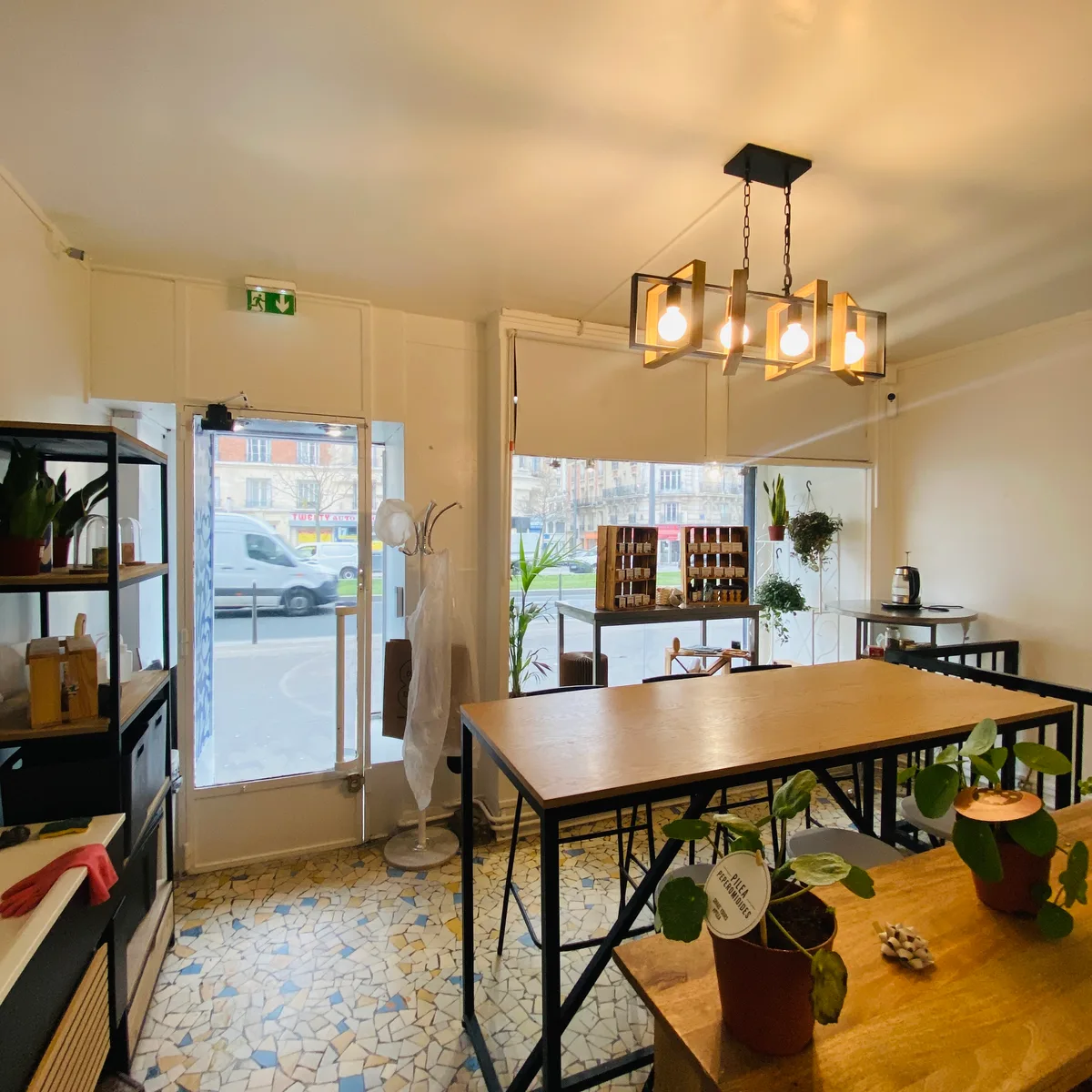
Traditional fonds de commerce or pieds-à-maille premises on streets such as Rue du Faubourg Saint-Denis or Boulevard de Magenta offer direct pavement exposure and the highest walk-in foot traffic. These spaces are typically governed by a commercial lease under French commercial property law, and taking on a standard bail commercial carries significant legal and financial obligations including minimum lease periods of nine years under standard terms. For brands seeking short-term rental, a bail dérogatoire, sometimes called a short-form or derogatory lease, offers a lawful alternative that permits occupancy for a period of up to three years without triggering the full protections of a standard commercial lease. This flexibility makes bail dérogatoire one of the most commonly used instruments for pop-up shops and temporary retail space in Paris.
Haussmann Apartments and First-Floor Showrooms
Some of the most distinctive and photographically compelling spaces in the 10th and adjacent arrondissements are found in Haussmann-era apartment buildings. High ceilings, marble floors, hardwood floors, ornate mouldings, and large windows facing onto boulevards give these spaces an immediate luxury character that purpose-built retail units rarely replicate. These are particularly popular with fashion brands hosting press showrooms, collection launch events, and private client appointments during Paris Fashion Week.
Industrial Workshops and Converted Studios
The 10th retains a legacy of artisan and light industrial premises, particularly in its northern and eastern sections. These industrial workshops offer large open-plan floor areas, excellent natural light, concrete or stone floors, and the raw aesthetic associated with contemporary fashion and creative brand activations. They suit brands seeking an unfinished, editorial feel and are frequently used as photo studios or event spaces.
Photo Studios
Dedicated photo studio spaces available for daily or weekly hire are found throughout the 10th, particularly around Canal Saint-Martin. These are purpose-configured for content production but can also function as intimate brand activation spaces, product launch venues, or influencer marketing events.
Art Galleries and Galeries d'Art
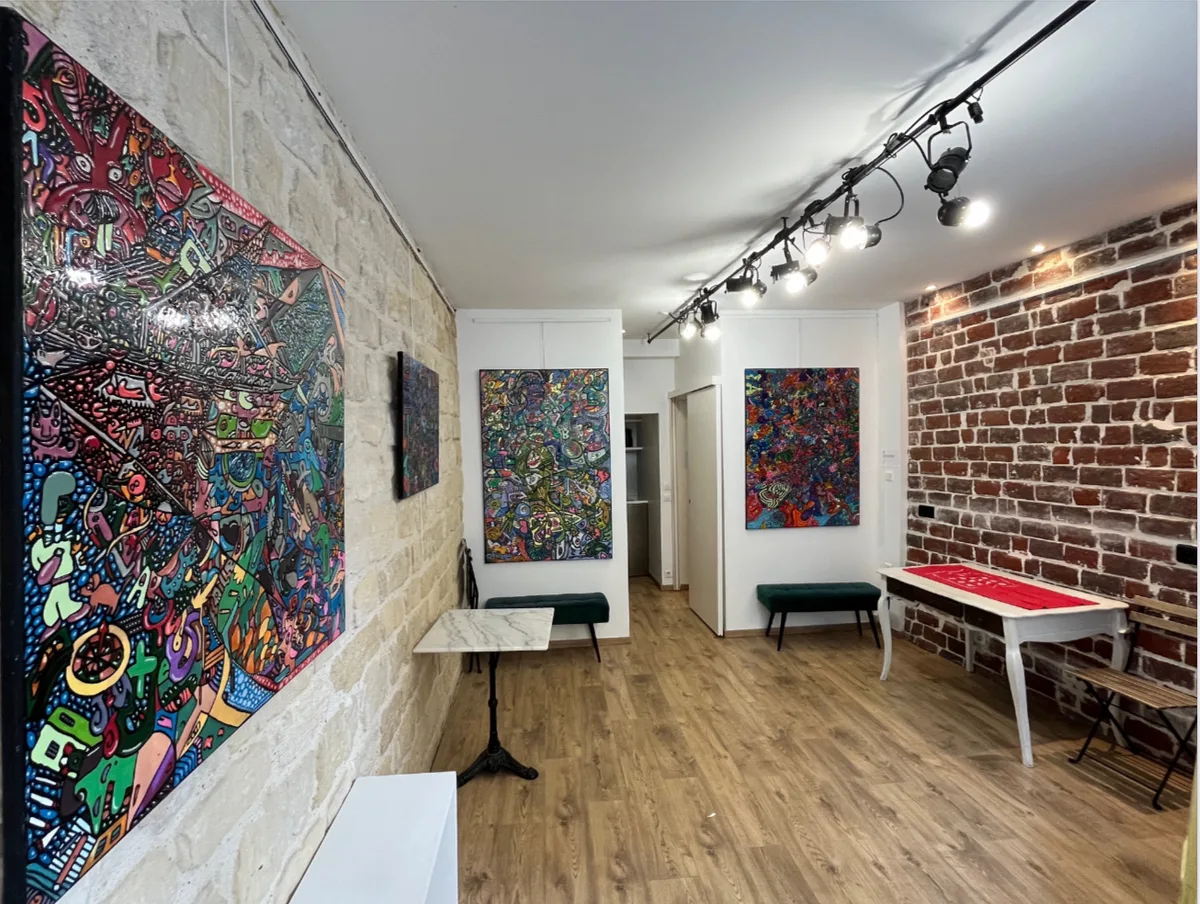
Art galleries with temporary availability between exhibitions are among the most desirable pop-up spaces in any Paris arrondissement. They offer curated environments, existing foot traffic from culturally engaged audiences, and a brand halo that is difficult to replicate in a blank commercial unit. Galeries d'art in the 10th and bordering Haut Marais are particularly relevant for fashion, jewellery, and lifestyle brands seeking editorial credibility.
Coworking Spaces and Meeting Rooms
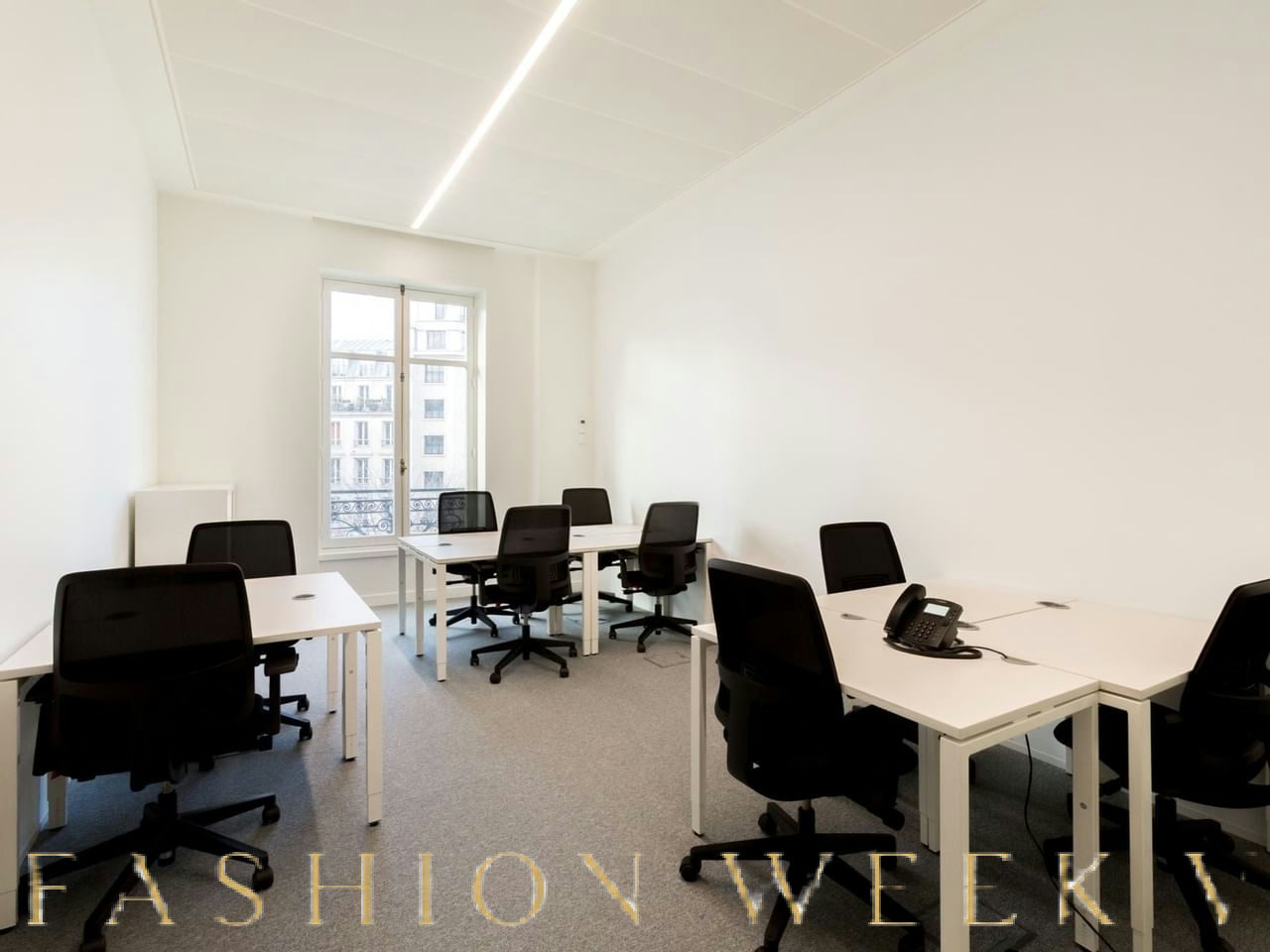
Several business centres and coworking spaces in the 10th arrondissement offer private offices, meeting rooms, and day passes. While these are primarily relevant for brand teams operating in Paris on a short-term basis rather than running a consumer-facing retail activation, they are worth noting for their practical utility. A brand running a two-week pop-up on Canal Saint-Martin may also need a private office or meeting room nearby for team management, client appointments, and press briefings.
DID YOU KNOW: The 10th arrondissement contains a particularly high concentration of espace multimodal and mixed-use venues that combine retail, studio, and event functions in a single space. These multi-purpose formats are increasingly popular with international brands seeking to consolidate production, activation, and press activity in one address.
Quick answer: Space types in the 10th arrondissement range from street-level retail units and Haussmann apartments to industrial workshops, photo studios, and art galleries. The right format depends on your brand positioning, visitor experience goals, and lease duration requirements.
KEY TAKEAWAY: Matching space type to brand strategy is as important as matching location. A luxury fashion brand launching a collection in the 10th should consider Haussmann apartment or gallery formats rather than standard commercial units. A streetwear label doing a high-volume drop event might benefit more from an industrial workshop or a street-level unit on Rue du Faubourg Saint-Denis.
Once you have identified the right space type, the critical next step is understanding the leasing framework and permit requirements that apply to short-term commercial property in Paris.
Leases, Permits, and Legal Requirements for Temporary Retail Space in Paris 10
The legal framework governing temporary retail space and pop-up shops in Paris is more nuanced than many international brands initially expect. Getting this right before signing any agreement is essential.
Paris commercial property law distinguishes between several types of occupancy agreements, each with different rights, obligations, and durations. For brands seeking short-term rental of retail or event space, the two most relevant instruments are the bail dérogatoire and the convention d'occupation précaire or autorisation d'occupation temporaire (AOT).
Bail Dérogatoire
The bail dérogatoire, governed by Article L145-5 of the French Commercial Code, allows a landlord and tenant to enter into a short-term commercial occupancy agreement of up to three years without the tenant acquiring the statutory rights associated with a standard nine-year bail commercial. This instrument is widely used for pop-up shops, temporary boutiques, and short-term brand activations across Paris. The key requirement is that both parties explicitly agree in writing that the standard commercial lease protections do not apply. This must be clearly stated in the contract. Crucially, if the tenant remains in occupation after the expiry of a bail dérogatoire and the landlord does not formally object within one month, the agreement may convert automatically into a full bail commercial, triggering the standard nine-year protections and obligations. International brands should be aware of this risk and plan their exit clearly in the lease documentation.
Convention d'Occupation Précaire and AOT
For genuinely short-term occupancy, typically a few days to a few weeks, a convention d'occupation précaire or an autorisation d'occupation temporaire (AOT) is more appropriate. These instruments are used for event-style activations, market stalls, and temporary installations in shared or public-adjacent spaces. They carry fewer ongoing obligations but also fewer protections for the occupant.
Operating Permits and Regulatory Compliance
Beyond the lease structure, brands operating a pop-up shop in Paris may require additional authorisations depending on the nature of their activity, the location of the space, and the duration of the occupation. Requirements vary by space type, arrondissement, and specific activity and should be verified with a qualified French legal advisor before proceeding. For general orientation, the Fashion Week Venues permits tool provides a structured overview of the permit landscape for temporary retail activations in Paris.
IMPORTANT: Do not assume that a short-term retail lease in Paris is legally straightforward. The French commercial property framework contains specific obligations and traps for the unwary, particularly around lease renewal, security deposits, and exit provisions. Always seek independent French legal advice before signing.
Quick answer: Brands seeking to rent temporary retail space in the 10th arrondissement Paris should use a bail dérogatoire for periods up to three years, or a convention d'occupation précaire or AOT for shorter event-style activations. Both instruments allow short-term occupancy without triggering the obligations of a full commercial lease, but professional legal review is always recommended.
Security Deposits and Leasehold Improvements
Most short-term commercial property agreements in Paris require a security deposit, typically equivalent to one to three months' rent, held against damage or non-payment. Leasehold improvements, meaning physical modifications made to a space by the tenant during their occupancy, are a key consideration for pop-up shops that require branded fit-out or production work. It is essential to agree in writing before the lease commences which improvements are permitted, who bears the cost, and whether the space must be reinstated to its original condition at the end of the rental period. Failing to document this clearly can result in significant disputes and financial liability at the end of a short-term let.
KEY TAKEAWAY: The legal framework for temporary retail space in Paris protects both parties when used correctly. International brands should engage French legal advice early in the process, use the appropriate short-term lease instrument, and document all agreed modifications to the space before beginning any production or fit-out work.
With the legal foundations understood, the next practical consideration is budget. Understanding what drives the cost of renting retail space in the 10th arrondissement allows brands to plan realistic activations and avoid expensive surprises.
Budget Planning: What Does It Cost to Rent Retail Space in Paris 10?
Rental costs for commercial and pop-up spaces in the 10th arrondissement vary considerably depending on the micro-location, space type, size, duration, and level of specification. Providing guaranteed price ranges would be misleading, as the market is dynamic and individual spaces are priced based on specific characteristics. The guidance below is directional only.
Factors That Drive Rental Cost in the 10th Arrondissement
The primary cost drivers for short-term retail rental in Paris 10 include the following. Location within the district is the most significant single factor. Spaces on or immediately adjacent to Canal Saint-Martin command a premium over equivalent units on less-trafficked side streets. Spaces near Gare du Nord with direct pavement exposure benefit from extremely high footfall but typically require more significant production investment to create a compelling brand environment given their transit-hub context.
Space size, measured in square metres or square feet, directly affects the headline rental cost but should always be evaluated against the footprint required for your activation, the number of visitors you intend to receive, and the volume of product or display you need to accommodate.
Duration matters significantly. A space rented for two weeks will typically carry a higher daily or weekly rate than the same space taken for two months. Some landlords and space operators offer more flexible pricing structures for first-time occupants, particularly if the brand offers strong social media reach or press coverage that benefits the wider building or neighbourhood.
Specification and fit-out state affect total activation cost even when the headline rental rate appears competitive. A raw industrial workshop may carry a lower base rent than a turnkey boutique space, but if the production cost of transforming it into a brand environment is significant, the total investment may be comparable or higher. Always evaluate total project cost, not just the rental line.
Additional Cost Components to Budget For
| Cost Component | Notes |
|---|---|
| Headline rent | Varies by location, size, and duration. Obtain quotes directly or via a sourcing partner. |
| Security deposit | Typically one to three months' rent, returned at end of tenancy subject to condition. |
| Production and fit-out | Branded interior design, fixtures, and installation. Cost varies with scope and specification. |
| Furniture rental | Display furniture, seating, and retail fixtures available via rental rather than purchase. |
| Retail staffing | Sales associates, brand ambassadors, and supervisory roles. Daily and weekly rates apply. |
| POS and payment systems | Card readers, till systems, and transaction infrastructure for consumer-facing activations. |
| Permits and legal fees | Depends on space type, activity, and duration. Budget for professional legal review. |
| Marketing and influencer activation | Local PR, social media, and influencer marketing to drive foot traffic to the space. |
| Data and analytics | Visitor counting, transaction data, and post-activation reporting. |
TIP: Use the Fashion Week Venues budget calculator to build a realistic cost model for your specific activation format, size, duration, and service requirements. This gives your team a structured starting point before entering into any conversations with landlords or agencies.
Quick answer: The total cost of renting and running a pop-up in the 10th arrondissement Paris depends on location, space size, duration, fit-out scope, and staffing requirements. Directional budget planning should account for rent, deposit, production, staffing, POS, permits, and marketing as separate line items. Use a budget calculator to model realistic total investment before committing to a space.
KEY TAKEAWAY: Brands that plan total activation cost rather than focusing only on the headline rental figure consistently manage their Paris pop-up budgets more effectively. The 10th arrondissement offers genuinely competitive rental rates by Paris standards, but production, staffing, and operational costs require the same rigour as the property negotiation itself.
Budget clarity feeds directly into ROI thinking. The next section addresses how brands should evaluate the commercial return on a pop-up or temporary retail activation in Paris 10.
Measuring Return on Investment for a Pop-Up in Paris 10th Arrondissement
Return on investment for a temporary retail activation in Paris should be measured across multiple dimensions, not only direct sales revenue generated during the activation period. Brands that evaluate only transactional ROI consistently undervalue what a well-executed Paris pop-up delivers.
Hard ROI Metrics
Direct revenue generated in-store during the activation period is the most immediately visible measure. For consumer-facing pop-ups near Gare du Nord or on Canal Saint-Martin, transaction volume and average basket size provide a direct financial performance measure. POS and payments infrastructure should be configured to capture all transaction data in real time, enabling daily and weekly performance tracking against targets.
Online sales uplift during and immediately after the activation period is a second hard measure. Physical pop-ups in Paris consistently drive measurable uplift in digital commerce for international brands, particularly through the social media and influencer marketing activity that accompanies the activation. Tracking this correlation requires clean attribution, ideally through dedicated campaign URLs and post-activation cohort analysis.
Soft ROI and Strategic Value
Brand awareness among the Paris market and broader European and international audiences is a significant non-transactional ROI driver. The 10th arrondissement's presence across social media platforms and its association with Parisian lifestyle culture means that an activation in the right space, photographed well and distributed through the right channels, carries media value that far exceeds what a paid advertising budget of equivalent size would deliver.
Press and editorial coverage generated by a Paris activation compounds over time. A strong collection launch event or pop-up boutique in the 10th that attracts fashion editors, buyers, and influencers can generate earned media across multiple geographies for months after the activation closes.
Customer data and market research gathered during a Paris pop-up is a strategic asset. Understanding how Parisian and European consumers interact with your product, what questions they ask, what price points they accept, and what physical experience they respond to informs everything from product development to digital marketing to future retail strategy.
Quick answer: ROI for a pop-up in the 10th arrondissement Paris should be measured across direct revenue, online sales uplift, brand awareness, press and earned media value, influencer reach, customer data, and market validation. Measuring only in-store transactions systematically undervalues the full commercial return on a Paris activation.
To model projected returns against planned investment, the Fashion Week Venues ROI calculator provides a structured framework that accounts for both transactional and brand equity dimensions of activation performance.
KEY TAKEAWAY: The full return on a Paris 10th arrondissement pop-up is realised across a longer time horizon than the activation itself. Brands that combine in-store performance tracking with post-activation digital attribution and media value measurement develop a much clearer picture of total return on their Paris investment.
ROI thinking connects directly to timing. The following section addresses the calendar windows that drive the highest value for temporary retail activations in Paris, with specific relevance to the 10th arrondissement.
When to Rent Retail Space in the 10th Arrondissement: Calendar Windows and Fashion Week
The calendar timing of a Paris retail activation significantly affects both its commercial performance and the availability and cost of premium spaces. The 10th arrondissement, while active year-round, offers distinct activation opportunities across different calendar windows.
Paris Fashion Week Windows
Paris Fashion Week occurs twice annually, with the women's ready-to-wear season typically running in late February to early March and again in late September to early October. The men's and haute couture calendars add further peak windows in January and July. During these periods, the entire city's fashion retail and event infrastructure is under peak demand, and premium spaces in the 10th arrondissement, particularly around Canal Saint-Martin and the Haut Marais borders, are typically booked months in advance.
The value of activating during Fashion Week extends beyond direct consumer foot traffic. The concentration of press, buyers, influencers, and brand decision-makers in Paris during these windows creates an unparalleled opportunity for earned media, trade engagement, and brand positioning. Showrooms and collection launch events hosted in the 10th during Fashion Week consistently achieve higher press and editorial returns than equivalent activations in off-peak periods.
Beyond Fashion Week: Year-Round Activation Windows
The 10th arrondissement maintains strong foot traffic and consumer spending well beyond the twice-annual Fashion Week calendar. Key additional windows include the Paris retail sales periods (soldes) in January and July, the pre-Christmas trading period from late November through late December, and the summer tourist season from June through August, which brings significant international visitor volumes through Gare du Nord and into the Canal Saint-Martin area.
Brands considering a first Paris activation should not assume that Fashion Week is the only viable window. A well-executed three-week pop-up during the summer season or the pre-Christmas retail period can deliver comparable brand and commercial results at potentially lower space rental costs, given reduced competition for premium venues.
DID YOU KNOW: The 10th arrondissement benefits directly from Eurostar connectivity. A meaningful share of the international visitors entering Paris via Gare du Nord are arriving from London and other UK cities, making the district particularly well-suited for British and Anglo-American brands seeking to build a European customer base.
Timeline Planning for a Paris Activation
Securing a premium space in the 10th arrondissement for a Fashion Week window typically requires a lead time of three to six months from target activation date. Permit applications, production planning, staffing briefings, and marketing coordination all require structured timelines that run in parallel with the space search and lease negotiation process.
| Phase | Activity | Recommended Lead Time |
|---|---|---|
| Brief and budget | Define space requirements, budget, and KPIs | Five to six months before activation |
| Space search | Identify and shortlist candidate spaces | Four to five months before activation |
| Legal review | Review lease terms and permit requirements | Three to four months before activation |
| Production planning | Brief fit-out, furniture, and build scope | Three months before activation |
| Staffing brief | Define staffing needs and begin recruitment | Eight weeks before activation |
| Marketing activation | Influencer briefing, press outreach, digital setup | Six weeks before activation |
| Build and fit-out | Install branded environment and POS systems | One to two weeks before opening |
| Go-live | Open activation and begin data capture | Activation date |
The Fashion Week Venues timeline tool provides a more detailed planning framework that can be adapted to your specific activation format, team structure, and target window.
KEY TAKEAWAY: Fashion Week is not the only high-value window for a Paris activation, but it carries distinct advantages for brands seeking press coverage and trade engagement. Regardless of the chosen window, structured timeline planning is essential to avoid compressed lead times that compromise space quality, production, and marketing execution.
Planning a successful activation in Paris requires not only good timing and the right space, but also the right agency or operational partner. The following section explains how Fashion Week Venues specifically supports brands renting retail space in the 10th arrondissement.
How Fashion Week Venues Helps Brands Rent and Activate Retail Space in Paris 10
Fashion Week Venues operates as a full-service pop-up agency and space marketplace for brands seeking temporary retail space, showrooms, event venues, and short-term commercial activations in Paris and other major fashion capitals. For brands targeting the 10th arrondissement, the agency's combination of local market knowledge, operational infrastructure, and specialist services addresses every stage of the process from initial search to post-activation reporting.
The venue sourcing service covers space identification, landlord negotiation, and lease coordination across all arrondissements in Paris, including the 10th. The team works with a curated network of landlords, building managers, and space operators to access both listed and unlisted spaces, which is particularly valuable in a district where the most desirable premises on Canal Saint-Martin or Rue du Faubourg Saint-Denis rarely appear on open commercial property platforms.
For brands that need help developing the creative concept for their activation, the concept direction service provides strategic and creative input on space programming, visitor journey design, visual identity, and brand storytelling. This is particularly relevant for international brands activating in Paris for the first time, where the concept needs to connect with a French and European audience while remaining authentic to the brand's identity.
The production and build service covers the physical transformation of a raw or semi-fitted space into a fully branded retail or event environment. This includes construction, installation, furniture placement, lighting, signage, and all technical infrastructure. The service connects directly to the furniture rental offering, which allows brands to specify and access high-quality display and retail furniture without the cost or logistics of purchasing and shipping stock from overseas.
Operational activation management, covered by the activation management service, ensures that the space runs effectively throughout the rental period. This includes day-to-day operational oversight, visitor management, and performance monitoring. For brands running a high-footfall consumer activation near Gare du Nord or on Canal Saint-Martin, operational management is a significant resource requirement that is frequently underestimated in initial planning.
Retail staffing, POS and payments, data and analytics, and influencer marketing are available as additional services that can be combined or standalone depending on the brand's existing infrastructure and team capacity. The case study section of the Fashion Week Venues website provides examples of past activations across Paris and other cities that illustrate how these services combine in practice.
The agency's digital tools are designed to support brands in self-directed research as well as agency-led projects. The space comparison tool, locator tool, budget calculator, ROI calculator, permits tool, and timeline tool are all accessible independently and provide structured guidance regardless of whether a brand ultimately engages the full agency service. For brands that are evaluating whether to work with an agency rather than pursuing a direct-to-landlord approach, the guide on hiring a pop-up agency provides a clear and honest framework for making that decision.
TIP: If your brand is running simultaneous activations in two Paris locations or across two fashion capitals, the Fashion Week Venues twin concept allows co-activation across paired spaces with coordinated production, staffing, and marketing. This is particularly effective during Fashion Week windows when brand presence across multiple locations compounds visibility and press value.
KEY TAKEAWAY: Fashion Week Venues does not simply list spaces. The agency provides end-to-end operational support from brief to close, including services that are genuinely difficult for international brands to coordinate independently in a French regulatory and commercial environment. Brands benefit most from engaging the agency early in the process, ideally at the brief and budget stage.
Comparing Space Search Platforms: Commercial Property Platforms Versus Specialist Pop-Up Agencies
International brands searching for retail or pop-up space in the 10th arrondissement Paris typically encounter two distinct categories of search resource: general commercial real estate platforms and specialist pop-up and short-term space platforms or agencies.
General commercial property platforms such as LoopNet, CoStar, and Workthere index a wide range of commercial listings including office space, private offices, coworking spaces, and retail units across Paris. These platforms are useful for high-level market orientation and broad inventory scanning, but they carry significant limitations for brands seeking short-term pop-up space or temporary retail activation premises. Standard commercial listings on these platforms predominantly reflect long-term lease opportunities governed by standard bail commercial terms. The short-term and event-grade spaces that fashion brands typically need for a pop-up shop or collection launch event are underrepresented or absent.
Furthermore, the listing data on open commercial property platforms in Paris varies in quality. Some listings are maintained by large commercial real estate agencies whose primary business is long-term institutional letting. The agent expertise required to navigate a short-term retail activation, including knowledge of bail dérogatoire structures, permit requirements, and the fashion industry calendar, is not consistently available through general brokerage channels.
Specialist platforms and agencies focused specifically on pop-up retail and short-term brand activation spaces offer a more curated and practically useful inventory for fashion and lifestyle brands. The Fashion Week Venues marketplace focuses specifically on spaces that are relevant to brand activations, pop-up shops, showrooms, and event-style occupancy, with the additional advantage that the team understands the specific requirements of fashion brands operating within the Paris retail calendar.
Quick answer: General commercial real estate platforms like LoopNet, CoStar, and Workthere provide broad inventory but are poorly suited to the specific needs of fashion brands seeking short-term pop-up or activation space in Paris. Specialist platforms and agencies with pop-up and short-term activation expertise offer more relevant inventory, better-matched lease terms, and operational knowledge that general brokers typically cannot match.
| Search Method | Inventory Relevance | Short-Term Lease Knowledge | Fashion Industry Expertise | Operational Support |
|---|---|---|---|---|
| General platforms (LoopNet, CoStar) | Broad but not pop-up focused | Limited | Minimal | None |
| Generalist brokers | Variable | Variable | Minimal | None |
| Pop-up specific platforms (e.g. Storefront) | Relevant but self-service | Moderate | Moderate | Limited |
| Specialist pop-up agencies (Fashion Week Venues) | Highly curated | Strong | Deep | Full-service available |
KEY TAKEAWAY: The platform or channel used to find a space is not a neutral choice. It significantly affects the quality of inventory accessed, the lease structure applied, and the level of operational support available throughout the activation. For brands with limited Paris market experience, a specialist agency provides substantially better risk management than a self-service search through general commercial property platforms.
To compare specific spaces against your brief before committing to a search channel, the Fashion Week Venues space marketplace offers a curated and searchable inventory of Paris spaces with filtering by neighbourhood, space type, size, and availability.
Key Considerations for International Brands Entering Paris for the First Time
Brands activating in Paris for the first time face a specific set of challenges that differ meaningfully from those encountered in London, New York, Milan, or other major fashion markets. Being aware of these in advance reduces risk and improves the probability of a successful activation.
French Language and Negotiation Culture
Commercial property negotiations in Paris are conducted primarily in French. Lease documents, permit applications, and correspondence with landlords, local authorities, and service providers will typically be in French. International brands that lack French-language capability within their team should ensure that their agency partner or legal advisor provides translation and interpretation support throughout the process. This is not merely a convenience; misunderstandings arising from language barriers in commercial property contracts can carry significant financial consequences.
Not Having a French Legal Entity
One of the most commonly cited concerns among international brands entering Paris is whether they need to establish a French company or subsidiary to rent commercial property. In most cases, a foreign company can enter into a bail dérogatoire or convention d'occupation précaire without establishing a French legal entity, provided that the landlord is willing to contract with a foreign counterpart and that appropriate guarantees are in place. However, the specific requirements vary depending on the landlord, the space, and the nature of the transaction. This is an area where early legal advice from a French commercial property lawyer is strongly recommended.
Operational Infrastructure in Paris
Running a consumer-facing pop-up in Paris requires a range of operational infrastructure that international brands frequently underestimate. This includes French-compliant POS and payment systems capable of processing Euro transactions, French-speaking retail staff who understand both the product and the customer context, a local logistics and fulfilment solution for product delivery and stock management, and insurance coverage appropriate for short-term commercial occupation in France.
Differences Between Paris Arrondissements
Brands that are familiar with one Paris arrondissement should not assume that their knowledge transfers directly to the 10th. Each arrondissement has distinct character, foot traffic patterns, consumer demographics, competitive context, and local regulatory nuances. The 10th in particular spans a wide range of micro-environments, from the high-volume transit corridor near Gare du Nord to the independent creative village atmosphere of Canal Saint-Martin. Understanding these distinctions before selecting a space is essential.
To compare the 10th arrondissement against other Paris districts and explore how the city's overall retail geography affects brand strategy, the Paris city hub on Fashion Week Venues provides detailed neighbourhood mapping and space availability across the whole city.
Quick answer: International brands entering Paris for the first time should plan for French-language negotiation, potential legal entity requirements, operational infrastructure including French-compliant POS and staffing, and meaningful differences between Paris arrondissements. Early engagement with a specialist agency significantly reduces the risk of costly missteps in any of these areas.
KEY TAKEAWAY: Paris is a rewarding market but an operationally demanding one for international brands. The combination of language, legal framework, and market specificity means that first-time entrants benefit substantially from specialist agency support rather than attempting to replicate a domestic pop-up model in a French context.
Common Myths About Renting Pop-Up and Retail Space in Paris 10
MYTH: You need a French legal entity to rent commercial space in Paris.
FACT: In many cases, foreign companies can enter into short-term lease agreements in Paris without establishing a French subsidiary, particularly when using a bail dérogatoire or convention d'occupation précaire. However, individual landlords may impose their own requirements, and the position varies depending on the type of agreement and the guarantees provided. Legal advice from a qualified French commercial property lawyer is always recommended before assuming that no entity requirement applies.
MYTH: Paris Fashion Week is the only valuable calendar window for a pop-up activation in the 10th arrondissement.
FACT: Fashion Week generates the highest concentration of press, buyer, and influencer attention in Paris, but it is not the only commercially viable window. The summer tourist season, the pre-Christmas retail period, and the January and July soldes all generate significant foot traffic and consumer spending in the 10th. Brands that activate outside Fashion Week often secure better spaces at more competitive rates and with less competition for audience attention. The right window depends on your brand objectives, not on a default assumption that Fashion Week is always optimal.
MYTH: Commission-based brokers are the only reliable way to find a pop-up space in Paris.
FACT: Commission brokers operating in the Paris commercial property market are primarily focused on standard commercial leases and long-term institutional transactions. The short-term, activation-grade spaces that fashion brands require for pop-up shops and temporary retail are frequently not available through standard brokerage channels. Specialist pop-up agencies and curated space marketplaces provide more relevant inventory, better lease structures for short-term occupancy, and operational expertise that general brokers do not offer.
MYTH: Short-term retail leases in Paris are legally simple and carry no significant risks.
FACT: Short-term commercial leases in France, including the bail dérogatoire, contain specific legal requirements and risks that are not obvious to non-specialists. The most significant risk is inadvertent conversion from a bail dérogatoire to a full nine-year bail commercial if the occupant remains in the space after lease expiry without the landlord formally objecting. Security deposit terms, leasehold improvement obligations, and exit provisions are all areas where disputes commonly arise. Professional French legal review before signing any agreement is strongly recommended, regardless of the duration of the intended occupation.
MYTH: The 10th arrondissement is a secondary location compared to the Marais or Saint-Germain and should only be considered when premium arrondissements are unavailable.
FACT: The 10th arrondissement is a primary retail and activation destination for brands targeting creative, cosmopolitan, and internationally aware consumers. Canal Saint-Martin is one of the most photographed and media-covered neighbourhoods in Paris, and Rue du Faubourg Saint-Denis has emerged as one of the city's most dynamic retail streets. For brands with a creative, contemporary, or street-influenced positioning, the 10th frequently offers better brand fit than the more established luxury corridors of the 1st, 6th, or 8th arrondissements.
Frequently Asked Questions About Renting Retail and Pop-Up Space in the 10th Arrondissement Paris
Why rent temporary retail space in the 10th arrondissement Paris rather than other districts?
The 10th arrondissement offers a combination of high foot traffic from two major international railway stations, a creative and commercially active Canal Saint-Martin corridor, competitive rental rates relative to the 1st, 6th, and 8th arrondissements, and strong alignment with the demographics sought by contemporary fashion, lifestyle, and streetwear brands. It is also well-connected to the rest of Paris by Metro and bus, making it accessible to visitors from across the city. For brands that value authenticity and cultural credibility alongside commercial performance, the 10th is one of Paris's most compelling activation locations.
How much does it cost to rent temporary retail space near Gare du Nord?
Costs for temporary retail space near Gare du Nord vary depending on the specific space, size, duration, and specification level. Providing accurate ranges without knowing the specific space and requirements would be misleading. The most reliable approach is to obtain direct quotes from landlords or through a space sourcing agency, and to model total activation cost including production, staffing, permits, and POS alongside the headline rental figure. The Fashion Week Venues budget calculator provides a useful starting framework for total cost modelling before entering into specific negotiations.
What is the minimum rental period for a pop-up shop in the 10th arrondissement?
Minimum rental periods for pop-up spaces in the 10th arrondissement vary by landlord and space type. Some spaces and landlords offer weekly or even daily hire through short-term occupancy agreements or conventions d'occupation précaire. Most short-term commercial rental agreements run from a minimum of two to four weeks. Longer activations, typically a month or more, typically attract more competitive per-day rates and give the brand more time to build foot traffic and generate meaningful performance data. The right duration depends on your campaign objectives, budget, and the calendar window you are targeting.
Is Gare du Nord a good location for a first pop-up shop in Paris?
The Gare du Nord area offers exceptionally high footfall and strong international visitor numbers, which makes it compelling for awareness-focused activations and brands entering the Paris market for the first time. However, the transit environment requires a production approach that creates a compelling and distinctive brand experience within a context that can be visually noisy and fast-moving. Brands with a strong visual identity and a clear consumer hook typically perform well near Gare du Nord. Brands seeking a more intimate or editorially driven activation may find the Canal Saint-Martin end of the 10th a better fit.
What types of brands typically open pop-up shops in the 10th arrondissement?
The 10th arrondissement attracts a wide range of brand types. Near Canal Saint-Martin, the dominant tenant profile is contemporary fashion, lifestyle, beauty, homewares, and concept-driven food and beverage. Streetwear, independent and emerging labels, and international brands seeking creative credibility are particularly active in this corridor. Near Gare du Nord and along Boulevard de Magenta, broader consumer categories including travel accessories, mass-market apparel, and technology brands benefit from the high transit footfall. The diverse micro-zones within the 10th mean that most brand categories can find a relevant sub-location within the district.
Do I need a permit to run a pop-up shop in Paris?
Permit requirements for pop-up shops in Paris depend on the type of space, the nature of the commercial activity, the duration of the activation, and the specific arrondissement. Some activities and space types require formal authorisations from local or municipal authorities in addition to a signed lease agreement. Requirements vary and should be verified through a qualified French legal advisor or through the Fashion Week Venues permits tool, which provides structured guidance on the Paris permit landscape for temporary retail and event activations. Do not assume that a signed lease automatically authorises all planned commercial activities at the premises.
What is a bail dérogatoire and how does it apply to pop-up shops in Paris?
A bail dérogatoire is a short-term commercial occupancy agreement permitted under French commercial law for periods of up to three years. It allows landlords and tenants to contract on a short-term basis without the tenant acquiring the statutory rights associated with a standard nine-year bail commercial. For pop-up shops and temporary retail activations in Paris, the bail dérogatoire is the most commonly used lease instrument. The key risks are inadvertent conversion to a standard commercial lease if the tenant remains in occupation after expiry, and disputes over leasehold improvements and reinstatement obligations. Legal review before signing is always recommended.
Can an international brand without a French company rent space in the 10th arrondissement?
In many instances, yes. Foreign companies can enter into short-term lease agreements in Paris without establishing a French legal entity, particularly through bail dérogatoire or convention d'occupation précaire instruments. Individual landlords may have their own requirements regarding guarantees, references, or legal structure, and specific requirements vary by case. The position should be confirmed with a French commercial property lawyer before proceeding, and your agency partner should be able to advise on how landlord requirements are typically handled in practice for international brand tenants.
How far in advance should I start searching for a pop-up space in the 10th arrondissement for Paris Fashion Week?
For activations aligned with Paris Fashion Week, beginning the search process three to six months before the target opening date is strongly recommended. Premium spaces on Canal Saint-Martin and in the Haut Marais border area are typically reserved well in advance of the Fashion Week calendar windows. Leaving the space search until eight to ten weeks before Fashion Week significantly narrows your options and may require accepting a less desirable location or specification. Early briefing also allows adequate time for production planning, permit applications, and staffing coordination.
What amenities should I look for in a pop-up space in Paris 10?
The amenities most relevant to a fashion brand pop-up in the 10th arrondissement include natural light quality and window frontage for visual merchandising, ceiling height for display and installation, electrical load capacity for lighting and technology, HVAC for visitor comfort, access for deliveries and product logistics, high-speed Wi-Fi for POS, CRM, and team operations, and security infrastructure appropriate to the value of products on display. Reception facilities and nearby meeting rooms are useful for brands running press and trade appointments alongside a consumer-facing activation. Always verify the physical specification of a space against your operational requirements before signing.
What is the difference between a pop-up shop and a short-term retail lease in Paris?
In practice, a pop-up shop is a brand activation format, while a short-term retail lease is the legal instrument that grants the right to occupy the space. Pop-up shops typically operate under short-term lease instruments including bail dérogatoire or convention d'occupation précaire. The term pop-up refers to the temporary, campaign-driven nature of the retail activation rather than a specific legal category. Brands should be clear about the distinction between the activation concept they are planning and the legal structure that governs their occupancy, and should ensure that both are properly addressed in their planning and documentation.
Are coworking spaces and meeting rooms relevant for brands running a pop-up in the 10th arrondissement?
Yes, particularly for teams running an activation from a remote base. Coworking day passes and private offices near Canal Saint-Martin or Gare du Nord provide the team with a professional working environment for client meetings, press briefings, and operational management without requiring a separate office rental. Several business centres in the 10th offer flexible terms including day rates, weekly rates, and monthly memberships. Meeting rooms with high-speed Wi-Fi, reception services, and presentation facilities are available across multiple providers in the district and can be booked independently of the main activation space.
How do I compare different spaces before committing to one in Paris 10?
The most structured approach to space comparison involves evaluating candidate spaces against a consistent set of criteria including location and micro-neighbourhood, size in square metres, ceiling height, natural light, street frontage, foot traffic volumes, production state and required fit-out investment, lease flexibility and duration, total rental cost over the activation period, and logistical access. Creating a simple scoring matrix against your specific brief criteria allows objective comparison across multiple shortlisted spaces. The Fashion Week Venues space comparison tool is designed to support exactly this process and allows side-by-side evaluation of shortlisted spaces against your key decision criteria.
What are leasehold improvements and do they matter for a short-term pop-up?
Leasehold improvements are physical modifications made to a commercial space by the tenant during their occupancy. For a branded pop-up shop, this includes painted walls, installed fixtures, built-in display units, branded signage, and any other physical changes to the original condition of the space. In a short-term lease context, it is essential to agree in writing before the lease commences which improvements are permitted, who bears the installation cost, and whether the tenant is required to reinstate the space to its original condition at the end of the rental period. Reinstatement obligations can carry significant cost and should be factored into the total activation budget from the outset.
Is the 10th arrondissement well-served by public transport for brand activations?
Yes. The 10th arrondissement is one of the best-connected districts in Paris. Gare du Nord and Gare de l'Est serve as major Metro, RER, and mainline rail hubs. Multiple Metro lines serve the district, including lines 4, 5, 7, and the RER B and D. Canal Saint-Martin is accessible from multiple Metro stations and bus routes. This connectivity benefits both consumer-facing activations, which depend on visitor accessibility, and operational logistics, including product delivery, staff commuting, and press and trade visitor access. Transport connectivity is a genuine commercial asset of the 10th that should factor into location evaluation alongside space type and rental cost.
Conclusion: Finding and Activating the Right Retail Space in the 10th Arrondissement Paris
Renting retail space in the 10th arrondissement Paris is a strategically sound decision for a wide range of brand types and activation formats. The district's combination of major transport infrastructure at Gare du Nord and Gare de l'Est, the creative and commercially active Canal Saint-Martin corridor, the energetic retail character of Rue du Faubourg Saint-Denis, and competitive rental rates relative to Paris's most expensive arrondissements makes it one of the city's most versatile and commercially compelling locations for pop-up shops, showrooms, product launches, and short-term brand activations.
Successful activation in the 10th requires clear thinking across several interconnected dimensions: choosing the right micro-neighbourhood for your brand and audience, selecting the appropriate space type and lease instrument, understanding the French commercial property legal framework including bail dérogatoire and AOT structures, planning a realistic total budget that goes beyond headline rental, aligning the activation with the optimal calendar window, and building the operational infrastructure including staffing, POS, permits, and production that a consumer-facing Paris activation requires.
Brands that approach this process with structured planning, specialist legal advice, and an experienced agency partner consistently achieve better results than those that attempt to replicate a domestic pop-up approach in a French market context. The complexity is manageable, but it is real, and underestimating it is the most common source of budget overrun and operational difficulty for first-time Paris activators.
To move from research to activation, start exploring available spaces on the Fashion Week Venues marketplace and build a focused brief for your target neighbourhood, space type, and calendar window. The team at Fashion Week Venues is available to support at every stage from initial space search through to post-activation reporting.