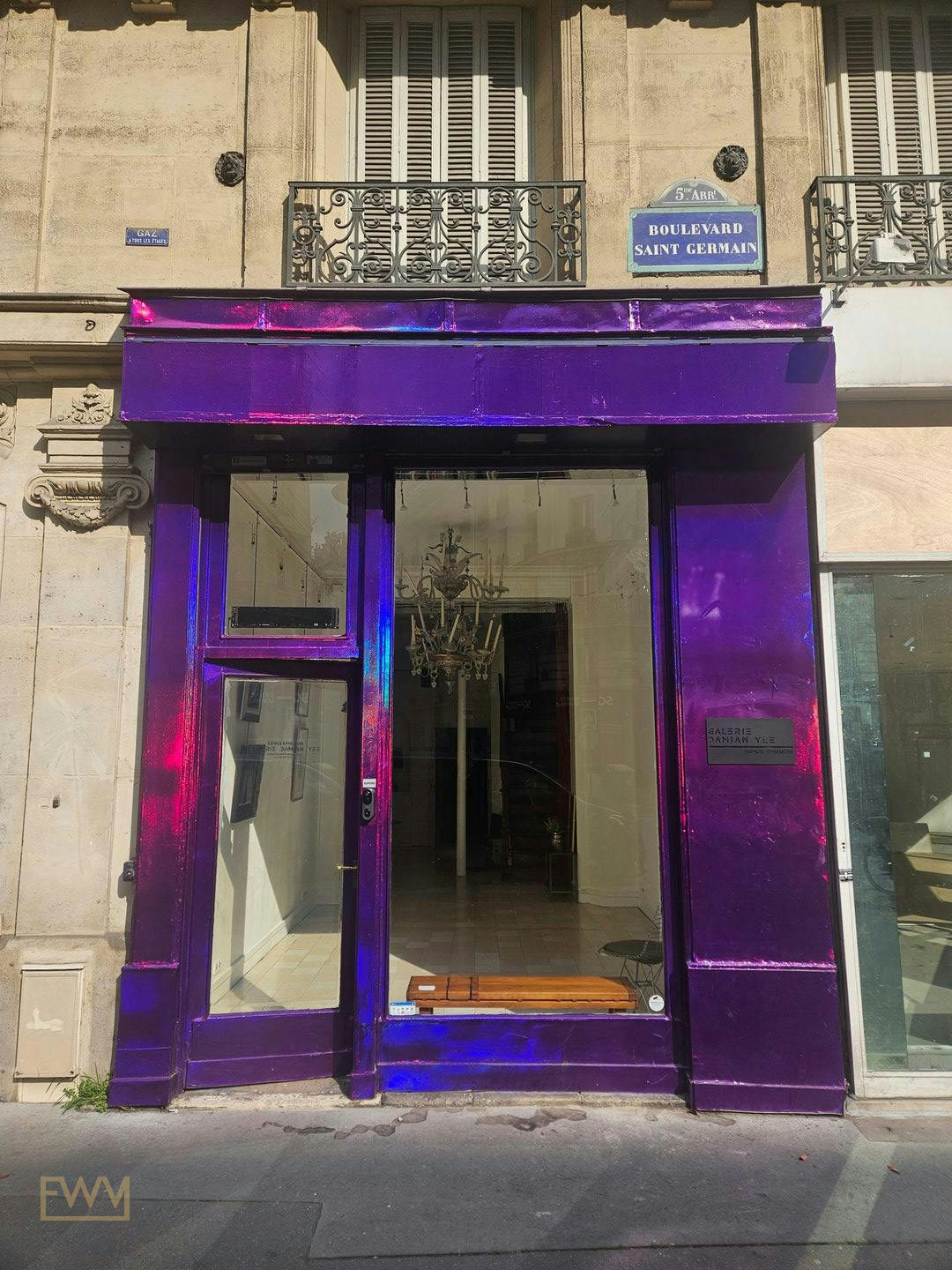
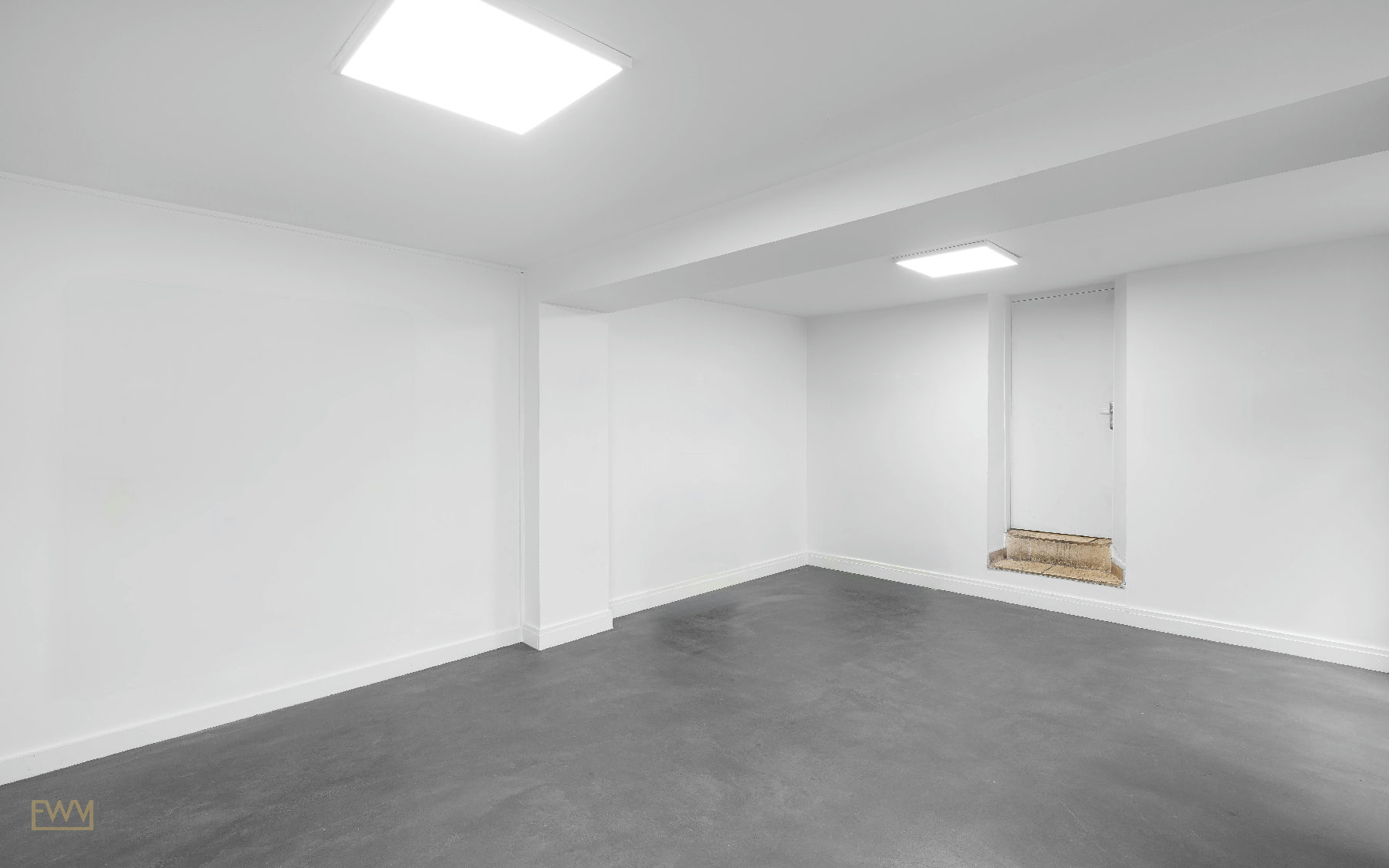
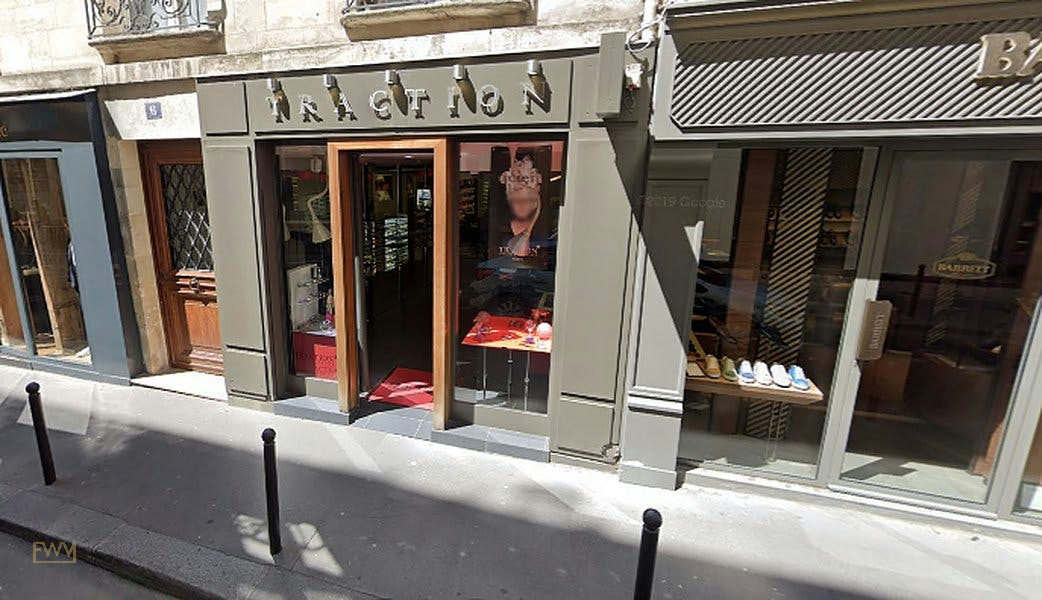
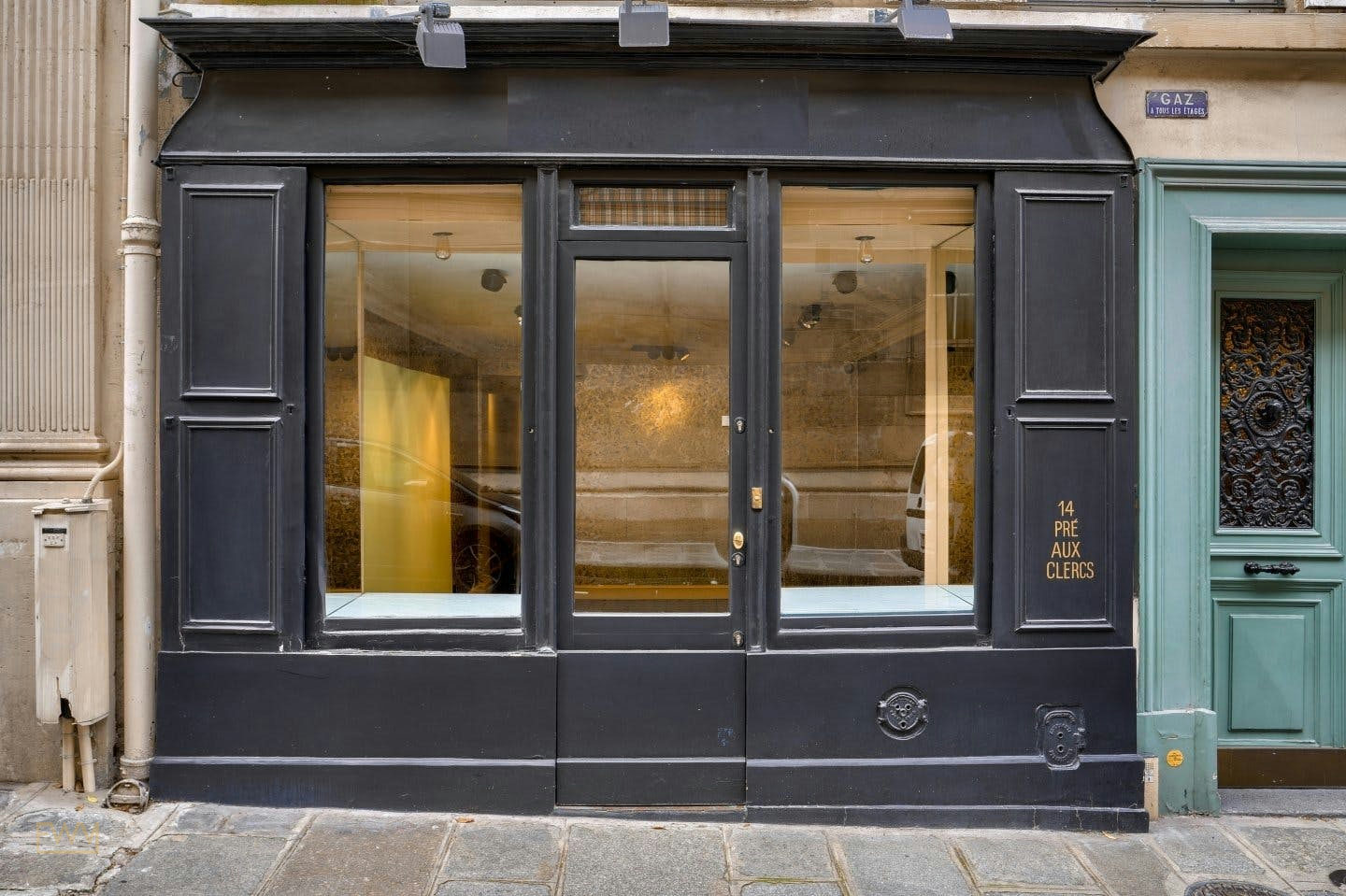
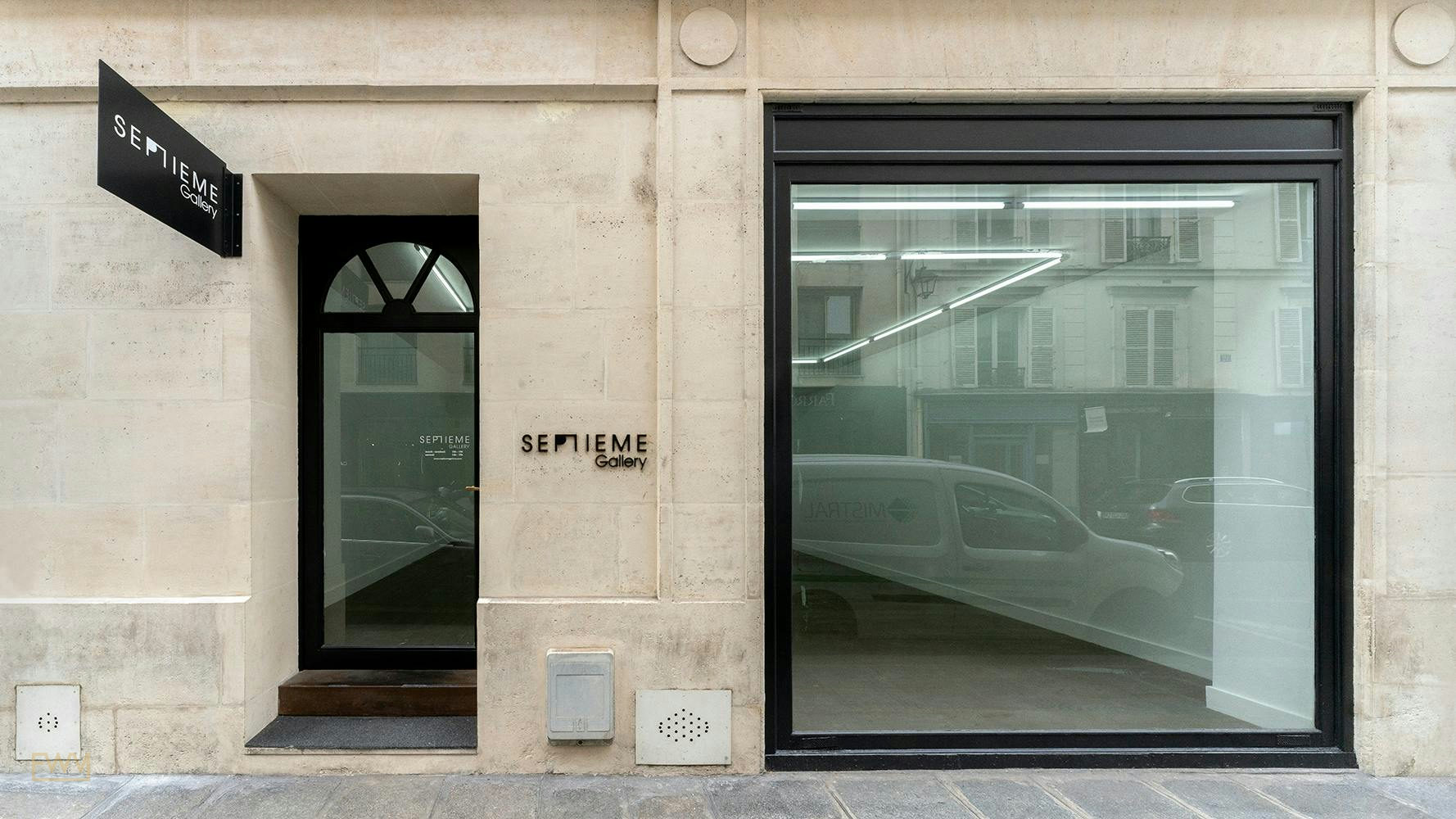
If you want to book a pop-up shop in Saint-Germain, you are targeting one of the most strategically valuable retail districts in Paris. Saint-Germain-des-Prés sits at the intersection of intellectual heritage, luxury fashion, and concentrated consumer spending, making it the first choice for brands that need visibility, credibility, and cultural alignment in a single location. The 6th arrondissement is home to flagship boutiques from Louis Vuitton and Ladurée to independent Parisian designers, and its pavements draw a daily mix of affluent locals, international tourists, and fashion-industry professionals. This guide covers everything a brand team needs to know: space types, neighbourhoods, seasonal timing including Paris Christmas markets, permits, budgets, logistics, and how Fashion Week Venues supports pop-up activations across Paris.
What Is a Pop-Up Shop and Why Does Saint-Germain-des-Prés Work So Well for Temporary Retail?
Quick answer: A pop-up shop is a short-term retail or brand activation space rented for days, weeks, or months rather than under a long-term commercial lease. Saint-Germain-des-Prés works exceptionally well for pop-up retail because it combines premium foot traffic, aspirational brand positioning, a highly educated consumer base, and proximity to the fashion, art, and media industries concentrated on the Left Bank.
A pop-up store is a temporary retail concept that allows brands to test markets, launch products, build community, and generate media coverage without committing to the operational weight of a permanent lease. In Paris, the format has become deeply embedded in how fashion houses, beauty brands, art galleries, food concepts, and lifestyle labels approach the market. The French retail calendar creates natural demand spikes around Paris Fashion Week, FIAC, Paris Design Week, and the Christmas season, all of which make the pop-up model particularly efficient for brands operating on project budgets.
Saint-Germain-des-Prés, encompassing much of the 6th arrondissement and bleeding into the 7th arrondissement along Rue de Sèvres and beyond, has a retail personality unlike anywhere else in Paris. The neighbourhood built its identity around literary cafés like Les Deux Magots and Café Bonaparte, the publishing houses clustered around the Odéon, and the small art galleries tucked along side streets off the Boulevard Saint-Germain. That cultural depth means that consumers walking through the area expect quality, originality, and intention from every shop they enter. A pop-up in this neighbourhood is not just a sales exercise; it is a positioning statement.
The Left Bank draws a consumer profile that is genuinely distinct from the more fashion-forward tourists of the Marais or the luxury-focused shoppers of the 1st arrondissement around Rue Saint-Honoré and the Vendôme. Saint-Germain attracts residents of the 5th, 6th, and 7th arrondissements who are among the highest-spending demographic in the city, alongside professionals from the legal, publishing, academic, and creative industries. International visitors come specifically for the neighbourhood's cultural cachet, which means foot traffic is pre-qualified in a way that broader tourist corridors are not.
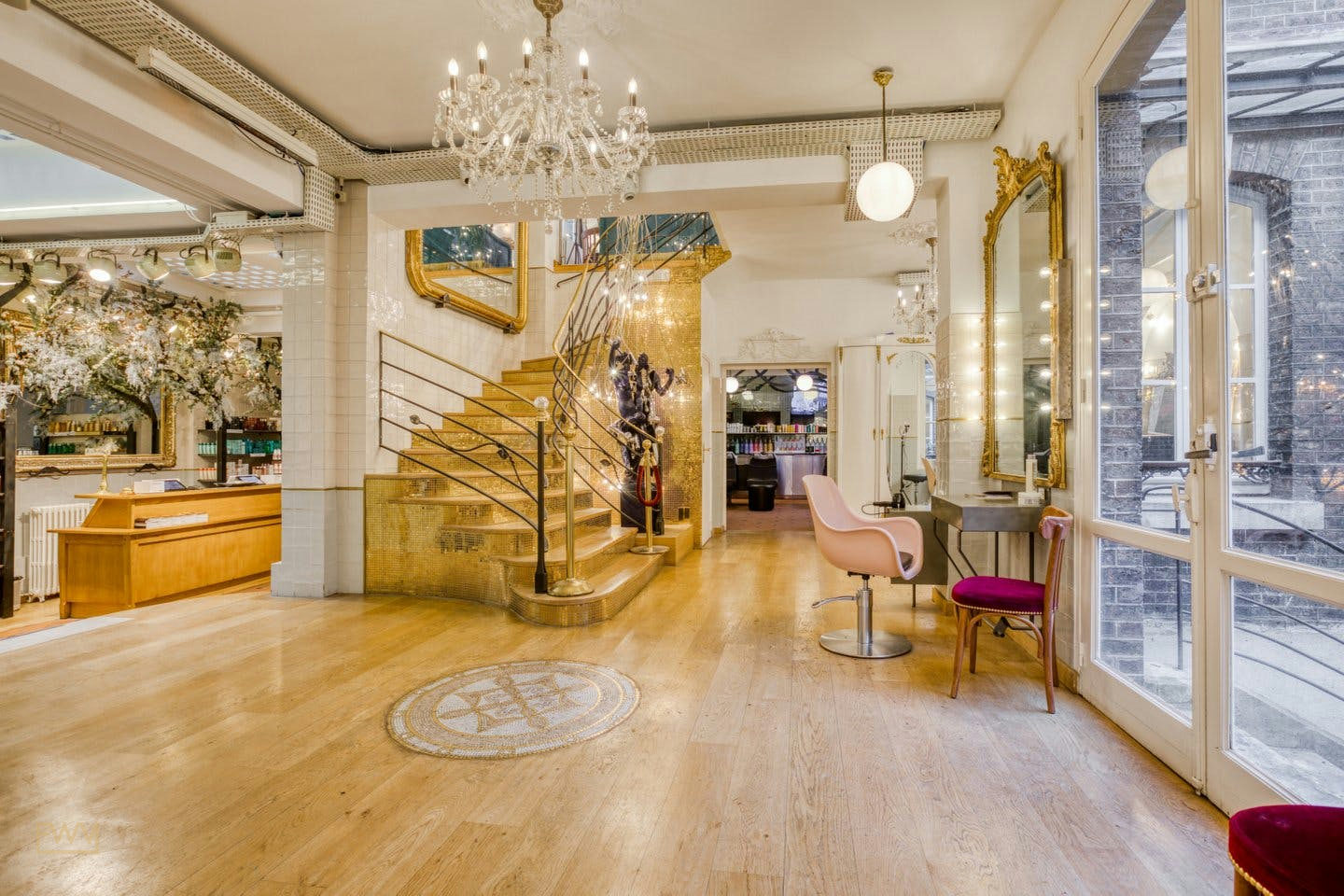
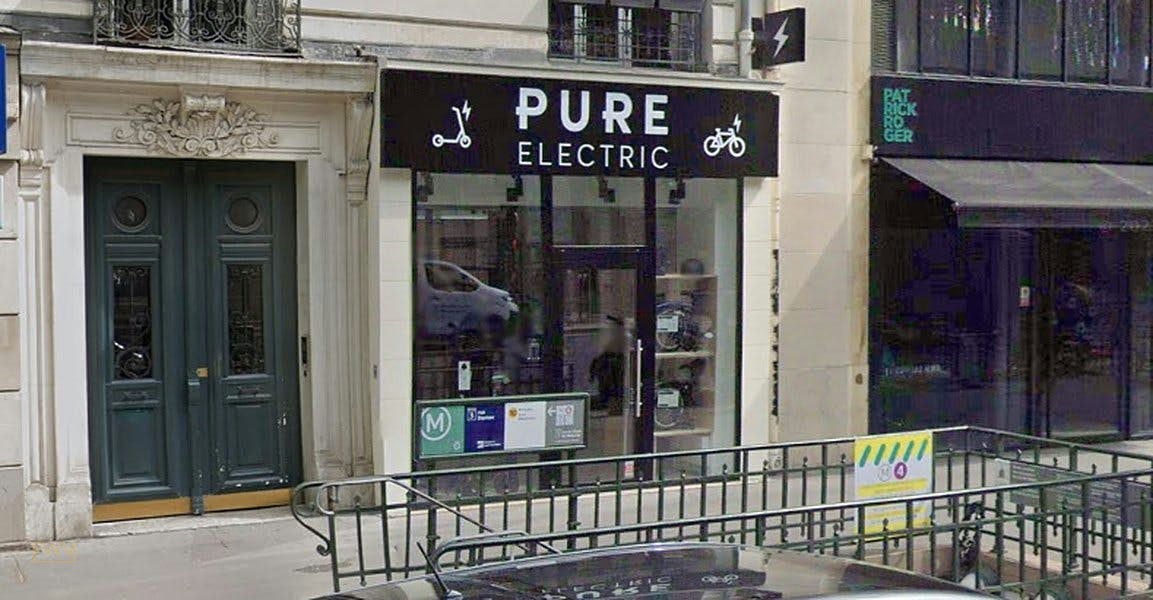
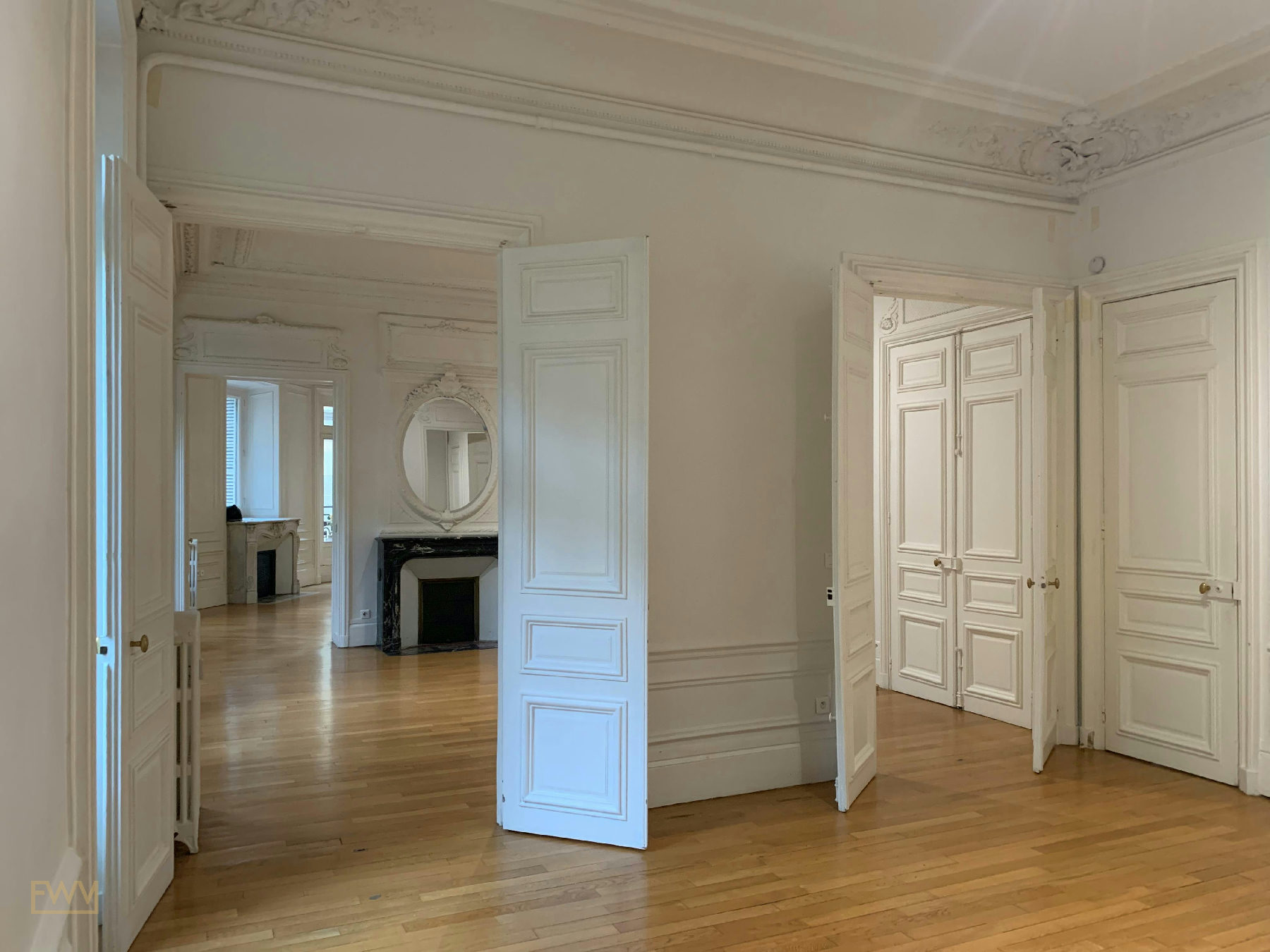
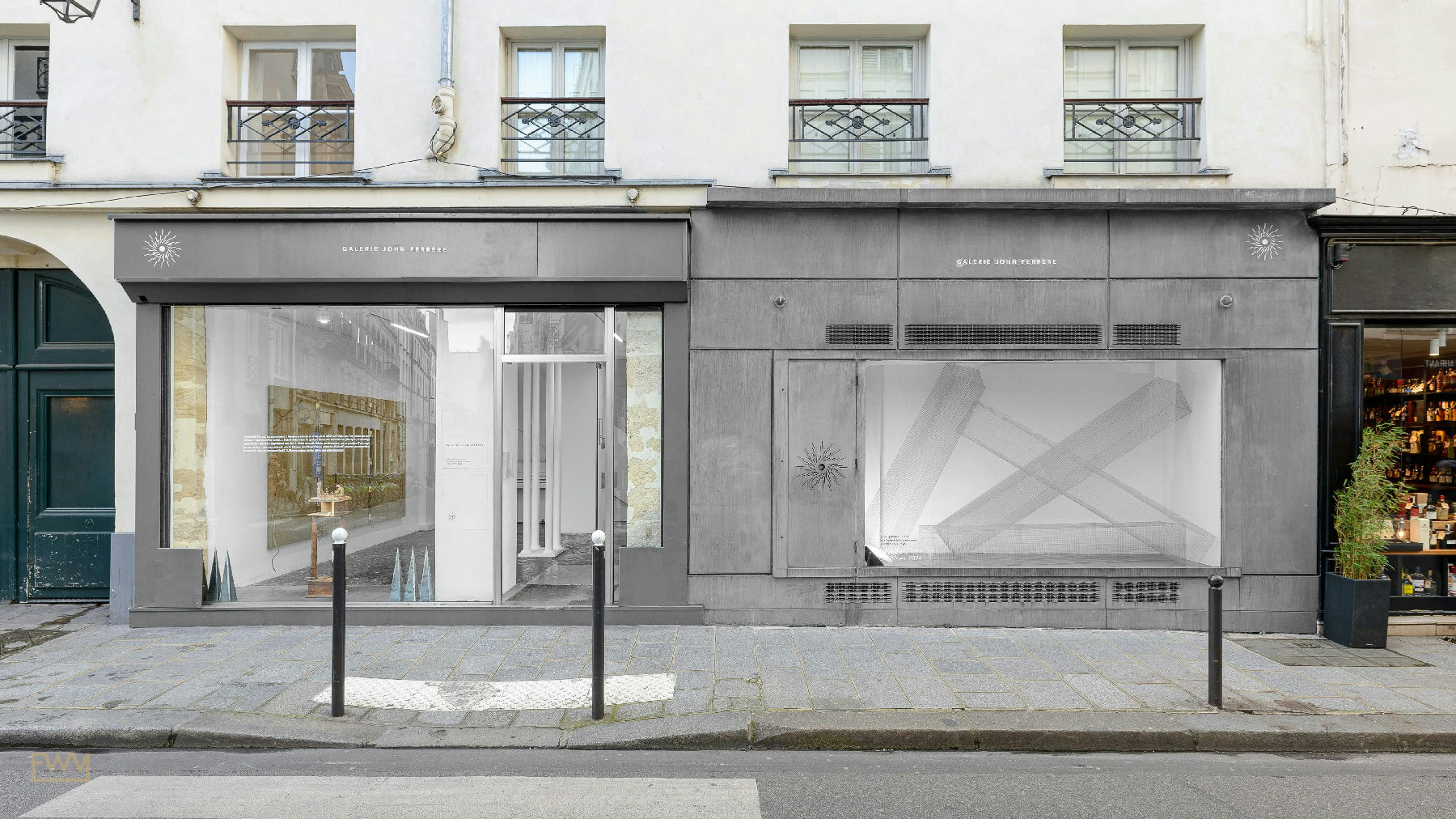
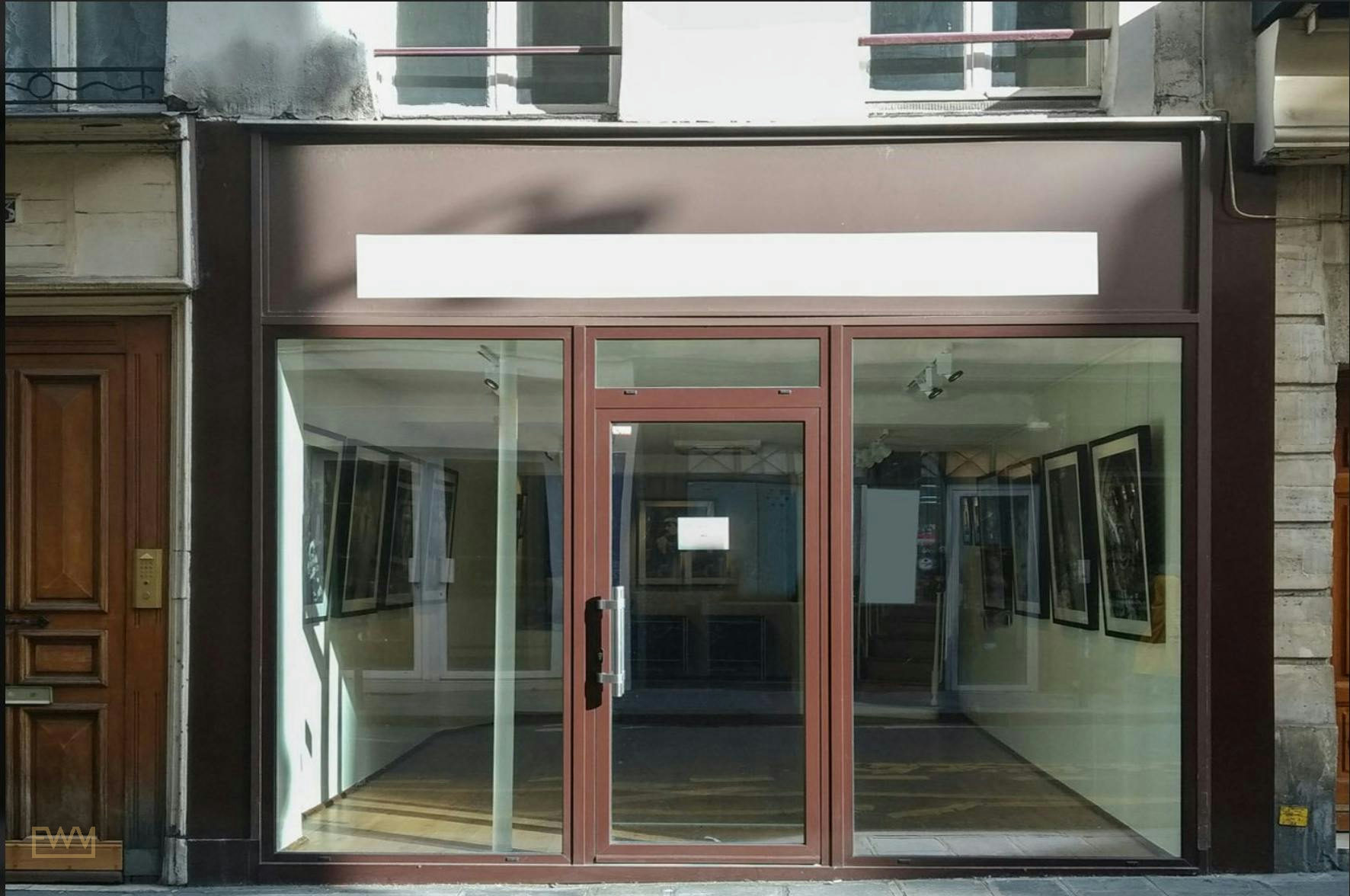
Brands that have activated in the area range from global fashion houses to independent jewellery designers, from beauty concepts seeking editorial credibility to book publishers staging immersive experiences. The neighbourhood's spatial variety helps: you can find Haussmannian ground-floor retail units with large door entrances, converted apartments with parquet floors and book-lined walls, ground floor backyard spaces ideal for private events, loft formats above existing boutiques, and even café-cum-library configurations that blur the line between retail and hospitality. Marché Saint-Germain, the covered market space on Rue Mabillon, is a recurring location for pop-up stalls and brand activations, particularly during seasonal events.
DID YOU KNOW: Saint-Germain-des-Prés was home to Sonia Rykiel's flagship boutique for decades, a brand that defined the neighbourhood's approach to Parisian fashion as comfortable, intellectual, and distinctly Left Bank in character.
The Latin Quarter, which borders Saint-Germain to the east around the Cluny Museum and the Boulevard Saint-Michel, extends the catchment area further and links the neighbourhood to the student population of the Sorbonne and the tourist flow from Notre-Dame Cathedral. This adjacency matters for brands whose audiences include younger, design-literate consumers who circulate between both districts.
KEY TAKEAWAY: Saint-Germain-des-Prés is not simply a prestigious postcode. It is an ecosystem of consumers, cultural institutions, and hospitality venues that gives a well-executed pop-up shop genuine reach into multiple high-value audience segments simultaneously.
Understanding which specific format, location within the neighbourhood, and calendar window suits your brand requires a more granular look at the space types available and the competitive dynamics of the Paris retail calendar.
Space Types Available for Pop-Up Shops in Saint-Germain and the Surrounding Left Bank
Quick answer: The most common space types available for short-term retail in Saint-Germain-des-Prés include ground-floor storefronts with large entrances, converted Haussmannian apartments, loft formats, art galleries, showroom configurations, café spaces, and seasonal market stalls. Each format carries different permit, insurance, and fit-out requirements.
The architectural character of the 6th arrondissement means that most available spaces fall into distinct typologies shaped by the neighbourhood's building stock. Unlike newer mixed-use districts, Saint-Germain spaces tend to be compact by global standards, refined in finish, and often situated within classified or protected buildings that impose specific restrictions on temporary fit-out and signage.
| Space Type | Typical Size Range | Best For | Key Consideration |
|---|---|---|---|
| Ground-Floor Retail Unit | 30 to 150 sqm | Fashion, beauty, boutique retail | Visibility, signage restrictions may apply |
| Converted Apartment | 50 to 200 sqm | Showrooms, private launches, editorial shoots | Residential building rules, access hours |
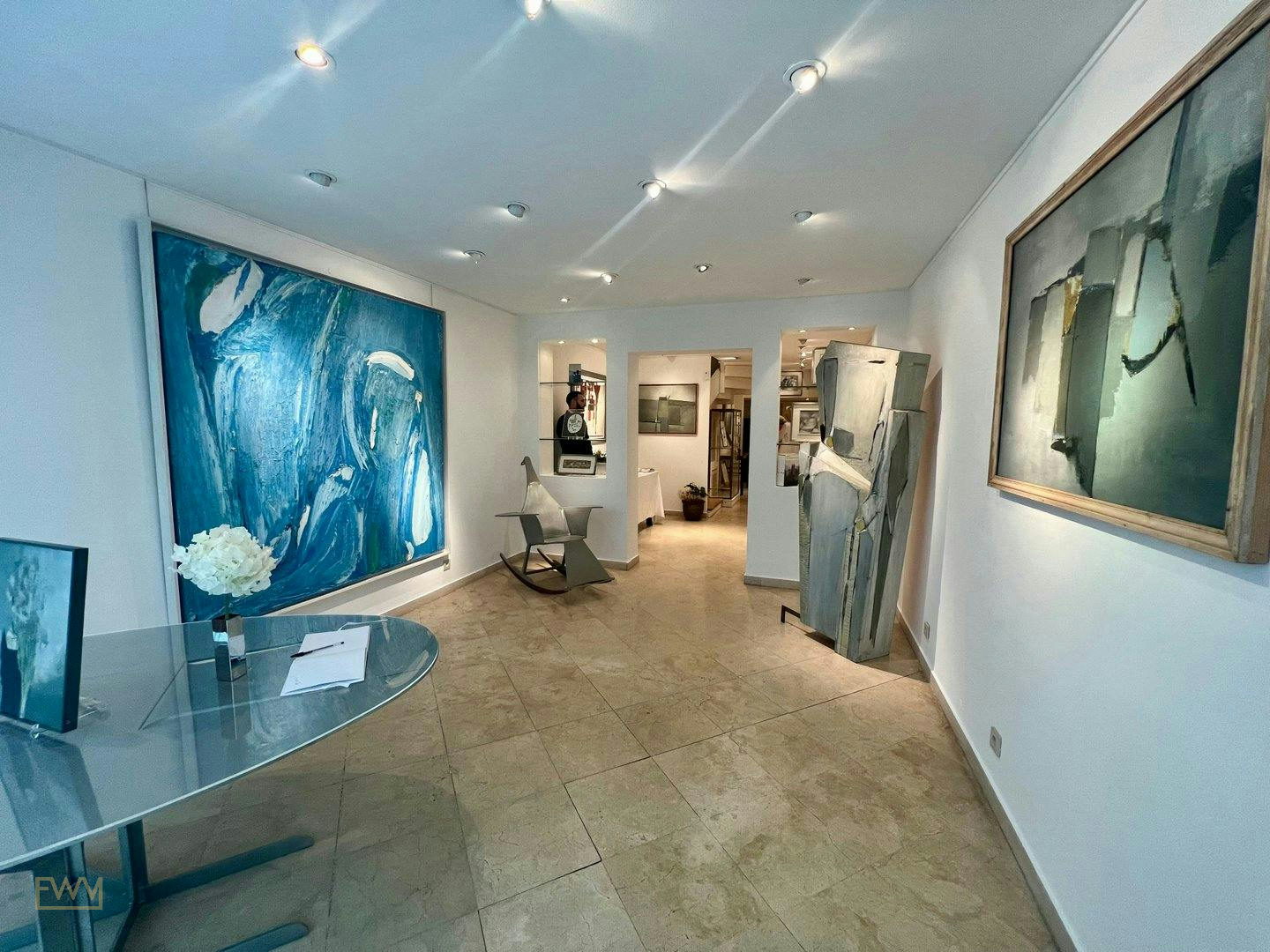
| Art Gallery | 40 to 300 sqm | Fashion, jewellery, design, brand storytelling | White walls, track lighting, minimal alteration |
| Loft Format | 80 to 400 sqm | Larger brand activations, presentations | Often on upper floors, loading logistics |
| Café or Hospitality Space | 30 to 120 sqm | Brand cafés, beauty bars, book launches | Licence requirements for food and drink |
| Market Stall or Chalet | 6 to 25 sqm | Christmas markets, seasonal activations | Market authority approval required |
| Ground Floor Backyard | Variable | Private events, outdoor installations | Weather contingency, noise regulations |
Art galleries in Saint-Germain deserve particular attention for brands in fashion, jewellery, and design. The galerie format is well established in this neighbourhood, with dozens of commercial galleries lining the streets between Saint-Sulpice and the Seine. These spaces typically offer white walls, polished concrete or wooden floors, track lighting, and a neutral backdrop that gives merchandise exceptional visual prominence. The existing gallery visitor expects quality and is receptive to premium product. Renting an art gallery in Saint-Germain-des-Prés positions a brand within the cultural continuum of the neighbourhood rather than simply occupying retail space within it.
Converted apartments, particularly those with book-lined walls, parquet floors, and the ambient character of a private Parisian residence, have become a favoured format for beauty brands seeking an editorial setting and fashion labels running private showrooms during Paris Fashion Week. These spaces do not advertise themselves loudly. They operate on invitation or word-of-mouth, which suits brands for whom exclusivity is the primary communication strategy.
The loft format is less abundant in Saint-Germain than in the Marais or in the former industrial workshops of the 10th and 11th arrondissements, but it exists in upper floors of certain commercial buildings along the Boulevard Saint-Germain and its principal side streets. A large door entrance at street level is a significant practical asset in this neighbourhood because it simplifies merchandise delivery and reduces the operational friction of moving fixtures and product through narrow stairwells.
TIP: When evaluating a Saint-Germain space, always confirm ceiling height, loading access, electrical capacity, and whether the building management permits temporary signage before committing to a rental agreement. These details are often not stated upfront in listings.
Seasonal market formats, including the pop-up chalets and stalls that appear during the Paris Christmas market season, represent a completely different operational model discussed in detail in the Christmas markets section below.
KEY TAKEAWAY: The diversity of space types in Saint-Germain-des-Prés means that almost any brand format can find a physically appropriate home in the neighbourhood, but each space type carries its own regulatory, logistical, and design requirements that must be scoped in advance.
With a clear picture of available formats, the next question is how the neighbourhood sits within the broader Paris retail geography and how to decide between Saint-Germain and other high-performing districts.
Saint-Germain Versus Other Paris Neighbourhoods for Pop-Up Retail: A Strategic Comparison
Quick answer: Saint-Germain-des-Prés, Le Marais, Rue Saint-Honoré, Montmartre, and Châtelet-Les Halles each serve different brand profiles and consumer audiences. The right neighbourhood depends on your target customer, brand positioning, available budget, and seasonal timing.
Paris is not a homogeneous retail market. Each arrondissement and each neighbourhood within it carries distinct consumer demographics, footfall patterns, competitive contexts, and spatial characteristics. Choosing between Saint-Germain and the Marais, for example, is not simply a question of preference but a strategic decision about which audience you most need to reach and which environment best amplifies your brand story.
| Neighbourhood | Arrondissement | Consumer Profile | Best Brand Fit | Peak Season |
|---|---|---|---|---|
| Saint-Germain-des-Prés | 6th | Affluent locals, cultural tourists, fashion industry | Fashion, jewellery, beauty, books, design | Fashion Week, Christmas, FIAC |
| Le Marais | 3rd and 4th | Design-literate younger consumers, global tourists | Streetwear, concept retail, art, food | Year-round, Fashion Week |
| Rue Saint-Honoré and Vendôme | 1st | Ultra-luxury shoppers, international high-net-worth | Haute couture, watches, fine jewellery | Fashion Week, Christmas |
| Montmartre and Place des Abbesses | 18th | Creative professionals, bohemian tourists | Art, craft, independent lifestyle | Summer, Christmas |
| Châtelet-Les Halles and Rue de Rivoli | 1st and 4th | High-volume mixed footfall | Mass market, accessible fashion, food | Year-round, Christmas |
| Bercy Village | 12th | Families, local residents | Lifestyle, food, seasonal activations | Christmas, summer |
Le Marais and Saint-Germain are frequently compared because both attract a mix of locals and international visitors and both have a concentration of independent boutiques alongside global brands. The distinction lies in tone. The Marais has more energy, more diversity of tenant, more street-food culture, and a younger average consumer. Its Hôtel de Ville Christmas Market at Place de l'Hôtel de Ville is one of the most photographed seasonal events in the city. Saint-Germain is quieter, more considered, and more associated with quality over volume. Place des Vosges, technically in the Marais, sits at the intersection of these two characters and works well for brands that want the architectural gravitas of the 4th arrondissement alongside the cultural positioning of the Left Bank.
Brands targeting the luxury segment at the level of Rue Saint-Honoré or Vendôme will find Saint-Germain a credible and often more accessible alternative. Spaces in the 1st arrondissement around Rue Saint-Honoré command some of the highest short-term rental premiums in Europe. Saint-Germain offers comparable brand perception at a lower entry cost in many cases, though rates vary considerably by specific location and season.
For brands arriving during Paris Fashion Week, the Marais and Saint-Germain both have strong showroom traditions. Fashion professionals commute between the two districts during show season, and a well-located showroom or press event space in either neighbourhood will attract industry visitors without requiring the brand to compete for appointments in the most congested fashion calendar windows.
Rue Montorgueil in the 2nd arrondissement presents a pedestrianised market street character that suits food brands and accessible lifestyle concepts. Forum des Halles and Châtelet-Les Halles serve mass-market volume. Gare Saint-Lazare and Gare Montparnasse offer the specific advantage of transit-adjacent captive footfall, which suits brands running very short activations of two to five days.
KEY TAKEAWAY: Saint-Germain-des-Prés is the optimal choice for brands that need cultural credibility, a premium consumer profile, and the Left Bank aesthetic, but the right neighbourhood selection requires honest analysis of your target audience, price point, and available budget.
To compare neighbourhoods and space types against your specific brief, explore the Paris city hub on Fashion Week Venues and shortlist spaces that match your brief, budget, and calendar window.
Paris Christmas Markets and the Pop-Up Opportunity in Saint-Germain and Beyond
Quick answer: The Paris Christmas market season runs from mid-November through late December and creates one of the highest-value retail windows of the year. Major markets include the Tuileries Christmas Market, the Hôtel de Ville Christmas Market, the Saint-Michel Christmas Market, and the La Défense Christmas Market, each offering different consumer profiles and space configurations for brand activations.
A pop-up Christmas market is a temporary seasonal retail event that combines festive ambiance, food and drink, artisan products, and experiential entertainment. Unlike a standard pop-up shop, a market format operates within an organised event structure where brands rent individual chalets or stalls within a managed venue rather than securing a standalone space independently. This distinction matters significantly for permit requirements, insurance obligations, and the type of brand interaction possible.
Paris operates several major Marché de Noël events simultaneously during the holiday season, and the City of Light's Christmas infrastructure is one of the most elaborate in Europe. The chalets along the Champs-Élysées are the most internationally recognisable, but brands seeking more targeted consumer engagement often find better value and a better audience match at the markets around Hôtel de Ville, in the 7th arrondissement near the Eiffel Tower, or in smaller neighbourhood markets concentrated in areas like Montmartre at Place des Abbesses and Bercy Village.
The Tuileries Christmas Market, set within the Tuileries Garden between the Louvre and the Place de la Concorde, combines retail chalets with fairground rides, a Champagne bar, and food stalls serving vin chaud, foie gras, and other seasonal specialities from across France, with a particular focus on Alsace region producers given northeastern France's strong Christmas market tradition. The vibe at this market is festive, family-friendly, and genuinely carnival in character, making it ideal for brands in food, lifestyle, and gifting rather than premium fashion.
DID YOU KNOW: The Alsace region's Christmas market tradition is among the oldest in France, with Strasbourg's market dating to the 16th century. Parisian markets draw heavily on Alsatian food and aesthetic traditions, including hot mulled wine, pretzels, and wood-carved decorations.
The Hôtel de Ville Christmas Market, set in front of the historic Paris city hall in the 4th arrondissement, is notable for the ice rink that operates alongside the retail stalls and for the proximity to the Marais consumer catchment. The Saint-Michel Christmas Market serves the Left Bank academic and tourist corridor between Notre-Dame Cathedral and the Luxembourg Gardens. La Magie de Noël at La Défense offers a contemporary, commercially focused environment with significant footfall from the business district.
The Disney-branded La Défense Christmas Market brings a very specific consumer to the western business district, one that includes families with children and corporate visitors celebrating the end of the year. Who can resist a Christmas-themed carnival with fantastic food offerings plus shopping opportunities for special gifts? The Champagne bar culture that runs through almost every Paris Christmas market reflects the French conviction that festive celebration and quality consumption are inseparable.
For brands seeking a pop-up Christmas market format within or adjacent to Saint-Germain, the most relevant activation options involve either the Jardin du Luxembourg seasonal events or smaller curated markets that occasionally appear around Marché Saint-Germain and the streets off the Boulevard Saint-Germain during the pre-Christmas period. These smaller formats are not permanent fixtures and require early engagement with local market organisers, often twelve months in advance for confirmed stall allocations.
Christmas Eve Mass at Saint-Sulpice, one of the largest churches in Paris situated on the western edge of Saint-Germain, draws significant crowds to the neighbourhood during the final days of the season. Brands running late-December activations can benefit from this natural footfall concentration if their space is positioned along the pedestrian routes between the church, the Luxembourg Gardens, and the nearby Rue de Sèvres.
TIP: If your brand is targeting the Christmas market season, confirm stall allocations at organised markets at least nine to twelve months ahead. Independent pop-up shops in Saint-Germain during November and December do not require market authority approval but do require standard short-term retail permits and insurance.
KEY TAKEAWAY: The Paris Christmas market season is a high-value retail window for brands across fashion, food, beauty, and lifestyle, but the operational model for a market stall within an organised Marché de Noël differs fundamentally from booking an independent pop-up shop in Saint-Germain. Both require advance planning and the right documentation.
Beyond the Christmas season, the Paris retail calendar offers multiple high-value windows that deserve equal strategic attention.
The Paris Retail Calendar: When to Book Your Pop-Up in Saint-Germain
Quick answer: The highest-value windows for a pop-up shop in Saint-Germain are Paris Fashion Week in late September to early October, the Christmas market season from mid-November to late December, FIAC in October, and Paris Design Week in September. Summer also delivers strong tourist footfall, particularly in July and August.
Paris is a year-round retail destination, but certain calendar windows concentrate consumer spending, media attention, and industry presence in ways that multiply the return on a well-placed temporary activation. Understanding the rhythm of the Paris calendar is essential for any brand planning a short-term retail presence in the city.
| Calendar Window | Approximate Dates | Primary Audience | Best Space Type for Saint-Germain |
|---|---|---|---|
| Paris Fashion Week (Womenswear) | Late September to early October | Fashion industry, press, buyers, VIPs | Showroom, apartment, gallery |
| FIAC / Paris Art Fair | October | Art collectors, gallerists, cultural tourists | Gallery, loft, boutique |
| Paris Design Week | September | Designers, architects, creative industry | Loft, converted space, showroom |
| Christmas Season | Mid-November to late December | General consumers, tourists, gifting market | Boutique, market stall, café space |
| Summer Tourist Peak | July to August | International tourists, Parisian residents | Storefront, gallery, boutique |
| Paris Fashion Week (Menswear) | January | Fashion industry, press, buyers | Showroom, loft |
Fashion Week is the single highest-profile window for brand activations in Saint-Germain among industry-facing brands. During the September womenswear season, the neighbourhood is at its most concentrated with fashion professionals, international press, and creative directors moving between shows, presentations, and private events. A showroom in a converted apartment or a gallery format during this period serves both as a commercial transaction space and as a brand positioning exercise that generates social media content and press coverage simultaneously.
FIAC, Paris's international contemporary art fair, brings a collector and gallerist audience to the city in October that overlaps significantly with the consumer profile of Saint-Germain's established art gallery scene. Brands in jewellery, design, and premium lifestyle have used the FIAC window successfully to position pop-up activations as cultural contributions rather than purely commercial exercises.
Paris Design Week in September immediately precedes Fashion Week and creates a compound period of industry visitation that gives brands running activations across both events exceptional reach into the creative professional community. Venues along the Boulevard Saint-Germain and in the Latin Quarter receive elevated footfall from design-sector visitors during this period.
The summer tourist peak is often underestimated by brands that focus on industry calendar windows. Saint-Germain in July and August receives international visitors whose spending capacity is high and whose purchase motivation is often around acquiring something genuinely Parisian. A well-merchandised boutique or gallery format in this neighbourhood during high summer can deliver strong transactional performance alongside brand discovery among a globally distributed audience.
KEY TAKEAWAY: The most effective pop-up calendar strategy for Saint-Germain combines awareness of the industry-facing calendar windows with an honest assessment of the brand's transactional goals. Fashion Week serves press and buyers; the Christmas season serves consumers; summer serves international tourists. Most brands benefit from selecting one primary window and planning the activation around it.
Calendar timing shapes budget significantly. Understanding how to estimate and plan a realistic budget is the next critical step.
How Much Does a Pop-Up Shop Cost in Saint-Germain? Budget Planning for Temporary Retail in Paris
Quick answer: The total cost of a pop-up shop in Saint-Germain-des-Prés depends on the space size, rental duration, fit-out specification, staffing model, and marketing investment. Directional estimates vary widely based on brand requirements. Use a dedicated budget tool to model realistic costs for your specific brief.
Providing fixed price ranges for pop-up shop costs in Paris requires significant caution. Space rental rates in Saint-Germain vary based on street-level visibility, proximity to anchor retail brands, floor area, condition of the space, and market demand during the target calendar window. Fit-out costs depend entirely on the design specification, the number of build days required, whether branded furniture is needed, and whether the space requires any structural or technical modification.
What is consistent across activations is the structure of the cost components that every brand needs to budget for:
- Space rental including any agency or finder's fee
- Security deposit, typically equivalent to one or two months' rent
- Permit and legal compliance costs
- Insurance for the duration of the activation
- Fit-out, branded store design, and production
- Furniture rental and merchandising fixtures
- POS and payment system setup
- Retail staffing for all trading hours
- Influencer and social media marketing
- Data and analytics setup if required
- Breakdown and restoration costs at end of term
Each of these line items can scale dramatically depending on brand ambition and specification. A minimal viable pop-up for a single designer during Fashion Week might concentrate spend on the space rental and a restrained fit-out. A global brand mounting a fully produced experiential activation during the Christmas season will add significant investment in branded design, staffing, technology, and marketing amplification.
IMPORTANT: Always budget for restoration costs at the end of your tenancy. Most short-term rental agreements in Paris require the space to be returned to its original condition, which means that any branded fit-out, signage, or surface treatment must be removed and repaired at the tenant's cost. Failure to account for this is one of the most common budget errors made by first-time operators in the French market.
The Fashion Week Venues budget planning tool allows brand teams to model realistic cost ranges based on their specific brief, space size, duration, and service requirements. This is a more reliable starting point than generalised published estimates, which tend to reflect specific market conditions at a single point in time rather than the genuine range of what brands pay across different seasons and space types.
For brands evaluating whether a Paris activation will generate a positive return, the ROI calculator at Fashion Week Venues provides a framework for estimating expected return against planned investment based on comparable activations.
KEY TAKEAWAY: Budgeting for a pop-up shop in Saint-Germain requires honest scoping of all cost components from rental and permits through to staffing and restoration. Use a structured budgeting tool rather than benchmark figures to arrive at a brand-specific estimate.
Budget clarity depends partly on understanding the legal and permit framework within which short-term retail operates in Paris.
Permits, Legal Compliance, and Short-Term Retail Regulations in Paris
Quick answer: Short-term retail in Paris operates under specific legal frameworks including the bail dérogatoire for temporary commercial leases and the autorisation d'occupation temporaire (AOT) for public space use. Requirements vary by space type, duration, arrondissement, and activation format. Always verify requirements with a qualified French legal advisor before signing agreements.
One of the most frequently misunderstood aspects of running a pop-up shop in Paris is the legal and regulatory framework that governs temporary retail. Unlike permanent commercial leases, which in France fall under the statute du bail commercial with strict tenant protections and minimum nine-year terms, short-term activations operate under different instruments that offer flexibility but also impose specific compliance obligations.
The bail dérogatoire, sometimes called a bail précaire, is a short-term commercial lease that allows parties to agree on rental periods of up to thirty-six months without triggering the full protections of the statute du bail commercial. For brands seeking a space for weeks or months rather than years, this is the relevant legal vehicle in most cases. The agreement must explicitly state that both parties waive the right to invoke the standard commercial lease protections, and this waiver must be renewed if the tenant remains in occupation beyond the agreed term.
The autorisation d'occupation temporaire is relevant when a brand seeks to use public space for an activation, whether as a market stall in a publicly managed space, an outdoor installation on a public square, or a kiosk in a publicly owned building. AOT permits are granted by the relevant municipal authority, which in Paris is typically the Mairie de Paris or the arrondissement-level mairie. Approval timelines, fees, and conditions vary significantly by location and activation type.
Insurance is a non-negotiable requirement in virtually all Paris short-term rental agreements. Landlords will require proof of comprehensive liability insurance before granting access to a space. For branded activations involving public visitors, product sales, and temporary structures, the insurance specification needs to be reviewed carefully with a French insurance broker familiar with commercial event and retail risks.
Specific regulations also govern signage, window displays, sound levels for any in-store events, food and drink service licences if applicable, and the hours during which merchandise deliveries can be made in pedestrianised or traffic-controlled zones. The 6th arrondissement has specific rules regarding the visual character of street-level retail that reflect its status as a protected urban heritage area.
The Fashion Week Venues permits tool provides orientation-level guidance on the permit types relevant to different activation formats in Paris. It is not a substitute for legal advice, but it helps brand teams identify which regulatory questions they need to raise with a qualified French legal advisor before committing to a space.
IMPORTANT: Do not assume that a space listed as available for a pop-up shop has been pre-cleared for all activities you plan to conduct within it. Always confirm the permitted use, noise restrictions, signage allowances, and restoration obligations in writing before signing any agreement.
KEY TAKEAWAY: The French legal framework for short-term retail is navigable but requires advance preparation. Understanding the difference between a bail dérogatoire and a standard commercial lease, and securing appropriate insurance and permits before opening, protects both the brand and the landlord.
How Fashion Week Venues Helps Brands Book Pop-Up Shops in Saint-Germain and Paris
Fashion Week Venues operates as a full-service pop-up shop agency and space marketplace with particular depth in Paris, where the team maintains an active network of spaces across Saint-Germain-des-Prés, Le Marais, the 1st arrondissement, Montmartre, and beyond. The agency was built specifically to address the operational complexity that brands face when entering the French market without established local contacts, legal knowledge, or production infrastructure.
For brand teams approaching a Paris activation, Fashion Week Venues offers a structured pathway from brief to opening that covers the full stack of requirements. The venue sourcing service begins with understanding the brand's target consumer, calendar window, budget parameters, and spatial requirements before presenting a curated shortlist of available spaces. This approach differs from a raw listing marketplace in that it applies strategic judgment to the selection, filtering out spaces that would work technically but not brand-strategically.
Once a space is identified, the agency's concept direction, production and build, and branded store design services allow the physical environment to be created to a professional specification without the brand needing to manage multiple separate contractors in an unfamiliar market. For international brands arriving in Paris for the first time, this integrated model eliminates the coordination overhead that typically consumes internal resources during the pre-opening phase.
Operational services including retail staffing, POS and payments, and data and analytics allow the brand to run the activated space at full retail capacity from day one without recruiting permanent French-language staff for a short-term engagement. The influencer marketing service extends the physical activation into the social media environment, which is where much of the brand-building value of a well-executed Paris pop-up is ultimately captured and distributed.
The agency also operates the twin co-activation concept at Fashion Week Venues, which allows two complementary brands to share a single space, splitting costs while creating a combined experience that often generates more editorial interest than either brand would achieve independently. This model works particularly well for emerging brands whose individual budgets do not extend to a standalone Saint-Germain location during Fashion Week.
For brands that prefer to manage their own activation but need support with planning, the suite of tools available includes timeline planning, space comparison, permit guidance, budget estimation, and ROI calculation. These tools provide structure for internal planning conversations and help brand teams arrive at vendor and agency conversations with a clearer brief.
TIP: Review the Fashion Week Venues case studies before briefing an agency. Understanding the range of activations the team has delivered across different brand types, budgets, and calendar windows helps you calibrate your own brief and ask more precise questions during initial conversations.
Fashion Week Venues does not guarantee specific spaces, permit approvals, or commercial outcomes. The value of the agency relationship lies in experience, network, and execution capability rather than in promised results that depend on market conditions and brand performance.
KEY TAKEAWAY: Fashion Week Venues provides brand teams with a single point of contact for the full scope of a Paris pop-up activation, from space discovery through to data capture and social amplification, with particular strength in the Saint-Germain neighbourhood and the broader Paris fashion calendar.
Step-by-Step Process: How to Book a Pop-Up Shop in Saint-Germain
Quick answer: Booking a pop-up shop in Saint-Germain follows a structured process from brief development through space selection, legal agreement, fit-out, launch, and restoration. The full process typically takes six to twelve weeks for a well-planned activation, though condensed timelines are possible with agency support.
The most common cause of a poorly executed Paris pop-up is insufficient lead time. Brands that begin the process eight to twelve weeks before their intended opening date consistently achieve better space selection, lower fit-out costs, and a more complete permit and insurance package than those attempting to activate in three to four weeks. During peak calendar windows like Paris Fashion Week or the Christmas market season, space availability compresses significantly and premium locations are often reserved months in advance.
| Step | Activity | Recommended Lead Time | Key Output |
|---|---|---|---|
| 1 | Define brief: dates, location, space type, budget, audience | 12 to 16 weeks before opening | Written activation brief |
| 2 | Space sourcing and shortlisting | 10 to 14 weeks before opening | Curated space shortlist |
| 3 | Site visits and space comparison | 8 to 12 weeks before opening | Selected space with confirmed availability |
| 4 | Legal review and rental agreement | 6 to 10 weeks before opening | Signed bail dérogatoire or equivalent |
| 5 | Permit applications and insurance | 6 to 8 weeks before opening | Confirmed permits, insurance certificate |
| 6 | Concept design and fit-out planning | 4 to 8 weeks before opening | Approved design drawings, contractor schedule |
| 7 | Production, build, and merchandising | 1 to 2 weeks before opening | Completed fit-out, stocked and styled space |
| 8 | Soft opening, staff briefing, POS testing | 2 to 3 days before opening | Operational space ready to trade |
| 9 | Live activation period with monitoring | During activation | Sales data, footfall, social content |
| 10 | Breakdown, restoration, and debrief | Within agreed exit period | Space returned, deposit reclaimed, report |
Each step in this process has dependencies that affect the steps that follow. A delay at the legal review stage, for example, compresses the time available for fit-out planning and can force brands to choose between a rushed installation and a delayed opening. Working with a local agency that has established relationships with landlords, contractors, and permit authorities reduces friction at each transition point.
The inspection and handover process at both the beginning and end of a short-term lease in Paris is more formal than many international brands expect. A detailed condition report with photographic documentation should be completed at the point of key handover and again at the end of the tenancy. Disputes over deposit deductions are more easily resolved when this documentation is thorough and agreed in writing by both parties before any fit-out work begins.
For brands using the Fashion Week Venues timeline tool, the process above can be mapped against specific activation dates to generate a working backward schedule that identifies the latest possible date for each action. This is particularly useful for brand teams managing multiple activations across different cities simultaneously.
KEY TAKEAWAY: A structured twelve-week timeline is realistic for a well-resourced brand with agency support. Brands attempting to compress this to six weeks or fewer will encounter significant constraints on space selection, permit processing, and fit-out quality.
Common Myths About Booking a Pop-Up Shop in Saint-Germain Debunked
MYTH: You need a French legal entity to rent a pop-up shop in Paris.
FACT: While having a French entity simplifies certain aspects of the process, international brands can rent short-term retail space in Paris without establishing a French company. The rental agreement can be entered into by a foreign entity, though the landlord may require additional guarantees or a larger deposit. Some permit categories do require a French-registered entity, so the specific requirements vary by activation type and space. Always verify the specific requirements of your target space and permit category with a French legal advisor before assuming either approach is automatically available to you.
MYTH: Paris Fashion Week is the only viable calendar window for a Saint-Germain pop-up.
FACT: Fashion Week is one of several high-value windows but not the only one. The Christmas season, the summer tourist peak, FIAC, Paris Design Week, and the quieter periods between major events all present viable opportunities depending on the brand's target audience and commercial objectives. Many brands achieve their strongest transactional results outside Fashion Week because consumer footfall is higher and competition from other activations is lower. A Fashion Week showroom serves press and buyers; a December boutique serves gift-buying consumers. These are different objectives requiring different spaces and different success metrics.
MYTH: Commission brokers are the only way to find a short-term retail space in Paris.
FACT: The Paris short-term retail market has evolved significantly and now includes specialist marketplaces, full-service agencies, and direct landlord relationships that can all provide access to suitable spaces without the opacity of traditional commission structures. Fashion Week Venues operates both a curated space marketplace and a full-service agency model, allowing brands to choose the level of support that suits their internal capability and budget. Understanding the fee structure of any intermediary upfront and comparing it against the service provided is always advisable.
MYTH: Short-term leases in Paris are legally straightforward and require minimal specialist guidance.
FACT: The French commercial lease framework is legally complex, and even short-term arrangements involve specific language around the waiver of standard tenant protections, deposit conditions, restoration obligations, and permitted use. A bail dérogatoire signed without proper legal review can expose a brand to unexpected liabilities at the end of the tenancy. The investment in legal review before signing is consistently less expensive than resolving disputes after the fact, and it protects both parties by ensuring that the agreement clearly reflects what was actually negotiated.
MYTH: All Paris Christmas market stalls are booked through the same central authority and follow the same rules.
FACT: Paris Christmas markets are managed by different authorities depending on their location. Some are organised directly by the Mairie de Paris, others by arrondissement mairies, others by private event producers, and some by commercial associations. Application processes, fees, stall allocation criteria, product category restrictions, and operating rules vary between markets. A brand seeking a chalet at the Tuileries Christmas Market faces a completely different application process from one seeking a presence at Bercy Village's seasonal market. Early engagement with each market's organiser is essential, and professional guidance significantly improves the likelihood of a successful application.
Frequently Asked Questions
What is a pop-up shop?
A pop-up shop is a temporary retail space rented for a defined period, typically ranging from a few days to several months, rather than under a long-term commercial lease. Pop-up shops allow brands to test new markets, launch products, create experiential retail moments, generate press coverage, and build community without the financial commitment of a permanent location. In Paris, pop-up shops operate across a wide range of formats including storefronts, converted apartments, art galleries, loft spaces, market stalls, and hospitality venues. The format has become a mainstream strategic tool used by brands at every scale from independent designers to global fashion houses.
How do I rent a pop-up shop in Paris?
Renting a pop-up shop in Paris involves defining your brief in terms of location, dates, size, and budget, then sourcing a suitable space through a marketplace, agency, or direct landlord contact. Once a space is identified, you will need to negotiate and sign a short-term rental agreement, typically a bail dérogatoire, and arrange the required insurance, permits, and fit-out. Working with a specialist agency like Fashion Week Venues simplifies this process by providing curated space options, local legal and logistical support, and production services. First-time operators in the French market should allow twelve weeks minimum from brief to opening for a well-executed activation.
Are pop-up stores common in Paris?
Pop-up stores are very common in Paris and have been a fixture of the retail landscape for well over a decade. The concentration of fashion, luxury, design, and cultural industries in the city, combined with a retail calendar packed with international events, has made Paris one of the most active global pop-up markets. Neighbourhoods like Saint-Germain-des-Prés, Le Marais, and the 1st arrondissement see significant turnover of short-term retail activations throughout the year, with particular density during Paris Fashion Week, the Christmas season, FIAC, and Paris Design Week.
What neighbourhoods are best for pop-up retail in Paris?
The best neighbourhood for pop-up retail in Paris depends on the brand's target audience and commercial objectives. Saint-Germain-des-Prés suits fashion, beauty, jewellery, and design brands targeting an affluent, culturally literate consumer. Le Marais works well for concept retail, streetwear, food, and art-adjacent brands reaching a younger, design-forward audience. Rue Saint-Honoré and the 1st arrondissement serve ultra-luxury brands targeting high-net-worth international visitors. Montmartre and Place des Abbesses attract creative and bohemian consumers. Châtelet-Les Halles and Forum des Halles offer the highest raw footfall for accessible and mass-market concepts.
Why rent an art gallery in Saint-Germain-des-Prés for a pop-up?
Renting an art gallery in Saint-Germain-des-Prés gives a brand access to one of the most contextually appropriate settings for fashion, jewellery, and design activations in Paris. Gallery spaces typically offer white walls, polished floors, professional lighting, and a neutral architecture that allows product to read clearly and powerfully. The galerie format carries an inherent cultural positioning that elevates the perceived value of what is presented within it. Consumers entering a gallery-format pop-up arrive with a frame of mind shaped by the expectation of encountering quality and intention, which benefits almost any premium or aspirational brand.
What permits do I need to open a pop-up shop in Paris?
The permits required for a pop-up shop in Paris vary depending on the space type, the nature of the activation, the duration, and the specific arrondissement. Short-term retail within a private commercial space typically requires a bail dérogatoire agreement and appropriate business insurance. Activations using public space, outdoor structures, or events with amplified sound may require additional authorisations from the Mairie de Paris or the relevant arrondissement mairie. Food and drink service requires specific licences under French regulations. The Fashion Week Venues permits tool provides orientation guidance, but all specific permit requirements should be confirmed with a qualified French legal advisor before committing to a space or a date.
What is a bail dérogatoire and how does it apply to pop-up shops?
A bail dérogatoire, sometimes called a bail précaire or convention d'occupation précaire, is a short-term commercial lease agreement in France that allows landlord and tenant to agree on a rental period of up to thirty-six months without triggering the full protections of the standard statute du bail commercial. For pop-up retailers, this is the most commonly used legal instrument because it provides flexibility and a defined end date without the minimum nine-year commitment of a standard French commercial lease. The agreement must include an explicit written waiver of statutory protections by both parties and cannot be renewed beyond the thirty-six month ceiling without converting to a standard commercial lease.
How much does a pop-up shop cost in Saint-Germain?
The cost of a pop-up shop in Saint-Germain-des-Prés varies significantly based on space size, rental duration, calendar window, fit-out specification, staffing model, and marketing investment. Space rental rates are affected by street-level visibility, proximity to anchor brands, and seasonal demand. Beyond the rental, brands need to budget for insurance, permits, design and production, furniture, POS, staffing, marketing, and restoration costs. Providing a single reliable figure without knowing the specific brief is not possible. The Fashion Week Venues budget tool allows brand teams to model realistic cost ranges based on their particular requirements rather than relying on general estimates that may not reflect current market conditions.
What is the best time of year to book a pop-up in Saint-Germain?
The best time depends on the brand's primary objective. For press coverage and industry visibility, Paris Fashion Week in late September is the highest-value window. For consumer-facing transactional performance, the pre-Christmas period in November and December delivers strong gifting demand. For international tourist reach, July and August provide peak overseas visitor traffic. For design and art audiences, September's Paris Design Week and October's FIAC create concentrated industry visitation. Most brands benefit from aligning their activation timing with the calendar window that best matches their primary target audience rather than defaulting to the most prominent window.
What is a pop-up Christmas market in Paris?
A pop-up Christmas market is a temporary seasonal retail event that operates during the Advent and Christmas period, typically from mid-November to late December. In Paris, these markets take the form of organised collections of chalets or stalls within a managed outdoor or semi-outdoor environment. Products typically include regional food specialities such as vin chaud, foie gras, and Alsatian pastries, alongside artisan goods, jewellery, design objects, and seasonal decorations. Major Paris Christmas markets include those at the Tuileries Garden, Hôtel de Ville, the Champs-Élysées, Saint-Michel, and La Défense. Brands seeking a presence within these markets apply to the relevant market organiser and rent a designated stall or chalet within the event footprint.
Can I run a pop-up shop in Saint-Germain without a French bank account?
Operating without a French bank account is possible but adds complexity to certain processes including rental deposits, utility payments, and supplier transactions. Some landlords will accept international bank transfers for deposits and rent, particularly when working through an established intermediary agency. POS and payment systems can be configured to process transactions in euros without requiring a French business bank account, though the specific requirements depend on the payment provider and the trading entity structure. Brands new to the French market should discuss banking and payments logistics with their agency partner and accountant early in the planning process to avoid operational delays close to the activation date.
How far in advance should I book a pop-up space in Saint-Germain?
For a standard activation, a twelve to sixteen week lead time from brief to opening is recommended. During peak windows such as Paris Fashion Week or the Christmas season, the most desirable spaces in Saint-Germain are often secured three to six months in advance. For market stalls within organised Christmas markets, applications typically need to be submitted nine to twelve months before the market opens. Brands that begin the process with less than eight weeks of lead time will face constrained space selection and reduced time for fit-out, permit processing, and staffing. Agency support can compress some elements of the timeline but cannot eliminate the fundamental scheduling constraints of permit authorities and landlord availability.
What kind of brands work well in Saint-Germain pop-up spaces?
Brands that perform most effectively in Saint-Germain-des-Prés pop-up spaces tend to share certain characteristics: a premium or aspirational positioning, a story that benefits from the neighbourhood's cultural and intellectual associations, a product or experience that appeals to an educated and design-literate consumer, and a visual identity strong enough to hold its own in one of the most aesthetically demanding retail environments in the world. Fashion labels, jewellery designers, beauty brands, lifestyle concepts, publishers, gallerists, and food and drink brands with a premium or artisanal character all have established precedents in the neighbourhood. Mass-market brands and high-volume transactional concepts are generally better served by neighbourhoods with broader footfall such as Châtelet-Les Halles or Forum des Halles.
How do I find a showroom space in Saint-Germain during Paris Fashion Week?
Finding a showroom space in Saint-Germain during Paris Fashion Week requires early engagement, ideally beginning the search six to nine months before the season. Converted apartments, upper-floor loft formats, and gallery spaces are the most common showroom configurations in this neighbourhood during the fashion calendar. A specialist agency with an established network in the Paris market will have pre-identified relationships with relevant landlords and can present a curated shortlist based on your capacity needs, access requirements, and budget. The Fashion Week Venues venue sourcing service handles this process and can advise on the logistical requirements specific to a showroom format, including industry visitor access, appointment scheduling, and product presentation setup.
What services does Fashion Week Venues provide for Paris pop-up activations?
Fashion Week Venues provides a comprehensive suite of services for brands planning pop-up activations in Paris. These include venue sourcing, concept direction, production and build, branded store design, furniture rental, retail staffing, POS and payments, data and analytics, and influencer marketing. The agency also operates a space marketplace where brands can browse available listings, and a set of planning tools covering budget estimation, ROI calculation, space comparison, permit guidance, timeline planning, and location search. For brands that want to share a space with a complementary brand, the twin co-activation concept provides a cost-sharing model that maintains creative integrity for both participating brands. The process page explains how the agency works in detail.
Conclusion: Booking Your Pop-Up Shop in Saint-Germain with Confidence
Saint-Germain-des-Prés remains one of the most strategically powerful neighbourhoods in Paris for a short-term retail activation. Its combination of affluent local consumers, internationally recognised cultural cachet, architectural character, and proximity to the fashion, art, and media industries creates conditions that are difficult to replicate anywhere else in the city. Whether your brand is planning a Fashion Week showroom, a Christmas season boutique, a gallery-format jewellery launch, or a summer tourist-facing concept store, the neighbourhood offers space types, footfall profiles, and brand associations that serve a premium activation brief effectively.
The process of booking and running a successful pop-up shop in Saint-Germain requires structured advance planning, a clear understanding of the French legal and permit framework, a realistic budget that accounts for all cost components including restoration, and either strong local expertise or a trusted agency partner who can navigate the operational complexity on the brand's behalf.
The Paris retail calendar creates multiple viable windows beyond Fashion Week, and the neighbourhood's appeal to different consumer segments across the year means that a well-timed activation can deliver strong results at any point in the annual cycle. Seasonal events including the Paris Christmas markets extend the range of format options available, from independent boutiques in converted Haussmannian spaces to market stalls within the organised Marché de Noël infrastructure.
For brands ready to move from research to activation, the Fashion Week Venues guide to hiring a pop-up agency provides practical criteria for evaluating agency partners and structuring a brief that gives your activation the best possible foundation. To move from research to activation, start exploring available spaces on the Fashion Week Venues marketplace and build a focused brief for your target neighbourhood, space type, and calendar window.