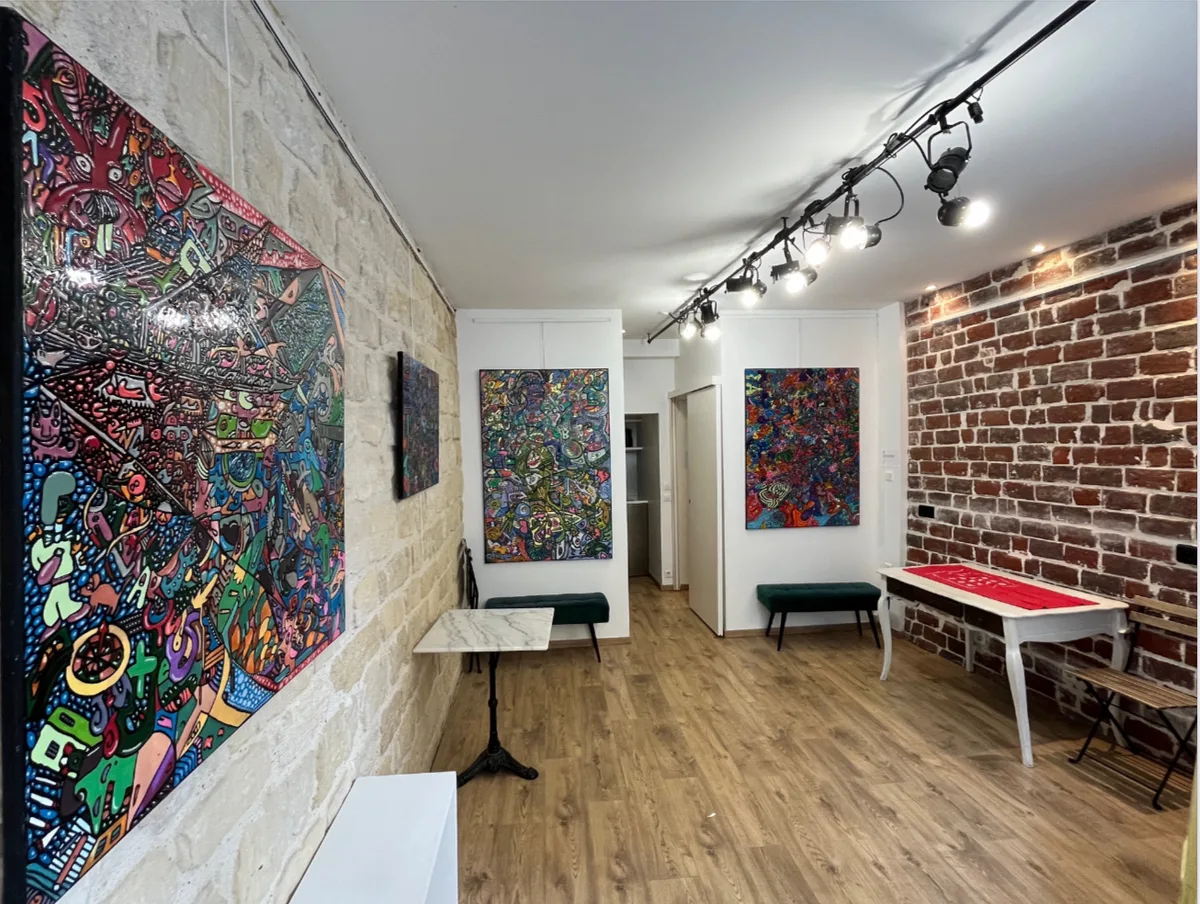
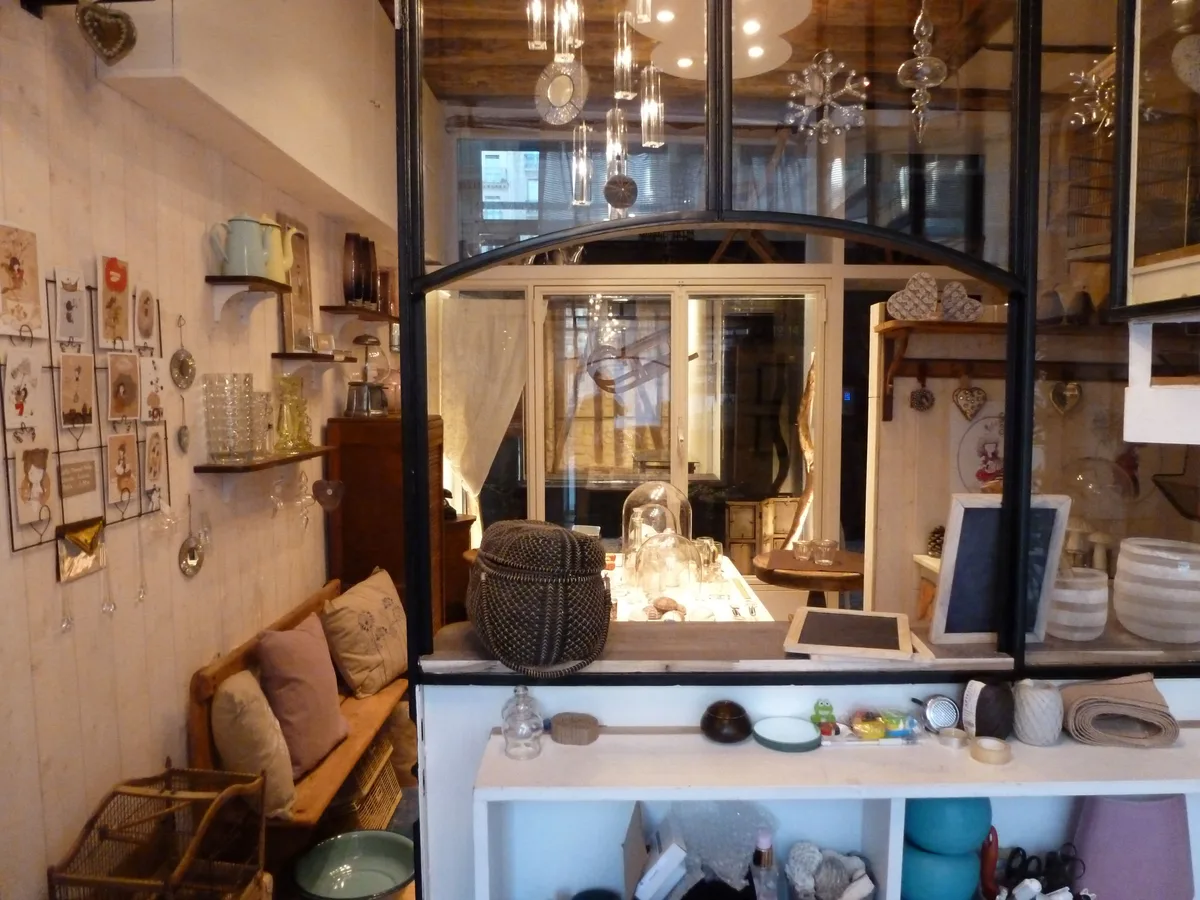
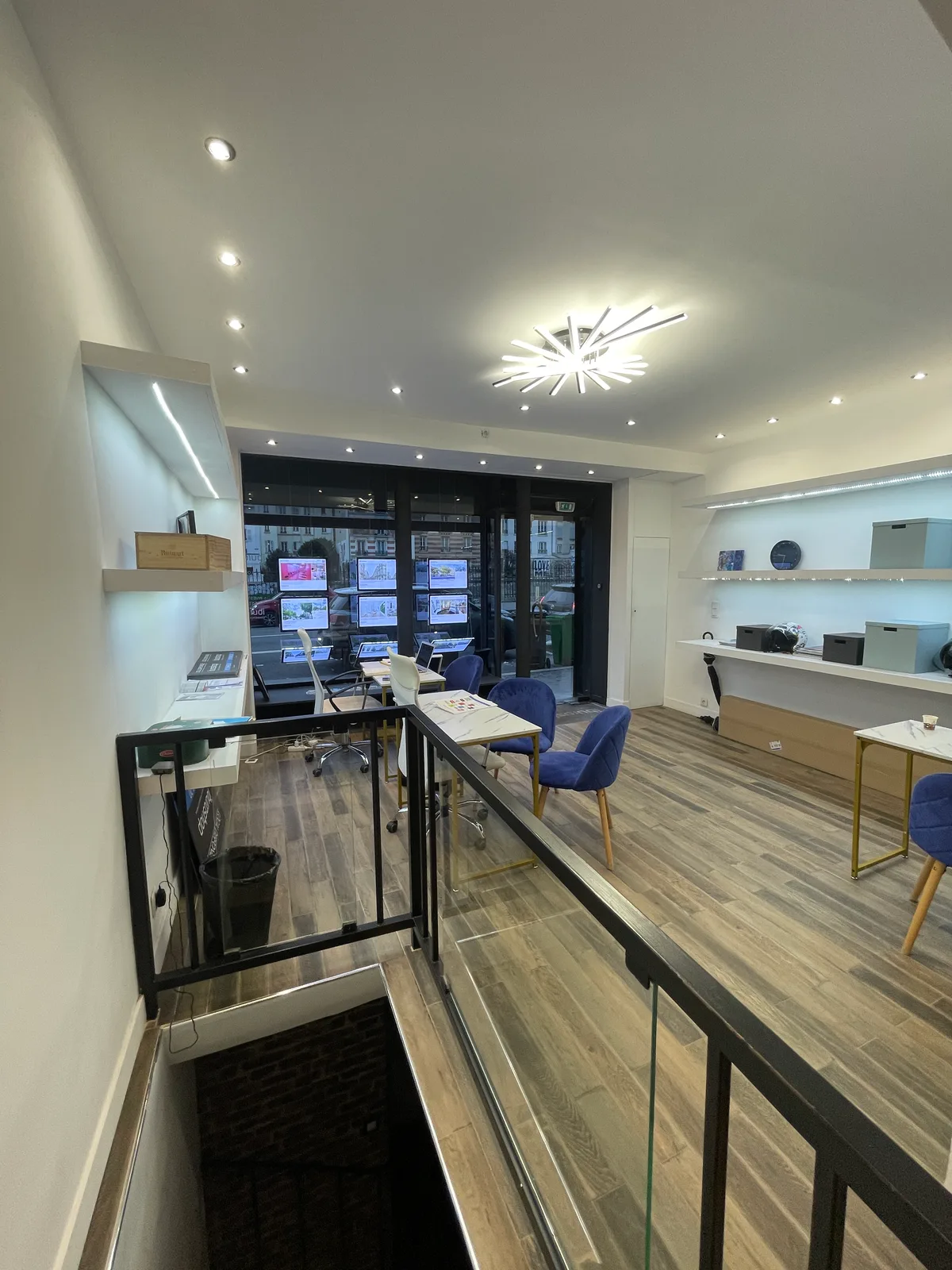
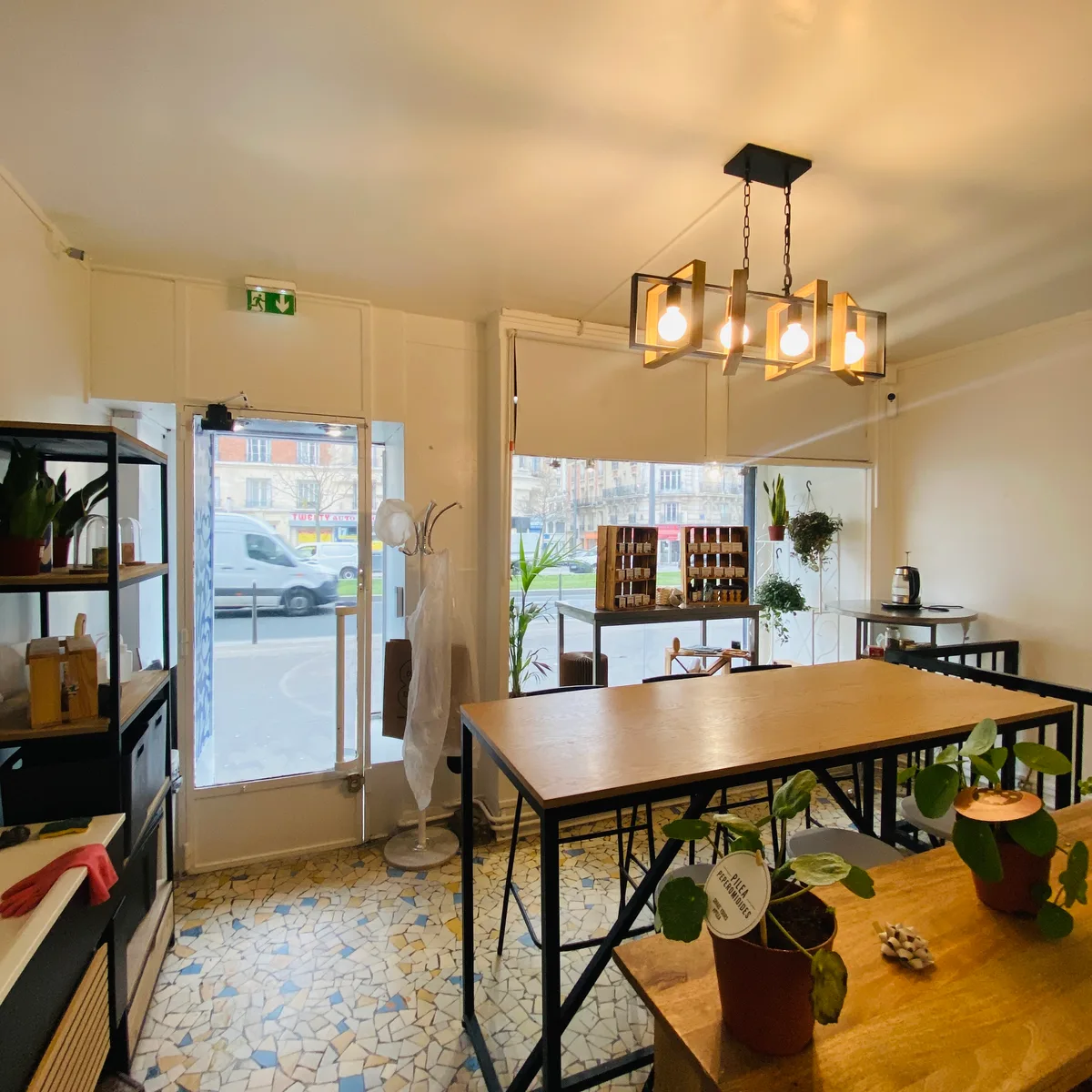
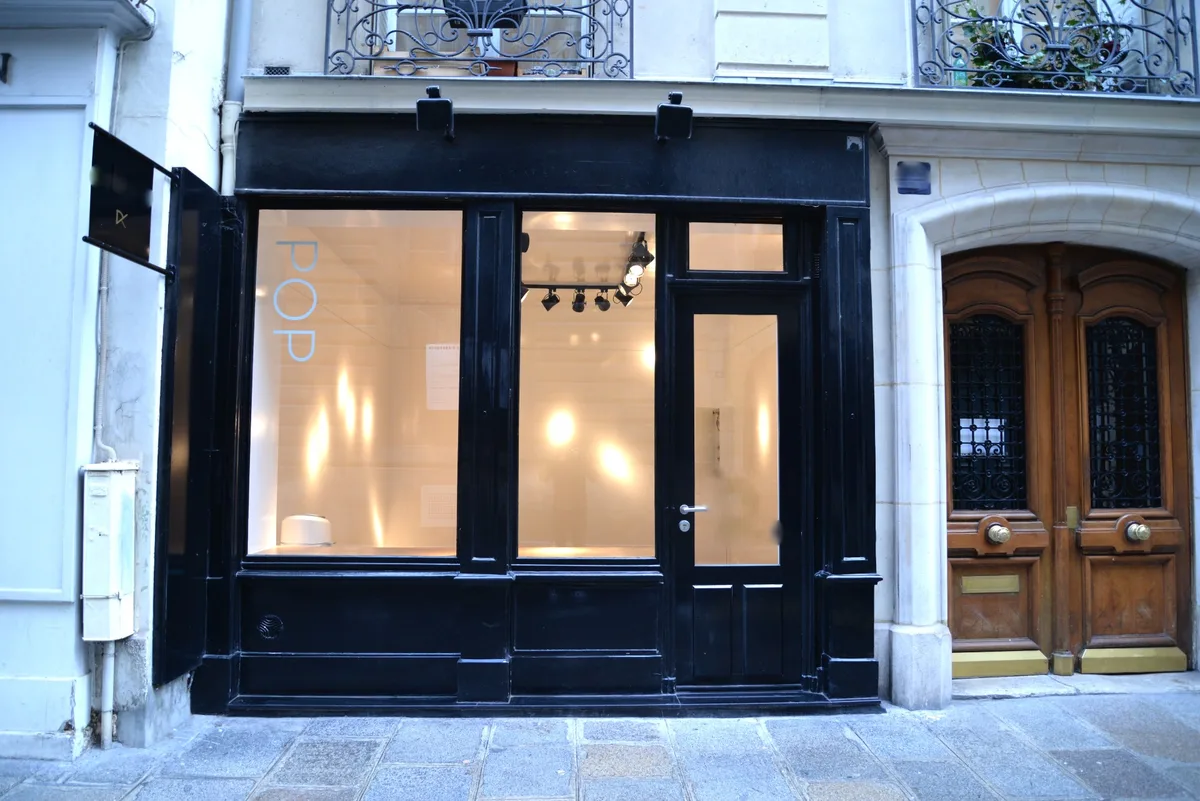
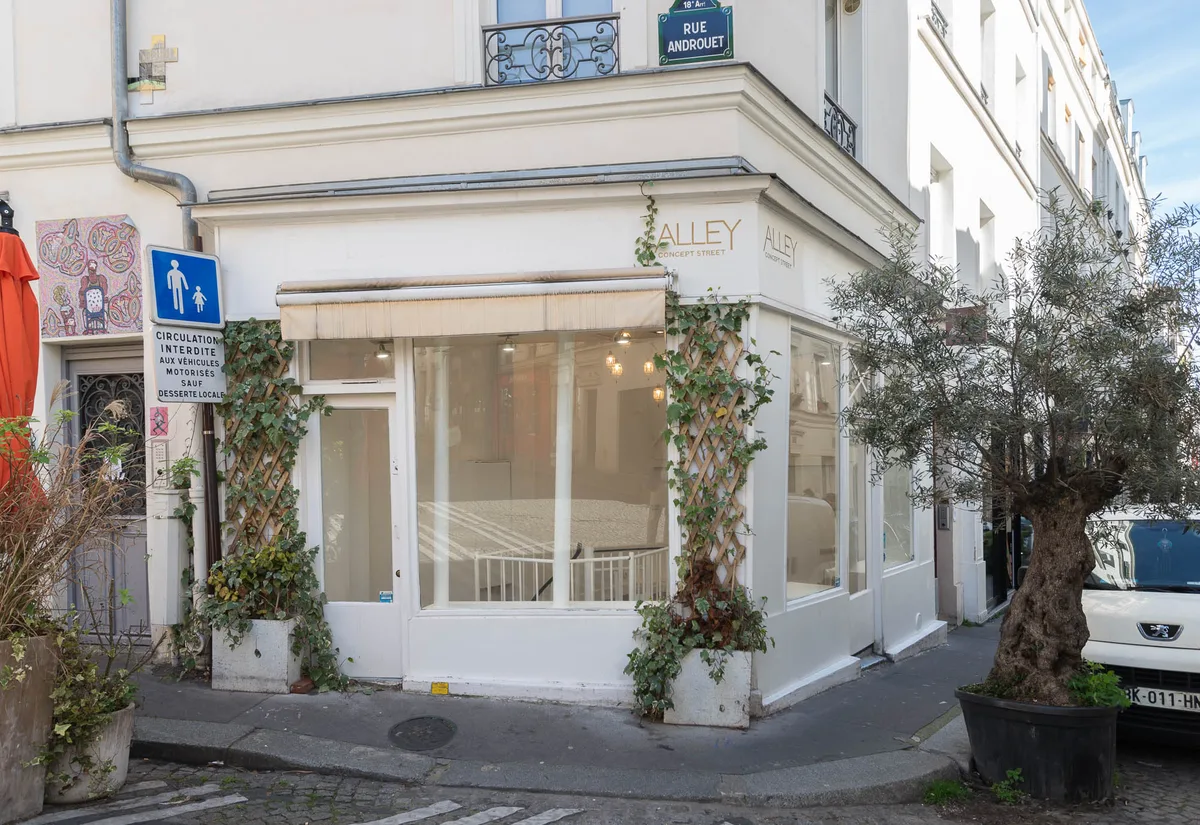
A book pop up store Paris sits at the intersection of literary culture, experiential retail, and fashion-forward brand strategy. Paris is one of the few cities on earth where a temporary bookshop or literary-themed activation can draw genuine media coverage, real influencer attention, and the kind of cultural credibility that months of advertising cannot manufacture. Whether you are a publisher launching a title, a fashion house building a brand universe around a literary collaboration, a lifestyle brand channelling the spirit of Monsieur Jean Perdu and the floating barge bookstore, or a creative team scouting a showroom during Paris Fashion Week, the right temporary space in the right Parisian neighbourhood transforms a short-term rental into a lasting brand moment. Fashion Week Venues helps international and emerging brands navigate space sourcing, permits, production, and activation across Paris and the other major fashion capitals, making the journey from concept to open doors considerably more straightforward.
Why Paris Is the Ideal City for a Book-Themed Pop-Up Store
Paris has a centuries-old relationship with books, bookshops, and literary culture that no other city in the world quite replicates. The city's identity is built on intellectual life, and that context gives any book pop up store in Paris an immediate layer of authenticity and prestige that brands operating in other markets must work much harder to achieve.
France is the fifth-largest book market in the world by revenue, and Paris sits at the heart of that market. The city has historically supported independent bookshops, literary cafes, and concept stores that blend reading culture with design and fashion. This means consumers in Paris are genuinely receptive to literary activations, not merely tolerant of them. A well-executed book pop-up store in Le Marais or near the Seine River does not feel gimmicky. It feels native.
Paris also has a rich tradition of temporary cultural spaces. The Carreau du Temple, a historic covered market in the 3rd arrondissement, has hosted exhibitions, fashion events, pop-up stores, and workshops for decades. Galerie Joseph, also in Le Marais, is one of the most recognised temporary event and showroom spaces in the city, regularly used by fashion houses, designers, and brands seeking a prestigious address for short-term activations. These venues are not outliers. They represent a broader ecosystem of spaces across Île-de-France designed to accommodate temporary commercial and cultural use.
The seasonal rhythm of Paris also matters enormously. Paris Fashion Week takes place twice a year for ready-to-wear collections, with Haute Couture weeks in January and July. The July 2026 Haute Couture schedule runs from approximately July 6 to 9, 2026, creating a concentrated window when international brands, buyers, editors, press, and influencers are all physically present in the city at the same time. A book pop-up store or literary-themed activation timed to coincide with that window gains extraordinary reach without extraordinary spend on promotion. The audience comes to Paris for other reasons and discovers your activation organically.
Beyond Fashion Week, Paris hosts major art fairs, private exhibitions, and cultural events throughout the year that create additional activation windows. The adjacency of institutions like the Musée du Louvre, the Musée d'Orsay, and the Musée Picasso to key retail and event neighbourhoods means that culturally curious visitors are always nearby, and a thoughtfully designed book pop-up store positioned along routes like the rue de Rivoli or near the Pont Neuf captures foot traffic with genuine purchasing intent.
French lifestyle books, design-led publishing, and the broader genre of books about Parisian living have a global audience hungry for physical experiences. The success of novels like Nina George's The Little Paris Bookshop, in which the protagonist Monsieur Jean Perdu operates a floating barge bookstore on the Seine River and offers literary advice as a Parisian bookseller, has shown publishers and brands alike that the mythology of Paris and books is commercially powerful. A pop-up store that activates around that mythology in the actual city where the story is set creates a powerful feedback loop between fiction and lived experience.
KEY TAKEAWAY: Paris offers a uniquely receptive market for literary pop-up activations because of its centuries-deep book culture, its globally recognisable landmarks, its fashion and cultural event calendar, and its established infrastructure of flexible temporary retail and event spaces. A book pop up store in Paris benefits from all of these factors simultaneously.
Understanding why Paris works is only the starting point. The next question is where within Paris to activate, because the arrondissement and neighbourhood you choose shapes everything from footfall composition to rental rates to the type of press coverage you attract.
Parisian Neighbourhoods and Locations for a Book Pop-Up Store
The neighbourhood you choose for a book pop up store in Paris determines your audience, your aesthetic context, your rental cost, and the kind of cultural associations your brand inherits. Paris is not a single market. It is a collection of distinct villages, each with its own character and visitor profile.
Le Marais and the Marais District
Le Marais is the most consistently popular neighbourhood for pop-up stores, showrooms, and brand activations in Paris. The Marais district occupies the 3rd and 4th arrondissements and combines historical heritage with a dense concentration of concept stores, art galleries, independent boutiques, and cultural institutions. The Place des Vosges, the oldest planned square in Paris, sits at the heart of the neighbourhood and draws a steady stream of culturally motivated visitors who are predisposed to engaging with design-led and book-themed activations. The Musée Picasso is also located in Le Marais, reinforcing the neighbourhood's identity as a destination for people who genuinely care about art and culture rather than purely transactional shopping.
The streets immediately around the Place des Vosges, along the rue de Bretagne, and towards the Carreau du Temple offer a range of temporary retail spaces that are well-suited to literary activations. Galerie Joseph, one of the most sought-after event and showroom spaces in the city, is located in Le Marais and has hosted activations for major fashion houses as well as independent emerging designers. Its flexible configuration and central location make it a natural fit for a book pop-up store that wants both cultural credibility and high footfall.
Saint-Germain-des-Prés and the Left Bank
Saint-Germain-des-Prés is arguably the most literary neighbourhood in Paris. It was the home of Simone de Beauvoir, Jean-Paul Sartre, Albert Camus, and a generation of writers and intellectuals whose work shaped twentieth-century thought. The neighbourhood still hosts major publishers and literary institutions, and its streets are lined with bookshops, galleries, and design boutiques that attract a well-educated, culturally engaged audience. The rue de Sèvres connects Saint-Germain to the 7th arrondissement and Le Bon Marché, the iconic department store known for championing emerging designers and cultural collaborations. A book pop-up store positioned in this corridor benefits from association with one of the most respected retail institutions in France.
The Musée d'Orsay, located on the Left Bank along the Seine River, draws millions of visitors annually. Temporary retail spaces positioned within walking distance of the Musée d'Orsay capture a visitor profile that skews international, culturally curious, and willing to engage with premium or artisanal products including design-led books, literary gifts, and French lifestyle books.
Palais-Royal and rue de Rivoli
The Palais-Royal gardens and the rue de Rivoli corridor represent a different kind of opportunity. The Musée du Louvre is located here, making this one of the highest-footfall cultural destinations on earth. Temporary retail spaces in this part of the 1st arrondissement benefit from extraordinary visitor volume, including a high proportion of international tourists who are actively seeking culturally resonant souvenirs and experiences. The aesthetic context of the Palais-Royal, with its colonnaded galleries and design-forward tenants, makes it a particularly attractive location for a book pop-up store that wants to communicate sophistication and cultural authority.
Beyond Paris: Avignon and Cuisery
While Paris is the primary market, brands with a specifically literary focus should be aware that France has other book-centric destinations that offer distinct activation opportunities. Cuisery, in Burgundy, is sometimes called the village of books and hosts a community of antiquarian and second-hand booksellers that draws collectors and enthusiasts from across France. Avignon, famous for its theatre festival, has a strong tradition of cultural pop-up activations that align well with literary and design-led brands. These destinations are not substitutes for Paris but can serve as complementary stops on a multi-city literary activation tour.
| Neighbourhood | Key Landmarks | Audience Profile | Best For |
|---|---|---|---|
| Le Marais | Place des Vosges, Musée Picasso, Carreau du Temple, Galerie Joseph | Culturally engaged locals, international tourists, fashion industry | High-design literary activations, showrooms, fashion collaborations |
| Saint-Germain-des-Prés | Musée d'Orsay, rue de Sèvres, Le Bon Marché | Affluent locals, literary tourists, design buyers | Literary lifestyle brands, French lifestyle books, gifting collections |
| Palais-Royal and rue de Rivoli | Musée du Louvre, Palais-Royal gardens | High-volume international tourists, luxury shoppers | High-footfall activations, book gifting, pop culture collections |
| Châtelet and surrounds | Pont Neuf, Seine River barges | Mixed tourists and locals, creative professionals | Experiential concepts, floating or riverside activations |
KEY TAKEAWAY: Neighbourhood selection is a strategic decision, not just a logistical one. Le Marais offers cultural prestige and fashion-industry footfall. Saint-Germain offers literary heritage and affluent local audiences. Palais-Royal offers sheer visitor volume. Each creates a different brand experience and requires a different operational approach.
Once you have identified the right neighbourhood, the next step is understanding the different formats a book pop-up store in Paris can take, because the format shapes the budget, the permit requirements, and the customer experience you can deliver.
Pop-Up Store Concepts and Formats for Literary Activations in Paris
A book pop up store in Paris can take many different forms, and the format you choose depends on your brand objectives, your budget, your target audience, and the duration of your activation. Understanding the range of available concepts is essential before you begin space sourcing.
Quick answer: The most common formats for a book pop-up store in Paris include standalone retail pop-ups, showroom-style literary installations, co-branded concept store takeovers, workshop and event spaces, and experiential environments that combine book retail with beauty, fashion, or lifestyle product activations. Each format has different space requirements, rental structures, and permit implications.
Standalone Book Pop-Up Stores
The standalone pop-up store is the most straightforward format. A brand or publisher takes a temporary space, typically under a bail dérogatoire or a licence agreement rather than a standard commercial lease, and operates a curated retail environment for a defined period. In Paris, this might mean a short-term rental of a boutique space in Le Marais for two weeks during Paris Fashion Week, or a month-long activation in a gallery space near the Musée d'Orsay timed to coincide with a major exhibition. Operating hours for standalone pop-ups in Paris commonly run Monday through Saturday, 11 am to 8 pm, though Sunday trading is possible in certain arrondissements and tourist zones with appropriate permissions.
The standalone format works well for publishers launching a significant title, for brands inspired by literary properties like Nina George's novel, or for retailers whose product range naturally clusters around books, stationery, prints, and related design objects. The key advantage of the standalone format is control: you design every element of the environment, from the furniture and fixtures to the staff briefing and the scent in the air.
Showroom-Style Literary Installations
During Paris Fashion Week and the Haute Couture season, the showroom format is the dominant mode of temporary space use in Paris. Fashion houses, emerging designers, and international brands take temporary spaces to present collections to press, buyers, and influencers in a controlled environment that reflects the brand universe. A book pop-up store concept can be adapted to this format with considerable creative effect. Imagine a fashion brand whose latest collection is inspired by French literature, presenting that collection in a space designed to evoke the Literary Apothecary Bookstore concept, complete with shelves of French lifestyle books, bespoke meubles, and a curated selection of titles chosen to contextualise the collection. This approach generates social media content naturally and positions the brand as culturally sophisticated rather than purely commercial.
Workshop and Event-Led Concepts
Workshops are an increasingly effective mechanism for extending dwell time and deepening customer engagement in temporary retail spaces. A book pop-up store in Paris might host author signings, literary advice sessions modelled loosely on the Literary Apothecary concept from Nina George's novel, bookbinding workshops, or curated reading events. These activities create content, attract press, and give visitors a reason to spend more time in the space and to share their experience on social media. For brands seeking to build community as well as commercial return, the workshop-led format is particularly valuable.
Co-Branded and Concept Store Formats
The twin co-activation model allows two complementary brands to share a space, splitting the rental cost and broadening the combined audience. A book brand and a beauty brand, for example, might co-activate in a shared space in Le Marais, drawing on the French tradition of concept stores that curate products across multiple categories under a single aesthetic vision. This format reduces individual brand cost while creating a richer, more layered environment for visitors. The concept store format also makes press coverage more likely, because the editorial angle becomes more interesting when two distinct creative worlds are placed in conversation.
Experiential and Interactive Formats
The most ambitious format for a book pop-up store in Paris is the fully experiential environment. Rather than simply selling books, an experiential pop-up invites visitors to inhabit a story or a world. Drawing on the mythology of Monsieur Jean Perdu's floating barge bookstore, for example, a brand could create a space that simulates the experience of browsing books on the Seine River, complete with nautical design references, the sounds of water, and a curated selection of titles organised by emotional condition rather than genre, directly referencing the Literary Apothecary concept from Nina George's novel. This kind of environment generates significant social media content, attracts influencer visits organically, and creates the kind of media coverage that cannot be bought.
DID YOU KNOW: The Literary Apothecary concept at the heart of Nina George's novel The Little Paris Bookshop organises books by the emotional needs of the reader rather than by author or genre. Monsieur Jean Perdu, the Parisian bookseller protagonist, believes that books can cure loneliness, heartbreak, and confusion as effectively as medicine. This concept has genuine retail application: curated thematic shelving that speaks to emotional states creates a more engaging and more memorable customer experience than conventional category organisation.
| Format | Duration | Ideal Audience | Key Benefit | Key Challenge |
|---|---|---|---|---|
| Standalone pop-up store | 1 to 8 weeks | General public, tourists | Full brand control | Higher all-in cost |
| Showroom installation | 3 to 10 days | Press, buyers, influencers | Concentrated high-value audience | Limited dwell time |
| Workshop and event space | 1 to 4 weeks | Community, enthusiasts | Deep engagement and content | Requires programming and staffing |
| Co-branded concept store | 2 to 6 weeks | Mixed lifestyle audience | Shared cost, broader reach | Requires brand alignment |
| Fully experiential environment | 2 to 8 weeks | Cultural tourists, media | Maximum media and social impact | Complex production requirements |
KEY TAKEAWAY: The format of your book pop-up store in Paris should be determined by your primary objective. If you want sales, prioritise the standalone retail format with strong visual merchandising and accessible operating hours. If you want media coverage and brand credibility, prioritise the experiential or showroom format timed to Paris Fashion Week. If you want community and content, build workshops and events into your programming from the start.
Choosing a format is inseparable from understanding your budget and your timeline. The next section addresses the practical logistics of planning and financing a book pop-up store in Paris.
Planning, Budget, and Rental Rates for a Paris Book Pop-Up Store
Planning a book pop up store in Paris requires considerably more lead time than most international teams anticipate. Space availability in the best Parisian neighbourhoods is constrained, particularly around Fashion Week windows, and the permit, production, and staffing requirements add further complexity to the timeline.
Quick answer: A realistically planned Paris pop-up store activation should begin the sourcing process at least three to six months before the intended open date, with twelve months preferred for activations during Paris Fashion Week or Haute Couture week. Rental rates in prime Paris locations vary significantly by neighbourhood, size, and duration, and should be estimated using a specialist tool rather than generic market averages.
Timeline for a Paris Pop-Up Activation
The timeline for a pop-up store in Paris typically breaks down into five phases: brief and concept development, space sourcing and negotiation, permit and compliance preparation, production and fit-out, and live activation followed by close and debrief. Each phase has dependencies that make compression risky. Permit applications in Paris, for example, can take several weeks to process, and certain types of temporary commercial use in historic buildings or on public land require approvals from multiple municipal bodies.
For a book pop-up store themed around a specific literary property or cultural moment, the concept development phase deserves particular attention. The narrative of the space, the selection of books, the design of fixtures inspired by the floating barge bookstore or the Literary Apothecary concept, the workshop programming, and the influencer strategy all need to be developed coherently before space sourcing begins, because the space you choose needs to support the concept rather than the concept being retrofitted to whatever space is available.
Understanding Rental Structures in Paris
Temporary retail spaces in Paris are most commonly made available under one of two legal frameworks: the bail dérogatoire, which is a derogatory commercial lease designed specifically for short-term commercial use and which bypasses the protections of standard French commercial lease law, and the autorisation d'occupation temporaire or AOT, which covers temporary occupation of public or semi-public land such as covered markets, public squares, or certain heritage spaces. Some spaces are also let under simple licence agreements or concession arrangements.
The distinction between these frameworks matters enormously for budgeting and compliance. A bail dérogatoire can last up to three years under French law but is most commonly used for periods of a few days to a few months. It does not confer the same rights as a standard commercial bail and can be terminated at the end of the agreed period without the renewal rights that standard commercial tenants enjoy. For a brand running a book pop-up store for two weeks or a month, this is the appropriate and preferred structure. However, the terms need to be reviewed by a French legal advisor, particularly if the space is in a listed or heritage building, which is not uncommon in Le Marais or the Palais-Royal area.
Rental rates for temporary spaces in Paris are not standardised and vary considerably by neighbourhood, building type, floor area, duration, and the period of the year. Prime locations in Le Marais, Saint-Germain, and the Palais-Royal corridor command premium rates during Fashion Week windows. For brand-specific rental rate estimates, the budget estimation tool on Fashion Week Venues provides a practical starting point for planning your cost model.
Additional Cost Considerations
Rental is rarely the largest line item in a Paris pop-up activation budget. Production and fit-out costs, which include all physical installation, branded fixtures, furniture rental, lighting, and technology infrastructure, often exceed the space rental cost, particularly for experiential formats. Staffing costs for a retail-facing activation running Monday through Saturday, 11 am to 8 pm, across a four-week period are substantial, especially if you require bilingual French and English staff capable of discussing your literary or brand concept in depth. Permit fees, insurance, waste management, and security are additional operational costs that need to be budgeted from the start.
Marketing and communication costs, including influencer fees, social media content production, and press outreach, are often underbudgeted by international brands new to Paris. The most effective Paris pop-up activations treat communication not as an afterthought but as a core component of the activation budget, because the media and social coverage a well-executed Paris activation generates is central to the commercial return.
IMPORTANT: Rental rates, permit fees, and production costs for Paris pop-up stores vary significantly by space type, neighbourhood, duration, and time of year. All figures in this guide are directional only. Use the Fashion Week Venues budget tool for estimates specific to your brief, and always verify permit requirements with a qualified French legal advisor before signing any space agreement.
KEY TAKEAWAY: A realistic Paris pop-up budget accounts for space rental, production and fit-out, staffing, permits, insurance, marketing, and contingency. Each of these categories carries real cost, and underestimating any one of them creates operational risk during the live activation period.
Understanding costs is closely connected to understanding permits and compliance, which is the area where international brands most commonly encounter unexpected delays or complications.
Permits, Compliance, and Legal Considerations for Paris Pop-Up Stores
Permit and compliance requirements for a book pop up store in Paris depend on the type of space you occupy, the nature of your activities, and the arrondissement in which you operate. There is no single universal permit that covers all temporary retail or cultural activations in Paris, and requirements vary enough that specialist guidance is strongly recommended before you commit to a space or a date.
Quick answer: Most temporary retail activations in Paris require at minimum a bail dérogatoire or licence agreement, appropriate business liability insurance, compliance with French retail trading regulations, and in many cases an autorisation de travaux if any physical modifications are made to the space. Activations on public land or in public markets require an AOT from the relevant municipal authority. Specific requirements depend on space type, duration, arrondissement, and activity.
Bail Dérogatoire vs Standard Commercial Lease
The bail dérogatoire is the most commonly used legal instrument for pop-up retail in France. Under French law, a standard commercial bail carries significant tenant protections, including the right to renew and the right to compensation on departure. A bail dérogatoire explicitly waives these protections by mutual agreement, allowing the landlord to reclaim the space at the end of the agreed term without legal complication. For a brand running a seasonal or event-timed book pop-up store, this is the appropriate structure because it offers flexibility and a clean exit.
However, the bail dérogatoire has limitations. It cannot exceed three years in total duration for a given tenant in a given space. It must be agreed in writing before the tenant takes possession. And if the tenant remains in occupation after the agreed term without a new agreement, it may automatically convert to a standard commercial bail with all associated tenant rights, which is rarely the outcome a temporary pop-up brand intends. These nuances make legal review essential.
Autorisation d'Occupation Temporaire (AOT)
If your book pop-up store concept involves occupying public land, such as a space in a covered public market, a spot in a public square, a riverside location along the Seine River, or a unit within a municipally managed facility, you will need an autorisation d'occupation temporaire from the relevant authority. AOTs are time-limited, non-transferable, and granted at the discretion of the authority, which means approval is not guaranteed and the application process takes time. For activations involving any kind of outdoor installation, kiosks, or floating or riverside concepts inspired by the barge bookstore mythology, the AOT process is particularly important to understand early in your planning.
Activity-Specific Permissions
If your book pop-up store includes workshops, live events, or public performances, you may need additional permissions beyond the basic space occupation agreement. Music licensing, alcohol service, and events with a public audience above a certain size each carry their own regulatory requirements under French law. The permit guidance tool on Fashion Week Venues helps brands identify which permissions are likely to apply to their specific activation type, though this tool should be used as an orientation resource rather than a substitute for qualified French legal advice.
TIP: Begin permit applications at least eight to twelve weeks before your intended open date. In heritage buildings or locations requiring multiple approvals, start even earlier. Delays in permit processing are the most common cause of activation launch delays for international brands in Paris.
KEY TAKEAWAY: Permit and compliance requirements for a Paris pop-up store are specific to your space type, activity, and arrondissement. The bail dérogatoire provides the appropriate legal framework for most temporary retail activations, but it must be properly structured and reviewed. AOTs are required for public land occupation. Activity-specific permissions apply to events, workshops, and public programming.
With the legal and permit landscape understood, the next consideration is how to design the physical and conceptual environment of your book pop-up store to maximise both customer engagement and media impact.
Design, Concept Direction, and the Literary Brand Universe
The design of a book pop up store in Paris is not simply an aesthetic exercise. It is the primary communication vehicle for your brand universe, and in a city where visual culture is taken seriously by press, influencers, and consumers alike, the quality of your design directly determines the quality of your coverage and the depth of your customer engagement.
Quick answer: A book pop-up store in Paris should communicate a coherent brand universe through every physical element, from the entry experience and the fixture design to the book selection, the staff uniform, the scent, and the packaging. The most memorable activations are those where every detail is intentional and every element reinforces the central concept.
Drawing on Literary Concepts for Design Inspiration
The most culturally resonant book pop-up store concepts in Paris draw directly on the city's literary mythology. Nina George's novel The Little Paris Bookshop provides one of the most detailed and evocative blueprints for what a literary retail environment in Paris could feel and look like. Monsieur Jean Perdu, the Parisian bookseller at the heart of the novel, operates a floating barge bookstore on the Seine River called the Literary Apothecary Bookstore, located conceptually near Pont Neuf and along the Rue Montagnaud. His bookstore organises titles not by genre or author but by the emotional condition of the reader, offering literary advice as though prescribing medicine. Max Jordan, another character in the novel, represents the reader who needs the bookstore's curation to find the book that will change his life. The novel also references The Little Breton Bistro, which is Nina George's follow-up in the same TravelSeries, extending the literary and geographical universe of the original.
These concepts translate directly into retail design. Shelving organised by emotional theme rather than conventional category creates curiosity and dwell time. A space designed to evoke a floating barge, with warm wood finishes, nautical references, and the ambient sound of water, creates a genuinely immersive environment. Staff briefed to offer literary advice in the spirit of the Literary Apothecary concept, recommending French lifestyle books, design books, and translated international titles based on what the visitor tells them they are feeling or experiencing, creates a service interaction that visitors remember and share.
Integrating Non-Book Products into the Literary Environment
A book pop-up store in Paris does not need to sell only books to be credible. The most successful concept stores in Paris curate products across multiple categories under a single aesthetic and cultural vision. A literary pop-up might include French lifestyle books alongside beauty products inspired by the botanical world of Nina George's novels, meubles and furniture pieces that reference the aesthetic of a Parisian bookseller's study, figurines and objects inspired by pop culture and literary characters, gadgets and stationery that complement the reading experience, and gachapon machines dispensing miniature book-related collectibles, a format that has proven extraordinarily effective at driving social media content in experiential retail environments.
Le Bon Marché, the iconic department store on the rue de Sèvres, regularly collaborates with publishers, artists, and international brands to create temporary literary and cultural installations within its retail floors. These collaborations demonstrate that the Parisian retail market has a genuine appetite for literary and book-themed activations at a commercial scale, and that the format is credible at the highest level of the French retail market.
Design Specifications and Production Considerations
Physical production for a Paris pop-up store involves sourcing or fabricating all fixtures, furniture, and branded elements, installing them within the agreed period, and restoring the space to its original condition on departure. The Ehrhard Dominique approach to French publication design, which emphasises clarity, typographic precision, and the physical quality of the book object itself, including considerations like the size of the book, Paperback with flap construction, dimensions, and production values, is a useful reference point for brands designing book-themed retail environments where the physical quality of the product is part of the brand message. Books published with reference number MX616010, ISBN 9782361934477, and bearing a publication date of Juin 2015, such as those in the French-language design publishing category, represent the kind of object that communicates quality and cultural seriousness when displayed thoughtfully in a pop-up environment.
For brands without in-house production capability, specialist fit-out and production services are essential. The production and build service at Fashion Week Venues covers everything from initial design drawings through to installation, electrical fit-out, and final restoration, with experience across Parisian spaces in heritage buildings, converted lofts, and purpose-built event venues.
KEY TAKEAWAY: The design of a book pop-up store in Paris is a strategic brand decision, not just an aesthetic one. The most effective designs draw on coherent literary or cultural concepts, integrate non-book products where appropriate, and pay close attention to every physical detail because Parisian press, influencers, and consumers will notice and photograph everything.
To move from concept to a fully operational space, you need an experienced activation team covering staffing, technology, data collection, and on-the-ground management throughout the live period.
Fashion Week Integration and Cultural Event Timing for Literary Activations
Timing a book pop up store in Paris to coincide with Paris Fashion Week, Haute Couture week, or a major cultural event transforms the activation from a retail exercise into a media moment. The fashion and cultural event calendar in Paris is one of the most powerful amplification mechanisms available to any brand with a physical presence in the city.
Quick answer: Paris Fashion Week for Haute Couture 2026 runs from approximately July 6 to 9, during which international press, buyers, influencers, and fashion houses are concentrated in the city. A book pop-up store timed to this window reaches a uniquely influential audience with minimal incremental marketing spend, provided the activation concept is strong enough to attract organic attention.
Paris Fashion Week and the Book Pop-Up Opportunity
Paris Fashion Week is the most concentrated gathering of fashion media, creative directors, brand managers, and cultural influencers in any city at any time of year. During the Haute Couture schedule, the runway shows, exhibitions, and happenings that run from July 6 to 9, 2026 create an environment where every corner of the relevant arrondissements is being photographed, documented, and shared globally in real time. A book pop-up store with a strong visual identity and a culturally resonant concept positioned in Le Marais or Saint-Germain during this window is virtually guaranteed to appear in editorial coverage, influencer posts, and street photography from the week.
Fashion houses have long understood the power of literary and cultural references in communicating brand universe and heritage. Collaborations between publishers, authors, and fashion brands are increasingly common, and a book pop-up store that positions itself as the physical manifestation of one such collaboration gains credibility with fashion press and buyers who might otherwise overlook a standalone retail activation. The combination of fashion and books also generates a broader range of editorial coverage than either category alone, reaching both fashion media and cultural or lifestyle publications simultaneously.
Cultural Events and Art Fairs as Activation Windows
Beyond Fashion Week, Paris hosts a calendar of major cultural events that create additional high-value activation windows for literary brands. Major art fairs draw international collectors and cultural influencers to Paris several times a year. Museum exhibitions at the Musée du Louvre, the Musée d'Orsay, and the Musée Picasso regularly attract global media attention and create moments when Paris is particularly receptive to culturally sophisticated brand activations. Private exhibition openings in Le Marais galleries, including in spaces like Galerie Joseph, bring together exactly the kind of audience that a well-designed book pop-up store wants to reach.
Holiday and gifting seasons also represent significant activation windows. The period from late November through December, when Parisian department stores and concept stores present their holiday gift selections, is one of the highest-revenue periods for temporary retail in the city. A book pop-up store positioned in Le Marais or near Le Bon Marché during this period, with a curated selection of French lifestyle books, design objects, and literary gifts, benefits from both the gifting mindset of visitors and the extraordinary visual coverage that Paris receives during the holiday season.
Building Brand Credibility Through Cultural Association
One of the most important and often underestimated benefits of a book pop-up store in Paris is the brand credibility it generates. A brand that opens a thoughtfully designed, culturally coherent literary activation in Paris is understood by global press, influencers, and consumers as a brand with cultural depth and creative seriousness. This is particularly valuable for international brands entering the French market for the first time, for emerging designers seeking to establish cultural authority alongside commercial credibility, and for any brand whose target customer values the kind of cultural sophistication that Paris represents.
Communication strategy for a Paris book pop-up store should begin well before the opening date. Press outreach, influencer seeding, social media content planning, and coordination with French lifestyle and culture media should all be in motion at least six to eight weeks before the activation opens. The influencer marketing service at Fashion Week Venues helps brands identify, brief, and coordinate with relevant influencers for Paris activations across fashion, lifestyle, and cultural categories.
KEY TAKEAWAY: Timing a Paris book pop-up store to coincide with Paris Fashion Week, Haute Couture week, a major art fair, or a key cultural event multiplies the activation's media reach and brand credibility impact without proportionally increasing the marketing budget. Cultural timing is one of the highest-leverage decisions a brand team can make when planning a Paris activation.
To compare neighbourhoods and space types for your specific calendar window, explore the Paris city hub on Fashion Week Venues and shortlist spaces that match your brief, budget, and intended activation dates.
With timing and concept established, the practical question of how Fashion Week Venues specifically supports the planning and execution of a Paris book pop-up store deserves a dedicated explanation.
How Fashion Week Venues Supports Your Paris Book Pop-Up Store
Fashion Week Venues operates as a full-service pop-up shop agency and space marketplace, with Paris as its primary and anchor market. For brands planning a book pop-up store or literary-themed activation in Paris, Fashion Week Venues provides end-to-end support across every phase of the project, from initial concept development through to post-activation analysis.
Quick answer: Fashion Week Venues supports Paris pop-up store projects through venue sourcing, concept direction, production and build management, activation management, branded store design, furniture rental, retail staffing, point-of-sale and payments infrastructure, data and analytics, and influencer marketing. The platform also provides a range of planning tools including budget estimation, ROI calculation, timeline planning, permit guidance, space comparison, and space location services.
Space Sourcing and the Marketplace
The Fashion Week Venues marketplace aggregates temporary retail spaces, showrooms, event venues, and gallery spaces across Paris and the other major fashion capitals. For a brand planning a book pop-up store, the marketplace provides a practical starting point for identifying spaces that match the specific requirements of a literary activation, including floor area, ceiling height, natural light, proximity to cultural landmarks, neighbourhood character, and availability within the target date range. The venue sourcing service goes further, providing specialist guidance on spaces that may not be publicly listed and negotiating terms on behalf of the brand.
Concept Direction and Branded Store Design
For brands with a clear vision but limited experience translating that vision into a physical space, the concept direction and branded store design services provide the specialist capability to develop the literary concept into a fully realised retail environment. This includes the spatial layout, the fixture and furniture design, the lighting scheme, the book selection and display strategy, the sensory elements, and the overall customer journey from entry to purchase to exit. The imagine tool on the Fashion Week Venues platform allows brands to visualise a space before committing to a design direction, reducing risk and accelerating decision-making.
Production, Staffing, and Operational Management
Production and build management covers the physical realisation of the design, from fabrication and sourcing through to installation and restoration. Retail staffing provides trained, briefed, multilingual staff appropriate for a Paris literary activation, including individuals capable of providing genuine literary advice in the spirit of the Literary Apothecary concept. Activation management ensures that the live operation runs smoothly throughout the activation period, covering everything from daily operational oversight to logistics, supplier coordination, and on-site problem resolution.
Tools for Planning and Decision-Making
The planning tools available through Fashion Week Venues are particularly valuable for international brands approaching a Paris activation for the first time. The timeline tool helps teams understand the critical path and identify potential bottlenecks. The budget tool provides directional cost estimates based on space type, size, duration, and service scope. The ROI calculator helps brand teams make the case internally for the investment. The compare tool allows side-by-side comparison of shortlisted spaces. The locator tool helps teams understand the geographic relationship between a candidate space and relevant landmarks, cultural institutions, and high-footfall areas.
For teams at an earlier stage of planning, the guide to hiring a pop-up agency provides a practical framework for evaluating agency options and understanding what a full-service engagement should include.
Understanding Limitations
Fashion Week Venues does not guarantee the availability of any specific space, the approval of any permit, or the commercial outcome of any activation. The Paris space market is competitive, particularly during Fashion Week windows, and early engagement significantly increases the likelihood of securing a preferred space. Permit approvals are subject to municipal and heritage authority discretion and cannot be guaranteed by any agency. Commercial outcomes depend on concept quality, execution, timing, marketing, and many factors that are ultimately within the control of the brand team rather than the agency.
KEY TAKEAWAY: Fashion Week Venues provides the specialist knowledge, space access, production capability, and planning tools that make a Paris book pop-up store significantly more likely to succeed than a self-managed approach, particularly for international brands navigating the Paris market for the first time. The value is not in replacing the brand's creative vision but in providing the infrastructure and expertise to realise that vision in one of the world's most demanding and rewarding retail markets.
Step-by-Step Workflow for Launching a Book Pop-Up Store in Paris
Launching a book pop up store in Paris follows a structured process that, when properly managed, reduces risk and maximises the impact of the live activation. The following workflow represents the recommended approach for an international brand planning a Paris literary activation.
| Phase | Key Activities | Timeline Before Open | Owner |
|---|---|---|---|
| 1. Brief and Concept Development | Define objectives, audience, concept, format, and budget envelope | 6 to 12 months | Brand team with agency input |
| 2. Space Sourcing and Negotiation | Identify candidate spaces, shortlist, visit, negotiate terms, and sign | 4 to 9 months | Agency venue sourcing team |
| 3. Permit and Compliance Preparation | Identify required permits, submit applications, engage French legal advisor | 3 to 6 months | Agency permits team and legal advisor |
| 4. Concept Design and Production Planning | Finalise design, source fixtures and furniture, plan production schedule | 2 to 4 months | Design and production team |
| 5. Marketing and Communication Preparation | Brief influencers, prepare press outreach, plan social media content calendar | 6 to 8 weeks | Marketing team with influencer agency |
| 6. Installation and Technical Fit-Out | Install all fixtures, furniture, technology, and branded elements | 1 to 2 weeks | Production and build team |
| 7. Staff Briefing and Soft Launch | Brief all staff, conduct soft launch, resolve operational issues | 2 to 5 days | Activation management and staffing team |
| 8. Live Activation | Operate the pop-up, manage daily operations, capture data and content | Duration of activation | On-site activation team |
| 9. Close and Restoration | Deinstall, restore space, return keys, manage logistics | 1 to 3 days post-close | Production team |
| 10. Debrief and Analysis | Analyse sales, footfall, media coverage, and ROI; document learnings | 2 to 4 weeks post-close | Brand team with agency data team |
Quick answer: A Paris book pop-up store activation realistically requires six to twelve months of preparation from initial brief to opening day. The critical path runs through space sourcing, permit preparation, and production planning, each of which has dependencies that cannot be compressed without increasing risk. Early engagement with a specialist agency is the single most effective way to protect the timeline.
KEY TAKEAWAY: The workflow for a Paris book pop-up store is a ten-phase process that begins with concept and brief development and ends with a structured debrief and ROI analysis. Each phase has clear ownership, defined deliverables, and timeline dependencies. Skipping or compressing phases is the most common cause of activation delays, cost overruns, and underperformance during the live period.
Common Myths About Book Pop-Up Stores and Temporary Retail in Paris
MYTH: You need a French legal entity to rent a temporary space in Paris for a pop-up store.
FACT: Many temporary space rental agreements in Paris, including bail dérogatoire arrangements, can be entered into by foreign companies without requiring a registered French legal entity, provided appropriate guarantees and insurance are in place. However, the specific requirements vary by landlord, space type, and agreement structure, so legal advice is always recommended before signing. Working with a specialist agency that has established landlord relationships in Paris significantly simplifies this process for international brands.
MYTH: Paris Fashion Week is the only viable calendar window for a pop-up store activation in Paris.
FACT: While Paris Fashion Week and Haute Couture week are the highest-profile windows, Paris offers compelling activation opportunities throughout the year, including major art fairs, museum exhibition openings, the holiday gifting season, and the summer cultural events calendar. A book pop-up store, in particular, can perform strongly outside the fashion calendar by aligning with cultural and literary events that draw a highly relevant audience.
MYTH: Commission brokers are the only way to find a temporary retail or showroom space in Paris.
FACT: The Paris temporary space market has evolved significantly, and brands now have access to curated space marketplaces, specialist agencies, and direct landlord networks that offer more transparency, better terms, and a more strategic approach to space matching than traditional commission brokers. A full-service agency like Fashion Week Venues combines market access with the concept, production, and operational capability to support the entire activation rather than simply introducing a space and collecting a fee.
MYTH: Short-term space rental agreements in Paris are legally straightforward and do not require specialist input.
FACT: French commercial property law is complex, and the distinction between a bail dérogatoire, a licence agreement, an AOT, and a standard commercial bail carries significant legal and financial consequences for the occupying brand. The conditions under which a bail dérogatoire can convert to a standard commercial bail, the permit requirements for specific activity types, and the heritage building constraints that apply in much of Le Marais and the Palais-Royal area all require specialist legal review. International brands that sign space agreements without appropriate legal advice regularly encounter unexpected costs, compliance issues, and dispute risk.
MYTH: A book pop-up store in Paris will only appeal to French-speaking customers.
FACT: Paris is one of the most internationally visited cities on earth, and the audiences in prime retail and cultural neighbourhoods like Le Marais, Saint-Germain, and Palais-Royal include large proportions of English-speaking, Chinese-speaking, and multilingual visitors. Nina George's novel The Little Paris Bookshop has been translated into dozens of languages including Chinese, making a literary activation based on this property genuinely international in its appeal. A well-staffed, multilingual pop-up store in Paris can effectively serve visitors from across the world.
Frequently Asked Questions About Book Pop-Up Stores in Paris
What is a book pop-up store in Paris and how does it differ from a standard bookshop?
A book pop-up store in Paris is a temporary retail or experiential space that curates books alongside complementary products, events, or brand experiences for a defined period, typically ranging from a few days to several weeks or months. Unlike a standard bookshop, which operates under a long-term commercial lease and maintains a broad general stock, a book pop-up store is highly curated, thematically driven, and designed to create a specific brand or cultural experience rather than to serve as a general retail destination. The temporary nature of the format creates urgency and exclusivity that a permanent bookshop cannot replicate, and the event-like quality of a well-designed pop-up drives social media coverage and press attention at a level that standard retail cannot match.
Where is the best location for a book pop-up store in Paris?
Le Marais, specifically the 3rd and 4th arrondissements, is consistently the most popular neighbourhood for book pop-up stores and literary activations in Paris. The neighbourhood combines historical heritage, a culturally engaged local population, strong international tourist footfall, and a high concentration of concept stores, galleries, and event spaces that create a receptive environment for literary activations. Saint-Germain-des-Prés is an excellent alternative for brands seeking the literary cachet of the Left Bank. Spaces near the Musée du Louvre and along the rue de Rivoli offer very high footfall but require a stronger investment in visibility and wayfinding to capture passing visitors effectively.
How long does it take to plan and launch a book pop-up store in Paris?
A realistically planned Paris book pop-up store activation requires between six and twelve months of preparation from initial brief to opening day. Space sourcing alone can take two to four months in competitive neighbourhoods during Fashion Week windows. Permit applications require eight to twelve weeks minimum, and production planning and installation add further weeks to the timeline. For activations timed to Paris Fashion Week or Haute Couture week, twelve months of lead time is strongly recommended. Brands that begin the process less than three months before their intended open date significantly increase the risk of having to compromise on location, design, or operational quality.
Do I need a French company to rent a pop-up space in Paris?
Not necessarily. Many bail dérogatoire and licence agreements in Paris can be entered into by foreign companies, provided appropriate financial guarantees, liability insurance, and identification documents are in place. However, the specific requirements vary by landlord and space type, and some heritage building landlords and institutional property managers do require a French legal entity or guarantor. A specialist agency with established landlord relationships in Paris can navigate these requirements on your behalf and advise on the most appropriate structure for your specific situation. Always seek qualified French legal advice before signing any space agreement.
What is a bail dérogatoire and why does it matter for pop-up stores in Paris?
A bail dérogatoire is a short-term commercial lease specific to French law that waives the statutory renewal rights that standard commercial tenants enjoy. It allows a landlord to lease a space for a temporary period, typically up to three years in total, without the occupying business acquiring the protected tenancy status that standard commercial law would otherwise confer. For a brand running a temporary book pop-up store, the bail dérogatoire is the appropriate legal instrument because it provides a clean exit at the end of the agreed period. However, it must be properly drafted and agreed before the tenant takes possession, because French law provides specific protections that apply automatically if the agreement is not structured correctly.
What is the inspiration behind the Literary Apothecary Bookstore concept?
The Literary Apothecary Bookstore is the fictional floating barge bookstore at the heart of Nina George's novel The Little Paris Bookshop, published in French as part of the design and literary series with a June 2015 publication date. The protagonist Monsieur Jean Perdu, a Parisian bookseller, organises books not by genre or author but by the emotional condition of the reader, offering titles as though they were medicine capable of curing loneliness, heartbreak, grief, and confusion. The concept has genuine retail application. Brands creating book pop-up stores in Paris have adopted the thematic shelving approach inspired by the novel to create more engaging, more memorable, and more photographable retail environments than conventional category-based bookselling allows. The novel has been translated into Chinese and numerous other languages, making it a globally recognisable reference point for literary retail concepts.
How do I time my Paris book pop-up store to coincide with Paris Fashion Week?
Paris Fashion Week for Haute Couture 2026 runs from approximately July 6 to 9. To time your activation effectively, you should aim to open your pop-up store at least two to three days before the official schedule begins, so that you capture the press and influencer arrivals and early-week activity that precedes the runway shows. Operating throughout the schedule and for at least a week or two after the official programme ends allows you to capture both the concentrated Fashion Week audience and the broader cultural tourism that follows. Space availability during Fashion Week windows is extremely competitive, so your space must be secured well in advance of the event date.
What role does Galerie Joseph play in Paris pop-up activations?
Galerie Joseph is one of the most established and prestigious temporary event and showroom spaces in Paris, located in Le Marais. It has hosted activations for major fashion houses, emerging designers, international brands, and cultural events over many years. Its flexible configuration, central Marais location, and reputation within the Parisian creative and fashion community make it a desirable venue for any brand seeking a recognised and credible address for a temporary activation. For a book pop-up store or literary-themed showroom, Galerie Joseph provides the cultural context and neighbourhood positioning that reinforces the brand's creative credentials. Space availability at Galerie Joseph is subject to its independent booking calendar and is not guaranteed.
Can I combine a book pop-up store with other product categories in Paris?
Yes, and many of the most successful temporary retail activations in Paris deliberately combine books with complementary product categories. French lifestyle books pair naturally with beauty products, stationery, design objects, prints, and artisanal food and drink. A concept that presents books alongside furniture and meubles inspired by the aesthetic of a Parisian literary salon, or alongside figurines, gadgets, and pop culture objects that reference literary characters, creates a richer and more commercially interesting environment than a single-category pop-up. The key requirement is that the curation feels intentional and coherent rather than opportunistic. A strong central concept anchors the multi-category edit and prevents the space from feeling like a jumble sale.
What operating hours should I plan for a Paris book pop-up store?
Standard operating hours for a pop-up store in Paris are Monday through Saturday, 11 am to 8 pm, which aligns with the trading patterns of the concept store and boutique sector in most Parisian neighbourhoods. Sunday trading is possible but requires specific permissions in some arrondissements. For activations timed to Paris Fashion Week or major cultural events, extending opening hours into the evening, particularly for private preview events and press evenings, is common practice and generates social media content that reaches audiences beyond those who physically visit the space during regular hours. Any extension of operating hours beyond standard retail patterns should be confirmed against the specific terms of your space agreement and any applicable local trading regulations.
How does a twin co-activation work for a Paris book pop-up store?
A twin co-activation involves two complementary brands sharing a single temporary space in Paris, with each brand occupying a defined portion of the space and contributing to a shared overall experience. For a book pop-up store, a natural twin partner might be a beauty brand, a stationery brand, a fashion brand with a literary collaboration, or a French lifestyle brand whose product range complements a curated book selection. The twin model reduces the per-brand space rental cost, broadens the combined audience, and creates a more editorially interesting environment that is more likely to attract press and influencer coverage than a single-brand activation alone. The twin concept requires careful brand alignment to ensure that both partners benefit from the association and that the combined environment feels cohesive rather than divided.
What data should I collect during a Paris book pop-up store activation?
A well-managed Paris pop-up store activation should collect data across multiple dimensions including footfall counts and hourly traffic patterns, sales conversion rates and average transaction values, product performance by title and category, customer demographic and nationality data where permitted under GDPR, social media reach and engagement generated by the activation, press and media coverage volume and quality, influencer content performance, and workshop or event attendance figures. This data serves two purposes: it supports in-activation operational decisions such as stock replenishment and staffing adjustments, and it provides the post-activation evidence base for calculating ROI and informing future activation strategy. The data and analytics service at Fashion Week Venues provides appropriate measurement infrastructure for Paris activations.
Is Paris Fashion Week the right time for a book pop-up store, or are there better windows?
Paris Fashion Week is the right time if your primary objective is reaching fashion press, buyers, and influencers, or if your book pop-up store concept has a direct fashion or design connection. It is not necessarily the right window if your primary audience is general consumers or literary tourists, because Fashion Week footfall in retail neighbourhoods, while high, skews heavily towards industry professionals during the official schedule. The holiday gifting season in November and December, major art fair weeks, and the summer cultural tourism peak in July and August all offer compelling alternative windows depending on your target audience and concept. A thorough analysis of your specific objectives, audience, and concept is the correct basis for timing decisions rather than assuming Fashion Week is always the optimal window.
What budget should I set for a book pop-up store in Paris?
Budget requirements for a Paris book pop-up store vary significantly based on the size of the space, the neighbourhood, the duration of the activation, the complexity of the design and production, the staffing model, and the marketing spend. There is no reliable universal figure, and any estimate that does not account for your specific requirements should be treated with caution. The budget estimation tool on Fashion Week Venues provides directional estimates based on your specific brief inputs and is the recommended starting point for Paris budget planning. Always build a contingency allowance of at least ten to fifteen percent into your total activation budget to cover unforeseen costs including permit delays, production overruns, and operational issues during the live period.
How does Fashion Week Venues help with a Paris book pop-up store compared to doing it independently?
Managing a Paris pop-up store activation independently as an international brand involves navigating the French commercial property market, understanding French permit and compliance law, managing local production suppliers and staffing agencies, coordinating with French press and influencer contacts, and handling all on-the-ground operational requirements without local infrastructure or established relationships. Fashion Week Venues provides all of these capabilities under a single engagement, drawing on established landlord relationships, permit expertise, production capability, staffing networks, and influencer connections built specifically for the Paris market. The practical result is faster space sourcing, more reliable permit navigation, higher production quality, and a significantly lower operational burden on the brand team during both the preparation and live activation phases.
Conclusion: Making Your Paris Book Pop-Up Store a Reality
A book pop up store in Paris represents one of the most culturally powerful and commercially credible formats available to any brand seeking to establish or deepen its presence in the French market and on the global cultural stage. Paris provides the ideal context: a city with a centuries-deep relationship with books and literary culture, a globally recognised network of prestigious neighbourhoods and landmark institutions, a fashion and cultural event calendar that concentrates extraordinary press and influencer attention several times a year, and an established infrastructure of flexible temporary spaces designed to accommodate exactly the kind of activation that turns a brand concept into a lived experience.
The most successful book pop-up stores in Paris are those built on a coherent literary concept, executed to the highest production standards, timed strategically to the city's cultural calendar, and supported by a communication and influencer strategy that begins weeks before opening day. Drawing on the mythology of the Literary Apothecary Bookstore, the floating barge bookstore on the Seine River, the character of Monsieur Jean Perdu, and the broader literary geography of Nina George's world, a brand can create a Paris activation that feels genuinely native to the city rather than imposed upon it, and that generates the kind of media coverage and cultural credibility that transforms a temporary space into a lasting brand moment.
The logistics of a Paris activation, including space sourcing in competitive neighbourhoods like Le Marais, permit navigation under French commercial law, production management in heritage buildings, bilingual staffing, and data collection throughout the live period, are complex enough that specialist support significantly improves both the experience of planning and the quality of the outcome. Fashion Week Venues provides that support across every phase of the project, from initial concept through to post-activation analysis.
To move from research to activation, start exploring available spaces on the Fashion Week Venues marketplace and build a focused brief for your target neighbourhood, space type, and calendar window. The earlier you begin, the more options you have, and the better your activation will be.